EP1964573B1 - Verfahren zur Induzierung und/oder Verbesserung einer Immunreaktion auf Tumorantigene - Google Patents
Verfahren zur Induzierung und/oder Verbesserung einer Immunreaktion auf Tumorantigene Download PDFInfo
- Publication number
- EP1964573B1 EP1964573B1 EP08009203.4A EP08009203A EP1964573B1 EP 1964573 B1 EP1964573 B1 EP 1964573B1 EP 08009203 A EP08009203 A EP 08009203A EP 1964573 B1 EP1964573 B1 EP 1964573B1
- Authority
- EP
- European Patent Office
- Prior art keywords
- nucleic acid
- artificial sequence
- seq
- peptide
- acid sequence
- Prior art date
- Legal status (The legal status is an assumption and is not a legal conclusion. Google has not performed a legal analysis and makes no representation as to the accuracy of the status listed.)
- Expired - Lifetime
Links
Images



Classifications
-
- A—HUMAN NECESSITIES
- A61—MEDICAL OR VETERINARY SCIENCE; HYGIENE
- A61K—PREPARATIONS FOR MEDICAL, DENTAL OR TOILETRY PURPOSES
- A61K39/00—Medicinal preparations containing antigens or antibodies
- A61K39/0005—Vertebrate antigens
- A61K39/0011—Cancer antigens
-
- A—HUMAN NECESSITIES
- A61—MEDICAL OR VETERINARY SCIENCE; HYGIENE
- A61K—PREPARATIONS FOR MEDICAL, DENTAL OR TOILETRY PURPOSES
- A61K39/00—Medicinal preparations containing antigens or antibodies
- A61K39/0005—Vertebrate antigens
- A61K39/0011—Cancer antigens
- A61K39/001102—Receptors, cell surface antigens or cell surface determinants
- A61K39/001103—Receptors for growth factors
- A61K39/001106—Her-2/neu/ErbB2, Her-3/ErbB3 or Her 4/ErbB4
-
- A—HUMAN NECESSITIES
- A61—MEDICAL OR VETERINARY SCIENCE; HYGIENE
- A61K—PREPARATIONS FOR MEDICAL, DENTAL OR TOILETRY PURPOSES
- A61K39/00—Medicinal preparations containing antigens or antibodies
- A61K39/0005—Vertebrate antigens
- A61K39/0011—Cancer antigens
- A61K39/001148—Regulators of development
- A61K39/00115—Apoptosis related proteins, e.g. survivin or livin
- A61K39/001151—Apoptosis related proteins, e.g. survivin or livin p53
-
- A—HUMAN NECESSITIES
- A61—MEDICAL OR VETERINARY SCIENCE; HYGIENE
- A61K—PREPARATIONS FOR MEDICAL, DENTAL OR TOILETRY PURPOSES
- A61K39/00—Medicinal preparations containing antigens or antibodies
- A61K39/0005—Vertebrate antigens
- A61K39/0011—Cancer antigens
- A61K39/001154—Enzymes
- A61K39/001156—Tyrosinase and tyrosinase related proteinases [TRP-1 or TRP-2]
-
- A—HUMAN NECESSITIES
- A61—MEDICAL OR VETERINARY SCIENCE; HYGIENE
- A61K—PREPARATIONS FOR MEDICAL, DENTAL OR TOILETRY PURPOSES
- A61K39/00—Medicinal preparations containing antigens or antibodies
- A61K39/0005—Vertebrate antigens
- A61K39/0011—Cancer antigens
- A61K39/001169—Tumor associated carbohydrates
- A61K39/00117—Mucins, e.g. MUC-1
-
- A—HUMAN NECESSITIES
- A61—MEDICAL OR VETERINARY SCIENCE; HYGIENE
- A61K—PREPARATIONS FOR MEDICAL, DENTAL OR TOILETRY PURPOSES
- A61K39/00—Medicinal preparations containing antigens or antibodies
- A61K39/0005—Vertebrate antigens
- A61K39/0011—Cancer antigens
- A61K39/00118—Cancer antigens from embryonic or fetal origin
- A61K39/001182—Carcinoembryonic antigen [CEA]
-
- A—HUMAN NECESSITIES
- A61—MEDICAL OR VETERINARY SCIENCE; HYGIENE
- A61K—PREPARATIONS FOR MEDICAL, DENTAL OR TOILETRY PURPOSES
- A61K39/00—Medicinal preparations containing antigens or antibodies
- A61K39/0005—Vertebrate antigens
- A61K39/0011—Cancer antigens
- A61K39/001184—Cancer testis antigens, e.g. SSX, BAGE, GAGE or SAGE
- A61K39/001186—MAGE
-
- A—HUMAN NECESSITIES
- A61—MEDICAL OR VETERINARY SCIENCE; HYGIENE
- A61K—PREPARATIONS FOR MEDICAL, DENTAL OR TOILETRY PURPOSES
- A61K39/00—Medicinal preparations containing antigens or antibodies
- A61K39/0005—Vertebrate antigens
- A61K39/0011—Cancer antigens
- A61K39/001184—Cancer testis antigens, e.g. SSX, BAGE, GAGE or SAGE
- A61K39/001188—NY-ESO
-
- A—HUMAN NECESSITIES
- A61—MEDICAL OR VETERINARY SCIENCE; HYGIENE
- A61K—PREPARATIONS FOR MEDICAL, DENTAL OR TOILETRY PURPOSES
- A61K39/00—Medicinal preparations containing antigens or antibodies
- A61K39/0005—Vertebrate antigens
- A61K39/0011—Cancer antigens
- A61K39/00119—Melanoma antigens
- A61K39/001191—Melan-A/MART
-
- A—HUMAN NECESSITIES
- A61—MEDICAL OR VETERINARY SCIENCE; HYGIENE
- A61K—PREPARATIONS FOR MEDICAL, DENTAL OR TOILETRY PURPOSES
- A61K39/00—Medicinal preparations containing antigens or antibodies
- A61K39/0005—Vertebrate antigens
- A61K39/0011—Cancer antigens
- A61K39/00119—Melanoma antigens
- A61K39/001192—Glycoprotein 100 [Gp100]
-
- A—HUMAN NECESSITIES
- A61—MEDICAL OR VETERINARY SCIENCE; HYGIENE
- A61K—PREPARATIONS FOR MEDICAL, DENTAL OR TOILETRY PURPOSES
- A61K39/00—Medicinal preparations containing antigens or antibodies
- A61K39/0005—Vertebrate antigens
- A61K39/0011—Cancer antigens
- A61K39/001193—Prostate associated antigens e.g. Prostate stem cell antigen [PSCA]; Prostate carcinoma tumor antigen [PCTA]; PAP or PSGR
- A61K39/001194—Prostate specific antigen [PSA]
-
- A—HUMAN NECESSITIES
- A61—MEDICAL OR VETERINARY SCIENCE; HYGIENE
- A61K—PREPARATIONS FOR MEDICAL, DENTAL OR TOILETRY PURPOSES
- A61K39/00—Medicinal preparations containing antigens or antibodies
- A61K39/0005—Vertebrate antigens
- A61K39/0011—Cancer antigens
- A61K39/001193—Prostate associated antigens e.g. Prostate stem cell antigen [PSCA]; Prostate carcinoma tumor antigen [PCTA]; PAP or PSGR
- A61K39/001195—Prostate specific membrane antigen [PSMA]
-
- A—HUMAN NECESSITIES
- A61—MEDICAL OR VETERINARY SCIENCE; HYGIENE
- A61P—SPECIFIC THERAPEUTIC ACTIVITY OF CHEMICAL COMPOUNDS OR MEDICINAL PREPARATIONS
- A61P31/00—Antiinfectives, i.e. antibiotics, antiseptics, chemotherapeutics
- A61P31/12—Antivirals
- A61P31/14—Antivirals for RNA viruses
-
- A—HUMAN NECESSITIES
- A61—MEDICAL OR VETERINARY SCIENCE; HYGIENE
- A61P—SPECIFIC THERAPEUTIC ACTIVITY OF CHEMICAL COMPOUNDS OR MEDICINAL PREPARATIONS
- A61P35/00—Antineoplastic agents
-
- A—HUMAN NECESSITIES
- A61—MEDICAL OR VETERINARY SCIENCE; HYGIENE
- A61P—SPECIFIC THERAPEUTIC ACTIVITY OF CHEMICAL COMPOUNDS OR MEDICINAL PREPARATIONS
- A61P37/00—Drugs for immunological or allergic disorders
- A61P37/02—Immunomodulators
-
- A—HUMAN NECESSITIES
- A61—MEDICAL OR VETERINARY SCIENCE; HYGIENE
- A61P—SPECIFIC THERAPEUTIC ACTIVITY OF CHEMICAL COMPOUNDS OR MEDICINAL PREPARATIONS
- A61P37/00—Drugs for immunological or allergic disorders
- A61P37/02—Immunomodulators
- A61P37/04—Immunostimulants
-
- C—CHEMISTRY; METALLURGY
- C07—ORGANIC CHEMISTRY
- C07K—PEPTIDES
- C07K14/00—Peptides having more than 20 amino acids; Gastrins; Somatostatins; Melanotropins; Derivatives thereof
- C07K14/435—Peptides having more than 20 amino acids; Gastrins; Somatostatins; Melanotropins; Derivatives thereof from animals; from humans
- C07K14/46—Peptides having more than 20 amino acids; Gastrins; Somatostatins; Melanotropins; Derivatives thereof from animals; from humans from vertebrates
- C07K14/47—Peptides having more than 20 amino acids; Gastrins; Somatostatins; Melanotropins; Derivatives thereof from animals; from humans from vertebrates from mammals
- C07K14/4701—Peptides having more than 20 amino acids; Gastrins; Somatostatins; Melanotropins; Derivatives thereof from animals; from humans from vertebrates from mammals not used
- C07K14/4748—Tumour specific antigens; Tumour rejection antigen precursors [TRAP], e.g. MAGE
-
- C—CHEMISTRY; METALLURGY
- C12—BIOCHEMISTRY; BEER; SPIRITS; WINE; VINEGAR; MICROBIOLOGY; ENZYMOLOGY; MUTATION OR GENETIC ENGINEERING
- C12N—MICROORGANISMS OR ENZYMES; COMPOSITIONS THEREOF; PROPAGATING, PRESERVING, OR MAINTAINING MICROORGANISMS; MUTATION OR GENETIC ENGINEERING; CULTURE MEDIA
- C12N15/00—Mutation or genetic engineering; DNA or RNA concerning genetic engineering, vectors, e.g. plasmids, or their isolation, preparation or purification; Use of hosts therefor
- C12N15/09—Recombinant DNA-technology
- C12N15/63—Introduction of foreign genetic material using vectors; Vectors; Use of hosts therefor; Regulation of expression
- C12N15/79—Vectors or expression systems specially adapted for eukaryotic hosts
- C12N15/85—Vectors or expression systems specially adapted for eukaryotic hosts for animal cells
- C12N15/86—Viral vectors
-
- C—CHEMISTRY; METALLURGY
- C12—BIOCHEMISTRY; BEER; SPIRITS; WINE; VINEGAR; MICROBIOLOGY; ENZYMOLOGY; MUTATION OR GENETIC ENGINEERING
- C12N—MICROORGANISMS OR ENZYMES; COMPOSITIONS THEREOF; PROPAGATING, PRESERVING, OR MAINTAINING MICROORGANISMS; MUTATION OR GENETIC ENGINEERING; CULTURE MEDIA
- C12N9/00—Enzymes; Proenzymes; Compositions thereof; Processes for preparing, activating, inhibiting, separating or purifying enzymes
- C12N9/14—Hydrolases (3)
- C12N9/48—Hydrolases (3) acting on peptide bonds (3.4)
- C12N9/50—Proteinases, e.g. Endopeptidases (3.4.21-3.4.25)
- C12N9/64—Proteinases, e.g. Endopeptidases (3.4.21-3.4.25) derived from animal tissue
- C12N9/6421—Proteinases, e.g. Endopeptidases (3.4.21-3.4.25) derived from animal tissue from mammals
- C12N9/6489—Metalloendopeptidases (3.4.24)
- C12N9/6494—Neprilysin (3.4.24.11), i.e. enkephalinase or neutral-endopeptidase 24.11
-
- C—CHEMISTRY; METALLURGY
- C12—BIOCHEMISTRY; BEER; SPIRITS; WINE; VINEGAR; MICROBIOLOGY; ENZYMOLOGY; MUTATION OR GENETIC ENGINEERING
- C12Y—ENZYMES
- C12Y304/00—Hydrolases acting on peptide bonds, i.e. peptidases (3.4)
- C12Y304/24—Metalloendopeptidases (3.4.24)
- C12Y304/24011—Neprilysin (3.4.24.11), i.e. enkephalinase or neutral endopeptidase 24.11
-
- A—HUMAN NECESSITIES
- A61—MEDICAL OR VETERINARY SCIENCE; HYGIENE
- A61K—PREPARATIONS FOR MEDICAL, DENTAL OR TOILETRY PURPOSES
- A61K39/00—Medicinal preparations containing antigens or antibodies
- A61K2039/51—Medicinal preparations containing antigens or antibodies comprising whole cells, viruses or DNA/RNA
- A61K2039/53—DNA (RNA) vaccination
-
- A—HUMAN NECESSITIES
- A61—MEDICAL OR VETERINARY SCIENCE; HYGIENE
- A61K—PREPARATIONS FOR MEDICAL, DENTAL OR TOILETRY PURPOSES
- A61K39/00—Medicinal preparations containing antigens or antibodies
-
- C—CHEMISTRY; METALLURGY
- C12—BIOCHEMISTRY; BEER; SPIRITS; WINE; VINEGAR; MICROBIOLOGY; ENZYMOLOGY; MUTATION OR GENETIC ENGINEERING
- C12N—MICROORGANISMS OR ENZYMES; COMPOSITIONS THEREOF; PROPAGATING, PRESERVING, OR MAINTAINING MICROORGANISMS; MUTATION OR GENETIC ENGINEERING; CULTURE MEDIA
- C12N2710/00—MICROORGANISMS OR ENZYMES; COMPOSITIONS THEREOF; PROPAGATING, PRESERVING, OR MAINTAINING MICROORGANISMS; MUTATION OR GENETIC ENGINEERING; CULTURE MEDIA dsDNA viruses
- C12N2710/00011—Details
- C12N2710/24011—Poxviridae
- C12N2710/24041—Use of virus, viral particle or viral elements as a vector
- C12N2710/24043—Use of virus, viral particle or viral elements as a vector viral genome or elements thereof as genetic vector
-
- C—CHEMISTRY; METALLURGY
- C12—BIOCHEMISTRY; BEER; SPIRITS; WINE; VINEGAR; MICROBIOLOGY; ENZYMOLOGY; MUTATION OR GENETIC ENGINEERING
- C12N—MICROORGANISMS OR ENZYMES; COMPOSITIONS THEREOF; PROPAGATING, PRESERVING, OR MAINTAINING MICROORGANISMS; MUTATION OR GENETIC ENGINEERING; CULTURE MEDIA
- C12N2710/00—MICROORGANISMS OR ENZYMES; COMPOSITIONS THEREOF; PROPAGATING, PRESERVING, OR MAINTAINING MICROORGANISMS; MUTATION OR GENETIC ENGINEERING; CULTURE MEDIA dsDNA viruses
- C12N2710/00011—Details
- C12N2710/24011—Poxviridae
- C12N2710/24071—Demonstrated in vivo effect
Definitions
- the present invention relates to a nucleic acid sequence encoding a tumor antigen for use in the treatment of cancer or for use in a method for inducing and/or enhancing immune responses to said tumor antigen by administration to a lymph node in said animal.
- TAA tumor associated antigens
- tumor associated antigens include the antigens MAGE, BAGE, GAGE, RAGE, gp100, MART-1/Melan-A, tyrosinase, carcinoembryonic antigen (CEA) as well as many others ( Horig and Kaufman (1999) Clinical Immunology 92:211-223 ). Some of these tumor associated antigens are discussed below.
- the first human tumor associated antigen characterized was identified from a melanoma.
- This antigen (originally designated MAGE 1) was identified using CTLs isolated from an HLA A1+ melanoma patient to screen HLA A1 target cells transfected with tumor DNA ( van der Bruggen P. (1991) Science, 254:1643 ; these tumor associated antigens are now designated MAGE-A1, MAGE-A2, etc.).
- MAGE 1 was found to belong to a family of at least 12 closely related genes located on the X chromosome ( de Plaen, E. et al. (1994) Immunogenetics 40:360 ).
- the nucleic acid sequence of the 11 additional MAGE genes share 65-85% identity with that of MAGE-1 ( de Smet, C.
- CEA Human carcinoembryonic antigen
- CEA has been characterized as a cell surface antigen produced in excess in nearly all solid tumors of the human gastrointestinal tract.
- the gene for the human CEA protein has been cloned ( Oikawa et al (1987) Biochim. Biophys. Res. 142:511-518 ; European Application No. EP 0346710 ).
- CEA is also expressed in fetal gut tissue and to a lesser extent on normal colon epithelium.
- the immunogenicity of CEA has been ambiguous, with several studies reporting the presence of anti-CEA antibodies in patients ( Gold et al. (1973) Nature New Biology 239:60 ; Pompecki, R. (1980) Eur. J. Cancer 16:973 ; Ura et al.
- Gp100 is normally found in melanosomes and expressed in melanocytes, retinal cells, and other neural crest derivatives. The function of gp100 is currently unknown.
- mass spectrometry three immunodominant HLA-A2 binding gp100 epitopes have been identified: g9-154 (amino acids 154-162), g9-209 (amino acids 209-217); and g9-280 (amino acids 280-288).
- the present disclosure relates to improved methods for inducing and/or enhancing an immune response to a tumor antigen.
- the present inventors have found that administering the tumor antigen or nucleic acid coding therefor directly into a lymphatic site (such as a lymph node) induces and/or significantly enhances the immune response to the tumor antigen and/or breaks tolerance to the tumor antigen, both which have been a major challenge in previous methods of cancer immunotherapy.
- a lymphatic site such as a lymph node
- one aspect the present disclosure provides a method for inducing and/or enhancing an immune response in an animal to a tumor antigen comprising administering an effective amount of a tumor antigen, nucleic acid coding therefor, vector or cell comprising said nucleic acid, or vaccine comprising the aforementioned to a lymphatic site in the animal.
- the present disclosure provides a method for breaking immune tolerance to a tumor antigen in an animal comprising administering an effective amount of a tumor antigen, nucleic acid coding therefor, vector or cell comprising said nucleic acid, or vaccine comprising the aforementioned to a lymphatic site in the animal.
- the present disclosure relates to an improved method for inducing and/or enhancing the immune response to a tumor antigen. Accordingly, the present disclosure provides a method for inducing and/or enhancing an immune response in an animal to a tumor antigen comprising administering an effective amount of a tumor antigen, a nucleic acid sequence encoding a tumor antigen, a vector or cell comprising the nucleic acid sequence, or a vaccine comprising the tumor antigen, the nucleic acid sequence encoding the tumor antigen, or a vector comprising the nucleic acid sequence encoding the tumor antigen to a lymphatic site in the animal.
- inducing and/or enhancing an immune response means that the method evokes and/or enhances any response of the animal's immune system.
- Immuno response is defined as any response of the immune system, for example, of either a cell-mediated (i.e. cytotoxic T-lymphocyte mediated) or humoral (i.e. antibody mediated) nature.
- cytotoxic T-lymphocyte mediated i.e. cytotoxic T-lymphocyte mediated
- humoral i.e. antibody mediated
- immune responses can be assessed by a number of in vivo or in vitro assays well known to one skilled in the art including, but not limited to, antibody assays (for example ELISA assays) antigen specific cytotoxicity assays, production of cytokines (for example ELISPOT assays), regression of tumors expressing the tumor antigens, inhibition of cancer cells expressing the tumor antigens, etc..
- lymphatic site means a site in the body that is associated with the lymphatic system including lymphatic organs, tissues, cells, nodes or glands such as spleen, thymus, tonsils, Peyer's patches, bone marrow, lymphocytes, thoracic duct as well as all of the lymph nodes of the body.
- animal as used herein includes all members of the animal kingdom and is preferably human.
- effective amount means an amount effective, at dosages and for periods of time necessary to achieve the desired results.
- tumor antigen as used herein includes both tumor associated antigens (TAAs) and tumor specific antigens (TSAs).
- TAAs tumor associated antigens
- TSAs tumor specific antigens
- a tumor associated antigen means an antigen that is expressed on the surface of a tumor cell in higher amounts than is observed on normal cells or an antigen that is expressed on normal cells during fetal development.
- a tumor specific antigen is an antigen that is unique to tumor cells and is not expressed on normal cells.
- tumor antigen includes TAAs or TSAs that have been already identified and those that have yet to be identified and includes fragments, epitopes and any and all modifications to the tumor antigens.
- the tumor associated antigen can be any tumor associated antigen including, but not limited to, gp100 ( Kawakami et al., J. Immunol. 154:3961-3968 (1995 ); Cox et al., Science, 264:716-719 (1994 )), MART - 1/Melan A ( Kawakami et al., J. Exp. Med., 180:347-352 (1994 ); Castelli et al., J. Exp. Med., 181:363-368 (1995 )), gp75 (TRP-1) ( Wang et al., J. Exp.
- RAGE-1 Gaugler et at., Immunogenetics, 44:323-330 (1996 )
- N-acetylglucosaminyltransferase-V Guilloux et at., J. Exp. Med., 183:1173-1183 (1996 )
- p15 Robbins et al., J. Immunol.154:5944-5950 (1995 )
- tumor specific mutated antigens mutated ⁇ -catenin ( Robbins et al., J. Exp.
- carcinoma associated mutated mucins for example, MUC-1 gene products ( Jerome et al., J. Immunol., 151:1654-1662 (1993 ), loannides et al., J. Immunol., 151:3693-3703 (1993 ), Takahashi et al., J. Immunol., 153:2102-2109 (1994 )); EBNA gene products of EBV, for example, EBNA-1 gene product ( Rickinson et al., Cancer Surveys, 13:53-80 (1992 )); E7, E6 proteins of human papillomavirus ( Ressing et al., J.
- PSA prostate specific antigens
- PSMA prostate specific membrane antigen
- PCTA-1 Sue et al., Proc. Natl. Acad Sci. USA, 93:7252-7257 (1996 )
- idiotypic epitopes or antigens for example, immunoglobulin idiotypes or T cell receptor idiotypes, ( Chen et al., J.
- modified tumor antigens and/or epitope/peptides derived therefrom include, but are not limited to, modified and unmodified epitope/peptides derived from gp100 ( WO 98/02598 ; WO 95/29193 ; WO 97/34613 ; WO 98/33810 ; CEA ( WO 99/19478 ; S. Zaremba et al. (1997) Cancer Research 57:4570-7 ; K.T. Tsang et al. (1995) J. Int Cancer Inst. 87:982-90 ); MART-1 ( WO 98/58951 , WO 98/02538 ; D.
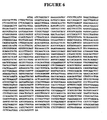
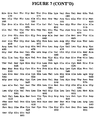
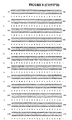
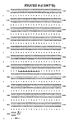
- the tumor-associated antigen is a modified gp100 termed gp100M which has the nucleic acid sequence shown in Figure 6 (SEQ.ID.NO.:109) and the deduced amino acid sequence shown in Figure 7 (SEQ.ID.NO.:110).
- the inventors have shown that the intranodal injection of a recombinant avipox virus comprising a nucleic acid coding for fragments of the modified gp100 (comprising modified epitopes 209(2M) (IMDQVPFSY, SEQ.ID.NO.:1) and 290(9V) (YLEPGPVTV, SEQ.ID.NO.:2)) followed by modified epitope/peptide boosts induced both a humoral and cell mediated response that was several times higher than when the same anitgens were administered subcutaneously.
- modified epitopes 209(2M) comprising modified epitopes 209(2M) (IMDQVPFSY, SEQ.ID.NO.:1) and 290(9V) (YLEPGPVTV, SEQ.ID.NO.:2)
- modified epitope/peptide boosts induced both a humoral and cell mediated response that was several times higher than when the same anitgens were administered subcutaneous
- the tumor-associated antigen is carcinoembryonic antigen (CEA), a modified CEA or a fragment thereof.
- CEA carcinoembryonic antigen
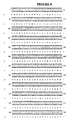
- the nucleic acid sequence of a modified CEA antigen is shown in Figure 8 and SEQ.ID.NO.:111.
- the corresponding amino acid sequence is shown in Figure 8 and SEQ.ID.NO.:112.
- the modified CEA antigen comprises the sequence YLSGADLNL, SEQ.ID.NO.:113.
- nucleic acid sequences comprising sequences encoding the tumor antigens and fragments or modified forms thereof as hereinbefore described.
- nucleic acid sequence refers to a sequence of nucleotide or nucleoside monomers consisting of naturally occurring bases, sugars and intersugar (backbone) linkages. The term also includes modified or substituted sequences comprising non-naturally occurring monomers or portions thereof, which function similarly.
- the nucleic acid sequences of the present invention may be ribonucleic (RNA) or deoxyribonucleic acids (DNA) and may contain naturally occurring bases including adenine, guanine, cytosine, thymidine and uracil.
- the sequences may also contain modified bases such as xanthine, hypoxanthine, 2-aminoadenine, 6-methyl, 2-propyl, and other alkyl adenines, 5-halo uracil, 5-halo cytosine, 6-aza uracil, 6-aza cytosine and 6-aza thymine, pseudo uracil, 4-thiouracil, 8-halo adenine, 8-amino adenine, 8-thiol adenine, 8-thio-alkyl adenines, 8-hydroxyl adenine and other 8-substituted adenines, 8-halo guanines, 8-amino guanine, 8-thiol guanine, 8-thioalkyl guanines, 8-hydroxyl guanine and other 8-substituted guanines, other aza and deaza uracils, thymidines, cytosines, adenines, or gu
- the nucleic acid sequences encoding the tumor antigen of the invention include, but are not limited to, viral nucleic acid(s), plasmid(s), bacterial DNA, naked/free DNA and RNA.
- the nucleic acids encompass both single and double stranded forms. As such, these nucleic acids comprise the relevant base sequences coding for the aforementioned tumor antigens.
- the "relevant base sequences coding for the aforementioned polypeptides" further encompass complementary nucleic acid sequences.
- embodiments of the invention encompass nucleic acid sequences per se encoding for the aforementioned tumor antigens, or recombinant nucleic acids into which has been inserted said nucleic acids coding for tumor antigens (as described below).
- Bacterial DNA useful in recombinant nucleic acid embodiments of the invention are known to those of ordinary skill in the art.
- Sources of bacterial DNA include, for example, Shigella, Salmonella, Vibrio cholerae, Lactobacillus, Bacille Calmette Guérin (BCG), and Streptococcus.
- nucleic acid of the invention may be inserted into the bacterial genome, can remain in a free state, or be carried on a plasmid.
- Viral recombinant nucleic acid embodiments of the invention may be derived from a poxvirus or other virus such as adenovirus or alphavirus.
- the viral nucleic acid is incapable of integration in recipient animal cells.
- the elements for expression from said nucleic acid may include a promoter suitable for expression in recipient animal cells.
- vial recombinant nucleic acid embodiments of the invention encompass (but are not limited to) poxviral, alphaviral, and adenoviral nucleic acid.
- Poxviral nucleic acid may be selected from the group consisting of avipox, orthopox, and suipox nucleic acid.
- Particular embodiments encompass poxviral nucleic acid selected from vaccinia, fowlpox, canary pox and swinepox; specific examples include TROVAC, NYVAC, ALVAC, MVA, Wyeth and Poxvac-TC (described in more detail below).
- recombinant nucleic acids of this invention may further comprise nucleic acid sequences encoding at least one member chosen from the group consisting of cytokines, lymphokines, and co-stimulatory molecules. Examples include (but are not limited to) interleukin 2, interleukin 12, interleukin 6, interferon gamma, tumor necrosis factor Alpha, GM-CSF, B7.1, B7.2, ICAM-1, LFA-3, and Cd72.
- Standard techniques of molecular biology for preparing and purifying nucleic acids well known to those skilled in the art can be used in the preparation of the recombinant nucleic acid aspects of the invention (for example, as taught in Current Protocols in Molecular Biology, F.M. Ausubel et al. (Eds.), John Wiley and Sons, Inc, N.Y., U.S.A. (1998), Chpts. 1, 2 and 4 ; Molecular Cloning: A Laboratory Manual (2nd Ed.), J. Sambrook, E.F. Fritsch and T. Maniatis (Eds.), Cold Spring Harbor Laboratory Press, N.Y., U.S.A. (1989), Chpts. 1, 2, 3 and 7 ).
- aspects of this invention further encompass vectors comprising the aforementioned nucleic acids.
- said vectors may be recombinant viruses or bacteria (as described below).
- Adenovirus vectors and methods for their construction have been described (e.g. U.S. Patent Nos. 5994132 , 5932210 , 6057158 and Published PCT Applications WO 9817783 , WO 9744475 , WO 9961034 , WO 9950292 , WO 9927101 , WO 9720575 , WO 9640955 , WO 9630534 ).
- Alphavirus vectors have also been described in the art and can be used in embodiments of this invention (e.g. U.S. Patent Nos.
- Poxvirus vectors that can be used include, for example, avipox, orthopox or suipox poxvirus (as described in U.S. Patent Nos. 5364773 , 4603112 , 5762938 , 5378457 , 5494807 , 5505941 , 5756103 , 5833975 and 5990091 ).
- Poxvirus vectors comprising a nucleic acid coding for a tumor antigen can be obtained by homologous recombination as is known to one skilled in the art. As such, the nucleic acid coding for the tumor antigen is inserted into the viral genome under appropriate conditions for expression in mammalian cells (as described below).
- the poxvirus vector is ALVAC (1) or ALVAC (2) (both of which have been derived from canarypox virus).
- ALVAC (1) (or ALVAC (2)) does not productively replicate in non-avian hosts, a characteristic thought to improve its safety profile.
- ALVAC (1) is an attenuated canarypox virus-based vector that was a plaque-cloned derivative of the licensed canarypox vaccine, Kanapox ( Tartaglia et al. (1992) Virology 188:217 ; U.S. Patent Nos. 5505941 , 5756103 and 5833975 ).
- ALVAC (1) has some general properties which are the same as some general properties of Kanapox.
- ALVAC-based recombinant viruses expressing extrinsic immunogens have also been demonstrated efficacious as vaccine vectors ( Tartaglia et al, In AIDS Research Reviews (vol. 3) Koff W., Wong-Staol F. and Kenedy R.C. (eds.), Marcel Dekker NY, pp. 361-378 (1993a ); Tartaglia, J. et al. (1993b) J. Virol. 67:2370 ).
- mice immunized with an ALVAC (1) recombinant expressing the rabies virus glycoprotein were protected from lethal challenge with rabies virus (Tartaglia, J.
- ALVAC-based recombinants have also proven efficacious in dogs challenged with canine distemper virus ( Taylor, J. et al. (1992) Virology 187:321 ) and rabies virus ( Perkus, M.E. et al., In Combined Vaccines and Simultaneous Administration: Current issues and Perspective, Annals of the New York Academy of Sciences (1994 )), in cats challenged with feline leukemia virus (Tartaglia, J. et al., (1993b) supra), and in horses challenged with equine influenza virus ( Taylor, J. et al., In Proceedings of the Third International Symposium on Avian Influenza, Univ. of Wisconsin-Madison, Madison, Wisconsin, pp. 331-335 (1993 )).
- ALVAC (2) is a second-generation ALVAC vector in which vaccinia transcription elements E3L and K3L have been inserted within the C6 locus ( U.S. Patent No. 5990091 , incorporated herein by reference).
- the E3L encodes a protein capable of specifically binding to dsRNA.
- the K3L ORF has significant homology to E1F-2.
- the E3L gene is under the transcriptional control of its natural promoter, whereas K3L has been placed under the control of the early/late vaccine H6 promoter.
- the E3L and K3L genes act to inhibit PKR activity in cells infected with ALVAC (II), allowing enhancement of the level and persistence of foreign gene expression.
- Fowlpox virus is the prototypic virus of the Avipox genus of the Poxvirus family. Replication of avipox viruses is limited to avian species (Matthews, R.E.F. (1982) Intervirology 17:42) and there are no reports in the literature of avipox virus causing a productive infection in any non-avian species including man. This host restriction provides an inherent safety barrier to transmission of the virus to other species and makes use of avipox virus based vectors in veterinary and human applications an attractive proposition.
- FPV has been used advantageously as a vector expressing immunogens from poultry pathogens.
- the hemagglutinin protein of a virulent avian influenza virus was expressed in an FPV recombinant. After inoculation of the recombinant into chickens and turkeys, an immune response was induced which was protective against either a homologous or a heterologous virulent influenza virus challenge ( Taylor, J. et al. (1988) Vaccine 6: 504 ).
- FPV recombinants expressing the surface glycoproteins of Newcastle Disease Virus have also been developed ( Taylor, J. et al. (1990) J. Virol. 64:1441 ; Edbauer, C. et al. (1990) Virology 179:901 ; U.S. Patent No. 5766599 ).
- a highly attenuated strain of vaccinia designated MVA, has also been used as a vector for poxvirus-based vaccines.
- NNA is described in U.S. Patent No. 5,185,146 .
- the NYVAC vector for example, is derived by deletion of specific virulence and host-range genes from the Copenhagen strain of vaccinia (Tartaglia, J. et al. (1992), supra; U.S. Patent Nos. 5364773 and 5494807 ) and has proven useful as a recombinant vector in eliciting a protective immune response against expressed foreign antigens.
- Recombinant viruses can be constructed by processes known to those skilled in the art (for example, as previously described for vaccinia and avipox viruses; U.S. Patent Nos. 4769330 ; 4722848 ; 4603112 ; 5110587 ; and 5174993 ).
- live and/or attenuated bacteria may also be used as vectors.
- non-toxicogenic Vibrio cholerae mutant strains may be useful as bacterial vectors in embodiments of this invention; as described in US Patent No. 4,882,278 (disclosing a strain in which a substantial amount of the coding sequence of each of the two ctx A alleles has been deleted so that no functional cholera toxin is produced), WO 92/11354 (strain in which the irg A locus is inactivated by mutation; this mutation can be combined in a single strain with ctx A mutations), and WO 94/1533 (deletion mutant lacking functional ctx A and attR S1 DNA sequences).
- These strains can be genetically engineered to express heterologous antigens, as described in WO 94/19482 .
- Attenuated Salmonella typhimurium strains genetically engineered for recombinant expression of heterologous antigens and their use as oral immunogens are described, for example, in WO 92/11361 .
- bacterial strains useful as bacterial vectors in embodiments of this invention include (but are not limited to) Shigella flexneri, Streptococcus gordonii, and Bacille Calmette Guerin (as described in WO 88/6626 , WO 90/0594 , WO 91/13157 , WO 92/1796 , and WO 92/21376 ).
- a nucleic acid coding for a tumor antigen may be inserted into the bacterial genome, can remain in a free state, or be carried on a plasmid.
- the invention encompasses vectors which comprise nucleic acids coding for at least one member from the group consisting of cytokines, lymphokines and immunostimulatory molecules.
- Said nucleic acid sequences can be contiguous with sequences coding for the tumor antigen or encoded on distinct nucleic acids.
- Cells comprising the aforementioned tumor antigens, nucleic acids coding therefor, and/or vectors encompass further embodiments of the disclosure. These cells encompass any potential cell into which the aforementioned tumor antigen, nucleic acid, and/or vector might be introduced and/or transfected and/or infected (for example, bacteria, COS cells, Vero cells, chick embryo fibroblasts, tumor cells, antigen presenting cells, dendritic cells, etc.). The choice of process for the introduction and/or transfection and/or infection into cells is dependant upon the intrinsic nature of the introduced agent (i.e.
- inventions encompass vaccines comprising nucleic acids coding for the gp 100M tumor antigen.
- the vaccine of the disclosure comprising the tumor antigen may be a multivalent vaccine and additionally contain several peptides, epitopes or fragments of a particular tumor antigen or contain peptides related to other tumor antigens and/or infectious agents in a prophylactically or therapeutically effective manner.
- Multivalent vaccines against cancers may contain a number of individual TAA's, or immunogenic fragments thereof, alone or in combinations which are effective to modulate an immune response to cancer.
- a vaccine of the invention contains a nucleic acid molecule encoding the tumor antigen gp 100M.
- Such vaccines are referred to as nucleic acid vaccines but are also termed genetic vaccines, polynucleotide vaccines or DNA vaccines, all of which are within the scope of the present invention.
- the tumor antigen is produced in vivo in the host animal. Additional embodiments if the invention encompass vectors (i.e. bacteria, recombinant viruses) comprising the aforementioned nucleic acids.
- the present invention also contemplates mixtures of the tumor antigens, nucleic acids coding therefor, vectors comprising said nucleic acids, cells and/or vaccines comprising the aforementioned, and at least one member selected from the group consisting of cytokines, lymphokines, immunostimulatory molecules, and nucleic acids coding therefor. Additional embodiments of this disclosure further encompass pharmaceutical compositions comprising the aforementioned tumor antigens, nucleic acids coding therefor, vectors, cells, vaccines or mixtures for administration to subjects in a biologically compatible form suitable for administration in vivo.
- biologically compatible form suitable for administration in vivo is meant a form of the substance to be administered in which any toxic effects are outweighed by the therapeutic effects.
- a therapeutically active amount of the pharmaceutical compositions of the present invention is defined as an amount effective at dosages and for periods of time, necessary to achieve the desired result of eliciting an immune response in an animal.
- a therapeutically effective amount of a substance may vary according to factors such as the disease state/health, age, sex, and weight of the recipient, and the inherent ability of the particular tumor antigen, nucleic acid coding therefor, vector, cell, or vaccine to elicit a desired immune response. Dosage procedures may be adjusted to provide the optimum therapeutic response. For example, several divided doses may be administered daily, or at periodic intervals, and/or the dose may be proportionally reduced as indicated by the exigencies of circumstances.
- compositions described herein can be prepared by per se known methods for the preparation of pharmaceutically acceptable compositions which can be administered to animals such that an effective quantity of the active substance (i.e. tumor antigen, nucleic acid, recombinant virus, vaccine) is combined in a mixture with a pharmaceutically acceptable vehicle.
- Suitable vehicles are described, for example, in "Handbook of Pharmaceutical Additives” (compiled by Michael and Irene Ash, Gower Publishing Limited, Aldershot, England (1995)).
- the compositions include, albeit not exclusively, solutions of the substances in association with one or more pharmaceutically acceptable vehicles or diluents, and may be contained in buffered solutions with a suitable pH and/or be iso-osmotic with physiological fluids.
- an adjuvant as described below.
- Patients with solid tumors expressing tumor antigens include (but are not limited to) those suffering from colon cancer, lung cancer, pancreas cancer, endometrial cancer, breast cancer, thyroid cancer, melanoma, oral cancer, laryngeal cancer, seminoma, hepatocellular cancer, bile duct cancer, squamous
- an animal may be immunized with a tumor antigen, nucleic acid coding therefore, vector, cell or vaccine of the invention by administering the aforementioned to a lymphatic site.
- the administration can be achieved in a single dose or repeated at intervals.
- the appropriate dosage is dependant on various parameters understood by the skilled artisans, such as the immunogen itself (i.e. polypeptide vs. nucleic acid (and more specifically type thereof)), the route of administration and the condition of the animal to be vaccinated (weight, age and the like).
- nucleic acids in particular plasmids and/or free/naked DNA and/or RNA coding for the tumor antigen of the invention
- nucleic acids can be administered to an animal for purposes of inducing/eliciting an immune response (for example, US Patent No. 5589466 ; McDonnell and Askari, NEJM 334:42-45 (1996 ); Kowalczyk and Ertl, Cell Mol. Life Sci. 55:751-770 (1999 )).
- this nucleic acid is a form that is unable to replicate in the target animal's cell and unable to integrate in said animal's genome.
- the DNA/RNA molecule encoding the tumor antigen is also typically placed under the control of a promoter suitable for expression in the animal's cell.
- the promoter can function ubiquitously or tissue-specifically.
- non-tissue specific promoters include the early Cytomegalovirus (CMV) promoter (described in U.S. Patent No. 4,168,062 ) and the Rous Sarcoma Virus promoter.
- CMV Cytomegalovirus
- the desmin promoter is tissue-specific and drives expression in muscle cells. More generally, useful vectors have been described (i.e., WO 94/21797 ).
- nucleic acids coding for a tumor antigen can encode a precursor or mature form of the polypeptide/protein.
- the precursor form can be homologous or heterologous.
- a eucaryotic leader sequence can be used, such as the leader sequence of the tissue-type plasminogen factor (tPA).
- the nucleic acid of the invention can be formulated according to various methods known to a skilled artisan.
- a nucleic acid can be used in a naked/free form, free of any delivery vehicles (such as anionic liposomes, cationic lipids, microparticles, (e.g., gold microparticles), precipitating agents (e.g., calcium phosphate) or any other transfection-facilitating agent.
- the nucleic acid can be simply diluted in a physiologically acceptable solution (such as sterile saline or sterile buffered saline) with or without a carrier.
- the carrier preferably is isotonic, hypotonic, or weakly hypertonic, and has a relatively low ionic strength (such as provided by a sucrose solution (e.g., a solution containing 20% sucrose)).
- a nucleic acid can be associated with agents that assist in cellular uptake. It can be, i.e., (i) complemented with a chemical agent that modifies the cellular permeability (such as bupivacaine; see, for example, WO 94/16737 ), (ii) encapsulated into liposomes, or (iii) associated with cationic lipids or silica, gold, or tungsten microparticles.
- a chemical agent that modifies the cellular permeability such as bupivacaine; see, for example, WO 94/16737
- encapsulated into liposomes or (iii) associated with cationic lipids or silica, gold, or tungsten microparticles.
- Cationic lipids are well known in the art and are commonly used for gene delivery. Such lipids include Lipofectin (also known as DOTMA (N-[1-(2,3-dioleyloxy)propyl]-N,N,N-trimethylammonium chloride), DOTAP (1,2-bis(oleyloxy)-3-(trimethylammonio) propane). DDAB (dimethyldioctadecyl-ammonium bromide), DOGS (dioctadecylamidologlycyl spermine) and cholesterol derivatives such as DC-Chol (3 beta-(N-(N',N'-dimethyl aminomethane)-carbamoyl) cholesterol).
- DC-Chol beta-(N-(N',N'-dimethyl aminomethane)-carbamoyl) cholesterol
- Cationic lipids for gene delivery are preferably used in association with a neutral lipid such as DOPE (dioleyl phosphatidylethanolamine) as, for example, described in WO 90/11092 .
- DOPE dioleyl phosphatidylethanolamine
- transfection-facilitating compounds can be added to a formulation containing cationic liposomes.
- a number of them are described in, for example, WO 93/18759 , WO 93/19768 , WO 94/25608 , and WO 95/2397 . They include, for example, spermine derivatives useful for facilitating the transport of DNA through the nuclear membrane (see, for example, WO 93/18759 ) and membrane-permeabilizing compounds such as GALA, Gramicidine S, and cationic bile salts (see, for example, WO 93/19768 ).
- Gold or tungsten microparticles can also be used for nucleic acid delivery (as described in WO 91/359 and WO 93/17706 ).
- the microparticle-coated polynucleotides can be injected via intradermal or intraepidermal routes using a needleless injection device ("gene gun"; such as those described, for example, in U.S. Patent No. 4,945,050 , U.S. Patent No. 5,015,580 , and WO 94/24263 ).
- Anionic and neutral liposomes are also well-known in the art (see, for example, Liposomes: A Practical Approach, RPC New Ed, IRL Press (1990), for a detailed description of methods for making liposomes) and are useful for delivering a large range of products, including nucleic acids.
- Particular embodiments of the aforementioned methods encompass prime-boost protocols for the administration of immunogens of the invention. More specifically, these protocols encompass (but are not limited to) a "priming" step with a particular/distinct form of immunogen (i.e. nucleic acid (for example, plasmid, bacterial/viral/free or naked)) coding for tumor antigen, or vector (i.e. recombinant virus, bacteria) comprising said nucleic acid) followed by at least one "boosting” step encompassing the administration of an alternate (i.e. distinct from that used to "prime") form of the tumor antigen (i.e.
- a particular/distinct form of immunogen i.e. nucleic acid (for example, plasmid, bacterial/viral/free or naked)
- vector i.e. recombinant virus, bacteria
- an immunogen to induce/elicit an immune response can be improved if, regardless of administration formulation (i.e. recombinant virus, nucleic acid, polypeptide), said immunogen is co-administered with an adjuvant.
- adjuvants are described and discussed in " Vaccine Design-the Subunit and Adjuvant Approach” (edited by Powell and Newman, Plenum Press, New York, U.S.A., pp. 61-79 and 141-228 (1995 )).
- Adjuvants typically enhance the immunogenicity of an immunogen but are not necessarily immunogenic in and of themselves.
- Adjuvants may act by retaining the immunogen locally near the site of administration to produce a depot effect facilitating a slow, sustained release of immunizing agent to cells of the immune system. Adjuvants can also attract cells of the immune system to an immunogen depot and stimulate such cells to elicit immune responses. As such, embodiments of this invention encompass compositions further comprising adjuvants.
- adjuvants are toxic and can cause undesirable side effects, thus making them unsuitable for use in humans and many animals.
- some adjuvants may induce granulomas, acute and chronic inflammations (i.e. Freund's complete adjuvant (FCA)), cytolysis (i.e. saponins and pluronic polymers) and pyrogenicity, arthritis and anterior uveitis (i.e. muramyl dipeptide (MDP) and lipopolysaccharide (LPS)).
- FCA Freund's complete adjuvant
- cytolysis i.e. saponins and pluronic polymers
- pyrogenicity i.e. muramyl dipeptide (MDP) and lipopolysaccharide (LPS)
- MDP muramyl dipeptide
- LPS lipopolysaccharide
- alum is ineffective for influenza vaccination and inconsistently elicits a cell mediated immune response with other immunogens.
- the antibodies elicited by alum-adjuvanted antigens are mainly of the IgG1 isotype in the mouse, which may not be optimal for protection in vaccination contexts.
- Adjuvants may be characterized as "intrinsic” or “extrinsic".
- Intrinsic adjuvants such as lipopolysaccharides
- Extrinsic adjuvants are typically nonintegral immunomodulators generally linked to antigens in a noncovalent manner, and are formulated to enhance the host immune response.
- adjuvants can be at least one member chosen from the group consisting of cytokines, lymphokines, and co-stimulatory molecules.
- cytokines include (but are not limited to) interleukin 2, interleukin 12, interleukin 6, interferon gamma, tumor necrosis factor alpha, GM-CSF, B7.1, B7.2, ICAM-1, LFA-3, and CD72.
- GM-CSF as an adjuvant (as taught, for example, in US Patent Nos.
- potent extrinsic adjuvants include (but are not limited to) saponins complexed to membrane protein antigens (immune stimulating complexes), pluronic polymers with mineral oil, killed mycobacteria and mineral oil, Freund's complete adjuvant, bacterial products such as muramyl dipeptide (MDP) and lipopolysaccharide (LPS), as well as lipid A, and liposomes.
- QS7 a non-haemolytic fraction of Quil-A which acts as a potent adjuvant for systemic vaccines.
- QS21 is further described in Kensil et al. ((1991) J. Immunol 146:431 ).
- Combinations of QS21 and polysorbate or cyclodextrin are also known ( WO 9910008 ).
- Particulate adjuvant systems comprising fractions of Quil A (such as QS21 and QS7) are described in WO 9633739 and WO 9611711 .
- CpG immunostimulatory oligonucleotide containing unmethylated CpG dinucleotides
- CpG is an abbreviation for cytosine-guanosine dinucleotide motifs present in DNA.
- CpG is known in the art as being an adjuvant when administered by both systemic and mucosal routes ( WO 9602555 ; European Patent EP 468520 ; Davies et al. (1998) J. Immunol. 160:87 ; McCluskie and Davis (1998) J. Immunol. 161:4463 ).
- the immunostimulatory sequence is often: purine, purine, C, G, pyrimidine, pyrimidine, wherein the CG motif is not methylated; however other unmethylated CpG sequences are known to be immunostimulatory and as such may also be used in the present invention.
- said CG motifs/sequences can be incorporated into nucleic acids of the invention per se, or reside on distinct nucleic acids.
- N-glycolipid analogs displaying structural similarities to the naturally-occurring glycolipids are also capable of eliciting strong immune responses in both herpes simplex virus vaccine and pseudorabies virus vaccine.
- U.S. Patent No. 4,258,029 granted to Moloney teaches that octadecyl tyrosine hydrochloride (OTH) functions as an adjuvant when complexed with tetanus toxoid and formalin inactivated type I, II and III poliomyelitis virus vaccine.
- OTH octadecyl tyrosine hydrochloride
- Nixon-George et al. ((1990) J. Immunol. 14:4798 ) have also reported that octadecyl esters of aromatic amino acids complexed with a recombinant hepatitis B surface antigen enhanced the host immune responses against hepatitis B virus.
- Adjuvant compounds may also be chosen from the polymers of acrylic or methacrylic acid and the copolymers of maleic anhydride and alkenyl derivative.
- Adjuvant compounds are the polymers of acrylic or methacrylic acid which are cross-linked, especially with polyalkenyl ethers of sugars or polyalcohols. These compounds are known by the term carbomer ( Pharmeuropa Vol. 8, No. 2, June 1996 ).
- carbomer Pharmeuropa Vol. 8, No. 2, June 1996
- a solution of adjuvant according to the invention, especially of carbomer is prepared in distilled water, preferably in the presence of sodium chloride, the solution obtained being at acidic pH.
- This stock solution is diluted by adding it to the desired quantity (for obtaining the desired final concentration), or a substantial part thereof, of water charged with NaCl, preferably physiological saline (NaCL 9 g/l) all at once in several portions with concomitant or subsequent neutralization (pH 7.3 to 7.4), preferably with NaOH.
- NaCl physiological saline
- This solution at physiological pH will be used as it is for mixing with the immunizing agent; said mixture being amenable to storage in the freeze-dried, liquid or frozen form.
- adjuvants useful for parenteral administration of immunizing agent include aluminum compounds (such as aluminum hydroxide, aluminum phosphate, and aluminum hydroxy phosphate; but might also be a salt of calcium, iron or zinc, or may be an insoluble suspension of acylated tyrosine, or acylated sugars, cationically or anionically derivatised polysaccharides, or polyphosphazenes).
- the antigen can be precipitated with, or adsorbed onto, the aluminum compound according to standard protocols well known to those skilled in the art.
- 3D-MPL 3-de-O-acylated monophosphoryl lipid A
- 3D-MPL 3-de-O-acylated monophosphoryl lipid A
- Ribi Immunochem Montana. It is often supplied chemically as a mixture of 3-de-O-acylated monophosphoryl lipid A with 4, 5, or 6 acylated chains. It can be prepared by the methods taught in GB 2122204B .
- a preferred form of 3D-MPL is in the form of a particulate formulation having a particle size less than 0.2 ⁇ m in diameter (European Patent EP 689454 ).
- Adjuvants for mucosal immunization may include bacterial toxins (e.g., the cholera toxin (CT), the E. coli heat-labile toxin (LT), the Clostridium difficile toxin A and the pertussis toxin (PT), or combinations, subunits, toxoids, or mutants thereof).
- CT cholera toxin
- LT E. coli heat-labile toxin
- PT pertussis toxin
- a purified preparation of native cholera toxin subunit B (CTB) can be of use. Fragments, homologs, derivatives, and fusion to any of these toxins are also suitable, provided that they retain adjuvant activity. A mutant having reduced toxicity may be used.
- Additional LT mutants include, for example Ser-63-Lys, Ala-69-Gly, Glu-110-Asp, and Glu-112-Asp mutants.
- Other adjuvants such as a bacterial monophosphoryl lipid A (MPLA)
- MPLA bacterial monophosphoryl lipid A
- Adjuvants useful for both mucosal and parenteral immunization include polyphosphazene (for example, WO 95/2415 ), DC-chol (3 b-(N-(N',N'-dimethyl aminomethane)-carbamoyl) cholesterol (for example, U.S. Patent No. 5,283,185 and WO 96/14831 ) and QS-21 (for example, WO 88/9336 ).
- Adjuvants/immunostimulants as described herein may be formulated together with carriers, such as for example liposomes, oil in water emulsions, and/or metallic salts including aluminum salts (such as aluminum hydroxide).
- carriers such as for example liposomes, oil in water emulsions, and/or metallic salts including aluminum salts (such as aluminum hydroxide).
- 3D-MPL may be formulated with aluminum hydroxide (as discussed in EP 689454 ) or oil in water emulsions (as discussed in WO 9517210 );
- QS21 may be advantageously formulated with cholesterol containing liposomes (as discussed in WO 9633739 ), in oil water emulsions (as discussed in WO 9517210 ) or alum (as discussed in WO 9815287 ).
- immunostimulatory oligonucleotides i.e. CpGs
- CpGs immunostimulatory oligonucleotides
- free antigen as discussed in WO 9602555 ; McCluskie and Davis (1998) Supra
- covalently conjugated to an antigen as discussed in WO 9816247
- a carrier such as aluminum hydroxide or alum (as discussed in Davies et al. Supra; Brazolot-Millan et al (1998) Proc. Natl. Acad. Sci. 95:15553 ).
- Combinations of adjuvants/immunostimulants are also within the scope of this invention.
- a combination of a monophosphoryl lipid A and a saponin derivative (as described in WO 9400153 , WO 9517210 , WO 9633739 , WO 9856414 , WO 9912565 , WO 9911214 ) can be used, or more particularly the combination of QS21 and 3D-MPL (as described in WO 9400153 ).
- a combination of an immunostimulatory oligonucleotide and a saponin (such as QS21), or a combination of monophosphoryl lipid A (preferably 3D-MPL) in combination with an aluminum salt also form a potent adjuvant for use in the present invention.
- This example compares the intranodal injection with subcutaneous injection of a representative tumor antigen (modified gp100).
- Cynomolgus monkeys ( Macaca fascicularis ) purpose bred animals.
- Age at initiation of treatment 26 to 38 months.
- Quantity distributed 100g diet/animal/day.
- animals received fruit daily (apple or banana)
- An ELISPOT assay was used in order to assess the cell mediated immune response generated in the monkeys in the various treatment groups.
- an ELISPOT IFN ⁇ assay was used in order to measure IFN ⁇ production from T lymphocytes obtained from the monkeys in response to gp100 antigens.
- the ELISA was performed utilizing standard methodology known in the art. Briefly, the human gp100 ("hgp100"; produced in Baculovirus) was diluted in coating buffer (carbonate-bicarbonate, pH9.6) and added to 96 wells at 0.5ug/well. Plates were placed at 4°C overnight. Plates were then washed and blocking buffer (phosphate buffered saline/0.5% Tween 20/1.0% BSA, pH7.2) was added for 2 hours at 37°C. The plates were then washed and the sera was diluted in dilution buffer (phosphate buffered saline/0.5 % Tween 20/ 0.1 BSA, pH7.2).
- coating buffer carbonate-bicarbonate, pH9.6
- blocking buffer phosphate buffered saline/0.5% Tween 20/1.0% BSA, pH7.2
- monkey sera was diluted to 1:800 and "7" serial 3 fold dilutions were done for each sample tested.
- the human sera controls were diluted to 1:50 in dilution buffer and "7" serial 2 fold dilutions were performed. Each dilution was done in duplicate.
- the plates were incubated a further 2 hours at 37°C.
- the plates were washed and the horse radish peroxidase (HRP)-conjugated anti-human secondary antibody (anti-human lg whole antibody from sheep (Amersham Life Science, NA933)) diluted 1:100 in dilution buffer was added to the wells and incubated for 1 hour at 37°C.
- HRP horse radish peroxidase
- OPD o-phenylenediamine dihydrochloride
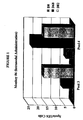
- mice of group 2 received intranodal injections of ALVAC(2)-gp100(mod) followed by boosts with the modified gp100 peptides 209(2M) and 290(9V); the animals in group 3 received a subcutaneous injection of the ALVAC(2) construct followed by peptide boosts; the animals in group 1 received intranodal injections of saline as a control.
- intranodal injection of the antigens induced a humoral response that was much greater than when the antigen was injected subcutaneously.
Landscapes
- Health & Medical Sciences (AREA)
- Life Sciences & Earth Sciences (AREA)
- Chemical & Material Sciences (AREA)
- General Health & Medical Sciences (AREA)
- Medicinal Chemistry (AREA)
- Immunology (AREA)
- Veterinary Medicine (AREA)
- Animal Behavior & Ethology (AREA)
- Public Health (AREA)
- Pharmacology & Pharmacy (AREA)
- Microbiology (AREA)
- Oncology (AREA)
- Mycology (AREA)
- Epidemiology (AREA)
- Organic Chemistry (AREA)
- Genetics & Genomics (AREA)
- Engineering & Computer Science (AREA)
- Zoology (AREA)
- Bioinformatics & Cheminformatics (AREA)
- Wood Science & Technology (AREA)
- Molecular Biology (AREA)
- Biochemistry (AREA)
- General Engineering & Computer Science (AREA)
- Biomedical Technology (AREA)
- Cell Biology (AREA)
- Developmental Biology & Embryology (AREA)
- Biotechnology (AREA)
- Biophysics (AREA)
- Virology (AREA)
- General Chemical & Material Sciences (AREA)
- Chemical Kinetics & Catalysis (AREA)
- Nuclear Medicine, Radiotherapy & Molecular Imaging (AREA)
- Toxicology (AREA)
- Proteomics, Peptides & Aminoacids (AREA)
- Gastroenterology & Hepatology (AREA)
- Physics & Mathematics (AREA)
- Plant Pathology (AREA)
- Gynecology & Obstetrics (AREA)
- Pregnancy & Childbirth (AREA)
- Reproductive Health (AREA)
Claims (15)
- Nukleinsäuresequenz, die für ein Tumorantigen zur Verwendung in der Behandlung von Krebs bei einem Lebewesen codiert, zur Verwendung in einem Verfahren zum Induzieren und/oder Fördern einer Immunreaktion in einem Lebewesen auf das besagte Tumorantigen durch Verabreichung an einen Lymphknoten in dem besagten Lebewesen, und wobei das besagte Tumorantigen ein modifiziertes gp100-Peptid mit der Bezeichnung gp100M ist, das die in Figur 7 abgebildete Aminosäuresequenz aufweist (SEQ ID NO: 110).
- Nukleinsäuresequenz zur Verwendung nach Anspruch 1, wobei die Nukleinsäure ausgewählt ist aus der Gruppe bestehend aus viraler Nukleinsäure, bakterieller DNA, Plasmid-DNA, nackter/freier DNA und RNA.
- Nukleinsäuresequenz zur Verwendung nach Anspruch 2, wobei die virale Nukleinsäure ausgewählt ist aus der Gruppe bestehend aus adenoviraler, alphaviraler und poxviraler Nukleinsäure.
- Nukleinsäuresequenz zur Verwendung nach Anspruch 3, wobei die poxvirale Nukleinsäure ausgewählt ist aus der Gruppe bestehend aus Avipoxvirus-, Orthopoxvirus- und Suipoxvirus-Nukleinsäure.
- Nukleinsäuresequenz zur Verwendung nach Anspruch 4, wobei die poxvirale Nukleinsäure ausgewählt ist aus der Gruppe bestehend aus Vacciniavirus-, Hühnerpockenvirus-, Kanarienpockenvirus- und Schweinepockenvirus-Nukleinsäure.
- Nukleinsäuresequenz zur Verwendung nach Anspruch 4, wobei die poxvirale Nukleinsäure ausgewählt ist aus der Gruppe bestehend aus MVA-, NYVAC-, TROVAC-und ALVAC-Nukleinsäure.
- Nukleinsäuresequenz zur Verwendung nach einem der Ansprüche 1 bis 6, wobei die Nukleinsäure in einem Vektor enthalten ist.
- Nukleinsäuresequenz zur Verwendung nach Anspruch 7, wobei es sich bei dem Vektor um ein rekombinantes Virus oder Bakterien handelt.
- Nukleinsäuresequenz zur Verwendung nach Anspruch 8, wobei das rekombinante Virus ausgewählt ist aus der Gruppe bestehend aus Adenovirus, Alphavirus und Pockenvirus.
- Nukleinsäuresequenz zur Verwendung nach Anspruch 9, wobei das rekombinante Virus ausgewählt ist aus der Gruppe bestehend aus Avipoxvirus, Orthopoxvirus und Suipoxvirus.
- Nukleinsäuresequenz zur Verwendung nach Anspruch 9, wobei das rekombinante Virus ausgewählt ist aus der Gruppe bestehend aus Vacciniavirus, Hühnerpockenvirus, Kanarienpockenvirus und Schweinepockenvirus.
- Nukleinsäuresequenz zur Verwendung nach Anspruch 9, wobei das rekombinante Virus ausgewählt ist aus der Gruppe bestehend aus MVA, NYVAC, TROVAC und ALVAC.
- Nukleinsäuresequenz zur Verwendung nach einem der Ansprüche 7 bis 12, wobei der besagte Vektor ferner eine oder mehrere zusätzliche Nukleinsäuresequenzen umfasst, die für mindestens ein Element der Gruppe codieren, die aus Cytokinen, Lymphokinen oder immunstimulatorischen Molekülen besteht.
- Impfstoff zur Prävention oder Behandlung von Krebs, umfassend die Nukleinsäuresequenz und/oder den Vektor gemäß einem der vorstehenden Ansprüche.
- Nukleinsäuresequenz zur Verwendung nach einem der Ansprüche 1 bis 13 oder der Impfstoff nach Anspruch 14, wobei das Lebewesen ein Mensch ist.
Applications Claiming Priority (3)
| Application Number | Priority Date | Filing Date | Title |
|---|---|---|---|
| US16087999P | 1999-10-22 | 1999-10-22 | |
| US22332500P | 2000-08-07 | 2000-08-07 | |
| EP00971184A EP1227837B1 (de) | 1999-10-22 | 2000-10-20 | Verfahren zur erregung und/oder verstärkung der immunantwort gegen tumorantigene |
Related Parent Applications (2)
| Application Number | Title | Priority Date | Filing Date |
|---|---|---|---|
| EP00971184A Division EP1227837B1 (de) | 1999-10-22 | 2000-10-20 | Verfahren zur erregung und/oder verstärkung der immunantwort gegen tumorantigene |
| EP00971184.7 Division | 2000-10-20 |
Publications (3)
| Publication Number | Publication Date |
|---|---|
| EP1964573A2 EP1964573A2 (de) | 2008-09-03 |
| EP1964573A3 EP1964573A3 (de) | 2011-03-02 |
| EP1964573B1 true EP1964573B1 (de) | 2014-11-26 |
Family
ID=26857297
Family Applications (4)
| Application Number | Title | Priority Date | Filing Date |
|---|---|---|---|
| EP00971185A Expired - Lifetime EP1228095B1 (de) | 1999-10-22 | 2000-10-20 | Modifiziertes gp100 und dessen verwendung |
| EP08009203.4A Expired - Lifetime EP1964573B1 (de) | 1999-10-22 | 2000-10-20 | Verfahren zur Induzierung und/oder Verbesserung einer Immunreaktion auf Tumorantigene |
| EP07000096A Withdrawn EP1808180A3 (de) | 1999-10-22 | 2000-10-20 | Modifiziertes GP 100 und Verwendung dafür |
| EP00971184A Revoked EP1227837B1 (de) | 1999-10-22 | 2000-10-20 | Verfahren zur erregung und/oder verstärkung der immunantwort gegen tumorantigene |
Family Applications Before (1)
| Application Number | Title | Priority Date | Filing Date |
|---|---|---|---|
| EP00971185A Expired - Lifetime EP1228095B1 (de) | 1999-10-22 | 2000-10-20 | Modifiziertes gp100 und dessen verwendung |
Family Applications After (2)
| Application Number | Title | Priority Date | Filing Date |
|---|---|---|---|
| EP07000096A Withdrawn EP1808180A3 (de) | 1999-10-22 | 2000-10-20 | Modifiziertes GP 100 und Verwendung dafür |
| EP00971184A Revoked EP1227837B1 (de) | 1999-10-22 | 2000-10-20 | Verfahren zur erregung und/oder verstärkung der immunantwort gegen tumorantigene |
Country Status (10)
| Country | Link |
|---|---|
| US (4) | US8017590B1 (de) |
| EP (4) | EP1228095B1 (de) |
| JP (2) | JP4540033B2 (de) |
| AT (2) | ATE395930T1 (de) |
| AU (2) | AU1013701A (de) |
| CA (3) | CA2388301C (de) |
| DE (2) | DE60038567T2 (de) |
| DK (1) | DK1227837T3 (de) |
| ES (1) | ES2306670T3 (de) |
| WO (2) | WO2001030382A1 (de) |
Families Citing this family (32)
| Publication number | Priority date | Publication date | Assignee | Title |
|---|---|---|---|---|
| WO2002010379A2 (en) * | 2000-07-31 | 2002-02-07 | Aventis Pasteur Limited | Modified cea and uses thereof |
| CA2388301C (en) * | 1999-10-22 | 2011-01-04 | Aventis Pasteur Limited | Modified gp100 and uses thereof |
| US7851212B2 (en) | 2000-05-10 | 2010-12-14 | Sanofi Pasteur Limited | Immunogenic polypeptides encoded by MAGE minigenes and uses thereof |
| WO2005035773A2 (en) | 2003-10-08 | 2005-04-21 | Sanofi Pasteur, Inc. | Modified cea /b7 vector |
| ATE369895T1 (de) * | 2002-04-09 | 2007-09-15 | Sanofi Pasteur Ltd | Modifizierte cea nucleinsäure und expressionsvektoren |
| US8236776B2 (en) * | 2002-04-09 | 2012-08-07 | Sanofi Pasteur Limited | Modified CEA nucleic acid and expression vectors |
| AU2004211481A1 (en) * | 2003-02-13 | 2004-08-26 | Istituto Di Ricerche Di Biologia Molecolare P. Angeletti Spa | Rhesus carcino embryonic antigen, nucleotides encoding same, and uses thereof |
| US8207314B2 (en) * | 2003-05-16 | 2012-06-26 | Sanofi Pasteur Limited | Tumor antigens for prevention and/or treatment of cancer |
| AU2011213698B2 (en) * | 2003-06-17 | 2013-10-31 | Mannkind Corporation | Method to elicit, enhance and sustain immune responses against MHC class I-restricted epitopes, for prophylactic or therapeutic purposes |
| JP5127224B2 (ja) * | 2003-06-17 | 2013-01-23 | マンカインド コーポレイション | 予防又は治療目的のためのmhcクラスi拘束性エピトープに対する免疫応答を誘発し、増強し、維持する方法 |
| AU2004273034A1 (en) * | 2003-09-05 | 2005-03-24 | Sanofi Pasteur Limited | Multi-antigen vectors for melanoma |
| ATE555127T1 (de) | 2004-02-11 | 2012-05-15 | Angeletti P Ist Richerche Bio | Fusionsproteine des karzinomembryonalen antigens und deren verwendungen |
| WO2006071989A2 (en) * | 2004-12-29 | 2006-07-06 | Mannkind Corporation | Methods to elicit, enhance and sustain immune responses against mhc class i-restricted epitopes, for prophylactic or therapeutic purposes |
| DE102005041616B4 (de) * | 2005-09-01 | 2011-03-17 | Johannes-Gutenberg-Universität Mainz | Melanom-assoziierte MHC Klasse I assoziierte Oligopeptide und für diese kodierende Polynukleotide und deren Verwendungen |
| ES2725450T3 (es) | 2007-07-02 | 2019-09-24 | Etubics Corp | Métodos y composiciones para la producción de un vector adenoviral para su uso en vacunaciones múltiples |
| WO2010029545A2 (en) * | 2008-09-11 | 2010-03-18 | Ben Gurion University Of The Negev Research And Development Authority | Compositions and methods for treating s. pneumoniae infection |
| EP2490713A2 (de) * | 2009-10-23 | 2012-08-29 | MannKind Corporation | Krebsimmuntherapie und behandlungsverfahren |
| NZ616304A (en) | 2011-04-08 | 2016-01-29 | Immune Design Corp | Immunogenic compositions and methods of using the compositions for inducing humoral and cellular immune responses |
| US9605276B2 (en) | 2012-08-24 | 2017-03-28 | Etubics Corporation | Replication defective adenovirus vector in vaccination |
| AU2016205215B2 (en) | 2015-01-09 | 2021-03-11 | Etubics Corporation | Methods and compositions for combination immunotherapy |
| US10695417B2 (en) | 2015-01-09 | 2020-06-30 | Etubics Corporation | Human adenovirus serotype 5 vectors containing E1 and E2B deletions encoding the ebola virus glycoprotein |
| US11149087B2 (en) | 2015-04-20 | 2021-10-19 | Etubics Corporation | Methods and compositions for combination immunotherapy |
| US10610590B2 (en) | 2016-05-02 | 2020-04-07 | Symbios Technologies, Inc. | Electrochemical plasma activated aqueous chemotherapeutics |
| TWI852977B (zh) | 2019-01-10 | 2024-08-21 | 美商健生生物科技公司 | 前列腺新抗原及其用途 |
| MX2021010537A (es) | 2019-03-04 | 2021-12-10 | Univ Health Network | Receptores de linfocitos t y metodos de uso de estos. |
| US12522644B2 (en) * | 2019-03-04 | 2026-01-13 | University Health Network | T cell receptors and methods of use thereof |
| AU2020231693A1 (en) | 2019-03-04 | 2021-09-30 | University Health Network | T cell receptors and methods of use thereof |
| AU2020231927A1 (en) | 2019-03-04 | 2021-09-30 | University Health Network | T cell receptors and methods of use thereof |
| CA3133945A1 (en) | 2019-03-25 | 2020-10-01 | University Health Network | T cell receptors and methods of use thereof |
| EP4061405A1 (de) | 2019-11-18 | 2022-09-28 | Janssen Biotech, Inc. | Impfstoffe auf der basis von mutantem calr und jak2 und deren verwendungen |
| EP4175664A2 (de) | 2020-07-06 | 2023-05-10 | Janssen Biotech, Inc. | Prostata-neoantigene und ihre verwendungen |
| WO2022009049A1 (en) | 2020-07-06 | 2022-01-13 | Janssen Biotech, Inc. | Prostate neoantigens and their uses |
Family Cites Families (173)
| Publication number | Priority date | Publication date | Assignee | Title |
|---|---|---|---|---|
| US2909462A (en) | 1955-12-08 | 1959-10-20 | Bristol Myers Co | Acrylic acid polymer laxative compositions |
| US4168062A (en) | 1977-12-05 | 1979-09-18 | Mccarthy Gerald F | Automated goalie |
| US4258029A (en) | 1979-04-23 | 1981-03-24 | Connaught Laboratories Limited | Synthetic adjuvants for stimulation of antigenic responses |
| US4722848A (en) | 1982-12-08 | 1988-02-02 | Health Research, Incorporated | Method for immunizing animals with synthetically modified vaccinia virus |
| US5364773A (en) | 1991-03-07 | 1994-11-15 | Virogenetics Corporation | Genetically engineered vaccine strain |
| US5378457A (en) | 1981-12-24 | 1995-01-03 | Virogenetics Corporation | Interferon sensitive recombinant poxvirus vaccine |
| US5505941A (en) | 1981-12-24 | 1996-04-09 | Health Research, Inc. | Recombinant avipox virus and method to induce an immune response |
| US5833975A (en) | 1989-03-08 | 1998-11-10 | Virogenetics Corporation | Canarypox virus expressing cytokine and/or tumor-associated antigen DNA sequence |
| US4769330A (en) | 1981-12-24 | 1988-09-06 | Health Research, Incorporated | Modified vaccinia virus and methods for making and using the same |
| US5110587A (en) | 1981-12-24 | 1992-05-05 | Health Research, Incorporated | Immunogenic composition comprising synthetically modified vaccinia virus |
| US4603112A (en) | 1981-12-24 | 1986-07-29 | Health Research, Incorporated | Modified vaccinia virus |
| US5174993A (en) | 1981-12-24 | 1992-12-29 | Health Research Inc. | Recombinant avipox virus and immunological use thereof |
| US4436727A (en) | 1982-05-26 | 1984-03-13 | Ribi Immunochem Research, Inc. | Refined detoxified endotoxin product |
| US4882278A (en) | 1983-04-29 | 1989-11-21 | President And Fellows Of Harvard College | Non-toxinogenic vibrio cholerae mutants |
| US4945050A (en) | 1984-11-13 | 1990-07-31 | Cornell Research Foundation, Inc. | Method for transporting substances into living cells and tissues and apparatus therefor |
| JPH0662517B2 (ja) | 1985-01-07 | 1994-08-17 | シンテツクス(ユー・エス・エイ)インコーポレイテツド | 置換アルキルートリ置換アンモニウム界面活性剤 |
| DE3521994A1 (de) | 1985-06-20 | 1987-01-02 | Bayer Ag | N-(2-aminoacylamido-2-desoxy-hexosyl)-amide-, -carbamate und -harnstoffe, verfahren zu ihrer herstellung sowie ihre verwendung in arzneimitteln |
| US5078996A (en) | 1985-08-16 | 1992-01-07 | Immunex Corporation | Activation of macrophage tumoricidal activity by granulocyte-macrophage colony stimulating factor |
| US5141742A (en) | 1986-02-07 | 1992-08-25 | Oncogen | Vaccines against melanoma |
| US5122599A (en) | 1986-08-13 | 1992-06-16 | Molecular Diagnostics, Inc. | CDNAS coding for members of the carcinoembryonic antigen family |
| US5015580A (en) | 1987-07-29 | 1991-05-14 | Agracetus | Particle-mediated transformation of soybean plants and lines |
| WO1988006626A1 (en) | 1987-03-02 | 1988-09-07 | Whitehead Institute For Biomedical Research | Recombinant mycobacterial vaccine |
| US5504005A (en) | 1987-03-02 | 1996-04-02 | Albert Einstein College Of Medicine Of Yeshiva University | Recombinant mycobacterial vaccine |
| US5057540A (en) | 1987-05-29 | 1991-10-15 | Cambridge Biotech Corporation | Saponin adjuvant |
| CA1331443C (en) | 1987-05-29 | 1994-08-16 | Charlotte A. Kensil | Saponin adjuvant |
| US6699475B1 (en) | 1987-09-02 | 2004-03-02 | Therion Biologics Corporation | Recombinant pox virus for immunization against tumor-associated antigens |
| CA1341245C (en) | 1988-01-12 | 2001-06-05 | F. Hoffmann-La Roche Ag | Recombinant vaccinia virus mva |
| CA1340221C (en) | 1988-01-29 | 1998-12-15 | Thomas Frank Bumol | Vectors, compounds and method for expression of a human adenocarcinoma antigen |
| JPH01193227A (ja) | 1988-01-29 | 1989-08-03 | Res Dev Corp Of Japan | 癌免疫療法補助剤 |
| US5804381A (en) | 1996-10-03 | 1998-09-08 | Cornell Research Foundation | Isolated nucleic acid molecule encoding an esophageal cancer associated antigen, the antigen itself, and uses thereof |
| US5093258A (en) | 1988-08-26 | 1992-03-03 | Therion Biologics Corporation | Recombinant fowlpox virus and recombination vector |
| US6780407B1 (en) | 1989-03-08 | 2004-08-24 | Aventis Pasteur | Pox virus comprising DNA sequences encoding CEA and B7 antigen |
| DK0737750T3 (da) | 1989-03-21 | 2003-09-01 | Vical Inc | Ekspression af exogene polynucleotidsekvenser i vertebrater |
| US5703055A (en) | 1989-03-21 | 1997-12-30 | Wisconsin Alumni Research Foundation | Generation of antibodies through lipid mediated DNA delivery |
| US5076908A (en) | 1989-07-19 | 1991-12-31 | Chevron Research & Technology Company | Method and apparatus for an on-stream particle replacement system for countercurrent contact of a gas and liquid feed stream with a packed bed |
| WO1991013157A1 (en) | 1990-02-26 | 1991-09-05 | Commonwealth Scientific And Industrial Research Organisation | Shuttle plasmid for escherichia coli and mycobacteria |
| US5279833A (en) | 1990-04-04 | 1994-01-18 | Yale University | Liposomal transfection of nucleic acids into animal cells |
| GB9015888D0 (en) | 1990-07-19 | 1990-09-05 | Smithkline Biolog | Vectors |
| EP0468520A3 (en) | 1990-07-27 | 1992-07-01 | Mitsui Toatsu Chemicals, Inc. | Immunostimulatory remedies containing palindromic dna sequences |
| SE9003978D0 (sv) | 1990-12-13 | 1990-12-13 | Henrik Garoff | Dna expressionssystem baserade paa ett virus replikon |
| CA2097931C (en) | 1990-12-18 | 2003-07-29 | Samuel I. Miller, Iii | Salmonella vaccines |
| WO1992011354A1 (en) | 1990-12-18 | 1992-07-09 | The General Hospital Corporation | VIBRIO CHOLERAE STRAINS DEFECTIVE IN irgA EXPRESSION, AND CHOLERA VACCINES DERIVED THEREFROM |
| EP0575491B1 (de) | 1991-03-07 | 2003-08-13 | Virogenetics Corporation | Gentechnologisch hergestellter stamm für impfstoffe |
| US5843456A (en) | 1991-03-07 | 1998-12-01 | Virogenetics Corporation | Alvac poxvirus-rabies compositions and combination compositions and uses |
| EP0584266B1 (de) | 1991-05-06 | 2003-09-03 | THE GOVERNMENT OF THE UNITED STATES OF AMERICA as represented by the SECRETARY OF THE DEPARTMENT OF HEALTH AND HUMAN SERVICES | Karcinoembryonale antigen expremierende rekombinante viren und methoden ihrer anwendung |
| US5342774A (en) | 1991-05-23 | 1994-08-30 | Ludwig Institute For Cancer Research | Nucleotide sequence encoding the tumor rejection antigen precursor, MAGE-1 |
| US6235525B1 (en) | 1991-05-23 | 2001-05-22 | Ludwig Institute For Cancer Research | Isolated nucleic acid molecules coding for tumor rejection antigen precursor MAGE-3 and uses thereof |
| WO1992021376A1 (en) | 1991-06-06 | 1992-12-10 | Med Immune, Inc. | Induction of ctl responses to foreign antigens expressed in mycobacteria |
| US5283185A (en) | 1991-08-28 | 1994-02-01 | University Of Tennessee Research Corporation | Method for delivering nucleic acids into cells |
| US5904920A (en) | 1991-10-04 | 1999-05-18 | Whitehead Institute For Biomedical Research | Regulation of systemic immune responses utilizing cytokines and antigens |
| US5637483A (en) | 1991-10-04 | 1997-06-10 | Whitehead Institute For Biomedical Research | Irradiated tumor cell vaccine engineered to express GM-CSF |
| ATE295895T1 (de) | 1992-03-11 | 2005-06-15 | Powderject Vaccines Inc | Genetischer impfstoff gegen den immunschwäche virus |
| JPH07505283A (ja) | 1992-03-20 | 1995-06-15 | ベイラー・カレッジ・オブ・メディシン | Dnaトランスポーター系および使用方法 |
| AU682308C (en) | 1992-04-03 | 2006-08-17 | Regents Of The University Of California, The | Self-assembling polynucleotide delivery system |
| DE69313134T2 (de) | 1992-06-25 | 1998-02-26 | Smithkline Beecham Biolog | Adjuvantien enthaltende impfstoffzusammensetzung |
| ATE242319T1 (de) | 1992-07-06 | 2003-06-15 | Harvard College | Deletionsmutanten als impfstoffe gegen cholera |
| MX9304089A (es) | 1992-07-08 | 1994-01-31 | Schering Corp | Uso de gm-csf como una vacuna adyuvante. |
| US5462871A (en) | 1992-08-31 | 1995-10-31 | Ludwig Institute For Cancer Research | Isolated nucleic acid molecules which encode MAGE derived nonapeptides |
| US5405940A (en) | 1992-08-31 | 1995-04-11 | Ludwig Institute For Cancer Research | Isolated nonapeptides derived from MAGE genes and uses thereof |
| US6222012B1 (en) | 1992-08-31 | 2001-04-24 | Ludwig Institute For Cancer Research | Isolated nonapeptides presented by HLA molecules, and uses thereof |
| US5519117A (en) | 1992-12-22 | 1996-05-21 | Ludwig Institute For Cancer Research | Isolated, tyrosinase derived peptides and uses thereof |
| US5744316A (en) | 1992-12-22 | 1998-04-28 | Ludwig Institute For Cancer Research | Isolated, tyrosinase derived peptides and uses thereof |
| ES2249760T3 (es) | 1993-01-26 | 2006-04-01 | The Trustees Of The University Of Pennsylvania (A Corporation Of Pennsylvania) | Composiciones y procedimientos de administracion de materias geneticas. |
| EP0692031B1 (de) | 1993-02-22 | 2007-04-11 | The General Hospital Corporation | Heterologe antigene in stämmen zur impfung mit lebendzellen |
| US5869445A (en) | 1993-03-17 | 1999-02-09 | University Of Washington | Methods for eliciting or enhancing reactivity to HER-2/neu protein |
| EP0620277A1 (de) | 1993-03-18 | 1994-10-19 | Merck & Co. Inc. | Nukleinsäure als pharmazeutische Zubereitungen |
| KR100310510B1 (ko) | 1993-03-23 | 2002-07-04 | 장 스테판느 | 3-0-탈아세틸화모노포스포릴지질a를함유하는백신조성물 |
| TW404844B (en) | 1993-04-08 | 2000-09-11 | Oxford Biosciences Ltd | Needleless syringe |
| SG54115A1 (en) | 1993-04-27 | 1998-11-16 | Gerber Scient Products Inc | Thermal printing apparatus with improved power supply |
| US5919676A (en) | 1993-06-24 | 1999-07-06 | Advec, Inc. | Adenoviral vector system comprising Cre-loxP recombination |
| US5562909A (en) | 1993-07-12 | 1996-10-08 | Massachusetts Institute Of Technology | Phosphazene polyelectrolytes as immunoadjuvants |
| CA2163364C (en) | 1993-07-14 | 2009-10-27 | Francis C. Szoka, Jr. | Self-assembling polynucleotide delivery system comprising dendrimer polycations |
| WO1995004542A1 (en) | 1993-08-06 | 1995-02-16 | Cytel Corporation | Cloning and characterization of the complete mage-1 gene |
| US6015686A (en) | 1993-09-15 | 2000-01-18 | Chiron Viagene, Inc. | Eukaryotic layered vector initiation systems |
| TW442569B (en) | 1993-10-25 | 2001-06-23 | Canji Inc | Recombinant adenoviral vector |
| GB9326174D0 (en) | 1993-12-22 | 1994-02-23 | Biocine Sclavo | Mucosal adjuvant |
| GB9326253D0 (en) | 1993-12-23 | 1994-02-23 | Smithkline Beecham Biolog | Vaccines |
| US5554506A (en) | 1994-03-24 | 1996-09-10 | Ludwig Institute For Cancer Research | Isolated, MAGE-3 derived peptides which complex with HLA-A2 molecules and uses thereof |
| US5554724A (en) | 1994-03-24 | 1996-09-10 | University Of Leiden | Isolated tumor rejection antigen precursor MAGE-2 derived peptides, and uses thereof |
| US5651981A (en) | 1994-03-29 | 1997-07-29 | Northwestern University | Cationic phospholipids for transfection |
| SE9401091D0 (sv) | 1994-03-31 | 1994-03-31 | Bioption Ab | Alphavirus cDNA vectors |
| WO1995029193A2 (en) * | 1994-04-22 | 1995-11-02 | The Government Of The United States Of America Represented By The Secretary, Department Of Health And Human Services | Melanoma antigens |
| US5874560A (en) | 1994-04-22 | 1999-02-23 | The United States Of America As Represented By The Department Of Health And Human Services | Melanoma antigens and their use in diagnostic and therapeutic methods |
| US5759535A (en) | 1994-05-13 | 1998-06-02 | Research Corporation Technologies, Inc. | Immunotherapeutic strategies for the treatment of cancer |
| SE9401709D0 (sv) | 1994-05-18 | 1994-05-18 | Mathilda Sjoeberg | Improved alphavirus vectors for expression of heterologous DNA |
| US6060257A (en) | 1994-06-03 | 2000-05-09 | Ludwig Institute For Cancer Research | Tumor rejection antigens presented by HLA-B44 molecules, and uses thereof |
| US20030072774A1 (en) | 1994-06-10 | 2003-04-17 | Diane M. Gajewczyk | Proteinaceous adjuvants |
| AU713040B2 (en) | 1994-07-15 | 1999-11-18 | University Of Iowa Research Foundation, The | Immunomodulatory oligonucleotides |
| US6019982A (en) | 1994-08-26 | 2000-02-01 | The Administrators Of The Tulane Educational Fund | Mutant enterotoxin effective as a non-toxic oral adjuvant |
| US5527928A (en) | 1994-09-30 | 1996-06-18 | Nantz; Michael H. | Cationic transport reagents |
| ATE197765T1 (de) | 1994-10-03 | 2000-12-15 | Us Gov Health & Human Serv | Zusammensetzung enthaltend ein antigen exprimierendes rekombinantes virus und ein immunstimulierendes molekül exprimierendes rekombinantes virus |
| US6045802A (en) | 1994-10-03 | 2000-04-04 | The United States Of America As Represented By The Secretary Of The Department Of Health And Human Services | Enhanced immune response to an antigen by a composition of a recombinant virus expressing the antigen with a recombinant virus expressing an immunostimulatory molecule |
| CA2201592A1 (en) | 1994-10-03 | 1996-04-18 | The Government Of The United States Of America, Represented By The Secre Tary, Department Of Health And Human Services | Enhanced immune response by introduction of cytokine gene and/or costimulatory molecule b7 gene in a recombinant virus expressing system |
| AUPM873294A0 (en) | 1994-10-12 | 1994-11-03 | Csl Limited | Saponin preparations and use thereof in iscoms |
| FR2726764B1 (fr) | 1994-11-14 | 1997-01-31 | Pasteur Merieux Serums Vacc | Adjuvant pour composition vaccinale |
| US5843648A (en) | 1995-01-10 | 1998-12-01 | The United States Of America As Represented By The Secretary, Department Of Health And Human Services | P15 and tyrosinase melanoma antigens and their use in diagnostic and therapeutic methods |
| US6001349A (en) | 1995-02-22 | 1999-12-14 | Therion Biologics Corporation | Generation of human cytotoxic T-cells specific for carcinoma self-associated antigens and uses thereof |
| ATE386130T1 (de) | 1995-03-24 | 2008-03-15 | Genzyme Corp | Adenovirale vektoren für die gentherapie |
| GB9620795D0 (en) | 1996-10-05 | 1996-11-20 | Smithkline Beecham Plc | Vaccines |
| UA56132C2 (uk) | 1995-04-25 | 2003-05-15 | Смітклайн Бічем Байолоджікалс С.А. | Композиція вакцини (варіанти), спосіб стабілізації qs21 відносно гідролізу (варіанти), спосіб приготування композиції вакцини |
| US5792462A (en) | 1995-05-23 | 1998-08-11 | University Of North Carolina At Chapel Hill | Alphavirus RNA replicon systems |
| US5807978A (en) | 1995-06-07 | 1998-09-15 | Kokolus; William J. | Immunogenic peptides of prostate specific antigen |
| US6127116A (en) * | 1995-08-29 | 2000-10-03 | Washington University | Functional DNA clone for hepatitis C virus (HCV) and uses thereof |
| US6951917B1 (en) | 1995-09-26 | 2005-10-04 | The United States Of America As Represented By The Department Of Health And Human Services | MHC-class II restricted melanoma antigens and their use in therapeutic methods |
| US6013516A (en) | 1995-10-06 | 2000-01-11 | The Salk Institute For Biological Studies | Vector and method of use for nucleic acid delivery to non-dividing cells |
| EP0857176A1 (de) | 1995-10-25 | 1998-08-12 | Centocor B.V. | VON HUMANEM EPITHELANTIGEN Ep-CAM ABGELEITETE PEPTIDE UND IHRE ANWENDUNG |
| AU726544B2 (en) | 1995-12-08 | 2000-11-09 | University Of Alabama At Birmingham Research Foundation, The | Targeted adenovirus vectors |
| CA2244946C (en) * | 1996-01-30 | 2010-04-13 | The Regents Of The University Of California | Gene expression vectors which generate an antigen specific immune response and methods of using the same |
| US6083703A (en) | 1996-02-09 | 2000-07-04 | The United States Of America As Represented By The Department Of Health And Human Services | Identification of TRP-2 as a human tumor antigen recognized by cytotoxic T lymphocytes |
| US5840839A (en) | 1996-02-09 | 1998-11-24 | The United States Of America As Represented By The Secretary Of The Department Of Health And Human Services | Alternative open reading frame DNA of a normal gene and a novel human cancer antigen encoded therein |
| US6096313A (en) | 1996-02-09 | 2000-08-01 | Ludwig Institute For Cancer Research | Compositions containing immunogenic molecules and granulocyte-macrophage colony stimulating factor, as an adjuvant |
| FR2746110B1 (fr) | 1996-03-14 | 1998-04-17 | Methode de traitement par therapie genique des tumeurs humaines et virus recombinants correspondants | |
| AU712820B2 (en) | 1996-03-19 | 1999-11-18 | University Of Virginia Patent Foundation | Peptides recognized by melanoma-specific A1-, A2- and A3-restricted cytotoxic lymphocytes, and uses therefor |
| CA2252406A1 (en) | 1996-04-22 | 1997-10-30 | Nicholas P. Restifo | Heterologous boosting immunizations |
| FR2748753B1 (fr) | 1996-05-20 | 1998-08-14 | Transgene Sa | Nouveaux vecteurs adenoviraux pour la therapie genique |
| US6805869B2 (en) | 1996-06-12 | 2004-10-19 | Shanghai Cp Guojian Pharmaceutical Co., Ltd. | Cellular vaccines and immunotherapeutics and methods for their preparation |
| US20050136066A1 (en) | 1996-06-12 | 2005-06-23 | Yajun Guo | Cellular vaccines and immunotherapeutics and methods for their preparation |
| CN1221349A (zh) * | 1996-06-12 | 1999-06-30 | 郭亚军 | 细胞疫苗、免疫治疗以及它们的制备方法 |
| SE510778C2 (sv) | 1996-07-11 | 1999-06-21 | Sandvik Ab | Belagt skär för finfräsning av grått gjutjärn |
| ZA975858B (en) | 1996-07-11 | 1998-09-01 | Akzo Nobel Nv | Melanoma associated peptide analogues and vaccines against melanoma |
| US20040156861A1 (en) | 1996-07-11 | 2004-08-12 | Figdor Carl Gustav | Melanoma associated peptide analogues and vaccines against melanoma |
| JP2000515759A (ja) * | 1996-07-25 | 2000-11-28 | サリオン・バイオロジクス・コーポレイシヨン | 腫瘍関連抗原に対する免疫のための組換えポックス・ウイルス |
| US6265215B1 (en) | 1996-09-13 | 2001-07-24 | Ludwig Institute For Cancer Research | Isolated peptides which complex with HLA-Cw16 and uses thereof |
| AU729690B2 (en) | 1996-10-10 | 2001-02-08 | Henrik Garoff | Alphavirus-retrovirus vectors |
| WO1998016247A1 (en) | 1996-10-11 | 1998-04-23 | The Regents Of The University Of California | Immunostimulatory polynucleotide/immunomodulatory molecule conjugates |
| GB9621680D0 (en) | 1996-10-17 | 1996-12-11 | Oxford Biomedica Ltd | Lentiviral vectors |
| PT904392E (pt) | 1996-10-17 | 2001-06-29 | Oxford Biomedica Ltd | Vectores retrovirais |
| US5994132A (en) | 1996-10-23 | 1999-11-30 | University Of Michigan | Adenovirus vectors |
| JP2001503260A (ja) * | 1996-10-23 | 2001-03-13 | ザ・トラスティーズ・オブ・ザ・ユニバーシティ・オブ・ペンシルバニア | 改良されたワクチン |
| US7255862B1 (en) * | 1996-11-14 | 2007-08-14 | Connaught Technology Corporation | ALVAC/FIV constructs |
| AU735459B2 (en) | 1997-01-30 | 2001-07-12 | University Of Virginia Patent Foundation | Cysteine-depleted peptides recognized by A3-restricted cytotoxic lymphocytes, and uses therefor |
| JP2001513643A (ja) | 1997-03-06 | 2001-09-04 | ウーベルラ、クラウス | レンチウイルスをベースとするベクター及びベクター系 |
| US5990091A (en) | 1997-03-12 | 1999-11-23 | Virogenetics Corporation | Vectors having enhanced expression, and methods of making and uses thereof |
| WO1998046083A1 (en) | 1997-04-17 | 1998-10-22 | The Regents Of The University Of California | Use of lentiviral vectors for antigen presentation in dendritic cells |
| CN1247788C (zh) | 1997-05-13 | 2006-03-29 | 北卡罗来纳-查佩尔山大学 | 基于慢病毒的基因转移载体 |
| GB9711957D0 (en) | 1997-06-09 | 1997-08-06 | Isis Innovation | Methods and reagents for vaccination |
| GB9711990D0 (en) | 1997-06-11 | 1997-08-06 | Smithkline Beecham Biolog | Vaccine |
| WO1998058956A2 (en) | 1997-06-23 | 1998-12-30 | Ludwig Institute For Cancer Research | Methods for inducing an immune response involving prime-boost protocols |
| EP1012173B1 (de) | 1997-06-23 | 2007-10-31 | Ludwig Institute For Cancer Research | Isolierte decapeptide, die an hla moleküle binden, sowie deren verwendung |
| AU707186B2 (en) * | 1997-07-01 | 1999-07-01 | Transgene S.A. | Compositions useful for transferring therapeutically active substances into a target cell, and their use in gene therapy |
| ES2265165T3 (es) * | 1997-07-10 | 2007-02-01 | Mannkind Corporation | Dispositivo para inducir una respuesta ltc. |
| US6977074B2 (en) | 1997-07-10 | 2005-12-20 | Mannkind Corporation | Method of inducing a CTL response |
| US6994851B1 (en) | 1997-07-10 | 2006-02-07 | Mannkind Corporation | Method of inducing a CTL response |
| WO1999011214A1 (fr) | 1997-08-29 | 1999-03-11 | Kang Sue May | Procede et appareil pour convalescence par motricite volontaire |
| AU734180B2 (en) | 1997-08-29 | 2001-06-07 | Antigenics Llc | Compositions comprising the adjuvant qs-21 and polysorbate or cyclodextrin as excipient |
| GB9718901D0 (en) | 1997-09-05 | 1997-11-12 | Smithkline Beecham Biolog | Vaccine |
| WO2000000600A2 (en) | 1997-09-22 | 2000-01-06 | Chang Lung Ji | Lentiviral vectors, comprising modified major donor splice sites and major packaging signals |
| ATE298371T1 (de) | 1997-09-24 | 2005-07-15 | Univ California | Nicht-primaten lentivirale vektoren und verpackungssysteme |
| DE69837273T2 (de) | 1997-10-08 | 2008-01-31 | The Government Of The United States Of America As Represented By The Secretary, Department Of Health And Human Services | Menschliches krebsantigen ny eso-1/cag-3 und dazu kodierendes gen |
| ES2217585T3 (es) | 1997-10-10 | 2004-11-01 | The Government Of The Usa, As Represented By The Secretary, Department Of Health And Human Services | Peptidos agonistas y antagonistas del antigeno carcino-embrionario (cea). |
| US6756038B1 (en) | 1997-10-10 | 2004-06-29 | The United States Of America As Represented By The Department Of Health And Human Services | Agonist and antagonist peptides of carcinoembryonic antigen (CEA) |
| US6969609B1 (en) | 1998-12-09 | 2005-11-29 | The United States Of America As Represented By The Department Of Health And Human Serivces | Recombinant vector expressing multiple costimulatory molecules and uses thereof |
| WO1999019501A1 (en) | 1997-10-14 | 1999-04-22 | Institute For Vaccine Development | Non-integrating dna vector of retroviral origin having high-protein expression, and secreted immunogenic antigens |
| AU1539499A (en) | 1997-11-25 | 1999-06-15 | Princeton University | Method for preparing adenovirus vectors, vectors so prepared, and uses thereof |
| JP2002508338A (ja) | 1997-12-12 | 2002-03-19 | ナルディニ,ルイジ | レンチウィルスベクターの治療使用 |
| US5994136A (en) | 1997-12-12 | 1999-11-30 | Cell Genesys, Inc. | Method and means for producing high titer, safe, recombinant lentivirus vectors |
| GB9726555D0 (en) * | 1997-12-16 | 1998-02-11 | Smithkline Beecham Plc | Vaccine |
| US6709844B1 (en) | 2000-11-16 | 2004-03-23 | Mannkind Corporation | Avoidance of undesirable replication intermediates in plasmid propagation |
| CA2323232A1 (en) * | 1998-03-20 | 1999-09-23 | Genzyme Corporation | Compositions and methods for antigen-specific vaccination |
| AU758265B2 (en) * | 1998-03-20 | 2003-03-20 | Genzyme Corporation | Induction of immunity against tumor self-antigens |
| US6565853B1 (en) | 1998-03-27 | 2003-05-20 | The Secretary Of State For Defence In Her Britannic Majesty's Government Of The United Kingdom Of Great Britain And Northern Ireland | Recombinant virus |
| US6171855B1 (en) | 1998-05-28 | 2001-01-09 | The Regents Of The University Of Michigan | Vectors |
| US20020102729A1 (en) * | 1998-06-08 | 2002-08-01 | Maclaughlin Fiona | Formulations for electroporation |
| US6693086B1 (en) | 1998-06-25 | 2004-02-17 | National Jewish Medical And Research Center | Systemic immune activation method using nucleic acid-lipid complexes |
| US20030022854A1 (en) * | 1998-06-25 | 2003-01-30 | Dow Steven W. | Vaccines using nucleic acid-lipid complexes |
| US6407063B1 (en) | 1998-10-02 | 2002-06-18 | Ludwig Institute For Cancer Research | Tumor antigens and CTL clones isolated by a novel procedure |
| AU5992999A (en) | 1998-10-02 | 2000-04-26 | Ludwig Institute For Cancer Research | Tumor antigens and ctl clones isolated by a novel procedure |
| AU774076C (en) * | 1998-12-09 | 2005-04-14 | Government Of The United States Of America, As Represented By The Secretary Of The Department Of Health And Human Services, The | A recombinant vector expressing multiple costimulatory molecules and uses thereof |
| ATE492644T1 (de) * | 1999-09-09 | 2011-01-15 | Curevac Gmbh | Transfer von mrna unter verwendung von polykationischen verbindungen |
| CA2388301C (en) * | 1999-10-22 | 2011-01-04 | Aventis Pasteur Limited | Modified gp100 and uses thereof |
| US6861234B1 (en) | 2000-04-28 | 2005-03-01 | Mannkind Corporation | Method of epitope discovery |
| MXPA04005382A (es) | 2001-11-07 | 2005-02-24 | Mannkind Corp | Vectores de expresion que codifican epitopes de antigenos asociados al objetivo y metodos para su diseno. |
| NL1023791C2 (nl) | 2003-07-01 | 2005-01-04 | Lely Entpr Ag | Melkinstallatie. |
-
2000
- 2000-10-20 CA CA2388301A patent/CA2388301C/en not_active Expired - Fee Related
- 2000-10-20 AT AT00971184T patent/ATE395930T1/de active
- 2000-10-20 WO PCT/CA2000/001253 patent/WO2001030382A1/en not_active Ceased
- 2000-10-20 JP JP2001532799A patent/JP4540033B2/ja not_active Expired - Fee Related
- 2000-10-20 WO PCT/CA2000/001254 patent/WO2001030847A1/en not_active Ceased
- 2000-10-20 DE DE60038567T patent/DE60038567T2/de not_active Expired - Lifetime
- 2000-10-20 ES ES00971184T patent/ES2306670T3/es not_active Expired - Lifetime
- 2000-10-20 JP JP2001533844A patent/JP2003512829A/ja active Pending
- 2000-10-20 EP EP00971185A patent/EP1228095B1/de not_active Expired - Lifetime
- 2000-10-20 DK DK00971184T patent/DK1227837T3/da active
- 2000-10-20 CA CA2721011A patent/CA2721011A1/en not_active Abandoned
- 2000-10-20 US US09/693,754 patent/US8017590B1/en not_active Expired - Fee Related
- 2000-10-20 AU AU10137/01A patent/AU1013701A/en not_active Abandoned
- 2000-10-20 EP EP08009203.4A patent/EP1964573B1/de not_active Expired - Lifetime
- 2000-10-20 EP EP07000096A patent/EP1808180A3/de not_active Withdrawn
- 2000-10-20 AU AU10136/01A patent/AU1013601A/en not_active Abandoned
- 2000-10-20 DE DE60038971T patent/DE60038971D1/de not_active Expired - Lifetime
- 2000-10-20 AT AT00971185T patent/ATE391726T1/de active
- 2000-10-20 EP EP00971184A patent/EP1227837B1/de not_active Revoked
- 2000-10-20 CA CA2388337A patent/CA2388337C/en not_active Expired - Fee Related
-
2009
- 2009-10-22 US US12/604,320 patent/US20100260807A1/en not_active Abandoned
-
2011
- 2011-08-02 US US13/196,704 patent/US20110319480A1/en not_active Abandoned
-
2015
- 2015-03-04 US US14/637,415 patent/US20150352198A1/en not_active Abandoned
Also Published As
| Publication number | Publication date |
|---|---|
| ES2306670T3 (es) | 2008-11-16 |
| DE60038567T2 (de) | 2009-05-14 |
| EP1228095A1 (de) | 2002-08-07 |
| DE60038567D1 (de) | 2008-05-21 |
| EP1227837B1 (de) | 2008-05-21 |
| JP2003512437A (ja) | 2003-04-02 |
| DK1227837T3 (da) | 2008-09-15 |
| DE60038971D1 (de) | 2008-07-03 |
| CA2721011A1 (en) | 2001-05-03 |
| CA2388301A1 (en) | 2001-05-03 |
| JP2003512829A (ja) | 2003-04-08 |
| EP1808180A3 (de) | 2010-12-22 |
| ATE391726T1 (de) | 2008-04-15 |
| AU1013601A (en) | 2001-05-08 |
| JP4540033B2 (ja) | 2010-09-08 |
| EP1228095B1 (de) | 2008-04-09 |
| EP1964573A2 (de) | 2008-09-03 |
| US20100260807A1 (en) | 2010-10-14 |
| ATE395930T1 (de) | 2008-06-15 |
| EP1227837A1 (de) | 2002-08-07 |
| WO2001030847A1 (en) | 2001-05-03 |
| AU1013701A (en) | 2001-05-08 |
| US20150352198A1 (en) | 2015-12-10 |
| EP1808180A2 (de) | 2007-07-18 |
| EP1964573A3 (de) | 2011-03-02 |
| WO2001030382A1 (en) | 2001-05-03 |
| CA2388337A1 (en) | 2001-05-03 |
| US20110319480A1 (en) | 2011-12-29 |
| CA2388301C (en) | 2011-01-04 |
| CA2388337C (en) | 2013-01-08 |
| US8017590B1 (en) | 2011-09-13 |
Similar Documents
| Publication | Publication Date | Title |
|---|---|---|
| EP1227837B1 (de) | Verfahren zur erregung und/oder verstärkung der immunantwort gegen tumorantigene | |
| AU2007200600B2 (en) | Immunogenic polypeptides encoded by MAGE minigenes and uses thereof | |
| AU2001258102A1 (en) | Immunogenic polypeptides encoded by mage minigenes and uses thereof | |
| US20040009185A1 (en) | Enhancing the immune response to an antigen by presensitzing with an inducing agent prior to immunizing with the agent and the antigen | |
| JP5890769B2 (ja) | がんの予防及び治療のためのmsi特異的なフレームシフトペプチド(fsp) | |
| EP1561817A2 (de) | Modifiziertes CEA und entsprechende verwendungen | |
| AU2006201797A9 (en) | Enhancing the immune response to an antigen by presensitizing with an inducing agent prior to immunizing with the inducing agent and the antigen |
Legal Events
| Date | Code | Title | Description |
|---|---|---|---|
| PUAI | Public reference made under article 153(3) epc to a published international application that has entered the european phase |
Free format text: ORIGINAL CODE: 0009012 |
|
| 17P | Request for examination filed |
Effective date: 20080519 |
|
| AC | Divisional application: reference to earlier application |
Ref document number: 1227837 Country of ref document: EP Kind code of ref document: P |
|
| AK | Designated contracting states |
Kind code of ref document: A2 Designated state(s): AT BE CH CY DE DK ES FI FR GB GR IE IT LI LU MC NL PT SE |
|
| RIN1 | Information on inventor provided before grant (corrected) |
Inventor name: MOINGEON, PHILIPPE Inventor name: BARBER, BRIAN, UNIVERSITY HEALTH NETWORK Inventor name: BERINSTEIN, NEIL Inventor name: TARTAGLIA, JAMES |
|
| RIN1 | Information on inventor provided before grant (corrected) |
Inventor name: MOINGEON, PHILIPPE Inventor name: TARTAGLIA, JAMES,C/O SANOFI PASTEUR Inventor name: BERINSTEIN, NEIL Inventor name: BARBER, BRIAN, UNIVERSITY HEALTH NETWORK |
|
| PUAL | Search report despatched |
Free format text: ORIGINAL CODE: 0009013 |
|
| RIC1 | Information provided on ipc code assigned before grant |
Ipc: A61P 35/00 20060101ALI20110117BHEP Ipc: A61K 39/00 20060101AFI20080715BHEP |
|
| AK | Designated contracting states |
Kind code of ref document: A3 Designated state(s): AT BE CH CY DE DK ES FI FR GB GR IE IT LI LU MC NL PT SE |
|
| AKX | Designation fees paid |
Designated state(s): AT BE CH CY DE DK ES FI FR GB GR IE IT LI LU MC NL PT SE |
|
| 17Q | First examination report despatched |
Effective date: 20130206 |
|
| REG | Reference to a national code |
Ref country code: DE Ref legal event code: R079 Ref document number: 60048795 Country of ref document: DE Free format text: PREVIOUS MAIN CLASS: A61K0039000000 Ipc: C07K0014470000 |
|
| RIC1 | Information provided on ipc code assigned before grant |
Ipc: A61K 35/00 20060101ALI20140604BHEP Ipc: A61K 39/00 20060101ALI20140604BHEP Ipc: C12N 9/64 20060101ALI20140604BHEP Ipc: C07K 14/47 20060101AFI20140604BHEP Ipc: C12N 15/86 20060101ALI20140604BHEP |
|
| GRAP | Despatch of communication of intention to grant a patent |
Free format text: ORIGINAL CODE: EPIDOSNIGR1 |
|
| GRAJ | Information related to disapproval of communication of intention to grant by the applicant or resumption of examination proceedings by the epo deleted |
Free format text: ORIGINAL CODE: EPIDOSDIGR1 |
|
| GRAP | Despatch of communication of intention to grant a patent |
Free format text: ORIGINAL CODE: EPIDOSNIGR1 |
|
| INTG | Intention to grant announced |
Effective date: 20140729 |
|
| INTC | Intention to grant announced (deleted) | ||
| INTG | Intention to grant announced |
Effective date: 20140819 |
|
| GRAS | Grant fee paid |
Free format text: ORIGINAL CODE: EPIDOSNIGR3 |
|
| GRAA | (expected) grant |
Free format text: ORIGINAL CODE: 0009210 |
|
| AC | Divisional application: reference to earlier application |
Ref document number: 1227837 Country of ref document: EP Kind code of ref document: P |
|
| AK | Designated contracting states |
Kind code of ref document: B1 Designated state(s): AT BE CH CY DE DK ES FI FR GB GR IE IT LI LU MC NL PT SE |
|
| REG | Reference to a national code |
Ref country code: GB Ref legal event code: FG4D |
|
| REG | Reference to a national code |
Ref country code: CH Ref legal event code: EP |
|
| REG | Reference to a national code |
Ref country code: AT Ref legal event code: REF Ref document number: 698132 Country of ref document: AT Kind code of ref document: T Effective date: 20141215 |
|
| REG | Reference to a national code |
Ref country code: IE Ref legal event code: FG4D |
|
| REG | Reference to a national code |
Ref country code: DE Ref legal event code: R096 Ref document number: 60048795 Country of ref document: DE Effective date: 20150115 |
|
| REG | Reference to a national code |
Ref country code: NL Ref legal event code: VDEP Effective date: 20141126 |
|
| REG | Reference to a national code |
Ref country code: AT Ref legal event code: MK05 Ref document number: 698132 Country of ref document: AT Kind code of ref document: T Effective date: 20141126 |
|
| PG25 | Lapsed in a contracting state [announced via postgrant information from national office to epo] |
Ref country code: ES Free format text: LAPSE BECAUSE OF FAILURE TO SUBMIT A TRANSLATION OF THE DESCRIPTION OR TO PAY THE FEE WITHIN THE PRESCRIBED TIME-LIMIT Effective date: 20141126 Ref country code: PT Free format text: LAPSE BECAUSE OF FAILURE TO SUBMIT A TRANSLATION OF THE DESCRIPTION OR TO PAY THE FEE WITHIN THE PRESCRIBED TIME-LIMIT Effective date: 20150326 Ref country code: NL Free format text: LAPSE BECAUSE OF FAILURE TO SUBMIT A TRANSLATION OF THE DESCRIPTION OR TO PAY THE FEE WITHIN THE PRESCRIBED TIME-LIMIT Effective date: 20141126 Ref country code: FI Free format text: LAPSE BECAUSE OF FAILURE TO SUBMIT A TRANSLATION OF THE DESCRIPTION OR TO PAY THE FEE WITHIN THE PRESCRIBED TIME-LIMIT Effective date: 20141126 |
|
| PG25 | Lapsed in a contracting state [announced via postgrant information from national office to epo] |
Ref country code: CY Free format text: LAPSE BECAUSE OF FAILURE TO SUBMIT A TRANSLATION OF THE DESCRIPTION OR TO PAY THE FEE WITHIN THE PRESCRIBED TIME-LIMIT Effective date: 20141126 Ref country code: GR Free format text: LAPSE BECAUSE OF FAILURE TO SUBMIT A TRANSLATION OF THE DESCRIPTION OR TO PAY THE FEE WITHIN THE PRESCRIBED TIME-LIMIT Effective date: 20150227 Ref country code: AT Free format text: LAPSE BECAUSE OF FAILURE TO SUBMIT A TRANSLATION OF THE DESCRIPTION OR TO PAY THE FEE WITHIN THE PRESCRIBED TIME-LIMIT Effective date: 20141126 Ref country code: SE Free format text: LAPSE BECAUSE OF FAILURE TO SUBMIT A TRANSLATION OF THE DESCRIPTION OR TO PAY THE FEE WITHIN THE PRESCRIBED TIME-LIMIT Effective date: 20141126 |
|
| PG25 | Lapsed in a contracting state [announced via postgrant information from national office to epo] |
Ref country code: DK Free format text: LAPSE BECAUSE OF FAILURE TO SUBMIT A TRANSLATION OF THE DESCRIPTION OR TO PAY THE FEE WITHIN THE PRESCRIBED TIME-LIMIT Effective date: 20141126 |
|
| REG | Reference to a national code |
Ref country code: DE Ref legal event code: R097 Ref document number: 60048795 Country of ref document: DE |
|
| PLBE | No opposition filed within time limit |
Free format text: ORIGINAL CODE: 0009261 |
|
| STAA | Information on the status of an ep patent application or granted ep patent |
Free format text: STATUS: NO OPPOSITION FILED WITHIN TIME LIMIT |
|
| 26N | No opposition filed |
Effective date: 20150827 |
|
| PG25 | Lapsed in a contracting state [announced via postgrant information from national office to epo] |
Ref country code: IT Free format text: LAPSE BECAUSE OF FAILURE TO SUBMIT A TRANSLATION OF THE DESCRIPTION OR TO PAY THE FEE WITHIN THE PRESCRIBED TIME-LIMIT Effective date: 20141126 |
|
| PGFP | Annual fee paid to national office [announced via postgrant information from national office to epo] |
Ref country code: DE Payment date: 20151013 Year of fee payment: 16 |
|
| PG25 | Lapsed in a contracting state [announced via postgrant information from national office to epo] |
Ref country code: LU Free format text: LAPSE BECAUSE OF FAILURE TO SUBMIT A TRANSLATION OF THE DESCRIPTION OR TO PAY THE FEE WITHIN THE PRESCRIBED TIME-LIMIT Effective date: 20151020 |
|
| REG | Reference to a national code |
Ref country code: CH Ref legal event code: PL |
|
| GBPC | Gb: european patent ceased through non-payment of renewal fee |
Effective date: 20151020 |
|
| PG25 | Lapsed in a contracting state [announced via postgrant information from national office to epo] |
Ref country code: MC Free format text: LAPSE BECAUSE OF FAILURE TO SUBMIT A TRANSLATION OF THE DESCRIPTION OR TO PAY THE FEE WITHIN THE PRESCRIBED TIME-LIMIT Effective date: 20141126 |
|
| REG | Reference to a national code |
Ref country code: IE Ref legal event code: MM4A |
|
| PG25 | Lapsed in a contracting state [announced via postgrant information from national office to epo] |
Ref country code: CH Free format text: LAPSE BECAUSE OF NON-PAYMENT OF DUE FEES Effective date: 20151031 Ref country code: LI Free format text: LAPSE BECAUSE OF NON-PAYMENT OF DUE FEES Effective date: 20151031 Ref country code: GB Free format text: LAPSE BECAUSE OF NON-PAYMENT OF DUE FEES Effective date: 20151020 |
|
| REG | Reference to a national code |
Ref country code: FR Ref legal event code: ST Effective date: 20160630 |
|
| PG25 | Lapsed in a contracting state [announced via postgrant information from national office to epo] |
Ref country code: FR Free format text: LAPSE BECAUSE OF NON-PAYMENT OF DUE FEES Effective date: 20151102 |
|
| PG25 | Lapsed in a contracting state [announced via postgrant information from national office to epo] |
Ref country code: IE Free format text: LAPSE BECAUSE OF NON-PAYMENT OF DUE FEES Effective date: 20151020 |
|
| REG | Reference to a national code |
Ref country code: DE Ref legal event code: R119 Ref document number: 60048795 Country of ref document: DE |
|
| PG25 | Lapsed in a contracting state [announced via postgrant information from national office to epo] |
Ref country code: DE Free format text: LAPSE BECAUSE OF NON-PAYMENT OF DUE FEES Effective date: 20170503 |
|
| PG25 | Lapsed in a contracting state [announced via postgrant information from national office to epo] |
Ref country code: BE Free format text: LAPSE BECAUSE OF FAILURE TO SUBMIT A TRANSLATION OF THE DESCRIPTION OR TO PAY THE FEE WITHIN THE PRESCRIBED TIME-LIMIT Effective date: 20141126 |