EP2468770B1 - Humanisierte Antikörper gegen Amyloid beta. - Google Patents
Humanisierte Antikörper gegen Amyloid beta. Download PDFInfo
- Publication number
- EP2468770B1 EP2468770B1 EP11192705.9A EP11192705A EP2468770B1 EP 2468770 B1 EP2468770 B1 EP 2468770B1 EP 11192705 A EP11192705 A EP 11192705A EP 2468770 B1 EP2468770 B1 EP 2468770B1
- Authority
- EP
- European Patent Office
- Prior art keywords
- amino acid
- antibody
- seq
- fragment
- acid sequence
- Prior art date
- Legal status (The legal status is an assumption and is not a legal conclusion. Google has not performed a legal analysis and makes no representation as to the accuracy of the status listed.)
- Active
Links
Images











Classifications
-
- A—HUMAN NECESSITIES
- A61—MEDICAL OR VETERINARY SCIENCE; HYGIENE
- A61P—SPECIFIC THERAPEUTIC ACTIVITY OF CHEMICAL COMPOUNDS OR MEDICINAL PREPARATIONS
- A61P25/00—Drugs for disorders of the nervous system
-
- C—CHEMISTRY; METALLURGY
- C07—ORGANIC CHEMISTRY
- C07K—PEPTIDES
- C07K16/00—Immunoglobulins [IG], e.g. monoclonal or polyclonal antibodies
- C07K16/18—Immunoglobulins [IG], e.g. monoclonal or polyclonal antibodies against material from animals or humans
- C07K16/28—Immunoglobulins [IG], e.g. monoclonal or polyclonal antibodies against material from animals or humans against receptors, cell surface antigens or cell surface determinants
-
- A—HUMAN NECESSITIES
- A61—MEDICAL OR VETERINARY SCIENCE; HYGIENE
- A61K—PREPARATIONS FOR MEDICAL, DENTAL OR TOILETRY PURPOSES
- A61K39/00—Medicinal preparations containing antigens or antibodies
- A61K39/395—Antibodies; Immunoglobulins; Immune serum, e.g. antilymphocytic serum
-
- A—HUMAN NECESSITIES
- A61—MEDICAL OR VETERINARY SCIENCE; HYGIENE
- A61P—SPECIFIC THERAPEUTIC ACTIVITY OF CHEMICAL COMPOUNDS OR MEDICINAL PREPARATIONS
- A61P25/00—Drugs for disorders of the nervous system
- A61P25/14—Drugs for disorders of the nervous system for treating abnormal movements, e.g. chorea, dyskinesia
- A61P25/16—Anti-Parkinson drugs
-
- A—HUMAN NECESSITIES
- A61—MEDICAL OR VETERINARY SCIENCE; HYGIENE
- A61P—SPECIFIC THERAPEUTIC ACTIVITY OF CHEMICAL COMPOUNDS OR MEDICINAL PREPARATIONS
- A61P25/00—Drugs for disorders of the nervous system
- A61P25/18—Antipsychotics, i.e. neuroleptics; Drugs for mania or schizophrenia
-
- A—HUMAN NECESSITIES
- A61—MEDICAL OR VETERINARY SCIENCE; HYGIENE
- A61P—SPECIFIC THERAPEUTIC ACTIVITY OF CHEMICAL COMPOUNDS OR MEDICINAL PREPARATIONS
- A61P25/00—Drugs for disorders of the nervous system
- A61P25/28—Drugs for disorders of the nervous system for treating neurodegenerative disorders of the central nervous system, e.g. nootropic agents, cognition enhancers, drugs for treating Alzheimer's disease or other forms of dementia
-
- C—CHEMISTRY; METALLURGY
- C07—ORGANIC CHEMISTRY
- C07K—PEPTIDES
- C07K16/00—Immunoglobulins [IG], e.g. monoclonal or polyclonal antibodies
- C07K16/18—Immunoglobulins [IG], e.g. monoclonal or polyclonal antibodies against material from animals or humans
-
- C—CHEMISTRY; METALLURGY
- C07—ORGANIC CHEMISTRY
- C07K—PEPTIDES
- C07K7/00—Peptides having 5 to 20 amino acids in a fully defined sequence; Derivatives thereof
- C07K7/04—Linear peptides containing only normal peptide links
- C07K7/06—Linear peptides containing only normal peptide links having 5 to 11 amino acids
-
- G—PHYSICS
- G01—MEASURING; TESTING
- G01N—INVESTIGATING OR ANALYSING MATERIALS BY DETERMINING THEIR CHEMICAL OR PHYSICAL PROPERTIES
- G01N33/00—Investigating or analysing materials by specific methods not covered by groups G01N1/00 - G01N31/00
- G01N33/48—Biological material, e.g. blood, urine; Haemocytometers
- G01N33/50—Chemical analysis of biological material, e.g. blood, urine; Testing involving biospecific ligand binding methods; Immunological testing
- G01N33/68—Chemical analysis of biological material, e.g. blood, urine; Testing involving biospecific ligand binding methods; Immunological testing involving proteins, peptides or amino acids
- G01N33/6893—Chemical analysis of biological material, e.g. blood, urine; Testing involving biospecific ligand binding methods; Immunological testing involving proteins, peptides or amino acids related to diseases not provided for elsewhere
- G01N33/6896—Neurological disorders, e.g. Alzheimer's disease
-
- A—HUMAN NECESSITIES
- A61—MEDICAL OR VETERINARY SCIENCE; HYGIENE
- A61K—PREPARATIONS FOR MEDICAL, DENTAL OR TOILETRY PURPOSES
- A61K39/00—Medicinal preparations containing antigens or antibodies
- A61K2039/505—Medicinal preparations containing antigens or antibodies comprising antibodies
-
- C—CHEMISTRY; METALLURGY
- C07—ORGANIC CHEMISTRY
- C07K—PEPTIDES
- C07K2317/00—Immunoglobulins specific features
- C07K2317/20—Immunoglobulins specific features characterized by taxonomic origin
- C07K2317/24—Immunoglobulins specific features characterized by taxonomic origin containing regions, domains or residues from different species, e.g. chimeric, humanized or veneered
-
- C—CHEMISTRY; METALLURGY
- C07—ORGANIC CHEMISTRY
- C07K—PEPTIDES
- C07K2317/00—Immunoglobulins specific features
- C07K2317/30—Immunoglobulins specific features characterized by aspects of specificity or valency
- C07K2317/34—Identification of a linear epitope shorter than 20 amino acid residues or of a conformational epitope defined by amino acid residues
-
- C—CHEMISTRY; METALLURGY
- C07—ORGANIC CHEMISTRY
- C07K—PEPTIDES
- C07K2317/00—Immunoglobulins specific features
- C07K2317/50—Immunoglobulins specific features characterized by immunoglobulin fragments
- C07K2317/56—Immunoglobulins specific features characterized by immunoglobulin fragments variable (Fv) region, i.e. VH and/or VL
- C07K2317/565—Complementarity determining region [CDR]
Definitions
- the present invention is related to antibodies and compositions for diagnosis and treatment of amyloidosis, a group of disorders and abnormalities associated with amyloid protein such as Alzheimer's disease.
- Amyloidosis is not a single disease entity but rather a diverse group of progressive disease processes characterized by extracellular tissue deposits of a waxy, starch-like protein called amyloid, which accumulates in one or more organs or body systems. As the amyloid deposits accumulate, they begin to interfere with the normal function of the organ or body system. There are at least 15 different types of amyloidosis. The major forms are primary amyloidosis without known antecedent, secondary amyloidosis following some other condition, and hereditary amyloidosis.
- Secondary amyloidosis occurs during chronic infection or inflammatory disease, such as tuberculosis, a bacterial infection called familial Mediterranean fever, bone infections (osteomyelitis), rheumatoid arthritis, inflammation of the small intestine (granulomatous ileitis), Hodgkin's disease, and leprosy.
- inflammatory disease such as tuberculosis, a bacterial infection called familial Mediterranean fever, bone infections (osteomyelitis), rheumatoid arthritis, inflammation of the small intestine (granulomatous ileitis), Hodgkin's disease, and leprosy.
- Amyloid deposits include amyloid P (pentagonal) component (AP), a glycoprotein related to normal serum amyloid P (SAP), and sulphated glycosaminoglycans (GAG), complex carbohydrates of connective tissue.
- Amyloid protein fibrils which account for about 90% of the amyloid material, comprise one of several different types of proteins. These proteins are capable of folding into so-called “beta-pleated” sheet fibrils, a unique protein configuration which exhibits binding sites for Congo red resulting in the unique staining properties of the amyloid protein.
- AD Alzheimer's Disease
- Lewy body dementia Lewy body dementia
- Down's syndrome hereditary cerebral hemorrhage with amyloidosis
- Dutch type hereditary cerebral hemorrhage with amyloidosis
- amyloid-like proteins are progressive supranuclear palsy, multiple sclerosis; Creutzfeld Jacob disease, Parkinson's disease, HIV-related dementia, ALS (amyotropic lateral sclerosis), Adult Onset Diabetes; senile cardiac amyloidosis; endocrine tumors, and others, including macular degeneration.
- pathogenesis of these diseases may be diverse, their characteristic deposits often contain many shared molecular constituents. To a significant degree, this may be attributable to the local activation of pro-inflammatory pathways thereby leading to the concurrent deposition of activated complement components, acute phase reactants, immune modulators, and other inflammatory mediators (McGeer et al., 1994).
- AD Alzheimer's Disease
- amyloid precursor protein APP
- presenilins Presenilin I and presenilin II
- APP amyloid precursor protein
- ⁇ and ⁇ secretase leads to the release of a 39 to 43 amino acid A ⁇ peptide.
- the degradation of APPs likely increases their propensity to aggregate in plaques. It is especially the A ⁇ (1-42) fragment that has a high propensity of building aggregates due to two very hydrophobic amino acid residues at its C-terminus.
- the A ⁇ (1-42) fragment is therefore believed to be mainly involved and responsible for the initiation of neuritic plaque formation in AD and to have, therefore, a high pathological potential. There is therefore a need for agents to prevent the formation of amyloid plaques and to diffuse existing plaques in AD.
- AD Alzheimer's disease
- the symptoms of AD manifest slowly and the first symptom may only be mild forgetfulness. In this stage, individuals may forget recent events, activities, the names of familiar people or things and may not be able to solve simple math problems. As the disease progresses, symptoms are more easily noticed and become serious enough to cause people with AD or their family members to seek medical help.
- Mid-stage symptoms of AD include forgetting how to do simple tasks such as grooming, and problems develop with speaking, understanding, reading, or writing. Later stage AD patients may become anxious or aggressive, may wander away from home and ultimately need total care.
- AD Alzheimer's disease
- AD The management of AD consists of medication-based and non-medication based treatments. Treatments aimed at changing the underlying course of the disease (delaying or reversing the progression) have so far been largely unsuccessful. Medicines that restore the deficit (defect), or malfunctioning, in the chemical messengers of the nerve cells (neurotransmitters), in particular the cholinesterase inhibitors (ChEIs) such as tacrine and rivastigmine, have been shown to improve symptoms. ChEIs impede the enzymatic degradation of neurotransmitters thereby increasing the amount of chemical messengers available to transmit the nerve signals in the brain.
- ChEIs cholinesterase inhibitors
- the drugs tacrine COGNEX®, Morris Plains, NJ
- donepezil ARICEPT®, Tokyo, JP
- rivastigmine EXELON®, East Hanover, NJ
- galantamine REMINYL®, New Brunswick, NJ
- memantine memantine
- Medications are also available to address the psychiatric manifestations of AD.
- some medicines may help control behavioral symptoms of AD such as sleeplessness, agitation, wandering, anxiety, and depression. Treating these symptoms often makes patients more comfortable and makes their care easier for caregivers.
- AD medication such as, for example, ChEIs also have side effects that include gastrointestinal dysfunction, liver toxicity and weight loss.
- Another disease that is based on or associated with the accumulation and deposit of amyloid-like protein is macular degeneration.
- Macular degeneration is a common eye disease that causes deterioration of the macula, which is the central area of the retina (the paper-thin tissue at the back of the eye where light-sensitive cells send visual signals to the brain). Sharp, clear, 'straight ahead' vision is processed by the macula. Damage to the macula results in the development of blind spots and blurred or distorted vision.
- Age-related macular degeneration (AMD) is a major cause of visual impairment in the United States and for people over age 65 it is the leading cause of legal blindness among Caucasians. Approximately 1.8 million Americans age 40 and older have advanced AMD, and another 7.3 million people with intermediate AMD are at substantial risk for vision loss. The government estimates that by 2020 there will be 2.9 million people with advanced AMD. Victims of AMD are often surprised and frustrated to find out how little is known about the causes and treatment of this blinding condition.
- macular degeneration There are two forms of macular degeneration: dry macular degeneration and wet macular degeneration.
- dry form in which the cells of the macula slowly begin to break down, is diagnosed in 85 percent of macular degeneration cases. Both eyes are usually affected by dry AMD, although one eye can lose vision while the other eye remains unaffected. Drusen, which are yellow deposits under the retina, are common early signs of dry AMD.
- Drusen which are yellow deposits under the retina, are common early signs of dry AMD.
- the risk of developing advanced dry AMD or wet AMD increases as the number or size of the drusen increases. It is possible for dry AMD to advance and cause loss of vision without turning into the wet form of the disease; however, it is also possible for early-stage dry AMD to suddenly change into the wet form.
- wet AMD is always preceded by the dry form of the disease. As the dry form worsens, some people begin to have abnormal blood vessels growing behind the macula. These vessels are very fragile and will leak fluid and blood (hence 'wet' macular degeneration), causing rapid damage to the macula.
- the dry form of AMD will initially often cause slightly blurred vision.
- the center of vision in particular may then become blurred and this region grows larger as the disease progresses. No symptoms may be noticed if only one eye is affected.
- straight lines may appear wavy and central vision loss can occur rapidly.
- Diagnosis of macular degeneration typically involves a dilated eye exam, visual acuity test, and a viewing of the back of the eye using a procedure called fundoscopy to help diagnose AMD, and-if wet AMD is suspected-fluorescein angiography may also be performed. If dry AMD reaches the advanced stages, there is no current treatment to prevent vision loss. However, a specific high dose formula of antioxidants and zinc may delay or prevent intermediate AMD from progressing to the advanced stage. Macugen® (pegaptanib sodium injection), laser photocoagulation and photodynamic therapy can control the abnormal blood vessel growth and bleeding in the macula, which is helpful for some people who have wet AMD; however, vision that is already lost will not be restored by these techniques. If vision is already lost, low vision aids exist that can help improve the quality of life.
- ATD age-related macular degeneration
- RPE retinal pigmented epithelium
- BM Bruch's membrane
- amyloidosis a group of diseases and disorders associated with amyloid plaque formation including secondary amyloidosis and age-related amyloidosis including, but not limited to, neurological disorders such as Alzheimer's Disease (AD), Lewy body dementia, Down's syndrome, hereditary cerebral hemorrhage with amyloidosis (Dutch type); the Guam Parkinson-Dementia complex; as well as other diseases which are based on or associated with amyloid-like proteins such as progressive supranuclear palsy, multiple sclerosis; Creutzfeld Jacob disease, Parkinson's disease, HIV-related dementia, ALS (amyotropic lateral sclerosis), Adult Onset Diabetes; senile cardiac amyloidosis; endocrine tumors, and others, including macular degeneration.
- agents capable of counteracting the physiological manifestations of the disease such as the formation of plaques associated with aggregation of fibers of the
- Anti-amyloid antibodies elicited by the inoculation of A ⁇ 1 - 42 mixed with Freund complete or incomplete adjuvant were reported to reduce the amyloid burden in transgenic mice for human Alzheimer disease (Schenk et al., 1999).
- Intraperitoneal inoculation of tetrapalmitoylated A ⁇ 1-16 reconstituted in liposomes to NORBA transgenic mice elicited significant titers of anti-amyloid antibodies, which were reported to solubilize amyloid fibers and plaques in vitro and in vivo. (Nicolau et al., 2002).
- WO 01/62801 A2 discloses an anti- ⁇ -amyloid humanized antibody of the 266 antibody and suggests that antibodies that bind ⁇ -amyloid between positions 13 and 28 ( e.g., 266 and 4G8) are capable of sequestering soluble forms of ⁇ -amyloid from their bound, circulating forms in the blood without binding with great affinity to aggregated ⁇ -amyloid.
- WO 03/070760 A2 discloses an antibody molecule that recognizes a conformational epitope on the ⁇ -A4 peptide, which is defined by the amino acid sequences AEFRHDSGY and VHHQKLVFFAEDVG.
- WO 2006/066171 A1 discloses an anti-13-amyloid antibody (15C11) that binds to the central region of ⁇ -amyloid (i.e., amino acids 19-22) and binds oligomeric ⁇ -amyloid species, but does not appear to bind to ⁇ -amyloid monomers.
- Prolonged human therapy with rodent antibodies may result in an antiglobulin response which is detectable at about 8-12 days after administration and reaches a peak at about 20-30 days. If such an antiglobulin response is encountered, the treatment must be discontinued after not more than about 10 days and re-treatment at a latter date is usually precluded because it will lead to rapid onset of a secondary antiglobulin response.
- rodent antibodies share a considerable degree of sequence conservation with that of human antibodies, there are many sequence differences between rodents and human antibodies sufficient for the rodent antibodies to be immunogenic in humans.
- Humanized antibodies have a variable region amino acid sequence that contains the rodent-derived CDRs interspersed into human or human-like framework sequences. Since the specificity of the humanized antibody is provided by the rodent-derived CDRs, their residues are to be used essentially unchanged with only minor modifications being allowable, which do not significantly interfere with the affinity and specificity of the antibody for its target antigen. Framework residues may be derived from any primate or, particularly, from any human variable region or may be a combination thereof and the resultant designed variable region would be considered reshaped.
- framework sequences serve to hold the CDRs in their correct spatial orientation for interaction with antigen, and that framework residues can sometimes even participate in antigen binding.
- human framework sequences that are most similar to the sequences of the rodent frameworks. It then may still be necessary to replace one or more amino acids in the human framework sequence with the corresponding residue in the rodent framework to avoid losses with the affinity. This replacement may be aided by computer modelling.
- the present invention provides novel antibodies and compositions comprising highly specific and highly effective antibodies, namely humanized antibodies including fragments thereof, having the ability to specifically recognize and bind to specific epitopes from a range of ⁇ -amyloid antigens, which my be presented to the antibody in a monomeric, dimeric, trimeric, etc, a polymeric form, in form of an aggregate, fibers, filaments or in the condensed form of a plaque.
- the antibodies enabled by the teaching of the present invention are particularly useful for the treatment of amyloidosis, a group of diseases and disorders associated with amyloid plaque formation including secondary amyloidosis and age-related amyloidosis including, but not limited to, neurological disorders such as Alzheimer's Disease (AD), Lewy body dementia, Down's syndrome, hereditary cerebral hemorrhage with amyloidosis (Dutch type); the Guam Parkinson-Dementia complex; as well as other diseases which are based on or associated with amyloid-like proteins such as progressive supranuclear palsy, multiple sclerosis; Creutzfeld Jacob disease, hereditary cerebral hemorrhage with amyloidosis Dutch type, Parkinson's disease, HIV-related dementia, ALS (amyotropic lateral sclerosis), Adult Onset Diabetes; senile cardiac amyloidosis; endocrine tumors, and others, including macular degeneration, to name just a few.
- the antibodies of the invention bind to ⁇ -amyloid in various forms of ⁇ -amyloid, including soluble monomers, oligomers and fibrils, with high affinity, and they inhibit aggregation of monomers into oligomers/fibrils and induce disaggregation of oligomers/fibrils.
- the invention provides a humanized antibody or a fragment thereof, wherein said antibody or fragment thereof comprises:
- the humanized antibody of the invention or fragment thereof as defined in 1(A) above comprises the LCVR having an amino acid sequence that is 96%, 97%, 98%, 99%, or 100% identical to the amino acid sequence of SEQ ID NO: 12.
- the humanized antibody of the invention or fragment thereof as defined in 1(B) above comprises the HCVR having an amino acid sequence that is 96%, 97%, 98%, 99%, or 100% identical to the amino acid sequence of SEQ ID NO: 15.
- the humanized antibody of the invention or a fragment thereof comprises:
- the humanized antibody of the invention or fragment thereof comprises:
- the humanized antibody of the invention or fragment thereof is of the IgG4 isotype.
- the humanized antibody of the invention or fragment thereof is capable of inhibiting the aggregation of ⁇ -amyloid monomers to high molecular polymeric fibrils and of disaggregating preformed polymeric fibrils or filaments.
- the humanized antibody of the invention or fragment thereof binds to an A ⁇ fiber, fibril or filament with a binding affinity that is at least 10 times, at least 15 times, at least 20 times, or at least 25 times, higher than the binding affinity of said antibody or fragment thereof to an A ⁇ monomer.
- the humanized antibody of the invention or fragment thereof has:
- the invention further provides a nucleic acid molecule comprising a nucleotide sequence encoding the humanized antibody of the invention or fragment thereof.
- the invention further provides an expression vector comprising the nucleic acid molecule of the invention.
- the invention further provides a cell comprising the expression vector of the invention.
- the invention further provides a composition comprising the humanized antibody of the invention or fragment thereof, and further comprising a pharmaceutically acceptable carrier, a diluent, and/or an excipient.
- the invention further provides a mixture comprising the humanized antibody of the invention or fragment thereof, and further comprising a biologically active substance, a pharmaceutically acceptable carrier, a diluent, and/or an excipient.
- the mixture comprises:
- the invention further provides a humanized antibody or fragment thereof as defined in any one of claims 1-9, a composition as defined in claim 13, or a mixture as defined in claim 14 or 15 for use in a method of treating or alleviating the effects of amyloidosis in an animal, such as a mammal or a human.
- the amyloidosis is secondary amyloidosis, age-related amyloidosis, a neurological disorder, Alzheimer's Disease (AD), Lewy body dementia, Down's syndrome, hereditary cerebral hemorrhage with amyloidosis (Dutch type), the Guam Parkinson-Dementia complex, progressive supranuclear palsy, multiple sclerosis, Creutzfeld Jacob disease, Parkinson's disease, HIV-related dementia, ALS (amyotropic lateral sclerosis), Adult Onset Diabetes, senile cardiac amyloidosis, endocrine tumors, or macular degeneration.
- AD Alzheimer's Disease
- Lewy body dementia Lewy body dementia
- Down's syndrome hereditary cerebral hemorrhage with amyloidosis
- the Guam Parkinson-Dementia complex the Guam Parkinson-Dementia complex
- progressive supranuclear palsy multiple sclerosis
- Creutzfeld Jacob disease Parkinson's disease
- HIV-related dementia HIV-related
- the amyloidosis is Alzheimer's disease.
- the treatment of the animal according to the invention leads to
- the invention further provides a method of diagnosis of an amyloidosis in a patient comprising:
- the invention further provides a method of determining the extent of amyloidogenic plaque burden in a tissue sample or body fluid sample comprising:
- the invention further provides a kit for detection and diagnosis of amyloid-associated diseases and conditions comprising the humanized antibody of the invention or fragment thereof, wherein said kit comprises a container holding one or more antibodies of the invention or fragments thereof and instructions for using said antibodies or fragments thereof.
- the invention further provides a humanized antibody of the invention or fragment thereof, a composition of the invention, or a mixture of the invention, for use in a method of preventing degeneration of neurons upon exposure to ⁇ -amyloid oligomers.
- the invention further provides a humanized antibody of the invention or fragment thereof, a composition of the invention, or a mixture of the invention, for use in a method of protecting neurons from ⁇ -amyloid-induced degradation.
- the invention further provides a method for preparing a humanized antibody of the invention or fragment thereof, wherein the method comprises culturing the cell of the invention, and purifying the antibody or fragment thereof.
- the invention relates to a humanized antibody or a fragment thereof, which recognizes and binds to at least one distinct binding site, particularly to a least two distinct binding sites, and more particularly to at least three distinct binding sites on the ⁇ -amyloid protein wherein said one, said at least two and said at least three binding sites each comprise at least one or two consecutive amino acid residues predominantly involved in the binding of the antibody.
- the humanized antibody or a fragment thereof described therein binds to at least two, particularly to at least three distinct binding sites on the ⁇ -amyloid protein wherein at least two of the three distinct binding sites comprise at least two consecutive amino acid residues predominantly involved in the binding of the antibody and at least one of the three distinct binding sites comprise at least one amino acid residue.
- the at least two distinct binding sites comprising at least two consecutive amino acid residues predominantly involved in the binding of the antibody are located in close proximity to each other on the antigen, separated and/or flanked by at least one amino acid residue not involved in antibody binding or to a significantly smaller extent as compared to said at least two consecutive amino acid residues, thus forming a conformational discontinuous epitope.
- the at least three distinct binding sites comprising at least two consecutive amino acid residues and at least one amino acid residue, respectively, which are predominantly involved in the binding of the antibody are located in close proximity to each other on the epitope, separated and/or flanked by at least one amino acid residue not involved in antibody binding or to a significantly smaller extent as compared to the amino acid residues, which are predominantly involved in the binding of the antibody, thus forming a conformational discontinuous epitope.
- a chimeric antibody or a fragment thereof, or a humanized antibody or a fragment thereof which recognizes and binds to at least one distinct binding site, particularly to a least two distinct binding sites, more particularly to at least three distinct binding sites on the ⁇ -amyloid- protein wherein said at least one or said at least two distinct binding sites each comprise at least two consecutive amino acid residues predominantly involved in the binding of the antibody, wherein the at least two consecutive amino acid residues representing a first binding site are -Phe-Phe- embedded within the following core sequence (SEQ ID NO: 9):
- a chimeric antibody or a fragment thereof or a humanized antibody or a fragment thereof, wherein
- a chimeric antibody or a fragment thereof, or a humanized antibody or a fragment thereof which recognizes and binds to at least one distinct binding site, particularly to a least two distinct binding sites, more particularly to at least three distinct binding sites on the ⁇ -amyloid protein wherein said distinct binding sites comprise at least one and at least two consecutive amino acid residues, respectively, predominantly involved in the binding of the antibody, wherein the at least two consecutive amino acid residues representing a first binding site are -Phe-Phe- and the at least one amino acid residue is -His- embedded within the following core sequence:
- a chimeric antibody or a fragment thereof or a humanized antibody or a fragment thereof, wherein
- a chimeric antibody or a fragment thereof, or a humanized antibody or a fragment thereof which recognizes and binds to at least one distinct binding site, particularly to a least two distinct binding sites, more particularly to at least three distinct binding sites on the ⁇ -amyloid protein, wherein said at least one or said at least two distinct binding sites each comprise at least two consecutive amino acid residues predominantly involved in the binding of the antibody, wherein the at least two consecutive amino acid residues representing a second binding site are -Lys-Leu- embedded within the following core sequence (SEQ ID NO: 10):
- a chimeric antibody or a fragment thereof, or a humanized antibody or a fragment thereof which recognizes and binds to at least one distinct binding site, particularly to a least two distinct binding sites, more particularly to at least three distinct binding sites on the ⁇ -amyloid protein wherein said distinct binding sites comprise at least one and at least two consecutive amino acid residues, respectively, predominantly involved in the binding of the antibody, wherein the at least one and the at least two consecutive amino acids, which are separated by at least one amino acid residue not involved in antibody binding or to a significantly smaller extent as compared to the amino acid residues predominantly involved in the binding of the antibody, are -His- and -Lys-Leu-, respectively, embedded within the following core sequence:
- a chimeric antibody or a fragment thereof or a humanized antibody or a fragment thereof, wherein
- a chimeric antibody or a fragment thereof, or a humanized antibody or a fragment thereof which recognizes and binds to at least two distinct binding sites on the ⁇ -amyloid protein wherein said at least two distinct binding sites each comprise at least two consecutive amino acid residues predominantly involved in the binding of the antibody, wherein the at least two consecutive amino acids are separated by at least one amino acid residue not involved in antibody binding or to a significantly smaller extent than said consecutive amino acid residues, which are -Phe-Phe- and -Lys-Leu-, respectively, representing a first and second binding site embedded within the following core sequence:
- a chimeric antibody or a fragment thereof, or a humanized antibody or a fragment thereof which recognizes and binds to at least one distinct binding site, particularly to a least two distinct binding sites, more particularly to at least three distinct binding sites on the ⁇ -amyloid protein wherein said distinct binding sites comprise at least one and at least two consecutive amino acid residues, respectively, predominantly involved in the binding of the antibody, wherein the at least one and the at least two consecutive amino acids are separated by at least one amino acid residue not involved in antibody binding or to a significantly smaller extent as compared to the amino acid residues, which are predominantly involved in the binding of the antibody, and wherein said amino acid residues are -His- and -Phe-Phe- and -Lys-Leu-, respectively, embedded within the following core sequence:
- a chimeric antibody or a fragment thereof or a humanized antibody or a fragment thereof, wherein
- a chimeric antibody or a fragment thereof, or a humanized antibody or a fragment thereof which recognizes and binds to at least two distinct binding sites on the ⁇ -amyloid protein wherein said at least two distinct binding sites each comprise at least two consecutive amino acid residues predominantly involved in the binding of the antibody, wherein the at least two consecutive amino acids are separated by at least one amino acid residue not involved in antibody binding or to a significantly smaller extent than said consecutive amino acid residues, which are -Phe-Phe- and -Lys-Leu-, respectively, representing a first and second binding site embedded within the following core sequence:
- a chimeric antibody or a fragment thereof or a humanized antibody or a fragment thereof, wherein
- a chimeric antibody or a fragment thereof, or a humanized antibody or a fragment thereof which recognizes and binds to at least two distinct binding sites on the ⁇ -amyloid protein wherein said at least two distinct binding sites each comprise at least two consecutive amino acid residues predominantly involved in the binding of the antibody, which are - Phe - Phe - Ala - Glu -, particularly - Phe - Phe - Ala -,but especially - Phe - Phe - and - Lys - Leu -, respectively, and wherein said at least two distinct binding sites exhibit amino acid sequence -Val - Phe - Phe - Ala - Glu - Asp - shown in SEQ ID NO: 7 and amino acid sequence His - Gln - Lys - Leu - Val - shown in SEQ ID NO: 8, respectively.
- a chimeric antibody or a fragment thereof, or a humanized antibody or a fragment thereof which recognizes and binds to at least one distinct binding site, particularly to a least two distinct binding sites, more particularly to at least three distinct binding sites on the ⁇ -amyloid protein wherein the said at least one or said at least two distinct binding sites comprise at least one and at least two consecutive amino acid residues, respectively, predominantly involved in the binding of the antibody, which are - Phe - Phe - and - Lys - Leu -, and -His-, respectively, wherein said distinct binding sites are embedded in the amino acid sequence -Val - Phe - Phe - Ala - Glu-, and amino acid sequence -His - Gln - Lys - Leu - Val -, respectively.
- the chimeric antibody or a fragment thereof, or a humanized antibody or a fragment thereof comprises an antigen recognition and binding site which recognizes and binds to at least two distinct binding sites on the ⁇ -amyloid protein wherein said at least two distinct binding sites each comprise at least two consecutive amino acid residues within the amino acid sequence given in SEQ ID NOs: 7 and 8, respectively, wherein said consecutive amino acid residues, particularly -Phe- Phe- and -Lys-Leu-, are predominantly involved in the binding of the ⁇ -amyloid protein.
- an antibody or a fragment thereof which binds to 4 distinct binding sites on the ⁇ - amyloid protein wherein said 4 distinct binding sites include 2 binding sites each comprising one amino acid residue and 2 binding sites each comprising two consecutive amino acid residues, which residues are predominantly involved in the binding of the antibody, wherein said 4 distinct binding sites are located in close proximity to each other on the ⁇ -amyloid protein, and wherein said 4 binding sites are separated by at least one amino acid residue not involved in antibody binding or involved in binding but to a significantly smaller extent as compared to said one amino acid residue and said two consecutive amino acid residues of the 4 distinct binding sites thus forming a conformational discontinuous epitope.
- the first of the two consecutive amino acid residues predominantly involved in the binding of the antibody is -Lys-Leu-
- the second of the at least two consecutive amino acid residues is -Phe-Phe-
- the first of the single amino acid residues is -His-
- the second of the single amino acid residues is -Asp- embedded within the following core sequence:
- an antibody or a fragment thereof which binds to 4 distinct binding sites on the ⁇ -amyloid protein, wherein said 4 distinct binding sites include two binding sites each comprising one amino acid residue and two binding sites each comprising two consecutive amino acid residues, wherein the first of the two consecutive amino acid residues predominantly involved in the binding of the antibody is -Lys-Leu-, and the second of the at least two consecutive amino acid residues is -Phe-Phe-, the first of the single amino acid residues is -His- and the second of the single amino acid residues is -Asp- embedded within the following core sequence:
- the recognition and binding sites as defined herein before are forming a conformational discontinuous epitope localized in a region of the ⁇ -amyloid protein between amino acid residue 12 to 24, particularly between residues 14 to 23, more particularly between amino acid residues 14 and 20, wherein the at least two distinct recognition and binding sites each comprising at least 2 amino acid residues, are located at position 16 and 17 and at position 19 and 20, respectively, and wherein the at least one distinct recognition and binding site comprising at least 1 amino acid residue is located at position 14, which residues are predominantly involved in the binding of the ⁇ -amyloid protein and wherein said distinct recognition and binding sites are at least on one side flanked by amino acid residues, particularly residues 21 and 22, and separated by one amino acid residue located at position 15 and 18, which amino acid residues are not directly involved in the binding of the antigen or, at least, to a substantially smaller extent.
- the said at least three distinct recognition and binding sites are flanked on both sides by amino acid residues, particularly residues 12 and 13, and residues 21 and 22 and are separated by one amino acid residue located at position 15 and 18, which amino acid residues are not directly involved in the binding of the antigen or, at least, to a substantially smaller extent.
- said consecutive amino acid residues are embedded into the following core region: Val- His- His- Gln- Lys- Leu- Val- Phe- Phe- Ala- Glu- Asp 12 13 14 15 16 17 18 19 20 21 22 23
- said amino acid residues are embedded into the following core region: Val- His- His Gln- Lys- Leu- Val- Phe- Phe- Ala- Glu- Asp- Val- Gly- 12 13 14 15 16 17 18 19 20 21 22 23 24 25
- a humanized antibody or a fragment thereof which comprises in the light chain and heavy chain variable region, respectively, at least one CDR of non-human origin, particularly two CDRs of non-human origin, more particularly three CDR of non-human origin, embedded in one or more human- or primate-derived framework regions and, optionally, a constant region derived from a human or primate source antibody, which humanized antibody or fragment thereof is capable of specifically recognizing and binding ⁇ -amyloid protein, particularly a ⁇ -amyloid monomeric peptide, more particularly a ⁇ - amyloid polymeric peptide, even more particularly ⁇ -amyloid fibers, fibrils or filaments in isolation or as part of a ⁇ -amyloid plaque, at an epitope comprising the following amino acid sequence (SEQ ID NO: 11):
- a humanized antibody or a fragment thereof which comprises in the light chain and heavy chain variable region, respectively, at least one CDR of non-human origin, particularly two CDRs of non-human origin, more particularly three CDR of non-human origin, embedded in one or more human- or primate-derived framework regions and, optionally, a constant region derived from a human or primate source antibody, which humanized antibody or fragment thereof is capable of specifically recognizing and binding ⁇ -amyloid protein, particularly a ⁇ -amyloid monomeric peptide, more particularly a ⁇ -amyloid polymeric peptide, even more particularly ⁇ -amyloid fibers, fibrils or filaments in isolation or as part of a ⁇ -amyloid plaque, at an epitope comprising the following amino acid sequence:
- the CDR of non-human origin is obtained from a donor antibody, but particularly from a murine donor antibody, raised against an antigen fragment which does not contain said distinct binding site.
- This shift in the epitopic region may have at least partially been caused by the use of a supramolecular antigenic construct comprising an antigenic peptide corresponding to the amino acid sequence of the ⁇ -amyloid peptide, particularly of ⁇ -amyloid peptide A ⁇ 1-16 , modified with a hydrophilic moiety such as, for example, polyethylene glycol (PEG), wherein said hydrophilic moiety is covalently bound to each of the termini of the antigenic peptide through at least one, particularly one or two amino acids such as, for example, lysine, glutamic acid and cysteine or any other suitable amino acid or amino acid analogue capable of serving as a connecting device for coupling the hydrophilic moiety to the peptide fragment, as described herein below in the immunization process.
- PEG polyethylene glycol
- the free PEG termini are covalently bound to phosphatidylethanolamine or any other compound suitable to function as the anchoring element, for example, to embed the antigenic construct in the bilayer of a liposome as described herein.
- the CDR of non-human origin is obtained from a murine donor antibody which exhibits the characteristic properties of ACI-01-Ab7C2 (also named “mC2" throughout the application) deposited 01 December 2005 with the "Deutsche Sammlung von Mikroorganismen und Zellkulturen GmbH (DSMZ) in Braunschweig, Mascheroder Weg 1 B, 38124 Branuschweig, under the provisions of the Budapest Treaty under accession no DSM ACC2750).
- DSMZ Deutsche Sammlung von Mikroorganismen und Zellkulturen GmbH
- the CDR of non-human origin is obtained from murine donor antibody ACI-01-Ab7C2 (also named “mC2" throughout the application) deposited 01 December 2005 with the "Deutsche Sammlung von Mikroorganismen und Zellkulturen GmbH (DSMZ) in Braunschweig, Mascheroder Weg 1 B, 38124 Branuschweig, under the provisions of the Budapest Treaty under accession no DSM ACC2750).
- ACI-01-Ab7C2 also named "mC2" throughout the application
- DSMZ Deutsche Sammlung von Mikroorganismen und Zellkulturen GmbH
- lipid A as part of the immunization protocol may have contributed to a shift in the epitopic region.
- a humanized antibody or a fragment thereof comprising integrated into human- or primate-derived framework regions at least one peptide with an amino acid sequence selected from the group of sequences consisting of SEQ ID NO: 2 representing CDR2 and SEQ ID NO: 3 representing CDR3 of the Heavy Chain Variable Region (HCVR) and SEQ ID NO: 4 representing CDR1 of the Light Chain Variable Region (LCVR).
- a humanized antibody or a fragment thereof wherein said humanized antibody comprises integrated into human- or primate-derived heavy chain framework regions at least one peptide with an amino acid sequence selected from the group of sequences consisting of SEQ ID NO: 2 representing CDR2 and SEQ ID NO: 3 representing CDR3 of the Heavy Chain Variable Region (HCVR). Also disclosed is a humanized antibody or a fragment thereof, wherein said humanized antibody comprises integrated into human- or primate-derived light chain framework regions a peptide with an amino acid sequence of SEQ ID NO: 4 representing CDR1 of the Light Chain Variable Region (LCVR).
- LCVR Light Chain Variable Region
- LCVR Light Chain Variable Region
- LCVR comprising integrated into human- or primate-derived framework regions at least one peptide with an amino acid sequence of SEQ ID NO: 4 representing CDR1 of the Light Chain Variable Region (LCVR).
- HCVR Heavy Chain Variable Region
- HCVR comprising integrated into human- or primate-derived framework regions at least one peptide with an amino acid sequence selected from the group of sequences consisting of SEQ ID NO: 2 representing CDR2 and SEQ ID NO: 3 representing CDR3 of the Heavy Chain Variable Region (HCVR).
- a humanized antibody or a fragment thereof which comprises integrated into human- or primate-derived framework regions at least two peptides, which peptides are different and exhibit an amino acid sequence selected from the group of sequences consisting of SEQ ID NO:1 representing CDR1, SEQ ID NO: 2 representing CDR2 and SEQ ID NO: 3 representing CDR3 of the Heavy Chain Variable Region (HCVR) and SEQ ID NO: 4 representing CDR1, SEQ ID NO: 5 representing CDR2 and SEQ ID NO: 6 representing CDR3 of the Light Chain Variable Region (LCVR) wherein the same CDR cannot be present twice in the antibody.
- SEQ ID NO:1 representing CDR1
- SEQ ID NO: 2 representing CDR2 and SEQ ID NO: 3 representing CDR3 of the Heavy Chain Variable Region (HCVR)
- SEQ ID NO: 4 representing CDR1
- a humanized antibody or a fragment thereof comprising integrated into human- or primate-derived heavy chain framework regions at least two peptides with an amino acid sequence selected from the group of sequences consisting of SEQ ID NO: 1 representing CDR1, SEQ ID NO: 2 representing CDR2 and SEQ ID NO: 3 representing CDR3 of the Heavy Chain Variable Region (HCVR), but particularly a humanized antibody or a fragment thereof wherein the same CDR cannot be present twice in the antibody.
- SEQ ID NO: 1 representing CDR1
- SEQ ID NO: 2 representing CDR2
- SEQ ID NO: 3 representing CDR3 of the Heavy Chain Variable Region
- HCVR Heavy Chain Variable Region
- HCVR comprising integrated into human- or primate-derived heavy chain framework regions at least two peptides with an amino acid sequence selected from the group of sequences consisting of SEQ ID NO: 1 representing CDR1, SEQ ID NO: 2 representing CDR2 and SEQ ID NO: 3 representing CDR3 of the Heavy Chain Variable Region (HCVR).
- a humanized antibody or a fragment thereof comprising integrated into human- or primate-derived light chain framework regions at least two peptides with an amino acid sequence selected from the group of sequences consisting of SEQ ID NO: 4 representing CDR1, SEQ ID NO: 5 representing CDR2 and SEQ ID NO: 6 representing CDR3 of the Light Chain Variable Region (LCVR).
- SEQ ID NO: 4 representing CDR1
- SEQ ID NO: 5 representing CDR2
- SEQ ID NO: 6 representing CDR3 of the Light Chain Variable Region (LCVR).
- LCVR Light Chain Variable Region
- LCVR Light Chain Variable Region
- SEQ ID NO: 4 representing CDR1
- SEQ ID NO: 5 representing CDR2
- SEQ ID NO: 6 representing CDR3 of the Light Chain Variable Region (LCVR)
- SEQ ID NO: 4 representing CDR1
- SEQ ID NO: 5 representing CDR2
- SEQ ID NO: 6 representing CDR3 of the Light Chain Variable Region (LCVR)
- SEQ ID NO: 4 representing CDR1
- SEQ ID NO: 5 representing CDR2
- SEQ ID NO: 6 representing CDR3 of the Light Chain Variable Region
- a humanized antibody or a fragment thereof comprising integrated into human- or primate-derived heavy chain framework regions peptides with an amino acid sequence of SEQ ID NO: 1 representing CDR1, SEQ ID NO: 2 representing CDR2 and SEQ ID NO: 3 representing CDR3 of the Heavy Chain Variable Region (HCVR), particularly in the order indicated above.
- SEQ ID NO: 1 representing CDR1
- SEQ ID NO: 2 representing CDR2
- SEQ ID NO: 3 representing CDR3 of the Heavy Chain Variable Region (HCVR), particularly in the order indicated above.
- HCVR Heavy Chain Variable Region
- SEQ ID NO: 1 representing CDR1
- SEQ ID NO: 2 representing CDR2
- SEQ ID NO: 3 representing CDR3 of the Heavy Chain Variable Region (HCVR), particularly in the order indicated above.
- a humanized antibody or a fragment thereof comprising integrated into human- or primate-derived light chain framework regions peptides with an amino acid sequence of SEQ ID NO: 4 representing CDR1, SEQ ID NO: 5 representing CDR2 and SEQ ID NO: 6 representing CDR3 of the Light Chain Variable Region (LCVR), particularly in the order indicated above.
- SEQ ID NO: 4 representing CDR1
- SEQ ID NO: 5 representing CDR2
- SEQ ID NO: 6 representing CDR3 of the Light Chain Variable Region (LCVR), particularly in the order indicated above.
- LCVR Light Chain Variable Region
- LCVR Light Chain Variable Region
- SEQ ID NO: 4 representing CDR1
- SEQ ID NO: 5 representing CDR2
- SEQ ID NO: 6 representing CDR3 of the Light Chain Variable Region (LCVR), particularly in the order indicated above.
- a humanized antibody or a fragment thereof which comprises integrated into human- or primate-derived framework regions at least three peptides with an amino acid sequence selected from the group of sequences consisting of SEQ ID NO: 1 representing CDR1 , SEQ ID NO: 2 representing CDR2 and SEQ ID NO: 3 representing CDR3 of the Heavy Chain Variable Region (HCVR) and SEQ ID NO: 4 representing CDR1, SEQ ID NO: 5 representing CDR2 and SEQ ID NO: 6 representing CDR3 of the Light Chain Variable Region (LCVR), but particularly a humanized antibody or a fragment thereof wherein the same CDR cannot be present twice in the antibody.
- a humanized antibody or a fragment thereof which antibody comprises integrated into human- or primate-derived framework regions at least four peptides with an amino acid sequence selected from the group of sequences consisting of SEQ ID NO: 1 representing CDR1, SEQ ID NO: 2 representing CDR2 and SEQ ID NO:3 representing CDR3 of the Heavy Chain Variable Region (HCVR) and SEQ ID NO: 4 representing CDR1, SEQ ID NO: 5 representing CDR2 and SEQ ID NO: 6 representing CDR3 of the Light Chain Variable Region (LCVR), but particularly a humanized antibody or a fragment thereof wherein the same CDR cannot be present twice in the antibody.
- a humanized antibody or a fragment thereof which comprises integrated into human- or primate-derived framework regions at least five peptides with an amino acid sequence selected from the group of sequences consisting of SEQ ID NO: 1 representing CDR1, SEQ ID NO: 2 representing CDR2 and SEQ ID NO:3 representing CDR3 of the Heavy Chain Variable Region (HCVR) and SEQ ID NO: 4 representing CDR1, SEQ ID NO: 5 representing CDR2 and SEQ ID NO: 6 representing CDR3 of the Light Chain Variable Region (LCVR), but particularly a humanized antibody or a fragment thereof wherein the same CDR cannot be present twice in the antibody.
- a humanized antibody or a fragment thereof which comprises integrated into human- or primate-derived framework regions peptides with an amino acid sequence of SEQ ID NO: 1 representing CDR1, SEQ ID NO: 2 representing CDR2 and SEQ ID NO: 3 representing CDR3 of the Heavy Chain Variable Region (HCVR) and SEQ ID NO: 4 representing CDR1, SEQ ID NO: 5 representing CDR2 and SEQ ID NO: 6 representing CDR3 of the Light Chain Variable Region (LCVR).
- HCVR Heavy Chain Variable Region
- said humanized antibody, Heavy Chain Variable Region (HCVR) or fragment thereof comprises integrated into human- or primate-derived heavy chain framework regions at least a peptide with an amino acid sequence of SEQ ID NO: 2 representing CDR2 of the Heavy Chain Variable Region (HCVR).
- a humanized antibody, a Heavy Chain Variable Region (HCVR) or a fragment thereof wherein said humanized antibody, Heavy Chain Variable Region (HCVR) or fragment thereof comprises integrated into human- or primate-derived heavy chain framework regions at least a peptide with an amino acid sequence of SEQ ID NO: 3 representing CDR3 of the Heavy Chain Variable Region (HCVR).
- humanized antibody, Heavy Chain Variable Region (HCVR) or a fragment thereof which antibody, Heavy Chain Variable Region (HCVR) or fragment thereof comprises integrated into human- or primate-derived heavy chain framework regions at least two peptides with an amino acid sequence of SEQ ID NO: 1 representing CDR1 and SEQ ID NO: 2 representing CDR2 of the Heavy Chain Variable Region (HCVR).
- HCVR Heavy Chain Variable Region
- HCVR Heavy Chain Variable Region
- HCVR Humanized antibody, a Heavy Chain Variable Region (HCVR) or a fragment thereof, which antibody, Heavy Chain Variable Region (HCVR) or fragment thereof comprises integrated into human- or primate-derived heavy chain framework regions at least two peptides with an amino acid sequence of SEQ ID NO: 1 representing CDR1 and SEQ ID NO: 3 representing CDR3 of the Heavy Chain Variable Region (HCVR).
- HCVR Heavy Chain Variable Region
- HCVR Heavy Chain Variable Region
- SEQ ID NO: 2 representing CDR2
- SEQ ID NO: 3 representing CDR3 of the Heavy Chain Variable Region
- a humanized antibody, a Light Chain Variable Region (LCVR) or a fragment thereof which antibody, Light Chain Variable Region (LCVR) or fragment thereof comprises integrated into human- or primate-derived heavy chain framework regions at least two peptides with an amino acid sequence of SEQ ID NO: 4 representing CDR1 and SEQ ID NO: 5 representing CDR2 of the Light Chain Variable Region (LCVR).
- a humanized antibody, a Light Chain Variable Region (LCVR) or a fragment thereof which antibody, Light Chain Variable Region (LCVR) or fragment thereof comprises integrated into human- or primate-derived heavy chain framework regions at least two peptides with an amino acid sequence of SEQ ID NO: 4 representing CDR1 and SEQ ID NO: 6 representing CDR3 of the Light Chain Variable Region (LCVR).
- a humanized antibody or a fragment thereof wherein both the Heavy Chain Variable Region (HCVR) and the Light Chain Variable Region (LCVR) of the mouse C2 antibody each contributes at least one of its CDR regions to the at least two CDR regions of the humanized antibody.
- the resulting humanized antibody or a fragment thereof thus may comprise
- the humanized antibody of the invention may comprise a light chain and/or a heavy chain constant region of human or primate origin.
- the invention relates to a humanized antibody or a fragment thereof, wherein at least one, particularly at least one but not more than 5, more particularly at least one but not more than 4, even more particularly at least one but not more than 3, but especially at least one but not more than 2, of the amino acids representative of the light chain and/or heavy chain CDR regions as given in SEQ ID NOs: 1 - 6 is changed through a conservative substitution such that the antibody maintains its full functionality.
- the invention relates to a humanized antibody or a fragment thereof, wherein in CDR2 of the light chain variable region (LCVR) as given in SEQ ID NO: 5, the Lys at Kabat position 50 is replaced by an amino acid residue selected from the group consisting of Arg, Gln and Glu, particularly by Arg.
- LCVR light chain variable region
- the invention relates to a light chain variable region (LCVR) wherein in CDR2 as given in SEQ ID NO: 5, the Lys at Kabat position 50 is replaced by an amino acid residue selected from the group consisting of Arg, Gln and Glu, particularly by Arg.
- the invention relates to a humanized antibody or a fragment thereof, wherein in CDR2 of the light chain variable region (LCVR) as given in SEQ ID NO: 5, the Ser at Kabat position 53 is replaced by an amino acid residue selected from the group consisting of Asn or Thr, but particularly by Asn.
- the invention relates to a light chain variable region (LCVR) wherein in CDR2 as given in SEQ ID NO: 5, the Ser at Kabat position 53 is replaced by an amino acid residue selected from the group consisting of Asn or Thr, but particularly by Asn.
- LCVR light chain variable region
- HCVR Heavy Chain Variable Region
- a humanized antibody or a fragment thereof wherein the Light Chain Variable Region (LCVR) has an amino acid sequence that is 90%, particularly 95%, more particularly 98% identical to the sequence given in SEQ ID NO: 12 and 13, respectively.
- a humanized antibody or a fragment thereof wherein at least two, but especially three, of the CDR regions of the Heavy Chain Variable Region (HCVR) have an amino acid sequence that is 90%, particularly 95%, more particularly 98% identical to the corresponding CDR region as given in SEQ ID NO: 1 - 3.
- a humanized antibody or a fragment thereof wherein at least two, but especially three, of the CDR regions of the Light Chain Variable Region (LCVR) have an amino acid sequence that is 90%, particularly 95%, more particularly 98% identical to the corresponding CDR region as given in SEQ ID NO: 4 - 6.
- LCVR Light Chain Variable Region
- the invention relates to a humanized antibody or a fragment thereof according to the present invention as described herein before wherein the Heavy Chain Variable Region (HCVR) has an amino acid sequence that is 90%, 91%, 92%, 93%, 94%, 95%, 96%, 97%, 98% or 99% identical to the sequence given in SEQ ID NO: 15 and 16, respectively.
- HCVR Heavy Chain Variable Region
- the invention relates to a humanized antibody or a fragment thereof according to the present invention as described herein before wherein the Light Chain Variable Region (LCVR) has an amino acid sequence that is 90%, 91%, 92%, 93%, 94%, 95%, 96%, 97%, 98% or 99% identical to the sequence given in SEQ ID NO: 12 and 13, respectively.
- LCVR Light Chain Variable Region
- the invention relates to a humanized antibody or a fragment thereof according to the present invention as described herein before, wherein at least one, particularly at least two, but especially three, of the CDR regions of the Heavy Chain Variable Region (HCVR) have an amino acid sequence that is 90%, 91%, 92%, 93%, 94%, 95%, 96%, 97%, 98% or 99% identical to the corresponding CDR region as given in SEQ ID NO: 1 - 3.
- HCVR Heavy Chain Variable Region
- the invention relates to a humanized antibody or a fragment thereof according to the present invention as described herein before, wherein at least one, particularly at least two, but especially three, of the CDR regions of the Light Chain Variable Region (LCVR) have an amino acid sequence that is 90%, 91%, 92%, 93%, 94%, 95%, 96%, 97%, 98% or 99% identical to the corresponding CDR region as given in SEQ ID NO: 4 - 6.
- LCVR Light Chain Variable Region
- the invention relates to a humanized antibody according to the present invention and as described herein before, wherein at least one of the amino acids representative of the acceptor framework sequences obtained from human germline V H and V K sequences, respectively is changed through a substitution to an amino acid from the corresponding region of murine antibody ACI-01-Ab7C2 or a substitution conservative thereto.
- the invention relates to a Heavy Chain Variable Region and to a humanized antibody comprising this Heavy Chain Variable Region, respectively, wherein the Trp in Kabat position 47 in the acceptor framework sequence obtained from human germline V H sequences of KABAT subgroup V H III of the Heavy Chain Variable Region is replaced by an amino acid selected from the group consisting of Leu, norleucine, Ile, Val, Met, Ala, and Phe, particularly Leu and Ile, but especially Leu such as shown in SEQ ID NO: 15.
- the invention further relates to a Heavy Chain Variable Region and to a humanized antibody comprising this Heavy Chain Variable Region, respectively, wherein the Arg in Kabat position 94 in the acceptor framework sequence obtained from human germline V H sequences of KABAT subgroup V H III of the Heavy Chain Variable Region is replaced by an amino acid selected from the group consisting of Ser and Thr, but especially by Ser such as shown in SEQ ID NO: 15.
- the invention relates to a Heavy Chain Variable Region and to a humanized antibody comprising this Heavy Chain Variable Region, respectively, wherein the Trp in Kabat position 47 in the acceptor framework sequence obtained from human germline V H sequences of KABAT subgroup V H III of the Heavy Chain Variable Region is replaced by an amino acid selected from the group consisting of Leu, norleucine, Ile, Val, Met, Ala, and Phe, particularly Leu and Ile, but especially Leu and the Arg in Kabat position 94 is replaced by an amino acid selected from the group consisting of Ser and Thr, but especially by Ser such as shown in SEQ ID NO: 15.
- the invention further relates to a Light Chain Variable Region and to a humanized antibody comprising this Light Chain Variable Region, respectively, wherein the Gln in Kabat position 45 in the acceptor framework sequence obtained from human germline V K sequences of KABAT subgroup V K II of the Light Chain Variable Region is replaced by an amino acid selected from the group consisting of Lys, Arg, Gln, and Asn, particularly by Lys and Arg, but especially by Lys.
- the invention further relates to a Light Chain Variable Region and to a humanized antibody comprising this Light Chain Variable Region, respectively, wherein the Tyr in Kabat position 87 in the acceptor framework sequence obtained from human germline V K sequences of KABAT subgroup V K II of the Light Chain Variable Region is replaced by an amino acid selected from the group consisting of Phe, Leu, Val, Ile, and Ala, particularly by Leu and Phe, but especially by Phe.
- the invention further relates to a Light Chain Variable Region and to a humanized antibody comprising this Light Chain Variable Region, respectively, wherein the Lys in Kabat position 50 in the CDR2 region obtained from a mouse monoclonal antibody, particularly murine antibody ACI-01-Ab7C2, such as shown in SEQ ID NO: 12 is replaced by an Arg.
- the invention relates to a Light Chain Variable Region and to a humanized antibody comprising this Light Chain Variable Region, respectively, wherein the Asn in Kabat position 53 in the CDR2 region obtained from a mouse monoclonal antibody, particularly murine antibody ACI-01-Ab7C2, such as shown in SEQ ID NO: 12 is replaced by Ser.
- the invention relates to a humanized antibody, wherein the Trp in Kabat position 47 in the acceptor framework sequence obtained from human germline V H sequences of KABAT subgroup V H III of the Heavy Chain Variable Region is replaced by an amino acid selected from the group consisting of Leu, norleucine, Ile, Val, Met, Ala, and Phe, particularly Leu and Ile, but especially Leu and the Arg in Kabat position 94 in the acceptor framework sequence obtained from human germline V H sequences of KABAT subgroup V H III of the Heavy Chain Variable Region is replaced by an amino acid selected from the group consisting of Ser and Thr, but especially by Ser as shown in SEQ ID NO: 15, and the Tyr in Kabat position 87 in the acceptor framework sequence obtained from human germline V K sequences of KABAT subgroup V K II of the Light Chain Variable Region is replaced by an amino acid selected from the group consisting of Phe, Leu, Val, Ile, and Ala, particularly by Leu and Phe, but especially by P
- the invention relates to a Heavy Chain Variable Region and to a humanized antibody comprising this Heavy Chain Variable Region, respectively, wherein the Trp in Kabat position 47 in the acceptor framework sequence obtained from human germline V H sequences of KABAT subgroup V H III of the Heavy Chain Variable Region as shown in SEQ ID NO: 15 is replaced by Leu.
- the invention relates to a Heavy Chain Variable Region and to a humanized antibody comprising this Heavy Chain Variable Region, respectively, wherein the Arg in Kabat position 94 in the acceptor framework sequence obtained from human germline V H sequences of KABAT subgroup V H III of the Heavy Chain Variable Region is replaced by Ser such as shown in SEQ ID NO: 15.
- the invention relates to a Heavy Chain Variable Region and to a humanized antibody comprising this Heavy Chain Variable Region, respectively, wherein the Trp in Kabat position 47 in the acceptor framework sequence obtained from human germline V H sequences of KABAT subgroup V H III of the Heavy Chain Variable Region is replaced by Leu and Ile, but especially Leu and the Arg in Kabat position 94 in the acceptor framework sequence obtained from human germline V H sequences of KABAT subgroup V H III of the Heavy Chain Variable Region is replaced by Ser such as shown in SEQ ID NO: 15.
- the invention relates to a Light Chain Variable Region and to a humanized antibody comprising this Heavy Chain Variable Region, respectively, wherein the Tyr in Kabat position 87 in the acceptor framework sequence obtained from human germline V K sequences of KABAT subgroup V K II of the Light Chain Variable Region is replaced by Phe.
- the invention relates to a Heavy Chain Variable Region and to a humanized antibody comprising this Heavy Chain Variable Region, respectively, wherein the Trp in Kabat position 47 in the acceptor framework sequence obtained from human germline V H sequences of KABAT subgroup V H III of the Heavy Chain Variable Region is replaced by Leu and Ile, but especially Leu and the Arg in Kabat position 94 in the acceptor framework sequence obtained from human germline V H sequences of KABAT subgroup V H III of the Heavy Chain Variable Region is replaced by Ser such as shown in SEQ ID NO: 15 and the Tyr in Kabat position 87 in the acceptor framework sequence obtained from human germline V K sequences of KABAT subgroup V K II of the Light Chain Variable Region is replaced by Phe..
- the invention relates to a Heavy Chain Variable Region and to a humanized antibody comprising this Heavy Chain Variable Region, respectively, wherein the Trp in Kabat position 47 in the acceptor framework sequence obtained from human germline V H sequences of KABAT subgroup V H III of the Heavy Chain Variable Region is replaced by an amino acid selected from the group consisting of Leu, norleucine, Ile, Val, Met, Ala, and Phe, particularly Leu and Ile, but especially Leu and the Arg in Kabat position 94 is replaced by an amino acid selected from the group consisting of Ser and Thr, but especially by Ser such as shown in SEQ ID NO: 15 and wherein the Lys in Kabat position 50 in the CDR2 region obtained from a mouse monoclonal antibody, particularly murine antibody ACI-01-Ab7C2, is replaced by an amino acid selected from the group consisting of Arg, Gln, His, and Asn, but especially by Arg.
- the invention relates to a Heavy Chain Variable Region and to a humanized antibody comprising this Heavy Chain Variable Region, respectively, wherein the Trp in Kabat position 47 in the acceptor framework sequence obtained from human germline V H sequences of KABAT subgroup V H III of the Heavy Chain Variable Region is replaced by an amino acid selected from the group consisting of Leu, norleucine, Ile, Val, Met, Ala, and Phe, particularly Leu and Ile, but especially Leu and the Arg in Kabat position 94 is replaced by an amino acid selected from the group consisting of Ser and Thr, but especially by Ser such as shown in SEQ ID NO: 15 and wherein the Asn in Kabat position 53 in the CDR2 region obtained from a mouse monoclonal antibody, particularly murine antibody ACI-01-Ab7C2, is replaced by an amino acid selected from the group consisting of Ala, Val, Leu, Ser and Ile; but especially Ser.
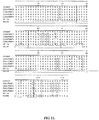
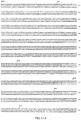
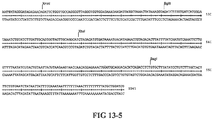
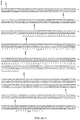
- the light chain variable region of SEQ ID NO: 12 is disclosed.
- the light chain variable region including signal sequences as shown in SEQ ID NO: 13.
- a humanized antibody which comprises the complete light chain variable region including signal sequences as shown in SEQ ID NO: 13.
- a humanized antibody which comprises the light chain variable region of SEQ ID NO: 12 and the light chain constant region of SEQ ID NO: 14.
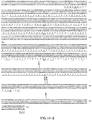
- a humanized antibody which comprises the complete light chain variable region of SEQ ID NO: 13 and the light chain constant region of SEQ ID NO: 14. Disclosed is also the heavy chain variable region of SEQ ID NO: 15.
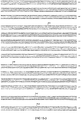
- a humanized antibody which comprises the heavy chain variable region of SEQ ID NO: 15. Disclosed is the heavy chain variable region including signal sequences as shown in SEQ ID NO: 16.
- a humanized antibody which comprises the complete heavy chain variable region including signal sequences as shown in SEQ ID NO: 16.
- a humanized antibody is provided, which comprises the heavy chain variable region of SEQ ID NO: 15 and the heavy chain constant region of SEQ ID NO: 17.
- a humanized antibody is provided, which comprises the heavy chain variable region of SEQ ID NO: 16 and the heavy chain constant region of SEQ ID NO: 17.
- the humanized antibody according to the invention and as described herein upon co-incubation with an A ⁇ monomeric peptide having at least 30, particularly at least 35, more particularly at least 38, even more particularly at least 40 amino acid residues and/or an A ⁇ polymeric soluble amyloid peptide comprising a plurality of said A ⁇ monomeric units, but especially with an A ⁇ 1-42 monomeric and/or an A ⁇ polymeric soluble amyloid peptide comprising a plurality of said A ⁇ 1-42 monomeric units, particularly at a molar concentration ratio of antibody to A ⁇ 1-42 of up to 1:1000, particularly of up to 1:500, more particularly of up to 1:300, even more particularly of up to 1:200, but especially at a molar concentration ratio of between 1:10 and 1:100, inhibits the aggregation of the A ⁇ monomers to high molecular polymeric fibrils.
- the co-incubation of the antibody according to the invention with amyloid monomeric and/or polymeric soluble amyloid peptides is carried out for 24 hours to 60 hours, particularly for 30 hours to 50 hours, more particularly for 48 hours, but especially 24 hours, at a temperature of between 28°C and 40°C, particularly of between 32°C and 38°C, more particularly at 37°C.
- co-incubation with amyloid monomeric and/or polymeric soluble amyloid peptides is accomplished for 24 hours at a temperature of 37°C.
- the humanized antibody according to the invention including any functional parts thereof binds to A ⁇ 1-42 monomeric peptide and/or A ⁇ polymeric soluble amyloid peptide comprising a plurality of said A ⁇ 1-42 monomeric units and, upon co-incubation with A ⁇ 1-42 monomeric peptide and/or A ⁇ polymeric soluble amyloid peptide comprising a plurality of said A ⁇ 1-42 monomeric units inhibits the aggregation of the A ⁇ monomers and/or polymers to high molecular polymeric fibrils.
- the humanized antibody according to the invention including any functional parts thereof inhibits the aggregation of the A ⁇ monomers and/or A ⁇ soluble polymers comprising a plurality of said A ⁇ monomeric units to high molecular polymeric fibrils by at least 50%, particularly by at least 60%, particularly by at least 65%, more particularly by at least 75%, even more particularly by at least 80%, but especially by at least 85%-90%, or more as compared to the respective amyloid peptide monomers incubated in buffer (control), at a molar concentration ratio of antibody to A ⁇ 1-42 of up to 1:1000, particularly at a molar concentration ratio of between 1:10 and 1:100, but especially at a molar concentration ratio of 1:10.
- the humanized antibody according to the invention including any functional parts thereof inhibits the aggregation of the A ⁇ monomers and/or A ⁇ soluble polymers comprising a plurality of said A ⁇ monomeric units to high molecular polymeric fibrils by at least 30% at a molar concentration ratio of antibody to A ⁇ 1-42 of 1:100.
- the humanized antibody according to the invention including any functional parts thereof inhibits the aggregation of the A ⁇ monomers and/or A ⁇ soluble polymers comprising a plurality of said A ⁇ monomeric units to high molecular polymeric fibrils by at least 80% at a molar concentration ratio of antibody to A ⁇ 1-42 of 1:10.
- binding of the antibodies according to the invention and as described herein to amyloidogenic monomeric and/or polymeric peptides but, particularly, to the amyloid form (1-42) leads to inhibition of the aggregation of monomeric and/or polymeric amyloidogenic peptides to high molecular fibrils or filaments.
- the antibodies according to the present invention are capable of preventing or slowing down the formation of amyloid plaques, particularly the amyloid form (1-42), which is know to become insoluble by change of secondary conformation and to be the major part of amyloid plaques in brains of diseased animals or humans.
- the aggregation inhibition potential of the antibody according to the invention may be determined by any suitable method known in the art, particularly by density-gradient ultracentrifugation followed by a SDS-PAGE sedimentation analysis on a preformed gradient and/or by a thioflavin T (Th-T) fluorescent assay.
- the invention relates to a humanized antibody as described herein including any functional parts thereof, which antibody, upon co-incubation, particularly at a molar concentration ratio of between 1:5 and 1:1000, particularly of between 1:10 and 1:500, more particularly at a ratio of 1:10 to 1:300, even more particularly at a ratio of between 1:10 and 1:100, with preformed high molecular polymeric amyloid fibrils or filaments formed by the aggregation of A ⁇ monomeric peptides having at least 30, particularly at least 35, more particularly at least 38, even more particularly at least 40 amino acid residues and, but especially A ⁇ 1-42 monomeric peptides, is capable of disaggregating the preformed polymeric fibrils or filaments by at least 20%, particularly by at least 30%, more particularly by at least 35%%, even more particularly by at least 40%, but especially by at least 50% or more.
- the aggregation inhibition and the disaggregation potential of the antibody, respectively is determined by density-gradient ultracentrifugation followed by a SDS-PAGE sedimentation analysis on a preformed gradient.
- the aggregation inhibition and the disaggregation potential of the antibody, respectively is determined by thioflavin T (Th-T) fluorescent assay.
- the antibody according to the invention is co-incubated with amyloid preformed high molecular polymeric amyloid fibrils or filaments for 12 hours to 36 hours, particularly for 18 hours to 30 hours, more particularly for 24 hours at a temperature of between 28°C and 40°C, particularly of between 32°C and 38°C, more particularly at 37°C.
- the co-incubation with preformed high molecular polymeric amyloid fibrils or filaments is done for 24 hours at a temperature of 37°C.
- the humanized antibody according to the invention including any functional parts thereof is capable of disaggregating the preformed polymeric fibrils or filaments by at least 24% at a molar concentration ratio of antibody to A ⁇ 1-42 of 1:100.
- the humanized antibody according to the invention including any functional parts thereof is capable of disaggregating the preformed polymeric fibrils or filaments by at least 32% at a molar concentration ratio of antibody to A ⁇ 1-42 of 1:10.
- the antibodies according to the present invention are capable of preventing or slowing down the formation of amyloid plaques which leads to an alleviation of the symptoms associated with the disease and a delay or reversal of its progression.
- a humanized antibody including any functional parts thereof as described herein, which antibody is capable of decreasing the total amount of A ⁇ in the brain of an animal, particularly a mammal, but especially a human suffering from a disease or condition leading to increased concentration of A ⁇ in the brain.
- the invention relates to a humanized antibody according to the invention and as described herein before, which antibody is bi-effective in that it exhibits both an aggregation inhibition property as well as a disaggregation property, particularly paired with a high degree of conformational sensitivity.
- the invention relates to a humanized antibody or a fragment thereof according to the invention and as described herein before, which antibody, upon co-incubation with amyloid monomeric and/or polymeric soluble amyloid peptides, particularly with ⁇ -amyloid monomeric peptides such as, for example, A ⁇ monomeric peptides 1-39; 1-40, 1-41, or 1-42, and/or a polymeric soluble ⁇ -amyloid peptide comprising a plurality of said A ⁇ monomeric units, but especially with an A ⁇ 1-42 monomeric and/or an A ⁇ polymeric soluble amyloid peptide comprising a plurality of said A ⁇ 1-42 monomeric units, inhibits the aggregation of the A ⁇ monomers into high molecular polymeric fibrils or filaments and, in addition, upon co-incubation with preformed high molecular polymeric amyloid fibrils or filaments formed by the aggregation of amyloid monomeric peptides, particularly
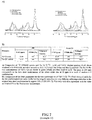
- the invention relates to a humanized antibody or a fragment thereof according to the present invention and as described herein before, which antibody is capable of inducing a transition of the ⁇ -sheet conformation towards an ⁇ -helix and/or a random coil conformation, but particularly a random coil conformation, even more particularly a random coil conformation at a given location in the molecule, especially in the environment of Tyr 10 and Val12 of the A ⁇ protein, which leads to an increase of the random coil conformation at the expense of the ⁇ -sheet conformation and an improved solubilization of the preformed high molecular polymeric amyloid fibrils or filaments.
- the decrease of the ⁇ -sheet conformation amounts to at least 30%, particularly to at least 35%, and more particularly to at least 40% and more as compared to the respective preformed amyloid polymeric fibrils or filaments incubated in buffer (control).
- the antibody's potential in inducing a transition in the secondary structure is determined by solid state 13C NMR spectroscopy but, in particular, by measuring the integral intensities of the conformations of Tyr 10 and Val 12 C ⁇ in the A ⁇ 1-42 peptide.
- a humanized antibody or a fragment as described herein before comprising at least one light chain or a fragment thereof or at least one heavy chain or a fragment thereof, wherein said antibody or fragment binds to an A ⁇ monomer with a high binding affinity with a K D in a range of between at least about 1 x 10 -7 M to at least about 1 x 10 -12 M, particularly of at least about 1 x 10 -8 M to at least about 1 x 10 -11 M, more particularly of at least about 1 x 10 -9 M to at least about 1 x 10 -10 M, even more particularly of at least about 1 x 10 -8 M to at least about 2 x 10 -8.
- a humanized antibody or a fragment as described herein before, comprising at least one light chain or a fragment thereof or at least one heavy chain or a fragment thereof, wherein said antibody or fragment binds to an A ⁇ fiber, fibril or filament with a high binding affinity with a K D in a range of between at least about 1 x 10 -7 M to at least about 1 x 10 -12 M, particularly of at least about 1 x 10 -8 M to at least about 1 x 10 -11 M, more particularly of at least about 1 x 10 -9 M to at least about 1 x 10 -10 M, even more particularly of at least about 2 x 10 -9 M to at least about 5 x 10 -9 M, but, preferably, does not show any significant cross-reactivity with amyloid precursor protein (APP).
- APP amyloid precursor protein
- the humanized antibody according to the invention and as described herein before or a fragment thereof exhibits an binding affinity to an A ⁇ fiber, fibril or filament which is at least 2 times, particularly at least 4 times, particularly at least 10 times, particularly at least 15 times, more particularly at least 20 times, but especially at least 25 times higher than the binding affinity to an A ⁇ monomer.
- a humanized antibody or a fragment thereof according to the present invention and as described herein before substantially binds to aggregated A ⁇ , including A ⁇ plaques, in the mammalian, particularly the human brain but, preferably, does not show any significant cross-reactivity with amyloid precursor protein (APP).
- a humanized antibody or a fragment thereof according to the present invention and as described herein before substantially binds to soluble polymeric amyloid, particularly amyloid ⁇ (A ⁇ ), including A ⁇ monomers, in the mammalian, particularly the human brain but, preferably, does not show any significant cross-reactivity with amyloid precursor protein (APP).
- a humanized antibody or a fragment thereof according to the invention which antibody significantly reduces A ⁇ plaque burden in the mammalian, particularly the human brain.
- This can be achieved by either binding of the antibody to the plaque or by shifting the equilibrium between amyloid, particularly amyloid ⁇ (A ⁇ ), in its insoluble and aggregated state towards its soluble form by disaggregating fibers to soluble poly- and monomeric forms by inducing a shift in conformation and binding and stabilizing the disaggregated and solubilized amyloid forms, particularly amyloid ⁇ (A ⁇ ) forms, in the tissue and/or body fluids, particularly the brain.
- the peripheral clearing and catabolism is thus favored rather than deposition within the tissue and/or body fluids, particularly the brain.
- the beneficial effect of the antibody according to the invention can thus be obtained without binding of the antibody to the plaque.
- the antibody according to the invention is able to neutralize the toxic effects of the polymeric and less aggregated soluble amyloid protein, particularly amyloid ⁇ (A ⁇ ) protein, in the tissue and/or body fluids.
- the antibody according to the invention may thus achieve its beneficial effects without necessarily binding aggregated amyloid beta in the brain.
- a humanized antibody or a fragment thereof as described herein before comprising at least one light chain or a fragment thereof or at least one heavy chain or a fragment thereof incorporating at least one, particularly two and more particularly three CDR regions obtained form a mouse donor antibody, particularly from mouse antibody ACI-01-Ab7C2 (named “mC2" and hC2 for the humanized C2 antibody, throughout the application) deposited 01 December 2005 with the "Deutsche Sammlung von Mikroorganismen und Zellkulturen GmbH (DSMZ) in Braunschweig, Mascheroder Weg 1 B, 38124 Braunschweig, under accession no DSM ACC2750, wherein said antibody or fragment thereof has an affinity to the A ⁇ antigen which is at least 5 times, particularly at least 8 times, more particularly at least 10 times, but especially at least 15 times higher than that of the mouse donor antibody.
- DSMZ Deutsche Sammlung von Mikroorganismen und Zellkulturen GmbH
- the antibody of this invention can be, in one embodiment, a whole antibody (e.g., with two full length light chains and two full length heavy chains) of any isotype and subtype (e.g., IgM, IgD, IgG1, IgG2, IgG3, IgG4, IgE, IgA1 and IgA2); but especially an antibody of the IgG4 isotype; alternatively, in another embodiment, it can be an antigen-binding fragment (e.g., Fab, F(ab') 2 , and Fv) of a whole antibody.
- any isotype and subtype e.g., IgM, IgD, IgG1, IgG2, IgG3, IgG4, IgE, IgA1 and IgA2
- an antigen-binding fragment e.g., Fab, F(ab') 2 , and Fv
- the invention thus also relates to antigen-binding fragments of the antibodies described herein.
- the fragment is selected from the group consisting of a Fab fragment, a Fab' fragment, a F(ab) 2 fragment, and a F v fragment, including the products of an Fab immunoglobulin expression library and epitope-binding fragments of any of the antibodies and fragments mentioned above.
- the antibody or antigen-binding fragment of the invention is conjugated to polyethylene glycol.
- the constant region of the antibody of the invention is modified to reduce at least one constant region-mediated biological effector function relative to an unmodified antibody.
- the antibody or antigen-binding fragment of the invention comprises a Fc region having an altered effector function.
- the invention further relates to a nucleotide molecule comprising a nucleotide sequence encoding a humanized antibody or a fragment thereof according to the invention and as disclosed herein before.
- the invention relates to a nucleotide molecule comprising a nucleotide sequence encoding a stretch of contiguous amino acid molecules as given in SEQ ID NO: 2 and 3, respectively, or the complementary sequence, representing the Complementarity Determining Regions (CDRs) 2 and 3 of the Heavy Chain Variable Region (HCVR).
- CDRs Complementarity Determining Regions
- HCVR Heavy Chain Variable Region
- the invention relates to a nucleotide molecule comprising a nucleotide sequence encoding a stretch of contiguous amino acid molecules as given in SEQ ID NO: 4, or the complementary sequence, representing the Complementarity Determining Regions (CDRs) 1 of the Light Chain Variable Region (LCVR).
- CDRs Complementarity Determining Regions 1 of the Light Chain Variable Region
- nucleotide molecule comprising a nucleotide sequence as given in SEQ ID NO: 18 and SEQ ID NO: 19, or the complementary sequence, encoding the amino acid sequence of CDR 2 and CDR 3, respectively, of the Heavy Chain Variable Region (HCVR).
- HCVR Heavy Chain Variable Region
- nucleotide molecule comprising a nucleotide sequence as given in SEQ ID NO: 20, or the complementary sequence, encoding the nucleotide sequence of CDR 1 of the Light Chain Variable Region (LCVR).
- LCVR Light Chain Variable Region
- the nucleotide molecule of the invention comprises a nucleotide sequence of SEQ ID NO: 21, or the complementary sequence, encoding the light chain variable region.
- the nucleotide molecule of the invention comprises a nucleotide sequence of SEQ ID NO: 22, or the complementary sequence, encoding the complete light chain variable region including signal sequences.
- the nucleotide molecule of the invention comprises a nucleotide sequence encoding the light chain variable region of SEQ ID NO: 22 and the light chain constant region of SEQ ID NO: 23.
- nucleotide molecule of the invention comprises a nucleotide sequence of SEQ ID NO: 24 encoding the heavy chain variable region.
- the nucleotide molecule of the invention comprises a nucleotide sequence of SEQ ID NO: 25 encoding the complete heavy chain variable region including signal sequences.
- nucleotide molecule comprising a nucleotide sequence encoding the heavy chain variable region of SEQ ID NO: 25 and the heavy chain constant region of SEQ ID NO: 26 .
- the invention also comprises the complementary strand of said nucleotide molecule.
- nucleotide sequence which hybridizes to one of the above-described antibody-encoding nucleotide sequences of the invention, particularly to the complementary strand thereof, either in isolation or as part of larger nucleotide molecule.
- the invention relates to a nucleotide sequence that hybridizes under conventional hybridization conditions, particularly under stringent hybridization conditions, to any of the nucleotide sequences given in SEQ ID NOs: 18-26 and 29 - 32, particularly to the complementary strand thereof.
- an expression vector comprising the nucleic acid molecule according to the invention.
- a cell is provided comprising an expression vector comprising the nucleic acid according to the invention.
- the invention relates to a composition comprising the antibody according to the invention, but particularly a chimeric antibody or a fragment thereof, or a humanized antibody or a fragment thereof according to the invention and as described herein before including any functionally equivalent antibody or any derivative or functional parts thereof, in a therapeutically effective amount, in particular a composition which is a pharmaceutical composition optionally further comprising a pharmaceutically acceptable carrier.
- said composition comprises the antibody in a therapeutically effective amount.
- a mixture comprising a humanized antibody or a fragment thereof according to the invention including any functional parts thereof, in a therapeutically effective amount and, optionally, a further biologically active substance and/or a pharmaceutically acceptable carrier and/or a diluent and/or an excipient.
- the invention relates to a mixture, wherein the further biologically active substance is a compound used in the medication of amyloidosis, a group of diseases and disorders associated with amyloid or amyloid-like protein such as the A ⁇ protein involved in Alzheimer's disease.
- the other biologically active substance or compound may also be a therapeutic agent that may be used in the treatment of amyloidosis caused by amyloid ⁇ or may be used in the medication of other neurological disorders.
- the other biologically active substance or compound may exert its biological effect by the same or a similar mechanism as the antibody according to the invention or by an unrelated mechanism of action or by a multiplicity of related and/or unrelated mechanisms of action.
- the other biologically active compound may include neutron-transmission enhancers, psychotherapeutic drugs, acetylcholine esterase inhibitors, calcium-channel blockers, biogenic amines, benzodiazepine tranquillizers, acetylcholine synthesis, storage or release enhancers, acetylcholine postsynaptic receptor agonists, monoamine oxidase-A or -B inhibitors, N-methyl-D-aspartate glutamate receptor antagonists, non-steroidal anti-inflammatory drugs, antioxidants, and serotonergic receptor antagonists.
- neutron-transmission enhancers may include neutron-transmission enhancers, psychotherapeutic drugs, acetylcholine esterase inhibitors, calcium-channel blockers, biogenic amines, benzodiazepine tranquillizers, acetylcholine synthesis, storage or release enhancers, acetylcholine postsynaptic receptor agonists, monoamine oxidase-A or -B inhibitors,
- the invention relates to a mixture comprising at least one compound selected from the group consisting of compounds effective against oxidative stress, anti-apoptotic compounds, metal chelators, inhibitors of DNA repair such as pirenzepin and metabolites, 3-amino-1-propanesulfonic acid (3APS), 1,3-propanedisulfonate (1,3PDS), ⁇ -secretase activators, ⁇ - and ⁇ -secretase inhibitors, tau proteins, neurotransmitter, ⁇ -sheet breakers, attractants for amyloid beta clearing / depleting cellular components, inhibitors of N-terminal truncated amyloid beta including pyroglutamated amyloid beta 3-42, anti-inflammatory molecules, or cholinesterase inhibitors (ChEIs) such as tacrine, rivastigmine, donepezil, and/or galantamine, M1 agonists and other drugs including any amyloid or tau modifying drug and nutritive supplements, and nutritive nutrients
- the invention further relates to a mixture, wherein the compound is a cholinesterase inhibitor (ChEIs), particularly a mixture, wherein the compound is one selected from the group consisting of tacrine, rivastigmine, donepezil, galantamine, niacin and memantine.
- ChEIs cholinesterase inhibitor
- the mixtures according to the invention may comprise niacin or memantine together with an antibody according to the present invention and, optionally, a pharmaceutically acceptable carrier and/or a diluent and/or an excipient.
- mixtures are provided that comprise "atypical antipsychotics" such as, for example clozapine, ziprasidone, risperidone, aripiprazole or olanzapine for the treatment of positive and negative psychotic symptoms including hallucinations, delusions, thought disorders (manifested by marked incoherence, derailment, tangentiality), and playful or disorganized behavior, as well as anhedonia, flattened affect, apathy, and social withdrawal, together with an antibody, particularly a monoclonal antibody according to the invention, but particularly a chimeric antibody or a fragment thereof, or a humanized antibody or a fragment thereof according to the invention and as described herein and, optionally, a pharmaceutically acceptable carrier and/or a diluent and/or an excipient.
- atypical antipsychotics such as, for example clozapine, ziprasidone, risperidone, aripiprazole or olanzapine for the treatment of positive
- compositions and mixtures according to the invention comprise the antibody and the biologically active substance, respectively, in a therapeutically effective amount.
- the invention relates to a mixture comprising the antibody, particularly a monoclonal antibody according to the invention, but particularly a chimeric antibody or a fragment thereof, or a humanized antibody or a fragment thereof according to the invention and as described herein before and/or the biologically active substance in a therapeutically effective amount.
- the invention further relates to the use of a humanized antibody or a fragment thereof according to the invention and as described herein before and/or a functional part thereof and/or a pharmaceutical composition, or a mixture comprising said antibody, for the preparation of a medicament for treating or alleviating the effects of amyloidosis, a group of diseases and disorders associated with amyloid plaque formation including secondary amyloidosis and age-related amyloidosis such as diseases including, but not limited to, neurological disorders such as Alzheimer's Disease (AD), Lewy body dementia, Down's syndrome, hereditary cerebral hemorrhage with amyloidosis (Dutch type); the Guam Parkinson-Dementia complex; as well as other diseases which are based on or associated with amyloid-like proteins such as progressive supranuclear palsy, multiple sclerosis; Creutzfeld Jacob disease, Parkinson's disease, HIV-related dementia, ALS (amyotropic lateral sclerosis), Adult Onset Diabetes; senile cardiac amyloidosis
- Also comprised by the present invention is a method for the preparation of a humanized antibody or a fragment thereof according to the invention and/or a functional part thereof and/or a pharmaceutical composition, or a mixture comprising said antibody and/or a functional part thereof, particularly in a therapeutically effective amount, for use in a method of preventing, treating or alleviating the effects of amyloidosis, a group of diseases and disorders associated with amyloid plaque formation including secondary amyloidosis and age-related amyloidosis such as diseases including, but not limited to, neurological disorders such as Alzheimer's Disease (AD), Lewy body dementia, Down's syndrome, hereditary cerebral hemorrhage with amyloidosis (Dutch type); the Guam Parkinson-Dementia complex; as well as other diseases which are based on or associated with amyloid-like proteins such as progressive supranuclear palsy, multiple sclerosis; Creutzfeld Jacob disease, Parkinson's disease, HIV-related dementia, ALS (amyotropic lateral
- a humanized antibody and/or a functional part thereof or a composition or mixture comprising such an antibody and/or a functional part thereof for use in a method for preventing, treating or alleviating the effects of amyloidosis, a group of diseases and disorders associated with amyloid plaque formation including secondary amyloidosis and age-related amyloidosis such as diseases including, but not limited to, neurological disorders such as Alzheimer's Disease (AD), Lewy body dementia, Down's syndrome, hereditary cerebral hemorrhage with amyloidosis (Dutch type); the Guam Parkinson-Dementia complex; as well as other diseases which are based on or associated with amyloid-like proteins such as progressive supranuclear palsy, multiple sclerosis; Creutzfeld Jacob disease, Parkinson's disease, HIV-related dementia, ALS (amyotropic lateral sclerosis), Adult Onset Diabetes; senile cardiac amyloidosis; endocrine tumors, and others, including
- amyloidosis a group of diseases and disorders associated with amyloid plaque formation including secondary amyloidosis and age-related amyloidosis including, but not limited to, neurological disorders such as Alzheimer's Disease (AD), particularly a disease or condition characterized by a loss of cognitive memory capacity by administering to an animal, particularly a mammal or a human, a humanized antibody, particularly a pharmaceutical composition according to the invention and as described herein.
- AD Alzheimer's Disease
- the invention relates to retaining or increasing cognitive memory capacity but, particularly, for restoring the cognitive memory capacity of an animal, particularly a mammal or a human, suffering from memory impairment by administering to an animal, particularly a mammal or a human, a humanized antibody, particularly a pharmaceutical composition according to the invention. It is a further object of the invention to provide a therapeutic composition and treatment of amyloidosis, a group of diseases and disorders associated with amyloid plaque formation including secondary amyloidosis and age-related amyloidosis including, but not limited to, neurological disorders such as Alzheimer's Disease (AD), particularly a disease or condition characterized by a loss of cognitive memory capacity, using an antibody according to the invention and as described herein before.
- AD Alzheimer's Disease
- the invention relates to the use of a humanized antibody of the invention in a method for the treatment of an animal, particularly a mammal or a human, suffering from an amyloid-associated condition characterized by a loss of cognitive memory capacity leads to the retention of cognitive memory capacity.
- the invention further relates to a method of diagnosis of an amyloid-associated disease or condition in a patient comprising detecting the immunospecific binding of an antibody or an active fragment thereof to an epitope of the amyloid protein in a sample or in situ which includes the steps of
- the invention also relates to a method of determining the extent of amyloidogenic plaque burden in a tissue and/or body fluids comprising
- the formation of the immunological complex in step b is determined such that presence or absence of the immunological complex correlates with presence or absence of amyloid protein.
- a test kit for detection and diagnosis of amyloid-associated diseases and conditions comprising a humanized antibody or a fragment thereof according to the invention and/or a functional part thereof.
- the invention relates to a test kit for detection and diagnosis of amyloid-associated diseases and conditions comprising a container holding one or more antibodies according to the present invention, and/or a functional part thereof, and instructions for using the antibodies for the purpose of binding to amyloid protein to form an immunological complex and detecting the formation of the immunological complex such that presence or absence of the immunological complex correlates with presence or absence of amyloid protein.
- an antibody comprising a variable region as recited in SEQ ID NO: 27, or a variant thereof.
- a cell line expressing the antibody.
- an antibody gene comprising a variable region as recited in SEQ ID NO: 29, or a variant thereof.
- a cell line expresses the antibody.
- the invention in another aspect, relates to a method for disaggregating preformed beta-amyloid fibers, comprising interacting an hC2 antibody with preformed beta-amyloid fibers.
- the humanized antibody or a fragment thereof of the invention protects neurons from Abeta-induced degradation.
- the invention relates to preventing Abeta-induced neuron degradation comprising treating neurons with an effective amount of the humanized antibody or a fragment thereof according to the invention.
- the invention relates to the use of a humanized antibody or a fragment thereof according to the invention herein for the preparation of a medicament for preventing degeneration of neurons upon exposure to Abeta oligomer.
- polypeptide As used herein, are interchangeable and are defined to mean a biomolecule composed of amino acids linked by a peptide bond.
- diseases and disorders which are caused by or associated with amyloid or amyloid-like proteins includes, but is not limited to, diseases and disorders caused by the presence or activity of amyloid-like proteins in monomeric, fibril, or polymeric state, or any combination of the three. Such diseases and disorders include, but are not limited to, amyloidosis, endocrine tumors, and macular degeneration.
- amyloidosis refers to a group of diseases and disorders associated with amyloid plaque formation including, but not limited to, secondary amyloidosis and age-related amyloidosis such as diseases including, but not limited to, neurological disorders such as Alzheimer's Disease (AD), including diseases or conditions characterized by a loss of cognitive memory capacity such as, for example, mild cognitive impairment (MCI), Lewy body dementia, Down's syndrome, hereditary cerebral hemorrhage with amyloidosis (Dutch type); the Guam Parkinson-Dementia complex; as well as other diseases which are based on or associated with amyloid-like proteins such as progressive supranuclear palsy, multiple sclerosis; Creutzfeld Jacob disease, Parkinson's disease, HIV-related dementia, ALS (amyotropic lateral sclerosis), inclusion-body myositis (IBM), Adult Onset Diabetes, and senile cardiac amyloidosis; and various eye diseases including macular degeneration, drusen-related opticsis,
- detecting or “detected” as used herein mean using known techniques for detection of biologic molecules such as immunochemical or histological methods and refer to qualitatively or quantitatively determining the presence or concentration of the biomolecule under investigation.
- Polymeric soluble amyloid refers to multiple aggregated monomers of amyloid peptides, or of amyloid-like peptides, or of modified or truncated amyloid peptides or of other derivates of amyloid peptides forming oligomeric or polymeric structures which are soluble in the mammalian or human body more particularly in the brain, but particularly to multiple aggregated monomers of amyloid ⁇ (A ⁇ ) or of modified or truncated amyloid ⁇ (A ⁇ ) peptides or of derivatives thereof, which are soluble in the mammalian or human body more particularly in the brain.
- Amyloid ⁇ is an art recognized term and refers to amyloid ⁇ proteins and peptides, amyloid ⁇ precursor protein (APP), as well as modifications, fragments and any functional equivalents thereof.
- amyloid ⁇ as used herein is meant any fragment produced by proteolytic cleavage of APP but especially those fragments which are involved in or associated with the amyloid pathologies including, but not limited to, A ⁇ 1-38 , A ⁇ 1-39 , A ⁇ 1-40 , A ⁇ 1-41 A ⁇ 1-42 and A ⁇ 1-43 .
- amyloid ⁇ peptides as mentioned above are well known to those skilled in the art and methods of producing said peptides or of extracting them from brain and other tissues are described, for example, in Glenner and Wong, Biochem Biophys Res Comm129, 885-890 (1984 ). Moreover, amyloid ⁇ peptides are also commercially available in various forms.
- isolated is meant a biological molecule free from at least some of the components with which it naturally occurs.
- antibody or “antibodies” as used herein are art-recognized terms and are understood to refer to molecules or active fragments of molecules that bind to known antigens, particularly to immunoglobulin molecules and to immunologically active portions of immunoglobulin molecules, i.e molecules that contain a binding site that specifically binds an antigen.
- An immunoglobulin is a protein comprising one or more polypeptides substantially encoded by the immunoglobulin kappa and lambda, alpha, gamma, delta, epsilon and mu constant region genes, as well as myriad immunoglobulin variable region genes. Light chains are classified as either kappa or lambda.
- Heavy chains are classified as gamma, mu, alpha, delta, or epsilon, which in turn define the immunoglobulin classes, IgG, IgM, IgA, IgD and IgE, respectively. Also subclasses of the heavy chain are known. For example, IgG heavy chains in humans can be any of IgG1, IgG2, IgG3 and IgG4 subclass.
- the immunoglobulin according to the invention can be of any class (IgG, IgM, IgD, IgE, IgA and IgY) or subclass (IgGl, IgG2, IgG3, IgG4, IgAl and IgA2) of immunoglobulin molecule.
- a typical immunoglobulin structural unit is known to comprise a tetramer.
- Each tetramer is composed of two identical pairs of polypeptide chains, each pair having one "light” (about 25 kD) and one "heavy” chain (about 50-70 kD).
- the N-terminus of each chain defines a variable region of about 100 to 110 or more amino acids primarily responsible for antigen recognition.
- the terms variable light chain (V L ) and variable heavy chain (V H ) refer to these light and heavy chains respectively.
- Antibodies exist as full length intact antibodies or as a number of well-characterized fragments produced by digestion with various peptidases or chemicals.
- pepsin digests an antibody below the disulfide linkages in the hinge region to produce F(ab') 2 , a dimer of Fab which itself is a light chain joined to V H -CH 1 by a disulfide bond.
- the F(ab') 2 may be reduced under mild conditions to break the disulfide linkage in the hinge region thereby converting the F(ab') 2 dimer into an Fab' monomer.
- the Fab' monomer is essentially a Fab fragment with part of the hinge region (see, Fundamental Immunology, W. E.
- antibody fragments are defined in terms of the digestion of an intact antibody, one of skill will appreciate that any of a variety of antibody fragments may be synthesized de novo either chemically or by utilizing recombinant DNA methodology.
- the term antibody as used herein also includes antibody fragments either produced by the modification of whole antibodies or synthesized de novo or antibodies and fragments obtained by using recombinant DNA methodologies.
- Antibodies are intended within the scope of the present invention to include monoclonal antibodies, polyclonal antibodies, chimeric, single chain, bispecific, simianized, human and humanized antibodies as well as active fragments thereof.
- active fragments of molecules that bind to known antigens include separated light and heavy chains, Fab, Fab/c, Fv, Fab', and F(ab') 2 fragments, including the products of an Fab immunoglobulin expression library and epitope-binding fragments of any of the antibodies and fragments mentioned above.
- active fragments can be derived from an antibody of the present invention by a number of techniques.
- monoclonal antibodies can be cleaved with an enzyme, such as pepsin, and subjected to HPLC gel filtration. The appropriate fraction containing Fab fragments can then be collected and concentrated by membrane filtration and the like.
- an enzyme such as pepsin
- HPLC gel filtration The appropriate fraction containing Fab fragments can then be collected and concentrated by membrane filtration and the like.
- general techniques for the isolation of active fragments of antibodies see for example, Khaw, B. A. et al. J. Nucl. Med. 23:1011-1019 (1982 ); Rousseaux et al. Methods Enzymology, 121:663-69, Academic Press, 1986 .
- Recombinantly made antibodies may be conventional full length antibodies, active antibody fragments known from proteolytic digestion, unique active antibody fragments such as Fv or single chain Fv (scFv), domain deleted antibodies, and the like.
- An Fv antibody is about 50 Kd in size and comprises the variable regions of the light and heavy chain.
- a single chain Fv (“scFv”) polypeptide is a covalently linked VH::VL heterodimer which may be expressed from a nucleic acid including VH- and VL-encoding sequences either joined directly or joined by a peptide-encoding linker. See Huston, et al. (1988) Proc. Nat. Acad. Sci. USA, 85:5879-5883 .
- the combining site refers to the part of an antibody molecule that participates in antigen binding.
- the antigen binding site is formed by amino acid residues of the N-terminal variable ("V") regions of the heavy (“H") and light (“L”) chains.
- V N-terminal variable
- the antibody variable regions comprise three highly divergent stretches referred to as “hypervariable regions” or “complementarity determining regions” (CDRs) which are interposed between more conserved flanking stretches known as “framework regions” (FRs).
- the three hypervariable regions of a light chain (LCDR1, LCDR2, and LCDR3) and the three hypervariable regions of a heavy chain (HCDR1, HCDR2 and HCDR3) are disposed relative to each other in three dimensional space to form an antigen binding surface or pocket.
- the antibody combining site therefore represents the amino acids that make up the CDRs of an antibody and any framework residues that make up the binding site pocket.
- antibody CDRs may be identified as the hypervariable regions originally defined by Kabat et al. (see, " Sequences of Proteins of Immunological Interest,” E. Kabat et al., U.S. Department of Health and Human Services ; Johnson, G and Wu, TT (2001) Kabat Database and its applications: future directions. Nucleic Acids Research, 29: 205-206; http://immuno.bme.nwa.edu ).
- the positions of the CDRs may also be identified as the structural loop structures originally described by Chothia and others, (see Chothia and Lesk, J. Mol. Biol.
- the identity of the amino acid residues in a particular antibody that are outside the CDRs, but nonetheless make up part of the combining site by having a side chain that is part of the lining of the combining site (i.e., it is available to linkage through the combining site), can be determined using methods well known in the art such as molecular modeling and X-ray crystallography. See e.g., Riechmann et al., (1988) Nature, 332:;323-327 .
- Chimeric antibodies are those in which one or more regions of the antibody are from one species of animal and one or more regions of the antibody are from a different species of animal.
- a preferred chimeric antibody is one which includes regions from a primate immunoglobulin.
- a chimeric antibody for human clinical use is typically understood to have variable regions from a non-human animal, e.g. a rodent, with the constant regions from a human.
- a humanized antibody uses CDRs from the non-human antibody with most or all of the variable framework regions from and all the constant regions from a human immunoglobulin.
- a human chimeric antibody is typically understood to have the variable regions from a rodent.
- a typical human chimeric antibody has human heavy constant regions and human light chain constant regions with the variable regions of both the heavy and light coming from a rodent antibody.
- a chimeric antibody may include some changes to a native amino acid sequence of the human constant regions and the native rodent variable region sequence.
- Chimeric and humanized antibodies may be prepared by methods well known in the art including CDR grafting approaches (see, e.g., U.S. Patent Nos. 5,843,708 ; 6,180,370 ; 5,693,762 ; 5,585,089 ; 5,530,101 ), chain shuffling strategies (see e.g., U.S. Patent No. 5,565,332 ; Rader et al., Proc. Natl. Acad. Sci. USA (1998) 95:8910-8915 ), molecular modeling strategies ( U.S. Patent No. 5,639,641 ), and the like.
- a "humanized antibody” as used herein in the case of a two chain antibody is one where at least one chain is humanized.
- a humanized antibody chain has a variable region where one or more of the framework regions are human.
- a humanized antibody which is a single chain is one where the chain has a variable region where one or more of the framework regions are human.
- the non-human portions of the variable region of the humanized antibody chain or fragment thereof is derived from a non-human source, particularly a non-human antibody, typically of rodent origin.
- the non-human contribution to the humanized antibody is typically provided in form at least one CDR region which is interspersed among framework regions derived from one (or more) human immunoglobulin(s).
- framework support residues may be altered to preserve binding affinity.
- the humanized antibody may further comprise constant regions (e.g., at least one constant region or portion thereof, in the case of a light chain, and preferably three constant regions in the case of a heavy chain).
- constant regions of a humanized antibody if present generally are human.
- a "humanized antibody” may also be obtained by a novel genetic engineering approach that enables production of affinity-matured human-like polyclonal antibodies in large animals such as, for example, rabbits and mice. See, e.g. U.S. Pat No. 6,632,976 .
- the term constant region (CR) as used herein refers to constant regions genes of the immunoglobulin.
- the constant region genes encode the portion of the antibody molecule which confers effector functions.
- For Chimeric human antibodies and humanized antibodies typically non-human (e.g., murine), constant regions are substituted by human constant regions.
- the constant regions of the subject chimeric or humanized antibodies are typically derived from human immunoglobulins.
- the heavy chain constant region can be selected from any of the five isotypes: alpha, delta, epsilon, gamma or mu. Further, heavy chains of various subclasses (such as the IgG subclasses of heavy chains) are responsible for different effector functions and thus, by choosing the desired heavy chain constant region, antibodies with desired effector function can be produced. Constant regions that may be used within the scope of this invention are gamma 1 (IgG1), particularly an Fc region of the gamma 1 (IgG1) isotype, gamma 3 (IgG3) and especially gamma 4 (IgG4).
- the light chain constant region can be of the kappa or lambda type, preferably of the kappa type. In one embodiment the light chain constant region is the human kappa constant chain ( Heiter et al. (1980) Cell 22:197-207 ) and the heavy constant chain is the human IgG4 constant chain.
- Monoclonal antibody is also well recognized in the art and refers to an antibody that is the product of a single cloned antibody producing cell. Monoclonal antibodies are typically made by fusing a normally short-lived, antibody-producing B cell to a fast-growing cell, such as a cancer cell (sometimes referred to as an "immortal" cell). The resulting hybrid cell, or hybridoma, multiplies rapidly, creating a clone that produces the antibody.
- monoclonal antibody is also to be understood to comprise antibodies that are produced by a mother clone which has not yet reached full monoclonality.
- “Functionally equivalent antibody” is understood to refer to an antibody which substantially shares at least one major functional property with an antibody mentioned above and herein described comprising: binding specificity to the ⁇ -amyloid protein, particularly to the A ⁇ 1-42 protein, and more particularly to the 16-21 epitope region of the A ⁇ 1-42 protein, immunoreactivity in vitro, inhibition of aggregation of the A ⁇ 1-42 monomers into high molecular polymeric fibrils and/or disaggregation of preformed A ⁇ 1-42 polymeric fibrils, and/or a ⁇ -sheet breaking property and alleviating the effects of amyloidosis, a group of diseases and disorders associated with amyloid plaque formation including secondary amyloidosis and age-related amyloidosis such as diseases including, but not limited to, neurological disorders such as Alzheimer's Disease (AD), Lewy body dementia, Down's syndrome, hereditary cerebral hemorrhage with amyloidosis (Dutch type); the Guam Parkinson-Dementia complex; as
- the antibodies can be of any class such as IgG, IgM, or IgA, etc or any subclass such as IgG1, IgG2a, etc and other subclasses mentioned herein above or known in the art, but particularly of the IgG4 class.
- the antibodies can be produced by any method, such as phage display, or produced in any organism or cell line, including bacteria, insect, mammal or other type of cell or cell line which produces antibodies with desired characteristics, such as humanized antibodies.
- the antibodies can also be formed by combining a Fab portion and an Fc region from different species.
- hybridize refers to conventional hybridization conditions, preferably to hybridization conditions at which 5xSSPE, 1% SDS, 1xDenhardts solution is used as a solution and/or hybridization temperatures are between 35°C and 70°C, preferably 65°C.
- washing is preferably carried out first with 2xSSC, 1% SDS and subsequently with 0.2xSSC at temperatures between 35°C and 70°C, preferably at 65°C (regarding the definition of SSPE, SSC and Denhardts solution see Sambrook et al. loc. cit.).
- Stringent hybridization conditions as for instance described in Sambrook et al, supra, are particularly preferred. Particularly preferred stringent hybridization conditions are for instance present if hybridization and washing occur at 65°C as indicated above.
- Non-stringent hybridization conditions, for instance with hybridization and washing carried out at 45°C are less preferred and at 35°C even less.
- sequence identity preferably relates to the percentage of the nucleotide residues of the shorter sequence which are identical with the nucleotide residues of the longer sequence. Sequence identity can be determined conventionally with the use of computer programs such as the Bestfit program ( Wisconsin Sequence Analysis Package, Version 8 for Unix, Genetics Computer Group, University Research Park, 575 Science Drive Madison, WI 53711 ). Bestfit utilizes the local homology algorithm of Smith and Waterman, Advances in Applied Mathematics 2 (1981), 482-489 , in order to find the segment having the highest sequence identity between two sequences.
- the parameters are preferably so adjusted that the percentage of identity is calculated over the entire length of the reference sequence and that homology gaps of up to 5% of the total number of the nucleotides in the reference sequence are permitted.
- the so-called optional parameters are preferably left at their preset ("default") values.
- the deviations appearing in the comparison between a given sequence and the above-described sequences of the invention may be caused for instance by addition, deletion, substitution, insertion or recombination.
- Such a sequence comparison can preferably also be carried out with the program "fasta20u66" (version 2.0u66, September 1998 by William R.
- the antibody according to the invention may be an immunoglobulin or antibody, which is understood to have each of its binding sites identical (if multivalent) or, in the alternative, may be a "bispecific” or "bifunctional antibody”.
- bispecific or “bifunctional antibody” is an artificial hybrid antibody having two different heavy/light chain pairs and two different binding sites.
- Bispecific antibodies can be produced by a variety of methods including fusion of hybridomas or linking of Fab' fragments. See, e.g., Songsivilai & Lachmann, Clin. Exp. Immunol. 79:315-321 (1990 ); Kostelny et al., J. Immunol. 148, 1547-1553 (1992 ).
- fragment refers to a part or portion of an antibody or antibody chain comprising fewer amino acid residues than an intact or complete antibody or antibody chain. Fragments can be obtained via chemical or enzymatic treatment of an intact or complete antibody or antibody chain. Fragments can also be obtained by recombinant means. Exemplary fragments include Fab, Fab', F(ab')2, Fabc and/or Fv fragments.
- antigen-binding fragment refers to a polypeptide fragment of an immunoglobulin or antibody that binds antigen or competes with intact antibody ( i.e ., with the intact antibody from which they were derived) for antigen binding ( i.e ., specific binding).
- Binding fragments are produced by recombinant DNA techniques, or by enzymatic or chemical cleavage of intact immunoglobulins. Binding fragments include Fab, Fab', F(ab') 2 , Fabc, Fv, single chains, and single-chain antibodies.
- “Fragment” also refers to a peptide or polypeptide comprising an amino acid sequence of at least 5 contiguous amino acid residues, at least 10 contiguous amino acid residues, at least 15 contiguous amino acid residues, at least 20 contiguous amino acid residues, at least 25 contiguous amino acid residues, at least 40 contiguous amino acid residues, at least 50 contiguous amino acid residues, at least 60 contiguous amino residues, at least 70 contiguous amino acid residues, at least contiguous 80 amino acid residues, at least contiguous 90 amino acid residues, at least contiguous 100 amino acid residues, at least contiguous 125 amino acid residues, at least 150 contiguous amino acid residues, at least contiguous 175 amino acid residues, at least contiguous 200 amino acid residues, or at least contiguous 250 amino acid residues of the amino acid sequence of another polypeptide.
- a fragment of a polypeptide retains at least one function of the polypeptide.
- antigen refers to an entity or fragment thereof which can bind to an antibody.
- An immunogen refers to an antigen which can elicit an immune response in an organism, particularly an animal, more particularly a mammal including a human.
- antigen includes regions known as antigenic determinants or epitopes which refers to a portion of the antigen (which are contacted or which play a significant role in supporting a contact reside in the antigen responsible for antigenicity or antigenic determinants.
- soluble means partially or completely dissolved in an aqueous solution.
- immunogen refers to substances which elicit the production of antibodies, T-cells and other reactive immune cells directed against an antigen of the immunogen.
- An immune response occurs when an individual produces sufficient antibodies, T-cells and other reactive immune cells against administered immunogenic compositions of the present invention to moderate or alleviate the disorder to be treated.
- immunogenicity refers to a measure of the ability of an antigen to elicit an immune response (humoral or cellular) when administered to a recipient.
- the present invention is concerned with approaches that reduce the immunogenicity of the subject human chimeric or humanized antibodies.
- Humanized antibody of reduced immunogenicity refers to a humanized antibody exhibiting reduced immunogenicity relative to the parent antibody, e.g., the murine antibody.
- Humanized antibody substantially retaining the binding properties of the parent antibody refers to a humanized antibody which retains the ability to specifically bind the antigen recognized by the parent antibody used to produce such humanized antibody.
- the humanized antibody will exhibit the same or substantially the same antigen-binding affinity and avidity as the parent antibody.
- the affinity of the antibody will not be less than 10% of the parent antibody affinity, more preferably not less than about 30%, and most preferably the affinity will not be less than 50% of the parent antibody.
- Methods for assaying antigen-binding affinity are well known in the art and include half-maximal binding assays, competition assays, and Scatchard analysis. Suitable antigen binding assays are described in this application.
- a "back mutation” is a mutation introduced in a nucleotide sequence which encodes a humanized antibody, the mutation results in an amino acid corresponding to an amino acid in the parent antibody (e.g ., donor antibody, for example, a murine antibody).
- the parent antibody e.g ., donor antibody, for example, a murine antibody.
- Certain framework residues from the parent antibody may be retained during the humanization of the antibodies of the invention in order to substantially retain the binding properties of the parent antibody, while at the same time minimizing the potential immunogenicity of the resultant antibody.
- the parent antibody is of mouse origin.
- the back mutation changes a human framework residue to a parent murine residue.
- framework residues that may be back mutated include, but are not limited to, canonical residues, interface packing residues, unusual parent residues which are close to the binding site, residues in the "Vernier Zone” (which forms a platform on which the CDRs rest) ( Foote & Winter, 1992, J. Mol. Biol. 224, 487-499 ), and those close to CDR H3.
- a “conservative change” refers to alterations that are substantially conformationally or antigenically neutral, producing minimal changes in the tertiary structure of the mutant polypeptides, or producing minimal changes in the antigenic determinants of the mutant polypeptides, respectively, as compared to the native protein.
- a conservative change means an amino acid substitution that does not render the antibody incapable of binding to the subject receptor.
- Factors to be considered that affect the probability of maintaining conformational and antigenic neutrality include, but are not limited to: (a) substitution of hydrophobic amino acids is less likely to affect antigenicity because hydrophobic residues are more likely to be located in a protein's interior; (b) substitution of physiochemically similar, amino acids is less likely to affect conformation because the substituted amino acid structurally mimics the native amino acid; and (c) alteration of evolutionarily conserved sequences is likely to adversely affect conformation as such conservation suggests that the amino acid sequences may have functional importance.
- terapéuticaally effective amount refers to the amount of antibody which, when administered to a human or animal, which is sufficient to result in a therapeutic effect in said human or animal.
- the effective amount is readily determined by one of skill in the art following routine procedures.
- the terms “treat,” “prevent,” “preventing,” and “prevention” refer to the prevention of the recurrence or onset of one or more symptoms of a disorder in a subject resulting from the administration of a prophylactic or therapeutic agent.
- the present invention provides novel uses and compositions comprising highly specific and highly effective antibodies having the ability to specifically recognize and bind to specific epitopes from a range of ⁇ -amyloid antigens.
- the antibodies enabled by the teaching of the present invention are particularly useful for the treatment of amyloidosis, a group of diseases and disorders associated with amyloid plaque formation including secondary amyloidosis and age-related amyloidosis including, but not limited to, neurological disorders such as Alzheimer's Disease (AD), Lewy body dementia, Down's syndrome, hereditary cerebral hemorrhage with amyloidosis (Dutch type); the Guam Parkinson-Dementia complex; as well as other diseases which are based on or associated with amyloid-like proteins such as progressive supranuclear palsy, multiple sclerosis; Creutzfeld Jacob disease, hereditary cerebral hemorrhage with amyloidosis Dutch type, Parkinson's disease, HIV-related dementia, ALS (amyotropic lateral sclerosis), Adult On
- a fully humanized or reshaped variable region according to the present invention may be created within the scope of the invention by first designing a variable region amino acid sequence that contains CDRs derived from murine antibody ACI-01-Ab7C2 (named “mC2" throughout the application and deposited 01 December 2005 with the "Deutsche Sammlung von Mikroorganismen und Zellkulturen GmbH (DSMZ) in Braunschweig, Mascheroder Weg 1 B, 38124 Branuschweig, under the provisions of the Budapest Treaty and given accession no DSM ACC2750) embedded in human-derived framework sequences.
- DSMZ Deutsche Sammlung von Mikroorganismen und Zellkulturen GmbH
- the non-human-, particularly the rodent-derived CDRs which may be obtained from the antibody according to the present invention, provide the desired specificity.
- a human framework sequences should be chosen, which is equally suitable for creating a reshaped variable region and for retaining antibody affinity.
- this strategy aims at minimizing changes that may negatively effect the three-dimensional structure of the antibody by deriving the human framework sequence used for antibody reshaping from the human variable region that is most homologous or similar to the non-human-, particularly the rodent-derived variable region. This will also maximise the likelihood that affinity will be retained in the reshaped antibody.
- the "best fit" strategy involves comparing the donor rodent V-region with all known human V-region amino acid sequences, and then selecting the most homologous to provide the acceptor framework regions for the humanization exercises. In reality there are several other factors which should be considered, and which may influence the final selection of acceptor framework regions. Molecular modelling predictions may be used in this regard prior to any experimental work in an attempt to maximise the affinity of the resultant reshaped antibody. Essentially, the goal of the modelling is to predict which key residues (if any) of the most homologous human framework should be left as in the rodent to obtain the best affinity in the reshaped antibody.
- the CDRs are obtainable from mouse monoclonal antibody, particularly from mouse monoclonal antibody ACI-01-Ab7C2 (named “mC2" throughout the application) described in co-pending application EP 05 02 7092.5 filed 12.12.2005.
- Hybridoma cells FP-12H3-C2 producing mouse monoclonal antibody ACI-01-Ab7C2 (named “mC2" and hC2 for the humanized C2 antibody, throughout the application) were deposited 01 December 2005 in co-pending application no EP05027092.5 with the "Deutsche Sammlung von Mikroorganismen und Zellkulturen GmbH (DSMZ) in Braunschweig, Mascheroder Weg 1 B, 38124 Braunschweig, under the provisions of the Budapest Treaty and given accession no DSM ACC2750.
- DSMZ Deutsche Sammlung von Mikroorganismen und Zellkulturen GmbH
- the mouse antibody may be raised against a supramolecular antigenic construct comprising an antigenic peptide corresponding to the amino acid sequence of the ⁇ -amyloid peptide, particularly of ⁇ -amyloid peptide A ⁇ 1-15 , A ⁇ 1-16 and A ⁇ 1-16( ⁇ 14) , modified with a hydrophobic moiety such as, for example, palmitic acid or a hydrophilic moiety such as, for example, polyethylene glycol (PEG) or a combination of both, wherein the hydrophobic and hydrophilic moiety, respectively, is covalently bound to each of the termini of the antigenic peptide through at least one, particularly one or two amino acids such as, for example, lysine, glutamic acid and cysteine or any other suitable amino acid or amino acid analogue capable of serving as a connecting device for coupling the hydrophobic and hydrophilic moiety to the peptide fragment.
- a hydrophobic moiety such as, for example, palmitic acid
- the free PEG termini is covalently bound to phosphatidylethanolamine or any other compound suitable to function as the anchoring element, for example, to embed the antigenic construct in the bilayer of a liposome.
- a mouse antibody may be raised against a supramolecular antigenic construct comprising an antigenic peptide corresponding to the amino acid sequence of the ⁇ -amyloid peptide A ⁇ 1-16 modified with a hydrophilic moiety such as, for example, polyethylene glycol (PEG) hydrophilic moiety is covalently bound to each of the termini of the antigenic peptide through at least one, particularly one or two amino acids such as, for example, lysine, glutamic acid and cysteine or any other suitable amino acid or amino acid analogue capable of serving as a connecting device for coupling the hydrophobic and hydrophilic moiety to the peptide fragment.
- a hydrophilic moiety such as, for example, polyethylene glycol (PEG) hydrophilic moiety
- the free PEG termini are covalently bound to phosphatidylethanolamine or any other compound suitable to function as the anchoring element, for example, to embed the antigenic construct in the bilayer of a liposome.
- a humanized antibody or a fragment thereof which comprises in the variable region at least one CDR of non-human origin embedded in one or more human- or primate-derived framework regions and combined with a constant region derived from a human or primate source antibody, which chimeric antibody or a fragment thereof, or a humanized antibody or a fragment thereof is capable of specifically recognizing and binding ⁇ -amyloid monomeric peptide.
- the CDRs contain the residues most likely to bind antigen and must be retained in the reshaped antibody.
- CDRs are defined by sequence according to Kabat et al., Sequence of Proteins of Immunological Interest, 5th Edition, The United States Department of Health and Human Services, The United States Government Printing Office, 1991 .
- CDRs fall into canonical classes ( Chothia et al, 1989 Nature, 342, 877-883 ) where key residues determine to a large extent the structural conformation of the CDR loop. These residues are almost always retained in the reshaped antibody.
- V H and V K the amino acid sequences of the C2 heavy chain and light chain variable regions are compared to rodent antibody V H and V K sequences in the NCBI and Kabat databases.
- DPK15 together with the human J region HuJ K 1 may be selected to provide the acceptor framework sequences for the humanized V K .
- the humanized V K sequences thus may be designed such that the C2HuVK1 consists of mouse C2 V K CDRs with frameworks from DPK 15 and human J K 1.
- murine residues may be substituted in the human framework region at positions 45, and/or 87.
- amino acid substitutions may be made at Kabat positions 50 and/or 53.
- Residue 45 may be involved in supporting the conformation of the CDRs.
- Residue 87 is located at the interface of the V H and V K domains. Therefore these residues may be critical for maintenance of antibody binding.
- the closest match mouse germ line gene to C2 V H AF is VH7183, Locus AF120466, (Langdon et al, 2000). Comparison with human germ line V H sequences shows that genes from subgroup V H III are the best match for C2 V H .
- C2 V H AF can be assigned to Kabat subgroup MuV H IIID.
- Sequence DP54 together with the human J region HuJ H 6 can be selected to provide the acceptor framework sequences for the humanized V H . The comparison shows that there are nine amino acid differences between the C2 VH sequences and the human acceptor germ line sequence DP54 and J H 6, most being located within CDRH2.
- CDRH1 or CDRH2 Mature murine antibodies with identical or similar (one residue different) CDRH1 or with similar CDRH2 (one residue different) are found, but none with all three CDRs identical to C2 V H AF.
- CDRH3 of C2 antibody is unusually short, consisting of only three residues. However, other antibodies are found in the database with CDRH3 of this length. Residue 47 of C2 V H is Leu rather than the more common Trp, and residue 94 is Ser rather than the normal Arg, indicating that these framework residues may be important for antibody activity.
- C2HuVH1 consists of C2 V H AF CDRs with frameworks from DP54 and HuJ H 6.
- murine residues may be substituted in the human framework region at positions 47 or 94 or both.
- Residue 47 in framework 2 makes contact both with the CDRs and with the V K domain.
- Residue 94 may be involved in supporting the conformation of the CDRs. Therefore these residues may be critical for maintenance of antibody binding.
- HCVR and LCVR regions may be designed which comprise the non-human CDRs obtainable from the donor antibody, for example, a murine antibody, embedded into the native or modified human- or primate-derived framework regions.
- the modification may particularly concern an exchange of one or more amino acid residues within the framework region by non-human residues, particularly murine residues, more commonly found in this position in the respective subgroups or by residues which have similar properties to the ones more commonly found in this position in the respective subgroups.
- the modification of the framework region the framework sequences serve to hold the CDRs in their correct spatial orientation for interaction with antigen, and that framework residues can sometimes even participate in antigen binding.
- measures are taken to further adapt the selected human framework sequences to make them most similar to the sequences of the rodent frameworks in order to maximise the likelihood that affinity will be retained in the reshaped antibody.
- murine residues in the human framework region may be substituted.
- murine residues may be substituted in the human framework region of the Heavy Chain Variable (HCVR) region at positions 47 or 94 or both and in the human framework region of the Light Chain Variable (LCVR) region at positions 45 and/or 87.
- HCVR Heavy Chain Variable
- LCVR Light Chain Variable
- amino acid substitutions may be made at Kabat positions 50 and/or 53..
- the residues found in the above indicated positions in the human framework region may be exchanged by murine residues more commonly found in this position in the respective subgroups.
- the Trp in Kabat position 47 in the human- or primate-derived framework region of the Heavy Chain Variable Region as shown in SEQ ID NO: 15 may be replaced by an Leu or by an amino acid residue that has similar properties and the substitution of which leads to alterations that are substantially conformationally or antigenically neutral, producing minimal changes in the tertiary structure of the mutant polypeptides, or producing minimal changes in the antigenic determinants.
- Trp in Kabat position 47 in the human- or primate-derived framework region of the Heavy Chain Variable Region as shown in SEQ ID NO: 15 may further be replaced by an amino acid selected from the group consisting of norleucine, Ile, Val, Met, Ala, and Phe, particularly by Ile.
- Alternative conservative substitutions may be contemplated which are conformationally and antigenically neutral.
- the Arg in Kabat position 94 in the human- or primate-derived framework region of the Heavy Chain Variable Region as shown in SEQ ID NO: 15 may be replaced by Ser or by an amino acid residue that has similar properties and the substitution of which leads to alterations that are substantially conformationally or antigenically neutral, producing minimal changes in the tertiary structure of the mutant polypeptides, or producing minimal changes in the antigenic determinants.
- the Arg in Kabat position 94 in the human- or primate-derived framework region of the Heavy Chain Variable Region as shown in SEQ ID NO: 15 may alternatively be replaced by Thr.
- both residues may be replaced in the humanized antibody.
- the Gln in Kabat position 45 in the human- or primate-derived framework region of the Light Chain Variable Region as shown in SEQ ID NO: 12 may be replaced by Lys or by an amino acid residue that has similar properties and the substitution of which leads to alterations that are substantially conformationally or antigenically neutral, producing minimal changes in the tertiary structure of the mutant polypeptides, or producing minimal changes in the antigenic determinants.
- the Gln in Kabat position 45 in the human- or primate-derived framework region of the Light Chain Variable Region as shown in SEQ ID NO: 12 may be replaced by an amino acid selected from the group consisting of Arg, Gln, and Asn, particularly by Arg.
- the Leu in Kabat position 50 in the human- or primate-derived framework region of the Light Chain Variable Region as shown in SEQ ID NO: 12 may be replaced by Lys or by an amino acid residue that has similar properties and the substitution of which leads to alterations that are substantially conformationally or antigenically neutral, producing minimal changes in the tertiary structure of the mutant polypeptides, or producing minimal changes in the antigenic determinants.
- the Leu in Kabat position 50 in the human- or primate-derived framework region of the Light Chain Variable Region as shown in SEQ ID NO: 12 may be replaced by an amino acid selected from the group consisting of Arg, Gln, and Asn, particularly by Arg.
- the Asn in Kabat position 53 in the human- or primate-derived framework region of the Light Chain Variable Region as shown in SEQ ID NO: 12 may be replaced by His and Gln or by an amino acid residue that has similar properties and the substitution of which leads to alterations that are substantially conformationally or antigenically neutral, producing minimal changes in the tertiary structure of the mutant polypeptides, or producing minimal changes in the antigenic determinants.
- the Asn in Kabat position 53 in the human- or primate-derived framework region of the Light Chain Variable Region as shown in SEQ ID NO: 12 may be replaced by an amino acid selected from the group consisting of Gln, His, Lys and Arg.
- the Thr in Kabat position 87 in the human- or primate-derived framework region of the Light Chain Variable Region as shown in SEQ ID NO: 12 may be replaced by Phe or by an amino acid residue that has similar properties and the substitution of which leads to alterations that are substantially conformationally or antigenically neutral, producing minimal changes in the tertiary structure of the mutant polypeptides, or producing minimal changes in the antigenic determinants.
- the Tyr in Kabat position 87 in the human- or primate-derived framework region of the Light Chain Variable Region as shown in SEQ ID NO: 12 may be replaced by an amino acid selected from the group consisting of Leu, Val, Ile, and Ala, particularly by Leu.
- variable region comprising at least one CDR of non-human origin embedded in one or more human- or primate-derived framework regions may then be combined with a constant region derived from a human or primate source antibody, particularly with human IgG4 or ⁇ constant regions respectively.
- the IgG4 constant region may be modified by, for example, changing Serine at position 228 in the hinge region to Proline (HuIgG4 Ser-Pro). This mutation stabilizes the interchain disulphide bond and prevents the formation of half molecules that may occur in native human IgG4 preparations.
- the IgG4 constant region may be further modified by deletion of the terminal Lys in position 439 as shown in SEQ ID NO: 16.
- the modified variable regions may be constructed by method known in the art such as, for example overlapping PCR recombination.
- the expression cassettes for the chimeric antibody, C2 ChV H AF and C2 ChV K may be used as templates for mutagenesis of the framework regions to the required sequences. Sets of mutagenic primer pairs are synthesized encompassing the regions to be altered.
- the humanized V H and V K expression cassettes produced may be cloned into appropriate cloning vectors know in the art such as, for example, pUC19. After the entire DNA sequence is confirmed to be correct for each V H and V K , the modified heavy and light chain V-region genes can be excised from the cloning vector as expression cassettes. These can then be transferred to appropriate expression vectors such as pSV gpt and pSV hyg which include human IgG4 Ser-Pro or ⁇ constant regions respectively.
- Expression vector pSVgpt is based on pSV 2 gpt (Mulligan and Berg, 1980) and includes the ampicillin resistance gene for selection in bacterial cells, the gpt gene for selection in mammalian cells, the murine heavy chain immunoglobulin enhancer region, genomic sequence encoding the constant region gene and SV40 poly A sequences.
- the heavy chain variable region for expression is inserted as a Hin dIII to Bam HI fragment.
- Expression vector pSVhyg includes the ampicillin resistance gene for selection in bacterial cells, the hyg gene for selection in mammalian cells, the murine heavy chain immunoglobulin enhancer region, genomic sequence encoding the kappa constant region gene and including the kappa enhancer and SV40 poly A sequences.
- the light chain variable region for expression is inserted as a Hin dIII to Bam HI fragment.
- the DNA sequence is then to be confirmed to be correct for the humanized V H and V K in the expression vectors.
- humanized heavy and light chain expression vectors may be introduced into appropriate production cell lines know in the art such as, for example, NS0 cells. Introduction of the expression vectors may be accomplished by co-transfection via electroporation or any other suitable transformation technology available in the art.
- Antibody producing cell lines can then be selected and expanded and humanized antibodies purified. The purified antibodies can then be analyzed by standard techniques such as SDS-PAGE.
- the CDRL2 sequence (“KVSNRFS”) of the mouse C2 antibody may be modified slightly without adversely affecting antibody activity. Conservative substitutions may be made through exchange of R for K at position 50 and S for N at position 53.
- the two alternative CDRL2 sequences are therefore "RVSNRFS” and "KVSSRFS", respectively. These are incorporated into the murine V K sequence with no other changes, as C2 VK-R and C2 VK-S, respectively.
- affinity, specificity and stability of an antibody according to the invention as described herein before or a fragment thereof can be modified by change of its glycosylation profile or pattern resulting in improved therapeutic values.
- host cells may be engineered such that they are capable of expressing a preferred range of a glycoprotein-modifying glycosyl transferase activity which increases complex N-linked oligosaccharides carrying bisecting GIcNAc.
- modified glycoforms of glycoproteins may be obtained, for example antibodies, including whole antibody molecules, antibody fragments, or fusion proteins that include a region equivalent to the Fc region of an immunoglobulin, having an enhanced Fc-mediated cellular cytotoxicity.
- the antibodies according to the invention can be prepared in a physiologically acceptable formulation and may comprise a pharmaceutically acceptable carrier, diluent and/or excipient using known techniques.
- a pharmaceutically acceptable carrier diluent and/or excipient
- the antibody according to the invention and as described herein before in particular, the monoclonal antibody including any functional parts thereof is combined with a pharmaceutically acceptable carrier, diluent and/or excipient to form a therapeutic composition.
- Suitable pharmaceutical carriers, diluents and/or excipients are well known in the art and include, for example, phosphate buffered saline solutions, water, emulsions such as oil/water emulsions, various types of wetting agents, sterile solutions, etc.
- Formulation of the pharmaceutical composition according to the invention can be accomplished according to standard methodology know to those skilled in the art.
- compositions of the present invention may be administered to a subject in the form of a solid, liquid or aerosol at a suitable, pharmaceutically effective dose.
- solid compositions include pills, creams, and implantable dosage units. Pills may be administered orally.
- Therapeutic creams may be administered topically.
- Implantable dosage units may be administered locally, for example, at a tumor site, or may be implanted for systematic release of the therapeutic composition, for example, subcutaneously.
- liquid compositions include formulations adapted for injection intramuscularly, subcutaneously, intravenously, intra-arterially, and formulations for topical and intraocular administration.
- aerosol formulations include inhaler formulations for administration to the lungs.
- compositions may be administered by standard routes of administration.
- the composition may be administered by topical, oral, rectal, nasal, interdermal, intraperitoneal, or parenteral (for example, intravenous, subcutaneous, or intramuscular) routes.
- the composition may be incorporated into sustained release matrices such as biodegradable polymers, the polymers being implanted in the vicinity of where delivery is desired, for example, at the site of a tumor.
- the method includes administration of a single dose, administration of repeated doses at predetermined time intervals, and sustained administration for a predetermined period of time.
- a sustained release matrix is a matrix made of materials, usually polymers which are degradable by enzymatic or acid/base hydrolysis or by dissolution. Once inserted into the body, the matrix is acted upon by enzymes and body fluids.
- the sustained release matrix desirably is chosen by biocompatible materials such as liposomes, polylactides (polylactide acid), polyglycolide (polymer of glycolic acid), polylactide co-glycolide (copolymers of lactic acid and glycolic acid), polyanhydrides, poly(ortho)esters, polypeptides, hyaluronic acid, collagen, chondroitin sulfate, carboxylic acids, fatty acids, phospholipids, polysaccharides, nucleic acids, polyamino acids, amino acids such phenylalanine, tyrosine, isoleucine, polynucleotides, polyvinyl propylene, polyvinylpyrrolidone and silicone.
- the dosage of the composition will depend on various factors such as, for example, the condition of being treated, the particular composition used, and other clinical factors such as weight, size, sex and general health condition of the patient, body surface area, the particular compound or composition to be administered, other drugs being administered concurrently, and the route of administration.
- compositions comprising an biologically active substance or compound, particularly at least one compound selected from the group consisting of compounds against oxidative stress, anti-apoptotic compounds, metal chelators, inhibitors of DNA repair such as pirenzepin and metabolites, 3-amino-1-propanesulfonic acid (3APS), 1,3-propanedisulfonate (1,3PDS), ⁇ -secretase activators, ⁇ - and ⁇ -secretase inhibitors, tau proteins, neurotransmitter, ⁇ -sheet breakers, attractants for amyloid beta clearing / depleting cellular components, inhibitors of N-terminal truncated amyloid beta including pyroglutamated amyloid beta 3-42, anti-inflammatory molecules, "atypical antipsychotics” such as, for example clozapine, ziprasidone, risperidone, aripiprazole or olanzapine or cholinesterase inhibitors (ChEI)
- Proteinaceous pharmaceutically active matter may be present in amounts between 1 ng and 10 mg per dose.
- the regime of administration should be in the range of between 0.1 ⁇ g and 10 mg of the antibody according to the invention, particularly in a range 1.0 ⁇ g to 1.0 mg, and more particularly in a range of between 1.0 ⁇ g and 100 ⁇ g, with all individual numbers falling within these ranges also being part of the invention. If the administration occurs through continuous infusion a more proper dosage may be in the range of between 0.01 ⁇ g and 10 mg units per kilogram of body weight per hour with all individual numbers falling within these ranges also being part of the invention.
- Parenteral administration will generally be parenterally, eg intravenously.
- Preparations for parenteral administration include sterile aqueous or non-aqueous solutions, suspensions and emulsions.
- Non-aqueous solvents include without being limited to it, propylene glycol, polyethylene glycol, vegetable oil such as olive oil, and injectable organic esters such as ethyl oleate.
- Aqueous solvents may be chosen from the group consisting of water, alcohol/aqueous solutions, emulsions or suspensions including saline and buffered media.
- Parenteral vehicles include sodium chloride solution, Ringer's dextrose, dextrose and sodium chloride, lactated Ringer's, or fixed oils.
- Intravenous vehicles include fluid and nutrient replenishers, electrolyte replenishers (such as those based on Ringer's dextrose) and others. Preservatives may also be present such as, for example, antimicrobials, anti-oxidants, chelating agents, inert gases, etc.
- the pharmaceutical composition may further comprise proteinaceous carriers such as, for example, serum albumin or immunoglobulin, particularly of human origin. Further biologically active agents may be present in the pharmaceutical composition of the invention dependent on its the intended use.
- proteinaceous carriers such as, for example, serum albumin or immunoglobulin, particularly of human origin.
- Further biologically active agents may be present in the pharmaceutical composition of the invention dependent on its the intended use.
- certain embodiments of the invention provide for the antibody or active fragment thereof to traverse the blood-brain barrier.
- Certain neurodegenerative diseases are associated with an increase in permeability of the blood-brain barrier, such that the antibody or active fragment thereof can be readily introduced to the brain.
- the blood-brain barrier remains intact, several art-known approaches exist for transporting molecules across it, including, but not limited to, physical methods, lipid-based methods, and receptor and channel-based methods.
- Circumvention methods include, but are not limited to, direct injection into the brain (see, e.g., Papanastassiou et al., Gene Therapy 9: 398-406 (2002 )) and implanting a delivery device in the brain (see, e.g., Gill et al., Nature Med. 9: 589-595 (2003 ); and Gliadel WafersTM, Guildford Pharmaceutical).
- Methods of creating openings in the barrier include, but are not limited to, ultrasound (see, e.g., U.S. Patent Publication No.
- osmotic pressure e.g., by administration of hypertonic mannitol ( Neuwelt, E. A., Implication of the Blood-Brain Barrier and its Manipulation, Vols 1 & 2, Plenum Press, N.Y. (1989 )
- permeabilization e.g., bradykinin or permeabilizer A-7 (see, e.g., U.S. Patent Nos. 5,112,596 , 5,268,164 , 5,506,206 , and 5,686,416 ), and transfection of neurons that straddle the blood-brain barrier with vectors containing genes encoding the antibody or antigen-binding fragment (see, e.g., U.S. Patent Publication No. 2003/0083299 ).
- Lipid-based methods of transporting the antibody or active fragment thereof across the blood-brain barrier include, but are not limited to, encapsulating the antibody or active fragment thereof in liposomes that are coupled to antibody binding fragments that bind to receptors on the vascular endothelium of the blood-brain barrier (see, e.g., U.S. Patent Application Publication No. 20020025313 ), and coating the antibody or active fragment thereof in low-density lipoprotein particles (see, e.g., U.S. Patent Application Publication No. 20040204354 ) or apolipoprotein E (see, e.g., U.S. Patent Application Publication No. 20040131692 ).
- Receptor and channel-based methods of transporting the antibody or active fragment thereof across the blood-brain barrier include, but are not limited to, using glucocorticoid blockers to increase permeability of the blood-brain barrier (see, e.g., U.S. Patent Application Publication Nos. 2002/0065259 , 2003/0162695 , and 2005/0124533 ); activating potassium channels (see, e.g., U.S. Patent Application Publication No. 2005/0089473 ), inhibiting ABC drug transporters (see, e.g., U.S. Patent Application Publication No.
- the present invention provides methods and kits for the detection and diagnosis of amyloid-associated diseases or conditions. These methods include known immunological methods commonly used for detecting or quantifying substances in biological samples or in an in situ condition.
- Diagnosis of an amyloid-associated disease or condition in a patient may be achieved by detecting the immunospecific binding of a monoclonal antibody or an active fragment thereof to an epitope of the amyloid protein in a sample or in situ, which includes bringing the sample or a specific body part or body area suspected to contain the amyloid protein into contact with an antibody which binds an epitope of the amyloid protein, allowing the antibody to bind to the amyloid protein to form an immunological complex, detecting the formation of the immunological complex and correlating the presence or absence of the immunological complex with the presence or absence of amyloid protein in the sample or specific body part or area.
- Biological samples that may be used in the diagnosis of an amyloid-associated disease or condition are, for example, fluids such as serum, plasma, saliva, gastric secretions, mucus, cerebrospinal fluid, lymphatic fluid and the like or tissue or cell samples obtained from an organism such as neural, brain, cardiac or vascular tissue.
- fluids such as serum, plasma, saliva, gastric secretions, mucus, cerebrospinal fluid, lymphatic fluid and the like or tissue or cell samples obtained from an organism such as neural, brain, cardiac or vascular tissue.
- any immunoassay known to those of ordinary skill in the art. See Harlow and Lane, Antibodies: A Laboratory Manual (Cold Spring Harbor Laboratory, New York 1988 555-612 ) may be used such as, for example, assays which utilize indirect detection methods using secondary reagents for detection, ELISA's and immunoprecipitation and agglutination assays.
- assays which utilize indirect detection methods using secondary reagents for detection, ELISA's and immunopre
- the antibody or any active and functional part thereof may be administered to the organism to be diagnosed by methods known in the art such as, for example, intravenous, intranasal, intraperitoneal, intracerebral, intraarterial injection such that a specific binding between the antibody according to the invention with an eptitopic region on the amyloid protein may occur.
- the antibody/antigen complex may be detected through a label attached to the antibody or a functional fragment thereof.
- the immunoassays used in diagnostic applications typically rely on labelled antigens, antibodies, or secondary reagents for detection.
- proteins or reagents can be labelled with compounds generally known to those skilled in the art including enzymes, radioisotopes, and fluorescent, luminescent and chromogenic substances including colored particles, such as colloidal gold and latex beads.
- enzymes radioisotopes
- fluorescent, luminescent and chromogenic substances including colored particles, such as colloidal gold and latex beads.
- Enzyme-conjugated labels are particularly useful when radioactivity must be avoided or when quick results are needed. Fluorochromes, although requiring expensive equipment for their use, provide a very sensitive method of detection.
- Antibodies useful in these assays include monoclonal antibodies, polyclonal antibodies, and affinity purified polyclonal antibodies.
- the antibody may be labelled indirectly by reaction with labelled substances that have an affinity for immunoglobulin, such as protein A or G or second antibodies.
- the antibody may be conjugated with a second substance and detected with a labelled third substance having an affinity for the second substance conjugated to the antibody.
- the antibody may be conjugated to biotin and the antibody-biotin conjugate detected using labelled avidin or streptavidin.
- the antibody may be conjugated to a hapten and the antibody-hapten conjugate detected using labelled anti-hapten antibody.
- the antibody is labeled indirectly by reactivity with a second antibody that has been labeled with a detectable label.
- the second antibody is preferably one that binds to antibodies of the animal from which the monoclonal antibody is derived. In other words, if the monoclonal antibody is a mouse antibody, then the labeled, second antibody is an anti-mouse antibody.
- this label is preferably an antibody-coated bead, particularly a magnetic bead.
- the label is preferably a detectable molecule such as a radioactive, fluorescent or an electrochemiluminescent substance.
- an alternative double antibody system often referred to as fast format systems because they are adapted to rapid determinations of the presence of an analyte, may also be employed within the scope of the present invention.
- the system requires high affinity between the antibody and the analyte.
- the presence of the amyloid protein is determined using a pair of antibodies, each specific for amyloid protein.
- One of said pairs of antibodies is referred to herein as a "detector antibody” and the other of said pair of antibodies is referred to herein as a "capture antibody”.
- the monoclonal antibody of the present invention can be used as either a capture antibody or a detector antibody.
- the monoclonal antibody of the present invention can also be used as both capture and detector antibody, together in a single assay.
- One embodiment of the present invention thus uses the double antibody sandwich method for detecting amyloid protein in a sample of biological fluid.
- the analyte (amyloid protein) is sandwiched between the detector antibody and the capture antibody, the capture antibody being irreversibly immobilized onto a solid support.
- the detector antibody would contain a detectable label, in order to identify the presence of the antibody-analyte sandwich and thus the presence of the analyte.
- Exemplary solid phase substances include, but are not limited to, microtiter plates, test tubes of polystyrene, magnetic, plastic or glass beads and slides which are well known in the field of radioimmunoassay and enzyme immunoassay. Methods for coupling antibodies to solid phases are also well known to those skilled in the art. More recently, a number of porous material such as nylon, nitrocellulose, cellulose acetate, glass fibers and other porous polymers have been employed as solid supports.
- the present invention also relates to a diagnostic kit for detecting amyloid protein in a biological sample comprising a composition as defined above. Moreover, the present invention relates to the latter diagnostic kit which, in addition to a composition as defined above, also comprises a detection reagent as defined above.
- diagnostic kit refers in general to any diagnostic kit known in the art. More specifically, the latter term refers to a diagnostic kit as described in Zrein et al. (1998).
- the test kit includes a container holding one or more antibodies according to the present invention and instructions for using the antibodies for the purpose of binding to amyloid protein to form an immunological complex and detecting the formation of the immunological complex such that presence or absence of the immunological complex correlates with presence or absence of amyloid protein.
- mouse monoclonal antibody ACI-01-Ab7C2 (named “mC2" and hC2 for the humanized C2 antibody, throughout the application) is described in co-pending application EP 05 02 7092.5 filed 12.12.2005.
- Hybridoma cells FP-12H3-C2 producing mouse monoclonal antibody ACI-01-Ab7C2 (named “mC2" and hC2 for the humanized C2 antibody, throughout the application) were deposited 01 December 2005 in co-pending application no EP05027092.5 with the "Deutsche Sammlung von Mikroorganismen und Zellkulturen GmbH (DSMZ) in Braunschweig, Mascheroder Weg 1 B, 38124 Braunschweig, under the provisions of the Budapest Treaty and given accession no DSM ACC2750.
- DSMZ Deutsche Sammlung von Mikroorganismen und Zellkulturen GmbH
- Hybridoma cells were cultured in Dulbecco's modified Eagle Medium (DMEM) supplemented with 10% foetal bovine serum and antibiotics (Penicillin/Streptomycin). The isotype of the antibody produced was checked and found to be mouse IgG2b/kappa, as expected.
- DMEM Dulbecco's modified Eagle Medium
- the selected human constant region for the heavy chain was human IgG4, modified to change Serine at position 228 in the hinge region to Proline (HuIgG4 Ser-Pro). This mutation stabilizes the interchain disulphide bond and prevents the formation of half molecules that may occur in native human IgG4 preparations.
- the antibody expressed from the production cell lines will also have the terminal lysine removed.
- the sequences of human constant regions HuIgG4 Ser-Pro and human Kappa are given in SEQ ID NO: 17 and 14, respectively.
Landscapes
- Health & Medical Sciences (AREA)
- Chemical & Material Sciences (AREA)
- Life Sciences & Earth Sciences (AREA)
- Engineering & Computer Science (AREA)
- Organic Chemistry (AREA)
- Biomedical Technology (AREA)
- Medicinal Chemistry (AREA)
- General Health & Medical Sciences (AREA)
- Immunology (AREA)
- Neurosurgery (AREA)
- Neurology (AREA)
- Molecular Biology (AREA)
- Bioinformatics & Cheminformatics (AREA)
- Biochemistry (AREA)
- Proteomics, Peptides & Aminoacids (AREA)
- Public Health (AREA)
- Animal Behavior & Ethology (AREA)
- Pharmacology & Pharmacy (AREA)
- Veterinary Medicine (AREA)
- Biophysics (AREA)
- Genetics & Genomics (AREA)
- Nuclear Medicine, Radiotherapy & Molecular Imaging (AREA)
- General Chemical & Material Sciences (AREA)
- Chemical Kinetics & Catalysis (AREA)
- Urology & Nephrology (AREA)
- Hematology (AREA)
- Microbiology (AREA)
- Biotechnology (AREA)
- Psychiatry (AREA)
- Food Science & Technology (AREA)
- Physics & Mathematics (AREA)
- Analytical Chemistry (AREA)
- Cell Biology (AREA)
- General Physics & Mathematics (AREA)
- Pathology (AREA)
- Hospice & Palliative Care (AREA)
- Psychology (AREA)
- Mycology (AREA)
- Epidemiology (AREA)
- Medicines Containing Antibodies Or Antigens For Use As Internal Diagnostic Agents (AREA)
Claims (24)
- Humanisierter Antikörper oder ein Fragment davon, wobei der Antikörper oder das Fragment davon umfasst:(A) (i) eine variable Domäne der schweren Kette (HCVR) mit einer Aminosäuresequenz, die mit der Aminosäuresequenz von SEQ ID NO: 15 zu 96%, 97%, 98%, 99% oder 100% identisch ist, wobei die HCVR eine schwere Kette-Komplementarität-Bestimmungs-Domäne 1 (CDR1), wie in SEQ ID NO: 1 angegeben, eine schwere Kette CDR2, wie in SEQ ID NO: 2 angegeben und ein schwere Kette CDR3, wie in SEQ ID NO: 3 angegeben, umfasst und (ii) eine variable Domäne der leichten Kette (LCVR), umfassend eine leichte Kette CDR1, wie in SEQ ID NO: 4 angegeben, eine leichte Kette CDR2, wie in SEQ ID NO: 5 angegeben, RVSNRFS oder KVSSRFS und eine leichte Kette CDR3, wie in SEQ ID NO: 6 angegeben, oder(B) (i) eine HCVR, umfassend eine schwere Kette CDR1, wie in SEQ ID NO: 1 angegeben, eine schwere Kette CDR2, wie in SEQ ID NO: 2 angegeben und ein schwere Kette CDR3, wie in SEQ ID NO: 3 angegeben, und (ii) eine LCVR mit einer Aminosäuresequenz, die mit der Aminosäuresequenz von SEQ ID NO: 12 zu 96%, 97%, 98%, 99% oder 100% identisch ist, wobei die LCVR eine leichte Kette CDR1, wie in SEQ ID NO: 4 angegeben, eine leichte Kette CDR2, wie in SEQ ID NO: 5 angegeben, RVSNRFS oder KVSSRFS und eine leichte Kette CDR3, wie in SEQ ID NO: 6 angegeben, umfasst,wobei der Antikörper oder das Fragment davon spezifisch an β-Amyloidprotein bindet.
- Humanisierter Antikörper oder das Fragment davon nach Anspruch 1(A), wobei die LCVR eine Aminosäuresequenz, die mit der Aminosäuresequenz von SEQ ID NO: 12 zu 96%, 97%, 98%, 99% oder 100% identisch ist, aufweist.
- Humanisierter Antikörper oder das Fragment davon nach Anspruch 1(B), wobei die HCVR eine Aminosäuresequenz, die mit der Aminosäuresequenz von SEQ ID NO: 15 zu 96%, 97%, 98%, 99% oder 100% identisch ist, aufweist.
- Humanisierter Antikörper oder ein Fragment davon nach einem der Ansprüche 1-3, der umfasst:i) die HCVR mit der Aminosäuresequenz von SEQ ID NO: 15 oder einer Aminosäuresequenz, die mit der Aminosäuresequenz von SEQ ID NO: 15 zu 97%, 98%, oder 99% identisch ist; oderii) die LCVR mit der Aminosäuresequenz von SEQ ID NO: 12 oder einer Aminosäuresequenz, die mit der Aminosäuresequenz von SEQ ID NO: 12 zu 97%, 98%, oder 99% identisch ist; oderiii) die HCVR mit der Aminosäuresequenz von SEQ ID NO: 15 oder einer Aminosäuresequenz, die mit der Aminosäuresequenz von SEQ ID NO: 15 zu 97%, 98%, oder 99% identisch ist und die LCVR mit der Aminosäuresequenz von SEQ ID NO: 12 oder einer Aminosäuresequenz, die mit der Aminosäuresequenz von SEQ ID NO: 12 zu 97%, 98%, oder 99% identisch ist.
- Humanisierter Antikörper oder das Fragment davon nach einem der Ansprüche 1-3, der umfasst:i) eine schwere Kette, umfassend die Aminosäuresequenz von SEQ ID NO: 16 oder eine Aminosäuresequenz, die mit der Aminosäuresequenz von SEQ ID NO: 16 zu 91%, 92%, 93%, 94%, 95%, 96%, 97%, 98%, oder 99% identisch ist; oderii) eine leichte Kette, die die Aminosäuresequenz von SEQ ID NO: 13 oder eine Aminosäuresequenz, die mit der Aminosäuresequenz von SEQ ID NO: 13 zu 91%, 92%, 93%, 94%, 95%, 96%, 97%, 98%, oder 99% identisch ist, umfasst; oderiii) eine schwere Kette, umfassend die Aminosäuresequenz von SEQ ID NO: 16 oder eine Aminosäuresequenz, die mit der Aminosäuresequenz von SEQ ID NO: 16 zu 91%, 92%, 93%, 94%, 95%, 96%, 97%, 98%, oder 99% identisch ist und eine leichte Kette, umfassend die Aminosäuresequenz von SEQ ID NO: 13 oder eine Aminosäuresequenz, die mit der Aminosäuresequenz von SEQ ID NO: 13 zu 91%, 92%, 93%, 94%, 95%, 96%, 97%, 98%, oder 99% identisch ist.
- Humanisierter Antikörper oder das Fragment davon nach einem der vorstehenden Ansprüche, wobei der Antikörper vom Isotyp IgG4 ist.
- Humanisierter Antikörper oder das Fragment davon nach einem der vorstehenden Ansprüche, wobei der humanisierte Antikörper oder das Fragment davon zur Hemmung der Aggregation von β-Amyloid-Monomeren an polymere Fibrillen mit hohem Molekulargewicht und Disaggregieren von vorgebildeten polymeren Fibrillen oder Filamenten befähigt ist.
- Humanisierter Antikörper oder das Fragment davon nach einem der vorstehenden Ansprüche, wobei der Antikörper oder das Fragment davon an eine Aß-Faser, Fibrille oder Filament mit einer Bindungsaffinität bindet, die mindestens 10 mal, mindestens 15 mal, mindestens 20 mal oder mindestens 25 mal höher als die Bindungsaffinität von dem Antikörper oder Fragment davon an ein Aß-Monomer ist.
- Humanisierter Antikörper oder das Fragment davon nach einem der vorstehenden Ansprüche, wobei(a) die Aminosäure in Kabat-Position 47 von den Framework-Domänen der variablen Domäne der schweren Kette die Aminosäure Leu ist; und/oder(b) die Aminosäure in Kabat-Position 94 in den Framework-Domänen der variablen Domäne der schweren Kette die Aminosäure Ser ist; und/oder(c) die Aminosäure in Kabat-Position 87 in den Framework-Domänen der variablen Domäne der leichten Kette die Aminosäure Tyr, Phe, Leu, Val, Ile oder Ala ist.
- Nukleinsäuremolekül, umfassend eine Nukleotidsequenz, kodierend für den humanisierten Antikörper oder das Fragment davon nach einem der Ansprüche 1-9.
- Expressionsvektor, umfassend das Nukleinsäuremolekül nach Anspruch 10.
- Zelle, umfassend den Expressionsvektor nach Anspruch 11.
- Zusammensetzung, umfassend den humanisierten Antikörper oder das Fragment davon nach einem der Ansprüche 1-9, und weiterhin umfassend einen pharmazeutisch akzeptablen Träger, ein Verdünnungsmittel und/oder einen Hilfsstoff.
- Gemisch, umfassend den humanisierten Antikörper oder das Fragment davon nach einem der Ansprüche 1-9, und weiterhin umfassend eine biologisch aktive Substanz, einen pharmazeutisch akzeptablen Träger, ein Verdünnungsmittel und/oder einen Hilfsstoff.
- Gemisch nach Anspruch 14, umfassend:(i) eine biologisch aktive Substanz, die eine Verbindung ist, welche zur Behandlung von Amyloidose verwendet wird, oder(ii) mindestens eine der folgenden Verbindungen: eine Verbindung gegen oxidativen Stress; eine anti-apoptotische Verbindung; einen Metallchelator; einen Inhibitor der DNS-Reparatur, wie Pirenzepin und Metabolite; 3-Amino-1-propansulfonsäure (3 APS); 1,3-Propandisulfonat (1,3PDS); α-Sekretaseaktivator; β-Sekretaseinhibitor; einen γ-Sekretaseinhibitor; ein tau-Protein; einen Neurotransmitter; einen β-Faltblattunterbrecher; ein Lockmittel für Amyloid-beta zur Abtrennung/Entsorgung zellulärer Komponenten; einen Inhibitor von N-terminal trunkiertem Amyloid-beta, wie pyroglutamiertes Amyloid-beta 3-32; ein entzündungshemmendes Mittel; einen Cholinesteraseinhibitor (ChEI), wie Tacrin, Rivastigmin, Donepezil und/oder Galantamin; einen M1-Agonisten oder ein anderes Arzneimittel, wie ein Amyloid- oder tau-modifizierendes Arzneimittel oder Nahrungsergänzungsmittel.
- Humanisierter Antikörper oder ein Fragment davon, wie in einem der Ansprüche 1-9 definiert, eine Zusammensetzung, wie in Anspruch 13 definiert, oder ein Gemisch, wie in Anspruch 14 oder 15 definiert, zur Verwendung in einem Verfahren zur Behandlung oder Linderung der Auswirkungen von Amyloidose in einem Tier, wie ein Säugetier oder Mensch.
- Humanisierter Antikörper oder das Fragment davon, das Gemisch oder die Zusammensetzung zur Verwendung nach Anspruch 16, wobei die Amyloidose sekundäre Amyloidose, altersbedingte Amyloidose, eine neurologische Störung, Alzheimersche Krankheit (AD), Lewy-Körper-Demenz, Down-Syndrom, angeborene cerebrale Hämorrhagie mit Amyloidose (Dutch type); der Guam-Parkinson-Demenz-Komplex; progressive supranukleare Blickparese, multiple Sklerose; Creutzfeld-Jacob-Krankheit, Parkinson-Krankheit, HIV-induzierte Demenz, ALS (amyotrophe Lateralsklerose), Altersdiabetes; senile kardiale Amyloidose; endokrine Tumore und Makuladegeneration ist.
- Humanisierter Antikörper oder das Fragment davon, das Gemisch oder die Zusammensetzung zur Verwendung nach Anspruch 17, wobei die Amyloidose Alzheimersche Krankheit ist.
- Humanisierter Antikörper oder das Fragment davon, das Gemisch oder die Zusammensetzung zur Verwendung nach Anspruch 16, wobei die Behandlung des Tieres führt zui) einer Erhöhung des kognitiven Erinnerungsvermögens und/oder;ii) der Beibehaltung des kognitiven Erinnerungsvermögens; und/oderiii) einer kompletten Wiederherstellung des kognitiven Erinnerungsvermögens.
- Verfahren zur Diagnose einer Amyloidose bei einem Patienten, umfassend:i) Kontaktieren einer Probe, eines Körperteils oder einer Körperfläche, die ein Amyloidprotein enthält, mit dem humanisierten Antikörper oder dem Fragment davon nach einem der Ansprüche 1-9 unter Bedingungen, die das Binden des Antikörpers oder Fragments davon an das Amyloidprotein erlauben; undii) Nachweisen des Antikörpers oder Fragments davon, gebunden an das Protein, wobei die Anwesenheit oder Abwesenheit von Antikörper oder Fragment davon, gebunden an das Amyloidprotein, die Anwesenheit oder Abwesenheit von Amyloidprotein in der Probe, dem Körperteil oder der Körperfläche anzeigt.
- Verfahren zur Bestimmung des Ausmaßes der Belastung mit amyloidogenen Plaque in einer Gewebeprobe oder Körperflüssigkeitsprobe, umfassend:i) Testen einer Gewebeprobe oder Körperflüssigkeitsprobe auf die Anwesenheit von Amyloidprotein mit dem humanisierten Antikörper oder dem Fragment davon nach einem der Ansprüche 1-9;ii) Bestimmung der Menge von Antikörper oder dem Fragment davon, gebunden an das Amyloidprotein; undiii) Ausrechnen der Plaquebelastung in der Gewebeprobe oder Körperflüssigkeitsprobe.
- Kit zum Nachweis und zur Diagnose von Amyloid-assoziierten Krankheiten und Zuständen, umfassend den humanisierten Antikörper oder das Fragment davon nach einem der Ansprüche 1-9, wobei das Kit einen Container, der einen oder mehrere Antikörper oder Fragmente davon nach einem der Ansprüche 1-9 beinhaltet, und Anweisungen zur Verwendung der Antikörper oder Fragmente davon umfasst.
- Humanisierter Antikörper oder ein Fragment davon, wie in einem der Ansprüche 1-9 definiert, eine Zusammensetzung, wie in Anspruch 13 definiert, oder ein Gemisch, wie in Anspruch 14 oder 15 definiert, zur Verwendung in einem Verfahren zur Vorbeugung einer Neuronendegeneration während einer Exposition zu β-Amyloidoligomeren oder zur Verwendung in einem Verfahren zum Schützen von Neuronen vor β-Amyloid-induzierter Degradation.
- Verfahren zum Herstellen eines humanisierten Antikörpers oder eines Fragments davon, wie in einem der Ansprüche 1-9 definiert, wobei das Verfahren Züchten der Zelle von Anspruch 12, und Reinigen des Antikörpers oder Fragments davon umfasst.
Priority Applications (6)
| Application Number | Priority Date | Filing Date | Title |
|---|---|---|---|
| SI200732012T SI2468770T1 (en) | 2006-07-14 | 2007-07-13 | A humanized antibody against amyloid beta. |
| EP11192705.9A EP2468770B1 (de) | 2006-07-14 | 2007-07-13 | Humanisierte Antikörper gegen Amyloid beta. |
| EP17190333.9A EP3309172B1 (de) | 2006-07-14 | 2007-07-13 | Humanisierter antikörper gegen amyloid-beta |
| RS20180266A RS56986B1 (sr) | 2006-07-14 | 2007-07-13 | Humanizovana antitela na beta amiloid |
| EP21191801.6A EP3988566A1 (de) | 2006-07-14 | 2007-07-13 | Humanisierter antikörper gegen amyloid-beta |
| PL11192705T PL2468770T3 (pl) | 2006-07-14 | 2007-07-13 | Humanizowane przeciwciało przeciw amyloidowi beta |
Applications Claiming Priority (7)
| Application Number | Priority Date | Filing Date | Title |
|---|---|---|---|
| EP06014730 | 2006-07-14 | ||
| EP06020766 | 2006-10-02 | ||
| EP06020765 | 2006-10-02 | ||
| US94328907P | 2007-06-11 | 2007-06-11 | |
| US94349907P | 2007-06-12 | 2007-06-12 | |
| EP11192705.9A EP2468770B1 (de) | 2006-07-14 | 2007-07-13 | Humanisierte Antikörper gegen Amyloid beta. |
| EP07840408.4A EP2046833B9 (de) | 2006-07-14 | 2007-07-13 | Humanisierter antikörper gegen amyloid beta |
Related Parent Applications (3)
| Application Number | Title | Priority Date | Filing Date |
|---|---|---|---|
| EP07840408.4A Division EP2046833B9 (de) | 2006-07-14 | 2007-07-13 | Humanisierter antikörper gegen amyloid beta |
| EP07840408.4A Division-Into EP2046833B9 (de) | 2006-07-14 | 2007-07-13 | Humanisierter antikörper gegen amyloid beta |
| EP07840408.4 Division | 2007-07-13 |
Related Child Applications (3)
| Application Number | Title | Priority Date | Filing Date |
|---|---|---|---|
| EP21191801.6A Division EP3988566A1 (de) | 2006-07-14 | 2007-07-13 | Humanisierter antikörper gegen amyloid-beta |
| EP17190333.9A Division EP3309172B1 (de) | 2006-07-14 | 2007-07-13 | Humanisierter antikörper gegen amyloid-beta |
| EP17190333.9A Division-Into EP3309172B1 (de) | 2006-07-14 | 2007-07-13 | Humanisierter antikörper gegen amyloid-beta |
Publications (2)
| Publication Number | Publication Date |
|---|---|
| EP2468770A1 EP2468770A1 (de) | 2012-06-27 |
| EP2468770B1 true EP2468770B1 (de) | 2017-12-20 |
Family
ID=43063574
Family Applications (2)
| Application Number | Title | Priority Date | Filing Date |
|---|---|---|---|
| EP07840408.4A Active EP2046833B9 (de) | 2006-07-14 | 2007-07-13 | Humanisierter antikörper gegen amyloid beta |
| EP11192705.9A Active EP2468770B1 (de) | 2006-07-14 | 2007-07-13 | Humanisierte Antikörper gegen Amyloid beta. |
Family Applications Before (1)
| Application Number | Title | Priority Date | Filing Date |
|---|---|---|---|
| EP07840408.4A Active EP2046833B9 (de) | 2006-07-14 | 2007-07-13 | Humanisierter antikörper gegen amyloid beta |
Country Status (21)
| Country | Link |
|---|---|
| US (5) | US7892544B2 (de) |
| EP (2) | EP2046833B9 (de) |
| JP (1) | JP5641737B2 (de) |
| KR (2) | KR101605207B1 (de) |
| AR (1) | AR062065A1 (de) |
| AU (1) | AU2007275467B2 (de) |
| CA (1) | CA2657681C (de) |
| CL (1) | CL2007002070A1 (de) |
| CO (1) | CO6150201A2 (de) |
| CR (1) | CR10556A (de) |
| HR (1) | HRP20090221B1 (de) |
| IL (1) | IL196478B (de) |
| MA (1) | MA30632B1 (de) |
| MX (2) | MX2009000476A (de) |
| NO (2) | NO344963B1 (de) |
| NZ (1) | NZ574188A (de) |
| PL (2) | PL2046833T3 (de) |
| RU (1) | RU2498999C2 (de) |
| SG (1) | SG173385A1 (de) |
| TW (1) | TWI551607B (de) |
| WO (1) | WO2008011348A2 (de) |
Cited By (1)
| Publication number | Priority date | Publication date | Assignee | Title |
|---|---|---|---|---|
| US12016885B2 (en) | 2018-11-06 | 2024-06-25 | Alsatech, Inc. | Method of solubilizing TDP-43 protein aggregates in amyotrophic lateral sclerosis using a microvascular endothelial cell expressing an anti-TDP-43 Fab |
Families Citing this family (119)
| Publication number | Priority date | Publication date | Assignee | Title |
|---|---|---|---|---|
| TWI239847B (en) | 1997-12-02 | 2005-09-21 | Elan Pharm Inc | N-terminal fragment of Abeta peptide and an adjuvant for preventing and treating amyloidogenic disease |
| US20080050367A1 (en) | 1998-04-07 | 2008-02-28 | Guriq Basi | Humanized antibodies that recognize beta amyloid peptide |
| DE10303974A1 (de) | 2003-01-31 | 2004-08-05 | Abbott Gmbh & Co. Kg | Amyloid-β(1-42)-Oligomere, Verfahren zu deren Herstellung und deren Verwendung |
| US8663650B2 (en) | 2003-02-21 | 2014-03-04 | Ac Immune Sa | Methods and compositions comprising supramolecular constructs |
| EP1838348B1 (de) | 2004-12-15 | 2013-06-26 | Janssen Alzheimer Immunotherapy | Humanisierte amyloid-beta-antikörper zur verbesserung der kognition |
| RU2442793C2 (ru) | 2005-11-30 | 2012-02-20 | Эбботт Лэборетриз | АНТИТЕЛА ПРОТИВ ГЛОБУЛОМЕРА Аβ, ИХ АНТИГЕНСВЯЗЫВАЮЩИЕ ЧАСТИ, СООТВЕТСТВУЮЩИЕ ГИБРИДОМЫ, НУКЛЕИНОВЫЕ КИСЛОТЫ, ВЕКТОРЫ, КЛЕТКИ-ХОЗЯЕВА, СПОСОБЫ ПОЛУЧЕНИЯ УКАЗАННЫХ АНТИТЕЛ, КОМПОЗИЦИИ, СОДЕРЖАЩИЕ УКАЗАННЫЕ АНТИТЕЛА, ПРИМЕНЕНИЯ УКАЗАННЫХ АНТИТЕЛ И СПОСОБЫ ИСПОЛЬЗОВАНИЯ УКАЗАННЫХ АНТИТЕЛ |
| PL1976877T5 (pl) | 2005-11-30 | 2017-09-29 | Abbvie Inc | Przeciwciała monoklonalne przeciwko białku amyloidu beta oraz ich zastosowania |
| NZ568012A (en) * | 2005-12-12 | 2012-07-27 | Ac Immune Sa | A beta 1-42 specific monoclonal antibodies with therapeutic properties |
| US8784810B2 (en) | 2006-04-18 | 2014-07-22 | Janssen Alzheimer Immunotherapy | Treatment of amyloidogenic diseases |
| RU2498999C2 (ru) * | 2006-07-14 | 2013-11-20 | Ац Иммуне Са | Гуманизированное антитело к амилоиду бета |
| HUE033466T2 (en) * | 2006-10-02 | 2017-12-28 | Ac Immune Sa | Humanized antibody to beta-amyloid |
| SG173409A1 (en) | 2006-11-24 | 2011-08-29 | Ac Immune Sa | N-(methyl)-1h-pyrazol-3-amine, n-(methyl)-pyridin-2-amine and n-(methyl)-thiazol-2-amine derivatives for the treatment of diseases associated with amyloid or amyloid-like proteins, like e.g. alzheimers |
| US8455626B2 (en) | 2006-11-30 | 2013-06-04 | Abbott Laboratories | Aβ conformer selective anti-aβ globulomer monoclonal antibodies |
| US8895004B2 (en) | 2007-02-27 | 2014-11-25 | AbbVie Deutschland GmbH & Co. KG | Method for the treatment of amyloidoses |
| JP5930573B2 (ja) | 2007-03-01 | 2016-06-15 | プロビオドルグ エージー | グルタミニルシクラーゼ阻害剤の新規使用 |
| US20090022728A1 (en) * | 2007-03-09 | 2009-01-22 | Rinat Neuroscience Corporation | Methods of treating ophthalmic diseases |
| WO2008128985A1 (en) | 2007-04-18 | 2008-10-30 | Probiodrug Ag | Thiourea derivatives as glutaminyl cyclase inhibitors |
| US20090232801A1 (en) * | 2007-05-30 | 2009-09-17 | Abbot Laboratories | Humanized Antibodies Which Bind To AB (1-42) Globulomer And Uses Thereof |
| US8048420B2 (en) | 2007-06-12 | 2011-11-01 | Ac Immune S.A. | Monoclonal antibody |
| HRP20150086T1 (xx) * | 2007-06-12 | 2015-02-27 | Ac Immune S.A. | Humanizirana antitijela za beta amiloid |
| US8613923B2 (en) | 2007-06-12 | 2013-12-24 | Ac Immune S.A. | Monoclonal antibody |
| ES2498040T3 (es) | 2007-07-27 | 2014-09-24 | Janssen Alzheimer Immunotherapy | Tratamiento de enfermedades amiloidogénicas con anticuerpos anti-beta humanizados |
| GB0718737D0 (en) * | 2007-09-25 | 2007-11-07 | Glaxo Group Ltd | Antibodies |
| AU2008311366B2 (en) * | 2007-10-05 | 2015-03-12 | Ac Immune S.A. | Use of anti-amyloid beta antibody in ocular diseases |
| PL2238166T3 (pl) | 2007-10-05 | 2014-07-31 | Genentech Inc | Zastosowanie przeciwciała anty-Beta amyloidowego w chorobach oczu |
| CA2701788C (en) * | 2007-10-05 | 2017-06-13 | Genentech, Inc. | Humanized beta-amyloid antibody for treating ocular diseases |
| JO3076B1 (ar) | 2007-10-17 | 2017-03-15 | Janssen Alzheimer Immunotherap | نظم العلاج المناعي المعتمد على حالة apoe |
| JPWO2009104736A1 (ja) * | 2008-02-22 | 2011-06-23 | 田平 武 | 組織アミロイドプラーク親和性抗体及びそれを用いた医薬組成物 |
| EP2282769A4 (de) | 2008-04-29 | 2012-04-25 | Abbott Lab | Dual-variable- domain-immunglobuline und ihre verwendungen |
| EP2297209A4 (de) | 2008-06-03 | 2012-08-01 | Abbott Lab | Dual-variable- domain-immunglobuline und ihre verwendungen |
| KR20110016959A (ko) * | 2008-06-03 | 2011-02-18 | 아보트 러보러터리즈 | 이원 가변 도메인 면역글로불린 및 이의 용도 |
| US8822645B2 (en) | 2008-07-08 | 2014-09-02 | Abbvie Inc. | Prostaglandin E2 dual variable domain immunoglobulins and uses thereof |
| US9067981B1 (en) | 2008-10-30 | 2015-06-30 | Janssen Sciences Ireland Uc | Hybrid amyloid-beta antibodies |
| CA2753886C (en) | 2009-03-02 | 2018-06-12 | Catholic Healthcare West | Diagnostic devices and methods of use |
| US20140024050A1 (en) * | 2009-03-10 | 2014-01-23 | Abbott Laboratories | Antibodies which detect pivkaii and methods of use thereof |
| PL2475428T3 (pl) | 2009-09-11 | 2015-12-31 | Probiodrug Ag | Pochodne heterocykliczne jako inhibitory cyklazy glutaminowej |
| AR078651A1 (es) | 2009-10-15 | 2011-11-23 | Abbott Lab | Inmunoglobulinas con dominio variable dual y usos de las mismas |
| EP2311823A1 (de) | 2009-10-15 | 2011-04-20 | AC Immune S.A. | 2,6-Diaminopyridinverbindungen zur Behandlung von Krankheiten im Zusammenhang mit Amyloidproteinen oder zur Behandlung von Augenkrankheiten |
| UY32979A (es) | 2009-10-28 | 2011-02-28 | Abbott Lab | Inmunoglobulinas con dominio variable dual y usos de las mismas |
| KR101160153B1 (ko) * | 2009-12-10 | 2012-06-27 | 서울대학교산학협력단 | 체액 내 베타-아밀로이드 자가항체의 농도를 측정하여 제2형 당뇨병을 진단하는 방법 및 이를 이용한 제2형 당뇨병 진단키트 |
| PH12012501744A1 (en) | 2010-03-03 | 2021-08-09 | Boehringer Ingelheim Int | Biparatopic abeta binding polypeptides |
| ES2586231T3 (es) | 2010-03-03 | 2016-10-13 | Probiodrug Ag | Inhibidores de glutaminil ciclasa |
| MX2012010470A (es) | 2010-03-10 | 2012-10-09 | Probiodrug Ag | Inhibidores heterociclicos d ciclasa de glutaminilo (qc, ec .3 2. 5). |
| WO2011130377A2 (en) | 2010-04-15 | 2011-10-20 | Abbott Laboratories | Amyloid-beta binding proteins |
| ES2734552T3 (es) | 2010-04-16 | 2019-12-10 | Ac Immune Sa | Compuestos novedosos para el tratamiento de enfermedades asociadas a proteínas amiloides o de tipo amiloide |
| US8541596B2 (en) | 2010-04-21 | 2013-09-24 | Probiodrug Ag | Inhibitors |
| US9221900B2 (en) * | 2010-07-30 | 2015-12-29 | Ac Immune S.A. | Methods for identifying safe and functional humanized antibodies |
| KR20130100118A (ko) | 2010-08-03 | 2013-09-09 | 아비에 인코포레이티드 | 이원 가변 도메인 면역글로불린 및 이의 용도 |
| SI3339323T1 (sl) | 2010-08-12 | 2019-12-31 | Eli Lilly And Company | Protitelesa proti N3PGLU amiloid beta peptidu in njihove uporabe |
| US9062101B2 (en) | 2010-08-14 | 2015-06-23 | AbbVie Deutschland GmbH & Co. KG | Amyloid-beta binding proteins |
| US9046513B2 (en) | 2010-08-26 | 2015-06-02 | Abbvie Inc. | Dual variable domain immunoglobulins and uses thereof |
| CN103443125B (zh) | 2010-11-30 | 2019-05-03 | 霍夫曼-拉罗奇有限公司 | 低亲和力血脑屏障受体抗体及其用途 |
| WO2012106363A2 (en) | 2011-01-31 | 2012-08-09 | Intellect Neurosciences Inc. | Treatment of tauopathies |
| EP2487242A1 (de) | 2011-02-09 | 2012-08-15 | Ruprecht-Karls-Universität Heidelberg | B-Plexin-Antagonisten und Verwendungen davon |
| EP2497782A1 (de) | 2011-03-08 | 2012-09-12 | Alzinova AB | Anti-Oligomer-Antikörper und deren Verwendungen |
| EP2686313B1 (de) | 2011-03-16 | 2016-02-03 | Probiodrug AG | Benzimidazolderivate als glutaminylcyclase-hemmer |
| EP2718325A4 (de) | 2011-06-13 | 2015-03-11 | ABGENOMICS COöPERATIEF U A | Anti-psgl-1 antikörper und verwendungen davon |
| CN102260349A (zh) * | 2011-07-12 | 2011-11-30 | 山西医科大学 | 用于治疗和预防阿尔茨海默病的抗Aβ31-35抗体及其制备方法 |
| KR102276792B1 (ko) * | 2011-10-10 | 2021-07-15 | 시티 오브 호프 | 메디토프와 메디토프-결합 항체 및 이들의 용도 |
| BR112014009866A2 (pt) * | 2011-10-25 | 2018-09-04 | Onclave Therapeutics Limited | formulações de anticorpos e métodos |
| EP2771031B1 (de) | 2011-10-28 | 2018-04-18 | Prothena Biosciences Limited | Alpha-synuklein erkennende humanisierte antikörper |
| CN102516360B (zh) * | 2011-12-08 | 2013-11-06 | 清华大学 | 一种抑制β分泌酶酶切作用的多肽及其应用 |
| AR089529A1 (es) | 2011-12-30 | 2014-08-27 | Abbvie Inc | Proteinas de union especificas duales dirigidas contra il-13 y/o il-17 |
| EP2807188B1 (de) | 2012-01-27 | 2019-09-11 | Prothena Biosciences Limited | Alpha-synuclein erkennende humanisierte antikörper |
| SI2849723T1 (sl) | 2012-05-18 | 2018-09-28 | Genentech, Inc. | Formulacije z visoko koncentracijo monoklonskih protiteles |
| WO2013177062A2 (en) | 2012-05-21 | 2013-11-28 | Genentech, Inc. | Methods for improving safety of blood-brain barrier transport |
| UA118441C2 (uk) | 2012-10-08 | 2019-01-25 | Протена Біосаєнсиз Лімітед | Антитіло, що розпізнає альфа-синуклеїн |
| KR102308915B1 (ko) * | 2012-10-15 | 2021-10-06 | 메디뮨 리미티드 | 아밀로이드 베타에 대한 항체 |
| PE20151179A1 (es) | 2012-11-01 | 2015-09-12 | Abbvie Inc | Inmunoglobulinas de dominio variable dual anti-vegf/dll4 y usos de las mismas |
| CN105555802B (zh) | 2012-11-19 | 2020-08-28 | 淡马锡生命科学研究院有限公司 | 靶向h7流感病毒上中和表位的单克隆抗体 |
| AU2014227732A1 (en) | 2013-03-15 | 2015-09-17 | Abbvie Inc. | Dual specific binding proteins directed against IL-1 beta and IL-17 |
| SG11201509566RA (en) | 2013-05-20 | 2015-12-30 | Genentech Inc | Anti-transferrin receptor antibodies and methods of use |
| US10513555B2 (en) | 2013-07-04 | 2019-12-24 | Prothena Biosciences Limited | Antibody formulations and methods |
| SG11201601823TA (en) | 2013-09-13 | 2016-04-28 | Genentech Inc | Methods and compositions comprising purified recombinant polypeptides |
| PL3044323T3 (pl) | 2013-09-13 | 2022-06-27 | F.Hoffmann-La Roche Ag | Sposoby wykrywania i ilościowego oznaczania białka komórki gospodarza w liniach komórkowych |
| TW202239429A (zh) * | 2014-02-08 | 2022-10-16 | 美商建南德克公司 | 治療阿茲海默症之方法 |
| NZ723884A (en) * | 2014-02-08 | 2023-02-24 | Genentech Inc | Methods of treating alzheimer’s disease |
| US10562973B2 (en) | 2014-04-08 | 2020-02-18 | Prothena Bioscience Limited | Blood-brain barrier shuttles containing antibodies recognizing alpha-synuclein |
| JP6779876B2 (ja) | 2014-11-19 | 2020-11-04 | ジェネンテック, インコーポレイテッド | 抗トランスフェリン受容体抗体及びその使用方法 |
| US10093733B2 (en) | 2014-12-11 | 2018-10-09 | Abbvie Inc. | LRP-8 binding dual variable domain immunoglobulin proteins |
| US10494425B2 (en) | 2015-02-24 | 2019-12-03 | Rpeptide, Llc | Anti-amyloid-beta antibodies |
| PL3277321T3 (pl) | 2015-04-01 | 2024-11-18 | Anaptysbio, Inc. | Przeciwciała skierowane przeciwko białku 3 immunoglobuliny limfocytów t i mucyny (tim-3) |
| TW201710286A (zh) | 2015-06-15 | 2017-03-16 | 艾伯維有限公司 | 抗vegf、pdgf及/或其受體之結合蛋白 |
| MX388197B (es) | 2015-08-21 | 2025-03-19 | Hoffmann La Roche | Método para la reducción de proteínas de células hospederas en cromatografía de afinidad. |
| KR102964291B1 (ko) * | 2015-11-09 | 2026-05-13 | 더 유니버시티 오브 브리티쉬 콜롬비아 | 아밀로이드 베타 에피토프 및 이에 대한 항체 |
| US10774120B2 (en) | 2015-11-09 | 2020-09-15 | The University Of British Columbia | Anti-amyloid beta antibodies binding to a cyclic amyloid beta peptide |
| JOP20170004B1 (ar) | 2016-01-15 | 2022-09-15 | Lilly Co Eli | الأجسام المضادة لببتيد بيتا النشوي مضاد N3pGlu واستخداماته |
| EP3405489A1 (de) * | 2016-01-20 | 2018-11-28 | Genentech, Inc. | Hochdosierte behandlungen für morbus alzheimer |
| TW201740944A (zh) * | 2016-03-15 | 2017-12-01 | 美國禮來大藥廠 | 組合療法 |
| TWI735600B (zh) | 2016-07-01 | 2021-08-11 | 美商美國禮來大藥廠 | 抗-N3pGlu類澱粉β肽抗體及其用途 |
| WO2018064076A1 (en) | 2016-09-27 | 2018-04-05 | Cero Therapeutics, Inc. | Chimeric engulfment receptor molecules |
| MA50677A (fr) | 2016-11-01 | 2021-07-14 | Anaptysbio Inc | Anticorps dirigés contre la protéine d'immunoglobuline de lymphocytes t et mucine 3 (tim-3) |
| US20180125920A1 (en) | 2016-11-09 | 2018-05-10 | The University Of British Columbia | Methods for preventing and treating A-beta oligomer-associated and/or -induced diseases and conditions |
| AU2017382281B2 (en) | 2016-12-22 | 2024-07-11 | Genentech, Inc. | Methods and formulations for reducing reconstitution time of lyophilized polypeptides |
| AU2018205401B2 (en) | 2017-01-09 | 2025-01-02 | Tesaro, Inc. | Methods of treating cancer with anti-TIM-3 antibodies |
| TWI789644B (zh) | 2017-04-20 | 2023-01-11 | 美商美國禮來大藥廠 | 抗-N3pGlu類澱粉β肽抗體及其用途 |
| KR102607629B1 (ko) * | 2017-06-29 | 2023-12-01 | 더 트러스티스 오브 콜롬비아 유니버시티 인 더 시티 오브 뉴욕 | 아밀로이드 침착 질환의 치료를 위한 키메라 항체 |
| US12286469B2 (en) | 2017-07-18 | 2025-04-29 | The University Of British Columbia | Humanized antibodies binding to amyloid-beta (A-beta) |
| US11382974B2 (en) | 2017-08-01 | 2022-07-12 | The Trustees Of Columbia University In The City Of New York | Methods and compositions for treatment of amyloid deposition diseases |
| DK3688032T3 (da) | 2017-09-26 | 2025-12-15 | Cero Therapeutics Holdings Inc | Kimære engulfment-receptormolekyler og anvendelsesfremgangsmåder |
| PL3461819T3 (pl) | 2017-09-29 | 2020-11-30 | Probiodrug Ag | Inhibitory cyklazy glutaminylowej |
| RU2020135107A (ru) | 2018-03-28 | 2022-04-29 | Серо Терапьютикс, Инк. | Клеточные иммунотерапевтические композиции и их применения |
| WO2019191332A1 (en) | 2018-03-28 | 2019-10-03 | Cero Therapeutics, Inc. | Chimeric engulfment receptors and uses thereof for neurodegenerative diseases |
| US20210355199A1 (en) | 2018-06-28 | 2021-11-18 | University Of Virginia Patent Foundation | Compositions and methods for detecting and regulating fibronectin-integrin interaction and signaling |
| US12018069B2 (en) | 2018-06-28 | 2024-06-25 | The Trustees Of Columbia University In The City Of New York | Methods and compositions for imaging amyloid deposits |
| WO2020015637A1 (zh) | 2018-07-17 | 2020-01-23 | 江苏恒瑞医药股份有限公司 | 抗Abeta抗体、其抗原结合片段及应用 |
| US20220381790A1 (en) | 2019-02-11 | 2022-12-01 | University Of Virginia Patent Foundation | Selection and blockade of fertilization competent male and female gametes |
| WO2020186247A1 (en) | 2019-03-13 | 2020-09-17 | University Of Virginia Patent Foundation | Compositions and methods for promoting islet viability and enhancing insulin secretion |
| CN113874078B (zh) | 2019-04-05 | 2025-05-06 | Tauc3生物制品有限公司 | 抗tauc3抗体及其应用 |
| US12352719B2 (en) | 2019-09-20 | 2025-07-08 | KYCERA AVX Components Corporation | Somatic cell-based electrical biosensor |
| AU2021310926A1 (en) | 2020-07-23 | 2023-03-23 | Othair Prothena Limited | Anti-abeta antibodies |
| JP7868033B2 (ja) | 2020-08-14 | 2026-06-01 | セロ・セラピューティクス・ホールディングス・インコーポレイテッド | キメラtim受容体およびその使用 |
| TW202300517A (zh) | 2021-03-12 | 2023-01-01 | 美商美國禮來大藥廠 | 抗類澱粉β抗體及其用途 |
| WO2022251048A1 (en) | 2021-05-24 | 2022-12-01 | Eli Lilly And Company | Anti-amyloid beta antibodies and uses thereof |
| JP2024526880A (ja) | 2021-07-22 | 2024-07-19 | ジェネンテック, インコーポレイテッド | 脳標的化組成物及びその使用方法 |
| CN120322242A (zh) * | 2022-09-16 | 2025-07-15 | 联邦高等教育系统天普大学 | Bag3用于治疗心脏淀粉样变性的方法和用途 |
| WO2024086796A1 (en) | 2022-10-20 | 2024-04-25 | Alector Llc | Anti-ms4a4a antibodies with amyloid-beta therapies |
| CN121969385A (zh) | 2023-09-11 | 2026-05-01 | 丹娜-法伯癌症研究院 | 含有il-2变体以增强car t细胞的功能性的car-衔接子 |
| WO2025134068A1 (en) | 2023-12-22 | 2025-06-26 | Ac Immune Sa | Antibody drug conjugates targeting proteinopathies, and uses thereof |
Family Cites Families (218)
| Publication number | Priority date | Publication date | Assignee | Title |
|---|---|---|---|---|
| US4666829A (en) | 1985-05-15 | 1987-05-19 | University Of California | Polypeptide marker for Alzheimer's disease and its use for diagnosis |
| US5525339A (en) | 1986-08-27 | 1996-06-11 | Dms Pharmaceutical Inc. | Isolated components of dense microspheres derived from mammalian brain tissue and antibodies thereto |
| US5231170A (en) | 1986-08-27 | 1993-07-27 | Paul Averback | Antibodies to dense microspheres |
| DE3702789A1 (de) | 1987-01-30 | 1988-08-18 | Bayer Ag | Vorlaeuferprotein des apc-polypeptids, dafuer codierende dna und diagnostische verwendung der dna und des proteins |
| IT1217123B (it) | 1987-02-05 | 1990-03-14 | Rotta Research Lab | Derivati otticamente attivi dell acido 5 pentilammino 5 oxo pentanoico r ad attivita antagonista della colecistochinina e procedimento per la loro preparazione |
| DE3805744C2 (de) | 1987-03-04 | 1999-09-23 | Novartis Ag | Phenylcarbamate zur Hemmung der Acetylcholinesterase |
| JP3101690B2 (ja) | 1987-03-18 | 2000-10-23 | エス・ビィ・2・インコーポレイテッド | 変性抗体の、または変性抗体に関する改良 |
| US5091513A (en) | 1987-05-21 | 1992-02-25 | Creative Biomolecules, Inc. | Biosynthetic antibody binding sites |
| US5132405A (en) | 1987-05-21 | 1992-07-21 | Creative Biomolecules, Inc. | Biosynthetic antibody binding sites |
| FI95572C (fi) | 1987-06-22 | 1996-02-26 | Eisai Co Ltd | Menetelmä lääkeaineena käyttökelpoisen piperidiinijohdannaisten tai sen farmaseuttisen suolan valmistamiseksi |
| JPS6412935A (en) | 1987-07-02 | 1989-01-17 | Mitsubishi Electric Corp | Constant-speed travel device for vehicle |
| CA1340802C (en) | 1987-08-15 | 1999-10-26 | Yasuyuki Takahashi | Senile amyloid precursor protein and an antibody specific for the same |
| US5004697A (en) | 1987-08-17 | 1991-04-02 | Univ. Of Ca | Cationized antibodies for delivery through the blood-brain barrier |
| US5231000A (en) | 1987-10-08 | 1993-07-27 | The Mclean Hospital | Antibodies to A4 amyloid peptide |
| US5843708A (en) | 1988-01-05 | 1998-12-01 | Ciba-Geigy Corporation | Chimeric antibodies |
| WO1989007657A1 (en) | 1988-02-10 | 1989-08-24 | The Children's Medical Center Corporation | Amyloid protein precursors, genetic probes, antibodies, and methods of use |
| US6287793B1 (en) | 1988-08-19 | 2001-09-11 | Elan Pharmaceuticals, Inc. | Diagnostic methods for alzheimer's disease |
| US5215889A (en) | 1988-11-18 | 1993-06-01 | The Regents Of The University Of California | Catalytic and reactive polypeptides and methods for their preparation and use |
| US5530101A (en) | 1988-12-28 | 1996-06-25 | Protein Design Labs, Inc. | Humanized immunoglobulins |
| US20040049014A1 (en) | 1988-12-28 | 2004-03-11 | Protein Design Labs, Inc. | Humanized immunoglobulins |
| US5262332A (en) | 1989-04-05 | 1993-11-16 | Brigham And Women's Hospital | Diagnostic method for Alzheimer's disease: examination of non-neural tissue |
| US5234814A (en) | 1989-06-01 | 1993-08-10 | Du Pont Merck Pharmaceutical Company | Diagnostic assay for alzheimer's disease |
| US5268164A (en) | 1990-04-23 | 1993-12-07 | Alkermes, Inc. | Increasing blood-brain barrier permeability with permeabilizer peptides |
| US5112596A (en) | 1990-04-23 | 1992-05-12 | Alkermes, Inc. | Method for increasing blood-brain barrier permeability by administering a bradykinin agonist of blood-brain barrier permeability |
| ES2136092T3 (es) | 1991-09-23 | 1999-11-16 | Medical Res Council | Procedimientos para la produccion de anticuerpos humanizados. |
| DE69227380T3 (de) | 1991-11-12 | 2007-01-11 | Prana Biotechnology Ltd., South Melbourne | Verfahren zur bestimmung und behandlung von alzheimer-krankheit |
| US5811517A (en) * | 1992-01-27 | 1998-09-22 | Icos Corporation | ICAM-related protein variants |
| US5837822A (en) | 1992-01-27 | 1998-11-17 | Icos Corporation | Humanized antibodies specific for ICAM related protein |
| US20010029293A1 (en) * | 1992-01-27 | 2001-10-11 | Icos Corporation | Icam-related protein |
| US5538845A (en) | 1992-02-05 | 1996-07-23 | Athena Neurosciences, Inc. | Beta-amyloid peptide production inhibitors and methods for their identification |
| US5604102A (en) | 1992-04-15 | 1997-02-18 | Athena Neurosciences, Inc. | Methods of screening for β-amyloid peptide production inhibitors |
| US5441870A (en) | 1992-04-15 | 1995-08-15 | Athena Neurosciences, Inc. | Methods for monitoring cellular processing of β-amyloid precursor protein |
| US6610493B1 (en) | 1993-06-17 | 2003-08-26 | Brigham And Women's Hospital | Screening compounds for the ability to alter the production of amyloid-β peptide |
| US5837672A (en) | 1992-07-10 | 1998-11-17 | Athena Neurosciences, Inc. | Methods and compositions for the detection of soluble β-amyloid peptide |
| US5766846A (en) | 1992-07-10 | 1998-06-16 | Athena Neurosciences | Methods of screening for compounds which inhibit soluble β-amyloid peptide production |
| AU677216B2 (en) | 1992-07-27 | 1997-04-17 | Government Of The United States Of America, As Represented By The Secretary Of The Department Of Health And Human Services, The | Targeting of liposomes to the blood-brain barrier |
| US5639641A (en) | 1992-09-09 | 1997-06-17 | Immunogen Inc. | Resurfacing of rodent antibodies |
| US5605811A (en) | 1992-10-26 | 1997-02-25 | Athena Neurosciences, Inc. | Methods and compositions for monitoring cellular processing of beta-amyloid precursor protein |
| US5891623A (en) | 1992-11-09 | 1999-04-06 | Consorzio Per Le Biotecnologie | Diagnosis and treatment of AIDS onset |
| ZA938243B (en) | 1992-11-12 | 1995-05-04 | Hybritech Inc | Altered affinity polypeptides of metal chelate binding antibodies |
| US5955317A (en) | 1993-01-25 | 1999-09-21 | Takeda Chemical Industries, Ltd. | Antibodies to β-amyloids or their derivatives and use thereof |
| EP0683234B2 (de) | 1993-01-25 | 2007-06-06 | Takeda Chemical Industries, Ltd. | Antikörper gegen beta-amyloid oder derivative davon und seine verwendung |
| CA2115900A1 (en) | 1993-02-22 | 1994-08-23 | Gerald W. Becker | Pharmaceutical screens and antibodies |
| AU7949394A (en) | 1993-11-19 | 1995-06-06 | Chugai Seiyaku Kabushiki Kaisha | Reconstituted human antibody against human medulloblastomatous cell |
| US5626332A (en) | 1994-07-29 | 1997-05-06 | Harris Corporation | Vibration isolation system using plural signals for control |
| DE69526973T3 (de) | 1994-10-21 | 2010-01-07 | Innogenetics N.V. | Sequenzen von hepatitis-c-virus genotype 7, und deren verwendung als vorbeugende, therapeutische und diagnostische mittel |
| US6114133A (en) | 1994-11-14 | 2000-09-05 | Elan Pharmaceuticals, Inc. | Methods for aiding in the diagnosis of Alzheimer's disease by measuring amyloid-β peptide (x-≧41) |
| US5589154A (en) | 1994-11-22 | 1996-12-31 | Rutgers, The State University Of New Jersey | Methods for the prevention or treatment of vascular hemorrhaging and Alzheimer's disease |
| US5688651A (en) | 1994-12-16 | 1997-11-18 | Ramot University Authority For Applied Research And Development Ltd. | Prevention of protein aggregation |
| US5786180A (en) | 1995-02-14 | 1998-07-28 | Bayer Corporation | Monoclonal antibody 369.2B specific for β A4 peptide |
| US6303567B1 (en) | 1995-03-14 | 2001-10-16 | Praecis Pharmaceuticals, Inc . | Modulators of β-amyloid peptide aggregation comprising D-amino acids |
| US5756662A (en) | 1995-03-14 | 1998-05-26 | Corixa Corporation | Compounds and methods for the detection of T. cruzi infection |
| WO1996036361A1 (en) | 1995-05-18 | 1996-11-21 | The Regents Of The University Of Michigan | Dna binding antibodies |
| US6632976B1 (en) | 1995-08-29 | 2003-10-14 | Kirin Beer Kabushiki Kaisha | Chimeric mice that are produced by microcell mediated chromosome transfer and that retain a human antibody gene |
| EP1416280A3 (de) | 1995-09-14 | 2005-08-10 | The Regents of the University of California | Antikörper spezifisch für natives PrPsc |
| JPH09178743A (ja) | 1995-12-27 | 1997-07-11 | Oriental Yeast Co Ltd | 可溶性appの定量法 |
| PT959888E (pt) * | 1996-08-13 | 2002-02-28 | Gerolymatos P N Sa | Utilizacao do agente quelante clioquinol para o fabrico de uma composicao farmaceutica para o tratamento de doenca de alzheimer |
| US6218506B1 (en) | 1997-02-05 | 2001-04-17 | Northwestern University | Amyloid β protein (globular assembly and uses thereof) |
| US20030068316A1 (en) | 1997-02-05 | 2003-04-10 | Klein William L. | Anti-ADDL antibodies and uses thereof |
| US20020086847A1 (en) | 1997-04-09 | 2002-07-04 | Mindset Biopharmaceuticals (Usa) | Recombinant antibodies specific for beta-amyloid ends, DNA encoding and methods of use thereof |
| IT1293511B1 (it) | 1997-07-30 | 1999-03-01 | Gentili Ist Spa | Anticorpi monoclonali catalitici ad attivita' proteasica per la lisi selettiva della componente proteica di placche e aggregati correlati |
| JP2001517617A (ja) | 1997-09-24 | 2001-10-09 | ノヴァ モレキュラー インク. | 神経変性疾患の治療を目的としてapoeレベルを増加させる方法 |
| US7179892B2 (en) | 2000-12-06 | 2007-02-20 | Neuralab Limited | Humanized antibodies that recognize beta amyloid peptide |
| US7964192B1 (en) * | 1997-12-02 | 2011-06-21 | Janssen Alzheimer Immunotherapy | Prevention and treatment of amyloidgenic disease |
| US6787523B1 (en) | 1997-12-02 | 2004-09-07 | Neuralab Limited | Prevention and treatment of amyloidogenic disease |
| US6750324B1 (en) | 1997-12-02 | 2004-06-15 | Neuralab Limited | Humanized and chimeric N-terminal amyloid beta-antibodies |
| TWI239847B (en) | 1997-12-02 | 2005-09-21 | Elan Pharm Inc | N-terminal fragment of Abeta peptide and an adjuvant for preventing and treating amyloidogenic disease |
| US6913745B1 (en) | 1997-12-02 | 2005-07-05 | Neuralab Limited | Passive immunization of Alzheimer's disease |
| US6761888B1 (en) | 2000-05-26 | 2004-07-13 | Neuralab Limited | Passive immunization treatment of Alzheimer's disease |
| US6905686B1 (en) | 1997-12-02 | 2005-06-14 | Neuralab Limited | Active immunization for treatment of alzheimer's disease |
| JP4334141B2 (ja) | 1998-04-20 | 2009-09-30 | グリカート バイオテクノロジー アクチェンゲゼルシャフト | 抗体依存性細胞傷害性を改善するための抗体のグリコシル化操作 |
| WO1999055369A1 (en) | 1998-04-28 | 1999-11-04 | Smithkline Beecham Corporation | Monoclonal antibodies with reduced immunogenicity |
| US20030147882A1 (en) | 1998-05-21 | 2003-08-07 | Alan Solomon | Methods for amyloid removal using anti-amyloid antibodies |
| US7083950B2 (en) | 1998-09-25 | 2006-08-01 | Regeneron Pharmaceuticals, Inc. | High affinity fusion proteins and therapeutic and diagnostic methods for use |
| US6737056B1 (en) | 1999-01-15 | 2004-05-18 | Genentech, Inc. | Polypeptide variants with altered effector function |
| HUP0104865A3 (en) | 1999-01-15 | 2004-07-28 | Genentech Inc | Polypeptide variants with altered effector function |
| US6998124B1 (en) | 1999-04-14 | 2006-02-14 | Smithkline Beecham Corporation | Erythropoietin receptor antibodies |
| US6787637B1 (en) | 1999-05-28 | 2004-09-07 | Neuralab Limited | N-Terminal amyloid-β antibodies |
| JP5249482B2 (ja) | 1999-06-16 | 2013-07-31 | ボストン・バイオメデイカル・リサーチ・インステイテユート | インビボのβ−アミロイドレベルの免疫学的制御 |
| US20040013647A1 (en) | 1999-09-03 | 2004-01-22 | Ramot At Tel-Aviv University Ltd. | Methods and compositions for treating a plaque-forming disease |
| JP2003509020A (ja) | 1999-09-03 | 2003-03-11 | ラモット・ユニバーシティ・オーソリティ・フォー・アプライド・リサーチ・アンド・インダストリアル・ディベロップメント・リミテッド | プラーク形成疾患の診断、治療、予防に有用な薬剤、組成物、その使用法 |
| US6294171B2 (en) | 1999-09-14 | 2001-09-25 | Milkhaus Laboratory, Inc. | Methods for treating disease states comprising administration of low levels of antibodies |
| HK1049279A1 (zh) | 1999-11-29 | 2003-05-09 | Neurochem (International) Limited | 预防及治疗阿尔茨海默病(早老性痴呆)及淀粉样蛋白有关的病之疫苗 |
| US20020094335A1 (en) * | 1999-11-29 | 2002-07-18 | Robert Chalifour | Vaccine for the prevention and treatment of alzheimer's and amyloid related diseases |
| RU2156929C1 (ru) * | 1999-12-28 | 2000-09-27 | Панин Александр Андреевич | Воздушная холодильная установка, турбодетандер-электрокомпрессор воздушной холодильной установки и турбинное колесо турбодетандера |
| US20020182660A1 (en) | 2000-02-18 | 2002-12-05 | Fong Kei-Lai L. | N- and C-terminus specific immunoassays for full length beta-amyloid peptide-Abeta(1-40), Abeta(1-39), Abeta(1-40), Abeta(1-42) , and Abeta(1-43) |
| EA006606B1 (ru) * | 2000-02-24 | 2006-02-24 | Вашингтон Юниверсити | Гуманизированное антитело и его фрагмент, взаимодействующие с бета-амилоидным пептидом, и способы их применения |
| EP1130032A1 (de) | 2000-02-28 | 2001-09-05 | Gesellschaft für biotechnologische Forschung mbH (GBF) | Einzelkette-Antikörper die den menschlichen vaskulären endothelialen Wachstumsfaktorrezeptor-2 (VEGFR-2/KDR) erkennen |
| AU2001253020A1 (en) | 2000-03-30 | 2001-10-15 | Elan Pharmaceuticals, Inc. | Screening markers and methods for neurodegenerative disorders |
| US7371365B2 (en) | 2000-04-04 | 2008-05-13 | Mayo Foundation For Medical Education And Research | Methods for detecting parenchymal plaques in vivo |
| US20020009445A1 (en) | 2000-07-12 | 2002-01-24 | Yansheng Du | Human beta-amyloid antibody and use thereof for treatment of alzheimer's disease |
| US6514221B2 (en) | 2000-07-27 | 2003-02-04 | Brigham And Women's Hospital, Inc. | Blood-brain barrier opening |
| IL154751A0 (en) | 2000-08-03 | 2003-10-31 | Humanized antibodies, recombination vectors, transgenic vectors and methods for the preparation of humanized antibodies from transgenic animals | |
| US6750210B2 (en) | 2000-08-05 | 2004-06-15 | Smithkline Beecham Corporation | Formulation containing novel anti-inflammatory androstane derivative |
| AU2001286930A1 (en) | 2000-08-30 | 2002-03-13 | The Board Of Trustees Of The Leland Stanford Junior University | Glucocorticoid blocking agents for increasing blood-brain barrier permeability |
| WO2002021141A2 (en) | 2000-09-06 | 2002-03-14 | Aventis Pharma S.A. | Methods and compositions for diseases associated with amyloidosis |
| US7034036B2 (en) | 2000-10-30 | 2006-04-25 | Pain Therapeutics, Inc. | Inhibitors of ABC drug transporters at the blood-brain barrier |
| US20030083299A1 (en) | 2000-11-04 | 2003-05-01 | Ferguson Ian A. | Non-invasive delivery of polypeptides through the blood-brain barrier |
| PE20020574A1 (es) | 2000-12-06 | 2002-07-02 | Wyeth Corp | Anticuerpos humanizados que reconocen el peptido amiloideo beta |
| US20040191264A1 (en) | 2001-02-19 | 2004-09-30 | Nielsen Klaus Gregorius | Synthetic vaccine agents |
| US6815175B2 (en) | 2001-03-16 | 2004-11-09 | Cornell Research Foundation, Inc. | Anti-amyloid peptide antibody based diagnosis and treatment of a neurological disease or disorder |
| ATE409047T1 (de) | 2001-04-30 | 2008-10-15 | Lilly Co Eli | Humanisierte antikörper |
| AU2002258808A1 (en) | 2001-04-30 | 2002-11-11 | Eli Lilly And Company | Humanized antibodies |
| DE10121982B4 (de) | 2001-05-05 | 2008-01-24 | Lts Lohmann Therapie-Systeme Ag | Nanopartikel aus Protein mit gekoppeltem Apolipoprotein E zur Überwindung der Blut-Hirn-Schranke und Verfahren zu ihrer Herstellung |
| ATE277952T1 (de) | 2001-06-12 | 2004-10-15 | Wiltfang Jens | Monoklonaler antikörper, mbab 1e8, welcher für die zwei ersten n-terminalen aminosäuren von amyloid-beta-peptiden spezifisch ist und dessen verwendung zum nachweis von amyloid-beta peptiden und/oder sappa |
| US6638722B2 (en) | 2001-06-13 | 2003-10-28 | Invitrogen Corporation | Method for rapid amplification of DNA |
| US20020197258A1 (en) | 2001-06-22 | 2002-12-26 | Ghanbari Hossein A. | Compositions and methods for preventing protein aggregation in neurodegenerative diseases |
| CN1396183A (zh) | 2001-07-13 | 2003-02-12 | 张小如 | 降低脑内与老年痴呆有关的淀粉样变纤维的融合人抗体 |
| CA2450073C (en) | 2001-07-25 | 2017-08-29 | Biomarin Pharmaceutical Inc. | Compositions and methods for modulating blood-brain barrier transport |
| EP1423510A4 (de) | 2001-08-03 | 2005-06-01 | Glycart Biotechnology Ag | Antikörperglykosylierungsvarianten mit erhöhter antikörperabhängiger zellulärer zytotoxizität |
| EP1420032B2 (de) | 2001-08-03 | 2015-12-16 | Medical & Biological Laboratories Co., Ltd. | ANTIKÖRPER, DER DAS GM1-GANGLIOSID-GEBUNDENE AMYLOID-b-PROTEIN ERKENNT, UND DNA, DIE FÜR DIESEN ANTIKÖRPER CODIERT |
| WO2003016466A2 (en) | 2001-08-17 | 2003-02-27 | Eli Lilly And Company | ANTI-Aβ ANTIBODIES |
| EP1519740A4 (de) * | 2001-08-17 | 2005-11-09 | Lilly Co Eli | Schnelle verbesserung der kognition bei erkrankungen im zusammenhang mit a-beta |
| EP1944040B1 (de) | 2001-08-17 | 2012-08-01 | Washington University | Assay-Verfahren für Alzheimer |
| EP1429805A4 (de) | 2001-08-17 | 2005-09-21 | Lilly Co Eli | Verwendung von antikörpern mit hoher affinität für lösliche ass zur behandlung von zuständen und erkrankungen im zusammenhang mit ass |
| US20030082191A1 (en) | 2001-08-29 | 2003-05-01 | Poduslo Joseph F. | Treatment for central nervous system disorders |
| GB0124317D0 (en) | 2001-10-10 | 2001-11-28 | Celltech R&D Ltd | Biological products |
| US7060270B2 (en) | 2001-11-02 | 2006-06-13 | Diagenics International Corporation | Methods and compositions of monoclonal antibodies specific for beta-amyloid proteins |
| EP1975179A1 (de) | 2001-12-26 | 2008-10-01 | Araclon Biotech, S.L. | Polyklonale Antikörper, Herstellungsverfahren und Verwendung |
| AR038568A1 (es) | 2002-02-20 | 2005-01-19 | Hoffmann La Roche | Anticuerpos anti-a beta y su uso |
| US20030162695A1 (en) | 2002-02-27 | 2003-08-28 | Schatzberg Alan F. | Glucocorticoid blocking agents for increasing blood-brain barrier permeability |
| TWI239855B (en) | 2002-03-07 | 2005-09-21 | Advisys Inc | Electrode assembly for constant-current electroporation and use |
| MY139983A (en) | 2002-03-12 | 2009-11-30 | Janssen Alzheimer Immunotherap | Humanized antibodies that recognize beta amyloid peptide |
| US20030190689A1 (en) * | 2002-04-05 | 2003-10-09 | Cell Signaling Technology,Inc. | Molecular profiling of disease and therapeutic response using phospho-specific antibodies |
| US20070134247A9 (en) | 2002-04-12 | 2007-06-14 | Ramot At Tel Aviv University Ltd. | Prevention of brain inflammation as a result of induced autoimmune response |
| KR100994748B1 (ko) | 2002-04-19 | 2010-11-17 | 더 가버닝 카운실 오브 더 유니버시티 오브 토론토 | 알쯔하이머병의 치료를 위한 면역학적 방법 및 조성물 |
| ES2318123T3 (es) | 2002-04-25 | 2009-05-01 | Eli Lilly And Company | Procedimiento para tratar la ansiedad en sujetos de edad avanzada. |
| WO2004013172A2 (en) | 2002-07-24 | 2004-02-12 | Innogenetics N.V. | Fragments of beta-amyloid as targets for vaccination against alzheimer disease |
| WO2005025516A2 (en) | 2003-09-12 | 2005-03-24 | The Regents Of The University Of California | Monoclonal antibodies specific for conformational epitopes of prefibrillar aggregates |
| DE60336848D1 (de) | 2002-09-12 | 2011-06-01 | Univ California | Immunogene und entsprechende antikörper, die spezifisch sind für häufige hochmolekulare aggregations-zwischenprodukte von amyloiden aus proteinen unterschiedlicher sequenz |
| WO2004029629A1 (en) | 2002-09-27 | 2004-04-08 | Janssen Pharmaceutica N.V. | N-11 truncated amyloid-beta nomoclonal antibodies, compositions, methods and uses |
| US7541440B2 (en) | 2002-09-30 | 2009-06-02 | Immunomedics, Inc. | Chimeric, human and humanized anti-granulocyte antibodies and methods of use |
| US20070213512A1 (en) | 2002-10-01 | 2007-09-13 | Krafft Grant A | Amyloid beta peptide analogs and assemblies thereof |
| JP2006508072A (ja) | 2002-10-01 | 2006-03-09 | ノースウエスタン ユニバーシティ | アミロイドベータ由来拡散性リガンド(ADDLs)、ADDL代替物、ADDL結合性分子、およびそれらの使用 |
| AU2003279216A1 (en) | 2002-10-09 | 2004-05-04 | Rinat Neuroscience Corp. | Methods of treating alzheimer's disease using antibodies directed against amyloid beta peptide and compositions thereof |
| DE10256900A1 (de) | 2002-11-29 | 2004-06-24 | Nemod Immuntherapie Ag | Tumorspezifische Erkennungsmoleküle |
| JP4995423B2 (ja) | 2002-12-03 | 2012-08-08 | ブランシェット・ロックフェラー・ニューロサイエンスィズ・インスティテュート | 物質を血液−脳関門を渡って輸送するための人工低密度リポタンパク質キャリア |
| AU2003303198A1 (en) | 2002-12-19 | 2004-07-14 | New York University | Method for treating amyloid disease |
| EP1439192A1 (de) | 2003-01-15 | 2004-07-21 | Xerion Pharmaceuticals AG | Neuropilin-1 Hemmer |
| US20050031651A1 (en) * | 2002-12-24 | 2005-02-10 | Francine Gervais | Therapeutic formulations for the treatment of beta-amyloid related diseases |
| KR20050101537A (ko) | 2002-12-24 | 2005-10-24 | 뉴로켐 (인터내셔널) 리미티드 | 베타-아밀로이드 관련 질환의 치료를 위한 치료 제제 |
| US7355008B2 (en) | 2003-01-09 | 2008-04-08 | Macrogenics, Inc. | Identification and engineering of antibodies with variant Fc regions and methods of using same |
| AT413945B (de) | 2003-01-14 | 2006-07-15 | Mattner Frank Dr | Impfstoff für die alzheimer-krankheit |
| WO2004065569A2 (en) | 2003-01-23 | 2004-08-05 | The Regents Of The University Of California | Multi-functional antibodies |
| DE10303974A1 (de) | 2003-01-31 | 2004-08-05 | Abbott Gmbh & Co. Kg | Amyloid-β(1-42)-Oligomere, Verfahren zu deren Herstellung und deren Verwendung |
| KR20050118669A (ko) | 2003-02-01 | 2005-12-19 | 뉴랄랩 리미티드 | 가용성 a-베타에 대한 항체를 생성하기 위한 능동 면역화 |
| ES2344645T3 (es) | 2003-02-10 | 2010-09-02 | Applied Molecular Evolution, Inc. | Moleculas de union al abeta. |
| US8663650B2 (en) | 2003-02-21 | 2014-03-04 | Ac Immune Sa | Methods and compositions comprising supramolecular constructs |
| US20040242845A1 (en) | 2003-02-21 | 2004-12-02 | Nicolau Yves Claude | Methods and compositions comprising supramolecular antigenic constructs and antibodies elicited against them |
| CA2520853A1 (en) | 2003-03-28 | 2005-03-31 | Centocor, Inc. | Anti-amyloid antibodies, compositions, methods and uses |
| EP1469312A1 (de) | 2003-04-18 | 2004-10-20 | Friedrich-Alexander-Universität Erlangen-Nürnberg | Diagnose der Alzheimer Krankheit |
| US20040223912A1 (en) | 2003-05-07 | 2004-11-11 | Montalto Michael Christopher | Compositions and methods for non-invasive imaging of soluble beta-amyloid |
| ES2246177B1 (es) | 2003-05-08 | 2007-03-01 | Universidad De Zaragoza. | Uso de anticuerpos para el tratamiento de enfermedades amiloideas. |
| EP1480041A1 (de) | 2003-05-22 | 2004-11-24 | Innogenetics N.V. | Verfahren zur Voraussage, zur Diagnose und zur vergleichenden Diagnose von Alzheimer |
| TWI306458B (en) | 2003-05-30 | 2009-02-21 | Elan Pharma Int Ltd | Humanized antibodies that recognize beta amyloid peptide |
| JP2007535905A (ja) | 2003-06-06 | 2007-12-13 | オンコマックス アクイジション コーポレイション | 癌関連抗原sm5−1の特異抗体およびその用途 |
| US20050124016A1 (en) | 2003-08-01 | 2005-06-09 | Enh Research Institute | Antibodies specific for toxic amyloid beta protein oligomers |
| WO2005018424A2 (en) | 2003-08-18 | 2005-03-03 | Research Foundation For Mental Hygiene, Inc. | Antibodies specific for fibrillar amyloid and a procedure to detect fibrillar amyloid deposits |
| CA2538220A1 (en) | 2003-09-09 | 2005-03-24 | Takeda Pharmaceutical Company Limited | Use of antibody |
| WO2005025511A2 (en) | 2003-09-10 | 2005-03-24 | Cedars-Sinai Medical Center | Potassium channel mediated delivery of agents through the blood-brain barrier |
| CA2542084A1 (en) | 2003-10-14 | 2005-04-28 | University Of South Florida | A method for the separation anti-amyloid beta antibody with amyloid beta peptide |
| JP4870348B2 (ja) | 2003-12-04 | 2012-02-08 | 株式会社ペルセウスプロテオミクス | 細胞表面抗原に対する抗体取得とその抗原同定 |
| SI2336147T1 (sl) | 2003-12-17 | 2014-08-29 | Janssen Alzheimer Immunotherapy | Konjugati nosilcev a beta imunogenih peptidov in postopki izdelave istih |
| US7807157B2 (en) | 2004-02-20 | 2010-10-05 | Intellect Neurosciences Inc. | Monoclonal antibodies and use thereof |
| JP4851348B2 (ja) | 2004-02-23 | 2012-01-11 | イーライ リリー アンド カンパニー | 抗Aβ抗体 |
| CA2564432A1 (en) | 2004-04-27 | 2005-11-10 | Juridical Foundation The Chemo-Sero-Therapeutic Research Institute | Human anti-amyloid .beta. peptide antibody and fragment of said antibody |
| WO2005120571A2 (en) | 2004-06-07 | 2005-12-22 | Ramot At Tel Aviv University Ltd. | Method of passive immunization against disease or disorder characterized by amyloid aggregation with diminished risk of neuroinflammation |
| SE0401601D0 (sv) | 2004-06-21 | 2004-06-21 | Bioarctic Neuroscience Ab | Protofibril specific antibodies and uses thereof |
| EP1769002A1 (de) | 2004-07-02 | 2007-04-04 | Northwestern University | Auf pathologische amyloid beta (abeta)-anordnungen abzielende monoklonale antikörper |
| WO2006006172A2 (en) | 2004-07-15 | 2006-01-19 | Ramot At Tel Aviv University Ltd. | Use of anti-amyloid agents for treating and typing pathogen infections |
| AU2005290250A1 (en) | 2004-07-30 | 2006-04-06 | Rinat Neuroscience Corp. | Antibodies directed against amyloid-beta peptide and methods using same |
| CA2576405A1 (en) | 2004-08-11 | 2006-02-16 | Mitsubishi Chemical Corporation | Antibody and utilization of the same |
| US7335491B2 (en) | 2004-08-27 | 2008-02-26 | Wyeth Research Ireland Limited | Production of anti-abeta |
| TWI309240B (en) | 2004-09-17 | 2009-05-01 | Hoffmann La Roche | Anti-ox40l antibodies |
| US20060246075A1 (en) | 2004-09-29 | 2006-11-02 | Marc Mercken | Anti-amyloid antibodies, compositions, methods and uses |
| WO2006039327A2 (en) | 2004-10-01 | 2006-04-13 | Merck & Co., Inc. | Methods of treatment or prophylaxis of amyloidogenic diseases of the eye or optic nerve |
| WO2006037604A1 (en) | 2004-10-01 | 2006-04-13 | MAX-PLANCK-Gesellschaft zur Förderung der Wissenschaften e.V. | Novel antibodies directed to the mammalian eag1 ion channel protein |
| WO2006040153A2 (en) | 2004-10-13 | 2006-04-20 | Ablynx N.V. | Single domain camelide anti -amyloid beta antibodies and polypeptides comprising the same for the treatment and diagnosis of degenarative neural diseases such as alzheimer's disease |
| KR20070094890A (ko) | 2004-10-25 | 2007-09-27 | 머크 앤드 캄파니 인코포레이티드 | 안티 addl 항체 및 그 용도 |
| WO2006047670A2 (en) | 2004-10-26 | 2006-05-04 | Wyeth | Methods for assessing antibodies to neurodegenerative disease-associated antigens |
| BRPI0516674A (pt) | 2004-10-28 | 2008-09-16 | Sanko Junyaku Kk | método de análise de mal de alzheimer e reagente de diagnóstico |
| US20060257396A1 (en) | 2004-12-15 | 2006-11-16 | Jacobsen Jack S | Abeta antibodies for use in improving cognition |
| ES2396555T3 (es) | 2004-12-15 | 2013-02-22 | Janssen Alzheimer Immunotherapy | Anticuerpos que reconocen péptido beta amiloide |
| EP1838348B1 (de) | 2004-12-15 | 2013-06-26 | Janssen Alzheimer Immunotherapy | Humanisierte amyloid-beta-antikörper zur verbesserung der kognition |
| EP1827493A4 (de) | 2004-12-22 | 2009-09-30 | Univ St Louis | Verwendung von anti-abeta-antikörpern zur behandlung von traumatischer hirnverletzung |
| WO2006081171A1 (en) | 2005-01-24 | 2006-08-03 | Amgen Inc. | Humanized anti-amyloid antibody |
| GT200600031A (es) | 2005-01-28 | 2006-08-29 | Formulacion anticuerpo anti a beta | |
| KR20080021585A (ko) | 2005-03-05 | 2008-03-07 | 애보트 게엠베하 운트 콤파니 카게 | 스크리닝 방법, 비확산성 a-베타 올리고머의 정제 방법,당해 비확산성 a-베타 올리고머에 대한 선택적 항체 및당해 항체의 제조 방법 |
| ES2259270B1 (es) | 2005-03-09 | 2007-11-01 | Consejo Superior De Investigaciones Cientificas | Metodo de diagnostico in vitro de la enfermedad de alzheimer mediante un anticuerpo monoclonal. |
| PE20061323A1 (es) | 2005-04-29 | 2007-02-09 | Rinat Neuroscience Corp | Anticuerpos dirigidos contra el peptido amiloide beta y metodos que utilizan los mismos |
| BRPI0611600B8 (pt) | 2005-06-17 | 2021-05-25 | Wyeth Corp | método para purificação de uma proteína tendo uma região fc a partir de um líquido fonte compreendendo a proteína e uma ou mais impurezas, e kit |
| JP2007077103A (ja) | 2005-09-16 | 2007-03-29 | Yokohama City Univ | アルツハイマー病の予防又は治療剤 |
| RU2442793C2 (ru) | 2005-11-30 | 2012-02-20 | Эбботт Лэборетриз | АНТИТЕЛА ПРОТИВ ГЛОБУЛОМЕРА Аβ, ИХ АНТИГЕНСВЯЗЫВАЮЩИЕ ЧАСТИ, СООТВЕТСТВУЮЩИЕ ГИБРИДОМЫ, НУКЛЕИНОВЫЕ КИСЛОТЫ, ВЕКТОРЫ, КЛЕТКИ-ХОЗЯЕВА, СПОСОБЫ ПОЛУЧЕНИЯ УКАЗАННЫХ АНТИТЕЛ, КОМПОЗИЦИИ, СОДЕРЖАЩИЕ УКАЗАННЫЕ АНТИТЕЛА, ПРИМЕНЕНИЯ УКАЗАННЫХ АНТИТЕЛ И СПОСОБЫ ИСПОЛЬЗОВАНИЯ УКАЗАННЫХ АНТИТЕЛ |
| JP2009518010A (ja) * | 2005-11-30 | 2009-05-07 | アボット・ラボラトリーズ | ヒトβアミロイドタンパク質の組み換え形態の調製方法及びこれらのタンパク質の使用 |
| PL1976877T5 (pl) * | 2005-11-30 | 2017-09-29 | Abbvie Inc | Przeciwciała monoklonalne przeciwko białku amyloidu beta oraz ich zastosowania |
| WO2007064919A2 (en) | 2005-12-02 | 2007-06-07 | Genentech, Inc. | Binding polypeptides with restricted diversity sequences |
| NZ568012A (en) | 2005-12-12 | 2012-07-27 | Ac Immune Sa | A beta 1-42 specific monoclonal antibodies with therapeutic properties |
| PL1979001T3 (pl) | 2005-12-13 | 2012-09-28 | Medimmune Ltd | Białka wiążące specyficzne dla insulinopodobnych czynników wzrostu i ich zastosowania |
| KR101263294B1 (ko) | 2006-03-30 | 2013-06-04 | 글락소 그룹 리미티드 | 아밀로이드베타 펩티드에 대한 항체 |
| US7427342B2 (en) | 2006-06-02 | 2008-09-23 | General Electric Company | Method and apparatus for shifting current distribution in electrodeionization systems |
| WO2008008463A2 (en) | 2006-07-14 | 2008-01-17 | Trustees Of Columbia University In The City Of New York | METHODS AND COMPOSITIONS FOR DETECTING AND QUANTIFYING SAPPβ |
| RU2498999C2 (ru) | 2006-07-14 | 2013-11-20 | Ац Иммуне Са | Гуманизированное антитело к амилоиду бета |
| HUE033466T2 (en) | 2006-10-02 | 2017-12-28 | Ac Immune Sa | Humanized antibody to beta-amyloid |
| SG173409A1 (en) | 2006-11-24 | 2011-08-29 | Ac Immune Sa | N-(methyl)-1h-pyrazol-3-amine, n-(methyl)-pyridin-2-amine and n-(methyl)-thiazol-2-amine derivatives for the treatment of diseases associated with amyloid or amyloid-like proteins, like e.g. alzheimers |
| JP2008135645A (ja) | 2006-11-29 | 2008-06-12 | Toshiba Corp | 多層プリント配線板および多層プリント配線板の層間接合方法 |
| US8455626B2 (en) | 2006-11-30 | 2013-06-04 | Abbott Laboratories | Aβ conformer selective anti-aβ globulomer monoclonal antibodies |
| US20090022728A1 (en) | 2007-03-09 | 2009-01-22 | Rinat Neuroscience Corporation | Methods of treating ophthalmic diseases |
| PE20090329A1 (es) * | 2007-05-30 | 2009-03-27 | Abbott Lab | Anticuerpos humanizados contra el globulomero ab(20-42) y sus usos |
| US20090232801A1 (en) * | 2007-05-30 | 2009-09-17 | Abbot Laboratories | Humanized Antibodies Which Bind To AB (1-42) Globulomer And Uses Thereof |
| HRP20150086T1 (xx) | 2007-06-12 | 2015-02-27 | Ac Immune S.A. | Humanizirana antitijela za beta amiloid |
| US8048420B2 (en) | 2007-06-12 | 2011-11-01 | Ac Immune S.A. | Monoclonal antibody |
| CA2690434C (en) | 2007-06-12 | 2018-05-22 | Ac Immune S.A. | Monoclonal anti beta amyloid antibody |
| US8613923B2 (en) | 2007-06-12 | 2013-12-24 | Ac Immune S.A. | Monoclonal antibody |
| AU2008311366B2 (en) | 2007-10-05 | 2015-03-12 | Ac Immune S.A. | Use of anti-amyloid beta antibody in ocular diseases |
| CA2701788C (en) | 2007-10-05 | 2017-06-13 | Genentech, Inc. | Humanized beta-amyloid antibody for treating ocular diseases |
| PL2238166T3 (pl) | 2007-10-05 | 2014-07-31 | Genentech Inc | Zastosowanie przeciwciała anty-Beta amyloidowego w chorobach oczu |
| JO3076B1 (ar) | 2007-10-17 | 2017-03-15 | Janssen Alzheimer Immunotherap | نظم العلاج المناعي المعتمد على حالة apoe |
| US9221900B2 (en) | 2010-07-30 | 2015-12-29 | Ac Immune S.A. | Methods for identifying safe and functional humanized antibodies |
-
2007
- 2007-07-13 RU RU2009104769/10A patent/RU2498999C2/ru active
- 2007-07-13 CL CL200702070A patent/CL2007002070A1/es unknown
- 2007-07-13 AR ARP070103133A patent/AR062065A1/es active IP Right Grant
- 2007-07-13 PL PL07840408T patent/PL2046833T3/pl unknown
- 2007-07-13 MX MX2009000476A patent/MX2009000476A/es active IP Right Grant
- 2007-07-13 HR HRP20090221AA patent/HRP20090221B1/hr active IP Right Grant
- 2007-07-13 EP EP07840408.4A patent/EP2046833B9/de active Active
- 2007-07-13 TW TW096125691A patent/TWI551607B/zh active
- 2007-07-13 CA CA2657681A patent/CA2657681C/en active Active
- 2007-07-13 WO PCT/US2007/073504 patent/WO2008011348A2/en not_active Ceased
- 2007-07-13 US US11/777,777 patent/US7892544B2/en active Active
- 2007-07-13 NZ NZ574188A patent/NZ574188A/en unknown
- 2007-07-13 AU AU2007275467A patent/AU2007275467B2/en active Active
- 2007-07-13 SG SG2011051679A patent/SG173385A1/en unknown
- 2007-07-13 EP EP11192705.9A patent/EP2468770B1/de active Active
- 2007-07-13 KR KR1020097003136A patent/KR101605207B1/ko active Active
- 2007-07-13 PL PL11192705T patent/PL2468770T3/pl unknown
- 2007-10-02 US US12/311,505 patent/US8124353B2/en active Active
- 2007-10-02 MX MX2009003468A patent/MX2009003468A/es active IP Right Grant
- 2007-10-02 KR KR1020097009094A patent/KR101535684B1/ko active Active
- 2007-10-02 JP JP2009531414A patent/JP5641737B2/ja not_active Expired - Fee Related
-
2009
- 2009-01-12 NO NO20090156A patent/NO344963B1/no unknown
- 2009-01-13 IL IL196478A patent/IL196478B/en active IP Right Grant
- 2009-01-14 CR CR10556A patent/CR10556A/es unknown
- 2009-01-27 CO CO09007328A patent/CO6150201A2/es unknown
- 2009-02-10 MA MA31622A patent/MA30632B1/fr unknown
- 2009-03-30 NO NO20091284A patent/NO20091284L/no not_active Application Discontinuation
- 2009-07-23 US US12/460,747 patent/US8246954B2/en active Active
-
2012
- 2012-08-07 US US13/568,995 patent/US8796439B2/en active Active
- 2012-08-07 US US13/568,896 patent/US20130164278A1/en not_active Abandoned
Non-Patent Citations (1)
| Title |
|---|
| RUDIKOFF S ET AL: "Single amino acid substitution altering antigen-binding specificity", PROCEEDINGS OF THE NATIONAL ACADEMY OF SCIENCES, NATIONAL ACADEMY OF SCIENCES, US, vol. 79, 1 March 1982 (1982-03-01), pages 1979 - 1983, XP007901436, ISSN: 0027-8424, DOI: 10.1073/PNAS.79.6.1979 * |
Cited By (2)
| Publication number | Priority date | Publication date | Assignee | Title |
|---|---|---|---|---|
| US12016885B2 (en) | 2018-11-06 | 2024-06-25 | Alsatech, Inc. | Method of solubilizing TDP-43 protein aggregates in amyotrophic lateral sclerosis using a microvascular endothelial cell expressing an anti-TDP-43 Fab |
| US12016886B2 (en) | 2018-11-06 | 2024-06-25 | Alsatech, Inc. | Microvascular endothelial cell comprising a nucleic acid encoding an anti-TDP-43 fab |
Also Published As
Similar Documents
| Publication | Publication Date | Title |
|---|---|---|
| US8246954B2 (en) | Methods of treating amyloidosis with humanized anti-beta-amyloid antibodies | |
| EP2074145B1 (de) | Humanisierter antikörper gegen amyloid beta | |
| EP2205631B1 (de) | Methoden und zusammensetzungen zur diagnose und behandlung von amyloidose | |
| US20190031746A1 (en) | Humanized antibody igg1 | |
| US20220227847A1 (en) | Humanized antibody | |
| US20210317197A1 (en) | Humanized antibody | |
| EP3988566A1 (de) | Humanisierter antikörper gegen amyloid-beta | |
| JP6076274B2 (ja) | アミロイドβに対するヒト化抗体 | |
| HK1172352B (en) | Humanized antibody against amyloid beta | |
| AU2013202799A1 (en) | Humanized antibody against amyloid beta | |
| HK1172352A (en) | Humanized antibody against amyloid beta | |
| HK1140499A (en) | Methods and compositions for diagnosis and treatment of amyloidosis | |
| HK1140499B (en) | Methods and compositions for diagnosis and treatment of amyloidosis | |
| HK1183631A (en) | Humanized antibodies to amyloid beta |
Legal Events
| Date | Code | Title | Description |
|---|---|---|---|
| AC | Divisional application: reference to earlier application |
Ref document number: 2046833 Country of ref document: EP Kind code of ref document: P |
|
| AK | Designated contracting states |
Kind code of ref document: A1 Designated state(s): AT BE BG CH CY CZ DE DK EE ES FI FR GB GR HU IE IS IT LI LT LU LV MC MT NL PL PT RO SE SI SK TR |
|
| AX | Request for extension of the european patent |
Extension state: AL BA MK RS |
|
| PUAI | Public reference made under article 153(3) epc to a published international application that has entered the european phase |
Free format text: ORIGINAL CODE: 0009012 |
|
| 17P | Request for examination filed |
Effective date: 20121221 |
|
| REG | Reference to a national code |
Ref country code: HK Ref legal event code: DE Ref document number: 1172352 Country of ref document: HK |
|
| 17Q | First examination report despatched |
Effective date: 20140103 |
|
| RAP1 | Party data changed (applicant data changed or rights of an application transferred) |
Owner name: AC IMMUNE S.A. Owner name: GENENTECH, INC. |
|
| RIN1 | Information on inventor provided before grant (corrected) |
Inventor name: MUHS, ANDREAS Inventor name: WATTS, RYAN Inventor name: PFEIFER, ANDREA Inventor name: PIHLGREN BOSCH, MARIA |
|
| GRAP | Despatch of communication of intention to grant a patent |
Free format text: ORIGINAL CODE: EPIDOSNIGR1 |
|
| STAA | Information on the status of an ep patent application or granted ep patent |
Free format text: STATUS: GRANT OF PATENT IS INTENDED |
|
| INTG | Intention to grant announced |
Effective date: 20170517 |
|
| GRAS | Grant fee paid |
Free format text: ORIGINAL CODE: EPIDOSNIGR3 |
|
| GRAJ | Information related to disapproval of communication of intention to grant by the applicant or resumption of examination proceedings by the epo deleted |
Free format text: ORIGINAL CODE: EPIDOSDIGR1 |
|
| GRAL | Information related to payment of fee for publishing/printing deleted |
Free format text: ORIGINAL CODE: EPIDOSDIGR3 |
|
| STAA | Information on the status of an ep patent application or granted ep patent |
Free format text: STATUS: EXAMINATION IS IN PROGRESS |
|
| GRAJ | Information related to disapproval of communication of intention to grant by the applicant or resumption of examination proceedings by the epo deleted |
Free format text: ORIGINAL CODE: EPIDOSDIGR1 |
|
| GRAP | Despatch of communication of intention to grant a patent |
Free format text: ORIGINAL CODE: EPIDOSNIGR1 |
|
| GRAR | Information related to intention to grant a patent recorded |
Free format text: ORIGINAL CODE: EPIDOSNIGR71 |
|
| STAA | Information on the status of an ep patent application or granted ep patent |
Free format text: STATUS: GRANT OF PATENT IS INTENDED |
|
| INTC | Intention to grant announced (deleted) | ||
| GRAA | (expected) grant |
Free format text: ORIGINAL CODE: 0009210 |
|
| STAA | Information on the status of an ep patent application or granted ep patent |
Free format text: STATUS: THE PATENT HAS BEEN GRANTED |
|
| AC | Divisional application: reference to earlier application |
Ref document number: 2046833 Country of ref document: EP Kind code of ref document: P |
|
| AK | Designated contracting states |
Kind code of ref document: B1 Designated state(s): AT BE BG CH CY CZ DE DK EE ES FI FR GB GR HU IE IS IT LI LT LU LV MC MT NL PL PT RO SE SI SK TR |
|
| AX | Request for extension of the european patent |
Extension state: RS |
|
| INTG | Intention to grant announced |
Effective date: 20171113 |
|
| REG | Reference to a national code |
Ref country code: GB Ref legal event code: FG4D |
|
| REG | Reference to a national code |
Ref country code: CH Ref legal event code: EP |
|
| REG | Reference to a national code |
Ref country code: IE Ref legal event code: FG4D |
|
| REG | Reference to a national code |
Ref country code: AT Ref legal event code: REF Ref document number: 956285 Country of ref document: AT Kind code of ref document: T Effective date: 20180115 |
|
| REG | Reference to a national code |
Ref country code: DE Ref legal event code: R096 Ref document number: 602007053502 Country of ref document: DE |
|
| REG | Reference to a national code |
Ref country code: RO Ref legal event code: EPE |
|
| REG | Reference to a national code |
Ref country code: PT Ref legal event code: SC4A Ref document number: 2468770 Country of ref document: PT Date of ref document: 20180309 Kind code of ref document: T Free format text: AVAILABILITY OF NATIONAL TRANSLATION Effective date: 20180305 |
|
| REG | Reference to a national code |
Ref country code: DK Ref legal event code: T3 Effective date: 20180307 |
|
| REG | Reference to a national code |
Ref country code: NL Ref legal event code: FP |
|
| REG | Reference to a national code |
Ref country code: SE Ref legal event code: TRGR |
|
| REG | Reference to a national code |
Ref country code: ES Ref legal event code: FG2A Ref document number: 2661562 Country of ref document: ES Kind code of ref document: T3 Effective date: 20180402 |
|
| PG25 | Lapsed in a contracting state [announced via postgrant information from national office to epo] |
Ref country code: LV Free format text: LAPSE BECAUSE OF FAILURE TO SUBMIT A TRANSLATION OF THE DESCRIPTION OR TO PAY THE FEE WITHIN THE PRESCRIBED TIME-LIMIT Effective date: 20171220 |
|
| REG | Reference to a national code |
Ref country code: FR Ref legal event code: PLFP Year of fee payment: 12 |
|
| REG | Reference to a national code |
Ref country code: SK Ref legal event code: T3 Ref document number: E 26910 Country of ref document: SK |
|
| REG | Reference to a national code |
Ref country code: GR Ref legal event code: EP Ref document number: 20180400765 Country of ref document: GR Effective date: 20180627 |
|
| PG25 | Lapsed in a contracting state [announced via postgrant information from national office to epo] |
Ref country code: CY Free format text: LAPSE BECAUSE OF FAILURE TO SUBMIT A TRANSLATION OF THE DESCRIPTION OR TO PAY THE FEE WITHIN THE PRESCRIBED TIME-LIMIT Effective date: 20171220 Ref country code: EE Free format text: LAPSE BECAUSE OF FAILURE TO SUBMIT A TRANSLATION OF THE DESCRIPTION OR TO PAY THE FEE WITHIN THE PRESCRIBED TIME-LIMIT Effective date: 20171220 |
|
| PG25 | Lapsed in a contracting state [announced via postgrant information from national office to epo] |
Ref country code: IS Free format text: LAPSE BECAUSE OF FAILURE TO SUBMIT A TRANSLATION OF THE DESCRIPTION OR TO PAY THE FEE WITHIN THE PRESCRIBED TIME-LIMIT Effective date: 20180420 |
|
| REG | Reference to a national code |
Ref country code: HK Ref legal event code: GR Ref document number: 1172352 Country of ref document: HK |
|
| REG | Reference to a national code |
Ref country code: DE Ref legal event code: R097 Ref document number: 602007053502 Country of ref document: DE |
|
| REG | Reference to a national code |
Ref country code: DE Ref legal event code: R097 Ref document number: 602007053502 Country of ref document: DE |
|
| PLBE | No opposition filed within time limit |
Free format text: ORIGINAL CODE: 0009261 |
|
| STAA | Information on the status of an ep patent application or granted ep patent |
Free format text: STATUS: NO OPPOSITION FILED WITHIN TIME LIMIT |
|
| REG | Reference to a national code |
Ref country code: HU Ref legal event code: AG4A Ref document number: E038438 Country of ref document: HU |
|
| REG | Reference to a national code |
Ref country code: DE Ref legal event code: R082 Ref document number: 602007053502 Country of ref document: DE |
|
| 26N | No opposition filed |
Effective date: 20180921 |
|
| PG25 | Lapsed in a contracting state [announced via postgrant information from national office to epo] |
Ref country code: LU Free format text: LAPSE BECAUSE OF NON-PAYMENT OF DUE FEES Effective date: 20180713 Ref country code: MC Free format text: LAPSE BECAUSE OF FAILURE TO SUBMIT A TRANSLATION OF THE DESCRIPTION OR TO PAY THE FEE WITHIN THE PRESCRIBED TIME-LIMIT Effective date: 20171220 |
|
| PG25 | Lapsed in a contracting state [announced via postgrant information from national office to epo] |
Ref country code: MT Free format text: LAPSE BECAUSE OF NON-PAYMENT OF DUE FEES Effective date: 20180713 |
|
| PLAA | Information modified related to event that no opposition was filed |
Free format text: ORIGINAL CODE: 0009299DELT |
|
| PLBE | No opposition filed within time limit |
Free format text: ORIGINAL CODE: 0009261 |
|
| REG | Reference to a national code |
Ref country code: AT Ref legal event code: UEP Ref document number: 956285 Country of ref document: AT Kind code of ref document: T Effective date: 20171220 |
|
| R26N | No opposition filed (corrected) |
Effective date: 20180920 |
|
| APBM | Appeal reference recorded |
Free format text: ORIGINAL CODE: EPIDOSNREFNO |
|
| APAH | Appeal reference modified |
Free format text: ORIGINAL CODE: EPIDOSCREFNO |
|
| P01 | Opt-out of the competence of the unified patent court (upc) registered |
Effective date: 20230511 |
|
| PGFP | Annual fee paid to national office [announced via postgrant information from national office to epo] |
Ref country code: FI Payment date: 20250620 Year of fee payment: 19 |
|
| PGFP | Annual fee paid to national office [announced via postgrant information from national office to epo] |
Ref country code: PL Payment date: 20250625 Year of fee payment: 19 |
|
| PGFP | Annual fee paid to national office [announced via postgrant information from national office to epo] |
Ref country code: GB Payment date: 20250619 Year of fee payment: 19 Ref country code: DK Payment date: 20250619 Year of fee payment: 19 |
|
| PGFP | Annual fee paid to national office [announced via postgrant information from national office to epo] |
Ref country code: LT Payment date: 20250619 Year of fee payment: 19 |
|
| PGFP | Annual fee paid to national office [announced via postgrant information from national office to epo] |
Ref country code: NL Payment date: 20250620 Year of fee payment: 19 Ref country code: BE Payment date: 20250619 Year of fee payment: 19 |
|
| PGFP | Annual fee paid to national office [announced via postgrant information from national office to epo] |
Ref country code: PT Payment date: 20250624 Year of fee payment: 19 |
|
| PGFP | Annual fee paid to national office [announced via postgrant information from national office to epo] |
Ref country code: FR Payment date: 20250620 Year of fee payment: 19 |
|
| PGFP | Annual fee paid to national office [announced via postgrant information from national office to epo] |
Ref country code: BG Payment date: 20250627 Year of fee payment: 19 Ref country code: GR Payment date: 20250623 Year of fee payment: 19 |
|
| PGFP | Annual fee paid to national office [announced via postgrant information from national office to epo] |
Ref country code: TR Payment date: 20250624 Year of fee payment: 19 Ref country code: SK Payment date: 20250625 Year of fee payment: 19 |
|
| PGFP | Annual fee paid to national office [announced via postgrant information from national office to epo] |
Ref country code: IE Payment date: 20250623 Year of fee payment: 19 |
|
| PGFP | Annual fee paid to national office [announced via postgrant information from national office to epo] |
Ref country code: SI Payment date: 20250627 Year of fee payment: 19 Ref country code: SE Payment date: 20250619 Year of fee payment: 19 |
|
| PGFP | Annual fee paid to national office [announced via postgrant information from national office to epo] |
Ref country code: HU Payment date: 20250714 Year of fee payment: 19 |
|
| PGFP | Annual fee paid to national office [announced via postgrant information from national office to epo] |
Ref country code: ES Payment date: 20250801 Year of fee payment: 19 |
|
| PGFP | Annual fee paid to national office [announced via postgrant information from national office to epo] |
Ref country code: DE Payment date: 20250620 Year of fee payment: 19 |
|
| PGFP | Annual fee paid to national office [announced via postgrant information from national office to epo] |
Ref country code: IT Payment date: 20250619 Year of fee payment: 19 |
|
| PGFP | Annual fee paid to national office [announced via postgrant information from national office to epo] |
Ref country code: AT Payment date: 20250623 Year of fee payment: 19 |
|
| PGFP | Annual fee paid to national office [announced via postgrant information from national office to epo] |
Ref country code: CH Payment date: 20250801 Year of fee payment: 19 |
|
| PGFP | Annual fee paid to national office [announced via postgrant information from national office to epo] |
Ref country code: CZ Payment date: 20250630 Year of fee payment: 19 |
|
| PGFP | Annual fee paid to national office [announced via postgrant information from national office to epo] |
Ref country code: RO Payment date: 20250702 Year of fee payment: 19 |