EP2922818B1 - Lieurs hydrophiles et leurs utilisations pour la conjugaison de médicaments à des molécules se liant aux cellules - Google Patents
Lieurs hydrophiles et leurs utilisations pour la conjugaison de médicaments à des molécules se liant aux cellules Download PDFInfo
- Publication number
- EP2922818B1 EP2922818B1 EP12888899.7A EP12888899A EP2922818B1 EP 2922818 B1 EP2922818 B1 EP 2922818B1 EP 12888899 A EP12888899 A EP 12888899A EP 2922818 B1 EP2922818 B1 EP 2922818B1
- Authority
- EP
- European Patent Office
- Prior art keywords
- cell
- drug
- inhibitors
- cells
- antibody
- Prior art date
- Legal status (The legal status is an assumption and is not a legal conclusion. Google has not performed a legal analysis and makes no representation as to the accuracy of the status listed.)
- Revoked
Links
- 0 CC(C)[C@@](C(N[C@@](CCCNC(N)=O)C(NCCP(C)(O)=O)=O)=O)N* Chemical compound CC(C)[C@@](C(N[C@@](CCCNC(N)=O)C(NCCP(C)(O)=O)=O)=O)N* 0.000 description 2
- ARVHKPKPWFQMNP-UHFFFAOYSA-N CC(CCS(CCS(CCC(O)=O)(=O)=O)(=O)=O)SSc1ncccc1 Chemical compound CC(CCS(CCS(CCC(O)=O)(=O)=O)(=O)=O)SSc1ncccc1 ARVHKPKPWFQMNP-UHFFFAOYSA-N 0.000 description 1
- FHBQAKUWUZVDRA-UHFFFAOYSA-N CC(CCS(CCS(CCC(OC)=O)(=O)=O)(=O)=O)Br Chemical compound CC(CCS(CCS(CCC(OC)=O)(=O)=O)(=O)=O)Br FHBQAKUWUZVDRA-UHFFFAOYSA-N 0.000 description 1
- JFBUGDYZTCECKH-UHFFFAOYSA-N N=C(C=C1)N(CCP(CCP(CCC(ON(C2OC2CC2)C2=O)=O)(O)=O)(O)=O)C1=O Chemical compound N=C(C=C1)N(CCP(CCP(CCC(ON(C2OC2CC2)C2=O)=O)(O)=O)(O)=O)C1=O JFBUGDYZTCECKH-UHFFFAOYSA-N 0.000 description 1
Images










Classifications
-
- C—CHEMISTRY; METALLURGY
- C07—ORGANIC CHEMISTRY
- C07F—ACYCLIC, CARBOCYCLIC OR HETEROCYCLIC COMPOUNDS CONTAINING ELEMENTS OTHER THAN CARBON, HYDROGEN, HALOGEN, OXYGEN, NITROGEN, SULFUR, SELENIUM OR TELLURIUM
- C07F9/00—Compounds containing elements of Groups 5 or 15 of the Periodic Table
- C07F9/02—Phosphorus compounds
- C07F9/547—Heterocyclic compounds, e.g. containing phosphorus as a ring hetero atom
- C07F9/553—Heterocyclic compounds, e.g. containing phosphorus as a ring hetero atom having one nitrogen atom as the only ring hetero atom
- C07F9/572—Five-membered rings
-
- A—HUMAN NECESSITIES
- A61—MEDICAL OR VETERINARY SCIENCE; HYGIENE
- A61K—PREPARATIONS FOR MEDICAL, DENTAL OR TOILETRY PURPOSES
- A61K31/00—Medicinal preparations containing organic active ingredients
- A61K31/095—Sulfur, selenium, or tellurium compounds, e.g. thiols
- A61K31/10—Sulfides; Sulfoxides; Sulfones
-
- A—HUMAN NECESSITIES
- A61—MEDICAL OR VETERINARY SCIENCE; HYGIENE
- A61K—PREPARATIONS FOR MEDICAL, DENTAL OR TOILETRY PURPOSES
- A61K31/00—Medicinal preparations containing organic active ingredients
- A61K31/33—Heterocyclic compounds
- A61K31/395—Heterocyclic compounds having nitrogen as a ring hetero atom, e.g. guanethidine or rifamycins
- A61K31/435—Heterocyclic compounds having nitrogen as a ring hetero atom, e.g. guanethidine or rifamycins having six-membered rings with one nitrogen as the only ring hetero atom
- A61K31/44—Non condensed pyridines; Hydrogenated derivatives thereof
- A61K31/445—Non condensed piperidines, e.g. piperocaine
- A61K31/4523—Non condensed piperidines, e.g. piperocaine containing further heterocyclic ring systems
- A61K31/454—Non condensed piperidines, e.g. piperocaine containing further heterocyclic ring systems containing a five-membered ring with nitrogen as a ring hetero atom, e.g. pimozide, domperidone
-
- A—HUMAN NECESSITIES
- A61—MEDICAL OR VETERINARY SCIENCE; HYGIENE
- A61K—PREPARATIONS FOR MEDICAL, DENTAL OR TOILETRY PURPOSES
- A61K31/00—Medicinal preparations containing organic active ingredients
- A61K31/66—Phosphorus compounds
- A61K31/662—Phosphorus acids or esters thereof having P—C bonds, e.g. foscarnet, trichlorfon
-
- A—HUMAN NECESSITIES
- A61—MEDICAL OR VETERINARY SCIENCE; HYGIENE
- A61K—PREPARATIONS FOR MEDICAL, DENTAL OR TOILETRY PURPOSES
- A61K47/00—Medicinal preparations characterised by the non-active ingredients used, e.g. carriers or inert additives; Targeting or modifying agents chemically bound to the active ingredient
- A61K47/50—Medicinal preparations characterised by the non-active ingredients used, e.g. carriers or inert additives; Targeting or modifying agents chemically bound to the active ingredient the non-active ingredient being chemically bound to the active ingredient, e.g. polymer-drug conjugates
- A61K47/51—Medicinal preparations characterised by the non-active ingredients used, e.g. carriers or inert additives; Targeting or modifying agents chemically bound to the active ingredient the non-active ingredient being chemically bound to the active ingredient, e.g. polymer-drug conjugates the non-active ingredient being a modifying agent
- A61K47/68—Medicinal preparations characterised by the non-active ingredients used, e.g. carriers or inert additives; Targeting or modifying agents chemically bound to the active ingredient the non-active ingredient being chemically bound to the active ingredient, e.g. polymer-drug conjugates the non-active ingredient being a modifying agent the modifying agent being an antibody, an immunoglobulin or a fragment thereof, e.g. an Fc-fragment
- A61K47/6889—Conjugates wherein the antibody being the modifying agent and wherein the linker, binder or spacer confers particular properties to the conjugates, e.g. peptidic enzyme-labile linkers or acid-labile linkers, providing for an acid-labile immuno conjugate wherein the drug may be released from its antibody conjugated part in an acidic, e.g. tumoural or environment
-
- A—HUMAN NECESSITIES
- A61—MEDICAL OR VETERINARY SCIENCE; HYGIENE
- A61P—SPECIFIC THERAPEUTIC ACTIVITY OF CHEMICAL COMPOUNDS OR MEDICINAL PREPARATIONS
- A61P31/00—Antiinfectives, i.e. antibiotics, antiseptics, chemotherapeutics
-
- A—HUMAN NECESSITIES
- A61—MEDICAL OR VETERINARY SCIENCE; HYGIENE
- A61P—SPECIFIC THERAPEUTIC ACTIVITY OF CHEMICAL COMPOUNDS OR MEDICINAL PREPARATIONS
- A61P31/00—Antiinfectives, i.e. antibiotics, antiseptics, chemotherapeutics
- A61P31/04—Antibacterial agents
-
- A—HUMAN NECESSITIES
- A61—MEDICAL OR VETERINARY SCIENCE; HYGIENE
- A61P—SPECIFIC THERAPEUTIC ACTIVITY OF CHEMICAL COMPOUNDS OR MEDICINAL PREPARATIONS
- A61P31/00—Antiinfectives, i.e. antibiotics, antiseptics, chemotherapeutics
- A61P31/12—Antivirals
-
- A—HUMAN NECESSITIES
- A61—MEDICAL OR VETERINARY SCIENCE; HYGIENE
- A61P—SPECIFIC THERAPEUTIC ACTIVITY OF CHEMICAL COMPOUNDS OR MEDICINAL PREPARATIONS
- A61P33/00—Antiparasitic agents
-
- A—HUMAN NECESSITIES
- A61—MEDICAL OR VETERINARY SCIENCE; HYGIENE
- A61P—SPECIFIC THERAPEUTIC ACTIVITY OF CHEMICAL COMPOUNDS OR MEDICINAL PREPARATIONS
- A61P35/00—Antineoplastic agents
-
- A—HUMAN NECESSITIES
- A61—MEDICAL OR VETERINARY SCIENCE; HYGIENE
- A61P—SPECIFIC THERAPEUTIC ACTIVITY OF CHEMICAL COMPOUNDS OR MEDICINAL PREPARATIONS
- A61P37/00—Drugs for immunological or allergic disorders
-
- C—CHEMISTRY; METALLURGY
- C07—ORGANIC CHEMISTRY
- C07D—HETEROCYCLIC COMPOUNDS
- C07D207/00—Heterocyclic compounds containing five-membered rings not condensed with other rings, with one nitrogen atom as the only ring hetero atom
- C07D207/46—Heterocyclic compounds containing five-membered rings not condensed with other rings, with one nitrogen atom as the only ring hetero atom with hetero atoms directly attached to the ring nitrogen atom
-
- C—CHEMISTRY; METALLURGY
- C07—ORGANIC CHEMISTRY
- C07D—HETEROCYCLIC COMPOUNDS
- C07D401/00—Heterocyclic compounds containing two or more hetero rings, having nitrogen atoms as the only ring hetero atoms, at least one ring being a six-membered ring with only one nitrogen atom
- C07D401/02—Heterocyclic compounds containing two or more hetero rings, having nitrogen atoms as the only ring hetero atoms, at least one ring being a six-membered ring with only one nitrogen atom containing two hetero rings
- C07D401/12—Heterocyclic compounds containing two or more hetero rings, having nitrogen atoms as the only ring hetero atoms, at least one ring being a six-membered ring with only one nitrogen atom containing two hetero rings linked by a chain containing hetero atoms as chain links
-
- C—CHEMISTRY; METALLURGY
- C07—ORGANIC CHEMISTRY
- C07F—ACYCLIC, CARBOCYCLIC OR HETEROCYCLIC COMPOUNDS CONTAINING ELEMENTS OTHER THAN CARBON, HYDROGEN, HALOGEN, OXYGEN, NITROGEN, SULFUR, SELENIUM OR TELLURIUM
- C07F9/00—Compounds containing elements of Groups 5 or 15 of the Periodic Table
- C07F9/02—Phosphorus compounds
- C07F9/28—Phosphorus compounds with one or more P—C bonds
- C07F9/30—Phosphinic acids [R2P(=O)(OH)]; Thiophosphinic acids ; [R2P(=X1)(X2H) (X1, X2 are each independently O, S or Se)]
- C07F9/301—Acyclic saturated acids which can have further substituents on alkyl
-
- C—CHEMISTRY; METALLURGY
- C07—ORGANIC CHEMISTRY
- C07F—ACYCLIC, CARBOCYCLIC OR HETEROCYCLIC COMPOUNDS CONTAINING ELEMENTS OTHER THAN CARBON, HYDROGEN, HALOGEN, OXYGEN, NITROGEN, SULFUR, SELENIUM OR TELLURIUM
- C07F9/00—Compounds containing elements of Groups 5 or 15 of the Periodic Table
- C07F9/02—Phosphorus compounds
- C07F9/28—Phosphorus compounds with one or more P—C bonds
- C07F9/30—Phosphinic acids [R2P(=O)(OH)]; Thiophosphinic acids ; [R2P(=X1)(X2H) (X1, X2 are each independently O, S or Se)]
- C07F9/302—Acyclic unsaturated acids
-
- C—CHEMISTRY; METALLURGY
- C07—ORGANIC CHEMISTRY
- C07F—ACYCLIC, CARBOCYCLIC OR HETEROCYCLIC COMPOUNDS CONTAINING ELEMENTS OTHER THAN CARBON, HYDROGEN, HALOGEN, OXYGEN, NITROGEN, SULFUR, SELENIUM OR TELLURIUM
- C07F9/00—Compounds containing elements of Groups 5 or 15 of the Periodic Table
- C07F9/02—Phosphorus compounds
- C07F9/28—Phosphorus compounds with one or more P—C bonds
- C07F9/30—Phosphinic acids [R2P(=O)(OH)]; Thiophosphinic acids ; [R2P(=X1)(X2H) (X1, X2 are each independently O, S or Se)]
- C07F9/32—Esters thereof
- C07F9/3205—Esters thereof the acid moiety containing a substituent or a structure which is considered as characteristic
- C07F9/3235—Esters of poly(thio)phosphinic acids
-
- C—CHEMISTRY; METALLURGY
- C07—ORGANIC CHEMISTRY
- C07F—ACYCLIC, CARBOCYCLIC OR HETEROCYCLIC COMPOUNDS CONTAINING ELEMENTS OTHER THAN CARBON, HYDROGEN, HALOGEN, OXYGEN, NITROGEN, SULFUR, SELENIUM OR TELLURIUM
- C07F9/00—Compounds containing elements of Groups 5 or 15 of the Periodic Table
- C07F9/02—Phosphorus compounds
- C07F9/547—Heterocyclic compounds, e.g. containing phosphorus as a ring hetero atom
- C07F9/553—Heterocyclic compounds, e.g. containing phosphorus as a ring hetero atom having one nitrogen atom as the only ring hetero atom
- C07F9/576—Six-membered rings
- C07F9/58—Pyridine rings
-
- C—CHEMISTRY; METALLURGY
- C07—ORGANIC CHEMISTRY
- C07F—ACYCLIC, CARBOCYCLIC OR HETEROCYCLIC COMPOUNDS CONTAINING ELEMENTS OTHER THAN CARBON, HYDROGEN, HALOGEN, OXYGEN, NITROGEN, SULFUR, SELENIUM OR TELLURIUM
- C07F9/00—Compounds containing elements of Groups 5 or 15 of the Periodic Table
- C07F9/02—Phosphorus compounds
- C07F9/547—Heterocyclic compounds, e.g. containing phosphorus as a ring hetero atom
- C07F9/6558—Heterocyclic compounds, e.g. containing phosphorus as a ring hetero atom containing at least two different or differently substituted hetero rings neither condensed among themselves nor condensed with a common carbocyclic ring or ring system
- C07F9/65583—Heterocyclic compounds, e.g. containing phosphorus as a ring hetero atom containing at least two different or differently substituted hetero rings neither condensed among themselves nor condensed with a common carbocyclic ring or ring system each of the hetero rings containing nitrogen as ring hetero atom
-
- C—CHEMISTRY; METALLURGY
- C07—ORGANIC CHEMISTRY
- C07F—ACYCLIC, CARBOCYCLIC OR HETEROCYCLIC COMPOUNDS CONTAINING ELEMENTS OTHER THAN CARBON, HYDROGEN, HALOGEN, OXYGEN, NITROGEN, SULFUR, SELENIUM OR TELLURIUM
- C07F9/00—Compounds containing elements of Groups 5 or 15 of the Periodic Table
- C07F9/02—Phosphorus compounds
- C07F9/547—Heterocyclic compounds, e.g. containing phosphorus as a ring hetero atom
- C07F9/6561—Heterocyclic compounds, e.g. containing phosphorus as a ring hetero atom containing systems of two or more relevant hetero rings condensed among themselves or condensed with a common carbocyclic ring or ring system, with or without other non-condensed hetero rings
-
- Y—GENERAL TAGGING OF NEW TECHNOLOGICAL DEVELOPMENTS; GENERAL TAGGING OF CROSS-SECTIONAL TECHNOLOGIES SPANNING OVER SEVERAL SECTIONS OF THE IPC; TECHNICAL SUBJECTS COVERED BY FORMER USPC CROSS-REFERENCE ART COLLECTIONS [XRACs] AND DIGESTS
- Y02—TECHNOLOGIES OR APPLICATIONS FOR MITIGATION OR ADAPTATION AGAINST CLIMATE CHANGE
- Y02A—TECHNOLOGIES FOR ADAPTATION TO CLIMATE CHANGE
- Y02A50/00—TECHNOLOGIES FOR ADAPTATION TO CLIMATE CHANGE in human health protection, e.g. against extreme weather
- Y02A50/30—Against vector-borne diseases, e.g. mosquito-borne, fly-borne, tick-borne or waterborne diseases whose impact is exacerbated by climate change
Definitions
- the present invention relates to the preparation of novel hydrophilic linkers used for the conjugation of a drug, in particular, a cytotoxic agent to a biological molecule.
- the present invention also relates to methods of making cell-binding agent-drug (cytotoxic agent) conjugates comprising either modification of drugs with these hydrophilic linkers first, followed by reaction with cell-binding agents; or modification of cell-binding agents with these hydrophilic linkers first, followed by reaction with drugs.
- Anticancer drugs such as Albumin-based drug carriers; Carbohydrate-enhanced chemotherapy; Proteins and peptides based drug carriers; Fatty acids as targeting vectors linked to active drugs; Microsphere carriers; Monoclonal antibodies as carriers; Vitamins, e.g. folates as carriers; Nanoparticle carriers,; Liposome carriers, e. g. pegylated liposomes (enclosed in a polyethylene glycol bilayer); Polyethylene glycol (PEG) carriers; Single-chain antigen-binding molecule carriers; Polymeric micelle carriers; Lipoprotein-based drug carriers; Dendrimers; etc.
- Albumin-based drug carriers such as Albumin-based drug carriers; Carbohydrate-enhanced chemotherapy; Proteins and peptides based drug carriers; Fatty acids as targeting vectors linked to active drugs; Microsphere carriers; Monoclonal antibodies as carriers; Vitamins, e.g. folates as carriers; Nanoparticle carriers,; Liposome carriers, e. g. peg
- An ideal drug delivery vehicle must be non-toxic, biocompatible, non-immunogenic, and biodegradable ( Scott, R; Crabbe, D; et al (2008) Expert Opin. Drug Deli. 5, 459 ) and avoid recognition by the host's defense mechanisms ( Saltzman, W.; Torchilin, V. (2008). "Drug delivery systems” Access Science. McGraw-Hill Co. ).
- the link between the delivery vehicles, in particular, antibodies and the cell-killing agent plays a critical role in the development of targeted drug delivery systems, as the nature of the linker significantly affects the potency, selectivity and the pharmacokinetics of the resulting conjugates ( Zhao, R.; Wilhelm, S. et al, (2011) J. Med. Chem.
- linkers Four types of linkers had been used for preparation of cell binding agent-drug conjugates that have entered the clinic: (a) acid-labile linkers, exploiting the acidic endosomal and lysosomal intracellular microenvironment; (b) linkers cleavable by lysosomal proteases; (c) chemically stable thioether linkers that release a lysyl adduct after proteolytic degradation of the antibody inside the cell; and (d) disulfide-containing linkers, which are cleaved upon exposure to an intracellular thiol ( Zhao, R.; Wilhelm, S. et al, 2011 J. Med. Chem. 36, 5404 ).
- the cell-binding agents are first modified with a bifunctional agent such as SPDP ( N -succinimidyl 3-(2-pyridyldithio) propionate), or SMCC (succinimidyl-4-(N-maleimidomethyl)cyclohexane-1-carboxylate), or SPDB (N-succinimidyl 4-(2-pyridyldithio)butanoate), to introduce an active disulfide or a maleimido moiety.
- SPDP N -succinimidyl 3-(2-pyridyldithio) propionate
- SMCC succinimidyl-4-(N-maleimidomethyl)cyclohexane-1-carboxylate
- SPDB N-succinimidyl 4-(2-pyridyldithio)butanoate
- the use of the cell binding molecule-drug conjugates, such as antibody-drug conjugates (ADCs), in developing therapies for a wide variety of cancers has been limited both by the availability of specific targeting agents (carriers) as well as the conjugation methodologies which result in the formation of protein aggregates when the amount of the drugs that are conjugated to the carrier (i.e., the drug loading) is increased.
- the tendency for cytotoxic drug conjugates to aggregate is especially problematic when the conjugation reactions are performed with the hydrophobic linkers.
- higher drug loading increases the inherent potency of the conjugate, it is desirable to have as much drug loaded on the carrier as is consistent with retaining the affinity of the carrier protein.
- aggregated protein which may be nonspecifically toxic and immunogenic, and therefore must be removed for therapeutic applications, makes the scale-up process for the production of these conjugates more difficult and decreases the yield of the products.
- WO 2012/145112 describes sulfoxide or selenium containing linkers for conjugating cytotoxic drug to a cell-binding agent.
- US, 4,227,918 describes halogenoethyl sulphones to be applied to a plant or habitat for regulating growth of plants.
- Brouwer, et al., Bioorg, Med. Chem. 15 (2007) 6985-6993 describe chloromethyl sulfoxides as a new class of selective irreversible cysteine protease inhibitors.
- the present invention provides hydrophilic linkers containing phosphinate, sulfonyl, and/or sulfoxide groups to link drugs to a cell-binding agent (e.g., an antibody).
- a cell-binding agent e.g., an antibody
- the preferred formula of the cell binding molecule - hydrophilic linker- drug conjugates can be represented as: Cb-(-L-Drug) n , wherein Cb is a cell-binding agent, L is a hydrophilic linker, Drug is a drug molecule, and n is an integer from 1 to 20.
- the advantages in applying the hydrophilic linker in the cell molecule-drug conjugate are: a). reducing the aggregation of the conjugates in water based media; b).
- the hydrophilic linker is represented by formula (I) wherein Y can react with a cell-binding agent and Z can react with a cytotoxic drug: Wherein:
- this invention provides a cell-binding agent-drug conjugate of formula (II), in which the cell-binding agent, Cb, and the drug, Drug, have reacted at the two ends of the hydrophilic linker: wherein:
- the present invention provides a modified cell-binding agent of formula (III), in which the cell-binding agent, Cb, has reacted with the hydrophilic linker, which still has Z, a group capable of reacting with a drug:
- the present invention provides a modified drug of formula (IV), in which the drug, Drug, has reacted with the hydrophilic linker, which still has Y, a group capable of reacting with the cell-binding agent:
- the present invention further relates to a method of making a cell-binding molecule-drug conjugate of formula (II), wherein the drug is linked to a cell-binding agent via the hydrophilic linker.
- the present disclosure also relates to a method of making a modified cell-binding molecule of formula (III), wherein the cell-binding molecule is reacted with the hydrophilic linker.
- the present disclosure also relates to a method of making a modified drug of formula (IV), wherein the drug is reacted with the hydrophilic linker.
- Alkyl means an aliphatic hydrocarbon group which may be straight or branched having 1 to 8 carbon atoms in the chain or cyclic. "Branched” means that one or much lower alkyl groups such as methyl, ethyl or propyl are attached to a linear alkyl chain.
- alkyl groups include methyl, ethyl, n -propyl, i -propyl, n -butyl, t -butyl, n -pentyl, 3-pentyl, octyl, nonyl, decyl, cyclopentyl, cyclohexyl, 2,2-dimethylbutyl, 2,3-dimethylbutyl, 2,2-dimethylpentyl, 2,3-dimethylpentyl, 3,3-dimethylpentyl, 2,3,4-trimethylpentyl, 3-methylhexyl, 2,2-dimethylhexyl, 2,4-dimethylhexyl, 2,5-dimethylhexyl, 3,5-dimethylhexyl, 2,4-dimethylpentyl, 2-methylheptyl, 3-methylheptyl, n-heptyl, isoheptyl, n-octyl, and
- a C 1 -C 8 alkyl group can be unsubstituted or substituted with one or more groups including, but not limited to, -C 1 ⁇ C 8 alkyl, -O-(C 1 ⁇ C 8 alkyl),-aryl, -C(O)R', -OC(O)R', -C(O)OR', -C(O)NH 2 , -C(O)NHR', -C(O)N(R') 2 -NHC(O)R',-S(O) 2 R', -S(O)R', -OH, -halogen (F, Cl, Br or I), -N 3 , -NH 2 , -NH(R'), -N(R') 2 and -CN; where each R' is independently selected from -C 1 ⁇ C 8 alkyl and aryl.
- C 3 ⁇ C 8 carbocycle means a 3-, 4-, 5-, 6-, 7- or 8-membered saturated or unsaturated non-aromatic carbocyclic ring.
- Representative C 3 ⁇ C 8 carbocycles include, but are not limited to, cyclopropyl, cyclobutyl, cyclopentyl, cyclopentadienyl, cyclohexyl, cyclohexenyl, 1,3-cyclohexadienyl, 1,4-cyclohexadienyl, cycloheptyl, 1,3-cycloheptadienyl, 1,3,5-cycloheptatrienyl, cyclooctyl, and cyclooctadienyl.
- a C 3 ⁇ C 8 carbocycle group can be unsubstituted or substituted with one or more groups including, but not limited to, --C 1 ⁇ C 8 alkyl, -O-(C 1 ⁇ C 8 alkyl), -aryl, -C(O)R', -OC(O)R', -C(O)OR',-C(O)NH 2 , -C(O)NHR', -C(O)N(R') 2 -NHC(O)R', -S(O) 2 R', -S(O)R', -OH, -halogen, -N 3 ,-NH 2 , -NH(R'), -N(R') 2 and -CN; where each R' is independently selected from -C 1 ⁇ C 8 alkyl and aryl.
- C 3 ⁇ C 8 carbocyclo refers to a C 3 ⁇ C 8 carbocycle group defined above wherein one of hydrogen atoms on the carbocycle is replaced with a bond.
- Heterocycle refers to an aromatic or non-aromatic C 3 ⁇ C 4 carbocycle in which one to four of the ring carbon atoms are independently replaced with a heteroatom from the group of O, N, S Se, and P.
- Preferable heteroatoms are oxygen, nitrogen and sulphur.
- Suitable heterocyclics are also disclosed in The Handbook of Chemistry and Physics, 76th Edition, CRC Press, Inc., 1995-1996, p. 2-25 to 2-26 , the disclosure of which is hereby incorporated by reference.
- Preferred non aromatic heterocyclic include, but are not limited to pyrrolidinyl, pyrazolidinyl, imidazolidinyl, oxiranyl, tetrahydrofuranyl, dioxolanyl, tetrahydro-pyranyl, dioxanyl, dioxolanyl, piperidyl, piperazinyl, morpholinyl, pyranyl, imidazolinyl, pyrrolinyl, pyrazolinyl, thiazolidinyl, tetrahydrothiopyranyl, dithianyl, thiomorpholinyl, dihydropyranyl, tetrahydropyranyl, dihydropyranyl, tetrahydro-pyridyl, dihydropyridyl, tetrahydropyrinidinyl, dihydrothiopyranyl, azepanyl, as well as the fused systems resulting from the condensation with
- Alkyl refers also to the corresponding "alkylene”, “cycloalkylene”, “alkenylene”, “alkynylene”, “arylene”, “heteroarylene”, “heterocyclene” and the likes which are formed by the removal of two hydrogen atoms.
- Halogen atom refers to fluorine, chlorine, bromine or iodine atom; preferably bromine and chlorine atom.
- “Pharmaceutically” or “pharmaceutically acceptable” refer to molecular entities and compositions that do not produce an adverse, allergic or other untoward reaction when administered to an animal, or a human, as appropriate.
- “Pharmaceutically acceptable excipient” includes any carriers, diluents, adjuvants, or vehicles, such as preserving or antioxidant agents, fillers, disintegrating agents, wetting agents, emulsifying agents, suspending agents, solvents, dispersion media, coatings, antibacterial and antifungal agents, isotonic and absorption delaying agents and the like.
- preserving or antioxidant agents such as preserving or antioxidant agents, fillers, disintegrating agents, wetting agents, emulsifying agents, suspending agents, solvents, dispersion media, coatings, antibacterial and antifungal agents, isotonic and absorption delaying agents and the like.
- the use of such media and agents for pharmaceutical active substances is well known in the art. Except insofar as any conventional media or agent is incompatible with the active ingredient, its use in the therapeutic compositions is contemplated. Supplementary active ingredients can also be incorporated into the compositions as suitable therapeutic combinations.
- pharmaceutically acceptable salts refer to derivatives of the disclosed compounds wherein the parent compound is modified by making acid or base salts thereof.
- the pharmaceutically acceptable salts include the conventional non-toxic salts or the quaternary ammonium salts of the parent compound formed, for example, from non-toxic inorganic or organic acids.
- such conventional non-toxic salts include those derived from inorganic acids such as hydrochloric, hydrobromic, sulfuric, sulfamic, phosphoric, nitric and the like; and the salts prepared from organic acids such as acetic, propionic, succinic, tartaric, citric, methanesulfonic, benzenesulfonic, glucoronic, glutamic, benzoic, salicylic, toluenesulfonic, oxalic, fumaric, maleic, lactic and the like.
- Further addition salts include ammonium salts such as tromethamine, meglumine, epolamine, etc., metal salts such as sodium, potassium, calcium, zinc or magnesium.
- the pharmaceutical salts of the present invention can be synthesized from the parent compound which contains a basic or acidic moiety by conventional chemical methods.
- such salts can be prepared via reaction the free acidic or basic forms of these compounds with a stoichiometric amount of the appropriate base or acid in water or in an organic solvent, or in a mixture of the two.
- non-aqueous media like ether, ethyl acetate, ethanol, isopropanol, or acetonitrile are preferred. Lists of suitable salts are found in Remington's Pharmaceutical Sciences, 17th ed., Mack Publishing Company, Easton, PA, 1985, p. 1418 , the disclosure of which is hereby incorporated by reference.
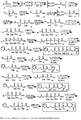
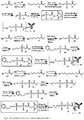
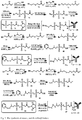
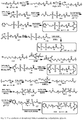
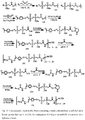
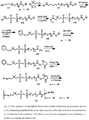
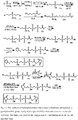
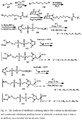
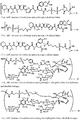
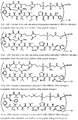
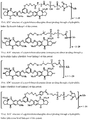
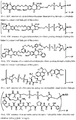
- novel conjugates disclosed herein use hydrophilic cross-linkers. Examples of some suitable cross-linkers and their synthesis are shown in Figures 1 to 18 .
- the synthetic routes to produce hydrophilic cross linkers as well as the preparation of the conjugates of drugs to a cell binding molecules of the present invention are shown in Figures 1-19 .
- the hydrophilic cross linkers possess three elements: a) substituents that are either phosphinate, or sulfonyl or sulfoxide groups, or mixed of these groups, b) a group, such as a N -hydroxysuccimimide ester, maleimido group, haloacetyl group, and hydrazide, capable of reaction with a cell-binding agent, and c) a group, such as but not limited to, a disulfide, maleimide, haloacetyl, aldehyde, ketone, azide, amine, alkoxylamino and hydrazide, capable of reaction with a drug.
- the hydrophilic substituents can be introduced by methods described herein.
- the phosphinate substituents they can be introduced by first treating a commercially available ammonium phosphinate with an acrylate via Michael addition and followed by substitution of excess amount of dibromo alkane to a phosphinate group.
- the sulfonyl and sulfoxide substituents they can be introduced by first generation of thioether components, followed by oxidization of these components. More detail synthesis of the hydrophilic linkers and their uses for the preparation of cell binding ligand-drug conjugates of this invention are disclosed in the figures 1-19 .
- hydrophilic linkers are compounds of the formula (I) below: wherein:
- R 1 , R 2 , R 3 , and R 4 can be respectively a chain of atoms selected from C, N, O, S, Si, and P that covalently connects the cell-surface binding ligand, the phosphinate or sulfonyl or sulfoxide group, the conjugated drug and themselves (R 1 , R 2 , R 3 and R 4 ).
- the atoms used in forming the hydrophilic linker may be combined in all chemically relevant ways, such as forming alkylene, alkenylene, and alkynylene, ethers, polyoxyalkylene, esters, amines, imines, polyamines, hydrazines, hydrazones, amides, ureas, semicarbazides, carbazides, alkoxyamines, alkoxylamines, urethanes, amino acids, acyloxylamines, hydroxamic acids, and many others.
- the atoms forming the linker (L) may be either saturated or unsaturated, or may be radicals, or may be cyclized upon each other to form divalent cyclic structures, including cyclo alkanes, cyclic ethers, cyclic amines, arylenes, heteroarylenes, and the like in the linker.
- M is H, or Na, or K, or N + R 1 R 2 R 3 or a pharmaceutical salt.
- R 1 , R 2 and R 3 are described above.
- Examples of the functional group, Y, that enables reaction with a cell-binding agent include amine reacting agents such as but not limited to N -hydroxysuccinmide esters, p-nitrophenyl esters, dinitrophenyl esters, pentafluorophenyl esters; thiol reactive agents such as but not limited to pyridyldisulfides, nitropyridyldisulfides, maleimides, haloacetates and carboxylic acid chlorides.
- amine reacting agents such as but not limited to N -hydroxysuccinmide esters, p-nitrophenyl esters, dinitrophenyl esters, pentafluorophenyl esters
- thiol reactive agents such as but not limited to pyridyldisulfides, nitropyridyldisulfides, maleimides, haloacetates and carboxylic acid chlorides.
- Examples of the functional group, Z, which enables linkage of a cytotoxic drug include groups that enable linkage via an either disulfide, or thioether, thioester, peptide, hydrazone, ester, carbamate, carbanate, alkoxime or amide bond.
- Such functional groups include, but are not limited to, thiol, disulfide, amino, carboxy, aldehydes, maleimido, haloacetyl, hydrazines, and hydroxy.
- the synthesis of thioether-containing cross linkers of the formula (I) is shown, for example, in Figures 6 , 8 , 10 , and 13 .
- the synthesis of polyethylene glycol-containing hydrophilic cross linkers of formula (I) is shown, for example, in Figures 8 , 9 , and 14 .
- the synthesis of azide-containing hydrophilic cross linkers of formula (I) for Huisgen 1,3-dipolar cycloaddition of azides to alkynes is shown, for example, in Figures 13 .
- the synthesis of hydrophilic cross linkers of formula (I) bearing a hydrazide or ketone moieties enabling linkage via acid-labile bonds is shown, for example, in Figures 11 , 16 and 18 .
- hydrophilic cross linkers of formula (I) bearing an alkoxylamino moiety enabling linkage via alkoxime bonds is shown, for example, in Figure 15 and 16 .
- the synthesis of dipeptide -containing cross linkers of the formula (I) is shown, for example, in Figure 18 .
- the conjugates of the present invention can be represented by the following formula, Cb-(-L-Drug) n , wherein Cb is a cell-binding agent, L is a hydrophilic linker, Drug is a drug molecule, and n is an integer from 1 to 20.
- the hydrophilic linker L may be composed of one or more linker components.
- exemplary linker components include 6-maleimidocaproyl ("MC"), maleimidopropanoyl ("MP”), valine-citrulline (“val-cit” or “vc”), alanine-phenylalanine (“ala-phe” or “af”), p-aminobenzyloxycarbonyl (“PAB”), 4-thiopentanoate (“SPP”), 4-(N-maleimidomethyl)cyclohexane-1 carboxylate (“MCC”), (4-acetyl)aminobenzoate (“SIAB”), 4-thio-butyrate (SPDB), 4-thio-2-hydroxysulfonyl-butyrate (2-Sulfo-SPDB), ethyleneoxy -CH 2 CH 2 O-- as one or more repeating units (“EO” or “PEO”). Additional linker components are known in the art and some are described herein.
- Example structures of these components containing linkers are: (MC, 6-maleimidocaproyl containing) (ME, maleimidoethyl containing). (MP, maleimidopropanoyl containing) (PAB, p-aminobenzyloxycarbonyl containing) (valine-citrulline containing) (MCC, 4-(N-maleimidomethyl)cyclohexane-1 carboxylate) ((4-acetyl)aminobenzoate containing) (4-thio-2-hydroxysulfonyl-butyrate, 2-sulfo-SPDB)
- the conjugates have the following formula (II): wherein:
- the drug can be any of many small molecule drugs, including, but not limited to, tubulysins, calicheamicins, auristatins, maytansinoids, CC-1065 analogs, morpholinos doxorubicins, taxanes, cryptophycins, epothilones, and benzodiazepine dimers (e.g., dimmers of pyrrolobenzodiazepine (PBD) or tomaymycin), indolinobenzodiazepines, imidazobenzothiadiazepines, or oxazolidinobenzodiazepines).
- PBD pyrrolobenzodiazepine
- indolinobenzodiazepines imidazobenzothiadiazepines
- oxazolidinobenzodiazepines oxazolidinobenzodiazepines
- the cell-binding agent can be first modified with the hydrophilic linkers of the present invention to introduce reactive disulfide groups, maleimido, haloacetyl, azide, 1-yne, ketone, or hydrazide groups.
- Synthesis of the cell-binding agent-drug conjugates linked via disulfide bonds is achieved by a disulfide exchange between the disulfide bond in the modified cell-binding agent and a drug containing a free thiol group.
- Synthesis of the cell-binding agent-drug conjugates linked via thioether is achieved by reaction of the maleimido or haloacetyl or ethylsulfonyl modified cell-binding agent and a drug containing a free thiol group.
- Synthesis of conjugates bearing an acid labile hydrazone link can be achieved by reaction of a carbonyl group with the hydrazide moiety in the linker, by methods known in the art (see, for example, P. Hamann et al., Hinman, L. M., et al, Cancer Res. 53, 3336-334, 1993 ; B. Laguzza et al., J.Med. Chem., 32; 548-555, 1959 ; P. Trail et al., Cancer Res., 57; 100-105, 1997 ).
- the drug can be modified with the hydrophilic linkers of the present invention to give a modified drug of formula (IV) bearing functionality capable of reacting with a cell binding agent.
- a thiol-containing drug can be reacted with the hydrophilic linker of formula (I) bearing a maleimdo or a haloacetyl or an ethylsulfonyl substituent at neutral pH in aqueous buffer to give a drug connected to the hydrophilic linker via a thioether link.
- a thiol-containing drug can undergo disulfide exchange with a hydrophilic linker bearing a pyrdiyldithio moiety to give a modified drug attached via a disulfide bond to the hydrophilic cross linker.
- a drug bearing a hydroxyl group or a thiol group can be reacted with a hydrophilic linker bearing a halogen of this invention, in the presence of a mild base, to give a modified drug bearing an ether or thiol ether link.
- a hydroxyl group containing drug can be condensed with a hydrophilic cross linker of formula (I) bearing a carboxyl group, in the presence of a dehydrating agent, such as EDC or dicyclohexylcarbodimide, to give an ester link.
- a dehydrating agent such as EDC or dicyclohexylcarbodimide
- An amino group containing drug can similarly undergo condensation with a carboxyl group on the hydrophilic linker of formula (I) to give an amide bond.
- the conjugate may be purified by standard biochemical means, such as gel filtration on a Sephadex G25 or Sephacryl S300 column, adsorption chromatography, and ion exchange or by dialysis.
- standard biochemical means such as gel filtration on a Sephadex G25 or Sephacryl S300 column, adsorption chromatography, and ion exchange or by dialysis.
- the cell-binding agent-drug conjugates can be purified by chromatography such as by HPLC, medium pressure column chromatography or ion exchange chromatography.
- the cell-binding agent modified by reaction with linkers of the present invention are preferably represented by the formula (III) wherein the substituents are as described above for the hydrophilic linkers and the cell-binding agent drug conjugates.
- Z is a disulfide substituent, a maleimido, haloacetyl group, or an N -hydroxysuccinimide ester
- Cb linked with R 1 is through thioether, amide, or disulfide bond.
- the modified cell-binding agent can be prepared via a reaction of the cell-binding agent with the hydrophilic linkers by methods known in the art for other cross-linkers ( U.S. Patent Nos. 5,846,545 , 5,585,499 , 5,475,092 , 5,414,064 , 5,208,020 , and 4,563,304 ; Carlsson, J. et al. Biochem. J.
- the reaction between the cell-binding agent and the cross-linker can be conducted in aqueous solution.
- the cross-linking reagent is dissolved in aqueous buffer, optionally containing a small amount (typically ⁇ 10% by volume) of a polar organic solvent that is miscible with water, for example different alcohols, such as methanol, ethanol, and propanol, acetone, acetonitrile, tetrahydrofuran (THF), 1,4-dioxane, dimethyl formamide (DMF), dimethyl acetamide (DMA), or dimethylsulfoxide (DMSO) at a high concentration, for example 1-100 mM, and then an appropriate aliquot is added to the buffered aqueous solution of the cell-binding agent.
- An appropriate aliquot is an amount of solution that introduces 1-10 cross-linking groups per cell-binding agent, preferably 1-5 groups, and the volume to be added should not exceed 10 %, preferably 5 %, and most preferably 0-3 % of the volume of the cell-binding agent solution.
- the aqueous solutions for the cell-binding agents are buffered between pH 6 and 9, preferably between 6.5 and 7.5 and can contain any non-nucleophilic buffer salts useful for these pH ranges.
- Typical buffers include phosphate, triethanolamine HCl, HEPES, and MOPS buffers, which can contain additional components, such as cyclodextrins, sucrose and salts, for examples, NaCl and KCl.
- the reaction is incubated at a temperature of from 4 °C to 40 °C, preferably at ambient temperature.
- the progress of the reaction can be monitored by measuring the increase in the absorption at 320 nm or another appropriate wavelength.
- isolation of the modified cell-binding agent can be performed in a routine way, using for example gel filtration chromatography, or adsorptive chromatography.
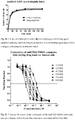
- Figure 20 shows the results from the modification of the cell-binding agent, the her2 antibody, with a chydrophilic cross-linker of the present invention.
- the time course of linker/antibody (L/A) incorporation is shown, for example, along with the drugs/antibody (D/A) linked.
- the hydrophilic cross-linkers described herein have diverse functional groups that can react with any cell-binding agent that possesses a suitable substituent.
- cell-binding agents bearing an amino or hydroxyl substituent can react with cross linkers bearing an N-hydroxysuccinimide (NHS) ester
- cell-binding agents bearing a thiol substituent can react with cross linkers bearing a maleimido or haloacetyl group
- cell-binding agents bearing a carbonyl substituent can react with cross linkers bearing a hydrazide or a hydroxylamine.
- cytotoxic drugs modified by reaction with cross-linkers of the present invention are preferably represented by the formula (IV): wherein the substituents are as defined above.
- Y is a disulfide substituent, a maleimido, haloacetyl group, or an N -hydroxysuccinimide ester.
- the modified drugs can be prepared by reacting the drug with the cross linkers of the present invention to give a modified drug of formula (IV) bearing a functionality capable of reacting with a cell binding agent.
- a thiol-containing drug can be reacted with the cross linker of formula (I) bearing a maleimdo substituent at neutral pH in aqueous buffer to give a drug connected to the hydrophilic linker via thioether linkage.
- a thiol-containing drug can undergo disulfide exchange with a hydrophilic linker bearing a pyrdiyldithio moiety to give a modified drug attached via a disulfide bond to the hydrophilic cross linker.
- a drug bearing a hydroxyl group can be reacted with a cross linker bearing a halogen, in the presence of a mild base, to give a modified drug bearing an ether link.
- a hydroxyl group containing drug can be condensed with a cross linker of formula (I) bearing a carboxyl group, in the presence of a dehydrating agent, such as EDC or dicyclohexylcarbodimide (DCC), to give an ester link.
- a drug bearing a thiol group can be reacted with a cross linker bearing a malimido or a vinylsulfonyl, or a haloacetyl group, to give a modified drug bearing thioether link.
- An amino group containing drug can similarly undergo condensation with a carboxyl group on the hydrophilic cross linker of formula (I) to give an amide bond.
- the modified drug can be purified by standard methods such as column chromatography over silica gel or alumina, crystallization, preparatory thin layer chromatography, ion exchange chromatography or HPLC.
- the cell-binding molecule that comprises the conjugates and the modified cell-binding agents of the present invention may be of any kind presently known, or that become known, molecule that binds to, complexes with or reacts with a moiety of a cell population sought to be therapeutically or otherwise biologically modified.
- the cell binding agents include, but are not limited to, large molecular weight proteins such as, for example, full-length antibodies (polyclonal antibodies, monoclonal antibodies, dimers, multimers, multispecific antibodies (e.g., bispecific antibodies); single chain antibodies; fragments of antibodies such as Fab, Fab', F(ab') 2 , F v , [ Parham, J. Immunol.
- fragments produced by a Fab expression library fragments produced by a Fab expression library, anti-idiotypic (anti-Id) antibodies, CDR's, and epitope-binding fragments of any of the above which immuno-specifically bind to cancer cell antigens, viral antigens, microbial antigens or a protein generated by the immune system that is capable of recognizing, binding to a specific antigen or exhibiting the desired biological activity ( Miller et al (2003) J.
- interferons such as type I, II, III
- peptides such as IL-2, IL-3, IL-4, IL-6, GM-CSF, interferon-gamma (IFN- ⁇ ); hormones such as insulin, TRH (thyrotropin releasing hormones), MSH (melanocyte-stimulating hormone), steroid hormones, such as androgens and estrogens, melanocyte-stimulating hormone (MSH); growth factors and colony-stimulating factors such as epidermal growth factors (EGF), granulocyte-macrophage colony-stimulating factor (GM-CSF), transforming growth factors (TGF), such as TGF ⁇ , TGF ⁇ , insulin and insulin like growth factors (IGF-I, IGF-II) G-CSF, M-CSF and GM-CSF [ Burgess, Immunology Today, 5, 155-158 (1984 )]; vaccinia growth factors (VG
- PSMA prostate-specific membrane antigen
- TKI small molecular tyrosine kinase inhibitors
- nanoparticles Liong, et al, ACS Nano, 2008, 19, 1309-12 ; Medarova, et al, Nat. Med. 2007, 13, 372-7 ; Javier, et al, Bioconjugate Chem. 2008, 19, 1309-12 ); liposomes ( Medinai, et al, Curr. Phar. Des. 2004, 10, 2981-9 ); viral capsides ( Flenniken, et al, Viruses Nanotechnol. 2009, 327, 71-93 ).
- monoclonal antibodies are preferred as a cell-surface binding agent if an appropriate one is available.
- antibodies may be murine, human, humanized, chimeric, or derived from other species.
- Particularly monoclonal antibodies are produced by immunizing mice, rats, hamsters or any other mammal with the antigen of interest such as the intact target cell, antigens isolated from the target cell, whole virus, attenuated whole virus, and viral proteins.
- Splenocytes are typically fused with myeloma cells using polyethylene glycol (PEG) 6000.
- Fused hybrids are selected by their sensitivity to HAT (hypoxanthine-aminopterin-thymine).
- Hybridomas producing a monoclonal antibody useful in practicing this invention are identified by their ability to immunoreact specified receptors or inhibit receptor activity on target cells.
- a monoclonal antibody used in the present invention can be produced by initiating a monoclonal hybridoma culture comprising a nutrient medium containing a hybridoma that secretes antibody molecules of the appropriate antigen specificity.
- the culture is maintained under conditions and for a time period sufficient for the hybridoma to secrete the antibody molecules into the medium.
- the antibody-containing medium is then collected.
- the antibody molecules can then be further isolated by well-known techniques, such as using protein-A affinity chromatography; anion, cation, hydrophobic, or size exclusive chromatographies (particularly by affinity for the specific antigen after Protein A, and sizing column chromatography); centrifugation, differential solubility, or by any other standard technique for the purification of proteins.
- DMEM Dulbecco's minimal essential medium
- 20 mm glutamine 20 mm glutamine
- 20% fetal calf serum supplemented with an anti-foaming agent, such as polyoxyethylene-polyoxypropylene block copolymer.
- an anti-foaming agent such as polyoxyethylene-polyoxypropylene block copolymer.
- antibody-producing cell lines can also be created by techniques other than fusion, such as direct transformation of B lymphocytes with oncogenic DNA, or transfection with an oncovirus, such as Epstein-Barr virus (EBV, also called human herpesvirus 4 (HHV-4)) or Kaposi's sarcoma-associated herpesvirus (KSHV).
- EBV Epstein-Barr virus
- HHV-4 human herpesvirus 4
- KSHV Kaposi's sarcoma-associated herpesvirus
- a monoclonal antibody may also be produced via an anti-receptor peptide or peptides containing the carboxyl terminal as described well-known in the art. See Niman et al., Proc. Natl. Acad. Sci. USA, 80: 4949-4953 (1983 ); Geysen et al., Proc. Natl. Acad. Sci. USA, 82: 178-182 (1985 ); Lei et al. Biochemistry 34(20): 6675-6688, (1995 ). Typically, the anti-receptor peptide or a peptide analog is used either alone or conjugated to an immunogenic carrier, as the immunogen for producing anti-receptor peptide monoclonal antibodies.
- phage display technology which can be used to select a range of human antibodies binding specifically to the antigen using methods of affinity enrichment. Phage display has been thoroughly described in the literature and the construction and screening of phage display libraries are well known in the art, see, e.g., Dente et al, Gene. 148(1):7-13 (1994 ); Little et al, Biotechnol Adv. 12(3):539-55 (1994 ); Clackson et al., Nature 352:264-628 (1991 ); Huse et al., Science 246:1275-1281 (1989 ).
- Monoclonal antibodies derived by hybridoma technique from another species than human, such as mouse, can be humanized to avoid human anti-mouse antibodies when infused into humans.
- complementarity-determining region grafting and resurfacing are more common methods of humanization of antibodies. These methods have been extensively described, see e.g. U.S. Pat. Nos. 5,859,205 and 6,797,492 ; Liu et al, Immunol Rev. 222:9-27 (2008 ); Almagro et al, Front Biosci. 13: 1619-33 (2008 ); Lazar et al, Mol Immunol. 44(8):1986-98 (2007 ); Li et al, Proc. Natl. Acad. Sci. USA.
- Fully human antibodies can also be prepared by immunizing transgenic mice, rabbits, monkeys, or other mammals, carrying large portions of the human immunoglobulin heavy and light chains, with an immunogen. Examples of such mice are: the Xenomouse. (Abgenix, Inc.), the HuMAb-Mouse (Medarex/BMS), the VelociMouse (Regeneron), see also U.S. Pat. No. 6,596,541 , 6,207,418 , No. 6,150,584 , No. 6,111,166 , No. 6,075,181 , No. 5,922,545 , Nos.
- murine variable regions and human constant regions can also be fused to construct called "chimeric antibodies" that are considerably less immunogenic in man than murine mAbs ( Kipriyanov et al, Mol Biotechnol. 26:39-60 (2004 ); Houdebine, Curr Opin Biotechnol. 13:625-9 (2002 ) each incorporated herein by reference).
- site-directed mutagenesis in the variable region of an antibody can result in an antibody with higher affinity and specificity for its antigen ( Brannigan et al, Nat Rev Mol Cell Biol.
- Antibodies immunospecific for a malignant cell antigen can also be obtained commercially or produced by any method known to one of skill in the art such as, e.g., chemical synthesis or recombinant expression techniques.
- the nucleotide sequence encoding antibodies immunospecific for a malignant cell antigen can be obtained commercially, e.g., from the GenBank database or a database like it, the literature publications, or by routine cloning and sequencing.
- a peptide or protein that bind/block/target or in some other way interact with the epitopes or corresponding receptors on a targeted cell can be used as a binding molecule.
- These peptides or proteins could be any random peptide or proteins that have an affinity for the epitopes or corresponding receptors and they don't necessarily have to be of the immunoglobulin family.
- These peptides can be isolated by similar techniques as for phage display antibodies ( Szardenings, J Recept Signal Transduct Res. 2003; 23(4):307-49 ).
- the use of peptides from such random peptide libraries can be similar to antibodies and antibody fragments.
- binding molecules of peptides or proteins may be conjugated on or linked to a large molecules or materials, such as, but is not limited, an albumin, a polymer, a liposome, a nano particle, as long as such attachment permits the peptide or protein to retain its antigen binding specificity.
- a large molecules or materials such as, but is not limited, an albumin, a polymer, a liposome, a nano particle, as long as such attachment permits the peptide or protein to retain its antigen binding specificity.
- antibodies used for conjugation of drugs via the hydrophilic linkers of this prevention for treating cancer, autoimmune disease, and infectious disease include, but are not limited to, 3F8 (anti-GD2), Abagovomab (anti CA-125), Abciximab (anti CD41 (integrin alpha-IIb), Adalimumab (anti-TNF-a), Adecatumumab (anti-EpCAM, CD326), Afelimomab (anti-TNF-a); Afutuzumab (anti-CD20), Alacizumab pegol (anti-VEGFR2), ALD518 (anti-IL-6), Alemtuzumab (Campath, MabCampath, anti- CD52), Altumomab (anti-CEA), Anatumomab (anti-TAG-72), Anrukinzumab (IMA-638, anti-IL-13), Apolizumab (anti-HLA-DR), Arcitumomab (
- ImmuRAIT from Immunomedics for NHL
- Lym-1 anti-HLA-DRlO, Peregrine Pharm. for Cancers
- MAK-195F anti-TNF (tumor necrosis factor; TNFA, TNF-alpha; TNFSF2), from Abbott / Knoll for Sepsis toxic shock
- MEDI-500 [T10B9, anti-CD3, TP ⁇ (T cell receptor alpha/beta), complex, from MedImmune Inc for Graft-versus-host disease]
- RING SCAN anti-TAG 72 (tumour associated glycoprotein 72), from Neoprobe Corp.
- LymphoCide Immunomedics, NJ
- Smart ID10 Protein Design Labs
- Oncolym Techniclone Inc, CA
- Allomune BioTransplant, CA
- anti-VEGF Geneentech, CA
- CEAcide Immunomedics, NJ
- IMC-1C11 ImClone Systems, NJ
- Cetuximab ImClone, NJ
- antibodies as binding ligands include, but are not limited to, are antibodies against the following antigens: Aminopeptidase N (CD13), Annexin A1, B7-H3 (CD276, various cancers), CA125 (ovarian), CA15-3 (carcinomas), CA19-9 (carcinomas), L6 (carcinomas), Lewis Y (carcinomas), Lewis X (carcinomas), alpha fetoprotein (carcinomas), CA242 (colorectal), placental alkaline phosphatase (carcinomas), prostate specific antigen (prostate), prostatic acid phosphatase (prostate), epidermal growth factor (carcinomas), CD2 (Hodgkin's disease, NHL lymphoma, multiple myeloma), CD3 epsilon (T cell lymphoma, lung, breast, gastric, ovarian cancers, autoimmune diseases, malignant ascites), CD19 (B cell malignancies), CD20 (non-Hodgkin's lymphoma
- CD4 Cluster of Differentiations
- the cell-binding -drug conjugates via the hydrophilic likers of this invention are used for the treatment of cancers.
- the cancers include, but are not limited, Adrenocortical Carcinoma, Anal Cancer, Bladder Cancer, Brain Tumor (Adult, Brain Stem Glioma, Childhood, Cerebellar Astrocytoma, Cerebral Astrocytoma, Ependymoma, Medulloblastoma, Supratentorial Primitive Neuroectodermal and Pineal Tumors, Visual Pathway and Hypothalamic Glioma), Breast Cancer, Carcinoid Tumor, Gastrointestinal, Carcinoma of Unknown Primary, Cervical Cancer, Colon Cancer, Endometrial Cancer, Esophageal Cancer, Extrahepatic Bile Duct Cancer, Ewings Family of Tumors (PNET), Extracranial Germ Cell Tumor, Eye Cancer, Intraocular Melanoma, Gallbladder Cancer, Gastric Cancer (
- the cell-binding-drug conjugates via the hydrophilic likers of this invention are used in accordance with the compositions and methods for the treatment or prevention of an autoimmune disease.
- the autoimmune diseases include, but are not limited, Achlorhydra Autoimmune Active Chronic Hepatitis, Acute Disseminated Encephalomyelitis, Acute hemorrhagic leukoencephalitis, Addison's Disease, Agammaglobulinemia, Alopecia areata, Amyotrophic Lateral Sclerosis, Ankylosing Spondylitis, Anti-GBM/TBM Nephritis, Antiphospholipid syndrome, Antisynthetase syndrome, Arthritis, Atopic allergy, Atopic Dermatitis, Autoimmune Aplastic Anemia, Autoimmune cardiomyopathy, Autoimmune hemolytic anemia, Autoimmune hepatitis, Autoimmune inner ear disease, Autoimmune lymphoproliferative syndrome, Autoimmune peripheral neuropathy, Autoimm
- a binding molecule used for the conjugate via the hydrophilic linkers of this invention for the treatment or prevention of an autoimmune disease includes, but are not limited to, anti-elastin antibody; Abys against epithelial cells antibody; Anti-Basement Membrane Collagen Type IV Protein antibody; Anti-Nuclear Antibody; Anti ds DNA; Anti ss DNA, Anti Cardiolipin Antibody IgM, IgG; anti-celiac antibody; Anti Phospholipid Antibody IgK, IgG; Anti SM Antibody; Anti Mitochondrial Antibody; Thyroid Antibody; Microsomal Antibody, T-cells antibody; Thyroglobulin Antibody, Anti SCL-70; Anti-Jo; Anti-U.sub.lRNP; Anti-La/SSB; Anti SSA; Anti SSB; Anti Perital Cells Antibody; Anti Histones; Anti RNP; C-ANCA; P-ANCA; Anti centromere; Anti-Fibrillarin, and Anti GBM Antibody
- the binding molecule for the conjugate in the present invention can bind to both a receptor or a receptor complex expressed on an activated lymphocyte which is associated with an autoimmune disease.
- the receptor or receptor complex can comprise an immunoglobulin gene superfamily member (e.g. CD2, CD3, CD4, CD8, CD19, CD20, CD22, CD28, CD30, CD37, CD38, CD56, CD70, CD79, CD90, CD125, CD152/CTLA-4, PD-1, or ICOS), a TNF receptor superfamily member (e.g.
- useful binding ligands that are immunospecific for a viral or a microbial antigen are humanized or human monoclonal antibodies.
- viral antigen includes, but is not limited to, any viral peptide, polypeptide protein (e.g. HIV gp120, HIV nef, RSV F glycoprotein, influenza virus neuramimidase, influenza virus hemagglutinin, HTLV tax, herpes simplex virus glycoprotein (e.g. gB, gC, gD, and gE) and hepatitis B surface antigen) that is capable of eliciting an immune response.
- polypeptide protein e.g. HIV gp120, HIV nef, RSV F glycoprotein, influenza virus neuramimidase, influenza virus hemagglutinin, HTLV tax, herpes simplex virus glycoprotein (e.g. gB, gC, gD, and gE) and hepatitis B surface antigen
- microbial antigen includes, but is not limited to, any microbial peptide, polypeptide, protein, saccharide, polysaccharide, or lipid molecule (e.g., a bacterial, fungi, pathogenic protozoa, or yeast polypeptide including, e.g., LPS and capsular polysaccharide 5/8) that is capable of eliciting an immune response.
- microbial antigen includes, but is not limited to, any microbial peptide, polypeptide, protein, saccharide, polysaccharide, or lipid molecule (e.g., a bacterial, fungi, pathogenic protozoa, or yeast polypeptide including, e.g., LPS and capsular polysaccharide 5/8) that is capable of eliciting an immune response.
- antibodies available 1 for the viral or microbial infection include, but are not limited to, Palivizumab which is a humanized anti-respiratory syncytial virus monoclonal antibody for the treatment of RSV infection; PRO542 which is a CD4 fusion antibody for the treatment of HIV infection; Ostavir which is a human antibody for the treatment of hepatitis B virus; PROTVIR which is a humanized IgG.sub.1 antibody for the treatment of cytomegalovirus; and anti-LPS antibodies.
- the cell binding molecules-drug conjugates via the hydrophilic linkers of this invention can be used in the treatment of infectious diseases.
- infectious diseases include, but are not limited to, Acinetobacter infections, Actinomycosis, African sleeping sickness (African trypanosomiasis), AIDS (Acquired immune deficiency syndrome), Amebiasis, Anaplasmosis, Anthrax, Arcanobacterium haemolyticum infection, Argentine hemorrhagic fever, Ascariasis, Aspergillosis, Astrovirus infection, Babesiosis, Bacillus cereus infection, Bacterial pneumonia, Bacterial vaginosis, Bacteroides infection, Balantidiasis, Baylisascaris infection, BK virus infection, Black piedra, Blastocystis hominis infection, Blastomycosis, Perun hemorrhagic fever, Borrelia infection, Botulism (and Infant botulism), Brazilian hemorrhagic fever,
- the cell binding molecules which are more proffered to be antibodies described in this patent that are against pathogenic strains include, but are not limit, Acinetobacter baumannii, Actinomyces israelii, Actinomyces gerencseriae and Propionibacterium propionicus, Trypanosoma brucei, HIV (Human immunodeficiency virus), Entamoeba histolytica, Anaplasma genus, Bacillus anthracis, Arcanobacterium haemolyticum, Junin virus, Ascaris lumbricoides, Aspergillus genus, Astroviridae family, Babesia genus, Bacillus cereus, multiple bacteria, Bacteroides genus, Balantidium coli, Baylisascaris genus, BK virus, Piedraia hortae, Blastocystis hominis, Blastomyces dermatitides, Machupo virus, Borrelia genus, Clostridium bot
- antibodies as cell binding ligands used in this invention for treatment of viral disease include, but are not limited to, antibodies against antigens of pathogenic viruses, including as examples and not by limitation: Poxyiridae, Herpesviridae, Adenoviridae, Papovaviridae, Enteroviridae, Picornaviridae, Parvoviridae, Reoviridae, Retroviridae, influenza viruses, parainfluenza viruses, mumps, measles, respiratory syncytial virus, rubella, Arboviridae, Rhabdoviridae, Arenaviridae, Non-A/Non-B Hepatitis virus, Rhinoviridae, Coronaviridae, Rotoviridae, Oncovirus [such as, HBV (Hepatocellular carcinoma), HPV (Cervical cancer, Anal cancer), Kaposi's sarcoma-associated herpesvirus (Kaposi's sarcoma), Epstein-Barr virus (Nas
- the present invention also concerns pharmaceutical compositions comprising the conjugate via the hydrophilic linkers of the invention together with a pharmaceutically acceptable carrier for treatment of cancer and autoimmune disorders.
- the method for treatment of cancer and autoimmune disorders can be practiced in vitro, in vivo, or ex vivo.
- in vitro uses include treatments of cell cultures in order to kill all cells except for desired variants that do not express the target antigen; or to kill variants that express undesired antigen.
- Examples of ex vivo uses include treatments of hematopoietic stem cells (HSC) prior to the performance of the transplantation (HSCT) into the same patient in order to kill diseased or malignant cells.
- HSC hematopoietic stem cells
- the bone marrow cells After incubation the bone marrow cells are washed with medium containing serum and returned to the patient by i.v. infusion according to known methods. In circumstances where the patient receives other treatment such as a course of ablative chemotherapy or total-body irradiation between the time of harvest of the marrow and reinfusion of the treated cells, the treated marrow cells are stored frozen in liquid nitrogen using standard medical equipment.
- the conjugate via the linkers of the invention will be supplied as solutions or as a lyophilized solid that can be redissolved in sterile water for injection.
- suitable protocols of conjugate administration are as follows. Conjugates are given weekly for 8 weeks as an i.v. bolus. Bolus doses are given in 50 to 500 ml of normal saline to which human serum albumin (e.g. 0.5 to 1 mL of a concentrated solution of human serum albumin, 100 mg/mL) can be added. Dosages will be about 50 ⁇ g to 20 mg/kg of body weight per week, i.v. (range of 10 ⁇ g to 200 mg/kg per injection). 8 weeks after treatment, the patient may receive a second course of treatment. Specific clinical protocols with regard to route of administration, excipients, diluents, dosages, times, etc., can be determined by the skilled clinicians.
- Examples of medical conditions that can be treated according to the in vivo or ex vivo methods of killing selected cell populations include malignancy of any types of cancer, autoimmune diseases, graft rejections, and infections (viral, bacterial or parasite).
- the amount of a conjugate which is required to achieve the desired biological effect will vary depending upon a number of factors, including the chemical characteristics, the potency, and the bioavailability of the conjugates, the type of disease, the species to which the patient belongs, the diseased state of the patient, the route of administration, all factors which dictate the required dose amounts, delivery and regimen to be administered.
- the conjugates via the linkers of this invention may be provided in an aqueous physiological buffer solution containing 0.1 to 10% w/v conjugates for parenteral administration.
- Typical dose ranges are from 1 ⁇ g/kg to 0.1 g/kg of body weight per day; a preferred dose range is from 0.01 mg/kg to 20 mg/kg of body weight per day or an equivalent dose in a human child.
- the preferred dosage of drug to be administered is likely to depend on such variables as the type and extent of progression of the disease or disorder, the overall health status of the particular patient, the relative biological efficacy of the compound selected, the formulation of the compound, the route of administration (intravenous, intramuscular, or other), the pharmacokinetic properties of the compound by the chosen delivery route, and the speed (bolus or continuous infusion) and schedule of administrations (number of repetitions in a given period of time).
- the conjugates via the linkers of the present invention are also capable of being administered in unit dose forms, wherein the term "unit dose” means a single dose which is capable of being administered to a patient, and which can be readily handled and packaged, remaining as a physically and chemically stable unit dose comprising either the active conjugate itself, or as a pharmaceutically acceptable composition, as described hereinafter.
- typical total daily dose ranges are from 0.01 to 100 mg/kg of body weight.
- unit doses for humans range from 1 mg to 3000 mg per day.
- the unit dose range is from 1 to 500 mg administered one to four times a day, and even more preferably from 10 mg to 500 mg, once a day.
- Conjugates provided herein can be formulated into pharmaceutical compositions by admixture with one or more pharmaceutically acceptable excipients.
- Such unit dose compositions may be prepared for use by oral administration, particularly in the form of tablets, simple capsules or soft gel capsules; or intranasally, particularly in the form of powders, nasal drops, or aerosols; or dermally, for example, topically in ointments, creams, lotions, gels or sprays, or via transdermal patches.
- Drugs that can be conjugated to a cell-binding molecule in the present invention are small molecule drugs including cytotoxic agents, which can be linked to or after they are modified for linkage to the cell-binding agent.
- a "small molecule drug” is broadly used herein to refer to an organic, inorganic, or organometallic compound that may have a molecular weight of for example 100 to 1800, more suitably from 120 to 1400.
- Small molecule drugs are well characterized in the art, such as in WO05058367A2 , and in U.S. Patent No. 4,956,303 , among others and are incorporated in their entirety by reference.
- the drugs include known drugs and those that may become known drugs.
- Chemotherapeutic agents include, but not limited to, 1).
- Chemotherapeutic agents a).
- Alkylating agents such as Nitrogen mustards: chlorambucil, chlornaphazine, cyclophosphamide, dacarbazine, estramustine, ifosfamide, mechlorethamine, mechlorethamine oxide hydrochloride, mannomustine, mitobronitol, melphalan, mitolactol, pipobroman, novembichin, phenesterine, prednimustine, thiotepa, trofosfamide, uracil mustard; CC-1065 (including its adozelesin, carzelesin and bizelesin synthetic analogues); duocarmycin (including the synthetic analogues, KW-2189 and CBI-TMI); benzodiazepine dimers (e.g., dimmers of pyrrolobenzodiazepine (PBD) or to
- Plant Alkaloids such as Vinca alkaloids: (vincristine, vinblastine, vindesine, vinorelbine, navelbin); Taxoids: (paclitaxel, docetaxol) and their analogs, Maytansinoids (DM1, DM2, DM3, DM4, maytansine and ansamitocins) and their analogs, cryptophycins (particularly cryptophycin 1 and cryptophycin 8); epothilones, eleutherobin, discodermolide, bryostatins, dolostatins, auristatins, tubulysins, cephalostatins; pancratistatin; a sarcodictyin; spongistatin; c).
- Vinca alkaloids (vincristine, vinblastine, vindesine, vinorelbine, navelbin)
- Taxoids (paclitaxel, docetaxol) and their analogs
- Maytansinoids DM1, DM2,
- DNA Topoisomerase Inhibitors such as [Epipodophyllins: (9-aminocamptothecin, camptothecin, crisnatol, daunomycin, etoposide, etoposide phosphate, irinotecan, mitoxantrone, novantrone, retinoic acids (retinols), teniposide, topotecan, 9-nitrocamptothecin (RFS 2000)); mitomycins: (mitomycin C)]; d).
- Anti-metabolites such as ⁇ [Anti-folate: DHFR inhibitors: (methotrexate, trimetrexate, denopterin, pteropterin, aminopterin (4-aminopteroic acid) or the other folic acid analogues); IMP dehydrogenase Inhibitors: (mycophenolic acid, tiazofurin, ribavirin, EICAR); Ribonucleotide reductase Inhibitors: (hydroxyurea, deferoxamine)]; [Pyrimidine analogs: Uracil analogs: (ancitabine, azacitidine, 6-azauridine, capecitabine (Xeloda), carmofur, cytarabine, dideoxyuridine, doxifluridine, enocitabine, 5-Fluorouracil, floxuridine, ratitrexed(Tomudex)); Cytosine analogs: (cytarabine, cytosine arabinoside
- Hormonal therapies such as ⁇ Receptor antagonists: [Anti-estrogen: (megestrol, raloxifene, tamoxifen); LHRH agonists: (goscrclin, leuprolide acetate); Antiandrogens: (bicalutamide, flutamide, calusterone, dromostanolone propionate, epitiostanol, goserelin, leuprolide, mepitiostane, nilutamide, testolactone, trilostane and other androgens inhibitors)]; Retinoids/Deltoids: [Vitamin D3 analogs: (CB 1093, EB 1089 KH 1060, cholecalciferol, ergocalciferol); Photodynamic therapies: (verteporfin, phthalocyanine, photosensitizer Pc4, demethoxy-hypocrellin A); Cytokines: (Interferon-alpha, Interfer
- Kinase inhibitors such as BIBW 2992 (anti-EGFR/Erb2), imatinib, gefitinib, pegaptanib, sorafenib, dasatinib, sunitinib, erlotinib, nilotinib, lapatinib, axitinib, pazopanib.
- vandetanib E7080 (anti-VEGFR2), mubritinib, ponatinib (AP24534), bafetinib (INNO-406), bosutinib (SKI-606), cabozantinib, vismodegib, iniparib, ruxolitinib, CYT387, axitinib, tivozanib, sorafenib, bevacizumab, cetuximab, Trastuzumab, Ranibizumab, Panitumumab, ispinesib; g). antibiotics, such as the enediyne antibiotics (e.g.
- calicheamicins especially calicheamicin . ⁇ 1, ⁇ 1, ⁇ 1 and ⁇ 1, see, e.g., J. Med. Chem., 39 (11), 2103-2117 (1996 ), Angew Chem Intl. Ed. Engl.
- dynemicin including dynemicin A and deoxydynemicin; esperamicin, kedarcidin, C-1027, maduropeptin, as well as neocarzinostatin chromophore and related chromoprotein enediyne antiobiotic chromomophores), aclacinomysins, actinomycin, authramycin, azaserine, bleomycins, cactinomycin, carabicin, carminomycin, carzinophilin; chromomycins, dactinomycin, daunorubicin, detorubicin, 6-diazo-5-oxo-L-norleucine, doxorubicin, morpholino-doxorubicin, cyanomorpholino-doxorubicin, 2-pyrrolino-doxorubicin and deoxydoxorubicin, epirubicin, e
- acetogenins especially bullatacin and bullatacinone
- gemcitabine epoxomicins (e. g. carfilzomib), bortezomib, thalidomide, lenalidomide, pomalidomide, tosedostat, zybrestat, PLX4032, STA-9090, Stimuvax, allovectin-7, Xegeva, Provenge, Yervoy, Isoprenylation inhibitors (such as Lovastatin), Dopaminergic neurotoxins (such as 1-methyl-4-phenylpyridinium ion), Cell cycle inhibitors (such as staurosporine), Actinomycins (such as Actinomycin D, dactinomycin), Bleomycins (such as bleomycin A2, bleomycin B2, peplomycin), Anthracyclines (such as daunorubicin, doxorubicin (adr
- Cytotoxic agents include tubulysins, maytansinoids, taxanoids (taxanes), CC-1065 analogs, daunorubicin and doxorubicin compounds, benzodiazepine dimers (e.g., dimers of pyrrolobenzodiazepine (PBD), tomaymycin, anthramycin, indolinobenzodiazepines, imidazobenzothiadiazepines, or oxazolidinobenzodiazepines), calicheamicins and the enediyne antibiotics, actinomycin, azaserines, bleomycins, epirubicin, tamoxifen, idarubicin, dolastatins/auristatins (e.g.
- auristatin E monomethyl auristatin E, MMAE , MMAF, auristatin PYE, auristatin TP, Auristatins 2-AQ, 6-AQ, EB (AEB), and EFP (AEFP)), duocarmycins, thiotepa, vincristine, hemiasterlins, and esperamicins, and their analogues and derivatives thereof.
- Tubulysins that are preferred for conjugation in the present invention are well known in the art and can be isolated from natural sources according to known methods or prepared synthetically according to known methods (e. g. Balasubramanian, R.; et al. J. Med. Chem., 2009, 52, 238-240 . Wipf, P.; et al. Org. Lett., 2004, 6, 4057-4060 . Pando, O.; et al. J. Am. Chem. Soc., 2011, 133, 7692-7695 . Reddy, J. A.; et al. Mol. Pharmaceutics, 2009, 6, 1518-1525 . Raghavan, B.; et al. J. Med.
- Maytansinoids and maytansinol analogues are described in U.S. Patent Nos. 4,256,746 , 4,361,650 and 4,307,016 , 4,294,757 , 4,294,757 , 4,371,533 , 4,424,219 , 4,331,598 , 4,450,254 , 4,364,866 , 4,313,946 , 4,315,929 4,362,663 , 4,322,348 , 4,371,533 , 4,424,219 , 5,208,020 , 5,416,064 , 5,208,020 ; 5,416,064 ; 6,333.410 ; 6,441,163 ; 6,716,821 , 7,276,497 , 7,301,019 , 7,303,749 , 7,368,565 , 7,411,063 , 7,851,432 , 8,163,888 .
- Taxanes which includes Paclitaxel (Taxol), a cytotoxic natural product, and docetaxel (Taxotere), a semi-synthetic derivative, and their analogs are exampled in:. K C. Nicolaou et al., J. Am. Chem. Soc. 117, 2409-2420, (1995 ); Ojima et al, J. Med. Chem. 39:3889-3896 (1996 ); 40:267-278 (1997 ); 45, 5620-5623 (2002 ); Ojima et al., Proc. Natl. Acad. Sci., 96:4256-4261 (1999 ; Kim et al., Bull. Korean Chem.
- CC-1065 analogues and doucarmycin analogs as well as their synthesis are described in: e.g. Warpehoski et al, J. Med. Chem. 31:590-603 (1988 ), D. Boger et al., J. Org. Chem; 66; 6654-6661, 2001 ; U. S.
- Daunorubicin/Doxorubicin and their synthesis are exampled in: Hurwitz, E., et al., Cancer Res. 35, 1175-1181 (1975 ). Yang, H. M., and Reisfeld, R. A., Proc. Natl. Acad. Sci. 85, 1189-1193 (1988 ); Pietersz, C. A., E., et al., E., et al.," Cancer Res. 48, 926-9311 (1988 ); Trouet, et al., 79, 626-629 (1982); Z. Brich et al., J. Controlled Release, 19, 245-258 (1992 ); Chen et al., Syn.
- auristatins e. g. auristain E (AE) auristatin EB (AEB), auristatin EFP (AEFP), monomethyl auristatin E (MMAE), Monomethylauristatin (MMAF), Auristatin F phenylene diamine (AFP) and a phenylalanine variant of MMAE
- AE auristain E
- AEB auristatin EFP
- MMAE monomethyl auristatin E
- MMAF Monomethylauristatin
- AFP Auristatin F phenylene diamine
- AFP phenylalanine variant of MMAE
- benzodiazepine dimers e. g. dimers of pyrrolobenzodiazepine (PBD) or (tomaymycin), indolinobenzodiazepines, imidazobenzothiadiazepines, or oxazolidinobenzodiazepines
- PBD pyrrolobenzodiazepine
- indolinobenzodiazepines e. g. imidazobenzothiadiazepines
- oxazolidinobenzodiazepines e. cytotoxic agents
- Analogues and derivatives of the cytotoxic drugs/agents described in the present patent can be conjugated via a hydrophilic linker of the present patent.
- a hydrophilic linker of the present patent One skilled in the art of drugs/cytotoxic agents will readily understand that each of the drugs/cytotoxic agents described herein can be modified in such a manner that the resulting compound still retains the specificity and/or activity of the starting compound. The skilled artisan will also understand that many of these compounds can be used in place of the drugs/cytotoxic agents described herein.
- Example 1 (2-Bromoethyl)(3-ethoxy-3-oxopropyl)phosphinic acid (or ethyl 3-[2-Bromoethyl(hydroxy)phosphinyl]propanoate) ( 4 )
- Example 8 Ethyl 3-((2-((2-bromoethyl)(ethoxy)phosphoryl)ethyl)(ethoxy)phosphoryl) propanoate (13), Ethyl 3-(ethoxy(2-(ethoxy(vinyl)phosphoryl)ethyl)phosphoryl) propanoate (14).
- Example 9 Ethyl 3-((2-((2-(3,6-endoxo- ⁇ -tetrahydrophthalido)ethyl)(ethoxy)phosphoryl)ethyl)(ethoxy)phosphoryl)propanoate, or ethyl 3-((2-((2-((3aR,4R,7S)-1,3-dioxo-3a,4,7,7a-tetrahydro-1H-4,7-epoxyisoindol-2(3H)-yl)ethyl)(ethoxy)phosphoryl)ethyl)(ethoxy)phosphoryl)propanoate (24)
- Example 21 2,5-dioxopyrrolidin-1-yl 3-((3-((3-(pyridin-2-yldisulfanyl)propyl)sulfonyl)propyl)sulfonyl)propanoate (69).
- Example 22 methyl 3-((3-mercaptopropyl)thio)propanoate (71).
- Methyl 3-bromopropanoate 51 (10.010 g, 60.24 mmol) in DMA (80 ml) was added ethane-1,2-dithiol (40.0 g, 425.4 mmol) and DIPEA (150 ml). The mixture was stirred at 45 °C under Ar for 8 h, evaporated and purified on SiO 2 chromatography eluted with 1:10:0.01% EtOAc/DCM/HOAc, pooled the fractions, and evaporated to afford the title compound 71 (8.56 g, 79% yield). ESIMS m/z+ 203.10 (M+Na).
- Example 23 methyl 3-((2-((3-bromobutyl)thio)ethyl)thio)propanoate (82).
- Example 24 methyl 3-((2-((3-bromobutyl)sulfonyl)ethyl)sulfonyl)propanoate (83).
- Example 25 methyl 3-((2-((3-(acetylthio)butyl)sulfonyl)ethyl)sulfonyl)propanoate (84).
- Example 26 3-((2-((3-(pyridin-2-yldisulfanyl)butyl)sulfonyl)ethyl)sulfonyl)propanoic acid (85).
- the antiHer2 antibody is modified with phosphinate linker at 8 mg/mL antibody, a 10 fold molar excess of phosphinate linker ( ⁇ 30mM stock solution in DMA).
- the reaction is carried out in 100 mM NaH 2 PO 4 , pH7.4 buffer with DMA (5% v/v) for 15, 30, 60, 120, and 240 minutes at 25 °C.
- the modified antiHer2 was purified by G25 column with 50 mM NaH 2 PO 4 , 50 mM NaCl, and 2 mM EDTA, pH6.5 to remove the excess phosphinate linker.
- a hydrophilic linker containing thiopyridine (SPP) linker was dissolved in DMA at a concentration of approximately 10 mM.
- An antibody was dialyzed into buffer A (50 mM NaH 2 PO 4 , 50 mM NaCl, 2 mM EDTA, pH 6.5).
- buffer A 50 mM NaH 2 PO 4 , 50 mM NaCl, 2 mM EDTA, pH 6.5
- the linker reaction was at 8 mg/ml, and 4-6 equivalents of linker were added while stirring in the presence of 5% (v/v) DMA. The reaction was allowed to proceed at ambient temperature for 90 minutes.
- the drug (1 - 1.5-fold molar excess relative to the number of linker molecules per antibody as indicated) was slowly added with stirring to the antibody which was at a concentration of 2.5 mg/ml in buffer A (pH 6.5 or pH 7.4) in a final concentration of 3% (v/v) DMA.
- the reaction was allowed to proceed at ambient temperature for the indicated times.
- Drug-conjugated antibody was purified using a Sephadex G25 column equilibrated with buffer B (PBS (NaH 2 PO 4 ), pH 6.5). The extent of drug conjugation to antibody was assessed by measuring A 254 and A 280 of the conjugate..
- Example 30 In vitro cytotoxicity evaluation of a tubulysin (ZT041) conjugates of antibodies with a disulfide linkers containing sulfonyl groups:
- the targeted cells e.g. Ramos cells, 20,000 cells
- the targeted cells were cultured in the presence of various concentrations of unconjugated antibody or the antibody conjugate for 96 hours after which cell viability was measured by propidium iodide exclusion and analyzed by flow cytometry using a Becton Dickinson FACSort (Becton Dickinson, Franklin Lakes, NJ). Red fluorescent intensity (emission at 617 nm in the FL2 channel) of the cells excited at 488 nm was measured.
- the regions for viable cells were also set using both the forward light scatter and right-angle light scatter properties of the cells.
- the loss of viability was determined by the loss of cells from within the gated region defining viable cells. The average number of viable cells per 6 replicate cultures was calculated.
- the survival fraction was plotted versus conjugate concentration to determine the IC 50 value (50% cell killing concentration) of the conjugate.
Landscapes
- Chemical & Material Sciences (AREA)
- Health & Medical Sciences (AREA)
- Organic Chemistry (AREA)
- Life Sciences & Earth Sciences (AREA)
- General Health & Medical Sciences (AREA)
- Veterinary Medicine (AREA)
- Molecular Biology (AREA)
- Biochemistry (AREA)
- Public Health (AREA)
- Medicinal Chemistry (AREA)
- Pharmacology & Pharmacy (AREA)
- Animal Behavior & Ethology (AREA)
- Epidemiology (AREA)
- General Chemical & Material Sciences (AREA)
- Chemical Kinetics & Catalysis (AREA)
- Nuclear Medicine, Radiotherapy & Molecular Imaging (AREA)
- Engineering & Computer Science (AREA)
- Bioinformatics & Cheminformatics (AREA)
- Immunology (AREA)
- Oncology (AREA)
- Communicable Diseases (AREA)
- Tropical Medicine & Parasitology (AREA)
- Virology (AREA)
- Pharmaceuticals Containing Other Organic And Inorganic Compounds (AREA)
- Medicinal Preparation (AREA)
- Medicines That Contain Protein Lipid Enzymes And Other Medicines (AREA)
- Plural Heterocyclic Compounds (AREA)
- Medicines Containing Antibodies Or Antigens For Use As Internal Diagnostic Agents (AREA)
- Organic Low-Molecular-Weight Compounds And Preparation Thereof (AREA)
Claims (20)
- Un lieur hydrophile de formule (I)
 Y représente un groupe fonctionnel qui permet la réaction avec un agent de liaison cellulaire ;Q et T sont -P(=O)(OM)-, ou -S(O2)-, ou -S(O)-;m et n sont des nombres entiers de 0 à 5, mais ne valant pas de 0 en même temps ; de plus, lorsque m = 1, n = 0, Q n'est pas -P(=O)(OM)-; ou lorsque n = 1, m = 0, T n'est pas -P(=O)(OM)-;Z représente un groupe fonctionnel qui permet la liaison d'un médicament cytotoxique via une liaison disulfure, thioéther, thioester, peptide, hydrazone, éther, ester, carbamate, carbonate, amine (secondaire, tertiaire ou quaternaire), imine, cyclohétéroalkyle, hétéroaromatique, alcoxime ou liaison amide, ledit groupe fonctionnel Z étant choisi parmi un thiol, un disulfure, un amino, un carboxy, des aldéhydes, un maléimido, un haloacétyle, des hydrazines et un hydroxy ;R1, R2, R3, R4, R5 et R6 sont identiques ou différents et sont H, un alkyle linéaire ayant de 1 à 6 atomes de carbone, un alkyle ramifié ou cyclique ayant de 3 à 6 atomes de carbone, un alcényle linéaire ou ramifié ou cyclique ou alcynyle, ou 1-6 atomes de carbone d'un ester, d'un éther, d'un amide ou d'un motif polyéthylène-oxy de formule (OCH2CH2)p, où p est un nombre entier de 0 à 1000, ou une combinaison de ceux-ci ;ou R1, R2, R3 et R4 sont respectivement une chaîne d'atomes choisis parmi C, N, O, S, Si et P qui relie de manière covalente le ligand de liaison à la surface cellulaire, le groupe phosphinate ou sulfonyle, le médicament conjugué et entre eux (R1, R2, R3 et R4), dans laquelle lesdits atomes sont combinés de n'importe quelles manières chimiquement pertinentes ;M est H, ou Na, ou K, ou N+R1R2R3 ou un sel pharmaceutique, dans lequel R1, R2 et R3 sont tels que décrits ci-dessus.
 - Un conjugué agent de liaison cellulaire-médicament de formule (II)
 Cb représente un agent / une molécule liant les cellules ;« Drug » représente un médicament lié à l'agent de liaison cellulaire via le lieur hydrophile par un pont disulfure, thioéther, thioester, peptide, hydrazone, éther, ester, carbamate, carbonate, cyclohétéroalcane, hétéroaromatique, alcoxime ou amide ;Q et T sont -P(=O)(OM)-, ou -S(O2)-, ou -S(O)-;m et n sont des nombres entiers de 0 à 5, mais ne valant pas 0 en même temps; de plus, lorsque m = 1, n = 0, Q n'est pas -P(=O)(OM)-; ou lorsque n = 1, m = 0, T n'est pas ou -S(O)-; -P(=O)(OM)-; q est un nombre entier de 1 à 20 ;R1, R2, R3, R4, R5 et R6 sont identiques ou différents et sont H, alkyle linéaire ayant de 1 à 6 atomes de carbone, alkyle ramifié ou cyclique ayant de 3 à 6 atomes de carbone, alcényle linéaire ou ramifié ou cyclique ou alcynyle, ou 1-6 atomes de carbone d'un ester, d'un éther, d'un amide ou d'un motif polyéthylène-oxy de formule (OCH2CH2)p, où p est un nombre entier de 0 à 1000, ou une combinaison de ceux-ci ;ou R1, R2, R3 et R4 sont respectivement une chaîne d'atomes choisis parmi C, N, O, S, Si, et P qui relie de manière covalente le ligand de liaison de surface cellulaire, le groupe phosphinate ou sulfonyle, le médicament conjugué et entre eux (R1, R2, R3 et R4), dans laquelle lesdits atomes sont combinés de toute manière chimiquement pertinente ;M est H, ou Na, ou K, ou N+R1R2R3 ou un sel pharmaceutique, dans lequel R1, R2 et R3 sont tels que décrits ci-dessus.
 - Un composé de formule (III) :
 Cb représente un agent / une molécule liant les cellules ;Z représente un groupe fonctionnel qui permet la réaction avec un médicament cytotoxique ;Q et T sont -P(=O)(OM)-, ou -S(O2)-, ou -S(O)-;m et n sont des entiers de 0 à 5, mais ne valent pas 0 en même temps ; de plus, lorsque m = 1, n = 0, Q n'est pas -P(=O)(OM)- ; ou lorsque n = 1, m = 0, T n'est pas -P(=O)(OM)- ; q est un nombre entier de 1 à 20 ;Z représente un groupe fonctionnel qui permet la liaison d'un médicament cytotoxique via un pont disulfure, thioéther, thioester, peptide, hydrazone, éther, ester, carbamate, carbonate, amine (secondaire, tertiaire ou quaternaire), imine, cyclohétéroalkyle, hétéroaromatique, alcoxime ou amide ;R1, R2, R3, R4, R5 et R6 sont identiques ou différents et sont H, alkyle linéaire ayant de 1 à 6 atomes de carbone, alkyle ramifié ou cyclique ayant de 3 à 6 atomes de carbone, alcényle linéaire ou ramifié ou cyclique ou alcynyle, ou 1-6 atomes de carbone d'un ester, d'un éther, d'un amide ou d'un motif polyéthylène-oxy de formule (OCH2CH2)p, où p est un nombre entier de 0 à 1000, ou une combinaison de ceux-ci ;ou R1, R2, R3 et R4 sont respectivement une chaîne d'atomes choisis parmi C, N, O, S, Si et P qui relie de manière covalente le ligand de liaison à la surface cellulaire, le groupe phosphinate ou sulfonyle, le médicament conjugué et entre eux (R1, R2, R3 et R4), dans laquelle lesdits atomes sont combinés de n'importe quelles manières chimiquement pertinentes ;M est H, ou Na, ou K, ou N+R1R2R3 ou un sel pharmaceutique, dans lequel R1, R2 et R3 sont tels que décrits ci-dessus.
 - Un composé de formule (IV) :
 Y représente un groupe fonctionnel qui permet la réaction avec un agent de liaison cellulaire ;Q et T sont -P(=O)(OM)-, ou -S(O2)-, ou -S(O)-;m et n sont des nombres entiers de 0 à 5, mais ne valent pas 0 en même temps ; de plus, lorsque m = 1, n = 0, Q n'est pas -P(=O)(OM)- ; ou lorsque n = 1, m = 0, T n'est pas -P(=O)(OM)- ;« Drug » représente un médicament lié à l'agent de liaison cellulaire via le lieur hydrophile par un pont disulfure, thioéther, thioester, peptide, hydrazone, éther, ester, carbamate, carbonate, cyclohétéroalcane, hétéroaromatique, alcoxime ou amide ;R1, R2, R3, R4, R5 et R6 sont identiques ou différents et sont H, alkyle linéaire ayant de 1 à 6 atomes de carbone, alkyle ramifié ou cyclique ayant de 3 à 6 atomes de carbone, alcényle linéaire ou ramifié ou cyclique ou alcynyle, ou 1-6 atomes de carbone d'un ester, d'un éther, d'un amide ou d'un motif polyéthylène-oxy de formule (OCH2CH2)p, où p est un nombre entier de 0 à 1000, ou une combinaison de ceux-ci ;ou R1, R2, R3 et R4 sont respectivement une chaîne d'atomes choisis parmi C, N, O, S, Si et P qui relie de manière covalente le ligand de liaison à la surface cellulaire, le groupe phosphinate ou sulfonyle, le médicament conjugué et entre eux (R1, R2, R3 et R4), dans laquelle lesdits atomes sont combinés de n'importe quelles manières chimiquement pertinentes ;M est H, ou Na, ou K, ou N+R1R2R3 ou un sel pharmaceutique, dans lequel R1, R2 et R3 sont tels que décrits ci-dessus.
 - Le conjugué selon la revendication 2 ou le composé de la revendication 4, dans lequel le « Drug » est choisi parmi :1). Les agents chimiothérapeutiques : a). Les agents alkylants : choisis parmi les moutardes azotées (chlorambucil, chlomaphazine, cyclophosphamide, dacarbazine, estramustine, ifosfamide, méchloréthamine, chlorhydrate d'oxyde de méchloréthamine, mannomustine, mitobronitol, melphalan, mitolactol, pipobroman, novembichine, phénestérine, prednimustine, thiotépa, trofosfamide, moutarde à l'uracile). CC-1065 (y compris ses analogues synthétiques de l'adozélésine, de la carzelésine et de la bizélésine) ; la duocarmycine (y compris ses analogues synthétiques, KW-2189 et CBI-TMI) ; les dimères de benzodiazépine (choisis parmi les dimères de pyrrolobenzodiazépine (PBD) ou de tomaymycine, les indolinobenzodiazépines, les imidazobenzothiadiazépines ou les oxazolidinobenzodiazépines) ; les nitrosourées (carmustine, lomustine, chlorozotocine, fotémustine, nimustine, ranimustine) ; les alkylsulfonates (busulfan, treosulfan, improsulfan et piposulfan) ; Les triazènes (dacarbazine) ; les composés contenant du platine : (carboplatine, cisplatine, oxaliplatine) ; les aziridines (benzodopa, carboquone, meturedopa et uredopa) ; les éthylénimines et les méthylamélamines comprenant l'altrétamine, la triéthylènemélamine, le trietylènephosphoramide, le triéthylènethiophospha-amide et la triméthylolomélamine ; b). Les plantes alcaloïdes choisies parmi : les alcaloïdes Vinca (vincristine, vinblastine, vindésine, vinorelbine, navelbin) ; les taxoïdes (paclitaxel, docétaxol) et leurs analogues synthétiques, Maytansinoïdes (DMI, DM2, DM3, DM4, DM5, DM6, DM7, maytansine et ansamitocines) et leurs analogues synthétiques, cryptophycines (cryptophycine 1 et cryptophycine 8) ; les épothilones, l'éleuthérobine, le discodermolide, les bryostatines, les dolostatines, les auristatines, les tubulysines, les céphalostatines ; la pancratistatine ; une sarcodictyine ; la spongistatine ; c). Les inhibiteurs de l'ADN topoisomérase choisis parmi les épipodophyllines (9-aminocamptothécine, camptothécine, crisnatol, daunomycine, étoposide, étoposide phosphate, irinotécan, mitoxantrone, novantrone, acides rétinoïques (rétinols), téniposide, topotécan, 9-nitrocamptothécine (RFS 2000)) ; les mitomycines (mitomycine C) ; d). Anti-métabolites choisis parmi : [Anti-folate qui est choisi parmi : les inhibiteurs de la DHFR, le méthotrexate, le trimétrexate, la denoptérine, la ptéroptérine, l'aminoptérine (acide 4-aminoptéroïque) ; les inhibiteurs de l'IMP déshydrogénase (acide mycophénolique, tiazofurine, ribavirine, EICAR) ; les inhibiteurs de la ribonucléotide réductase (hydroxyurée, déféroxamine) ; les analogues de pyrimidine choisis parmi les analogues de l'uracile (ancitabine, azacitidine, 6-azauridine, capécitabine (Xeloda), carmofur, cytarabine, didésoxyuridine, doxifluridine, énocitabine, 5-fluorouracile, floxuridine, ratitrexed (Tomudex)) ; les analogues de la cytosine (cytarabine, cytosine arabinoside, fludarabine) ; les analogues de la purine (azathioprine, fludarabine, mercaptopurine, thiamiprine, thioguanine) ; l'acide folique régénérateur, (acide frolinique) ; e). Les thérapies hormonales choisies parmi les antagonistes des récepteurs, qui sont choisies parmi : Anti-oestrogène : (mégestrol, raloxifène, tamoxifène) ; les agonistes de la LHRH (goscrcline, acétate de leuprolide) ; Anti-androgènes (bicalutamide, flutamide, calusterone, propionate de dromostanolone, épitiostanol, goséréline, leuprolide, mépitiostane, nilutamide, testolactone, trilostane et autres inhibiteurs des androgènes) ; les rétinoïdes / deltoïdes qui sont choisis parmi : des analogues de la vitamine D3 (CB 1093, EB 1089 KH 1060, cholécalciférol, ergocalciférol) ; les thérapies photodynamiques (vertéporfine, phtalocyanine, photosensibilisateur Pc4, déméthoxy-hypocrelline A) ; Les cytokines (interféron alpha, interféron gamma, facteur de nécrose tumorale (TNF), protéines humaines contenant un domaine TNF) ; f). Les inhibiteurs de kinases choisis parmi BIBW 2992 (anti-EGFR / Erb2), l'imatinib, le géfitinib, le pegaptanib, le sorafénib, le dasatinib, le sunitinib, l'erlotinib, le nilotinib, le lapatinib, l'axitinib, le pazopanib, le vandétanib, l'E7080 (anti-VEGFR2), le mubritinib, le ponatinib (AP24534), le bafétinib (INNO-406), le bosutinib (SKI-606), le cabozantinib, le vismodegib, l'iniparib, le ruxolitinib, le CYT387, l'axitinib, le tivozanib, le sorafenib, le bevacizumab, le cetuximab, le Trastuzumab, le Ranibizumab, le Panitumumab, l'ispinesib ; g). Les antibiotiques choisis parmi les antibiotiques enediyne (y compris la calichéamicine, la calichéamicine, γ1, δ1, α1 et βI, la dynemicine, y compris la dynemicine A et la deoxydynemicine, l'esperamicine, la kedarcidine, le C-1027, la maduropeptine, le chromophore de néocarzinostatine et les chromophophores antiobiotiques de chromoprotéine enediyne), l'aclacinomysines, l'actinomycine, l'authramycine, l'azasérine, les bléomycines, la cactinomycine, la carabicine, la carminomycine, la carzinophiline ; les chromomycines, la dactinomycine, la daunorubicine, la détorubicine, la 6-diazo-5-oxo-L-norleucine, la doxorubicine, la morpholino-doxorubicine, la cyanomorpholino-doxorubicine, la 2-pyrrolino-doxorubicine et la désoxydoxorubicine, l'épirubicine, l'esorubicine, l'idarubicine, la marcellomycine, nitomycines, acide mycophénolique la nogalamycine, les olivomycines, la péplomycine, la potfiromycine, la puromycine, la quelamycine, la rodorubicine, la streptonigrine, la streptozocine, la tubercidine, l'ubenimex, la zinostatine, la zorubicine ; f). Autres : choisis parmi les polycétides (acétogénines), la bullatacine et la bullatacinone ; la gemcitabine, les époxomicines (carfilzomib), le bortézomib, le thalidomide, le lénalidomide, le pomalidomide, le tosédostat, le zybrestat, le PLX4032, le STA-9090, le Stimuvax, l'allovectine-7, le Xegeva, le Provenge, le Yervoy, les inhibiteurs d'isoprénylation (y compris la lovastatine), les neurotoxines dopaminergiques (y compris 1-méthyl-4-phénylpyridinium), les inhibiteurs du cycle cellulaire (y compris la staurosporine), les actinomycines (y compris actinomycine D, dactinomycine), les bléomycines (bléomycine A2, bléomycine B2, péplomycine), les anthracyclines (daunorubicine, doxorubicine (adriamycine), l'idarubicine, l'épirubicine, al pirarubicine, la zorubicine, le mtoxantrone, les inhibiteurs de la MDR (vérapamil), les inhibiteurs de la Ca2+ATPase (thapsigargine), les inhibiteurs de l'histone désacétylase (Vorinostat, Romidepsin, Panobinostat, acide valproïque, mocétinostat (MGCD0103), Belinostat, PCI-24781, Entinostat, SB939, Resminostat, Givinostat, l'AR-42, le CUDC-101, sulforaphane, Trichostatine A); le Thapsigargin le Celécoxib, les glitazones, le gallate d'épigallocatéchine, le Disulfirame, le Salinosporamide A. ; Anti-surrénales, choisies parmi l'aminogl utéthimide, le mitotane, le trilostane ; l'aceglatone ; l'aldophosphamide glycoside ; l'acide aminolévulinique ; l'amsacrine ; l'arabinoside, le bestrabucil ; le bisantrène ; l'edatraxate ; le défofamine ; la démécolcine ; le diaziquone ; l'éflomithine (DFMO), l'elfomithine ; l'acétate d'elliptinium, l'étoglucide ; le nitrate de gallium ; la gacytosine, l'hydroxyurée ; l'ibandronate, la lentinane ; la Ionidamine ; la mitoguazone ; la mitoxantrone ; le mopidamol ; la nitracrine ; la pentostatine ; le phenamet ; la pirarubicine ; l'acide podophyllinique ; Le 2-éthylhydrazide ; la procarbazine ; le PSK® ; le razoxane ; la rhizoxine ; le sizofiran ; spirogermanium ; l'acide ténazoïque ; le triaziquone ; le 2,2',2"-trichlorotriéthylamine ; les trichothécènes (en particulier la toxine T-2, la verrucarine A, la roridine A et l'anguidine) ; l'uréthane, la siRNA, les médicaments antisens ;2). Les agents pathogènes anti-auto-immunes : la cyclosporine, la cyclosporine A, l'acide aminocaproïque, l'azathioprine, la bromocriptine, le chlorambucil, la chloroquine, le cyclophosphamide, les corticostéroïdes (amcinonide, bétaméthasone, budésonide, hydrocortisone, flunisolide, propionate de fluticasone, fluocortolone danazol, dexaméthasone, triamcinolone acétonide, dipropionate de béclométasone), la DHEA, l'énanercept, l'hydroxychloroquine, l'infliximab, le méloxicam, le méthotrexate, le mofétil, la mycophénylate, la prednisone, le sirolimus, le tacrolimus.3). Les agents pathogènes anti-infectieux, a). Les aminoglycosides : amikacine, astromicine, gentamicine (nétilmicine, sisomicine, isépamicine), hygromycine B, kanamycine (amikacine, arbekacine, békanamycine, dibékacine, tobramycine), néomycine (framycétine, paromomycine, ribostamycine), nétilmicine, spectinomycine, streptomycine, tobramycine, verdamicine ; b). Les amphenicols : azidamfenicol, chloramphenicol, florfenicol, thiamphenicol ; c). Les ansamycines : geldanamycine, herbimycine ; d). Les carbapénèmes : biapénème, doripénème, ertapénème, imipénème / cilastatine, méropénème, panipénème ; e). Les céphèmes : carbacephème (loracarbef), céfacétrile, céfaclor, céfradine, céfadroxil, céfalonium, céfaloridine, céfalotine ou céfalothine, céfalexine, cefaloglycine, céfamandole, céfapirine, céfatrizine, cefazaflur, cefazedone, céfazoline, cefbupérazone, cefcapene, cefdaloxime, céfépime, cefminox, céfoxitine, cefprozil, cefroxadine, ceftezole, céfuroxime, cefixime, cefdinir, cefditoren, céfépime, cefetamet, cefménoxime, céfodizime, cefonicid, céfopérazone, ceforanide, cefotaxime, cefotiam, cefozopran, cephalexin, cefpimizole, cefpiramide, cefpirome, cefpodoxime, cefprozil, cefquinome, cefsulodin, ceftazidime, cefteram, ceftibuten, ceftiolene, ceftizoxime, ceftobiprole, ceftriaxone, cefuroxime, cefuzonam, cephamycin (céfoxitine, céfotétan, céfmétazole), oxacéphème (flomoxef, latamoxef) ; f). Glycopeptides : bléomycine, vancomycine (oritavancine, télavancine), téicoplanine (dalbavancine), ramoplanine ; g). Les glycylcyclines (tigécycline) ; g). Les inhibiteurs de la β-lactamase : le penam (sulbactam, tazobactam), le clavam (acide clavulanique) ; i). Les lincosamides : clindamycine, lincomycine ; j). Les lipopeptides : daptomycine, A54145, antibiotiques calcium-dépendants (CDA) ; k). Les macrolides : azithromycine, cétrhromycine, clarithromycine, dirithromycine, érythromycine, flurithromycine, josamycine, cétolide (télithromycine, céthromycine), midécamycine, miocamycine, oléandomycine, rifamycines (rifampicine, rifampicine, rifabutine, rifapentine), rokitamycine, roxithromycine, spectinomycine, spiramycine, tacrolimus (FK506), la troléandomycine, la télithromycine ; 1). Les monobactams : aztréonam, tigemonam ; m). Les oxazolidinones : linézolide ; n). Les pénicillines : amoxicilline, ampicilline (pivampicilline, hétacilline, bacampicilline, métampicilline, talampicilline), azidocilline, azlocilline, benzylpénicilline, benzathine benzylpénicilline, benzathine Phénoxyméthylpénicilline, clometocilline, Ibenzylpénicilline procaïne, Icarbénicilline (carindacilline), la cloxacilline, la dicloxacilline, la épicilline, la flucloxacilline, le mécillinam (pivmecillinam), la mézlocilline, la méticilline, la nafcilline, l'oxacilline, la pénamécilline, la pénicilline, la phénéticilline, la phénoxyméthylpénicilline, la pipéracilline, la propicilline, la sulbénicilline, la temocilline, la ticarcilline ; o). Les polypeptides : bacitracine, colistine, polymyxine B ; p). Les quinolones : alatrofloxacine, balofloxacin, ciprofloxacine, clinafloxacine, danofloxacine, difloxacine, énoxacine, enrofloxacine, floxine, garenoxacine, gatifloxacine, gémifloxacine, grepafloxacine, kano trovafloxacine, lévofloxacine, lomefloxacin, marbofloxacine, moxifloxacine, nadifloxacine, norfloxacine, orbifloxacine, ofloxacine, péfloxacine, trovafloxacine, grepafloxacine, sitafloxacine, sparfloxacine, temafloxacine, tosufloxacine, trovafloxacine ; q). Les streptogramines : pristinamycine, quinupristine / dalfopristine) ; r). Les sulfonamides : mafénide, prontosil, sulfacétamide, sulfaméthizole, sulfanilimide, sulfasalazine, sulfisoxazole, triméthoprime, triméthoprime-sulfaméthoxazole (co-trimoxazole) ; s). Les antibactériens stéroïdiens (acide fusidique) ; t). Les tétracyclines : doxycycline, chlortétracycline, clomocycline, déméclocycline, lymécycline, méclocycline, métacycline, minocycline, oxytétracycline, pénimepicycline, rolitétracycline, tétracycline, glycylcyclines (tigécycline) ; u). Autres types d'antibiotiques : l'annonacine, l'arsphenamine, les inhibiteurs de la bactoprénole (bactéridine), les inhibiteurs DADAL /AR (cyclosérine), la dictyostatine, le discodermolide, l'éleuthérobine, l'épothilone, l'éthambutol, l'étoposide, le faropénème, l'acide fusidique, la furazolidone, l'isoniazide, le latralimide, le métronidazole, la mupirocine, la mycolactone, les inhibiteurs de la synthèse du NAM (fosfomycine), la nitrofurantoïne, le paclitaxel, la platensimycine, la pyrazinamide, la quinupristine / dalfopristine, la rifampicine (rifampicine), le tazobactam tinidazole, l'uvaricine ;4). Les médicaments anti-viraux : a). Les inhibiteurs d'entrée/ fusion : aplaviroc, maraviroc, vicriviroc, gp41 (enfuvirtide), PRO 140, CD4 (ibalizumab) ; b). Les inhibiteurs de l'intégrase : raltégravir, elvitégravir, globoïdane A ; c). Les inhibiteurs de la maturation : bevirimat, vivecon ; d). Les inhibiteurs de la neuraminidase : oseltamivir, zanamivir, péramivir ; e). Les nucléosides et nucléotides : abacavir, aciclovir, adéfovir, amdoxovir, apricitabine, brivudine, cidofovir, clevudine, dexelvucitabine, didanosine (ddl), elvucitabine, emtricitabine (FTC), entécavir, famciclovir, fluorouracile (5-FU), substitué 3'-fluoro- Analogues de 2', 3'-didésoxynucléoside (3'-fluoro-2', 3'-didésoxythymidine (FLT) et 3'-fluoro-2', 3'-didésoxyguanosine (FLG), fomivirsen, ganciclovir, idoxuridine, lamivudine (3TC), 1-nucléosides (β-1-thymidine et β-1-2'-désoxycytidine), penciclovir, racivir, ribavirine, stampidine, stavudine (d4T), taribavirine (viramidine), telbivudine, ténofovir, trifluridine valaciclovir, valganciclovir, zalcitabine (ddC), zidovudine (AZT), f). Les non-nucléosides : amantadine, ateviridine, capravirine, diarylpyrimidines (étravirine, rilpivirine), delavirdine, docosanol, émivirine, éfavirenz, foscarnet (acide phosphonoformique), imiquimod, interféron alfa, loviride, Iodénosine, méthisazone, névirapine, NOV-205, peginterféron alfa, la podophyllotoxine, rifampicine, rimantadine, resiquimod (R-848), tromantadine ; g). Les inhibiteurs de la protéase : amprénavir, atazanavir, bocéprévir, darunavir, fosamprénavir, indinavir, lopinavir, nelfinavir, pleconaril, ritonavir, saquinavir, télaprévir (VX-950), tipranavir ; h). Les autres types de médicaments antiviraux : abzyme, arbidol, calanolide a, céragénine, cyanovirine-n, diarylpyrimidines, gallate d'épigallocatéchine (EGCG), foscamet, griffithsine, taribavirine (viramidine), hydroxyurée, KP-1461, miltéfosine, pleconaril, inhibiteurs de portmanteau, ribavirine, le séliciclib.5). Les radio-isotopes choisis parmi (radionucléides) 3H, 11C, 14C, 18F, 32P, 35S, 64Cu, 68Ga, 86Y, 99Tc, 111In, 123I, 124I, 125I, 131I, 133Xe, 177Lu, 211At ou 213Bi.6). Les sels ou les acides pharmaceutiquement acceptables de l'un quelconque des médicaments ci-dessus.
- Le conjugué selon la revendication 2 ou composé selon la revendication 4, dans lequel le « Drug » est choisi parmi les tubulysines, les calichéamicines, les auristatines, les maytansinoïdes, les analogues CC-1065, les morpholinos doxorubicines, les taxanes, les cryptophycines, les épothilones et les dimères benzodiazépines (choisis parmi les dimères de pyrrolobenzodiazépine (PBD) ou de tomaymycine, d'indolinobenzodiazépines, d'imidazobenzothiadiazépines ou d'oxazolidinobenzodiazépines), de siRNA ou d'une combinaison de ceux-ci, et de sels pharmaceutiquement acceptables, ou d'acides de l'un quelconque de ceux ci-dessus.
- Le conjugué selon la revendication 2 ou composé selon la revendication 3, dans lequel l'agent / molécule de liaison cellulaire est choisi parmi les anticorps, les protéines, les vitamines (folates), les peptides, les micelles polymériques, les liposomes, les transporteurs de médicaments à base de lipoprotéines, les nano-particules transporteuses de médicaments, les dendrimères et une combinaison de ceux-ci.
- Le conjugué selon la revendication 2 ou le composé selon la revendication 3, dans lequel l'agent de liaison cellulaire se lie à des cellules cibles qui sont choisies parmi des cellules tumorales, des cellules infectées par des virus, des cellules infectées par des microorganismes, des cellules auto-immunes, des cellules activées des cellules, des cellules T activées, des cellules B ou des mélanocytes ; des cellules exprimant le CD19, CD20, CD22, CD30, CD33, CD37, CD38, CD40, CD 51, CD52, CD56, CD66, CD70, CD74, CD79, CD80, CD98, CD125, CD221, CD227, CD262, CD309, CD326, CEACAM3, CEACAM5 (antigène carcino-embryonnaire), DLL4 (4 protéines de type delta), l'EGFR, CTLA4, CXCR4 (CD184), l'Endoglin (CD105), l'EPCAM (molécule d'adhésion cellulaire épithéliale), l'ERBB2 (recepteur de facteur de croissance épithermique 2), le FCGR1, le FOLR (récepteur du folate), le ganglioside GD2, le G-28 (antigène de surface cellulaire glyvolipide), l'idiotype GD3, des protéines de choc thermique, l'HER1, HER2, HLA-DR10, HLA-DRB, la gonadotrophine chorionique humaine, l'IGF1R (croissance analogue à l'insuline récepteur du facteur 1), le récepteur de l'IL-2 (récepteur de l'interleukine 2), l'IL-6R (récepteur de l'interleukine 6), les intégrines (αvβ3, α5β1, α6β4, α11β3, α5β5, αvβ5), le MAGE-1, MAGE-2, MAGE- 3, MAGE 4, le récepteur anti-transferrine, le p97, le MS4A1 (l'élément 1, transmembranaire humain, de sous-famille A, à 4 domaines), le MUC1 ou MUC1-KLH, MUC16 (CA125), CEA, gp100, MART1, MPG, MS4A1 (transmembranaire humain, de sous-famille A, à 4 domaines), la nucleonine, le produit Neu oncogene, le P21, le paratope d'acide anti- (N-glycolylneuraminique), le phosphatase alcaline testiculaire de type PLAP, PSMA, PSA, ROB04, TAG 72 (glycoprotéine 72 associée aux tumeurs), la protéine transmembranaire des lymphocytes T, le Tie (CD202b), le TNFRSF10B (membre de la superfamille du récepteur du facteur de nécrose tumorale 10B), le TNFRSF13B (membre de la superfamille du récepteur du facteur de nécrose tumorale 13B), le TPBG (glycoprotéine du trophoblaste), le TRAIL-R1 (récepteur du ligand inducteur de la nécrose tumorale 1), le VCAM-1 (CD106), VEGF, VEGF-A, VEGF-2 (CD309), le CanAg, le CALLA et des cellules exprimant le récepteur du facteur de croissance de l'insuline, ou le récepteur du facteur de croissance épidermique.
- Le conjugué selon la revendication 2 ou composé selon la revendication 3, dans lequel l'agent de liaison aux cellules est un anticorps, un anticorps monocaténaire, un fragment d'anticorps qui se lie à la cellule cible, un anticorps monoclonal, un anticorps monoclonal monocaténaire ou un fragment d'anticorps monoclonal qui lie la cellule cible, un anticorps chimérique, un fragment d'anticorps chimérique qui se lie à la cellule cible, un anticorps de domaine, un fragment d'anticorps de domaine qui se lie à la cellule cible, un anticorps resurfacé, un fragment d'anticorps resurfacé qui se lie à la cellule cible, un anticorps humanisé ou un anticorps resurfacé, un anticorps monocaténaire humanisé, ou un fragment d'anticorps humanisé qui se lie à la cellule cible, une lymphokine, une hormone, une vitamine, un facteur de croissance, un facteur de stimulation des colonies, ou une molécule de transport des nutriments.
- Le conjugué ou composé selon la revendication 8, dans lequel les cellules tumorales sont choisies parmi les cellules lumphomateuses, les cellules myélomateuses, les cellules rénales, les cellules cancéreuses du sein, les cellules cancéreuses de la prostate, les cellules cancéreuses ovariennes, les cellules cancéreuses gastriques, les cancers squameux, les cellules cancéreuses pulmonaires à petites cellules, les cellules cancéreuses testiculaires, ou toute cellule qui croît et se divise à un rythme non régulé et accéléré pour provoquer des cancers.
- Une composition pharmaceutique comprenant une quantité thérapeutiquement efficace de l'immunoconjugué selon la revendication 2, et un sel, support, diluant ou excipient pharmaceutiquement acceptable par conséquent, ou une combinaison de ceux-ci, pour le traitement ou la prévention d'un cancer ou d'une maladie auto-immune, ou une maladie infectieuse.
- Le conjugué selon la revendication 2 ou le composé selon la revendication 4, dans lequel l'agent médicamenteux / cytotoxique est choisi parmi une toxine, un agent chimiothérapeutique, un fragment de médicament, un antibiotique, un isotope radioactif et une enzyme nucléolytique.
- Le conjugué selon la revendication 2, qui est un immunoconjugué de formule Cb-(-LD-Drug)n, dans lequel Cb est un agent de liaison cellulaire, L est le lieur hydrophile, Drug est une molécule de médicament, et n est un nombre entier de 1 à 20.
- Le conjugué selon la revendication 13, qui est un immunoconjugué dans lequel le lieur hydrophile L est composé d'un ou plusieurs composants lieurs de 6-maléimidocaproyl (MC), maléimidopropanoyl (MP), valine-citrulline (val-cit), alanine-phénylalanine (ala-phe), p-aminobenzyloxycarbonyle (PAB), 4-thiopentanoate (SPP), 4-(N-maléimidométhyl) cyclohexane-1-carboxylate (MCC), 4-thio-butyrate (SPDB), maléimidoéthyle (ME), 4-thio-2-hydroxysulfonyl-butyrate (2-Sulfo-SPDB) et de (4-acétyl) aminobenzoate (SIAB).
- Le conjugué selon la revendication 2 ou 13, qui est un immunoconjugué dans lequel le Médicament est choisi parmi les tubulysines, les maytansinoïdes, les taxanoïdes (taxanes), les analogues CC-1065, les daunorubicines et les doxorubicines, les benzodiazépines dimères (y compris les dimères de pyrrolobenzodiazépine (PBD), la tomaymycine, les anthichycines, les indolinobenzodiazépines, les imidazobenzothiadiazépines, ou les oxazolidinobenzodiazépines), les calichéamicines et les antibiotiques enediyne, l'actinomycine, les azasérines, les bléomycines, l'épirubicine, le tamoxifène, l'idarubicine, les dolastatines / auristatines (choisis parmi les monométhyl auristatines E, MMAE, MMAF, l'auristatine PYE, l'auristatine TP, les auristatines 2-AQ, 6- AQ, EB (AEB) et EFP (AEFP)), les duocarmycines, le thiotépa, le vincristine, les hémiasterlines et esperrucines.
- Le conjugué des revendications 2 ou 13, qui est un immunoconjugué ayant une activité de destruction cellulaire in vitro, in vivo ou ex vivo.
- L'immunoconjugué selon la revendication 13, dans lequel le lieur comprend soit un peptide de 1 à 20 unités d'acides aminés naturels ou non naturels, soit une unité p-aminobenzyle, soit une unité 6-maléimidocaproyle, soit une unité disulfure, soit une unité thioéther, ou une unité hydrozone, ou une unité alcoxime.
- L'immunoconjugué selon la revendication 13, dans lequel le lieur est clivable par une protéase.
- Une composition pharmaceutique comprenant le conjugué de la revendication 2 ou 13, et un véhicule pharmaceutiquement acceptable.
- Une composition pharmaceutique comprenant une quantité thérapeutiquement efficace du conjugué selon la revendication 2 ou 13, dans laquelle la composition peut être administrée concurremment avec d'autres agents thérapeutiques choisis parmi l'agent chimiothérapeutique, la radiothérapie, les agents d'immunothérapie, les agents auto-immunes, les agents anti-infectieux ou autres immunoconjugués pour un traitement synergique efficace ou la prévention d'un cancer, ou d'une maladie auto-immune, ou d'une maladie infectieuse.
Applications Claiming Priority (1)
| Application Number | Priority Date | Filing Date | Title |
|---|---|---|---|
| PCT/IB2012/056700 WO2014080251A1 (fr) | 2012-11-24 | 2012-11-24 | Lieurs hydrophiles et leurs utilisations pour la conjugaison de médicaments à des molécules se liant aux cellules |
Publications (3)
| Publication Number | Publication Date |
|---|---|
| EP2922818A1 EP2922818A1 (fr) | 2015-09-30 |
| EP2922818A4 EP2922818A4 (fr) | 2016-11-09 |
| EP2922818B1 true EP2922818B1 (fr) | 2018-09-05 |
Family
ID=50775615
Family Applications (1)
| Application Number | Title | Priority Date | Filing Date |
|---|---|---|---|
| EP12888899.7A Revoked EP2922818B1 (fr) | 2012-11-24 | 2012-11-24 | Lieurs hydrophiles et leurs utilisations pour la conjugaison de médicaments à des molécules se liant aux cellules |
Country Status (8)
| Country | Link |
|---|---|
| US (1) | US10131682B2 (fr) |
| EP (1) | EP2922818B1 (fr) |
| JP (1) | JP6133431B2 (fr) |
| CN (1) | CN105849086B (fr) |
| AU (1) | AU2012395148B2 (fr) |
| CA (1) | CA2891280C (fr) |
| ES (1) | ES2701076T3 (fr) |
| WO (1) | WO2014080251A1 (fr) |
Cited By (15)
| Publication number | Priority date | Publication date | Assignee | Title |
|---|---|---|---|---|
| US11111309B2 (en) | 2018-08-02 | 2021-09-07 | Dyne Therapeutics, Inc. | Method of reducing expression of DUX4 in a muscle cell by administering an anti-transferrin receptor antibody linked to an oligonucleotide targeting DUX4 |
| US11168141B2 (en) | 2018-08-02 | 2021-11-09 | Dyne Therapeutics, Inc. | Muscle targeting complexes and uses thereof for treating dystrophinopathies |
| US11369689B2 (en) | 2018-08-02 | 2022-06-28 | Dyne Therapeutics, Inc. | Muscle targeting complexes and uses thereof for treating dystrophinopathies |
| US11633498B2 (en) | 2021-07-09 | 2023-04-25 | Dyne Therapeutics, Inc. | Muscle targeting complexes and uses thereof for treating myotonic dystrophy |
| US11638761B2 (en) | 2021-07-09 | 2023-05-02 | Dyne Therapeutics, Inc. | Muscle targeting complexes and uses thereof for treating Facioscapulohumeral muscular dystrophy |
| US11648318B2 (en) | 2021-07-09 | 2023-05-16 | Dyne Therapeutics, Inc. | Anti-transferrin receptor (TFR) antibody and uses thereof |
| US11771776B2 (en) | 2021-07-09 | 2023-10-03 | Dyne Therapeutics, Inc. | Muscle targeting complexes and uses thereof for treating dystrophinopathies |
| US11911484B2 (en) | 2018-08-02 | 2024-02-27 | Dyne Therapeutics, Inc. | Muscle targeting complexes and uses thereof for treating myotonic dystrophy |
| US11931421B2 (en) | 2022-04-15 | 2024-03-19 | Dyne Therapeutics, Inc. | Muscle targeting complexes and formulations for treating myotonic dystrophy |
| US11969475B2 (en) | 2021-07-09 | 2024-04-30 | Dyne Therapeutics, Inc. | Muscle targeting complexes and uses thereof for treating facioscapulohumeral muscular dystrophy |
| US12018087B2 (en) | 2018-08-02 | 2024-06-25 | Dyne Therapeutics, Inc. | Muscle-targeting complexes comprising an anti-transferrin receptor antibody linked to an oligonucleotide and methods of delivering oligonucleotide to a subject |
| US12097263B2 (en) | 2018-08-02 | 2024-09-24 | Dyne Therapeutics, Inc. | Muscle targeting complexes and uses thereof for treating myotonic dystrophy |
| US12128109B2 (en) | 2021-07-09 | 2024-10-29 | Dyne Therapeutics, Inc. | Muscle targeting complexes and formulations for treating dystrophinopathies |
| US12370264B1 (en) | 2018-08-02 | 2025-07-29 | Dyne Therapeutics, Inc. | Complexes comprising an anti-transferrin receptor antibody linked to an oligonucleotide and method of delivering oligonucleotide to a subject |
| US12624120B2 (en) | 2020-01-31 | 2026-05-12 | Dyne Therapeutics, Inc. | Anti-transferrin receptor (TfR) antibody and uses thereof |
Families Citing this family (160)
| Publication number | Priority date | Publication date | Assignee | Title |
|---|---|---|---|---|
| JP5149620B2 (ja) | 2004-07-23 | 2013-02-20 | エンドサイト,インコーポレイテッド | 2価リンカーおよびその結合体 |
| NZ580132A (en) | 2007-03-14 | 2012-11-30 | Endocyte Inc | Binding ligand linked drug delivery conjugates of tubulysins to vitamins |
| US9877965B2 (en) | 2007-06-25 | 2018-01-30 | Endocyte, Inc. | Vitamin receptor drug delivery conjugates for treating inflammation |
| CN104383553A (zh) | 2007-06-25 | 2015-03-04 | 恩多塞特公司 | 含有亲水性间隔区接头的共轭物 |
| US9428845B1 (en) | 2010-12-28 | 2016-08-30 | Warp Drive Bio, Inc. | Identifying new therapeutic agents |
| US10080805B2 (en) | 2012-02-24 | 2018-09-25 | Purdue Research Foundation | Cholecystokinin B receptor targeting for imaging and therapy |
| US20140080175A1 (en) | 2012-03-29 | 2014-03-20 | Endocyte, Inc. | Processes for preparing tubulysin derivatives and conjugates thereof |
| EP3210627B1 (fr) | 2012-07-12 | 2022-12-21 | Hangzhou Dac Biotech Co., Ltd | Conjugués de molécules de liaison cellulaire à des agents cytotoxiques |
| US11873281B2 (en) | 2012-07-12 | 2024-01-16 | Hangzhou Dac Biotech Co., Ltd. | Conjugates of cell binding molecules with cytotoxic agents |
| ES2738310T3 (es) | 2012-10-12 | 2020-01-21 | Medimmune Ltd | Pirrolobenzodiazepinas y conjugados de las mismas |
| JP2015536323A (ja) | 2012-10-16 | 2015-12-21 | エンドサイト・インコーポレイテッドEndocyte, Inc. | 非天然アミノ酸を含む薬物送達結合体および使用方法 |
| US9522876B2 (en) | 2013-03-15 | 2016-12-20 | Zymeworks Inc. | Cytotoxic and anti-mitotic compounds, and methods of using the same |
| EP3964237B1 (fr) | 2013-03-15 | 2026-02-18 | Regeneron Pharmaceuticals, Inc. | Molécules biologiquement actives, leurs conjugués, et utilisations thérapeutiques |
| KR102240329B1 (ko) | 2013-06-07 | 2021-04-14 | 더 스크립스 리서치 인스티튜트 | 섬유증의 소분자 억제제 |
| CA2928568A1 (fr) | 2013-07-26 | 2015-01-29 | Update Pharma Inc. | Procedes combinatoires permettant d'ameliorer l'avantage therapeutique du bisantrene |
| KR102252925B1 (ko) | 2013-08-26 | 2021-05-18 | 리제너론 파마슈티칼스 인코포레이티드 | 마크롤라이드 디아스테레오머를 포함하는 약제학적 조성물, 이의 합성 방법 및 치료학적 용도 |
| EP3035938B1 (fr) | 2013-09-10 | 2020-08-19 | Madrigal Pharmaceuticals, Inc. | Composés thérapeutiques ciblés |
| WO2015066053A2 (fr) | 2013-10-28 | 2015-05-07 | Synta Pharmaceuticals Corp. | Thérapies ciblées |
| ES2916722T3 (es) | 2013-12-27 | 2022-07-05 | Zymeworks Inc | Sistemas de enlace que contienen sulfonamida para conjugados de fármacos |
| SG11201605260VA (en) | 2013-12-27 | 2016-07-28 | Zymeworks Inc | Var2csa-drug conjugates |
| WO2015116774A1 (fr) | 2014-01-29 | 2015-08-06 | Synta Pharmaceuticals Corp. | Agents thérapeutiques cibles |
| FI3122757T3 (fi) | 2014-02-28 | 2023-10-10 | Hangzhou Dac Biotech Co Ltd | Varautuneita linkkereitä ja niiden konjugointikäyttötapoja |
| CN106456795A (zh) | 2014-03-03 | 2017-02-22 | 辛塔医药品有限公司 | 靶向治疗学 |
| US11299528B2 (en) | 2014-03-11 | 2022-04-12 | D&D Pharmatech Inc. | Long acting TRAIL receptor agonists for treatment of autoimmune diseases |
| EP3131586A4 (fr) | 2014-03-18 | 2017-10-25 | Madrigal Pharmaceuticals, Inc. | Agents thérapeutiques cibles |
| EP3160513B1 (fr) | 2014-06-30 | 2020-02-12 | Glykos Finland Oy | Dérivé de saccharide d'une charge utile toxique et conjugués d'anticorps de celui-ci |
| GB201416112D0 (en) | 2014-09-12 | 2014-10-29 | Medimmune Ltd | Pyrrolobenzodiazepines and conjugates thereof |
| EP3194421B1 (fr) | 2014-09-17 | 2021-11-03 | Zymeworks Inc. | Composés cytotoxiques et antimitotiques et leurs procédés d'utilisation |
| US10077287B2 (en) | 2014-11-10 | 2018-09-18 | Bristol-Myers Squibb Company | Tubulysin analogs and methods of making and use |
| JP6751393B2 (ja) * | 2014-12-03 | 2020-09-02 | ジェネンテック, インコーポレイテッド | 抗staphylococcus aureus抗体リファマイシン抱合体及びその使用 |
| KR20170086536A (ko) * | 2014-12-03 | 2017-07-26 | 제넨테크, 인크. | 항-스타필로코커스 아우레우스 항체 리파마이신 접합체 및 이의 용도 |
| EP3250036B1 (fr) | 2014-12-10 | 2021-05-12 | The Scripps Research Institute | Inhibiteurs de fibrose à petites molécules |
| RU2578604C1 (ru) * | 2014-12-22 | 2016-03-27 | Федеральное государственное бюджетное научное учреждение "Научно-исследовательский институт по изысканию новых антибиотиков имени Г.Ф. Гаузе" | Химерные антибиотики на основе азитромицина и гликопептидных антибиотиков, обладающие антибактериальной активностью, и способ их получения |
| EP4289950A3 (fr) | 2015-01-09 | 2024-01-24 | Revolution Medicines, Inc. | Composés macrocycliques participant à une liaison coopérative et leurs utilisations médicales |
| KR20170102981A (ko) | 2015-01-14 | 2017-09-12 | 브리스톨-마이어스 스큅 컴퍼니 | 헤테로아릴렌-가교된 벤조디아제핀 이량체, 그의 접합체, 및 제조 및 사용 방법 |
| WO2016115218A1 (fr) * | 2015-01-14 | 2016-07-21 | The California Institute For Biomedical Research | Conjugués anticorps-médicament pour le traitement d'états immunitaires |
| MX2017009145A (es) | 2015-01-14 | 2017-11-22 | Bristol Myers Squibb Co | Dimeros de benzodiazepina, conjugados de estos, y sus metodos de preparacion y uso. |
| US11304976B2 (en) | 2015-02-18 | 2022-04-19 | Enlivex Therapeutics Ltd | Combination immune therapy and cytokine control therapy for cancer treatment |
| US11497767B2 (en) | 2015-02-18 | 2022-11-15 | Enlivex Therapeutics R&D Ltd | Combination immune therapy and cytokine control therapy for cancer treatment |
| US11318163B2 (en) | 2015-02-18 | 2022-05-03 | Enlivex Therapeutics Ltd | Combination immune therapy and cytokine control therapy for cancer treatment |
| US11000548B2 (en) | 2015-02-18 | 2021-05-11 | Enlivex Therapeutics Ltd | Combination immune therapy and cytokine control therapy for cancer treatment |
| US11596652B2 (en) | 2015-02-18 | 2023-03-07 | Enlivex Therapeutics R&D Ltd | Early apoptotic cells for use in treating sepsis |
| CN107530376A (zh) | 2015-02-18 | 2018-01-02 | 恩立夫克治疗有限责任公司 | 用于癌症治疗的联合免疫疗法和细胞因子控制疗法 |
| WO2016148674A1 (fr) * | 2015-03-13 | 2016-09-22 | Endocyte, Inc. | Conjugués pour le traitement de maladies |
| HUE056376T2 (hu) | 2015-03-19 | 2022-02-28 | Hangzhou Dac Biotech Co Ltd | Új hidrofil kapcsolók és azok ligandum-gyógyszer konjugátumai |
| KR20240142591A (ko) * | 2015-03-27 | 2024-09-30 | 리제너론 파아마슈티컬스, 인크. | 메이탄시노이드 유도체, 이의 컨주게이트, 및 사용 방법 |
| CN104784179A (zh) * | 2015-04-01 | 2015-07-22 | 重庆理工大学 | 替拉那韦在抗乳腺癌药物中的应用及抗乳腺癌药物 |
| GB201506402D0 (en) * | 2015-04-15 | 2015-05-27 | Berkel Patricius H C Van And Howard Philip W | Site-specific antibody-drug conjugates |
| IL287500B2 (en) | 2015-04-21 | 2023-12-01 | Enlivex Therapeutics Rdo Ltd | Therapeutic pooled blood apoptotic cell preparations and uses thereof |
| CN104800858B (zh) | 2015-04-27 | 2017-11-21 | 中国医学科学院基础医学研究所 | Hsp90抑制肽偶联物及其在肿瘤治疗中的应用 |
| US10532977B2 (en) | 2015-06-01 | 2020-01-14 | Indiana University Research And Technology Corporation | Small molecule inhibitors of protein tyrosine phosphatases and uses thereof |
| CA2989269C (fr) * | 2015-06-15 | 2020-09-22 | Robert Yongxin Zhao | Lieurs hydrophiles pour la conjugaison d'un agent cytotoxique ou d'une molecule chromophore a une molecule de fixation |
| US10975112B2 (en) * | 2015-06-16 | 2021-04-13 | Hangzhou Dac Biotech Co., Ltd. | Linkers for conjugation of cell-binding molecules |
| EP3954394A1 (fr) | 2015-06-19 | 2022-02-16 | Centurion BioPharma Corporation | Systèmes d'administration pour la libération contrôlée de médicaments |
| WO2015151079A2 (fr) * | 2015-06-20 | 2015-10-08 | Hangzhou Dac Biotech Co, Ltd | Analogues d'auristatine et leur conjugués avec des molécules de liaison cellulaire |
| CN108391434A (zh) | 2015-06-23 | 2018-08-10 | 百时美施贵宝公司 | 大环苯并二氮杂*二聚体、其缀合物、制备和用途 |
| PE20180658A1 (es) * | 2015-06-29 | 2018-04-17 | Univ Rice William M | Sintesis total de shishijimicina a y sus analogos |
| EP3317246A4 (fr) * | 2015-07-04 | 2019-02-27 | Suzhou M-conj Biotech Co., Ltd. | Conjugaison spécifique d'une molécule de liaison cellulaire |
| EP3319936B1 (fr) * | 2015-07-12 | 2025-12-17 | Hangzhou Dac Biotech Co., Ltd. | Lieux de pontage pour la conjugaison des molécules de liaison cellulaire |
| US20180214563A1 (en) * | 2015-07-31 | 2018-08-02 | University Of Pittsburgh - Of The Commonwealth System Of Higher Education | Immunostimulatory nanocarrier |
| JP7330515B2 (ja) * | 2015-08-10 | 2023-08-22 | ハンジョウ ディーエーシー バイオテック シーオー.,エルティディ. | 新規な連結体及び生体分子と薬物との特異的共役におけるその使用 |
| JP6817288B2 (ja) * | 2015-08-10 | 2021-01-20 | ハンジョウ ディーエーシー バイオテック シーオー.,エルティディ.Hangzhou Dac Biotech Co.,Ltd. | 新規な連結体及び生体分子と薬物との特異的共役におけるその使用 |
| EP3355930A4 (fr) * | 2015-10-01 | 2019-03-06 | Warp Drive Bio, Inc. | Procédés et réactifs pour l'analyse d'interfaces protéine-protéine |
| CN107029242A (zh) | 2015-11-03 | 2017-08-11 | 财团法人工业技术研究院 | 抗体药物复合物及其制造方法 |
| TWI852735B (zh) | 2015-12-04 | 2024-08-11 | 美商思進公司 | 四級胺化妥布賴森(tubulysin)化合物之結合物 |
| US11793880B2 (en) | 2015-12-04 | 2023-10-24 | Seagen Inc. | Conjugates of quaternized tubulysin compounds |
| US11007251B2 (en) | 2015-12-17 | 2021-05-18 | The Johns Hopkins University | Ameliorating systemic sclerosis with death receptor agonists |
| US11583593B2 (en) | 2016-01-14 | 2023-02-21 | Synthis Therapeutics, Inc. | Antibody-ALK5 inhibitor conjugates and their uses |
| JP6611624B2 (ja) * | 2016-01-22 | 2019-11-27 | 株式会社Ihi | 抗癌剤、抗癌剤の制御方法 |
| MY198605A (en) | 2016-01-25 | 2023-09-08 | Regeneron Pharma | Maytansinoid derivatives conjugates thereof, and methods of use |
| GB201601431D0 (en) | 2016-01-26 | 2016-03-09 | Medimmune Ltd | Pyrrolobenzodiazepines |
| WO2017134547A1 (fr) | 2016-02-01 | 2017-08-10 | Pfizer Inc. | Analogues de la tubulysine et leurs procédés de préparation |
| GB201602356D0 (en) | 2016-02-10 | 2016-03-23 | Medimmune Ltd | Pyrrolobenzodiazepine Conjugates |
| GB201602359D0 (en) | 2016-02-10 | 2016-03-23 | Medimmune Ltd | Pyrrolobenzodiazepine Conjugates |
| CA3014885A1 (fr) | 2016-02-18 | 2017-08-24 | Enlivex Therapeutics Ltd. | Association d'une immunotherapie et d'une therapie de controle des cytokines pour le traitement du cancer |
| EP3423112A4 (fr) * | 2016-02-29 | 2020-02-26 | Madrigal Pharmaceuticals, Inc. | Conjugués de type inhibiteur de hsp90-médicament |
| MA45280B1 (fr) | 2016-03-02 | 2021-08-31 | Eisai R&D Man Co Ltd | Conjugués anticorps-médicament à base d'éribuline et leurs procédés d'utilisation |
| KR102775461B1 (ko) | 2016-04-01 | 2025-02-28 | 어비디티 바이오사이언시스 인크. | 핵산-폴리펩타이드 조성물 및 이의 용도 |
| AU2017248264B2 (en) | 2016-04-07 | 2020-01-30 | The Johns Hopkins University | Compositions and methods for treating pancreatitis and pain with death receptor agonists |
| KR102359972B1 (ko) | 2016-04-12 | 2022-02-10 | 징코 바이오웍스, 인크. | 화합물의 제조를 위한 조성물 및 방법 |
| GB201607478D0 (en) | 2016-04-29 | 2016-06-15 | Medimmune Ltd | Pyrrolobenzodiazepine Conjugates |
| PE20190622A1 (es) | 2016-06-02 | 2019-04-26 | Abbvie Inc | Agonista del receptor de glucocorticoides e inmunoconjugados del mismo |
| US10517958B2 (en) | 2016-10-04 | 2019-12-31 | Zymeworks Inc. | Compositions and methods for the treatment of platinum-drug resistant cancer |
| GB201617466D0 (en) | 2016-10-14 | 2016-11-30 | Medimmune Ltd | Pyrrolobenzodiazepine conjugates |
| WO2018081592A2 (fr) | 2016-10-28 | 2018-05-03 | Warp Drive Bio, Inc. | Compositions et procédés pour la production de composés |
| AU2016429272A1 (en) | 2016-11-14 | 2019-05-02 | Hangzhou Dac Biotech Co., Ltd. | Conjugation linkers, cell binding molecule-drug conjugates containing the likers, methods of making and uses such conjugates with the linkers |
| CN110381980A (zh) | 2017-01-06 | 2019-10-25 | 艾维迪提生物科学有限责任公司 | 核酸-多肽组合物以及诱导外显子跳读的方法 |
| CN110291089B (zh) | 2017-01-17 | 2022-05-27 | 海帕瑞吉尼克斯股份有限公司 | 用于促进肝再生或者减少或预防肝细胞死亡的蛋白激酶抑制剂 |
| US11160872B2 (en) | 2017-02-08 | 2021-11-02 | Adc Therapeutics Sa | Pyrrolobenzodiazepine-antibody conjugates |
| GB201702031D0 (en) | 2017-02-08 | 2017-03-22 | Medlmmune Ltd | Pyrrolobenzodiazepine-antibody conjugates |
| EP3612537B1 (fr) | 2017-04-18 | 2022-07-13 | Medimmune Limited | Conjugués de pyrrolobenzodiazépine |
| AU2018287171B2 (en) * | 2017-06-21 | 2024-03-28 | Glykos Finland Oy | Hydrophilic linkers and conjugates thereof |
| CA3067829A1 (fr) | 2017-06-23 | 2018-12-27 | VelosBio Inc. | Immunoconjugues d'anticorps ror1 |
| GB201711809D0 (en) | 2017-07-21 | 2017-09-06 | Governors Of The Univ Of Alberta | Antisense oligonucleotide |
| RS62928B1 (sr) | 2017-08-18 | 2022-03-31 | Medimmune Ltd | Konjugati pirolobenzodiazepina |
| WO2019034176A1 (fr) * | 2017-08-18 | 2019-02-21 | 四川百利药业有限责任公司 | Conjugué de camptothécine-anticorps |
| US10646585B2 (en) | 2017-09-15 | 2020-05-12 | Hangzhou Dac Biotech Co., Ltd. | Hydrophilic linkers and ligand-drug conjugates thereof |
| US11110180B2 (en) | 2017-10-04 | 2021-09-07 | Avidity Biosciences Inc. | Nucleic acid-polypeptide compositions and uses thereof |
| EP3492482A1 (fr) | 2017-11-30 | 2019-06-05 | Vaxxilon AG | Vaccin contre klebsiella pneumoniae |
| EP3492481A1 (fr) | 2017-11-30 | 2019-06-05 | Vaxxilon AG | Vaccin contre klebsiella pneumoniae |
| CN111712263B (zh) * | 2017-11-30 | 2024-12-17 | 拉德克斯公司 | 基于美登木素生物碱的药物递送系统 |
| MA49796A (fr) | 2017-12-01 | 2020-06-03 | Abbvie Inc | Agoniste du récepteur des glucocorticoïdes et immunoconjugués de celui-ci |
| US11576981B2 (en) | 2017-12-06 | 2023-02-14 | Ontario Institute For Cancer Research (Oicr) | Acyl hydrazone linkers, methods and uses thereof |
| CN118638788A (zh) | 2017-12-06 | 2024-09-13 | 艾维迪提生物科学公司 | 治疗肌萎缩和强直性肌营养不良的组合物和方法 |
| EP3728273A4 (fr) | 2017-12-22 | 2021-12-29 | Ontario Institute for Cancer Research (OICR) | Lieurs d'acylhydrazone hétérocycliques, procédés et utilisations associés |
| IL317268A (en) * | 2017-12-31 | 2025-01-01 | Hangzhou Dac Biotech Co Ltd | Conjugation of a tubulin analog with branched linkers |
| GB201803342D0 (en) | 2018-03-01 | 2018-04-18 | Medimmune Ltd | Methods |
| US12060427B2 (en) | 2018-03-28 | 2024-08-13 | Mitsubishi Tanabe Pharma Corporat | Drug conjugates of cMET monoclonal binding agents, and uses thereof |
| GB201806022D0 (en) | 2018-04-12 | 2018-05-30 | Medimmune Ltd | Pyrrolobenzodiazepines and conjugates thereof |
| WO2019204799A1 (fr) | 2018-04-20 | 2019-10-24 | University Of Pittsburgh -Of The Commonwealth System Of Higher Education | Polymères amphiphiles cationiques pour co-administration d'agents hydrophobes et d'acides nucléiques |
| WO2019213046A1 (fr) * | 2018-05-01 | 2019-11-07 | Cellmosaic Inc. | Composés à base d'alcool de sucre ramifié, et compositions et procédés associés |
| SG11202011135WA (en) | 2018-05-14 | 2020-12-30 | Nuvation Bio Inc | Anti-cancer nuclear hormone receptor-targeting compounds |
| WO2019229536A2 (fr) | 2018-05-29 | 2019-12-05 | Intocell, Inc. | Nouveaux dérivés de benzodiazépine et leurs utilisations |
| CN110643034B (zh) * | 2018-06-26 | 2022-05-06 | 湖南华腾医药有限公司 | 一种多臂型peg化奥利万星衍生物及其制备 |
| CN108774315A (zh) * | 2018-06-27 | 2018-11-09 | 湖南华腾制药有限公司 | Peg化诺氟沙星及其抑菌应用 |
| EA202190189A1 (ru) * | 2018-07-05 | 2021-04-16 | Ханчжоу Дэк Биотек Ко., Лтд | Сшитое производное димера пирролобензодиазепина (pbd) и его конъюгаты |
| EP3820467A4 (fr) * | 2018-07-09 | 2022-05-04 | Synthis Therapeutics, Inc. | Conjugués d'anticorps-inhibiteur alk5 et leurs utilisations |
| US12331320B2 (en) | 2018-10-10 | 2025-06-17 | The Research Foundation For The State University Of New York | Genome edited cancer cell vaccines |
| KR20260004564A (ko) | 2018-10-12 | 2026-01-08 | 유니버시티 오브 피츠버그 - 오브 더 커먼웰쓰 시스템 오브 하이어 에듀케이션 | 제제의 전달을 위한 소형 중합체 담체 |
| CA3118026A1 (fr) | 2018-10-31 | 2020-05-07 | Intocell, Inc. | Derives de benzodiazepine heterocycliques fusionnes et leurs utilisations |
| KR102803369B1 (ko) | 2018-11-22 | 2025-05-02 | 이도르시아 파마슈티컬스 리미티드 | 클로스트리듐 디피실에 대한 안정성 백신 |
| IL319265A (en) | 2018-12-21 | 2025-04-01 | Avidity Biosciences Inc | Anti-transferrin receptor antibodies and their uses |
| ES2967878T3 (es) | 2019-03-15 | 2024-05-06 | Medimmune Ltd | Dímeros de azetidobenzodiazepina y conjugados que los comprenden para uso en el tratamiento del cáncer |
| CA3137715A1 (fr) | 2019-04-25 | 2020-10-29 | Avidity Biosciences, Inc. | Compositions d'acide nucleique et methodes de saut multi-exon |
| US11826430B2 (en) | 2019-05-14 | 2023-11-28 | Nuvation Bio Inc. | Anti-cancer nuclear hormone receptor-targeting compounds |
| CN110256313B (zh) * | 2019-05-15 | 2021-01-29 | 江苏省原子医学研究所 | 一种光敏剂前药化合物及其制备方法和应用 |
| US12006499B2 (en) | 2019-06-06 | 2024-06-11 | Avidity Biosciences, Inc. | Una amidites and uses thereof |
| CA3142283A1 (fr) | 2019-06-06 | 2020-12-10 | Avidity Biosciences, Inc. | Compositions d'acide nucleique-polypeptide et utilisations de celles-ci |
| WO2020256721A1 (fr) * | 2019-06-19 | 2020-12-24 | Synthis, Llc | Conjugués anticorps-inhibiteurs d'alk5 et leurs utilisations |
| PE20221277A1 (es) | 2019-11-04 | 2022-09-05 | Revolution Medicines Inc | Inhibidores de ras |
| CN114786777A (zh) | 2019-11-04 | 2022-07-22 | 锐新医药公司 | Ras抑制剂 |
| CN114867735A (zh) | 2019-11-04 | 2022-08-05 | 锐新医药公司 | Ras抑制剂 |
| US11952349B2 (en) | 2019-11-13 | 2024-04-09 | Nuvation Bio Inc. | Anti-cancer nuclear hormone receptor-targeting compounds |
| EP3862023A1 (fr) * | 2020-02-05 | 2021-08-11 | Hangzhou DAC Biotech Co, Ltd | Conjugués de molécules de liaison cellulaire à des agents cytotoxiques |
| WO2021188390A1 (fr) | 2020-03-19 | 2021-09-23 | Avidity Biosciences, Inc. | Compositions et méthodes de traitement d'une dystrophie musculaire facio-scapulo-humérale |
| WO2021195469A1 (fr) | 2020-03-27 | 2021-09-30 | Avidity Biosciences, Inc. | Compositions et procédés de traitement d'une dystrophie musculaire |
| WO2021209007A1 (fr) * | 2020-04-15 | 2021-10-21 | Shenzhen Enduring Biotech, Ltd. | Conjugué anticorps-médicament |
| US11767353B2 (en) | 2020-06-05 | 2023-09-26 | Theraly Fibrosis, Inc. | Trail compositions with reduced immunogenicity |
| AU2021345111B2 (en) | 2020-09-15 | 2025-11-27 | Revolution Medicines, Inc. | Indole derivatives as Ras inhibitors in the treatment of cancer |
| CN112316158B (zh) * | 2020-11-19 | 2021-09-21 | 四川大学 | 一种利用超分子包合剂关闭胶原溶液中抗菌剂活性的方法 |
| CN115702004A (zh) * | 2021-03-19 | 2023-02-14 | 深圳康源久远生物技术有限公司 | 具有cd3和cd19双重特异性的聚乙二醇化t细胞衔接器 |
| KR20230160299A (ko) | 2021-03-23 | 2023-11-23 | 누베이션 바이오 인크. | 항암 핵 호르몬 수용체 표적화 화합물 |
| US12006314B2 (en) | 2021-05-03 | 2024-06-11 | Nuvation Bio Inc. | Anti-cancer nuclear hormone receptor-targeting compounds |
| CR20230558A (es) | 2021-05-05 | 2024-01-24 | Revolution Medicines Inc | Inhibidores de ras para el tratamiento del cáncer |
| EP4337663A4 (fr) * | 2021-05-14 | 2026-04-15 | Purdue Research Foundation | Attaches de cellules immunitaires bispécifiques à base de petites molécules et leur utilisation dans le traitement d'une infection par un virus enveloppé |
| CN117377495A (zh) * | 2021-06-09 | 2024-01-09 | 克林提克斯医药股份有限公司 | 非肽靶向治疗剂及其用途 |
| MX2024003266A (es) | 2021-09-16 | 2024-04-03 | Avidity Biosciences Inc | Composiciones y metodos de tratamiento de la distrofia muscular facioescapulohumeral. |
| AR127308A1 (es) | 2021-10-08 | 2024-01-10 | Revolution Medicines Inc | Inhibidores ras |
| US20230190939A1 (en) * | 2021-12-21 | 2023-06-22 | Intocell, Inc. | Antibody drug conjugates comprising toxins with polar groups and uses thereof |
| KR20240125036A (ko) | 2021-12-23 | 2024-08-19 | 마이레큘, 인크. | 폴리뉴클레오타이드의 전달을 위한 조성물 |
| CA3242639A1 (fr) | 2022-01-14 | 2023-07-20 | Regeneron Pharmaceuticals, Inc. | Derives de verrucarine a et conjugues anticorps-medicament de ceux-ci |
| US12071621B2 (en) | 2022-04-05 | 2024-08-27 | Avidity Biosciences, Inc. | Anti-transferrin receptor antibody-PMO conjugates for inducing DMD exon 44 skipping |
| AU2023250165A1 (en) | 2022-04-07 | 2024-11-28 | Twinpig Biolab Inc. | Itgb2-mediated drug delivery system |
| KR20250054842A (ko) | 2022-07-29 | 2025-04-23 | 리제너론 파마슈티칼스 인코포레이티드 | 뇌 및 근육으로의 트랜스페린 수용체(tfr)-매개 전달을 위한 조성물 및 방법 |
| WO2024107765A2 (fr) | 2022-11-14 | 2024-05-23 | Regeneron Pharmaceuticals, Inc. | Compositions et procédés d'administration médiée par le récepteur 3 du facteur de croissance des fibroblastes à des astrocytes |
| CN121693350A (zh) * | 2023-01-20 | 2026-03-17 | 艾德森特克斯治疗股份有限公司 | 药物偶联物及其制备与使用方法 |
| EP4735602A2 (fr) | 2023-06-27 | 2026-05-06 | Atrium Therapeutics, Inc. | Compositions et procédés d'utilisation de conjugués anticorps-oligonucléotide ciblant prkag2 |
| CN121793987A (zh) | 2023-06-30 | 2026-04-03 | 艾维迪提生物科学公司 | 使用pln靶向性抗体-寡核苷酸缀合物的组合物和方法 |
| CN117298045A (zh) * | 2023-09-14 | 2023-12-29 | 汉中职业技术学院 | 基于艾地苯醌生物活性纳米胶束及其制备方法和应用 |
| WO2025096716A1 (fr) | 2023-11-01 | 2025-05-08 | Incyte Corporation | Conjugués anticorps anti-calréticuline (calr) mutant-médicament et leurs utilisations |
Citations (10)
| Publication number | Priority date | Publication date | Assignee | Title |
|---|---|---|---|---|
| US4227918A (en) | 1976-12-17 | 1980-10-14 | Bayer Aktiengesellschaft | Novel halogenoethyl sulphones and their use as plant growth regulators |
| US5094848A (en) | 1989-06-30 | 1992-03-10 | Neorx Corporation | Cleavable diphosphate and amidated diphosphate linkers |
| WO1997041897A1 (fr) | 1996-05-09 | 1997-11-13 | Virion Systems, Inc. | Vaccins a base de conjugues proteine/polysaccharide prepares a l'aide de vinylsulfones homobifonctionnelles et heterobifonctionnelles |
| US6214345B1 (en) | 1993-05-14 | 2001-04-10 | Bristol-Myers Squibb Co. | Lysosomal enzyme-cleavable antitumor drug conjugates |
| WO2002087497A2 (fr) | 2001-04-26 | 2002-11-07 | Board Of Regents, The University Of Texas System | Compositions therapeutiques conjuguees agent/ligand, leur methodes de synthese et leur utilisation |
| EP1625857A2 (fr) | 2000-09-29 | 2006-02-15 | Roche Diagnostics GmbH | Conjugués de stoechiométrie définie |
| WO2008015415A2 (fr) | 2006-07-31 | 2008-02-07 | Ge Healthcare As | Colorants à base de polyméthine substituée par fluoro asymétrique |
| WO2009134977A1 (fr) | 2008-04-30 | 2009-11-05 | Immunogen, Inc. | Agents de réticulation et leurs utilisations |
| WO2009134976A1 (fr) | 2008-04-30 | 2009-11-05 | Immunogen, Inc | Conjugués puissants et coupleurs hydrophiles |
| WO2012145112A2 (fr) | 2011-04-18 | 2012-10-26 | Immunogen, Inc. | Nouveaux dérivés de maytansinoïdes comprenant un lieur sulfoxyde |
Family Cites Families (315)
| Publication number | Priority date | Publication date | Assignee | Title |
|---|---|---|---|---|
| US3479408A (en) | 1966-10-26 | 1969-11-18 | I C I Organics Inc | Beta,beta'-thiodiethyl sulfones |
| US4000304A (en) | 1974-05-06 | 1976-12-28 | Mead Johnson & Company | Diuretic antiturombogenic and antiarrhythmic processes using N-substituted indole dimers and pyrrolobenzodia-zepine rearrangement products thereof |
| US4169888A (en) | 1977-10-17 | 1979-10-02 | The Upjohn Company | Composition of matter and process |
| US4307016A (en) | 1978-03-24 | 1981-12-22 | Takeda Chemical Industries, Ltd. | Demethyl maytansinoids |
| US4256746A (en) | 1978-11-14 | 1981-03-17 | Takeda Chemical Industries | Dechloromaytansinoids, their pharmaceutical compositions and method of use |
| JPS55102583A (en) | 1979-01-31 | 1980-08-05 | Takeda Chem Ind Ltd | 20-acyloxy-20-demethylmaytansinoid compound |
| JPS55162791A (en) | 1979-06-05 | 1980-12-18 | Takeda Chem Ind Ltd | Antibiotic c-15003pnd and its preparation |
| JPS5645483A (en) | 1979-09-19 | 1981-04-25 | Takeda Chem Ind Ltd | C-15003phm and its preparation |
| JPS5645485A (en) | 1979-09-21 | 1981-04-25 | Takeda Chem Ind Ltd | Production of c-15003pnd |
| EP0028683A1 (fr) | 1979-09-21 | 1981-05-20 | Takeda Chemical Industries, Ltd. | Antibiotique C-15003 PHO et sa préparation |
| US4491632A (en) | 1979-10-22 | 1985-01-01 | The Massachusetts General Hospital | Process for producing antibodies to hepatitis virus and cell lines therefor |
| US4444887A (en) | 1979-12-10 | 1984-04-24 | Sloan-Kettering Institute | Process for making human antibody producing B-lymphocytes |
| US4391904A (en) | 1979-12-26 | 1983-07-05 | Syva Company | Test strip kits in immunoassays and compositions therein |
| DE3167442D1 (en) | 1980-07-07 | 1985-01-10 | Nat Res Dev | Improvements in or relating to cell lines |
| US4341761A (en) | 1980-07-25 | 1982-07-27 | E. I. Du Pont De Nemours And Company | Antibodies to immunogenic peptides and their use to purify human fibroblast interferon |
| WO1982001188A1 (fr) | 1980-10-08 | 1982-04-15 | Takeda Chemical Industries Ltd | Composes 4,5-deoxymaytansinoide et leur procede de preparation |
| US4450254A (en) | 1980-11-03 | 1984-05-22 | Standard Oil Company | Impact improvement of high nitrile resins |
| US4313946A (en) | 1981-01-27 | 1982-02-02 | The United States Of America As Represented By The Secretary Of Agriculture | Chemotherapeutically active maytansinoids from Trewia nudiflora |
| US4315929A (en) | 1981-01-27 | 1982-02-16 | The United States Of America As Represented By The Secretary Of Agriculture | Method of controlling the European corn borer with trewiasine |
| US4466917A (en) | 1981-02-12 | 1984-08-21 | New York University | Malaria vaccine |
| US4563304A (en) | 1981-02-27 | 1986-01-07 | Pharmacia Fine Chemicals Ab | Pyridine compounds modifying proteins, polypeptides or polysaccharides |
| US4493890A (en) | 1981-03-23 | 1985-01-15 | Miles Laboratories, Inc. | Activated apoglucose oxidase and its use in specific binding assays |
| US4451570A (en) | 1981-03-26 | 1984-05-29 | The Regents Of The University Of California | Immunoglobulin-secreting human hybridomas from a cultured human lymphoblastoid cell line |
| JPS57192389A (en) | 1981-05-20 | 1982-11-26 | Takeda Chem Ind Ltd | Novel maytansinoid |
| US4414205A (en) | 1981-08-28 | 1983-11-08 | University Patents, Inc. | Cell growth inhibitory substances |
| US4399121A (en) | 1981-11-04 | 1983-08-16 | Miles Laboratories, Inc. | Iodothyronine immunogens and antibodies |
| US4427783A (en) | 1981-12-14 | 1984-01-24 | Hoffmann-La Roche Inc. | Immunoassay of thymosin α1 |
| US4671958A (en) | 1982-03-09 | 1987-06-09 | Cytogen Corporation | Antibody conjugates for the delivery of compounds to target sites |
| US4508647A (en) | 1982-07-26 | 1985-04-02 | Bristol-Myers Company | Antitumor antibiotics BBM-2040A and BBM-2040B |
| US4464467A (en) | 1982-07-26 | 1984-08-07 | Bristol-Myers Company | Antitumor antibiotics produced by new streptomyces |
| US4427587A (en) | 1982-11-10 | 1984-01-24 | Bristol-Myers Company | Total synthesis of antitumor antibiotics BBM-2040A and BBM-2040B |
| US4816567A (en) | 1983-04-08 | 1989-03-28 | Genentech, Inc. | Recombinant immunoglobin preparations |
| US4723003A (en) | 1983-05-18 | 1988-02-02 | Hoechst-Roussel Pharmaceuticals Inc. | Benzopyrrolobenzodiazepines and quinobenzodiazepines |
| US4764616A (en) | 1983-05-18 | 1988-08-16 | Hoechst-Roussel Pharmaceuticals Inc. | Benzopyrrolobenzodiazepines and quinobenzodiazepines |
| US4663453A (en) | 1983-05-18 | 1987-05-05 | Hoechst-Roussel Pharmaceuticals Inc. | Benzo[b]pyrrolo[3,2,1-jk][1,4]benzodiazepines having dopamine receptor activity |
| US4761412A (en) | 1983-05-18 | 1988-08-02 | Hoechst-Roussel Pharmaceuticals Inc. | Benzopyrrolobenzodiazepines and quinobenzodiazepines useful for the treatment of psychoses |
| US4723007A (en) | 1983-05-18 | 1988-02-02 | Hoechst-Roussel Pharmaceuticals Inc. | Benzopyrrolobenzodiazepines and quinobenzodiazepines |
| US4493795A (en) | 1983-10-17 | 1985-01-15 | Syntex (U.S.A.) Inc. | Synthetic peptide sequences useful in biological and pharmaceutical applications and methods of manufacture |
| US4753894A (en) | 1984-02-08 | 1988-06-28 | Cetus Corporation | Monoclonal anti-human breast cancer antibodies |
| US6054561A (en) | 1984-02-08 | 2000-04-25 | Chiron Corporation | Antigen-binding sites of antibody molecules specific for cancer antigens |
| US5169774A (en) | 1984-02-08 | 1992-12-08 | Cetus Oncology Corporation | Monoclonal anti-human breast cancer antibodies |
| US4912227A (en) | 1984-02-21 | 1990-03-27 | The Upjohn Company | 1,2,8,8A-tetrahydrocyclopropa(c)pyrrolo(3,2-e)-indol-4-(5H)-ones and related compounds |
| US4978757A (en) | 1984-02-21 | 1990-12-18 | The Upjohn Company | 1,2,8,8a-tetrahydrocyclopropa (C) pyrrolo [3,2-e)]-indol-4(5H)-ones and related compounds |
| US4764368A (en) | 1984-08-29 | 1988-08-16 | Dana-Farber Cancer Institute, Inc. | Acid-cleavable compound |
| US4970198A (en) | 1985-10-17 | 1990-11-13 | American Cyanamid Company | Antitumor antibiotics (LL-E33288 complex) |
| US4935362A (en) | 1985-02-25 | 1990-06-19 | Bristol-Myers Company | BMY-28121, a new antitumor antibiotic |
| US4683230A (en) | 1985-02-25 | 1987-07-28 | Bristol-Myers Company | BMY-28121, a new antitumor antibiotic |
| US4680338A (en) | 1985-10-17 | 1987-07-14 | Immunomedics, Inc. | Bifunctional linker |
| US5225539A (en) | 1986-03-27 | 1993-07-06 | Medical Research Council | Recombinant altered antibodies and methods of making altered antibodies |
| WO1987006265A1 (fr) | 1986-04-17 | 1987-10-22 | Kyowa Hakko Kogyo Co., Ltd. | Nouveaux composes dc-88a et dc-89a1, et procede pour leur preparation |
| US4956303A (en) | 1986-04-28 | 1990-09-11 | Antibody Technology Limited | Secondary antibodies against complexes of small molecules and binding partners therefor, their preparation, and their use in diagnostic methods |
| US5332837A (en) | 1986-12-19 | 1994-07-26 | The Upjohn Company | CC-1065 analogs |
| US5108912A (en) | 1987-01-30 | 1992-04-28 | American Cyanamid Company | Antitumor antibiotics (LL-E33288 complex) |
| US4816444A (en) | 1987-07-10 | 1989-03-28 | Arizona Board Of Regents, Arizona State University | Cell growth inhibitory substance |
| US5773435A (en) | 1987-08-04 | 1998-06-30 | Bristol-Myers Squibb Company | Prodrugs for β-lactamase and uses thereof |
| US4975278A (en) | 1988-02-26 | 1990-12-04 | Bristol-Myers Company | Antibody-enzyme conjugates in combination with prodrugs for the delivery of cytotoxic agents to tumor cells |
| US5606040A (en) | 1987-10-30 | 1997-02-25 | American Cyanamid Company | Antitumor and antibacterial substituted disulfide derivatives prepared from compounds possessing a methyl-trithio group |
| US5770701A (en) | 1987-10-30 | 1998-06-23 | American Cyanamid Company | Process for preparing targeted forms of methyltrithio antitumor agents |
| US5053394A (en) | 1988-09-21 | 1991-10-01 | American Cyanamid Company | Targeted forms of methyltrithio antitumor agents |
| US4952394A (en) | 1987-11-23 | 1990-08-28 | Bristol-Myers Company | Drug-monoclonal antibody conjugates |
| US4994578A (en) | 1987-11-27 | 1991-02-19 | Meiji Seika Kaisha, Ltd. | Certain anti-tumor duocarmycin antibiotics from streptomyces |
| US5141648A (en) | 1987-12-02 | 1992-08-25 | Neorx Corporation | Methods for isolating compounds using cleavable linker bound matrices |
| US5563250A (en) | 1987-12-02 | 1996-10-08 | Neorx Corporation | Cleavable conjugates for the delivery and release of agents in native form |
| FI102355B1 (fi) | 1988-02-11 | 1998-11-30 | Bristol Myers Squibb Co | Menetelmä yhdistävän välikappaleen omaavien antrasykliini-immunokonjugaattien valmistamiseksi |
| EP0329184A3 (fr) | 1988-02-19 | 1990-05-23 | Neorx Corporation | Antimères et conjugaison antimère |
| US5147786A (en) | 1988-04-22 | 1992-09-15 | Monsanto Company | Immunoassay for the detection of α-haloacetamides |
| US4943628A (en) | 1988-06-13 | 1990-07-24 | Ortho Pharmaceutical Corporation | HIV peptide-inducted T cell stimulation |
| JP2642165B2 (ja) | 1988-07-22 | 1997-08-20 | 協和醗酵工業株式会社 | 新規dc−89化合物およびその製造法 |
| US5084468A (en) | 1988-08-11 | 1992-01-28 | Kyowa Hakko Kogyo Co., Ltd. | Dc-88a derivatives |
| US5223409A (en) | 1988-09-02 | 1993-06-29 | Protein Engineering Corp. | Directed evolution of novel binding proteins |
| JP2598116B2 (ja) | 1988-12-28 | 1997-04-09 | 協和醗酵工業株式会社 | 新規物質dc113 |
| US5530101A (en) | 1988-12-28 | 1996-06-25 | Protein Design Labs, Inc. | Humanized immunoglobulins |
| US4978744A (en) | 1989-01-27 | 1990-12-18 | Arizona Board Of Regents | Synthesis of dolastatin 10 |
| US4879278A (en) | 1989-05-16 | 1989-11-07 | Arizona Board Of Regents | Isolation and structural elucidation of the cytostatic linear depsipeptide dolastatin 15 |
| US5187186A (en) | 1989-07-03 | 1993-02-16 | Kyowa Hakko Kogyo Co., Ltd. | Pyrroloindole derivatives |
| JP2510335B2 (ja) | 1989-07-03 | 1996-06-26 | 協和醗酵工業株式会社 | Dc―88a誘導体 |
| US5286637A (en) | 1989-08-07 | 1994-02-15 | Debiopharm, S.A. | Biologically active drug polymer derivatives and method for preparing same |
| US5208323A (en) | 1989-08-10 | 1993-05-04 | Universite Laval | Coupling of an anti-tumor to an antibody using glutaraldehyde preactivated anti-tumor agent |
| US5495009A (en) | 1989-10-24 | 1996-02-27 | Gilead Sciences, Inc. | Oligonucleotide analogs containing thioformacetal linkages |
| US5208020A (en) | 1989-10-25 | 1993-05-04 | Immunogen Inc. | Cytotoxic agents comprising maytansinoids and their therapeutic use |
| US5334528A (en) | 1989-10-30 | 1994-08-02 | The Regents Of The University Of California | Monoclonal antibodies to cyclodiene insecticides and method for detecting the same |
| US5165923A (en) | 1989-11-20 | 1992-11-24 | Imperial Cancer Research Technology | Methods and compositions for the treatment of hodgkin's disease |
| US5859205A (en) | 1989-12-21 | 1999-01-12 | Celltech Limited | Humanised antibodies |
| FR2656555B1 (fr) | 1989-12-29 | 1994-10-28 | Serimer | Systeme mecanique de guidage automatique d'une ou plusieurs torches d'une unite de soudage a l'arc. |
| US6075181A (en) | 1990-01-12 | 2000-06-13 | Abgenix, Inc. | Human antibodies derived from immunized xenomice |
| ES2284161T3 (es) | 1990-01-12 | 2007-11-01 | Amgen Fremont Inc. | Generacion de anticuerpos xenogenicos. |
| US6673986B1 (en) | 1990-01-12 | 2004-01-06 | Abgenix, Inc. | Generation of xenogeneic antibodies |
| US6150584A (en) | 1990-01-12 | 2000-11-21 | Abgenix, Inc. | Human antibodies derived from immunized xenomice |
| IT1238675B (it) | 1990-01-26 | 1993-09-01 | Ist Naz Stud Cura Dei Tumori | Anticorpo monoclonale in grado di riconoscere uno specifico epitopo di glicosidi antraciclinici e ibridoma secernente tale anticorpo |
| KR100208957B1 (ko) | 1990-04-25 | 1999-07-15 | 로렌스 티. 마이젠헬더 | 신규한 cc-1065 유사체 |
| US5427908A (en) | 1990-05-01 | 1995-06-27 | Affymax Technologies N.V. | Recombinant library screening methods |
| AU652936B2 (en) | 1990-05-07 | 1994-09-15 | Scripps Clinic And Research Foundation | Intermediates in the formation of the calicheamicin and esperamicin oligosaccharides |
| US5767236A (en) | 1990-05-09 | 1998-06-16 | Biomeasure, Inc. | Linear therapeutic peptides |
| US5137877B1 (en) | 1990-05-14 | 1996-01-30 | Bristol Myers Squibb Co | Bifunctional linking compounds conjugates and methods for their production |
| US6172197B1 (en) | 1991-07-10 | 2001-01-09 | Medical Research Council | Methods for producing members of specific binding pairs |
| GB9015198D0 (en) | 1990-07-10 | 1990-08-29 | Brien Caroline J O | Binding substance |
| DE69121334T2 (de) | 1990-07-26 | 1997-03-20 | Kyowa Hakko Kogyo Kk | DC-89-Derivate als Antitumor-Wirkstoffe |
| GB9017024D0 (en) | 1990-08-03 | 1990-09-19 | Erba Carlo Spa | New linker for bioactive agents |
| US5633425A (en) | 1990-08-29 | 1997-05-27 | Genpharm International, Inc. | Transgenic non-human animals capable of producing heterologous antibodies |
| US5545806A (en) | 1990-08-29 | 1996-08-13 | Genpharm International, Inc. | Ransgenic non-human animals for producing heterologous antibodies |
| AU8507191A (en) | 1990-08-29 | 1992-03-30 | Genpharm International, Inc. | Transgenic non-human animals capable of producing heterologous antibodies |
| US5874299A (en) | 1990-08-29 | 1999-02-23 | Genpharm International, Inc. | Transgenic non-human animals capable of producing heterologous antibodies |
| US5625126A (en) | 1990-08-29 | 1997-04-29 | Genpharm International, Inc. | Transgenic non-human animals for producing heterologous antibodies |
| US5877397A (en) | 1990-08-29 | 1999-03-02 | Genpharm International Inc. | Transgenic non-human animals capable of producing heterologous antibodies of various isotypes |
| US5814318A (en) | 1990-08-29 | 1998-09-29 | Genpharm International Inc. | Transgenic non-human animals for producing heterologous antibodies |
| US5770429A (en) | 1990-08-29 | 1998-06-23 | Genpharm International, Inc. | Transgenic non-human animals capable of producing heterologous antibodies |
| US5661016A (en) | 1990-08-29 | 1997-08-26 | Genpharm International Inc. | Transgenic non-human animals capable of producing heterologous antibodies of various isotypes |
| US5789650A (en) | 1990-08-29 | 1998-08-04 | Genpharm International, Inc. | Transgenic non-human animals for producing heterologous antibodies |
| US5543390A (en) | 1990-11-01 | 1996-08-06 | State Of Oregon, Acting By And Through The Oregon State Board Of Higher Education, Acting For And On Behalf Of The Oregon Health Sciences University | Covalent microparticle-drug conjugates for biological targeting |
| US6797492B2 (en) | 1991-05-17 | 2004-09-28 | Merck & Co., Inc. | Method for reducing the immunogenicity of antibody variable domains |
| WO1994004679A1 (fr) | 1991-06-14 | 1994-03-03 | Genentech, Inc. | Procede pour fabriquer des anticorps humanises |
| ATE255131T1 (de) | 1991-06-14 | 2003-12-15 | Genentech Inc | Humanisierter heregulin antikörper |
| US5264586A (en) | 1991-07-17 | 1993-11-23 | The Scripps Research Institute | Analogs of calicheamicin gamma1I, method of making and using the same |
| SG87056A1 (en) | 1991-08-09 | 2002-03-19 | Teikoku Hormone Mfg Co Ltd | Novel tetrapeptide derivative |
| PT1696031E (pt) | 1991-12-02 | 2010-06-25 | Medical Res Council | Produção de auto-anticorpos a partir de reportórios de segmentos de anticorpo e exibidos em fagos |
| US5622929A (en) | 1992-01-23 | 1997-04-22 | Bristol-Myers Squibb Company | Thioether conjugates |
| CA2076465C (fr) | 1992-03-25 | 2002-11-26 | Ravi V. J. Chari | Conjugues agents de liaison cellulaire d'analogues et de derives de cc-1065 |
| GB9314960D0 (en) | 1992-07-23 | 1993-09-01 | Zeneca Ltd | Chemical compounds |
| JP3514490B2 (ja) | 1992-08-21 | 2004-03-31 | 杏林製薬株式会社 | トリフルオロメチルピロロインドールカルボン酸エステル誘導体及びその製造方法 |
| US5288514A (en) | 1992-09-14 | 1994-02-22 | The Regents Of The University Of California | Solid phase and combinatorial synthesis of benzodiazepine compounds on a solid support |
| US6015562A (en) | 1992-09-22 | 2000-01-18 | American Cyanamid Company | Targeted forms of methyltrithio antitumor agents |
| US5324483B1 (en) | 1992-10-08 | 1996-09-24 | Warner Lambert Co | Apparatus for multiple simultaneous synthesis |
| DE4236237A1 (de) | 1992-10-27 | 1994-04-28 | Behringwerke Ag | Prodrugs, ihre Herstellung und Verwendung als Arzneimittel |
| US5635483A (en) | 1992-12-03 | 1997-06-03 | Arizona Board Of Regents Acting On Behalf Of Arizona State University | Tumor inhibiting tetrapeptide bearing modified phenethyl amides |
| US6034065A (en) | 1992-12-03 | 2000-03-07 | Arizona Board Of Regents | Elucidation and synthesis of antineoplastic tetrapeptide phenethylamides of dolastatin 10 |
| US6569834B1 (en) | 1992-12-03 | 2003-05-27 | George R. Pettit | Elucidation and synthesis of antineoplastic tetrapeptide w-aminoalkyl-amides |
| US5410024A (en) | 1993-01-21 | 1995-04-25 | Arizona Board Of Regents Acting On Behalf Of Arizona State University | Human cancer inhibitory pentapeptide amides |
| US5780588A (en) | 1993-01-26 | 1998-07-14 | Arizona Board Of Regents | Elucidation and synthesis of selected pentapeptides |
| US5436149A (en) | 1993-02-19 | 1995-07-25 | Barnes; Wayne M. | Thermostable DNA polymerase with enhanced thermostability and enhanced length and efficiency of primer extension |
| US5475011A (en) | 1993-03-26 | 1995-12-12 | The Research Foundation Of State University Of New York | Anti-tumor compounds, pharmaceutical compositions, methods for preparation thereof and for treatment |
| DE4314091A1 (de) | 1993-04-29 | 1994-11-03 | Boehringer Mannheim Gmbh | Immunologisches Nachweisverfahren für Triazine |
| DE4325824A1 (de) | 1993-07-31 | 1995-02-02 | Basf Ag | Verfahren zur Herstellung von Homopolymerisaten des Ethylens oder Copolymerisaten des Ethylens |
| JP3469580B2 (ja) | 1993-10-01 | 2003-11-25 | 帝国臓器製薬株式会社 | 新規なペプチド誘導体 |
| GB9320575D0 (en) | 1993-10-06 | 1993-11-24 | Amp Gmbh | Coaxial connector having improved locking mechanism |
| US5922545A (en) | 1993-10-29 | 1999-07-13 | Affymax Technologies N.V. | In vitro peptide and antibody display libraries |
| US5786377A (en) | 1993-11-19 | 1998-07-28 | Universidad De Santiago De Compostela | Pyrrolo 3,2-E!indol derivatives, process for the preparation thereof and applications |
| US5641780A (en) | 1994-04-22 | 1997-06-24 | Kyowa Hakko Kogyo Co., Ltd. | Pyrrolo-indole derivatives |
| JPH07309761A (ja) | 1994-05-20 | 1995-11-28 | Kyowa Hakko Kogyo Co Ltd | デュオカルマイシン誘導体の安定化法 |
| US5773001A (en) | 1994-06-03 | 1998-06-30 | American Cyanamid Company | Conjugates of methyltrithio antitumor agents and intermediates for their synthesis |
| US5521284A (en) | 1994-08-01 | 1996-05-28 | Arizona Board Of Regents Acting On Behalf Of Arizona State University | Human cancer inhibitory pentapeptide amides and esters |
| US5530097A (en) | 1994-08-01 | 1996-06-25 | Arizona Board Of Regents Acting On Behalf Of Arizona State University | Human cancer inhibitory peptide amides |
| ATE380559T1 (de) | 1994-08-19 | 2007-12-15 | Wallone Region | Konjugate enthaltend ein antitumorales mittel und deren verwendung |
| US5554725A (en) | 1994-09-14 | 1996-09-10 | Arizona Board Of Regents Acting On Behalf Of Arizona State University | Synthesis of dolastatin 15 |
| US6111166A (en) | 1994-09-19 | 2000-08-29 | Medarex, Incorporated | Transgenic mice expressing human Fcα and β receptors |
| US5599902A (en) | 1994-11-10 | 1997-02-04 | Arizona Board Of Regents Acting On Behalf Of Arizona State University | Cancer inhibitory peptides |
| KR100395083B1 (ko) | 1994-11-29 | 2004-02-05 | 자이단호오징 사가미 츄오 카가쿠겡큐쇼 | 아크릴아미드유도체및그제조방법 |
| US5663149A (en) | 1994-12-13 | 1997-09-02 | Arizona Board Of Regents Acting On Behalf Of Arizona State University | Human cancer inhibitory pentapeptide heterocyclic and halophenyl amides |
| JP3066983B2 (ja) | 1995-01-18 | 2000-07-17 | ロシュ ダイアグノスティクス ゲゼルシャフト ミット ベシュレンクテル ハフツング | 膜結合cd30抗原の蛋白質分解性開裂及び遊離を防ぐ抗cd30抗体 |
| CN1113066C (zh) | 1995-04-21 | 2003-07-02 | 帝国脏器制药株式会社 | 新型肽衍生物 |
| JP3871713B2 (ja) | 1995-05-10 | 2007-01-24 | 協和醗酵工業株式会社 | 新規毒素複合体 |
| US5686237A (en) | 1995-06-05 | 1997-11-11 | Al-Bayati; Mohammed A. S. | Use of biomarkers in saliva to evaluate the toxicity of agents and the function of tissues in both biomedical and environmental applications |
| US5714586A (en) | 1995-06-07 | 1998-02-03 | American Cyanamid Company | Methods for the preparation of monomeric calicheamicin derivative/carrier conjugates |
| WO1996040662A2 (fr) | 1995-06-07 | 1996-12-19 | Cellpro, Incorporated | Composes de liaison contenant un groupe aminooxy et leur utilisation pour la formation de conjugues |
| US5712374A (en) | 1995-06-07 | 1998-01-27 | American Cyanamid Company | Method for the preparation of substantiallly monomeric calicheamicin derivative/carrier conjugates |
| GB9517001D0 (en) | 1995-08-18 | 1995-10-18 | Denny William | Enediyne compounds |
| SE9503380D0 (sv) | 1995-09-29 | 1995-09-29 | Pharmacia Ab | Protein derivatives |
| NZ321172A (en) | 1995-10-03 | 2000-02-28 | Scripps Research Inst | CBI analogs of CC-1065 and the duocarmycins |
| CA2187969C (fr) | 1995-10-17 | 2006-05-30 | Dale L. Boger | Modele pour la synthese en solution de composes de bibliotheques combinatoires |
| EP0871490B1 (fr) | 1995-12-22 | 2003-03-19 | Bristol-Myers Squibb Company | Segments de liaison hydrazone ramifies |
| FR2742751B1 (fr) | 1995-12-22 | 1998-01-30 | Rhone Poulenc Rorer Sa | Nouveaux taxoides, leur preparation et les compositions pharmaceutiques qui les contiennent |
| US6143901A (en) | 1996-07-31 | 2000-11-07 | Genesoft, Inc. | Complex formation between dsDNA and pyrrole imidazole polyamides |
| EP0888301B1 (fr) | 1996-03-08 | 2005-08-10 | The Scripps Research Institute | Analogues mcbi de cc-1065 et des duocarmycines |
| US6060608A (en) | 1996-05-31 | 2000-05-09 | The Scripps Research Institute | Analogs of CC-1065 and the duocarmycins |
| US5741892A (en) | 1996-07-30 | 1998-04-21 | Basf Aktiengesellschaft | Pentapeptides as antitumor agents |
| US6130237A (en) | 1996-09-12 | 2000-10-10 | Cancer Research Campaign Technology Limited | Condensed N-aclyindoles as antitumor agents |
| JPH1087666A (ja) | 1996-09-18 | 1998-04-07 | Kyorin Pharmaceut Co Ltd | デュオカルマイシンsa及びその誘導体の製造中間体と製造方法 |
| DE19638870B4 (de) | 1996-09-23 | 2009-05-14 | Helmholtz-Zentrum für Infektionsforschung GmbH | Tubulysine, Verfahren zu ihrer Gewinnung und sie enthaltende Mittel |
| US5916771A (en) | 1996-10-11 | 1999-06-29 | Abgenix, Inc. | Production of a multimeric protein by cell fusion method |
| US5880122A (en) | 1996-11-01 | 1999-03-09 | American Home Products Corporation | 3-Carboxamide derivatives of 5H-pyrrolo 2,1-c! 1,4!-benzodiazepines |
| US6759509B1 (en) | 1996-11-05 | 2004-07-06 | Bristol-Myers Squibb Company | Branched peptide linkers |
| US5811452A (en) | 1997-01-08 | 1998-09-22 | The Research Foundation Of State University Of New York | Taxoid reversal agents for drug-resistance in cancer chemotherapy and pharmaceutical compositions thereof |
| EP0973540B1 (fr) | 1997-02-25 | 2005-11-02 | Arizona Board Of Regents | Isolement et analyse de la structure des depsipeptides cytostatiques lineaires et des cyclo-depsipeptides cytostatiques dolastatine 16, dolastatine 17, dolastatine 18 |
| US5965537A (en) | 1997-03-10 | 1999-10-12 | Basf Aktiengesellschaft | Dolastatin 15 derivatives with carbonyl and heterocyclic functionalities at the C-terminus |
| US6306393B1 (en) | 1997-03-24 | 2001-10-23 | Immunomedics, Inc. | Immunotherapy of B-cell malignancies using anti-CD22 antibodies |
| US6329497B1 (en) | 1997-03-28 | 2001-12-11 | The Scripps Research Institute | Sandramycin analogs |
| JP2002510968A (ja) | 1997-05-07 | 2002-04-09 | ブリストル−マイヤーズ スクイブ カンパニー | 組換え抗体−酵素融合タンパク質 |
| JP2002503228A (ja) | 1997-05-22 | 2002-01-29 | ザ スクリップス リサーチ インスティテュート | デュオカルマイシンおよびcc−1065の類似体 |
| US6143721A (en) | 1997-07-18 | 2000-11-07 | Basf Aktiengesellschaft | Dolastatin 15 derivatives |
| WO1999019298A1 (fr) | 1997-10-14 | 1999-04-22 | The Scripps Research Institute | ANALOGUES iso-CBI OU iso-CI DU CC-1065 ET DUOCARMYCINES |
| US6310209B1 (en) | 1997-12-08 | 2001-10-30 | The Scripps Research Institute | Synthesis of CC-1065/duocarmycin analogs |
| CA2315230C (fr) | 1998-01-09 | 2004-06-29 | Arizona Board Of Regents, A Body Corporate, Acting On Behalf Of Arizona State University | Peptides anti-cryptococcus |
| US6162930A (en) | 1998-03-06 | 2000-12-19 | Baylor University | Anti-mitotic agents which inhibit tubulin polymerization |
| US5981564A (en) | 1998-07-01 | 1999-11-09 | Universite Laval | Water-soluble derivatives of paclitaxel, method for producing same and uses thereof |
| GB9818731D0 (en) | 1998-08-27 | 1998-10-21 | Univ Portsmouth | Compounds |
| GB9818730D0 (en) | 1998-08-27 | 1998-10-21 | Univ Portsmouth | Collections of compounds |
| GB9818732D0 (en) | 1998-08-27 | 1998-10-21 | Univ Portsmouth | Collection of compounds |
| PT1109812E (pt) | 1998-08-27 | 2005-09-30 | Spirogen Ltd | Pirrolobenzodiazepinas |
| JP3045706B1 (ja) | 1998-09-14 | 2000-05-29 | 科学技術振興事業団 | Dnaの特定塩基配列をアルキル化する化合物及びその合成法 |
| US6344451B1 (en) | 1999-02-04 | 2002-02-05 | American Home Products | Pyrrolobenzodiazepine carboxyamide vasopressin agonists |
| IL145941A (en) | 1999-04-28 | 2007-08-19 | Univ Texas | Compositions and methods for cancer treatment by selectively inhibiting vegf |
| US6909006B1 (en) | 1999-08-27 | 2005-06-21 | Spirogen Limited | Cyclopropylindole derivatives |
| US6323315B1 (en) | 1999-09-10 | 2001-11-27 | Basf Aktiengesellschaft | Dolastatin peptides |
| US7303749B1 (en) | 1999-10-01 | 2007-12-04 | Immunogen Inc. | Compositions and methods for treating cancer using immunoconjugates and chemotherapeutic agents |
| ES2276708T3 (es) | 1999-11-24 | 2007-07-01 | Immunogen, Inc. | Agentes citotoxicos que comprenden taxanos y su uso terapeutico. |
| ES2274823T3 (es) | 1999-12-29 | 2007-06-01 | Immunogen, Inc. | Agentes cototoxicos que comprenden doxorrubicinas y daunorrubicinas y su utilizacion terapeutica. |
| IT1317731B1 (it) | 2000-01-18 | 2003-07-15 | Indena Spa | Tassani semisintetici con attivita' antitumorale ed antiangiogenetica. |
| DE10008089A1 (de) | 2000-02-22 | 2001-10-31 | Biotechnolog Forschung Gmbh | Syntheseverfahren zur Herstellung von Tubulysinen |
| US7097840B2 (en) | 2000-03-16 | 2006-08-29 | Genentech, Inc. | Methods of treatment using anti-ErbB antibody-maytansinoid conjugates |
| KR20030043785A (ko) | 2000-03-16 | 2003-06-02 | 젠소프트, 인크. | 핵산 결합 부위를 포함하는 하전된 화합물 및 이의 용도 |
| JP4061819B2 (ja) | 2000-05-12 | 2008-03-19 | 独立行政法人科学技術振興機構 | インターストランドクロスリンク剤の合成方法 |
| US7214663B2 (en) | 2000-06-14 | 2007-05-08 | Medarex, Inc. | Tripeptide prodrug compounds |
| AU2001266853B2 (en) | 2000-06-14 | 2005-02-17 | Medarex, Inc. | Prodrug compounds with an oligopeptide having an isoleucine residue |
| US6333410B1 (en) | 2000-08-18 | 2001-12-25 | Immunogen, Inc. | Process for the preparation and purification of thiol-containing maytansinoids |
| US6596541B2 (en) | 2000-10-31 | 2003-07-22 | Regeneron Pharmaceuticals, Inc. | Methods of modifying eukaryotic cells |
| US7090843B1 (en) | 2000-11-28 | 2006-08-15 | Seattle Genetics, Inc. | Recombinant anti-CD30 antibodies and uses thereof |
| PE20020908A1 (es) | 2001-03-21 | 2002-10-26 | Cell Therapeutics Inc | Produccion recombinante de polimeros polianionicos y uso de de los mismos |
| EP1243276A1 (fr) | 2001-03-23 | 2002-09-25 | Franciscus Marinus Hendrikus De Groot | Prodrogues activables à séparateurs allongés et multiples |
| US7022699B2 (en) | 2001-04-12 | 2006-04-04 | Wyeth | Cyclohexenyl phenyl diazepines vasopressin and oxytocin receptor modulators |
| US7326700B2 (en) | 2001-04-12 | 2008-02-05 | Wyeth | Cyclohexenyl phenyl carboxamides tocolytic oxytocin receptor antagonists |
| US7202239B2 (en) | 2001-04-12 | 2007-04-10 | Wyeth | Cyclohexylphenyl carboxamides tocolytic oxytocin receptor antagonists |
| US7109193B2 (en) | 2001-04-12 | 2006-09-19 | Wyeth | Tricyclic diazepines tocolytic oxytocin receptor antagonists |
| US7064120B2 (en) | 2001-04-12 | 2006-06-20 | Wyeth | Tricyclic pyridyl carboxamides and derivatives thereof tocolytic oxytocin receptor antagonists |
| US6977254B2 (en) | 2001-04-12 | 2005-12-20 | Wyeth | Hydroxy cyclohexenyl phenyl carboxamides tocolytic oxytocin receptor antagonists |
| US6884869B2 (en) | 2001-04-30 | 2005-04-26 | Seattle Genetics, Inc. | Pentapeptide compounds and uses related thereto |
| MXPA03010961A (es) | 2001-05-31 | 2004-02-27 | Vertex Pharma | Compuestos de tiazol utiles como inhibidores de proteinas cinasas. |
| US7087600B2 (en) | 2001-05-31 | 2006-08-08 | Medarex, Inc. | Peptidyl prodrugs and linkers and stabilizers useful therefor |
| US6441163B1 (en) | 2001-05-31 | 2002-08-27 | Immunogen, Inc. | Methods for preparation of cytotoxic conjugates of maytansinoids and cell binding agents |
| US6897034B2 (en) | 2001-06-11 | 2005-05-24 | Medarex, Inc. | CD10-activated prodrug compounds |
| US7098305B2 (en) | 2001-09-06 | 2006-08-29 | Ardana Bioscience Limited | Sustained release of microcrystalline peptide suspensions |
| US7091186B2 (en) | 2001-09-24 | 2006-08-15 | Seattle Genetics, Inc. | p-Amidobenzylethers in drug delivery agents |
| US6716821B2 (en) | 2001-12-21 | 2004-04-06 | Immunogen Inc. | Cytotoxic agents bearing a reactive polyethylene glycol moiety, cytotoxic conjugates comprising polyethylene glycol linking groups, and methods of making and using the same |
| US8361464B2 (en) | 2002-03-01 | 2013-01-29 | Immunomedics, Inc. | Anthracycline-Antibody Conjugates for Cancer Therapy |
| US6660856B2 (en) | 2002-03-08 | 2003-12-09 | Kaohsiung Medical University | Synthesis of pyrrolo[2,1-c][1,4]benzodiazepine analogues |
| US6756397B2 (en) | 2002-04-05 | 2004-06-29 | Immunogen, Inc. | Prodrugs of CC-1065 analogs |
| US6534660B1 (en) | 2002-04-05 | 2003-03-18 | Immunogen, Inc. | CC-1065 analog synthesis |
| SG187991A1 (en) | 2002-05-02 | 2013-03-28 | Wyeth Corp | Calicheamicin derivative-carrier conjugates |
| US6596757B1 (en) | 2002-05-14 | 2003-07-22 | Immunogen Inc. | Cytotoxic agents comprising polyethylene glycol-containing taxanes and their therapeutic use |
| CA2484640C (fr) | 2002-05-15 | 2012-01-17 | Endocyte, Inc. | Conjugues vitamine-mitomycine |
| US7767803B2 (en) | 2002-06-18 | 2010-08-03 | Archemix Corp. | Stabilized aptamers to PSMA and their use as prostate cancer therapeutics |
| US20040249130A1 (en) | 2002-06-18 | 2004-12-09 | Martin Stanton | Aptamer-toxin molecules and methods for using same |
| DK1523493T3 (da) | 2002-07-09 | 2013-12-02 | Alexander Doemling | Nye tubulysinanaloge |
| DE10230872A1 (de) | 2002-07-09 | 2004-01-22 | Morphochem AG Aktiengesellschaft für kombinatorische Chemie | Verfahren zur Herstellung von substituierten Thiazol-2-ylmethylestern |
| WO2004005326A2 (fr) | 2002-07-09 | 2004-01-15 | Morphochem Aktiengellschaft Fu | Conjugues de tubulysine |
| ES2544527T3 (es) | 2002-07-31 | 2015-09-01 | Seattle Genetics, Inc. | Conjugados de fármacos y su uso para tratar el cáncer, una enfermedad autoinmune o una enfermedad infecciosa |
| ES2361739T3 (es) | 2002-08-16 | 2011-06-21 | Immunogen, Inc. | Reticulantes con elevada reactividad y solubilidad y su uso en la preparación de conjugados para el suministro dirigido de fármacos de molécula pequeña. |
| DE10241152A1 (de) | 2002-09-05 | 2004-03-18 | GESELLSCHAFT FüR BIOTECHNOLOGISCHE FORSCHUNG MBH (GBF) | Tubulysin-Biosynthese-Gene |
| GB0226593D0 (en) | 2002-11-14 | 2002-12-24 | Consultants Ltd | Compounds |
| DE10254439A1 (de) | 2002-11-21 | 2004-06-03 | GESELLSCHAFT FüR BIOTECHNOLOGISCHE FORSCHUNG MBH (GBF) | Tubulysine, Herstellungsverfahren und Tubulysin-Mittel |
| DK1594542T3 (da) | 2003-02-20 | 2010-10-11 | Seattle Genetics Inc | Anti-CD70 antistof-lægemiddelkonjugater og deres anvendelse ved behandling af cancer |
| DE10310082A1 (de) | 2003-03-07 | 2004-09-16 | Ktb Tumorforschungsgesellschaft Mbh | Protein-bindende Doxorubicin-Peptid-Derivate |
| US6800622B1 (en) | 2003-03-25 | 2004-10-05 | Council Of Scientific And Industrial Research | Pyrene-linked pyrrolo[2,1-c][1,4]benzodiazepine hybrids useful as anti-cancer agents |
| US7015215B2 (en) | 2003-03-31 | 2006-03-21 | Council Of Scientific And Industrial Research | Pyrrolo[2,1-c][1,4] benzodiazepines compounds and process thereof |
| EP1608664B1 (fr) | 2003-03-31 | 2009-01-28 | Council of Scientific and Industrial Research | Pyrrolo[2,1-c][1,4]benzodiazepines non-reticulees comme agents anticancereux potentiels et leur procede de preparation |
| US7384636B2 (en) | 2003-03-31 | 2008-06-10 | Kabushiki Kaisha Hayashibara Seibutsu Kagaku Kenkyujo | Polypeptide |
| US8088387B2 (en) | 2003-10-10 | 2012-01-03 | Immunogen Inc. | Method of targeting specific cell populations using cell-binding agent maytansinoid conjugates linked via a non-cleavable linker, said conjugates, and methods of making said conjugates |
| US7276497B2 (en) | 2003-05-20 | 2007-10-02 | Immunogen Inc. | Cytotoxic agents comprising new maytansinoids |
| US7109304B2 (en) | 2003-07-31 | 2006-09-19 | Immunomedics, Inc. | Humanized anti-CD19 antibodies |
| US7902338B2 (en) | 2003-07-31 | 2011-03-08 | Immunomedics, Inc. | Anti-CD19 antibodies |
| GB0321295D0 (en) | 2003-09-11 | 2003-10-15 | Spirogen Ltd | Synthesis of protected pyrrolobenzodiazepines |
| ATE516288T1 (de) | 2003-10-22 | 2011-07-15 | Us Gov Health & Human Serv | Pyrrolobenzodiazepinderivate, zusammensetzungen, die diese enthalten, und damit in zusammenhang stehende verfahren |
| EP3434275A1 (fr) | 2003-11-06 | 2019-01-30 | Seattle Genetics, Inc. | Méthode de dépistage de cellules cancéreuses basé sur l'utilisation de conjugués d'auristatin avec anticorps |
| HRP20140361T1 (hr) | 2003-12-16 | 2014-05-23 | Nektar Therapeutics | Monodisperzne smjese pegiliranog naloksola |
| EP1718667B1 (fr) | 2004-02-23 | 2013-01-09 | Genentech, Inc. | Liants et conjugues heterocycliques auto-immolateurs |
| CA2558195C (fr) | 2004-03-01 | 2012-11-06 | Spirogen Limited | Derives de 11-hydroxy-5h-pyrrolo[2,1-c][1,4] benzodiazepine-5-one en tant qu'intermediaires cles pour la preparation de pyrrolobenzodiazepines substituees c2 |
| GB0404577D0 (en) | 2004-03-01 | 2004-04-07 | Spirogen Ltd | Pyrrolobenzodiazepines |
| CA2558399C (fr) | 2004-03-02 | 2015-05-19 | Seattle Genetics, Inc. | Anticorps partiellement charges et procedes de conjugaison desdits anticorps |
| EP1723152B1 (fr) | 2004-03-09 | 2015-02-11 | Spirogen Sàrl | Pyrrolobenzodiazépines |
| US6951853B1 (en) | 2004-03-30 | 2005-10-04 | Council Of Scientific And Industrial Research | Process for preparing pyrrolo[2, 1-c] [1,4] benzodiazepine hybrids |
| US7189710B2 (en) | 2004-03-30 | 2007-03-13 | Council Of Scientific And Industrial Research | C2-fluoro pyrrolo [2,1−c][1,4]benzodiazepine dimers |
| US7056913B2 (en) | 2004-03-30 | 2006-06-06 | Council Of Scientific And Industrial Research | C8—linked pyrrolo[2,1-c][1,4]benzodiazepine-acridone/acridine hybrids |
| FR2869231B1 (fr) | 2004-04-27 | 2008-03-14 | Sod Conseils Rech Applic | Composition therapeutique contenant au moins un derive de la pyrrolobenzodiazepine et la fludarabine |
| AU2005245396A1 (en) | 2004-05-14 | 2005-12-01 | Immunogen, Inc. | A facile method for synthesizing baccatin III compounds |
| US7691962B2 (en) | 2004-05-19 | 2010-04-06 | Medarex, Inc. | Chemical linkers and conjugates thereof |
| DE102004030227A1 (de) | 2004-06-23 | 2006-01-26 | Dömling, Alexander, Dr. | Wirkstoffe mit antiangiogenetischen Eigenschaften |
| US6979684B1 (en) | 2004-06-30 | 2005-12-27 | Council Of Scientific And Industrial Research | Pyrrolo[2,1-c][1,4]benzodiazepine-napthalimide conjugates linked through piperazine moiety and process for preparation thereof |
| JP4193771B2 (ja) | 2004-07-27 | 2008-12-10 | セイコーエプソン株式会社 | 階調電圧発生回路及び駆動回路 |
| US20060142393A1 (en) | 2004-09-16 | 2006-06-29 | Sherman Matthew L | Bis(thio-hydrazide amides) for treatment of hyperplasia |
| EP2899277A1 (fr) | 2004-11-26 | 2015-07-29 | Pieris AG | Composé à affinité pour l'antigène associé aux lymphocytes T cytotoxiques (CTLA-4) |
| EP1669358A1 (fr) | 2004-12-07 | 2006-06-14 | Aventis Pharma S.A. | Agents cytotoxiques comprenant des nouveau taxanes |
| EP1688415A1 (fr) | 2004-12-07 | 2006-08-09 | Aventis Pharma S.A. | Agents cytotoxiques comprenant des taxanes modifiés en position C2 |
| US7173026B2 (en) | 2004-12-27 | 2007-02-06 | Council Of Scientific And Industrial Research | Pyrrolo [2,1-c][1,4]benzodiazepine-anthraquinone conjugates useful as antitumour agents |
| US7301019B2 (en) | 2005-01-21 | 2007-11-27 | Immunogen, Inc. | Method for the preparation of maytansinoid esters |
| US7691848B2 (en) | 2005-03-02 | 2010-04-06 | Wyeth | Pyrrolobenzodiazepine arylcarboxamides and derivatives thereof as follicle-stimulating hormone receptor antagonists |
| CA2600418A1 (fr) | 2005-03-07 | 2006-09-14 | Archemix Corp. | Aptameres stabilises d'apsm et leur utilisation comme agents therapeutiques contre le cancer de la prostate |
| EP2239573A3 (fr) | 2005-03-30 | 2011-02-08 | Saladax Biomedical Inc. | Dérivés et conjugués de doxorubicin pour l'immunodosage dudit |
| EP1879901B1 (fr) | 2005-04-21 | 2009-12-23 | Spirogen Limited | Pyrrolobenzodiazepines |
| JP5628476B2 (ja) | 2005-04-28 | 2014-11-19 | ベンタナ・メデイカル・システムズ・インコーポレーテツド | 抗体コンジュゲート |
| WO2006135687A1 (fr) | 2005-06-09 | 2006-12-21 | Wyeth | Pyrrolobenzodiazepine pyridine carboxamides et derives utilises comme antagonistes du recepteur de l'hormone de stimulation folliculaire |
| WO2007056550A2 (fr) | 2005-11-08 | 2007-05-18 | Immunogen, Inc. | Procedes de preparation de maytansinol |
| DE112005003752T5 (de) | 2005-11-10 | 2008-11-13 | Council Of Scientific & Industrial Research | Neues Pyrrolo[2,1-c][1,4]benzodiapezinhybrid und ein Verfahren zu dessen Herstellung |
| CA2627190A1 (fr) | 2005-11-10 | 2007-05-24 | Medarex, Inc. | Composes et conjugues cytotoxiques |
| ES2548518T3 (es) | 2005-11-23 | 2015-10-19 | Ventana Medical Systems, Inc. | Conjugado molecular |
| ATE527262T1 (de) | 2006-01-25 | 2011-10-15 | Sanofi Sa | Neue tomaymycin derivate enhaltende zytotoxische mittel |
| EP1832577A1 (fr) | 2006-03-07 | 2007-09-12 | Sanofi-Aventis | Promédicament amélioré d'analogues de CC-1065 |
| US7949572B2 (en) | 2006-06-27 | 2011-05-24 | Google Inc. | Distributed electronic commerce system with independent third party virtual shopping carts |
| CA2660799C (fr) | 2006-08-14 | 2013-03-19 | Council Of Scientific & Industrial Research | Hybrides pyrrolo[2,1-c][1,4]benzodiazepine et leur procede de preparation |
| GB2454629B (en) | 2006-08-14 | 2011-10-26 | Council Scient Ind Res | Pyrrolo[2, 1-c][1, 4]benzodiazepine hybrids and a process for the preparation thereof |
| EP2102144A4 (fr) * | 2006-09-13 | 2011-03-23 | Univ Rutgers | Agents actifs et oligomères et polymères de ceux-ci |
| US7998462B2 (en) * | 2006-10-24 | 2011-08-16 | Kereos, Inc. | Linkers for anchoring targeting ligands |
| TWI528976B (zh) | 2006-12-13 | 2016-04-11 | 斯茹林製藥公司 | 用於醫物傳遞之以環糊精為基之聚合物 |
| NZ580132A (en) | 2007-03-14 | 2012-11-30 | Endocyte Inc | Binding ligand linked drug delivery conjugates of tubulysins to vitamins |
| WO2008125116A2 (fr) | 2007-03-31 | 2008-10-23 | Aarhus Universitet | Inhibition de l'u-par |
| EP2532673A3 (fr) | 2007-05-10 | 2014-01-08 | R & D Biopharmaceuticals Gmbh | Dérivés de tubulysine |
| CN104383553A (zh) * | 2007-06-25 | 2015-03-04 | 恩多塞特公司 | 含有亲水性间隔区接头的共轭物 |
| SI2019104T1 (sl) | 2007-07-19 | 2013-12-31 | Sanofi | Citotoksična sredstva, ki obsegajo nove tomaimicinske derivate, in njihova terapevtska uporaba |
| US8476451B2 (en) | 2007-07-20 | 2013-07-02 | The Regents Of The University Of California | Tubulysin D analogues |
| WO2009012958A2 (fr) | 2007-07-20 | 2009-01-29 | Helmholtz-Zentrum für Infektionsforschung GmbH | Analogues de la tubulysine d |
| US9193763B2 (en) | 2007-08-17 | 2015-11-24 | Purdue Research Foundation | PSMA binding ligand-linker conjugates and methods for using |
| WO2009055562A1 (fr) | 2007-10-25 | 2009-04-30 | Endocyte, Inc. | Tubulysines et leurs procédés de préparation |
| CN106986926A (zh) | 2008-01-30 | 2017-07-28 | 皮里斯股份公司 | 具有对人c‑met受体酪氨酸激酶的亲和性的泪脂质运载蛋白的突变蛋白及其获得方法 |
| US8153627B2 (en) | 2008-03-05 | 2012-04-10 | Council Of Scientific & Industrial Research | Quinazoline linked pyrrolo[2,1-C][1, 4]benzodiazepine hybrids as potential anticancer agents and process for the preparation thereof |
| ES2828627T3 (es) | 2008-04-25 | 2021-05-27 | Kyowa Kirin Co Ltd | Anticuerpo multivalente estable |
| US8852630B2 (en) | 2008-05-13 | 2014-10-07 | Yale University | Chimeric small molecules for the recruitment of antibodies to cancer cells |
| US8546425B2 (en) | 2008-09-17 | 2013-10-01 | Purdue Research Foundation | Folate receptor binding conjugates of antifolates |
| EP2174947A1 (fr) | 2008-09-25 | 2010-04-14 | Universität des Saarlandes | Pré-tubulysines bioactives et leur utilisation |
| US20100189727A1 (en) | 2008-12-08 | 2010-07-29 | Tegopharm Corporation | Masking Ligands For Reversible Inhibition Of Multivalent Compounds |
| CN102365021B (zh) | 2009-02-05 | 2015-07-15 | 伊缪诺金公司 | 新型苯并二氮杂*衍生物 |
| EP3243527B1 (fr) | 2009-02-13 | 2019-06-05 | Immunomedics, Inc. | Immunoconjugués comportant une liaison clivable au niveau intracellulaire |
| JP2011026294A (ja) | 2009-06-26 | 2011-02-10 | Canon Inc | 化合物 |
| IT1394860B1 (it) | 2009-07-22 | 2012-07-20 | Kemotech S R L | Composti farmaceutici |
| US8394922B2 (en) | 2009-08-03 | 2013-03-12 | Medarex, Inc. | Antiproliferative compounds, conjugates thereof, methods therefor, and uses thereof |
| JP2013504585A (ja) | 2009-09-09 | 2013-02-07 | セントローズ, エルエルシー | 細胞外標的化薬物複合体 |
| JP5913307B2 (ja) | 2010-07-12 | 2016-04-27 | コヴェックス・テクノロジーズ・アイルランド・リミテッド | 多機能性抗体複合体 |
| US20120282282A1 (en) * | 2011-04-04 | 2012-11-08 | Immunogen, Inc. | Methods for Decreasing Ocular Toxicity of Antibody Drug Conjugates |
| EP3210627B1 (fr) | 2012-07-12 | 2022-12-21 | Hangzhou Dac Biotech Co., Ltd | Conjugués de molécules de liaison cellulaire à des agents cytotoxiques |
-
2012
- 2012-11-24 AU AU2012395148A patent/AU2012395148B2/en active Active
- 2012-11-24 CN CN201280076481.3A patent/CN105849086B/zh active Active
- 2012-11-24 ES ES12888899T patent/ES2701076T3/es active Active
- 2012-11-24 EP EP12888899.7A patent/EP2922818B1/fr not_active Revoked
- 2012-11-24 WO PCT/IB2012/056700 patent/WO2014080251A1/fr not_active Ceased
- 2012-11-24 US US14/432,073 patent/US10131682B2/en active Active
- 2012-11-24 CA CA2891280A patent/CA2891280C/fr active Active
- 2012-11-24 JP JP2015543532A patent/JP6133431B2/ja active Active
Patent Citations (10)
| Publication number | Priority date | Publication date | Assignee | Title |
|---|---|---|---|---|
| US4227918A (en) | 1976-12-17 | 1980-10-14 | Bayer Aktiengesellschaft | Novel halogenoethyl sulphones and their use as plant growth regulators |
| US5094848A (en) | 1989-06-30 | 1992-03-10 | Neorx Corporation | Cleavable diphosphate and amidated diphosphate linkers |
| US6214345B1 (en) | 1993-05-14 | 2001-04-10 | Bristol-Myers Squibb Co. | Lysosomal enzyme-cleavable antitumor drug conjugates |
| WO1997041897A1 (fr) | 1996-05-09 | 1997-11-13 | Virion Systems, Inc. | Vaccins a base de conjugues proteine/polysaccharide prepares a l'aide de vinylsulfones homobifonctionnelles et heterobifonctionnelles |
| EP1625857A2 (fr) | 2000-09-29 | 2006-02-15 | Roche Diagnostics GmbH | Conjugués de stoechiométrie définie |
| WO2002087497A2 (fr) | 2001-04-26 | 2002-11-07 | Board Of Regents, The University Of Texas System | Compositions therapeutiques conjuguees agent/ligand, leur methodes de synthese et leur utilisation |
| WO2008015415A2 (fr) | 2006-07-31 | 2008-02-07 | Ge Healthcare As | Colorants à base de polyméthine substituée par fluoro asymétrique |
| WO2009134977A1 (fr) | 2008-04-30 | 2009-11-05 | Immunogen, Inc. | Agents de réticulation et leurs utilisations |
| WO2009134976A1 (fr) | 2008-04-30 | 2009-11-05 | Immunogen, Inc | Conjugués puissants et coupleurs hydrophiles |
| WO2012145112A2 (fr) | 2011-04-18 | 2012-10-26 | Immunogen, Inc. | Nouveaux dérivés de maytansinoïdes comprenant un lieur sulfoxyde |
Non-Patent Citations (9)
| Title |
|---|
| "Sulfoxides", ULLMANN'S ENCYCLOPAEDIA OF INDUSTRIAL CHEMISTRY, vol. 34, 2000, pages 711, XP055765872 |
| BLOCK ET AL.: "Prepackaged Ramberg-Backlund reagents: useful tools for organic synthesis", TETRAHEDRON, vol. 60, no. 35, 2004, pages 7525 - 7541, XP004525174 |
| BROUWER ET AL.: "Synthesis and evaluation of chloromethyl sulfoxides as a new class of selective irreversible cysteine protease inhibitors", BIOORG. MED. CHEM., vol. 15, no. 22, 2007, pages 6985 - 6993, XP022273624 |
| M. LLEWELYN ET AL.: "Superantigens: Microbial Agents that Corrupt Immunity", LANCET INFECT. DIS, vol. 2, 2002, pages 156 - 162, XP004812221, DOI: 10.1016/S1473-3099(02)00222-0 |
| MORALES-SANFRUTOS ET AL.: "Vinyl Sulfone Bifunctional Tag Reagents for Single-Point Modification of Proteins", J. ORG. CHEM., vol. 75, no. 12, 2010, pages 4039 - 4047, XP055309760 |
| MORALES-SANFRUTOS ET AL.: "Vinyl sulfone: a versatile function for simple bioconjugation and immobilization", ORG. BIOMOL. CHEM., vol. 8, 2010, pages 667 - 675, XP055018208 |
| NICHOLAS P. CHEREMISINOFF: "Industrial Solvents Handbook, Second Edition", 2003, MARCEL DEKKER, INC.,, New York, Basel, pages: 2pp, 92, XP055608523 |
| ROBERT Y. ZHAO ET AL.: "Synthesis and Evaluation of Hydrophilic Linkers for Antibody-Maytansinoid Conjugates", JOURNAL OF MEDICINAL CHEMISTRY, vol. 54, no. 10, 2011, pages 3606 - 3623, XP055046274 |
| TEMMING ET AL.: "Evaluation of RGD-targeted albumin carriers for specific delivery of auristatin E to tumor blood vessels", BIOCONJUGATE CHEM., vol. 17, no. 6, 2006, pages 1385 - 1394, XP002520741 |
Cited By (55)
| Publication number | Priority date | Publication date | Assignee | Title |
|---|---|---|---|---|
| US12280122B2 (en) | 2018-08-02 | 2025-04-22 | Dyne Therapeutics, Inc. | Muscle targeting complexes and uses thereof for treating myotonic dystrophy |
| US12319743B2 (en) | 2018-08-02 | 2025-06-03 | Dyne Therapeutics, Inc. | Complexes comprising an anti-transferrin receptor antibody linked to an oligonucleotide and method of delivering oligonucleotide to a subject |
| US11248056B1 (en) | 2018-08-02 | 2022-02-15 | Dyne Therapeutics, Inc. | Muscle targeting complexes and uses thereof for treating dystrophinopathies |
| US11286305B2 (en) | 2018-08-02 | 2022-03-29 | Dyne Therapeutics, Inc. | Complex comprising anti-transferrin receptor antibody covalently linked to an oligonucleotide that targets DUX4 RNA |
| US11369689B2 (en) | 2018-08-02 | 2022-06-28 | Dyne Therapeutics, Inc. | Muscle targeting complexes and uses thereof for treating dystrophinopathies |
| US11390682B2 (en) | 2018-08-02 | 2022-07-19 | Dyne Therapeutics, Inc. | Methods of intravenouisly delivering anti-transferrin antibody/oligonucleotide complexes to subjects having muscular dystrophy |
| US11497815B2 (en) | 2018-08-02 | 2022-11-15 | Dyne Therapeutics, Inc. | Muscle targeting complexes and uses thereof for treating dystrophinopathies |
| US12018087B2 (en) | 2018-08-02 | 2024-06-25 | Dyne Therapeutics, Inc. | Muscle-targeting complexes comprising an anti-transferrin receptor antibody linked to an oligonucleotide and methods of delivering oligonucleotide to a subject |
| US12496352B2 (en) | 2018-08-02 | 2025-12-16 | Dyne Therapeutics, Inc. | Muscle targeting complexes and uses thereof for treating myotonic dystrophy |
| US11633496B2 (en) | 2018-08-02 | 2023-04-25 | Dyne Therapeutics, Inc. | Muscle targeting complexes and uses thereof for treating dystrophinopathies |
| US12478687B2 (en) | 2018-08-02 | 2025-11-25 | Dyne Therapeutics, Inc. | United states |
| US12460011B2 (en) | 2018-08-02 | 2025-11-04 | Dyne Therapeutics, Inc. | Complexes comprising an anti-transferrin receptor antibody linked to an oligonucleotide and method of delivering an oligonucleotide to a subject |
| US12428487B2 (en) | 2018-08-02 | 2025-09-30 | Dyne Therapeutics, Inc. | Complexes comprising an anti-transferrin receptor antibody linked to an oligonicleotide and method of delivering oligonucleotide to a subject |
| US12012460B2 (en) | 2018-08-02 | 2024-06-18 | Dyne Therapeutics, Inc. | Muscle-targeting complexes comprising an anti-transferrin receptor antibody linked to an oligonucleotide |
| US12370264B1 (en) | 2018-08-02 | 2025-07-29 | Dyne Therapeutics, Inc. | Complexes comprising an anti-transferrin receptor antibody linked to an oligonucleotide and method of delivering oligonucleotide to a subject |
| US12357703B2 (en) | 2018-08-02 | 2025-07-15 | Dyne Therapeutics, Inc. | Muscle-targeting complexes comprising an anti-transferin receptor antibody linked to an oligonucleotide and method of use thereof to induce exon skipping |
| US11787869B2 (en) | 2018-08-02 | 2023-10-17 | Dyne Therapeutics, Inc. | Methods of using muscle targeting complexes to deliver an oligonucleotide to a subject having facioscapulohumeral muscular dystrophy or a disease associated with muscle weakness |
| US11795233B2 (en) | 2018-08-02 | 2023-10-24 | Dyne Therapeutics, Inc. | Muscle-targeting complex comprising an anti-transferrin receptor antibody linked to an oligonucleotide |
| US11795234B2 (en) | 2018-08-02 | 2023-10-24 | Dyne Therapeutics, Inc. | Methods of producing muscle-targeting complexes comprising an anti-transferrin receptor antibody linked to an oligonucleotide |
| US11833217B2 (en) | 2018-08-02 | 2023-12-05 | Dyne Therapeutics, Inc. | Muscle targeting complexes and uses thereof for treating dystrophinopathies |
| US12329825B1 (en) | 2018-08-02 | 2025-06-17 | Dyne Therapeutics, Inc. | Muscle targeting complexes comprising an anti-transferrin receptor antibody linked to an oligonucleotide and method of use thereof to induce exon skipping of exon 44 of dystrophin in a subject |
| US12325753B2 (en) | 2018-08-02 | 2025-06-10 | Dyne Therapeutics, Inc. | Method of using an anti-transferrin receptor antibody to deliver an oligonucleotide to a subject having facioscapulohumeral muscular dystrophy |
| US11911484B2 (en) | 2018-08-02 | 2024-02-27 | Dyne Therapeutics, Inc. | Muscle targeting complexes and uses thereof for treating myotonic dystrophy |
| US12005124B2 (en) | 2018-08-02 | 2024-06-11 | Dyne Therapeutics, Inc. | Muscle targeting complexes and uses thereof for treating dystrophinopathies |
| US11111309B2 (en) | 2018-08-02 | 2021-09-07 | Dyne Therapeutics, Inc. | Method of reducing expression of DUX4 in a muscle cell by administering an anti-transferrin receptor antibody linked to an oligonucleotide targeting DUX4 |
| US12263225B2 (en) | 2018-08-02 | 2025-04-01 | Dyne Therapeutics, Inc. | Muscle-targeting complexes comprising an anti-transferrin receptor antibody linked to an oligonucleotide and methods of use thereof to target dystrophin and to treat Duchenne muscular dystrophy |
| US11168141B2 (en) | 2018-08-02 | 2021-11-09 | Dyne Therapeutics, Inc. | Muscle targeting complexes and uses thereof for treating dystrophinopathies |
| US12173078B2 (en) | 2018-08-02 | 2024-12-24 | Dyne Therapeutics, Inc. | Complexes comprising an anti-transferrin receptor antibody linked to an oligonucleotide |
| US11518816B2 (en) | 2018-08-02 | 2022-12-06 | Dyne Therapeutics, Inc. | Methods of delivering an oligonucleotide to a subject having facioscapulohumeral muscular dystrophy |
| US12097263B2 (en) | 2018-08-02 | 2024-09-24 | Dyne Therapeutics, Inc. | Muscle targeting complexes and uses thereof for treating myotonic dystrophy |
| US12173079B2 (en) | 2018-08-02 | 2024-12-24 | Dyne Therapeutics, Inc. | Muscle-targeting complexes comprising an anti-transferrin receptor antibody linked to an oligonucleotide |
| US12624120B2 (en) | 2020-01-31 | 2026-05-12 | Dyne Therapeutics, Inc. | Anti-transferrin receptor (TfR) antibody and uses thereof |
| US11648318B2 (en) | 2021-07-09 | 2023-05-16 | Dyne Therapeutics, Inc. | Anti-transferrin receptor (TFR) antibody and uses thereof |
| US11672872B2 (en) | 2021-07-09 | 2023-06-13 | Dyne Therapeutics, Inc. | Anti-transferrin receptor antibody and uses thereof |
| US12102687B2 (en) | 2021-07-09 | 2024-10-01 | Dyne Therapeutics, Inc. | Muscle targeting complexes and uses thereof for treating myotonic dystrophy |
| US12397062B2 (en) | 2021-07-09 | 2025-08-26 | Dyne Therapeutics, Inc. | Muscle targeting complexes and uses thereof for treating dystrophinopathies |
| US12239717B2 (en) | 2021-07-09 | 2025-03-04 | Dyne Therapeutics, Inc. | Muscle targeting complexes and uses thereof for treating dystrophinopathies |
| US12239716B2 (en) | 2021-07-09 | 2025-03-04 | Dyne Therapeutics, Inc. | Muscle targeting complexes and uses thereof for treating dystrophinopathies |
| US11986537B2 (en) | 2021-07-09 | 2024-05-21 | Dyne Therapeutics, Inc. | Muscle targeting complexes and uses thereof for treating dystrophinopathies |
| US11839660B2 (en) | 2021-07-09 | 2023-12-12 | Dyne Therapeutics, Inc. | Anti-transferrin receptor antibody and uses thereof |
| US11771776B2 (en) | 2021-07-09 | 2023-10-03 | Dyne Therapeutics, Inc. | Muscle targeting complexes and uses thereof for treating dystrophinopathies |
| US11844843B2 (en) | 2021-07-09 | 2023-12-19 | Dyne Therapeutics, Inc. | Muscle targeting complexes and uses thereof for treating facioscapulohumeral muscular dystrophy |
| US12144867B2 (en) | 2021-07-09 | 2024-11-19 | Dyne Therapeutics, Inc. | Muscle targeting complexes and uses thereof for treating dystrophinopathies |
| US12144868B2 (en) | 2021-07-09 | 2024-11-19 | Dyne Therapeutics, Inc. | Muscle targeting complexes and uses thereof for treating dystrophinopathies |
| US11969475B2 (en) | 2021-07-09 | 2024-04-30 | Dyne Therapeutics, Inc. | Muscle targeting complexes and uses thereof for treating facioscapulohumeral muscular dystrophy |
| US11759525B1 (en) | 2021-07-09 | 2023-09-19 | Dyne Therapeutics, Inc. | Muscle targeting complexes and uses thereof for treating facioscapulohumeral muscular dystrophy |
| US11679161B2 (en) | 2021-07-09 | 2023-06-20 | Dyne Therapeutics, Inc. | Muscle targeting complexes and uses thereof for treating facioscapulohumeral muscular dystrophy |
| US12403203B2 (en) | 2021-07-09 | 2025-09-02 | Dyne Therapeutics, Inc. | Muscle targeting complexes and uses thereof for treating dystrophinopathies |
| US12128109B2 (en) | 2021-07-09 | 2024-10-29 | Dyne Therapeutics, Inc. | Muscle targeting complexes and formulations for treating dystrophinopathies |
| US11633498B2 (en) | 2021-07-09 | 2023-04-25 | Dyne Therapeutics, Inc. | Muscle targeting complexes and uses thereof for treating myotonic dystrophy |
| US12440575B2 (en) | 2021-07-09 | 2025-10-14 | Dyne Therapeutics, Inc. | Muscle targeting complexes and uses thereof for treating dystrophinopathies |
| US12329824B1 (en) | 2021-07-09 | 2025-06-17 | Dyne Therapeutics, Inc. | Muscle targeting complexes and uses thereof for treating dystrophinopathies |
| US11638761B2 (en) | 2021-07-09 | 2023-05-02 | Dyne Therapeutics, Inc. | Muscle targeting complexes and uses thereof for treating Facioscapulohumeral muscular dystrophy |
| US12440574B2 (en) | 2022-04-15 | 2025-10-14 | Dyne Therapeutics, Inc. | Muscle targeting complexes and formulations for treating myotonic dystrophy |
| US11931421B2 (en) | 2022-04-15 | 2024-03-19 | Dyne Therapeutics, Inc. | Muscle targeting complexes and formulations for treating myotonic dystrophy |
Also Published As
| Publication number | Publication date |
|---|---|
| ES2701076T3 (es) | 2019-02-20 |
| EP2922818A4 (fr) | 2016-11-09 |
| US10131682B2 (en) | 2018-11-20 |
| WO2014080251A1 (fr) | 2014-05-30 |
| CA2891280C (fr) | 2018-03-20 |
| JP6133431B2 (ja) | 2017-05-24 |
| US20150250896A1 (en) | 2015-09-10 |
| AU2012395148A1 (en) | 2015-05-21 |
| CA2891280A1 (fr) | 2014-05-30 |
| JP2016501859A (ja) | 2016-01-21 |
| AU2012395148B2 (en) | 2016-10-27 |
| EP2922818A1 (fr) | 2015-09-30 |
| CN105849086A (zh) | 2016-08-10 |
| CN105849086B (zh) | 2018-07-31 |
Similar Documents
| Publication | Publication Date | Title |
|---|---|---|
| AU2021201765B2 (en) | Hydrophilic Linkers for Conjugate | |
| US10696700B2 (en) | Charged linkers and their uses for conjugation | |
| AU2012395148B2 (en) | Hydrophilic linkers and their uses for conjugation of drugs to cell binding molecules | |
| US10975112B2 (en) | Linkers for conjugation of cell-binding molecules | |
| US10328157B2 (en) | Acetylenedicarboxyl linkers and their uses in specific conjugation of a cell-binding molecule | |
| AU2016228256B2 (en) | Conjugates of Cell Binding Molecules with Cytotoxic Agents | |
| US10265291B2 (en) | Disulfur bridge linkers for conjugation of a cell-binding molecule |
Legal Events
| Date | Code | Title | Description |
|---|---|---|---|
| PUAI | Public reference made under article 153(3) epc to a published international application that has entered the european phase |
Free format text: ORIGINAL CODE: 0009012 |
|
| 17P | Request for examination filed |
Effective date: 20150430 |
|
| AK | Designated contracting states |
Kind code of ref document: A1 Designated state(s): AL AT BE BG CH CY CZ DE DK EE ES FI FR GB GR HR HU IE IS IT LI LT LU LV MC MK MT NL NO PL PT RO RS SE SI SK SM TR |
|
| AX | Request for extension of the european patent |
Extension state: BA ME |
|
| DAX | Request for extension of the european patent (deleted) | ||
| RA4 | Supplementary search report drawn up and despatched (corrected) |
Effective date: 20161007 |
|
| RIC1 | Information provided on ipc code assigned before grant |
Ipc: C07F 9/30 20060101ALI20161003BHEP Ipc: A61P 37/00 20060101ALI20161003BHEP Ipc: C07F 9/32 20060101ALI20161003BHEP Ipc: C07C 317/06 20060101ALI20161003BHEP Ipc: A61K 31/10 20060101ALI20161003BHEP Ipc: A61K 49/00 20060101ALI20161003BHEP Ipc: C07D 401/12 20060101ALI20161003BHEP Ipc: A61P 35/00 20060101ALI20161003BHEP Ipc: C07C 317/02 20060101AFI20161003BHEP Ipc: C07D 207/46 20060101ALI20161003BHEP Ipc: A61K 31/662 20060101ALI20161003BHEP Ipc: A61K 47/48 20060101ALI20161003BHEP Ipc: C07F 9/6561 20060101ALI20161003BHEP Ipc: A61P 31/00 20060101ALI20161003BHEP Ipc: C07F 9/6558 20060101ALI20161003BHEP Ipc: C07F 9/58 20060101ALI20161003BHEP Ipc: A61K 31/454 20060101ALI20161003BHEP Ipc: C07F 9/572 20060101ALI20161003BHEP |
|
| STAA | Information on the status of an ep patent application or granted ep patent |
Free format text: STATUS: REQUEST FOR EXAMINATION WAS MADE |
|
| STAA | Information on the status of an ep patent application or granted ep patent |
Free format text: STATUS: EXAMINATION IS IN PROGRESS |
|
| 17Q | First examination report despatched |
Effective date: 20171130 |
|
| GRAP | Despatch of communication of intention to grant a patent |
Free format text: ORIGINAL CODE: EPIDOSNIGR1 |
|
| STAA | Information on the status of an ep patent application or granted ep patent |
Free format text: STATUS: GRANT OF PATENT IS INTENDED |
|
| RIC1 | Information provided on ipc code assigned before grant |
Ipc: A61K 31/454 20060101ALI20180308BHEP Ipc: C07F 9/6558 20060101ALI20180308BHEP Ipc: A61K 31/10 20060101ALI20180308BHEP Ipc: C07F 9/30 20060101ALI20180308BHEP Ipc: C07C 317/06 20060101ALI20180308BHEP Ipc: C07F 9/32 20060101ALI20180308BHEP Ipc: C07D 207/46 20060101ALI20180308BHEP Ipc: A61P 37/00 20060101ALI20180308BHEP Ipc: C07C 317/02 20060101AFI20180308BHEP Ipc: A61K 47/68 20170101ALI20180308BHEP Ipc: A61K 31/662 20060101ALI20180308BHEP Ipc: C07D 401/12 20060101ALI20180308BHEP Ipc: C07F 9/6561 20060101ALI20180308BHEP Ipc: A61P 35/00 20060101ALI20180308BHEP Ipc: A61P 31/00 20060101ALI20180308BHEP Ipc: C07F 9/572 20060101ALI20180308BHEP Ipc: C07F 9/58 20060101ALI20180308BHEP Ipc: A61K 49/00 20060101ALI20180308BHEP |
|
| INTG | Intention to grant announced |
Effective date: 20180403 |
|
| GRAS | Grant fee paid |
Free format text: ORIGINAL CODE: EPIDOSNIGR3 |
|
| GRAA | (expected) grant |
Free format text: ORIGINAL CODE: 0009210 |
|
| STAA | Information on the status of an ep patent application or granted ep patent |
Free format text: STATUS: THE PATENT HAS BEEN GRANTED |
|
| AK | Designated contracting states |
Kind code of ref document: B1 Designated state(s): AL AT BE BG CH CY CZ DE DK EE ES FI FR GB GR HR HU IE IS IT LI LT LU LV MC MK MT NL NO PL PT RO RS SE SI SK SM TR |
|
| REG | Reference to a national code |
Ref country code: GB Ref legal event code: FG4D |
|
| REG | Reference to a national code |
Ref country code: CH Ref legal event code: EP |
|
| REG | Reference to a national code |
Ref country code: AT Ref legal event code: REF Ref document number: 1037626 Country of ref document: AT Kind code of ref document: T Effective date: 20180915 |
|
| REG | Reference to a national code |
Ref country code: IE Ref legal event code: FG4D |
|
| REG | Reference to a national code |
Ref country code: DE Ref legal event code: R096 Ref document number: 602012050856 Country of ref document: DE |
|
| REG | Reference to a national code |
Ref country code: CH Ref legal event code: NV Representative=s name: DR. LUSUARDI AG, CH |
|
| REG | Reference to a national code |
Ref country code: NL Ref legal event code: MP Effective date: 20180905 |
|
| REG | Reference to a national code |
Ref country code: LT Ref legal event code: MG4D |
|
| PG25 | Lapsed in a contracting state [announced via postgrant information from national office to epo] |
Ref country code: GR Free format text: LAPSE BECAUSE OF FAILURE TO SUBMIT A TRANSLATION OF THE DESCRIPTION OR TO PAY THE FEE WITHIN THE PRESCRIBED TIME-LIMIT Effective date: 20181206 Ref country code: NO Free format text: LAPSE BECAUSE OF FAILURE TO SUBMIT A TRANSLATION OF THE DESCRIPTION OR TO PAY THE FEE WITHIN THE PRESCRIBED TIME-LIMIT Effective date: 20181205 Ref country code: SE Free format text: LAPSE BECAUSE OF FAILURE TO SUBMIT A TRANSLATION OF THE DESCRIPTION OR TO PAY THE FEE WITHIN THE PRESCRIBED TIME-LIMIT Effective date: 20180905 Ref country code: FI Free format text: LAPSE BECAUSE OF FAILURE TO SUBMIT A TRANSLATION OF THE DESCRIPTION OR TO PAY THE FEE WITHIN THE PRESCRIBED TIME-LIMIT Effective date: 20180905 Ref country code: RS Free format text: LAPSE BECAUSE OF FAILURE TO SUBMIT A TRANSLATION OF THE DESCRIPTION OR TO PAY THE FEE WITHIN THE PRESCRIBED TIME-LIMIT Effective date: 20180905 Ref country code: LT Free format text: LAPSE BECAUSE OF FAILURE TO SUBMIT A TRANSLATION OF THE DESCRIPTION OR TO PAY THE FEE WITHIN THE PRESCRIBED TIME-LIMIT Effective date: 20180905 Ref country code: BG Free format text: LAPSE BECAUSE OF FAILURE TO SUBMIT A TRANSLATION OF THE DESCRIPTION OR TO PAY THE FEE WITHIN THE PRESCRIBED TIME-LIMIT Effective date: 20181205 |
|
| REG | Reference to a national code |
Ref country code: AT Ref legal event code: MK05 Ref document number: 1037626 Country of ref document: AT Kind code of ref document: T Effective date: 20180905 |
|
| REG | Reference to a national code |
Ref country code: ES Ref legal event code: FG2A Ref document number: 2701076 Country of ref document: ES Kind code of ref document: T3 Effective date: 20190220 |
|
| PG25 | Lapsed in a contracting state [announced via postgrant information from national office to epo] |
Ref country code: AL Free format text: LAPSE BECAUSE OF FAILURE TO SUBMIT A TRANSLATION OF THE DESCRIPTION OR TO PAY THE FEE WITHIN THE PRESCRIBED TIME-LIMIT Effective date: 20180905 Ref country code: LV Free format text: LAPSE BECAUSE OF FAILURE TO SUBMIT A TRANSLATION OF THE DESCRIPTION OR TO PAY THE FEE WITHIN THE PRESCRIBED TIME-LIMIT Effective date: 20180905 Ref country code: HR Free format text: LAPSE BECAUSE OF FAILURE TO SUBMIT A TRANSLATION OF THE DESCRIPTION OR TO PAY THE FEE WITHIN THE PRESCRIBED TIME-LIMIT Effective date: 20180905 |
|
| PG25 | Lapsed in a contracting state [announced via postgrant information from national office to epo] |
Ref country code: NL Free format text: LAPSE BECAUSE OF FAILURE TO SUBMIT A TRANSLATION OF THE DESCRIPTION OR TO PAY THE FEE WITHIN THE PRESCRIBED TIME-LIMIT Effective date: 20180905 Ref country code: AT Free format text: LAPSE BECAUSE OF FAILURE TO SUBMIT A TRANSLATION OF THE DESCRIPTION OR TO PAY THE FEE WITHIN THE PRESCRIBED TIME-LIMIT Effective date: 20180905 Ref country code: IS Free format text: LAPSE BECAUSE OF FAILURE TO SUBMIT A TRANSLATION OF THE DESCRIPTION OR TO PAY THE FEE WITHIN THE PRESCRIBED TIME-LIMIT Effective date: 20190105 Ref country code: EE Free format text: LAPSE BECAUSE OF FAILURE TO SUBMIT A TRANSLATION OF THE DESCRIPTION OR TO PAY THE FEE WITHIN THE PRESCRIBED TIME-LIMIT Effective date: 20180905 Ref country code: PL Free format text: LAPSE BECAUSE OF FAILURE TO SUBMIT A TRANSLATION OF THE DESCRIPTION OR TO PAY THE FEE WITHIN THE PRESCRIBED TIME-LIMIT Effective date: 20180905 Ref country code: CZ Free format text: LAPSE BECAUSE OF FAILURE TO SUBMIT A TRANSLATION OF THE DESCRIPTION OR TO PAY THE FEE WITHIN THE PRESCRIBED TIME-LIMIT Effective date: 20180905 Ref country code: RO Free format text: LAPSE BECAUSE OF FAILURE TO SUBMIT A TRANSLATION OF THE DESCRIPTION OR TO PAY THE FEE WITHIN THE PRESCRIBED TIME-LIMIT Effective date: 20180905 |
|
| PG25 | Lapsed in a contracting state [announced via postgrant information from national office to epo] |
Ref country code: SM Free format text: LAPSE BECAUSE OF FAILURE TO SUBMIT A TRANSLATION OF THE DESCRIPTION OR TO PAY THE FEE WITHIN THE PRESCRIBED TIME-LIMIT Effective date: 20180905 Ref country code: PT Free format text: LAPSE BECAUSE OF FAILURE TO SUBMIT A TRANSLATION OF THE DESCRIPTION OR TO PAY THE FEE WITHIN THE PRESCRIBED TIME-LIMIT Effective date: 20190105 Ref country code: SK Free format text: LAPSE BECAUSE OF FAILURE TO SUBMIT A TRANSLATION OF THE DESCRIPTION OR TO PAY THE FEE WITHIN THE PRESCRIBED TIME-LIMIT Effective date: 20180905 |
|
| REG | Reference to a national code |
Ref country code: DE Ref legal event code: R026 Ref document number: 602012050856 Country of ref document: DE |
|
| PLBI | Opposition filed |
Free format text: ORIGINAL CODE: 0009260 |
|
| PLAX | Notice of opposition and request to file observation + time limit sent |
Free format text: ORIGINAL CODE: EPIDOSNOBS2 |
|
| 26 | Opposition filed |
Opponent name: MASCHIO & SOAMES IP LIMITED Effective date: 20190603 Opponent name: STRAWMAN LIMITED Effective date: 20190531 |
|
| PG25 | Lapsed in a contracting state [announced via postgrant information from national office to epo] |
Ref country code: DK Free format text: LAPSE BECAUSE OF FAILURE TO SUBMIT A TRANSLATION OF THE DESCRIPTION OR TO PAY THE FEE WITHIN THE PRESCRIBED TIME-LIMIT Effective date: 20180905 Ref country code: MC Free format text: LAPSE BECAUSE OF FAILURE TO SUBMIT A TRANSLATION OF THE DESCRIPTION OR TO PAY THE FEE WITHIN THE PRESCRIBED TIME-LIMIT Effective date: 20180905 Ref country code: LU Free format text: LAPSE BECAUSE OF NON-PAYMENT OF DUE FEES Effective date: 20181124 |
|
| PG25 | Lapsed in a contracting state [announced via postgrant information from national office to epo] |
Ref country code: SI Free format text: LAPSE BECAUSE OF FAILURE TO SUBMIT A TRANSLATION OF THE DESCRIPTION OR TO PAY THE FEE WITHIN THE PRESCRIBED TIME-LIMIT Effective date: 20180905 |
|
| PLBB | Reply of patent proprietor to notice(s) of opposition received |
Free format text: ORIGINAL CODE: EPIDOSNOBS3 |
|
| PG25 | Lapsed in a contracting state [announced via postgrant information from national office to epo] |
Ref country code: MT Free format text: LAPSE BECAUSE OF NON-PAYMENT OF DUE FEES Effective date: 20181124 |
|
| PG25 | Lapsed in a contracting state [announced via postgrant information from national office to epo] |
Ref country code: TR Free format text: LAPSE BECAUSE OF FAILURE TO SUBMIT A TRANSLATION OF THE DESCRIPTION OR TO PAY THE FEE WITHIN THE PRESCRIBED TIME-LIMIT Effective date: 20180905 |
|
| PG25 | Lapsed in a contracting state [announced via postgrant information from national office to epo] |
Ref country code: CY Free format text: LAPSE BECAUSE OF FAILURE TO SUBMIT A TRANSLATION OF THE DESCRIPTION OR TO PAY THE FEE WITHIN THE PRESCRIBED TIME-LIMIT Effective date: 20180905 Ref country code: HU Free format text: LAPSE BECAUSE OF FAILURE TO SUBMIT A TRANSLATION OF THE DESCRIPTION OR TO PAY THE FEE WITHIN THE PRESCRIBED TIME-LIMIT; INVALID AB INITIO Effective date: 20121124 Ref country code: MK Free format text: LAPSE BECAUSE OF NON-PAYMENT OF DUE FEES Effective date: 20180905 |
|
| REG | Reference to a national code |
Ref country code: DE Ref legal event code: R082 Ref document number: 602012050856 Country of ref document: DE Representative=s name: HL KEMPNER PATENTANWAELTE, SOLICITORS (ENGLAND, DE Ref country code: DE Ref legal event code: R082 Ref document number: 602012050856 Country of ref document: DE Representative=s name: HL KEMPNER PATENTANWALT, RECHTSANWALT, SOLICIT, DE Ref country code: DE Ref legal event code: R082 Ref document number: 602012050856 Country of ref document: DE Representative=s name: HL KEMPNER PARTG MBB, DE |
|
| RDAF | Communication despatched that patent is revoked |
Free format text: ORIGINAL CODE: EPIDOSNREV1 |
|
| APBM | Appeal reference recorded |
Free format text: ORIGINAL CODE: EPIDOSNREFNO |
|
| APBP | Date of receipt of notice of appeal recorded |
Free format text: ORIGINAL CODE: EPIDOSNNOA2O |
|
| APAH | Appeal reference modified |
Free format text: ORIGINAL CODE: EPIDOSCREFNO |
|
| P01 | Opt-out of the competence of the unified patent court (upc) registered |
Effective date: 20230523 |
|
| PGFP | Annual fee paid to national office [announced via postgrant information from national office to epo] |
Ref country code: IE Payment date: 20240910 Year of fee payment: 13 |
|
| PGFP | Annual fee paid to national office [announced via postgrant information from national office to epo] |
Ref country code: DE Payment date: 20241001 Year of fee payment: 13 |
|
| PGFP | Annual fee paid to national office [announced via postgrant information from national office to epo] |
Ref country code: BE Payment date: 20241007 Year of fee payment: 13 |
|
| PGFP | Annual fee paid to national office [announced via postgrant information from national office to epo] |
Ref country code: GB Payment date: 20241001 Year of fee payment: 13 |
|
| PGFP | Annual fee paid to national office [announced via postgrant information from national office to epo] |
Ref country code: FR Payment date: 20241001 Year of fee payment: 13 |
|
| PGFP | Annual fee paid to national office [announced via postgrant information from national office to epo] |
Ref country code: IT Payment date: 20241010 Year of fee payment: 13 Ref country code: ES Payment date: 20241212 Year of fee payment: 13 |
|
| PGFP | Annual fee paid to national office [announced via postgrant information from national office to epo] |
Ref country code: CH Payment date: 20241201 Year of fee payment: 13 |
|
| REG | Reference to a national code |
Ref country code: DE Ref legal event code: R103 Ref document number: 602012050856 Country of ref document: DE Ref country code: DE Ref legal event code: R064 Ref document number: 602012050856 Country of ref document: DE |
|
| APBU | Appeal procedure closed |
Free format text: ORIGINAL CODE: EPIDOSNNOA9O |
|
| RDAG | Patent revoked |
Free format text: ORIGINAL CODE: 0009271 |
|
| STAA | Information on the status of an ep patent application or granted ep patent |
Free format text: STATUS: PATENT REVOKED |
|
| REG | Reference to a national code |
Ref country code: CH Ref legal event code: PL |
|
| 27W | Patent revoked |
Effective date: 20250220 |
|
| GBPR | Gb: patent revoked under art. 102 of the ep convention designating the uk as contracting state |
Effective date: 20250220 |