EP3277274B1 - Analogues ou dérivés de lovastatine anti-méthanogènes et leurs utilisations - Google Patents
Analogues ou dérivés de lovastatine anti-méthanogènes et leurs utilisations Download PDFInfo
- Publication number
- EP3277274B1 EP3277274B1 EP16774176.8A EP16774176A EP3277274B1 EP 3277274 B1 EP3277274 B1 EP 3277274B1 EP 16774176 A EP16774176 A EP 16774176A EP 3277274 B1 EP3277274 B1 EP 3277274B1
- Authority
- EP
- European Patent Office
- Prior art keywords
- alkyl
- lovastatin
- diol lactone
- modified
- phenyl
- Prior art date
- Legal status (The legal status is an assumption and is not a legal conclusion. Google has not performed a legal analysis and makes no representation as to the accuracy of the status listed.)
- Active
Links
Images




Classifications
-
- A—HUMAN NECESSITIES
- A61—MEDICAL OR VETERINARY SCIENCE; HYGIENE
- A61K—PREPARATIONS FOR MEDICAL, DENTAL OR TOILETRY PURPOSES
- A61K31/00—Medicinal preparations containing organic active ingredients
- A61K31/33—Heterocyclic compounds
- A61K31/335—Heterocyclic compounds having oxygen as the only ring hetero atom, e.g. fungichromin
- A61K31/365—Lactones
- A61K31/366—Lactones having six-membered rings, e.g. delta-lactones
-
- A—HUMAN NECESSITIES
- A61—MEDICAL OR VETERINARY SCIENCE; HYGIENE
- A61K—PREPARATIONS FOR MEDICAL, DENTAL OR TOILETRY PURPOSES
- A61K45/00—Medicinal preparations containing active ingredients not provided for in groups A61K31/00 - A61K41/00
- A61K45/06—Mixtures of active ingredients without chemical characterisation, e.g. antiphlogistics and cardiaca
-
- A—HUMAN NECESSITIES
- A61—MEDICAL OR VETERINARY SCIENCE; HYGIENE
- A61K—PREPARATIONS FOR MEDICAL, DENTAL OR TOILETRY PURPOSES
- A61K9/00—Medicinal preparations characterised by special physical form
- A61K9/0012—Galenical forms characterised by the site of application
- A61K9/0053—Mouth and digestive tract, i.e. intraoral and peroral administration
-
- A—HUMAN NECESSITIES
- A61—MEDICAL OR VETERINARY SCIENCE; HYGIENE
- A61P—SPECIFIC THERAPEUTIC ACTIVITY OF CHEMICAL COMPOUNDS OR MEDICINAL PREPARATIONS
- A61P1/00—Drugs for disorders of the alimentary tract or the digestive system
- A61P1/14—Prodigestives, e.g. acids, enzymes, appetite stimulants, antidyspeptics, tonics, antiflatulents
-
- A—HUMAN NECESSITIES
- A61—MEDICAL OR VETERINARY SCIENCE; HYGIENE
- A61K—PREPARATIONS FOR MEDICAL, DENTAL OR TOILETRY PURPOSES
- A61K9/00—Medicinal preparations characterised by special physical form
- A61K9/14—Particulate form, e.g. powders, Processes for size reducing of pure drugs or the resulting products, Pure drug nanoparticles
- A61K9/16—Agglomerates; Granulates; Microbeadlets ; Microspheres; Pellets; Solid products obtained by spray drying, spray freeze drying, spray congealing,(multiple) emulsion solvent evaporation or extraction
- A61K9/167—Agglomerates; Granulates; Microbeadlets ; Microspheres; Pellets; Solid products obtained by spray drying, spray freeze drying, spray congealing,(multiple) emulsion solvent evaporation or extraction with an outer layer or coating comprising drug; with chemically bound drugs or non-active substances on their surface
-
- A—HUMAN NECESSITIES
- A61—MEDICAL OR VETERINARY SCIENCE; HYGIENE
- A61K—PREPARATIONS FOR MEDICAL, DENTAL OR TOILETRY PURPOSES
- A61K9/00—Medicinal preparations characterised by special physical form
- A61K9/20—Pills, tablets, discs, rods
- A61K9/2072—Pills, tablets, discs, rods characterised by shape, structure or size; Tablets with holes, special break lines or identification marks; Partially coated tablets; Disintegrating flat shaped forms
- A61K9/2086—Layered tablets, e.g. bilayer tablets; Tablets of the type inert core-active coat
- A61K9/209—Layered tablets, e.g. bilayer tablets; Tablets of the type inert core-active coat containing drug in at least two layers or in the core and in at least one outer layer
-
- G—PHYSICS
- G01—MEASURING; TESTING
- G01N—INVESTIGATING OR ANALYSING MATERIALS BY DETERMINING THEIR CHEMICAL OR PHYSICAL PROPERTIES
- G01N2800/00—Detection or diagnosis of diseases
- G01N2800/06—Gastro-intestinal diseases
- G01N2800/065—Bowel diseases, e.g. Crohn, ulcerative colitis, IBS
Definitions
- the present invention relates to compositions for the treatment of methanogen-associated disorders such as, for example, Irritable Bowel Syndrome (IBS) using anti-methanogenic lovastatin analogs and derivatives thereof.
- IBS Irritable Bowel Syndrome
- the human microbiome is proving to be a vital component of both human health and disease.
- the microbiome of the gastrointestinal (GI) tract underlies central processes of nutrient capture and metabolism; however, disruption of this microbiome is believed to be causative of a number of disorders that may severely reduce the quality of an afflicted subject's life, or worse.
- GI gastrointestinal
- IBS Irritable Bowel Syndrome
- IBS-C constipation-associated IBS
- IBS-D diarrhea-associated IBS
- IBS-M mixed (or alternating) IBS
- IBS-U unsubtyped (or unspecified) IBS
- Methane (CH 4 ) production in humans which is due to methanogenic archaea in the intestine (including Methanobrevibacter smithii ( M. smithii )) , likely reflects a microbiome disruption.
- Antibiotic therapy may not be a feasible treatment for this affliction, as methanogens such as M. smithii are highly resistant to most classes of antibiotics and the likely chronic administration of antibiotics comes with a number of therapeutic risks, including further microbiome disruption.
- statin drugs including lovastatin
- IBS-C and CIC disorders
- statin drugs including lovastatin
- the field would benefit from further related agents that may be able to provide treatment effects with benefits such as reduced doses and/or more extensive benefits.
- the present invention provides Lovastatin diol lactone for use in inhibiting or reducing methanogenesis in the gastrointestinal (GI) tract of a human subject.
- the present invention also provides Lovastatin diol lactone for use in reducing or eliminating enteric methane production in a human subject.
- Compositions and formulations according to the invention may be used for the treatment of various methanogen-associated disorders.
- the human subject may suffer from at least one of irritable bowel syndrome, constipation-associated IBS (IBS-C) and chronic idiopathic constipation (CIC).
- IBS-C constipation-associated IBS
- CIC chronic idiopathic constipation
- Disclosed herein are methods of inhibiting or reducing methanogenesis and/or methane accumulation by administering an anti-methanogenic lovastatin analog to a subject in need thereof.
- the subject suffers from IBS, such as IBS-C.
- Lovastatin diol lactone formulated as a modified-release formulation, wherein the modified-release formulation releases at least 60% of the lovastatin diol lactone after the stomach and into one or more regions of the intestinal tract.
- the formulation releases the anti-methanogenic lovastatin analog or derivative in the small intestine, including one or more of the duodenum, jejunum, and ileum.
- the formulation releases the anti-methanogenic lovastatin analog or derivative in the large intestine (e.g., one or more of the cecum, ascending, transverse, descending or sigmoid portions of the colon, and rectum).
- the modified-release formulation is administered orally to a subject in need thereof.
- the formulation may be in the form of a capsule or a tablet.
- the modified-release coating may have a time-dependent erosion profile.
- the formulation may comprise a modified-release coating that is substantially stable in gastric fluid.
- the modified-release coating may be degraded by a microbial enzyme present in the gut flora.
- the modified-release coating may have a solubility and/or stability that is pH dependent.
- the formulations of the present invention may further include a pharmaceutically acceptable excipient.
- the formulation may further include an agent which prevents or reduces lactone ring-opening, such as an esterase inhibitor (e.g . grapefruit juice; , including flavonoid components such as, for example, naringenin, kaempferol, morin, galangin, and quercetin; flavoring ester mixtures in, for example, strawberry juice ( e.g .
- the formulation may further include an inhibitor of the organic anion transporting polypeptide (OATP) transporter, such as one or more of green tea extract, epicatechin gallate (ECG) and epigallocatechin gallate (EGCG).
- OATP organic anion transporting polypeptide
- ECG epicatechin gallate
- EGCG epigallocatechin gallate
- the OATP inhibitor is released prior to release of the lovastatin analog or derivative.
- the formulations of the present invention may also further include an additional therapeutic agent such as, by way of non-limiting example, a prokinetic agent.
- Formulations described herein may be used to eradicate or reduce methane production, which is causative of, or correlative with, various methanogen-associated disorders, including, for example, IBS ( e.g . IBS-C).
- IBS e.g . IBS-C
- the formulations described herein target the gastrointestinal (GI) tract and therefore provide for specific delivery to a site of methanogen colonization and/or methane production and/or accumulation while avoiding or reducing systemic exposure to anti-methanogenic lovastatin analogs or derivatives and minimizing their systemic effects.
- the present invention provides for effective treatments that avoid side effects associated with chronic systemic administration (e.g. muscle pain, abnormalities in liver enzyme tests, etc .).
- the present invention surprisingly treats bowel-disorders despite reports linking statin use to, for example, constipation (see, e.g ., Fernandes et al. Possible association between statin use and bowel dysmotility. BMJ Case Reports 2012; 10.1136/bcr.10.2011.4918 and Merck Global Medical Information. Professional Information Response UK11-010274,).
- Lovastatin diol lactone for inhibiting or reducing methanogenesis and/or methane accumulation by administering formulations disclosed herein to a subject in need thereof.
- the present invention provides for treating or preventing a methanogen-associated disorder optionally selected from one or more of IBS, such as IBS-C by administering a formulations described herein to a subject in need thereof.
- Lovastatin diol lactone is provided for reducing or eliminating enteric methane production.
- WO 2014/152754 contemplates methods for treating diseases associated with high quantities of methanogens.
- Mohammad Faseleh Jromi etal. (2013) Biomed Res. Int. (2013-01-01) pages 11-13
- Lovastatin-enriched rice straw enhances biomass quality and suppresses ruminal methanogensesis.
- the same authors Mohammad Faseleh Jromi et al. (2013) Biomed Res. Int.(2013-01-01) pages 1-10 ) also described that Lovastatin in Aspergillus terreus fermented rice straw extracts interferes with methane production and gene expression in Methanobrevibactersmithii. Miller et al. (2001) (J. Dairy Sci. Vol 84(6) pages 1445-1448 ) contemplate inhibition of growth of methane-producing bacteria of the ruminant forestomach by HMG-CoA reductase inhibitors.
- references to methods of treatment in the subsequent paragraphs of this description are to be interpreted as references to the compounds, pharmaceutical compositions and medicaments of the present invention for use in a method for treatment of the human body by therapy.
- the present invention is based, in part, of the surprising discovery that the anti-methanogenic lovastatin analog lovastatin diol lactone, is useful in effectively treating or preventing methanogen-associated disorders while avoiding side effects.
- Lovastatin diol lactone is useful in the treatment of IBS (including, for example, IBS-C).
- IBS including, for example, IBS-C.
- lovastatin analogs or derivatives are not part of the invention.
- lovastatin analogs or derivatives refer to a class of compounds including pharmaceutically acceptable analogs, derivatives, esters, prodrugs, salts, solvates, enatiomers, stereoisomers, active metabolites, co-crystals, and other physiologically functional derivatives of lovastatin. Such lovastatin analogs or derivatives may be used as lipid lowering agents. However, the prior use of the lovastatin analogs or derivatives does not necessarily imply a mechanism of action in the treatment of methanogenesis. A lovastatin analog or derivative may inhibit the enzyme HMG-CoA reductase while others may have another manner of causing an effect.
- the lovastatin analog or derivative may target a methanogenic enzyme, such as, for example, one or more of adh alcohol dehydrogenase; fdh formate dehydrogenase; fno F420-dependent NADP oxidoreductase; ftr formyl-MF: H4MPT formyltransferase; fwd formyl-MF dehydrogenase; hmd methylene-H4MPT dehydrogenase; mch methenyl-H4MPT cyclohydrolase; mtd F420-dependent methylene-H4MPT dehydrogenase; mer F420-dependent methylene-H4MPT reductase; mtr methyl-H4MPT:CoM-methyltransferase; mcr methyl-CoM reductase; and the mtaB methanol:cobalamin methyltransferase heterodisulf
- a lovastatin analog or derivative may not substantially inhibit the enzyme HMG-CoA reductase.
- a lovastatin analog or derivative may be present in the lactone form, for example, as the active form (e.g. in a subject's GI tract).
- the lovastatin analog or derivative used according to the invention is lovastatin diol lactone.
- lovastatin analogs or derivatives are compounds of Formulae Ia-e, IIa-e, IIIa-e, IVa-e, V, VI, VII, VIII, IX, X , XI, XII, XIII, XIV, XV, XVI, XVII, XVIII, XIX, XX, XXI, XXII, XXIII, XXIV, XXV, XVI, XVII, XVIII, XVIX, XXX, XXI, XXII, XXIII, XXXIV, XXXXV and XXXVI, as described herein.
- Systemic statin usage has been associated with adverse side effects such as elevation in hepatic enzyme levels and muscle problems (e.g. , myalgias, rhabdomyolysis, and severe myopathy). Further, systemic statin usage has been linked to digestive disorders in some patients.
- the present invention also provides modified release formulations comprising lovastatin diol lactone that minimizes absorption of the administered lovastatin diol lactone from the intestine into the systemic circulation and reduces potential side effects or disease exacerbating effects.
- lovastatin analogs or derivatives which includes pharmaceutically acceptable analogs, esters, prodrugs, salts, solvates, enatiomers, stereoisomers, active metabolites, co-crystals, and other physiologically functional derivatives of lovastatin.
- Lovastatin also known as mevinolin, was described, for example, in U.S. Patent Application No. 4,231,938 .
- Various anti-methanogenic lovastatin analogs or derivatives thereof are contemplated and these may be in the lactone form (e.g . substantially in the lactone for, or in an equilibrium in which the lactone form is predominant of the beta-hydroxy form), where applicable.
- Anti-methanogenic lovastatin analog or derivatives may comprise polyhydronaphthyl moieties and various 8-acyloxy groups attached thereto.
- the anti-methanogenic lovastatin analog or derivative may be a group of 6(R)-[2-(8'-acyloxy-2'-methyl-6'-methyl(or hydrogen)-polyhydronaphthyl-1')-ethyl]-4(R)-hydroxy-3,4,5,6-tetrahydro-2H-pyran-2-ones or the hydroxy acid form of said pyranones, the pharmaceutically acceptable salts of said hydroxy acids and to the lower alkyl ( e.g ., C 1-4 alkyl ester) and phenyl, dimethylamino or acetylamino substituted lower alkyl esters of the lactone or hydroxy acid form.
- the lower alkyl e.g ., C 1-4 alkyl ester
- the anti-methanogenic lovastatin analog or derivative may be a dihydro and tetrahydro analog of lovastatin.
- Such analogs and derivatives are described, for example, in U.S. Patent Nos. 4,294,846 , 4,450,171 , and 4,444,784 .
- the anti-methanogenic lovastatin analog or derivative may have the formula: or STEREOCHEMISTRY OF THE HYDRONAPHTHYL SERIES Series Double Bonds Present Structure a X and Z b X c Y d Z e None or pharmaceutically acceptible salts thereof, wherein R' represents H or CH 3 ; X, Y, and Z represent possible double bonds; the series a-e are defined in the table above and, where applicable, R represents: (1) C 1 - 10 straight, or branched chain alkyl except (S)-2-butyl, (2) C 3 - 10 cycloalkyl, (3) C 2 - 10 alkenyl, (4) C 1 - 10 CF 3 - substituted alkyl, (5) phenyl, (6) halophenyl, wherein halo is chloro, fluoro, bromo or iodo, (7) phenyl-C 1 -3 alkyl, or (8) substituted phenyl-C 1
- Anti-methanogenic lovastatin analogs or derivatives may have one or more 8-acyloxy groups as described, for example, in U.S. Patent No. 4,661,483 .
- the anti-methanogenic lovastatin analog or derivative may have the formula: wherein: n is 0 to 5; R 1 is C 1 - 3 alkyl; R 2 is hydrogen or C 1 -3 alkyl; R 3 and R 4 independently are hydrogen, C 1 - 3 alkyl, C 3 - 7 cycloalkyl, phenyl or substituted phenyl in which the substituents are X and Y and when n is 2 to 5, each of the R 3 s and R 4 s are independently hydrogen or C 1 - 3 alkyl, C 3 - 7 cycloalkyl or only one of the R 3 s and R 4 s is phenyl or substituted phenyl; R 5 is hydrogen or hydroxy; R 6 and R 7 independently are hydrogen, or C 1 -3 alkyl or
- Anti-methanogenic lovastatin analogs or derivatives may have functionalized 8-acyloxy groups as described, for example, in U.S. Patent Nos. 4,864,038 , 4,937,264 , 4,847,306 , 5,049,696 , 4,766,145 , 4,876,279 , 4,876,366 , 4,937263 , 4,771,071 , and 4,916,162 .
- the anti-methanogenic lovastatin analog or derivative may be any one described in U.S. Patent No. 4,864,038 and have the formula: wherein: m is 0 to 2; n is 0 to 5; R' is C 1 - 3 alkyl; R 2 is hydrogen or C 1 - 3 alkyl; R 3 and R 4 independently are hydrogen, C 1 - 3 alkyl, C 3 - 7 cycloalkyl, phenyl or substituted phenyl in which the substituents are X and Y and when n is 2 to 5, each of the R 3 s and R 4 s are independently hydrogen or C 1 - 3 alkyl, C 3 - 7 cycloalkyl or only one of the R 3 s and R 4 s is phenyl or substituted phenyl; R 5 is hydrogen or hydroxy;R 6 is phenyl or substituted phenyl wherein the substituents are X and Y;A is in which R 7 is hydrogen or hydroxy; B
- Anti-methanogenic lovastatin analogs or derivatives may be any one described in U.S. Patent No. 4,847,306 and have the formulae: wherein, q is 0 to 5; n is 2 to 7; R 1 is C 1 - 6 alkyl, C 1 - 6 alkyl substituted with a group selected from halogen, hydroxy, C 1 - 3 alkylthio, C 1 - 3 alkylsulfinyl and C 1 - 3 alkylsulfonyl, C 1 - 6 alkylthio, C 1 - 6 alkylsulfinyl, C 1 - 6 alkylsulfonyl, C 3 - 7 cycloalkylthio, C 3 - 7 cycloalkylsulfinyl, C 3 - 7 cycloalkylsulfonyl, C 3 - 7 cycloalkyl, phenyl, or phenyl substituted with X and
- the anti-methanogenic lovastatin analog or derivative may be as decribed in U.S. Patent No. 4,766,145 and be of formulae: wherein, q is 0 to 5; n is 2 to 7; R 1 is C 1 - 6 alkyl; R 2 is hydrogen or hydroxy; R 3 and R 4 independently are hydrogen, C 1 - 3 alkyl, C 3 - 7 cycloalkyl, phenyl or phenyl substituted with X and Y and when q is 2 to 5, each of the R 3 s and R 4 s are independently hydrogen, C 1 - 3 alkyl, C 3 - 7 cycloalkyl or only one of the R 3 s and R 4 s is phenyl or substituted phenyl; A is in which R 5 is hydrogen or hydroxy; B is -CHR 6 - in which R 6 is hydrogen or hydroxy; a, b, c and d represent single bonds, one of a, b, c or d represents
- the anti-methanogenic lovastatin analog or derivative may be as described in U.S. Patent No. 4,876,366 and may be of formulae: wherein n is 0 to 5; R 1 is C 1 - 3 alkyl; R 2 is hydrogen or C 1 - 3 alkyl; R 3 and R 4 independently are hydrogen, C 1 - 3 alkyl, C 3 - 7 cycloalkyl, phenyl or substituted phenyl wherein the substituents are X and Y and when n is 2 to 5, each of the R 3 s and R 4 s are independently hydrogen, C 1 - 3 alkyl, C 3 - 7 cycloalkyl or only one of the R 3 s and R 4 s is phenyl or substituted phenyl; R 5 is hydrogen or hydroxy; X and Y independently are hydrogen, halogen (F, Cl or Br), trifluoromethyl, C 1 - 3 alkyl, nitro, cyano or a group selected from: (
- Anti-methanogenic lovastatin analogs or derivatives may be as described in U.S. Patent No. 4,771,071 and may be of formulae: wherein, n is 0 to 5; R 1 is C 1 - 3 alkyl; R 2 is hydrogen or C 1 - 3 alkyl; R 3 and R 4 independently are hydrogen, C 1 - 3 alkyl, C 3 - 7 cycloalkyl, phenyl or substituted phenyl in which the substituents are X and Y and when n is 2 to 5, each of the R 3 s and R 4 s are independently hydrogen, C 1 - 3 alkyl, C 3 - 7 cycloalkyl or only one of the R 3 s and R 4 s is phenyl or substituted phenyl; R 5 is hydrogen or hydroxy; R 6 is hydrogen or C 1 -3 alkyl; A is in which R 7 is hydrogen or hydroxy; B is in which R 8 is hydrogen or hydroxy; and a, b, c
- Anti-methanogenic lovastatin analogs or derivatives may have a hydroxymethyl group, acyloxymethyl group, carbamoyloxymethyl group, a carboxy group, an alkoxycarbonyl group or a carbamoyl group substituted on the 6-position of the polyhydronaphthyl moiety as described in, for example, U.S. Patent Nos. 4,940,727 , 4,841,074 , 4,894,465 , 4,894,466 , 4,855,456 , RE36520 , RE36481, and 5,116,870 .
- the anti-methanogenic lovastatin analog or derivative may possess a substituent in the 6-position in either the 6 ⁇ or 6 ⁇ stereochemical position.
- Anti-methanogenic lovastatin analogs or derivatives may have a hydroxyalkyl group, acyloxyalkyl or carbamoyloxyalkyl group, for instance as described in U.S. Patent No. 4,940,727 and may be of formulae: wherein, R is R 1 and R 5 are independently: (1) C 1 - 10 alkyl; (2) substituted C 1 - 10 alkyl in which one or more substituent(s) is: halogen, hydroxy, C 1 - 10 alkoxy, C 1 - 5 alkoxycarbonyl, C 1 - 5 acyloxy, C 3 - 8 cycloalkyl, phenyl, substituted phenyl in which the substituents are X and Y, C 1 - 10 alkylS(O) n in which n is 0 to 2, C 3 - 8 cycloalkylS(O) n , phenylS(O) n , substituted phenylS(O)
- Anti-methanogenic lovastatin analogs or derivatives may have a methyl group in the 6-position in the 6 ⁇ stereochemical position as described, for example, in U.S. Patent Application No. 07/092,354 filed September 2, 1987 .
- Anti-methanogenic lovastatin analogs or derivatives may have gem-disubstitution at the 6,6 positions of the polyhydronaphthyl moiety as described, for example, in U.S. Patent No. 4,866,090 .
- the anti-methanogenic lovastatin analog or derivative may have the formula wherein, R 1 is selected from: (1) C 1 - 10 alkyl; (2) substituted C 1 - 10 alkyl in which one or more substituent(s) is selected from (a) halogen, (b) hydroxy, (c) C 1 - 10 alkoxy, (d) C 1 - 5 alkoxycarbonyl, (e) C 1 - 5 acyloxy, (f) C 3 - 8 cycloalkyl, (g) phenyl, (h) substituted phenyl in which the substituents are X and Y, (i) C 1 - 10 alkyls(0) n in which n is 0 to 2, (j) C 3 -
- Anti-methanogenic lovastatin analogs or derivatives may contain two double bonds in the 4,4a- and 5,6- positions or one double bond in the 5,6- position of the polyhydronaphthyl moiety as described, for example, in U.S. Patent No. 4,857,547 .
- the anti-methanogenic lovastatin analog or derivative may have the formula: wherein, R is CH 2 OH, or CO 2 R 4 ;R 1 and R 3 are independently selected from:(1) C 1 - 10 alkyl; (2) substituted C 1 - 10 alkyl in which one or more substituent(s) is selected from: (a) halogen, (b) hydroxy, (c) C 1 - 10 alkoxy, (d) C 1 - 5 alkoxycarbonyl, (e) C 1 - 5 acyloxy, (f) C 3 - 5 cycloalkyl, (g) phenyl, (h) substituted phenyl in which the substituents are X and Y, and (i) oxo; (3) C 3 - 8 cycloalkyl; (4) substituted C 3 - 8 cycloalkyl in which one substituent is selected from: (a) C 1 - 10 alkyl, (b) substituted C 1 - 10 alkyl in which
- R 2 and R 4 are independently selected from:(a) hydrogen; (b) C 1 -5 alkyl; (c) substituted-C 1 -5 alkyl in which the substituent is selected from PA4 (i) phenyl, PA4 (ii) dimethylamino, and PA4 (iii) acetylamino; and (d) 2,3-dihydroxypropyl;
- X and Y independently are hydrogen, halogen, trifluoromethyl, C 1 -3 alkyl, nitro, cyano or group selected from:(1) R 8 O(CH 2 ) m in which m is 0 to 3 and R 8 is hydrogen, C 1 - 3 alkyl or hydroxy-C 2 - 3 alkyl;(2) in which R 9 is hydrogen, C 1 - 3 alkyl, hydroxy-C 2 - 3 alkyl, phenyl, naphthyl, amino-C 1 - 3 alkyl, C 1 - 3 alkylamino-C 1 - 3 al
- Anti-methanogenic lovastatin analogs or derivatives may contain an aminoalkyl group, or substituted aminoalkyl group, on the 6-position of the polyhydronaphthyl moiety as described, for example, in U.S. Patent No. 4,857,546 .
- the anti-methanogenic lovastatin analog or derivative may have the formula: wherein, R 1 is selected from:(1) C 1 - 10 alkyl; (2) substituted C 1 - 10 alkyl in which one or more substituent(s) is selected from:(a) halogen, (b) hydroxy, (c) C 1 - 10 alkoxy, (d) C 1 - 5 alkoxycarbonyl, (e) C 1 - 5 acyloxy, (f) C 3 - 8 cycloalkyl, (g) phenyl, (h) substituted phenyl in which the substituents are X and Y, (i) C 1 - 10 alkylS (O) n in which n is 0 to 2, (j) C 3 - 8 cycloalkyl(O) n , (k) phenylS(O) n , (I) substituted phenylS(O) n in which the substituents are X and Y, and
- Anti-methanogenic lovastatin analogs or derivatives may be a 5'-oxygenated derivative of lovastatin and analog thereof at the 8'-acyl side chain and 6'-position of the polyhydronaphthyl ring as described, for example, in U.S. Patent No. 4,921,974 .
- the anti-methanogenic lovastatin analog or derivative may have the formula: or pharmaceutically acceptible salts thereof, wherein, R 1 is selected from: (1) C 1 - 10 alkyl; (2) substituted C 1 - 10 alkyl in which one or more substituent(s) is selected from: (a) halogen, (b) hydroxy, (c) C 1 - 10 alkoxy, (d) C 1 - 5 alkoxycarbonyl, (e) C 1 - 5 acyloxy, (f) C 3 - 8 cycloalkyl, (g) phenyl, (h) substituted phenyl in which the substituents are X and Y, (i) C 1 - 10 alkylS(0) n in which n is 0 to 2, (j) C 3 - 8 cycloalkylS(0) n , (k) phenylS(0) n , (I) substituted phenylS(0) n in which the substituents are X and Y
- the anti-methanogenic lovastatin analog or derivative may be a 5'-oxygenated derivative of lovastatin and analogs thereof wherein position 5 of the polyhydronaphthyl ring is singly or doubly bonded to oxygen or incorporated into a C 3 - 7 carbocyclic ring as described, for example, in U.S. Patent No. 4,963,538 .
- the anti-methanogenic lovastatin analog or derivative may have the formula: wherein, R 1 is selected from:(1) C 1 - 10 alkyl; (2) substituted C 1 - 10 alkyl in which one or more substituent(s) is selected from: (a) halogen, (b) hydroxy, (c) C 1 - 10 alkoxy, (d) C 1 - 5 alkoxycarbonyl, (e) C 1 - 5 acyloxy, (f) C 3 - 8 cycloalkyl.
- R 8 and R 9 independently are H, C 1 -3 alkyl, phenylC 1 -3 alkyl or aryl wherein aryl is phenyl naphthyl, pyridyl, furanyl, thienyl or phenyl, naphthyl, pyridyl, furanyl or thienyl substituted with groups X and Y provided that when R 7 is R 8 is not H and when R 7 is neither R 8 nor R 9 is H;
- X and Y are independently selected from:(a) OH, (b) halogen, (c) trifluoromethyl, (d) C 1 -3 alkoxy, (e) C 1 -3 -alkylcarbonyloxy, (f) phenylcarbonyloxy, (g) C 1 -3 alkoxycarbonyl, (h) phenyloxycarbonyl, (i) hydrogen; (j) C 1 -5 alkyl; Z is selected from: (1) hydrogen
- the anti-methanogenic lovastatin analog or derivative may be a metabolite of lovastatin which possess a 2,3,5,6,7,8-hexahydronapthyl moiety and a 3-hydroxy group, as described, for example, in U.S. Patent No. 4,738,982 .
- the anti-methanogenic lovastatin analog or derivative may have the formula: wherein R is hydrogen, C 1 -5 alkyl, C 1 -5 alkyl substituted with a member of the group consisting of phenyl, dimethylamino, or acetylamino, and pharmaceutically acceptable salts of the Formula XXIX in which R is hydrogen.
- the anti-methanogenic lovastatin analog or derivative may be a metabolite of mevinolin and related compounds which possess a 1,2,7,8,8a-pentahydronaphthyl moiety and a 6-exomethylene group, as described, for example, in U.S. Patent Nos. 4,782,084 and 4,885,314 .
- the anti-methanogenic lovastatin analog or derivative may have the formula: wherein; R is C 1 - 10 alkyl; R 1 is hydrogen, C 1 - 5 alkyl, C 1 - 5 alkyl substituted with a member of the group consisting of phenyl, dimethylamino, or acetylamino, and pharmaceutically acceptable salts of the Formula XXXI in which R 1 is hydrogen.
- the anti-methanogenic lovastatin analog or derivative may be a synthetic analog of lovastastin as described, for example, in U.S. Patent No. 4,654,363 .
- Anti-methanogenic lovastatin analogs or derivatives may have a modified lactone ring, as described, for example, in U.S. Patent No. 6,818,638 .
- the anti-methanogenic lovastatin analog or derivative may have the formula: wherein, each of a - - - b and ⁇ - - - ⁇ independently, is either a single bond or a double bond;
- R 1 is H, C 1-4 alkyl or OR, wherein R a is H, C1-6alkyl optionally substituted by OH or C 1-4 alkoxy, C 2- salkenyl or aryl-C 1-4 alkyl;
- R 2 is OH; -O-CO-R 5 wherein R 5 is C 1-8 alkyl, C 3-7 cycloalkyl, C 3-7 cycloalkyl-C 1-4 alkyl, aryl or aryl-C 1-4 alkyl; or -O-R 6 wherein R 6 is the residue of
- aryl appears as is or in the significances of "aryl-C 1-4 alkyl” in the above definition, it is “phenyl” or “naphthyl” optionally substituted by halogen, OH, NR 11 R 12 , COOH, CF 3 , C 1-4 alkoxy, C 1-4 alkyl, hydroxy-C 1-4 alkyl, hydroxy-C 1 alkoxy, C 1-4 alkoxycarbonyl, cyano or CONR 11 R 12 , each of R 11 and R 12 independently being H, C 1-4 alkyl, phenyl, naphthyl, phenyl-C 1-4 alkyl or naphthyl-C 1-4 alkyl or R 11 and R 12 together with the nitrogen to which they are bound forming heteroaryl; and wherever "heteroaryl” appears, it is a 5- or 6-membered heteroaryl optionally fused to a benzene ring; in free form or in salt form.
- Lovastatin diol lactone for use according to the invention is preferably a compound oof the following Formula: and pharmaceutically acceptable salts of the compound.
- Anti-methanogenic lovastatin analogs or derivatives may be a compound of the following Formula: wherein X is selected from O, N, and S, and Z is selected from hydrogen, substituted or unsubstituted C 1-6 alkyl, substituted or unsubstituted straight or branched C 1-10 alkyl, C 2-10 alkenyl, or C 2-10 alkynyl, substituted or unsubstituted C 3-10 cycloalkyl, substituted or unsubstituted C 5-8 cycloalkenyl, substituted or unsubstituted C 7-20 alkyl, substituted or unsubstituted C 1-10 aminoalkyl, substituted or unsubstituted C 5-10 aryl, substituted or unsubstituted saturated or unsaturated 3-11 member heteroaryl or heteroarylalkyl containing 1, 2, 3, or 4 heteroatoms selected independently from N, O, S, or S(O) 2 or R 2 and R 3 may be combined with the nitrogen to
- Anti-methanogenic lovastatin analogs or derivatives may be a compound of the following Formula: wherein X is selected from O, N, and S, and Z is selected from substituted or unsubstituted C 1-6 alkyl, substituted or unsubstituted straight or branched C 1-10 alkyl, C 2-10 alkenyl, or C 2-10 alkynyl, substituted or unsubstituted C 3-10 cycloalkyl, substituted or unsubstituted C 5-8 cycloalkenyl, substituted or unsubstituted C 7-20 alkyl, substituted or unsubstituted C 1-10 aminoalkyl, substituted or unsubstituted C 5-10 aryl, substituted or unsubstituted saturated or unsaturated 3-11 member heteroaryl or heteroarylalkyl containing 1, 2, 3, or 4 heteroatoms selected independently from N, O, S, or S(O) 2 or R 2 and R 3 may be combined with the nitrogen to which they
- alkyl alkenyl
- acyl alkyl
- alkoxy alkoxy
- the present invention provides modified release formulations comprising lovastatin diol lactone, wherein the formulation releases at least about 60% of the lovastatin diol lactone after the stomach and into one or more regions of the intestinal tract.
- the lovastatin diol lactone can inhibit the production of methane, inhibit methanogenesis, or inhibit the growth and/or proliferation of methanogens.
- the lovastatin diol lactone may be in the lactone form, including substantially in the lactone form, at the site of delivery by the present formulations.
- the amount of GI tract-delivered anti-methanogenic lovastatin analog or derivative which is in the lactone form is more than about 95%, or more than about 90%, or more than about 85%, or more than about 80%, or more than about 75%, or more than about 70%, or more than about 65%, or more than about 60%, or more than about 55%, or more than about 50%, or more than about 25%.
- the modified-release formulations of the present invention are designed for immediate release (e.g. upon ingestion).
- the modified-release formulations may have sustained-release profiles, i.e. slow release of the active ingredient(s) in the body (e.g., GI tract) over an extended period of time.
- the modified-release formulations may have a delayed-release profile, i.e.
- a composition can be enteric coated to delay release of the active ingredient(s) until it reaches the small intestine or large intestine. In some embodiments, there is not a substantial amount of the active ingredient(s) of the present formulations in the stool.
- the modified-release formulation of the present invention releases (optionally as a first release) at least 60% of the lovastatin diol lactone after the stomach into one or more regions of the intestine.
- the modified-release formulation releases at least 60%, at least 61%, at least 62%, at least 63%, at least 64%, at least 65%, at least 66%, at least 67%, at least 68%, at least 69%, at least 70%, at least 71%, at least 72%, at least 73%, at least 74%, at least 75%, at least 76%, at least 77%, at least 78%, at least 79%, at least 80%, at least 81%, at least 82%, at least 83%, at least 84%, at least 85%, at least 86%, at least 87%, at least 88%, at least 89%, at least 90%, at least 91%, at least 92%, at least 93%, at least 94%, at least 95%, at least 96%, at least 97%, at least 98%, at
- the modified-release formulation releases (optionally as a first release) the lovastatin diol lactone in the small intestine. In various embodiments, the modified-release formulation of the present invention releases at least 60% of the lovastatin diol lactone in the small intestine.
- the modified-release formulation releases at least 60%, at least 61%, at least 62%, at least 63%, at least 64%, at least 65%, at least 66%, at least 67%, at least 68%, at least 69%, at least 70%, at least 71%, at least 72%, at least 73%, at least 74%, at least 75%, at least 76%, at least 77%, at least 78%, at least 79%, at least 80%, at least 81%, at least 82%, at least 83%, at least 84%, at least 85%, at least 86%, at least 87%, at least 88%, at least 89%, at least 90%, at least 91%, at least 92%, at least 93%, at least 94%, at least 95%, at least 96%, at least 97%, at least 98%, at least 99%, or 100% of the lovastatin diol lactone in the small intestine.
- the formulation releases (optionally as a first release) the lovastatin diol lactone in the duodenum.
- the modified-release formulation of the present invention releases at least 60% of the lovastatin diol lactone in the duodenum.
- the modified-release formulation releases at least 60%, at least 61%, at least 62%, at least 63%, at least 64%, at least 65%, at least 66%, at least 67%, at least 68%, at least 69%, at least 70%, at least 71%, at least 72%, at least 73%, at least 74%, at least 75%, at least 76%, at least 77%, at least 78%, at least 79%, at least 80%, at least 81%, at least 82%, at least 83%, at least 84%, at least 85%, at least 86%, at least 87%, at least 88%, at least 89%, at least 90%, at least 91%, at least 92%, at least 93%, at least 94%, at least 95%, at least 96%, at least 97%, at least 98%, at least 99%, or 100% of the lovastatin diol lactone in the duodenum.
- the formulation releases (optionally as a first release) the lovastatin diol lactone in the jejunum.
- the modified-release formulation of the present invention releases at least 60% of the lovastatin diol lactone in the jejunum.
- the modified-release formulation releases at least 60%, at least 61%, at least 62%, at least 63%, at least 64%, at least 65%, at least 66%, at least 67%, at least 68%, at least 69%, at least 70%, at least 71%, at least 72%, at least 73%, at least 74%, at least 75%, at least 76%, at least 77%, at least 78%, at least 79%, at least 80%, at least 81%, at least 82%, at least 83%, at least 84%, at least 85%, at least 86%, at least 87%, at least 88%, at least 89%, at least 90%, at least 91%, at least 92%, at least 93%, at least 94%, at least 95%, at least 96%, at least 97%, at least 98%, at least 99%, or 100% of the lovastatin diol lactone in the jejunum.
- the formulation releases (optionally as a first release) the lovastatin diol lactone in the ileum and/or the ileocecal junction.
- the modified-release formulation of the present invention releases at least 60% of the lovastatin diol lactone in the ileum and/or the ileocecal junction.
- the modified-release formulation releases at least 60%, at least 61%, at least 62%, at least 63%, at least 64%, at least 65%, at least 66%, at least 67%, at least 68%, at least 69%, at least 70%, at least 71%, at least 72%, at least 73%, at least 74%, at least 75%, at least 76%, at least 77%, at least 78%, at least 79%, at least 80%, at least 81%, at least 82%, at least 83%, at least 84%, at least 85%, at least 86%, at least 87%, at least 88%, at least 89%, at least 90%, at least 91%, at least 92%, at least 93%, at least 94%, at least 95%, at least 96%, at least 97%, at least 98%, at least 99%, or 100% of the lovastatin diol lactone in the ileum and/or the ileocecal junction.
- the modified-release formulation releases (optionally as a first release) the lovastatin diol lactone in the large intestine. In various embodiments, the modified-release formulation of the present invention releases at least 60% of the lovastatin diol lactone in the large intestine.
- the modified-release formulation releases at least 60%, at least 61%, at least 62%, at least 63%, at least 64%, at least 65%, at least 66%, at least 67%, at least 68%, at least 69%, at least 70%, at least 71%, at least 72%, at least 73%, at least 74%, at least 75%, at least 76%, at least 77%, at least 78%, at least 79%, at least 80%, at least 81%, at least 82%, at least 83%, at least 84%, at least 85%, at least 86%, at least 87%, at least 88%, at least 89%, at least 90%, at least 91%, at least 92%, at least 93%, at least 94%, at least 95%, at least 96%, at least 97%, at least 98%, at least 99%, or 100% of the lovastatin diol lactone in the large intestine.
- the modified-release formulation releases (optionally as a first release) the lovastatin diol lactone in the cecum. In various embodiments, the modified-release formulation of the present invention releases at least 60% of the lovastatin diol lactone in the cecum.
- the modified-release formulation releases at least 60%, at least 61%, at least 62%, at least 63%, at least 64%, at least 65%, at least 66%, at least 67%, at least 68%, at least 69%, at least 70%, at least 71%, at least 72%, at least 73%, at least 74%, at least 75%, at least 76%, at least 77%, at least 78%, at least 79%, at least 80%, at least 81%, at least 82%, at least 83%, at least 84%, at least 85%, at least 86%, at least 87%, at least 88%, at least 89%, at least 90%, at least 91%, at least 92%, at least 93%, at least 94%, at least 95%, at least 96%, at least 97%, at least 98%, at least 99%, or 100% of the lovastatin diol lactone in the cecum.
- the modified-release formulation releases (optionally as a first release) the lovastatin diol lactone in the ascending colon.
- the modified-release formulation of the present invention releases at least 60% of the lovastatin diol lactone in the ascending colon.
- the modified-release formulation releases at least 60%, at least 61%, at least 62%, at least 63%, at least 64%, at least 65%, at least 66%, at least 67%, at least 68%, at least 69%, at least 70%, at least 71%, at least 72%, at least 73%, at least 74%, at least 75%, at least 76%, at least 77%, at least 78%, at least 79%, at least 80%, at least 81%, at least 82%, at least 83%, at least 84%, at least 85%, at least 86%, at least 87%, at least 88%, at least 89%, at least 90%, at least 91%, at least 92%, at least 93%, at least 94%, at least 95%, at least 96%, at least 97%, at least 98%, at least 99%, or 100% of the lovastatin diol lactone in the ascending colon.
- the lovastatin diol lactone is released (optionally as a first release) in the transverse colon.
- the modified-release formulation of the present invention releases at least 60% of the lovastatin diol lactone in the transverse colon.
- the modified-release formulation releases at least 60%, at least 61%, at least 62%, at least 63%, at least 64%, at least 65%, at least 66%, at least 67%, at least 68%, at least 69%, at least 70%, at least 71%, at least 72%, at least 73%, at least 74%, at least 75%, at least 76%, at least 77%, at least 78%, at least 79%, at least 80%, at least 81%, at least 82%, at least 83%, at least 84%, at least 85%, at least 86%, at least 87%, at least 88%, at least 89%, at least 90%, at least 91%, at least 92%, at least 93%, at least 94%, at least 95%, at least 96%, at least 97%, at least 98%, at least 99%, or 100% of the lovastatin diol lactone in the transverse colon.
- the lovastatin diol lactone is released (optionally as a first release) in the descending colon.
- the modified-release formulation of the present invention releases at least 60% of the lovastatin diol lactone in the descending colon.
- the modified-release formulation releases at least 60%, at least 61%, at least 62%, at least 63%, at least 64%, at least 65%, at least 66%, at least 67%, at least 68%, at least 69%, at least 70%, at least 71%, at least 72%, at least 73%, at least 74%, at least 75%, at least 76%, at least 77%, at least 78%, at least 79%, at least 80%, at least 81%, at least 82%, at least 83%, at least 84%, at least 85%, at least 86%, at least 87%, at least 88%, at least 89%, at least 90%, at least 91%, at least 92%, at least 93%, at least 94%, at least 95%, at least 96%, at least 97%, at least 98%, at least 99%, or 100% of the lovastatin diol lactone in the descending colon.
- the lovastatin diol lactone is released (optionally as a first release) in the sigmoid colon.
- the modified-release formulation of the present invention releases at least 60% of the lovastatin diol lactone in the sigmoid colon.
- the modified-release formulation releases at least 60%, at least 61%, at least 62%, at least 63%, at least 64%, at least 65%, at least 66%, at least 67%, at least 68%, at least 69%, at least 70%, at least 71%, at least 72%, at least 73%, at least 74%, at least 75%, at least 76%, at least 77%, at least 78%, at least 79%, at least 80%, at least 81%, at least 82%, at least 83%, at least 84%, at least 85%, at least 86%, at least 87%, at least 88%, at least 89%, at least 90%, at least 91%, at least 92%, at least 93%, at least 94%, at least 95%, at least 96%, at least 97%, at least 98%, at least 99%, or 100% of the lovastatin diol lactone in the sigmoid colon.
- the modified-release formulation does not substantially release the lovastatin diol lactone in the stomach.
- the modified-release formulation releases the lovastatin diol lactone at a specific pH.
- the modified-release formulation is substantially stable in an acidic environment and substantially unstable (e.g ., dissolves rapidly or is physically unstable) in a near neutral to alkaline environment.
- stability is indicative of not substantially releasing while instability is indicative of substantially releasing.
- the modified-release formulation is substantially stable at a pH of about 7.0 or less, or about 6.5 or less, or about 6.0 or less, or about 5.5 or less, or about 5.0 or less, or about 4.5 or less, or about 4.0 or less, or about 3.5 or less, or about 3.0 or less, or about 2.5 or less, or about 2.0 or less, or about 1.5 or less, or about 1.0 or less.
- the present formulations are stable in lower pH areas and therefore do not substantially release in, for example, the stomach.
- modified-release formulation is substantially stable at a pH of about 1 to about 4 or lower and substantially unstable at pH values that are greater. In these embodiments, the modified-release formulation is not substantially released in the stomach.
- the modified-release formulation is substantially released in the small intestine ( e.g . one or more of the duodenum, jejunum, and ileum) and/or large intestine ( e.g . one or more of the cecum, ascending colon, transverse colon, descending colon, and sigmoid colon).
- modified-release formulation is substantially stable at a pH of about 4 to about 5 or lower and consequentially is substantially unstable at pH values that are greater and therefore is not substantially released in the stomach and/or small intestine ( e.g . one or more of the duodenum, jejunum, and ileum).
- the modified-release formulation is substantially released in the large intestine ( e.g .
- the pH values recited herein may be adjusted as known in the art to account for the state of the subject, e.g . whether in a fasting or postprandial state.
- the modified-release formulation is substantially stable in gastric fluid and substantially unstable in intestinal fluid and, accordingly, is substantially released in the small intestine (e.g . one or more of the duodenum, jejunum, and ileum) and/or large intestine ( e.g . one or more of the cecum, ascending colon, transverse colon, descending colon, and sigmoid colon).
- small intestine e.g . one or more of the duodenum, jejunum, and ileum
- large intestine e.g . one or more of the cecum, ascending colon, transverse colon, descending colon, and sigmoid colon.
- the modified-release formulation is stable in gastric fluid or stable in acidic environments. These modified-release formulations release about 30% or less by weight of the anti-methanogenic lovastatin analog or derivative and/or additional therapeutic agent in the modified-release formulation in gastric fluid with a pH of about 4 to about 5 or less, or simulated gastric fluid with a pH of about 4 to about 5 or less, in about 15, or about 30, or about 45, or about 60, or about 90 minutes.
- Modified-release formulations of the of the invention may release from about 0% to about 30%, from about 0% to about 25%, from about 0% to about 20%, from about 0% to about 15%, from about 0% to about 10%, about 5% to about 30%, from about 5% to about 25%, from about 5% to about 20%, from about 5% to about 15%, from about 5% to about 10% by weight of the lovastatin diol lactone and/or additional therapeutic agent in the modified-release formulation in gastric fluid with a pH of 4-5, or less or simulated gastric fluid with a pH of 4-5 or less, in about 15, or about 30, or about 45, or about 60, or about 90 minutes.
- Modified-release formulations of the invention may release about 1%, about 2%, about 3%, about 4%, about 5%, about 6%, about 7%, about 8%, about 9%, or about 10% by weight of the total lovastatin diol lactone and/or additional therapeutic agent in the modified-release formulation in gastric fluid with a pH of 5 or less, or simulated gastric fluid with a pH of 5 or less, in about 15, or about 30, or about 45, or about 60, or about 90 minutes.
- the modified-release formulation is unstable in intestinal fluid. These modified-release formulations release about 70% or more by weight of the lovastatin diol lactone and/or additional therapeutic agent in the modified-release formulation in intestinal fluid or simulated intestinal fluid in about 15, or about 30, or about 45, or about 60, or about 90 minutes. In some embodiments, the modified-release formulation is unstable in near neutral to alkaline environments. These modified-release formulations release about 70% or more by weight of the lovastatin diol lactone and/or additional therapeutic agent in the modified-release formulation in intestinal fluid with a pH of about 4-5 or greater, or simulated intestinal fluid with a pH of about 4-5 or greater, in about 15, or about 30, or about 45, or about 60, or about 90 minutes.
- a modified-release formulation that is unstable in near neutral or alkaline environments may release 70% or more by weight of lovastatin diol lactone and/or additional therapeutic agent in the modified-release formulation in a fluid having a pH greater than about 5 (e.g ., a fluid having a pH of from about 5 to about 14, from about 6 to about 14, from about 7 to about 14, from about 8 to about 14, from about 9 to about 14, from about 10 to about 14, or from about 11 to about 14) in from about 5 minutes to about 90 minutes, or from about 10 minutes to about 90 minutes, or from about 15 minutes to about 90 minutes, or from about 20 minutes to about 90 minutes, or from about 25 minutes to about 90 minutes, or from about 30 minutes to about 90 minutes, or from about 5 minutes to about 60 minutes, or from about 10 minutes to about 60 minutes, or from about 15 minutes to about 60 minutes, or from about 20 minutes to about 60 minutes, or from about 25 minutes to about 90 minutes, or from about 30 minutes to about 60 minutes.
- the modified-release formulation may remain essentially intact, or may be essentially insoluble, in gastric fluid.
- the stability of the delayed-release coating can be pH dependent. Delayed-release coatings that are pH dependent will be substantially stable in acidic environments (pH of about 5 or less), and substantially unstable in near neutral to alkaline environments (pH greater than about 5).
- the delayed-release coating may essentially disintegrate or dissolve in near neutral to alkaline environments such as are found in the small intestine (e.g . one or more of the duodenum, jejunum, and ileum) and/or large intestine ( e.g . one or more of the cecum, ascending colon, transverse colon, descending colon, and sigmoid colon).
- simulated gastric fluid and simulated intestinal fluid examples include, but are not limited to, those disclosed in the 2005 Pharmacopeia 23NF/28USP in Test Solutions at page 2858 and/or other simulated gastric fluids and simulated intestinal fluids known to those of skill in the art, for example, simulated gastric fluid and/or intestinal fluid prepared without enzymes.
- the stability of the modified-release formulation can be enzyme-dependent. Delayed-release coatings that are enzyme dependent will be substantially stable in fluid that does not contain a particular enzyme and substantially unstable in fluid containing the enzyme. The delayed-release coating will essentially disintegrate or dissolve in fluid containing the appropriate enzyme. Enzyme-dependent control can be brought about, for example, by using materials which release the active ingredient only on exposure to enzymes in the intestine, such as galactomannans. Also, the stability of the modified-release formulation can be dependent on enzyme stability in the presence of a microbial enzyme present in the gut flora.
- a dual pulse formulation is provided.
- the present invention provides for modified-release formulations that release multiple doses of the anti-methanogenic lovastatin analog or derivative, at different locations along the intestines, at different times, and/or at different pH.
- the modified-release formulation comprises a first dose of the lovastatin diol lactone and a second dose of the lovastatin diol lactone, wherein the first dose and the second dose are released at different locations along the intestines, at different times, and/or at different pH.
- the first dose is released at the duodenum
- the second dose is released at the ileum.
- the first dose is released at the jejunum, and the second dose is released at the ileum.
- the first dose is released at a location along the small intestine ( e.g ., the duodenum), while the second dose is released along the large intestine ( e.g ., the ascending colon).
- the modified-release formulation may release at least one dose, at least two doses, at least three doses, at least four doses, at least five doses, at least six doses, at least seven doses, or at least eight doses of the lovastatin diol lactone at different locations along the intestines, at different times, and/or at different pH.
- Each individual dose may comprise the same lovastatin diol lactone or may comprise a different lovastatin diol lactone.
- the dual pulse formulation is an enteric-coated capsule comprising beads that comprise a lovastatin diol lactone and optionally an additional therapeutic agent.
- the enteric-coated capsule dissolves in a first area of GI tract to release the beads and/or a first population of beads releases in a second area of the GI tract (and that is not the same as the first area of the GI tract) and a second population of beads releases in a third area of the GI tract (and that is not the same as the first or second areas of the GI tract).
- the dose/release ratio e.g . how much agent is released in various locations
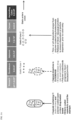
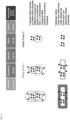
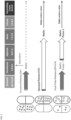
- the enteric-coated capsule dissolves in the duodenum to release the beads and/or a first population of beads releases in the duodenum and/or a second population of beads releases in the ileocecal junction (see, e.g . Figures 1-4 ).
- the modified-release formulation of the present invention may further comprise a pharmaceutically acceptable carrier or excipient.
- a pharmaceutically acceptable carrier or excipient As one skilled in the art will recognize, the formulations can be in any suitable form appropriate for the desired use and route of administration. Examples of suitable dosage forms include, for example, oral and parenteral dosage forms.
- Suitable dosage forms for oral use include, for example, solid dosage forms such as tablets, dispersible powders, granules, and capsules.
- the modified-release formulation is in the form of a tablet.
- the modified-release formulation is in the form of a capsule.
- the modified-release formulation is in the form of a soft-gel capsule.
- the modified-release formulation is in the form of a gelatin capsule.
- the active compound is mixed with at least one inert, pharmaceutically acceptable excipient or carrier such as sodium citrate, dicalcium phosphate, etc ., and/or a) fillers or extenders such as starches, lactose, sucrose, glucose, mannitol, silicic acid, microcrystalline cellulose, and Bakers Special Sugar, etc ., b) binders such as, for example, carboxymethylcellulose, alginates, gelatin, polyvinylpyrrolidone, sucrose, acacia, polyvinyl alcohol, polyvinylpyrrolidone, methylcellulose, hydroxypropyl cellulose, and hydroxymethyl cellulose etc ., c) humectants such as glycerol, etc ., d) disintegrating agents such as agar-agar, calcium carbonate, potato or tapioca starch, alginic acid, certain silicates, sodium carbonate, cross-linked polymers such as crospovidone (cross-linked
- the modified release formulation can additionally include a surface active agent.
- Surface active agents suitable for use in the present invention include, but are not limited to, any pharmaceutically acceptable, non-toxic surfactant.
- Classes of surfactants suitable for use in the compositions of the invention include, but are not limited to polyethoxylated fatty acids, PEG-fatty acid diesters, PEG-fatty acid mono- and di-ester mixtures, polyethylene glycol glycerol fatty acid esters, alcohol-oil transesterification products, polyglycerized fatty acids, propylene glycol fatty acid esters, mixtures of propylene glycol esters-glycerol esters, mono- and diglycerides, sterol and sterol derivatives, polyethylene glycol sorbitan fatty acid esters, polyethylene glycol alkyl ethers, sugar esters, polyethylene glycol alkyl phenols, polyoxyethylene-olyoxypropylene block copolymers, sorbitan fatty acid esters, lower alcohol fatty
- the modified-release formulation can also contain pharmaceutically acceptable plasticizers to obtain the desired mechanical properties such as flexibility and hardness.
- plasticizers include, but are not limited to, triacetin, citric acid esters, phthalic acid esters, dibutyl sebacate, cetyl alcohol, polyethylene glycols, polysorbates or other plasticizers.
- the modified-release formulation can also include one or more application solvents.
- Some of the more common solvents that can be used to apply, for example, a delayed-release coating composition include isopropyl alcohol, acetone, methylene chloride and the like.
- the modified-release formulation can also include one or more alkaline materials.
- Alkaline material suitable for use in compositions of the invention include, but are not limited to, sodium, potassium, calcium, magnesium and aluminum salts of acids such as phosphoric acid, carbonic acid, citric acid and other aluminum/magnesium compounds.
- the alkaline material may be selected from antacid materials such as aluminum hydroxides, calcium hydroxides, magnesium hydroxides and magnesium oxide.
- the solid oral dosage forms can be prepared by any conventional method known in the art, for example granulation (e.g ., wet or dry granulation) of the active compound (e.g ., statins) with one or more suitable excipients.
- the active compound can be layered onto an inert core (e.g ., a nonpareil/sugar sphere or silica sphere) using conventional methods such as fluidized bed or pan coating, or extruded and spheronized using methods known in the art, into active compound-containing beads. Such beads can then be incorporated into tablets or capsules using conventional methods.
- Liquid dosage forms for oral administration include pharmaceutically acceptable emulsions, solutions, suspensions, syrups and elixirs.
- the liquid dosage forms may contain inert diluents commonly used in the art such as, for example, water or other solvents, solubilizing agents and emulsifiers such as ethyl alcohol, isopropyl alcohol, ethyl carbonate, ethyl acetate, benzyl alcohol, benzyl benzoate, propylene glycol, 1,3-butylene glycol, dimethyl formamide, oils (in particular, cottonseed, groundnut, corn, germ, olive, castor, and sesame oils), glycerol, tetrahydrofurfuryl alcohol, polyethylene glycols and fatty acid esters of sorbitan, etc ., and mixtures thereof.
- inert diluents commonly used in the art such as, for example, water or other solvents, solubilizing agents and emul
- the oral compositions can also include adjuvants such as sweetening, flavoring, and perfuming agents.
- Suspensions in addition to the active compounds, may contain suspending agents such as, for example, ethoxylated isostearyl alcohols, polyoxyethylene sorbitol and sorbitan esters, microcrystalline cellulose, aluminum metahydroxide, bentonite, agar-agar, tragacanth, etc ., and mixtures thereof.
- suspending agents such as, for example, ethoxylated isostearyl alcohols, polyoxyethylene sorbitol and sorbitan esters, microcrystalline cellulose, aluminum metahydroxide, bentonite, agar-agar, tragacanth, etc ., and mixtures thereof.
- the formulations comprising the therapeutic agents of the present invention may conveniently be presented in unit dosage forms and may be prepared by any of the methods well known in the art of pharmacy. Such methods generally include the step of bringing the therapeutic agents into association with a carrier, which constitutes one or more accessory ingredients. Typically, the formulations are prepared by uniformly and intimately bringing the therapeutic agent into association with a liquid carrier, a finely divided solid carrier, or both, and then, if necessary, shaping the product into dosage forms of the desired formulation (e.g ., wet or dry granulation, powder blends, etc ., followed by tableting using conventional methods known in the art).
- a carrier which constitutes one or more accessory ingredients.
- the formulations are prepared by uniformly and intimately bringing the therapeutic agent into association with a liquid carrier, a finely divided solid carrier, or both, and then, if necessary, shaping the product into dosage forms of the desired formulation (e.g ., wet or dry granulation, powder blends, etc ., followed by tableting using conventional methods known
- the modified-release formulation of the present invention may utilize one or more modified-release coatings such as delayed-release coatings to provide for effective, delayed yet substantial delivery of the lovastatin diol lactone to the GI tract together with, optionally, other therapeutic agents.
- modified-release coatings such as delayed-release coatings to provide for effective, delayed yet substantial delivery of the lovastatin diol lactone to the GI tract together with, optionally, other therapeutic agents.
- the delayed-release coating includes an enteric agent that is substantially stable in acidic environments and substantially unstable in near neutral to alkaline environments.
- the delayed-release coating contains an enteric agent that is substantially stable in gastric fluid.
- the enteric agent can be selected from, for example, solutions or dispersions of methacrylic acid copolymers, cellulose acetate phthalate, hydroxypropylmethyl cellulose phthalate, polyvinyl acetate phthalate, carboxymethylethylcellulose, and EUDRAGIT ® -type polymer (poly(methacrylic acid, methylmethacrylate), hydroxypropyl methylcellulose acetate succinate, cellulose acetate trimellitate, shellac or other suitable enteric coating polymers.
- the EUDRAGIT ® -type polymer include, for example, EUDRAGIT ® FS 30D, L 30 D-55, L 100-55, L 100, L 12,5, L 12,5 P, RL 30 D, RL PO, RL 100, RL 12,5, RS 30 D, RS PO, RS 100, RS 12,5, NE 30 D, NE 40 D, NM 30 D, S 100, S 12,5, and S 12,5 P.
- one or more of EUDRAGIT ® FS 30D, L 30 D-55, L 100-55, L 100, L 12,5, L 12,5 P RL 30 D, RL PO, RL 100, RL 12,5, RS 30 D, RS PO, RS 100, RS 12,5, NE 30 D, NE 40 D, NM 30 D, S 100, S 12,5 and S 12,5 P is used.
- the enteric agent may be a combination of the foregoing solutions or dispersions.
- the delayed-release coating may degrade as a function of time when in aqueous solution without regard to the pH and/or presence of enzymes in the solution.
- a coating may comprise a water insoluble polymer. Its solubility in aqueous solution is therefore independent of the pH.
- pH independent as used herein means that the water permeability of the polymer and its ability to release pharmaceutical ingredients is not a function of pH and/or is only very slightly dependent on pH.
- Such coatings may be used to prepare, for example, sustained release formulations.
- Suitable water insoluble polymers include pharmaceutically acceptable non-toxic polymers that are substantially insoluble in aqueous media, e.g ., water, independent of the pH of the solution.
- Suitable polymers include, but are not limited to, cellulose ethers, cellulose esters, or cellulose ether-esters, i.e ., a cellulose derivative in which some of the hydroxy groups on the cellulose skeleton are substituted with alkyl groups and some are modified with alkanoyl groups. Examples include ethyl cellulose, acetyl cellulose, nitrocellulose, and the like.
- insoluble polymers include, but are not limited to, lacquer, and acrylic and/or methacrylic ester polymers, polymers or copolymers of acrylate or methacrylate having a low quaternary ammonium content, or mixture thereof and the like.
- insoluble polymers include EUDRAGIT RS ® , EUDRAGIT RL ® , and EUDRAGIT NE ® .
- Insoluble polymers useful in the present invention include polyvinyl esters, polyvinyl acetals, polyacrylic acid esters, butadiene styrene copolymers, and the like.
- colonic delivery is achieved by use of a slowly-eroding wax plug ( e.g ., various PEGS, including for example, PEG6000).
- the delayed-release coating may be degraded by a microbial enzyme present in the gut flora. In one embodiment, the delayed-release coating may be degraded by a bacteria present in the small intestine. In another embodiment, the delayed-release coating may be degraded by a bacteria present in the large intestine.
- the present invention provides for modified-release formulations that release multiple doses of the lovastatin diol lactone along the gastrointestinal tract.
- the overall release profile of such a formulation may be adjusted by utilizing, for example, multiple particle types or multiple layers.
- the first dose of the lovastatin diol lactone may be formulated for release in, for example, the duodenum, whereas the second dose is formulated for delayed release in, for example, the ileum.
- the first dose of the lovastatin diol lactone may be formulated for release in, for example, the small intestines, whereas the second dose is formulated for delayed release in, for example, the large intestines.
- multiple doses are released at different locations alone the intestine.
- one or more doses of the lovastatin diol lactone may be encapsulated in a core particle, for example, in the form of a microbead.
- the first dose of the lovastatin diol lactone may be encapsulated in a core particle coated with a modified-release coating designed for release at a first location along the intestinal tract
- the second dose of the lovastatin diol lactone may be encapsulated in a core particle coated with a modified-release coating designed for release at a second location along the intestinal tract.
- the formulation may comprise a plurality of such modified-release particles.
- the formulation is in the form of capsules comprising multiple microbeads.
- each microbead is designed to release at a specific time point or location.
- the formulation is formulated as a capsule within a capsule, with each capsule having different time- or pH-dependent release properties.
- one or more doses of the lovastatin diol lactone may be encapsulated in a layer.
- the first dose of the lovastatin diol lactone may be encapsulated in a layer coated with a modified-release coating designed for release at a first location along the intestinal tract
- the second dose of the lovastatin diol lactone may be encapsulated in a layer coated with a modified-release coating designed for release at a second location along the intestinal tract.
- the formulation may comprise a plurality of such modified-release layers.
- the formulation is in the form of multi-layered tablet or a multi-layered capsule. Each layer may have different time- or pH-dependent release properties.
- the coated particles or layers with the delayed-release coating may be further covered with an overcoat layer.
- the overcoat layer can be applied as described for the other coating compositions.
- the overcoat materials are pharmaceutically acceptable compounds such as sugar, polyethylene glycol, polyvinylpyrrolidone, polyvinyl alcohol, polyvinyl acetate, hydroxypropyl cellulose, methylcellulose, ethylcellulose, hydroxypropyl methylcellulose, carboxymethylcellulose sodium and others, used alone or in mixtures.
- the overcoat materials can prevent potential agglomeration of particles coated with the delayed-release coating, protect the delayed-release coating from cracking during the compaction process or enhance the tableting process.
- the agents described herein may be in the form of a pharmaceutically acceptable salt, namely those salts which are suitable for use in contact with the tissues of humans and other animals without undue toxicity, irritation, allergic response and the like, and are commensurate with a reasonable benefit/risk ratio.
- Pharmaceutically acceptable salts are well known in the art. The salts can be prepared in situ during the final isolation and purification of the therapeutic agents, or separately by reacting the free base function with a suitable acid or a free acid functionality with an appropriate alkaline moiety.
- Representative acid addition salts include acetate, adipate, alginate, ascorbate, aspartate, benzenesulfonate, benzoate, bisulfate, borate, butyrate, camphorate, camphersulfonate, citrate, cyclopentanepropionate, digluconate, dodecylsulfate, ethanesulfonate, fumarate, glucoheptonate, glycerophosphate, hemisulfate, heptonate, hexanoate, hydrobromide, hydrochloride, hydroiodide, 2-hydroxyethanesulfonate, lactobionate, lactate, laurate, lauryl sulfate, malate, maleate, malonate, methanesulfonate, 2-naphthalenesulfonate, nicotinate, nitrate, oleate, oxalate, palmitate, pamoate, pec
- alkali or alkaline earth metal salts include sodium, lithium, potassium, calcium, magnesium, and the like, as well as nontoxic ammonium, quaternary ammonium, and amine cations, including, but not limited to ammonium, tetramethylammonium, tetraethylammonium, methylamine, dimethylamine, trimethylamine, triethylamine, ethylamine, and the like.
- the formulation comprises at least one microbead or mini-tablet.
- each microbead or mini-tablet comprises about 5-20% by weight the lovastatin diol lactone.
- the lovastatin diol lactone may be present at about 5%, about 6%, about 7%, about 8%, about 9%, about 10%, about 11%, about 12%, about 13%, about 14%, about 15%, about 16%, about 17%, about 18%, about 19%, or about 20% by weight.
- each microbead or mini-tablet may further comprise about 50-70% by weight tablet diluent (e.g., about 50%, about 51%, about 52%, about 53%, about 54%, about 55%, about 56%, about 57%, about 58%, about 59%, about 60%, about 61%, about 62%, about 63%, about 64%, or about 65%, or about 66%, about 67%, or about 68%, or about 69%, or about 70%).
- tablet diluent e.g., about 50%, about 51%, about 52%, about 53%, about 54%, about 55%, about 56%, about 57%, about 58%, about 59%, about 60%, about 61%, about 62%, about 63%, about 64%, or about 65%, or about 66%, about 67%, or about 68%, or about 69%, or about 70%).
- each microbead or mini-tablet may further comprise about 1-10% by weight tablet binder (e.g., about 1%, about 2%, about 3%, about 4%, about 5%, about 6%, about 7%, about 8%, about 9%, or about 10%).
- tablet binder e.g., about 1%, about 2%, about 3%, about 4%, about 5%, about 6%, about 7%, about 8%, about 9%, or about 10%.
- each microbead or mini-tablet may further comprise about 0.1-3.0% by weight viscosity and dispersion agent (e.g., about 0.1%, about 0.2%, about 0.3%, about 0.4%, about 0.5%, about 0.6%, about 0.7%, about 0.8%, about 0.9%, about 1%, about 1.1%, about 1.2%, about 1.3%, about 1.4%, about 1.5%, about 1.6%, about 1.7%, about 1.8%, about 1.9%, about 2%, about 2.1%, about 2.2%, about 2.3%, about 2.4%, about 2.5%, about 2.6%, about 2.7%, about 2.8%, about 2.9%, or about 3.0%).
- viscosity and dispersion agent e.g., about 0.1%, about 0.2%, about 0.3%, about 0.4%, about 0.5%, about 0.6%, about 0.7%, about 0.8%, about 0.9%, about 1%, about 1.1%, about 1.2%, about 1.3%, about 1.4%, about 1.5%, about 1.6%, about 1.7%, about 1.8%, about 1.9%, about 2%, about
- each microbead or mini-tablet may further comprise about 0.1-3.0% by weight lubricant, for example, to facilitate tableting (e.g., about 0.1%, about 0.2%, about 0.3%, about 0.4%, about 0.5%, about 0.6%, about 0.7%, about 0.8%, about 0.9%, about 1%, about 1.1%, about 1.2%, about 1.3%, about 1.4%, about 1.5%, about 1.6%, about 1.7%, about 1.8%, about 1.9%, about 2%, about 2.1%, about 2.2%, about 2.3%, about 2.4%, about 2.5%, about 2.6%, about 2.7%, about 2.8%, about 2.9%, or about 3.0%).
- lubricant for example, to facilitate tableting (e.g., about 0.1%, about 0.2%, about 0.3%, about 0.4%, about 0.5%, about 0.6%, about 0.7%, about 0.8%, about 0.9%, about 1%, about 1.1%, about 1.2%, about 1.3%, about 1.4%, about 1.5%, about 1.6%, about 1.7%, about 1.8%, about 1.9%,
- each microbead or mini-tablet may further comprise about 1-10% by weight tablet disintegrant (e.g., about 1%, about 2%, about 3%, about 4%, about 5%, about 6%, about 7%, about 8%, about 9%, or about 10%).
- each microbead or mini-tablet may further comprise about 10-20% by weight an enteric polymer that dissolves at a pH of either about 5.5 or about 7.0 (e.g., about 10%, about 11%, about 12%, about 13%, about 14%, about 15%, about 16%, about 17%, about 18%, about 19%, or about 20%).
- the formulation comprises one or more of, or two or more of, or three or more of, or four or more of, or five or more of, or all of an lovastatin analog or derivative (including lovastatin diol lactone), the lovastatin analog or derivative (including lovastatin diol lactone) optionally being in two doses; microcrystalline cellulose (e.g . Avicel PH102); copovidone ( e.g . Kollidon VA64 Fine); silicon dioxide ( e.g . Aerosil 200); magnesium stearate; crospovidone ( e.g .
- Kollidon CL or Kollidon CL-F where the first dose of at least one lovastatin analog or derivative (including lovastatin diol lactone) is encapsulated by an enteric polymer that dissolves at a pH of about 5.5 ( e.g . EUDRAGIT L 30 D-55 + PlasACRYL HTP20); and the second dose of at least one lovastatin analog or derivative (including without limitation lovastatin diol lactone) is encapsulated by an enteric polymer that dissolves a at pH of about 7.0 (e.g . EUDRAGIT FS 30 D + PlasACRYL T20 and/or EUDRAGIT ® S 100).
- EUDRAGIT FS 30 D + PlasACRYL T20 and/or EUDRAGIT ® S 100 e.g . EUDRAGIT FS 30 D + PlasACRYL T20 and/or EUDRAGIT ® S 100.
- the formulation comprises at least one microbead or mini-tablet.
- Each microbead or mini-tablet comprises about 5-20% by weight of lovastatin diol lactone.
- lovastatin diol lactone may be present at about 5%, about 6%, about 7%, about 8%, about 9%, about 10%, about 11%, about 12%, about 13%, about 14%, about 15%, about 16%, about 17%, about 18%, about 19%, or about 20% by weight.
- each microbead or mini-tablet may further comprise about 50-70% by weight microcrystalline cellulose ( e.g . Avicel PH102).
- the microcrystalline cellulose may be present at about 50%, about 51%, about 52%, about 53%, about 54%, about 55%, about 56%, about 57%, about 58%, about 59%, about 60%, about 61%, about 62%, about 63%, about 64%, or about 65%, or about 66%, about 67%, or about 68%, or about 69%, or about 70% by weight.
- each microbead or mini-tablet may further comprise about 1-10% by weight copovidone ( e.g . Kollidon VA64 Fine).
- each microbead or mini-tablet may further comprise about 0.1-3.0% by weight silicon dioxide (e.g . Aerosil 200).
- the silicon dioxide may be present at about 0.1%, about 0.2%, about 0.3%, about 0.4%, about 0.5%, about 0.6%, about 0.7%, about 0.8%, about 0.9%, about 1%, about 1.1%, about 1.2%, about 1.3%, about 1.4%, about 1.5%, about 1.6%, about 1.7%, about 1.8%, about 1.9%, about 2%, about 2.1%, about 2.2%, about 2.3%, about 2.4%, about 2.5%, about 2.6%, about 2.7%, about 2.8%, about 2.9%, or about 3.0% by weight.
- each microbead or mini-tablet may further comprise about 0.1-3.0% by weight magnesium stearate (for example, about 0.1%, about 0.2%, about 0.3%, about 0.4%, about 0.5%, about 0.6%, about 0.7%, about 0.8%, about 0.9%, about 1%, about 1.1%, about 1.2%, about 1.3%, about 1.4%, about 1.5%, about 1.6%, about 1.7%, about 1.8%, about 1.9%, about 2%, about 2.1%, about 2.2%, about 2.3%, about 2.4%, about 2.5%, about 2.6%, about 2.7%, about 2.8%, about 2.9%, or about 3.0%).
- each microbead or mini-tablet may further comprise about 1-10% by weight crospovidone ( e.g .
- each microbead or mini-tablet may further comprise about 10-20% by weight an enteric polymer that dissolves at a pH of about 5.5 ( e.g . EUDRAGIT L 30 D-55 + PlasACRYL HTP20) or about 7.0 ( e.g . EUDRAGIT FS 30 D + PlasACRYL T20 and/or EUDRAGIT ® S 100).
- the enteric polymer may be about 10%, about 11%, about 12%, about 13%, about 14%, about 15%, about 16%, about 17%, about 18%, about 19%, or about 20% by weight.
- the formulation comprises at least one microbead or mini-tablet with each microbead or mini-tablet comprising about 12% by weight the lovastatin diol lactone; about 60% by weight microcrystalline cellulose (e.g . Avicel PH102); about 6% by weight copovidone ( e.g . Kollidon VA64 Fine); about 2% by weight silicon dioxide ( e.g . Aerosil 200); about 1% by weight magnesium stearate; about 5% by weight crospovidone ( e.g . Kollidon CL or Kollidon CL-F); and about 15% by weight an enteric polymer that dissolves at a pH of about 5.5 ( e.g . EUDRAGIT L 30 D-55 + PlasACRYL HTP20) or about 7.0 ( e.g . EUDRAGIT FS 30 D + PlasACRYL T20 and/or EUDRAGIT ® S 100).
- a pH of about 5.5 e.g . EUDRAGIT L 30
- the formulation comprises at least one microbead or mini-tablet with each microbead or mini-tablet comprising about 12.2% by weight lovastatin diol lactone; about 60.9% by weight microcrystalline cellulose (Avicel PH102); about 6.1% by weight copovidone (Kollidon VA64 Fine); about 1.7% by weight silicon dioxide (Aerosil 200); about 0.9% by weight magnesium stearate; about 5.2% by weight crospovidone (Kollidon CL-F); and either about 13.0% by weight of EUDRAGIT L 30 D-55 + PlasACRYL HTP20 coating (which dissolves at a pH of about 5.5) or 13% by weight of EUDRAGIT FS 30 D + PlasACRYL T20 coating (which dissolves at a pH of about 7.0).
- lovastatin diol lactone about 60.9% by weight microcrystalline cellulose (Avicel PH102); about 6.1% by weight copovidone (Kollidon VA64 Fine); about 1.7% by weight silicon dioxide (A
- the present formulation comprise a mini-tablet enteric coating thickness, e.g. EUDRAGIT, e.g . EUDRAGIT L 30 D-55 or EUDRAGIT FS 30 D, of greater than about 10%, about 13%, about 15%, or about 17%, or about 20%, or about 25%.
- EUDRAGIT e.g. EUDRAGIT L 30 D-55 or EUDRAGIT FS 30 D
- the formulation of the present invention may comprise at least one mini-tablet that releases at a first pH (e.g . pH of about 5.5) and at least one mini-tablet that releases at a second pH (e.g ., pH of about 7.0) at a ratio of 1:2.
- the formulation may comprise about 5-20% by lovastatin diol lactone.
- the lovastatin diol lactone may be present at about 5%, about 6%, about 7%, about 8%, about 9%, about 10%, about 11%, about 12%, about 13%, about 14%, about 15%, about 16%, about 17%, about 18%, about 19%, or about 20% by weight of the entire formulation.
- the formulation may further comprise about 30-60% by weight tablet diluent (e.g., about 30%, about 31%, about 32%, about 33%, about 34%, about 35%, about 36%, about 37%, about 38%, about 39%, about 40%, about 41%, about 42%, about 43%, about 44%, about 45%, about 46%, about 47%, about 48%, about 49%, about 50%, about 51%, about 52%, about 53%, about 54%, about 55%, about 56%, about 57%, about 58%, about 59%, or about 60%).
- tablet diluent e.g., about 30%, about 31%, about 32%, about 33%, about 34%, about 35%, about 36%, about 37%, about 38%, about 39%, about 40%, about 41%, about 42%, about 43%, about 44%, about 45%, about 46%, about 47%, about 48%, about 49%, about 50%, about 51%, about 52%, about 53%, about 54%
- the formulation may further comprise about 1-10% by weight tablet binder (e.g., about 1%, about 2%, about 3%, about 4%, about 5%, about 6%, about 7%, about 8%, about 9%, or about 10%).
- tablet binder e.g., about 1%, about 2%, about 3%, about 4%, about 5%, about 6%, about 7%, about 8%, about 9%, or about 10%.
- the formulation may further comprise about 0.1-3.0% by weight viscosity and dispersion agent (e.g., about 0.1%, about 0.2%, about 0.3%, about 0.4%, about 0.5%, about 0.6%, about 0.7%, about 0.8%, about 0.9%, about 1%, about 1.1%, about 1.2%, about 1.3%, about 1.4%, about 1.5%, about 1.6%, about 1.7%, about 1.8%, about 1.9%, about 2%, about 2.1%, about 2.2%, about 2.3%, about 2.4%, about 2.5%, about 2.6%, about 2.7%, about 2.8%, about 2.9%, or about 3.0%).
- viscosity and dispersion agent e.g., about 0.1%, about 0.2%, about 0.3%, about 0.4%, about 0.5%, about 0.6%, about 0.7%, about 0.8%, about 0.9%, about 1%, about 1.1%, about 1.2%, about 1.3%, about 1.4%, about 1.5%, about 1.6%, about 1.7%, about 1.8%, about 1.9%, about 2%, about 2.1%, about 2.2%, about
- the formulation may further comprise about 0.1-3.0% by weight lubricant, for example, to facilitate tableting (e.g., about 0.1%, about 0.2%, about 0.3%, about 0.4%, about 0.5%, about 0.6%, about 0.7%, about 0.8%, about 0.9%, about 1%, about 1.1%, about 1.2%, about 1.3%, about 1.4%, about 1.5%, about 1.6%, about 1.7%, about 1.8%, about 1.9%, about 2%, about 2.1%, about 2.2%, about 2.3%, about 2.4%, about 2.5%, about 2.6%, about 2.7%, about 2.8%, about 2.9%, or about 3.0%).
- lubricant for example, to facilitate tableting (e.g., about 0.1%, about 0.2%, about 0.3%, about 0.4%, about 0.5%, about 0.6%, about 0.7%, about 0.8%, about 0.9%, about 1%, about 1.1%, about 1.2%, about 1.3%, about 1.4%, about 1.5%, about 1.6%, about 1.7%, about 1.8%, about 1.9%, about 2%, about 2.1%,
- the formulation may further comprise about 1-10% by weight tablet disintegrant (e.g., about 1%, about 2%, about 3%, about 4%, about 5%, about 6%, about 7%, about 8%, about 9%, or about 10%).
- the formulation may further comprise about 0.5-10% by weight an enteric polymer that dissolves at a pH of about 5.5 (e.g. EUDRAGIT L 30 D-55 + PlasACRYL HTP20).
- the enteric polymer that dissolves at a pH of about 5.5 may be present in the formulation at about 0.5%, about 0.6%, about 0.7%, about 0.8%, about 0.9%, about 1%, about 2%, about 3%, about 4%, about 5%, about 6%, about 7%, about 8%, about 9%, or about 10% by weight.
- the formulation may further comprise about 1-15% by weight an enteric polymer that dissolves at a pH of about 7.0. (e.g. EUDRAGIT FS 30 D + PlasACRYL T20 and/or EUDRAGIT ® S 100).
- the enteric polymer that dissolves at a pH of about 7.0 may be present in the formulation at about 1%, about 2%, about 3%, about 4%, about 5%, about 6%, about 7%, about 8%, about 9%, about 10%, about 11%, about 12%, about 13%, about 14%, or about 15% by weight.
- the lovastatin diol lactone may be released in two doses. The first dose is encapsulated by the enteric polymer that dissolves at a pH of about 5.5; and the second dose is encapsulated by the enteric polymer that dissolves a at pH of about 7.0.
- the formulation may comprise at least one mini-tablet that releases at a first pH (e.g . pH of about 5.5) and at least one mini-tablet that releases at a second pH (e.g ., pH of about 7.0) at a ratio of 1:2.
- the formulation may comprise about 9% by weight the lovastatin diol lactone; about 42% by weight microcrystalline cellulose ( e.g . Avicel PH102); about 4% by weight copovidone ( e.g . Kollidon VA64 Fine); about 1% by weight silicon dioxide ( e.g . Aerosil 200); about 0.5% by weight magnesium stearate; about 4% by weight crospovidone ( e.g .
- Kollidon CL or Kollidon CL-F about 3% by weight an enteric polymer that dissolves at a pH of about 5.5 ( e.g . EUDRAGIT L 30 D-55 + PlasACRYL HTP20); and about 6% by weight an enteric polymer that dissolves at a pH of about 7.0 ( e.g . EUDRAGIT FS 30 D + PlasACRYL T20 and/or EUDRAGIT ® S 100).
- the formulation may comprise at least one mini-tablet that releases at a first pH (e.g . pH of about 5.5) and at least one mini-tablet that releases at a second pH (e.g ., pH of about 7.0) at a ratio of 1:2.
- the formulation may comprise about 8.5% by weight the lovastatin diol lactone; about 42.4% by weight microcrystalline cellulose ( e.g . Avicel PH102); about 4.2% by weight copovidone ( e.g . Kollidon VA64 Fine); about 1.2% by weight silicon dioxide ( e.g . Aerosil 200); about 0.6% by weight magnesium stearate; about 3.6% by weight crospovidone ( e.g .
- Kollidon CL or Kollidon CL-F about 3% by weight an enteric polymer that dissolves at a pH of about 5.5 ( e.g . EUDRAGIT L 30 D-55 + PlasACRYL HTP20); and about 6.1% by weight an enteric polymer that dissolves at a pH of about 7.0 ( e.g . EUDRAGIT FS 30 D + PlasACRYL T20 and/or EUDRAGIT ® S 100).
- the formulation of the present invention may at least one mini-tablet that releases at a first pH (e.g . pH of about 5.5) and at least one mini-tablet that releases at a second pH (e.g ., pH of about 7.0) at a ratio of 1:5.
- the formulation may comprise about 5-20% by weight the lovastatin diol lactone.
- the lovastatin diol lactone may be present at about 5%, about 6%, about 7%, about 8%, about 9%, about 10%, about 11%, about 12%, about 13%, about 14%, about 15%, about 16%, about 17%, about 18%, about 19%, or about 20% by weight of the entire formulation.
- the formulation may further comprise about 30-60% by weight tablet diluent (e.g., about 30%, about 31%, about 32%, about 33%, about 34%, about 35%, about 36%, about 37%, about 38%, about 39%, about 40%, about 41%, about 42%, about 43%, about 44%, about 45%, about 46%, about 47%, about 48%, about 49%, about 50%, about 51%, about 52%, about 53%, about 54%, about 55%, about 56%, about 57%, about 58%, about 59%, or about 60%).
- tablet diluent e.g., about 30%, about 31%, about 32%, about 33%, about 34%, about 35%, about 36%, about 37%, about 38%, about 39%, about 40%, about 41%, about 42%, about 43%, about 44%, about 45%, about 46%, about 47%, about 48%, about 49%, about 50%, about 51%, about 52%, about 53%, about 54%
- the formulation may further comprise about 1-10% by weight tablet binder (e.g., about 1%, about 2%, about 3%, about 4%, about 5%, about 6%, about 7%, about 8%, about 9%, or about 10%).
- tablet binder e.g., about 1%, about 2%, about 3%, about 4%, about 5%, about 6%, about 7%, about 8%, about 9%, or about 10%.
- the formulation may further comprise about 0.1-3.0% by weight viscosity and dispersion agent (e.g., about 0.1%, about 0.2%, about 0.3%, about 0.4%, about 0.5%, about 0.6%, about 0.7%, about 0.8%, about 0.9%, about 1%, about 1.1%, about 1.2%, about 1.3%, about 1.4%, about 1.5%, about 1.6%, about 1.7%, about 1.8%, about 1.9%, about 2%, about 2.1%, about 2.2%, about 2.3%, about 2.4%, about 2.5%, about 2.6%, about 2.7%, about 2.8%, about 2.9%, or about 3.0%).
- viscosity and dispersion agent e.g., about 0.1%, about 0.2%, about 0.3%, about 0.4%, about 0.5%, about 0.6%, about 0.7%, about 0.8%, about 0.9%, about 1%, about 1.1%, about 1.2%, about 1.3%, about 1.4%, about 1.5%, about 1.6%, about 1.7%, about 1.8%, about 1.9%, about 2%, about 2.1%, about 2.2%, about
- the formulation may further comprise about 0.1-3.0% by weight lubricant, for example, to facilitate tableting (e.g., about 0.1%, about 0.2%, about 0.3%, about 0.4%, about 0.5%, about 0.6%, about 0.7%, about 0.8%, about 0.9%, about 1%, about 1.1%, about 1.2%, about 1.3%, about 1.4%, about 1.5%, about 1.6%, about 1.7%, about 1.8%, about 1.9%, about 2%, about 2.1%, about 2.2%, about 2.3%, about 2.4%, about 2.5%, about 2.6%, about 2.7%, about 2.8%, about 2.9%, or about 3.0%).
- lubricant for example, to facilitate tableting (e.g., about 0.1%, about 0.2%, about 0.3%, about 0.4%, about 0.5%, about 0.6%, about 0.7%, about 0.8%, about 0.9%, about 1%, about 1.1%, about 1.2%, about 1.3%, about 1.4%, about 1.5%, about 1.6%, about 1.7%, about 1.8%, about 1.9%, about 2%, about 2.1%,
- the formulation may further comprise about 1-10% by weight tablet disintegrant (e.g., about 1%, about 2%, about 3%, about 4%, about 5%, about 6%, about 7%, about 8%, about 9%, or about 10%).
- the formulation may further comprise about 0.5-10% by weight an enteric polymer that dissolves at a pH of about 5.5 (e.g . EUDRAGIT L 30 D-55 + PlasACRYL HTP20.
- the enteric polymer that dissolves at a pH of about 5.5 may be present in the formulation at about 0.5%, about 0.6%, about 0.7%, about 0.8%, about 0.9%, about 1%, about 2%, about 3%, about 4%, about 5%, about 6%, about 7%, about 8%, about 9%, or about 10% by weight.
- the formulation may further comprise about 1-15% by weight an enteric polymer that dissolves at a pH of about 7.0 ( e.g . EUDRAGIT FS 30 D + PlasACRYL T20 and/or EUDRAGIT ® S 100.
- the enteric polymer that dissolves at a pH of about 7.0 may be present in the formulation at about 1%, about 2%, about 3%, about 4%, about 5%, about 6%, about 7%, about 8%, about 9%, about 10%, about 11%, about 12%, about 13%, about 14%, or about 15% by weight.
- the lovastatin diol lactone may be released in two doses. The first dose is encapsulated by the enteric polymer that dissolves at a pH of about 5.5; and the second dose is encapsulated by the enteric polymer that dissolves a at pH of about 7.0.
- the formulation may comprise at least one mini-tablet that releases at a first pH (e.g. pH of about 5.5) and at least one mini-tablets that release at a second pH (e.g ., pH of about 7.0) at a ratio of 1:5.
- the formulation may comprise about 10% by weight the lovastatin diol lactone; about 50% by weight microcrystalline cellulose (e.g . Avicel PH102); about 5% by weight copovidone ( e.g . Kollidon VA64 Fine); about 1% by weight silicon dioxide ( e.g . Aerosil 200); about 0.5% by weight magnesium stearate; about 4% by weight crospovidone ( e.g .
- Kollidon CL or Kollidon CL-F about 2% by weight an enteric polymer that dissolves at a pH of about 5.5 (e.g . EUDRAGIT L 30 D-55 + PlasACRYL HTP20); and about 9% by weight an enteric polymer that dissolves at a pH of about 7.0. ( e.g . EUDRAGIT FS 30 D + PlasACRYL T20 and/or EUDRAGIT ® S 100).
- the formulation may comprise at least one mini-tablet that releases at a first pH (e.g . pH of about 5.5) and at least one mini-tablet that releases at a second pH (e.g ., pH of about 7.0) at a ratio of 1:5.
- the formulation may comprise about 10% by weight the lovastatin diol lactone; about 50% by weight microcrystalline cellulose (e.g . Avicel PH102); about 5% by weight copovidone ( e.g . Kollidon VA64 Fine); about 1.4% by weight silicon dioxide ( e.g . Aerosil 200); about 0.7% by weight magnesium stearate; about 4.3% by weight crospovidone ( e.g .
- Kollidon CL or Kollidon CL-F about 1.8% by weight an enteric polymer that dissolves at a pH of about 5.5 (e.g . EUDRAGIT L 30 D-55 + PlasACRYL HTP20); and about 8.9% by weight an enteric polymer that dissolves at a pH of about 7.0. (e.g. EUDRAGIT FS 30 D + PlasACRYL T20 and/or EUDRAGIT ® S 100).
- the therapeutic agents or their pharmaceutically acceptable salts which are used in accordance with the present invention may exhibit stereoisomerism by virtue of the presence of one or more asymmetric or chiral centers in the compounds.
- the present invention contemplates the various stereoisomers and mixtures thereof. Desired enantiomers can be obtained by chiral synthesis from commercially available chiral starting materials by methods well known in the art, or may be obtained from mixtures of the enantiomers by resolution using known techniques.
- Solvate as used herein refers to a pharmaceutically acceptable solvate form of a specified therapeutic agent that retains the biological effectiveness of such agent.
- solvates include therapeutic agents of the invention in combination with, for example, water, isopropanol, ethanol, methanol, DMSO, ethyl acetate, acetic acid, or ethanolamine.
- Prodrug refers to a therapeutic agent that is converted under physiological conditions or by solvolysis or metabolically (e.g. , in vivo ) to a specified agent that is pharmaceutically active.
- Active metabolite refers to a pharmacologically active product produced through metabolism in the body of a specified therapeutic agent.
- Co-crystal refers to a physical association of two or more molecules which owe their stability through non-covalent interaction.
- One or more components of this molecular complex provide a stable framework in the crystalline lattice.
- the guest molecules are incorporated in the crystalline lattice as anhydrates or solvates.
- the actual dose of the lovastatin diol lactone to be administered according to the present invention will vary according to the particular compound, the particular dosage form, and the mode of administration. Many factors that may modify the action of the lovastatin diol lactone (e.g ., body weight, gender, diet, time of administration, route of administration, rate of excretion, condition of the subject, drug combinations, genetic disposition and reaction sensitivities) can be taken into account by those skilled in the art. Administration can be carried out continuously or in one or more discrete doses within the maximum tolerated dose. Optimal administration rates for a given set of conditions can be ascertained by those skilled in the art using conventional dosage administration tests.
- lovastatin diol lactone can be administered in unit dosage forms (e.g., tablets or capsules) containing, for example, from about 0.01 mg to about 100 mg, from about 0.1 mg to about 100 mg, from about 0.1 mg to about 90 mg, from about 0.1 mg to about 80 mg, from about 0.1 mg to about 70 mg, from about 0.1 mg to about 60 mg, from about 0.1 mg to about 50 mg, from about 0.1 mg to about 40 mg active ingredient, from about 0.1 mg to about 30 mg, from about 0.1 mg to about 20 mg, from about 0.1 mg to about 10 mg, from about 0.1 mg to about 5 mg, from about 0.1 mg to about 3 mg, from about 0.1 mg to about 1 mg per unit dosage form, or from about 5 mg to about 80 mg per unit dosage form.
- unit dosage forms e.g., tablets or capsules
- unit dosage forms containing, for example, from about 0.01 mg to about 100 mg, from about 0.1 mg to about 100 mg, from about 0.1 mg to about 90 mg, from about 0.1
- a unit dosage form can be about 0.01 mg, about 0.02 mg, about 0.03 mg, about 0.04 mg, about 0.05 mg, about 0.06 mg, about 0.07 mg, about 0.08 mg, about 0.09 mg, about 0.1 mg, about 0.2 mg, about 0.3 mg, about 0.4 mg, about 0.5 mg, about 0.6 mg, about 0.7 mg, about 0.8 mg, about 0.9 mg, about 1 mg, about 2 mg, about 3 mg, about 4 mg, about 5 mg, about 6 mg, about 7 mg, about 8 mg, about 9 mg about 10 mg, about 15 mg, about 20 mg, about 25 mg, about 30 mg, about 35 mg, about 40 mg, about 45 mg, about 50 mg, about 55 mg, about 60 mg, about 65 mg, about 70 mg, about 75 mg, about 80 mg, about 85 mg, about 90 mg, about 95 mg, or about 100 mg, inclusive of all values and ranges therebetween.
- the lovastatin diol lactone is administered at an amount of from about 0.01 mg to about 100 mg daily, an amount of from about 0.1 mg to about 100 mg daily, from about 0.1 mg to about 95 mg daily, from about 0.1 mg to about 90 mg daily, from about 0.1 mg to about 85 mg daily, from about 0.1 mg to about 80 mg daily, from about 0.1 mg to about 75 mg daily, from about 0.1 mg to about 70 mg daily, from about 0.1 mg to about 65 mg daily, from about 0.1 mg to about 60 mg daily, from about 0.1 mg to about 55 mg daily, from about 0.1 mg to about 50 mg daily, from about 0.1 mg to about 45 mg daily, from about 0.1 mg to about 40 mg daily, from about 0.1 mg to about 35 mg daily, from about 0.1 mg to about 30 mg daily, from about 0.1 mg to about 25 mg daily, from about 0.1 mg to about 20 mg daily, from about 0.1 mg to about 15 mg daily, from about 0.1 mg to about 10 mg daily, from about 0.1 mg to about 5 mg daily,
- the lovastatin diol lactone is administered at a daily dose of about 0.01 mg, about 0.02 mg, about 0.03 mg, about 0.04 mg, about 0.05mg, about 0.06 mg, about 0.07 mg, about 0.08 mg, about 0.09 mg, about 0.1 mg, about 0.2 mg, about 0.3 mg, about 0.4 mg, about 0.5 mg, about 0.6 mg, about 0.7 mg, about 0.8 mg, about 0.9 mg, about 1 mg, about 2 mg, about 3 mg, about 4 mg, about 5 mg, about 6 mg, about 7 mg, about 8 mg, about 9 mg about 10 mg, about 15 mg, about 20 mg, about 25 mg, about 30 mg, about 35 mg, about 40 mg, about 45 mg, about 50 mg, about 55 mg, about 60 mg, about 65 mg, about 70 mg, about 75 mg, about 80 mg, about 85 mg, about 90 mg, about 95 mg, or about 100 mg, inclusive of all values and ranges therebetween.
- a suitable dosage of the lovastatin diol lactone is in a range of about 0.01 mg/kg to about 10 mg/kg of body weight of the subject, for example, about 0.01 mg/kg, about 0.02 mg/kg, about 0.03 mg/kg, about 0.04 mg/kg, about 0.05 mg/kg, about 0.06 mg/kg, about 0.07 mg/kg, about 0.08 mg/kg, about 0.09 mg/kg, about 0.1 mg/kg, about 0.2 mg/kg, about 0.3 mg/kg, about 0.4 mg/kg, about 0.5 mg/kg, about 0.6 mg/kg, about 0.7 mg/kg, about 0.8 mg/kg, about 0.9 mg/kg, about 1 mg/kg, about 1.1 mg/kg, about 1.2 mg/kg, about 1.3 mg/kg, about 1.4 mg/kg, about 1.5 mg/kg, about 1.6 mg/kg, about 1.7 mg/kg, about 1.8 mg/kg, 1.9 mg/kg, about 2 mg/kg, about 3 mg/kg, about
- a suitable dosage of the lovastatin diol lactone is in a range of about 0.01 mg/kg to about 10 mg/kg of body weight, in a range of about 0.01 mg/kg to about 9 mg/kg of body weight, in a range of about 0.01 mg/kg to about 8 mg/kg of body weight, in a range of about 0.01 mg/kg to about 7 mg/kg of body weight, in a range of 0.01 mg/kg to about 6 mg/kg of body weight, in a range of about 0.05 mg/kg to about 5 mg/kg of body weight, in a range of about 0.05 mg/kg to about 4 mg/kg of body weight, in a range of about 0.05 mg/kg to about 3 mg/kg of body weight, in a range of about 0.05 mg/kg to about 2 mg/kg of body weight, in a range of about 0.05 mg/kg to about 1.5 mg/kg of body weight, or in a range of about 0.05 mg/kg to about 1 mg/kg of body weight.
- the lovastatin diol lactone may be administered, for example, more than once daily, about once per day, about every other day, about every third day, about once a week, about once every two weeks, about once every month, about once every two months, about once every three months, about once every six months, or about once every year.
- the lovastatin diol lactone may be administered in a patient that is fasting. In various embodiments, the lovastatin diol lactone may be administered in a patient with a meal. In various embodiments, the lovastatin diol lactone may be administered in a patient that is postprandial. In various embodiments, patient is on an elemental diet.
- a comestible total enteral nutrition (TEN) formulation which is also called an "elemental diet" are commercially available, for example, VIVONEX T.E.N. (Nestle) and its variants, or the like.
- a useful total enteral nutrition formulation satisfies all the subject's nutritional requirements, containing free amino acids, carbohydrates, lipids, and all essential vitamins and minerals, but is in a form that is readily absorbable in the upper gastrointestinal tract, thus depriving or "starving" the methanogen syntrophic microorganism of nutrients of at least some of the nutrients they use for proliferating. Thus, methanogen syntrophic microorganism growth is inhibited.
- Administration of the present formulations may be combined with additional therapeutic agents. Co-administration of the additional therapeutic agent and the present formulations may be simultaneous or sequential. Further the present formulations may comprise an additional therapeutic agent (e.g. via co-formulation).
- the modified-release formulations of the present invention are administered in combination with an additional therapeutic agent.
- the additional therapeutic agent and the anti-methanogenic lovastatin analog or derivative are combined into a single modified-release formulation.
- the methods of treatment and/or prevention comprise administering the modified-release formulations of the present invention to a subject that is undergoing treatment with an additional therapeutic agent.
- the additional therapeutic agent and the lovastatin diol lactone are administered to a subject simultaneously.
- the term "simultaneously” as used herein, means that the additional therapeutic agent and the lovastatin diol lactone are administered with a time separation of no more than about 60 minutes, such as no more than about 30 minutes, no more than about 20 minutes, no more than about 10 minutes, no more than about 5 minutes, or no more than about 1 minute.
- Administration of the additional therapeutic agent and the lovastatin diol lactone can be by simultaneous administration of a single formulation (e.g ., a formulation comprising the additional therapeutic agent and the lovastatin diol lactone) or of separate formulations (e.g ., a first formulation including the additional therapeutic agent and a second formulation including the the lovastatin diol lactone).
- a single formulation e.g ., a formulation comprising the additional therapeutic agent and the lovastatin diol lactone
- separate formulations e.g ., a first formulation including the additional therapeutic agent and a second formulation including the the lovastatin diol lactone.
- Co-administration does not require the additional therapeutic agents to be administered simultaneously, if the timing of their administration is such that the pharmacological activities of the additional therapeutic agent and the lovastatin diol lactone overlap in time, thereby exerting a combined therapeutic effect.
- the additional therapeutic agent and the lovastatin diol lactone can be administered sequentially.
- sequentially means that the additional therapeutic agent and the lovastatin diol lactone are administered with a time separation of more than about 60 minutes.
- the time between the sequential administration of the additional therapeutic agent and the lovastatin diol lactone can be more than about 60 minutes, more than about 2 hours, more than about 5 hours, more than about 10 hours, more than about 1 day, more than about 2 days, more than about 3 days, or more than about 1 week apart.
- the optimal administration times will depend on the rates of metabolism, excretion, and/or the pharmacodynamic activity of the additional therapeutic agent and the lovastatin diol lactone being administered. Either the additional therapeutic agent or the lovastatin diol lactone may be administered first.
- Co-administration also does not require the additional therapeutic agents to be administered to the subject by the same route of administration. Rather, each therapeutic agent can be administered by any appropriate route, for example, parenterally or non-parenterally.
- the formulations of the present invention may comprise a pharmaceutically acceptable excipient.
- the formulation may further include agent which prevents or reduces lactone ring-opening, such as an esterase inhibitor (e.g . grapefruit juice or components naringenin, kaempferol) and/or a paraoxonase inhibitor (e.g . PON1 or PON3 inhibitor).
- an esterase inhibitor e.g . grapefruit juice or components naringenin, kaempferol
- a paraoxonase inhibitor e.g . PON1 or PON3 inhibitor
- the esterase inhibitor and/or a paraoxonase inhibitor is one or more of amiodarone, anastrozole, azithromyzcin, cannabinoids, cimetidine, clarithromycin, clotrimazolem, cyclosporine, danazol, delavirdine, dexamethasone, diethyldithiocarbamate, diltiazem, dirithyromycin, disulfiram, entacapone, erythromycin, ethinyl estradiol, fluconazole, fluoxetine, fluvoaxamine, gestodene, grapefruit juice, indinavir, isoniazid, ketoconazole, metronidazole, mibefradil, miconazole, nefazodone, nelfinavir, nevirapine, norfloxacin, norfluoxetine, omeprazole, oxiconazole, paroxetine, propoxyphen
- the modified-release formulation of the present invention is administered in combination with an inhibitor of the organic anion transporting polypeptide (OATP) transporter.
- OATP organic anion transporting polypeptide
- the OATP inhibitor and the lovastatin diol lactone are combined into a single modified-release formulation.
- inclusion of the OATP inhibitor minimizes absorption of the lovastatin diol lactone from the intestine and/or reduces the enterohepatic recirculation of the anti-methanogenic lovastatin analog or derivative, thereby maximizing retention of the the lovastatin diol lactone in the intestine and minimizing any potential systemic side effects of the lovastatin diol lactone.
- OATP inhibitors include, but are not limited to, grapefruit juice or grapefruit juice constituents such as naringin and hesperidin, orange juice and orange juice constituents, apple juice and apple juice constituents, and green tea and green tea extracts such as epicatechin gallate (ECG), epigallocatechin gallate (EGCG).
- ECG epicatechin gallate
- EGCG epigallocatechin gallate
- the OATP inhibitor is released in the intestine prior to release of the lovastatin diol lactone.
- the additional therapeutic agent is a prokinetic agent that facilitates movement of a mass through the intestinal tract.
- prokinetic agents include, but are not limited to, prucalopride ( e.g . RESOLOR) or a macrolide antibiotic such as erythromycin.
- the additional therapeutic agent is a natural product such as peppermint oil, which alleviates abdominal pain.
- the present invention also contemplates the use of additional therapeutic agent that are useful for treating constipation such as, for example, laxatives, guanylate cyclase C agonist (e.g ., linaclotide), a serotonin agonist ( e.g ., prucalorpride, tegaserod), a chloride channel agonist ( e.g ., lubiprostone), and combinations thereof.
- additional therapeutic agent that are useful for treating constipation
- laxatives e.g ., linaclotide
- serotonin agonist e.g ., prucalorpride, tegaserod
- chloride channel agonist e.g ., lubiprostone
- the additional therapeutic agent is an agent useful for treating IBS (including IBS-C).
- the additional therapeutic agent is a selective chloride channel activator, including, for example, molecules derived from prostaglandins such as lubiprostone ( e.g . AMITIZA) and those compounds described in US Patent Nos. 5,284,858 , 6,414,016 and 6,583,174 ,
- the additional therapeutic agent is an agent including a peptide agent, that increases the secretion of chloride and/or water in the intestines and/or soften stools and/or stimulate bowel movements, such as, for example, linaclotide ( e.g . LINZESS) and those compounds described in US Patent No.
- the additional therapeutic agent is an agent that relaxes the colon and/or slows the movement of waste through the lower bowel.
- the additional therapeutic agent is a 5-HT 3 antagonist, including, but not limited to, alosetron ( e.g . LOTRONEX).
- the additional therapeutic agent is a small molecule that acts as a peripherally selective ⁇ -opioid agonist, such as, for example, EMD-61753 ((N-methyl-N-[(1S)-1-phenyl-2-((3S)-3-hydroxypyrrolidin-1-yl)-ethyl]- 2,2-diphenyl-acetamide hydrochloride, ASMADOLINE) and those compounds described in US Patent No. US 6,344,566 ,
- the additional therapeutic agent is a cholecystokinin antagonist, e.g.
- the additional therapeutic agent is tapentadol (1R,2R)-3-(3-dimethylamino-1-ethyl-2-methyl-propyl)-phenol), as described in US Patent Publication No. 2013/0116334 ,
- the additional therapeutic agent is a laxative, including but not limited to osmotic laxatives (such as, for example, magnesium carbonate, magnesium hydroxide (e.g . Milk of Magnesia), magnesium oxide, magnesium peroxide, magnesium sulfate, lactulose, lactitol, sodium sulfate, pentaerythritol, macrogol, mannitol, sodium phosphate, sorbitol, magnesium citrate, sodium tartrate, laminarid, and polyethylene glycol (e.g., macrogol-containing products, such as MOVICOL and polyethylene glycol 3350, or SOFTLAX, MIRALAX, DULCOLAX BALANCE, CLEARLAX, OSMOLAX OR GLYCOLAX, GOLYTELY, GAVILYTE C, NULYTELY, GLYCOLAX, FORTRANS, TRILYTE, COLYTE, HALFLYTELY, SOFTLAX, LAX-A-
- the additional therapeutic agent is a laxative, including but not limited to stimulant laxatives (such as, for example, SENOKOT).
- stimulant laxatives such as, for example, SENOKOT.
- contact laxatives e.g . oxyphenisatine, bisacodyl, dantron, phenolphthalein, castor oil, senna glycosides, cascara, sodium picosulfate, and bisoxatin
- bulk-forming laxatives e.g . ispaghula, ethulose, sterculia, linseed, methylcellulose, triticum, and polycarbophil calcium.
- the additional therapeutic agent is an enema, such as, for example, sodium laurilsulfate, sodium phosphate, bisacodyl, dantron, glycerol, oil, and sorbitol.
- Peripheral opioid antagonists such as, for example, Alvimopan and Methylnaltrexone, as well as Prostaglandins such as, for example, Lubiprostone are also additional therapeutic agents in some embodiments.
- Linaclotide, Prucalopride, and Tegaserod may be additional therapeutics.
- the additional therapeutic agent is an agent used for long-term pain and cramping, including but not limited to anticholinergics (antispasmodics), such as, for example, dicyclomine (BENTYL) and or antidepressants, including, for example, desipramine (such as, for example, NORPRAMIN), imipramine (TOFRANIL) or nortriptyline (PAMELOR), which are optionally administered at low doses. In low doses, they can help with pain caused by IBS.
- anticholinergics antispasmodics
- BENTYL dicyclomine
- antidepressants including, for example, desipramine (such as, for example, NORPRAMIN), imipramine (TOFRANIL) or nortriptyline (PAMELOR)
- desipramine such as, for example, NORPRAMIN
- imipramine TOFRANIL
- PAMELOR nortriptyline
- the additional therapeutic agent is fiber supplement, such as, for example, psyllium (METAMUCIL) or methylcellulose (CITRUCEL).
- METAMUCIL psyllium
- CITRUCEL methylcellulose
- the additional therapeutic agent is an agent useful for treating obesity.
- Illustrative agents include, but are not limited to, orlistat, loracaserin, phentermine-topiramate, sibutramine, rimonabant, exenatide, pramlintide, phentermine, benzphetamine, diethylpropion, phendimetrazine, bupropion, and metformin.
- the additional agent is an agent that that interfere with the body's ability to absorb specific nutrients in food, such as orlistat, glucomannan, and guar gum. Agents that suppress appetite are also among the additional agents, e.g .
- catecholamines and their derivatives such as phentermine and other amphetamine-based drugs
- various anti-depressants and mood stabilizers e.g . bupropion and topiramate
- anorectics e.g . dexedrine, digoxin
- Agents that increase the body's metabolism are also among the additional therapeutic agents.
- additional therapeutic agents may be selected from among appetite suppressants, neurotransmitter reuptake inhibitors, dopaminergic agonists, serotonergic agonists, modulators of GABAergic signaling, anticonvulsants, antidepressants, monoamine oxidase inhibitors, substance P (NKI) receptor antagonists, melanocortin receptor agonists and antagonists, lipase inhibitors, inhibitors of fat absorption, regulators of energy intake or metabolism, cannabinoid receptor modulators, agents for treating addiction, agents for treating metabolic syndrome, peroxisome proliferator-activated receptor (PPAR) modulators; and dipeptidyl peptidase 4 (DPP-4) antagonists.
- appetite suppressants include appetite suppressants, neurotransmitter reuptake inhibitors, dopaminergic agonists, serotonergic agonists, modulators of GABAergic signaling, anticonvulsants, antidepressants, monoamine oxidase inhibitors, substance P (NKI) receptor antagonists, melano
- additional therapeutic agents may be selected from among amphetamines, benzodiazepines, sulfonyl ureas, meglitinides, thiazolidinediones, biguanides, beta-blockers, ACE inhibitors, diuretics, nitrates, calcium channel blockers, phenlermine, sibutramine, lorcaserin, cetilistat, rimonabant, taranabant, topiramate, gabapentin, valproate, vigabatrin, bupropion, tiagabine, sertraline, fluoxetine, trazodone, zonisamide, methylphenidate, varenicline, naltrexone, diethylpropion, phendimetrazine, repaglinide, nateglinide, glimepiride, pioglitazone, rosiglilazone, and sitagliptin.
- the additional therapeutic agent is an agent for treating pre-diabetes, diabetes, type II diabetes, insulin resistance, glucose intolerance, or hyperglycemia.
- drugs include, but are not limited to, alpha-glucosidase inhibitors, amylin analogs, dipeptidyl peptidase-4 inhibitors, GLP1 agonists, meglitinides, sulfonylureas, biguanides, thiazolidinediones (TZD), and insulin. Additional examples of such agents include bromocriptine and Welchol.
- alpha-glucosidase inhibitors include but are not limited to acarbose and miglitol.
- amylin analog is pramlintide.
- dipeptidyl peptidase-4 inhibitors include but are not limited to saxagliptin, sitagliptin, vildagliptin, linagliptin, and alogliptin.
- GLP1 agonist include but are not limited to liraglutide, exenatide, exenatide extended release.
- meglitinides include but are not limited to nateglinide, and repaglinide.
- sulfonylureas include but are not limited to chlorpropamide, glimepiride, glipizide, glyburide, tolazamide, and tolbutamide.
- biguanides include but are not limited to metformin, Riomet, Glucophage, Glucophage XR, Glumetza.
- thiazolidinedione examples include but are not limited to rosiglitazone and pioglitazone.
- insulin examples include but are not limited to Aspart, Detemir, Glargine, Glulisine, and Lispro.
- combination drugs include but are not limited to glipizide/metformin, glyburide/metformin, pioglitazone/glimepiride, pioglitazone/metformin, repaglinide/metformin, rosiglitazone/glimepiride, rosiglitazone/metformin, saxagliptin/metformin, sitagliptin/simvastatin, sitagliptin/metformin, linagliptin/metformin, alogliptin/metformin, and alogliptin/pioglitazone.
- the additional therapeutic agent is a probiotic.
- enteric dietary formulations containing low residual material such as pre-digested or basic amino acid formulations and other methods and products as described in U.S. Patent 8,110,177 ) may be employed.
- such low residual enteric dietary formulations may be formulated in low carbohydrate and low fat forms either with or without lovastatin analogs or derivatives or red yeast rice which may be particularly useful for weight loss and diabetes.
- the probiotic may comprise the following illustrative cells: E. coli Nissle 1917, a lactobacillus ( e.g . acidophilus, Lactobacillus brevis, L. bulgaricus, L.
- a probiotic agent that optionally inhibits the growth of methanogens, for example, Bifidobacterium spp. or Lactobacillus species or strains, e.g., L. acidophilus, L. rhamnosus, L. plantarum, L. reuteri, L. paracasei subsp. paracasei, or L. casei Shirota, or probiotic Saccharomyces species, e.g., S. cerevisiae, is selected and/or administered.
- methanogens for example, Bifidobacterium spp. or Lactobacillus species or strains, e.g., L. acidophilus, L. rhamnosus, L. plantarum, L. reuteri, L. paracasei subsp. paracasei, or L. casei Shirota
- probiotic Saccharomyces species e.g., S. cerevisiae
- the probiotic agent that inhibits methanogenesis may be administered in a pharmaceutically acceptable ingestible formulation, such as in a capsule, or for some subjects, consuming a food supplemented with the inoculum is effective, for example milk, yogurt, cheese, meat or other fermentable food preparation.
- Probiotic agents can inhibit the growth of methanogens, for example, by competing against methanogens for growth and thus reduce or inhibit the growth of methanogens.
- Described herein are methods of treating or preventing a methanogen-associated disorder by administering lovastatin diol lactone to the intestine ( i.e ., small and/or large intestine) in a subject in need thereof.
- Methods of treating or preventing a methanogen-associated disorder by administering a modified-release formulation comprising lovastatin diol lactone to the intestine ( i.e ., small and/or large intestine) in a subject in need thereof are also described.
- the methanogen-associated disorder may be a disease or disorder or condition caused by, resulted from, or related to one or more of the abnormal presence or absence of methanogens, abnormal levels of methanogens, overgrowth of methanogens, elevated levels of methanogenesis, elevated enteric methane levels, excessive hydrogen scavenging by hydrogen-consuming methanogens or colonization of methanogens in an abnormal location (e.g ., in the small bowel rather than large bowel), either alone or in combination with non-methanogen syntrophic organisms.
- Illustrative methanogen-associated disorders include, but are not limited to, enteric methanogen colonization, IBS, IBS-C, IBS-M, constipation, diabetes, type 2 diabetes, metabolic syndrome, insulin resistance, metabolic syndrome, obesity, constipation, chronic constipation, chronic intestinal pseudo-obstruction, systemic sclerosis, systemic lupus, erythematosus, dermatomysitis/polymyositis, periartiytis nodosa, mixed connective tissue disorder, rheumatoid arthritis, spinal cord injury, Parkinson's disease, hypothyroidism/hypoparathyroidism, Hirschsprung's disease, Chagas' disease, intestinal hypoganglionosis, and Ehlers-Danlos Syndrome.
- Lovastatin diol lactone may be used for reducing or eliminating the production and/or accumulation of methane in the GI tract by administering Lovastatin diol lactone or a modified-release formulation comprising Lovastatin diol lactone to the intestine ( e.g . the small and/or large intestine) of a subject in need thereof.
- Lovastatin diol lactone may also be used for reducing or eliminating methane, for example as produced by a methanogen in the GI tract by administering Lovastatin diol lactone or a modified-release formulation comprising Lovastatin diol lactone to the intestine ( i.e ., small and/or large intestine) of a subject in need thereof.
- the methanogen is a microorganism that produces methane as a metabolic byproduct.
- Methanogens are classified as archaea.
- methanogens include but are not limited to Methanobacterium bryantii, Methanobacterium formicum, Methanobrevibacter arboriphilicus, Methanobrevibacter gottschalkii, Methanobrevibacter ruminantium, Methanobrevibacter smifhii, Methanocalculus chunghsingensis, Methanococcoides burtonii, Methanococcus aeolicus, Methanococcus deltae, Methanococcus jannaschii, Methanococcus maripaludis, Methanococcus vannielii, Methanocorpusculum labreanum, Methanoculleus strengensis (Methanogenium olentangyi, Methanogenium bourgense), Methanoculleus marisnigri,
- Lovastatin diol lactone may be used for reducing or eliminating the methane derived from Methanobrevibacter smithii in the GI tract.
- Lovastatin diol lactone may be used for reducing or eliminating methane, for example as produced by Methanobrevibacter smifhii, in the GI tract by administering lovastatin diol lactone or a modified-release formulation comprising lovastatin diol lactone to the intestine ( i.e ., small and/or large intestine) in a subject in need thereof.
- the present invention relates to the substantial reduction of methane gas in a subject's GI tract ( e.g . eradication of intestinal methane).
- the present formulations prevent the increase in levels of methane gas in a subject's GI tract.
- the patient's GI methane levels are reduced to about 1 ppm, or about 2 ppm, or about 3 ppm, or about 4 ppm, or about 5 ppm, or about 10 ppm, or about 15 ppm, or about 20 ppm, or about 25 ppm, or about 30 ppm, or about 35 ppm, or about 40 ppm, or about 45 ppm, or about 50 ppm, or about 55 ppm, or about 60 ppm, or about 65 ppm, or about 70 ppm, or about 75 ppm, or about 80 ppm, or about 85 ppm, or about 90 ppm, or about 100 ppm.
- the present formulations and methods reduce the patient's GI methane levels to less than about 250 ppm, or less than about 225 ppm, or less than about 200 ppm, or less than about 175 ppm, or less than about 150 ppm, or less than about 125 ppm, or less than about 100 ppm, or less than about 50 ppm.
- substantial reduction of methane gas is not accompanied by a substantial reduction in hydrogen gas.
- Lovastatin diol lactone may be used for the treatment of IBS, including IBS-C as described by ICD-10 (International Statistical Classification of Diseases and Related Health Problems, WHO edition). Lovastatin diol lactone may be used for the treatment of irritable colon, as classified in ICD-10 as [K58]. IBS may include irritable bowel syndrome without diarrhea, as classified in ICD-10 as [K58.9]. Irritable bowel syndrome without diarrhea may also include irritable bowel syndrome not otherwise specified (NOS). Further, the diseases as classified in ICD-10 as K59 are also included ( e.g .
- K59.1 Functional diarrhea K59.2 Neurogenic bowel, not elsewhere classified; K59.3 Megacolon, not elsewhere classified (including dialatation of colon, toxic megacolon, megacolon in Chagas disease (B57.3), congenital (aganglionic) (Q43.1), and Hirschsprung disease (Q43.1)); K59.4 Anal spasm (including Proctalgia fugax); K59.8 Other specified functional intestinal disorders (including atony of colon) and K59.9 Functional intestinal disorder, unspecified).
- Lovastatin diol lactone may be used for the treatment of spastic colon, nervous colitis, mucous colitis, functional colitis or colonic neurosis.
- the present invention relates to the treatment of diseases that have been described as sigma elongatum mobile, cecum mobile, chronic colitis, splanchnoptosia and the like.
- Typological classification of the disease generally include convulsive large bowel, diarrhea nervosa and colica mucosa, and the disease may also be classified in convulsive constipation type, atonic constipation type, intestinal gas syndrome, or chronic celiopathy.
- IBS may also include cholangiodyskinesia, gastric emptying hypofunction, hysteric globus, non-specific esophagus functional abnormalities, nervous vomiting, recurrent abdominal pain, simple constipation, chronic idiopathic constipation and the like.
- diagnostic criteria of IBS those of NIH, Manning, Cook et al. and the like are suitable ( see Asakura, Clinical Digestive Internal Medicine, 8 (8): 1373-1381 (1993 ),)
- Lovastatin diol lactone may be used for the treatment of IBS, including IBS-C of varying stages or severity.
- stages or severity of the IBS may be evaluated with a health-related quality of life (HRQoL) evaluation.
- HRQoL health-related quality of life
- the stage or severity of the disease in the patient to be treated is assessed by an evaluation of one or more of patient pain, distension, bowel dysfunction and quality of life/global well-being.
- the stage or severity of the disease in the patient to be treated is assessed by the Rome Scale (for the last 3 months with symptom onset at least 6 months prior to diagnosis: recurrent abdominal pain or discomfort ( e.g . uncomfortable sensation not described as pain.) at least 3 days/month in the last 3 months associated with two or more of improvement with defecation, onset associated with a change in frequency of stool, and onset associated with a change in the form (appearance) of stool.
- the Rome Scale for the last 3 months with symptom onset at least 6 months prior to diagnosis: recurrent abdominal pain or discomfort (e.g . uncomfortable sensation not described as pain.) at least 3 days/month in the last 3 months associated with two or more of improvement with defecation, onset associated with a change in frequency of stool, and onset associated with a change in the form (appearance) of stool.
- the stage or severity of the disease in the patient to be treated is assessed by the Kruis scale (Gastroenterology 87: 1-7 ,) This scale incorporates both the "cardinal" symptoms (pain, bloating, altered bowel function) and "red flag” signs of potential underlying organic disease that would thus exclude an IBS diagnosis. IBS is diagnosed if the sum of scores >44. Table 1: Kruis Scoring System.
- IBS is diagnosed if the sum of scores >44 Parameter Signs Score Pain, flatulence, or bowel irregularity 34 Duration of symptoms >2 yr 16 Description of abdominal pain (Scale from burning to "not so bad") 23 Alternating diarrhea and constipation 14 Red Flags Abnormal physical findings or history pathognomonic of other disease -47 ESR >10 mm/h -13 WBC > ⁇ 10 9 -50 Anemia -98 History of blood in stool -98
- the patient is evaluated with the assessment described in Francis, et al Aliment Pharmacol Ther 1997; 11: 395-402 , For instance, a scoring system based on patient ranking of pain, distension, bowel dysfunction and quality of life/global well-being on a scale of up to 500 is used. Mild, moderate and severe cases were indicated by scores of 75 to 175, 175 to 300 and >300. In some embodiments, the patient of the present invention has a score of 75 to 175. In some embodiments, the patient of the present invention has a score of 175 to 300. In some embodiments, the patient of the present invention has a score of >300. In some embodiments the scales described in Wong and Drossman (Expert Rev. Gastroenterol. Hepatol.
- the patients of the present invention are evaluated for the parameters of dysphoria, activity interference, body image, health worry, food avoidance, social reaction, and sexual relationships and optionally scored on a 0-100 as described on the Patrick scale; and/or the patients of the present invention are evaluated for the parameters of daily activities, emotional impact, family relations, food, sleep and fatigue, social impact, sexual relations symptoms and optionally scored on a 0-216 as described on the Groll scale; the patients of the present invention are evaluated for the parameters of activities, anxiety, diet, sleep, discomfort, health perception, disease coping and stress and optionally scored on a 0-100 as described on the Chassany scale; the patients of the present invention are evaluated for the parameters of emotional health, mental health, sleep, energy, physical functioning, diet, social role, physical role, and sexual relations and optionally scored on a 0-100 as described on the Hahn scale; and/or the patients of the present invention are evaluated for the parameters of bowel symptoms, fatigue, activity impairment, emotional dysfunction and
- patients may be stratified based on one or more of methane detection (e.g . via breath test) and methanogen detection (e.g . via PCR, e.g . qPCR).
- the patient is considered methane breath test positive if the subject presents with greater than about 3 ppm methane.
- the patient of the present invention has greater than about 10 4 , or about 10 5 , or about 10 6 copies of M . smithii per grams of wet stool.
- the patient of the present invention is defined by a measurement of the fractional methanogen contribution to the total microbial content of the feces.
- the patient has greater than about 0.5%, or about 0.6%, or about 0.7%, or about 0.8%, or about 0.9%, or about 1.0%, or about 1.1%, or about 1.2%, or about 1.3%, or about 1.4%, or about 1.5%, or about 2.5% M. smithii fraction of the total microbial content of the feces.
- Lovastatin diol lactone may be used to treat or prevent constipation.
- Constipation may be associated with, for example, chemotherapy, vinca alkaloids, oxaliplatins, taxanes, thalidomide, opioids, sedatives, anticholinergics, gastrointestinal antispasmodics, antiparkinsonism agents, antidepressants, phenothiazines, calcium- and aluminum-based antacids, diuretics, tranquilizers, sleeping medications, general anesthesia, pudendal blocks, inadequate fluid intake, excessive use of laxatives and/or enemas, prolonged immobility, inadequate exercise.
- spinal cord injury or compression fractures, fatigue, weakness, inactivity, bedrest, cardiac problems, diverticulitis, neurological lesions, cerebral tumors, spinal cord injury, spinal cord compression, paraplegia, cerebrovascular accident with paresis, weak abdominal muscles, hypothyroidism, lead poisoning, uremia, dehydration, hypercalcemia, hypokalemia, hyponatremia, anorexia, immobility, antidepressants, inability to increase intra-abdominal pressure, emphysema, neuromuscular impairment of the diaphragm, neuromuscular impairment of abdominal muscles, abdominal hernias, malnutrition, cachexia, anemia, carcinoma, and senility.
- the constipation may be associated with IBS, but can also be chronic functional constipation.
- Lovastatin diol lactone may be used in the treatment of increased visceral hypersensitivity.
- the present invention relates to the treatment of one or more of stomachaches, pain, nausea, straining, and bloating and/or gas.
- Lovastatin diol lactone may be used to treat one or more of hard stools, infrequent stools, difficulty or straining at stools, feeling of being unable to completely empty during a bowel movement, and the sensation of wanting to go but not being able to.
- Lovastatin diol lactone may be used in the treatment of diabetes (type 1 or type 2) and/or glucose intolerance. Lovastatin diol lactone may be used for treating patient at risk of diabetes, one or more of insulin resistance, prediabetes, impaired fasting glucose (IFG), impaired glucose tolerance (IGT), and acanthosis nigricans.
- IGF impaired fasting glucose
- ITT impaired glucose tolerance
- acanthosis nigricans acanthosis nigricans.
- Lovastatin diol lactone may be used for inducing weight loss or preventing weight gain (or treating or preventing obesity or inducing weight loss or preventing weight gain in a patient that does not substantially change caloric intake), by administering lovastatin diol lactone an or a modified-release formulation of the present invention are provided.
- Patients may have undertaken or will undertake a surgery of the digestive system; be greater than about 80-100 pounds overweight; have a BMI of greater than about 35 kg/m 2 ; or have a health problem related to obesity.
- lovastatin diol lactone or modified-release formulations of the present invention may not confer cholesterol-lowering cardiovascular effects associated with systemic administration.
- use of the present formulations may avoid or reduce a subject's systemic exposure to lovastatin diol lactone.
- the present formulations and methods may provide an average reduction of less than about 20%, about 19%, about 18%, about 17%, about 16%, about 15%, about 14%, about 13%, about 12%, about 11%, about 10%, about 9%, about 8%, about 7%, about 6%, about 5%, about 4%, about 3%, or about 2% in serum LDL-C levels after treatment.
- the patient is one who does not require statins or statin analogs or derivatives for their cardiovascular therapeutic uses. In some embodiments, the patient is one who does not require statins or statin analogs or derivatives for their cardiovascular therapeutic uses and is methane-positive (e.g. as assessed by the methods described herein such as the methane breath test and qPCR).
- lovastatin diol lactone Maximizing retention of lovastatin diol lactone to the intestines, minimizes the side effects associated with systemic release.
- Various adverse effects associated with lovastatin or lovastatin analog or derivative usage may be minimized by using formulations according to the invention the include: muscle-associated adverse effects, such as myositis, myalgia, rhabdomyolysis, drug-drug-interactions, cognitive effects, increased cancer risk, increases in liver enzymes, hemorrhagic stroke, increase in blood glucose levels, sleep disorders, peripheral neuropathy, sexual dysfunction, thyroid dysfunction, renal toxicity, irritability, shortness of breath, hyperkalemia, weight gain, neurodegenerative disease, pancreatitis, liver pathology, mitochondrial syndromes, dermatologic conditions, dry mouth, cataracts, olfaction, hematalogic and bone marrow adverse effects, hypotension, gastrointestinal adverse effects, including, ulcerative colitis and gastric ulceration, fatigue and headache.
- the methods of the invention also minimizes the following side effects associated with systemic release: muscle pain, tenderness, or weakness, lack of energy, weakness, fever, dark colored urine, jaundice, pain in the stomach, including the upper right part of the stomach, nausea, unusual bleeding or bruising, loss of appetite, flu-like symptoms, rash, hives, itching, difficulty breathing or swallowing, and swelling of the face, throat, tongue, lips, eyes, hands, feet, ankles, or lower legs, hoarseness.
- lovastatin diol lactone or the modified-release formulation of the present invention may be used to target subjects where systemic statin or statin analog or derivative levels are undesirable.
- the subject may be women and children who are otherwise healthy and have no need for a cardiovascular medicine (as characterized, for example, as having low or zero myocardial event risk factors as per the ATP III Guideline).
- the subject may be a child with IBS-C who has no need for a cholesterol-lowering agent.
- administration of lovastatin diol lactone or the modified-release formulation of the present invention results in an average reduction of less than about 20%, about 19%, about 18%, about 17%, about 16%, about 15%, about 14%, about 13%, about 12%, about 11%, about 10%, about 9%, about 8%, about 7%, about 6%, about 5%, about 4%, about 3%, or about 2% in serum LDL-C levels after treatment.
- Lovastatin diol lactone may be used as part of a treatment regimen wherein a subject is provided with an initial anti-methanogenic therapy followed by a chronic anti-methanogenic or methane-reducing and/or eliminating maintenance therapy.
- the initial anti-methanogenic therapy may employ agents other than statins or statin analogs or derivatives such as, for example, antibiotics which eradicate the methanogens.
- agents other than statins or statin analogs or derivatives such as, for example, antibiotics which eradicate the methanogens.
- antibiotics which eradicate the methanogens.
- nitroimidazoles such as metronidazole, metronidazole esters and/or isomers or hydrophobic imidazole derivatives or rifaximin or neomycin sufficient to eradicate, substantially reduce, or reduce the enteric methanogen colonization may be used.
- Such initial therapy may be for 1, 2, 3, 4, 5, 6, 7, 8, 9, 10, 14, 28, 42, 56, 60, 90, 120 or 180 days or more.
- antibiotics include but are not limited to aminoglycosides (e.g ., amikacin, gentamicin, kanamycin, neomycin, netilmicin, streptomycin, tobramycin, paromomycin), ansamycins (e.g ., geldanamycin, herbimycin), carbacephems ( e.g ., loracarbef), carbapenems ( e.g ., ertapenem, doripenem, imipenem, cilastatin, meropenem), cephalosporins ( e.g ., first generation: cefadroxil, cefazolin, cefalotin or cefalothin, cefalexin; second generation: cefaclor, cefamandole, cefoxitin, cefprozil, cefuroxime; third generation: cefixime, cefdinir, cefditoren, cefoperazone, ce
- a subject may be placed on maintenance therapy in order to maintain reduced methanogen and/or methane levels.
- the maintenance therapy utilizes a lovastatin analog or derivative or a modified-release formulation of the present invention.
- the initial therapy includes an antibiotic followed by a chronic maintenance regimen of low dose lovastatin analog or derivative formulations.
- the maintenance regiment may be administered for at least 1 week, at least 2 weeks, at least 3 weeks, at least 4 weeks, at least one month, at least two months, at least three months, at least four months, at least five months, at least six months, at least seven months, at least eight months, at least nine months, at least ten months, at least eleven months, at least 1 year, at least 2 years, at least 3 years, at least 4 years, at least 5 years, at least 10 years, or indefinitely.
- Lovastatin diol lactone or the modified-release formulation of the present invention may be utilized solely for chronic maintenance therapy.
- Lovastatin diol lactone or the modified-release formulation of the present invention may be used for treating previously methane positive patients who do not have one or more of cardiovascular disease, an LDL level of 190 mg/dL or higher, Type 2 diabetes who are between 40 and 75 years of age, an estimated 10-year risk of cardiovascular disease of 7.5 percent or higher who are between 40 and 75 years of age with an anti-methanogenic lovastatin analog or derivative or a modified-release formulation herein in order to maintain their methane negative status. Accordingly, Lovastatin diol lactone or the modified-release formulation of the present invention finds use as a prevention measure in a high risk patient.
- Lovastatin diol lactone or the modified-release formulation of the present invention are useful in treatment of a human subject.
- the human is a pediatric human.
- the human is an adult human.
- the human is a geriatric human.
- the human may be referred to as a patient.
- the human is a female.
- the human is a male.
- the human has an age in a range of from about 1 to about 18 months old, from about 18 to about 36 months old, from about 1 to about 5 years old, from about 5 to about 10 years old, from about 10 to about 15 years old, from about 15 to about 20 years old, from about 20 to about 25 years old, from about 25 to about 30 years old, from about 30 to about 35 years old, from about 35 to about 40 years old, from about 40 to about 45 years old, from about 45 to about 50 years old, from about 50 to about 55 years old, from about 55 to about 60 years old, from about 60 to about 65 years old, from about 65 to about 70 years old, from about 70 to about 75 years old, from about 75 to about 80 years old, from about 80 to about 85 years old, from about 85 to about 90 years old, from about 90 to about 95 years old or from about 95 to about 100 years old.
- the human is a child.
- the human is a female.
- Intestinal methanogen and/or methane levels can be determined by breath tests that measure breath methane levels. Breath testing may be utilized to identify subjects who are "methane-positive" and who can potentially benefit from methods of the present invention. Further, breath testing can also be used to monitor the efficacy of treatment. Breath testing analysis methods and equipment are known in the art (see, for example, International Patent Publication WO/2014/152754 ,) Examples of such equipment include, for example, the QuinTron BreathTracker gas chromatographic (GC) analyzer or the QuinTron BreathTracker device (QuinTron Instrument Company, Inc., Milwaukee, Wl).
- GC QuinTron BreathTracker gas chromatographic
- QuinTron BreathTracker device QuinTron Instrument Company, Inc., Milwaukee, Wl.
- abnormal lactulose breath test results are common in subjects with IBS and therefore the present invention provides for the use of lactulose breath tests in evaluating patients.
- a patient is evaluated with a lactulose breath test before and/or after administration with the anti-methanogenic lovastatin analog or derivative or the modified release formulations described herein.
- individuals having a breath methane level of at least about 3 ppm are generally associated with methanogen-associated disorders and are likely to benefit from methods of the present invention.
- methods of the invention may be practiced on subjects having a breath methane level of at least 1 ppm, at least 1.5 ppm, at least 2 ppm, at least 2.5 ppm, at least 3 ppm, at least 3.5 ppm, at least 4 ppm, at least 5 ppm, at least 6 ppm, at least 7 ppm, at least 8 ppm, at least 9 ppm, at least 10 ppm.
- BM-AUC breath methane area under the curve
- This method involves obtaining multiple breath samples averaging about 15 minutes apart for a period of about 90 minutes, or about 120 minutes, or for up to 4 hours or more at potentially less frequent intervals.
- the time period results are used to calculate a person's BM-AUC.
- a subject may undergo a such as lactulose, xylose, lactose, or glucose breath test after a 12 hour fast.
- the breadth test may comprise a baseline breath measurement after which the subject ingests about 10 g of such as lactulose, xylose, lactose, or glucose.
- BM-AUC may be utilized for more precisely determining and monitoring, for example, the efficacy of the anti-methanogenic therapy. BM-AUC measurements could also be utilized to segregate "methane positive" from "methane negative" subjects for improved clinical decision making. BM-AUC may be compared to or utilized with measurement of methanogen levels in stool samples via PCR, e.g. qPCR. Alternatively, measurement of methanogen levels in stool samples via PCR, e.g. qPCR may supplant the use of a breath test. More precise techniques may also involve measurement of breath methane taking into account and subtracting ambient methane levels.
- Spot breath methane analysis via commercially available equipment such as BreathTracker may be used in discriminating "methane-positive” from “methane-negative” individuals, and monitoring the success, failure, dose titration, dosing schedule (daily or non-daily, for example) of the anti-methanogenic lovastatin analog or derivative or the modified-release formulation described herein. For example, the lowest minimum effective dose may be identified as such.
- Additional instruments and techniques for measuring methane levels include, but are not limited to, cavity enhanced absorption techniques such as a LGR-FMR methane measurement instrument having a range as low as 0.01 ppm (Los Gatos Research, Inc., Mountain View, CA), wavelength-scanned cavity down-ring spectroscopy, carbon isotope analysis (G2132-i13C, Picarro, Inc, Santa Clara, CA), gas chromatography, mass spectroscopy, membrane extracted carbon isotope analysis (Pollock, 2012 GSA Annual Meeting, "Membrane Extracted Carbon Isotope Analysis Of Dissolved Methane"), headspace gas chromatography with FID detector and GC combustion with IRMS instruments, for example.
- cavity enhanced absorption techniques such as a LGR-FMR methane measurement instrument having a range as low as 0.01 ppm (Los Gatos Research, Inc., Mountain View, CA), wavelength-scanned cavity down-ring spectroscopy, carbon isotope analysis (G2132-
- HPBMA high precision breath methane analysis
- detection of hydrogen quantity and methane quantity is by gas chromatography with mass spectrometry and/or radiation detection to measure breath emissions of isotope-labeled carbon dioxide, methane, or hydrogen, after administering an isotope-labeled substrate that is metabolizable by gastrointestinal bacteria but poorly digestible by the human host, such as lactulose, xylose, mannitol, or urea ( e.g ., G. R. Swart and J. W. van den Berg, 13C breath test in gastrointestinal practice, Scand. J. Gastroenterol. [Suppl.] 225:13-18 [1998] ; S. F.
- a poorly digestible substrate is one for which there is a relative or absolute lack of capacity in a human for absorption thereof or for enzymatic degradation or catabolism thereof.
- Suitable isotopic labels include 13 C or 14 C.
- suitable isotopic labels can also include 2 H and 3 H or 17 O and 18 O, as long as the substrate is synthesized with the isotopic label placed in a metabolically suitable location in the structure of the substrate, i.e ., a location where enzymatic biodegradation by intestinal microflora results in the isotopic label being sequestered in the gaseous product.
- the isotopic label selected is a radioisotope, such as 14 C, 3 H, or 15 O
- breath samples can be analyzed by gas chromatography with suitable radiation detection means (e.g ., C. S.
- Treatments using lovastatin diol lactone or the modified-release formulation of the invention result in a reduction of breath methane level of at least about 1 ppm, at least about 2 ppm, at least about 3 ppm, at least about 4 ppm, at least about 5 ppm, at least about 6 ppm, at least about 7 ppm, at least about 8 ppm, at least about 9 ppm, at least about 10 ppm, at least about 20 ppm, at least about 30 ppm, at least about 40 ppm, at least about 50 ppm, at least about 60 ppm, at least about 70 ppm, at least about 80 ppm, at least about 90 ppm, at least about 100 ppm, at least about 110 ppm, at least about 120 ppm, at least about 130 ppm, at least about 140 ppm, at least about 150 ppm, at least about 160 ppm, at least about 170 ppm, at least about 180 ppm, at least about
- the samples used for the present invention include a patient's breath.
- measurement of methanogen levels in stool samples via PCR e.g . qPCR or other molecular biology approaches, for example, is also provided.
- aspirates of the fluid in the GI tract may be analyzed for methanogen and/or methane levels.
- mucosal biopsies from a site in the gastrointestinal tract may be analyzed for methanogen and/or methane levels.
- Quantitative amplification involves simultaneously co-amplifying a known quantity of a control sequence using the same primers. This provides an internal standard that may be used to calibrate the PCR reaction.
- Detailed protocols for quantitative PCR are provided in, for example, Innis, et al. (1990) PCR Protocols, A Guide to Methods and Applications, Academic Press, Inc. N.Y .).
- Measurement of DNA copy number at microsatellite loci using quantitative PCR anlaysis is described in, for example, Ginzonger, et al. (2000) Cancer Research 60:5405-5409 .
- Fluorogenic quantitative PCR may also be used in the methods of the invention. In fluorogenic quantitative PCR, quantitation is based on amount of fluorescence signals, e.g., TaqMan and Sybr green.
- LCR ligase chain reaction
- Genomics 4 560
- Barringer et al. (1990) Gene 89: 117 transcription amplification
- transcription amplification Kwoh, et al. (1989) Proc. Natl. Acad. Sci. USA 86: 1173
- self-sustained sequence replication Guatelli, et al. (1990) Proc. Nat. Acad. Sci. USA 87: 1874
- dot PCR and linker adapter PCR, etc .
- Sequencing of individual nucleic molecules may be performed.
- a high throughput parallel sequencing technique that isolates single nucleic acid molecules of a population of nucleic acid molecules prior to sequencing may be used.
- Such strategies may use so-called "next generation sequencing systems" including, without limitation, sequencing machines and/or strategies well known in the art, such as those developed by Illumina/Solexa (the Genome Analyzer; Bennett et al. (2005) Pharmacogenomics, 6:373-20 382 ), by Applied Biosystems, Inc. (the SOLiD Sequencer; solid.appliedbiosystems.com), by Roche ( e.g ., the 454 GS FLX sequencer; Margulies et al.
- Deep sequencing can be used to identify and quantify the methanogen or methanogen syntrophic microorganism. These techniques are known in the art.
- Kits for the treatment of a methanogen-associated disorder are also disclosed herein.
- the kit is an assemblage of materials or components, including at lovastatin diol lactone or derivative or the modified-release formulations described herein.
- the kit may further include materials and components for the quantification of methanogens.
- the exact nature of the components configured in the kit depends on its intended purpose. In one embodiment, the kit is configured for the purpose of treating human subjects.
- Instructions for use may be included in the kit. Instructions for use typically include a tangible expression describing the technique to be employed in using the components of the kit to affect a desired outcome, such as to treat a disorder associated with methanogens.
- the kit also contains other useful components, such as, diluents, buffers, pharmaceutically acceptable carriers, syringes, catheters, applicators, pipetting or measuring tools, bandaging materials or other useful paraphernalia as will be readily recognized by those of skill in the art.
- the materials and components assembled in the kit can be provided to the practitioner store in any convenience and suitable ways that preserve their operability and utility.
- the components can be provided at room, refrigerated or frozen temperatures.
- the components are typically contained in suitable packaging materials.
- the packaging material is constructed by well-known methods, preferably to provide a sterile, contaminant-free environment.
- the packaging material may have an external label which indicates the contents and/or purpose of the kit and/or its components.
- Example 1 Evaluation of Anti-Methanogenic Lovastatin Analogs or Derivatives in Stool Samples of Human IBS- C Patients.
- Fresh stool samples were provided by two methane-producing human IBS-C patients (breath methane > 10 ppm) who had provided an informed consent.
- Different concentrations of stool from each patient were homogenized in deoxygenated PBS (3 ml PBS/2 g stool) inside an anaerobic incubation chamber. Head gas was extracted through a stopcock at various timepoints (0, 90, 180 and 270 minutes, and following overnight incubation) and methane levels in the head gas at each timepoint were analyzed by gas chromatography using a Quintron SC gas chromatograph (Quintron Instrument Company, Milwaukee, WI). 4 g of stool appeared adequate to capture both methane-producing subjects within an acceptable concentration range.
- lovastatin lactone, lovastatin ⁇ -hydroxyacid and lovastatin diol were evaluated by incubating various concentrations of these molecules (0 mg, 0.5 mg, 1 mg, 5 mg and 10 mg of statin per g of human stool) with human stool homogenates in an anaerobic chamber as described above.
- Head gas samples were drawn from each flask for methane analysis at baseline and at 90 minute intervals for 3 hours, followed by a final sample after overnight incubation ( ⁇ 720 min).
- the effects of anti-methanogenic lovastatin analogs or derivatives in a rat model of diet-induced constipation and M. smithii proliferation are evaluated.
- Adult, male Sprague-Dawley rats are placed on a high fat diet (e.g. about 60% kcal from fat, Teklad high fat diet TD.06414, Harlan Laboratories Inc, Madison, WI) for about 7 weeks.
- the rats are assessed for increased M . smithii by qPCR before and after the diet and then divided into 3 groups.
- Group 1 is given anti-methanogenic lovastatin analogs or derivatives (e.g.
- Each group is gavaged daily for about 10 days.
- Three day stool collections are performed to assess average stool wet-weight and daily variability prior to commencing the high fat diet, after about 7 weeks of high fat diet, and the finals days of the lovastatin gavage (still on high fat diet).
- rats are euthanized and DNA is extracted from contents of ligated bowel segments (ileum, jejunum, duodenum, cecum and left colon).
- qPCR is performed using primers for total luminal bacteria and M. smithii.
- Example 2 The studies of Example 2 are optionally carried out using lovastatin diol lactone.
- the present formulations are evaluated clinically as shown in Figure 5 .
- Duodenal and ileocecal release profiles are compared separately and in combination to evaluate any benefit of one over the other or synergy in the combination.
- Figure 6 shows a clinical study design with the present formulations. Further an evaluation of the pharmacokinetics and breath methane effects of different doses and dosing profiles in methane positive subjects may be undertaken. Such evaluations are optionally of lovastatin diol lactone.
- the term "about” when used in connection with a referenced numeric indication means the referenced numeric indication plus or minus up to 10% of that referenced numeric indication.
- the language “about 50%” covers the range of 45% to 55%.
- an “effective amount,” when used in connection with medical uses is an amount that is effective for providing a measurable treatment, prevention, or reduction in the rate of pathogenesis of a disorder of interest.
- something is "decreased" if a read-out of activity and/or effect is reduced by a significant amount, such as by at least about 10%, at least about 20%, at least about 30%, at least about 40%, at least about 50%, at least about 60%, at least about 70%, at least about 80%, at least about 90%, at least about 95%, at least about 97%, at least about 98%, or more, up to and including at least about 100%, in the presence of an agent or stimulus relative to the absence of such modulation.
- activity is decreased and some downstream read-outs will decrease but others can increase.
- activity is "increased” if a read-out of activity and/or effect is increased by a significant amount, for example by at least about 10%, at least about 20%, at least about 30%, at least about 40%, at least about 50%, at least about 60%, at least about 70%, at least about 80%, at least about 90%, at least about 95%, at least about 97%, at least about 98%, or more, up to and including at least about 100% or more, at least about 2-fold, at least about 3-fold, at least about 4-fold, at least about 5-fold, at least about 6-fold, at least about 7-fold, at least about 8-fold, at least about 9-fold, at least about 10-fold, at least about 50-fold, at least about 100-fold, in the presence of an agent or stimulus, relative to the absence of such agent or stimulus.
- compositional percentages are by weight of the total composition, unless otherwise specified.
- the word "include,” and its variants is intended to be non-limiting, such that recitation of items in a list is not to the exclusion of other like items that may also be useful in the compositions and methods of this technology.
- the terms “can” and “may” and their variants are intended to be non-limiting, such that recitation that an embodiment can or may comprise certain elements or features does not exclude other embodiments of the present technology that do not contain those elements or features.
- the words "preferred” and “preferably” refer to embodiments of the technology that afford certain benefits, under certain circumstances. However, other embodiments may also be preferred, under the same or other circumstances. Furthermore, the recitation of one or more preferred embodiments does not imply that other embodiments are not useful, and is not intended to exclude other embodiments from the scope of the technology.
- compositions described herein needed for achieving a therapeutic effect may be determined empirically in accordance with conventional procedures for the particular purpose.
- therapeutic agents e.g ., anti-methanogenic lovastatin analog or derivative and/or additional therapeutic agents described herein
- the therapeutic agents are given at a pharmacologically effective dose.
- a “pharmacologically effective amount,” “pharmacologically effective dose,” “therapeutically effective amount,” or “effective amount” refers to an amount sufficient to produce the desired physiological effect or amount capable of achieving the desired result, particularly for treating the disorder or disease.
- An effective amount as used herein would include an amount sufficient to, for example, delay the development of a symptom of the disorder or disease, alter the course of a symptom of the disorder or disease ( e.g ., slow the progression of a symptom of the disease), reduce or eliminate one or more symptoms or manifestations of the disorder or disease, and reverse a symptom of a disorder or disease.
- Therapeutic benefit also includes halting or slowing the progression of the underlying disease or disorder, regardless of whether improvement is realized.
- Effective amounts, toxicity, and therapeutic efficacy can be determined by standard pharmaceutical procedures in cell cultures, tissue samples, tissue homogenates or experimental animals, e.g ., for determining the LD50 (the dose lethal to about 50% of the population) and the ED50 (the dose therapeutically effective in about 50% of the population).
- the dosage can vary depending upon the dosage form employed and the route of administration utilized.
- the dose ratio between toxic and therapeutic effects is the therapeutic index and can be expressed as the ratio LD50/ED50.
- compositions and methods that exhibit large therapeutic indices are preferred.
- a therapeutically effective dose can be estimated initially from in vitro assays, including, for example, cell culture assays or measurements or methane production in stool samples.
- the effect will result in a quantifiable change of at least about 10%, at least about 20%, at least about 30%, at least about 50%, at least about 70%, or at least about 90%. In some embodiments, the effect will result in a quantifiable change of about 10%, about 20%, about 30%, about 50%, about 70%, or even about 90% or more.
- Therapeutic benefit also includes halting or slowing the progression of the underlying disease or disorder, regardless of whether improvement is realized.
Landscapes
- Health & Medical Sciences (AREA)
- Life Sciences & Earth Sciences (AREA)
- Animal Behavior & Ethology (AREA)
- General Health & Medical Sciences (AREA)
- Public Health (AREA)
- Veterinary Medicine (AREA)
- Chemical & Material Sciences (AREA)
- Medicinal Chemistry (AREA)
- Pharmacology & Pharmacy (AREA)
- Epidemiology (AREA)
- Nutrition Science (AREA)
- Engineering & Computer Science (AREA)
- Bioinformatics & Cheminformatics (AREA)
- Chemical Kinetics & Catalysis (AREA)
- General Chemical & Material Sciences (AREA)
- Nuclear Medicine, Radiotherapy & Molecular Imaging (AREA)
- Organic Chemistry (AREA)
- Physiology (AREA)
- Pharmaceuticals Containing Other Organic And Inorganic Compounds (AREA)
- Medicinal Preparation (AREA)
Claims (11)
- Diol lactone de lovastatine destinée à être utilisée dans le traitement de troubles associés au méthanogène en inhibant ou en réduisant la méthanogenèse dans le tractus gastro-intestinal (GI) d'un sujet humain.
- Diol lactone de lovastatine destinée à être utilisée dans le traitement de troubles associés au méthanogène en réduisant ou en éliminant la production de méthane entérique chez un sujet humain.
- Diol lactone de lovastatine destinée à être utilisée selon la revendication 1 ou la revendication 2, dans laquelle le sujet humain souffre d'au moins une des maladies suivantes : syndrome du côlon irritable, IBS associé à la constipation (IBS-C) et constipation idiopathique chronique (CIC).
- Diol lactone de lovastatine destinée à être utilisée selon la revendication 1 ou la revendication 2, dans laquelle le sujet souffre d'IBS-C.
- Diol lactone de lovastatine destinée à être utilisée selon l'une quelconque des revendications 1 à 4, dans laquelle la diol lactone de lovastatine est principalement sous forme de lactone dans le tractus gastro-intestinal du sujet humain.
- Diol lactone de lovastatine destinée à être utilisée selon l'une quelconque des revendications 1 à 5, dans laquelle la diol lactone de lovastatine est formulée sous la forme d'une formulation à libération modifiée, dans laquelle la formulation à libération modifiée libère au moins 60 % de la diol lactone de lovastatine après l'estomac et dans une ou plusieurs régions du tractus intestinal.
- Diol lactone de lovastatine destinée à être utilisée selon la revendication 6, dans laquelle les une ou plusieurs régions du tractus intestinal sont sélectionnées parmi le duodénum, le jéjunum, l'iléon, la jonction iléo-cæcale, le cæcum, les parties ascendantes, transversales, descendantes ou sigmoïdes du côlon et le rectum.
- Diol lactone de lovastatine destinée à être utilisée selon la revendication 6, dans laquelle la formulation à libération modifiée se présente sous la forme d'une capsule ou d'un comprimé.
- Diol lactone de lovastatine destinée à être utilisée selon la revendication 6, dans laquelle la formulation à libération modifiée est administrée par voie orale.
- Diol lactone de lovastatine destinée à être utilisée selon la revendication 6, dans laquelle la formulation à libération modifiée comprend un enrobage à libération modifiée ayant un profil d'érosion dépendant du temps.
- Diol lactone de lovastatine destinée à être utilisée selon la revendication 6, dans laquelle la formulation comprend un enrobage à libération modifiée ayant une solubilité qui dépend du pH.
Applications Claiming Priority (2)
| Application Number | Priority Date | Filing Date | Title |
|---|---|---|---|
| US201562141413P | 2015-04-01 | 2015-04-01 | |
| PCT/US2016/025214 WO2016161085A1 (fr) | 2015-04-01 | 2016-03-31 | Analogues ou dérivés de lovastatine anti-méthanogènes et leurs utilisations |
Publications (3)
| Publication Number | Publication Date |
|---|---|
| EP3277274A1 EP3277274A1 (fr) | 2018-02-07 |
| EP3277274A4 EP3277274A4 (fr) | 2018-12-05 |
| EP3277274B1 true EP3277274B1 (fr) | 2024-06-12 |
Family
ID=57005377
Family Applications (1)
| Application Number | Title | Priority Date | Filing Date |
|---|---|---|---|
| EP16774176.8A Active EP3277274B1 (fr) | 2015-04-01 | 2016-03-31 | Analogues ou dérivés de lovastatine anti-méthanogènes et leurs utilisations |
Country Status (3)
| Country | Link |
|---|---|
| US (3) | US10736871B2 (fr) |
| EP (1) | EP3277274B1 (fr) |
| WO (1) | WO2016161085A1 (fr) |
Families Citing this family (5)
| Publication number | Priority date | Publication date | Assignee | Title |
|---|---|---|---|---|
| CA2903493C (fr) | 2013-03-15 | 2022-05-31 | Cedars-Sinai Medical Center | Methodes de diagnostic, de selection et de traitement de maladies et d'etats causes par ou associes a des bacteries methanogenes |
| US9289418B2 (en) | 2013-03-15 | 2016-03-22 | Cedars-Sinai Medical Center | Methods of diagnosis, selection, and treatment of diseases and conditions caused by or associated with methanogens |
| RU2697851C2 (ru) | 2014-08-13 | 2019-08-21 | Седарс-Синаи Медикал Сентер | Антиметаногенные композиции и их применение |
| EP3277274B1 (fr) | 2015-04-01 | 2024-06-12 | Cedars-Sinai Medical Center | Analogues ou dérivés de lovastatine anti-méthanogènes et leurs utilisations |
| WO2024119044A2 (fr) * | 2022-12-01 | 2024-06-06 | First Wave BioPharma, Inc. | Compositions d'adrulipase |
Family Cites Families (107)
| Publication number | Priority date | Publication date | Assignee | Title |
|---|---|---|---|---|
| US225202A (en) | 1880-03-02 | Clothes-slide | ||
| GB423083A (en) | 1934-05-22 | 1935-01-24 | Hugh Edwin Johnstone Peake | Improvements in and relating to the manufacture of fermented beverages and medicinalpreparations |
| JPS53147073A (en) | 1977-05-24 | 1978-12-21 | Sankyo Co Ltd | Mevalonolactone derivatives |
| JPS5559180A (en) | 1978-10-30 | 1980-05-02 | Sankyo Co Ltd | 4-hydroxy-2-pyrone ring compound, its preparation, and remedy for hyperlipemia comprising it as active constituent |
| US4231938A (en) | 1979-06-15 | 1980-11-04 | Merck & Co., Inc. | Hypocholesteremic fermentation products and process of preparation |
| NZ194557A (en) | 1979-08-17 | 1984-09-28 | Merck & Co Inc | Substituted pyranone derivatives;dihydroxy acids therefrom;pharmaceutical compositions |
| US4294846A (en) | 1979-09-21 | 1981-10-13 | Merck & Co., Inc. | Hypocholesteremic fermentation products and products of preparation |
| US4444784A (en) | 1980-08-05 | 1984-04-24 | Merck & Co., Inc. | Antihypercholesterolemic compounds |
| US4450171A (en) | 1980-08-05 | 1984-05-22 | Merck & Co., Inc. | Antihypercholesterolemic compounds |
| JPS5855443A (ja) | 1981-09-25 | 1983-04-01 | Sankyo Co Ltd | オクタヒドロナフタリン誘導体およびその製造法 |
| JPS60133852A (ja) | 1983-12-23 | 1985-07-17 | Zenkoku Shokubutsu Tanpaku Shokuhin Kyodo Kumiai | 新規な納豆製品 |
| JPS60133852U (ja) | 1984-02-15 | 1985-09-06 | 株式会社フジクラ | 反転移動装置 |
| US4654363A (en) | 1985-11-04 | 1987-03-31 | Merck & Co., Inc. | Synthetic analogs of mevinolin |
| US4738982A (en) | 1986-04-28 | 1988-04-19 | Merck & Co., Inc. | HMG-CoA reductase inhibitors |
| US4864038A (en) | 1986-05-05 | 1989-09-05 | Merck & Co., Inc. | Antihypercholesterolemic compounds |
| US4916162A (en) | 1986-05-05 | 1990-04-10 | Merck & Co., Inc. | Antihypercholesterolemic compounds |
| US4876279A (en) | 1986-05-05 | 1989-10-24 | Merck & Co., Inc. | Antihypercholesterolemic compounds |
| US4937264A (en) | 1986-05-05 | 1990-06-26 | Merck & Co., Inc. | Antihypercholesterolemic compounds |
| US4937263A (en) | 1986-05-05 | 1990-06-26 | Merck & Co., Inc. | Antihypercholesterolemic compounds |
| US4766145A (en) | 1986-05-05 | 1988-08-23 | Merck & Co., Inc. | Antihypercholesterolemic compounds |
| US4661483A (en) | 1986-05-05 | 1987-04-28 | Merck & Co., Inc. | Antihypercholesterolemic lactone compounds, compositions and use |
| US4876366A (en) | 1986-05-05 | 1989-10-24 | Merck & Co., Inc. | Antihypercholesterolemic compounds |
| US4847306A (en) | 1986-05-05 | 1989-07-11 | Merck & Co., Inc. | Antihypercholesterolemic compounds |
| US4771071A (en) | 1986-05-05 | 1988-09-13 | Merck & Co., Inc. | Antihypercholesterolemic compounds |
| USRE36481E (en) | 1986-06-23 | 2000-01-04 | Merck & Co., Inc. | HMG-CoA reductase inhibitors |
| US4940727A (en) | 1986-06-23 | 1990-07-10 | Merck & Co., Inc. | Novel HMG-CoA reductase inhibitors |
| US5116870A (en) | 1986-06-23 | 1992-05-26 | Merck & Co., Inc. | HMG-CoA reductase inhibitors |
| US5166174A (en) | 1987-01-28 | 1992-11-24 | K.K. Ueno Seiyaku Oyo Kenkyujo | Prostaglandins E and anti-ulcers containing same |
| IT1217123B (it) | 1987-02-05 | 1990-03-14 | Rotta Research Lab | Derivati otticamente attivi dell acido 5 pentilammino 5 oxo pentanoico r ad attivita antagonista della colecistochinina e procedimento per la loro preparazione |
| DE3718638A1 (de) | 1987-06-04 | 1988-12-22 | Thomae Gmbh Dr K | Neue phenylethanolamine, diese verbindungen enthaltende arzneimittel und verfahren zu ihrer herstellung |
| US4782084A (en) | 1987-06-29 | 1988-11-01 | Merck & Co., Inc. | HMG-COA reductase inhibitors |
| US4885314A (en) | 1987-06-29 | 1989-12-05 | Merck & Co., Inc. | Novel HMG-CoA reductase inhibitors |
| US4841074A (en) | 1987-12-11 | 1989-06-20 | Merck & Co., Inc. | Intermediates and processes for 6-carboxy HMG-CoA reductase inhibitors |
| US4866090A (en) | 1988-01-07 | 1989-09-12 | Merck & Co., Inc. | Novel HMG-CoA reductase inhibitors |
| US4857546A (en) | 1988-01-07 | 1989-08-15 | Merck & Co., Inc. | Novel HMG-CoA reductase inhibitors |
| US4857547A (en) | 1988-01-07 | 1989-08-15 | Merck & Co., Inc. | Novel HMG-CoA reductase inhibitors |
| US4894466A (en) | 1988-02-29 | 1990-01-16 | Merck & Co., Inc. | Intermediates and processes for β-6-hydroxymethyl HMG-CoA reductable inhibitors |
| US4894465A (en) | 1988-02-29 | 1990-01-16 | Merck & Co., Inc. | Intermediates and processes for 6-hydroxymethyl HMG-CoA reductable inhibitors |
| US4855456A (en) | 1988-02-29 | 1989-08-08 | Merck & Co., Inc. | Intermediates for 6-alpha-hydroxymethyl HMG-CoA reductase inhibitors |
| US5049696A (en) | 1988-04-11 | 1991-09-17 | Merck & Co., Inc. | Antihypercholesterolemic compounds |
| US4921974A (en) | 1988-09-29 | 1990-05-01 | Merck & Co., Inc. | Intermediates and processes in the preparation of 5-oxygenated HMG-COA reductase inhibitors |
| US4963538A (en) | 1988-06-29 | 1990-10-16 | Merck & Co., Inc. | 5-oxygenated HMG-CoA reductase inhibitors |
| JPH03275630A (ja) | 1990-03-23 | 1991-12-06 | Hayashikane Sangyo Kk | 肝機能改善剤及び肝機能改善食品又は飲料 |
| US5225202A (en) | 1991-09-30 | 1993-07-06 | E. R. Squibb & Sons, Inc. | Enteric coated pharmaceutical compositions |
| ZA948204B (en) | 1993-10-19 | 1995-06-12 | Commw Scient Ind Res Org | Method for improving utilisation of nutrients by ruminant or ruminant-like animals |
| US5447850A (en) | 1994-01-31 | 1995-09-05 | Mccann; James L. | Method of producing methane from organic waste |
| US6562629B1 (en) | 1999-08-11 | 2003-05-13 | Cedars-Sinai Medical Center | Method of diagnosing irritable bowel syndrome and other disorders caused by small intestinal bacterial overgrowth by detecting the presence of anti-saccharomyces cerivisiae antibodies (asca) in human serum |
| US6861053B1 (en) | 1999-08-11 | 2005-03-01 | Cedars-Sinai Medical Center | Methods of diagnosing or treating irritable bowel syndrome and other disorders caused by small intestinal bacterial overgrowth |
| US6558708B1 (en) | 1995-05-17 | 2003-05-06 | Cedars-Sinai Medical Center | Methods for manipulating upper gastrointestinal transit, blood flow, and satiety, and for treating visceral hyperalgesia |
| US7048906B2 (en) | 1995-05-17 | 2006-05-23 | Cedars-Sinai Medical Center | Methods of diagnosing and treating small intestinal bacterial overgrowth (SIBO) and SIBO-related conditions |
| JPH11505258A (ja) | 1995-05-17 | 1999-05-18 | セダーシナイ メディカル センター | 小腸における消化および吸収を改善させる脂肪酸を含む組成物 |
| JP3010007B2 (ja) | 1995-05-22 | 2000-02-14 | ビオフェルミン製薬株式会社 | 配合下剤 |
| US5840332A (en) | 1996-01-18 | 1998-11-24 | Perio Products Ltd. | Gastrointestinal drug delivery system |
| US5889038A (en) | 1996-03-20 | 1999-03-30 | Children's Hospital | Methods and products for treating diarrhea and scours: use of clotrimazole and related aromatic compounds |
| GB9620209D0 (en) | 1996-09-27 | 1996-11-13 | Cemu Bioteknik Ab | Method of sequencing DNA |
| GB9626815D0 (en) | 1996-12-23 | 1997-02-12 | Cemu Bioteknik Ab | Method of sequencing DNA |
| GB9711962D0 (en) | 1997-06-10 | 1997-08-06 | Reckitt & Colmann Prod Ltd | Therapeutically active compositions |
| CN1119154C (zh) | 1998-01-20 | 2003-08-27 | 上海信谊药业有限公司 | 双歧三联活菌制剂及制备方法 |
| DE19827633A1 (de) | 1998-04-20 | 1999-10-21 | Merck Patent Gmbh | Verfahren zur Herstellung von enantiomerenreinem N-Methyl-N-[(1S)-1-phenyl-2-((3S)-3-hydroxypyrrolidin-1-yl)ethyl]-2,2-diphenylacetamid |
| US6368591B2 (en) | 1998-05-15 | 2002-04-09 | Shanghai Sine Pharmaceutical Corporation Ltd. | Beneficial microbe composition, new protective materials for the microbes, method to prepare the same and uses thereof |
| US5985907A (en) | 1998-08-12 | 1999-11-16 | Health Research, Inc. | Method for inhibiting growth of methanogens |
| US6328959B1 (en) | 1998-09-18 | 2001-12-11 | The United States Of America As Represented By The Secretary Of The Navy | Intestinal hydrogen removal using hydrogen-metabolizing microbes |
| WO2000033821A1 (fr) | 1998-12-07 | 2000-06-15 | Bristol-Myers Squibb Company | Preparation a base de billes de pravastatine a enrobage enterique |
| CO5140104A1 (es) | 1999-02-16 | 2002-03-22 | Novartis Ag | Derivados de mevinolina y preparacion farmaceuticas que los contienen |
| US6274320B1 (en) | 1999-09-16 | 2001-08-14 | Curagen Corporation | Method of sequencing a nucleic acid |
| BRPI0014869B8 (pt) | 1999-10-15 | 2021-05-25 | Sucampo Ag | prostaglandinas bicíclicas, composições estabilizadas das mesmas, bem como processo para sua estabilização |
| IL149422A0 (en) | 1999-11-03 | 2002-11-10 | Smith Howard J & Ass Pty Ltd | Oral pharmaceutical compositions for liver therapy |
| NZ518770A (en) | 1999-11-08 | 2004-02-27 | Andrx Corp | HMG-COA reductase inhibitor extended release formulation |
| ES2272493T3 (es) | 2000-06-13 | 2007-05-01 | Unilever N.V. | Producto alimenticio que contiene lactobacilos no viables. |
| US6299774B1 (en) | 2000-06-26 | 2001-10-09 | Jack L. Ainsworth | Anaerobic digester system |
| US6414016B1 (en) | 2000-09-05 | 2002-07-02 | Sucampo, A.G. | Anti-constipation composition |
| EP1406872B1 (fr) | 2001-06-20 | 2007-12-19 | Merck & Co., Inc. | Inhibiteurs de dipeptidyle peptidase pour le traitement du diabete |
| US10066254B2 (en) | 2002-05-20 | 2018-09-04 | Cedars-Sinai Medical Center | Diagnosis of constipation by analysis of methane concentration |
| EP1505989B1 (fr) | 2002-05-20 | 2011-02-23 | Cedars-Sinai Medical Center | Manipulation de la vitesse du transit gastro-intestinal par modulation de la concentration de methane intestinal |
| AP2005003208A0 (en) | 2002-07-18 | 2005-03-31 | Kemira Phosphates Pty Ltd | Megasphaera elsdenii strain and its uses. |
| EP1551356A2 (fr) | 2002-09-03 | 2005-07-13 | Biovail Laboratories Incorporated | Formulations pharmaceutiques de pravastatin et leurs modes d'utilisation |
| US20040132802A1 (en) * | 2002-09-03 | 2004-07-08 | Jackie Butler | Pharmaceutical formulations and methods for modified release of statin drugs |
| ITBO20020564A1 (it) | 2002-09-06 | 2004-03-07 | Alfa Wassermann Spa | Bifidobatteri e preparazioni che li contengono. |
| US7304036B2 (en) | 2003-01-28 | 2007-12-04 | Microbia, Inc. | Methods and compositions for the treatment of gastrointestinal disorders |
| CA2541753A1 (fr) | 2003-07-10 | 2005-01-20 | Michelle Alfa | Therapie combinatoire pour maladies gastro-enteriques provoquees par des micro-organismes |
| MY147202A (en) | 2003-11-26 | 2012-11-14 | Novartis Ag | Compositions comprising organic compounds |
| AU2003289546A1 (en) | 2003-12-16 | 2005-07-05 | Uk Chemipharm Co., Ltd. | Process for preparing simvastatin. |
| US8007827B2 (en) | 2004-04-02 | 2011-08-30 | Impax Laboratories, Inc. | Pharmaceutical dosage forms having immediate release and/or controlled release properties |
| CA2568542A1 (fr) | 2004-05-27 | 2005-12-08 | Dexcel Pharma Technologies Ltd. | Absorption regulee et localisee de statines dans le tractus gastro-intestinal aux fins de l'obtention de taux sanguins eleves de statines |
| US20060111436A1 (en) | 2004-11-23 | 2006-05-25 | John Griffin | Compositions and treatments for modulating kinase and/or HMG-CoA reductase |
| WO2006102350A1 (fr) | 2005-03-23 | 2006-09-28 | Washington University In St. Louis | Utilisation d'archees pour moduler les fonctions de capture des nutriments par la microbiote gastro-intestinale |
| US20090233888A1 (en) | 2005-03-23 | 2009-09-17 | Usc Stevens, University Of Southern California | Treatment of disease conditions through modulation of hydrogen sulfide produced by small intestinal bacterial overgrowth |
| US20100055173A1 (en) | 2006-10-10 | 2010-03-04 | Adel Penhasi | Release of statins in the intestine |
| EP2102350A4 (fr) | 2006-12-18 | 2012-08-08 | Univ St Louis | Microbiome intestinal en tant que biomarqueur et cible thérapeutique pour traiter l'obésité ou un trouble lié à l'obésité |
| WO2008151032A2 (fr) | 2007-05-31 | 2008-12-11 | Washington University In St. Louis | Ensembles et procédés comprenant des produits géniques de m. smithii |
| EP2527360B1 (fr) | 2007-06-04 | 2015-10-28 | Synergy Pharmaceuticals Inc. | Agonistes de guanylase cyclase utiles pour le traitement de troubles gastro-intestinaux, d'inflammation, de cancer et d'autres troubles |
| US7970905B2 (en) | 2008-07-03 | 2011-06-28 | International Business Machines Corporation | Method, system and computer program product for server selection, application placement and consolidation planning of information technology systems |
| JP2011527191A (ja) | 2008-07-07 | 2011-10-27 | オックスフォード ナノポア テクノロジーズ リミテッド | 塩基検出細孔 |
| KR101751074B1 (ko) | 2009-02-02 | 2017-06-26 | 크로모셀 코포레이션 | 신규한 세포주와 방법 |
| UY32802A (es) | 2009-07-23 | 2011-01-31 | Provimi Holding B V | Composiciones para reducir la metanogénesis gastrointestinal en rumiantes |
| WO2011103123A2 (fr) | 2010-02-16 | 2011-08-25 | Arizona Technology Enterprises | Réduction des acides gras à chaîne courte et de l'apport énergétique chez les sujets obèses par gestion de leurs populations microbiennes intestinales |
| PL2588093T3 (pl) | 2010-06-30 | 2017-07-31 | Grünenthal GmbH | Tapentadol do zastosowania w leczeniu zespołu jelita drażliwego |
| KR101298788B1 (ko) | 2011-03-15 | 2013-08-22 | 보령제약 주식회사 | 안정성이 개선된 복합제제 |
| CN103230593A (zh) | 2012-10-30 | 2013-08-07 | 辽宁亿灵科创生物医药科技有限公司 | 一种治疗胃肠疾病的药物组合物 |
| US8885424B2 (en) | 2012-11-08 | 2014-11-11 | SK Hynix Inc. | Integrated circuit and memory device |
| CA2897448A1 (fr) | 2013-01-08 | 2014-07-17 | Jerome Schentag | Activation de la voie de l'hormone endogene du frein ileal pour la regenerescence d'un organe et des compositions associees, methodes de traitement, diagnostics, et systemes de regulation |
| CN103142552A (zh) | 2013-02-22 | 2013-06-12 | 广州科的信医药技术有限公司 | 一种洛伐他汀肠溶缓释微丸胶囊及其制备方法 |
| US9289418B2 (en) | 2013-03-15 | 2016-03-22 | Cedars-Sinai Medical Center | Methods of diagnosis, selection, and treatment of diseases and conditions caused by or associated with methanogens |
| CA2903493C (fr) | 2013-03-15 | 2022-05-31 | Cedars-Sinai Medical Center | Methodes de diagnostic, de selection et de traitement de maladies et d'etats causes par ou associes a des bacteries methanogenes |
| RU2697851C2 (ru) | 2014-08-13 | 2019-08-21 | Седарс-Синаи Медикал Сентер | Антиметаногенные композиции и их применение |
| EP3277274B1 (fr) | 2015-04-01 | 2024-06-12 | Cedars-Sinai Medical Center | Analogues ou dérivés de lovastatine anti-méthanogènes et leurs utilisations |
| WO2017223177A1 (fr) | 2016-06-21 | 2017-12-28 | Cedars-Sinai Medical Center | Compositions anti-méthanogènes cliniquement efficaces et leurs utilisations |
-
2016
- 2016-03-31 EP EP16774176.8A patent/EP3277274B1/fr active Active
- 2016-03-31 WO PCT/US2016/025214 patent/WO2016161085A1/fr not_active Ceased
- 2016-03-31 US US15/560,145 patent/US10736871B2/en active Active
-
2020
- 2020-06-29 US US16/915,427 patent/US11590102B2/en active Active
-
2023
- 2023-02-06 US US18/106,363 patent/US20230398093A1/en not_active Abandoned
Also Published As
| Publication number | Publication date |
|---|---|
| US20210015790A1 (en) | 2021-01-21 |
| EP3277274A1 (fr) | 2018-02-07 |
| US20180289667A1 (en) | 2018-10-11 |
| US11590102B2 (en) | 2023-02-28 |
| US10736871B2 (en) | 2020-08-11 |
| EP3277274A4 (fr) | 2018-12-05 |
| US20230398093A1 (en) | 2023-12-14 |
| WO2016161085A1 (fr) | 2016-10-06 |
Similar Documents
| Publication | Publication Date | Title |
|---|---|---|
| US20230036151A1 (en) | Anti-methanogenic compositions and uses thereof | |
| US20230398093A1 (en) | Anti-methanogenic lovastatin analogs or derivatives and uses thereof | |
| US12071673B2 (en) | Methods of diagnosis, selection, and treatment of diseases and conditions caused by or associated with methanogens | |
| US11235022B2 (en) | Methods of diagnosis, selection, and treatment of diseases and conditions caused by or associated with methanogens | |
| US20200390742A1 (en) | Clinically efficacious anti-methanogenic compositions and uses | |
| KR20200086285A (ko) | 경구 리파마이신 sv 조성물 | |
| US20190277833A1 (en) | Anti-methanogenic compositions |
Legal Events
| Date | Code | Title | Description |
|---|---|---|---|
| STAA | Information on the status of an ep patent application or granted ep patent |
Free format text: STATUS: THE INTERNATIONAL PUBLICATION HAS BEEN MADE |
|
| PUAI | Public reference made under article 153(3) epc to a published international application that has entered the european phase |
Free format text: ORIGINAL CODE: 0009012 |
|
| STAA | Information on the status of an ep patent application or granted ep patent |
Free format text: STATUS: REQUEST FOR EXAMINATION WAS MADE |
|
| 17P | Request for examination filed |
Effective date: 20171011 |
|
| AK | Designated contracting states |
Kind code of ref document: A1 Designated state(s): AL AT BE BG CH CY CZ DE DK EE ES FI FR GB GR HR HU IE IS IT LI LT LU LV MC MK MT NL NO PL PT RO RS SE SI SK SM TR |
|
| AX | Request for extension of the european patent |
Extension state: BA ME |
|
| RIN1 | Information on inventor provided before grant (corrected) |
Inventor name: PIMENTEL, MARK Inventor name: WACHER, VINCE |
|
| DAV | Request for validation of the european patent (deleted) | ||
| DAX | Request for extension of the european patent (deleted) | ||
| A4 | Supplementary search report drawn up and despatched |
Effective date: 20181031 |
|
| RIC1 | Information provided on ipc code assigned before grant |
Ipc: A61P 1/04 20060101ALI20181025BHEP Ipc: A61K 31/366 20060101ALI20181025BHEP Ipc: A61K 31/351 20060101AFI20181025BHEP |
|
| STAA | Information on the status of an ep patent application or granted ep patent |
Free format text: STATUS: EXAMINATION IS IN PROGRESS |
|
| 17Q | First examination report despatched |
Effective date: 20200810 |
|
| GRAP | Despatch of communication of intention to grant a patent |
Free format text: ORIGINAL CODE: EPIDOSNIGR1 |
|
| STAA | Information on the status of an ep patent application or granted ep patent |
Free format text: STATUS: GRANT OF PATENT IS INTENDED |
|
| INTG | Intention to grant announced |
Effective date: 20240112 |
|
| GRAS | Grant fee paid |
Free format text: ORIGINAL CODE: EPIDOSNIGR3 |
|
| GRAA | (expected) grant |
Free format text: ORIGINAL CODE: 0009210 |
|
| STAA | Information on the status of an ep patent application or granted ep patent |
Free format text: STATUS: THE PATENT HAS BEEN GRANTED |
|
| P01 | Opt-out of the competence of the unified patent court (upc) registered |
Effective date: 20240422 |
|
| AK | Designated contracting states |
Kind code of ref document: B1 Designated state(s): AL AT BE BG CH CY CZ DE DK EE ES FI FR GB GR HR HU IE IS IT LI LT LU LV MC MK MT NL NO PL PT RO RS SE SI SK SM TR |
|
| REG | Reference to a national code |
Ref country code: GB Ref legal event code: FG4D |
|
| REG | Reference to a national code |
Ref country code: CH Ref legal event code: EP |
|
| REG | Reference to a national code |
Ref country code: DE Ref legal event code: R096 Ref document number: 602016087953 Country of ref document: DE |
|
| REG | Reference to a national code |
Ref country code: IE Ref legal event code: FG4D |
|
| PG25 | Lapsed in a contracting state [announced via postgrant information from national office to epo] |
Ref country code: BG Free format text: LAPSE BECAUSE OF FAILURE TO SUBMIT A TRANSLATION OF THE DESCRIPTION OR TO PAY THE FEE WITHIN THE PRESCRIBED TIME-LIMIT Effective date: 20240612 |
|
| PG25 | Lapsed in a contracting state [announced via postgrant information from national office to epo] |
Ref country code: FI Free format text: LAPSE BECAUSE OF FAILURE TO SUBMIT A TRANSLATION OF THE DESCRIPTION OR TO PAY THE FEE WITHIN THE PRESCRIBED TIME-LIMIT Effective date: 20240612 Ref country code: HR Free format text: LAPSE BECAUSE OF FAILURE TO SUBMIT A TRANSLATION OF THE DESCRIPTION OR TO PAY THE FEE WITHIN THE PRESCRIBED TIME-LIMIT Effective date: 20240612 |
|
| REG | Reference to a national code |
Ref country code: LT Ref legal event code: MG9D |
|
| PG25 | Lapsed in a contracting state [announced via postgrant information from national office to epo] |
Ref country code: GR Free format text: LAPSE BECAUSE OF FAILURE TO SUBMIT A TRANSLATION OF THE DESCRIPTION OR TO PAY THE FEE WITHIN THE PRESCRIBED TIME-LIMIT Effective date: 20240913 |
|
| REG | Reference to a national code |
Ref country code: NL Ref legal event code: MP Effective date: 20240612 |
|
| PG25 | Lapsed in a contracting state [announced via postgrant information from national office to epo] |
Ref country code: ES Free format text: LAPSE BECAUSE OF FAILURE TO SUBMIT A TRANSLATION OF THE DESCRIPTION OR TO PAY THE FEE WITHIN THE PRESCRIBED TIME-LIMIT Effective date: 20240612 |
|
| PG25 | Lapsed in a contracting state [announced via postgrant information from national office to epo] |
Ref country code: LV Free format text: LAPSE BECAUSE OF FAILURE TO SUBMIT A TRANSLATION OF THE DESCRIPTION OR TO PAY THE FEE WITHIN THE PRESCRIBED TIME-LIMIT Effective date: 20240612 |
|
| PG25 | Lapsed in a contracting state [announced via postgrant information from national office to epo] |
Ref country code: NO Free format text: LAPSE BECAUSE OF FAILURE TO SUBMIT A TRANSLATION OF THE DESCRIPTION OR TO PAY THE FEE WITHIN THE PRESCRIBED TIME-LIMIT Effective date: 20240912 Ref country code: LV Free format text: LAPSE BECAUSE OF FAILURE TO SUBMIT A TRANSLATION OF THE DESCRIPTION OR TO PAY THE FEE WITHIN THE PRESCRIBED TIME-LIMIT Effective date: 20240612 Ref country code: HR Free format text: LAPSE BECAUSE OF FAILURE TO SUBMIT A TRANSLATION OF THE DESCRIPTION OR TO PAY THE FEE WITHIN THE PRESCRIBED TIME-LIMIT Effective date: 20240612 Ref country code: GR Free format text: LAPSE BECAUSE OF FAILURE TO SUBMIT A TRANSLATION OF THE DESCRIPTION OR TO PAY THE FEE WITHIN THE PRESCRIBED TIME-LIMIT Effective date: 20240913 Ref country code: FI Free format text: LAPSE BECAUSE OF FAILURE TO SUBMIT A TRANSLATION OF THE DESCRIPTION OR TO PAY THE FEE WITHIN THE PRESCRIBED TIME-LIMIT Effective date: 20240612 Ref country code: ES Free format text: LAPSE BECAUSE OF FAILURE TO SUBMIT A TRANSLATION OF THE DESCRIPTION OR TO PAY THE FEE WITHIN THE PRESCRIBED TIME-LIMIT Effective date: 20240612 Ref country code: BG Free format text: LAPSE BECAUSE OF FAILURE TO SUBMIT A TRANSLATION OF THE DESCRIPTION OR TO PAY THE FEE WITHIN THE PRESCRIBED TIME-LIMIT Effective date: 20240612 Ref country code: RS Free format text: LAPSE BECAUSE OF FAILURE TO SUBMIT A TRANSLATION OF THE DESCRIPTION OR TO PAY THE FEE WITHIN THE PRESCRIBED TIME-LIMIT Effective date: 20240912 |
|
| PG25 | Lapsed in a contracting state [announced via postgrant information from national office to epo] |
Ref country code: NL Free format text: LAPSE BECAUSE OF FAILURE TO SUBMIT A TRANSLATION OF THE DESCRIPTION OR TO PAY THE FEE WITHIN THE PRESCRIBED TIME-LIMIT Effective date: 20240612 |
|
| REG | Reference to a national code |
Ref country code: AT Ref legal event code: MK05 Ref document number: 1693642 Country of ref document: AT Kind code of ref document: T Effective date: 20240612 |
|
| PG25 | Lapsed in a contracting state [announced via postgrant information from national office to epo] |
Ref country code: NL Free format text: LAPSE BECAUSE OF FAILURE TO SUBMIT A TRANSLATION OF THE DESCRIPTION OR TO PAY THE FEE WITHIN THE PRESCRIBED TIME-LIMIT Effective date: 20240612 |
|
| PG25 | Lapsed in a contracting state [announced via postgrant information from national office to epo] |
Ref country code: PT Free format text: LAPSE BECAUSE OF FAILURE TO SUBMIT A TRANSLATION OF THE DESCRIPTION OR TO PAY THE FEE WITHIN THE PRESCRIBED TIME-LIMIT Effective date: 20241014 |
|
| PG25 | Lapsed in a contracting state [announced via postgrant information from national office to epo] |
Ref country code: PT Free format text: LAPSE BECAUSE OF FAILURE TO SUBMIT A TRANSLATION OF THE DESCRIPTION OR TO PAY THE FEE WITHIN THE PRESCRIBED TIME-LIMIT Effective date: 20241014 |
|
| PG25 | Lapsed in a contracting state [announced via postgrant information from national office to epo] |
Ref country code: PL Free format text: LAPSE BECAUSE OF FAILURE TO SUBMIT A TRANSLATION OF THE DESCRIPTION OR TO PAY THE FEE WITHIN THE PRESCRIBED TIME-LIMIT Effective date: 20240612 |
|
| PG25 | Lapsed in a contracting state [announced via postgrant information from national office to epo] |
Ref country code: EE Free format text: LAPSE BECAUSE OF FAILURE TO SUBMIT A TRANSLATION OF THE DESCRIPTION OR TO PAY THE FEE WITHIN THE PRESCRIBED TIME-LIMIT Effective date: 20240612 |
|
| PG25 | Lapsed in a contracting state [announced via postgrant information from national office to epo] |
Ref country code: AT Free format text: LAPSE BECAUSE OF FAILURE TO SUBMIT A TRANSLATION OF THE DESCRIPTION OR TO PAY THE FEE WITHIN THE PRESCRIBED TIME-LIMIT Effective date: 20240612 Ref country code: IS Free format text: LAPSE BECAUSE OF FAILURE TO SUBMIT A TRANSLATION OF THE DESCRIPTION OR TO PAY THE FEE WITHIN THE PRESCRIBED TIME-LIMIT Effective date: 20241012 |
|
| PG25 | Lapsed in a contracting state [announced via postgrant information from national office to epo] |
Ref country code: CZ Free format text: LAPSE BECAUSE OF FAILURE TO SUBMIT A TRANSLATION OF THE DESCRIPTION OR TO PAY THE FEE WITHIN THE PRESCRIBED TIME-LIMIT Effective date: 20240612 |
|
| PG25 | Lapsed in a contracting state [announced via postgrant information from national office to epo] |
Ref country code: SK Free format text: LAPSE BECAUSE OF FAILURE TO SUBMIT A TRANSLATION OF THE DESCRIPTION OR TO PAY THE FEE WITHIN THE PRESCRIBED TIME-LIMIT Effective date: 20240612 Ref country code: RO Free format text: LAPSE BECAUSE OF FAILURE TO SUBMIT A TRANSLATION OF THE DESCRIPTION OR TO PAY THE FEE WITHIN THE PRESCRIBED TIME-LIMIT Effective date: 20240612 |
|
| PG25 | Lapsed in a contracting state [announced via postgrant information from national office to epo] |
Ref country code: SM Free format text: LAPSE BECAUSE OF FAILURE TO SUBMIT A TRANSLATION OF THE DESCRIPTION OR TO PAY THE FEE WITHIN THE PRESCRIBED TIME-LIMIT Effective date: 20240612 |
|
| PG25 | Lapsed in a contracting state [announced via postgrant information from national office to epo] |
Ref country code: SM Free format text: LAPSE BECAUSE OF FAILURE TO SUBMIT A TRANSLATION OF THE DESCRIPTION OR TO PAY THE FEE WITHIN THE PRESCRIBED TIME-LIMIT Effective date: 20240612 Ref country code: SK Free format text: LAPSE BECAUSE OF FAILURE TO SUBMIT A TRANSLATION OF THE DESCRIPTION OR TO PAY THE FEE WITHIN THE PRESCRIBED TIME-LIMIT Effective date: 20240612 Ref country code: RO Free format text: LAPSE BECAUSE OF FAILURE TO SUBMIT A TRANSLATION OF THE DESCRIPTION OR TO PAY THE FEE WITHIN THE PRESCRIBED TIME-LIMIT Effective date: 20240612 Ref country code: PL Free format text: LAPSE BECAUSE OF FAILURE TO SUBMIT A TRANSLATION OF THE DESCRIPTION OR TO PAY THE FEE WITHIN THE PRESCRIBED TIME-LIMIT Effective date: 20240612 Ref country code: IS Free format text: LAPSE BECAUSE OF FAILURE TO SUBMIT A TRANSLATION OF THE DESCRIPTION OR TO PAY THE FEE WITHIN THE PRESCRIBED TIME-LIMIT Effective date: 20241012 Ref country code: EE Free format text: LAPSE BECAUSE OF FAILURE TO SUBMIT A TRANSLATION OF THE DESCRIPTION OR TO PAY THE FEE WITHIN THE PRESCRIBED TIME-LIMIT Effective date: 20240612 Ref country code: CZ Free format text: LAPSE BECAUSE OF FAILURE TO SUBMIT A TRANSLATION OF THE DESCRIPTION OR TO PAY THE FEE WITHIN THE PRESCRIBED TIME-LIMIT Effective date: 20240612 Ref country code: AT Free format text: LAPSE BECAUSE OF FAILURE TO SUBMIT A TRANSLATION OF THE DESCRIPTION OR TO PAY THE FEE WITHIN THE PRESCRIBED TIME-LIMIT Effective date: 20240612 |
|
| PG25 | Lapsed in a contracting state [announced via postgrant information from national office to epo] |
Ref country code: IT Free format text: LAPSE BECAUSE OF FAILURE TO SUBMIT A TRANSLATION OF THE DESCRIPTION OR TO PAY THE FEE WITHIN THE PRESCRIBED TIME-LIMIT Effective date: 20240612 |
|
| REG | Reference to a national code |
Ref country code: DE Ref legal event code: R097 Ref document number: 602016087953 Country of ref document: DE |
|
| PG25 | Lapsed in a contracting state [announced via postgrant information from national office to epo] |
Ref country code: DK Free format text: LAPSE BECAUSE OF FAILURE TO SUBMIT A TRANSLATION OF THE DESCRIPTION OR TO PAY THE FEE WITHIN THE PRESCRIBED TIME-LIMIT Effective date: 20240612 |
|
| PLBE | No opposition filed within time limit |
Free format text: ORIGINAL CODE: 0009261 |
|
| STAA | Information on the status of an ep patent application or granted ep patent |
Free format text: STATUS: NO OPPOSITION FILED WITHIN TIME LIMIT |
|
| 26N | No opposition filed |
Effective date: 20250313 |
|
| PG25 | Lapsed in a contracting state [announced via postgrant information from national office to epo] |
Ref country code: SE Free format text: LAPSE BECAUSE OF FAILURE TO SUBMIT A TRANSLATION OF THE DESCRIPTION OR TO PAY THE FEE WITHIN THE PRESCRIBED TIME-LIMIT Effective date: 20240612 |
|
| REG | Reference to a national code |
Ref country code: DE Ref legal event code: R119 Ref document number: 602016087953 Country of ref document: DE |
|
| PG25 | Lapsed in a contracting state [announced via postgrant information from national office to epo] |
Ref country code: MC Free format text: LAPSE BECAUSE OF FAILURE TO SUBMIT A TRANSLATION OF THE DESCRIPTION OR TO PAY THE FEE WITHIN THE PRESCRIBED TIME-LIMIT Effective date: 20240612 |
|
| REG | Reference to a national code |
Ref country code: CH Ref legal event code: H13 Free format text: ST27 STATUS EVENT CODE: U-0-0-H10-H13 (AS PROVIDED BY THE NATIONAL OFFICE) Effective date: 20251023 |
|
| PG25 | Lapsed in a contracting state [announced via postgrant information from national office to epo] |
Ref country code: LU Free format text: LAPSE BECAUSE OF NON-PAYMENT OF DUE FEES Effective date: 20250331 |
|
| GBPC | Gb: european patent ceased through non-payment of renewal fee |
Effective date: 20250331 |
|
| REG | Reference to a national code |
Ref country code: BE Ref legal event code: MM Effective date: 20250331 |
|
| PG25 | Lapsed in a contracting state [announced via postgrant information from national office to epo] |
Ref country code: DE Free format text: LAPSE BECAUSE OF NON-PAYMENT OF DUE FEES Effective date: 20251001 |
|
| PG25 | Lapsed in a contracting state [announced via postgrant information from national office to epo] |
Ref country code: GB Free format text: LAPSE BECAUSE OF NON-PAYMENT OF DUE FEES Effective date: 20250331 |
|
| PG25 | Lapsed in a contracting state [announced via postgrant information from national office to epo] |
Ref country code: FR Free format text: LAPSE BECAUSE OF NON-PAYMENT OF DUE FEES Effective date: 20250331 |
|
| PG25 | Lapsed in a contracting state [announced via postgrant information from national office to epo] |
Ref country code: BE Free format text: LAPSE BECAUSE OF NON-PAYMENT OF DUE FEES Effective date: 20250331 |
|
| PG25 | Lapsed in a contracting state [announced via postgrant information from national office to epo] |
Ref country code: CH Free format text: LAPSE BECAUSE OF NON-PAYMENT OF DUE FEES Effective date: 20250331 |
|
| PG25 | Lapsed in a contracting state [announced via postgrant information from national office to epo] |
Ref country code: IE Free format text: LAPSE BECAUSE OF NON-PAYMENT OF DUE FEES Effective date: 20250331 |