US6183977B1 - Determining hepatic status of a liver transplant recipient by measuring PI glutathione S-transferase - Google Patents
Determining hepatic status of a liver transplant recipient by measuring PI glutathione S-transferase Download PDFInfo
- Publication number
- US6183977B1 US6183977B1 US09/117,476 US11747698A US6183977B1 US 6183977 B1 US6183977 B1 US 6183977B1 US 11747698 A US11747698 A US 11747698A US 6183977 B1 US6183977 B1 US 6183977B1
- Authority
- US
- United States
- Prior art keywords
- πgst
- level
- biological fluid
- immunoassay
- plasma
- Prior art date
- Legal status (The legal status is an assumption and is not a legal conclusion. Google has not performed a legal analysis and makes no representation as to the accuracy of the status listed.)
- Expired - Fee Related
Links
Images



Classifications
-
- G—PHYSICS
- G01—MEASURING; TESTING
- G01N—INVESTIGATING OR ANALYSING MATERIALS BY DETERMINING THEIR CHEMICAL OR PHYSICAL PROPERTIES
- G01N33/00—Investigating or analysing materials by specific methods not covered by groups G01N1/00 - G01N31/00
- G01N33/48—Biological material, e.g. blood, urine; Haemocytometers
- G01N33/50—Chemical analysis of biological material, e.g. blood, urine; Testing involving biospecific ligand binding methods; Immunological testing
- G01N33/53—Immunoassay; Biospecific binding assay; Materials therefor
- G01N33/573—Immunoassay; Biospecific binding assay; Materials therefor for enzymes or isoenzymes
-
- Y—GENERAL TAGGING OF NEW TECHNOLOGICAL DEVELOPMENTS; GENERAL TAGGING OF CROSS-SECTIONAL TECHNOLOGIES SPANNING OVER SEVERAL SECTIONS OF THE IPC; TECHNICAL SUBJECTS COVERED BY FORMER USPC CROSS-REFERENCE ART COLLECTIONS [XRACs] AND DIGESTS
- Y10—TECHNICAL SUBJECTS COVERED BY FORMER USPC
- Y10S—TECHNICAL SUBJECTS COVERED BY FORMER USPC CROSS-REFERENCE ART COLLECTIONS [XRACs] AND DIGESTS
- Y10S435/00—Chemistry: molecular biology and microbiology
- Y10S435/975—Kit
Definitions
- This invention relates to a method of determining the hepatic status of a subject, including a liver transplant recipient and, thereby, deciding on appropriate therapy or corrective action, if required, dependent on said hepatic status.
- Glutathione S-transferases comprise a multigene family of proteins consisting mainly of alpha ( ⁇ GST), mu ( ⁇ GST), pi ( ⁇ GST) and theta-class ( ⁇ GST) isoforms as defined by isoelectric point and are responsible for the detoxification of a range of xenobiotics, mainly via conjugation to glutathione (Beckett, G. J and Hayes, J. D., Advances in Clinical Chemistry (1993); 30, 281-380).
- the proteins are dimeric in nature consisting of two 25-27kDa subunits and may exist in homodimeric or heterodimeric forms.
- Pi Glutathione S-transferase is a homodimer, and is located in the cytoplasm of bile duct epithelial cells within the liver (Beckett G. J. and Hayes, J. D., (1993) supra).
- ⁇ GST is known to be present in hepatocytes within the liver and exists in both homodimeric and heterodimeric states (Campbell, J. A. H., et. al., Cancer (Philadelphia) (1991) 67, 1608-1613; Howie, A. F., et. al., Clin. Chem. Acta., (1988) 177, 65-76).
- This heterogenous GST distribution of ⁇ and ⁇ GST suggests that the different isoenzymes have unique in vivo functions in different hepatic regions (Campbell, J. A. H., et. al., (1991) supra).
- EP-A 0 640 145 discloses a method which assists in the early diagnosis of rejection in a liver transplant recipient and which comprises measuring an increase in plasma or serum ⁇ GST from the recipient in the absence of or preceding any change in plasma or serum transaminase.
- ⁇ GST has received no attention as a potential marker of graft rejection, a fact possibly due to the low levels of enzyme present in the biliary epithelial cells of the liver.
- ⁇ and ⁇ GST are present in bile from both normal individuals and people suffering from specific cancers (e.g., cholangiocarcinoma) as measured by radio-immunoassay (Howie. A. F., et. al., Clin. Chem. Acta. (1989) 184, 269-278).
- ⁇ GST may have a role in the prediction of transplanted liver rejection or other liver/biliary disorders.
- graft injury occurs due to viral infection (e.g., Hepatitis C re-infection or cytomegalovirus (CMV)
- CMV cytomegalovirus
- excess immunosuppresive agents e.g., cyclosporin A or FK506
- failure to recognise genuine rejection from non-specific graft injury could lead to delay in augmentation of immunosuppressive therapy and ultimately lead to graft removal.
- the invention provides a method of determining the hepatic status of a subject, which method comprises measuring the level of the pi glutathione S-transferase ( ⁇ GST) isoform in a sample of a biological fluid from said subject by an immunoassay specific for the ⁇ GST isoform, comparing the level of ⁇ GST measured with the normal range of ⁇ GST in said biological fluid and, when an increase in ⁇ GST level relative to said normal range is detected, determining the hepatic status of the subject based on the level of ⁇ GST in said biological fluid.
- ⁇ GST pi glutathione S-transferase
- the subject is suitably a liver transplant recipient and the hepatic status is determined post-transplantation.
- the invention has particular application in the case of liver transplantation because it enables one to determine at a very early stage post-transplantation a likelihood of rejection because the primary graft rejection generally occurs in the biliary tree within the liver as stated above. Accordingly, even earlier detection of liver transplant rejection is possible with the method according to the invention relative to the method described and claimed in EP-A 0 640 145.
- the recipient is a human.
- the immunoassay is preferably an enzyme immunoassay, more especially a sandwich enzyme immunoassay.
- the method according to the invention can be used to measure ⁇ GST in a range of media, but especially in bile, plasma and serum.
- biological fluid herein is meant for example body fluids such as bile, plasma, serum and urine as well as tissue support media and perfusates.
- body fluids such as bile, plasma, serum and urine as well as tissue support media and perfusates.
- the biological fluids herein are also referred to generally as matrices.
- the method according to the invention facilitates for the first time detection of the ⁇ GST isoenzyme level in bile.
- the normal ⁇ GST level is less than 15 ⁇ g/L.
- the normal ⁇ GST level is less than 100 ⁇ g/L.
- the sample is diluted with a diluent which contains an effective amount of a protein which optimises antibody-antigen reactions.
- the diluent includes Tween 20 conventionally used as a standard reagent in such immunometric methods that incorrect ⁇ GST concentrations are detected.
- Tween 20 conventionally used as a standard reagent in such immunometric methods that incorrect ⁇ GST concentrations are detected.
- one uses an effective amount of a protein which optimises antibody-antigen reactions one can achieve a linear titration as shown in Example 6.
- the protein is a serum albumin such as bovine serum albumin or human serum albumin.
- the immunoassay method according to the invention can be completed within 2.5 hours as hereinafter described in Examples. This is considerably faster than any commercially available assay for the quantitation of ⁇ GST.
- the invention thus provides in one embodiment an immunoassay capable of being completed in under 2.5 hours which is based on the sequential addition of sample, antibody-enzyme conjugate and substrate to microtitre wells or other surface coated with monoclonal anti- ⁇ GST IgG.
- the resultant colour intensity is proportional to the amount of ⁇ GST present in the sample and the assay range is 0-100 ⁇ g/L.
- the assay range is readily extended by increased sample dilution.
- the level of the alpha glutathione S-transferase ( ⁇ GST) isoform is measured in a sample of a biological fluid from said subject so as to facilitate differentiation between graft rejection and non-specific hepatocellular damage in said subject.
- the invention also provides a test kit or pack containing one or more components for carrying out a method as hereinabove defined.
- FIG. 1 is a schematic diagram of the sandwich enzyme immunoassay of Example 1;
- FIG. 2 is a plot of absorbance at 450/630 nm versus log ⁇ GST concentration ( ⁇ g/L) according to the enzyme immunoassay for human ⁇ GST described in Example 1;
- FIG. 3 is an SDS-PAGE analysis of human ⁇ , ⁇ and ⁇ GST;
- FIG. 4 is an immunoblot analysis of human ⁇ GST
- FIG. 5 is a plot of ⁇ GST and ⁇ GST (ng/ml) in bile versus time after reperfusion (hours) for a number of patients;
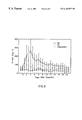
- FIG. 6 is a plot of ⁇ GST concentration versus time (days) for a number of patients.
- FIG. 7 is a plot of AST/ALT (U/L) and ⁇ GST and ⁇ GST (ng/ml) versus days after transplantation for a single patient.
- ⁇ GST was purified from human placenta by affinity chromatography. Precise details of the purification procedure are as follows:
- Glutathione (GSH)-Sepharose Affinity column previously equilibrated in 20 mM Tris-HCl with 200 mM NaCl, pH 7.8. Equilibration buffer was reapplied to elute unbound protein. Finally 50 mM Tris-HCl pH 9.5 containing 5 mM GSH was used to elute bound GST from the affinity column.
- Purified human ⁇ GST was injected into New Zealand White rabbits subcutaneously (s.c.) according to the time schedule given below and serum evaluated for anti- ⁇ GST reactivity. Once the IgG [anti-human ⁇ GST] titre was sufficient as determined by semi-quantitative dot blot analysis, the animals were exsanguinated and serum collected. Total IgG was purified from rabbit serum by Protein A affinity chromatography and was used for conjugation to horseradish peroxidase (HRP). Monoclonal IgG [anti-human ⁇ GST] as ascites, was obtained from The University Hospital, Nijmegen, The Netherlands and was not purified further prior to use.
- HRP horseradish peroxidase
- Day 70 A test bleed of 10 ml of blood was taken from the ear of the rabbit. When the titre was sufficiently high, the rabbit was sacrificed and as much blood as possible collected.
- Murine IgG [anti-human ⁇ GST] was used to probe nitrocellulose membranes containing immobilised human ⁇ , ⁇ and ⁇ GST.
- the method used for immunoblot detection was as follows:
- Human ⁇ , ⁇ and ⁇ GST (0.5 ⁇ g/track) were electrophoresed on 15% SDS-PAGE with molecular weight markers also included.
- the polyacrylamide gel was cut and one half stained for protein while the remainder was used for electrophoretic transfer onto nitrocellulose.
- nitrocellulose membranes were then washed in PBST (2 ⁇ for 5 min each).
- Anti rabbit IgG-HRP conjugate was then prepared ( ⁇ fraction (1/1000) ⁇ in 1% (w/v) Marvel in PBST and added to 4(i) above.
- Anti murine IgG-HRP conjugate was also prepared ( ⁇ fraction (1/1000) ⁇ ) and added to 4(ii) above.
- Diaminobenzidine substrate was then prepared and added to the membrane.
- Anti ⁇ GST IgG-HRP conjugates were synthesised using thioether conjugation methodology.
- Reactive maleimide groups were introduced onto IgG molecules using SMCC (succinimidyl 4-(N-maleimidomethyl) cyclohexane 1-carboxylate) and masked sulphydryl groups were linked to HRP. After a demasking step to produce reactive sulphydryl groups, the maleimide-activated IgG and HRP-SH were mixed together and allowed to react for 4.5 hours.
- the resultant IgG-HRP conjugate. formed by covalent thioether linkage was brought to 50% (v/v) glycerol and stored at ⁇ 20° C. for use in the EIA of Example 1.
- the format of the immunoassay for the quantitative detection of human ⁇ GST is a conventional sandwich format as depicted schematically in FIG. 1, and described below.
- a Nunc Maxisorp (Nunc Maxisorp is a Trade Mark) microtitre plate was coated with murine monoclonal IgG [anti-human ⁇ GST] (referred to in Preparatory Example B) immobilised via goat F(ab) 2 fragments [anti-mouse IgG].
- This method of antibody coating serves to orientate Mab binding sites and also improves assay sensitivity by minimising adherence—induced denaturation of the capture antibody.
- IgG [anti-human ⁇ GST]-HRP conjugates in association with tetramethylbenzidine substrate (TMB), were used to facilitate detection of captured/immobilised ⁇ GST.
- TMB tetramethylbenzidine substrate
- the enzyme reaction was stopped by the addition of 1N H 2 SO 4 and the absorbance measured at 450 nm using 630 nm as a reference wavelength. Colour intensity was proportional to ⁇ GST concentration and after generating a plot of A 450/630 nm versus concentration ( ⁇ g/L), the concentration of unknown samples can be determined (see FIG. 2 ). Total assay time was less than 2.5 hours.
- the total assay time was found to be 2 hours 15 minutes and assay conditions included microtitre plate shaking at fixed temperature during the sample and conjugate incubation steps, respectively.
- the TMB substrate incubation required fixed temperature conditions only.
- FIG. 3 illustrates the purity of human ⁇ GST obtained by the procedure of Preparatory Example A prior to immunisation into rabbits and confirms the absence of any other human derived proteins which might otherwise contribute to reduced assay specificity.
- FIG. 3 illustrates the purity of human ⁇ GST obtained by the procedure of Preparatory Example A prior to immunisation into rabbits and confirms the absence of any other human derived proteins which might otherwise contribute to reduced assay specificity.
- Lane 4 molecular weight markers
- Lane 2 molecular weight markers.
- HCC hepatocellular carcinoma
- PBC primary biliary cirrhosis
- BDS bile duct stones
- HCC hepatocellular carcinoma
- PBC primary biliary cirrhosis
- BDS bile duct stone
- Serial bile and plasma samples were collected from patients following liver transplant operations and assayed for both ⁇ and ⁇ GST respectively.
- the patients exhibited a range of post-operative conditions, from uneventful recovery, to acute rejection and Hepatitis C re-infection, which are normally associated with transplantation.
- ⁇ GST concentrations of both ⁇ and ⁇ GST in bile were monitored simultaneously.
- ⁇ GST was measured according to the procedure described in EP-A 0 640 145. During an uneventful recovery, ⁇ GST could be detected as soon as 2 hours post transplantation, and levels remained low (i.e. below 50 ⁇ g/L). ⁇ GST levels were initially high due to reperfusion injury, but returned to baseline levels within 2 days as shown in FIG. 5 . This figure shows the typical course of ⁇ and ⁇ GST during and after human liver transplantation. ⁇ GST levels remain low. Complications associated with liver transplantation could also be identified. One of the major risks is acute rejection, or the even more serious, steroid-resistant rejection.
- FIG. 6 This figure shows ⁇ GST levels during episodes of steroid-resistant rejection (SR) and acute rejection (AR). Levels are elevated and remain high over a period of at least 20 days. ⁇ GST levels were also high, but they returned to baseline levels within a period of 5-8 days.
- SR steroid-resistant rejection
- AR acute rejection
- liver/biliary damage hepatocellular carcinoma and primary biliary cirrhosis
- samples from donor bile, and post liver transplantation were assayed for human ⁇ GST according to the protocol of Example 1.
- Both polyclonal and monoclonal antibodies were coated onto the solid phase for use as a capture antibody. Direct coating of the both the polyclonal and the monoclonal antibodies resulted in very low absorbance readings for the standard curve (see Table 5). When immobilisation was achieved via a linker antibody (goat anti-mouse/anti-rabbit IgG), a significant increase in O.D. values was obtained for the monoclonal antibody. However, no such increase was observed for the polyclonal antibody.
- Direct coating of the antibody onto the solid phase (2 ⁇ g/mL) was compared to coating via a linker antibody (goat anti species, at 2 ⁇ g/ml), with the anti ⁇ GST antibody at a fixed concentration.
Landscapes
- Health & Medical Sciences (AREA)
- Life Sciences & Earth Sciences (AREA)
- Immunology (AREA)
- Engineering & Computer Science (AREA)
- Molecular Biology (AREA)
- Biomedical Technology (AREA)
- Chemical & Material Sciences (AREA)
- Hematology (AREA)
- Urology & Nephrology (AREA)
- Biotechnology (AREA)
- Biochemistry (AREA)
- Cell Biology (AREA)
- Food Science & Technology (AREA)
- Medicinal Chemistry (AREA)
- Physics & Mathematics (AREA)
- Analytical Chemistry (AREA)
- Microbiology (AREA)
- General Health & Medical Sciences (AREA)
- General Physics & Mathematics (AREA)
- Pathology (AREA)
- Investigating Or Analysing Biological Materials (AREA)
- Measuring Or Testing Involving Enzymes Or Micro-Organisms (AREA)
- Measuring And Recording Apparatus For Diagnosis (AREA)
Applications Claiming Priority (2)
| Application Number | Priority Date | Filing Date | Title |
|---|---|---|---|
| CA002246072A CA2246072A1 (en) | 1996-02-02 | 1996-02-02 | Method of determining the hepatic status of an individual, including a liver transplant recipient |
| PCT/IE1996/000003 WO1997028449A1 (en) | 1996-02-02 | 1996-02-02 | Method of determining the hepatic status of an individual, including a liver transplant recipient |
Publications (1)
| Publication Number | Publication Date |
|---|---|
| US6183977B1 true US6183977B1 (en) | 2001-02-06 |
Family
ID=25680448
Family Applications (1)
| Application Number | Title | Priority Date | Filing Date |
|---|---|---|---|
| US09/117,476 Expired - Fee Related US6183977B1 (en) | 1996-02-02 | 1996-02-02 | Determining hepatic status of a liver transplant recipient by measuring PI glutathione S-transferase |
Country Status (13)
| Country | Link |
|---|---|
| US (1) | US6183977B1 (de) |
| EP (1) | EP0880700B1 (de) |
| JP (1) | JP2000505544A (de) |
| AT (1) | ATE322013T1 (de) |
| AU (1) | AU712180B2 (de) |
| BR (1) | BR9612475A (de) |
| CA (1) | CA2246072A1 (de) |
| CZ (1) | CZ287488B6 (de) |
| DE (1) | DE69635979T2 (de) |
| ES (1) | ES2262153T3 (de) |
| HU (1) | HUP9903578A2 (de) |
| PL (1) | PL328518A1 (de) |
| WO (1) | WO1997028449A1 (de) |
Cited By (7)
| Publication number | Priority date | Publication date | Assignee | Title |
|---|---|---|---|---|
| US20030022909A1 (en) * | 2001-06-05 | 2003-01-30 | University Of Chicago | Use of methylnaltrexone to treat immune suppression |
| US20040219600A1 (en) * | 2002-12-13 | 2004-11-04 | Williams Robert Wood | Method for determining sensitivity to environmental toxins and susceptibility to parkinson's disease |
| US20100196942A1 (en) * | 2005-04-01 | 2010-08-05 | University Of Florida Research Foundation, Inc. | Biomarkers of liver injury |
| US9682132B2 (en) | 2010-01-26 | 2017-06-20 | Banyan Biomarkers, Inc | Compositions and methods relating to argininosucccinate synthetase |
| US11994522B2 (en) | 2008-08-11 | 2024-05-28 | Banyan Biomarkers, Inc. | Biomarker detection process and assay of neurological condition |
| US12077601B2 (en) | 2016-10-28 | 2024-09-03 | Banyan Biomarkers, Inc. | Antibodies to ubiquitin C-terminal hydrolase L1 (UCH-L1) and glial fibrillary acidic protein (GFAP) and related methods |
| US12601749B2 (en) | 2008-08-11 | 2026-04-14 | Banyan Biomarkers, Inc. | Biomarker detection process and assay of neurological condition |
Families Citing this family (3)
| Publication number | Priority date | Publication date | Assignee | Title |
|---|---|---|---|---|
| US6977140B1 (en) | 1998-09-29 | 2005-12-20 | Organ Recovery Systems, Inc. | Method for maintaining and/or restoring viability of organs |
| US6492103B1 (en) | 2000-01-31 | 2002-12-10 | Organ Recovery Systems, Inc. | System for organ and tissue preservation and hypothermic blood substitution |
| ES2732071T3 (es) * | 2005-04-01 | 2019-11-20 | Univ Florida | Biomarcadores de lesiones hepáticas |
Citations (4)
| Publication number | Priority date | Publication date | Assignee | Title |
|---|---|---|---|---|
| WO1990012088A1 (en) | 1989-04-13 | 1990-10-18 | The United States Of America, As Represented By The Secretary, U.S. Department Of Commerce | MONOCLONAL ANTIBODIES TO HUMAN GLUTATHIONE S TRANSFERASE Pi |
| JPH0425763A (ja) | 1990-05-21 | 1992-01-29 | Maruko Seiyaku Kk | グルタチオンS―トランスフェラーゼπの定量方法および診断のための試薬 |
| WO1993022452A1 (en) | 1992-05-01 | 1993-11-11 | Cormac Gerard Kilty | Measurement of an enzyme marker as an aid to diagnosis |
| USRE35419E (en) * | 1992-05-01 | 1997-01-07 | Cormac G. Kilty | Measurement of an enzyme marker as an aid to diagnosis of liver transplant rejection |
-
1996
- 1996-02-02 PL PL96328518A patent/PL328518A1/xx unknown
- 1996-02-02 DE DE69635979T patent/DE69635979T2/de not_active Expired - Lifetime
- 1996-02-02 US US09/117,476 patent/US6183977B1/en not_active Expired - Fee Related
- 1996-02-02 JP JP09527453A patent/JP2000505544A/ja active Pending
- 1996-02-02 AU AU46323/96A patent/AU712180B2/en not_active Ceased
- 1996-02-02 HU HU9903578A patent/HUP9903578A2/hu unknown
- 1996-02-02 CA CA002246072A patent/CA2246072A1/en not_active Abandoned
- 1996-02-02 ES ES96901946T patent/ES2262153T3/es not_active Expired - Lifetime
- 1996-02-02 EP EP96901946A patent/EP0880700B1/de not_active Expired - Lifetime
- 1996-02-02 AT AT96901946T patent/ATE322013T1/de not_active IP Right Cessation
- 1996-02-02 BR BR9612475A patent/BR9612475A/pt not_active Application Discontinuation
- 1996-02-02 CZ CZ19982288A patent/CZ287488B6/cs not_active IP Right Cessation
- 1996-02-02 WO PCT/IE1996/000003 patent/WO1997028449A1/en not_active Ceased
Patent Citations (4)
| Publication number | Priority date | Publication date | Assignee | Title |
|---|---|---|---|---|
| WO1990012088A1 (en) | 1989-04-13 | 1990-10-18 | The United States Of America, As Represented By The Secretary, U.S. Department Of Commerce | MONOCLONAL ANTIBODIES TO HUMAN GLUTATHIONE S TRANSFERASE Pi |
| JPH0425763A (ja) | 1990-05-21 | 1992-01-29 | Maruko Seiyaku Kk | グルタチオンS―トランスフェラーゼπの定量方法および診断のための試薬 |
| WO1993022452A1 (en) | 1992-05-01 | 1993-11-11 | Cormac Gerard Kilty | Measurement of an enzyme marker as an aid to diagnosis |
| USRE35419E (en) * | 1992-05-01 | 1997-01-07 | Cormac G. Kilty | Measurement of an enzyme marker as an aid to diagnosis of liver transplant rejection |
Non-Patent Citations (3)
| Title |
|---|
| Chemical Abstracts, vol. 109, No. 25, Abstract No.: 225320 (Dec. 19, 1988). |
| Chemical Abstracts, vol. 117, Abstract No.: 231211 (Dec. 7, 1992). |
| Chemical Abstracts, vol. 118, No. 9, Abstract No.: 78246 (Mar. 1, 1993). |
Cited By (9)
| Publication number | Priority date | Publication date | Assignee | Title |
|---|---|---|---|---|
| US20030022909A1 (en) * | 2001-06-05 | 2003-01-30 | University Of Chicago | Use of methylnaltrexone to treat immune suppression |
| US20040219600A1 (en) * | 2002-12-13 | 2004-11-04 | Williams Robert Wood | Method for determining sensitivity to environmental toxins and susceptibility to parkinson's disease |
| US20100196942A1 (en) * | 2005-04-01 | 2010-08-05 | University Of Florida Research Foundation, Inc. | Biomarkers of liver injury |
| US8048638B2 (en) | 2005-04-01 | 2011-11-01 | University Of Florida Research Foundation, Inc. | Biomarkers of liver injury |
| US11994522B2 (en) | 2008-08-11 | 2024-05-28 | Banyan Biomarkers, Inc. | Biomarker detection process and assay of neurological condition |
| US12601749B2 (en) | 2008-08-11 | 2026-04-14 | Banyan Biomarkers, Inc. | Biomarker detection process and assay of neurological condition |
| US9682132B2 (en) | 2010-01-26 | 2017-06-20 | Banyan Biomarkers, Inc | Compositions and methods relating to argininosucccinate synthetase |
| US10646555B2 (en) | 2010-01-26 | 2020-05-12 | Bioregency, Inc. | Compositions and methods relating to argininosuccinate synthetase |
| US12077601B2 (en) | 2016-10-28 | 2024-09-03 | Banyan Biomarkers, Inc. | Antibodies to ubiquitin C-terminal hydrolase L1 (UCH-L1) and glial fibrillary acidic protein (GFAP) and related methods |
Also Published As
| Publication number | Publication date |
|---|---|
| CZ287488B6 (en) | 2000-12-13 |
| ATE322013T1 (de) | 2006-04-15 |
| JP2000505544A (ja) | 2000-05-09 |
| CA2246072A1 (en) | 1997-08-07 |
| WO1997028449A1 (en) | 1997-08-07 |
| AU4632396A (en) | 1997-08-22 |
| EP0880700B1 (de) | 2006-03-29 |
| DE69635979T2 (de) | 2006-11-16 |
| DE69635979D1 (de) | 2006-05-18 |
| EP0880700A1 (de) | 1998-12-02 |
| AU712180B2 (en) | 1999-10-28 |
| HUP9903578A2 (hu) | 2000-02-28 |
| PL328518A1 (en) | 1999-02-01 |
| ES2262153T3 (es) | 2006-11-16 |
| BR9612475A (pt) | 1999-07-13 |
| CZ228898A3 (cs) | 1999-03-17 |
Similar Documents
| Publication | Publication Date | Title |
|---|---|---|
| US5482841A (en) | Evaluation of transplant acceptance | |
| US6183977B1 (en) | Determining hepatic status of a liver transplant recipient by measuring PI glutathione S-transferase | |
| US7462495B2 (en) | Methods and compositions for use in diagnosing and characterizing chronic immune disease | |
| JPH06502912A (ja) | アナライト変異体分析 | |
| EP1069432B1 (de) | VERFAHREN ZUR UNTERSUCHUNG DER IgA-NEPHROPATHIE | |
| Bjerrum et al. | Measurement of beta-2-microglobulin in serum and plasma by an enzyme-linked immunosorbent assay (ELISA) | |
| EP0968429A1 (de) | Methode und testkit zur bestimmung des phenotyps eines naptoglobins und anwendung | |
| RU2164027C2 (ru) | Способ определения состояния печени | |
| EP0871881B1 (de) | Verfahren zur bestimmung und zum nachweis von spenderorganschäden nach xenotransplantation auf der grundlage von aus dem spenderorgan freigesetzten analyten | |
| JP2000516702A (ja) | 好酸球カチオン性タンパク質(イソ―ecp)の分子形態検出用診断法 | |
| NISHIMURA et al. | Enzyme immunoassay for manganese-superoxide dismutase in serum and urine | |
| RU2157540C2 (ru) | Способ определения или обнаружения повреждения органа-донора после ксенотрансплантации на основе анализа веществ, полученных из органа-донора | |
| AU2004258830A1 (en) | Methods and compositions for use in diagnosing and characterizing diseases involving abnormal apoptosis | |
| AU2006318919A1 (en) | Method for identifying the genotype in position 171 of the sheep prion protein as well as kits for implementing said method | |
| US20100151451A1 (en) | Method for Identifying the Genotype in Position 171 of the Ovine Prion Protein as well as Kits for Implementing said Method | |
| CA2056449A1 (en) | Method for the detection of anti-streptokinase antibodies | |
| WO1993005398A1 (en) | Enzyme capture assay | |
| JPH0833398B2 (ja) | ヒト組織プラスミノーゲンアクチベーター・ヒトプラスミノーゲンアクチベーターインヒビター複合体の測定方法及び測定キット | |
| HK1018508A (en) | Method of determining the hepatic status of an individual, including a liver transplant recipient | |
| JPS62503123A (ja) | 免疫複合物の検定のための方法および物品 |
Legal Events
| Date | Code | Title | Description |
|---|---|---|---|
| AS | Assignment |
Owner name: BIOTRIN INTELLECTUAL PROPERTIES LIMITED, IRELAND Free format text: ASSIGNMENT OF ASSIGNORS INTEREST;ASSIGNORS:DOYLE, JOHN M.;KILTY, CORMAC G.;MANNING, FIONA M.;REEL/FRAME:009437/0821;SIGNING DATES FROM 19980625 TO 19980713 |
|
| FEPP | Fee payment procedure |
Free format text: PAT HOLDER CLAIMS SMALL ENTITY STATUS, ENTITY STATUS SET TO SMALL (ORIGINAL EVENT CODE: LTOS); ENTITY STATUS OF PATENT OWNER: SMALL ENTITY |
|
| REFU | Refund |
Free format text: REFUND - PAYMENT OF MAINTENANCE FEE, 4TH YEAR, LARGE ENTITY (ORIGINAL EVENT CODE: R1551); ENTITY STATUS OF PATENT OWNER: SMALL ENTITY |
|
| FPAY | Fee payment |
Year of fee payment: 4 |
|
| FPAY | Fee payment |
Year of fee payment: 8 |
|
| AS | Assignment |
Owner name: ARGUTUS INTELLECTUAL PROPERTIES LIMITED, IRELAND Free format text: ASSIGNMENT OF ASSIGNORS INTEREST;ASSIGNOR:BIOTRIN INTELLECTUAL PROPERTIES LIMITED;REEL/FRAME:023401/0150 Effective date: 20090921 |
|
| REMI | Maintenance fee reminder mailed | ||
| LAPS | Lapse for failure to pay maintenance fees | ||
| STCH | Information on status: patent discontinuation |
Free format text: PATENT EXPIRED DUE TO NONPAYMENT OF MAINTENANCE FEES UNDER 37 CFR 1.362 |
|
| FP | Lapsed due to failure to pay maintenance fee |
Effective date: 20130206 |