WO1994014913A1 - Composition d'amorçage de photopolymerisation pour colle polymerisable par rayons visibles - Google Patents

Composition d'amorçage de photopolymerisation pour colle polymerisable par rayons visibles Download PDF

Info

Publication number
WO1994014913A1
WO1994014913A1 PCT/JP1992/001669 JP9201669W WO9414913A1 WO 1994014913 A1 WO1994014913 A1 WO 1994014913A1 JP 9201669 W JP9201669 W JP 9201669W WO 9414913 A1 WO9414913 A1 WO 9414913A1
Authority
WO
WIPO (PCT)
Prior art keywords
visible light
adhesive
light
weight
photopolymerization
Prior art date
Legal status (The legal status is an assumption and is not a legal conclusion. Google has not performed a legal analysis and makes no representation as to the accuracy of the status listed.)
Ceased
Application number
PCT/JP1992/001669
Other languages
English (en)
French (fr)
Inventor
Eiichi Masuhara
Shigeo Komiya
Takeyuki Sawamoto
Yumiko Satou
Current Assignee (The listed assignees may be inaccurate. Google has not performed a legal analysis and makes no representation or warranty as to the accuracy of the list.)
Adell Co Ltd
Original Assignee
Adell Co Ltd
Priority date (The priority date is an assumption and is not a legal conclusion. Google has not performed a legal analysis and makes no representation as to the accuracy of the date listed.)
Filing date
Publication date
Application filed by Adell Co Ltd filed Critical Adell Co Ltd
Priority to JP51358493A priority Critical patent/JP3442776B2/ja
Priority to PCT/JP1992/001669 priority patent/WO1994014913A1/ja
Priority to US08/290,867 priority patent/US5607985A/en
Priority to DE69229742T priority patent/DE69229742T2/de
Priority to EP93900426A priority patent/EP0627476B1/en
Publication of WO1994014913A1 publication Critical patent/WO1994014913A1/ja
Anticipated expiration legal-status Critical
Ceased legal-status Critical Current

Links

Classifications

    • CCHEMISTRY; METALLURGY
    • C08ORGANIC MACROMOLECULAR COMPOUNDS; THEIR PREPARATION OR CHEMICAL WORKING-UP; COMPOSITIONS BASED THEREON
    • C08FMACROMOLECULAR COMPOUNDS OBTAINED BY REACTIONS ONLY INVOLVING CARBON-TO-CARBON UNSATURATED BONDS
    • C08F2/00Processes of polymerisation
    • C08F2/46Polymerisation initiated by wave energy or particle radiation
    • C08F2/48Polymerisation initiated by wave energy or particle radiation by ultraviolet or visible light
    • C08F2/50Polymerisation initiated by wave energy or particle radiation by ultraviolet or visible light with sensitising agents
    • CCHEMISTRY; METALLURGY
    • C09DYES; PAINTS; POLISHES; NATURAL RESINS; ADHESIVES; COMPOSITIONS NOT OTHERWISE PROVIDED FOR; APPLICATIONS OF MATERIALS NOT OTHERWISE PROVIDED FOR
    • C09JADHESIVES; NON-MECHANICAL ASPECTS OF ADHESIVE PROCESSES IN GENERAL; ADHESIVE PROCESSES NOT PROVIDED FOR ELSEWHERE; USE OF MATERIALS AS ADHESIVES
    • C09J4/00Adhesives based on organic non-macromolecular compounds having at least one polymerisable carbon-to-carbon unsaturated bond ; adhesives, based on monomers of macromolecular compounds of groups C09J183/00 - C09J183/16
    • FMECHANICAL ENGINEERING; LIGHTING; HEATING; WEAPONS; BLASTING
    • F02COMBUSTION ENGINES; HOT-GAS OR COMBUSTION-PRODUCT ENGINE PLANTS
    • F02BINTERNAL-COMBUSTION PISTON ENGINES; COMBUSTION ENGINES IN GENERAL
    • F02B2275/00Other engines, components or details, not provided for in other groups of this subclass
    • F02B2275/18DOHC [Double overhead camshaft]

Definitions

  • the present invention relates to a photopolymerizable adhesive which is polymerized by irradiation with visible light, and a photopolymerization initiator used for the same, and more particularly to a photopolymerizable adhesive which can be used in a shorter time by irradiation with visible light.
  • the present invention relates to an adhesive which has good photopolymerizability to be polymerized at a high temperature and excellent colorless transparency even after photopolymerization, and also has excellent light resistance after bonding.
  • photopolymerizable adhesives 1,6-hexadiol (meta) acrylate, bisphenol A-epoxy Multifunctional radionuclide monomers such as denatured di (meth) acrylates and N-vinyl alcohols (Meta) Monofunctional radical polymerizable monomers such as acrylates, benzoquinone chelates, 1-s
  • An ultraviolet overlay type obtained by adding an ultraviolet polymerization initiator that absorbs light in the ultraviolet region such as phenylene ketone to generate radicals.
  • Adhesive has been used.
  • These UV-curable adhesives are usually one-component, have a long pot life, and are practically adherent when they are polymerized by short-time UV irradiation for several minutes. It is excellent in terms of ease of handling and speed-up of bonding work. It has been widely used in place of adhesives such as epoxy resin adhesives.
  • Japanese Patent Application Laid-Open No. At least one ketone and at least one organic perrole selected from the group consisting of phenolic and diketonic strengths.
  • An adhesive using a dye as a visible light polymerization initiator has been disclosed.
  • an adhesive using a quinquinone or a benzyl as a visible light polymerization initiator is disclosed.
  • Another example of the visible light-cured adhesive shown is to replace the light-cured initiator used in conventional ultraviolet light-cured adhesives.
  • anthraquinone, 3 ketocoumarin
  • 2 black mouth thioxanthone
  • Absorption in the visible light region such as a derivative of a derivative, 10—petit 2—an acridon derivative such as chloroacridone, and a thiopyrimid salt derivative.
  • Vasin using a photopolymerization initiator-using organic dyes such as Y, methylene blue, etc. There ⁇ You can at.
  • visible light-curable adhesives are used for the purpose of enhancing the reactivity of the photopolymerization initiator, and are used for the purpose of increasing the reactivity of tri- ⁇ -butylinamine, dimethinoleamine, etc.
  • Tertiary amides such as tin methacrylate, ⁇ , ⁇ — dimethyl ⁇ — tonolein, ⁇ ⁇ — dimethyl ⁇ — benzolate, etc.
  • Vis-a-vis adhesives obtained by adding organic peroxides such as benzoyl peroxide or benzoyl peroxide, UV-impermeable material, which had been considered difficult to bond by light polymerization, was cured by photopolymerization. It is possible to adhere.
  • visible light-curable adhesives can be used as highly polymerizable visible light sources, such as halogen lamps, as polymerization light sources. It has also been applied to the bonding of dental resins within the cavity.
  • an organic dye or a pigment is added to the adhesive to form an adhesive layer having a desired color tone after the adhesive polymerization.
  • Such UV-curable adhesives can provide difficult functions.
  • conventional visible light-curable adhesives have a colorless and transparent color tone after photopolymerization, but discolor to yellow or brown in a short time when exposed to light including ultraviolet rays such as sunlight. It had a drawback that it had poor light fastness.
  • the amount of the photopolymerization initiator used in the adhesive is reduced, and a tertiary polyamide used in combination with the photopolymerization initiator is used. It is possible to use means such as adding no However, in this case, there is a new problem that the photopolymerizability of the visible light-curable adhesive becomes poor, and a practical polymerization speed cannot be obtained. The reality was that there was no fundamental solution.
  • conventional visible light-curable adhesives can be used for bonding optical components such as lenses and prisms, which require strong transparency after bonding, and good light resistance. It can be applied to the bonding of window glass and rugged objects for outdoor exhibition, which require high aesthetics, and the bonding and assembly of glass arts and crafts, which require excellent aesthetics. It was not.
  • the present invention has been made to solve the above-mentioned problems of the conventional visible light polymerizable adhesive.
  • the purpose of the present invention is to have good photopolymerizability in which photopolymerization is performed in a short time by irradiation with visible light, and excellent transparency that becomes colorless and transparent after photopolymerization.
  • Another object of the present invention is to provide a visible light-curable adhesive having excellent light fastness which does not discolor and deteriorate even when exposed to light including ultraviolet rays such as sunlight.
  • the present invention provides, as a visible light platform adhesive, at least one kind of a radical polymerizable monomer having at least one carbon-carbon unsaturated bond in a molecule.
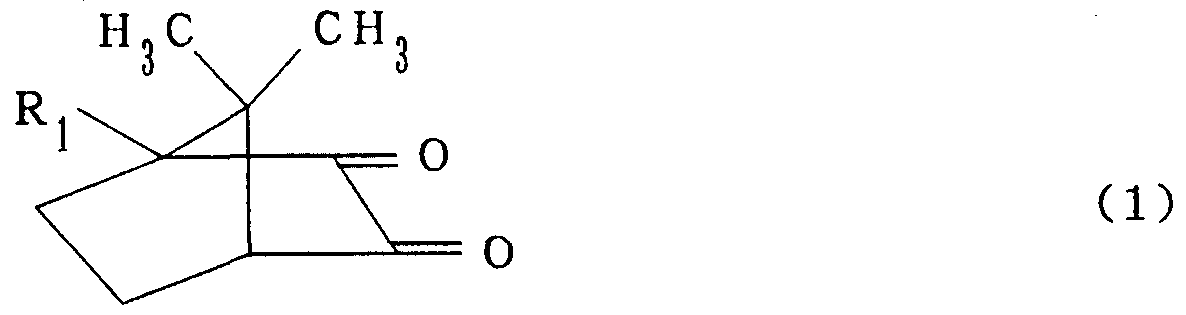
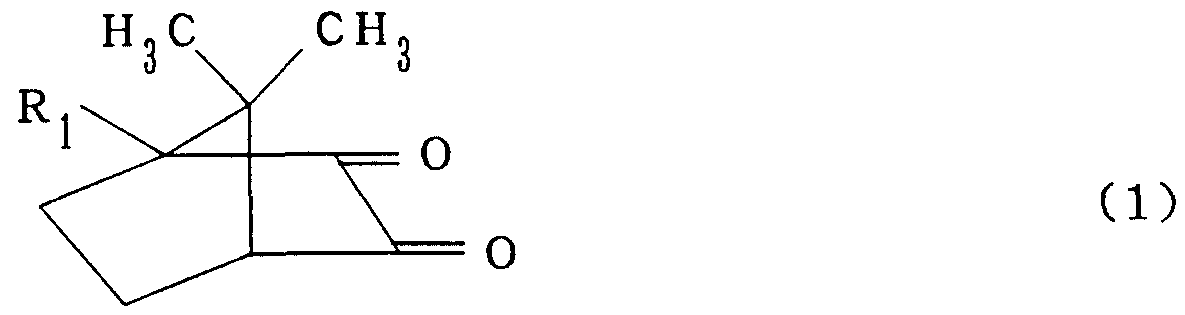
  • at least 0.05% by weight of at least one compound selected from the compounds represented by the following general formula (1) and the compound represented by the following general formula (2) At least one compound selected from the group consisting of 0.1 to 5% by weight of a photoinitiator and at least one aliphatic tertiary amine.
  • the above-mentioned problem of the prior art has been solved by adding 0.1 to 20% by weight of min as a photoreaction aid.
  • R i is one CHC 0 0 HC 0 0 CHCH
  • R 2 , R 3 and R 4 are each independently hydrogen or a methyl group
  • R 5 and R 6 are each independently a phenyl group or a methyl group. It is a xy group.
  • the compound represented by the general formula (1) used in the present invention is used in a range of 0.01 to 5% by weight, and the total amount of the compound used in the present invention is Two or more compounds may be used together as long as they are within the range.
  • the amount of the compound represented by the general formula (1) is less than the range of the present invention, sufficient light-polymerization of the adhesive will not be obtained. Problems arise. Further, when the amount of the compound represented by the general formula (1) is larger than the range of the present invention, yellow coloring may occur after photopolymerization, or light containing ultraviolet rays such as sunlight. The problem is that lightfastness is reduced when exposed to water.
  • Specific examples of the compound represented by the formula (2) used in the present invention include benzodiphenylphosphine, 2,6-diphenyl Methyl benzoyl benzoyl phosphinide, 2, 4, 6 — Trimethyl benzoyl phenyl phosphine Kiss, Benzo Injector Kiss Phosphos, 2, 4, and 6 — Trimethyl Benzol Metoshi, Benizore Phospho-foxide, 2,4,6 — Trimethylin-benzino-registration phos-foxide and the like.
  • 2,6 dimethylbenzene diphenylphosphine oxide
  • 2,4,6 trimethylbenzyl diphenyl Phosphonoxide
  • 2, 4, 6 Trimethylinbenzoyl methoxide and phenylphosphine
  • the amount of the compound represented by the general formula (2) used in the present invention is 0.01 to 5% by weight, and the total amount used is within the range of the present invention. If so, two or more compounds may be used in combination. If the amount of the compound represented by the general formula (2) is less than the range of the present invention, the photopolymerizability decreases, and the polymer does not polymerize even when irradiated with light for a long time. Occurs. When the amount of the compound represented by the general formula (2) is larger than the range of the present invention, yellow coloring may occur after photopolymerization, or the compound may be exposed to light including ultraviolet rays such as sunlight. This causes a problem that the light resistance upon exposure is not sufficient.
  • the total amount of the compounds represented by the general formulas (1) and (2) is determined by the amount of the adhesive determined by the applied amount of the adhesive. It is desirable to increase or decrease as appropriate according to the thickness, but the standard usage amount is 0.2 to 7% by weight.
  • the photopolymerizability of the adhesive and the coloring and discoloration Preference is given to the balance between good transparency and good transparency.
  • the relative use amount of the compounds represented by the general formulas (1) and (2) is selected in the range of 1: 5 or 5: 1. This is preferable in that the colorless transparency and light resistance after photopolymerization can be further improved.
  • aliphatic tertiary amine used in the present invention include tri-n-butylinamine, triethanolamine, triamine.
  • Nozzle (meta) acrylate, genoaminomethyl (meta) acrylate, gennorea minethyl (meta) Examples include creatreate, jisopropinolea, aminomethyl (meta) create, and the like.
  • dimethylamine (methyl) acrylate dimethylamine (meta) acrylate, dimethylamine Uses (meta) cyclooxy groups such as nettle (meta) acrylates, and methylamine (meta) acrylates.
  • Aliphatic tertiary amines are preferred because of their excellent photoreactivity.
  • the aliphatic tertiary amine used in the present invention may be used in combination of two or more kinds of aliphatic tertiary amines in the range of 0.1 to 20% by weight. I can do it. If the amount of the aliphatic tertiary amine used is less than the range of the present invention, the photopolymerizability becomes poor, and a practical platform speed cannot be obtained. If it occurs, and if the amount of the aliphatic amine used exceeds the range of the present invention, the adhesive after photopolymerization will be colored and the light resistance will be poor. Problems arise.
  • the amounts of the compounds represented by the general formulas (1) and (2) and the aliphatic tertiary amine are determined using the visible light polymerizable adhesive of the present invention.
  • the thickness of the adhesive layer after photopolymerization it is preferable to make further adjustments within the specified range.
  • the compounds represented by the general formulas (1) and (2) are used in the same manner.
  • the amount of each of the compounds represented by the general formulas (1) and (2) is used. Is preferably less than 0.2% by weight of the present invention, and the amount of the aliphatic tertiary amine used is preferably less than 5% by weight of the present invention.
  • concentration of radicals generated in the visible light adhesive by light irradiation is adjusted to the most efficient range irrespective of the thickness. This is because the features of the visible light polymerizable adhesive of the invention are maximized.
  • the amounts of the compounds represented by the general formulas (1) and (2) are each 0.1 to 1% by weight, and the aliphatic tertiary amine is used. It is preferable to use 1 to 10% by weight of the adhesive, since it is possible to widely support the use of ordinary adhesives.
  • a radical polymerizable monomer having at least one carbon-carbon unsaturated bond in the molecule used in the present invention is putoxime. 'T, — fi (4), ⁇ ⁇ ⁇ ' ⁇ ⁇ -
  • Metal Clear rate hexamethyl range isocyanate Denatured urethane (meta) clear rate, trimethyl level Modification of urethane (meta) urethane (meta) create and trimethyl methacrylate denaturation Urethane (meta) acrylate, aliphatic epoxy-modifying di (meta) acrylate, the following general formula (3) or (4) Oligosiloxanil shown
  • Multi-functionality such as (meta) acrylates, etc. (meta) acrylates, triary isocyanurates, and binomiles (meta) Multi-functionality monomers such as creator, arrill (meta) creator, etc. Be raised.
  • R 7 represents hydrogen or a methyl group
  • m m represents an integer of 2 to 4
  • n ⁇ represents an integer of 0 to 60.
  • R 8 is hydrogen or a methyl group
  • R f is a perfluoroalkyl group
  • 1 is an integer of 1 to 4
  • m 2 is an integer of 2 to 4
  • n 2 Represents an integer of 0 to 60.
  • Radical polymerizable monomers having at least one carbon-carbon unsaturated bond in the molecule are appropriately selected depending on the purpose of the adhesive.
  • the selection of the radical polymerizable monomer in the present invention can further enhance the photopolymerizability of the adhesive. It is preferred that the polyfunctional monomer be used in an amount of 10% by weight or more of the total of the radical polymerizable monomer.
  • All of the compounds represented by the general formulas (1) and (2) used in the present invention generate radicals when irradiated with light in the visible light region. Since it is a photopolymerization initiator, the compound represented by the general formula (1) or (2) alone as a photopolymerization initiator for a visible light polymerization type adhesive has been conventionally used alone. Used in combination with UV-polymerization initiators such as benzophenylnon-hexyl hexyl phenyl ketone Or used in combination with a photo-reaction aid such as tertiary amine.
  • UV-polymerization initiators such as benzophenylnon-hexyl hexyl phenyl ketone
  • a photo-reaction aid such as tertiary amine.
  • the compound of the general formula (1) or (2) may be used alone as described above, in combination with an ultraviolet polymerization initiator, or with a tertiary amine.
  • the same type of pedestal base avoids the problems of coloring after photopolymerization and the disadvantage of poor lightfastness.
  • the power I could do.
  • the present inventors have limited the use of the compounds represented by the general formulas (1) and (2) at the same time within a specific content range to prepare a visible light curable adhesive. It is colorless and transparent after photopolymerization and has excellent transparency, and also has excellent light resistance with extremely little discoloration to yellow or brown due to prolonged exposure to light including ultraviolet rays such as sunlight.
  • the present invention has been made based on the finding that what can be done can be achieved.
  • the present invention provides a photo-initiator containing a compound represented by the general formulas (1) and (2) disclosed in the present invention in a specific amount.
  • a photo-initiator containing a compound represented by the general formulas (1) and (2) disclosed in the present invention in a specific amount.
  • the visible light-curable adhesive of the present invention discolors after photopolymerization.
  • the absorption of light, which causes photochemical reactions such as deterioration, is remarkably reduced, and exhibits excellent light resistance even when exposed to light including ultraviolet rays such as sunlight.
  • the aliphatic tertiary amine does not inhibit the above-mentioned excellent interaction, and the photoreactivity of the compounds represented by the general formulas (1) and (2) Has the effect of being able to significantly increase the power. It is preferable to use an aliphatic tertiary amine in combination with the polymerization initiator of the present invention in a range of 1: 1 to 100: 1.
  • the present invention provides In addition to having good photopolymerizability, it also has excellent aesthetics that become colorless and transparent after photopolymerization, and also has excellent light resistance to light including ultraviolet rays such as sunlight. An optically polymerizable adhesive is obtained.
  • the visible light-curable adhesive of the present invention also has the following features, and is extremely useful.
  • the visible light-curable adhesive of the present invention rapidly undergoes photopolymerization by irradiating visible light in a wavelength range of about 400 nm to about 500 nm. As described above, they are not colored and have excellent light fastness, as described above, but these properties are also in the range of wavelengths from 34 nm to 40 nm. It also has the property that it is similarly expressed when irradiated with near-ultraviolet light of 0 nm.
  • the visible light polymerizable adhesive of the present invention not only has visible light polymerizability, but also has near-ultraviolet light photopolymerizability, and is not affected by either light. In addition, it has an excellent feature for both visible light and ultraviolet light that the same excellent properties as in the case of visible light irradiation can be obtained even by photopolymerization.
  • the visible light-curable adhesive of the present invention can be used for light in a wide wavelength range from the ultraviolet region to the visible light region. It is possible to use a high-pressure mercury lamp chemical lamp, or to use a visible light source such as a halogen lamp, sunlight, or a fluorescent lamp. Therefore, the flexibility of selecting a light source for photopolymerization is remarkable and wide, and the compatibility with the conventional technology is excellent.
  • the compound represented by the general formula (1) is campfaquinone 0. 2 parts by weight, as a compound represented by the general formula (2), 2,4,6-trimethyl benzophenone diphenyl phosphine 0 3 parts by weight of dimethylaminoaminomethyl methacrylate as an aliphatic tertiary amine 4 parts by weight of at least one carbon-carbon unsaturated bond Yusuke that La di Ca Le polymerizable mono M a and to bi scan [4 - ⁇ click Li b key sheet menu Chi le] Application Benefits shea click b [5, 2, 1, 0 2 'D] des Cats down 1 0 part by weight 4-meth click Li b keys collected by Li Shi click b [5, 2, 1, 0 2 '6] dec months down 6 0 parts by weight, 2 - heat mud key market shares Chi le menu 20 parts by weight of acrylate was mixed to obtain a visible light-curable adhesive of the present invention.
  • This adhesive is applied to a 1.1 mm thick, colorless, transparent, low-altitude glass, and the same glass is layered again. After that, a 150-watt haroge is applied. A two-minute visible light irradiation is carried out using a light source (a light source manufactured by Shoa Shott Co., Ltd.) using a lamp. Was.
  • a light source a light source manufactured by Shoa Shott Co., Ltd.
  • the low-alkaline glass had a firm adhesion and had a colorless and transparent appearance.
  • the light transmittance of the bonded glass was measured using a spectrophotometer, the light transmittance at a wavelength of 40 O nm was 90%, indicating excellent transparency. It was confirmed that they were doing.
  • the adhered low-altitude glass was exposed to strong ultraviolet light for 20 hours using a high-pressure mercury lamp.
  • Low when irradiating ultraviolet rays Use a garage glass as a filter to remove the coloring caused by the solarization of one's own.
  • Ultraviolet light with a short wavelength of less than 100 nm was turned on.
  • the low-altitude glass had firmly adhered and remained colorless and transparent in appearance.
  • the light transmittance was measured using a spectrophotometer, the light transmittance at a wavelength of 400 nm was 90%, and a decrease in transparency due to ultraviolet irradiation was observed. It was not.
  • the visible light produced by an 8 W straight-tube fluorescent lamp was used.
  • the same low alkaline glass was adhered as described above.
  • the thus obtained adhesive of low anolyzing force glass adhered firmly in the same manner as in the case of the fiber single light source, and was colorless and transparent in appearance.
  • the light transmittance of the adhesive at 400 nm is 89%, which is excellent transparency as when polymerized with a fiber light source.
  • low-altitude glass using the visible light-curable adhesive obtained in this example was bonded to the substrate by exposing it to sunlight for 10 minutes. At this time, a colorless and transparent adhesive that was firmly adhered as described above was obtained.
  • the light transmittance of the adhesive at a wavelength of 400 nm was 90%, which indicates that it had an excellent light transmittance according to the present example.
  • Visible-light-curable adhesives have excellent aesthetics and transparency without good visible light-polymerizability and coloring, and are also excellent in light resistance to ultraviolet rays.
  • the visible light-curable adhesive of this example was also excellent in photopolymerization even for various types of visible light sources such as halogen lamps, fluorescent lamps, and sunlight. In addition to having the same properties, the same performance can be obtained with respect to the adhesive properties and transparency.Therefore, various light sources can be selected according to the purpose of the adhesive. It was possible and extremely valuable. (Examples 2 to 7)
  • the visible light-curable adhesive of the present invention is prepared by forming a compound represented by the general formula (1) or (2), an aliphatic tertiary amine, and at least one carbon-carbon unsaturated bond. It was prepared by changing the kind of the radical polymerizable monomer to be used, and the bonding of a low-alkaline glass having a thickness of 1.1 mm was used in Example 1 in the same manner as in Example 1. The irradiation was performed by irradiating one fiber light source for 2 minutes.
  • Table 1 shows the composition of the visible light-curable adhesives of Examples 2 to 7, the photopolymerizability in adhesion, the appearance after photopolymerization, the adhesiveness, the light transmittance at a wavelength of 400 nm, Appearance after irradiation with high pressure mercury lamp for 20 hours The observation and measurement results of the light transmittance at a wavelength of 400 nm are shown.
  • the visible light-curable adhesive obtained in Example 1 had a light transmittance of 0% in the ultraviolet region from a visible light region of a wavelength of 490 nm to a wavelength of 200 nm. Apply it to an opaque yellow colored glass with a light transmittance of 10% at a wavelength of 5 10 nm, and superimpose the same colored glass. Visible light irradiation was performed for 10 minutes using a metal halide lamp of W.
  • the color glass after light irradiation is firmly adhered, and the visible light-curable adhesive obtained according to the present invention is opaque as in this example, and it is still opaque to ultraviolet light. It was easy to adhere to materials that did not transmit by photopolymerization.
  • the visible light-curable adhesive of the present invention obtained in Example 1 was photopolymerized by a conventional ultraviolet light source such as a high-pressure mercury lamp and a chemical lamp. In the same manner as in Example 1, bonding of low-altitude glass was attempted.
  • a conventional ultraviolet light source such as a high-pressure mercury lamp and a chemical lamp.
  • the low-alkaline glass When irradiated with UV light for 10 minutes by a high-pressure mercury lamp, the low-alkaline glass is firmly adhered to the same as in Example 1, and its appearance is colorless and transparent. Was transparent.
  • the light transmittance of this adhesive at a wavelength of 400 nm was measured and found to be 90%, which is different from the case where the visible light source was used in Example 1.
  • a 20-watt chemical lamp that has the same transparency and has an output peak at a wavelength of 360 nm The test piece of low-altitude lithoglass adhered firmly even when exposed to ultraviolet light for 2 minutes. This test piece also had a colorless and transparent appearance, and the light transmittance at a wavelength of 400 nm was 90%.
  • the visible light-curable adhesive of the present invention also has photopolymerizability to an ultraviolet light source, and the appearance and transparency after photopolymerization are also visible light. It had properties equivalent to those obtained by photopolymerization with a light source.
  • a silicone rubber ring spacer with an inner diameter of 25 mm and a height of 5 mm was set on a hard glass disk with a diameter of 30 mm. Then, the visible light-curable adhesive of this example was injected up to the upper end of the spacer.
  • the upper part of the spacer was covered with the same hard glass, and then the fluorescent lamp of 8 W similar to that used in Example 1 was used to cover the upper part of the spacer from the upper cover direction. Visible light irradiation was performed for 0 minutes.
  • the hard glass disks placed above and below the spacer are integrated with the visible light-curable adhesive and are firmly adhered.
  • the resulting thick-walled adhesive product was colorless and transparent, and had excellent transparency.
  • the hard glass disk bonded integrally with the visible-light-curable adhesive of this embodiment was applied to the ultraviolet rays by a high-pressure mercury lamp in the same manner as in Example 1.
  • the line was irradiated continuously for 20 hours.
  • the bonded hard glass disk obtained in this example had no change in appearance such as yellowing and maintained excellent transparency.
  • the thickness of the adhesive was as thick as about 5 mm, but by adjusting the amount of the photopolymerization initiator used in the visible light-polymerizable adhesive of the present invention, It was confirmed that an adhesive without discoloration due to coloring or ultraviolet irradiation after bonding could be easily obtained.
  • Example 2 instead of using the compounds represented by the general formulas (1) and (2) in Example 1, the conventional visible light polymerization initiator isopropropylthiol was used instead of the compounds represented by the general formulas (1) and (2).
  • a visible light polymerizable adhesive was prepared in the same manner as in Example 1 except that xanthone was used.
  • the visible light-curable adhesive thus obtained was used to bond a low-altitude glass in the same manner as in Example 1, the adhesive was firmly bonded. It was colorless and transparent in appearance. The light transmittance at a wavelength of 400 nm was measured using a spectrophotometer, and was found to be 88%.
  • UV irradiation was performed for 20 hours using a high-pressure mercury lamp.
  • the appearance of the adhesive was observed after UV irradiation. It was discolored yellow and its light transmittance at a wavelength of 400 nm was measured to be 82%, indicating that sufficient light fastness could not be obtained.
  • Comparative Example 1 several visible light-polymerizable adhesives were prepared by using a visible light polymerization initiator and a tertiary amine different from the compounds disclosed in the present invention. Then, in the same manner as in Example 1, bonding was performed by irradiating a low-alkaline glass with visible light, and photopolymerization, adhesiveness, appearance after photopolymerization, and wavelength of 400 nm were obtained. The light transmittance in nm was examined.
  • the bonded low-alkaline glass was irradiated with ultraviolet light from a high-pressure mercury lamp in the same manner as in Example 1, and the appearance after ultraviolet irradiation and the wavelength at 400 nm were measured. The light transmittance was also examined.
  • Table 2 shows the composition of the visible light-curable adhesive thus prepared and the results of each test.
  • Table 3 shows the composition of the visible light adhesive thus obtained, and the results of examining the photopolymerizability, adhesion, appearance after photopolymerization, and light transmittance.
  • Example 1 2,4,6-trimethylbenzinobenzoylphosphinoxy, which is a compound represented by the general formula (2) in Example 1 Except for using 3 parts by weight of 1-hydroxy porphyrinone ketone, a conventional photopolymerization initiator for UV polymerization, in place of metal A visible light polymerizable adhesive was prepared in the same manner as in Example 1.
  • Example 8 was performed using the visible light-curable adhesive thus obtained.
  • adhesion of colored glass by visible light irradiation was attempted. Even after 10 minutes of photopolymerization, the visible light-curable adhesive is not photopolymerized, and should adhere to the color glass accordingly. I could't get it.
  • Example 1 instead of the compound represented by the general formula (2), 0.1% by weight of isopropylthioxansonone was used, and further, a B aliphatic compound was used. A visible-light-curable adhesive was prepared using 0.3% by weight of dimethylaminoaminobenzene instead of tertiary amine.
  • This adhesive was applied to visible light using an optical fiber light source using a halogen lamp in the same manner as in Example 1, and bonding of a low-altitude glass was attempted. .
  • the low-alkaline glass had firmly adhered, but the adhered material showed a light brown coloration and a wavelength of 400 nm.
  • the light transmittance was 82%.
  • the visible light overlay adhesive according to the prior art used in this comparative example had a small coloration due to visible light polymerization and was excellent in transparency, but it was exposed to ultraviolet light. When polymerized, it was colored and turned yellow, and it was not possible to obtain an aesthetically excellent adhesive.
  • the visible light-polymerizable adhesive of the present invention has good adhesiveness and good transparency without coloring after photopolymerization.
  • the visible light-sensitive adhesive of the present invention has a photopolymerizable adhesive which has excellent light resistance such that discoloration and deterioration due to an ultraviolet irradiation test are extremely small. Because of their excellent properties, they can be bonded using various visible light sources such as halogen lamps, fluorescent lamps, and sunlight, and are also opaque. Even when applied to adhesives such as highly colored colored glass, it exhibits excellent adhesive properties in a short time, and has many features as a photopolymerizable adhesive. You can command.
  • the visible light polymerizable adhesive of the present invention has outstanding performance to solve the problems of the prior art.
  • the visible light-polymerizable adhesive of the present invention has not only the photopolymerizability by a visible light source but also the photopolymerizability by near ultraviolet rays. However, there is also a feature that there is very little problem of transparency deterioration such as coloring and discoloration due to either light source.
  • Such an excellent property is that the photopolymerization initiator comprising the compounds represented by the general formulas (1) and (2) disclosed in the present invention and an aliphatic tertiary amine are used. This is the first effect when used in a specific range at the same time, and is an effect unique to the present invention.
  • OSD M Oligosiloxanine resin methacrylate (average molecular weight
  • HDMA 1, 6 — hexagonal geometry meter rate

Landscapes

  • Chemical & Material Sciences (AREA)
  • Organic Chemistry (AREA)
  • Health & Medical Sciences (AREA)
  • Chemical Kinetics & Catalysis (AREA)
  • Medicinal Chemistry (AREA)
  • Polymers & Plastics (AREA)
  • Adhesives Or Adhesive Processes (AREA)
  • Polymerisation Methods In General (AREA)

Description

明 細 可視光重合型接着剤用 光重合開始剤組成物 [技術分野 ]
本発明 は可視光照射 に よ り 重合す る 光重合型の接着剤及 びそ れ に 用 い る 光重合開始剤 に 関わ り 、 更 に詳 し く は可視光照射 に よ り 短時間の う ち に重合す る 良好 な 光重合性 と 光重合後 も 優 れ た無色透明性を有 し 、 し か も 接着後の耐光性 に も 優れた接着剤 に 関す る 。
[背景技術 ]
従来、 光重合型接着剤 と し て は、 1 , 6 — へ キ サ ン ジ オ ー ル ジ ( メ タ ) ァ ク リ レ ー ト 、 ビ ス フ エ ノ ー ル 一 A — エ ポ キ シ 変性 ジ ( メ タ ) ァ ク リ レ ー ト な ど の 多 官 能性 の ラ ジ カ ノレ重 合性 モ ノ マ — や N — ビ ニ ノレ ピ ロ リ ド ン ヒ ド ロ キ シ ェ チ ノレ ( メ タ ) ァ ク リ レ ー ト な どの単官能性の ラ ジ カ ル重合性 モ ノ マ ー に 、 ベ ン ゾ ィ ン ァ ノレ キ ル ェ 一 テ ル 、 1 — シ ク 口 へ キ シ ル フ ェ ニ ル ケ ト ン な ど の紫外線領域の光を 吸収 し て ラ ジ カ ル を発生す る 紫外線重合開 始剤 を添加す る こ と に よ り 得 ら れ る 紫外線重 台型の接着剤が用 い ら れて き た。 こ れ ら の紫外線重合型接着剤 は通常 1 液性で ポ ッ ト ラ イ フ も 長 く 、 ま た数分間程度 の 短時間の 紫外線照射 に よ り 重 合 し て実 用 的 な接着性を 発揮す る の で、 取扱 い の 容易 さ や接着作業の ス ピ ー ド ア ッ プな どの点で優 れて お り 、' 主剤 と 硬化剂 を混合 し た り 接着時 に加熱処理が必要 な エ ポ キ シ 樹脂接着剤 な どの 接着剤 に かわ っ て広 く 使用 さ れて き て い る 。
し か し な が ら 、 近年着色ガ ラ ス 、 セ ラ ミ ッ ク ス 、 ポ リ カ ー ボ ネ ー ト 、 ポ リ 塩化 ビニ ル等の 不透明素材や紫外線吸収性素材 に 対 し て も 、 従来の光重合型接着剤 と 同様 に迅速かつ 容易 に 接着 さ せ た い と す る 要望が高 ま つ て き て い る 。
ま た従来の光重合型接着剤の重合 に 用 い ら れて き た紫外線 は 人体 に対す る 化学作用 が強 く 作業上の危険性が高 い 、 専用電源 や排気 ダ ク ト な どが必要 と な る た め設備 に 負担が掛か る 、 装置 が大型 に な り やす い、 と い っ た 問題 も 指摘 さ れて お り 、 よ り 安 全性が高 く 、 簡便 な 光源を 用 い て重合可能な光重合型接着剤 に 対す る 要望 も 高 ま っ て き て い る 。
最近、 こ の よ う な 目 的 に対応す る 光重合型接着剤 と し て可視 光を利用 し て重合す る 新 し い タ イ プの可視光重合型接着剤が登 場 し て い る 。
こ の よ う な 接着剤 と し て は、 例 え ば特開平 2 — 1 1 0 1 7 8 に 於 い て フ ノレ ォ レ ノ ン お よ び ジ ケ ト ン 力、 ら 選択 さ れ た 少 な く と も 1 種 の ケ ト ン お よ び 少 な く と も 1 種 の 有機 ペ ル ォ キ シ ド を 可 視光重 合 開始剤 と し て 用 い た 接着剤 が 開 示 さ れ て い る 。 ま た 例 え ば 特開平 2 — 2 5 2 7 7 5 に は カ ン フ ァ ー キ ノ ン ま た は ベ ン ジ ル を 可視光重 合 開 始剤 と し て 用 い た 接着剤 が 開 示 さ れ て い る 可視光重 合型 の 接着剤 の そ の 他 の 例 と し て は 、 従 来 の 紫外線 重 合型接着剤 に 用 い ら れ る 光重 合 開 始剤 の か わ り に ア ン ト ラ キ ノ ン 、 3 — ケ ト ク マ リ ン 、 2 — ク ロ 口 チ ォ キ サ ン ソ ン 、 イ ソ プ ロ ピ ル チ オ キ サ ン ソ ン 等 の チ ォ キ サ ン ソ ン 誘導体 、 1 0 — プ チ ル ー 2 — ク ロ ロ ア ク リ ド ン な ど の ァ ク リ ド ン 誘導体 、 チ ォ ピ リ リ ゥ ム 塩誘導体 な ど の 可視光 領域 に 吸収 を 有 す る 光重 合 開 始剤 を 用 い た も の ゃ ェ ォ シ ン — Y 、 メ チ レ ン ブ ル ー な ど の 有機色素 を 使 用 し た も の ^ 挙 げ る こ と が で き る 。
通常 こ の よ う な 可視光重合型接着剤 に は 光重 合 開始剤 の 反 応 性 を 高 め る 目 的 で ト リ 一 η — プ チ ノレ ア ミ ン 、 ジ メ チ ノレ ア ミ ノ エ チ ノレ メ タ ク リ レ ー ト 、 Ν , Ν — ジ メ チ ノレ ー ρ — ト ノレ イ ジ ン 、 Ν Ν — ジ メ チ ノレ 一 ρ — ベ ン ゾ ェ 一 ト な ど の 3 級 ァ ミ ン 、 あ る い は ベ ン ゾ ィ ル パ 一 ォ キ シ ド な ど の 有機過酸 化物 が 添加 さ れ て い た こ う し て 得 ら れ た 可視光重 合型 の 接着剤 は 、 従 来光重 合 に よ る 接着 が 困難 と さ れ て い た 紫外線 不透過性素材 を 光重合 に よ つ て接着す る こ と を可能 と し た。 ま た可視光重合型の接着剤 は、 ハ ロ ゲ ン ラ ン プな ど の安全性の高 い可視光光源を重合光源 と し て利用 で き る た め 、 例 え ば歯科分野で は 口 腔内 に 於 け る 歯科用 レ ジ ン の接着 に も 応用 さ れて き て い る 。
ま た可視光重合型接着剤 に お い て は、 接着剤 に 有機色素や顔 料を添加す る こ と に よ り 接着重合後 に所望の色調 を も っ た接着 剤層 を形成 さ せ る と い っ た紫外線重合型接着剤で は 困難 な 機能 を付与す る こ と も 可能 と な る 。
し か し な が ら 、 従来の可視光重合型接着剤の 多 く は接着の た め の光重合後 に光重合開始剤の色が残 り 、 黄色や褐色に着色 し た り 、 接着重合時 に 好 ま し く な い副反応が生 じ て黄色や褐色あ る い は赤色 に着色 し て し ま い、 無色透明 な 接着物が得 ら れな い と い っ た問題があ っ た。
ま た従来の可視光重合型接着剤 は光重合後の色調 は無色透明 で あ っ て も 太陽光な どの 紫外線 を含む光 に暴露す る と 短時間の う ち に黄色や褐色 に変色 し て し ま い耐光性 に 乏 し い と い っ た欠 点を有 し て い た。
光重合後の着色や変色の 問題を緩和す る 方法 と し て は、 接着 剤 に 使用 す る 光重合開始剤の使用量を減ず る 、 光重合開始剤 と 併用 さ れ る 3 級 ァ ミ ン を添加 し な い な どの手段を用 い る こ と が で き る が、 こ の場合 に は可視光重合型接着剤の光重合性が乏 し く な り 実用 的 な 重 合速度が得 ら れ な く な る と い う 新 た な 問題が 発生 し て し ま い根本的 な 解決 に は な ら な い の が実情で あ っ た。
こ う し た 問題点 に よ り 従来の可視光重合型接着剤 は、 接着後 の透明性が強 く 要求 さ れ る レ ン ズ、 プ リ ズ ム な どの光学部品の 接着、 良好 な 耐光性が要求 さ れ る 窓 ガ ラ ス や屋外展示用 の ォ ブ ジ の接着加工、 優れた審美性が要求 さ れ る ガ ラ ス工芸品の 接 着組立て な どへ応用 す る こ と がで き な か っ た。
ま た、 従来の可視光重合型接着剤で は光重合後 に着色 し て い た り 、 太陽光暴露 に お い て無色透明 な 伏態を維持で き な い た め 接着剤 に 色素や顔料を用 い て着色 し た場合 に お い て も 、 単 に光 重合 は で き る も の の色調力 く すん で し ま い、 審美性 に優 れた着 色接着物を作製す る こ と も 困難で あ っ た。
本発明 は上述の 従来の可視光重合型接着剤の 問題点を解決す る こ と を 目 的 と し て な さ れ た も の で あ る 。
す な わ ち 本発明の 目 的 は可視光の照射 に よ り 短時間の う ち に 光重合す る 良好な 光重合性 と 光重合後 に 無色透明 と な る 優れ た 透明性を有 し 、 かつ 太陽光な どの 紫外線 を含む光 に暴露 し て も 変色劣化の な い優 れ た耐光性を有す る 可視光重合型接着剤を提 供す る こ と に あ る 。 [発明 の 開示 ]
本発明 は、 可視光重 台型接着剤 と し て 、 分子内 に 少な く と も つ の炭素 一 炭素不飽和結合 を 有す る 少な く と も 1 種の ラ ジ カ ル重合性モ ノ マ ー に加 え て 、 下記一般式 ( 1 ) で示 さ れ る 化合 物か ら 選ばれ た少な く と も 1 種の 化合物 0 . 0 5 重量%、 及 び下記一般式 ( 2 ) で示 さ れ る 化 合物か ら 選 ばれ た少な く と も 1 種の 化合物 0 . 0 1 〜 5 重量 % か ら 成 る 光重合開始剤並 び に 少 な く と も 1 種の脂肪族 3級 ア ミ ン 0 .. 1 〜 2 0 重量% を光 反応助剤 と し て含有 さ せ る こ と に よ り 前記従来技術の 問題点を 解決 し た も の で あ る 。
Figure imgf000008_0001
但 し 、 式中 R i は 一 C H C 0 0 H C 0 0 C H C H
2 B r 、 C O C l 、 ま た は — C O O C H 3 よ り 選ばれた 置換基 を示す。
(2)
Figure imgf000008_0002
但 し 、 式 中 R 2 、 R 3 、 R 4 は 各 々 独立 に 水素 ま た は メ チ ル基 で あ り 、 R 5 、 R 6 は 各 々 独立 に フ エ ニ ル基 ま た は メ ト キ シ 基 で あ る 。
次 に 本発 明 を 詳細 に 説 明 す る 。
本 発 明 で 用 い ら れ る 一般式 ( 1 ) で 示 さ れ る 化 合物 の 具体 例 と し て は 、 カ ン フ ァ ー キ ノ ン 、 7 , 7 — ジ メ チ ル 一 2 , 3 — ジ ォ キ ソ ビ シ ク ロ [ 2 , 2 , 1 ] ヘ プ タ ン 一 1 — カ ル ボ ン 酸 、 7 7 — ジ メ チ ノレ ー 2 , 3 — ジ ォ キ ソ [ 2 , 2 , 1 ] ヘ プ タ ン 一 1 一 力 ノレ ボ キ シ 一 2 — ブ ロ モ ェ チ ル エ ス テ ル 、 7 , 7 — ジ メ チ ル 一 2 , 3 — ジ ォ キ ソ [ 2 , 2 , 1 ] ヘ プ タ ン 一 1 一 力 ノレ ボ キ シ — メ チ ノレ エ ス テ ル 、 7 , 7 — ジ メ チ ル 一 2 , 3 — ジ ォ キ ソ ビ シ ク ロ [ 2 , 2 , 1 ] ヘ プ タ ン 一 1 — カ ル ボ ン 酸 ク ロ ラ イ ド な ど が挙 げ ら れ る 。 特 に カ ン フ ァ ー キ ノ ン 、 7 , 7 — ジ メ チ ノレ 一 2 3 — ジ ォ キ ソ ビ シ ク ロ [ 2 , 2 , 1 ] ヘ プ タ ン 一 1 一 力 ノレ ボ ン 酸 は 重合速度 や 透 明 性 の 点 で 好 ま し い 。
本 発 明 で 用 い ら れ る 一般式 ( 1 ) で 示 さ れ る 化 合物 は 0 . 0 1 〜 5 重量 % の 範囲 で 使 用 さ れ る が、 使用 量 の 合計 が本 発 明 の 範 囲 で あ れ ば 2 種類以上 の 化 合物 を 併用 し て も よ い 。
一般式 ( 1 ) で 示 さ れ る 化 合物 の 使用 量 が本 発 明 の 範囲 よ り 少 な い 場合 に は 接着剤 に 充分 な 光重 合性 が得 ら れ な く な る と い う 問題が生 じ る 。 ま た一般式 ( 1 ) で示 さ れ る 化合物の使用量 が本発明 の範囲 よ り 多 い場 合 に は光重合後 に 黄色 い着色 を生 じ た り 、 太陽光 な どの 紫外線を含む光 に暴露 し た 時の耐光性が低 下す る と い つ た 問題が生 じ る 。
本発明で用 い ら れ る ( 2 ) 式で示 さ れ る 化合物の具体例 と し て は べ ン ゾ ィ ル ジ フ エ ニ ル ホ ス フ ィ ン ォ キ シ ド 、 2 , 6 — ジ メ チ ル ベ ン ゾ イ ノレ ジ フ エ ニ ル ホ ス フ ィ ン ォ キ シ ド 、 2 , 4 , 6 — ト リ メ チ ノレ べ ン ゾ ィ ル ジ フ エ ニ ル ホ ス フ ィ ン ォ キ シ ド 、 ベ ン ゾ イ ノレ ジ ェ 卜 キ シ ホ ス フ ィ ン ォ キ シ ド 、 2 , 4 , 6 — ト リ メ チ ル ベ ン ゾ ィ ル メ ト キ シ 、 フ ヱ ニ ゾレ ホ ス フ ィ ン ォ キ シ ド 、 2 , 4 , 6 — ト リ メ チ ノレ べ ン ゾ イ ノレ ジ ェ ト キ シ ホ ス フ ィ ン ォ キ シ ド な ど が挙げ ら れ る 。 特 に 2 , 6 — ジ メ チ ルベ ン ゾィ ル ジ フ エ ニ ノレ ホ ス フ イ ン ォ キ シ ド 、 2 , 4 , 6 — ト リ メ チ ノレ ベ ン ゾ ィ ル ジ フ ヱ 二 ノレ ホ ス フ ィ ン ォ キ シ ド 、 2 , 4 , 6 — ト リ メ チ ノレ ベ ン ゾ ィ ル メ ト キ シ, フ ヱ ニ ル ホ ス フ ィ ン ォ キ シ ド は保存安定性が良好で あ り 、 し か も 短波長可視光領域の光反応性 に も 優れて い る た め
( 1 ) 式で示 さ れ る 化合物 と の併用 に よ る 効果が大 き い と い う 点で好 ま し い。
本発明で用 い ら れ る 一般式 ( 2 ) で示 さ れ る 化合物の 使用 量 は 0 . 0 1 〜 5 重量% で あ り 、 使用 量の 合計が本発明の範囲で あ れば 2 種類以上の化合物 を併用 し て も よ い。 一般式 ( 2 ) で 示 さ れ る 化合物の使用量が本発明の範囲 よ り 少 な い と 光重合性 が低下 し 、 長時間光を照射 し て も 重合 し な く な る と い う 問題が 生 じ る 。 ま た一般式 ( 2 ) で示 さ れ る 化合物の使用量が本発明 の範囲 よ り 多 い場合 に は光重合後 に黄色い着色が生 じ た り 、 太 陽光 な ど の紫外線を含む光 に暴露 し た 時の耐光性が充分で な く な る と い う 問題を生 じ る 。
な お、 本発明 に お い て一般式 ( 1 ) お よ び一般式 ( 2 ) で示 さ れ る 化合物の 使用量の 合計 は、 接着剤の塗布量 に よ っ て定 ま る 接着剤の 厚み に応 じ て適宜増減す る こ と が望 ま し い が標準的 な 使用量 と し て は 0 . 2 〜 7 重量% と す る こ と が、 接着剤の光 重合性 と 着色、 変色の な い 優れ た透明性 と の バ ラ ン ス が良好な も の と な る 点で好 ま し い。
ま た、 本発明 に 於 い て一般式 ( 1 ) お よ び一般式 ( 2 ) で示 さ れ る 化合物の 相対的 な 使用量 は 1 : 5 な い し 5 : 1 の範囲 に 選択す る こ と が光重合後の無色透明性や耐光性を さ ら に 優 れ た も の に 出来 る 点で好 ま し い。
本発明で用 い ら れ る 脂肪族 3 級 ァ ミ ン の具体例 と し て は 、 ト リ ー n — プ チ ノレ ア ミ ン 、 卜 リ エ タ ノ 一 ノレ ア ミ ン 、 ト リ ヱ チ ノレ ア ミ ン 、 N — メ チ ノレ ジ エ タ ノ ー ル ァ ミ ン 、 N — ェ チ ノレ ジ ェ タ ノ 一 ル ァ ミ ン 、 卜 リ イ ソ プ ロ ノ、。 ノ ー ノレ ア ミ ン 、 ジ メ チ ノレ ア ミ ノ ェ チ ル ペ ン ゾ エ ー 卜 、 ジ メ チ ル ァ ミ ノ メ チ ル ( メ タ ) ァ ク リ レ ー 卜 ジ メ チ ル ア ミ ノ エ チ ノレ ( メ タ ) ァ ク リ レ ー ト 、 ジ ェ チ ノレ ア ミ ノ メ チ ル ( メ タ ) ァ ク リ レ ー ト 、 ジ ェ チ ノレ ア ミ ノ ェ チ ル ( メ タ ) ァ ク リ レ ー ト 、 ジ イ ソ プ ロ ピ ノレ ア ミ ノ メ チ ル ( メ タ ) ァ ク リ レ ー ト な ど が 挙 げ ら れ る 。 特 に ジ メ チ ノレ ア ミ ノ メ チ ル ( メ タ ) ァ ク リ レ ー ト 、 ジ ェ チ ル ア ミ ノ メ チ ノレ ( メ タ ) ァ ク リ レ ー ト 、 ジ メ チ ノレ ア ミ ノ ェ チ ル ( メ タ ) ァ ク リ レ ー ト 、 ジ ェ チ ル ア ミ ノ エ チ ノレ ( メ タ ) ァ ク リ レ ー ト な ど の ( メ タ ) ァ ク リ ロ キ シ 基 を 有 す る 脂肪族 3 級 ァ ミ ン は光反応性 に 優れて い る た め好 ま し い。
本発明 で用 い ら れ る 脂肪族 3 級 ァ ミ ン は 0 . 1 〜 2 0 重量% の範囲で あ れば 2 種類以上の脂肪族 3 級 ァ ミ ン を併用 し て用 い る こ と がで き る 。 脂肪族 3 級 ア ミ ン の使用量が本発明の範囲 よ り 少 な い と 光重合性 に乏 し く な り 実用 的 な 重台速度が得 ら れな く な る と い っ た 問題が発生 し 、 ま た脂肪族 ア ミ ン の使用 量が本 発明 の範囲 よ り 多 く な る と 光重合後の接着剤 に着色が見 ら れ た り 、 耐光性 に乏 し く な る と い う 問題が生 じ る 。
な お、 本発明 に お い て一般式 ( 1 ) お よ び ( 2 ) で示 さ れ る 化合物 と 脂肪族 3 級 ァ ミ ン の使用量 は本発明の可視光重合型接 着剤を用 い る 時の光重合後の接着剤層の 厚み に よ っ て本発明 で 特定 し た範囲内 に お い て さ ら に 調整す る こ と が好 ま し い。
す な わ ち 、 光重台後の接着剤の 厚み を数 t m 程度 に薄 く し て 用 い る 場合 に は一般式 ( 1 ) 及 び ( 2 ) で示 さ れ る 化合物を夫 々 0 . 2 重量% 〜 5 重量 % の範囲で、' ま た脂肪族 3 級 ァ ミ ン も 数重量%以上 2 0 重量 % の範囲の比較的高 い 濃度で用 い る こ と が望 ま し い。
一方、 光重合後の接着剤層 の 厚み を 0 . 1 m m 以上 と 厚 く し て用 い る 場合 に は一般式 ( 1 ) 及 び ( 2 ) で示 さ れ る 化合物の 夫 々 の使用量を 0 . 2 重量%未満の本発明の範囲 と し 、 ま た脂 肪族 3 級ァ ミ ン の使用量を 5 重量%未満の本発明の範囲 と す る こ と が好 ま し い。 な ぜな ら 光照射 に よ っ て可視光接着剤中 に発 生す る ラ ジ カ ル濃度を厚 さ に 依 ら ず最 も 効率の良 い範囲 に調整 す る こ と に よ っ て本発明の可視光重合型接着剤の特長が最大 に 発揮 さ れ る か ら で あ る 。
特に本発明の可視光重合型接着剤 に お い て一般式 ( 1 ) 及び ( 2 ) で示 さ れ る 化合物の 使用量 は夫 々 0 . 1 〜 1 重量 % と し 脂肪族 3 級 ア ミ ン の使用量を 1 〜 1 0 重量% と す る と 通常の接 着剤の使用 目 的 に 広 く 対応す る こ と がで き る の で好 ま し い。
本発明 で用 い ら れ る 分子中 に 少な く と も 1 つ の 炭素 一 炭素不 飽和結合を有す る ラ ジ カ ル重合性 モ ノ マ ー と し て は プ ト キ シ メ ' T 、 — fi ( 4 ) 、 ー ίΤί ベ 一 ' Τ ^ -
Ί Γι 4^ ( 4^ ) — V — 一 τ 乙 3 ¾ ^ べ
、 — η ^ ( ^ ) - V - ( - r ^ c i ?
° 2 マ 9 ¾ 一 , ¾ ¾稱阜南 Φ ? ¾ ベ ^ く- 1に 3 匚 ( 4 ( 4 r α Π 4= 、 r 邈 ¾ ί
- A ( ^ ( - Ν ^ — Ν ' Ν 、 ベ
、 ( α 。 r 一 Ν 、 ベ Ψ ¾ ^ α 、篛 4 一 ^ ίι 4^ 丄 、 ら ハ ¾虽南 © ? ¾ べ ^ :' 匚 ( 4 Ψ く、 α
( ( ) ー 、 4 — τ 乙 Ψ 、 /:、 く' α fi 4 、 ら ハ - V - ^ . ( ) ( 乙 乙 α 、 ^ ^
- Γι ^ ( 4 ) ( - τ L ^ Λ - ^ 1. ( ^ ) ペ 、 4 — ( ( 4 ) 4 - Γι ^ ( ^
• ) T ^ ( ) ( f - 、 4 — 4 ( ^ ) /: ' ψ α ^ く' - L ( ^ ) ^ - 乙
Λ - ^ ^ . ( 4 ) ( ^ ^ y 4 - ^l Γι 4^ ( 4^ K ) ( - ,、 、 ベ [ 9 . ζ 0 ' Τ ' Ζ ' S ] α く ' η 4 α Π
^ ( ) - V ^ - {\ ( ー α · ίι 、 4 一 Π ( ^ ) 3 0 /:- α ^ ^ A - ^ L ( ) ^ X · + a ,H q - Ί ίι 4^ i. ( < ) ( ^ ^ -
^ ( 4 ) く- Φ 4 τ 一 2 ^ - ^l Γι 4: ( 4 ) ( 4=
, フ τ ,
Ο V
699I0/r6df/IDd Z16VIIV6 Ο 6 — へ キ サ ン ジ ォ ー ノレ ジ ( メ タ ) ァ ク リ レ ー ト 、 1 , 9 — ノ ナ ン ジ ォ 一 ノレ ジ ( メ タ ) ァ ク リ レ ー ト 、 エ チ レ ン グ リ コ ー ル ジ
( メ タ ) ア タ リ レ ー ト 、 ト リ エ チ レ ン グ リ コ 一 ノレ ジ ( メ タ ) ァ ク リ レ ー ト 、 ポ リ エ チ レ ン グ リ コ ー ノレ ジ ( メ タ ) ァ ク リ レ ー 卜 ポ リ プ ロ ピ レ ン グ リ コ ー ル ジ ( メ タ ) ァ ク リ レ ー ト 、 ト リ メ チ ロ ー ル プ 0 ン ト リ ( メ タ ) ァ ク リ レ ー ト 、 ペ ン タ エ リ ス リ ト ー ル テ ト ラ ( メ タ ) ァ ク リ レ ー ト 、 ジ ペ ン 夕 エ リ ス リ ト ー ル べ ン 夕 ( メ タ ) ァ ク リ レ ー 卜 、 ビ ス [ 4 一 ( メ タ ) ァ ク リ ロ キ シ メ チ ル ] ト リ シ ク ロ [ 5 , 2 , 1 , 0 2 ' 0 ] デ カ ン 、 ビ ス [ 4 - ( メ タ ) ァ ク リ ロ キ シ 一 2 — ヒ ド ロ キ シ プ ロ ピ ル ォ キ シ フ エ 二 ノレ ] プ 。 ン 、 イ ソ ホ ロ ン ジ イ ソ シ ァ ネ ー ト 変性 ウ レ 夕 ン ジ
( メ タ ) ァ ク リ レ ー ト 、 へ キ サ メ チ レ ン ジ イ ソ シ ァ ネ ー ト 変性 ウ レ タ ン ジ ( メ タ ) ァ ク リ レ ー ト 、 ト リ メ チ ノレ へ キ サ メ チ レ ン ジ イ ソ シ ァ ネ ー ト 変性 ウ レ タ ン ( メ タ ) ァ ク リ レ ー ト 、 ト リ メ チ ル へ キ サ メ チ レ ン ジ イ ソ シ ァ ネ ー ト 変性 ウ レ タ ン ( メ タ ) ァ ク リ レ ー ト 、 脂 肪族 エ ポ キ シ 変 性 ジ ( メ タ ) ァ ク リ レ ー ト 、 下 記 一 般 式 ( 3 ) 又 は ( 4 ) で 示 さ れ る オ リ ゴ シ ロ キ サ ニ ル ジ
( メ タ ) ア タ リ レ ー ト な ど の 多 官 能 性 ( メ タ ) ア タ リ レ ー ト 類 の 他 、 ト リ ァ リ ル イ ソ シ ァ ヌ レ ー ト 、 ビ ニ ノレ ( メ タ ) ァ ク リ レ ー ト 、 ァ リ ル ( メ タ ) ァ ク リ レ ー ト な ど の 多 官 能 性 モ ノ マ ー が 挙 げ ら れ る 。
CH3 CH3 R7
CH = C-COO-(CH CH。 (3)
Figure imgf000016_0001
CH, CH, CH,
但 し 、 式中 R 7 は水素 ま た は メ チ ル基、 m 〖 は 2 〜 4 の整数、 n { は 0 〜 6 0 の整数を示す。
R8 (CH2) ,Rf (CH2) jRf (CH2) jRi R¾
CH, = C-C00- (CHJ -Si - (0— Si) q— 0— Si— (CH ) -OCO-C = CH„
I I J I n | n 2 (4)
(CH2) jRf (CH2)jRf (CH2)jRf
但 し 、 式中 R 8 は水素 ま た は メ チ ル基、 R f は パ ー フ ロ ロ ア ル キ ル基、 1 は 1 〜 4 の整数、 m 2 は 2 〜 4 の整数、 n 2 は 0 〜 6 0 の整数を示す。 こ れ ら 分子内 に少な く と も 1 つ の炭素 一 炭素不飽和結合を有 す る ラ ジ カ ル重合性モ ノ マ ー は接着剤 の使用 目 的 に 応 じ て適 宜 選択 さ れ る が、 ヒ ド ロ キ シ ( メ タ ) ア タ リ レ ー ト 、 グ リ セ 口 一 ル ( メ タ ) ァ ク リ レ ー ト 、 ビ ス [ 4 — ( メ タ ) ァ ク リ ロ キ シ ー 2 — ヒ ド ロ キ シ プ ロ ピ ル ォ キ シ フ エ ニ ル〕 プ ロ パ ン 、 N — ビ ニ ル ピ ロ リ ド ン 、 N , N — ジ メ チ ル ァ ク リ ノレ ア ミ ド 等 の分子内 に 極性の高 い置換基を 有す る モ ノ マ ー を数重量%以上用 い る こ と に よ り 優れた接着性を 有す る 接着剤 と す る こ と がで き る 点で好 ま し い。
ま た 、 ト リ ァ ノレ コ キ シ ビ ニ ル シ ラ ン 、 7 — ( メ タ ) ァ ク リ ロ キ シ ア ル キ ノレ 卜 リ ア ル コ キ シ シ ラ ン な ど の ァ ノレ コ キ シ シ ラ ン を 分子内 に 有す る モ ノ マ 一 を併用 す る こ と に よ り 、 ガ ラ ス 、 セ ラ ミ ッ ク ス 、 金属 な どの無機材料 と の接着性を さ ら に高 め る こ と も で き る 。
ま た本発明 に お け る ラ ジ カ ル重合性 モ ノ マ ー の選択 は、 接着 剤の光重合性を よ り 好 ま し い も の と す る こ と がで き る と い う 点 で多官能性モ ノ マ ー を ラ ジ カ ル重合性モ ノ マ ー 全体の 1 0 重量 %以上使用 す る の が好 ま し い。
以上本発明の構成 に つ い て説明 し たが、 次 に本発明 の作用 に つ い て説明す る 。
本発明で用 い ら れ る一般式 ( 1 ) お よ び ( 2 ) で示 さ れ る 化 合物 は いずれ も 可視光領域の光を照射す る こ と に よ り ラ ジ カ ル を発生す る 光重合開始剤で あ る た め、 従来 よ り 可視光重合型接 着剤の光重合開始剤 と し て一般式 ( 1 ) ま た は ( 2 ) で示 さ れ る 化合物を単独で用 い た り 、 ま た はべ ン ゾ フ ヱ ノ ン ゃ 1 ー シ ク 口 へキ シ ル フ ェ ニ ル ケ ト ン な どの紫外線重合開始剤 と 併用 し て 用 い た り 、 さ ら に は 3 級 ア ミ ン な どの光反応助剤 と の組 合わせ て用 い ら れて い た。
し か し な が ら 、 一般式 ( 1 ) ま た は ( 2 ) の 化合物を前記の ご と く 単独、 ま た は紫外線重合開始剤 と の 併用 、 あ る い は 3 級 ア ミ ン と の組合わせ て用 い た場 台 に お い て は、 他の従来の可視 光重合型接着剤 と 同様 に 、 光重合後の着色の 問題ゃ耐光性が乏 し い と い っ た欠点を避 け る こ と がで き な 力、 つ た。
本発明者等 は一般式 ( 1 ) お よ び ( 2 ) で示 さ れ る 化合物を 特定の含有量の範囲で同時 に 用 い て可視光硬化型接着剤を調製 し た時 に 限 っ て、 光重合後 に無色透明 で透明性 に 優れ、 し か も 太陽光等の紫外線を含む光 に 長時間暴露 に よ る 黄色や褐色な ど への変色が極め て少な い 優れた耐光性を兼備 し た も の と す る こ と がで き る こ と を見出 し た こ と に よ っ て本発明 を成 し た。
す な わ ち 本発明 は、 本発明 で開示 さ れた一般式 ( 1 ) お よ び ( 2 ) で示 さ れ る 化合物を特定の量で含有す る 光重合開始剤 を 使用 す る と光重合時 に両者 に光化学的 な 相互作用 を生 じ 、 そ れ ぞれの化合物の 同一量を単独で用 い た場合 に比較 し て、 光重合 後の着色が顕著 に 減少す る と い う 独特の現象 に基づ い て な さ れ た も の で あ る 。
こ の結果、 本発明 の可視光重合型接着剤 は、 光重合後 に 変色 劣化な どの光化学反応の原因 と な る 光の吸収性が著 し く 小 さ く な り 、 太陽光な どの 紫外線 を 含む光 に 暴露 さ れた場合 に お い て も 優れ た耐光性を示す。
一方、 脂肪族 3 級 ア ミ ン は上述の 優 れた 相互作用 を 阻害す る こ と な く 、 一般式 ( 1 ) お よ び ( 2 ) で示 さ れ る 化 合物の光反 応 性 を 著 し く 高 め る こ と 力 で き る と い う 作用 を 有 し て い る 。 脂肪族 3 級 ア ミ ン は本発明重合開始剤 に対 し て、 1 : 1 0 0 〜 2 : 1 の範囲で併用 す る こ と が好 ま し い 。
こ の よ う な作用 は従来の可視光重合型接着剤 に用 い ら れた光 重合開始剤の組合わせで は見 ら れな い本発明 に 特有の作用 で あ り 、 例え ば本発明 に 開示 し た一般式 ( 1 ) ま た は ( 2 ) の 化合 物の一方の み を用 い て も 着色や変色の 問題 は解消 さ れな か っ た 以上説明 し た よ う に 本発明 に よ れば、 良好 な 光重合性 と と も に光重合後 に無色透明 と な る 優れた審美性を兼備 し 、 し か も 太 陽光な どの 紫外線を 含む光 に対す る 耐光性 に も 優れた可視光重 合型接着剤が得 ら れ る 。
な お、 本発明の可視光重合型接着剤 は さ ら に 次の よ う な 特長 も 有 し て お り 極め て利用価値の高 い も の で あ る 。
本発明 の可視光重合型接着剤 は波長 4 0 0 n m か ら 5 0 0 n m 付近の 領域の可視光を照射す る こ と に よ り 速や か に光重合 し て接着す る と と も に上述の よ う に着色がな く ま た耐光性 に も 優 れた性質を発揮す る が、 さ ら に こ れ ら の 性質 は波長 3 4 0 n m 〜 4 0 0 n m の近紫外線の 光を照射 し た場合 に も 同様に 発現 さ れ る と い う 性質を有 し て い る 。
す な わ ち 本発明 の可視光重合型接着剤 は可視光重合性を有す る だ け で な く 、 近紫外線 に よ る 光重合性 も 兼備 し て お り 、 ど ち ら の光 に よ つ て光重合 し て も 可視光照射の場合 と 同様の 優れ た 性質が得 ら れ る と い う 可視光、 紫外線兼用 の優れた特徴を 有 し て い る 。
こ の よ う に 本発明 の可視光重合型接着剤 は紫外線領域か ら 可 視光領域 に わ た る 広い波長範囲の光 に対 し て用 い る こ と がで き る の で、 紫外線光源で あ る 高圧水銀灯ゃ ケ ミ カ ル ラ ン プを用 い る こ と も 、 ハ ロ ゲ ン ラ ン プや太陽光、 蛍光灯な ど の可視光光源 を使用 す る こ と も 可能で あ っ て、 光重合す る た め の光源の選択 の 自 由度が著 し く 広 く 、 従来技術 と の互換性 に お い て も 優れて い る と い う 特長 も 有 し て い る 。
[発明 を実施す る た め の最良の形態 ]
次 に実施例 を挙 げて本発明 を さ ら に詳細 に説明す る 。
(実施例 1 )
一般式 ( 1 ) で示 さ れ る 化合物 と し て カ ン フ ァ ー キ ノ ン 0 . 2 重量部、 一般式 ( 2 ) で示 さ れ る 化合物 と し て 2 , 4 , 6 - ト リ メ チ ノレ べ ン ゾ ィ ノレ 一 ジ フ エ ニ ル ホ ス フ ィ ン ォ キ シ ド 0 . 3 重量部、 脂肪族 3 級 ァ ミ ン と し て ジ メ チ ル ア ミ ノ メ チ ル メ タ ク リ レ ー ト 4 重量部、 少な く と も 1 つ の炭素 一 炭素不飽和結合を 有す る ラ ジ カ ル重合性モ ノ マ ー と し て ビ ス [ 4 — ァ ク リ ロ キ シ メ チ ル ] ト リ シ ク ロ [ 5 , 2 , 1 , 0 2' D ] デ カ ン 1 0 重量部 4 ー メ タ ク リ ロ キ シ ト リ シ ク ロ [ 5 , 2 , 1 , 0 2' 6 ] デ カ ン 6 0 重量部、 2 — ヒ ド ロ キ シ ェ チ ル メ タ ク リ レ ー ト 2 0 重量部 を混合 し て本発明の可視光重合型接着剤 を 得 た。
こ の接着剤 を厚 さ 1 . 1 m m の無色透明 な 低 ア ル 力 リ ガ ラ ス に塗布 し 、 さ ら に 同一の ガ ラ ス を重ね た後、 1 5 0 ワ ッ ト の ハ ロ ゲ ン ラ ン プ を 用 い た 光 フ ァ イ ノく 一 光源 ( ホ ー ャ · シ ョ ッ ト (株) 製 コ ー ル ド ラ イ ト ) を使用 し て 2 分間の可視光照射を行 つ た。
光照射後、 低 ア ル カ リ ガ ラ ス は 強固 に接着 し て お り 無色透明 の外観を有 し て い た。 分光光度計を用 い て接着 し た ガ ラ ス の光 線透過率を測定 し た と こ ろ 波長 4 0 O n m に お け る 光線透過率 は 9 0 %で あ り 優れ た透明性を有 し て い る こ と が確認 さ れた。
次 に接着 し た低 ア ル 力 リ ガ ラ ス に高圧水銀灯 を 用 い て 強力 な 紫外線を 2 0 時間照射 し た。 な お紫外線 を照射す る に あ た り 低 ァ ノレ 力 リ ガ ラ ス 自 身 の ソ ラ リ ゼ ー シ ョ ン に よ る 着色を 除去す る た め パ イ レ ッ ク ス ガ ラ ス を フ ィ ル 夕 一 と し て 用 い て 3 0 0 n m 以下の短波長の 紫外線 を 力 ッ ト し た。
2 0 時間の紫外線照射後 に お い て も 低 ア ル 力 リ ガ ラ ス は 強固 に 接着 し て お り 、 外観 も 無色透明 な 状態 を維持 し て い た。 分光 光度計を用 い て光線透過率を 測定 し た と こ ろ 波長 4 0 0 n m に お け る 光線透過率 は 9 0 % で あ り 、 紫外線照射 に よ る 透明性の 低下 は見 ら れな か っ た。
次 に 本実施例 に よ り 得 ら れた可視光重合型接着剤の 各種の可 視光光源 に対す る 特性を調べ る た め、 8 Wの 直管式の蛍光灯 に よ る 可視光を 2 分間の照射す る こ と に よ り 前記 と 同様の 低ア ル カ リ ガ ラ ス の接着を行 な っ た。
こ う し て得 ら れた 低 ァ ノレ 力 リ ガ ラ ス の接着物 は前記 フ ア イ バ 一光源の場合 と 同様 に 強固 に接着 し て お り 、 外観上 も 無色透明 で あ っ た。 ま た こ の接着物の 4 0 0 n m に お け る 光線透過率 は 8 9 % で あ り 、 フ ァ イ バ ー 光源で重合 さ せ た場合 と 同様優 れ た 透明性を有 し て い た。
さ ら に本実施例 に よ り 得 ら れ た可視光重合型接着剤 を 用 い た 低ア ル 力 リ ガ ラ ス の接着を太陽光 に 1 0分間暴露す る こ と に 実施 し た と こ ろ 、 前記 と 同様 に 強固 に接着 さ れ た無色透明 な 接着物 を得 る こ と がで き た。 ま た こ の接着物の 波長 4 0 0 n m に お け る 光線透過率 は 9 0 % で あ り 、 優 れ た光線透過率を有 し て い た 以上の よ う に 本実施例 に よ る 可視光重合型接着剤 は良好 な 可 視光重合性 と 着色な どの な い 優 れ た審美性 と 透明性を有 し て お り 、 し か も 紫外線 に対す る 耐光性 に も 優れて い る も の で あ っ た ま た本実施例の可視光重合型接着剤 はハ ロ ゲ ン ラ ン プ、 蛍光 灯、 太陽光な どの各種の異な る 可視光光源 に対 し て も 良好 な光 重合性を有 し て い る と と も に 、 接着特性や透明性 に つ い て も 同 等の性能が得 ら れ る の で 、 接着 目 的 に 応 じ て使用 す る 光源を様 々 に選択可能で あ り 、 極め て利用価値の高 い も の で あ っ た。 (実施例 2 〜 7 )
本発明 の可視光重合型接着剤を一般式 ( 1 ) お よ び ( 2 ) で 示 さ れ る 化合物、 脂肪族 3 級 ア ミ ン 、 少な く と も 1 つ の炭素 一 炭素不飽和結合を有す る ラ ジ カ ル重合性 モ ノ マ ー の種類を かえ て調製 し 、 実施例 1 と 同様 に 厚み 1 . 1 m m の低ア ル カ リ ガ ラ ス の接着を実施例 1 で用 い た光 フ ァ イ バ 一光源の 2 分間照射 に よ り 実施 し た。
表 1 に 実施例 2 〜 7 の可視光重合型接着剤の組成 と 、 接着 に お け る 光重合性、 光重合後の 外観、 接着性、 波長 4 0 0 n m に お け る 光線透過率、 高圧水銀灯 2 0 時間照射後 に お け る 外観お よ び波長 4 0 0 n m に お け る 光線透過率の観察結果 と 測定結果 を示 し た。
表 1 の結果 に 明 ら かな よ う に 本発明 の可視光重合型接着剤 は い ずれ も 良好 な 接着性 に 加え て 、 優れ た光重合性 と 光重合後の 着色の な い透明性を有 し 、 し か も 紫外線 に よ る 耐光性 に も 優れ て い た。
(実施例 8 )
実施例 1 で得 ら れた可視光重合型接着剤を波長 4 9 0 n m の 可視光領域か ら 波長 2 0 0 n m ま での紫外線領域 に お け る 光線 透過率が 0 % で あ り 、 波長 5 1 0 n m の光線透過率が 1 0 % で あ る 黄色 く 着色 さ れた不透明 な 色ガ ラ ス に塗布 し 同一の色ガ ラ ス を重ね あ わせ た後、 照明用 の 1 5 0 Wの メ タ ルハ ラ イ ド ラ ン プに よ り 1 0 分間の可視光照射を行 な っ た。
光照射後の色ガ ラ ス は強固 に接着 し て お り 、 本発明 に よ り 得 ら れ る 可視光重合型接着剤 は本実施例 の よ う に 不透明で あ り 、 し か も 紫外線を透過 し な い素材 に対 し て も 光重合 に よ り 容易 に 接着で き た。
(実施例 9 )
実施例 1 で得 ら れ た 本発明 の可視光重合型接着剤を 従来の紫 外線光源で あ る 高圧水銀灯 と ケ ミ カ ル ラ ン プに よ り 光重合 し 実 施例 1 と 同様 に 低ア ル 力 リ ガ ラ ス の接着を試み た。
高圧水銀灯 に よ り 1 0 分間の紫外線照射を お こ な っ た と こ ろ 低ア ル カ リ ガ ラ ス は実施例 1 と 同様強固 に接着 し て お り 、 ま た 外観 も 無色透明 で あ っ て透明性を有 し て い た。
こ の接着物の波長 4 0 0 n m に お け る 光線透過率を 測定 し た と こ ろ 9 0 % の透過率を有 し て お り 、 実施例 1 で可視光光源を 用 い た場合 と 同一の透明性を有 し て い る こ と が明 ら かに な っ た ま た波長 3 6 0 n m に 出力の ピ ー ク を有す る 2 0 ワ ッ ト の ケ ミ カ ル ラ ン プに よ り 2 分間の紫外線を照射 し た場合 に お い て も 低ア ル 力 リ ガ ラ ス の試験片 は強固 に接着 し て い た。 こ の試験片 も 無色透明の外観を 有 し て お り 、 波長 4 0 0 n m に お け る 光線 透過率 は 9 0 % で あ っ た。
本実施例 に 明 ら かな よ う に 本発明の可視光重合型接着剤 は紫 外線光源 に対す る 光重合性 も 兼備 し て お り 、 し か も 光重合後の 外観や透明性 は可視光光源で光重合 さ せ た場合 と 同等の性質を 有 し て い た。
(実施例 1 0 )
一 般 式 ( 1 ) で 示 さ れ る 化 合 物 と し て カ ン フ ァ ー キ ノ ン 0 . 0 3 重量 部 、 一般式 ( 2 ) で示 さ れ る 化 合物 と し て 2 , 4 , 6 — ト リ メ チ ル ベ ン ゾ イ ノレ ジ フ エ ニ ル ホ ス フ ィ ン ォ キ シ ド 0 . 0 2 重量部、 脂肪族 3 級 ァ ミ ン と し て N , N — ジ メ チ ル ァ ミ ノ エ チ ル メ タ ク リ レ ー ト 5 重量部、 分子内 に 少な く と も 1 つ の炭素 一 炭素不飽和結合を有す る ラ ジ カ ル重合性 モ ノ マ ー と し て ポ リ エ チ レ ン グ リ コ 一 ノレ ジ ァ ク リ レ ー 卜 3 5 重量部、 ビ ス フ ェ ノ ー ル 一 A — エ ポ キ シ変性 ジ メ タ ク リ レ 一 ト 3 0 重量部、 ヒ ド ロ キ シ ェ チ ル メ タ ク リ レ ー 卜 3 0 重量部を混合 し て本発明 の 可視光重合型接着剤を調製 し た。
次 に、 内 径 2 5 m m で高 さ 5 m m の シ リ コ ー ン ゴ ム 製の リ ン グ状の ス ぺ ー サ 一 を 直径 3 0 m m の硬質 ガ ラ ス デ ィ ス ク 上 に設 置 し 、 本実施例の可視光重合型接着剤を ス ぺ — サ — の上端 ま で 注入 し た 。
続 い て ス ぺ ー サ ー 上部を 同様の硬質ガ ラ ス で カ バ ー し た後、 実施例 1 で用 い た も の と 同様の 8 Wの蛍光灯で上部カ バ ー方向 か ら 2 0 分間の可視光照射を行な っ た。
可視光照射後、 ス ぺ ー サ 一 の上下 に 置 かれた硬質ガ ラ ス デ ィ ス ク は可視光重合型接着剤 と 一体 と な っ て 強固 に接着 さ れて お り 、 こ う し て得 ら れた 肉厚の接着物の外観 は無色透明で あ り 、 優 れた透明性を有 し て い た。
次 に本実施例 の可視光重合型接着剤 に よ り 一体 に接着 さ れ た 硬質ガ ラ ス デ ィ ス ク に 実施例 1 と 同様 に高圧水銀灯 に よ る 紫外 線を 2 0 時間連続照射 し た。
紫外線照射後 に お い て も 本実施例 で得 ら れた接着 さ れ た硬質 ガ ラ ス デ ィ ス ク は黄変 な どの外観変化がな く 優れた透明性を維 持 し て い た。
本実施例で は接着剤の 厚み が 5 m m 程度 と 厚 く な つ て い る が 本発明の可視光重合型接着剤の光重合開始剤の使用 量を調製す る こ と に よ っ て、 接着後の着色や紫外線照射 に よ る 変色の な い 接着物が容易 に 得 ら れ る こ と が確認 さ れ た。
(比較例 1 )
実施例 1 に お い て一般式 ( 1 ) お よ び ( 2 ) で示 さ れ る 化合 物を用 い る 代 り に 、 従来の可視光重合開始剤で あ る イ ソ プ ロ ピ ルチ オ キ サ ン ソ ン を用 い た以外 は 、 実施例 1 と 同様 に し て可視 光重合型接着剤を調製 し た。
こ う し て得 ら れ た可視光重合型接着剤 を用 い て実施例 1 と 同 様 に低 ア ル 力 リ ガ ラ ス の接着を行な っ た と こ ろ 、 接着物 は 強固 に接着 し て お り 、 外観上無色透明で あ っ た。 ま た 、 分光光度計 を用 い て波長 4 0 0 n m に お け る 光線透過率を測定 し た と こ ろ 8 8 % で あ っ た。
次 に実施例 1 と 同様 に高圧水銀灯を用 い て紫外線を 2 0 時間 照射 し た。 紫外線照射後 に こ の接着物の 外観を観察 し た と こ ろ 黄色 く 変色 し て お り 、 ま た 波長 4 0 0 n m に お け る 光線透過率 を 測定 し た と こ ろ 8 2 % で あ っ て充分 な 耐光性が得 ら れな か つ た。
(比較例 2 〜 4 )
比較例 1 に準 じ て 、 可視光重合開始剤 お よ び 3 級 ア ミ ン を 本 発明 で開示 し た化合物 と は異な る も の を 使用 し て幾つ かの可視 光重合型接着剤 を調製 し 、 実施例 1 と 同様 に し て低ア ル カ リ ガ ラ ス の可視光照射 に よ る 接着 を 行 な い 、 光重合性、 接着性、 光 重合後の 外観 お よ び波長 4 0 0 n m に お け る 光線透過率を調べ た。
ま た、 接着 さ れた低 ア ル カ リ ガ ラ ス は実施例 1 と 同様 に し て 高圧水銀灯 に よ る 紫外線照射 を 行な い 、 紫外線照射後の 外観 と 波長 4 0 0 n m に お け る 光線透過率 につ い て も 調べ た。
表 2 に こ う し て調製 さ れ た可視光重合型接着剤の組成 と 各テ ス ト 結果を 示 し た。
表 2 の結果か ら 本発明 に よ ら な い可視光重合型接着剤 に お い て は、 良好 な 光重合性 と 接着性を有 し て い て も 接着後 に 着色が 見 ら れた り 、 ま た透明性 に 優れて い て も 耐光性が充分で な か つ た り 、 さ ら に は充分な 光重 合性が得 ら れず接着剤 と し て の実用 性 に 乏 し い な どの欠点が見 ら れ た。 - 2 1 -
(比較例 5 〜 9 )
比較例 と し て、 本発明 に 開示 し た一般式 ( 1 ) お よ び ( 2 ) で示 さ れ る 化合物 と 脂肪族 3 級 ア ミ ン に つ い て、 一部の 化合物 を使用 し な い な ど本発明 の範囲外の 条件 に お い て可視光重合型 接着剤 を調製 し 、 実施例 1 と 同様 に低 ア ル カ リ ガ ラ ス の可視光 照射 に よ る 接着を行 な つ た。
表 3 に こ う し て得 ら れた可視光接着剤の組成 と 光重合性、 接 着性、 光重合後の 外観 と 光線透過率を調べ た結果を示 し た。
表 3 に示す よ う に 本発明で開示 さ れた一般式 ( 1 ) ま た は ( 2 ) で示 さ れ る 化合物を単独で用 い た場合や、 あ る い は そ れ ら の使用量が本発明 に 特定 し た範囲 と は異 な る 範囲で用 い た場 台 に は、 光重合性 に乏 し く 充分な接着性が得 ら れな く な っ た り 光重合後 に黄色 く 着色す る な どの 問題が生 じ た。
(比較例 1 0 )
実施例 1 に お い て一般式 ( 2 ) で示 さ れ る 化合物で あ る 2 , 4 , 6 - ト リ メ チ ル ベ ン ゾ イ ノレ ジ フ ヱ ニ ル ホ ス フ ィ ン ォ キ シ ド の かわ り に 従来の紫外線重合用 の光重合開始剤で あ る 1 ー ヒ ド ロ キ シ シ ク 口 へ キ シ ル ー フ ヱ ニ ノレ ケ 卜 ン 3 重量部 を 使用 し た以 外 は実施例 1 と 同様 に し て可視光重合型接着剤を調製 し た。
次 に こ う し て得 ら れた 可視光重合型接着剤 を用 い て実施例 8 と 同様 に着色 し た色 ガ ラ ス の可視光照射 に よ る 接着を試み た。 し 力、 し な 力 ら 1 0 分間 の 光重合後 に お い て も 本可視光重合接 着剤 は光重合 し て お ら ず、 し た が っ て色 ガ ラ ス を接着す る こ と がで き な か っ た。
(比較例 1 1 )
実施例 1 に お い て一般式 ( 2 ) で示 さ れ る 化合物の かわ り に イ ソ プ ロ ピ ル チ オ キ サ ン ソ ン を 0 . 1 重量%使用 し 、 さ ら に B 肪族 3 級 ア ミ ン の かわ り に ジ メ チ ル ア ミ ノ エ チ ルベ ン ゾエ ー 卜 を 0 . 3 重量%使用 し て可視光重合型接着剤を調製 し た。
こ の接着剤を実施例 1 と 同様 に ハ ロ ゲ ン ラ ン プを用 い た光 フ ア イ バ ー光源 に よ り 可視光重合 し 低ア ル 力 リ ガ ラ ス の接着を試 み た。
2 分間の可視光照射後低ア ル 力 リ ガ ラ ス は強固 に 接着 し て お り 、 外観上無色透明 で あ っ た。 ま た こ の 接着物の 波長 4 0 O n m に お け る 光線透過率 は 8 8 %で あ っ た。
つ ぎ に 本比較例 の接着剤を 用 い て 、 高圧水銀灯 に よ る 紫外線 に よ り 実施例 9 と 同様 に 紫外線重 台 を行 な い 低 ア ル 力 リ ガ ラ ス の 接着を行 な っ た。
0 分間の紫外線照射後、 低 ア ル 力 リ ガ ラ ス は 強固 に接着 し て い た が接着物 に は淡褐色の着色が見 ら れ、 波長 4 0 0 n m に お け る 光線透過率 は 8 2 % で あ っ た。
本比較例 に お い て用 い た 従来技術 に よ る 可視光重 台型接着剤 は、 可視光重合 に よ る 着色 は小 さ く 透明性 に 優れた も の で あ つ た が、 紫外線で重合 し た場合 に は着色 し て黄変 し て し ま い 審美 的 に 優れ た接着物を 得 る こ と がで き な か っ た。
[産業上の利用 可能性 ]
以上、 実施例、 比較例 の結果か ら も 明 ら かな よ う に 、 本発明 の可視光重合型接着剤 は良好 な 接着性 と と も に光重合後の着色 の な い良好 な透明性を有 し て お り 、 かつ 紫外線照射 テ ス 卜 に よ る 変色劣化 も 極め て小 さ い と い う 優れ た耐光性 も 兼備 し て い る ま た 本発明の可視光重合型接着剤 は光重合性 に も 優れて い る た め、 ハ ロ ゲ ン ラ ン プ、 蛍光灯、 太陽光な どの様 々 な可視光光 源を用 い て接着す る こ と が可能で あ り 、 ま た不透明で強 く 着色 し た色ガ ラ ス な どの接着 に適用 し て も 短時間の う ち に 優れ た接 着性を示す な ど、 光重合型接着剤 と し て の特長 を い かん な く 発 揮す る こ と が で き る 。
し たが つ て本発明 の可視光重合型接着剤 は従来技術の 問題を 解決す る 際立 っ た性能を 有 し て い る 。
ま た本発明 の可視光重合型接着剤 は可視光光源 に よ る 光重合 性を有 し て い る 上 に加え て近紫外線 に よ る 光重合性 も 兼備 し て お り 、 し か も ど ち ら の光源 に よ っ て も 着色、 変色 な ど の透明性 低下の 問題が極め て少な い と い う 特長 も 有 し て い る 。
こ の よ う な 優 れた性質 は本発明 で開示 し た一般式 ( 1 ) お よ び ( 2 ) で示 さ れ る 化合物か ら 成 る 光重合開始剤 と 脂肪族 3 級 ァ ミ ン を特定の範囲で 同時 に 用 い た 時 に は じ め て発揮 さ れ る も の で あ り 、 本発明 に特有の 効果で あ る 。
実施例 (1)式の (2)式の 脂肪族 光重合後の透明性 紫外線照射後の透明性 No. 化合物 化合物 3級ァ カル
ミ ン ジ 重合性モノマー 光重合性 接着性 外観 ^^ ^ 外観
D0HC TP0 DE FA/MTCD/HE A
2 0. 2 0. 3 3. 5 16/ 60 / 20 良好 良好 無色透明 90 無色透明 89 3 CQ TP0 DM HX/PETM/3G/HEA
1. 5 0. 5 i 0 20/33/17/ 25 良好 良好 無色透明 89 無色透明 88 P0 DE OSDM/ TCD/HEA /TVS i
4 CQ T
1. 0 良好 良好 無色透明
し 0 3. 0 30 / 40 / 15 / 5 89 無色透明 88
D0HC DBP0 DM HDMA/MTCD/HEMA/TVS i
5 1. 5 2. 0 5. 0 20 / 60 / 15 / 5 良好 良好 無色透明 90 無色透明 90
D0HCM TP0 DAMA BPAEA/HDDA/HEA/MPTMS
6 1. 0 1. 0 3. 0 50/ 25 /18/ 7 良好 良好 無色透明 90 無色透明 89 7 CQ TP0 TBA HX/MTCDA/HEMA/EMA/P A
2. 0 0. 5 7. 0 10/Ϊ0/ 20 / 3/ 1 良好 良好 無色透明 90 無色透明 90
但し、 表中の化合物の略号の下に記載された数字は各化合物の使用量を表す重量部を示している。
表 2 光重合後の透明性 紫外線照射後の透明性 比較例 可視光重合
ラジカル重合性モノマ一 光重合性 接着性
No. 開始剤 3級ァミ ン 外観 S 外 観
ベンジル DMPT FA MTCD / HEMA
良好 良好 淡黄色 87 黄 色 80 1. 5 1. 5 16 60 / 20
ITX DMAMP HDMA/MTCD/HEMA/TVS i
良好 良好 黄色透明 80 淡褐色透明 ?2 2. 0 1. 0 20 / 60 / 15 / 5
4 DETX BA 0SDM/PETM/MA/H0P
良好 良好 黄色透明 85 褐色透明 79 0. 2 0. 3 35 / 30 / 5/25 但し、 表中の化合物の略号の下に記載された数字は各化合物の使用量を表す重量部を示している。
表 3 光重合後の透明性 比較例 (1) 式の (2) 式の 脂肪族
No. ラジカル重合性モノマー 光重合性 光線透過率 化合物 化合物 3級アミ 外観
%
D0HC DE FA /MTCD/HEMA
5 不十分 容易に剥離
0.2 3.5 16 / 60 / 20
TP0 OSD /MTCD/HEA /TVSi
良好 良 好 黄色透明 80
5.0 30 / 40 / 15 / 5
CQ TP0 DM OSDM/MTCD/ MA /HEMA
良好 良 好 黄色透明 70
T.0 0.1 5.0 30 / 40 / 15 / 5
CQ TP0 DM FA /MTCD/HEMA
良好 良 好 淡褐色透明 66
2.0 7.0 10 16 / 60 / 20
CQ TP0 DM BPAEA /HDDA/HEA/MPTMS
良好 良 好 淡褐色透明 75
0.5 0.5 28 50 / 25 / 18 / 7 但し、 表中の化合物の略号の下に記載された数字は各化合物の使用量を表す重量部を示している,
記 号 の 説 明
C Q : カ ン フ ァ ー キ ノ ン
D 0 H C : 7 , 7 — ジ メ チ ル 一 2 , 3 — ジ ォ キ ソ ビ シ ク ロ [ 2 2 , 1 ] ヘ プ タ ン 一 1 一 力 ル ボ ン 酸
D 0 H C M : 7 , 7 — ジ メ チ ノレ 一 2 , 3 — ジ ォ キ ソ ビ シ ク ロ [ 2 , 2 , 1 ] ヘ プ タ ン 一 1 一 力 ノレ ボ ン 酸 メ チ ノレ エ ス テ ル T P 0 : 2 , 4 , 6 — ト リ メ チ ル ベ ン ゾ イ ノレ ジ フ エ ニ ノレ ホ ス フ イ ン ォ キ シ ド
D B P 0 : 2 , 6 — ジ メ チ ル ベ ン ゾ イ ノレ ジ フ エ ニ ル ホ ス フ ィ ン ォ キ シ ド
I T X : イ ソ プ ロ ピ ノレ チ ォ キ サ ン ソ ン
D E T X : ジ ェ チ ノレ チ ォ キ サ ン ソ ン
D M : ジ メ チ ノレ ア ミ ノ エ チ ル メ タ ク リ レ ー ト
D E : ジ ェ チ ノレ ア ミ ノ ェ チ ル メ タ ク リ レ ー ト
D A M A : ジ メ チ ル ア ミ ノ メ チ ノレ ア ク リ レ ー ト
T B A : ト リ 一 n — プ チ ル ァ ミ ン
D M P T : N , N — ジ メ チ ノレ ー p — ト ノレ イ ジ ン
D M A M P : o — ジ メ チ ノレ ア ミ ノ メ チ ノレ フ エ ノ 一 ル
B A : ジ メ チ ル ア ミ ノ エ チ ル ベ ン ゾ ェ 一 ト
F A : ビ ス [ 4 — メ タ ク リ ロ キ シ 一 ペ ン タ エ チ ノレ オ キ シ ー フ エ ニ ル ] プ ロ パ ン M T C D : 4 — メ タ ク リ ロ キ シ ト リ シ ク ロ [ 5 , 2 , 1 ,
0 2' 6 ] デ カ ン
H E M A : 2 — ヒ ド ロ キ シ ェ チ ル メ タ ク リ レ ー 卜
H X : 力 プ ロ ラ ク ト ン 変 性 ネ オ ペ ン チ ノレ グ リ コ ー ノレ ヒ ド ロ キ シ ピ ノ リ ン 酸 ジ ァ ク リ レ ー ト
P E T M : ペ ン タ エ リ ス リ ト ー ノレ ト リ メ タ ク リ レ ー ト
3 G : ト リ エ チ レ ン グ リ コ ー ノレ ジ メ タ ク リ レ ー ト
H E A : 2 — ヒ ド ロ キ シ ェ チ ノレ ア ク リ レ ー ト
O S D M : オ リ ゴ シ ロ キ サ ニ ノレ ジ メ タ ク リ レ ー ト (平均分子量
1 0 0 0 )
H D M A : 1 , 6 — へ キ サ ン ジ オ ー ル ジ メ タ ク リ レ ー ト
T V S i : ト リ エ ト キ シ ビ ニ ノレ シ ラ ン
B P A E A : ビ ス [ 4 — メ タ ク リ ロ キ シ 一 2 — ヒ ド ロ キ シ プ ロ ピ ル ォ キ シ フ エ ニ ル ] プ ロ ハ。 ン
H D D A : 1 , 6 — へ キ サ ン ジ ォ ー ノレ ジ ァ ク リ レ ー ト
M P T M S : 7 — メ タ ク リ ロ キ シ プ ロ ピ ノレ ト リ メ ト キ シ シ ラ ン M T C D A : 4 — ァ ク リ ロ キ シ ト リ シ ク ロ [ 5 , 2 , 1 , 0 2' 6 ] デ カ ン
E M A : ェ チ ノレ メ タ ク リ レ ー 卜
P M A : 4 — メ タ ク リ ロ キ シ ェ チ ル ァ シ ッ ド ホ ス フ ェ ー ト
Claims

請 求 の 範 囲
1 . 下記一般式 ( 1 ) で示 さ れ る 化合物か ら 選ばれ た少な く と も 1 種の化合物 と 下記一般式 ( 2 ) で示 さ れ る 化合物か ら 選 ばれた少な く と も 1 種の 化合物 と を 1 : 5 〜 5 : 1 の範囲で用 い る こ と を特徵 と す る 可視光重合型接着剤用光重合開始剤。
Figure imgf000038_0001
[但 し 、 式中 は 一 C H C 0 0 H C 0 0 C H C
H , B r , C O C l 、 ま た は 一 C O O C H 3 よ り 選ばれた置 換基を示す。 ]
Figure imgf000038_0002
[但 し 、 式中 R 2 、 R J 、 R 4 は各 々 独立 に 水素 ま た は メ チ ル 基で あ り 、 R 5 、 R g は各 々 独立 に フ ヱ ニ ル基 ま た は メ ト キ シ 基で あ る 。 ]
2 . 下記一般式 ( 1 ) で示 さ れ る 化合物か ら 選ばれた少な く と も 1 種の化合物 0 . 0 1 〜 5 重量% 、 下記一般式 ( 2 ) で示 さ れ る 化合物か ら 選ばれた少な く と も 1 種の 化合物 0 . 0 1 〜 5 重量%、 少な く と も 1 種の脂肪族 3 級 ア ミ ン 0 . 1 〜 2 0 重 量%、 及び分子内 に少な く と も 1 つ の炭素 一 炭素不飽和結合を 有す る 少な く と も 1 種の ラ ジ カ ル重合性モ ノ マ ー よ り 成 る 可視 光重合型接着剤。
Figure imgf000039_0001
[但 し 、 式中 は 一 C H 3 、 — C O O H、 - C 0 0 C H 2 C H 2 B r 、 — C O C l 、 ま た は — C O O C H g よ り 選ばれた置 換基を示す。 ]
Figure imgf000039_0002
[但 し 、 式中 R 2 、 R J 、 R k は各 々 独立 に 水素 ま た は メ チ ル 基で あ り 、 R 5 、 R 6 は各 々 独立 に フ ヱ ニ ル基 ま た は メ 卜 キ シ 基で あ る 。 ]
3 . 一般式 ( 1 ) で示 さ れ る 化合物か ら 選ばれ た少な く と も 1 種の化合物 0 . 1 〜 1 重量%、 一般式 ( 2 ) で示 さ れ る 化 台 物か ら 選ばれた少な く と も 1 種の化合物 0 . 1 〜 1 重量%、 少 な く と も 1 種の脂肪族 3 級 ア ミ ン 1 〜 1 0 重量% 、 及 び分子内 に 少な く と も 1 つ の炭素 一 炭素不飽和結合を有す る 少な く と も 1 種の ラ ジ カ ル重合性モ ノ マ ー よ り 成 る 請求の範囲第 2 項記載 の可視光重合型接着剤。
4 . 請求の範囲第 1 項記載の可視光重合型接着剤用光重合開 始剤 に 、 少な く と も 1 種の脂肪族 3 級 ア ミ ン を該光重合開始剤 と の重量比で 1 : 1 0 0 〜 2 : 1 の範囲で併用 す る こ と を特徴 と す る 可視光重合型接着剤用光重合開始剤組成物。
PCT/JP1992/001669 1992-12-21 1992-12-21 Composition d'amorçage de photopolymerisation pour colle polymerisable par rayons visibles Ceased WO1994014913A1 (fr)

Priority Applications (5)

Application Number Priority Date Filing Date Title
JP51358493A JP3442776B2 (ja) 1992-12-21 1992-12-21 可視光重合型接着剤用光重合開始剤組成物
PCT/JP1992/001669 WO1994014913A1 (fr) 1992-12-21 1992-12-21 Composition d'amorçage de photopolymerisation pour colle polymerisable par rayons visibles
US08/290,867 US5607985A (en) 1992-12-21 1992-12-21 Photopolymerization initiator for visible light-polymerizing adhesive
DE69229742T DE69229742T2 (de) 1992-12-21 1992-12-21 Photopolymerisationsinitiatorzusammensetzung für durch sichtbare strahlung polymerisierbaren klebstoff
EP93900426A EP0627476B1 (en) 1992-12-21 1992-12-21 Photopolymerization initiator composition for visible ray polymerizable adhesive

Applications Claiming Priority (1)

Application Number Priority Date Filing Date Title
PCT/JP1992/001669 WO1994014913A1 (fr) 1992-12-21 1992-12-21 Composition d'amorçage de photopolymerisation pour colle polymerisable par rayons visibles

Publications (1)

Publication Number Publication Date
WO1994014913A1 true WO1994014913A1 (fr) 1994-07-07

Family

ID=14042712

Family Applications (1)

Application Number Title Priority Date Filing Date
PCT/JP1992/001669 Ceased WO1994014913A1 (fr) 1992-12-21 1992-12-21 Composition d'amorçage de photopolymerisation pour colle polymerisable par rayons visibles

Country Status (5)

Country Link
US (1) US5607985A (ja)
EP (1) EP0627476B1 (ja)
JP (1) JP3442776B2 (ja)
DE (1) DE69229742T2 (ja)
WO (1) WO1994014913A1 (ja)

Cited By (3)

* Cited by examiner, † Cited by third party
Publication number Priority date Publication date Assignee Title
JP3159563B2 (ja) 1993-03-08 2001-04-23 ユニケミカル株式会社 積層体製造用接着基剤
JP2003506860A (ja) * 1999-07-30 2003-02-18 スリーエム イノベイティブ プロパティズ カンパニー ラミネート化構造体を製造する方法
JPWO2020179852A1 (ja) * 2019-03-05 2020-09-10

Families Citing this family (17)

* Cited by examiner, † Cited by third party
Publication number Priority date Publication date Assignee Title
US6197422B1 (en) * 1997-05-06 2001-03-06 Dsm, N.V. Ribbon assemblies and radiation-curable ink compositions for use in forming the ribbon assemblies
US5925689A (en) * 1997-06-20 1999-07-20 Scientific Pharmaceuticals, Inc. Adhesive coatings curable by light
US6923821B2 (en) * 2001-02-28 2005-08-02 Theodore Wortrich Microkeratome blades and methods of making
KR20040039732A (ko) * 2002-11-04 2004-05-12 주식회사 동진쎄미켐 캠포릴이 결합된 펜던트 기를 가지는 화학적으로 증폭된고분자와 그 제조방법, 및 이를 포함하는 레지스트 조성물
KR100599810B1 (ko) * 2004-11-30 2006-07-12 삼성에스디아이 주식회사 감광성 수지 조성물, 이의 제조방법 및 이를 포함하는드라이 필름 레지스트
US7927781B2 (en) * 2004-11-30 2011-04-19 Dongjin Semichem Co., Ltd. Photosensitive resin composition, method for preparing the same, and dry film resist comprising the same
DE112006003798B4 (de) 2006-03-13 2016-04-07 Kabushiki Kaisha Shofu Campherchinon-Derivat mit Acylphosphinoxid-Gruppe, Photopolymerisationsinitiator und Photo-/chemischer Polymerisationsinitiator sowie härtbare Zusammensetzung, die dieses Derivat enthält
EP2010946B1 (en) * 2006-04-18 2017-07-19 3M Innovative Properties Company Microstructured articles comprising nitrogen containing ingredient
JP5203749B2 (ja) 2008-03-04 2013-06-05 株式会社松風 硬化前後における色調変化の少ない光重合性歯科用組成物
GB0813659D0 (en) 2008-07-25 2008-09-03 Smith & Nephew Fracture putty
JP5541056B2 (ja) 2010-10-01 2014-07-09 セイコーエプソン株式会社 偏光変換素子、偏光変換ユニット、投射装置、及び偏光変換素子の製造方法
WO2013153183A2 (de) * 2012-04-11 2013-10-17 Ivoclar Vivadent Ag Kompositharz-zusammensetzung und verfahren zur herstellung dentaler bauteile mittels stereolithographie
DE102012212429A1 (de) 2012-07-16 2014-01-16 Voco Gmbh Dentalhandgerät, Verfahren und Verwendung desselben zum Aushärten lichthärtbaren Materials
US10030091B2 (en) * 2013-09-11 2018-07-24 M-I L.L.C. Synthesis of organic-inorganic hybrid water soluble polymers in oil field applications
WO2018095495A1 (en) * 2016-11-22 2018-05-31 Coloplast A/S Photoinitators
JP7582938B2 (ja) 2018-10-18 2024-11-13 ヘンケル・アクチェンゲゼルシャフト・ウント・コムパニー・コマンディットゲゼルシャフト・アウフ・アクチェン 2パートシアノアクリレート/フリーラジカル硬化性接着剤系
JP7519998B2 (ja) * 2018-10-19 2024-07-22 ヘンケル・アクチェンゲゼルシャフト・ウント・コムパニー・コマンディットゲゼルシャフト・アウフ・アクチェン 2パートシアノアクリレート/フリーラジカル硬化性接着剤系

Citations (5)

* Cited by examiner, † Cited by third party
Publication number Priority date Publication date Assignee Title
JPS5877890A (ja) * 1981-08-24 1983-05-11 バスフ アクチェン ゲゼルシャフト アシルホスフィンオキシド、該化合物を光重合開始剤として含有する光重合可能体
JPS6032801A (ja) * 1983-08-04 1985-02-20 インペリアル・ケミカル・インダストリ−ズ・ピ−エルシ− 光重合可能な組成物、その製法及び硬化製品の製法
JPS6218403A (ja) * 1985-07-16 1987-01-27 Mitsubishi Rayon Co Ltd 光重合性組成物
JPS63270703A (ja) * 1986-12-09 1988-11-08 Canon Inc 光重合開始剤及び記録媒体
JPS6443585A (en) * 1987-07-27 1989-02-15 Henkel Kgaa Use of monomer composition induced by light to become crosslinkable as adhesive curable in dark area

Family Cites Families (12)

* Cited by examiner, † Cited by third party
Publication number Priority date Publication date Assignee Title
CH611633A5 (ja) * 1977-03-16 1979-06-15 Espe Pharm Praep
DE2909994A1 (de) * 1979-03-14 1980-10-02 Basf Ag Acylphosphinoxidverbindungen, ihre herstellung und verwendung
US4514037A (en) * 1983-10-21 1985-04-30 Desoto, Inc. Ultraviolet curable outer coatings for optical fiber
DE3414164A1 (de) * 1984-04-14 1985-10-17 Kulzer & Co GmbH, 6393 Wehrheim Photopolymerisierbarer dentaler haftvermittler-lack
US4777190A (en) * 1985-05-13 1988-10-11 Mitsubishi Rayon Company Limited Photopolymerizable composition based on a vinyl compound, a sulfur-containing compound and an α-diketone
US5306739A (en) * 1987-12-16 1994-04-26 Mlt/Micro-Lite Technology Corporation Highly filled polymeric compositions
US5180757A (en) * 1987-12-16 1993-01-19 Michael Lucey Photopolymerizable compositions used in electronics
DE3801511C2 (de) * 1988-01-20 1996-11-14 Espe Stiftung Verwendung von Photoinitiatoren zur Herstellung von in zwei Schritten härtbaren Dentalmassen
GB8810411D0 (en) * 1988-05-03 1988-06-08 Ici Plc Adhesive compositions
DE68906723T2 (de) * 1988-06-10 1994-01-20 Asahi Chemical Ind Thermoplastisches Elastomer und darauf basierende lichtempfindliche Harzzusammensetzung und Druckplattenvorläufer, der die Zusammensetzung enthält.
JPH0667816B2 (ja) * 1988-11-11 1994-08-31 株式会社クラレ 歯科用修復材
JPH02252775A (ja) * 1989-03-28 1990-10-11 Mitsui Petrochem Ind Ltd 光重合型接着剤組成物

Patent Citations (5)

* Cited by examiner, † Cited by third party
Publication number Priority date Publication date Assignee Title
JPS5877890A (ja) * 1981-08-24 1983-05-11 バスフ アクチェン ゲゼルシャフト アシルホスフィンオキシド、該化合物を光重合開始剤として含有する光重合可能体
JPS6032801A (ja) * 1983-08-04 1985-02-20 インペリアル・ケミカル・インダストリ−ズ・ピ−エルシ− 光重合可能な組成物、その製法及び硬化製品の製法
JPS6218403A (ja) * 1985-07-16 1987-01-27 Mitsubishi Rayon Co Ltd 光重合性組成物
JPS63270703A (ja) * 1986-12-09 1988-11-08 Canon Inc 光重合開始剤及び記録媒体
JPS6443585A (en) * 1987-07-27 1989-02-15 Henkel Kgaa Use of monomer composition induced by light to become crosslinkable as adhesive curable in dark area

Non-Patent Citations (1)

* Cited by examiner, † Cited by third party
Title
See also references of EP0627476A4 *

Cited By (4)

* Cited by examiner, † Cited by third party
Publication number Priority date Publication date Assignee Title
JP3159563B2 (ja) 1993-03-08 2001-04-23 ユニケミカル株式会社 積層体製造用接着基剤
JP2003506860A (ja) * 1999-07-30 2003-02-18 スリーエム イノベイティブ プロパティズ カンパニー ラミネート化構造体を製造する方法
JPWO2020179852A1 (ja) * 2019-03-05 2020-09-10
JP7464578B2 (ja) 2019-03-05 2024-04-09 クラレノリタケデンタル株式会社 非溶媒系歯科用接着性組成物

Also Published As

Publication number Publication date
DE69229742T2 (de) 1999-12-09
EP0627476A4 (en) 1995-04-19
US5607985A (en) 1997-03-04
JP3442776B2 (ja) 2003-09-02
EP0627476B1 (en) 1999-08-04
EP0627476A1 (en) 1994-12-07
DE69229742D1 (de) 1999-09-09

Similar Documents

Publication Publication Date Title
WO1994014913A1 (fr) Composition d&#39;amorçage de photopolymerisation pour colle polymerisable par rayons visibles
US4437836A (en) Photopolymerizable dental compositions
US5276068A (en) Dental resin materials
CA1076296A (en) Photo-polymerizable dental restorative and tooth coating composition comprising an oligomeric resin, an acrylate monomer, an organic peroxide and a photosensitizer
JPWO1994014913A1 (ja) 可視光重合型接着剤用光重合開始剤組成物
JPS60149603A (ja) 光重合性の組成物
JPS62246514A (ja) 歯科修復用組成物
JPH02178205A (ja) 可視光硬化性歯科用組成物
US6867241B2 (en) Radiation-curable, cyanoacrylate-containing compositions
JPS5928569B2 (ja) 光重合性歯科用材料
JPS61243807A (ja) 光重合開始剤
EP0233081B1 (en) Active energy ray-curable composition
JP4241956B2 (ja) 光硬化性組成物
JPH025723B2 (ja)
CN112752560A (zh) 牙科用组合物
JPS6032801A (ja) 光重合可能な組成物、その製法及び硬化製品の製法
US5770638A (en) Adhesive for dental resin composite materials
US5883147A (en) Photopolymerizable adhesive composition
EP0583471B1 (en) Photopolymerizable adhesive
JP6437776B2 (ja) 光硬化性樹脂組成物及びその用途
US6001896A (en) Adhesive for dental resin composite materials
JP3762462B2 (ja) 透明硬化体の製造方法
JPWO1993018104A1 (ja) 光重合型接着剤
JP3428326B2 (ja) 光ディスク用接着剤
JPH0297503A (ja) 可視光線硬化剤組成物及びその組成物を使用したガラス繊維強化樹脂の製造方法

Legal Events

Date Code Title Description
AK Designated states

Kind code of ref document: A1

Designated state(s): JP US

AL Designated countries for regional patents

Kind code of ref document: A1

Designated state(s): AT BE CH DE DK ES FR GB GR IE IT LU MC NL PT SE

WWE Wipo information: entry into national phase

Ref document number: 1993900426

Country of ref document: EP

WWE Wipo information: entry into national phase

Ref document number: 08290867

Country of ref document: US

121 Ep: the epo has been informed by wipo that ep was designated in this application
WWP Wipo information: published in national office

Ref document number: 1993900426

Country of ref document: EP

WWG Wipo information: grant in national office

Ref document number: 1993900426

Country of ref document: EP