EP0200090A2 - Inhibiteurs tissulaires de croissance de tumeur, méthodes de préparation et utilisations - Google Patents
Inhibiteurs tissulaires de croissance de tumeur, méthodes de préparation et utilisations Download PDFInfo
- Publication number
- EP0200090A2 EP0200090A2 EP86105211A EP86105211A EP0200090A2 EP 0200090 A2 EP0200090 A2 EP 0200090A2 EP 86105211 A EP86105211 A EP 86105211A EP 86105211 A EP86105211 A EP 86105211A EP 0200090 A2 EP0200090 A2 EP 0200090A2
- Authority
- EP
- European Patent Office
- Prior art keywords
- growth
- tgi
- acidified
- ethanol extract
- tissue
- Prior art date
- Legal status (The legal status is an assumption and is not a legal conclusion. Google has not performed a legal analysis and makes no representation as to the accuracy of the status listed.)
- Granted
Links
Images




Classifications
-
- C—CHEMISTRY; METALLURGY
- C07—ORGANIC CHEMISTRY
- C07K—PEPTIDES
- C07K14/00—Peptides having more than 20 amino acids; Gastrins; Somatostatins; Melanotropins; Derivatives thereof
- C07K14/435—Peptides having more than 20 amino acids; Gastrins; Somatostatins; Melanotropins; Derivatives thereof from animals; from humans
- C07K14/475—Growth factors; Growth regulators
- C07K14/495—Transforming growth factor [TGF]
-
- A—HUMAN NECESSITIES
- A61—MEDICAL OR VETERINARY SCIENCE; HYGIENE
- A61P—SPECIFIC THERAPEUTIC ACTIVITY OF CHEMICAL COMPOUNDS OR MEDICINAL PREPARATIONS
- A61P35/00—Antineoplastic agents
-
- A—HUMAN NECESSITIES
- A61—MEDICAL OR VETERINARY SCIENCE; HYGIENE
- A61P—SPECIFIC THERAPEUTIC ACTIVITY OF CHEMICAL COMPOUNDS OR MEDICINAL PREPARATIONS
- A61P43/00—Drugs for specific purposes, not provided for in groups A61P1/00-A61P41/00
-
- A—HUMAN NECESSITIES
- A61—MEDICAL OR VETERINARY SCIENCE; HYGIENE
- A61K—PREPARATIONS FOR MEDICAL, DENTAL OR TOILETRY PURPOSES
- A61K38/00—Medicinal preparations containing peptides
Definitions
- Bichel Nature 231: 449-450 (1971)] reported that removing most of the tumor from mice bearing ascites tumors at a plateau of tumor growth was followed by a marked increase in the growth of the remaining tumor cells. Injection of cell-free ascites, obtained from mice bearing fully developed ascites tumors, into mice with growing ascites tumors resulted in a pronounced inhibition of ascites growth. Bichel, supra, also observed that two surgically joined mice (parabiotic), one mouse with an advanced tumor and the other with an early tumor, resulted in a pronounced inhibition of growth of the early tumor. Based upon these observations, [Bichel, Europ. J.
- B-TGF a 25,000 dalton two chain human platlet- derived polypeptide designated B-TGF (Assoian, et al., J. Biol. Chem. 258: 7155-7160 (1983)].
- McMahon, et al. have purified from rat liver a 26,000 dalton substance which inhibits the proliferation of nonmalignant rat liver cells, but does not inhibit the proliteration of malignant rat liver cells.
- Todaro Todaro, G.J. in Epigenetic Regulation of Cancer, Terry Fox Cancer Research Conference (University of British Columbia; Vancouver, B.C., Canada) Abs. 13 (1984)] recently reported two factors with tumor cell growth inhibitory properties which were reportedly sequenced and shown to consist of 70 and 90 amino acid residues, respectively. Neither the source, i.e. cell, tissue type of species, of these factors or the method of purification of the factors were disclosed.
- the invention concerns an acidified, ethanol extract derived from human tissue which comprises a plurality of acidic polypeptides, each of which has a molecular weight less than about 20,000 daltons and each of which has the property of inhibiting the growth of human tumor cells and of an established mink lung cell line (CCL64) while stimulating the growth of normal human foreskin fibroblasts.
- the inhibitory activity against human tumor cell growth is not destroyed upon increasing the temperature of the acidified, ethanol extract to about 100°C for about 3 minutes or upon adding acetic acid and the inhibitory activity is enhanced when the acidified, ethanol extract is prepared at about 4°C rather than about 23°C.
- This invention also concerns an acidified, ethanol extract derived from human umbilical cord which has been treated to remove substantially all blood, all extracellular soluble components and substantially all intracellular soluble components which comprises at least one acidic polypeptide having an apparent molecular weight less than about 30,000 daltons under nonreducing conditions and having the property of inhibiting the growth of human tumor cells and of an established mink lung cell line (CCL64) while stimulating the growth of normal human foreskin fibroblasts, the inhibitory activity against human tumor cell growth not being destroyed upon increasing the temperature of the acidified, ethanol extract to about 100°C for about 3 minutes or upon adding acetic acid until the acidified, ethanol extract is up to about 1.0 molar in acetic acid.
- an acidified, ethanol extract derived from human umbilical cord which has been treated to remove substantially all blood, all extracellular soluble components and substantially all intracellular soluble components which comprises at least one acidic polypeptide having an apparent molecular weight less than about 30,000 daltons under nonreducing conditions and having the property of inhibit
- the invention also concerns a method for preparing an acidified, ethanol extract from human tissue, e.g., human umbilical cord or human placenta, the acidified, ethanol extract comprising a plurality of acidic polypeptides, each of which has a molecular weight less than about 20,000 daltons and each of which has the property of inhibiting the growth of human tumor cells and of an established mink lung cell line (CCL64) while stimulating the growth of normal human foreskin fibroblasts.
- human tissue e.g., human umbilical cord or human placenta
- the acidified, ethanol extract comprising a plurality of acidic polypeptides, each of which has a molecular weight less than about 20,000 daltons and each of which has the property of inhibiting the growth of human tumor cells and of an established mink lung cell line (CCL64) while stimulating the growth of normal human foreskin fibroblasts.
- CCL64 mink lung cell line
- the method comprises, under suitable conditions, treating the tissue to produce lysed cells and solubilized proteins derived from the cells, recovering the solubilized proteins, separately recovering from the solubilized proteins polypeptides having an apparent molecular weight less than about 20,000 daltons, assaying the polypeptides so recovered to identify those which either inhibit the growth of human tumor cells or inhibit the growth of an established mink lung cell line (CCL64) or enhance the growth of normal human foreskin fibroblasts and recovering an acidified, ethanol extract containing the polypeptides so identified.
- CCL64 mink lung cell line
- This invention also concerns a method for preparing an acidified, ethanol extract from human umbilical cord, the acidified, ethanol extract comprising tissue-derived growth inhibitor (TGI) which has an apparent molecular weight of about 20,000-30,000 daltons and which has the property of inhibiting the growth of human tumor cells and of an established mink lung cell line (CCL64) while stimulating the growth of normal human foreskin fibroblasts.
- TGI tissue-derived growth inhibitor
- the method comprises under suitable conditions, removing veins and arteries from the umbilical cord tissue and washing the tissue to remove all traces of blood, treating the tissue to produce lysed cells and removing the soluble proteins derived from the cells, solubilizing and isolating the remaining proteins from the lysed cells by acidified ethanol extraction to produced solubilized proteins, separately recovering from the solubilized proteins TGI having an apparent molecular weight of about 20,000-30,000 daltons, assaying the separately recovered TGI to identify the activity which inhibits the growth of human tumor cells, inhibits the growth of an established mink lung cell line - (CCL64) and enhances the growth of normal human foreskin fibroblasts, and recovering the acidified, ethanol extract containing the TGI so identified.
- the invention also provides a composition of matter designated tissue-derived growth inhibitor-1 (TGI-1) which comprises at least one polypeptide having the property of inhibiting the growth of human tumor cells and of an established mink lung cell line (CCL64) but not the growth of normal human foreskin fibroblasts and having an apparent molecular weight in the range from about 5,000-16,000 daltons, the composition a) being recoverable as a defined activity on high performance liquid chromatography of an acidified, ethanol extract with a linear gradient of acetonitrile containing 0.05% trifluroacetic acid at about 26-34% acetonitrile and being recoverable as a defined activity on high performance liquid chromatography of an acidified, ethanol extract with a linear gradient of 2-propanol containing 0.05% trifluoroacetic acid at about 17-23% 2-propanol, and b) being separable when eluted on high performance liquid chromatography with a linear gradient of 2-propanol containing 0.05% trifluroacetic
- the invention also provides a composition of matter designated tissue-derived growth inhibitor - (TGI) which comprises at least one polypeptide having the property of inhibiting the growth of human tumor cells and of an established mink lung cell line (CCL64) but not the growth of normal human foreskin fibroblasts and having an apparent molecular weight in the range from about 20,000-30,000 daltons, the composition being recoverable as a defined activity on high performance liquid chromatography of an acidified, ethanol extract with a linear gradient of acetonitrile containing 0.05% trifluroacetic acid at about 28-34% acetonitrile and being resolved as a single peak of defined activity from a cation exchange resin when eluted by a linear NaCI gradient at about 0.6-0.7 M NaCI.
- TGI tissue-derived growth inhibitor -
- the invention further provides a composition of matter designated tissue-derived growth inhibitor-2 (TGI-2) which comprises at least one polypeptide having the property of inhibiting the growth of human tumor cells and of an established mink lung cell line (CCL64) but not the growth of normal human foreskin fibroblasts and having an apparent molecular weight in the range from about 5,000-16,000 daltons, the composition being recoverable as a defined activity on high performance liquid chromatography of an acidified, ethanol extract with a linear gradient of acetonitrile containing 0.05% trifluroacetic acid at about 35-39% acetonitrile and being recoverable as a defined activity on high perfor mance liquid chromatography of an acidified, ethanol extract with a linear gradient of 2-propanol containing 0.05% trifluroacetic acid at about 23-27% 2-propanol.
- TGI-2 tissue-derived growth inhibitor-2
- the invention additionally provides a method for preparing TGI-2.
- the invention provides a heterogeneous population of polypeptides designated CM-I, CM-II, CM-III and CM-IV, each of which has the property of substantially inhibiting the growth of human tumor cells, all of which except CM-I have the property of substantially inhibiting the growth of an established mink lung cell line (CCL64) and none of which inhibit the growth of normal human foreskin fibroblasts, the population being recoverable by cation exchange chromatography of the acidified, ethanol extract.
- the invention additionally provides a method for preparing the hetergeneous population of polypeptides designated CM-I, CM-II, CM-III and CM-IV.
- compositions which comprise effective amounts of the extract, TGI-1, TGI, TGI-2 or the heterogeneous population of polypeptides designated CM-I, CM-II, CM-III and CM-IV and a suitable pharmaceutical carrier are provided, as are methods for inhibiting the growth of human tumor cells by contacting the cells with such compositions.
- the compositions may also be used to treat burns or in wound healing.
- the invention also concerns methods for detecting the presence of tumors which comprise quantitatively determining the amount of TGI-1, TGI or TGI-2, or of the heterogeneous population of polypeptides designated CM-I, CM-II, CM-III or CM-IV present in a sample from a subject and comparing the amount so determined with the amount present in a sample from a normal subject, the presence of a significantly different amount indicating the presence of a tumor.
- the invention concerns methods for detecting the presence of tumors which comprise separately quantitatively determining the amount of TGI-1, TGI or TGI-2, or of the heterogeneous populafion of polypeptides designed CM-1, CM-II, CM-III or CM-IV and the amount of transforming growth factor alpha (TGF-alpha) present in a sample from a subject, determining the ratio of the amount of TGI-1, TGI or TGI-2, or of the heterogenous population present in the sample to the amount of TGF-alpha present, determining the comparable ratio for a sample from a normal subject and comparing the ratio for the subject to the ratio for the normal subject, a significant variation in the ratio indicating the presence of a tumor.
- TGF-alpha transforming growth factor alpha
- the invention concerns a method for typing tumors which comprises determining for a sample from a subject with a tumor the presence of one or more of TGI-1, TGI, TGI-2, CM-I, CM-II, CM-III and CM-IV in the sample, the presence or absence of a specific combination thereof, or the presence of specific amounts or relative amounts thereof, being indicative of a specific tumor type.
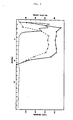
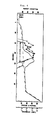
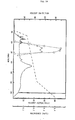
- Inhibition of A549 human lung carcinoma cells is shown by open triangles and mink lung (CCL64) cells by open circles.
- Absorbance at 280 nm ( ) was detected by a Uvicord S (LKB 2138) with a full scale absorbance range of 1.0 AUFS and a single channel chart recorder (LKB 2210) with a chart speed of 1 mm/min.
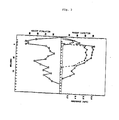
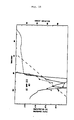
- Inhibition of A549 human lung carcinoma cells is shown by open triangles and mink lung (CCL64) cells by open circles.
- Absorbance of 280 nm ( ) was detected by a Uvicord S (LKB 2138) with a full scale absorbance range of 1.0 AUFS and a single channel chart recorder (LKB 2210) with a chart speed of 1 mm/min.
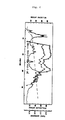
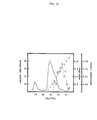
- Fig. 3 Cell growth inhibition and normal human cell stimulation by fractions from gel filtration chromatoaraphv at 4°C
- Inhibition of A549 human lung carcinoma cells is shown by open triangles and mink lung (CCL64) cells by open circles. Stimulation of normal human fibroblasts is shown by open squares. Absorbance of 280 nm ( ) was detected by Uvicord S (LKB 2138) with a full scale absorbance range of 1.0 AUFS and a single channel chart recorder (LKB 2210) with a chart speed of 1 mm/min.
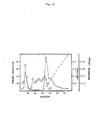
- Fraction 4 derived from gel filtration chromatography on Bio-Gel P10 of human umbilical cord acidified, ethanol extract (65.8 mg protein) was lyophilized and resuspended in 10 ml of 0.05% trifluoroacetic acid (TFA). Fraction 4 was the first fraction following the major peaks of absorbance at 280 nm. ( Figure 2) The sample was centrifuged on a Beckman table top centrifuge - (Beckman TJ-6) at 3000 rpm for 20 minutes to remove insoluble material. Three separate injections of the supernatant were made through a Water's U6K injector equipped with a 2 ml sample loop.
- the sample was then loaded onto a uBONDAPAK C, 8 column (0.78 x 30 cm) (Waters #84176).
- the flow rate was 2 ml/min. and the effluent monitored at 206 nm ( ) with a Waters u.v. detector (Waters Model 481) at a sensitivity of 2.0 AUFS.
- Elution was achieved with a linear 30-min gradient from 0.25% of increasing concentrations of acetonitrile containing 0.05% TFA, followed by a linear 240-min gradient of 25-45% acetonitrile containing 0.05% TFA, followed by a linear 30-min gradient of 45-100% acetonitrile containing 0.05% TFA.
- a SuperRac (LKB 2211) was used to collect 12 ml fractions. One ml aliquots of each fraction were transferred to 12 x 75 mm polystyrene tubes (Falcon 2058) containing 50 ul of 1.0 M acetic acid and 50 ug of bovine serum albumin (Sigma B) and assayed for TGI activity as described in Materials and Methods. Inhibition of A549 human lung carcinoma cells is shown by open triangles and of mink lung (CCL 64) by open circles. The solvent gradient is shown by large dashes ( ⁇ ).
- the flow rate was 1 ml/min and the effluent monitored at 206 nm ( ) with a Waters u.v. detector (Waters Model 481) at a sensitivity of 1.0 AUFS. Elution was achieved with a linear 20-min gradient from 0.15% of increasing concentrations of 2-propanol containing 0.05% TFA, followed by a linear 120-min gradient of 15-35% 2-propanol containing 0.05% TFA. A SuperRac (LKB 2211) was used to collect 4 ml fractions.
- Fraction 5 derived from gel filtration chromatography on Bio-Gel P10 of human umbilical cord acidified, ethanol extract was lyophilized and resuspended in 4 ml of 0.05% trifluoroacetic acid. (TFA).
- Fraction #5 was the second fraction following the major peaks of absorbance at 280 nm.
- Figure 2 The sample was centrifuged on a Beckman tabletop centrifuge (Becman TJ-6) at 3000 rpm for 20 min to remove insoluble material. Two separate injections of the supernatant were made through a Water's U6K injector equipped with a 2 ml sample loop.
- the sample (1.3 ml total) was then loaded onto a uBONDAPAK C 18 column - (0.78 x 30 cm) (Waters #84176).
- the flow rate was 2 ml/min and the effluent monitored at 206 nm - ( with a Waters u.v. detector (Waters Model 481) with a sensitivity of 2.0 AUFS.
- Elution was achieved with a linear 30-min gradient from 0.25% of increasing concentrations of acetonitrile containing 0.05% TFA, followed by a linear 240-min gradient of 25-45% acetonitrile containing 0.05% TFA, followed by linear 30-min gradient of 45-100% acetonitrile containing 0.05% TFA.
- a SuperRac (LKB 2211) was used to collect 12 ml fractions. One ml aliquots of each fraction were transferred to 12 x 87 mm polystyrene tubes (Falcon 2058) containing 50 ul of 1.0 M acetic acid and 50 ug of bovine serum albumin (Sigma A6003) and assayed for TGI activity as described in Materials and Methods. Inhibition of A549 human lung carcinoma cells is shown by open triangles and of mink lung (CCL 64) cells by open circles. The solvent gradient is shown by large dashes - (LKB 2211) was used to collect 12 ml fractions. One ml aliquots of each fraction were transferred to 12 x 87 mm polystyrene tubes (Falcon 2058) containing 50 ul of 1.0 M acetic acid and 50 ug of bovine serum albumin (Sigma A6003) and assayed for TGI activity as described in Materials and Methods. Inhibition of A549
- Fig. 8 Reverse phase HPLC rechromatoaraDhv of pooled TGI activity from HPLC (TGI-1)
- the flow rate was 1 ml/min and the effluent monitored at 206 nm - ( ) with a Waters u.v. detector (Waters Model 481) with a sensitivity of 1.0 AUFS.
- Elution was achieved with a linear gradient for 20 min from 0-10% of increasing concentrations of 2-propanol containing 0.05% TFA, followed by a linear 220-min gradient of 10-35% 2-propanol containing 0.05% TFA, followed by a linear 20-min gradient of 35-45% 2-propanol containing 0.05% TFA, followed by a linear 20-min gradient of 45-100% 2-propanol containing 0.05% TFA.
- a SuperRac (LKB 2211) was used to collect 8 ml fractions.
- CM-TRISACRYL was resuspended in an equal volume of 0.1 M ammonium acetate, pH 4.0, containing 1.0 M NaCI.
- the resin was allowed to equilibrate for 3 hours and degassed at 4°C. Twenty ml of resin was packed into a 1.6 x 40 cm column (Pharmacia; #19-0362-01) and washed with 2 column volumes of 1.0 M ammonimum acetate pH 4.0, followed by 0.01 M ammonium acetate. The column was washed until the effluent matched the conductivity and the pH of the equilibrating buffer (0.01 M ammonium acetate pH 4.0).
- CM-TRISACRYL was prepared as described in Figure 9.
- the material from fractions containing CM III and CM IV were pooled, lyophilized, resuspended in 50 ml of 0.1 M acetic acid and dialyzed against the column equilibration buffer at 4°C until the pH and the conductivity matched that of the equilibration buffer.
- the sample was applied to the column at a flow rate of 1 ml/min at 4°C and the column was washed with 120 ml of the equilibrating buffer.
- Absorbance ( ) (A280) was monitored by a Uvicord S (LKB 2138) with a sensitivity of 1.0 AUFS.
- a linear salt gradient (0-1.0 M NaCl in 20 mM ammonium acetate, pH 4.5) was applied and the absorbance at 280 nm of the 1.65 ml fractions was determined as described above. 10 ul aliquots of the indicated fractions were transferred to 12 x 75 mm tubes containing 50 ul 1.0 M acetic acid and 50 ug bovine serum albumin (Sigma A6003), lyophilized, and assayed for inhibitory activity (V--V) against A549 human lung carcinoma cells as described 'under Materials and Methods.
- the NaCl gradient - ( ⁇ ⁇ ⁇ ⁇ ⁇ ) was determined by measuring the conductivity (YSI Model 32 Conductance Meter) of suitable samples diluted 100-fold in H 2 O.
- the sedimented resin was washed on a buchner funnel with 1000 ml H20 and finally resuspended in 20 mM Tris, HCI (pH 8.0), degassed and poured into a 5 ml column (1 x 6.3 cm) and the resin equilibrated with 20 mM Tris, HCI (pH 8.0).
- the clarified sample was applied to the column and absorbance at 280 nm( ), inhibitory activity against mink lung cells (0-0), and the NaCl gradient ( ⁇ -) was determined as described in Fig. 11 and under Materials and Methods.
- the linear NaCl gradient in 20 mm Tris, HCI (pH 8.0) ranged from 0 to 1.0 M NaCl.
- CM-TRISACRYL was prepared as described in Fig. 9 with the exception that the final equilibration buffer was 20 mM ammonium acetate, pH 4.5.
- Protein extract (9.9 mg) prepared as above was dialyzed extensively against 20 mM ammonium acetate (pH 4.5) and applied to a 15 ml (1.5 x 8.5 cm) column of CM-TRISACRYL in 20 mM ammonium acetate (pH 4.5).
- Absorbance at 280 nM (-) and inhibitory activity (V-V-V) against A549 human lung carcinoma cells were determined as described in Fig. 11.
- the volume of the linear 0-1.0 M NaCI gradient was 150 ml. Fraction volume was 3.7 ml.
- the flow rate was 1 ml/min and the effluent monitored at 206 nm ( ) with a Waters u.v. detector (Waters Model 481) at a sensitivity of 0.5 AUFS.
- Elution was achieved with a linear 5-min gradient from 0-25% of increasing concentrations of acetonitrile containing 0.05% TFA, followed by a linear 15-min gradient of 25-45% acetonitrile containing 0.05% TFA, followed by a linear 15-min gradient of 45-80% acetonitrile containing 0.05% TFA, followed by a linear 5-min gradient of 80-100% acetonitrile containing 0.05% TFA.
- a SuperRac (LKB 2211) was used to collect 1 ml fractions.
- An acidified, ethanol extract derived from human tissue has been produced which comprises a plurality of polypeptides.
- Each of the polypeptides has a molecular weight less than about 20,000 daltons and each has the property of inhibiting the growth of human tumor cells and of an established mink lung cell line (CCL64) while stimulating the growth of normal human foreskin fibroblasts.
- the inhibitory activity against human tumor cell growth is not destroyed upon increasing the temperature of the acidified, ethanol extract to about 100°C for about 3 minutes or upon adding acetic acid until the extract is up to about 1.0 molar in acetic acid.
- the inhibitory activity of the acidified, ethanol extract is enhanced when it is prepared at about 4°C rather than at about 23°C.
- the human tissue is human umbilical cord, although other tissues, e.g. human placenta, may be used.
- An acidified, ethanol extract derived from human umbilical cord which has been treated to remove substantially all blood, all extracellular soluble components and all intracellular soluble components has also been produced which comprises at least one acidic polypeptide.
- the polypeptide has an apparent molecular weight less than about 30,000 daltons under nonreducing conditions and has the property of inhibiting the growth of human tumor cells and of an established mink lung cell line (CCL64) while stimulating the growth of normal human foreskin fibroblasts.
- the inhibitory activity against human tumor cell growth is not destroyed upon increasing the temperature of the acidified, ethanol extract to about 100°C for about 3 minutes or upon adding acetic acid until the acidified, ethanol extract is up to about 1.0 molar in acetic acid.
- tissue-derived growth inhibitor-1 which comprises at least one polypeptide having the property of inhibiting the growth of human tumor cells and of an established mink lung cell line (CCL64) but not the growth of normal human foreskin fibroblasts and having an apparent molecular weight in the range from about 5,000-16,000 daltons is recoverable as a defined activity on high performance liquid chromatography of the acidified, ethanol extract with a linear gradient of acetonitrile containing 0.05% trifluroacetic acid at about 26-34% acetonitrile and is recoverable as a defined activity on high performance liquid chromatography of the acidified, ethanol extract with a linear gradient of 2-propanol containing 0.05% trifluroacetic acid at about 17-23% 2-propanol.
- TGI-1 tissue-derived growth inhibitor-1
- TGI-1 is further separable into two components when eluted on high performance liquid chromatography with a linear gradient of 2-propanol containing 0.05% trifluroacetic acid into two activities, one of which elutes at about 26% 2-propanol and preferentially inhibits the growth of human tumor cells but not the growth of an established mink lung cell line - (CCL64) and the other of which elutes at about 23% 2-propanol and prefentially inhibits the growth of an established mink lung cell line (CCL64) but not the growth of human tumor cells.
- TGI tissue-derived growth inhibitor
- TGI has an apparent molecular weight in the range from about 20,000-30,000 daltons, is recoverable as a defined activity on high performance liquid chromatography of an acidified, ethanol extract with a linear gradient of acetonitrile containing 0.05% trifluroacetic acid at about 28-34% acetonitrile and is resolved as a single peak of defined activity from a cation exchange resin, e.g., CM-TRISACRYL resin when eluted by a linear NaCI gradient at about 0.6-0.7 M NaCI.
- a cation exchange resin e.g., CM-TRISACRYL resin when eluted by a linear NaCI gradient at about 0.6-0.7 M NaCI.
- tissue-derived growth inhibitor-2 which comprises at least one polypeptide having the property of inhibiting the growth of human tumor cells and of an established mink lung cell line - (CCL64) but not the growth of normal human foreskin fibroblasts and having an apparent molecular weight in the range from about 5,000-16,000 daltons is recoverable as a defined activity on high performance liquid chromatography of an acidified, ethanol extract with a linear gradient of acetonitrile containing 0.05% trifluroacetic acid at about 35-39% acetonitrile and is recoverable as a defined activity on high performance liquid chromatography of the acidified, ethanol extract with a linear gradient of 2-propanol containing 0.05% trifluoracetic acid at about 23-27% 2-propanol.
- CM-I CM-II
- CM-III CM-IV
- TGI-1, TGI, TGI-2 or the heterogeneous population of polypeptides designated CM-I, CM-II, CM-III and CM-IV or various combinations thereof may be used in pharmaceutical compositions which comprise an effective amount of TGI-1, TGI, TGI-2 or the heterogeneous population of polypeptides designated CM-I, CM-II, CM-III and CM-IV together with a suitable pharmaceutical carrier.
- Effective amounts may vary among the various tumor growth inhibitors depending on the indication to be treated, the patient or the stage of tumor development, by methods well known to those skilled in the art.
- suitable carriers such as saline or other aqueous solutions, gels, creams and the like are well known to those skilled in the art.
- TGI-1, TGI, TGI-2 or the heterogeneous population of polypeptides designated CM-I, CM-II, CM-III and CM-IV may be used to inhibit the growth of human tumor cells, e.g., carcinoma, melanoma or leukemia cells, by contacting the cells with an effective growth inhibiting amount of TGI-1, TGI, TGI-2 or the heterogeneous population of polypeptides designed CM-I, CM-II, CM-III and CM-IV.
- TGr-1, TGI, TGI-2 or the heterogeneous population of polypeptides designed CM-I, CM-II, CM-III and CM-IV may also be used to treat bums or to facilitate the healing of wounds by contacting the bum or wound with a pharmaceutical composition which includes an effective amount of TGI-1, TGI, TGI-2 or the heterogeneous population of polypeptides designated CM-I, CM-II, CM-III and CM-IV and a suitable pharmaceutical carrier.
- treating the tissue comprises thawing the frozen tissue at about 4°C for a suitable period of time, e.g. six hours, suspending the tissue in a suitable acidic extraction buffer containing ethanol at about 4°C and homogenizing the tissue for a suitable period of time to form homogenized tissue, stirring the homogenized tissue for a suitable period, e.g., overnight, about 4°C, to produced lysed cells and to solubilized proteins derived from the cells.
- a presently preferred acidic extraction buffer comprises about 375 ml of 95% (v/v) ethanol, 7.5 ml of concentrated HCI, 33 mg. of phenylmethylsulfonyl fluoride (PMSF) and 1 ml of Aprotinin - (Sigma) A6012 with 9.8 Trypsin inhibitor units per ml in 0.9% NaCI and 0.9% benzyl alcohol) mixed with about 192 ml of distilled water at 4°C.
- PMSF phenylmethylsulfonyl fluoride
- recovering the solubilized proteins comprises separating the solubilized proteins from the lysed cells, e.g., by centrifugation, raising the pH to about 5.0, e.g., by adding ammonium hydroxide, removing the precipitate, e.g., by centrifugation, precipitating the proteins from the supernatant, e.g., by adding an alcohol, an ether, or both, removing the precipitate from the solution, e.g., by allowing the solution to stand at about 4°C for about 48 hours and by centrifugation, removing the organic phase from the precipitate, allowing the precipitate to dry, e.g., in a fume hood, redissolving the dried precipitate in a suitable solvent, e.g. 1 M acetic acid, and removing low molecular weight solutes from the solution, e.g., by dialysis.
- a suitable solvent e.g. 1 M acetic acid
- a method for preparing an acidified, ethanol extract from human umbilical cord, the acidified, ethanol extract comprising tissue-derived growth inhibitor (TGI) which has an apparent molecular weight of about 20,000-30,000 daltons and which has the property of inhibiting the growth of human tumor cells and of an established mink lung cell line (CCL64) while stimulating the growth of normal human foreskin fibroblasts.
- TGI tissue-derived growth inhibitor
- the method comprises under suitable conditions, removing veins and arteries from the umbilical cord tissue and washing the tissue to remove all traces of blood, treating the tissue to produce lysed cells and removing the soluble proteins derived from the cells, solubilizing and isolating the remaining proteins by acidified ethanol extraction to produced solubilized proteins, separately recovering from the solubilized proteins TGI having an apparent molecular weight of about 20,000-30,000 daltons, assaying the separately recovered TGI to identify the activity which inhibits the growth of human tumor cells, inhibits the growth of an established mink lung cell line (CCL64) and enhances the growth of normal human foreskin fibroblasts, and recovering the acidified, ethanol extract containing the TGI so identified.
- TGI having an apparent molecular weight of about 20,000-30,000 daltons
- treating the tissue comprises thawing the frozen tissue at about 4°C for a suitable period of time, e.g. two hours, removing the veins and arteries by dissection at about 4°C, suspending the tissue in a suitable buffer at about 4°C and homogenizing the tissue for a suitable period of time to form lysed cells and soluble proteins, separating the soluble proteins from the lysed cells, e.g. by centrifugation and stirring the lysed cells in extraction buffer for a suitable period, e.g. overnight at about 4°C to produce solubilized proteins.
- a presently preferred acidic extraction buffer comprises about 375 ml of 95% (v/v) ethanol, 7.5 ml of concentrated HCI, 33 mg. of phenylmethylsulfonyl fluoride (PMSF) and 1 ml of Aprotinin - (Sigma A6012 with 9.8 Trypsin inhibitor units per ml in 0.9% NaCl and 0.9% benzyl alcohol) mixed with about 192 ml of distilled water at 4°C.
- PMSF phenylmethylsulfonyl fluoride
- recovering the solubilized proteins comprises separating the solubilized proteins from the lysed cells, e.g., by centrifugation, raising the pH to about 5.0, e.g., by adding ammonium hydroxide, removing the precipitate, e.g., by centrifugation, precipitating the proteins from the supernatant, e.g., by adding an alcohol, an ether, or both, removing the precipitate from the solution, e.g., by allowing the solution to stand at about 4°C for about 48 hours and by centrifugation, removing the organic phase from the precipitate, allowing the precipitate to dry, e.g., in a fume hood, redissolving the dried precipitate in a suitable solvent, e.g., 1 M acetic acid, and removing low molecular weight solutes from the solution, e.g, by dialysis.
- a suitable solvent e.g., 1 M acetic acid
- the separate recovery of polypeptides from the solubilized proteins comprises gel filtration chromatography of the proteins, e.g., on Bio-Gel P-10 resin.
- assaying the polypeptides comprises separately contacting the human tumor cells, e.g. human lung carcinoma line (A549), or an established mink lung cell line - (CCL64), or normal human foreskin fibroblasts - (HuF), under suitable conditions for a suitable period of time with the polypeptides so as to identify polypeptides which inhibit the growth of the human tumor cells or inhibit the growth of the established mink lung cell line (CC164) or which stimulate the growth of normal human foreskin fibroblasts.
- human tumor cells e.g. human lung carcinoma line (A549), or an established mink lung cell line - (CCL64), or normal human foreskin fibroblasts - (HuF)
- a method for preparing a composition of matter designated tissue-derived growth inhibitor-1 which comprises first preparing the acidified, ethanol extract and then recovering TGI-1 from the acidified, ethanol extract as a- defined activity by high performance liquid chromatography, e.g., reverse phase HPLC of the acidified, ethanol extract with either i) a linear gradient of acetonitrile containing 0.05% trifluroacetic acid at about 26-34% acetonitrile or ii) a linear gradient of 2-propanol containing 0.05% trifluroacetic acid at about 17-23% 2-propanol.
- tissue-derived growth inhibitor-1 TGI-1
- a method for preparing a composition of matter designated tissue-derived growth inhibitor which comprises first preparing an acidified, ethanol extract and then recovering TGI from the acidified, ethanol extract as a defined activity on high performance liquid chromatography, e.g. reverse phase of HPLC of the acidified, ethanol extract with a linear gradient of acetonitrile containing 0.05% trifluroacetic acid at about 28-34% acetonitrile, or as a single peak of activity from a cation exchange resin, e.g., CM-TRISACRYL resin when eluted with a linear NaCl gradient at about 0.6-0.7 M NaCI.
- a cation exchange resin e.g., CM-TRISACRYL resin when eluted with a linear NaCl gradient at about 0.6-0.7 M NaCI.
- a method for preparing a composition of matter designated tissue-derived growth inhibitor-2 which comprises first preparing the acidified, ethanol extract and then recovering TGI-1 from the acidified, ethanol extract as a defined activity by high performance liquid chromatography, e.g., reverse phase HPLC of the acidified, ethanol extract with either i) a linear gradient of acetonitrile containing 0.05% trifluroacetic acid at about 35-39% acetonitrile or ii) a linear gradient of 2-propanol containing 0.05% trifluroacetic acid at about 23-27% 2-propanol.
- tissue-derived growth inhibitor-2 TGI-2
- a method of preparing a heterogeneous population of polypeptides designated CM-I, CM-II, CM-III and CM-IV which comprises first preparing the acidified, ethanol extract and then recovering the heterogenous population of polypeptides from the acidified, ethanol extract by ion exchange chromatography, e.g. cation exchange chromatography.
- a method for detecting the presence of a tumor comprises quantitatively determining the amount of TGI-1, TGI, TGI-2 or the heterogeneous population of polypeptides designated CM-I, CM-II, CM-III and CM-IV present in a sample, e.g., blood, amniotic fluid, peritoneal fluid, ascites fluid, cerebrospinal fluid or urine, from a subject and comparing the amount so determined with the amount present in a sample from a normal subject, the presence of a significantly different amount, e.g. a significantly higher amount, indicating the presence of a tumor.
- a sample e.g., blood, amniotic fluid, peritoneal fluid, ascites fluid, cerebrospinal fluid or urine
- the method comprises separately quantitatively determining both the amount of TGI-1, TGI, TGI-2 or the heterogeneous population of polypeptides designated CM-I, CM-II, CM-III and CM-IV and of transforming growth factor alpha - (TGF-alpha) present in a sample from a subject, determining the ratio of the amount of TGI-1, TGI, TGI-2 or the heterogeneous population of polypeptides designated CM-I, CM-11, CM-III and CM-IV present in the sample to the amount of TGF-alpha present in the sample from a subject, determining the ratio of the amount of TGI-1, TGI, TGI-2 or the heterogeneous population of polypeptides designated CM-I, CM-II, CM-III and CM-IV present in the sample, determining the comparable ratio for a sample from a normal subject and comparing the ratio for the sample from the subject to the ratio for the sample from
- a method for typing tumors comprises determining for a sample from a subject with a tumor the presence of one or more TGI-1, TGI, TGI-2 or the heterogeneous population of polypeptides designated CM-1, CM-II, CM-III and CM-IV, the presence or absence of a specific combination thereof, e.g., TGI and CM-II or TGI-1 and TGI-2 being indicative of a specific tumor type, e.g., a melanoma or a carcinoma.
- a method for typing tumors comprises quantitatively determining for a sample from a subject with a tumor the amount of each of TGI-1, TGI, TGI-2 or the heterogeneous population of polypeptides designated CM-I, CM-11, CM-III and CM-IV present in the sample, the presence of specific amounts or relative amounts thereof, e.g, a significant increase in the amount of TGI or a significant variation in a ratio such as the ratio of TGI-1 to CM-II.
- TGI activity refers to the activity of TGI-1, TGI-2, CM-I, CM-II, CM-III and CM-IV unless otherwise noted.
- the buffer for extraction consisted of 375 ml of 95% (v/v) ethanol (punctilious, 190 proof, U.S. Industrial Chemicals, #UN1170), 7.5 ml of concentrated HCI, 33 mg of phenylmethylsulfonyl fluoride (PMSF) (Sigma P-7627) and 1 ml of Aprotinin - (Sigma A6012 with 19.8 Trypsin inhibitor units per ml in 0.9% NaCI and 0.9% benzyl alcohol) mixed with 192 ml of distilled water at 4°C.
- PMSF phenylmethylsulfonyl fluoride
- Aprotinin - Sigma A6012 with 19.8 Trypsin inhibitor units per ml in 0.9% NaCI and 0.9% benzyl alcohol
- the thawed tissue was placed in a 4°C chilled Cuisinart food processor (Model DLC-7-PRO) and suspended in 200 ml of 4°C extraction buffer.
- the suspended tissue was homogenized by the food processor. After the first minute of homogenization, the suspension became creamy white. Another 200 ml of 4°C extraction buffer was added to this white suspension. The suspension changed to a dark coffee brown color.
- the tissue suspension was homogenized for a total of 10 min. at 4°C. Extraction buffer was added to this homogenized tissue mixture to a final volume of 6 ml per gram of tissue homogenate.
- the etherized material was brought to ambient temperature in a fume-hood. Warming of the acidified, ethanol extract to ambient temperature enhances the aggregation of the precipitate. The clear organic phase of ether and ethanol was removed by a water aspirator and the precipitate was left in the fume hood for several hours to allow the residual organic phase to evaporate.
- the "dried" precipitate was dissolved in 1.0 M acetic acid and dialyzed estensively against 1.0 M acetic acid (Baker #9507-5) using dialysis membranes with a molecular cutoff of 3500 (Spectropor 3, Spectrum Medical Industries, Los Angeles, CA). The dialyzed acidified ethanol extract was lyophilized in 250 ml Corning conical centrifuge tubes (Corning 25350) and stored as crude acidified, ethanol extract.
- the column (14 x 100 cm) (Amicon; #86012) contained 13.8 liters of equilibrated and degassed Bio-Gel P 10 in 1.0 M acetic acid at either 23°C or 4°C.
- the void volume was determined by the addition of 50 ml of blue dextran (Sigma #05751) at 2 mg/ml in 1.0 M acetic acid.
- the column was "conditioned" with 100 ml of bovine serum albumin (Sigma #A-4503) at 100 mg/ml in 1.0 M acetic acid followed by extensive washing with 1.0 M acetic acid.
- TGI activity Individual fractions containing TGI activity from the Bio-Gel P-10 column were lyophilized and resuspended in 1 to 10 ml of 0.05% trifluoroacetic acid (TFA) (Pierce #28901) depending upon the amount of protein in each fraction.
- TFA trifluoroacetic acid
- Water used for HPLC was generated using a Milli-Q water purification system. Starting buffer in all HPLC chromatography runs consisted of Milli-Q water containing 0.05% TFA. Prior to injection, the sample was centrifuged in a Beckman tabletop centrifuge - (Beckman TJ-6) at 3000 rpm for 20 min to remove insoluble material.
- The' supernatant was injected into either a Waters uBondapak analytical C, 8 column (0.39 x 30 cm) (Waters PN27324) or semi- preparative column (0.78 x 30 cm) (Waters PN84176) as specified in individual experiments.
- a Waters automatated gradient controller (Waters Model 510) was utilized for column elution monitored by variable wavelength u.v. detectors - (Waters Lambda-Max, Model 481) set at 206 nm.
- the solvent used for elution was either acetonitrile (Baker 9017-3) or 2-propanol (Fisher, A452) containing 0.05% TFA.
- the resins as aqueous suspensions, were suspended in an equal volume of 0.1 M ammonium acetate, pH 4.0, containing 1.0 M NaCI.
- the resin was allowed to equilibrate for at least 3 hours and was degassed at 4°C.
- Twenty ml of resin was packed into a 1.6 x 20 cm column (Pharmacia; #19-0362-01 ), and washed with 2 column volumes of 1.0 ammonium acetate, pH 4.0, followed by 0.01 M ammonium acetate, pH 4.0.
- the column was washed until the effluent exactly matched the conductivity of the equilibrating buffer (i.e., 0.01 M ammonium acetate, Fisher A637), pH 4.0.
- the sample was applied to the resin (1 gm/20 ml resin) at a flow rate of 1 mi/min, the column was washed with equilibration buffer until the optical density leveled (e.g., approaching zero optical density) and 200 ml of an ascending molarity linear gradient (Pharmacia gradient mixer GM-1, #19-0495-01) was applied through a column flow adaptor of concentrations 0.01 to 1.0 M ammonium acetate, pH 4.0.
- a second gradient was applied to the same column. This second gradient ranged from 1.0 M ammonium acetate, pH 4.0, to 50% acetonitrile in 1.0 M ammonium acetate, pH 4.0.
- chromatographic resin preparation and procedure was performed exactly as described for CM-and SP-TRISACRYL chromatography, except the equilibration buffer used was 0.1 M ammonium acetate, pH 6.0, the gradient elution ranged from 0.1 M to 1.0 M ammonium acetate, pH 6.0, and the sample was equilibrated in the above mentioned equilibration buffer.
- Test cells were sub-cultured on 96-well tissue culture plates (Nunc 167008) in 50 ul of Dulbecco's modified Eagle's medium (Whittaker M.A. Bioproducts 12-6143) containing 10% fetal bovine serum (Whittaker M.A. Bioproducts 14-501 B), 2% L-glutamine (Whittaker M.A. Bioproducts 17-605-A), 1% penicillin and 1% streptomycin.
- Human lung carcinoma cells, A549, and normal human fibroblasts (HuF) required a seeding density of 5 x 10' cells per well.
- Mink cells (ATCC: CCL64) required a seeding density of 4.5 x 10 3 cells per well.
- each well was pulsed with 100 ul of complete medium containing 1 uCi/mi 5-["'1]-lodo-2'deoxyuridine ( 125 IUdR) (New England Nuclear; NEX-072) for 24 hours.
- the monolayers were washed once with wash buffer A (Dulbecco's phosphate buffered saline, with 10 mM MgCl 2 , containing 1 mg/ml BSA, pH 6.8), fixed for 10 minutes in methanol (Fisher A452), and air dried for 15 minutes.
- wash buffer A Disulbecco's phosphate buffered saline, with 10 mM MgCl 2 , containing 1 mg/ml BSA, pH 6.8
- the 125 IUdR incorporated by the cells was solubilized with 200 ul of 1.0' N NaOH and the plates incubated for 20 minutes at 60°C. Solubilized 125 IUdR con 2034) and resuspended in 1 ml of 1.0 M acetic acid. The samples were heated for 3 minutes in a boiling water bath, lyophilized, and assayed for TGI activity as described above.
- the samples were incubated for one hour at 23°C, diluted to 1 ml with 1.0 M acetic acid, and dialyzed in 18 mm dialysis membranes with molecular weight cutoff of 3,500 daltons (Spectropor 3, Spectrum Medical Industries), against four changes of 4 liters of 0.1 M acetic acid.
- the samples were lyophilized in 12 x 75 mm polystyrene tubes (Falcon #2304) and assayed for TGI activity as describe above.
- TGI tumor cell growth inhibitory activity
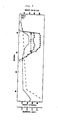
- fractions 5 an 6 major protein bands of 5,600 and 14,000 band are observed and by fraction 7 very little protein remains, although inhibitory activity extends into fraction 10 as shown in Figure 2.
- the obvious advantage of the majority of activity eluting in regions of less protein is that it facilitates further purification of TGls.
- FIG. 4 illustrates an elution profile of the TGI activity obtained by HPLC using a linear acetonitrile gradient of lyophilized fraction 4 (19.8 mg/3ml 0.05% trifluroacetic acid) derived from the Bio-Gel P-10 chromatographic step.
- TGI-1 The first peak of TGI activity was designated TGI-1 and the second TGI-2.
- Figure 5 demonstrates the elution profile and TGI activity of TGI-1 - ( Figure 4).
- the concentration of injected material was 1.5 mg/1.5 ml of 0.05% trifluroacetic acid - (TFA).
- TGI-1 activity elutes between 17-23% using a linear gradient of 2-propanol.
- Figure 6 indicates that TGI-2 (0.8 mg/1.8 ml 0.05% TFA) - ( Figure 5) rechromatographed between 23-27% - (fraction 17-23) using a linear gradient of 2-propanol.
- TGI activity presented in Figures 4 and 5 are consistently 20% higher against the mink cells than against the A549 human carcinoma cells.
- TGI activities were separated into a growth inhibitory activity specific for mink cells eluting at a peak of activity of 23% 2-propanol (fractions 22-25) and one specific for the A549 human carcinoma cells at 26% 2-propanol (fractions 25-26). Therefore, a fraction eluting later from gel filtration chromatography that has less contaminating proteins [lower absorbance at 280 nm ( Figure 2) and less protein by gel electrophoresis] has two different cell-specific inhibitory activities.
- Acid ethanol extracts of human placenta contained TGI activities which, following a gel filtration chromatographic step, also eluted between 26-34% acetonitrile of a C 18 column using a linear acetonitrile gradient containing 0.05% TFA.
- CM-TRISACRYL 0.01 M ammonium acetate, pH 4.0.
- a linear gradient was applied from 0.01 to 1.0 M ammonium acetate, pH 4.0.
- Figure 9 demonstrates at least 4 separate TGI activities designated CM-I, CM-II, CM-II, and CM-IV.
- CM-I was presently inhibited only the A549 human carcinoma cells at 60% inhibition (Table 2).
- CM peaks II and III have similar levels of growth inhibiting activity against both A549 human carcinoma (80 and 63%, respectively) and mink cells - (61 and 76%, respectively).
- the last peak of activity (CM-IV) demonstrates a specificity in activity against mink (i.e. mink cells were more inhibited - (95%) than were the A549 human carcinoma cells (69%)).
- CM-I was not retained and CM-II was slightly retarded by the negatively charged resin since they both were eluted before the gradient was started by 0.01 M ammonium acetate, pH 4.0.
- Protein concentrations for the fractions tested for TGI activity ranged from 15-300 ug.
- CM-III and CM-IV was pooled, lyophilized, and rechromatographed using CM-TRISACRYL under the same conditions as the column from which it was derived.
- CM-III and CM-IV eluted (greater than 0.5 M ammonium acetate) in exactly the same position as did the original column fractions from which they were derived ( Figure 10).
- the higher TGI inhibitory activity against mink cells was preserved and the difference between the inhibitory activity against the two cell lines remained exactly the same at 25-30% around the peak of activity.
- TGI inhibitory activity against mink cells was preserved and the difference between the inhibitory activity against the two cell lines remained exactly the same at 25-30% around the peak of activity.
- TGls tissue derived tumor cell growth inhibitory activity
- Fractions 2, 4 and 6 derived from gel filtration chromatography by Bio-Gel P-10 were either heat treated (Table 3) or reduced by dithiothreitol (DTT) treatment (Table 4). All fractions tested retained TGI activity following either heat or acid treatment (see Table 5). Fractions 2, 4 and 6 were found to inhibit human cancer cell growth and stimulate normal human cell growth. TGI activity in fractions 2 and 6 was decreased by treatment with DTT, while the TGI activity in fraction 4 was actually slightly increased (Table 4). This information further substantiates the existence of separate TGls.
- Protein concentrations for the fractions tested from TGI activity ranged from 15-300 ug.
- Protein concentrations for the fractions tested for TGI activity ranged from 5-300 ug.
- Tissue-Derived Tumor Growth Inhibitors TGls
- Veins and arteries were removed from human umbilical cord tissues and the remaining tissues were extensively washed to remove blood prior to acid/ethanol extraction as described under First Series of Experiments.
- the buffer for washing and homogenizing the tissue consisted of 2 liters of water containing 16 gm NaCI, 2.5 gm Na 2 HPO 4 .H 2 O, 0.4 gm NaH 2 PO 4 ⁇ 7H 2 O, 116 mg phenylmethylsulfonyl fluoride (PMSF) (Sigma P7627) and 3.3 ml Aprotinin (Sigma A6012 with 19.8 units Trypsin inhibitor per ml in 0.9% NaCI and 0.9% benzyl alcohol), adjusted to pH 7.4 with HCI and NaOH.
- the extraction buffer consisted of 375 ml of 95% (v/v) ethanol (punctilious, 190 proof, U.S.
- the tissue was placed in a 4°C chilled Cuisinart food processor (Model DLC-7-PRO) and suspended in 200 ml of 4°C PBS-PA.
- the suspended tissue was homogenized by the food processor. After the first minute of homogenization, an additional 200 ml of 4°C PBS-PA was added.
- the tissue suspension was homogenized for a total of 10 min. at 4°C.
- the pellet was washed by repeated centrifugation and resuspension as described until the supernatant fluid was clear with no tint of red from contaminating blood or blood products.
- the resulting washed pellet was white.
- the washed pellet was resuspended in the buffer for extraction to a final volume of 6 ml per gram of original dissected tissue.
- the homogenate was transferred to a large 4 liter beaker with a 3 inch stir bar and stirred at half of the maximum stirring capacity of a LAB-line.
- Multimagnestir multimixer Model #1278.
- the material was brought to ambient temperature in a fumehood. Warming of the acidified, ethanol extract to ambient temperature enhances the aggregation of the precipitate. The clear organic phase of ether and ethanol was removed by a water aspirator and the precipitate remained in the fume hood for several hours to allow the residual organic phase to evaporate. A gentle stream of dried nitrogen gas over the extract accelerated the evaporation of the remaining organic solvent present with the precipitate.
- the "dried" precipitate was dissolved in 1.0 M acetic acid and dialyzed extensively against 1.0 M acetic acid (Baker #9507-5) using dialysis membranes with a molecular weight cutoff of 3500 (Spectropor 3, Spectrum Medical Industries, Los Angeles, CA).
- the dialyzed acidified extract was lyophilized in 250 ml Corning conical centrifuge tubes (Corning 25350) and stored as crude acidified, ethanol extract or dialyzed extensively against 20 mM NH 4 0 2 C 2 H 3 , pH 4.5.
- the modified procedure yielded 9700 units of TGI activity per gram of umbilical cord (wet weight).
- the overall efficiency of extraction was improved 5-fold by the modified procedure.
- the volumes of ether and ethanol required to precipitate the extracted proteins are less.
- the amounts of protein and the numbers of different proteins extracted by the modified procedure are fewer and therefore the subsequent purification procedures to be employed will require less chromatographic materials, shorter processing times and fewer steps to obtain a pure product.
- FIG. 12 shows that following adjustment of the pH to 8.0 as described in the figure legend and application of the extract - (an identical amount to that used in Figure 11) to the anion exchange resin DEAE-TRISACRYL resulted in the majority of inhibitory activity associating with nonbinding material (fractions 1-30), whereas the bulk of the applied protein (as determined by absorbance at 280 nm, ) bound to the column resin.
- CM-TRISACRYL Large amounts of sample can be reproducibly fractionated by CM-TRISACRYL, thus furnishing more TGI for subsequent purification procedures.
- Figure 13 9.9 mg of tissue extract were applied to a CM-TRISACRYL column (15 ml) under the same chromatographic conditions as shown in Figure 12 for a smaller sample size (2.65 mg protein) on a smaller CM-TRISACRYL column (5 ml).
- Resolution of TGI activity from the majority of proteinaceous material by a linear gradient of NaCi was essentially the same in both experiments.
- Figure 14 shows fractionation of pooled samples (Figure 13, fractions 59-78) from a CM-TRISACRYL column by HPLC on a uBondapac C18 column. Following application of the sample, no significant inhibitory activity was observed by linearly increasing acetonitrile concentrations from 0-25%. However, TGI activity against both A549 - (human lung carcinoma) and CCL64 (mink lung, 0-0) eluted in a single peak between 28-34% acetonitrile (fractions 21-31) while the majority of material absorbing at 206 nm was eluted at lower (fractions 11-19) and at higher (fractions 37-50) acetonitrile concentrations.
- A549 - human lung carcinoma
- CCL64 mink lung, 0-0
- TGI-1 and CM-III and CM-IV in the initial procedure were determined by gel filtration chromatography (Sephadex G-50, data not shown) using suitable protein standards of known molecular weights.
- suitable protein standards of known molecular weights.
- the apparent molecular weight of TGI has been determined to be between 20 kDa and 30 kDa under nondenaturing conditions.
- the modified procedure detailed herein describes a powerful and simple procedure for removing inert or interfering compounds from the TGI-containing extracts prepared as described in the initial procedure. Furthermore, the modified procedure improves the efficacy of the various chromatographic steps employed in the isolation of TGI by reducing the amount of chromatographic materials required thus reducing the preparation time of TGI. In addition, and as shown, extrac tion of TGI from the umbilical cord as described herein allows TGI and other proteins to chromatograph more reproducibly than in the procedure previously described.
- TGI isolated according to the modified procedure has been characterized with respect to the chromatographic features on both reverse phase high performance liquid chromatography and CM-TRISACRYL ion exchange chromatography.
- TGI has been found to behave similarly to or identically with TGI-1 (compare Figures 7 and 14) by rp-HPLC, and thus has similar or identical hydrophobic properties and is shown also to behave similarly to or identically with CM-III and CM-IV - (compare Figures 9 and 11) on a cation exchange resin, thus having similar or identical ionic properties.
- TGI-1 and CM-III and CM-IV are similar or identical compounds having similar or identical ionic and hydrophobic properties and thus are of similar or identical composition. Therefore, the modified procedure described herein provides a more efficacious method of obtaining a purer form of TGI for further analysis and characterization.
Landscapes
- Health & Medical Sciences (AREA)
- Chemical & Material Sciences (AREA)
- Organic Chemistry (AREA)
- Life Sciences & Earth Sciences (AREA)
- Medicinal Chemistry (AREA)
- General Health & Medical Sciences (AREA)
- Pharmacology & Pharmacy (AREA)
- Animal Behavior & Ethology (AREA)
- Public Health (AREA)
- Nuclear Medicine, Radiotherapy & Molecular Imaging (AREA)
- Veterinary Medicine (AREA)
- General Chemical & Material Sciences (AREA)
- Chemical Kinetics & Catalysis (AREA)
- Biophysics (AREA)
- Toxicology (AREA)
- Bioinformatics & Cheminformatics (AREA)
- Proteomics, Peptides & Aminoacids (AREA)
- Molecular Biology (AREA)
- Genetics & Genomics (AREA)
- Biochemistry (AREA)
- Gastroenterology & Hepatology (AREA)
- Zoology (AREA)
- Engineering & Computer Science (AREA)
- Medicines That Contain Protein Lipid Enzymes And Other Medicines (AREA)
- Peptides Or Proteins (AREA)
- Medicines Containing Material From Animals Or Micro-Organisms (AREA)
- Pharmaceuticals Containing Other Organic And Inorganic Compounds (AREA)
- Investigating Or Analysing Biological Materials (AREA)
- Preparation Of Compounds By Using Micro-Organisms (AREA)
- Organic Low-Molecular-Weight Compounds And Preparation Thereof (AREA)
Priority Applications (1)
| Application Number | Priority Date | Filing Date | Title |
|---|---|---|---|
| AT86105211T ATE83152T1 (de) | 1985-04-19 | 1986-04-15 | Gewebetumorwachstumsinhibitoren, verfahren zur herstellung und verwendungen. |
Applications Claiming Priority (4)
| Application Number | Priority Date | Filing Date | Title |
|---|---|---|---|
| US72500385A | 1985-04-19 | 1985-04-19 | |
| US725003 | 1985-04-19 | ||
| US84793186A | 1986-04-07 | 1986-04-07 | |
| US847931 | 1986-04-07 |
Publications (3)
| Publication Number | Publication Date |
|---|---|
| EP0200090A2 true EP0200090A2 (fr) | 1986-11-05 |
| EP0200090A3 EP0200090A3 (en) | 1988-05-04 |
| EP0200090B1 EP0200090B1 (fr) | 1992-12-09 |
Family
ID=27111075
Family Applications (1)
| Application Number | Title | Priority Date | Filing Date |
|---|---|---|---|
| EP86105211A Expired - Lifetime EP0200090B1 (fr) | 1985-04-19 | 1986-04-15 | Inhibiteurs tissulaires de croissance de tumeur, méthodes de préparation et utilisations |
Country Status (10)
| Country | Link |
|---|---|
| EP (1) | EP0200090B1 (fr) |
| JP (1) | JPH0788397B2 (fr) |
| AT (1) | ATE83152T1 (fr) |
| AU (1) | AU600230B2 (fr) |
| CA (1) | CA1274471A (fr) |
| DE (1) | DE3687241T2 (fr) |
| ES (1) | ES8800960A1 (fr) |
| IE (1) | IE60059B1 (fr) |
| IL (1) | IL78546A0 (fr) |
| NZ (1) | NZ215887A (fr) |
Cited By (7)
| Publication number | Priority date | Publication date | Assignee | Title |
|---|---|---|---|---|
| EP0267463A3 (fr) * | 1986-10-20 | 1989-10-18 | Oncogene Science, Inc. | Inhibiteurs de la croissance de tumeurs dérivés de tissus, procédés de préparation et leurs applications |
| US4886747A (en) * | 1985-03-22 | 1989-12-12 | Genentech, Inc. | Nucleic acid encoding TGF-β and its uses |
| DE3907822A1 (de) * | 1989-03-10 | 1990-09-13 | Adolf Dr Loefflmann | Verwendung einer peroxidaseaktivitaet zeigenden proteinfraktion aus dem photosyntheseapparat von pflanzen als arzneimittel, insbesondere zur krebsbekaempfung, sowie verfahren zur gewinnung einer proteinmischung und arzneimittel zur krebsbekaempfung |
| US5284763A (en) * | 1985-03-22 | 1994-02-08 | Genentech, Inc. | Nucleic acid encoding TGF-β and its uses |
| WO1996018410A1 (fr) * | 1994-12-13 | 1996-06-20 | Alexandr Vasilievich Tikhonov | Agent de traitement du cancer primitif du foie et procede de traitement du cancer primitif du foie |
| US5662904A (en) * | 1991-03-28 | 1997-09-02 | The Victoria University Of Manchester | Anti-scarring compositions comprising growth factor neutralizing antibodies |
| US6649168B2 (en) | 1999-03-17 | 2003-11-18 | Novartis Ag | Pharmaceutical compositions comprising TGF-beta |
Families Citing this family (1)
| Publication number | Priority date | Publication date | Assignee | Title |
|---|---|---|---|---|
| RU2240810C2 (ru) * | 2002-01-30 | 2004-11-27 | Левон Никитович Мкртчян | Эмбриональный противоопухолевый модулятор мкртчяна, способ его получения и применения |
Family Cites Families (3)
| Publication number | Priority date | Publication date | Assignee | Title |
|---|---|---|---|---|
| JPS5221570B2 (fr) * | 1973-08-30 | 1977-06-11 | ||
| WO1984004924A1 (fr) * | 1983-06-03 | 1984-12-20 | Us Commerce | Facteur de croissance purifie de transformation du type beta derive de thrombocytes et de placentas humains |
| US4524026A (en) * | 1983-08-29 | 1985-06-18 | Yoshio Sakagami | Novel proteinous cancer-cell proliferation inhibitory factors |
-
1986
- 1986-04-14 IE IE97186A patent/IE60059B1/en not_active IP Right Cessation
- 1986-04-15 EP EP86105211A patent/EP0200090B1/fr not_active Expired - Lifetime
- 1986-04-15 DE DE8686105211T patent/DE3687241T2/de not_active Expired - Lifetime
- 1986-04-15 AT AT86105211T patent/ATE83152T1/de not_active IP Right Cessation
- 1986-04-18 NZ NZ215887A patent/NZ215887A/en unknown
- 1986-04-18 CA CA000507021A patent/CA1274471A/fr not_active Expired - Lifetime
- 1986-04-18 JP JP61089844A patent/JPH0788397B2/ja not_active Expired - Lifetime
- 1986-04-18 ES ES554177A patent/ES8800960A1/es not_active Expired
- 1986-04-20 IL IL78546A patent/IL78546A0/xx not_active IP Right Cessation
- 1986-04-21 AU AU56444/86A patent/AU600230B2/en not_active Ceased
Cited By (10)
| Publication number | Priority date | Publication date | Assignee | Title |
|---|---|---|---|---|
| US4886747A (en) * | 1985-03-22 | 1989-12-12 | Genentech, Inc. | Nucleic acid encoding TGF-β and its uses |
| US5284763A (en) * | 1985-03-22 | 1994-02-08 | Genentech, Inc. | Nucleic acid encoding TGF-β and its uses |
| US5482851A (en) * | 1985-03-22 | 1996-01-09 | Genentech, Inc. | Nucleic acid encoding TGF-β and its uses |
| US5801231A (en) * | 1985-03-22 | 1998-09-01 | Genentech, Inc. | Nucleic acid encoding TGF-β and its uses |
| EP0267463A3 (fr) * | 1986-10-20 | 1989-10-18 | Oncogene Science, Inc. | Inhibiteurs de la croissance de tumeurs dérivés de tissus, procédés de préparation et leurs applications |
| EP0384494A3 (fr) * | 1986-10-20 | 1990-09-12 | Oncogene Science, Inc. | Inhibiteurs de la croissance de tumeurs dérivés de tissu, procédé de préparation et leurs applications |
| DE3907822A1 (de) * | 1989-03-10 | 1990-09-13 | Adolf Dr Loefflmann | Verwendung einer peroxidaseaktivitaet zeigenden proteinfraktion aus dem photosyntheseapparat von pflanzen als arzneimittel, insbesondere zur krebsbekaempfung, sowie verfahren zur gewinnung einer proteinmischung und arzneimittel zur krebsbekaempfung |
| US5662904A (en) * | 1991-03-28 | 1997-09-02 | The Victoria University Of Manchester | Anti-scarring compositions comprising growth factor neutralizing antibodies |
| WO1996018410A1 (fr) * | 1994-12-13 | 1996-06-20 | Alexandr Vasilievich Tikhonov | Agent de traitement du cancer primitif du foie et procede de traitement du cancer primitif du foie |
| US6649168B2 (en) | 1999-03-17 | 2003-11-18 | Novartis Ag | Pharmaceutical compositions comprising TGF-beta |
Also Published As
| Publication number | Publication date |
|---|---|
| IE860971L (en) | 1986-10-19 |
| JPH0788397B2 (ja) | 1995-09-27 |
| IE60059B1 (en) | 1994-05-18 |
| DE3687241D1 (de) | 1993-01-21 |
| DE3687241T2 (de) | 1993-07-01 |
| ES554177A0 (es) | 1987-12-01 |
| JPS6223A (ja) | 1987-01-06 |
| EP0200090A3 (en) | 1988-05-04 |
| ES8800960A1 (es) | 1987-12-01 |
| NZ215887A (en) | 1991-05-28 |
| IL78546A0 (en) | 1986-08-31 |
| ATE83152T1 (de) | 1992-12-15 |
| AU600230B2 (en) | 1990-08-09 |
| EP0200090B1 (fr) | 1992-12-09 |
| CA1274471A (fr) | 1990-09-25 |
| AU5644486A (en) | 1986-10-23 |
Similar Documents
| Publication | Publication Date | Title |
|---|---|---|
| Weihing et al. | Acanthamoeba actin. Isolation and properties | |
| JPS6030291B2 (ja) | 人顆粒球の分化増殖を促進するhgi糖蛋白質、hgi糖蛋白質の製造法及びhgi糖蛋白質を含有する白血球減少症治療剤 | |
| EP0384494A2 (fr) | Inhibiteurs de la croissance de tumeurs dérivés de tissu, procédé de préparation et leurs applications | |
| EP0200090A2 (fr) | Inhibiteurs tissulaires de croissance de tumeur, méthodes de préparation et utilisations | |
| Börjeson et al. | Purification of the mitosis-stimulating factor from Phaseolus vulgaris | |
| Radhakrishnamurthy et al. | Further studies of glycoproteins from a cardiovascular connective tissue | |
| JPS5948422A (ja) | 新規なポリペプチドおよびその単離および精製方法 | |
| WO1994012199A1 (fr) | Complexe polypeptidique de coriolus versicolor purifie | |
| JPH06312922A (ja) | 美白剤 | |
| Tokuyama et al. | Bovine colostric transforming growth factor-β-like peptide that induces growth inhibition and changes in morphology of human osteogenic sarcoma cells (MG-63) | |
| Koshiyama | A comparison of soybean globulins and the protein bodies in the protein composition | |
| US6559123B1 (en) | Tissue-derived tumor growth inhibitors, methods of preparation and uses thereof | |
| JPH02288899A (ja) | 成熟肝実質細胞増殖因子(i) | |
| US6586394B1 (en) | Tissue-derived tumor growth inhibitor | |
| Haq et al. | Fractionation of black seed (Nigella sativa Linn) proteins by using rotofor | |
| US3655875A (en) | Clam extract effective against sarcoma 180 and krebs-2 carcinoma in mice | |
| JPH0453848B2 (fr) | ||
| US4041022A (en) | Process for the manufacture of thyrocalcitonin | |
| Sloane et al. | Studies on an antineoplastic fraction from human urine. Characterization of the major protein in this fraction | |
| RU2038087C1 (ru) | Способ получения вещества из кожи свиньи, влияющего на пролиферацию и дифференцировку кератиноцитов человека | |
| Liao et al. | Isolation and characterization of glycoproteins from canine tracheal pouch secretions | |
| Saim et al. | Low molecular weight immunosuppressive factors found in elevated amounts in cancer ascitic fluids of mice 1. Isolation, identification and immunosuppressive effects of uric acid and uracil | |
| Patt et al. | Low molecular weight inhibitors of lymphocyte transformation | |
| CA1337731C (fr) | Tetrapeptide protegeant les cellules souches hematopoietiques, procedes de fabrication et utilisation de cette molecule | |
| DK161153B (da) | Fremgangsmaade til fremstilling af et appetitregulerende aktivt stof, satietin d, ud fra humant og/eller animalsk blodserum |
Legal Events
| Date | Code | Title | Description |
|---|---|---|---|
| PUAI | Public reference made under article 153(3) epc to a published international application that has entered the european phase |
Free format text: ORIGINAL CODE: 0009012 |
|
| AK | Designated contracting states |
Kind code of ref document: A2 Designated state(s): AT BE CH DE FR GB IT LI LU NL SE |
|
| PUAB | Information related to the publication of an a document modified or deleted |
Free format text: ORIGINAL CODE: 0009199EPPU |
|
| RA1 | Application published (corrected) |
Date of ref document: 19861210 Kind code of ref document: A2 |
|
| PUAL | Search report despatched |
Free format text: ORIGINAL CODE: 0009013 |
|
| AK | Designated contracting states |
Kind code of ref document: A3 Designated state(s): AT BE CH DE FR GB IT LI LU NL SE |
|
| 17P | Request for examination filed |
Effective date: 19881024 |
|
| 17Q | First examination report despatched |
Effective date: 19890614 |
|
| GRAA | (expected) grant |
Free format text: ORIGINAL CODE: 0009210 |
|
| AK | Designated contracting states |
Kind code of ref document: B1 Designated state(s): AT BE CH DE FR GB IT LI LU NL |
|
| REF | Corresponds to: |
Ref document number: 83152 Country of ref document: AT Date of ref document: 19921215 Kind code of ref document: T |
|
| REF | Corresponds to: |
Ref document number: 3687241 Country of ref document: DE Date of ref document: 19930121 |
|
| ET | Fr: translation filed | ||
| ITF | It: translation for a ep patent filed | ||
| ITTA | It: last paid annual fee | ||
| PLBE | No opposition filed within time limit |
Free format text: ORIGINAL CODE: 0009261 |
|
| STAA | Information on the status of an ep patent application or granted ep patent |
Free format text: STATUS: NO OPPOSITION FILED WITHIN TIME LIMIT |
|
| 26N | No opposition filed | ||
| EPTA | Lu: last paid annual fee | ||
| REG | Reference to a national code |
Ref country code: CH Ref legal event code: PFA Free format text: ONCOGENE SCIENCE, INC. TRANSFER- OSI PHARMACEUTICALS, INC. |
|
| NLT1 | Nl: modifications of names registered in virtue of documents presented to the patent office pursuant to art. 16 a, paragraph 1 |
Owner name: OSI PHARMACEUTICALS, INC. |
|
| REG | Reference to a national code |
Ref country code: FR Ref legal event code: CD |
|
| REG | Reference to a national code |
Ref country code: GB Ref legal event code: IF02 |
|
| REG | Reference to a national code |
Ref country code: GB Ref legal event code: 732E |
|
| PGFP | Annual fee paid to national office [announced via postgrant information from national office to epo] |
Ref country code: AT Payment date: 20050308 Year of fee payment: 20 |
|
| PGFP | Annual fee paid to national office [announced via postgrant information from national office to epo] |
Ref country code: FR Payment date: 20050310 Year of fee payment: 20 |
|
| PGFP | Annual fee paid to national office [announced via postgrant information from national office to epo] |
Ref country code: GB Payment date: 20050314 Year of fee payment: 20 Ref country code: CH Payment date: 20050314 Year of fee payment: 20 |
|
| PGFP | Annual fee paid to national office [announced via postgrant information from national office to epo] |
Ref country code: NL Payment date: 20050316 Year of fee payment: 20 Ref country code: DE Payment date: 20050316 Year of fee payment: 20 |
|
| PGFP | Annual fee paid to national office [announced via postgrant information from national office to epo] |
Ref country code: IT Payment date: 20050321 Year of fee payment: 20 |
|
| PGFP | Annual fee paid to national office [announced via postgrant information from national office to epo] |
Ref country code: LU Payment date: 20050325 Year of fee payment: 20 |
|
| PGFP | Annual fee paid to national office [announced via postgrant information from national office to epo] |
Ref country code: BE Payment date: 20050504 Year of fee payment: 20 |
|
| PG25 | Lapsed in a contracting state [announced via postgrant information from national office to epo] |
Ref country code: GB Free format text: LAPSE BECAUSE OF EXPIRATION OF PROTECTION Effective date: 20060414 |
|
| PG25 | Lapsed in a contracting state [announced via postgrant information from national office to epo] |
Ref country code: NL Free format text: LAPSE BECAUSE OF EXPIRATION OF PROTECTION Effective date: 20060415 |
|
| REG | Reference to a national code |
Ref country code: GB Ref legal event code: PE20 |
|
| REG | Reference to a national code |
Ref country code: CH Ref legal event code: PL |
|
| NLV7 | Nl: ceased due to reaching the maximum lifetime of a patent |
Effective date: 20060415 |
|
| BE20 | Be: patent expired |
Owner name: *OSI PHARMACEUTICALS INC. Effective date: 20060415 |