EP0743325B1 - Neues polymer enthaltend modifizierte zyklische struktur - Google Patents
Neues polymer enthaltend modifizierte zyklische struktur Download PDFInfo
- Publication number
- EP0743325B1 EP0743325B1 EP95900929A EP95900929A EP0743325B1 EP 0743325 B1 EP0743325 B1 EP 0743325B1 EP 95900929 A EP95900929 A EP 95900929A EP 95900929 A EP95900929 A EP 95900929A EP 0743325 B1 EP0743325 B1 EP 0743325B1
- Authority
- EP
- European Patent Office
- Prior art keywords
- group
- polymer
- monomer units
- conjugated diene
- cyclic
- Prior art date
- Legal status (The legal status is an assumption and is not a legal conclusion. Google has not performed a legal analysis and makes no representation as to the accuracy of the status listed.)
- Expired - Lifetime
Links
- 229920000642 polymer Polymers 0.000 title claims abstract description 475
- 239000000178 monomer Substances 0.000 title claims abstract description 436
- 125000004122 cyclic group Chemical group 0.000 title claims abstract description 222
- 125000000524 functional group Chemical group 0.000 claims abstract description 89
- IJGRMHOSHXDMSA-UHFFFAOYSA-N Atomic nitrogen Chemical compound N#N IJGRMHOSHXDMSA-UHFFFAOYSA-N 0.000 claims abstract description 64
- 229910052757 nitrogen Inorganic materials 0.000 claims abstract description 27
- 229910052760 oxygen Inorganic materials 0.000 claims abstract description 25
- 239000001301 oxygen Substances 0.000 claims abstract description 25
- 229910052717 sulfur Inorganic materials 0.000 claims abstract description 25
- 229910052736 halogen Inorganic materials 0.000 claims abstract description 17
- 150000002367 halogens Chemical class 0.000 claims abstract description 17
- OAICVXFJPJFONN-UHFFFAOYSA-N Phosphorus Chemical compound [P] OAICVXFJPJFONN-UHFFFAOYSA-N 0.000 claims abstract description 16
- NINIDFKCEFEMDL-UHFFFAOYSA-N Sulfur Chemical compound [S] NINIDFKCEFEMDL-UHFFFAOYSA-N 0.000 claims abstract description 16
- QVGXLLKOCUKJST-UHFFFAOYSA-N atomic oxygen Chemical compound [O] QVGXLLKOCUKJST-UHFFFAOYSA-N 0.000 claims abstract description 16
- 229910052698 phosphorus Inorganic materials 0.000 claims abstract description 16
- 239000011574 phosphorus Substances 0.000 claims abstract description 16
- 239000011593 sulfur Substances 0.000 claims abstract description 16
- XUIMIQQOPSSXEZ-UHFFFAOYSA-N Silicon Chemical compound [Si] XUIMIQQOPSSXEZ-UHFFFAOYSA-N 0.000 claims abstract description 15
- 229910052710 silicon Inorganic materials 0.000 claims abstract description 15
- 239000010703 silicon Substances 0.000 claims abstract description 15
- 150000001993 dienes Chemical class 0.000 claims description 196
- -1 cyclic olefin Chemical class 0.000 claims description 120
- 238000000034 method Methods 0.000 claims description 116
- JRZJOMJEPLMPRA-UHFFFAOYSA-N olefin Natural products CCCCCCCC=C JRZJOMJEPLMPRA-UHFFFAOYSA-N 0.000 claims description 76
- 229920001400 block copolymer Polymers 0.000 claims description 73
- 150000002894 organic compounds Chemical group 0.000 claims description 41
- 238000004519 manufacturing process Methods 0.000 claims description 27
- 150000001875 compounds Chemical class 0.000 claims description 25
- 239000002253 acid Substances 0.000 claims description 18
- 229920002554 vinyl polymer Polymers 0.000 claims description 16
- WKBOTKDWSSQWDR-UHFFFAOYSA-N Bromine atom Chemical compound [Br] WKBOTKDWSSQWDR-UHFFFAOYSA-N 0.000 claims description 15
- ZAMOUSCENKQFHK-UHFFFAOYSA-N Chlorine atom Chemical compound [Cl] ZAMOUSCENKQFHK-UHFFFAOYSA-N 0.000 claims description 15
- PXGOKWXKJXAPGV-UHFFFAOYSA-N Fluorine Chemical compound FF PXGOKWXKJXAPGV-UHFFFAOYSA-N 0.000 claims description 15
- GDTBXPJZTBHREO-UHFFFAOYSA-N bromine Substances BrBr GDTBXPJZTBHREO-UHFFFAOYSA-N 0.000 claims description 15
- 229910052794 bromium Inorganic materials 0.000 claims description 15
- 239000000460 chlorine Substances 0.000 claims description 15
- 229910052801 chlorine Inorganic materials 0.000 claims description 15
- 229910052731 fluorine Inorganic materials 0.000 claims description 15
- 239000011737 fluorine Substances 0.000 claims description 15
- 239000012070 reactive reagent Substances 0.000 claims description 14
- 238000007259 addition reaction Methods 0.000 claims description 12
- 125000004185 ester group Chemical group 0.000 claims description 12
- 125000003808 silyl group Chemical group [H][Si]([H])([H])[*] 0.000 claims description 12
- ZCYVEMRRCGMTRW-UHFFFAOYSA-N 7553-56-2 Chemical compound [I] ZCYVEMRRCGMTRW-UHFFFAOYSA-N 0.000 claims description 11
- VGGSQFUCUMXWEO-UHFFFAOYSA-N Ethene Chemical compound C=C VGGSQFUCUMXWEO-UHFFFAOYSA-N 0.000 claims description 11
- 239000005977 Ethylene Substances 0.000 claims description 11
- 125000005843 halogen group Chemical group 0.000 claims description 11
- 125000004435 hydrogen atom Chemical group [H]* 0.000 claims description 11
- 239000011630 iodine Substances 0.000 claims description 11
- 229910052740 iodine Inorganic materials 0.000 claims description 11
- 125000003837 (C1-C20) alkyl group Chemical group 0.000 claims description 10
- 125000003277 amino group Chemical group 0.000 claims description 10
- 239000004711 α-olefin Substances 0.000 claims description 10
- MYMOFIZGZYHOMD-UHFFFAOYSA-N Dioxygen Chemical compound O=O MYMOFIZGZYHOMD-UHFFFAOYSA-N 0.000 claims description 9
- 125000005842 heteroatom Chemical group 0.000 claims description 9
- 125000000623 heterocyclic group Chemical group 0.000 claims description 9
- 125000004434 sulfur atom Chemical group 0.000 claims description 9
- 239000004593 Epoxy Substances 0.000 claims description 8
- 125000003504 2-oxazolinyl group Chemical group O1C(=NCC1)* 0.000 claims description 7
- 125000003368 amide group Chemical group 0.000 claims description 7
- 125000003700 epoxy group Chemical group 0.000 claims description 7
- 125000002887 hydroxy group Chemical group [H]O* 0.000 claims description 7
- 125000001261 isocyanato group Chemical group *N=C=O 0.000 claims description 7
- 150000003377 silicon compounds Chemical class 0.000 claims description 7
- 125000003396 thiol group Chemical group [H]S* 0.000 claims description 7
- 125000004018 acid anhydride group Chemical group 0.000 claims description 6
- 150000007942 carboxylates Chemical group 0.000 claims description 6
- 125000002843 carboxylic acid group Chemical group 0.000 claims description 6
- 125000001651 cyanato group Chemical group [*]OC#N 0.000 claims description 6
- KPUWHANPEXNPJT-UHFFFAOYSA-N disiloxane Chemical group [SiH3]O[SiH3] KPUWHANPEXNPJT-UHFFFAOYSA-N 0.000 claims description 6
- OAKJQQAXSVQMHS-UHFFFAOYSA-N hydrazine group Chemical group NN OAKJQQAXSVQMHS-UHFFFAOYSA-N 0.000 claims description 6
- 125000001841 imino group Chemical group [H]N=* 0.000 claims description 6
- 125000002462 isocyano group Chemical group *[N+]#[C-] 0.000 claims description 6
- 125000005372 silanol group Chemical group 0.000 claims description 6
- 125000000542 sulfonic acid group Chemical group 0.000 claims description 6
- AWIJRPNMLHPLNC-UHFFFAOYSA-N thiocarboxylic acid group Chemical group C(=S)O AWIJRPNMLHPLNC-UHFFFAOYSA-N 0.000 claims description 6
- 125000000101 thioether group Chemical group 0.000 claims description 6
- 229920005603 alternating copolymer Polymers 0.000 claims description 5
- 150000001735 carboxylic acids Chemical class 0.000 claims description 5
- 125000001033 ether group Chemical group 0.000 claims description 5
- 125000002915 carbonyl group Chemical group [*:2]C([*:1])=O 0.000 claims description 4
- ACVYVLVWPXVTIT-UHFFFAOYSA-N phosphinic acid Chemical group O[PH2]=O ACVYVLVWPXVTIT-UHFFFAOYSA-N 0.000 claims description 4
- NBIIXXVUZAFLBC-UHFFFAOYSA-N Phosphoric acid Chemical group OP(O)(O)=O NBIIXXVUZAFLBC-UHFFFAOYSA-N 0.000 claims description 3
- 125000003172 aldehyde group Chemical group 0.000 claims description 3
- 125000000320 amidine group Chemical group 0.000 claims description 3
- WREDNSAXDZCLCP-UHFFFAOYSA-N dithiocarboxylic acid group Chemical group C(=S)S WREDNSAXDZCLCP-UHFFFAOYSA-N 0.000 claims description 3
- PNDPGZBMCMUPRI-UHFFFAOYSA-N iodine Chemical compound II PNDPGZBMCMUPRI-UHFFFAOYSA-N 0.000 claims description 3
- 125000001810 isothiocyanato group Chemical group *N=C=S 0.000 claims description 3
- 125000002560 nitrile group Chemical group 0.000 claims description 3
- 125000000449 nitro group Chemical group [O-][N+](*)=O 0.000 claims description 3
- ABLZXFCXXLZCGV-UHFFFAOYSA-N phosphonic acid group Chemical group P(O)(O)=O ABLZXFCXXLZCGV-UHFFFAOYSA-N 0.000 claims description 3
- 125000000944 sulfenic acid group Chemical group 0.000 claims description 3
- 125000000626 sulfinic acid group Chemical group 0.000 claims description 3
- 125000000858 thiocyanato group Chemical group *SC#N 0.000 claims description 3
- 125000005323 thioketone group Chemical group 0.000 claims description 3
- 150000001925 cycloalkenes Chemical class 0.000 abstract description 2
- 150000007524 organic acids Chemical group 0.000 abstract description 2
- MGNZXYYWBUKAII-UHFFFAOYSA-N cyclohexa-1,3-diene Chemical compound C1CC=CC=C1 MGNZXYYWBUKAII-UHFFFAOYSA-N 0.000 description 132
- 238000006116 polymerization reaction Methods 0.000 description 113
- 238000005984 hydrogenation reaction Methods 0.000 description 109
- 229920001519 homopolymer Polymers 0.000 description 71
- 239000003054 catalyst Substances 0.000 description 61
- 229920001577 copolymer Polymers 0.000 description 60
- 229910052751 metal Inorganic materials 0.000 description 33
- 239000002184 metal Substances 0.000 description 33
- 239000002861 polymer material Substances 0.000 description 29
- 239000002904 solvent Substances 0.000 description 27
- MZRVEZGGRBJDDB-UHFFFAOYSA-N N-Butyllithium Chemical compound [Li]CCCC MZRVEZGGRBJDDB-UHFFFAOYSA-N 0.000 description 26
- 150000002902 organometallic compounds Chemical class 0.000 description 26
- 230000004048 modification Effects 0.000 description 25
- 238000012986 modification Methods 0.000 description 25
- 239000002685 polymerization catalyst Substances 0.000 description 24
- 230000000379 polymerizing effect Effects 0.000 description 24
- 239000000243 solution Substances 0.000 description 23
- 239000000463 material Substances 0.000 description 22
- 238000007796 conventional method Methods 0.000 description 21
- 239000011541 reaction mixture Substances 0.000 description 21
- 238000006243 chemical reaction Methods 0.000 description 20
- 150000001412 amines Chemical class 0.000 description 18
- HGCIXCUEYOPUTN-UHFFFAOYSA-N cis-cyclohexene Natural products C1CCC=CC1 HGCIXCUEYOPUTN-UHFFFAOYSA-N 0.000 description 18
- 239000000203 mixture Substances 0.000 description 18
- QGQIPFKQGIVANZ-UHFFFAOYSA-N buta-1,3-diene;cyclohexa-1,3-diene Chemical compound C=CC=C.C1CC=CC=C1 QGQIPFKQGIVANZ-UHFFFAOYSA-N 0.000 description 16
- FPYJFEHAWHCUMM-UHFFFAOYSA-N maleic anhydride Chemical compound O=C1OC(=O)C=C1 FPYJFEHAWHCUMM-UHFFFAOYSA-N 0.000 description 16
- YMWUJEATGCHHMB-UHFFFAOYSA-N Dichloromethane Chemical compound ClCCl YMWUJEATGCHHMB-UHFFFAOYSA-N 0.000 description 15
- KAKZBPTYRLMSJV-UHFFFAOYSA-N Butadiene Chemical compound C=CC=C KAKZBPTYRLMSJV-UHFFFAOYSA-N 0.000 description 14
- KWYHDKDOAIKMQN-UHFFFAOYSA-N N,N,N',N'-tetramethylethylenediamine Chemical compound CN(C)CCN(C)C KWYHDKDOAIKMQN-UHFFFAOYSA-N 0.000 description 14
- 229920000359 diblock copolymer Polymers 0.000 description 14
- VLKZOEOYAKHREP-UHFFFAOYSA-N n-Hexane Chemical compound CCCCCC VLKZOEOYAKHREP-UHFFFAOYSA-N 0.000 description 14
- RTZKZFJDLAIYFH-UHFFFAOYSA-N Diethyl ether Chemical compound CCOCC RTZKZFJDLAIYFH-UHFFFAOYSA-N 0.000 description 13
- 239000008139 complexing agent Substances 0.000 description 13
- 229920000428 triblock copolymer Polymers 0.000 description 13
- XKRFYHLGVUSROY-UHFFFAOYSA-N Argon Chemical compound [Ar] XKRFYHLGVUSROY-UHFFFAOYSA-N 0.000 description 12
- OKKJLVBELUTLKV-UHFFFAOYSA-N Methanol Chemical compound OC OKKJLVBELUTLKV-UHFFFAOYSA-N 0.000 description 12
- 239000012298 atmosphere Substances 0.000 description 12
- XDTMQSROBMDMFD-UHFFFAOYSA-N Cyclohexane Chemical compound C1CCCCC1 XDTMQSROBMDMFD-UHFFFAOYSA-N 0.000 description 11
- UFHFLCQGNIYNRP-UHFFFAOYSA-N Hydrogen Chemical compound [H][H] UFHFLCQGNIYNRP-UHFFFAOYSA-N 0.000 description 11
- 239000012770 industrial material Substances 0.000 description 11
- 150000002739 metals Chemical class 0.000 description 11
- 150000002900 organolithium compounds Chemical class 0.000 description 11
- PBKONEOXTCPAFI-UHFFFAOYSA-N 1,2,4-trichlorobenzene Chemical compound ClC1=CC=C(Cl)C(Cl)=C1 PBKONEOXTCPAFI-UHFFFAOYSA-N 0.000 description 10
- RRHGJUQNOFWUDK-UHFFFAOYSA-N Isoprene Chemical compound CC(=C)C=C RRHGJUQNOFWUDK-UHFFFAOYSA-N 0.000 description 10
- 239000004793 Polystyrene Substances 0.000 description 10
- 238000000862 absorption spectrum Methods 0.000 description 10
- 229910001873 dinitrogen Inorganic materials 0.000 description 10
- 229910052744 lithium Inorganic materials 0.000 description 10
- 229920002223 polystyrene Polymers 0.000 description 10
- MCULRUJILOGHCJ-UHFFFAOYSA-N triisobutylaluminium Chemical compound CC(C)C[Al](CC(C)C)CC(C)C MCULRUJILOGHCJ-UHFFFAOYSA-N 0.000 description 10
- KDLHZDBZIXYQEI-UHFFFAOYSA-N Palladium Chemical compound [Pd] KDLHZDBZIXYQEI-UHFFFAOYSA-N 0.000 description 9
- 230000008859 change Effects 0.000 description 9
- 229920001971 elastomer Polymers 0.000 description 9
- 150000002148 esters Chemical class 0.000 description 9
- 229920000728 polyester Polymers 0.000 description 9
- 239000003381 stabilizer Substances 0.000 description 9
- PXHVJJICTQNCMI-UHFFFAOYSA-N Nickel Chemical compound [Ni] PXHVJJICTQNCMI-UHFFFAOYSA-N 0.000 description 8
- 239000000805 composite resin Substances 0.000 description 8
- IVUWDMGPIBREGV-UHFFFAOYSA-N cyclohexa-1,3-diene;styrene Chemical compound C1CC=CC=C1.C=CC1=CC=CC=C1 IVUWDMGPIBREGV-UHFFFAOYSA-N 0.000 description 8
- 229930195733 hydrocarbon Natural products 0.000 description 8
- 229920003049 isoprene rubber Polymers 0.000 description 8
- 239000003446 ligand Substances 0.000 description 8
- 238000010551 living anionic polymerization reaction Methods 0.000 description 8
- 239000003607 modifier Substances 0.000 description 8
- 239000004952 Polyamide Substances 0.000 description 7
- 239000003963 antioxidant agent Substances 0.000 description 7
- 229910052799 carbon Inorganic materials 0.000 description 7
- 239000002131 composite material Substances 0.000 description 7
- 230000009477 glass transition Effects 0.000 description 7
- 238000004898 kneading Methods 0.000 description 7
- 239000003921 oil Substances 0.000 description 7
- 235000019198 oils Nutrition 0.000 description 7
- 239000012071 phase Substances 0.000 description 7
- 229920002647 polyamide Polymers 0.000 description 7
- UHOVQNZJYSORNB-UHFFFAOYSA-N Benzene Chemical compound C1=CC=CC=C1 UHOVQNZJYSORNB-UHFFFAOYSA-N 0.000 description 6
- CURLTUGMZLYLDI-UHFFFAOYSA-N Carbon dioxide Chemical compound O=C=O CURLTUGMZLYLDI-UHFFFAOYSA-N 0.000 description 6
- HEDRZPFGACZZDS-UHFFFAOYSA-N Chloroform Chemical compound ClC(Cl)Cl HEDRZPFGACZZDS-UHFFFAOYSA-N 0.000 description 6
- WHXSMMKQMYFTQS-UHFFFAOYSA-N Lithium Chemical compound [Li] WHXSMMKQMYFTQS-UHFFFAOYSA-N 0.000 description 6
- IMNFDUFMRHMDMM-UHFFFAOYSA-N N-Heptane Chemical compound CCCCCCC IMNFDUFMRHMDMM-UHFFFAOYSA-N 0.000 description 6
- 239000004743 Polypropylene Substances 0.000 description 6
- PPBRXRYQALVLMV-UHFFFAOYSA-N Styrene Chemical compound C=CC1=CC=CC=C1 PPBRXRYQALVLMV-UHFFFAOYSA-N 0.000 description 6
- WYURNTSHIVDZCO-UHFFFAOYSA-N Tetrahydrofuran Chemical compound C1CCOC1 WYURNTSHIVDZCO-UHFFFAOYSA-N 0.000 description 6
- RTAQQCXQSZGOHL-UHFFFAOYSA-N Titanium Chemical compound [Ti] RTAQQCXQSZGOHL-UHFFFAOYSA-N 0.000 description 6
- YXFVVABEGXRONW-UHFFFAOYSA-N Toluene Chemical compound CC1=CC=CC=C1 YXFVVABEGXRONW-UHFFFAOYSA-N 0.000 description 6
- 239000000654 additive Substances 0.000 description 6
- 150000001338 aliphatic hydrocarbons Chemical class 0.000 description 6
- 229910052786 argon Inorganic materials 0.000 description 6
- GUTLYIVDDKVIGB-UHFFFAOYSA-N cobalt atom Chemical compound [Co] GUTLYIVDDKVIGB-UHFFFAOYSA-N 0.000 description 6
- MKNXBRLZBFVUPV-UHFFFAOYSA-L cyclopenta-1,3-diene;dichlorotitanium Chemical compound Cl[Ti]Cl.C=1C=C[CH-]C=1.C=1C=C[CH-]C=1 MKNXBRLZBFVUPV-UHFFFAOYSA-L 0.000 description 6
- DIOQZVSQGTUSAI-UHFFFAOYSA-N decane Chemical compound CCCCCCCCCC DIOQZVSQGTUSAI-UHFFFAOYSA-N 0.000 description 6
- 239000000806 elastomer Substances 0.000 description 6
- VOZRXNHHFUQHIL-UHFFFAOYSA-N glycidyl methacrylate Chemical compound CC(=C)C(=O)OCC1CO1 VOZRXNHHFUQHIL-UHFFFAOYSA-N 0.000 description 6
- DMEGYFMYUHOHGS-UHFFFAOYSA-N heptamethylene Natural products C1CCCCCC1 DMEGYFMYUHOHGS-UHFFFAOYSA-N 0.000 description 6
- 239000011261 inert gas Substances 0.000 description 6
- 239000007788 liquid Substances 0.000 description 6
- 150000002641 lithium Chemical group 0.000 description 6
- 239000000155 melt Substances 0.000 description 6
- 229920006324 polyoxymethylene Polymers 0.000 description 6
- 229920001155 polypropylene Polymers 0.000 description 6
- 238000002360 preparation method Methods 0.000 description 6
- 230000002035 prolonged effect Effects 0.000 description 6
- 239000007787 solid Substances 0.000 description 6
- 229920003048 styrene butadiene rubber Polymers 0.000 description 6
- VZGDMQKNWNREIO-UHFFFAOYSA-N tetrachloromethane Chemical compound ClC(Cl)(Cl)Cl VZGDMQKNWNREIO-UHFFFAOYSA-N 0.000 description 6
- 229910052719 titanium Inorganic materials 0.000 description 6
- QVCUKHQDEZNNOC-UHFFFAOYSA-N 1,2-diazabicyclo[2.2.2]octane Chemical compound C1CC2CCN1NC2 QVCUKHQDEZNNOC-UHFFFAOYSA-N 0.000 description 5
- DMWVYCCGCQPJEA-UHFFFAOYSA-N 2,5-bis(tert-butylperoxy)-2,5-dimethylhexane Chemical compound CC(C)(C)OOC(C)(C)CCC(C)(C)OOC(C)(C)C DMWVYCCGCQPJEA-UHFFFAOYSA-N 0.000 description 5
- ISWSIDIOOBJBQZ-UHFFFAOYSA-N Phenol Chemical compound OC1=CC=CC=C1 ISWSIDIOOBJBQZ-UHFFFAOYSA-N 0.000 description 5
- 230000003078 antioxidant effect Effects 0.000 description 5
- 229910017052 cobalt Inorganic materials 0.000 description 5
- 239000010941 cobalt Substances 0.000 description 5
- 239000012760 heat stabilizer Substances 0.000 description 5
- 239000001257 hydrogen Substances 0.000 description 5
- 229910052739 hydrogen Inorganic materials 0.000 description 5
- 238000005259 measurement Methods 0.000 description 5
- VGIVLIHKENZQHQ-UHFFFAOYSA-N n,n,n',n'-tetramethylmethanediamine Chemical compound CN(C)CN(C)C VGIVLIHKENZQHQ-UHFFFAOYSA-N 0.000 description 5
- OFBQJSOFQDEBGM-UHFFFAOYSA-N n-pentane Natural products CCCCC OFBQJSOFQDEBGM-UHFFFAOYSA-N 0.000 description 5
- 229920001955 polyphenylene ether Polymers 0.000 description 5
- 239000011347 resin Substances 0.000 description 5
- 229920005989 resin Polymers 0.000 description 5
- 239000000126 substance Substances 0.000 description 5
- 229920002725 thermoplastic elastomer Polymers 0.000 description 5
- VZCYOOQTPOCHFL-UHFFFAOYSA-N trans-butenedioic acid Natural products OC(=O)C=CC(O)=O VZCYOOQTPOCHFL-UHFFFAOYSA-N 0.000 description 5
- BBMCTIGTTCKYKF-UHFFFAOYSA-N 1-heptanol Chemical compound CCCCCCCO BBMCTIGTTCKYKF-UHFFFAOYSA-N 0.000 description 4
- JUXXCHAGQCBNTI-UHFFFAOYSA-N 1-n,1-n,2-n,2-n-tetramethylpropane-1,2-diamine Chemical compound CN(C)C(C)CN(C)C JUXXCHAGQCBNTI-UHFFFAOYSA-N 0.000 description 4
- 238000005160 1H NMR spectroscopy Methods 0.000 description 4
- NIXOWILDQLNWCW-UHFFFAOYSA-N 2-Propenoic acid Natural products OC(=O)C=C NIXOWILDQLNWCW-UHFFFAOYSA-N 0.000 description 4
- ROGIWVXWXZRRMZ-UHFFFAOYSA-N 2-methylbuta-1,3-diene;styrene Chemical compound CC(=C)C=C.C=CC1=CC=CC=C1 ROGIWVXWXZRRMZ-UHFFFAOYSA-N 0.000 description 4
- VXEGSRKPIUDPQT-UHFFFAOYSA-N 4-[4-(4-methoxyphenyl)piperazin-1-yl]aniline Chemical compound C1=CC(OC)=CC=C1N1CCN(C=2C=CC(N)=CC=2)CC1 VXEGSRKPIUDPQT-UHFFFAOYSA-N 0.000 description 4
- NLZUEZXRPGMBCV-UHFFFAOYSA-N Butylhydroxytoluene Chemical compound CC1=CC(C(C)(C)C)=C(O)C(C(C)(C)C)=C1 NLZUEZXRPGMBCV-UHFFFAOYSA-N 0.000 description 4
- RGSFGYAAUTVSQA-UHFFFAOYSA-N Cyclopentane Chemical compound C1CCCC1 RGSFGYAAUTVSQA-UHFFFAOYSA-N 0.000 description 4
- YNQLUTRBYVCPMQ-UHFFFAOYSA-N Ethylbenzene Chemical compound CCC1=CC=CC=C1 YNQLUTRBYVCPMQ-UHFFFAOYSA-N 0.000 description 4
- VZCYOOQTPOCHFL-OWOJBTEDSA-N Fumaric acid Chemical compound OC(=O)\C=C\C(O)=O VZCYOOQTPOCHFL-OWOJBTEDSA-N 0.000 description 4
- 239000004734 Polyphenylene sulfide Substances 0.000 description 4
- WQDUMFSSJAZKTM-UHFFFAOYSA-N Sodium methoxide Chemical compound [Na+].[O-]C WQDUMFSSJAZKTM-UHFFFAOYSA-N 0.000 description 4
- 229910021627 Tin(IV) chloride Inorganic materials 0.000 description 4
- YRKCREAYFQTBPV-UHFFFAOYSA-N acetylacetone Chemical compound CC(=O)CC(C)=O YRKCREAYFQTBPV-UHFFFAOYSA-N 0.000 description 4
- 238000005054 agglomeration Methods 0.000 description 4
- 230000002776 aggregation Effects 0.000 description 4
- 150000004945 aromatic hydrocarbons Chemical class 0.000 description 4
- 229910002092 carbon dioxide Inorganic materials 0.000 description 4
- 239000003795 chemical substances by application Substances 0.000 description 4
- 239000007822 coupling agent Substances 0.000 description 4
- RWGFKTVRMDUZSP-UHFFFAOYSA-N cumene Chemical compound CC(C)C1=CC=CC=C1 RWGFKTVRMDUZSP-UHFFFAOYSA-N 0.000 description 4
- 125000000596 cyclohexenyl group Chemical group C1(=CCCCC1)* 0.000 description 4
- NNBZCPXTIHJBJL-UHFFFAOYSA-N decalin Chemical compound C1CCCC2CCCCC21 NNBZCPXTIHJBJL-UHFFFAOYSA-N 0.000 description 4
- LIKFHECYJZWXFJ-UHFFFAOYSA-N dimethyldichlorosilane Chemical compound C[Si](C)(Cl)Cl LIKFHECYJZWXFJ-UHFFFAOYSA-N 0.000 description 4
- 238000009826 distribution Methods 0.000 description 4
- 238000003379 elimination reaction Methods 0.000 description 4
- 235000019441 ethanol Nutrition 0.000 description 4
- 235000013305 food Nutrition 0.000 description 4
- 239000007789 gas Substances 0.000 description 4
- 239000003999 initiator Substances 0.000 description 4
- 239000011572 manganese Substances 0.000 description 4
- UAEPNZWRGJTJPN-UHFFFAOYSA-N methylcyclohexane Chemical compound CC1CCCCC1 UAEPNZWRGJTJPN-UHFFFAOYSA-N 0.000 description 4
- GDOPTJXRTPNYNR-UHFFFAOYSA-N methylcyclopentane Chemical compound CC1CCCC1 GDOPTJXRTPNYNR-UHFFFAOYSA-N 0.000 description 4
- 229910052759 nickel Inorganic materials 0.000 description 4
- BKIMMITUMNQMOS-UHFFFAOYSA-N nonane Chemical compound CCCCCCCCC BKIMMITUMNQMOS-UHFFFAOYSA-N 0.000 description 4
- TVMXDCGIABBOFY-UHFFFAOYSA-N octane Chemical compound CCCCCCCC TVMXDCGIABBOFY-UHFFFAOYSA-N 0.000 description 4
- WWZKQHOCKIZLMA-UHFFFAOYSA-N octanoic acid Chemical compound CCCCCCCC(O)=O WWZKQHOCKIZLMA-UHFFFAOYSA-N 0.000 description 4
- 229910052763 palladium Inorganic materials 0.000 description 4
- BASFCYQUMIYNBI-UHFFFAOYSA-N platinum Substances [Pt] BASFCYQUMIYNBI-UHFFFAOYSA-N 0.000 description 4
- 230000037048 polymerization activity Effects 0.000 description 4
- 229920000069 polyphenylene sulfide Polymers 0.000 description 4
- 238000007348 radical reaction Methods 0.000 description 4
- 230000035484 reaction time Effects 0.000 description 4
- 239000011369 resultant mixture Substances 0.000 description 4
- 239000005049 silicon tetrachloride Substances 0.000 description 4
- 235000012424 soybean oil Nutrition 0.000 description 4
- 239000003549 soybean oil Substances 0.000 description 4
- HPGGPRDJHPYFRM-UHFFFAOYSA-J tin(iv) chloride Chemical compound Cl[Sn](Cl)(Cl)Cl HPGGPRDJHPYFRM-UHFFFAOYSA-J 0.000 description 4
- 239000010936 titanium Substances 0.000 description 4
- XJDNKRIXUMDJCW-UHFFFAOYSA-J titanium tetrachloride Chemical compound Cl[Ti](Cl)(Cl)Cl XJDNKRIXUMDJCW-UHFFFAOYSA-J 0.000 description 4
- 125000000391 vinyl group Chemical group [H]C([*])=C([H])[H] 0.000 description 4
- NGNBDVOYPDDBFK-UHFFFAOYSA-N 2-[2,4-di(pentan-2-yl)phenoxy]acetyl chloride Chemical compound CCCC(C)C1=CC=C(OCC(Cl)=O)C(C(C)CCC)=C1 NGNBDVOYPDDBFK-UHFFFAOYSA-N 0.000 description 3
- MSXVEPNJUHWQHW-UHFFFAOYSA-N 2-methylbutan-2-ol Chemical compound CCC(C)(C)O MSXVEPNJUHWQHW-UHFFFAOYSA-N 0.000 description 3
- XDLMVUHYZWKMMD-UHFFFAOYSA-N 3-trimethoxysilylpropyl 2-methylprop-2-enoate Chemical compound CO[Si](OC)(OC)CCCOC(=O)C(C)=C XDLMVUHYZWKMMD-UHFFFAOYSA-N 0.000 description 3
- NIXOWILDQLNWCW-UHFFFAOYSA-M Acrylate Chemical compound [O-]C(=O)C=C NIXOWILDQLNWCW-UHFFFAOYSA-M 0.000 description 3
- LFQSCWFLJHTTHZ-UHFFFAOYSA-N Ethanol Chemical compound CCO LFQSCWFLJHTTHZ-UHFFFAOYSA-N 0.000 description 3
- LYCAIKOWRPUZTN-UHFFFAOYSA-N Ethylene glycol Chemical compound OCCO LYCAIKOWRPUZTN-UHFFFAOYSA-N 0.000 description 3
- IAYPIBMASNFSPL-UHFFFAOYSA-N Ethylene oxide Chemical compound C1CO1 IAYPIBMASNFSPL-UHFFFAOYSA-N 0.000 description 3
- PEDCQBHIVMGVHV-UHFFFAOYSA-N Glycerine Chemical compound OCC(O)CO PEDCQBHIVMGVHV-UHFFFAOYSA-N 0.000 description 3
- DGAQECJNVWCQMB-PUAWFVPOSA-M Ilexoside XXIX Chemical compound C[C@@H]1CC[C@@]2(CC[C@@]3(C(=CC[C@H]4[C@]3(CC[C@@H]5[C@@]4(CC[C@@H](C5(C)C)OS(=O)(=O)[O-])C)C)[C@@H]2[C@]1(C)O)C)C(=O)O[C@H]6[C@@H]([C@H]([C@@H]([C@H](O6)CO)O)O)O.[Na+] DGAQECJNVWCQMB-PUAWFVPOSA-M 0.000 description 3
- KFZMGEQAYNKOFK-UHFFFAOYSA-N Isopropanol Chemical compound CC(C)O KFZMGEQAYNKOFK-UHFFFAOYSA-N 0.000 description 3
- CERQOIWHTDAKMF-UHFFFAOYSA-N Methacrylic acid Chemical compound CC(=C)C(O)=O CERQOIWHTDAKMF-UHFFFAOYSA-N 0.000 description 3
- ZMXDDKWLCZADIW-UHFFFAOYSA-N N,N-Dimethylformamide Chemical compound CN(C)C=O ZMXDDKWLCZADIW-UHFFFAOYSA-N 0.000 description 3
- 229920000459 Nitrile rubber Polymers 0.000 description 3
- 229910019142 PO4 Inorganic materials 0.000 description 3
- 239000005062 Polybutadiene Substances 0.000 description 3
- OFOBLEOULBTSOW-UHFFFAOYSA-N Propanedioic acid Natural products OC(=O)CC(O)=O OFOBLEOULBTSOW-UHFFFAOYSA-N 0.000 description 3
- DNIAPMSPPWPWGF-UHFFFAOYSA-N Propylene glycol Chemical compound CC(O)CO DNIAPMSPPWPWGF-UHFFFAOYSA-N 0.000 description 3
- GOOHAUXETOMSMM-UHFFFAOYSA-N Propylene oxide Chemical compound CC1CO1 GOOHAUXETOMSMM-UHFFFAOYSA-N 0.000 description 3
- KJTLSVCANCCWHF-UHFFFAOYSA-N Ruthenium Chemical compound [Ru] KJTLSVCANCCWHF-UHFFFAOYSA-N 0.000 description 3
- DKGAVHZHDRPRBM-UHFFFAOYSA-N Tert-Butanol Chemical compound CC(C)(C)O DKGAVHZHDRPRBM-UHFFFAOYSA-N 0.000 description 3
- ZMANZCXQSJIPKH-UHFFFAOYSA-N Triethylamine Chemical compound CCN(CC)CC ZMANZCXQSJIPKH-UHFFFAOYSA-N 0.000 description 3
- 239000006096 absorbing agent Substances 0.000 description 3
- 238000010521 absorption reaction Methods 0.000 description 3
- 230000002411 adverse Effects 0.000 description 3
- 125000003545 alkoxy group Chemical group 0.000 description 3
- 125000000217 alkyl group Chemical group 0.000 description 3
- OBETXYAYXDNJHR-UHFFFAOYSA-N alpha-ethylcaproic acid Natural products CCCCC(CC)C(O)=O OBETXYAYXDNJHR-UHFFFAOYSA-N 0.000 description 3
- 150000008064 anhydrides Chemical class 0.000 description 3
- 125000003118 aryl group Chemical group 0.000 description 3
- MTAZNLWOLGHBHU-UHFFFAOYSA-N butadiene-styrene rubber Chemical class C=CC=C.C=CC1=CC=CC=C1 MTAZNLWOLGHBHU-UHFFFAOYSA-N 0.000 description 3
- 239000011203 carbon fibre reinforced carbon Substances 0.000 description 3
- 150000001732 carboxylic acid derivatives Chemical class 0.000 description 3
- FJDJVBXSSLDNJB-LNTINUHCSA-N cobalt;(z)-4-hydroxypent-3-en-2-one Chemical compound [Co].C\C(O)=C\C(C)=O.C\C(O)=C\C(C)=O.C\C(O)=C\C(C)=O FJDJVBXSSLDNJB-LNTINUHCSA-N 0.000 description 3
- 238000000748 compression moulding Methods 0.000 description 3
- 238000007334 copolymerization reaction Methods 0.000 description 3
- 125000000058 cyclopentadienyl group Chemical group C1(=CC=CC1)* 0.000 description 3
- LIQOCGKQCFXKLF-UHFFFAOYSA-N dibromo(dimethyl)silane Chemical compound C[Si](C)(Br)Br LIQOCGKQCFXKLF-UHFFFAOYSA-N 0.000 description 3
- FJBFPHVGVWTDIP-UHFFFAOYSA-N dibromomethane Chemical compound BrCBr FJBFPHVGVWTDIP-UHFFFAOYSA-N 0.000 description 3
- 230000005674 electromagnetic induction Effects 0.000 description 3
- BLHLJVCOVBYQQS-UHFFFAOYSA-N ethyllithium Chemical compound [Li]CC BLHLJVCOVBYQQS-UHFFFAOYSA-N 0.000 description 3
- 239000000835 fiber Substances 0.000 description 3
- 238000005227 gel permeation chromatography Methods 0.000 description 3
- 150000004820 halides Chemical group 0.000 description 3
- UBJFKNSINUCEAL-UHFFFAOYSA-N lithium;2-methylpropane Chemical compound [Li+].C[C-](C)C UBJFKNSINUCEAL-UHFFFAOYSA-N 0.000 description 3
- WGOPGODQLGJZGL-UHFFFAOYSA-N lithium;butane Chemical compound [Li+].CC[CH-]C WGOPGODQLGJZGL-UHFFFAOYSA-N 0.000 description 3
- XBEREOHJDYAKDA-UHFFFAOYSA-N lithium;propane Chemical compound [Li+].CC[CH2-] XBEREOHJDYAKDA-UHFFFAOYSA-N 0.000 description 3
- VZCYOOQTPOCHFL-UPHRSURJSA-N maleic acid Chemical compound OC(=O)\C=C/C(O)=O VZCYOOQTPOCHFL-UPHRSURJSA-N 0.000 description 3
- 239000011976 maleic acid Substances 0.000 description 3
- 238000002844 melting Methods 0.000 description 3
- 230000008018 melting Effects 0.000 description 3
- 239000005055 methyl trichlorosilane Substances 0.000 description 3
- SNVLJLYUUXKWOJ-UHFFFAOYSA-N methylidenecarbene Chemical compound C=[C] SNVLJLYUUXKWOJ-UHFFFAOYSA-N 0.000 description 3
- DVSDBMFJEQPWNO-UHFFFAOYSA-N methyllithium Chemical compound C[Li] DVSDBMFJEQPWNO-UHFFFAOYSA-N 0.000 description 3
- JLUFWMXJHAVVNN-UHFFFAOYSA-N methyltrichlorosilane Chemical compound C[Si](Cl)(Cl)Cl JLUFWMXJHAVVNN-UHFFFAOYSA-N 0.000 description 3
- 238000000465 moulding Methods 0.000 description 3
- DIHKMUNUGQVFES-UHFFFAOYSA-N n,n,n',n'-tetraethylethane-1,2-diamine Chemical compound CCN(CC)CCN(CC)CC DIHKMUNUGQVFES-UHFFFAOYSA-N 0.000 description 3
- 150000001451 organic peroxides Chemical class 0.000 description 3
- 229920000620 organic polymer Polymers 0.000 description 3
- 239000003960 organic solvent Substances 0.000 description 3
- 230000000737 periodic effect Effects 0.000 description 3
- NBIIXXVUZAFLBC-UHFFFAOYSA-K phosphate Chemical compound [O-]P([O-])([O-])=O NBIIXXVUZAFLBC-UHFFFAOYSA-K 0.000 description 3
- 239000010452 phosphate Substances 0.000 description 3
- 229920002587 poly(1,3-butadiene) polymer Polymers 0.000 description 3
- 229920002857 polybutadiene Polymers 0.000 description 3
- 239000003505 polymerization initiator Substances 0.000 description 3
- 230000008569 process Effects 0.000 description 3
- 150000003254 radicals Chemical class 0.000 description 3
- 229910052761 rare earth metal Inorganic materials 0.000 description 3
- 150000002910 rare earth metals Chemical class 0.000 description 3
- 229910052703 rhodium Inorganic materials 0.000 description 3
- 239000010948 rhodium Substances 0.000 description 3
- MHOVAHRLVXNVSD-UHFFFAOYSA-N rhodium atom Chemical compound [Rh] MHOVAHRLVXNVSD-UHFFFAOYSA-N 0.000 description 3
- 239000005060 rubber Substances 0.000 description 3
- 229910052707 ruthenium Inorganic materials 0.000 description 3
- 238000000926 separation method Methods 0.000 description 3
- 229910052708 sodium Inorganic materials 0.000 description 3
- 239000011734 sodium Substances 0.000 description 3
- YLQBMQCUIZJEEH-UHFFFAOYSA-N tetrahydrofuran Natural products C=1C=COC=1 YLQBMQCUIZJEEH-UHFFFAOYSA-N 0.000 description 3
- RMVRSNDYEFQCLF-UHFFFAOYSA-N thiophenol Chemical compound SC1=CC=CC=C1 RMVRSNDYEFQCLF-UHFFFAOYSA-N 0.000 description 3
- 238000004448 titration Methods 0.000 description 3
- 238000006276 transfer reaction Methods 0.000 description 3
- KBSUPJLTDMARAI-UHFFFAOYSA-N tribromo(methyl)silane Chemical compound C[Si](Br)(Br)Br KBSUPJLTDMARAI-UHFFFAOYSA-N 0.000 description 3
- 239000006097 ultraviolet radiation absorber Substances 0.000 description 3
- XLYOFNOQVPJJNP-UHFFFAOYSA-N water Substances O XLYOFNOQVPJJNP-UHFFFAOYSA-N 0.000 description 3
- 229910001868 water Inorganic materials 0.000 description 3
- MYRTYDVEIRVNKP-UHFFFAOYSA-N 1,2-Divinylbenzene Chemical compound C=CC1=CC=CC=C1C=C MYRTYDVEIRVNKP-UHFFFAOYSA-N 0.000 description 2
- PMBXCGGQNSVESQ-UHFFFAOYSA-N 1-Hexanethiol Chemical compound CCCCCCS PMBXCGGQNSVESQ-UHFFFAOYSA-N 0.000 description 2
- KJCVRFUGPWSIIH-UHFFFAOYSA-N 1-naphthol Chemical compound C1=CC=C2C(O)=CC=CC2=C1 KJCVRFUGPWSIIH-UHFFFAOYSA-N 0.000 description 2
- XDOFQFKRPWOURC-UHFFFAOYSA-N 16-methylheptadecanoic acid Chemical compound CC(C)CCCCCCCCCCCCCCC(O)=O XDOFQFKRPWOURC-UHFFFAOYSA-N 0.000 description 2
- HNRMPXKDFBEGFZ-UHFFFAOYSA-N 2,2-dimethylbutane Chemical compound CCC(C)(C)C HNRMPXKDFBEGFZ-UHFFFAOYSA-N 0.000 description 2
- SDJHPPZKZZWAKF-UHFFFAOYSA-N 2,3-dimethylbuta-1,3-diene Chemical compound CC(=C)C(C)=C SDJHPPZKZZWAKF-UHFFFAOYSA-N 0.000 description 2
- SMZOUWXMTYCWNB-UHFFFAOYSA-N 2-(2-methoxy-5-methylphenyl)ethanamine Chemical compound COC1=CC=C(C)C=C1CCN SMZOUWXMTYCWNB-UHFFFAOYSA-N 0.000 description 2
- JAHNSTQSQJOJLO-UHFFFAOYSA-N 2-(3-fluorophenyl)-1h-imidazole Chemical compound FC1=CC=CC(C=2NC=CN=2)=C1 JAHNSTQSQJOJLO-UHFFFAOYSA-N 0.000 description 2
- RFCQDOVPMUSZMN-UHFFFAOYSA-N 2-Naphthalenethiol Chemical compound C1=CC=CC2=CC(S)=CC=C21 RFCQDOVPMUSZMN-UHFFFAOYSA-N 0.000 description 2
- JECYUBVRTQDVAT-UHFFFAOYSA-N 2-acetylphenol Chemical compound CC(=O)C1=CC=CC=C1O JECYUBVRTQDVAT-UHFFFAOYSA-N 0.000 description 2
- LJKDOMVGKKPJBH-UHFFFAOYSA-N 2-ethylhexyl dihydrogen phosphate Chemical compound CCCCC(CC)COP(O)(O)=O LJKDOMVGKKPJBH-UHFFFAOYSA-N 0.000 description 2
- ODGCZQFTJDEYNI-UHFFFAOYSA-N 2-methylcyclohex-3-ene-1,2-dicarboxylic acid Chemical compound OC(=O)C1(C)C=CCCC1C(O)=O ODGCZQFTJDEYNI-UHFFFAOYSA-N 0.000 description 2
- JWAZRIHNYRIHIV-UHFFFAOYSA-N 2-naphthol Chemical compound C1=CC=CC2=CC(O)=CC=C21 JWAZRIHNYRIHIV-UHFFFAOYSA-N 0.000 description 2
- WMNWJTDAUWBXFJ-UHFFFAOYSA-N 3,3,4-trimethylheptane-2,2-diamine Chemical compound CCCC(C)C(C)(C)C(C)(N)N WMNWJTDAUWBXFJ-UHFFFAOYSA-N 0.000 description 2
- CSCPPACGZOOCGX-UHFFFAOYSA-N Acetone Chemical compound CC(C)=O CSCPPACGZOOCGX-UHFFFAOYSA-N 0.000 description 2
- NLHHRLWOUZZQLW-UHFFFAOYSA-N Acrylonitrile Chemical compound C=CC#N NLHHRLWOUZZQLW-UHFFFAOYSA-N 0.000 description 2
- 239000004342 Benzoyl peroxide Substances 0.000 description 2
- OMPJBNCRMGITSC-UHFFFAOYSA-N Benzoylperoxide Chemical compound C=1C=CC=CC=1C(=O)OOC(=O)C1=CC=CC=C1 OMPJBNCRMGITSC-UHFFFAOYSA-N 0.000 description 2
- CPELXLSAUQHCOX-UHFFFAOYSA-M Bromide Chemical compound [Br-] CPELXLSAUQHCOX-UHFFFAOYSA-M 0.000 description 2
- 239000004215 Carbon black (E152) Substances 0.000 description 2
- UGFAIRIUMAVXCW-UHFFFAOYSA-N Carbon monoxide Chemical compound [O+]#[C-] UGFAIRIUMAVXCW-UHFFFAOYSA-N 0.000 description 2
- 229910052684 Cerium Inorganic materials 0.000 description 2
- IAZDPXIOMUYVGZ-UHFFFAOYSA-N Dimethylsulphoxide Chemical compound CS(C)=O IAZDPXIOMUYVGZ-UHFFFAOYSA-N 0.000 description 2
- 229920002943 EPDM rubber Polymers 0.000 description 2
- 229920000181 Ethylene propylene rubber Polymers 0.000 description 2
- 229910052693 Europium Inorganic materials 0.000 description 2
- 229910052688 Gadolinium Inorganic materials 0.000 description 2
- 239000013032 Hydrocarbon resin Substances 0.000 description 2
- VEXZGXHMUGYJMC-UHFFFAOYSA-N Hydrochloric acid Chemical compound Cl VEXZGXHMUGYJMC-UHFFFAOYSA-N 0.000 description 2
- OWYWGLHRNBIFJP-UHFFFAOYSA-N Ipazine Chemical compound CCN(CC)C1=NC(Cl)=NC(NC(C)C)=N1 OWYWGLHRNBIFJP-UHFFFAOYSA-N 0.000 description 2
- XEEYBQQBJWHFJM-UHFFFAOYSA-N Iron Chemical compound [Fe] XEEYBQQBJWHFJM-UHFFFAOYSA-N 0.000 description 2
- NHTMVDHEPJAVLT-UHFFFAOYSA-N Isooctane Chemical compound CC(C)CC(C)(C)C NHTMVDHEPJAVLT-UHFFFAOYSA-N 0.000 description 2
- HBBGRARXTFLTSG-UHFFFAOYSA-N Lithium ion Chemical compound [Li+] HBBGRARXTFLTSG-UHFFFAOYSA-N 0.000 description 2
- BAPJBEWLBFYGME-UHFFFAOYSA-N Methyl acrylate Chemical compound COC(=O)C=C BAPJBEWLBFYGME-UHFFFAOYSA-N 0.000 description 2
- 229910052779 Neodymium Inorganic materials 0.000 description 2
- MWUXSHHQAYIFBG-UHFFFAOYSA-N Nitric oxide Chemical compound O=[N] MWUXSHHQAYIFBG-UHFFFAOYSA-N 0.000 description 2
- CTQNGGLPUBDAKN-UHFFFAOYSA-N O-Xylene Chemical compound CC1=CC=CC=C1C CTQNGGLPUBDAKN-UHFFFAOYSA-N 0.000 description 2
- 229930040373 Paraformaldehyde Natural products 0.000 description 2
- 239000004696 Poly ether ether ketone Substances 0.000 description 2
- 229930182556 Polyacetal Natural products 0.000 description 2
- 239000004698 Polyethylene Substances 0.000 description 2
- ZLMJMSJWJFRBEC-UHFFFAOYSA-N Potassium Chemical compound [K] ZLMJMSJWJFRBEC-UHFFFAOYSA-N 0.000 description 2
- JUJWROOIHBZHMG-UHFFFAOYSA-N Pyridine Chemical compound C1=CC=NC=C1 JUJWROOIHBZHMG-UHFFFAOYSA-N 0.000 description 2
- 229910052772 Samarium Inorganic materials 0.000 description 2
- VYPSYNLAJGMNEJ-UHFFFAOYSA-N Silicium dioxide Chemical compound O=[Si]=O VYPSYNLAJGMNEJ-UHFFFAOYSA-N 0.000 description 2
- 229910052769 Ytterbium Inorganic materials 0.000 description 2
- QCWXUUIWCKQGHC-UHFFFAOYSA-N Zirconium Chemical compound [Zr] QCWXUUIWCKQGHC-UHFFFAOYSA-N 0.000 description 2
- WXZIKFXSSPSWSR-UHFFFAOYSA-N [Li]CCCCC Chemical compound [Li]CCCCC WXZIKFXSSPSWSR-UHFFFAOYSA-N 0.000 description 2
- 150000008065 acid anhydrides Chemical class 0.000 description 2
- 238000007792 addition Methods 0.000 description 2
- 239000000853 adhesive Substances 0.000 description 2
- 230000001070 adhesive effect Effects 0.000 description 2
- 125000005234 alkyl aluminium group Chemical group 0.000 description 2
- XXROGKLTLUQVRX-UHFFFAOYSA-N allyl alcohol Chemical compound OCC=C XXROGKLTLUQVRX-UHFFFAOYSA-N 0.000 description 2
- 238000010539 anionic addition polymerization reaction Methods 0.000 description 2
- 125000004429 atom Chemical group 0.000 description 2
- WPYMKLBDIGXBTP-UHFFFAOYSA-N benzoic acid Chemical compound OC(=O)C1=CC=CC=C1 WPYMKLBDIGXBTP-UHFFFAOYSA-N 0.000 description 2
- 235000019400 benzoyl peroxide Nutrition 0.000 description 2
- UENWRTRMUIOCKN-UHFFFAOYSA-N benzyl thiol Chemical compound SCC1=CC=CC=C1 UENWRTRMUIOCKN-UHFFFAOYSA-N 0.000 description 2
- NIDNOXCRFUCAKQ-UHFFFAOYSA-N bicyclo[2.2.1]hept-5-ene-2,3-dicarboxylic acid Chemical compound C1C2C=CC1C(C(=O)O)C2C(O)=O NIDNOXCRFUCAKQ-UHFFFAOYSA-N 0.000 description 2
- 230000005540 biological transmission Effects 0.000 description 2
- YXVFYQXJAXKLAK-UHFFFAOYSA-N biphenyl-4-ol Chemical compound C1=CC(O)=CC=C1C1=CC=CC=C1 YXVFYQXJAXKLAK-UHFFFAOYSA-N 0.000 description 2
- GJKZSOHUVOQISW-UHFFFAOYSA-N buta-1,3-diene;2-methylbuta-1,3-diene;styrene Chemical compound C=CC=C.CC(=C)C=C.C=CC1=CC=CC=C1.C=CC1=CC=CC=C1 GJKZSOHUVOQISW-UHFFFAOYSA-N 0.000 description 2
- FUSUHKVFWTUUBE-UHFFFAOYSA-N buten-2-one Chemical compound CC(=O)C=C FUSUHKVFWTUUBE-UHFFFAOYSA-N 0.000 description 2
- 125000000484 butyl group Chemical group [H]C([*])([H])C([H])([H])C([H])([H])C([H])([H])[H] 0.000 description 2
- 235000010354 butylated hydroxytoluene Nutrition 0.000 description 2
- 238000011088 calibration curve Methods 0.000 description 2
- 125000004432 carbon atom Chemical group C* 0.000 description 2
- 239000001569 carbon dioxide Substances 0.000 description 2
- 229910002091 carbon monoxide Inorganic materials 0.000 description 2
- 125000005587 carbonate group Chemical group 0.000 description 2
- YCIMNLLNPGFGHC-UHFFFAOYSA-N catechol Chemical compound OC1=CC=CC=C1O YCIMNLLNPGFGHC-UHFFFAOYSA-N 0.000 description 2
- 238000010538 cationic polymerization reaction Methods 0.000 description 2
- ZMIGMASIKSOYAM-UHFFFAOYSA-N cerium Chemical compound [Ce][Ce][Ce][Ce][Ce][Ce][Ce][Ce][Ce][Ce][Ce][Ce][Ce][Ce][Ce][Ce][Ce][Ce][Ce][Ce][Ce][Ce][Ce][Ce][Ce][Ce][Ce][Ce][Ce][Ce][Ce][Ce][Ce][Ce][Ce][Ce][Ce][Ce] ZMIGMASIKSOYAM-UHFFFAOYSA-N 0.000 description 2
- MVPPADPHJFYWMZ-UHFFFAOYSA-N chlorobenzene Chemical compound ClC1=CC=CC=C1 MVPPADPHJFYWMZ-UHFFFAOYSA-N 0.000 description 2
- HNEGQIOMVPPMNR-IHWYPQMZSA-N citraconic acid Chemical compound OC(=O)C(/C)=C\C(O)=O HNEGQIOMVPPMNR-IHWYPQMZSA-N 0.000 description 2
- 229940018557 citraconic acid Drugs 0.000 description 2
- 238000012718 coordination polymerization Methods 0.000 description 2
- LDHQCZJRKDOVOX-NSCUHMNNSA-N crotonic acid Chemical compound C\C=C\C(O)=O LDHQCZJRKDOVOX-NSCUHMNNSA-N 0.000 description 2
- IFDVQVHZEKPUSC-UHFFFAOYSA-N cyclohex-3-ene-1,2-dicarboxylic acid Chemical compound OC(=O)C1CCC=CC1C(O)=O IFDVQVHZEKPUSC-UHFFFAOYSA-N 0.000 description 2
- ZWAJLVLEBYIOTI-UHFFFAOYSA-N cyclohexene oxide Chemical compound C1CCCC2OC21 ZWAJLVLEBYIOTI-UHFFFAOYSA-N 0.000 description 2
- FWFSEYBSWVRWGL-UHFFFAOYSA-N cyclohexene oxide Natural products O=C1CCCC=C1 FWFSEYBSWVRWGL-UHFFFAOYSA-N 0.000 description 2
- 125000000113 cyclohexyl group Chemical group [H]C1([H])C([H])([H])C([H])([H])C([H])(*)C([H])([H])C1([H])[H] 0.000 description 2
- WJTCGQSWYFHTAC-UHFFFAOYSA-N cyclooctane Chemical compound C1CCCCCCC1 WJTCGQSWYFHTAC-UHFFFAOYSA-N 0.000 description 2
- 239000004914 cyclooctane Substances 0.000 description 2
- ZSWFCLXCOIISFI-UHFFFAOYSA-N cyclopentadiene Chemical compound C1C=CC=C1 ZSWFCLXCOIISFI-UHFFFAOYSA-N 0.000 description 2
- JBDSSBMEKXHSJF-UHFFFAOYSA-N cyclopentanecarboxylic acid Chemical compound OC(=O)C1CCCC1 JBDSSBMEKXHSJF-UHFFFAOYSA-N 0.000 description 2
- 238000011161 development Methods 0.000 description 2
- JVSWJIKNEAIKJW-UHFFFAOYSA-N dimethyl-hexane Natural products CCCCCC(C)C JVSWJIKNEAIKJW-UHFFFAOYSA-N 0.000 description 2
- POULHZVOKOAJMA-UHFFFAOYSA-N dodecanoic acid Chemical compound CCCCCCCCCCCC(O)=O POULHZVOKOAJMA-UHFFFAOYSA-N 0.000 description 2
- DNJIEGIFACGWOD-UHFFFAOYSA-N ethanethiol Chemical compound CCS DNJIEGIFACGWOD-UHFFFAOYSA-N 0.000 description 2
- BEFDCLMNVWHSGT-UHFFFAOYSA-N ethenylcyclopentane Chemical compound C=CC1CCCC1 BEFDCLMNVWHSGT-UHFFFAOYSA-N 0.000 description 2
- 150000002170 ethers Chemical class 0.000 description 2
- 125000001495 ethyl group Chemical group [H]C([H])([H])C([H])([H])* 0.000 description 2
- IIEWJVIFRVWJOD-UHFFFAOYSA-N ethylcyclohexane Chemical compound CCC1CCCCC1 IIEWJVIFRVWJOD-UHFFFAOYSA-N 0.000 description 2
- OGPBJKLSAFTDLK-UHFFFAOYSA-N europium atom Chemical compound [Eu] OGPBJKLSAFTDLK-UHFFFAOYSA-N 0.000 description 2
- 238000010528 free radical solution polymerization reaction Methods 0.000 description 2
- 239000001530 fumaric acid Substances 0.000 description 2
- 229920001002 functional polymer Polymers 0.000 description 2
- UIWYJDYFSGRHKR-UHFFFAOYSA-N gadolinium atom Chemical compound [Gd] UIWYJDYFSGRHKR-UHFFFAOYSA-N 0.000 description 2
- 125000003055 glycidyl group Chemical group C(C1CO1)* 0.000 description 2
- 229910052735 hafnium Inorganic materials 0.000 description 2
- VBJZVLUMGGDVMO-UHFFFAOYSA-N hafnium atom Chemical compound [Hf] VBJZVLUMGGDVMO-UHFFFAOYSA-N 0.000 description 2
- 238000010438 heat treatment Methods 0.000 description 2
- 239000001307 helium Substances 0.000 description 2
- 229910052734 helium Inorganic materials 0.000 description 2
- SWQJXJOGLNCZEY-UHFFFAOYSA-N helium atom Chemical compound [He] SWQJXJOGLNCZEY-UHFFFAOYSA-N 0.000 description 2
- IPCSVZSSVZVIGE-UHFFFAOYSA-N hexadecanoic acid Chemical compound CCCCCCCCCCCCCCCC(O)=O IPCSVZSSVZVIGE-UHFFFAOYSA-N 0.000 description 2
- GNOIPBMMFNIUFM-UHFFFAOYSA-N hexamethylphosphoric triamide Chemical compound CN(C)P(=O)(N(C)C)N(C)C GNOIPBMMFNIUFM-UHFFFAOYSA-N 0.000 description 2
- ZSIAUFGUXNUGDI-UHFFFAOYSA-N hexan-1-ol Chemical compound CCCCCCO ZSIAUFGUXNUGDI-UHFFFAOYSA-N 0.000 description 2
- 238000009905 homogeneous catalytic hydrogenation reaction Methods 0.000 description 2
- 229920006270 hydrocarbon resin Polymers 0.000 description 2
- 150000002430 hydrocarbons Chemical class 0.000 description 2
- 150000002431 hydrogen Chemical class 0.000 description 2
- XMBWDFGMSWQBCA-UHFFFAOYSA-N hydrogen iodide Chemical compound I XMBWDFGMSWQBCA-UHFFFAOYSA-N 0.000 description 2
- WVDDGKGOMKODPV-UHFFFAOYSA-N hydroxymethyl benzene Natural products OCC1=CC=CC=C1 WVDDGKGOMKODPV-UHFFFAOYSA-N 0.000 description 2
- 230000000977 initiatory effect Effects 0.000 description 2
- 239000011256 inorganic filler Substances 0.000 description 2
- 229910003475 inorganic filler Inorganic materials 0.000 description 2
- 229910010272 inorganic material Inorganic materials 0.000 description 2
- 239000011810 insulating material Substances 0.000 description 2
- 150000002596 lactones Chemical class 0.000 description 2
- 229940006487 lithium cation Drugs 0.000 description 2
- 229910000103 lithium hydride Inorganic materials 0.000 description 2
- DBKDYYFPDRPMPE-UHFFFAOYSA-N lithium;cyclopenta-1,3-diene Chemical compound [Li+].C=1C=C[CH-]C=1 DBKDYYFPDRPMPE-UHFFFAOYSA-N 0.000 description 2
- CETVQRFGPOGIQJ-UHFFFAOYSA-N lithium;hexane Chemical compound [Li+].CCCCC[CH2-] CETVQRFGPOGIQJ-UHFFFAOYSA-N 0.000 description 2
- SZAVVKVUMPLRRS-UHFFFAOYSA-N lithium;propane Chemical compound [Li+].C[CH-]C SZAVVKVUMPLRRS-UHFFFAOYSA-N 0.000 description 2
- 239000000314 lubricant Substances 0.000 description 2
- HNEGQIOMVPPMNR-NSCUHMNNSA-N mesaconic acid Chemical compound OC(=O)C(/C)=C/C(O)=O HNEGQIOMVPPMNR-NSCUHMNNSA-N 0.000 description 2
- 125000002496 methyl group Chemical group [H]C([H])([H])* 0.000 description 2
- GYNNXHKOJHMOHS-UHFFFAOYSA-N methyl-cycloheptane Natural products CC1CCCCCC1 GYNNXHKOJHMOHS-UHFFFAOYSA-N 0.000 description 2
- LVHBHZANLOWSRM-UHFFFAOYSA-N methylenebutanedioic acid Natural products OC(=O)CC(=C)C(O)=O LVHBHZANLOWSRM-UHFFFAOYSA-N 0.000 description 2
- HNEGQIOMVPPMNR-UHFFFAOYSA-N methylfumaric acid Natural products OC(=O)C(C)=CC(O)=O HNEGQIOMVPPMNR-UHFFFAOYSA-N 0.000 description 2
- 229920006030 multiblock copolymer Polymers 0.000 description 2
- UNEXJVCWJSHFNN-UHFFFAOYSA-N n,n,n',n'-tetraethylmethanediamine Chemical compound CCN(CC)CN(CC)CC UNEXJVCWJSHFNN-UHFFFAOYSA-N 0.000 description 2
- URXNVXOMQQCBHS-UHFFFAOYSA-N naphthalene;sodium Chemical compound [Na].C1=CC=CC2=CC=CC=C21 URXNVXOMQQCBHS-UHFFFAOYSA-N 0.000 description 2
- QEFYFXOXNSNQGX-UHFFFAOYSA-N neodymium atom Chemical compound [Nd] QEFYFXOXNSNQGX-UHFFFAOYSA-N 0.000 description 2
- UMRZSTCPUPJPOJ-KNVOCYPGSA-N norbornane Chemical compound C1C[C@H]2CC[C@@H]1C2 UMRZSTCPUPJPOJ-KNVOCYPGSA-N 0.000 description 2
- 229960002446 octanoic acid Drugs 0.000 description 2
- 239000005022 packaging material Substances 0.000 description 2
- 238000012856 packing Methods 0.000 description 2
- 125000001997 phenyl group Chemical group [H]C1=C([H])C([H])=C(*)C([H])=C1[H] 0.000 description 2
- NHKJPPKXDNZFBJ-UHFFFAOYSA-N phenyllithium Chemical compound [Li]C1=CC=CC=C1 NHKJPPKXDNZFBJ-UHFFFAOYSA-N 0.000 description 2
- 239000000049 pigment Substances 0.000 description 2
- 229920003023 plastic Polymers 0.000 description 2
- 239000004033 plastic Substances 0.000 description 2
- 229920001084 poly(chloroprene) Polymers 0.000 description 2
- 229920002492 poly(sulfone) Polymers 0.000 description 2
- 229920001230 polyarylate Polymers 0.000 description 2
- 229920000412 polyarylene Polymers 0.000 description 2
- 229920002530 polyetherether ketone Polymers 0.000 description 2
- 229920000573 polyethylene Polymers 0.000 description 2
- 229910052700 potassium Inorganic materials 0.000 description 2
- 239000011591 potassium Substances 0.000 description 2
- BDERNNFJNOPAEC-UHFFFAOYSA-N propan-1-ol Chemical compound CCCO BDERNNFJNOPAEC-UHFFFAOYSA-N 0.000 description 2
- 238000010526 radical polymerization reaction Methods 0.000 description 2
- 229920005604 random copolymer Polymers 0.000 description 2
- 238000011084 recovery Methods 0.000 description 2
- 238000001028 reflection method Methods 0.000 description 2
- 238000011160 research Methods 0.000 description 2
- 229910052702 rhenium Inorganic materials 0.000 description 2
- WUAPFZMCVAUBPE-UHFFFAOYSA-N rhenium atom Chemical compound [Re] WUAPFZMCVAUBPE-UHFFFAOYSA-N 0.000 description 2
- SMQUZDBALVYZAC-UHFFFAOYSA-N salicylaldehyde Chemical compound OC1=CC=CC=C1C=O SMQUZDBALVYZAC-UHFFFAOYSA-N 0.000 description 2
- 150000003839 salts Chemical class 0.000 description 2
- KZUNJOHGWZRPMI-UHFFFAOYSA-N samarium atom Chemical compound [Sm] KZUNJOHGWZRPMI-UHFFFAOYSA-N 0.000 description 2
- 238000009738 saturating Methods 0.000 description 2
- JIYNFFGKZCOPKN-UHFFFAOYSA-N sbb061129 Chemical compound O=C1OC(=O)C2C1C1C=C(C)C2C1 JIYNFFGKZCOPKN-UHFFFAOYSA-N 0.000 description 2
- 239000004334 sorbic acid Substances 0.000 description 2
- 235000010199 sorbic acid Nutrition 0.000 description 2
- 229940075582 sorbic acid Drugs 0.000 description 2
- 229920006132 styrene block copolymer Polymers 0.000 description 2
- KZNICNPSHKQLFF-UHFFFAOYSA-N succinimide Chemical compound O=C1CCC(=O)N1 KZNICNPSHKQLFF-UHFFFAOYSA-N 0.000 description 2
- 238000012360 testing method Methods 0.000 description 2
- UFDHBDMSHIXOKF-UHFFFAOYSA-N tetrahydrophthalic acid Natural products OC(=O)C1=C(C(O)=O)CCCC1 UFDHBDMSHIXOKF-UHFFFAOYSA-N 0.000 description 2
- LDHQCZJRKDOVOX-UHFFFAOYSA-N trans-crotonic acid Natural products CC=CC(O)=O LDHQCZJRKDOVOX-UHFFFAOYSA-N 0.000 description 2
- GETQZCLCWQTVFV-UHFFFAOYSA-N trimethylamine Chemical compound CN(C)C GETQZCLCWQTVFV-UHFFFAOYSA-N 0.000 description 2
- RIOQSEWOXXDEQQ-UHFFFAOYSA-N triphenylphosphine Chemical compound C1=CC=CC=C1P(C=1C=CC=CC=1)C1=CC=CC=C1 RIOQSEWOXXDEQQ-UHFFFAOYSA-N 0.000 description 2
- PXXNTAGJWPJAGM-UHFFFAOYSA-N vertaline Natural products C1C2C=3C=C(OC)C(OC)=CC=3OC(C=C3)=CC=C3CCC(=O)OC1CC1N2CCCC1 PXXNTAGJWPJAGM-UHFFFAOYSA-N 0.000 description 2
- 239000008096 xylene Substances 0.000 description 2
- NAWDYIZEMPQZHO-UHFFFAOYSA-N ytterbium Chemical compound [Yb] NAWDYIZEMPQZHO-UHFFFAOYSA-N 0.000 description 2
- JIAARYAFYJHUJI-UHFFFAOYSA-L zinc dichloride Chemical compound [Cl-].[Cl-].[Zn+2] JIAARYAFYJHUJI-UHFFFAOYSA-L 0.000 description 2
- 229910052726 zirconium Inorganic materials 0.000 description 2
- RRKODOZNUZCUBN-CCAGOZQPSA-N (1z,3z)-cycloocta-1,3-diene Chemical compound C1CC\C=C/C=C\C1 RRKODOZNUZCUBN-CCAGOZQPSA-N 0.000 description 1
- KMOUUZVZFBCRAM-OLQVQODUSA-N (3as,7ar)-3a,4,7,7a-tetrahydro-2-benzofuran-1,3-dione Chemical compound C1C=CC[C@@H]2C(=O)OC(=O)[C@@H]21 KMOUUZVZFBCRAM-OLQVQODUSA-N 0.000 description 1
- AHAREKHAZNPPMI-AATRIKPKSA-N (3e)-hexa-1,3-diene Chemical compound CC\C=C\C=C AHAREKHAZNPPMI-AATRIKPKSA-N 0.000 description 1
- OYHQOLUKZRVURQ-NTGFUMLPSA-N (9Z,12Z)-9,10,12,13-tetratritiooctadeca-9,12-dienoic acid Chemical compound C(CCCCCCC\C(=C(/C\C(=C(/CCCCC)\[3H])\[3H])\[3H])\[3H])(=O)O OYHQOLUKZRVURQ-NTGFUMLPSA-N 0.000 description 1
- PMJHHCWVYXUKFD-SNAWJCMRSA-N (E)-1,3-pentadiene Chemical compound C\C=C\C=C PMJHHCWVYXUKFD-SNAWJCMRSA-N 0.000 description 1
- WRIDQFICGBMAFQ-UHFFFAOYSA-N (E)-8-Octadecenoic acid Natural products CCCCCCCCCC=CCCCCCCC(O)=O WRIDQFICGBMAFQ-UHFFFAOYSA-N 0.000 description 1
- LATZCKQPCAXJJJ-NSCUHMNNSA-N (e)-2-methylbut-2-enedioyl dichloride Chemical compound ClC(=O)C(/C)=C/C(Cl)=O LATZCKQPCAXJJJ-NSCUHMNNSA-N 0.000 description 1
- XGSSMJZGYVOGEM-OWOJBTEDSA-N (e)-but-2-enedioyl dibromide Chemical compound BrC(=O)\C=C\C(Br)=O XGSSMJZGYVOGEM-OWOJBTEDSA-N 0.000 description 1
- ZLYYJUJDFKGVKB-OWOJBTEDSA-N (e)-but-2-enedioyl dichloride Chemical compound ClC(=O)\C=C\C(Cl)=O ZLYYJUJDFKGVKB-OWOJBTEDSA-N 0.000 description 1
- QKFZJZIMSFEVDZ-OWOJBTEDSA-N (e)-but-2-enedioyl diiodide Chemical compound IC(=O)\C=C\C(I)=O QKFZJZIMSFEVDZ-OWOJBTEDSA-N 0.000 description 1
- ZILJGEDLVRILOP-NSCUHMNNSA-N (e)-but-2-enoyl bromide Chemical compound C\C=C\C(Br)=O ZILJGEDLVRILOP-NSCUHMNNSA-N 0.000 description 1
- RJUIDDKTATZJFE-NSCUHMNNSA-N (e)-but-2-enoyl chloride Chemical compound C\C=C\C(Cl)=O RJUIDDKTATZJFE-NSCUHMNNSA-N 0.000 description 1
- XASPFQQGQOXPTJ-NSCUHMNNSA-N (e)-but-2-enoyl iodide Chemical compound C\C=C\C(I)=O XASPFQQGQOXPTJ-NSCUHMNNSA-N 0.000 description 1
- ZZGNQYDTYFFFBZ-IHWYPQMZSA-N (z)-2-methylbut-2-enedioyl dibromide Chemical compound BrC(=O)C(/C)=C\C(Br)=O ZZGNQYDTYFFFBZ-IHWYPQMZSA-N 0.000 description 1
- LATZCKQPCAXJJJ-IHWYPQMZSA-N (z)-2-methylbut-2-enedioyl dichloride Chemical compound ClC(=O)C(/C)=C\C(Cl)=O LATZCKQPCAXJJJ-IHWYPQMZSA-N 0.000 description 1
- PSWSHPDJFCRXII-IHWYPQMZSA-N (z)-2-methylbut-2-enedioyl diiodide Chemical compound IC(=O)C(/C)=C\C(I)=O PSWSHPDJFCRXII-IHWYPQMZSA-N 0.000 description 1
- XGSSMJZGYVOGEM-UPHRSURJSA-N (z)-but-2-enedioyl dibromide Chemical compound BrC(=O)\C=C/C(Br)=O XGSSMJZGYVOGEM-UPHRSURJSA-N 0.000 description 1
- ZLYYJUJDFKGVKB-UPHRSURJSA-N (z)-but-2-enedioyl dichloride Chemical compound ClC(=O)\C=C/C(Cl)=O ZLYYJUJDFKGVKB-UPHRSURJSA-N 0.000 description 1
- QKFZJZIMSFEVDZ-UPHRSURJSA-N (z)-but-2-enedioyl diiodide Chemical compound IC(=O)\C=C/C(I)=O QKFZJZIMSFEVDZ-UPHRSURJSA-N 0.000 description 1
- SCYULBFZEHDVBN-UHFFFAOYSA-N 1,1-Dichloroethane Chemical compound CC(Cl)Cl SCYULBFZEHDVBN-UHFFFAOYSA-N 0.000 description 1
- RELMFMZEBKVZJC-UHFFFAOYSA-N 1,2,3-trichlorobenzene Chemical compound ClC1=CC=CC(Cl)=C1Cl RELMFMZEBKVZJC-UHFFFAOYSA-N 0.000 description 1
- UBRWPVTUQDJKCC-UHFFFAOYSA-N 1,3-bis(2-tert-butylperoxypropan-2-yl)benzene Chemical compound CC(C)(C)OOC(C)(C)C1=CC=CC(C(C)(C)OOC(C)(C)C)=C1 UBRWPVTUQDJKCC-UHFFFAOYSA-N 0.000 description 1
- HRFJEOWVAGSJNW-UHFFFAOYSA-N 1,4,8,11-tetramethyl-1,4,8,11-tetrazacyclotetradecane Chemical compound CN1CCCN(C)CCN(C)CCCN(C)CC1 HRFJEOWVAGSJNW-UHFFFAOYSA-N 0.000 description 1
- GWQOYRSARAWVTC-UHFFFAOYSA-N 1,4-bis(2-tert-butylperoxypropan-2-yl)benzene Chemical compound CC(C)(C)OOC(C)(C)C1=CC=C(C(C)(C)OOC(C)(C)C)C=C1 GWQOYRSARAWVTC-UHFFFAOYSA-N 0.000 description 1
- OCJBOOLMMGQPQU-UHFFFAOYSA-N 1,4-dichlorobenzene Chemical compound ClC1=CC=C(Cl)C=C1 OCJBOOLMMGQPQU-UHFFFAOYSA-N 0.000 description 1
- SGUVLZREKBPKCE-UHFFFAOYSA-N 1,5-diazabicyclo[4.3.0]-non-5-ene Chemical compound C1CCN=C2CCCN21 SGUVLZREKBPKCE-UHFFFAOYSA-N 0.000 description 1
- GUDQIKIAWOAOFP-UHFFFAOYSA-N 1-(2-hydroxyphenyl)butan-1-one Chemical compound CCCC(=O)C1=CC=CC=C1O GUDQIKIAWOAOFP-UHFFFAOYSA-N 0.000 description 1
- NVZWEEGUWXZOKI-UHFFFAOYSA-N 1-ethenyl-2-methylbenzene Chemical compound CC1=CC=CC=C1C=C NVZWEEGUWXZOKI-UHFFFAOYSA-N 0.000 description 1
- CBXRMKZFYQISIV-UHFFFAOYSA-N 1-n,1-n,1-n',1-n',2-n,2-n,2-n',2-n'-octamethylethene-1,1,2,2-tetramine Chemical group CN(C)C(N(C)C)=C(N(C)C)N(C)C CBXRMKZFYQISIV-UHFFFAOYSA-N 0.000 description 1
- UDNMHJKRRBRRGJ-UHFFFAOYSA-N 1-n,1-n,2-n,2-n-tetraethylpropane-1,2-diamine Chemical compound CCN(CC)CC(C)N(CC)CC UDNMHJKRRBRRGJ-UHFFFAOYSA-N 0.000 description 1
- CJAOGUFAAWZWNI-UHFFFAOYSA-N 1-n,1-n,4-n,4-n-tetramethylbenzene-1,4-diamine Chemical compound CN(C)C1=CC=C(N(C)C)C=C1 CJAOGUFAAWZWNI-UHFFFAOYSA-N 0.000 description 1
- MCGQNUMIPZKLNM-UHFFFAOYSA-N 1-n-(2-aminoethyl)-2-n,2-n,2-triethylbutane-1,2-diamine Chemical compound CCN(CC)C(CC)(CC)CNCCN MCGQNUMIPZKLNM-UHFFFAOYSA-N 0.000 description 1
- ZIKLHFPNSYDZSP-UHFFFAOYSA-N 1-n-(2-aminoethyl)-2-n,2-n,2-trimethylpropane-1,2-diamine Chemical compound CN(C)C(C)(C)CNCCN ZIKLHFPNSYDZSP-UHFFFAOYSA-N 0.000 description 1
- CVBUKMMMRLOKQR-UHFFFAOYSA-N 1-phenylbutane-1,3-dione Chemical compound CC(=O)CC(=O)C1=CC=CC=C1 CVBUKMMMRLOKQR-UHFFFAOYSA-N 0.000 description 1
- QEDJMOONZLUIMC-UHFFFAOYSA-N 1-tert-butyl-4-ethenylbenzene Chemical compound CC(C)(C)C1=CC=C(C=C)C=C1 QEDJMOONZLUIMC-UHFFFAOYSA-N 0.000 description 1
- IGGDKDTUCAWDAN-UHFFFAOYSA-N 1-vinylnaphthalene Chemical compound C1=CC=C2C(C=C)=CC=CC2=C1 IGGDKDTUCAWDAN-UHFFFAOYSA-N 0.000 description 1
- XYHKNCXZYYTLRG-UHFFFAOYSA-N 1h-imidazole-2-carbaldehyde Chemical compound O=CC1=NC=CN1 XYHKNCXZYYTLRG-UHFFFAOYSA-N 0.000 description 1
- 229940002520 2'-hydroxyacetophenone Drugs 0.000 description 1
- KDUWXMIHHIVXER-UHFFFAOYSA-N 2'-hydroxypropiophenone Chemical compound CCC(=O)C1=CC=CC=C1O KDUWXMIHHIVXER-UHFFFAOYSA-N 0.000 description 1
- RNFJDJUURJAICM-UHFFFAOYSA-N 2,2,4,4,6,6-hexaphenoxy-1,3,5-triaza-2$l^{5},4$l^{5},6$l^{5}-triphosphacyclohexa-1,3,5-triene Chemical compound N=1P(OC=2C=CC=CC=2)(OC=2C=CC=CC=2)=NP(OC=2C=CC=CC=2)(OC=2C=CC=CC=2)=NP=1(OC=1C=CC=CC=1)OC1=CC=CC=C1 RNFJDJUURJAICM-UHFFFAOYSA-N 0.000 description 1
- NBUGUQFIYUNXCW-UHFFFAOYSA-N 2,3,3-trimethylpentane-2,4-diamine Chemical compound CC(N)C(C)(C)C(C)(C)N NBUGUQFIYUNXCW-UHFFFAOYSA-N 0.000 description 1
- HVNKNASLCAWXSL-UHFFFAOYSA-N 2,3,4,5-tetramethylnaphthalene-1,8-diamine Chemical compound CC1=C(C)C(C)=C2C(C)=CC=C(N)C2=C1N HVNKNASLCAWXSL-UHFFFAOYSA-N 0.000 description 1
- GQHTUMJGOHRCHB-UHFFFAOYSA-N 2,3,4,6,7,8,9,10-octahydropyrimido[1,2-a]azepine Chemical compound C1CCCCN2CCCN=C21 GQHTUMJGOHRCHB-UHFFFAOYSA-N 0.000 description 1
- PFEFOYRSMXVNEL-UHFFFAOYSA-N 2,4,6-tritert-butylphenol Chemical compound CC(C)(C)C1=CC(C(C)(C)C)=C(O)C(C(C)(C)C)=C1 PFEFOYRSMXVNEL-UHFFFAOYSA-N 0.000 description 1
- DKCPKDPYUFEZCP-UHFFFAOYSA-N 2,6-di-tert-butylphenol Chemical compound CC(C)(C)C1=CC=CC(C(C)(C)C)=C1O DKCPKDPYUFEZCP-UHFFFAOYSA-N 0.000 description 1
- DDTVVMRZNVIVQM-UHFFFAOYSA-N 2-(1-azabicyclo[2.2.2]octan-3-yloxy)-1-cyclopentyl-1-phenylethanol;hydrochloride Chemical group Cl.C1N(CC2)CCC2C1OCC(O)(C=1C=CC=CC=1)C1CCCC1 DDTVVMRZNVIVQM-UHFFFAOYSA-N 0.000 description 1
- XMNIXWIUMCBBBL-UHFFFAOYSA-N 2-(2-phenylpropan-2-ylperoxy)propan-2-ylbenzene Chemical compound C=1C=CC=CC=1C(C)(C)OOC(C)(C)C1=CC=CC=C1 XMNIXWIUMCBBBL-UHFFFAOYSA-N 0.000 description 1
- FALRKNHUBBKYCC-UHFFFAOYSA-N 2-(chloromethyl)pyridine-3-carbonitrile Chemical compound ClCC1=NC=CC=C1C#N FALRKNHUBBKYCC-UHFFFAOYSA-N 0.000 description 1
- WCASXYBKJHWFMY-NSCUHMNNSA-N 2-Buten-1-ol Chemical compound C\C=C\CO WCASXYBKJHWFMY-NSCUHMNNSA-N 0.000 description 1
- QUSTYFNPKBDELJ-UHFFFAOYSA-N 2-Pentanethiol Chemical compound CCCC(C)S QUSTYFNPKBDELJ-UHFFFAOYSA-N 0.000 description 1
- MUUOUUYKIVSIAR-UHFFFAOYSA-N 2-but-3-enyloxirane Chemical compound C=CCCC1CO1 MUUOUUYKIVSIAR-UHFFFAOYSA-N 0.000 description 1
- JRKURGYOYLHRHT-UHFFFAOYSA-N 2-ethenyl-2,3-dimethyloxirane Chemical compound CC1OC1(C)C=C JRKURGYOYLHRHT-UHFFFAOYSA-N 0.000 description 1
- FVCDMHWSPLRYAB-UHFFFAOYSA-N 2-ethenyl-2-methyloxirane Chemical compound C=CC1(C)CO1 FVCDMHWSPLRYAB-UHFFFAOYSA-N 0.000 description 1
- SZERAFCDZCHRQS-UHFFFAOYSA-N 2-ethenyl-3-methyloxirane Chemical compound CC1OC1C=C SZERAFCDZCHRQS-UHFFFAOYSA-N 0.000 description 1
- ZDFBXXSHBTVQMB-UHFFFAOYSA-N 2-ethylhexoxy(2-ethylhexyl)phosphinic acid Chemical compound CCCCC(CC)COP(O)(=O)CC(CC)CCCC ZDFBXXSHBTVQMB-UHFFFAOYSA-N 0.000 description 1
- ZEEAKSCKDKDZEF-UHFFFAOYSA-N 2-ethylhexoxy(phenyl)phosphinic acid Chemical compound CCCCC(CC)COP(O)(=O)C1=CC=CC=C1 ZEEAKSCKDKDZEF-UHFFFAOYSA-N 0.000 description 1
- QTDHYBAMQFCTIB-UHFFFAOYSA-N 2-ethylhexyl(octan-2-yl)phosphinic acid Chemical compound CCCCCCC(C)P(O)(=O)CC(CC)CCCC QTDHYBAMQFCTIB-UHFFFAOYSA-N 0.000 description 1
- ASQAQWFZFHJGDB-UHFFFAOYSA-N 2-ethylhexyl-(4-nonylphenyl)phosphinic acid Chemical compound CCCCCCCCCC1=CC=C(P(O)(=O)CC(CC)CCCC)C=C1 ASQAQWFZFHJGDB-UHFFFAOYSA-N 0.000 description 1
- TUIVYNSSLYLUQW-UHFFFAOYSA-N 2-ethylhexylphosphinic acid Chemical compound CCCCC(CC)CP(O)=O TUIVYNSSLYLUQW-UHFFFAOYSA-N 0.000 description 1
- YVSMQHYREUQGRX-UHFFFAOYSA-N 2-ethyloxaluminane Chemical compound CC[Al]1CCCCO1 YVSMQHYREUQGRX-UHFFFAOYSA-N 0.000 description 1
- NTCCNERMXRIPTR-UHFFFAOYSA-N 2-hydroxy-1-naphthaldehyde Chemical compound C1=CC=CC2=C(C=O)C(O)=CC=C21 NTCCNERMXRIPTR-UHFFFAOYSA-N 0.000 description 1
- AKZSEYYIHQLCIF-UHFFFAOYSA-N 2-methylidenebutanedioyl dibromide Chemical compound BrC(=O)CC(=C)C(Br)=O AKZSEYYIHQLCIF-UHFFFAOYSA-N 0.000 description 1
- CGCRIQNPIBHVCQ-UHFFFAOYSA-N 2-methylidenebutanedioyl dichloride Chemical compound ClC(=O)CC(=C)C(Cl)=O CGCRIQNPIBHVCQ-UHFFFAOYSA-N 0.000 description 1
- CRUZCDRYGOWGFC-UHFFFAOYSA-N 2-methylidenebutanedioyl diiodide Chemical compound IC(=O)CC(=C)C(I)=O CRUZCDRYGOWGFC-UHFFFAOYSA-N 0.000 description 1
- UOBYKYZJUGYBDK-UHFFFAOYSA-N 2-naphthoic acid Chemical compound C1=CC=CC2=CC(C(=O)O)=CC=C21 UOBYKYZJUGYBDK-UHFFFAOYSA-N 0.000 description 1
- WLJVXDMOQOGPHL-PPJXEINESA-N 2-phenylacetic acid Chemical compound O[14C](=O)CC1=CC=CC=C1 WLJVXDMOQOGPHL-PPJXEINESA-N 0.000 description 1
- 125000003903 2-propenyl group Chemical group [H]C([*])([H])C([H])=C([H])[H] 0.000 description 1
- KGIGUEBEKRSTEW-UHFFFAOYSA-N 2-vinylpyridine Chemical compound C=CC1=CC=CC=N1 KGIGUEBEKRSTEW-UHFFFAOYSA-N 0.000 description 1
- LQJBNNIYVWPHFW-UHFFFAOYSA-N 20:1omega9c fatty acid Natural products CCCCCCCCCCC=CCCCCCCCC(O)=O LQJBNNIYVWPHFW-UHFFFAOYSA-N 0.000 description 1
- YJCSUBLMBRTUOX-UHFFFAOYSA-N 3,3,4-trimethylhexane-2,2-diamine Chemical compound CCC(C)C(C)(C)C(C)(N)N YJCSUBLMBRTUOX-UHFFFAOYSA-N 0.000 description 1
- PNDMRFPOLBDAJX-UHFFFAOYSA-N 3,3,4-trimethylpentane-1,4-diamine Chemical compound CC(C)(N)C(C)(C)CCN PNDMRFPOLBDAJX-UHFFFAOYSA-N 0.000 description 1
- HAWVOEGROBXJQG-UHFFFAOYSA-N 3,5-diethylheptane-3,5-diamine Chemical compound C(C)C(CC(N)(CC)CC)(N)CC HAWVOEGROBXJQG-UHFFFAOYSA-N 0.000 description 1
- FRIBMENBGGCKPD-UHFFFAOYSA-N 3-(2,3-dimethoxyphenyl)prop-2-enal Chemical compound COC1=CC=CC(C=CC=O)=C1OC FRIBMENBGGCKPD-UHFFFAOYSA-N 0.000 description 1
- HNNQYHFROJDYHQ-UHFFFAOYSA-N 3-(4-ethylcyclohexyl)propanoic acid 3-(3-ethylcyclopentyl)propanoic acid Chemical compound CCC1CCC(CCC(O)=O)C1.CCC1CCC(CCC(O)=O)CC1 HNNQYHFROJDYHQ-UHFFFAOYSA-N 0.000 description 1
- GWYFCOCPABKNJV-UHFFFAOYSA-M 3-Methylbutanoic acid Natural products CC(C)CC([O-])=O GWYFCOCPABKNJV-UHFFFAOYSA-M 0.000 description 1
- QCUNDLUTTXSPFM-UHFFFAOYSA-N 3-hydroxynaphthalene-2-carbaldehyde Chemical compound C1=CC=C2C=C(C=O)C(O)=CC2=C1 QCUNDLUTTXSPFM-UHFFFAOYSA-N 0.000 description 1
- PWHHTYJQSMSOEC-UHFFFAOYSA-N 3-methylcyclohexanethiol Chemical compound CC1CCCC(S)C1 PWHHTYJQSMSOEC-UHFFFAOYSA-N 0.000 description 1
- AYKYXWQEBUNJCN-UHFFFAOYSA-N 3-methylfuran-2,5-dione Chemical compound CC1=CC(=O)OC1=O AYKYXWQEBUNJCN-UHFFFAOYSA-N 0.000 description 1
- OFNISBHGPNMTMS-UHFFFAOYSA-N 3-methylideneoxolane-2,5-dione Chemical compound C=C1CC(=O)OC1=O OFNISBHGPNMTMS-UHFFFAOYSA-N 0.000 description 1
- WOCZGIUDAWJMFX-UHFFFAOYSA-N 4,4,5-triethylheptane-3,3-diamine Chemical compound CCC(CC)C(CC)(CC)C(N)(N)CC WOCZGIUDAWJMFX-UHFFFAOYSA-N 0.000 description 1
- JZWNVGZXJZJJFY-UHFFFAOYSA-N 4,4,5-triethyloctane-3,3-diamine Chemical compound CCCC(CC)C(CC)(CC)C(N)(N)CC JZWNVGZXJZJJFY-UHFFFAOYSA-N 0.000 description 1
- JLBJTVDPSNHSKJ-UHFFFAOYSA-N 4-Methylstyrene Chemical compound CC1=CC=C(C=C)C=C1 JLBJTVDPSNHSKJ-UHFFFAOYSA-N 0.000 description 1
- YRNWIFYIFSBPAU-UHFFFAOYSA-N 4-[4-(dimethylamino)phenyl]-n,n-dimethylaniline Chemical compound C1=CC(N(C)C)=CC=C1C1=CC=C(N(C)C)C=C1 YRNWIFYIFSBPAU-UHFFFAOYSA-N 0.000 description 1
- IRQWEODKXLDORP-UHFFFAOYSA-N 4-ethenylbenzoic acid Chemical compound OC(=O)C1=CC=C(C=C)C=C1 IRQWEODKXLDORP-UHFFFAOYSA-N 0.000 description 1
- OMAUSUKGZFZKBA-UHFFFAOYSA-N 5,5,6-trimethylheptane-1,6-diamine Chemical compound CC(C)(N)C(C)(C)CCCCN OMAUSUKGZFZKBA-UHFFFAOYSA-N 0.000 description 1
- APMOEFCWQRJOPS-UHFFFAOYSA-N 5-ethenyl-1,5-dimethylcyclohexa-1,3-diene Chemical compound CC1=CC=CC(C)(C=C)C1 APMOEFCWQRJOPS-UHFFFAOYSA-N 0.000 description 1
- FFWSICBKRCICMR-UHFFFAOYSA-N 5-methyl-2-hexanone Chemical compound CC(C)CCC(C)=O FFWSICBKRCICMR-UHFFFAOYSA-N 0.000 description 1
- 125000004008 6 membered carbocyclic group Chemical group 0.000 description 1
- MWSKJDNQKGCKPA-UHFFFAOYSA-N 6-methyl-3a,4,5,7a-tetrahydro-2-benzofuran-1,3-dione Chemical compound C1CC(C)=CC2C(=O)OC(=O)C12 MWSKJDNQKGCKPA-UHFFFAOYSA-N 0.000 description 1
- 125000003627 8 membered carbocyclic group Chemical group 0.000 description 1
- OAOABCKPVCUNKO-UHFFFAOYSA-N 8-methyl Nonanoic acid Chemical compound CC(C)CCCCCCC(O)=O OAOABCKPVCUNKO-UHFFFAOYSA-N 0.000 description 1
- QSBYPNXLFMSGKH-UHFFFAOYSA-N 9-Heptadecensaeure Natural products CCCCCCCC=CCCCCCCCC(O)=O QSBYPNXLFMSGKH-UHFFFAOYSA-N 0.000 description 1
- 238000006596 Alder-ene reaction Methods 0.000 description 1
- 239000005711 Benzoic acid Substances 0.000 description 1
- ZZGNQYDTYFFFBZ-NSCUHMNNSA-N BrC(=O)C(/C)=C/C(Br)=O Chemical compound BrC(=O)C(/C)=C/C(Br)=O ZZGNQYDTYFFFBZ-NSCUHMNNSA-N 0.000 description 1
- KQWBOVWCNWRPPH-UHFFFAOYSA-N C(C)C(C=CC(N)(CC)CC)(N)CC Chemical compound C(C)C(C=CC(N)(CC)CC)(N)CC KQWBOVWCNWRPPH-UHFFFAOYSA-N 0.000 description 1
- BFRYGBWWVYJSHA-UHFFFAOYSA-N C(CCCCCCCC)C1=CC=C(C=C1)OP(O)=O Chemical compound C(CCCCCCCC)C1=CC=C(C=C1)OP(O)=O BFRYGBWWVYJSHA-UHFFFAOYSA-N 0.000 description 1
- FNCUHBSMRGRNGU-UHFFFAOYSA-N CC(CCCCCC)OP(O)=O Chemical compound CC(CCCCCC)OP(O)=O FNCUHBSMRGRNGU-UHFFFAOYSA-N 0.000 description 1
- XBEDEUGIOGUZSN-UHFFFAOYSA-N CCCCC(CC)COP(O)=O Chemical compound CCCCC(CC)COP(O)=O XBEDEUGIOGUZSN-UHFFFAOYSA-N 0.000 description 1
- JRZVQLZLKGXVCW-UHFFFAOYSA-N CCCCCCC(C)P(O)=O Chemical compound CCCCCCC(C)P(O)=O JRZVQLZLKGXVCW-UHFFFAOYSA-N 0.000 description 1
- PKYJSCBBIZGCSJ-UHFFFAOYSA-N CCCCCCCCCCCCP(O)=O Chemical compound CCCCCCCCCCCCP(O)=O PKYJSCBBIZGCSJ-UHFFFAOYSA-N 0.000 description 1
- JSZOCIFYAUAVOG-UHFFFAOYSA-N CCCCCCCCCc1ccc(OP(=O)OCC(CC)CCCC)cc1 Chemical compound CCCCCCCCCc1ccc(OP(=O)OCC(CC)CCCC)cc1 JSZOCIFYAUAVOG-UHFFFAOYSA-N 0.000 description 1
- YBAYKYGRRUJGPI-UHFFFAOYSA-N CCCCCCCCCc1ccc(cc1)P(O)=O Chemical compound CCCCCCCCCc1ccc(cc1)P(O)=O YBAYKYGRRUJGPI-UHFFFAOYSA-N 0.000 description 1
- MTWVYGIIHVUGNL-UHFFFAOYSA-N CCCCP(O)=O Chemical compound CCCCP(O)=O MTWVYGIIHVUGNL-UHFFFAOYSA-N 0.000 description 1
- 239000005635 Caprylic acid (CAS 124-07-2) Substances 0.000 description 1
- VYZAMTAEIAYCRO-UHFFFAOYSA-N Chromium Chemical compound [Cr] VYZAMTAEIAYCRO-UHFFFAOYSA-N 0.000 description 1
- IEPRKVQEAMIZSS-UHFFFAOYSA-N Di-Et ester-Fumaric acid Natural products CCOC(=O)C=CC(=O)OCC IEPRKVQEAMIZSS-UHFFFAOYSA-N 0.000 description 1
- MQIUGAXCHLFZKX-UHFFFAOYSA-N Di-n-octyl phthalate Natural products CCCCCCCCOC(=O)C1=CC=CC=C1C(=O)OCCCCCCCC MQIUGAXCHLFZKX-UHFFFAOYSA-N 0.000 description 1
- JYFHYPJRHGVZDY-UHFFFAOYSA-N Dibutyl phosphate Chemical compound CCCCOP(O)(=O)OCCCC JYFHYPJRHGVZDY-UHFFFAOYSA-N 0.000 description 1
- IEPRKVQEAMIZSS-WAYWQWQTSA-N Diethyl maleate Chemical compound CCOC(=O)\C=C/C(=O)OCC IEPRKVQEAMIZSS-WAYWQWQTSA-N 0.000 description 1
- DKMROQRQHGEIOW-UHFFFAOYSA-N Diethyl succinate Chemical compound CCOC(=O)CCC(=O)OCC DKMROQRQHGEIOW-UHFFFAOYSA-N 0.000 description 1
- MUXOBHXGJLMRAB-UHFFFAOYSA-N Dimethyl succinate Chemical compound COC(=O)CCC(=O)OC MUXOBHXGJLMRAB-UHFFFAOYSA-N 0.000 description 1
- 229910052692 Dysprosium Inorganic materials 0.000 description 1
- GXBYFVGCMPJVJX-UHFFFAOYSA-N Epoxybutene Chemical compound C=CC1CO1 GXBYFVGCMPJVJX-UHFFFAOYSA-N 0.000 description 1
- 229910052691 Erbium Inorganic materials 0.000 description 1
- PIICEJLVQHRZGT-UHFFFAOYSA-N Ethylenediamine Chemical compound NCCN PIICEJLVQHRZGT-UHFFFAOYSA-N 0.000 description 1
- WSFSSNUMVMOOMR-UHFFFAOYSA-N Formaldehyde Chemical compound O=C WSFSSNUMVMOOMR-UHFFFAOYSA-N 0.000 description 1
- 229910052689 Holmium Inorganic materials 0.000 description 1
- PSWSHPDJFCRXII-NSCUHMNNSA-N IC(=O)C(/C)=C/C(I)=O Chemical compound IC(=O)C(/C)=C/C(I)=O PSWSHPDJFCRXII-NSCUHMNNSA-N 0.000 description 1
- 239000005639 Lauric acid Substances 0.000 description 1
- 229910052765 Lutetium Inorganic materials 0.000 description 1
- PEEHTFAAVSWFBL-UHFFFAOYSA-N Maleimide Chemical compound O=C1NC(=O)C=C1 PEEHTFAAVSWFBL-UHFFFAOYSA-N 0.000 description 1
- VVQNEPGJFQJSBK-UHFFFAOYSA-N Methyl methacrylate Chemical compound COC(=O)C(C)=C VVQNEPGJFQJSBK-UHFFFAOYSA-N 0.000 description 1
- ZOKXTWBITQBERF-UHFFFAOYSA-N Molybdenum Chemical compound [Mo] ZOKXTWBITQBERF-UHFFFAOYSA-N 0.000 description 1
- JLTDJTHDQAWBAV-UHFFFAOYSA-N N,N-dimethylaniline Chemical compound CN(C)C1=CC=CC=C1 JLTDJTHDQAWBAV-UHFFFAOYSA-N 0.000 description 1
- 239000005642 Oleic acid Substances 0.000 description 1
- ZQPPMHVWECSIRJ-UHFFFAOYSA-N Oleic acid Natural products CCCCCCCCC=CCCCCCCCC(O)=O ZQPPMHVWECSIRJ-UHFFFAOYSA-N 0.000 description 1
- 235000021314 Palmitic acid Nutrition 0.000 description 1
- LGRFSURHDFAFJT-UHFFFAOYSA-N Phthalic anhydride Natural products C1=CC=C2C(=O)OC(=O)C2=C1 LGRFSURHDFAFJT-UHFFFAOYSA-N 0.000 description 1
- 229920008285 Poly(ether ketone) PEK Polymers 0.000 description 1
- 229920001744 Polyaldehyde Polymers 0.000 description 1
- 229920002732 Polyanhydride Polymers 0.000 description 1
- 229910052777 Praseodymium Inorganic materials 0.000 description 1
- 229910052773 Promethium Inorganic materials 0.000 description 1
- BLRPTPMANUNPDV-UHFFFAOYSA-N Silane Chemical compound [SiH4] BLRPTPMANUNPDV-UHFFFAOYSA-N 0.000 description 1
- 235000021355 Stearic acid Nutrition 0.000 description 1
- 239000002174 Styrene-butadiene Substances 0.000 description 1
- KDYFGRWQOYBRFD-UHFFFAOYSA-N Succinic acid Natural products OC(=O)CCC(O)=O KDYFGRWQOYBRFD-UHFFFAOYSA-N 0.000 description 1
- 229910052771 Terbium Inorganic materials 0.000 description 1
- 229910052775 Thulium Inorganic materials 0.000 description 1
- 229910021536 Zeolite Inorganic materials 0.000 description 1
- ICKXMDGNIZPYRS-UHFFFAOYSA-N [Li]CCCCCC[Li] Chemical compound [Li]CCCCCC[Li] ICKXMDGNIZPYRS-UHFFFAOYSA-N 0.000 description 1
- 229920000800 acrylic rubber Polymers 0.000 description 1
- 229920000122 acrylonitrile butadiene styrene Polymers 0.000 description 1
- HFBMWMNUJJDEQZ-UHFFFAOYSA-N acryloyl chloride Chemical compound ClC(=O)C=C HFBMWMNUJJDEQZ-UHFFFAOYSA-N 0.000 description 1
- 230000003213 activating effect Effects 0.000 description 1
- 125000004423 acyloxy group Chemical group 0.000 description 1
- 238000012644 addition polymerization Methods 0.000 description 1
- 230000000996 additive effect Effects 0.000 description 1
- 239000003463 adsorbent Substances 0.000 description 1
- 150000001298 alcohols Chemical class 0.000 description 1
- 150000001299 aldehydes Chemical class 0.000 description 1
- 229910052783 alkali metal Inorganic materials 0.000 description 1
- 150000001340 alkali metals Chemical class 0.000 description 1
- 150000001336 alkenes Chemical group 0.000 description 1
- 125000003342 alkenyl group Chemical group 0.000 description 1
- 125000002947 alkylene group Chemical group 0.000 description 1
- XYLMUPLGERFSHI-UHFFFAOYSA-N alpha-Methylstyrene Chemical compound CC(=C)C1=CC=CC=C1 XYLMUPLGERFSHI-UHFFFAOYSA-N 0.000 description 1
- 150000001408 amides Chemical class 0.000 description 1
- 125000005001 aminoaryl group Chemical group 0.000 description 1
- 125000000129 anionic group Chemical group 0.000 description 1
- 239000002216 antistatic agent Substances 0.000 description 1
- 239000012300 argon atmosphere Substances 0.000 description 1
- TZCXTZWJZNENPQ-UHFFFAOYSA-L barium sulfate Chemical compound [Ba+2].[O-]S([O-])(=O)=O TZCXTZWJZNENPQ-UHFFFAOYSA-L 0.000 description 1
- UIJGNTRUPZPVNG-UHFFFAOYSA-N benzenecarbothioic s-acid Chemical compound SC(=O)C1=CC=CC=C1 UIJGNTRUPZPVNG-UHFFFAOYSA-N 0.000 description 1
- 235000010233 benzoic acid Nutrition 0.000 description 1
- 235000019445 benzyl alcohol Nutrition 0.000 description 1
- GWYFCOCPABKNJV-UHFFFAOYSA-N beta-methyl-butyric acid Natural products CC(C)CC(O)=O GWYFCOCPABKNJV-UHFFFAOYSA-N 0.000 description 1
- 229950011260 betanaphthol Drugs 0.000 description 1
- BJQHLKABXJIVAM-UHFFFAOYSA-N bis(2-ethylhexyl) phthalate Chemical compound CCCCC(CC)COC(=O)C1=CC=CC=C1C(=O)OCC(CC)CCCC BJQHLKABXJIVAM-UHFFFAOYSA-N 0.000 description 1
- KZIUWSQALWALJH-UHFFFAOYSA-N bis(2-ethylhexyl)phosphinic acid Chemical compound CCCCC(CC)CP(O)(=O)CC(CC)CCCC KZIUWSQALWALJH-UHFFFAOYSA-N 0.000 description 1
- SIPUZPBQZHNSDW-UHFFFAOYSA-N bis(2-methylpropyl)aluminum Chemical compound CC(C)C[Al]CC(C)C SIPUZPBQZHNSDW-UHFFFAOYSA-N 0.000 description 1
- TUBPQDOOWCNEEE-UHFFFAOYSA-N bis(4-nonylphenyl) hydrogen phosphate Chemical compound C1=CC(CCCCCCCCC)=CC=C1OP(O)(=O)OC1=CC=C(CCCCCCCCC)C=C1 TUBPQDOOWCNEEE-UHFFFAOYSA-N 0.000 description 1
- VXWHRXREMKFIFC-UHFFFAOYSA-N bis(4-nonylphenyl)phosphinic acid Chemical compound C1=CC(CCCCCCCCC)=CC=C1P(O)(=O)C1=CC=C(CCCCCCCCC)C=C1 VXWHRXREMKFIFC-UHFFFAOYSA-N 0.000 description 1
- WFFZELZOEWLYNK-CLFAGFIQSA-N bis[(z)-octadec-9-enyl] hydrogen phosphate Chemical compound CCCCCCCC\C=C/CCCCCCCCOP(O)(=O)OCCCCCCCC\C=C/CCCCCCCC WFFZELZOEWLYNK-CLFAGFIQSA-N 0.000 description 1
- 238000012661 block copolymerization Methods 0.000 description 1
- 239000006085 branching agent Substances 0.000 description 1
- 238000012662 bulk polymerization Methods 0.000 description 1
- 239000001273 butane Substances 0.000 description 1
- KDYFGRWQOYBRFD-NUQCWPJISA-N butanedioic acid Chemical compound O[14C](=O)CC[14C](O)=O KDYFGRWQOYBRFD-NUQCWPJISA-N 0.000 description 1
- WQAQPCDUOCURKW-UHFFFAOYSA-N butanethiol Chemical compound CCCCS WQAQPCDUOCURKW-UHFFFAOYSA-N 0.000 description 1
- 125000004369 butenyl group Chemical group C(=CCC)* 0.000 description 1
- MJGAPNCCZSYEAP-UHFFFAOYSA-N butoxy(2-ethylhexyl)phosphinic acid Chemical compound CCCCOP(O)(=O)CC(CC)CCCC MJGAPNCCZSYEAP-UHFFFAOYSA-N 0.000 description 1
- JHIWVOJDXOSYLW-UHFFFAOYSA-N butyl 2,2-difluorocyclopropane-1-carboxylate Chemical compound CCCCOC(=O)C1CC1(F)F JHIWVOJDXOSYLW-UHFFFAOYSA-N 0.000 description 1
- PZXUXGAJOLNJSH-UHFFFAOYSA-N butyl(2-ethylhexyl)phosphinic acid Chemical compound CCCCC(CC)CP(O)(=O)CCCC PZXUXGAJOLNJSH-UHFFFAOYSA-N 0.000 description 1
- 229910052792 caesium Inorganic materials 0.000 description 1
- TVFDJXOCXUVLDH-UHFFFAOYSA-N caesium atom Chemical compound [Cs] TVFDJXOCXUVLDH-UHFFFAOYSA-N 0.000 description 1
- 239000004202 carbamide Substances 0.000 description 1
- 150000001721 carbon Chemical group 0.000 description 1
- 125000003178 carboxy group Chemical group [H]OC(*)=O 0.000 description 1
- 230000003197 catalytic effect Effects 0.000 description 1
- 238000004517 catalytic hydrocracking Methods 0.000 description 1
- 125000002091 cationic group Chemical group 0.000 description 1
- 229910052804 chromium Inorganic materials 0.000 description 1
- 239000011651 chromium Substances 0.000 description 1
- 238000005345 coagulation Methods 0.000 description 1
- 239000003086 colorant Substances 0.000 description 1
- 230000005494 condensation Effects 0.000 description 1
- 238000011437 continuous method Methods 0.000 description 1
- 238000004132 cross linking Methods 0.000 description 1
- 150000001924 cycloalkanes Chemical class 0.000 description 1
- 125000000753 cycloalkyl group Chemical group 0.000 description 1
- IZGIJIRCUBMPPN-UHFFFAOYSA-N cyclohexa-1,3-diene;methyl 2-methylprop-2-enoate Chemical compound C1CC=CC=C1.COC(=O)C(C)=C IZGIJIRCUBMPPN-UHFFFAOYSA-N 0.000 description 1
- CMKBCTPCXZNQKX-UHFFFAOYSA-N cyclohexanethiol Chemical compound SC1CCCCC1 CMKBCTPCXZNQKX-UHFFFAOYSA-N 0.000 description 1
- HPXRVTGHNJAIIH-UHFFFAOYSA-N cyclohexanol Chemical compound OC1CCCCC1 HPXRVTGHNJAIIH-UHFFFAOYSA-N 0.000 description 1
- 125000005725 cyclohexenylene group Chemical group 0.000 description 1
- 230000003247 decreasing effect Effects 0.000 description 1
- DZMKDJZCKIJKFW-UHFFFAOYSA-N di(octan-2-yl)phosphinic acid Chemical compound CCCCCCC(C)P(O)(=O)C(C)CCCCCC DZMKDJZCKIJKFW-UHFFFAOYSA-N 0.000 description 1
- SEGLCEQVOFDUPX-UHFFFAOYSA-N di-(2-ethylhexyl)phosphoric acid Chemical compound CCCCC(CC)COP(O)(=O)OCC(CC)CCCC SEGLCEQVOFDUPX-UHFFFAOYSA-N 0.000 description 1
- KSHDLNQYVGBYHZ-UHFFFAOYSA-N dibutylphosphinic acid Chemical compound CCCCP(O)(=O)CCCC KSHDLNQYVGBYHZ-UHFFFAOYSA-N 0.000 description 1
- 150000001991 dicarboxylic acids Chemical class 0.000 description 1
- 229940117389 dichlorobenzene Drugs 0.000 description 1
- JTXUVYOABGUBMX-UHFFFAOYSA-N didodecyl hydrogen phosphate Chemical compound CCCCCCCCCCCCOP(O)(=O)OCCCCCCCCCCCC JTXUVYOABGUBMX-UHFFFAOYSA-N 0.000 description 1
- UWJCYVDGGSAERX-UHFFFAOYSA-N didodecylphosphinic acid Chemical compound CCCCCCCCCCCCP(O)(=O)CCCCCCCCCCCC UWJCYVDGGSAERX-UHFFFAOYSA-N 0.000 description 1
- 125000002897 diene group Chemical group 0.000 description 1
- IEPRKVQEAMIZSS-AATRIKPKSA-N diethyl fumarate Chemical compound CCOC(=O)\C=C\C(=O)OCC IEPRKVQEAMIZSS-AATRIKPKSA-N 0.000 description 1
- HJXBDPDUCXORKZ-UHFFFAOYSA-N diethylalumane Chemical compound CC[AlH]CC HJXBDPDUCXORKZ-UHFFFAOYSA-N 0.000 description 1
- GGSUCNLOZRCGPQ-UHFFFAOYSA-N diethylaniline Chemical compound CCN(CC)C1=CC=CC=C1 GGSUCNLOZRCGPQ-UHFFFAOYSA-N 0.000 description 1
- SBZXBUIDTXKZTM-UHFFFAOYSA-N diglyme Chemical compound COCCOCCOC SBZXBUIDTXKZTM-UHFFFAOYSA-N 0.000 description 1
- DVZIQPGIAQDYQH-UHFFFAOYSA-N diheptyl hydrogen phosphate Chemical compound CCCCCCCOP(O)(=O)OCCCCCCC DVZIQPGIAQDYQH-UHFFFAOYSA-N 0.000 description 1
- HUDSKKNIXMSHSZ-UHFFFAOYSA-N dihexyl hydrogen phosphate Chemical compound CCCCCCOP(O)(=O)OCCCCCC HUDSKKNIXMSHSZ-UHFFFAOYSA-N 0.000 description 1
- 125000005594 diketone group Chemical group 0.000 description 1
- 238000010790 dilution Methods 0.000 description 1
- 239000012895 dilution Substances 0.000 description 1
- LDCRTTXIJACKKU-ONEGZZNKSA-N dimethyl fumarate Chemical compound COC(=O)\C=C\C(=O)OC LDCRTTXIJACKKU-ONEGZZNKSA-N 0.000 description 1
- 229960004419 dimethyl fumarate Drugs 0.000 description 1
- LDCRTTXIJACKKU-ARJAWSKDSA-N dimethyl maleate Chemical compound COC(=O)\C=C/C(=O)OC LDCRTTXIJACKKU-ARJAWSKDSA-N 0.000 description 1
- KZLUHGRPVSRSHI-UHFFFAOYSA-N dimethylmagnesium Chemical compound C[Mg]C KZLUHGRPVSRSHI-UHFFFAOYSA-N 0.000 description 1
- DXQYKFGICLVQFD-UHFFFAOYSA-N dioctan-2-yl hydrogen phosphate Chemical compound CCCCCCC(C)OP(O)(=O)OC(C)CCCCCC DXQYKFGICLVQFD-UHFFFAOYSA-N 0.000 description 1
- HTDKEJXHILZNPP-UHFFFAOYSA-N dioctyl hydrogen phosphate Chemical compound CCCCCCCCOP(O)(=O)OCCCCCCCC HTDKEJXHILZNPP-UHFFFAOYSA-N 0.000 description 1
- HNPSIPDUKPIQMN-UHFFFAOYSA-N dioxosilane;oxo(oxoalumanyloxy)alumane Chemical compound O=[Si]=O.O=[Al]O[Al]=O HNPSIPDUKPIQMN-UHFFFAOYSA-N 0.000 description 1
- WJZUIWBZDGBLKK-UHFFFAOYSA-M dipentyl phosphate Chemical compound CCCCCOP([O-])(=O)OCCCCC WJZUIWBZDGBLKK-UHFFFAOYSA-M 0.000 description 1
- ZUOUZKKEUPVFJK-UHFFFAOYSA-N diphenyl Chemical compound C1=CC=CC=C1C1=CC=CC=C1 ZUOUZKKEUPVFJK-UHFFFAOYSA-N 0.000 description 1
- ASMQGLCHMVWBQR-UHFFFAOYSA-M diphenyl phosphate Chemical compound C=1C=CC=CC=1OP(=O)([O-])OC1=CC=CC=C1 ASMQGLCHMVWBQR-UHFFFAOYSA-M 0.000 description 1
- BEQVQKJCLJBTKZ-UHFFFAOYSA-N diphenylphosphinic acid Chemical compound C=1C=CC=CC=1P(=O)(O)C1=CC=CC=C1 BEQVQKJCLJBTKZ-UHFFFAOYSA-N 0.000 description 1
- 229940079593 drug Drugs 0.000 description 1
- 239000003814 drug Substances 0.000 description 1
- KBQHZAAAGSGFKK-UHFFFAOYSA-N dysprosium atom Chemical compound [Dy] KBQHZAAAGSGFKK-UHFFFAOYSA-N 0.000 description 1
- 230000000694 effects Effects 0.000 description 1
- 230000008030 elimination Effects 0.000 description 1
- 238000005516 engineering process Methods 0.000 description 1
- 230000007613 environmental effect Effects 0.000 description 1
- UYAHIZSMUZPPFV-UHFFFAOYSA-N erbium Chemical compound [Er] UYAHIZSMUZPPFV-UHFFFAOYSA-N 0.000 description 1
- FWDBOZPQNFPOLF-UHFFFAOYSA-N ethenyl(triethoxy)silane Chemical compound CCO[Si](OCC)(OCC)C=C FWDBOZPQNFPOLF-UHFFFAOYSA-N 0.000 description 1
- NKSJNEHGWDZZQF-UHFFFAOYSA-N ethenyl(trimethoxy)silane Chemical compound CO[Si](OC)(OC)C=C NKSJNEHGWDZZQF-UHFFFAOYSA-N 0.000 description 1
- MBGQQKKTDDNCSG-UHFFFAOYSA-N ethenyl-diethoxy-methylsilane Chemical compound CCO[Si](C)(C=C)OCC MBGQQKKTDDNCSG-UHFFFAOYSA-N 0.000 description 1
- IJNRGJJYCUCFHY-UHFFFAOYSA-N ethenyl-dimethoxy-phenylsilane Chemical compound CO[Si](OC)(C=C)C1=CC=CC=C1 IJNRGJJYCUCFHY-UHFFFAOYSA-N 0.000 description 1
- WOXXJEVNDJOOLV-UHFFFAOYSA-N ethenyl-tris(2-methoxyethoxy)silane Chemical compound COCCO[Si](OCCOC)(OCCOC)C=C WOXXJEVNDJOOLV-UHFFFAOYSA-N 0.000 description 1
- 125000002573 ethenylidene group Chemical group [*]=C=C([H])[H] 0.000 description 1
- 239000003063 flame retardant Substances 0.000 description 1
- 239000012530 fluid Substances 0.000 description 1
- 125000003983 fluorenyl group Chemical group C1(=CC=CC=2C3=CC=CC=C3CC12)* 0.000 description 1
- 229920001973 fluoroelastomer Polymers 0.000 description 1
- 229910052730 francium Inorganic materials 0.000 description 1
- KLMCZVJOEAUDNE-UHFFFAOYSA-N francium atom Chemical compound [Fr] KLMCZVJOEAUDNE-UHFFFAOYSA-N 0.000 description 1
- ANSXAPJVJOKRDJ-UHFFFAOYSA-N furo[3,4-f][2]benzofuran-1,3,5,7-tetrone Chemical compound C1=C2C(=O)OC(=O)C2=CC2=C1C(=O)OC2=O ANSXAPJVJOKRDJ-UHFFFAOYSA-N 0.000 description 1
- 239000011521 glass Substances 0.000 description 1
- 229920000578 graft copolymer Polymers 0.000 description 1
- 150000008282 halocarbons Chemical class 0.000 description 1
- 230000026030 halogenation Effects 0.000 description 1
- 238000005658 halogenation reaction Methods 0.000 description 1
- ILPNRWUGFSPGAA-UHFFFAOYSA-N heptane-2,4-dione Chemical compound CCCC(=O)CC(C)=O ILPNRWUGFSPGAA-UHFFFAOYSA-N 0.000 description 1
- 238000009904 heterogeneous catalytic hydrogenation reaction Methods 0.000 description 1
- NDOGLIPWGGRQCO-UHFFFAOYSA-N hexane-2,4-dione Chemical compound CCC(=O)CC(C)=O NDOGLIPWGGRQCO-UHFFFAOYSA-N 0.000 description 1
- 125000006038 hexenyl group Chemical group 0.000 description 1
- KJZYNXUDTRRSPN-UHFFFAOYSA-N holmium atom Chemical compound [Ho] KJZYNXUDTRRSPN-UHFFFAOYSA-N 0.000 description 1
- 150000003949 imides Chemical class 0.000 description 1
- 239000012535 impurity Substances 0.000 description 1
- 125000003454 indenyl group Chemical group C1(C=CC2=CC=CC=C12)* 0.000 description 1
- 238000001746 injection moulding Methods 0.000 description 1
- 150000002484 inorganic compounds Chemical class 0.000 description 1
- 239000011147 inorganic material Substances 0.000 description 1
- 229920000554 ionomer Polymers 0.000 description 1
- 229910052741 iridium Inorganic materials 0.000 description 1
- GKOZUEZYRPOHIO-UHFFFAOYSA-N iridium atom Chemical compound [Ir] GKOZUEZYRPOHIO-UHFFFAOYSA-N 0.000 description 1
- 229910052742 iron Inorganic materials 0.000 description 1
- 239000012948 isocyanate Substances 0.000 description 1
- QXJSBBXBKPUZAA-UHFFFAOYSA-N isooleic acid Natural products CCCCCCCC=CCCCCCCCCC(O)=O QXJSBBXBKPUZAA-UHFFFAOYSA-N 0.000 description 1
- 229960004592 isopropanol Drugs 0.000 description 1
- 125000000654 isopropylidene group Chemical group C(C)(C)=* 0.000 description 1
- 150000002576 ketones Chemical class 0.000 description 1
- 150000003951 lactams Chemical class 0.000 description 1
- 229910052746 lanthanum Inorganic materials 0.000 description 1
- FZLIPJUXYLNCLC-UHFFFAOYSA-N lanthanum atom Chemical compound [La] FZLIPJUXYLNCLC-UHFFFAOYSA-N 0.000 description 1
- 239000004611 light stabiliser Substances 0.000 description 1
- 239000004973 liquid crystal related substance Substances 0.000 description 1
- DWWZPYPYUFXZTL-UHFFFAOYSA-N lithium;2h-inden-2-ide Chemical compound [Li+].C1=CC=C2[CH-]C=CC2=C1 DWWZPYPYUFXZTL-UHFFFAOYSA-N 0.000 description 1
- OHSVLFRHMCKCQY-UHFFFAOYSA-N lutetium atom Chemical compound [Lu] OHSVLFRHMCKCQY-UHFFFAOYSA-N 0.000 description 1
- 229920002521 macromolecule Polymers 0.000 description 1
- KJJBSBKRXUVBMX-UHFFFAOYSA-N magnesium;butane Chemical compound [Mg+2].CCC[CH2-].CCC[CH2-] KJJBSBKRXUVBMX-UHFFFAOYSA-N 0.000 description 1
- DLPASUVGCQPFFO-UHFFFAOYSA-N magnesium;ethane Chemical compound [Mg+2].[CH2-]C.[CH2-]C DLPASUVGCQPFFO-UHFFFAOYSA-N 0.000 description 1
- WPBNNNQJVZRUHP-UHFFFAOYSA-L manganese(2+);methyl n-[[2-(methoxycarbonylcarbamothioylamino)phenyl]carbamothioyl]carbamate;n-[2-(sulfidocarbothioylamino)ethyl]carbamodithioate Chemical compound [Mn+2].[S-]C(=S)NCCNC([S-])=S.COC(=O)NC(=S)NC1=CC=CC=C1NC(=S)NC(=O)OC WPBNNNQJVZRUHP-UHFFFAOYSA-L 0.000 description 1
- 229910001507 metal halide Inorganic materials 0.000 description 1
- 150000005309 metal halides Chemical class 0.000 description 1
- 229910052987 metal hydride Inorganic materials 0.000 description 1
- 150000004681 metal hydrides Chemical class 0.000 description 1
- 125000005641 methacryl group Chemical group 0.000 description 1
- CPOFMOWDMVWCLF-UHFFFAOYSA-N methyl(oxo)alumane Chemical compound C[Al]=O CPOFMOWDMVWCLF-UHFFFAOYSA-N 0.000 description 1
- 150000007522 mineralic acids Chemical class 0.000 description 1
- 239000012046 mixed solvent Substances 0.000 description 1
- 238000002156 mixing Methods 0.000 description 1
- 238000002715 modification method Methods 0.000 description 1
- 238000006011 modification reaction Methods 0.000 description 1
- 229910052750 molybdenum Inorganic materials 0.000 description 1
- 239000011733 molybdenum Substances 0.000 description 1
- 150000002763 monocarboxylic acids Chemical class 0.000 description 1
- LIGIARLVFBHRJF-UHFFFAOYSA-N n'-[2-(diethylamino)ethyl]-n,n,n'-triethylethane-1,2-diamine Chemical compound CCN(CC)CCN(CC)CCN(CC)CC LIGIARLVFBHRJF-UHFFFAOYSA-N 0.000 description 1
- YXVIGUHBJDFXKZ-UHFFFAOYSA-N n,n,n',n'-tetraethylbutane-1,4-diamine Chemical compound CCN(CC)CCCCN(CC)CC YXVIGUHBJDFXKZ-UHFFFAOYSA-N 0.000 description 1
- VEAZEPMQWHPHAG-UHFFFAOYSA-N n,n,n',n'-tetramethylbutane-1,4-diamine Chemical compound CN(C)CCCCN(C)C VEAZEPMQWHPHAG-UHFFFAOYSA-N 0.000 description 1
- DMQSHEKGGUOYJS-UHFFFAOYSA-N n,n,n',n'-tetramethylpropane-1,3-diamine Chemical compound CN(C)CCCN(C)C DMQSHEKGGUOYJS-UHFFFAOYSA-N 0.000 description 1
- WQEPLUUGTLDZJY-UHFFFAOYSA-N n-Pentadecanoic acid Natural products CCCCCCCCCCCCCCC(O)=O WQEPLUUGTLDZJY-UHFFFAOYSA-N 0.000 description 1
- IJDNQMDRQITEOD-UHFFFAOYSA-N n-butane Chemical compound CCCC IJDNQMDRQITEOD-UHFFFAOYSA-N 0.000 description 1
- ZSRQBQCAUQRBPS-UHFFFAOYSA-N naphthalen-2-ylmethanethiol Chemical compound C1=CC=CC2=CC(CS)=CC=C21 ZSRQBQCAUQRBPS-UHFFFAOYSA-N 0.000 description 1
- 150000002798 neodymium compounds Chemical class 0.000 description 1
- 229910017464 nitrogen compound Inorganic materials 0.000 description 1
- 150000002830 nitrogen compounds Chemical class 0.000 description 1
- QIQXTHQIDYTFRH-UHFFFAOYSA-N octadecanoic acid Chemical compound CCCCCCCCCCCCCCCCCC(O)=O QIQXTHQIDYTFRH-UHFFFAOYSA-N 0.000 description 1
- OQCDKBAXFALNLD-UHFFFAOYSA-N octadecanoic acid Natural products CCCCCCCC(C)CCCCCCCCC(O)=O OQCDKBAXFALNLD-UHFFFAOYSA-N 0.000 description 1
- GJYXGIIWJFZCLN-UHFFFAOYSA-N octane-2,4-dione Chemical compound CCCCC(=O)CC(C)=O GJYXGIIWJFZCLN-UHFFFAOYSA-N 0.000 description 1
- 125000004365 octenyl group Chemical group C(=CCCCCCC)* 0.000 description 1
- ZQPPMHVWECSIRJ-KTKRTIGZSA-N oleic acid Chemical compound CCCCCCCC\C=C/CCCCCCCC(O)=O ZQPPMHVWECSIRJ-KTKRTIGZSA-N 0.000 description 1
- 239000012766 organic filler Substances 0.000 description 1
- 239000013110 organic ligand Substances 0.000 description 1
- 125000001741 organic sulfur group Chemical group 0.000 description 1
- 229910052762 osmium Inorganic materials 0.000 description 1
- SYQBFIAQOQZEGI-UHFFFAOYSA-N osmium atom Chemical compound [Os] SYQBFIAQOQZEGI-UHFFFAOYSA-N 0.000 description 1
- 125000003544 oxime group Chemical group 0.000 description 1
- UKODFQOELJFMII-UHFFFAOYSA-N pentamethyldiethylenetriamine Chemical compound CN(C)CCN(C)CCN(C)C UKODFQOELJFMII-UHFFFAOYSA-N 0.000 description 1
- 150000002989 phenols Chemical class 0.000 description 1
- MLCHBQKMVKNBOV-UHFFFAOYSA-N phenylphosphinic acid Chemical compound OP(=O)C1=CC=CC=C1 MLCHBQKMVKNBOV-UHFFFAOYSA-N 0.000 description 1
- XYFCBTPGUUZFHI-UHFFFAOYSA-N phosphine group Chemical group P XYFCBTPGUUZFHI-UHFFFAOYSA-N 0.000 description 1
- 235000011007 phosphoric acid Nutrition 0.000 description 1
- 150000003016 phosphoric acids Chemical class 0.000 description 1
- OJMIONKXNSYLSR-UHFFFAOYSA-N phosphorous acid Chemical compound OP(O)O OJMIONKXNSYLSR-UHFFFAOYSA-N 0.000 description 1
- XKJCHHZQLQNZHY-UHFFFAOYSA-N phthalimide Chemical compound C1=CC=C2C(=O)NC(=O)C2=C1 XKJCHHZQLQNZHY-UHFFFAOYSA-N 0.000 description 1
- PMJHHCWVYXUKFD-UHFFFAOYSA-N piperylene Natural products CC=CC=C PMJHHCWVYXUKFD-UHFFFAOYSA-N 0.000 description 1
- IUGYQRQAERSCNH-UHFFFAOYSA-N pivalic acid Chemical compound CC(C)(C)C(O)=O IUGYQRQAERSCNH-UHFFFAOYSA-N 0.000 description 1
- 239000004014 plasticizer Substances 0.000 description 1
- 229910052697 platinum Inorganic materials 0.000 description 1
- 229920000058 polyacrylate Polymers 0.000 description 1
- 239000004417 polycarbonate Substances 0.000 description 1
- 229920000515 polycarbonate Polymers 0.000 description 1
- 238000012643 polycondensation polymerization Methods 0.000 description 1
- 229920000647 polyepoxide Polymers 0.000 description 1
- 229920001228 polyisocyanate Polymers 0.000 description 1
- 239000005056 polyisocyanate Substances 0.000 description 1
- 229920001195 polyisoprene Polymers 0.000 description 1
- 229920000098 polyolefin Polymers 0.000 description 1
- 238000007868 post-polymerization treatment Methods 0.000 description 1
- PUDIUYLPXJFUGB-UHFFFAOYSA-N praseodymium atom Chemical compound [Pr] PUDIUYLPXJFUGB-UHFFFAOYSA-N 0.000 description 1
- 230000001376 precipitating effect Effects 0.000 description 1
- 238000001556 precipitation Methods 0.000 description 1
- VQMWBBYLQSCNPO-UHFFFAOYSA-N promethium atom Chemical compound [Pm] VQMWBBYLQSCNPO-UHFFFAOYSA-N 0.000 description 1
- UMJSCPRVCHMLSP-UHFFFAOYSA-N pyridine Natural products COC1=CC=CN=C1 UMJSCPRVCHMLSP-UHFFFAOYSA-N 0.000 description 1
- 150000005838 radical anions Chemical class 0.000 description 1
- 150000002909 rare earth metal compounds Chemical class 0.000 description 1
- 238000001226 reprecipitation Methods 0.000 description 1
- 239000011342 resin composition Substances 0.000 description 1
- 238000007151 ring opening polymerisation reaction Methods 0.000 description 1
- 229910052701 rubidium Inorganic materials 0.000 description 1
- IGLNJRXAVVLDKE-UHFFFAOYSA-N rubidium atom Chemical compound [Rb] IGLNJRXAVVLDKE-UHFFFAOYSA-N 0.000 description 1
- 229920006395 saturated elastomer Polymers 0.000 description 1
- 238000007086 side reaction Methods 0.000 description 1
- 229910000077 silane Inorganic materials 0.000 description 1
- 239000000377 silicon dioxide Substances 0.000 description 1
- 229920002379 silicone rubber Polymers 0.000 description 1
- 239000004945 silicone rubber Substances 0.000 description 1
- 239000012748 slip agent Substances 0.000 description 1
- 239000011949 solid catalyst Substances 0.000 description 1
- 241000894007 species Species 0.000 description 1
- 238000004611 spectroscopical analysis Methods 0.000 description 1
- 239000007858 starting material Substances 0.000 description 1
- 239000008117 stearic acid Substances 0.000 description 1
- 238000012721 stereospecific polymerization Methods 0.000 description 1
- PJANXHGTPQOBST-UHFFFAOYSA-N stilbene Chemical group C=1C=CC=CC=1C=CC1=CC=CC=C1 PJANXHGTPQOBST-UHFFFAOYSA-N 0.000 description 1
- 238000003756 stirring Methods 0.000 description 1
- 238000003860 storage Methods 0.000 description 1
- 239000011115 styrene butadiene Substances 0.000 description 1
- 229940014800 succinic anhydride Drugs 0.000 description 1
- 229960002317 succinimide Drugs 0.000 description 1
- 150000005846 sugar alcohols Polymers 0.000 description 1
- 230000002194 synthesizing effect Effects 0.000 description 1
- GZCRRIHWUXGPOV-UHFFFAOYSA-N terbium atom Chemical compound [Tb] GZCRRIHWUXGPOV-UHFFFAOYSA-N 0.000 description 1
- GJBRNHKUVLOCEB-UHFFFAOYSA-N tert-butyl benzenecarboperoxoate Chemical compound CC(C)(C)OOC(=O)C1=CC=CC=C1 GJBRNHKUVLOCEB-UHFFFAOYSA-N 0.000 description 1
- WMXCDAVJEZZYLT-UHFFFAOYSA-N tert-butylthiol Chemical compound CC(C)(C)S WMXCDAVJEZZYLT-UHFFFAOYSA-N 0.000 description 1
- 229920003046 tetrablock copolymer Polymers 0.000 description 1
- TUNFSRHWOTWDNC-HKGQFRNVSA-N tetradecanoic acid Chemical compound CCCCCCCCCCCCC[14C](O)=O TUNFSRHWOTWDNC-HKGQFRNVSA-N 0.000 description 1
- 238000005979 thermal decomposition reaction Methods 0.000 description 1
- 239000003017 thermal stabilizer Substances 0.000 description 1
- 150000003573 thiols Chemical class 0.000 description 1
- 125000003944 tolyl group Chemical group 0.000 description 1
- 229910052723 transition metal Inorganic materials 0.000 description 1
- 150000003624 transition metals Chemical class 0.000 description 1
- SQBBHCOIQXKPHL-UHFFFAOYSA-N tributylalumane Chemical compound CCCC[Al](CCCC)CCCC SQBBHCOIQXKPHL-UHFFFAOYSA-N 0.000 description 1
- ZIYNWDQDHKSRCE-UHFFFAOYSA-N tricyclohexylalumane Chemical compound C1CCCCC1[Al](C1CCCCC1)C1CCCCC1 ZIYNWDQDHKSRCE-UHFFFAOYSA-N 0.000 description 1
- VOITXYVAKOUIBA-UHFFFAOYSA-N triethylaluminium Chemical compound CC[Al](CC)CC VOITXYVAKOUIBA-UHFFFAOYSA-N 0.000 description 1
- YFNKIDBQEZZDLK-UHFFFAOYSA-N triglyme Chemical compound COCCOCCOCCOC YFNKIDBQEZZDLK-UHFFFAOYSA-N 0.000 description 1
- ORYGRKHDLWYTKX-UHFFFAOYSA-N trihexylalumane Chemical compound CCCCCC[Al](CCCCCC)CCCCCC ORYGRKHDLWYTKX-UHFFFAOYSA-N 0.000 description 1
- SRPWOOOHEPICQU-UHFFFAOYSA-N trimellitic anhydride Chemical compound OC(=O)C1=CC=C2C(=O)OC(=O)C2=C1 SRPWOOOHEPICQU-UHFFFAOYSA-N 0.000 description 1
- JLTRXTDYQLMHGR-UHFFFAOYSA-N trimethylaluminium Chemical compound C[Al](C)C JLTRXTDYQLMHGR-UHFFFAOYSA-N 0.000 description 1
- WFKWXMTUELFFGS-UHFFFAOYSA-N tungsten Chemical compound [W] WFKWXMTUELFFGS-UHFFFAOYSA-N 0.000 description 1
- 229910052721 tungsten Inorganic materials 0.000 description 1
- 239000010937 tungsten Substances 0.000 description 1
- 239000012808 vapor phase Substances 0.000 description 1
- 238000005406 washing Methods 0.000 description 1
- 239000010457 zeolite Substances 0.000 description 1
- 235000005074 zinc chloride Nutrition 0.000 description 1
- 239000011592 zinc chloride Substances 0.000 description 1
- QMBQEXOLIRBNPN-UHFFFAOYSA-L zirconocene dichloride Chemical compound [Cl-].[Cl-].[Zr+4].C=1C=C[CH-]C=1.C=1C=C[CH-]C=1 QMBQEXOLIRBNPN-UHFFFAOYSA-L 0.000 description 1
Images

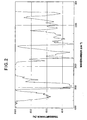


Classifications
-
- C—CHEMISTRY; METALLURGY
- C08—ORGANIC MACROMOLECULAR COMPOUNDS; THEIR PREPARATION OR CHEMICAL WORKING-UP; COMPOSITIONS BASED THEREON
- C08L—COMPOSITIONS OF MACROMOLECULAR COMPOUNDS
- C08L45/00—Compositions of homopolymers or copolymers of compounds having no unsaturated aliphatic radicals in side chain, and having one or more carbon-to-carbon double bonds in a carbocyclic or in a heterocyclic ring system; Compositions of derivatives of such polymers
-
- C—CHEMISTRY; METALLURGY
- C08—ORGANIC MACROMOLECULAR COMPOUNDS; THEIR PREPARATION OR CHEMICAL WORKING-UP; COMPOSITIONS BASED THEREON
- C08F—MACROMOLECULAR COMPOUNDS OBTAINED BY REACTIONS ONLY INVOLVING CARBON-TO-CARBON UNSATURATED BONDS
- C08F210/00—Copolymers of unsaturated aliphatic hydrocarbons having only one carbon-to-carbon double bond
-
- C—CHEMISTRY; METALLURGY
- C08—ORGANIC MACROMOLECULAR COMPOUNDS; THEIR PREPARATION OR CHEMICAL WORKING-UP; COMPOSITIONS BASED THEREON
- C08F—MACROMOLECULAR COMPOUNDS OBTAINED BY REACTIONS ONLY INVOLVING CARBON-TO-CARBON UNSATURATED BONDS
- C08F232/00—Copolymers of cyclic compounds containing no unsaturated aliphatic radicals in a side chain, and having one or more carbon-to-carbon double bonds in a carbocyclic ring system
-
- C—CHEMISTRY; METALLURGY
- C08—ORGANIC MACROMOLECULAR COMPOUNDS; THEIR PREPARATION OR CHEMICAL WORKING-UP; COMPOSITIONS BASED THEREON
- C08F—MACROMOLECULAR COMPOUNDS OBTAINED BY REACTIONS ONLY INVOLVING CARBON-TO-CARBON UNSATURATED BONDS
- C08F297/00—Macromolecular compounds obtained by successively polymerising different monomer systems using a catalyst of the ionic or coordination type without deactivating the intermediate polymer
- C08F297/02—Macromolecular compounds obtained by successively polymerising different monomer systems using a catalyst of the ionic or coordination type without deactivating the intermediate polymer using a catalyst of the anionic type
-
- C—CHEMISTRY; METALLURGY
- C08—ORGANIC MACROMOLECULAR COMPOUNDS; THEIR PREPARATION OR CHEMICAL WORKING-UP; COMPOSITIONS BASED THEREON
- C08F—MACROMOLECULAR COMPOUNDS OBTAINED BY REACTIONS ONLY INVOLVING CARBON-TO-CARBON UNSATURATED BONDS
- C08F8/00—Chemical modification by after-treatment
- C08F8/04—Reduction, e.g. hydrogenation
Definitions
- the present invention relates to a novel polymer containing a modified cyclic monomer unit and a method for producing the same. More particularly, the present invention is concerned with a novel polymer containing a modified cyclic monomer unit derived from a cyclic conjugated diene, which polymer not only has stable mechanical properties which are unlikely to suffer an unfavorable change at ambient temperatures, but also possesses advantages such that, for example, when the polymer is combined with other polymers to provide composite resin materials, the resultant composite resin materials are imparted with stable and excellent mechanical properties. The present invention is also concerned with a method for producing such a novel excellent polymer.
- Polymer materials are advantageous in that they have light weight and have a large freedom of selection with respect to the shapes of ultimate molded products, and that a wide variety of unique properties can be exhibited in accordance with the types of polymer materials used. Therefore, polymer materials are used in an extremely wide variety of application fields, such as those for automobile parts, electric and electronic parts, railroad parts, aircraft parts, fibers, clothes, medical equipment parts, packaging materials for drugs and foods and materials for general miscellaneous goods. Further, in accordance with the diversification of commercial demands and the progress of technology, the importance of polymer materials has been increasing by great leaps.
- the reason for the occurrence of the above-men-tioned phenomenon with conventional polymer materials is generally presumed to be as follows.
- Tg glass transition temperature
- the molecular chain of the polymer is changed from a glassy state to a rubbery state, and this change of state becomes a main cause for a considerably larger change in mechanical properties. Therefore, it has, in principle, been impossible to solve this problem insofar as a polymer material having a single molecular structure is used, so that extensive and intensive studies have been made for solving the problem by using a combination of a plurality of different types of polymer materials.
- a conjugated diene polymer can be produced by living anionic polymerization, so that a conjugated diene polymer has a large freedom with respect to the designing of the molecular chain and it is relatively easy to control the properties of a conjugated diene polymer to be obtained. Therefore, it is conceivable that, when a conjugated diene polymer is used as a modifier for a polymer material, various properties of a polymer material, such as thermal stability with respect to rigidity and mechanical strength, impact resistance-and dimensional stability, can be simultaneously improved by a sole modifier. Hence, researches have been intensively conducted for development of conjugated diene polymers as a representative modifier component for composite resin materials.
- conjugated diene polymers include homopolymers, such as a polybutadiene and a polyisoprene; copolymers of block, graft, taper and random configurations, such as a butadiene-isoprene copolymer, a styrene-butadiene copolymer, a propylene-butadiene copolymer, a styrene-isoprene copolymer, an ⁇ -methylstyrene-butadiene copolymer, an ⁇ -methylstyrene-isoprene copolymer, an acrylonitrile-butadiene copolymer, an acrylonitrile-isoprene copolymer, a butadiene-methyl methacrylate copolymer and an isoprene-methyl methacrylate copolymer; and hydrogenated polymers derived therefrom.
- homopolymers such as a polybutadiene
- these polymers have been used for various purposes in various fields.
- these conventional conjugated diene polymers have been used as plastics; elastomers; fibers; sheets; films; materials for parts for machines, containers for food, packing materials, tires and belts; insulating materials and adhesives.
- a conjugated diene block copolymer which comprises a polymer chain composed of an agglomeration phase which is of a polymer block having a Tg (glass transition temperature) higher than room temperature, and an elastomer phase which is of a polymer block having a Tg lower than room temperature.
- block copolymers include a styrene-butadiene (isoprene)-styrene block copolymer and a hydrogenated product thereof.
- the block copolymer or a hydrogenated product thereof in the form of a block copolymer composition which is obtained by blending the above-mentioned block copolymer or a hydrogenated product thereof with another polymer, such as a polystyrene, a polyolefin, a polyphenylene ether or a styrene-butadiene diblock copolymer, or a hydrogenated product thereof.
- a catalyst system comprised mainly of a compound of an alkali metal, such as lithium or sodium, and a composite catalyst system comprised mainly of a compound of a transition metal, such as nickel, cobalt or titanium, have been proposed.
- Some of these catalyst systems have already been employed for a commercial scale practice of the polymerization of butadiene and isoprene (see, for example, Ing. End. Chem., 48, 784 (1956) and Examined Japanese Patent Application Publication No. 37-8193).
- a composite catalyst comprised mainly of a neodymium compound and an organoaluminum compound has been confirmed to have not only the ability to provide a desired polymer having a high cis-1,4-bond content, but also exhibits an excellent polymerization activity. Accordingly, this type of composite catalyst has already been commercially used as a catalyst for the polymerization of butadiene [see, for example, Angew. Makromol. Chem., 94 , 119 (1981); Macromolecules, 15 , 230 (1982)].
- the carbon-carbon double bond in a cyclic conjugated diene monomer unit of a conjugated diene polymer has a large steric hindrance. Due to this, in conventional techniques, there is a serious problem in that when it is attempted to introduce a cyclic olefin monomer unit into the molecular chain of a conjugated diene polymer by a hydrogenation reaction, the rate of the hydrogenation reaction is considerably low, so that it is extremely difficult to introduce a cyclic olefin monomer unit into the conjugated diene polymer.
- the resultant resin composition exhibits mechanical properties which are improved in accordance with the respective proportions of the employed component polymers.
- a functional group such as a carboxyl group, an epoxy group, a halogen atom, an amino group, an oxazoline group, an alkoxy group and an isocyanato group, by an addition reaction.
- J. Am. Chem. Soc., 81 , 448 (1959) discloses a cyclohexadiene homopolymer and a polymerization method therefor, which homopolymer is obtained by polymerizing 1,3-cyclohexadiene (a typical example of a cyclic conjugated diene monomer), using a composite catalyst comprised of titanium tetrachloride and triisobutylaluminum.
- the polymerization method disclosed in this prior art document is disadvantageous in that the use of a large amount of the catalyst is necessary, and the polymerization reaction must be conducted for a prolonged period of time, and that the obtained polymer has only an extremely low molecular weight. Therefore, the polymer obtained by the technique of this prior art document is of no commercial value. Further, this prior art document has no teaching or suggestion of a method for introducing a cyclic olefin monomer unit into the main molecular chain of a polymer as well as modification of a polymer containing a cyclic olefin monomer unit.
- J. Polym. Sci., Pt. A, 2 , 3277 (1964) discloses methods for producing a cyclohexadiene homopolymer, in which the polymerization of 1,3-cyclohexadiene is conducted by various polymerization methods, such as radical polymerization, cationic polymerization, anionic polymerization and coordination polymerization.
- the polymers obtained have an extremely low molecular weight. Therefore, the polymers obtained by the techniques of this prior art document are of no commercial value. Further, this prior art document has no teaching or suggestion of a method for introducing a cyclic olefin monomer unit into the polymeric molecular chain of a polymer as well as modification of a polymer containing a cyclic olefin monomer unit.
- British Patent Application No. 1,042,625 discloses a method for producing a cyclohexadiene homopolymer, in which the polymerization of 1,3-cyclohexadiene is conducted using a large amount of an organolithium compound as a catalyst.
- the catalyst In the polymerization method disclosed in British Patent Application No. 1,042,625, the catalyst must be used in an amount as large as 1 to 2 wt%, based on the total weight of the monomers. Therefore, this method is economically disadvantageous. Further, the polymer obtained by this method has only an extremely low molecular weight.
- the method of this prior art document has disadvantages in that the polymer obtained contains a large amount of catalyst residue, which is very difficult to remove from the polymer, so that the polymer obtained by this method is of no commercial value.
- this prior art document has no teaching or suggestion of a method for introducing a cyclic olefin monomer unit into the main molecular chain of a polymer as well as modification of a polymer containing a cyclic olefin monomer unit.
- J. Polym. Sci., Pt. A, 3 , 1553 (1965) discloses a cyclohexadiene homopolymer, which is obtained by polymerizing 1,3-cyclohexadiene using an organolithium compound as a catalyst.
- the polymerization reaction must be continued for a period as long as 5 weeks, however, the polymer obtained has a number average molecular weight of only 20,000 or less.
- this prior art document has no teaching or suggestion of a method for introducing a cyclic olefin monomer unit into the main molecular chain of a polymer as well as modification of a polymer containing a cyclic olefin monomer unit.
- Polym. Prepr. (Amer. Chem. Soc., Div. Polym. Chem.) 12 , 402 (1971) teaches that when the polymerization of 1,3-cyclohexadiene is conducted using an organolithium compound as a catalyst, the upper limit of the number average molecular weight of the cyclohexadiene homopolymer obtained is only from 10,000 to 15,000. Further, this document teaches that the reason for such a small molecular weight resides in that, concurrently with the polymerization reaction, not only does a transfer reaction occur, which is caused by the abstraction of a lithium cation present in the polymer terminal, but also a lithium hydride elimination reaction occurs.
- this prior art document has no teaching or suggestion of a method for introducing a cyclic olefin monomer unit into the main molecular chain of a polymer as well as modification of a polymer containing a cyclic olefin monomer unit.
- Die Makromolekulare Chemie., 163 , 13 (1973) discloses a cyclohexadiene homopolymer which is obtained by polymerizing 1,3-cyclohexadiene using a large amount of an organolithium compound as a catalyst.
- the polymer obtained in this prior art document is an oligomer having a number average molecular weight of only 6,500.
- this prior art document has no teaching or suggestion of a method for introducing a cyclic olefin monomer unit into the main molecular chain of a polymer as well as modification of a polymer containing a cyclic olefin monomer unit.
- European Polymer J., 9 , 895 (1973) discloses a copolymer which is obtained by copolymerizing 1,3-cyclohexadiene with butadiene and/or isoprene, using a ⁇ -allylnickel compound as a polymerization catalyst.
- the polymer obtained in this prior art document is an oligomer having an extremely low molecular weight. Further, it has been reported that the polymer of this prior art document has a single glass transition temperature, which suggests that the polymer has a random copolymer structure.
- this prior art document has no teaching or suggestion of a method for introducing a cyclic olefin monomer unit into the main molecular chain of a polymer as well as modification of a polymer containing a cyclic olefin monomer unit.
- Kobunshi Ronbun-shu (Collection of theses concerning polymers), Vol. 34, No. 5, 333 (1977) discloses a method for synthesizing an alternating copolymer of 1,3-cyclohexadiene and acrylonitrile using zinc chloride as a polymerization catalyst.
- the alternating copolymer obtained in this prior art document is an oligomer having an extremely low molecular weight.
- this prior art document has no teaching or suggestion of a method for introducing a cyclic olefin monomer unit into the main molecular chain of a polymer as well as modification of a polymer containing a cyclic olefin monomer unit.
- J. Polym. Sci., Polym. Chem. Ed., 20 , 901 (1982) discloses a cyclohexadiene homopolymer which is obtained by polymerizing 1,3-cyclohexadiene using an organosodium compound as a catalyst.
- the organosodium compound used is sodium naphthalene, and a radical anion derived from sodium naphthalene forms a dianion which functions as a polymerization initiation site.
- this prior art document has no teaching or suggestion of a method for introducing a cyclic olefin monomer unit into the main molecular chain of a polymer as well as modification of a polymer containing a cyclic olefin monomer unit.
- Makromol. Chem., 191 , 2743 (1990) discloses a method for polymerizing 1,3-cyclohexadiene using a polystyryllithium as a polymerization initiator.
- a transfer reaction which is caused by the abstraction of a lithium cation present in the polymer terminal, but also a lithium hydride elimination reaction vigorously occurs.
- this prior art document has no teaching or suggestion of a method for introducing a cyclic olefin monomer unit into the main molecular chain of a polymer as well as modification of a polymer containing a cyclic olefin monomer unit.
- the present inventors previously made extensive and intensive studies with a view toward developing a novel cyclic conjugated diene polymer comprising at least one type of cyclic conjugated diene monomer unit, or comprising at least one type of cyclic conjugated diene monomer unit and a monomer unit derived from at least one type of monomer other than the above-mentioned cyclic conjugated diene monomer, which other monomer is copolymerizable with the cyclic conjugated diene monomer, and wherein the cyclic conjugated diene polymer has a high number average molecular weight, so that it has not only excellent thermal properties in respect of, for example, a melting temperature, a glass transition temperature and a heat distortion temperature, but also excellent mechanical properties, such as high tensile modulus and high flexural modulus, and a method for producing such an excellent cyclic conjugated diene polymer.
- the present inventors successfully developed a novel polymerization catalyst useful for production of such a polymer as mentioned above, which catalyst has an excellent catalytic activity for not only achieving a desired high polymerization degree, but also effectively and efficiently performing a living anionic polymerization which enables block copolymerization of a cyclic conjugated diene monomer and at least one type of comonomer which is copolymerizable with the cyclic conjugated diene monomer.
- a novel polymerization catalyst it has for the first time become possible to synthesize a novel cyclic conjugated diene polymer, which has never been reported.
- the present inventors have made still further studies. As a result, the present inventors have found that, by subjecting the above-mentioned cyclic conjugated diene polymer or a cyclic olefin monomer unit-containing polymer (which is obtained by saturating a part or all of the carbon-carbon double bonds of the above-mentioned cyclic conjugated diene polymer) to modification with a functional group or an organic compound residue containing the functional group (wherein the functional group contains at least one member selected from the group consisting of oxygen, nitrogen, sulfur, silicon, phosphorus and halogen, including fluorine, chlorine, bromine and iodine), a modified cyclic monomer unit-containing polymer having excellent mechanical properties which are unlikely to suffer an unfavorable change at ambient temperatures can be obtained.
- the present invention has been completed, based on these novel findings.
- a novel polymer containing a modified cyclic monomer unit which polymer is obtained by subjecting a cyclic conjugated diene polymer or a cyclic olefin monomer unit-containing polymer (which is obtained by saturating a part or all of the carbon-carbon double bonds of the cyclic conjugated diene polymer) to modification with a specific functional group or an organic compound residue containing the functional group, wherein the novel polymer not only has excellent mechanical properties which are not susceptive to an unfavorable change at ambient temperatures, but also has advantages such that, for example, when the polymer is combined with other polymers to provide composite resin materials, the resultant composite resin materials are imparted with stable and excellent mechanical properties.
- a polymer containing a modified cyclic monomer unit comprising a polymer chain represented by the following formula (I): wherein A to D and F are monomer units constituting a main chain of said polymer chain, in which monomer units A to D and F are arranged in any order, and l to o and q are, respectively, weight percentages of monomer units A to D and F, based on the total weight of monomer units A to D and F; wherein:
- a method for producing a polymer containing a modified cyclic monomer unit comprising a polymer chain represented by the following formula (I): wherein A to D and F are monomer units constituting a main chain of said polymer chain, in which monomer units A to D and F are arranged in any order, and l to o and q are, respectively, weight percentages of monomer units A to D and F, based on the total weight of monomer units A to D and F; wherein:
- the monomer units of the polymer are named in accordance with a nomenclature such that the names of the original monomers from which the monomer units are derived, as such, are used with the term “unit” being attached thereto.
- cyclic olefin monomer unit means a monomer unit which is formed in a polymer obtained by the polymerization of a cyclic olefin monomer and which has a molecular structure such that a cycloalkane corresponding to the cyclic olefin monomer is bonded at two carbon atoms of a skeleton thereof.
- cyclic conjugated diene monomer unit means a monomer unit which is formed in a polymer obtained by the polymerization of a cyclic conjugated diene monomer and which has a molecular structure such that a cycloolefin corresponding to the cyclic conjugated diene monomer is bonded at two carbon atoms of a skeleton thereof.
- the total content (l) of the cyclic olefin monomer unit and the content (m) of the cyclic conjugated diene monomer unit may vary, depending on the intended use of the polymer, as long as l and m satisfy the relationship: 0 ⁇ l + m ⁇ 100.
- the total content (l + m) is generally within the range of from 0.001 to 100 wt%, preferably from 0.01 to 100 wt%, more preferably from 0.1 to 100 wt%.
- the content (l) of the cyclic olefin monomer unit in the polymer be within the range of from 1 to 100 wt%, more preferably from 2 to 100 wt%, most preferably from 5 to 100 wt%, based on the total weight of the monomer units A to F of the polymer.
- the polymer of the present invention contains a cyclic olefin monomer unit and/or a cyclic conjugated diene monomer unit, and has a number average molecular weight falling within the range specified in the present invention.
- Examples of such methods include a method which comprises polymerizing a cyclic conjugated diene monomer to thereby obtain a cyclic conjugated diene homopolymer, and subjecting the obtained cyclic conjugated diene homopolymer to an addition reaction, wherein the addition reaction, such as a hydrogenation, is performed at a carbon-to-carbon double bond or bonds in a part or all of the cyclic conjugated diene monomer units contained in the cyclic conjugated diene homopolymer, to thereby convert the cyclic conjugated diene monomer unit to the cyclic olefin monomer unit; a method which comprises polymerizing a cyclic conjugated diene monomer with a comonomer copolymerizable therewith to thereby obtain a cyclic conjugated diene copolymer, and subjecting the obtained cyclic conjugated diene copolymer to an addition reaction, wherein the addition reaction is performed at a carbon-to-carbon double bond or bonds
- modified polymer When the modified cyclic monomer unit-containing polymer (hereinafter, frequently referred to as "modified polymer”) of the present invention is obtained by modifying a cyclic olefin monomer unit-containing polymer, which is obtained by homopolymerizing or copolymerizing a cyclic conjugated diene monomer to obtain a cyclic conjugated diene polymer, followed by hydrogenation, the degree of hydrogenation, which is defined as the ratio (mole %) of hydrogenation of the carbon-to-carbon double bonds contained in the cyclic conjugated diene monomer units in the cyclic conjugated diene polymer, is not particularly limited and may vary depending on the amount of cyclic olefin monomer unit required for the modified polymer in accordance with the intended use thereof. However, the degree of hydrogenation is generally within the range of from 1 to 100 mole %, preferably from 5 to 100 mole %, more preferably from 10 to 100 mole %, especially preferably from 20 to 100 mole
- the degree of hydrogenation be within the range of from 50 to 100 mole %, more preferably from 70 to 100 mole %, most preferably not less than 90 mole %.
- the modified polymer of the present invention has a number average molecular weight within the range of from 10,000 to 5,000,000. From the viewpoint of productivity in the commercial scale production of such a polymer, it is recommended that the number average molecular weight of the polymer be within the range of from 15,000 to 5,000,000, preferably within the range of from 20,000 to 3,000,000, more preferably from 25,000 to 2,000,000, still more preferably from 30,000 to 1,000,000. The most preferred range is from 40,000 to 500,000.
- the polymer When the number average molecular weight of such a modified polymer is less than 10,000, the polymer is likely to be a markedly brittle solid substance or a viscous liquid, so that the commercial value of the modified polymer as an industrial material becomes extremely low.
- the polymer when the number average molecular weight of such a modified polymer is more than 5,000,000, the polymer is disadvantageous in various aspects from a commercial viewpoint.
- a polymer having such a high molecular weight has disadvantages in that a prolonged period of time is needed for the polymerization reaction, and the melt viscosity of the polymer obtained becomes high.
- the modified polymer of the present invention is obtained by modifying a cyclic conjugated diene homopolymer, it is preferred that the number average molecular weight of the polymer be within the range of from 40,000 to 5,000,000. When the number average molecular weight of such a modified polymer is less than 40;000, the polymer is likely to become markedly brittle, so that the commercial value of the polymer as a structural material becomes extremely low.
- the number average molecular weight of the polymer is preferably within the range of from 40,000 to 3,000,000, more preferably from 40,000 to 2,000,000, still more preferably from 40,000 to 1,000,000.
- the most preferred range is from 40,000 to 500,000.
- the modified polymer of the present invention is obtained by modifying a polymer comprised only of cyclic olefin monomer units or modifying a copolymer comprised of only at least one cyclic olefin monomer unit and at least one cyclic conjugated diene monomer unit, the number average molecular weight of the polymer is from 10,000 to 5,000,000.
- the number average molecular weight of the polymer is preferably within the range of from 15,000 to 5,000,000, more preferably from 20,000 to 3,000,000, still more preferably from 25,000 to 2,000,000, further more preferably from 30,000 to 1,000,000.
- the most preferred range for the modified polymer for use as an industrial material is from 40,000 to 500,000.
- the polymer when the number average molecular weight of such a modified polymer is more than 5,000,000, the polymer is disadvantageous in various aspects from the commercial viewpoint.
- the modified polymer having such a high molecular weight has disadvantages in that a prolonged period of time is needed for the polymerization reaction, and that the melt viscosity of the polymer obtained becomes high.
- the modified polymer of the present invention is obtained by modifying a copolymer comprising at least one cyclic conjugated diene monomer unit and at least one monomer unit derived from a monomer copolymerizable with the cyclic conjugated diene monomer
- the number average molecular weight of such a polymer is preferably within the range of from 25,000 to 5,000,000, more preferably 25,000 to 3,000,000, still more preferably from 25,000 to 2,000,000, further more preferably from 30,000 to 1,000,000.
- the most preferred range for the modified copolymer for use as an industrial material is from 40,000 to 500,000.
- the number average molecular weight is within the range of 10,000 to 5,000,000.
- the number average molecular weight of the copolymer is preferably within the range of from 15,000 to 5,000,000, more preferably from 20,000 to 3,000,000, still more preferably from 25,000 to 2,000,000, further more preferably from 30,000 to 1,000,000.
- the most preferred range for the copolymer for use as an industrial material is from 40,000 to 500,000.
- the number average molecular weight of such a modified copolymer is less than 10,000, the copolymer is likely to be a markedly brittle solid substance or a viscous liquid, so that the commercial value of the copolymer as an industrial material becomes low.
- the copolymer when the number average molecular weight of such a modified copolymer is more than 5,000,000, the copolymer is disadvantageous in various aspects from a commercial viewpoint.
- a modified copolymer having such a high molecular weight has disadvantages in that a prolonged period of time is needed for the polymerization reaction, and the melt viscosity of the copolymer obtained becomes high.
- the modified polymer of the present invention is a copolymer comprised of at least one cyclic olefin monomer unit, at least one cyclic conjugated diene monomer unit, and at least one monomer unit derived from a monomer copolymerizable with the cyclic olefin-monomer and/or the cyclic conjugated diene monomer, the number average molecular weight is within the range of from 10,000 to 5,000,000.
- the number average molecular weight of the copolymer is preferably within the range of from 15,000 to 5,000,000, more preferably from 20,000 to 3,000,000, still more preferably from 25,000 to 2,000,000, further more preferably from 30,000 to 1,000,000.
- the most preferred range for the modified copolymer for use as an industrial material is from 40,000 to 500,000.
- the number average molecular weight of such a modified copolymer is less than 10,000, the copolymer is likely to be a markedly brittle solid substance or a viscous liquid, so that the commercial value of the modified copolymer as an industrial material becomes extremely low.
- the copolymer when the number average molecular weight of such a modified copolymer is more than 5,000,000, the copolymer is disadvantageous in various aspects from a commercial viewpoint.
- a modified copolymer having such a high molecular weight has disadvantages in that a prolonged period of time is needed for the polymerization reaction, and the melt viscosity of the copolymer obtained becomes high.
- the modified polymer of the present invention is obtained by modifying a block copolymer having at least one polymer block containing at least one monomer unit selected from the group consisting of a cyclic olefin monomer unit and a cyclic conjugated diene monomer unit, and optionally at least one monomer unit derived from a monomer copolymerizable with the cyclic olefin monomer and/or the cyclic conjugated diene monomer, it is preferred that the block copolymer be an at least-tri-block copolymer.
- the number average molecular weight of such a modified block copolymer is within the range of from 10,000 to 5,000,000.
- the number average molecular weight of the block copolymer is preferably within the range of from 15,000 to 5,000,000, more preferably from 20,000 to 3,000,000, still more preferably from 25,000 to 2,000,000, further more preferably from 30,000 to 1,000,000.
- the most preferred range for the modified block copolymer for use as an industrial material is from 40,000 to 500,000.
- the block copolymer When the number average molecular weight of such a modified block copolymer is less than 10,000, the block copolymer is likely to be a markedly brittle solid substance or a viscous liquid, so that the commercial value of the block copolymer as an industrial material becomes low.
- the block copolymer when the number average molecular weight of such a modified block copolymer is more than 5,000,000, the block copolymer is disadvantageous in various aspects from a commercial viewpoint.
- a block copolymer having such a high molecular weight has disadvantages in that a prolonged period of time is needed for the polymerization reaction, and the melt viscosity of the block polymer obtained becomes high.
- the number average molecular weight Mn ⁇ and the weight average molecular weight Mw ⁇ are measured by gel permeation chromatography, using a calibration curve obtained with respect to standard polystyrene samples.
- the Mw ⁇ / Mn ⁇ value (a criterion for the molecular weight distribution) of the polymer is within the range of from 1.01 to 10, preferably from 1.03 to 7.0, more preferably from 1.05 to 5.0.
- modified polymers of the present invention include those which are obtained by individually hydrogenating polymers, such as a homopolymer of a cyclic conjugated diene monomer, a copolymer of at least two different types of cyclic conjugated diene monomers, and a copolymer of a cyclic conjugated diene monomer and a monomer copolymerizable with the cyclic conjugated diene monomer, wherein the hydrogenation is performed at a carbon-to-carbon double bond or bonds of a part or all of the cyclic conjugated diene monomer units to convert a part or all of the cyclic conjugated diene monomer units into cyclic olefin monomer units and subsequently, modifying the resultant hydrogenated polymers with a reactive reagent, so that a functional group or a functional group-containing organic compound residue is bonded to such hydrogenated polymers.
- individually hydrogenating polymers such as a homopolymer of a cyclic conjugated diene monomer
- modified polymer (modified cyclic monomer unit-containing polymer) of the present invention will be explained hereinbelow in more detail.
- the modified polymer of the present invention comprises a polymer having a main chain which is comprised partly or entirely of at least one type of monomer unit selected from the group consisting of cyclic olefin monomer units and cyclic conjugated diene monomer units.
- modified polymers of the present invention include those which are obtained by individually modifying polymers having monomer units derived solely from a cyclic conjugated diene monomer, and polymers having monomer units derived from a cyclic conjugated diene monomer and from a monomer copolymerizable with the cyclic conjugated diene monomer, and individually modifying hydrogenation products of these polymers.
- the modified polymers of the present invention can be obtained by individually modifying homopolymers produced by polymerizing a single type of cyclic conjugated diene monomer, and copolymers produced by copolymerizing a cyclic conjugated diene monomer and a monomer copolymerizable with the cyclic conjugated diene monomer, or obtained by individually modifying hydrogenation products of the homopolymers and copolymers.
- modified polymers of the present invention include those which are obtained by individually modifying a homopolymer of a single type of cyclic conjugated diene monomer, a copolymer of at least two different types of cyclic conjugated diene monomers, and a copolymer of a cyclic conjugated diene monomer and a monomer copolymerizable with the cyclic conjugated diene monomer, or obtained by individually modifying hydrogenation products of the homopolymers and copolymers.
- the cyclic conjugated diene monomer in the present invention preferably has an at least-5-membered carbocyclic ring structure.
- the cyclic conjugated diene monomer in the present invention have a 5 to 8-membered carbocyclic ring structure, preferably a 6-membered carbocyclic ring structure.
- modified polymers (modified cyclic monomer unit-containing polymers) of the present invention include those which have a main chain comprised partly or entirely of at least one type of monomer unit selected from the group consisting of cyclic olefin monomer units and cyclic conjugated diene monomer units, wherein the cyclic olefin monomer unit has a cyclohexane ring and the cyclic conjugated diene monomer unit has a cyclohexene ring.
- cyclic conjugated diene monomers include 1,3-cyclopentadiene, 1,3-cyclohexadiene, 1,3-cyclooctadiene, and derivatives thereof.
- Preferred examples of cyclic conjugated diene monomers include 1,3-cyclohexadiene and 1,3-cyclohexadiene derivatives. Of these, 1,3-cyclohexadiene is most preferred.
- examples of monomerscopolymerizable with a cyclic conjugated diene monomer include known polymerizable monomers.
- copolymerizable monomers examples include chain conjugated diene monomers, such as 1,3-butadiene, isoprene, 2,3-dimethyl-1,3-butadiene, 1,3-pentadiene and 1,3-hexadiene; vinyl aromatic monomers, such as styrene, ⁇ -methylstyrene, o-methylstyrene, p-methylstyrene, p-tert-butylstyrene, 1,3-dimethylstyrene, divinylbenzene, vinylnaphthalene, diphenylethylene and vinylpyridine; polar vinyl monomers, such as methyl methacrylate, methyl acrylate, acrylonitrile, methyl vinyl ketone and methyl ⁇ -cyanoacrylate; polar monomers, such as ethylene oxide, propylene oxide, lactone, lactam and cyclosiloxane; ethylene; and ⁇ -olefins.
- the modified polymer of the present invention is a copolymer
- the copolymer may possess any configuration depending on the intended use of the copolymer.
- the copolymer may be a block copolymer, such as a diblock copolymer, a triblock copolymer, a tetrablock copolymer, a multiblock copolymer which is an at-least-penta block copolymer, and a radial block copolymer, a graft copolymer, a taper copolymer, a random copolymer or an alternating copolymer.
- a block copolymer such as a diblock copolymer, a triblock copolymer, a tetrablock copolymer, a multiblock copolymer which is an at-least-penta block copolymer, and a radial block copolymer, a graft copolymer, a taper copolymer, a random copolymer or an alternating copolymer.
- the monomer unit derived from a comonomer copolymerizable with the cyclic olefin monomer or cyclic conjugated diene monomer may be a monomer unit which is formed by a post-polymerization treatment, such as hydrogenation or halogenation.
- the polymer can be produced by living anionic polymerization, so that not only the molecular weight of the polymer but also the copolymer configuration can be freely designed.
- a configuration for controlling the molecular weight of the polymer or for obtaining the polymer in the form of a star shaped polymer, a configuration can be assumed such that the terminals of a plurality of polymer chains are bonded together using a conventional at least-bi-functional coupling agent, such as dimethyldichlorosilane, methyltrichlorosilane, dimethyldibromosilane, methyltribromosilane, titanocene dichloride, methylene chloride, methylene bromide, chloroform, carbon tetrachloride, silicon tetrachloride, titanium tetrachloride, tin tetrachloride, an epoxidized soybean oil, or an ester.
- a conventional at least-bi-functional coupling agent such as dimethyldichlorosilane, methyltrichlorosilane, dimethyldibromosilane, methyltribromosilane, titanocene dichloride, m
- the block copolymer may contain various polymer blocks.
- polymer blocks contained in the block copolymer include a polymer block comprised of monomer units derived solely from at least one type of cyclic olefin monomer, a polymer block comprised of monomer units derived solely from at least one type of cyclic conjugated diene monomer, a polymer block comprised of monomer units derived from at least one type of cyclic olefin monomer and at least one type of conjugated diene monomer, a polymer block comprised of monomer units derived from at least one type of cyclic olefin monomer and at least one comonomer copolymerizable with the cyclic olefin monomer, a polymer block comprised of monomer units derived from at least one type of cyclic conjugated diene monomer and at least one comonomer copolymerizable with the cyclic olefin monomer, a polymer block comprise
- polymer blocks can be designed and produced by polymerization.
- a modified cyclic monomer unit-containing block copolymer having suitable properties for the intended use can be obtained.
- a polymer block in the modified polymer of the present invention is comprised of cyclic olefin monomer units, cyclic conjugated diene monomer units or both of these monomer units, it is recommended that the polymer block contain a contiguous arrangement of at least 10 such monomer units, preferably 20 or more such monomer units, more preferably 30 or more such monomer units, from the viewpoint of obtaining a block copolymer having excellent thermal and mechanical properties.
- a method which comprises: preparing various types of block unit polymers, namely, a block unit polymer comprised of monomer units derived solely from at least one type of cyclic conjugated diene monomer, a block unit polymer comprised of monomer units derived from at least one type of cyclic conjugated diene monomer and at least one comonomer copolymerizable with the cyclic conjugated diene monomer, and a block unit polymer comprised of monomer units derived solely from at least one comonomer copolymerizable with a cyclic conjugated diene monomer; choosing an appropriate combination of these block unit polymers; polymerization-bonding the combination of block unit polymers together; if desired, subjecting the resultant cyclic monomer unit-containing block copolymer to hydrogenation; and modifying the resultant block copolymer.
- Specific examples of preferred modes of the method for producing the block copolymer include the following modes.
- One mode of the method comprises the steps of forming by polymerization a block unit polymer containing a monomer unit derived from at least one type of cyclic conjugated diene monomer, or a block unit polymer derived solely from the cyclic conjugated diene monomer; polymerizing the block unit polymer with at least one type of comonomer copolymerizable with the cyclic conjugated diene monomer, wherein the comonomer is successively bonded to one or both terminals of the block unit polymer by polymerization; if desired, subjecting the block copolymer to hydrogenation; and modifying the resultant polymer.
- Another mode of the method comprises the steps of polymerizing at least one type of comonomer copolymerizable with a cyclic conjugated diene monomer to obtain a block unit polymer; polymerizing the block unit polymer with at least one type of cyclic conjugated diene monomer, and optionally with at least one type of comonomer copolymerizable with the cyclic conjugated diene monomer, wherein the cyclic conjugated diene monomer and the optional comonomer are successively bonded to one or both terminals of the block unit polymer by polymerization; if desired, subjecting the block copolymer to hydrogenation; and modifying the resultant polymer.
- a further mode of the method comprises the steps of forming by polymerization a block unit polymer containing a monomer unit derived from at least one type of cyclic conjugated diene monomer, or a block unit polymer comprised of monomer units derived solely from the cyclic conjugated diene monomer; polymerizing the block unit polymer with at least one type of comonomer copolymerizable with the cyclic conjugated diene monomer to obtain a polymer; successively bonding to the polymer by polymerization a block unit polymer containing a monomer unit derived from at least one cyclic conjugated diene monomer or a block unit polymer comprised of monomer units derived solely from the cyclic conjugated diene monomer; if desired, subjecting the block copolymer to hydrogenation; and modifying the resultant polymer.
- Still a further mode of the method comprises the steps of polymerizing at least one type of comonomer copolymerizable with the cyclic conjugated diene monomer to obtain a block unit polymer; polymerizing the block unit polymer with a block unit polymer containing a monomer unit derived from at least one cyclic conjugated diene monomer or a block unit polymer comprised of monomer units derived solely from the cyclic conjugated diene polymer; successively bonding to the re-sultant polymer by polymerization at least one type of comonomer copolymerizable with the cyclic conjugated diene monomer; if desired, subjecting the block copolymer to hydrogenation; and modifying the resultant polymer.
- Still a further mode of the method comprises the steps of forming by polymerization a block unit polymer containing a monomer unit derived from at least one cyclic conjugated diene monomer or a block unit polymer comprised of monomer units derived solely from the cyclic conjugated diene monomer; polymerizing the block unit polymer with at least one type of comonomer copolymerizable with the cyclic conjugated diene monomer to obtain a polymer; bonding the terminals of the molecular chain of the polymer together using a conventional at least-bi-functional coupling agent (such as dimethyldichlorosilane, methyltrichlorosilane, dimethyldibromosilane, methyltribromosilane, titanocene dichloride, methylene chloride, methylene bromide, chloroform, carbon tetrachloride, silicon tetrachloride, titanium tetrachloride, tin tetrachloride
- Still a further mode of the method comprises the steps of forming by polymerization a block unit polymer containing a monomer unit derived from at least one cyclic conjugated diene monomer or a block unit polymer comprised of monomer units derived solely from the cyclic conjugated diene monomer; introducing a functional group to one or both terminals of the block unit polymer using a terminal modifier (ethylene oxide, propylene oxide, cyclohexene oxide, CO 2 or acid chloride), to obtain a functional block unit polymer; and, if desired, subjecting the obtained functional block unit polymer to hydrogenation.
- a terminal modifier ethylene oxide, propylene oxide, cyclohexene oxide, CO 2 or acid chloride
- Still a further mode of the method comprises steps of forming by polymerization a block unit polymer containing a monomer unit derived from at least one cyclic conjugated diene monomer or a block unit polymer comprised of monomer units derived solely from the cyclic conjugated diene monomer; polymerizing the block unit polymer with at least one type of comonomer copolymerizable with the cyclic conjugated diene monomer to obtain a polymer; introducing a functional group to one or both terminals of the thus obtained polymer using a terminal modifier (ethylene oxide, propylene oxide, cyclohexene oxide, CO 2 or acid chloride), to obtain a functional polymer; and, if desired, subjecting the functional polymer to hydrogenation.
- a terminal modifier ethylene oxide, propylene oxide, cyclohexene oxide, CO 2 or acid chloride
- Still a further mode of the method comprises polymerizing at least one type of cyclic conjugated diene monomer with at least one type of comonomer copolymerizable with the cyclic conjugated diene monomer, wherein the at least one comonomer has a different polymerization rate from that of the cyclic conjugated diene monomer, to thereby obtain a taper block copolymer; if desired, subjecting the obtained taper block copolymer to hydrogenation; and modifying the resultant polymer.
- Still a further mode of the method comprises polymerizing a cyclic conjugated diene monomer and at-least one type of comonomer copolymerizable with the cyclic conjugated diene monomer, wherein the ratio of the cyclic conjugated diene monomer to the at least one comonomer is not unity; if desired, subjecting block copolymer to hydrogenation; and modifying the resultant polymer.
- Still a further mode of the method comprises the steps of forming by polymerization a block unit polymer comprised of monomer units derived from the cyclic conjugated diene monomer, wherein the polymerization is conducted until a desired certain conversion is achieved; polymerizing the block unit polymer with at least one type of comonomer, which is copolymerizable with and different in polymerization rate from the cyclic conjugated diene monomer, to thereby obtain a block copolymer; if desired, subjecting the resultant block copolymer to hydrogenation; and modifying the resultant polymer.
- the block unit polymer comprised of at least one type of cyclic olefin monomer unit, at least one type of cyclic conjugated diene monomer unit, or both of such monomer units may further comprise a monomer unit derived from at least one comonomer copolymerizable with the cyclic conjugated diene monomer or the cyclic olefin monomer.
- the block unit polymer comprised of a monomer unit derived from at least one comonomer copolymerizable with the cyclic conjugated diene monomer may further comprise at least one type of monomer unit selected from the group consisting of cyclic olefin monomer units and cyclic conjugated diene monomer units.
- polymer blocks comprising at least one type of a cyclic olefin monomer unit
- a polymer block comprising or consisting of monomer units comprising a cyclohexane ring.
- polymer blocks comprising a cyclic conjugated diene monomer unit it is most preferred to use a polymer block comprising or consisting of monomer units comprising a cyclohexene ring.
- the block copolymer for obtaining a modified cyclic conjugated diene block copolymer to be used as a thermoplastic elastomer or a special transparent resin having impact resistance, it is necessary that the block copolymer be comprised of at least two agglomeration phases (block units) and at least one elastomer phase (block unit), and that these two types of phases form a microdomain structure.
- the agglomeration phase functions as a physical crosslinking site at a temperature lower than Tg, so that the block copolymer has elastomeric properties (rubber elasticity).
- Tg or a temperature higher than Tg the agglomeration phase becomes fluid, so that the block copolymer is imparted with flowability. Therefore, in this case, it becomes possible to perform an injection molding. Further, the block copolymer can be used as a recyclable material.
- a cyclic conjugated diene block copolymer comprising at least two block units (hereinafter frequently referred to as "X blocks") each comprised mainly of a cyclic conjugated diene monomer or a derivative thereof, or comprised of a cyclic conjugated diene monomer and a vinyl aromatic monomer, and at least one block unit (hereinafter frequently referred to as "Y block”) comprised mainly of a chain conjugated diene monomer or a derivative thereof.
- linear block copolymers respectively represented by the formulae (VI) and modified radial block copolymers respectively represented by the formulae (VII) can be produced: (X-Y) l , X-(Y-X) m , Y-(X-Y) n (VI) wherein each of l and n is independently an integer of 2 or more, and m is an integer of 1 or more; and [(Y-X) n ] m+2 Z, [(X-Y) n ] m+2 Z, [(Y-X) n -Y] m+2 Z, [(X-Y) n -X] m+2 Z (VII) wherein m is an integer of 0 or more, and n is an integer of 1 or more; and each Z independently represents a residue of a multi
- any conventional polymerization method such as radical, anionic, cationic, ring-opening, condensation, addition or coordination polymerization
- any conventional polymerization method such as radical, anionic, cationic, ring-opening, condensation, addition or coordination polymerization
- radical, anionic, cationic, ring-opening, condensation, addition or coordination polymerization can be used as long as a modified polymer satisfying the requirements of the present invention can be finally obtained from the polymer.
- the most preferable polymerization method for obtaining a cyclic monomer unit-containing polymer to be modified is a living anionic polymerization using, as a polymerization catalyst, a complex of at least one organometallic compound containing a metal belonging to Group IA (Group IA metal) with at least one complexing agent (most preferably an amine) to obtain a cyclic monomer unit-containing polymer. If desired, the obtained polymer is hydrogenated.
- a modified cyclic monomer unit-containing polymer which has a desired molecular weight and a desired polymer structure can be obtained.
- metals belonging to Group IA which can be used in the most preferred polymerization method to be employed in the present invention include lithium, sodium, potassium, rubidium, cesium and francium.
- lithium, sodium and potassium are preferred. Of these, lithium is especially preferred.
- the complex as a polymerization catalyst to be used in the polymerization is a complex of at least one organometallic compound containing a Group IA metal with at least one complexing agent.
- complexes include complexes of an organolithium compound, an organosodium compound, or an organopotassium compound.
- the most preferable complex is a complex of an organolithium compound.
- the organolithium compound which can be preferably used in the polymerization catalyst that is used in the above-mentioned polymerization method, is a compound containing at least one lithium atom bonded to an organic molecule containing at least one carbon atom or to an organic polymer.
- Examples of such an organic molecule include a C 1 -C 20 alkyl group, a C 2 -C 20 unsaturated aliphatic hydrocarbon group, a C 5 -C 20 aryl group, a C 3 -C 20 cycloalkyl group, and a C 4 -C 20 cyclodienyl group.
- organolithium compounds usable in the polymerization method that is used in the present invention include methyllithium, ethyllithium, n-propyllithium, iso-propyllithium, n-butyllithium, sec-butyllithium, tert-butyllithium, pentyllithium, hexyllithium, aryllithium, cyclohexyllithium, phenyllithium, hexamethylenedilithium, cyclopentadienyllithium, indenyllithium, butadienyldilithium, and isoprenyldilithium.
- oligomeric or polymeric organolithium compounds each containing a lithium atom in a polymeric molecular chain thereof, such as polybutadienyllithium, polyisoprenyllithium and polystyryllithium, can also be used.
- organolithium compound there is no particular limitation with respect to the type thereof as long as it forms a stable complex (compound).
- representative examples of such organolithium compounds include methyllithium, ethyllithium, n-propyllithium, iso-propyllithium, n-butyllithium, sec-butyllithium, tert-butyllithium, and cyclohexyllithium.
- n-butyllithium (n-BuLi) is most preferred from a commercial point of view.
- organometallic compounds containing a Group IA metal usable in the above-mentioned polymerization method can be used individually or, if desired, in combination.
- the most preferred complexing agent for forming a complex of an organometallic compound containing a Group IA metal is one or more types of amine.
- amines as complexing agents include an organic amine or an organic polymeric amine, which contains at least one R 1 R 2 N- group (wherein each of R 1 and R 2 independently represents an alkyl group, an aryl group, or a hydrogen atom) which is a polar group having a non-covalent electron pair capable of coordinating with the organometallic compound containing a Group IA metal to thereby form a complex.
- a tert-amine is most preferred.
- tert-amines usable in the present invention include trimethylamine, triethylamine, dimethylaniline, diethylaniline, tetramethyldiaminomethane, tetramethylethylenediamine, tetramethyl-1,3-propanediamine, tetramethyl-1,3-butanediamine, tetramethyl-1,4-butanediamine, tetramethyl-1,6-hexanediamine, tetramethyl-1,4-phenylenediamine, tetramethyl-1,8-naphthalenediamine, tetramethylbenzidine, tetraethylethylenediamine, tetraethyl-1,3-propanediamine, tetramethyldiethylenetriamine, tetra-ethyldiethylenetriamine, pentamethyldiethylenetriamine, pentaethyldiethylenetriamine, diazabicyclo[2.2.2]octane, 1,5
- amines include tetramethylmethylenediamine (TMMDA), tetraethylmethylenediamine (TEMDA), tetramethylethylenediamine (TMEDA), tetraethylethylenediamine (TEEDA), tetramethylpropylenediamine (TMPDA), tetraethylpropylenediamine (TEPDA), tetramethylbutylenediamine (TMBDA), tetraethylbutylenediamine (TEBDA), tetramethylpentanediamine, tetraethylpentanediamine, tetramethylhexanediamine (TMHDA), tetraethylhexanediamine (TEHDA), and diazabicyclo-[2.2.2]octane (DABCO).
- TMMDA tetramethylmethylenediamine
- TEMDA tetraethylmethylenediamine
- TMEDA te
- TMEDA tetramethylethylenediamine
- the above-mentioned amines as complexing agents may be used individually or in combination.
- the polymerization catalyst which is prepared from an organometallic compound containing at least one metal of Group IA (Group IA metal) and at least one complexing agent) to be used for producing a cyclic conjugated diene polymer by the above-mentioned most preferred polymerization method (i.e., living anionic polymerization)
- the catalyst be one which is prepared from n-butyllithium (n-BuLi) and at least one amine selected from the group consisting of tetramethylmethylenediamine (TMMDA), tetramethylethylenediamine (TMEDA), tetramethylpropylenediamine (TMPDA), and diazabicyclo[2.2.2]octane (DABCO).
- the catalyst be one which is prepared from n-butyllithium (n-BuLi), and tetramethylethylenediamine (TMEDA).
- a complex be prepared by reacting an organometallic compound containing a Group IA metal with at least one amine (as a complexing agent), and the prepared complex be used as a polymerization catalyst.
- the method for preparing the complex (polymerization catalyst) there is no particular limitation with respect to the method for preparing the complex (polymerization catalyst). If desired, the preparation can be conducted by a conventional method.
- Examples of such conventional methods include a method comprising dissolving the organometallic compound containing a Group IA metal in an organic solvent in an atmosphere of a dried inert gas, and adding thereto a solution of the complexing agent (amine); and a method comprising dissolving the complexing agent (amine) in an organic solvent in an atmosphere of a dried inert gas, and adding thereto a solution of the organometallic compound containing a Group IA metal. From these methods, a preferred method can be appropriately selected.
- the above-mentioned organic solvent be appropriately selected depending on the type and amount of the organometallic compound and the type and amount of the complexing agent (amine), and be well deaerated and dried prior to use.
- the reaction for obtaining the complex of at least one organometallic compound with at least one complexing agent (amine) is generally conducted at -100 °C to 100 °C.
- inert gases to be used in the preparation of a complex examples include helium, nitrogen and argon. Of these, nitrogen and argon are preferred from the commercial point of view.
- the most preferred method for producing a cyclic conjugated diene polymer is living anionic polymerization using the complex as a polymerization catalyst.
- the polymerization method to be employed in the present invention is not specifically limited, and can be conducted by vapor phase polymerization, bulk polymerization or solution polymerization.
- the polymerization reaction can be conducted in a batchwise, semibatchwise or continuous manner.
- polymerization solvents to be used in the solution polymerization reaction include aliphatic hydrocarbons, such as butane, n-pentane, n-hexane, n-heptane, n-octane, iso-octane, n-nonane and n-decane; alicyclic hydrocarbons, such as cyclopentane, methylcyclopentane, cyclohexane, methylcyclohexane, ethylcyclohexane, cycloheptane, cyclooctane, decalin and norbornane; aromatic hydrocarbons, such as benzene, toluene, xylene, ethylbenzene and cumene; and ethers, such as diethyl ether and tetrahydrofuran.
- aliphatic hydrocarbons such as butane, n-pentane, n-hex
- These polymerization solvents may be used individually or in combination.
- Preferred polymerization solvents are aliphatic hydrocarbons, alicyclic hydrocarbons and aromatic hydrocarbons. More preferred polymerization solvents are aliphatic hydrocarbons, alicyclic hydrocarbons and mixtures thereof. Most preferred polymerization solvents are n-hexane, cyclohexane and mixtures thereof.
- the amount of the polymerization catalyst is not specifically limited, and may be varied depending on the intended use of the polymer to be used.
- the polymerization catalyst is generally used in an amount of from 1 X 10 -6 mol to 1 X 10 -1 mol, preferably from 5 X 10 -6 mol to 5 X 10- 2 mol, in terms of the molar amount of metal atom per mol of the monomer or monomers.
- the polymerization reaction temperature can be appropriately selected.
- the polymerization reaction temperature is generally from -100 °C to 150 °C, preferably from -80 °C to 120 °C, more preferably from -30 °C to 110 °C, and most preferably from 0 °C to 100 °C. From a commercial point of view, it is advantageous that the polymerization reaction temperature be from room temperature to 90 °C.
- the polymerization reaction time is not specifically limited, and may be varied depending on the intended use of the polymer and the other polymerization reaction conditions. However, the polymerization reaction time is generally not longer than 48 hours, preferably from 1 to 10 hours.
- the polymerization reaction be conducted in an atmosphere of an inert gas, such as nitrogen, argon or helium. It is especially preferred that such an inert gas be used after being well dried.
- an inert gas such as nitrogen, argon or helium.
- the pressure in the polymerization reaction system there is no particular limitation, and a widely varied pressure can be chosen as long as the pressure is sufficient to maintain the monomer or monomers and the solvent at a liquid state at a polymerization temperature within the above-mentioned range. Further, care must be taken to prevent the intrusion of impurities, which deactivate a polymerization catalyst or the active terminals of the polymer being formed, such as water, oxygen and carbon dioxide, into the polymerization reaction system.
- the polymerization catalysts may be used individually or in combination.
- conventional additives may be added to the polymerization reaction system.
- conventional additives include a terminal modifier, such as a halogen gas, carbon dioxide, carbon monoxide, an alkylene oxide, an alkylene sulfide, an isocyanate compound, an imino compound, an aldehyde compound, a ketone compound, a thioketone compound, an ester, a lactone, an amido group-containing compound, a urea compound or an acid anhydride; a terminal-branching agent, such as a polyepoxide, a polyisocyanate, a polyimine, a polyaldehyde, a polyanhydride, a polyester, a polyhalide or a metal halide; a coupling agent, such as dimethyldichlorosilane, methyltrichlorosilane, dimethyldibromosilane, methyltribromosi
- a terminal modifier such as a halogen gas, carbon dioxide, carbon mon
- heat stabilizers, antioxidants and ultraviolet absorbers of phenol type, organic phosphate type, organic phosphite type, organic amine type and organic sulfur type can be used.
- the amount of each of the heat stabilizer, antioxidant and ultraviolet absorber to be added is generally from 0.001 to 10 parts by weight, relative to 100 parts by weight of the cyclic conjugated diene polymer.
- any conventional polymerization terminator can be used as long as it can deactivate the polymerization activating species of the polymerization catalyst in the present invention.
- Preferred examples of polymerization terminators include water, a C 1 -C 10 alcohol, a ketone, a polyhydric alcohol (such as ethylene glycol, propylene glycol, or glycerol), a phenol, a carboxylic acid, and a halogenated hydrocarbon.
- the amount of polymerization terminator to be added is generally within the range of from 0.001 to 10 parts by weight, relative to 100 parts by weight of the polymer containing a cyclic monomer unit.
- the polymerization terminator may be added before or simultaneously with the addition of a heat stabilizer, an antioxidant and/or an ultraviolet absorber.
- the active terminals of the polymer may be deactivated by contacting the active terminals with a molecular hydrogen.
- the modified cyclic monomer unit-containing polymer of the present invention be obtained by a method which comprises polymerizing a cyclic conjugated diene monomer to thereby obtain a cyclic conjugated diene monomer unit-containing polymer and, if desired, subjecting the obtained polymer to hydrogenation to thereby hydrogenate unsaturated carbon-carbon bonds in the polymer, and then modifying the resultant polymer.
- One example of the most preferred method for obtaining a cyclic monomer unit-containing polymer as a hydrogenated polymer comprises polymerizing a cyclic conjugated diene monomer to thereby obtain a polymer, subjecting the obtained polymer to hydrogenation in the presence of a hydrogenation catalyst to thereby hydrogenate a part or all of the unsaturated carbon-carbon bonds contained in the cyclic conjugated diene polymer, and modifying the resultant polymer.
- a desired hydrogenated polymer can be obtained by subjecting a cyclic conjugated diene polymer to hydrogenation after a predetermined polymerization degree has been reached in the polymerization reaction for obtaining the cyclic conjugated diene polymer.
- the hydrogenation reaction of a cyclic conjugated diene polymer is conducted in an atmosphere of hydrogen gas in the presence of hydrogenation catalyst.
- the hydrogenation reaction is generally conducted by a method in which a polymer solution is maintained at a predetermined temperature in an atmosphere of hydrogen gas or an inert gas, and a hydrogenation catalyst is added to the polymer solution while agitating or not agitating; followed by introduction of hydrogen gas into the reaction system until a predetermined level of pressure is reached.
- the hydrogenation reaction can be conducted in a conventional manner, namely, in a batchwise, a semi-batchwise or a continuous manner. These manners can be employed individually or in combination.
- the type and amount of the hydrogenation catalyst to be used in the present invention are not particularly limited as long as the catalyst used can provide a degree of hydrogenation such that the intended amount of a saturated cyclic molecular unit is introduced.
- the hydrogenation catalyst to be used in the present invention be a homogeneous hydrogenation catalyst (organometallic compound or complex) or heterogeneous hydrogenation catalyst (solid catalyst) which contains at least one member selected from the group consisting of metals belonging to Groups IV A to VIII of the Periodic Table and rare earth metals.
- the hydrogenation catalyst be a homogeneous hydrogenation catalyst, i.e., an organometallic compound or complex which contains at least one member selected from the group consisting of Group IV A to VIII metals and rare earth metals.
- organometallic compounds or complexes as a hydrogenation catalyst can be supported by an inorganic compound, such as a silica or a zeolite, or an organic polymer, such as a crosslinked polystyrene.
- an inorganic compound such as a silica or a zeolite
- an organic polymer such as a crosslinked polystyrene.
- metals contained in the hydrogenation catalyst to be used in the present invention include titanium, zirconium, hafnium, chromium, molybdenum, tungsten, manganese, rhenium, iron, cobalt, nickel, ruthenium, rhodium, palladium, osmium, iridium, platinum, lanthanum, cerium, praseodymium, neodymium, promethium, samarium, europium, gadolinium, terbium, dysprosium, holmium, erbium, thulium, ytterbium and lutetium.
- titanium, zirconium, hafnium, rhenium, cobalt, nickel, ruthenium, rhodium, palladium, cerium, neodymium, samarium, europium, gadolinium and ytterbium are preferred.
- Titanium, cobalt, nickel, ruthenium, rhodium and palladium are especially preferred.
- organometallic compounds or complexes which contain the above-mentioned metals, to be soluble in a solvent used, it is requisite that a ligand, such as hydrogen, a halogen, a nitrogen compound or an organic compound, be coordinated with or bonded to such metals.
- a ligand such as hydrogen, a halogen, a nitrogen compound or an organic compound
- These ligands can be used individually or in combination. When these ligands are used in combination, it is preferred that an appropriate combination of ligands be selected so that the resultant organometallic compound or complex becomes soluble in the solvent used.
- ligands include hydrogen; fluorine; chlorine; bromine; nitrogen monoxide; carbon monoxide; an organic compound containing a functional group, such as a hydroxyl group, an ether group, an amino group, a thiol group, a phosphine group, a carbonyl group, an olefin group or a diene group; or a non-polar organic compound containing no functional group.
- organic ligands include aldehydes, such as salicylaldehyde, 2-hydroxy-1-naphthalaldehyde and 2-hydroxy-3-naphthalaldehyde; hydroxyphenones, such as 2'-hydroxyacetophenone, 2'-hydroxybutyrophenone and 2'-hydroxypropiophenone; diketones, such as acetylacetone, benzoylacetone, propionylacetone, isobutylacetone, valerylacetone and ethylacetylacetone; carboxylic acids, such as isovaleric acid, caprylic acid, octanoic acid, lauric acid, myristic acid, palmitic acid, stearic acid, isostearic acid, oleic acid, linoleic acid, cyclopentanecarboxylic acid, naphthenic acid, ethylhexanoic acid, pivalic acid, Versatic acid (synthetic acid comprising a
- ligands can be used individually or in combination. When these ligands are used in combination, it is especially preferred that an appropriate combination of ligands be selected so that the resultant organometallic compound or complex becomes soluble in the solvent used.
- an organometallic compound or complex which contains at least one member selected from the group consisting of Group IV A to VIII metals and rare earth metals, and at least one organometallic compound containing a metal selected from the group consisting of Group IA to IIA metals and Group IIIB metals, such as alkyllithium, alkylmagnesium, and alkylaluminum.
- an organometallic compound containing a metal selected from the group consisting of Group IA to IIA metals and Group IIIB metals include an alkyllithium, such as methyllithium, ethyllithium, n-propyllithium, i-propyllithium, n-butyllithium, sec-butyllithium, tert-butyllithium, pentyllithium, hexyllithium, phenyllithium, or cyclopentadienyllithium; an alkylmagnesium, such as dimethylmagnesium, diethylmagnesium or dibutylmagnesium; and an alkylaluminum, such as trimethylaluminum, triethylaluminum, triisopropylaluminum, tri-n-butylaluminum, triisobutylaluminum, trihexylaluminum, tricyclohexylaluminum, diethylaluminum, die
- the amount of hydrogenation catalyst to be used for a hydrogenation reaction can be appropriately determined depending on the type (e.g., the structure of the main chain and molecular weight) of the polymer to be hydrogenated, or the hydrogenation reaction conditions (e.g., solvent, temperature, concentration, and viscosity of the solution).
- the amount of the hydrogenation catalyst is generally within the range of from 0.1 to 100,000 ppm, preferably from 1 to 50,000 ppm, more preferably from 5 to 10,000 ppm, most preferably from 10 to 10,000 ppm, in terms of the concentration of metal atoms, based on the amount of the polymer to be hydrogenated.
- a solvent to be used for the hydrogenation reaction be inert to the hydrogenation catalyst and capable of well dissolving therein the polymer to be hydrogenated and the hydrogenation catalyst.
- solvents to be used in the hydrogenation reaction include aliphatic hydrocarbons, such as n-pentane, n-hexane, n-heptane, n-octane, iso-octane, n-nonane and n-decane; alicyclic hydrocarbons, such as cyclopentane, methylcyclopentane, cyclohexane, methylcyclohexane, cycloheptane, cyclooctane, decalin, and norbornane; aromatic hydrocarbons, such as benzene, toluene, xylene, ethylbenzene and cumene; hydrocarbon halogenides, such as methylene chloride, dichloroethane, chlorobenzene, dichlorobenzene and trichlorobenzene; and ethers, such as diethyl ether, diglyme, triglyme and t
- solvents to be used for the hydrogenation reaction from aliphatic hydrocarbons, alicyclic hydrocarbons, and aromatic hydrocarbons. Most preferred solvents are aliphatic hydrocarbons, alicyclic hydrocarbons, and a mixture of these solvents.
- the polymerization reaction and the hydrogenation reaction be consecutively conducted. Therefore, it is preferred that the solvent to be used for the hydrogenation reaction be the same as the solvent used for the polymerization reaction.
- the concentration of a polymer solution to be subjected to hydrogenation there is no particular limitation with respect to the concentration of a polymer solution to be subjected to hydrogenation.
- the polymer concentration of the polymer solution is preferably from 1 to 90 wt%, more preferably from 2 to 60 wt%, most preferably from 5 to 40 wt%.
- the reaction temperature for hydrogenation can be appropriately selected, but is generally from -78 °C to 500 °C, preferably from -10 °C to 300 °C, and more preferably from 20 °C to 250 °C.
- reaction temperature When the reaction temperature is lower than the above-mentioned range, a satisfactorily high reaction rate cannot be achieved. On the other hand, when the reaction temperature is higher than the above-mentioned range, disadvantages are likely to be caused such that not only is the hydrogenation catalyst deactivated, but also the polymer is deteriorated.
- the pressure of the hydrogenation reaction system is generally from 0.1 to 500 kg/cm 2 G, preferably from 1 to 400 kg/cm 2 G, more preferably from 2 to 300 kg/cm 2 G.
- the reaction time for hydrogenation is not particularly limited, and may vary depending on the type and amount of the hydrogenation catalyst, the concentration of the polymer solution, and the temperature and pressure of the reaction system. However, the reaction time for hydrogenation is generally from 5 minutes to 240 hours.
- the hydrogenation catalyst can be recovered from the resultant hydrogenation reaction mixture by a conventional method, such as adsorption-separation of the catalyst by means of an adsorbent, or removal of the catalyst by washing with water or a lower alcohol in the presence of an organic acid and/or an inorganic acid.
- the separation and recovery of the hydrogenated cyclic conjugated diene polymer from the hydrogenation reaction mixture can be conducted by a conventional method which is generally used for recovering a conventional polymer from a hydrogenation reaction mixture.
- Examples of such conventional methods include a steam-coagulation method comprising directly contacting a hydrogenation reaction mixture with steam; a precipitation method comprising adding a poor solvent for a polymer to a hydrogenation reaction mixture, thereby precipitating the polymer; a method comprising heating a hydrogenation reaction mixture in a hydrogenation reactor, thereby distilling off the solvent; and a method comprising extruding a hydrogenation reaction mixture using an extruder having a vent, while distilling off a solvent through the vent, thereby obtaining-a pelletized polymer.
- a most appropriate method can be selected depending on the properties of the cyclic conjugated diene polymer to be hydrogenated and the solvent used.
- a modified cyclic monomer unit-containing polymer of the present invention has a carbon-to-carbon unsaturated bond
- an addition reaction other than hydrogenation may be performed at the carbon-to-carbon unsaturated bond using a conventional technique.
- each of S to X which are modifying groups and which are the same or different, is independently a functional group or an organic compound residue containing the functional group, in which the functional group contains at least one member selected from the group consisting of oxygen, nitrogen, sulfur, silicon, phosphorus and halogen, including fluorine, chlorine, bromine and iodine.
- s to x are, respectively, weight percentages of modifying groups S to X, based on the weight of the polymer, and satisfy the following requirements: O ⁇ s + t + u + v + w + x ⁇ 100 , and O ⁇ s , t , u , v , w , x ⁇ 100.
- any conventional methods can be employed, in which the cyclic monomer unit-containing polymer to be subjected to the addition reaction may be in the form of a polymer solution, a molten polymer or a solid polymer.
- Examples of such methods include a method comprising bonding the functional group or the organic compound residue containing the functional group to the cyclic monomer unit-containing polymer by an ene reaction; a method comprising bonding the functional group or the organic compound residue containing the functional group to the cyclic monomer unit-containing polymer by a radical reaction in the presence of or in the absence of a radical initiator; and a method comprising forming a cyclic monomer unit-containing polymer having active terminals by, for example, a living anionic polymerization reaction, and bonding the functional group or the organic compound residue containing the functional group to one or both active terminals of the polymer.
- a preferable method can be appropriately selected.
- the content of the functional group or the organic compound residue containing the functional group in the modified cyclic monomer unit-containing polymer is generally within the range of from 0.001 wt% to less than 100 wt%, preferably from 0.005 to 80 wt%, more preferably 0.01 to 50 wt%, especially preferably from 0.05 to 40 wt%. Further, the most preferred range is from 0.1 to 20 wt%.
- Preferred examples of functional groups to be bonded to the cyclic monomer-containing polymer or functional groups contained in the organic compound residue include a hydroxyl group, an ether group, an epoxy group, a carboxylic acid group, an ester group, a carboxylate group, an acid anhydride group, an acid halide group, an aldehyde group, a carbonyl group, an amino group, an amido group, an imido group, an imino group, an oxazoline group, a hydrazine group, a hydrazido group, an amidine group, a nitrile group, a nitro group, an isocyano group, a cyanato group, an isocyanato group, a silyl group, a silyl ester group, a silyl ether group, a silanol group, a thiol group, a sulfide group, a thiocarboxylic acid group, a dithiocar
- Especially preferred examples of functional groups to be bonded to the cyclic monomer-containing polymer or functional groups contained in the organic compound residue include a hydroxyl group, an epoxy group, a carboxylic acid group, an ester group, a carboxylate group, an acid anhydride group, an amino group, an amido group, an imido group, an imino group, an oxazoline group, a hydrazine group, a hydrazido group, an isocyano group, a cyanato group, an isocyanato group, a silyl group, a silyl ester group, a silyl ether group, a silanol group, a thiol group, a sulfide group, a thiocarboxylic acid group and a sulfonic acid group.
- These functional groups or organic compound residues containing these functional groups can be used individually or in combination.
- reactive reagents which contain at least one modifying group selected from the group consisting of a functional group and an organic compound residue containing the functional group, and which can be used to bond the at least one modifying group to the cyclic monomer unit-containing polymer by an addition reaction, include the compounds of the following categories (i) to (iii).
- unsaturated carboxylic acids and derivatives thereof include acrylic acid, methacrylic acid, maleic acid, itaconic acid, citraconic acid, fumaric acid, Hi-mic acid, crotonic acid, mesaconic acid, sorbic acid, tetrahydrophthalic acid, methyltetrahydrophthalic acid, endo-cis-bicyclo[2.2.1]hepto-5-ene-2,3-dicarboxylic acid (Nadic Acid ® ), methyl-endocis-bicyclo[2.2.1]hepto-5-ene-2,3-dicarboxylic acid (Methylnadic Acid ® ), a metal salt of (meth)acrylate, methyl (meth)acrylate, ethyl (meth)acrylate, dimethyl maleate, diethyl maleate, dimethyl succinate, diethyl succinate, di
- unsaturated epoxy compounds having, in a molecule thereof, both of at least one unsaturated bond and at least one epoxy can be mentioned.
- epoxy-containing compounds include an unsaturated glicidyl ester represented by the following formula: wherein R 4 is an organic compound group having at least one unsaturated bond; an unsaturated glicidyl ether represented by the following formula: wherein R 4 is an organic compound group having at least one unsaturated bond, and X 1 is an ether group represented by the formula -CH 2 -O- or the formula and an alkenyl epoxy compound represented by the following formula: wherein R 5 is a hydrogen atom or an alkyl group, and R 6 is an organic compound group having at least one unsaturated bond.
- epoxy-containing compounds include mono- or di-glicidyl esters of unsaturated carboxylic acids, such as acrylic acid, methacrylic acid, maleic acid, itaconic acid, citraconic acid, fumaric acid, Hi-mic acid, crotonic acid, mesaconic acid, sorbic acid, tetrahydrophthalic acid, methyltetrahydrophthalic acid, endo-cis-bicyclo[2.2.1]hepto-5-ene-2,3-dicarboxlylic acid (Nadic Acid ® ) and methyl-endo-cis-bicyclo[2.2.1]hepto-5-ene-2,3-dicarboxlylic acid (Methylnadic Acid ® ); mono-, di- or tri-glicygdyl ester of butenetricarboxylic acid; glycidyl ester of p-styrenecarboxylic acid; styrene-p-glicidyl
- organic silicon compounds having, in a molecule thereof, both of at least one unsaturated bond and at least one functional group having no unsaturated bond, can be mentioned.
- organic silicon compounds include those which are represented by the following formulae: R 7 R 8 Si Y 1 Y 2 , R 7 X 2 Si Y 1 Y 2 , and R 7 Si Y 1 Y 2 Y 3 wherein each of R 7 and R 8 is independently an unsaturated organic compound residue, X 2 is a saturated organic compound residue, and each of Y 1 , Y 2 and Y 3 is independently a functional group other than an unsaturated organic compound residue.
- R 7 and R 8 examples include vinyl, acryl, methacryl, butenyl, hexenyl, cyclohexenyl, cyclopentadienyl and octenyl. Of these examples, groups containing a terminal olefinic unsaturated bond are especially preferred.
- Examples of the above-mentioned X 2 which is an organic compound residue having no unsaturated bond, include a C 1 -C 20 hydrocarbon group and a halogen-substituted C 1 -C 20 hydrocarbon group.
- an alkoxy group such as methoxy, ethoxy, butoxy or methylethoxy
- organic silicon compounds are represented by the formula R 7 SiY 1 Y 2 Y 3 (wherein each of R 7 , Y 1 , Y 2 and Y 3 is as defined above).
- organic silicon compounds include vinyl trisalkoxy silane, such as vinyl trimethoxysilane, vinyl triethoxysilane and vinyl tris(methoxyethoxy)silane, ⁇ -(meth)acryloyloxypropyltrialkoxysilane, vinylmethyldiethoxysilane and vinylphenyl dimethoxysilane.
- the amount of the reactive reagent to be used for modification is varied according to the type of the reactive reagent, the reaction conditions of the modification reaction for bonding a modifying group to the cyclic monomer unit-containing polymer of the formula (I'), the amount of the modifying group to be bonded.
- s to x which are, respectively, weight percentages of modifying groups S to X, based on the weight of the polymer of the formula (I), satisfy the following requirements: 0 ⁇ s + t + u + v + w + x ⁇ 100 , and 0 ⁇ s , t , u , v , w , x ⁇ 100.
- s to x of formula (I) generally satisfy the following requirement: 0.001 ⁇ s + t + u + v + w + x ⁇ 100. It is still preferred that s to x of formula (I) satisfy the following requirement: 0.005 ⁇ s , t , u , v , w , x ⁇ 80.
- s to x of formula (I) satisfy the following requirement: 0.01 ⁇ s + t + u + v + w + x ⁇ 50. It is still further preferred that s to x of formula (I) satisfy the following requirement: 0.05 ⁇ s + t + u + v + w + x ⁇ 40. It is most preferred that s to x of formula (I) satisfy the following requirement: 0.1 ⁇ s , t , u , v , w , x ⁇ 20.
- the above-mentioned reactive reagents may be used individually or in combination.
- modification methods there is no particular limitation, and any of the conventional modification techniques can be employed.
- modification methods there can be mentioned a method in which the cyclic monomer unit-containing polymer of formula (I') and the reactive reagent are dissolved in an appropriate solvent and reacted with each other in the presence of a radical reaction initiator, and a method in which the cyclic monomer unit-containing polymer of formula (I'), the reactive reagent and a radical reaction initiator are mixed together and reacted in a molten state.
- radical reaction initiators include a compound which produces a radical upon being thermally decomposed, such as an organic peroxide and an azo compound.
- an organic peroxide in which a thermal decomposition temperature at which the half life becomes 1 minute is 120 °C or more.
- organic peroxides include benzoyl peroxide, dicumyl peroxide, 2,5-dimethyl-2,5-di(tert-butylperoxy)hexane, 2,5-dimethyl-2,5-di(tert-butylperoxy)hexyne-3,1,3-bis(tert-butylperoxyisopropyl)benzene, 1,4-bis(tert-butylperoxyisopropyl)benzene, di-tert-butyloperoxide, cumene hydroperoxide and tert-butylperbenzoate.
- customary additives such as an antioxidant, an ultraviolet ray absorbing agent, a lubricant, a pigment, a flame retardant and an inorganic filler, can be used with no particular limitation as long as the modification for obtaining the polymer of the present invention is not adversely affected.
- additives can be used in amounts which are usually used in the molding of conventional polymers.
- additives include a thermal stabilizer (such as a phenol type, phosphorus type or sulfur type antioxidant), a light stabilizer, an antistatic agent, a slip agent, an antiblocking agent, an antifogging agent, a plasticizer, a lubricant, a synthetic oil, a natural oil, an inorganic filler, an organic filler, a colorant, and a pigment.
- tetramethylethylenediamine (TMEDA) is dissolved in a mixed solvent of cyclohexane and n-hexane having a cyclohexane/n-hexane ratio of 9/1 (V/V).
- TMEDA tetramethylethylenediamine
- n-BuLi n-butyllithium
- a well dried 100 ml Schlenk tube is purged with dried argon gas by a conventional method.
- 3.00 g of 1,3-cyclohexadiene and 20.0 g of cyclohexane are charged in the Schlenk tube.
- the above-obtained complex of TMEDA and n-BuLi is added to the solution in an amount of 0.07 mmol in terms of the amount of lithium atom, and a polymerization reaction is conducted at 30 °C for 4 hours in a dried argon atmosphere.
- the number average molecular weight Mn ⁇ *) of the obtained homopolymer is 44,500.
- the molecular weight distribution Mw ⁇ / Mn ⁇ *) is 1.07. *)
- the polymer is dissolved in 1,2,4-trichlorobenzene (TCB), and the resultant solution is subjected to gel permeation chromatography (GPC).
- GPC gel permeation chromatography
- the number average molecular weight and weight average molecular weight of the polymer are determined using a calibration curve obtained from standard polystyrenes.
- 2,6-Di(tert-butyl)-4-methylphenol is added as a stabilizer to the modified cyclohexadiene homopolymer in an amount of 0.5 part by weight, based on 100 parts by weight of the modified cyclohexadiene homopolymer, while melt kneading **) at 230 °C. **)
- the melt kneading is conducted using Labo Plastomil (30C150) (manufactured and sold by Toyo Seiki Co., Ltd., Japan) having a twin-screw extruder (2D20SH) (manufactured and sold by Toyo Seiki Co., Ltd., Japan) connected thereto.
- a polymer is melt extruded at a revolution rate of 50 rpm at 230 to 280 °C, to thereby obtain strands.
- the obtained strands are pelletized by means of a cutter specially designed for use with the extruder. (In each of the subsequent Examples, melt kneading is conducted using the same apparatus as mentioned above.)
- the content of maleic anhydride groups in M-PCHD is 1.4 wt% as measured by titration using sodium methylate.
- the infrared absorption spectra *** ) of the cyclohexadiene homopolymer obtained in Reference Example 1 and the maleic anhydride-modified cyclohexadiene homopolymer (M-PCHD) obtained in Procedural Example 1 are shown in Fig. 1 and Fig. 2, respectively.
- the infrared absorption spectrum of each of the cyclohexadiene homopolymer and the maleic anhydride-modified cyclohexadiene homopolymer is obtained by the following measuring method. Each polymer is individually subjected to compression molding at 230 to 280 °C, to thereby obtain a film. The obtained film is subjected to infrared absorption spectroscopic analysis by a reflection method or transmission method, using an infrared absorption spectrometer (IR 700) manufactured and sold by Japan Spectroscopic Co., Ltd., Japan.
- IR 700 infrared absorption spectrometer
- the content of maleic anhydride groups in the obtained M-PCHD is measured in the same manner as in Procedural Example 1.
- a well dried 5-liter high-pressure autoclave having an electromagnetic induction agitator is purged with dried nitrogen gas by a conventional method.
- a hydrogenation catalyst comprised of cobalt trisacetylacetonato [Co(acac) 3 ] and triisobutylaluminum (TIBAL) [Co(acac) 3 /TIBAL molar ratio : 1/6], in an amount of 50 ppm, in terms of the amount of cobalt atom, based on the weight of the polymer.
- the autoclave is purged with hydrogen gas.
- a hydrogenation reaction is conducted under a hydrogen pressure of 35 kg/cm 2 ⁇ G for 4 hours.
- the autoclave After completion of the hydrogenation reaction, the autoclave is cooled to room temperature, and the pressure in the autoclave is lowered to atmospheric pressure.
- the autoclave is purged with nitrogen gas, and TIBAL is treated, using a conventional technique, by adding methanol to the resultant reaction mixture.
- a well dried 5-liter high-pressure autoclave having an electromagnetic induction agitator is purged with dried nitrogen gas by a conventional method.
- the resultant reaction mixture is transferred to a 200-ml autoclave, and substantially the same hydrogenation reaction as described in Reference Example 5 is conducted, except that a hydrogenation catalyst comprised of titanocene dichloride (Cp 2 TiCl 2 ) and triisobutylaluminum (TIBAL) (Cp 2 TiCl 2 /TIBAL molar ratio : 1/6) is used in an amount of 100 ppm, in terms of the amount of titanium atom, based on the weight of the polymer, instead of the catalyst comprised of Co(acac) 3 and TIBAL.
- a hydrogenation catalyst comprised of titanocene dichloride (Cp 2 TiCl 2 ) and triisobutylaluminum (TIBAL) (Cp 2 TiCl 2 /TIBAL molar ratio : 1/6) is used in an amount of 100 ppm, in terms of the amount of titanium atom, based on the weight of the polymer, instead of the catalyst comprised of Co
- a cyclohexadiene-butadiene diblock copolymer For obtaining a cyclohexadiene-butadiene diblock copolymer, substantially the same polymerization reaction as described in Reference Example 2 is repeated. To the obtained polymerization reaction mixture is added 1,3-cyclohexadiene in the same amount as used in producing the cyclohexadiene homopolymer in Reference Example 2, i.e., 150 g, and a polymerization reaction is further conducted at 60 °C for 2 hours, to thereby obtain a cyclohexadiene-butadiene triblock copolymer.
- a cyclohexadiene-butadiene triblock copolymer For obtaining a cyclohexadiene-butadiene triblock copolymer, substantially the same polymerization reaction as described in Reference Example 4 is repeated, and substantially the same hydrogenation reaction as conducted in Reference Example 3 is repeated, except that the amount of hydrogenation catalyst is changed to 10,000 ppm, in terms of the amount of titanium atom, based on the weight of the polymer. As a result, a hydrogenated cyclohexadiene-butadiene triblock copolymer is obtained.
- the degree of hydrogenation is 100 mol%, as determined by 1 H-NMR.
- a well dried 5-liter high-pressure autoclave having an electromagnetic induction agitator is purged with dried nitrogen gas by a conventional method.
- n-heptanol is added to the resultant reaction mixture, to thereby terminate the polymerization reaction.
- reaction mixture 200 ml of the reaction mixture is transferred to a 200-ml autoclave.
- a hydrogenation catalyst which comprises 5 wt% of palladium (Pd) supported by barium sulfate (BaSO 4 ) in an amount of 200 wt%, based on the weight of the polymer.
- the autoclave is purged with hydrogen gas.
- the temperature of the autoclave is elevated to 140 °C and then, a hydrogenation reaction is conducted under a hydrogen pressure of 50 kg/cm 2 ⁇ G for 5 hours.
- the autoclave After completion of the hydrogenation reaction, the autoclave is cooled to room temperature, and the pressure in the autoclave is lowered to atmospheric pressure. The autoclave is purged with nitrogen gas. To the reaction mixture is added Irganox B215 (0037HX)(manufactured and sold by CIBA GEIGY, Switzerland) as a stabilizer and then, removal of the solvent is conducted by a conventional method, thereby obtaining a hydrogenated cyclohexadiene-styrene diblock copolymer.
- Irganox B215 (0037HX)(manufactured and sold by CIBA GEIGY, Switzerland) as a stabilizer and then, removal of the solvent is conducted by a conventional method, thereby obtaining a hydrogenated cyclohexadiene-styrene diblock copolymer.
- the degree of hydrogenation is 100 mol%.
- Example 1 Modification of a hydrogenated cyclohexadiene homopolymer
- M-PCHE maleic anhydride-modified hydrogenated cyclohexadiene homopolymer
- the infrared absorption spectra ***) of the hydrogenated cyclohexadiene homopolymer obtained in Refer-ence Example 2 and the maleic anhydride-modified hydrogenated cyclohexadiene homopolymer (M-PCHE) obtained in Example 1 are shown in Fig. 3 and Fig. 4, respectively. ***)
- the infrared absorption spectrum of each of the hydrogenated cyclohexadiene homopolymer and the maleic anhydride-modified hydrogenated cyclohexadiene homopolymer is measured as follows. A polymer is subjected to compression molding at 230 to 280 °C, to thereby obtain a film. The obtained film is subjected to measurement of the infrared absorption spectrum by a reflection method or transmission method, using an infrared absorption spectrometer (IR 700) manufactured and sold by Japan Spectroscopic Co., Ltd., Japan.
- IR 700 infrared absorption spectrometer
- Example 2 Modification of a hydrogenated cyclohexadiene homopolymer
- Example 3 Modification of a hydrogenated cyclohexadiene homopolymer
- Example 2 Substantially the same procedure as in Example 2 is repeated, except that glycidyl methacrylate is used as a modifying agent instead of the maleic anhydride. As a result, a glycidyl methacrylate-modified hydrogenated cyclohexadiene homopolymer (G-PCHE) is obtained.
- G-PCHE glycidyl methacrylate-modified hydrogenated cyclohexadiene homopolymer
- Example 4 Modification of a hydrogenated cyclohexadiene homopolymer
- Irganox B215 is added as a stabilizer to the obtained mixture in an amount of 3,000 ppm, based on the weight of the hydrogenated cyclohexadiene homopolymer. While melt kneading the resultant mixture at 180 to 320 °C, a reaction is conducted to thereby obtain a ⁇ -methacryloyloxypropyltrimethoxysilane-modified hydrogenated cyclohexadiene homopolymer (Si-PCHE).
- Example 5 Modification of a hydrogenated cyclohexadiene-butadiene triblock copolymer
- Example 6 Modification of a hydrogenated cyclohexadiene-butadiene triblock copolymer
- Example 5 Using the hydrogenated cyclohexadiene-butadiene triblock copolymer obtained in Reference Example 5, substantially the same procedure as in Example 5 is repeated except that glycidyl methacrylate is used as a modifying agent instead of the maleic anhydride. As a result, a glycidyl methacrylate-modified hydrogenated cyclohexadiene-butadiene triblock copolymer [G-P(CHE-EB-CHE)] is obtained.
- Example 7 Modification of a hydrogenated cyclohexadiene-styrene diblock copolymer
- the content of maleic anhydride groups in the obtained M-P(CHE-VCH) is measured in the same manner as in Procedural Example 1.
- a test specimen in the form of a plate is prepared using a thermal compression molding machine.
- a change in tan ⁇ which is defined as a ratio E"/E' (wherein E' is a storage elastic modulus and E" is a loss elastic modulus), according to the temperature change is measured using an apparatus for measuring dynamic viscoelasticity (DMA: manufactured and sold by DuPont Instrument, U.S.A.).
- each of the modified polymers shows a peak around 120 - 150 °C (ascribed to a cyclohexadiene ring) and another peak around 200 - 220 °C (ascribed to a cyclohexane ring).
- the novel modified cyclic monomer unit-containing polymer of the present invention has excellent thermal properties, and is also advantageous in that it can be provided in the form of a modified copolymer of a cyclic olefin monomer and/or a cyclic conjugated diene monomer with a comonomer copolymerizable with the cyclic monomer, wherein the content of comonomer and the configuration of copolymer can be appropriately selected in accordance with desired thermal and mechanical properties.
- the polymer of the present invention can be advantageously used either singly or in combination with inorganic materials as well as another resin material, depending on the intended use.
- the polymer of the present invention can be advantageously used as various industrial materials, such as a plastic, a thermoplastic elastomer, a crosslinked elastomer, a fiber, a sheet, a film, a tube, a tire, a belt, an insulating material, an organic glass, an adhesive, a food container, a packing material, and a modifier for other resins, in a wide variety of application fields, such as automobile parts, electric parts, electronic parts, general miscellaneous goods, food containers, packaging materials and medical equipment parts.
Landscapes
- Chemical & Material Sciences (AREA)
- Health & Medical Sciences (AREA)
- Chemical Kinetics & Catalysis (AREA)
- Medicinal Chemistry (AREA)
- Polymers & Plastics (AREA)
- Organic Chemistry (AREA)
- General Chemical & Material Sciences (AREA)
- Inorganic Chemistry (AREA)
- Addition Polymer Or Copolymer, Post-Treatments, Or Chemical Modifications (AREA)
- Compositions Of Macromolecular Compounds (AREA)
- Polyoxymethylene Polymers And Polymers With Carbon-To-Carbon Bonds (AREA)
Claims (13)
- Polymer, das eine modifizierte cyclische Monomereinheit enthält und eine Polymerkette umfasst, die durch die folgende Formel (I) dargestellt wird:

wobei:jedes A unabhängig aus der Gruppe ausgewählt ist, die aus cyclischen Olefinmonomereinheiten besteht, die jeweils unabhängig durch die folgende Formel (IV) dargestellt werden: jedes B unabhängig aus der Gruppe ausgewählt ist, die aus cyclischen konjugierten Dien-Monomereinheiten besteht, die jeweils unabhängig durch die folgende Formel (V) dargestellt werden:
 jedes C unabhängig aus der Gruppe ausgewählt ist, die aus kettenförmigen konjugierten Dien-Monomereinheiten besteht;jedes D unabhängig aus der Gruppe ausgewählt ist, die aus vinylaromatischen Monomereinheiten besteht; undjedes F unabhängig aus der Gruppe ausgewählt ist, die aus einer Ethylen-Monomereinheit und α-Olefin-Monomereinheiten besteht;wobei:ℓ bis o und q den folgenden Anforderungen genügen:wobei das Polymer ein Zahlenmittel des Molekulargewichts von 10 000 bis 5 000 000 hat.


wobei S bis V und X, bei denen es sich um modifizierende Gruppen handelt und die gleich oder verschieden sind, jeweils unabhängig eine funktionelle Gruppe oder ein Rest einer organischen Verbindung, der die funktionelle Gruppe enthält, sind, wobei die funktionelle Gruppe wenigstens einen Vertreter enthält, der aus der Gruppe ausgewählt ist, die aus Sauerstoff, Stickstoff, Schwefel, Silicium, Phosphor und Halogen einschließlich Fluor, Chlor, Brom und Iod besteht; und
wobei s bis v und x jeweils Gewichtsprozentanteile der modifizierenden Gruppen S bis V und X sind, bezogen auf das Gewicht des Polymers, und den folgenden Anforderungen genügen:

- Polymer gemäß Anspruch 1, wobei ℓ = 100 ist.
- Polymer gemäß Anspruch 1, wobei ℓ + m = 100 und ℓ > 0 sind.
- Polymer gemäß Anspruch 1, wobei 0 < ℓ + m < 100.
- Polymer gemäß Anspruch 1, wobei die Hauptkette eine alternierende Copolymerkonfiguration hat.
- Polymer gemäß Anspruch 1, wobei die Hauptkette eine Blockcopolymerkonfiguration hat, in der das Blockcopolymer wenigstens einen Polymerblock aufweist, der wenigstens eine Monomereinheit enthält, die aus der Gruppe ausgewählt ist, die aus der Monomereinheit A und der Monomereinheit B besteht.
- Polymer gemäß Anspruch 1, wobei die Hauptkette eine Blockcopolymerkonfiguration hat, in der das Blockcopolymer wenigstens einen Polymerblock aufweist, der aus wenigstens einer Monomereinheit A und wenigstens einer Monomereinheit B besteht.
- Polymer gemäß Anspruch 1, wobei die Hauptkette eine Blockcopolymerkonfiguration hat, in der das Blockcopolymer wenigstens einen Polymerblock aufweist, der aus A-Monomereinheiten besteht.
- Polymer gemäß Anspruch 1, wobei die Hauptkette eine Blockcopolymerkonfiguration hat, in der das Blockcopolymer wenigstens einen Polymerblock aufweist, der aus B-Monomereinheiten besteht.
- Polymer gemäß einem der Ansprüche 1 bis 9, wobei S bis V und X jeweils unabhängig eine funktionelle Gruppe oder ein Rest einer organischen Verbindung, der die funktionelle Gruppe enthält, sind, wobei es sich bei der funktionellen Gruppe um wenigstens einen Vertreter handelt, der aus der Gruppe ausgewählt ist, die aus einer Hydroxygruppe, einer Ethergruppe, einer Epoxygruppe, einer Carbonsäuregruppe, einer Estergruppe, einer Carboxylatgruppe, einer Säureanhydridgruppe, einer Säurehalogenidgruppe, einer Aldehydgruppe, einer Carbonylgruppe, einer Aminogruppe, einer Amidogruppe, einer Imidogruppe, einer Iminogruppe, einer Oxazolingruppe, einer Hydrazingruppe, einer Hydrazidogruppe, einer Amidingruppe, einer Nitrilgruppe, einer Nitrogruppe, einer Isocyangruppe, einer Cyanatogruppe, einer Isocyanatogruppe, einer Silylgruppe, einer Silylestergruppe, einer Silylethergruppe, einer Silanolgruppe, einer Thiolgruppe, einer Sulfidgruppe, einer Thiocarbonsäuregruppe, einer Dithiocarbonsäuregruppe, einer Sulfonsäuregruppe, einer Sulfinsäuregruppe, einer Sulfensäuregruppe, einer Thiocyanatogruppe, einer Isothiocyanatogruppe, einer Thioaldehydgruppe, einer Thioketongruppe, einer Phosphorsäuregruppe, einer Phosphonsäuregruppe und einer Phosphinsäuregruppe besteht.
- Polymer gemäß einem der Ansprüche 1 bis 9, wobei S bis V und X jeweils unabhängig eine funktionelle Gruppe oder ein Rest einer organischen Verbindung, der die funktionelle Gruppe enthält, sind, wobei es sich bei der funktionellen Gruppe um wenigstens einen Vertreter handelt, der aus der Gruppe ausgewählt ist, die aus einer Hydroxygruppe, einer Epoxygruppe, einer Carbonsäuregruppe, einer Estergruppe, einer Carboxylatgruppe, einer Säureanhydridgruppe, einer Aminogruppe, einer Amidogruppe, einer Imidogruppe, einer Iminogruppe, einer Oxazolingruppe, einer Hydrazingruppe, einer Hydrazidogruppe, einer Isocyangruppe, einer Cyanatogruppe, einer Isocyanatogruppe, einer Silylgruppe, einer Silylestergruppe, einer Silylethergruppe, einer Silanolgruppe, einer Thiolgruppe, einer Sulfidgruppe, einer Thiocarbonsäuregruppe und einer Sulfonsäuregruppe besteht.
- Verfahren zur Herstellung eines Polymers, das eine modifizierte cyclische Monomereinheit enthält und eine Polymerkette umfasst, die durch die folgende Formel (I) dargestellt wird:

wobei:jedes A unabhängig aus der Gruppe ausgewählt ist, die aus cyclischen Olefinmonomereinheiten besteht, die jeweils unabhängig durch die folgende Formel (IV) dargestellt werden: jedes B unabhängig aus der Gruppe ausgewählt ist, die aus cyclischen konjugierten Dien-Monomereinheiten besteht, die jeweils unabhängig durch die folgende Formel (V) dargestellt werden:
 jedes C unabhängig aus der Gruppe ausgewählt ist, die aus kettenförmigen konjugierten Dien-Monomereinheiten besteht;jedes D unabhängig aus der Gruppe ausgewählt ist, die aus vinylaromatischen Monomereinheiten besteht; undjedes F unabhängig aus der Gruppe ausgewählt ist, die aus einer Ethylen-Monomereinheit und α-Olefin-Monomereinheiten besteht;wobei:ℓ bis o und q den folgenden Anforderungen genügen:wobei das Verfahren Folgendes umfasst: Umsetzen eines cyclische Monomereinheiten enthaltenden Polymers, das eine Hauptkette umfasst, die durch die folgende Formel (I') dargestellt wird:


wobei S bis V und X, bei denen es sich um modifizierende Gruppen handelt und die gleich oder verschieden sind, jeweils unabhängig eine funktionelle Gruppe oder ein Rest einer organischen Verbindung, der die funktionelle Gruppe enthält, sind, wobei die funktionelle Gruppe wenigstens einen Vertreter enthält, der aus der Gruppe ausgewählt ist, die aus Sauerstoff, Stickstoff, Schwefel, Silicium, Phosphor und Halogen einschließlich Fluor, Chlor, Brom und Iod besteht; und
wobei s bis v und x jeweils Gewichtsprozentanteile der modifizierenden Gruppen S bis V und X sind, bezogen auf das Gewicht des Polymers, und den folgenden Anforderungen genügen:


wobei:jedes A unabhängig aus der Gruppe ausgewählt ist, die aus cyclischen Olefinmonomereinheiten besteht, die jeweils unabhängig durch die folgende Formel (IV) dargestellt werden: jedes B unabhängig aus der Gruppe ausgewählt ist, die aus cyclischen konjugierten Dien-Monomereinheiten besteht, die jeweils unabhängig durch die folgende Formel (V) dargestellt werden:
 jedes C unabhängig aus der Gruppe ausgewählt ist, die aus kettenförmigen konjugierten Dien-Monomereinheiten besteht;jedes D unabhängig aus der Gruppe ausgewählt ist, die aus vinylaromatischen Monomereinheiten besteht; undjedes F unabhängig aus der Gruppe ausgewählt ist, die aus einer Ethylen-Monomereinheit und α-Olefin-Monomereinheiten besteht;wobei:ℓ bis o und q den folgenden Anforderungen genügen:mit einem reaktiven Reagens, das wenigstens eine modifizierende Gruppe enthält, die aus der Gruppe ausgewählt ist, die aus einer funktionellen Gruppe und einem Rest einer organischen Verbindung, der die funktionelle Gruppe enthält, besteht, wobei die funktionelle Gruppe wenigstens einen Vertreter enthält, der aus der Gruppe ausgewählt ist, die aus Sauerstoff, Stickstoff, Schwefel, Silicium, Phosphor und Halogen einschließlich Fluor, Chlor, Brom und Iod besteht, unter Bindung der wenigstens einen modifizierenden Gruppe an das cyclische Monomereinheiten enthaltende Polymer durch eine Additionsreaktion.


wobei S bis V und X, bei denen es sich um modifizierende Gruppen handelt und die gleich oder verschieden sind, jeweils unabhängig eine funktionelle Gruppe oder ein Rest einer organischen Verbindung, der die funktionelle Gruppe enthält, sind, wobei die funktionelle Gruppe wenigstens einen Vertreter enthält, der aus der Gruppe ausgewählt ist, die aus Sauerstoff, Stickstoff, Schwefel, Silicium, Phosphor und Halogen einschließlich Fluor, Chlor, Brom und Iod besteht; und
wobei s bis v und x jeweils Gewichtsprozentanteile der modifizierenden Gruppen S bis V und X sind, bezogen auf das Gewicht des Polymers, und den folgenden Anforderungen genügen:

- Verfahren gemäß Anspruch 12, wobei das reaktive Reagens wenigstens eine Verbindung umfasst, die aus der Gruppe ausgewählt ist, die aus i) einer ungesättigten Carbonsäure oder einem Derivat davon, ii) einer Epoxyverbindung und iii) einer organischen Siliciumverbindung besteht.
Applications Claiming Priority (3)
| Application Number | Priority Date | Filing Date | Title |
|---|---|---|---|
| JP10567/94 | 1994-02-01 | ||
| JP1056794 | 1994-02-01 | ||
| PCT/JP1994/001969 WO1995021202A1 (en) | 1994-02-01 | 1994-11-21 | Novel modified polymer containing cyclic molecular structure unit |
Publications (3)
| Publication Number | Publication Date |
|---|---|
| EP0743325A1 EP0743325A1 (de) | 1996-11-20 |
| EP0743325A4 EP0743325A4 (de) | 2004-11-24 |
| EP0743325B1 true EP0743325B1 (de) | 2007-02-28 |
Family
ID=11753829
Family Applications (2)
| Application Number | Title | Priority Date | Filing Date |
|---|---|---|---|
| EP95900929A Expired - Lifetime EP0743325B1 (de) | 1994-02-01 | 1994-11-21 | Neues polymer enthaltend modifizierte zyklische struktur |
| EP95900930A Expired - Lifetime EP0743341B1 (de) | 1994-02-01 | 1994-11-21 | Neue harzzusammensetzung |
Family Applications After (1)
| Application Number | Title | Priority Date | Filing Date |
|---|---|---|---|
| EP95900930A Expired - Lifetime EP0743341B1 (de) | 1994-02-01 | 1994-11-21 | Neue harzzusammensetzung |
Country Status (8)
| Country | Link |
|---|---|
| US (2) | US5883192A (de) |
| EP (2) | EP0743325B1 (de) |
| JP (1) | JP3102440B2 (de) |
| KR (2) | KR100212410B1 (de) |
| CN (2) | CN1051320C (de) |
| CA (2) | CA2178609C (de) |
| DE (2) | DE69434993D1 (de) |
| WO (2) | WO1995021217A1 (de) |
Families Citing this family (56)
| Publication number | Priority date | Publication date | Assignee | Title |
|---|---|---|---|---|
| WO1996016117A1 (en) * | 1994-11-21 | 1996-05-30 | Asahi Kasei Kogyo Kabushiki Kaisha | Polymeric composite material |
| US6100339A (en) * | 1994-11-21 | 2000-08-08 | Asahi Kasei Kogyo Kabushiki Kaisha | Curable resin and resin composition comprising the same |
| US6280668B1 (en) * | 1995-10-23 | 2001-08-28 | Polyplastics Co., Ltd. | Synthetic resin composition and molded article thereof |
| DE19602659A1 (de) * | 1996-01-26 | 1997-07-31 | Hoechst Ag | Metallisierung von thermoplastischen Kunststoffen |
| EP0997482B1 (de) * | 1997-07-18 | 2007-01-17 | Nippon Zeon Co., Ltd. | Modifiziertes cycloolefin-additionspolymer und härtbare harzzusammensetzung die dieses enthält |
| JP3334650B2 (ja) * | 1998-05-08 | 2002-10-15 | 株式会社豊田中央研究所 | 環状共役ジエン系重合体及びその重合方法 |
| EP0980892A1 (de) * | 1998-08-19 | 2000-02-23 | Nissho Corporation | Geformtes Produkt für medizinische Verwendung aus einer Harzzusammensetzung welches ein Polyolefinharz und ein spezifisches Blockterpolymer enthält |
| US6124074A (en) * | 1999-03-11 | 2000-09-26 | International Business Machines Corporation | Photoresist compositions with cyclic olefin polymers and hydrophobic non-steroidal multi-alicyclic additives |
| US6339121B1 (en) | 2000-03-14 | 2002-01-15 | The Research Foundation At State University Of New York | Compatibilizer for immiscible polymer blends |
| US6251560B1 (en) | 2000-05-05 | 2001-06-26 | International Business Machines Corporation | Photoresist compositions with cyclic olefin polymers having lactone moiety |
| US6627391B1 (en) | 2000-08-16 | 2003-09-30 | International Business Machines Corporation | Resist compositions containing lactone additives |
| US6543404B2 (en) * | 2001-04-04 | 2003-04-08 | Dow Global Technologies, Inc. | Adhesively bonded engine intake manifold assembly |
| US7521499B2 (en) * | 2001-09-28 | 2009-04-21 | Research Foundation Of State University Of New York | Flame retardant and UV Absorptive polymethylmethacrylate nanocomposites |
| JP3847599B2 (ja) * | 2001-10-22 | 2006-11-22 | ポリプラスチックス株式会社 | 耐衝撃性環状オレフィン系樹脂組成物及び成形品 |
| US6756180B2 (en) * | 2002-10-22 | 2004-06-29 | International Business Machines Corporation | Cyclic olefin-based resist compositions having improved image stability |
| US20040266927A1 (en) * | 2003-06-27 | 2004-12-30 | Prejean George Wyatt | Filled blends of tubular reactor produced ethylene/alkyl acrylate copolymers modified with organic acids |
| US7360519B2 (en) * | 2003-07-10 | 2008-04-22 | Dow Global Technologies, Inc. | Engine intake manifold assembly |
| CN1849360A (zh) * | 2003-09-19 | 2006-10-18 | 陶氏环球技术公司 | 粘合剂组合物及其应用 |
| WO2006012401A1 (en) * | 2004-07-21 | 2006-02-02 | Research Foundation Of State University Of New York | Compatibilizing polymer blends by using organoclay |
| US20060046851A1 (en) | 2004-08-24 | 2006-03-02 | Hewlett-Packard Development Company, L.P. | Remote gaming and projection |
| MX2007004642A (es) * | 2004-10-18 | 2007-06-08 | Topas Advanced Polymers Gmbh | Combinaciones polimericas para producir peliculas con un numero reducido de defectos. |
| US7604386B2 (en) * | 2005-11-18 | 2009-10-20 | Federal-Mogul World Wide, Inc | Lamp assembly having a socket made from high temperature plastic |
| US20070132144A1 (en) * | 2005-11-18 | 2007-06-14 | Miriam Rafailovich | Partially compatibilized PVC composites |
| WO2007102827A1 (en) * | 2006-03-09 | 2007-09-13 | Ticona Llc | Flexible, hydrocarbon-resistant polyarylenesulfide compounds and articles |
| US20080033112A1 (en) * | 2006-08-04 | 2008-02-07 | Squire Kevin R | Polymer compositions comprising cyclic olefin copolymers and polyolefin modifiers |
| WO2008018951A1 (en) * | 2006-08-04 | 2008-02-14 | Exxonmobil Chemical Patents Inc. | Polymer compositions comprising cyclic olefin polymers, polyolefin modifiers, and fillers |
| DE102007005137A1 (de) | 2007-02-01 | 2008-08-07 | Webasto Ag | Deckel für ein öffnungsfähiges Fahrzeugdach und Verfahren zur Herstellung eines solchen |
| US8519056B2 (en) | 2007-06-01 | 2013-08-27 | Exxonmobil Chemical Patents Inc. | Blends of co-precipitated hydrogenated ethylene-dicyclpentadiene and elastomeric polymers to provide impact modified structural polyolefins |
| US7732547B2 (en) * | 2007-07-12 | 2010-06-08 | Industrial Technology Research Institute | Fluorinated cyclic olefinic graft polymer |
| CN101977947B (zh) * | 2008-02-12 | 2013-07-17 | 可隆工业株式会社 | 环烯烃类聚合物化合物、其制备方法以及选择性氢化方法 |
| CN102037031B (zh) * | 2008-03-04 | 2013-01-30 | 康奈尔大学 | 三嵌段聚合物和聚合物涂层 |
| US8921445B2 (en) * | 2009-04-10 | 2014-12-30 | Mitsui Chemicals, Inc. | Curable adhesive compositions |
| CN101817896B (zh) * | 2010-01-22 | 2011-09-28 | 北京欧凯纳斯科技有限公司 | 一种高分子树脂、其制备方法及其应用 |
| US9074040B2 (en) | 2010-12-20 | 2015-07-07 | Mitsui Chemicals, Inc. | Curable adhesive compositions |
| JP5864400B2 (ja) * | 2011-12-13 | 2016-02-17 | 台橡股▲ふん▼有限公司 | 変性共役ジエンゴムの製造方法、変性共役ジエンゴム、及び、共役ジエンゴム組成物 |
| CN103159869B (zh) * | 2011-12-15 | 2015-05-13 | 台橡股份有限公司 | 改性共轭二烯橡胶及其方法与组合物 |
| US9765219B2 (en) | 2012-04-13 | 2017-09-19 | Ticona Llc | Polyarylene sulfide components for heavy duty trucks |
| US9758674B2 (en) | 2012-04-13 | 2017-09-12 | Ticona Llc | Polyarylene sulfide for oil and gas flowlines |
| US9494260B2 (en) | 2012-04-13 | 2016-11-15 | Ticona Llc | Dynamically vulcanized polyarylene sulfide composition |
| US9494262B2 (en) | 2012-04-13 | 2016-11-15 | Ticona Llc | Automotive fuel lines including a polyarylene sulfide |
| US9493646B2 (en) | 2012-04-13 | 2016-11-15 | Ticona Llc | Blow molded thermoplastic composition |
| JP6101459B2 (ja) * | 2012-09-13 | 2017-03-22 | 日本エラストマー株式会社 | 変性共役ジエン系重合体、変性共役ジエン系重合体組成物及びその製造方法 |
| CN105143353B (zh) * | 2013-04-26 | 2017-03-15 | 东洋油墨Sc控股株式会社 | 双偶氮颜料组合物及其制造方法 |
| JP6626444B2 (ja) | 2013-08-27 | 2019-12-25 | ティコナ・エルエルシー | 射出成形用の耐熱性強化熱可塑性組成物 |
| WO2015031232A1 (en) | 2013-08-27 | 2015-03-05 | Ticona Llc | Thermoplastic composition with low hydrocarbon uptake |
| CN113968943A (zh) * | 2014-03-31 | 2022-01-25 | 埃克森美孚化学专利公司 | 轮胎用官能化树脂的自由基接枝 |
| JP6575237B2 (ja) * | 2014-10-06 | 2019-09-18 | 住友ゴム工業株式会社 | ゴム組成物および空気入りタイヤ |
| CN107001788B (zh) * | 2014-12-05 | 2018-12-04 | 沙特基础工业全球技术有限公司 | 透明聚(亚苯基醚)组合物、它们的制造方法及由其获得的食品包装膜和容器 |
| WO2016094381A1 (en) | 2014-12-11 | 2016-06-16 | Ticona Llc | Stabilized flexible thermoplastic composition and products formed therefrom |
| CN105086442A (zh) * | 2015-08-25 | 2015-11-25 | 安徽安缆模具有限公司 | 一种发动机盖用耐高温抗老化尼龙材料及其制备方法 |
| TW201714952A (zh) * | 2015-09-02 | 2017-05-01 | Jsr Corp | 組成物及成形體 |
| FR3053695B1 (fr) * | 2016-07-11 | 2018-07-06 | Arkema France | Composition de polyamide semi-cristallin de haute temperature de transition vitreuse pour materiau thermoplastique, son procede de fabrication et ses utilisations |
| CN109317116B (zh) * | 2018-09-26 | 2021-08-31 | 中国工程物理研究院核物理与化学研究所 | 一种复合树脂及其制备方法和对硝酸介质中钯的回收方法 |
| US11332560B2 (en) | 2019-05-15 | 2022-05-17 | The Goodyear Tire & Rubber Company | Anionic polymerization of alpha-methylstyrene/styrene alternating copolymer |
| CN116925301A (zh) * | 2022-03-30 | 2023-10-24 | 中国石油天然气股份有限公司 | 一种多官能团嵌段型溶聚丁苯橡胶及其制备方法 |
| CN119119338B (zh) * | 2024-11-08 | 2025-03-11 | 浙江大学 | 一种含磷环烯烃共聚物及其制备方法和应用 |
Family Cites Families (40)
| Publication number | Priority date | Publication date | Assignee | Title |
|---|---|---|---|---|
| FR1382076A (fr) * | 1963-03-16 | 1964-12-18 | Inst Francais Du Petrole | Nouveaux polymères cycliques et leur procédé de fabrication |
| GB1042625A (en) * | 1964-05-29 | 1966-09-14 | Inst Fiz Orch Khim Akademii Na | Process for the production of polycyclohexadiene-1,3 |
| US3624060A (en) * | 1969-01-31 | 1971-11-30 | Goodyear Tire & Rubber | Binary catalyst systems for the polymerization of unsaturated alicyclic monomers |
| FR2224487B1 (de) * | 1973-04-05 | 1976-11-12 | Inst Francais Du Petrole | |
| JPS5235207B2 (de) * | 1973-05-29 | 1977-09-08 | ||
| US4189410A (en) * | 1974-01-17 | 1980-02-19 | Neville Chemical Company | Production of synthetic resins and their uses in printing ink compositions |
| US4433100A (en) * | 1974-01-17 | 1984-02-21 | Neville Chemical Company | Production of novel resins and their uses in printing ink compositions |
| US4056498A (en) * | 1974-01-17 | 1977-11-01 | Neville Chemical Company | Production of novel resins and their uses in printing ink compositions |
| US4020251A (en) * | 1974-02-27 | 1977-04-26 | Phillips Petroleum Company | 1,3-Cyclodiene-acyclic conjugated diene copolymers |
| US3943116A (en) * | 1974-06-21 | 1976-03-09 | The Goodyear Tire & Rubber Company | Method for preparing high cis polyalkenamers |
| JPS5125592A (en) * | 1974-08-27 | 1976-03-02 | Toray Industries | Shusokajugotaino seizohoho |
| JPS5824414B2 (ja) * | 1974-09-10 | 1983-05-20 | アデカ ア−ガスカガク カブシキガイシヤ | ケトン ノ シンキナセイゾウホウ |
| US4127710A (en) * | 1974-10-02 | 1978-11-28 | Phillips Petroleum Company | Copolymerization of a 1,3-cyclodiene and a linear conjugated diene |
| JPS5516173B2 (de) * | 1975-02-13 | 1980-04-30 | ||
| US4051199A (en) * | 1976-03-04 | 1977-09-27 | Phillips Petroleum Company | Epoxidized copolymers of styrene, butadiene and isoprene |
| US4237246A (en) * | 1976-07-15 | 1980-12-02 | Phillips Petroleum Company | Copolymers of 1,3-cyclodienes, monovinylaromatic compounds and polyvinylaromatic hydrocarbons |
| US4113930A (en) * | 1976-08-02 | 1978-09-12 | Phillips Petroleum Company | Hydrogenated 1,3-cyclohexadiene/1,3-butadiene copolymers |
| US4038471A (en) * | 1976-10-29 | 1977-07-26 | The Goodyear Tire & Rubber Company | Method for preparing high-cis polyalkenamers |
| US4179480A (en) * | 1976-11-05 | 1979-12-18 | Phillips Petroleum Company | Blends of cyclodiene-containing copolymers and block copolymers having improved high temperature green tensile strength |
| US4138536A (en) * | 1976-12-20 | 1979-02-06 | Phillips Petroleum Company | Polymerization of 1,3-cyclodiene with vinylaromatic hydrocarbon |
| US4173695A (en) * | 1977-04-18 | 1979-11-06 | Exxon Research & Engineering Co. | Alkyl ammonium ionomers |
| US4131653A (en) * | 1977-09-09 | 1978-12-26 | Phillips Petroleum Company | Epoxidized block copolymers |
| DE2848964A1 (de) * | 1978-11-11 | 1980-05-22 | Bayer Ag | Katalysator, dessen herstellung und verwendung zur loesungspolymerisation von butadien |
| JPS5842610A (ja) * | 1981-09-07 | 1983-03-12 | Mitsui Petrochem Ind Ltd | 炭化水素樹脂の製造法 |
| DE3271022D1 (en) * | 1981-10-06 | 1986-06-12 | Ici Plc | Process and polymers |
| EP0107895B1 (de) * | 1982-10-04 | 1989-04-12 | Imperial Chemical Industries Plc | Eliminationsverfahren |
| GB8408953D0 (en) * | 1984-04-06 | 1984-05-16 | Ici Plc | Polymer coatings |
| US4578429A (en) * | 1984-08-31 | 1986-03-25 | Shell Oil Company | Selectively hydrogenated block copolymers modified with acid compounds or derivatives |
| US5239005A (en) * | 1987-03-05 | 1993-08-24 | The B. F. Goodrich Company | Thermal aging resistant polymer alloys of polycycloolef-in polymers |
| EP0335985B1 (de) * | 1987-10-08 | 1996-02-07 | Mitsui Petrochemical Industries, Ltd. | Random-cycloolefin-kopolymerzusammensetzung |
| US4918146A (en) * | 1989-04-20 | 1990-04-17 | Hercules Incorporated | Surface modification of polycyclic cycloolefin polymers |
| JPH02298510A (ja) * | 1989-05-12 | 1990-12-10 | Daicel Chem Ind Ltd | エポキシ化合物 |
| US4968754A (en) * | 1989-07-28 | 1990-11-06 | Shell Oil Company | Functionalized block copolymers |
| DE59209568D1 (de) * | 1991-02-27 | 1999-01-07 | Ticona Gmbh | Verfahren zur Herstellung von Cycloolefin(co)polymeren mit enger Molekulargewichtsverteilung |
| USH1564H (en) * | 1991-07-09 | 1996-07-02 | Shell Oil Company | Functionalized block copolymers cured with isocyanates |
| JP3181955B2 (ja) * | 1991-11-11 | 2001-07-03 | 出光興産株式会社 | 環状オレフィン系重合体の製造方法 |
| JP3221721B2 (ja) * | 1992-03-25 | 2001-10-22 | 出光興産株式会社 | 熱可塑性樹脂組成物 |
| JPH05279413A (ja) * | 1992-04-01 | 1993-10-26 | Mitsubishi Petrochem Co Ltd | ハロゲン基含有共重合体の製造法 |
| JPH06128323A (ja) * | 1992-10-21 | 1994-05-10 | Asahi Chem Ind Co Ltd | 変性ポリオレフィンの製造方法 |
| US5571869A (en) * | 1995-04-25 | 1996-11-05 | The University Of Akron | Flame initiated graft polymerization |
-
1994
- 1994-11-21 DE DE69434993T patent/DE69434993D1/de not_active Expired - Lifetime
- 1994-11-21 JP JP07520495A patent/JP3102440B2/ja not_active Expired - Fee Related
- 1994-11-21 CN CN94194639A patent/CN1051320C/zh not_active Expired - Fee Related
- 1994-11-21 WO PCT/JP1994/001970 patent/WO1995021217A1/ja not_active Ceased
- 1994-11-21 KR KR1019960703462A patent/KR100212410B1/ko not_active Expired - Fee Related
- 1994-11-21 EP EP95900929A patent/EP0743325B1/de not_active Expired - Lifetime
- 1994-11-21 KR KR1019960703377A patent/KR0174806B1/ko not_active Expired - Fee Related
- 1994-11-21 CN CN94194681A patent/CN1064061C/zh not_active Expired - Fee Related
- 1994-11-21 EP EP95900930A patent/EP0743341B1/de not_active Expired - Lifetime
- 1994-11-21 CA CA002178609A patent/CA2178609C/en not_active Expired - Fee Related
- 1994-11-21 DE DE69434935T patent/DE69434935D1/de not_active Expired - Lifetime
- 1994-11-21 US US08/663,175 patent/US5883192A/en not_active Expired - Lifetime
- 1994-11-21 WO PCT/JP1994/001969 patent/WO1995021202A1/ja not_active Ceased
- 1994-11-21 CA CA002178742A patent/CA2178742C/en not_active Expired - Fee Related
- 1994-11-21 US US08/652,455 patent/US5830965A/en not_active Expired - Lifetime
Also Published As
| Publication number | Publication date |
|---|---|
| DE69434993D1 (de) | 2007-08-02 |
| CA2178742C (en) | 2001-01-23 |
| EP0743325A1 (de) | 1996-11-20 |
| CN1139438A (zh) | 1997-01-01 |
| CA2178609A1 (en) | 1995-08-10 |
| EP0743341A1 (de) | 1996-11-20 |
| CA2178609C (en) | 2000-08-08 |
| DE69434935D1 (de) | 2007-04-12 |
| CN1064061C (zh) | 2001-04-04 |
| WO1995021202A1 (en) | 1995-08-10 |
| JP3102440B2 (ja) | 2000-10-23 |
| WO1995021217A1 (en) | 1995-08-10 |
| EP0743341A4 (de) | 2004-11-24 |
| EP0743325A4 (de) | 2004-11-24 |
| CN1051320C (zh) | 2000-04-12 |
| KR0174806B1 (ko) | 1999-04-01 |
| CN1139447A (zh) | 1997-01-01 |
| US5883192A (en) | 1999-03-16 |
| CA2178742A1 (en) | 1995-08-10 |
| US5830965A (en) | 1998-11-03 |
| EP0743341B1 (de) | 2007-06-20 |
| KR100212410B1 (ko) | 1999-08-02 |
Similar Documents
| Publication | Publication Date | Title |
|---|---|---|
| EP0743325B1 (de) | Neues polymer enthaltend modifizierte zyklische struktur | |
| US5792824A (en) | Cyclic conjugated diene polymer and method of producing same | |
| US5795945A (en) | Polymer containing a cyclic olefin monomer unit | |
| US8138270B2 (en) | Process for producing block copolymer, and block copolymer or hydrogenated product thereof | |
| JPWO1995021217A1 (ja) | 新規な樹脂組成物 | |
| CN111051360A (zh) | 聚合催化剂组合物、聚合物制造方法、聚合物、橡胶组合物和轮胎 | |
| US6734257B2 (en) | Block copolymer based on conjugated diolefins and polar monomers | |
| EP0677065B1 (de) | Epoxydierte blockcopolymere | |
| HK1000249B (en) | Epoxidized block copolymers | |
| US6100339A (en) | Curable resin and resin composition comprising the same | |
| JP2794223B2 (ja) | 新規な変性環状分子構造単位含有重合体 | |
| KR100208316B1 (ko) | 개량 환상 공액 디엔 폴리머 및 그의 제조 방법 | |
| JPWO1995021202A1 (ja) | 新規な変性環状分子構造単位含有重合体 | |
| EP0738738B1 (de) | Polymere, die gesättigte zyklische molekularstruktureinheiten enthalten | |
| US6040390A (en) | Process for hydrogenating conjugated diene polymers | |
| EP0700938B1 (de) | Zyklisch konjugiertes dien-polymer | |
| JPH08225616A (ja) | 環状共役ジエン系ブロック共重合体 | |
| KR100295601B1 (ko) | 공액디엔 중합체의 수소화 방법 | |
| JPH07247323A (ja) | 環状共役ジエン系共重合体 | |
| JPH0940723A (ja) | 機能性重合体 | |
| JPH07258362A (ja) | 飽和環状分子構造単位を含有する新規重合体 | |
| JP2000063601A (ja) | 新規な樹脂組成物 |
Legal Events
| Date | Code | Title | Description |
|---|---|---|---|
| PUAI | Public reference made under article 153(3) epc to a published international application that has entered the european phase |
Free format text: ORIGINAL CODE: 0009012 |
|
| 17P | Request for examination filed |
Effective date: 19960827 |
|
| AK | Designated contracting states |
Kind code of ref document: A1 Designated state(s): DE FR GB |
|
| RAP1 | Party data changed (applicant data changed or rights of an application transferred) |
Owner name: ASAHI KASEI KABUSHIKI KAISHA |
|
| A4 | Supplementary search report drawn up and despatched |
Effective date: 20041011 |
|
| 17Q | First examination report despatched |
Effective date: 20050630 |
|
| GRAP | Despatch of communication of intention to grant a patent |
Free format text: ORIGINAL CODE: EPIDOSNIGR1 |
|
| GRAS | Grant fee paid |
Free format text: ORIGINAL CODE: EPIDOSNIGR3 |
|
| GRAA | (expected) grant |
Free format text: ORIGINAL CODE: 0009210 |
|
| RTI1 | Title (correction) |
Free format text: NOVEL POLYMER CONTAINING A MODIFIED CYCLIC MONOMER UNIT |
|
| AK | Designated contracting states |
Kind code of ref document: B1 Designated state(s): DE FR GB |
|
| REG | Reference to a national code |
Ref country code: GB Ref legal event code: FG4D |
|
| REF | Corresponds to: |
Ref document number: 69434935 Country of ref document: DE Date of ref document: 20070412 Kind code of ref document: P |
|
| EN | Fr: translation not filed | ||
| PLBE | No opposition filed within time limit |
Free format text: ORIGINAL CODE: 0009261 |
|
| STAA | Information on the status of an ep patent application or granted ep patent |
Free format text: STATUS: NO OPPOSITION FILED WITHIN TIME LIMIT |
|
| PG25 | Lapsed in a contracting state [announced via postgrant information from national office to epo] |
Ref country code: DE Free format text: LAPSE BECAUSE OF FAILURE TO SUBMIT A TRANSLATION OF THE DESCRIPTION OR TO PAY THE FEE WITHIN THE PRESCRIBED TIME-LIMIT Effective date: 20070530 |
|
| 26N | No opposition filed |
Effective date: 20071129 |
|
| PG25 | Lapsed in a contracting state [announced via postgrant information from national office to epo] |
Ref country code: FR Free format text: LAPSE BECAUSE OF FAILURE TO SUBMIT A TRANSLATION OF THE DESCRIPTION OR TO PAY THE FEE WITHIN THE PRESCRIBED TIME-LIMIT Effective date: 20071019 |
|
| PG25 | Lapsed in a contracting state [announced via postgrant information from national office to epo] |
Ref country code: FR Free format text: LAPSE BECAUSE OF FAILURE TO SUBMIT A TRANSLATION OF THE DESCRIPTION OR TO PAY THE FEE WITHIN THE PRESCRIBED TIME-LIMIT Effective date: 20070228 |
|
| PGFP | Annual fee paid to national office [announced via postgrant information from national office to epo] |
Ref country code: GB Payment date: 20131120 Year of fee payment: 20 |
|
| REG | Reference to a national code |
Ref country code: GB Ref legal event code: PE20 Expiry date: 20141120 |
|
| PG25 | Lapsed in a contracting state [announced via postgrant information from national office to epo] |
Ref country code: GB Free format text: LAPSE BECAUSE OF EXPIRATION OF PROTECTION Effective date: 20141120 |