EP1554311B1 - Anticorps humanises qui reconnaissent le peptide beta-amyloide - Google Patents
Anticorps humanises qui reconnaissent le peptide beta-amyloide Download PDFInfo
- Publication number
- EP1554311B1 EP1554311B1 EP03711559A EP03711559A EP1554311B1 EP 1554311 B1 EP1554311 B1 EP 1554311B1 EP 03711559 A EP03711559 A EP 03711559A EP 03711559 A EP03711559 A EP 03711559A EP 1554311 B1 EP1554311 B1 EP 1554311B1
- Authority
- EP
- European Patent Office
- Prior art keywords
- immunoglobulin
- antibody
- seq
- antigen
- humanized
- Prior art date
- Legal status (The legal status is an assumption and is not a legal conclusion. Google has not performed a legal analysis and makes no representation as to the accuracy of the status listed.)
- Expired - Lifetime
Links
Images









Classifications
-
- C—CHEMISTRY; METALLURGY
- C07—ORGANIC CHEMISTRY
- C07K—PEPTIDES
- C07K16/00—Immunoglobulins [IG], e.g. monoclonal or polyclonal antibodies
- C07K16/46—Hybrid immunoglobulins
-
- C—CHEMISTRY; METALLURGY
- C07—ORGANIC CHEMISTRY
- C07K—PEPTIDES
- C07K16/00—Immunoglobulins [IG], e.g. monoclonal or polyclonal antibodies
- C07K16/18—Immunoglobulins [IG], e.g. monoclonal or polyclonal antibodies against material from animals or humans
-
- A—HUMAN NECESSITIES
- A61—MEDICAL OR VETERINARY SCIENCE; HYGIENE
- A61K—PREPARATIONS FOR MEDICAL, DENTAL OR TOILETRY PURPOSES
- A61K39/00—Medicinal preparations containing antigens or antibodies
- A61K39/395—Antibodies; Immunoglobulins; Immune serum, e.g. antilymphocytic serum
-
- A—HUMAN NECESSITIES
- A61—MEDICAL OR VETERINARY SCIENCE; HYGIENE
- A61P—SPECIFIC THERAPEUTIC ACTIVITY OF CHEMICAL COMPOUNDS OR MEDICINAL PREPARATIONS
- A61P25/00—Drugs for disorders of the nervous system
-
- A—HUMAN NECESSITIES
- A61—MEDICAL OR VETERINARY SCIENCE; HYGIENE
- A61P—SPECIFIC THERAPEUTIC ACTIVITY OF CHEMICAL COMPOUNDS OR MEDICINAL PREPARATIONS
- A61P25/00—Drugs for disorders of the nervous system
- A61P25/28—Drugs for disorders of the nervous system for treating neurodegenerative disorders of the central nervous system, e.g. nootropic agents, cognition enhancers, drugs for treating Alzheimer's disease or other forms of dementia
-
- A—HUMAN NECESSITIES
- A61—MEDICAL OR VETERINARY SCIENCE; HYGIENE
- A61P—SPECIFIC THERAPEUTIC ACTIVITY OF CHEMICAL COMPOUNDS OR MEDICINAL PREPARATIONS
- A61P43/00—Drugs for specific purposes, not provided for in groups A61P1/00-A61P41/00
-
- C—CHEMISTRY; METALLURGY
- C07—ORGANIC CHEMISTRY
- C07K—PEPTIDES
- C07K16/00—Immunoglobulins [IG], e.g. monoclonal or polyclonal antibodies
- C07K16/44—Immunoglobulins [IG], e.g. monoclonal or polyclonal antibodies against material not provided for elsewhere, e.g. haptens, metals, DNA, RNA, amino acids
-
- A—HUMAN NECESSITIES
- A61—MEDICAL OR VETERINARY SCIENCE; HYGIENE
- A61K—PREPARATIONS FOR MEDICAL, DENTAL OR TOILETRY PURPOSES
- A61K39/00—Medicinal preparations containing antigens or antibodies
- A61K2039/505—Medicinal preparations containing antigens or antibodies comprising antibodies
-
- C—CHEMISTRY; METALLURGY
- C07—ORGANIC CHEMISTRY
- C07K—PEPTIDES
- C07K2317/00—Immunoglobulins specific features
- C07K2317/20—Immunoglobulins specific features characterized by taxonomic origin
- C07K2317/24—Immunoglobulins specific features characterized by taxonomic origin containing regions, domains or residues from different species, e.g. chimeric, humanized or veneered
-
- C—CHEMISTRY; METALLURGY
- C07—ORGANIC CHEMISTRY
- C07K—PEPTIDES
- C07K2317/00—Immunoglobulins specific features
- C07K2317/50—Immunoglobulins specific features characterized by immunoglobulin fragments
- C07K2317/56—Immunoglobulins specific features characterized by immunoglobulin fragments variable (Fv) region, i.e. VH and/or VL
- C07K2317/567—Framework region [FR]
-
- C—CHEMISTRY; METALLURGY
- C07—ORGANIC CHEMISTRY
- C07K—PEPTIDES
- C07K2317/00—Immunoglobulins specific features
- C07K2317/70—Immunoglobulins specific features characterized by effect upon binding to a cell or to an antigen
- C07K2317/77—Internalization into the cell
-
- C—CHEMISTRY; METALLURGY
- C07—ORGANIC CHEMISTRY
- C07K—PEPTIDES
- C07K2319/00—Fusion polypeptide
Definitions
- AD Alzheimers disease
- TINS 16:403 (1993 ); Hardy et al., WO 92/13069; Selkoe, J. Neuropaihol. Exp. Neurol. 53:438 (1994 ); Duff et al., Nature 373:476 (1995 ); Games et al., Nature 373:523 (1995 ).
- late onset which occurs in old age (65 + years)
- early onset which develops well before the senile period, i.e ., between 35 and 60 years.
- the pathology is the same but the abnormalities tend to be more severe and widespread in cases beginning at an earlier age.
- the disease is characterized by at least two types of lesions in the brain, neurofibrillary tangles and senile plaques.
- Neurofibrillary tangles are intracellular deposits of microtubule associated tau protein consisting of two filaments twisted about each other in pairs.
- Senile plaques i.e., amyloid plaques
- amyloid plaques are areas of disorganized neuropil up to 150 ⁇ m across with extracellular amyloid deposits at the center which are visible by microscopic analysis of sections of brain tissue. The accumulation of amyloid plaques within the brain is also associated with Down's syndrome and other cognitive disorders.
- a ⁇ or ⁇ -amyloid peptide The principal constituent of the plaques is a peptide termed A ⁇ or ⁇ -amyloid peptide.
- a ⁇ peptide is a 4-kDa internal fragment of 39-43 amino acids of a larger transmembrane glycoprotein named protein termed amyloid precursor protein (APP).
- APP amyloid precursor protein
- a ⁇ is primarily found in both a short form, 40 amino acids in length, and a long form, ranging from 42-43 amino acids in length.
- Part of the hydrophobic transmembrane domain of APP is found at the carboxy end of A ⁇ , and may account for the ability of A ⁇ to aggregate into plaques, particularly in the case of the long form. Accumulation of amyloid plaques in the brain eventually leads to neuronal cell death. The physical symptoms associated with this type of neural deterioration characterize Alzheimer's disease.
- Such mutations are thought to cause Alzheimer's disease by increased or altered processing of APP to A ⁇ , particularly processing of APP to increased amounts of the long form of A ⁇ (i.e., A ⁇ 1-42 and A ⁇ 1-43). Mutations in other genes, such as the presenilin genes, PS1 and PS2, are thought indirectly to affect processing of APP to generate increased amounts of long form A ⁇ (see Hardy, TINS 20: 154 (1997 )).
- WO 01/62801 describes a method to treat conditions characterized by formation of amyloid plaques both prophylactically and therapeutically.
- the method employs humanized antibodies which sequester soluble A ⁇ peptide from human biological fluids or which preferably specifically bind an epitope contained within position 13-28 of the A ⁇ peptide.
- EP 0921189 describes transgenic animals, especially mice, which constitutively express an antibody-type molecule encoded by the transgene and which has an IgE heavy chain constant region and is specific for a pre-defined antigen.
- the transgenic animals provide an allergic reaction to that antigen without prior sensitisation and are useful in allergy models.
- WO 02/46237 describes agents and methods for the treatment of diseases associated with amyloid deposits of A ⁇ in the brain of a patient.
- Preferred agents include humanized antibodies.
- WO 02/21141 describes the detection, treatment or prevention of amyloidosis or amyloid-associated diseases, including methods and compositions comprising therapeutic vaccines, antisera and molecular constructs comprising expression vectors and fusion proteins encoded therein.
- WO 02/088307 describes humanized forms of mouse antibody 10D5 that retain the binding properties of mouse 10D5.
- Processes for making the humanized antibody and intermediates for making the humanized antibody are also disclosed, together with methods of using the humanized antibody to treat or prevent symptoms or pathology, or both, that are associated with Down's syndrome or pre-clinical or clinical Alzheimer's disease or cerebral amyloid angiopathy.
- WO 00/72880 describes agents and methods for the treatment of diseases associated with amyloid deposits of A ⁇ in the brain of a patient. Such methods entail administering agents that induce a beneficial immunogenic response against the amyloid deposit. The methods are useful for prophylactic and therapeutic treatment of Alzheimer's disease. Preferred agents include N-terminal fragments of A ⁇ and antibodies binding to the same.
- therapies and reagents for the treatment of Alzheimer's disease in particular, therapies and reagents capable of effecting a therapeutic benefit at physiologic (e.g ., non-toxic) doses.
- the present invention features new immunological reagents, in particular, therapeutic antibody reagents for the prevention and treatment of amyloidogenic disease (e.g ., Alzheimer's disease).
- amyloidogenic disease e.g ., Alzheimer's disease.
- the invention is based, at least in part, on the identification and characterization of a monoclonal antibody that specifically binds to A ⁇ peptide and is effective at reducing plaque burden and/or reducing the neuritic dystrophy associated with amyloidogenic disorders. Structural and functional analysis of this antibody leads to the design of various humanized antibodies for prophylactic and/or therapeutic use.
- the invention features humanization of the variable regions of this antibody and, accordingly, provides for humanized immunoglobulin or antibody chains, intact humanized immunoglobulins or antibodies, and functional immunoglobulin or antibody fragments, in particular, antigen binding fragments, of the featured antibody.
- Polypeptides comprising the complementarity determining regions of the featured monoclonal antibody are also disclosed, as are polynucleotide reagents, vectors and host cells suitable for encoding said polypeptides.
- amyloidogenic diseases or disorders e.g ., Alzheimer's disease
- pharmaceutical compositions and kits for use in such applications are disclosed, as are pharmaceutical compositions and kits for use in such applications.
- antibodies e.g ., humanized antibodies having altered effector functions, and therapeutic uses thereof.
- the present invention features new immunological reagents and methods for preventing or treating Alzheimer's disease or other amyloidogenic diseases.
- the invention is based, at least in part, on the characterization of a monoclonal immunoglobulin, 12B4, effective at binding beta amyloid protein (A ⁇ ) (e.g ., binding soluble and aggregated A ⁇ ), mediating phagocytosis ( e.g ., of aggregated A ⁇ ), reducing plaque burden and/or reducing neuritic dystrophy ( e.g ., in a patient).
- a ⁇ beta amyloid protein
- the invention is further based on the determination and structural characterization of the primary and secondary structure of the variable light and heavy chains of the 12B4 immunoglobulin and the identification of residues important for activity and immunogenicity.
- Immunoglobulins are featured which include a variable light and variable heavy chain of the 12B4 monoclonal immunoglobulin described herein.
- Preferred immunoglobulins e.g ., therapeutic immunoglobulins, are featured which include a humanized variable light and humanized variable heavy chain.
- Preferred variable light and variable heavy chains include complementarity determining regions (CDRs) from the 12B4 immunoglobulin (e.g ., donor immunoglobulin) and variable framework regions substantially from a human acceptor immunoglobulin.
- CDRs complementarity determining regions
- substantially from a human acceptor immunoglobulin means that the majority or key framework residues are from the human acceptor sequence, allowing however, for substitution of residues at certain positions with residues selected to improve activity of the humanized immunoglobulin (e.g ., alter activity such that it more closely mimics the activity of the donor immunoglobulin) or selected to decrease the immunogenicity of the humanized immunoglobulin.
- the invention features a humanized immunoglobulin light and heavy chain that includes 12B4 variable region complementarity determining regions (CDRs) (i.e ., includes three CDRs from the light chain variable region sequence set forth as SEQ ID NO:2 and includes three CDRs from the heavy chain variable region sequence set forth as SEQ ID NO:4), and includes a variable framework region substantially from a human acceptor immunoglobulin light or heavy chain sequence, provided that at least one residue of the framework residue is backmutated to a corresponding murine residue, wherein said backmutation does not substantially affect the ability of the chain to direct A ⁇ binding.
- CDRs 12B4 variable region complementarity determining regions
- the invention features a humanized immunoglobulin light or heavy chain that includes 12B4 variable region complementarity determining regions (CDRs) (e.g ., includes three CDRs from the light chain variable region sequence set forth as SEQ ID NO:2 and includes three CDRs from the heavy chain variable region sequence set forth as SEQ ID NO:4), and includes a variable framework region substantially from a human acceptor immunoglobulin light or heavy chain sequence, provided that at least one framework residue is substituted with the corresponding amino acid residue from the mouse 12B4 light or heavy chain variable region sequence, where the framework residue is selected from the group consisting of (a) a residue that non-covalently binds antigen directly; (b) a residue adjacent to a CDR; (c) a CDR-interacting residue (e.g ., identified by modeling the light or heavy chain on the solved structure of a homologous known immunoglobulin chain); and (d) a residue participating in the VL-VH interface.
- CDRs 12B4 variable region complementar
- the invention features a humanized immunoglobulin light or heavy chain that includes 12B4 variable region CDRs and variable framework regions from a human acceptor immunoglobulin light or heavy chain sequence, provided that at least one framework residue is substituted with the corresponding amino acid residue from the mouse 12B4 light or heavy chain variable region sequence, where the framework residue is a residue capable of affecting light chain variable region conformation or function as identified by analysis of a three-dimensional model of the variable region, for example a residue capable of interacting with antigen, a residue proximal to the antigen binding site, a residue capable of interacting with a CDR, a residue adjacent to a CDR, a residue within 6 A of a CDR residue, a canonical residue, a vernier zone residue, an interchain packing residue, an unusual residue, or a glycoslyation site residue on the surface of the structural model.
- the framework residue is a residue capable of affecting light chain variable region conformation or function as identified by analysis of a three-dimensional model of the variable region, for
- the invention features, in addition to the substitutions described above, a substitution of at least one rare human framework residue.
- a rare residue can be substituted with an amino acid residue which is common for human variable chain sequences at that position.
- a rare residue can be substituted with a corresponding amino acid residue from a homologous germline variable chain sequence.
- the invention features a humanized immunoglobulin that includes a light chain and a heavy chain, as described above, or an antigen-binding fragment of said immunoglobulin.
- the humanized immunoglobulin binds ( e.g ., specifically binds) to beta amyloid peptide (A ⁇ ) with a binding affinity of at least 10 7 M -1 , 10 8 M -1 , or 10 9 M -1 .
- the immunoglobulin or antigen binding fragment includes a heavy chain having isotype ⁇ 1. The immunoglobulin or antigen binding fragment binds ( e.g ., specifically binds) to both soluble beta amyloid peptide (A ⁇ ) and aggregated A ⁇ .
- the immunoglobulin or antigen binding fragment mediates phagocytosis (e.g ., induces phagocytosis) of beta amyloid peptide (A ⁇ ).
- the immunoglobulin or antigen binding fragment crosses the blood-brain barrier in a subject.
- the immunoglobulin or antigen binding fragment reduces both beta amyloid peptide (A ⁇ ) burden and neuritic dystrophy in a subject.
- the invention features chimeric immunoglobulins that include 12B4 variable regions (e.g ., the variable region sequences set forth as SEQ ID NO:2 or SEQ ID NO:4).
- the immunoglobulin, or antigen-binding fragment thereof further includes constant regions from IgG1.
- the invention relates to a method of preventing or treating an amyloidogenic disease (e.g ., Alzheimer's disease) that involves administering to the patient an effective dosage of a humanized immunoglobulin as described herein.
- an amyloidogenic disease e.g ., Alzheimer's disease
- the invention features pharmaceutical compositions that include a humanized immunoglobulin as described herein and a pharmaceutical carrier. Also featured are isolated nucleic acid molecules, vectors and host cells for producing the immunoglobulins or immunoglobulin fragments or chains described herein, as well as methods for producing said immunoglobulins, immunoglobulin fragments or immunoglobulin chains
- the present invention further relates to method for identifying 12B4 residues amenable to substitution when producing a humanized 12B4 immunoglobulin, respectively.
- a method for identifying variable framework region residues amenable to substitution involves modeling the three-dimensional structure of a 12B4 variable region on a solved homologous immunoglobulin structure and analyzing said model for residues capable of affecting 12B4 immunoglobulin variable region conformation or function, such that residues amenable to substitution are identified.
- the invention further features use of the variable region sequence set forth as SEQ ID NO:2 or SEQ ID NO:4, or any portion thereof, in producing a three-dimensional image of a 12B4 immunoglobulin, 12B4 immunoglobulin chain, or domain thereof.
- the present invention further features immunoglobulins having altered effector function, such as the ability to bind effector molecules, for example, complement or a receptor on an effector cell.
- the immunoglobulin of the invention has an altered constant region, e.g ., Fc region, wherein at least one amino acid residue in the Fc region has been replaced with a different residue or side chain.
- the modified immunoglobulin is of the IgG class, comprises at least one amino acid residue replacement in the Fc region such that the immunoglobulin has an altered effector function, e.g ., as compared with an unmodified immunoglobulin.
- the immunoglobulin of the invention has an altered effector function such that it is less immunogenic (e.g ., does not provoke undesired effector cell activity, lysis, or complement binding), has improved amyloid clearance properties, and/or has a desirable half-life.
- immunoglobulin or “antibody” (used interchangeably herein) refers to a protein having a basic four-polypeptide chain structure consisting of two heavy and two light chains, said chains being stabilized, for example, by interchain disulfide bonds, which has the ability to specifically bind antigen.
- single-chain immunoglobulin or “single-chain antibody” (used interchangeably herein) refers to a protein having a two-polypeptide chain structure consisting of a heavy and a light chain, said chains being stabilized, for example, by interchain peptide linkers, which has the ability to specifically bind antigen.
- domain refers to a globular region of a heavy or light chain polypeptide comprising peptide loops ( e.g ., comprising 3 to 4 peptide loops) stabilized, for example, by ⁇ -pleated sheet and/or intrachain disulfide bond. Domains are further referred to herein as “constant” or “variable”, based on the relative lack of sequence variation within the domains of various class members in the case of a "constant” domain, or the significant variation within the domains of various class members in the case of a “variable” domain.
- Antibody or polypeptide "domains" are often referred to interchangeably in the art as antibody or polypeptide "regions”.
- the “constant” domains of an antibody light chain are referred to interchangeably as “light chain constant regions”, “light chain constant domains”, “CL” regions or “CL” domains.
- the “constant” domains of an antibody heavy chain are referred to interchangeably as “heavy chain constant regions”, “heavy chain constant domains”, “CH” regions or “CH” domains).
- the “variable” domains of an antibody light chain are referred to interchangeably as “light chain variable regions”, “light chain variable domains", “VL” regions or “VL” domains).
- the “variable” domains of an antibody heavy chain are referred to interchangeably as “heavy chain constant regions”, “heavy chain constant domains", "CH” regions or “CH” domains).
- region can also refer to a part or portion of an antibody chain or antibody chain domain (e.g ., a part or portion of a heavy or light chain or a part or portion of a constant or variable domain, as defined herein), as well as more discrete parts or portions of said chains or domains.
- light and heavy chains or light and heavy chain variable domains include "complementarity determining regions" or "CDRs" interspersed among "framework regions” or "FRs", as defined herein.
- Immunoglobulins or antibodies can exist in monomeric or polymeric form, for example, IgM antibodies which exist in pentameric form and/or IgA antibodies which exist in monomeric, dimeric or multimeric form.
- fragment refers to a part or portion of an antibody or antibody chain comprising fewer amino acid residues than an intact or complete antibody or antibody chain. Fragments can be obtained via chemical or enzymatic treatment of an intact or complete antibody or antibody chain. Fragments can also be obtained by recombinant means. Exemplary fragments include Fab, Fab', F(ab')2, Fabc and/or Fv fragments.
- antigen-binding fragment refers to a polypeptide fragment of an immunoglobulin or antibody that binds antigen or competes with intact antibody (i.e ., with the intact antibody from which they were derived) for antigen binding (i.e ., specific binding).
- formation refers to the tertiary structure of a protein or polypeptide (e.g ., an antibody, antibody chain, domain or region thereof).
- light (or heavy) chain conformation refers to the tertiary structure of a light (or heavy) chain variable region
- antibody conformation or “antibody fragment conformation” refers to the tertiary structure of an antibody or fragment thereof.
- Specific binding of an antibody mean that the antibody exhibits appreciable affinity for antigen or a preferred epitope and, preferably, does not exhibit significant crossreactivity.
- Appreciable or preferred binding include binding with an affinity of at least 10 6 , 10 7 , 10 8 , 10 9 M -1 , or 10 10 M -1 . Affinities greater than 10 7 M -1 , preferably greater than 10 8 M -1 are more preferred. Values intermediate of those set forth herein are also intended to be within the scope of the present invention and a preferred binding affinity can be indicated as a range of affinities, for example, 10 6 to 10 10 M -1 , preferably 10 7 to 10 10 M -1 , more preferably 10 8 to 10 10 m -1 .
- an antibody that "does not exhibit significant crossreactivity" is one that will not appreciably bind to an undesirable entity (e.g ., an undesirable proteinaceous entity).
- an antibody that specifically binds to A ⁇ will appreciably bind A ⁇ but will not significantly react with non-A ⁇ proteins or peptides ( e.g ., non-A ⁇ proteins or peptides included in plaques).
- An antibody specific for a preferred epitope will, for example, not significantly crossreact with remote epitopes on the same protein or peptide.
- Specific binding can be determined according to any art-recognized means for determining such binding. Preferably, specific binding is determined according to Scatchard analysis and/or competitive binding assays.
- Binding fragments are produced by recombinant DNA techniques, or by enzymatic or chemical cleavage of intact immunoglobulins. Binding fragments include Fab, Fab', F(ab') 2 , Fabc, Fv, single chains, and single-chain antibodies. Other than “bispecific” or “bifunctional” immunoglobulins or antibodies, an immunoglobulin or antibody is understood to have each of its binding sites identical. A “bispecific” or “bifunctional antibody” is an artificial hybrid antibody having two different heavy/light chain pairs and two different binding sites. Bispecific antibodies can be produced by a variety of methods including fusion of hybridomas or linking of Fab' fragments.
- humanized immunoglobulin refers to an immunoglobulin or antibody that includes at least one humanized immunoglobulin or antibody chain ( i.e ., at least one humanized light or heavy chain).
- humanized immunoglobulin chain or “humanized antibody chain” (i.e ., a “humanized immunoglobulin light chain” or “humanized immunoglobulin heavy chain”) refers to an immunoglobulin or antibody chain ( i.e ., a light or heavy chain, respectively) having a variable region that includes a variable framework region substantially from a human immunoglobulin or antibody and complementarity determining regions (CDRs) (e.g ., at least one CDR, preferably two CDRs, more preferably three CDRs) substantially from a non-human immunoglobulin or antibody, and further includes constant regions (e.g ., at least one constant region or portion thereof, in the case of a light chain, and preferably three constant regions in the case of
- CDRs complementarity determining regions
- humanized variable region refers to a variable region that includes a variable framework region substantially from a human immunoglobulin or antibody and complementarity determining regions (CDRs) substantially from a non-human immunoglobulin or antibody.
- CDRs complementarity determining regions
- substantially from a human immunoglobulin or antibody or “substantially human” means that, when aligned to a human immunoglobulin or antibody amino sequence for comparison purposes, the region shares at least 80-90%, preferably at least 90-95%, more preferably at least 95-99% identity (i.e ., local sequence identity) with the human framework or constant region sequence, allowing, for example, for conservative substitutions, consensus sequence substitutions, germline substitutions, backmutations, and the like.
- conservative substitutions, consensus sequence substitutions, germline substitutions, backmutations, and the like is often referred to as "optimization" of a humanized antibody or chain.
- substantially from a non-human immunoglobulin or antibody or “substantially non-human” means having an immunoglobulin or antibody sequence at least 80-95%, preferably at least 90-95%, more preferably, 96%, 97%, 98%, or 99% identical to that of a non-human organism, e.g ., a non-human mammal.
- corresponding region refers to a region or residue on a second amino acid or nucleotide sequence which occupies the same ( i.e ., equivalent) position as a region or residue on a first amino acid or nucleotide sequence, when the first and second sequences are optimally aligned for comparison purposes.
- significant identity means that two polypeptide sequences, when optimally aligned, such as by the programs GAP or BESTFIT using default gap weights, share at least 50-60% sequence identity, preferably at least 60-70% sequence identity, more preferably at least 70-80% sequence identity, more preferably at least 80-90% identity, even more preferably at least 90-95% identity, and even more preferably at least 95% sequence identity or more ( e.g .. 99% sequence identity or more).
- substantially identical means that two polypeptide sequences, when optimally aligned, such as by the programs GAP or BESTFIT using default gap weights, share at least 80-90% sequence identity, preferably at least 90-95% sequence identity, and more preferably at least 95% sequence identity or more (e.g ., 99% sequence identity or more).
- sequence comparison typically one sequence acts as a reference sequence, to which test sequences are compared.
- test and reference sequences are input into a computer, subsequence coordinates are designated, if necessary, and sequence algorithm program parameters are designated. The sequence comparison algorithm then calculates the percent sequence identity for the test sequence(s) relative to the reference sequence, based on the designated program parameters.
- Optimal alignment of sequences for comparison can be conducted, e.g ., by the local homology algorithm of Smith & Waterman, Adv. Appl. Math. 2:482 (1981 ), by the homology alignment algorithm of Needleman & Wunsch, J. Mol. Biol. 48:443 (1970 ), by the search for similarity method of Pearson & Lipman, Proc. Nat'l. Acad. Sci. USA 85:2444 (1988 ), by computerized implementations of these algorithms (GAP, BESTFIT, FASTA, and TFASTA in the Wisconsin Genetics Software Package, Genetics Computer Group, 575 Science Dr., Madison, WI), or by visual inspection ( see generally Ausubel et al., Current Protocols in Molecular Biology ).
- BLAST algorithm One example of algorithm that is suitable for determining percent sequence identity and sequence similarity is the BLAST algorithm, which is described in Altschul et al., J. Mol. Biol. 215:403 (1990 ).
- Software for performing BLAST analyses is publicly available through the National Center for Biotechnology Information (publicly accessible through the National Institutes of Health NCBI internet server).
- default program parameters can be used to perform the sequence comparison, although customized parameters can also be used.
- W wordlength
- E expectation
- BLOSUM62 scoring matrix see Henikoff & Henikoff, Proc. Natl. Acad. Sci. USA 89:10915 (1989 )).
- residue positions which are not identical differ by conservative amino acid substitutions.
- amino acids are grouped as follows: Group I (hydrophobic sidechains): leu, met, ala, val, leu, ile; Group II (neutral hydrophilic side chains): cys, ser, thr; Group III (acidic side chains): asp, glu; Group IV (basic side chains): asn, gln, his, lys, arg; Group V (residues influencing chain orientation): gly, pro; and Group VI (aromatic side chains): trp, tyr, phe.
- Conservative substitutions involve substitutions between amino acids in the same class. Nonconservative substitutions constitute exchanging a member of one of these classes for a member of another.
- humanized immunoglobulins or antibodies bind antigen with an affinity that is within a factor of three, four, or five of that of the corresponding nonhumanized antibody.
- the nonhumanized antibody has a binding affinity of 10 9 M -1
- humanized antibodies will have a binding affinity of at least 3x10 9 M -1 , 4 x 10 9 M -1 or 10 9 M -1 .
- the chain can be described based on its ability to "direct antigen (e.g ., A ⁇ ) binding".
- a chain is said to "direct antigen binding” when it confers upon an intact immunoglobulin or antibody (or antigen binding fragment thereof) a specific binding property or binding affinity.
- a mutation e.g ., a backmutation
- a mutation is said to substantially affect the ability of a heavy or light chain to direct antigen binding if it affects (e.g ., decreases) the binding affinity of an intact immunoglobulin or antibody (or antigen binding fragment thereof) comprising said chain by at least an order of magnitude compared to that of the antibody (or antigen binding fragment thereof) comprising an equivalent chain lacking said mutation.
- a mutation "does not substantially affect (e.g ., decrease) the ability of a chain to direct antigen binding” if it affects ( e.g ., decreases) the binding affinity of an intact immunoglobulin or antibody (or antigen binding fragment thereof) comprising said chain by only a factor of two, three, or four of that of the antibody (or antigen binding fragment thereof) comprising an equivalent chain lacking said mutation.
- chimeric immunoglobulin refers to an immunoglobulin or antibody whose variable regions derive from a first species and whose constant regions derive from a second species. Chimeric immunoglobulins or antibodies can be constructed, for example by genetic engineering, from immunoglobulin gene segments belonging to different species.
- humanized immunoglobulin or “humanized antibody” are not intended to encompass chimeric immunoglobulins or antibodies, as defined infra.
- humanized immunoglobulins or antibodies are chimeric in their construction (i.e ., comprise regions from more than one species of protein), they include additional features (i.e ., variable regions comprising donor CDR residues and acceptor framework residues) not found in chimeric immunoglobulins or antibodies, as defined herein.
- an “antigen” is an entity (e.g ., a proteinaceous entity or peptide) to which an antibody specifically binds.
- epitopes refers to a site on an antigen to which an immunoglobulin or antibody (or antigen binding fragment thereof) specifically binds.
- Epitopes can be formed both from contiguous amino acids or noncontiguous amino acids juxtaposed by tertiary folding of a protein. Epitopes formed from contiguous amino acids are typically retained on exposure to denaturing solvents, whereas epitopes formed by tertiary folding are typically lost on treatment with denaturing solvents.
- An epitope typically includes at least 3, 4, 5, 6, 7, 8, 9, 10, 11, 12, 13, 14 or 15 amino acids in a unique spatial conformation.
- Methods of determining spatial conformation of epitopes include, for example, x-ray crystallography and 2-dimensional nuclear magnetic resonance. See, e.g., Epitope Mapping Protocols in Methods in Molecular Biology, Vol. 66, G. E. Morris, Ed. (1996 ).
- Antibodies that recognize the same epitope can be identified in a simple immunoassay showing the ability of one antibody to block the binding of another antibody to a target antigen, i.e ., a competitive binding assay.
- Competitive binding is determined in an assay in which the immunoglobulin under test inhibits specific binding of a reference antibody to a common antigen, such as A ⁇ .
- RIA solid phase direct or indirect radioimmunoassay
- EIA solid phase direct or indirect enzyme immunoassay
- sandwich competition assay see Stahli et al., Methods in Enzymology 9:242 (1983 )
- solid phase direct biotin-avidin EIA see Kirkland et al., J. Immunol. 137:3614 (1986 )
- solid phase direct labeled assay solid phase direct labeled sandwich assay
- solid phase direct label RIA using I-125 label see Morel et al., Mol. Immunol.
- An epitope is also recognized by immunologic .
- cells for example, B cells and/or T cells.
- Cellular recognition of an epitope can be determined by in vitro assays that measure antigen-dependent proliferation, as determined by 3 H-thymidine incorporation, by cytokine secretion, by antibody secretion, or by antigen-dependent killing (cytotoxic T lymphocyte assay).
- Epitopes or antigenic determinants can be found within the human amyloid precursor protein (APP), but those of the invention are found within the A ⁇ peptide of APP.
- a ⁇ (also referred to herein as beta amyloid peptide and A-beta) peptide is an approximately 4-kDa internal fragment of 39-43 amino acids of APP (A ⁇ 39, A ⁇ 40, A ⁇ 41, A ⁇ 42 and A ⁇ 43).
- a ⁇ 40 for example, consists of residues 672-711 of APP and A ⁇ 42 consists of residues 673-713 of APP.
- a ⁇ is found in both a "short form", 40 amino acids in length, and a "long form", ranging from 42-43 amino acids in length.
- the epitope or antigenic determinant as described herein, is located within the N-terminus of the A ⁇ peptide from residues 3-7 of A ⁇ 42. Additional preferred epitopes or antigenic determinants include residues 2-4, 5, 6, 7 of A ⁇ , residues 3-5.6,7, of A ⁇ , or residues 4-7, of A ⁇ 42.
- an antibody When an antibody is said to bind to an epitope within specified residues e.g. A ⁇ 3-7, what is meant is that the antibody specifically binds to a polypeptide containing the specified residues (i.e ., A ⁇ 3-7). Such an antibody does not necessarily contact every residue within A ⁇ 3-7. Nor does every single amino acid substitution or deletion with in A ⁇ 3-7 necessarily significantly affect binding affinity.
- amyloidogenic disease includes any disease associated with (or caused by) the formation or deposition of insoluble amyloid fibrils.
- exemplary amyloidogenic diseases include, but are not limited to systemic amyloidosis, Alzheimer's disease, mature onset diabetes, Parkinson's disease, Huntington's disease, fronto-temporal dementia, and the prion-related transmissible spongiform encephalopathies (kuru and Creutzfeldt-Jacob disease in humans and scrapie and BSE in sheep and cattle, respectively).
- Different amyloidogenic diseases are defined or characterized by the nature of the polypeptide component of the fibrils deposited.
- ⁇ -amyloid protein e.g ., wild-type, variant, or truncated ⁇ -amyloid protein
- ⁇ -amyloid protein is the characterizing polypeptide component of the amyloid deposit.
- Alzheimer's disease is an example of a “disease characterized by deposits of A ⁇ ” or a “disease associated with deposits of A ⁇ ", e.g ., in the brain of a subject or patient.
- the terms " ⁇ -amyloid protein”, “ ⁇ -amyloid peptide”, “ ⁇ -amyloid”, “A ⁇ ” and “A ⁇ peptide” are used interchangeably herein.
- an “immunogenic agent” or “immunogen” is capable of inducing an immunological response against itself on administration to a mammal, optionally in conjunction with an adjuvant.
- treatment is defined as the application or administration of a therapeutic agent to a patient, or application or administration of a therapeutic agent to an isolated tissue or cell line from a patient, who has a disease, a symptom of disease or a predisposition toward a disease, with the purpose to cure, heal, alleviate, relieve, alter, remedy, ameliorate, improve or affect the disease, the symptoms of disease or the predisposition toward disease.
- ⁇ dose or "effective dosage” is defined as an amount sufficient to achieve or at least partially achieve the desired effect.
- therapeutically effective dose is defined as an amount sufficient to cure or at least partially arrest the disease and its complications in a patient already suffering from the disease. Amounts effective for this use will depend upon the severity of the infection and the general state of the patient's own immune system.
- patient includes human and other mammalian subjects that receive either prophylactic or therapeutic treatment.
- Soluble or “dissociated” A ⁇ refers to non-aggregating or disaggregated A ⁇ polypeptide, including monomeric soluble as well as oligomeric soluble A ⁇ polypeptide ( e.g ., soluble A ⁇ dimers, trimers, and the like).
- Insoluble refers to aggregating A ⁇ polypeptide, for example, A ⁇ held together by noncovalent bonds.
- a ⁇ e.g ., A ⁇ 42
- Soluble A ⁇ can be found in vivo in biological fluids such as cerebrospinal fluid and/or serum.
- soluble A ⁇ can be prepared by dissolving lyophilized peptide in neat DMSO with sonication. The resulting solution is centrifuged ( e.g ., at 14,000x g, 4°C, 10 minutes) to remove any insoluble particulates.
- effector function refers to an activity that resides in the Fc region of an antibody (e.g ., an IgG antibody) and includes, for example, the ability of the antibody to bind effector molecules such as complement and/or Fc receptors, which can control several immune functions of the antibody such as effector cell activity, lysis, complement-mediated activity, antibody clearance, and antibody half-life.
- an antibody e.g ., an IgG antibody
- effector function refers to an activity that resides in the Fc region of an antibody (e.g ., an IgG antibody) and includes, for example, the ability of the antibody to bind effector molecules such as complement and/or Fc receptors, which can control several immune functions of the antibody such as effector cell activity, lysis, complement-mediated activity, antibody clearance, and antibody half-life.
- effector molecule refers to a molecule that is capable of binding to the Fc region of an antibody (e.g ., an IgG antibody) including, but not limited to, a complement protein or a Fc receptor.
- effector cell refers to a cell capable of binding to the Fc portion of an antibody (e.g ., an IgG antibody) typically via an Fc receptor expressed on the surface of the effector cell including, but not limited to, lymphocytes, e.g ., antigen presenting cells and T cells.
- an antibody e.g ., an IgG antibody
- Fc receptor expressed on the surface of the effector cell including, but not limited to, lymphocytes, e.g ., antigen presenting cells and T cells.
- Fc region refers to a C-terminal region of an IgG antibody, in particular, the C-terminal region of the heavy chain(s) of said IgG antibody. Although the boundaries of the Fc region of an IgG heavy chain can vary slightly, a Fc region is typically defined as spanning from about amino acid residue Cys226 to the carboxyl-terminus of an IGg heavy chain(s).
- Kabat numbering unless otherwise stated, is defined as the numbering of the residues in, e.g., an IgG heavy chain antibody using the EU index as in Kabat et al. (Sequences of Proteins of Immunological Interest, 5th Ed. Public Health Service, National Institutes of Health, Bethesda, Md. (1991 )), expressly incorporated herein by reference.
- Fc receptor refers to a receptor that binds to the Fc region of an antibody.
- Typical Fc receptors which bind to an Fc region of an antibody include, but are not limited to, receptors of the Fc ⁇ RI, Fc ⁇ RII, and Fc ⁇ RIII subclasses, including allelic variants and alternatively spliced forms of these receptors.
- Fc receptors are reviewed in Ravetch and Kinet, Annu. Rev. Immunol 9:457-92 (1991 ); Capel et al., Immunomethods 4:25-34 (1994 ); and de Haas et al., J. Lab. Clin. Med. 126:330-41 (1995 ).
- Immunological and therapeutic reagents of the invention comprise or consist of an immunoglobulin, or antigen binding fragment thereof, as defined herein.
- the basic antibody structural unit is known to comprise a tetramer of subunits. Each tetramer is composed of two identical pairs of polypeptide chains, each pair having one "light" (about 25 kDa) and one "heavy" chain (about 50-70 kDa).
- the amino-terminal portion of each chain includes a variable region of about 100 to 110 or more amino acids primarily responsible for antigen recognition.
- the carboxy-terminal portion of each chain defines a constant region primarily responsible for effector function.
- Light chains are classified as either kappa or lambda and are about 230 residues in length.
- Heavy chains are classified as gamma ( ⁇ ), mu ( ⁇ ), alpha ( ⁇ ), delta ( ⁇ ), or epsilon ( ⁇ ), are about 450-600 residues in length, and define the antibody's isotype as IgG, IgM, IgA, IgD and IgE, respectively.
- Both heavy and light chains are folded into domains.
- domain refers to a globular region of a protein, for example, an immunoglobulin or antibody.
- Immunoglobulin or antibody domains include, for example, 3 or four peptide loops stabilized by ⁇ -pleated sheet and an interchain disulfide bond.
- Intact light chains have, for example, two domains (V L and C L ) and intact heavy chains have, for example, four or five domains (V H , C H 1, C H 2, and C H 3).
- variable and constant regions are joined by a "J" region of about 12 or more amino acids, with the heavy chain also including a "D” region of about 10 more amino acids.
- variable regions of each light/heavy chain pair form the antibody binding site.
- an intact antibody has two binding sites. Except in bifunctional or bispecific antibodies, the two binding sites are the same.
- the chains all exhibit the same general structure of relatively conserved framework regions (FR) joined by three hypervariable regions, also called complementarity determining regions or CDRs.
- FR relatively conserved framework regions
- Naturally-occurring chains or recombinantly produced chains can be expressed with a leader sequence which is removed during cellular processing to produce a mature chain. Mature chains can also be recombinantly produced having a non-naturally occurring leader sequence, for example, to enhance secretion or alter the processing of a particular chain of interest.
- both light and heavy chains comprise the domains FR1, CDR1, FR2, CDR2, FR3, CDR3 and FR4.
- FR4 also is referred to in the art as the D/J region of the variable heavy chain and the J region of the variable light chain.
- the assignment of amino acids to each domain is in accordance with the definitions of Kabat, Sequences of Proteins of Immunological Interest (National Institutes of Health, Bethesda, MD, 1987 and 1991 ). An alternative structural definition has been proposed by Chothia et al., J. Mol. Biol.
- Therapeutic agents of the invention include antibodies that specifically bind to A ⁇ .
- Preferred antibodies are monoclonal antibodies. Such antibodies bind to both aggregated and soluble forms of A ⁇ .
- Antibodies used in therapeutic methods preferably have an intact constant region or at least sufficient of the constant region to interact with an Fc receptor.
- Preferred antibodies are those efficacious at stimulating Fc-mediated phagocytosis of A ⁇ in plaques.
- Human isotype IgG1 is preferred because of it having highest affinity of human isotypes for the FcRI receptor on phagocytic cells ( e.g ., on brain resident macrophages or microglial cells).
- Human IgG is the equivalent of murine IgG2a, the latter thus suitable for testing in vivo efficacy in animal ( e.g ., mouse) models of Alzheimer's.
- Bispecific Fab fragments can also be used, in which one arm of the antibody has specificity for A ⁇ , and the other for an Fc receptor.
- Preferred antibodies bind to A ⁇ with a binding affinity greater than (or equal to) about 10 6 , 10 7 , 10 8 , 10 9 , or 10 10 M -1 (including affinities intermediate of these values).
- Monoclonal antibodies bind to a specific epitope within A ⁇ that can be a conformational or nonconformational epitope. Prophylactic and therapeutic efficacy of antibodies can be tested using the transgenic animal model procedures described in the Examples. Monoclonal antibodies bind to an epitope within residues 3-7 of A ⁇ (with the first N terminal residue of natural A ⁇ designated 1). In some methods, multiple monoclonal antibodies having binding specificities to different epitopes are used, for example, an antibody specific for an epitope within residues 3-7 of A ⁇ can be co-administered with an antibody specific for an epitope outside of residues 3-7 of A ⁇ . Such antibodies can be administered sequentially or simultaneously. Antibodies to amyloid components other than A ⁇ can also be used ( e.g ., administered or co-administered).
- Epitope specificity of an antibody can be determined, for example, by forming a phage display library in which different members display different subsequences of A ⁇ . The phage display library is then selected for members specifically binding to an antibody under test. A family of sequences is isolated. Typically, such a family contains a common core sequence, and varying lengths of flanking sequences in different members. The shortest core sequence showing specific binding to the antibody defines the epitope bound by the antibody. Antibodies can also be tested for epitope specificity in a competition assay with an antibody whose epitope specificity has already been determined.
- antibodies that compete with the 12B4 antibody for binding to A ⁇ bind to the same or similar epitope as 12B4, i.e ., within residues A ⁇ 3-7. Screening antibodies for epitope specificity is a useful predictor of therapeutic efficacy. For example, an antibody determined to bind to an epitope within residues I-7 of A ⁇ is likely to be effective in preventing and treating Alzheimer's disease according to the methodologies of the present invention.
- Antibodies that specifically bind to a preferred segment of A ⁇ without binding to other regions of A ⁇ have a number of advantages relative to monoclonal antibodies binding to other regions or polyclonal sera to intact A ⁇ .
- dosages of antibodies that specifically bind to preferred segments contain a higher molar dosage of antibodies effective in clearing amyloid plaques.
- antibodies specifically binding to preferred segments can induce a clearing response against amyloid deposits without inducing a clearing response against intact APP polypeptide, thereby reducing the potential side effects.
- the present invention features non-human antibodies, for example, antibodies having specificity for the A ⁇ epitope of the invention.
- Such antibodies can be used in formulating various therapeutic compositions of the invention or, preferably, provide complementarity determining regions for the production of humanized or chimeric antibodies (described in detail below).
- the production of non-human monoclonal antibodies e.g., murine, guinea pig, primate, rabbit or rat, can be accomplished by, for example, immunizing the animal with A ⁇ .
- a longer polypeptide comprising A ⁇ or an immunogenic fragment of A ⁇ or anti-idiotypic antibodies to an antibody to A ⁇ can also be used. See Harlow & Lane, supra, incorporated by reference for all purposes).
- an immunogen can be obtained from a natural source, by peptide synthesis or by recombinant expression.
- the immunogen can be administered fused or otherwise complexed with a carrier protein, as described below.
- the immunogen can be administered with an adjuvant.
- adjuvant refers to a compound that when administered in conjunction with an antigen augments the immune response to the antigen, but when administered alone does not generate an immune response to the antigen.
- Adjuvants can augment an immune response by several mechanisms including lymphocyte recruitment, stimulation of B and/or T cells, and stimulation of macrophages.
- adjuvants can augment an immune response by several mechanisms including lymphocyte recruitment, stimulation of B and/or T cells, and stimulation of macrophages.
- Several types of adjuvant can be used as described below. Complete Freund's adjuvant followed by incomplete adjuvant is preferred for immunization of laboratory animals.
- Rabbits or guinea pigs are typically used for making polyclonal antibodies.
- Exemplary preparation of polyclonal antibodies, e.g., for passive protection, can be performed as follows. 125 non-transgenic mice are immunized with 100 ⁇ g A ⁇ 1-42, plus CFA/IFA adjuvant, and euthanized at 4-5 months. Blood is collected from immunized mice. IgG is separated from other blood components. Antibody specific for the immunogen may be partially purified by affinity chromatography. An average of about 0.5-1 mg of immunogen-specific antibody is obtained per mouse, giving a total of 60-120 mg.
- Mice are typically used for making monoclonal antibodies.
- Monoclonals can be prepared against a fragment by injecting the fragment or longer form of A ⁇ into a mouse, preparing hybridomas and screening the hybridomas for an antibody that specifically binds to A ⁇ .
- antibodies are screened for binding to a specific region or desired fragment of A ⁇ without binding to other nonoverlapping fragments of A ⁇ . The latter screening can be accomplished by determining binding of an antibody to a collection of deletion mutants of an A ⁇ peptide and determining which deletion mutants bind to the antibody. Binding can be assessed, for example, by Western blot or ELISA. The smallest fragment to show specific binding to the antibody defines the epitope of the antibody.
- epitope specificity can be determined by a competition assay is which a test and reference antibody compete for binding to A ⁇ . If the test and reference antibodies compete, then they bind to the same epitope or epitopes sufficiently proximal such that binding of one antibody interferes with binding of the other.
- the preferred isotype for such antibodies is mouse isotype IgG2a or equivalent isotype in other species.
- Mouse isotype IgG2a is the equivalent of human isotype IgG1 ( e.g., human IgG1).
- the present invention also features chimeric and/or humanized antibodies (i.e., chimeric and/or humanized immunoglobulins) specific for beta amyloid peptide.
- Chimeric and/or humanized antibodies have the same or similar binding specificity and affinity as a mouse or other nonhuman antibody that provides the starting material for construction of a chimeric or humanized antibody.
- chimeric antibody refers to an antibody whose light and heavy chain genes have been constructed, typically by genetic engineering, from immunoglobulin gene segments belonging to different species.
- V variable
- C constant
- Human isotype IgG1 is preferred.
- a typical chimeric antibody is thus a hybrid protein consisting of the V or antigen-binding domain from a mouse antibody and the C or effector domain from a human antibody.
- humanized antibody refers to an antibody comprising at least one chain comprising variable region framework residues substantially from a human antibody chain (referred to as the acceptor immunoglobulin or antibody) and at least one complementarity determining region substantially from a mouse antibody, (referred to as the donor immunoglobulin or antibody).
- acceptor immunoglobulin or antibody referred to as the acceptor immunoglobulin or antibody
- donor immunoglobulin or antibody referred to as the donor immunoglobulin or antibody.
- the substitution of mouse CDRs into a human variable domain framework is most likely to result in retention of their correct spatial orientation if the human variable domain framework adopts the same or similar conformation to the mouse variable framework from which the CDRs originated. This is achieved by obtaining the human variable domains from human antibodies whose framework sequences exhibit a high degree of sequence identity with the murine variable framework domains from which the CDRs were derived.
- the heavy and light chain variable framework regions can be derived from the same or different human antibody sequences.
- the human antibody sequences can be the sequences of naturally occurring human antibodies or can be consensus sequences of several human antibodies. See Kettleborough et al., Protein Engineering 4:773 (1991 ); Kolbinger et al., Protein Engineering 6:971 (1993 ) and Carter et al., WO 92/22653 .
- the next step is to determine which, if any, residues from these components should be substituted to optimize the properties of the resulting humanized antibody.
- substitution of human amino acid residues with murine should be minimized, because introduction of murine residues increases the risk of the antibody eliciting a human-anti-mouse-antibody (HAMA) response in humans.
- HAMA human-anti-mouse-antibody
- Art-recognized methods of determining immune response can be performed to monitor a HAMA response in a particular patient or during clinical trials. Patients administered humanized antibodies can be given an immunogenicity assessment at the beginning and throughout the administration of said therapy.
- the HAMA response is measured, for example, by detecting antibodies to the humanized therapeutic reagent, in serum samples from the patient using a method known to one in the art, including surface plasmon resonance technology (BIACORE) and/or solid-phase ELISA analysis.
- BIACORE surface plasmon resonance technology
- Certain amino acids from the human variable region framework residues are selected for substitution based on their possible influence on CDR conformation and/or binding to antigen.
- the unnatural juxtaposition of murine CDR regions with human variable framework region can result in unnatural conformational restraints, which, unless corrected by substitution of certain amino acid residues, lead to loss of binding affinity.
- the selection of amino acid residues for substitution is determined, in part, by computer modeling.
- Computer hardware and software are described herein for producing three-dimensional images of immunoglobulin molecules.
- molecular models are produced starting from solved structures for immunoglobulin chains or domains thereof.
- the chains to be modeled are compared for amino acid sequence similarity with chains or domains of solved three-dimensional structures, and the chains or domains showing the greatest sequence similarity is/are selected as starting points for construction of the molecular model.
- Chains or domains sharing at least 50% sequence identity are selected for modeling, and preferably those sharing at least 60%, 70%, 80%, 90% sequence identity or more are selected for modeling.
- the solved starting structures are modified to allow for differences between the actual amino acids in the immunoglobulin chains or domains being modeled, and those in the starting structure.
- the modified structures are then assembled into a composite immunoglobulin.
- the model is refined by energy minimization and by verifying that all atoms are within appropriate distances from one another and that bond lengths and angles are within chemically acceptable limits.
- amino acid residues for substitution can also be determined, in part, by examination of the characteristics of the amino acids at particular locations, or empirical observation of the effects of substitution or mutagenesis of particular amino acids. For example, when an amino acid differs between a murine variable region framework residue and a selected human variable region framework residue, the human framework amino acid should usually be substituted by the equivalent framework amino acid from the mouse antibody when it is reasonably expected that the amino acid:
- Residues which "noncovalently bind antigen directly" include amino acids in positions in framework regions which are have a good probability of directly interacting with amino acids on the antigen according to established chemical forces, for example, by hydrogen bonding, Van der Waals forces, hydrophobic interactions, and the like.
- CDR and framework regions are as defined by Kabat et al. or Chothia et al., supra.
- framework residues as defined by Kabat et al., supra, constitute structural loop residues as defined by Chothia et al., supra
- the amino acids present in the mouse antibody may be selected for substitution into the humanized antibody.
- Residues which are "adjacent to a CDR region" include amino acid residues in positions immediately adjacent to one or more of the CDRs in the primary sequence of the humanized immunoglobulin chain, for example, in positions immediately adjacent to a CDR as defined by Kabat, or a CDR as defined by Chothia (See e.g., Chothia and Lesk JMB 196:901 (1987 )).
- amino acids are particularly likely to interact with the amino acids in the CDRs and, if chosen from the acceptor, to distort the donor CDRs and reduce affinity.
- the adjacent amino acids may interact directly with the antigen ( Amit et al., Science, 233:747 (1986 ), which is incorporated herein by reference) and selecting these amino acids from the donor may be desirable to keep all the antigen contacts that provide affinity in the original antibody.
- Residues that "otherwise interact with a CDR region” include those that are determined by secondary structural analysis to be in a spatial orientation sufficient to affect a CDR region.
- residues that "otherwise interact with a CDR region” are identified by analyzing a three-dimensional model of the donor immunoglobulin (e.g., a computer-generated model).
- a three-dimensional model typically of the original donor antibody, shows that certain amino acids outside of the CDRs are close to the CDRs and have a good probability of interacting with amino acids in the CDRs by hydrogen bonding, Van der Waals forces, hydrophobic interactions, etc.
- the donor immunoglobulin amino acid rather than the acceptor immunoglobulin amino acid may be selected.
- Amino acids according to this criterion will generally have a side chain atom within about 3 angstrom units ( ⁇ ) of some atom in the CDRs and must contain an atom that could interact with the CDR atoms according to established chemical forces, such as those listed above.
- the 3 ⁇ is measured between their nuclei, but for atoms that do not form a bond, the 3 ⁇ is measured between their Van der Waals surfaces.
- the nuclei must be within about 6 ⁇ (3 ⁇ plus the sum of the Van der Waals radii) for the atoms to be considered capable of interacting. In many cases the nuclei will be from 4 or 5 to 6 ⁇ apart.
- Amino acids that are capable of interacting with amino acids in the CDRs may be identified in yet another way.
- the solvent accessible surface area of each framework amino acid is calculated in two ways: (1) in the intact antibody, and (2) in a hypothetical molecule consisting of the antibody with its CDRs removed. A significant difference between these numbers of about 10 square angstroms or more shows that access of the framework amino acid to solvent is at least partly blocked by the CDRs, and therefore that the amino acid is making contact with the CDRs.
- Solvent accessible surface area of an amino acid may be calculated based on a three-dimensional model of an antibody, using algorithms known in the art ( e.g., Connolly, J. Appl. Cryst. 16:548 (1983 ) and Lee and Richards, J. Mol. Biol. 55:379 (1971 ), both of which are incorporated herein by reference).
- Framework amino acids may also occasionally interact with the CDRs indirectly, by affecting the conformation of another framework amino acid that in turn contacts the CDRs.
- amino acids at several positions in the framework are known to be capable of interacting with the CDRs in many antibodies (Chothia and Lesk, supra, Chothia et al., supra and Tramontano et al., J. Mol. Biol. 215:175 (1990 ), all of which are incorporated herein by reference).
- amino acids at positions 2, 48, 64 and 71 of the light chain and 26-30, 71 and 94 of the heavy chain are known to be capable of interacting with the CDRs in many antibodies.
- the amino acids at positions 35 in the light chain and 93 and 103 in the heavy chain are also likely to interact with the CDRs.
- Residues which "participate in the VL-VH interface" or "packing residues” include those residues at the interface between VL and VH as defined, for example, by Novotny and Haber, Proc. Natl. Acad. Sci. USA, 82:4592-66 (1985 ) or Chothia et al, supra.
- unusual packing residues should be retained in the humanized antibody if they differ from those in the human frameworks.
- one or more of the amino acids fulfilling the above criteria is substituted. In some embodiments, all or most of the amino acids fulfilling the above criteria are substituted. Occasionally, there is some ambiguity about whether a particular amino acid meets the above criteria, and alternative variant immunoglobulins are produced, one of which has that particular substitution, the other of which does not. Alternative variant immunoglobulins so produced can be tested in any of the assays described herein for the desired activity, and the preferred immunoglobulin selected.
- CDR regions in humanized antibodies are substantially identical, and more usually, identical to the corresponding CDR regions of the donor antibody.
- conservative amino acid substitutions are intended combinations such as gly, ala; val, ile, leu; asp, glu; asn, gln; ser, thr; lys, arg; and phe, tyr.
- acceptor human framework amino acids that are unusual or "rare" for a human immunoglobulin at that position. These amino acids can be substituted with amino acids from the equivalent position of the mouse donor antibody or from the equivalent positions of more typical human immunoglobulins. For example, substitution may be desirable when the amino acid in a human framework region of the acceptor immunoglobulin is rare for that position and the corresponding amino acid in the donor immunoglobulin is common for that position in human immunoglobulin sequences; or when the amino acid in the acceptor immunoglobulin is rare for that position and the corresponding amino acid in the donor immunoglobulin is also rare, relative to other human sequences. These criteria help ensure that an atypical amino acid in the human framework does not disrupt the antibody structure. Moreover, by replacing an unusual human acceptor amino acid with an amino acid from the donor antibody that happens to be typical for human antibodies, the humanized antibody may be made less immunogenic.
- rare indicates an amino acid occurring at that position in less than about 20% but usually less than about 10% of sequences in a representative sample of sequences
- common indicates an amino acid occurring in more than about 25% but usually more than about 50% of sequences in a representative sample.
- all human light and heavy chain variable region sequences are respectively grouped into "subgroups" of sequences that are especially homologous to each other and have the same amino acids at certain critical positions (Kabat et al., supra ).
- Additional candidates for substitution are acceptor human framework amino acids that would be identified as part of a CDR region under the alternative definition proposed by Chothia et al., supra. Additional candidates for substitution are acceptor human framework amino acids that would be identified as part of a CDR region under the AbM and/or contact definitions.
- Additional candidates for substitution are acceptor framework residues that correspond to a rare or unusual donor framework residue.
- Rare or unusual donor framework residues are those that are rare or unusual (as defined herein) for murine antibodies at that position.
- the subgroup can be determined according to Kabat and residue positions identified which differ from the consensus. These donor specific differences may point to somatic mutations in the murine sequence which enhance activity. Unusual residues that are predicted to affect binding are retained, whereas residues predicted to be unimportant for binding can be substituted.
- Additional candidates for substitution are non-germline residues occurring in an acceptor framework region.
- an acceptor antibody chain i.e., a human antibody chain sharing significant sequence identity with the donor antibody chain
- a germline antibody chain likewise sharing significant sequence identity with the donor chain
- residues not matching between acceptor chain framework and the germline chain framework can be substituted with corresponding residues from the germline sequence.
- the framework regions of humanized immunoglobulins are usually substantially identical, and more usually, identical to the framework regions of the human antibodies from which they were derived.
- many of the amino acids in the framework region make little or no direct contribution to the specificity or affinity of an antibody.
- many individual conservative substitutions of framework residues can be tolerated without appreciable change of the specificity or affinity of the resulting humanized immunoglobulin.
- the variable framework region of the humanized immunoglobulin shares at least 85% sequence identity to a human variable framework region sequence or consensus of such sequences.
- variable framework region of the humanized immunoglobulin shares at least 90%, preferably 95%, more preferably 96%, 97%, 98% or 99% sequence identity to a human variable framework region sequence or consensus of such sequences. In general, however, such substitutions are undesirable.
- the humanized antibodies preferably exhibit a specific binding affinity for antigen of at least 10 7 , 10 8 , 10 9 or 10 10 M -1 .
- the upper limit of binding affinity of the humanized antibodies for antigen is within a factor of three, four or five of that of the donor immunoglobulin.
- the lower limit of binding affinity is also within a factor of three, four or five of that of donor immunoglobulin.
- the binding affinity can be compared to that of a humanized antibody having no substitutions (e.g., an antibody having donor CDRs and acceptor FRs, but no FR substitutions).
- the binding of the optimized antibody (with substitutions) is preferably at least two- to three-fold greater, or three- to four-fold greater, than that of the unsubstituted antibody.
- activity of the various antibodies can be determined, for example, by BIACORE (i.e., surface plasmon resonance using unlabelled reagents) or competitive binding assays.
- a preferred embodiment of the present invention features a humanized antibody to the N-terminus of A ⁇ , in particular, for use in the therapeutic and/or diagnostic methodologies described herein.
- a particularly preferred starting material for production of humanized antibodies is 12B4.
- 12B4 is specific for the N-terminus of A ⁇ and has been shown to mediate phagocytosis ( e.g., induce phagocytosis) of amyloid plaque.
- the cloning and sequencing of cDNA encoding the 12B4 antibody heavy and light chain variable regions is described in Example I.
- Suitable human acceptor antibody sequences are identified by computer comparisons of the amino acid sequences of the mouse variable regions with the sequences of known human antibodies. The comparison is performed separately for heavy and light chains but the principles are similar for each.
- variable domains from human antibodies whose framework sequences exhibit a high degree of sequence identity with the murine VL and VH framework regions were identified by query of the Kabat Database using NCBI BLAST (publicly accessible through the National Institutes of Health NCBI internet server) with the respective murine framework sequences.
- acceptor sequences sharing greater than sequence identity with murine donor sequences are selected.
- acceptor antibody sequences sharing 60%, 70%, 80%, 90% or more are selected.
- a computer comparison of 12B4 revealed that the 12B4 light chain shows the greatest sequence identity to human light chains of subtype kappa II, and that the 12B4 heavy chain shows greatest sequence identity to human heavy chains of subtype II, as defined by Kabat et al., supra.
- light and heavy human framework regions are preferably derived from human antibodies of these subtypes, or from consensus sequences of such subtypes.
- the preferred light chain human variable regions showing greatest sequence identity to the corresponding region from 12B4 are from an antibody having Kabat ID Number 005036.
- the preferred heavy chain human variable regions showing greatest sequence identity to the corresponding region from 12B4 are from an antibody having Kabat ID Number 000333, an antibody having Genbank Accession No. AAB35009, and an antibody having Genbank Accession No. AAD53816, with the antibody having Kabat ID Number 000333 being more preferred.
- Residues are next selected for substitution, as follows.
- the human framework amino acid should usually be substituted by the equivalent mouse amino acid if it is reasonably expected that the amino acid:
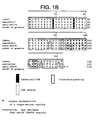
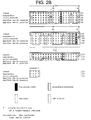
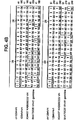
- Example V Computer modeling of the 12B4 antibody heavy and light chain variable regions, and humanization of the 12B4 antibody is described in Example V. Briefly, a three-dimensional model is generated based on the closest solved murine antibody structures for the heavy and light chains. The model is further refined by a series of energy minimization steps to relieve unfavorable atomic contacts and optimize electrostatic and van der Walls interactions.
- Three-dimensional structural information for the antibodies described herein is publicly available, for example, from the Research Collaboratory for Structural Bioinformatics' Protein Data Bank (PDB).
- PDB is freely accessible via the World Wide Web internet and is described by Berman et al. (2000) Nucleic Acids Research, 28:235 .
- Computer modeling allows for the identification of CDR-interacting residues.
- the computer model of the structure of 12B4 can in turn serve as a starting point for predicting the three-dimensional structure of an antibody containing the 12B4 complementarity determining regions substituted in human framework structures. Additional models can be constructed representing the structure as further amino acid substitutions are introduced.
- the humanized antibodies of the present invention will usually contain a substitution of a human light chain framework residue with a corresponding 12B4 residue in at least 1, 2, 3 or more of the chosen positions.
- the humanized antibodies also usually contain a substitution of a human heavy chain framework residue with a corresponding 12B4 residue in at least 1, 2, 3 or more of the chosen positions.
- Table 1 summarizes the sequence analysis of the 12B4 VH and VL regions. Additional mouse and human structures that can be used for computer modeling of the 12B4 antibody and additional human antibodies are set forth as well as germline sequences that can be used in selecting amino acid substitutions. Rare mouse residues are also set forth in Table 1. Rare mouse residues are identified by comparing the donor VL and/or VH sequences with the sequences of other members of the subgroup to which the donor VL and/or VH sequences belong (according to Kabat) and identifying the residue positions which differ from the consensus. These donor specific differences may point to somatic mutations which enhance activity. Unusual or rare residues close to the binding site may possibly contact the antigen, making it desirable to retain the mouse residue.
- the unusual mouse residue is not important for binding, use of the corresponding acceptor residue is preferred as the mouse residue may create immunogenic neoepitopes in the humanized antibody.
- the preferred residue is clearly the acceptor residue. Table 1.
- Kabat ID sequences referenced herein are publicly available, for example, from the Northwestern University Biomedical Engineering Department's Kabat Database of Sequences of Proteins of Immunological Interest. Three-dimensional structural information for antibodies described herein is publicly available, for example, from the Research Collaboratory for Structural Bioinformatics' Protein Data Bank (PDB).
- PDB is freely accessible via the World Wide Web internet and is described by Berman et al. (2000) Nucleic Acids Research, p235-242 .
- Germline gene sequences referenced herein are publicly available, for example, from the National Center for Biotechnology Information (NCBI) database of sequences in collections of Igh, Ig kappa and Ig lambda germline V genes (as a division of the National Library of Medicine (NLM) at the National Institutes of Health (NIH)). Homology searching of the NCBI "Ig Germline Genes" database is provided by IgG BLASTTM.
- NCBI National Center for Biotechnology Information
- a humanized antibody of the present invention contains (i) a light chain comprising a variable domain comprising murine 12B4 VL CDRs and a human acceptor framework, the framework having at least one, residue substituted with the corresponding 12B4 residue and (ii) a heavy chain comprising 12B4 VH CDRs and a human acceptor framework, the framework having at least one, preferably two, three, four, five, six, seven, eight, or nine residues substituted with the corresponding 12B4 residue, and, optionally, at least one, preferably two or three residues substituted with a corresponding human germline residue.
- a humanized antibody of the present invention has structural features, as described herein, and further has at least one (preferably two, three, or four of the following activities: (1) binds A ⁇ in plaques (e.g., staining of AD and/or PDAPP plaques); (2) binds A ⁇ with two- to three- fold higher binding affinity as compared to chimeric 12B4 ( e.g., 12B4 having murine variable region sequences and human constant region sequences); (3) mediates phagocytosis of A ⁇ ( e.g., in an ex vivo phagocytosis assay, as described herein); and (4) crosses the blood-brain barrier ( e.g., demonstrates short-term brain localization, for example, in a PDAPP animal model, as described herein).
- at least one preferably two, three, or four of the following activities: (1) binds A ⁇ in plaques (e.g., staining of AD and/or PDAPP plaques); (2) binds A ⁇ with two-
- a humanized antibody of the present invention has structural features, as described herein, binds A ⁇ in a manner or with an affinity sufficient to elicit at least one of the following in vivo effects: (1) reduce A ⁇ plaque burden; (2) prevent plaque formation; (3) reduce levels of soluble A ⁇ ; (4) reduce the neuritic pathology associated with an amyloidogenic disorder; (5) lessen or ameliorate at least one physiological symptom associated with an amyloidogenic disorder; and/or (6) improve cognitive function.
- a humanized antibody of the present invention has structural features, as described herein, and specifically binds to an epitope comprising residues 3-7 of A ⁇ .
- a humanized antibody of the present invention has structural features, as described herein, binds to an N-terminal epitope within A ⁇ (e.g., binds to an epitope within amino acids 3-7 of A ⁇ ), and is capable of reducing (1) A ⁇ peptide levels; (2) A ⁇ plaque burden; and (3) the neuritic burden or neuritic dystrophy associated with an amyloidogenic disorder.
- Activities described above can be determined utilizing any one of a variety of assays described herein or in the art (e.g., binding assays, phagocytosis assays, etc.). Activities can be assayed either in vivo ( e.g., using labeled assay components and/or imaging techniques) or in vitro ( e.g., using samples or specimens derived from a subject). Activities can be assayed either directly or indirectly. In certain preferred embodiments, neurological endpoints (e.g., amyloid burden, neuritic burden, etc) are assayed.
- Such endpoints can be assayed in living subjects ( e.g., in animal models of Alzheimer's disease or in human subjects, for example, undergoing immunotherapy) using non-invasive detection methodologies. Alternatively, such endpoints can be assayed in subjects post mortem. Assaying such endpoints in animal models and/or in human subjects post mortem is useful in assessing the effectiveness of various agents (e.g., humanized antibodies) to be utilized in similar immunotherapeutic applications. In other preferred embodiments, behavioral or neurological parameters can be assessed as indicators of the above neuropathological activities or endpoints.
- nucleic acid sequences will encode each immunoglobulin amino acid sequence.
- the desired nucleic acid sequences can be produced by de novo solid-phase DNA synthesis or by PCR mutagenesis of an earlier prepared variant of the desired polynucleotide. Oligonucleotide-mediated mutagenesis is a preferred method for preparing substitution, deletion and insertion variants of target polypeptide DNA. See Adelman et al., DNA 2:183 (1983 ).
- the target polypeptide DNA is altered by hybridizing an oligonucleotide encoding the desired mutation to a single-stranded DNA template. After hybridization, a DNA polymerase is used to synthesize an entire second complementary strand of the template that incorporates the oligonucleotide primer, and encodes the selected alteration in the target polypeptide DNA.
- variable segments of antibodies produced as described supra are typically linked to at least a portion of an immunoglobulin constant region (Fc region), typically that of a human immunoglobulin.
- Fc region immunoglobulin constant region
- Human constant region DNA sequences can be isolated in accordance with well known procedures from a variety of human cells, but preferably immortalized B cells (see Kabat et al., supra, and Liu et al., W087/02671 ). Ordinarily, the antibody will contain both light chain and heavy chain constant regions.
- the heavy chain constant region usually includes CH1, hinge, CH2, CH3, and CH4 regions.
- the antibodies described herein include antibodies having all types of constant regions, including IgM, IgG, IgD, IgA and IgE, and any isotype, including IgG1, IgG2, IgG3 and IgG4.
- the constant domain is usually a complement fixing constant domain and the class is typically IgG1.
- Human isotype IgG1 is preferred.
- Light chain constant regions can be lambda or kappa.
- the humanized antibody may comprise sequences from more than one class or isotype.
- Antibodies can be expressed as tetramers containing two light and two heavy chains, as separate heavy chains, light chains, as Fab, Fab' F(ab')2, and Fv, or as single chain antibodies in which heavy and light chain variable domains are linked through a spacer.
- Chimeric and humanized antibodies are typically produced by recombinant expression.
- Nucleic acids encoding light and heavy chain variable regions, optionally linked to constant regions, are inserted into expression vectors.
- the light and heavy chains can be cloned in the same or different expression vectors.
- the DNA segments encoding immunoglobulin chains are operably linked to control sequences in the expression vector(s) that ensure the expression of immunoglobulin polypeptides.
- Expression control sequences include, but are not limited to, promoters ( e.g., naturally-associated or heterologous promoters), signal sequences, enhancer elements, and transcription termination sequences.
- the expression control sequences are eukaryotic promoter systems in vectors capable of transforming or transfecting eukaryotic host cells. Once the vector has been incorporated into the appropriate host, the host is maintained under conditions suitable for high level expression of the nucleotide sequences, and the collection and purification of the crossreacting antibodies.
- expression vectors are typically replicable in the host organisms either as episomes or as an integral part of the host chromosomal DNA.
- expression vectors contain selection markers (e.g., ampicillin-resistance, hygromycin-resistance, tetracycline resistance, kanamycin resistance or neomycin resistance) to permit detection of those cells transformed with the desired DNA sequences (see, e.g., Itakura et al., US Patent 4,704,362 ).
- E. coli is one prokaryotic host particularly useful for cloning the polynucleotides (e.g., DNA sequences) of the present invention.
- Other microbial hosts suitable for use include bacilli, such as Bacillus subtilis, and other enterobacteriaceae, such as Salmonella, Serratia, and various Pseudomonas species.
- bacilli such as Bacillus subtilis
- enterobacteriaceae such as Salmonella, Serratia, and various Pseudomonas species.
- expression vectors which will typically contain expression control sequences compatible with the host cell (e.g., an origin of replication).
- any number of a variety of well-known promoters will be present, such as the lactose promoter system, a tryptophan (trp) promoter system, a beta-lactamase promoter system, or a promoter system from phage lambda.
- the promoters will typically control expression, optionally with an operator sequence, and have ribosome binding site sequences and the like, for initiating and completing transcription and translation.
- yeast Other microbes, such as yeast, are also useful for expression.
- Saccharomyces is a preferred yeast host, with suitable vectors having expression control sequences (e.g., promoters), an origin of replication, termination sequences and the like as desired.
- Typical promoters include 3-phosphoglycerate kinase and other glycolytic enzymes.
- Inducible yeast promoters include, among others, promoters from alcohol dehydrogenase, isocytochrome C, and enzymes responsible for maltose and galactose utilization.
- mammalian tissue cell culture may also be used to express and produce the polypeptides of the present invention (e.g., polynucleotides encoding immunoglobulins or fragments thereof). See Winnacker, From Genes to Clones, VCH Publishers, N.Y., N.Y. (1987 ).
- Eukaryotic cells are actually preferred, because a number of suitable host cell lines capable of secreting heterologous proteins (e.g., intact immunoglobulins) have been developed in the art, and include CHO cell lines, various Cos cell lines, HeLa cells, preferably, myeloma cell lines, or transformed B-cells or hybridomas.
- the cells are nonhuman.
- Expression vectors for these cells can include expression control sequences, such as an origin of replication, a promoter, and an enhancer ( Queen et al., Immunol. Rev. 89:49 (1986 )), and necessary processing information sites, such as ribosome binding sites, RNA splice sites, polyadenylation sites, and transcriptional terminator sequences.
- Preferred expression control sequences are promoters derived from immunoglobulin genes, SV40, adenovirus, bovine papilloma virus, cytomegalovirus and the like. See Co et al., J. Immunol. 148:1149 (1992 ).
- antibody-coding sequences can be incorporated in transgenes for introduction into the genome of a non-human transgenic animal and subsequent expression in the milk of the non-human transgenic animal (see, e.g., Deboer et al., US 5,741,957 , Rosen, US 5,304,489 , and Meade et al., US 5,849,992 ).
- Suitable transgenes include coding sequences for light and/or heavy chains in operable linkage with a promoter and enhancer from a mammary gland specific gene, such as casein or beta lactoglobulin.
- the vectors containing the polynucleotide sequences of interest can be transferred into the host cell by well-known methods, which vary depending on the type of cellular host. For example, calcium chloride transfection is commonly utilized for prokaryotic cells, whereas calcium phosphate treatment, electroporation, lipofection, biolistics or viral-based transfection may be used for other cellular hosts. (See generally Sambrook et al., Molecular Cloning: A Laboratory Manual (Cold Spring Harbor Press, 2nd ed., 1989 ) (incorporated by reference in its entirety for all purposes).
- transgenic animals can be microinjected into fertilized oocytes, or can be incorporated into the genome of embryonic stem cells, and the nuclei of such cells transferred into enucleated oocytes.
- the vectors When heavy and light chains are cloned on separate expression vectors, the vectors are co-transfected to obtain expression and assembly of intact immunoglobulins. Once expressed, the whole antibodies, their dimers, individual light and heavy chains, or other immunoglobulin forms of the present invention can be purified according to standard procedures of the art, including ammonium sulfate precipitation, affinity columns, column chromatography, HPLC purification, gel electrophoresis and the like (see generally Scopes, Protein Purification (Springer-Verlag, N.Y., (1982 )). Substantially pure immunoglobulins of at least about 90 to 95% homogeneity are preferred, and 98 to 99% or more homogeneity most preferred, for pharmaceutical uses.
- antibody fragments are also contemplated within the scope of the instant invention.
- fragments of non-human, and/or chimeric antibodies are provided.
- fragments of humanized antibodies are provided. Typically, these fragments exhibit specific binding to antigen with an affinity of at least 10 7 , and more typically 10 8 or 10 9 M -1 .
- Humanized antibody fragments include separate heavy chains, light chains, Fab, Fab', F(ab')2, Fabc, and Fv. Fragments are produced by recombinant DNA techniques, or by enzymatic or chemical separation of intact immunoglobulins.
- mice Groups of 7-9 month old PDAPP mice each are injected with 0.5 mg in PBS of polyclonal anti-A ⁇ or specific anti-A ⁇ monoclonal antibodies. All antibody preparations are purified to have low endotoxin levels. Monoclonals can be prepared against a fragment by injecting the fragment or longer form of A ⁇ into a mouse, preparing hybridomas and screening the hybridomas for an antibody that specifically binds to a desired fragment of A ⁇ without binding to other nonoverlapping fragments of A ⁇ .
- mice are injected intraperitoneally as needed over a 4 month period to maintain a circulating antibody concentration measured by ELISA titer of greater than 1/1000 defined by ELISA to A ⁇ 42 or other immunogen. Titers are monitored and mice are euthanized at the end of 6 months of injections. Histochemistry, A ⁇ levels and toxicology are performed post mortem. Ten mice are used per group.
- the invention also provides methods of screening an antibody for activity in clearing an amyloid deposit or any other antigen, or associated biological entity, for which clearing activity is desired.
- a tissue sample from a brain of a patient with Alzheimer's disease or an animal model having characteristic Alzheimer's pathology is contacted with phagocytic cells bearing an Fc receptor, such as microglial cells, and the antibody under test in a medium in vitro.
- the phagocytic cells can be a primary culture or a cell line, and can be of murine ( e.g., BV-2 or C8-B4 cells) or human origin ( e.g., THP-1 cells).
- the components are combined on a microscope slide to facilitate microscopic monitoring.
- multiple reactions are performed in parallel in the wells of a microtiter dish.
- a separate miniature microscope slide can be mounted in the separate wells, or a nonmicroscopic detection format, such as ELISA detection of A ⁇ can be used.
- a series of measurements is made of the amount of amyloid deposit in the in vitro reaction mixture, starting from a baseline value before the reaction has proceeded, and one or more test values during the reaction.
- the antigen can be detected by staining, for example, with a fluorescently labeled antibody to A ⁇ or other component of amyloid plaques.
- the antibody used for staining may or may not be the same as the antibody being tested for clearing activity.
- a reduction relative to baseline during the reaction of the amyloid deposits indicates that the antibody under test has clearing activity.
- Such antibodies are likely to be useful in preventing or treating Alzheimer's and other amyloidogenic diseases.
- Particularly useful antibodies for preventing or treating Alzheimer's and other amyloidogenic diseases include those capable of clearing both compact and diffuse amyloid plaques, for example, the 12B4 antibody of the instant invention, or chimeric or humanized versions thereof.
- Analogous methods can be used to screen antibodies for activity in clearing other types of biological entities.
- the assay can be used to detect clearing activity against virtually any kind of biological entity.
- the biological entity has some role in human or animal disease.
- the biological entity can be provided as a tissue sample or in isolated form. If provided as a tissue sample, the tissue sample is preferably unfixed to allow ready access to components of the tissue sample and to avoid perturbing the conformation of the components incidental to fixing.
- tissue bearing pathological matrices between cells e.g., fibrinous pericarditis
- tissue bearing aberrant antigens e.g., scar tissue.
- isolated biological entities that can be used include A ⁇ , viral antigens or viruses, proteoglycans, antigens of other pathogenic microorganisms, tumor antigens, and adhesion molecules. Such antigens can be obtained from natural sources, recombinant expression or chemical synthesis, among other means.
- the tissue sample or isolated biological entity is contacted with phagocytic cells bearing Fc receptors, such as monocytes or microglial cells, and an antibody to be tested in a medium.
- the antibody can be directed to the biological entity under test or to an antigen associated with the entity. In the latter situation, the object is to test whether the biological entity is phagocytosed with the antigen.
- the antibody and biological entity are contacted with each other before adding the phagocytic cells.
- the concentration of the biological entity and/or the associated antigen remaining in the medium, if present, is then monitored. A reduction in the amount or concentration of antigen or the associated biological entity in the medium indicates the antibody has a clearing response against the antigen and/or associated biological entity in conjunction with the phagocytic cells (see, e.g., Example IV).
- the effector function of an antibody resides in the constant or Fc region of the molecule which can mediate binding to various effector molecules, e.g., complement proteins or Fc receptors.
- the binding of complement to the Fc region is important, for example, in the opsonization and lysis of cell pathogens and the activation of inflammatory responses.
- the binding of antibody to Fc receptors, for example, on the surface of effector cells can trigger a number of important and diverse biological responses including, for example, engulfment and destruction of antibody-coated pathogens or particles, clearance of immune complexes, lysis of antibody-coated target cells by killer cells (i.e., antibody-dependent cell-mediated cytotoxicity, or ADCC), release of inflammatory mediators, placental transfer of antibodies, and control of immunoglobulin production.
- killer cells i.e., antibody-dependent cell-mediated cytotoxicity, or ADCC
- the above-mentioned immune functions may be desirable.
- various aspects of the effector function of the molecule including enhancing or suppressing various reactions of the immune system, with beneficial effects in diagnosis and therapy, are achieved.
- the antibodies of the invention can be produced which react only with certain types of Fc receptors, for example, the antibodies of the invention can be modified to bind to only certain Fc receptors, or if desired, lack Fc receptor binding entirely, by deletion or alteration of the Fc receptor binding site located in the Fc region of the antibody.
- Other desirable alterations of the Fc region of an antibody of the invention are cataloged below.
- the Kabat numbering system is used to indicate which amino acid residue(s) of the Fc region (e.g., of an IgG antibody) are altered ( e.g., by amino acid substitution) in order to achieve a desired change in effector function.
- the numbering system is also employed to compare antibodies across species such that a desired effector function observed in, for example, a mouse antibody, can then be systematically engineered into a human, humanized, or chimeric antibody of the invention.
- antibodies e.g., IgG antibodies
- Fc receptor e.g., an Fc receptor on human monocytes (Fc ⁇ RI)
- Fc ⁇ RI Fc receptor on human monocytes
- Leu-Leu-Gly-Gly-Pro (SEQ ID NO: 39) in the strong binders becomes Leu-Glu-Gly-Gly-Pro (SEQ ID NO: 40) in mouse gamma 2b, i.e., weak binders. Accordingly, a corresponding change in a human antibody hinge sequence can be made if reduced Fc ⁇ I receptor binding is desired. It is understood that other alterations can be made to achieve the same or similar results.
- the affinity of Fc ⁇ RI binding can be altered by replacing the specified residue with a residue having an inappropriate functional group on its sidechain, or by introducing a charged functional group (e.g., Glu or Asp) or for example an aromatic non-polar residue (e.g., Phe, Tyr, or Trp).
- a charged functional group e.g., Glu or Asp
- an aromatic non-polar residue e.g., Phe, Tyr, or Trp
- the antibodies of the invention can also have an altered Fc region with altered binding affinity for Fc ⁇ RI as compared with the unmodified antibody.
- Such an antibody conveniently has a modification at amino acid residue 234, 235, 236, or 237.
- Affinity for other Fc receptors can be altered by a similar approach, for controlling the immune response in different ways.
- the lytic properties of IgG antibodies following binding of the Cl component of complement can be altered.
- the first component of the complement system, Cl comprises three proteins known as Clq, Clr and Cls which bind tightly together. It has been shown that Clq is responsible for binding of the three protein complex to an antibody.
- the Clq binding activity of an antibody can be altered by providing an antibody with an altered CH 2 domain in which at least one of the amino acid residues 318, 320, and 322 of the heavy chain has been changed to a residue having a different side chain.
- the numbering of the residues in the heavy chain is that of the EU index (see Kabat et al., supra).
- Other suitable alterations for altering, e.g., reducing or abolishing specific Clq-binding to an antibody include changing any one of residues 318 (Glu), 320 (Lys) and 322 (Lys), to Ala.
- Clq binding activity can be abolished by replacing any one of the three specified residues with a residue having an inappropriate functionality on its side chain. It is not necessary to replace the ionic residues only with Ala to abolish Clq binding. It is also possible to use other alkyl-substituted non-ionic residues, such as Gly, Ile, Leu, or Val, or such aromatic non-polar residues as Phe, Tyr, Trp and Pro in place of any one of the three residues in order to abolish Clq binding. In addition, it is also be possible to use such polar non-ionic residues as Ser, Thr, Cys, and Met in place of residues 320 and 322, but not 318, in order to abolish Clq binding activity.
- the invention also provides an antibody having an altered effector function wherein the antibody has a modified hinge region.
- the modified hinge region may comprise a complete hinge region derived from an antibody of different antibody class or subclass from that of the CH1 domain.
- the constant domain (CH1) of a class IgG antibody can be attached to a hinge region of a class IgG4 antibody.
- the new hinge region may comprise part of a natural hinge or a repeating unit in which each unit in the repeat is derived from a natural hinge region.
- the natural hinge region is altered by converting one or more cysteine residues into a neutral residue, such as alanine, or by converting suitably placed residues into cysteine residues. Such alterations are carried out using art recognized protein chemistry and, preferably, genetic engineering techniques, as described herein.
- the number of cysteine residues in the hinge region of the antibody is reduced, for example, to one cysteine residue.
- This modification has the advantage of facilitating the assembly of the antibody, for example, bispecific antibody molecules and antibody molecules wherein the Fc portion has been replaced by an effector or reporter molecule, since it is only necessary to form a single disulfide bond.
- This modification also provides a specific target for attaching the hinge region either to another hinge region or to an effector or reporter molecule, either directly or indirectly, for example, by chemical means.
- the number of cysteine residues in the hinge region of the antibody is increased, for example, at least one more than the number of normally occurring cysteine residues. Increasing the number of cysteine residues can be used to stabilize the interactions between adjacent hinges. Another advantage of this modification is that it facilitates the use of cysteine thiol groups for attaching effector or reporter molecules to the altered antibody, for example, a radiolabel.
- the invention provides for an exchange of hinge regions between antibody classes, in particular, IgG classes, and/or an increase or decrease in the number of cysteine residues in the hinge region in order to achieve an altered effector function (see for example U.S. Patent No. 5,677,425 ).
- a determination of altered antibody effector function is made using the assays described herein or other art recognized techniques.
- the resultant antibody can be subjected to one or more assays to evaluate any change in biological activity compared to the starting antibody.
- the ability of the antibody with an altered Fc region to bind complement or Fc receptors can be assessed using the assays disclosed herein as well as any art recognized assay.
- Production of the antibodies of the invention is carried out by any suitable technique including techniques described herein as well as techniques known to those skilled in the art.
- an appropriate protein sequence e.g. forming part of or all of a relevant constant domain, e.g., Fc region, i.e., CH2, and/or CH3 domain(s), of an antibody, and include appropriately altered residue(s) can be synthesized and then chemically joined into the appropriate place in an antibody molecule.
- genetic engineering techniques are used for producing an altered antibody.
- Preferred techniques include, for example, preparing suitable primers for use in polymerase chain reaction (PCR) such that a DNA sequence which encodes at least part of an IgG heavy chain, e.g., an Fc or constant region (e.g., CH2, and/or CH3) is altered, at one or more residues.
- PCR polymerase chain reaction
- the segment can then be operably linked to the remaining portion of the antibody, e.g., the variable region of the antibody and required regulatory elements for expression in a cell.
- the present invention also includes vectors used to transform the cell line, vectors used in producing the transforming vectors, cell lines transformed with the transforming vectors, cell lines transformed with preparative vectors, and methods for their production.
- the cell line which is transformed to produce the antibody with an altered Fc region is an immortalized mammalian cell line (e.g., CHO cell).
- the cell line used to produce the antibody with an altered Fc region is preferably a mammalian cell line, any other suitable cell line, such as a bacterial cell line or a yeast cell line, may alternatively be used.
- Immune responses against amyloid deposits can also be induced by administration of nucleic acids encoding antibodies and their component chains used for passive immunization.
- nucleic acids can be DNA or RNA.
- a nucleic acid segment encoding an immunogen is typically linked to regulatory elements, such as a promoter and enhancer, that allow expression of the DNA segment in the intended target cells of a patient.
- regulatory elements such as a promoter and enhancer
- promoter and enhancer elements from light or heavy chain immunoglobulin genes or the CMV major intermediate early promoter and enhancer are suitable to direct expression.
- the linked regulatory elements and coding sequences are often cloned into a vector.
- the two chains can be cloned in the same or separate vectors.
- a number of viral vector systems are available including retroviral systems (see, e.g., Lawrie and Tumin, Cur. Opin. Genet. Develop. 3:102-109 (1993 )); adenoviral vectors ( see, e.g., Bett et al., J. Virol. 67:5911 (1993 )); adeno-associated virus vectors (see, e.g., Zhou et al., J. Exp. Med.
- viral vectors from the pox family including vaccinia virus and the avian pox viruses, viral vectors from the alpha virus genus such as those derived from Sindbis and Semliki Forest Viruses ( see, e.g., Dubensky et al., J. Virol.
- Venezuelan equine encephalitis virus see Johnston et al., US 5,643,576
- rhabdoviruses such as vesicular stomatitis virus (see Rose, 6,168,943 ) and papillomaviruses ( Ohe et al., Human Gene Therapy 6:325 (1995 ); Woo et al., WO 94/12629 and Xiao & Brandsma, Nucleic Acids. Res. 24, 2630-2622 (1996 )).
- DNA encoding an immunogen can be packaged into liposomes. Suitable lipids and related analogs are described by Eppstein et al., US 5,208,036 , Felgner et al., US 5,264,618 , Rose, US 5,279,833 , and Epand et al., US 5,283,185 . Vectors and DNA encoding an immunogen can also be adsorbed to or associated with particulate carriers, examples of which include polymethyl methacrylate polymers and polylactides and poly (lactide-co-glycolides), see, e.g., McGee et al., J. Micro Encap. (1996 ).
- Gene therapy vectors or naked polypeptides can be delivered in vivo by administration to an individual patient, typically by systemic administration (e.g., intravenous, intraperitoneal, nasal, gastric, intradermal, intramuscular, subdermal, or intracranial infusion) or topical application (see e.g., Anderson et al., US 5,399,346 ).
- systemic administration e.g., intravenous, intraperitoneal, nasal, gastric, intradermal, intramuscular, subdermal, or intracranial infusion
- topical application see e.g., Anderson et al., US 5,399,346 .
- naked polynucleotide refers to a polynucleotide not complexed with colloidal materials. Naked polynucleotides are sometimes cloned in a plasmid vector.
- Such vectors can further include facilitating agents such as bupivacine ( Weiner et al., US 5,593,972 ).
- DNA can also be administered using a gene gun. See Xiao & Brandsma, supra.
- the DNA encoding an immunogen is precipitated onto the surface of microscopic metal beads.
- the microprojectiles are accelerated with a shock wave or expanding helium gas, and penetrate tissues to a depth of several cell layers.
- the AccelTM Gene Delivery Device manufactured by Agricetus, Inc. Middleton WI is suitable.
- naked DNA can pass through skin into the blood stream simply by spotting the DNA onto skin with chemical or mechanical irritation (see Howell et al., WO 95/05853 ).
- vectors encoding immunogens can be delivered to cells ex vivo, such as cells explanted from an individual patient (e.g., lymphocytes, bone marrow aspirates, tissue biopsy) or universal donor hematopoietic stem cells, followed by reimplantation of the cells into a patient, usually after selection for cells which have incorporated the vector.
- cells ex vivo such as cells explanted from an individual patient (e.g., lymphocytes, bone marrow aspirates, tissue biopsy) or universal donor hematopoietic stem cells, followed by reimplantation of the cells into a patient, usually after selection for cells which have incorporated the vector.
- the present disclosure is directed inter alia to treatment of Alzheimer's and other amyloidogenic diseases by administration of therapeutic immunological reagents (e.g., humanized immunoglobulins) to specific epitopes within A ⁇ to a patient under conditions that generate a beneficial therapeutic response in a patient (e.g., induction of phagocytosis of A ⁇ , reduction of plaque burden, inhibition of plaque formation, reduction of neuritic dystrophy, improving cognitive function, and/or reversing, treating or preventing cognitive decline) in the patient, for example, for the prevention or treatment of an amyloidogenic disease.
- the disclosure is also directed to use of the disclosed immunological reagents (e.g., humanized immunoglobulins) in the manufacture of a medicament for the treatment or prevention of an amyloidogenic disease.
- the disclosure provides methods of preventing or treating a disease associated with amyloid deposits of A ⁇ in the brain of a patient.
- diseases include Alzheimer's disease, Down's syndrome and cognitive impairment. The latter can occur with or without other characteristics of an amyloidogenic disease.
- Some methods entail administering an effective dosage of an antibody that specifically binds to a component of an amyloid deposit to the patient. Such methods are particularly useful for preventing or treating Alzheimer's disease in human patients.
- the methods entail administering an effective dosage of an antibody that specifically binds to A ⁇ ,
- the invention features administering antibodies that bind to an epitope within residues of 3-7 of A ⁇ wherein residue 7 of A ⁇ is aspartic acid.
- the invention features administering antibodies that specifically bind to A ⁇ peptide without binding to full-length amyloid precursor protein (APP).
- the isotype of the antibody is human IgG1.
- the disclosure features administering antibodies that bind to an amyloid deposit in the patient and induce a clearing response against the amyloid deposit.
- a clearing response can be effected by Fc receptor mediated phagocytosis.
- Therapeutic agents of the invention are typically substantially pure from undesired contaminant. This means that an agent is typically at least about 50% w/w (weight/weight) purity, as well as being substantially free from interfering proteins and contaminants. Sometimes the agents are at least about 80% w/w and, more preferably at least 90 or about 95% w/w purity. However, using conventional protein purification techniques, homogeneous peptides of at least 99% w/w can be obtained.
- the methods can be used on both asymptomatic patients and those currently showing symptoms of disease.
- the antibodies used in such methods can be human, humanized, chimeric or nonhuman antibodies, or fragments thereof ( e.g., antigen binding fragments) and can be monoclonal or polyclonal, as described herein.
- the invention features administering antibodies prepared from a human immunized with A ⁇ peptide, which human can be the patient to be treated with antibody.
- the invention features administering an antibody with a pharmaceutical carrier as a pharmaceutical composition.
- the antibody can be administered to a patient by administering a polynucleotide encoding at least one antibody chain.
- the polynucleotide is expressed to produce the antibody chain in the patient.
- the polynucleotide encodes heavy and light chains of the antibody.
- the polynucleotide is expressed to produce the heavy and light chains in the patient.
- the patient is monitored for level of administered antibody in the blood of the patient.
- the invention thus fulfills a longstanding need for therapeutic regimes for preventing or ameliorating the neuropathology and, in some patients, the cognitive impairment associated with Alzheimer's disease.
- Patients amenable to treatment include individuals at risk of disease but not showing symptoms, as well as patients presently showing symptoms.
- Alzheimer's disease virtually anyone is at risk of suffering from Alzheimer's disease if he or she lives long enough. Therefore, the present methods can be administered prophylactically to the general population without the need for any assessment of the risk of the subject patient.
- the present methods are especially useful for individuals who have a known genetic risk of Alzheimer's disease. Such individuals include those having relatives who have experienced this disease, and those whose risk is determined by analysis of genetic or biochemical markers. Genetic markers of risk toward Alzheimer's disease include mutations in the APP gene, particularly mutations at position 717 and positions 670 and 671 referred to as the Hardy and Swedish mutations respectively (see Hardy, supra ).
- markers of risk are mutations in the presenilin genes, PS1 and PS2, and ApoE4, family history of AD, hypercholesterolemia or atherosclerosis.
- Individuals presently suffering from Alzheimer's disease can be recognized from characteristic dementia, as well as the presence of risk factors described above.
- a number of diagnostic tests are available for identifying individuals who have AD. These include measurement of CSF tau and A ⁇ 42 levels. Elevated tau and decreased A ⁇ 42 levels signify the presence of AD.
- Individuals suffering from Alzheimer's disease can also be diagnosed by ADRDA criteria as discussed in the Examples section.
- treatment can begin at any age ( e.g., 10, 20, 30). Usually, however, it is not necessary to begin treatment until a patient reaches 40, 50, 60 or 70. Treatment typically entails multiple dosages over a period of time. Treatment can be monitored by assaying antibody levels over time. If the response falls, a booster dosage is indicated. In the case of potential Down's syndrome patients, treatment can begin antenatally by administering therapeutic agent to the mother or shortly after birth.
- compositions or medicaments are administered to a patient susceptible to, or otherwise at risk of, Alzheimer's disease in an amount sufficient to eliminate or reduce the risk, lessen the severity, or delay the outset of the disease, including biochemical, histologic and/or behavioral symptoms of the disease, its complications and intermediate pathological phenotypes presenting during development of the disease.
- compositions or medicaments are administered to a patient suspected of, or already suffering from such a disease in an amount sufficient to cure, or at least partially arrest, the symptoms of the disease (biochemical, histologic and/or behavioral), including its complications and intermediate pathological phenotypes in development of the disease.
- agent reduces or eliminates myocognitive impairment in patients that have not yet developed characteristic Alzheimer's pathology.
- An amount adequate to accomplish therapeutic or prophylactic treatment is defined as a therapeutically- or prophylactically-effective dose.
- agents are usually administered in several dosages until a sufficient immune response has been achieved.
- immuno response or "immunological response” includes the development of a humoral (antibody mediated) and/or a cellular (mediated by antigen-specific T cells or their secretion products) response directed against an antigen in a recipient subject.
- Such a response can be an active response, i.e., induced by administration of immunogen, or a passive response, i.e., induced by administration of immunoglobulin or antibody or primed T-cells.
- a passive response i.e., induced by administration of immunoglobulin or antibody or primed T-cells.
- the immune response is monitored and repeated dosages are given if the immune response starts to wane.
- Effective doses of the compositions of the present invention, for the treatment of the above described conditions vary depending upon many different factors, including means of administration, target site, physiological state of the patient, whether the patient is human or an animal, other medications administered, and whether treatment is prophylactic or therapeutic.
- the patient is a human but non-human mammals including transgenic mammals can also be treated. Treatment dosages need to be titrated to optimize safety and efficacy.
- the dosage ranges from about 0.0001 to 100 mg/kg, and more usually 0.01 to 5 mg/kg (e.g., 0.02 mg/kg, 0.25 mg/kg, 0.5 mg/kg, 0.75 mg/kg, 1mg/kg, 2 mg/kg, etc.), of the host body weight.
- dosages can be 1 mg/kg body weight or 10 mg/kg body weight or within the range of 1-10 mg/kg, preferably at least 1 mg/kg.
- Doses intermediate in the above ranges are also intended to be within the scope of the invention. Subjects can be administered such doses daily, on alternative days, weekly or according to any other schedule determined by empirical analysis.
- An exemplary treatment entails administration in multiple dosages over a prolonged period, for example, of at least six months. Additional exemplary treatment regimes entail administration once per every two weeks or once a month or once every 3 to 6 months. Exemplary dosage schedules include 1-10 mg/kg or 15 mg/kg on consecutive days, 30 mg/kg on alternate days or 60 mg/kg weekly. In some methods, two or more monoclonal antibodies with different binding specificities are administered simultaneously, in which case the dosage of each antibody administered falls within the ranges indicated.
- Antibody is usually administered on multiple occasions. Intervals between single dosages can be weekly, monthly or yearly. Intervals can also be irregular as indicated by measuring blood levels of antibody to A ⁇ in the patient. In some methods, dosage is adjusted to achieve a plasma antibody concentration of 1-1000 ⁇ g/ml and in some methods 25-300 ⁇ g/ml. Alternatively, antibody can be administered as a sustained release formulation, in which case less frequent administration is required. Dosage and frequency vary depending on the half-life of the antibody in the patient. In general, humanized antibodies show the longest half-life, followed by chimeric antibodies and nonhuman antibodies.
- compositions containing the present antibodies or a cocktail thereof are administered to a patient not already in the disease state to enhance the patient's resistance. Such an amount is defined to be a "prophylactic effective dose.”
- prophylactic effective dose the precise amounts again depend upon the patient's state of health and general immunity, but generally range from 0.1 to 25 mg per dose, especially 0.5 to 2.5 mg per dose.
- a relatively low dosage is administered at relatively infrequent intervals over a long period of time.
- a relatively high dosage e.g., from about 1 to 200 mg of antibody per dose, with dosages of from 5 to 25 mg being more commonly used
- a relatively short intervals is sometimes required until progression of the disease is reduced or terminated, and preferably until the patient shows partial or complete amelioration of symptoms of disease. Thereafter, the patent can be administered a prophylactic regime.
- Doses for nucleic acids encoding antibodies range from about 10 ng to 1 g, 100 ng to 100 mg, 1 ⁇ g to 10 mg, or 30-300 ⁇ g DNA per patient.
- Doses for infectious viral vectors vary from 10-100, or more, virions per dose.
- Therapeutic agents can be administered by parenteral, topical, intravenous, oral, subcutaneous, intraarterial, intracranial, intraperitoneal, intranasal or intramuscular means for prophylactic and/or therapeutic treatment.
- the most typical route of administration of an immunogenic agent is subcutaneous although other routes can be equally effective.
- the next most common route is intramuscular injection. This type of injection is most typically performed in the arm or leg muscles.
- agents are injected directly into a particular tissue where deposits have accumulated, for example intracranial injection. Intramuscular injection or intravenous infusion are preferred for administration of antibody.
- particular therapeutic antibodies are injected directly into the cranium.
- antibodies are administered as a sustained release composition or device, such as a Medipad TM device.
- Agents of the invention can optionally be administered in combination with other agents that are at least partly effective in treatment of amyloidogenic disease.
- agents of the invention can also be administered in conjunction with other agents that increase passage of the agents of the invention across the blood-brain barrier.
- Agents of the invention can also be administered in combination with other agents that enhance access of the therapeutic agent to a target cell or tissue, for example, liposomes and the like. Coadministering such agents can decrease the dosage of a therapeutic agent (e.g., therapeutic antibody or antibody chain) needed to achieve a desired effect.
- compositions comprising an active therapeutic agent, i.e., and a variety of other pharmaceutically acceptable components. See Remington's Pharmaceutical Science (15th ed., Mack Publishing Company, Easton, Pennsylvania (1980 )). The preferred form depends on the intended mode of administration and therapeutic application.
- the compositions can also include, depending on the formulation desired, pharmaceutically-acceptable, non-toxic carriers or diluents, which are defined as vehicles commonly used to formulate pharmaceutical compositions for animal or human administration.
- the diluent is selected so as not to affect the biological activity of the combination. Examples of such diluents are distilled water, physiological phosphate-buffered saline, Ringer's solutions, dextrose solution, and Hank's solution.
- the pharmaceutical composition or formulation may also include other carriers, adjuvants, or nontoxic, nontherapeutic, nonimmunogenic stabilizers and the like.
- compositions can also include large, slowly metabolized macromolecules such as proteins, polysaccharides such as chitosan, polylactic acids, polyglycolic acids and copolymers (such as latex functionalized sepharose(TM), agarose, cellulose, and the like), polymeric amino acids, amino acid copolymers, and lipid aggregates (such as oil droplets or liposomes). Additionally, these carriers can function as immunostimulating agents (i.e ., adjuvants).
- agents of the invention can be administered as injectable dosages of a solution or suspension of the substance in a physiologically acceptable diluent with a pharmaceutical carrier that can be a sterile liquid such as water oils, saline, glycerol, or ethanol.
- a pharmaceutical carrier that can be a sterile liquid such as water oils, saline, glycerol, or ethanol.
- auxiliary substances such as wetting or emulsifying agents, surfactants, pH buffering substances and the like can be present in compositions.
- Other components of pharmaceutical compositions are those of petroleum, animal, vegetable, or synthetic origin, for example, peanut oil, soybean oil, and mineral oil.
- glycols such as propylene glycol or polyethylene glycol are preferred liquid carriers, particularly for injectable solutions.
- Antibodies can be administered in the form of a depot injection or implant preparation, which can be formulated in such a manner as to permit a sustained release of the active ingredient.
- An exemplary composition comprises monoclonal antibody at 5 mg/mL, formulated in aqueous buffer consisting of 50 mM L-histidine, 150 mM NaCl, adjusted to pH 6.0 with HCl.
- compositions are prepared as injectables, either as liquid solutions or suspensions; solid forms suitable for solution in, or suspension in, liquid vehicles prior to injection can also be prepared.
- the preparation also can be emulsified or encapsulated in liposomes or micro particles such as polylactide, polyglycolide, or copolymer for enhanced adjuvant effect, as discussed above (see Langer, Science 249: 1527 (1990 ) and Hanes, Advanced Drug Delivery Reviews 28:97 (1997 )).
- the agents of this invention can be administered in the form of a depot injection or implant preparation, which can be formulated in such a manner as to permit a sustained or pulsatile release of the active ingredient.
- binders and carriers include, for example, polyalkylene glycols or triglycerides; such suppositories can be formed from mixtures containing the active ingredient in the range of 0.5% to 10%, preferably 1%-2%.
- Oral formulations include excipients, such as pharmaceutical grades of mannitol, lactose, starch, magnesium stearate, sodium saccharine, cellulose, and magnesium carbonate. These compositions take the form of solutions, suspensions, tablets, pills, capsules, sustained release formulations or powders and contain 10%-95% of active ingredient, preferably 25%-70%.
- Topical application can result in transdermal or intradermal delivery.
- Topical administration can be facilitated by co-administration of the agent with cholera toxin or detoxified derivatives or subunits thereof or other similar bacterial toxins (See Glenn et al., Nature 391, 851 (1998 )).
- Co-administration can be achieved by using the components as a mixture or as linked molecules obtained by chemical crosslinking or expression as a fusion protein.
- transdermal delivery can be achieved using a skin path or using transferosomes ( Paul et al., Eur. J. Immunol. 25:3521 (1995 ); Cevc et al., Biochem. Biophys. Acta 1368:201-15 (1998 )).
- the disclosure provides methods of monitoring treatment in a patient suffering from or susceptible to Alzheimer's, i.e ., for monitoring a course of treatment being administered to a patient.
- the methods can be used to monitor both therapeutic treatment on symptomatic patients and prophylactic treatment on asymptomatic patients.
- the methods are useful for monitoring passive immunization (e.g ., measuring level of administered antibody).
- Some methods entail determining a baseline value, for example, of an antibody level or profile in a patient, before administering a dosage of agent, and comparing this with a value for the profile or level after treatment.
- a significant increase i.e ., greater than the typical margin of experimental error in repeat measurements of the same sample, expressed as one standard deviation from the mean of such measurements
- a positive treatment outcome i.e ., that administration of the agent has achieved a desired response. If the value for immune response does not change significantly, or decreases, a negative treatment outcome is indicated.
- a control value i.e ., a mean and standard deviation
- a control value i.e ., a mean and standard deviation
- Measured values of the level or profile in a patient after administering a therapeutic agent are then compared with the control value.
- a significant increase relative to the control value e.g ., greater than one standard deviation from the mean
- a lack of significant increase or a decrease signals a negative or insufficient treatment outcome.
- Administration of agent is generally continued while the level is increasing relative to the control value. As before, attainment of a plateau relative to control values is an indicator that the administration of treatment can be discontinued or reduced in dosage and/or frequency.
- a control value of the level or profile (e.g ., a mean and standard deviation) is determined from a control population of individuals who have undergone treatment with a therapeutic agent and whose levels or profiles have plateaued in response to treatment. Measured values of levels or profiles in a patient are compared with the control value. If the measured level in a patient is not significantly different (e.g ., more than one standard deviation) from the control value, treatment can be discontinued. If the level in a patient is significantly below the control value, continued administration of agent is warranted. If the level in the patient persists below the control value, then a change in treatment may be indicated.
- a control value of the level or profile e.g ., a mean and standard deviation
- a patient who is not presently receiving treatment but has undergone a previous course of treatment is monitored for antibody levels or profiles to determine whether a resumption of treatment is required.
- the measured level or profile in the patient can be compared with a value previously achieved in the patient after a previous course of treatment. A significant decrease relative to the previous measurement (i.e ., greater than a typical margin of error in repeat measurements of the same sample) is an indication that treatment can be resumed.
- the value measured in a patient can be compared with a control value (mean plus standard deviation) determined in a population of patients after undergoing a course of treatment.
- the measured value in a patient can be compared with a control value in populations of prophylactically treated patients who remain free of symptoms of disease, or populations of therapeutically treated patients who show amelioration of disease characteristics.
- a significant decrease relative to the control level i.e ., more than a standard deviation is an indicator that treatment should be resumed in a patient.
- the tissue sample for analysis is typically blood, plasma, serum, mucous fluid or cerebrospinal fluid from the patient.
- the sample is analyzed, for example, for levels or profiles of antibodies to A ⁇ peptide, e.g ., levels or profiles of humanized antibodies.
- ELISA methods of detecting antibodies specific to A ⁇ are described in the Examples section.
- the level or profile of an administered antibody is determined using a clearing assay, for example, in an in vitro phagocytosis assay, as described herein.
- a tissue sample from a patient being tested is contacted with amyloid deposits (e.g ., from a PDAPP mouse) and phagocytic cells bearing Fc receptors. Subsequent clearing of the amyloid deposit is then monitored.
- the existence and extent of clearing response provides an indication of the existence and level of antibodies effective to clear A ⁇ in the tissue sample of the patient under test.
- the antibody profile following passive immunization typically shows an immediate peak in antibody concentration followed by an exponential decay. Without a further dosage, the decay approaches pretreatment levels within a period of days to months depending on the half-life of the antibody administered.
- a baseline measurement of antibody to A ⁇ in the patient is made before administration, a second measurement is made soon thereafter to determine the peak antibody level, and one or more further measurements are made at intervals to monitor decay of antibody levels.
- a predetermined percentage of the peak less baseline e.g ., 50%, 25% or 10%
- administration of a further dosage of antibody is administered.
- peak or subsequent measured levels less background are compared with reference levels previously determined to constitute a beneficial prophylactic or therapeutic treatment regime in other patients. If the measured antibody level is significantly less than a reference level (e.g ., less than the mean minus one standard deviation of the reference value in population of patients benefiting from treatment) administration of an additional dosage of antibody is indicated.
- Additional methods include monitoring, over the course of treatment, any art-recognized physiologic symptom (e.g ., physical or mental symptom) routinely relied on by researchers or physicians to diagnose or monitor amyloidogenic diseases (e.g ., Alzheimer's disease).
- any art-recognized physiologic symptom e.g ., physical or mental symptom
- amyloidogenic diseases e.g ., Alzheimer's disease
- cognitive impairment can be monitored by determining a patient's score on the Mini-Mental State Exam in accordance with convention throughout the course of treatment.
- the disclosure provides methods of in vivo imaging amyloid deposits in a patient. Such methods are useful to diagnose or confirm diagnosis of Alzheimer's disease, or susceptibility thereto. For example, the methods can be used on a patient presenting with symptoms of dementia. If the patient has abnormal amyloid deposits, then the patient is likely suffering from Alzheimer's disease. The methods can also be used on asymptomatic patients. Presence of abnormal deposits of amyloid indicates susceptibility to future symptomatic disease. The methods are also useful for monitoring disease progression and/or response to treatment in patients who have been previously diagnosed with Alzheimer's disease.
- the methods work by administering a an immoglobulin or antigen binding fragment thereof (antibody) that binds to A ⁇ to the patient and then detecting this agent after it has bound.
- the antibodies bind to A ⁇ deposits in a patient without binding to full length APP polypeptide and bind to an epitope of A ⁇ within aminoacids 3-7.
- Such antibodies typically bind and induce a clearing response to A ⁇ .
- the clearing response can be avoided by using antibody fragments lacking a full-length constant region, such as Fabs.
- the same antibody can serve as both a treatment and diagnostic reagent.
- Diagnostic reagents can be administered by intravenous injection into the body of the patient, or directly into the brain by intracranial injection or by drilling a hole through the skull.
- the dosage of reagent should be within the same ranges as for treatment methods.
- the reagent is labeled, although in some methods, the primary reagent with affinity for A ⁇ is unlabelled and a secondary labeling agent is used to bind to the primary reagent.
- the choice of label depends on the means of detection. For example, a fluorescent label is suitable for optical detection. Use of paramagnetic labels is suitable for tomographic detection without surgical intervention. Radioactive labels can also be detected using PET or SPECT.
- Diagnosis is performed by comparing the number, size, and/or intensity of labeled loci, to corresponding baseline values.
- the base line values can represent the mean levels in a population of undiseased individuals. Baseline values can also represent previous levels determined in the same patient. For example, baseline values can be determined in a patient before beginning treatment, and measured values thereafter compared with the baseline values. A decrease in values relative to baseline signals a positive response to treatment.
- an antibody or immunoglobulin sequence comprising a VL and/or VH sequence as set forth in any one of SEQ ID NOs: 1-8, 10, 12 or 29-38 can comprise either the full sequence or can comprise the mature sequence ( i.e., mature peptide without the signal or leader peptide).
- the light chain variable VL region of 12B4 was cloned in an analogous manner as the VH region.
- the nucleotide sequence (SEQ ID NO:1) and deduced amino acid sequence (SEQ ID NO:2) derived from two independent cDNA clones encoding the presumed 12B4 VL domain, are set forth in Table 4 and Table 5, respectively.
- both light and heavy chains comprise the domains FR1, CDR1, FR2, CDR2, FR3, CDR3 and FR4.
- the assignment of amino acids to each domain is in accordance with the numbering convention of Kabat et al., supra.
- variable heavy and light chain regions were re-engineered to encode splice donor sequences downstream of the respective VDJ or VJ junctions, and cloned into the mammalian expression vector pCMV-h ⁇ 1 for the heavy chain, and pCMV-h ⁇ 1 for the light chain. These vectors encode human ⁇ l and Ck constant regions as exonic fragments downstream of the inserted variable region cassette. Following sequence verification, the heavy chain and light chain expression vectors were co-transfected into COS cells. Various heavy chain clones were independently co-transfected with different chimeric light chain clones to confirm reproducibility of the result.
- Conditioned media was collected 48 hrs post transfection and assayed by western blot analysis for antibody production or ELISA for A ⁇ binding.
- the multiple transfectants all expressed heavy chain + light chain combinations which are recognized by a goat anti-human IgG (H+L) antibody on a western blot.
- Example III Efficacy of mAb 12B4 on various neuropathological endpoints in PDAPP mice
- This Example describes the efficacy of murine mAb 12B4 on various neuropathological endpoints. Comparison of two mAbs, 12B4 and 3D6, is described. Both mAbs are of the IgG2a isotype and both bind an epitope within the N-terminus of the A ⁇ peptide.
- PDAPP mice were passively immunized with either mAb 12B4 (recognizing A ⁇ 3-7) or mAb 3D6 (recognizing A ⁇ 1-5), both of the IgG ⁇ 2a isotype. 12B4 was tested at 10 mg/kg. 3D6 was administered at three different doses, 10 mg/kg, 1 mg/kg and 10 mg/kg once a month (1 x 4). An unrelated IgG ⁇ 2a antibody (TY 11/15) and PBS injections served as controls. Active immunization with A ⁇ peptide served as a comparison. Between 20 and 35 animals were analyzed in each group.
- the neuropathological endpoints assayed include amyloid burden and neuritic burden.
- Neuritic burden following passive immunization with 12B4 versus 3D6 was thus determined in PDAPP mice by immunostaining of brain sections with anti-APP antibody 8E5 followed by quantitative image analysis. Neuritic dystrophy is indicated by the appearance of dystrophic neurites ( e.g ., neurites with a globular appearance) located in the immediate vicinity of amyloid plaques. The results of this analysis are shown in Table 7.
- characterization of various neuropathological endpoints in the PDAPP mouse model of Alzheimer's disease provides valuable information to be used by the skilled artisan in designing appropriate human therapeutic immunization protocols.
- reduction of neuritic burden may be accomplished in human subjects using a humanized version of 12B4 of the IgG1 subtype (i.e ., the human equivalent of the IgCr ⁇ 2A subtype in mice) which binds to an epitope within residues 3-7 of A ⁇ .
- Example IV Ex vivo Screening Assay for Activity of Antibodies against Amyloid Deposits
- microglial cells were cultured with unfixed cryostat sections of either PDAPP mouse or human AD brains.
- Microglial cells were obtained from the cerebral cortices of neonate DBA/2N mice (1-3 days). The cortices were mechanically dissociated in HBSS -- (Hanks' Balanced Salt Solution, Sigma) with 50 ⁇ g/ml DNase I (Sigma). The dissociated cells were filtered with a 100 ⁇ m cell strainer (Falcon), and centrifuged at 1000 rpm for 5 minutes.
- the pellet was resuspended in growth medium (high glucose DMEM, 10%FBS, 25ng/ml recombinant murine GM-CSF (rmGM-CSF), and the cells were plated at a density of 2 brains per T-75 plastic culture flask. After 7-9 days, the flasks were rotated on an orbital shaker at 200 rpm for 2h at 37°C. The cell suspension was centrifuged at 1000rpm and resuspended in the assay medium.
- growth medium high glucose DMEM, 10%FBS, 25ng/ml recombinant murine GM-CSF (rmGM-CSF)
- the cultures were maintained in a humidified incubator (37°C, 5%CO 2 ) for 24hr or more. At the end of the incubation, the cultures were fixed with 4% paraformaldehyde and permeabilized with 0.1% Triton-X100. The sections were stained with biotinylated 3D6 followed by a streptavidin / Cy3 conjugate (Jackson ImmunoResearch). The exogenous microglial cells were visualized by a nuclear stain (DAPI). The cultures were observed with an inverted fluorescent microscope (Nikon, TE300) and photomicrographs were taken with a SPOT digital camera using SPOT software (Diagnostic instruments).
- a first pass homology model of 12B4 variable region based on the antibodies noted above was constructed using the Look & SegMod Modules GeneMine (v3.5) software package. This software was purchased under a perpetual license from Molecular Applications Group (Palo Alto, CA). This software package, authored by Drs. Michael Levitt and Chris Lee, facilitates the process of molecular modeling by automating the steps involved in structural modeling a primary sequence on a template of known structure based on sequence homology. Working on a Silicon Graphics IRIS workstation under a UNIX environment, the modeled structure is automatically refined by a series of energy minimization steps to relieve unfavorable atomic contacts and optimize electrostatic and van der Walls interactions. A further refined model was built using the modeling capability of Quanta®.
- Suitable human acceptor antibody sequences were identified by computer comparisons of the amino acid sequences of the mouse variable regions with the sequences of known human antibodies. The comparison was performed separately for the 12B4 heavy and light chains.
- variable domains from human antibodies whose framework sequences exhibited a high degree of sequence identity with the murine VL and VH framework regions were identified by query of the Kabat Database using NCBI BLAST (publicly accessible through the National Institutes of Health NCBI internet server) with the respective murine framework sequences.
- acceptor sequences Two candidate sequences were chosen as acceptor sequences based on the following criteria: (1) homology with the subject sequence; (2) sharing canonical CDR structures with the donor sequence; and (3) not containing any rare amino acid residues in the framework regions.
- the selected acceptor sequence for VL is Kabat ID Number (KABID) 005036 (Genbank Accession No. X67904), and for VH is KABID 000333 (Genbank Accession No. X54437).
- First versions of humanized 12B4 antibody utilize these selected acceptor antibody sequences.
- the humanized antibodies of the invention comprise variable framework regions substantially from a human immunoglobulin (acceptor immunoglobulin) and complementarity determining regions substantially from a mouse immunoglobulin (donor immunoglobulin) termed 12B4. Having identified the complementarity determining regions of 12B4 and appropriate human acceptor immunoglobulins, the next step was to determine which, if any, residues from these components to substitute to optimize the properties of the resulting humanized antibody.
- the amino acid alignment of the reshaped light chain V region is shown in Figure 1 .
- the choice of the acceptor framework (Kabid 005036) is from the same human subgroup as that which corresponds to the murine V region, has no unusual framework residues, and the CDRs belong to the same Chothia canonical structure groups.
- a single back mutation (I2V) is dictated as this residue falls into the canonical classification. Version 1 of the reshaped VL is fully germline.
- the amino acid alignment of the reshaped heavy chain V region is shown in Figure 2 .
- the choice for the acceptor framework (Kabid 000333) is from the same human subgroup as that which corresponds to the murine V region, has no unusual framework residues, and the CDRs belong to the same Chothia canonical groups.
- Structural modeling of the murine VH chain, in conjunction with the amino acid alignment of Kabid 000333 to the murine sequence dictates 9 back-mutations in version 1 (v1) of the reshaped heavy chain: L2V, V24F, G27F, I29L, I48L, G49A, V67L, V71K, & F78V (Kabat numbering). The back mutations are highlighted by asterisks in the amino-acid alignment shown in Figure 2 .
- Version 2 was designed to retain the lowest number of non-CDR murine residues.
- the L2V backmutation introduces a non-germline change (when using VH4-61 as the germline reference), and this backmutation is eliminated in version 2 of the heavy chain to restore it to germ line.
- the remaining 4 vernier class back mutations are also restored in version 2 of the heavy chain (I48L, G49A, V67L, F78V).
- Version 2 thus contain a total of 5 non-CDR murine residues (1 in VL, and 4 in VH).
- Version 3 was designed to restore 2 of the 5 vernier residues (I48L, & F78V), which the model indicates may be the more important vernier residues. Hence version 3 contains a total of 7 non CDR murine residues.
- KABID 005036/Genbank Acc#-x67904 8.
- KABID000333/Genbank Acc#x54437 6.
- CDRs from same canonical structural group as donor mouse 9.
- CDRs from same canonical structural group as donor mouse 7.
- Tables 9 and 10 set forth Kabat numbering keys for the various light and heavy chains, respectively.
- Table 9 Key to Kabat Numbering for Light Chain KAB # # TYPE mouse 12B4 VL HUM 12B4 VL KABID 005036 A19-Germ-line Comment 1 1 FR1 D D D D 2 2 V V I I canonical - backmutate in v1, v2 and v3 3 3 L V V V 4 4 M M M M 5 5 T T T T 6 6 Q Q Q Q Q 7 7 T S S S 8 8 P P P P 9 9 L L L L 10 10 S S S S S 11 11 L L L L 12 12 P P P P 13 13 V V V V V 14 14 S T T T 15 15 L P P P P 16 16 G G G G G 17 17 D E E E 18 18 Q P P P P 19 19 A A A A 20 20 S S S S 21 21 I I I I 22 22 S S S S S 23 23 C C C C 24 24 CDR1 R R R R 25 25 S S S S S
- the humanized antibodies preferably exhibit a specific binding affinity for A ⁇ of at least 10 7 , 10 8 , 10 9 or 10 10 M -1 .
- the upper limit of binding affinity of the humanized antibodies for A ⁇ is within a factor of three, four or five of that of 12B4 ( i.e ., ⁇ 10 9 M -1 ).
- the lower limit of binding affinity is also within a factor of three, four or five of that of 12B4.
- Figure 9a is a schematic representation of the strategy for PCR mediated assembly of humanized VL.v1.
- Figure 9b is a schematic representation of the strategy for PCR mediated assembly of humanized VH.v1.
- Table 11 sets forth primers used for the PCR-mediated assembly of 12B4v1.
- Table 11 Synthetic oligonucleotides used in PCR mediated assembly of humanized 12B4 V regions, v1 DNA # Size Coding strand? Sequence Comments 4881 135 Yes hum12B4 VLv1A primer synthesized by Oligos etc. nts 1>115 12B4VLv1.cons, sense strand. Adds HindIII site + Kozak consensus.
- VHv1A+VHv1B and VHv1C+VHv1D synthetic fragments were annealed as pairs, in separate reaction tubes using standard procedures.
- the C+D annealing reaction was assembled using PCR primers C+Dfor and C+Dback under identical conditions.
- the PCR-assembled 5' A+B half, and 3' C+D half, were gel purified for a final PCR-mediated assembly.
- Full V region assembly was effected by mixing the A+B assembled 5' half with the C+D 3' half of the V-region, annealing, and extending by PCR using VHv1 A+B for primer, and VHv1C+D back primer.
- the full length VH and VL regions assembled in this manner were gel purified, and cloned into pCRScript for DNA sequence verification.
- a second version of humanized 12B4 was created having each of the substitutions indicated for version 1, except for the L ⁇ V substitution at residue 2, the I ⁇ 7 L substitution at residue 48, the G ⁇ A substitution at residue 49, the V ⁇ L substitution at residue 67 and the F ⁇ V substitution at residue 78.
- the nucleotide sequences of humanized 12B4 version 2 light chains is set forth as SEQ ID NO: 5.
- the amino acid sequences of humanized 12B4 version 2 light and heavy chains are set forth as SEQ ID NOs: 6 and 10, respectively.
- a third version of humanized 12B4 was created having each of the substitutions indicated for version 1, except for the L ⁇ V substitution at residue 2, the G ⁇ A substitution at residue 49 and the V ⁇ L substitution at residue 67.
- the nucleotide sequences of humanized 12B4 version 3 light chains is set forth as SEQ ID NO: 5.
- the amino acid sequences of humanized 12B4 version 3 light and heavy chains are set forth as SEQ ID NOs: 6 and 12, respectively.
- a single-dose phase I trial is performed to determine safety in humans.
- a therapeutic agent is administered in increasing dosages to different patients starting from about 0.01 the level of presumed efficacy, and increasing by a factor of three until a level of about 10 times the effective mouse dosage is reached.
- a phase II trial is performed to determine therapeutic efficacy.
- Patients with early to mid Alzheimer's Disease defined using Alzheimer's disease and Related Disorders Association (ADRDA) criteria for probable AD are selected. Suitable patients score in the 12-26 range on the Mini-Mental State Exam (MMSE). Other selection criteria are that patients are likely to survive the duration of the study and lack complicating issues such as use of concomitant medications that may interfere.
- Baseline evaluations of patient function are made using classic psychometric measures, such as the MMSE, and the ADAS, which is a comprehensive scale for evaluating patients with Alzheimer's Disease status and function. These psychometric scales provide a measure of progression of the AJzheimer's condition. Suitable qualitative life scales can also be used to monitor treatment. Disease progression can also be monitored by MRI. Blood profiles of patients can also be monitored including assays of immunogen-specific antibodies and T-cells responses.
- patients Following baseline measurements, patients begin receiving treatment. They are randomized and treated with either therapeutic agent or placebo in a blinded fashion. Patients are monitored at least every six months. Efficacy is determined by a significant reduction in progression of a treatment group relative to a placebo group.
- a second phase II trial is performed to evaluate conversion of patients from non-Alzheimer's Disease early memory loss, sometimes referred to as age-associated memory impairment (AAMI) or mild cognitive impairment (MCI), to probable Alzheimer's disease as defined as by ADRDA criteria.
- Patients with high risk for conversion to Alzheimer's Disease are selected from a non-clinical population by screening reference populations for early signs of memory loss or other difficulties associated with pre-Alzheimer's symptomatology, a family history of Alzheimer's Disease, genetic risk factors, age, sex, and other features found to predict high-risk for Alzheimer's Disease.
- Baseline scores on suitable metrics including the MMSE and the ADAS together with other metrics designed to evaluate a more normal population are collected.
- patient populations are divided into suitable groups with placebo comparison against dosing alternatives with the agent. These patient populations are followed at intervals of about six months, and the endpoint for each patient is whether or not he or she converts to probable Alzheimer's Disease as defined by ADRDA criteria at the end of the observation.
- the invention provides for a number of uses.
- the invention provides for the use of any of the antibodies to A ⁇ described above in the treatment, prophylaxis or diagnosis of amyloidogenic disease, or in the manufacture of a medicament or diagnostic composition for use in the same.
Landscapes
- Health & Medical Sciences (AREA)
- Chemical & Material Sciences (AREA)
- Organic Chemistry (AREA)
- Life Sciences & Earth Sciences (AREA)
- Medicinal Chemistry (AREA)
- General Health & Medical Sciences (AREA)
- Immunology (AREA)
- Molecular Biology (AREA)
- Bioinformatics & Cheminformatics (AREA)
- Proteomics, Peptides & Aminoacids (AREA)
- Engineering & Computer Science (AREA)
- Genetics & Genomics (AREA)
- Biophysics (AREA)
- Biochemistry (AREA)
- Veterinary Medicine (AREA)
- Public Health (AREA)
- Pharmacology & Pharmacy (AREA)
- Animal Behavior & Ethology (AREA)
- Nuclear Medicine, Radiotherapy & Molecular Imaging (AREA)
- General Chemical & Material Sciences (AREA)
- Biomedical Technology (AREA)
- Neurology (AREA)
- Chemical Kinetics & Catalysis (AREA)
- Neurosurgery (AREA)
- Mycology (AREA)
- Hospice & Palliative Care (AREA)
- Microbiology (AREA)
- Psychiatry (AREA)
- Epidemiology (AREA)
- Peptides Or Proteins (AREA)
- Medicines Containing Antibodies Or Antigens For Use As Internal Diagnostic Agents (AREA)
- Micro-Organisms Or Cultivation Processes Thereof (AREA)
- Medicines That Contain Protein Lipid Enzymes And Other Medicines (AREA)
- Preparation Of Compounds By Using Micro-Organisms (AREA)
- Acyclic And Carbocyclic Compounds In Medicinal Compositions (AREA)
Abstract
Claims (34)
- Immunoglobuline ou fragment de celle-ci de liaison à l'antigène qui se lie spécifiquement à un peptide amyloïde bêta (Aβ), comprenant : (i) une séquence de chaîne légère variable mature, comprenant les acides aminés 20 à 131 de la SEQ ID n° : 2, et une séquence de chaîne lourde variable mature comprenant les acides aminés 20 à 142 de la SEQ ID n° : 4 ; ou (ii) une chaîne légère variable humanisée comprenant trois CDR de SEQ ID n° : 2, désignées selon Kabat, ainsi qu'une chaîne lourde variable humanisée comprenant trois CDR de SEQ ID n° : 4, désignées selon Kabat, dans laquelle l'immunoglobuline ou un fragment de celle-ci de liaison à l'antigène se lie à un épitope au sein des résidus 3 à 7 du peptide amyloïde bêta (Aβ) et se lie au peptide amyloïde bêta (Aβ) soluble et agrégé.
- Immunoglobuline chimère ou fragment de liaison à l'antigène, selon la revendication 1, comprenant la séquence de la région variable de la chaîne légère indiquée dans la SEQ ID n° : 2 et la séquence de la région variable de la chaîne lourde indiquée dans la SEQ ID n° : 4 ainsi que des séquences de la région constante provenant d'une immunoglobuline humaine.
- Immunoglobuline humanisée, selon la revendication 1, ou fragment de celle-ci de liaison à l'antigène, l'immunoglobuline humanisée comprenant :(i) une chaîne légère humanisée comprenant les régions déterminant la complémentarité (CDR) de la région variable, désignées selon Kabat, qui proviennent de la séquence de la région variable de la chaîne légère d'une immunoglobuline indiquée comme SEQ ID n° : 2, ainsi qu'une région du cadre variable provenant d'une séquence de la région variable de la chaîne légère d'une immunoglobuline accepteuse humaine ; et(ii) une chaîne lourde humanisée comprenant les régions déterminant la complémentarité (CDR) de la région variable, désignées selon Kabat, qui proviennent de la séquence de la région variable de la chaîne lourde d'une immunoglobuline indiquée comme SEQ ID n° : 4 ainsi qu'une région du cadre variable provenant d'une séquence de la région variable de la chaîne lourde d'une immunoglobuline accepteuse humaine.
- Immunoglobuline humanisée ou fragment de liaison à l'antigène selon la revendication 3, dans laquelle les CDR de la chaîne légère ont les séquences d'acides aminés suivanteCDR1 de la chaîne légère :Arg Ser Ser Gln Asn Ile Val His Ser Asn Gly Asn Thr Tyr Leu Glu (résidus 43 à 58 de la SEQ ID n° : 2),CDR2 de la chaîne légère :Lys Val Ser Asn Arg Phe Ser (résidus 74 à 80 de la SEQ ID n° : 2),CDR3 de la chaîne légère :Phe Gln Gly Ser His Val Pro Leu Thr (résidus 113 à 121 de la SEQ ID n° : 2),
etdans laquelle les CDR de la chaîne lourde ont les séquences d'acides aminés suivantes :CDR1 de la chaîne lourde :Thr Asn Gly Met Gly Val Ser (résidus 50 à 56 de la SEQ ID n° : 4),CDR2 de la chaîne lourde :His Ile Tyr Trp Asp Glu Asp Lys Arg Tyr Asn Pro Ser Leu Lys Ser (résidus 71 à 86 de la SEQ ID n° : 4),CDR3 de la chaîne lourde :Arg Arg Ile Ile Tyr Asp Val Glu Asp Tyr Phe Asp Tyr (résidus 119 à 131 de la SEQ ID n° : 4). - Immunoglobuline humanisée ou fragment de liaison à l'antigène selon la revendication 4, dans laquelle au moins un résidu du cadre dans au moins l'une des chaînes légères ou lourdes est substituée par le résidu d'acide aminé correspondant provenant de la séquence de la région variable de la chaîne légère de 12B4 de souris indiquée comme SEQ ID n° : 2 ou de la séquence de la région variable de la chaîne lourde de 12B4 de souris indiquée comme SEQ ID n° : 4, dans laquelle le résidu du cadre est :(a) un résidu qui se lie directement, de manière non covalente, à l'antigène ;(b) un résidu adjacent à un CDR ;(c) un résidu d'interaction avec un CDR ; ou(d) un résidu capable d'affecter la conformation ou la fonction de la région variable de la chaîne légère, comme cela a été identifié par l'analyse d'un modèle tridimensionnel de la région variable.
- Immunoglobuline humanisée ou fragment de liaison à l'antigène selon la revendication 5, dans laquelle le "au moins un" résidu du cadre est :(a) un résidu capable d'interagir avec l'antigène ;(b) un résidu proche du site de liaison à l'antigène ;(c) un résidu étant dans les 6Å d'un résidu de CDR ; ou(d) un résidu canonique ;(e) un résidu de la zone vernier ;(f) un résidu de conditionnement de l'inter-chaîne ;(g) un résidu rare ;(h) un résidu de glycosylation à la surface du modèle structural.
- Immunoglobuline humanisée ou fragment de liaison à l'antigène selon l'une quelconque des revendications 3 à 6, dans laquelle la chaîne légère de l'immunoglobuline accepteuse humaine partage une identité de séquence d'au moins 90% avec la chaîne légère du 12B4, ayant la séquence d'acides aminés dans la SEQ ID n° : 2.
- Immunoglobuline humanisée ou fragment de celle-ci de liaison à l'antigène selon l'une quelconque des revendications 3 à 7, dans laquelle la chaîne lourde de l'immunoglobuline accepteuse humaine partage une identité de séquence d'au moins 90% avec la chaîne lourde du 12B4, ayant la séquence d'acides aminés de SEQ ID n° : 4.
- Immunoglobuline humanisée ou fragment de celle-ci de liaison à l'antigène selon l'une quelconque des revendications 3 à 8, dans laquelle les régions déterminant la complémentarité (CDR) et le résidu L2 du cadre de la région variable, selon la convention de numérotation de Kabat, proviennent de la chaîne légère de l'anticorps monoclonal 12B4, ayant la séquence d'acides aminés de SEQ ID n° : 2, et dans laquelle le reste de la chaîne légère provient d'une immunoglobuline humaine.
- Immunoglobuline humanisée ou fragment de liaison à l'antigène selon l'une quelconque des revendications 3 à 8, dans laquelle les régions déterminant la complémentarité (CDR) et les résidus H2, H24, H27, H29, H48, H49, H67, H71 et H78 du cadre variable, selon la convention de numérotation de Kabat, proviennent de la chaîne lourde de l'anticorps monoclonal 12B4, ayant la séquence d'acides aminés de SEQ ID n° : 4, et dans laquelle le reste de la chaîne lourde provient d'une immunoglobuline humaine.
- Immunoglobuline humanisée ou fragment de liaison à l'antigène selon l'une quelconque des revendications 3 à 8, dans laquelle les régions déterminant la complémentarité (CDR) et les résidus H24, H27, H29 et H71 du cadre variable, selon la convention de numérotation de Kabat, proviennent de la chaîne lourde de l'anticorps monoclonal 12B4, ayant la séquence d'acides aminés de SEQ ID n° : 4, et dans laquelle le reste de la chaîne lourde provient d'une immunoglobuline humaine.
- Immunoglobuline humanisée ou fragment de liaison à l'antigène selon l'une quelconque des revendications 3 à 8, dans laquelle les régions déterminant la complémentarité (CDR) et les résidus H24, H27, H29, H48, H71 et H78 du cadre variable, selon la convention de numérotation de Kabat, proviennent de la chaîne lourde de l'anticorps monoclonal 12B4, ayant la séquence d'acides aminés de SEQ ID n° : 4, et dans laquelle le reste de la chaîne lourde provient d'une immunoglobuline humaine.
- Immunoglobuline humanisée ou fragment de liaison à l'antigène selon l'une quelconque des revendications 3 à 12, dans laquelle la région variable de la chaîne légère est telle qu'indiquée dans les résidus 1 à 112 de la SEQ ID n° : 6.
- Immunoglobuline humanisée ou fragment de liaison à l'antigène selon l'une quelconque des revendications 3 à 13, dans laquelle la région variable de la chaîne lourde est telle qu'indiquée dans les résidus 1 à 123 des SEQ ID n° : 8, SEQ ID n° : 10 ou SEQ ID n° : 12.
- Immunoglobuline humanisée, selon l'une quelconque des revendications 3 à 14, qui comprend une région Fc ayant une fonction effectrice altérée.
- Fragment, selon l'une quelconque des revendications 1 à 15, qui est un fragment Fab.
- Immunoglobuline ou fragment de liaison à l'antigène, selon l'une quelconque des revendications 1 à 16, qui se lie spécifiquement à un peptide amyloïde bêta (Aβ) avec une affinité de liaison d' au plus 10-7 M, de préférence d'au plus 10-8 M, mieux préféré d'au plus 10-9 M.
- Immunoglobuline ou fragment de liaison à l'antigène selon l'une quelconque des revendications 1 à 17, dans laquelle l'isotype de la chaîne lourde est gamma 1.
- Immunoglobuline ou fragment de liaison à l'antigène, selon l'une quelconque des revendications 1 à 18, qui effectue la médiation de la phagocytose du peptide amyloïde bêta (Aβ).
- Immunoglobuline ou fragment de liaison à l'antigène, selon l'une quelconque des revendications 1 à 19, qui traverse la barrière hémato-encéphalique chez un sujet.
- Immunoglobuline ou fragment de liaison à l'antigène, selon l'une quelconque des revendications 1 à 20, qui réduit la charge de plaques de peptide amyloïde bêta (Aβ) chez un sujet.
- Immunoglobuline ou fragment de liaison à l'antigène, selon l'une quelconque des revendications 1 à 21, destiné(e) à être utilisé(e) dans une thérapie.
- Immunoglobuline ou fragment de liaison à l'antigène, selon l'une quelconque des revendications 1 à 21, servant à prévenir ou à traiter une maladie amyloïdogène, à prévenir ou à traiter la maladie d'Alzheimer ou bien à prévenir ou à traiter une maladie associée à des dépôts amyloïdes d'Aβ dans le cerveau d'un patient, par exemple une maladie caractérisée par des troubles cognitifs, la maladie d'Alzheimer, le syndrome de Down ou des troubles cognitifs légers, chez un sujet la (le) nécessitant.
- Composition pharmaceutique comprenant l'immunoglobuline ou un fragment de liaison à l'antigène, selon l'une quelconque des revendications 1 à 21, ainsi qu'un transporteur pharmaceutique.
- Composition, selon la revendication 24, qui est adaptée pour fournir une dose efficace de ladite immunoglobuline ou dudit fragment d'au moins 1 mg/kg de poids corporel, de préférence d'au moins 10 mg/kg de poids corporel.
- Composition selon la revendication 24 ou la revendication 25, dans laquelle l'anticorps est adapté pour être administré par voie intra-péritonéale, orale, intra-nasale, sous-cutanée, intramusculaire, topique ou intraveineuse.
- Molécule d'acide nucléique isolé ou molécules d'acide nucléique isolé codant pour l'immunoglobuline ou un fragment de liaison à l'antigène selon l'une quelconque des revendications 1 à 21.
- Molécule d'acide nucléique isolé, qui code pour une séquence mature et qui comprend : les nucléotides 58 à 393 de la SEQ ID n° : 1 ; les nucléotides 61 à 396 de la SEQ ID n° : 5 ; les nucléotides 58 à 426 de la SEQ ID n° : 3 ; ou les nucléotides 58 à 426 de la SEQ ID n° : 7.
- Vecteur comprenant la molécule d'acide nucléique selon la revendication 27 ou la revendication 28.
- Cellule hôte comprenant la molécule d'acide nucléique selon la revendication 27 ou la revendication 28.
- Animal transgénique non humain exprimant un polypeptide codé par la molécule d'acide nucléique selon la revendication 27 ou la revendication 28.
- Animal transgénique non humain selon la revendication 31, dans lequel le polypeptide est exprimé dans le lait dudit animal.
- Procédé de production d'une immunoglobuline ou d'un fragment de celle-ci comprenant les étapes consistant à cultiver la cellule hôte selon la revendication 30, dans des conditions telles que l'immunoglobuline ou le fragment soit produit(e), et à isoler ladite immunoglobuline à partir de la cellule ou culture hôte.
- Immunoglobuline ou fragment de liaison à l'antigène, selon l'une quelconque des revendications 1 à 21, destiné(e) à être utilisé(e) dans un procédé in vivo pour diagnostiquer ou confirmer un diagnostic de la maladie d'Alzheimer ou d'une sensibilité à celle-ci, par une imagerie des dépôts amyloïdes présents dans le cerveau d'un patient.
Applications Claiming Priority (3)
| Application Number | Priority Date | Filing Date | Title |
|---|---|---|---|
| US36375102P | 2002-03-12 | 2002-03-12 | |
| US363751P | 2002-03-12 | ||
| PCT/US2003/007715 WO2003077858A2 (fr) | 2002-03-12 | 2003-03-12 | Anticorps humanises qui reconnaissent le peptide beta-amyloide |
Publications (3)
| Publication Number | Publication Date |
|---|---|
| EP1554311A2 EP1554311A2 (fr) | 2005-07-20 |
| EP1554311A4 EP1554311A4 (fr) | 2007-04-11 |
| EP1554311B1 true EP1554311B1 (fr) | 2012-06-13 |
Family
ID=28041806
Family Applications (1)
| Application Number | Title | Priority Date | Filing Date |
|---|---|---|---|
| EP03711559A Expired - Lifetime EP1554311B1 (fr) | 2002-03-12 | 2003-03-12 | Anticorps humanises qui reconnaissent le peptide beta-amyloide |
Country Status (29)
| Country | Link |
|---|---|
| US (2) | US7256273B2 (fr) |
| EP (1) | EP1554311B1 (fr) |
| JP (1) | JP2006503549A (fr) |
| KR (2) | KR101122871B1 (fr) |
| CN (1) | CN1703426B (fr) |
| AR (1) | AR038953A1 (fr) |
| AU (1) | AU2003214152B2 (fr) |
| BR (1) | BR0308143A (fr) |
| CA (1) | CA2478049C (fr) |
| CO (1) | CO5611164A2 (fr) |
| EA (1) | EA010902B1 (fr) |
| EC (1) | ECSP045314A (fr) |
| ES (1) | ES2389541T3 (fr) |
| GE (1) | GEP20084474B (fr) |
| HR (1) | HRP20040950A2 (fr) |
| IL (2) | IL163626A0 (fr) |
| IS (1) | IS7499A (fr) |
| MX (1) | MXPA04008740A (fr) |
| MY (1) | MY139983A (fr) |
| NO (1) | NO20043992L (fr) |
| NZ (1) | NZ535769A (fr) |
| PE (1) | PE20040207A1 (fr) |
| PL (1) | PL215258B1 (fr) |
| SG (1) | SG180018A1 (fr) |
| TW (1) | TWI328116B (fr) |
| UA (1) | UA89469C2 (fr) |
| UY (1) | UY27721A1 (fr) |
| WO (1) | WO2003077858A2 (fr) |
| ZA (1) | ZA200406616B (fr) |
Cited By (4)
| Publication number | Priority date | Publication date | Assignee | Title |
|---|---|---|---|---|
| US8221749B2 (en) | 2008-02-20 | 2012-07-17 | Amgen Inc. | Antibodies directed to angiopoietin-1 and angiopoietin-2 and uses thereof |
| US12227567B2 (en) | 2017-07-25 | 2025-02-18 | Truebinding, Inc. | Treating cancer by blocking the interaction of TIM-3 and its ligand |
| US12281166B2 (en) | 2020-05-26 | 2025-04-22 | Truebinding, Inc. | Methods of treating inflammatory diseases by blocking Galectin-3 |
| US12497458B2 (en) | 2019-01-30 | 2025-12-16 | Truebinding, Inc. | Anti-GAL3 antibodies and uses thereof |
Families Citing this family (131)
| Publication number | Priority date | Publication date | Assignee | Title |
|---|---|---|---|---|
| US7964192B1 (en) | 1997-12-02 | 2011-06-21 | Janssen Alzheimer Immunotherapy | Prevention and treatment of amyloidgenic disease |
| US6787523B1 (en) * | 1997-12-02 | 2004-09-07 | Neuralab Limited | Prevention and treatment of amyloidogenic disease |
| TWI239847B (en) * | 1997-12-02 | 2005-09-21 | Elan Pharm Inc | N-terminal fragment of Abeta peptide and an adjuvant for preventing and treating amyloidogenic disease |
| US20080050367A1 (en) * | 1998-04-07 | 2008-02-28 | Guriq Basi | Humanized antibodies that recognize beta amyloid peptide |
| US7588766B1 (en) | 2000-05-26 | 2009-09-15 | Elan Pharma International Limited | Treatment of amyloidogenic disease |
| US7179892B2 (en) * | 2000-12-06 | 2007-02-20 | Neuralab Limited | Humanized antibodies that recognize beta amyloid peptide |
| US6761888B1 (en) | 2000-05-26 | 2004-07-13 | Neuralab Limited | Passive immunization treatment of Alzheimer's disease |
| US7790856B2 (en) | 1998-04-07 | 2010-09-07 | Janssen Alzheimer Immunotherapy | Humanized antibodies that recognize beta amyloid peptide |
| TWI255272B (en) | 2000-12-06 | 2006-05-21 | Guriq Basi | Humanized antibodies that recognize beta amyloid peptide |
| US7700751B2 (en) | 2000-12-06 | 2010-04-20 | Janssen Alzheimer Immunotherapy | Humanized antibodies that recognize β-amyloid peptide |
| US7521053B2 (en) * | 2001-10-11 | 2009-04-21 | Amgen Inc. | Angiopoietin-2 specific binding agents |
| US7658924B2 (en) * | 2001-10-11 | 2010-02-09 | Amgen Inc. | Angiopoietin-2 specific binding agents |
| AR038568A1 (es) * | 2002-02-20 | 2005-01-19 | Hoffmann La Roche | Anticuerpos anti-a beta y su uso |
| MY139983A (en) * | 2002-03-12 | 2009-11-30 | Janssen Alzheimer Immunotherap | Humanized antibodies that recognize beta amyloid peptide |
| DE10303974A1 (de) | 2003-01-31 | 2004-08-05 | Abbott Gmbh & Co. Kg | Amyloid-β(1-42)-Oligomere, Verfahren zu deren Herstellung und deren Verwendung |
| MXPA05008156A (es) * | 2003-02-01 | 2005-09-30 | Neuralab Ltd | Inmunizacion activa para generar anticuerpos para beta-a soluble. |
| PE20050627A1 (es) * | 2003-05-30 | 2005-08-10 | Wyeth Corp | Anticuerpos humanizados que reconocen el peptido beta amiloideo |
| US7700097B2 (en) * | 2003-06-27 | 2010-04-20 | Biogen Idec Ma Inc. | Purification and preferential synthesis of binding molecules |
| US20060024667A1 (en) | 2004-07-29 | 2006-02-02 | Karen Manucharyan | Compositions and methods for Alzheimer's disease |
| GEP20115195B (en) * | 2004-07-30 | 2011-04-11 | Rinat Neuroscience Corp | Antibodies directed against amyloid-beta peptide and use thereof |
| US7300773B2 (en) | 2004-08-27 | 2007-11-27 | Wyeth Research Ireland Limited | Production of TNFR-Ig |
| TWI384069B (zh) * | 2004-08-27 | 2013-02-01 | Pfizer Ireland Pharmaceuticals | 多胜肽之製法 |
| TWI374935B (en) * | 2004-08-27 | 2012-10-21 | Pfizer Ireland Pharmaceuticals | Production of α-abeta |
| CA2582194A1 (fr) * | 2004-10-05 | 2006-04-20 | Neuralab Limited | Procedes et compositions permettant d'ameliorer la fabrication de proteines recombinantes |
| US20060257396A1 (en) * | 2004-12-15 | 2006-11-16 | Jacobsen Jack S | Abeta antibodies for use in improving cognition |
| ES2396555T3 (es) * | 2004-12-15 | 2013-02-22 | Janssen Alzheimer Immunotherapy | Anticuerpos que reconocen péptido beta amiloide |
| PE20061329A1 (es) | 2004-12-15 | 2006-12-08 | Neuralab Ltd | Anticuerpos ab humanizados para mejorar la cognicion |
| AU2006203889A1 (en) * | 2005-01-05 | 2006-07-13 | Biogen Idec Ma Inc. | CRIPTO binding molecules |
| CA2589860A1 (fr) * | 2005-01-24 | 2006-08-03 | Amgen Inc. | Anticorps anti-amyloide humanise |
| GT200600031A (es) * | 2005-01-28 | 2006-08-29 | Formulacion anticuerpo anti a beta | |
| KR20070107079A (ko) * | 2005-01-28 | 2007-11-06 | 와이어쓰 | 안정화된 액체 폴리펩타이드 제형 |
| PE20061323A1 (es) * | 2005-04-29 | 2007-02-09 | Rinat Neuroscience Corp | Anticuerpos dirigidos contra el peptido amiloide beta y metodos que utilizan los mismos |
| BRPI0611600B8 (pt) | 2005-06-17 | 2021-05-25 | Wyeth Corp | método para purificação de uma proteína tendo uma região fc a partir de um líquido fonte compreendendo a proteína e uma ou mais impurezas, e kit |
| BRPI0619249A2 (pt) | 2005-11-30 | 2011-09-20 | Abbott Lab | anticorpos anti-globulÈmeros-aß, frações que se ligam a antìgeno destes, hibridomas correspondentes, ácidos nucléicos, vetores, células hospedeiras, métodos de produzir os ditos anticorpos, composições compreendendo os ditos anticorpos, usos dos ditos anticorpos e métodos de usar os ditos anticorpos |
| PT1976877E (pt) | 2005-11-30 | 2014-04-29 | Abbvie Inc | Anticorpos monoclonais contra proteína beta-amilóide e suas utilizações |
| CA2632828C (fr) * | 2005-12-12 | 2012-07-10 | F. Hoffmann-La Roche Ag | Anticorps contre la beta-amyloide ayant subi une glycosylation dans la region variable |
| MX2008007477A (es) | 2005-12-12 | 2008-09-03 | Ac Immune Sa | Anticuerpos monoclonales especificos 1-42 beta con propiedades terapeuticas. |
| US8784810B2 (en) * | 2006-04-18 | 2014-07-22 | Janssen Alzheimer Immunotherapy | Treatment of amyloidogenic diseases |
| NZ574188A (en) | 2006-07-14 | 2012-05-25 | Ac Immune Sa | Humanized antibody against amyloid beta |
| MX2009003542A (es) | 2006-10-12 | 2009-04-15 | Wyeth Corp | Metodos y composiciones con opalescencia reducida. |
| US8188046B2 (en) | 2006-10-16 | 2012-05-29 | University Of South Florida | Amyloid beta peptides and methods of use |
| US8455626B2 (en) | 2006-11-30 | 2013-06-04 | Abbott Laboratories | Aβ conformer selective anti-aβ globulomer monoclonal antibodies |
| HRP20140049T1 (hr) | 2007-01-05 | 2014-02-28 | University Of Zürich | Anti beta-amiloid antitijela i njihova upotreba |
| PT2099826E (pt) * | 2007-01-05 | 2014-01-09 | Univ Zuerich | Anticorpo anti-beta-amilóide e suas utilizações |
| AU2008204335B2 (en) | 2007-01-11 | 2013-06-13 | Michael Bacher | Diagnosis and treatment of Alzheimer's and other neurodementing diseases |
| EP2124952A2 (fr) | 2007-02-27 | 2009-12-02 | Abbott GmbH & Co. KG | Méthode de traitement d'amyloïdoses |
| EP2481408A3 (fr) | 2007-03-01 | 2013-01-09 | Probiodrug AG | Nouvelle utilisation d'inhibiteurs glutaminyle cyclase |
| EP2146746A4 (fr) * | 2007-04-18 | 2011-03-23 | Janssen Alzheimer Immunotherap | Prévention et traitement d'angiopathie amyloïde cérébrale |
| WO2008128985A1 (fr) | 2007-04-18 | 2008-10-30 | Probiodrug Ag | Dérivés de thio-urée utilisés comme inhibiteurs de la glutaminyl cyclase |
| US8003097B2 (en) * | 2007-04-18 | 2011-08-23 | Janssen Alzheimer Immunotherapy | Treatment of cerebral amyloid angiopathy |
| US8048420B2 (en) * | 2007-06-12 | 2011-11-01 | Ac Immune S.A. | Monoclonal antibody |
| US8613923B2 (en) | 2007-06-12 | 2013-12-24 | Ac Immune S.A. | Monoclonal antibody |
| SI2182983T1 (sl) | 2007-07-27 | 2014-09-30 | Janssen Alzheimer Immunotherapy | Zdravljenje amiloidogenih bolezni s humaniziranimi protitelesi proti abeta |
| EP2586795B1 (fr) | 2007-10-05 | 2018-05-16 | Genentech, Inc. | Utilisation d'anticorps anti-beta amyloide aux maladies oculaires |
| JO3076B1 (ar) * | 2007-10-17 | 2017-03-15 | Janssen Alzheimer Immunotherap | نظم العلاج المناعي المعتمد على حالة apoe |
| WO2009079566A2 (fr) | 2007-12-18 | 2009-06-25 | Acumen Pharmaceuticals, Inc. | Nouveaux polypeptides du récepteur de l'addl, polynucléotides et cellules hôtes pour une production recombinante |
| CA2709354C (fr) | 2007-12-21 | 2014-06-17 | Amgen Inc. | Anticorps anti-amyloide et utilisations de ceux-ci |
| PT2237803E (pt) * | 2007-12-28 | 2015-10-16 | Prothena Biosciences Ltd | Tratamento e profilaxia da amiloidose |
| EP2246427B1 (fr) | 2008-02-08 | 2016-11-30 | Immunas Pharma, Inc. | Anticorps capables de se lier de façon spécifique aux oligomères bêta-amyloïdes et leur utilisation |
| HUE031902T2 (en) | 2008-05-23 | 2017-08-28 | Siwa Corp | Procedures and Preparations to Promote Regeneration |
| US9085614B2 (en) | 2008-08-01 | 2015-07-21 | Immunas Pharma, Inc. | Antibodies that specifically bind to Aβ oligomers and uses thereof |
| US9067981B1 (en) | 2008-10-30 | 2015-06-30 | Janssen Sciences Ireland Uc | Hybrid amyloid-beta antibodies |
| WO2010069603A1 (fr) | 2008-12-19 | 2010-06-24 | Neurimmune Therapeutics Ag | Auto-anticorps humains anti-alpha-synucléine |
| US8614297B2 (en) | 2008-12-22 | 2013-12-24 | Hoffmann-La Roche Inc. | Anti-idiotype antibody against an antibody against the amyloid β peptide |
| WO2010119704A1 (fr) | 2009-04-17 | 2010-10-21 | Immunas Pharma, Inc. | Anticorps qui se lient spécifiquement aux oligomères a bêta et leur utilisation |
| DK2462161T3 (en) | 2009-08-06 | 2017-06-06 | Immunas Pharma Inc | Antibodies specifically binding to A-beta oligomers and their use |
| MX2012002993A (es) | 2009-09-11 | 2012-04-19 | Probiodrug Ag | Derivados heterociclicos como inhibidores de ciclasa glutaminilo. |
| WO2011075185A1 (fr) | 2009-12-18 | 2011-06-23 | Oligasis | Conjugués de polymère de phosphorylcholine à médicament ciblé |
| WO2011109246A1 (fr) | 2010-03-01 | 2011-09-09 | The J. David Gladstone Institutes | Anticorps spécifique d'apolipoprotéine, et procédés d'utilisation correspondant |
| JP6026284B2 (ja) | 2010-03-03 | 2016-11-16 | プロビオドルグ エージー | グルタミニルシクラーゼの阻害剤 |
| US8337845B2 (en) | 2010-03-03 | 2012-12-25 | Boehringer Ingelheim International Gmbh | A-beta binding polypeptides |
| US8269019B2 (en) | 2010-03-10 | 2012-09-18 | Probiodrug Ag | Inhibitors |
| EP2558494B1 (fr) | 2010-04-15 | 2018-05-23 | AbbVie Inc. | Protéines de liaison à la bêta amyloïde |
| WO2011131748A2 (fr) | 2010-04-21 | 2011-10-27 | Probiodrug Ag | Nouveaux inhibiteurs |
| CA2803937A1 (fr) * | 2010-06-30 | 2012-01-05 | Mount Sinai Hospital | Reactifs et procedes pour le diagnostic de conditions associees a l'hif 1-? hydroxyle |
| AU2011282536B2 (en) | 2010-07-30 | 2015-12-24 | Ac Immune S.A. | Safe and functional humanized anti beta-amyloid antibody |
| CN105348387B (zh) | 2010-08-14 | 2020-08-25 | Abbvie 公司 | β淀粉样蛋白结合蛋白 |
| US9649376B2 (en) | 2010-09-27 | 2017-05-16 | Siwa Corporation | Selective removal of age-modified cells for treatment of atherosclerosis |
| US8721571B2 (en) | 2010-11-22 | 2014-05-13 | Siwa Corporation | Selective removal of cells having accumulated agents |
| ES2570167T3 (es) | 2011-03-16 | 2016-05-17 | Probiodrug Ag | Derivados de benzimidazol como inhibidores de glutaminil ciclasa |
| CN103796679B (zh) | 2011-06-23 | 2016-10-19 | 比奥根国际神经科学公司 | 抗-α突触核蛋白结合分子 |
| JP2012034697A (ja) * | 2011-09-16 | 2012-02-23 | Janssen Alzheimer Immunotherapy | βアミロイドペプチドを認識するヒト化抗体 |
| JP6578206B2 (ja) | 2012-07-19 | 2019-09-18 | レッドウッド バイオサイエンス, インコーポレイテッド | Cd22に特異的な抗体およびその使用方法 |
| EA038367B1 (ru) | 2013-05-20 | 2021-08-16 | Дженентек, Инк. | АНТИТЕЛА ПРОТИВ РЕЦЕПТОРА ТРАНСФЕРРИНА (TfR) И СПОСОБЫ ИХ ИСПОЛЬЗОВАНИЯ |
| JP2014001232A (ja) * | 2013-09-02 | 2014-01-09 | Janssen Alzheimer Immunotherapy | アミロイド原性疾患の処置 |
| WO2015035342A2 (fr) | 2013-09-08 | 2015-03-12 | Oligasis Llc | Conjugués polymère zwittérionique-facteur viii |
| US9840553B2 (en) | 2014-06-28 | 2017-12-12 | Kodiak Sciences Inc. | Dual PDGF/VEGF antagonists |
| CA2961603C (fr) | 2014-09-19 | 2021-07-13 | Siwa Corporation | Anticorps anti-age pour le traitement de l'inflammation et de troubles auto-immuns |
| KR20210013299A (ko) | 2014-10-17 | 2021-02-03 | 코디악 사이언시스 인코포레이티드 | 부티릴콜린에스테라제 양성이온성 중합체 컨쥬게이트 |
| JP6779876B2 (ja) | 2014-11-19 | 2020-11-04 | ジェネンテック, インコーポレイテッド | 抗トランスフェリン受容体抗体及びその使用方法 |
| WO2016081640A1 (fr) | 2014-11-19 | 2016-05-26 | Genentech, Inc. | Anticorps multispécifiques anti-récepteur de la transferrine/anti-bace1 et leurs procédés d'utilisation |
| MA41115A (fr) | 2014-12-02 | 2017-10-10 | Biogen Int Neuroscience Gmbh | Procédé de traitement de la maladie d'alzheimer |
| CA2966365A1 (fr) | 2014-12-10 | 2016-06-16 | Genentech, Inc. | Anticorps diriges contre les recepteurs de la barriere hematoencephalique et procedes d'utilisation associes |
| US10358502B2 (en) | 2014-12-18 | 2019-07-23 | Siwa Corporation | Product and method for treating sarcopenia |
| US9993535B2 (en) | 2014-12-18 | 2018-06-12 | Siwa Corporation | Method and composition for treating sarcopenia |
| CR20210429A (es) | 2015-06-24 | 2021-09-24 | Hoffmann La Roche | ANTICUERPOS ANTI-RECEPTOR DE TRANSFERRINA CON AFINIDAD DISEÑADA (Divisional 2017-0562) |
| TWI819458B (zh) | 2015-10-02 | 2023-10-21 | 瑞士商赫孚孟拉羅股份公司 | 雙特異性抗‐人類cd20/人類轉鐵蛋白受體抗體及使用方法 |
| AR106189A1 (es) | 2015-10-02 | 2017-12-20 | Hoffmann La Roche | ANTICUERPOS BIESPECÍFICOS CONTRA EL A-b HUMANO Y EL RECEPTOR DE TRANSFERRINA HUMANO Y MÉTODOS DE USO |
| AU2016354688B2 (en) | 2015-11-09 | 2021-12-16 | The University Of British Columbia | Epitopes in Amyloid beta mid-region and conformationally-selective antibodies thereto |
| JP7452829B2 (ja) * | 2015-11-09 | 2024-03-19 | ザ・ユニバーシティ・オブ・ブリティッシュ・コロンビア | アミロイドベータのエピトープおよびそれに対する抗体 |
| EP3374379A4 (fr) | 2015-11-09 | 2019-05-15 | The University Of British Columbia | Épitopes n-terminaux dans la bêta-amyloïde et anticorps conformationnellement sélectifs associés |
| JP2016047839A (ja) * | 2015-11-24 | 2016-04-07 | ヤンセン・サイエンシズ・アイルランド・ユーシー | アミロイド原性疾患の処置 |
| KR20250057128A (ko) | 2015-12-30 | 2025-04-28 | 코디악 사이언시스 인코포레이티드 | 항체 및 이의 접합체 |
| KR102786111B1 (ko) | 2016-02-19 | 2025-03-26 | 시와 코퍼레이션 | 고급 당화 최종 산물(age)에 대한 항체를 사용하여 암을 치료하고, 전이성 암 세포를 사멸시키고, 암 전이를 예방하기 위한 방법 및 조성물 |
| AU2017250301A1 (en) * | 2016-04-15 | 2018-11-15 | Siwa Corporation | Anti-age antibodies for treating neurodegenerative disorders |
| WO2017222535A1 (fr) | 2016-06-23 | 2017-12-28 | Siwa Corporation | Vaccins pour l'utilisation dans le traitement de diverses maladies et troubles |
| KR102550991B1 (ko) | 2016-07-18 | 2023-07-04 | 더 유니버시티 오브 브리티쉬 콜롬비아 | 아밀로이드 베타에 대한 항체 |
| US20180125920A1 (en) | 2016-11-09 | 2018-05-10 | The University Of British Columbia | Methods for preventing and treating A-beta oligomer-associated and/or -induced diseases and conditions |
| US10961321B1 (en) | 2017-01-06 | 2021-03-30 | Siwa Corporation | Methods and compositions for treating pain associated with inflammation |
| US10995151B1 (en) | 2017-01-06 | 2021-05-04 | Siwa Corporation | Methods and compositions for treating disease-related cachexia |
| US10858449B1 (en) | 2017-01-06 | 2020-12-08 | Siwa Corporation | Methods and compositions for treating osteoarthritis |
| US10925937B1 (en) | 2017-01-06 | 2021-02-23 | Siwa Corporation | Vaccines for use in treating juvenile disorders associated with inflammation |
| EP3609923A1 (fr) | 2017-04-13 | 2020-02-19 | Siwa Corporation | Anticorps monoclonal humanisé de produit final de glycation avancée |
| MX2019015914A (es) * | 2017-06-29 | 2020-08-06 | Univ Columbia | Anticuerpos quiméricos para el tratamiento de enfermedades por deposición de amiloide. |
| US12286469B2 (en) | 2017-07-18 | 2025-04-29 | The University Of British Columbia | Humanized antibodies binding to amyloid-beta (A-beta) |
| US11382974B2 (en) | 2017-08-01 | 2022-07-12 | The Trustees Of Columbia University In The City Of New York | Methods and compositions for treatment of amyloid deposition diseases |
| AU2018321335B2 (en) | 2017-08-22 | 2025-08-14 | Biogen Ma Inc. | Pharmaceutical compositions containing anti-beta amyloid antibodies |
| PL3461819T3 (pl) | 2017-09-29 | 2020-11-30 | Probiodrug Ag | Inhibitory cyklazy glutaminylowej |
| US11518801B1 (en) | 2017-12-22 | 2022-12-06 | Siwa Corporation | Methods and compositions for treating diabetes and diabetic complications |
| US12071476B2 (en) | 2018-03-02 | 2024-08-27 | Kodiak Sciences Inc. | IL-6 antibodies and fusion constructs and conjugates thereof |
| US12018069B2 (en) | 2018-06-28 | 2024-06-25 | The Trustees Of Columbia University In The City Of New York | Methods and compositions for imaging amyloid deposits |
| WO2020072357A1 (fr) | 2018-10-04 | 2020-04-09 | University Of Rochester | Amélioration de l'administration glymphatique par manipulation de l'osmolarité du plasma |
| CN113227131B (zh) | 2018-12-20 | 2025-03-04 | 豪夫迈·罗氏有限公司 | 经修饰的抗体Fc及其使用方法 |
| CN111518206B (zh) | 2019-02-01 | 2022-03-29 | 长春金赛药业有限责任公司 | 人源化抗Aβ单克隆抗体及其应用 |
| BR112021019701A2 (pt) | 2019-04-02 | 2021-12-14 | Kenjockety Biotechnology Inc | Anticorpos multiespecíficos para antígeno de câncer de bomba de efluxo e composições, reagentes, kits e métodos relacionados aos mesmos |
| AU2020364071A1 (en) | 2019-10-10 | 2022-05-26 | Kodiak Sciences Inc. | Methods of treating an eye disorder |
| EP4161564A1 (fr) | 2020-06-04 | 2023-04-12 | Kenjockety Biotechnology, Inc. | Anticorps multi-spécifiques d'un antigène associé à un cancer-pompe à efflux, ainsi que compositions, réactifs, kits et méthodes associés à ceux-ci |
| WO2022020680A1 (fr) | 2020-07-23 | 2022-01-27 | Othair Prothena Limited | Anticorps anti-abêta |
| TW202300517A (zh) | 2021-03-12 | 2023-01-01 | 美商美國禮來大藥廠 | 抗類澱粉β抗體及其用途 |
| WO2022251048A1 (fr) | 2021-05-24 | 2022-12-01 | Eli Lilly And Company | Anticorps anti-amyloïde bêta et leurs utilisations |
| WO2025250454A1 (fr) | 2024-05-28 | 2025-12-04 | University Of Rochester | Virus adéno-associés évolués pour cibler spécifiquement des cellules progénitrices gliales humaines in vivo |
Citations (1)
| Publication number | Priority date | Publication date | Assignee | Title |
|---|---|---|---|---|
| WO2000072880A2 (fr) * | 1999-05-28 | 2000-12-07 | Neuralab Limited | Prevention et traitement de maladie amyloidogene |
Family Cites Families (363)
| Publication number | Priority date | Publication date | Assignee | Title |
|---|---|---|---|---|
| US6096318A (en) | 1973-05-07 | 2000-08-01 | The Ohio State University | Antigenically modified HCG polypeptides |
| US4902506A (en) | 1983-07-05 | 1990-02-20 | The University Of Rochester | Immunogenic conjugates |
| GB8308235D0 (en) * | 1983-03-25 | 1983-05-05 | Celltech Ltd | Polypeptides |
| US4816567A (en) * | 1983-04-08 | 1989-03-28 | Genentech, Inc. | Recombinant immunoglobin preparations |
| US5158769A (en) | 1984-03-07 | 1992-10-27 | New York Blood Center, Inc. | Pre-S gene coded peptide hepatitis B immunogens, vaccines, diagnostics, and synthetic lipid vesicle carriers |
| US5417986A (en) | 1984-03-16 | 1995-05-23 | The United States Of America As Represented By The Secretary Of The Army | Vaccines against diseases caused by enteropathogenic organisms using antigens encapsulated within biodegradable-biocompatible microspheres |
| US5208036A (en) * | 1985-01-07 | 1993-05-04 | Syntex (U.S.A.) Inc. | N-(ω, (ω-1)-dialkyloxy)- and N-(ω, (ω-1)-dialkenyloxy)-alk-1-yl-N,N,N-tetrasubstituted ammonium lipids and uses therefor |
| US4666829A (en) * | 1985-05-15 | 1987-05-19 | University Of California | Polypeptide marker for Alzheimer's disease and its use for diagnosis |
| US5618920A (en) * | 1985-11-01 | 1997-04-08 | Xoma Corporation | Modular assembly of antibody genes, antibodies prepared thereby and use |
| US4713366A (en) | 1985-12-04 | 1987-12-15 | The Ohio State University Research Foundation | Antigenic modification of polypeptides |
| US5096706A (en) * | 1986-03-25 | 1992-03-17 | National Research Development Corporation | Antigen-based treatment for adiposity |
| US5225539A (en) * | 1986-03-27 | 1993-07-06 | Medical Research Council | Recombinant altered antibodies and methods of making altered antibodies |
| US6548640B1 (en) * | 1986-03-27 | 2003-04-15 | Btg International Limited | Altered antibodies |
| JPS62267297A (ja) | 1986-05-15 | 1987-11-19 | Tokyo Met Gov Seishin Igaku Sogo Kenkyusho | 老人斑反応性モノクロ−ナル抗体、それを産生する細胞株及び該モノクロ−ナル抗体の製造方法 |
| US5278049A (en) * | 1986-06-03 | 1994-01-11 | Incyte Pharmaceuticals, Inc. | Recombinant molecule encoding human protease nexin |
| US5231170A (en) * | 1986-08-27 | 1993-07-27 | Paul Averback | Antibodies to dense microspheres |
| US5223482A (en) | 1986-11-17 | 1993-06-29 | Scios Nova Inc. | Recombinant Alzheimer's protease inhibitory amyloid protein and method of use |
| US5187153A (en) * | 1986-11-17 | 1993-02-16 | Scios Nova Inc. | Methods of treatment using Alzheimer's amyloid polypeptide derivatives |
| US5220013A (en) * | 1986-11-17 | 1993-06-15 | Scios Nova Inc. | DNA sequence useful for the detection of Alzheimer's disease |
| US4879213A (en) | 1986-12-05 | 1989-11-07 | Scripps Clinic And Research Foundation | Synthetic polypeptides and antibodies related to Epstein-Barr virus early antigen-diffuse |
| DE3702789A1 (de) | 1987-01-30 | 1988-08-18 | Bayer Ag | Vorlaeuferprotein des apc-polypeptids, dafuer codierende dna und diagnostische verwendung der dna und des proteins |
| US4912206A (en) | 1987-02-26 | 1990-03-27 | The United States Of America As Represented By The Department Of Health And Human Services | CDNA clone encoding brain amyloid of alzheimer's disease |
| EP0307434B2 (fr) * | 1987-03-18 | 1998-07-29 | Scotgen Biopharmaceuticals, Inc. | Anticorps alteres |
| JPS63245689A (ja) | 1987-03-31 | 1988-10-12 | Suntory Ltd | ヒトアミロイド関連蛋白モノクロ−ナル抗体 |
| US4883666A (en) | 1987-04-29 | 1989-11-28 | Massachusetts Institute Of Technology | Controlled drug delivery system for treatment of neural disorders |
| US5258498A (en) | 1987-05-21 | 1993-11-02 | Creative Biomolecules, Inc. | Polypeptide linkers for production of biosynthetic proteins |
| US5583112A (en) | 1987-05-29 | 1996-12-10 | Cambridge Biotech Corporation | Saponin-antigen conjugates and the use thereof |
| US5245015A (en) | 1991-04-26 | 1993-09-14 | Tanox Biosystems, Inc. | Monoclonal antibodies which neutralize HIV-1 through reaction with a conformational epitope in vitro |
| US5057540A (en) | 1987-05-29 | 1991-10-15 | Cambridge Biotech Corporation | Saponin adjuvant |
| US4912506A (en) * | 1987-06-10 | 1990-03-27 | Brother Kogyo Kabushiki Kaisha | Image recording apparatus having exposure unit |
| US5849298A (en) * | 1987-06-24 | 1998-12-15 | Autoimmune Inc. | Treatment of multiple sclerosis by oral administration of bovine myelin |
| US5571500A (en) | 1987-06-24 | 1996-11-05 | Autoimmune, Inc. | Treatment of autoimmune diseases through administration by inhalation of autoantigens |
| US5869054A (en) * | 1987-06-24 | 1999-02-09 | Autoimmune Inc. | Treatment of multiple sclerosis by oral administration of autoantigens |
| US5645820A (en) * | 1987-06-24 | 1997-07-08 | Autoimmune, Inc. | Treatment of autoimmune diseases by aerosol administration of autoantigens |
| US5641474A (en) * | 1987-06-24 | 1997-06-24 | Autoimmune, Inc. | Prevention of autoimmune diseases by aerosol administration of autoantigens |
| DE3856566T2 (de) | 1987-06-24 | 2004-06-24 | Brigham And Women's Hospital, Boston | Behandlung von Autoimmun-Erkrankungen durch orale Verabreichung von Autoantigenen |
| US5571499A (en) | 1987-06-24 | 1996-11-05 | Autoimmune, Inc. | Treatment of autoimmune diseases by aerosol administration of autoantigens |
| US5004697A (en) * | 1987-08-17 | 1991-04-02 | Univ. Of Ca | Cationized antibodies for delivery through the blood-brain barrier |
| US5677425A (en) | 1987-09-04 | 1997-10-14 | Celltech Therapeutics Limited | Recombinant antibody |
| US5231000A (en) * | 1987-10-08 | 1993-07-27 | The Mclean Hospital | Antibodies to A4 amyloid peptide |
| CA1339014C (fr) | 1987-10-08 | 1997-03-25 | Ronald E. Majocha | Anticorps pour peptide a4-amyloide |
| AU2728588A (en) | 1987-10-23 | 1989-05-23 | Genetics Institute Inc. | Composition and method for treating cancers characterized by over-expression of the c-fms proto-oncogene |
| US5089603A (en) | 1989-06-21 | 1992-02-18 | Tanox Biosystems, Inc. | Antigenic epitopes present on membrane-bound but not secreted iga |
| WO1989006689A1 (fr) | 1988-01-13 | 1989-07-27 | The Mclean Hospital Corporation | Constructions genetiques renfermant le gene amyloide cerebral d'alzheimer |
| US4912094B1 (en) | 1988-06-29 | 1994-02-15 | Ribi Immunochem Research Inc. | Modified lipopolysaccharides and process of preparation |
| US5576184A (en) | 1988-09-06 | 1996-11-19 | Xoma Corporation | Production of chimeric mouse-human antibodies with specificity to human tumor antigens |
| EP0442926A1 (fr) | 1988-11-10 | 1991-08-28 | Imperial Cancer Research Technology Limited | Polypeptides |
| IL162181A (en) | 1988-12-28 | 2006-04-10 | Pdl Biopharma Inc | A method of producing humanized immunoglubulin, and polynucleotides encoding the same |
| US5530101A (en) | 1988-12-28 | 1996-06-25 | Protein Design Labs, Inc. | Humanized immunoglobulins |
| US5227159A (en) * | 1989-01-31 | 1993-07-13 | Miller Richard A | Anti-idiotype antibodies reactive with shared idiotopes expressed by B cell lymphomas and autoantibodies |
| US5262332A (en) | 1989-04-05 | 1993-11-16 | Brigham And Women's Hospital | Diagnostic method for Alzheimer's disease: examination of non-neural tissue |
| WO1990012871A1 (fr) | 1989-04-14 | 1990-11-01 | Research Foundation For Mental Hygiene, Inc. | Anticorps monoclonal sv17-6e10 specifique de la proteine amyloide cerebrovasculaire |
| AU5525090A (en) | 1989-04-14 | 1990-11-16 | Research Foundation For Mental Hygiene, Inc. | Monoclonal antibody to amyloid peptide |
| WO1990014837A1 (fr) | 1989-05-25 | 1990-12-13 | Chiron Corporation | Composition d'adjuvant comprenant une emulsion de gouttelettes d'huile d'une taille inferieure au micron |
| WO1991008760A1 (fr) | 1989-12-20 | 1991-06-27 | Brigham And Women's Hospital | Traitement ameliore de maladies auto-immunes par administration par aerosol d'auto-antigenes |
| GB8928874D0 (en) * | 1989-12-21 | 1990-02-28 | Celltech Ltd | Humanised antibodies |
| US5859205A (en) | 1989-12-21 | 1999-01-12 | Celltech Limited | Humanised antibodies |
| ES2284161T3 (es) | 1990-01-12 | 2007-11-01 | Amgen Fremont Inc. | Generacion de anticuerpos xenogenicos. |
| DE69127470T2 (de) | 1990-03-02 | 1998-02-19 | Autoimmune Inc | Verstärkung der unterdrückungsregulation von autoimmunkrankheiten durch orale oder enterale verabreichung von autoantigenen |
| EP0451700A1 (fr) | 1990-04-10 | 1991-10-16 | Miles Inc. | Minigènes APP recombinants pour l'expression dans des souris transgéniques comme modèles de la maladie d'Alzheimer |
| CA2079880A1 (fr) | 1990-04-24 | 1991-10-25 | William E. Van Nostrand | Purification, detection et mode d'utilisation de la protease nexine-2 |
| US5753624A (en) * | 1990-04-27 | 1998-05-19 | Milkhaus Laboratory, Inc. | Materials and methods for treatment of plaquing disease |
| JP2980677B2 (ja) | 1990-04-27 | 1999-11-22 | マクマイケル,ジョン | 不正常なアミロイドβタンパク質と関連する中枢神経系疾患状態の治療のための方法および組成物 |
| GB9009548D0 (en) | 1990-04-27 | 1990-06-20 | Celltech Ltd | Chimeric antibody and method |
| WO1991019810A1 (fr) | 1990-06-15 | 1991-12-26 | California Biotechnology Inc. | Mammifere transgenique non humain presentant la pathologie de formation d'amyloides de la maladie d'alzheimer |
| CA2085897A1 (fr) | 1990-06-19 | 1991-12-20 | George Pieczenik | Virus variant non pathogene |
| GB9014932D0 (en) | 1990-07-05 | 1990-08-22 | Celltech Ltd | Recombinant dna product and method |
| US5780587A (en) * | 1990-08-24 | 1998-07-14 | President And Fellows Of Harvard College | Compounds and methods for inhibiting β-protein filament formation and neurotoxicity |
| NZ239643A (en) | 1990-09-17 | 1996-05-28 | North American Vaccine Inc | Vaccine containing bacterial polysaccharide protein conjugate and adjuvant (c-nd-che-a-co-b-r) with a long chain alkyl group. |
| US6506728B2 (en) | 1990-09-25 | 2003-01-14 | Genentech, Inc. | Methods using a novel neurotrophic factor, NT-4 |
| AU8768191A (en) | 1990-09-28 | 1992-04-28 | Upjohn Company, The | Transgenic animals with alzheimer's amyloid precursor gene |
| JP3583420B2 (ja) | 1990-10-05 | 2004-11-04 | メダレツクス・インコーポレーテツド | 二特異的試薬を用いた標的免疫化 |
| EP0553291B1 (fr) | 1990-10-15 | 2006-03-08 | Autoimmune, Inc. | Traitement de maladies auto-immunes par administration orale d'auto-antigenes |
| GB9023352D0 (en) | 1990-10-26 | 1990-12-05 | Lynxvale Ltd | Vaccinia vectors,vaccinia genes and expression products thereof |
| CA2372251A1 (fr) | 1991-01-21 | 1992-08-06 | Michael John Mullan | Test et modele pour la maladie d'alzheimer |
| DK0501882T3 (da) | 1991-03-01 | 2000-12-11 | Merial Sas | Fremgangsmåde til anti-LHRH immunoneutralisering af ikke-kastrerede husdyrhanner og peptider dertil |
| US5192753A (en) * | 1991-04-23 | 1993-03-09 | Mcgeer Patrick L | Anti-rheumatoid arthritic drugs in the treatment of dementia |
| AU655823B2 (en) | 1991-05-08 | 1995-01-12 | Crucell Switzerland Ag | Immunostimulating and immunopotentiating reconstituted influenza virosomes and vaccines containing them |
| WO1994004679A1 (fr) * | 1991-06-14 | 1994-03-03 | Genentech, Inc. | Procede pour fabriquer des anticorps humanises |
| ATE255131T1 (de) | 1991-06-14 | 2003-12-15 | Genentech Inc | Humanisierter heregulin antikörper |
| US5672805A (en) | 1991-07-18 | 1997-09-30 | The Regents Of The University Of California | Transgenic mice expressing the neurotoxic C-terminus of β-amyloid precursor protein |
| JP2966592B2 (ja) | 1991-07-20 | 1999-10-25 | 萩原 義秀 | 安定化されたヒトモノクローナル抗体製剤 |
| US5434050A (en) | 1991-08-13 | 1995-07-18 | Regents Of The University Of Minnesota | Labelled β-amyloid peptide and methods of screening for Alzheimer's disease |
| US5837268A (en) | 1991-10-16 | 1998-11-17 | University Of Saskatchewan | GnRH-leukotoxin chimeras |
| AU3328493A (en) | 1991-12-17 | 1993-07-19 | Genpharm International, Inc. | Transgenic non-human animals capable of producing heterologous antibodies |
| JPH07506720A (ja) | 1992-01-07 | 1995-07-27 | アテナ ニューロサイエンシーズ, インコーポレイテッド | アルツハイマー病のトランスジェニック動物モデル |
| US5679348A (en) | 1992-02-03 | 1997-10-21 | Cedars-Sinai Medical Center | Immunotherapy for recurrent HSV infections |
| AU685047B2 (en) | 1992-02-11 | 1998-01-15 | Henry M. Jackson Foundation For The Advancement Of Military Medicine | Dual carrier immunogenic construct |
| ES2190784T3 (es) | 1992-02-28 | 2003-08-16 | Autoimmune Inc | Supresion de enfermedades autoinmunes por antigenos espectadores. |
| US5714350A (en) | 1992-03-09 | 1998-02-03 | Protein Design Labs, Inc. | Increasing antibody affinity by altering glycosylation in the immunoglobulin variable region |
| EP0561087B1 (fr) | 1992-03-20 | 1999-08-04 | N.V. Innogenetics S.A. | Forme mutée du gène de la protéine du précurseur beta-amyloide |
| US5604102A (en) | 1992-04-15 | 1997-02-18 | Athena Neurosciences, Inc. | Methods of screening for β-amyloid peptide production inhibitors |
| US5441870A (en) * | 1992-04-15 | 1995-08-15 | Athena Neurosciences, Inc. | Methods for monitoring cellular processing of β-amyloid precursor protein |
| US5851787A (en) * | 1992-04-20 | 1998-12-22 | The General Hospital Corporation | Nucleic acid encoding amyloid precursor-like protein and uses thereof |
| CA2118508A1 (fr) | 1992-04-24 | 1993-11-11 | Elizabeth S. Ward | Production par recombinaison genetique de domaines semblables aux immunoglobulines dans les cellules procaryotes |
| GB9209118D0 (en) | 1992-04-28 | 1992-06-10 | Sb 120 Amsterdam Bv | Vaccine compositions |
| JP3428646B2 (ja) * | 1992-06-18 | 2003-07-22 | プレジデント アンド フェローズ オブ ハーバードカレッジ | ジフテリア毒素ワクチン |
| CA2138997C (fr) | 1992-06-25 | 2003-06-03 | Jean-Paul Prieels | Composition vaccinale qui contient des adjuvants |
| US6610493B1 (en) | 1993-06-17 | 2003-08-26 | Brigham And Women's Hospital | Screening compounds for the ability to alter the production of amyloid-β peptide |
| US5837672A (en) | 1992-07-10 | 1998-11-17 | Athena Neurosciences, Inc. | Methods and compositions for the detection of soluble β-amyloid peptide |
| US5766846A (en) * | 1992-07-10 | 1998-06-16 | Athena Neurosciences | Methods of screening for compounds which inhibit soluble β-amyloid peptide production |
| WO1994001772A1 (fr) | 1992-07-13 | 1994-01-20 | The Children's Medical Center Corporation | CRIBLAGE DE TRAITEMENTS DE LA MALADIE D'ALZHEIMER SUR LA BASE DE LA PRODUCTION DE β-AMYLOIDE |
| IL102687A (en) | 1992-07-30 | 1997-06-10 | Yeda Res & Dev | Conjugates of poorly immunogenic antigens and synthetic pepide carriers and vaccines comprising them |
| JP3633933B2 (ja) | 1992-07-31 | 2005-03-30 | アカンビス、リサーチ、リミテッド | 弱毒化細菌における組換え融合タンパク質の発現 |
| CN1091138A (zh) * | 1992-08-27 | 1994-08-24 | 迪金研究有限公司 | 疫苗 |
| US5958883A (en) | 1992-09-23 | 1999-09-28 | Board Of Regents Of The University Of Washington Office Of Technology | Animal models of human amyloidoses |
| AU5358494A (en) | 1992-10-13 | 1994-05-09 | Duke University | Method of inhibiting binding of amyloid precursor protein to beta-amyloid protein |
| US5605811A (en) * | 1992-10-26 | 1997-02-25 | Athena Neurosciences, Inc. | Methods and compositions for monitoring cellular processing of beta-amyloid precursor protein |
| EP1298436B1 (fr) | 1992-10-26 | 2010-07-14 | Elan Pharmaceuticals, Inc. | Procédés de l' identification des composés inhibiteurs de la libération du peptide beta-amyloide (BAP) |
| US5972336A (en) | 1992-11-03 | 1999-10-26 | Oravax Merieux Co. | Urease-based vaccine against helicobacter infection |
| US6210671B1 (en) * | 1992-12-01 | 2001-04-03 | Protein Design Labs, Inc. | Humanized antibodies reactive with L-selectin |
| EP1360963B1 (fr) | 1993-01-22 | 2007-09-12 | Sloan-Kettering Institute For Cancer Research | Vaccins de conjugué ganglioside KLH avec QS-21 pour retarder la récurrence d'un mélanome |
| US5955317A (en) | 1993-01-25 | 1999-09-21 | Takeda Chemical Industries, Ltd. | Antibodies to β-amyloids or their derivatives and use thereof |
| EP0683234B2 (fr) | 1993-01-25 | 2007-06-06 | Takeda Chemical Industries, Ltd. | Anticorps dirige contre le beta-amyloide ou un derive de ce dernier et son utilisation |
| US5358708A (en) | 1993-01-29 | 1994-10-25 | Schering Corporation | Stabilization of protein formulations |
| US5472693A (en) | 1993-02-16 | 1995-12-05 | The Dow Chemical Company | Family of anti-carcinoembryonic antigen chimeric antibodies |
| DE614989T1 (de) * | 1993-02-17 | 1995-09-28 | Morphosys Proteinoptimierung | Verfahren für in vivo Selektion von Ligandenbindende Proteine. |
| CA2115900A1 (fr) | 1993-02-22 | 1994-08-23 | Gerald W. Becker | Cribles pharmaceutiques et anticorps |
| EP0689551B1 (fr) * | 1993-03-17 | 2008-02-20 | THE GOVERNMENT OF THE UNITED STATES OF AMERICA, as represented by THE SECRETARY, DEPARTMENT OF HEALTH AND HUMAN SERVICES | Chimeres immunogenes comportant des sequences d'acide nucleique codant des peptides de sequence-signal de reticulum endoplasmique et au moins un autre peptide, et leur utilisation dans les vaccins et le traitement de maladies |
| AU6414994A (en) | 1993-03-18 | 1994-10-11 | Cytimmune Sciences, Inc. | Composition and method for reducing toxicity of biologically-active factors |
| SG48309A1 (en) * | 1993-03-23 | 1998-04-17 | Smithkline Beecham Biolog | Vaccine compositions containing 3-0 deacylated monophosphoryl lipid a |
| IT1270939B (it) | 1993-05-11 | 1997-05-26 | Angeletti P Ist Richerche Bio | Procedimento per la preparazione di immunogeni e reagenti diagnostici,e immunogeni e reagenti diagnostici cosi' ottenibili. |
| ATE196737T1 (de) | 1993-05-25 | 2000-10-15 | American Cyanamid Co | Adjuvantien für impfstoffe gegen das respiratorische synzitialvirus |
| AU7043894A (en) | 1993-05-28 | 1994-12-20 | Miriam Hospital, The | Composition and method for (in vivo) imaging of amyloid deposits |
| ATE212378T1 (de) | 1993-06-04 | 2002-02-15 | Whitehead Biomedical Inst | Stressproteine und ihre verwendung |
| US5464823A (en) | 1993-07-20 | 1995-11-07 | The Regents Of The University Of California | Mammalian antibiotic peptides |
| EP0712442B1 (fr) | 1993-07-30 | 2002-03-27 | Medeva Holdings B.V. | Compositions vaccinales |
| JPH08503490A (ja) | 1993-08-18 | 1996-04-16 | モルフォシス・ゲゼルシャフト・フュア・プロタインオプティミールング・ミット・ベシュレンクテル・ハフツング | リポ多糖結合性および中和能のあるペプチド |
| AU707083B2 (en) | 1993-08-26 | 1999-07-01 | Bavarian Nordic Inc. | Inducing antibody response against self-proteins with the aid of foreign T-cell epitopes |
| JPH09501936A (ja) | 1993-08-26 | 1997-02-25 | ザ リージェンツ オブ ザ ユニバーシティ オブ カリフォルニア | 生物活性ペプチドをコードする裸のポリヌクレオチドを投与するための方法、組成物および装置 |
| DK96493D0 (da) | 1993-08-26 | 1993-08-26 | Mouritsen Og Elsner Aps | Fremgangsmaade til at inducere antistofresponser mod selvproteiner og autovaccine fremstillet ved fremgangsmaaden |
| WO1995006407A1 (fr) | 1993-08-30 | 1995-03-09 | The Regents Of The University Of California | Nouveau composant amyloide lie a la maladie d'alzheimer et procedes d'utilisation |
| WO1995007301A1 (fr) | 1993-09-07 | 1995-03-16 | Smithkline Beecham Corporation | Anticorps recombines contre l'il4 utiles dans le traitement des affections induites par l'il4 |
| US5652334A (en) * | 1993-09-08 | 1997-07-29 | City Of Hope | Method for design of substances that enhance memory and improve the quality of life |
| US5385887A (en) * | 1993-09-10 | 1995-01-31 | Genetics Institute, Inc. | Formulations for delivery of osteogenic proteins |
| JP3926839B2 (ja) * | 1993-09-14 | 2007-06-06 | エピミューン,インコーポレイティド | 万能dr−結合性ペプチドを用いる免疫応答の改変 |
| US5470951A (en) | 1993-09-29 | 1995-11-28 | City Of Hope | Peptides for antagonizing the effects of amyloid βprotein |
| US5858981A (en) | 1993-09-30 | 1999-01-12 | University Of Pennsylvania | Method of inhibiting phagocytosis |
| DE69429925T2 (de) | 1993-10-20 | 2002-10-02 | Duke University, Durham | METHODE ZUR BINDUNG VON MATERIAL AN DAS Beta-AMYLOID-PEPTID |
| JPH09504523A (ja) | 1993-10-22 | 1997-05-06 | ジェネンテク,インコーポレイテッド | アジュバントのマイクロカプセル化方法および組成物 |
| JP3504963B2 (ja) | 1993-10-22 | 2004-03-08 | 智靖 羅 | 抗ヒト高親和性IgE受容体モノクローナル抗体に係るアミノ酸配列をコードするDNA断片 |
| US5744368A (en) | 1993-11-04 | 1998-04-28 | Research Foundation Of State University Of New York | Methods for the detection of soluble amyloid β-protein (βAP) or soluble transthyretin (TTR) |
| JPH07132033A (ja) | 1993-11-12 | 1995-05-23 | Hoechst Japan Ltd | アルツハイマー病モデルトランスジェニック動物 |
| US5827690A (en) | 1993-12-20 | 1998-10-27 | Genzyme Transgenics Corporatiion | Transgenic production of antibodies in milk |
| US5434170A (en) * | 1993-12-23 | 1995-07-18 | Andrulis Pharmaceuticals Corp. | Method for treating neurocognitive disorders |
| GB9326253D0 (en) | 1993-12-23 | 1994-02-23 | Smithkline Beecham Biolog | Vaccines |
| US5877399A (en) * | 1994-01-27 | 1999-03-02 | Johns Hopkins University | Transgenic mice expressing APP-Swedish mutation develop progressive neurologic disease |
| EP0742831B1 (fr) * | 1994-01-27 | 2004-09-29 | The Regents Of The University Of Minnesota | Mammiferes non humains transgeniques atteints de maladies neurologiques progressives |
| CA2182731A1 (fr) * | 1994-02-03 | 1995-08-10 | Michael P. Vitek | Compositions et procedes de modulation de l'amyloidose induite par des produits terminaux de glycosylation avancee |
| AUPM411994A0 (en) | 1994-02-25 | 1994-03-24 | Deakin Research Limited | Epitopes |
| US5795954A (en) | 1994-03-04 | 1998-08-18 | Genentech, Inc. | Factor VIIa inhibitors from Kunitz domain proteins |
| US6270757B1 (en) | 1994-04-21 | 2001-08-07 | Genetics Institute, Inc. | Formulations for IL-11 |
| US6372716B1 (en) | 1994-04-26 | 2002-04-16 | Genetics Institute, Inc. | Formulations for factor IX |
| ATE202940T1 (de) | 1994-05-25 | 2001-07-15 | John Mcmichael | Mittel und methoden zur behandlung von plaque- krankheiten |
| US5622701A (en) * | 1994-06-14 | 1997-04-22 | Protein Design Labs, Inc. | Cross-reacting monoclonal antibodies specific for E- and P-selectin |
| US5798100A (en) | 1994-07-06 | 1998-08-25 | Immunomedics, Inc. | Multi-stage cascade boosting vaccine |
| US6417178B1 (en) * | 1994-07-19 | 2002-07-09 | University Of Pittsburgh | Amyloid binding nitrogen-linked compounds for the antemortem diagnosis of alzheimer's disease, in vivo imaging and prevention of amyloid deposits |
| NZ290089A (en) | 1994-07-27 | 1999-05-28 | Queensland Inst Med Res | Recombinant polyepitope cytotoxic t lymphocyte (ctl) vaccines |
| ATE370235T1 (de) | 1994-09-16 | 2007-09-15 | Cancer Res Fund Of Contra Cost | Rekombinantpeptide hergeleitet vom mc3 antikörper gegen ba46, verfahren zu deren verwendung und verfahren zur humanisierung von antikörperpeptiden |
| US5872005A (en) | 1994-11-03 | 1999-02-16 | Cell Genesys Inc. | Packaging cell lines for adeno-associated viral vectors |
| US6114133A (en) | 1994-11-14 | 2000-09-05 | Elan Pharmaceuticals, Inc. | Methods for aiding in the diagnosis of Alzheimer's disease by measuring amyloid-β peptide (x-≧41) |
| US5589154A (en) * | 1994-11-22 | 1996-12-31 | Rutgers, The State University Of New Jersey | Methods for the prevention or treatment of vascular hemorrhaging and Alzheimer's disease |
| US5688651A (en) | 1994-12-16 | 1997-11-18 | Ramot University Authority For Applied Research And Development Ltd. | Prevention of protein aggregation |
| JP2000510813A (ja) * | 1995-02-06 | 2000-08-22 | ジェネテイックス・インスティテュート・インコーポレイテッド | Il−12用処方 |
| US5786180A (en) | 1995-02-14 | 1998-07-28 | Bayer Corporation | Monoclonal antibody 369.2B specific for β A4 peptide |
| US5624937A (en) | 1995-03-02 | 1997-04-29 | Eli Lilly And Company | Chemical compounds as inhibitors of amyloid beta protein production |
| US6303567B1 (en) | 1995-03-14 | 2001-10-16 | Praecis Pharmaceuticals, Inc . | Modulators of β-amyloid peptide aggregation comprising D-amino acids |
| US5854204A (en) | 1995-03-14 | 1998-12-29 | Praecis Pharmaceuticals, Inc. | Aβ peptides that modulate β-amyloid aggregation |
| US5854215A (en) | 1995-03-14 | 1998-12-29 | Praecis Pharmaceuticals Incorporated | Modulators of β-amyloid peptide aggregation |
| US5817626A (en) | 1995-03-14 | 1998-10-06 | Praecis Pharmaceuticals Incorporated | Modulators of beta-amyloid peptide aggregation |
| CA2215162A1 (fr) | 1995-03-23 | 1996-09-26 | Cantab Pharmaceuticals Research Limited | Vecteurs d'apport de genes |
| US5869046A (en) * | 1995-04-14 | 1999-02-09 | Genentech, Inc. | Altered polypeptides with increased half-life |
| US6121022A (en) | 1995-04-14 | 2000-09-19 | Genentech, Inc. | Altered polypeptides with increased half-life |
| UA56132C2 (uk) | 1995-04-25 | 2003-05-15 | Смітклайн Бічем Байолоджікалс С.А. | Композиція вакцини (варіанти), спосіб стабілізації qs21 відносно гідролізу (варіанти), спосіб приготування композиції вакцини |
| ATE274064T1 (de) | 1995-05-23 | 2004-09-15 | Morphosys Ag | Multimere proteine |
| AU6113896A (en) | 1995-06-05 | 1996-12-24 | Brigham And Women's Hospital | Use of oral tolerance to suppress both th1 and th2 immune re sponses and to suppress antibody production |
| JP2001517065A (ja) | 1995-06-07 | 2001-10-02 | アセナ ニューロサイエンシーズ,インコーポレイテッド | トランスジェニック動物モデルを用いてアルツハイマー病治療薬を同定する方法 |
| US5948763A (en) | 1995-06-07 | 1999-09-07 | New York University | Peptides and pharmaceutical compositions thereof for treatment of disorders or diseases associated with abnormal protein folding into amyloid or amyloid-like deposits |
| US5910427A (en) | 1995-06-22 | 1999-06-08 | La Jolla Institute For Allergy And Immunology | Antigen non-specific glycosylation inhibiting factor derivatives |
| DE69619894T2 (de) | 1995-06-30 | 2002-11-14 | American Cyanamid Co., Madison | Stabile Makrolide und Makrolide Imptstoff-Zusammensetzungen |
| EP1637600A1 (fr) | 1995-07-07 | 2006-03-22 | Darwin Molecular Corporation | Géne du chromosome 1 et produits génétiques lies à la maladie d'alzheimer |
| US6267958B1 (en) * | 1995-07-27 | 2001-07-31 | Genentech, Inc. | Protein formulation |
| US6685940B2 (en) | 1995-07-27 | 2004-02-03 | Genentech, Inc. | Protein formulation |
| AUPN443995A0 (en) | 1995-07-27 | 1995-08-17 | Csl Limited | Papillomavirus polyprotein |
| ATE219517T1 (de) | 1995-08-18 | 2002-07-15 | Morphosys Ag | Protein-/(poly)peptidbibliotheken |
| AU6898996A (en) | 1995-08-21 | 1997-03-12 | Cytrx Corporation | Compositions and methods for growth promotion |
| EP1416280A3 (fr) | 1995-09-14 | 2005-08-10 | The Regents of the University of California | Anticorps spécifique de PrPsc native |
| US5731284A (en) | 1995-09-28 | 1998-03-24 | Amgen Inc. | Method for treating Alzheimer's disease using glial line-derived neurotrophic factor (GDNF) protein product |
| AU3804995A (en) | 1995-10-10 | 1997-04-30 | Novartis Ag | Melanoma-associated protein |
| US5985242A (en) | 1995-10-27 | 1999-11-16 | Praecis Pharmaceuticals, Inc. | Modulators of β-amyloid peptide aggregation comprising D-amino acids |
| US5750361A (en) * | 1995-11-02 | 1998-05-12 | The Regents Of The University Of California | Formation and use of prion protein (PRP) complexes |
| EP1281718A3 (fr) | 1995-11-10 | 2005-01-19 | ELAN CORPORATION, Plc | Peptides accroissant le transport dans les tissus |
| WO1997018855A1 (fr) | 1995-11-21 | 1997-05-29 | Eduard Naumovich Lerner | Dispositif pour ameliorer l'administration a l'organisme de substances et de composes biologiquement actifs |
| EP0866805A1 (fr) | 1995-12-12 | 1998-09-30 | Karolinska Innovations AB | PEPTIDE FIXANT LA SEQUENCE KLVFF DE L'AMYLOIDE $g(b) |
| JPH09178743A (ja) | 1995-12-27 | 1997-07-11 | Oriental Yeast Co Ltd | 可溶性appの定量法 |
| US6015662A (en) | 1996-01-23 | 2000-01-18 | Abbott Laboratories | Reagents for use as calibrators and controls |
| US5770700A (en) * | 1996-01-25 | 1998-06-23 | Genetics Institute, Inc. | Liquid factor IX formulations |
| US6096313A (en) | 1996-02-09 | 2000-08-01 | Ludwig Institute For Cancer Research | Compositions containing immunogenic molecules and granulocyte-macrophage colony stimulating factor, as an adjuvant |
| JP2000505306A (ja) | 1996-02-26 | 2000-05-09 | モルフォシス・アクチェンゲゼルシャフト | 2つまたはそれ以上の相互作用性(ポリ)ペプチドをコードする核酸配列の新規同定方法 |
| US6150091A (en) | 1996-03-06 | 2000-11-21 | Baylor College Of Medicine | Direct molecular diagnosis of Friedreich ataxia |
| WO1997035612A1 (fr) | 1996-03-23 | 1997-10-02 | The Research Foundation For Microbial Diseases Of Osaka University | Antigene a fragment fonctionnel de la toxine du tetanos, et vaccin contre le tetanos |
| JP2000507449A (ja) | 1996-03-29 | 2000-06-20 | ユニバーシティ オブ オタゴ | パラポックスウイルスベクター |
| CA2250814A1 (fr) | 1996-04-03 | 1997-10-09 | Anergen, Inc. | Vaccins a peptides cycliques destines au traitement et a la prevention du diabete |
| AU735733B2 (en) | 1996-04-19 | 2001-07-12 | Government Of The United States Of America, As Represented By The Secretary Of The Department Of Health And Human Services, The | Antigenically reactive regions of the hepatitis A virus polyprotein |
| US6284533B1 (en) | 1996-05-01 | 2001-09-04 | Avant Immunotherapeutics, Inc. | Plasmid-based vaccine for treating atherosclerosis |
| EP0938506B1 (fr) | 1996-07-16 | 2003-11-05 | Plückthun, Andreas, Prof. Dr. | Domaines de la superfamille des immunoglobulines et fragments presentant une solubilite accrue |
| WO1998004720A1 (fr) | 1996-07-26 | 1998-02-05 | Sloan-Kettering Institute For Cancer Research | Procedes et reactifs destines a l'immunisation genetique |
| US7147851B1 (en) | 1996-08-15 | 2006-12-12 | Millennium Pharmaceuticals, Inc. | Humanized immunoglobulin reactive with α4β7 integrin |
| CA2183901A1 (fr) | 1996-08-22 | 1998-02-23 | Johanna E. Bergmann | Cibles pour le traitement et le diagnostic de la maladie d'alzheimer et du syndrome de down chez les humains |
| GB9617616D0 (en) | 1996-08-22 | 1996-10-02 | Osteometer Biotech As | Assaying protein fragments in body fluids |
| CA2262453A1 (fr) | 1996-08-27 | 1998-03-05 | Praecis Pharmaceuticals Incorporated | Modulateurs de l'agregation de peptides beta-amyloides, comprenant des d-aminoacides |
| US6057367A (en) * | 1996-08-30 | 2000-05-02 | Duke University | Manipulating nitrosative stress to kill pathologic microbes, pathologic helminths and pathologically proliferating cells or to upregulate nitrosative stress defenses |
| US6797495B2 (en) | 1996-11-05 | 2004-09-28 | The Regents Of The University Of California | Somatic cells with ablated PrP gene and methods of use |
| US6022859A (en) * | 1996-11-15 | 2000-02-08 | Wisconsin Alumni Research Foundation | Inhibitors of β-amyloid toxicity |
| WO1998022120A1 (fr) | 1996-11-19 | 1998-05-28 | The Wistar Institute Of Anatomy & Biology | Reactifs pour traiter et diagnostiquer la maladie d'alzheimer |
| US6962984B2 (en) | 1996-12-05 | 2005-11-08 | Nihon University | IgA nephropathy-related DNA |
| US6218506B1 (en) | 1997-02-05 | 2001-04-17 | Northwestern University | Amyloid β protein (globular assembly and uses thereof) |
| US20030068316A1 (en) * | 1997-02-05 | 2003-04-10 | Klein William L. | Anti-ADDL antibodies and uses thereof |
| SK117499A3 (en) | 1997-03-03 | 2000-05-16 | Boehringer Ingelheim Pharma | Small molecules useful in the treatment of inflammatory and immune cell-mediated diseases, small molecules and pharmaceutical composition with their content |
| US6277375B1 (en) | 1997-03-03 | 2001-08-21 | Board Of Regents, The University Of Texas System | Immunoglobulin-like domains with increased half-lives |
| US5798102A (en) | 1997-03-04 | 1998-08-25 | Milkhaus Laboratory, Inc. | Treatment of cardiomyopathy |
| US6057098A (en) | 1997-04-04 | 2000-05-02 | Biosite Diagnostics, Inc. | Polyvalent display libraries |
| US20020086847A1 (en) * | 1997-04-09 | 2002-07-04 | Mindset Biopharmaceuticals (Usa) | Recombinant antibodies specific for beta-amyloid ends, DNA encoding and methods of use thereof |
| WO1998044955A1 (fr) | 1997-04-09 | 1998-10-15 | Mindset Ltd. | Anticorps recombines specifiques contre les terminaisons beta-amyloide, codage par molecule d'adn, et leurs procedes d'utilisation |
| US8173127B2 (en) * | 1997-04-09 | 2012-05-08 | Intellect Neurosciences, Inc. | Specific antibodies to amyloid beta peptide, pharmaceutical compositions and methods of use thereof |
| US6787319B2 (en) * | 1997-04-16 | 2004-09-07 | American Home Products Corp. | β-amyloid peptide-binding proteins and polynucleotides encoding the same |
| AU7690898A (en) | 1997-05-20 | 1998-12-11 | Ottawa Civic Hospital Loeb Research Institute | Vectors and methods for immunization or therapeutic protocols |
| EP0999853B1 (fr) | 1997-06-13 | 2003-01-02 | Genentech, Inc. | Formulation stabilisee renfermant un anticorps |
| AU8269898A (en) | 1997-06-27 | 1999-01-19 | Regents Of The University Of California, The | Drug targeting of a peptide radiopharmaceutical through the primate blood-brain barrier in vivo with a monoclonal antibody to the human insulin receptor |
| IT1293511B1 (it) | 1997-07-30 | 1999-03-01 | Gentili Ist Spa | Anticorpi monoclonali catalitici ad attivita' proteasica per la lisi selettiva della componente proteica di placche e aggregati correlati |
| ATE491721T1 (de) | 1997-08-01 | 2011-01-15 | Max Planck Gesellschaft | Zusammensetzung und verfahren zum nachweis von krankheiten in zusammenhang mit der bildung von amyloid-ähnlichen fibrillen oder protein- aggregaten |
| CA2297070A1 (fr) | 1997-08-01 | 1999-02-11 | Morphosys Ag | Nouvelle methode et nouveau phage d'identification d'une sequence d'acide nucleique |
| CA2654522C (fr) | 1997-08-29 | 2014-01-28 | Antigenics Inc. | Compositions renfermant l'adjuvant qs-21 et du polysorbate ou de la cyclodextrine comme excipient |
| US6175057B1 (en) * | 1997-10-08 | 2001-01-16 | The Regents Of The University Of California | Transgenic mouse model of alzheimer's disease and cerebral amyloid angiopathy |
| DE69828574T2 (de) * | 1997-11-14 | 2005-10-06 | Sankyo Co., Ltd. | Transgenes Tier als Modell für Allergie und seine Verwendung |
| TWI239847B (en) | 1997-12-02 | 2005-09-21 | Elan Pharm Inc | N-terminal fragment of Abeta peptide and an adjuvant for preventing and treating amyloidogenic disease |
| US6750324B1 (en) * | 1997-12-02 | 2004-06-15 | Neuralab Limited | Humanized and chimeric N-terminal amyloid beta-antibodies |
| US7790856B2 (en) | 1998-04-07 | 2010-09-07 | Janssen Alzheimer Immunotherapy | Humanized antibodies that recognize beta amyloid peptide |
| US7588766B1 (en) | 2000-05-26 | 2009-09-15 | Elan Pharma International Limited | Treatment of amyloidogenic disease |
| US20080050367A1 (en) | 1998-04-07 | 2008-02-28 | Guriq Basi | Humanized antibodies that recognize beta amyloid peptide |
| US6923964B1 (en) | 1997-12-02 | 2005-08-02 | Neuralab Limited | Active immunization of AScr for prion disorders |
| US6787523B1 (en) | 1997-12-02 | 2004-09-07 | Neuralab Limited | Prevention and treatment of amyloidogenic disease |
| US7179892B2 (en) | 2000-12-06 | 2007-02-20 | Neuralab Limited | Humanized antibodies that recognize beta amyloid peptide |
| US6913745B1 (en) * | 1997-12-02 | 2005-07-05 | Neuralab Limited | Passive immunization of Alzheimer's disease |
| US6710226B1 (en) * | 1997-12-02 | 2004-03-23 | Neuralab Limited | Transgenic mouse assay to determine the effect of Aβ antibodies and Aβ Fragments on alzheimer's disease characteristics |
| US6761888B1 (en) | 2000-05-26 | 2004-07-13 | Neuralab Limited | Passive immunization treatment of Alzheimer's disease |
| US6905686B1 (en) * | 1997-12-02 | 2005-06-14 | Neuralab Limited | Active immunization for treatment of alzheimer's disease |
| KR20010032303A (ko) | 1997-12-03 | 2001-04-16 | 후지야마 아키라 | 연질 펠렛상 약제 및 그 제조방법 |
| EP1033998B1 (fr) | 1997-12-03 | 2005-10-19 | Neuralab, Ltd. | Suppression des modifications liees aux beta-amyloides dans la maladie d'alzheimer |
| FR2777015B3 (fr) | 1998-02-23 | 2000-09-15 | Financ De Biotechnologie | Procede et moyens pour l'obtention de modeles cellulaires et animaux de maladies neurodegeneratives |
| US6194551B1 (en) * | 1998-04-02 | 2001-02-27 | Genentech, Inc. | Polypeptide variants |
| US6528624B1 (en) * | 1998-04-02 | 2003-03-04 | Genentech, Inc. | Polypeptide variants |
| US20050059802A1 (en) * | 1998-04-07 | 2005-03-17 | Neuralab Ltd | Prevention and treatment of amyloidogenic disease |
| US20050059591A1 (en) * | 1998-04-07 | 2005-03-17 | Neuralab Limited | Prevention and treatment of amyloidogenic disease |
| EP1073464B1 (fr) | 1998-04-28 | 2004-10-06 | Smithkline Beecham Corporation | Anticorps monoclonaux presentant une immunogenicite reduite |
| NO314086B1 (no) | 1998-05-08 | 2003-01-27 | Gemvax As | Peptider og farmasöytiske sammensetninger inneholdende disse, nukleinsyresekvenser som koder for slike peptider, plasmider og virusvektoreromfattende slike DNA-sekvenser samt anvendelse av disse for fremstilling avfarmasöytiske preparater til |
| CA2328612A1 (fr) | 1998-05-19 | 1999-11-25 | Yeda Research And Development Co., Ltd. | Lymphocytes t actives, antigenes specifiques du systeme nerveux et leur utilisation |
| MXPA00011348A (es) | 1998-05-21 | 2003-04-22 | Univ Tennesse Res Corp | Metodos para la remocion de material amiloide utilizando anticuerpos anti-amiloide. |
| US20030147882A1 (en) | 1998-05-21 | 2003-08-07 | Alan Solomon | Methods for amyloid removal using anti-amyloid antibodies |
| US6432710B1 (en) | 1998-05-22 | 2002-08-13 | Isolagen Technologies, Inc. | Compositions for regenerating tissue that has deteriorated, and methods for using such compositions |
| US6727349B1 (en) | 1998-07-23 | 2004-04-27 | Millennium Pharmaceuticals, Inc. | Recombinant anti-CCR2 antibodies and methods of use therefor |
| CA2345817C (fr) | 1998-10-05 | 2013-02-12 | M&E Biotech A/S | Nouveaux procedes de vaccination therapeutique |
| CA2354862A1 (fr) | 1998-10-19 | 2000-04-27 | Yeda Research And Development Co. Ltd. | Traitement du lupus erythemateux systemique par regulation negative de la reponse auto-immune a des autoantigenes |
| US7112661B1 (en) | 1998-10-30 | 2006-09-26 | The Research Foundation Of State University Of New York | Variable heavy chain and variable light chain regions of antibodies to human platelet glycoprotein Ib alpha |
| GB2348203B (en) | 1998-11-04 | 2002-06-19 | Imp College Innovations Ltd | Solube beta-forms of prion proteins, methods of preparation and use |
| CN1332641A (zh) | 1999-01-19 | 2002-01-23 | 法玛西雅厄普约翰美国公司 | γ-照射消毒的聚乙烯包装 |
| AU775525B2 (en) | 1999-01-22 | 2004-08-05 | Auckland Technology Enabling Corporation Limited | Vaccine-mediated treatment of neurological disorders |
| US7629311B2 (en) | 1999-02-24 | 2009-12-08 | Edward Lewis Tobinick | Methods to facilitate transmission of large molecules across the blood-brain, blood-eye, and blood-nerve barriers |
| US7282570B2 (en) | 1999-04-20 | 2007-10-16 | Genentech, Inc. | Compositions and methods for the treatment of immune related diseases |
| ATE384077T1 (de) | 1999-05-05 | 2008-02-15 | Neurochem Int Ltd | Stereoselektive antifibrillogene peptide |
| US6787637B1 (en) | 1999-05-28 | 2004-09-07 | Neuralab Limited | N-Terminal amyloid-β antibodies |
| PE20010212A1 (es) | 1999-06-01 | 2001-02-22 | Neuralab Ltd | Composiciones del peptido a-beta y procesos para producir las mismas |
| UA81216C2 (en) | 1999-06-01 | 2007-12-25 | Prevention and treatment of amyloid disease | |
| ES2312348T3 (es) | 1999-06-16 | 2009-03-01 | Boston Biomedical Research Institute | Control inmunologico de niveles de beta-amiloide in vivo. |
| NZ516664A (en) | 1999-07-15 | 2003-06-30 | Inst Genetics Llc | Formulations and compositions for interleukin-11 |
| EP1571158B1 (fr) | 1999-08-04 | 2009-10-14 | University Of Southern California | Assemblage de protéine amyloide beta globulaire et ses utilisations |
| ES2344189T3 (es) | 1999-09-03 | 2010-08-20 | RAMOT UNIVERSITY AUTHORITY FOR APPLIED RESEARCH & INDUSTRIAL DEVELOPMENT LTD. | Agentes, composiciones y metodos que los utilizan utiles en el tratamiento o la prevencion de la enfermedad de alzheimer. |
| US6294171B2 (en) * | 1999-09-14 | 2001-09-25 | Milkhaus Laboratory, Inc. | Methods for treating disease states comprising administration of low levels of antibodies |
| US6824780B1 (en) | 1999-10-29 | 2004-11-30 | Genentech, Inc. | Anti-tumor antibody compositions and methods of use |
| NZ540564A (en) | 1999-11-29 | 2007-04-27 | Neurochem Int Ltd | Vaccine for the prevention and treatment of Alzheimer's and amyloid related diseases |
| US20020094335A1 (en) * | 1999-11-29 | 2002-07-18 | Robert Chalifour | Vaccine for the prevention and treatment of alzheimer's and amyloid related diseases |
| CN101935352A (zh) | 1999-12-08 | 2011-01-05 | 智力神经系统学公司 | 作为免疫原的嵌合肽及其抗体,以及利用嵌合肽或抗体进行免疫的方法 |
| US6399314B1 (en) * | 1999-12-29 | 2002-06-04 | American Cyanamid Company | Methods of detection of amyloidogenic proteins |
| US20030086938A1 (en) | 2000-02-21 | 2003-05-08 | Jensen Martin Roland | Novel methods for down-regulation of amyloid |
| MXPA02007796A (es) | 2000-02-21 | 2003-12-08 | Pharmexa As | Metodo novedoso para la disminucion de cuerpos amiloides. |
| IL151378A0 (en) | 2000-02-24 | 2003-04-10 | Univ Washington | Humanized antibodies that sequester amyloid beta peptide |
| US7485616B2 (en) | 2000-04-05 | 2009-02-03 | University Of Tennessee Research Foundation | Methods of investigating, diagnosing, and treating amyloidosis |
| ATE398463T1 (de) | 2000-04-13 | 2008-07-15 | Corixa Corp | Immunostimulierende zusammnensetzungen die aminoalkyl glucosaminidephosphat und qs-21 enthalten |
| NZ521939A (en) * | 2000-05-22 | 2004-04-30 | Univ New York | Inducing an immune response to amyloid beta peptides and amyloid deposits using a synthetic non-amylogenic but immunogenic peptide |
| EP2082749A3 (fr) | 2000-07-07 | 2010-06-30 | Bioarctic Neuroscience AB | Prévention et traitement de la maladie d'Alzheimer |
| EP1172378A1 (fr) | 2000-07-12 | 2002-01-16 | Richard Dr. Dodel | Anticorps humains anti-beta-amyloid et leur utilisation pour le traitement de la maladie d'Alzheimer |
| US20020009445A1 (en) * | 2000-07-12 | 2002-01-24 | Yansheng Du | Human beta-amyloid antibody and use thereof for treatment of alzheimer's disease |
| US20030092145A1 (en) | 2000-08-24 | 2003-05-15 | Vic Jira | Viral vaccine composition, process, and methods of use |
| WO2002021141A2 (fr) * | 2000-09-06 | 2002-03-14 | Aventis Pharma S.A. | Procedes et compositions relatifs a des maladies associees a l'amyloide |
| IT1319277B1 (it) | 2000-10-24 | 2003-09-26 | Chiesi Farma Spa | Proteine di fusione utili per il trattamento di immunizzazione dellamalattia di alzheimer. |
| IL139308A0 (en) | 2000-10-26 | 2001-11-25 | Marikovsky Moshe | Peptides from amyloid precursor protein which inhibit tumor growth and metastasis |
| WO2002064084A2 (fr) | 2000-11-02 | 2002-08-22 | Cornell Research Foundation, Inc. | Detection diagnostique de multiphotons in vivo et imagerie d'une maladie neurodegenerative |
| WO2002042462A2 (fr) | 2000-11-27 | 2002-05-30 | Praecis Pharmaceuticals Inc. | Agents therapeutiques et methodes d'utilisation de ces agents therapeutiques pour traiter une maladie amyloidogenique |
| TWI255272B (en) * | 2000-12-06 | 2006-05-21 | Guriq Basi | Humanized antibodies that recognize beta amyloid peptide |
| US7700751B2 (en) | 2000-12-06 | 2010-04-20 | Janssen Alzheimer Immunotherapy | Humanized antibodies that recognize β-amyloid peptide |
| AU2002246734A1 (en) | 2000-12-27 | 2002-08-12 | University Of Texas Health Science Center Houston | Prion isomers, methods of making, methods of using, and compositions and products comprising prion isomers |
| US20020160394A1 (en) | 2001-01-24 | 2002-10-31 | Bayer Corporation | Regulation of transthyretin to treat obesity |
| DE60121729T2 (de) | 2001-04-19 | 2007-11-29 | Dr. Hermann Schätzl | Prion Proteindimere für Impfungen |
| ES2312569T3 (es) | 2001-04-30 | 2009-03-01 | Eli Lilly And Company | Anticuerpos humanizados. |
| ES2318006T3 (es) | 2001-04-30 | 2009-05-01 | Eli Lilly And Company | Anticuerpos humanizados que reconocen el peptido beta-amiloide. |
| US6906169B2 (en) | 2001-05-25 | 2005-06-14 | United Biomedical, Inc. | Immunogenic peptide composition comprising measles virus Fprotein Thelper cell epitope (MUFThl-16) and N-terminus of β-amyloid peptide |
| GB0113179D0 (en) | 2001-05-31 | 2001-07-25 | Novartis Ag | Organic compounds |
| WO2003000714A2 (fr) | 2001-06-22 | 2003-01-03 | Panacea Pharmaceuticals, Inc. | Compositions et procedes pour la prevention d'agregation de proteines dans des maladies neurodegeneratives |
| AU2002324556A1 (en) | 2001-07-25 | 2003-02-17 | Protein Design Labs, Inc. | Stable lyophilized pharmaceutical formulation of igg antibodies |
| US20030135035A1 (en) | 2001-08-09 | 2003-07-17 | Mark Shannon | Human ZZAP1 protein |
| WO2003015691A2 (fr) | 2001-08-17 | 2003-02-27 | Eli Lilly And Company | Amelioration rapide des processus cognitifs dans les etats pathologiques lies a l'$g(a)$g(b) |
| CA2451998A1 (fr) | 2001-08-17 | 2003-02-27 | Eli Lilly And Company | Anticorps anti-$g(a)$g(b) |
| JP2005500389A (ja) | 2001-08-17 | 2005-01-06 | イーライ・リリー・アンド・カンパニー | Aβに関連する病態および疾患を治療するための、可溶性Aβに高い親和性を有する抗体の使用 |
| US20030082191A1 (en) | 2001-08-29 | 2003-05-01 | Poduslo Joseph F. | Treatment for central nervous system disorders |
| US6907297B2 (en) | 2001-09-28 | 2005-06-14 | Ethicon, Inc. | Expandable intracardiac return electrode and method of use |
| US7781413B2 (en) | 2001-10-31 | 2010-08-24 | Board Of Regents, The University Of Texas System | SEMA3B inhibits tumor growth and induces apoptosis in cancer cells |
| ES2392073T3 (es) | 2001-11-08 | 2012-12-04 | Abbott Biotherapeutics Corp. | Formulación farmacéutica líquida estable de anticuerpos IGG |
| CA2466841A1 (fr) | 2001-11-21 | 2003-06-05 | New York University | Polypeptides immunogenes synthetiques ne formant pas de depots et peptides homologues destines a des repetitions amyloide $g(b), proteine prion, amyline, $g(a)-synucleine, ou polyglutamine pour induction d'une reponse immunitaire a ceux-ci |
| WO2003051374A2 (fr) | 2001-12-17 | 2003-06-26 | New York State Office Of Mental Health | SEQUESTRATION DE Aβ DANS LA REGION PERIPHERIQUE EN L'ABSENCE D'AGENTS IMMUNOMODULATEURS COMME APPROCHE THERAPEUTIQUE POUR LE TRAITEMENT OU LA PREVENTION DES MALADIES LIEES A LA BETA-AMYLOIDE |
| AR038568A1 (es) | 2002-02-20 | 2005-01-19 | Hoffmann La Roche | Anticuerpos anti-a beta y su uso |
| DE60334364D1 (de) | 2002-02-21 | 2010-11-11 | Univ California | Behandlungsverfahren unter verwendung von anti-cd22-antikörpern |
| MY139983A (en) | 2002-03-12 | 2009-11-30 | Janssen Alzheimer Immunotherap | Humanized antibodies that recognize beta amyloid peptide |
| US7132100B2 (en) | 2002-06-14 | 2006-11-07 | Medimmune, Inc. | Stabilized liquid anti-RSV antibody formulations |
| DE60336902D1 (de) | 2002-07-19 | 2011-06-09 | Cytos Biotechnology Ag | Impfstoffzusammensetzungen enthaltende amyloid beta 1-6 antigenarrays |
| EP1523499A2 (fr) | 2002-07-24 | 2005-04-20 | Innogenetics N.V. | Fragments du peptide beta-amyloide en tant que cibles pour la vaccination contre la maladie d'alzheimer |
| EP1545582A4 (fr) | 2002-10-01 | 2008-09-17 | Univ Northwestern | Ligands diffusibles derives de l'amyloide beta (addl), substituts d'addl, molecules de liaison aux addl, et leurs utilisations |
| US20060019850A1 (en) | 2002-10-31 | 2006-01-26 | Korzenski Michael B | Removal of particle contamination on a patterned silicon/silicon dioxide using dense fluid/chemical formulations |
| FR2846667B1 (fr) | 2002-11-06 | 2004-12-31 | Pasteur Institut | Fragments variables d'anticorps de camelides a chaine unique diriges contre le peptide beta-amyloide 1-42 et leurs applications pour le diagnostic et le traitement des maladies neuroagregatives |
| US20040191243A1 (en) | 2002-12-13 | 2004-09-30 | Bei Chen | System and method for stabilizing antibodies with histidine |
| US6787129B1 (en) | 2003-01-13 | 2004-09-07 | Zenitech Llc | Castor polyester as gloss agents in anionic systems |
| MXPA05008156A (es) | 2003-02-01 | 2005-09-30 | Neuralab Ltd | Inmunizacion activa para generar anticuerpos para beta-a soluble. |
| US7575747B2 (en) | 2003-02-10 | 2009-08-18 | Applied Molecular Evolution | Aβ binding molecules |
| AU2004229335C1 (en) | 2003-04-04 | 2010-06-17 | Genentech, Inc. | High concentration antibody and protein formulations |
| EP1480041A1 (fr) | 2003-05-22 | 2004-11-24 | Innogenetics N.V. | Méthode de prédiction, diagnostic et diagnostic différential de la maladie d'Alzheimer |
| PE20050627A1 (es) | 2003-05-30 | 2005-08-10 | Wyeth Corp | Anticuerpos humanizados que reconocen el peptido beta amiloideo |
| US20060182321A1 (en) | 2003-07-07 | 2006-08-17 | Agency For Science, Technology And Research | Method and apparatus for extracting third ventricle information |
| WO2005014041A2 (fr) | 2003-07-24 | 2005-02-17 | Novartis Ag | Substances et procedes pour le traitement des amyloses |
| WO2005026211A2 (fr) | 2003-09-05 | 2005-03-24 | Eli Lilly And Company | Anticorps anti-ghreline |
| CA2445743A1 (fr) | 2003-10-08 | 2005-04-08 | The University Of British Columbia | Methodes pour moduler les reponses neuronales |
| EP1699810A4 (fr) | 2003-12-17 | 2009-10-21 | Elan Pharm Inc | Conjugues porteurs de peptide immunogene a beta les techniques de production de ces conjugues |
| UA93854C2 (ru) | 2003-12-17 | 2011-03-25 | Вайет Ллк | Иммуногенный конъюгат и способ его получения |
| US20050214222A1 (en) | 2004-02-13 | 2005-09-29 | Mckinnon Stuart J | In vivo imaging of amyloid plaques in glaucoma using intravenous injectable dyes |
| ES2427963T3 (es) | 2004-07-02 | 2013-11-05 | University Of Pittsburgh - Of The Commonwealth System Of Higher Education | Uso de derivados de tioflavina radiomarcados en formación de imágenes de amiloide para evaluación de las terapias antiamiloide |
| GEP20115195B (en) | 2004-07-30 | 2011-04-11 | Rinat Neuroscience Corp | Antibodies directed against amyloid-beta peptide and use thereof |
| CA2582194A1 (fr) | 2004-10-05 | 2006-04-20 | Neuralab Limited | Procedes et compositions permettant d'ameliorer la fabrication de proteines recombinantes |
| WO2006047670A2 (fr) | 2004-10-26 | 2006-05-04 | Wyeth | Procedes permettant d'evaluer les anticorps diriges contre des antigenes associes aux maladies neurodegeneratives |
| PE20061329A1 (es) | 2004-12-15 | 2006-12-08 | Neuralab Ltd | Anticuerpos ab humanizados para mejorar la cognicion |
| US20060257396A1 (en) | 2004-12-15 | 2006-11-16 | Jacobsen Jack S | Abeta antibodies for use in improving cognition |
| WO2006066233A1 (fr) | 2004-12-15 | 2006-06-22 | Neuralab Limited | Essai d'immunoprecipitation permettant de predire l'efficacite in vivo d'anticorps anti-proteine beta-amyloide |
| US20060153772A1 (en) | 2004-12-15 | 2006-07-13 | Wyeth | Contextual fear conditioning for predicting immunotherapeutic efficacy |
| ES2396555T3 (es) | 2004-12-15 | 2013-02-22 | Janssen Alzheimer Immunotherapy | Anticuerpos que reconocen péptido beta amiloide |
| GT200600031A (es) | 2005-01-28 | 2006-08-29 | Formulacion anticuerpo anti a beta | |
| KR20070107079A (ko) | 2005-01-28 | 2007-11-06 | 와이어쓰 | 안정화된 액체 폴리펩타이드 제형 |
| BRPI0611600B8 (pt) | 2005-06-17 | 2021-05-25 | Wyeth Corp | método para purificação de uma proteína tendo uma região fc a partir de um líquido fonte compreendendo a proteína e uma ou mais impurezas, e kit |
| US8211904B2 (en) | 2005-07-18 | 2012-07-03 | Merck, Sharp & Dohme Corp. | Spiropiperidine beta-secretase inhibitors for the treatment of alzheimer's disease |
| EP1951750A4 (fr) | 2005-11-10 | 2009-12-09 | Roskamp Res Llc | Modulation de l'angiogenèse au moyen de fragments de peptide a-beta |
| WO2010044803A1 (fr) | 2008-10-17 | 2010-04-22 | Elan Pharma International Limited | Traitement de maladies amyloïdogènes |
| US20100055036A1 (en) | 2007-03-12 | 2010-03-04 | National Institute of Radiolotgical Sciences | Pet visualization of amyloid-associated neuroinflammation in the brain |
| US8003097B2 (en) | 2007-04-18 | 2011-08-23 | Janssen Alzheimer Immunotherapy | Treatment of cerebral amyloid angiopathy |
| EP2146746A4 (fr) | 2007-04-18 | 2011-03-23 | Janssen Alzheimer Immunotherap | Prévention et traitement d'angiopathie amyloïde cérébrale |
| SI2182983T1 (sl) | 2007-07-27 | 2014-09-30 | Janssen Alzheimer Immunotherapy | Zdravljenje amiloidogenih bolezni s humaniziranimi protitelesi proti abeta |
| JO3076B1 (ar) | 2007-10-17 | 2017-03-15 | Janssen Alzheimer Immunotherap | نظم العلاج المناعي المعتمد على حالة apoe |
| EP2323696B1 (fr) | 2008-09-18 | 2018-09-05 | Cedars-Sinai Medical Center | Procédé optique pour la détection de la maladie d'alzheimer |
-
2003
- 2003-03-11 MY MYPI20030834A patent/MY139983A/en unknown
- 2003-03-12 ZA ZA200406616A patent/ZA200406616B/en unknown
- 2003-03-12 SG SG2006077101A patent/SG180018A1/en unknown
- 2003-03-12 EP EP03711559A patent/EP1554311B1/fr not_active Expired - Lifetime
- 2003-03-12 WO PCT/US2003/007715 patent/WO2003077858A2/fr not_active Ceased
- 2003-03-12 PE PE2003000251A patent/PE20040207A1/es not_active Application Discontinuation
- 2003-03-12 KR KR1020047014176A patent/KR101122871B1/ko not_active Expired - Fee Related
- 2003-03-12 CN CN038058162A patent/CN1703426B/zh not_active Expired - Fee Related
- 2003-03-12 AR ARP030100863A patent/AR038953A1/es not_active Application Discontinuation
- 2003-03-12 GE GEAP8440A patent/GEP20084474B/en unknown
- 2003-03-12 MX MXPA04008740A patent/MXPA04008740A/es active IP Right Grant
- 2003-03-12 KR KR1020117003856A patent/KR20110027846A/ko not_active Ceased
- 2003-03-12 HR HR20040950A patent/HRP20040950A2/hr not_active Application Discontinuation
- 2003-03-12 AU AU2003214152A patent/AU2003214152B2/en not_active Ceased
- 2003-03-12 JP JP2003575912A patent/JP2006503549A/ja active Pending
- 2003-03-12 UY UY27721A patent/UY27721A1/es not_active Application Discontinuation
- 2003-03-12 PL PL375159A patent/PL215258B1/pl unknown
- 2003-03-12 CA CA2478049A patent/CA2478049C/fr not_active Expired - Fee Related
- 2003-03-12 IL IL16362603A patent/IL163626A0/xx unknown
- 2003-03-12 TW TW092105368A patent/TWI328116B/zh not_active IP Right Cessation
- 2003-03-12 ES ES03711559T patent/ES2389541T3/es not_active Expired - Lifetime
- 2003-03-12 BR BRPI0308143-5A patent/BR0308143A/pt not_active IP Right Cessation
- 2003-03-12 NZ NZ535769A patent/NZ535769A/en not_active IP Right Cessation
- 2003-03-12 EA EA200401170A patent/EA010902B1/ru not_active IP Right Cessation
- 2003-03-12 US US10/388,214 patent/US7256273B2/en not_active Expired - Fee Related
- 2003-12-03 UA UA20041008271A patent/UA89469C2/uk unknown
-
2004
- 2004-08-19 IL IL163626A patent/IL163626A/en not_active IP Right Cessation
- 2004-09-21 EC EC2004005314A patent/ECSP045314A/es unknown
- 2004-09-23 NO NO20043992A patent/NO20043992L/no unknown
- 2004-10-11 IS IS7499A patent/IS7499A/is unknown
- 2004-10-12 CO CO04101910A patent/CO5611164A2/es active IP Right Grant
-
2007
- 2007-08-13 US US11/893,123 patent/US8128928B2/en not_active Expired - Fee Related
Patent Citations (1)
| Publication number | Priority date | Publication date | Assignee | Title |
|---|---|---|---|---|
| WO2000072880A2 (fr) * | 1999-05-28 | 2000-12-07 | Neuralab Limited | Prevention et traitement de maladie amyloidogene |
Non-Patent Citations (2)
| Title |
|---|
| BARD F ET AL: "Erratum: Epitope and isotype specificities of antibodies to [beta]-amyloid peptide for protection against Alzheimer's disease-like neuropathology (Proceedings of the National Academy of Science of the United States of America (February 18, 2003) 100, 4 (2023-2028))", PROCEEDINGS OF THE NATIONAL ACADEMY OF SCIENCES OF THE UNITED STATES OF AMERICA 20040803 US LNKD- DOI:10.1073/PNAS.0403553101, vol. 101, no. 31, 3 August 2004 (2004-08-03), pages 11526, ISSN: 0027-8424 * |
| FRÉDÉRIQUE BARD ET AL: "Epitope and isotype specificities of antibodies to [beta]-amyloid peptide for protection against Alzheimer's disease-like neuropathology", PROCEEDINGS OF THE NATIONAL ACADEMY OF SCIENCES OF USA, NATIONAL ACADEMY OF SCIENCE, WASHINGTON, DC; US, vol. 100, no. 4, 18 February 2003 (2003-02-18), pages 2023 - 2028, XP002630662, ISSN: 0027-8424, DOI: 10.1073/PNAS.0436286100 * |
Cited By (4)
| Publication number | Priority date | Publication date | Assignee | Title |
|---|---|---|---|---|
| US8221749B2 (en) | 2008-02-20 | 2012-07-17 | Amgen Inc. | Antibodies directed to angiopoietin-1 and angiopoietin-2 and uses thereof |
| US12227567B2 (en) | 2017-07-25 | 2025-02-18 | Truebinding, Inc. | Treating cancer by blocking the interaction of TIM-3 and its ligand |
| US12497458B2 (en) | 2019-01-30 | 2025-12-16 | Truebinding, Inc. | Anti-GAL3 antibodies and uses thereof |
| US12281166B2 (en) | 2020-05-26 | 2025-04-22 | Truebinding, Inc. | Methods of treating inflammatory diseases by blocking Galectin-3 |
Also Published As
Similar Documents
| Publication | Publication Date | Title |
|---|---|---|
| US8128928B2 (en) | Humanized antibodies that recognize beta amyloid peptide | |
| EP1636268B1 (fr) | Anticorps humanises qui reconnaissent le peptide beta-amyloide | |
| EP1613347B1 (fr) | Anticorps humanises reconnaissant le peptide beta-amyloide | |
| EP1838854B1 (fr) | Anticorps reconnaissant le peptide beta amyloide | |
| EP1838348B1 (fr) | Anticorps du peptide beta-amyloide humanises utilises dans l'amelioration de la cognition | |
| US20060257396A1 (en) | Abeta antibodies for use in improving cognition | |
| HK1088617B (en) | Humanized antibodies that recognize beta amyloid peptide | |
| HK1085222B (en) | Humanized antibodies that recognize beta amyloid peptide |
Legal Events
| Date | Code | Title | Description |
|---|---|---|---|
| PUAI | Public reference made under article 153(3) epc to a published international application that has entered the european phase |
Free format text: ORIGINAL CODE: 0009012 |
|
| 17P | Request for examination filed |
Effective date: 20041011 |
|
| AK | Designated contracting states |
Kind code of ref document: A2 Designated state(s): AT BE BG CH CY CZ DE DK EE ES FI FR GB GR HU IE IT LI LU MC NL PT RO SE SI SK TR |
|
| A4 | Supplementary search report drawn up and despatched |
Effective date: 20070312 |
|
| RIC1 | Information provided on ipc code assigned before grant |
Ipc: C07K 16/46 20060101ALI20070306BHEP Ipc: A61K 31/7088 20060101ALI20070306BHEP Ipc: A01K 67/00 20060101ALI20070306BHEP Ipc: C07H 21/04 20060101ALI20070306BHEP Ipc: A61K 39/395 20060101ALI20070306BHEP Ipc: A61K 51/10 20060101ALI20070306BHEP Ipc: C07K 16/18 20060101ALI20070306BHEP Ipc: C12N 5/10 20060101ALI20070306BHEP Ipc: A61K 48/00 20060101ALI20070306BHEP Ipc: C07K 16/00 20060101AFI20050601BHEP Ipc: C12N 15/13 20060101ALI20070306BHEP Ipc: C12P 21/00 20060101ALI20070306BHEP Ipc: A61P 25/28 20060101ALI20070306BHEP Ipc: C12N 15/85 20060101ALI20070306BHEP |
|
| 17Q | First examination report despatched |
Effective date: 20070820 |
|
| RAP1 | Party data changed (applicant data changed or rights of an application transferred) |
Owner name: WYETH LLC Owner name: NEURALAB LIMITED |
|
| RAP1 | Party data changed (applicant data changed or rights of an application transferred) |
Owner name: NEURALAB LIMITED Owner name: WYETH LLC |
|
| RAP1 | Party data changed (applicant data changed or rights of an application transferred) |
Owner name: WYETH LLC Owner name: ELAN PHARMA INTERNATIONAL LIMITED |
|
| RAP1 | Party data changed (applicant data changed or rights of an application transferred) |
Owner name: JANSSEN ALZHEIMER IMMUNOTHERAPY Owner name: WYETH LLC |
|
| REG | Reference to a national code |
Ref country code: DE Ref legal event code: R079 Ref document number: 60341251 Country of ref document: DE Free format text: PREVIOUS MAIN CLASS: C07K0016000000 Ipc: C07K0016180000 |
|
| GRAP | Despatch of communication of intention to grant a patent |
Free format text: ORIGINAL CODE: EPIDOSNIGR1 |
|
| RIC1 | Information provided on ipc code assigned before grant |
Ipc: C07K 16/18 20060101AFI20111103BHEP Ipc: A61P 25/28 20060101ALI20111103BHEP Ipc: A61K 39/395 20060101ALI20111103BHEP |
|
| GRAS | Grant fee paid |
Free format text: ORIGINAL CODE: EPIDOSNIGR3 |
|
| GRAA | (expected) grant |
Free format text: ORIGINAL CODE: 0009210 |
|
| RAP1 | Party data changed (applicant data changed or rights of an application transferred) |
Owner name: WYETH LLC Owner name: JANSSEN ALZHEIMER IMMUNOTHERAPY |
|
| RIN1 | Information on inventor provided before grant (corrected) |
Inventor name: SALDANHA, JOSE Inventor name: BASI, GURIQ |
|
| AK | Designated contracting states |
Kind code of ref document: B1 Designated state(s): AT BE BG CH CY CZ DE DK EE ES FI FR GB GR HU IE IT LI LU MC NL PT RO SE SI SK TR |
|
| REG | Reference to a national code |
Ref country code: GB Ref legal event code: FG4D |
|
| REG | Reference to a national code |
Ref country code: CH Ref legal event code: EP Ref country code: AT Ref legal event code: REF Ref document number: 561951 Country of ref document: AT Kind code of ref document: T Effective date: 20120615 |
|
| REG | Reference to a national code |
Ref country code: IE Ref legal event code: FG4D |
|
| REG | Reference to a national code |
Ref country code: DE Ref legal event code: R096 Ref document number: 60341251 Country of ref document: DE Effective date: 20120809 |
|
| REG | Reference to a national code |
Ref country code: NL Ref legal event code: VDEP Effective date: 20120613 |
|
| REG | Reference to a national code |
Ref country code: ES Ref legal event code: FG2A Ref document number: 2389541 Country of ref document: ES Kind code of ref document: T3 Effective date: 20121029 |
|
| PG25 | Lapsed in a contracting state [announced via postgrant information from national office to epo] |
Ref country code: FI Free format text: LAPSE BECAUSE OF FAILURE TO SUBMIT A TRANSLATION OF THE DESCRIPTION OR TO PAY THE FEE WITHIN THE PRESCRIBED TIME-LIMIT Effective date: 20120613 Ref country code: CY Free format text: LAPSE BECAUSE OF FAILURE TO SUBMIT A TRANSLATION OF THE DESCRIPTION OR TO PAY THE FEE WITHIN THE PRESCRIBED TIME-LIMIT Effective date: 20120613 Ref country code: SE Free format text: LAPSE BECAUSE OF FAILURE TO SUBMIT A TRANSLATION OF THE DESCRIPTION OR TO PAY THE FEE WITHIN THE PRESCRIBED TIME-LIMIT Effective date: 20120613 |
|
| REG | Reference to a national code |
Ref country code: AT Ref legal event code: MK05 Ref document number: 561951 Country of ref document: AT Kind code of ref document: T Effective date: 20120613 |
|
| PG25 | Lapsed in a contracting state [announced via postgrant information from national office to epo] |
Ref country code: SI Free format text: LAPSE BECAUSE OF FAILURE TO SUBMIT A TRANSLATION OF THE DESCRIPTION OR TO PAY THE FEE WITHIN THE PRESCRIBED TIME-LIMIT Effective date: 20120613 Ref country code: GR Free format text: LAPSE BECAUSE OF FAILURE TO SUBMIT A TRANSLATION OF THE DESCRIPTION OR TO PAY THE FEE WITHIN THE PRESCRIBED TIME-LIMIT Effective date: 20120914 |
|
| PG25 | Lapsed in a contracting state [announced via postgrant information from national office to epo] |
Ref country code: EE Free format text: LAPSE BECAUSE OF FAILURE TO SUBMIT A TRANSLATION OF THE DESCRIPTION OR TO PAY THE FEE WITHIN THE PRESCRIBED TIME-LIMIT Effective date: 20120613 Ref country code: CZ Free format text: LAPSE BECAUSE OF FAILURE TO SUBMIT A TRANSLATION OF THE DESCRIPTION OR TO PAY THE FEE WITHIN THE PRESCRIBED TIME-LIMIT Effective date: 20120613 Ref country code: AT Free format text: LAPSE BECAUSE OF FAILURE TO SUBMIT A TRANSLATION OF THE DESCRIPTION OR TO PAY THE FEE WITHIN THE PRESCRIBED TIME-LIMIT Effective date: 20120613 Ref country code: SK Free format text: LAPSE BECAUSE OF FAILURE TO SUBMIT A TRANSLATION OF THE DESCRIPTION OR TO PAY THE FEE WITHIN THE PRESCRIBED TIME-LIMIT Effective date: 20120613 Ref country code: RO Free format text: LAPSE BECAUSE OF FAILURE TO SUBMIT A TRANSLATION OF THE DESCRIPTION OR TO PAY THE FEE WITHIN THE PRESCRIBED TIME-LIMIT Effective date: 20120613 Ref country code: BE Free format text: LAPSE BECAUSE OF FAILURE TO SUBMIT A TRANSLATION OF THE DESCRIPTION OR TO PAY THE FEE WITHIN THE PRESCRIBED TIME-LIMIT Effective date: 20120613 |
|
| PG25 | Lapsed in a contracting state [announced via postgrant information from national office to epo] |
Ref country code: PT Free format text: LAPSE BECAUSE OF FAILURE TO SUBMIT A TRANSLATION OF THE DESCRIPTION OR TO PAY THE FEE WITHIN THE PRESCRIBED TIME-LIMIT Effective date: 20121015 |
|
| PG25 | Lapsed in a contracting state [announced via postgrant information from national office to epo] |
Ref country code: NL Free format text: LAPSE BECAUSE OF FAILURE TO SUBMIT A TRANSLATION OF THE DESCRIPTION OR TO PAY THE FEE WITHIN THE PRESCRIBED TIME-LIMIT Effective date: 20120613 |
|
| PLBE | No opposition filed within time limit |
Free format text: ORIGINAL CODE: 0009261 |
|
| STAA | Information on the status of an ep patent application or granted ep patent |
Free format text: STATUS: NO OPPOSITION FILED WITHIN TIME LIMIT |
|
| PG25 | Lapsed in a contracting state [announced via postgrant information from national office to epo] |
Ref country code: DK Free format text: LAPSE BECAUSE OF FAILURE TO SUBMIT A TRANSLATION OF THE DESCRIPTION OR TO PAY THE FEE WITHIN THE PRESCRIBED TIME-LIMIT Effective date: 20120613 |
|
| 26N | No opposition filed |
Effective date: 20130314 |
|
| REG | Reference to a national code |
Ref country code: DE Ref legal event code: R097 Ref document number: 60341251 Country of ref document: DE Effective date: 20130314 |
|
| PG25 | Lapsed in a contracting state [announced via postgrant information from national office to epo] |
Ref country code: BG Free format text: LAPSE BECAUSE OF FAILURE TO SUBMIT A TRANSLATION OF THE DESCRIPTION OR TO PAY THE FEE WITHIN THE PRESCRIBED TIME-LIMIT Effective date: 20120913 |
|
| PG25 | Lapsed in a contracting state [announced via postgrant information from national office to epo] |
Ref country code: MC Free format text: LAPSE BECAUSE OF NON-PAYMENT OF DUE FEES Effective date: 20130331 |
|
| REG | Reference to a national code |
Ref country code: CH Ref legal event code: PL |
|
| PG25 | Lapsed in a contracting state [announced via postgrant information from national office to epo] |
Ref country code: CH Free format text: LAPSE BECAUSE OF NON-PAYMENT OF DUE FEES Effective date: 20130331 Ref country code: LI Free format text: LAPSE BECAUSE OF NON-PAYMENT OF DUE FEES Effective date: 20130331 |
|
| PG25 | Lapsed in a contracting state [announced via postgrant information from national office to epo] |
Ref country code: TR Free format text: LAPSE BECAUSE OF FAILURE TO SUBMIT A TRANSLATION OF THE DESCRIPTION OR TO PAY THE FEE WITHIN THE PRESCRIBED TIME-LIMIT Effective date: 20120613 |
|
| PG25 | Lapsed in a contracting state [announced via postgrant information from national office to epo] |
Ref country code: HU Free format text: LAPSE BECAUSE OF FAILURE TO SUBMIT A TRANSLATION OF THE DESCRIPTION OR TO PAY THE FEE WITHIN THE PRESCRIBED TIME-LIMIT; INVALID AB INITIO Effective date: 20030312 Ref country code: LU Free format text: LAPSE BECAUSE OF NON-PAYMENT OF DUE FEES Effective date: 20130312 |
|
| REG | Reference to a national code |
Ref country code: FR Ref legal event code: PLFP Year of fee payment: 14 |
|
| REG | Reference to a national code |
Ref country code: FR Ref legal event code: PLFP Year of fee payment: 15 |
|
| PGFP | Annual fee paid to national office [announced via postgrant information from national office to epo] |
Ref country code: FR Payment date: 20170213 Year of fee payment: 15 |
|
| PGFP | Annual fee paid to national office [announced via postgrant information from national office to epo] |
Ref country code: GB Payment date: 20170308 Year of fee payment: 15 Ref country code: IE Payment date: 20170309 Year of fee payment: 15 |
|
| PGFP | Annual fee paid to national office [announced via postgrant information from national office to epo] |
Ref country code: ES Payment date: 20170214 Year of fee payment: 15 Ref country code: IT Payment date: 20170320 Year of fee payment: 15 |
|
| GBPC | Gb: european patent ceased through non-payment of renewal fee |
Effective date: 20180312 |
|
| REG | Reference to a national code |
Ref country code: IE Ref legal event code: MM4A |
|
| PG25 | Lapsed in a contracting state [announced via postgrant information from national office to epo] |
Ref country code: IE Free format text: LAPSE BECAUSE OF NON-PAYMENT OF DUE FEES Effective date: 20180312 |
|
| PGFP | Annual fee paid to national office [announced via postgrant information from national office to epo] |
Ref country code: DE Payment date: 20181001 Year of fee payment: 16 |
|
| PG25 | Lapsed in a contracting state [announced via postgrant information from national office to epo] |
Ref country code: IT Free format text: LAPSE BECAUSE OF NON-PAYMENT OF DUE FEES Effective date: 20180312 Ref country code: GB Free format text: LAPSE BECAUSE OF NON-PAYMENT OF DUE FEES Effective date: 20180312 |
|
| PG25 | Lapsed in a contracting state [announced via postgrant information from national office to epo] |
Ref country code: FR Free format text: LAPSE BECAUSE OF NON-PAYMENT OF DUE FEES Effective date: 20180331 |
|
| REG | Reference to a national code |
Ref country code: ES Ref legal event code: FD2A Effective date: 20190904 |
|
| REG | Reference to a national code |
Ref country code: DE Ref legal event code: R119 Ref document number: 60341251 Country of ref document: DE |
|
| PG25 | Lapsed in a contracting state [announced via postgrant information from national office to epo] |
Ref country code: ES Free format text: LAPSE BECAUSE OF NON-PAYMENT OF DUE FEES Effective date: 20180313 |
|
| PG25 | Lapsed in a contracting state [announced via postgrant information from national office to epo] |
Ref country code: DE Free format text: LAPSE BECAUSE OF NON-PAYMENT OF DUE FEES Effective date: 20191001 |