EP2796132A1 - Thérapie de troubles neurologiques à base de baclofène et d'acamprosate - Google Patents
Thérapie de troubles neurologiques à base de baclofène et d'acamprosate Download PDFInfo
- Publication number
- EP2796132A1 EP2796132A1 EP20130196468 EP13196468A EP2796132A1 EP 2796132 A1 EP2796132 A1 EP 2796132A1 EP 20130196468 EP20130196468 EP 20130196468 EP 13196468 A EP13196468 A EP 13196468A EP 2796132 A1 EP2796132 A1 EP 2796132A1
- Authority
- EP
- European Patent Office
- Prior art keywords
- baclofen
- acamprosate
- composition
- drug
- combination
- Prior art date
- Legal status (The legal status is an assumption and is not a legal conclusion. Google has not performed a legal analysis and makes no representation as to the accuracy of the status listed.)
- Granted
Links
Images






Classifications
-
- A—HUMAN NECESSITIES
- A61—MEDICAL OR VETERINARY SCIENCE; HYGIENE
- A61K—PREPARATIONS FOR MEDICAL, DENTAL OR TOILETRY PURPOSES
- A61K31/00—Medicinal preparations containing organic active ingredients
- A61K31/185—Acids; Anhydrides, halides or salts thereof, e.g. sulfur acids, imidic, hydrazonic or hydroximic acids
- A61K31/19—Carboxylic acids, e.g. valproic acid
- A61K31/195—Carboxylic acids, e.g. valproic acid having an amino group
-
- A—HUMAN NECESSITIES
- A61—MEDICAL OR VETERINARY SCIENCE; HYGIENE
- A61K—PREPARATIONS FOR MEDICAL, DENTAL OR TOILETRY PURPOSES
- A61K31/00—Medicinal preparations containing organic active ingredients
- A61K31/33—Heterocyclic compounds
- A61K31/395—Heterocyclic compounds having nitrogen as a ring hetero atom, e.g. guanethidine or rifamycins
- A61K31/435—Heterocyclic compounds having nitrogen as a ring hetero atom, e.g. guanethidine or rifamycins having six-membered rings with one nitrogen as the only ring hetero atom
- A61K31/44—Non condensed pyridines; Hydrogenated derivatives thereof
-
- A—HUMAN NECESSITIES
- A61—MEDICAL OR VETERINARY SCIENCE; HYGIENE
- A61K—PREPARATIONS FOR MEDICAL, DENTAL OR TOILETRY PURPOSES
- A61K31/00—Medicinal preparations containing organic active ingredients
- A61K31/13—Amines
-
- A—HUMAN NECESSITIES
- A61—MEDICAL OR VETERINARY SCIENCE; HYGIENE
- A61K—PREPARATIONS FOR MEDICAL, DENTAL OR TOILETRY PURPOSES
- A61K31/00—Medicinal preparations containing organic active ingredients
- A61K31/13—Amines
- A61K31/135—Amines having aromatic rings, e.g. ketamine, nortriptyline
- A61K31/137—Arylalkylamines, e.g. amphetamine, epinephrine, salbutamol, ephedrine or methadone
-
- A—HUMAN NECESSITIES
- A61—MEDICAL OR VETERINARY SCIENCE; HYGIENE
- A61K—PREPARATIONS FOR MEDICAL, DENTAL OR TOILETRY PURPOSES
- A61K31/00—Medicinal preparations containing organic active ingredients
- A61K31/13—Amines
- A61K31/135—Amines having aromatic rings, e.g. ketamine, nortriptyline
- A61K31/138—Aryloxyalkylamines, e.g. propranolol, tamoxifen, phenoxybenzamine
-
- A—HUMAN NECESSITIES
- A61—MEDICAL OR VETERINARY SCIENCE; HYGIENE
- A61K—PREPARATIONS FOR MEDICAL, DENTAL OR TOILETRY PURPOSES
- A61K31/00—Medicinal preparations containing organic active ingredients
- A61K31/13—Amines
- A61K31/145—Amines having sulfur, e.g. thiurams (>N—C(S)—S—C(S)—N< and >N—C(S)—S—S—C(S)—N<), Sulfinylamines (—N=SO), Sulfonylamines (—N=SO2)
-
- A—HUMAN NECESSITIES
- A61—MEDICAL OR VETERINARY SCIENCE; HYGIENE
- A61K—PREPARATIONS FOR MEDICAL, DENTAL OR TOILETRY PURPOSES
- A61K31/00—Medicinal preparations containing organic active ingredients
- A61K31/16—Amides, e.g. hydroxamic acids
- A61K31/164—Amides, e.g. hydroxamic acids of a carboxylic acid with an aminoalcohol, e.g. ceramides
-
- A—HUMAN NECESSITIES
- A61—MEDICAL OR VETERINARY SCIENCE; HYGIENE
- A61K—PREPARATIONS FOR MEDICAL, DENTAL OR TOILETRY PURPOSES
- A61K31/00—Medicinal preparations containing organic active ingredients
- A61K31/185—Acids; Anhydrides, halides or salts thereof, e.g. sulfur acids, imidic, hydrazonic or hydroximic acids
-
- A—HUMAN NECESSITIES
- A61—MEDICAL OR VETERINARY SCIENCE; HYGIENE
- A61K—PREPARATIONS FOR MEDICAL, DENTAL OR TOILETRY PURPOSES
- A61K31/00—Medicinal preparations containing organic active ingredients
- A61K31/185—Acids; Anhydrides, halides or salts thereof, e.g. sulfur acids, imidic, hydrazonic or hydroximic acids
- A61K31/19—Carboxylic acids, e.g. valproic acid
- A61K31/195—Carboxylic acids, e.g. valproic acid having an amino group
- A61K31/196—Carboxylic acids, e.g. valproic acid having an amino group the amino group being directly attached to a ring, e.g. anthranilic acid, mefenamic acid, diclofenac, chlorambucil
-
- A—HUMAN NECESSITIES
- A61—MEDICAL OR VETERINARY SCIENCE; HYGIENE
- A61K—PREPARATIONS FOR MEDICAL, DENTAL OR TOILETRY PURPOSES
- A61K31/00—Medicinal preparations containing organic active ingredients
- A61K31/185—Acids; Anhydrides, halides or salts thereof, e.g. sulfur acids, imidic, hydrazonic or hydroximic acids
- A61K31/19—Carboxylic acids, e.g. valproic acid
- A61K31/195—Carboxylic acids, e.g. valproic acid having an amino group
- A61K31/197—Carboxylic acids, e.g. valproic acid having an amino group the amino and the carboxyl groups being attached to the same acyclic carbon chain, e.g. gamma-aminobutyric acid [GABA], beta-alanine, epsilon-aminocaproic acid or pantothenic acid
-
- A—HUMAN NECESSITIES
- A61—MEDICAL OR VETERINARY SCIENCE; HYGIENE
- A61K—PREPARATIONS FOR MEDICAL, DENTAL OR TOILETRY PURPOSES
- A61K31/00—Medicinal preparations containing organic active ingredients
- A61K31/21—Esters, e.g. nitroglycerine, selenocyanates
- A61K31/27—Esters, e.g. nitroglycerine, selenocyanates of carbamic or thiocarbamic acids, meprobamate, carbachol, neostigmine
-
- A—HUMAN NECESSITIES
- A61—MEDICAL OR VETERINARY SCIENCE; HYGIENE
- A61K—PREPARATIONS FOR MEDICAL, DENTAL OR TOILETRY PURPOSES
- A61K31/00—Medicinal preparations containing organic active ingredients
- A61K31/325—Carbamic acids; Thiocarbamic acids; Anhydrides or salts thereof
-
- A—HUMAN NECESSITIES
- A61—MEDICAL OR VETERINARY SCIENCE; HYGIENE
- A61K—PREPARATIONS FOR MEDICAL, DENTAL OR TOILETRY PURPOSES
- A61K31/00—Medicinal preparations containing organic active ingredients
- A61K31/33—Heterocyclic compounds
- A61K31/395—Heterocyclic compounds having nitrogen as a ring hetero atom, e.g. guanethidine or rifamycins
- A61K31/40—Heterocyclic compounds having nitrogen as a ring hetero atom, e.g. guanethidine or rifamycins having five-membered rings with one nitrogen as the only ring hetero atom, e.g. sulpiride, succinimide, tolmetin, buflomedil
- A61K31/403—Heterocyclic compounds having nitrogen as a ring hetero atom, e.g. guanethidine or rifamycins having five-membered rings with one nitrogen as the only ring hetero atom, e.g. sulpiride, succinimide, tolmetin, buflomedil condensed with carbocyclic rings, e.g. carbazole
- A61K31/404—Indoles, e.g. pindolol
- A61K31/4045—Indole-alkylamines; Amides thereof, e.g. serotonin, melatonin
-
- A—HUMAN NECESSITIES
- A61—MEDICAL OR VETERINARY SCIENCE; HYGIENE
- A61K—PREPARATIONS FOR MEDICAL, DENTAL OR TOILETRY PURPOSES
- A61K31/00—Medicinal preparations containing organic active ingredients
- A61K31/33—Heterocyclic compounds
- A61K31/395—Heterocyclic compounds having nitrogen as a ring hetero atom, e.g. guanethidine or rifamycins
- A61K31/41—Heterocyclic compounds having nitrogen as a ring hetero atom, e.g. guanethidine or rifamycins having five-membered rings with two or more ring hetero atoms, at least one of which being nitrogen, e.g. tetrazole
- A61K31/42—Oxazoles
-
- A—HUMAN NECESSITIES
- A61—MEDICAL OR VETERINARY SCIENCE; HYGIENE
- A61K—PREPARATIONS FOR MEDICAL, DENTAL OR TOILETRY PURPOSES
- A61K31/00—Medicinal preparations containing organic active ingredients
- A61K31/33—Heterocyclic compounds
- A61K31/395—Heterocyclic compounds having nitrogen as a ring hetero atom, e.g. guanethidine or rifamycins
- A61K31/41—Heterocyclic compounds having nitrogen as a ring hetero atom, e.g. guanethidine or rifamycins having five-membered rings with two or more ring hetero atoms, at least one of which being nitrogen, e.g. tetrazole
- A61K31/425—Thiazoles
- A61K31/428—Thiazoles condensed with carbocyclic rings
-
- A—HUMAN NECESSITIES
- A61—MEDICAL OR VETERINARY SCIENCE; HYGIENE
- A61K—PREPARATIONS FOR MEDICAL, DENTAL OR TOILETRY PURPOSES
- A61K31/00—Medicinal preparations containing organic active ingredients
- A61K31/33—Heterocyclic compounds
- A61K31/395—Heterocyclic compounds having nitrogen as a ring hetero atom, e.g. guanethidine or rifamycins
- A61K31/435—Heterocyclic compounds having nitrogen as a ring hetero atom, e.g. guanethidine or rifamycins having six-membered rings with one nitrogen as the only ring hetero atom
- A61K31/44—Non condensed pyridines; Hydrogenated derivatives thereof
- A61K31/445—Non condensed piperidines, e.g. piperocaine
-
- A—HUMAN NECESSITIES
- A61—MEDICAL OR VETERINARY SCIENCE; HYGIENE
- A61K—PREPARATIONS FOR MEDICAL, DENTAL OR TOILETRY PURPOSES
- A61K31/00—Medicinal preparations containing organic active ingredients
- A61K31/33—Heterocyclic compounds
- A61K31/395—Heterocyclic compounds having nitrogen as a ring hetero atom, e.g. guanethidine or rifamycins
- A61K31/55—Heterocyclic compounds having nitrogen as a ring hetero atom, e.g. guanethidine or rifamycins having seven-membered rings, e.g. azelastine, pentylenetetrazole
-
- A—HUMAN NECESSITIES
- A61—MEDICAL OR VETERINARY SCIENCE; HYGIENE
- A61K—PREPARATIONS FOR MEDICAL, DENTAL OR TOILETRY PURPOSES
- A61K31/00—Medicinal preparations containing organic active ingredients
- A61K31/64—Sulfonylureas, e.g. glibenclamide, tolbutamide, chlorpropamide
-
- A—HUMAN NECESSITIES
- A61—MEDICAL OR VETERINARY SCIENCE; HYGIENE
- A61K—PREPARATIONS FOR MEDICAL, DENTAL OR TOILETRY PURPOSES
- A61K45/00—Medicinal preparations containing active ingredients not provided for in groups A61K31/00 - A61K41/00
- A61K45/06—Mixtures of active ingredients without chemical characterisation, e.g. antiphlogistics and cardiaca
-
- A—HUMAN NECESSITIES
- A61—MEDICAL OR VETERINARY SCIENCE; HYGIENE
- A61K—PREPARATIONS FOR MEDICAL, DENTAL OR TOILETRY PURPOSES
- A61K9/00—Medicinal preparations characterised by special physical form
- A61K9/0012—Galenical forms characterised by the site of application
- A61K9/0053—Mouth and digestive tract, i.e. intraoral and peroral administration
-
- A—HUMAN NECESSITIES
- A61—MEDICAL OR VETERINARY SCIENCE; HYGIENE
- A61P—SPECIFIC THERAPEUTIC ACTIVITY OF CHEMICAL COMPOUNDS OR MEDICINAL PREPARATIONS
- A61P21/00—Drugs for disorders of the muscular or neuromuscular system
-
- A—HUMAN NECESSITIES
- A61—MEDICAL OR VETERINARY SCIENCE; HYGIENE
- A61P—SPECIFIC THERAPEUTIC ACTIVITY OF CHEMICAL COMPOUNDS OR MEDICINAL PREPARATIONS
- A61P21/00—Drugs for disorders of the muscular or neuromuscular system
- A61P21/02—Muscle relaxants, e.g. for tetanus or cramps
-
- A—HUMAN NECESSITIES
- A61—MEDICAL OR VETERINARY SCIENCE; HYGIENE
- A61P—SPECIFIC THERAPEUTIC ACTIVITY OF CHEMICAL COMPOUNDS OR MEDICINAL PREPARATIONS
- A61P25/00—Drugs for disorders of the nervous system
-
- A—HUMAN NECESSITIES
- A61—MEDICAL OR VETERINARY SCIENCE; HYGIENE
- A61P—SPECIFIC THERAPEUTIC ACTIVITY OF CHEMICAL COMPOUNDS OR MEDICINAL PREPARATIONS
- A61P25/00—Drugs for disorders of the nervous system
- A61P25/14—Drugs for disorders of the nervous system for treating abnormal movements, e.g. chorea, dyskinesia
-
- A—HUMAN NECESSITIES
- A61—MEDICAL OR VETERINARY SCIENCE; HYGIENE
- A61P—SPECIFIC THERAPEUTIC ACTIVITY OF CHEMICAL COMPOUNDS OR MEDICINAL PREPARATIONS
- A61P25/00—Drugs for disorders of the nervous system
- A61P25/14—Drugs for disorders of the nervous system for treating abnormal movements, e.g. chorea, dyskinesia
- A61P25/16—Anti-Parkinson drugs
-
- A—HUMAN NECESSITIES
- A61—MEDICAL OR VETERINARY SCIENCE; HYGIENE
- A61P—SPECIFIC THERAPEUTIC ACTIVITY OF CHEMICAL COMPOUNDS OR MEDICINAL PREPARATIONS
- A61P25/00—Drugs for disorders of the nervous system
- A61P25/28—Drugs for disorders of the nervous system for treating neurodegenerative disorders of the central nervous system, e.g. nootropic agents, cognition enhancers, drugs for treating Alzheimer's disease or other forms of dementia
-
- A—HUMAN NECESSITIES
- A61—MEDICAL OR VETERINARY SCIENCE; HYGIENE
- A61P—SPECIFIC THERAPEUTIC ACTIVITY OF CHEMICAL COMPOUNDS OR MEDICINAL PREPARATIONS
- A61P29/00—Non-central analgesic, antipyretic or antiinflammatory agents, e.g. antirheumatic agents; Non-steroidal antiinflammatory drugs [NSAID]
-
- A—HUMAN NECESSITIES
- A61—MEDICAL OR VETERINARY SCIENCE; HYGIENE
- A61P—SPECIFIC THERAPEUTIC ACTIVITY OF CHEMICAL COMPOUNDS OR MEDICINAL PREPARATIONS
- A61P43/00—Drugs for specific purposes, not provided for in groups A61P1/00-A61P41/00
-
- A—HUMAN NECESSITIES
- A61—MEDICAL OR VETERINARY SCIENCE; HYGIENE
- A61P—SPECIFIC THERAPEUTIC ACTIVITY OF CHEMICAL COMPOUNDS OR MEDICINAL PREPARATIONS
- A61P9/00—Drugs for disorders of the cardiovascular system
- A61P9/10—Drugs for disorders of the cardiovascular system for treating ischaemic or atherosclerotic diseases, e.g. antianginal drugs, coronary vasodilators, drugs for myocardial infarction, retinopathy, cerebrovascula insufficiency, renal arteriosclerosis
-
- A—HUMAN NECESSITIES
- A61—MEDICAL OR VETERINARY SCIENCE; HYGIENE
- A61K—PREPARATIONS FOR MEDICAL, DENTAL OR TOILETRY PURPOSES
- A61K2300/00—Mixtures or combinations of active ingredients, wherein at least one active ingredient is fully defined in groups A61K31/00 - A61K41/00
-
- A—HUMAN NECESSITIES
- A61—MEDICAL OR VETERINARY SCIENCE; HYGIENE
- A61K—PREPARATIONS FOR MEDICAL, DENTAL OR TOILETRY PURPOSES
- A61K9/00—Medicinal preparations characterised by special physical form
- A61K9/20—Pills, tablets, discs, rods
- A61K9/2004—Excipients; Inactive ingredients
Definitions
- the present invention relates to combinations and methods for the treatment of neurological diseases and disorders. More specifically, the present invention relates to novel combinatorial therapy of neurological disorders, based on Baclofen and Acamprosate combination.
- AD Alzheimer's disease
- dysphasia language disorder in which there is an impairment of speech and of comprehension of speech
- dyspraxia disability to coordinate and perform certain purposeful movements and gestures in the absence of motor or sensory impairments
- agnosia ability to recognize objects, persons, sounds, shapes, or smells attributable to involvement of the cortical association areas.
- Special symptoms such as spastic paraparesis (weakness affecting the lower extremities) can also be involved (1-4).
- AD Alzheimer disease
- AD is at present the most common cause of dementia. It is clinically characterized by a global decline of cognitive function that progresses slowly and leaves end-stage patients bound to bed, incontinent and dependent on custodial care. Death occurs, on average, 9 years after diagnosis (5).
- AD Alzheimer's disease
- Memory impairment is the early feature of the disease and involves episodic memory (memory for day-today events). Semantic memory (memory for verbal and visual meaning) is involved later in the disease. By contrast, working memory (short-term memory involving structures and processes used for temporarily storing and manipulating information) and procedural memory (unconscious memory that is long-term memory of skills and procedure) are preserved until late. As the disease progresses, the additional features of language impairment, visual perceptual and spatial deficits, agnosias and apraxias emerge.
- AD amyloid plaques containing beta-amyloid (Abeta), neurofibrillary tangles (NFT) containing Tau and neuronal and synaptic dysfunction and loss (9-11).
- Abeta beta-amyloid
- NFT neurofibrillary tangles
- Tau Tau
- neuronal and synaptic dysfunction and loss (9-11).
- Amyloid cascade hypothesis states that the neurodegenerative process is a series of events triggered by the abnormal processing of the Amyloid Precursor Protein (APP) (12), and the "neuronal cytoskeletal degeneration hypothesis” (13), which proposes that cytoskeletal changes are the triggering events.
- APP Amyloid Precursor Protein
- 13 neuroneuronal cytoskeletal degeneration hypothesis
- the most widely accepted theory explaining AD progression remains the amyloid cascade hypothesis (14-16) and AD researchers have mainly focused on determining the mechanisms underlying the toxicity associated with Abeta proteins.
- Two kinds of medication are used for improving or slowing down symptoms of AD which lay on some acetylcholinesterase modulators and blockers of NMDA glutamate receptors (26-27).
- NMDAR antagonists that target various sites of this receptor have been tested to counteract excitotoxicity.
- Uncompetitive NMDAR antagonists target the ion channel pore thus reducing the calcium entry into postsynaptic neurons. Some of them reached the approval status.
- Memantine is currently approved in moderate to severe Alzheimer's disease. It is clinically tested in other indications that include a component of excitotoxicity such as alcohol dependence (phase II), amyotrophic lateral sclerosis (phase III), dementia associated with Parkinson (Phase II), epilepsy, Huntington's disease (phase IV), multiple sclerosis (phase IV), Parkinson's disease (phase IV) and traumatic brain injury (phase IV).
- WO2009133128 , WO2009133141 , WO2009133142 and WO2011054759 disclose drug combinations for use in the treatment of AD.
- the present invention provides new treatments for such neurological diseases of the central nervous system (CNS) and the peripheral nervous system (PNS).
- CNS central nervous system
- PNS peripheral nervous system
- the invention relates to compositions and methods for treating neurological disorders related to glutamate and/or amyloid beta toxicity, based on a combination of Baclofen and Acamprosate.
- the invention stems, inter alia, from the unexpected discovery, by the inventors, that the combination of Baclofen and Acamprosate provides substantial and unexpected benefit to patients with Alzheimer's disease. Moreover, the inventors have surprisingly discovered that this combination provides substantial and unexpected protection of neuronal cells against various injuries encountered in neurological disorders including glutamate toxicity. Thus, this combination of Baclofen and Acamprosate constitutes an efficient treatment for patients suffering from, predisposed to, or suspected to suffer from neurological disorders.
- An object of this invention therefore relates to compositions comprising a combination Baclofen and Acamprosate, for use in the treatment of a neurological disorder, particularly AD and related disorders, Multiple Sclerosis (MS), Amyotrophic Lateral Sclerosis (ALS), Parkinson's disease (PD), neuropathies (for instance neuropathic pain or alcoholic neuropathy), alcoholism or alcohol withdrawal, Huntington's disease (HD) and spinal cord injury.
- a neurological disorder particularly AD and related disorders
- MS Multiple Sclerosis
- ALS Amyotrophic Lateral Sclerosis
- PD Parkinson's disease
- neuropathies for instance neuropathic pain or alcoholic neuropathy
- alcoholism or alcohol withdrawal Huntington's disease (HD) and spinal cord injury.
- HD Huntington's disease
- composition of the invention may contain Baclofen and Acamprosate as the only active ingredients.
- the compositions may comprise additional active ingredient(s).
- a further object of this invention relates to a composition comprising a combination of Baclofen, Acamprosate, and at least one third compound selected from Sulfisoxazole, Methimazole, Prilocaine, Dyphylline, Quinacrine, Carbenoxolone, Aminocaproic acid, Cabergoline, Diethylcarbamazine, Cinacalcet, Cinnarizine, Eplerenone, Fenoldopam, Leflunomide, Levosimendan, Sulodexide, Terbinafine, Zonisamide, Etomidate, Phenformin, Trimetazidine, Mexiletine, Ifenprodil, Moxifloxacin, Bromocriptine or Torasemide, for use in the treatment of neurological disorders in a subject in need thereof.
- the compounds in a combinatorial therapy of the invention may be administered simultaneously, separately, sequentially and/or repeatedly to the subject.
- the invention also relates to any pharmaceutical composition per se comprising a combination of at least two compounds as defined above.
- compositions of the invention typically further comprise one or several pharmaceutically acceptable excipients or carriers.
- the compounds as used in the present invention may be in the form of a salt, hydrate, ester, ether, acid, amide, racemate, or isomer. They may also be in the form of sustained-release formulations. Prodrugs or derivatives of the compounds may be used as well.
- the compound is used as such or in the form a salt, hydrate, ester, ether or sustained release form thereof.
- a particularly preferred salt for use in the present invention is Acamprosate calcium.
- a prodrug or derivative is used.
- a further object of this invention is a method of preparing a pharmaceutical composition, the method comprising mixing Baclofen and Acamprosate, in a pharmaceutically acceptable excipient or carrier.
- Another object of this invention relates to a method for treating a neurological disorder in a mammalian subject in need thereof, preferably a human subject in need thereof, the method comprising administering to said subject an effective amount of a combination of the invention.
- a further object of this invention relates to a method for treating Alzheimer or a related disorder in a mammalian subject in need thereof, preferably a human subject in need thereof, the method comprising administering to said subject an effective amount of a combination of the invention.
- a preferred object of this invention relates to a method for treating a neurological disorder in a mammalian subject in need thereof, preferably a human subject in need thereof, the method comprising simultaneously, separately or sequentially administering to said subject an effective amount of Baclofen and Acamprosate.
- a more preferred object of this invention relates to a method for treating Alzheimer or a related disorder in a mammalian subject in need thereof, preferably a human subject in need thereof, the method comprising simultaneously, separately or sequentially administering to said subject an effective amount of Baclofen and Acamprosate.
- the invention may be used for treating a neurological disorder in any mammalian subject, preferably in any human subject, at any stage of the disease.
- the compositions of the invention are able to ameliorate the pathological condition of said subjects.
- the present invention provides new methods and compositions for treating neurological disorders.
- the invention discloses novel drug combinations which allow an effective correction of such diseases and may be used in any mammalian subject.
- the invention is suited for treating any neurological disorders, whether central or peripheral, particularly disorders wherein nerves or neurons injuries, ⁇ amyloid, BBB breakdown or glutamate excitotoxicity are involved.
- neurological disorders whether central or peripheral, particularly disorders wherein nerves or neurons injuries, ⁇ amyloid, BBB breakdown or glutamate excitotoxicity are involved.
- Specific examples of such disorders include neurodegenerative diseases, neuropathies, spinal cord injury, and substances abuse such as alcoholism.
- Neurodegenerative disorders refer to diseases, such as Alzheimer's and related disorders, Amyotrophic Lateral Sclerosis (ALS), Multiple Sclerosis (MS), Parkinson's Disease (PD), Huntington's Disease (HD), encompassing a progressive loss of function and death of neurons.
- ALS Amyotrophic Lateral Sclerosis
- MS Multiple Sclerosis
- PD Parkinson's Disease
- HD Huntington's Disease
- Neuropathies refer to conditions where nerves of the peripheral nervous system are damaged, this include damages of the peripheral nervous system provoked by genetic factors, inflammatory disease, or by chemical substance including drugs (vincristine, oxaliplatin, ethyl alcohol).
- the treatment of neuropathies also includes the treatment of neuropathic pain.
- the invention is particularly suited for treating AD and related disorders.
- the term "related disorder” includes senile dementia of AD type (SDAT), Lewis body dementia, vascular dementia, mild cognitive impairment (MCI) and age-associated memory impairment (AAMI).
- treatment includes the therapy, prevention, prophylaxis, retardation or reduction of symptoms provoked by or of the causes of the above diseases or disorders.
- treatment includes in particular the control of disease progression and associated symptoms.
- treatment particularly includes a protection against the toxicity caused by Amyloid Beta, or a reduction or retardation of said toxicity, and/or ii) a protection against glutamate excitotoxicity, or a reduction or retardation of said toxicity, in the treated subjects.
- treatment also designates an improvement of cognitive symptom or a protection of neuronal cells.
- a specific drug or compound is meant to include not only the specifically named molecule, but also any pharmaceutically acceptable salt, hydrate, derivative, isomer, racemate, conjugate, prodrug or derivative thereof of any chemical purity.
- the term "combination or combinatorial treating/therapy” designates a treatment wherein at least Baclofen and Acamprosate are co-administered to a subject to cause a biological effect.
- the at least two drugs may be administered together or separately, at the same time or sequentially.
- the at least Baclofen and Acamprosate may be administered through different routes and protocols. As a result, although they may be formulated together, the drugs of a combination may also be formulated separately.
- prodrug refers to any functional derivatives (or precursors) of a compound of the present invention, which, when administered to a biological system, generates said compound as a result of e.g., spontaneous chemical reaction(s), enzyme catalysed chemical reaction(s), and/or metabolic chemical reaction(s).
- Prodrugs are usually inactive or less active than the resulting drug and can be used, for example, to improve the physicochemical properties of the drug, to target the drug to a specific tissue, to improve the pharmacokinetic and pharmacodynamic properties of the drug and/or to reduce undesirable side effects.
- prodrug design examples include, but are not limited to, carboxylic, hydroxyl, amine, phosphate/phosphonate and carbonyl groups.
- Prodrugs typically produced via the modification of these groups include, but are not limited to, esters, carbonates, carbamates, amides and phosphates. Specific technical guidance for the selection of suitable prodrugs is general common knowledge (29-33). Furthermore, the preparation of prodrugs may be performed by conventional methods known by those skilled in the art. Methods which can be used to synthesize other prodrugs are described in numerous reviews on the subject (30; 34-40).
- Arbaclofen Placarbil is listed in ChemID plus Advance database (website: chem.sis.nlm.nih.gov/chemidplus/) and Arbaclofen Placarbil is a well-known prodrug of Baclofen (41-42).
- derivative of a compound includes any molecule that is functionally and/or structurally related to said compound, such as an acid, amide, ester, ether, acetylated variant, hydroxylated variant, or an alkylated (C1-C6) variant of such a compound.
- derivative also includes structurally related compound having lost one or more substituent as listed above.
- Homotaurine is a deacetylated derivative of Acamprosate.
- Preferred derivatives of a compound are molecules having a substantial degree of similarity to said compound, as determined by known methods.
- Tanimoto similarity index greater than 0.4, preferably greater than 0.5, more preferably greater than 0.6, even more preferably greater than 0.7 with a parent drug.
- the Tanimoto similarity index is widely used to measure the degree of structural similarity between two molecules.
- Tanimoto similarity index can be computed by software such as the Small Molecule Subgraph Detector (43-44) available online (http://www.ebi.ac.uk/thornton-srv/software/SMSD/).
- Preferred derivatives should be both structurally and functionally related to a parent compound, i.e., they should also retain at least part of the activity of the parent drug, more preferably they should have a protective activity against A ⁇ or glutamate toxicity.
- derivatives also include metabolites of a drug, e.g., a molecule which results from the (biochemical) modification(s) or processing of said drug after administration to an organism, usually through specialized enzymatic systems, and which displays or retains a biological activity of the drug. Metabolites have been disclosed as being responsible for much of the therapeutic action of the parent drug.
- a "metabolite" as used herein designates a modified or processed drug that retains at least part of the activity of the parent drug, preferably that has a protective activity against A ⁇ toxicity or glutamate toxicity.
- salt refers to a pharmaceutically acceptable and relatively non-toxic, inorganic or organic acid addition salt of a compound of the present invention.
- Pharmaceutical salt formation consists in pairing an acidic, basic or zwitterionic drug molecule with a counterion to create a salt version of the drug.
- a wide variety of chemical species can be used in neutralization reaction.
- Pharmaceutically acceptable salts of the invention thus include those obtained by reacting the main compound, functioning as a base, with an inorganic or organic acid to form a salt, for example, salts of acetic acid, nitric acid, tartric acid, hydrochloric acid, sulfuric acid, phosphoric acid, methane sulfonic acid, camphor sulfonic acid, oxalic acid, maleic acid, succinic acid or citric acid.
- Pharmaceutically acceptable salts of the invention also include those in which the main compound functions as an acid and is reacted with an appropriate base to form, e.g., sodium, potassium, calcium, magnesium, ammonium, or choline salts.
- salt selection is now a common standard operation in the process of drug development as teached by H. Stahl and C.G Wermuth in their handbook (45).
- the designation of a compound is meant to designate the compound per se, as well as any pharmaceutically acceptable salt, hydrate, isomer, racemate, ester or ether thereof.
- the designation of a compound is meant to designate the compound as specifically designated per se, as well as any pharmaceutically acceptable salt thereof.
- a sustained-release formulation of the compound is used.
- the invention relates to particular drug combinations which have a strong unexpected effect on several biological processes involved in neurological disorders. These drug combinations therefore represent novel approaches for treating neurological disorders, such as Alzheimer's disease and related disorders, Multiple Sclerosis, Amyotrophic Lateral Sclerosis, Parkinson's disease, Huntington's disease, neuropathies (for instance neuropathic pain or alcoholic neuropathy), alcoholism or alcohol withdrawal, and spinal cord injury. More specifically, the invention discloses compositions, comprising Baclofen in combination with Acamprosate, which provide a significant effect in vivo on neurological disorders.
- the invention shows, in the experimental part, that combination therapies comprising Baclofen and Acamprosate can substantially improve the condition of patients afflicted with neurological disorders.
- the inventors have surprisingly discovered that Baclofen and Acamprosate combinations have a strong, unexpected effect on the length of capillary network or LDH release in beta-amyloid intoxicated nervous cells, and represent new therapeutic approaches of AD.
- the examples show that, in a combination therapy of the invention, Baclofen may be effective at a dose of 80 nM or less, and that Acamprosate may be effective at a dose of 1 nM or less.
- the present invention therefore proposes a novel therapy of neurological disorders, based on Baclofen and Acamprosate compositions. More particularly, the present invention therefore proposes a novel therapy of Alzheimer's disease and related disorders, Multiple Sclerosis, Amyotrophic Lateral Sclerosis, Parkinson's disease, Huntington's disease, neuropathies (for instance neuropathic pain or alcoholic neuropathy), alcoholism or alcohol withdrawal, and spinal cord injury, based on Baclofen and Acamprosate combinations.
- Alzheimer's disease and related disorders Multiple Sclerosis, Amyotrophic Lateral Sclerosis, Parkinson's disease, Huntington's disease, neuropathies (for instance neuropathic pain or alcoholic neuropathy), alcoholism or alcohol withdrawal, and spinal cord injury, based on Baclofen and Acamprosate combinations.
- the invention relates to a composition comprising Baclofen and Acamprosate.
- the invention relates to a composition comprising Baclofen and Acamprosate for use in the treatment of AD, AD related disorders, MS, PD, ALS, HD, neuropathies (for instance neuropathic pain or alcoholic neuropathy), alcoholism or alcohol withdrawal, or spinal cord injury.
- the invention relates to the use of Baclofen and Acamprosate for the manufacture of a medicament for the treatment of AD, AD related disorders, MS, PD, ALS, HD, neuropathies (for instance neuropathic pain or alcoholic neuropathy), alcoholism or alcohol withdrawal, or spinal cord injury.
- Table 1 Illustrative CAS numbers for Baclofen and Acamprosate are provided in Table 1 below. Table 1 cites also, in a non-limitative way, common salts, racemates, prodrugs, metabolites or derivatives for these compounds used in the compositions of the invention.
- prodrugs of Baclofen are given in Hanafi et al, 2011 (41), particularly Baclofen esters and Baclofen ester carbamates, which are of particular interest for CNS targeting. Hence such prodrugs are particularly suitable for compositions of this invention.
- Baclofen placarbil as mentioned before is also a well-known prodrug and may thus be used instead of Baclofen in compositions of the invention.
- Useful prodrugs for acamprosate such as pantoic acid ester neopentyl sulfonyl esters, neopentyl sulfonyl esters prodrugs or masked carboxylate neopentyl sulfonyl ester prodrugs of acamprosate are notably listed in WO2009033069 , WO2009033061 , WO2009033054 WO2009052191 , WO2009033079 , US 2009/0099253 , US 2009/0069419 , US 2009/0082464 , US 2009/0082440 , and US 2009/0076147 .
- compositions of the invention may further comprise at least one compound selected from Sulfisoxazole, Methimazole, Prilocaine, Dyphylline, Quinacrine, Carbenoxolone, Aminocaproic acid, Cabergoline, Diethylcarbamazine, Cinacalcet, Cinnarizine, Eplerenone, Fenoldopam, Leflunomide, Levosimendan, Sulodexide, Terbinafine, Zonisamide, Etomidate, Phenformin, Trimetazidine, Mexiletine, Ifenprodil, Moxifloxacin, Bromocriptine or Torasemide.
- the invention relates to the use of this combination for treating AD or a related disorder in a subject in need thereof.
- the invention relates to the use of this combination for treating MS, PD, ALS, HD, neuropathies (for instance neuropathic pain or alcoholic neuropathy), alcoholism or alcohol withdrawal, or spinal cord injury, in a subject in need thereof.
- neuropathies for instance neuropathic pain or alcoholic neuropathy
- alcoholism or alcohol withdrawal or spinal cord injury
- composition therapies using at least Baclofen and Acamprosate have a strong unexpected effect on biological processes leading to neuronal injuries. Furthermore, these combinations also showed in vivo a very efficient ability to correct symptoms of neurological diseases. These combinations therefore represent novel approaches for treating neurological disorders, such as Alzheimer's disease, Multiple Sclerosis, Amyotrophic Lateral Sclerosis, Parkinson's disease, Huntington's Disease, neuropathies (for instance neuropathic pain or alcoholic neuropathy), alcoholism or alcohol withdrawal, and spinal cord injury.
- These compositions efficiently prevent toxicity of amyloid ⁇ (A ⁇ ) peptide or glutamate excitotoxicity on neuronal cells.
- compositions lead to an improvement of several cognitive symptoms as well as to a protection of neuronal cells. Hence they represent novel and potent methods for treating such disorders.
- the experimental section further shows that the above mentioned compositions are also efficient i) in synergistically protecting in vitro neuronal cells from glutamate excitotoxicity, and ii) in conferring clinical benefit in in vivo models for diseases related to glutamate excitotoxicity.
- compositions of the invention may comprise 2, 3, 4 or 5 distinct drugs, more preferably 2, 3 or 4 distinct drugs for combinatorial treatment of Alzheimer's disease (AD), AD related disorders, MS, PD, ALS, HD, neuropathies (for instance neuropathic pain or alcoholic neuropathy), alcoholism or alcohol withdrawal, or spinal cord injury in a subject in need thereof.
- AD Alzheimer's disease
- MS PD
- ALS ALS
- HD neuropathies
- neuropathies for instance neuropathic pain or alcoholic neuropathy
- alcoholism or alcohol withdrawal or spinal cord injury in a subject in need thereof.
- the drugs of the invention are used in combination(s) for combined, separate or sequential administration, in order to provide the most effective effect.
- compositions of the invention for use in the treatment of a neurological disorder such as Alzheimer's disease (AD), AD related disorders, MS, PD, ALS, HD, neuropathies (for instance neuropathic pain or alcoholic neuropathy), alcoholism or alcohol withdrawal, or spinal cord injury, comprise one of the following drug combinations, for combined, separate or sequential administration:
- combinatorial therapies of the invention provide substantial therapeutic and biological effect to improve Alzheimer's disease or related disorders in human subjects. They induce a strong neuroprotective effect against A ⁇ toxicity and give positive results in behavioural performances and biochemical assays in vivo. Results show that compositions of the invention i) efficiently correct molecular pathways triggered, in vivo, by A ⁇ aggregates and ii) lead to an improvement of neurophysiological impairments observed in diseased animals as neuron survival or synapse integrity.
- compositions of the invention efficiently restore Brain Blood Barrier integrity and prevent, retard, or lessen apoptosis triggering, which are known to be impaired in several neurological diseases.
- compositions efficiently prevent the toxic effects of amyloid ⁇ protein or peptide on human cells and in an in vivo model and represent novel and potent methods for treating such disorder.
- An object of this invention thus also resides in a composition as defined above for treating a neurological disorder such as Alzheimer's disease (AD), AD related disorders, MS, PD, ALS, HD, neuropathies (for instance alcoholic neuropathy or neuropathic pain), alcoholism or alcohol withdrawal, or spinal cord injury.
- a neurological disorder such as Alzheimer's disease (AD), AD related disorders, MS, PD, ALS, HD, neuropathies (for instance alcoholic neuropathy or neuropathic pain), alcoholism or alcohol withdrawal, or spinal cord injury.
- the compounds or drugs may be formulated together or separately, and administered together, separately or sequentially.
- a further object of this invention resides in the use of a composition as defined above for the manufacture of a medicament for treating a neurological disorder such as Alzheimer's disease (AD), AD related disorders, MS, PD, ALS, HD, neuropathies (for instance neuropathic pain or alcoholic neuropathy), alcoholism or alcohol withdrawal, or spinal cord injury.
- a neurological disorder such as Alzheimer's disease (AD), AD related disorders, MS, PD, ALS, HD, neuropathies (for instance neuropathic pain or alcoholic neuropathy), alcoholism or alcohol withdrawal, or spinal cord injury.
- the invention further provides a method for treating a neurological disorder such as Alzheimer's disease (AD), AD related disorders, MS, PD, ALS, HD, neuropathies (for instance neuropathic pain or alcoholic neuropathy), alcoholism or alcohol withdrawal, or spinal cord injury, comprising administering to a subject in need thereof an effective amount of a composition as disclosed above.
- a neurological disorder such as Alzheimer's disease (AD), AD related disorders, MS, PD, ALS, HD, neuropathies (for instance neuropathic pain or alcoholic neuropathy), alcoholism or alcohol withdrawal, or spinal cord injury.
- a further object of the invention is a method of treating a neurological disorder such as Alzheimer's disease (AD), AD related disorders, MS, PD, ALS, HD, neuropathies (for instance neuropathic pain or alcoholic neuropathy), alcoholism or alcohol withdrawal, or spinal cord injury, the method comprising simultaneously, separately or sequentially administering to a subject in need thereof an effective amount of a composition as disclosed above.
- a neurological disorder such as Alzheimer's disease (AD), AD related disorders, MS, PD, ALS, HD, neuropathies (for instance neuropathic pain or alcoholic neuropathy), alcoholism or alcohol withdrawal, or spinal cord injury
- the invention relates to a method of treating a neurological disorder such as Alzheimer's disease (AD), AD related disorders, MS, PD, ALS, HD, neuropathies (for instance neuropathic pain or alcoholic neuropathy), alcoholism or alcohol withdrawal, or spinal cord injuryin a subject in need thereof, comprising administering simultaneously, separately or sequentially to the subject an effective amount of Baclofen and Acamprosate.
- a neurological disorder such as Alzheimer's disease (AD), AD related disorders, MS, PD, ALS, HD, neuropathies (for instance neuropathic pain or alcoholic neuropathy), alcoholism or alcohol withdrawal, or spinal cord injuryin a subject in need thereof, comprising administering simultaneously, separately or sequentially to the subject an effective amount of Baclofen and Acamprosate.
- compositions of the invention typically comprise one or several pharmaceutically acceptable carriers or excipients.
- the drugs or compounds are usually mixed with pharmaceutically acceptable excipients or carriers.
- a further object of this invention is a method of preparing a pharmaceutical composition, the method comprising mixing the above compounds in an appropriate excipient or carrier.
- the method comprises mixing Baclofen and Acamprosate in an appropriate excipient or carrier.
- the compounds are used as such or in the form of a pharmaceutically acceptable salt, prodrug, derivative, or sustained release formulation thereof.
- the combination therapy of the invention may further be used in conjunction or association or combination with additional drugs or treatments beneficial to the treated neurological condition in the subjects.
- therapies used in conjunction with drug(s) or drug(s) combination(s) according to the present invention may comprise one or more drug(s) that ameliorate symptoms of Alzheimer's disease, an AD related disorder, MS, PD, ALS, HD, neuropathies (for instance neuropathic pain or alcoholic neuropathy), alcoholism or alcohol withdrawal, or spinal cord injury, or drug(s) that could be used for palliative treatment of these disorders.
- AD related disorder for instance, MS, PD, ALS, HD
- neuropathies for instance neuropathic pain or alcoholic neuropathy
- alcoholism or alcohol withdrawal or spinal cord injury
- drug(s) that could be used for palliative treatment of these disorders.
- results show also that the above combinations therapies have an important synergistic neuroprotecting effect when combined with donepezil ( figure 16 ).
- illustrative therapies which can be used with combinations of the invention are Donepezil (CAS: 120014-06-4), Gabapentine (CAS: 478296-72-9; 60142-96-3), Rivastigmine (123441-03-2) or Memantine (CAS: 19982-08-2).
- the drug(s) or compositions according to the present invention may be further combined with Ginkgo Biloba extracts.
- suitable extracts include, without limitation, Ginkgo biloba extracts, improved Ginkgo biloba extracts (for example enriched in active ingredients or lessened in contaminant) or any drug containing Ginkgo biloba extracts.
- Therapy according to the invention may be provided at home, the doctor's office, a clinic, a hospital's outpatient department, or a hospital, so that the doctor can observe the therapy's effects closely and make any adjustments that are needed.
- the duration of the therapy depends on the stage of the disease being treated, age and condition of the patient, and how the patient responds to the treatment.
- the dosage, frequency and mode of administration of each component of the combination can be controlled independently. For example, one drug may be administered orally while the second drug may be administered intramuscularly.
- Combination therapy may be given in on-and-off cycles that include rest periods so that the patient's body has a chance to recovery from any as yet unforeseen side-effects.
- the drugs may also be formulated together such that one administration delivers all drugs.
- each drug of the combination may be by any suitable means that results in a concentration of the drug that, combined with the other component, is able to ameliorate the patient condition or efficiently treat the disease or disorder.
- compositions include those suitable for oral, rectal, topical (including transdermal, buccal and sublingual), or parenteral (including subcutaneous, intramuscular, intravenous and intradermal) administration.
- the invention further includes a pharmaceutical formulation, as herein before described, in combination with packaging material suitable for said formulations.
- a formulation for the combination treatment can be inferred by instructions, facilities, provisions, adaptations and/or other means to help using the formulation most suitably for the treatment.
- Such measures make a patient pack specifically suitable for and adapted for use for treatment with the combination of the present invention.
- the drug may be contained, in any appropriate amount, in any suitable carrier substance.
- the drug may be present in an amount of up to 99% by weight of the total weight of the composition.
- the composition may be provided in a dosage form that is suitable for the oral, parenteral (e.g., intravenously, intramuscularly), rectal, cutaneous, nasal, vaginal, inhalant, skin (patch), or ocular administration route.
- the composition may be in the form of, e.g., tablets, capsules, pills, powders, granulates, suspensions, emulsions, solutions, gels including hydrogels, pastes, ointments, creams, plasters, drenches, osmotic delivery devices, suppositories, enemas, injectables, implants, sprays, or aerosols.
- compositions may be formulated according to conventional pharmaceutical practice (see, e.g., Remington: The Science and Practice of Pharmacy (20th ed.), ed. A. R. Gennaro, Lippincott Williams & Wilkins, 2000 and Encyclopedia of Pharmaceutical Technology, eds. J. Swarbrick and J. C. Boylan, 1988-1999, Marcel Dekker, New York ).
- compositions according to the invention may be formulated to release the active drug substantially immediately upon administration or at any predetermined time or time period after administration.
- the controlled release formulations include (i) formulations that create a substantially constant concentration of the drug within the body over an extended period of time; (ii) formulations that after a predetermined lag time create a substantially constant concentration of the drug within the body over an extended period of time; (iii) formulations that sustain drug action during a predetermined time period by maintaining a relatively, constant, effective drug level in the body with concomitant minimization of undesirable side effects associated with fluctuations in the plasma level of the active drug substance; (iv) formulations that localize drug action by, e.g., spatial placement of a controlled release composition adjacent to or in the diseased tissue or organ; and (v) formulations that target drug action by using carriers or chemical derivatives to deliver the drug to a particular target cell type.
- Administration of drugs in the form of a controlled release formulation is especially preferred in cases in which the drug has (i) a narrow therapeutic index (i.e., the difference between the plasma concentration leading to harmful side effects or toxic reactions and the plasma concentration leading to a therapeutic effect is small; in general, the therapeutic index, TI, is defined as the ratio of median lethal dose (LD50) to median effective dose (ED50)); (ii) a narrow absorption window in the gastro-intestinal tract; or (iii) a very short biological half-life so that frequent dosing during a day is required in order to sustain the plasma level at a therapeutic level.
- a narrow therapeutic index i.e., the difference between the plasma concentration leading to harmful side effects or toxic reactions and the plasma concentration leading to a therapeutic effect is small
- the therapeutic index, TI is defined as the ratio of median lethal dose (LD50) to median effective dose (ED50)
- LD50 median lethal dose
- ED50 median effective dose
- a narrow absorption window in the gastro-intestinal tract
- Controlled release may be obtained by appropriate selection of various formulation parameters and ingredients, including, e.g., various types of controlled release compositions and coatings.
- the drug is formulated with appropriate excipients into a pharmaceutical composition that, upon administration, releases the drug in a controlled manner (single or multiple unit tablet or capsule compositions, oil solutions, suspensions, emulsions, microcapsules, microspheres, nanoparticles, patches, and liposomes).
- Formulations for oral use include tablets containing the composition of the invention in a mixture with non-toxic pharmaceutically acceptable excipients.
- excipients may be, for example, inert diluents or fillers (e.g., sucrose, microcrystalline cellulose, starches including potato starch, calcium carbonate, sodium chloride, calcium phosphate, calcium sulfate, or sodium phosphate); granulating and disintegrating agents (e.g., cellulose derivatives including microcrystalline cellulose, starches including potato starch, croscarmellose sodium, alginates, or alginic acid); binding agents (e.g., acacia, alginic acid, sodium alginate, gelatin, starch, pregelatinized starch, microcrystalline cellulose, carboxymethylcellulose sodium, methylcellulose, hydroxypropyl methylcellulose, ethylcellulose, polyvinylpyrrolidone, or polyethylene glycol); and lubricating agents, glidants, and antiadhesives
- the tablets may be uncoated or they may be coated by known techniques, optionally to delay disintegration and absorption in the gastrointestinal tract and thereby providing a sustained action over a longer period.
- the coating may be adapted to release the active drug substance in a predetermined pattern (e.g., in order to achieve a controlled release formulation) or it may be adapted not to release the active drug substance until after passage of the stomach (enteric coating).
- the coating may be a sugar coating, a film coating (e.g., based on hydroxypropyl methylcellulose, methylcellulose, methyl hydroxyethylcellulose, hydroxypropylcellulose, carboxymethylcellulose, acrylate copolymers, polyethylene glycols and/or polyvinylpyrrolidone), or an enteric coating (e.g., based on methacrylic acid copolymer, cellulose acetate phthalate, hydroxypropyl methylcellulose phthalate, hydroxypropyl methylcellulose acetate succinate, polyvinyl acetate phthalate, shellac, and/or ethylcellulose).
- a time delay material such as, e.g., glyceryl monostearate or glyceryl distearate may be employed.
- the solid tablet compositions may include a coating adapted to protect the composition from unwanted chemical changes, (e.g., chemical degradation prior to the release of the active drug substance).
- the coating may be applied on the solid dosage form in a similar manner as that described in Encyclopedia of Pharmaceutical Technology .
- Drugs may be mixed together in the tablet, or may be partitioned.
- a first drug is contained on the inside of the tablet, and a second drug is on the outside, such that a substantial portion of the second drug is released prior to the release of the first drug.
- Formulations for oral use may also be presented as chewable tablets, or as hard gelatin capsules wherein the active ingredient is mixed with an inert solid diluent (e.g., potato starch, microcrystalline cellulose, calcium carbonate, calcium phosphate or kaolin), or as soft gelatin capsules wherein the active ingredient is mixed with water or an oil medium, for example, liquid paraffin, or olive oil. Powders and granulates may be prepared using the ingredients mentioned above under tablets and capsules in a conventional manner.
- an inert solid diluent e.g., potato starch, microcrystalline cellulose, calcium carbonate, calcium phosphate or kaolin
- an oil medium for example, liquid paraffin, or olive oil.
- Powders and granulates may be prepared using the ingredients mentioned above under tablets and capsules in a conventional manner.
- Controlled release compositions for oral use may, e.g., be constructed to release the active drug by controlling the dissolution and/or the diffusion of the active drug substance.
- Dissolution or diffusion controlled release can be achieved by appropriate coating of a tablet, capsule, pellet, or granulate formulation of drugs, or by incorporating the drug into an appropriate matrix.
- a controlled release coating may include one or more of the coating substances mentioned above and/or, e.g., shellac, beeswax, glycowax, castor wax, carnauba wax, stearyl alcohol, glyceryl monostearate, glyceryl distearate, glycerol palmitostearate, ethylcellulose, acrylic resins, dl-polylactic acid, cellulose acetate butyrate, polyvinyl chloride, polyvinyl acetate, vinyl pyrrolidone, polyethylene, polymethacrylate, methylmethacrylate, 2-hydroxymethacrylate, methacrylate hydrogels, 1,3 butylene glycol, ethylene glycol methacrylate, and/or polyethylene glycols.
- the matrix material may also include, e.g., hydrated metylcellulose, carnauba wax and stearyl alcohol, carbopol 934, silicone, glyceryl tristearate, methyl acrylate-methyl methacrylate, polyvinyl chloride, polyethylene, and/or halogenated fluorocarbon.
- a controlled release composition containing one or more of the drugs of the claimed combinations may also be in the form of a buoyant tablet or capsule (i.e., a tablet or capsule that, upon oral administration, floats on top of the gastric content for a certain period of time).
- a buoyant tablet formulation of the drug(s) can be prepared by granulating a mixture of the drug(s) with excipients and 20-75% w/w of hydrocolloids, such as hydroxyethylcellulose, hydroxypropylcellulose, or hydroxypropylmethylcellulose. The obtained granules can then be compressed into tablets. On contact with the gastric juice, the tablet forms a substantially water-impermeable gel barrier around its surface. This gel barrier takes part in maintaining a density of less than one, thereby allowing the tablet to remain buoyant in the gastric juice.
- Powders, dispersible powders, or granules suitable for preparation of an aqueous suspension by addition of water are convenient dosage forms for oral administration.
- Formulation as a suspension provides the active ingredient in a mixture with a dispersing or wetting agent, suspending agent, and one or more preservatives.
- Suitable suspending agents are, for example, sodium carboxymethylcellulose, methylcellulose, sodium alginate, and the like.
- the pharmaceutical composition may also be administered parenterally by injection, infusion or implantation (intravenous, intramuscular, subcutaneous, or the like) in dosage forms, formulations, or via suitable delivery devices or implants containing conventional, non-toxic pharmaceutically acceptable carriers and adjuvants.
- injection, infusion or implantation intravenous, intramuscular, subcutaneous, or the like
- suitable delivery devices or implants containing conventional, non-toxic pharmaceutically acceptable carriers and adjuvants.
- compositions for parenteral use may be provided in unit dosage forms (e.g., in single-dose ampoules), or in vials containing several doses and in which a suitable preservative may be added (see below).
- the composition may be in form of a solution, a suspension, an emulsion, an infusion device, or a delivery device for implantation or it may be presented as a dry powder to be reconstituted with water or another suitable vehicle before use.
- the composition may include suitable parenterally acceptable carriers and/or excipients.
- the active drug(s) may be incorporated into microspheres, microcapsules, nanoparticles, liposomes, or the like for controlled release.
- the composition may include suspending, solubilizing, stabilizing, pH-adjusting agents, and/or dispersing agents.
- the pharmaceutical compositions according to the invention may be in the form suitable for sterile injection.
- the suitable active drug(s) are dissolved or suspended in a parenterally acceptable liquid vehicle.
- acceptable vehicles and solvents that may be employed are water, water adjusted to a suitable pH by addition of an appropriate amount of hydrochloric acid, sodium hydroxide or a suitable buffer, 1,3-butanediol, Ringer's solution, and isotonic sodium chloride solution.
- the aqueous formulation may also contain one or more preservatives (e.g., methyl, ethyl or n-propyl p-hydroxybenzoate).
- a dissolution enhancing or solubilizing agent can be added, or the solvent may include 10-60% w/w of propylene glycol or the like.
- Controlled release parenteral compositions may be in form of aqueous suspensions, microspheres, microcapsules, magnetic microspheres, oil solutions, oil suspensions, or emulsions.
- the active drug(s) may be incorporated in biocompatible carriers, liposomes, nanoparticles, implants, or infusion devices.
- Materials for use in the preparation of microspheres and/or microcapsules are, e.g., biodegradable/bioerodible polymers such as polygalactin, poly-(isobutyl cyanoacrylate), poly(2-hydroxyethyl-L-glutamnine).
- Biocompatible carriers that may be used when formulating a controlled release parenteral formulation are carbohydrates (e.g., dextrans), proteins (e.g., albumin), lipoproteins, or antibodies.
- Materials for use in implants can be non-biodegradable (e.g., polydimethyl siloxane) or biodegradable (e.g., poly(caprolactone), poly(glycolic acid) or poly(ortho esters)).
- suitable dosage forms for a composition include suppositories (emulsion or suspension type), and rectal gelatin capsules (solutions or suspensions).
- the active drug(s) are combined with an appropriate pharmaceutically acceptable suppository base such as cocoa butter, esterified fatty acids, glycerinated gelatin, and various water-soluble or dispersible bases like polyethylene glycols.
- an appropriate pharmaceutically acceptable suppository base such as cocoa butter, esterified fatty acids, glycerinated gelatin, and various water-soluble or dispersible bases like polyethylene glycols.
- additives, enhancers, or surfactants may be incorporated.
- compositions may also be administered topically on the skin for percutaneous absorption in dosage forms or formulations containing conventionally non-toxic pharmaceutical acceptable carriers and excipients including microspheres and liposomes.
- the formulations include creams, ointments, lotions, liniments, gels, hydrogels, solutions, suspensions, sticks, sprays, pastes, plasters, and other kinds of transdermal drug delivery systems.
- the pharmaceutically acceptable carriers or excipients may include emulsifying agents, antioxidants, buffering agents, preservatives, humectants, penetration enhancers, chelating agents, gel-forming agents, ointment bases, perfumes, and skin protective agents.
- the preservatives, humectants, penetration enhancers may be parabens, such as methyl or propyl p-hydroxybenzoate, and benzalkonium chloride, glycerin, propylene glycol, urea, etc.
- compositions described above for topical administration on the skin may also be used in connection with topical administration onto or close to the part of the body that is to be treated.
- the compositions may be adapted for direct application or for application by means of special drug delivery devices such as dressings or alternatively plasters, pads, sponges, strips, or other forms of suitable flexible material.
- the drugs of the combination may be administered concomitantly, either in the same or different pharmaceutical formulation or sequentially. If there is sequential administration, the delay in administering the second (or additional) active ingredient should not be such as to lose the benefit of the efficacious effect of the combination of the active ingredients.
- a minimum requirement for a combination according to this description is that the combination should be intended for combined use with the benefit of the efficacious effect of the combination of the active ingredients. The intended use of a combination can be inferred by facilities, provisions, adaptations and/or other means to help using the combination according to the invention.
- Therapeutically effective amounts of the drugs in a combination of this invention include, e.g., amounts that are effective for reducing Alzheimer's disease symtpoms, halting or slowing the progression of the disease once it has become clinically manifest, or prevention or reduction of the risk of developing the disease.
- the active drugs of the present invention may be administered in divided doses, for example two or three times daily, a single daily dose of each drug in the combination is preferred, with a single daily dose of all drugs in a single pharmaceutical composition (unit dosage form) being most preferred.
- Administration can be one to several times daily for several days to several years, and may even be for the life of the patient. Chronic or at least periodically repeated long-term administration is indicated in most cases.
- unit dosage form refers to physically discrete units (such as capsules, tablets, or loaded syringe cylinders) suitable as unitary dosages for human subjects, each unit containing a predetermined quantity of active material or materials calculated to produce the desired therapeutic effect, in association with the required pharmaceutical carrier.
- the amount of each drug in a preferred unit dosage composition depends upon several factors including the administration method, the body weight and the age of the patient, the stage of the disease, the risk of potential side effects considering the general health status of the person to be treated. Additionally, pharmacogenomic (the effect of genotype on the pharmacokinetic, pharmacodynamic or efficacy profile of a therapeutic) information about a particular patient may affect the dosage used.
- the preferred dosage of each drug in the combination will usually lie within the range of doses not above the dosage usually prescribed for long-term maintenance treatment or proven to be safe in phase 3 clinical studies.
- each compound may be used at low doses in a combination therapy, while producing, in combination, a substantial clinical benefit to the patient.
- the combination therapy may indeed be effective at doses where the compounds have individually low or no effect.
- a particular advantage of the invention lies in the ability to use sub-optimal doses of each compound, i.e., doses which are lower than therapeutic doses usually prescribed, preferably 1/2 of therapeutic doses, more preferably 1/3, 1/4, 1/5, or even more preferably 1/10 of therapeutic doses.
- doses as low as 1/20, 1/30, 1/50, 1/100, or even lower, of therapeutic doses are used.
- the compounds would exhibit no side effect, while the combination(s) according to the invention are fully effective in treating Alzheimer's disease.
- a preferred dosage corresponds to amounts from 1% up to 50% of those usually prescribed for long-term maintenance treatment.
- the most preferred dosage may correspond to amounts from 1% up to 10% of those usually prescribed for long-term maintenance treatment.
- composition comprises, as active ingredient, only Baclofen and Acamprosate
- these two compounds may be used in different ratios, e.g., at a weight ratio Acamprosate/Baclofen comprised between from 0.05 to 1000 (W:W), preferably between 0.05 to 100 (W:W), more preferably between 0.05 to 50 (W:W).
- the amount of the drug actually administered will be determined by a physician, in the light of the relevant circumstances including the condition or conditions to be treated, the exact composition to be administered, the age, weight, and response of the individual patient, the severity of the patient's symptoms, and the chosen route of administration. Therefore, the above dosage ranges are intended to provide general guidance and support for the teachings herein, but are not intended to limit the scope of the invention.
- a ⁇ 1-42 is the full length peptide that constitutes aggregates found in biopsies from human patients afflicted with AD. The effect is determined on various cell types, to further document the activity of the combinations in in vitro models which illustrate different physiological features of AD. In vivo studies are also performed in a mouse model for AD confirming this protective effect by evaluating the effect of the combinations on i) the cognitive performance of animals and ii) on molecular hallmarks (apoptosis induction, oxidative stress induction, inflammation pathway induction) of AD.
- Human brain microvascular endothelial cell cultures were used to study the protection afforded by candidate compound(s) on A ⁇ 1-42 toxicity.
- HBMEC Human brain microvascular endothelial cerebral cells
- ScienCell Ref 1000, frozen at passage 10
- FCS foetal calf serum
- a ⁇ 1-42 peptide (Bachem, ref: H1368 batch 1010533) was reconstituted in define culture medium at 20 ⁇ M (mother solution) and was slowly shacked at +37 °C for 3 days in dark.
- the control medium was prepared in the same conditions.
- human amyloid peptide was used on HBMEC at 2.5 ⁇ M diluted in control medium (optimal incubation time).
- the A ⁇ 1-42 peptide was added 2 hours after HBMEC seeding on matrigel for 18 hours incubation.
- test compounds and VEGF-165 were solved in culture medium (+ 0.1 % DMSO) and then pre-incubated with HBMEC for 1hour before the A ⁇ 1-42 application (in a final volume per culture well of 100 ⁇ l).
- test compounds or VEGF incubation two hours after cell seeding on matrigel, 100 ⁇ l of A ⁇ 1-42 peptide was added to a final concentration of 2.5 ⁇ M diluted in control medium in presence of test compounds or VEGF (in a 200 ⁇ l total volume/well), in order to avoid further drug dilutions.
- VEGF-165 known to be a pro-angiogenic isoform of VEGF-A, was used for all experiment in this study as reference compound.
- VEGF-165 is one of the most abundant VEGF isoforms involved in angiogenesis.
- VEGF was used as reference test compound at 10nM ( Figure 1 ).
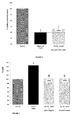
- Baclofen-Acamprosate combination gives a significant protective effect against toxicity of human A ⁇ 1-42 peptide in HBMEC model (a reduction of 24 % of A ⁇ 1-42 peptide injury is observed), as shown in Figure 2 .
- the results clearly show that the intoxication by human amyloid peptide (A ⁇ 1-42 2.5 ⁇ M) is significantly prevented by the drug combination whereas, at those concentrations, the drugs alone have no significant effect on intoxication in the experimental conditions described above.
- concentration of Baclofen used in the Baclofen-Acamprosate combination is much lower than the concentration of Baclofen used in the Baclofen-Terbinafine combination (25-fold reduction).
- Rat cortical neurons were cultured as described by Singer et al. (47). Briefly pregnant female rats of 15 days gestation were killed by cervical dislocation (Rats Wistar) and the foetuses were removed from the uterus. The cortex was removed and placed in ice-cold medium of Leibovitz (L15) containing 2% of Penicillin 10.000 U/ml and Streptomycin 10mg/ml and 1% of bovine serum albumin (BSA). Cortexes were dissociated by trypsin for 20 min at 37°C (0.05%). The reaction was stopped by the addition of Dulbecco's modified Eagle's medium (DMEM) containing DNase1 grade II and 10% of foetal calf serum (FCS).
- DMEM Dulbecco's modified Eagle's medium
- Cells were then mechanically dissociated by 3 serial passages through a 10 ml pipette and centrifuged at 515 x g for 10 min at +4°C. The supernatant was discarded and the pellet of cells was re-suspended in a defined culture medium consisting of Neurobasal supplemented with B27 (2%), L-glutamine (0.2mM), 2% of PS solution and 10ng/ml of BDNF. Viable cells were counted in a Neubauer cytometer using the trypan blue exclusion test.
- the cells were seeded at a density of 30 000 cells/well in 96 well-plates (wells were pre-coated with poly-L-lysine (10 ⁇ g/ml)) and were cultured at +37°C in a humidified air (95%)/CO2 (5%) atmosphere.
- a ⁇ 1-42 peptide was reconstituted in define culture medium at 40 ⁇ M (mother solution) and was slowly shaken at +37 °C for 3 days in dark.
- the control medium was prepared in the same conditions.
- Estradiol- ⁇ was solved in culture medium and pre-incubated for 1 h before the amyloid- ⁇ 1-42 application.
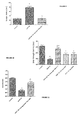
- the combination Baclofen - Acamprosate stands out clearly. Indeed, at concentrations having no effect alone, the drugs cause a significant protection of primary cortical neuron cells against A ⁇ 1-42 when used in combination. Furthermore, the Baclofen-Acamprosate combination is much more effective than the Sulfisoxazole-Cinacalcet combination. Such an effect of Baclofen and Acamprosate represents a remarkable improvement by 60 % in comparison to e.g., the effect of the combination of Sulfisoxazole and Cinacalcet.
- Rat cortical neurons were cultured as described by Singer et al. (35). Briefly pregnant female rats of 15 days gestation were killed by cervical dislocation (Rats Wistar) and the foetuses were removed from the uterus. The cortex was removed and placed in ice-cold medium of Leibovitz (L15) containing 2% of Penicillin 10.000 U/ml and Streptomycin 10mg/ml and 1% of bovine serum albumin (BSA). Cortices were dissociated by trypsin for 20 min at 37°C (0.05%). The reaction was stopped by the addition of Dulbecco's modified Eagle's medium (DMEM) containing DNase1 grade II and 10% of foetal calf serum (FCS).
- DMEM Dulbecco's modified Eagle's medium
- Cells were then mechanically dissociated by 3 serial passages through a 10 ml pipette and centrifuged at 515 x g for 10 min at +4°C. The supernatant was discarded and the pellet of cells was re-suspended in a defined culture medium consisting of Neurobasal supplemented with B27 (2%), L-glutamine (0.2mM), 2% of PS solution and 10ng/ml of BDNF. Viable cells were counted in a Neubauer cytometer using the trypan blue exclusion test.
- the cells were seeded at a density of 30 000 cells/well in 96 well-plates (wells were pre-coated with poly-L-lysine (10 ⁇ g/ml)) and were cultured at +37°C in a humidified air (95%)/CO2 (5%) atmosphere.
- BDNF beta-amyloid (1-42; Bachem) in defined medium without BDNF but together with drugs.
- Cortical neurons are intoxicated for 24 hours.
- BDNF (10ng/ml) is used as a positive (neuroprotective) control. Three independent cultures were performed per condition, 6 wells per condition.
- this combination allows an effective protection of cortical neuron cells against the toxicity of human A ⁇ 1-42 peptide but also a neurite growth comparable to a sane cortical neuron cell.
- mice Male Swiss mice, are used throughout the study. Animals are housed in plastic cages, with free access to laboratory chow and water, except during behavioural experiments, and kept in a regulated environment, under a 12 h light/dark cycle (light on at 8:00 a.m.). Experiments are carried out in a soundproof and air-regulated experimental room, to which mice have been habituated at least 30 min before each experiment.
- Drug(s) is/are daily administred by gavage (per os).
- the ⁇ 25-35 peptide and scrambled ⁇ 25-35 peptide (control) have been dissolved in sterile bidistilled water, and stored at - 20°C until use.
- the ⁇ -amyloid peptides are then administered intracerebroventricularly (i.c.v.).
- each mouse is anaesthetized lightly with ether, and a gauge stainless-steel needle is inserted unilaterally 1 mm to the right of the midline point equidistant from each eye, at an equal distance between the eyes and the ears and perpendicular to the plane of the skull.
- Peptides or vehicle are delivered gradually within approximately 3 s. Mice exhibit normal behaviour within 1 min after injection.
- the administration site is checked by injecting Indian ink in preliminary experiments. Neither insertion of the needle, nor injection of the vehicle have a significant influence on survival, behavioral responses or cognitive functions.
- mice On day 0 (at 10:00 am), mice are injected i.c.v. with A ⁇ 25-35 peptide or scrambled A ⁇ 25-35 peptide (control) in a final volume of 3 ⁇ l (3 mM).
- drugs, drugs combination or the vehicle solution are administered per os by gavage once or twice daily (at 8:00 am and 6:00 pm).
- One animal group receives donepezil (reference compound - 1 mg/kg/day) per os by gavage in a single injection (at 8:00 am).
- Drugs are solubilized in water and freshly prepared just before each gavage administration.
- the Y-maze is made of grey polyvinylchloride.
- Each arm is 40 cm long, 13 cm high, 3 cm wide at the bottom, 10 cm wide at the top, and converging at an equal angle.
- Each mouse is placed at the end of one arm and allowed to move freely through the maze during an 8 min session.
- the series of arm entries including possible returns into the same arm, are checked visually.
- An alternation is defined as entries into all three arms on consecutive occasions. The number of maximum alternations is therefore the total number of arm entries minus two and the percentage of alternation is calculated as (actual alternations / maximum alternations) x 100.
- Parameters include the percentage of alternation (memory index) and total number of arm entries (exploration index). Animals that show an extreme behavior (Alternation percentage ⁇ 25% or> 85% or number of arm entries ⁇ 10) are discarded. Usually, it accounts for 0-5% of the animals. This test incidentally serves to analyze at the behavioral level the impact and the amnesic effect induced in mice by the A ⁇ 25-35 injection.
- the apparatus is a two-compartment (15 x 20x 15 cm high) box with one illuminated with white polyvinylchloride walls and the other darkened with black polyvinylchloride walls and a grid floor.
- a guillotine door separates each compartment.
- a 60 W lamp positioned 40 cm above the apparatus lights up the white compartment during the experiment.
- Scrambled footshocks (0.3 mA for 3 s) could be delivered to the grid floor using a shock generator scrambler (Lafayette Instruments, Lafayette, USA).
- the guillotine door is initially closed during the training session. Each mouse is placed into the white compartment. After 5 s, the door raises.
- the door closes and the footshock is delivered for 3 s.
- the step-through latency that is, the latency spent to enter the darkened compartment, and the number of vocalizations is recorded.
- the retention test is carried out 24 h after training. Each mouse is placed again into the white compartment. After 5 s the doors is raised, the step-through latency and the escape latency, i.e. the time spent to return into the white compartment, are recorded up to 300 s.
- figures 9 & 10 show that intoxicated animals exhibit impaired behavioral and cognitive performances according to their score in escape latency and step-through latency respectively.
- the combination of Baclofen and Acamprosate allows a significant correction of the impairment.
- the escape latency of mice treated with this combination is no more significantly different from control mice ( Figure 9 ) and step through latency ( Figure 10 ) is significantly increased by combinations of the invention with an enhanced effect of the combination compared to drugs alone.
- Memory impairment is the early feature of Alzheimer disease and these results clearly show that the toxic effect of amyloid peptide on behavioral and cognitive performances (including memory) is significantly prevented by the combinations of the invention.
- the figure 16 shows that extremely low dose of Baclofen (480 ⁇ g/kg/day), Acamprosate (32 ⁇ g/kg/day) and Donepezil (0,25mg/kg/day) can be combined to allow a complete protection of behavioral and cognitive performances of mice as measured by Y-maze test.
- donepezil at this concentration, have no significant effect (32 % protection) on spatial working memory
- its use in conjunction with the baclofen and acamprosate combination allows a complete protection (98 %) of intoxicated mice's cognitive performances.
- Combinations of the invention can thus be further combined with other therapies in order to potentiate their action.
- Combinations therapies are tested in the in vivo model of A ⁇ intoxication. Their effects on several parameters which are affected in neurological diseases are assessed:
- oligomeric amyloid- ⁇ 25-35 peptide A ⁇ 25-35
- Sc.A ⁇ scrambled A ⁇ 25-35 control peptide
- EB dye is known to bind to serum albumin after peripheral injection and has been used as a tracer for serum albumin.
- EB dye (2% in saline, 4 ml/kg) is injected intraperitoneal (i.p.) 3 h prior to the transcardiac perfusion. Mice are then anesthetized with i.p. 200 ⁇ l of pre-mix ketamine 80 mg/kg, xylazine 10 mg/kg, the chest is opened. Mice are perfused transcardially with 250 ml of saline for approximately 15 min until the fluid from the right atrium becomes colourless. After decapitation, the brain is removed and dissected out into three regions: cerebral cortex (left + right), hippocampus (left + right), diencephalon. Then, each brain region is weighed for quantitative measurement of EB-albumin extravasation.
- Samples are homogenized in phosphate-buffered saline solution and mixed by vortexing after addition of 60% trichloroacetic acid to precipitate the protein. Samples are cooled at 4°C, and then centrifuged 30 min at 10,000 g, 4°C. The supernatant is measured at 610 nm for absorbance of EB using a spectrophotometer.
- Synaptophysin has been chosen as a marker of synapse integrity and is assayed using a commercial ELISA kit (USCN , Ref. E90425Mu). Samples are prepared from hippocampus tissues and homogenized in an extraction buffer specific to as described by manufacturer and reference literature.
- Tissues are rinsed in ice-cold PBS (0.02 mol/l, pH 7.0-7.2) to remove excess blood thoroughly and weighed before nitrogen freezing and -80°C storage. Tissues are cut into small pieces and homogenized in 1ml ice-cold phosphate buffer saline (PBS) solution with a glass homogenizer. The resulting suspension is sonicated with an ultrasonic cell disrupter or subjected to two freeze-thawing cycles to further break the cell membranes. Then, homogenates are centrifugated for 5 min at 5,000 g and the supernatant is assayed immediately.
- PBS phosphate buffer saline
- the total protein concentrations are then calculated from standard curve dilutions and serve to normalize ELISA results.
- each mouse is anesthetized with 200 ⁇ l i.p. of a pre-mix of ketamine 80 mg/kg and xylazine 10 mg/kg and transcardially perfused with 100 ml of saline solution followed by 100 ml of 4% paraformaldehyde.
- the brains are removed and kept for 24 h post-fixation in 4% paraformaldehyde solution at 4 °C,
- brains are washed in a phosphate buffer saline (PBS) solution, then cerebellum is removed and the forebrains are placed on a vibratom plateform (Leica VT100OS, Leica, Wetzlar, Germany) for slicing.
- PBS phosphate buffer saline
- Brains are cut in coronal sections (20 ⁇ m thickness) using a vibratom (Leica VT1000S, Leica, Wetzlar, Germany). Serial sections are placed on 24-well plate with PBS. They are then selected to include the hippocampal formation and 9 sections are placed in gelatin-coated glass-strip (one slide per animal for cresyl violet). All slides are dried at room temperature for 48 h to avoid unsticking. The slides are stored at room temperature until cresyl violet staining.
- Sections are stained with 0.2% Cresyl violet reagent (Sigma-Aldrich), then dehydrated with graded ethanol, treated with toluene, and are mounted with Mountex medium (BDH Laboratory Supplies, Poole, Dorset, UK).
- CA1 measurement and pyramidal cells counts are processed using ImageJ® (NIH). Data are expressed as mean of nine slices of CA 1 pyramidal cells per millimeter for each group (left and right hippocampus CAI counting) (49).
- mice are sacrificed by decapitation and both hippocampi are rapidly removed, weighted and kept in liquid nitrogen until assayed. After thawing, hippocampus are homogenized in cold methanol (1/10 w/v), centrifuged at 1,000 g during 5 min and the supernatant placed in eppendorf tube. The reaction volume of each homogenate are added to FeSO4 1 mM, H2SO4 0.25 M, xylenol orange 1 mM and incubated for 30 min at room temperature.
- CHPE cumene hydroperoxyde 1 mM
- mice are sacrificed by decapitation and both hippocampi are rapidly removed, rinsed in ice-cold PBS (0.02 mol/l, pH 7.0-7.2) to remove excess blood thoroughly weighted and kept in liquid nitrogen until assayed.
- Tissues are cut into small pieces and homogenized in 1ml ice-cold PBS with a glass homogenizer.
- the resulting suspension is sonicated with ultrasonic cell disrupter or subjected to two freeze-thawing cycles to further break the cell membranes. Then, homogenates are centrifugated at 5,000g during 5 min and the supernatant is assayed immediately.
- figure 12 show that the combination of Baclofen and Acamprosate protect the BBB integrity (76%) compared with non-treated intoxicated animals.
- this combination therapy is efficient in reducing the overall oxidative stress induced by A ⁇ in brain of treated animals when compared with the non-treated intoxicated animals ( figure 14 ).
- Glutamate toxicity is involved in the pathogenesis of neurological diseases or disorder such as Multiple Sclerosis, Alzheimer's Disease, Amyotrophic Lateral Sclerosis, Parkinson's Disease, Huntington's Disease, neuropathies, alcoholism or alcohol withdrawal, or spinal cord injury.
- the drugs are first tested individually, followed by assays of their combinatorial action.
- the neuroprotective effect of compounds is assessed by quantification of the neurite network (Neurofilament immunostaining (NF)) which specifically reveals the glutamatergic neurons.
- NF Neuroofilament immunostaining
- drugs of the candidate combinations are solved in culture medium (+0.1% DMSO).
- Candidate combinations are then pre-incubated with neurons for 1 hour before the Glutamate injury.
- Glutamate is added for 20 min, to a final concentration of 40 ⁇ M, in presence of candidate combinations, in order to avoid further drug dilutions.
- medium is changed with medium with candidate combination but without glutamate.
- the culture is fixed 24 hours after glutamate injury.
- MK801 (Dizocilpinehydrogen maleate, 77086-22-7 - 20 ⁇ M) is used as a positive control.
- Nuclei of cells are labeled by a fluorescent marker (Hoechst solution, SIGMA), and neurite network quantified. Six wells per condition are used to assess neuronal survival in 3 different cultures.
- the combination Baclofen - Acamprosate give a protective effect against glutamate toxicity for cortical neuronal cells. As exemplified in figure 15 , combinations of the invention strongly protect neurons from glutamate toxicity under experimental conditions described above. It is noteworthy that an effective protection is noticed using drug concentrations at which drugs used alone have lower protective effect. Combination of Baclofen and Acamprosate induce an improvement of more than 200 % compared to acamprosate alone and more than 47 % compared to baclofen used alone.
- a model in which myelin-oligodendrocyte glycoprotein-immunized (MOG-immunized) mice develop chronic progressive EAE is used to demonstrate the beneficial effect of compositions of the invention in multiple sclerosis treatment.
- C57L/6J female mice (8 weeks old) are purchased from Janvier (France); after two weeks of habituation, female mice (10 weeks old) develop chronic paralysis after immunization with MOG (Myelin Oligodendrocyte Glycoprotein) peptide.
- MOG Myelin Oligodendrocyte Glycoprotein
- the experimental encephalomyelitis is induced with the Hooke Kit MOG 35-55 /CFA Emulsion PTX (Pertussis toxin) for EAE Induction (EK-0110, EK-0115; Hooke laboratories).
- the control kit is CK-0115 (Hooke laboratories).
- the experimental encephalomyelitis is induced by following procedure:
- Pertussis toxin Two intraperitoneal injections of 500 ng of Pertussis toxin in PBS (Hooke kit) are performed 2 hours (Day 0) and 24 hours (Day 1) after the MOG injection. Pertussis toxin enhances EAE development by providing additional adjuvant.
- mice develop EAE 8 days after immunization and stay chronically paralyzed for the duration of the experiment. After the immunization, mice are daily observed for clinical symptoms in a blind procedure. Animals are kept in a conventional pathogen-free facility and all experiments are carried out in accordance with guidelines prescribed by, and are approved by, the standing local committee of bioethics.
- mice Groups of female mice as disclosed are homogenized by weight before the immunization:
- Statistica software (Statsoft Inc.) is utilized throughout for statistical analysis. ANOVA analysis and Student's t test are employed to analyse clinical disease score. P ⁇ 0.05 is considered significant.
- the global score for each animal is determined by the addition of all the above mentioned categories.
- the maximum score for live animals is 10.
- Combination therapies according to the present invention have been demonstrated in vitro, in a coculture model, and in vivo, in a mouse model of ALS. Protocols and results are presented in this section.
- Human muscle is prepared according to a previously described method from portions of biopsie of healthy patient (48). Muscle cells are established from dissociated cells (10000 cells per wells), plated in gelatin-coated 0.1% on 48 wells plate and grown in a proliferating medium consisting of mix of MEM medium and M 199 medium.
- co-cultures are incubated with candidate compounds or Riluzole one hour before glutamate intoxication (60 ⁇ M) for 20 min. Then, co-cultures are washed and candidate compounds or Riluzole are added for an additional 48h. After this incubation time, unfixed cocultures are incubated with ⁇ -bungarotoxin coupled with Alexa 488 at concentration 500 nmol/L for 15 min at room temperature. Then, cocultures fixed by PFA for 20 min at room temperature. After permeabilization with 0.1 % of saponin, co-cultures are incubated with anti-neurofilament antibody (NF).
- NF anti-neurofilament antibody
- Endpoints are (1) Total neurite length, (2) Number of motor units, (3) Total motor unit area, which are indicative of motorneurone survival and functionality.
- Baclofen and Acamprosate combination effectively protect motorneurones and motor units in the coculture model.
- mice Transgenic male mice B6SJL-Tg(SOD1)2Gur/J mice and their control (respectively SN2726 and SN2297 from Jackson Laboratories, Ben Harbor, USA and distributed by Charles River in France) are chosen in this set of experiments to mimic ALS.
- mice express the SOD1-G93A transgene, designed with a mutant human SOD1 gene (a single amino acid substitution of glycine to alanine at codon 93) driven by its endogenous human SOD1 promoter.
- Control mice express the control human SOD1 gene.
- the group assignation and the randomisation of the animals are based on the body weight; for each group, the randomisation is done one day before the first treatment.
- mice are dosed with candidate drug treatment diluted in vehicle from 60th day after birth till death. Diluted solutions of drug candidates are prepared with water at room temperature just before the beginning of the administration.
- Riluzole is added in drinking water at a final concentration of 6mg/ml (adjusted to each group mean body weight) in 5% cyclodextrin. As a mouse drinks about 5 ml/day, the estimated administrated dose is 30mg/kg/day which is a dose that was shown to increase the survival of mice.
- Clinical observation of each mouse is performed daily, from the first day of treatment (60 days of age) until the death (or sacrifice).
- Clinical observation consists in studying behavioural tests: onset of paralysis, "loss of splay”, “loss of righting reflex”, and general gait observation:
- Combinatorial therapies of the present invention are tested in vivo, in suitable models of peripheral neuropathy, i.e., acute model of oxaliplatin-induced neuropathy and chronic model of oxaliplatin-induced neuropathy.
- peripheral neuropathy i.e., acute model of oxaliplatin-induced neuropathy and chronic model of oxaliplatin-induced neuropathy.
- the animals, protocols and results are presented in this section.
- Sprague-Dawley rats (CERJ, France), weighing 150 - 175 g at the beginning of the experimental of the Oxaliplatin treatment (Do) are used.
- Animals are housed in a limited access animal facility in a temperature (19.5°C - 24.5°C) and relative humidity (45 % - 65 %) controlled room with a 12 h - light/dark cycle, with ad libitum access to standard pelleted laboratory chow and water throughout the study. Animals are housed 4 or 5 per cage and a one week-acclimation period is observed before any testing.
- Vehicle and test items are delivered daily from D-1 to D7 (the day before the last testing day) whereas Gabapentin is administered on testing days (120 minutes before the test). All treatments are administered in a coded and random order when it is possible. Doses are expressed in terms of free active substance.
- Acute neuropathy is induced by a single intraperitoneal injection of oxaliplatin (3 mg/kg).
- oxaliplatin-induced painful neuropathy in rat reproduces the pain symptoms in oxaliplatin-treated patients:
- All drug combinations are administered from the day before the first intraperitoneal injection of oxaliplatin 3 mg/kg (D-1) and pursued daily orally until D7. During the testing days (i.e. D1 and D7), the drug combinations are administered after the test. Animals from the reference-treated group (gabapentin) are dosed only during the testing days.
- Cold allodynia is assessed using the acetone test by measuring the responses to thermal non-nociceptive stimulation on D1 (around 24h after the first injection of oxaliplatin 3 mg/kg (acute effect of oxaliplatin), and D8 (chronic effect of oxaliplatin).
- acetone test latency of hindpaw withdrawal is measured after application of a drop of acetone to the plantar surface of both hindpaws (reaction time) and the intensity of the response is scored (cold score). Reaction time to the cooling effect of acetone is measured within 20 sec (cut-off) after acetone application. Responses to acetone are also graded to the following 4-point scale: 0 (no response); 1 (quick withdrawal, flick of the paw); 2 (prolonged withdrawal or marked flicking of the paw); 3 (repeated flicking of the paw with licking or biting).
- Student test unilateral, type 3 is performed. The significance level is set as p ⁇ 0.05; all the groups are compared to the diseased+vehicle group (oxaliplatin treated group). Means and standard error mean are shown on the figures.
- Oxaliplatin induced a significant decrease in reaction time of paw withdrawal after acetone application (diseased group + vehicle) during the time course. This decrease is progressive and significant from day 1 (acute model of oxaliplatin-induced neuropathy) to day 8 (chronic model) as compared to the vehicle group.
- Baclofen and Acamprosate combination are tested in both models of oxaliplatin-induced neuropathy. It induces a significant decrease in the cumulative cold score and a significant increase of reaction time as compared to the oxaliplatin-vehicle treated group. In conclusion, this drug combination protects from chronic and acute neuropathy.
Landscapes
- Health & Medical Sciences (AREA)
- Medicinal Chemistry (AREA)
- Veterinary Medicine (AREA)
- Public Health (AREA)
- General Health & Medical Sciences (AREA)
- Animal Behavior & Ethology (AREA)
- Life Sciences & Earth Sciences (AREA)
- Chemical & Material Sciences (AREA)
- Pharmacology & Pharmacy (AREA)
- Epidemiology (AREA)
- Engineering & Computer Science (AREA)
- Bioinformatics & Cheminformatics (AREA)
- Nuclear Medicine, Radiotherapy & Molecular Imaging (AREA)
- Organic Chemistry (AREA)
- Chemical Kinetics & Catalysis (AREA)
- General Chemical & Material Sciences (AREA)
- Neurology (AREA)
- Biomedical Technology (AREA)
- Neurosurgery (AREA)
- Emergency Medicine (AREA)
- Nutrition Science (AREA)
- Physiology (AREA)
- Physical Education & Sports Medicine (AREA)
- Pain & Pain Management (AREA)
- Orthopedic Medicine & Surgery (AREA)
- Psychology (AREA)
- Vascular Medicine (AREA)
- Psychiatry (AREA)
- Hospice & Palliative Care (AREA)
- Rheumatology (AREA)
- Urology & Nephrology (AREA)
- Cardiology (AREA)
- Heart & Thoracic Surgery (AREA)
- Acyclic And Carbocyclic Compounds In Medicinal Compositions (AREA)
- Pharmaceuticals Containing Other Organic And Inorganic Compounds (AREA)
- Medicines That Contain Protein Lipid Enzymes And Other Medicines (AREA)
Priority Applications (7)
| Application Number | Priority Date | Filing Date | Title |
|---|---|---|---|
| EP13196468.6A EP2796132B1 (fr) | 2011-03-01 | 2012-03-01 | Thérapie des troubles neurologiques à base de baclofène et d'acamprosate |
| RS20180734A RS57426B1 (sr) | 2011-03-01 | 2012-03-01 | Terapija neuroloških poremećaja kombinacijom baklofena i akamprosata |
| PL13196468T PL2796132T3 (pl) | 2011-03-01 | 2012-03-01 | Terapia zaburzeń neurologicznych oparta na baklofenie i akamprozacie |
| SI201231317T SI2796132T1 (sl) | 2011-03-01 | 2012-03-01 | Terapija nevroloških motenj, ki temelji na baklofenu in akamprozatu |
| SM20180327T SMT201800327T1 (it) | 2011-03-01 | 2012-03-01 | Terapia di disturbi neurologici a base di baclofene e acamprosato |
| CY20181100664T CY1120369T1 (el) | 2011-03-01 | 2018-06-27 | Θεραπεια νευρολογικων διαταραχων βασει βακλοφαινης και ακαμπροσατης |
| HRP20181038TT HRP20181038T1 (hr) | 2011-03-01 | 2018-07-05 | Terapija za neurološke poremećaje zasnovana na baklofenu i akamprosatu |
Applications Claiming Priority (6)
| Application Number | Priority Date | Filing Date | Title |
|---|---|---|---|
| EP11305217 | 2011-03-01 | ||
| US201161468658P | 2011-03-29 | 2011-03-29 | |
| US201161493606P | 2011-06-06 | 2011-06-06 | |
| EP11305687 | 2011-06-06 | ||
| EP13196468.6A EP2796132B1 (fr) | 2011-03-01 | 2012-03-01 | Thérapie des troubles neurologiques à base de baclofène et d'acamprosate |
| EP12708113.1A EP2560631B1 (fr) | 2011-03-01 | 2012-03-01 | Thérapie de troubles neurologiques à base de baclofène et d'acamprosate |
Related Parent Applications (2)
| Application Number | Title | Priority Date | Filing Date |
|---|---|---|---|
| EP12708113.1A Division EP2560631B1 (fr) | 2011-03-01 | 2012-03-01 | Thérapie de troubles neurologiques à base de baclofène et d'acamprosate |
| EP12708113.1A Division-Into EP2560631B1 (fr) | 2011-03-01 | 2012-03-01 | Thérapie de troubles neurologiques à base de baclofène et d'acamprosate |
Publications (2)
| Publication Number | Publication Date |
|---|---|
| EP2796132A1 true EP2796132A1 (fr) | 2014-10-29 |
| EP2796132B1 EP2796132B1 (fr) | 2018-05-02 |
Family
ID=46758335
Family Applications (5)
| Application Number | Title | Priority Date | Filing Date |
|---|---|---|---|
| EP18154734.0A Withdrawn EP3332781A1 (fr) | 2011-03-01 | 2012-03-01 | Traitement de l'ischemie cerebrale |
| EP13196468.6A Active EP2796132B1 (fr) | 2011-03-01 | 2012-03-01 | Thérapie des troubles neurologiques à base de baclofène et d'acamprosate |
| EP12706270.1A Not-in-force EP2680835B1 (fr) | 2011-03-01 | 2012-03-01 | Traitement de l'ischémie cérébrale |
| EP13196461.1A Active EP2727588B1 (fr) | 2011-03-01 | 2012-03-01 | Thérapie des troubles neurologiques à base de baclofène et d'acamprosate |
| EP12708113.1A Active EP2560631B1 (fr) | 2011-03-01 | 2012-03-01 | Thérapie de troubles neurologiques à base de baclofène et d'acamprosate |
Family Applications Before (1)
| Application Number | Title | Priority Date | Filing Date |
|---|---|---|---|
| EP18154734.0A Withdrawn EP3332781A1 (fr) | 2011-03-01 | 2012-03-01 | Traitement de l'ischemie cerebrale |
Family Applications After (3)
| Application Number | Title | Priority Date | Filing Date |
|---|---|---|---|
| EP12706270.1A Not-in-force EP2680835B1 (fr) | 2011-03-01 | 2012-03-01 | Traitement de l'ischémie cérébrale |
| EP13196461.1A Active EP2727588B1 (fr) | 2011-03-01 | 2012-03-01 | Thérapie des troubles neurologiques à base de baclofène et d'acamprosate |
| EP12708113.1A Active EP2560631B1 (fr) | 2011-03-01 | 2012-03-01 | Thérapie de troubles neurologiques à base de baclofène et d'acamprosate |
Country Status (26)
| Country | Link |
|---|---|
| US (7) | US9820978B2 (fr) |
| EP (5) | EP3332781A1 (fr) |
| JP (2) | JP5987008B2 (fr) |
| KR (2) | KR101937782B1 (fr) |
| CN (2) | CN103596562B (fr) |
| AU (2) | AU2012222351B2 (fr) |
| BR (1) | BR112013022112B1 (fr) |
| CA (1) | CA2828765C (fr) |
| CY (3) | CY1115074T1 (fr) |
| DK (3) | DK2727588T3 (fr) |
| EA (2) | EA023277B1 (fr) |
| ES (5) | ES2698927T3 (fr) |
| HR (1) | HRP20140131T1 (fr) |
| HU (1) | HUE038653T2 (fr) |
| IL (2) | IL228177B (fr) |
| LT (2) | LT2796132T (fr) |
| MX (2) | MX373746B (fr) |
| PL (3) | PL2560631T3 (fr) |
| PT (1) | PT2560631E (fr) |
| RS (3) | RS53227B (fr) |
| SG (2) | SG192968A1 (fr) |
| SI (3) | SI2560631T1 (fr) |
| SM (3) | SMT201800327T1 (fr) |
| TR (1) | TR201809351T4 (fr) |
| WO (2) | WO2012117075A2 (fr) |
| ZA (1) | ZA201306039B (fr) |
Cited By (2)
| Publication number | Priority date | Publication date | Assignee | Title |
|---|---|---|---|---|
| WO2017134280A1 (fr) * | 2016-02-05 | 2017-08-10 | Pharnext | Nouvelles thérapies combinées contre les troubles neurologiques |
| WO2019145523A1 (fr) * | 2018-01-29 | 2019-08-01 | Pharnext | Thérapie de la maladie d'alzheimer à base de baclofène et d'acamprosate chez des patients ayant perdu la sensibilité à une thérapie par un inhibiteur de l'acétylcholinestérase |
Families Citing this family (39)
| Publication number | Priority date | Publication date | Assignee | Title |
|---|---|---|---|---|
| EP2065038A1 (fr) | 2007-11-30 | 2009-06-03 | Pharnext | Nouvelles approches thérapeutiques pour traiter la maladie de Charcot-Marie-Tooth |
| EP2135607A1 (fr) | 2008-06-18 | 2009-12-23 | Pharnext | Combinaison de pilocarpine et methimazol pour le traitement de la maladie de Charcot-MarieTooth et des troubles associés |
| US9393241B2 (en) | 2009-06-02 | 2016-07-19 | Pharnext | Compositions for treating CMT and related disorders |
| EP2263665A1 (fr) | 2009-06-02 | 2010-12-22 | Pharnext | Nouvelles compositions pour traiter le CMT et troubles associés |
| US9387206B2 (en) | 2009-11-03 | 2016-07-12 | Pharnext | Therapeutic approaches for treating Alzheimer's disease |
| EP2322163A1 (fr) | 2009-11-03 | 2011-05-18 | Pharnext | Nouvelles approches thérapeutiques pour traiter la maladie d'Alzheimer |
| KR101937782B1 (ko) | 2011-03-01 | 2019-01-11 | 파넥스트 | 바클로펜 및 아캄프로세이트에 기초한 신경 장애의 치료 |
| US10010515B2 (en) | 2011-03-01 | 2018-07-03 | Pharnext | Therapeutic approaches for treating Parkinson's disease |
| EP2705842A1 (fr) * | 2012-09-05 | 2014-03-12 | Pharnext | Approches thérapeutiques pour le traitement de la maladie de Parkinson |
| UA113165C2 (xx) * | 2011-03-01 | 2016-12-26 | Застосування комбінації баклофену і акампросату для лікування неврологічних захворювань та композиція, яка містить баклофен і акампросат | |
| US9241933B2 (en) | 2011-03-01 | 2016-01-26 | Pharnext | Compositions for treating amyotrophic lateral sclerosis |
| US9867837B2 (en) * | 2011-03-01 | 2018-01-16 | Pharnext | Compositions for treating neurological disorders |
| US9248111B2 (en) | 2011-03-01 | 2016-02-02 | Pharnext | Therapeutic approaches for treating parkinson's disease |
| US9931326B2 (en) | 2011-03-29 | 2018-04-03 | Pharnext | Composition comprising torasemide and baclofen for treating neurological disorders |
| GB2501457A (en) | 2012-02-10 | 2013-10-30 | Rational Intellectual Holdings Ltd | Assigning player positions in an online table game |
| AU2013224959B2 (en) * | 2012-03-01 | 2017-12-07 | Pharnext | New compositions for treating amyotrophic lateral sclerosis |
| SMT201700373T1 (it) * | 2012-03-01 | 2017-09-07 | Pharnext | Nuove composizioni per il trattamento della sclerosi laterale amiotrofica |
| NZ704280A (en) * | 2012-07-18 | 2017-06-30 | Pharnext | Baclofen and acamprosate based therapy of macular degeneration disorders |
| EP2705841A1 (fr) | 2012-09-05 | 2014-03-12 | Pharnext | Combinaisons des agents nootropiques destinées au traitement des dysfonctionnements cognitifs |
| GB201300684D0 (en) | 2013-01-15 | 2013-02-27 | Apitope Int Nv | Peptide |
| DK3003268T3 (en) | 2013-06-05 | 2018-11-05 | Pharnext | STABLE ORAL SOLUTIONS FOR COMBINED API |
| PL3010543T3 (pl) * | 2013-06-19 | 2026-01-19 | Som Innovation Biotech, S.A. | Środki terapeutyczne stosowane w profilaktyce i/lub leczeniu hiperkinetycznych zaburzeń ruchowych |
| KR102206745B1 (ko) * | 2013-07-12 | 2021-02-03 | 경상대학교산학협력단 | 안토시아닌 및 gabab 수용체 작용제를 유효성분으로 포함하는 신경질환 치료제 |
| WO2015023830A1 (fr) | 2013-08-14 | 2015-02-19 | Stc.Unm | Traitement et prévention d'un accident vasculaire cérébral et d'autres troubles neurologiques |
| WO2015063140A1 (fr) * | 2013-10-30 | 2015-05-07 | Pharnext | Compositions, procédés et utilisations pour le traitements de diabète et d'états associés en régulant le niveau de glycémie |
| MX2016010409A (es) | 2014-02-11 | 2016-11-30 | Pharnext | Combinacion de baclofeno, acamprosato y trigliceridos de cadena media para el tratamiento de trastornos neurologicos. |
| WO2016081472A1 (fr) * | 2014-11-21 | 2016-05-26 | Biohaven Pharmaceutical Holding Company Ltd. | Formulation sublinguale de riluzole |
| KR102790656B1 (ko) | 2015-05-04 | 2025-04-02 | 컨플루언스 파마슈티컬스, 엘엘씨 | 아캄프로세이트의 스프링클 제형 |
| EP3156050A1 (fr) * | 2015-10-16 | 2017-04-19 | Universitat Autònoma De Barcelona | Nouvelles thérapies combinées pour le traitement de lésions neurologiques |
| US11026942B2 (en) | 2015-12-29 | 2021-06-08 | Kyoto University | Agent for preventing and/or treating Alzheimer's disease |
| US10383870B2 (en) | 2016-06-10 | 2019-08-20 | Pharnext | Early treatment of CMT disease |
| CN111050761A (zh) * | 2017-04-24 | 2020-04-21 | 法奈克斯公司 | 阿尔茨海默病的基于idalopirdine的组合治疗 |
| IL270654B2 (en) * | 2017-05-17 | 2024-07-01 | Confluence Pharmaceuticals Llc | Formulations of homotaurines and salts thereof |
| CA3067688A1 (fr) | 2017-07-31 | 2019-02-07 | Novartis Ag | Utilisation de mavoglurant dans la reduction de l'utilisation d'alcool ou dans la prevention de rechute dans l'utilisation d'alcool |
| EP3661500B1 (fr) | 2017-07-31 | 2026-01-07 | Novartis AG | Utilisation de mavoglurant dans la réduction de l'utilisation de cocaïne ou dans la prévention d'une rechute dans l'utilisation de cocaïne |
| CN116059192B (zh) | 2019-11-13 | 2024-10-29 | 润佳(苏州)医药科技有限公司 | 同位素富集的3-氨基-1-丙磺酸及其衍生物的用途 |
| WO2023154794A1 (fr) * | 2022-02-09 | 2023-08-17 | University Of North Texas Health Science Center | Repositionnement de médicament pour le traitement différé d'un accident vasculaire cérébral ischémique |
| CN115350172A (zh) * | 2022-08-12 | 2022-11-18 | 昆明医科大学 | Gabapentin对AD情景记忆改善的应用 |
| WO2025095099A1 (fr) * | 2023-11-02 | 2025-05-08 | 株式会社ケイファーマ | Agent thérapeutique pour la dégénérescence lobaire frontotemporale et composition thérapeutique |
Citations (18)
| Publication number | Priority date | Publication date | Assignee | Title |
|---|---|---|---|---|
| US6391922B1 (en) * | 1998-01-13 | 2002-05-21 | Synchroneuron, Llc | Treatment of posttraumatic stress disorder, obsessive-compulsive disorder and related neuropsychiatric disorders |
| WO2003077902A1 (fr) | 2002-02-19 | 2003-09-25 | Xenoport, Inc. | Procede de synthese de promedicaments a partir de derives de 1-acyl-alkyl et compositions correspondantes |
| US20040102525A1 (en) * | 2002-05-22 | 2004-05-27 | Kozachuk Walter E. | Compositions and methods of treating neurological disease and providing neuroprotection |
| WO2005066122A2 (fr) | 2003-12-30 | 2005-07-21 | Xenoport, Inc. | Synthese de promedicaments a base de carbamate d'acyloxyalkyle et leurs intermediaires |
| WO2008086492A1 (fr) | 2007-01-11 | 2008-07-17 | Xenoport, Inc. | Formes galéniques orales à libération prolongée d'un promédicament de r-baclofène et procédés de traitement |
| WO2009033061A1 (fr) | 2007-09-07 | 2009-03-12 | Xenoport, Inc. | Promédicaments d'acamprosate à libération par cyclisation sous forme de néopentyl-sulfonylesters carboxylates masqués, compositions les comprenant et méthodes d'utilisation correspondantes |
| WO2009033079A1 (fr) | 2007-09-07 | 2009-03-12 | Xenoport, Inc. | Promédicaments de libération de cyclisation d'ester de néopentyle sulfonyle d'ester d'acide pantoïque masqués extérieurement, leurs compositions et procédés d'utilisation |
| US20090099253A1 (en) | 2007-10-15 | 2009-04-16 | Xenoport, Inc. | Internally Masked Neopentyl Sulfonyl Ester Cyclization Release Prodrugs of Acamprosate, Compositions Thereof, and Methods of Use |
| WO2009061934A1 (fr) | 2007-11-06 | 2009-05-14 | Xenoport, Inc. | Utilisation de promédicaments d'agonistes de gaba b pour le traitement de douleur neuropathique et musculo-squelettique |
| US20090197958A1 (en) | 2008-02-01 | 2009-08-06 | Xenoport, Inc. | Sustained Release Particulate Oral Dosage Forms of (R) Baclofen and Methods of Treatment |
| WO2009096985A1 (fr) | 2008-02-01 | 2009-08-06 | Xenoport, Inc. | Formes posologiques orales particulaires à libération soustenue de promédicaments de (r)-baclofène et procédés de traitement correspondants |
| WO2009133141A2 (fr) | 2008-04-29 | 2009-11-05 | Pharnext | Nouvelles approches thérapeutiques pour traiter la maladie d'alzheimer et les troubles qui lui sont associés par modulation de l'angiogenèse |
| WO2009133128A1 (fr) | 2008-04-29 | 2009-11-05 | Pharnext | Compositions combinées destinées à traiter la maladie d’alzheimer et les troubles associés, au moyen de zonisamide et d’acamprosate |
| WO2009133142A1 (fr) | 2008-04-29 | 2009-11-05 | Pharnext | Nouvelles approches thérapeutiques pour traiter la maladie d'alzheimer et les troubles qui lui sont associés par modulation de la réponse au stress cellulaire |
| WO2010102071A1 (fr) | 2009-03-03 | 2010-09-10 | Xenoport, Inc. | Formes posologiques orales à libération entretenue d'un promédicament de r-baclofène |
| WO2010120370A2 (fr) | 2009-04-17 | 2010-10-21 | Xenoport, Inc. | Dérivés d'acide gamma-aminobutyrique comme ligands des récepteurs gabab |
| US20110021571A1 (en) | 2003-08-20 | 2011-01-27 | Xenoport, Inc. | Acyloxyalkyl carbamate prodrugs, methods of synthesis and use |
| WO2011054759A1 (fr) | 2009-11-03 | 2011-05-12 | Pharnext | Nouvelles approches thérapeutiques pour le traitement de la maladie d'alzheimer |
Family Cites Families (24)
| Publication number | Priority date | Publication date | Assignee | Title |
|---|---|---|---|---|
| US5721263A (en) | 1993-06-07 | 1998-02-24 | Takeda Chemical Industries, Ltd. | Pharmaceutical composition for angiotensin II-mediated diseases |
| US6573251B2 (en) | 1994-03-30 | 2003-06-03 | Denis Barritault | Drug and pharmaceutical composition for the treatment of lesions of the nervous system and fractions enriched in heparan sulfate |
| AU3173301A (en) | 2000-02-11 | 2001-08-20 | European Molecular Biology Laboratory | Methods and compositions for treatment of alzheimer's disease by enhancing plasmin or plasmin-like activity |
| US20030149010A1 (en) | 2001-07-19 | 2003-08-07 | Keller Bradley T. | Combination of an aldosterone receptor antagonist and an HMG CoA reductase inhibitor |
| US20040067918A1 (en) | 2002-03-18 | 2004-04-08 | Keller Bradley T. | Combination of an aldosterone receptor antagonist and nicotinic acid or a nicotinic acid derivative |
| ES2584606T3 (es) | 2002-10-10 | 2016-09-28 | Ono Pharmaceutical Co., Ltd. | Microesferas que comprenden ONO-1301 |
| US20080025962A1 (en) | 2004-11-30 | 2008-01-31 | Angesmg,Inc. | Remedy for Alzheimer's Disease |
| US20080188510A1 (en) | 2005-05-23 | 2008-08-07 | Eisai R & D Management Co., Ltd. | Novel methods using zonisamide |
| AU2006308889A1 (en) | 2005-10-31 | 2007-05-10 | Braincells, Inc. | GABA receptor mediated modulation of neurogenesis |
| KR20090026275A (ko) | 2006-07-06 | 2009-03-12 | 로스캄프 리서치 엘엘씨 | 베타-아밀로이드 생성을 억제하기 위한 화합물 및 그의 조합물, 및 그의 사용 방법 |
| KR101441725B1 (ko) | 2007-05-22 | 2014-09-18 | 오츠카 세이야쿠 가부시키가이샤 | 알츠하이머병 치료를 위한 카르보스티릴 유도체 및 도네페질을 포함하는 치료제 |
| EP2135607A1 (fr) | 2008-06-18 | 2009-12-23 | Pharnext | Combinaison de pilocarpine et methimazol pour le traitement de la maladie de Charcot-MarieTooth et des troubles associés |
| EP2377865B1 (fr) | 2008-11-27 | 2014-12-17 | National University Corporation Kagawa University | Dérivé de purine cyclobutylique, agent favorisant l'angiogenèse, agent favorisant la luménisation, agent favorisant la croissance des neurocytes et médicament |
| CA2745741A1 (fr) * | 2008-12-04 | 2010-06-10 | Intec Pharma Ltd. | Systeme de d'administration de medicament a retention gastrique pour le zaleplon |
| EP2263665A1 (fr) | 2009-06-02 | 2010-12-22 | Pharnext | Nouvelles compositions pour traiter le CMT et troubles associés |
| US9393241B2 (en) | 2009-06-02 | 2016-07-19 | Pharnext | Compositions for treating CMT and related disorders |
| US9387206B2 (en) | 2009-11-03 | 2016-07-12 | Pharnext | Therapeutic approaches for treating Alzheimer's disease |
| US9241933B2 (en) | 2011-03-01 | 2016-01-26 | Pharnext | Compositions for treating amyotrophic lateral sclerosis |
| UA113165C2 (xx) | 2011-03-01 | 2016-12-26 | Застосування комбінації баклофену і акампросату для лікування неврологічних захворювань та композиція, яка містить баклофен і акампросат | |
| KR101937782B1 (ko) | 2011-03-01 | 2019-01-11 | 파넥스트 | 바클로펜 및 아캄프로세이트에 기초한 신경 장애의 치료 |
| US10010515B2 (en) | 2011-03-01 | 2018-07-03 | Pharnext | Therapeutic approaches for treating Parkinson's disease |
| US9248111B2 (en) | 2011-03-01 | 2016-02-02 | Pharnext | Therapeutic approaches for treating parkinson's disease |
| US9867837B2 (en) | 2011-03-01 | 2018-01-16 | Pharnext | Compositions for treating neurological disorders |
| US9931326B2 (en) | 2011-03-29 | 2018-04-03 | Pharnext | Composition comprising torasemide and baclofen for treating neurological disorders |
-
2012
- 2012-03-01 KR KR1020187010681A patent/KR101937782B1/ko not_active Expired - Fee Related
- 2012-03-01 EA EA201300974A patent/EA023277B1/ru unknown
- 2012-03-01 JP JP2013555881A patent/JP5987008B2/ja not_active Expired - Fee Related
- 2012-03-01 ES ES13196461T patent/ES2698927T3/es active Active
- 2012-03-01 BR BR112013022112-7A patent/BR112013022112B1/pt not_active IP Right Cessation
- 2012-03-01 US US14/002,429 patent/US9820978B2/en not_active Expired - Fee Related
- 2012-03-01 WO PCT/EP2012/053568 patent/WO2012117075A2/fr not_active Ceased
- 2012-03-01 RS RS20140089A patent/RS53227B/sr unknown
- 2012-03-01 AU AU2012222351A patent/AU2012222351B2/en not_active Ceased
- 2012-03-01 MX MX2016009146A patent/MX373746B/es unknown
- 2012-03-01 MX MX2013010043A patent/MX340568B/es active IP Right Grant
- 2012-03-01 PT PT127081131T patent/PT2560631E/pt unknown
- 2012-03-01 WO PCT/EP2012/053570 patent/WO2012117076A2/fr not_active Ceased
- 2012-03-01 LT LTEP13196468.6T patent/LT2796132T/lt unknown
- 2012-03-01 SI SI201230019T patent/SI2560631T1/sl unknown
- 2012-03-01 DK DK13196461.1T patent/DK2727588T3/en active
- 2012-03-01 SM SM20180327T patent/SMT201800327T1/it unknown
- 2012-03-01 HU HUE13196468A patent/HUE038653T2/hu unknown
- 2012-03-01 LT LTEP13196461.1T patent/LT2727588T/lt unknown
- 2012-03-01 ES ES13196468.6T patent/ES2678794T3/es active Active
- 2012-03-01 SG SG2013064811A patent/SG192968A1/en unknown
- 2012-03-01 PL PL12708113T patent/PL2560631T3/pl unknown
- 2012-03-01 EP EP18154734.0A patent/EP3332781A1/fr not_active Withdrawn
- 2012-03-01 PL PL13196468T patent/PL2796132T3/pl unknown
- 2012-03-01 EP EP13196468.6A patent/EP2796132B1/fr active Active
- 2012-03-01 EP EP12706270.1A patent/EP2680835B1/fr not_active Not-in-force
- 2012-03-01 KR KR1020137026027A patent/KR101918745B1/ko not_active Expired - Fee Related
- 2012-03-01 CA CA2828765A patent/CA2828765C/fr active Active
- 2012-03-01 EP EP13196461.1A patent/EP2727588B1/fr active Active
- 2012-03-01 TR TR2018/09351T patent/TR201809351T4/tr unknown
- 2012-03-01 HR HRP20140131AT patent/HRP20140131T1/hr unknown
- 2012-03-01 DK DK12708113.1T patent/DK2560631T3/da active
- 2012-03-01 SI SI201231471T patent/SI2727588T1/sl unknown
- 2012-03-01 EP EP12708113.1A patent/EP2560631B1/fr active Active
- 2012-03-01 SM SM20180618T patent/SMT201800618T1/it unknown
- 2012-03-01 ES ES12706270.1T patent/ES2665569T3/es active Active
- 2012-03-01 CN CN201280017651.0A patent/CN103596562B/zh not_active Expired - Fee Related
- 2012-03-01 SI SI201231317T patent/SI2796132T1/sl unknown
- 2012-03-01 CN CN201610286391.7A patent/CN105997969B/zh not_active Expired - Fee Related
- 2012-03-01 ES ES12708113.1T patent/ES2450074T3/es active Active
- 2012-03-01 RS RS20181431A patent/RS58114B1/sr unknown
- 2012-03-01 RS RS20180734A patent/RS57426B1/sr unknown
- 2012-03-01 PL PL13196461T patent/PL2727588T3/pl unknown
- 2012-03-01 DK DK13196468.6T patent/DK2796132T3/en active
- 2012-12-03 US US13/691,981 patent/US8865769B2/en active Active
- 2012-12-06 US US13/706,907 patent/US8741886B2/en active Active
-
2013
- 2013-02-28 ES ES18157222T patent/ES2845204T3/es active Active
- 2013-02-28 EA EA201891833A patent/EA201891833A1/ru unknown
- 2013-02-28 SG SG10201610587SA patent/SG10201610587SA/en unknown
- 2013-08-12 ZA ZA2013/06039A patent/ZA201306039B/en unknown
- 2013-08-29 IL IL228177A patent/IL228177B/en active IP Right Grant
-
2014
- 2014-02-27 CY CY20141100159T patent/CY1115074T1/el unknown
- 2014-03-12 SM SM201400029T patent/SMT201400029B/xx unknown
- 2014-09-08 US US14/479,614 patent/US9144558B2/en active Active
-
2015
- 2015-09-22 US US14/861,169 patent/US9636316B2/en not_active Expired - Fee Related
-
2017
- 2017-04-24 US US15/494,732 patent/US20170231958A1/en not_active Abandoned
- 2017-06-07 JP JP2017112687A patent/JP6416328B2/ja not_active Expired - Fee Related
- 2017-07-31 AU AU2017210501A patent/AU2017210501B2/en not_active Ceased
-
2018
- 2018-06-27 CY CY20181100664T patent/CY1120369T1/el unknown
- 2018-09-12 IL IL261725A patent/IL261725A/en unknown
- 2018-11-28 CY CY181101262T patent/CY1120925T1/el unknown
-
2019
- 2019-11-25 US US16/694,231 patent/US20200085790A1/en not_active Abandoned
Patent Citations (27)
| Publication number | Priority date | Publication date | Assignee | Title |
|---|---|---|---|---|
| US6391922B1 (en) * | 1998-01-13 | 2002-05-21 | Synchroneuron, Llc | Treatment of posttraumatic stress disorder, obsessive-compulsive disorder and related neuropsychiatric disorders |
| WO2003077902A1 (fr) | 2002-02-19 | 2003-09-25 | Xenoport, Inc. | Procede de synthese de promedicaments a partir de derives de 1-acyl-alkyl et compositions correspondantes |
| US20040102525A1 (en) * | 2002-05-22 | 2004-05-27 | Kozachuk Walter E. | Compositions and methods of treating neurological disease and providing neuroprotection |
| US20100076075A1 (en) | 2002-05-22 | 2010-03-25 | Kozachuk Walter E | Methods of treating neurological disease using antagonists of the nmda receptor complex |
| US20110021571A1 (en) | 2003-08-20 | 2011-01-27 | Xenoport, Inc. | Acyloxyalkyl carbamate prodrugs, methods of synthesis and use |
| US20090216037A1 (en) | 2003-12-30 | 2009-08-27 | Xenoport, Inc. | Synthesis of Acyloxyalkyl Carbamate Prodrugs and Intermediates Thereof |
| WO2005066122A2 (fr) | 2003-12-30 | 2005-07-21 | Xenoport, Inc. | Synthese de promedicaments a base de carbamate d'acyloxyalkyle et leurs intermediaires |
| WO2008086492A1 (fr) | 2007-01-11 | 2008-07-17 | Xenoport, Inc. | Formes galéniques orales à libération prolongée d'un promédicament de r-baclofène et procédés de traitement |
| WO2009033069A1 (fr) | 2007-09-07 | 2009-03-12 | Xenoport, Inc. | Promédicaments de l'acamprosate esters de sulfonyle et néopentyle et esters simples d'acide pantoïque à libération par cyclisation, compositions et procédés d'utilisation |
| WO2009033079A1 (fr) | 2007-09-07 | 2009-03-12 | Xenoport, Inc. | Promédicaments de libération de cyclisation d'ester de néopentyle sulfonyle d'ester d'acide pantoïque masqués extérieurement, leurs compositions et procédés d'utilisation |
| US20090076147A1 (en) | 2007-09-07 | 2009-03-19 | Bernd Jandeleit | Complex pantoic acid ester neopentyl sulfonyl ester cyclization release prodrugs of acamprosate, compositions thereof, and methods of use |
| US20090082440A1 (en) | 2007-09-07 | 2009-03-26 | Bernd Jandeleit | Simple pantoic acid ester neopentyl sulfonyl ester cyclization release prodrugs of acamprosate, compositions thereof, and methods of use |
| US20090082464A1 (en) | 2007-09-07 | 2009-03-26 | Bernd Jandeleit | Externally masked neopentyl sulfonyl ester cyclization release prodrugs of acamprosate, compositions thereof, and methods of use |
| WO2009033061A1 (fr) | 2007-09-07 | 2009-03-12 | Xenoport, Inc. | Promédicaments d'acamprosate à libération par cyclisation sous forme de néopentyl-sulfonylesters carboxylates masqués, compositions les comprenant et méthodes d'utilisation correspondantes |
| US20090069419A1 (en) | 2007-09-07 | 2009-03-12 | Bernd Jandeleit | Masked carboxylate neopentyl sulfonyl ester cyclization release prodrugs of acamprosate, compositions thereof, and methods of use |
| WO2009033054A1 (fr) | 2007-09-07 | 2009-03-12 | Xenoport, Inc. | Promédicaments de libération de cyclisation d'ester de néopentyle sulfonyle d'ester d'acide pantoïque complexe d'acamprosate, leurs compositions et procédés d'utilisation |
| US20090099253A1 (en) | 2007-10-15 | 2009-04-16 | Xenoport, Inc. | Internally Masked Neopentyl Sulfonyl Ester Cyclization Release Prodrugs of Acamprosate, Compositions Thereof, and Methods of Use |
| WO2009052191A1 (fr) | 2007-10-15 | 2009-04-23 | Xenoport, Inc. | Promédicaments de l'acamprosate à libération par cyclisation de néopentylsulfonylester à masquage interne, leurs compositions et procédés d'utilisation |
| WO2009061934A1 (fr) | 2007-11-06 | 2009-05-14 | Xenoport, Inc. | Utilisation de promédicaments d'agonistes de gaba b pour le traitement de douleur neuropathique et musculo-squelettique |
| WO2009096985A1 (fr) | 2008-02-01 | 2009-08-06 | Xenoport, Inc. | Formes posologiques orales particulaires à libération soustenue de promédicaments de (r)-baclofène et procédés de traitement correspondants |
| US20090197958A1 (en) | 2008-02-01 | 2009-08-06 | Xenoport, Inc. | Sustained Release Particulate Oral Dosage Forms of (R) Baclofen and Methods of Treatment |
| WO2009133128A1 (fr) | 2008-04-29 | 2009-11-05 | Pharnext | Compositions combinées destinées à traiter la maladie d’alzheimer et les troubles associés, au moyen de zonisamide et d’acamprosate |
| WO2009133142A1 (fr) | 2008-04-29 | 2009-11-05 | Pharnext | Nouvelles approches thérapeutiques pour traiter la maladie d'alzheimer et les troubles qui lui sont associés par modulation de la réponse au stress cellulaire |
| WO2009133141A2 (fr) | 2008-04-29 | 2009-11-05 | Pharnext | Nouvelles approches thérapeutiques pour traiter la maladie d'alzheimer et les troubles qui lui sont associés par modulation de l'angiogenèse |
| WO2010102071A1 (fr) | 2009-03-03 | 2010-09-10 | Xenoport, Inc. | Formes posologiques orales à libération entretenue d'un promédicament de r-baclofène |
| WO2010120370A2 (fr) | 2009-04-17 | 2010-10-21 | Xenoport, Inc. | Dérivés d'acide gamma-aminobutyrique comme ligands des récepteurs gabab |
| WO2011054759A1 (fr) | 2009-11-03 | 2011-05-12 | Pharnext | Nouvelles approches thérapeutiques pour le traitement de la maladie d'alzheimer |
Non-Patent Citations (56)
| Title |
|---|
| "ACS Symposium Series", 1975, AMERICAN CHEMICAL SOCIETY, article "Prodrugs As Novel Drug Delivery Systems", pages: 31 |
| "Encyclopedia of Pharmaceutical Technology", MARCEL DEKKER, pages: 1988 - 1999 |
| "Handbook of Pharmaceutical Salts: Properties, Selection, and Use", 29 March 2011, WILEY-VCH |
| "Remington: The Science and Practice of Pharmacy", 2000, LIPPINCOTT WILLIAMS & WILKINS |
| ANDREW R. LEACH; VALERIE J. GILLET: "An Introduction to Chemoinformatics", 2007, SPRINGER |
| BALLATORE C.; LEE V.M. ET AL.: "Tau-mediated neurodegeneration in Alzheimer's disease and related disorders", NAT REV NEUROSCI., vol. 8, no. 9, 2007, pages 663 - 72, XP009179485, DOI: doi:10.1038/nrn2194 |
| BEAUMONT, K.; WEBSTER, R.; GARDNER, I.; DACK, K.: "Design of ester prodrugs to enhance oral absorption of poorly permeable compounds: challenges to the discovery scientist", CURR. DRUG METAB., vol. 4, 2003, pages 461 - 485, XP008058352, DOI: doi:10.2174/1389200033489253 |
| BELL K.F.; CLAUDIO CUELLO A.: "Altered synaptic function in Alzheimer's disease", EUR J PHARMACOL., vol. 545, no. 1, 2006, pages 11 - 21, XP028029225, DOI: doi:10.1016/j.ejphar.2006.06.045 |
| BLACKER D.; ALBERT M.S. ET AL.: "Reliability and validity ofNINCDS-ADRDA criteria for Alzheimer's disease", THE NATIONAL INSTITUTE OF MENTAL HEALTH GENETICS INITIATIVE. ARCH NEUROL., vol. 51, no. 12, 1994, pages 1198 - 204 |
| BRAAK H.; BRAAK E.: "Neuropathological stageing of Alzheimer-related changes", ACTA NEUROPATHOL., vol. 82, no. 4, 1991, pages 239 - 59 |
| BRAUN S; CROIZATB B; LAGRANGEC MC; WARTERA JM; POINDRON P, NEUROTROPHINS INCREASE MOTONEURONS' ABILITY TO INNERVATE SKELETAL MUSCLEFIBERS IN RAT SPINAL CORD-HUMAN MUSCLE COCULTURES, vol. 136, no. 1-2, March 1996 (1996-03-01), pages 17 - 23 |
| BUDD HAEBERLEIN, S.L.; S.A. LIPTON: "Encyclopedia of neuroscience", 2009, ELSEVIER, article "Excitotoxicity in neurodegenerative disease", pages: 77 - 86 |
| C. COSTA: "Coactivation of GABAA and GABAB Receptor Results in Neuroprotection During In Vitro Ischemia", STROKE, vol. 35, no. 2, February 2004 (2004-02-01), pages 596 - 600, XP055031403, ISSN: 0039-2499, DOI: 10.1161/01.STR.0000113691.32026.06 * |
| CITRON M.: "Strategies for disease modification in Alzheimer's disease", NAT REV NEUROSCI., vol. 5, no. 9, 2004, pages 677 - 85, XP009065997, DOI: doi:10.1038/nrn1495 |
| CROOK R. ET AL.: "A variant of Alzheimer's disease with spastic paraparesis and unusual plaques due to deletion of exon 9 ofpresenilin 1", NAT MED., vol. 4, no. 4, 1998, pages 452 - 5 |
| CUI ZHOU ET AL: "Neuroprotection of [gamma]-aminobutyric acid receptor agonists via enhancing neuronal nitric oxide synthase (Ser847) phosphorylation through increased neuronal nitric oxide synthase and PSD95 interaction and inhibited protein phosphatase activity in cerebral ischemia", JOURNAL OF NEUROSCIENCE RESEARCH, vol. 86, no. 13, October 2008 (2008-10-01), pages 2973 - 2983, XP055031404, ISSN: 0360-4012, DOI: 10.1002/jnr.21728 * |
| ETTMAYER, P.; AMIDON, G. L.; CLEMENT, B.; TESTA, B.: "Lessons learned from marketed and investigational prodrugs", J. MED. CHEM., vol. 47, 2004, pages 2393 - 2404, XP001537347, DOI: doi:10.1021/jm0303812 |
| FENG XU; GE PENG; THU PHAN; USHA DILIP; JIAN LU CHEN; TANIA CHERNOV-ROGAN; XUEXIANG ZHANG; KENT GRINDSTAFF; THAMIL ANNAMALAI; KERR: "Discovery of a novel potent GABAB receptor agonist", BIOORG MED CHEM LETT., vol. 21, no. 21, 1 November 2011 (2011-11-01), pages 6582 - 5 |
| GLENNER G.G.; WONG C.W. ET AL.: "The amyloid deposits in Alzheimer's disease: their nature and pathogenesis", APPL PATHOL., vol. 2, no. 6, 1984, pages 357 - 69 |
| GOLDE T.E.: "The Abeta hypothesis: leading us to rationally-designed therapeutic strategies for the treatment or prevention of Alzheimer disease", BRAIN PATHOL., vol. 15, no. 1, 2005, pages 84 - 7 |
| HAMA A T ET AL: "Synergistic interaction between intrathecal gamma-aminobutyrate (GABA) receptor agonists and an N-methyl-D-aspartate (NMDA) receptor antagonist in rats with neuropathic spinal cord injury pain", SOCIETY FOR NEUROSCIENCE ABSTRACT VIEWER AND ITINERARY PLANNER, vol. 40, 2010, & 40TH ANNUAL MEETING OF THE SOCIETY-FOR-NEUROSCIENCE; SAN DIEGO, CA, USA; NOVEMBER 13 -17, 2010, XP009161509 * |
| HAMA A; SAGEN J.: "Antinociceptive effect of riluzole in rats with neuropathic spinal cord injury pain", J NEUROTRAUMA, vol. 28, no. 1, January 2011 (2011-01-01), pages 127 - 34 |
| HARDY J.; SELKOE D.J.: "The amyloid hypothesis of Alzheimer's disease: progress and problems on the road to therapeutics", SCIENCE, vol. 297, no. 5580, 2002, pages 353 - 6, XP055310378, DOI: doi:10.1126/science.1072994 |
| HARDY J.A.; HIGGINS G.A.: "Alzheimer's disease: the amyloid cascade hypothesis", SCIENCE, vol. 256, no. 5054, 1992, pages 184 - 5 |
| HEIMBACH, T. ET AL.: "Enzyme-mediated precipitation of parent drugs from their phosphate prodrugs", INT. J. PHARM., vol. 261, 2003, pages 81 - 92, XP002349277, DOI: doi:10.1016/S0378-5173(03)00287-4 |
| HOULDEN H.; BAKER M. ET AL.: "Variant Alzheimer's disease with spastic paraparesis and cotton wool plaques is caused by PS-1 mutations that lead to exceptionally high amyloid-beta concentrations", ANN NEUROL., vol. 48, no. 5, 2000, pages 806 - 8 |
| HUGHES, J.R.: "Alcohol withdrawal seizures", EPILEPSY BEHAV, vol. 15, no. 2, 2009, pages 92 - 7, XP026121679, DOI: doi:10.1016/j.yebeh.2009.02.037 |
| K. ENGELHARD ET AL: "Der neuroprotektive Einfluss des Glutamat-Antagonisten Acamprosat nach experimenteller zerebraler Ischämie", DER ANAESTHESIST, vol. 49, no. 9, 22 September 2000 (2000-09-22), pages 816 - 821, XP055031406, ISSN: 0003-2417, DOI: 10.1007/s001010070054 * |
| KIM, A.H.; G.A. KERCHNER; C. DW: "CNS Neuroprotection", 2002, SPRINGER, article "Blocking Excitotoxicity", pages: 3 - 36 |
| KWOK J.B.; TADDEI K. ET AL.: "Two novel presenilin-1 mutations in early-onset Alzheimer's disease pedigrees and preliminary evidence for association of presenilin-1 mutations with a novel phenotype", NEUROREPORT, vol. 8, no. 6, 1997, pages 1537 - 42, XP009034735, DOI: doi:10.1097/00001756-199704140-00043 |
| LAL, R. ET AL.: "Arbaclofen placarbil, a novel R-baclofen prodrug: improved absorption, distribution, metabolism, and elimination properties compared with R-baclofen", J PHARMACOL EXP THER, vol. 330, no. 3, 2009, pages 911 - 21, XP002639644, DOI: doi:10.1124/JPET.108.149773 |
| LYDEN PATRICK D ET AL: "Combination therapy protects ischemic brain in rats: A glutamate antagonist plus a gamma-aminobutyric acid agonist", STROKE, LIPPINCOTT WILLIAMS & WILKINS, US, vol. 25, no. 1, 1994, pages 189 - 195, XP009160662, ISSN: 0039-2499 * |
| MAGNAGHI V ET AL.: "GABA receptor-mediated effects in the peripheral nervous system: a cross-interaction with neuroactive steroids", JOURNAL OF MOLECULAR NEUROSCIENCE, vol. 28, 2006, pages 89 - 102, XP008090274 |
| MALGOURIS, C. ET AL.: "Riluzole, a novel antiglutamate, prevents memory loss and hippocampal neuronal damage in ischemic gerbils", J NEUROSCI, vol. 9, no. 11, 1989, pages 3720 - 7, XP001087955 |
| MCGLEENON B.M.; DYNAN K.B.; PASSMORE A.P.: "Acetylcholinesterase inhibitors in Alzheimer's disease", BR J CLIN PHARMACOL., vol. 48, no. 4, 1999, pages 471 - 480, XP055022038, DOI: doi:10.1046/j.1365-2125.1999.00026.x |
| MEUNIER J; IENI J; MAURICE T: "The anti-amnesic and neuroprotective effects of donepezil against amyloid -25-35 peptide-induced toxicity in mice involve an interaction with the G, receptor", BR J PHAM1ACOI., vol. 149, 2006, pages 998 - 1012 |
| P. R. LOUZADA: "Taurine prevents the neurotoxicity of -amyloid and glutamate receptor agonists: activation of GABA receptors and possible implications for Alzheimer's disease and other neurological disorders", THE FASEB JOURNAL, vol. 18, no. 3, March 2004 (2004-03-01), pages 511 - 518, XP055033876, ISSN: 0892-6638, DOI: 10.1096/fj.03-0739com * |
| PARSONS C.G.; DANYSZ W; QUACK G.: "Memantine is a clinically well tolerated N-methyl-D-aspartate (NMDA) receptor antagonist--a review of preclinical data", NEUROPHARMACOLOGY, vol. 38, no. 6, 1999, pages 735 - 67, XP002279262, DOI: doi:10.1016/S0028-3908(99)00019-2 |
| PEZRON, I. ET AL.: "Prodrug strategies in nasal drug delivery", EXPERT OPIN. THER. PAT., vol. 12, no. 3, 2002, pages 331 - 340 |
| ROCHE, E. B: "Design of Biopharmaceutical Properties through Prodrugs and Analogs", AMERICAN PHARMACEUTICAL ASSOCIATION, 1977 |
| ROSSOR M.N.; FOX N.C. ET AL.: "Clinical features of sporadic and familial Alzheimer's disease", NEURODEGENERATION, vol. 5, no. 4, 1996, pages 393 - 7 |
| S. ASAD RAHMAN; M. BASHTON; G. L. HOLLIDAY; R. SCHRADER; J. M. THORNTON: "Small Molecule Subgraph Detector (SMSD) Toolkit", JOURNAL OF CHEMINFORMATICS, vol. 1, 2009, pages 12, XP021061076, DOI: doi:10.1186/1758-2946-1-12 |
| SELKOE D.J.: "The genetics and molecular pathology of Alzheimer's disease: roles of amyloid and the presenilins", NEUROL CLIN., vol. 18, no. 4, 2000, pages 903 - 22 |
| SINGER C. ET AL.: "Mitogen-activated protein kinase pathway mediates estrogen neuroprotection after glutamate toxicity in primary cortical neurons", J. NEUROSCIENCE, vol. 19, no. 7, 1999, pages 2455 - 2463 |
| STEFFANSEN, B. ET AL.: "Intestinal solute carriers: an overview of trends and strategies for improving oral drug absorption", EUR. J. PHARM. SCI., vol. 21, 2004, pages 3 - 16, XP002329331 |
| STELLA, V. ET AL.: "Prodrugs: Challenges and Rewards", 2007, AAPS |
| STELLA, V. J.: "Prodrugs as therapeutics", EXPERT OPIN. THER. PAT., vol. 14, 2004, pages 277 - 280 |
| STELLA, V. J.; NTI-ADDAE, K. W.: "Prodrug strategies to overcome poor water solubility", ADV. DRUG DELIV. REV., vol. 59, 2007, pages 677 - 694, XP022211987, DOI: doi:10.1016/j.addr.2007.05.013 |
| SUH Y.H.; CHECLER F.: "Amyloid precursor protein, presenilins, and alpha- synuclein: molecular pathogenesis and pharmacological applications in Alzheimer's disease", PHARMACOL REV., vol. 54, no. 3, 2002, pages 469 - 525, XP002476151, DOI: doi:10.1124/pr.54.3.469 |
| VERKKONIEMI A.; KALIMO H. ET AL.: "Variant Alzheimer disease with spastic paraparesis: neuropathological phenotype", JNEUROPATHOL EXP NEUROL., vol. 60, no. 5, 2001, pages 483 - 92 |
| WAHL, F. ET AL.: "Effect ofriluzole on focal cerebral ischemia in rats", EUR J PHARMACOL, vol. 230, no. 2, 1993, pages 209 - 14 |
| WAHL, F. ET AL.: "Riluzole reduces brain lesions and improves neurological function in rats after a traumatic brain injury", BRAIN RES, vol. 756, no. 1-2, 1997, pages 247 - 55 |
| WERMUTH, CG: "The Practice of Medicinal Chemistry", 2003, DESIGNING PRODRUGS AND BIOPRECURSORS |
| WISHART DS; KNOX C; GUO AC; CHENG D; SHRIVASTAVA S; TZUR D; GAUTAM B; HASSANALI M.: "DrugBank: a knowledgebase for drugs, drug actions and drug targets", NUCLEIC ACIDS RES., vol. 36, no. 1, 2008, pages D901 - D906 |
| YANG, C. Y.; DANTZIG, A. H.; PIDGEON, C.: "Intestinal peptide transport systems and oral drug availability", PHARM. RES., vol. 16, 1999, pages 1331 - 1343, XP000910009, DOI: doi:10.1023/A:1018982505021 |
| ZLOKOVIC B. V.: "The Blood Brain Barrier In Health And Chronic Neurodegenerative Disorders", NEURON REVIEW, vol. 57, 2008, pages 178 - 201 |
Cited By (6)
| Publication number | Priority date | Publication date | Assignee | Title |
|---|---|---|---|---|
| WO2017134280A1 (fr) * | 2016-02-05 | 2017-08-10 | Pharnext | Nouvelles thérapies combinées contre les troubles neurologiques |
| CN109069450A (zh) * | 2016-02-05 | 2018-12-21 | 法奈克斯公司 | 神经障碍的新的组合疗法 |
| US10799499B2 (en) | 2016-02-05 | 2020-10-13 | Pharnext | Combinatorial therapies of neurological disorders |
| AU2017216288B2 (en) * | 2016-02-05 | 2022-06-02 | Pharnext | Novel combinatorial therapies of neurological disorders |
| WO2019145523A1 (fr) * | 2018-01-29 | 2019-08-01 | Pharnext | Thérapie de la maladie d'alzheimer à base de baclofène et d'acamprosate chez des patients ayant perdu la sensibilité à une thérapie par un inhibiteur de l'acétylcholinestérase |
| CN111902138A (zh) * | 2018-01-29 | 2020-11-06 | 法奈克斯公司 | 在乙酰胆碱酯酶抑制剂治疗失去反应的患者中对阿兹海默氏病的基于巴氯芬和阿坎酸的治疗 |
Also Published As
Similar Documents
| Publication | Publication Date | Title |
|---|---|---|
| AU2017210501B2 (en) | Baclofen and acamprosate based therapy of neurological disorders | |
| AU2012222348B2 (en) | New compositions for treating neurological disorders | |
| EP3038614A1 (fr) | Composition contenant de la torasemide et du baclofène, pour le traitement de troubles neurologiques | |
| US20160206603A1 (en) | Composition comprising torasemide and baclofen for treating neurological disorders | |
| IL256992A (en) | Treatment of neurological disorders based on baclofen and acamprosate | |
| HK1197729A (en) | Baclofen and acamprosate based therapy of neurological disorders | |
| HK1197729B (en) | Baclofen and acamprosate based therapy of neurological disorders | |
| HK1203158B (en) | Baclofen and acamprosate based therapy of neurological disorders | |
| HK1182615B (en) | Baclofen and acamprosate based therapy of neurogical disorders | |
| NZ614184B2 (en) | Baclofen and acamprosate based therapy of neurogical disorders | |
| NZ614267B2 (en) | New compositions for treating neurological disorders | |
| HK1190607B (en) | New compositions for treating neurological disorders | |
| HK1190607A (en) | New compositions for treating neurological disorders |
Legal Events
| Date | Code | Title | Description |
|---|---|---|---|
| PUAI | Public reference made under article 153(3) epc to a published international application that has entered the european phase |
Free format text: ORIGINAL CODE: 0009012 |
|
| 17P | Request for examination filed |
Effective date: 20131210 |
|
| AC | Divisional application: reference to earlier application |
Ref document number: 2560631 Country of ref document: EP Kind code of ref document: P |
|
| AK | Designated contracting states |
Kind code of ref document: A1 Designated state(s): AL AT BE BG CH CY CZ DE DK EE ES FI FR GB GR HR HU IE IS IT LI LT LU LV MC MK MT NL NO PL PT RO RS SE SI SK SM TR |
|
| R17P | Request for examination filed (corrected) |
Effective date: 20150429 |
|
| RBV | Designated contracting states (corrected) |
Designated state(s): AL AT BE BG CH CY CZ DE DK EE ES FI FR GB GR HR HU IE IS IT LI LT LU LV MC MK MT NL NO PL PT RO RS SE SI SK SM TR |
|
| REG | Reference to a national code |
Ref country code: HK Ref legal event code: DE Ref document number: 1203158 Country of ref document: HK |
|
| 111Z | Information provided on other rights and legal means of execution |
Free format text: DE FR GB Effective date: 20160426 |
|
| STAA | Information on the status of an ep patent application or granted ep patent |
Free format text: STATUS: EXAMINATION IS IN PROGRESS |
|
| 17Q | First examination report despatched |
Effective date: 20170428 |
|
| GRAP | Despatch of communication of intention to grant a patent |
Free format text: ORIGINAL CODE: EPIDOSNIGR1 |
|
| STAA | Information on the status of an ep patent application or granted ep patent |
Free format text: STATUS: GRANT OF PATENT IS INTENDED |
|
| RIC1 | Information provided on ipc code assigned before grant |
Ipc: A61P 25/28 20060101ALI20170929BHEP Ipc: A61K 31/164 20060101ALI20170929BHEP Ipc: A61K 31/44 20060101ALI20170929BHEP Ipc: A61K 31/137 20060101AFI20170929BHEP Ipc: A61K 31/42 20060101ALI20170929BHEP Ipc: A61K 31/428 20060101ALI20170929BHEP Ipc: A61K 31/64 20060101ALI20170929BHEP Ipc: A61K 31/195 20060101ALI20170929BHEP Ipc: A61K 31/185 20060101ALI20170929BHEP Ipc: A61P 25/16 20060101ALI20170929BHEP Ipc: A61K 31/145 20060101ALI20170929BHEP Ipc: A61K 31/445 20060101ALI20170929BHEP Ipc: A61K 9/20 20060101ALI20170929BHEP Ipc: A61K 31/138 20060101ALI20170929BHEP Ipc: A61P 25/00 20060101ALI20170929BHEP |
|
| INTG | Intention to grant announced |
Effective date: 20171025 |
|
| GRAJ | Information related to disapproval of communication of intention to grant by the applicant or resumption of examination proceedings by the epo deleted |
Free format text: ORIGINAL CODE: EPIDOSDIGR1 |
|
| STAA | Information on the status of an ep patent application or granted ep patent |
Free format text: STATUS: EXAMINATION IS IN PROGRESS |
|
| GRAR | Information related to intention to grant a patent recorded |
Free format text: ORIGINAL CODE: EPIDOSNIGR71 |
|
| GRAS | Grant fee paid |
Free format text: ORIGINAL CODE: EPIDOSNIGR3 |
|
| STAA | Information on the status of an ep patent application or granted ep patent |
Free format text: STATUS: GRANT OF PATENT IS INTENDED |
|
| GRAA | (expected) grant |
Free format text: ORIGINAL CODE: 0009210 |
|
| STAA | Information on the status of an ep patent application or granted ep patent |
Free format text: STATUS: THE PATENT HAS BEEN GRANTED |
|
| INTC | Intention to grant announced (deleted) | ||
| RIN1 | Information on inventor provided before grant (corrected) |
Inventor name: GUEDJ, MICKAEL Inventor name: COHEN, DANIEL Inventor name: VIAL, EMMANUEL Inventor name: CHUMAKOV, ILYA Inventor name: NABIROCHKIN, SERGUEI |
|
| INTG | Intention to grant announced |
Effective date: 20180313 |
|
| AC | Divisional application: reference to earlier application |
Ref document number: 2560631 Country of ref document: EP Kind code of ref document: P |
|
| AK | Designated contracting states |
Kind code of ref document: B1 Designated state(s): AL AT BE BG CH CY CZ DE DK EE ES FI FR GB GR HR HU IE IS IT LI LT LU LV MC MK MT NL NO PL PT RO RS SE SI SK SM TR |
|
| REG | Reference to a national code |
Ref country code: GB Ref legal event code: FG4D |
|
| REG | Reference to a national code |
Ref country code: AT Ref legal event code: REF Ref document number: 994480 Country of ref document: AT Kind code of ref document: T Effective date: 20180515 Ref country code: CH Ref legal event code: EP |
|
| REG | Reference to a national code |
Ref country code: DE Ref legal event code: R096 Ref document number: 602012046082 Country of ref document: DE Ref country code: IE Ref legal event code: FG4D |
|
| REG | Reference to a national code |
Ref country code: HR Ref legal event code: TUEP Ref document number: P20181038 Country of ref document: HR Ref country code: RO Ref legal event code: EPE |
|
| REG | Reference to a national code |
Ref country code: PT Ref legal event code: SC4A Ref document number: 2796132 Country of ref document: PT Date of ref document: 20180713 Kind code of ref document: T Free format text: AVAILABILITY OF NATIONAL TRANSLATION Effective date: 20180709 |
|
| REG | Reference to a national code |
Ref country code: DK Ref legal event code: T3 Effective date: 20180716 |
|
| REG | Reference to a national code |
Ref country code: NL Ref legal event code: FP |
|
| REG | Reference to a national code |
Ref country code: SE Ref legal event code: TRGR |
|
| REG | Reference to a national code |
Ref country code: ES Ref legal event code: FG2A Ref document number: 2678794 Country of ref document: ES Kind code of ref document: T3 Effective date: 20180817 |
|
| REG | Reference to a national code |
Ref country code: NO Ref legal event code: T2 Effective date: 20180502 |
|
| REG | Reference to a national code |
Ref country code: HR Ref legal event code: T1PR Ref document number: P20181038 Country of ref document: HR |
|
| REG | Reference to a national code |
Ref country code: EE Ref legal event code: FG4A Ref document number: 015761 Country of ref document: EE Effective date: 20180704 |
|
| REG | Reference to a national code |
Ref country code: SK Ref legal event code: T3 Ref document number: E 27685 Country of ref document: SK |
|
| REG | Reference to a national code |
Ref country code: HU Ref legal event code: AG4A Ref document number: E038653 Country of ref document: HU |
|
| REG | Reference to a national code |
Ref country code: GR Ref legal event code: EP Ref document number: 20180402114 Country of ref document: GR Effective date: 20190109 |
|
| REG | Reference to a national code |
Ref country code: DE Ref legal event code: R097 Ref document number: 602012046082 Country of ref document: DE |
|
| PLBE | No opposition filed within time limit |
Free format text: ORIGINAL CODE: 0009261 |
|
| REG | Reference to a national code |
Ref country code: HR Ref legal event code: ODRP Ref document number: P20181038 Country of ref document: HR Payment date: 20190219 Year of fee payment: 8 |
|
| STAA | Information on the status of an ep patent application or granted ep patent |
Free format text: STATUS: NO OPPOSITION FILED WITHIN TIME LIMIT |
|
| 26N | No opposition filed |
Effective date: 20190205 |
|
| REG | Reference to a national code |
Ref country code: HR Ref legal event code: ODRP Ref document number: P20181038 Country of ref document: HR Payment date: 20200302 Year of fee payment: 9 |
|
| REG | Reference to a national code |
Ref country code: AT Ref legal event code: UEP Ref document number: 994480 Country of ref document: AT Kind code of ref document: T Effective date: 20180502 |
|
| REG | Reference to a national code |
Ref country code: HR Ref legal event code: ODRP Ref document number: P20181038 Country of ref document: HR Payment date: 20210226 Year of fee payment: 10 |
|
| REG | Reference to a national code |
Ref country code: HR Ref legal event code: ODRP Ref document number: P20181038 Country of ref document: HR Payment date: 20220209 Year of fee payment: 11 |
|
| REG | Reference to a national code |
Ref country code: HR Ref legal event code: ODRP Ref document number: P20181038 Country of ref document: HR Payment date: 20230301 Year of fee payment: 12 |
|
| PGFP | Annual fee paid to national office [announced via postgrant information from national office to epo] |
Ref country code: RO Payment date: 20230301 Year of fee payment: 12 Ref country code: NO Payment date: 20230329 Year of fee payment: 12 Ref country code: MC Payment date: 20230328 Year of fee payment: 12 Ref country code: LU Payment date: 20230323 Year of fee payment: 12 Ref country code: LT Payment date: 20230301 Year of fee payment: 12 Ref country code: IE Payment date: 20230327 Year of fee payment: 12 Ref country code: FR Payment date: 20230313 Year of fee payment: 12 Ref country code: FI Payment date: 20230323 Year of fee payment: 12 Ref country code: DK Payment date: 20230323 Year of fee payment: 12 Ref country code: CZ Payment date: 20230301 Year of fee payment: 12 Ref country code: BG Payment date: 20230302 Year of fee payment: 12 Ref country code: AT Payment date: 20230327 Year of fee payment: 12 Ref country code: SM Payment date: 20230301 Year of fee payment: 12 |
|
| PGFP | Annual fee paid to national office [announced via postgrant information from national office to epo] |
Ref country code: TR Payment date: 20230301 Year of fee payment: 12 Ref country code: SK Payment date: 20230301 Year of fee payment: 12 Ref country code: SI Payment date: 20230228 Year of fee payment: 12 Ref country code: SE Payment date: 20230329 Year of fee payment: 12 Ref country code: RS Payment date: 20230228 Year of fee payment: 12 Ref country code: PT Payment date: 20230228 Year of fee payment: 12 Ref country code: PL Payment date: 20230228 Year of fee payment: 12 Ref country code: LV Payment date: 20230301 Year of fee payment: 12 Ref country code: IT Payment date: 20230327 Year of fee payment: 12 Ref country code: IS Payment date: 20230330 Year of fee payment: 12 Ref country code: HU Payment date: 20230303 Year of fee payment: 12 Ref country code: HR Payment date: 20230301 Year of fee payment: 12 Ref country code: GR Payment date: 20230329 Year of fee payment: 12 Ref country code: GB Payment date: 20230324 Year of fee payment: 12 Ref country code: EE Payment date: 20230301 Year of fee payment: 12 Ref country code: DE Payment date: 20230328 Year of fee payment: 12 Ref country code: BE Payment date: 20230323 Year of fee payment: 12 Ref country code: CY Payment date: 20230301 Year of fee payment: 12 |
|
| P01 | Opt-out of the competence of the unified patent court (upc) registered |
Effective date: 20230518 |
|
| PGFP | Annual fee paid to national office [announced via postgrant information from national office to epo] |
Ref country code: NL Payment date: 20230323 Year of fee payment: 12 Ref country code: MT Payment date: 20230301 Year of fee payment: 12 |
|
| PGFP | Annual fee paid to national office [announced via postgrant information from national office to epo] |
Ref country code: ES Payment date: 20230424 Year of fee payment: 12 Ref country code: CH Payment date: 20230402 Year of fee payment: 12 |
|
| PGFP | Annual fee paid to national office [announced via postgrant information from national office to epo] |
Ref country code: AL Payment date: 20230306 Year of fee payment: 12 |
|
| PGFP | Annual fee paid to national office [announced via postgrant information from national office to epo] |
Ref country code: MK Payment date: 20230301 Year of fee payment: 12 |
|
| REG | Reference to a national code |
Ref country code: HR Ref legal event code: PBON Ref document number: P20181038 Country of ref document: HR Effective date: 20240301 |
|
| REG | Reference to a national code |
Ref country code: LT Ref legal event code: MM4D Effective date: 20240301 |
|
| REG | Reference to a national code |
Ref country code: DE Ref legal event code: R119 Ref document number: 602012046082 Country of ref document: DE |
|
| PG25 | Lapsed in a contracting state [announced via postgrant information from national office to epo] |
Ref country code: BG Free format text: LAPSE BECAUSE OF NON-PAYMENT OF DUE FEES Effective date: 20240301 |
|
| PG25 | Lapsed in a contracting state [announced via postgrant information from national office to epo] |
Ref country code: FI Free format text: LAPSE BECAUSE OF NON-PAYMENT OF DUE FEES Effective date: 20240301 Ref country code: HR Free format text: LAPSE BECAUSE OF NON-PAYMENT OF DUE FEES Effective date: 20240301 Ref country code: LT Free format text: LAPSE BECAUSE OF NON-PAYMENT OF DUE FEES Effective date: 20240301 |
|
| PG25 | Lapsed in a contracting state [announced via postgrant information from national office to epo] |
Ref country code: PT Free format text: LAPSE BECAUSE OF NON-PAYMENT OF DUE FEES Effective date: 20240902 |
|
| REG | Reference to a national code |
Ref country code: EE Ref legal event code: MM4A Ref document number: E015761 Country of ref document: EE Effective date: 20240331 |
|
| PG25 | Lapsed in a contracting state [announced via postgrant information from national office to epo] |
Ref country code: CZ Free format text: LAPSE BECAUSE OF NON-PAYMENT OF DUE FEES Effective date: 20240301 |
|
| REG | Reference to a national code |
Ref country code: SK Ref legal event code: MM4A Ref document number: E 27685 Country of ref document: SK Effective date: 20240301 |
|
| PG25 | Lapsed in a contracting state [announced via postgrant information from national office to epo] |
Ref country code: CY Free format text: LAPSE BECAUSE OF NON-PAYMENT OF DUE FEES Effective date: 20240301 |
|
| REG | Reference to a national code |
Ref country code: DK Ref legal event code: EBP Effective date: 20240331 |
|
| PG25 | Lapsed in a contracting state [announced via postgrant information from national office to epo] |
Ref country code: SI Free format text: LAPSE BECAUSE OF NON-PAYMENT OF DUE FEES Effective date: 20240302 Ref country code: SK Free format text: LAPSE BECAUSE OF NON-PAYMENT OF DUE FEES Effective date: 20240301 |
|
| REG | Reference to a national code |
Ref country code: SE Ref legal event code: EUG |
|
| PG25 | Lapsed in a contracting state [announced via postgrant information from national office to epo] |
Ref country code: LV Free format text: LAPSE BECAUSE OF NON-PAYMENT OF DUE FEES Effective date: 20240301 |
|
| PG25 | Lapsed in a contracting state [announced via postgrant information from national office to epo] |
Ref country code: SK Free format text: LAPSE BECAUSE OF NON-PAYMENT OF DUE FEES Effective date: 20240301 Ref country code: SI Free format text: LAPSE BECAUSE OF NON-PAYMENT OF DUE FEES Effective date: 20240302 Ref country code: RO Free format text: LAPSE BECAUSE OF NON-PAYMENT OF DUE FEES Effective date: 20240301 Ref country code: PT Free format text: LAPSE BECAUSE OF NON-PAYMENT OF DUE FEES Effective date: 20240902 Ref country code: LV Free format text: LAPSE BECAUSE OF NON-PAYMENT OF DUE FEES Effective date: 20240301 Ref country code: LT Free format text: LAPSE BECAUSE OF NON-PAYMENT OF DUE FEES Effective date: 20240301 Ref country code: HR Free format text: LAPSE BECAUSE OF NON-PAYMENT OF DUE FEES Effective date: 20240301 Ref country code: FI Free format text: LAPSE BECAUSE OF NON-PAYMENT OF DUE FEES Effective date: 20240301 Ref country code: CZ Free format text: LAPSE BECAUSE OF NON-PAYMENT OF DUE FEES Effective date: 20240301 Ref country code: CY Free format text: LAPSE BECAUSE OF NON-PAYMENT OF DUE FEES Effective date: 20240301 Ref country code: BG Free format text: LAPSE BECAUSE OF NON-PAYMENT OF DUE FEES Effective date: 20240301 Ref country code: RS Free format text: LAPSE BECAUSE OF NON-PAYMENT OF DUE FEES Effective date: 20240301 |
|
| REG | Reference to a national code |
Ref country code: CH Ref legal event code: PL |
|
| REG | Reference to a national code |
Ref country code: NL Ref legal event code: MM Effective date: 20240401 |
|
| REG | Reference to a national code |
Ref country code: AT Ref legal event code: MM01 Ref document number: 994480 Country of ref document: AT Kind code of ref document: T Effective date: 20240301 |
|
| PG25 | Lapsed in a contracting state [announced via postgrant information from national office to epo] |
Ref country code: LU Free format text: LAPSE BECAUSE OF NON-PAYMENT OF DUE FEES Effective date: 20240301 |
|
| PG25 | Lapsed in a contracting state [announced via postgrant information from national office to epo] |
Ref country code: MC Free format text: LAPSE BECAUSE OF NON-PAYMENT OF DUE FEES Effective date: 20240402 |
|
| GBPC | Gb: european patent ceased through non-payment of renewal fee |
Effective date: 20240301 |
|
| PG25 | Lapsed in a contracting state [announced via postgrant information from national office to epo] |
Ref country code: HU Free format text: LAPSE BECAUSE OF NON-PAYMENT OF DUE FEES Effective date: 20240302 |
|
| PG25 | Lapsed in a contracting state [announced via postgrant information from national office to epo] |
Ref country code: MC Free format text: LAPSE BECAUSE OF NON-PAYMENT OF DUE FEES Effective date: 20240402 Ref country code: LU Free format text: LAPSE BECAUSE OF NON-PAYMENT OF DUE FEES Effective date: 20240301 Ref country code: HU Free format text: LAPSE BECAUSE OF NON-PAYMENT OF DUE FEES Effective date: 20240302 |
|
| PG25 | Lapsed in a contracting state [announced via postgrant information from national office to epo] |
Ref country code: NL Free format text: LAPSE BECAUSE OF NON-PAYMENT OF DUE FEES Effective date: 20240401 |
|
| REG | Reference to a national code |
Ref country code: BE Ref legal event code: MM Effective date: 20240331 |
|
| PG25 | Lapsed in a contracting state [announced via postgrant information from national office to epo] |
Ref country code: NL Free format text: LAPSE BECAUSE OF NON-PAYMENT OF DUE FEES Effective date: 20240401 |
|
| PG25 | Lapsed in a contracting state [announced via postgrant information from national office to epo] |
Ref country code: DE Free format text: LAPSE BECAUSE OF NON-PAYMENT OF DUE FEES Effective date: 20241001 |
|
| PG25 | Lapsed in a contracting state [announced via postgrant information from national office to epo] |
Ref country code: NO Free format text: LAPSE BECAUSE OF NON-PAYMENT OF DUE FEES Effective date: 20240331 |
|
| PG25 | Lapsed in a contracting state [announced via postgrant information from national office to epo] |
Ref country code: BE Free format text: LAPSE BECAUSE OF NON-PAYMENT OF DUE FEES Effective date: 20240331 Ref country code: GR Free format text: LAPSE BECAUSE OF NON-PAYMENT OF DUE FEES Effective date: 20241004 |
|
| PG25 | Lapsed in a contracting state [announced via postgrant information from national office to epo] |
Ref country code: GB Free format text: LAPSE BECAUSE OF NON-PAYMENT OF DUE FEES Effective date: 20240301 |
|
| PG25 | Lapsed in a contracting state [announced via postgrant information from national office to epo] |
Ref country code: FR Free format text: LAPSE BECAUSE OF NON-PAYMENT OF DUE FEES Effective date: 20240331 |
|
| PG25 | Lapsed in a contracting state [announced via postgrant information from national office to epo] |
Ref country code: EE Free format text: LAPSE BECAUSE OF NON-PAYMENT OF DUE FEES Effective date: 20240331 |
|
| PG25 | Lapsed in a contracting state [announced via postgrant information from national office to epo] |
Ref country code: AT Free format text: LAPSE BECAUSE OF NON-PAYMENT OF DUE FEES Effective date: 20240301 |
|
| PG25 | Lapsed in a contracting state [announced via postgrant information from national office to epo] |
Ref country code: IE Free format text: LAPSE BECAUSE OF NON-PAYMENT OF DUE FEES Effective date: 20240301 |
|
| PG25 | Lapsed in a contracting state [announced via postgrant information from national office to epo] |
Ref country code: SM Free format text: LAPSE BECAUSE OF NON-PAYMENT OF DUE FEES Effective date: 20241004 |
|
| PG25 | Lapsed in a contracting state [announced via postgrant information from national office to epo] |
Ref country code: SM Free format text: LAPSE BECAUSE OF NON-PAYMENT OF DUE FEES Effective date: 20241004 Ref country code: NO Free format text: LAPSE BECAUSE OF NON-PAYMENT OF DUE FEES Effective date: 20240331 Ref country code: IE Free format text: LAPSE BECAUSE OF NON-PAYMENT OF DUE FEES Effective date: 20240301 Ref country code: GR Free format text: LAPSE BECAUSE OF NON-PAYMENT OF DUE FEES Effective date: 20241004 Ref country code: GB Free format text: LAPSE BECAUSE OF NON-PAYMENT OF DUE FEES Effective date: 20240301 Ref country code: FR Free format text: LAPSE BECAUSE OF NON-PAYMENT OF DUE FEES Effective date: 20240331 Ref country code: EE Free format text: LAPSE BECAUSE OF NON-PAYMENT OF DUE FEES Effective date: 20240331 Ref country code: DE Free format text: LAPSE BECAUSE OF NON-PAYMENT OF DUE FEES Effective date: 20241001 Ref country code: BE Free format text: LAPSE BECAUSE OF NON-PAYMENT OF DUE FEES Effective date: 20240331 Ref country code: AT Free format text: LAPSE BECAUSE OF NON-PAYMENT OF DUE FEES Effective date: 20240301 Ref country code: CH Free format text: LAPSE BECAUSE OF NON-PAYMENT OF DUE FEES Effective date: 20240331 |
|
| PG25 | Lapsed in a contracting state [announced via postgrant information from national office to epo] |
Ref country code: DK Free format text: LAPSE BECAUSE OF NON-PAYMENT OF DUE FEES Effective date: 20240331 |
|
| REG | Reference to a national code |
Ref country code: ES Ref legal event code: FD2A Effective date: 20250425 |
|
| PG25 | Lapsed in a contracting state [announced via postgrant information from national office to epo] |
Ref country code: IT Free format text: LAPSE BECAUSE OF NON-PAYMENT OF DUE FEES Effective date: 20240301 |
|
| PG25 | Lapsed in a contracting state [announced via postgrant information from national office to epo] |
Ref country code: PL Free format text: LAPSE BECAUSE OF NON-PAYMENT OF DUE FEES Effective date: 20240301 |
|
| PG25 | Lapsed in a contracting state [announced via postgrant information from national office to epo] |
Ref country code: ES Free format text: LAPSE BECAUSE OF NON-PAYMENT OF DUE FEES Effective date: 20240302 |
|
| PG25 | Lapsed in a contracting state [announced via postgrant information from national office to epo] |
Ref country code: SE Free format text: LAPSE BECAUSE OF NON-PAYMENT OF DUE FEES Effective date: 20240302 |