EP3665198B9 - Antibodies that bind egfr and cmet - Google Patents
Antibodies that bind egfr and cmet Download PDFInfo
- Publication number
- EP3665198B9 EP3665198B9 EP18766377.8A EP18766377A EP3665198B9 EP 3665198 B9 EP3665198 B9 EP 3665198B9 EP 18766377 A EP18766377 A EP 18766377A EP 3665198 B9 EP3665198 B9 EP 3665198B9
- Authority
- EP
- European Patent Office
- Prior art keywords
- antibody
- egfr
- cmet
- sequence
- variable domain
- Prior art date
- Legal status (The legal status is an assumption and is not a legal conclusion. Google has not performed a legal analysis and makes no representation as to the accuracy of the status listed.)
- Active
Links
Images













Classifications
-
- C—CHEMISTRY; METALLURGY
- C07—ORGANIC CHEMISTRY
- C07K—PEPTIDES
- C07K16/00—Immunoglobulins [IG], e.g. monoclonal or polyclonal antibodies
- C07K16/18—Immunoglobulins [IG], e.g. monoclonal or polyclonal antibodies against material from animals or humans
- C07K16/28—Immunoglobulins [IG], e.g. monoclonal or polyclonal antibodies against material from animals or humans against receptors, cell surface antigens or cell surface determinants
- C07K16/2863—Immunoglobulins [IG], e.g. monoclonal or polyclonal antibodies against material from animals or humans against receptors, cell surface antigens or cell surface determinants against receptors for growth factors, growth regulators
-
- A—HUMAN NECESSITIES
- A61—MEDICAL OR VETERINARY SCIENCE; HYGIENE
- A61K—PREPARATIONS FOR MEDICAL, DENTAL OR TOILETRY PURPOSES
- A61K31/00—Medicinal preparations containing organic active ingredients
- A61K31/33—Heterocyclic compounds
- A61K31/395—Heterocyclic compounds having nitrogen as a ring hetero atom, e.g. guanethidine or rifamycins
- A61K31/495—Heterocyclic compounds having nitrogen as a ring hetero atom, e.g. guanethidine or rifamycins having six-membered rings with two or more nitrogen atoms as the only ring heteroatoms, e.g. piperazine or tetrazines
- A61K31/505—Pyrimidines; Hydrogenated pyrimidines, e.g. trimethoprim
- A61K31/517—Pyrimidines; Hydrogenated pyrimidines, e.g. trimethoprim ortho- or peri-condensed with carbocyclic ring systems, e.g. quinazoline, perimidine
-
- A—HUMAN NECESSITIES
- A61—MEDICAL OR VETERINARY SCIENCE; HYGIENE
- A61P—SPECIFIC THERAPEUTIC ACTIVITY OF CHEMICAL COMPOUNDS OR MEDICINAL PREPARATIONS
- A61P35/00—Antineoplastic agents
-
- C—CHEMISTRY; METALLURGY
- C07—ORGANIC CHEMISTRY
- C07K—PEPTIDES
- C07K16/00—Immunoglobulins [IG], e.g. monoclonal or polyclonal antibodies
- C07K16/40—Immunoglobulins [IG], e.g. monoclonal or polyclonal antibodies against enzymes
-
- C—CHEMISTRY; METALLURGY
- C07—ORGANIC CHEMISTRY
- C07K—PEPTIDES
- C07K16/00—Immunoglobulins [IG], e.g. monoclonal or polyclonal antibodies
- C07K16/46—Hybrid immunoglobulins
- C07K16/468—Immunoglobulins having two or more different antigen binding sites, e.g. multifunctional antibodies
-
- A—HUMAN NECESSITIES
- A61—MEDICAL OR VETERINARY SCIENCE; HYGIENE
- A61K—PREPARATIONS FOR MEDICAL, DENTAL OR TOILETRY PURPOSES
- A61K39/00—Medicinal preparations containing antigens or antibodies
- A61K2039/505—Medicinal preparations containing antigens or antibodies comprising antibodies
-
- C—CHEMISTRY; METALLURGY
- C07—ORGANIC CHEMISTRY
- C07K—PEPTIDES
- C07K2317/00—Immunoglobulins specific features
- C07K2317/20—Immunoglobulins specific features characterized by taxonomic origin
- C07K2317/21—Immunoglobulins specific features characterized by taxonomic origin from primates, e.g. man
-
- C—CHEMISTRY; METALLURGY
- C07—ORGANIC CHEMISTRY
- C07K—PEPTIDES
- C07K2317/00—Immunoglobulins specific features
- C07K2317/30—Immunoglobulins specific features characterized by aspects of specificity or valency
- C07K2317/31—Immunoglobulins specific features characterized by aspects of specificity or valency multispecific
-
- C—CHEMISTRY; METALLURGY
- C07—ORGANIC CHEMISTRY
- C07K—PEPTIDES
- C07K2317/00—Immunoglobulins specific features
- C07K2317/30—Immunoglobulins specific features characterized by aspects of specificity or valency
- C07K2317/33—Crossreactivity, e.g. for species or epitope, or lack of said crossreactivity
-
- C—CHEMISTRY; METALLURGY
- C07—ORGANIC CHEMISTRY
- C07K—PEPTIDES
- C07K2317/00—Immunoglobulins specific features
- C07K2317/30—Immunoglobulins specific features characterized by aspects of specificity or valency
- C07K2317/35—Valency
-
- C—CHEMISTRY; METALLURGY
- C07—ORGANIC CHEMISTRY
- C07K—PEPTIDES
- C07K2317/00—Immunoglobulins specific features
- C07K2317/50—Immunoglobulins specific features characterized by immunoglobulin fragments
- C07K2317/52—Constant or Fc region; Isotype
- C07K2317/526—CH3 domain
-
- C—CHEMISTRY; METALLURGY
- C07—ORGANIC CHEMISTRY
- C07K—PEPTIDES
- C07K2317/00—Immunoglobulins specific features
- C07K2317/50—Immunoglobulins specific features characterized by immunoglobulin fragments
- C07K2317/56—Immunoglobulins specific features characterized by immunoglobulin fragments variable (Fv) region, i.e. VH and/or VL
- C07K2317/565—Complementarity determining region [CDR]
-
- C—CHEMISTRY; METALLURGY
- C07—ORGANIC CHEMISTRY
- C07K—PEPTIDES
- C07K2317/00—Immunoglobulins specific features
- C07K2317/70—Immunoglobulins specific features characterized by effect upon binding to a cell or to an antigen
- C07K2317/73—Inducing cell death, e.g. apoptosis, necrosis or inhibition of cell proliferation
-
- C—CHEMISTRY; METALLURGY
- C07—ORGANIC CHEMISTRY
- C07K—PEPTIDES
- C07K2317/00—Immunoglobulins specific features
- C07K2317/70—Immunoglobulins specific features characterized by effect upon binding to a cell or to an antigen
- C07K2317/73—Inducing cell death, e.g. apoptosis, necrosis or inhibition of cell proliferation
- C07K2317/732—Antibody-dependent cellular cytotoxicity [ADCC]
-
- C—CHEMISTRY; METALLURGY
- C07—ORGANIC CHEMISTRY
- C07K—PEPTIDES
- C07K2317/00—Immunoglobulins specific features
- C07K2317/70—Immunoglobulins specific features characterized by effect upon binding to a cell or to an antigen
- C07K2317/76—Antagonist effect on antigen, e.g. neutralization or inhibition of binding
Definitions
- the invention relates to the field of antibodies.
- it relates to the field of therapeutic antibodies, including human antibodies, for use in the treatment of diseases involving aberrant cells.
- therapeutic antibodies including human antibodies
- antibodies that bind EGFR and cMET including multispecific antibodies, and their use in the binding of EGFR and cMET positive cells, particularly tumor cells.
- the epidermal growth factor (EGF) receptor is a cell-surface receptor for members of the epidermal growth factor family (EGF-family) of extracellular protein ligands.
- EGFR is also known as the ErbB-1 receptor.
- the receptor has been given various names in the past (EGFR; ERBB; ERBB1; HER1; PIG61; mENA). In the present invention the names ErbB-1, EGFR or HER1 in humans will be used interchangeably.
- EGFR is a member of the ErbB family of receptors, a subfamily of four closely related receptor tyrosine kinases: ErbB-1 (EGFR), ErbB-2 (HER2/c-neu; Her2), ErbB-3 (Her 3) and ErbB-4 (Her 4).
- EGFR exists on a cell surface and may be activated by binding of its specific ligands, including epidermal growth factor and transforming growth factor ⁇ (TGF ⁇ ). Upon activation by its growth factor ligands, the receptor may undergo a transition from an inactive mostly monomeric form to an active homodimer. In addition to forming homodimers after ligand binding, EGFR may pair with another member of the ErbB receptor family, such as ErbB2, to create an activated heterodimer. Dimers may also form in the absence of ligand-binding and clusters of activated EGFRs may form after ligand binding.
- TGF ⁇ epidermal growth factor and transforming growth factor ⁇
- EGFR dimerization stimulates intrinsic intracellular protein-tyrosine kinase (PTK) activity. This activity induces several signal transduction cascades that lead to cell proliferation and differentiation.
- PTK protein-tyrosine kinase
- the kinase domain of EGFR can cross-phosphorylate tyrosine residues of other receptors it is complexed with, and can itself be activated in that manner.
- EGFR-TKIs EGFR tyrosine kinase inhibitors
- Such therapies include EGFR tyrosine kinase inhibitors (EGFR-TKIs) such as gefitinib and erlotinib for lung cancer, and antibodies as cetuximab and panitumumab for colon cancer and head and neck cancer.
- Cetuximab and panitumumab are monoclonal antibodies that inhibit the receptor.
- Other monoclonals in clinical development are zalutumumab, nimotuzumab, and matuzumab.
- the monoclonal antibodies aim to block the extracellular ligand-induced receptor activation, mostly by blocking ligand binding to the receptor. With the binding site blocked, signal-inducing molecules may not attach effectively and thereby also not activate downstream signaling. Ligand-induced receptor activation may also be inhibited by stabilization of the inactive receptor conformation (matuzumab).
- EGFR targeted therapies have been associated with the development of treatment resistance over time.
- Various mechanisms for the resistance to EGFR-TKIs have been described.
- the mechanisms of resistance include the occurrence of secondary mutations (e.g., T790M, C797S), the activation of alternative signaling (e.g., Met, HGF, AXL, Hh, IGF-1R), aberrant downstream pathways (e.g., AKT mutations, loss of PTEN), the impairment of the EGFR-TKIs-mediated apoptosis pathway (e.g., BCL2-like 11/BIM deletion polymorphism) and histological transformation.
- secondary mutations e.g., T790M, C797S
- alternative signaling e.g., Met, HGF, AXL, Hh, IGF-1R
- aberrant downstream pathways e.g., AKT mutations, loss of PTEN
- the impairment of the EGFR-TKIs-mediated apoptosis pathway
- patients with colorectal cancer that are treated with EGFR antibodies also develop resistance over time. This may occur through emergence of KRAS mutations. Of those without KRAS mutations; amplification of the MET proto-oncogene may be associated with acquired resistance during anti-EGFR therapy ( Bardelli et al., 2013; Cancer Discov. Jun;3(6):658-73. doi: 10.1158/2159-8290.CD-12-0558 ).
- the tumor can be resistant ab initio or develop resistance during treatment.
- cMET cMET amplification or mutation
- various cancers such as colorectal, lung, gastric, and kidney cancer and may drive ligand-independent receptor activation ( C. Birchmeier et al, Nat Rev Mol Cell Biol 4, 915 (2003 ); G. Maulik et al., Cytokine Growth Factor Rev 13, 41 (2002 )).
- Expression of HGF is also associated with the activation of the HGF/cMET signaling pathway and is also one of the escape mechanisms of tumors under selection by EGFR targeted therapy.
- the cMET receptor is formed by proteolytic processing of a common precursor into a single-pass, disulphide-linked ⁇ / ⁇ heterodimer.
- the extracellular portion of cMET is composed of three domain types.
- the N-terminal region fold forms a large semaphorin (Sema) domain, which encompasses the whole ⁇ -subunit and part of the ⁇ -subunit.
- the plexin-semaphorin-integrin (PSI) domain follows the Sema domain, and includes four disulphide bonds. This domain is connected to the transmembrane helix via four immunoglobulin-plexin-transcription (IPT) domains, which are related to immunoglobulin-like domains.
- IPT immunoglobulin-plexin-transcription
- the cMET receptor contains a tyrosine kinase catalytic domain flanked by distinctive juxtamembrane and carboxy-terminal sequences ( Organ and Tsao. Therapeutic advances in medical oncology 3.1_suppl (2011): S7-S19 ).
- HGF hepatocyte growth factor
- NK1, NK2 hepatocyte growth factor
- HGF hepatocyte growth factor
- NK1, NK2 splicing isoforms
- HGF was identified in 1991 as a potent mitogen/morphogen.
- the HGF/cMET signaling pathway plays important roles in the development and progression of various cancers. Dysregulation and/or hyperactivation of HGF or cMET in human cancers are linked to poor prognosis.
- cMET can be activated via overexpression, amplification, or mutation. Activation may promote development, progression, invasive growth, and metastasis of cancers.
- cMET can be activated in an HGF associated and HGF independent fashion.
- HGF independent activation occurs in cases of cMET over-expression.
- Abundance of cMET also may trigger (hetero)dimerization and intra-cellular signaling in the absence of ligand. Additional ligand does not appear to affect the function of such cMET over-expression cells.
- cMET amplification is associated with cMET over-expression and has emerged as a biomarker of tumor subtypes.
- HGF is expressed ubiquitously throughout the body, showing this growth factor to be a systemically available cytokine as well as coming from the tumor stroma.
- a positive paracrine and/or autocrine loop of cMET activation can lead to further cMET expression.
- the HGF specific antibody Rilotumumab (AMG102) was developed for gastric cancer. Phase I and Phase II trials appeared promising but a phase III study with cisplatin and capecitabine as a first-line therapy in gastric cancer (RILOMET-2) was terminated following a pre-planned data monitoring committee safety review of study 20070622.
- cMET/HGF signaling in resistance to EGFR-targeted therapies has stimulated the development of ways to deal with the resistance.
- antibody based approaches include anti-HGF antibodies; anti cMET or cMET antibodies and cMET/EGFR (reviewed in Lee et al., 2015; Immunotargets and Therapy 4: 35-44 ) have not been clinically effective.
- the cMET antibodies Onartuzumab (MetMab TM ) and Emibetuzumab (LY-2875358) have been evaluated in phase II clinical trials. Of these Onartuzumab appeared to be effective against colorectal cancer in a combination treatment together with the EGFR-inhibitor erlotinib.
- MetMAb is a monovalent monoclonal antibody (mAb) against cMET, which blocks HGF binding to cMET and subsequent pathway activation ( Jin et al., 2008 Cancer Research Vol. 68: pp 4360-68 ).
- the present invention provides novel bispecific antibodies that comprise a first variable domain that can bind an extracellular part of epidermal growth factor receptor (EGFR) and a second variable domain that can bind an extracellular part of cMET Proto-Oncogene, Receptor Tyrosine Kinase (cMET).
- EGFR epidermal growth factor receptor
- cMET cMET Proto-Oncogene, Receptor Tyrosine Kinase
- bispecific EGFR x cMET antibodies have been described in the art.
- Castoldi R. et al. (2013) describe a bispecific EGFR x cMET antibody designated MetHer1 with the cMET binding site of the antibody 5D5 (or MetMab) and the EGFR binding site of cetuximab.
- the bispecific antibody has a fixed EGFR and cMET binding stoichiometry of 2:1 (see Supplemental Figures)
- US20140378664 describes a cMET x EGFR bispecific antibody among various other bispecific antibodies.
- the complete bispecific antibody is produced as a single protein which is later proteolytically cleaved.
- the two VH/VL domains are produced as single chain Fv fragments.
- JNJ-61186372 produced by controlled Fab-arm exchange (cFAE) having mutations at position 405 and 409 according to EU numbering, which may have potential for immunogenicity.
- JNJ-61186372 was shown to be active in vivo using a xenograft model with tumor cell line H1975 that expresses the cMET ligand HGF. This tumor model is known to be dependent on the ADCC activity of the antibody (Ahmed et al., 2015).
- JNJ-61186372 has a reported affinity imbalance of approximately 40x greater affinity for cMET than EGFR (Moores et al. (2016)), and the anti-EGFR arm derived from zalutumumab is known to cause infusion related reaction, skin disorders, among other issues.
- LY3164530 is a bispecific cMET x EGFR antibody, which contains the EGFR binding domain of cetuximab as a single chain Fv fragment fused to the heavy chain variable domain of the cMET binding antibody LY2875358 (Emibetuzumab; Kim and Kim 2017). It is a so-called dual variable domain antibody that comprises two binding sites for each of the antigens. No data are provided on HGF inhibition for the antibody. The antibody reportedly binds and internalizes cMET and EGFR without agonistic activity. The authors review various cMET, EGFR and cMET x EGFR targeted therapies and draw the conclusion that to date none of these inhibitors have shown significant efficacy in clinical trials.
- the invention provides a bispecific antibody that comprises a first variable domain that can bind an extracellular part of human epidermal growth factor receptor (EGFR) and a second variable domain that can bind an extracellular part of human MET Proto-Oncogene, Receptor Tyrosine Kinase (cMET), wherein the first variable domain comprises a heavy chain variable region with a CDR1 sequence SYGIS; a CDR2 sequence WISAYNGNTNYAQKLQG and a CDR3 comprising the sequence DRHWHWWLDAFDY; and wherein the second variable domain comprises a heavy chain variable region with a CDR1 sequence SYSMN; a CDR2 sequence WINTYTGDPTYAQGFTG and a CDR3 sequence ETYYYDRGGYPFDP; or
- the bispecific antibody may comprise a common light chain.
- the first and second variable domains preferably comprise the same or substantially the same (common) light chain variable region.
- Said common light chain variable region may be one that is known to pair well with a diversity of human variable region gene segments that have undergone recombination. More preferably said common light chain is a variable region encoded by a germline Vk gene segment, preferably the O12/ IgV ⁇ 1-39*01 variable region gene segment.
- the preferred light chain variable region comprises the rearranged IgV ⁇ 1-39*01/IGJ ⁇ 1*01 or IgV ⁇ 1-39*01/IGJ ⁇ 5*01.
- the light chain of the cMET binding arm and the light chain of the EGFR binding arm is preferably the same (common) light chain.
- the common light chain is preferably the rearranged kappa light chain IgV ⁇ 1-39*01/IGJ ⁇ 1*01 or IgV ⁇ 1-39*01/IGJ ⁇ 5*01 joined to a human light chain constant region.
- the bispecific antibody can be a human antibody.
- the bispecific antibody can be a full length antibody. It may have one variable domain that can bind EGFR and one variable domain that can bind cMET.
- the variable domain that can bind human EGFR can also beneficially bind mouse EGFR and/or cynomolgus EGFR.
- the variable domain that can bind human EGFR may bind to domain III of human EGFR.
- the variable domain that can bind cMET may block the binding of antibody 5D5 to cMET.
- variable domain that can bind cMET may block the binding of HGF to cMET.
- the Kd of the antibody for cMET can be at least 10 times less than the Kd of the antibody for EGFR.
- the amino acids at positions 405 and 409 in one CH3 domain may be the same as the amino acids at the corresponding positions in the other CH3 domain (EU-numbering).
- the first variable domain comprises a heavy chain variable region with a CDR1 sequence SYGIS; a CDR2 sequence WISAYNGNTNYAQKLQG and a CDR3 comprising the sequence DRHWHWWLDAFDY; or a heavy chain variable region with a CDR1 sequence SYGIS; a CDR2 sequence WISAYNANTNYAQKLQG and a CDR3 comprising the sequence DRHWHWWLDAFDY.
- the second variable domain comprises a heavy chain variable region with a heavy chain variable region with a CDR1 sequence SYSMN; a CDR2 sequence WINTYTGDPTYAQGFTG and a CDR3 sequence ETYYYDRGGYPFDP; or a heavy chain variable region with a CDR1 sequence TYSMN; a CDR2 sequence WINTYTGDPTYAQGFTG and a CDR3 comprising the sequence ETYFYDRGGYPFDP.
- bispecific antibodies are described wherein the heavy chain variable region of the second variable domain comprises the amino acid sequence of one of the sequences of SEQ ID NO: 13 or 23 with 0-10 preferably 0-5 amino acid insertions, deletions, substitutions, additions or a combination thereof, whereby said amino acid insertions, deletions, substitutions, additions or a combination thereof are not within the CDR sequences as claimed.
- the first variable domain comprises a heavy chain variable region with a CDR1 sequence SYGIS; a CDR2 sequence WISAYNGNTNYAQKLQG and a CDR3 comprising the sequence DRHWHWWLDAFDY and the second variable domain comprises a heavy chain variable region with a CDR1 sequence SYSMN; a CDR2 sequence WINTYTGDPTYAQGFTG and a CDR3 sequence ETYYYDRGGYPFDP.
- the first variable domain comprises a heavy chain variable region with a CDR1 sequence SYGIS; a CDR2 sequence WISAYNANTNYAQKLQG and a CDR3 comprising the sequence DRHWHWWLDAFDY and the second variable domain comprises a heavy chain variable region with a CDR1 sequence TYSMN; a CDR2 sequence WINTYTGDPTYAQGFTG and a CDR3 comprising the sequence ETYFYDRGGYPFDP.
- the invention also provides a bispecific antibody as claimed herein for use in the treatment of a subject that has a disease involving aberrant cells, such as a tumor.
- An antibody of an invention as claimed herein preferably inhibits HGF induced migration of EBC1 cells in a wound healing assay.
- the inhibition is better than the combination of cetuximab and MetMab.
- it is preferred to achieve inhibition via prevention of wound closure in the presence of HGF with or without EGF HGF is present at 15 ng/ml and EGF, when present, is present in amount of 12,5 ng/ml).
- An antibody of an invention claimed herein inhibits HGF and EGF/HGF induced growth of the EGFR TKI resistant tumor cell lines PC-9 and HCC827 when used in combination with a Tyrosine Kinase Inhibitor (TKI).
- TKI is preferably gefitinib.
- An antibody of an invention claimed herein inhibits HGF induced growth of an HGF responsive cell, preferably of the EGFR TKI resistant tumor cell line PC-9 or HCC827.
- An antibody of an invention claimed herein inhibits EGF induced growth of an EGF responsive cell, without inducing the toxicities such as rash and diarrhea associated with high affinity bivalent EGFR antibodies. This renders the antibody ideally suited for combination with TKI which have its own toxicity profile.
- composition that comprises a bispecific antibody as claimed.
- An antibody of the invention may be for use in a method of treating a tumor which is resistant to treatment with an EGFR tyrosine kinase inhibitor, for example resistant to erlotinib, gefitinib, or afatinib, an analogue of erlotinib, gefitinib or afatinib or a combination of one or more of the respective compounds and/or analogues thereof.
- an EGFR tyrosine kinase inhibitor for example resistant to erlotinib, gefitinib, or afatinib, an analogue of erlotinib, gefitinib or afatinib or a combination of one or more of the respective compounds and/or analogues thereof.
- nucleic acid molecule or a group of nucleic acid molecules that alone or together encode a heavy chain(s) or a heavy chain variable region(s) of a bispecific antibody disclosed herein or a variant thereof. Also provided is a nucleic acid molecule or group of nucleic acid molecules that encode an antibody disclosed herein.
- the heavy chain of an antibody as claimed comprises a constant region of an IgG1 antibody, preferably a human IgG1 antibody.
- the CH2 region of said IgG1 constant region can be engineered to alter ADCC and/or CDC activity of the antibody, or not. In a preferred embodiment, said alteration results in enhanced ADCC and/or CDC activity.
- the CH3-region of the antibody is engineered to facilitate heterodimerization of heavy chains comprising a first heavy chain that binds EGFR and a second heavy chain binds cMET.
- a cell comprising one or more nucleic acid molecules that alone or together encode a bispecific antibody or a variant thereof as disclosed herein. Also provided are methods of producing a bispecific antibody or a variant thereof disclosed herein using a cell as described, preferably together with the harvesting of the bispecific antibody or variant thereof from a culture of the cells.
- a cell system that comprises a bispecific antibody or variant thereof disclosed herein.
- a cell that expresses the bispecific antibody and/or comprises the nucleic acid molecule(s) that encode said bispecific antibody.
- a bispecific antibody as claimed herein may further comprise a label, preferably a label for in vivo imaging.
- EGFR is a member of a family of four receptor tyrosine kinases (RTKs), named Her- or cErbB-1, -2, -3 and -4.
- RTKs receptor tyrosine kinases
- the EGFR has an extracellular domain (ECD) that is composed of four sub-domains, two of which are involved in ligand binding and one of which is involved in homo-dimerization and hetero-dimerization Ferguson(2008).
- ECD extracellular domain
- the reference numbers used in this section refer to the numbering of the references in the list headed "cited in the specification”.
- EGFR integrates extracellular signals from a variety of ligands to yield diverse intracellular responses (Yarden at al. 2001; and Jorrisen et al. 2003).
- the EGFR is implicated in several human epithelial malignancies, notably cancers of the breast, bladder, non-small cell lung cancer lung, colon, ovarian head and neck and brain. Activating mutations in the gene have been found, as well as over-expression of the receptor and of its ligands, giving rise to autocrine activation loops (for review, see Robertson et al. 2000).
- This RTK has therefore been extensively used as target for cancer therapy.
- Both small-molecule inhibitors targeting the RTK and monoclonal antibodies (mAbs) directed to the extracellular ligand-binding domains have been developed and have shown hitherto several clinical successes, albeit mostly for a select group of patients.
- accession numbers for the human EGFR protein and the gene encoding it are ( GenBank NM_005228.3 ). Other database identifiers for the gene and/or protein are HGNC: 3236; Entrez Gene: 1956; Ensembl: ENSG00000146648; OMIM: 131550 and UniProtKB: P00533 .
- the accession numbers are primarily given to provide a further method of identification of EGFR protein as a target, the actual sequence of the EGFR protein bound by an antibody may vary, for instance because of a mutation in the encoding gene such as those occurring in some cancers or the like. Where reference herein is made to EGFR, the reference refers to human EGFR unless otherwise stated.
- the antigen-binding site that binds EGFR binds EGFR and a variety of variants thereof such as those expressed on some EGFR positive tumors.
- EGFR ligand refers to polypeptides which bind and activate EGFR.
- Examples of EGFR ligands include, but are not limited to EGF, TGF- ⁇ , HB-EGF, amphiregulin, betacellulin and epiregulin (for review Olayioye MA et al.; EMBO J (2000) Vol 19: pp 3159-3167 ).
- the term includes biologically active fragments and/or variants of a naturally occurring polypeptide
- cMET Aberrantly activated cMET may induce tumor growth, the formation of new blood vessels (angiogenesis) that supply the tumor with nutrients, and cancer spread to other organs (metastasis).
- cMET is deregulated in many types of human malignancies, including cancers of kidney, liver, stomach, breast, and brain.
- the cMET gene is known under a number of different names such as MET Proto-Oncogene, Receptor Tyrosine Kinase; Hepatocyte Growth Factor Receptor; Tyrosine-Protein Kinase Met; Scatter Factor Receptor; Proto-Oncogene C-Met; HGF/SF Receptor; HGF Receptor; SF Receptor; EC 2.7.10.1; Met Proto-Oncogene; EC 2.7.10; DFNB97; AUTS9; RCCP2; C-Met; MET; HGFR; External Ids for cMET are HGNC: 7029; Entrez Gene: 4233; Ensembl: ENSG00000105976; OMIM: 164860 and UniProtKB: P08581 .
- accession numbers are primarily given to provide a further method of identification of cMET protein as a target, the actual sequence of the cMET protein bound by an antibody may vary, for instance because of a mutation in the encoding gene such as those occurring in some cancers or the like.
- cMET the reference refers to human cMET unless otherwise stated.
- An antibody typically recognizes only a part of an antigen.
- the antigen is typically but not necessarily a protein.
- the recognition or binding site on an antigen, bound by an antibody is referred to as the epitope, where an epitope may be linear or conformational. Binding of an antibody to an antigen is typically specific.
- the 'specificity' of an antibody refers to its selectivity for a particular epitope, whereas 'affinity' refers to the strength of the interaction between the antibody's antigen binding site and the epitope it binds.
- Exemplary antibodies of the invention disclosed herein bind to EGFR and cMET, preferably human EGFR and human cMET.
- An EGFR/cMET bispecific antibody of the invention disclosed herein binds to EGFR and, under otherwise identical conditions, at least 100-fold less to the homologous receptors ErbB-2 and ErbB-4 of the same species.
- An EGFR/cMET bispecific antibody of the invention as disclosed herein binds to cMET and, under otherwise identical conditions, at least 100-fold less to the receptors ErbB-2 and ErbB-4 of the same species. Considering that the receptors are cell surface receptors, the binding may be assessed on cells that express the receptor(s).
- a bispecific antibody of the invention disclosed herein preferably binds to human, cynomolgus EGFR and/or to mouse EGFR.
- An antibody that binds EGFR and cMET may bind other proteins as well if such other proteins contain the same epitope. Hence, the term "binding" does not exclude binding of the antibodies to another protein or protein(s) that contain the same epitope. Such binding is typically referred to as cross-reactivity.
- An EGFR/cMET bispecific antibody typically does not bind to other proteins than EGFR and/or cMET on the membrane of cells in a post-natal, preferably adult human.
- An antibody according to the invention disclosed herein is typically capable of binding EGFR with a binding affinity (i.e. equilibrium dissociation constant Kd) of at least 1x10e-6 M, as outlined in more detail below.
- antibody as used herein means a proteinaceous molecule preferably belonging to the immunoglobulin class of proteins.
- An antibody typically contains two variable domains that bind an epitope on an antigen. Such domains are derived from or share sequence homology with the variable domain of an antibody.
- a bispecific antibody of the invention as disclosed herein comprises two variable domains.
- Antibodies for therapeutic use are preferably as close to natural antibodies of the subject to be treated as possible (for instance human antibodies for human subjects). Antibody binding can be expressed in terms of specificity and affinity. The specificity determines which antigen or epitope thereof is specifically bound by the binding domain.
- antibodies for therapeutic applications can have affinities of up to 1x10e-10 M or higher.
- Antibodies such as bispecific antibodies of the invention disclosed herein preferably comprise the constant domains (Fc part) of a natural antibody.
- An antibody of the invention as disclosed herein is typically a bispecific full length antibody, preferably of the human IgG subclass.
- the antibodies of the present invention are of the human IgG1 subclass.
- Such antibodies of the invention as disclosed herein can have good ADCC properties, have a favorable half-life upon in vivo administration to humans and CH3 engineering technology exists that can provide for modified heavy chains that preferentially form hetero-dimers over homo-dimers upon co-expression in clonal cells. ADCC activity of an antibody can also be improved through techniques known to persons of skill in the art.
- An antibody of the invention as disclosed herein is preferably a "full length" antibody.
- the term 'full length' according to the invention as disclosed herein is defined as comprising an essentially complete antibody, which however does not necessarily have all functions of an intact antibody.
- a full length antibody contains two heavy and two light chains. Each chain contains constant (C) and variable (V) regions, which can be broken down into domains designated CH1, CH2, CH3, VH, and CL, VL.
- C constant
- V variable regions
- an antibody binds to antigen via the variable domains contained in the Fab portion, and after binding can interact with molecules and cells of the immune system through the constant domains, mostly through the Fc portion.
- Full length antibodies according to the invention disclosed herein encompass antibodies wherein mutations may be present that provide desired characteristics.
- an IgG antibody can have 1-20 amino acid residue insertions, deletions, or substitutions or a combination thereof in the constant region.
- an antibody of the invention as disclosed herein is preferably a bispecific IgG antibody, preferably a bispecific full length IgG1 antibody and more preferably a human IgG1.
- Full length IgG antibodies are preferred because of their typically favorable half-life and the desire to stay as close to fully autologous (human) molecules for reasons of immunogenicity.
- an antibody of the invention is a full length IgG1, a full length IgG2, a full length IgG3 or a full length IgG4 antibody.
- a bispecific antibody as claimed herein comprises a first variable domain that can bind an extracellular part of EGFR and a second variable domain that can bind an extracellular part of cMET wherein the first variable domain binds EGFR with an affinity that is less than cetuximab which has a Kd of 0.39 nM (Kim et al 2008).
- the first variable domain preferably binds EGFR with a Kd that is between 10e-6 M and 10e-9 M.
- the Kd is preferably between 10e-7 M and 10e-9 M, preferably between 10e-8 M and 10e-9 M.
- the second variable domain preferably binds cMET with a Kd that is 10e-7 M or less.
- the Kd is preferably between 10e-7 M and 10e-11 M.
- the second variable domain preferably has a higher affinity for cMET than the first variable domain has for EGFR.
- the Kd of the antibody for cMET is less than the Kd of the antibody for EGFR.
- the Kd of the antibody for cMET is at least 5 and preferably at least 10 x less than the Kd of the antibody for EGFR.
- the values for the Kd for the respective antigens are preferably as indicated in this paragraph. This appropriate imbalance of affinity permits the bispecific antibody of the invention disclosed herein to dock on a cell preferably via binding to EGFR and block the binding the ligand HGF to cMET.
- variable domain that can bind EGFR is preferably a variable domain that, in the context of a bivalent monospecific antibody, inhibits EGF induced death of A431 cells. Inhibition of EGF induced cell death is preferably measured at a concentration of 10nM EGF and 10 ⁇ g/ml antibody. Inhibition of EGF induced cell death is detectable by comparing the number of cells with and without the antibody after a 3-7 of day of culture of the A431 under conditions that are permissive (but for the EGF) for A431 cell growth. Without being bound by theory it is believed that the binding of the antibody to EGFR blocks the binding of EGF to EGFR.
- the variable domain that can bind EGFR is preferably a variable domain that, in the context of a bivalent monospecific antibody, inhibits EGF induced proliferation of BxPC3 or BxPC3-luc2 cells.
- An antibody of the invention as disclosed herein preferably inhibits HGF induced migration of EBC1 cells in a wound healing assay.
- the wound healing assay is preferably an assay as described in the examples.
- the inhibition of wound healing is better than the combination of cetuximab and MetMab.
- the inhibition is typically not 100%.
- Some wound healing also occurs in the presence of an inhibitory antibody.
- An antibody of the invention as disclosed herein inhibits HGF and EGF/HGF induced growth of the EGFR TKI resistant tumor cell lines PC-9 and HCC827 when used in combination with a TKI.
- the TKI is preferably gefitinib.
- An antibody of the invention as disclosed herein inhibits HGF induced growth of an HGF responsive cell, preferably of the EGFR TKI resistant tumor cell line PC-9 or HCC827.
- An antibody of the invention as disclosed herein inhibits EGF induced growth of an EGF responsive cell, without inducing significant common toxicities such as rash and diarrhea, etc. associated with high affinity bivalent EGFR antibodies. This renders the antibody ideally suited for combination with TKIs which have their own toxicity profile.
- the induced growth is preferably measured using an assay as described in the examples.
- the inhibition is typically not 100%.
- Some growth occurs also in the context of an inhibitory antibody.
- the binding of the variable domain to EGFR can be inhibited by cetuximab.
- the variable domain binds an epitope that is different from the epitope that is recognized by cetuximab and zalutumumab.
- variable domain binds to mouse EGFR whereas cetuximab and zalutumumab do not, indicating that one or more of the residues that differ between mouse and human EGFR domain III play a role in cetuximab and zalutumumab binding, but not in an antibody of the invention.
- An advantage of a bispecific antibody of the invention having human, mouse, cynomolgus EGFR cross-reactivity is that it permits the use of xenograft studies with human cancer models, which may be more predictive with respect to effectivity and toxicity as the antibody also binds to the normal mouse cells that have the receptor, while also being capable of use in cynomolgus toxicology studies.
- the invention provides a bispecific antibody that comprises a first variable domain that can bind an extracellular part of human epidermal growth factor receptor (EGFR) and a second variable domain that can bind an extracellular part of human MET Proto-Oncogene, Receptor Tyrosine Kinase (cMET), wherein said first variable domain can also bind mouse EGFR, cynomolgus EGFR or both.
- EGFR epidermal growth factor receptor
- cMET Receptor Tyrosine Kinase
- a cMET variable domain preferably comprises an amino acid sequence of the MF4356 or variant thereof as indicated herein, and preferably blocks the binding of the antibody MetMab to cMET.
- the variable domain preferably blocks the binding of the ligand HGF to cMET.
- the variable domain blocks the binding of the antibody MetMab to cMET when the binding of MetMab to cMET at half-maximum binding conditions is reduced by at least 40% and preferably at least 60% in the presence of a saturating amount of said variable domain.
- the variable domain is preferably provided in the context of a bivalent monospecific antibody.
- the cMET variable domain can preferably bind the sema domain of cMET.
- the cMET variable domain of an antibody according the invention may compete with 5D5 for binding cMET or not compete with reported anti-cMET reference antibodies, such as 5D5. See Table 2.
- variable domain of an antibody as claimed herein can bind EGFR (the first variable domain) and comprises a heavy chain variable region with a CDR1 sequence SYGIS; a CDR2 sequence WISAYNGNTNYAQKLQG and a CDR3 comprising the sequence DRHWHWWLDAFDY; or a CDR1 sequence SYGIS; a CDR2 sequence WISAYNANTNYAQKLQG and a CDR3 comprising the sequence DRHWHWWLDAFDY.
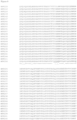
- the first variable domain comprises a heavy chain variable region with the amino acid sequence of MF3370 or MF8233 as depicted in figure 7 having at most 10, preferably 0, 1, 2, 3, 4, 5, 6, 7, 8, 9 or 10 and preferably having 0, 1, 2, 3, 4 or 5 amino acid insertions, deletions, substitutions or a combination thereof with respect to the indicated sequence, whereby said amino acid insertions, deletions, substitutions, additions or a combination thereof are not within the indicated CDR sequences.
- the first variable domain comprises a heavy chain variable region with the amino acid sequence of MF3370 or MF8233 as depicted in figure 7 .
- variable domain that can bind cMET (the second variable domain) preferably comprises a heavy chain variable region that comprises the amino acid sequence of sequences of SEQ ID NO: 13 or 23 with 0-10 preferably 0-5 amino acid insertions, deletions, substitutions, additions or a combination thereof, whereby said amino acid insertions, deletions, substitutions, additions or a combination thereof are not within the indicated CDR sequences.
- the heavy chain variable region of the second variable domain preferably comprises the amino acid sequence of the sequence of SEQ ID NO: 13 or SEQ ID NO: 23 with 0-10, preferably 0-5 amino acid insertions, deletions, substitutions, additions or a combination thereof, whereby said amino acid insertions, deletions, substitutions, additions or a combination thereof are not within the indicated CDR sequences.
- the first variable domain comprises a heavy chain variable region with a CDR1 sequence SYGIS; a CDR2 sequence WISAYNGNTNYAQKLQG and a CDR3 comprising the sequence DRHWHWWLDAFDY and wherein the second variable domain comprises a heavy chain variable region with a CDR1 sequence SYSMN; a CDR2 sequence WINTYTGDPTYAQGFTG and a CDR3 sequence ETYYYDRGGYPFDP, wherein the first and second variable domains comprise a light chain which comprises the amino acid sequence CDR1 - QSISSY, CDR2 - AAS, CDR3 - QQSYSTP.
- a bispecific antibody as claimed comprises a first variable domain that can bind an extracellular part of EGFR and a second variable domain that can bind an extracellular part of cMET wherein the first variable domain comprises a heavy chain variable region with a CDR1 sequence SYGIS; a CDR2 sequence WISAYNANTNYAQKLQG and a CDR3 comprising the sequence DRHWHWWLDAFDY and wherein the second variable domain comprises a heavy chain variable region with a CDR1 sequence TYSMN; a CDR2 sequence WINTYTGDPTYAQGFTG and a CDR3 comprising the sequence ETYFYDRGGYPFDP, wherein the first and second variable domains further comprise a light chain which comprises the amino acid sequence CDR1 - QSISSY, CDR2 - AAS, CDR3 - QQSYSTP, i.e. the CDRs of IGKV1-39 (according to IMGT).
- the CDR1, CDR2 and CDR3 of a light chain of the first and second variable domain as described herein comprises respectively the amino acid sequence CDR1 - QSISSY, CDR2 - AAS, CDR3 - QQSYSTP, i.e. the CDRs of IGKV1-39 (according to IMGT).
- the first and second variable domain comprise a common light chain, preferably a light chain of figure 9B .
- 'bispecific' in the context of the present invention means that an antibody is capable of binding two different targets or two epitopes on the same target, where one variable domain of the antibody (as defined above) binds to an epitope on EGFR and a second variable domain binds to an epitope on cMET.
- one variable domain of the antibody as defined above
- a second variable domain binds to an epitope on cMET.
- both Fab arms of the antibody may or may not simultaneously bind their epitope.
- One arm of the bispecific antibody typically contains the variable domain of one antibody and the other arm contains the variable domain of another antibody (i.e.
- one arm of the bispecific antibody is formed by one heavy chain paired with one light chain whereas the other arm is formed by a different heavy chain paired with a light chain).
- the stoichiometry of a preferred bispecific antibody of the invention disclosed herein is 1: 1, EGFR:cMET binding.
- the heavy chain variable regions of the bispecific antibody of the invention as disclosed herein are typically different from each other, whereas the light chain variable regions are preferably the same.
- a bispecific antibody wherein the different heavy chain variable regions are associated with the same light chain variable region is also referred to as a bispecific antibody with a common light chain variable region (cLcv). It is preferred that the light chain constant region is also the same.
- Such bispecific antibodies are referred to as having a common light chain (cLc). Further provided is therefore a bispecific antibody according to the invention as disclosed herein, wherein both arms comprise a common light chain.
- 'common light chain' refers to two or more light chains in a bispecific antibody which may be identical or have some amino acid sequence differences while the binding specificity of the full length antibody is not affected. It is for instance possible within the scope of the definition of common light chains as used herein, to prepare or find light chains that are not identical but still functionally equivalent, e.g., by introducing and testing conservative amino acid changes, changes of amino acids in regions that do not or only partly contribute to binding specificity when paired with the heavy chain, and the like.
- the terms 'common light chain', 'common LC', 'cLC', 'single light chain' with or without the addition of the term 'rearranged' are all used herein interchangeably.
- a bispecific antibody has a common light chain (variable region) that can combine with at least two, and preferably a plurality of heavy chains (variable regions) of different binding specificity to form antibodies with functional antigen binding domains (e.g., WO2009/157771 ).
- the common light chain (variable region) is preferably a human light chain (variable region).
- a common light chain (variable region) preferably has a germline sequence.
- a preferred germline sequence is a light chain variable region that has good thermodynamic stability, yield and solubility.
- a preferred germline light chain is O12.
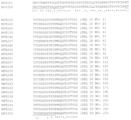
- a common light chain preferably comprises the light chain encoded by a germline human Vk gene segment, and is preferably the rearranged germline human kappa light chain IgV ⁇ 1-39*01/IGJ ⁇ 1*01 ( Figure 9A ).
- the common light chain variable region is preferably the variable region of the rearranged germline human kappa light chain IgV ⁇ 1-39*01/IGJ ⁇ 1*01.
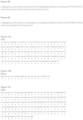
- a common light chain preferably comprises a light chain variable region as depicted in figure 9B , or 9D with 0-5 amino acid insertions, deletions, substitutions, additions or a combination thereof.
- the common light preferably further comprises a light chain constant region, preferably a kappa light chain constant region.
- a nucleic acid that encodes the common light chain can be codon optimized for the cell system used to express the common light chain protein.
- the encoding nucleic acid can deviate from a germ-line nucleic acid sequence.
- the light chain comprises a light chain region comprising the amino acid sequence of an O12 / IgV ⁇ 1-39*01 gene segment as depicted in figure 9A with 0-10, preferably 0-5 amino acid insertions, deletions, substitutions, additions or a combination thereof.
- the phrase "O12 light chain” will be used throughout the specification as short for "a light chain comprising a light chain variable region comprising the amino acid sequence of an 012 / IgV ⁇ 1-39*01 gene segment as depicted in figure 9A with 0-10, preferably 0-5 amino acid insertions, deletions, substitutions, additions or a combination thereof.
- IgV ⁇ 1-39 is short for Immunoglobulin Variable Kappa 1-39 Gene.
- the gene is also known as Immunoglobulin Kappa Variable 1-39; IGKV139; IGKV1-39; O12a or 012. External Ids for the gene are HGNC: 5740; Entrez Gene: 28930; Ensembl: ENSG00000242371.
- a preferred amino acid sequence for IgV ⁇ 1-39 is given in figure 9E . This lists the sequence of the V-region. The V-region can be combined with one of five J-regions. Figure 9B and 9D describe two preferred sequences for IgV ⁇ 1-39 in combination with a J-region.
- the joined sequences are indicated as IGKV1-39/jk1 and IGKV1-39/jk5; alternative names are IgV ⁇ 1-39*01/IGJ ⁇ 1*01 or IgV ⁇ 1-39*01/IGJ ⁇ 5*01 (nomenclature according to the IMGT database worldwide web at imgt.org).
- the O12 / IgV ⁇ 1-39*01 comprising light chain variable region is a germline sequence. It is further preferred that the IGJ ⁇ 1*01 or /IGJ ⁇ 5*01 comprising light chain variable region is a germline sequence. In a preferred embodiment, the IGKV1-39/jk1 or IGKV1-39/jk5 light chain variable regions are germline sequences.
- the light chain variable region comprises a germline O12/IgV ⁇ 1-39*01.
- the light chain variable region comprises the kappa light chain IgV ⁇ 1-39*01/IGJ ⁇ 1*01 or IgV ⁇ 1-39*01/IGJ ⁇ 5*01.
- the light chain variable region preferably comprises a germline kappa light chain IgV ⁇ 1-39*01/IGJ ⁇ 1*01 or germline kappa light chain IgV ⁇ 1-39*01/IGJ ⁇ 5*01, preferably a germline IgV ⁇ 1-39*01/IGJ ⁇ 1*01.
- Mature B-cells that produce an antibody with an 012 light chain often produce a light chain that has undergone one or more mutations with respect to the germline sequence, i.e. the normal sequence in non-lymphoid cells of the organism.
- the process that is responsible for these mutations is often referred to as somatic (hyper)mutation.
- the resulting light chain is referred to as an affinity matured light chain.
- Such light chains, when derived from an 012 germline sequence are O12-derived light chains.
- the phrase "common light chain” will include “common light chain derived light chains and the phrase "O12 light chains” will include O12-derived light chains.
- the mutations that are introduced by somatic hypermutation can also be introduced artificially in the lab.
- a light chain is at least an O12 light chain if it comprises a sequence as depicted in figure 9A, figure 9B ; figure 9D or figure 9E with 0-10, preferably 0-5 amino acid insertions, deletions, substitutions, additions or a combination thereof.
- the O12 light chain is a light chain comprising a sequence as depicted in figure 9A; 9B ; 9D or 9E with 0-9, 0-8, 0-7, 0-6, 0-5, 0-4 amino acid insertions, deletions, substitutions, additions or a combination thereof.
- the O12 light chain is a light chain comprising a sequence as depicted in figure 9A, figure 9B ; figure 9D or figure 9E with 0-5, preferably 0-4, more preferably 0-3 amino acid insertions, deletions, substitutions, additions or a combination thereof.
- the O12 light chain is a light chain comprising a sequence as depicted in figure 9A, figure 9B ; figure 9D or figure 9E with 0-2, more preferably 0-1, most preferably 0 amino acid insertions, deletions, substitutions, additions or a combination thereof.
- the O12 light chain is a light chain comprising a sequence as depicted in figure 9A or figure 9B with the mentioned amino acid insertions, deletions, substitutions, additions or a combination thereof.
- the light chain comprises the sequence of figure 9A .
- the light chain variable region comprises the sequence of figure 9B .
- the mentioned 1, 2, 3, 4 or 5 amino acid substitutions are preferably conservative amino acid substitutions, the insertions, deletions, substitutions or combination thereof are not in the CDR1, CDR2 or CDR3 region, and preferably not in the FR4 region of the VL chain.
- a cell that produces a common light chain can produce for instance rearranged germline human kappa light chain IgV ⁇ 1-39*01/IGJ ⁇ 1*01 and a light chain comprising the variable region of the mentioned light chain fused to a lambda constant region.
- the light chain variable region comprises the amino acid sequence DIQMT QSPSS LSASV GDRVT ITCRA SQSIS SYLNW YQQKP GKAPK LLIYA ASSLQ SGVPS RFSGS GSGTD FTLTI SSLQP EDFAT YYCQQ SYSTP PTFGQ GTKVE IK or DIQMT QSPSS LSASV GDRVT ITCRA SQSIS SYLNW YQQKP GKAPK LLIYA ASSLQ SGVPS RFSGS GSGTD FTLTI SSLQP EDFAT YYCQQ SYSTP PITFG QGTRL EIK with 0-10, preferably 0-5 amino acid insertions, deletions, substitutions, additions or a combination thereof, whereby said amino acid insertions, deletions, substitutions, additions or a combination thereof are not within the indicated CDR sequences.
- the light chain variable region comprises 0-9, 0-8, 0-7, 0-6, 0-5, 0-4, preferably 0-3, preferably 0-2, preferably 0-1 and preferably 0 amino acid insertions, deletions, substitutions, additions with respect to the indicated amino acid sequence, or a combination thereof, whereby said amino acid insertions, deletions, substitutions, additions or a combination thereof are not within the indicated CDR sequences.
- a combination of an insertion, deletion, addition or substitution is a combination as claimed if aligned sequences do not differ at more than 5 positions.
- the light chain variable region comprises the amino acid sequence DIQMT QSPSS LSASV GDRVT ITCRA SQSIS SYLNW YQQKP GKAPK LLIYA ASSLQ SGVPS RFSGS GSGTD FTLTI SSLQP EDFAT YYCQQ SYSTP PTFGQ GTKVE IK or DIQMT QSPSS LSASV GDRVT ITCRA SQSIS SYLNW YQQKP GKAPK LLIYA ASSLQ SGVPS RFSGS GSGTD FTLTI SSLQP EDFAT YYCQQ SYSTP PITFG QGTRL EIK.
- the light chain variable region comprises the amino acid sequence DIQMT QSPSS LSASV GDRVT ITCRA SQSIS SYLNW YQQKP GKAPK LLIYA ASSLQ SGVPS RFSGS GSGTD FTLTI SSLQP EDFAT YYCQQ SYSTP PTFGQ GTKVE IK.
- the light chain variable region comprises the amino acid sequence DIQMT QSPSS LSASV GDRVT ITCRA SQSIS SYLNW YQQKP GKAPK LLIYA ASSLQ SGVPS RFSGS GSGTD FTLTI SSLQP EDFAT YYCQQ SYSTP PITFG QGTRL EIK.
- the amino acid insertions, deletions, substitutions, additions or combination thereof are not in the CDR3 region of the light chain variable region, and not in the CDR1 or CDR2 region of the light chain variable region.
- the light chain variable region does not comprise a deletion, addition or insertion with respect to the sequence indicated.
- An amino acid substitution is preferably a conservative amino acid substitution.
- the CDR1, CDR2 and CDR3 of a light chain of an antibody of the invention comprises respectively the amino acid sequence CDR1 - QSISSY, CDR2 - AAS, CDR3 - QQSYSTP, i.e. the CDRs of IGKV1-39 (according to IMGT).
- Bispecific antibodies as described herein have one heavy chain variable region/light chain variable region (VH/VL) combination that binds an extracellular part of EGFR and a second VH/VL combination that binds an extracellular of cMET.
- VH/VL heavy chain variable region/light chain variable region
- the VL in said first VH/VL combination is similar to the VL in said second VH/VL combination.
- the VLs in the first and second VH/VL combinations are identical.
- the bispecific antibody is a full length antibody which has one heavy/light (H/L) chain combination that binds an extracellular part of EGFR and one H/L chain combination that binds an extracellular part of cMET.
- the light chain in said first H/L chain combination is similar to the light chain in said second H/L chain combination.
- the light chains in the first and second H/L chain combinations are identical.
- the bispecific antibody of the invention as disclosed herein comprises two different immunoglobulin heavy chains with compatible heterodimerization domains. Various compatible heterodimerization domains have been described in the art.
- the compatible heterodimerization domains are preferably compatible immunoglobulin heavy chain CH3 heterodimerization domains.
- a and B two different heavy chains
- AA and BB are designations for the two mono-specific, bivalent antibodies
- AB is a designation for the bispecific antibody.
- CH3 engineering can be employed, or in other words, one can use heavy chains with compatible hetero-dimerization domains, as defined hereunder.
- the art describes various ways in which such hetero-dimerization of heavy chains can be achieved. One way is to generate 'knob into hole' bispecific antibodies.
- hetero-dimerization domains' refers to protein domains that are engineered such that engineered domain A' will preferentially form heterodimers with engineered domain B' and vice versa, homo-dimerization between A'-A' and B'-B' is diminished.
- a bispecific antibody of the invention as disclosed herein preferably comprises mutations to produce substantial expression of bispecific full length IgG molecules in host cells.
- Preferred mutations are the amino acid substitutions L351K and T366K in the first CH3 domain (the 'KK-variant' heavy chain) and the amino acid substitutions L351D and L368E in the second domain (the 'DE-variant' heavy chain), or vice versa.
- US 9,248,181 and US 9,358,286 patents as well as the WO2013/157954 PCT application demonstrate that the DE-variant and KK-variant preferentially pair to form heterodimers (so-called 'DEKK' bispecific molecules). Homodimerization of DE-variant heavy chains (DEDE homodimers) are disfavored due to repulsion between the charged residues in the CH3-CH3 interface between identical heavy chains.
- Bispecific antibodies can be generated by (transient) transfection of plasmids encoding a light chain and two different heavy chains that are CH3 engineered to ensure efficient hetero-dimerization and formation of the bispecific antibodies.
- the production of these chains in a single cell leads to the favored formation of bispecific antibodies over the formation of monospecific antibodies.
- Preferred mutations to produce essentially only bispecific full length IgG1 molecules are amino acid substitutions at positions 351 and 366, e.g. L351K and T366K (numbering according to EU numbering) in the first CH3 domain (the 'KK-variant' heavy chain) and amino acid substitutions at positions 351 and 368, e.g. L351D and L368E in the second CH3 domain (the 'DE-variant' heavy chain), or vice versa (see for instance figures 10E and 10F ).
- the heavy chain/light chain combination that comprises the variable domain that binds EGFR comprises a DE variant of the heavy chain.
- the heavy chain/light chain combination that comprises the variable domain that can bind to cMET comprises a KK variant of the heavy chain.
- the KK variant of the heavy chain that binds cMET do not produce homodimers thereby rendering the observed effect of HGF induced cMET activation inhibition by the bispecific antibody very precise. It avoids activation of cMET sometimes observed with bivalent cMET antibodies (agonism).
- the Fc region mediates effector functions of an antibody, such as complement-dependent cytotoxicity (CDC), antibody-dependent cellular cytotoxicity (ADCC) and antibody-dependent cell phagocytosis (ADCP).
- CDC complement-dependent cytotoxicity
- ADCC antibody-dependent cellular cytotoxicity
- ADCP antibody-dependent cell phagocytosis
- reduced effector function can be desired when an immune response is to be activated, enhanced or stimulated as in some of the embodiments of the invention as disclosed herein.
- Antibodies with reduced effector functions can be used to target cell-surface molecules of immune cells, among others.
- Antibodies with reduced effector functions are preferably IgG antibodies comprising a modified CH2/lower hinge region, for instance to reduce Fc-receptor interaction or to reduce C1q binding.
- the antibody of the invention is an IgG antibody with a mutant CH2 and/or lower hinge domain such that interaction of the bispecific IgG antibody to a Fc-gamma receptor is reduced.
- An antibody comprising a mutant CH2 region is preferably an IgG1 antibody.
- Such a mutant IgG1 CH2 and/or lower hinge domain preferably comprise an amino substitution at position 235 and/or 236 (EU-numbering), preferably an L235G and/or G236R substitution ( Figure 10D ).
- An antibody of the invention as disclosed herein preferably has effector function.
- a bispecific antibody of the invention as disclosed herein preferably comprises antibody-dependent cell-mediated cytotoxicity (ADCC).
- the antibody can be engineered to enhance the ADCC activity (for review, see Cancer Sci. 2009 Sep;100(9):1566-72 .
- a labeled target cell line expressing a certain surface-exposed antigen is incubated with antibody specific for that antigen. After washing, effector cells expressing Fc receptor CD16 are co-incubated with the antibody-labeled target cells. Target cell lysis is subsequently measured by release of intracellular label by a scintillation counter or spectrophotometry.
- a bispecific antibody of the invention as disclosed herein exhibits ADCC activity. In such aspect the bispecific antibody can have improved ADCC activity. In another aspect a bispecific antibody of the invention as disclosed herein does not exhibit ADCC activity. In such aspect the antibody can have reduced ADCC by means of one or more CH2 mutations as described elsewhere herein and by techniques known to in the art.
- a bispecific antibody of the invention as disclosed herein is preferably afucosylated in order to enhance ADCC activity.
- a bispecific antibody of the invention as disclosed herein preferably comprises a reduced amount of fucosylation of the N-linked carbohydrate structure in the Fc region, when compared to the same antibody produced in a normal CHO cell.
- a variant of an antibody or bispecific antibody as described herein comprises a functional part, derivative and/or analogue of the antibody or bispecific antibody.
- the variant maintains the binding specificity of the (bispecific) antibody.
- the functional part, derivative and/or analogue maintains the binding specificity of the (bispecific) antibody. Binding specificity is defined by capacity to bind an extracellular part of a first membrane protein and a second membrane protein as described herein.
- a bispecific antibody of the invention is preferably used in humans.
- a preferred antibody of the invention is a human or humanized antibody.
- the constant region of a bispecific antibody of the invention is preferably a human constant region.
- the constant region may contain one or more, preferably not more than 10, preferably not more than 5 amino-acid differences with the constant region of a naturally occurring human antibody. It is preferred that the constant part is entirely derived from a naturally occurring human antibody.
- Various antibodies produced herein are derived from a human antibody variable domain library. As such these variable domains are human.
- the unique CDR regions may be derived from humans, be synthetic or derived from another organism.
- variable region is considered a humanized variable region when it has an amino acid sequence that is identical to an amino acid sequence of the variable region of a naturally occurring human antibody, but for the CDR regions.
- the VH of a variable domain of an antibody that binds EGFR or cMET of the invention may contain one or more, preferably not more than 10, preferably not more than 5 amino-acid differences with the variable region of a naturally occurring human antibody, not counting possible differences in the amino acid sequence of the CDR regions.
- the light chain variable region of an EGFR binding domain and/or a cMET binding domain in an antibody of the invention may contain one or more, preferably not more than 10, preferably not more than 5 amino-acid differences with the variable region of a naturally occurring human antibody, not counting possible differences in the amino acid sequence of the CDR regions.
- the light chain in an antibody of the invention may contain one or more, preferably not more than 10, preferably not more than 5 amino-acid differences with the variable region of a naturally occurring human antibody, not counting possible differences in the amino acid sequence of the CDR regions.
- Such mutations also occur in nature in the context of somatic hypermutation.
- Antibodies may be derived from various animal species, at least with regard to the heavy chain variable region. It is common practice to humanize such e.g. murine heavy chain variable regions. There are various ways in which this can be achieved among which there are CDR-grafting into a human heavy chain variable region with a 3D-structure that matches the 3-D structure of the murine heavy chain variable region; deimmunization of the murine heavy chain variable region, preferably done by removing known or suspected T- or B- cell epitopes from the murine heavy chain variable region. The removal is typically by substituting one or more of the amino acids in the epitope for another (typically conservative) amino acid, such that the sequence of the epitope is modified such that it is no longer a T- or B-cell epitope.
- Deimmunized murine heavy chain variable regions are less immunogenic in humans than the original murine heavy chain variable region.
- a variable region or domain of the invention as disclosed herein is further humanized, such as for instance veneered.
- veneering techniques exterior residues which are readily encountered by the immune system are selectively replaced with human residues to provide a hybrid molecule that comprises either a weakly immunogenic or substantially non-immunogenic veneered surface.
- An animal as used in the invention as disclosed herein is preferably a mammal, more preferably a primate, most preferably a human.
- a bispecific antibody according to the invention as claimed herein preferably comprises a constant region of a human antibody.
- antibodies are grouped into five classes, or isotypes: IgG, IgA, IgM, IgD, and IgE. These classes or isotypes comprise at least one of said heavy chains that is named with a corresponding Greek letter.
- a preferred embodiment comprises an antibody wherein said constant region is selected from the group of IgG, IgA, IgM, IgD, and IgE constant regions, more preferably said constant region comprises an IgG constant region, i.e. selected from the group consisting of IgG1, IgG2, IgG3 and IgG4.
- said constant region is an IgG1 or IgG4 constant region, more preferably a mutated IgG1 constant region.
- IgG1 or IgG4 constant region more preferably a mutated IgG1 constant region.
- Some variation in the constant region of IgG1 occurs in nature and/or is allowed without changing the immunological properties of the resulting antibody. Variation can also be introduced artificially to install certain preferred features on the antibody or parts thereof. Such features are for instance described herein in the context of CH2 and CH3. Typically between about 1-10 amino acid insertions, deletions, substitutions or a combination thereof are allowed in the constant region.
- a VH chain of Figure 1 , 7 or 8 preferably has at most 15, preferably 0, 1, 2, 3, 4, 5, 6, 7, 8, 9 or 10 amino acid insertions, deletions, substitutions or a combination thereof with respect to the VH chain depicted in Figures 1 , 7 or 8 , preferably has 0, 1, 2, 3, 4 or 5 amino acid insertions, deletions, substitutions or a combination thereof with respect to the VH chain depicted in Figures 1 , 7 or 8 , preferably 0, 1, 2, 3 or 4 insertions, deletions, substitutions or a combination thereof, preferably 0, 1, 2 or 3 insertions, deletions, substitutions or a combination thereof, more preferably 0; 1 or 2 insertions, deletions, substitutions or a combination thereof, and preferably 0 or 1 insertion, deletion, substitution or a combination thereof with respect to the VH chain depicted in Figures 1 , 7 or 8 .
- the one or more amino acid insertions, deletions, substitutions or a combination thereof are not in the CDR1, CDR2 and CDR3 region of the VH chain. They are also preferably not present in the Fr4 region.
- An amino acid substitution is preferably a conservative amino acid substitution.
- Rational methods have evolved toward minimizing the content of non-human residues in the human context.
- Various methods are available to successfully graft the antigen-binding property of an antibody onto another antibody.
- the binding properties of antibodies may rest predominantly in the exact sequence of the CDR3 region, often supported by the sequence of the CDR1 and CDR2 regions in the variable domain combined with the appropriate structure of the variable domain as a whole.
- the amino acid sequence of a CDR region as depicted herein determined with the Kabat definition.
- Various methods are presently available to graft CDR regions onto a suitable variable domain of another antibody. Some of these methods are reviewed in J.C. Almagro and J. Fransson (2008) Frontiers in Bioscience 13, 1619-1633 .
- the invention therefore further provides a human or humanized bispecific antibody comprising a first antigen-binding site that binds EGFR and a second antigen-binding site that binds cMET, wherein the variable domain comprising the EGFR binding site comprises a VH CDR3 sequence as depicted for MF3370 in Figure 1 , and wherein the variable domain comprising the cMET binding site comprises a VH CDR3 region as depicted for MF4356 in Figure 1 .
- the VH variable region comprising the EGFR binding site preferably comprises the sequence of the CDR1 region, CDR2 region and the CDR3 region of a VH chain as depicted for MF3370 in Figure 1 .
- the VH variable region comprising the cMET binding site preferably comprises the sequence of the CDR1 region, CDR2 region and the CDR3 region of a VH chain as depicted for MF4356 in Figure 1 .
- CDR grafting may also be used to produce a VH chain with the CDR regions of a VH of Figure 1 , but having a different framework.
- the different framework may be of another human VH, or of a different mammal.
- the invention therefore further provides a human or humanized bispecific antibody comprising a first antigen-binding site that binds EGFR and a second antigen-binding site that binds cMET, wherein the variable domain comprising the EGFR binding site comprises a VH CDR3 sequence as depicted for MF8233 in Figure 7 , and wherein the variable domain comprising the cMET binding site comprises a VH CDR3 region as depicted for MF8230 in Figure 8 .
- the VH variable region comprising the EGFR binding site preferably comprises the sequence of the CDR1 region, CDR2 region and the CDR3 region of a VH chain as depicted for MF8233 in Figure 7 .
- the VH variable region comprising the cMET binding site preferably comprises the sequence of the CDR1 region, CDR2 region and the CDR3 region of a VH chain as depicted for MF8230 in Figure 8 .
- CDR grafting may also be used to produce a VH chain with the CDR regions of a VH of Figure 7 or Figure 8 , but having a different framework.
- the different framework may be of another human VH, or of a different mammal.
- the invention therefore further provides a human or humanized bispecific antibody comprising a first antigen-binding site that binds EGFR and a second antigen-binding site that binds cMET, wherein the variable domain comprising the EGFR binding site comprises a VH CDR1, CDR2 and CDR3 sequence as depicted for MF3370 in Figure 1 , and wherein the variable domain comprising the cMET binding site comprises a VH CDR1, CDR2 and CDR3 region as depicted for MF8230 in Figure 8 .
- CDR grafting may also be used to produce a VH chain with the CDR regions of a VH of Figure 7 or Figure 8 , but having a different framework.
- the different framework may be of another human VH, or of a different mammal.
- the invention therefore further provides a human or humanized bispecific antibody comprising a first antigen-binding site that binds EGFR and a second antigen-binding site that binds cMET, wherein the variable domain comprising the EGFR binding site comprises a VH CDR1, CDR2 and CDR3 sequence as depicted for MF8233 in Figure 7 , and wherein the variable domain comprising the cMET binding site comprises a VH CDR1, CDR2 and CDR3 region as depicted for MF4356 in Figure 8 .
- CDR grafting may also be used to produce a VH chain with the CDR regions of a VH of Figure 7 or Figure 8 , but having a different framework.
- the different framework may be of another human VH, or of a different mammal.
- the invention further provides a human or humanized bispecific antibody comprising a first variable domain that binds EGFR and a second variable domain that binds cMET wherein the first variable domain comprises a heavy chain variable region with the amino acid sequence of MF3370 as depicted in figure 7 having at most 10, preferably 0, 1, 2, 3, 4, 5, 6, 7, 8, 9 or 10 and preferably having 0, 1, 2, 3, 4 or 5 amino acid insertions, deletions, substitutions or a combination thereof and wherein the second variable domain comprises a heavy chain variable region that comprises the amino acid sequence of MF4356 depicted in figure 8 (SEQ ID NO: 23) with 0-10 preferably 0-5 amino acid insertions, deletions, substitutions, additions or a combination thereof, whereby said amino acid insertions, deletions, substitutions, additions or a combination thereof are not within the indicated CDR sequences.
- the first variable domain comprises a heavy chain variable region with the amino acid sequence of MF3370 as depicted in figure 7 having at most 10, preferably 0, 1, 2,
- the invention further provides a human or humanized bispecific antibody comprising a first variable domain that binds EGFR and a second variable domain that binds cMET wherein the first variable domain comprises a heavy chain variable region with the amino acid sequence of MF8233 as depicted in figure 7 having at most 10, preferably 0, 1, 2, 3, 4, 5, 6, 7, 8, 9 or 10 and preferably having 0, 1, 2, 3, 4 or 5 amino acid insertions, deletions, substitutions or a combination thereof and wherein the second variable domain comprises a heavy chain variable region that comprises the amino acid sequence of MF8230 depicted in figure 8 (SEQ ID NO: 13) with 0-10 preferably 0-5 amino acid insertions, deletions, substitutions, additions or a combination thereof, whereby said amino acid insertions, deletions, substitutions, additions or a combination thereof are not within the indicated CDR sequences.
- the first variable domain comprises a heavy chain variable region with the amino acid sequence of MF8233 as depicted in figure 7 having at most 10, preferably 0, 1, 2,
- the mentioned at most 15, preferably 0, 1, 2, 3, 4, 5, 6, 7, 8, 9 or 10 and preferably 0, 1, 2, 3, 4 or 5 amino acid substitutions are preferably conservative amino acid substitutions, the insertions, deletions, substitutions or a combination thereof are not in the CDR1, CDR2 or CDR3 region of the VH chain and preferably not in the FR4 region.
- bispecific antibodies Various methods are available to produce bispecific antibodies.
- One method involves the expression of two different heavy chains and two different light chains in a cell and collecting antibody that is produced by the cell.
- Antibody produced in this way will typically contain a collection of antibodies with different combinations of heavy and light chains, some of which are the desired bispecific antibody.
- the bispecific antibody can subsequently be purified from the collection.
- the ratio of bispecific to other antibodies that are produced by the cell can be increased in various ways. In a preferred embodiment, the ratio is increased by expressing not two different light chains but a common light chain in the cell. When a common light chain is expressed with the two different heavy chains, the ratio of bispecific antibody to other antibody that is produced by the cell is significantly improved over the expression of two different light chains.
- the ratio of bispecific antibody that is produced by the cell can be further improved by stimulating the pairing of two different heavy chains with each other over the pairing of two identical heavy chains.
- Methods and means are disclosed for producing bispecific antibodies (from a single cell), whereby means are provided that favor the formation of bispecific antibodies over the formation of monospecific antibodies. These methods can also be favorably employed to produce bispecific antibodies of the present invention.
- the present disclosure provides a method for producing a bispecific antibody from a single cell, wherein said bispecific antibody comprises two CH3 domains that are capable of forming an interface, said method comprising providing in said cell a) a first nucleic acid molecule encoding a 1st CH3 domain comprising heavy chain, b) a second nucleic acid molecule encoding a 2nd CH3 domain comprising heavy chain, wherein said nucleic acid molecules are provided with means for preferential pairing of said 1st and 2nd CH3 domain comprising heavy chains, said method further comprising the step of culturing said host cell and allowing for expression of said two nucleic acid molecules and harvesting said bispecific antibody from the culture.
- Said first and second nucleic acid molecules may be part of the same nucleic acid molecule, vector or gene delivery vehicle and may be integrated at the same site of the host cell's genome. Alternatively, said first and second nucleic acid molecules are separately provided to said cell.
- Described herein is a method for producing a bispecific antibody according to the invention as disclosed herein from a single cell, wherein said bispecific antibody comprises two CH3 domains that are capable of forming an interface, said method comprising providing:
- nucleic acid molecule encoding an antibody heavy chain variable region.
- the nucleic acid molecule (typically an in vitro, isolated or recombinant nucleic acid molecule) preferably encodes a heavy chain variable region as depicted in Figure 7 or Figure 8 , or a heavy chain variable region as depicted in Figure 7 or Figure 8 having 1, 2, 3, 4 or 5 amino acid insertions, deletions, substitutions or combination thereof.
- the nucleic acid molecule comprises codon optimized nucleic acid sequence coding for an amino acid sequence as depicted in Figure 7 or Figure 8 .
- the codon optimization is optimized for the species and/or the cell type of the antibody producing cell. For example, for CHO production the nucleic acid sequence of the molecule is codon optimized for Chinese hamster cells.
- a nucleic acid molecule encoding a heavy chain of Figure 7 or Figure 8 preferably an in vitro, isolated or recombinant nucleic acid molecule
- the nucleic acid molecule comprises codon optimized nucle
- a nucleic acid molecule as disclosed herein is typically but not exclusively a ribonucleic acid (RNA) or a deoxyribonucleic acid (DNA).
- Alternative nucleic acids are available for a person skilled in the art.
- a nucleic acid as disclosed herein is for instance comprised in a cell. When said nucleic acid is expressed in said cell, said cell can produce an antibody according to an invention. Therefore, the disclosure includes a cell comprising an antibody according to the invention and/or a nucleic acid as disclosed herein.
- Said cell is preferably an animal cell, more preferably a mammal cell, more preferably a primate cell, most preferably a human cell.
- a suitable cell is any cell capable of comprising and preferably producing an antibody as claimed herein and/or a nucleic acid as disclosed herein.
- a cell comprising an antibody as claimed herein.
- said cell typically an in vitro, isolated or recombinant cell
- produces said antibody Said cell can also be a stored cell that is able to produce said antibody when taken out of storage and cultured.
- said cell is a hybridoma cell, a Chinese hamster ovary (CHO) cell, an NS0 cell or a PER-C6 TM cell.
- said cell is a CHO cell.
- a cell culture comprising a cell as disclosed herein.
- Various institutions and companies have developed cell lines for the large scale production of antibodies, for instance for clinical use.
- Non-limiting examples of such cell lines are CHO cells, NS0 cells or PER.C6 TM cells. These cells are also used for other purposes such as the production of proteins.
- Cell lines developed for industrial scale production of proteins and antibodies are herein further referred to as industrial cell lines.
- a preferred embodiment includes use of a cell line developed for the large scale production of antibody for the production of an antibody as claimed herein, including preferably a cell for producing an antibody comprising a nucleic acid molecule that codes for a VH, a VL, and/or a heavy chain of MF3370 and MF4356 as depicted in Figure 7 or Figure 8 .
- an antibody comprising culturing a cell as disclosed herein and harvesting said antibody from said culture.
- said cell is cultured in a serum free medium.
- said cell is adapted for suspension growth.
- an antibody obtainable by a method for producing an antibody as claimed herein.
- the antibody is preferably purified from the medium of the culture.
- said antibody is affinity purified.
- a cell as disclosed herein is for instance a hybridoma cell line, a CHO cell, a 293F cell, an NS0 cell or another cell type known for its suitability for antibody production for clinical purposes.
- said cell is a human cell.
- a cell that is transformed by an adenovirus E1 region or a functional equivalent thereof is the PER.C6TM cell line or equivalent thereof.
- said cell is a CHO cell or a variant thereof.
- GS Glutamine synthetase
- Antibodies as claimed herein can be produced at levels > 50 mg/L after transient transfection in suspension 293F cells.
- the bispecific antibodies can be purified to greater than 98% purity with yields > 70%.
- Analytical characterization studies show bispecific IgG1 antibody profiles that are comparable to bivalent monospecific IgG1.
- a bispecific antibody as claimed herein can demonstrate superior potency compared to cetuximab in vitro and in vivo.
- composition comprising an antibody according to an invention as disclosed herein.
- the pharmaceutical composition preferably comprises a preferably pharmaceutically acceptable excipient or carrier.
- An antibody can comprise a label, preferably a label for in vivo imaging.
- a label is typically not necessary for therapeutic applications. In for instance a diagnostic setting, a label can be helpful. For instance in visualizing target cells in the body.
- the label is a radioactive label for detection.
- the label is an infrared label.
- the infrared label is suited for in vivo imaging.
- Various infrared labels are available to the person skilled in the art.
- Preferred infrared labels are for instance, IRDye 800; IRDye 680RD; IRDye 680LT; IRDye 750; IRDye 700DX; IRDye 800RS IRDye 650; IRDye 700 phosphoramidite; IRDye 800 phosphoramidite (LI-COR USA; 4647 Superior Street; Lincoln, Iowa).
- the invention further provides an antibody as claimed herein for use in the treatment of a subject that has a tumor.
- the tumor is preferably an EGFR, cMET or EGFR/cMET positive tumor.
- the method preferably further comprises determining whether said subject has such an EGFR, cMET or EGFR/cMET positive tumor.
- the invention further provides an antibody as claimed or a pharmaceutical composition as disclosed herein for use in the treatment of a subject that has or is at risk of having an EGFR, cMET or EGFR/cMET positive tumor.
- a tumor is positive for EGFR
- the skilled person can for instance determine the EGFR amplification and/or immuno-histochemistry staining. At least 10% of the tumor cells in a biopsy should be positive. The biopsy can also contain 20%, 30% 40% 50% 60% 70% or more positive cells.
- the skilled person can for instance determine the cMET amplification and/or staining in immunohistochemistry. At least 10% of the tumor cells in a biopsy should be positive. The biopsy can also contain 20%, 30% 40% 50% 60% 70% or more positive cells.
- the antibodies as claimed herein can be applied to a wide range of cancers, like breast cancer, colon cancer, pancreatic cancer, gastric cancer, ovarian cancer, colorectal cancer, head- and neck cancer, lung cancer including non-small cell lung cancer, bladder cancer and the like.
- the tumor may be an EGFR, cMET or EGFR/cMET positive cancer.
- the antibodies as claimed may be preferably for use in the treatment of a positive cancer that is a breast cancer, such as early-stage breast cancer.
- said antibodies may be preferably for use in the treatment of the EGFR, cMET or EGFR/cMET positive cancer that is colorectal cancer.
- the antibodies as claimed herein can be applied to a wide range of EGFR, cMET or EGFR/cMET positive cancers, like breast cancer, colon cancer, pancreatic cancer, gastric cancer, ovarian cancer, colorectal cancer, head- and neck cancer, lung cancer including non-small cell lung cancer, bladder cancer and the like.
- the subject is preferably a human subject.
- the subject is preferably a subject eligible for antibody therapy using an EGFR specific antibody such as cetuximab.
- the antibodies may preferably for use in the treatment of a subject that comprises a tumor, preferably an EGFR/cMET positive cancer, preferably a tumor/cancer with an EGFR RTK resistant phenotype, an EGFR monoclonal antibody resistant phenotype or a combination thereof.
- the amount of antibody to be administered to a patient is typically in the therapeutic window, meaning that a sufficient quantity is used for obtaining a therapeutic effect, while the amount does not exceed a threshold value leading to an unacceptable extent of side-effects.
- An antibody as claimed herein exerting sufficient therapeutic effects at low dosage is, therefore, preferred.
- the dosage can be in range of the dosing regimen of cetuximab. The dosage can also be lower.
- a bispecific antibody according to an invention as claimed herein preferably induces less skin toxicity as compared to cetuximab under otherwise similar conditions.
- a bispecific antibody as claimed herein preferably produces less proinflammatory chemokines, preferably of CXCL14 as compared to cetuximab under otherwise similar conditions.
- a bispecific antibody as claimed herein preferably induces less impairment of antimicrobial RNAses, preferably Rnase 7, as compared to cetuximab under otherwise similar conditions.
- the present invention describes among others antibodies that target the EGFR and cMET receptors and result in potent proliferation inhibition of cancer cell lines in vitro and tumor growth inhibition in vivo.
- a bispecific antibody as claimed herein can combine low toxicity profiles with high efficacy.
- An antibody as claimed herein can be useful in various types and lines of EGFR-targeted therapies.
- An antibody as claimed herein can have an increased therapeutic window when compared to an antibody that binds the same antigen(s) with both arms.
- a bispecific antibody as claimed herein can exhibit better growth inhibitory effects in vitro, in vivo or a combination thereof when compared to the cetuximab antibody.
- the invention also provides a bispecific antibody as claimed herein, for use in the treatment of subject that may have one or more of a variety of different kinds of tumors.
- the tumor may be an EGFR positive tumor, a cMET positive tumor or an EGFR and cMET positive tumor.
- the tumor may be a breast cancer; colon cancer, pancreatic cancer, gastric cancer, ovarian cancer, colorectal cancer, head- and neck cancer, lung cancer including non-small cell lung cancer or bladder cancer.
- the tumor may be resistant to treatment with an EGFR tyrosine kinase inhibitor.
- the EGFR tyrosine kinase inhibitor is preferably erlotinib, gefitinib, or afatinib, an analogue of erlotinib, gefitinib or afatinib or a combination of one or more of the respective compounds and/or analogues thereof.
- the treatment preferably further comprises treatment with an EGFR tyrosine kinase inhibitor.
- the tumor can be resistant to the treatment with the EGFR tyrosine kinase inhibitor.
- the co-treatment at least partly restores sensitivity of the tumor to the tyrosine kinase inhibitor.
- the EGFR tyrosine kinase inhibitor can be a first generation EGFR tyrosine kinase inhibitor.
- first generation EGFR tyrosine kinase inhibitors are erlotinib and gefitinib.
- the tumor may be an HGF-associated tumor.
- An EGFR-positive tumor is typically a tumor that has an EGFR activating mutation.
- An EGFR activating mutation is a mutation of EGFR that results in activation of the EGF/EGFR signaling pathway.
- the EGFR activating mutation may be important for a cancerous state of the tumor.
- One of the ways in which such tumors can become insensitive to EGFR targeted therapy is by activation of the HGF/cMET signaling pathway.
- the tumor may be an HGF-associated tumor.
- Activation of the cMET/HGF signaling pathway is one of the ways in which an EGFR-positive tumor can escape treatment with an EGFR-targeted therapy.
- the cMET/HGF pathway can be activated in various ways.
- An antibody as claimed herein is particularly suited for the treatment of tumors wherein activation of the cMET/HGF signaling pathway is associated with the presence of or excess of HGF.
- Such cMET positive tumors are referred to as HGF-associated tumors or HGF-dependent tumors.
- An antibody as claimed herein can also be used to at least in part inhibit this possible escape mechanism of EGFR positive tumors.
- Such tumors can escape EGFR-targeted therapy through the selected outgrowth of tumor cells wherein, in addition, the cMET/HGF signaling pathway is activated. Such cells may be present at the start of the EGFR-targeted therapy.
- the tumor may be a tumor wherein the HGF/cMET signaling pathway is activated.
- the tumor may be a tumor that is associated with elevated levels of hepatocyte growth factor (HGF) or overexpression of the HGF receptor c-Met.
- the tumor may be a tumor wherein growth is driven by the EGF and/or HGF.
- a tumor is said to be driven by a certain growth factor if the signaling pathway is activated in cells of the tumor in response to the presence of the growth factor and removal of the growth factor results in inhibition of the growth of the cells of the tumor. Reduction can be measured by reduced cell division and/or induced cell kill such as apoptosis.
- a tumor is an HGF-associated tumor if under conditions that would otherwise be permissive for the growth of the tumor, the tumor growths or growths faster in the presence of HGF.
- EGFR-targeted therapies for various tumors have been reviewed by Vecchione et al., EGFR-targeted therapy.” Experimental cell research Vol 317 (2011): 2765-2771 .
- EGFR-targeted therapy is a therapy with a molecule that interacts with EGFR and inhibits EGFR-mediated signaling in the cell.
- the antibody for use in the treatment as indicated herein preferably further comprises the step of determining whether the tumor is an HGF-associated tumor.
- An antibody as claimed herein can inhibit growth of an HGF-associated tumor.
- ranges are given as between number 1 and number 2, the range includes the number 1 and number 2.
- a range of between 2-5 includes the number 2 and 5.
- the Kd lower than the other Kd.
- a Kd of 10e-9 M is lower than a Kd of 10e-8 M.
- the affinity of an antibody with a Kd of 10e-9 M for a target is higher than when the Kd is 10e-8 M.
- MFXXXX wherein X is independently a numeral 0-9, refers to a Fab comprising a variable domain wherein the VH has the amino acid sequence identified by the 4 digits. Unless otherwise indicated the light chain variable region of the variable domain typically has a sequence of Figure 9A , typically 9B.
- MFXXXX VH refers to the amino acid sequence of the VH identified by the 4 digits.
- the MF further comprises a constant region of a light chain and a constant region of a heavy chain that normally interacts with a constant region of a light chain.
- PG refers to a monospecific antibody comprising identical heavy and light chains.
- PB refers to a bispecific antibody with two different heavy chains.
- VH variable regions of the heavy chains differ and typically also the CH3 region, wherein one of the heavy chains has a KK mutation of its CH3 domain and the other has the complementing DE mutation of its CH3 domain (see for reference PCT/NL2013/050294 ( published as WO2013/157954 ).
- EBC-1 [JCRB0820], PC-9 [RCB0446], H358 [ATCC ® CRL-5807 TM ], HCC827 [ATCC ® CRL-2868 TM ],MKN-45 [DSMZ ACC 409] N87 [ATCC ® CRL-5822 TM ] and A431 [ATCC ® CRL-1555 TM ] cell lines were purchased and routinely maintained in growth media supplemented with 10% heat inactivated fetal bovine serum (FBS). HEK293F Freestyle cells were obtained from Invitrogen and routinely maintained in 293 FreeStyle medium.
- FBS heat inactivated fetal bovine serum
- Full length cDNA of each target including unique restriction sites for cloning and kozak consensus sequence for efficient translation was either synthetized, or obtained via PCR amplification on a commercially available expression construct, containing the target cDNA, with specific primers that introduced unique restriction sites for cloning and kozak consensus sequence for efficient translation.
- the full length cDNA of each target was cloned into a eukaryotic expression construct such as pcDNA3.1, whereas the extracellular domains were cloned into pVAX1 and pDisplay. The insert sequences were verified by comparison with NCBI Reference amino acid sequences.
- Amino acid sequence full length human EGFR insert for expression on the cell surface (Identical to GenBank: NP_00533):
- Amino acid sequence chimeric macaque (Macaca mulatta) extra cellular EGFR domain hybrid with human EGFR transmembrane and intracellular domain for expression on the cell surface (Identical to GenBank: XP_014988922.1. Human EGFR sequence underlined in the example below.
- Amino acid sequence full length human cMET insert for expression on the cell surface (Identical to GenBank: P08581-2 ). The sequence differs from the reference sequence at position with an insertion at 755-755: S ⁇ STWWKEPLNIVSFLFCFAS
- Anti-cMET Antibodies are known in the art (Table 1). Monospecific bivalent cMET antibodies were constructed according to published information and expressed in 293F Freestyle cell. Table 1 shows the related disclosed information. Monospecific bivalent antibodies directed against cMET were constructed according to published information and expressed in 293F Freestyle cells. For HGF ligand blocking assays VH- and VL-encoding gene segments of patent-derived anti-cMET antibodies were re-cloned in a phage display vector for display on filamentous bacteriophage.
- 2994 Fab protein was generated from purified PG2994 IgG by papain digestion. Therefore PG2994 was incubated with papain coupled on beads (Pierce #44985), and allowed to digest for 5.5 hour at 37°C under rotation. Fab fragments were purified from the digestion mixture by filtration over MabSelectSure LX. Flow through fractions containing Fab protein, concentrated to 3 ml using vivaspin20 10 kDa and further purified by gel filtration using a superdex75 16/600 column in PBS.
- VH genes of unique antibodies were cloned in the backbone IgG1 vector.
- Suspension adapted 293F Freestyle cells were cultivated in T125 flasks at a shaker plateau until a density of 3.0 ⁇ 10 6 cells/ml. Cells were seeded at a density of 0.3-0.5 ⁇ 10 6 viable cells/ml in each well of a 24-deep well plate. The cells were transiently transfected with the individual sterile DNA: PEl mixture and further cultivated. Seven days after transfection, supernatant was harvested and filtrated through 0.22 ⁇ M (Sartorius) and purified on protein A beads using batch purification followed by a buffer exchange to PBS.
- bivalent anti-EGFR IgG for their potency to inhibit EGF-induced cell death of A431 cells, antibodies were incubated in a serial titration - from 10 ⁇ g/ml onwards - in the presence of 10 nM EGF.
- Each assay plate contained a serial dilution of negative (Ctrl Ab; PG2708) and positive control antibody (cetuximab) that served as reference controls.
- FIG. 2 shows the activity of the cLC EGFR antibodies compared to that of cetuximab and the control antibody.
- Antibodies PG4280, 3755 and 3752 were more potent in comparison to cetuximab whereas antibodies PG4281 and PG3370 showed less efficacy.
- EGFR specific phages were tested for binding to recombinant EGFR in the absence and presence of a molar excess of ligand (EGF). Therefore 5 ⁇ g/ml of goat anti-human IgG was coated overnight to MAXISORP TM ELISA plates at 4°C. Wells of the ELISA plates were blocked with PBS (pH 7.2) containing 2% ELK for 1h at RT while shaking (700rpm). Next, 5 ⁇ g/ml recombinant human EGFR-Fc was allowed to incubate for 1H at RT. Meanwhile, IgG was mixed in a serial titration with human biotinylated EGF for 1H at RT.
- the constructs encoding full-length human EGFR, as well as the expression construct encoding the ECD of cynomolgus fused to intracellular human EGFR were both transfected in (antigen negative) CHO cells and cells were then stained with the anti-EGFR antibodies at 5 ⁇ g/ml and finally analysed by FACS.
- the clinically used antibody cetuximab was used, as this antibody is known to cross-react with cynomolgus EGFR.
- PG3370, PG3752, PG4280 and PG4281 were shown to be reactive with cynomolgus EGFR, as the staining of cells expressing human EGFR was virtually indistinguishable from that of cells expressing the chimeric receptor ( Figure 12 ).
- an ELISA was performed. A serial titration of recombinant mouse EGFR ECD-Fc, starting at 5 ⁇ g/ml and diluted until 0.038 ⁇ g/ml was coated overnight to MAXISORP TM ELISA plates at 4°C. Binding of the anti-EGFR IgG to this antigen was tested at a fixed concentration of 5 ⁇ g/ml and allowed to bind for 1H at RT. As a positive control for the immuno-reactivity of the antibodies, the same ELISA setup was performed using the human EGFR ECD-Fc fusion protein as antigen (R&D systems).
- HGF R/c-MET Fc mouse HGF R/c-MET Fc
- MAXISORPTM ELISA plates coated overnight to MAXISORPTM ELISA plates at 4°C. Binding of the anti-cMET IgG to this antigen was tested in a semi-log titration starting at 10 ⁇ g/ml. Antibodies were allowed to bind for 1H at RT. As a positive control for the immuno-reactivity of the antibodies, the same ELISA setup was performed using the human HGF R/c-MET Fc fusion protein as antigen (R&D systems).
- Goat anti-mouse IgG HRP conjugate (BD Biosciences) was added and allowed to bind for 2 hours at RT. Bound IgG was detected by means of OD450nm measurement. BAF527 an antigen affinity-purified Polyclonal Goat IgG directed against mouse cMET coupled to biotin was included as a positive control antibody. No cross reactivity to murine cMET was observed with the PG3342 antibody ( Figure 13 lower panel).
- cMET specific phages were tested for competition with cMET reference antibodies in ELISA. Therefore 2.5 ⁇ g/ml of cMET-Fc fusion protein was coated overnight to MAXISORPTM ELISA plates at 4°C. Wells of the ELISA plates were blocked with PBS (pH 7.2) containing 2% ELK for 1 H at RT while shaking (700rpm). Next reference or negative control IgG was added at a concentration of 5 ⁇ g/ml and allowed to bind for 15 min at RT at700rpm. Next, 5 ⁇ l of PEG precipitated phage was added and allowed to bind for 1H at RT at 700rpm.
- Bound phages were detected with HRP labelled anti-M13 antibody for 1H at RT at 700rpm. As a control the procedure was performed simultaneously with an antibody specific for the coated antigens and a negative control phage. Bound secondary antibody was visualized by TMB/H 2 O 2 staining and staining was quantified by means of OD 450nm measurement. Table 2 demonstrates that MF4040 and MF4356 show competition with the 5D5 reference antibody. MF4297 competes with 13.3.2 and C8H241 to a lesser extent. The positive control phages all show complete competition with the corresponding IgG, whereas the no antibody control, does not influence the competition assay.
- Bispecific antibodies were generated by transient co-transfection of two plasmids encoding IgG with different VH domains, using a proprietary CH3 engineering technology to ensure efficient heterodimerisation and formation of bispecific antibodies.
- the common light chain is also co-transfected in the same cell, either on the same plasmid or on another plasmid.
- WO2013/157954 and WO2013/157953 we have disclosed methods and means for producing bispecific antibodies from a single cell, whereby means are provided that favor the formation of bispecific antibodies over the formation of monospecific antibodies.
- preferred mutations to produce essentially only bispecific full length IgG molecules are amino acid substitutions at positions 351 and 366, e.g.
- L351K and T366K (numbering according to EU numbering) in the first CH3 domain (the 'KK-variant' heavy chain) and amino acid substitutions at positions 351 and 368, e.g. L351D and 10 L368E in the second CH3 domain (the 'DE-variant' heavy chain), or vice versa. It was previously demonstrated in our co-pending applications that the negatively charged DE-variant heavy chain and positively charged KK- variant heavy chain preferentially pair to form heterodimers (so-called 'DEKK' bispecific molecules).
- DE-DE homodimers DE-variant heavy chains
- KK-KK homodimers KK-variant heavy chains
- cMET and EGFR Fab arms were cloned in the appropriate KK and DE vectors (Table 3).
- bispecific IgG were purified by protein-A batch purification and the buffer was exchanged to PBS.
- Successful productions resulted in an IgG1 full length antibody, with a minimal concentration of 0.1 mg/ml, which were assigned a unique code (PBnnnn; where nnnnn represents a randomly generated number) to identify the specific combination of 2 different target binding Fab fragments.
- PBnnnnn unique code
- the potency of a panel of cMET x EGFR bispecific antibodies was tested in N87 cells using an HGF/EGF, HGF and EGF assays.
- the N87 cell line official name NCI-N87, is a gastric carcinoma cell line derived from a metastatic site and has high EGFR expression levels and intermediate cMET expression levels (Zhang et al, 2010).
- Antibodies were tested in an 8 steps semi-log titration ranging from 10 ⁇ g/ml to 3.16 ng/ml. Each antibody was tested in duplicate.
- the anti-RSV-G antibody PG2708 was used as negative control.
- the reference antibody 2994 Fab was used as positive control for the HGF assay and the reference antibody cetuximab was used as positive control for the EGF assay.
- Antibodies were diluted in chemically defined starvation medium (CDS: RPMI1640 medium, containing 80U penicillin and 80 ⁇ g of streptomycin per ml, 0.05% (w/v) BSA and 10 ⁇ g/ml holo-transferrin) and 50 ⁇ l of diluted antibody was added to the wells of a 96 wells black well clear bottom plate (Costar).
- CDS chemically defined starvation medium
- Ligand was added (50 ⁇ l per well of a stock solution containing 400ng/ml HGF and 4ng/ml of EGF, and a EGF/HGF concentration of 4 ng/ml EGF/400 ng/ml HGF diluted in CDS: R&D systems, cat. nr. 396-HB and 236-EG). N87 cells were trypsinised, harvested and counted and 8000 cells in 100 ⁇ l of CDS were added to each well of the plate. To avoid edge effects, plates were left for an hour at RT before being put in a container inside a 37°C cell culture incubator for three days.
- Table 4 lists the results of the various experiments.
- fourteen different cMETxEGFR bispecifies with potency comparable to the reference monospecific antibodies (equimolar mix of cetuximab and 5D5 Fab) were identified: PB7679, PB7686, PB8218, PB8244, PB8292, PB8316, PB8340, PB8364, PB8388, PB8511, PB8535, PB8583, PB8607 and PB8640.
- the ADCC activity of the 24 cMetxEGFR bispecifies was tested to the tumor cell lines N87 (EGFR-high, cMET-low) and MKN-45 (EGFR-low, cMET-amplified).
- the ADCC assay was performed using the Promega ADCC Bioassay kit in 384-well plate format. Antibodies were tested in duplicate at 9 different concentrations in semi-log serial dilutions ranging from 10 ⁇ g/ml to 1 ng/ml.
- the reference cetuximab antibody was included as a positive control for the assay and PG2708 was used as negative control antibody.
- Antibodies or assay medium control (no IgG) were incubated for 6 hours of induction at 37°C with ADCC effector cells, and target cells (N87 or MKN-45). Luciferase activity was quantified using Bio-Glo luciferase reagent.
- FIG. 15 An example of the ADCC assay is shown in Figure 15 . None of the cMETxEGFR bispecifies showed a significant ADCC activity in both cell lines. The positive control reference cetuximab antibody showed a dose-dependent ADCC activity to both cell lines.
- NSCLC cell lines were tested in the wound healing assay; EBC-1 and H358. These cell lines were chosen since they express high levels of EGFR and c-Met (Zhang et al, 2010; Fong et al., 2013).
- the assay was performed using the CytoSelectTM 24-well plate wound healing assay (Cell Biolabs, CBA-120) according to the manufacturer's instructions. Briefly, 2.5-4 ⁇ 10 5 cancer cells were seeded in each well and incubated overnight at 37°C to form a monolayer. Well inserts were then removed to create a wound field of 0.9-mm.
- H358 cells showed in an increase in migration (percentage wound closure) upon exposure to either HGF or EGF alone, which was most effective by a combination of HGF and EGF ( Figure 3 ). This increased migration was abrogated by the addition of the majority of the bispecifics and was most pronounced with PB8532. This inhibition was comparable to the cetuximab and 5D5 Fab combination except for the inhibition migration in the presence of EGF/HGF.
- EBC-1 cells showed a slight increase in migration by addition of HGF; and no increase in migration in the presence of EGF or the combination of EGF/HGF.
- wound closure could be inhibited in all assay conditions by the bispecifics in particular by PB8532.
- PB8532 was as effective or more effective (EGF/HGF) than the combination of cetuximab/5D5 Fab.
- erlotinib Acquired resistance to erlotinib can result from aberrant activation of HGF mediated c-MET activation.
- the NSCLC cell lines PC-9 and HCC827 were selected to investigate the ability of the cMET xEGFR bispecific antibodies to inhibit ligand mediated proliferation in a tyrosine kinase inhibitor (TKI) resistant setting. Both cell lines do not harbor EGFR mutations and are resistant in the presence of HGF to both erlotinib and gefitinib or a combination of gefinitib and erlotinib (PC-9 only).
- PC-9 cells it has been reported that the HGF-induced erlotinib resistance can be abrogated by a cMET inhibitor (Nakade et al., 2014) and the gefitinib resistance can be abrogated by an anti-HGF antibody (Yano, 2008).
- PC-9 and HCC827 were characterized for the expression of cMET and EGFR by FACS analysis, using fluorescently labeled antibodies.
- Cells were harvested with PBS 2mM EDTA. Single-cell suspensions (10e6 cells in 50 ⁇ l) were incubated with fluorescently labelled antibodies on ice for 20min in staining buffer (PBS 2% FBS 2mM EDTA).
- the following antibodies were used alone or in combination: Met Alexa Fluor 488 conjugate (Clone D1C2, Cell Signaling, 1:50 dilution); EGF Receptor Alexa Fluor 647 conjugate (Clone D38B1, Cell Signaling, 1:50 dilution). After incubation, cells were washed with staining buffer and FACS analysis was performed on a BD FACSVerse flow cytometer.
- All HCC827 cells show EGFR expression and can be subdivided into a EGFR high , cMET pos population and a EGFR pos , cMET neg population ( Figure 4 ).
- PC-9 cells contain a small population of EGFR high and cMET pos cells and a minimal population of EGFR pos and cMET neg cells.
- PB8532 and PB8388 were tested for their efficacy in a TKI resistance setting. 4 ⁇ 10 3 cancer cells were seeded in 96-well plates in 100 ⁇ L complete RPMI 1640 (10% FBS). Upon overnight starvation in media containing 0,5% FBS, cells were preincubated for 15 minutes at 37°C with Biclonics ® (100nM) or cetuximab:Fab2994 control monospecific antibody mixture (100nM, 1:1 molar ratio).
- FIG. 5 shows that PB8532 can inhibit HGF mediated and EGF mediated gefitinib resistance in PC-9 cells.
- PB8532 inhibited HGF mediated TKI resistance, and was more potent than the combination of administering dual monospecific cetuximab 5D5 Fab. Comparable results were obtained with the TKI erlotinib.
- Protein extraction was performed using RIPA lysis buffer (50 mM Tris HCl pH 8, 150 mM NaCl, 1% Triton X-100, 0.5% sodium deoxycholate, 0.1% SDS) supplemented with Complete Protease Inhibitor Cocktail (Roche), PhosSTOP phosphatase inhibitor (Roche) and orthovanadate (1mM, Sigma-Aldrich). Lysates were incubated on ice for 30 minutes before centrifuging 15 minutes at 4°C to remove cellular debris. After centrifugation, the supernatant was collected and protein concentrations were determined using bicinchoninic acid (BCA) reagent (Pierce) according to the manufacturer's instructions.
- BCA bicinchoninic acid
- Protein samples were denaturated by adding loading buffer 6X ( ⁇ -mercaptoethanol 0,6 M; SDS 8%; Tris-HCl 0,25 M pH 6,8; glycerol 40%; Bromophenol Blue 0,2%) and incubating at 95°C for 5 minutes. After electrophoresis, proteins were transferred onto a nitrocellulose membrane using the Trans-Blot ® Turbo TM Blotting System (Bio-Rad).
- loading buffer 6X ⁇ -mercaptoethanol 0,6 M; SDS 8%; Tris-HCl 0,25 M pH 6,8; glycerol 40%; Bromophenol Blue 0,2%
- the membranes were blocked for nonspecific binding in 5% non-fatty dry milk in Tris Buffered Saline-Tween 0.1 % (50 mM Tris HCl ph 7.6, 150 mM NaCl, 0.1% Tween; TBS-T) for 1h at room temperature (RT) and incubated with primary antibody overnight (ON) at 4°C.
- Phospho-Met Teyr1234/1235, Clone D26, Cell Signaling 1:500 in TBS-T 5% BSA
- Met Clone D1C2, Cell Signaling 1:1000 in TBS-T 5% BSA
- Phospho-EGF Receptor Teyr1068, Clone D7A5, Cell Signaling) 1:1000 in TBS-T 5% non-fatty dry milk
- EGF Receptor Clone D38B1, Cell Signaling
- the membranes were washed for 15 minutes in TBS-T and incubated with secondary antibody (1:5000 in TBS-T 5% non-fatty dry milk) for 1 H at RT.
- the following secondary antibodies were used: goat anti-rabbit IgG-HRP (sc-2004, Santa Cruz biotechnology); goat anti-mouse IgG-HRP (sc-2005, Santa Cruz biotechnology).
- ECL Enhanced Chemiluminescent Reagents
- SuperSignal West Femto Chemiluminescent Substrate Thermo Scientific
- Figure 6 shows a Western blot analysis of the performed experiment.
- PB8532 reduced phosphorylation of cMET in the presence and absence of HGF. No effect was observed by the combination 5D5/cetuximab. Furthermore, in this cell line PB8532 reduced EGF induced phosphorylation of EGFR in contrast to the combination of 5D5 with cetuximab.
- Figure 7 depicts various sequences for alternative variable regions of the heavy chain of an EGFR binding variable domain as disclosed herein.
- Figure 8 depicts various sequences for alternative variable regions of the heavy chain of a cMET binding variable domain as disclosed herein.
- the heavy chain variable regions were used to create a number of different cMET x EGFR bispecific antibodies.
- the light chain in these antibodies has the sequence as depicted in figure 9B .
- Bispecific antibodies were produced as described in example 1.
- the antibodies were also produced as an ADCC enhanced version. ADCC enhanced versions were produced by including in the co-transfection of the antibody constructs, a DNA encoding a reductase enzyme that removes a fucose residue from the Fc region of IgG1.
- Figure 17 depicts a titration of various produced bispecific antibodies on CHO-K1 EGFR cells described in example 2 (panel A) and on MKN-45 cells that endogenously express c-MET (panel B).
- the cells were incubated at 2 ⁇ 10 5 cells/well with increasing concentrations of antibody as indicated. After washing, binding was detected with anti-human IgG-PE (3 ⁇ g/ml). Stained cells were analyzed on an iQue system and mean fluorescence intensity (MFI) and area under the curve (AUC) calculated.
- MFI mean fluorescence intensity
- Control antibodies were MF1337xMF1337 (PG1337p218; TTxTT negative control; dark triangles at the bottom) and MF4356xMF3770 (PB8532p04; c-METxEGFR positive control; black triangles).
- TT stands for tetanus toxoid, A variable domain comprising the VH of MF1337 (see figure 1 ) and a common light chain as described herein, binds to Tetanus Toxoid and is thus not expected to bind to the CHO-K1 EGFR cells and MKN-45 cells.
- ADCC ADCC
- DNA encoding the RMD enzyme to remove a fucose residue from the Fc region of IgG1. See table 6 for a list of the bispecific antibodies used and their PB coding.
- ADCC reporter assay was performed to determine whether co-transfection of RMD-encoding DNA successfully enhanced ADCC effector function. All samples were tested in duplo on BxPC3 cells (which express EGFR) and MKN-45 cells (which express c-MET) using both the high- affinity and low-affinity assay. The assay's high-affinity effector cells express the V-variant of the human FcyRllla and the low-affinity effector cells express the F-variant.
- the BxPC3 and MKN-45 target cells were harvested and plated at 1000 cells/well in 30 ⁇ L and incubated overnight at 37°C, 5% C02, 95% relative humidity. The next day, medium was removed and 10 ⁇ L antibody dilution added to each well (antibody dilution 1.5x; 9-step serial titration with semi-log dilution steps resulting in assay concentration of 1ng/ml to 10 ⁇ g/ml).
- effector cells were thawed at 37°C, and 630 ⁇ L added to 3.6 ml assay buffer in a 15-ml tube and mixed by inversion; 5 ⁇ L of this solution (15,000 cells) was then added to the wells of the assay plate.
- the plate was incubated for 6 hours at 37°C, 5% C02, 95% relative humidity before the addition of 15 ⁇ L Bio-Glo reagent to assay wells. Luminescence was measured using an EnVision plate reader.
- the non-ADCC-enhanced antic-MET x EGFR control antibody (PB8532p04) was negative in all four assays (indicated by black crosses and dashed lines in Figure 18 ), as was the PB8532p05 batch was also non-ADCC-enhanced (indicated by green asterisks). The three lines with asterisks are all at the bottom of the four panels.
- the ADCC-enhanced p06 variant (PB8532p06) was positive in all assays (indicated by open orange circles). Enhanced ADCC effector function similar to that of PB8532p06 was also seen for the 5 bispecifics (PB19474 to PB19478). This meant that co-transfection of RMD-encoding DNA successfully enhanced ADCC effector function.
- the heavy chain variable region (VH) of the cMET variable domain of PB8532 comprises the amino acid of MF4356 as depicted for instance in figure 8 .
- the VH of the cMET variable domain of PB19748 comprises the amino acid sequence of MF8230 (see figure 8 ).
- the VH of the EGFR variable domain of PB8532 comprises the amino acid of MF3370 as depicted for instance in figure 7 .
- the VH of the EGFR variable domain of PB19748 comprises the amino acid sequence of MF8233 of figure 7 .
- the light chain in PB8532 and PB19748 is the same and is depicted in figure 9B .
- the cMET antibody LY2875358 antibody is among other described in Kim and Kim 2017.
- HCC827 tumor cells are engrafted into immunodeficient NOD SCID gamma (NSG) human hepatocyte growth factor knock-in (hHGFki) mice, that express human HGF (ligand for cMET) in place of endogenous mouse HGF.
- NSG immunodeficient NOD SCID gamma
- hHGFki human hepatocyte growth factor knock-in mice
- the NSG-hHGFki mice are known in full as NOD.Cg-Hgf tm1.1(HGF)Aveo Prk dcscid Il2rgtm1Wjl/J (stk#014553) (NOD.Cg-Hgftm1.1(HGF)Aveo Prkdcscid Il2rgtm1Wjl/J). They have no T or B cells, lack functional NK cells, and are deficient in cytokine signaling, which allows for better tumor engraftment.
- HCC827 is an established human non-small-cell lung carcinoma (NSCLC) cell line that expresses EGFR and cMET and is known to be resistant to erlotinib in the presence of HGF.
- NSCLC human non-small-cell lung carcinoma
- mice Prior to tumor cell engraftment, the cell cycle of HCC827 cells was boosted by culturing the cells overnight in medium supplemented with 20% fetal bovine serum (FBS) at confluency not exceeding 80%. The next day, NSG-hHGFki mice (The Jackson Laboratory) were inoculated subcutaneously with 17x10e6 HCC827 tumor cells suspended in 300 ⁇ l PBS plus 30% matrigel containing a high concentration of basement membrane matrix. The resulting tumors were measured twice each week using calipers. When the mean tumor volume reached approximately 200 mm 3 , the mice were randomized into two groups (4-7 mice per group depending on tumor growth and volume) and drug treatment was started.
- FBS fetal bovine serum
- a fine suspension of erlotinib was prepared freshly every week in 0.05% hydroxypropyl methylcellulose (HPMC) and 0.2% Tween-80 in water by sonication.
- HPMC hydroxypropyl methylcellulose
- mice with tumors were given one of six treatments or combination treatments, whereby antibody was given weekly by intraperitoneal (i.p.) injection and erlotinib or vehicle was given once a day (QD) by gavage.
- i.p. intraperitoneal
- erlotinib or vehicle was given once a day (QD) by gavage.
- mice were also treated with PB17160, a bispecific antibody made up of the same anti-cMET Fab arm as in PB8532, in combination with a Fab arm specific for an irrelevant target.
- An irrelevant target is for instance a target that is not present in the mouse and tumor.
- a suitable tetanus toxoid binding variable domain has the VH of MF1337 (see figure 1 ) and a common light as disclosed herein, preferably a sequence of figure 9 .
- Bispecific antibodies with a targeting arm and a non-targeting (TT) arm are among others described in WO2017/069628 , see MF1337.
- Another irrelevant target is RSV-G.
- a suitable RSV-G variable domain has the VH of MF2708 of figure 1 and a common light chain, preferably one of figure 9 , preferably 9B.
- NSG-hHGFki mice with tumors were given one of six treatments or combination treatments, whereby antibody was given weekly by intraperitoneal (i.p.) injection and erlotinib or vehicle was given once a day (QD) by gavage.
- NSG-hHGFki mice with tumors were given one of two treatments, whereby antibody was given weekly by intraperitoneal (i.p.) injection and erlotinib or vehicle was given once a day (QD) by gavage.
- mice On day 21, when the mean tumor volume had reached approximately 200 mm 3 , all 14 mice were started on a daily oral gavage treatment with 6 mg/kg erlotinib. On day 51 when the mean tumor volume had clearly passed the 500 mm 3 mark the mice were randomized into two groups. One group of six were treated with daily oral gavage with 6 mg/kg erlotinib and a group of 8 received weekly i.p. injections of 25 mg/kg PB19478 antibody plus daily gavage with 6 mg/kg erlotinib. As before, tumor volume was monitored and mean tumor volume (and SEM) calculated in each group. All treatments were stopped after day 72.
- the anti-cMETxEGFR bispecific antibody PB8532 was also able to induce an anti-tumor response in NGS-hHGFki mice engrafted with HCC827 cells ( Figure 20 ). This effect was greater when the antibody was given in combination with daily doses of erlotinib. Within 2.5 weeks all tumors disappeared from the combination of PB8532 with erlotinib.
- the control antibody PB17160 targeting cMet with one Fab arm induced no anti-tumor response, either with or without erlotinib.
- the specific targeting of the cMet Fab arm by combination with an EGFR targeting Fab arm in bispecific antibody PB8532 can overcome HGF mediated erlotinib resistance.
- PB8532 was clearly more effective than erlotinib in reducing tumor volume ( Figure 21 ) and no tumor regrowth was observed in the PB8532 + erlotinib combination group.
- the anti-cMETxEGFR bispecific antibody PB19478 was also able to induce an anti-tumor response in NGS-hHGFki mice engrafted with HCC827 cells ( Figure 22 ). This effect was greater when the antibody was given in combination with daily doses of erlotinib. Within 2 weeks all tumors disappeared from the combination of PB19478 with or without erlotinib. With erlotinib the tumor did not reappear in the test period. Without erlotinib the tumor reappeared shortly around day 50 and stayed at the detection level until it finally grew further at day 80 onwards.
- the humanized monoclonal antibody emibetuzumab (LY3875358) was less effective, also when combined with the EGFR inhibitor erlotinib.
- the specific targeting of the cMet Fab arm by combination with an EGFR targeting Fab arm in bispecific antibody PB8532 or PB19478 can overcome HGF mediated erlotinib resistance.
- Figure 23 shows that when you treat tumors at a time point where erlotinib resistance starts to develop there is an immediate effect of the bispecific antibody PB19478.
Landscapes
- Health & Medical Sciences (AREA)
- Chemical & Material Sciences (AREA)
- Organic Chemistry (AREA)
- Immunology (AREA)
- Medicinal Chemistry (AREA)
- Life Sciences & Earth Sciences (AREA)
- General Health & Medical Sciences (AREA)
- Proteomics, Peptides & Aminoacids (AREA)
- Molecular Biology (AREA)
- Genetics & Genomics (AREA)
- Biophysics (AREA)
- Biochemistry (AREA)
- Animal Behavior & Ethology (AREA)
- Pharmacology & Pharmacy (AREA)
- Public Health (AREA)
- Veterinary Medicine (AREA)
- Chemical Kinetics & Catalysis (AREA)
- General Chemical & Material Sciences (AREA)
- Nuclear Medicine, Radiotherapy & Molecular Imaging (AREA)
- Epidemiology (AREA)
- Peptides Or Proteins (AREA)
- Medicines Containing Antibodies Or Antigens For Use As Internal Diagnostic Agents (AREA)
- Medicines That Contain Protein Lipid Enzymes And Other Medicines (AREA)
- Pharmaceuticals Containing Other Organic And Inorganic Compounds (AREA)
- Medicinal Preparation (AREA)
- Preparation Of Compounds By Using Micro-Organisms (AREA)
Priority Applications (5)
| Application Number | Priority Date | Filing Date | Title |
|---|---|---|---|
| RS20250377A RS66708B9 (sr) | 2017-08-09 | 2018-08-09 | Antitela koja se vezuju za egfr i cmet |
| EP25153141.4A EP4553088A3 (en) | 2017-08-09 | 2018-08-09 | EGFR AND CMET BINDING ANTIBODIES |
| HRP20250474TT HRP20250474T2 (hr) | 2017-08-09 | 2018-08-09 | Antitijela koja se vežu za egfr i cmet |
| MA49846A MA49846B1 (fr) | 2017-08-09 | 2018-08-09 | Anticorps liant egfr et cmet |
| SI201831230T SI3665198T1 (sl) | 2017-08-09 | 2018-08-09 | Protitelesa, ki vežejo egfr in cmet |
Applications Claiming Priority (2)
| Application Number | Priority Date | Filing Date | Title |
|---|---|---|---|
| EP17185572 | 2017-08-09 | ||
| PCT/NL2018/050537 WO2019031965A1 (en) | 2017-08-09 | 2018-08-09 | ANTIBODIES THAT BIND EGFR AND CMET |
Related Child Applications (2)
| Application Number | Title | Priority Date | Filing Date |
|---|---|---|---|
| EP25153141.4A Division EP4553088A3 (en) | 2017-08-09 | 2018-08-09 | EGFR AND CMET BINDING ANTIBODIES |
| EP25153141.4A Division-Into EP4553088A3 (en) | 2017-08-09 | 2018-08-09 | EGFR AND CMET BINDING ANTIBODIES |
Publications (3)
| Publication Number | Publication Date |
|---|---|
| EP3665198A1 EP3665198A1 (en) | 2020-06-17 |
| EP3665198B1 EP3665198B1 (en) | 2025-01-22 |
| EP3665198B9 true EP3665198B9 (en) | 2025-05-21 |
Family
ID=59579503
Family Applications (2)
| Application Number | Title | Priority Date | Filing Date |
|---|---|---|---|
| EP18766377.8A Active EP3665198B9 (en) | 2017-08-09 | 2018-08-09 | Antibodies that bind egfr and cmet |
| EP25153141.4A Pending EP4553088A3 (en) | 2017-08-09 | 2018-08-09 | EGFR AND CMET BINDING ANTIBODIES |
Family Applications After (1)
| Application Number | Title | Priority Date | Filing Date |
|---|---|---|---|
| EP25153141.4A Pending EP4553088A3 (en) | 2017-08-09 | 2018-08-09 | EGFR AND CMET BINDING ANTIBODIES |
Country Status (27)
| Country | Link |
|---|---|
| US (2) | US11773170B2 (pl) |
| EP (2) | EP3665198B9 (pl) |
| JP (3) | JP2020530028A (pl) |
| KR (1) | KR20200042485A (pl) |
| CN (4) | CN118562014A (pl) |
| AU (2) | AU2018312816B2 (pl) |
| BR (1) | BR112020002695A2 (pl) |
| CA (1) | CA3072404A1 (pl) |
| DK (1) | DK3665198T3 (pl) |
| EA (1) | EA202090215A1 (pl) |
| ES (1) | ES3025738T3 (pl) |
| FI (1) | FI3665198T3 (pl) |
| HR (1) | HRP20250474T2 (pl) |
| HU (1) | HUE071182T2 (pl) |
| IL (1) | IL272461A (pl) |
| LT (1) | LT3665198T (pl) |
| MA (2) | MA71419A (pl) |
| MD (1) | MD3665198T3 (pl) |
| MX (1) | MX2020001432A (pl) |
| PH (1) | PH12020550055A1 (pl) |
| PL (1) | PL3665198T3 (pl) |
| PT (1) | PT3665198T (pl) |
| RS (1) | RS66708B9 (pl) |
| SG (1) | SG11202001050PA (pl) |
| SI (1) | SI3665198T1 (pl) |
| TW (1) | TWI874301B (pl) |
| WO (1) | WO2019031965A1 (pl) |
Families Citing this family (22)
| Publication number | Priority date | Publication date | Assignee | Title |
|---|---|---|---|---|
| SMT202100230T1 (it) | 2015-10-23 | 2021-07-12 | Fundacio Inst De Recerca Biomedica Irb Barcelona | Molecole di legame che inibiscono la crescita tumorale |
| TWI782930B (zh) | 2016-11-16 | 2022-11-11 | 美商再生元醫藥公司 | 抗met抗體,結合met之雙特異性抗原結合分子及其使用方法 |
| IL269656B2 (en) | 2017-03-31 | 2024-06-01 | Merus Nv | Bispecific antibodies that bind ERBB-2 and ERBB3 for use in the treatment of cells with NRG1 fusion gene |
| MA52212A (fr) * | 2018-03-30 | 2021-02-17 | Merus Nv | Anticorps multivalent |
| JP2022520632A (ja) * | 2019-02-15 | 2022-03-31 | インテグラル・モレキュラー・インコーポレイテッド | 共通軽鎖を含む抗体及びその使用 |
| AU2020268684C1 (en) | 2019-05-09 | 2026-04-02 | Merus B.V. | Variant domains for multimerizing proteins and separation thereof |
| AU2020349462A1 (en) | 2019-09-16 | 2022-03-03 | Regeneron Pharmaceuticals, Inc. | Radiolabeled MET binding proteins for immuno-PET imaging |
| CN112898427B (zh) * | 2019-12-03 | 2023-06-30 | 同济大学苏州研究院 | 一种抗c-Met单臂抗体及其制备方法和应用 |
| EP4243938A4 (en) * | 2020-11-16 | 2025-03-05 | AB Therapeutics, Inc. | Multispecific antibodies and uses thereof |
| EP4372001A4 (en) | 2021-07-14 | 2025-02-12 | Jiangsu Hengrui Pharmaceuticals Co., Ltd. | ANTIGEN-BINDING MOLECULE SPECIFICALLY BINDING TO HGFR AND EGFR, AND PHARMACEUTICAL USE THEREOF |
| KR20240151848A (ko) | 2022-03-07 | 2024-10-18 | 메뤼스 엔.페. | Egfr 및 cmet에 결합하는 항체를 사용한 치료 |
| US20250188171A1 (en) | 2022-03-07 | 2025-06-12 | Merus N.V. | Combination therapy including antibodies that bind egfr and cmet |
| CA3260255A1 (en) * | 2022-06-29 | 2024-01-04 | Doma Biopharmaceutical (Suzhou) Co., Ltd. | EGFR/MET ANTIBODIES AND THEIR USES |
| EP4624493A1 (en) | 2022-11-24 | 2025-10-01 | Jiangsu Hengrui Pharmaceuticals Co., Ltd. | Pharmaceutical composition comprising bispecific antibody specifically binding to hgfr and egfr |
| WO2025025434A1 (zh) * | 2023-08-02 | 2025-02-06 | 百泰生物药业有限公司 | EGFR/c-Met双特异性抗体及其应用 |
| WO2025105961A1 (en) | 2023-11-17 | 2025-05-22 | Merus N.V. | COMBINATION THERAPY INCLUDING ANTIBODIES THAT BIND EGFR AND cMET. |
| CN120271706A (zh) * | 2023-12-29 | 2025-07-08 | 上海安领科生物医药有限公司 | 抗egfr单抗、其双特异性抗体、药物组合物和用途 |
| WO2025230409A1 (en) * | 2024-04-30 | 2025-11-06 | Merus N.V. | Multispecific antibody-drug conjugates |
| WO2025230410A1 (en) * | 2024-04-30 | 2025-11-06 | Merus N.V. | Multispecific antibody-drug conjugates |
| WO2025247206A1 (zh) * | 2024-05-27 | 2025-12-04 | 上海迈晋生物医药科技有限公司 | 特异性结合EGFR和cMET的抗原结合分子、其药物偶联物及其医药用途 |
| CN121045388A (zh) * | 2024-05-30 | 2025-12-02 | 英百瑞(杭州)生物医药有限公司 | 针对人c-Met和人EGFR的双特异性抗体及其用途 |
| WO2025247330A1 (zh) * | 2024-05-31 | 2025-12-04 | 江苏先声生物制药有限公司 | 抗EGFR×cMet双特异性抗体的药物偶联物及其用途 |
Family Cites Families (107)
| Publication number | Priority date | Publication date | Assignee | Title |
|---|---|---|---|---|
| GB8308235D0 (en) | 1983-03-25 | 1983-05-05 | Celltech Ltd | Polypeptides |
| US4816567A (en) | 1983-04-08 | 1989-03-28 | Genentech, Inc. | Recombinant immunoglobin preparations |
| US4801687A (en) | 1986-10-27 | 1989-01-31 | Bioprobe International, Inc. | Monoclonal antibody purification process using protein A |
| FI884924L (fi) | 1987-10-28 | 1989-04-29 | Oncogen | Humanimmuglobulin som producerats med hybrid-dna-teknik. |
| US5151504A (en) | 1989-11-17 | 1992-09-29 | E. R. Squibb & Sons, Inc. | Method for purification of monoclonal antibodies |
| GB9022543D0 (en) | 1990-10-17 | 1990-11-28 | Wellcome Found | Antibody production |
| EP0523949B1 (en) | 1991-07-15 | 2003-06-25 | The Wellcome Foundation Limited | Production of antibodies |
| US5731168A (en) | 1995-03-01 | 1998-03-24 | Genentech, Inc. | Method for making heteromultimeric polypeptides |
| DE29706518U1 (de) | 1997-04-11 | 1997-05-22 | E. Missel GmbH & Co., 70374 Stuttgart | Trägersystem für Bade-, Dusch- oder Whirlwannen |
| US20020062010A1 (en) | 1997-05-02 | 2002-05-23 | Genentech, Inc. | Method for making multispecific antibodies having heteromultimeric and common components |
| ATE299938T1 (de) | 1997-05-02 | 2005-08-15 | Genentech Inc | Ein verfahren zur herstellung multispezifischer antikörper die heteromultimere und gemeinsame komponenten besitzen |
| HK1048138B (zh) | 1999-04-15 | 2009-06-12 | 荷兰克鲁塞尔公司 | 用编码腺病毒e1蛋白的序列在人体细胞中生产重组蛋白 |
| DE29915950U1 (de) | 1999-09-10 | 1999-12-30 | CMW Automation GmbH, 65594 Runkel | Vorrichtung zum Elektrolytbefüllen der Zellen eines Akkumulators |
| US20070111201A1 (en) | 2001-04-30 | 2007-05-17 | Benjamin Doranz | Reverse transfection of cell arrays for structural and functional analyses of proteins |
| PT1600510E (pt) | 2001-07-04 | 2007-06-25 | Chromagenics Bv | Sequências de adn com actividade anti-repressora. |
| US7332580B2 (en) | 2002-04-05 | 2008-02-19 | The Regents Of The University Of California | Bispecific single chain Fv antibody molecules and methods of use thereof |
| WO2003107218A1 (ja) | 2002-05-31 | 2003-12-24 | セレスター・レキシコ・サイエンシズ株式会社 | 相互作用予測装置 |
| DK2314629T4 (da) | 2002-07-18 | 2023-02-06 | Merus Nv | Rekombinant produktion af blandinger af antistoffer |
| SI1583830T1 (sl) | 2003-01-07 | 2006-12-31 | Symphogen As | Postopek za pripravo rekombinantnih poliklonskih proteinov |
| EP2322547A1 (en) | 2003-06-25 | 2011-05-18 | Crucell Holland B.V. | Myeloid cell-specific lectin |
| BRPI0510716A (pt) | 2004-05-05 | 2007-11-20 | Merrimack Pharmaceuticals Inc | uso de um agente de ligação bi-especìfico, agente de ligação bi-especìfico, composição de um agente de ligação bi-especìfico, e, kit |
| CA2569509C (en) | 2004-06-03 | 2014-08-12 | Novimmune S.A. | Anti-cd3 antibodies and methods of use thereof |
| WO2006028936A2 (en) | 2004-09-02 | 2006-03-16 | Genentech, Inc. | Heteromultimeric molecules |
| JO3000B1 (ar) | 2004-10-20 | 2016-09-05 | Genentech Inc | مركبات أجسام مضادة . |
| CA2599606A1 (en) | 2005-02-23 | 2006-08-31 | Merrimack Pharmaceuticals, Inc. | Bispecific binding agents for modulating biological activity |
| US20060212956A1 (en) | 2005-03-14 | 2006-09-21 | Genentech, Inc. | Animal model of ligand activated HER2 expressing tumors |
| AU2006232287B2 (en) | 2005-03-31 | 2011-10-06 | Chugai Seiyaku Kabushiki Kaisha | Methods for producing polypeptides by regulating polypeptide association |
| PT1999154E (pt) | 2006-03-24 | 2013-01-24 | Merck Patent Gmbh | Domínios proteicos heterodiméricos modificados |
| JP2009541275A (ja) | 2006-06-22 | 2009-11-26 | ノボ・ノルデイスク・エー/エス | 二重特異性抗体の生産 |
| WO2008027236A2 (en) | 2006-08-30 | 2008-03-06 | Genentech, Inc. | Multispecific antibodies |
| US8290739B2 (en) | 2006-10-20 | 2012-10-16 | Amfit, Inc. | Method for determining relative mobility of regions of an object |
| WO2008140493A2 (en) | 2006-11-21 | 2008-11-20 | The Regents Of The University Of Californina | Anti-egfr family antibodies, bispecific anti-egfr family antibodies and methods of use thereof |
| KR101598229B1 (ko) | 2007-02-16 | 2016-02-26 | 메리맥 파마슈티컬즈, 인크. | Erbb3에 대한 항체 및 이의 용도 |
| ES2593484T3 (es) | 2007-03-29 | 2016-12-09 | Genmab A/S | Anticuerpos biespecíficos y métodos de producción de los mismos |
| MX2009010611A (es) | 2007-04-03 | 2010-03-26 | Micromet Ag | Enlazadores biespecificos, especificos para especies. |
| US7705103B2 (en) | 2007-06-22 | 2010-04-27 | 3M Innovative Properties Company | Polydiorganosiloxane polyoxamide copolymers |
| EP2173379B2 (en) | 2007-07-02 | 2023-07-05 | Oncomed Pharmaceuticals, Inc. | Compositions and methods for treating and diagnosing cancer |
| US8536310B2 (en) | 2007-10-17 | 2013-09-17 | Arca Biopharma, Inc. | Antibodies to CLL-1 |
| EP2235536A4 (en) | 2007-12-20 | 2011-05-04 | Lab Corp America Holdings | HER-2-DIAGNOSTIC PROCEDURE |
| US8242247B2 (en) | 2007-12-21 | 2012-08-14 | Hoffmann-La Roche Inc. | Bivalent, bispecific antibodies |
| US9266967B2 (en) | 2007-12-21 | 2016-02-23 | Hoffmann-La Roche, Inc. | Bivalent, bispecific antibodies |
| US20090162359A1 (en) | 2007-12-21 | 2009-06-25 | Christian Klein | Bivalent, bispecific antibodies |
| JP6157046B2 (ja) | 2008-01-07 | 2017-07-05 | アムジェン インコーポレイテッド | 静電的ステアリング(electrostaticsteering)効果を用いた抗体Fcヘテロ二量体分子を作製するための方法 |
| AU2009211148B2 (en) | 2008-02-05 | 2014-08-28 | Zymeworks Inc. | Methods for determining correlated residues in a protein or other biopolymer using molecular dynamics |
| EP2147594B1 (en) | 2008-06-27 | 2013-11-13 | Merus B.V. | Antibody producing non-human mammals |
| WO2010022736A2 (en) | 2008-08-29 | 2010-03-04 | Symphogen A/S | Recombinant anti-epidermal growth factor receptor antibody compositions |
| WO2010059315A1 (en) | 2008-11-18 | 2010-05-27 | Merrimack Pharmaceuticals, Inc. | Human serum albumin linkers and conjugates thereof |
| US8545839B2 (en) * | 2008-12-02 | 2013-10-01 | Pierre Fabre Medicament | Anti-c-Met antibody |
| EP2387711B1 (en) | 2009-01-15 | 2015-04-22 | Laboratory Corporation of America Holdings | Methods of determining patient response by measurement of her-3 |
| CN104262483A (zh) | 2009-01-26 | 2015-01-07 | 根马布股份公司 | 用于生成抗体混合物的方法 |
| MY152068A (en) | 2009-03-20 | 2014-08-15 | Genentech Inc | Bispecific anti-her antibodies |
| WO2010129304A2 (en) | 2009-04-27 | 2010-11-11 | Oncomed Pharmaceuticals, Inc. | Method for making heteromultimeric molecules |
| MY192182A (en) | 2009-06-26 | 2022-08-04 | Regeneron Pharma | Readily isolated bispecific antibodies with native immunoglobulin format |
| US9345661B2 (en) | 2009-07-31 | 2016-05-24 | Genentech, Inc. | Subcutaneous anti-HER2 antibody formulations and uses thereof |
| EA201200195A1 (ru) | 2009-08-21 | 2012-12-28 | Мерримаск Фармасьютикалс, Инк. | АНТИТЕЛА ПРОТИВ ЭКТОДОМЕНА ErbB3 И ИХ ПРИМЕНЕНИЕ |
| WO2011028952A1 (en) | 2009-09-02 | 2011-03-10 | Xencor, Inc. | Compositions and methods for simultaneous bivalent and monovalent co-engagement of antigens |
| EP2496598B1 (en) | 2009-11-04 | 2017-08-02 | Affibody AB | Her3 binding polypeptides |
| US20130185821A1 (en) | 2010-02-08 | 2013-07-18 | Regeneron Pharmaceuticals, Inc. | Common Light Chain Mouse |
| SMT202600080T1 (it) | 2010-02-08 | 2026-03-09 | Regeneron Pharma | Topo con catena leggera comune |
| US9527926B2 (en) | 2010-05-14 | 2016-12-27 | Rinat Neuroscience Corp. | Heterodimeric proteins and methods for producing and purifying them |
| CN103261220B (zh) | 2010-08-16 | 2016-06-15 | 诺夫免疫股份有限公司 | 用于生成多特异性和多价抗体的方法 |
| AU2011290672B2 (en) | 2010-08-20 | 2015-07-09 | Novartis Ag | Antibodies for epidermal growth factor receptor 3 (HER3) |
| TW201302793A (zh) | 2010-09-03 | 2013-01-16 | Glaxo Group Ltd | 新穎之抗原結合蛋白 |
| US9155802B2 (en) | 2010-11-01 | 2015-10-13 | Symphogen A/S | Pan-HER antibody composition |
| ES2758994T3 (es) | 2010-11-05 | 2020-05-07 | Zymeworks Inc | Diseño anticuerpo heterodimérico estable con mutaciones en el dominio Fc |
| CN103547598A (zh) | 2011-02-24 | 2014-01-29 | 梅里麦克制药股份有限公司 | 包含抗-erbb3药剂的联合治疗 |
| US20140134170A1 (en) | 2011-03-11 | 2014-05-15 | Merrimack Pharmaceuticals, Inc. | Use of inhibitors of egfr-family receptors in the treatment of hormone refractory breast cancers |
| MX2013010444A (es) | 2011-03-15 | 2014-03-21 | Merrimack Pharmaceuticals Inc | Superar la resistencia a inhibidores de la via erbb. |
| BR112013023918A2 (pt) | 2011-03-25 | 2016-12-13 | Glenmark Pharmaceuticals Sa | imunoglobulina hetero-dimérica ou fragmento hetero-dimérico da mesma, método para produzir uma imunoglobulina hetero-dimérica ou fragmento hetero-dimérico da mesma, método para construir uma interface proteína-proteína de um domínio de uma proteína de múltiplos domínios e uso de um domínio doador de um primeiro e de um segundo membro de uma super-família de imunoglobulina de ocorrência natural |
| GB201106395D0 (en) | 2011-04-14 | 2011-06-01 | Hubrecht Inst | Compounds |
| NO2707391T3 (pl) | 2011-05-13 | 2018-04-07 | ||
| JPWO2012176779A1 (ja) | 2011-06-20 | 2015-02-23 | 協和発酵キリン株式会社 | 抗erbB3抗体 |
| JP6185463B2 (ja) | 2011-07-15 | 2017-08-23 | オンコメッド ファーマシューティカルズ インコーポレイテッド | Rspo結合剤およびその使用法 |
| US9567827B2 (en) | 2013-07-15 | 2017-02-14 | Downhole Technology, Llc | Downhole tool and method of use |
| CA2791109C (en) | 2011-09-26 | 2021-02-16 | Merus B.V. | Generation of binding molecules |
| PH12014500483A1 (en) | 2011-09-30 | 2014-04-14 | Regeneron Pharma | Anti-erbb3 antibodies and uses thereof |
| DK2797957T3 (da) | 2011-11-23 | 2019-09-23 | Medimmune Llc | Bindingsmolekyler specifikke for her3 og anvendelser deraf |
| CN104093742A (zh) | 2011-12-05 | 2014-10-08 | 诺华股份有限公司 | 抗her3的结构域iii和结构域iv的表皮生长因子受体3(her3)抗体 |
| EP3590538A1 (en) | 2011-12-05 | 2020-01-08 | Novartis AG | Antibodies for epidermal growth factor receptor 3 (her3) |
| CN102448183A (zh) | 2012-01-18 | 2012-05-09 | 大唐移动通信设备有限公司 | 一种Uu接口重配置方法及设备 |
| EP2823270B1 (en) | 2012-03-09 | 2022-05-04 | Promega Corporation | pH SENSORS |
| US20130259867A1 (en) | 2012-03-27 | 2013-10-03 | Genentech, Inc. | Diagnosis and treatments relating to her3 inhibitors |
| AR090549A1 (es) | 2012-03-30 | 2014-11-19 | Genentech Inc | Anticuerpos anti-lgr5 e inmunoconjugados |
| US9248181B2 (en) | 2012-04-20 | 2016-02-02 | Merus B.V. | Methods and means for the production of Ig-like molecules |
| TWI641619B (zh) * | 2012-06-25 | 2018-11-21 | 美商再生元醫藥公司 | 抗-egfr抗體及其用途 |
| HUE042040T2 (hu) | 2012-09-27 | 2019-06-28 | Merus Nv | Bispecifikus IGG antitestek mint T-sejt kapcsolók |
| WO2014060365A1 (en) | 2012-10-15 | 2014-04-24 | Universität Zürich Prorektorat Mnw | Bispecific her2 ligands for cancer therapy |
| MX361088B (es) * | 2012-11-21 | 2018-11-26 | Janssen Biotech Inc | Anticuerpos del receptor del factor de crecimiento epidérmico aislado/del receptor del factor de crecimiento de hepatocitos (egfr/c-met) biespecíficos. |
| AU2014212081A1 (en) | 2013-02-04 | 2015-08-13 | Oncomed Pharmaceuticals, Inc. | Methods and monitoring of treatment with a Wnt pathway inhibitor |
| CA2900955A1 (en) | 2013-03-14 | 2014-10-02 | Oncomed Pharmaceuticals, Inc. | Met-binding agents and uses thereof |
| US20160041171A1 (en) | 2013-04-05 | 2016-02-11 | Laboratory Corporation Of America Holdings | Systems and methods for facilitating diagnosis, prognosis and treatment of cancer based on detection of her3 activation |
| WO2014182970A1 (en) | 2013-05-08 | 2014-11-13 | Zymeworks Inc. | Bispecific her2 and her3 antigen binding constructs |
| WO2014197854A1 (en) | 2013-06-06 | 2014-12-11 | Igenica Biotherapeutics, Inc. | Novel linkers for antibody-drug conjugates and related compounds, compositions, and methods of use |
| US9879081B2 (en) | 2013-06-25 | 2018-01-30 | Samsung Electronics Co., Ltd. | Protein complex, bispecific antibody including the protein complex, and method of preparation thereof |
| EP3030577B1 (en) | 2013-08-07 | 2019-10-02 | Universität zu Köln | Novel nrg1 fusion genes in cancer |
| US9551208B2 (en) | 2013-08-26 | 2017-01-24 | Halliburton Energy Services, Inc. | Identifying uncertainty associated with a stimulated reservoir volume (SRV) calculation |
| US10519247B2 (en) | 2013-11-01 | 2019-12-31 | Board Of Regents,The University Of Texas System | Targeting HER2 and HER3 with bispecific antibodies in cancerous cells |
| WO2015130173A1 (en) | 2014-02-28 | 2015-09-03 | Merus B.V. | Antibody that binds erbb-2 and erbb-3 |
| JP6771385B2 (ja) | 2014-02-28 | 2020-10-21 | メルス ナムローゼ フェンノートシャップ | 二重特異性抗体および医薬組成物 |
| JP6632984B2 (ja) | 2014-03-11 | 2020-01-22 | リジェネロン・ファーマシューティカルズ・インコーポレイテッドRegeneron Pharmaceuticals, Inc. | 抗EGFRvIII抗体およびその使用 |
| CA2944649C (en) | 2014-04-04 | 2022-06-21 | Bionomics, Inc. | Humanized antibodies that bind lgr5 |
| US10813952B2 (en) | 2014-11-14 | 2020-10-27 | The United States Of America, As Represented By The Secretary, Department Of Health And Human Services | NK cells with an increased antibody-dependent cellular toxicity (ADCC) against tumors |
| MA41123A (fr) | 2014-12-02 | 2017-10-10 | Oncomed Pharm Inc | Polythérapie pour le traitement du cancer |
| US9914777B2 (en) | 2015-07-10 | 2018-03-13 | Merus N.V. | Human CD3 binding antibody |
| AU2016325630B2 (en) * | 2015-09-23 | 2022-11-17 | Regeneron Pharmaceuticals, Inc. | Optimized anti-CD3 bispecific antibodies and uses thereof |
| SMT202100230T1 (it) | 2015-10-23 | 2021-07-12 | Fundacio Inst De Recerca Biomedica Irb Barcelona | Molecole di legame che inibiscono la crescita tumorale |
| IL269656B2 (en) | 2017-03-31 | 2024-06-01 | Merus Nv | Bispecific antibodies that bind ERBB-2 and ERBB3 for use in the treatment of cells with NRG1 fusion gene |
-
2018
- 2018-08-09 SG SG11202001050PA patent/SG11202001050PA/en unknown
- 2018-08-09 CN CN202410816364.0A patent/CN118562014A/zh active Pending
- 2018-08-09 EA EA202090215A patent/EA202090215A1/ru unknown
- 2018-08-09 HU HUE18766377A patent/HUE071182T2/hu unknown
- 2018-08-09 RS RS20250377A patent/RS66708B9/sr unknown
- 2018-08-09 MD MDE20200647T patent/MD3665198T3/ro unknown
- 2018-08-09 MA MA71419A patent/MA71419A/fr unknown
- 2018-08-09 SI SI201831230T patent/SI3665198T1/sl unknown
- 2018-08-09 LT LTEPPCT/NL2018/050537T patent/LT3665198T/lt unknown
- 2018-08-09 ES ES18766377T patent/ES3025738T3/es active Active
- 2018-08-09 MX MX2020001432A patent/MX2020001432A/es unknown
- 2018-08-09 MA MA49846A patent/MA49846B1/fr unknown
- 2018-08-09 CN CN202410816138.2A patent/CN118580366A/zh active Pending
- 2018-08-09 KR KR1020207006947A patent/KR20200042485A/ko not_active Ceased
- 2018-08-09 EP EP18766377.8A patent/EP3665198B9/en active Active
- 2018-08-09 CN CN201880059748.5A patent/CN111094351B/zh active Active
- 2018-08-09 JP JP2020507522A patent/JP2020530028A/ja not_active Ceased
- 2018-08-09 CA CA3072404A patent/CA3072404A1/en active Pending
- 2018-08-09 WO PCT/NL2018/050537 patent/WO2019031965A1/en not_active Ceased
- 2018-08-09 FI FIEP18766377.8T patent/FI3665198T3/fi active
- 2018-08-09 AU AU2018312816A patent/AU2018312816B2/en active Active
- 2018-08-09 EP EP25153141.4A patent/EP4553088A3/en active Pending
- 2018-08-09 PT PT187663778T patent/PT3665198T/pt unknown
- 2018-08-09 US US16/637,464 patent/US11773170B2/en active Active
- 2018-08-09 TW TW107127888A patent/TWI874301B/zh active
- 2018-08-09 DK DK18766377.8T patent/DK3665198T3/da active
- 2018-08-09 PL PL18766377.8T patent/PL3665198T3/pl unknown
- 2018-08-09 HR HRP20250474TT patent/HRP20250474T2/hr unknown
- 2018-08-09 CN CN202410816436.1A patent/CN119119283A/zh active Pending
- 2018-08-09 BR BR112020002695-6A patent/BR112020002695A2/pt unknown
-
2020
- 2020-02-04 IL IL272461A patent/IL272461A/en unknown
- 2020-02-07 PH PH12020550055A patent/PH12020550055A1/en unknown
-
2021
- 2021-05-06 AU AU2021202874A patent/AU2021202874B2/en active Active
-
2023
- 2023-08-09 US US18/446,795 patent/US20240174756A1/en active Pending
- 2023-12-20 JP JP2023214896A patent/JP7736772B2/ja active Active
-
2025
- 2025-08-27 JP JP2025141508A patent/JP2025176063A/ja active Pending
Also Published As
Similar Documents
| Publication | Publication Date | Title |
|---|---|---|
| US20240174756A1 (en) | Antibodies that bind egfr and cmet | |
| US11820825B2 (en) | Methods of treating a subject having an EGFR-positive and/or ErbB-3-positive tumor | |
| JP2024079823A (ja) | ErbB-2およびErbB-3に結合する抗体 | |
| US20250188171A1 (en) | Combination therapy including antibodies that bind egfr and cmet | |
| HK40125854A (en) | Antibodies that bind egfr and cmet | |
| HK40028749A (en) | Antibodies that bind egfr and cmet | |
| HK40028749B (en) | Antibodies that bind egfr and cmet | |
| KR20260051470A (ko) | EGFR 및 cMET에 결합하는 항체 | |
| HK40046774A (en) | Antibodies that bind egfr and erbb3 |
Legal Events
| Date | Code | Title | Description |
|---|---|---|---|
| REG | Reference to a national code |
Ref country code: HR Ref legal event code: TUEP Ref document number: P20250474T Country of ref document: HR |
|
| STAA | Information on the status of an ep patent application or granted ep patent |
Free format text: STATUS: UNKNOWN |
|
| STAA | Information on the status of an ep patent application or granted ep patent |
Free format text: STATUS: THE INTERNATIONAL PUBLICATION HAS BEEN MADE |
|
| PUAI | Public reference made under article 153(3) epc to a published international application that has entered the european phase |
Free format text: ORIGINAL CODE: 0009012 |
|
| STAA | Information on the status of an ep patent application or granted ep patent |
Free format text: STATUS: REQUEST FOR EXAMINATION WAS MADE |
|
| 17P | Request for examination filed |
Effective date: 20200309 |
|
| AK | Designated contracting states |
Kind code of ref document: A1 Designated state(s): AL AT BE BG CH CY CZ DE DK EE ES FI FR GB GR HR HU IE IS IT LI LT LU LV MC MK MT NL NO PL PT RO RS SE SI SK SM TR |
|
| AX | Request for extension of the european patent |
Extension state: BA ME |
|
| REG | Reference to a national code |
Ref country code: HK Ref legal event code: DE Ref document number: 40028749 Country of ref document: HK |
|
| STAA | Information on the status of an ep patent application or granted ep patent |
Free format text: STATUS: EXAMINATION IS IN PROGRESS |
|
| RAP3 | Party data changed (applicant data changed or rights of an application transferred) |
Owner name: MERUS N.V. |
|
| RIN1 | Information on inventor provided before grant (corrected) |
Inventor name: LOGTENBERG, TON Inventor name: DE KRUIF, CORNELIS, ADRIAAN Inventor name: THROSBY, MARK Inventor name: ROOVERS, ROBERTUS, CORNELIS Inventor name: GEUIJEN, CECILIA, ANNA, WILHELMINA |
|
| 17Q | First examination report despatched |
Effective date: 20230127 |
|
| GRAP | Despatch of communication of intention to grant a patent |
Free format text: ORIGINAL CODE: EPIDOSNIGR1 |
|
| STAA | Information on the status of an ep patent application or granted ep patent |
Free format text: STATUS: GRANT OF PATENT IS INTENDED |
|
| INTG | Intention to grant announced |
Effective date: 20240916 |
|
| GRAS | Grant fee paid |
Free format text: ORIGINAL CODE: EPIDOSNIGR3 |
|
| GRAA | (expected) grant |
Free format text: ORIGINAL CODE: 0009210 |
|
| STAA | Information on the status of an ep patent application or granted ep patent |
Free format text: STATUS: THE PATENT HAS BEEN GRANTED |
|
| AK | Designated contracting states |
Kind code of ref document: B1 Designated state(s): AL AT BE BG CH CY CZ DE DK EE ES FI FR GB GR HR HU IE IS IT LI LT LU LV MC MK MT NL NO PL PT RO RS SE SI SK SM TR |
|
| REG | Reference to a national code |
Ref country code: GB Ref legal event code: FG4D Ref country code: TN Ref legal event code: VAGR Ref document number: TN/P/2025/0127 Country of ref document: TN |
|
| REG | Reference to a national code |
Ref country code: CH Ref legal event code: EP |
|
| REG | Reference to a national code |
Ref country code: IE Ref legal event code: FG4D |
|
| REG | Reference to a national code |
Ref country code: DE Ref legal event code: R096 Ref document number: 602018078681 Country of ref document: DE |
|
| P01 | Opt-out of the competence of the unified patent court (upc) registered |
Free format text: CASE NUMBER: APP_10071/2025 Effective date: 20250227 |
|
| REG | Reference to a national code |
Ref country code: FI Ref legal event code: FGE |
|
| REG | Reference to a national code |
Ref country code: DK Ref legal event code: T3 Effective date: 20250423 |
|
| REG | Reference to a national code |
Ref country code: CH Ref legal event code: PK Free format text: BERICHTIGUNG B9 Ref country code: NL Ref legal event code: FP |
|
| REG | Reference to a national code |
Ref country code: PT Ref legal event code: SC4A Ref document number: 3665198 Country of ref document: PT Date of ref document: 20250502 Kind code of ref document: T Free format text: AVAILABILITY OF NATIONAL TRANSLATION Effective date: 20250428 |
|
| REG | Reference to a national code |
Ref country code: SE Ref legal event code: TRGR |
|
| REG | Reference to a national code |
Ref country code: MA Ref legal event code: VAGR Ref document number: 49846 Country of ref document: MA Kind code of ref document: B1 Ref country code: GR Ref legal event code: EP Ref document number: 20250400817 Country of ref document: GR Effective date: 20250514 |
|
| REG | Reference to a national code |
Ref country code: HR Ref legal event code: T1PR Ref document number: P20250474 Country of ref document: HR |
|
| REG | Reference to a national code |
Ref country code: ES Ref legal event code: FG2A Ref document number: 3025738 Country of ref document: ES Kind code of ref document: T3 Effective date: 20250609 |
|
| REG | Reference to a national code |
Ref country code: SK Ref legal event code: T3 Ref document number: E 46301 Country of ref document: SK |
|
| REG | Reference to a national code |
Ref country code: FI Ref legal event code: FGE |
|
| REG | Reference to a national code |
Ref country code: LT Ref legal event code: TK9D Effective date: 20250630 |
|
| REG | Reference to a national code |
Ref country code: MD Ref legal event code: VAGR Ref document number: 3665198 Country of ref document: MD Date of ref document: 20250731 Kind code of ref document: T2 |
|
| REG | Reference to a national code |
Ref country code: HR Ref legal event code: T2IS Ref document number: P20250474 Country of ref document: HR |
|
| REG | Reference to a national code |
Ref country code: HU Ref legal event code: AG4A Ref document number: E071182 Country of ref document: HU |
|
| REG | Reference to a national code |
Ref country code: HR Ref legal event code: ODRP Ref document number: P20250474 Country of ref document: HR Payment date: 20250801 Year of fee payment: 8 |
|
| PGFP | Annual fee paid to national office [announced via postgrant information from national office to epo] |
Ref country code: LU Payment date: 20250822 Year of fee payment: 8 Ref country code: NL Payment date: 20250821 Year of fee payment: 8 |
|
| REG | Reference to a national code |
Ref country code: EE Ref legal event code: FG4A Ref document number: E025092 Country of ref document: EE Effective date: 20250501 |
|
| PGFP | Annual fee paid to national office [announced via postgrant information from national office to epo] |
Ref country code: HU Payment date: 20250827 Year of fee payment: 8 |
|
| PGFP | Annual fee paid to national office [announced via postgrant information from national office to epo] |
Ref country code: SM Payment date: 20250826 Year of fee payment: 8 |
|
| PGFP | Annual fee paid to national office [announced via postgrant information from national office to epo] |
Ref country code: FI Payment date: 20250822 Year of fee payment: 8 Ref country code: PT Payment date: 20250731 Year of fee payment: 8 Ref country code: ES Payment date: 20250926 Year of fee payment: 8 |
|
| PGFP | Annual fee paid to national office [announced via postgrant information from national office to epo] |
Ref country code: LT Payment date: 20250723 Year of fee payment: 8 Ref country code: DK Payment date: 20250825 Year of fee payment: 8 Ref country code: DE Payment date: 20250820 Year of fee payment: 8 |
|
| PGFP | Annual fee paid to national office [announced via postgrant information from national office to epo] |
Ref country code: GR Payment date: 20250822 Year of fee payment: 8 Ref country code: NO Payment date: 20250826 Year of fee payment: 8 Ref country code: MC Payment date: 20250822 Year of fee payment: 8 |
|
| PGFP | Annual fee paid to national office [announced via postgrant information from national office to epo] |
Ref country code: TR Payment date: 20250804 Year of fee payment: 8 Ref country code: PL Payment date: 20250731 Year of fee payment: 8 Ref country code: IT Payment date: 20250825 Year of fee payment: 8 |
|
| VSFP | Annual fee paid to validation state [announced via postgrant information from national office to epo] |
Ref country code: MD Payment date: 20250806 Year of fee payment: 8 |
|
| PGFP | Annual fee paid to national office [announced via postgrant information from national office to epo] |
Ref country code: BG Payment date: 20250822 Year of fee payment: 8 Ref country code: BE Payment date: 20250820 Year of fee payment: 8 Ref country code: GB Payment date: 20250820 Year of fee payment: 8 |
|
| PGFP | Annual fee paid to national office [announced via postgrant information from national office to epo] |
Ref country code: HR Payment date: 20250801 Year of fee payment: 8 |
|
| PGFP | Annual fee paid to national office [announced via postgrant information from national office to epo] |
Ref country code: AL Payment date: 20250805 Year of fee payment: 8 Ref country code: FR Payment date: 20250828 Year of fee payment: 8 Ref country code: AT Payment date: 20250821 Year of fee payment: 8 |
|
| PGFP | Annual fee paid to national office [announced via postgrant information from national office to epo] |
Ref country code: MT Payment date: 20250723 Year of fee payment: 8 Ref country code: CH Payment date: 20250901 Year of fee payment: 8 Ref country code: SE Payment date: 20250820 Year of fee payment: 8 |
|
| PGFP | Annual fee paid to national office [announced via postgrant information from national office to epo] |
Ref country code: EE Payment date: 20250908 Year of fee payment: 8 Ref country code: IE Payment date: 20250820 Year of fee payment: 8 Ref country code: CZ Payment date: 20250804 Year of fee payment: 8 Ref country code: RS Payment date: 20250801 Year of fee payment: 8 |
|
| REG | Reference to a national code |
Ref country code: DE Ref legal event code: R097 Ref document number: 602018078681 Country of ref document: DE |
|
| PGFP | Annual fee paid to national office [announced via postgrant information from national office to epo] |
Ref country code: RO Payment date: 20250804 Year of fee payment: 8 |
|
| PGFP | Annual fee paid to national office [announced via postgrant information from national office to epo] |
Ref country code: SK Payment date: 20250805 Year of fee payment: 8 |
|
| PGFP | Annual fee paid to national office [announced via postgrant information from national office to epo] |
Ref country code: IS Payment date: 20250812 Year of fee payment: 8 |
|
| PGFP | Annual fee paid to national office [announced via postgrant information from national office to epo] |
Ref country code: LV Payment date: 20250818 Year of fee payment: 8 |
|
| PGFP | Annual fee paid to national office [announced via postgrant information from national office to epo] |
Ref country code: SI Payment date: 20250731 Year of fee payment: 8 |
|
| PGFP | Annual fee paid to national office [announced via postgrant information from national office to epo] |
Ref country code: MK Payment date: 20250723 Year of fee payment: 8 |
|
| VSFP | Annual fee paid to validation state [announced via postgrant information from national office to epo] |
Ref country code: MA Payment date: 20250801 Year of fee payment: 8 |
|
| PLBE | No opposition filed within time limit |
Free format text: ORIGINAL CODE: 0009261 |
|
| STAA | Information on the status of an ep patent application or granted ep patent |
Free format text: STATUS: NO OPPOSITION FILED WITHIN TIME LIMIT |
|
| REG | Reference to a national code |
Ref country code: SK Ref legal event code: T4 Ref document number: E 46301 Country of ref document: SK |
|
| 26N | No opposition filed |
Effective date: 20251023 |
|
| PGFP | Annual fee paid to national office [announced via postgrant information from national office to epo] |
Ref country code: CY Payment date: 20250721 Year of fee payment: 8 |
|
| REG | Reference to a national code |
Ref country code: NL Ref legal event code: PD Owner name: MERUS B.V.; NL Free format text: DETAILS ASSIGNMENT: CHANGE OF OWNER(S), MERGE; FORMER OWNER NAME: MERUS N.V. Effective date: 20260220 Ref country code: NL Ref legal event code: RC Free format text: DETAILS LICENCE OR PLEDGE: RIGHT OF PLEDGE, ESTABLISHED Name of requester: MORGAN STANLEY SENIOR FUNDING, INC. Effective date: 20260220 |