EP4023624A1 - Heterodimere von glutaminsäure - Google Patents
Heterodimere von glutaminsäure Download PDFInfo
- Publication number
- EP4023624A1 EP4023624A1 EP21208033.7A EP21208033A EP4023624A1 EP 4023624 A1 EP4023624 A1 EP 4023624A1 EP 21208033 A EP21208033 A EP 21208033A EP 4023624 A1 EP4023624 A1 EP 4023624A1
- Authority
- EP
- European Patent Office
- Prior art keywords
- substituted
- heteroaryl
- compound
- alkyl
- unsubstituted
- Prior art date
- Legal status (The legal status is an assumption and is not a legal conclusion. Google has not performed a legal analysis and makes no representation as to the accuracy of the status listed.)
- Withdrawn
Links
Images








Classifications
-
- C—CHEMISTRY; METALLURGY
- C07—ORGANIC CHEMISTRY
- C07D—HETEROCYCLIC COMPOUNDS
- C07D213/00—Heterocyclic compounds containing six-membered rings, not condensed with other rings, with one nitrogen atom as the only ring hetero atom and three or more double bonds between ring members or between ring members and non-ring members
- C07D213/02—Heterocyclic compounds containing six-membered rings, not condensed with other rings, with one nitrogen atom as the only ring hetero atom and three or more double bonds between ring members or between ring members and non-ring members having three double bonds between ring members or between ring members and non-ring members
- C07D213/04—Heterocyclic compounds containing six-membered rings, not condensed with other rings, with one nitrogen atom as the only ring hetero atom and three or more double bonds between ring members or between ring members and non-ring members having three double bonds between ring members or between ring members and non-ring members having no bond between the ring nitrogen atom and a non-ring member or having only hydrogen or carbon atoms directly attached to the ring nitrogen atom
- C07D213/24—Heterocyclic compounds containing six-membered rings, not condensed with other rings, with one nitrogen atom as the only ring hetero atom and three or more double bonds between ring members or between ring members and non-ring members having three double bonds between ring members or between ring members and non-ring members having no bond between the ring nitrogen atom and a non-ring member or having only hydrogen or carbon atoms directly attached to the ring nitrogen atom with substituted hydrocarbon radicals attached to ring carbon atoms
- C07D213/36—Radicals substituted by singly-bound nitrogen atoms
-
- C—CHEMISTRY; METALLURGY
- C07—ORGANIC CHEMISTRY
- C07C—ACYCLIC OR CARBOCYCLIC COMPOUNDS
- C07C275/00—Derivatives of urea, i.e. compounds containing any of the groups, the nitrogen atoms not being part of nitro or nitroso groups
- C07C275/04—Derivatives of urea, i.e. compounds containing any of the groups, the nitrogen atoms not being part of nitro or nitroso groups having nitrogen atoms of urea groups bound to acyclic carbon atoms
- C07C275/06—Derivatives of urea, i.e. compounds containing any of the groups, the nitrogen atoms not being part of nitro or nitroso groups having nitrogen atoms of urea groups bound to acyclic carbon atoms of an acyclic and saturated carbon skeleton
- C07C275/16—Derivatives of urea, i.e. compounds containing any of the groups, the nitrogen atoms not being part of nitro or nitroso groups having nitrogen atoms of urea groups bound to acyclic carbon atoms of an acyclic and saturated carbon skeleton being further substituted by carboxyl groups
-
- A—HUMAN NECESSITIES
- A61—MEDICAL OR VETERINARY SCIENCE; HYGIENE
- A61K—PREPARATIONS FOR MEDICAL, DENTAL OR TOILETRY PURPOSES
- A61K39/00—Medicinal preparations containing antigens or antibodies
- A61K39/385—Haptens or antigens, bound to carriers
-
- A—HUMAN NECESSITIES
- A61—MEDICAL OR VETERINARY SCIENCE; HYGIENE
- A61K—PREPARATIONS FOR MEDICAL, DENTAL OR TOILETRY PURPOSES
- A61K51/00—Preparations containing radioactive substances for use in therapy or testing in vivo
- A61K51/02—Preparations containing radioactive substances for use in therapy or testing in vivo characterised by the carrier, i.e. characterised by the agent or material covalently linked or complexing the radioactive nucleus
- A61K51/04—Organic compounds
- A61K51/041—Heterocyclic compounds
- A61K51/044—Heterocyclic compounds having nitrogen as a ring hetero atom, e.g. guanethidine, rifamycins
- A61K51/0455—Heterocyclic compounds having nitrogen as a ring hetero atom, e.g. guanethidine, rifamycins having six-membered rings with one nitrogen as the only ring hetero atom
-
- A—HUMAN NECESSITIES
- A61—MEDICAL OR VETERINARY SCIENCE; HYGIENE
- A61P—SPECIFIC THERAPEUTIC ACTIVITY OF CHEMICAL COMPOUNDS OR MEDICINAL PREPARATIONS
- A61P21/00—Drugs for disorders of the muscular or neuromuscular system
-
- A—HUMAN NECESSITIES
- A61—MEDICAL OR VETERINARY SCIENCE; HYGIENE
- A61P—SPECIFIC THERAPEUTIC ACTIVITY OF CHEMICAL COMPOUNDS OR MEDICINAL PREPARATIONS
- A61P21/00—Drugs for disorders of the muscular or neuromuscular system
- A61P21/02—Muscle relaxants, e.g. for tetanus or cramps
-
- A—HUMAN NECESSITIES
- A61—MEDICAL OR VETERINARY SCIENCE; HYGIENE
- A61P—SPECIFIC THERAPEUTIC ACTIVITY OF CHEMICAL COMPOUNDS OR MEDICINAL PREPARATIONS
- A61P25/00—Drugs for disorders of the nervous system
-
- A—HUMAN NECESSITIES
- A61—MEDICAL OR VETERINARY SCIENCE; HYGIENE
- A61P—SPECIFIC THERAPEUTIC ACTIVITY OF CHEMICAL COMPOUNDS OR MEDICINAL PREPARATIONS
- A61P25/00—Drugs for disorders of the nervous system
- A61P25/02—Drugs for disorders of the nervous system for peripheral neuropathies
-
- A—HUMAN NECESSITIES
- A61—MEDICAL OR VETERINARY SCIENCE; HYGIENE
- A61P—SPECIFIC THERAPEUTIC ACTIVITY OF CHEMICAL COMPOUNDS OR MEDICINAL PREPARATIONS
- A61P25/00—Drugs for disorders of the nervous system
- A61P25/04—Centrally acting analgesics, e.g. opioids
-
- A—HUMAN NECESSITIES
- A61—MEDICAL OR VETERINARY SCIENCE; HYGIENE
- A61P—SPECIFIC THERAPEUTIC ACTIVITY OF CHEMICAL COMPOUNDS OR MEDICINAL PREPARATIONS
- A61P25/00—Drugs for disorders of the nervous system
- A61P25/18—Antipsychotics, i.e. neuroleptics; Drugs for mania or schizophrenia
-
- A—HUMAN NECESSITIES
- A61—MEDICAL OR VETERINARY SCIENCE; HYGIENE
- A61P—SPECIFIC THERAPEUTIC ACTIVITY OF CHEMICAL COMPOUNDS OR MEDICINAL PREPARATIONS
- A61P25/00—Drugs for disorders of the nervous system
- A61P25/28—Drugs for disorders of the nervous system for treating neurodegenerative disorders of the central nervous system, e.g. nootropic agents, cognition enhancers, drugs for treating Alzheimer's disease or other forms of dementia
-
- A—HUMAN NECESSITIES
- A61—MEDICAL OR VETERINARY SCIENCE; HYGIENE
- A61P—SPECIFIC THERAPEUTIC ACTIVITY OF CHEMICAL COMPOUNDS OR MEDICINAL PREPARATIONS
- A61P29/00—Non-central analgesic, antipyretic or antiinflammatory agents, e.g. antirheumatic agents; Non-steroidal antiinflammatory drugs [NSAID]
-
- A—HUMAN NECESSITIES
- A61—MEDICAL OR VETERINARY SCIENCE; HYGIENE
- A61P—SPECIFIC THERAPEUTIC ACTIVITY OF CHEMICAL COMPOUNDS OR MEDICINAL PREPARATIONS
- A61P35/00—Antineoplastic agents
-
- C—CHEMISTRY; METALLURGY
- C07—ORGANIC CHEMISTRY
- C07B—GENERAL METHODS OF ORGANIC CHEMISTRY; APPARATUS THEREFOR
- C07B59/00—Introduction of isotopes of elements into organic compounds ; Labelled organic compounds per se
- C07B59/001—Acyclic or carbocyclic compounds
-
- C—CHEMISTRY; METALLURGY
- C07—ORGANIC CHEMISTRY
- C07B—GENERAL METHODS OF ORGANIC CHEMISTRY; APPARATUS THEREFOR
- C07B59/00—Introduction of isotopes of elements into organic compounds ; Labelled organic compounds per se
- C07B59/002—Heterocyclic compounds
-
- C—CHEMISTRY; METALLURGY
- C07—ORGANIC CHEMISTRY
- C07C—ACYCLIC OR CARBOCYCLIC COMPOUNDS
- C07C275/00—Derivatives of urea, i.e. compounds containing any of the groups, the nitrogen atoms not being part of nitro or nitroso groups
- C07C275/04—Derivatives of urea, i.e. compounds containing any of the groups, the nitrogen atoms not being part of nitro or nitroso groups having nitrogen atoms of urea groups bound to acyclic carbon atoms
- C07C275/20—Derivatives of urea, i.e. compounds containing any of the groups, the nitrogen atoms not being part of nitro or nitroso groups having nitrogen atoms of urea groups bound to acyclic carbon atoms of an unsaturated carbon skeleton
- C07C275/24—Derivatives of urea, i.e. compounds containing any of the groups, the nitrogen atoms not being part of nitro or nitroso groups having nitrogen atoms of urea groups bound to acyclic carbon atoms of an unsaturated carbon skeleton containing six-membered aromatic rings
-
- C—CHEMISTRY; METALLURGY
- C07—ORGANIC CHEMISTRY
- C07C—ACYCLIC OR CARBOCYCLIC COMPOUNDS
- C07C275/00—Derivatives of urea, i.e. compounds containing any of the groups, the nitrogen atoms not being part of nitro or nitroso groups
- C07C275/28—Derivatives of urea, i.e. compounds containing any of the groups, the nitrogen atoms not being part of nitro or nitroso groups having nitrogen atoms of urea groups bound to carbon atoms of six-membered aromatic rings of a carbon skeleton
- C07C275/30—Derivatives of urea, i.e. compounds containing any of the groups, the nitrogen atoms not being part of nitro or nitroso groups having nitrogen atoms of urea groups bound to carbon atoms of six-membered aromatic rings of a carbon skeleton being further substituted by halogen atoms, or by nitro or nitroso groups
-
- C—CHEMISTRY; METALLURGY
- C07—ORGANIC CHEMISTRY
- C07C—ACYCLIC OR CARBOCYCLIC COMPOUNDS
- C07C311/00—Amides of sulfonic acids, i.e. compounds having singly-bound oxygen atoms of sulfo groups replaced by nitrogen atoms, not being part of nitro or nitroso groups
- C07C311/15—Sulfonamides having sulfur atoms of sulfonamide groups bound to carbon atoms of six-membered aromatic rings
- C07C311/16—Sulfonamides having sulfur atoms of sulfonamide groups bound to carbon atoms of six-membered aromatic rings having the nitrogen atom of at least one of the sulfonamide groups bound to hydrogen atoms or to an acyclic carbon atom
- C07C311/19—Sulfonamides having sulfur atoms of sulfonamide groups bound to carbon atoms of six-membered aromatic rings having the nitrogen atom of at least one of the sulfonamide groups bound to hydrogen atoms or to an acyclic carbon atom to an acyclic carbon atom of a hydrocarbon radical substituted by carboxyl groups
-
- C—CHEMISTRY; METALLURGY
- C07—ORGANIC CHEMISTRY
- C07D—HETEROCYCLIC COMPOUNDS
- C07D213/00—Heterocyclic compounds containing six-membered rings, not condensed with other rings, with one nitrogen atom as the only ring hetero atom and three or more double bonds between ring members or between ring members and non-ring members
- C07D213/02—Heterocyclic compounds containing six-membered rings, not condensed with other rings, with one nitrogen atom as the only ring hetero atom and three or more double bonds between ring members or between ring members and non-ring members having three double bonds between ring members or between ring members and non-ring members
- C07D213/04—Heterocyclic compounds containing six-membered rings, not condensed with other rings, with one nitrogen atom as the only ring hetero atom and three or more double bonds between ring members or between ring members and non-ring members having three double bonds between ring members or between ring members and non-ring members having no bond between the ring nitrogen atom and a non-ring member or having only hydrogen or carbon atoms directly attached to the ring nitrogen atom
- C07D213/24—Heterocyclic compounds containing six-membered rings, not condensed with other rings, with one nitrogen atom as the only ring hetero atom and three or more double bonds between ring members or between ring members and non-ring members having three double bonds between ring members or between ring members and non-ring members having no bond between the ring nitrogen atom and a non-ring member or having only hydrogen or carbon atoms directly attached to the ring nitrogen atom with substituted hydrocarbon radicals attached to ring carbon atoms
- C07D213/36—Radicals substituted by singly-bound nitrogen atoms
- C07D213/38—Radicals substituted by singly-bound nitrogen atoms having only hydrogen or hydrocarbon radicals attached to the substituent nitrogen atom
-
- C—CHEMISTRY; METALLURGY
- C07—ORGANIC CHEMISTRY
- C07F—ACYCLIC, CARBOCYCLIC OR HETEROCYCLIC COMPOUNDS CONTAINING ELEMENTS OTHER THAN CARBON, HYDROGEN, HALOGEN, OXYGEN, NITROGEN, SULFUR, SELENIUM OR TELLURIUM
- C07F1/00—Compounds containing elements of Groups 1 or 11 of the Periodic Table
- C07F1/005—Compounds containing elements of Groups 1 or 11 of the Periodic Table without C-Metal linkages
-
- C—CHEMISTRY; METALLURGY
- C07—ORGANIC CHEMISTRY
- C07F—ACYCLIC, CARBOCYCLIC OR HETEROCYCLIC COMPOUNDS CONTAINING ELEMENTS OTHER THAN CARBON, HYDROGEN, HALOGEN, OXYGEN, NITROGEN, SULFUR, SELENIUM OR TELLURIUM
- C07F13/00—Compounds containing elements of Groups 7 or 17 of the Periodic Table
- C07F13/005—Compounds without a metal-carbon linkage
Definitions
- NAALADase N-acetylated alpha-linked acidic dipeptidase
- GCPII glutamate carboxypeptidase II
- NAAG N-acetylaspartyl-glutamate
- the enzyme is a type II protein of the co-catalytic class of metallopeptidases, containing two zinc atoms in the active site.
- NAALADase independent of its characterization in the nervous system, one form of NAALADase was shown to be expressed at high levels in human prostatic adenocarcinomas and was designated the prostate-specific membrane antigen (PSMA).
- PSMA prostate-specific membrane antigen
- the NAALADase/PSMA gene is known to produce multiple mRNA splice forms and based on previous immunohistochemical evidence, it has been assumed that the human brain and prostate expressed different isoforms of the enzyme.
- PSMA Human prostate-specific membrane antigen
- FOLH1 folate hydrolase T
- PSMA is a trans-membrane, 750 amino acid type II glycoprotein which is primarily expressed in normal human prostate epithelium but is upregulated in prostate cancer, including metastatic disease.
- PSMA is a unique exopeptidase with reactivity toward poly-gamma-glutamated folates, capable of sequentially removing the poly-gamma-glutamyl termini. Since PSMA is expressed by virtually all prostate cancers and its expression is further increased in poorly differentiated, metastatic and hormone-refractory carcinomas, it is a very attractive target for prostate imaging and therapy.
- Developing ligands that interact with PSMA and carry appropriate radionuclides may provide a promising and novel targeting option for the detection, treatment and management of prostate cancer.
- the radio-immunoconjugate form of the anti-PSMA monoclonal antibody (mAb) 7E11 is currently being used to diagnose prostate cancer metastasis and recurrence.
- mAb monoclonal antibody
- PROSTASCINT targets the intracellular domain of PSMA and is thought to bind mostly necrotic portions of prostate tumor. 14 More recently, monoclonal antiobodies have beed developed that bind to the extracellular domain of PSMA and have been radiolabeled and shown to accumulate in PSMA-positive prostate tumor models in animals.
- One aspect of the present invention relates to compounds of Formula (I)
- Another aspect of the present invention relates to compounds of Formula (Ia)
- n is 0 or 1 and n' is 0 or 1.
- the present invention also relates to glutamate-urea-lysine PSMA-binding moieties and their use in diagnostic and therapeutic treatment.
- the urea-based analogues described here are glutamate-urea- ⁇ or ⁇ -amino acid heterodimer coupled through the ⁇ -NH 2 or ⁇ -NH 2 groups.
- Radiolabels can be incorporated into the structure through a variety of prosthetic groups attached at the X amino acid side chain via a carbon or hetero atom linkage.
- the compounds of the present invention can find use as targeting agents and diagnostic and therapeutic agents for the treatment and management of prostate cancer and other diseases related to NAALADase inhibition.
- “Pharmaceutically acceptable salt” refers to those salts which retain the biological effectiveness and properties of the free bases and which are obtained by reaction with inorganic acids such as hydrochloric acid, hydrobromic acid, sulfuric acid, nitric acid, phosphoric acid, methanesulfonic acid, ethanesulfonic acid, p-toluenesulfonic acid, salicylic acid and the like.
- Alkyl refers to a straight-chain, branched or cyclic saturated aliphatic hydrocarbon. Typical alkyl groups include methyl, ethyl, propyl, isopropyl, butyl, isobutyl, tertiary butyl, pentyl, hexyl and the like.
- the alkyl group may be optionally substituted with one or more substituents selected from the group consisting of hydroxyl, cyano, or alkoxy.
- R' substituent it is a lower alkyl of from 1 to 6 carbons, more preferably 1 to 4 carbons.
- Aryl refers to an aromatic group which has at least one ring having a conjugated pi electron system and includes carbocyclic aryl, heterocyclic aryl and biaryl groups.
- the aryl group may be optionally substituted with one or more substituents selected from the group consisting of halogen, trihalomethyl, hydroxyl, SH, OH, NO 2 , amine, thioether, cyano, alkoxy, alkyl, and amino.
- substituents selected from the group consisting of halogen, trihalomethyl, hydroxyl, SH, OH, NO 2 , amine, thioether, cyano, alkoxy, alkyl, and amino.
- Examples of aryl groups include phenyl, napthyl and anthracyl groups. Phenyl and substituted phenyl groups are preferred.
- Heteroaryl refers to an aryl group having from 1 to 3 heteroatoms as ring atoms, the remainder of the ring atoms being carbon. Heteroatoms include oxygen, sulfur, and nitrogen. Thus, heterocyclic aryl groups include furanyl, thienyl, pyridyl, pyrrolyl, N-lower alkyl pyrrolo, pyrimidyl, pyrazinyl, imidazolyl and the like.
- the following compounds were all prepared in overall yields ranging from 20-40% following the route depicted in Scheme 1.
- the first step performed at 0 °C under inert conditions used the di- t -butyl ester of Glutamic acid with CDI in the presence of base to form the intermediate Glu-urea-imidazole derivative 2.
- This intermediate was activated with MeOTf under basic conditions to afford the methylated imidazole 3, which under inert conditions reacted readily with amines.
- the tert- butyl ester protecting groups were removed using 20% TFA in DCM for 1 to 4 hour at room temperature. Upon completion of the deprotection, the reactions were concentrated on a rotary evaporator or blown dry with nitrogen and purified on a silica column or recrystallized. The final products were tested in vitro and in vivo.
- the analogs can be prepared via the isocyanate generated in situ using triphosgcnc. This approach can be accomplished by either activation of the glutamate residue and coupling with a lysine residue (route A) or by activating the lysine residue and coupling it with the glutamate (route B) as shown in scheme 2 below.
- reaction is concentrated, diluted with 50 mL ethyl acetate, washed 2N NaHSO4 (2x 50 mL), brine (50 mL) and dried over sodium sulfate to yield a yellow oil. Purification by column chromatography to afford the desired product as a clear oil which upon standing solidifies to a white solid(1.9 g, 54%).
- reaction was concentrated to dryness, diluted with 150 mL ethyl acetate, washed with 2N NaHSO 4 (2x 200 mL), brine (150 mL) and dried over sodium sulfate to yield a yellow oil.
- This oil was purified by column chromatography (SiO 2 ) to afford the desired product as a clear oil which upon standing solidifies to a white solid (12.0 g, 72%).
- a tether is incorporated onto the side chain of glutamic acid or lysine prior to conjugation to form the urea dimer.
- the side chain carboxylic acid of one of the glutamic acids is modified into a tether to append a chelator, atom or functional group that is or contains a radionuclide (Scheme 4).
- the protected intermediate was prepared by reductive amination using pyridine-2-carboxaldehyde as previously described. Treatment with 2M LiOH in MeOH effected hydrolysis of the methyl ester. The methanol was removed and excess DCM:TFA (1:1) was added and the reaction stirred at room temperature overnight. The crude material was converted into the desired Rhenium conjugate following the procedure described above. Preparative HPLC afforded the desired molecule (9.5 mg, 16%).
- the following compounds were all prepared in overall yields ranging from 20-40% usin the route depicted in Scheme 3.
- the Z-deprotected Glu-urea-lysine was mixed with the appropriate aldehyde (0.9 equivalents) at room temperature for one hour to form the 13chiff base intermediate.
- the 13chiff base was reduced using 1 equivalent of sodium triacetoxyborohydride.
- the compounds were deprotected using 50% TFA in DCM for 1 hour at room temperature. Upon completion, the reactions were concentrated on a rotary evaporator or were blown dry with nitrogen and extracted using methylene chloride and water. The water layer was evaporated to dryness to afford the deprotected product in 40-80% yield.
- the reaction was diluted with DCM (50 mL) and washed with water (30 mL), 5% aq. Citric acid (30 mL), sat. sodium bicarbonate (30 mL), water (30 mL) and brine (30 mL). The organic layer was dried over sodium sulfate and concentrated to afford the crude product. The product was puridied by column chromatography to afford the desired product (303 mg, 0.51 mmol, 49%) as a white foam.
- phenyl isocyanate (100 mg, 0.84 mmol) was dissolved in DCM (10 mL) 2-[3-(5-Amino-1-carboxy-pentyl)-ureido]-pentanedioic acid di t -butyl ester (409 mg, 0.84 mmol) was added and stirred for 3 hours.
- the reaction mixture was evaporated to dryness and the crude mixture was purified via flash column chromatography 2:1 hexanes/ethyl acetate to afford the tert- butyl ester as a white solid which was deprotected using TFA/CH 2 Cl 2 affording the desired product.
- the rhenium complexes of the SAAC-inhibitors are conveniently isolated from the reactions of the readily available precursor [Nct 4 ] 2 [Rc(CO) 3 Br 3 ] with the SAAC-inhibitor. Since the donor sets provided by the SAAC terminus are well documented as effective chelators for the ⁇ M(CO) 3 ⁇ +1 core and have been designed to adopt the required facial arrangement about the metal site, the preparations of the complexes were unexceptional.
- the PEG2 dipyridyl compound, (17R,21S)-11,19-dioxo-1-(27yridine-2-yl)-2-(27yridine-2-ylmethyl)-5,8-dioxa-2,12,18,20-tetraazatricosane-17,21,23-tricarboxylic acid was prepared employing the same general procedure as shown in Scheme 1, using previously prepared and protected 2-[3-(5-Amino-1-carboxy-pentyl)-ureido]-pentanedioic acid di t -butyl ester.
- the rhenium ester complex was prepared employing the same procedure as described in the general rhenium experimental.
- the PEG4 dipyridyl compound (23R,27S)-17,25-dioxo-1-(pyridin-2-yl)-2-(pyridin-2-ylmethyl)-5,8,11,14-tetraoxa-2,18,24,26-tetraazanonacosane-23,27,29-tricarboxylic acid was prepared employing the same general procedure as shown in Scheme A, using previously prepared and protected 2-[3-(5-Amino-1-carboxy-pentyl)-ureido]-pentanedioic acid di t -butyl ester.
- the rhenium ester complex was prepared employing the same procedure as described in the general rhenium experimental. The compound was deprotected using the previously described methods to yield the desired product. (5.1 mg, 29.6%) as a white solid.
- the PEG8 dipyridyl compound, (35R,39S)-29,37-dioxo-1-(pyridin-2-yl)-2-(pyridin-2-ylmethyl)-5,8,11,14,17,20,23,26-octaoxa-2,30,36,38-tetraazahentetracontane-35,39,41-tricarboxylic acid was prepared employing the same general procedure as shown in Scheme A, using previously prepared and protected 2-[3-(5-Amino-1-carboxy-pentyl)-ureido]-pentanedioic acid di t -butyl ester.
- the rhenium ester complex was prepared employing the same procedure as described in the general rhenium experimental. The compound was deprotected using the previously described methods to yield the desired product (8.0 mg, 30.4%) as a white solid.
- ESMS m / z 1195 (M+H) - .
- the C11-PAMA compound, (19R,23S)-13,21-dioxo-2-(28yridine-2-ylmethyl)-2,14,20,22-tetraazapentacosane-1,19,23,25-tetracarboxylic acid was prepared employing the same general procedure as shown in Scheme A, using previously prepared and protected 2-[3-(5-Amino-1-carboxy-pentyl)-ureido]-pentanedioic acid di t -butyl ester.
- the rhenium ester complex was prepared employing the same procedure as described in the general rhenium experimental. The compound was deprotected using the previously described methods to yield the desired product (3.0 mg, 75%) as an off-white solid.
- ESMS m / z 922 (M+H) + .
- Table 1 below is a summary of synthesized PSMA inhibitors investigated.
- Table 1 MIP# X Compound Description IC 50 (nM) - - PMPA 10 1033 - Glu-urea-Lys 498 1137 2-Cl 2-Cl-benzyl 245 1131 3-Cl 3-Cl-benzyl 277 1135 4-Cl 4-Cl-benzyl 2 1106 H Des-halo benzyl 2960 1111 H Des-halo diurea 12 1129 4-Br 4-Br-diurea 2 1110 4-Cl 4-Cl-diurea 4 1108 - 2-naphyl 154 1101 3-1 3-I-diurea 10 1130 4-di-I C11 4-di-iodo 300 1133 - PEG2Re 227 KM11-200 - PEG4Re NA 1132 - PEG8Re 1747 1109 - C11PAMA-Re 696 1027 4-1 4-I-benzoyl 3 ⁇ 1095 4-1
- the properties of the Group VII metals technetium and rhenium are very similar due to their periodic relationship. It was anticipated that the metals would demonstrate similar reaction chemistry, which is often the case for the tricarbonyl, nitrogen, and thiazole chemistry of these two metals. Likewise, due to their similar size that stabilizes the spin paired d 6 electron configuration of M(I), perrhenate and pertechnetate have very similar reaction behaviors. Synthesizing the rhenium-TECs allowed us a facile route to structurally characterize the products. The periodic relationship between Tc and Re indicates that Tc-99m radiopharmaceuticals can be designed by modeling analogous rhenium complexes.
- rhenium-TEC complexes were synthesized with macroscopic quantities of rhenium for characterization by conventional methods, including mass-spectrometry, 1 H and 13 C NMR spectrometry. Following purification, the synthesized rhenium complexes were run through a HPLC column for purification and identification of retention times to compare with Tc reaction products. The rhenium-TEC complexes were also crystallized.
- the rhenium complexes of the SAAC-inhibitors are conveniently isolated from the reactions of the readily available precursors ⁇ Re(CO) 3 (H 2 O) 3 ⁇ +1 and [Net 4 ] 2 [Re(CO) 3 Br 3 ] with the SAAC-inhibitor. Since the donor sets provided by the SAAC terminus are well documented as effective chelators for the ⁇ M(CO) 3 ⁇ +1 core and have been designed to adopt the required facial arrangement about the metal site, the preparations of the complexes were unexceptional.
- the compounds of the general structure 3 were prepared in overall yields ranging from 20-40% using the general route depicted in Scheme A.
- the key synthetic intermediate (1) was reacted with the appropriate aldehyde at room temperature in for one hour to form the 33yridi base intermediate.
- the 33yridi base was not isolated but was reduced in situ with sodium triacetoxyborohydride.
- the t-butyl ester protecting groups were removed using 50% TFA in DCM for 1 hour at room temperature. Upon completion of the deprotection, the reactions were concentrated on a rotary evaporator and purified by HPLC or flash chromatography to afford the desired products (3) in 40-80 % yield.
- the following compounds of the general structure 8 were prepared in overall yields ranging from 20-60% by the route depicted in Scheme B.
- the key synthetic intermediate (4) was reacted with the appropriate phenylisocyanate at room temperature to afford the desired protected intermediates (5) in good yields.
- the t -butyl ester protecting groups were removed in the presence of 50% TFA in DCM for 1 hour at room temperature. Upon completion, the reactions were concentrated on a rotary evaporator purified by HPLC or recrystallization to afford the desired products (6) in 40-90% yield.
- the stability of the radiolabeled compounds in solution and in serum were determined as a function of time and solution conditions. Specifically, after radiolabeling and isolation, the product was stored at room temperature for 6 h after which HPLC analysis was performed to check for degree of label retention, as well as potential product degradation. The reformation of TcO 4 - and the presence of the reduced material TcO 2 was analyzed.
- ligand challenges were performed. Specifically, the stabilities of the 99m Tc complexes were investigated by incubating the HPLC purified complexes in 5% mouse serum at room temperature and 37° C. The ability of competing ligands, such as cysteine and DTPA, to extract Tc-99m from the complexes was studied by incubating the purified complexes with solutions (PBS pH 7.2) containing competing ligands at final concentrations of 0.1 M.
- solutions PBS pH 7.2
- I-131-DCIT N-[N-[(S)-1,3-dicarboxypropyl]carbamoyl]-S-3-iodo-L-tyrosine
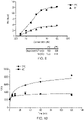
- the stability of the radiolabeled compound in solution was determined as a function of time. Specifically, after radio labeling and isolation, the product was stored at room temperature for 48h after which HPLC analysis was performed to check for degree of label retention, as well as potential product degradation. The reformation of NaI and the presence of the reduced iodates was analyzed. The results of the labeling stability study demonstrated no significant degradation of the 1-131 DCIT out to 2 days at room temperature. The results of the study are shown in Figure 3 .
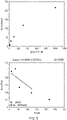
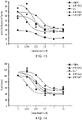
- the stability of the radiolabeled compound in solution was determined as a function of time. Specifically, after radiolabeling and isolation, the product was stored at 37 °C for 3 days after which HPLC analysis was performed to check for degree of label retention, as well as potential product degradation. The reformation of NaI and the presence of the reduced iodates was analyzed. The results of the labeling stability study demonstrated no significant degradation of the 1-131 1072 "out to 3 days at room temperature in DMSO, 10% ethanol / saline, PBS pH 7.2, and 6% ascorbate / 3% gentisic acid solution. The results of the study are shown in Figure 4 .
- the newly prepared SAAC-urea-Glu conjugates were screened in a human prostate cancer cell binding assay using PSMA-positive, LnCap cells, and PSMA-negative, PC3 cells. Compounds demonstrating specific uptake or binding to PSMA-positive cells will be studied for tumor localization in vivo.
- LNCaP and PC3 human prostate cancer cells were obtained from American Type Culture Collection, Rockville, MD. LNCaP cells were maintained in RPMI-1640 medium supplemented with 10% fetal bovine serum (FBS). PC3 cells were grown in F12K medium supplemented with 10% FBS. Binding of the radiolabeled compound and competition with cold derivatives to LNCaP and PC-3 cells was performed according to the methods of Tang et al.
- Each unique SAAC-urea-Glu conjugate was prepared and diluted in serum-free cell culture medium containing 0.5% bovine serum albumin (BSA) in combination with 3nM 1-131 DCIT (known inhibitor). Total binding was determined by incubating 1-131 DCIT without test compound. Plates were incubated at room temperature for 1 hour. Cells were removed from the plates by gently pipeting and transferred to eppendorff tubes. Samples were microcentrifuged for 15 seconds at 10K x g. The medium was aspirated and the pellet was washed twice by dispersal in fresh assay medium followed by microcentrifugation. Cell binding of 1-131 DCIT was determined by counting the cell pellet in an automated gamma counter. Nonspecific binding was determined as the counts associated with the cells after incubating with 2 uM nonradiolabeled compound or 2-phosphonomethyl-pentanedioic acid (PMPA). The control compounds are depicted below.
- MIP-1072 The stability of MIP-1072 was assessed using rat liver microsomes. MIP-1072 (50 ⁇ M) and Phenacetin (100 ⁇ M) were incubated with rat liver microsomes at 37 °C for the indicated time. Phenacetin was used as a control substance that is known to be metabolized. MIP-1072 was not degraded by the rat liver microsomes during the incubation period. However, phenacetin was degraded by 22% after a 60 min incubation.
- the lead compound, MIP 1072, was I-131-labclcd for tissue distribution studies in mice with both LNCaP (PSMA positive) and PC3 (PSMA negative) tumors implanted.
- the compound was radio labeled by the route shown below.
- NAALADase for therapeutic treatments.
- Diseases that could be receptive to NAALADase treatment include painful and sensory diabetic neuropathy, neuronal damage and prostate cancer, schizophrenia, colorectal cancer, inflammation, amyotrophic lateral schlerosis, or diabetic neuropathy.
- the present compounds can also be used an analgesic.
- Guidance for the modeling of such therapeutic treatments can be found in Goodman & Gilman's The Pharmacological Basis of Therapeutics, McGraw Hill, 10 edition, 2001 , Pharmaceutical Preformulation and Formulation: A Practical Guide from Candidate Drug Selection to Commercial Dosage Form, CRC, 2001 and Handbook of Pharmaceutical Excipients, AphA Publications, 5 edition, 2005 .
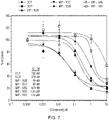
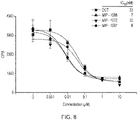
- LNCaP cells (300,000 cells/well) were incubated for 1 hour with 3 nM [ 131 I]-DCIT in the presence of 1-10,000 nM MIP- 1072 in RPMI-1640 medium supplemented with 0.5% bovine serum albumin, then washed and counted in a gamma counter. All documents cited in this specification including patent applications are incorporated by reference in their entirety.
- LNCaP cells or the PSMA negative cell line, PC3 cells, were incubated in RPMI-1640 medium supplemented with 0.5% bovine serum albumin for 1 hour with 3 nM 123 I-MIP-1072 alone, or in the presence of 10 ⁇ M unlabeled MIP-1072, or 10 ⁇ M 2-(phosphonomethyl)-pentanedioic acid (PMPA), a structurally unrelated NAALADase inhibitor. Cells were washed and counted in a gamma counter.
- PMPA 2-(phosphonomethyl)-pentanedioic acid
- the affinity constant (K d ) of MIP-1072 was determined by saturation binding analysis ( Figure 18 ).
- LNCaP cells were incubated for 1 hour with 30-100,000 pM 131 I-MIP-1072 in HBS (50 mM Hepes, pH 7.5, 0.9% sodium chloride) at either 4 °C or 37 °C in the absence or presence of 10 ⁇ M unlabeled MIP-1072 (to determine non-specific binding). Cells were then washed and the amount of radioactivity was measured on a gamma counter. Specific binding was calculated as the difference between total binding and nonspecific binding.
- the affinity constant (K d ) of the interaction of MIP-1072 with PSMA on LNCaP cells was determined by saturation binding analysis performed by titrating 123 I-MIP-1072 (3 pM - 1,000 nM) in the presence and absence of an excess of non-radio labeled MIP-1072 (10 ⁇ M).
- a K d of 4.8 nM, and Bmax of 1,490 fmoles/10 6 cells at 4 °C was determined by nonlinear regression analysis using Graph Pad Prism software ( Figure 18 ).
- the K d was not significantly different at 37 °C, 8.1 nM.
- the Bmax was greater at 37 °C than at 4 °C; 1,490 vs. 4,400 fmol/10 6 cells, respectively, indicating internalization of MIP-1072.
- the results below are representative of two independent analyses.
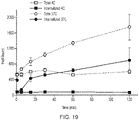
- LNCaP cells were incubated in HBS with 100 nM 123 I-MIP-1072 for 0-2 hours at 4 and 37 °C. At the indicated time the media was removed and the cells were incubated in mild acid buffer (50 mM glycine, 150 mM NaCl, pH 3.0) at 4 °C for 5 minutes. After the brief incubation the cells were centrifuged at 20,000 x g for 5 minutes. The supernatant and cell pellet were counted in a gamma counter.
- mild acid buffer 50 mM glycine, 150 mM NaCl, pH 3.0
- a quantitative analysis of the tissue distribution of 123 I-MIP-1072 was performed in separate groups of male NCr Nude -/- mice bearing PSMA positive LNCaP xenografts (approximately 100-200 mm 3 ) administered via the tail vein as a bolus injection (approximately 2 ⁇ Ci/mouse) in a constant volume of 0.05 ml.
- Tissues blood, heart, lungs, liver, spleen, kidneys, adrenals, stomach, large and small intestines (with contents), testes, skeletal muscle, bone, brain, adipose, and tumor
- LLB Model 1282 Wallac Oy, Finland
- Peak uptake in the kidney was 158 ⁇ 46 %ID/g at 2 hours and the LNCaP xenograft was 17 ⁇ 6 %ID/g at 1 hours ( Figure 20 ). Uptake in these target tissues was rapid, whereas the washout was slower in the LNCaP xenograft.
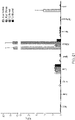
- 123 I-MIP-1072 was demonstrated to be on mechanism in vivo as evidenced by the localization to PSMA expressing LNCaP tumors but not PC3 tumors which do not express PSMA ( Figure 21 ). In addition, both the tumor and kidneys were blocked by pretreating the mice with PMPA, a potent inhibitor of PSMA.
- the present invention further relates to a glutamate-urea-lysine PSMA-binding whose IC 50 inhibition of PSMA is less than 20 nM, wherein the glutamate-urea-lysine PSMA-binding moiety is a glutamate-urea-a or ⁇ -amino acid heterodimer coupled through the ⁇ -NH 2 or ⁇ -NH 2 groups. It is preferred that the PSMA-binding moiety and the radio-imaging moiety are conjugated via an amide, ester, amine, or ether linkage.
- the present invention further relates to a method of imaging one or more organs or tissues or both of a mammal comprising administering to a mammal an effective amount of a glutamate-urea-lysine PSMA-binding moiety conjugated to a radio-imaging moiety and obtaining an image of one or more organs or tissues or both of the mammal, wherein the glutamate-urea-lysine PSMA-binding moiety is a glutamate-urea-a or ⁇ -amino acid heterodimer coupled through the ⁇ -NH 2 or ⁇ -NH 2 groups.
- the one or more organs or tissues or both includes prostate tissue, kidney tissue, brain tissue, vascular tissue, or tumor tissue.
- the present invention also relates to a kit comprising: (i) compound comprising a glutamate-urea-lysine PSMA-binding moiety conjugated to a metal chelating moiety, and (ii) radionuclide. It is preferred that the radionuclide is selected from technetium-99m, rhenium-186, rhenium-188 or combinations thereof.
- the present invention further relates to a method of staging a pathological condition associated with one or more organs or tissues or both of a mammal comprising: (i) administering to a mammal an effective amount of a compound comprising a glutamate-urea-lysine PSMA-binding moiety conjugated to a radio-imaging moiety, (ii) obtaining an image of the one or more organs or tissues or both of said mammal; (iii) determining from said image the amount of PSMA which is present in the one or more organs or tissues or both of said mammal, and (iv) utilizing the amount determined and a control amount to arrive at a stage of the pathological condition, wherein the glutamate-urea-lysine PSMA-binding moiety is a glutamate-urea-a or ⁇ -amino acid heterodimer coupled through the ⁇ -NH 2 or ⁇ -NH 2 groups.
- the pathological condition is selected from the group consisting of cancer, prostate cancer,
- the present invention further relates to a method of monitoring a mammal's response to therapy for a pathological condition associated with one or more organs or tissues or both of the mammal comprising (i) administering to a mammal an effective amount of a compound comprising a glutamate-urea-lysine PSMA-binding moiety conjugated to a radio-imaging moiety, (ii) obtaining an image of the one or more organs or tissues or both of the mammal, (iii) determining from said image the amount of peptidase which is present in the one or more organs or tissues or both of the mammal, and (iv) utilizing the amount determined and a control amount to gauge the mammal's response, if any, to a therapy, wherein the glutamatc-urca-lysinc PSMA-binding moiety is a glutamatc-urca- ⁇ or ⁇ -amino acid heterodimer coupled through the ⁇ -NH 2 or ⁇ -NH 2
- the present invention also relates to a method of quantifying expression of a peptidase in one or more organs or tissues or both of a mammal comprising administering to a mammal an effective amount of a compound including a peptidase-binding moiety conjugated to a radio-imaging moiety, obtaining an image of the one or more organs or tissues or both of the mammal; quantifying from the image and a series of standard images an amount of expression of the peptidase in the one or more organs or tissues or both of the mammal.
- the present method further relates to a method of treating a patient with painful and sensory diabetic neuropathy, neuronal damage and prostate cancer, schizophrenia, colorectal cancer, inflammation, amyotrophic lateral schlerosis, or diabetic neuropathy comprising administering to the patient a therapeutically effective amount of a glutamate-urea-lysine PSMA-binding moiety, wherein the glutamate-urea-lysine PSMA-binding moiety is a glutamatc-urca- ⁇ or ⁇ -amino acid heterodimer coupled through the ⁇ -NH 2 or ⁇ -NH 2 groups.
- the present invention also relates to a method of treating a patient in need of an analgesic comprising administering to the patient a therapeutically effective amount of a glutamate-urea-lysine PSMA-binding moiety, wherein the glutamate-urea-lysine PSMA-binding moiety is a glutamate-urea- ⁇ or ⁇ -amino acid heterodimer coupled through the ⁇ -NH 2 or ⁇ -NH 2 groups.
Landscapes
- Chemical & Material Sciences (AREA)
- Organic Chemistry (AREA)
- Health & Medical Sciences (AREA)
- Life Sciences & Earth Sciences (AREA)
- Medicinal Chemistry (AREA)
- General Health & Medical Sciences (AREA)
- Veterinary Medicine (AREA)
- Pharmacology & Pharmacy (AREA)
- Public Health (AREA)
- Animal Behavior & Ethology (AREA)
- General Chemical & Material Sciences (AREA)
- Nuclear Medicine, Radiotherapy & Molecular Imaging (AREA)
- Engineering & Computer Science (AREA)
- Bioinformatics & Cheminformatics (AREA)
- Chemical Kinetics & Catalysis (AREA)
- Neurology (AREA)
- Neurosurgery (AREA)
- Biomedical Technology (AREA)
- Pain & Pain Management (AREA)
- Epidemiology (AREA)
- Psychiatry (AREA)
- Orthopedic Medicine & Surgery (AREA)
- Physical Education & Sports Medicine (AREA)
- Mycology (AREA)
- Immunology (AREA)
- Microbiology (AREA)
- Physics & Mathematics (AREA)
- Rheumatology (AREA)
- Proteomics, Peptides & Aminoacids (AREA)
- Hospice & Palliative Care (AREA)
- Optics & Photonics (AREA)
- Pharmaceuticals Containing Other Organic And Inorganic Compounds (AREA)
- Organic Low-Molecular-Weight Compounds And Preparation Thereof (AREA)
- Medicines Containing Antibodies Or Antigens For Use As Internal Diagnostic Agents (AREA)
- Medicines That Contain Protein Lipid Enzymes And Other Medicines (AREA)
- Nuclear Medicine (AREA)
- Investigating Or Analysing Biological Materials (AREA)
- Pyridine Compounds (AREA)
- Medicinal Preparation (AREA)
- Acyclic And Carbocyclic Compounds In Medicinal Compositions (AREA)
Applications Claiming Priority (7)
| Application Number | Priority Date | Filing Date | Title |
|---|---|---|---|
| US85749006P | 2006-11-08 | 2006-11-08 | |
| US87867807P | 2007-01-05 | 2007-01-05 | |
| EP19214298.2A EP3699162B1 (de) | 2006-11-08 | 2007-11-07 | Heterodimere von glutaminsäure |
| EP07844938.6A EP2097111B1 (de) | 2006-11-08 | 2007-11-07 | Heterodimere von glutaminsäure |
| EP18150494.5A EP3335736B1 (de) | 2006-11-08 | 2007-11-07 | Heterodimere von glutaminsäure |
| EP15168948.6A EP2942065B1 (de) | 2006-11-08 | 2007-11-07 | Heterodimere von glutaminsäure |
| PCT/US2007/083934 WO2008058192A2 (en) | 2006-11-08 | 2007-11-07 | Heterodimers of glutamic acid |
Related Parent Applications (5)
| Application Number | Title | Priority Date | Filing Date |
|---|---|---|---|
| EP19214298.2A Division-Into EP3699162B1 (de) | 2006-11-08 | 2007-11-07 | Heterodimere von glutaminsäure |
| EP19214298.2A Division EP3699162B1 (de) | 2006-11-08 | 2007-11-07 | Heterodimere von glutaminsäure |
| EP15168948.6A Division EP2942065B1 (de) | 2006-11-08 | 2007-11-07 | Heterodimere von glutaminsäure |
| EP07844938.6A Division EP2097111B1 (de) | 2006-11-08 | 2007-11-07 | Heterodimere von glutaminsäure |
| EP18150494.5A Division EP3335736B1 (de) | 2006-11-08 | 2007-11-07 | Heterodimere von glutaminsäure |
Publications (1)
| Publication Number | Publication Date |
|---|---|
| EP4023624A1 true EP4023624A1 (de) | 2022-07-06 |
Family
ID=39365345
Family Applications (5)
| Application Number | Title | Priority Date | Filing Date |
|---|---|---|---|
| EP18150494.5A Revoked EP3335736B1 (de) | 2006-11-08 | 2007-11-07 | Heterodimere von glutaminsäure |
| EP15168948.6A Active EP2942065B1 (de) | 2006-11-08 | 2007-11-07 | Heterodimere von glutaminsäure |
| EP19214298.2A Revoked EP3699162B1 (de) | 2006-11-08 | 2007-11-07 | Heterodimere von glutaminsäure |
| EP07844938.6A Active EP2097111B1 (de) | 2006-11-08 | 2007-11-07 | Heterodimere von glutaminsäure |
| EP21208033.7A Withdrawn EP4023624A1 (de) | 2006-11-08 | 2007-11-07 | Heterodimere von glutaminsäure |
Family Applications Before (4)
| Application Number | Title | Priority Date | Filing Date |
|---|---|---|---|
| EP18150494.5A Revoked EP3335736B1 (de) | 2006-11-08 | 2007-11-07 | Heterodimere von glutaminsäure |
| EP15168948.6A Active EP2942065B1 (de) | 2006-11-08 | 2007-11-07 | Heterodimere von glutaminsäure |
| EP19214298.2A Revoked EP3699162B1 (de) | 2006-11-08 | 2007-11-07 | Heterodimere von glutaminsäure |
| EP07844938.6A Active EP2097111B1 (de) | 2006-11-08 | 2007-11-07 | Heterodimere von glutaminsäure |
Country Status (16)
| Country | Link |
|---|---|
| US (11) | US20080193381A1 (de) |
| EP (5) | EP3335736B1 (de) |
| JP (2) | JP5606737B2 (de) |
| CN (2) | CN101778910B (de) |
| BR (1) | BRPI0718700B8 (de) |
| CA (1) | CA2669127C (de) |
| CY (1) | CY1116610T1 (de) |
| DK (1) | DK2097111T3 (de) |
| ES (4) | ES2547481T3 (de) |
| HK (1) | HK1200164A1 (de) |
| HU (3) | HUE059645T2 (de) |
| PL (3) | PL2942065T3 (de) |
| PT (2) | PT2097111E (de) |
| SI (1) | SI2097111T1 (de) |
| TW (1) | TWI492761B (de) |
| WO (1) | WO2008058192A2 (de) |
Families Citing this family (93)
| Publication number | Priority date | Publication date | Assignee | Title |
|---|---|---|---|---|
| US6528499B1 (en) | 2000-04-27 | 2003-03-04 | Georgetown University | Ligands for metabotropic glutamate receptors and inhibitors of NAALADase |
| US9492400B2 (en) | 2004-11-04 | 2016-11-15 | Massachusetts Institute Of Technology | Coated controlled release polymer particles as efficient oral delivery vehicles for biopharmaceuticals |
| EP1745802A1 (de) * | 2005-07-20 | 2007-01-24 | Kreatech Biotechnology B.V. | Verfahren zur Konjugierung therapeutischer Verbindungen an zellgezielten Gruppen über Metallkomplexen |
| WO2007070682A2 (en) | 2005-12-15 | 2007-06-21 | Massachusetts Institute Of Technology | System for screening particles |
| CA2648099C (en) | 2006-03-31 | 2012-05-29 | The Brigham And Women's Hospital, Inc | System for targeted delivery of therapeutic agents |
| US9381477B2 (en) | 2006-06-23 | 2016-07-05 | Massachusetts Institute Of Technology | Microfluidic synthesis of organic nanoparticles |
| CA2669127C (en) | 2006-11-08 | 2016-09-13 | Molecular Insight Pharmaceuticals, Inc. | Heterodimers of glutamic acid |
| EP2134830A2 (de) | 2007-02-09 | 2009-12-23 | Massachusetts Institute of Technology | Oszillations-zellkultur-bioreaktor |
| WO2008124632A1 (en) | 2007-04-04 | 2008-10-16 | Massachusetts Institute Of Technology | Amphiphilic compound assisted nanoparticles for targeted delivery |
| CA2926573C (en) * | 2007-06-26 | 2018-08-28 | The Johns Hopkins University | Labeled inhibitors of prostate specific membrane antigen (psma), biological evaluation, and use as imaging agents |
| US9193763B2 (en) | 2007-08-17 | 2015-11-24 | Purdue Research Foundation | PSMA binding ligand-linker conjugates and methods for using |
| SI2644192T1 (sl) | 2007-09-28 | 2017-08-31 | Pfizer Inc. | Ciljanje rakavih celic z uporabo nanodelcev |
| CA2917512C (en) | 2007-10-12 | 2025-08-05 | President And Fellows Of Harvard College | VACCINE NANOTECHNOLOGY |
| AU2009204133B2 (en) | 2008-01-09 | 2014-04-10 | Molecular Insight Pharmaceuticals, Inc. | Inhibitors of carbonic anhydrase IX |
| US8562945B2 (en) | 2008-01-09 | 2013-10-22 | Molecular Insight Pharmaceuticals, Inc. | Technetium- and rhenium-bis(heteroaryl) complexes and methods of use thereof |
| EP2309991B1 (de) * | 2008-06-16 | 2019-03-06 | Pfizer Inc | Therapeutische polymernanopartikel mit vincaalkaloiden sowie verfahren zu ihrer herstellung und verwendung |
| EA020954B1 (ru) | 2008-06-16 | 2015-03-31 | Бинд Терапьютикс, Инк. | Загруженные лекарственным средством полимерные наночастицы, фармацевтическая композиция и способ лечения рака |
| HUE035770T2 (en) * | 2008-06-16 | 2018-05-28 | Pfizer | Process for the preparation of diblock copolymers functionalized with targeting material for use in the preparation of therapeutic nanoparticles |
| WO2010005726A2 (en) | 2008-06-16 | 2010-01-14 | Bind Biosciences Inc. | Therapeutic polymeric nanoparticles with mtor inhibitors and methods of making and using same |
| AU2009276423B2 (en) | 2008-08-01 | 2014-10-30 | The Johns Hopkins University | PSMA-binding agents and uses thereof |
| US8591905B2 (en) | 2008-10-12 | 2013-11-26 | The Brigham And Women's Hospital, Inc. | Nicotine immunonanotherapeutics |
| US8277812B2 (en) | 2008-10-12 | 2012-10-02 | Massachusetts Institute Of Technology | Immunonanotherapeutics that provide IgG humoral response without T-cell antigen |
| WO2010065906A2 (en) | 2008-12-05 | 2010-06-10 | Molecular Insight Pharmaceuticals, Inc. | Ca-ix specific radiopharmaceuticals for the treatment and imaging of cancer |
| BRPI0922839A2 (pt) * | 2008-12-05 | 2019-09-03 | Molecular Insight Pharmaceuticals, Inc. | radiofarmacêuticos específicos de ca-ix para tratamento e imageamento de câncer. |
| WO2010068866A2 (en) * | 2008-12-12 | 2010-06-17 | Bind Biosciences | Therapeutic particles suitable for parenteral administration and methods of making and using same |
| EP2379064B1 (de) | 2008-12-15 | 2020-02-26 | Pfizer Inc. | Lange zirkulierende nanoteilchen zur verzögerten freisetzung von therapeutischen mitteln |
| AU2010249719A1 (en) | 2009-05-19 | 2012-05-31 | Aic Blab Company | Composite current collector and methods therefor |
| BR112012000209B8 (pt) | 2009-06-15 | 2021-07-27 | Molecular Insight Pharm Inc | heterodímeros de ácido glutâmico e seus processos de preparação |
| US12083191B2 (en) | 2009-10-19 | 2024-09-10 | Case Western Reserve University | Composition and methods for imaging cells |
| US20120269693A1 (en) * | 2009-10-30 | 2012-10-25 | Honda Motor Co., Ltd. | Exhaust emission control device for internal combustion engine |
| TR201906255T4 (tr) | 2009-12-11 | 2019-05-21 | Pfizer | Terapötik partiküllerin liyofilize edilmesine yönelik stabil formülasyonlar. |
| ES2780156T3 (es) | 2009-12-15 | 2020-08-24 | Pfizer | Composiciones terapéuticas de nanopartículas poliméricas con alta temperatura de transición vítrea o copolímeros de alto peso molecular |
| EP2338892A1 (de) | 2009-12-18 | 2011-06-29 | Bayer Schering Pharma Aktiengesellschaft | Prostataspezifische Membranantigen-Inhibitoren |
| US9951324B2 (en) | 2010-02-25 | 2018-04-24 | Purdue Research Foundation | PSMA binding ligand-linker conjugates and methods for using |
| JP2011206049A (ja) | 2010-03-08 | 2011-10-20 | Sumio Sugano | 壊死マーカー及びその用途 |
| US10363309B2 (en) | 2011-02-04 | 2019-07-30 | Case Western Reserve University | Targeted nanoparticle conjugates |
| PL2739316T3 (pl) * | 2011-08-05 | 2019-09-30 | Molecular Insight Pharmaceuticals, Inc. | Radioznakowane inhibitory antygenu błonowego specyficznego dla prostaty |
| EP2800471A4 (de) | 2012-01-06 | 2015-11-04 | Molecular Insight Pharm Inc | Metallkomplexe von poly(carboxyl)aminhaltigen liganden mit einer affinität für carboanhydrase ix |
| EP2895156B1 (de) | 2012-09-17 | 2019-05-08 | Pfizer Inc. | Verfahren zur herstellung therapeutischer nanopartikel |
| AU2013344778C1 (en) * | 2012-11-15 | 2024-06-27 | Endocyte, Inc. | Conjugates for treating diseases caused by PSMA expressing cells |
| CA2897437C (en) * | 2013-01-14 | 2021-12-14 | Molecular Insight Pharmaceuticals, Inc. | Triazine based radiopharmaceuticals and radioimaging agents |
| US11975074B2 (en) | 2013-02-15 | 2024-05-07 | Case Western Reserve University | Photodynamic therapy composition |
| EP2958596B1 (de) | 2013-02-15 | 2019-12-04 | Case Western Reserve University | Psma-liganden und verwendungen davon |
| US12465651B2 (en) | 2013-02-15 | 2025-11-11 | Case Western Reserve University | Photodynamic therapy composition |
| US10207005B2 (en) | 2013-02-15 | 2019-02-19 | Case Western Reserve University | Photodynamic therapy composition |
| US10434194B2 (en) | 2013-06-20 | 2019-10-08 | Case Western Reserve University | PSMA targeted nanobubbles for diagnostic and therapeutic applications |
| WO2015057692A1 (en) * | 2013-10-14 | 2015-04-23 | The Johns Hopkins University | Prostate-specific membrane antigen-targeted photosensitizers for photodynamic therapy |
| WO2015057250A1 (en) | 2013-10-18 | 2015-04-23 | Psma Development Company, Llc | Combination therapies with psma ligand conjugates |
| EP3456700A1 (de) | 2013-10-18 | 2019-03-20 | Deutsches Krebsforschungszentrum | Markierte inhibitoren des prostataspezifischen membranantigens (psma), deren verwendung als kontrastmittel und pharmazeutika zur behandlung von prostatakrebs |
| JP6908964B2 (ja) | 2013-10-18 | 2021-07-28 | ピーエスエムエー ディベロップメント カンパニー,エルエルシー | Psmaリガンドコンジュゲートによる併用療法 |
| CN105849568B (zh) | 2013-11-14 | 2018-05-04 | 恩多塞特公司 | 用于正电子发射断层术的化合物 |
| US20150147339A1 (en) | 2013-11-15 | 2015-05-28 | Psma Development Company, Llc | Biomarkers for psma targeted therapy for prostate cancer |
| ES2834927T3 (es) | 2014-03-14 | 2021-06-21 | Pfizer | Nanopartículas terapéuticas que comprenden un agente terapéutico y procedimientos de fabricación y uso de las mismas |
| ES2912753T3 (es) | 2014-08-24 | 2022-05-27 | Max Planck Gesellschaft Zur Foerderung Der Wss | Método para la producción de ésteres activos marcados con 18F y su aplicación ejemplificada por la preparación de un marcador de PET específico de PSMA |
| US9956305B2 (en) | 2014-09-08 | 2018-05-01 | Molecular Insight Pharmaceuticals, Inc. | Organ protection in PSMA-targeted radionuclide therapy of prostate cancer |
| WO2016065142A2 (en) | 2014-10-22 | 2016-04-28 | The Johns Hopkins University | New scaffolds and multifunctional intermediates for imaging psma and cancer therapy |
| US10188759B2 (en) | 2015-01-07 | 2019-01-29 | Endocyte, Inc. | Conjugates for imaging |
| WO2016112382A2 (en) * | 2015-01-09 | 2016-07-14 | The Johns Hopkins University | Intranasal administration of glutamate carboxypeptidase (gcp-ii) inhibitors |
| SI3356385T1 (sl) | 2015-09-30 | 2021-04-30 | Deutsches Krebsforschungszentrum | 18F-označeni inhibitorji prostatnih membranskih antigenov (PSMA) in njihova uporaba kot slikovno prikazna sredstva za rak prostate |
| KR101639599B1 (ko) | 2015-11-09 | 2016-07-14 | 서울대학교산학협력단 | 펩타이드 싸이오우레아 유도체, 이를 포함하는 방사성 동위원소 표지 화합물 및 이를 유효 성분으로 함유하는 전립선암 치료 또는 진단용 약학적 조성물 |
| CN108699087B (zh) | 2016-01-10 | 2022-05-17 | 不列颠哥伦比亚癌症局分支机构 | 靶向前列腺特异性膜抗原的18/19f标记的化合物 |
| CN108883998A (zh) | 2016-04-20 | 2018-11-23 | 美国陶氏有机硅公司 | 烷基硅酸锂组合物、涂层及其制备方法 |
| FI127538B (en) * | 2016-06-22 | 2018-08-31 | Dextech Medical Ab | MODIFIED Dextran Conjugates |
| US10806806B2 (en) | 2016-06-23 | 2020-10-20 | Cornell University | Trifunctional constructs with tunable pharmacokinetics useful in imaging and anti-tumor therapies |
| AU2017281364B2 (en) * | 2016-06-23 | 2023-06-22 | Cornell University | Double targeted constructs to affect tumor kill |
| US20170369454A1 (en) * | 2016-06-28 | 2017-12-28 | Cornell University | 18f-labeled triazole containing psma inhibitors |
| KR102724812B1 (ko) | 2017-04-05 | 2024-11-01 | 코넬 유니버시티 | 영상화 및 항종양 치료요법에 유용한 조정 가능한 약동학을 갖는 삼작용성 작제물 |
| JP7755371B2 (ja) * | 2017-06-09 | 2025-10-16 | アヴェンセル ユーロップ ゲー・エム・ベー・ハー | 共通キメラ抗原受容体発現免疫細胞のためのターゲティングモジュールならびに癌、感染および自己免疫障害の処置における使用 |
| WO2019115684A1 (en) | 2017-12-13 | 2019-06-20 | Sciencons AS | Complex comprising a psma-targeting compound linked to a lead or thorium radionuclide |
| CA3090495A1 (en) | 2018-02-06 | 2019-08-15 | The Johns Hopkins University | Psma targeted radiohalogenated urea-polyaminocarboxylates for cancer radiotherapy |
| WO2019183633A1 (en) | 2018-03-23 | 2019-09-26 | Case Western Reserve Univeristy | Psma targeted conjugate compounds and uses thereof |
| KR20210003135A (ko) | 2018-04-17 | 2021-01-11 | 엔도사이트, 인코포레이티드 | 암의 치료 방법 |
| EP3853213A4 (de) * | 2018-09-21 | 2022-07-06 | Endocyte, Inc. | Abschirmungsmittel und deren verwendung |
| CA3115806A1 (en) | 2018-10-11 | 2020-04-16 | Progenics Pharmaceuticals, Inc | Combination therapy for treating metastatic prostate cancer |
| RU2697519C1 (ru) * | 2018-10-15 | 2019-08-15 | Общество с ограниченной ответственностью "Изварино Фарма" | Средство пептидной природы, включающее псма-связывающий лиганд на основе производного мочевины, способ его получения и применение для получения конъюгата с лекарственным и диагностическим агентом |
| KR102403970B1 (ko) * | 2018-12-27 | 2022-05-31 | (주)퓨쳐켐 | 카르복시산이 도입된 psma-표적 화합물 및 그의 용도 |
| WO2020150740A1 (en) | 2019-01-18 | 2020-07-23 | Case Western Reserve University | Psma ligand targeted compounds and uses thereof |
| WO2020157177A1 (en) * | 2019-01-30 | 2020-08-06 | Technische Universität München | Psma binding dual mode radiotracer and therapeutic |
| US12472272B2 (en) | 2019-04-17 | 2025-11-18 | Provincial Health Services Authority | Radiolabelled compounds for diagnosis or treatment of prostate-specific membrane antigen- expressing cancer |
| JP7604397B2 (ja) | 2019-05-20 | 2024-12-23 | エンドサイト・インコーポレイテッド | Psmaコンジュゲートの調製方法 |
| CA3144094A1 (en) | 2019-06-21 | 2020-12-24 | Provincial Health Services Authority | Radiolabeled compounds targeting the prostate-specific membrane antigen |
| KR102269315B1 (ko) | 2019-10-24 | 2021-06-24 | 서울대학교산학협력단 | 전립선 암의 영상 또는 치료를 위한 동위원소 표지 화합물 |
| CA3158357C (en) * | 2019-11-21 | 2025-04-22 | Ferronova Pty Ltd | MAGNETIC TRACTOR COMPOSITIONS |
| IL320607A (en) * | 2020-03-26 | 2025-07-01 | Ramirez Fort Marigdalia Kaleth | Ultraviolet radiation treatments |
| WO2021202376A1 (en) | 2020-03-30 | 2021-10-07 | The United States Of America, As Represented By The Secretary, Department Of Health And Human Services | Method for blocking uptake of prostate-specific membrane antigen (psma)-targeted radionuclides by exocrine organs |
| CN111548305B (zh) * | 2020-05-12 | 2021-08-31 | 北京师范大学 | 一种可用于靶向psma的喹啉类化合物及其制备方法 |
| US12521435B2 (en) | 2020-07-03 | 2026-01-13 | Case Western Reserve University | Photodynamic therapy composition |
| CN112209970B (zh) * | 2020-10-21 | 2021-10-29 | 北京师范大学 | 一种锝-99m标记含异腈的谷氨酸-脲衍生物的制备方法和应用 |
| EP4244216A1 (de) | 2020-11-12 | 2023-09-20 | ABX Advanced Biochemical Compounds GmbH | Liganden des prostata-spezifischen membranantigens (psma) mit heteroaromatischen linker-bausteinen |
| CA3237590A1 (en) | 2021-11-09 | 2023-05-08 | James Basilion | Psma targeted conjugate compounds and uses thereof |
| AU2024208501A1 (en) | 2023-01-10 | 2025-07-24 | Sun Pharma Advanced Research Company Limited | Ligand-drug conjugates |
| WO2025029963A1 (en) | 2023-07-31 | 2025-02-06 | Curium Us Llc | [ 177lu] lutetium-psma i&t composition and dosimetry, kit, method of making, and method of using thereof |
| WO2025184495A1 (en) * | 2024-02-29 | 2025-09-04 | Shuttle Pharmaceuticals Holdings, Inc. | Boron containing psma ligand for use in the treatment of cancer |
Citations (4)
| Publication number | Priority date | Publication date | Assignee | Title |
|---|---|---|---|---|
| WO2002022627A2 (en) | 2000-09-15 | 2002-03-21 | Georgetwon University | Ligands for metabotropic glutamate receptors |
| WO2003060523A1 (en) | 2002-01-10 | 2003-07-24 | Johns Hopkins University | Imaging agents and methods of imaging naaladase of psma |
| WO2009002529A2 (en) * | 2007-06-26 | 2008-12-31 | The Johns Hopkins University | Labeled inhibitors of prostate specific membrane antigen (psma), biological evaluation, and use as imaging agents |
| WO2009026177A1 (en) * | 2007-08-17 | 2009-02-26 | Purdue Research Foundation | Psma binding ligand-linker conjugates and methods for using |
Family Cites Families (32)
| Publication number | Priority date | Publication date | Assignee | Title |
|---|---|---|---|---|
| US3527789A (en) * | 1967-10-06 | 1970-09-08 | Shell Oil Co | Production of poly(lower)alkyl alkenepolycarboxylates |
| JP2608550B2 (ja) * | 1986-10-17 | 1997-05-07 | 株式会社 片山化学工業研究所 | 軟水ボイラの防食処理方法 |
| US4888136A (en) * | 1988-05-02 | 1989-12-19 | Witco Corporation | New flame retardant compositions of matter and cellulosic products containing same |
| TW353663B (en) * | 1991-04-06 | 1999-03-01 | Hoechst Ag | Process for the preparation of phosphorus-containing L-amino acids, their derivatives and intermediates for this process |
| IT1270260B (it) * | 1994-06-21 | 1997-04-29 | Zambon Spa | Derivati dell'acido fosfonico ad attivita' inibitrice delle metallopeptidasi |
| US5662885A (en) | 1994-07-22 | 1997-09-02 | Resolution Pharmaceuticals Inc. | Peptide derived radionuclide chelators |
| US6011021A (en) | 1996-06-17 | 2000-01-04 | Guilford Pharmaceuticals Inc. | Methods of cancer treatment using naaladase inhibitors |
| US5795877A (en) * | 1996-12-31 | 1998-08-18 | Guilford Pharmaceuticals Inc. | Inhibitors of NAALADase enzyme activity |
| US6046180A (en) | 1996-06-17 | 2000-04-04 | Guilford Pharmaceuticals Inc. | NAALADase inhibitors |
| US5824662A (en) * | 1996-09-27 | 1998-10-20 | Guilford Pharmaceuticals Inc. | Treatment of global and focal ischemia using naaladase inhibitors |
| US5902817A (en) | 1997-04-09 | 1999-05-11 | Guilford Pharmaceuticals Inc. | Certain sulfoxide and sulfone derivatives |
| US6025344A (en) | 1996-06-17 | 2000-02-15 | Guilford Pharmaceuticals Inc. | Certain dioic acid derivatives useful as NAALADase inhibitors |
| US6071965A (en) * | 1996-06-17 | 2000-06-06 | Guilford Pharmaceuticals Inc. | Phosphinic alkanoic acid derivatives |
| US5672592A (en) * | 1996-06-17 | 1997-09-30 | Guilford Pharmaceuticals Inc. | Certain phosphonomethyl-pentanedioic acid derivatives thereof |
| PL332413A1 (en) | 1996-09-27 | 1999-09-13 | Guilford Pharm Inc | Compositions containing inhibitors of naaladase as well as methods of treating glutamatic anomaly and influencing neuronic functions among animals |
| US5962521A (en) | 1997-04-04 | 1999-10-05 | Guilford Pharmaceuticals Inc. | Hydroxamic acid derivatives |
| ZA983930B (en) | 1997-05-14 | 1999-11-08 | Lilly Co Eli | Excitatory amino acid receptor modulators. |
| US6479470B1 (en) * | 1999-04-28 | 2002-11-12 | Georgetown University | Ligands for metabotropic glutamate receptors and inhibitors of NAALAdase |
| US6228888B1 (en) | 1999-07-01 | 2001-05-08 | Guilford Pharmaceuticals Inc. | Methods for treating anxiety, anxiety disorders and memory impairment using naaladase inhibitors |
| WO2003077727A2 (en) | 2002-03-11 | 2003-09-25 | Biostream, Inc. | Technetium-dipyridine complexes, and methods of use thereof |
| CN101863958B (zh) * | 2002-11-07 | 2012-07-18 | 新南创新私人有限公司 | 对线粒体通透性转换的诱导 |
| US7682601B2 (en) * | 2003-04-15 | 2010-03-23 | Mallinckrodt Inc. | Bifunctional tridentate pyrazolyl containing ligands for re and tc tricarbonyl complexes |
| EP1644050B1 (de) * | 2003-04-15 | 2010-06-09 | Mallinckrodt Inc. | Bifunktionale tridentate pyrazolyl-enthaltende liganden für re-, tc- und mn- tricarbonyl-komplexe |
| US20060155021A1 (en) * | 2005-01-13 | 2006-07-13 | Lenges Christian P | Coating compositions containing rheology control agents |
| US7741510B2 (en) * | 2005-01-13 | 2010-06-22 | E. I. Du Pont De Nemours And Company | Rheology control agents |
| WO2006093991A1 (en) * | 2005-03-02 | 2006-09-08 | The Cleveland Clinic Foundation | Compounds which bind psma and uses thereof |
| CA2669127C (en) | 2006-11-08 | 2016-09-13 | Molecular Insight Pharmaceuticals, Inc. | Heterodimers of glutamic acid |
| PL3222617T3 (pl) | 2009-03-19 | 2023-01-02 | The Johns Hopkins University | Związki do kierunkowania w psma i ich zastosowania |
| BR112012000209B8 (pt) * | 2009-06-15 | 2021-07-27 | Molecular Insight Pharm Inc | heterodímeros de ácido glutâmico e seus processos de preparação |
| PL2739316T3 (pl) | 2011-08-05 | 2019-09-30 | Molecular Insight Pharmaceuticals, Inc. | Radioznakowane inhibitory antygenu błonowego specyficznego dla prostaty |
| EP3456700A1 (de) | 2013-10-18 | 2019-03-20 | Deutsches Krebsforschungszentrum | Markierte inhibitoren des prostataspezifischen membranantigens (psma), deren verwendung als kontrastmittel und pharmazeutika zur behandlung von prostatakrebs |
| US9956305B2 (en) | 2014-09-08 | 2018-05-01 | Molecular Insight Pharmaceuticals, Inc. | Organ protection in PSMA-targeted radionuclide therapy of prostate cancer |
-
2007
- 2007-11-07 CA CA2669127A patent/CA2669127C/en active Active
- 2007-11-07 CN CN200780049490.2A patent/CN101778910B/zh active Active
- 2007-11-07 HU HUE19214298A patent/HUE059645T2/hu unknown
- 2007-11-07 EP EP18150494.5A patent/EP3335736B1/de not_active Revoked
- 2007-11-07 DK DK07844938.6T patent/DK2097111T3/en active
- 2007-11-07 HU HUE07844938A patent/HUE026216T2/en unknown
- 2007-11-07 EP EP15168948.6A patent/EP2942065B1/de active Active
- 2007-11-07 BR BRPI0718700A patent/BRPI0718700B8/pt active IP Right Grant
- 2007-11-07 CN CN201410158114.9A patent/CN103922998A/zh active Pending
- 2007-11-07 ES ES07844938.6T patent/ES2547481T3/es active Active
- 2007-11-07 HU HUE15168948A patent/HUE039199T2/hu unknown
- 2007-11-07 TW TW096142019A patent/TWI492761B/zh not_active IP Right Cessation
- 2007-11-07 EP EP19214298.2A patent/EP3699162B1/de not_active Revoked
- 2007-11-07 EP EP07844938.6A patent/EP2097111B1/de active Active
- 2007-11-07 US US11/936,659 patent/US20080193381A1/en active Granted
- 2007-11-07 PL PL15168948T patent/PL2942065T3/pl unknown
- 2007-11-07 EP EP21208033.7A patent/EP4023624A1/de not_active Withdrawn
- 2007-11-07 ES ES15168948.6T patent/ES2684322T3/es active Active
- 2007-11-07 JP JP2009536459A patent/JP5606737B2/ja active Active
- 2007-11-07 SI SI200731686T patent/SI2097111T1/sl unknown
- 2007-11-07 PT PT78449386T patent/PT2097111E/pt unknown
- 2007-11-07 ES ES18150494T patent/ES2847275T3/es active Active
- 2007-11-07 PT PT192142982T patent/PT3699162T/pt unknown
- 2007-11-07 WO PCT/US2007/083934 patent/WO2008058192A2/en not_active Ceased
- 2007-11-07 PL PL07844938T patent/PL2097111T3/pl unknown
- 2007-11-07 PL PL19214298.2T patent/PL3699162T3/pl unknown
- 2007-11-07 ES ES19214298T patent/ES2926912T3/es active Active
-
2011
- 2011-10-12 US US13/271,549 patent/US9309193B2/en active Active
- 2011-11-11 US US13/294,677 patent/US8487129B2/en active Active
-
2014
- 2014-08-27 JP JP2014172732A patent/JP5936659B2/ja active Active
-
2015
- 2015-01-15 HK HK15100503.3A patent/HK1200164A1/xx unknown
- 2015-08-13 CY CY20151100716T patent/CY1116610T1/el unknown
-
2016
- 2016-03-14 US US15/068,841 patent/US10640461B2/en active Active
- 2016-10-28 US US15/337,867 patent/US9878980B2/en active Active
-
2017
- 2017-10-26 US US15/794,539 patent/US10131627B2/en active Active
-
2018
- 2018-10-10 US US16/156,289 patent/US10647666B2/en active Active
-
2020
- 2020-05-08 US US16/870,288 patent/US20210070695A1/en not_active Abandoned
- 2020-11-16 US US17/099,440 patent/US20210070696A1/en not_active Abandoned
-
2021
- 2021-04-23 US US17/238,535 patent/US20210246103A1/en not_active Abandoned
-
2022
- 2022-11-07 US US17/982,182 patent/US12534429B2/en active Active
Patent Citations (6)
| Publication number | Priority date | Publication date | Assignee | Title |
|---|---|---|---|---|
| US20040002478A1 (en) | 1999-04-28 | 2004-01-01 | Kozikowski Alan P. | Ligands for metabotropic glutamate receptors and inhibitors of NAALADase |
| WO2002022627A2 (en) | 2000-09-15 | 2002-03-21 | Georgetwon University | Ligands for metabotropic glutamate receptors |
| WO2003060523A1 (en) | 2002-01-10 | 2003-07-24 | Johns Hopkins University | Imaging agents and methods of imaging naaladase of psma |
| US20040054190A1 (en) | 2002-01-10 | 2004-03-18 | Johns Hopkins University | Imaging agents and methods of imaging NAALADase or PSMA |
| WO2009002529A2 (en) * | 2007-06-26 | 2008-12-31 | The Johns Hopkins University | Labeled inhibitors of prostate specific membrane antigen (psma), biological evaluation, and use as imaging agents |
| WO2009026177A1 (en) * | 2007-08-17 | 2009-02-26 | Purdue Research Foundation | Psma binding ligand-linker conjugates and methods for using |
Non-Patent Citations (8)
| Title |
|---|
| "Handbook of Pharmaceutical Excipients, AphA Publications", vol. 5, 2005 |
| "Pharmaceutical Preformulation and Formulation: A Practical Guide from Candidate Drug Selection to Commercial Dosage Form, CRC", vol. 10, 2001, MCGRAW HILL |
| ANG, H.BROWN, M.YE, Y.HUANG, GZHANG, Y.WANG, Y.ZHAI, H.CHEN, X.SHEN, T.Y.TENNISWOOD, M.: "Prostate targeting ligands based on N-acetylated alpha-linked acidic dipeptidase", BIOCHEM. BIOPHYS. RES. COMMUN., vol. 307, 2003, pages 8 - 14, XP002327104, DOI: 10.1016/S0006-291X(03)01119-7 |
| CATHERINE A FOSS ET AL: "Radiolabeled Small-Molecule Ligands for Prostate-Specific Membrane Antigen: in Vivo Imaging in Experimental Models of Prostate Cancer", CLINICAL CANCER RESEARCH, THE AMERICAN ASSOCIATION FOR CANCER RESEARCH, US, vol. 11, no. 11, June 2005 (2005-06-01), pages 4022 - 4028, XP008109807, ISSN: 1078-0432, DOI: 10.1158/1078-0432.CCR-04-2690 * |
| CATHERINE FOSS: "Following are the abstracts from the Fourth Annual Meeting of the Society for Molecular Imaging Plenary I: Advances in Biological Molecular Imaging", MOLECULAR IMAGING, vol. 4, no. 3, July 2005 (2005-07-01), pages 210 - 397, XP055590449 * |
| KOZIKOWSKI A P ET AL: "Design of remarkably simple, yet potent urea-based inhibitors of Glutamate carboxypeptidase II (NAALADase)", JOURNAL OF MEDICINAL AND PHARMACEUTICAL CHEMISTRY, AMERICAN CHEMICAL SOCIETY. EASTON, US, vol. 44, no. 3, February 2001 (2001-02-01), pages 298 - 301, XP002196918, DOI: 10.1021/JM000406M * |
| KOZIKOWSKI A P ET AL: "Synthesis of Urea-Based Inhibitors as Active Site Probes of Glutamate Carboxypeptidase II: Efficacy as Analgesic Agents", JOURNAL OF MEDICINAL CHEMISTRY, AMERICAN CHEMICAL SOCIETY, US, vol. 47, 2 March 2004 (2004-03-02), pages 1729 - 1738, XP002390387, ISSN: 0022-2623, DOI: 10.1021/JM0306226 * |
| LUTHI-CARTER, THERAP, vol. 286, no. 2, 1998 |
Also Published As
Similar Documents
| Publication | Publication Date | Title |
|---|---|---|
| US12534429B2 (en) | Heterodimers of glutamic acid | |
| AU2007316391B2 (en) | Heterodimers of glutamic acid | |
| HK1257260B (en) | Heterodimers of glutamic acid | |
| HK40036808A (en) | Heterodimers of glutamic acid | |
| HK40036808B (en) | Heterodimers of glutamic acid |
Legal Events
| Date | Code | Title | Description |
|---|---|---|---|
| PUAI | Public reference made under article 153(3) epc to a published international application that has entered the european phase |
Free format text: ORIGINAL CODE: 0009012 |
|
| STAA | Information on the status of an ep patent application or granted ep patent |
Free format text: STATUS: REQUEST FOR EXAMINATION WAS MADE |
|
| STAA | Information on the status of an ep patent application or granted ep patent |
Free format text: STATUS: EXAMINATION IS IN PROGRESS |
|
| 17P | Request for examination filed |
Effective date: 20211112 |
|
| AC | Divisional application: reference to earlier application |
Ref document number: 2097111 Country of ref document: EP Kind code of ref document: P Ref document number: 2942065 Country of ref document: EP Kind code of ref document: P Ref document number: 3335736 Country of ref document: EP Kind code of ref document: P Ref document number: 3699162 Country of ref document: EP Kind code of ref document: P |
|
| AK | Designated contracting states |
Kind code of ref document: A1 Designated state(s): AT BE BG CH CY CZ DE DK EE ES FI FR GB GR HU IE IS IT LI LT LU LV MC MT NL PL PT RO SE SI SK TR |
|
| 17Q | First examination report despatched |
Effective date: 20220627 |
|
| RBV | Designated contracting states (corrected) |
Designated state(s): AT BE BG CH CY CZ DE DK EE ES FI FR GB GR HU IE IS IT LI LT LU LV MC MT NL PL PT RO SE SI SK TR |
|
| P01 | Opt-out of the competence of the unified patent court (upc) registered |
Effective date: 20230514 |
|
| STAA | Information on the status of an ep patent application or granted ep patent |
Free format text: STATUS: THE APPLICATION IS DEEMED TO BE WITHDRAWN |
|
| 18D | Application deemed to be withdrawn |
Effective date: 20251119 |