EP0280330B1 - Matériau photographique couleur à l'halogénure d'argent - Google Patents
Matériau photographique couleur à l'halogénure d'argent Download PDFInfo
- Publication number
- EP0280330B1 EP0280330B1 EP88102925A EP88102925A EP0280330B1 EP 0280330 B1 EP0280330 B1 EP 0280330B1 EP 88102925 A EP88102925 A EP 88102925A EP 88102925 A EP88102925 A EP 88102925A EP 0280330 B1 EP0280330 B1 EP 0280330B1
- Authority
- EP
- European Patent Office
- Prior art keywords
- group
- substituted
- carbon atoms
- unsubstituted
- silver halide
- Prior art date
- Legal status (The legal status is an assumption and is not a legal conclusion. Google has not performed a legal analysis and makes no representation as to the accuracy of the status listed.)
- Expired - Lifetime
Links
- -1 Silver halide Chemical class 0.000 title claims description 277
- 239000000463 material Substances 0.000 title claims description 51
- 229910052709 silver Inorganic materials 0.000 title claims description 48
- 239000004332 silver Substances 0.000 title claims description 48
- 125000004432 carbon atom Chemical group C* 0.000 claims description 118
- 125000004435 hydrogen atom Chemical group [H]* 0.000 claims description 53
- 108010010803 Gelatin Proteins 0.000 claims description 48
- 239000008273 gelatin Substances 0.000 claims description 48
- 229920000159 gelatin Polymers 0.000 claims description 48
- 235000019322 gelatine Nutrition 0.000 claims description 48
- 235000011852 gelatine desserts Nutrition 0.000 claims description 48
- 239000000178 monomer Substances 0.000 claims description 46
- 125000000217 alkyl group Chemical group 0.000 claims description 43
- 150000001875 compounds Chemical class 0.000 claims description 34
- 239000000839 emulsion Substances 0.000 claims description 31
- 125000003118 aryl group Chemical group 0.000 claims description 30
- 229920000642 polymer Polymers 0.000 claims description 30
- 239000003795 chemical substances by application Substances 0.000 claims description 29
- 125000000623 heterocyclic group Chemical group 0.000 claims description 26
- 239000004848 polyfunctional curative Substances 0.000 claims description 24
- 239000011248 coating agent Substances 0.000 claims description 23
- 238000000576 coating method Methods 0.000 claims description 23
- 238000005859 coupling reaction Methods 0.000 claims description 21
- 125000001424 substituent group Chemical group 0.000 claims description 21
- 125000001931 aliphatic group Chemical group 0.000 claims description 20
- 229910052801 chlorine Inorganic materials 0.000 claims description 18
- 125000001309 chloro group Chemical group Cl* 0.000 claims description 17
- 125000005843 halogen group Chemical group 0.000 claims description 17
- 230000008878 coupling Effects 0.000 claims description 15
- 238000010168 coupling process Methods 0.000 claims description 15
- 229920003169 water-soluble polymer Polymers 0.000 claims description 15
- 239000000975 dye Substances 0.000 claims description 14
- 230000003647 oxidation Effects 0.000 claims description 14
- 238000007254 oxidation reaction Methods 0.000 claims description 14
- 125000003545 alkoxy group Chemical group 0.000 claims description 13
- 125000002947 alkylene group Chemical group 0.000 claims description 11
- 125000000732 arylene group Chemical group 0.000 claims description 10
- 125000004104 aryloxy group Chemical group 0.000 claims description 10
- VZCYOOQTPOCHFL-UHFFFAOYSA-N trans-butenedioic acid Natural products OC(=O)C=CC(O)=O VZCYOOQTPOCHFL-UHFFFAOYSA-N 0.000 claims description 10
- 125000000391 vinyl group Chemical group [H]C([*])=C([H])[H] 0.000 claims description 10
- 125000004453 alkoxycarbonyl group Chemical group 0.000 claims description 9
- 125000001570 methylene group Chemical group [H]C([H])([*:1])[*:2] 0.000 claims description 9
- 125000001997 phenyl group Chemical group [H]C1=C([H])C([H])=C(*)C([H])=C1[H] 0.000 claims description 9
- 125000004442 acylamino group Chemical group 0.000 claims description 8
- 125000004414 alkyl thio group Chemical group 0.000 claims description 8
- 125000004397 aminosulfonyl group Chemical group NS(=O)(=O)* 0.000 claims description 8
- 125000003917 carbamoyl group Chemical group [H]N([H])C(*)=O 0.000 claims description 8
- 125000002887 hydroxy group Chemical group [H]O* 0.000 claims description 8
- 125000000449 nitro group Chemical group [O-][N+](*)=O 0.000 claims description 8
- ISWSIDIOOBJBQZ-UHFFFAOYSA-N phenol group Chemical group C1(=CC=CC=C1)O ISWSIDIOOBJBQZ-UHFFFAOYSA-N 0.000 claims description 8
- VZCYOOQTPOCHFL-OWOJBTEDSA-N Fumaric acid Chemical compound OC(=O)\C=C\C(O)=O VZCYOOQTPOCHFL-OWOJBTEDSA-N 0.000 claims description 7
- 125000005110 aryl thio group Chemical group 0.000 claims description 7
- 125000004429 atom Chemical group 0.000 claims description 7
- 125000004093 cyano group Chemical group *C#N 0.000 claims description 7
- 125000004185 ester group Chemical group 0.000 claims description 7
- BQCADISMDOOEFD-UHFFFAOYSA-N Silver Chemical compound [Ag] BQCADISMDOOEFD-UHFFFAOYSA-N 0.000 claims description 6
- PPBRXRYQALVLMV-UHFFFAOYSA-N Styrene Chemical compound C=CC1=CC=CC=C1 PPBRXRYQALVLMV-UHFFFAOYSA-N 0.000 claims description 6
- 125000004390 alkyl sulfonyl group Chemical group 0.000 claims description 6
- 229910052717 sulfur Inorganic materials 0.000 claims description 6
- OFOBLEOULBTSOW-UHFFFAOYSA-N Propanedioic acid Natural products OC(=O)CC(O)=O OFOBLEOULBTSOW-UHFFFAOYSA-N 0.000 claims description 5
- 125000005153 alkyl sulfamoyl group Chemical group 0.000 claims description 5
- 125000002490 anilino group Chemical group [H]N(*)C1=C([H])C([H])=C([H])C([H])=C1[H] 0.000 claims description 5
- 125000005116 aryl carbamoyl group Chemical group 0.000 claims description 5
- 125000005421 aryl sulfonamido group Chemical group 0.000 claims description 5
- 239000001530 fumaric acid Substances 0.000 claims description 5
- 239000011976 maleic acid Substances 0.000 claims description 5
- LVHBHZANLOWSRM-UHFFFAOYSA-N methylenebutanedioic acid Natural products OC(=O)CC(=C)C(O)=O LVHBHZANLOWSRM-UHFFFAOYSA-N 0.000 claims description 5
- 230000000269 nucleophilic effect Effects 0.000 claims description 5
- 125000004430 oxygen atom Chemical group O* 0.000 claims description 5
- 125000004434 sulfur atom Chemical group 0.000 claims description 5
- 229920001567 vinyl ester resin Polymers 0.000 claims description 5
- NIXOWILDQLNWCW-UHFFFAOYSA-N acrylic acid group Chemical group C(C=C)(=O)O NIXOWILDQLNWCW-UHFFFAOYSA-N 0.000 claims description 4
- 125000005422 alkyl sulfonamido group Chemical group 0.000 claims description 4
- 125000005281 alkyl ureido group Chemical group 0.000 claims description 4
- 125000003277 amino group Chemical group 0.000 claims description 4
- 125000004391 aryl sulfonyl group Chemical group 0.000 claims description 4
- 125000003262 carboxylic acid ester group Chemical group [H]C([H])([*:2])OC(=O)C([H])([H])[*:1] 0.000 claims description 4
- FQPSGWSUVKBHSU-UHFFFAOYSA-N methacrylamide Chemical compound CC(=C)C(N)=O FQPSGWSUVKBHSU-UHFFFAOYSA-N 0.000 claims description 4
- 125000000547 substituted alkyl group Chemical group 0.000 claims description 4
- 125000003107 substituted aryl group Chemical group 0.000 claims description 4
- 125000000020 sulfo group Chemical group O=S(=O)([*])O[H] 0.000 claims description 4
- LDHQCZJRKDOVOX-UHFFFAOYSA-N trans-crotonic acid Natural products CC=CC(O)=O LDHQCZJRKDOVOX-UHFFFAOYSA-N 0.000 claims description 4
- KJCVRFUGPWSIIH-UHFFFAOYSA-N 1-naphthol Chemical group C1=CC=C2C(O)=CC=CC2=C1 KJCVRFUGPWSIIH-UHFFFAOYSA-N 0.000 claims description 3
- LFQSCWFLJHTTHZ-UHFFFAOYSA-N Ethanol Chemical compound CCO LFQSCWFLJHTTHZ-UHFFFAOYSA-N 0.000 claims description 3
- 125000005396 acrylic acid ester group Chemical group 0.000 claims description 3
- 125000005115 alkyl carbamoyl group Chemical group 0.000 claims description 3
- 125000002843 carboxylic acid group Chemical group 0.000 claims description 3
- LDHQCZJRKDOVOX-NSCUHMNNSA-N crotonic acid Chemical compound C\C=C\C(O)=O LDHQCZJRKDOVOX-NSCUHMNNSA-N 0.000 claims description 3
- 125000005117 dialkylcarbamoyl group Chemical group 0.000 claims description 3
- 125000005647 linker group Chemical group 0.000 claims description 3
- 125000005397 methacrylic acid ester group Chemical group 0.000 claims description 3
- AJDUTMFFZHIJEM-UHFFFAOYSA-N n-(9,10-dioxoanthracen-1-yl)-4-[4-[[4-[4-[(9,10-dioxoanthracen-1-yl)carbamoyl]phenyl]phenyl]diazenyl]phenyl]benzamide Chemical compound O=C1C2=CC=CC=C2C(=O)C2=C1C=CC=C2NC(=O)C(C=C1)=CC=C1C(C=C1)=CC=C1N=NC(C=C1)=CC=C1C(C=C1)=CC=C1C(=O)NC1=CC=CC2=C1C(=O)C1=CC=CC=C1C2=O AJDUTMFFZHIJEM-UHFFFAOYSA-N 0.000 claims description 3
- 125000000542 sulfonic acid group Chemical group 0.000 claims description 3
- 229920002554 vinyl polymer Polymers 0.000 claims description 3
- 239000001043 yellow dye Substances 0.000 claims description 3
- JAHNSTQSQJOJLO-UHFFFAOYSA-N 2-(3-fluorophenyl)-1h-imidazole Chemical compound FC1=CC=CC(C=2NC=CN=2)=C1 JAHNSTQSQJOJLO-UHFFFAOYSA-N 0.000 claims description 2
- XRZDIHADHZSFBB-UHFFFAOYSA-N 3-oxo-n,3-diphenylpropanamide Chemical compound C=1C=CC=CC=1NC(=O)CC(=O)C1=CC=CC=C1 XRZDIHADHZSFBB-UHFFFAOYSA-N 0.000 claims description 2
- CERQOIWHTDAKMF-UHFFFAOYSA-N Methacrylic acid Chemical compound CC(=C)C(O)=O CERQOIWHTDAKMF-UHFFFAOYSA-N 0.000 claims description 2
- 229960001413 acetanilide Drugs 0.000 claims description 2
- 125000003342 alkenyl group Chemical group 0.000 claims description 2
- 125000003282 alkyl amino group Chemical group 0.000 claims description 2
- 125000004448 alkyl carbonyl group Chemical group 0.000 claims description 2
- 125000004644 alkyl sulfinyl group Chemical group 0.000 claims description 2
- 125000003368 amide group Chemical group 0.000 claims description 2
- 125000005129 aryl carbonyl group Chemical group 0.000 claims description 2
- 125000005161 aryl oxy carbonyl group Chemical group 0.000 claims description 2
- 125000001951 carbamoylamino group Chemical group C(N)(=O)N* 0.000 claims description 2
- RTZKZFJDLAIYFH-UHFFFAOYSA-N ether Substances CCOCC RTZKZFJDLAIYFH-UHFFFAOYSA-N 0.000 claims description 2
- VZCYOOQTPOCHFL-UPHRSURJSA-N maleic acid Chemical compound OC(=O)\C=C/C(O)=O VZCYOOQTPOCHFL-UPHRSURJSA-N 0.000 claims description 2
- FZERHIULMFGESH-UHFFFAOYSA-N methylenecarboxanilide Natural products CC(=O)NC1=CC=CC=C1 FZERHIULMFGESH-UHFFFAOYSA-N 0.000 claims description 2
- 150000004780 naphthols Chemical class 0.000 claims description 2
- 150000002989 phenols Chemical class 0.000 claims description 2
- 125000000843 phenylene group Chemical group C1(=C(C=CC=C1)*)* 0.000 claims description 2
- 238000006467 substitution reaction Methods 0.000 claims description 2
- 125000005031 thiocyano group Chemical group S(C#N)* 0.000 claims description 2
- 239000010410 layer Substances 0.000 description 101
- 239000000243 solution Substances 0.000 description 45
- 238000012545 processing Methods 0.000 description 43
- 239000000203 mixture Substances 0.000 description 29
- XLYOFNOQVPJJNP-UHFFFAOYSA-N water Substances O XLYOFNOQVPJJNP-UHFFFAOYSA-N 0.000 description 25
- 238000000034 method Methods 0.000 description 23
- CSCPPACGZOOCGX-UHFFFAOYSA-N Acetone Chemical compound CC(C)=O CSCPPACGZOOCGX-UHFFFAOYSA-N 0.000 description 21
- 238000006116 polymerization reaction Methods 0.000 description 20
- 230000015572 biosynthetic process Effects 0.000 description 18
- 238000003786 synthesis reaction Methods 0.000 description 18
- 125000002496 methyl group Chemical group [H]C([H])([H])* 0.000 description 17
- 238000011161 development Methods 0.000 description 14
- 238000009792 diffusion process Methods 0.000 description 13
- 238000005406 washing Methods 0.000 description 13
- 239000007844 bleaching agent Substances 0.000 description 12
- 239000002253 acid Substances 0.000 description 11
- 125000001495 ethyl group Chemical group [H]C([H])([H])C([H])([H])* 0.000 description 10
- 238000011160 research Methods 0.000 description 10
- 239000003960 organic solvent Substances 0.000 description 9
- 150000003839 salts Chemical class 0.000 description 9
- 238000001838 alkalimetric titration Methods 0.000 description 8
- ZQMHJBXHRFJKOT-UHFFFAOYSA-N methyl 2-[(1-methoxy-2-methyl-1-oxopropan-2-yl)diazenyl]-2-methylpropanoate Chemical compound COC(=O)C(C)(C)N=NC(C)(C)C(=O)OC ZQMHJBXHRFJKOT-UHFFFAOYSA-N 0.000 description 8
- 239000012299 nitrogen atmosphere Substances 0.000 description 8
- 125000000738 acetamido group Chemical group [H]C([H])([H])C(=O)N([H])[*] 0.000 description 7
- 125000000484 butyl group Chemical group [H]C([*])([H])C([H])([H])C([H])([H])C([H])([H])[H] 0.000 description 7
- 238000001035 drying Methods 0.000 description 7
- 125000001820 oxy group Chemical group [*:1]O[*:2] 0.000 description 7
- WKBOTKDWSSQWDR-UHFFFAOYSA-N Bromine atom Chemical group [Br] WKBOTKDWSSQWDR-UHFFFAOYSA-N 0.000 description 6
- VTLYFUHAOXGGBS-UHFFFAOYSA-N Fe3+ Chemical compound [Fe+3] VTLYFUHAOXGGBS-UHFFFAOYSA-N 0.000 description 6
- ZMANZCXQSJIPKH-UHFFFAOYSA-N Triethylamine Chemical compound CCN(CC)CC ZMANZCXQSJIPKH-UHFFFAOYSA-N 0.000 description 6
- 150000007513 acids Chemical class 0.000 description 6
- 239000007864 aqueous solution Substances 0.000 description 6
- 230000000694 effects Effects 0.000 description 6
- 125000001301 ethoxy group Chemical group [H]C([H])([H])C([H])([H])O* 0.000 description 6
- 238000001914 filtration Methods 0.000 description 6
- 125000000951 phenoxy group Chemical group [H]C1=C([H])C([H])=C(O*)C([H])=C1[H] 0.000 description 6
- 230000000087 stabilizing effect Effects 0.000 description 6
- 125000005420 sulfonamido group Chemical group S(=O)(=O)(N*)* 0.000 description 6
- 125000004149 thio group Chemical group *S* 0.000 description 6
- 239000000654 additive Substances 0.000 description 5
- 125000000043 benzamido group Chemical group [H]N([*])C(=O)C1=C([H])C([H])=C([H])C([H])=C1[H] 0.000 description 5
- 238000009835 boiling Methods 0.000 description 5
- 238000004132 cross linking Methods 0.000 description 5
- 239000013078 crystal Substances 0.000 description 5
- 229910052731 fluorine Inorganic materials 0.000 description 5
- 125000001153 fluoro group Chemical group F* 0.000 description 5
- 125000000956 methoxy group Chemical group [H]C([H])([H])O* 0.000 description 5
- 125000001160 methoxycarbonyl group Chemical group [H]C([H])([H])OC(*)=O 0.000 description 5
- 229910052757 nitrogen Inorganic materials 0.000 description 5
- 125000003356 phenylsulfanyl group Chemical group [*]SC1=C([H])C([H])=C([H])C([H])=C1[H] 0.000 description 5
- 230000008569 process Effects 0.000 description 5
- 230000002829 reductive effect Effects 0.000 description 5
- 125000002941 2-furyl group Chemical group O1C([*])=C([H])C([H])=C1[H] 0.000 description 4
- WYURNTSHIVDZCO-UHFFFAOYSA-N Tetrahydrofuran Chemical compound C1CCOC1 WYURNTSHIVDZCO-UHFFFAOYSA-N 0.000 description 4
- 229920001429 chelating resin Polymers 0.000 description 4
- 238000006243 chemical reaction Methods 0.000 description 4
- 239000004816 latex Substances 0.000 description 4
- 229920000126 latex Polymers 0.000 description 4
- OKKJLVBELUTLKV-UHFFFAOYSA-N methanol Natural products OC OKKJLVBELUTLKV-UHFFFAOYSA-N 0.000 description 4
- 125000002816 methylsulfanyl group Chemical group [H]C([H])([H])S[*] 0.000 description 4
- 125000004433 nitrogen atom Chemical group N* 0.000 description 4
- 125000003170 phenylsulfonyl group Chemical group C1(=CC=CC=C1)S(=O)(=O)* 0.000 description 4
- 239000002243 precursor Substances 0.000 description 4
- 125000003226 pyrazolyl group Chemical group 0.000 description 4
- 239000011734 sodium Substances 0.000 description 4
- 229910052708 sodium Inorganic materials 0.000 description 4
- 239000004094 surface-active agent Substances 0.000 description 4
- 125000003944 tolyl group Chemical group 0.000 description 4
- CPELXLSAUQHCOX-UHFFFAOYSA-M Bromide Chemical compound [Br-] CPELXLSAUQHCOX-UHFFFAOYSA-M 0.000 description 3
- 229920002284 Cellulose triacetate Polymers 0.000 description 3
- KCXVZYZYPLLWCC-UHFFFAOYSA-N EDTA Chemical compound OC(=O)CN(CC(O)=O)CCN(CC(O)=O)CC(O)=O KCXVZYZYPLLWCC-UHFFFAOYSA-N 0.000 description 3
- XEKOWRVHYACXOJ-UHFFFAOYSA-N Ethyl acetate Chemical compound CCOC(C)=O XEKOWRVHYACXOJ-UHFFFAOYSA-N 0.000 description 3
- LYCAIKOWRPUZTN-UHFFFAOYSA-N Ethylene glycol Chemical compound OCCO LYCAIKOWRPUZTN-UHFFFAOYSA-N 0.000 description 3
- DGAQECJNVWCQMB-PUAWFVPOSA-M Ilexoside XXIX Chemical compound C[C@@H]1CC[C@@]2(CC[C@@]3(C(=CC[C@H]4[C@]3(CC[C@@H]5[C@@]4(CC[C@@H](C5(C)C)OS(=O)(=O)[O-])C)C)[C@@H]2[C@]1(C)O)C)C(=O)O[C@H]6[C@@H]([C@H]([C@@H]([C@H](O6)CO)O)O)O.[Na+] DGAQECJNVWCQMB-PUAWFVPOSA-M 0.000 description 3
- HEMHJVSKTPXQMS-UHFFFAOYSA-M Sodium hydroxide Chemical compound [OH-].[Na+] HEMHJVSKTPXQMS-UHFFFAOYSA-M 0.000 description 3
- NNLVGZFZQQXQNW-ADJNRHBOSA-N [(2r,3r,4s,5r,6s)-4,5-diacetyloxy-3-[(2s,3r,4s,5r,6r)-3,4,5-triacetyloxy-6-(acetyloxymethyl)oxan-2-yl]oxy-6-[(2r,3r,4s,5r,6s)-4,5,6-triacetyloxy-2-(acetyloxymethyl)oxan-3-yl]oxyoxan-2-yl]methyl acetate Chemical compound O([C@@H]1O[C@@H]([C@H]([C@H](OC(C)=O)[C@H]1OC(C)=O)O[C@H]1[C@@H]([C@@H](OC(C)=O)[C@H](OC(C)=O)[C@@H](COC(C)=O)O1)OC(C)=O)COC(=O)C)[C@@H]1[C@@H](COC(C)=O)O[C@@H](OC(C)=O)[C@H](OC(C)=O)[C@H]1OC(C)=O NNLVGZFZQQXQNW-ADJNRHBOSA-N 0.000 description 3
- 125000002777 acetyl group Chemical group [H]C([H])([H])C(*)=O 0.000 description 3
- 125000002252 acyl group Chemical group 0.000 description 3
- 230000000996 additive effect Effects 0.000 description 3
- 229910052783 alkali metal Inorganic materials 0.000 description 3
- 239000002585 base Substances 0.000 description 3
- 125000003236 benzoyl group Chemical group [H]C1=C([H])C([H])=C(C([H])=C1[H])C(*)=O 0.000 description 3
- 239000011230 binding agent Substances 0.000 description 3
- 238000004061 bleaching Methods 0.000 description 3
- KRKNYBCHXYNGOX-UHFFFAOYSA-N citric acid Chemical compound OC(=O)CC(O)(C(O)=O)CC(O)=O KRKNYBCHXYNGOX-UHFFFAOYSA-N 0.000 description 3
- MTHSVFCYNBDYFN-UHFFFAOYSA-N diethylene glycol Chemical compound OCCOCCO MTHSVFCYNBDYFN-UHFFFAOYSA-N 0.000 description 3
- 125000002883 imidazolyl group Chemical group 0.000 description 3
- 125000004170 methylsulfonyl group Chemical group [H]C([H])([H])S(*)(=O)=O 0.000 description 3
- 125000001280 n-hexyl group Chemical group C(CCCCC)* 0.000 description 3
- 238000002360 preparation method Methods 0.000 description 3
- 239000002904 solvent Substances 0.000 description 3
- 125000001425 triazolyl group Chemical group 0.000 description 3
- IMNIMPAHZVJRPE-UHFFFAOYSA-N triethylenediamine Chemical compound C1CN2CCN1CC2 IMNIMPAHZVJRPE-UHFFFAOYSA-N 0.000 description 3
- 125000002023 trifluoromethyl group Chemical group FC(F)(F)* 0.000 description 3
- UDATXMIGEVPXTR-UHFFFAOYSA-N 1,2,4-triazolidine-3,5-dione Chemical group O=C1NNC(=O)N1 UDATXMIGEVPXTR-UHFFFAOYSA-N 0.000 description 2
- NWUYHJFMYQTDRP-UHFFFAOYSA-N 1,2-bis(ethenyl)benzene;1-ethenyl-2-ethylbenzene;styrene Chemical compound C=CC1=CC=CC=C1.CCC1=CC=CC=C1C=C.C=CC1=CC=CC=C1C=C NWUYHJFMYQTDRP-UHFFFAOYSA-N 0.000 description 2
- ZRHUHDUEXWHZMA-UHFFFAOYSA-N 1,4-dihydropyrazol-5-one Chemical compound O=C1CC=NN1 ZRHUHDUEXWHZMA-UHFFFAOYSA-N 0.000 description 2
- UZKWTJUDCOPSNM-UHFFFAOYSA-N 1-ethenoxybutane Chemical compound CCCCOC=C UZKWTJUDCOPSNM-UHFFFAOYSA-N 0.000 description 2
- SMZOUWXMTYCWNB-UHFFFAOYSA-N 2-(2-methoxy-5-methylphenyl)ethanamine Chemical compound COC1=CC=C(C)C=C1CCN SMZOUWXMTYCWNB-UHFFFAOYSA-N 0.000 description 2
- RNMCCPMYXUKHAZ-UHFFFAOYSA-N 2-[3,3-diamino-1,2,2-tris(carboxymethyl)cyclohexyl]acetic acid Chemical compound NC1(N)CCCC(CC(O)=O)(CC(O)=O)C1(CC(O)=O)CC(O)=O RNMCCPMYXUKHAZ-UHFFFAOYSA-N 0.000 description 2
- CDAWCLOXVUBKRW-UHFFFAOYSA-N 2-aminophenol Chemical class NC1=CC=CC=C1O CDAWCLOXVUBKRW-UHFFFAOYSA-N 0.000 description 2
- 125000004105 2-pyridyl group Chemical group N1=C([*])C([H])=C([H])C([H])=C1[H] 0.000 description 2
- 125000000175 2-thienyl group Chemical group S1C([*])=C([H])C([H])=C1[H] 0.000 description 2
- 125000000339 4-pyridyl group Chemical group N1=C([H])C([H])=C([*])C([H])=C1[H] 0.000 description 2
- HRPVXLWXLXDGHG-UHFFFAOYSA-N Acrylamide Chemical compound NC(=O)C=C HRPVXLWXLXDGHG-UHFFFAOYSA-N 0.000 description 2
- SOGAXMICEFXMKE-UHFFFAOYSA-N Butylmethacrylate Chemical compound CCCCOC(=O)C(C)=C SOGAXMICEFXMKE-UHFFFAOYSA-N 0.000 description 2
- MDNTXXADGNHVHA-UHFFFAOYSA-N CCCC.[Na] Chemical compound CCCC.[Na] MDNTXXADGNHVHA-UHFFFAOYSA-N 0.000 description 2
- BHPQYMZQTOCNFJ-UHFFFAOYSA-N Calcium cation Chemical compound [Ca+2] BHPQYMZQTOCNFJ-UHFFFAOYSA-N 0.000 description 2
- WSFSSNUMVMOOMR-UHFFFAOYSA-N Formaldehyde Chemical compound O=C WSFSSNUMVMOOMR-UHFFFAOYSA-N 0.000 description 2
- QIGBRXMKCJKVMJ-UHFFFAOYSA-N Hydroquinone Chemical compound OC1=CC=C(O)C=C1 QIGBRXMKCJKVMJ-UHFFFAOYSA-N 0.000 description 2
- JLVVSXFLKOJNIY-UHFFFAOYSA-N Magnesium ion Chemical compound [Mg+2] JLVVSXFLKOJNIY-UHFFFAOYSA-N 0.000 description 2
- BAPJBEWLBFYGME-UHFFFAOYSA-N Methyl acrylate Chemical compound COC(=O)C=C BAPJBEWLBFYGME-UHFFFAOYSA-N 0.000 description 2
- QPCDCPDFJACHGM-UHFFFAOYSA-N N,N-bis{2-[bis(carboxymethyl)amino]ethyl}glycine Chemical compound OC(=O)CN(CC(O)=O)CCN(CC(=O)O)CCN(CC(O)=O)CC(O)=O QPCDCPDFJACHGM-UHFFFAOYSA-N 0.000 description 2
- JUJWROOIHBZHMG-UHFFFAOYSA-N Pyridine Chemical compound C1=CC=NC=C1 JUJWROOIHBZHMG-UHFFFAOYSA-N 0.000 description 2
- 125000003668 acetyloxy group Chemical group [H]C([H])([H])C(=O)O[*] 0.000 description 2
- 230000002378 acidificating effect Effects 0.000 description 2
- 125000004423 acyloxy group Chemical group 0.000 description 2
- 150000001340 alkali metals Chemical class 0.000 description 2
- 239000003957 anion exchange resin Substances 0.000 description 2
- 125000003710 aryl alkyl group Chemical group 0.000 description 2
- 125000000751 azo group Chemical group [*]N=N[*] 0.000 description 2
- 125000003785 benzimidazolyl group Chemical group N1=C(NC2=C1C=CC=C2)* 0.000 description 2
- 125000001231 benzoyloxy group Chemical group C(C1=CC=CC=C1)(=O)O* 0.000 description 2
- FUSUHKVFWTUUBE-UHFFFAOYSA-N buten-2-one Chemical compound CC(=O)C=C FUSUHKVFWTUUBE-UHFFFAOYSA-N 0.000 description 2
- CQEYYJKEWSMYFG-UHFFFAOYSA-N butyl acrylate Chemical compound CCCCOC(=O)C=C CQEYYJKEWSMYFG-UHFFFAOYSA-N 0.000 description 2
- 125000004744 butyloxycarbonyl group Chemical group 0.000 description 2
- 229910001424 calcium ion Inorganic materials 0.000 description 2
- 125000003178 carboxy group Chemical group [H]OC(*)=O 0.000 description 2
- 239000003729 cation exchange resin Substances 0.000 description 2
- 239000002738 chelating agent Substances 0.000 description 2
- JAWGVVJVYSANRY-UHFFFAOYSA-N cobalt(3+) Chemical compound [Co+3] JAWGVVJVYSANRY-UHFFFAOYSA-N 0.000 description 2
- 230000003247 decreasing effect Effects 0.000 description 2
- 230000007547 defect Effects 0.000 description 2
- 238000000502 dialysis Methods 0.000 description 2
- DOIRQSBPFJWKBE-UHFFFAOYSA-N dibutyl phthalate Chemical compound CCCCOC(=O)C1=CC=CC=C1C(=O)OCCCC DOIRQSBPFJWKBE-UHFFFAOYSA-N 0.000 description 2
- CEJLBZWIKQJOAT-UHFFFAOYSA-N dichloroisocyanuric acid Chemical compound ClN1C(=O)NC(=O)N(Cl)C1=O CEJLBZWIKQJOAT-UHFFFAOYSA-N 0.000 description 2
- 125000002228 disulfide group Chemical group 0.000 description 2
- AFOSIXZFDONLBT-UHFFFAOYSA-N divinyl sulfone Chemical compound C=CS(=O)(=O)C=C AFOSIXZFDONLBT-UHFFFAOYSA-N 0.000 description 2
- 125000003438 dodecyl group Chemical group [H]C([H])([H])C([H])([H])C([H])([H])C([H])([H])C([H])([H])C([H])([H])C([H])([H])C([H])([H])C([H])([H])C([H])([H])C([H])([H])C([H])([H])* 0.000 description 2
- 238000011156 evaluation Methods 0.000 description 2
- 238000004108 freeze drying Methods 0.000 description 2
- 125000006343 heptafluoro propyl group Chemical group 0.000 description 2
- 229920001519 homopolymer Polymers 0.000 description 2
- WJRBRSLFGCUECM-UHFFFAOYSA-N hydantoin Chemical group O=C1CNC(=O)N1 WJRBRSLFGCUECM-UHFFFAOYSA-N 0.000 description 2
- 239000003112 inhibitor Substances 0.000 description 2
- 150000004694 iodide salts Chemical class 0.000 description 2
- 229910001425 magnesium ion Inorganic materials 0.000 description 2
- 239000012528 membrane Substances 0.000 description 2
- 238000002156 mixing Methods 0.000 description 2
- 125000006518 morpholino carbonyl group Chemical group [H]C1([H])OC([H])([H])C([H])([H])N(C(*)=O)C1([H])[H] 0.000 description 2
- 125000003854 p-chlorophenyl group Chemical group [H]C1=C([H])C(*)=C([H])C([H])=C1Cl 0.000 description 2
- 150000004989 p-phenylenediamines Chemical class 0.000 description 2
- 238000010979 pH adjustment Methods 0.000 description 2
- 125000000538 pentafluorophenyl group Chemical group FC1=C(F)C(F)=C(*)C(F)=C1F 0.000 description 2
- 229960003330 pentetic acid Drugs 0.000 description 2
- JRKICGRDRMAZLK-UHFFFAOYSA-L persulfate group Chemical class S(=O)(=O)([O-])OOS(=O)(=O)[O-] JRKICGRDRMAZLK-UHFFFAOYSA-L 0.000 description 2
- CMCWWLVWPDLCRM-UHFFFAOYSA-N phenidone Chemical compound N1C(=O)CCN1C1=CC=CC=C1 CMCWWLVWPDLCRM-UHFFFAOYSA-N 0.000 description 2
- 239000003505 polymerization initiator Substances 0.000 description 2
- 239000003755 preservative agent Substances 0.000 description 2
- 239000011241 protective layer Substances 0.000 description 2
- 125000004076 pyridyl group Chemical group 0.000 description 2
- 230000009467 reduction Effects 0.000 description 2
- 230000005070 ripening Effects 0.000 description 2
- RYPYDIHMPGBBJN-UHFFFAOYSA-M sodium;2-methyl-1-(prop-2-enoylamino)propane-1-sulfonate Chemical compound [Na+].CC(C)C(S([O-])(=O)=O)NC(=O)C=C RYPYDIHMPGBBJN-UHFFFAOYSA-M 0.000 description 2
- SONHXMAHPHADTF-UHFFFAOYSA-M sodium;2-methylprop-2-enoate Chemical compound [Na+].CC(=C)C([O-])=O SONHXMAHPHADTF-UHFFFAOYSA-M 0.000 description 2
- FVHODRCIRQZFPW-UHFFFAOYSA-M sodium;4-oxohex-5-ene-1-sulfonate Chemical compound [Na+].[O-]S(=O)(=O)CCCC(=O)C=C FVHODRCIRQZFPW-UHFFFAOYSA-M 0.000 description 2
- 239000000126 substance Substances 0.000 description 2
- KDYFGRWQOYBRFD-UHFFFAOYSA-N succinic acid Chemical compound OC(=O)CCC(O)=O KDYFGRWQOYBRFD-UHFFFAOYSA-N 0.000 description 2
- LSNNMFCWUKXFEE-UHFFFAOYSA-L sulfite Chemical class [O-]S([O-])=O LSNNMFCWUKXFEE-UHFFFAOYSA-L 0.000 description 2
- 125000000472 sulfonyl group Chemical group *S(*)(=O)=O 0.000 description 2
- 125000000999 tert-butyl group Chemical group [H]C([H])([H])C(*)(C([H])([H])[H])C([H])([H])[H] 0.000 description 2
- YLQBMQCUIZJEEH-UHFFFAOYSA-N tetrahydrofuran Natural products C=1C=COC=1 YLQBMQCUIZJEEH-UHFFFAOYSA-N 0.000 description 2
- OUOJIFQQBPKAMU-UHFFFAOYSA-N tetrazol-5-one Chemical group O=C1N=NN=N1 OUOJIFQQBPKAMU-UHFFFAOYSA-N 0.000 description 2
- 125000003396 thiol group Chemical group [H]S* 0.000 description 2
- 150000004764 thiosulfuric acid derivatives Chemical class 0.000 description 2
- 150000003585 thioureas Chemical class 0.000 description 2
- BJEPYKJPYRNKOW-REOHCLBHSA-N (S)-malic acid Chemical compound OC(=O)[C@@H](O)CC(O)=O BJEPYKJPYRNKOW-REOHCLBHSA-N 0.000 description 1
- LUMLZKVIXLWTCI-NSCUHMNNSA-N (e)-2,3-dichloro-4-oxobut-2-enoic acid Chemical compound OC(=O)C(\Cl)=C(/Cl)C=O LUMLZKVIXLWTCI-NSCUHMNNSA-N 0.000 description 1
- JLHMJWHSBYZWJJ-UHFFFAOYSA-N 1,2-thiazole 1-oxide Chemical class O=S1C=CC=N1 JLHMJWHSBYZWJJ-UHFFFAOYSA-N 0.000 description 1
- ZOBPZXTWZATXDG-UHFFFAOYSA-N 1,3-thiazolidine-2,4-dione Chemical group O=C1CSC(=O)N1 ZOBPZXTWZATXDG-UHFFFAOYSA-N 0.000 description 1
- PQUXFUBNSYCQAL-UHFFFAOYSA-N 1-(2,3-difluorophenyl)ethanone Chemical compound CC(=O)C1=CC=CC(F)=C1F PQUXFUBNSYCQAL-UHFFFAOYSA-N 0.000 description 1
- MZFSRQQVIKFYON-UHFFFAOYSA-N 1-(3-acetyl-5-prop-2-enoyl-1,3,5-triazinan-1-yl)prop-2-en-1-one Chemical compound CC(=O)N1CN(C(=O)C=C)CN(C(=O)C=C)C1 MZFSRQQVIKFYON-UHFFFAOYSA-N 0.000 description 1
- GXZPMXGRNUXGHN-UHFFFAOYSA-N 1-ethenoxy-2-methoxyethane Chemical compound COCCOC=C GXZPMXGRNUXGHN-UHFFFAOYSA-N 0.000 description 1
- YAOJJEJGPZRYJF-UHFFFAOYSA-N 1-ethenoxyhexane Chemical compound CCCCCCOC=C YAOJJEJGPZRYJF-UHFFFAOYSA-N 0.000 description 1
- NVZWEEGUWXZOKI-UHFFFAOYSA-N 1-ethenyl-2-methylbenzene Chemical compound CC1=CC=CC=C1C=C NVZWEEGUWXZOKI-UHFFFAOYSA-N 0.000 description 1
- UUFQTNFCRMXOAE-UHFFFAOYSA-N 1-methylmethylene Chemical compound C[CH] UUFQTNFCRMXOAE-UHFFFAOYSA-N 0.000 description 1
- XLPJNCYCZORXHG-UHFFFAOYSA-N 1-morpholin-4-ylprop-2-en-1-one Chemical compound C=CC(=O)N1CCOCC1 XLPJNCYCZORXHG-UHFFFAOYSA-N 0.000 description 1
- CISIJYCKDJSTMX-UHFFFAOYSA-N 2,2-dichloroethenylbenzene Chemical compound ClC(Cl)=CC1=CC=CC=C1 CISIJYCKDJSTMX-UHFFFAOYSA-N 0.000 description 1
- VZYDKJOUEPFKMW-UHFFFAOYSA-N 2,3-dihydroxybenzenesulfonic acid Chemical class OC1=CC=CC(S(O)(=O)=O)=C1O VZYDKJOUEPFKMW-UHFFFAOYSA-N 0.000 description 1
- CWWYEELVMRNKHZ-UHFFFAOYSA-N 2,3-dimethylbut-2-enamide Chemical compound CC(C)=C(C)C(N)=O CWWYEELVMRNKHZ-UHFFFAOYSA-N 0.000 description 1
- QJUCCGSXGKTYBT-UHFFFAOYSA-N 2,4,4-trimethylpent-2-enamide Chemical compound NC(=O)C(C)=CC(C)(C)C QJUCCGSXGKTYBT-UHFFFAOYSA-N 0.000 description 1
- YKUDHBLDJYZZQS-UHFFFAOYSA-N 2,6-dichloro-1h-1,3,5-triazin-4-one Chemical compound OC1=NC(Cl)=NC(Cl)=N1 YKUDHBLDJYZZQS-UHFFFAOYSA-N 0.000 description 1
- HZMXJTJBSWOCQB-UHFFFAOYSA-N 2-(2-methoxyethoxy)ethyl prop-2-enoate Chemical compound COCCOCCOC(=O)C=C HZMXJTJBSWOCQB-UHFFFAOYSA-N 0.000 description 1
- FQOWJGGXNSRNJS-UHFFFAOYSA-N 2-(2-methylprop-2-enoylamino)propanoic acid Chemical compound OC(=O)C(C)NC(=O)C(C)=C FQOWJGGXNSRNJS-UHFFFAOYSA-N 0.000 description 1
- IBDVWXAVKPRHCU-UHFFFAOYSA-N 2-(2-methylprop-2-enoyloxy)ethyl 3-oxobutanoate Chemical compound CC(=O)CC(=O)OCCOC(=O)C(C)=C IBDVWXAVKPRHCU-UHFFFAOYSA-N 0.000 description 1
- QTLHLXYADXCVCF-UHFFFAOYSA-N 2-(4-amino-n-ethyl-3-methylanilino)ethanol Chemical compound OCCN(CC)C1=CC=C(N)C(C)=C1 QTLHLXYADXCVCF-UHFFFAOYSA-N 0.000 description 1
- DMQQXDPCRUGSQB-UHFFFAOYSA-N 2-[3-[bis(carboxymethyl)amino]propyl-(carboxymethyl)amino]acetic acid Chemical compound OC(=O)CN(CC(O)=O)CCCN(CC(O)=O)CC(O)=O DMQQXDPCRUGSQB-UHFFFAOYSA-N 0.000 description 1
- XWSGEVNYFYKXCP-UHFFFAOYSA-N 2-[carboxymethyl(methyl)amino]acetic acid Chemical compound OC(=O)CN(C)CC(O)=O XWSGEVNYFYKXCP-UHFFFAOYSA-N 0.000 description 1
- UFIOPCXETLAGLR-UHFFFAOYSA-N 2-acetyloxyethyl prop-2-enoate Chemical compound CC(=O)OCCOC(=O)C=C UFIOPCXETLAGLR-UHFFFAOYSA-N 0.000 description 1
- HXLLCROMVONRRO-UHFFFAOYSA-N 2-butoxyethenylbenzene Chemical compound CCCCOC=CC1=CC=CC=C1 HXLLCROMVONRRO-UHFFFAOYSA-N 0.000 description 1
- SBYMUDUGTIKLCR-UHFFFAOYSA-N 2-chloroethenylbenzene Chemical compound ClC=CC1=CC=CC=C1 SBYMUDUGTIKLCR-UHFFFAOYSA-N 0.000 description 1
- BITBMHVXCILUEX-UHFFFAOYSA-N 2-chloroethylurea Chemical compound NC(=O)NCCCl BITBMHVXCILUEX-UHFFFAOYSA-N 0.000 description 1
- JWCDUUFOAZFFMX-UHFFFAOYSA-N 2-ethenoxy-n,n-dimethylethanamine Chemical compound CN(C)CCOC=C JWCDUUFOAZFFMX-UHFFFAOYSA-N 0.000 description 1
- XUDBVJCTLZTSDC-UHFFFAOYSA-N 2-ethenylbenzoic acid Chemical compound OC(=O)C1=CC=CC=C1C=C XUDBVJCTLZTSDC-UHFFFAOYSA-N 0.000 description 1
- FWWXYLGCHHIKNY-UHFFFAOYSA-N 2-ethoxyethyl prop-2-enoate Chemical compound CCOCCOC(=O)C=C FWWXYLGCHHIKNY-UHFFFAOYSA-N 0.000 description 1
- CTHJQRHPNQEPAB-UHFFFAOYSA-N 2-methoxyethenylbenzene Chemical compound COC=CC1=CC=CC=C1 CTHJQRHPNQEPAB-UHFFFAOYSA-N 0.000 description 1
- HFCUBKYHMMPGBY-UHFFFAOYSA-N 2-methoxyethyl prop-2-enoate Chemical compound COCCOC(=O)C=C HFCUBKYHMMPGBY-UHFFFAOYSA-N 0.000 description 1
- QENRKQYUEGJNNZ-UHFFFAOYSA-N 2-methyl-1-(prop-2-enoylamino)propane-1-sulfonic acid Chemical compound CC(C)C(S(O)(=O)=O)NC(=O)C=C QENRKQYUEGJNNZ-UHFFFAOYSA-N 0.000 description 1
- KFTHUBZIEMOORC-UHFFFAOYSA-N 2-methylbut-2-enamide Chemical compound CC=C(C)C(N)=O KFTHUBZIEMOORC-UHFFFAOYSA-N 0.000 description 1
- LPNSCOVIJFIXTJ-UHFFFAOYSA-N 2-methylidenebutanamide Chemical compound CCC(=C)C(N)=O LPNSCOVIJFIXTJ-UHFFFAOYSA-N 0.000 description 1
- PGTISPYIJZXZSE-UHFFFAOYSA-N 2-methylpent-2-enamide Chemical compound CCC=C(C)C(N)=O PGTISPYIJZXZSE-UHFFFAOYSA-N 0.000 description 1
- BTOVVHWKPVSLBI-UHFFFAOYSA-N 2-methylprop-1-enylbenzene Chemical compound CC(C)=CC1=CC=CC=C1 BTOVVHWKPVSLBI-UHFFFAOYSA-N 0.000 description 1
- SBPHKWNOKKNYKP-UHFFFAOYSA-N 2-phenylethenesulfinic acid Chemical compound OS(=O)C=CC1=CC=CC=C1 SBPHKWNOKKNYKP-UHFFFAOYSA-N 0.000 description 1
- AGBXYHCHUYARJY-UHFFFAOYSA-N 2-phenylethenesulfonic acid Chemical compound OS(=O)(=O)C=CC1=CC=CC=C1 AGBXYHCHUYARJY-UHFFFAOYSA-N 0.000 description 1
- FMFHUEMLVAIBFI-UHFFFAOYSA-N 2-phenylethenyl acetate Chemical compound CC(=O)OC=CC1=CC=CC=C1 FMFHUEMLVAIBFI-UHFFFAOYSA-N 0.000 description 1
- YHSYGCXKWUUKIK-UHFFFAOYSA-N 2-prop-2-enoyloxyethyl 3-oxobutanoate Chemical compound CC(=O)CC(=O)OCCOC(=O)C=C YHSYGCXKWUUKIK-UHFFFAOYSA-N 0.000 description 1
- KGIGUEBEKRSTEW-UHFFFAOYSA-N 2-vinylpyridine Chemical compound C=CC1=CC=CC=N1 KGIGUEBEKRSTEW-UHFFFAOYSA-N 0.000 description 1
- LTMXLMUNEFWJAX-UHFFFAOYSA-N 3-(2-methylprop-2-enoylamino)propanoic acid Chemical compound CC(=C)C(=O)NCCC(O)=O LTMXLMUNEFWJAX-UHFFFAOYSA-N 0.000 description 1
- IWTYTFSSTWXZFU-UHFFFAOYSA-N 3-chloroprop-1-enylbenzene Chemical compound ClCC=CC1=CC=CC=C1 IWTYTFSSTWXZFU-UHFFFAOYSA-N 0.000 description 1
- SDNHWPVAYKOIGU-UHFFFAOYSA-N 3-ethyl-2-methylpent-2-enamide Chemical compound CCC(CC)=C(C)C(N)=O SDNHWPVAYKOIGU-UHFFFAOYSA-N 0.000 description 1
- JDXQWYKOKYUQDN-UHFFFAOYSA-N 3-hydroxypyrrolidine-2,5-dione Chemical class OC1CC(=O)NC1=O JDXQWYKOKYUQDN-UHFFFAOYSA-N 0.000 description 1
- CEBRPXLXYCFYGU-UHFFFAOYSA-N 3-methylbut-1-enylbenzene Chemical compound CC(C)C=CC1=CC=CC=C1 CEBRPXLXYCFYGU-UHFFFAOYSA-N 0.000 description 1
- ZTHJQCDAHYOPIK-UHFFFAOYSA-N 3-methylbut-2-en-2-ylbenzene Chemical compound CC(C)=C(C)C1=CC=CC=C1 ZTHJQCDAHYOPIK-UHFFFAOYSA-N 0.000 description 1
- 125000003349 3-pyridyl group Chemical group N1=C([H])C([*])=C([H])C([H])=C1[H] 0.000 description 1
- JLBJTVDPSNHSKJ-UHFFFAOYSA-N 4-Methylstyrene Chemical compound CC1=CC=C(C=C)C=C1 JLBJTVDPSNHSKJ-UHFFFAOYSA-N 0.000 description 1
- LBSXSAXOLABXMF-UHFFFAOYSA-N 4-Vinylaniline Chemical compound NC1=CC=C(C=C)C=C1 LBSXSAXOLABXMF-UHFFFAOYSA-N 0.000 description 1
- 125000000242 4-chlorobenzoyl group Chemical group ClC1=CC=C(C(=O)*)C=C1 0.000 description 1
- 125000004801 4-cyanophenyl group Chemical group [H]C1=C([H])C(C#N)=C([H])C([H])=C1* 0.000 description 1
- 125000004203 4-hydroxyphenyl group Chemical group [H]OC1=C([H])C([H])=C(*)C([H])=C1[H] 0.000 description 1
- 125000004172 4-methoxyphenyl group Chemical group [H]C1=C([H])C(OC([H])([H])[H])=C([H])C([H])=C1* 0.000 description 1
- ZFIQGRISGKSVAG-UHFFFAOYSA-N 4-methylaminophenol Chemical compound CNC1=CC=C(O)C=C1 ZFIQGRISGKSVAG-UHFFFAOYSA-N 0.000 description 1
- XBTWVJKPQPQTDW-UHFFFAOYSA-N 4-n,4-n-diethyl-2-methylbenzene-1,4-diamine Chemical compound CCN(CC)C1=CC=C(N)C(C)=C1 XBTWVJKPQPQTDW-UHFFFAOYSA-N 0.000 description 1
- RAKVQXCLGZIMCI-UHFFFAOYSA-N 4-oxohex-5-ene-1-sulfonic acid Chemical compound OS(=O)(=O)CCCC(=O)C=C RAKVQXCLGZIMCI-UHFFFAOYSA-N 0.000 description 1
- 125000002373 5 membered heterocyclic group Chemical group 0.000 description 1
- 229940100484 5-chloro-2-methyl-4-isothiazolin-3-one Drugs 0.000 description 1
- 125000004070 6 membered heterocyclic group Chemical group 0.000 description 1
- NUXLDNTZFXDNBA-UHFFFAOYSA-N 6-bromo-2-methyl-4h-1,4-benzoxazin-3-one Chemical compound C1=C(Br)C=C2NC(=O)C(C)OC2=C1 NUXLDNTZFXDNBA-UHFFFAOYSA-N 0.000 description 1
- ZCYVEMRRCGMTRW-UHFFFAOYSA-N 7553-56-2 Chemical group [I] ZCYVEMRRCGMTRW-UHFFFAOYSA-N 0.000 description 1
- NLHHRLWOUZZQLW-UHFFFAOYSA-N Acrylonitrile Chemical compound C=CC#N NLHHRLWOUZZQLW-UHFFFAOYSA-N 0.000 description 1
- QGZKDVFQNNGYKY-UHFFFAOYSA-O Ammonium Chemical compound [NH4+] QGZKDVFQNNGYKY-UHFFFAOYSA-O 0.000 description 1
- VHUUQVKOLVNVRT-UHFFFAOYSA-N Ammonium hydroxide Chemical compound [NH4+].[OH-] VHUUQVKOLVNVRT-UHFFFAOYSA-N 0.000 description 1
- 241000894006 Bacteria Species 0.000 description 1
- OYPRJOBELJOOCE-UHFFFAOYSA-N Calcium Chemical compound [Ca] OYPRJOBELJOOCE-UHFFFAOYSA-N 0.000 description 1
- ZAMOUSCENKQFHK-UHFFFAOYSA-N Chlorine atom Chemical compound [Cl] ZAMOUSCENKQFHK-UHFFFAOYSA-N 0.000 description 1
- VYZAMTAEIAYCRO-UHFFFAOYSA-N Chromium Chemical compound [Cr] VYZAMTAEIAYCRO-UHFFFAOYSA-N 0.000 description 1
- JPVYNHNXODAKFH-UHFFFAOYSA-N Cu2+ Chemical compound [Cu+2] JPVYNHNXODAKFH-UHFFFAOYSA-N 0.000 description 1
- FEWJPZIEWOKRBE-JCYAYHJZSA-N Dextrotartaric acid Chemical compound OC(=O)[C@H](O)[C@@H](O)C(O)=O FEWJPZIEWOKRBE-JCYAYHJZSA-N 0.000 description 1
- IEPRKVQEAMIZSS-UHFFFAOYSA-N Di-Et ester-Fumaric acid Natural products CCOC(=O)C=CC(=O)OCC IEPRKVQEAMIZSS-UHFFFAOYSA-N 0.000 description 1
- QSJXEFYPDANLFS-UHFFFAOYSA-N Diacetyl Chemical group CC(=O)C(C)=O QSJXEFYPDANLFS-UHFFFAOYSA-N 0.000 description 1
- IEPRKVQEAMIZSS-WAYWQWQTSA-N Diethyl maleate Chemical compound CCOC(=O)\C=C/C(=O)OCC IEPRKVQEAMIZSS-WAYWQWQTSA-N 0.000 description 1
- 229920001174 Diethylhydroxylamine Polymers 0.000 description 1
- 239000004593 Epoxy Substances 0.000 description 1
- JIGUQPWFLRLWPJ-UHFFFAOYSA-N Ethyl acrylate Chemical compound CCOC(=O)C=C JIGUQPWFLRLWPJ-UHFFFAOYSA-N 0.000 description 1
- DBVJJBKOTRCVKF-UHFFFAOYSA-N Etidronic acid Chemical compound OP(=O)(O)C(O)(C)P(O)(O)=O DBVJJBKOTRCVKF-UHFFFAOYSA-N 0.000 description 1
- SXRSQZLOMIGNAQ-UHFFFAOYSA-N Glutaraldehyde Chemical compound O=CCCCC=O SXRSQZLOMIGNAQ-UHFFFAOYSA-N 0.000 description 1
- MZNHUHNWGVUEAT-XBXARRHUSA-N Hexyl crotonate Chemical compound CCCCCCOC(=O)\C=C\C MZNHUHNWGVUEAT-XBXARRHUSA-N 0.000 description 1
- VEXZGXHMUGYJMC-UHFFFAOYSA-N Hydrochloric acid Chemical compound Cl VEXZGXHMUGYJMC-UHFFFAOYSA-N 0.000 description 1
- WOBHKFSMXKNTIM-UHFFFAOYSA-N Hydroxyethyl methacrylate Chemical compound CC(=C)C(=O)OCCO WOBHKFSMXKNTIM-UHFFFAOYSA-N 0.000 description 1
- AVXURJPOCDRRFD-UHFFFAOYSA-N Hydroxylamine Chemical compound ON AVXURJPOCDRRFD-UHFFFAOYSA-N 0.000 description 1
- FYYHWMGAXLPEAU-UHFFFAOYSA-N Magnesium Chemical compound [Mg] FYYHWMGAXLPEAU-UHFFFAOYSA-N 0.000 description 1
- VVQNEPGJFQJSBK-UHFFFAOYSA-N Methyl methacrylate Chemical compound COC(=O)C(C)=C VVQNEPGJFQJSBK-UHFFFAOYSA-N 0.000 description 1
- YNAVUWVOSKDBBP-UHFFFAOYSA-N Morpholine Chemical group C1COCCN1 YNAVUWVOSKDBBP-UHFFFAOYSA-N 0.000 description 1
- JYXGIOKAKDAARW-UHFFFAOYSA-N N-(2-hydroxyethyl)iminodiacetic acid Chemical compound OCCN(CC(O)=O)CC(O)=O JYXGIOKAKDAARW-UHFFFAOYSA-N 0.000 description 1
- MNSGOOCAMMSKGI-UHFFFAOYSA-N N-(hydroxymethyl)phthalimide Chemical compound C1=CC=C2C(=O)N(CO)C(=O)C2=C1 MNSGOOCAMMSKGI-UHFFFAOYSA-N 0.000 description 1
- CNCOEDDPFOAUMB-UHFFFAOYSA-N N-Methylolacrylamide Chemical compound OCNC(=O)C=C CNCOEDDPFOAUMB-UHFFFAOYSA-N 0.000 description 1
- GRYLNZFGIOXLOG-UHFFFAOYSA-N Nitric acid Chemical compound O[N+]([O-])=O GRYLNZFGIOXLOG-UHFFFAOYSA-N 0.000 description 1
- 229910019142 PO4 Inorganic materials 0.000 description 1
- 102000035195 Peptidases Human genes 0.000 description 1
- 108091005804 Peptidases Proteins 0.000 description 1
- AVKHCKXGKPAGEI-UHFFFAOYSA-N Phenicarbazide Chemical class NC(=O)NNC1=CC=CC=C1 AVKHCKXGKPAGEI-UHFFFAOYSA-N 0.000 description 1
- 229920003171 Poly (ethylene oxide) Polymers 0.000 description 1
- 239000002202 Polyethylene glycol Substances 0.000 description 1
- WTKZEGDFNFYCGP-UHFFFAOYSA-N Pyrazole Chemical group C=1C=NNC=1 WTKZEGDFNFYCGP-UHFFFAOYSA-N 0.000 description 1
- RWRDLPDLKQPQOW-UHFFFAOYSA-N Pyrrolidine Chemical group C1CCNC1 RWRDLPDLKQPQOW-UHFFFAOYSA-N 0.000 description 1
- 206010070834 Sensitisation Diseases 0.000 description 1
- 229910021607 Silver chloride Inorganic materials 0.000 description 1
- QAOWNCQODCNURD-UHFFFAOYSA-L Sulfate Chemical compound [O-]S([O-])(=O)=O QAOWNCQODCNURD-UHFFFAOYSA-L 0.000 description 1
- LSNNMFCWUKXFEE-UHFFFAOYSA-N Sulfurous acid Chemical class OS(O)=O LSNNMFCWUKXFEE-UHFFFAOYSA-N 0.000 description 1
- YSMRWXYRXBRSND-UHFFFAOYSA-N TOTP Chemical compound CC1=CC=CC=C1OP(=O)(OC=1C(=CC=CC=1)C)OC1=CC=CC=C1C YSMRWXYRXBRSND-UHFFFAOYSA-N 0.000 description 1
- FEWJPZIEWOKRBE-UHFFFAOYSA-N Tartaric acid Natural products [H+].[H+].[O-]C(=O)C(O)C(O)C([O-])=O FEWJPZIEWOKRBE-UHFFFAOYSA-N 0.000 description 1
- ZMZDMBWJUHKJPS-UHFFFAOYSA-M Thiocyanate anion Chemical compound [S-]C#N ZMZDMBWJUHKJPS-UHFFFAOYSA-M 0.000 description 1
- GSEJCLTVZPLZKY-UHFFFAOYSA-N Triethanolamine Chemical compound OCCN(CCO)CCO GSEJCLTVZPLZKY-UHFFFAOYSA-N 0.000 description 1
- XTXRWKRVRITETP-UHFFFAOYSA-N Vinyl acetate Chemical compound CC(=O)OC=C XTXRWKRVRITETP-UHFFFAOYSA-N 0.000 description 1
- QYKIQEUNHZKYBP-UHFFFAOYSA-N Vinyl ether Chemical class C=COC=C QYKIQEUNHZKYBP-UHFFFAOYSA-N 0.000 description 1
- YMOONIIMQBGTDU-VOTSOKGWSA-N [(e)-2-bromoethenyl]benzene Chemical compound Br\C=C\C1=CC=CC=C1 YMOONIIMQBGTDU-VOTSOKGWSA-N 0.000 description 1
- SJOOOZPMQAWAOP-UHFFFAOYSA-N [Ag].BrCl Chemical compound [Ag].BrCl SJOOOZPMQAWAOP-UHFFFAOYSA-N 0.000 description 1
- VDEKZRMFBLPJOD-UHFFFAOYSA-N [dihydroxy(oxo)-$l^{6}-sulfanylidene]methanone Chemical class OS(O)(=O)=C=O VDEKZRMFBLPJOD-UHFFFAOYSA-N 0.000 description 1
- 230000009102 absorption Effects 0.000 description 1
- 238000010521 absorption reaction Methods 0.000 description 1
- 238000009825 accumulation Methods 0.000 description 1
- 150000003926 acrylamides Chemical class 0.000 description 1
- 230000002411 adverse Effects 0.000 description 1
- 150000001299 aldehydes Chemical class 0.000 description 1
- 150000001336 alkenes Chemical class 0.000 description 1
- 125000004466 alkoxycarbonylamino group Chemical group 0.000 description 1
- 125000005138 alkoxysulfonyl group Chemical group 0.000 description 1
- BJEPYKJPYRNKOW-UHFFFAOYSA-N alpha-hydroxysuccinic acid Natural products OC(=O)C(O)CC(O)=O BJEPYKJPYRNKOW-UHFFFAOYSA-N 0.000 description 1
- 229940037003 alum Drugs 0.000 description 1
- 150000001412 amines Chemical class 0.000 description 1
- QGZKDVFQNNGYKY-UHFFFAOYSA-N ammonia Natural products N QGZKDVFQNNGYKY-UHFFFAOYSA-N 0.000 description 1
- 150000003868 ammonium compounds Chemical class 0.000 description 1
- 150000003863 ammonium salts Chemical class 0.000 description 1
- XYXNTHIYBIDHGM-UHFFFAOYSA-N ammonium thiosulfate Chemical compound [NH4+].[NH4+].[O-]S([O-])(=O)=S XYXNTHIYBIDHGM-UHFFFAOYSA-N 0.000 description 1
- 238000000149 argon plasma sintering Methods 0.000 description 1
- 125000002029 aromatic hydrocarbon group Chemical group 0.000 description 1
- 125000005142 aryl oxy sulfonyl group Chemical group 0.000 description 1
- IOJUPLGTWVMSFF-UHFFFAOYSA-N benzothiazole Chemical class C1=CC=C2SC=NC2=C1 IOJUPLGTWVMSFF-UHFFFAOYSA-N 0.000 description 1
- 125000001164 benzothiazolyl group Chemical group S1C(=NC2=C1C=CC=C2)* 0.000 description 1
- 125000003354 benzotriazolyl group Chemical class N1N=NC2=C1C=CC=C2* 0.000 description 1
- 125000004541 benzoxazolyl group Chemical group O1C(=NC2=C1C=CC=C2)* 0.000 description 1
- 125000001797 benzyl group Chemical group [H]C1=C([H])C([H])=C(C([H])=C1[H])C([H])([H])* 0.000 description 1
- 125000000051 benzyloxy group Chemical group [H]C1=C([H])C([H])=C(C([H])=C1[H])C([H])([H])O* 0.000 description 1
- 125000001584 benzyloxycarbonyl group Chemical group C(=O)(OCC1=CC=CC=C1)* 0.000 description 1
- 150000001622 bismuth compounds Chemical class 0.000 description 1
- 150000001642 boronic acid derivatives Chemical class 0.000 description 1
- SXDBWCPKPHAZSM-UHFFFAOYSA-M bromate Chemical class [O-]Br(=O)=O SXDBWCPKPHAZSM-UHFFFAOYSA-M 0.000 description 1
- 229940006460 bromide ion Drugs 0.000 description 1
- 150000001649 bromium compounds Chemical class 0.000 description 1
- MPMBRWOOISTHJV-UHFFFAOYSA-N but-1-enylbenzene Chemical compound CCC=CC1=CC=CC=C1 MPMBRWOOISTHJV-UHFFFAOYSA-N 0.000 description 1
- 125000004106 butoxy group Chemical group [*]OC([H])([H])C([H])([H])C(C([H])([H])[H])([H])[H] 0.000 description 1
- 125000006251 butylcarbonyl group Chemical group 0.000 description 1
- 239000011575 calcium Substances 0.000 description 1
- 229910052791 calcium Inorganic materials 0.000 description 1
- 150000004649 carbonic acid derivatives Chemical class 0.000 description 1
- 150000001733 carboxylic acid esters Chemical class 0.000 description 1
- 230000008859 change Effects 0.000 description 1
- 239000000460 chlorine Substances 0.000 description 1
- 125000002668 chloroacetyl group Chemical group ClCC(=O)* 0.000 description 1
- DHNRXBZYEKSXIM-UHFFFAOYSA-N chloromethylisothiazolinone Chemical compound CN1SC(Cl)=CC1=O DHNRXBZYEKSXIM-UHFFFAOYSA-N 0.000 description 1
- 229910052804 chromium Inorganic materials 0.000 description 1
- 239000011651 chromium Substances 0.000 description 1
- JOPOVCBBYLSVDA-UHFFFAOYSA-N chromium(6+) Chemical compound [Cr+6] JOPOVCBBYLSVDA-UHFFFAOYSA-N 0.000 description 1
- 235000015165 citric acid Nutrition 0.000 description 1
- 239000000084 colloidal system Substances 0.000 description 1
- 239000002131 composite material Substances 0.000 description 1
- 238000007334 copolymerization reaction Methods 0.000 description 1
- 125000004966 cyanoalkyl group Chemical group 0.000 description 1
- OIWOHHBRDFKZNC-UHFFFAOYSA-N cyclohexyl 2-methylprop-2-enoate Chemical compound CC(=C)C(=O)OC1CCCCC1 OIWOHHBRDFKZNC-UHFFFAOYSA-N 0.000 description 1
- 125000006639 cyclohexyl carbonyl group Chemical group 0.000 description 1
- CIISBNCSMVCNIP-UHFFFAOYSA-N cyclopentane-1,2-dione Chemical compound O=C1CCCC1=O CIISBNCSMVCNIP-UHFFFAOYSA-N 0.000 description 1
- 125000002704 decyl group Chemical group [H]C([H])([H])C([H])([H])C([H])([H])C([H])([H])C([H])([H])C([H])([H])C([H])([H])C([H])([H])C([H])([H])C([H])([H])* 0.000 description 1
- 238000001739 density measurement Methods 0.000 description 1
- 230000008021 deposition Effects 0.000 description 1
- JBSLOWBPDRZSMB-BQYQJAHWSA-N dibutyl (e)-but-2-enedioate Chemical compound CCCCOC(=O)\C=C\C(=O)OCCCC JBSLOWBPDRZSMB-BQYQJAHWSA-N 0.000 description 1
- JBSLOWBPDRZSMB-FPLPWBNLSA-N dibutyl (z)-but-2-enedioate Chemical compound CCCCOC(=O)\C=C/C(=O)OCCCC JBSLOWBPDRZSMB-FPLPWBNLSA-N 0.000 description 1
- OGVXYCDTRMDYOG-UHFFFAOYSA-N dibutyl 2-methylidenebutanedioate Chemical compound CCCCOC(=O)CC(=C)C(=O)OCCCC OGVXYCDTRMDYOG-UHFFFAOYSA-N 0.000 description 1
- ZEFVHSWKYCYFFL-UHFFFAOYSA-N diethyl 2-methylidenebutanedioate Chemical compound CCOC(=O)CC(=C)C(=O)OCC ZEFVHSWKYCYFFL-UHFFFAOYSA-N 0.000 description 1
- XSBSXJAYEPDGSF-UHFFFAOYSA-N diethyl 3,5-dimethyl-1h-pyrrole-2,4-dicarboxylate Chemical compound CCOC(=O)C=1NC(C)=C(C(=O)OCC)C=1C XSBSXJAYEPDGSF-UHFFFAOYSA-N 0.000 description 1
- IEPRKVQEAMIZSS-AATRIKPKSA-N diethyl fumarate Chemical compound CCOC(=O)\C=C\C(=O)OCC IEPRKVQEAMIZSS-AATRIKPKSA-N 0.000 description 1
- 125000001664 diethylamino group Chemical group [H]C([H])([H])C([H])([H])N(*)C([H])([H])C([H])([H])[H] 0.000 description 1
- FVCOIAYSJZGECG-UHFFFAOYSA-N diethylhydroxylamine Chemical compound CCN(O)CC FVCOIAYSJZGECG-UHFFFAOYSA-N 0.000 description 1
- 150000005205 dihydroxybenzenes Chemical class 0.000 description 1
- ZWWQRMFIZFPUAA-UHFFFAOYSA-N dimethyl 2-methylidenebutanedioate Chemical compound COC(=O)CC(=C)C(=O)OC ZWWQRMFIZFPUAA-UHFFFAOYSA-N 0.000 description 1
- LDCRTTXIJACKKU-ONEGZZNKSA-N dimethyl fumarate Chemical compound COC(=O)\C=C\C(=O)OC LDCRTTXIJACKKU-ONEGZZNKSA-N 0.000 description 1
- 229960004419 dimethyl fumarate Drugs 0.000 description 1
- LDCRTTXIJACKKU-ARJAWSKDSA-N dimethyl maleate Chemical compound COC(=O)\C=C/C(=O)OC LDCRTTXIJACKKU-ARJAWSKDSA-N 0.000 description 1
- 239000006185 dispersion Substances 0.000 description 1
- PZZHMLOHNYWKIK-UHFFFAOYSA-N eddha Chemical compound C=1C=CC=C(O)C=1C(C(=O)O)NCCNC(C(O)=O)C1=CC=CC=C1O PZZHMLOHNYWKIK-UHFFFAOYSA-N 0.000 description 1
- 238000003912 environmental pollution Methods 0.000 description 1
- AFIQVBFAKUPHOA-UHFFFAOYSA-N ethenyl 2-methoxyacetate Chemical compound COCC(=O)OC=C AFIQVBFAKUPHOA-UHFFFAOYSA-N 0.000 description 1
- MEGHWIAOTJPCHQ-UHFFFAOYSA-N ethenyl butanoate Chemical compound CCCC(=O)OC=C MEGHWIAOTJPCHQ-UHFFFAOYSA-N 0.000 description 1
- UIWXSTHGICQLQT-UHFFFAOYSA-N ethenyl propanoate Chemical compound CCC(=O)OC=C UIWXSTHGICQLQT-UHFFFAOYSA-N 0.000 description 1
- 125000003754 ethoxycarbonyl group Chemical group C(=O)(OCC)* 0.000 description 1
- SUPCQIBBMFXVTL-UHFFFAOYSA-N ethyl 2-methylprop-2-enoate Chemical compound CCOC(=O)C(C)=C SUPCQIBBMFXVTL-UHFFFAOYSA-N 0.000 description 1
- DEFVIWRASFVYLL-UHFFFAOYSA-N ethylene glycol bis(2-aminoethyl)tetraacetic acid Chemical compound OC(=O)CN(CC(O)=O)CCOCCOCCN(CC(O)=O)CC(O)=O DEFVIWRASFVYLL-UHFFFAOYSA-N 0.000 description 1
- 125000000816 ethylene group Chemical group [H]C([H])([*:1])C([H])([H])[*:2] 0.000 description 1
- 125000004705 ethylthio group Chemical group C(C)S* 0.000 description 1
- 238000001704 evaporation Methods 0.000 description 1
- 230000008020 evaporation Effects 0.000 description 1
- 238000000605 extraction Methods 0.000 description 1
- 125000003709 fluoroalkyl group Chemical group 0.000 description 1
- 125000002485 formyl group Chemical group [H]C(*)=O 0.000 description 1
- 125000000524 functional group Chemical group 0.000 description 1
- 125000002541 furyl group Chemical group 0.000 description 1
- 239000000499 gel Substances 0.000 description 1
- 150000004820 halides Chemical class 0.000 description 1
- 125000001188 haloalkyl group Chemical group 0.000 description 1
- 229910052736 halogen Inorganic materials 0.000 description 1
- 150000002367 halogens Chemical class 0.000 description 1
- 238000010438 heat treatment Methods 0.000 description 1
- KETWBQOXTBGBBN-UHFFFAOYSA-N hex-1-enylbenzene Chemical compound CCCCC=CC1=CC=CC=C1 KETWBQOXTBGBBN-UHFFFAOYSA-N 0.000 description 1
- 150000002429 hydrazines Chemical class 0.000 description 1
- XMBWDFGMSWQBCA-UHFFFAOYSA-N hydrogen iodide Chemical compound I XMBWDFGMSWQBCA-UHFFFAOYSA-N 0.000 description 1
- ZMZDMBWJUHKJPS-UHFFFAOYSA-N hydrogen thiocyanate Natural products SC#N ZMZDMBWJUHKJPS-UHFFFAOYSA-N 0.000 description 1
- 230000007062 hydrolysis Effects 0.000 description 1
- 238000006460 hydrolysis reaction Methods 0.000 description 1
- 238000007373 indentation Methods 0.000 description 1
- 229910052740 iodine Inorganic materials 0.000 description 1
- 150000002500 ions Chemical class 0.000 description 1
- 230000001788 irregular Effects 0.000 description 1
- 239000012948 isocyanate Substances 0.000 description 1
- 150000002513 isocyanates Chemical class 0.000 description 1
- 125000001449 isopropyl group Chemical group [H]C([H])([H])C([H])(*)C([H])([H])[H] 0.000 description 1
- 150000002576 ketones Chemical class 0.000 description 1
- 229910000464 lead oxide Inorganic materials 0.000 description 1
- 238000004811 liquid chromatography Methods 0.000 description 1
- 238000011068 loading method Methods 0.000 description 1
- 239000011777 magnesium Substances 0.000 description 1
- 229910052749 magnesium Inorganic materials 0.000 description 1
- 239000001630 malic acid Substances 0.000 description 1
- 235000011090 malic acid Nutrition 0.000 description 1
- 238000004519 manufacturing process Methods 0.000 description 1
- 229910052751 metal Inorganic materials 0.000 description 1
- 239000002184 metal Substances 0.000 description 1
- WSFSSNUMVMOOMR-NJFSPNSNSA-N methanone Chemical compound O=[14CH2] WSFSSNUMVMOOMR-NJFSPNSNSA-N 0.000 description 1
- 125000006626 methoxycarbonylamino group Chemical group 0.000 description 1
- MPHUYCIKFIKENX-UHFFFAOYSA-N methyl 2-ethenylbenzoate Chemical compound COC(=O)C1=CC=CC=C1C=C MPHUYCIKFIKENX-UHFFFAOYSA-N 0.000 description 1
- XJRBAMWJDBPFIM-UHFFFAOYSA-N methyl vinyl ether Chemical compound COC=C XJRBAMWJDBPFIM-UHFFFAOYSA-N 0.000 description 1
- 125000000250 methylamino group Chemical group [H]N(*)C([H])([H])[H] 0.000 description 1
- 125000004573 morpholin-4-yl group Chemical group N1(CCOCC1)* 0.000 description 1
- ZAKLKBFCSHJIRI-UHFFFAOYSA-N mucochloric acid Natural products OC1OC(=O)C(Cl)=C1Cl ZAKLKBFCSHJIRI-UHFFFAOYSA-N 0.000 description 1
- 125000001421 myristyl group Chemical group [H]C([*])([H])C([H])([H])C([H])([H])C([H])([H])C([H])([H])C([H])([H])C([H])([H])C([H])([H])C([H])([H])C([H])([H])C([H])([H])C([H])([H])C([H])([H])C([H])([H])[H] 0.000 description 1
- OMNKZBIFPJNNIO-UHFFFAOYSA-N n-(2-methyl-4-oxopentan-2-yl)prop-2-enamide Chemical compound CC(=O)CC(C)(C)NC(=O)C=C OMNKZBIFPJNNIO-UHFFFAOYSA-N 0.000 description 1
- VQGWOOIHSXNRPW-UHFFFAOYSA-N n-butyl-2-methylprop-2-enamide Chemical compound CCCCNC(=O)C(C)=C VQGWOOIHSXNRPW-UHFFFAOYSA-N 0.000 description 1
- YRVUCYWJQFRCOB-UHFFFAOYSA-N n-butylprop-2-enamide Chemical compound CCCCNC(=O)C=C YRVUCYWJQFRCOB-UHFFFAOYSA-N 0.000 description 1
- QNILTEGFHQSKFF-UHFFFAOYSA-N n-propan-2-ylprop-2-enamide Chemical compound CC(C)NC(=O)C=C QNILTEGFHQSKFF-UHFFFAOYSA-N 0.000 description 1
- 125000001624 naphthyl group Chemical group 0.000 description 1
- 150000002825 nitriles Chemical class 0.000 description 1
- MGFYIUFZLHCRTH-UHFFFAOYSA-N nitrilotriacetic acid Chemical compound OC(=O)CN(CC(O)=O)CC(O)=O MGFYIUFZLHCRTH-UHFFFAOYSA-N 0.000 description 1
- 150000002828 nitro derivatives Chemical class 0.000 description 1
- 150000005181 nitrobenzenes Chemical class 0.000 description 1
- 239000002667 nucleating agent Substances 0.000 description 1
- 125000002347 octyl group Chemical group [H]C([*])([H])C([H])([H])C([H])([H])C([H])([H])C([H])([H])C([H])([H])C([H])([H])C([H])([H])[H] 0.000 description 1
- JRZJOMJEPLMPRA-UHFFFAOYSA-N olefin Natural products CCCCCCCC=C JRZJOMJEPLMPRA-UHFFFAOYSA-N 0.000 description 1
- 150000007524 organic acids Chemical class 0.000 description 1
- 235000005985 organic acids Nutrition 0.000 description 1
- COWNFYYYZFRNOY-UHFFFAOYSA-N oxazolidinedione Chemical group O=C1COC(=O)N1 COWNFYYYZFRNOY-UHFFFAOYSA-N 0.000 description 1
- 125000002971 oxazolyl group Chemical group 0.000 description 1
- RPQRDASANLAFCM-UHFFFAOYSA-N oxiran-2-ylmethyl prop-2-enoate Chemical compound C=CC(=O)OCC1CO1 RPQRDASANLAFCM-UHFFFAOYSA-N 0.000 description 1
- YEXPOXQUZXUXJW-UHFFFAOYSA-N oxolead Chemical compound [Pb]=O YEXPOXQUZXUXJW-UHFFFAOYSA-N 0.000 description 1
- 239000006179 pH buffering agent Substances 0.000 description 1
- 125000000913 palmityl group Chemical group [H]C([*])([H])C([H])([H])C([H])([H])C([H])([H])C([H])([H])C([H])([H])C([H])([H])C([H])([H])C([H])([H])C([H])([H])C([H])([H])C([H])([H])C([H])([H])C([H])([H])C([H])([H])C([H])([H])[H] 0.000 description 1
- 230000036961 partial effect Effects 0.000 description 1
- HVAMZGADVCBITI-UHFFFAOYSA-M pent-4-enoate Chemical compound [O-]C(=O)CCC=C HVAMZGADVCBITI-UHFFFAOYSA-M 0.000 description 1
- UCUUFSAXZMGPGH-UHFFFAOYSA-N penta-1,4-dien-3-one Chemical compound C=CC(=O)C=C UCUUFSAXZMGPGH-UHFFFAOYSA-N 0.000 description 1
- PNJWIWWMYCMZRO-UHFFFAOYSA-N pent‐4‐en‐2‐one Natural products CC(=O)CC=C PNJWIWWMYCMZRO-UHFFFAOYSA-N 0.000 description 1
- 150000004965 peroxy acids Chemical class 0.000 description 1
- 125000006678 phenoxycarbonyl group Chemical group 0.000 description 1
- WRAQQYDMVSCOTE-UHFFFAOYSA-N phenyl prop-2-enoate Chemical compound C=CC(=O)OC1=CC=CC=C1 WRAQQYDMVSCOTE-UHFFFAOYSA-N 0.000 description 1
- WVDDGKGOMKODPV-ZQBYOMGUSA-N phenyl(114C)methanol Chemical compound O[14CH2]C1=CC=CC=C1 WVDDGKGOMKODPV-ZQBYOMGUSA-N 0.000 description 1
- 235000021317 phosphate Nutrition 0.000 description 1
- ZJAOAACCNHFJAH-UHFFFAOYSA-N phosphonoformic acid Chemical class OC(=O)P(O)(O)=O ZJAOAACCNHFJAH-UHFFFAOYSA-N 0.000 description 1
- 150000003013 phosphoric acid derivatives Chemical class 0.000 description 1
- 125000005544 phthalimido group Chemical group 0.000 description 1
- 230000000704 physical effect Effects 0.000 description 1
- 125000003386 piperidinyl group Chemical group 0.000 description 1
- 229920000768 polyamine Polymers 0.000 description 1
- 229920001223 polyethylene glycol Polymers 0.000 description 1
- 230000000379 polymerizing effect Effects 0.000 description 1
- 229910052700 potassium Inorganic materials 0.000 description 1
- FSOGITKTAMMWGP-UHFFFAOYSA-M potassium;2-phenylethenesulfinate Chemical compound [K+].[O-]S(=O)C=CC1=CC=CC=C1 FSOGITKTAMMWGP-UHFFFAOYSA-M 0.000 description 1
- 238000003672 processing method Methods 0.000 description 1
- LYBIZMNPXTXVMV-UHFFFAOYSA-N propan-2-yl prop-2-enoate Chemical compound CC(C)OC(=O)C=C LYBIZMNPXTXVMV-UHFFFAOYSA-N 0.000 description 1
- NHARPDSAXCBDDR-UHFFFAOYSA-N propyl 2-methylprop-2-enoate Chemical compound CCCOC(=O)C(C)=C NHARPDSAXCBDDR-UHFFFAOYSA-N 0.000 description 1
- 125000001436 propyl group Chemical group [H]C([*])([H])C([H])([H])C([H])([H])[H] 0.000 description 1
- PNXMTCDJUBJHQJ-UHFFFAOYSA-N propyl prop-2-enoate Chemical compound CCCOC(=O)C=C PNXMTCDJUBJHQJ-UHFFFAOYSA-N 0.000 description 1
- 125000004805 propylene group Chemical group [H]C([H])([H])C([H])([*:1])C([H])([H])[*:2] 0.000 description 1
- 230000001681 protective effect Effects 0.000 description 1
- NDGRWYRVNANFNB-UHFFFAOYSA-N pyrazolidin-3-one Chemical class O=C1CCNN1 NDGRWYRVNANFNB-UHFFFAOYSA-N 0.000 description 1
- UBQKCCHYAOITMY-UHFFFAOYSA-N pyridin-2-ol Chemical group OC1=CC=CC=N1 UBQKCCHYAOITMY-UHFFFAOYSA-N 0.000 description 1
- UMJSCPRVCHMLSP-UHFFFAOYSA-N pyridine Natural products COC1=CC=CN=C1 UMJSCPRVCHMLSP-UHFFFAOYSA-N 0.000 description 1
- 125000000246 pyrimidin-2-yl group Chemical group [H]C1=NC(*)=NC([H])=C1[H] 0.000 description 1
- 125000000714 pyrimidinyl group Chemical group 0.000 description 1
- 125000002112 pyrrolidino group Chemical group [*]N1C([H])([H])C([H])([H])C([H])([H])C1([H])[H] 0.000 description 1
- GZTPJDLYPMPRDF-UHFFFAOYSA-N pyrrolo[3,2-c]pyrazole Chemical class N1=NC2=CC=NC2=C1 GZTPJDLYPMPRDF-UHFFFAOYSA-N 0.000 description 1
- 125000005493 quinolyl group Chemical group 0.000 description 1
- 150000004053 quinones Chemical class 0.000 description 1
- 230000009257 reactivity Effects 0.000 description 1
- 238000009877 rendering Methods 0.000 description 1
- CVHZOJJKTDOEJC-UHFFFAOYSA-N saccharin Chemical group C1=CC=C2C(=O)NS(=O)(=O)C2=C1 CVHZOJJKTDOEJC-UHFFFAOYSA-N 0.000 description 1
- 230000008313 sensitization Effects 0.000 description 1
- 230000001235 sensitizing effect Effects 0.000 description 1
- ADZWSOLPGZMUMY-UHFFFAOYSA-M silver bromide Chemical compound [Ag]Br ADZWSOLPGZMUMY-UHFFFAOYSA-M 0.000 description 1
- ZUNKMNLKJXRCDM-UHFFFAOYSA-N silver bromoiodide Chemical compound [Ag].IBr ZUNKMNLKJXRCDM-UHFFFAOYSA-N 0.000 description 1
- HKZLPVFGJNLROG-UHFFFAOYSA-M silver monochloride Chemical compound [Cl-].[Ag+] HKZLPVFGJNLROG-UHFFFAOYSA-M 0.000 description 1
- RHUVFRWZKMEWNS-UHFFFAOYSA-M silver thiocyanate Chemical compound [Ag+].[S-]C#N RHUVFRWZKMEWNS-UHFFFAOYSA-M 0.000 description 1
- 229940047670 sodium acrylate Drugs 0.000 description 1
- 229910000033 sodium borohydride Inorganic materials 0.000 description 1
- 239000012279 sodium borohydride Substances 0.000 description 1
- MNCGMVDMOKPCSQ-UHFFFAOYSA-M sodium;2-phenylethenesulfonate Chemical compound [Na+].[O-]S(=O)(=O)C=CC1=CC=CC=C1 MNCGMVDMOKPCSQ-UHFFFAOYSA-M 0.000 description 1
- 239000011877 solvent mixture Substances 0.000 description 1
- 230000003595 spectral effect Effects 0.000 description 1
- 239000003381 stabilizer Substances 0.000 description 1
- 125000003696 stearoyl group Chemical group O=C([*])C([H])([H])C([H])([H])C([H])([H])C([H])([H])C([H])([H])C([H])([H])C([H])([H])C([H])([H])C([H])([H])C([H])([H])C([H])([H])C([H])([H])C([H])([H])C([H])([H])C([H])([H])C([H])([H])C([H])([H])[H] 0.000 description 1
- 150000003440 styrenes Chemical class 0.000 description 1
- 239000001384 succinic acid Substances 0.000 description 1
- 125000000626 sulfinic acid group Chemical group 0.000 description 1
- 238000001308 synthesis method Methods 0.000 description 1
- 229920001059 synthetic polymer Polymers 0.000 description 1
- 235000002906 tartaric acid Nutrition 0.000 description 1
- 239000011975 tartaric acid Substances 0.000 description 1
- SJMYWORNLPSJQO-UHFFFAOYSA-N tert-butyl 2-methylprop-2-enoate Chemical compound CC(=C)C(=O)OC(C)(C)C SJMYWORNLPSJQO-UHFFFAOYSA-N 0.000 description 1
- 125000006318 tert-butyl amino group Chemical group [H]N(*)C(C([H])([H])[H])(C([H])([H])[H])C([H])([H])[H] 0.000 description 1
- 150000003548 thiazolidines Chemical class 0.000 description 1
- 125000000335 thiazolyl group Chemical group 0.000 description 1
- 150000003568 thioethers Chemical class 0.000 description 1
- JOXIMZWYDAKGHI-UHFFFAOYSA-N toluene-4-sulfonic acid Chemical compound CC1=CC=C(S(O)(=O)=O)C=C1 JOXIMZWYDAKGHI-UHFFFAOYSA-N 0.000 description 1
- 125000005147 toluenesulfonyl group Chemical group C=1(C(=CC=CC1)S(=O)(=O)*)C 0.000 description 1
- 125000003866 trichloromethyl group Chemical group ClC(Cl)(Cl)* 0.000 description 1
- 125000002889 tridecyl group Chemical group [H]C([*])([H])C([H])([H])C([H])([H])C([H])([H])C([H])([H])C([H])([H])C([H])([H])C([H])([H])C([H])([H])C([H])([H])C([H])([H])C([H])([H])C([H])([H])[H] 0.000 description 1
- 125000004044 trifluoroacetyl group Chemical group FC(C(=O)*)(F)F 0.000 description 1
- KOZCZZVUFDCZGG-UHFFFAOYSA-N vinyl benzoate Chemical compound C=COC(=O)C1=CC=CC=C1 KOZCZZVUFDCZGG-UHFFFAOYSA-N 0.000 description 1
- ZXAUZSQITFJWPS-UHFFFAOYSA-J zirconium(4+);disulfate Chemical compound [Zr+4].[O-]S([O-])(=O)=O.[O-]S([O-])(=O)=O ZXAUZSQITFJWPS-UHFFFAOYSA-J 0.000 description 1
Classifications
-
- G—PHYSICS
- G03—PHOTOGRAPHY; CINEMATOGRAPHY; ANALOGOUS TECHNIQUES USING WAVES OTHER THAN OPTICAL WAVES; ELECTROGRAPHY; HOLOGRAPHY
- G03C—PHOTOSENSITIVE MATERIALS FOR PHOTOGRAPHIC PURPOSES; PHOTOGRAPHIC PROCESSES, e.g. CINE, X-RAY, COLOUR, STEREO-PHOTOGRAPHIC PROCESSES; AUXILIARY PROCESSES IN PHOTOGRAPHY
- G03C7/00—Multicolour photographic processes or agents therefor; Regeneration of such processing agents; Photosensitive materials for multicolour processes
- G03C7/30—Colour processes using colour-coupling substances; Materials therefor; Preparing or processing such materials
- G03C7/32—Colour coupling substances
- G03C7/327—Macromolecular coupling substances
- G03C7/3275—Polymers obtained by reactions involving only carbon-to-carbon unsaturated bonds, e.g. vinyl polymers
Definitions
- the present invention relates to a silver halide color photographic material containing a water-soluble polymer being cross-linked to the gelatin of a hydrophilic layer to which it has been added in water-soluble form.
- method (1) a method of rendering a ballast group of a coupler small
- (2) a method of decreasing the amount of an organic solvent having a high boiling point which is used as a solvent for a coupler
- (3) a method of polymerizing a coupler in order to provide color forming groups in high density.
- method (1) has a problem regarding the diffusion-resistivity of the coupler.
- method (2) it is difficult to excessively reduce the amount of organic solvent because of deposition of couplers and adverse affects on color forming property, and thus a remarkable reduction of the layer thickness cannot be expected.
- Hydrophilic polymeric couplers are also known.
- polymeric couplers in which reactive couplers are bonded to a pre-synthesized polymer for example, a homopolymer of acrylic acid or a homopolymer of p-aminostyrene
- a natural high molecular compound for example, gelatin
- water-soluble polymer couplers having a group capable of crosslinking with gelatin through a hardener (for example, a hydrophilic polymeric coupler having a phenolic hydroxy group or an active methylene group) as described, for example, in U.S. Patents 4,207,109 and 4,215,195, Japanese Patent Application (OPI) Nos. 205735/82, 27139/83, and 28744/83.
- a hardener for example, a hydrophilic polymeric coupler having a phenolic hydroxy group or an active methylene group
- an object of the present invention is to provide a silver halide color photographic material containing a water-soluble polymeric coupler which has excellent diffusion resistivity, provides a sufficiently high dye image density, and has a rapid rate of crosslinking reaction with gelatin.
- Another object of the present invention is to provide a silver halide color photographic material which is excellent in layer strength and image sharpness.
- a silver halide color photographic material comprising a support having thereon at least one silver halide emulsion layer, wherein the silver halide color photographic material contains a water-soluble polymer being crosslinked to the gelatin of a hydrophilic layer to which it has been added in water-soluble form characterized in that said water-soluble polymer comprises at least one repeating unit represented by formula (I): wherein A represents a vinyl monomer repeating unit having a color coupler moiety which is capable of forming a dye upon coupling with an oxidation product of an aromatic primary amine developing agent; and at least one repeating unit selected from the group consisting of units represented by following formulae (II-A), (II-B), (II-C), (II-D), (II-E), and (II-F); wherein R 1 represents a hydrogen atom, a lower alkyl group having from 1 to 6 carbon atoms or a chlorine atom; L represents a divalent group having from 1 to
- the water-soluble polymer coupler incorporating a hardener as a comonomer is particularly excellent in diffusion resistivity.
- the polymeric coupler used in the material of the present invention is described in greater detail below.
- Preferred examples of the repeating unit represented by formula (I) which is capable of forming a dye upon coupling with an oxidation product of an aromatic primary amine developing agent are those represented by formula (III): wherein R represents a hydrogen atom, an alkyl group having from 1 to 4 carbon atoms or a chlorine atom; D represents -COO-, -CONR 3 - or a substituted or unsubstituted phenyl group; E represents a substituted or unsubstituted alkylene group preferably having from 1 to 10 carbon atoms, a substituted or unsubstituted phenylene group or a substituted or unsubstituted aralkylene group preferably having from 7 to 20 carbon atoms; F represents -COR 3 -, -NR 3 CONR 3 -, -R 3 COO-, -NR 3 CO-, -OCONR 3 -, -NR 3 -, -COO-, -OCO-, -CO
- Suitable examples of the substituents for D, E, or R 3 include an alkyl group preferably having from 1 to 5 carbon atoms (for example, a methyl group, an ethyl group, etc.), an alkoxy group preferably having from 1 to 5 carbon atoms (for example, a methoxy group, an ethoxy group, etc.), an aryloxy group preferably having from 6 to 10 carbon atoms (for example, a phenyloxy group, etc.), an alkoxycarbonyl group preferably having from 2 to 10 carbon atoms (for example, a methoxycarbonyl group, etc.), an acylamino group preferably having from 1 to 10 carbon atoms (for example, an acetylamino group, benzoylamino group, etc.), a carbamoyl group, an alkylcarbamoyl group preferably having from 1 to 5 carbon atoms (for example, a methylcarbamoyl group, an eth
- a cyan color forming coupler moiety a moiety derived from a phenol type compound represented by formula (IV) or (V) described below or a naphthol type compound represented by the general formula (VI) or (VII) described below is preferred.
- a moiety which is formed by eliminating a hydrogen atom other than that of the OH group at the p-position with respect to the coupling position and that at the coupling position of the compound is connected to F in formula (III) described above.
- Formulae (IV) through (VII) are represented by wherein R 11 represents an atom or group capable of substitution on the phenol ring or the naphthol ring.
- Suitable examples of the substituents represented by R 11 include a halogen atom, a hydroxy group, an nitro group, a carboxy group, a sulfo group, a cyano group, an aliphatic hydrocarbon group, an aromatic hydrocarbon group, a heterocyclic group preferably a 5 to 7-membered group having at least one N,S, and 0 atom, a carbonamido group, a sulfonamido group, a carbamoyl group, a sulfamoyl group, an aliphatic or aromatic acyloxy group, an aliphatic or aromatic acyl group, an aliphatic oxy group, an aliphatic thio group, an aliphatic sulfonyl group, an aromatic oxy group, an aromatic thio group, an aromatic sulfonyl group, a sulfamoylamino group, an amino group, an imido group, and substituted groups of these
- R 12 represents -CONR 13 R' 4 , -NHCOR 13 , -NHCOOR 15 , -NHSO 2 R 15 , -NHCONR 13 R 14 or -NHSO 2 NR 13 R 14 , wherein R 13 and R 14 each represents a hydrogen atom, an aliphatic group having from 1 to 30 carbon atoms (for example, a methyl group, an ethyl group, a butyl group, a methoxyethyl group, a n-decyl group, a n-dodecyl group, a n-hexadecyl group, a trifluoromethyl group, a heptafluoropropyl group, a dodecyloxypropyl group, a 2,4-di-tert-amylphenoxypropyl group, a 2,4-di-tert-amylphenoxybutyl group, etc.), an aromatic group having from 6 to 30 carbon
- p' and r' represent an integer from 0 to 4; q' represents an integer from 0 to 2; and s' represents an integer from 0 to 3.
- X 2 represents an oxygen atom, a sulfur atom or
- R 16 represents a hydrogen atom or a monovalent group.
- Suitable examples of the monovalent group represented by R 16 include an aliphatic group having from 1 to 30 carbon atoms (for example, a methyl group, an ethyl group, a butyl group, a methoxyethyl group, a benzyl group, etc.), an aromatic group having from 6 to 30 carbon atoms (for example, a phenyl group, a tolyl group, etc.), a heterocyclic group having from 2 to 30 carbon atoms (for example, a 2-pyridyl group, a 2-pyrimidyl group, etc.), a carbonamido group having from 1 to 30 Carbon atoms (for example, a formamido group, an acetamido group, an N-methylacetamido group, a benzamido group, etc.), a sulfonamido group having from 1 to 30 carbon atoms (for example, a me
- Z 1 represents a hydrogen atom or a group capable of being released (including an atom capable of being released) upon a coupling reaction with an oxidation product of an aromatic primary amine developing agent.
- Suitable examples of the group capable of being released include a halogen atom (for example, a fluorine atom, a chlorine atom, a bromine atom, an iodine atom), an aliphatic oxy group having from 1 to 30 carbon atoms (for example, a methoxy group, an ethoxy group, a 2-hydroxyethoxy group, a carboxymethyloxy group, a 3-carboxypropyloxy group, a 2-methoxyethoxycarbamoylmethyloxy group, a 2- methanesulfonylethoxy group, a 2-carboxymethylthioethoxy group, a triazolylmethyloxy group, etc.), an aromatic oxy group having from 6 to 30 carbon atoms (for example, a phenoxy group, a
- R 11 is preferably a halogen atom (for example, a fluorine atom, a chlorine atom, a bromine atom), an aliphatic hydrocarbon group (for example, a methyl group, an ethyl group, an isopropyl group, etc.), a carbonamido group (for example, an acetamido group, a benzamido group, etc.), a sulfonamido group (for example, a methanesulfonamido group, a toluenesulfonamido group).
- a halogen atom for example, a fluorine atom, a chlorine atom, a bromine atom
- an aliphatic hydrocarbon group for example, a methyl group, an ethyl group, an isopropyl group, etc.
- a carbonamido group for example, an acetamido group, a benzamido group, etc.
- R 12 is preferably -CONR 13 R 14 (for example, a carbamoyl group, an ethylcarbamoyl group, a morpholinocarbonyl group, a dodecylcarbamoyl group, a hexadecylcarbamoyl group, a decyloxypropyl group, a dodecyloxypropyl group, a 2,4-di-tert-amylphenoxypropyl group, a 2,4-di-tert-amylphenoxybutyl group).
- a carbamoyl group for example, a carbamoyl group, an ethylcarbamoyl group, a morpholinocarbonyl group, a dodecylcarbamoyl group, a hexadecylcarbamoyl group, a decyloxypropyl group, a dodecyloxypropyl group
- X 2 is preferably
- R 16 preferably represents -COR 17 (for example, a formyl group, an acetyl group, a trifluoroacetyl group, a chloroacetyl group, a benzoyl group, a pentafluorobenzoyl group, a p-chlorobenzoyl group, etc.), -COOR'9 (for example, a methoxycarbonyl group, an ethoxycarbonyl group, a butoxycarbonyl group, a decyloxycarbonyl group, a methoxyethoxycarbonyl group, a phenoxycarbonyl group, etc.), -SO 2 R 19 (for example, a methanesulfonyl group, an ethanesulfonyl group, a butanesulfonyl group, a hexadecanesulfonyl group, a benzenesulfonyl group, a toluenes
- R' 6 Of the groups represented by R' 6 , -COR 17 , -COOR'9 and -SO 2 R 19 are particularly preferred.
- Z 1 is preferably a hydrogen atom, a halogen atom, an aliphatic oxy group, an aromatic oxy group, a heterocyclic thio group or an aromatic azo group.
- a coupler moiety derived from a coupler represented by the general formula (VIII), (IX), (X), (XI), (XII), (XIII) or (XIV) described below is preferred.
- the coupler moiety is connected to F in formula (III) described above at any of Sub, Z 2 and R 20 to R 32.
- Sub represents a substituent which is known as a substituent at the 1-position of a 2-pyrazolin-5- one coupler, including, for example, an alkyl group, a substituted alkyl group (for example, a haloalkyl group such as a fluoroalkyl group, a cyanoalkyl group, a benzylalkyl group, etc.), an aryl group, a substituted aryl group, a heterocyclic group (for example, a triazolyl group, a thiazolyl group, a benzothiazolyl group, a furyl group, a pyridyl group, a quinaldinyl group, a benzoxazolyl group, a pyrimidinyl group, an oxazolyl group, an imidazolyl group, etc.) or a substituted heterocyclic group.
- an alkyl group for example, a substituted alkyl group (for example, a halo
- Suitable examples of the substituents for the aryl group include an alkyl group (for example, a methyl group, an ethyl group, etc.), an alkoxy group (for example, a methoxy group, an ethoxy group, etc.), an aryloxy group (for example, a phenoxy group, etc.), an alkoxycarbonyl group (for example, a methoxycarbonyl group, etc.), an acylamino group (for example, an acetylamino group, etc.), a carbamoyl group, an alkylcarbamoyl group (for example, a methylcarbamoyl group, an ethylcarbamoyl group, etc.), a dialkylcarbamoyl group (for example, a dimethylcarbamoyl group, etc.), an arylcarbamoyl group (for example, a phenylcarbamoyl group, etc.), an al
- R 20 represents an unsubstituted or substituted anilino group, an unsubstituted or substituted acylamino group (for example, an alkylcarbonamido group, a phenylcarbonamido group, an alkoxycarbonamido group, a phenyloxycarbonamido group, etc.), or an unsubstituted or substituted ureido group (for example, an alkylureido group, a phenylureido group, etc.) and examples of the substituents for these groups include a halogen atom (for example, a fluorine atom, a chlorine atom, a bromine atom, etc.), a straight chain or branched chain alkyl group (for example, a methyl group, a tert-butyl group, an octyl group, a tetradecyl group, etc.), an alkoxy group (for example, a methoxy group, an
- R21 , R22 , R23 , R24 , R 25, R 26, R 27, R 28, R 29, R3°, R 31 and R 32 each represents a hydrogen atom, a hydroxy group, an unsubstituted or substituted alkyl group (preferably having from 1 to 20 carbon atoms, and including, for example, a methyl group, a propyl group, a tert-butyl group, a trifluoromethyl group, a tridecyl group, etc.), a substituted or unsubstituted aryl group (preferably having frog.
- a substituted or unsubstituted alkoxy group preferably having from 1 to 20 carbon atoms, and including, for example, a methoxy group, an ethoxy group, a butoxy group, etc.
- a substituted or unsubstituted aryloxy group preferably having from 6 to 20 carbon atoms, and including for example, a phenoxy group, a naphthoxy group, etc.
- a substituted or unsubstituted heterocyclic group for example, a 2-furyl group, a 2-thienyl group, a 2-pyrimidinyl group, a 2-benzothiazolyl group, etc.
- a substituted or unsubstituted alkylamino group preferably having from 1 to 20 carbon atoms, and including, for example, a methoxy group, an ethoxy group, a butoxy group, etc.
- a substituted or unsubstituted aryloxy group preferably having from 6 to 20 carbon atom
- Z 2 represents a hydrogen atom or a group capable of being released upon a coupling reaction with an oxidation product of an aromatic primary amine developing agent.
- Suitable examples of the group capable of being released include a halogen atom (for example, a chlorine atom, a bromine atom, etc.), a coupling releasing group connected through an oxygen atom (for example, an acetoxy group, a propanoyloxy group, a benzoyloxy group, an ethoxyoxaloyloxy group, a pyruvinyloxy group, a cinnamoyloxy group, a phenoxy group, a 4-cyanophenoxy group, a 4-methanesulfonamidophenoxy group, an a-naphthoxy group, a 4-cyanophenoxy group, a 4-methanesulfonamidophenoxy group, a a-naphthoxy group, a 3-pentadecyl- phen
- a benzenesulfonamido group an N-ethyltoluenesulfonamido group, a heptafluorobutanamido group, a 2,3,4,5,6-pentafluorobenzamido group, an octanesulfonamido group, a p-cyanophenylureido group, an N,N-diethylsul- famoylamino group, a 1-piperidyl group, a 5,5-dimethyl-2,4-dioxo-3-oxazolidinyl group, 1-benzyl-5-ethoxy-3- hydantoinyl group, a 2-oxo-1,2-dihydro-1-pyridinyl group, an imidazolyl group, a pyrazolyl group, a 3,5-diethyl-1,2,4-triazol-1-yl group, a
- halogen atom a phenoxy group and a coupling releasing group connected through a nitrogen atom are preferred.
- a halogen atom, a phenoxy group, a pyrazolyl group, an imidazolyl group and triazolyl group are particularly preferred.
- an acylacetanilide type moiety particularly a pivaloyl acetanilide type moiety represented by formula (XV) described below and a benzoyl acetanilide type moiety represented by formula (XVI) or (XVII) described below are preferred.
- R 33 , R 34 , R 3s and R 36 each represents a hydrogen atom or a substituent which is known as a substituent for a yellow -dye- forming coupler moiety, including, for example, an alkyl group, an alkenyl group, an alkoxy group, an alkoxycarbonyl group, a halogen atom, an alkoxycarbamoyl group, an aliphatic amido group, an alkylsulfamoyl group, an alkylsulfonamido group, an alkylureido group, an alkyl-substituted succinimido group, an aryloxy group, an aryloxycarbonyl group, an arylcarbamoyl group, an arylamido group, an arylsulfamoyl group, an arylsulfonamido group, an arylurei
- Z 3 represents a hydrogen atom or a group represented by formula (XVIII), XIX), (XX) or (XXI): wherein R 37 represents an unsubstituted or substituted aryl group or heterocyclic group; wherein R 38 and R 39 (which may be the same or different) each represents a hydrogen atom, a halogen atom, a carboxylic acid ester group, an amino group, an alkyl group, an alkylthio group, an alkoxy group, an alkylsulfonyl group, an alkylsulfinyl group, a carboxylic acid group, a sulfonic acid group, or an unsubstituted or substituted phenyl or heterocyclic group; wherein W 1 represents non-metallic atoms forming a 4-membered or 5-membered ring together with of formula (XXI).
- R 4 ° and R 41 each represents a hydrogen atom, an alkyl group, an aryl group, an alkoxy group, an aryloxy group, or a hydroxyl group
- R 42 , R 43 , and R 44 each represents a hydrogen atom, an alkyl group, an aryl group, an aralkyl group, or an acyl group
- W 2 represents an oxygen atom or a sulfur atom.
- G is a group capable of being released upon a coupling reaction with an oxidation product of a color developing agent and is represented by the following general formula (XXV) or (XXVI): wherein * denotes a position at which the group is connected to the active position of the coupler; J represents an oxygen atom or a sulfur atom; J 2 represents a non-metallic atomic group necessary to form an aryl ring or a heterocyclic ring; and J 3 represents a non-metallic atomic group necessary to form a 5- membered or 6-membered heterocyclic ring together with the nitrogen atom.
- the above-described ring may be further condensed with an aryl ring or a heterocyclic ring.
- G represented by the general formula (XXV) include a divalent group derived from, for example, an aryloxy group, an oxazolyloxy group, a chroman-4-oxy group, a tetrazolyloxy group, an arylthio group, etc.
- G represented by the general formula (XXVI) include a divalent group derived from, for example, an urazole group, a hydantoin group, a tetrazolone group, a triazole group, a diazole group, a succinic acid imido group, a saccharine group, a pyridone group, a pyridazone group, an oxazolidinedione group, a thiazolidinedione group, etc.
- a divalent group derived from an aryloxy group, an urazole group, a hydantoin group, a tetrazolone group or a pyrazole group are preferred.
- G represented by the general formula (XXV) or (XXVI) may further have a substituent.
- substituents include an alkyl group, an aryl group, an aralkyl group, a halogen atom, an alkoxy group, a hydroxy group, a nitro group, an amino group, a carboxylic acid ester group, a carboxylic acid group and a sulfonic acid group, etc.
- R represents a hydrogen atom, a lower alkyl group having from 1 to 6 carbon atoms (for example, a methyl group, an ethyl group, a butyl group, a n-hexyl group, etc.) or a chlorine atom.
- a hydrogen atom and a methyl group are particularly preferred.
- L represents a divalent linking group having from 1 to 20 carbon atoms and preferably represents a group represented by formula (Ila), (IIb) or (IIc)
- J represents on alkylene group having from 1 to 10 carbon atoms (for example, a methylene group, an ethylene group, a propylene group, etc.) or an arylene group having from 6 to 12 carbon atoms
- K represents -O-, -NH- or Z represents a group selected from the groups defined for J, or a divalent group containing at least one amido bond, ester bond, ether bond and thioether bond and J groups at both ends (for example, -CH 2 CH 2 -, -CH 2 CH 2 CH 2 CH 2 CH 2 -, -CH 2 CONHCH 2 -, -CH 2 CONHCH 2 CONHCH 2 -, -CH 2 CH 2 0COCH 2 CH 2 -, -CH 2 NHCOCH 2 CH 2 SCH 2 -, etc.); and R 4 represents a hydrogen atom or an alkyl group having from 1 to 6 carbon atoms.
- L examples include -CONHCH 2 -, -CONHCH 2 CH 2 -, -CONHCH 2 CH 2 CH 2 -, -CONHCH 2 CH 2 CH 2 CH 2 -, -C0 2 CH 2 CH 2 0COCH 2 CH 2 -, -CONHCH 2 CONHCH 2 -, -CONHCH 2 CONHCH 2 CONHCH 2 -, -COOCH 2 -, -CONHCH 2 NHCOCH 2 CH 2 SCH 2 CH 2 -, -CONHCH 2 0COCH 2 CH 2 -, etc.
- L need not be present (i.e., k can be o).
- X in formula (II-A) represents an active ester group (i.e., active in reaction with gelatin), with the proviso that said ester group has no active methylene group, more specifically a carboxylic acid ester of phenol, an alcohol or a hydroxylsuccinimide derivative preferably having a pKa of 5 to 13, and including the following groups:
- X may be appropriately selected depending on the kind of R 1 , and the kind and property (for example, hydrophilicity, hydrophobicity, rigidity, etc.) of L.
- R 2 represents a hydrogen atom, a chlorine atom or a lower alkyl group (for example, an alkyl group having from 1 to 4 carbon atoms)
- R 3 represents an alkylene group (for example, an alkylene group having from 1 to 6 carbon atoms).
- R 4 represents a hydrogen atom or a lower alkyl group having from 1 to 6 carbon atoms (for example, a methyl group, an ethyl group, a butyl group, a n-hexyl group, etc.). Of these groups, a hydrogen atom and a methyl group are particularly preferred.
- Q 1 represents -C0 2 , or an arylene group having from 6 to 10 carbon atoms, and includes, for example, -C0 2 -, -CONH-, etc. Of these groups, -C0 2 -, -CONH-, are particularly preferred.
- L represents a divalent group having from 3 to 15 carbon atoms and containing at least one (preferably up to 3) bond selected from -C0 2 -, or a divalent group having from 1 to 12 carbon atoms and containing at least one bond selected from -O-, -CO-, -SO-, -S0 2 -, -S0 3 -, and L 1 may have one or two alkylene groups, arylene groups, and aralkylene groups.
- R 1 represents a hydrogen atom or a lower alkyl group having from 1 to 6 carbon atoms.
- L 1 Suitable examples of L 1 are set forth below.
- L 1 can be appropriately selected depending on the purpose of the present invention, for example, to provide a diffusion-resistant photographic polymer, to render a photographic additive having a nucleophilic group diffusion-resistant, or to employ as a hardening agent.
- a nucleophilic group such as -NH 2 of gelatin
- Suitable examples of R 5 are set forth below.
- -CH CH 2 , -CH 2 CH 2 CI, -CH 2 CH 2 Br, -CH 2 CH 2 O 3 SCH 3 ,
- the polymer having the repeating unit represented by formula (II-E) wherein R 5 is precursor of a vinyl group can be generally obtained by polymerization of a monomer coupler which provides a repeating unit represented by formula (III) described above with an ethylenically unsaturated monomer represented by the general formula (II-E)' described below. Further, the polymer having the repeating unit represented by formula (II-E) wherein R 5 is a vinyl group can be easily obtained by treating a polymer having a precursor of a vinyl group as R 5 with a base such as triethylamine or pyridine. wherein R 4 , Q 1 , L and R 5 each has the same meaning as defined above.
- R 6 represents a hydrogen atom, a chlorine atom or an alkyl group preferably having from 1 to 6 carbon atoms (for example, a methyl group, an ethyl group, a butyl group, a n-hexyl group, etc.). Of these groups, a hydrogen atom and a methyl group are particularly preferred.
- R 7 represents a hydrogen atom or an alkyl group preferably having from 1 to 10 carbon atoms (for example a methyl group, a decyl group, etc.).
- Q 2 represents -C0 2
- an arylene group having from 6 to 10 carbon atoms includes, for example, -C0 2 -, -CONH-, etc. Of these groups, -C0 2 -, -CONH-, and are particularly preferred.
- L 2 represents a divalent group having from 3 to 15 carbon atoms and containing at least one bond selected from -C0 2 -, or a divalent group having from 1 to 12 carbon atoms and containing at least one bond selected from -O-, -CO-, -SO-, -S0 2 , -SO 3 -, and R 2 represents a hydrogen atom or a lower alkyl group having from 1 to 6 carbon atoms.
- L 2 may contain one or two of alkylene groups, arylene groups and aralkylene groups.
- L 2 can be appropriately selected depending on the purpose of the present invention, for example, to provide a diffusion-resistant photographic polymer, to render a photographic additive having a nucleophilic group diffusion-resistant, or to employ as a hardening agent, etc.
- a non-color forming ethylenic monomer which does not couple with the oxidation product of an aromatic primary amine developing agent as a copolymerizable monomer in view of solubility and reactivity with a hardener.
- non-color forming ethylenic monomers include acrylic acid, an acrylic acid ester, methacrylic acid, a methacrylic acid ester, crotonic acid, a crotonic acid ester, a vinyl ester, maleic acid, a maleic acid diester, fumaric acid, a fumaric acid diester, itaconic acid, an itaconic acid diester, an acrylamide, a methacrylamide, a vinyl ester, a styrene, etc.
- the acid moiety included in these monomers may form a salt with an alkali metal (for example, Na, K, etc.) ion or an ammonium ion.
- acrylic acid esters include methyl acrylate, ethyl acrylate, n-propyl acrylate, isopropyl acrylate, n-butyl acrylate, 3-acryloylpropanesulfonic acid, acetoacetoxyethyl acrylate, acetoxyethyl acrylate, phenyl acrylate, 2-methoxyethyl acrylate, 2-ethoxyethyl acrylate, 2-(2-methoxyethoxy)ethyl acrylate, etc.
- methacrylic acid esters examples include methyl methacrylate, ethyl methacrylate, n-propyl methacrylate, n-butyl methacrylate, tert-butyl methacrylate, cyclohexyl methacrylate, 2-hydroxyethyl methacrylate, 2-ethoxyethyl methacrylate, etc.
- crotonic acid esters examples include butyl crotonate, hexyl crotonate, etc.
- vinyl esters examples include vinyl acetate, vinyl propionate, vinyl butyrate, vinyl methoxyacetate, vinyl benzoate, etc.
- maleic acid diesters include diethyl maleate, dimethyl maleate, dibutyl maleate, etc.
- fumaric acid diesters include diethyl fumarate, dimethyl fumarate, dibutyl fumarate, etc.
- itaconic acid diesters include diethyl itaconate, dimethyl itaconate, dibutyl itaconate, etc.
- acrylamides include acrylamide, methylacrylamide, ethylacrylamide, isopropylacrylamide, n-butylacrylamide, hydrox- ymethylacrylamide, diacetoneacrylamide, acryloylmorpholine, acrylamido-2-methylpropanesulfonic acid, etc.
- methacrylamides include methylmethacrylamide, ethylmethacrylamide, n-butylmethacrylamide, tert-butylmethacrylamide, 2-methoxymethacrylamide, dimethylmethacrylamide, diethylmethacrylamide, etc.
- vinyl ethers include methyl vinyl ether, butyl vinyl ether, hexyl vinyl ether, methoxyethyl vinyl ether, dimethylaminoethyl vinyl ether, etc.
- styrenes examples include styrene, methylstyrene, dimethylstyrene, trimethylstyrene, ethylstyrene, isopropylstyrene, butylstyrene, chloromethylstyrene, methoxystyrene, butoxystyrene, acetoxystyrene, chlorostyrene, dichlorostyrene, bromostyrene, vinyl benzoic acid methyl ester, 2-methylstyrene, styrene sulfonic acid, styrene sulfinic acid, vinyl benzoic acid, etc.
- non-color forming ethylenic monomers include an allyl compound (for example, allyl acetate, etc.), a vinyl ketone (for example, methyl vinyl ketone, etc.), a vinyl heterocyclic compound (for example, vinyl pyridine, etc.), a glycidyl ester (for example, glycidyl acrylate, etc.), an unsaturated nitrile (for example, acrylonitrile, etc.).
- allyl compound for example, allyl acetate, etc.
- a vinyl ketone for example, methyl vinyl ketone, etc.
- a vinyl heterocyclic compound for example, vinyl pyridine, etc.
- a glycidyl ester for example, glycidyl acrylate, etc.
- an unsaturated nitrile for example, acrylonitrile, etc.
- non-color forming monomers those having high hydrophilicity are particularly preferred.
- Two or more of these monomers can be used together.
- the molar ratio of the coupler portion (A) represented by formula (I) and the hardener portion (B) represented by formula (II-A) - (II-F) may be appropriately varied depending on the coating amount of silver, the coating amount of gelatin, the pH and viscosity of the coating emulsion.
- (A) is from 10% to 95% and (B) is from 5% to 50%, and more preferable (A) is from 20% to 60% and (B) is from 5 to 30%.
- the amount of the polymeric coupler to be used may also be appropriately varied. Ordinarily, it can be employed in a range preferably of from 5x10- 4 equivalent to 5x10- 2 equivalent, more preferably from 5x10- 4 equivalent to 1x10 -2 equivalent of the hardener portion (B) per 100 g of dry gelatin.
- the ratio of the monomer may be variously varied depending on the concentration of the coupler solution to be added and the method for adding the coupler, but preferably from 5% by weight to 90% by weight based on the total weight of the polymer coupler are used.
- the polymeric coupler used in the present invention is added to an emulsion layer in an amount from 1 to 200, and preferably from 5 to 100 calculated as a molar ratio of a coating amount of silver to the coupler portion (A).
- the coating amount of the polymeric coupler in the photographic material is preferably from 0.1 to 100 parts by weight per part by weight of gelatin contained in the same layer.
- the molecular weight of the polymeric coupler used in the present invention is preferably from 5x10 3 to 1x10 7 .
- the molecular weight is too low, the polymer tends to migrate.
- the molecular weight is excessively high, problems may occur during coating.
- a more preferred molecular weight is from 1x10 4 to 2x10 6 .
- the polymerization temperature should be determined taking the molecular weight of the polymer to be synthesized, and the kind of polymerization initiator, etc. into consideration. While a temperature from 0 ° C or lower to 100 ° C or higher is possible, polymerization is ordinarily performed in the range of from 30 ° C to 100°C.
- water-soluble as used with respect to the polymeric coupler means that the polymeric coupler obtained is soluble in water in a concentration of not less than 1.0% by weight at 25 ° C. It is preferred in view of production factors of the photographic material that the polymer is soluble in water in a concentration of not less than 10% by weight.
- the polymeric coupler used in the present invention can be added to a coating solution as an aqueous solution thereof or it can be added by dissolving it in a solvent mixture of water and a water-miscible organic solvent such as a lower alcohol, tetrahydrofuran (THF), acetone or ethyl acetate.
- a solvent mixture of water and a water-miscible organic solvent such as a lower alcohol, tetrahydrofuran (THF), acetone or ethyl acetate.
- it may be added by dissolving it in an alkaline aqueous solution or an organic solvent containing alkaline water. Moreover, it may be dispersed in a gelatin solution or by adding a small amount of a surface active agent.
- the water-soluble polymeric coupler used in the present invention does not form an oil droplet or latex in the coating solution and the coated layer, but interacts with a hydrophilic binder and is solubilized with each other to a certain extent. It is considered that based on such a reason the layer strength is superior as compared with the case using an oil-soluble polymer coupler (including a latex form).
- the polymeric coupler can be used individually or as a combination of two or more, as a hardener. Also, it may be employed together with one or more other hardeners heretofore known. Suitable examples of known hardeners include an aldehyde type compound such as formaldehyde, glutaraldehyde, etc., a ketone type compound such as diacetyl, cyclopentanedione, etc., a compound having an active halogen such as bis(2-chloroethylurea), 2-hydroxy-4,6-dichloro-1,3,5-triazine, and those as described in U.S.
- an active olefin such as divinylsulfone, 5-acetyl-1,3-diacryloylhexahydro-1,3,5-triazine, and those as described in U.S. Patents 3,635,718 and 3,232,
- Patents 3,017,280 and 2,983,611 an acid derivative such as those as described in U.S. Patents 2,725,294 and 2,725,295, an epoxy compound such as those as described in U.S. Patent 3,091,537, and a halogencarbox- yaldehyde such as mucochloric acid.
- an inorganic hardener such as chromium alum or zirconium sulfate, may be employed.
- a precursor thereof such as an alkali metal bisulfite aldehyde adduct, a methylol derivative of hydantoin, a primary aliphatic nitro alcohol, a mesyloxyethylsulfonyl type compound or a chloroethylsulfonyl type compound may be employed.
- the ratio of the polymeric coupler to be used can be appropriately selected depending on the intended purpose and effect.
- the polymeric coupler can be employed together with a compound capable of accelerating hardening of gelatin.
- a compound capable of accelerating hardening of gelatin for instance, in a system of the polymer coupler and a vinylsulfone type hardener, a polymer containing a sulfinic acid group as described in Japanese Patent Application(OPI) No. 4141/81 (U.S.Pat. 4,294,921 )is used together as a hardening accelerating agent.
- the gelatin which can be used together with the polymeric coupler may be any of a so-called alkali- processed (lime-processed) gelatin which is produced by immersing in an alkaline bath before gelatin extraction, an acid-processed gelatin produced by immersing in an acid bath, a double-immersed gelatin effected both processings and an enzyme-processed gelatin. Further, low molecular weight gelatin which is obtained by heating the above-described gelatin in water or applying a proteolytic enzyme to the above-described gelatin to be subjected to partial hydrolysis may be employed.
- gelatin is advantageously used, but other synthetic polymers may be employed as the binder in combination with gelatin.
- the polymeric coupler used in the present invention is usually added to the coating solution within 60 min, and preferably within 30 min, before coating. It is particularly preferred to add same just before coating.
- Some of the polymeric couplers are preferably reacted with gelatin to a certain extent and then coated.
- the polymeric coupler is dissolved in a solvent and the resulting solution is coated, since the physical properties of the coating solution do not change.
- the polymeric coupler diffuses into a gelatin containing layer, reacts with gelatin, and is immobilized during drying of the coating.
- any of silver bromide, silver iodobromide, silver iodochlorobromide, silver chlorobromide and silver chloride may be used as silver halide.
- Silver halide grains in the silver halide emulsion may have a regular crystal structure, for example, a cubic, octahedral or tetradecahedral structure, etc., an irregular crystal structure, for example, a spherical or tabular structure, a crystal defect, for example, a twin plane, or a composite structure thereof.
- the grain size of silver halide may be varied and includes grains having a diameter of the projected area from about 0,2 /1 .m or less to about 10 ⁇ m. Further, a polydispersed emulsion and a monodispersed emulsion may be used.
- the silver halide photographic emulsion used in the present invention can be prepared by using known methods. for example, those as described in Research Disclosure, No. 17643 (December, 1978), pages 22 to 23, "I. Emulsion Preparation and Types" and ibid., No. 18716 (November, 1979), page 648, P. Glafkides, Chimie et Physique Photographique, Paul Montel (1967), G.F. Duffin, Photographic Emulsion Chemistry, The Focal Press (1966), and V.L. Zelikman et al., Making and Coating Photographic Emulsion, The Focal Press (1964).
- Monodispersed emulsions as described in U.S. Patents 3,574,628 and 3,655,394, British Patent 1,413,748, are preferably used in the present invention.
- tabular silver halide grains having an aspect ratio of about 5 or more can be employed in the present invention.
- the tabular grains may be easily prepared by the method as described in Gutoff, Photographic Science and Engineering, Vol. 14, pages 248 to 257 (1970), U.S. Patents 4,434,226, 4,414,310, 4,433,048 and 4,439,520, British Patent 2,112,157.
- the crystal structure of silver halide grains may be uniform, composed of different halide compositions between the inner portion and the outer portion, or may have a stratified structure.
- silver halide emulsions in which silver halide grains having different compositions are connected upon epitaxial junctions or silver halide emulsions in which silver halide grains are connected with compounds other than silver halide such as silver thiocyanate or lead oxide, may also be employed.
- a mixture of grains having a different crystal structure may be used.
- the silver halide emulsions used in the present invention are usually subjected to physical ripening, chemical ripening and spectral sensitization.
- Various kinds of additives which can be employed in these steps are described in Research Disclosure, No. 17643 (December, 1978) and ibid., No. 18716 (November, 1979) and concerned items thereof are summarized in the table shown below.
- yellow couplers used in the present invention for example, those as described in U.S. Patents 3,933,501, 4,022,620, 4,326,024 and 4,401,752, Japanese Patent Publication No. 10739/83, British Patents 1,425,020 and 1,476,760, are preferred.
- magenta couplers used in the present invention 5-pyrazolone type and pyrazoloazole type compounds are preferred.
- cyan couplers used in the present invention phenol type and naphthol type couplers are exemplified.
- couplers capable of forming appropriately diffusible dyes those as described in U.S. Patent 4,366,237, British Patent 2,125,570, European Patent 96,570, West German Patent Application (OLS) No. 3,234,533, are preferably employed.
- Couplers capable of releasing a photographically useful residue during the course of coupling can also be preferably employed in the present invention.
- DIR couplers capable of releasing a development inhibitor those as described in the patents cited in Research Disclosure, No. 17643, "VII-F" described above, Japanese Patent Application (OPI) Nos. 151944/82, 154234/82 and 184248/85, U.S. Patent 4,248,962, are preferred.
- couplers which release imagewise a nucleating agent or a development accelerator at the time of development those as described in British Patents 2,097,140 and 2,131,188, Japanese Patent Application (OPI) Nos. 157638/84 and 170840/84, are preferred.
- competing couplers such as those described in U.S. Patent 4,130,427, poly-equivalent couplers such as those described in U.S. Patents 4,283,472, 4,338,393 and 4,310,618, DIR redox compound releasing couplers such as those described in Japanese Patent Application (OPI) No. 185950/85, couplers capable of releasing a dye which turns to a colored form after being released such as those described in European Patent 173,302A, may be employed in the photographic light-sensitive material of the present invention.
- OPI Japanese Patent Application
- the couplers which can be used in the present invention can be introduced into the photographic light-sensitive material according to various known dispersing methods.
- Suitable supports which can be used in the present invention are described, for example, in Research Disclosure, No. 17643, page 28 and ibid., No. 18716, page 647, right column to page 648, left column, as mentioned above.
- the color photographic light-sensitive material according to the present invention can be subjected to development processing in a conventional manner as described in Research Disclosure, No. 17643, pages 28 to 29 and ibid., No. 18716, page 651, left column to right column, as mentioned above.
- a color developing solution which can be used in development processing of the color photographic light-sensitive material according to the present invention is an alkaline aqueous solution containing preferably an aromatic primary amine type developing agent as a main component. While an aminophenol type compound is useful as color developing agent, a p-phenylenediamine type compound is preferably employed.
- Typical examples of the p-phenylenediamine type compounds include 3-methyl-4-amino-N,N-diethylaniline, 3-methyl-4-amino-N-ethyl-N- ⁇ -hydroxyethylaniline, 3-methy!-4-amino-N-ethy!-N-j8- methanesulfonamidoethylaniline, 3-methyl-4-amino-N-ethyl-N- ⁇ 3-methoxyethylaniline, or sulfate, hydrochloride, p-toluenesulfonate thereof.
- Two or more kinds of color developing agents may be employed in a combination thereof, if desired.
- the color developing solution can ordinarily contain pH buffering agents, such as carbonates, borates or phosphates of alkali metals; and development inhibitors or anti-fogging agents such as bromides, iodides, benzimidazoles, benzothiazoles or mercapto compounds.
- pH buffering agents such as carbonates, borates or phosphates of alkali metals
- development inhibitors or anti-fogging agents such as bromides, iodides, benzimidazoles, benzothiazoles or mercapto compounds.
- the color developing solution may contain various preservatives such as, hydroxylamine, diethylhydroxylamine, sulfites, hydrazines, phenylsemicarbazides, triethanolamine, catechol sulfonic acids, triethylenediamine(1,4-diazabicyclo[2,2,2]octane); organic solvents such as ethylene glycol, diethylene glycol; development accelerators such as benzyl alcohol, polyethylene glycol, quarternary ammonium salts, amines; dye forming couplers; competing couplers; fogging agents such as sodium borohydride; auxiliary developing agents such as 1-phenyl-3-pyrazolidone; viscosity imparting agents; and various chelating agents represented by aminopolycarboxylic acids, aminopolyphosphonic acids, alkylphosphonic acids, phosphonocarboxylic acids.
- preservatives such as, hydroxylamine, diethylhydroxylamine, sulfites, hydrazines
- chelating agents include ethylenediaminetetraacetic acid, nitrilotriacetic acid, diethylenetriaminepentaacetic acid, cyclohexanediaminetetraacetic acid, hydroxyethyl iminodiacetic acid, 1-hydroxyethy!idene-1,1-diphosphonic acid, nitrilo-N,N,N-trimethylenephosphonic acid, ethylenediamine-N,N,N',N'-tetramethylenephosphonic acid, ethylenediamine-di(o-hydroxyphenylacetic acid), and salts thereof.
- black-and-white developing agents for example, dihydroxybenzenes such as hydroquinone, 3-pyrazolidones such as 1-phenyl-3-pyrazolidone, or aminophenols such as N-methyl-p-aminophenol, may be employed individually or in a combination.
- the pH of the color developing solution or the black-and-white developing solution is usuallly in a range from 9 to 12.
- the replenishment amount for the developing solution can be varied depending on the color photographic light-sensitive materials to be processed, but is generally not more than 3 I per square meter of the photographic light-sensitive material.
- the amount of replenishment can be reduced to not more than 500 ml by decreasing a bromide ion concentration in the replenisher.
- the amount of replenishment can be reduced using a means which restrains the accumulation of bromide ions in the developing solution.
- the photographic emulsion layers are usually subjected to a bleach processing.
- the bleach processing can be performed simultaneously with a fix processing (bleach-fix processing), or it can be performed independently from the fix processing. Further, for the purpose of a rapid processing, a processing method wherein after a bleach processing a bleach-fix processing is conducted may be employed. Moreover, it may be appropriately practiced depending on the purpose to process using a continuous two tank bleach-fixing bath, to carry out fix processing before bleach-fix processing, or to conduct bleach processing after bleach-fix processing.
- bleaching agents which can be employed in the bleach processing or bleach-fix processing include compounds of a multivalent metal such as iron(III), cobalt(III), chromium(VI), copper(II); peracids; quinones; nitro compounds.
- Representative examples of the bleaching agents include ferricyanides; dich- loromates; organic complex salts of iron(III) or cobalt(III), for example, complex salts of aminopolycarboxylic acids (such as ethylenediaminetetraacetic acid, diethylenetriaminepentaacetic acid, cyclohexanediaminetetraacetic acid, methyliminodiacetic acid, 1,3-diaminopropanetetraacetic acid, glycol ether diaminetetraacetic acid), or complex salts of organic acids such as citric acid, tartaric acid, malic acid); persulfates; bromates; permanganates; nitrobenzenes.
- aminopolycarboxylic acids such as ethylenediamine
- iron(III) complex salts of aminopolycarboxylic acids represented by iron(III) complex salt of ethylenediaminetetraacetic acid and persulfates are preferred in view of rapid processing and less environmental pollution. Furthermore, iron(III) complex salts of aminopolycarboxylic acids are particularly useful in both bleaching solutions and bleach-fixing solutions.
- the pH of the bleaching solution or bleach-fixing solution containing an iron(III) complex salt of aminopolycarboxylic acid is usually in a range from 5.5 to 8. For the purpose of rapid processing, it is possible to process at a pH lower than the above described range.
- a bleach accelerating agent in the bleaching solution, the bleach-fixing solution or a prebath thereof, a bleach accelerating agent can be used, if desired.
- suitable bleach accelerating agents include compounds having a mercapto group or a disulfide group as described in U.S. Patent 3,893,858, West German Patents 1,290,812 and 2,059,988, Japanese Patent Application (OPI) Nos. 32736/78, 57831/78, 37418/78, 72623/78, 95630/78, 95631/78, 104232/78, 124424/78, 141623/78 and 28426/78, Research Disclosure, No. 17129 (July, 1978); thiazolidine derivatives as described in Japanese Patent Application (OPI) No.
- the compounds having a mercapto group or a disulfide group are preferred in view of their large bleach accelerating effects.
- the compounds as described in U.S. Patent 3,893,858, West German Patent 1,290,812 and Japanese Patent Application (OPI) No. 95630/78 are preferred.
- the compounds as described in U.S. Patent 4,552,834 are also preferred.
- These bleach accelerating agents may be incorporated into the color photographic light-sensitive material. These bleach accelerating agents are particularly effectively employed when color photographic light-sensitive materials for photographing are subjected to bleach-fix processing.
- thiosulfates As fixing agents which can be employed in the fixing solution or bleach-fixing solution, thiosulfates, thiocyanate, thioether compounds, thioureas, a large amount of iodide, are exemplified. Of these compounds, thiosulfates are generally employed. Particularly, ammonium thiosulfate is most widely employed. It is preferred to use sulfites, bisulfites or carbonyl-bisulfite adducts as preservatives in the bleach-fixing solution.
- the silver halide color photographic material according to the present invention is generally subjected to a water washing step and/or a stabilizing step.
- An amount of water required for the water washing step may be set in a wide range depending on the characteristics of the photographic light-sensitive materials (due to substances used therein, for example, couplers), uses thereof, temperature of washing water, a number of water washing tanks (stages), a replenishment system such as countercurrent or orderly current, or other various conditions.
- the relationship between the number of water washing tanks and an amount of water in a multi-stage countercurrent system can be determined based on the method as described in Journal of the Society of Motion Picture and Television Engineers, Vol. 64, pages 248 to 253 (May, 1955).
- the amount of water for washing can be significantly reduced.
- increase in staying time of water in a tank causes propagation of bacteria, and problems such as adhesion of floatage formed on the photographic materials, occur.
- a method for reducing the amounts of calcium and magnesium as described in Japanese Patent Application No. 131632/86 can be particularly effectively employed in order to solve such problems.
- sterilizers for example, isothiazolone compounds as described in Japanese Patent Application (OPI) No.
- the pH of the washing water used in the processing of the photographic light-sensitive materials according to the present invention is usually from 4 to 9, and preferably from 5 to 8.
- the temperature of the washing water and the time for a water washing step can be variously set depending on characteristics or uses of photographic light-sensitive materials. However, it is general to select a range of from 15 ° C to 45 ° C and a period from 20 s to 10 min and preferably a range of from 25 ° C to 40 ° C and a period from 30 s to 5 min.
- the photographic light-sensitive material of the present invention can also be directly processed with a stabilizing solution in place of the above-described water washing step.
- a stabilizing process any known methods as described in Japanese Patent Application (OPI) Nos. 8543/82, 14834/83, 184343/84, 220345/85, 238832/85, 239784/85, 239749/85, 4054/86 and 118749/86, can be employed.
- a stabilizing bath containing 1-hydroxyethylidene-1,1-diphosphonic acid, 5-chloro-2-methyl-4-isothiazolin-3- one, a bismuth compound, or an ammonium compound is preferably used.
- One example is a stabilizing bath containing formalin and a surface active agent, which is employed as a final bath in the processing of color photographic light-sensitive materials for photographing.
- Sample 101 On a cellulose triacetate film support provided with a subbing layer were coated layers having the composition set forth below to prepare a multilayer color photographic light-sensitive material which was designated as Sample 101.
- Samples were prepared in the same manner as described for Sample 101, except using the couplers shown in Table 1 below in an equimolar amount of the coupler moiety in place of Coupler A-1 in the third layer of Sample 101, respectively.
- the polymer coupler used in the example was supplied to the coating solution 20 minutes before the coating thereof as a 5% by weight aqueous solution thereof.
- the compounds used for comparison were as follows: (The amounts of monomer units in polymers used in Examples are shown in weight ratio in the formula thereof, and the mean molecular weight of polymeric couplers used in Examples was about 150,000.)
- Each of the thus-prepared samples was cut into two parts, and one part was directly and the other part was after peeling apart from the stripping layer subjected to development processing at 38 ° C according to the processing steps shown below.
- composition of the processing solution used in each step is illustrated below.
- coated amounts of silver halide and colloidal silver are shown by g/m 2 units of silver, the coated amounts of a coupler, additive and gelatin are shown by g/m 2 units, and the coated amount of a sensitizing dye is shown by mol number per mol of silver halide present in the same layer.
- Each layer described above further contained a stabilizer for emulsion (Cpd-3: 0.04 g/m 2 ) and a surface active agent (Cpd-4: 0.02 g/m 2 ) as a coating aid in addition to the above described compounds. Further, compounds (Cpd-5: 0.5 g/m 2 , Cpd-6: 0.5 g/m 2 ) were added to each emulsion layer.
- Samples were prepared in the same manner as described for Sample 301, except that the organic solvent having a high boiling point used in the eleventh layer and the twelfth layer of Sample 301 was eliminated and that the couplers shown in Table 4 below were used by dispersing in place of the coupler ExY-15 used in the eleventh layer and the twelfth layer of Sample 301, respectively, in an equimolar amount of the coupler moiety.
- the couplers ExY-16, ExY-17, and ExY-18 used in Samples 302 to 304 respectively are illustrated below.
- the water-soluble polymer coupler was added to the emulsion as a 5% by weight aqueous solution thereof.
- the samples thus-prepared were subjected to a wedge exposure to green light and then a development processing shown below.
- Each of the samples thus-prepared was subjected to a density measurement, and by evaluating the yellow density of the magenta color forming layer, the degree of diffusion of coupler from the blue-sensitive layer to the green-sensitive layer was determined.
- the Vickers hardness was measured using a Terasawa type micro hardness tester (MM-2 Model) with a Knoop pressure plate.
- MM-2 Model Terasawa type micro hardness tester
- Knoop pressure plate With respect to the Vickers hardness, reference can be made to the description in D. Tabor, "The Physical Meaning of Indentation and Scratch Hardness", British Journal of Applied Physics, Vol.7, page 260 (1956).
- the pH adjustment was carried out using sodium hydroxide.
- the pH adjustment was carried out using aqueous ammonia (28% aq. soln.).
- a cellulose triacetate film support provided with a subbing layer, the layers having the composition shown below were coated to prepare a multilayer color photographic light-sensitive material, which was designated as Sample 401.
- gelatin layer dry layer thickness of 1 ⁇ m
- gelatin layer dry layer thickness of 1 ⁇ m
- Second Red-Sensitive Emulsion Layer Second Red-Sensitive Emulsion Layer
- gelatin layer dry layer thickness of 2.5 ⁇ m
- gelatin layer dry layer thickness of 1 ⁇ m
- gelatin layer dry layer thickness of 1 ⁇ m
- gelatin layer dry layer thickness of 2.5 ⁇ m
- gelatin layer dry layer thickness of 1 ⁇ m
- gelatin layer dry layer thickness of 1 ⁇ m
- gelatin layer dry layer thickness of 1.5 ⁇ m
- gelatin layer dry layer thickness of 3 ⁇ m
- gelatin layer dry layer thickness of 2 ⁇ m
- Second Protective Layer Thirteenth Layer: Second Protective Layer
- gelatin layer dry layer thickness of 2.5 ⁇ m
- Gelatin hardener H-1 (same as described in Example 1) and a surface active agent were incorporated into each of the layers in addition to the above described components.
- the water-soluble polymer coupler used was added to the emulsion as a 5% by weight aqueous solution thereof.
- Samples thus-prepared were cut into a half-cabinet size and without exposure to light subjected to development processing according to the processing steps described below.
- the amount of the first developing solution was 100 ml per sheet of half-cabinet size.
- compositions of the processing solutions used for the above-described steps were as follows:
- the results thus-obtained are shown in Table 5 below.
- Example 3 the Vickers hardness was measured in the same manner as described in Example 3 and almost the same results as those in Example 3 were obtained.
Landscapes
- Physics & Mathematics (AREA)
- Chemical & Material Sciences (AREA)
- Chemical Kinetics & Catalysis (AREA)
- Spectroscopy & Molecular Physics (AREA)
- General Physics & Mathematics (AREA)
- Silver Salt Photography Or Processing Solution Therefor (AREA)
Claims (17)


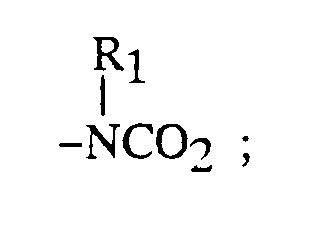


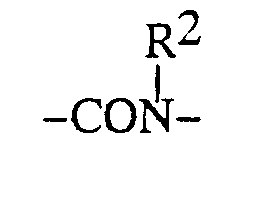


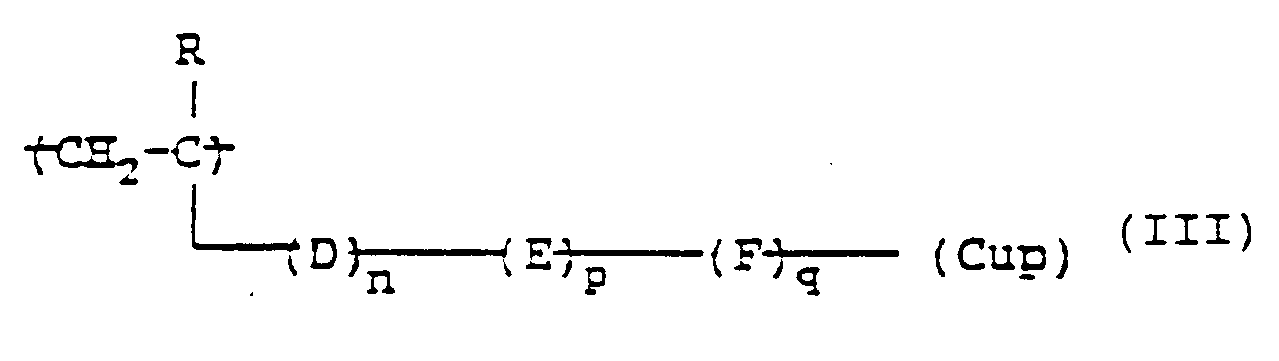


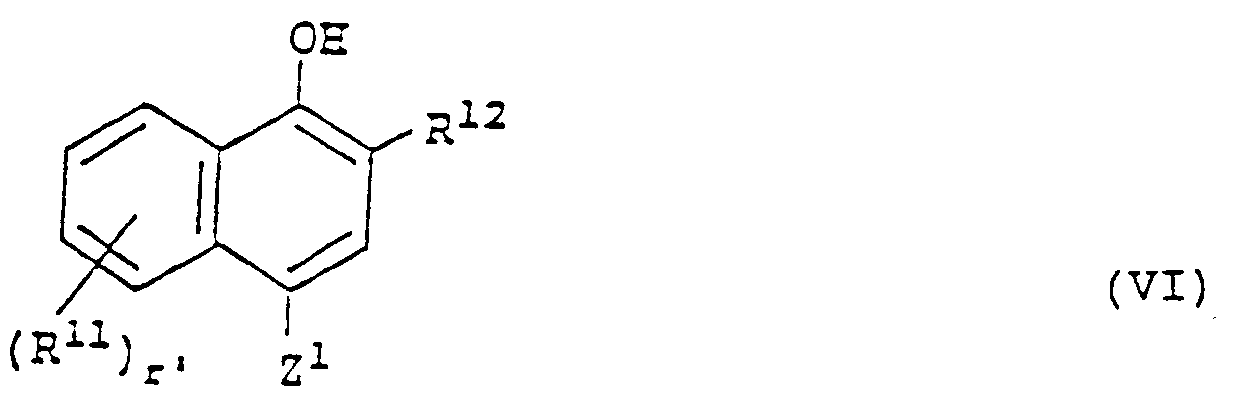

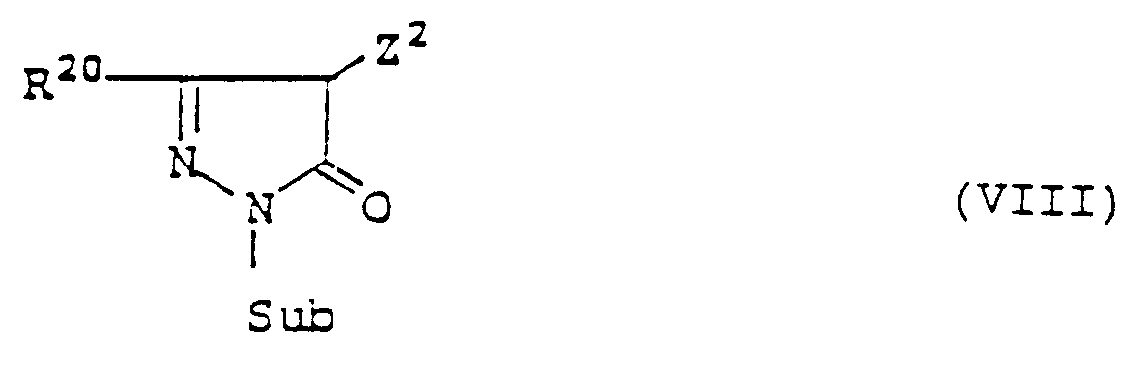
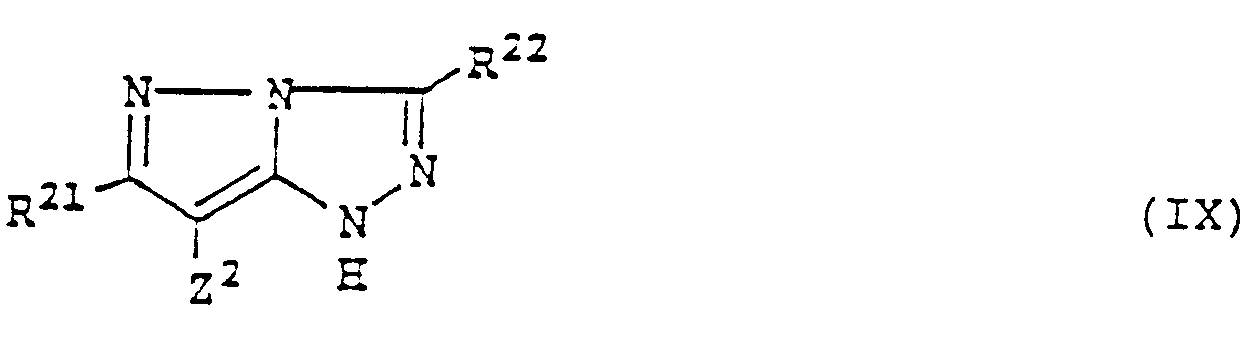


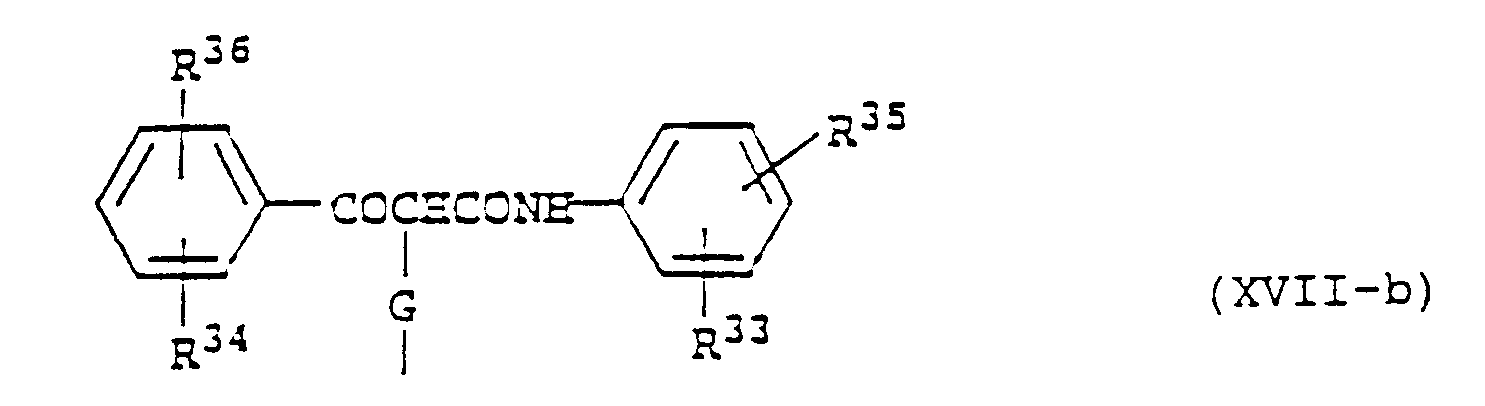



Applications Claiming Priority (8)
| Application Number | Priority Date | Filing Date | Title |
|---|---|---|---|
| JP4479187A JPS63210925A (ja) | 1987-02-27 | 1987-02-27 | ハロゲン化銀カラ−写真感光材料 |
| JP44791/87 | 1987-02-27 | ||
| JP44790/87 | 1987-02-27 | ||
| JP4479287A JPS63210926A (ja) | 1987-02-27 | 1987-02-27 | ハロゲン化銀カラ−写真感光材料 |
| JP44792/87 | 1987-02-27 | ||
| JP4479087A JPS63210924A (ja) | 1987-02-27 | 1987-02-27 | ハロゲン化銀カラ−写真感光材料 |
| JP315766/87 | 1987-12-14 | ||
| JP31576687 | 1987-12-14 |
Publications (3)
| Publication Number | Publication Date |
|---|---|
| EP0280330A2 EP0280330A2 (fr) | 1988-08-31 |
| EP0280330A3 EP0280330A3 (en) | 1989-09-20 |
| EP0280330B1 true EP0280330B1 (fr) | 1993-07-21 |
Family
ID=27461588
Family Applications (1)
| Application Number | Title | Priority Date | Filing Date |
|---|---|---|---|
| EP88102925A Expired - Lifetime EP0280330B1 (fr) | 1987-02-27 | 1988-02-26 | Matériau photographique couleur à l'halogénure d'argent |
Country Status (3)
| Country | Link |
|---|---|
| US (1) | US4960688A (fr) |
| EP (1) | EP0280330B1 (fr) |
| DE (1) | DE3882391T2 (fr) |
Families Citing this family (3)
| Publication number | Priority date | Publication date | Assignee | Title |
|---|---|---|---|---|
| JP2540320B2 (ja) * | 1987-03-25 | 1996-10-02 | 富士写真フイルム株式会社 | ハロゲン化銀写真感光材料 |
| US5135843A (en) * | 1989-07-28 | 1992-08-04 | Konica Corporation | Silver halide photographic element |
| EP0583832A1 (fr) * | 1992-08-19 | 1994-02-23 | Eastman Kodak Company | Matériaux photographiques couleurs contenant des coupleurs polymériques 5-pyrazolone et des solvants |
Citations (1)
| Publication number | Priority date | Publication date | Assignee | Title |
|---|---|---|---|---|
| US4215195A (en) * | 1978-12-20 | 1980-07-29 | Eastman Kodak Company | Polymers of amide compounds useful in photographic materials |
Family Cites Families (17)
| Publication number | Priority date | Publication date | Assignee | Title |
|---|---|---|---|---|
| BE656456A (fr) * | ||||
| CA939183A (en) * | 1969-01-16 | 1974-01-01 | Teppei Ikeda | Photographic silver halide light-sensitive element |
| US3671256A (en) * | 1970-04-16 | 1972-06-20 | Eastman Kodak Co | Polymeric hardeners containing aziridinyl units on the side chain |
| US4193795A (en) * | 1977-10-06 | 1980-03-18 | Eastman Kodak Company | Photographic film units containing a polymeric mordant which covalently bonds with certain dyes |
| US4145221A (en) * | 1977-11-08 | 1979-03-20 | Gaf Corporation | Synthetic polymer latices in photographic silver halide emulsions containing multivalent metal salts |
| JPS59819B2 (ja) * | 1979-03-15 | 1984-01-09 | コニカ株式会社 | 写真用ポリエステル支持体 |
| DE3064831D1 (en) * | 1979-10-15 | 1983-10-20 | Agfa Gevaert Nv | Copolymer latex and photographic silver halide materials containing such latex |
| JPS6021370B2 (ja) * | 1979-11-05 | 1985-05-27 | 富士写真フイルム株式会社 | 写真感光材料 |
| JPS6022340B2 (ja) * | 1980-04-07 | 1985-06-01 | 富士写真フイルム株式会社 | 写真感光材料 |
| JPS5828744A (ja) * | 1981-08-12 | 1983-02-19 | Konishiroku Photo Ind Co Ltd | ハロゲン化銀感光材料 |
| JPS6078446A (ja) * | 1983-10-05 | 1985-05-04 | Konishiroku Photo Ind Co Ltd | ハロゲン化銀カラ−写真感光材料 |
| JPH0666029B2 (ja) * | 1984-03-09 | 1994-08-24 | 富士写真フイルム株式会社 | 写真感光材料 |
| JPH081929B2 (ja) * | 1987-06-30 | 1996-01-10 | 三菱電機株式会社 | 半導体装置 |
| JPH0231851A (ja) * | 1988-07-18 | 1990-02-01 | Konica Corp | 筒状被塗布体の製造方法及び装置 |
| JPH0796979B2 (ja) * | 1989-09-01 | 1995-10-18 | 進 中川 | 無電源冷凍器 |
| JPH0392950A (ja) * | 1989-09-06 | 1991-04-18 | Nec Corp | マイクロプログラム制御装置 |
| JP2690712B2 (ja) * | 1995-06-14 | 1997-12-17 | 甲府日本電気株式会社 | ベクトルデータ処理装置 |
-
1988
- 1988-02-26 EP EP88102925A patent/EP0280330B1/fr not_active Expired - Lifetime
- 1988-02-26 DE DE88102925T patent/DE3882391T2/de not_active Expired - Fee Related
- 1988-02-29 US US07/161,865 patent/US4960688A/en not_active Expired - Lifetime
Patent Citations (1)
| Publication number | Priority date | Publication date | Assignee | Title |
|---|---|---|---|---|
| US4215195A (en) * | 1978-12-20 | 1980-07-29 | Eastman Kodak Company | Polymers of amide compounds useful in photographic materials |
Also Published As
| Publication number | Publication date |
|---|---|
| US4960688A (en) | 1990-10-02 |
| DE3882391D1 (de) | 1993-08-26 |
| EP0280330A3 (en) | 1989-09-20 |
| DE3882391T2 (de) | 1993-10-28 |
| EP0280330A2 (fr) | 1988-08-31 |
Similar Documents
| Publication | Publication Date | Title |
|---|---|---|
| EP0206049A2 (fr) | Matériau photographique couleur à l'halogénure d'argent et procédé de traitement de celui-ci | |
| JP2542858B2 (ja) | ハロゲン化銀カラ―写真感光材料の処理方法 | |
| US4436808A (en) | Silver halide color photographic light-sensitive material | |
| US4522916A (en) | Silver halide color photographic light-sensitive material | |
| US4874689A (en) | Silver halide color photographic material | |
| JPS62139552A (ja) | ハロゲン化銀カラ−写真感光材料の処理方法 | |
| EP0283938B1 (fr) | Matériau photographique couleur à l'halogénure d'argent | |
| US4960688A (en) | Silver halide color photographic material | |
| US4904579A (en) | Silver halide color photogaphic material | |
| JPH0322972B2 (fr) | ||
| US4791051A (en) | Silver halide color photographic material comprising a polymeric magenta coupler and a phenolic cyan coupler | |
| EP0246616A2 (fr) | Matériau photographique couleur à l'halogénure d'argent | |
| JPH01241554A (ja) | ハロゲン化銀カラー写真感光材料 | |
| JP2549281B2 (ja) | ハロゲン化銀カラ−写真感光材料 | |
| JPH0769591B2 (ja) | ハロゲン化銀カラー写真感光材料 | |
| JPH01224756A (ja) | ハロゲン化銀カラー写真感光材料 | |
| JPS6215544A (ja) | ハロゲン化銀カラ−写真感光材料 | |
| JPH02856A (ja) | ハロゲン化銀カラー写真感光材料 | |
| EP0316955A2 (fr) | Matériaux photographiques couleur à l'halogénure d'argent | |
| JPS6219848A (ja) | ハロゲン化銀カラ−写真感光材料 | |
| JPH0833627B2 (ja) | ハロゲン化銀カラー写真感光材料 | |
| JPH01239552A (ja) | ハロゲン化銀カラー写真感光材料 | |
| JPH0473749A (ja) | ハロゲン化銀カラー写真感光材料 | |
| JPS63210924A (ja) | ハロゲン化銀カラ−写真感光材料 | |
| JPH0192746A (ja) | ハロゲン化銀カラ−写真感光材料 |
Legal Events
| Date | Code | Title | Description |
|---|---|---|---|
| PUAI | Public reference made under article 153(3) epc to a published international application that has entered the european phase |
Free format text: ORIGINAL CODE: 0009012 |
|
| AK | Designated contracting states |
Kind code of ref document: A2 Designated state(s): DE FR GB NL |
|
| PUAL | Search report despatched |
Free format text: ORIGINAL CODE: 0009013 |
|
| AK | Designated contracting states |
Kind code of ref document: A3 Designated state(s): DE FR GB NL |
|
| 17P | Request for examination filed |
Effective date: 19900223 |
|
| 17Q | First examination report despatched |
Effective date: 19920124 |
|
| GRAA | (expected) grant |
Free format text: ORIGINAL CODE: 0009210 |
|
| AK | Designated contracting states |
Kind code of ref document: B1 Designated state(s): DE FR GB NL |
|
| PG25 | Lapsed in a contracting state [announced via postgrant information from national office to epo] |
Ref country code: NL Effective date: 19930721 Ref country code: FR Effective date: 19930721 |
|
| REF | Corresponds to: |
Ref document number: 3882391 Country of ref document: DE Date of ref document: 19930826 |
|
| EN | Fr: translation not filed | ||
| NLV1 | Nl: lapsed or annulled due to failure to fulfill the requirements of art. 29p and 29m of the patents act | ||
| PLBE | No opposition filed within time limit |
Free format text: ORIGINAL CODE: 0009261 |
|
| STAA | Information on the status of an ep patent application or granted ep patent |
Free format text: STATUS: NO OPPOSITION FILED WITHIN TIME LIMIT |
|
| 26N | No opposition filed | ||
| REG | Reference to a national code |
Ref country code: GB Ref legal event code: IF02 |
|
| PGFP | Annual fee paid to national office [announced via postgrant information from national office to epo] |
Ref country code: GB Payment date: 20040225 Year of fee payment: 17 |
|
| PGFP | Annual fee paid to national office [announced via postgrant information from national office to epo] |
Ref country code: DE Payment date: 20040304 Year of fee payment: 17 |
|
| PG25 | Lapsed in a contracting state [announced via postgrant information from national office to epo] |
Ref country code: GB Free format text: LAPSE BECAUSE OF NON-PAYMENT OF DUE FEES Effective date: 20050226 |
|
| PG25 | Lapsed in a contracting state [announced via postgrant information from national office to epo] |
Ref country code: DE Free format text: LAPSE BECAUSE OF NON-PAYMENT OF DUE FEES Effective date: 20050901 |
|
| GBPC | Gb: european patent ceased through non-payment of renewal fee |
Effective date: 20050226 |