EP1698701B1 - Verwendung von MHC Klasse II Liganden (CD4 und LAG-3) als Adjuvans für Impfungen und von LAG-3 bei Behandlung von Krebs - Google Patents
Verwendung von MHC Klasse II Liganden (CD4 und LAG-3) als Adjuvans für Impfungen und von LAG-3 bei Behandlung von Krebs Download PDFInfo
- Publication number
- EP1698701B1 EP1698701B1 EP06008545A EP06008545A EP1698701B1 EP 1698701 B1 EP1698701 B1 EP 1698701B1 EP 06008545 A EP06008545 A EP 06008545A EP 06008545 A EP06008545 A EP 06008545A EP 1698701 B1 EP1698701 B1 EP 1698701B1
- Authority
- EP
- European Patent Office
- Prior art keywords
- lag
- cells
- tumor
- mhc class
- mice
- Prior art date
- Legal status (The legal status is an assumption and is not a legal conclusion. Google has not performed a legal analysis and makes no representation as to the accuracy of the status listed.)
- Expired - Lifetime
Links
- 102000043131 MHC class II family Human genes 0.000 title claims abstract description 32
- 108091054438 MHC class II family Proteins 0.000 title claims abstract description 32
- 239000003446 ligand Substances 0.000 title claims abstract description 16
- 206010028980 Neoplasm Diseases 0.000 title claims description 88
- 201000011510 cancer Diseases 0.000 title claims description 14
- 238000002255 vaccination Methods 0.000 title description 4
- 239000002671 adjuvant Substances 0.000 title description 2
- 101100510617 Caenorhabditis elegans sel-8 gene Proteins 0.000 title 1
- 239000000427 antigen Substances 0.000 claims abstract description 23
- 102000036639 antigens Human genes 0.000 claims abstract description 23
- 108091007433 antigens Proteins 0.000 claims abstract description 23
- 230000028993 immune response Effects 0.000 claims abstract description 16
- 239000003814 drug Substances 0.000 claims abstract description 9
- 238000004519 manufacturing process Methods 0.000 claims abstract description 8
- 102000017578 LAG3 Human genes 0.000 claims abstract 12
- 101150030213 Lag3 gene Proteins 0.000 claims abstract 12
- 210000004881 tumor cell Anatomy 0.000 claims description 61
- 210000001744 T-lymphocyte Anatomy 0.000 claims description 27
- 239000012634 fragment Substances 0.000 claims description 14
- 150000001413 amino acids Chemical class 0.000 claims description 12
- 230000001404 mediated effect Effects 0.000 claims description 11
- 108060003951 Immunoglobulin Proteins 0.000 claims description 9
- 235000001014 amino acid Nutrition 0.000 claims description 9
- 102000018358 immunoglobulin Human genes 0.000 claims description 9
- 229920001184 polypeptide Polymers 0.000 claims description 8
- 102000004196 processed proteins & peptides Human genes 0.000 claims description 8
- 108090000765 processed proteins & peptides Proteins 0.000 claims description 8
- 238000006467 substitution reaction Methods 0.000 claims description 8
- 238000011224 anti-cancer immunotherapy Methods 0.000 claims description 2
- 239000003795 chemical substances by application Substances 0.000 abstract description 5
- 230000000145 adjuvantlike effect Effects 0.000 abstract description 2
- 238000002619 cancer immunotherapy Methods 0.000 abstract description 2
- 230000001575 pathological effect Effects 0.000 abstract description 2
- 239000008194 pharmaceutical composition Substances 0.000 abstract 1
- 101001137987 Homo sapiens Lymphocyte activation gene 3 protein Proteins 0.000 description 123
- 102100020862 Lymphocyte activation gene 3 protein Human genes 0.000 description 78
- 210000004027 cell Anatomy 0.000 description 76
- 241000699670 Mus sp. Species 0.000 description 41
- 102100036011 T-cell surface glycoprotein CD4 Human genes 0.000 description 23
- 101100005713 Homo sapiens CD4 gene Proteins 0.000 description 20
- 230000014509 gene expression Effects 0.000 description 15
- 238000002474 experimental method Methods 0.000 description 14
- 102100034922 T-cell surface glycoprotein CD8 alpha chain Human genes 0.000 description 12
- 230000004614 tumor growth Effects 0.000 description 12
- 238000001727 in vivo Methods 0.000 description 10
- 238000002347 injection Methods 0.000 description 10
- 239000007924 injection Substances 0.000 description 10
- 210000004698 lymphocyte Anatomy 0.000 description 10
- 210000003171 tumor-infiltrating lymphocyte Anatomy 0.000 description 10
- 108020004414 DNA Proteins 0.000 description 9
- 230000036039 immunity Effects 0.000 description 9
- 229960005486 vaccine Drugs 0.000 description 9
- 241001465754 Metazoa Species 0.000 description 8
- 208000006265 Renal cell carcinoma Diseases 0.000 description 8
- 108090000623 proteins and genes Proteins 0.000 description 8
- 241001529936 Murinae Species 0.000 description 7
- 230000000694 effects Effects 0.000 description 7
- 230000002163 immunogen Effects 0.000 description 7
- 238000011740 C57BL/6 mouse Methods 0.000 description 6
- 241000699666 Mus <mouse, genus> Species 0.000 description 6
- 206010039491 Sarcoma Diseases 0.000 description 6
- 230000000259 anti-tumor effect Effects 0.000 description 6
- 210000000612 antigen-presenting cell Anatomy 0.000 description 6
- 210000001151 cytotoxic T lymphocyte Anatomy 0.000 description 6
- 238000000034 method Methods 0.000 description 6
- 210000004988 splenocyte Anatomy 0.000 description 6
- 238000007920 subcutaneous administration Methods 0.000 description 6
- 101000653005 Homo sapiens Thromboxane-A synthase Proteins 0.000 description 5
- 101000809797 Homo sapiens Thymidylate synthase Proteins 0.000 description 5
- 102000043129 MHC class I family Human genes 0.000 description 5
- 108091054437 MHC class I family Proteins 0.000 description 5
- 235000018102 proteins Nutrition 0.000 description 5
- 102000004169 proteins and genes Human genes 0.000 description 5
- NHBKXEKEPDILRR-UHFFFAOYSA-N 2,3-bis(butanoylsulfanyl)propyl butanoate Chemical compound CCCC(=O)OCC(SC(=O)CCC)CSC(=O)CCC NHBKXEKEPDILRR-UHFFFAOYSA-N 0.000 description 4
- 102000013462 Interleukin-12 Human genes 0.000 description 4
- 108010065805 Interleukin-12 Proteins 0.000 description 4
- 238000004458 analytical method Methods 0.000 description 4
- 230000006023 anti-tumor response Effects 0.000 description 4
- 230000009089 cytolysis Effects 0.000 description 4
- 210000004443 dendritic cell Anatomy 0.000 description 4
- 239000012636 effector Substances 0.000 description 4
- 238000000338 in vitro Methods 0.000 description 4
- 210000000822 natural killer cell Anatomy 0.000 description 4
- 230000009885 systemic effect Effects 0.000 description 4
- 238000002560 therapeutic procedure Methods 0.000 description 4
- 238000011725 BALB/c mouse Methods 0.000 description 3
- 206010009944 Colon cancer Diseases 0.000 description 3
- 102000004127 Cytokines Human genes 0.000 description 3
- 108090000695 Cytokines Proteins 0.000 description 3
- 108010002350 Interleukin-2 Proteins 0.000 description 3
- 102000000588 Interleukin-2 Human genes 0.000 description 3
- 241000699660 Mus musculus Species 0.000 description 3
- 238000003556 assay Methods 0.000 description 3
- 210000003719 b-lymphocyte Anatomy 0.000 description 3
- 230000027455 binding Effects 0.000 description 3
- 230000001419 dependent effect Effects 0.000 description 3
- 201000010099 disease Diseases 0.000 description 3
- 208000037265 diseases, disorders, signs and symptoms Diseases 0.000 description 3
- 230000005847 immunogenicity Effects 0.000 description 3
- 230000006698 induction Effects 0.000 description 3
- 238000011081 inoculation Methods 0.000 description 3
- 230000003993 interaction Effects 0.000 description 3
- 230000003834 intracellular effect Effects 0.000 description 3
- 244000052769 pathogen Species 0.000 description 3
- 210000003819 peripheral blood mononuclear cell Anatomy 0.000 description 3
- 230000002269 spontaneous effect Effects 0.000 description 3
- 208000030507 AIDS Diseases 0.000 description 2
- 241000283707 Capra Species 0.000 description 2
- ONIBWKKTOPOVIA-BYPYZUCNSA-N L-Proline Chemical compound OC(=O)[C@@H]1CCCN1 ONIBWKKTOPOVIA-BYPYZUCNSA-N 0.000 description 2
- 108010052285 Membrane Proteins Proteins 0.000 description 2
- 241000283973 Oryctolagus cuniculus Species 0.000 description 2
- ONIBWKKTOPOVIA-UHFFFAOYSA-N Proline Natural products OC(=O)C1CCCN1 ONIBWKKTOPOVIA-UHFFFAOYSA-N 0.000 description 2
- 230000006044 T cell activation Effects 0.000 description 2
- 230000030741 antigen processing and presentation Effects 0.000 description 2
- 238000004132 cross linking Methods 0.000 description 2
- 230000003111 delayed effect Effects 0.000 description 2
- 238000010790 dilution Methods 0.000 description 2
- 239000012895 dilution Substances 0.000 description 2
- 231100000673 dose–response relationship Toxicity 0.000 description 2
- 230000005014 ectopic expression Effects 0.000 description 2
- 230000001747 exhibiting effect Effects 0.000 description 2
- MHMNJMPURVTYEJ-UHFFFAOYSA-N fluorescein-5-isothiocyanate Chemical compound O1C(=O)C2=CC(N=C=S)=CC=C2C21C1=CC=C(O)C=C1OC1=CC(O)=CC=C21 MHMNJMPURVTYEJ-UHFFFAOYSA-N 0.000 description 2
- 102000037865 fusion proteins Human genes 0.000 description 2
- 108020001507 fusion proteins Proteins 0.000 description 2
- 230000012010 growth Effects 0.000 description 2
- 210000002443 helper t lymphocyte Anatomy 0.000 description 2
- 208000006454 hepatitis Diseases 0.000 description 2
- 231100000283 hepatitis Toxicity 0.000 description 2
- 238000010166 immunofluorescence Methods 0.000 description 2
- 238000009169 immunotherapy Methods 0.000 description 2
- 230000005764 inhibitory process Effects 0.000 description 2
- 208000032839 leukemia Diseases 0.000 description 2
- 230000000670 limiting effect Effects 0.000 description 2
- 210000002540 macrophage Anatomy 0.000 description 2
- 230000003211 malignant effect Effects 0.000 description 2
- 239000000463 material Substances 0.000 description 2
- 230000007246 mechanism Effects 0.000 description 2
- 239000002609 medium Substances 0.000 description 2
- 201000001441 melanoma Diseases 0.000 description 2
- 239000012528 membrane Substances 0.000 description 2
- 239000013642 negative control Substances 0.000 description 2
- 238000011580 nude mouse model Methods 0.000 description 2
- 230000001717 pathogenic effect Effects 0.000 description 2
- 230000003389 potentiating effect Effects 0.000 description 2
- 238000012545 processing Methods 0.000 description 2
- 230000035755 proliferation Effects 0.000 description 2
- 230000001681 protective effect Effects 0.000 description 2
- 230000002441 reversible effect Effects 0.000 description 2
- 210000002966 serum Anatomy 0.000 description 2
- DAEPDZWVDSPTHF-UHFFFAOYSA-M sodium pyruvate Chemical compound [Na+].CC(=O)C([O-])=O DAEPDZWVDSPTHF-UHFFFAOYSA-M 0.000 description 2
- 210000000952 spleen Anatomy 0.000 description 2
- UCSJYZPVAKXKNQ-HZYVHMACSA-N streptomycin Chemical compound CN[C@H]1[C@H](O)[C@@H](O)[C@H](CO)O[C@H]1O[C@@H]1[C@](C=O)(O)[C@H](C)O[C@H]1O[C@@H]1[C@@H](NC(N)=N)[C@H](O)[C@@H](NC(N)=N)[C@H](O)[C@H]1O UCSJYZPVAKXKNQ-HZYVHMACSA-N 0.000 description 2
- 238000007910 systemic administration Methods 0.000 description 2
- 238000012360 testing method Methods 0.000 description 2
- 230000001225 therapeutic effect Effects 0.000 description 2
- 201000008827 tuberculosis Diseases 0.000 description 2
- 231100000588 tumorigenic Toxicity 0.000 description 2
- 230000000381 tumorigenic effect Effects 0.000 description 2
- 206010003445 Ascites Diseases 0.000 description 1
- 208000003950 B-cell lymphoma Diseases 0.000 description 1
- 241000894006 Bacteria Species 0.000 description 1
- 108091003079 Bovine Serum Albumin Proteins 0.000 description 1
- 210000004366 CD4-positive T-lymphocyte Anatomy 0.000 description 1
- 101100506090 Caenorhabditis elegans hil-2 gene Proteins 0.000 description 1
- 201000009030 Carcinoma Diseases 0.000 description 1
- 241000282693 Cercopithecidae Species 0.000 description 1
- 108020004635 Complementary DNA Proteins 0.000 description 1
- KCXVZYZYPLLWCC-UHFFFAOYSA-N EDTA Chemical compound OC(=O)CN(CC(O)=O)CCN(CC(O)=O)CC(O)=O KCXVZYZYPLLWCC-UHFFFAOYSA-N 0.000 description 1
- 238000012286 ELISA Assay Methods 0.000 description 1
- 102100025137 Early activation antigen CD69 Human genes 0.000 description 1
- YQYJSBFKSSDGFO-UHFFFAOYSA-N Epihygromycin Natural products OC1C(O)C(C(=O)C)OC1OC(C(=C1)O)=CC=C1C=C(C)C(=O)NC1C(O)C(O)C2OCOC2C1O YQYJSBFKSSDGFO-UHFFFAOYSA-N 0.000 description 1
- 102000015212 Fas Ligand Protein Human genes 0.000 description 1
- 108010039471 Fas Ligand Protein Proteins 0.000 description 1
- 238000012413 Fluorescence activated cell sorting analysis Methods 0.000 description 1
- 108010017213 Granulocyte-Macrophage Colony-Stimulating Factor Proteins 0.000 description 1
- 102100039620 Granulocyte-macrophage colony-stimulating factor Human genes 0.000 description 1
- 206010053759 Growth retardation Diseases 0.000 description 1
- 101000934374 Homo sapiens Early activation antigen CD69 Proteins 0.000 description 1
- GRRNUXAQVGOGFE-UHFFFAOYSA-N Hygromycin-B Natural products OC1C(NC)CC(N)C(O)C1OC1C2OC3(C(C(O)C(O)C(C(N)CO)O3)O)OC2C(O)C(CO)O1 GRRNUXAQVGOGFE-UHFFFAOYSA-N 0.000 description 1
- XQFRJNBWHJMXHO-RRKCRQDMSA-N IDUR Chemical compound C1[C@H](O)[C@@H](CO)O[C@H]1N1C(=O)NC(=O)C(I)=C1 XQFRJNBWHJMXHO-RRKCRQDMSA-N 0.000 description 1
- 102000004388 Interleukin-4 Human genes 0.000 description 1
- 108090000978 Interleukin-4 Proteins 0.000 description 1
- 208000007766 Kaposi sarcoma Diseases 0.000 description 1
- ZDXPYRJPNDTMRX-VKHMYHEASA-N L-glutamine Chemical compound OC(=O)[C@@H](N)CCC(N)=O ZDXPYRJPNDTMRX-VKHMYHEASA-N 0.000 description 1
- 206010024229 Leprosy Diseases 0.000 description 1
- 241000186781 Listeria Species 0.000 description 1
- 206010024641 Listeriosis Diseases 0.000 description 1
- 241000124008 Mammalia Species 0.000 description 1
- 102000018697 Membrane Proteins Human genes 0.000 description 1
- PPQNQXQZIWHJRB-UHFFFAOYSA-N Methylcholanthrene Chemical compound C1=CC=C2C3=CC4=CC=C(C)C(CC5)=C4C5=C3C=CC2=C1 PPQNQXQZIWHJRB-UHFFFAOYSA-N 0.000 description 1
- 102000043276 Oncogene Human genes 0.000 description 1
- 108700020796 Oncogene Proteins 0.000 description 1
- 229930182555 Penicillin Natural products 0.000 description 1
- JGSARLDLIJGVTE-MBNYWOFBSA-N Penicillin G Chemical compound N([C@H]1[C@H]2SC([C@@H](N2C1=O)C(O)=O)(C)C)C(=O)CC1=CC=CC=C1 JGSARLDLIJGVTE-MBNYWOFBSA-N 0.000 description 1
- 241000224016 Plasmodium Species 0.000 description 1
- 239000012980 RPMI-1640 medium Substances 0.000 description 1
- 102000007056 Recombinant Fusion Proteins Human genes 0.000 description 1
- 108010008281 Recombinant Fusion Proteins Proteins 0.000 description 1
- 206010038389 Renal cancer Diseases 0.000 description 1
- 230000024932 T cell mediated immunity Effects 0.000 description 1
- 230000037453 T cell priming Effects 0.000 description 1
- 108060008682 Tumor Necrosis Factor Proteins 0.000 description 1
- 102000000852 Tumor Necrosis Factor-alpha Human genes 0.000 description 1
- 230000004913 activation Effects 0.000 description 1
- 208000009956 adenocarcinoma Diseases 0.000 description 1
- 230000001464 adherent effect Effects 0.000 description 1
- 230000005809 anti-tumor immunity Effects 0.000 description 1
- 230000000890 antigenic effect Effects 0.000 description 1
- 230000005975 antitumor immune response Effects 0.000 description 1
- 238000013459 approach Methods 0.000 description 1
- 230000002238 attenuated effect Effects 0.000 description 1
- 230000001580 bacterial effect Effects 0.000 description 1
- 230000015572 biosynthetic process Effects 0.000 description 1
- 210000004369 blood Anatomy 0.000 description 1
- 239000008280 blood Substances 0.000 description 1
- 201000008274 breast adenocarcinoma Diseases 0.000 description 1
- 229940022399 cancer vaccine Drugs 0.000 description 1
- 238000003352 cell adhesion assay Methods 0.000 description 1
- 238000004113 cell culture Methods 0.000 description 1
- 238000001516 cell proliferation assay Methods 0.000 description 1
- 229940030156 cell vaccine Drugs 0.000 description 1
- 230000017455 cell-cell adhesion Effects 0.000 description 1
- 210000004978 chinese hamster ovary cell Anatomy 0.000 description 1
- 210000000349 chromosome Anatomy 0.000 description 1
- 238000010367 cloning Methods 0.000 description 1
- 238000011260 co-administration Methods 0.000 description 1
- 230000000052 comparative effect Effects 0.000 description 1
- 239000002299 complementary DNA Substances 0.000 description 1
- 238000010276 construction Methods 0.000 description 1
- 230000001461 cytolytic effect Effects 0.000 description 1
- 230000001472 cytotoxic effect Effects 0.000 description 1
- 238000002784 cytotoxicity assay Methods 0.000 description 1
- 231100000263 cytotoxicity test Toxicity 0.000 description 1
- 230000007547 defect Effects 0.000 description 1
- 230000002950 deficient Effects 0.000 description 1
- 230000006735 deficit Effects 0.000 description 1
- 230000000779 depleting effect Effects 0.000 description 1
- 230000003828 downregulation Effects 0.000 description 1
- 239000002158 endotoxin Substances 0.000 description 1
- 239000012894 fetal calf serum Substances 0.000 description 1
- 239000012530 fluid Substances 0.000 description 1
- 238000001943 fluorescence-activated cell sorting Methods 0.000 description 1
- 238000001215 fluorescent labelling Methods 0.000 description 1
- 230000004545 gene duplication Effects 0.000 description 1
- 238000001415 gene therapy Methods 0.000 description 1
- 238000012637 gene transfection Methods 0.000 description 1
- 230000002068 genetic effect Effects 0.000 description 1
- ZDXPYRJPNDTMRX-UHFFFAOYSA-N glutamine Natural products OC(=O)C(N)CCC(N)=O ZDXPYRJPNDTMRX-UHFFFAOYSA-N 0.000 description 1
- 229960002743 glutamine Drugs 0.000 description 1
- 239000001963 growth medium Substances 0.000 description 1
- 231100000001 growth retardation Toxicity 0.000 description 1
- GRRNUXAQVGOGFE-NZSRVPFOSA-N hygromycin B Chemical compound O[C@@H]1[C@@H](NC)C[C@@H](N)[C@H](O)[C@H]1O[C@H]1[C@H]2O[C@@]3([C@@H]([C@@H](O)[C@@H](O)[C@@H](C(N)CO)O3)O)O[C@H]2[C@@H](O)[C@@H](CO)O1 GRRNUXAQVGOGFE-NZSRVPFOSA-N 0.000 description 1
- 229940097277 hygromycin b Drugs 0.000 description 1
- 230000008073 immune recognition Effects 0.000 description 1
- 210000000987 immune system Anatomy 0.000 description 1
- 238000003364 immunohistochemistry Methods 0.000 description 1
- 238000012744 immunostaining Methods 0.000 description 1
- 208000015181 infectious disease Diseases 0.000 description 1
- 230000002401 inhibitory effect Effects 0.000 description 1
- 230000019734 interleukin-12 production Effects 0.000 description 1
- 230000002601 intratumoral effect Effects 0.000 description 1
- 230000002147 killing effect Effects 0.000 description 1
- 210000001821 langerhans cell Anatomy 0.000 description 1
- 231100000518 lethal Toxicity 0.000 description 1
- 230000001665 lethal effect Effects 0.000 description 1
- 230000021633 leukocyte mediated immunity Effects 0.000 description 1
- 230000005923 long-lasting effect Effects 0.000 description 1
- 201000004792 malaria Diseases 0.000 description 1
- 230000035772 mutation Effects 0.000 description 1
- 244000045947 parasite Species 0.000 description 1
- 230000003071 parasitic effect Effects 0.000 description 1
- 230000036961 partial effect Effects 0.000 description 1
- 229940049954 penicillin Drugs 0.000 description 1
- 239000013600 plasmid vector Substances 0.000 description 1
- 238000002360 preparation method Methods 0.000 description 1
- 230000002265 prevention Effects 0.000 description 1
- 230000003449 preventive effect Effects 0.000 description 1
- 230000008569 process Effects 0.000 description 1
- XJMOSONTPMZWPB-UHFFFAOYSA-M propidium iodide Chemical compound [I-].[I-].C12=CC(N)=CC=C2C2=CC=C(N)C=C2[N+](CCC[N+](C)(CC)CC)=C1C1=CC=CC=C1 XJMOSONTPMZWPB-UHFFFAOYSA-M 0.000 description 1
- 230000009467 reduction Effects 0.000 description 1
- 230000001105 regulatory effect Effects 0.000 description 1
- 201000010174 renal carcinoma Diseases 0.000 description 1
- 230000004044 response Effects 0.000 description 1
- 238000009738 saturating Methods 0.000 description 1
- 210000005212 secondary lymphoid organ Anatomy 0.000 description 1
- 210000003491 skin Anatomy 0.000 description 1
- 229940054269 sodium pyruvate Drugs 0.000 description 1
- 230000009870 specific binding Effects 0.000 description 1
- 210000004989 spleen cell Anatomy 0.000 description 1
- 238000010186 staining Methods 0.000 description 1
- 230000000638 stimulation Effects 0.000 description 1
- 229960005322 streptomycin Drugs 0.000 description 1
- 238000010254 subcutaneous injection Methods 0.000 description 1
- 239000007929 subcutaneous injection Substances 0.000 description 1
- 231100000617 superantigen Toxicity 0.000 description 1
- 238000001356 surgical procedure Methods 0.000 description 1
- 229940124597 therapeutic agent Drugs 0.000 description 1
- 229940021747 therapeutic vaccine Drugs 0.000 description 1
- 210000001519 tissue Anatomy 0.000 description 1
- 238000011830 transgenic mouse model Methods 0.000 description 1
- 238000002054 transplantation Methods 0.000 description 1
- 230000001960 triggered effect Effects 0.000 description 1
- 230000005740 tumor formation Effects 0.000 description 1
- 230000005851 tumor immunogenicity Effects 0.000 description 1
- 230000006433 tumor necrosis factor production Effects 0.000 description 1
- 239000012646 vaccine adjuvant Substances 0.000 description 1
- 229940124931 vaccine adjuvant Drugs 0.000 description 1
- 230000003612 virological effect Effects 0.000 description 1
Images



Classifications
-
- A—HUMAN NECESSITIES
- A61—MEDICAL OR VETERINARY SCIENCE; HYGIENE
- A61K—PREPARATIONS FOR MEDICAL, DENTAL OR TOILETRY PURPOSES
- A61K38/00—Medicinal preparations containing peptides
- A61K38/16—Peptides having more than 20 amino acids; Gastrins; Somatostatins; Melanotropins; Derivatives thereof
- A61K38/17—Peptides having more than 20 amino acids; Gastrins; Somatostatins; Melanotropins; Derivatives thereof from animals; from humans
- A61K38/177—Receptors; Cell surface antigens; Cell surface determinants
- A61K38/1774—Immunoglobulin superfamily (e.g. CD2, CD4, CD8, ICAM molecules, B7 molecules, Fc-receptors, MHC-molecules)
-
- A—HUMAN NECESSITIES
- A61—MEDICAL OR VETERINARY SCIENCE; HYGIENE
- A61K—PREPARATIONS FOR MEDICAL, DENTAL OR TOILETRY PURPOSES
- A61K39/00—Medicinal preparations containing antigens or antibodies
-
- A—HUMAN NECESSITIES
- A61—MEDICAL OR VETERINARY SCIENCE; HYGIENE
- A61K—PREPARATIONS FOR MEDICAL, DENTAL OR TOILETRY PURPOSES
- A61K39/00—Medicinal preparations containing antigens or antibodies
- A61K39/0005—Vertebrate antigens
- A61K39/0011—Cancer antigens
-
- A—HUMAN NECESSITIES
- A61—MEDICAL OR VETERINARY SCIENCE; HYGIENE
- A61K—PREPARATIONS FOR MEDICAL, DENTAL OR TOILETRY PURPOSES
- A61K39/00—Medicinal preparations containing antigens or antibodies
- A61K39/39—Medicinal preparations containing antigens or antibodies characterised by the immunostimulating additives, e.g. chemical adjuvants
-
- A—HUMAN NECESSITIES
- A61—MEDICAL OR VETERINARY SCIENCE; HYGIENE
- A61P—SPECIFIC THERAPEUTIC ACTIVITY OF CHEMICAL COMPOUNDS OR MEDICINAL PREPARATIONS
- A61P31/00—Antiinfectives, i.e. antibiotics, antiseptics, chemotherapeutics
-
- A—HUMAN NECESSITIES
- A61—MEDICAL OR VETERINARY SCIENCE; HYGIENE
- A61P—SPECIFIC THERAPEUTIC ACTIVITY OF CHEMICAL COMPOUNDS OR MEDICINAL PREPARATIONS
- A61P31/00—Antiinfectives, i.e. antibiotics, antiseptics, chemotherapeutics
- A61P31/04—Antibacterial agents
-
- A—HUMAN NECESSITIES
- A61—MEDICAL OR VETERINARY SCIENCE; HYGIENE
- A61P—SPECIFIC THERAPEUTIC ACTIVITY OF CHEMICAL COMPOUNDS OR MEDICINAL PREPARATIONS
- A61P31/00—Antiinfectives, i.e. antibiotics, antiseptics, chemotherapeutics
- A61P31/12—Antivirals
-
- A—HUMAN NECESSITIES
- A61—MEDICAL OR VETERINARY SCIENCE; HYGIENE
- A61P—SPECIFIC THERAPEUTIC ACTIVITY OF CHEMICAL COMPOUNDS OR MEDICINAL PREPARATIONS
- A61P33/00—Antiparasitic agents
-
- A—HUMAN NECESSITIES
- A61—MEDICAL OR VETERINARY SCIENCE; HYGIENE
- A61P—SPECIFIC THERAPEUTIC ACTIVITY OF CHEMICAL COMPOUNDS OR MEDICINAL PREPARATIONS
- A61P33/00—Antiparasitic agents
- A61P33/10—Anthelmintics
-
- A—HUMAN NECESSITIES
- A61—MEDICAL OR VETERINARY SCIENCE; HYGIENE
- A61P—SPECIFIC THERAPEUTIC ACTIVITY OF CHEMICAL COMPOUNDS OR MEDICINAL PREPARATIONS
- A61P35/00—Antineoplastic agents
-
- A—HUMAN NECESSITIES
- A61—MEDICAL OR VETERINARY SCIENCE; HYGIENE
- A61P—SPECIFIC THERAPEUTIC ACTIVITY OF CHEMICAL COMPOUNDS OR MEDICINAL PREPARATIONS
- A61P37/00—Drugs for immunological or allergic disorders
- A61P37/02—Immunomodulators
-
- A—HUMAN NECESSITIES
- A61—MEDICAL OR VETERINARY SCIENCE; HYGIENE
- A61P—SPECIFIC THERAPEUTIC ACTIVITY OF CHEMICAL COMPOUNDS OR MEDICINAL PREPARATIONS
- A61P37/00—Drugs for immunological or allergic disorders
- A61P37/02—Immunomodulators
- A61P37/04—Immunostimulants
-
- A—HUMAN NECESSITIES
- A61—MEDICAL OR VETERINARY SCIENCE; HYGIENE
- A61P—SPECIFIC THERAPEUTIC ACTIVITY OF CHEMICAL COMPOUNDS OR MEDICINAL PREPARATIONS
- A61P43/00—Drugs for specific purposes, not provided for in groups A61P1/00-A61P41/00
-
- A—HUMAN NECESSITIES
- A61—MEDICAL OR VETERINARY SCIENCE; HYGIENE
- A61K—PREPARATIONS FOR MEDICAL, DENTAL OR TOILETRY PURPOSES
- A61K39/00—Medicinal preparations containing antigens or antibodies
- A61K2039/555—Medicinal preparations containing antigens or antibodies characterised by a specific combination antigen/adjuvant
- A61K2039/55511—Organic adjuvants
- A61K2039/55516—Proteins; Peptides
-
- A—HUMAN NECESSITIES
- A61—MEDICAL OR VETERINARY SCIENCE; HYGIENE
- A61K—PREPARATIONS FOR MEDICAL, DENTAL OR TOILETRY PURPOSES
- A61K48/00—Medicinal preparations containing genetic material which is inserted into cells of the living body to treat genetic diseases; Gene therapy
-
- Y—GENERAL TAGGING OF NEW TECHNOLOGICAL DEVELOPMENTS; GENERAL TAGGING OF CROSS-SECTIONAL TECHNOLOGIES SPANNING OVER SEVERAL SECTIONS OF THE IPC; TECHNICAL SUBJECTS COVERED BY FORMER USPC CROSS-REFERENCE ART COLLECTIONS [XRACs] AND DIGESTS
- Y02—TECHNOLOGIES OR APPLICATIONS FOR MITIGATION OR ADAPTATION AGAINST CLIMATE CHANGE
- Y02A—TECHNOLOGIES FOR ADAPTATION TO CLIMATE CHANGE
- Y02A50/00—TECHNOLOGIES FOR ADAPTATION TO CLIMATE CHANGE in human health protection, e.g. against extreme weather
- Y02A50/30—Against vector-borne diseases, e.g. mosquito-borne, fly-borne, tick-borne or waterborne diseases whose impact is exacerbated by climate change
Definitions
- tumour cells stably transfected with DNA coding for MHC class II ligands being LAG-3 or derivatives thereof as described below in cancer treatment.
- the present invention relates to the use of tumour cells stably transfected with DNA coding for LAG-3 or derivatives thereof as described below as a therapeutical agent in cancer immunotherapy.
- MHC Class II region proteins encoded by MHC Class II region are involved in many aspects of immune recognition, including the interaction between different lymphoid cells such as lymphocytes and antigen presenting cells. Different observations have also shown that other mechanisms which do not take place via CD4 participate in the effector function of T helper lymphocytes.
- the lymphocyte activation gene 3 expressed in human CD4+ and CD8+ activated T-cells as well as in activated NK cells encodes a 503 amino-acids (aa) type I membrane protein with four extracellular immunoglobulin superfamily (IgSF) domains (1) and is a ligand for MHC class II molecules (2). Analysis of this sequence revealed notable patches of identity with stretches of aminoacids sequences found at the corresponding positions in CD4, although the overall aminoacids sequence homology with human CD4 is barely above background level (approximately 20 % sequence identity).
- aa amino-acids
- IgSF immunoglobulin superfamily
- LAG-3 has evolved like CD4 by gene duplication from a preexisting 2 IgSF structure (1).
- LAG-3 and CD4 genes are located in a very close proximity on the distal part of the short arm of chromosome 12 (3). LAG-3 and CD4 can therefore be regarded as evolutionary "first cousins" within the IgSF (2).
- hLAG-3 is composed of Ig like ectodomains with a WxC signature motif in domains 2 and 4; however a difference with CD4 is the presence of an extraloop sequence in domain 1 (recognized by the 17B4mAb) and an intracytoplasmic proline rich motif (EP repeats) in human LAG-3 (hLAG-3).
- the domains D1-D4 are specified in (4).
- murine lymphocyte activation gene 3 mLAG-3 was cloned and approximately 70 % of homology was found with hLAG-3, with the same proline rich motif in the intracytoplasmic tail.
- Antigen specific stimulation of CD4 + T-cell clones in the presence of anti-LAG-3 mAb leads to extended proliferation and cytokines production (5). It has been suggested a regulatory role of hLAG-3 on CD4+ T lymphocyte activated, by cross-linking MHC class II molecules expressed on T-cells with LAG-3 Ig fusion proteins (6). LAG-3 MHC class II interaction inhibits signals through MHC class II molecules expressed on CD4+ T-cells (decrease of proliferation and cytokines production), suggesting that both LAG-3 and MHC class II are effector molecules for the down-regulation of T helper cell mediated immune responses.
- the hLAG-3 Ig fusion protein was found to bind xenogenic MHC class II molecules (murine and monkey).
- the mLAG-3 has been proposed to transduce a positive signal in effector cells, since transgenic mice with a LAG-3 null mutation have a defect in the NK cell compartment (7).
- Mouse tumor cell lines engineered to express membrane (B7.1, B7.2, CD95L, ... ) or secreted molecules (IL-2, IL-12, .7) are often used to investigate immune responses or antitumor effects. This approach implies that many tumor cells are potentially antigenic (9), and become immunogenic when they express molecules.
- Experimental mouse tumors are classified as intrinsically immunogenic when, after a single injection into syngenic mice as nonreplicating cell vaccines, they elicit a protective immune response against a subsequent lethal challenge. Tumors that do not retain this residual immunogenicity are defined as poorly immunogenic or nonimmunogenic.
- Antitumor immune responses are mediated primarily by T-cells (12).
- Professionnal antigen presenting cells are capable of taking up, processing and presenting antigen to T-cells in the context of co-stimulatory signals required for T-cell activation, leading to optimal antigen presentation.
- MHC class II + dendritic cells DCs
- cross-linking of MHC class II molecules specifically expressed by such cells using mAb or superantigens, transduces signals resulting in TNF ⁇ and IL-12 production (14, 15).
- Lymphocyte Activation Gene-3 (LAG-3), which is embedded in the CD4 locus (1, 16), encodes a protein that binds human and murine MHC class II molecules with higher affinities than CD4 (17, 6).
- the inventors of the instant application have investigated whether hLAG-3, human CD4 (hCD4) and mLAG-3 expression on three MHC class II-mouse tumors (the poorly immunogenic sarcoma MCA 205 and the nonimmunogenic TS / A + RENCA adenocarcinoma) can mediate an immune response so as to reject mouse tumor and can induce systemic immunity.
- hCD4 human CD4
- mLAG-3 expression on three MHC class II-mouse tumors the poorly immunogenic sarcoma MCA 205 and the nonimmunogenic TS / A + RENCA adenocarcinoma
- human or murine LAG-3 whether expressed as membrane proteins in solid tumor cell lines or inoculated into mice as a soluble protein induced a pote nt immunity against highly malignant murine tumors.
- the immunity was T-cell dependent and antigen-specific.
- CD4 human CD4
- hCD4 human CD4
- the induced immunity has been found to be T-cell mediated, since the same antitumor response was obtained with Nude mice lacking T-lymphocytes.
- the antitumor effect was still found when using different tumor cell lines exhibiting different intrinsic immunogenicity as well as different strains of mice expressing different MHC genes.
- hLAG-3 and hCD4 induced effects were observed when tumor cell lines expressing hLAG-3 or hCD4 were injected at a distant site from the initial inoculation site of the wild-type tumor cell lines.
- LAG-3 and CD4 are able to elicit an antigen specific T-cell mediated immune response and may be useful as a tool in immunotherapy, in order to prevent the occurrence of a cancer among populations at risk or more generally in any immunotherapy involving an antigen-specific T-cell mediated immune response, and that LAG-3 is further useful as a tool for inhibiting in vivo tumor growth.
- soluble LAG-3 when administered together with an antigen against which an immune response is sought, was able to work as an adjuvant for a vaccine.
- LAG-3 since induction of a CD8 + T-cell immunity is involved in viral (e.g. AIDS, hepatitis and herpes) and intra-cellular parasitic and bacterial (e.g. leprosy tuberculosis) infections and cancer, LAG-3 will be particularly useful for therapeutic vaccination against the pathogen agents involved in these diseases as well as in cancer treatment.
- viral e.g. AIDS, hepatitis and herpes
- parasitic and bacterial e.g. leprosy tuberculosis
- the present invention relates to the use of tumour cells stably transfected with DNA coding for a MHC class II ligand for the manufacture of a medicament for preventing or treating cancer involving an antigen specific immune response, preferably an antigen-specific T-cell mediated immune response.
- the MHC class II binding molecule is LAG-3 as well as derivatives thereof, able to bind the MHC class ligand of LAG-3.
- mutants, variants and fragments of LAG-3 in the sense of the present invention, there are meant mutants, variants and fragments of LAG-3 namely soluble fragments of LAG-3 provided that they maintain the ability of LAG-3 to bind MHC class II molecules.
- LAG-3 may be used :
- LAG-3 namely hLAG-3 or the derivatives thereof such as defined above may be administered as recombinant moieties expressing said molecules, for example transfected cells.
- a further object of the instant invention is also the use of cells, like tumor cells, transfected with a DNA coding for at least one MHC class II ligand, such as LAG-3 or derivatives thereof as described above for the manufacture of a medicament, preferably a medicament for preventing or treating cancer involving an antigen specific immune response like an antigen specific T-cell mediated immune response, for treating cancers.
- the transfected cells are mammal tumor cells.
- a process for preparing cells transfected with a DNA coding for at least one MHC class II ligand, such as LAG-3 or derivatives thereof may comprise the steps consisting of removing cells from a patient, transfecting said cells with a DNA coding for at least one MHC class II-like ligand, such as LAG-3 or derivatives thereof and recovering the so-transfected cells.
- this process will be reproduced on tumor cells removed from a patient.
- the medicament obtained as described above may be used as a vaccine to prevent cancers.
- tumour antigen(s) against which an immune response is sought is sought.
- the antigen may be an inactivated or attenuated agent or a purified antigen, eventually obtained by protein recombinant procedures, such as a tumor antigen, which preferably are able to elicit a T-cell mediated immune response.
- the present disclosure also presents examples of diseases requiring a boost of an existing T-cell mediated immunity are provided in the following table.
- the vaccine may be used to prevent a subject against cancer, either solid tumor cancer or leukemia.
- the vaccine may further be used for treating a patient against cancer.
- the anti-cancer vaccine may be inoculated to populations at risks identified by their genotype (preventive vaccine) or to patients (therapeutic vaccine) bearing a tumor or at high risk of relapse following surgery.
- the present invention relates to the use of tumour cells stably transfected with DNA coding for LAG-3 as a medicament for anti-cancer immunotherapy in patients bearing a cancerous tumor.
- Tumour cells stably transfected with DNA coding for LAG-3 may be administered as an intratumoral injection or systemic injection, for example s.c, i.v or i.m.
- a method for tumor gene therapy may comprises the steps consisting of removing a portion of a patient tumor cells, transfecting said cells with a DNA coding for at least one MHC class II ligand, being LAG-3 or derivatives thereof as described above and re-introducing the so-transfected cells into the patient.
- the following examples demonstrate the activity of LAG-3 in the prevention or treatment of pathological conditions involving a T-cell mediated immune response.
- the MHC Class I + and Class II - tumor cell lines used were : the poorly immunogenic methylcholanthrene-induced sarcoma MCA 205 cell line, (syngenic from C57BL/6 H-2 b mice), the immunogenic renal carcinoma cell-line RENCA and the non-immunogenic undifferentiated spontaneous mammary adenocarcinoma TS/A cell line (both syngeneic from BALB/C H-2 d mice).
- the MC38 colon carcinoma cell line was used in rechallenge experiment as control tumor.
- Cells were maintained at 37°C in a humidified 10 % CO 2 atmosphere in air, in complete medium (RPMI 1640 culture medium supplemented with glutamine, sodium pyruvate, penicillin/streptomycin, 10 % of endotoxin free fetal calf serum and 0.05 mM 2- ⁇ mercapto-ethanol).
- complete medium RPMI 1640 culture medium supplemented with glutamine, sodium pyruvate, penicillin/streptomycin, 10 % of endotoxin free fetal calf serum and 0.05 mM 2- ⁇ mercapto-ethanol.
- mice Female C57BL/6 mice, 6 or 8 weeks old, were purchased from IFFRA-CREDO Laboratories (Lyon, France). Female BALB/c mice, 4 to 8 weeks old were purchased from JANVIER Laboratoires, (France). All this mice strains were raised in specific pathogen free conditions. Female Nude were purchased from the animal facility of Institut Gustave Roussy and kept under protected microenvironments.
- the cDNAs of hLAG-3, mLAG-3 and hCD4 were cloned into NT hygromycin plasmid vector (cloning sites are Xbal for hLAG-3 and HCD4 and Xhol for mLAG-3, under SR ⁇ promoter (18).
- the LAG-3 hcDNA cloned in a reverse orientation was used as a negative control.
- All tumor cell lines (2.5 x 10 6 cells) were transfected by electroporating using an Eurogentec apparatus (Belgium) : MCA 205 cells at 200V, TS/A and RENCA cells at 300V, 1500 ⁇ F and infinite shunt resistance.
- Transfectants were selected in hygromycin B (Sigma) : MCA 205 in 100 ⁇ g/ml RENCA and TS/A transfectants in 200 ⁇ g/ml. Resistant cells expressing the transfected molecules were identified using a Elite cytofluorimeter (Coulter, Hialeah, FL) and cloned by limiting dilution. The best clone for each construction in each tumor cell lines was used in this study.
- Resistant cells expressing the transfected molecules were stained by indirect immunofluorescence, with saturating amounts of purified or ascites fluids mAbs.
- Cells were first incubated with mAbs : 17B4 (anti-hLAG-3.1) (2), OKT4 (anti-hCD4), a rabbit preimmunserum (termed PIS) used as negative control and a rabbit immunserum anti-mLAG-3 (termed IS).
- murine MHC class I and II molecules on tumors were detected with the following mAbs : 34-1-2S for H-2 K d and D d , 28-8-6S for H-2 K b and D b , 14-4-4S (for E d ), M50114 (for IA and IE).
- hLAG-3 and mLAG-3 were fused to the hlgG1 and mlgG2a Fc portions respectively, as described (6).
- the resulting recombinant proteins, hLAG-3lg and mLAG-3lg were produced in CHO cells and purified on protein-A columns.
- tumor cell lines were performed s.c using the minimal tumorigenic dose (MTD) at 2.10 5 cells/mouse for MCA 205, 5.10 4 cells for TS/A and 10 5 cells for RENCA or fivefold the MTD. Mice which were tumor free 30 days after injection were rechallenged with parental tumor cell line (5 x MTD). MC38 colon carcinoma cell line was used at 10 5 cells as a control tumor in C57BU6 mice that rejected TS/A tumor. Age-matched naive C57BU6 or BALB/c mice were injected with tumor cell lines.
- MTD minimal tumorigenic dose
- Tumor growth was monitored two to three times a week by measuring two perpendicular tumor diameters using calipers. At day in vivo tumor experiments, cells were analysed by cytofluorimeter and in vitro proliferation assay made.
- tumor cell lines were inoculated s.c. in the left flank (MTD).
- MTD left flank
- LAG-3 + tumor cells were injected into the right flank (MTD or fivefold MTD) to determine the antitumor effects on the nontransfected cells at a distant site. Tumor growth was monitored as described before.
- mice were inoculated s.c. with 5 x MTD tumor cells as described above. Day 8 tumors were dissociated and analyzed with CD3-PE, CD4-PE, CD8-PE, CD80-FITC, CD86-FITC, 2B4-PE (NK-cell), CD22-PE (B-cell) or hLAG-3-FITC mAbs with an Elite cytofluorimeter (Coulter).
- mice received i.p. 200 ⁇ g of purified (18) anti-CD4 (YTS 191.1.2) or anti-CD8 (YTS 169.4.2.1) mAb at day - 3, -2, -1, +4 and +8. Wild type or hLAG-3 TS/A tumor cells were inoculated s.c. at day 0 (MTD). Cytofluorimetric analysis of control mice receiving these doses of mAb showed more than 95 % reduction of the target population in spleen (data not shown).
- tumor specific short term CTL were generated using mixed lymphocyte tumor cell culture. Briefly, 3 ⁇ 10 7 spleen cells were collected at day 30 from mice that had rejected established tumors. These cells were stimulated with 3 x 10 6 irradiated parental tumor cells in complete medium for 4 days and then supplemented with 50 IU/ml of recombinant hIL-2 (Cetus) for 2 days. The effector functions of splenocytes were tested at day 6 in a standard 4h 51 Cr release assay (effector-to-target ratios from 25/1 to 200/1) against labelled target cells : autologous tumor cells, an H-2 d irrelevant sarcoma WEHI 164 and a NK sensitive YAC cell line.
- the lysis percentage of triplicates was calculated as [(average experimental cpm - average spontaneous cpm) / (average maximum cpm - average spontaneous cpm)] x 100.
- We user-defined specific lysis as lysis of mouse splenocytes that rejected tumor cells minus the lysis of naive mouse splenocytes.
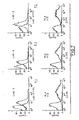
- Transfected tumor clones were stained as detailed in section 2.2, and analyzed to compare level expression of hCD4, hLAG-3 and mLAG-3. The best clone for each construct was used in this study.
- the following tumor cell lines TS/A express high levels of MHC class I molecules and MCA 205 express low levels of MHC class I. No significant difference was observed between MHC class I expression on parental tumor cell lines compared to transfected clones.
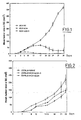
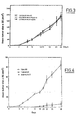
- Wild type MCA 205, TS/A and RENCA cells grew progressively when subcutaneously implanted into either syngeneic C57 BU6 or BALB/C mice or nu/nu mice. Tumor cells stably transfected following hydromycin selection with the hLAG-3 cDNA cloned in a reverse orientation had a similar growth rate.
- Nude mice (nu/nu) were inoculated with wt MCA, MCA hLAG-3 and MCA hCD4 type tumor cells and transfectants grew similarly.
- mice previously inoculated with wt MCA, MCA hLAG-3 and MCA hCD4 and tumor free after 30 days injection with MTD were rechallenged (1 fold) with fivefold the MTD parental tumor cell line or with an unrelated syngeneic MC 38 colon carcinoma cell line.
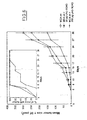
- Each group was inoculated in one flank with wt MCA and three days later, with either MCA wt (group 1), MCA-hLAG-3 at 2.10 5 cells (group 2) and MCA-hLAG-3 at 1.10 6 cells (group 3).
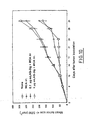
- the size of the original tumor was measured in each group over 30 days. The results are represented in figure 5 .
- mice Three groups of five mice each were simultaneously inoculated with either wt MCA suspended in either PBS (group 1) or PBS containing soluble human LAG-3 (shLAG-3 D1D4) in amounts of 25 ⁇ g (group 2) or 250 ⁇ g (group 3).
- the size of the tumors were measured for each group over a period of 30 days.
- TILs tumor lymphocytes infiltrating
- RCC renal cell carcinoma
- LAG-3 is expressed in tissues (i.e., inflammed secondary lymphoid organs) but not on the surface of PBMCs (3), even on in vivo -activated CD25 - , CD69 + PBMCs.
- LAG-3 is expressed at higher levels on activated MHC class I-restricted CD8 + cells than on MHC-class II-restricted CD4 + cells (3) and LAG-3 expression induction by IL-12 or by the more potent combination IL-2 + IL-12 is stronger on CD8 + than CD4 + cells.
- LAG-3 is a weakly expressed activation antigen in vitro as well as in vivo and it is sometimes difficult to assess the percentage and/or the specificity of fluorescence labelling in freshly dissociated tumors. Since LAG-3 may interfere with MHC class ll + APCs in human tumors, we assessed its expression in a series of tumors known to be infiltrated by T-cells, using immunohistochemistry (the APAAP procedure). LAG-3 expression on TILs was detected in all samples tested, including 5 melanomas, 10 renal cell adenocarcinomas and 7 B-cell lymphomas.
- Dissociated tumors were used for experiments by cytofluorometric assays.
- the expression of LAG-3 was studied among the lymphocyte population, determined by its size and granulosity. Dead cells were excluded from the study by staining with propidium iodide.
- TILs were positively stained with 17B4, a monoclonal antibody specific of the epitope of the extraloop of LAG-3.
- TILs actually expressed LAG-3 with a significant percentage (30 %) of RCC-TIL in unrelated patients.
- CD3 + T-cells were found to express LAG-3 (range 11 % - 48 %) with higher expression on CD8 + T-cells.
- peripheral blood mononuclear cells were LAG-3' in these patients, showing that LAG-3 expression on lymphocytes is a phenomenon related to T-cell activation in tumors.
- LAG-3 is a molecule involved in the naturally occurring antitumoral response in human and support the use of LAG-3 to boost the immunosurveillance of tumor cells in human.
- CD8 + T-cells mediate the primary rejection.
- hLAG-3 MCA 205 and TS/A transfectants were dependent on T-lymphocytes, as no rejection was observed in T-cell-deficient nu / nu mice.
- 10 mm diameter tumors were excised at day 8 and both dissociated tumor cells and tumor infiltrating lymphocytes were analyzed by FACS.
- the wt tumors as well as the LAG-3 transfectants, initially CD80 - and CD86 - had remained negative for these markers following inoculation while LAG-3 was constantly detected on hLAG-3 tumors using the anti-LAG-3 17B4 mAb (data not shown).
- CTL cytotoxic T lymphocyte
- the inventors have shown that the control of tumor growth could be achieved by using a soluble LAG- molecule as a vaccine adjuvant.
Landscapes
- Health & Medical Sciences (AREA)
- Life Sciences & Earth Sciences (AREA)
- Veterinary Medicine (AREA)
- Chemical & Material Sciences (AREA)
- Public Health (AREA)
- General Health & Medical Sciences (AREA)
- Medicinal Chemistry (AREA)
- Pharmacology & Pharmacy (AREA)
- Animal Behavior & Ethology (AREA)
- Immunology (AREA)
- General Chemical & Material Sciences (AREA)
- Chemical Kinetics & Catalysis (AREA)
- Epidemiology (AREA)
- Nuclear Medicine, Radiotherapy & Molecular Imaging (AREA)
- Organic Chemistry (AREA)
- Microbiology (AREA)
- Mycology (AREA)
- Oncology (AREA)
- Bioinformatics & Cheminformatics (AREA)
- Engineering & Computer Science (AREA)
- Communicable Diseases (AREA)
- Proteomics, Peptides & Aminoacids (AREA)
- Gastroenterology & Hepatology (AREA)
- Zoology (AREA)
- Cell Biology (AREA)
- Tropical Medicine & Parasitology (AREA)
- Virology (AREA)
- Medicines Containing Antibodies Or Antigens For Use As Internal Diagnostic Agents (AREA)
- Medicines That Contain Protein Lipid Enzymes And Other Medicines (AREA)
- Medicines Containing Material From Animals Or Micro-Organisms (AREA)
- Pharmaceuticals Containing Other Organic And Inorganic Compounds (AREA)
Claims (5)
- Stabil transfizierte Tumorzellen mit einer DNA, die mindestens für einen MHC-Liganden der Klasse II kodiert, der aus der Gruppe gewählt wird, zu der LAG-3 und ein Derivat hiervon gehören, welches die Fähigkeit MHC-Moleküle der Klasse II zu binden beibehält, wobei besagtes Derivat ein Mutant oder ein lösliches Polypeptidfragment von LAG-3 ist, das aus der Gruppe gewählt wird, die aus Folgenden besteht :- ein lösliches Polypeptidfragment von LAG-3, das aus mindestens einer der vier extrazellulären Domänen D1 bis D4 von Immunglobulin besteht, die sich von der 23. Aminosäure bis zur 448. Aminosäure der LAG3-Sequenz erstrecken,- ein lösliches Polypeptidfragment von LAG-3, das aus allen ersten und zweiten extrazellulären Domänen D1 und D2 von Immunglobulin besteht,- ein lösliches Polypeptidfragment von LAG-3, das aus allen vier extrazellulären Domänen D1 bis D4 von Immunglobulin besteht,- eine mutierende Form des löslichen LAG-3 oder ein Fragment hiervon, das die ersten und zweiten extrazellulären Domänen D1 und D2 von Immunglobulin enthält und aus Folgenden besteht:- Substitution einer Aminosäure an einer der folgenden Positionen :* Position 73, wo Arg durch Glu ersetzt wird;* Position 75, wo Arg durch Ala oder Glu ersetzt wird;* Position 76, wo Arg durch Glu ersetzt wird; oder eine Kombination zweier oder mehr dieser Substitutionen,- Substitution einer Aminosäure an einer der folgenden Positionen:* Position 30, wo Asp durch Ala ersetzt wird;* Position 56, wo His durch Ala ersetzt wird;* Position 103, wo Arg durch Ala ersetzt wird;
oder eine Kombination zweier oder mehr dieser Substitutionen,- ein lösliches 52kDa Polypeptidfragment von LAG-3, das die extrazellulären Domänen D1, D2 und D3 von Immunglobulin enthält,
und besagte Tumorzellen, die den besagten MHC-Liganden der Klasse II ausdrücken. - Tumorzelle gemäß Anspruch 1, dadurch gekennzeichnet dass, besagter MHC-Ligand der Klasse II eine Antigen-spezifische T-Zell vermittelte Immunantwort provoziert.
- Tumorzelle gemäß einem beliebigen der Ansprüche 1 oder 2, dadurch gekennzeichnet, dass besagter MHC-Ligand der Klasse II aus der Gruppe gewählt wird, die aus einem löslichen Polypeptidfragment von LAG-3 besteht, das aus allen ersten und zweiten extrazellulären Domänen D1 und D2 von Immunglobulin besteht, und aus einem löslichen Polypeptidfragment von LAG-3, das aus allen vier extrazellulären Domänen D1 bis D4 von Immunglobulin besteht.
- Verwendung von Tumorzellen gemäß einem beliebigen der Ansprüche 1 bis 3 zur Herstellung eines Medikaments zur Vorbeugung oder zur Behandlung von Krebs.
- Verwendung von Tumorzellen gemäß Anspruch 3 zur Herstellung eines Medikaments für eine Immuntherapie gegen Krebs.
Priority Applications (1)
| Application Number | Priority Date | Filing Date | Title |
|---|---|---|---|
| EP06008545A EP1698701B1 (de) | 1997-07-25 | 1998-07-23 | Verwendung von MHC Klasse II Liganden (CD4 und LAG-3) als Adjuvans für Impfungen und von LAG-3 bei Behandlung von Krebs |
Applications Claiming Priority (3)
| Application Number | Priority Date | Filing Date | Title |
|---|---|---|---|
| EP97401800A EP0893507A1 (de) | 1997-07-25 | 1997-07-25 | Verwendung von MHC Klass II Liganden (CD4 und LAG-3) als Adjuvanz für Impfungen und von LAG-3 in der Behandlung von Krebs |
| EP06008545A EP1698701B1 (de) | 1997-07-25 | 1998-07-23 | Verwendung von MHC Klasse II Liganden (CD4 und LAG-3) als Adjuvans für Impfungen und von LAG-3 bei Behandlung von Krebs |
| EP98945090A EP1002108B1 (de) | 1997-07-25 | 1998-07-23 | Verwendung von mhc klasse ii liganden als adjuvantien zur impfung und von lag-3 zur krebstherapie |
Related Parent Applications (2)
| Application Number | Title | Priority Date | Filing Date |
|---|---|---|---|
| EP98945090A Division EP1002108B1 (de) | 1997-07-25 | 1998-07-23 | Verwendung von mhc klasse ii liganden als adjuvantien zur impfung und von lag-3 zur krebstherapie |
| EP98945090.3 Division | 1998-07-23 |
Publications (2)
| Publication Number | Publication Date |
|---|---|
| EP1698701A1 EP1698701A1 (de) | 2006-09-06 |
| EP1698701B1 true EP1698701B1 (de) | 2010-08-25 |
Family
ID=8229825
Family Applications (3)
| Application Number | Title | Priority Date | Filing Date |
|---|---|---|---|
| EP97401800A Withdrawn EP0893507A1 (de) | 1997-07-25 | 1997-07-25 | Verwendung von MHC Klass II Liganden (CD4 und LAG-3) als Adjuvanz für Impfungen und von LAG-3 in der Behandlung von Krebs |
| EP98945090A Expired - Lifetime EP1002108B1 (de) | 1997-07-25 | 1998-07-23 | Verwendung von mhc klasse ii liganden als adjuvantien zur impfung und von lag-3 zur krebstherapie |
| EP06008545A Expired - Lifetime EP1698701B1 (de) | 1997-07-25 | 1998-07-23 | Verwendung von MHC Klasse II Liganden (CD4 und LAG-3) als Adjuvans für Impfungen und von LAG-3 bei Behandlung von Krebs |
Family Applications Before (2)
| Application Number | Title | Priority Date | Filing Date |
|---|---|---|---|
| EP97401800A Withdrawn EP0893507A1 (de) | 1997-07-25 | 1997-07-25 | Verwendung von MHC Klass II Liganden (CD4 und LAG-3) als Adjuvanz für Impfungen und von LAG-3 in der Behandlung von Krebs |
| EP98945090A Expired - Lifetime EP1002108B1 (de) | 1997-07-25 | 1998-07-23 | Verwendung von mhc klasse ii liganden als adjuvantien zur impfung und von lag-3 zur krebstherapie |
Country Status (19)
| Country | Link |
|---|---|
| US (2) | US6410509B1 (de) |
| EP (3) | EP0893507A1 (de) |
| JP (1) | JP4723722B2 (de) |
| KR (1) | KR100603075B1 (de) |
| CN (1) | CN1184320C (de) |
| AT (2) | ATE478956T1 (de) |
| AU (1) | AU753738B2 (de) |
| BR (1) | BR9811037A (de) |
| CA (2) | CA2732570C (de) |
| DE (2) | DE69841866D1 (de) |
| DK (1) | DK1002108T3 (de) |
| EA (3) | EA003740B1 (de) |
| EE (1) | EE200000039A (de) |
| ES (1) | ES2262242T3 (de) |
| IL (2) | IL134212A0 (de) |
| NO (1) | NO20000378L (de) |
| PT (1) | PT1002108E (de) |
| UA (1) | UA75322C2 (de) |
| WO (1) | WO1999004810A2 (de) |
Families Citing this family (28)
| Publication number | Priority date | Publication date | Assignee | Title |
|---|---|---|---|---|
| EP1295895B1 (de) * | 2001-09-19 | 2011-08-10 | Institut Gustave Roussy | An das Glu-Pro Motiv-bindende Proteine und Peptide, diese enthaltende therapeutische Zusammensetzungen und deren Anwendungen |
| US20060240024A1 (en) | 2003-02-28 | 2006-10-26 | The Johns Hopkins University | T cell regulation |
| KR20050082389A (ko) * | 2004-02-18 | 2005-08-23 | 메덱스젠 주식회사 | 직렬 연쇄체를 갖는 면역접합체를 포함하는 장기이식합병증 치료용 약제학적 조성물 |
| FR2868781B1 (fr) | 2004-04-13 | 2008-02-22 | Immutep | Composition de vaccin comprenant un ligand cmh de classe ii couple a un antigene, procede de preparation et utilisations |
| EP1777523A1 (de) * | 2005-10-19 | 2007-04-25 | INSERM (Institut National de la Santé et de la Recherche Médicale) | In-vitro-Verfahren zur Prognose einer Tumorprogression und des Ergebnisses bei einem Patienten sowie Mittel zur Durchführung dieses Verfahrens |
| EP2044949A1 (de) * | 2007-10-05 | 2009-04-08 | Immutep | Verwendung von rekombinantem LAG-3 oder Derivaten daraus zur Auslösung einer Monozyten-Immunreaktion |
| WO2011031139A1 (en) | 2009-09-09 | 2011-03-17 | Universiteit Utrecht Holding B.V. | An ataq protein or a part thereof as a vaccine |
| SA110310855B1 (ar) | 2009-11-13 | 2014-09-16 | Laboratories Leti S L Unipersonal | استخدام مصدر l3 و/ أو l5 كلقاح أو كوسيلة تشخيصية لمرض طفيلي |
| JP5986576B2 (ja) | 2010-11-10 | 2016-09-06 | ラボラトリオス レティ,エセ.エレ. | 新規アジュバント |
| GB201322626D0 (en) | 2013-12-19 | 2014-02-05 | Immutep S A | Combined preparations for the treatment of cancer |
| CA2935423C (en) | 2014-01-24 | 2023-11-07 | Dana-Farber Cancer Institute, Inc. | Antibody molecules to pd-1 and uses thereof |
| CN103751778B (zh) * | 2014-01-28 | 2016-09-28 | 复旦大学 | 3′-脱氧腺苷在制备广谱疫苗增效的免疫佐剂中的应用 |
| WO2015138920A1 (en) | 2014-03-14 | 2015-09-17 | Novartis Ag | Antibody molecules to lag-3 and uses thereof |
| US10537626B2 (en) | 2014-10-07 | 2020-01-21 | Cytlimic Inc. | HSP70-derived peptide, pharmaceutical composition for treating or preventing cancer using same, immunity inducer, and method for producing antigen presenting cell |
| US9827308B2 (en) | 2014-12-10 | 2017-11-28 | Wisconsin Alumni Research Foundation | Mini-intronic plasmid DNA vaccines in combination with LAG3 blockade |
| GB201500374D0 (en) | 2015-01-09 | 2015-02-25 | Immutep S A | Combined preparations for the treatment of cancer |
| JP6898225B2 (ja) | 2015-03-09 | 2021-07-07 | サイトリミック株式会社 | Gpc3由来のペプチド、これを用いた癌の治療又は予防のための医薬組成物、免疫誘導剤、及び抗原提示細胞の製造方法 |
| EP3797794A1 (de) * | 2015-04-07 | 2021-03-31 | Cytlimic Inc. | Medizin enthaltend einen toll like rezeptor 3 agonisten und ein lag-3 protein |
| EP3294324A1 (de) | 2015-05-13 | 2018-03-21 | Agenus Inc. | Impfstoffe zur behandlung und prävention von krebs |
| EP3744340A3 (de) | 2015-07-16 | 2021-03-03 | Biokine Therapeutics Ltd. | Zusammensetzungen und verfahren zur behandlung von krebs |
| ES2878188T3 (es) | 2015-07-29 | 2021-11-18 | Novartis Ag | Terapias de combinación que comprenden moléculas de anticuerpos contra LAG-3 |
| US10265379B2 (en) | 2015-09-16 | 2019-04-23 | Annabelle Rodriguez Oquendo | Use of recombinant lymphocyte activation gene-3 as a companion therapeutic for patients at risk for cardiovascular disease and other chronic inflammatory diseases |
| EP3349790A1 (de) | 2015-09-18 | 2018-07-25 | Rijksuniversiteit Groningen | Langkettiges inulin zur stimulierung einer immunantwort |
| AU2017342189B2 (en) | 2016-10-11 | 2023-09-21 | Nec Corporation | Medicine |
| CN108204958A (zh) * | 2016-12-19 | 2018-06-26 | 伊缪泰普有限公司 | 结合测定 |
| KR20210005646A (ko) | 2018-04-26 | 2021-01-14 | 아게누스 인코포레이티드 | 열쇼크 단백질-결합 펩티드 조성물 및 그의 이용 방법 |
| US20230057310A1 (en) * | 2018-09-27 | 2023-02-23 | Genocea Biosciences, Inc. | Treatment methods |
| JP2020138940A (ja) | 2019-02-28 | 2020-09-03 | テルモ株式会社 | 治療方法 |
Family Cites Families (14)
| Publication number | Priority date | Publication date | Assignee | Title |
|---|---|---|---|---|
| PT88641B (pt) * | 1987-10-02 | 1993-04-30 | Genentech Inc | Metodo para a preparacao de uma variante de adesao |
| WO1990001870A1 (en) * | 1988-08-22 | 1990-03-08 | The United States Of America, As Represented By The Secretary, U.S. Department Of Commerce | Retroviral vectors expressing soluble cd4; a gene therapy for aids |
| JPH02231083A (ja) * | 1988-08-31 | 1990-09-13 | Eisai Co Ltd | 組換ナチュラルキラー細胞活性化因子 |
| IL93599A0 (en) * | 1989-03-03 | 1990-12-23 | Microgenesys Inc | Kit and/or composition for the prevention or treatment of aids |
| EP0394827A1 (de) * | 1989-04-26 | 1990-10-31 | F. Hoffmann-La Roche Ag | Chimärische CD4-Immunoglobulin-Polypeptide |
| FR2656800B1 (fr) * | 1990-01-08 | 1992-05-15 | Roussy Inst Gustave | Nouvelles proteines produits par les lymphocytes humains, sequence d'adn codant pour ces proteines et applications pharmaceutiques et biologiques. |
| US5851828A (en) * | 1991-03-07 | 1998-12-22 | The General Hospital Corporation | Targeted cytolysis of HIV-infected cells by chimeric CD4 receptor-bearing cells |
| WO1994016737A1 (en) * | 1993-01-26 | 1994-08-04 | Weiner David B | Compositions and methods for delivery of genetic material |
| SE510135C2 (sv) * | 1994-05-05 | 1999-04-19 | Berol Nobel Ab | Vattenhaltig suspension av en cellulosaeter, sätt för dess framställning samt komposition |
| DK0758383T3 (da) * | 1994-05-06 | 2007-05-29 | Roussy Inst Gustave | Oplöselige polypeptidfraktioner af LAG-3-proteinet; fremgangsmåde til fremstilling; terapeutisk sammensætning; antiidiotypisk antistof |
| CA2194488A1 (en) * | 1994-08-05 | 1996-02-15 | Tod Paul Holler | Method of using transdominant negative retroviral integrase in the treatment of retroviral infection |
| PL320610A1 (en) * | 1994-12-07 | 1997-10-13 | Hoffmann La Roche | Fragments of monoclonal antibodies of immunosuppressive activity |
| JPH10511652A (ja) * | 1994-12-23 | 1998-11-10 | ラボラトワール・オン・ソシエテ・アノニム | 炎症性疾患の予防および/または治療に対するmhc−ii結合および/またはmhc−ii模倣分子の使用 |
| ES2191784T3 (es) * | 1995-12-28 | 2003-09-16 | Univ Johns Hopkins Med | Vacunas de tumores de citocinas paracrinas alogenicas. |
-
1997
- 1997-07-25 EP EP97401800A patent/EP0893507A1/de not_active Withdrawn
-
1998
- 1998-07-23 EA EA200000161A patent/EA003740B1/ru not_active IP Right Cessation
- 1998-07-23 CN CNB988075474A patent/CN1184320C/zh not_active Expired - Lifetime
- 1998-07-23 AT AT06008545T patent/ATE478956T1/de not_active IP Right Cessation
- 1998-07-23 CA CA2732570A patent/CA2732570C/en not_active Expired - Lifetime
- 1998-07-23 PT PT98945090T patent/PT1002108E/pt unknown
- 1998-07-23 UA UA2000020976A patent/UA75322C2/uk unknown
- 1998-07-23 AT AT98945090T patent/ATE324455T1/de active
- 1998-07-23 DK DK98945090T patent/DK1002108T3/da active
- 1998-07-23 EA EA200300092A patent/EA200300092A1/ru unknown
- 1998-07-23 DE DE69841866T patent/DE69841866D1/de not_active Expired - Lifetime
- 1998-07-23 AU AU92547/98A patent/AU753738B2/en not_active Expired
- 1998-07-23 EP EP98945090A patent/EP1002108B1/de not_active Expired - Lifetime
- 1998-07-23 EA EA200200565A patent/EA005405B1/ru not_active IP Right Cessation
- 1998-07-23 EE EEP200000039A patent/EE200000039A/xx unknown
- 1998-07-23 DE DE69834330T patent/DE69834330T2/de not_active Expired - Lifetime
- 1998-07-23 IL IL13421298A patent/IL134212A0/xx unknown
- 1998-07-23 BR BR9811037-3A patent/BR9811037A/pt not_active IP Right Cessation
- 1998-07-23 EP EP06008545A patent/EP1698701B1/de not_active Expired - Lifetime
- 1998-07-23 CA CA2293805A patent/CA2293805C/en not_active Expired - Lifetime
- 1998-07-23 WO PCT/EP1998/004621 patent/WO1999004810A2/en not_active Ceased
- 1998-07-23 JP JP2000503862A patent/JP4723722B2/ja not_active Expired - Lifetime
- 1998-07-23 ES ES98945090T patent/ES2262242T3/es not_active Expired - Lifetime
- 1998-07-23 KR KR1020007000265A patent/KR100603075B1/ko not_active Expired - Fee Related
-
2000
- 2000-01-24 IL IL134212A patent/IL134212A/en not_active IP Right Cessation
- 2000-01-25 NO NO20000378A patent/NO20000378L/no not_active Application Discontinuation
- 2000-01-27 US US09/492,113 patent/US6410509B1/en not_active Expired - Lifetime
-
2002
- 2002-01-10 US US10/041,600 patent/US7109026B2/en not_active Expired - Fee Related
Non-Patent Citations (2)
| Title |
|---|
| HUARD ET AL., PROC. NATL. ACAD. SCI. USA, vol. 94, May 1997 (1997-05-01), pages 5744 - 5749 * |
| PIATER-TONNEAU ET AL., PROC. NATL. ACAD. SCI. USA, vol. 88, 1991, pages 6858 - 6862 * |
Also Published As
Similar Documents
| Publication | Publication Date | Title |
|---|---|---|
| CA2293805C (en) | Use of mhc class ii ligands as adjuvant for vaccination and of lag-3 in cancer treatment | |
| Prigent et al. | Lymphocyte activation gene‐3 induces tumor regression and antitumor immune responses | |
| CA2321161C (en) | Compositions containing an ox-40 receptor binding agent or a nucleic acid encoding the same and methods for enhancing antigen-specific immune response | |
| US6312700B1 (en) | Method for enhancing an antigen specific immune response with OX-40L | |
| CA2263503C (en) | Melanoma cell lines expressing shared immunodominant melanoma antigens and methods of using same | |
| JP2975117B2 (ja) | 腫瘍疾患の治療のための生ワクチン | |
| Bonnekoh et al. | Immunological gene therapy approaches for malignant melanoma: 2. Preclinical Studies and Clinical Strategies | |
| US20020022017A1 (en) | Regulation of systemic immune responses utilizing soluble CD40 | |
| MXPA99012024A (en) | Use of mhc class ii ligands as adjuvant for vaccination and of lag-3 in cancer treatment | |
| US20050214311A1 (en) | Novel complexes for inducing an immune response | |
| HK1030014B (en) | Use of mhc class ii ligands as adjuvant for vaccination and of lag-3 in cancer treatment |
Legal Events
| Date | Code | Title | Description |
|---|---|---|---|
| PUAI | Public reference made under article 153(3) epc to a published international application that has entered the european phase |
Free format text: ORIGINAL CODE: 0009012 |
|
| 17P | Request for examination filed |
Effective date: 20060425 |
|
| AC | Divisional application: reference to earlier application |
Ref document number: 1002108 Country of ref document: EP Kind code of ref document: P |
|
| AK | Designated contracting states |
Kind code of ref document: A1 Designated state(s): AT BE CH CY DE DK ES FI FR GB GR IE IT LI LU MC NL PT SE |
|
| AX | Request for extension of the european patent |
Extension state: AL LT LV MK RO SI |
|
| 17Q | First examination report despatched |
Effective date: 20061109 |
|
| AKX | Designation fees paid |
Designated state(s): AT BE CH CY DE DK ES FI FR GB GR IE IT LI LU MC NL PT SE |
|
| GRAP | Despatch of communication of intention to grant a patent |
Free format text: ORIGINAL CODE: EPIDOSNIGR1 |
|
| GRAJ | Information related to disapproval of communication of intention to grant by the applicant or resumption of examination proceedings by the epo deleted |
Free format text: ORIGINAL CODE: EPIDOSDIGR1 |
|
| GRAP | Despatch of communication of intention to grant a patent |
Free format text: ORIGINAL CODE: EPIDOSNIGR1 |
|
| GRAS | Grant fee paid |
Free format text: ORIGINAL CODE: EPIDOSNIGR3 |
|
| GRAA | (expected) grant |
Free format text: ORIGINAL CODE: 0009210 |
|
| AC | Divisional application: reference to earlier application |
Ref document number: 1002108 Country of ref document: EP Kind code of ref document: P |
|
| AK | Designated contracting states |
Kind code of ref document: B1 Designated state(s): AT BE CH CY DE DK ES FI FR GB GR IE IT LI LU MC NL PT SE |
|
| REG | Reference to a national code |
Ref country code: GB Ref legal event code: FG4D |
|
| REG | Reference to a national code |
Ref country code: CH Ref legal event code: EP |
|
| REG | Reference to a national code |
Ref country code: IE Ref legal event code: FG4D |
|
| REF | Corresponds to: |
Ref document number: 69841866 Country of ref document: DE Date of ref document: 20101007 Kind code of ref document: P |
|
| REG | Reference to a national code |
Ref country code: NL Ref legal event code: VDEP Effective date: 20100825 |
|
| PG25 | Lapsed in a contracting state [announced via postgrant information from national office to epo] |
Ref country code: FI Free format text: LAPSE BECAUSE OF FAILURE TO SUBMIT A TRANSLATION OF THE DESCRIPTION OR TO PAY THE FEE WITHIN THE PRESCRIBED TIME-LIMIT Effective date: 20100825 Ref country code: AT Free format text: LAPSE BECAUSE OF FAILURE TO SUBMIT A TRANSLATION OF THE DESCRIPTION OR TO PAY THE FEE WITHIN THE PRESCRIBED TIME-LIMIT Effective date: 20100825 |
|
| PG25 | Lapsed in a contracting state [announced via postgrant information from national office to epo] |
Ref country code: CY Free format text: LAPSE BECAUSE OF FAILURE TO SUBMIT A TRANSLATION OF THE DESCRIPTION OR TO PAY THE FEE WITHIN THE PRESCRIBED TIME-LIMIT Effective date: 20100825 Ref country code: PT Free format text: LAPSE BECAUSE OF FAILURE TO SUBMIT A TRANSLATION OF THE DESCRIPTION OR TO PAY THE FEE WITHIN THE PRESCRIBED TIME-LIMIT Effective date: 20101227 |
|
| PG25 | Lapsed in a contracting state [announced via postgrant information from national office to epo] |
Ref country code: SE Free format text: LAPSE BECAUSE OF FAILURE TO SUBMIT A TRANSLATION OF THE DESCRIPTION OR TO PAY THE FEE WITHIN THE PRESCRIBED TIME-LIMIT Effective date: 20100825 Ref country code: NL Free format text: LAPSE BECAUSE OF FAILURE TO SUBMIT A TRANSLATION OF THE DESCRIPTION OR TO PAY THE FEE WITHIN THE PRESCRIBED TIME-LIMIT Effective date: 20100825 Ref country code: BE Free format text: LAPSE BECAUSE OF FAILURE TO SUBMIT A TRANSLATION OF THE DESCRIPTION OR TO PAY THE FEE WITHIN THE PRESCRIBED TIME-LIMIT Effective date: 20100825 Ref country code: GR Free format text: LAPSE BECAUSE OF FAILURE TO SUBMIT A TRANSLATION OF THE DESCRIPTION OR TO PAY THE FEE WITHIN THE PRESCRIBED TIME-LIMIT Effective date: 20101126 |
|
| PG25 | Lapsed in a contracting state [announced via postgrant information from national office to epo] |
Ref country code: DK Free format text: LAPSE BECAUSE OF FAILURE TO SUBMIT A TRANSLATION OF THE DESCRIPTION OR TO PAY THE FEE WITHIN THE PRESCRIBED TIME-LIMIT Effective date: 20100825 |
|
| PG25 | Lapsed in a contracting state [announced via postgrant information from national office to epo] |
Ref country code: IT Free format text: LAPSE BECAUSE OF FAILURE TO SUBMIT A TRANSLATION OF THE DESCRIPTION OR TO PAY THE FEE WITHIN THE PRESCRIBED TIME-LIMIT Effective date: 20100825 |
|
| PG25 | Lapsed in a contracting state [announced via postgrant information from national office to epo] |
Ref country code: ES Free format text: LAPSE BECAUSE OF FAILURE TO SUBMIT A TRANSLATION OF THE DESCRIPTION OR TO PAY THE FEE WITHIN THE PRESCRIBED TIME-LIMIT Effective date: 20101206 |
|
| PLBE | No opposition filed within time limit |
Free format text: ORIGINAL CODE: 0009261 |
|
| STAA | Information on the status of an ep patent application or granted ep patent |
Free format text: STATUS: NO OPPOSITION FILED WITHIN TIME LIMIT |
|
| REG | Reference to a national code |
Ref country code: GB Ref legal event code: 732E Free format text: REGISTERED BETWEEN 20110704 AND 20110706 |
|
| 26N | No opposition filed |
Effective date: 20110526 |
|
| REG | Reference to a national code |
Ref country code: FR Ref legal event code: TQ |
|
| REG | Reference to a national code |
Ref country code: DE Ref legal event code: R097 Ref document number: 69841866 Country of ref document: DE Effective date: 20110526 |
|
| REG | Reference to a national code |
Ref country code: DE Ref legal event code: R082 Ref document number: 69841866 Country of ref document: DE Representative=s name: TBK, DE |
|
| REG | Reference to a national code |
Ref country code: DE Ref legal event code: R081 Ref document number: 69841866 Country of ref document: DE Owner name: INSTITUT GUSTAVE ROUSSY, FR Free format text: FORMER OWNER: INSTITUT GUSTAVE ROUSSY, APPLIED RESEARCH SYSTEMS ARS HO, , AN Effective date: 20111108 Ref country code: DE Ref legal event code: R081 Ref document number: 69841866 Country of ref document: DE Owner name: MERCK SERONO SA, COINSINS, CH Free format text: FORMER OWNER: INSTITUT GUSTAVE ROUSSY, APPLIED RESEARCH SYSTEMS ARS HO, , AN Effective date: 20111108 Ref country code: DE Ref legal event code: R082 Ref document number: 69841866 Country of ref document: DE Representative=s name: TBK, DE Effective date: 20111108 Ref country code: DE Ref legal event code: R081 Ref document number: 69841866 Country of ref document: DE Owner name: MERCK SERONO SA, COINSINS, CH Free format text: FORMER OWNERS: INSTITUT GUSTAVE ROUSSY, VILLEJUIF, FR; APPLIED RESEARCH SYSTEMS ARS HOLDING N.V., CURACAO, AN Effective date: 20111108 Ref country code: DE Ref legal event code: R081 Ref document number: 69841866 Country of ref document: DE Owner name: INSTITUT GUSTAVE ROUSSY, FR Free format text: FORMER OWNERS: INSTITUT GUSTAVE ROUSSY, VILLEJUIF, FR; APPLIED RESEARCH SYSTEMS ARS HOLDING N.V., CURACAO, AN Effective date: 20111108 |
|
| PG25 | Lapsed in a contracting state [announced via postgrant information from national office to epo] |
Ref country code: MC Free format text: LAPSE BECAUSE OF NON-PAYMENT OF DUE FEES Effective date: 20110731 |
|
| REG | Reference to a national code |
Ref country code: CH Ref legal event code: PL |
|
| REG | Reference to a national code |
Ref country code: IE Ref legal event code: MM4A |
|
| PG25 | Lapsed in a contracting state [announced via postgrant information from national office to epo] |
Ref country code: CH Free format text: LAPSE BECAUSE OF NON-PAYMENT OF DUE FEES Effective date: 20110731 Ref country code: LI Free format text: LAPSE BECAUSE OF NON-PAYMENT OF DUE FEES Effective date: 20110731 |
|
| PG25 | Lapsed in a contracting state [announced via postgrant information from national office to epo] |
Ref country code: IE Free format text: LAPSE BECAUSE OF NON-PAYMENT OF DUE FEES Effective date: 20110723 |
|
| PG25 | Lapsed in a contracting state [announced via postgrant information from national office to epo] |
Ref country code: LU Free format text: LAPSE BECAUSE OF NON-PAYMENT OF DUE FEES Effective date: 20110723 |
|
| REG | Reference to a national code |
Ref country code: FR Ref legal event code: PLFP Year of fee payment: 19 |
|
| REG | Reference to a national code |
Ref country code: FR Ref legal event code: PLFP Year of fee payment: 20 |
|
| PGFP | Annual fee paid to national office [announced via postgrant information from national office to epo] |
Ref country code: FR Payment date: 20170613 Year of fee payment: 20 |
|
| PGFP | Annual fee paid to national office [announced via postgrant information from national office to epo] |
Ref country code: DE Payment date: 20170719 Year of fee payment: 20 Ref country code: GB Payment date: 20170719 Year of fee payment: 20 |
|
| REG | Reference to a national code |
Ref country code: DE Ref legal event code: R071 Ref document number: 69841866 Country of ref document: DE |
|
| REG | Reference to a national code |
Ref country code: GB Ref legal event code: PE20 Expiry date: 20180722 |
|
| PG25 | Lapsed in a contracting state [announced via postgrant information from national office to epo] |
Ref country code: GB Free format text: LAPSE BECAUSE OF EXPIRATION OF PROTECTION Effective date: 20180722 |