EP2542256B1 - Anticorps réagissant avec b7-h3, fragments immunologiquement actifs associés et utilisations associées - Google Patents
Anticorps réagissant avec b7-h3, fragments immunologiquement actifs associés et utilisations associées Download PDFInfo
- Publication number
- EP2542256B1 EP2542256B1 EP11751204.6A EP11751204A EP2542256B1 EP 2542256 B1 EP2542256 B1 EP 2542256B1 EP 11751204 A EP11751204 A EP 11751204A EP 2542256 B1 EP2542256 B1 EP 2542256B1
- Authority
- EP
- European Patent Office
- Prior art keywords
- cancer
- amino acid
- seq
- antibody
- cdr
- Prior art date
- Legal status (The legal status is an assumption and is not a legal conclusion. Google has not performed a legal analysis and makes no representation as to the accuracy of the status listed.)
- Active
Links
Images
















Classifications
-
- C—CHEMISTRY; METALLURGY
- C07—ORGANIC CHEMISTRY
- C07K—PEPTIDES
- C07K16/00—Immunoglobulins [IG], e.g. monoclonal or polyclonal antibodies
- C07K16/18—Immunoglobulins [IG], e.g. monoclonal or polyclonal antibodies against material from animals or humans
- C07K16/28—Immunoglobulins [IG], e.g. monoclonal or polyclonal antibodies against material from animals or humans against receptors, cell surface antigens or cell surface determinants
- C07K16/2803—Immunoglobulins [IG], e.g. monoclonal or polyclonal antibodies against material from animals or humans against receptors, cell surface antigens or cell surface determinants against the immunoglobulin superfamily
- C07K16/2827—Immunoglobulins [IG], e.g. monoclonal or polyclonal antibodies against material from animals or humans against receptors, cell surface antigens or cell surface determinants against the immunoglobulin superfamily against B7 molecules, e.g. CD80, CD86
-
- A—HUMAN NECESSITIES
- A61—MEDICAL OR VETERINARY SCIENCE; HYGIENE
- A61K—PREPARATIONS FOR MEDICAL, DENTAL OR TOILETRY PURPOSES
- A61K39/00—Medicinal preparations containing antigens or antibodies
- A61K39/395—Antibodies; Immunoglobulins; Immune serum, e.g. antilymphocytic serum
-
- A—HUMAN NECESSITIES
- A61—MEDICAL OR VETERINARY SCIENCE; HYGIENE
- A61K—PREPARATIONS FOR MEDICAL, DENTAL OR TOILETRY PURPOSES
- A61K39/00—Medicinal preparations containing antigens or antibodies
- A61K39/395—Antibodies; Immunoglobulins; Immune serum, e.g. antilymphocytic serum
- A61K39/39533—Antibodies; Immunoglobulins; Immune serum, e.g. antilymphocytic serum against materials from animals
- A61K39/39558—Antibodies; Immunoglobulins; Immune serum, e.g. antilymphocytic serum against materials from animals against tumor tissues, cells, antigens
-
- A—HUMAN NECESSITIES
- A61—MEDICAL OR VETERINARY SCIENCE; HYGIENE
- A61K—PREPARATIONS FOR MEDICAL, DENTAL OR TOILETRY PURPOSES
- A61K45/00—Medicinal preparations containing active ingredients not provided for in groups A61K31/00 - A61K41/00
- A61K45/06—Mixtures of active ingredients without chemical characterisation, e.g. antiphlogistics and cardiaca
-
- A—HUMAN NECESSITIES
- A61—MEDICAL OR VETERINARY SCIENCE; HYGIENE
- A61P—SPECIFIC THERAPEUTIC ACTIVITY OF CHEMICAL COMPOUNDS OR MEDICINAL PREPARATIONS
- A61P35/00—Antineoplastic agents
-
- A—HUMAN NECESSITIES
- A61—MEDICAL OR VETERINARY SCIENCE; HYGIENE
- A61P—SPECIFIC THERAPEUTIC ACTIVITY OF CHEMICAL COMPOUNDS OR MEDICINAL PREPARATIONS
- A61P35/00—Antineoplastic agents
- A61P35/02—Antineoplastic agents specific for leukemia
-
- A—HUMAN NECESSITIES
- A61—MEDICAL OR VETERINARY SCIENCE; HYGIENE
- A61P—SPECIFIC THERAPEUTIC ACTIVITY OF CHEMICAL COMPOUNDS OR MEDICINAL PREPARATIONS
- A61P43/00—Drugs for specific purposes, not provided for in groups A61P1/00-A61P41/00
-
- C—CHEMISTRY; METALLURGY
- C07—ORGANIC CHEMISTRY
- C07K—PEPTIDES
- C07K16/00—Immunoglobulins [IG], e.g. monoclonal or polyclonal antibodies
- C07K16/18—Immunoglobulins [IG], e.g. monoclonal or polyclonal antibodies against material from animals or humans
- C07K16/28—Immunoglobulins [IG], e.g. monoclonal or polyclonal antibodies against material from animals or humans against receptors, cell surface antigens or cell surface determinants
- C07K16/2803—Immunoglobulins [IG], e.g. monoclonal or polyclonal antibodies against material from animals or humans against receptors, cell surface antigens or cell surface determinants against the immunoglobulin superfamily
-
- C—CHEMISTRY; METALLURGY
- C07—ORGANIC CHEMISTRY
- C07K—PEPTIDES
- C07K16/00—Immunoglobulins [IG], e.g. monoclonal or polyclonal antibodies
- C07K16/18—Immunoglobulins [IG], e.g. monoclonal or polyclonal antibodies against material from animals or humans
- C07K16/28—Immunoglobulins [IG], e.g. monoclonal or polyclonal antibodies against material from animals or humans against receptors, cell surface antigens or cell surface determinants
- C07K16/2896—Immunoglobulins [IG], e.g. monoclonal or polyclonal antibodies against material from animals or humans against receptors, cell surface antigens or cell surface determinants against molecules with a "CD"-designation, not provided for elsewhere
-
- C—CHEMISTRY; METALLURGY
- C07—ORGANIC CHEMISTRY
- C07K—PEPTIDES
- C07K16/00—Immunoglobulins [IG], e.g. monoclonal or polyclonal antibodies
- C07K16/18—Immunoglobulins [IG], e.g. monoclonal or polyclonal antibodies against material from animals or humans
- C07K16/28—Immunoglobulins [IG], e.g. monoclonal or polyclonal antibodies against material from animals or humans against receptors, cell surface antigens or cell surface determinants
- C07K16/30—Immunoglobulins [IG], e.g. monoclonal or polyclonal antibodies against material from animals or humans against receptors, cell surface antigens or cell surface determinants from tumour cells
-
- C—CHEMISTRY; METALLURGY
- C07—ORGANIC CHEMISTRY
- C07K—PEPTIDES
- C07K16/00—Immunoglobulins [IG], e.g. monoclonal or polyclonal antibodies
- C07K16/18—Immunoglobulins [IG], e.g. monoclonal or polyclonal antibodies against material from animals or humans
- C07K16/28—Immunoglobulins [IG], e.g. monoclonal or polyclonal antibodies against material from animals or humans against receptors, cell surface antigens or cell surface determinants
- C07K16/30—Immunoglobulins [IG], e.g. monoclonal or polyclonal antibodies against material from animals or humans against receptors, cell surface antigens or cell surface determinants from tumour cells
- C07K16/3076—Immunoglobulins [IG], e.g. monoclonal or polyclonal antibodies against material from animals or humans against receptors, cell surface antigens or cell surface determinants from tumour cells against structure-related tumour-associated moieties
-
- C—CHEMISTRY; METALLURGY
- C07—ORGANIC CHEMISTRY
- C07K—PEPTIDES
- C07K16/00—Immunoglobulins [IG], e.g. monoclonal or polyclonal antibodies
- C07K16/18—Immunoglobulins [IG], e.g. monoclonal or polyclonal antibodies against material from animals or humans
- C07K16/28—Immunoglobulins [IG], e.g. monoclonal or polyclonal antibodies against material from animals or humans against receptors, cell surface antigens or cell surface determinants
- C07K16/30—Immunoglobulins [IG], e.g. monoclonal or polyclonal antibodies against material from animals or humans against receptors, cell surface antigens or cell surface determinants from tumour cells
- C07K16/3076—Immunoglobulins [IG], e.g. monoclonal or polyclonal antibodies against material from animals or humans against receptors, cell surface antigens or cell surface determinants from tumour cells against structure-related tumour-associated moieties
- C07K16/3092—Immunoglobulins [IG], e.g. monoclonal or polyclonal antibodies against material from animals or humans against receptors, cell surface antigens or cell surface determinants from tumour cells against structure-related tumour-associated moieties against tumour-associated mucins
-
- C—CHEMISTRY; METALLURGY
- C07—ORGANIC CHEMISTRY
- C07K—PEPTIDES
- C07K16/00—Immunoglobulins [IG], e.g. monoclonal or polyclonal antibodies
- C07K16/44—Immunoglobulins [IG], e.g. monoclonal or polyclonal antibodies against material not provided for elsewhere, e.g. haptens, metals, DNA, RNA, amino acids
-
- C—CHEMISTRY; METALLURGY
- C07—ORGANIC CHEMISTRY
- C07K—PEPTIDES
- C07K16/00—Immunoglobulins [IG], e.g. monoclonal or polyclonal antibodies
- C07K16/46—Hybrid immunoglobulins
- C07K16/468—Immunoglobulins having two or more different antigen binding sites, e.g. multifunctional antibodies
-
- G—PHYSICS
- G01—MEASURING; TESTING
- G01N—INVESTIGATING OR ANALYSING MATERIALS BY DETERMINING THEIR CHEMICAL OR PHYSICAL PROPERTIES
- G01N33/00—Investigating or analysing materials by specific methods not covered by groups G01N1/00 - G01N31/00
- G01N33/48—Biological material, e.g. blood, urine; Haemocytometers
- G01N33/50—Chemical analysis of biological material, e.g. blood, urine; Testing involving biospecific ligand binding methods; Immunological testing
- G01N33/68—Chemical analysis of biological material, e.g. blood, urine; Testing involving biospecific ligand binding methods; Immunological testing involving proteins, peptides or amino acids
- G01N33/6893—Chemical analysis of biological material, e.g. blood, urine; Testing involving biospecific ligand binding methods; Immunological testing involving proteins, peptides or amino acids related to diseases not provided for elsewhere
-
- A—HUMAN NECESSITIES
- A61—MEDICAL OR VETERINARY SCIENCE; HYGIENE
- A61K—PREPARATIONS FOR MEDICAL, DENTAL OR TOILETRY PURPOSES
- A61K39/00—Medicinal preparations containing antigens or antibodies
- A61K2039/505—Medicinal preparations containing antigens or antibodies comprising antibodies
-
- C—CHEMISTRY; METALLURGY
- C07—ORGANIC CHEMISTRY
- C07K—PEPTIDES
- C07K2317/00—Immunoglobulins specific features
- C07K2317/10—Immunoglobulins specific features characterized by their source of isolation or production
- C07K2317/14—Specific host cells or culture conditions, e.g. components, pH or temperature
-
- C—CHEMISTRY; METALLURGY
- C07—ORGANIC CHEMISTRY
- C07K—PEPTIDES
- C07K2317/00—Immunoglobulins specific features
- C07K2317/20—Immunoglobulins specific features characterized by taxonomic origin
- C07K2317/24—Immunoglobulins specific features characterized by taxonomic origin containing regions, domains or residues from different species, e.g. chimeric, humanized or veneered
-
- C—CHEMISTRY; METALLURGY
- C07—ORGANIC CHEMISTRY
- C07K—PEPTIDES
- C07K2317/00—Immunoglobulins specific features
- C07K2317/30—Immunoglobulins specific features characterized by aspects of specificity or valency
- C07K2317/31—Immunoglobulins specific features characterized by aspects of specificity or valency multispecific
-
- C—CHEMISTRY; METALLURGY
- C07—ORGANIC CHEMISTRY
- C07K—PEPTIDES
- C07K2317/00—Immunoglobulins specific features
- C07K2317/30—Immunoglobulins specific features characterized by aspects of specificity or valency
- C07K2317/33—Crossreactivity, e.g. for species or epitope, or lack of said crossreactivity
-
- C—CHEMISTRY; METALLURGY
- C07—ORGANIC CHEMISTRY
- C07K—PEPTIDES
- C07K2317/00—Immunoglobulins specific features
- C07K2317/50—Immunoglobulins specific features characterized by immunoglobulin fragments
- C07K2317/52—Constant or Fc region; Isotype
-
- C—CHEMISTRY; METALLURGY
- C07—ORGANIC CHEMISTRY
- C07K—PEPTIDES
- C07K2317/00—Immunoglobulins specific features
- C07K2317/50—Immunoglobulins specific features characterized by immunoglobulin fragments
- C07K2317/56—Immunoglobulins specific features characterized by immunoglobulin fragments variable (Fv) region, i.e. VH and/or VL
-
- C—CHEMISTRY; METALLURGY
- C07—ORGANIC CHEMISTRY
- C07K—PEPTIDES
- C07K2317/00—Immunoglobulins specific features
- C07K2317/50—Immunoglobulins specific features characterized by immunoglobulin fragments
- C07K2317/56—Immunoglobulins specific features characterized by immunoglobulin fragments variable (Fv) region, i.e. VH and/or VL
- C07K2317/565—Complementarity determining region [CDR]
-
- C—CHEMISTRY; METALLURGY
- C07—ORGANIC CHEMISTRY
- C07K—PEPTIDES
- C07K2317/00—Immunoglobulins specific features
- C07K2317/70—Immunoglobulins specific features characterized by effect upon binding to a cell or to an antigen
- C07K2317/72—Increased effector function due to an Fc-modification
-
- C—CHEMISTRY; METALLURGY
- C07—ORGANIC CHEMISTRY
- C07K—PEPTIDES
- C07K2317/00—Immunoglobulins specific features
- C07K2317/70—Immunoglobulins specific features characterized by effect upon binding to a cell or to an antigen
- C07K2317/76—Antagonist effect on antigen, e.g. neutralization or inhibition of binding
-
- C—CHEMISTRY; METALLURGY
- C07—ORGANIC CHEMISTRY
- C07K—PEPTIDES
- C07K2317/00—Immunoglobulins specific features
- C07K2317/70—Immunoglobulins specific features characterized by effect upon binding to a cell or to an antigen
- C07K2317/77—Internalization into the cell
-
- C—CHEMISTRY; METALLURGY
- C07—ORGANIC CHEMISTRY
- C07K—PEPTIDES
- C07K2317/00—Immunoglobulins specific features
- C07K2317/90—Immunoglobulins specific features characterized by (pharmaco)kinetic aspects or by stability of the immunoglobulin
- C07K2317/92—Affinity (KD), association rate (Ka), dissociation rate (Kd) or EC50 value
Definitions
- the present invention relates to antibodies and their fragments that are immunoreactive to the mammalian, and more particularly, the human B7-H3 receptor and to uses thereof, particularly in the treatment of cancer and inflammation.
- the invention thus particularly concerns humanized B7-H3-reactive antibodies and their immunoreactive fragments that are capable of mediating, and more preferably enhancing the activation of the immune system against cancer cells that are associated with a variety of human cancers.
- CD4+ T-lymphocytes are the essential organizers of most mammalian immune and autoimmune responses ( Dong, C. et al. (2003) "Immune Regulation by Novel Costimulatory Molecules," Immunolog. Res. 28(1):39-48 ).
- the activation of CD4+ helper T-cells has been found to be mediated through co-stimulatory interactions between Antigen Presenting Cells and naive CD4+ T-lymphocytes. Two interactions are required ( Viglietta, V. et al. (2007) "Modulating Co-Stimulation," Neurotherapeutics 4:666-675 ; Korman, A.J. et al. (2007) "Checkpoint Blockade in Cancer Immunotherapy,” Adv. Immunol.
- an Antigen Presenting Cell must display the relevant target antigen bound to the cell's major histocompatibility complex so that it can bind to the T-cell Receptor ("TCR") of a naive CD4+ T-lymphocyte.
- TCR T-cell Receptor
- a ligand of the Antigen Presenting Cell must bind to a CD28 receptor of the CD4+ T-lymphocyte ( Dong, C. et al. (2003) "Immune Regulation by Novel Costimulatory Molecules," Immunolog. Res. 28(1):39-48 ; Lindley, P.S. et al. (2009) "The Clinical Utility Of Inhibiting CD28-Mediated Costimulation," Immunol. Rev.
- CD4+ helper T-cells experiencing both stimulatory signals are then capable of responding to cytokines (such as Interleukin-2 and Interleukin-12 to develop into Th1 cells.
- cytokines such as Interleukin-2 and Interleukin-12 to develop into Th1 cells.
- Such cells produce interferon-gamma (IFN- ⁇ ) and tumor necrosis factor-alpha (TNF- ⁇ ), which mediate inflammatory responses to target cells expressing the target antigen.
- IFN- ⁇ interferon-gamma
- TNF- ⁇ tumor necrosis factor-alpha
- B-cell activation and proliferation also occurs, resulting in antibody production specific for the target antigen ( Bernard, A. et al. (2005) "T and B Cell Cooperation: A Dance of Life and Death," Transplantation 79:S8-S11 ).
- T cells enter a functionally unresponsive state, referred to as clonal anergy ( Khawli, L.A. et al. (2008) “Cytokine, Chemokine, and Co-Stimulatory Fusion Proteins for the Immunotherapy of Solid Tumors,” Exper. Pharmacol. 181:291-328 ).
- Th1 cells are the key players of various organ-specific autoimmune diseases, such as type I diabetes, rheumatoid arthritis, and multiple sclerosis ( Dong, C. et al. (2003) "Immune Regulation by Novel Costimulatory Molecules," Immunolog. Res. 28(1):39-48 ).
- B7.1 CD80
- B7.2 CD86
- IVS-L inducible co-stimulator ligand
- PD-L1 programmed death-1 ligand
- PD-L2 programmed death-2 ligand
- B7-H3 and B7-H4 Collins, M. et al. (2005) "The B7 Family Of Immune-Regulatory Ligands," Genome Biol. 6:223.1-223.7 ).
- B7 family members are immunoglobulin superfamily members with an immunoglobulin-V-like and an immunoglobulin-C-like domain (e.g ., IgV-IgC) ( Sharpe, A.H. et al. (2002) "The B7-CD28 Superfamily," Nature Rev. Immunol. 2:116-126 ).
- the IgV and IgC domains of B7-family members are each encoded by single exons, with additional exons encoding leader sequences, transmembrane and cytoplasmic domains.
- the cytoplasmic domains are short, ranging in length from 19 to 62 amino-acid residues and can be encoded by multiple exons ( Collins, M. et al.
- B7-H3 is unique in that the major human form contains two extracellular tandem IgV-IgC domains (i.e., IgV-IgC-IgV-IgC) ( Collins, M. et al. (2005) “The B7 Family Of Immune-Regulatory Ligands,” Genome Biol. 6:223.1-223.7 ).
- IgV-IgC-IgV-IgC two extracellular tandem IgV-IgC domains
- the human B7-H3 (2Ig form) has been found to promote T-cell activation and IFN- ⁇ production by binding to a putative receptor on activated T cells ( Chapoval, A. et al. (2001) "B7-H3: A Costimulatory Molecule For T Cell Activation and IFN- ⁇ Production," Nature Immunol. 2:269-274 ; Xu, H. et al. (2009) "MicroRNA miR-29 Modulates Expression of Immunoinhibitory Molecule B7-H3: Potential Implications for Immune Based Therapy of Human Solid Tumors," Cancer Res.
- Both B7-H4 and B7-H1 are potent inhibitors of immune function when expressed on tumor cells ( Flies, D.B. et al. (2007) “The New B7s: Playing a Pivotal Role in Tumor Immunity,” J. Immunother. 30(3):251-260 ).
- B7-H3 The mode of action of B7-H3 is complex, as the protein mediates both T cell co-stimulation and co-inhibition ( Hofmeyer, K. et al. (2008) “The Contrasting Role Of B7-H3," Proc. Natl. Acad. Sci. (U.S.A.) 105(30):10277-10278 ; Martin-Orozco, N. et al. (2007) “Inhibitory Costimulation And Anti-Tumor Immunity," Semin. Cancer Biol. 17(4):288-298 ; Subudhi, S.K. et al. (2005) “The Balance Of Immune Responses: Costimulation Verse Coinhibition,” J. Mol. Med. 83:193-202 ).
- B7-H3 binds to (TREM)-like transcript 2 (TLT-2) and co-stimulates T cell activation, but also binds to as yet unidentified receptor(s) to mediate co-inhibition of T cells.
- B7-H3 through interactions with unknown receptor(s) is an inhibitor for natural killer cells and osteoblastic cells ( Hofmeyer, K. et al. (2008) "The Contrasting Role Of B7-H3," Proc. Natl. Acad. Sci. (U.S.A.) 105(30):10277-10278 ).
- the inhibition may operate through interactions with members of the major signaling pathways through which T cell receptor (TCR) regulates gene transcription (e . g ., NFTA, NF- ⁇ B, or AP-1 factors).
- TCR T cell receptor
- B7-H3 co-stimulates CD4+ and CD8+ T-cell proliferation.
- B7-H3 also stimulates IFN- ⁇ production and CD8+ lytic activity ( Chapoval, A. et al. (2001) "B7-H3: A Costimulatory Molecule For T Cell Activation and IFN- ⁇ Production," Nature Immunol. 2:269-274 ; Sharpe, A.H. et al. (2002) “The B7-CD28 Superfamily,” Nature Rev. Immunol. 2:116-126 ).
- the protein also possibly acts through NFAT (nuclear factor for activated T cells), NF- ⁇ B (nuclear factor kappa B), and AP-1 (Activator Protein-1) factors to inhibit T-cell activation ( Yi. K.H. et al. (2009) “Fine Tuning The Immune Response Through B7-H3 And B7-H4," Immunol. Rev. 229:145-151 ).
- B7-H3 is also believed to inhibit Th1, Th2, or Th17 in vivo ( Prasad, D.V. et al. (2004) "Murine B7-H3 Is A Negative Regulator Of T Cells," J. Immunol. 173:2500-2506 ; Fukushima, A.
- a B7 molecule that block the ability of a B7 molecule to bind to a T-cell receptor (e . g ., CD28) inhibit the immune system and have been proposed as treatments for autoimmune disease ( Linsley, P.S. et al. (2009) "The Clinical Utility Of Inhibiting CD28-Mediated Co-Stimulation,” Immunolog. Rev. 229:307-321 ).
- Neuroblastoma cells expressing 4Ig-B7-H3 treated with anti-4Ig-B7-H3 antibodies were more susceptible to NK cells.
- B7-H3 is not expressed on resting B or T cells, monocytes, or dendritic cells, but it is induced on dendritic cells by IFN- ⁇ and on monocytes by GM-CSF ( Sharpe, A.H. et al. (2002) “The B7-CD28 Superfamily,” Nature Rev. Immunol. 2:116-126 ).
- the receptor(s) that bind B7-H3 have not been fully characterized. Early work suggested one such receptor would need to be rapidly and transiently up-regulated on T cells after activation ( Loke, P. et al. (2004) "Emerging Mechanisms Of Immune Regulation: The Extended B7 Family And Regulatory T Cells.” Arthritis Res. Ther. 6:208-214 ).
- human B7-H3 is also known to be expressed on a variety of other cancer cells (e.g., gastric, ovarian and non-small cell lung cancers).
- B7-H3 protein expression has been immunohistologically detected in tumor cell lines ( Chapoval, A. et al. (2001) "B7-H3: A Costimulatory Molecule For T Cell Activation and IFN- ⁇ Production," Nature Immunol. 2:269-274 ; Saatian, B. et al. (2004) "Expression Of Genes For B7-H3 And Other T Cell Ligands By Nasal Epithelial Cells During Differentiation And Activation," Amer. J. Physiol.
- B7-H3 is found in human liver, lung, bladder, testis, prostate, breast, placenta, and lymphoid organs ( Hofmeyer, K. et al. (2008) “The Contrasting Role Of B7-H3,” Proc. Natl. Acad. Sci. (U.S.A.) 105(30):10277-10278 ).
- antibodies have been shown to be useful as therapeutic agents.
- immunotherapy or the use of antibodies for therapeutic purposes has been used in recent years to treat cancer.
- Passive immunotherapy involves the use of monoclonal antibodies in cancer treatments (see for example, DEVITA, HELLMAN, AND ROSENBERG'S CANCER: PRINCIPLES & PRACTICE OF ONCOLOGY, EIGHTH EDITION (2008), DeVita, V. et al. Eds., Lippincott Williams & Wilkins, Philadelphia, PA, pp. 537-547, 2979-2990 ).
- These antibodies can have inherent therapeutic biological activity both by direct inhibition of tumor cell growth or survival and by their ability to recruit the natural cell killing activity of the body's immune system.
- agents can be administered alone or in conjunction with radiation or chemotherapeutic agents.
- Rituximab and Trastuzumab approved for treatment of non-Hodgkin's lymphoma and breast cancer, respectively, are examples of such therapeutics.
- antibodies can be used to make antibody conjugates in which the antibody is linked to a toxic agent and directs that agent to the tumor by specifically binding to the tumor.
- Gemtuzumab ozogamicin is an example of an approved antibody conjugate used for the treatment of leukemia.
- Examples of antibodies in clinical trials and /or approved for treatment of solid tumors include: Trastuzumab (antigen: 180 kD, HER2/neu), Edrecolomab (antigen: 40-50 kD, Ep-CAM), Anti-human milk fat globules (HMFG1) (antigen >200 kD, HMW Mucin), Cetuximab (antigens: 150 kD and 170 kD, EGF receptor), Alemtuzumab (antigen: 21-28 kD, CD52), and Rituximab (antigen: 35 kD, CD20).
- trastuzumab Her-2 receptor
- cetuximab EGF receptor
- the margin of safety in using these therapeutics is possibly provided by the difference in the levels of antigen expression or in access of or activity of the antibody at these sites.
- Another type of immunotherapy is active immunotherapy, or vaccination, with an antigen present on a specific cancer(s) or a DNA construct that directs the expression of the antigen, which then evokes the immune response in the individual, i.e., to induce the individual to actively produce antibodies against their own cancer.
- Active immunization has not been used as often as passive immunotherapy or immunotoxins.
- cancer targets such as oncoproteins expressed or over-expressed in tumors
- oncoproteins expressed or over-expressed in tumors have been shown to be present during embryonic and fetal development and serve as a regulator of growth and differentiation.
- Some researchers have found that the expression of these oncoproteins during embryonic and fetal development appear to be restricted to specific tissues and also restricted to specific stages of development. In contrast, the expression of these oncoproteins in the adult has been shown to be associated with over-expression in tumor growth and /or a malfunction of tumor suppressor proteins.
- An ideal diagnostic and /or therapeutic antibody would be specific for an antigen present on a large number of cancers, but absent or present only at low levels on any normal tissue.
- the discovery, characterization, and isolation of a novel antibody capable of binding to an antigen that is specifically associated with cancer(s) would be useful in many ways.
- the antibody would have biological activity against such cancer cells and be able to recruit the immune system's response to thereby treat the disease.
- the antibody could be administered as a therapeutic alone or in combination with current treatments or used to prepare immunoconjugates linked to toxic agents.
- an antibody with the same specificity but with low or no biological activity when administered alone could also be useful in that an antibody could be used to prepare an immunoconjugate with a radioisotope, a toxin, or a chemotherapeutic agent or liposome containing a chemotherapeutic agent, with the conjugated form being biologically active by virtue of the antibody directing the toxin to the antigen-containing cells.
- an ideal diagnostic and /or therapeutic antibody would be the discovery and characterization of novel antibodies capable of mediating, and particularly of enhancing the activation of the immune system against cancer cells (especially human cancer cells) that are associated with a variety of cancers.
- Such compositions would also be useful for drug discovery (e . g ., small molecules) and for further characterization of cellular regulation, growth, and differentiation.
- compositions capable of binding to cancer cells and of facilitating or mediating an immune response against cancer cells. Such compositions may be used to diagnose and treat such cancers.
- compositions may be used to diagnose and treat such cancers.
- novel compositions that specifically recognize dual targets on the surface of cells, and which can thereby modulate, either by reducing or enhancing, the capabilities of B7-H3 to mediate T-cell activation or by recognizing and killing cancer cells that express B7-H3. It is an object of this invention to identify such compositions. It is another object to provide novel compounds for use in the assay of B7-H3 expression.
- the present invention relates to novel antibodies, including in particular dual affinity retargeting reagents ("DARTTMs") that comprise modulators of B7-H3 T-cell activation, that are capable of influencing T-cell activation as well as novel antibodies that bind to B7-H3 receptors of cancer cells and facilitate or mediate the death of such cells.
- DARTTMs dual affinity retargeting reagents
- the present invention is directed to such compositions and to their uses in diagnostics and in the treatment of diseases such as cancer.
- the present invention relates to antibodies and their fragments that are immunoreactive to the mammalian, and more particularly, the human B7-H3 receptor and to uses thereof, particularly in the treatment of cancer and inflammation.
- the invention thus particularly concerns humanized B7-H3-reactive antibodies and their immunoreactive fragments that are capable of mediating, and more preferably enhancing the activation of the immune system against cancer cells that are associated with a variety of human cancers.
- a B7-H3 binding molecule in accordance with claim 1 herein. Also described is an isolated antibody or an immunoreactive fragment thereof, wherein the isolated antibody or the fragment comprises a variable domain that specifically binds an extracellular domain of B7-H3, wherein the antibody competes for binding to the B7-H3 with any of antibodies: BRCA69D, BRCA84D, or PRCA157.
- variable domain that comprises:
- any of the above-described isolated antibodies or immunoreactive fragments thereof may bind to B7-H3 that is endogenously expressed on the surface of a cancer cell.
- any of the above-described isolated antibodies or immunoreactive fragments thereof may bind to B7-H3 that is internalized upon binding to B7-H3 expressed on the surface of a cancer cell.
- any of the above-described isolated antibodies or immunoreactive fragments thereof may be a humanized monoclonal antibody.
- any of the above-described isolated antibodies or immunoreactive fragments thereof may be a modified antibody that comprises a variant human IgG1 Fc region, wherein the variant human IgG1 Fc region comprises at least one amino acid modification relative to the Fc region of the parent of the antibody, the amino acid modification(s) comprising amino acid modification(s) that alters the affinity or avidity of the variant Fc region for binding to an Fc ⁇ R such that the modified antibody exhibits enhanced effector function relative to the parent antibody.
- the Fc region modification comprises: (A) at least one substitution selected from the group consisting of: (1) F243L; (5) Y300L; (2) D270E; (6) V305I; (3) R292P; (7) A330V; and (4) S298N; (8) P396L; (B) at least one substitution of two amino acid residues, the substitutions being selected from the group consisting of:
- the antibody comprises:
- the antibody is a chimeric antibody or a humanized antibody.
- hybridoma according to claim 11 herein. Also described is a hybridoma that secretes a monoclonal antibody that specifically binds an extracellular domain of B7-H3, wherein the antibody competes for binding to the B7-H3 with any of antibodies: BRCA69D, BRCA84D, or PRCA157.
- nucleaic acid molecule according to claim 12 herein. Also described is a nucleic acid molecule that encodes any of the above-described isolated antibodies or immunoreactive fragments.
- DARTTM dual affinity retargeting reagent
- DARTTM dual affinity retargeting reagent
- DARTTM dual affinity retargeting reagent
- DARTTM dual affinity retargeting reagent
- the molecule other than B7-H3 that may be bound by the DARTTM is a tumor-associated antigen, and particularly, wherein the tumor-associated antigen is selected from the group consisting of A33; ADAM-9; ALCAM; BAGE; beta-catenin; CA125; Carboxypeptidase M; CD103; CD19; CD20; CD22; CD23; CD25; CD27; CD28; CD36; CD40/CD154; CD45; CD46; CD5; CD56; CD79a/CD79b; CDK4; CEA; CTLA4; Cytokeratin 8; EGF-R; EphA2; ErbB1; ErbB3; ErbB4; GAGE-1; GAGE-2; GD2/GD3/GM2; gp100; HER-2/neu; human papillomavirus-E6; human papillomavirus-E7; Integrin Alpha-V-
- nucleic acid molecule that encodes a polypeptide chain of any of the above-described dual affinity retargeting reagents (DARTTMs).
- a pharmaceutical composition according to claim 13 herein. Also described is a pharmaceutical composition comprising (i) a therapeutically effective amount of any of the above-described isolated antibodies or immunoreactive fragments or dual affinity retargeting reagents (DARTTMs) and (ii) a pharmaceutically acceptable carrier.
- a pharmaceutical composition comprising (i) a therapeutically effective amount of any of the above-described isolated antibodies or immunoreactive fragments or dual affinity retargeting reagents (DARTTMs) and (ii) a pharmaceutically acceptable carrier.
- the antibody is a humanized antibody that comprises:
- the antibody is a humanized antibody that comprises:
- compositions which further comprises one or more additional anti-cancer agents, and particularly wherein the additional anti-cancer agent is a chemotherapeutic agent, a radiation therapeutic agent, a hormonal therapeutic agent, or an immunotherapeutic agent.
- additional anti-cancer agent is a chemotherapeutic agent, a radiation therapeutic agent, a hormonal therapeutic agent, or an immunotherapeutic agent.
- a B7-H3 binding molecule for the use according to claim 14 herein.
- a B7-H3 binding molecule for the use according to claim 18 herein.
- a pharmaceutical composition for use according to claim 15 herein is also described. Also described is the use of any of the above-described antibodies or immunoreactive fragments or dual affinity retargeting reagents (DARTTMs) in the diagnosis of cancer, wherein the isolated antibody, immunoreactive fragment, or DARTTM is detectably labeled.
- DARTTMs dual affinity retargeting reagents
- a B7-H3 binding molecule for the use according to claim 16 herein.
- the cancer is characterized by the presence of a cancer cell selected from the group consisting of a cell of an adrenal gland tumor, an AIDS-associated cancer, an alveolar soft part sarcoma, an astrocytic tumor, bladder cancer, bone cancer, a brain and spinal cord cancer, a metastatic brain tumor, a breast cancer, a carotid body tumors, a cervical cancer, a chondrosarcoma, a chordoma, a chromophobe renal cell carcinoma, a clear cell carcinoma, a colon cancer, a colorectal cancer, a cutaneous benign fibrous histiocytoma, a desmoplastic small round cell tumor, an ependymoma, a Ewing's tumor, an extraskeletal myxoid chondrosarcoma, a fibro
- the cancer is characterized by the presence of a cancer cell selected from the group consisting of a cell of an adrenal gland tumor, an AIDS-associated cancer, an alveolar soft part sarcoma, an astrocytic tumor, bladder cancer, bone cancer, a brain and spinal cord cancer, a metastatic brain tumor, a breast cancer, a carotid body tumors, a cervical cancer, a chondrosarcoma, a dhordoma, a chromophobe renal cell carcinoma, a clear cell carcinoma, a colon cancer, a colorectal cancer, a cutaneous benign fibrous histiocytoma, a desmoplastic small round cell tumor, an ependymoma, a Ewing
- the above described uses may be characterised in that the use further comprises administration of one or more additional cancer therapies selected from the group consisting of chemotherapy, immunotherapy, radiation therapy, hormonal therapy, and surgery.
- the present invention relates to antibodies and their fragments that are immunoreactive to the mammalian, and more particularly, the human B7-H3 receptor and to uses thereof, particularly in the treatment of cancer and inflammation.
- the invention thus particularly concerns humanized B7-H3-reactive antibodies and their immunoreactive fragments that are capable of mediating, and more preferably enhancing the activation of the immune system against cancer cells that are associated with a variety of human cancers.
- OLIGONUCLEOTIDE SYNTHESIS METHODS AND APPLICATIONS (Methods in Molecular Biology), Herdewijn, P., Ed., Humana Press, Totowa, NJ ; OLIGONUCLEOTIDE SYNTHESIS (Gait, M.J., Ed., 1984 ); METHODS IN MOLECULAR BIOLOGY, Humana Press, Totowa, NJ ; CELL BIOLOGY: A LABORATORY NOTEBOOK (Cellis, J.E., Ed., 1998) Academic Press, New York, NY ; ANIMAL CELL CULTURE (Freshney, R.I., Ed., 1987 ); INTRODUCTION TO CELL AND TISSUE CULTURE (Mather, J.P.
- B7-H3 refers to a member of the human B7 family of proteins, a type I membrane protein with Ig-like domains also known as CD276.
- the term “2Ig-B7-H3” denotes the B7-H3 form that comprises only two Ig-like domains;
- the term “4Ig-B7-H3” denotes the B7-H3 form that comprises four Ig-like domains (see, Sun, M. et al. (2002) “Characterization of Mouse and Human B7-H3 Genes," J. Immunol. 168:6294-6297 ; Steinberger et al.
- TES7 antigen may have more than one different epitope, and epitopes may be non-linear.
- anti-B7-H3 antibodies are known to bind to non-linear epitopes, including some only present on the 4Ig-B7-H3 isoform. It is currently believed that TES7 may be over-expressed in certain cancer cells in comparison to their normal tissue counterparts.
- Agonists, antagonists, and other modulators of B7-H3 function are described. These agonists, antagonists and modulators are polypeptides that comprise one or more of the antigenic determinant sites of B7-H3, or comprise one or more fragments of such sites, variants of such sites, or peptidomimetics of such sites. These agonistic, antagonistic, and B7-H37 modulatory compounds are provided in linear or cyclized form, and optionally comprise at least one amino acid residue that is not commonly found in nature or at least one amide isostere. These compounds may be glycosylated.
- B7-H3 modulator as used herein are defined as any compound that (1) is capable of disrupting or blocking the interaction between human B7-H3 and its native ligands or an anti-B7-H3 antibody; (2) is capable of binding to human B7-H3 and its native ligands or an anti-B7-H3 antibody; (3) contains an antigenic site that can be used in the raising of antibodies capable of binding to human B7-H3 and its native ligands or an anti-B7-H3 antibody; (4) contains an antigenic site that can be used in the screening of antibodies capable of binding to human B7-H3 and its native ligands or an anti-B7-H3 antibody; (5) contains an antigenic site that can be used in the raising of antibodies capable of disrupting or blocking the interaction between human B7-H3 and its native ligands or an anti-B7-H3 antibody; (6) contains an antigenic site that can be used in the screening of antibodies capable of disrupting or blocking the interaction between human B7-H3 and its native lig
- B7-H3 agonists, antagonists and modulators include B7-H3 variants, B7-H3 peptide antagonists, peptidomimetics, and small molecules, anti-B7-H3 antibodies and immunoglobulin variants, amino acid variants of human B7-H3 including amino acid substitution, deletion, and addition variants, or any combination thereof, and chimeric immunoglobulins.
- the B7-H3 agonists, antagonists and modulators are based on the identification of the B7-H3 domains involved in the binding of human B7-H3 to its native ligands or anti-B7-H3 antibodies.
- B7-H3 agonists, antagonists and modulators with molecular structures that duplicate or mimic one or more of the anti-B7-H3 binding domains of human B7-H3.
- B7-H3 variant denotes any amino acid variant of human B7-H3, including amino acid substitution, deletion, and addition variants, or any combination thereof.
- the definition encompasses chimeric molecules such as human B7-H3/ non-human chimeras and other hybrid molecules. Also included in the definition is any fragment of a B7-H3 variant molecule that comprises the variant or hybrid region(s) of the molecule.
- an “antibody” is an immunoglobulin molecule capable of specific binding to a target, such as a carbohydrate, polynucleotide, lipid, polypeptide, etc., through at least one antigen recognition site, located in the variable region of the immunoglobulin molecule.
- the term encompasses not only intact polyclonal or monoclonal antibodies, but also fragments thereof (such as Fab, Fab', F(ab')2 Fv), single chain (ScFv), mutants thereof, naturally occurring variants, fusion proteins comprising an antibody portion with an antigen recognition site of the required specificity, humanized antibodies, chimeric antibodies, "BiTEs®,” “DARTTM” molecules and any other modified configuration of the immunoglobulin molecule that comprises an antigen recognition site of the required specificity.
- fragments thereof such as Fab, Fab', F(ab')2 Fv), single chain (ScFv), mutants thereof, naturally occurring variants, fusion proteins comprising an antibody portion with an antigen recognition site of the required specificity, humanized antibodies, chimeric antibodies, "BiTEs®,” “DARTTM” molecules and any other modified configuration of the immunoglobulin molecule that comprises an antigen recognition site of the required specificity.
- BiTEs bi-specific T-cell engagers
- a target WO 05/061547 ; Baeuerle, P et al. (2008) "BiTE®: A New Class Of Antibodies That recruit T Cells," Drugs of the Future 33: 137-147 ; Bargou, et al. 2008) "Tumor Regression in Cancer Patients by Very Low Doses of a T Cell-Engaging Antibody,” Science 321: 974-977 ).
- DARTTM dual affinity retargeting reagent
- DARTTM dual affinity retargeting reagent
- Each of the polypeptide chains of a DARTTM comprise an immunoglobulin light chain variable region and an immunoglobulin heavy chain variable region, but these regions do not interact to form an epitope binding site. Rather, the immunoglobulin heavy chain variable region of one ( e.g ., the first) of the DARTTM polypeptide chains interacts with the immunoglobulin light chain variable region of a different ( e .
- DARTTM polypeptide chain to form an epitope binding site.
- the immunoglobulin light chain variable region of one (e.g ., the first) of the DARTTM polypeptide chains interacts with the immunoglobulin heavy chain variable region of a different ( e . g ., the second) DARTTM polypeptide chain to form an epitope binding site.
- DARTTMs may be monospecific, bispecific, trispecific, etc., thus being able to simultaneously bind one, two, three or more different epitopes (which may be of the same or of different antigens).
- DARTTMs may additionally be monovalent, bivalent, trivalent, tetravalent, pentavalent, hexavelent, etc ., thus being able to simultaneously bind one, two, three, four, five, six or more molecules.
- DARTTMs i.e ., degree of specificity and valency may be combined, for example to produce bispecific antibodies ( i.e ., capable of binding two epitopes) that are tetravalent ( i.e ., capable of binding four sets of epitopes), etc.
- DARTTM molecules are disclosed in PCT Publications WO 2006/113665 , WO 2008/157379 , and WO 2010/080538 .
- monoclonal antibody refers to a homogeneous antibody population wherein the monoclonal antibody is comprised of amino acids (naturally occurring and non- naturally occurring) that are involved in the selective binding of an antigen. Monoclonal antibodies are highly specific, being directed against a single antigenic site.
- the term "monoclonal antibody” encompasses not only intact monoclonal antibodies and full- length monoclonal antibodies, but also fragments thereof (such as Fab, Fab', F(ab')2 Fv), single chain (ScFv), mutants thereof, fusion proteins comprising an antibody portion, humanized monoclonal antibodies, chimeric monoclonal antibodies, and any other modified configuration of the immunoglobulin molecule that comprises an antigen recognition site of the required specificity and the ability to bind to an antigen. It is not intended to be limited as regards to the source of the antibody or the manner in which it is made (e.g., by hybridoma, phage selection, recombinant expression, transgenic animals, etc.). The term includes whole immunoglobulins as well as the fragments etc. described above under the definition of "antibody.”
- humanized antibody refers to a chimeric molecule, generally prepared using recombinant techniques, having an antigen binding site derived from an immunoglobulin from a non-human species and the remaining immunoglobulin structure of the molecule based upon the structure and /or sequence of a human immunoglobulin.
- the antigen-binding site may comprise either complete variable domains fused onto constant domains or only the complementarity determining regions (CDRs) grafted onto appropriate framework regions in the variable domains.
- Antigen binding sites may be wild type or modified by one or more amino acid substitutions. This eliminates the constant region as an immunogen in human individuals, but the possibility of an immune response to the foreign variable region remains ( LoBuglio, A.F. et al.
- variable regions of both heavy and light chains contain three complementarity-determining regions (CDRs) which vary in response to the antigens in question and determine binding capability, flanked by four framework regions (FRs) which are relatively conserved in a given species and which putatively provide a scaffolding for the CDRs.
- CDRs complementarity-determining regions
- variable regions can be "reshaped” or “humanized” by grafting CDRs derived from nonhuman antibody on the FRs present in the human antibody to be modified.
- Application of this approach to various antibodies has been reported by Sato, K. et al. (1993) Cancer Res 53:851-856 . Riechmann, L. et al. (1988) "Reshaping Human Antibodies for Therapy," Nature 332:323-327 ; Verhoeyen, M. et al. (1988) "Reshaping Human Antibodies: Grafting An Antilysozyme Activity," Science 239:1534-1536 ; Kettleborough, C. A. et al.
- humanized antibodies preserve all CDR sequences (for example, a humanized mouse antibody which contains all six CDRs from the mouse antibodies).
- humanized antibodies have one or more CDRs (one, two, three, four, five, six) which are altered with respect to the original antibody, which are also termed one or more CDRs "derived from" one or more CDRs from the original antibody.
- an antibody or a polypeptide is said to "specifically" bind a region of another molecule (i.e., an epitope) if it reacts or associates more frequently, more rapidly, with greater duration and/or with greater affinity with that epitope relative to alternative epitopes.
- an antibody that specifically binds to a B7-H3 epitope is an antibody that binds this B7-H3 epitope with greater affinity, avidity, more readily, and /or with greater duration than it binds to other B7-H3 epitopes or non-B7-H3 epitopes.
- binding does not necessarily require (although it can include) exclusive binding.
- reference to binding means “specific” binding.
- immunologically active in reference to an epitope being or “remaining immunologically active” refers to the ability of an antibody (e.g., an anti-B7-H3 antibody) to bind to the epitope under different conditions, for example, after the epitope has been subjected to reducing and denaturing conditions.
- an antibody e.g., an anti-B7-H3 antibody
- anti-B7-H3 antibodies including, but not limited to one or more of: an ability to specifically bind to B7-H3 (and in particular B7-H3 molecules that are expressed on the surfaces of cancer cells, including but not limited to kidney, prostate, or lung, cancer cells); an ability to competitively inhibits preferential binding of a known anti-B7-H3 antibody to B7-H3, including the ability to preferentially bind to the same B7-H3 epitope to which the original antibody preferentially binds; an ability to bind to a portion of B7-H3 that is exposed on the surface of a living cell in vitro or in vivo ; an ability to bind to a portion of B7-H3 that is exposed on the surface of living cancer cells, such as but not limited to prostate, lung or kidney cancer cells; an ability to deliver a chemotherapeutic agent to cancerous cells (such as kidney, prostate, or lung cancer cells) expressing B7-H3 on their surface; and/oran ability to deliver
- anti-B7-H3 equivalent antibody or "anti-B7-H3 equivalent polypeptide” refers to an antibody or a polypeptide having one or more biological functions associated with an anti-B7-H3 antibody, such as, for example binding specificity.
- the term "agent” refers to a biological, pharmaceutical, or chemical compound.
- Non-limiting examples include simple or complex organic or inorganic molecule, a peptide, a protein, an oligonucleotide, an antibody, an antibody derivative, antibody fragment, a vitamin derivative, a carbohydrate, a toxin, or a chemotherapeutic compound.
- Various compounds can be synthesized, for example, small molecules and oligomers (e.g., oligopeptides and oligonucleotides), and synthetic organic compounds based on various core structures.
- various natural sources can provide compounds for screening, such as plant or animal extracts, and the like.
- Agents that are employed in the methods described herein can be randomly selected or rationally selected or designed. As used herein, an agent is said to be randomly selected when the agent is chosen without prior consideration or knowledge of the specific amino acid or other chemical moieties involved in the association of the molecule with its native binding partner(s) or known antibodies.
- An example of a randomly selected agent is an agent that is identified through the use and screening of a chemical library or a peptide combinatorial library.
- an agent is said to be rationally selected or designed when the agent is chosen on a non-random basis that takes into account the sequence of the target site and /or its conformation in connection with the agent's action.
- anti-B7-H3 agents it is currently believed that there are at least three epitopes on B7-H3 against which antibodies can be raised and therefore at least three sites of action for agents that block B7-H3/anti-B7-H3 interaction. Described are agents that act at the sites of interaction between B7-H3 and its native binding partner, although other ligands and their active B7-H3-interactive sites may also be considered, whether currently known or later identified.
- Agents can be rationally selected or rationally designed by utilizing the peptide sequences that make up the contact sites of the receptor /ligand and /or B7-H3/anti-B7-H3 antibody complex.
- a rationally selected peptide agent can be a peptide whose amino acid sequence is identical to an epitope appearing on B7-H3 as it is exposed on the surface of a living cell in its native environment.
- Such an agent will reduce or block the association of the anti-B7-H3 antibody with B7-H3, or the association of B7-H3 with its native ligand, as desired, by binding to the anti-B7-H3 antibody or to the native ligand.
- labeling with regard to an antibody, is intended to encompass direct labeling of the antibody by coupling (i.e., physically linking) a detectable substance, such as a radioactive agent or a fluorophore (e.g. phycoerythrin (PE) or fluorescein isothiocyanate (also known as fluoroisothiocyanate or FITC)) to the antibody, as well as indirect labeling of the probe or antibody by reactivity with a detectable substance.
- a detectable substance such as a radioactive agent or a fluorophore (e.g. phycoerythrin (PE) or fluorescein isothiocyanate (also known as fluoroisothiocyanate or FITC)
- association includes covalent and non-covalent attachment or binding of an agent (e.g., chemotherapeutic agent) to the antibody.
- agent e.g., chemotherapeutic agent
- the antibody can be associated with an agent (e.g., chemotherapeutic agent) by direct binding or indirect binding via attachment to a common platform, such that the antibody directs the localization of the agent to the cancerous cell to which the antibody binds and wherein the antibody and agent do not substantially dissociate under physiological conditions such that the agent is not targeted to the same cancerous cell to which the antibody binds or such that the agent's potency is not decreased.
- biological sample encompasses a variety of sample types obtained from an individual and can be used in a diagnostic or monitoring assay.
- the definition encompasses saliva, blood and other liquid samples of biological origin, solid tissue samples such as a biopsy specimen or tissue cultures or cells derived therefrom, and the progeny thereof, for example, cells obtained from a tissue sample collected from an individual suspected of having cancer, in preferred embodiments from ovary, lung, prostate, pancreas, colon, and breast tissue.
- the definition also includes samples that have been manipulated in any way after their procurement, such as by treatment with reagents, solubilization, or enrichment for certain components, such as proteins or polynucleotides, or embedding in a semi-solid or solid matrix for sectioning purposes.
- biological sample encompasses a clinical sample, and also includes cells in culture, cell supernatants, cell lysates, serum, plasma, biological fluid, and tissue samples.
- host cell includes an individual cell or cell culture that can be or has been a recipient for vector(s) for incorporation of polynucleotide inserts.
- Host cells include progeny of a single host cell, and the progeny may not necessarily be completely identical (in morphology or in genomic DNA complement) to the original parent cell due to natural, accidental, or deliberate mutation.
- a host cell includes cells transfected in vivo with a polynucleotide(s) of this invention.
- the term "delaying development of metastasis” means to defer, hinder, slow, retard, stabilize, and /or postpone development of metastasis. This delay can be of varying lengths of time, depending on the history of the cancer and /or individual being treated. As is evident to one skilled in the art, a sufficient or significant delay can, in effect, encompass prevention, in that the individual does not develop the metastasis.
- an "effective amount" of a pharmaceutical composition in one embodiment, is an amount sufficient to effect beneficial or desired results including, without limitation, clinical results such as shrinking the size of the tumor (in the cancer context, for example, breast or prostate cancer), retardation of cancerous cell growth, delaying the development of metastasis, decreasing symptoms resulting from the disease, increasing the quality of life of those suffering from the disease, decreasing the dose of other medications required to treat the disease, enhancing the effect of another medication such as via targeting and /or internalization, delaying the progression of the disease, and/ or prolonging survival of individuals.
- An effective amount can be administered in one or more administrations.
- an effective amount of drug, compound, or pharmaceutical composition is an amount sufficient to reduce the proliferation of (or destroy) cancerous cells and to reduce and /or delay the development, or growth, of metastases of cancerous cells, either directly or indirectly.
- an effective amount of a drug, compound, or pharmaceutical composition may or may not be achieved in conjunction with another drug, compound, or pharmaceutical composition.
- an "effective amount" may be considered in the context of administering one or more chemotherapeutic agents, and a single agent may be considered to be given in an effective amount if, in conjunction with one or more other agents, a desirable result may be or is achieved. While individual needs vary, determination of optimal ranges of effective amounts of each component is within the skill of the art.
- Typical dosages comprise 0.1-to 100 mg/kg/body weight.
- the preferred dosages comprise 1 to 100 mg/kg/body weight.
- the most preferred dosages comprise 10 to 100 mg/kg/body weight.
- nucleic acid molecule or agent, antibody, composition or cell, etc. is said to be "isolated" when that nucleic acid molecule, agent, antibody, composition, or cell, etc. is substantially separated from contaminant nucleic acid molecules, antibodies, agents, compositions, or cells, etc. naturally present in its original source.
- mammals refers to a vertebrate animal, preferably a mammal. Mammals include, but are not limited to, humans, farm animals, sport animals, pets, primates, mice and rats. In the most preferred embodiment, the term individual denotes a human.
- polypeptide oligopeptide
- protein protein
- polymers of amino acids of any length may be linear or branched, it may comprise modified amino acids, and it may be interrupted by non-amino acids.
- the terms also encompass an amino acid polymer that has been modified naturally or by intervention; for example, disulfide bond formation, glycosylation, lipidation, acetylation, phosphorylation, or any other manipulation or modification, such as conjugation with a labeling component.
- polypeptides containing one or more analogs of an amino acid including, for example, unnatural amino acids, etc.
- the polypeptides of this invention are based upon an antibody, the polypeptides can occur as single chains or as associated chains.
- peptidomimetics of the B7-H3 peptide agonists, antagonists and modulators including anti-B7-H3 antibodies
- Such peptidomimetics include peptides wherein at least one amino acid residue is substituted with an amino acid residue that is not commonly found in nature, such as the D isomer of the amino acid or an N-alkylated species of the amino acid.
- amide bonds in a B7-H3 peptide agonist, antagonist or modulator that are suitable candidates for replacement with amide isosteres include bonds that are hydrolyzable by the endogenous esterases or proteases of the intended subject of B7-H3 peptide agonist, antagonist or modulator treatment.
- substantially pure refers to material that is at least 50% pure (i.e ., free from contaminants), more preferably at least 90 % pure, more preferably at least 95% pure, more preferably at least 98% pure, more preferably at least 99% pure, and most preferably greater than 99% pure.
- toxin refers to any substance which effects an adverse response within a cell.
- a toxin directed to a cancerous cell would have an adverse, sometimes deleterious effect, on the cancerous cell.
- toxins include, but are not limited to, a taxane, a maytansinoid, an auristatin (e.g., monomethyl auristatin (MMAE), monomethyl auristatin F (MMAF), auristatin E (AE), etc .) (such as those disclosed in United States Patent No.
- tiuxetan-conjugated or labeled with a toxic radioisotope for example, 90 Y; 131 I, 177 Lu, 186 Re, 188 Re, 211 At, 212 Bi, 213 Bi, 225 Ac, etc.
- a toxic radioisotope for example, 90 Y; 131 I, 177 Lu, 186 Re, 188 Re, 211 At, 212 Bi, 213 Bi, 225 Ac, etc.
- treatment denote an approach for obtaining a beneficial or desired result including and preferably a beneficial or desired clinical result.
- beneficial or desired clinical results include, but are not limited to, one or more of the following: reducing the proliferation of (or destroying) cancerous cells or other diseased, reducing metastasis of cancerous cells found in cancers, shrinking the size of the tumor, decreasing symptoms resulting from the disease, increasing the quality of life of those suffering from the disease, decreasing the dose of other medications required to treat the disease, delaying the progression of the disease, and /or prolonging survival of individuals.
- cancer is intended to encompass cancers characterized by the presence of a cancer cell selected from the group consisting of a cell of an adrenal gland tumor, an AIDS-associated cancer, an alveolar soft part sarcoma, an astrocytic tumor, bladder cancer (squamous cell carcinoma and transitional cell carcinoma), bone cancer (adamantinoma, aneurismal bone cysts, osteochondroma, osteosarcoma), a brain and spinal cord cancer, a metastatic brain tumor, a breast cancer, a carotid body tumors, a cervical cancer, a chondrosarcoma, a dhordoma, a chromophobe renal cell carcinoma, a clear cell carcinoma, a colon cancer, a colorectal cancer, a cutaneous benign fibrous histiocytoma, a desmoplastic small round cell tumor, an ependymoma, a Ewing's tumor, an extraskeletal myxoid chondrosar
- monoclonal antibodies are known in the art.
- One method which may be employed is the method of Kohler, G. et al. (1975) "Continuous Cultures Of Fused Cells Secreting Antibody Of Predefined Specificity," Nature 256:495-497 or a modification thereof.
- monoclonal antibodies are developed in non-human species, such as mice.
- a mouse or rat is used for immunization but other animals may also be used.
- the antibodies are produced by immunizing mice with an immunogenic amount of cells, cell extracts, or protein preparations that contain human B7-H3.
- the immunogen can be, but is not limited to, primary cells, cultured cell lines, cancerous cells, nucleic acids, or tissue. In one embodiment, human lung carcinoma cells are used.
- Cells used for immunization may be cultured for a period of time (e . g ., at least 24 hours) prior to their use as an immunogen.
- Cells e.g., human testis, stomach, or pancreatic adenocarcinoma cells
- a non-denaturing adjuvant such as Ribi.
- cells should be kept intact and preferably viable when used as immunogens. Intact cells may allow antigens to be better detected than ruptured cells by the immunized animal.
- the immunogen may be administered multiple times at periodic intervals such as, b i weekly, or weekly, or may be administered in such a way as to maintain viability in the animal (e.g., in a tissue recombinant).
- monoclonal antibodies that bind to B7-H3 are obtained by using host cells that over-express B7-H3 as an immunogen.
- host cells include, by way of example and not by limitation, human lung carcinoma cells and human colon cancer cells.
- a small biological sample e . g ., blood
- the spleen and /or several large lymph nodes can be removed and dissociated into single cells.
- the spleen cells may be screened (after removal of non-specifically adherent cells) by applying a cell suspension to a plate or to a well coated with the antigen. B-cells, expressing membrane-bound immunoglobulin specific for the antigen, will bind to the plate, and are not rinsed away with the rest of the suspension.
- Resulting B-cells, or all dissociated spleen cells can then be fused with myeloma cells (e.g., X63- Ag8.653 and those from the Salk Institute, Cell Distribution Center, San Diego, CA).
- myeloma cells e.g., X63- Ag8.653 and those from the Salk Institute, Cell Distribution Center, San Diego, CA.
- PEG Polyethylene glycol
- the hybridoma is then cultured in a selective medium (e.g., hypoxanthine, aminopterin, thymidine medium, otherwise known as "HAT medium").
- the resulting hybridomas are then plated by limiting dilution, and are assayed for the production of antibodies that bind specifically to the immunogen, using, for example, FACS (fluorescence activated cell sorting) or immunohistochemistry (IHC) screening.
- FACS fluorescence activated cell sorting
- IHC immunohistochemistry
- Epstein-Barr Virus (EBV)-immortalized B cells may be used to produce monoclonal antibodies.
- the hybridomas are expanded and subcloned, if desired, and supernatants are assayed for anti-immunogen activity by conventional assay procedures (e.g., FACS, IHC, radioimmunoassay, enzyme immunoassay, fluorescence immunoassay, etc.).
- anti-B7-H3 monoclonal antibody and any other equivalent antibodies can be sequenced and produced recombinantly by any means known in the art (e.g., humanization, use of transgenic mice to produce fully human antibodies, phage display technology, etc.).
- anti-B7-H3 monoclonal antibody is sequenced and the polynucleotide sequence is then cloned into a vector for expression or propagation. The sequence encoding the antibody of interest may be maintained in a vector in a host cell and the host cell can then be expanded and frozen for future use.
- the polynucleotide sequence of anti-B7-H3 monoclonal antibody and any other equivalent antibodies may be used for genetic manipulation to generate a "humanized” antibody, to improve the affinity, or other characteristics of the antibody.
- the general principle in humanizing an antibody involves retaining the basic sequence of the antigen-binding portion of the antibody, while swapping the non-human remainder of the antibody with human antibody sequences. There are four general steps to humanize a monoclonal antibody.
- a number of "humanized” antibody molecules comprising an antigen-binding site derived from a non-human immunoglobulin have been described, including chimeric antibodies having rodent or modified rodent V regions and their associated complementarity determining regions (CDRs) fused to human constant domains (see, for example, Winter et al. (1991) "Man-made Anditbodies," Nature 349:293-299 ; Lobuglio et al. (1989) "Mouse/Human Chimeric Monoclonal Antibody In Man: Kinetics And Immune Response," Proc. Natl. Acad. Sci. (U.S.A.) 86:4220-4224 (1989 ), Shaw et al.
- CDRs complementarity determining regions
- Single chain variable region fragments are made by linking light and/ or heavy chain variable regions by using a short linking peptide.
- Bird et al. (1988) (“Single-Chain Antigen-Binding Proteins," Science 242:423-426 ) describes example of linking peptides which bridge approximately 3.5 nm between the carboxy terminus of one variable region and the amino terminus of the other variable region. Linkers of other sequences have been designed and used ( Bird et al. (1988) "Single-Chain Antigen-Binding Proteins," Science 242:423-426 ).
- Linkers can in turn be modified for additional functions, such as attachment of drugs or attachment to solid supports.
- the single chain variants can be produced either recombinantly or synthetically.
- an automated synthesizer can be used for synthetic production of scFv.
- a suitable plasmid containing polynucleotide that encodes the scFv can be introduced into a suitable host cell, either eukaryotic, such as yeast, plant, insect or mammalian cells, or prokaryotic, such as E. coli.
- Polynucleotides encoding the scFv of interest can be made by routine manipulations such as ligation of polynucleotides.
- the resultant scFv can be isolated using standard protein purification techniques known in the art.
- modifications to antibodies and polypeptides that bind to B7-H3 and its agonists, antagonists, and modulators including functionally equivalent antibodies and polypeptides that do not significantly affect their properties and variants that have enhanced or decreased activity. Modification of polypeptides is routine practice in the art and need not be described in detail herein. Examples of modified polypeptides include polypeptides with conservative substitutions of amino acid residues, one or more deletions or additions of amino acids which do not significantly deleteriously change the functional activity, or use of chemical analogs.
- Amino acid residues which can be conservatively substituted for one another include but are not limited to: glycine/alanine; valine/isoleucine/leucine; asparagine/glutamine; aspartic acid/glutamic acid; serine/threonine; lysine/arginine; and phenylalanine/tryosine.
- These polypeptides also include glycosylated and nonglycosylated polypeptides, as well as polypeptides with other post-translational modifications, such as, for example, glycosylation with different sugars, acetylation, and phosphorylation.
- the amino acid substitutions would be conservative, i.e., the substituted amino acid would possess similar chemical properties as that of the original amino acid.
- conservative substitutions are known in the art, and examples have been provided above.
- Amino acid modifications can range from changing or modifying one or more amino acids to complete redesign of a region, such as the variable region. Changes in the variable region can alter binding affinity and/or specificity. Other methods of modification include using coupling techniques known in the art, including, but not limited to, enzymatic means, oxidative substitution and chelation. Modifications can be used, for example, for attachment of labels for immunoassay, such as the attachment of radioactive moieties for radioimmunoassay. Modified polypeptides are made using established procedures in the art and can be screened using standard assays known in the art.
- fusion proteins comprising one or more fragments or regions from the polypeptides and antibodies of this invention.
- a fusion polypeptide is provided that comprises at least 10 contiguous amino acids of variable light chain region and at least 10 amino acids of variable heavy chain region.
- the fusion polypeptide contains a heterologous immunoglobulin constant region.
- the fusion polypeptide contains a light chain variable region and a heavy chain variable region of an antibody produced from a publicly-deposited hybridoma.
- an antibody fusion protein contains one or more polypeptide domains that specifically bind to B7-H3 and another amino acid sequence to which it is not attached in the native molecule, for example, a heterologous sequence or a homologous sequence from another region.
- An anti-B7-H3 polypeptide, and other B7-H3 agonists, antagonists and modulators can be created by methods known in the art, for example, synthetically or recombinantly.
- One method of producing B7-H3 peptide agonists, antagonists and modulators involves chemical synthesis of the polypeptide, followed by treatment under oxidizing conditions appropriate to obtain the native conformation, that is, the correct disulfide bond linkages. This can be accomplished using methodologies well known to those skilled in the art (see, e.g ., Kelley, R. F. et al. (1990) In: GENETIC ENGINEERING PRINCIPLES AND METHODS, Setlow, J.K. Ed., Plenum Press, N.Y., vol.
- Polypeptides may be conveniently prepared using solid phase peptide synthesis ( Merrifield, B. (1986) "Solid Phase Synthesis," Science 232(4748):341-347 ; Houghten, R.A. (1985) "General Method For The Rapid Solid-Phase Synthesis Of Large Numbers Of Peptides: Specificity Of Antigen-Antibody Interaction At The Level Of Individual Amino Acids," Proc. Natl. Acad. Sci. (U.S.A.) 82(15):5131-5135 ; Ganesan, A. (2006) “Solid-Phase Synthesis In The Twenty-First Century," Mini Rev. Med. Chem. 6(1):3-10 ).
- Fully human antibodies may be obtained through the use of commercially available mice that have been engineered to express specific human immunoglobulin proteins.
- Transgenic animals that are designed to produce a more desirable (e.g., fully human antibodies) or more robust immune response may also be used for generation of humanized or human antibodies. Examples of such technology are XENOMOUSETM (Abgenix, Inc., Fremont, CA) and HUMAB-MOUSE® and TC MOUSETM (both from Medarex, Inc., Princeton, NJ).
- antibodies may be made recombinantly and expressed using any method known in the art.
- Antibodies may be made recombinantly by first isolating the antibodies made from host animals, obtaining the gene sequence, and using the gene sequence to express the antibody recombinantly in host cells (e.g., CHO cells). Another method that may be employed is to express the antibody sequence in plants ⁇ e.g., tobacco) or transgenic milk. Suitable methods for expressing antibodies recombinantly in plants or milk have been disclosed (see, for example, Peeters et al. (2001) "Production Of Antibodies And Antibody Fragments In Plants," Vaccine 19:2756 ; Lonberg, N. et al.
- the antibodies or protein of interest may be subjected to sequencing by Edman degradation, which is well known to those of skill in the art.
- Edman degradation which is well known to those of skill in the art.
- the peptide information generated from mass spectrometry or Edman degradation can be used to design probes or primers that are used to clone the protein of interest.
- B7-H3 exists in a "2Ig” form and as a "4Ig” form.
- the amino acid sequence of the "2Ig” form of human B7-H3 is ( SEQ ID NO:1 ):
- the cDNA sequence encoding the "2Ig" form of human B7-H3 is ( SEQ ID NO:2 ):
- the cDNA sequence encoding the "4Ig” form of human B7-H3 is ( SEQ ID NO:77 ); residues encoding the "2Ig” form of B&-H3 are shown in bold and underlined:
- the "panning" procedure may be conducted by obtaining a cDNA library from tissues or cells that express B7-H3, over-expressing the cDNAs in a second cell type, and screening the transfected cells of the second cell type for a specific binding to B7-H3.
- Detailed descriptions of the methods used in cloning mammalian genes coding for cell surface proteins by “panning” can be found in the art (see, for example, Aruffo, A. et al. (1987) "Molecular Cloning Of A CD28 cDNA By A High-Efficiency COS Cell Expression System," Proc. Natl. Acad. Sci. (U.S.A.) 84:8573-8577 and Stephan, J. et al.
- cDNAs encoding anti-B7-H3 antibodies, and other B7-H3 peptide agonists, antagonists and modulators can be obtained by reverse transcribing the mRNAs from a particular cell type according to standard methods in the art. Specifically, mRNA can be isolated using various lytic enzymes or chemical solutions according to the procedures set forth in Sambrook et al . supra or extracted by commercially available nucleic-acid- binding resins following the accompanying instructions provided by manufacturers ( e . g ., Qiagen, Invitrogen, Promega). The synthesized cDNAs are then introduced into an expression vector to produce the antibody or protein of interest in cells of a second type.
- Suitable expression vectors include but are not limited to plasmids, viral vectors, including adenoviruses, adeno-associated viruses, retroviruses, and cosmids.
- the vectors containing the polynucleotides of interest can be introduced into the host cell by any of a number of appropriate means, including electroporation, transfection employing calcium chloride, rubidium chloride, calcium phosphate, DEAE- dextran, or other substances; microprojectile bombardment; lipofection; and infection (e.g., where the vector is an infectious agent such as vaccinia virus).
- electroporation employing calcium chloride, rubidium chloride, calcium phosphate, DEAE- dextran, or other substances
- microprojectile bombardment e.g., where the vector is an infectious agent such as vaccinia virus.
- infection e.g., where the vector is an infectious agent such as vaccinia virus.
- the choice of introducing vectors or polynucleotides will often depend on features of the host cell.
- Any host cells capable of over-expressing heterologous DNAs can be used for the purpose of isolating the genes encoding the antibody, polypeptide or protein of interest.
- suitable mammalian host cells include but are not limited to COS, HeLa, and CHO cells.
- the host cells express the cDNAs at a level of about 5-fold higher, more preferably 10-fold higher, even more preferably 20-fold higher than that of the corresponding endogenous antibody or protein of interest, if present, in the host cells.
- Screening the host cells for a specific binding to B7-H3 is effected by an immunoassay or FACS. A cell over-expressing the antibody or protein of interest can be identified.
- mutant B7-H3 peptide agonists, antagonists, and modulators which encodes for additions, deletions, or changes in amino acid sequence of the resultant protein relative to the parent B7-H3 peptide agonist, antagonist or modulator molecule.
- polypeptides comprising an amino acid sequence of the antibodies of this invention.
- the polypeptides can be made by procedures known in the art.
- the polypeptides can be produced by proteolytic or other degradation of the antibodies, by recombinant methods (i.e., single or fusion polypeptides) as described above or by chemical synthesis.
- Polypeptides of the antibodies, especially shorter polypeptides up to about 50 amino acids, are conveniently made by chemical synthesis. Methods of chemical synthesis are known in the art and are commercially available.
- an anti-B7-H3 polypeptide could be produced by an automated polypeptide synthesizer employing the solid phase method.
- binding refers to biologically or immunologically relevant specific binding, and does not refer to non-specific binding that may occur, for example, when an immunoglobulin is used at a very high concentration against a non-specific target.
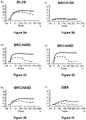
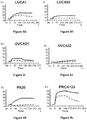
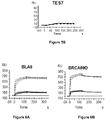
- monoclonal antibodies are screened for binding to B7-H3 using standard screening techniques. In this manner, anti-B7-H3 monoclonal antibody was obtained.
- the preferred hybridomas are those that produce antibodies BRCA69D, BRCA84D or PRCA157.
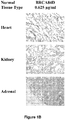
- monoclonal antibodies that bind to B7-H3 may be identified. For this purpose, monoclonal antibodies are screened for their differential ability to bind to cancerous tissues but not to non-cancerous cells. In one embodiment, monoclonal antibodies which bind to B7-H3 and that are also cross-reactive to human cancerous cells or tissues, but not to normal cells or tissues to the same degree, are selected.
- One method that may be employed for screening is immunohistochemistry (IHC). Standard immunohistochemical techniques are known to those of average skill in the art. See, for example, ANIMAL CELL CULTURE METHODS (J.P. Mather and D. Barnes, eds., Academic Press, NY, Vol. 57, Ch. 18 and 19, pp.
- Bio samples e.g., tissues
- biopsies e.g., tissues
- autopsies e.g., autopsies, or necropsies.
- anti-B7-H3 antibodies may be used to detect the presence of B7-H3 on tissues from individuals with cancer while other non-cancerous tissues from the individual suffering from cancer or tissues from individuals without cancer are used as a control.
- the tissue can be embedded in a solid or semi-solid substance that prevents damage during freezing (e.g., agarose gel or OCT) and then sectioned for staining. Cancers from different organs and at different grades can be used to screen monoclonal antibodies.
- tissues that may be used for screening purposes include but are not limited to ovary, breast, lung, prostate, colon, kidney, skin, thyroid, brain, heart, liver, stomach, nerve, blood vessels, bone, upper digestive tract, and pancreas.
- cancer types that may be used for screening purposes include, but are not limited to, carcinomas, adenocarcinomas, sarcomas, adenosarcomas, lymphomas, and leukemias.
- cancerous cells lines such as HMEC (BioWhittaker CC- 2251), HUVEC (Primary endothelial cells), BT-474 (ATCC# HTB-20), MCF7 (ATCC# HTB22), MDA-MB-175-VII (ATCC# HB-25), MDA-MB-361 (ATCC# HB-27), SKBR3 (ATCC# HTB-30), A549 (ATCC# CCL- 185), Calu-3 (ATCC# HTB-55), SKMES-I (ATCC# HTB-58), ES-2 (ATCC# CRL-1978), SKOV3 (ATCC# HTB- 77), Panc-1 (ATCC# CRL-1469), AsPC-I (ATCC# CRL-1682), HPAF-II (ATCC# CRL-1997), Hs700T (ATCC# HTB-174), Colo205 (ATCC# CCL-222), HT-29 (ATCC# HTB-38), SW480 (ATCC#
- cancerous or non-cancerous cells can be grown on glass slides or coverslips, or on plastic surfaces, or prepared in a CellArrayTM device, as described in WO 01/43869 , and screened for the binding of antibody using IHC as described above for tissues.
- cells may be removed from the growth surface using non-proteolytic means and spun into a pellet, which is then embedded and treated as tissues for IHC analysis as described above.
- Cells may be inoculated into immunodeficient animals, a tumor allowed to grow, and then this tumor may be harvested, embedded, and used as a tissue source for IHC analysis.
- single cells may be screened by incubating with the primary antibody, a secondary "reporter” antibody linked to a fluorescent molecule and then analyzed using a fluorescent activated cell- sorting (FACS) machine.
- FACS fluorescent activated cell- sorting
- any of several different detection systems may be utilized to detect binding of antibodies to tissue section.
- immunohistochemistry involves the binding of a primary antibody to the tissue and then a secondary antibody reactive against the species from the primary antibody was generated and conjugated to a detectable marker (e.g., horseradish peroxidase, HRP, or diaminobenzedine, DAB).
- a detectable marker e.g., horseradish peroxidase, HRP, or diaminobenzedine, DAB.
- HRP horseradish peroxidase
- DAB diaminobenzedine
- polyMICATM polyclonal Mirror Image Complementary Antibodies
- the PoIyMICATM technique can be used to test binding of primary antibodies (e.g., anti-B7-H3 antibodies) to normal and cancerous tissue.
- primary antibodies e.g., anti-B7-H3 antibodies
- polyMICATM Detection kits are commercially available: Product No. HK004.D is a polyMICATM Detection kit which uses DAB chromagen; Product No. HK004.A is a polyMICATM Detection kit which uses AEC chromagen.
- the primary antibody may be directly labeled with the detectable marker.
- the first step in IHC screening to select for an appropriate antibody is the binding of primary antibodies raised in mice (e.g., anti-B7-H3 antibodies) to one or more immunogens (e.g., cells or tissue samples).
- immunogens e.g., cells or tissue samples.
- the tissue sample is sections of frozen tissue from different organs.
- the cells or tissue samples can be either cancerous or non-cancerous.
- Frozen tissues can be prepared, sectioned, with or without fixation, and IHC performed by any of a number of methods known to one familiar with the art (see, for example, Stephan et al. (1999) "Distribution And Function Of The Adhesion Molecule BEN During Rat Development," Dev. Biol. 212:264-277 and Stephan et al. (1999) “Selective Cloning Of Cell Surface Proteins Involved In Organ Development: Epithelial Glycoprotein Is Involved In Normal Epithelial Differentiation," Endocrinology 140:5841-5854 ).
- Epitope mapping is commercially available from various sources, for example, Pepscan Systems (Lelystad, The Netherlands). Epitope mapping can be used to determine the sequence to which an anti-B7-H3 antibody binds.
- the epitope can be a linear epitope, i.e., contained in a single stretch of amino acids, or a conformational epitope formed by a three-dimensional interaction of amino acids that may not necessarily be contained in a single stretch.
- Peptides of varying lengths can be isolated or synthesized ⁇ e.g., recombinantly) and used for binding assays with anti-B7-H3 antibody.
- the epitope to which anti-B7-H3 antibody binds can be determined in a systematic screening by using overlapping peptides derived from the extracellular sequence and determining binding by anti-B7-H3 antibody.
- Yet another method that can be used to characterize an anti-B7-H3 antibody is to use competition assays with other antibodies known to bind to the same antigen, i.e., B7-H3 to determine if anti-B7-H3 antibodies binds to the same epitope as other antibodies.
- B7-H3 examples of commercially available antibodies to B7-H3 may be available and may be identified using the binding assays taught herein.
- Competition assays are well known to those of skill in the art, and such procedures and illustrative data are detailed further in the Examples.
- Anti-B7-H3 antibodies can be further characterized by the tissues, type of cancer or type of tumor to which they bind.
- Anti-B7-H3 antibodies were used in Western blots with cell lysates from various human cancers. As is known to one of skill in the art, Western blotting can involve running cell lysates and/ or cell fractions on a denaturing or non-denaturing gel, transferring the proteins to nitrocellulose paper, and then probing the blot with an antibody (e.g., anti-B7-H3 antibody) to see which proteins are bound by the antibody.
- B7-H3 is associated with various human cancers of different tissues including, but not limited to colon, breast, ovary, pancreas and lung.
- Monoclonal antibodies to B7-H3 made by the methods disclosed herein may be used to identify the presence or absence of cancerous cells in a variety of tissues, including but not limited to, ovary, breast, lung, prostate, colon, kidney, pancreas, skin, thyroid, brain, heart, liver, stomach, nerve, blood vessels, bone, and upper digestive tract, for purposes of diagnosis.
- Monoclonal antibodies to B7-H3 made by the methods disclosed herein may also be used to identify the presence or absence of cancerous cells, or the level thereof, which are circulating in blood after their release from a solid tumor.
- Such circulating antigen may be an intact B7-H3 antigen, or a fragment thereof that retains the ability to be detected according to the methods taught herein. Such detection may be effected by FACS analysis using standard methods commonly used in the art.
- B7-H3 can involve the formation of a complex between B7-H3 and an antibody that binds specifically to B7-H3.
- antibodies include but are not limited to those anti-B7-H3 monoclonal antibodies produced by the hybridomas BRCA84D, BRCA69D, and PRCA157.
- the formation of such a complex can be in vitro or in vivo.
- monoclonal antibody anti-B7-H3 can bind to B7-H3 through the extracellular domain of B7-H3 and may then be internalized.
- the antibody bears a detectable label.
- labels that may be used include a radioactive agent or a fluorophore, such as phycoerythrin or fluorescein isothiocyanate (also known as fluoroisothiocyanate or FITC).
- the target antigen is broadly expressed in normal tissue. It is also up regulated in some tumors. Therefore, the particular dosages and routes of delivery of the antibodies of this invention as used for diagnostic or therapeutic agents will be tailored to the particular tumor or disease state at hand, as well as to the particular individual being treated.
- One method of using the antibodies for diagnosis is in vivo tumor imaging by linking the antibody to a radioactive or radio-opaque agent, administering the antibody to the individual and using an x-ray or other imaging machine to visualize the localization of the labeled antibody at the surface of cancer cells expressing the antigen.
- the antibody is administered at a concentration that promotes binding at physiological conditions.
- ELISAs enzyme linked immunosorbent assays
- IA enzyme immunoassay
- RIA radioimmunoassay
- Methods of radioimaging of tumors or neoplasms, or of measuring the effectiveness of a method of treatment with a radiolabeled antibody may comprise the step of administering a radiolabeled, tumor-specific antibody to an individual following the practice described herein.
- the radiolabeled antibody may be a monoclonal or polyclonal antibody comprising a radiolabel, preferably selected from the group consisting of Technetium-99m, Indium-111, Iodine-131, Rhenium-186, Rhenium-188, Samarium-153, Lutetium-177, Copper-64, Scandium-47, Yttrium-90.
- Radioimaging may be conducted using Single Photon Emission Computer Tomography (SPECT), Position Emission Tomography (PET), Computer Tomography (CT) or Magnetic Resonance Imaging (MRI). Correlative imaging, which permits greater anatomical definition of location of metastases located by radioimmunoimaging, is also contemplated.
- SPECT Single Photon Emission Computer Tomography
- PET Position Emission Tomography
- CT Computer Tomography
- MRI Magnetic Resonance Imaging
- the cancerous cells are removed and the tissue prepared for immunohistochemistry by methods well known in the art (e.g., embedding in a freezing compound, freezing and sectioning, with or without fixation; fixation and paraffin embedding with or without various methods of antigen retrieval and counterstaining).
- the monoclonal antibodies may also be used to identify cancerous cells at different stages of development.
- the antibodies may also be used to determine which individuals' tumors express the antigen on their surface at a pre-determined level and are thus candidates for immunotherapy using antibodies directed against said antigen.
- the antibodies may recognize both primary and metastasizing cancers that express B7-H3.
- detection may include qualitative and /or quantitative detection and may include comparing the level measured to a normal cell for an increased level of expression of B7-H3 in cancerous cells.
- a method of aiding diagnosis of cancer can comprise the step of detecting the level of B7-H3 in a biological sample from the individual and /or determining the level of B7-H3 expression in the sample.
- Antibodies recognizing the antigen or a portion thereof may also be used to create diagnostic immunoassays for detecting antigen released or secreted from living or dying cancer cells in bodily fluids, including but not limited to, blood, saliva, urine, pulmonary fluid, or ascites fluid.
- the anti-B7-H3 antibodies made by the methods disclosed herein may be used to determine whether an individual diagnosed with cancer may be deemed a candidate for immunotherapy using antibodies directed against B7-H3.
- a cancerous tumor or a biopsy sample may be tested for expression of B7-H3, using antibodies directed against B7-H3.
- Individuals with cancer cells that express B7-H3 are suitable candidates for immunotherapy using antibodies directed against B7-H3. Staining with anti-B7-H3 antibody may also be used to distinguish cancerous tissues from normal tissues.
- Methods of using anti-B7-H3 antibodies for diagnostic purposes are useful both before and after any form of anti-cancer treatment, e.g., chemotherapy or radiation therapy, to determine which tumors are most likely to respond to a given treatment, prognosis for individual with cancer, tumor subtype or origin of metastatic disease, and progression of the disease or response to treatment.
- anti-cancer treatment e.g., chemotherapy or radiation therapy
- compositions of this invention are also suitable for diagnosis of disease states other than cancer, using the methods generally described above in application with other diseased (non-cancerous) cells.
- Disease states suitable for use in the methods herein include, but are not limited to, diseases or disorders associated with inflammatory or autoimmune responses in individuals. The methods described above may be used for modulating inflammatory or autoimmune responses in individuals.
- Diseases and conditions resulting from inflammation and autoimmune disorders that may be subject to diagnosis and /or treatment using the compositions and methods herein include, by way of illustration and not of limitation, multiple sclerosis, meningitis, encephalitis, stroke, other cerebral traumas, inflammatory bowel disease including ulcerative colitis and Crohn's disease, myasthenia gravis, lupus, rheumatoid arthritis, asthma, acute juvenile onset diabetes, AIDS dementia, atherosclerosis, nephritis, retinitis, atopic dermatitis, psoriasis, myocardial ischemia and acute leukocyte-mediated lung injury.
- Still other indications for diagnostic and/or therapeutic use of antibodies and other therapeutic agents described herein include administration to individuals at risk of organ or graft rejection.
- organs such as skin, kidney, liver, heart, lung, pancreas and bone marrow.
- the principal outstanding problem is the lack of satisfactory agents for inducing immunotolerance in the recipient to the transplanted allograft or organ.
- the host immune system is likely to mount an immune response to foreign antigens in the transplant (host-versus-graft disease) leading to destruction of the transplanted tissue.
- B7-H3 agonists, antagonists and modulators as described herein.
- the B7-H3 agonist, antagonist or other non-antibody modulator is substituted for the B7-H3 antibody in the steps described, and alterations within the scope of the ordinarily skilled practitioner are made to tailor the method to the substituted B7-H3 modulatory composition.
- Monoclonal antibodies to B7-H3 made by the methods disclosed herein may be used to identify the presence or absence of human cancer stem cells in a variety of tissues.
- Cancer stem cells CSCs have been hypothesized to play a role in tumor growth and metastasis ( Ghotra, V.P. et al. (2009) "The Cancer Stem Cell Microenvironment And Anti-Cancer Therapy,” Int. J. Radiat. Biol. 85(11):955-962 ; Gupta, P.B. et al. (2009) "Cancer Stem Cells: Mirage Or Reality?" Nat. Med. 15(9):1010-1012 ; Lawson, J.C. et al.
- the CSCs provide a small, distinct subset of cells within each tumor that are capable of indefinite self-renewal and of developing into the more adult tumor cell(s) that are relatively limited in replication capacity. It has been hypothesized that these cancer stem cells might be more resistant to chemotherapeutic agents, radiation or other toxic conditions, and thus, persist after clinical therapies and later grow into secondary tumors, metastases or be responsible for relapse. It has been suggested that CSCs can arise either from 'normal' tissue stem cells or from more differentiated tissue progenitor cells.
- Monoclonal antibodies to cell surface targets on cancer stem cells can be used to identify the presence or absence of cancer stem cells in a variety of tissues.
- Monoclonal antibodies to B7-H3 made by the methods disclosed herein may also be used to identify the presence or absence of cancer stem cells, or the level of cancer stem cells in a sample or tissue or in circulation after their release from a solid tumor.
- Such circulating antigen may be an intact B7-H3 antigen, or a fragment thereof that retains the ability to be detected according to the methods taught herein.
- detection may be effected by FACS analysis using standard methods commonly used in the art.
- such detection may be effected by immunohistochemical analysis of tissue samples using standard methods commonly used in the art.
- B7-H3 can involve the formation of a complex between B7-H3 and an antibody that binds specifically to B7-H3 on cancer stem cells.
- antibodies include but are not limited to those anti-B7-H3 monoclonal antibodies produced by the hybridomas BRCA84D, BRCA69D, and PRCA157.
- the formation of such a complex can be in vitro or in vivo.
- anti-B7-H3 antibodies also encompass the use of other B7-H3 agonists, antagonists and modulators as described herein for the use of identification and treatment of cancer stem cells.
- anti-B7-H3 antibodies and other B7-H3 agonists, antagonists and modulators are used for identification, diagnosis or therapeutic treatment of cancer stem cells using similar methods described, and alterations within the scope of the ordinary skilled practitioner are made to tailor the method to the identification /diagnosis or treatment of cancer stem cells.
- compositions including pharmaceutical compositions, comprising anti-B7-H3 antibodies, polypeptides derived from anti-B7-H3 antibodies, polynucleotides comprising sequence encoding anti-B7-H3 antibodies, and other agents as described herein.
- compositions further comprises one or more antibodies, polypeptides and /or proteins that bind to B7-H3, B7-H3 agonists, antagonists, modulators, and /or one or more polynucleotides comprising sequences encoding one or more antibodies, polypeptides and proteins that bind to B7-H3.
- conjugates of any B7-H3 peptide agonist, antagonist or modulator and additional chemical structures that support the intended function or functions of the particular B7-H3 peptide agonist, antagonist or modulator.
- conjugates include B7-H3 peptide agonist, antagonist or modulator covalently bound to a macromolecule such as any insoluble, solid support matrix used in the diagnostic, screening or purification procedures discussed herein.
- Suitable matrix materials include any substance that is chemically inert, has high porosity and has large numbers of functional groups capable of forming covalent linkages with peptide ligands. Examples of matrix materials and procedures for preparation of matrix-ligand conjugates are described in Dean et al. (Eds) AFFINITY CHROMATOGRAPHY: A PRACTICAL APPROACH, IRL Press (1985 ); Lowe, "An Introduction to Affinity Chromatography", in Work et al.
- B7-H3 peptide agonist, antagonist or modulator conjugates of B7-H3 peptide agonist, antagonist or modulator and any reporter moiety used in the diagnostic procedures discussed herein.
- the B7-H3 peptide agonist, antagonist or modulator agents, polypeptides and proteins, including anti-B7-H3 antibodies, are further identified and characterized by any (one or more) of the following criteria:
- a preferred antibody will exhibit differential IHC staining of tumor tissue relative to normal, non-cancerous tissue, and will moreover be capable of testing in primate (and particularly cynomolgus monkey) models of antibody efficacy.
- Preferred antibodies will additionally exhibit desirable levels of affinity and antigen specificity.
- Preferred antibodies will additionally exhibit desirable levels of immunomodulatory activity and cellular internalization.
- the antibody may be an antibody that is produced by hybridoma BRCA84D, BRCA69D, or PRCA157, or progeny thereof.
- various formulations of antibodies produced by these deposited hybridomas and equivalent antibodies or polypeptide fragments e.g., Fab, Fab', F(ab')2 Fv, Fc, etc.
- chimeric antibodies e.g., single chain (scFv), mutants thereof, fusion proteins comprising an antibody portion, humanized antibodies, and any other modified configuration of any of these or equivalent antibodies that comprises an antigen (B7-H3), recognition site of the required specificity.
- human antibodies displaying one or more of the biological characteristics of an anti-B7-H3 family member.
- the equivalent antibodies of the anti-B7-H3 family (including humanized antibodies and human antibodies), polypeptide fragments, and polypeptides comprising any of these fragments are identified and characterized by any (one or more) of the five criteria described above.
- Murine and exemplary humanized variable domain sequences of an anti-B7-H3 antibody are provided in PCT Publication WO 2008/066691 .
- BRCA84D, BRCA69D, and PRCA157 are the preferred B7-H3 antibodies due to their cleaner normal tissue IHC profiles, stronger tumor/normal IHC differential, moderate to strong binding (BIACORETM)/IHC), cross-reactivity to B7-H3 of cynomolgus monkeys and potent activity toward universal DARTTM molecules ("UDARTTMs") relative to the other antibodies.
- Chimeric and humanized variants of these preferred antibodies, as well as native and chimeric and humanized variants of these preferred antibodies that possess modified Fc regions may be provided as described below.
- DARTTM molecules that possess the epitope binding regions of such antibodies, particularly in concert with epitope binding region(s) that bind to the T-cell receptor, NKG2D receptor, or to a tumor-associated antigen or to a hapten such as fluorescein (e . g ., fluorescein isothiocyanate (also known as fluoroisothiocyanate or FITC).
- fluorescein e . g ., fluorescein isothiocyanate (also known as fluoroisothiocyanate or FITC).
- the antibodies, polypeptides and proteins that bind to B7-H3 are antibodies, polypeptides and proteins that competitively inhibit preferential binding of a herein-specified anti-B7-H3 antibody to B7-H3.
- the antibodies, the polypeptides and the proteins preferentially bind to the same epitope on B7-H3 as the antibody mu-anti-B7-H3 preferentially binds.
- compositions comprising any of the following): (a) an antibody produced by the host cell with a deposit number identified above or its progeny; (b) a humanized form of such an antibody; (c) an antibody comprising one or more of the light chain and /or heavy chain variable regions of such an antibody; (d) a chimeric antibody comprising variable regions homologous or derived from variable regions of a heavy chain and a light chain of such an antibody, and constant regions homologous or derived from constant regions of a heavy chain and a light chain of a human antibody; (e) an antibody comprising one or more of the light chain and /or heavy chain CDRs (at least one, two, three, four, five, or six) of such an antibody; (f) an antibody comprising a heavy and /or a light chain of such an antibody; (g) a human antibody that is equivalent to such an antibody.
- a humanized form of the antibody may or may not have CDRs identical to that original antibody, or antibody produced by a host cell with a deposit number identified above. Determination of CDR regions is well within the skill of the art. Also described is an antibody which comprises at least one CDR that is substantially homologous to at least one CDR, at least two, at least three, at least four, at least 5 CDRs of an antibody produced by one of the above-identified deposited hybridomas (or, in some embodiments substantially homologous to all 6 CDRs of one of these antibodies, or derived from one of these antibodies), or antibody produced by the host cell with a deposit number identified above.
- antibodies that have at least two, three, four, five, or six CDR(s) that are substantially homologous to at least two, three, four, five or six CDRs of an antibody produced from a hybridoma deposited as identified herein, or derived from such an antibody.
- binding specificity and /or overall activity (which may be in terms of delivering a chemotherapeutic agent to or into cancerous cells to reduce the growth and /or proliferation of cancer cells, to induce apoptotic cell death in the cancer cell, to delay the development of metastasis, and /or treating palliatively) is generally retained, although the extent of activity may vary compared to an antibody produced by a deposited hybridoma (may be greater or lesser). Also described are methods of making any of these antibodies. Methods of making antibodies are known in the art and are described herein.
- polypeptides comprising an amino acid sequence of the antibodies of the invention.
- the polypeptide comprises one or more of the light chain and /or heavy chain variable regions of the antibody.
- the polypeptide comprises one or more of the light chain and /or heavy chain CDRs of the antibody.
- the polypeptide comprises three CDRs of the light chain and /or heavy chain of the antibody.
- the polypeptide comprises an amino acid sequence of the antibody that has any of the following: at least 5 contiguous amino acids of a sequence of the original antibody, at least 8 contiguous amino acids, at least about 10 contiguous amino acids, at least about 15 contiguous amino acids, at least about 20 contiguous amino acids, at least about 25 contiguous amino acids, at least about 30 contiguous amino acids, wherein at least 3 of the amino acids are from a variable region of the antibody.
- the variable region is from a light chain of the original antibody.
- the variable region is from a heavy chain of the antibody.
- the 5 (or more) contiguous amino acids are from a complementarity-determining region (CDR) of the antibody.
- Cells that express B7-H3, a portion of B7-H3, anti-B7-H3 antibodies or other B7-H3-binding polypeptides can be administered directly to an individual to modulate in vivo B7-H3 biological activity.
- the preferred anti-B7-H3 antibodies are BRCA84D, BRCA69D and PRCA157, all of which antibodies are murine antibodies reactive toward the human B7-H3 molecule.
- the amino acid and encoding polynucleotide sequences of the variable light chain and variable heavy chain of BRCA84D, BRCA69D and PRCA157 are shown below along with the respective CDR 1 , CDR 2 and CDR 3 domains of each such chain.
- Those of skill in the art will therefore be able to construct antibodies having such CDRs, as well as derivatives thereof, capable of binding to the epitopes recognized by BRCA84D, BRCA69D and PRCA157.
- BRCA84D Variable Light Chain CDR 1 ( SEQ ID NO:5 ) : KASQNVDTNVA
- BRCA84D Variable Heavy Chain CDR 2 ( SEQ ID NO:15 ): YISSDSSAIYYADTVK
- BRCA84D Variable Heavy Chain CDR 3 ( SEQ ID NO:17 ): GRENIYYGSRLDY
- BRCA69D Variable Heavy Chain CDR 2 ( SEQ ID NO:31 ): TIYPGDGDTR YTQKFKG
- PRCA157 Variable Light Chain CDR 1 ( SEQ ID NO:37 ): RASESIYSYLA
- PRCA157 Variable Heavy Chain CDR 1 SEQ ID NO:45 : SYGMS
- PRCA157 Variable Heavy Chain CDR 2 ( SEQ ID NO:47 ): VATINSGGSN TYYPDSLKG
- PRCA157 Variable Heavy Chain CDR 3 ( SEQ ID NO:49 ): HDGGAMDY
- Fc ⁇ RI (CD64), Fc ⁇ RIIA (CD32A) and Fc ⁇ RIII (CD16) are activating ( i.e ., immune system enhancing) receptors; Fc ⁇ RIIB (CD32B) is an inhibiting ( i.e ., immune system dampening) receptor.
- the amino acid sequence of the IgG1 Fc region is shown below (as SEQ ID NO:51 , numbered according to Kabat et al., SEQUENCE OF PROTEINS OF IMMUNOLOGICAL INTEREST, 5th Ed. Public Health Service, NIH, MD (1991 ), and hereafter referred to as "Kabat EU”): SEQ ID NO:51 Residues 230-341 are the Fc CH2 region. Residues 342-447 are the Fc CH3 region.
- antibodies that specifically bind to B7-H3 that comprise a variant Fc region having one or more amino acid modifications (e.g ., substitutions, deletions, insertions) in one or more portions, which modifications increase the affinity and avidity of the variant Fc region for an Fc ⁇ R (including activating and inhibitory Fc ⁇ Rs).
- said one or more amino acid modifications increase the affinity of the variant Fc region for Fc ⁇ RIIIA and/or Fc ⁇ RIIA.
- the variant Fc region further specifically binds Fc ⁇ RIIB with a lower affinity than does the Fc region of the comparable parent antibody (i.e ., an antibody having the same amino acid sequence as the antibody described herein except for the one or more amino acid modifications in the Fc region).
- such modifications increase the affinity of the variant Fc region for Fc ⁇ RIIIA and/or Fc ⁇ RIIA and also enhance the affinity of the variant Fc region for Fc ⁇ RIIB relative to the parent antibody.
- said one or more amino acid modifications increase the affinity of the variant Fc region for Fc ⁇ RIIIA and/or Fc ⁇ RIIA but do not alter the affinity of the variant Fc regions for Fc ⁇ RIIB relative to the Fc region of the parent antibody.
- said one or more amino acid modifications enhance the affinity of the variant Fc region for Fc ⁇ RIIIA and Fc ⁇ RIIA but reduce the affinity for Fc ⁇ RIIB relative to the parent antibody.
- Increased affinity and/or avidity results in detectable binding to the Fc ⁇ R or Fc ⁇ R-related activity in cells that express low levels of the Fc ⁇ R when binding activity of the parent molecule (without the modified Fc region) cannot be detected in the cells.
- the modified molecule exhibits detectable binding in cells which express non-Fc ⁇ R receptor target antigens at a density of 30,000 to 20,000 molecules/cell, at a density of 20,000 to 10,000 molecules/cell, at a density of 10,000 to 5,000 molecules/cell, at a density of 5,000 to 1,000 molecules/cell, at a density of 1,000 to 200 molecules/cell or at a density of 200 molecules/cell or less (but at least 10, 50, 100 or 150 molecules/cell).
- said one or more modifications to the amino acids of the Fc region reduce the affinity and avidity of the antibody for one or more Fc ⁇ R receptors.
- antibodies comprising a variant Fc region wherein said variant Fc region comprises at least one amino acid modification relative to a wild type Fc region, which variant Fc region only binds one Fc ⁇ R, wherein said Fc ⁇ R is Fc ⁇ RIIIA.
- antibodies comprising a variant Fc region wherein said variant Fc region comprises at least one amino acid modification relative to a wild type Fc region, which variant Fc region only binds one Fc ⁇ R, wherein said Fc ⁇ R is Fc ⁇ RIIA.
- the binding properties of the molecules described herein are characterized by in vitro functional assays for determining one or more Fc ⁇ R mediator effector cell functions ( See Section 5.2.7).
- the affinities and binding properties of the molecules, e.g., antibodies, for an Fc ⁇ R can be determined using in vitro assays (biochemical or immunological based assays) known in the art for determining antibody-antigen or Fc-Fc ⁇ R interactions, i.e., specific binding of an antigen to an antibody or specific binding of an Fc region to an Fc ⁇ R, respectively, including but not limited to ELISA assay, surface plasmon resonance assay, immunoprecipitation assays.
- the molecules have similar binding properties in in vivo models (such as those described and disclosed herein) as those in in vitro based assays.
- the present invention does not exclude molecules of the invention that do not exhibit the desired phenotype in in vitro based assays but do exhibit the desired phenotype in vivo.
- the molecules described herein comprising a variant Fc region comprise at least one amino acid modification (for example, possessing 1, 2, 3, 4, 5, 6, 7, 8, 9, or more amino acid modifications) in the CH3 domain of the Fc region, which is defined as extending from amino acids 342-447. In other embodiments, the molecules described herein comprising a variant Fc region comprise at least one amino acid modification (for example, possessing 1, 2, 3, 4, 5, 6, 7, 8, 9, or more amino acid modifications) in the CH2 domain of the Fc region, which is defined as extending from amino acids 231-341.
- the molecules described herein comprise at least two amino acid modifications (for example, possessing 2, 3, 4, 5, 6, 7, 8, 9, or more amino acid modifications), wherein at least one such modification is in the CH3 region and at least one such modification is in the CH2 region. Also described is amino acid modification in the hinge region. Also described is amino acid modification in the CH1 domain of the Fc region, which is defined as extending from amino acids 216-230.
- molecules comprising a variant Fc region wherein said variant confers or has an increased ADCC activity and/or an increased binding to Fc ⁇ RIIA (CD32A), as measured using methods known to one skilled in the art and exemplified herein.
- the ADCC assays used in accordance with the methods herein may be NK dependent or macrophage dependent.
- molecules comprising a variant Fc region wherein said variant confers or has an increased ADCC activity and/or an increased binding to Fc ⁇ RIIIA (CD16A), as measured using methods known to one skilled in the art and exemplified herein.
- the ADCC assays used in accordance with the methods herein may be NK dependent or macrophage dependent.
- the Fc variants may be combined with other Fc modifications, such as those disclosed in United States Patents Nos. 7,632,497 ; 7,521,542 ; 7,425,619 ; 7,416,727 ; 7,371,826 ; 7,355,008 ; 7,335,742 ; 7,332,581 ; 7,183,387 ; 7,122,637 ; and 6,737,056 ; in PCT Publications Nos.
- an Fc variant is combined with a mutant known to bind Fc ⁇ RIIIA with a higher affinity than a comparable wild type Fc region; the combination with a mutant described herein results in a greater fold enhancement in Fc ⁇ RIIIA affinity.
- antibodies that specifically bind to B7-H3 which comprise a variant Fc region, wherein the variant Fc region comprises at least one amino acid modification (for example, possessing 1, 2, 3, 4, 5, 6, 7, 8, 9, or more amino acid modifications) relative to a wild-type Fc region, such that the molecule has an enhanced effector function relative to a molecule comprising a wild-type Fc region, provided that the variant Fc region does not have or is not solely a substitution at any one or more of positions 243, 255, 256, 258, 267, 268, 269, 270, 272, 276, 278, 280, 283, 285, 286, 289, 290, 292, 293, 294, 295, 296, 298, 300, 301, 303, 305, 307, 309, 312, 320, 322, 326, 329, 330, 332, 331, 333, 334, 335, 337, 338, 339, 340, 359, 360, 373, 376, 416, 419, 430
- variant Fc region comprising at least one amino acid modification (for example, possessing 1, 2, 3, 4, 5, 6, 7, 8, 9, or more amino acid modifications) relative to a wild-type Fc region, such that the molecule binds an Fc ⁇ R with an altered affinity relative to a molecule comprising a wild-type Fc region, provided that the variant Fc region does not have or is not solely a substitution at any one or more of positions 243, 255, 258, 267, 269, 270, 276, 278, 280, 283, 285, 289, 292, 293, 294, 295, 296, 300, 303, 305, 307, 309, 320, 322, 329, 332, 331, 337, 338, 340, 373, 376, 416, 419, 434, 435, 437, 438, 439 and does not have an alanine at any of positions 256, 290, 298, 312, 326, 333, 334, 3
- antibodies that specifically bind to B7-H3 which comprise a variant Fc region comprising such antibodies comprising a variant Fc region, wherein the variant Fc region does not have or is not solely a substitution at any one or more of positions 268, 269, 270, 272, 276, 278, 283, 285, 286, 289, 292, 293, 301, 303, 305, 307, 309, 320, 331, 333, 334, 335, 337, 338, 340, 360, 373, 376, 416, 419, 430, 434, 435, 437, 438 or 439 and does not have a histidine, glutamine, or tyrosine at position 280; a serine, glycine, threonine or tyrosine at position 290, an asparagine at position 294, a lysine at position 295; a proline at position 296; a proline, asparagine, aspartic
- antibodies comprising a variant Fc region, wherein the variant Fc region comprises at least one amino acid modification relative to a wild-type Fc region, such that the molecule binds an Fc ⁇ R with a reduced affinity relative to molecule comprising a wild-type Fc region provided that the variant Fc region does not have or is not solely a substitution at any one or more of positions 243, 252, 254, 265, 268, 269, 270, 278, 289, 292, 293, 294, 295, 296, 298, 300, 301, 303, 322, 324, 327, 329, 333, 335, 338, 340, 373, 376, 382, 388, 389, 414, 416, 419, 434, 435, 437, 438, or 439.
- antibodies comprising a variant Fc region, wherein the variant Fc region comprises at least one amino acid modification relative to a wild-type Fc region, such that the molecule binds an Fc ⁇ R with an enhanced affinity relative to a molecule comprising a wild-type Fc region provided that the variant Fc region does not have or is not solely a substitution at any one or more of positions 280, 283, 285, 286, 290, 294, 295, 298, 300, 301, 305, 307, 309, 312, 315, 331, 333, 334, 337, 340, 360, 378, 398, or 430.
- antibodies that specifically bind to B7-H3 which comprise a variant Fc region, wherein the variant Fc region does not include or are not solely a substitution at any one or more of positions 330, 243, 247, 298, 241, 240, 244, 263, 262, 235, 269, or 328 and does not have a leucine at position 243, an asparagine at position 298, a leucine at position 241, and isoleucine or an alanine at position 240, a histidine at position 244, a valine at position 330, or an isoleucine at position 328.
- antibodies that specifically bind to B7-H3 which comprise a variant Fc region with enhanced effector function and/or altered affinities for activating and/or inhibitory receptors, wherein the variant Fc region comprises: (a) any 1, 2, 3, 4, 5, or 6 of the following substitutions: S239D, S298A, A330L, I332E, E333A, or K334A; or (b) any of the combinations of substitutions: (1) S298A, E333A, and K334A; (2) S239D and I332E; or (3) S239D, A330L and I332E.
- antibodies that specifically bind to B7-H3 which comprise a variant Fc region with enhanced effector function and/or altered affinities for activating and/or inhibitory receptors, wherein the variant Fc region comprises a substitution:
- an antibody that specifically binds B7-H3 that comprises a variant Fc region which comprises the substitution: F243L, R292P, and Y300LAlso described is an antibody that specifically binds B7-H3 that comprises a variant Fc region which comprises the substitution: L235V, F243L, R292P, Y300L, and P396LAlso described is an antibody that specifically binds B7-H3 that comprises a variant Fc region which comprises the substitution F243L, R292P, Y300L, V305I, and P396L.
- an antibody that specifically binds B7-H3 that comprises a variant Fc region which comprises a substitution at position 396 with leucine, at position 270 with glutamic acid and at position 243 with leucine.
- the molecule further comprises one or more amino acid modification such as those disclosed herein.
- antibodies that specifically bind to B7-H3 which comprise a variant Fc region with enhanced effector function and/or altered affinities for activating and/or inhibitory receptors, that have an amino acid modification at one or more of the following positions: 119, 125, 132, 133, 141, 142, 147, 149, 162, 166, 185, 192, 202, 205, 210, 214, 215, 216, 217, 218, 219, 221, 222, 223, 224, 225, 227, 229, 231, 232, 233, 235, 240, 241, 242, 243, 244, 246, 247, 248, 250, 251, 252, 253, 254, 255, 256, 258, 261, 262, 263, 268, 269, 270, 272, 274, 275, 276, 279, 280, 281, 282, 284, 287, 288, 289, 290, 291, 292, 293, 295, 298, 301, 303, 304, 305
- antibodies that specifically bind to B7-H3 which comprise a variant Fc region with altered effector function and/or altered affinities for activating and/or inhibitory receptors, that have:
- the variant Fc region of such antiB7-H3 antibodies has:
- the molecules described herein further comprise one or more glycosylation sites, so that one or more carbohydrate moieties are covalently attached to the molecule.
- Amino acids that directly or indirectly interact with a carbohydrate moiety of an antibody are known in the art, see, e.g ., Jefferis et al., 1995 Immunology Letters, 44: 111-7 .
- glycosylation sites may be introduced into the variable and/or constant region of the molecules.
- glycosylation sites include any specific amino acid sequence in an antibody to which an oligosaccharide (i.e ., carbohydrates containing two or more simple sugars linked together) will specifically and covalently attach. Oligosaccharide side chains are typically linked to the backbone of an antibody via either N-or O-linkages.
- N-linked glycosylation refers to the attachment of an oligosaccharide moiety to the side chain of an asparagine residue.
- O-linked glycosylation refers to the attachment of an oligosaccharide moiety to a hydroxyamino acid, e.g ., serine, threonine.
- the molecules may comprise one or more glycosylation sites, including N-linked and O-linked glycosylation sites. Any glycosylation site for N-linked or O-linked glycosylation known in the art may be used.
- An exemplary N-linked glycosylation site that is useful is the amino acid sequence: Asn-X-Thr/Ser, wherein X may be any amino acid and Thr/Ser indicates a threonine or a serine.
- a site or sites may be introduced into a molecule using methods well known in the art (see for example, IN VITRO MUTAGENESIS, RECOMBINANT DNA: A SHORT COURSE, J. D. Watson, et al. W.H. Freeman and Company, New York, 1983, chapter 8, pp. 106-116 .
- An exemplary method for introducing a glycosylation site into a molecule may comprise: modifying or mutating an amino acid sequence of the molecule so that the desired Asn-X-Thr/Ser sequence is obtained.
- Methods for modifying the carbohydrate content of antibodies are well known in the art, see, e.g ., U.S. Patent No. 6,218,149 ; EP 0 359 096 B1 ; U.S. Publication No. US 2002/0028486 ; WO 03/035835 ; U.S. Publication No. 2003/0115614 ; U.S. Patent No. 6,218,149 ; U.S. Patent No. 6,472,511 .
- Effector function can also be modified by techniques such as by introducing one or more cysteine residues into the Fc region, thereby allowing interchain disulfide bond formation in this region to occur, resulting in the generation of a homodimeric antibody that may have improved internalization capability and/or increased complement-mediated cell killing and ADCC ( Caron, P.C. et al. (1992) "Engineered Humanized Dimeric Forms Of IgG Are More Effective Antibodies," J. Exp. Med. 176:1191-1195 ; Shopes, B. (1992) "A Genetically Engineered Human IgG Mutant With Enhanced Cytolytic Activity,” J. Immunol. 148(9):2918-2922 .
- Homodimeric antibodies with enhanced anti-tumor activity may also be prepared using heterobifunctional cross-linkers as described in Wolff, E.A. et al. (1993) "Monoclonal Antibody Homodimers: Enhanced Antitumor Activity In Nude Mice," Cancer Research 53:2560-2565 .
- an antibody can be engineered which has dual Fc regions and may thereby have enhanced complement lysis and ADCC capabilities ( Stevenson, G.T. et al. (1989) "A Chimeric Antibody With Dual Fc Regions (bisFabFc) Prepared By Manipulations At The IgG Hinge," Anti-Cancer Drug Design 3:219-230 ).
- DARTTM dual affinity retargeting reagent molecules that comprise at least two polypeptide chains which form at least two epitope binding sites, at least one of which specifically binds to B7-H3.
- the first polypeptide chain of the DARTTM comprises:
- Each polypeptide chain of the DARTTM molecule comprises a VL domain and a VH domain, which are covalently linked such that the domains are constrained from self assembly. Interaction of two of the polypeptide chains will produce two VL-VH pairings, forming two eptipoe binding sites, i.e ., a bivalent molecule. Neither the VH or VL domain is constrained to any position within the polypeptide chain, i.e ., restricted to the amino (N) or carboxy (C) teminus, nor are the domains restricted in their relative positions to one another, i.e ., the VL domain may be N-terminal to the VH domain and vice-versa.
- each polypeptide will comprise a VH A and a VL A .
- Homodimerization of two polypeptide chains of the antibody will result in the formation two VL A -VH A binding sites, resulting in a bivalent monospecific antibody.
- VL and VH domains are derived from antibodies specific for different antigens
- formation of a functional bispecific DARTTM requires the interaction of two different polypeptide chains, i.e., formation of a heterodimer.
- one polypeptide chain will comprise a VL A and a VL B ; homodimerization of said chain will result in the formation of two VL A -VH B binding sites, either of no binding or of unpredictable binding.
- VL A and VH B two differing polypeptide chains are free to interact, e.g ., in a recombinant expression system, one comprising a VL A and a VH B and the other comprising a VL B and a VH A
- two differing binding sites will form: VL A -VH A and VL B -VH B .
- One or more of the polypeptide chains of the DARTTM may optionally comprise an Fc domain domain or portion thereof (e.g. a CH2 domain, or CH3 domain).
- the Fc domain or portion thereof may be derived from any immunoglobulin isotype or allotype including, but not limited to, IgA, IgD, IgG, IgE and IgM.
- the Fc domain (or portion thereof) is derived from IgG.
- the IgG isotype is IgG1, IgG2, IgG3 or IgG4 or an allotype thereof.
- the diabody molecule comprises an Fc domain, which Fc domain comprises a CH2 domain and CH3 domain independently selected from any immunoglobulin isotype (i.e. an Fc domain comprising the CH2 domain derived from IgG and the CH3 domain derived from IgE, or the CH2 domain derived from IgG1 and the CH3 domain derived from IgG2, etc.).
- Fc domain comprises a CH2 domain and CH3 domain independently selected from any immunoglobulin isotype (i.e. an Fc domain comprising the CH2 domain derived from IgG and the CH3 domain derived from IgE, or the CH2 domain derived from IgG1 and the CH3 domain derived from IgG2, etc.).
- the Fc domain may be engineered into a polypeptide chain comprising the diabody molecule in any position relative to other domains or portions of said polypeptide chain (e.g ., the Fc domain, or portion thereof, may be c-terminal to both the VL and VH domains of the polypeptide of the chain; may be n-terminal to both the VL and VH domains; or may be N-terminal to one domain and c-terminal to another ( i.e ., between two domains of the polypeptide chain)).
- the Fc domain, or portion thereof may be c-terminal to both the VL and VH domains of the polypeptide of the chain; may be n-terminal to both the VL and VH domains; or may be N-terminal to one domain and c-terminal to another ( i.e ., between two domains of the polypeptide chain)).
- Fc domains in the polypeptide chains of the DARTTM molecules preferentially dimerize, resulting in the formation of a DARTTM molecule that exhibits immunoglobulin-like properties, e.g ., Fc-Fc ⁇ R interactions.
- Fc comprising diabodies may be dimers, e.g ., comprised of two polypeptide chains, each comprising a VH domain, a VL domain and an Fc domain. Dimerization of said polypeptide chains results in a bivalent DARTTM comprising an Fc domain, albeit with a structure distinct from that of an unmodified bivalent antibody.
- DARTTM molecules will exhibit altered phenotypes relative to a wild-type immunoglobulin, e.g ., altered serum half-life, binding properties, etc.
- DARTTM molecules comprising Fc domains may be tetramers.
- Such tetramers comprise two 'heavier' polypeptide chains, i.e ., a polypeptide chain comprising a VL, a VH and an Fc domain, and two 'lighter' polypeptide chains, i.e ., polypeptide chain comprising a VL and a VH.
- the lighter and heavier chains interact to form a monomer, and said monomers interact via their unpaired Fc domains to form an Ig-like molecule.
- Such an Ig-like DARTTM is tetravalent and may be monospecific, bispecific or tetraspecific.
- Formation of a tetraspecific diabody molecule as described supra requires the interaction of four differing polypeptide chains. Such interactions are difficult to achieve with efficiency within a single cell recombinant production system, due to the many variants of potential chain mispairings.
- One solution to increase the probability of mispairings is to engineer "knobs-into-holes" type mutations into the desired polypeptide chain pairs. Such mutations favor heterodimerization over homodimerization.
- an amino acid substitution (preferably a substitution with an amino acid comprising a bulky side group forming a 'knob', e.g ., tryptophan) can be introduced into the CH2 or CH3 domain such that steric interference will prevent interaction with a similarly mutated domain and will obligate the mutated domain to pair with a domain into which a complementary, or accommodating mutation has been engineered, i.e ., 'the hole' ( e.g ., a substitution with glycine).
- Such sets of mutations can be engineered into any pair of polypeptides comprising the diabody molecule, and further, engineered into any portion of the polypeptides chains of said pair.
- diabody molecules comprising variant Fc or variant hinge-Fc domains (or portion thereof), which variant Fc domain comprises at least one amino acid modification (e.g . substitution, insertion deletion) relative to a comparable wild-type Fc domain or hinge-Fc domain (or portion thereof).
- Molecules comprising variant Fc domains or hinge-Fc domains (or portion thereof) e.g ., antibodies
- the variant phenotype may be expressed as altered serum half-life, altered stability, altered susceptibility to cellular enzymes or altered effector function as assayed in an NK dependent or macrophage dependent assay.
- Fc domain modifications identified as altering effector function are disclosed above.
- the hinge domain be derived from any immunoglobulin isotype or allotype including IgA, IgD, IgG, IgE and IgM.
- the hinge domain is derived from IgG, wherein the IgG isotype is IgG1, IgG2, IgG3 or IgG4, or an allotpye thereof.
- Said hinge domain may be engineered into a polypeptide chain comprising the diabody molecule together with an Fc domain such that the diabody molecule comprises a hinge-Fc domain.
- the hinge and Fc domain are independently selected from any immunoglobulin isotype known in the art or exemplified herein.
- the hinge and Fc domain are separated by at least one other domain of the polypeptide chain, e.g., the VL domain.
- the hinge domain, or optionally the hinge-Fc domain may be engineered in to a polypeptide in any position relative to other domains or portions of said polypeptide chain.
- a polypeptide chain comprises a hinge domain, which hinge domain is at the C-terminus of the polypeptide chain, wherein said polypeptide chain does not comprise an Fc domain.
- a polypeptide chain comprises a hinge-Fc domain, which hinge-Fc domain is at the C-terminus of the polypeptide chain.
- a polypeptide chain comprises a hinge-Fc domain, which hinge-Fc domain is at the N-terminus of the polypeptide chain.
- Each domain of the polypeptide chain of the DARTTM i.e ., the VL, VH and Fc domain may be separated by a peptide linker.
- the peptide linker may be 0, 1, 2, 3, 4, 5, 6, 7, 8, or 9 amino acids in length.
- the amino acid linker sequence is GGGSGGGG ( SEQ ID NO:52 ) encoded by the nucleic acid sequence ggaggcggat ccggaggcgg aggc ( SEQ ID NO:53 ).
- the polypeptide chains of the DARTTM molecule may be engineered to comprise at least one cysteine residue that will interact with a counterpart cysteine residue on a second polypeptide chain of the DARTTM to form an inter-chain disulfide bond.
- the cysteine residue may be introduced as a single amino acid or as part of larger amino-acid sequence, e.g . a hinge domain, in any portion of the polypeptide chain.
- the cysteine residue may be engineered to occur at the C-terminus of the polypeptide chain.
- the cysteine residue is introduced into the polypeptide chain within the amino acid sequence LGGC.
- the C-terminus of the polypeptide chains comprising the DARTTM molecule comprises the amino acid sequence LGGC ( SEQ ID NO:54 ).
- the cysteine residue is introduced into the polypeptide within an amino acid sequence comprising a hinge domain, e.g . EPKSCDKTHTCPP ( SEQ ID NO:55 ) or ESKYGPPCPS ( SEQ ID NO:56 ).
- the C-terminus of a polypeptide chain of the DARTTM molecule comprises the amino acid sequence of an IgG hinge domain, e.g . SEQ ID NO:55 or SEQ ID NO:56 .
- the C-terminus of a polypeptide chain of a DARTTM molecule of comprises the amino acid sequence VEPKSC ( SEQ ID NO:57 ), which can be encoded by nucleotide sequence gttgagccca aatcttgt ( SEQ ID NO:58 ).
- the cysteine residue in introduced into the polypeptide chain within the amino acid sequence LGGCFNRGEC SEQ ID NO:59 ), which can be encoded by the nucleotide sequence ctgggaggct gcttcaacag gggagagtgt ( SEQ ID NO:60 ).
- the C-terminus of a polypeptide chain comprising the DARTTM comprises the amino acid sequence LGGCFNRGEC ( SEQ ID NO:59 ).
- the cysteine residue in introduced into the polypeptide chain within the amino acid sequence FNRGEC SEQ ID NO:61 ), which can be encoded by the nucleotide sequence ttcaacaggg gagagtgt ( SEQ ID NO:62 ).
- the C-terminus of a polypeptide chain comprising the DARTTM comprises the amino acid sequence FNRGEC ( SEQ ID NO:61 ).
- the diabody molecule comprises at least two polypeptide chains, each of which comprise the amino acid sequence LGGC ( SEQ ID NO:54 ) and are covalently linked by a disulfide bond between the cysteine residues in the LGGC ( SEQ ID NO:54 ) sequences.
- the diabody molecule comprises at least two polypeptide chains, one of which comprises the sequence FNRGEC ( SEQ ID NO:61 ) while the other comprises a hinge domain (containing at least one cysteine residue), wherein said at least two polypeptide chains are covalently linked by a disulfide bond between the cysteine residue in FNRGEC ( SEQ ID NO:61 ) and a cysteine residue in the hinge domain.
- the cysteine residue responsible for the disulfide bond located in the hinge domain is Cys-128 (as numbered according to Kabat EU; located in the hinge domain of an unmodified, intact IgG heavy chain) and the counterpart cysteine residue in SEQ ID NO:23 is Cys-214 (as numbered according to Kabat EU; located at the C-terminus of an unmodified, intact IgG light chain) ( Elkabetz et al. (2005) "Cysteines In CHI Underlie Retention Of Unassembled Ig Heavy Chains," J. Biol. Chem. 280:14402-14412 ).
- the at least one cysteine residue is engineered to occur at the N-terminus of the amino acid chain.
- the at least one cysteine residue is engineered to occur in the linker portion of the polypeptide chain of the diabody molecule.
- the VH or VL domain is engineered to comprise at least one amino acid modification relative to the parental VH or VL domain such that said amino acid modification comprises a substitution of a parental amino acid with cysteine.
- the Domain (C) of the first polypeptide chain comprises the amino acid sequence VEPKSC ( SEQ ID NO:57 ), derived from the hinge domain of a human IgG, and which can be encoded by the nucleotide sequence gttgagccca aatcttgt ( SEQ ID NO:58 ).
- the Domain (F) of the second polypeptide chain comprises the amino acid sequence VEPKSC ( SEQ ID NO:57 ).
- Domain (C) of the first polypeptide chain comprises the C-terminal 6 amino acids of the human kappa light chain, FNRGEC ( SEQ ID NO:61 ); and Domain (F) of the second polypeptide chain comprises the amino acid sequence VEPKSC ( SEQ ID NO:57 ) or a hinge domain.
- Domain (F) of the second polypeptide chain comprises the C-terminal 6 amino acids of the human kappa light chain, FNRGEC ( SEQ ID NO:61 ); and Domain (C) of the first polypeptide chain comprises the amino acid sequence VEPKSC ( SEQ ID NO:57 ) or a hinge domain.
- the individual polypeptides of a bispecific DARTTM can form two species of homodimers and one species of heterodimer.
- a charged polypeptide can be added to the C-terminus of one, or more preferably, both DARTTM polypeptides.
- a positively charged polypeptide will contain a substantial content of arginine, glutamine, histidine and/or lysine (or mixtures of such amino acids) and a negatively charged polypeptide will contain a substantial content of aspartate or glutamate (or a mixture of such amino acids).
- Positively charged polypeptides containing a substantial content of lysine and negatively charged polypeptides containing a substantial content of glutamate are particularly preferred.
- a positively charged, "E-coil” will be appended to one of the polypeptides being used to form a bispecific DARTTM and a negatively charged “K-coil” will be appended to the second of the DARTTM's polypeptides.
- E-coil will have the sequence: (EVAALEK) 4 [ i.e. ( SEQ ID NO:63 ) EVAALEKEVAALEKEVAALEKEVAALEK].
- a particularly preferred K-coil will have the sequence: (KVAALKE) 4 [ i.e. ( SEQ ID NO:64 ) KVAALKEKVAALKEKVAALKEKVAALKEKVAALKE].
- a preferred DARTTM polypeptide possessing such an E-coil will have the general sequence: [VL Domain]-[ GGGSGGGG ]-[VH Domain]-[(EVAALEK) 4 ]-GGGNS, where VL is the DARTTM's variable light Ig domain, GGGSGGGG is SEQ ID NO:52 , VH is the DARTTM's variable heavy Ig domain, (EVAALEK) 4 is SEQ ID NO:63 , and GGGNS is SEQ ID NO:65 .
- a preferred DARTTM polypeptide possessing such a K-coil will have the general sequence: [VL Domain]-[ GGGSGGGG ]-[VH Domain]-[(KVAALKE) 4 ]-GGGNS, where VL is the DARTTM's variable light Ig domain, GGGSGGGG is SEQ ID NO:52 , VH is the DARTTM's variable heavy Ig domain, (KVAALKE) 4 is SEQ ID NO:64 , and GGGNS is SEQ ID NO:65 .
- Fc-regions can be linked to the E and/or K coils of E-coil or K-coli DARTTMs. Furthering the separation between the Fc regions and the DARTTM VH domain of an Fc-containing DARTTM is desirable in cases in which a less separated arrangement of such domains results in diminished interaction between such domains and their binding ligands or otherwise interferes with DARTTM assembly.
- separators of any amino acid sequence may be employed, it is preferable to employ separators that form an ⁇ helix coils, so as to maximally extend and project the Fc domain away from the variable domains. Because the above-described coiled polypeptides of opposing charge additionally finction to promote heterodimer formation, such molecules are particularly preferred separators.
- the E-coil Fc-containing DARTTM will have the general sequence: [VL Domain]-[ GGGSGGGG ]-[VH Domain]-[(EVAALEK) 4 ]- GGG -Fc domain starting with D234 (Kabat numbering), where VL is the DARTTM's variable light Ig domain, GGGSGGGG is SEQ ID NO:52 , VH is the DARTTM's variable heavy Ig domain and (EVAALEK) 4 is SEQ ID NO:63 .
- the K-coil Fc-containing DARTTM will have the general sequence: [VL Domain]-[ GGGSGGGG ]-[VH Domain]-[(KVAALKE) 4 ]- GGG -Fc domain starting with D234 (Kabat numbering), where VL is the DARTTM's variable light Ig domain, GGGSGGGG is SEQ ID NO:51 , VH is the DARTTM's variable heavy Ig domain and (KVAALKE) 4 is SEQ ID NO:64 .
- a coil-containing DARTTM molecule or a coil-containing Fc-containing DARTTM molecule may contain only a single such coil separator, or it may contain more than one such separators (e.g ., two separators, preferably of opposite charge, of which one is linked to each of the VH domain of the DARTTM's polypeptides).
- separators e.g ., two separators, preferably of opposite charge, of which one is linked to each of the VH domain of the DARTTM's polypeptides.
- the bispecific DARTTMs can simultaneously bind two separate and distinct epitopes.
- the epitopes are from the same antigen.
- the epitopes are from different antigens.
- at least one epitope binding site is specific for a determinant expressed on an immune effector cell (e.g. CD3, CD16, CD32, CD64, T-cell receptor, etc.) which are expressed on T lymphocytes, natural killer (NK) cells or other mononuclear cells.
- an immune effector cell e.g. CD3, CD16, CD32, CD64, T-cell receptor, etc.
- NK natural killer cells or other mononuclear cells.
- the DARTTM molecule binds to the effector cell determinant and also activates said effector cell.
- DARTTM molecules may exhibit Ig-like functionality independent of whether they further comprise an Fc domain (e.g ., as assayed in any effector function assay known in the art or exemplified herein (e.g ., ADCC assay).
- the bispecific DARTTM binds both a cancer antigen on a tumor cell and an effector cell determinant while activating said cell.
- the bispecific DARTTM or DARTTM molecule may inhibit activation of a target, e.g ., effector, cell by simultaneously binding, and thus linking, an activating and inhibitory receptor on the same cell (e.g ., bind both CD32A and CD32B, BCR and CD32B, or IgERI and CD32B) as described supra ( see , Background Section).
- the bispecific DARTTM may exhibit anti-viral properties by simultaneously binding two neutralizing epitopes on a virus (e.g ., RSV epitopes; WNV epitopes such as E16 and E53).
- the bispecific DARTTM molecules may be constructed to comprise one epitope binding domain that specifically binds to B7-H3 and a second epitope binding domain that specifically binds a hapten, e.g . fluorescein isothiocyanate (also known as fluoroisothiocyanate or FITC).
- a hapten e.g . fluorescein isothiocyanate (also known as fluoroisothiocyanate or FITC).
- a DARTTM serves as a universal adaptor (“UDARTTM"), able to co-ligate B7-H3 with molecules that interact with fluorescein-conjugated binding partners.
- the FITC-reactive arm of the DARTTM may be used to bind to an FITC labeled antibody that is bound to a non-B7-H3 target involved in intercellular clustering, intercellular recruitment, cell-free recruitment, multiple targets, etc.
- the chimeric mouse Fv/human Fc version of the anti-fluorescein MAb, 4420 may be employed as a source of FITC-specific CDR domains ( Gruber, M. et al. (1994) "Efficient Tumor Cell Lysis Mediated By A Bispecific Single Chain Antibody Expressed In Escherichia coli," J. Immunol. 152(11): 5368-5374 ).
- the bispecific DARTTM molecules offer unique opportunities to target specific cell types.
- the bispecific DARTTM or DARTTM molecule can be engineered to comprise a combination of epitope binding sites that recognize a set of antigens unique to a target cell or tissue type.
- low affinity biding domains can be used to construct the DARTTM or DARTTM molecule. Such low affinity binding domains will be unable to bind to the individual epitope or antigen with sufficient avidity for therapeutic purposes.
- the avidity of the DARTTM or DARTTM molecule for the cell or tissue, relative to a cell or tissue expressing only one of the antigens, will be increased such that said cell or tissue can be effectively targeted.
- Such a bispecific molecule can exhibit enhanced binding to one or both of its target antigens on cells expressing both of said antigens relative to a monospecific DARTTM or an antibody with a specificity to only one of the antigens.
- the B7-H3 specific DARTTMs may be constructed to comprise a domain that is a binding ligand for the Natural Killer Group 2D (NKG2D) receptor.
- the NKG2D receptor is expressed on all human (and other mammalian) Natural Killer cells ( Bauer, S. et al. (1999) "Activation Of NK Cells And T Cells By NKG2D, A Receptor For Stress-Inducible MICA," Science 285(5428):727-729 ; Jamieson, A.M. et al.
- binding ligands include the histocompatibility 60 (H60) molecule, the product of the retinoic acid early inducible gene-1 (RAE-1), and the murine UL16-binding proteinlike transcript 1 (MULT1) ( Raulet D.H. (2003) “Roles Of The NKG2D Immunoreceptor And Its Ligands," Nature Rev. Immunol. 3:781-790 ; Coudert, J.D. et al. (2005) "Altered NKG2D Function In NK Cells Induced By Chronic Exposure To Altered NKG2D Ligand-Expressing Tumor Cells," Blood 106:1711-1717 ).
- H60 histocompatibility 60
- RAE-1 retinoic acid early inducible gene-1
- MULT1 murine UL16-binding proteinlike transcript 1
- Additional ligands reactive with human NKG2D include the polymorphic MHC class I chain-related molecules MICA and MICB ( Diefenbach, A. et al. (1999) "Natural Killer Cells: Stress Out, Turn On, Tune In,” Curr. Biol. 9(22):R851-R8533 ; Bauer, S. et al. (1999) "Activation Of NK Cells And T Cells By NKG2D, A Receptor For Stress-Inducible MICA,” Science 285(5428):727-729 ; Stephens, H.A. (2001) "MICA And MICB Genes: Can The Enigma Of Their Polymorphism Be Resolved?” Trends Immunol. 22:378-385 .
- the sequence of MICA is SEQ ID NO:66 :
- the sequence of MICB is SEQ ID NO:67 :
- the DARTTM molecules may be constructed to comprise a domain that is a binding ligand for the T-cell receptor ("TCR") or for CD3 (the T-cell co-receptor).
- TCR T-cell receptor
- CD3 the T-cell co-receptor
- the TCR is natively expressed by CD4+ or CD8+ T-cells, and permits such cells to recognize antigenic peptides that are bound and presented by class I or class II MHC proteins of antigen-presenting cells.
- Recognition of a pMHC (peptide-MHC) complex by a TCR initiates the propagation of a cellular immune response that leads to the production of cytokines and the lysis of the antigen-presenting cell (see, e.g ., Armstrong, K.M. et al.
- CD3 is the receptor that binds to the TCR ( Thomas, S. et al. (2010) “Molecular Immunology Lessons From Therapeutic T-Cell Receptor Gene Transfer,” Immunology 129(2):170-177 ; Guy, C.S. et al. (2009) “Organization Of Proximal Signal Initiation At The TCR:CD3 Complex,” Immunol. Rev. 232(1):7-21 ; St. Clair, E.W. (Epub 2009 Oct 12) "Novel Targeted Therapies For Autoimmunity," Curr. Opin. Immunol.
- such DARTTM molecules will be DARTTM molecules and thus be capable of binding to the target cells and thereby cause the target cells to display the binding ligand for the Natural Killer Group 2D (NKG2D) receptor or to the TCR (whichever is present on the target cell-bound DARTTM) (see, e.g ., Germain, C. et al. (2008) "Redirecting NK Cells Mediated Tumor Cell Lysis By A New Recombinant Bifunctional Protein," Prot. Engineer. Design Selection 21(11):665-672 ).
- NSG2D Natural Killer Group 2D
- Such DARTTMs can be used to redirect any desired target cell into a cell that is a target of NK cell-mediated cell lysis or T-cell mediated cytotoxicity.
- the epitope-binding domain of the DARTTM capable of binding to a receptor present on the surface of a target cell is an epitope that binds to a tumor-associated antigen so as to redirect such cancer cells into substrates for NK cell-mediated cell lysis or T-cell mediated cytotoxicity.
- tumor-associated antigens that is a breast cancer antigen, an ovarian cancer antigen, a prostate cancer antigen, a cervical cancer antigen, a pancreatic carcinoma antigen, a lung cancer antigen, a bladder cancer antigen, a colon cancer antigen, a testicular cancer antigen, a glioblastoma cancer antigen, an antigen associated with a B cell malignancy, an antigen associated with multiple myeloma, an antigen associated with non-Hodgkins lymphoma, or an antigen associated with chronic lymphocytic leukemia.
- Suitable tumor-associated antigens for such use include A33 (a colorectal carcinoma antigen; Almqvist, Y. 2006, Nucl Med Biol. Nov;33(8):991-998 ); B1 ( Egloff, A.M. et al. 2006, Cancer Res. 66(1):6-9 ); BAGE ( Bodey, B. 2002 Expert Opin Biol Ther. 2(6):577-84 ); beta-catenin ( Prange W. et al. 2003 J Pathol. 201(2):250-9 ); CA125 ( Bast, R.C. Jr. et al. 2005 Int J Gynecol Cancer 15 Suppl 3:274-81 ); CD5 ( Calin, G.A. et al.
- CD19 Troussard, X. et al. 1998 Hematol Cell Ther. 40(4):139-48
- CD20 Thomas, D.A. et al. 2006 Hematol Oncol Clin North Am. 20(5):1125-36
- CD22 Kreitman, R.J. 2006 AAPS J. 18;8(3):E532-51
- CD23 Rosati, S. et al. 2005 Curr Top Microbiol Immunol. 5;294:91-107
- CD25 Troussard, X. et al. 1998 Hematol Cell Ther. 40(4):139-48
- CD27 Bataille, R.
- CD103 Troussard, X. et al. 1998 Hematol Cell Ther. 40(4):139-48
- CDK4 Lee, Y.M. et al. 2006 Cell Cycle 5(18):2110-4
- CEA Carcinoembryonic antigen
- Tellez-Avila F.I. et al. 2005 Rev Invest Clin. 57(6):814-9
- CTLA4 Peggs, K.S. et al. 2006 Curr Opin Immunol.
- EGF-R epidermal growth factor receptor
- Adenis A. et al. 2003 Bull Cancer. 90 Spec No:S228-32
- Erb ErbB1; ErbB3; ErbB4; Zhou, H. et al. 2002 Oncogene 21(57):8732-40 ; Rimon, E. et al. 2004 Int J Oncol. 24(5):1325-38
- GAGE GAGE-1; GAGE-2; Akcakanat, A. et al. 2006 Int J Cancer. 118(1):123-8
- GD2/GD3/GM2 Livingston, P.O. et al. 2005 Cancer Immunol Immunother.
- Additional tumor-associated antigens for such use include ADAM-9 (United States Patent Publication No. 2006/0172350 ; PCT Publication No. WO 06/084075 ); ALCAM ( PCT Publication No. WO 03/093443 ); Carboxypeptidase M (United States Patent Publication No. 2006/0166291 ); CD46 (United States Patent No. 7,148,038 ; PCT Publication No. WO 03/032814 ); Cytokeratin 8 ( PCT Publication No. WO 03/024191 ); Ephrin receptors (and in particular EphA2 (United States Patent No.
- antigens specific to particular infectious agents e.g., viral agents including, but not limited to human immunodeficiency virus (HIV), hepatitis B virus (HBV), influenza, human papilloma virus (HPV), foot and mouth (coxsackieviruses), the rabies virus, herpes simplex virus (HSV), and the causative agents of gastroenteritis, including rotaviruses, adenoviruses, caliciviruses, astroviruses and Norwalk virus; bacterial agents including, but not limited to E.
- infectious agents e.g., viral agents including, but not limited to human immunodeficiency virus (HIV), hepatitis B virus (HBV), influenza, human papilloma virus (HPV), foot and mouth (coxsackieviruses), the rabies virus, herpes simplex virus (HSV), and the causative agents of gastroenteritis, including rotaviruses, adenoviruses
- coli Salmonella thyphimurium, Pseudomonas aeruginosa, Vibrio cholerae, Neisseria gonorrhoeae, Helicobacter pylori, Hemophilus influenzae, Shigella dysenteriae, Staphylococcus aureus, Mycobacterium tuberculosis and Streptococcus pneumoniae, fungal agents and parasites such as Giardi.
- molecules are engineered to comprise an altered glycosylation pattern or an altered glycoform relative to the comparable portion of the template molecule.
- Engineered glycoforms may be useful for a variety of purposes, including, but not limited to, enhancing effector function.
- Engineered glycoforms may be generated by any method known to one skilled in the art, for example by using engineered or variant expression strains, by co-expression with one or more enzymes, for example, DI N-acetylglucosaminyltransferase III (GnTI11), by expressing a DARTTM in various organisms or cell lines from various organisms, or by modifying carbohydrate(s) after the DARTTM has been expressed and purified.
- DI N-acetylglucosaminyltransferase III GnTI11
- GlycoMAbTM glycosylation engineering technology GLYCART biotechnology AG, Zurich, Switzerland. See, e.g., WO 00061739 ; EA01229125 ; US 20030115614 ; Okazaki et al. (2004) "Fucose Depletion From Human IgG1 Oligosaccharide Enhances Binding Enthalpy And Association Rate Between IgG1 And FcGammaRIIIA, " JMB, 336: 1239-49 .
- Monoclonal antibodies to B7-H3 may be used for therapeutic purposes in individuals with cancer or other diseases. Therapy with anti-B7-H3 antibodies can involve formation of complexes both in vitro and in vivo as described above.
- monoclonal antibody anti-B7-H3 can bind to and reduce the proliferation of cancerous cells. It is understood that the antibody is administered at a concentration that promotes binding at physiological (e.g., in vivo ) conditions.
- monoclonal antibodies to B7-H3 can be used for immunotherapy directed at cancerous cells of different tissues such as colon, lung, breast, prostate, ovary, pancreas, kidney and other types of cancer such as sarcoma.
- monoclonal antibody anti-B7-H3 alone can bind to and reduce cell division in the cancer cell.
- monoclonal antibody anti-B7-H3 can bind to cancerous cells and delay the development of metastasis.
- an individual with cancer is given palliative treatment with anti-B7-H3 antibody.
- Palliative treatment of a cancer individual involves treating or lessening the adverse symptoms of the disease, or iatrogenic symptoms resulting from other treatments given for the disease without directly affecting the cancer progression. This includes treatments for easing of pain, nutritional support, sexual problems, psychological distress, depression, fatigue, psychiatric disorders, nausea, vomiting, etc.
- the anti-B7-H3 antibody may be administered with agents that enhance or direct an individual's own immune response, such as an agent that strengthens ADCC.
- anti-B7-H3 antibody be conjugated to or associated with a radioactive molecule, toxin (e.g., calicheamicin), chemotherapeutic molecule, liposomes or other vesicles containing chemotherapeutic compounds and administered to an individual in need of such treatment to target these compounds to the cancer cell containing the antigen recognized by the antibody and thus eliminate cancerous or diseased cells.
- a radioactive molecule e.g., calicheamicin
- chemotherapeutic molecule e.g., calicheamicin
- liposomes or other vesicles containing chemotherapeutic compounds
- the antibody can be employed as adjuvant therapy at the time of the surgical removal of a cancer expressing the antigen in order to delay the development of metastasis.
- the antibody can also be administered before surgery (neoadjuvant therapy) in an individual with a tumor expressing the antigen in order to decrease the size of the tumor and thus enable or simplify surgery, spare tissue during surgery, and /or decrease the resulting disfigurement.
- a chemotherapeutic agent is used to synchronize the cell cycle of the tumor or other target diseased cells at a pre-determined stage. Subsequently, administration of the anti-B7-H3 antibody described herein (alone or with an additional therapeutic moiety) is made. In alternative embodiments, an anti-B7-H3 antibody is used to synchronize the cell cycle and reduce cell division prior to administration of a second round of treatment; the second round may be administration of an anti-B7-H3 antibody and/ or an additional therapeutic moiety.
- Chemotherapeutic agents include radioactive molecules, toxins, also referred to as cytotoxins or cytotoxic agents, which includes any agent that is detrimental to the viability of cancerous cells, agents, and liposomes or other vesicles containing chemotherapeutic compounds.
- chemotherapeutic agents include but are not limited to 1-dehydrotestosterone, 5-fluorouracil decarbazine, 6-mercaptopurine, 6-thioguanine, actinomycin D, adriamycin, aldesleukin, alkylating agents, allopurinol sodium, altretamine, amifostine, anastrozole, anthramycin (AMC)), anti-mitotic agents, cis-dichlorodiamine platinum (II) (DDP) cisplatin), diaminodichloroplatinum, anthracyclines, antibiotics, antimetabolites, asparaginase, BCG live (intravesical), betamethasone sodium phosphate and betamethasone acetate, bicalutamide, bleomycin sulfate, busulfan, calcium leucouorin, calicheamicin, capecitabine, carboplatin, lomustine (CCNU), carmustine (BSNU), Ch
- the cytotoxin is especially effective in dividing or rapidly dividing cells, such that non-dividing cells are relatively spared from the toxic effects.
- the antibodies can be internalized within the diseased or carcinoma cells to which they bind and are therefore particularly useful for therapeutic applications, for example, delivering into the cells toxins that need to be internalized for their adverse activity.
- toxins include, but are not limited to, saporin, calicheamicin, auristatin, and maytansinoid.
- the antibodies or polypeptides can be associated (including conjugated or linked) to a radioactive molecule, a toxin, or other therapeutic agents, or to liposomes or other vesicles containing therapeutic agents covalently or non- covalently, directly or indirectly.
- the antibody may be linked to the radioactive molecule, the toxin, or the chemotherapeutic molecule at any location along the antibody so long as the antibody is able to bind its target B7-H3.
- a toxin or a chemotherapeutic agent may be administered concurrently with (before, after, or during administration), or coupled (e.g., covalently bonded) to a suitable monoclonal antibody either directly or indirectly (e.g., via a linker group, or, alternatively, via a linking molecule with appropriate attachment sites, such as a platform molecule as described in U.S. Patent No. 5,552,391 ).
- the toxin and chemotherapeutic agent can be coupled directly to the particular targeting proteins using methods known in the art. For example, a direct reaction between an agent and an antibody is possible when each possesses a substituent capable of reacting with the other.
- a nucleophilic group such as an amino or sulfhydryl group
- a carbonyl- containing group such as an anhydride or an acid halide, or with an alkyl group containing a good leaving group (e.g., a halide) on the other.
- microcarrier refers to a biodegradable or a non-biodegradable particle which is insoluble in water and which has a size of less than about 150 ⁇ m, 120 ⁇ m or 100 ⁇ m in size, more commonly less than about 50-60 ⁇ m, preferably less than about 10, 5, 2.5, 2 or 1.5 ⁇ m.
- Microcarriers include "nanocarriers", which are microcarriers have a size of less than about 1 ⁇ m, preferably less than about 500 nm. Such particles are known in the art.
- Solid phase microcarriers may be particles formed from biocompatible naturally occurring polymers, synthetic polymers or synthetic copolymers, which may include or exclude microcarriers formed from agarose or cross-linked agarose, as well as other biodegradable materials known in the art.
- Biodegradable solid phase microcarriers may be formed from polymers which are degradable (e.g ., poly(lactic acid), poly(glycolic acid) and copolymers thereof) or erodible (e.g ., poly(orthoesters), such as 3,9-diethylidene-2,4,8,10-tetraoxaspiro[5.5]undecane (DETOSU) or poly(anhydrides), such as poly(anhydrides) of sebacic acid) under mammalian physiological conditions.
- degradable e.g ., poly(lactic acid), poly(glycolic acid) and copolymers thereof
- erodible e.g ., poly(orthoesters), such as 3,9-diethylidene-2,4,8,10-tetraoxaspiro[5.5]undecane (DETOSU) or poly(anhydrides), such as poly(anhydrides) of sebacic acid) under mammalian physiological conditions.
- Microcarriers may also be liquid phase (e.g., oil or lipid based), such as liposomes, iscoms (immune-stimulating complexes, which are stable complexes of cholesterol, and phospholipid, adjuvant-active saponin) without antigen, or droplets or micelles found in oil-in-water or water-in-oil emulsions, provided the liquid phase microcarriers are biodegradable.
- Biodegradable liquid phase microcarriers typically incorporate a biodegradable oil, a number of which are known in the art, including squalene and vegetable oils.
- Microcarriers are typically spherical in shape, but microcarriers that deviate from spherical shape are also acceptable (e.g ., ellipsoid, rod- shaped, etc. ). Due to their insoluble nature (with respect to water), microcarriers are filterable from water and water-based (aqueous) solutions.
- the antibody or polypeptide conjugates may include a bifunctional linker that contains both a group capable of coupling to a toxic agent or chemotherapeutic agent and a group capable of coupling to the antibody.
- a linker can function as a spacer to distance an antibody from an agent in order to avoid interference with binding capabilities.
- a linker can be cleavable or non-cleavable.
- a linker can also serve to increase the chemical reactivity of a substituent on an agent or an antibody, and thus increase the coupling efficiency. An increase in chemical reactivity may also facilitate the use of agents, or functional groups on agents, which otherwise would not be possible.
- the bifunctional linker can be coupled to the antibody by means that are known in the art.
- a linker containing an active ester moiety such as an N- hydroxysuccinimide ester
- a linker containing a nucleophilic amine or hydrazine residue can be coupled to aldehyde groups produced by glycolytic oxidation of antibody carbohydrate residues.
- the linker can be indirectly coupled to the antibody by means of an intermediate carrier such as an aminodextran.
- the modified linkage is via either lysine, carbohydrate, or an intermediate carrier.
- the linker is coupled site- selectively to free thiol residues in the protein.
- Moieties that are suitable for selective coupling to thiol groups on proteins are well known in the art. Examples include disulfide compounds, ⁇ -halocarbonyl and ⁇ -halocarboxyl compounds, and maleimides. When a nucleophilic amine function is present in the same molecule as an α-halo carbonyl or carboxyl group the potential exists for cyclization to occur via intramolecular alkylation of the amine.
- One of the cleavable linkers that can be used for the preparation of antibody-drug conjugates is an acid-labile linker based on cis-aconitic acid that takes advantage of the acidic environment of different intracellular compartments such as the endosomes encountered during receptor mediated endocytosis and the lysosomes. See, for example, Shen, W.C. et al. (1981) ("cis-Aconityl Spacer Between Daunomycin And Macromolecular Carriers: A Model Of pH-Sensitive Linkage Releasing Drug From A Lysosomotropic Conjugate," Biochem. Biophys. Res. Comtnun.
- An antibody may be conjugated (linked) to a radioactive molecule or toxin by any method known to the art.
- Suitable toxins include taxanes, maytansinoids, auristatins (e.g., monomethyl auristatin (MMAE), monomethyl auristatin F (MMAF), auristatin E (AE), etc. ) (such as those disclosed in United States Patent No.
- calicheamicin anthracyclines (e.g ., doxorubicin), CC-1065 analog, docetaxel,; cathepsin B or E; ricin, gelonin, Pseudomonas exotoxin, diphtheria toxin, and RNase; tiuxetan or toxic radioisotope (such as 90 Y; 131 I, 177 Lu, 186 Re, 188 Re, 211 At, 212 Bi, 213 Bi, 225 Ac, etc .).
- anthracyclines e.g doxorubicin
- CC-1065 analog docetaxel
- cathepsin B or E ricin, gelonin, Pseudomonas exotoxin, diphtheria toxin, and RNase
- tiuxetan or toxic radioisotope such as 90 Y; 131 I, 177 Lu, 186 Re, 188 Re, 211 At, 212 Bi
- an antibody can be conjugated to a second antibody to form an antibody heteroconjugate as described in U.S. Patent No. 4,676,980 .
- the formation of cross-linked antibodies can target the immune system to specific types of cells, for example, cancer or diseased cells expressing B7-H3.
- an anti-B7-H3 antibody or other embodiments that bind to B7-H3 in combination with a chemotherapeutic agent, or linked to a chemotherapeutic agent.
- the antibody is a humanized or chimeric form of a non-human anti-B7-H3 antibody.
- the antibody can be employed as adjuvant therapy at the time of the surgical removal of a cancer expressing the antigen in order to delay the development of metastasis.
- the antibody or antibody associated with a chemotherapeutic agent can also be administered before surgery (neoadjuvant therapy) in an individual with a tumor expressing the antigen in order to decrease the size of the tumor and thus enable or simplify surgery, spare tissue during surgery, and /or decrease the resulting disfigurement.
- any of the B7-H3 binding compositions described herein can bind to B7-H3-expressing cancerous cells and induce an active immune response against the cancerous cells expressing B7-H3.
- the active immune response can cause the death of the cancerous cells (e.g ., antibody binding to cancer cells inducing apoptotic cell death), or inhibit the growth (e.g ., block cells cycle progression) of the cancerous cells.
- any of the novel antibodies described herein can bind to cancerous cells and antibody dependent cellular cytotoxicity (ADCC) can eliminate cancerous cells to which anti-B7-H3 binds.
- ADCC antibody dependent cellular cytotoxicity
- antibody binding can also activate both cellular and humoral immune responses and recruit more natural killer cells or increased production of cytokines (e.g ., IL-2, IFN-gamma, IL-12, TNF-alpha, TNF-beta, etc.) that further activate an individual's immune system to destroy cancerous cells.
- cytokines e.g ., IL-2, IFN-gamma, IL-12, TNF-alpha, TNF-beta, etc.
- anti-B7-H3 antibodies can bind to cancerous cells, and macrophages or other phagocytic cell can opsonize the cancerous cells.
- compositions described herein may contain suitable pharmaceutically acceptable carriers comprising excipients and auxiliaries that are well known in the art and are relatively inert substances that facilitate administration of a pharmacologically effective substance or which facilitate processing of the active compounds into preparations that can be used pharmaceutically for delivery to the site of action.
- excipient can give form or consistency, or act as a diluent.
- Suitable excipients include but are not limited to stabilizing agents, wetting and emulsifying agents, salts for varying osmolarity, encapsulating agents, buffers, and skin penetration enhancers.
- Suitable formulations for parenteral administration include aqueous solutions of the active compounds in water-soluble form, for example, water-soluble salts.
- suspensions of the active compounds as appropriate for oily injection suspensions may be administered.
- Suitable lipophilic solvents or vehicles include fatty oils, for example, sesame oil, or synthetic fatty acid esters, for example, ethyl oleate or triglycerides.
- Aqueous injection suspensions may contain substances that increase the viscosity of the suspension and include, for example, sodium carboxymethyl cellulose, sorbitol, and /or dextran.
- the suspension may also contain stabilizers. Liposomes can also be used to encapsulate the agent for delivery into the cell.
- the pharmaceutical formulation for systemic administration may be formulated for enteral, parenteral or topical administration. Indeed, all three types of formulation may be used simultaneously to achieve systemic administration of the active ingredient. Excipients as well as formulations for parenteral and nonparenteral drug delivery are set forth in REMINGTON: THE SCIENCE AND PRACTICE OF PHARMACY, 21st Edition, Lippincott Williams & Wilkins Publishing (2005 ). Suitable formulations for oral administration include hard or soft gelatin capsules, pills, tablets, including coated tablets, elixirs, suspensions, syrups or inhalations and controlled release forms thereof.
- anti-B7-H3 antibodies are preferably combined with pharmaceutically acceptable vehicles such as saline, Ringer's solution, dextrose solution, and the like.
- the particular dosage regimen i.e.., dose, timing and repetition, will depend on the particular individual and that individual's medical history. Generally, a dose of at least about 100 ⁇ g/kg body weight, more preferably at least about 250 ⁇ g/kg body weight, even more preferably at least about 750 ⁇ g/kg body weight, even more preferably at least about 3 mg/kg body weight, even more preferably at least about 5 mg/kg body weight, even more preferably at least about 10 mg/kg body weight is administered.
- Empirical considerations such as the half-life, generally will contribute to the determination of the dosage.
- Antibodies which are compatible with the human immune system, such as humanized antibodies or fully human antibodies, may be used to prolong half-life of the antibody and to prevent the antibody being attacked by the host's immune system. Frequency of administration may be determined and adjusted over the course of therapy, and is based on reducing the number of cancerous cells, maintaining the reduction of cancerous cells, reducing the proliferation of cancerous cells, or delaying the development of metastasis.
- sustained continuous release formulations of anti-B7-H3 antibodies may be appropriate.
- Various formulations and devices for achieving sustained release are known in the art.
- dosages for anti-B7-H3 antibodies may be determined empirically in individuals who have been given one or more administration(s). Individuals are given incremental dosages of an anti-B7-H3 antibody.
- a marker of the specific cancer disease state can be followed. These include direct measurements of tumor size via palpation or visual observation, indirect measurement of tumor size by x-ray or other imaging techniques; an improvement as assessed by direct tumor biopsy and microscopic examination of the tumor sample; the measurement of an indirect tumor marker (e.g., PSA for prostate cancer), a decrease in pain or paralysis; improved speech, vision, breathing or other disability associated with the tumor; increased appetite; or an increase in quality of life as measured by accepted tests or prolongation of survival. It will be apparent to one of skill in the art that the dosage will vary depending on the individual, the type of cancer, the stage of cancer, whether the cancer has begun to metastasize to other location in the individual, and the past and concurrent treatments being used.
- compositions include suitable delivery forms known in the art including, but not limited to, carriers such as liposomes. See, for example, Mahato et al. (1997) “Cationic Lipid-Based Gene Delivery Systems: Pharmaceutical Perspectives," Pharm. Res. 14:853-859 .
- Liposomal preparations include, but are not limited to, cytofectins, multilamellar vesicles and unilamellar vesicles.
- the antibodies can be monoclonal or polyclonal. Such compositions may contain at least one, at least two, at least three, at least four, at least five different antibodies that are reactive against carcinomas, adenocarcinomas, sarcomas, or adenosarcomas.
- Anti-B7-H3 antibody can be admixed with one or more antibodies reactive against carcinomas, adenocarcinomas, sarcomas, or adenosarcomas in organs including but not limited to ovary, breast, lung, prostate, colon, kidney, skin, thyroid, bone, upper digestive tract, and pancreas.
- a mixture of different anti-B7-H3 antibodies is used.
- a mixture of antibodies, as they are often denoted in the art, may be particularly useful in treating a broader range of population of individuals.
- a panel of 49 mAbs was generated from tumor cell / fetal progenitor cell immunizations.
- the antibodies were evaluated for their ability to exhibit differential IHC staining of tumor tissue relative to normal, non-cancerous tissue, capability of use in primate (and particularly cynomolgus monkey) models of antibody efficacy, levels of affinity and antigen specificity and levels of immunomodulatory activity and cellular internalization.
- 21 of the mAbs were initially identified by MS analysis and/or binding to B7-H3-CHO cells. The remaining 28 mAbs were identified by rescreening the library by ELISA with B7-H3 protein. Characteristics of 46 of the 49 members of the panel are provided in Table 2 .
- IHC staining confirmed that the panel comprised antibodies that elicited a strong tumor to normal tissue binding differential in many of the identified antibodies, exhibited a range of binding properties by BIACORETM analysis, exhibited reactivity to range of overlapping and non-overlapping epitopes and exhibited a range of specificity to 4Ig vs. 2Ig B7-H3.
- the characteristics of the nine best candidates are shown in Table 3 and Table 4.
- Table 5 provides a summary of the activity profiles of these antibodies.
- Table 5 Name Normal Tissue Staining Tumor/Normal Differential Tumor Tissue Positive Cyno Cross-Reactivity IHC * Binding BIACORETM UDARTTM Activity BRCA84D 1 1 Tumor Stroma bv Positive (not 1:1) 78 ++ ++ TES7 1 1 Tumor Stroma bv negative 1250 + ++ BRCA68D 3 3 Tumor Positive (1:1) 20 +++ ++ BRCA69D 3 3 Tumor Stroma Positive (1:1) 20 +++ ++ GB8 2/3 (Adrenal ND) 3/4 Tumor Stroma ND, + recomb. 625 + + SG27 2/3 ND ND ND, + recomb.
- BRCA84D, BRCA68D, BRCA69D and PRCA157 exhibited cleaner normal tissue IHC profiles, stronger tumor/normal IHC differential, moderate to strong binding (BIACORETM / IHC), cross-reactivity to B7-H3 of cynomolgus monkeys, and potent UDARTTM activity, these antibody species were selected for further development.
- These antibodies differed from TES7 and OVCA2, which exhibited low affinity (in the BIACORETM assay), and no cross-reactivity to B7-H3 of cynomolgus monkeys.
- These antibodies differed from SG27, which exhibited low affinity (in the BIACORETM assay), poor IHC performance (weak binding) and lower UDARTTM activity.
- GB8 which exhibited low affinity (in the BIACORETM assay), poor tumor/normal IHC differential, and lower UDARTTM activity.
- Table 8A B7H3 mAb IHC at Optimal Concentration in Human Tissues mAb Adrenal Liver Pancreas BRCA84D Negative Sinousoid lining cells ++ Epithelium + 5% 0.625 ⁇ g/ml Hepatocytes +, 5-10% Fibre ++ BRCA68D Cortex +++ Sinousoid lining cells ++ Epithelium + 0.156 ⁇ g/ml Hepatocytes ++ (m) Fibre ++ BRCA69D Cortex +++ ++ Epithelium + 0.156 ⁇ g/ml Hepatocytes (m) Fibre ++ TES7 Cortex + Sinousoid cells Epithelium + 5% 5 ⁇ g/ml lining + Fibre ++ OVCA22 Cortex + Sinousoid lining cells ++ Epithelium + 5% 10 ⁇ g/ml Hepatocytes + (m) Fibre ++ PRCA157 Cortex ++ Sinousoid lining cells ++ Epithel
- tumor sample staining was present in tumor cells and stromal cells, including the tumor vasculature. In some tumor samples, stromal staining was much stronger than tumor cells. When BRCA84D mAb was titrated to lower concentration, some cases showed reduced staining in tumor cells, but still maintained strong stromal staining.
- BRCA84D mAb was titrated to lower concentration, some cases showed reduced staining in tumor cells, but still maintained strong stromal staining.
- prostate cancer cells exhibited an IHC of 3/3+; breast cancer cells exhibited an IHC of 4/4+; colon cancer cells exhibited an IHC of 4/4+ and lung cancer cells exhibited an IHC of 4/4+.
- prostate cancer cells Upon staining with BRCA84D at 0.078 ⁇ g/ml, prostate cancer cells exhibited an IHC of 3/4+; breast cancer cells exhibited an IHC of 5/5+; colon cancer cells exhibited an IHC of 4/4+ and lung cancer cells exhibited an IHC of of 3/4+.
- Normal liver was treated with B7-H3 antibody BRCA68D, and staining was seen in hepatocytes and sinousoid lining cells.
- Normal pancreas stained with B7-H3 antibody BRCA68D exhibited multi-focal staining in collagen fibre and epithelium.
- Normal adrenal cells treated with B7-H3 antibody BRCA68D exhibited staining in the cortex.
- gastric, renal and ovarian cancer cells all exhibited an IHC of 5/5+.
- FIG. 1A shows the results of IHC investigations conducted using normal pancreas, liver, lung and colon tissue specimens with BRCA84D at 0.625 ⁇ g/ml and 0.078 ⁇ g/ml.
- Liver staining was relatively restricted in sinusoid lining cells (fibroblast and kupffer cells) with BRCA84D and TES7.
- OVCA22 showed membrane hepatocyte staining besides that of the sinusoid ling cells at the optimal concentration. However, the staining in hepatocytes disappeared at the differential concentration.
- All of the mAbs included in the study showed positive staining in 4 cancer types at the optimal concentration.
- BRCA84D still maintained good staining in prostate cancer, breast cancer, and colon cancer.
- TES7 maintained good staining in 4 study cancer types.
- the remaining mAbs showed various staining intensities in different tumor types. Tumor sample staining was observed in tumor cells and stromal cells, including vasculature. Some tumor samples showed positive staining only in vasculature, i.e. BRCA84D, BRCA69D, TES7, and PRCA157. Some tumors showed stronger stromal staining than tumor cell staining.
- Staining concentration for each tested Mab is the optimal concentration which was determined in Caki-2 and Hs700T positive control cells (see, Table 8 ).
- Commercial goat anti human B7-H3 cross-reacted with cyno was selected as a positive control antibody to stain cynomolgus placental tissue.
- Corresponding isotype controls were applied in each run of the experiments. The results of thes investigations are shown in Table 13.
- BRCA68D (0.156 ⁇ g/ml) IHC staining in cynomolgus placenta exhibited staining in decidual cells, mesenchymal cells (endothelium and fibroblasts) and villi. Staining was present in membrane of hepatocytes and cytoplasm of liver fibroblasts, as well as in pancreatic fibre and in the cytoplasm of pancreatic epithelium. Thus, human and cyno liver and pancreatic tissue exhibit similar staining patterns with BRCA68D.
- BRCA84D, BRCA68D, BRCA69D and PRCA157 all showed cross-reactivity in cyno tissues.
- BRCA84D did not show staining in monkey liver and pancreas; such staining was observed in human liver and pancreatic tissues.
- BRCA68D and BRCA69D showed similar staining intensity and staining patterns in monkey tissues.
- BRCA68D, BRCA69D and PRCA157 showed comparable staining pattern with human tissues, the staining intensity is not identical with human tissues at optimal conditions.
- TES7 and OVCA22 did not show any staining in monkey tissues at optimal conditions.
- Table 14 A summary of the comparative results of IHC staining in cynomolgus tissue and human tissue is provided in Table 14.
- Table 14 mAb Adrenal Liver Pancreas Kidney Lung Placenta BRCA84D 0.625 ⁇ g/ml Cynomolgus Negative Negative Negative Negative 1/2 Epithelium 1+ Decidual cells 2+ Mesenchymal cells negative BRCA84D 0.625 ⁇ g/ml Human Negative 2/2 Sinousoid lining cells 2+, Hepatocytes 1+ 5-10% Epithelium 1+, 5%, fibre2+ Negative Epithelium 1+, 5-10% Decidual cells 1+, villi, Mesenchymal cells 1+ BRCA68D 0.156 ⁇ g/ml Cynomolgus Cortex 3+ 2/2 Hepatocytes 1+ (m) Sinousoid lining cells 1+ 1/2 Fiber 2+ Epithelium 1+ Fibroblast 1+ Negative Decidual cells, villi, Mes
- the antibodies described herein bind to B7-H3 present on the surface of cancer cells.
- such antibodies may be labeled with fluorescein, as described above.
- fluorescein an epitope binding domain that binds to the T-cell receptor and an epitope binding domain that binds to fluorescein
- TCR-UDARTTM an epitope binding domain that binds to fluorescein
- fluorescein-labeled B7-H3 antibodies were incubated with such TCR-UDARTTM molecules and the ability of the molecules to mediate cytotoxicity of A498 renal carcinoma cells was evaluated ( Table 17 ). On the basis of the attained results, the top candidates were concluded to be: RECA13, BRCA68D, BRCA69D and TDH6.
- A498 renal carcinoma cells were incubated with different concentrations of monoclonal antibodies reactive against B7-H3 in order to determine the dose-dependent redirected killing mediated by the antibodies.
- the results of the experiments show that the redirected killing was dose-dependent.
- fluorescein-labeled B7-H3 antibodies were incubated with the above-described TCR-UDARTTM molecules or with UDARTTM molecules having an epitope binding domain that binds to CD16 and an epitope binding domain that binds to fluorescein ("CD16-UDARTTM"), and the ability of the molecules to mediate cytotoxicity of A549 lung cancer cells was evaluated ( Table 18 ).
- the results of the experiments show that the redirected killing was dose-dependent. On the basis of the attained results, the top candidates were concluded to be: BLA8, BRCA68D, BRCA69D and BRCA84D.
- fluorescein-labeled B7-H3 antibodies were incubated with the above-described TCR-UDARTTM molecules or with UDARTTM molecules having an epitope binding domain that binds to CD16 and an epitope binding domain that binds to fluorescein ("CD16-UDARTTM"), and the ability of the molecules to mediate cytotoxicity of LNcap prostate cancer cells was evaluated ( Table 19 ). On the basis of the attained results, the top candidates were concluded to be: BRCA68D, BRCA69D, BRCA84D and PRCA157.
- B7-H3 exists in both a 4 Ig domain-containing form (B7H3-4Ig) and a 2 Ig domain-containing form (B7H3-2Ig).
- the anti-B7-H3 antibodies descibed herein were tested for their abilities to bind to soluble B7H3-2Ig ( Figure 4A ) and soluble B7H3-4Ig B7-H3 ( Figure 4B ).
- the antibodies were found to exhibit a broad range of binding characteristics.
- Antibodies PRCA123, TDH5, BLA8, BRCA68D and SG24 were found to exhibit the strongest binding to soluble B7H3-2Ig and antibodies TES7, LUCA50, BRCA165, OVCA22, STO9 and PA20 were found to exhibit the weakest binding to soluble B7H3-2Ig.
- Antibodies PRCA123, BRCA69A, BLA8 and BRCA68D were found to exhibit the strongest binding to soluble B7H3-4Ig and antibodies TES7, OVCA21, BRCA165 and STO9 were found to exhibit the weakest binding to soluble B7H3-4Ig.
- antibodies were captured on immobilized IgG Fc-specific Fab2 fragments at a level of 100-200 RU.
- Antigens B7-H3 and B7-H3(4Ig) were injected over the captured antibodies at a concentration of 100nM (flow rate 20 ⁇ l/min for 120 sec, and binding was measured. Binding responses were normalized to the same level of captured mAb and the binding response to m2B6 antibody (mIgG1) control was subtracted as blank.
- B7-H3 antibodies described herein were permitted to bind to immobilized B7-H3-2Ig or to B7-H3-4Ig and the titration of binding over time was assessed ( Figures 6A-6I ).
- TDH5, PRCA123, BLA8, BRCA69 were found to have high affinity to both B7-H3-2Ig and B7-H3-4Ig.
- epitope(s) were found to be mostly barred in the B7-H3-4Ig molecule, with just a few being available.
- OVCA22 was found to have a very low affinity to both B7-H3-2Ig and B7-H3-4Ig with its epitope being equally available on both molecules. However, it is likely that only the B7-H3-4Ig form provides enough proximity for antibody bivalent binding (low off-rate), whereas the B7-H3-2Ig can be bound only monovalently. TDH6 was found to have barely any affinity in this format, with binding to 2Ig likely to be nonspecific. TES7 and PA20 were found to be B7-H4-4Ig specific antibodies with low affinity. TES7 probably has a low on-rate and a higher off-rate than PA20.
- BRCA84D was found to be an intermediate affinity antibody with a possibility of multiple binding sites on both B7-H3-2Ig and B7-H3-4Ig. Based on the BIACORETM analysis, BRCA84D due to its unusual binding site was considered a preferred antibody.
- TES7 and PA20 were considered candidates for specific binding to high density antigen surfaces, and one of high affinity-low specificity antibody (e.g., BRCA69D or another).
- Figure 7 provides a comparison BIACORETM analysis of antibodies PRCA157, BRCA69D, BLA8, PA20, BRCA84D, GB8 and SG27, illustrating that the anti-B7-H3 antibodies described herein can exhibit a range of binding properties.
- Figure 8 demonstrates the non-competing specificity of several of the anti-B7-H3 antibodies described herein.
- human B7-H3 molecules were incubated in the presence of antibody BRCA84D and subjected to BIACORETM analysis. After approximately 3 minutes a second anti-B7-H3 antibody was added to the reaction. If the second antibody competed with BRCA84D, it would find the B7-H3 sites occluded and be unable to bind.
- the results indicate that antibodies BRCA68D, BRCA69D, and PRCA157 do not compete with BRCA84D for binding to human B7-H3.
- the data are summarized in Table 20 and show at least four distinct epitopes for B7-H3-4Ig (i.e ., the epitope recognized by SG27, the epitope recognized by GB8, the epitope recognized by OVCA22 and TES7, and the epitope recognized by BRCA68D, BRCA69D and TES7) and at least two epitopes for B7-H3-2Ig (i.e ., the epitope recognized by SG27 and GB8, and the epitope recognized by BRCA68D and BRCA69D).
- Monoclonal antibody BRCA84D was humanized in order to produce antibodies (generically designated herein as "hBRCA84D") offering improved human therapeutic potential.
- the sequences of the variable light chain, and the variable heavy chain, and their respective amino acid and polynucleotide sequences of a resulting humanized antibody are provided below:
- Figures 11A-11B show the alignment of the amino acid residues of the variable light chains ( Figure 11A ) or variable heavy chains ( Figure 11B ) of BRCA84D and its humanized derivative, hBRCA84D.
- hBRCA84D-1VL or hBRCA84D-1VH polynucleotides encoding the light or heavy chains of hBRCA84D-1 (i.e ., hBRCA84D-1VL or hBRCA84D-1VH, respectively) were subjected to mutagenesis, and mutated hBRCA84D-1 light chain derivatives hBRCA84D-2VL, hBRCA84D-3VL, hBRCA84D-4VL, hBRCA84D-5VL, and hBRCA84D-6VL and mutated hBRCA84D-1 heavy chain derivatives hBRCA84D-2VH, hBRCA84D-3VH, and hBRCA84D-4VH were isolated and characterized.
- the amino acid and polynucleotide sequences of the variable light and heavy chains of these antibodies are presented below:
- hBRCA84D-2VL ( SEQ ID NO:89 ):
- hBRCA84D-3VL ( SEQ ID NO:91 ):
- hBRCA84D-4VL ( SEQ ID NO:93 ):
- hBRCA84D-5VL ( SEQ ID NO:95 ):
- hBRCA84D-6VL ( SEQ ID NO:97 ):
- hBRCA84D-2VH ( SEQ ID NO:99 ):
- hBRCA84D-4VH ( SEQ ID NO:103 ):
- Table 22 lists the hBRCA84D variable light chain and variable heavy chain mutations studied; numbers refer to the Kabat numbering system used in Figures 11A and 11B .
- the relative binding affinities of the hBRCA84D light chain derivatives hBRCA84D-3VL, hBRCA84D-4VL and hBRCA84D-5VL for human B7-H3 were determined by forming antibodies containing these light chain variable regions and a chimeric BRCA84D-1VH heavy chain ( Figure 12 ).
- BRCA84D-5VL K42Q, L46A was found to have the highest binding affinity of the hBRCA84D-VL tested.
- BRCA84D-5VL was therefore used as the light chain to investigate the relative binding affinities of the hBRCA84D heavy chains of hBRCA84D-1VH, hBRCA84D-2VH, hBRCA84D-3VH and hBRCA84D-4VH for human B7-H3 ( Figure 13 ).
- hBRCA84D-2VH (A93G) was found to have the highest binding affinity of the hBRCA84D-VH tested.
- amino acid and encoding polynucleotide sequences of the chimeric BRCA84D-1 are as follows:
- chBRCA84D Heavy Chain ( SEQ ID NO: 107 ):
- Humanized antibody hBRCA84D-2 (hBRCA84D-2 VL chain / hBRCA84D-2 VL chain) was modified to comprise an Fc region having substitutions L235V, F243L, R292P, Y300L, and P396L.
- the Fc-modified hBRCA84D-2 antibody was administered to the mice (at a dose of 1 ⁇ g/kg, 10 ⁇ g/kg, or 20 ⁇ g/kg) 7 days, 14 days, 21 days and 28 days post implantation of the cancer cells.
- the results show that at all doses the administered Fc-modified hBRCA84D-2 antibody was capable of inhibiting tumor growth of HT-1197 urinary bladder carcinoma cells ( Figure 15 ) and of A498 renal carcinoma cells ( Figure 16 ).
- DARTTMs Dual Affinity Retargeting Reagents (DARTTMs) Specific For B7-H3 and the T-Cell Receptor Mediate Potent Redirected T-Cell Killing
- Dual affinity retargeting reagents specific for B7-H3 and the T-cell receptor ("TCR") and for the Natural Killer Group 2D (NKG2D) receptor were prepared.
- DARTTMs have the ability to localize a T-cell (by binding such T-cell to the TCR-binding portion of a TCR-binding DARTTM) or o localize a NK-cell (by binding such NK cell to the NKG2D-binding portion of an NKG2D -binding DARTTM) to the location of a cancer cell (by binding such cancer cell to the B7-H3-binding portion of the DARTTM).
- the localized T-cell or NK cell can then mediate the killing of the cancer cell in a process termed herein "redirected" killing.
- the dual affinity retargeting reagent (DARTTM) specific for B7-H3 and the T-cell receptor (“TCR”) was constructed having the anti-B7-H3 variable domains of hBRCA84D-2 and anti-TCR variable domains:
- the dual affinity retargeting reagent (DARTTM) specific for B7-H3 and the Natural Killer Group 2D (NKG2D) receptor was constructed having the anti-B7-H3 variable domains of hBRCA84D-2 and anti-TCR variable domains:
- T-DARTTM anti-TCR DARTTM
- hBRCA84D-2 / anti-TCR DARTTM Fc-modified: L235V, F243L, R292P, Y300L, and P396L
- target cancer cells SK-MES-1 lung cancer cells, A498 renal carcinoma cells, LNCaP prostate cancer cells, or UACC-62 melanoma cells
- E:T ratio 30:1
- cytotoxicity was determined (LDH Assay).
- Anti-B7-H3 antibody (Mab1) was injected into male mCD16-/-, hCD16A_FOXN1 mice (5 mg/kg; IV) and serum was assayed (pre-dose and) at 2, 15, 30 min, and 1, 2, 4, 6 hr, and 1, 2, 3, 6, 8, 14, 21, and 28 days after injection.
- the antibody was found to have a T 1 ⁇ 2 of 10.54 days and a C max of 43.493 ⁇ g/ml.
- the concentration of antibody over time was found to be biphasic, fitting into a two-component model ( Figures 18A-18B ).
- the predicted pharmacokinetic profiles generated using a 2-compartment model with parameters from the 5 mg/kg dose are shown in Figure 18C .
- anti-B7-H3 antibody (Mab1) was assessed for its ability to bind HT-1197, a human B7-H3-expressing urinary bladder carcinoma cell line. As shown in Figure 19 , such cells exhibit greater expression of PRCA135 than HER2, and thus are particularly suitable for assessing the therapeutic potential of the antibodies described herein in remediating HT-1197 tumors. In accordance with this conclusion, anti-B7-H3 antibody hBRCA84D variants were found to be capable of binding to HT-1197 cells.
- Figure 20 shows the binding affinity of Mab1 antibodies to HT-1197 cells.
- mice (mCD16-/-, hCD16A+_FoxN1) were implanted subcutaneously on their flanks with 8 x 10 6 HT-1197 cells.
- the tumor cells were implanted in 200 ⁇ l of Ham's F12 Medium diluted 1:1 with MATRIGELTM.
- Treatment with Mab1 was initiated within 7 days of implantation via iv Q7D x5 using doses of 0.1, 0.5, 1, 5, or 10 mg/kg (eight female mice per dose).
- Centuximab anti-EGRF antibody
- Eight female mice were also injected with vehicle or with 10 mg/kg IgG control. Tumor measurements were made every 3-4 days.
- Figure 21A The results of the experiment ( Figure 21A ) show that Mab1 was capable of preventing or inhibiting urinary bladder tumor development in the murine xenograft model.
- Figure 21B shows the results obtained using centimab.
- Figures 21A and 21B demonstrate that the antibodies described herein are more effective than centimab in preventing or inhibiting urinary bladder tumor development in the murine xenograft model.
- Figure 21C compares the results obtained at the maximum doses tested.
- anti-B7-H3 antibody (Mab1) was assessed for its ability to bind HT-1376, a human B7-H3-expressing urinary bladder carcinoma cell line. As shown in Figures 22A- 22B , such cells exhibit greater expression of PRCA135 than HER2 or PMSA, and thus are particularly suitable for assessing the therapeutic potential of the antibodies described herein in remediating HT-1376 tumors. In accordance with this conclusion, anti-B7-H3 antibody hBRCA84D variants were found to be capable of binding to HT-1197 cells. Figures 22A-22B show the binding affinity of Mab1 antibodies to HT-1197 cells.
- mice (mCD16-/-, hCD16A+_FoxN1) were implanted subcutaneously on their flanks with 5 x 10 6 HT-1376 cells.
- the tumor cells were implanted in 200 ⁇ l of Ham's F12 Medium diluted 1:1 with MATRIGELTM.
- Treatment with Mab1 was initiated within 7 days of implantation via iv Q7D x4 at a dose of 1 mg/kg.
- the results of the experiment ( Figure 23 ) show that Mab1 was capable of preventing or inhibiting urinary bladder tumor development in the murine xenograft model.
- Anti-B7-H3 antibody BRCA84D was assessed via FACS analysis for its ability to bind: SW480 and SW620 colorectal cancer cells; AGS gastric cancer cells; M-14 and LOX IMVI melanoma cells; 22rv prostate cancer cells; AsPC-1 and BxPc-3 pancreatic cancer cells; A498 and 786-0 renal cancer cells. The antibody was found to be able to bind to all such cells.
- mice (mCD16-/-, hCD16A+_FoxN1) were implanted subcutaneously on their flanks with 5 x 10 6 AGS cells.
- the tumor cells were implanted in 200 ⁇ l of Ham's F12 Medium diluted 1:1 with MATRIGELTM.
- Treatment with Mab1 was initiated within 7 days of implantation via iv Q7D x5 using doses of 0.5, 1, 5, or 10 mg/kg.
- the results of the experiment ( Figure 24 ) show that Mab1 was capable of preventing or inhibiting gastric tumor development in the murine xenograft model.
- A549 lung cancer cells were incubated in the presence of hBRCA84D, chBRCA84D and hBRCA84 (0264 Fc) variant and the cytotoxic effect of these antibodies was determined.
- the results of this experiment are shown in Figure 25 , and indicate that all three of the antibodies were cytotoxic to A549 cells.
- mice (mCD16-/-, hCD16A+_FoxN1) were implanted subcutaneously on their flanks with 8 x 10 6 A549 cells.
- the tumor cells were implanted in 200 ⁇ l of Ham's F12 Medium diluted 1:1 with MATRIGELTM.
- Treatment with Mab1 was initiated within 7 days of implantation via iv Q7D x4 using a dose of 1 mg/kg.
- the results of the experiment ( Figure 26 ) show that Mab1 was capable of preventing or inhibiting of lung cancer tumor development in the murine xenograft model.
- mice mCD16-/-, hCD16A+_FoxN1
- mice mCD16-/-, hCD16A+_FoxN1
- the tumor cells were implanted in 200 ⁇ l of Ham's F12 Medium diluted 1:1 with MATRIGELTM.
- Treatment with Mab1 was initiated within 7 days of implantation via iv Q7D x4 using a dose of 0.5, 1, or 5 mg/kg.
- the results of the experiment ( Figure 27 ) show that Mab1 was capable of preventing or inhibiting of lung cancer tumor development in the murine xenograft model.
- mice (eight female mCD16-/-, hCD16A+_FoxN1) were implanted subcutaneously on their flanks with LOX-IMVI melanoma cancer cells and then inoculated iv/Q7D x3 with PBS control, IgG control (5/mg/kg), Mab1 (0.5, 1, 5 or 10 mg/kg), or ip/BIWx2 with Doxetaxel (5, 10 or 20 mg/kg).
- the tumor cells were implanted in 200 ⁇ l of Ham's F12 Medium diluted 1:1 with MATRIGELTM. Treatment with Mab1 was initiated within 7 days of implantation.
- the results of the experiment ( Figures 28A-28C ) show that Mab1 was capable of preventing or inhibiting of melanoma cancer tumor development in the murine xenograft model.
- mice (eight female mCD16-/-, hCD16A+_FoxN1) were implanted subcutaneously on their flanks with UACC-62 melanoma cancer cells and then inoculated iv/Q7D x5 with PBS control, IgG control (5/mg/kg) or Mab1 (0.5, 1, 5 or 10 mg/kg).
- the tumor cells were implanted in 200 ⁇ l of Ham's F12 Medium diluted 1:1 with MATRIGELTM. Treatment with Mab1 was initiated within 7 days of implantation.
- the results of the experiment ( Figure 29 ) show that Mab1 was capable of preventing or inhibiting of melanoma cancer tumor development in the murine xenograft model.
- mice (mCD16-/-, hCD16A+_FoxN1) were implanted subcutaneously on their flanks with 6 x 10 6 22rv prostate cancer cells and then inoculated iv/Q7D x4 with PBS control, IgG (10 mg/kg), Mab1 (0.5, 1, 5, or 10 mg/kg; Q7D x5) or trastuzumab (1. 7 or 15 mg/kg).
- the tumor cells were implanted in 200 ⁇ l of Ham's F12 Medium diluted 1:1 with MATRIGELTM. Treatment with Mab1 was initiated within 7 days of implantation.
- the results of the experiment ( Figures 30A-30C ) show that Mab1 was capable of preventing or inhibiting of prostate cancer tumor development in the murine xenograft model.
- A498 renal cancer cells were incubated in the presence of hBRCA84D, chBRCA84D and hBRCA84 (0264 Fc) variant and the cytotoxic effect of these antibodies was determined.
- the results of this experiment are shown in Figure 31 , and indicate that all three of the antibodies were cytotoxic to A498 cells.
- A498 renal cancer cells were incubated in the presence of hBRCA84D, chBRCA84D and hBRCA84 (0264 Fc) variant and the cytotoxic effect of these antibodies was determined.
- the results of this experiment are shown in Figure 31 , and indicate that all three of the antibodies were cytotoxic to A498 cells.
- BRCA84D antibody was found to bind 20-40% of tumor tissue (weakly to moderately: + or ++); BRCA69D was found to bind 80-100% of tumor tissue (moderately to strongly: ++ or +++).
- BRCA84D antibody was found to weakly bind 40% of UMUC-3 tumor tissue (+); BRCA69D was found to moderately or strongly bind 70% of such tumor tissue (++ or +++); anti-Her2 antibody was found to variably bind 20% of such tumor tissue (+ -+++).
- anti-Her2 antibody was found to bind SKBR-3 cells (+++) and BRCA84D and BRCA69D were found to be able to bind Hs 700T cells (+++)
- mice (mCD16-/-, hCD16A+_FoxN1) were implanted subcutaneously on their flanks with 5 x 10 6 A498 renal cancer cells.
- the tumor cells were implanted in 200 ⁇ l of Ham's F12 Medium diluted 1:1 with MATRIGELTM.
- Treatment with Mab1 was initiated within 7 days of implantation via iv Q7D x5 using doses of 0.1, 0.5, 1, 5, or 10 mg/kg.
- Centuximab anti-EGRF antibody
- the results of the experiment ( Figure 32 ) show that Mab1 was capable of preventing or inhibiting renalcancer tumor development in the murine xenograft model.
- mice (mCD16-/-, hCD16A+_FoxN1) were alternatively implanted subcutaneously on their flanks with 5 x 10 6 786-0 renal cancer cells.
- the tumor cells were implanted in 200 ⁇ l of Ham's F12 Medium diluted 1:1 with MATRIGELTM.
- Treatment with Mab1 was initiated within 7 days of implantation via iv Q7D x5 using doses of 0.1, 0.5, 1, 5, or 10 mg/kg.
- Centuximab anti-EGRF antibody
- Figures 33A-33B show that Mab1 was capable of preventing or inhibiting renal cancer tumor development in the murine xenograft model.
- Mab1 was compared with that of paclitaxel, a mitotic inhibitor used in cancer chemotherapy.
- Groups of eight female mice (mCD16-/-, hCD16A+_FoxN1) were implanted subcutaneously on their flanks with 786-0 renal cancer cells and then provided with Mab1 via iv Q7D at doses of 0.1, 0.5, 1, 5, or 10 mg/kg.
- Paclitaxel was administered to a control group of eight such mice at a dose of 2.5 mg/kg on study day 21, 28, and 35. Additional control mice (seven female per group) were injected with vehicle or with 5 mg/kg IgG control.
- Figure 34 show that Mab1 was capable of preventing or inhibiting renal cancer tumor development in the murine xenograft model.
- a cynomolgous monket toxicology study is conducted in order to assess acute toxicology profile after a single dose of Mab1, determine the pharmacokinetic profile for Mab1, establish a time vs. dose relationship for induction of cytokines associated with effector cell activation, and assess the effect of drug treatment on the level of circulating leukocytes ( e . g ., NK and T-cells).
- Group 1 would comprise a control group that would receive only vehicle for weeks 1 and 2.
- Four members of Group 1 (two males and two females) would be sacrificed at week 3.
- the remaining members of Group 1 would receive additional vehicle at week 3 and be sacrificed for necropsy at week 7.
- Groups 2-4 are experimental groups that would receive vehicle at week 1, and B7-H3 antibody (1, 30, or 100 mg/kg, respectively) at week 2.
- Four members of each Group (two males and two females) would be sacrificed at week 3.
- the remaining members of each Group would receive additional vehicle at week 3 and be sacrificed for necropsy at week 7.
- the study provides verification of cynomolgus monkey as a relevant toxicological species.
- antibody BRCA84D When contacted with normal human tissue, antibody BRCA84D showed various degrees of staining intensity in liver, pancreas, colon, lung and adrenal cortex. Liver staining was relatively restricted to sinusoid lining cells (fibroblast and kupffer cells). Pancreas staining was observed in collagen fiber mainly and a small percentage of the epithelium (acinar cells and/or intercalated duct cells). Colon staining was relatively restricted in apical membrane of crypt epithelium and fibroblast in mucosa. Lung showed very weak and patchy staining in the epithelium.
- BRCA84D showed good cross-reactivity in cynomolgus monkey tissues in comparison to the human tissue profile with the exception of the lack of staining in the liver and pancreas, and possible expression of B7-H3 in cynomolgus monkey pituitary cells.
Landscapes
- Health & Medical Sciences (AREA)
- Chemical & Material Sciences (AREA)
- Immunology (AREA)
- Life Sciences & Earth Sciences (AREA)
- Organic Chemistry (AREA)
- Medicinal Chemistry (AREA)
- General Health & Medical Sciences (AREA)
- Molecular Biology (AREA)
- Biochemistry (AREA)
- Proteomics, Peptides & Aminoacids (AREA)
- Biophysics (AREA)
- Genetics & Genomics (AREA)
- Engineering & Computer Science (AREA)
- Cell Biology (AREA)
- Animal Behavior & Ethology (AREA)
- Pharmacology & Pharmacy (AREA)
- Veterinary Medicine (AREA)
- Public Health (AREA)
- Biomedical Technology (AREA)
- Microbiology (AREA)
- Hematology (AREA)
- Epidemiology (AREA)
- Urology & Nephrology (AREA)
- Bioinformatics & Cheminformatics (AREA)
- Oncology (AREA)
- Mycology (AREA)
- Nuclear Medicine, Radiotherapy & Molecular Imaging (AREA)
- General Chemical & Material Sciences (AREA)
- Chemical Kinetics & Catalysis (AREA)
- Physics & Mathematics (AREA)
- General Physics & Mathematics (AREA)
- Pathology (AREA)
- Food Science & Technology (AREA)
- Biotechnology (AREA)
- Analytical Chemistry (AREA)
- Medicines Containing Antibodies Or Antigens For Use As Internal Diagnostic Agents (AREA)
- Medicines That Contain Protein Lipid Enzymes And Other Medicines (AREA)
- Peptides Or Proteins (AREA)
- Pharmaceuticals Containing Other Organic And Inorganic Compounds (AREA)
- Micro-Organisms Or Cultivation Processes Thereof (AREA)
Claims (18)
- Molécule de liaison à B7-H3, dans laquelle ladite molécule de liaison à B7-H3 est un anticorps, ou un fragment immuno-réactif de celui-ci, qui comprend un domaine variable qui se lie de façon spécifique à un domaine extracellulaire de B7-H3, ladite molécule de liaison à B7-H3 comprenant :(1) un domaine variable de chaîne légère qui comprend CDR1 ayant la séquence d'acides aminés de SEQ ID NO: 21, CDR2 ayant la séquence d'acides aminés de SEQ ID NO: 23 et CDR3 ayant la séquence d'acides aminés de SEQ ID NO: 25, et un domaine variable de chaîne lourde qui comprend CDR1 ayant la séquence d'acides aminés de SEQ ID NO: 29, CDR2 ayant la séquence d'acides aminés de SEQ ID NO: 31 et CDR3 ayant la séquence d'acides aminés de SEQ ID NO: 33 ;(2) un domaine variable de chaîne légère qui comprend CDR1 ayant la séquence d'acides aminés de SEQ ID NO: 5, CDR2 ayant la séquence d'acides aminés de SEQ ID NO: 7 et CDR3 ayant la séquence d'acides aminés de SEQ ID NO: 9, et un domaine variable de chaîne lourde qui comprend CDR1 ayant la séquence d'acides aminés de SEQ ID NO: 13, CDR2 ayant la séquence d'acides aminés de SEQ ID NO: 15 et CDR3 ayant la séquence d'acides aminés de SEQ ID NO: 17 ; ou(3) un domaine variable de chaîne légère qui comprend CDR1 ayant la séquence d'acides aminés de SEQ ID NO: 37, CDR2 ayant la séquence d'acides aminés de SEQ ID NO: 39 et CDR3 ayant la séquence d'acides aminés de SEQ ID NO: 41, et un domaine variable de chaîne lourde qui comprend CDR1 ayant la séquence d'acides aminés de SEQ ID NO: 45, CDR2 ayant la séquence d'acides aminés de SEQ ID NO: 47 et CDR3 ayant la séquence d'acides aminés de SEQ ID NO: 49.
- Molécule de liaison à B7-H3 selon la revendication 1, dans laquelle ladite molécule de liaison à B7-H3 se lie à B7-H3 qui est internalisé lors de la liaison à B7-H3 exprimé sur la surface d'une cellule cancéreuse.
- Molécule de liaison à B7-H3 selon l'une des revendications 1 ou 2, dans laquelle ladite molécule de liaison à B7-H3 se lie à B7-H3 qui est exprimé de façon endogène sur la surface d'une cellule cancéreuse.
- Molécule de liaison à B7-H3 selon l'une quelconque des revendications 1 à 3, dans laquelle ladite molécule de liaison à B7-H3 comprend ledit domaine variable de chaîne légère qui comprend CDR1 ayant la séquence d'acides aminés de SEQ ID NO: 21, CDR2 ayant la séquence d'acides aminés de SEQ ID NO: 23 et CDR3 ayant la séquence d'acides aminés de SEQ ID NO: 25 et ledit domaine variable de chaîne lourde qui comprend CDR1 ayant la séquence d'acides aminés de SEQ ID NO: 29, CDR2 ayant la séquence d'acides aminés de SEQ ID NO: 31 et CDR3 ayant la séquence d'acides aminés de SEQ ID NO: 33.
- Molécule de liaison à B7-H3 selon l'une quelconque des revendications 1 à 3, dans laquelle ladite molécule de liaison à B7-H3 comprend ledit domaine variable de chaîne légère qui comprend CDR1 ayant la séquence d'acides aminés de SEQ ID NO: 5, CDR2 ayant la séquence d'acides aminés de SEQ ID NO: 7 et CDR3 ayant la séquence d'acides aminés de SEQ ID NO: 9, et ledit domaine variable de chaîne lourde qui comprend CDR1 ayant la séquence d'acides aminés de SEQ ID NO: 13, CDR2 ayant la séquence d'acides aminés de SEQ ID NO: 15 et CDR3 ayant la séquence d'acides aminés de SEQ ID NO: 17.
- Molécule de liaison à B7-H3 selon l'une quelconque des revendications 1 à 3, dans laquelle ladite molécule de liaison à B7-H3 comprend ledit domaine variable de chaîne légère qui comprend CDR1 ayant la séquence d'acides aminés de SEQ ID NO: 37, CDR2 ayant la séquence d'acides aminés de SEQ ID NO: 39 et CDR3 ayant la séquence d'acides aminés de SEQ ID NO: 41, et ledit domaine variable de chaîne lourde qui comprend CDR1 ayant la séquence d'acides aminés de SEQ ID NO: 45, CDR2 ayant la séquence d'acides aminés de SEQ ID NO: 47 et CDR3 ayant la séquence d'acides aminés de SEQ ID NO: 49.
- Molécule de liaison à B7-H3 selon l'une quelconque des revendications 1 à 6, dans laquelle ladite molécule de liaison à B7-H3 comprend un variant de région Fc d'IgG1 humaine, dans laquelle ledit variant de région Fc d'IgGl humaine comprend au moins une modification d'acide aminé par rapport à une région Fc de type sauvage, ladite ou lesdites modifications d'acide aminé comprenant la ou les modifications d'acide aminé qui modifient l'affinité ou l'avidité dudit variant de région Fc pour la liaison à un FcγR de telle sorte que ladite molécule présente une fonction effectrice améliorée par rapport à ladite région Fc de type sauvage.
- Molécule de liaison à B7-H3 selon la revendication 7, dans laquelle ladite modification de région Fc comprend :(A) au moins une substitution choisie dans le groupe consistant en :(1) F243L ;(2) D270E ;(3) R292P ;(4) S298N ;(5) Y300L ;(6) V305I ;(7) A330V ; et(8) P396L ;(B) au moins une substitution de deux résidus d'acides aminés, lesdites substitutions étant choisies dans le groupe consistant en :(1) F243L et P396L ;(2) F243L et R292P ; et(3) R292P et V305I ;(C) au moins une substitution de trois résidus d'acides aminés, lesdites substitutions étant choisies dans le groupe consistant en :(1) F243L, R292P et Y300L ;(2) F243L, R292P et V305I ;(3) F243L, R292P et P396L ; et(4) R292P, V305I et P396L ;(D) au moins une substitution de quatre résidus d'acides aminés, lesdites substitutions étant choisies dans le groupe consistant en :( 1) F243L, R292P, Y300L et P396L ; et( 2) F243L, R292P, V305I et P396L ;ou(E) une substitution d'au moins les cinq résidus d'acides aminés : F243L, R292P, Y300L, V305I et P396L ;dans laquelle ladite numérotation est conforme au schéma de numérotation de Kabat.
- Molécule de liaison à B7-H3 selon la revendication 7, dans laquelle ladite modification de Fc comprend des substitutions de :(A) F243L, R292P, et Y300L ;(B) L235V, F243L, R292P, Y300L, et P396L ; ou(C) F243L, R292P, Y300L, V305I, et P396L ;où ladite numérotation est conforme au schéma de numérotation de Kabat.
- Molécule de liaison à B7-H3 selon la revendication 1, dans laquelle ladite molécule comprend :(A) un domaine variable de chaîne légère ayant la séquence d'acides aminés de SEQ ID NO: 89 ;(B) un domaine variable de chaîne lourde ayant la séquence d'acides aminés de SEQ ID NO: 99 ; et(C) une région Fc ayant les substitutions : L235V, F243L, R292P, Y300L et P396L ; etdans laquelle ladite numérotation est conforme au schéma de numérotation de Kabat.
- Hybridome qui secrète l'anticorps isolé de la revendication 1.
- Molécule d'acide nucléique qui code pour une chaîne polypeptidique de la molécule de liaison à B7-H3 de l'une quelconque des revendications 1 à 10.
- Composition pharmaceutique comprenant (i) une quantité thérapeutiquement efficace de la molécule de liaison à B7-H3 de l'une quelconque des revendications 1 à 10 et (ii) un support pharmaceutiquement acceptable.
- Molécule de liaison à B7-H3 selon l'une quelconque des revendications 1 à 10 pour une utilisation dans le diagnostic du cancer, dans laquelle ladite molécule de liaison à B7-H3 est marquée de façon détectable.
- Composition pharmaceutique selon la revendication 13, pour une utilisation dans le traitement du cancer chez un patient.
- Molécule de liaison à B7-H3 pour l'utilisation selon la revendication 14, dans laquelle ledit cancer est caractérisé par la présence d'une cellule cancéreuse choisie dans le groupe consistant en une cellule d'une tumeur de la glande surrénale, d'un cancer associé au SIDA, d'un sarcome alvéolaire des parties molles, d'une tumeur astrocytaire, du cancer de la vessie, du cancer des os, d'un cancer du cerveau et de la moelle épinière, d'un cancer du cerveau métastatique, d'un cancer du sein, des tumeurs du corpuscule carotidien, d'un cancer du col de l'utérus, d'un chondrosarcome, d'un chordome, d'un carcinome des cellules chromophobes de rein, d'un carcinome à cellules claires, d'un cancer du côlon, d'un cancer colorectal, d'un histiocytome cutané fibreux bénin, d'une tumeur desmoplastique à petites cellules rondes, d'un épendymome, d'une tumeur d'Ewing, d'un chondrosarcome myxoïde extrasquelettique, d'une fibrogenèse osseuse imparfaite, d'une dysplasie fibreuse de l'os, d'un cancer de la vésicule ou du conduit biliaire, du cancer gastrique, d'une maladie trophoblastique gravidique, d'une tumeur des cellules germinales, d'un cancer de la tête et du cou, d'un carcinome hépatocellulaire, d'une tumeur des cellules d'îlot, d'un sarcome de Kaposi, d'un cancer du rein, d'une leucémie, d'un lipome/ d'une tumeur lipomateuse bégnine, d'un liposarcome/ d'une tumeur lipomateuse maligne, d'un cancer du foie, d'un lymphome, d'un cancer du poumon, d'un médulloblastome, d'un mélanome, d'un méningiome, d'une adénomatose pluri-endocrinienne, d'un myélome multiple, d'un syndrome myélodysplasique, d'un neuroblastome, d'une tumeur neuroendocrinienne, d'un cancer de l'ovaire, d'un cancer du pancréas, d'un carcinome papillaire thyroïdien, d'une tumeur parathyroïdienne, d'un cancer pédiatrique, d'une tumeur des gaines nerveuses périphériques, d'un phéochromocytome, d'une tumeur pituitaire, d'un cancer de la prostate, d'un mélanome uvéal postérieur, d'un trouble hématologique rare, d'un cancer métastatique rénal, d'une tumeur rhabdoïde, d'un rhabdomyosarcome, d'un sarcome, d'un cancer de la peau, d'un cancer des tissus mous, d'un cancer des cellules squameuses, d'un cancer de l'estomac, d'un sarcome synovial, d'un cancer des testicules, d'un carcinome thymique, d'un thymome, d'un cancer métastatique thyroïdien et d'un cancer utérin.
- Composition pharmaceutique pour l'utilisation selon la revendication 15, dans laquelle ledit cancer est caractérisé par la présence d'une cellule cancéreuse choisie dans le groupe consistant en une cellule d'une tumeur de la glande surrénale, d'un cancer associé au SIDA, d'un sarcome alvéolaire des parties molles, d'une tumeur astrocytaire, du cancer de la vessie, du cancer des os, d'un cancer du cerveau et de la moelle épinière, d'un cancer du cerveau métastatique, d'un cancer du sein, des tumeurs du corpuscule carotidien, d'un cancer du col de l'utérus, d'un chondrosarcome, d'un chordome, d'un carcinome des cellules chromophobes de rein, d'un carcinome à cellules claires, d'un cancer du côlon, d'un cancer colorectal, d'un histiocytome cutané fibreux bénin, d'une tumeur desmoplastique à petites cellules rondes, d'un épendymome, d'une tumeur d'Ewing, d'un chondrosarcome myxoïde extrasquelettique, d'une fibrogenèse osseuse imparfaite, d'une dysplasie fibreuse de l'os, d'un cancer de la vésicule ou du conduit biliaire, du cancer gastrique, d'une maladie trophoblastique gravidique, d'une tumeur des cellules germinales, d'un cancer de la tête et du cou, d'un carcinome hépatocellulaire, d'une tumeur des cellules d'îlot, d'un sarcome de Kaposi, d'un cancer du rein, d'une leucémie, d'un lipome/ d'une tumeur lipomateuse bégnine, d'un liposarcome/ d'une tumeur lipomateuse maligne, d'un cancer du foie, d'un lymphome, d'un cancer du poumon, d'un médulloblastome, d'un mélanome, d'un méningiome, d'une adénomatose pluri-endocrinienne, d'un myélome multiple, d'un syndrome myélodysplasique, d'un neuroblastome, d'une tumeur neuroendocrinienne, d'un cancer de l'ovaire, d'un cancer du pancréas, d'un carcinome papillaire thyroïdien, d'une tumeur parathyroïdienne, d'un cancer pédiatrique, d'une tumeur des gaines nerveuses périphériques, d'un phéochromocytome, d'une tumeur pituitaire, d'un cancer de la prostate, d'un mélanome uvéal postérieur, d'un trouble hématologique rare, d'un cancer métastatique rénal, d'une tumeur rhabdoïde, d'un rhabdomyosarcome, d'un sarcome, d'un cancer de la peau, d'un cancer des tissus mous, d'un cancer des cellules squameuses, d'un cancer de l'estomac, d'un sarcome synovial, d'un cancer des testicules, d'un carcinome thymique, d'un thymome, d'un cancer métastatique thyroïdien et d'un cancer utérin.
- Utilisation de la molécule de liaison à B7-H3 selon l'une quelconque des revendications 1 à 10 dans le diagnostic in vitro du cancer, dans laquelle ladite molécule de liaison à B7-H3 est marquée de façon détectable.
Priority Applications (7)
| Application Number | Priority Date | Filing Date | Title |
|---|---|---|---|
| SI201131764T SI2542256T1 (sl) | 2010-03-04 | 2011-03-01 | Protitelesa, reaktivna z B7-H3, njihovi imunološko aktivni fragmenti in njihova uporaba |
| EP15184260.6A EP2982380B1 (fr) | 2010-03-04 | 2011-03-01 | Anticorps réagissant avec b7-h3, fragments immunologiquement actifs associés et utilisations associées |
| RSP20191067 RS59269B1 (sr) | 2010-03-04 | 2011-03-01 | Antitela reaktivna na b7-h3, njihovi imunološki aktivni fragmenti i njihove upotrebe |
| PL11751204T PL2542256T3 (pl) | 2010-03-04 | 2011-03-01 | Przeciwciała reaktywne wobec b7-h3, ich immunologicznie czynne fragmenty i ich zastosowania |
| HRP20191483 HRP20191483T1 (hr) | 2010-03-04 | 2011-03-01 | Protutijela koja reagiraju s b7-h3, njihovi imunološki aktivni fragmenti i njihova upotreba |
| MEP-2019-216A ME03447B (fr) | 2010-03-04 | 2011-03-01 | Anticorps réagissant avec b7-h3, fragments immunologiquement actifs associés et utilisations associées |
| SM20190463T SMT201900463T1 (it) | 2010-03-04 | 2011-03-01 | Anticorpi reattivi con b7-h3, relativi frammenti immunologicamente attivi e relativi usi |
Applications Claiming Priority (4)
| Application Number | Priority Date | Filing Date | Title |
|---|---|---|---|
| US31069210P | 2010-03-04 | 2010-03-04 | |
| US31069510P | 2010-03-04 | 2010-03-04 | |
| US31105710P | 2010-03-05 | 2010-03-05 | |
| PCT/US2011/026689 WO2011109400A2 (fr) | 2010-03-04 | 2011-03-01 | Anticorps réagissant avec b7-h3, fragments immunologiquement actifs associés et utilisations associées |
Related Child Applications (2)
| Application Number | Title | Priority Date | Filing Date |
|---|---|---|---|
| EP15184260.6A Division EP2982380B1 (fr) | 2010-03-04 | 2011-03-01 | Anticorps réagissant avec b7-h3, fragments immunologiquement actifs associés et utilisations associées |
| EP15184260.6A Division-Into EP2982380B1 (fr) | 2010-03-04 | 2011-03-01 | Anticorps réagissant avec b7-h3, fragments immunologiquement actifs associés et utilisations associées |
Publications (3)
| Publication Number | Publication Date |
|---|---|
| EP2542256A2 EP2542256A2 (fr) | 2013-01-09 |
| EP2542256A4 EP2542256A4 (fr) | 2014-02-12 |
| EP2542256B1 true EP2542256B1 (fr) | 2019-05-22 |
Family
ID=44542802
Family Applications (2)
| Application Number | Title | Priority Date | Filing Date |
|---|---|---|---|
| EP11751204.6A Active EP2542256B1 (fr) | 2010-03-04 | 2011-03-01 | Anticorps réagissant avec b7-h3, fragments immunologiquement actifs associés et utilisations associées |
| EP15184260.6A Active EP2982380B1 (fr) | 2010-03-04 | 2011-03-01 | Anticorps réagissant avec b7-h3, fragments immunologiquement actifs associés et utilisations associées |
Family Applications After (1)
| Application Number | Title | Priority Date | Filing Date |
|---|---|---|---|
| EP15184260.6A Active EP2982380B1 (fr) | 2010-03-04 | 2011-03-01 | Anticorps réagissant avec b7-h3, fragments immunologiquement actifs associés et utilisations associées |
Country Status (41)
Cited By (2)
| Publication number | Priority date | Publication date | Assignee | Title |
|---|---|---|---|---|
| US11459394B2 (en) | 2017-02-24 | 2022-10-04 | Macrogenics, Inc. | Bispecific binding molecules that are capable of binding CD137 and tumor antigens, and uses thereof |
| US11795226B2 (en) | 2017-12-12 | 2023-10-24 | Macrogenics, Inc. | Bispecific CD16-binding molecules and their use in the treatment of disease |
Families Citing this family (373)
| Publication number | Priority date | Publication date | Assignee | Title |
|---|---|---|---|---|
| US9963510B2 (en) | 2005-04-15 | 2018-05-08 | Macrogenics, Inc. | Covalent diabodies and uses thereof |
| ES2707152T3 (es) * | 2005-04-15 | 2019-04-02 | Macrogenics Inc | Diacuerpos covalentes y usos de los mismos |
| JP5785490B2 (ja) | 2008-04-02 | 2015-09-30 | マクロジェニクス,インコーポレーテッド | Bcr複合体特異的抗体およびその使用方法 |
| PH12012501751A1 (en) | 2010-03-04 | 2012-11-12 | Macrogenics Inc | Antibodies reactive with b7-h3, immunologically active fragments thereof and uses thereof |
| PH12018501083A1 (en) | 2010-03-04 | 2019-02-18 | Macrogenics Inc | Antibodies reactive with b7-h3, immunologically active fragments thereof and uses thereof |
| MX339622B (es) * | 2010-08-02 | 2016-06-02 | Macrogenics Inc | Diacuerpos covalentes y sus usos. |
| WO2012088446A1 (fr) | 2010-12-22 | 2012-06-28 | Board Of Trustees Of The Leland Stanford Junior University | Super-agonistes et antagonistes de l'interleukine-2 |
| KR102125672B1 (ko) * | 2011-04-25 | 2020-06-23 | 다이이찌 산쿄 가부시키가이샤 | 항 b7-h3항체 |
| EP2739358B1 (fr) | 2011-08-01 | 2018-11-28 | F.Hoffmann-La Roche Ag | Procédés de traitement du cancer à l'aide d'antagonistes se liant à l'axe pd-1 et inhibiteurs de mek |
| UY34317A (es) * | 2011-09-12 | 2013-02-28 | Genzyme Corp | Anticuerpo antireceptor de célula T (alfa)/ß |
| CA2866126A1 (fr) | 2012-03-03 | 2013-09-12 | Immungene, Inc. | Molecules de fusion anticorps-mutant d'interferon modifiees |
| US9790268B2 (en) | 2012-09-12 | 2017-10-17 | Genzyme Corporation | Fc containing polypeptides with altered glycosylation and reduced effector function |
| EP2956482B1 (fr) | 2013-02-14 | 2017-06-28 | Innate Pharma | Traitement du lymphome t périphérique |
| DK2958941T3 (da) | 2013-02-20 | 2019-06-24 | Innate Pharma | Forbindelse, der binder specifikt til kir3dl2, til anvendelse til behandling af perifert t-cellelymfom |
| US9487587B2 (en) | 2013-03-05 | 2016-11-08 | Macrogenics, Inc. | Bispecific molecules that are immunoreactive with immune effector cells of a companion animal that express an activating receptor and cells that express B7-H3 and uses thereof |
| RU2711935C2 (ru) | 2013-03-11 | 2020-01-23 | Джензим Корпорейшн | Сайт-специфическая конъюгация антитело-лекарственное средство посредством гликоинженерии |
| US9790282B2 (en) | 2013-03-25 | 2017-10-17 | The United States Of America, As Represented By The Secretary, Department Of Health And Human Services | Anti-CD276 polypeptides, proteins, and chimeric antigen receptors |
| KR20150139955A (ko) | 2013-04-09 | 2015-12-14 | 보스톤 바이오메디칼, 인크. | 암 치료에 사용하기 위한 2-아세틸나프토[2,3-b]푸란-4,9-디온 |
| SI3030262T1 (sl) | 2013-08-08 | 2020-03-31 | Cytune Pharma | Kombiniran farmacevtski sestavek |
| EP2840091A1 (fr) | 2013-08-23 | 2015-02-25 | MacroGenics, Inc. | Diabody se liant specifiquement a l'antigene gpA33 et CD3 et procedes d'utilisation |
| RU2016107435A (ru) | 2013-09-13 | 2017-10-18 | Дженентек, Инк. | Композиции и способы обнаружения и количественного определения белка клеток-хозяев в клеточных линиях и рекомбинантные полипептидные продукты |
| EP3683232A1 (fr) | 2013-09-13 | 2020-07-22 | F. Hoffmann-La Roche AG | Procédés et compositions comprenant des polypeptides recombinants purifiés |
| US10781242B2 (en) | 2013-09-24 | 2020-09-22 | Medicenna Therapeutics Inc. | Interleukin-2 fusion proteins and uses thereof |
| AU2014342182B2 (en) | 2013-10-30 | 2020-05-14 | Eberhard Karls Universitat Tubingen | Methods for enhancing immunosuppressive therapy by multiple administration of alpha beta TCR -binding polypeptide |
| HUE054183T2 (hu) | 2013-12-24 | 2021-08-30 | Bristol Myers Squibb Co | Triciklusos vegyület rákellenes szerekként |
| KR20160135190A (ko) * | 2014-02-14 | 2016-11-25 | 앤드류 에스. 카이 | 혈관형성 암의 치료를 위한 개선된 방법 |
| US11039621B2 (en) | 2014-02-19 | 2021-06-22 | Corning Incorporated | Antimicrobial glass compositions, glasses and polymeric articles incorporating the same |
| US9622483B2 (en) | 2014-02-19 | 2017-04-18 | Corning Incorporated | Antimicrobial glass compositions, glasses and polymeric articles incorporating the same |
| US11039620B2 (en) | 2014-02-19 | 2021-06-22 | Corning Incorporated | Antimicrobial glass compositions, glasses and polymeric articles incorporating the same |
| EP2915569A1 (fr) | 2014-03-03 | 2015-09-09 | Cytune Pharma | Procédé de purification de conjugués à base Il -15/IL-15Ralpha |
| CA2939204C (fr) | 2014-03-14 | 2023-06-27 | Innate Pharma | Anticorps humanises presentant une stabilite accrue |
| PL3129067T3 (pl) | 2014-03-19 | 2023-05-08 | Genzyme Corporation | Specyficzne dla miejsca glikomodyfikowanie ugrupowań celujących |
| US10150802B2 (en) | 2014-04-24 | 2018-12-11 | The Board Of Trustees Of The Leland Stanford Junior University | Superagonists, partial agonists and antagonists of interleukin-2 |
| WO2015181267A1 (fr) * | 2014-05-29 | 2015-12-03 | Spring Bioscience Corporation | Anticorps anti-b7-h3 et leurs utilisations diagnostiques |
| SG10201913680PA (en) | 2014-05-29 | 2020-03-30 | Macrogenics Inc | Tri-specific binding molecules that specifically bind to multiple cancer antigens and methods of use thereof |
| AU2015271709B2 (en) | 2014-06-06 | 2020-11-26 | Bristol-Myers Squibb Company | Antibodies against glucocorticoid-induced tumor necrosis factor receptor (GITR) and uses thereof |
| RU2016149812A (ru) | 2014-06-06 | 2018-07-17 | Флексус Байосайенсиз, Инк. | Иммунорегулирующие средства |
| DK3160994T3 (da) | 2014-06-27 | 2025-05-05 | Innate Pharma | Multispecifikke antigenbindende proteiner |
| WO2015197593A1 (fr) | 2014-06-27 | 2015-12-30 | Innate Pharma | Protéines de liaison nkp46 multispécifiques |
| MX2017000546A (es) | 2014-07-15 | 2017-03-08 | Genentech Inc | Composiciones para el tratamiento del cancer mediante el uso de antagonistas de union al eje de pd-1 e inhibidores de mek. |
| WO2016025642A1 (fr) | 2014-08-12 | 2016-02-18 | Massachusetts Institute Of Technology | Traitement tumoral synergique à l'aide d'il-2 et d'une protéine de fusion fc liant l'intégrine |
| WO2016025647A1 (fr) | 2014-08-12 | 2016-02-18 | Massachusetts Institute Of Technology | Traitement tumoral synergique avec l'il-2, un anticorps thérapeutique, et un vaccin contre le cancer |
| WO2016030488A1 (fr) | 2014-08-27 | 2016-03-03 | Innate Pharma | Traitement d'une maladie coeliaque |
| AU2015306621B2 (en) * | 2014-08-27 | 2021-05-06 | Memorial Sloan Kettering Cancer Center | Antibodies, compositions, and uses |
| EP3193933B1 (fr) * | 2014-09-17 | 2021-04-28 | The U.S.A. as represented by the Secretary, Department of Health and Human Services | Anticorps anti-cd276 (b7h3) |
| SG10202002153PA (en) | 2014-10-09 | 2020-05-28 | Genzyme Corp | Glycoengineered antibody drug conjugates |
| KR102598068B1 (ko) | 2014-10-23 | 2023-11-06 | 이나뜨 파르마 에스.에이. | 항-nkg2a 제제를 이용하는 암 치료 |
| KR102754019B1 (ko) | 2014-10-29 | 2025-01-14 | 바이시클러드 리미티드 | Mt1-mmp에 특이적인 바이사이클릭 펩타이드 리간드 |
| MX2017005462A (es) | 2014-11-05 | 2017-07-28 | Flexus Biosciences Inc | Agentes inmunorreguladores. |
| UY36391A (es) | 2014-11-05 | 2016-06-01 | Flexus Biosciences Inc | Compuestos moduladores de la enzima indolamina 2,3-dioxigenasa (ido1), sus métodos de síntesis y composiciones farmacèuticas que las contienen |
| UY36390A (es) | 2014-11-05 | 2016-06-01 | Flexus Biosciences Inc | Compuestos moduladores de la enzima indolamina 2,3-dioxigenasa (ido), sus métodos de síntesis y composiciones farmacéuticas que los contienen |
| TWI711630B (zh) | 2014-11-21 | 2020-12-01 | 美商必治妥美雅史谷比公司 | 抗cd73抗體及其用途 |
| AR103232A1 (es) | 2014-12-22 | 2017-04-26 | Bristol Myers Squibb Co | ANTAGONISTAS DE TGFbR |
| MY187045A (en) | 2014-12-23 | 2021-08-27 | Bristol Myers Squibb Co | Antibodies to tigit |
| PE20171789A1 (es) | 2015-03-02 | 2017-12-28 | Bristol Myers Squibb Co | Inhibidores del factor beta de crecimiento de transformacion (tgf-beta) |
| JP2018519245A (ja) | 2015-04-03 | 2018-07-19 | ブリストル−マイヤーズ スクイブ カンパニーBristol−Myers Squibb Company | 癌の治療のためのインドールアミン−2,3−ジオキシゲナーゼの阻害剤およびそれらの使用方法 |
| WO2016162505A1 (fr) | 2015-04-08 | 2016-10-13 | F-Star Biotechnology Limited | Thérapies d'agent de liaison à her2 |
| BR112017020952A2 (pt) | 2015-04-13 | 2018-07-10 | Five Prime Therapeutics Inc | método de tratamento de câncer, composição e uso da composição |
| EP3294736B1 (fr) | 2015-05-11 | 2020-07-22 | Bristol-Myers Squibb Company | Composés tricycliques utilisés en tant qu'agents anticancéreux |
| US9725449B2 (en) | 2015-05-12 | 2017-08-08 | Bristol-Myers Squibb Company | Tricyclic compounds as anticancer agents |
| EA035412B1 (ru) | 2015-05-29 | 2020-06-10 | Бристол-Майерс Сквибб Компани | Антитела к ox40 и их применение |
| WO2016196935A1 (fr) | 2015-06-03 | 2016-12-08 | Boston Biomedical, Inc. | Compositions comprenant un inhibiteur des propriétes de type cellules souches de cancers et un agent immunothérapeutique pour une utilisation dans le traitement du cancer |
| EP3313876B1 (fr) | 2015-06-23 | 2025-01-22 | Innate Pharma | Proteines multispecifiques liant des antigenes |
| WO2016207278A1 (fr) | 2015-06-23 | 2016-12-29 | Innate Pharma | Protéines d'engageur nk multispécifiques |
| KR20180041623A (ko) * | 2015-06-25 | 2018-04-24 | 어드밴스드 엑셀러레이터 어플리케이션즈 에스.에이. | 소마토스타타틴 수용체를 과발현하는 신경내분비 종양의 치료방법 |
| CN116059395A (zh) * | 2015-06-29 | 2023-05-05 | 第一三共株式会社 | 用于选择性制造抗体-药物缀合物的方法 |
| US10479838B2 (en) | 2015-06-29 | 2019-11-19 | Bristol-Myers Squibb Company | Antibodies to CD40 with enhanced agonist activity |
| KR20180034548A (ko) | 2015-07-28 | 2018-04-04 | 브리스톨-마이어스 스큅 컴퍼니 | Tgf 베타 수용체 길항제 |
| EP4378957A3 (fr) * | 2015-07-29 | 2024-08-07 | Novartis AG | Traitements combinés comprenant des molécules d'anticorps qui se lient à pd-1 |
| AU2016298227B9 (en) * | 2015-07-30 | 2019-10-31 | Macrogenics, Inc. | PD-1-binding molecules and methods of use thereof |
| WO2017030926A1 (fr) * | 2015-08-17 | 2017-02-23 | Macrogenics, Inc. | Dianticorps monovalents bispécifiques capables de se lier à b7-h3 et à cd3 et leurs utilisations |
| EP3341372A1 (fr) | 2015-08-25 | 2018-07-04 | Bristol-Myers Squibb Company | Antagonistes du récepteur tgf bêta |
| US10562952B2 (en) * | 2015-09-10 | 2020-02-18 | The United States Of America, As Represented By The Secretary, Department Of Health And Human Services | Anti-CD276 chimeric antigen receptors |
| BR112018006360A2 (pt) | 2015-09-30 | 2018-10-09 | Janssen Biotech Inc | anticorpos agonísticos que se ligam especificamente ao cd40 humano e métodos de uso |
| CN108136010A (zh) | 2015-10-08 | 2018-06-08 | 宏观基因有限公司 | 用于治疗癌症的联合疗法 |
| JP6936221B2 (ja) | 2015-11-02 | 2021-09-15 | ファイブ プライム セラピューティクス, インコーポレイテッド | Cd80細胞外ドメインポリペプチドと、がん治療でのそれらの使用 |
| KR20250099459A (ko) | 2015-11-03 | 2025-07-01 | 얀센 바이오테크 인코포레이티드 | Pd-1과 특이적으로 결합하는 항체 및 그의 용도 |
| MX2018005830A (es) * | 2015-11-10 | 2018-11-12 | Univ Yale | Composiciones y metodos para tratar enfermedades autoinmunes y canceres. |
| CA3005855A1 (fr) | 2015-11-19 | 2017-05-26 | Bristol-Myers Squibb Company | Anticorps diriges contre un recepteur du facteur de necrose tumorale induit par glucocorticoides (gitr) et leurs utilisations |
| RU2745707C2 (ru) | 2015-11-23 | 2021-03-30 | Файв Прайм Терапьютикс, Инк. | Ингибиторы fgfr2 отдельно или в комбинации с иммуностимулирующими агентами в лечении рака |
| US20200254118A1 (en) * | 2015-12-02 | 2020-08-13 | Sunitha Bachawal | Breast cancer detection using b7-h3-targeted molecular imaging |
| JP6955507B2 (ja) | 2015-12-14 | 2021-10-27 | マクロジェニクス,インコーポレーテッド | Pd‐1及びctla‐4との免疫応答性を有する二重特異性並びにその使用方法 |
| JP6856648B2 (ja) | 2015-12-15 | 2021-04-07 | ブリストル−マイヤーズ スクイブ カンパニーBristol−Myers Squibb Company | Cxcr4受容体アンタゴニスト |
| US20190000989A1 (en) * | 2016-01-11 | 2019-01-03 | STC Biologics Inc. | Bispecific targeting agents and methods for their preparation |
| CA3016187A1 (fr) | 2016-03-04 | 2017-09-08 | Bristol-Myers Squibb Company | Polytherapie avec des anticorps anti-cd73 |
| SG10201601719RA (en) | 2016-03-04 | 2017-10-30 | Agency Science Tech & Res | Anti-LAG-3 Antibodies |
| BR112018068678A2 (pt) | 2016-03-15 | 2019-01-15 | Innate Pharma | anticorpos anti-mica |
| CA3020864A1 (fr) | 2016-04-15 | 2017-10-19 | Macrogenics, Inc. | Nouvelles molecules de liaison a b7-h3, leurs conjugues anticorps-medicaments et leurs procedes d'utilisation |
| JP7038064B2 (ja) | 2016-04-18 | 2022-03-17 | セルデックス セラピューティクス インコーポレイテッド | ヒトcd40に結合するアゴニスト抗体およびその使用 |
| WO2017192813A1 (fr) | 2016-05-04 | 2017-11-09 | Bristol-Myers Squibb Company | Inhibiteurs d'indoleamine 2,3-dioxygénase et leurs méthodes d'utilisation |
| CN109414421A (zh) | 2016-05-04 | 2019-03-01 | 百时美施贵宝公司 | 吲哚胺2,3-双加氧酶的抑制剂及其使用方法 |
| SG10201603721TA (en) | 2016-05-10 | 2017-12-28 | Agency Science Tech & Res | Anti-CTLA-4 Antibodies |
| BR112018075649A2 (pt) * | 2016-06-08 | 2019-04-09 | Abbvie Inc. | anticorpos anti-b7-h3 e conjugados de fármaco de anticorpo |
| TWI762487B (zh) * | 2016-06-08 | 2022-05-01 | 美商艾伯維有限公司 | 抗-b7-h3抗體及抗體藥物結合物 |
| CA3027044A1 (fr) * | 2016-06-08 | 2017-12-14 | Abbvie Inc. | Anticorps anti-b7-h3 et conjugues anticorps-medicaments |
| SG11201900026TA (en) | 2016-07-14 | 2019-01-30 | Bristol Myers Squibb Co | Antibodies against tim3 and uses thereof |
| WO2018017633A1 (fr) | 2016-07-21 | 2018-01-25 | Bristol-Myers Squibb Company | ANTAGONISTES DU RÉCEPTEUR TGF-β |
| NL2017267B1 (en) * | 2016-07-29 | 2018-02-01 | Aduro Biotech Holdings Europe B V | Anti-pd-1 antibodies |
| JP7009448B2 (ja) | 2016-08-12 | 2022-02-10 | ヤンセン バイオテツク,インコーポレーテツド | 強化されたアゴニスト活性を有する、Fcが遺伝子操作を受けた抗TNFRスーパーファミリーメンバー抗体及びその使用方法 |
| MA45919A (fr) | 2016-08-12 | 2019-06-19 | Janssen Biotech Inc | Conception d'anticorps modifiés et d'autres molécules contenant un domaine fc présentant des fonctions d'agonisme et d'effecteur améliorées |
| CN109863175A (zh) | 2016-10-21 | 2019-06-07 | 依奈特制药公司 | 用抗-kir3dl2药剂进行的治疗 |
| US10660909B2 (en) | 2016-11-17 | 2020-05-26 | Syntrix Biosystems Inc. | Method for treating cancer using chemokine antagonists |
| JP7106563B2 (ja) | 2016-11-29 | 2022-07-26 | スミトモ ファーマ オンコロジー, インコーポレイテッド | ナフトフラン誘導体、その調製、および使用方法 |
| AU2017382234B2 (en) | 2016-12-23 | 2025-01-30 | Macrogenics, Inc. | ADAM9-binding molecules, and methods of use thereof |
| SI3558391T1 (sl) | 2016-12-23 | 2022-06-30 | Immunogen, Inc. | Imunokonjugati, ciljno usmerjeni na ADAM9, in načini njihove uporabe |
| US20190322767A1 (en) | 2016-12-23 | 2019-10-24 | Innate Pharma | Heterodimeric antigen binding proteins |
| EP3565598A4 (fr) * | 2017-01-03 | 2020-10-28 | Trellis Bioscience, LLC | Anticorps humains natifs pour cibles de modulation de points de contrôle immunitaires tim-3 et b7-h3 |
| US10961239B2 (en) | 2017-01-05 | 2021-03-30 | Bristol-Myers Squibb Company | TGF beta receptor antagonists |
| US10603358B2 (en) | 2017-01-10 | 2020-03-31 | Nodus Therapeutics | Combination tumor treatment with an integrin-binding-Fc fusion protein and immune stimulator |
| US10350266B2 (en) | 2017-01-10 | 2019-07-16 | Nodus Therapeutics, Inc. | Method of treating cancer with a multiple integrin binding Fc fusion protein |
| TWI781136B (zh) | 2017-01-20 | 2022-10-21 | 美商阿克思生物科學有限公司 | 用於治療癌症相關病症之唑嘧啶 |
| DK3579848T3 (da) | 2017-02-08 | 2025-01-20 | Dragonfly Therapeutics Inc | Multispecifikke bindende proteiner til aktivering af naturlige dræberceller og terapeutiske anvendelser heraf til behandling af kræft |
| AU2018218345B2 (en) * | 2017-02-10 | 2025-04-03 | Genmab B.V. | Polypeptide variants and uses thereof |
| KR20240060739A (ko) | 2017-02-20 | 2024-05-08 | 드래곤플라이 쎄라퓨틱스, 인크. | Her2, nkg2d 및 cd16에 결합하는 단백질 |
| CN109843927B (zh) * | 2017-03-06 | 2022-06-21 | 江苏恒瑞医药股份有限公司 | 抗b7-h3抗体、其抗原结合片段及其医药用途 |
| FR3064007A1 (fr) * | 2017-03-20 | 2018-09-21 | Laboratoire Francais Du Fractionnement Et Des Biotechnologies | Anticorps pour le traitement de cancers |
| UA125593C2 (uk) * | 2017-03-31 | 2022-04-27 | Джянгсу Хенгруй Медісін Ко., Лтд. | Антитіло в7-н3, його антигензв'язуючий фрагмент та його медичне застосування |
| JP2020512357A (ja) | 2017-03-31 | 2020-04-23 | ファイブ プライム セラピューティクス, インコーポレイテッド | 抗gitr抗体を使用した癌の併用療法 |
| TWI788340B (zh) | 2017-04-07 | 2023-01-01 | 美商必治妥美雅史谷比公司 | 抗icos促效劑抗體及其用途 |
| FI3612030T3 (fi) | 2017-04-21 | 2026-03-20 | Pahr Therapeutics Inc | Ahr:n indoliestäjiä ja niiden käyttötapoja |
| AU2018258661A1 (en) | 2017-04-28 | 2019-10-17 | Five Prime Therapeutics, Inc. | Methods of treatment with CD80 extracellular domain polypeptides |
| US11066392B2 (en) | 2017-05-12 | 2021-07-20 | Bristol-Myers Squibb Company | Inhibitors of indoleamine 2,3-dioxygenase and methods of their use |
| WO2018213424A1 (fr) | 2017-05-17 | 2018-11-22 | Boston Biomedical, Inc. | Méthodes pour le traitement du cancer |
| WO2018213377A1 (fr) | 2017-05-17 | 2018-11-22 | Arcus Biosciences, Inc. | Dérivés quinazoline-pyrazole pour le traitement de troubles liés au cancer |
| JP7433051B2 (ja) | 2017-06-19 | 2024-02-19 | メディシナ セラピューティクス インコーポレイテッド | Il-2スーパーアゴニスト、アゴニスト、およびそれらの融合体の使用および方法 |
| CN109097366A (zh) * | 2017-06-21 | 2018-12-28 | 黄海东 | 突变的人2Ig-B7-H3蛋白编码基因、重组载体、其药物组合物及其应用 |
| CN111032678A (zh) | 2017-06-26 | 2020-04-17 | 拜西克尔德有限公司 | 具有可检测部分的双环肽配体和其用途 |
| EA202090119A1 (ru) | 2017-06-30 | 2020-04-21 | Бристол-Маерс Сквибб Компани | Аморфные и кристаллические формы ido-ингибиторов |
| ES2932354T3 (es) | 2017-07-28 | 2023-01-18 | Bristol Myers Squibb Co | Dinucleótidos cíclicos como agentes anticáncer |
| ES2926195T3 (es) | 2017-08-04 | 2022-10-24 | Bicycletx Ltd | Ligandos peptídicos bicíclicos específicos de CD137 |
| SG11202001310SA (en) | 2017-08-17 | 2020-03-30 | Ikena Oncology Inc | Ahr inhibitors and uses thereof |
| EP3676277A1 (fr) | 2017-08-31 | 2020-07-08 | Bristol-Myers Squibb Company | Dinucléotides cycliques utilisés en tant qu'agents anticancéreux |
| ES2904317T3 (es) | 2017-08-31 | 2022-04-04 | Bristol Myers Squibb Co | Dinucleótidos cíclicos como agentes anticancerosos |
| WO2019046498A1 (fr) | 2017-08-31 | 2019-03-07 | Bristol-Myers Squibb Company | Dinucléotides cycliques utilisés en tant qu'agents anticancéreux |
| KR101912587B1 (ko) * | 2017-09-14 | 2018-10-30 | 펌텍코리아(주) | 스포이드형 이종 내용물 혼합 용기 |
| JP7366031B2 (ja) | 2017-09-22 | 2023-10-20 | カイメラ セラピューティクス, インコーポレイテッド | タンパク質分解剤およびそれらの使用 |
| WO2019060693A1 (fr) | 2017-09-22 | 2019-03-28 | Kymera Therapeutics, Inc. | Ligands crbn et utilisations de ces derniers |
| WO2019074822A1 (fr) | 2017-10-09 | 2019-04-18 | Bristol-Myers Squibb Company | Inhibiteurs d'indoléamine 2,3-dioxygénase et leurs procédés d'utilisation |
| US11203592B2 (en) | 2017-10-09 | 2021-12-21 | Bristol-Myers Squibb Company | Inhibitors of indoleamine 2,3-dioxygenase and methods of their use |
| WO2019074887A1 (fr) | 2017-10-10 | 2019-04-18 | Bristol-Myers Squibb Company | Dinucléotides cycliques utilisés en tant qu'agents anticancéreux |
| EP3694552A1 (fr) | 2017-10-10 | 2020-08-19 | Tilos Therapeutics, Inc. | Anticorps anti-lap et leurs utilisations |
| EP3697801B1 (fr) | 2017-10-16 | 2024-11-20 | Bristol-Myers Squibb Company | Dinucléotides cycliques utilisés en tant qu'agents anticancéreux |
| CN111542544A (zh) | 2017-11-01 | 2020-08-14 | 百时美施贵宝公司 | 用于治疗癌症的免疫刺激性激动性抗体 |
| WO2019090198A1 (fr) | 2017-11-06 | 2019-05-09 | Bristol-Myers Squibb Company | Composés d'isofuranone utiles en tant qu'inhibiteurs de hpk1 |
| AU2018371114A1 (en) | 2017-11-21 | 2020-05-07 | Innate Pharma | Multispecific antigen binding proteins |
| IL315310A (en) | 2017-12-26 | 2024-10-01 | Kymera Therapeutics Inc | Irak degraders and uses thereof |
| JP7284759B2 (ja) | 2017-12-27 | 2023-05-31 | ブリストル-マイヤーズ スクイブ カンパニー | 抗cd40抗体およびその使用 |
| US11447449B2 (en) | 2018-01-05 | 2022-09-20 | Bristol-Myers Squibb Company | Inhibitors of indoleamine 2,3-dioxygenase and methods of their use |
| JP7358361B2 (ja) | 2018-01-12 | 2023-10-10 | ブリストル-マイヤーズ スクイブ カンパニー | Tim3に対する抗体およびその使用 |
| US11512080B2 (en) | 2018-01-12 | 2022-11-29 | Kymera Therapeutics, Inc. | CRBN ligands and uses thereof |
| EP3737666A4 (fr) | 2018-01-12 | 2022-01-05 | Kymera Therapeutics, Inc. | Agents de dégradation de protéines et utilisations associées |
| US12398209B2 (en) | 2018-01-22 | 2025-08-26 | Janssen Biotech, Inc. | Methods of treating cancers with antagonistic anti-PD-1 antibodies |
| JP7377207B2 (ja) | 2018-01-29 | 2023-11-09 | メルク パテント ゲーエムベーハー | Gcn2阻害剤およびその使用 |
| EP4616913A3 (fr) | 2018-01-29 | 2025-12-10 | Merck Patent GmbH | Inhibiteurs de gcn2 et leurs utilisations |
| SG11202007579TA (en) | 2018-02-08 | 2020-09-29 | Dragonfly Therapeutics Inc | Combination therapy of cancer involving multi-specific binding proteins that activate natural killer cells |
| SG11202007482WA (en) | 2018-02-08 | 2020-09-29 | Dragonfly Therapeutics Inc | Antibody variable domains targeting the nkg2d receptor |
| US10519187B2 (en) | 2018-02-13 | 2019-12-31 | Bristol-Myers Squibb Company | Cyclic dinucleotides as anticancer agents |
| SG11202007572VA (en) | 2018-02-15 | 2020-09-29 | Macrogenics Inc | Variant cd3-binding domains and their use in combination therapies for the treatment of disease |
| JP7353576B2 (ja) | 2018-02-20 | 2023-10-02 | ドラゴンフライ セラピューティクス, インコーポレイテッド | Cd33、nkg2d、及びcd16に結合する多重特異性結合タンパク質、ならびにその使用方法 |
| WO2019165315A1 (fr) | 2018-02-23 | 2019-08-29 | Syntrix Biosystems Inc. | Méthode de traitement du cancer à l'aide d'antagonistes de chimiokine seuls ou en combinaison |
| AU2019224659A1 (en) | 2018-02-23 | 2020-10-15 | Bicycletx Limited | Multimeric bicyclic peptide ligands |
| MX2020009786A (es) | 2018-03-21 | 2020-10-12 | Five Prime Therapeutics Inc | Anticuerpos de union a supresor de la activacion de celulas t que contiene el dominio variable de inmunoglobulina (vista) a ph acido. |
| JP2021521182A (ja) | 2018-04-12 | 2021-08-26 | ブリストル−マイヤーズ スクイブ カンパニーBristol−Myers Squibb Company | Cd73アンタゴニストとpd−1/pd−l1軸アンタゴニストの組み合わせ治療 |
| AU2019255196A1 (en) | 2018-04-16 | 2020-11-12 | Arrys Therapeutics, Inc. | EP4 inhibitors and use thereof |
| WO2019225787A1 (fr) | 2018-05-24 | 2019-11-28 | 에이비엘바이오 주식회사 | Anticorps anti-b7-h3 et son utilisation |
| CA3102097A1 (fr) | 2018-06-01 | 2019-12-05 | The Board Of Trustees Of The Leland Stanford Junior Unversity | Superkines il-13/il-4: constructions de ciblage de cellules immunitaires et leurs methodes d'utilisation |
| US20220403001A1 (en) | 2018-06-12 | 2022-12-22 | Obsidian Therapeutics, Inc. | Pde5 derived regulatory constructs and methods of use in immunotherapy |
| MA52889A (fr) | 2018-06-15 | 2021-04-21 | Flagship Pioneering Innovations V Inc | Augmentation de l'activité immunitaire par modulation de facteurs de signalisation post-cellulaires |
| US11180531B2 (en) | 2018-06-22 | 2021-11-23 | Bicycletx Limited | Bicyclic peptide ligands specific for Nectin-4 |
| MX2020013466A (es) | 2018-06-26 | 2021-04-19 | Immunogen Inc | Inmunoconjugados dirigidos a adam9 y métodos para usarlos. |
| US11866430B2 (en) | 2018-06-27 | 2024-01-09 | Bristol-Myers Squibb Company | Naphthyridinone compounds useful as T cell activators |
| RS64641B1 (sr) | 2018-06-27 | 2023-10-31 | Bristol Myers Squibb Co | Supstituisana jedinjenja naftiridinona korisna kao aktivatori t ćelija |
| EP3817822A4 (fr) | 2018-07-06 | 2022-07-27 | Kymera Therapeutics, Inc. | Agents de dégradation de protéines et leurs utilisations |
| WO2020010177A1 (fr) | 2018-07-06 | 2020-01-09 | Kymera Therapeutics, Inc. | Ligands crbn tricycliques et leurs utilisations |
| TWI819024B (zh) | 2018-07-09 | 2023-10-21 | 美商戊瑞治療有限公司 | 結合至ilt4的抗體 |
| WO2020014327A2 (fr) | 2018-07-11 | 2020-01-16 | Five Prime Therapeutics, Inc. | Anticorps se liant à vista à un ph acide |
| EP3823614A4 (fr) | 2018-07-18 | 2022-03-30 | Arcus Biosciences, Inc. | Formes solides d'un composé azolopyrimidine |
| WO2020018964A1 (fr) | 2018-07-20 | 2020-01-23 | Fred Hutchinson Cancer Research Center | Compositions et procédés pour réguler l'expression de récepteurs spécifiques à l'antigène |
| WO2020023356A1 (fr) | 2018-07-23 | 2020-01-30 | Bristol-Myers Squibb Company | Inhibiteurs de l'indoléamine 2,3-dioxygénase et leurs procédés d'utilisation |
| US12059420B2 (en) | 2018-07-23 | 2024-08-13 | Bristol-Myers Squibb Company | Inhibitors of indoleamine 2,3-dioxygenase and methods of their use |
| WO2020023846A1 (fr) | 2018-07-27 | 2020-01-30 | Arcus Biosciences, Inc. | Antagonistes de pyridone a2r |
| EA202091888A1 (ru) | 2018-08-08 | 2020-10-23 | Драгонфлай Терапьютикс, Инк. | Вариабельные домены антител, нацеленные на рецептор nkg2d |
| US20210206859A1 (en) * | 2018-08-08 | 2021-07-08 | Dragonfly Therapeutics, Inc. | Proteins binding nkg2d, cd16 and a tumor-associated antigen |
| EP3833392A4 (fr) | 2018-08-08 | 2022-05-18 | Dragonfly Therapeutics, Inc. | Protéines de liaison multi-spécifiques se liant à bcma, nkg2d et cd16, et méthodes d'utilisation |
| EP3833385A4 (fr) | 2018-08-08 | 2021-12-22 | Dragonfly Therapeutics, Inc. | Protéines de liaison à nkg2d, à cd16 et à un antigène associé à une tumeur |
| CA3110858A1 (fr) * | 2018-08-31 | 2020-03-05 | Seattle Children's Hospital (dba Seattle Children's Research Institute) | Procedes et compositions comprenant des recepteurs antigeniques chimeriques b7h3 |
| CN110950953B (zh) * | 2018-09-26 | 2022-05-13 | 福州拓新天成生物科技有限公司 | 抗b7-h3的单克隆抗体及其在细胞治疗中的应用 |
| AU2019346335B2 (en) | 2018-09-28 | 2024-07-25 | Massachusetts Institute Of Technology | Collagen-localized immunomodulatory molecules and methods thereof |
| US12331320B2 (en) | 2018-10-10 | 2025-06-17 | The Research Foundation For The State University Of New York | Genome edited cancer cell vaccines |
| US11130802B2 (en) | 2018-10-10 | 2021-09-28 | Tilos Therapeutics, Inc. | Anti-lap antibody variants |
| US12312406B2 (en) | 2018-11-09 | 2025-05-27 | Shanghai Fudan-Zhangjiang Bio-Pharmaceutical Co., Ltd. | Anti-B7-H3 antibody, preparation method therefor, conjugate and application thereof |
| CN110305213B (zh) * | 2018-11-09 | 2023-03-10 | 泰州复旦张江药业有限公司 | 一种抗b7-h3抗体及其制备方法、其偶联物和应用 |
| WO2020102779A1 (fr) * | 2018-11-16 | 2020-05-22 | Albert Einstein College Of Medicine | Anticorps monoclonaux dirigés contre le domaine igv de b7-h3 et ses utilisations |
| BR112021009111A2 (pt) | 2018-11-16 | 2021-08-24 | Bristol-Myers Squibb Company | Anticorpos anti-nkg2a e usos dos mesmos |
| WO2020102646A2 (fr) | 2018-11-16 | 2020-05-22 | Arcus Biosciences, Inc. | Inhibiteurs d'arg1 et/ou d'arg2 |
| AU2018449846B2 (en) * | 2018-11-22 | 2023-12-14 | Beijing Kanova Biopharmaceutical Co., Ltd. | An anti-B7-H3 antibody |
| JP7623943B2 (ja) | 2018-11-30 | 2025-01-29 | カイメラ セラピューティクス, インコーポレイテッド | Irak分解剤およびそれらの使用 |
| GB201820325D0 (en) | 2018-12-13 | 2019-01-30 | Bicyclerd Ltd | Bicyclic peptide ligands specific for psma |
| GB201820288D0 (en) | 2018-12-13 | 2019-01-30 | Bicycle Tx Ltd | Bicycle peptide ligaands specific for MT1-MMP |
| GB201820295D0 (en) | 2018-12-13 | 2019-01-30 | Bicyclerd Ltd | Bicyclic peptide ligands specific for MT1-MMP |
| EP3670659A1 (fr) | 2018-12-20 | 2020-06-24 | Abivax | Biomarqueurs et leurs utilisations dans le traitement d'infections virales, d'inflammations ou du cancer |
| US12551567B2 (en) | 2018-12-21 | 2026-02-17 | Bicyclerd Limited | Bicyclic peptide ligands specific for PD-L1 |
| CN113474045A (zh) | 2018-12-21 | 2021-10-01 | 拜斯科技术开发有限公司 | Pd-l1特异性的双环肽配体 |
| SG11202106952UA (en) * | 2018-12-24 | 2021-08-30 | Haidong Huang | Recombinant human 2ig-b7-h3 protein coding gene, recombinant vector, host cell comprising the same, pharmaceutical composition and use thereof |
| JP7611834B2 (ja) | 2019-01-22 | 2025-01-10 | イナート・ファルマ・ソシエテ・アノニム | T細胞リンパ腫の処置 |
| CN109851673B (zh) * | 2019-01-22 | 2023-07-25 | 苏州旭光科星抗体生物科技有限公司 | 一种抗人b7-h3单克隆抗体的制备方法及其免疫组化检测方法及其应用及其试剂盒 |
| WO2020154032A1 (fr) | 2019-01-23 | 2020-07-30 | Massachusetts Institute Of Technology | Schéma posologique de dosage d'immunothérapie combinée pour un blocage de points de contrôle immunitaires |
| WO2020185859A1 (fr) | 2019-03-12 | 2020-09-17 | Arcus Biosciences, Inc. | Traitement de cancers induits par des oncogènes |
| WO2020187998A1 (fr) | 2019-03-19 | 2020-09-24 | Fundació Privada Institut D'investigació Oncològica De Vall Hebron | Polythérapie à l'aide d'omomyc et d'un anticorps se liant à pd-1 ou ctla-4 pour le traitement du cancer |
| JP2022528887A (ja) | 2019-04-02 | 2022-06-16 | バイスクルテクス・リミテッド | バイシクルトキシンコンジュゲートおよびその使用 |
| MA55529A (fr) | 2019-04-03 | 2022-02-09 | Genzyme Corp | Polypeptides de liaison anti-alpha bêta tcr à fragmentation réduite |
| US11485750B1 (en) | 2019-04-05 | 2022-11-01 | Kymera Therapeutics, Inc. | STAT degraders and uses thereof |
| EP3962493A2 (fr) | 2019-05-03 | 2022-03-09 | Flagship Pioneering Innovations V, Inc. | Métodes de modulation de l'activité immunitaire |
| WO2020231766A1 (fr) | 2019-05-13 | 2020-11-19 | Bristol-Myers Squibb Company | Agonistes de gammat ror |
| WO2020231713A1 (fr) | 2019-05-13 | 2020-11-19 | Bristol-Myers Squibb Company | Agonists de ror-gammat |
| WO2020243423A1 (fr) | 2019-05-31 | 2020-12-03 | Ikena Oncology, Inc. | Inhibiteurs de tead et leurs utilisations |
| WO2020251971A1 (fr) | 2019-06-10 | 2020-12-17 | Kymera Therapeutics, Inc. | Agents de dégradation de smarca et leurs utilisations |
| WO2020251972A1 (fr) | 2019-06-10 | 2020-12-17 | Kymera Therapeutics, Inc. | Agents de dégradation de smarca et leurs utilisations |
| US11642409B2 (en) | 2019-06-26 | 2023-05-09 | Massachusetts Insttute of Technology | Immunomodulatory fusion protein-metal hydroxide complexes and methods thereof |
| BR112021026517A2 (pt) | 2019-06-28 | 2022-05-10 | Kymera Therapeutics Inc | Degradadores de irak e usos dos mesmos |
| JP2022537672A (ja) * | 2019-07-03 | 2022-08-29 | クリスタル バイオサイエンス インコーポレイテッド | 抗b7-h3抗体およびその使用方法 |
| KR102732027B1 (ko) * | 2019-07-09 | 2024-11-20 | 주식회사 와이바이오로직스 | B7-h3(cd276)에 특이적으로 결합하는 항체 및 그의 용도 |
| WO2021011868A1 (fr) | 2019-07-17 | 2021-01-21 | Kymera Therapeutics, Inc. | Agents de dégradation d'irak et leurs utilisations |
| TWI860386B (zh) | 2019-07-30 | 2024-11-01 | 英商拜西可泰克斯有限公司 | 異質雙環肽複合物 |
| US20220306630A1 (en) | 2019-08-06 | 2022-09-29 | Bristol-Myers Squibb Company | AGONISTS OF ROR GAMMAt |
| CN111454357B (zh) * | 2019-08-14 | 2022-03-15 | 康诺亚生物医药科技(成都)有限公司 | 一种含有抗体的肿瘤治疗剂的开发和应用 |
| AR119821A1 (es) | 2019-08-28 | 2022-01-12 | Bristol Myers Squibb Co | Compuestos de piridopirimidinonilo sustituidos útiles como activadores de células t |
| PH12022550605A1 (en) | 2019-09-13 | 2023-09-25 | Nimbus Saturn Inc | Hpk1 antagonists and uses thereof |
| EP4039702A1 (fr) | 2019-09-16 | 2022-08-10 | Nanjing Sanhome Pharmaceutical Co., Ltd. | Anticorps anti-b7-h3 et son application |
| MX2022003204A (es) | 2019-09-19 | 2022-04-18 | Bristol Myers Squibb Co | Anticuerpos de union al supresor de activacion de linfocitos t que contiene inmunoglobulina con dominio v (vista) a ph acido. |
| EP3822288A1 (fr) * | 2019-11-18 | 2021-05-19 | Deutsches Krebsforschungszentrum, Stiftung des öffentlichen Rechts | Anticorps ciblant et autres modulateurs de l'antigène cd276 et leurs utilisations |
| CN114929748A (zh) * | 2019-11-18 | 2022-08-19 | 得克萨斯州大学系统董事会 | 抗b7-h3单克隆抗体及其使用方法 |
| KR20220103753A (ko) | 2019-11-19 | 2022-07-22 | 브리스톨-마이어스 스큅 컴퍼니 | 헬리오스 단백질의 억제제로서 유용한 화합물 |
| WO2021101349A1 (fr) * | 2019-11-21 | 2021-05-27 | 에이비엘바이오 주식회사 | Anticorps se liant à ror1 et à b7-h3, conjugué anticorps-médicament le contenant et utilisation associée |
| WO2021097800A1 (fr) * | 2019-11-22 | 2021-05-27 | Abl Bio Inc. | Anticorps multispécifiques anti-pd-l1/anti-b7-h3 et leurs utilisations |
| CN111000978B (zh) * | 2019-11-22 | 2023-03-10 | 中山大学附属第五医院 | Tlt-2在制备治疗结核病药物中的应用 |
| WO2021108288A1 (fr) | 2019-11-26 | 2021-06-03 | Bristol-Myers Squibb Company | Sels/cocristaux de (r)-n-(4-chlorophényl)-2-((1s,4s)-4-(6-fluoroquinolin-4-yl)cyclohexyl)propanamide |
| MX2022006308A (es) | 2019-11-26 | 2022-06-22 | Ikena Oncology Inc | Derivados de carbazol polimorfos y usos de los mismos. |
| EP4072591A4 (fr) | 2019-12-10 | 2024-06-05 | Kymera Therapeutics, Inc. | Agents de dégradation d'irak et leurs utilisations |
| US20230114107A1 (en) | 2019-12-17 | 2023-04-13 | Flagship Pioneering Innovations V, Inc. | Combination anti-cancer therapies with inducers of iron-dependent cellular disassembly |
| JP2023509366A (ja) | 2019-12-17 | 2023-03-08 | カイメラ セラピューティクス, インコーポレイテッド | Irak分解剤およびそれらの使用 |
| WO2021127283A2 (fr) | 2019-12-17 | 2021-06-24 | Kymera Therapeutics, Inc. | Agents de dégradation d'irak et leurs utilisations |
| CN115297931A (zh) | 2019-12-23 | 2022-11-04 | 凯麦拉医疗公司 | Smarca降解剂和其用途 |
| US12569485B2 (en) | 2019-12-23 | 2026-03-10 | Kymera Therapeutics, Inc. | SMARCA inhibitors and uses thereof |
| MX2022007130A (es) | 2019-12-23 | 2022-07-11 | Bristol Myers Squibb Co | Derivados de piperazina sustituidos utiles como activadores de celulas t. |
| AR120823A1 (es) | 2019-12-23 | 2022-03-23 | Bristol Myers Squibb Co | Compuestos bicíclicos sustituidos útiles como activadores de células t |
| MX2022007790A (es) * | 2019-12-23 | 2022-10-18 | Macrogenics Inc | Terapia para el tratamiento del cancer. |
| ES3013568T3 (en) | 2019-12-23 | 2025-04-14 | Bristol Myers Squibb Co | Substituted heteroaryl compounds useful as t cell activators |
| BR112022012220A2 (pt) | 2019-12-23 | 2022-09-13 | Bristol Myers Squibb Co | Compostos de piperazina quinolinonil substituída úteis como ativadores de célula t |
| WO2021133751A1 (fr) | 2019-12-23 | 2021-07-01 | Bristol-Myers Squibb Company | Composés quinazolinyle substitués utiles en tant qu'activateurs de lymphocytes t |
| EP4121456A1 (fr) | 2020-03-18 | 2023-01-25 | Genmab A/S | Anticorps se liant à b7h4 |
| IL295569B1 (en) | 2020-03-19 | 2026-04-01 | Arcus Biosciences Inc | Tetralin and tetrahydroquinoline compounds as inhibitors of HIF-2ALPHA |
| IL296451B2 (en) | 2020-03-19 | 2026-05-01 | Kymera Therapeutics Inc | MDM2 joints and their uses |
| TW202140441A (zh) | 2020-03-23 | 2021-11-01 | 美商必治妥美雅史谷比公司 | 經取代之側氧基異吲哚啉化合物 |
| US20230272056A1 (en) | 2020-04-09 | 2023-08-31 | Merck Sharp & Dohme Llc | Affinity matured anti-lap antibodies and uses thereof |
| CN113527487A (zh) * | 2020-04-22 | 2021-10-22 | 复星凯特生物科技有限公司 | 抗人b7-h3的单克隆抗体及其应用 |
| CN115836088A (zh) | 2020-05-06 | 2023-03-21 | 蜻蜓疗法股份有限公司 | 结合nkg2d、cd16和clec12a的蛋白质 |
| MX2022014068A (es) * | 2020-05-12 | 2022-12-07 | Macrogenics Inc | Metodo para el uso de un conjugado de anticuerpo-farmaco b7-h3 solo o en combinacion. |
| US11820824B2 (en) | 2020-06-02 | 2023-11-21 | Arcus Biosciences, Inc. | Antibodies to TIGIT |
| CN113754766A (zh) * | 2020-06-02 | 2021-12-07 | 明慧医药(上海)有限公司 | 抗b7-h3抗体及其制备和应用 |
| WO2021247897A1 (fr) | 2020-06-03 | 2021-12-09 | Kymera Therapeutics, Inc. | Agents de dégradation d'irak deutérés et leurs utilisations |
| TW202210483A (zh) | 2020-06-03 | 2022-03-16 | 美商凱麥拉醫療公司 | Irak降解劑之結晶型 |
| US20230312721A1 (en) * | 2020-06-04 | 2023-10-05 | Y-Mabs Therapeutics, Inc. | Anti-B7H3 Antibodies for the Treatment of Cancer |
| AU2021297540A1 (en) | 2020-06-24 | 2023-02-02 | Prothena Biosciences Limited | Antibodies recognizing sortilin |
| EP4172323A1 (fr) | 2020-06-29 | 2023-05-03 | Flagship Pioneering Innovations V, Inc. | Virus modifiés pour favoriser la thanotransmission et leur utilisation dans le traitement du cancer |
| CN112851812B (zh) | 2020-06-30 | 2021-09-14 | 广州百暨基因科技有限公司 | 抗b7h3抗体及其应用 |
| WO2022027058A1 (fr) | 2020-07-30 | 2022-02-03 | Kymera Therapeutics, Inc. | Procédés de traitement de lymphomes mutants |
| CA3189761A1 (fr) | 2020-08-03 | 2022-02-10 | Gemma Mudd | Lieurs a base de peptides |
| CN111944050B (zh) * | 2020-08-19 | 2022-05-13 | 苏州普乐康医药科技有限公司 | 一种抗b7-h3抗体及其应用 |
| CN116063550A (zh) * | 2020-09-02 | 2023-05-05 | 南京北恒生物科技有限公司 | 靶向nk激活性受体的嵌合抗原受体 |
| WO2022081718A1 (fr) | 2020-10-14 | 2022-04-21 | Five Prime Therapeutics, Inc. | Anticorps anti-récepteur de chimiokine c-c 8 (ccr8) et leurs procédés d'utilisation |
| JP7840955B2 (ja) * | 2020-12-02 | 2026-04-06 | ▲邁▼威(上海)生物科技股▲フン▼有限公司 | 抗ヒトb7-h3抗体及びその利用 |
| EP4259144A4 (fr) | 2020-12-09 | 2025-08-20 | Kymera Therapeutics Inc | Agents de dégradation de smarca et leurs utilisations |
| JP2024500512A (ja) * | 2020-12-23 | 2024-01-09 | イノベント バイオロジクス(シンガポール)プライベート リミティド | 抗b7-h3抗体およびその使用 |
| WO2022147465A1 (fr) | 2020-12-30 | 2022-07-07 | Kymera Therapeutics, Inc. | Agents de dégradation d'irak et leurs utilisations |
| AR124681A1 (es) | 2021-01-20 | 2023-04-26 | Abbvie Inc | Conjugados anticuerpo-fármaco anti-egfr |
| WO2022169921A1 (fr) | 2021-02-04 | 2022-08-11 | Bristol-Myers Squibb Company | Composés de benzofurane en tant qu'agonistes de sting |
| CN119504997A (zh) | 2021-02-09 | 2025-02-25 | 苏州宜联生物医药有限公司 | 生物活性物偶联物及其制备方法和用途 |
| WO2022174253A1 (fr) | 2021-02-12 | 2022-08-18 | Nimbus Saturn, Inc. | Antagonistes de hpk1 et leurs utilisations |
| CA3210553A1 (fr) | 2021-02-12 | 2022-08-18 | F. Hoffmann-La Roche Ag | Derives bicycliques de tetrahydroazepine pour le traitement du cancer |
| TW202245788A (zh) | 2021-02-15 | 2022-12-01 | 美商凱麥拉醫療公司 | Irak4降解劑及其用途 |
| CN116867494A (zh) | 2021-02-15 | 2023-10-10 | 凯麦拉医疗公司 | Irak4降解剂和其用途 |
| WO2022187539A1 (fr) | 2021-03-03 | 2022-09-09 | Dragonfly Therapeutics, Inc. | Méthodes de traitement du cancer à l'aide de protéines de liaison multi-spécifiques qui se lient à nkg2d, à cd16 et à un antigène associé à une tumeur |
| CN117295737A (zh) | 2021-03-05 | 2023-12-26 | 林伯士萨顿公司 | Hpk1拮抗剂和其用途 |
| US20240165256A1 (en) | 2021-03-08 | 2024-05-23 | Immunogen, Inc. | Methods for increasing efficacy of immunoconjugates targeting adam9 for the treatment of cancer |
| JP2024511465A (ja) | 2021-03-26 | 2024-03-13 | イナート・ファルマ・ソシエテ・アノニム | Nk細胞エンゲージングのためにサイトカインに融合したnkp46結合性部位、がん抗原結合性部位を含む多特異性タンパク質 |
| KR102919958B1 (ko) | 2021-03-26 | 2026-01-29 | 세라노틱스(주) | B7-h3 항체 또는 이의 항원 결합 단편 및 이의 용도 |
| WO2022213062A1 (fr) | 2021-03-29 | 2022-10-06 | Nimbus Saturn, Inc. | Antagonistes de hpk1 et leurs utilisations |
| US20220325287A1 (en) | 2021-03-31 | 2022-10-13 | Flagship Pioneering Innovations V, Inc. | Thanotransmission polypeptides and their use in treating cancer |
| JP2024515545A (ja) | 2021-04-05 | 2024-04-10 | ブリストル-マイヤーズ スクイブ カンパニー | がん治療のためのピリジニル置換オキソイソインドリン化合物 |
| PT4320112T (pt) | 2021-04-06 | 2025-07-07 | Bristol Myers Squibb Co | Compostos de oxoisoindolina substituídos por piridinilo |
| EP4319756A4 (fr) | 2021-04-09 | 2025-02-26 | Nimbus Clio, Inc. | Modulateurs de cbl-b et leurs utilisations |
| US20240218069A1 (en) * | 2021-04-28 | 2024-07-04 | Lyvgen Biopharma Holdings Limited | Bi-specific antibodies comprising anti-b7h3 binding molecules |
| AU2022271290A1 (en) | 2021-05-07 | 2023-11-23 | Kymera Therapeutics, Inc. | Cdk2 degraders and uses thereof |
| AR125815A1 (es) | 2021-05-07 | 2023-08-16 | Genmab As | Composiciones farmacéuticas que comprenden anticuerpos biespecíficos que se unen a b7h4 y cd3 |
| JP2024521045A (ja) * | 2021-05-11 | 2024-05-28 | アンテンジーン バイオロジクス リミテッド | 新規抗cd276抗体およびその使用 |
| US20240226115A1 (en) | 2021-05-21 | 2024-07-11 | Arcus Biosciences, Inc. | Axl inhibitor compounds |
| WO2022246177A1 (fr) | 2021-05-21 | 2022-11-24 | Arcus Biosciences, Inc. | Composés axl |
| US20250002601A1 (en) | 2021-06-09 | 2025-01-02 | Innate Pharma | Multispecific antibodies binding to cd20, nkp46, cd16 and conjugated to il-2 |
| MX2023014647A (es) | 2021-06-09 | 2024-01-31 | Innate Pharma | Proteinas de union a nkp46 multiespecificas. |
| WO2022258691A1 (fr) | 2021-06-09 | 2022-12-15 | Innate Pharma | Protéines multispécifiques se liant à nkg2d, récepteur de cytokine, antigène tumoral et cd16a |
| WO2022258678A1 (fr) | 2021-06-09 | 2022-12-15 | Innate Pharma | Protéines multispécifiques se liant à nkp30, un récepteur de cytokine, un antigène tumoral et cd16a |
| KR20240026507A (ko) | 2021-06-29 | 2024-02-28 | 플래그쉽 파이어니어링 이노베이션스 브이, 인크. | 타노트랜스미션을 촉진시키도록 엔지니어링된 면역 세포 및 이의 용도 |
| MX2024000751A (es) | 2021-07-14 | 2024-03-25 | Blueprint Medicines Corp | Compuestos heterociclicos como inhibidores de map4k1. |
| CN113527493B (zh) * | 2021-07-20 | 2023-10-27 | 广州爱思迈生物医药科技有限公司 | 一种b7-h3抗体及其应用 |
| EP4393953A4 (fr) | 2021-08-27 | 2025-10-22 | Theranotics Co Ltd | Molécule bispécifique se liant de manière spécifique à b7-h3 et tgfb et ses utilisations |
| CN113683697B (zh) * | 2021-08-27 | 2022-06-17 | 上海祥耀生物科技有限责任公司 | 抗b7-h3抗体、其制备方法及用途 |
| JP2024534661A (ja) * | 2021-09-30 | 2024-09-20 | バイオ-テラ ソリュ-ションズ,エルティーディー. | 抗b7-h3抗体及びその応用 |
| WO2023077046A1 (fr) | 2021-10-29 | 2023-05-04 | Arcus Biosciences, Inc. | Inhibiteurs d'hif-2alpha et leurs procédés d'utilisation |
| EP4422635A4 (fr) | 2021-10-29 | 2025-11-26 | Kymera Therapeutics Inc | Agents de dégradation d'irak4 et leur synthèse |
| CN116262913B (zh) * | 2021-12-14 | 2025-10-31 | 廊坊梅花生物技术开发有限公司 | L-苏氨酸3-脱氢酶和尿嘧啶透过酶突变体及其应用 |
| IL314437A (en) | 2022-01-31 | 2024-09-01 | Kymera Therapeutics Inc | IRAK joints and their uses |
| JP2025503312A (ja) | 2022-02-01 | 2025-01-30 | アルビナス・オペレーションズ・インコーポレイテッド | Dgk標的化化合物およびその使用 |
| WO2023155808A1 (fr) | 2022-02-16 | 2023-08-24 | 苏州宜联生物医药有限公司 | Conjugué d'anticorps-éribuline ou un dérivé de celui-ci, intermédiaire de celui-ci, son procédé de préparation, composition pharmaceutique de celui-ci et son utilisation |
| US20250188167A1 (en) * | 2022-02-25 | 2025-06-12 | Nanjing Probio Biotech Co., Ltd. | Antibodies and variants thereof against human b7-h3 |
| WO2023173393A1 (fr) * | 2022-03-18 | 2023-09-21 | 北京天广实生物技术股份有限公司 | Anticorps se liant à b7-h3 et son utilisation |
| WO2023221975A1 (fr) | 2022-05-18 | 2023-11-23 | 苏州宜联生物医药有限公司 | Conjugué anticorps-médicament contenant un composé bioactif d'agent de dégradation de protéine, son procédé de préparation et son utilisation |
| EP4554680A1 (fr) | 2022-07-15 | 2025-05-21 | Arcus Biosciences, Inc. | Inhibiteurs de hpk1 et leurs méthodes d'utilisation |
| WO2024020034A1 (fr) | 2022-07-20 | 2024-01-25 | Arcus Biosciences, Inc. | Inhibiteurs de cbl-b et leurs procédés d'utilisation |
| KR20250046310A (ko) | 2022-08-09 | 2025-04-02 | 브리스톨-마이어스 스큅 컴퍼니 | T 세포 활성화제로서 유용한 3급 아민 치환된 비시클릭 화합물 |
| TW202417001A (zh) | 2022-08-11 | 2024-05-01 | 瑞士商赫孚孟拉羅股份公司 | 雙環四氫吖呯衍生物 |
| JP2025526727A (ja) | 2022-08-11 | 2025-08-15 | エフ・ホフマン-ラ・ロシュ・アクチェンゲゼルシャフト | 二環式テトラヒドロチアゼピン誘導体 |
| EP4568746B1 (fr) | 2022-08-11 | 2026-04-29 | F. Hoffmann-La Roche AG | Dérivés bicycliques de tétrahydrothiazépine |
| JP2025526681A (ja) | 2022-08-11 | 2025-08-15 | エフ・ホフマン-ラ・ロシュ・アクチェンゲゼルシャフト | 二環式テトラヒドロチアゼピン誘導体 |
| CN118406150A (zh) * | 2022-08-26 | 2024-07-30 | 四川大学 | 一种抗b7-h3抗体及其应用 |
| WO2024077191A1 (fr) | 2022-10-05 | 2024-04-11 | Flagship Pioneering Innovations V, Inc. | Molécules d'acide nucléique codant pour des trif et des polypeptides supplémentaires et leur utilisation dans le traitement du cancer |
| EP4602041A1 (fr) | 2022-10-14 | 2025-08-20 | Arcus Biosciences, Inc. | Inhibiteurs de hpk1 et leurs procédés d'utilisation |
| CN120091809A (zh) | 2022-10-20 | 2025-06-03 | 艾库斯生物科学有限公司 | Cd73化合物的冻干制剂 |
| EP4608446A1 (fr) * | 2022-10-26 | 2025-09-03 | Abbratech Inc. | Anticorps chimériques, leurs méthodes de fabrication et d'utilisation |
| KR20250099721A (ko) | 2022-11-04 | 2025-07-02 | 티-맥시멈 파마슈티컬 (수저우) 컴퍼니 리미티드 | B7h3을 표적으로 하는 범용형 car-t 세포 및 이의 제조 방법과 응용 |
| KR20250112240A (ko) * | 2022-11-29 | 2025-07-23 | 쓰촨 케룬-바이오테크 바이오파마수티컬 컴퍼니 리미티드 | B7-h3 결합 단백질 및 이의 용도 |
| CN116199779B (zh) * | 2022-12-08 | 2023-08-11 | 北京东方百泰生物科技股份有限公司 | 一种抗lilrb4单克隆抗体、其抗原结合片段及其应用 |
| US20240269251A1 (en) | 2023-01-09 | 2024-08-15 | Flagship Pioneering Innovations V, Inc. | Genetic switches and their use in treating cancer |
| WO2024148521A1 (fr) * | 2023-01-10 | 2024-07-18 | 周田弘 | Gène recombiné codant pour la protéine humaine 2ig-b7-h3, vecteur recombiné, cellule hôte, composition pharmaceutique et utilisation associée |
| WO2024163499A1 (fr) * | 2023-01-30 | 2024-08-08 | Board Of Regents, The University Of Texas System | Anticorps à sélectivité pour l'isoforme 4ig de b7-h3 et leurs méthodes d'utilisation |
| US20240425497A1 (en) | 2023-05-05 | 2024-12-26 | Arcus Biosciences, Inc. | Cbl-b Inhibitors and Methods of Use Thereof |
| KR20250019700A (ko) | 2023-05-08 | 2025-02-10 | 브리스톨-마이어스 스큅 컴퍼니 | 치환된 페닐 옥사졸론 화합물 |
| WO2024243502A1 (fr) | 2023-05-25 | 2024-11-28 | Arcus Biosciences, Inc. | Inhibiteurs de cbl-b et leurs procédés d'utilisation |
| EP4719607A1 (fr) | 2023-05-31 | 2026-04-08 | Bristol-Myers Squibb Company | Composé d'oxazolone substitué pour diminuer les taux de protéines ikzf 1-4 |
| WO2024249894A2 (fr) | 2023-06-02 | 2024-12-05 | Arcus Biosciences, Inc. | Biomarqueurs pour prédire l'efficacité d'un traitement du cancer |
| CN120535628B (zh) * | 2023-06-05 | 2025-11-25 | 北京东方百泰生物科技股份有限公司 | 一种抗il-11单克隆抗体的纯化方法 |
| CN119925594B (zh) * | 2023-06-05 | 2025-11-25 | 北京东方百泰生物科技股份有限公司 | 一种抗il-11单克隆抗体的药物制剂 |
| AU2024285766A1 (en) | 2023-06-07 | 2026-01-08 | Bristol-Myers Squibb Company | Spirocyclic substituted oxoisoindolinyl piperidine-2,6-dione compound |
| WO2024251884A1 (fr) | 2023-06-09 | 2024-12-12 | Innate Pharma | Protéines d'activation de cellules nk comprenant un anticorps anti-cd20 et ant-nkp46, liées à il-2 dans le traitement de lnh-b r/r |
| EP4615455A2 (fr) | 2023-06-23 | 2025-09-17 | Kymera Therapeutics, Inc. | Agents de dégradation d'irak et leurs utilisations |
| AU2024314878A1 (en) | 2023-06-23 | 2026-01-22 | Bristol-Myers Squibb Company | Substituted oxoisoindolinyl piperidine-2,6-dione compound as anticancer agent |
| WO2025030002A2 (fr) | 2023-08-02 | 2025-02-06 | Arvinas Operations, Inc. | Composés ciblant dgk et leurs utilisations |
| WO2025038857A1 (fr) | 2023-08-16 | 2025-02-20 | Arcus Biosciences, Inc. | TÉTRALINES CIBLANT HIF-2α MUTANT |
| KR102834908B1 (ko) | 2023-09-02 | 2025-07-16 | 브리스톨-마이어스 스큅 컴퍼니 | 치환된 페닐 옥소옥사졸릴 피페리딘 디온 화합물 |
| WO2025064197A1 (fr) | 2023-09-02 | 2025-03-27 | Bristol-Myers Squibb Company | Composés d'azétidinyl oxoisoindolinyl pipéridine-2,6-dione substitués |
| WO2025054339A1 (fr) | 2023-09-08 | 2025-03-13 | Arcus Biosciences, Inc. | Composés triazolopyridine utilisés en tant qu'inhibiteurs de kit |
| WO2025059245A1 (fr) | 2023-09-13 | 2025-03-20 | Bristol-Myers Squibb Company | Composés oxoisoindolinyl pipéridine-2,6-dione substitués |
| WO2025072330A1 (fr) | 2023-09-26 | 2025-04-03 | Arcus Biosciences, Inc. | Composés inhibiteurs de kit et leurs procédés d'utilisation |
| US20260116868A1 (en) | 2023-10-06 | 2026-04-30 | Arcus Biosciences, Inc. | Cbl-b inhibitors and methods of use thereof |
| US20250145590A1 (en) | 2023-10-31 | 2025-05-08 | Bristol-Myers Squibb Company | Ubiquitin specific processing protease 1 (usp1) compounds |
| WO2025096490A1 (fr) | 2023-10-31 | 2025-05-08 | Bristol-Myers Squibb Company | Composés de type protéase 1 spécifique de l'ubiquitine (usp1) |
| WO2025096488A1 (fr) | 2023-10-31 | 2025-05-08 | Bristol-Myers Squibb Company | Composés relatifs à la protéase 1 spécifique de l'ubiquitine (usp1) |
| WO2025096494A1 (fr) | 2023-10-31 | 2025-05-08 | Bristol-Myers Squibb Company | Composés de protéase 1 de traitement spécifique de l'ubiquitine (usp1) |
| WO2025096505A1 (fr) | 2023-10-31 | 2025-05-08 | Bristol-Myers Squibb Company | Composés de type protéase 1 spécifique de l'ubiquitine (usp1) |
| WO2025096489A1 (fr) | 2023-10-31 | 2025-05-08 | Bristol-Myers Squibb Company | Composés relatifs à la protéase 1 spécifique de l'ubiquitine (usp1) |
| WO2025096487A1 (fr) | 2023-10-31 | 2025-05-08 | Bristol-Myers Squibb Company | Composés de type protéase 1 spécifique de l'ubiquitine (usp1) |
| TW202523302A (zh) | 2023-11-02 | 2025-06-16 | 美商阿克思生物科學有限公司 | 噻唑化合物及其使用方法 |
| KR20250078727A (ko) | 2023-11-24 | 2025-06-04 | 세라노틱스(주) | B7-h3 항체 또는 이의 항원 결합 단편을 포함하는 폐암의 치료 또는 예방용 약학 조성물 |
| US20250197501A1 (en) * | 2023-12-19 | 2025-06-19 | Development Center For Biotechnology | Recombinant antibody, immunoconjugate comprising the same, and uses thereof in treating cancers |
| WO2025137370A1 (fr) | 2023-12-20 | 2025-06-26 | Arcus Biosciences, Inc. | Formes salines d'un inhibiteur d'axl |
| WO2025207642A1 (fr) * | 2024-03-25 | 2025-10-02 | Seattle Children's Hospital D/B/A Seattle Children's Research Institute | Isoformes de cxcr3 pour améliorer le trafic de récepteurs recombinants |
| WO2025226767A1 (fr) | 2024-04-24 | 2025-10-30 | Bristol-Myers Squibb Company | Composés de 3-(5-(6-aminopyridin-2-yl)-4-fluoro-1-oxoisoindolin-2-yl)pipéridine-2,6-dione substitués destinés à être utilisés dans le traitement du cancer |
| WO2026006759A1 (fr) | 2024-06-28 | 2026-01-02 | Arcus Biosciences, Inc. | Compositions pharmaceutiques, formes galéniques, leurs procédés de production et leurs méthodes d'utilisation |
| WO2026035787A1 (fr) | 2024-08-07 | 2026-02-12 | Bristol-Myers Squibb Company | Macrocyles de protéase de traitement spécifique de l'ubiquitine (usp1) |
| WO2026059973A1 (fr) | 2024-09-11 | 2026-03-19 | Arcus Biosciences, Inc. | Biomarqueurs pour méthodes de traitement du cancer |
| WO2026059987A1 (fr) | 2024-09-11 | 2026-03-19 | Arcus Biosciences, Inc. | Biomarqueurs pour méthodes de traitement du cancer |
| WO2026080794A1 (fr) | 2024-10-11 | 2026-04-16 | Bristol-Myers Squibb Company | Composés chimiques utiles pour dégrader des protéines |
| WO2026090348A1 (fr) | 2024-10-24 | 2026-04-30 | Mirati Therapeutics, Inc. | Utilisation de composés inhibiteurs du facteur d'échange de ras (sos), tels que des benzofuranes substitués en position 7, pour traiter le cancer |
Family Cites Families (245)
| Publication number | Priority date | Publication date | Assignee | Title |
|---|---|---|---|---|
| US3862925A (en) | 1973-07-05 | 1975-01-28 | American Home Prod | Preparation of somatotropin release inhibiting factor and intermediates therefor |
| US4179337A (en) | 1973-07-20 | 1979-12-18 | Davis Frank F | Non-immunogenic polypeptides |
| US3842067A (en) | 1973-07-27 | 1974-10-15 | American Home Prod | Synthesis of(des-asn5)-srif and intermediates |
| JPS5726506B2 (fr) | 1974-03-08 | 1982-06-04 | ||
| US4105603A (en) | 1977-03-28 | 1978-08-08 | The Salk Institute For Biological Studies | Peptides which effect release of hormones |
| US4816567A (en) | 1983-04-08 | 1989-03-28 | Genentech, Inc. | Recombinant immunoglobin preparations |
| US4752601A (en) | 1983-08-12 | 1988-06-21 | Immunetech Pharmaceuticals | Method of blocking immune complex binding to immunoglobulin FC receptors |
| US6054561A (en) | 1984-02-08 | 2000-04-25 | Chiron Corporation | Antigen-binding sites of antibody molecules specific for cancer antigens |
| US5807715A (en) | 1984-08-27 | 1998-09-15 | The Board Of Trustees Of The Leland Stanford Junior University | Methods and transformed mammalian lymphocyte cells for producing functional antigen-binding protein including chimeric immunoglobulin |
| US4676980A (en) | 1985-09-23 | 1987-06-30 | The United States Of America As Represented By The Secretary Of The Department Of Health And Human Services | Target specific cross-linked heteroantibodies |
| US5185432A (en) | 1986-02-26 | 1993-02-09 | Oncogen | Monoclonal antibodies and antigen for human non-small cell lung carcinoma and other certain human carcinomas |
| US5225539A (en) | 1986-03-27 | 1993-07-06 | Medical Research Council | Recombinant altered antibodies and methods of making altered antibodies |
| US6548640B1 (en) | 1986-03-27 | 2003-04-15 | Btg International Limited | Altered antibodies |
| US5985599A (en) | 1986-05-29 | 1999-11-16 | The Austin Research Institute | FC receptor for immunoglobulin |
| US4954617A (en) | 1986-07-07 | 1990-09-04 | Trustees Of Dartmouth College | Monoclonal antibodies to FC receptors for immunoglobulin G on human mononuclear phagocytes |
| US5185462A (en) | 1987-01-08 | 1993-02-09 | Bp Chemicals Limited | Production of carboxylic acids and esters thereof |
| EP0307434B2 (fr) | 1987-03-18 | 1998-07-29 | Scotgen Biopharmaceuticals, Inc. | Anticorps alteres |
| JP3095168B2 (ja) | 1988-02-05 | 2000-10-03 | エル. モリソン,シェリー | ドメイン‐変性不変部を有する抗体 |
| FR2626882B1 (fr) | 1988-02-08 | 1991-11-08 | Ire Celltarg Sa | Conjugues de derives de vinca comportant une chaine detergente en position c-3 |
| US4861579A (en) | 1988-03-17 | 1989-08-29 | American Cyanamid Company | Suppression of B-lymphocytes in mammals by administration of anti-B-lymphocyte antibodies |
| WO1989011490A1 (fr) | 1988-05-27 | 1989-11-30 | Schering Biotech Corporation | RECEPTEUR(III) DE Fc-GAMMA HUMAIN |
| US5169933A (en) | 1988-08-15 | 1992-12-08 | Neorx Corporation | Covalently-linked complexes and methods for enhanced cytotoxicity and imaging |
| US5576184A (en) | 1988-09-06 | 1996-11-19 | Xoma Corporation | Production of chimeric mouse-human antibodies with specificity to human tumor antigens |
| ATE159982T1 (de) | 1988-09-15 | 1997-11-15 | Univ Columbia | Antikörper mit modifiziertem kohlenhydratgehalt und verfahren zur herstellung und verwendung |
| US5530101A (en) | 1988-12-28 | 1996-06-25 | Protein Design Labs, Inc. | Humanized immunoglobulins |
| US5116964A (en) | 1989-02-23 | 1992-05-26 | Genentech, Inc. | Hybrid immunoglobulins |
| GB8916400D0 (en) | 1989-07-18 | 1989-09-06 | Dynal As | Modified igg3 |
| US5208020A (en) | 1989-10-25 | 1993-05-04 | Immunogen Inc. | Cytotoxic agents comprising maytansinoids and their therapeutic use |
| US5552391A (en) | 1990-01-16 | 1996-09-03 | La Jolla Pharmaceutical Company | Chemically-defined non-polymeric valency platform molecules and conjugates thereof |
| US5427908A (en) | 1990-05-01 | 1995-06-27 | Affymax Technologies N.V. | Recombinant library screening methods |
| US5364930A (en) | 1990-10-16 | 1994-11-15 | Northwestern University | Synthetic C1q peptide fragments |
| GB9105245D0 (en) | 1991-03-12 | 1991-04-24 | Lynxvale Ltd | Binding molecules |
| DE69233482T2 (de) | 1991-05-17 | 2006-01-12 | Merck & Co., Inc. | Verfahren zur Verminderung der Immunogenität der variablen Antikörperdomänen |
| US6800738B1 (en) | 1991-06-14 | 2004-10-05 | Genentech, Inc. | Method for making humanized antibodies |
| WO1994004679A1 (fr) | 1991-06-14 | 1994-03-03 | Genentech, Inc. | Procede pour fabriquer des anticorps humanises |
| US5637481A (en) | 1993-02-01 | 1997-06-10 | Bristol-Myers Squibb Company | Expression vectors encoding bispecific fusion proteins and methods of producing biologically active bispecific fusion proteins in a mammalian cell |
| US5223408A (en) | 1991-07-11 | 1993-06-29 | Genentech, Inc. | Method for making variant secreted proteins with altered properties |
| GB9115364D0 (en) | 1991-07-16 | 1991-08-28 | Wellcome Found | Antibody |
| US5843749A (en) | 1991-07-26 | 1998-12-01 | Regeneron Pharmaceuticals, Inc. | Ehk and Ror tyrosine kinases |
| CA2078539C (fr) | 1991-09-18 | 2005-08-02 | Kenya Shitara | Procede de fabrication de chimere d'anticorps humain |
| US5565332A (en) | 1991-09-23 | 1996-10-15 | Medical Research Council | Production of chimeric antibodies - a combinatorial approach |
| AU2605592A (en) | 1991-10-15 | 1993-04-22 | Atrix Laboratories, Inc. | Polymeric compositions useful as controlled release implants |
| US5733743A (en) | 1992-03-24 | 1998-03-31 | Cambridge Antibody Technology Limited | Methods for producing members of specific binding pairs |
| CA2118508A1 (fr) | 1992-04-24 | 1993-11-11 | Elizabeth S. Ward | Production par recombinaison genetique de domaines semblables aux immunoglobulines dans les cellules procaryotes |
| US5736137A (en) | 1992-11-13 | 1998-04-07 | Idec Pharmaceuticals Corporation | Therapeutic application of chimeric and radiolabeled antibodies to human B lymphocyte restricted differentiation antigen for treatment of B cell lymphoma |
| GB9225453D0 (en) | 1992-12-04 | 1993-01-27 | Medical Res Council | Binding proteins |
| AU6139794A (en) | 1993-02-10 | 1994-08-29 | Unilever Plc | Immobilized proteins with specific binding capacities and their use in processes and products |
| US5877396A (en) | 1993-04-23 | 1999-03-02 | Sloan Kettering Institute For Cancer Research | Mice mutant for functional Fc receptors and method of treating autoimmune diseases |
| US5885573A (en) | 1993-06-01 | 1999-03-23 | Arch Development Corporation | Methods and materials for modulation of the immunosuppressive activity and toxicity of monoclonal antibodies |
| US6180377B1 (en) | 1993-06-16 | 2001-01-30 | Celltech Therapeutics Limited | Humanized antibodies |
| JPH08511420A (ja) | 1993-06-16 | 1996-12-03 | セルテック・セラピューテイクス・リミテッド | 抗 体 |
| WO1995004069A1 (fr) | 1993-07-30 | 1995-02-09 | Affymax Technologies N.V. | Biotinylation de proteines |
| GB9316989D0 (en) | 1993-08-16 | 1993-09-29 | Lynxvale Ltd | Binding molecules |
| DE69430251T2 (de) | 1993-11-10 | 2002-11-07 | Enzon, Inc. | Verbesserte interferon-polymerkonjugate |
| US5532159A (en) | 1994-04-01 | 1996-07-02 | The Ohio State University | Monoclonal antibody to canine placental oncofetal protein for detecting cancer |
| US7473423B2 (en) | 1994-04-29 | 2009-01-06 | Mayo Foundation For Medical Education And Research | Human IgM antibodies, and diagnostic and therapeutic uses thereof particularly in the central nervous system |
| US6132764A (en) | 1994-08-05 | 2000-10-17 | Targesome, Inc. | Targeted polymerized liposome diagnostic and treatment agents |
| CA2197313C (fr) | 1994-08-12 | 2008-04-22 | Edward E. Timm | Systeme de support lombaire pour la position assise |
| US5731168A (en) | 1995-03-01 | 1998-03-24 | Genentech, Inc. | Method for making heteromultimeric polypeptides |
| US6019968A (en) | 1995-04-14 | 2000-02-01 | Inhale Therapeutic Systems, Inc. | Dispersible antibody compositions and methods for their preparation and use |
| US6113898A (en) | 1995-06-07 | 2000-09-05 | Idec Pharmaceuticals Corporation | Human B7.1-specific primatized antibodies and transfectomas expressing said antibodies |
| US6265150B1 (en) | 1995-06-07 | 2001-07-24 | Becton Dickinson & Company | Phage antibodies |
| US6410690B1 (en) | 1995-06-07 | 2002-06-25 | Medarex, Inc. | Therapeutic compounds comprised of anti-Fc receptor antibodies |
| US5736152A (en) | 1995-10-27 | 1998-04-07 | Atrix Laboratories, Inc. | Non-polymeric sustained release delivery system |
| US6750334B1 (en) | 1996-02-02 | 2004-06-15 | Repligen Corporation | CTLA4-immunoglobulin fusion proteins having modified effector functions and uses therefor |
| ATE279947T1 (de) | 1996-03-18 | 2004-11-15 | Univ Texas | Immunglobulinähnliche domäne mit erhöhten halbwertszeiten |
| US5834597A (en) | 1996-05-20 | 1998-11-10 | Protein Design Labs, Inc. | Mutated nonactivating IgG2 domains and anti CD3 antibodies incorporating the same |
| US6300065B1 (en) | 1996-05-31 | 2001-10-09 | Board Of Trustees Of The University Of Illinois | Yeast cell surface display of proteins and uses thereof |
| US6699658B1 (en) | 1996-05-31 | 2004-03-02 | Board Of Trustees Of The University Of Illinois | Yeast cell surface display of proteins and uses thereof |
| WO1998005787A1 (fr) | 1996-08-02 | 1998-02-12 | Bristol-Myers Squibb Company | Procede servant a inhiber la toxicite provoquee par les immunoglobulines provenant de l'utilisation d'immunoglobulines en therapie et en diagnostic in vivo |
| US6025485A (en) | 1997-02-14 | 2000-02-15 | Arcaris, Inc. | Methods and compositions for peptide libraries displayed on light-emitting scaffolds |
| US6339069B1 (en) | 1996-10-15 | 2002-01-15 | Elan Pharmaceuticalstechnologies, Inc. | Peptide-lipid conjugates, liposomes and lipsomal drug delivery |
| WO1999046281A2 (fr) | 1998-03-10 | 1999-09-16 | Genentech, Inc. | Nouveaux polypeptides et acides nucleiques les codant |
| WO1998023289A1 (fr) | 1996-11-27 | 1998-06-04 | The General Hospital Corporation | Modulation de la fixation de l'igg au fcrn |
| DE69840723D1 (de) | 1997-02-11 | 2009-05-20 | Immunomedics Inc | Stimulation einer immunantwort durch antikörper, welche mit dem alpha-galaktosylepitop markiert sind |
| US5942602A (en) * | 1997-02-13 | 1999-08-24 | Schering Aktiengessellschaft | Growth factor receptor antibodies |
| US6277375B1 (en) | 1997-03-03 | 2001-08-21 | Board Of Regents, The University Of Texas System | Immunoglobulin-like domains with increased half-lives |
| US6972323B1 (en) * | 1997-04-01 | 2005-12-06 | Sankyo Company, Limited | Anti-Fas antibodies |
| US20030207346A1 (en) | 1997-05-02 | 2003-11-06 | William R. Arathoon | Method for making multispecific antibodies having heteromultimeric and common components |
| DE19721700C1 (de) | 1997-05-23 | 1998-11-19 | Deutsches Krebsforsch | Mutierter OKT3-Antikörper |
| AU4754397A (en) | 1997-10-15 | 1999-05-03 | Medarex, Inc. | Bispecific molecules directed to tumor associated glycoprotein-72 and fc receptor |
| CA2248971A1 (fr) | 1997-10-31 | 1999-04-30 | Kyowa Hakko Kogyo Co., Ltd. | Beta-1,3-n-acetylglucosaminyltransferase, adn l'encodant et son utilisation |
| CN1307590A (zh) | 1998-02-17 | 2001-08-08 | 米德列斯公司 | 用fc受体配基治疗和诊断巨噬细胞介导的疾病 |
| CN1204147C (zh) | 1998-02-25 | 2005-06-01 | 利思进药品公司 | 提高以抗体为基础的融合蛋白的循环半衰期的方法 |
| US6455263B2 (en) | 1998-03-24 | 2002-09-24 | Rigel Pharmaceuticals, Inc. | Small molecule library screening using FACS |
| US6242195B1 (en) | 1998-04-02 | 2001-06-05 | Genentech, Inc. | Methods for determining binding of an analyte to a receptor |
| IL138608A0 (en) | 1998-04-02 | 2001-10-31 | Genentech Inc | Antibody variants and fragments thereof |
| US6528624B1 (en) | 1998-04-02 | 2003-03-04 | Genentech, Inc. | Polypeptide variants |
| US6194551B1 (en) | 1998-04-02 | 2001-02-27 | Genentech, Inc. | Polypeptide variants |
| AU3657899A (en) | 1998-04-20 | 1999-11-08 | James E. Bailey | Glycosylation engineering of antibodies for improving antibody-dependent cellular cytotoxicity |
| EP0953639A1 (fr) | 1998-04-30 | 1999-11-03 | Boehringer Ingelheim International GmbH | Anticorps dirigé contre FAPalpha pouvant être produit avec une efficacité accrue |
| GB9809951D0 (en) | 1998-05-08 | 1998-07-08 | Univ Cambridge Tech | Binding molecules |
| US6696550B2 (en) | 1998-07-23 | 2004-02-24 | Millennium Pharmaceuticals, Inc. | Humanized anti-CCR2 antibodies and methods of use therefor |
| EP1105427A2 (fr) | 1998-08-17 | 2001-06-13 | Abgenix, Inc. | Production de molecules modifiees avec demi-vie serique prolongee |
| US7315786B2 (en) | 1998-10-16 | 2008-01-01 | Xencor | Protein design automation for protein libraries |
| JP2002530066A (ja) * | 1998-11-19 | 2002-09-17 | スミスクライン・ビーチャム・コーポレイション | Rhammアンタゴニスト抗体 |
| EP1006183A1 (fr) | 1998-12-03 | 2000-06-07 | Max-Planck-Gesellschaft zur Förderung der Wissenschaften e.V. | Récepteurs Fc recombinantes et solubles |
| US20030190669A1 (en) | 1998-12-30 | 2003-10-09 | Genentech, Inc. | Secreted and transmembrane polypeptides and nucleic acids encoding the same |
| KR100940380B1 (ko) | 1999-01-15 | 2010-02-02 | 제넨테크, 인크. | 효과기 기능이 변화된 폴리펩티드 변이체 |
| US7183387B1 (en) | 1999-01-15 | 2007-02-27 | Genentech, Inc. | Polypeptide variants with altered effector function |
| US6737056B1 (en) | 1999-01-15 | 2004-05-18 | Genentech, Inc. | Polypeptide variants with altered effector function |
| CZ20012925A3 (cs) | 1999-02-12 | 2002-01-16 | Genetics Institute, Inc. | Humanizovaný imunoglobulin reaktivní s B7 molekulami a způsob léčení |
| PT1176195E (pt) | 1999-04-09 | 2013-07-18 | Kyowa Hakko Kirin Co Ltd | Processo para controlar a actividade de uma molécula funcional sob o ponto de vista imunológico |
| US7527787B2 (en) | 2005-10-19 | 2009-05-05 | Ibc Pharmaceuticals, Inc. | Multivalent immunoglobulin-based bioactive assemblies |
| AU4640600A (en) | 1999-05-11 | 2000-11-21 | Eli Lilly And Company | Amyloid precursor protein protease and related nucleic acid compounds |
| EP1067182A3 (fr) | 1999-07-08 | 2001-11-21 | Helix Research Institute | Proteine secretoire ou proteine de membrane |
| US6429303B1 (en) | 1999-09-03 | 2002-08-06 | Curagen Corporation | Nucleic acids encoding members of the human B lymphocyte activation antigen B7 family and methods of using the same |
| WO2001018021A1 (fr) | 1999-09-03 | 2001-03-15 | Human Genome Sciences, Inc. | Polynucleotides, polypeptides et anticorps de type b7 |
| CA2388245C (fr) | 1999-10-19 | 2012-01-10 | Kyowa Kirin Co., Ltd. | L'utilisation de cellules de rat adaptess exemptes de serum pour produire de polypeptides heterologues |
| ES2276708T3 (es) | 1999-11-24 | 2007-07-01 | Immunogen, Inc. | Agentes citotoxicos que comprenden taxanos y su uso terapeutico. |
| US6406840B1 (en) | 1999-12-17 | 2002-06-18 | Biomosaic Systems, Inc. | Cell arrays and the uses thereof |
| US6541225B1 (en) | 2000-01-26 | 2003-04-01 | Raven Biotechnologies, Inc. | Methods and compositions for generating human monoclonal antibodies |
| WO2001071005A2 (fr) | 2000-03-24 | 2001-09-27 | Micromet Ag | Polypeptides multifonctionnnels comportant un site de fixation d'un du complexe recepteur nkg2d |
| CA2399940A1 (fr) | 2000-04-13 | 2001-10-25 | The Rockefeller University | Amelioration des reponses immunitaires associees aux anticorps |
| US20060154313A1 (en) | 2000-04-13 | 2006-07-13 | Immunex Corporation | Human B7 polypeptide B7-H3A |
| EP1892251A3 (fr) | 2000-06-06 | 2008-12-31 | Brystol-Myers Squibb Company | Acides nucléiques et polypeptides apparentés à B7 utiles pour effectuer une immunomodulation |
| US20030031675A1 (en) | 2000-06-06 | 2003-02-13 | Mikesell Glen E. | B7-related nucleic acids and polypeptides useful for immunomodulation |
| WO2001094413A2 (fr) | 2000-06-06 | 2001-12-13 | Bristol-Myers Squibb Company | Acides nucleiques et polypeptides apparentes a b7 utiles pour effectuer une immunomodulation |
| WO2002002781A1 (fr) | 2000-06-30 | 2002-01-10 | Vlaams Interuniversitair Instituut Voor Biotechnologie Vzw | Proteines de fusion heterodimeres |
| AU2001283507A1 (en) | 2000-07-27 | 2002-02-13 | Mayo Foundation For Medical Education And Research | B7-h3 and b7-h4, novel immunoregulatory molecules |
| US6333410B1 (en) | 2000-08-18 | 2001-12-25 | Immunogen, Inc. | Process for the preparation and purification of thiol-containing maytansinoids |
| EP1327638A4 (fr) | 2000-09-12 | 2004-09-29 | Kirin Brewery | Nouvelle membrane a paroi cellulaire dendritique et son utilisation |
| DK2314686T4 (da) | 2000-10-06 | 2023-08-21 | Kyowa Kirin Co Ltd | Celler, der danner antistofsammensætninger |
| WO2002030954A1 (fr) | 2000-10-06 | 2002-04-18 | Kyowa Hakko Kogyo Co., Ltd. | Procede de purification d'un anticorps |
| US6946292B2 (en) | 2000-10-06 | 2005-09-20 | Kyowa Hakko Kogyo Co., Ltd. | Cells producing antibody compositions with increased antibody dependent cytotoxic activity |
| US7737258B2 (en) | 2000-10-18 | 2010-06-15 | Sloan-Kettering Institute For Cancer Research | Uses of monoclonal antibody 8H9 |
| CA2423843A1 (fr) | 2000-10-18 | 2002-04-25 | Sloan-Kettering Institute For Cancer Research | Utilisations d'anticorps monoclonal 8h9 |
| JP4336498B2 (ja) | 2000-12-12 | 2009-09-30 | メディミューン,エルエルシー | 延長した半減期を有する分子ならびにその組成物および用途 |
| AU2002254683C1 (en) | 2001-04-18 | 2009-01-22 | Dyax Corp. | Binding molecules for Fc-region polypeptides |
| ES2318006T3 (es) | 2001-04-30 | 2009-05-01 | Eli Lilly And Company | Anticuerpos humanizados que reconocen el peptido beta-amiloide. |
| US6972324B2 (en) | 2001-05-18 | 2005-12-06 | Boehringer Ingelheim Pharmaceuticals, Inc. | Antibodies specific for CD44v6 |
| US6441163B1 (en) | 2001-05-31 | 2002-08-27 | Immunogen, Inc. | Methods for preparation of cytotoxic conjugates of maytansinoids and cell binding agents |
| US6833441B2 (en) | 2001-08-01 | 2004-12-21 | Abmaxis, Inc. | Compositions and methods for generating chimeric heteromultimers |
| AU2002327704A1 (en) | 2001-09-21 | 2003-04-01 | Raven Biotechnologies, Inc. | Antibodies that bind to cancer-associated antigen cytokeratin 8 and methods of use thereof |
| ATE423571T1 (de) | 2001-10-12 | 2009-03-15 | Schering Corp | Verwendung von bispezifischen antikörpern gegen einen aktivierenden rezeptor fcepsilonri und gegen einen inhibierenden rezeptor ox2ra (cd200ra) zur regulierung der immunantworten |
| EP1441766B1 (fr) | 2001-10-16 | 2011-09-14 | MacroGenics West, Inc. | Anticorps se liant a un antigene cd46 associe au cancer et methodes d'utilisation associees |
| KR20050036868A (ko) * | 2001-10-17 | 2005-04-20 | 로버트 팔크 | 미닫이문 장치 |
| KR100988949B1 (ko) | 2001-10-25 | 2010-10-20 | 제넨테크, 인크. | 당단백질 조성물 |
| AU2002359851A1 (en) | 2001-12-21 | 2003-07-30 | Idexx Laboratories, Inc. | Canine immunoglobulin variable domains, caninized antibodies, and methods for making and using them |
| AU2003206264A1 (en) | 2002-02-07 | 2003-09-02 | Vereniging Voor Christelijk Wetenschappelijk Onderwijs | MODULATING TOLERANCE BY MODULATING FcGammaRIIB RECEPTOR SIGNALLING |
| US20040002587A1 (en) | 2002-02-20 | 2004-01-01 | Watkins Jeffry D. | Fc region variants |
| US20040132101A1 (en) | 2002-09-27 | 2004-07-08 | Xencor | Optimized Fc variants and methods for their generation |
| AU2003217912A1 (en) | 2002-03-01 | 2003-09-16 | Xencor | Antibody optimization |
| US8188231B2 (en) | 2002-09-27 | 2012-05-29 | Xencor, Inc. | Optimized FC variants |
| US7317091B2 (en) | 2002-03-01 | 2008-01-08 | Xencor, Inc. | Optimized Fc variants |
| EP1492870A4 (fr) | 2002-04-12 | 2005-08-03 | Raven Biotechnologies Inc | Anticorps se liant a l'integrine alpha-v-beta-6 et leurs methodes d'utilisation |
| EP1354600A1 (fr) | 2002-04-19 | 2003-10-22 | Affimed Therapeutics AG | Combinaison d'anticorps utilisable pour la thérapie de tumeurs |
| US20040048319A1 (en) | 2002-05-03 | 2004-03-11 | Mather Jennie P. | ALCAM and ALCAM modulators |
| ATE525398T1 (de) | 2002-05-10 | 2011-10-15 | Medimmune Inc | Epha2 monoklonale antikörper und deren anwendungsverfahren |
| US6596757B1 (en) | 2002-05-14 | 2003-07-22 | Immunogen Inc. | Cytotoxic agents comprising polyethylene glycol-containing taxanes and their therapeutic use |
| JP4524181B2 (ja) | 2002-05-30 | 2010-08-11 | マクロジェニクス,インコーポレーテッド | Cd16a結合タンパク質および免疫障害治療のための使用 |
| ATE488530T1 (de) | 2002-06-19 | 2010-12-15 | Raven Biotechnologies Inc | Internalisierende antikörper spezifisch für das raag10 zelloberflächenziel |
| CA2494310A1 (fr) | 2002-08-01 | 2004-02-12 | Immunomedics, Inc. | Anticorps anti-alpha-fetoproteine immu31, proteines de fusion et procedes d'utilisation de ceux-ci |
| WO2004016750A2 (fr) | 2002-08-14 | 2004-02-26 | Macrogenics, Inc. | Anticorps specifiques du recepteur fc$g(g)riib et procedes d'utilisation de ces anticorps |
| US8946387B2 (en) | 2002-08-14 | 2015-02-03 | Macrogenics, Inc. | FcγRIIB specific antibodies and methods of use thereof |
| US8187593B2 (en) | 2002-08-14 | 2012-05-29 | Macrogenics, Inc. | FcγRIIB specific antibodies and methods of use thereof |
| US8968730B2 (en) | 2002-08-14 | 2015-03-03 | Macrogenics Inc. | FcγRIIB specific antibodies and methods of use thereof |
| US8044180B2 (en) | 2002-08-14 | 2011-10-25 | Macrogenics, Inc. | FcγRIIB specific antibodies and methods of use thereof |
| US20090017023A1 (en) | 2002-08-14 | 2009-01-15 | Macrogenics, Inc. | FcGammaRIIB Specific Antibodies and Methods of Use Thereof |
| US8530627B2 (en) | 2002-08-14 | 2013-09-10 | Macrogenics, Inc. | FcγRIIB specific antibodies and methods of use thereof |
| US20060177439A1 (en) | 2004-12-15 | 2006-08-10 | Scott Koenig | FcgammaRIIB-specific antibodies and methods of use thereof |
| US8193318B2 (en) | 2002-08-14 | 2012-06-05 | Macrogenics, Inc. | FcγRIIB specific antibodies and methods of use thereof |
| WO2004029207A2 (fr) | 2002-09-27 | 2004-04-08 | Xencor Inc. | Variants fc optimises et methodes destinees a leur generation |
| JP2004126818A (ja) | 2002-09-30 | 2004-04-22 | Toshiba Corp | 電子機器システム、電池ユニットおよび電池ユニットの動作制御方法 |
| US20050058661A1 (en) | 2002-10-18 | 2005-03-17 | Sykes Kathryn F. | Methods and compositions for vaccination comprising nucleic acid and/or polypeptide sequences of the genus Borrelia |
| US7405061B2 (en) | 2002-11-13 | 2008-07-29 | Raven Biotechnologies, Inc. | Antigen PIPA and antibodies that bind thereto |
| EP2368578A1 (fr) | 2003-01-09 | 2011-09-28 | Macrogenics, Inc. | Identification et ingénierie d'anticorps avec régions FC de variante et procédés d'utilisation associés |
| US7960512B2 (en) | 2003-01-09 | 2011-06-14 | Macrogenics, Inc. | Identification and engineering of antibodies with variant Fc regions and methods of using same |
| CA2512974A1 (fr) | 2003-01-13 | 2004-07-29 | Macrogenics, Inc. | Proteines de fusion fc.gamma.r solubles et leurs procedes d'utilisation |
| DE10303664A1 (de) | 2003-01-23 | 2004-08-12 | Nemod Immuntherapie Ag | Erkennungsmoleküle zur Behandlung und Detektion von Tumoren |
| US20090010920A1 (en) | 2003-03-03 | 2009-01-08 | Xencor, Inc. | Fc Variants Having Decreased Affinity for FcyRIIb |
| US20050002935A1 (en) | 2003-04-17 | 2005-01-06 | Vincent Ling | Use of B7-H3 as an immunoregulatory agent |
| AR044388A1 (es) | 2003-05-20 | 2005-09-07 | Applied Molecular Evolution | Moleculas de union a cd20 |
| US7276497B2 (en) | 2003-05-20 | 2007-10-02 | Immunogen Inc. | Cytotoxic agents comprising new maytansinoids |
| WO2005018669A1 (fr) | 2003-08-18 | 2005-03-03 | Macrogenics, Inc. | Anticorps specifiques des proteines fc?riib et procedes d'utilisation associes |
| NZ545968A (en) | 2003-09-18 | 2010-01-29 | Raven Biotechnologies Inc | KID3 and KID3 antibodies that bind thereto |
| US7235641B2 (en) | 2003-12-22 | 2007-06-26 | Micromet Ag | Bispecific antibodies |
| EP1706424B1 (fr) | 2004-01-12 | 2009-07-22 | Applied Molecular Evolution, Inc. | Variants de la region fc |
| EA011583B1 (ru) | 2004-03-31 | 2009-04-28 | Сентокор, Инк. | Миметические антитела glp-1 человека, композиции, способы и применения |
| SG173322A1 (en) | 2004-04-16 | 2011-08-29 | Macrogenics Inc Dw Us | Fc gammad riib - specific antibodies and methods of use thereof |
| JP2007536932A (ja) | 2004-05-10 | 2007-12-20 | マクロジェニクス,インコーポレーテッド | ヒト化FcγRIIB特異的抗体とその利用法 |
| AU2005252699B2 (en) | 2004-06-07 | 2010-12-23 | Macrogenics West, Inc. | Transferrin receptor antibodies |
| CN102532321B (zh) | 2004-06-18 | 2018-10-12 | Ambrx公司 | 新颖抗原结合多肽和其用途 |
| HRP20141111T1 (hr) | 2004-07-22 | 2015-01-02 | Genentech, Inc. | Sastav her2-protutijela |
| ES2534288T3 (es) * | 2004-08-03 | 2015-04-21 | Innate Pharma | Composiciones terapéuticas contra el cáncer que seleccionan como objetivo 4Ig-B7-H3 |
| EA012464B1 (ru) | 2004-08-04 | 2009-10-30 | Эпплайд Молекьюлар Эволюшн, Инк. | Антитело против cd20 и его применение |
| US7662926B2 (en) | 2004-09-02 | 2010-02-16 | Genentech, Inc. | Anti-Fc-gamma receptor antibodies, bispecific variants and uses therefor |
| ZA200701783B (en) | 2004-09-02 | 2009-10-28 | Genentech Inc | Anti-Fc-gamma RIIB receptor antibody and uses therefor |
| US7655229B2 (en) | 2004-09-02 | 2010-02-02 | Chan Andrew C | Anti-FC-gamma RIIB receptor antibody and uses therefor |
| WO2007024249A2 (fr) | 2004-11-10 | 2007-03-01 | Macrogenics, Inc. | Fonction effectrice obtenue par creation par genie biologique de regions d'anticorps fc |
| BRPI0517837A (pt) | 2004-11-12 | 2008-10-21 | Xencor Inc | variantes fc com ligação alterada a fcrn |
| WO2006076584A2 (fr) | 2005-01-12 | 2006-07-20 | Raven Biotechnologies, Inc. | Antigène kid31 (carboxypeptidase m) et anticorps de liaison à celui-ci |
| WO2006083852A2 (fr) | 2005-01-31 | 2006-08-10 | Raven Biotechnologies, Inc. | Luca2 et anticorps s'y liant |
| WO2006084078A2 (fr) | 2005-02-02 | 2006-08-10 | Raven Biotechnologies, Inc. | Antigene jam-3 et anticorps se liant a celui-ci |
| CA2596273C (fr) | 2005-02-02 | 2017-11-14 | Raven Biotechnologies, Inc. | Modulateurs adam-9 |
| WO2006084092A2 (fr) | 2005-02-03 | 2006-08-10 | Raven Biotechnologies, Inc. | Anticorps de recepteur de l'oncostatine m |
| KR101363252B1 (ko) | 2005-02-04 | 2014-02-13 | 레이븐 바이오테크놀로지스, 인코퍼레이티드 | Epha2에 결합하는 항체 및 그것의 사용방법 |
| US20060193849A1 (en) | 2005-02-25 | 2006-08-31 | Antisoma Plc | Biological materials and uses thereof |
| WO2006110593A2 (fr) | 2005-04-07 | 2006-10-19 | Macrogenics, Inc. | Cibles biologiques pour le diagnostic, le traitement et la prevention du cancer |
| US9284375B2 (en) | 2005-04-15 | 2016-03-15 | Macrogenics, Inc. | Covalent diabodies and uses thereof |
| US9963510B2 (en) | 2005-04-15 | 2018-05-08 | Macrogenics, Inc. | Covalent diabodies and uses thereof |
| ES2707152T3 (es) | 2005-04-15 | 2019-04-02 | Macrogenics Inc | Diacuerpos covalentes y usos de los mismos |
| US8101183B2 (en) * | 2005-05-06 | 2012-01-24 | Zymogentics, Inc. | Variable region sequences of IL-31 monoclonal antibodies |
| JP2006345852A (ja) * | 2005-06-16 | 2006-12-28 | Virxsys Corp | 抗体複合体 |
| US20070036786A1 (en) | 2005-07-11 | 2007-02-15 | Nadine Tuaillon | Method of treating autoimmune disease using humanized anti-CD16A antibodies |
| AU2006267090B2 (en) | 2005-07-11 | 2013-03-07 | Provention Bio, Inc. | Methods for the treatment of autoimmune disorders using immunosuppressive monoclonal antibodies with reduced toxicity |
| HUE029465T2 (en) * | 2005-08-10 | 2017-02-28 | Macrogenics Inc | Identification and engineering of antibodies with variant Fc regions and methods of using same |
| EP2455100A3 (fr) | 2005-11-07 | 2012-11-07 | The Rockefeller University | Réactifs, procédés et systèmes pour la sélection d'un anticorps cytotoxique ou une variante de celui-ci |
| FR2894982A1 (fr) | 2005-12-16 | 2007-06-22 | Lab Francais Du Fractionnement | Procede de preparation d'anticorps selectifs des recepteurs fc activateurs |
| EP1999470A4 (fr) | 2006-03-10 | 2009-08-19 | Macrogenics Inc | Identification et modification génétique d'anticorps avec des chaînes lourdes de variants et leurs procédés d'utilisation |
| WO2007117600A2 (fr) | 2006-04-07 | 2007-10-18 | Macrogenics, Inc. | Polythérapie pour le traitement de maladies autoimmunes |
| CA2660592C (fr) | 2006-05-26 | 2016-07-12 | Macrogenics, Inc. | Anticorps specifiques fcgriib humanises, et leurs procedes d'utilisation |
| CN105837690A (zh) * | 2006-06-12 | 2016-08-10 | 新兴产品开发西雅图有限公司 | 具有效应功能的单链多价结合蛋白 |
| MX2008015771A (es) | 2006-06-14 | 2009-01-27 | Macrogenics Inc | Metodos para el tratamiento de padecimientos autoinmunes usando anticuerpos monoclonales con toxicidad reducida. |
| AU2007281876B2 (en) | 2006-06-26 | 2013-09-05 | Macrogenics, Inc. | FcgammaRIIB-specific antibodies and methods of use thereof |
| CA2656224C (fr) | 2006-06-26 | 2018-01-09 | Macrogenics, Inc. | Association d'anticorps anti-fc.gamma.riib et d'anticorps anti-cd20, et methodes d'utilisation |
| ES2656359T3 (es) | 2006-06-30 | 2018-02-26 | Novo Nordisk A/S | Anticuerpos anti-NKG2A y usos de los mismos |
| US20080112961A1 (en) | 2006-10-09 | 2008-05-15 | Macrogenics, Inc. | Identification and Engineering of Antibodies with Variant Fc Regions and Methods of Using Same |
| AU2007325872B2 (en) | 2006-11-08 | 2012-12-13 | Macrogenics West, Inc. | TES7 and antibodies that bind thereto |
| US7992748B2 (en) | 2006-11-17 | 2011-08-09 | North Safety Products, Inc. | Earplug dispenser |
| WO2008073300A2 (fr) * | 2006-12-08 | 2008-06-19 | Lexicon Pharmaceuticals, Inc. | Anticorps monoclonaux dirigés contre angptl3 |
| WO2008140603A2 (fr) | 2006-12-08 | 2008-11-20 | Macrogenics, Inc. | MÉTHODES POUR LE TRAITEMENT DE MALADIE AU MOYEN D'IMMUNOGLOBULINES COMPRENANT DES RÉGIONS FC QUI PRÉSENTENT DES AFFINITÉS ALTÉRÉES POUR FCγR D'ACTIVATION ET FCγR D'INHIBITION |
| US20100015142A1 (en) | 2006-12-21 | 2010-01-21 | Macrogenics Inc. | Methods for the treatment of lada and other adult- onset autoimmune using immunosuppressive monoclonal antibodies with reduced toxicity |
| EP2109668A4 (fr) | 2007-01-22 | 2011-10-05 | Macrogenics West Inc | Cellules souches cancereuses humaines |
| EP2121008A4 (fr) * | 2007-03-22 | 2010-03-31 | Sloan Kettering Inst Cancer | Utilisations de l'anticorps monoclonal 8h9 |
| FR2916763B1 (fr) | 2007-05-31 | 2013-11-15 | Biomerieux Sa | Nouveaux substrats de peptidase |
| CA2691434C (fr) * | 2007-06-21 | 2020-07-21 | Macrogenics, Inc. | Di-anticorps covalents et leurs utilisations |
| ES2628395T3 (es) | 2007-08-15 | 2017-08-02 | Bayer Pharma Aktiengesellschaft | Anticuerpo regulado por proteasa |
| AR069747A1 (es) | 2007-11-30 | 2010-02-17 | Medarex Inc | Conjugado anticuerpo monoclonal anti-b7h4- farmaco y metodos de utilizacion |
| EP2234641B1 (fr) | 2008-01-03 | 2015-08-19 | Genmab A/S | Anticorps monoclonaux anti-cd32b |
| HUE029925T2 (en) | 2008-04-02 | 2017-04-28 | Macrogenics Inc | HER2 / neu-specific antibodies and methods using them |
| JP5785490B2 (ja) | 2008-04-02 | 2015-09-30 | マクロジェニクス,インコーポレーテッド | Bcr複合体特異的抗体およびその使用方法 |
| US20090262732A1 (en) | 2008-04-16 | 2009-10-22 | Barry Wood | Data Communications Network |
| CA2726845C (fr) | 2008-06-04 | 2017-09-26 | Macrogenics, Inc. | Anticorps a liaison alteree a fcrn et leurs procedes d'utilisation |
| AU2009288354A1 (en) | 2008-08-26 | 2010-03-11 | Macrogenics Inc. | T-cell receptor antibodies and methods of use thereof |
| ES2733067T3 (es) | 2008-12-19 | 2019-11-27 | Macrogenics Inc | Diacuerpos covalentes y usos de los mismos |
| EP2399130A4 (fr) * | 2009-02-20 | 2012-06-06 | Wayne John Cancer Inst | Dosage du b7-h3 par billes couplées à un anticorps pour l'isolement et la détection de cellules tumorales circulantes dans des fluides corporels de patientes atteints d'un mélanome et d'un cancer du sein |
| AU2010303415B2 (en) | 2009-10-07 | 2015-02-19 | Macrogenics, Inc. | Fc region-containing polypeptides that exhibit improved effector function due to alterations of the extent of fucosylation, and methods for their use |
| PH12012501751A1 (en) * | 2010-03-04 | 2012-11-12 | Macrogenics Inc | Antibodies reactive with b7-h3, immunologically active fragments thereof and uses thereof |
| PH12018501083A1 (en) | 2010-03-04 | 2019-02-18 | Macrogenics Inc | Antibodies reactive with b7-h3, immunologically active fragments thereof and uses thereof |
| MX339622B (es) | 2010-08-02 | 2016-06-02 | Macrogenics Inc | Diacuerpos covalentes y sus usos. |
| US9487587B2 (en) * | 2013-03-05 | 2016-11-08 | Macrogenics, Inc. | Bispecific molecules that are immunoreactive with immune effector cells of a companion animal that express an activating receptor and cells that express B7-H3 and uses thereof |
| KR102060540B1 (ko) * | 2013-04-03 | 2019-12-31 | 삼성전자주식회사 | 항 c-Met 항체 및 항 Ang2 항체를 포함하는 병용 투여용 약학 조성물 |
| KR20160135190A (ko) * | 2014-02-14 | 2016-11-25 | 앤드류 에스. 카이 | 혈관형성 암의 치료를 위한 개선된 방법 |
| US11392902B2 (en) | 2017-06-06 | 2022-07-19 | United Parcel Service Of America, Inc. | Systems, methods, apparatuses and computer program products for providing notification of items for pickup and delivery |
-
2011
- 2011-03-01 PH PH12018501083A patent/PH12018501083A1/en unknown
- 2011-03-01 CN CN201610635184.8A patent/CN106279416B/zh active Active
- 2011-03-01 NZ NZ705128A patent/NZ705128A/en unknown
- 2011-03-01 ME MEP-2019-216A patent/ME03447B/fr unknown
- 2011-03-01 MX MX2012010201A patent/MX345232B/es active IP Right Grant
- 2011-03-01 NZ NZ602161A patent/NZ602161A/en unknown
- 2011-03-01 MA MA35203A patent/MA34062B1/fr unknown
- 2011-03-01 EP EP11751204.6A patent/EP2542256B1/fr active Active
- 2011-03-01 KR KR1020127024855A patent/KR101828570B1/ko active Active
- 2011-03-01 ES ES15184260T patent/ES2895480T3/es active Active
- 2011-03-01 PT PT11751204T patent/PT2542256T/pt unknown
- 2011-03-01 PE PE2012001393A patent/PE20130479A1/es active IP Right Grant
- 2011-03-01 SG SG2012064671A patent/SG183847A1/en unknown
- 2011-03-01 SM SM20190463T patent/SMT201900463T1/it unknown
- 2011-03-01 NZ NZ701539A patent/NZ701539A/en unknown
- 2011-03-01 GE GEAP201112866A patent/GEP20166442B/en unknown
- 2011-03-01 AU AU2011223782A patent/AU2011223782B2/en active Active
- 2011-03-01 ES ES11751204T patent/ES2742351T3/es active Active
- 2011-03-01 BR BR122016002916A patent/BR122016002916B8/pt active IP Right Grant
- 2011-03-01 CA CA2791658A patent/CA2791658C/fr active Active
- 2011-03-01 BR BR112012022210-4A patent/BR112012022210B1/pt active IP Right Grant
- 2011-03-01 PL PL11751204T patent/PL2542256T3/pl unknown
- 2011-03-01 GE GEAP201113262A patent/GEP201706660B/en unknown
- 2011-03-01 JP JP2012556173A patent/JP5998060B2/ja active Active
- 2011-03-01 EA EA201270734A patent/EA030226B1/ru unknown
- 2011-03-01 MY MYPI2012003933A patent/MY156358A/en unknown
- 2011-03-01 SI SI201131764T patent/SI2542256T1/sl unknown
- 2011-03-01 HR HRP20191483 patent/HRP20191483T1/hr unknown
- 2011-03-01 EP EP15184260.6A patent/EP2982380B1/fr active Active
- 2011-03-01 US US13/581,340 patent/US9150656B2/en active Active
- 2011-03-01 WO PCT/US2011/026689 patent/WO2011109400A2/fr not_active Ceased
- 2011-03-01 HU HUE11751204A patent/HUE045487T2/hu unknown
- 2011-03-01 CN CN201180022024.1A patent/CN102892426B/zh active Active
- 2011-03-01 SG SG10201604336VA patent/SG10201604336VA/en unknown
- 2011-03-01 PE PE2017000721A patent/PE20170779A1/es not_active Application Discontinuation
- 2011-03-01 LT LT11751204T patent/LT2542256T/lt unknown
- 2011-03-01 DK DK11751204.6T patent/DK2542256T3/da active
- 2011-03-01 RS RSP20191067 patent/RS59269B1/sr unknown
- 2011-03-04 TW TW102134185A patent/TWI645857B/zh active
- 2011-03-04 TW TW105139338A patent/TWI646110B/zh active
- 2011-03-04 TW TW105139339A patent/TWI645858B/zh active
- 2011-03-04 TW TW103119822A patent/TWI551611B/zh not_active IP Right Cessation
- 2011-03-04 TW TW100107346A patent/TWI551296B/zh not_active IP Right Cessation
- 2011-03-04 TW TW104144118A patent/TWI639441B/zh active
- 2011-03-05 SA SA114350709A patent/SA114350709B1/ar unknown
- 2011-03-06 JO JOP/2011/0078A patent/JO3538B1/ar active
-
2012
- 2012-08-30 CR CR20120450A patent/CR20120450A/es unknown
- 2012-08-31 ZA ZA2012/06556A patent/ZA201206556B/en unknown
- 2012-09-03 CL CL2012002433A patent/CL2012002433A1/es unknown
- 2012-09-03 TN TNP2012000437A patent/TN2012000437A1/en unknown
- 2012-09-04 HN HN2012001846A patent/HN2012001846A/es unknown
- 2012-09-04 IL IL221767A patent/IL221767B/en active IP Right Grant
- 2012-09-04 EC ECSP12012139 patent/ECSP12012139A/es unknown
- 2012-09-28 CO CO12170684A patent/CO6630123A2/es not_active Application Discontinuation
-
2015
- 2015-06-01 US US14/727,135 patent/US9714296B2/en active Active
- 2015-06-01 US US14/727,032 patent/US9714295B2/en active Active
-
2016
- 2016-02-04 CL CL2016000284A patent/CL2016000284A1/es unknown
- 2016-08-29 JP JP2016166835A patent/JP6294414B2/ja active Active
-
2017
- 2017-06-19 US US15/626,709 patent/US10683364B2/en active Active
-
2018
- 2018-08-20 CL CL2018002383A patent/CL2018002383A1/es unknown
- 2018-08-20 CL CL2018002380A patent/CL2018002380A1/es unknown
-
2019
- 2019-08-14 CY CY20191100876T patent/CY1121913T1/el unknown
-
2020
- 2020-05-07 US US16/868,927 patent/US20200377612A1/en not_active Abandoned
-
2024
- 2024-08-05 US US18/794,328 patent/US20240409661A1/en active Pending
Non-Patent Citations (1)
| Title |
|---|
| None * |
Cited By (3)
| Publication number | Priority date | Publication date | Assignee | Title |
|---|---|---|---|---|
| US11459394B2 (en) | 2017-02-24 | 2022-10-04 | Macrogenics, Inc. | Bispecific binding molecules that are capable of binding CD137 and tumor antigens, and uses thereof |
| US11942149B2 (en) | 2017-02-24 | 2024-03-26 | Macrogenics, Inc. | Bispecific binding molecules that are capable of binding CD137 and tumor antigens, and uses thereof |
| US11795226B2 (en) | 2017-12-12 | 2023-10-24 | Macrogenics, Inc. | Bispecific CD16-binding molecules and their use in the treatment of disease |
Also Published As
Similar Documents
| Publication | Publication Date | Title |
|---|---|---|
| US20240409661A1 (en) | Antibodies Reactive with B7-H3, Immunologically Active Fragments Thereof and Uses Thereof | |
| US10730945B2 (en) | Antibodies reactive with B7-H3 and users thereof | |
| EP3104880B1 (fr) | Procédés améliorés pour le traitement de cancers liés à la vascularisation | |
| HK1173649B (en) | Antibodies reactive with b7-h3, immunologically active fragments thereof and uses thereof | |
| HK1173649A (en) | Antibodies reactive with b7-h3, immunologically active fragments thereof and uses thereof | |
| HK1221154B (en) | Antibodies reactive with b7-h3, immunologically active fragments thereof and uses thereof |
Legal Events
| Date | Code | Title | Description |
|---|---|---|---|
| PUAI | Public reference made under article 153(3) epc to a published international application that has entered the european phase |
Free format text: ORIGINAL CODE: 0009012 |
|
| 17P | Request for examination filed |
Effective date: 20120920 |
|
| AK | Designated contracting states |
Kind code of ref document: A2 Designated state(s): AL AT BE BG CH CY CZ DE DK EE ES FI FR GB GR HR HU IE IS IT LI LT LU LV MC MK MT NL NO PL PT RO RS SE SI SK SM TR |
|
| AX | Request for extension of the european patent |
Extension state: BA ME |
|
| REG | Reference to a national code |
Ref country code: HK Ref legal event code: DE Ref document number: 1173649 Country of ref document: HK |
|
| RIC1 | Information provided on ipc code assigned before grant |
Ipc: C07K 16/30 20060101ALI20131217BHEP Ipc: A61K 39/00 20060101AFI20131217BHEP Ipc: C07K 16/28 20060101ALI20131217BHEP |
|
| A4 | Supplementary search report drawn up and despatched |
Effective date: 20140114 |
|
| 17Q | First examination report despatched |
Effective date: 20150420 |
|
| RAP1 | Party data changed (applicant data changed or rights of an application transferred) |
Owner name: MACROGENICS, INC. |
|
| GRAP | Despatch of communication of intention to grant a patent |
Free format text: ORIGINAL CODE: EPIDOSNIGR1 |
|
| STAA | Information on the status of an ep patent application or granted ep patent |
Free format text: STATUS: GRANT OF PATENT IS INTENDED |
|
| INTG | Intention to grant announced |
Effective date: 20161103 |
|
| TPAC | Observations filed by third parties |
Free format text: ORIGINAL CODE: EPIDOSNTIPA |
|
| GRAJ | Information related to disapproval of communication of intention to grant by the applicant or resumption of examination proceedings by the epo deleted |
Free format text: ORIGINAL CODE: EPIDOSDIGR1 |
|
| STAA | Information on the status of an ep patent application or granted ep patent |
Free format text: STATUS: EXAMINATION IS IN PROGRESS |
|
| INTC | Intention to grant announced (deleted) | ||
| TPAC | Observations filed by third parties |
Free format text: ORIGINAL CODE: EPIDOSNTIPA |
|
| GRAP | Despatch of communication of intention to grant a patent |
Free format text: ORIGINAL CODE: EPIDOSNIGR1 |
|
| STAA | Information on the status of an ep patent application or granted ep patent |
Free format text: STATUS: GRANT OF PATENT IS INTENDED |
|
| INTG | Intention to grant announced |
Effective date: 20181212 |
|
| GRAS | Grant fee paid |
Free format text: ORIGINAL CODE: EPIDOSNIGR3 |
|
| GRAA | (expected) grant |
Free format text: ORIGINAL CODE: 0009210 |
|
| STAA | Information on the status of an ep patent application or granted ep patent |
Free format text: STATUS: THE PATENT HAS BEEN GRANTED |
|
| AK | Designated contracting states |
Kind code of ref document: B1 Designated state(s): AL AT BE BG CH CY CZ DE DK EE ES FI FR GB GR HR HU IE IS IT LI LT LU LV MC MK MT NL NO PL PT RO RS SE SI SK SM TR |
|
| AX | Request for extension of the european patent |
Extension state: BA ME |
|
| REG | Reference to a national code |
Ref country code: GB Ref legal event code: FG4D |
|
| REG | Reference to a national code |
Ref country code: CH Ref legal event code: EP |
|
| REG | Reference to a national code |
Ref country code: IE Ref legal event code: FG4D |
|
| REG | Reference to a national code |
Ref country code: DE Ref legal event code: R096 Ref document number: 602011059193 Country of ref document: DE |
|
| REG | Reference to a national code |
Ref country code: AT Ref legal event code: REF Ref document number: 1135278 Country of ref document: AT Kind code of ref document: T Effective date: 20190615 |
|
| REG | Reference to a national code |
Ref country code: HR Ref legal event code: TUEP Ref document number: P20191483T Country of ref document: HR |
|
| REG | Reference to a national code |
Ref country code: RO Ref legal event code: EPE |
|
| REG | Reference to a national code |
Ref country code: DK Ref legal event code: T3 Effective date: 20190822 |
|
| REG | Reference to a national code |
Ref country code: NL Ref legal event code: FP |
|
| REG | Reference to a national code |
Ref country code: CH Ref legal event code: NV Representative=s name: VALIPAT S.A. C/O BOVARD SA NEUCHATEL, CH |
|
| REG | Reference to a national code |
Ref country code: SE Ref legal event code: TRGR |
|
| REG | Reference to a national code |
Ref country code: PT Ref legal event code: SC4A Ref document number: 2542256 Country of ref document: PT Date of ref document: 20190905 Kind code of ref document: T Free format text: AVAILABILITY OF NATIONAL TRANSLATION Effective date: 20190816 |
|
| REG | Reference to a national code |
Ref country code: EE Ref legal event code: FG4A Ref document number: E017904 Country of ref document: EE Effective date: 20190813 |
|
| REG | Reference to a national code |
Ref country code: NO Ref legal event code: T2 Effective date: 20190522 |
|
| REG | Reference to a national code |
Ref country code: HR Ref legal event code: T1PR Ref document number: P20191483 Country of ref document: HR |
|
| REG | Reference to a national code |
Ref country code: SK Ref legal event code: T3 Ref document number: E 32166 Country of ref document: SK |
|
| REG | Reference to a national code |
Ref country code: HU Ref legal event code: AG4A Ref document number: E045487 Country of ref document: HU |
|
| REG | Reference to a national code |
Ref country code: GR Ref legal event code: EP Ref document number: 20190402537 Country of ref document: GR Effective date: 20191128 |
|
| REG | Reference to a national code |
Ref country code: ES Ref legal event code: FG2A Ref document number: 2742351 Country of ref document: ES Kind code of ref document: T3 Effective date: 20200214 |
|
| REG | Reference to a national code |
Ref country code: DE Ref legal event code: R097 Ref document number: 602011059193 Country of ref document: DE |
|
| REG | Reference to a national code |
Ref country code: HR Ref legal event code: ODRP Ref document number: P20191483 Country of ref document: HR Payment date: 20200203 Year of fee payment: 10 |
|
| PLBE | No opposition filed within time limit |
Free format text: ORIGINAL CODE: 0009261 |
|
| STAA | Information on the status of an ep patent application or granted ep patent |
Free format text: STATUS: NO OPPOSITION FILED WITHIN TIME LIMIT |
|
| 26N | No opposition filed |
Effective date: 20200225 |
|
| REG | Reference to a national code |
Ref country code: HR Ref legal event code: ODRP Ref document number: P20191483 Country of ref document: HR Payment date: 20210215 Year of fee payment: 11 |
|
| REG | Reference to a national code |
Ref country code: AT Ref legal event code: UEP Ref document number: 1135278 Country of ref document: AT Kind code of ref document: T Effective date: 20190522 |
|
| REG | Reference to a national code |
Ref country code: HR Ref legal event code: ODRP Ref document number: P20191483 Country of ref document: HR Payment date: 20220301 Year of fee payment: 12 |
|
| REG | Reference to a national code |
Ref country code: HR Ref legal event code: ODRP Ref document number: P20191483 Country of ref document: HR Payment date: 20230126 Year of fee payment: 13 |
|
| P01 | Opt-out of the competence of the unified patent court (upc) registered |
Effective date: 20230518 |
|
| REG | Reference to a national code |
Ref country code: HR Ref legal event code: ODRP Ref document number: P20191483 Country of ref document: HR Payment date: 20240130 Year of fee payment: 14 |
|
| PGFP | Annual fee paid to national office [announced via postgrant information from national office to epo] |
Ref country code: CY Payment date: 20240206 Year of fee payment: 14 |
|
| REG | Reference to a national code |
Ref country code: HR Ref legal event code: ODRP Ref document number: P20191483 Country of ref document: HR Payment date: 20250210 Year of fee payment: 15 |
|
| PGFP | Annual fee paid to national office [announced via postgrant information from national office to epo] |
Ref country code: MC Payment date: 20250321 Year of fee payment: 15 |
|
| PGFP | Annual fee paid to national office [announced via postgrant information from national office to epo] |
Ref country code: PT Payment date: 20250210 Year of fee payment: 15 Ref country code: HR Payment date: 20250210 Year of fee payment: 15 Ref country code: IS Payment date: 20250327 Year of fee payment: 15 |
|
| PGFP | Annual fee paid to national office [announced via postgrant information from national office to epo] |
Ref country code: DK Payment date: 20250325 Year of fee payment: 15 Ref country code: RO Payment date: 20250218 Year of fee payment: 15 Ref country code: FI Payment date: 20250325 Year of fee payment: 15 Ref country code: SM Payment date: 20250324 Year of fee payment: 15 Ref country code: LT Payment date: 20250210 Year of fee payment: 15 |
|
| PGFP | Annual fee paid to national office [announced via postgrant information from national office to epo] |
Ref country code: BG Payment date: 20250326 Year of fee payment: 15 Ref country code: LU Payment date: 20250325 Year of fee payment: 15 |
|
| PGFP | Annual fee paid to national office [announced via postgrant information from national office to epo] |
Ref country code: HU Payment date: 20250219 Year of fee payment: 15 |
|
| PGFP | Annual fee paid to national office [announced via postgrant information from national office to epo] |
Ref country code: NO Payment date: 20250319 Year of fee payment: 15 |
|
| PGFP | Annual fee paid to national office [announced via postgrant information from national office to epo] |
Ref country code: AT Payment date: 20250318 Year of fee payment: 15 Ref country code: LV Payment date: 20250325 Year of fee payment: 15 Ref country code: EE Payment date: 20250325 Year of fee payment: 15 Ref country code: SI Payment date: 20250211 Year of fee payment: 15 |
|
| PGFP | Annual fee paid to national office [announced via postgrant information from national office to epo] |
Ref country code: CZ Payment date: 20250217 Year of fee payment: 15 |
|
| PGFP | Annual fee paid to national office [announced via postgrant information from national office to epo] |
Ref country code: SK Payment date: 20250211 Year of fee payment: 15 |
|
| PGFP | Annual fee paid to national office [announced via postgrant information from national office to epo] |
Ref country code: RS Payment date: 20250210 Year of fee payment: 15 |
|
| PGFP | Annual fee paid to national office [announced via postgrant information from national office to epo] |
Ref country code: MT Payment date: 20250327 Year of fee payment: 15 |
|
| PGFP | Annual fee paid to national office [announced via postgrant information from national office to epo] |
Ref country code: AL Payment date: 20250327 Year of fee payment: 15 |
|
| PGFP | Annual fee paid to national office [announced via postgrant information from national office to epo] |
Ref country code: ES Payment date: 20250415 Year of fee payment: 15 |
|
| PGFP | Annual fee paid to national office [announced via postgrant information from national office to epo] |
Ref country code: CH Payment date: 20250401 Year of fee payment: 15 |
|
| PG25 | Lapsed in a contracting state [announced via postgrant information from national office to epo] |
Ref country code: CY Free format text: LAPSE BECAUSE OF NON-PAYMENT OF DUE FEES Effective date: 20250301 |
|
| PGFP | Annual fee paid to national office [announced via postgrant information from national office to epo] |
Ref country code: MK Payment date: 20250218 Year of fee payment: 15 |
|
| REG | Reference to a national code |
Ref country code: CH Ref legal event code: U11 Free format text: ST27 STATUS EVENT CODE: U-0-0-U10-U11 (AS PROVIDED BY THE NATIONAL OFFICE) Effective date: 20260401 |
|
| PGFP | Annual fee paid to national office [announced via postgrant information from national office to epo] |
Ref country code: SE Payment date: 20260323 Year of fee payment: 16 |
|
| PGFP | Annual fee paid to national office [announced via postgrant information from national office to epo] |
Ref country code: GB Payment date: 20260319 Year of fee payment: 16 |
|
| PGFP | Annual fee paid to national office [announced via postgrant information from national office to epo] |
Ref country code: DE Payment date: 20260320 Year of fee payment: 16 Ref country code: IE Payment date: 20260318 Year of fee payment: 16 |
|
| PGFP | Annual fee paid to national office [announced via postgrant information from national office to epo] |
Ref country code: IT Payment date: 20260320 Year of fee payment: 16 Ref country code: BE Payment date: 20260323 Year of fee payment: 16 |
|
| PGFP | Annual fee paid to national office [announced via postgrant information from national office to epo] |
Ref country code: NL Payment date: 20260323 Year of fee payment: 16 |
|
| PGFP | Annual fee paid to national office [announced via postgrant information from national office to epo] |
Ref country code: FR Payment date: 20260323 Year of fee payment: 16 |
|
| PGFP | Annual fee paid to national office [announced via postgrant information from national office to epo] |
Ref country code: TR Payment date: 20260211 Year of fee payment: 16 |
|
| PGFP | Annual fee paid to national office [announced via postgrant information from national office to epo] |
Ref country code: GR Payment date: 20260320 Year of fee payment: 16 Ref country code: PL Payment date: 20260210 Year of fee payment: 16 |