EP0526452B1 - Immunoglobulines hybrides - Google Patents
Immunoglobulines hybrides Download PDFInfo
- Publication number
- EP0526452B1 EP0526452B1 EP91901202A EP91901202A EP0526452B1 EP 0526452 B1 EP0526452 B1 EP 0526452B1 EP 91901202 A EP91901202 A EP 91901202A EP 91901202 A EP91901202 A EP 91901202A EP 0526452 B1 EP0526452 B1 EP 0526452B1
- Authority
- EP
- European Patent Office
- Prior art keywords
- binding partner
- molecule
- ligand binding
- immunoglobulin
- chain
- Prior art date
- Legal status (The legal status is an assumption and is not a legal conclusion. Google has not performed a legal analysis and makes no representation as to the accuracy of the status listed.)
- Expired - Lifetime
Links
Images





Classifications
-
- C—CHEMISTRY; METALLURGY
- C12—BIOCHEMISTRY; BEER; SPIRITS; WINE; VINEGAR; MICROBIOLOGY; ENZYMOLOGY; MUTATION OR GENETIC ENGINEERING
- C12N—MICROORGANISMS OR ENZYMES; COMPOSITIONS THEREOF; PROPAGATING, PRESERVING, OR MAINTAINING MICROORGANISMS; MUTATION OR GENETIC ENGINEERING; CULTURE MEDIA
- C12N15/00—Mutation or genetic engineering; DNA or RNA concerning genetic engineering, vectors, e.g. plasmids, or their isolation, preparation or purification; Use of hosts therefor
- C12N15/09—Recombinant DNA-technology
- C12N15/11—DNA or RNA fragments; Modified forms thereof; Non-coding nucleic acids having a biological activity
- C12N15/62—DNA sequences coding for fusion proteins
-
- A—HUMAN NECESSITIES
- A61—MEDICAL OR VETERINARY SCIENCE; HYGIENE
- A61P—SPECIFIC THERAPEUTIC ACTIVITY OF CHEMICAL COMPOUNDS OR MEDICINAL PREPARATIONS
- A61P25/00—Drugs for disorders of the nervous system
- A61P25/28—Drugs for disorders of the nervous system for treating neurodegenerative disorders of the central nervous system, e.g. nootropic agents, cognition enhancers, drugs for treating Alzheimer's disease or other forms of dementia
-
- A—HUMAN NECESSITIES
- A61—MEDICAL OR VETERINARY SCIENCE; HYGIENE
- A61P—SPECIFIC THERAPEUTIC ACTIVITY OF CHEMICAL COMPOUNDS OR MEDICINAL PREPARATIONS
- A61P31/00—Antiinfectives, i.e. antibiotics, antiseptics, chemotherapeutics
- A61P31/12—Antivirals
-
- A—HUMAN NECESSITIES
- A61—MEDICAL OR VETERINARY SCIENCE; HYGIENE
- A61P—SPECIFIC THERAPEUTIC ACTIVITY OF CHEMICAL COMPOUNDS OR MEDICINAL PREPARATIONS
- A61P37/00—Drugs for immunological or allergic disorders
- A61P37/02—Immunomodulators
-
- A—HUMAN NECESSITIES
- A61—MEDICAL OR VETERINARY SCIENCE; HYGIENE
- A61P—SPECIFIC THERAPEUTIC ACTIVITY OF CHEMICAL COMPOUNDS OR MEDICINAL PREPARATIONS
- A61P9/00—Drugs for disorders of the cardiovascular system
-
- C—CHEMISTRY; METALLURGY
- C07—ORGANIC CHEMISTRY
- C07K—PEPTIDES
- C07K14/00—Peptides having more than 20 amino acids; Gastrins; Somatostatins; Melanotropins; Derivatives thereof
- C07K14/435—Peptides having more than 20 amino acids; Gastrins; Somatostatins; Melanotropins; Derivatives thereof from animals; from humans
- C07K14/705—Receptors; Cell surface antigens; Cell surface determinants
-
- C—CHEMISTRY; METALLURGY
- C07—ORGANIC CHEMISTRY
- C07K—PEPTIDES
- C07K14/00—Peptides having more than 20 amino acids; Gastrins; Somatostatins; Melanotropins; Derivatives thereof
- C07K14/435—Peptides having more than 20 amino acids; Gastrins; Somatostatins; Melanotropins; Derivatives thereof from animals; from humans
- C07K14/705—Receptors; Cell surface antigens; Cell surface determinants
- C07K14/70503—Immunoglobulin superfamily
- C07K14/70514—CD4
-
- C—CHEMISTRY; METALLURGY
- C07—ORGANIC CHEMISTRY
- C07K—PEPTIDES
- C07K16/00—Immunoglobulins [IG], e.g. monoclonal or polyclonal antibodies
- C07K16/18—Immunoglobulins [IG], e.g. monoclonal or polyclonal antibodies against material from animals or humans
- C07K16/28—Immunoglobulins [IG], e.g. monoclonal or polyclonal antibodies against material from animals or humans against receptors, cell surface antigens or cell surface determinants
-
- A—HUMAN NECESSITIES
- A61—MEDICAL OR VETERINARY SCIENCE; HYGIENE
- A61K—PREPARATIONS FOR MEDICAL, DENTAL OR TOILETRY PURPOSES
- A61K38/00—Medicinal preparations containing peptides
-
- C—CHEMISTRY; METALLURGY
- C07—ORGANIC CHEMISTRY
- C07K—PEPTIDES
- C07K2319/00—Fusion polypeptide
-
- C—CHEMISTRY; METALLURGY
- C07—ORGANIC CHEMISTRY
- C07K—PEPTIDES
- C07K2319/00—Fusion polypeptide
- C07K2319/01—Fusion polypeptide containing a localisation/targetting motif
- C07K2319/02—Fusion polypeptide containing a localisation/targetting motif containing a signal sequence
-
- C—CHEMISTRY; METALLURGY
- C07—ORGANIC CHEMISTRY
- C07K—PEPTIDES
- C07K2319/00—Fusion polypeptide
- C07K2319/01—Fusion polypeptide containing a localisation/targetting motif
- C07K2319/04—Fusion polypeptide containing a localisation/targetting motif containing an ER retention signal such as a C-terminal HDEL motif
-
- C—CHEMISTRY; METALLURGY
- C07—ORGANIC CHEMISTRY
- C07K—PEPTIDES
- C07K2319/00—Fusion polypeptide
- C07K2319/30—Non-immunoglobulin-derived peptide or protein having an immunoglobulin constant or Fc region, or a fragment thereof, attached thereto
-
- C—CHEMISTRY; METALLURGY
- C07—ORGANIC CHEMISTRY
- C07K—PEPTIDES
- C07K2319/00—Fusion polypeptide
- C07K2319/32—Fusion polypeptide fusions with soluble part of a cell surface receptor, "decoy receptors"
-
- C—CHEMISTRY; METALLURGY
- C07—ORGANIC CHEMISTRY
- C07K—PEPTIDES
- C07K2319/00—Fusion polypeptide
- C07K2319/33—Fusion polypeptide fusions for targeting to specific cell types, e.g. tissue specific targeting, targeting of a bacterial subspecies
-
- C—CHEMISTRY; METALLURGY
- C07—ORGANIC CHEMISTRY
- C07K—PEPTIDES
- C07K2319/00—Fusion polypeptide
- C07K2319/70—Fusion polypeptide containing domain for protein-protein interaction
- C07K2319/705—Fusion polypeptide containing domain for protein-protein interaction containing a protein-A fusion
Definitions
- This invention relates to novel ligand binding molecules and receptors, and to compositions and methods for improving the circulating plasma half-life of ligand binding molecules.
- this invention also relates to hybrid immunoglobulin molecules, to methods for making and using these immunoglobulins, and to nucleic acids encoding them.
- Immunoglobulins are molecules containing polypeptide chains held together by disulfide bonds, typically having two light chains and two heavy chains.
- one domain (V) has a variable amino acid sequence depending on the antibody specificity of the molecule.
- the other domains (C) have a rather constant sequence common among molecules of the same class. The domains are numbered in sequence from the amino-terminal end.
- the immunoglobulin gene superfamily consists of molecules with immunoglobulin-like domains. Members of this family include class I and class II major histocompatibility antigens, immunoglobulins, T-cell receptor ⁇ , ⁇ , ⁇ and ⁇ chains, CD1, CD2, CD4, CD8, CD28, the ⁇ , ⁇ and ⁇ chains of CD3, OX-2, Thy-1, the intercellular or neural cell adhesion molecules (I-CAM or N-CAM), lymphocyte function associated antigen-3 (LFA-3), neurocytoplasmic protein (NCP-3), poly-lg receptor, myelin-associated glycoprotein (MAGI, high affinity IgE receptor, the major glycoprotein of peripheral myelin (Po), platelet derived growth factor receptor, colony stimulating factor-1 receptor, macrophage Fc receptor, Fc gamma receptors and carcinoembryonic antigen.
- class I and class II major histocompatibility antigens include class I and class II major histocompatibility antigens, immunoglobulins
- variable domains including hypervariable regions
- receptor While the term “receptor” is used by the authors, and the background section refers to “receptors such as immunoglobulins, enzymes and membrane proteins", the stated “receptors of interest” include "B-cell and T-cell receptors, more particularly, immunoglobulins, such as IgM, IgG, IgA, IgD and IgE, as well as the various subtypes of the individual groups" (page 3 lines 10-13). The disclosure of this reference is specific to immunoglobulin chimeras (see for example page 3, lines 21-30).
- immunoglobulin variable-like domains from two members of the immunoglobulin gene superfamily--CD4 and the T cell receptor--for a variable domain in an immunoglobulin; see e.g. Capon et al., Nature 337:525-531, 1989, Traunecker et al., Nature 339:68-70, 1989, Gascoigne et al., Proc. Nat. Acad. Sci. 84:2936-2940, 1987, and published European application EPO 0 325 224 A2.
- ligand binding partners include receptors and carrier proteins, as well as hormones, cellular adhesive proteins, tissue-specific adhesion factors, lectin binding molecules, growth factors, enzymes, nutrient substances and the like.
- Lymphocytes are examples of cells which are targeted to specific tissues. Lymphocytes are mediators of normal tissue inflammation as well as pathologic tissue damage such as occurs in rheumatoid arthritis and other autoimmune diseases. Vertebrates have evolved a mechanism for distributing lymphocytes with diverse antigenic specificities to spatially distinct regions of the organism (Butcher, E. C., Curr. Top. Micro. Immunol. 128, 85 (1986); Gallatin, W. M., et al., Cell 44, 673 (1986); Woodruff, J. J., et al., Ann. Rev. Immunol. 5, 201 (1987); Duijvestijn, A., et al., Immunol. Today 10, 23 (1989); Yednock, T. A., et al., Adv. Immunol (in press) (1989)).
- This mechanism involves the continuous recirculation of the lymphocytes between the blood and the lymphoid organs.
- the migration of lymphocytes between the blood, where the cells have the greatest degree of mobility, and the lymphoid organs, where the lymphocytes encounter sequestered and processed antigen, is initiated by an adhesive interaction between receptors on the surface of the lymphocytes and ligands on the endothelial cells of specialized postcapillary venules, e.g., high endothelial venules (HEV) and the HEV-like vessels induced in chronically inflamed synovium.
- HEV high endothelial venules
- lymphocyte adhesion molecules have been specifically termed homing receptors, since they allow these cells to localize in or "home" to particular secondary lymphoid organs.
- a partial sequence--13 residues-- for a purported lymphocyte homing receptor identified by radioactively labeled amino acid sequencing of a Mel-14 antibody-defined glycoprotein was disclosed by Siegelman et al. (Siegelman, M., et al., Science 231, 823 (1986)).
- Lectins are proteins with a carbohydrate-binding domain found in a variety of animals, including humans as well as the acorn barnacle and the flesh fly.
- the concept of lectins functioning in cell adhesion is exemplified by the interaction of certain viruses and bacteria with eucaryotic host cells (Paulson, J. C., The Receptors Vol. 2 P. M. Conn, Eds. (Academic Press, NY, 1985), pp. 131; Sharon, N., FEBS Lett. 217, 145 (1987)).
- Hermes The character of a surface glycoprotein that may be involved in human lymphocyte homing was investigated with a series of monoclonal and polyclonal antibodies generically termed Hermes. These antibodies recognized a ⁇ 90,000 dalton surface glycoprotein that was found on a large number of both immune and non-immune cell types and which, by antibody pre-clearing experiments, appeared to be related to the Mel 14 antigen.
- Hermes Monoclonal and polyclonal antibodies generically termed Hermes.
- Epidermal growth factor-like domains have been found on a wide range of proteins, including growth factors, cell surface receptors, developmental gene products, extracellular matrix proteins, blood clotting factors, plasminogen activators, and complement (Doolittle, R. F., et al., CSH Symp. 51, 447 (1986)).
- LHR lymphocyte cell surface glycoprotein
- Human and MLHR full length cDNA clones and DNA encoding the human and the murine LHR (HuLHR and MLHR, respectively) have been identified and isolated, and moreover this DNA is readily expressed by recombinant host cells.
- the nucleotide and amino acid sequence of the human LHR (HuLHR) is shown in Fig. 1.
- the nucleotide and amino acid sequence of the murine LHR (MLHR) is shown in Fig. 2.
- the LHR is a glycoprotein which contains the following protein domains: a signal sequence, a carbohydrate binding domain, an epidermal growth factor-like (egf) domain, at least one and preferably two complement binding domain repeat, a transmembrane binding domain (TMD), and a charged intracellular or cytoplasmic domain.
- a successful strategy in the development of drugs for the treatment of many abnormalities in ligand-binding partner interactions has been the identification of antagonists which block the binding or interaction between ligand and binding partner.
- One approach has been to use an exogenous binding partner as a competitive antagonist for the native binding partner.
- many ligand binding partners are cell membrane proteins which are anchored in the lipid bilayer of cells. The presence of membrane components is typically undesirable from the standpoint of manufacturing and purification.
- these molecules are normally present only on cell surfaces, it would be desirable to produce them in a form which is more stable in the circulation.
- truncated or soluble ligand binding partners may not be optimally effective as therapeutics since they possess a relatively short in vivo plasma half-life, may not cross the placental or other biological barriers, and since merely sequestering their ligand recognition site without delivering an effector function may be inadequate for therapeutic purposes.
- ligand binding partners fused to moieties which serve to prolong the in vivo plasma half-life of the ligand binding partner, ie immunoglobulin domains, and facilitate its purification by protein A.
- novel hybrid immunoglobulin molecules which combine the adhesive and targeting characteristics of a ligand binding partner with immunoglobulin effector functions such as complement binding, cell receptor binding and the like.
- molecules with novel functionalities such as those described above for therapeutic use, or for use as diagnostic reagents for the in vitro assay of the ligand binding partners or their targets.
- multifunctional molecules in which a plurality of ligand binding partners (each of which may be the same or different) are assembled, whereby the molecules become capable of binding and/or activating more than one ligand.
- ligand binding partners such as toxins, cell surface partners, enzymes, growth factors, hormones or effector molecules such as the constant domain-like portions of a member of the immunoglobulin gene superfamily to cells bearing ligands for the ligand binding partners, and for use in facilitating purification of the ligand binding partners.
- Another object of this invention is to provide ligand binding partner-immunoglobulin hybrid heteropolymers, especially heterodimers and heterotetramers, which are used in the targeting of therapeutic moieties to specific tissues and ligands.
- a hybrid immunoglobulin consisting of one LHR-1gG chain and one CD4-IgG chain can be used to target CD4-lgG to tissues infected by viruses such as the human immunodeficiency virus (HIV).
- HIV human immunodeficiency virus
- novel polypeptides comprising a ligand binding partner fused to a stable plasma protein which is capable of extending the in vivo plasma half-life of the ligand binding partner when present as a fusion with the ligand binding partner, in particular wherein such a stable plasma protein is an immunoglobulin constant domain.
- DNA encoding the polypeptides, cultures and methods for making the polypeptides are also provided.
- the fusions herein containing the ligand binding partner also will be produced and employed as a multimer having substantially the same structure as the stable plasma protein precursor. These multimers will be homogeneous with respect to the ligand binding partner they comprise, or they may contain more than one ligand binding partner. Furthermore, they may contain one or more ligand binding partner moieties.
- the stable plasma protein is an immunoglobulin chain and the ligand binding partner will be substituted into at least one chain, for the variable region of the immunoglobulin or suitable fragment thereof.
- this invention also comprises those fusions where the same or different ligand binding partners are substituted into more than one chain of the immunoglobulin. If the figand binding partners are different, then the final assembled multichain polypeptide is capable of crosslinking ligands in a fashion that may not be possible with multifunctional antibodies having native variable regions.
- the fusions of this invention may be further modified by linking them through peptidyl or in vitro generated bonds to an additional therapeutic moiety such as a polypeptide toxin, a diagnostic label or other functionality.
- the fusions of this invention are made by transforming host cells with nucleic acid encoding the fusion, culturing the host cell and recovering the fusion from the culture. Also provided are vectors and nucleic acid encoding the fusion, as well as therapeutic and diagnostic compositions comprising them.
- compositions provided herein are purified and formulated in pharmacologically acceptable vehicles for administration to patients in need of antiviral, neuromodulatory or immunomodulatory therapy, and for use in the modulation of cell adhesion.
- This invention is particularly useful for the treatment of patients having receptor-mediated abnormalities.
- compositions provided herein are useful intermediates in the purification of the ligand binding partner from recombinant cell culture, wherein antibodies or other substances capable of binding the stable plasma protein component are used to absorb the fusion, or are useful in diagnostic assays for the ligand binding partner wherein the stable plasma protein serves as an indirect label.
- Figure 1 depicts the amino acid and DNA sequence of the Human LHR (HuLHR).
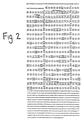
- FIG. 2 depicts the amino acid and DNA sequence of the Murine LHR (MLHR).
- Figure 3 shows a comparison between the amino acid sequences for the mature HuLHR and MLHR.
- Figures 4A-4B show the results of isolation and N-terminal sequencing of the MLHR.
- Fig. 4A shows the gas phase Edman degradation results of a 90,000 dalton band from an SDS-polyacrylamide gel of material purified from a detergent extract of murine spleens by Mel 14 monoclonal antibody affinity chromatography. The residues underlined between amino acids 7 and 15 were chosen to produce the oligonucleotide probe shown in Fig. 4B.
- Fig. 4B shows as 32-fold redundant 26-mer oligonucleotide probe.
- Figure 5 shows the transient expression of the MLHR cDNA clone.
- Lanes A - F signify the following: --A. Lysates of 293 cells transfected with a MLHR expression plasmid immunoprecipitated with Mel 14 monoclonal antibody.
- B Supernatants of 293 cells transfected with a MLHR expression plasmid immunoprecipitated with Mel 14 monoclonal antibody.
- C Lysates of 293 cells transfected with a plasmid expressing the HIV gp120 envelope glycoprotein immunoprecipitated with the Mel 14 monoclonal antibody.
- --D Supernatants of 293 cells transfected with the HIV envelope expression plasmid immunoprecipitated with the Mel 14 monoclonal antibody.
- E Supernatants of 38C13 cells immunoprecipitated with the Mel 14 monoclonal antibody.
- F Lysates of 38C13 cells surface labeled with I 126 and immunoprecipitated with the Mel 14 monoclon
- Figures 6A-6C show protein sequences which are heterologous but functionally comparable to the MLHR. Those lines labelled "MLHR correspond to the MLHR of Fig. 2. Fig. 6A compares carbohydrate-binding domains; Fig. 6B compares epidermal growth factor domains; and Fig. 6C compares complement binding factor domains.
- Figure 7 is a schematic of protein domains found in the LHR, including the signal sequence, carbohydrate binding domain, epidermal growth factor (egf) domain, two complement binding domain repeats (arrows), transmembrane binding domain (TMD), and charged intracellular domain.
- egf epidermal growth factor
- TMD transmembrane binding domain
- Figure 8 shows the construction of MLHR-IgG chimeras containing the lectin, lectin-egf, and lectin-egf-complement regulatory motifs.
- Figure 9 shows the gel electrophoresis of the products of the expression and purification of the MLHR-lgG chimeras.
- Figure 10 shows polyphosphomannan ester (PPME) binding analysis of various MLHR-IgG chimeras.
- Ligand binding partners as defined herein are proteins known to function to bind specifically to target ligand molecules, and are generally found in their native state as secreted or membrane bound polypeptides; membrane-bound ligand binding partners typically include a hydrophobic transmembrane region or phospholipid anchor.
- Ligand binding partners include receptors and carrier proteins, as well as hormones, cellular adhesive proteins (proteins which direct or induce the adhesion of one cell to another), lectin binding molecules, growth factors, enzymes, and the like.
- CD antigens which are not members of the immunoglobulin gene superfamily or otherwise excluded as set forth above are suitable ligand binding partners, Knapp et al. Immunology Today 10 (8):253-258, 1989.
- the insulin receptor may optionally be a ligand binding partner.
- Ligand binding partners include not only the full length native form, but truncations or other amino acid sequence variants that remain capable of binding to the normal ligand.
- the term "ligand binding partner” specifically excludes polymorphic and nonpolymorphic members of the immunoglobulin gene superfamily, and proteins which are homologous thereto, such as class I and class II major histocompatibility antigens, immunoglobulins, T-cell receptor ⁇ , ⁇ , ⁇ and ⁇ chains, CD1, CD2, CD4, CD8, CD28, the ⁇ , ⁇ and ⁇ chains of CD3, OX-2, Thy-1, the intercellular or neural cell adhesion molecules (I-CAM or N-CAM), lymphocyte function associated antigen-3 (LFA-3), neurocytoplasmic protein (NCP-3), poly-lg receptor, myelin-associated glycoprotein (MAG), high affinity IgE receptor, the major glycoprotein of peripheral myelin (Po), platelet derived growth factor receptor, colony stimulating factor-1 receptor, macrophage Fc receptor, Fc gamma receptors and carcinoembryonic antigen.
- I-CAM or N-CAM intercellular or neural cell adhesion molecules
- Homologous to a member of the immunoglobulin gene superfamily for the purposes of this exclusion only, means having the sequence of a member of the immunoglobulin gene superfamily or having a sequence therewithin which has substantially the same (or a greater degree of) amino acid sequence homology to a known member of the superfamily as the specific examples given above have to the sequence of an immunoglobulin variable or constant domain. Note that this does not exclude embodiments in which a ligand binding partner fusion is assembled into a multimer with, in addition, a member or fusion of a member of the immunoglobulin gene superfamily.
- ligand binding partner also specifically excluded from the term “ligand binding partner” are multiple subunit (chain) polypeptides encoded by discrete genes (genes which do not encode a single chain precursor polypeptide leading to the multiple subunit polypeptide), with at least one subunit of the polypeptide being ordinarily inserted into the cell membrane, including cellular receptors (e.g., integrins) for extracellular matrix molecules, as exemplified in PCT Pub. WO 90/06953 published June 28, 1990. Note that this does not exclude embodiments in which a ligand binding partner fusion is assembled into a multimer with, in addition, a multiple subunit polypeptide or fusion of a multiple subunit polypeptide as defined in this paragraph.
- Stable plasma proteins are proteins typically having about from 30 to 2,000 residues, which exhibit in their native environment an extended half-life in the circulation, i.e. greater than about 20 hours.
- suitable stable plasma proteins are immunoglobulins, albumin, lipoproteins, apolipoproteins and transferrin.
- the ligand binding partner typically is fused to the plasma protein at the N-terminus of the plasma protein or fragment thereof which is capable of conferring an extended half-life upon the ligand binding partner.
- the ligand binding partner generally is fused at its native C-terminus to the plasma protein.
- a truncated form of the ligand binding partner in which the transmembrane and cytoplasmic regions have been deleted
- a portion of the stable protein that exhibits a substantially hydrophobic hydropathy profile typically the first site in the mature stable protein in which a hydrophobic region having greater than about 20 residues appears.
- sites are present in transferrin and are quite common in albumin and apolipoproteins and should present no difficulty in identification.
- As much of the remainder of the stable protein as is required to confer extended plasma half-life on the ligand binding partner is then incorporated into the fusion. Increases of greater than about 100 % on the plasma half-life of the ligand binding partner are satisfactory.
- the binding partner is not an LHR.
- the LHR is defined as a polypeptide having a qualitative biological activity in common with the LHR of Fig. 1 or Fig. 2, and which preferably contains a domain greater than about 70% homologous with the carbohydrate binding domain, the epidermal growth factor domain, or the carbohydrate binding domain of the LHR of Fig. 1 or Fig. 2.
- Homology with respect to a LHR Is defined herein as the percentage of residues in the candidate sequence that are identical with the residues in the carbohydrate binding domain, the epidermal growth factor domain, or the complement binding domains in Fig. 1 or Fig. 2 after aligning the sequences and introducing gaps, if necessary, to achieve the maximum percent homology.
- LHRs having the amino acid sequences of the HuLHR or MLHR as set forth in Fig. 1 or 2, deglycosylated or unglycosylated derivatives of the LHR, homologous amino acid sequence variants of the sequence of Fig. 1 or 2, and homologous in vitro-generated variants and derivatives of the LHR, which are capable of exhibiting a biological activity in common with the LHR of Fig. 1 or Fig. 2.
- LHR or LHR-fragment biological activity is defined as either 1) immunological cross-reactivity with at least one epitope of the LHR, or 2) the possession of at least one adhesive, regulatory or effector function qualitatively in common with the LHR.
- LHR The qualitative biological activities of the LHR is its binding to ligands on the specialized high endothelial cells of the lymphoid tissues. Also, it frequently requires a divalent cation such as calcium for ligand binding.
- Immunologically cross-reactive means that the candidate polypeptide is capable of competitively inhibiting the qualitative biological activity of the LHR having this activity with polyclonal antisera raised against the known active analogue.
- antisera are prepared in conventional fashion by injecting goats or rabbits, for example, subcutaneously with the known active analogue in complete Freund's adjuvant, followed by booster intraperitoneal or subcutaneous injection in incomplete Freunds.
- the LHR includes several domains which are identified as follows (within ⁇ 10 residues): a signal sequence (residues 20-32), which is followed by a carbohydrate binding domain (identified in Fig. 3 as a "lectin" domain) (residues 39-155), an epidermal growth factor (egf) domain (residues 160-193), a complement factor binding domain (residues 197-317), a transmembrane binding domain (TMD) (residues 333-355), and a cytoplasmic domain (residues 356-372).
- a signal sequence (residues 20-32), which is followed by a carbohydrate binding domain (identified in Fig. 3 as a "lectin" domain) (residues 39-155), an epidermal growth factor (egf) domain (residues 160-193), a complement factor binding domain (residues
- the boundary for the LHR extracellular domain generally is at, or within about 30 residues of, the N-terminus of the transmembrane domain, and is readily identified from an inspection of the LHR sequence. Any or all of these domains are utilized in the practice of this invention.
- Figs. 6A - 6C show a variety of proteins having some homology to three of these domains.
- Fig. 6A shows carbohydrate binding domains
- Fig. 6B shows epidermal growth factor domains
- Fig. 6C shows somewhat homologous complement binding domains.
- Fig. 3 A comparison of the amino sequences of HuLHR and MLHR is presented in Fig. 3, and shows a high degree of overall sequence homology ( ⁇ 83%).
- the degrees of homology between the various domains found in the HuLHR versus the MLHR are variable.
- the degree of sequence conservation between the MLHR and the HuLHR in both the carbohydrate-binding and egf domains is approximately 83%, while the degree of conservation in the first complement binding repeat falls to 79% and only 63% in the second repeat, for an overall complement binding domain homology of ⁇ 71 %.
- the two MLHR complement binding domain repeats are identical, those in the HuLHR have differences, and differ as well to the murine repeats.
- the degree of conservation between the two receptors in the transmembrane sequence and surrounding regions is virtually identical, with only one conservative hydrophobic substitution, probably within the transmembrane anchor region.
- Hermes The surface glycoprotein discussed above that is recognized by the series of monoclonal and polyclonal antibodies generically termed Hermes is specifically excluded from the scope of this invention.
- Immunoglobulins and certain variants thereof are known and many have been prepared in recombinant cell culture. For example, see U.S. Patent 4,745,055; EP 256,654; Faulkner et al., Nature 298 :286 (1982); EP 120,694; EP 125,023; Morrison, J. Immun. 123 :793 (1979); Kohler et al., P.N.A.S. USA 77 :2197 (1980); Raso et al., Cancer Res. 41 :2073 (1981); Morrison et al., Ann. Rev. Immunol.
- the ligand binding partner is fused C-terminally to the N-terminus of the constant region of immunoglobulins in place of the variable region(s) thereof, however N-terminal fusions of the binding partner are also desirable.
- the transmembrane regions or lipid or phospholipid anchor recognition sequences of ligand binding partners comprising such regions or sequences are preferably inactivated or deleted prior to fusion.
- such fusions retain at least functionally active hinge, CH2 and CH3 domains of the constant region of an immunoglobulin heavy chain. Fusions are also made immediately N-terminal to the CH1 of the heavy chain or the corresponding region of the light chain. This ordinarily is accomplished by constructing the appropriate DNA sequence and expressing it in recombinant cell culture. Alternatively, however the polypeptides of this invention may be synthesized according to known methods.
- the precise site at which the fusion is made is not critical; particular sites are well known and may be selected in order to optimize the biological activity, secretion or binding characteristics of the binding partner. The optimal site will be determined by routine experimentation.
- the hybrid immunoglobulins are assembled as or hetero- or homo-multimers, and particularly as dimers or tetramers. Generally, these assembled immunoglobulins will have known unit structures as represented by the following diagrams.
- a basic four chain structural unit is the form in which IgG, IgD, and IgE exist.
- a four chain unit is repeated in the higher molecular weight immunoglobulins; IgM generally exists as a pentamer of basic four-chain units held together by disulfide bonds.
- IgA globulin, and occasionally IgG globulin may also exist in a multimeric form in serum. In the case of multimers, each four chain unit may be the same or different.
- A means at least a portion of a ligand binding partner containing a ligand binding site which is capable of binding its ligand;
- X is an additional agent, which may be another functional ligand binding partner (same as A or different), a multiple subunit (chain) polypeptide as defined above (e.g., an integrin), a portion of an immunoglobulin superfamily member such as a variable region or a variable region-like domain, including a native or chimeric immunoglobulin variable region, a toxin such as pseudomonas exotoxin or ricin, or a polypeptide therapeutic agent not otherwise normally associated with a constant domain; and V L , V H , C L and C H represent light or heavy chain variable or constant domains of an immunoglobulin.
- hybrid immunoglobulins are readily secreted from mammalian cells transformed with the appropriate nucleic acid.
- the secreted forms include those wherein the binding partner epitope is present in heavy chain dimers, light chain monomers or dimers, and heavy and light chain heterotetramers wherein the binding partner epitope is present fused to one or more light or heavy chains, including heterotetramers wherein up to and including all four variable region analogues are substituted. Where a light-heavy chain non-binding partner variable-like domain is present, a heterofunctional antibody thus is provided.
- Chains or basic units of varying structure may be utilized to assemble the hetero- and homo-multimers and immunoglobulins of this invention. Specific examples of these basic units are diagrammed below and their equivalents (for purposes of the attenuated formulae infra) are indicated.
- n is an integer
- Y designates a covalent cross-linking moiety.
- the ligand binding partner A may also be a multi-chain molecule, e.g. having chains arbitrarily denoted as A ⁇ and A ⁇ . These chains as a unit are located at the sites noted for the single chain "A" above.
- One of the multiple chains is fused to one immunoglobulin chain (with the remaining chains covalently or noncovalently associated with the fused chain in the normal fashion) or, when the ligand binding partner contains two chains, one chain is separately fused to an immunoglobulin light chain and the other chain to an immunoglobulin heavy chain.
- ligand binding partner chain chosen for peptidyl fusion should be the chain which contains a transmembrane domain, and the fusion will be located substantially adjacent N-terminally from the transmembrane domain or in place of the transmembrane and cytoplasmic domains. Ordinarily, if multiple transmembrane domains are present then one is selected for fusion (or deletion and then fusion) while the other remains unfused or is deleted.
- Basic units having the structures as diagrammed below are examples of those used to create hetero- and homo-multimers, particularly dimers and trimers with multi-chain ligand binding partners:
- immunoglobulin V L V H antibody combining site is designated above, or where XC L or XC H is indicated and X is an immunoglobulin variable region, it preferably is capable of binding to a predetermined antigen.
- Suitable immunoglobulin combining sites and fusion partners are obtained from IgG-1, -2, -3, or -4 subtypes, IgA, IgE, IgD or IgM, but preferably IgG-1.
- the schematic examples above are representative of divalent antibodies; more complex structures would result by employing immunoglobulin heavy chain sequences from other classes, e.g. IgM.
- compositions of this invention in which a biologically active portion of a ligand binding partner is substituted for the variable region of an immunoglobulin chain are believed to exhibit improved in viva plasma half life.
- These hybrid immunoglobulins are constructed in a fashion similar to the constructs where a immunoglobulin-like domain is substituted for the variable domain of an immunoglobulin, see e.g. Capon et al., Nature 337 :525-531. 1989, Traunecker et al., Nature 339:68-70, 1989, Gascoigne et al. , Proc. Nat. Acad. Sci. 84:2936-2940, 1987, and published European application EPO 0 325 224 A2.
- the hybrid immunoglobulins of this invention are also constructed in a fashion similar to chimeric antibodies in which a variable domain from an antibody of one species is substituted for the variable domain of another species. See, for example, EP 0 125 023; Munro, Nature 312 : (13 December 1984); Neuberger et al. , Nature 312 : (13 December 1984); Sharon et al., Nature 309 : (24 May 1984); Morrison et al., Proc. Natl. Acad. Sci. USA 81 :6851-6855 (1984); Morrison et al. Science 229 :1202-1207 (1985); and Boulianne et al., Nature 312 :643-646 (13 December 1984).
- the DNA encoding the binding partner is cleaved by a restriction enzyme at or proximal to the 3' end of the DNA encoding the desired binding partner domain(s) and at a point at or near the DNA encoding the N-terminal end of the mature polypeptide (where use of a different leader is contemplated) or at or proximal to the N-terminal coding region for the binding partner (where a native signal is employed).
- This DNA fragment then is readily inserted into DNA encoding an immunoglobulin light or heavy chain constant region and, if necessary, tailored by deletional mutagenesis.
- this is a human immunoglobulin when the variant is intended for in vivo therapy for humans.
- DNA encoding immunoglobulin light or heavy chain constant regions is known or readily available from cDNA libraries or is synthesized. See for example, Adams et al., Biochemistry 19 :2711-2719(1980); Gough et al. , Biochemistry 19 :2702-2710(1980); Dolby et al., P.N.A.S. USA, 77 :6027-6031 (1980); Rice et al., P.N.A.S. USA 79 :7862-7865 (1982); Falkner et al., Nature 298 :286-288 (1982); and Morrison et al., Ann. Rev. Immunol. 2 :239-256 (1984). DNA sequences encoding the LHR are provided herein. DNA sequences encoding other desired binding partners which are known or readily available from cDNA libraries are suitable in the practice of this invention.
- DNA encoding a fusion of this invention is transfected into a host cell for expression. If multimers are desired then the host cell is transformed with DNA encoding each chain that will make up the multimer, with the host cell optimally being selected to be capable of assembling the chains of the multimers in the desired fashion. If the host cell is producing an immunoglobulin prior to transfection then one need only transfect with the binding partner fused to light or to heavy chain to produce a heteroantibody.
- the aforementioned immunoglobulins having one or more arms bearing the binding partner domain and one or more arms bearing companion variable regions result in dual specificity for the binding partner ligand and for an antigen or therapeutic moiety. Multiply cotransformed cells are used with the above-described recombinant methods to produce polypeptides having multiple specificities, such as the heterotetrameric immunoglobulins discussed above.
- heterofunctional antibody In an alternative method for producing a heterofunctional antibody, host cells producing a binding partner-immunoglobulin fusion, e.g. transfected myelomas, also are fused with B cells or hybridomas which secrete antibody having the desired companion specificity for an antigen. Heterobifunctional antibody is recovered from the culture medium of such hybridomas, and thus may be produced somewhat more conveniently than by conventional in vitro resorting methods (EP 68,763).
- This invention also contemplates amino acid sequence variants of the binding partner.
- Amino acid sequence variants of the binding partner are prepared with various objectives in mind, including increasing the affinity of the binding partner for its ligand, facilitating the stability, purification and preparation of the binding partner, modifying its plasma half life, improving therapeutic efficacy, and lessening the severity or occurrence of side effects during therapeutic use of the binding partner.
- amino acid sequence variants of the LHR are provided, exemplary of the variants that may be selected for ligand binding partners of the invention.
- Amino acid sequence variants of the ligand binding partner fall into one or more of three classes: Insertional, substitutional, or deletional variants. These variants ordinarily are prepared by site-specific mutagenesis of nucleotides in the DNA encoding the ligand binding partner, by which DNA encoding the variant is obtained, and thereafter expressing the DNA in recombinant cell culture. However, fragments having up to about 100-150 amino acid residues are prepared conveniently by in vitro synthesis. The following discussion applies with equal effect to any ligand binding partner to the extent it is applicable to the structure or function thereof.
- the amino acid sequence variants of the ligand binding partner are predetermined variants not found in nature or naturally occurring alleles.
- the variants typically exhibit the same qualitative biological--for example, ligand binding-activity as the naturally occurring analogue.
- the variants and derivatives that are not capable of binding to their ligands are useful nonetheless (a) as a reagent in diagnostic assays for the ligand binding partner or antibodies to the ligand binding partner, (b) when insolubilized in accord with known methods, as agents for purifying anti- ligand binding partner antibodies from antisera or hybridoma culture supernatants, and (c)as immunogens for raising antibodies to the ligand binding partner or as immunoassay kit components (labelled, as a competitive reagent for the native ligand binding partner or unlabelled as a standard for the ligand binding partner assay) so long as at least one ligand binding partner epitope remains active.
- the mutation per se need not be predetermined.
- random or saturation mutagenesis (where all 20 possible residues are inserted) is conducted at the target codon and the expressed variant is screened for the optimal combination of desired activities. Such screening is within the ordinary skill in the art.
- Amino acid insertions usually will be on the order of about from 1 to 10 amino acid residues; substitutions are typically introduced for single residues; and deletions will range about from 1 to 30 residues. Deletions or insertions preferably are made in adjacent pairs, i.e. a deletion of 2 residues or insertion of 2 residues. It will be amply apparent from the following discussion that substitutions, deletions, insertions or any combination thereof are introduced or combined to arrive at a final construct.
- Insertional amino acid sequence variants of the ligand binding partner are those in which one or more amino acid residues extraneous to the ligand binding partner are introduced into a predetermined site in the target ligand binding partner and which displace the preexisting residues.
- insertional variants are fusions of heterologous proteins or polypeptides to the amino or carboxyl terminus of the ligand binding partner. Such variants are referred to as fusions of the ligand binding partner and a polypeptide containing a sequence which is other than that which is normally found in the ligand binding partner at the inserted position.
- fusions are contemplated herein.
- novel polypeptides of this invention are useful in diagnostics or in purification of the ligand binding partner by immunoaffinity techniques known per se.
- the novel polypeptides are used to adsorb the fusion from impure admixtures, after which the fusion is eluted and, if desired, the binding partner is recovered from the fusion, e.g. by enzymatic cleavage.
- Desirable fusions of the binding partner include fusions of the mature binding partner sequence with a signal sequence heterologous to the binding partner.
- signal sequence fusions are employed in order to more expeditiously direct secretion of the ligand binding partner.
- the heterologous signal replaces the native ligand binding partner signal, and when the resulting fusion is recognized, i.e. processed and cleaved by the host cell, the ligand binding partner is secreted.
- Signals are selected based on the intended host cell, and may include bacterial yeast, mammalian and viral sequences.
- the native LHR signal or the herpes gD glycoprotein signal is suitable for use in mammalian expression systems.
- Substitutional variants are those in which at least one residue in the Fig. 1 or 2 sequence has been removed and a different residue inserted in its place. Such substitutions generally are made in accordance with the following Table 1 when it is desired to finely modulate the characteristics of the ligand binding partner.
- Novel amino acid sequences as well as isosteric analogs (amino acid or otherwisel, as included within the scope of this invention.
- substitutions that are less conservative than those in Table 1, i.e., selecting residues that differ more significantly in their effect on maintaining (a) the structure of the polypeptide backbone in the area of the substitution, for example as a sheet or helical conformation, (b) the charge or hydrophobicity of the molecule at the target site or (c) the bulk of the side chain.
- the substitutions which in general are expected to produce the greatest changes in properties will be those in which (a) a hydrophilic residue, e.g. seryl or threonyl, is substituted for (or by) a hydrophobic residue, e.g.
- leucyl isoleucyl, phenylalanyl, valyl or alanyl
- a cysteine or proline is substituted for (or by) any other residue
- a residue having an electropositive side chain e.g., lysyl, arginyl, or histidyl
- an electronegative residue e.g., glutamyl or aspartyl
- a residue having a bulky side chain e.g., phenylalanine, is substituted for (or by) one not having a side chain, e.g., glycine.
- a variant typically is made by site specific mutagenesis of the encoding nucleic acid, expression of the variant nucleic acid in recombinant cell culture and, optionally, purification from the cell culture for example by immunoaffinity adsorption on a polyclonal column (in order to adsorb the variant by at least one remaining immune epitope).
- the activity of the cell lysate or purified variant is then screened in a suitable screening assay for the desired characteristic. For example, a change in the immunological character, such as affinity for a given antibody, is measured by a competitive-type immunoassay. Modifications of such protein properties as redox or thermal stability, hydrophobicity, susceptibility to proteolytic degradation, or the tendency to aggregate with carriers or into multimers are assayed by methods well known to the artisan.
- variants are deletional variants. Deletions are characterized by the removal of one or more amino acid residues from the sequence.
- transmembrane domain of the ligand binding partner typically by deletion or substitution of transmembrane domain hydroxylation residues, will facilitate recovery and formulation by reducing its cellular or membrane lipid affinity and improving its aqueous solubility. If the transmembrane and cytoplasmic domains are deleted one avoids the introduction of potentially immunogenic epitopes, either by exposure of otherwise intracellular polypeptides that might be recognized by the body as foreign or by insertion of heterologous polypeptides that are potentially immunogenic. Inactivation of the membrane binding function is accomplished by deletion of sufficient residues to produce a substantially hydrophilic hydropathy profile at this site or by substituting with heterologous residues which accomplish the same result.
- transmembrane inactivated ligand binding partner A principal advantage of the transmembrane inactivated ligand binding partner is that it may be secreted into the culture medium of recombinant hosts. This variant is soluble in body fluids such as blood and does not have an appreciable affinity for cell membrane lipids, thus considerably simplifying its recovery from recombinant cell culture.
- all variants will not have a functional transmembrane domain and preferably will not have a functional cytoplasmic sequence.
- the transmembrane domain may be substituted by any amino acid sequence, e.g. a random or predetermined sequence of about 5 to 50 serine, threonine, lysine, arginine, glutamine, aspartic acid and like hydrophilic residues, which altogether exhibit a hydrophilic hydropathy profile.
- amino acid sequence e.g. a random or predetermined sequence of about 5 to 50 serine, threonine, lysine, arginine, glutamine, aspartic acid and like hydrophilic residues, which altogether exhibit a hydrophilic hydropathy profile.
- Covalent modifications of the molecule are included within the scope hereof. Such modifications are introduced by reacting targeted amino acid residues of the recovered protein with an organic derivatizing agent that is capable of reacting with selected side chains or terminal residues, or by harnessing mechanisms of post-translational modification that function in selected recombinant host cells. Such modifications are within the ordinary skill in the art and are performed without undue experimentation.
- Derivatization with bifunctional agents is useful for preparing intermolecular aggregates of the hybrid immunoglobulin with polypeptides as well as for cross-linking the hybrid immunoglobulin to a water insoluble support matrix or surface for use in the assay or affinity purification of its ligands.
- a study of intrachain cross-links will provide direct information on conformational structure.
- cross-linking agents include 1,1-bis(diazoacetyl)-2-phenylethane, glutaraldehyde, N-hydroxysuccinimide esters, for example esters with 4-azidosalicylic acid, homobifunctional imidoesters including disuccinimidyl esters such as 3,3'-dithiobis (succinimidyl-propionate), and bifunctional maleimides such as bis-N-maleimido-1,8-octane.
- Derivatizing agents such as methyl-3-[(p-azido-phenyl)dithio] propioimidate yield photoactivatable intermediates which are capable of forming cross-links in the presence of light.
- reactive water insoluble matrices such as cyanogen bromide activated carbohydrates and the systems reactive substrates described in U.S. patents 3,959,080; 3,969,287; 3,691,016; 4,195,128; 4,247,642; 4,229,537; 4,055,635; and 4,330,440 are employed for protein immobilization and cross-linking.
- Certain post-translational derivatizations are the result of the action of recombinant host cells on the expressed polypeptide. Glutaminyl and asparaginyl residues are frequently post-translationally deamidated to the corresponding glutamyl and aspartyl residues. Alternatively, these residues are deamidated under mildly acidic conditions. Either form of these residues falls within the scope of this invention.
- post-translational modifications include hydroxylation of proline and lysine, phosphorylation of hydroxyl groups of seryl or threonyl residues, methylation of the ⁇ -amino groups of lysine, arginine, and histidine side chains (T.E. Creighton, Proteins: Structure and Molecular Properties , W.H. Freeman & Co., San Francisco pp 79-86 [1983]), acetylation of the N-terminal amine and, in some instances, amidation of the C-terminal carboxyl.
- nonproteinaceous polymer ordinarily is a hydrophilic synthetic polymer, i.e., a polymer not otherwise found in nature.
- hydrophilic polyvinyl polymers fall within the scope of this invention, e.g. polyvinylalcohol and polyvinylpyrrolidone.
- polyalkylene ethers such as polyethylene glycol, polypropylene glycol, polyoxyethylene esters or methoxy polyethylene glycol
- polyoxyalkylenes such as polyoxyethylene, polyoxypropylene, and block copolymers of polyoxyethylene and polyoxypropylene (Pluronics); polymethacrylates; carbomers; branched or unbranched polysaccharides which comprise the saccharide monomers D-mannose, D- and L-galactose, fucose, fructose, D-xylose, L-arabinose, D-glucuronic acid, sialic acid, D-galacturonic acid, D-mannuronic acid (e.g.
- polymannuronic acid or alginic acid
- D-glucosamine D-galactosamine
- D-glucose and neuraminic acid including homopolysaccharides and heteropolysaccharides such as lactose, amylopectin, starch, hydroxyethyl starch, amylose, dextran sulfate, dextran, dextrins, glycogen, or the polysaccharide subunit of acid mucopolysaccharides, e.g. hyaluronic acid; polymers of sugar alcohols such as polysorbitol and polymannitol; and heparin or heparon.
- the site of substitution may be located at other than a native N or O-linked glycosylation site wherein an additional or substitute N or 0-linked site has been introduced into the molecule.
- Mixtures of such polymers may be employed, or the polymer may be homogeneous.
- the polymer prior to crosslinking need not be, but preferably is, water soluble, but the final conjugate must be water soluble.
- the polymer should not be highly immunogenic in the conjugate form, nor should it possess viscosity that is incompatible with intravenous infusion or injection if it is intended to be administered by such routes.
- the polymer contains only a single group which is reactive. This helps to avoid cross-linking of protein molecules. However, it is within the scope herein to optimize reaction conditions to reduce cross-linking, or to purify the reaction products through gel filtration or chromatographic sieves to recover substantially homogeneous derivatives.
- the molecular weight of the polymer may desirably range from about 100 to 500,000, and preferably is from about 1,000 to 20,000.
- the molecular weight chosen will depend upon the nature of the polymer and the degree of substitution. In general, the greater the hydrophilicity of the polymer and the greater the degree of substitution, the lower the molecular weight that can be employed. Optimal molecular weights will be determined by routine experimentation.
- the polymer generally is covalently linked to the hybrid immunoglobulin herein through a multifunctional crosslinking agent which reacts with the polymer and one or more amino acid or sugar residues of the hybrid.
- a multifunctional crosslinking agent which reacts with the polymer and one or more amino acid or sugar residues of the hybrid.
- directly crosslink the polymer by reacting a derivatized polymer with the hybrid, or vice versa.
- the covalent crosslinking site on the hybrid immunoglobulin includes the N-terminal amino group and epsilon amino groups found on lysine residues, as well as other amino, imino, carboxyl, sulfhydryl, hydroxyl or other hydrophilic groups.
- the polymer may be covalently bonded directly to the hybrid without the use of a multifunctional (ordinarily bifunctional) crosslinking agent.
- Covalent bonding to amino groups is accomplished by known chemistries based upon cyanuric chloride, carbonyl diimidazole, aldehyde reactive groups (PEG alkoxide plus diethyl acetal of bromoacetaldehyde; PEG plus DMSO and acetic anhydride, or PEG chloride plus the phenoxide of 4-hydroxybenzaldehyde, succinimidyl active esters, activated dithiocarbonate PEG, 2,4,5-trichlorophenylchloroformate or p-nitrophenylchloroformate activated PEG.
- Carboxyl groups are derivatized by coupling PEG-amine using carbodiimide.
- Polymers are conjugated to oligosaccharide groups by oxidation using chemicals, e.g. metaperiodate, or enzymes, e.g. glucose or galactose oxidase, (either of which produces the aldehyde derivative of the carbohydrate), followed by reaction with hydrazide or amino-derivatized polymers, in the same fashion as is described by Heitzmann et al., P.N.A.S., 71 :3537-3541 (1974) or Bayer et al., Methods in Enzymology, 62 :310 (1979), for the labeling of oligosaccharides with biotin or avidin.
- chemicals e.g. metaperiodate
- enzymes e.g. glucose or galactose oxidase, (either of which produces the aldehyde derivative of the carbohydrate)
- hydrazide or amino-derivatized polymers in the same fashion as is described by Heitzmann
- oligosaccharides are particularly advantageous because, in general, there are fewer substitutions than amino acid sites for derivatization, and the oligosaccharide products thus will be more homogeneous.
- the oligosaccharide substituents also are optionally modified by enzyme digestion to remove sugars, e.g. by neuraminidase digestion, prior to polymer derivatization.
- the polymer will bear a group which is directly reactive with an amino acid side chain, or the N- or C- terminus of the polypeptide herein, or which is reactive with the multifunctional cross-linking agent.
- polymers bearing such reactive groups are known for the preparation of immobilized proteins.
- chemistries here one should employ a water soluble polymer otherwise derivatized in the same fashion as insoluble polymers heretofore employed for protein immobilization. Cyanogen bromide activation is a particularly useful procedure to employ in crosslinking polysaccharides.
- Water soluble in reference to the starting polymer means that the polymer or its reactive intermediate used for conjugation is sufficiently water soluble to participate in a derivatization reaction.
- Water soluble in reference to the polymer conjugate means that the conjugate is soluble in physiological fluids such as blood.
- the degree of substitution with such a polymer will vary depending upon the number of reactive sites on the protein, whether all or a fragment of the protein is used, whether the protein is a fusion with a heterologous protein, the molecular weight, hydrophilicity and other characteristics of the polymer, and the particular protein derivatization sites chosen.
- the conjugate contains about from 1 to 10 polymer molecules, while any heterologous sequence may be substituted with an essentially unlimited number of polymer molecules so long as the desired activity is not significantly adversely affected.
- the optimal degree of crosslinking is easily determined by an experimental matrix in which the time, temperature and other reaction conditions are varied to change the degree of substitution, after which the ability of the conjugates to function in the desired fashion is determined.
- the polymer e.g. PEG
- PEG polymer
- the polymer is crosslinked by a wide variety of methods known per se for the covalent modification of proteins with nonproteinaceous polymers such as PEG. Certain of these methods, however, are not preferred for the purposes herein. Cyanuric chloride chemistry leads to many side reactions, including protein cross-linking. In addition, it may be particularly likely to lead to inactivation of proteins containing sulfhydryl groups. Carbonyl diimidazole chemistry (Beauchamp et al. , "Anal. Biochem.” 131 :25-33 [1983]) requires high pH (> 8.5), which can inactivate proteins.
- the manganese dioxide suggested by Royer for preparation of the PEG aldehyde is problematic "because of the pronounced tendency of PEG to form complexes with metal-based oxidizing agents" (Harris et al., "J. Polym. Sci., Polym. Chem. Ed.” 22 :341-352 [1984]).
- the use of a moffatt oxidation, utilizing DMSO and acetic anhydride obviates this problem.
- the sodium borohydride suggested by Royer must be used at a high pH and has a significant tendency to reduce disulfide bonds.
- sodium cyanoborohydride which is effective at neutral pH and has very little tendency to reduce disulfide bonds is preferred.
- conjugates of this invention are separated from unreacted starting materials by gel filtration. Heterologous species of the conjugates are purified from one another in the same fashion.
- the polymer also may be water insoluble, as a hydrophilic gel or a shaped article such as surgical tubing in the form of catheters or drainage conduits.
- DNA encoding the ligand binding partners is synthesized by in vitro methods or is obtained readily from cDNA libraries.
- the means for synthetic creation of the DNA are generally known to one of ordinary skill in the art, particularly in light of the teachings contained herein.
- the current state of the art relating to polynucleotide synthesis one is directed to Maniatis et al. Molecular Cloning--A Laboratory Manual, Cold Spring Harbor Laboratory (1984), and Horvath et al. An Automated DNA Synthesizer Employing Deoxynucleoside 3'-Phosphoramidites, Methods in Enzymology 154: 313-326, 1987.
- prokaryotes are used for cloning of DNA sequences in constructing the vectors useful in the invention.
- E. coli K12 strain 294 ATCC No. 31446
- Other microbial strains which may be used include E. coli B and E. coli X1776 (ATCC No. 31537). These examples are illustrative rather than limiting.
- in vitro methods of cloning e.g. polymerase chain reaction, are suitable.
- polypeptides of this invention are expressed directly in recombinant cell culture as an N-terminal methionyl analogue, or as a fusion with a polypeptide heterologous to the hybrid/portion, preferably a signal sequence or other polypeptide having a specific cleavage site at the N-terminus of the hybrid/portion.
- novel polypeptides may be expressed in any host cell, but preferably are synthesized in mammalian hosts. However, host cells from prokaryotes, fungi, yeast, insects and the like are also are used for expression. Exemplary prokaryotes are the strains suitable for cloning as well as E. coli W3110 (F - ' ⁇ - ' prototrophic, ATTC No. 27325), other enterobacteriaceae such as Serratia marcescans , bacilli and various pseudomonads. Preferably the host cell should secrete minimal amounts of proteolytic enzymes.
- Expression hosts typically are transformed with DNA encoding the hybrid which has been ligated into an expression vector. Such vectors ordinarily carry a replication site (although this is not necessary where chromosomal integration will occur). Expression vectors also include marker sequences which are capable of providing phenotypic selection in transformed cells, as will be discussed further below.
- E. coli is typically transformed using pBR322, a plasmid derived from an E. coli species (Bolivar, et al. Gene 2 : 95 (1977]).
- pBR322 contains genes for ampicillin and tetracycline resistance and thus provides easy means for identifying transformed cells, whether for purposes of cloning or expression.
- Expression vectors also optimally will contain sequences which are useful for the control of transcription and translation, e.g., promoters and Shine-Dalgarno sequences (for prokaryotes) or promoters and enhancers (for mammalian cells).
- the promoters may be, but need not be, inducible; surprisingly, even powerful constitutive promoters such as the CMV promoter for mammalian hosts have been found to produce the LHR without host cell toxicity. While it is conceivable that expression vectors need not contain any expression control, replicative sequences or selection genes, their absence may hamper the identification of hybrid transformants and the achievement of high level hybrid immunoglobulin expression.
- Promoters suitable for use with prokaryotic hosts illustratively include the ⁇ -lactamase and lactose promoter systems (Chang et al., Nature, 275 : 615 [1978]; and Goeddel et al ., "Nature” 281: 544 [1979]), alkaline phosphatase, the tryptophan (trp) promoter system (Goeddel "Nucleic Acids Res.” 8 :4057 [1980] and EPO Appln. Publ. No. 36,776) and hybrid promoters such as the tac promoter (H. de Boer et al., "Proc. Natl. Acad. Sci. USA” 80 : 21-25 [1983]).
- bacterial promoters are suitable. Their nucleotide sequences are generally known, thereby enabling a skilled worker operably to ligate them to encoding DNA (Siebenlist et al., "Cell” 20 : 269 [1980]) using linkers or adaptors to supply any required restriction sites. Promoters for use in bacterial systems also will contain a Shine-Dalgarno (S.D.) sequence operably linked to the encoding DNA.
- S.D. Shine-Dalgarno
- eukaryotic microbes such as yeast or filamentous fungi are satisfactory.
- Saccharomyces cerevisiae is the most commonly used eukaryotic microorganism, although a number of other strains are commonly available.
- the plasmid YRp7 is a satisfactory expression vector in yeast (Stinchcomb, et al. Nature 282: 39 [1979]; Kingsman et al., Gene 7 : 141 [1979]; Tschemper et al. Gene 10 : 157 [1980]).
- This plasmid already contains the trp1 gene which provides a selection marker for a mutant strain of yeast lacking the ability to grow in tryptophan, for example ATCC no.
- Suitable promoting sequences for use with yeast hosts include the promoters for 3-phosphoglycerate kinase (Hitzeman et al., "J. Biol. Chem.” 255 : 2073 [1980]) or other glycolytic enzymes (Hess et al., "J. Adv.
- Enzyme Reg.” 7 149 [1968]; and Holland, "Biochemistry” 17 : 4900 [1978]), such as enolase, glyceraldehyde-3-phosphate dehydrogenase, hexokinase, pyruvate decarboxylase, phosphofructokinase, glucose-6-phosphate isomerase, 3-phosphoglycerate mutase, pyruvate kinase, triosephosphate isomerase, phosphoglucose isomerase, and glucokinase.
- enolase such as enolase, glyceraldehyde-3-phosphate dehydrogenase, hexokinase, pyruvate decarboxylase, phosphofructokinase, glucose-6-phosphate isomerase, 3-phosphoglycerate mutase, pyruvate kinase, triosephosphate isomerase, phosphoglu
- yeast promoters which are inducible promoters having the additional advantage of transcription controlled by growth conditions, are the promoter regions for alcohol dehydrogenase 2, isocytochrome C, acid phosphatase, degradative enzymes associated with nitrogen metabolism, metallothionein, glyceraldehyde-3-phosphate dehydrogenase, and enzymes responsible for maltose and galactose utilization. Suitable vectors and promoters for use in yeast expression are further described in R. Hitzeman et al., European Patent Publication No. 73,657A.
- Expression control sequences are known for eucaryotes. Virtually all eukaryotic genes have an AT-rich region located approximately 25 to 30 bases upstream from the site where transcription is initiated. Another sequence found 70 to 80 bases upstream from the start of transcription of many genes is a CXCAAT region where X may be any nucleotide. At the 3' end of most eukaryotic genes is an AATAAA sequence which may be the signal for addition of the poly A tail to the 3' end of the coding sequence. All of these sequences are inserted into mammalian expression vectors.
- Suitable promoters for controlling transcription from vectors in mammalian host cells are readily obtained from various sources, for example, the genomes of viruses such as polyoma virus, SV40, adenovirus, MMV (steroid inducible), retroviruses (e.g. the LTR of HIV), hepatitis-B virus and most preferably cytomegalovirus, or from heterologous mammalian promoters, e.g. the beta actin promoter.
- the early and late promoters of SV40 are conveniently obtained as an SV40 restriction fragment which also contains the SV40 viral origin of replication. Fiers et al., Nature, 273: 113 (1978).
- the immediate early promoter of the human cytomegalovirus is conveniently obtained as a Hindlll E restriction fragment. Greenaway, P.J. et al., Gene 18 : 355-360 (1982).
- Enhancers are cis-acting elements of DNA, usually about from 10-300bp, that act on a promoter to increase its transcription. Enhancers are relatively orientation and position independent having been found 5' (Laimins, L. et al., PNAS 78 : 993 [1981]) and 3' (Lusky, M.L., et al., Mol. Cell Bio. 3 : 1108 [1983]) to the transcription unit, within an intron (Banerji, J.L.
- enhancer sequences are now known from mammalian genes (globin, elastase, albumin, ⁇ -fetoprotein and insulin). Typically, however, one will use an enhancer from a eukaryotic cell virus. Examples include the SV40 enhancer on the late side of the replication origin (bp 100-270), the cytomegalovirus early promoter enhancer, the polyoma enhancer on the late side of the replication origin, and adenovirus enhancers.
- Expression vectors used in eukaryotic host cells will also contain sequences necessary for the termination of transcription which may affect mRNA expression. These regions are transcribed as polyadenylated segments in the untranslated portion of the mRNA encoding the hybrid immunoglobulin. The 3' untranslated regions also include transcription termination sites.
- Expression vectors may contain a selection gene, also termed a selectable marker.
- selectable markers for mammalian cells are dihydrofolate reductase (DHFR), thymidine kinase (TK) or neomycin. When such selectable markers are successfully transferred into a mammalian host cell, the transformed mammalian host cell is able to survive if placed under selective pressure.
- DHFR dihydrofolate reductase
- TK thymidine kinase
- neomycin thymidine kinase
- These cells lack the ability to grow without the addition of such nutrients as thymidine or hypoxanthine. Because these cells lack certain genes necessary for a complete nucleotide synthesis pathway, they cannot survive unless the missing nucleotides are provided in a supplemented media.
- An alternative to supplementing the media is to introduce an intact DHFR or TK gene into cells lacking the respective genes, thus altering their growth requirements. Individual cells which were not transformed with the DHFR or TK gene will not be capable of survival in non supplemented media.
- the second category of selective regimes is dominant selection which refers to a selection scheme used in any cell type and does not require the use of a mutant cell line. These schemes typically use a drug to arrest growth of a host cell. Those cells which are successfully transformed with a heterologous gene express a protein conferring drug resistance and thus survive the selection regimen. Examples of such dominant selection use the drugs neomycin (Southern et al. J. Molec. Appl. Genet. 1 : 327 (1982)), mycophenolic acid (Mulligan et al. Science 209 : 1422 (1980)) or hygromycin (Sugden et al. Mol. Cell. Biol. 5 : 410-413 (1985)). The three examples given above employ bacterial genes under eukaryotic control to convey resistance to the appropriate drug G418 or neomycin (geneticin), xgpt (mycophenolic acid) or hygromycin, respectively.
- Suitable eukaryotic host cells for expressing the hybrid immunoglobulin include monkey kidney CV1 line transformed by SV40 (COS-7, ATCC CRL 1651); human embryonic kidney line (293 or 293 cells subcloned for growth in suspension culture, Graham, F.L. et al., J. Gen Virol. 36 : 59 [1977]); baby hamster kidney cells (BHK, ATCC CCL 10); chinese hamster ovary-cells-DHFR (CHO, Urlaub and Chasin, PNAS (USA) 77 : 4216, [1980]); mouse sertoli cells (TM4, Mather, J.P., Biol. Reprod.
- COS-7 monkey kidney CV1 line transformed by SV40
- human embryonic kidney line (293 or 293 cells subcloned for growth in suspension culture, Graham, F.L. et al., J. Gen Virol. 36 : 59 [1977]
- baby hamster kidney cells BHK, ATCC CCL 10
- monkey kidney cells (CV1 ATCC CCL 70); african green monkey kidney cells (VERO-76, ATCC CRL-1587); human cervical carcinoma cells (HELA, ATCC CCL 2); canine kidney cells (MDCK, ATCC CCL 34); buffalo rat liver cells (BRL 3A, ATCC CRL 1442); human lung cells (W138, ATCC CCL 75); human liver cells (Hep G2, HB 8065); mouse mammary tumor (MMT 060562, ATCC CCL51); and, TRI cells (Mather, J.P. et al., Annals N.Y. Acad. Sci. 383: 44-68 [1982]).
- Plasmids containing the desired coding and control sequences employ standard ligation techniques. Isolated plasmids or DNA fragments are cleaved, tailored, and religated in the form desired to form the plasmids required.
- the ligation mixtures are used to transform E. coli K12 strain 294 (ATCC 31446) and successful transformants selected by ampicillin or tetracycline resistance where appropriate. Plasmids from the transformants are prepared, analyzed by restriction and/or sequenced by the method of Messing et al., Nucleic Acids Res. 9 : 309 (1981) or by the method of Maxam et al., Methods in Enzymology 65 : 499 (1980).
- Host cells are transformed with the expression vectors of this invention and cultured in conventional nutrient media modified as appropriate for inducing promoters, selecting transformants or amplifying the genes encoding the desired sequences.
- the culture conditions such as temperature, pH and the like, are those previously used with the host cell selected for expression, and will be apparent to the ordinarily skilled artisan.
- the host cells referred to in this disclosure encompass cells in in vitro culture as well as cells which are within a host animal.
- Transformation means introducing DNA into an organism so that the DNA is replicable, either as an extrachromosomal element or by chromosomal integration.
- the method used herein for transformation of the host cells is the method of Graham, F. and van der Eb, A., Virology 52 : 456-457 (1973).
- other methods for introducing DNA into cells such as by nuclear injection or by protoplast fusion may also be used.
- the preferred method of transfection is calcium treatment using calcium chloride as described by Cohen, F.N. et al. Proc. Natl. Acad. Sci. (USA), 69 : 2110 (1972).
- Transfection refers to the introduction of DNA into a host cell whether or not any coding sequences are ultimately expressed. Numerous methods of transfection are known to the ordinarily skilled artisan, for example, CaPO 4 and electroporation. Transformation of the host cell is the indicia of successful transfection.
- novel polypeptide is recovered and purified from recombinant cell cultures by known methods, including ammonium sulfate or ethanol precipitation, acid extraction, anion or cation exchange chromatography, phosphocellulose chromatography, immunoaffinity chromatography, hydroxyapatite chromatography and lectin chromatography.
- Other known purification methods within the scope of this invention utilize immobilized carbohydrates, epidermal growth factor, or complement domains.
- reverse-phase HPLC and chromatography using ligands for the hybrid immunoglobulin are useful for the purification of the hybrid. Desirably, low concentrations (approximately 1-5 mM) of calcium ion may be present during purification.
- Purification may preferably be in the presence of a protease inhibitor such as PMSF.
- the novel polypeptide is placed into sterile, isotonic formulations together with required cofactors, and optionally are administered by standard means well known in the field.
- the formulation is preferably liquid, and is ordinarily a physiologic salt solution containing 0.5 - 10 mM calcium, non-phosphate buffer at pH 6.8-7.6, or may be lyophilized powder.
- intravenous delivery or delivery through catheter or other surgical tubing will be the primary route for therapeutic administration.
- Alternative routes include tablets and the like, commercially available nebulizers for Ijquid formulations, and inhalation of lyophilized or aerosolized receptors.
- Liquid formulations may be utilized after reconstitution from powder formulations.
- novel polypeptide may also be administered via microspheres, liposomes, other microparticulate delivery systems or sustained release formulations placed in certain tissues including blood.
- sustained release carriers include semipermeable polymer matrices in the form of shaped articles, e.g. suppositories, or microcapsules.
- Implantable or microcapsular sustained release matrices include polylactides (U.S. Patent 3,773,919, EP 58,481) copolymers of L-glutamic acid and gamma ethyl-L-glutamate (U.
- the liposomes are of the small (about 200-800 Angstroms) unilamelar type in which the lipid content is greater than about 30 mol. % cholesterol, the selected proportion being adjusted for the optimal rate of the polypeptide leakage.
- Sustained release polypeptide preparations are implanted or injected into proximity to the site of inflammation or therapy, for example adjacent to arthritic joints or peripheral lymph nodes.
- the dose of the novel polypeptide administered will be dependent upon the properties of the hybrid employed, e.g. its binding activity and in vivo plasma half-life, the concentration of the hybrid in the formulation, the administration route for the hybrid, the site and rate of dosage, the clinical tolerance of the patient involved, the pathological condition afflicting the patient and the like, as is well within the skill of the physician.
- polypeptides of this invention may also be administered along with other pharmacologic agents used to treat the conditions listed above, such as antibiotics, antiinflammatory agents, and anti-tumor agents. It may also be useful to administer the polypeptide along with other therapeutic proteins such as gamma-interferon and other immunomodulators.
- Plasmids are designated by a lower case p preceded and/or followed by capital letters and/or numbers.
- the starting plasmids herein are either commercially available, publicly available on an unrestricted basis, or can be constructed from available plasmids in accord with published procedures.
- equivalent plasmids to those described are known in the art and will be apparent to the ordinarily skilled artisan.
- these plasmids have some or all of the following characteristics: (1) possess a minimal number of host-organism sequences; (2) be stable in the desired host; (3) be capable of being present in a high copy number in the desired host; (4) possess a regulatable promoter; and (5) have at least one DNA sequence coding for a selectable trait present on a portion of the plasmid separate from that where the novel DNA sequence will be inserted.
- Alteration of plasmids to meet the above criteria are easily performed by those of ordinary skill in the art in light of the available literature and the teachings herein. It is to be understood that additional cloning vectors may now exist or will be discovered which have the above-identified properties and are therefore suitable for use in the present invention and these vectors are also contemplated as being within the scope of this invention.
- “Digestion” of DNA refers to catalytic cleavage of the DNA with a restriction enzyme that acts only at certain sequences in the DNA.
- the various restriction enzymes used herein are commercially available and their reaction conditions, cofactors and other requirements were used as would be known to the ordinarily skilled artisan.
- For analytical purposes typically 1 ⁇ g of plasmid or DNA fragment is used with about 2 units of enzyme in about 20 ⁇ l of buffer solution.
- For the purpose of isolating DNA fragments for plasmid construction typically 5 to 50 ⁇ g of DNA are digested with 20 to 250 units of enzyme in a larger volume. Appropriate buffers and substrate amounts for particular restriction enzymes are specified by the manufacturer. Incubation times of about 1 hour at 37°C are ordinarily used, but may vary in accordance with the supplier's instructions. After digestion the reaction is electrophoresed directly on a polyacrylamide gel to isolate the desired fragment.
- Size separation of the cleaved fragments is performed using 8 percent polyacrylamide gel described by Goeddel, D. et al., Nucleic Acids Res., 8 : 4057 (1980).
- Dephosphorylation refers to the removal of the terminal 5' phosphates by treatment with bacterial alkaline phosphatase (BAP). This procedure prevents the two restriction cleaved ends of a DNA fragment from "circularizing” or forming a closed loop that would impede insertion of another DNA fragment at the restriction site. Procedures and reagents for dephosphorylation are conventional. Maniatis, T. et al., Molecular Cloning pp. 113-134 (1982). Reactions using BAP are carried out in 50mM Tris at 68°C to suppress the activity of any exonucleases which are present in the enzyme preparations. Reactions are run for 1 hour. Following the reaction the DNA fragment is gel purified.
- BAP bacterial alkaline phosphatase
- Oligonucleotides refers to either a single stranded polydeoxynucleotide or two complementary polydeoxynucleotide strands which may be chemically synthesized. Such synthetic oligonucleotides have no 5' phosphate and thus will not ligate to another oligonucleotide without adding a phosphate with an ATP in the presence of a kinase. A synthetic oligonucleotide will ligate to a fragment that has not been dephosphorylated.
- Ligase refers to the process of forming phosphodiester bonds between two double stranded nucleic acid fragments (Maniatis, T. et al.., Id ., p. 146). Unless otherwise provided, ligation is accomplished using known buffers and conditions with 10 units of T4 DNA ligase ("ligase”) per 0.5 ⁇ g of approximately equimolar amounts of the DNA fragments to be ligated.
- ligase T4 DNA ligase
- “Filling” or “blunting” refers to the procedures by which the single stranded end in the cohesive terminus of a restriction enzyme-cleaved nucleic acid is converted to a double strand. This eliminates the cohesive terminus and forms a blunt end. This process is a versatile tool for converting a restriction cut end that may be cohesive with the ends created by only one or a few other restriction enzymes into a terminus compatible with any blunt-cutting restriction endonuclease or other filled cohesive terminus.
- blunting is accomplished by incubating 2-15 ⁇ g of the target DNA in 10mM MgCl 2 , 1 mM dithiothreitol, 50mM NaCl, 10mM Tris (pH 7.5) buffer at about 37°C in the presence of 8 units of the Klenow fragment of DNA polymerase I and 250 ⁇ M of each of the four deoxynucleoside triphosphates.
- the incubation generally is terminated after 30 min. phenol and chloroform extraction and ethanol precipitation.
- compositions of the present invention are important to their functioning as described herein. Therefore, all related structural analogs which mimic the active structure of those formed by the compositions claimed herein are specifically included within the scope of the present invention.
- MLHR was isolated from detergent-treated mouse spleens by immunoaffinity chromatography using the Mel 14 monoclonal antibody.
- spleens from ICR female mice 16 weeks old were minced and then homogenized with a Potter-Elvehjem tissue grinder in 180 ml of 2% Triton X-100 in Dulbecco's PBS containing 1 mM PMSF and 1 % aprotinin. Lysis was continued for 30 minutes on a shaker at 4 °C. The lysate was centrifuged successively at 2,000 X G for 5 minutes and at 40,000 X G for 30 minutes.
- the supernatant was filtered through Nitex screen and then precleared by adsorption with rat serum coupled to cyanogen bromide-activated Sepharose 4B (10 ml of packed gel).
- the rat serum was diluted 1:10 for coupling with conjugation carried out according to the manufacturer's instructions.
- the flow through was applied to a 3 ml column of MEL-14 antibody coupled at 0.5 mg per ml to Sepharose 4B. All column buffers contained sodium azide at 0.02%.
- the column was washed with 25 ml of 2% Triton X-100 in PBS followed by 25 ml of 10 mM CHAPS in the same buffer. Antigen was released by addition of 10 ml of 10 mM CHAPS in 100 mM glycine, 200 mM NaCI, pH 3 and neutralized by collection into 1 ml of 1 M TRIS HCI, pH 7.6. After the column was washed with 20 mM triethylamine, 200 mM NaCI, pH 11 and re-equilibrated in 10 mM CHAPS in PBS, the neutralized antigen, diluted into 100 ml of the column buffer, was re-applied and the wash and release steps were repeated.
- the purified protein was concentrated in a Centricon 30 (Amicon, Inc.) and analyzed by SDS-PAGE (7.5% acrylamide) with the use of silver staining for visualization.
- a typical purification yielded 30-40 ⁇ g of antigen per 300 mice based upon comparisons with orosomucoid standards.
- a polyacrylamide gel of the purified material showed a diffuse band migrating at approximately 90,000 daltons, and a higher molecular weight protein at around 180,000 daltons.
- the ratio of the 90,000 dalton to the 180,000 dalton component was 10:1 or greater in all of a large series of preparations.
- the material was visualized by silver staining of a 10% polyacrylamide gel.
- the 13-sequence residue shown in Fig. 4A above the 38 residue long N-terminus is that previously deduced by Siegelman et al. supra using radioactively-labelled amino acid sequencing, which shows a high degree of homology (11 of 13 residues) with the sequence of the LHR determined here.
- Fig. 4A which are underlined between amino acids 7 and 15 were chosen to produce the oligonucleotide probe shown in Fig. 4B.
- a 32-fold redundant 26-mer oligonucleotide probe was designed from these residues and synthesized on an Applied Biosystems oligonucleotide synthesizer. All of the possible codon redundancies were included in this probe, with the exception of the proline at position 9, where the codon CCC was chosen based upon mammalian codon usage rules.
- Figure 2 shows the complete DNA sequence of the 2.2 kilobase EcoR1 insert contained in this bacteriophage.
- the longest open reading frame begins with a methionine codon at position 106-108.
- a Kozak box homology is found surrounding this methionine codon, suggesting that this codon probably functions in initiating protein translation.
- a protein sequence containing 373 amino acids of approximately 42,200 daltons molecular weight is encoded within this open reading frame.
- the translated protein shows a sequence from residues 40 to 76 that corresponds exactly with the N-terminal amino acid sequence determined from the isolated MLHR.
- a hydrophobicity profile of the protein reveals an N-terminally located hydrophobic domain that could function as a signal sequence for insertion into the lumen of the endoplasmic reticulum.
- the deduced sequence for positions 39 to 333 is predominantly hydrophilic followed by a 22 residue hydrophobic domain, which is characteristic of a stop transfer or membrane anchoring domain.
- the putative intracellular region at the very C-terminus of the protein is quite short, only 17 residues in length.
- the protein contains ten potential N-linked glycosylation sites, all of which are within the projected extracellular domain.
- the absence of asparagine at position 60 (residue 22 of the mature protein) in the peptide sequencing analysis confirms glycosylation at this site and establishes the extracellular orientation of this region.
- the coding region contains a total of 25 cysteine residues, although 4 of these cysteine residues are located within the putative leader sequence.
- Proteins with the highest sequence homology scores are shown with boxes surrounding the regions of greatest sequence homology.
- the numbers at the beginning of the sequences show the position within the proteins where these homologous sequences are located.
- Fig. 6A shows that the N-terminal motif of the LHR (residues 39 to 155) has certain carbohydrate binding protein homologies, as listed (the percentage of homology of these sequences to the MLHR are given in parentheses, and the references indicated are provided after the Examples): Drickamer; the amino acid residues found by Drickamer et al. (1), MuLHR; the MLHR sequence, Hu.HepLec (27.8%); human hepatic lectin (2), Barn.Lec (25%); acorn barnacle lectin (3), Ra.
- Fig. 6A shows that the most N-terminally localized motif of the LHR shows a high degree of homology with a number of calcium-dependent animal lectins, i.e., C-type lectins (1).
- C-type lectins (1) include but are not limited to, various hepatic sugar binding proteins from chicken, rat, and human, soluble mannose-binding lectins, a lectin from Kupffer cells, the asialoglycoprotein receptor, a cartilage proteoglycan core protein, pulmonary surfactant apoproteins, and two invertebrate lectins from the flesh fly and acorn barnacle.
- carbohydrate binding domain of the LHR alone, without any flanking LHR regions, is used in the practice of this invention.
- Fig. 6B shows epidermal growth factor (egf) homologies: MLHR; the MLHR sequence, Notch (38.5%); the Drosophila melanogaster notch locus (15), S.purp (31.7%); Strongylocentrotur purpuratus egf-like protein (16), Pro.Z (34.1 %); bovine protein Z (17), Fact.X (34.2%); coagulation factor X (18), Fact.VII (27.3%); coagulation factor VII (19), Fact.lX (33.3%); coagulation factor IX (20), Lin-12 (32.1%); Caenorhabditis elegans Lin-12 locus (21), Fact. XII (26%); coagulation factor XII (22), and Mu.egf (30%); murine egf (23
- cysteine residues In addition to 6 cysteine residues, virtually all members of this family share three glycine residues. The conservation of cysteine and glycine residues is consistent with the possibility of a structural role for this region in the LHR. It is believed that this domain may place the N-terminally localized carbohydrate binding region in an appropriate orientation for ligand interaction. It is further believed that this domain may serve to strengthen the interaction between the lymphocyte and endothelium by binding to an egf-receptor homologue on the endothelium surface.
- the final protein motif in the extracellular region of the MLHR is encoded from amino acids 197 to 328.
- This region of the glycoprotein contains two direct repeats of a 62 residue sequence that contains an amino acid motif that bears a high degree of homology to a number of complement factor binding proteins (Fig. 6C).
- Fig. 6C shows complement binding protein homologies: MLHR; MLHR sequence, HuComH (31.9%); human complement protein H precursor (24), MuComH (28.9%); murine complement protein H precursor (25), HuBeta (25.6%); human beta-2-glycoprotein I (26), HuCR1 (29.9%); human CR1 (27), EBV/3d (25%)6; human Epstein-Barr virus/C3d receptor (28), HuC2 (27.1%); human complement C2 precursor (29), HuB (23.1%); human complement factor B (30), MuC4b (22%); murine C4b-binding precursor (31), HuC1s (29.2%); human C1s zymogen (32), HuC4b (26.1%); human C4b binding protein (33), HuDAF (27.1%); human decay accelerating factor (34), VacSecP (26.2%); vaccinia virus secretory peptide (35).
- proteins which encode a wide range of multiples of this repeated domain, include, among others, the human and murine complement H precursors, the human beta 2 glycoprotein, the Epstein Barr virus/C3d receptor, the human C4b binding protein, the decay accelerating factor, and the vaccinia virus secretory polypeptide.
- Figure 7C shows the homologies between the two direct repeats in the MLHR and the direct repeats found in proteins contained within the complement binding family. Many of the amino acids that are conserved in this class of complement binding proteins, including a number of conserved cysteine residues, are also found in the 2 repeats in this region of the MLHR.
- the two repeats contained within the MLHR are not only exact duplications of each other at the amino acid level, they also show exact homology at the nucleotide sequence level (nucleotide residues 685-865 and 866-1056). While it is possible that this result is due to a cloning artifact, a duplicated region has been found in a number of other clones isolated from a separate cDNA library produced from the MLHR expressing cell line, 38C13 (available from Stanford University, Palo Alto, California, U.S.A.), as well as in a human homologue of the MLHR (discussed, infra. ). Furthermore, a number of other genes, most notably the Lp(a) gene, show an even higher degree of intragenic repeat sequence conservation of this domain. These results suggest that the MLHR, like other members of the complement binding family, contains multiple repeats of this binding domain.
- the 2.2 kb EcoR1 insert of the murine Mel 14 antigen cDNA clone described above was isolated, labeled to high specific activity by randomly primed DNA polymerase synthesis with P 32 triphosphates, and used to screen 600,000 clones from an oligo dT primed lambda gt10 cDNA library derived from human peripheral blood lymphocyte mRNA obtained from primary cells.
- the filters were hybridized overnight at 42 °C in 40% formamide, 5x SSC (1x SSC is 30 mM NaCI, 3 mM trisodium citrate), 50 mM sodium phosphate (pH6.8), 10% dextran sulfate, 5x Denhardt's solution and 20 micrograms/ml sheared, boiled salmon sperm DNA. They were washed 2x 40 minutes in 0.2x SSC, 0.1% sodium dodecyl sulfate at 55 °C.
- the murine cDNA clone isolated here encoded the MLHR was inserted into an expression vector and analyzed in a transient cell transfection assay. Expression of the HuLHR was performed in a similar fashion.
- the Eco R1 fragment containing the open reading frame described above (the ⁇ 2.2 kilobase EcoR1 fragment whose sequence is shown in Fig. 2) was isolated and ligated into the pRK5 vector which contains a cytomegalovirus promoter (Eaton, D., et al. Biochemistry 25, 8343-8347, 1986; European Publication 307 247 published 15 March 1989).
- a plasmid containing the inserted cDNA in the correct orientation relative to the promoter was selected and transfected onto 293 human embryonic kidney cells using CaPO 4 precipitation.
- the B-cell lymphoma, 38C13 a cell known to express the MLHR
- the resultant immunoprecipitates were analyzed on 7.5% polyacrylamide SDS gels and autoradiographed overnight at -70 °C.
- cells transfected with this construct produce two cell-associated proteins that reacted specifically with the Mel 14 antibody.
- the cell associated proteins migrated at approximately ⁇ 70,000 daltons and ⁇ 85,000 daltons, suggesting that the ⁇ 42,200 dalton core protein becomes glycosylated in the transfected cells.
- the larger band was shifted in molecular weight following sialidase treatment (data not shown), suggesting that it is a relatively mature form of the glycoprotein, whereas the lower molecular weight band was resistant to the enzyme, indicating that it may be a precursor form.
- the higher molecular weight glycoprotein produced in the transfected cell line was found to be slightly smaller than that produced by the Peripheral Lymph Node-homing B-cell lymphoma, 38C13 (Fig. 5, lane F), a result that has been found in other transfected cell lines and may be due to cell-specific differences in glycosylation.
- Fig. 8 shows the construction of MLHR-IgG chimeras containing the lectin, lectin-egf, and lectin-egf-complement regulatory motifs.
- the top of the figure illustrates the protein domains of the murine lymphocyte homing receptor (MLHR) including the N-terminal signal sequence (SS), the lectin, epidermal growth factor (egf), and duplicated complement regulatory domains (CDB) as well as a transmembrane anchor domain (TMD) and a short cytoplasmic sequence.
- MLHR murine lymphocyte homing receptor
- SS N-terminal signal sequence
- egf epidermal growth factor
- CDB duplicated complement regulatory domains
- TMD transmembrane anchor domain
- MLHR-L+IgG The three truncated MLHR-lgG chimeras which contain the lectin (MLHR-L+IgG), the lectin and egf (MLHR-LE+IgG) and the lectin, egf, and two complement regulatory motifs (MLHR-LEC + IgG) are also shown in Fig. 8.
- These truncated proteins are all joined to a human heavy chain gamma 1 region just upstream of the hinge domain (H) such that these chimeras contain the two cysteine residues (C) of the hinge responsible for immunoglobulin dimerization as well as the CH2 and CH3 constant regions.
- H human heavy chain gamma 1 region just upstream of the hinge domain
- C cysteine residues
- CH2 and CH3 constant regions A previously characterized human heavy chain IgG 1 constant region cassette ( Caponet al., supra 1989) was utilized.
- junctional sites between the LHR and human IgG sequences was chosen such that the joining of the molecules near the hinge region resulted in chimeric molecules that were efficiently synthesized and dimerized in the absence of any light chain production.
- the use of the human IgG 1 constant region obviates any difficulties due to cross reactivity with endogenous murine IgGs in the immunohistochemical experiments described below.
- This plasmid was converted to single stranded template by utilizing an m13 origin of replication and the K07 helper phage, after which regions between the hinge and the lectin, egf, and second complement binding repeat N-terminal to the putative trans membrane anchoring region) were looped out with 48-mer oligonucleotides by in vitro mutagenesis (Zoller and Smith, 1982).
- the resultant mutants were screened with 32P-labeled 21 -mer oligonucleotides spanning the deletion junctions, and the isolated mutants were sequenced using supercoil sequencing.
- Permanent cell lines expressing high levels of each construct were grown to large scale in T-flasks, and the cell supernatants were clarified by centrifugation and filtration. The resultant supernatants were concentrated by Amicon filtration and passed over standard protein A-sepharose columns, washed with PBS, and eluted with 0.1 M Acetic Acid, 0.15 M NaCI (pH 3.5). The eluted material was immediately neutralized with 3 M Tris, pH 9, and quantitated by SDS gel electrophoresis as well as an ELISA assay.
- Isolated LHR-IgG Chimeras were quantitated using an ELISA format that consisted of an anti-human IgG 1-specific mouse monoclonal antibody coating microtitre wells. Unknown samples as well as highly purified human CD4-lgG 1 immunoadhesin standard were incubated with antibody-coated plates, after which the plates were washed, and the bound material was reacted with horse radish peroxidase-conjugated goat- anti human IgG 1, followed by further washes and addition of substrate. This quantitative assay allowed for the measurement of sub-nanogram quantities of isolated LHR-IgG chimeras.
- IgG chimeras The ability of various IgG chimeras to recognize the yeast cell wall carbohydrate, polyphosphomannan ester or PPME, was analyzed in an ELISA format as previously described (Imai et al. 1989). Briefly, approximately equivalent amounts of the purified chimeras were coated onto microtitre wells overnight at 4 °C. Non-specific sites were blocked with BSA, after which the bound antigens were reacted with a 5 microgram per ml solution of PPME. Bound carbohydrate was detected with a polyclonal antibody directed against it and standard (Vector) immunohistochemical staining reagents.
- Inhibition with Mel 14 was performed by pre-incubating MLHRLEC-IgG containing wells with the monoclonal antibody before the addition of PPME, while the calcium dependance of the homing receptor-carbohydrate interaction was demonstrated by inclusion of 10 mM EGTA during the binding reaction.
- Various other additives were added before PPME incubation in assays examining inhibition. After 1 hr at 22 °C, the plates were washed and incubated with a rabbit polyclonal antibody directed against PPME for 1 hr at 22 °C. Plates were washed and incubated with Vector ABC-AP for 30 minutes, washed, and developed. The resulting assays were measured on a plate reader. Carbohydrates used in the inhibitory assays were obtained from Sigma Chemical Co. (St. Louis, MO.)
- results of the PPME binding analysis are shown in Fig. 10.
- the lanes contain the following MLHR-IgG chimeras: A. Binding of PPME to MLHRL-, MLHRLE- and MLHRLEC-IgG chimeras. B. Inhibition of MLHRLEC-lgG-PPME binding with Mel 14 monoclonal antibody and EGTA. C. Inhibition of MLHRLEC-lgG-PPME binding with other carbohydrates.
- the LHR was able to bind to a yeast cell wall mannan, polyphosphomannan ester or PPME (Yednock et al., J. Cell Biol. 104:725-731, 1987), and that this binding inhibited the ability of lymphocytes to adhere to peripheral lymph node high endothelial vesicles, in agreement with the supposition that the peripheral lymph node LHR lectin domain may recognize a carbohydrate on the peripheral lymph node endothelium.
- the MEL 14 antibody was found to inhibit the binding of PPME to the lymphocyte surface (Yednock et al., supra 1987), consistent with the notion that this carbohydrate bound within the lectin domain of the peripheral lymph node LHR.
- the chimera that contained the lectin, egf, and duplicated complement binding repeat structures was found to bind PPME. This binding was inhibitable by the Mel 14 antibody, in agreement with data demonstrating that the MLHRLEC-IgG chimera was recognized by this antibody (data not shown), and was quantitatively comparable to that found previously using MLHR isolated from spleen cells (Imai et al., submitted for publication, 1989), suggesting that it represented the same protein-carbohydrate interaction that has been found with the LHR on the lymphocyte surface (Yednock et al., supra 1987). In addition, the binding was also found to be calcium dependent (Stoolman and Rosen, J. Cell Biol.
- fucoidin, dextran sulfate, and sulfatide are all able to inhibit the interactions between PPME and MLHRLEC-IgG, implying that the carbohydrate specificity of this recombinant-derived protein mimics that previously described for the naturally occurring protein.
- stampfer-Woodruff cell blocking assay (Stamper and Woodruff, J. Exp. Med. 144:828-833, 1976) was performed with cryostat-cut sections of mouse peripheral lymph nodes as well as with Peyer's patch as previously described (Geoffrey and Rosen, J. Cell Biol., in press, 1989). Briefly, the frozen tissue sections were incubated with mesenteric lymphocytes in the presence of either the MLHR-lgG chimeras, isolated spleen-derived MLHR, or buffer alone. MLHR-IgG chimeras were included at concentrations as high as 10 micrograms per section and were pre-incubated on frozen sections before the addition of 1 x 10 7 cells per ml. The slides were washed, and lymphocyte attachment was measured by digital morphometry as the number of lymphocytes bound to HEV in these lymphoid organs per unit area.
- the MLHRLEC-IgG chimera was found to inhibit the binding of lymphocytes to peripheral lymph node HEV at a level of approximately 75% inhibition while, in this assay, the spleen-derived MLHR blocked at a level of about 50%. This inhibition was calcium dependent and was blocked by the inclusion of the MEL 14 monoclonal antibody (data not shown).
- Isolated MLHR-IgG chimeras were utilized for immunohistochemical experiments using procedures identical to those used for monoclonal antibodies. 8-10 micron tissue sections were cut in a cryostat and fixed with 0.1 M cacodylate, 1 % paraformaldehyde for 30 minutes at 4 °C. The sections were washed in Dulbecco's PBS and stained with varying amounts of MLHR-IgG chimera in 5% normal mouse serum at 4 °C for 30 minutes. The sections were than washed and incubated with a second stage containing biotinylated goat anti-human Fc specific antibody (Vector).
- Vector biotinylated goat anti-human Fc specific antibody
- Endogenous peroxidase was eliminated by treating the sections with hydrogen peroxide-methanol after the addition of the second stage reagent and before the addition of the Vector ABC complex. Sections were washed and incubated with substrate (AEC) for 5-10 minutes. Finally, the sections were counter-stained with aqueous hematoxylin (Biomedia) and viewed with a Zeiss Axioplot.
- peripheral lymph node used peripheral lymph node as a tissue source.
- the choice of peripheral lymph node as a histology source was dictated by the large body of previous literature which demonstrated that lymphocytes bind to the HEV of this lymphoid tissue in a manner which can be blocked by Mel-14, implying that the highest level of ligand recognized by the MLHR should be in this tissue (Gallatin et al., Nature 304:30-34, 1983).
- the MLHRLEC-IgG chimera was able to stain peripheral lymph node HEV. The staining was found exclusively over the high walled endothelial cells, with no staining of ad- or abluminal regions.
- the MLHRLEC-IgG chimera is, surprisingly, able to recognize the endothelium of Peyer's patches specifically.
- the chimera appears to stain the high walled endothelium of Peyer's patches vessels containing lymphocytes. This staining is inhibitable by the MEL 14 antibody and is also calcium dependent.
- the staining of the Peyer's patches HEV appears somewhat weaker relative to that found for the staining of the peripheral lymph node HEV, implying that a lower level of the MLHR ligand(s) may be expressed in this lymphoid organ.
- EXAMPLE 5 Construction of CD4-IgG-MLHR-IgG Chimeras.
- Two previously constructed PRK plasmids were used to direct expression of MLHR-IgG and human CD4-lgG.
- the MLHR plasmid is as described in the previous example.
- the CD4-Ig plasmid is that described in Capon et al., supra, modified by the deletion of the coding region for the C H1 domain and a portion of the hinge region up to the first cysteine residue.
- These plasmids were cotransfected by the standard calcium-phosphate method as described above into human 293 cells, either together with PSV T antigen to generate cells transiently expressing the two genes at high levels, or together with PSV neo , to confer neomycin resistance for selection of cell clones stably expressing the two genes.
- CD4-lgG, LHR-IgG and CD4-lgG-LHR-lgG all contain an IgG Fc portion, they can all be precipitated directly by protein A by standard methods.
- Three types of molecules were detected: CD4-lgG homodimers, LHR-lgG homodimers, and CD4-lgG-LHR-lgG heterodimers. These molecules are separated to their monomeric constituents by reduction, indicating that the members of each dimer, including heterodimers, are covalently attached to one another by disulfide bonds.
Landscapes
- Health & Medical Sciences (AREA)
- Life Sciences & Earth Sciences (AREA)
- Chemical & Material Sciences (AREA)
- Organic Chemistry (AREA)
- Genetics & Genomics (AREA)
- Engineering & Computer Science (AREA)
- Immunology (AREA)
- General Health & Medical Sciences (AREA)
- Medicinal Chemistry (AREA)
- Molecular Biology (AREA)
- Biochemistry (AREA)
- Biophysics (AREA)
- Zoology (AREA)
- Biomedical Technology (AREA)
- Bioinformatics & Cheminformatics (AREA)
- Proteomics, Peptides & Aminoacids (AREA)
- Gastroenterology & Hepatology (AREA)
- Biotechnology (AREA)
- Wood Science & Technology (AREA)
- Veterinary Medicine (AREA)
- Public Health (AREA)
- Cell Biology (AREA)
- Toxicology (AREA)
- Animal Behavior & Ethology (AREA)
- Pharmacology & Pharmacy (AREA)
- Nuclear Medicine, Radiotherapy & Molecular Imaging (AREA)
- General Chemical & Material Sciences (AREA)
- Chemical Kinetics & Catalysis (AREA)
- General Engineering & Computer Science (AREA)
- Plant Pathology (AREA)
- Physics & Mathematics (AREA)
- Microbiology (AREA)
- Neurology (AREA)
- Neurosurgery (AREA)
- Heart & Thoracic Surgery (AREA)
- Psychiatry (AREA)
- Communicable Diseases (AREA)
- Oncology (AREA)
- Virology (AREA)
- Hospice & Palliative Care (AREA)
Claims (40)
- Molécule comprenant un dimère de chaíne lourde et/ou de chaíne légère d'immunoglobuline ou un tétramère de chaínes lourdes et légères d'immunoglobuline, dans laquelle une séquence d'amino-acides d'un partenaire de liaison de ligand qui est un récepteur, une protéine de support, une hormone, un facteur de croissance ou une enzyme et qui n'est pas un récepteur résidant de lymphocyte, n'est pas un membre de la superfamille de gènes d'immunoglobulines ou un homologue protéique de celui-ci et n'est pas un polypeptide à sous-unités multiples codé par des gènes discrets, est présente en remplacement de la région variable d'au moins une chaíne d'immunoglobuline, chaíne d'immunoglobuline qui, si elle consiste en une chaíne légère, conserve la région constante de chaíne légère et qui, si elle consiste en une chaíne lourde, conserve au moins les domaines de charnière, CH2 et CH3 de la région constante de chaíne lourde.
- Molécule suivant la revendication 1, comprenant un dimère de chaíne lourde d'immunoglobuline dans lequel une telle séquence d'amino-acides d'un partenaire de liaison de ligand est présente en remplacement de la région variable d'au moins une chaíne d'immunoglobuline.
- Molécule suivant la revendication 1 ou la revendication 2, dans laquelle le partenaire de liaison de ligand est un récepteur.
- Molécule suivant la revendication 1 ou la revendication 2, dans laquelle le partenaire de liaison de ligand est une protéine de support.
- Molécule suivant la revendication 1 ou la revendication 2, dans laquelle le partenaire de liaison de ligand est une hormone.
- Molécule suivant la revendication 1 ou la revendication 2, dans laquelle le partenaire de liaison de ligand est un facteur de croissance.
- Molécule suivant la revendication 1 ou la revendication 2, dans laquelle le partenaire de liaison de ligand est une enzyme.
- Molécule suivant l'une quelconque des revendications 1 à 7, comprenant une séquence d'immunoglobuline obtenue à partir d'une IgG1, IgG2, IgG3, IgG4, IgA, IgE, lgD ou IgM.
- Molécule suivant la revendication 8, comprenant un domaine constant d'une chaíne lourde de IgG.
- Molécule suivant l'une quelconque des revendications précédentes, jointe à un marqueur détectable.
- Molécule suivant l'une quelconque des revendications précédentes, comprenant une séquence d'immunoglobuline humaine.
- Molécule suivant l'une quelconque des revendications précédentes, dans laquelle le partenaire de liaison de ligand est d'origine humaine.
- Molécule suivant l'une quelconque des revendications précédentes, dans laquelle la protéine partenaire de liaison de ligand dans la fusion est inapte à l'ancrage aux membranes cellulaires.
- Molécule suivant l'une quelconque des revendications 1 à 12, dans laquelle le partenaire de liaison de ligand est une protéine de membrane cellulaire.
- Molécule suivant l'une quelconque des revendications précédentes, dans laquelle une telle chaíne d'immunoglobuline provient d'une espèce différente de celle du partenaire de liaison.
- Molécule suivant l'une quelconque des revendications précédentes, dans laquelle le partenaire de liaison de ligand consiste en une chaíne unique.
- Molécule suivant l'une quelconque des revendications 1 à 15, dans laquelle le partenaire de liaison de ligand contient plus d'une chaíne polypeptidique, dont une chaíne est fusionnée à une région constante d'immunoglobuline.
- Molécule suivant la revendication 17, dans laquelle la chaíne fusionnée du partenaire de liaison de ligand est dépourvue de ses domaines transmembranaires et cytoplasmiques.
- Molécule suivant l'une quelconque des revendications précédentes, comprenant une fusion comprenant un premier partenaire de liaison de ligand, ladite fusion comprenant en outre une fusion supplémentaire d'un second partenaire de liaison de ligand et d'une immunoglobuline.
- Molécule suivant la revendication 19, dans laquelle le second partenaire de liaison de ligand est différent du premier partenaire de liaison de ligand.
- Molécule suivant la revendication 19 ou la revendication 20, dans laquelle la fusion du premier partenaire de liaison de ligand et la fusion du second partenaire de liaison de ligand sont réticulées par des liaisons disulfure.
- Molécule suivant la revendication 19 ou la revendication 20, dans laquelle la fusion du premier partenaire de liaison de ligand et la fusion du second partenaire de liaison de ligand sont agrégées de manière non covalente.
- Molécule suivant la revendication 1 ou la revendication 2, dans laquelle deux régions variables sont remplacées par des séquences d'amino-acides de partenaires de liaison de ligands différentes.
- Molécule suivant l'une quelconque des revendications précédentes, non associée à une glycosylation.
- Molécule suivant l'une quelconque des revendications précédentes, dans un véhicule physiologiquement acceptable.
- Molécule suivant la revendication 25, dans laquelle le véhicule consiste en une solution isotonique stérile.
- Molécule suivant la revendication 25, dans laquelle le véhicule est une formulation à libération prolongée.
- Molécule suivant la revendication 25, dans laquelle le véhicule est un liposome.
- Molécule suivant l'une quelconque des revendications précédentes, dans laquelle, si la chaíne d'immunoglobuline est une chaíne lourde, elle conserve la région constante de chaíne lourde complète.
- Molécule suivant l'une quelconque des revendications 1 à 28, dans laquelle, si la chaíne d'immunoglobuline est une chaíne lourde, elle conserve la région constante de chaíne lourde dépourvue de CH1.
- Acide nucléique codant pour une chaíne lourde ou légère d'immunoglobuline dans laquelle une séquence d'amino-acides d'un partenaire de liaison de ligand qui est un récepteur, une protéine de support, une hormone, un facteur de croissance ou une enzyme et qui n'est pas un récepteur résidant de lymphocyte, n'est pas un membre de la superfamille des gènes d'immunoglobulines ou une protéine homologue de celui-ci et n'est pas un polypeptide à sous-unités multiples codé par des gènes discrets, est présente en remplacement de la région variable de la chaíne d'immunoglobuline.
- Acide nucléique suivant la revendication 31, dans lequel, si la chaíne d'immunoglobuline est une chaíne lourde, elle conserve la région constante de chaíne lourde complète.
- Acide nucléique suivant la revendication 31, dans lequel, si la chaíne d'immunoglobuline est une chaíne lourde, elle conserve la région constante de chaíne lourde dépourvue de CH1.
- Vecteur d'expression réplicable comprenant l'acide nucléique suivant l'une quelconque des revendications 31 à 33.
- Composition comprenant une cellule transformée avec le vecteur d'expression recombinant suivant la revendication 34.
- Composition suivant la revendication 35, dans laquelle la cellule est une cellule de mammifère.
- Composition suivant la revendication 36, dans laquelle la cellule fait partie d'une lignée de cellules d'ovaire d'hamster chinois.
- Procédé pour cultiver la cellule suivant l'une quelconque des revendications 35 à 37, qui comprend les étapes consistant à cultiver la cellule transformée et à recueillir un polypeptide à partir de la culture cellulaire.
- Procédé suivant la revendication 38, dans lequel le polypeptide est séparé de la cellule hôte.
- Procédé suivant la revendication 38, dans lequel le polypeptide est sécrété dans le milieu de culture et recueilli à partir de ce milieu de culture.
Priority Applications (3)
| Application Number | Priority Date | Filing Date | Title |
|---|---|---|---|
| EP99123412A EP1029870B1 (fr) | 1989-11-22 | 1990-11-21 | Immunoglobulines hybrides à utilisation en procédés thérapeutiques |
| EP08005947A EP1970386A2 (fr) | 1989-11-22 | 1990-11-21 | Immunoglobulines hybrides |
| LU91498C LU91498I2 (fr) | 1989-11-22 | 2008-11-19 | Etanercept et ses dérivés pharmaceutiquement acceptables. |
Applications Claiming Priority (3)
| Application Number | Priority Date | Filing Date | Title |
|---|---|---|---|
| US440625 | 1989-11-22 | ||
| US07/440,625 US5116964A (en) | 1989-02-23 | 1989-11-22 | Hybrid immunoglobulins |
| PCT/US1990/006849 WO1991008298A2 (fr) | 1989-11-22 | 1990-11-21 | Proteines de fusion comprenant une proteine de fixation de ligand et une proteine plasmatique stable |
Related Child Applications (2)
| Application Number | Title | Priority Date | Filing Date |
|---|---|---|---|
| EP99123412A Division EP1029870B1 (fr) | 1989-11-22 | 1990-11-21 | Immunoglobulines hybrides à utilisation en procédés thérapeutiques |
| EP99123412.1 Division-Into | 1999-11-24 |
Publications (3)
| Publication Number | Publication Date |
|---|---|
| EP0526452A1 EP0526452A1 (fr) | 1993-02-10 |
| EP0526452B1 true EP0526452B1 (fr) | 2001-02-21 |
| EP0526452B2 EP0526452B2 (fr) | 2007-01-03 |
Family
ID=23749509
Family Applications (3)
| Application Number | Title | Priority Date | Filing Date |
|---|---|---|---|
| EP91901202A Expired - Lifetime EP0526452B2 (fr) | 1989-11-22 | 1990-11-21 | Immunoglobulines hybrides |
| EP99123412A Expired - Lifetime EP1029870B1 (fr) | 1989-11-22 | 1990-11-21 | Immunoglobulines hybrides à utilisation en procédés thérapeutiques |
| EP08005947A Withdrawn EP1970386A2 (fr) | 1989-11-22 | 1990-11-21 | Immunoglobulines hybrides |
Family Applications After (2)
| Application Number | Title | Priority Date | Filing Date |
|---|---|---|---|
| EP99123412A Expired - Lifetime EP1029870B1 (fr) | 1989-11-22 | 1990-11-21 | Immunoglobulines hybrides à utilisation en procédés thérapeutiques |
| EP08005947A Withdrawn EP1970386A2 (fr) | 1989-11-22 | 1990-11-21 | Immunoglobulines hybrides |
Country Status (12)
| Country | Link |
|---|---|
| US (1) | US5116964A (fr) |
| EP (3) | EP0526452B2 (fr) |
| JP (2) | JPH05503009A (fr) |
| AT (2) | ATE396735T1 (fr) |
| CA (1) | CA2072642C (fr) |
| DE (3) | DE69033705T3 (fr) |
| DK (2) | DK1029870T3 (fr) |
| ES (2) | ES2308826T3 (fr) |
| GR (1) | GR3035856T3 (fr) |
| LU (1) | LU91498I2 (fr) |
| NL (1) | NL300372I1 (fr) |
| WO (1) | WO1991008298A2 (fr) |
Cited By (8)
| Publication number | Priority date | Publication date | Assignee | Title |
|---|---|---|---|---|
| US7166707B2 (en) | 1998-10-23 | 2007-01-23 | Amgen Inc. | Modified peptides as therapeutic agents |
| US7442778B2 (en) | 2004-09-24 | 2008-10-28 | Amgen Inc. | Modified Fc molecules |
| US7994117B2 (en) | 1998-10-23 | 2011-08-09 | Amgen Inc. | Thrombopoietic compounds |
| US8008453B2 (en) | 2005-08-12 | 2011-08-30 | Amgen Inc. | Modified Fc molecules |
| US8178083B2 (en) | 2005-09-01 | 2012-05-15 | Ares Trading, S.A. | Treatment of optic neuritis |
| US12268703B2 (en) | 2017-11-24 | 2025-04-08 | Ares Trading S.A. | Cladribine regimen for treating progressive forms of multiple sclerosis |
| US12377056B2 (en) | 2006-05-24 | 2025-08-05 | Merck Serono Sa | Cladribine regimen for treating multiple sclerosis |
| US12533408B2 (en) | 2020-09-10 | 2026-01-27 | Merck Patent Gmbh | Treatment regimen for the treatment of autoimmune disorders |
Families Citing this family (632)
| Publication number | Priority date | Publication date | Assignee | Title |
|---|---|---|---|---|
| US4816567A (en) | 1983-04-08 | 1989-03-28 | Genentech, Inc. | Recombinant immunoglobin preparations |
| US5336603A (en) * | 1987-10-02 | 1994-08-09 | Genentech, Inc. | CD4 adheson variants |
| US5750375A (en) * | 1988-01-22 | 1998-05-12 | Zymogenetics, Inc. | Methods of producing secreted receptor analogs and biologically active dimerized polypeptide fusions |
| US6018026A (en) * | 1988-01-22 | 2000-01-25 | Zymogenetics, Inc. | Biologically active dimerized and multimerized polypeptide fusions |
| US5567584A (en) * | 1988-01-22 | 1996-10-22 | Zymogenetics, Inc. | Methods of using biologically active dimerized polypeptide fusions to detect PDGF |
| US6685941B1 (en) | 1988-11-23 | 2004-02-03 | The Regents Of The University Of Michigan | Methods of treating autoimmune disease via CTLA-4Ig |
| US6406697B1 (en) | 1989-02-23 | 2002-06-18 | Genentech, Inc. | Hybrid immunoglobulins |
| US5225538A (en) * | 1989-02-23 | 1993-07-06 | Genentech, Inc. | Lymphocyte homing receptor/immunoglobulin fusion proteins |
| US5242687A (en) * | 1989-03-15 | 1993-09-07 | Tkb Associates Limited Partnership | Method of reducing cellular immune response involving T-cells using CD8-bearing antigen presenting cells |
| DK0393438T3 (da) | 1989-04-21 | 2005-05-30 | Amgen Inc | TNF-receptor, TNF-bindende proteiner og DNAér, der koder herfor |
| US7264944B1 (en) | 1989-04-21 | 2007-09-04 | Amgen Inc. | TNF receptors, TNF binding proteins and DNAs coding for them |
| IL95031A (en) | 1989-07-18 | 2007-03-08 | Amgen Inc | Method for the production of a human recombinant tumor necrosis factor inhibitor |
| US6143866A (en) * | 1989-07-18 | 2000-11-07 | Amgen, Inc. | Tumor necrosis factor (TNF) inhibitor and method for obtaining the same |
| US6267964B1 (en) * | 1989-08-01 | 2001-07-31 | Affibody Technology Sweden Ab | Stabilized protein or peptide conjugates able to bond albumin having extended biological half-lives |
| NZ235148A (en) * | 1989-09-05 | 1991-12-23 | Immunex Corp | Tumour necrosis factor receptor protein and dna sequences |
| US5605690A (en) * | 1989-09-05 | 1997-02-25 | Immunex Corporation | Methods of lowering active TNF-α levels in mammals using tumor necrosis factor receptor |
| US5945397A (en) * | 1989-09-05 | 1999-08-31 | Immunex Corporation | Purified p75 (type II) tumor necrosis factor receptor polypeptides |
| US5395760A (en) * | 1989-09-05 | 1995-03-07 | Immunex Corporation | DNA encoding tumor necrosis factor-α and -β receptors |
| US6541610B1 (en) | 1989-09-05 | 2003-04-01 | Immunex Corporation | Fusion proteins comprising tumor necrosis factor receptor |
| EP0939121B2 (fr) * | 1989-09-12 | 2007-12-26 | AHP Manufacturing B.V. | Protéines liant le TNF |
| US5216132A (en) * | 1990-01-12 | 1993-06-01 | Protein Design Labs, Inc. | Soluble t-cell antigen receptor chimeric antigens |
| US6552170B1 (en) | 1990-04-06 | 2003-04-22 | Amgen Inc. | PEGylation reagents and compounds formed therewith |
| GB9022543D0 (en) * | 1990-10-17 | 1990-11-28 | Wellcome Found | Antibody production |
| DE4037837A1 (de) * | 1990-11-28 | 1992-06-04 | Behringwerke Ag | Zellfreie rezeptorbindungsteste, ihre herstellung und verwendung |
| US7070991B2 (en) * | 1991-02-08 | 2006-07-04 | Progenics Pharmaceuticals, Inc. | Cells expressing a CD4-IgG2 chimeric heterotetramer |
| JP3670276B2 (ja) | 1991-02-08 | 2005-07-13 | プロゲニクス・ファーマスーティカルズ、インコーポレイテッド | CD4― ガンマ・2キメラ及びCD4 ― IgG2・キメラ |
| SG47766A1 (en) * | 1991-03-12 | 1998-04-17 | Biogen Inc | CD2-binding domain of lymphocyte function associated antigen 3 |
| MX9203138A (es) * | 1991-03-12 | 1992-09-01 | Biogen Inc | Dominio de enlace cd2-de antigeno 3 (lfa-3) asociado con funcion linfositos. |
| US6582959B2 (en) * | 1991-03-29 | 2003-06-24 | Genentech, Inc. | Antibodies to vascular endothelial cell growth factor |
| US20030206899A1 (en) * | 1991-03-29 | 2003-11-06 | Genentech, Inc. | Vascular endothelial cell growth factor antagonists |
| US5318890A (en) * | 1991-05-06 | 1994-06-07 | The Regents Of The University Of California | Assays for inhibitors of leukocyte adhesion |
| US6797492B2 (en) | 1991-05-17 | 2004-09-28 | Merck & Co., Inc. | Method for reducing the immunogenicity of antibody variable domains |
| US5851795A (en) * | 1991-06-27 | 1998-12-22 | Bristol-Myers Squibb Company | Soluble CTLA4 molecules and uses thereof |
| US5844095A (en) * | 1991-06-27 | 1998-12-01 | Bristol-Myers Squibb Company | CTLA4 Ig fusion proteins |
| EP0533006A1 (fr) * | 1991-09-18 | 1993-03-24 | F.Hoffmann-La Roche & Co. Aktiengesellschaft | Chimères constituées du récepteur de l'interleukine 5 et de polypeptides d'immunoglobulines |
| US6764681B2 (en) * | 1991-10-07 | 2004-07-20 | Biogen, Inc. | Method of prophylaxis or treatment of antigen presenting cell driven skin conditions using inhibitors of the CD2/LFA-3 interaction |
| US5871734A (en) * | 1992-01-13 | 1999-02-16 | Biogen, Inc. | Treatment for asthma with VLA-4 blocking agents |
| US6399368B1 (en) | 1992-01-17 | 2002-06-04 | Board Of Regents, The University Of Texas System | Secretion of T cell receptor fragments from recombinant Escherichia coli cells |
| FR2686899B1 (fr) | 1992-01-31 | 1995-09-01 | Rhone Poulenc Rorer Sa | Nouveaux polypeptides biologiquement actifs, leur preparation et compositions pharmaceutiques les contenant. |
| US5932214A (en) * | 1994-08-11 | 1999-08-03 | Biogen, Inc. | Treatment for inflammatory bowel disease with VLA-4 blockers |
| ATE242322T1 (de) * | 1992-03-30 | 2003-06-15 | Immunex Corp | Fusionsprotein , das zwei rezeptoren des tumornekrose-faktors enthält |
| CA2118508A1 (fr) * | 1992-04-24 | 1993-11-11 | Elizabeth S. Ward | Production par recombinaison genetique de domaines semblables aux immunoglobulines dans les cellules procaryotes |
| US5540926A (en) * | 1992-09-04 | 1996-07-30 | Bristol-Myers Squibb Company | Soluble and its use in B cell stimulation |
| WO1994005314A1 (fr) * | 1992-09-08 | 1994-03-17 | Centocor, Inc. | Inhibiteurs peptidiques de l'adhesion des leucocytes |
| AU670125B2 (en) * | 1992-09-15 | 1996-07-04 | Immunex Corporation | Method of treating tnf-dependent inflammation using tumor necrosis factor antagonists |
| CA2144081C (fr) * | 1992-09-16 | 2004-11-30 | Filip Roos | Protection contre les lesions du foie au moyen du hgf |
| WO1994006469A1 (fr) * | 1992-09-18 | 1994-03-31 | La Jolla Institute For Allergy And Immunology | Polypeptide de fusion au vih |
| US6270766B1 (en) | 1992-10-08 | 2001-08-07 | The Kennedy Institute Of Rheumatology | Anti-TNF antibodies and methotrexate in the treatment of arthritis and crohn's disease |
| US5474766A (en) * | 1992-12-18 | 1995-12-12 | Washington University | Methods and compositions for inhibition of hepatic clearance of tissue-type plasminogen activator |
| WO1994014836A1 (fr) * | 1992-12-18 | 1994-07-07 | Centocor, Inc. | Inhibiteurs peptidiques de liaison de selectine |
| DE69415154T2 (de) * | 1993-01-25 | 1999-07-29 | Dana-Farber Cancer Institute, Inc., Boston, Mass. | Chimäre selektine erhältlich durch domänenaustauch und ihre verwendungen |
| US7537932B1 (en) | 1993-05-19 | 2009-05-26 | Schering Corporation | Antibodies that bind purified mammalian FLT3 ligands |
| US6824779B1 (en) | 1993-07-26 | 2004-11-30 | Dana-Farber Cancer Institute, Inc. | Methods for inhibiting the interaction of B7-2 with its natural ligand |
| US5861310A (en) * | 1993-11-03 | 1999-01-19 | Dana-Farber Cancer Institute | Tumor cells modified to express B7-2 with increased immunogenicity and uses therefor |
| US6723705B1 (en) | 1993-08-19 | 2004-04-20 | Gentics Institute, Inc. | Tumor cells modified to express B7-2 with increased immunogenicity and uses therefor |
| US6130316A (en) * | 1993-07-26 | 2000-10-10 | Dana Farber Cancer Institute | Fusion proteins of novel CTLA4/CD28 ligands and uses therefore |
| US6084067A (en) * | 1993-07-26 | 2000-07-04 | Dana-Farber Cancer Institute | CTLA4/CD28 ligands and uses therefor |
| US20050129670A1 (en) * | 1993-07-26 | 2005-06-16 | Genetics Institute, Llc. | Tumor cells modified to express B7-2 with increased immunogenicity and uses therefor |
| SE9302855D0 (sv) * | 1993-09-06 | 1993-09-06 | Martin Lindberg | Method and means for producing plasmaproteinase inhibitor binding proteins |
| WO1995014787A1 (fr) * | 1993-11-22 | 1995-06-01 | Centocor, Inc. | Peptides inhibiteurs de liaison a la selectine |
| EP0742830B1 (fr) * | 1994-02-01 | 2001-07-18 | THE UNITED STATES OF AMERICA, as represented by the Secretary of the Department of Health and Human Services | Proteines de fusion comprenant des parties anticorps et non anticorps |
| US7294331B2 (en) * | 1994-03-07 | 2007-11-13 | Immunex Corporation | Methods of using flt3-ligand in hematopoietic cell transplantation |
| ES2153895T3 (es) * | 1994-03-08 | 2001-03-16 | Dana Farber Cancer Inst Inc | Metodos para modular la insensibilidad de celulas t. |
| US5877016A (en) | 1994-03-18 | 1999-03-02 | Genentech, Inc. | Human trk receptors and neurotrophic factor inhibitors |
| IL113484A0 (en) * | 1994-04-28 | 1995-07-31 | Immunex Corp | Viral proteins pharmaceutical compositions containing them their preparation and use |
| CA2189657C (fr) | 1994-05-06 | 2002-03-12 | Florence Faure | Fractions polypeptidiques solubles de la proteine lag-3; procede de production; composition therapeutique; anticorps anti-idiotype |
| US6350730B1 (en) | 1994-08-17 | 2002-02-26 | The Rockefeller University | OB polypeptides and modified forms as modulators of body weight |
| US6001968A (en) | 1994-08-17 | 1999-12-14 | The Rockefeller University | OB polypeptides, modified forms and compositions |
| US6124448A (en) * | 1994-08-17 | 2000-09-26 | The Rockfeller University | Nucleic acid primers and probes for the mammalian OB gene |
| US6471956B1 (en) | 1994-08-17 | 2002-10-29 | The Rockefeller University | Ob polypeptides, modified forms and compositions thereto |
| US6309853B1 (en) | 1994-08-17 | 2001-10-30 | The Rockfeller University | Modulators of body weight, corresponding nucleic acids and proteins, and diagnostic and therapeutic uses thereof |
| US6429290B1 (en) | 1994-08-17 | 2002-08-06 | The Rockefeller University | OB polypeptides, modified forms and derivatives |
| US6048837A (en) * | 1994-08-17 | 2000-04-11 | The Rockefeller University | OB polypeptides as modulators of body weight |
| US5541087A (en) * | 1994-09-14 | 1996-07-30 | Fuji Immunopharmaceuticals Corporation | Expression and export technology of proteins as immunofusins |
| US5814464A (en) * | 1994-10-07 | 1998-09-29 | Regeneron Pharma | Nucleic acids encoding TIE-2 ligand-2 |
| DE69534265T2 (de) * | 1994-12-12 | 2006-05-04 | Beth Israel Deaconess Medical Center, Inc., Boston | Chimäre zytokine und ihre verwendung |
| US6410008B1 (en) * | 1994-12-12 | 2002-06-25 | Beth Israel Hospital Association | Chimeric IL-10 proteins and uses thereof |
| US6808709B1 (en) * | 1994-12-30 | 2004-10-26 | The Regents Of The University Of California | Immunoglobulins containing protection proteins and their use |
| US6485726B1 (en) * | 1995-01-17 | 2002-11-26 | The Brigham And Women's Hospital, Inc. | Receptor specific transepithelial transport of therapeutics |
| US6030613A (en) * | 1995-01-17 | 2000-02-29 | The Brigham And Women's Hospital, Inc. | Receptor specific transepithelial transport of therapeutics |
| US6086875A (en) * | 1995-01-17 | 2000-07-11 | The Brigham And Women's Hospital, Inc. | Receptor specific transepithelial transport of immunogens |
| US6455685B1 (en) | 1995-03-03 | 2002-09-24 | Millennium Pharmaceuticals, Inc. | Compositions and methods for the treatment and diagnosis of immune disorders |
| US6066322A (en) | 1995-03-03 | 2000-05-23 | Millennium Pharmaceuticals, Inc. | Methods for the treatment of immune disorders |
| US20030069196A1 (en) * | 1995-03-03 | 2003-04-10 | Millennium Pharmaceuticals, Inc. | Compositions and methods for the treatment and diagnosis of immune disorders |
| US6211142B1 (en) * | 1995-03-10 | 2001-04-03 | Genentech, Inc. | Compositions comprising gas6 polypeptides and articles of manufacture comprising the same |
| US6680057B1 (en) * | 1995-03-23 | 2004-01-20 | Immunex Corporation | Methods of treating autoimmune disease by administering interleukin-17 receptor |
| NZ306653A (en) * | 1995-03-23 | 1999-03-29 | Immunex Corp | Isolated dna il-17 receptors |
| IL117645A (en) * | 1995-03-30 | 2005-08-31 | Genentech Inc | Vascular endothelial cell growth factor antagonists for use as medicaments in the treatment of age-related macular degeneration |
| US20060193862A1 (en) * | 1995-03-30 | 2006-08-31 | Genentech, Inc. | Vascular endothelial cell growth factor antagonists |
| US6113898A (en) | 1995-06-07 | 2000-09-05 | Idec Pharmaceuticals Corporation | Human B7.1-specific primatized antibodies and transfectomas expressing said antibodies |
| US7153508B2 (en) * | 1995-06-07 | 2006-12-26 | Biogen Idec Inc. | Treatment of B cell lymphoma using anti-CD80 antibodies that do not inhibit the binding of CD80 to CTLA-4 |
| US7175847B1 (en) * | 1995-06-07 | 2007-02-13 | Biogen Idec Inc. | Treating intestinal inflammation with anti-CD80 antibodies that do not inhibit CD80 binding to CTLA-4 |
| US20020034517A1 (en) * | 1995-10-04 | 2002-03-21 | Kenneth Brasel | Dendritic cell stimulatory factor |
| US7150992B1 (en) | 1995-10-04 | 2006-12-19 | Innunex Corporation | Methods of preparing dendritic cells with flt3-ligand and antigen |
| US7361330B2 (en) * | 1995-10-04 | 2008-04-22 | Immunex Corporation | Methods of using flt3-ligand in the treatment of fibrosarcoma |
| US20030040467A1 (en) * | 1998-06-15 | 2003-02-27 | Mary Ann Pelleymounter | Ig/ob fusions and uses thereof. |
| US6936439B2 (en) * | 1995-11-22 | 2005-08-30 | Amgen Inc. | OB fusion protein compositions and methods |
| US20030026779A1 (en) * | 1999-10-15 | 2003-02-06 | Liming Yu | Treatment of tumors and viral infections with a hybrid conjugate of interferon and an immunoglobulin Fc |
| GB9526733D0 (en) * | 1995-12-30 | 1996-02-28 | Delta Biotechnology Ltd | Fusion proteins |
| AU721129B2 (en) | 1996-01-08 | 2000-06-22 | Genentech Inc. | WSX receptor and ligands |
| US6750334B1 (en) | 1996-02-02 | 2004-06-15 | Repligen Corporation | CTLA4-immunoglobulin fusion proteins having modified effector functions and uses therefor |
| US5917026A (en) * | 1996-02-05 | 1999-06-29 | Loewenadler; Bjoern | Fusion proteins of immunopotentiating activity |
| SK288144B6 (sk) | 1996-02-09 | 2013-12-02 | Amgen, Inc. | Pharmaceutical composition and its use for treating inflammatory diseases |
| BR9707589A (pt) * | 1996-02-20 | 2000-01-04 | Applied Research Systems | Proteìna hìbrida, molécula de dna, vetor de expressão, célula hospedeira, composição farmacêutica e processos para produzir proteìna hìbrida e para induzir maturação folicular. |
| US6194177B1 (en) * | 1996-02-20 | 2001-02-27 | Applied Research Systems Ars Holding N.V. | DNA encoding a hybrid heterodimeric protein |
| GB9604518D0 (en) * | 1996-03-02 | 1996-05-01 | Smithkline Beecham Plc | Novel compounds |
| NZ331688A (en) * | 1996-03-28 | 2000-02-28 | Univ Johns Hopkins | Soluble divalent and multivalent heterodimeric analogs of proteins |
| US6458354B1 (en) | 1996-03-28 | 2002-10-01 | The Johns Hopkins University | Molecular complexes which modify immune responses |
| US6140305A (en) * | 1996-04-04 | 2000-10-31 | Bio-Rad Laboratories, Inc. | Hereditary hemochromatosis gene products |
| US7026116B1 (en) * | 1996-04-04 | 2006-04-11 | Bio-Rad Laboratories, Inc. | Polymorphisms in the region of the human hemochromatosis gene |
| US7063965B2 (en) * | 1996-04-05 | 2006-06-20 | Regeneron Pharmaceuticals, Inc. | Nucleic acid encoding TIE-2 ligand |
| US6060054A (en) | 1996-04-10 | 2000-05-09 | National Jewish Medical And Research Center | Product for T lymphocyte immunosuppression |
| US6117977A (en) * | 1996-04-24 | 2000-09-12 | Genentech, Inc. | Type C lectins |
| US6451308B1 (en) | 1996-04-26 | 2002-09-17 | Beth Israel Deaconess Medical Center | Antagonists of interleukin-15 |
| WO1997041232A1 (fr) * | 1996-04-26 | 1997-11-06 | Beth Israel Deaconess Medical Center | Antagonistes de l'interleukine-15 |
| US6306395B1 (en) | 1996-05-02 | 2001-10-23 | Mochida Pharmaceutical Co., Ltd. | Fas antigen derivatives |
| US6100071A (en) | 1996-05-07 | 2000-08-08 | Genentech, Inc. | Receptors as novel inhibitors of vascular endothelial growth factor activity and processes for their production |
| US6849399B1 (en) | 1996-05-23 | 2005-02-01 | Bio-Rad Laboratories, Inc. | Methods and compositions for diagnosis and treatment of iron misregulation diseases |
| TW555765B (en) * | 1996-07-09 | 2003-10-01 | Amgen Inc | Low molecular weight soluble tumor necrosis factor type-I and type-II proteins |
| CA2258721C (fr) * | 1996-07-12 | 2014-09-09 | Genentech, Inc. | Adhesines heteromultimeres chimeriques |
| DE69732711T2 (de) * | 1996-07-12 | 2006-03-16 | Genentech, Inc., South San Francisco | Gamma-heregulin |
| US6159462A (en) * | 1996-08-16 | 2000-12-12 | Genentech, Inc. | Uses of Wnt polypeptides |
| US5851984A (en) * | 1996-08-16 | 1998-12-22 | Genentech, Inc. | Method of enhancing proliferation or differentiation of hematopoietic stem cells using Wnt polypeptides |
| ES2312179T3 (es) | 1996-12-06 | 2009-02-16 | Amgen Inc. | Terapia combinada que utiliza un inhibidor del il-1 para el tratamiento de enfermedades mediadas por el il-1. |
| WO1998024463A2 (fr) | 1996-12-06 | 1998-06-11 | Amgen Inc. | Therapie combinatoire utilisant une proteine de liaison du facteur de necrose tumorale (tnf) dans le traitement de maladies induites par le tnf |
| CA2279547A1 (fr) * | 1997-01-31 | 1998-08-06 | University Of Rochester | Proteines de fusion d'anticorps chimeriques utilisees pour induire et stimuler une reponse immunitaire antitumorale |
| US6268411B1 (en) | 1997-09-11 | 2001-07-31 | The Johns Hopkins University | Use of multivalent chimeric peptide-loaded, MHC/ig molecules to detect, activate or suppress antigen-specific T cell-dependent immune responses |
| US20020137890A1 (en) * | 1997-03-31 | 2002-09-26 | Genentech, Inc. | Secreted and transmembrane polypeptides and nucleic acids encoding the same |
| US7435793B2 (en) * | 1998-05-15 | 2008-10-14 | Genentech, Inc. | Peptides that induce chondrocyte redifferentiation |
| DE69842225D1 (de) | 1997-04-16 | 2011-05-26 | Millennium Pharm Inc | Zusammensetzung, umfassend einen Antikörper, der selektiv an ein cysteinreiches sekretiertes Protein (CRSP) bindet |
| US6190909B1 (en) * | 1997-04-17 | 2001-02-20 | Millennium Pharmaceuticals, Inc. | TH2-specific gene |
| CA2288351A1 (fr) * | 1997-05-01 | 1998-11-05 | Amgen Inc. | Polypeptides opg chimeres |
| US7951917B1 (en) | 1997-05-02 | 2011-05-31 | Genentech, Inc. | Method for making multispecific antibodies having heteromultimeric and common components |
| US20020062010A1 (en) * | 1997-05-02 | 2002-05-23 | Genentech, Inc. | Method for making multispecific antibodies having heteromultimeric and common components |
| ATE299938T1 (de) | 1997-05-02 | 2005-08-15 | Genentech Inc | Ein verfahren zur herstellung multispezifischer antikörper die heteromultimere und gemeinsame komponenten besitzen |
| US20030207346A1 (en) * | 1997-05-02 | 2003-11-06 | William R. Arathoon | Method for making multispecific antibodies having heteromultimeric and common components |
| DE69841593D1 (de) | 1997-06-13 | 2010-05-12 | Bio Rad Laboratories | Verfahren und Zusammensetzungen für die Diagnose und die Behandlung von Krankheiten, die mit Eisenüberschuss oder Eisenmangel assoziiert sind |
| US20030068623A1 (en) * | 1997-06-16 | 2003-04-10 | Genentech, Inc. | Secreted and transmembrane polypeptides and nucleic acids encoding the same |
| US20040191256A1 (en) * | 1997-06-24 | 2004-09-30 | Genentech, Inc. | Methods and compositions for galactosylated glycoproteins |
| KR100220645B1 (ko) * | 1997-07-04 | 1999-09-15 | 구광시 | 벤젠유도체의 제조방법 |
| US6242570B1 (en) | 1997-07-10 | 2001-06-05 | Beth Israel Deaconess Medical Center | Production and use of recombinant protein multimers with increased biological activity |
| US6165476A (en) * | 1997-07-10 | 2000-12-26 | Beth Israel Deaconess Medical Center | Fusion proteins with an immunoglobulin hinge region linker |
| US6187564B1 (en) | 1997-07-10 | 2001-02-13 | Beth Israel Deaconess Medical Center | DNA encoding erythropoietin multimers having modified 5′ and 3′ sequences and its use to prepare EPO therapeutics |
| US20030022293A1 (en) * | 1997-09-18 | 2003-01-30 | Genentech, Inc. | Secreted and transmembrane polypeptides and nucleic acids encoding the same |
| US6391311B1 (en) * | 1998-03-17 | 2002-05-21 | Genentech, Inc. | Polypeptides having homology to vascular endothelial cell growth factor and bone morphogenetic protein 1 |
| JP2001520039A (ja) * | 1997-10-21 | 2001-10-30 | ヒューマン ジノーム サイエンシーズ, インコーポレイテッド | ヒト腫瘍壊死因子レセプター様タンパク質、tr11,tr11sv1およびtr11sv2 |
| US6503184B1 (en) | 1997-10-21 | 2003-01-07 | Human Genome Sciences, Inc. | Human tumor necrosis factor receptor-like proteins TR11, TR11SV1 and TR11SV2 |
| US6689607B2 (en) | 1997-10-21 | 2004-02-10 | Human Genome Sciences, Inc. | Human tumor, necrosis factor receptor-like proteins TR11, TR11SV1 and TR11SV2 |
| US20040136986A1 (en) * | 1997-10-31 | 2004-07-15 | Genentech, Inc. | Methods and compositions comprising glycoprotein glycoforms |
| US6576743B1 (en) * | 1997-11-26 | 2003-06-10 | Zymogenetics, Inc. | Mammalian cytokine-like polypeptide-10 |
| ES2590912T3 (es) | 1997-12-08 | 2016-11-24 | Merck Patent Gmbh | Proteínas de fusión heterodiméricas útiles para inmunoterapia dirigida y estimulación general del sistema inmunitario |
| US6207413B1 (en) * | 1998-01-22 | 2001-03-27 | Regeneron Pharmaceuticals, Inc. | Nucleic acids encoding novel orphan cytokine receptors |
| US20030105294A1 (en) * | 1998-02-25 | 2003-06-05 | Stephen Gillies | Enhancing the circulating half life of antibody-based fusion proteins |
| US7198789B2 (en) * | 1998-03-17 | 2007-04-03 | Genetics Institute, Llc | Methods and compositions for modulating interleukin-21 receptor activity |
| US6057128A (en) * | 1998-03-17 | 2000-05-02 | Genetics Institute, Inc. | MU-1, member of the cytokine receptor family |
| US7189400B2 (en) * | 1998-03-17 | 2007-03-13 | Genetics Institute, Llc | Methods of treatment with antagonists of MU-1 |
| US7371836B2 (en) * | 1998-03-27 | 2008-05-13 | Genentech, Inc. | PRO526 nucleic acids |
| US7723488B2 (en) * | 1998-03-27 | 2010-05-25 | Genentech, Inc. | Monoclonal antibodies to secreted and transmembrane polypeptides |
| ES2267263T3 (es) * | 1998-04-15 | 2007-03-01 | Emd Lexigen Research Center Corp. | Coadministracion de un inhibidor de la angiogenesis para reforzar la respuesta inmunologica por medio de la mediacion de una proteina de fusion de una citoquina con un anticuerpo. |
| AU740405B2 (en) * | 1998-05-15 | 2001-11-01 | Genentech Inc. | IL-17 homologous polypeptides and therapeutic uses thereof |
| US20030092063A1 (en) * | 1998-05-15 | 2003-05-15 | Genentech, Inc. | Secreted and transmembrane polypeptides and nucleic acids encoding the same |
| ATE443723T1 (de) | 1998-06-12 | 2009-10-15 | Genentech Inc | Monoklonale antikörper, kreuz-reaktive antikörper und deren produktionsverfahren |
| DE69933216T2 (de) * | 1998-06-15 | 2007-09-20 | GTC Biotherapeutics, Inc., Framingham | Erythropoietin-analog-menschliches serum-albumin fusionsprotein |
| US20050181482A1 (en) * | 2004-02-12 | 2005-08-18 | Meade Harry M. | Method for the production of an erythropoietin analog-human IgG fusion proteins in transgenic mammal milk |
| US20070003545A9 (en) * | 1999-06-02 | 2007-01-04 | Eaton Dan L | Interleukin-8 homologous polypeptides and therapeutic uses thereof |
| US20030065154A1 (en) * | 2000-03-30 | 2003-04-03 | Genentech, Inc. | Interleukin-8 homologous polypeptides and therapeutic uses thereof |
| US20020099197A1 (en) * | 1998-07-21 | 2002-07-25 | Rory A.J. Curtis | Novel potassium channel molecules and uses therefor |
| US20030166132A1 (en) * | 1998-08-26 | 2003-09-04 | Genentech, Inc. | Secreted and transmembrane polypeptides and nucleic acids encoding the same |
| EE200100123A (et) * | 1998-08-31 | 2002-06-17 | Biogen, Incorporated | CD2 siduva aine kasutamine ja mäluefektor-T-lümfotsüütide populatsioon |
| HU229888B1 (en) | 1998-10-16 | 2014-11-28 | Biogen Idec Ma Inc Cambridge | Polymer conjugates of interferon betha-1a and uses |
| BR9915548A (pt) * | 1998-10-16 | 2001-08-14 | Biogen Inc | Proteìnas de fusão de interferon-beta e usos |
| US7488590B2 (en) * | 1998-10-23 | 2009-02-10 | Amgen Inc. | Modified peptides as therapeutic agents |
| WO2000027885A1 (fr) * | 1998-11-05 | 2000-05-18 | Kyowa Hakko Kogyo Co., Ltd. | Nouveau popypeptide chimerique |
| US6495128B1 (en) * | 1998-11-10 | 2002-12-17 | Human Genome Sciences, Inc. | Human chemokine β-7 deletion and substitution proteins |
| US7294482B2 (en) * | 1998-11-19 | 2007-11-13 | Millennium Pharmaceuticals, Inc. | EGF-like nucleic acids |
| US7235642B1 (en) * | 1999-01-12 | 2007-06-26 | Genentech, Inc. | Anti-PRO 1313 antibodies |
| US6656728B1 (en) | 1999-02-08 | 2003-12-02 | Chiron Corporation | Fibroblast growth factor receptor-immunoglobulin fusion |
| JP2002540078A (ja) | 1999-03-19 | 2002-11-26 | ジェネンテック・インコーポレーテッド | Lfa−1アンタゴニスト投与量の増加によるlfa−1関連疾患の治療 |
| US7011833B1 (en) * | 1999-05-06 | 2006-03-14 | Genetics Institute, Inc. | Enhancing immune responses with B7-1 or B7-2 in the absence of a crosslinking agent |
| US20050079577A1 (en) * | 1999-05-14 | 2005-04-14 | Ashkenazi Avi J. | Secreted and transmembrane polypeptides and nucleic acids encoding the same |
| RU2262510C9 (ru) * | 1999-05-19 | 2006-04-20 | Лексиген Фармасьютикэлс Корп. | Слитый белок, обладающий биологической активностью интерферона-альфа, димерный слитый белок, фармацевтическая композиция, их содержащая, молекула днк (варианты) и способ адресования интерферона-альфа в ткани печени |
| AU782493B2 (en) * | 1999-06-01 | 2005-08-04 | Curis, Inc. | Polymer conjugates of hedgehog proteins and uses |
| AU5309600A (en) * | 1999-06-02 | 2000-12-18 | Millennium Pharmaceuticals, Inc. | Compositions and methods for the treatment and diagnosis of immune disorders |
| US6924359B1 (en) | 1999-07-01 | 2005-08-02 | Yale University | Neovascular-targeted immunoconjugates |
| AU779612C (en) | 1999-07-02 | 2005-12-15 | Genentech Inc. | Peptide compounds that bind HER2 |
| IL147269A0 (en) * | 1999-07-02 | 2002-08-14 | Genentech Inc | FVIIa ANTAGONISTS |
| CA2378796A1 (fr) * | 1999-07-12 | 2001-01-18 | Merck Patent Gesellschaft Mit Beschraenkter Haftung | Seripancrine |
| US7067110B1 (en) | 1999-07-21 | 2006-06-27 | Emd Lexigen Research Center Corp. | Fc fusion proteins for enhancing the immunogenicity of protein and peptide antigens |
| SK782002A3 (en) * | 1999-07-21 | 2003-08-05 | Lexigen Pharm Corp | FC fusion proteins for enhancing the immunogenicity of protein and peptide antigens |
| AU6607100A (en) * | 1999-07-23 | 2001-02-13 | Regents Of The University Of California, The | Anti-growth factor receptor avidin fusion proteins as universal vectors for drugdelivery |
| DE60014919T2 (de) * | 1999-08-06 | 2005-10-13 | Genentech, Inc., South San Francisco | Peptidantagonisten des faktors viia |
| MXPA02001417A (es) * | 1999-08-09 | 2002-08-12 | Lexigen Pharm Corp | Complejos multiples de citosina-anticuerpo. |
| PL354286A1 (en) | 1999-08-23 | 2003-12-29 | Dana-Farber Cancer Institutedana-Farber Cancer Institute | Pd-1, a receptor for b7-4, and uses therefor |
| US20020173627A1 (en) * | 1999-09-16 | 2002-11-21 | Samuel Davis | TIE-2 ligands, methods of making and uses thereof |
| US6323334B1 (en) | 1999-09-24 | 2001-11-27 | Millennium Pharmaceuticals, Inc. | Nucleic acid molecules encoding a 103 gene product and uses therefor |
| EP1230271A1 (fr) * | 1999-11-05 | 2002-08-14 | Biogen, Inc. | Proteines de fusion herisson et leurs utilisations |
| CA2391080A1 (fr) | 1999-11-12 | 2001-05-25 | Merck Patent Gesellschaft Mit Beschraenkter Haftung | Formes d'erythropoietine dotees de proprietes ameliorees |
| US20050202538A1 (en) * | 1999-11-12 | 2005-09-15 | Merck Patent Gmbh | Fc-erythropoietin fusion protein with improved pharmacokinetics |
| US7122632B2 (en) * | 1999-12-23 | 2006-10-17 | Zymogenetics, Inc. | Soluble Interleukin-20 receptor |
| US7307153B2 (en) * | 1999-12-23 | 2007-12-11 | Genentech, Inc. | Antibodies that bind PRO9912 |
| US6610286B2 (en) * | 1999-12-23 | 2003-08-26 | Zymogenetics, Inc. | Method for treating inflammation using soluble receptors to interleukin-20 |
| US20030153015A1 (en) * | 2000-01-20 | 2003-08-14 | Genentech, Inc. | Compositions and methods for the treatment of immune related diseases |
| HUP0204475A2 (en) | 2000-02-11 | 2003-04-28 | Merck Patent Gmbh | Enhancing the circulating half-life of antibody-based fusion proteins |
| ME00546B (me) * | 2000-02-21 | 2011-10-10 | Serono Lab | Korišćenje inhibitora il-18 |
| US7541184B2 (en) * | 2000-02-24 | 2009-06-02 | Invitrogen Corporation | Activation and expansion of cells |
| US7572631B2 (en) * | 2000-02-24 | 2009-08-11 | Invitrogen Corporation | Activation and expansion of T cells |
| US6984519B2 (en) | 2000-03-01 | 2006-01-10 | Genetech, Inc. | Nucleic acids encoding peptides that induce chondrocyte redifferentiation |
| US20060073547A1 (en) * | 2000-03-01 | 2006-04-06 | Genentech, Inc. | Secreted and transmembrane polypeptides and nucleic acids encoding the same |
| US20060002943A1 (en) * | 2000-03-02 | 2006-01-05 | Genentech, Inc. | Compositions and methods for the treatment of tumor of hematopoietic origin |
| US20020064820A1 (en) * | 2000-03-13 | 2002-05-30 | Jean-Michel Dayer | Apo-A-I regulation of T-cell signaling |
| US7514239B2 (en) * | 2000-03-28 | 2009-04-07 | Amgen Inc. | Nucleic acid molecules encoding beta-like glycoprotein hormone polypeptides and heterodimers thereof |
| CA2405800A1 (fr) * | 2000-04-10 | 2001-10-18 | Merck Patent Gesellschaft Mit Beschraenkter Haftung | Nouvelle proteine secretee |
| EP2213743A1 (fr) | 2000-04-12 | 2010-08-04 | Human Genome Sciences, Inc. | Protéines de fusion d'albumine |
| US6946134B1 (en) | 2000-04-12 | 2005-09-20 | Human Genome Sciences, Inc. | Albumin fusion proteins |
| US20050100991A1 (en) * | 2001-04-12 | 2005-05-12 | Human Genome Sciences, Inc. | Albumin fusion proteins |
| AU2001259142C1 (en) * | 2000-04-25 | 2006-11-23 | Biogen Idec Inc. | Intrathecal administration of rituximab for treatment of central nervous system lymphomas |
| US6756480B2 (en) | 2000-04-27 | 2004-06-29 | Amgen Inc. | Modulators of receptors for parathyroid hormone and parathyroid hormone-related protein |
| US20060015969A1 (en) * | 2000-04-28 | 2006-01-19 | Planet Biotechnology, Inc. | Novel immunoadhesins for treating and prventing toxicity and pathogen-mediated diseases |
| CA2407426A1 (fr) * | 2000-04-28 | 2001-11-08 | Planet Biotechnology, Inc. | Nouvelle immunoadhesine destinee a la prevention d'infections a rhinovirus |
| AU5943201A (en) * | 2000-05-03 | 2001-11-12 | Amgen Inc | Modified peptides as therapeutic agents |
| US20020102232A1 (en) * | 2000-05-11 | 2002-08-01 | Chang Tse W. | Compositions and methods for induction of active autoimmunity |
| EP1284747A2 (fr) | 2000-05-12 | 2003-02-26 | Beth Israel Deaconess Medical Center, Inc. | Compositions et procedes pour obtenir une suppression immune |
| EP1714661A3 (fr) | 2000-05-19 | 2012-03-14 | The Center for Blood Research, INC. | Procedes pour diagnostiquer et traiter des troubles hemostatiques par modulation de l'activité de la p-selectine |
| US20040034193A1 (en) * | 2001-06-13 | 2004-02-19 | Samy Ashkar | Biosynthetic oncolytic molecules and uses therefor |
| US20050048614A1 (en) * | 2000-06-13 | 2005-03-03 | Children's Medical Center Corporation | Biosynthetic oncolytic molecules and uses therefor |
| CA2412239C (fr) * | 2000-06-26 | 2013-05-28 | Zymogenetics, Inc. | Zcytor17, recepteur de la cytokine |
| US20030096339A1 (en) * | 2000-06-26 | 2003-05-22 | Sprecher Cindy A. | Cytokine receptor zcytor17 |
| EP1320599A2 (fr) | 2000-06-28 | 2003-06-25 | Genetics Institute, LLC | Molecules pd-l2: nouveaux ligands pour pd-1 et leurs utilisations |
| KR20030064275A (ko) * | 2000-06-29 | 2003-07-31 | 메르크 파텐트 게엠베하 | 면역싸이토카인 흡수 증강제와의 조합 치료에 의한항체-싸이토카인 융합 단백질 매개 면역 반응 증강 |
| US6902734B2 (en) | 2000-08-07 | 2005-06-07 | Centocor, Inc. | Anti-IL-12 antibodies and compositions thereof |
| US7288390B2 (en) | 2000-08-07 | 2007-10-30 | Centocor, Inc. | Anti-dual integrin antibodies, compositions, methods and uses |
| UA81743C2 (uk) | 2000-08-07 | 2008-02-11 | Центокор, Инк. | МОНОКЛОНАЛЬНЕ АНТИТІЛО ЛЮДИНИ, ЩО СПЕЦИФІЧНО ЗВ'ЯЗУЄТЬСЯ З ФАКТОРОМ НЕКРОЗУ ПУХЛИН АЛЬФА (ФНПα), ФАРМАЦЕВТИЧНА КОМПОЗИЦІЯ, ЩО ЙОГО МІСТИТЬ, ТА СПОСІБ ЛІКУВАННЯ РЕВМАТОЇДНОГО АРТРИТУ |
| DE60123998T2 (de) * | 2000-08-08 | 2007-09-06 | Zymogenetics, Inc., Seattle | Lösliche zcyctor 11 cytokinrezeptoren |
| US20030215916A1 (en) * | 2000-08-18 | 2003-11-20 | Feder John N. | Novel imidazoline receptor homologs |
| ATE448306T1 (de) | 2000-09-01 | 2009-11-15 | Blood Res Center | Veränderte, in gewünschter konformation stabilisierte polypeptide und verfahren zu deren herstellung |
| US20020119148A1 (en) | 2000-09-01 | 2002-08-29 | Gerritsen Mary E. | ErbB4 antagonists |
| EP1349873B1 (fr) * | 2000-09-14 | 2009-04-01 | Beth Israel Deaconess Medical Center, Inc. | Modulation de reactions de cellules t induites par il-15 et il-2 |
| KR20030036835A (ko) | 2000-09-26 | 2003-05-09 | 제넨테크, 인크. | Ige 수용체 길항제 |
| US7241590B2 (en) * | 2000-09-29 | 2007-07-10 | Bristol-Myers Squibb Company | Identification and cloning of a full-length human Clnk-related gene, MIST (mast cell immunoreceptor signal transducer) |
| US20030211549A1 (en) * | 2000-10-06 | 2003-11-13 | Murphy Andrew J. | Functional proteins and therapeutic and diagnostic methods for use thereof |
| JP2004528822A (ja) * | 2000-11-07 | 2004-09-24 | ボード・オブ・リージェンツ,ザ・ユニヴァーシティ・オヴ・テキサス・システム | 筋特異的筋節カルシニューリン結合タンパク質(カルサルシン)に関する方法および組成物 |
| JP2004515479A (ja) * | 2000-12-04 | 2004-05-27 | オークランド ユニサーヴィスィズ リミテッド | 免疫調節性構築物およびその使用 |
| ATE320450T1 (de) | 2000-12-05 | 2006-04-15 | Alexion Pharma Inc | Rationell entworfene antikörper |
| US20040253242A1 (en) * | 2000-12-05 | 2004-12-16 | Bowdish Katherine S. | Rationally designed antibodies |
| US7396917B2 (en) | 2000-12-05 | 2008-07-08 | Alexion Pharmaceuticals, Inc. | Rationally designed antibodies |
| CA2438386A1 (fr) * | 2001-02-16 | 2002-08-29 | Bristol-Myers Squibb Company | Polynucleotides codant une nouvelle sous unite alpha du recepteur de glycine exprimee dans le tractus gastro-intestinal, hgra4, variant d'epissage de ce dernier |
| RU2003129528A (ru) * | 2001-03-07 | 2005-04-10 | Мерк Патент ГмбХ (DE) | Способ экспрессии белков, содержащих в качестве компонента гибридный изотип антитела |
| US8163289B2 (en) | 2001-03-09 | 2012-04-24 | Iterative Therapeutics, Inc. | Methods and compositions involving polymeric immunoglobulin fusion proteins |
| AU2002250293B2 (en) | 2001-03-09 | 2007-10-11 | Arnason, Barry G. Mr | Polymeric immunoglobulin fusion proteins that target low-affinity FCGammaReceptors |
| WO2002079415A2 (fr) * | 2001-03-30 | 2002-10-10 | Lexigen Pharmaceuticals Corp. | Reduction de l'immunogenicite de proteines de fusion |
| WO2002079499A1 (fr) | 2001-04-02 | 2002-10-10 | Wyeth | Le pd-1, recepteur du b7-4, et ses utilisations |
| US7507413B2 (en) | 2001-04-12 | 2009-03-24 | Human Genome Sciences, Inc. | Albumin fusion proteins |
| US20050244931A1 (en) * | 2001-04-12 | 2005-11-03 | Human Genome Sciences, Inc. | Albumin fusion proteins |
| US20060084794A1 (en) * | 2001-04-12 | 2006-04-20 | Human Genome Sciences, Inc. | Albumin fusion proteins |
| US20050054051A1 (en) * | 2001-04-12 | 2005-03-10 | Human Genome Sciences, Inc. | Albumin fusion proteins |
| ITRE20010042A1 (it) * | 2001-04-24 | 2002-10-24 | Corghi Spa | Dispositivo sollevatore per macchine smontagomme |
| US20050089932A1 (en) * | 2001-04-26 | 2005-04-28 | Avidia Research Institute | Novel proteins with targeted binding |
| US7265208B2 (en) * | 2001-05-01 | 2007-09-04 | The Regents Of The University Of California | Fusion molecules and treatment of IgE-mediated allergic diseases |
| EP1383785B1 (fr) | 2001-05-03 | 2011-03-16 | Merck Patent GmbH | Anticorps recombine a specificite tumorale et utilisation correspondante |
| US20100056762A1 (en) | 2001-05-11 | 2010-03-04 | Old Lloyd J | Specific binding proteins and uses thereof |
| DK1385882T3 (da) | 2001-05-11 | 2008-02-11 | Amgen Inc | Peptider og relaterede molekyler, der binder til TALL-1 |
| JP2004537991A (ja) * | 2001-06-15 | 2004-12-24 | タノックス インコーポレーテッド | アレルギー及び喘息治療用Fcε融合タンパク質 |
| US20060073141A1 (en) * | 2001-06-28 | 2006-04-06 | Domantis Limited | Compositions and methods for treating inflammatory disorders |
| WO2003009740A2 (fr) * | 2001-07-24 | 2003-02-06 | Biogen Idec Ma Inc. | Methodes de traitement ou de prevention de troubles sclereux par l'usage d'agents se liant a cd2 |
| WO2003015697A2 (fr) * | 2001-08-13 | 2003-02-27 | University Of Southern California | Mutants d'interleukine-2 a toxicite reduite |
| US6900292B2 (en) * | 2001-08-17 | 2005-05-31 | Lee-Hwei K. Sun | Fc fusion proteins of human erythropoietin with increased biological activities |
| EP2311960A3 (fr) | 2001-08-29 | 2011-06-01 | Genentech, Inc. | Acides nucléiques Bv8 et polypeptides avec activité mitogénique |
| AU2002323501C1 (en) * | 2001-08-30 | 2010-04-29 | Biorexis Technology, Inc | Modified transferrin fusion proteins |
| US6797493B2 (en) | 2001-10-01 | 2004-09-28 | Lee-Hwei K. Sun | Fc fusion proteins of human granulocyte colony-stimulating factor with increased biological activities |
| AU2002332041A1 (en) * | 2001-10-05 | 2003-04-22 | Human Genome Sciences, Inc. | Albumin fusion proteins |
| US7205275B2 (en) * | 2001-10-11 | 2007-04-17 | Amgen Inc. | Methods of treatment using specific binding agents of human angiopoietin-2 |
| US7138370B2 (en) | 2001-10-11 | 2006-11-21 | Amgen Inc. | Specific binding agents of human angiopoietin-2 |
| AU2002337920A1 (en) * | 2001-10-19 | 2003-04-28 | Zymogenetics, Inc. | Dimerized growth factor and materials and methods for producing it |
| WO2003040311A2 (fr) * | 2001-10-25 | 2003-05-15 | The Government Of The United States Of America As Represented By The Secretary Of Health And Human Services | Inhibition efficace de l'entree virale du vih-1 au moyen d'une nouvelle proteine de fusion telle que cd4 |
| US20070118934A1 (en) * | 2001-10-26 | 2007-05-24 | Planet Biotechnology, Inc. | Chimeric toxin receptor proteins and chimeric toxin receptor proteins for treatment and prevention of anthrax |
| DK1454138T3 (da) * | 2001-12-04 | 2012-02-13 | Merck Patent Gmbh | Immunocytokiner med moduleret selektivitet |
| CA2471777A1 (fr) * | 2001-12-18 | 2003-06-26 | Endocube Sas | Nouvelles proteines associees a la mort, et mecanismes d'action de thap1 et para4 dans la maitrise de l'apoptose |
| US7858297B2 (en) | 2001-12-18 | 2010-12-28 | Centre National De La Recherche Scientifique Cnrs | Chemokine-binding protein and methods of use |
| KR101271635B1 (ko) * | 2001-12-21 | 2013-06-12 | 휴먼 게놈 사이언시즈, 인코포레이티드 | 알부민 융합 단백질 |
| AU2002364586A1 (en) | 2001-12-21 | 2003-07-30 | Delta Biotechnology Limited | Albumin fusion proteins |
| WO2005003296A2 (fr) | 2003-01-22 | 2005-01-13 | Human Genome Sciences, Inc. | Proteines hybrides d'albumine |
| WO2003059934A2 (fr) * | 2001-12-21 | 2003-07-24 | Human Genome Sciences, Inc. | Proteines de fusion d'albumine |
| DK1961811T3 (da) | 2002-01-18 | 2010-11-08 | Zymogenetics Inc | Cytokinligand til behandling af asthma og luftvejs-hyper-responsivitet |
| PT3025726T (pt) * | 2002-01-18 | 2020-01-09 | Biogen Ma Inc | Compostos do polímero polialquileno e utilizações dos mesmos |
| US7164002B2 (en) | 2002-02-06 | 2007-01-16 | Genentech, Inc. | FVIIa antagonists |
| US20030211470A1 (en) * | 2002-03-15 | 2003-11-13 | Olson William C. | CD4-IgG2-based salvage therapy of HIV-1 infection |
| AU2003240765A1 (en) * | 2002-04-10 | 2003-10-20 | Applied Research Systems Ars Holding N.V. | Novel antagonists of mcp proteins |
| US20040016010A1 (en) * | 2002-04-17 | 2004-01-22 | Marion Kasaian | IL-21 receptor knockout animal and methods of use thereof |
| EP1514927B1 (fr) | 2002-05-29 | 2010-05-19 | Yamasa Corporation | Procédé pour la préparation de nucleoside diphosphate utilisant une enzyme polyphosphate: amp phosphotransferase |
| ATE483472T1 (de) * | 2002-05-30 | 2010-10-15 | Macrogenics Inc | Cd16a bindungsproteine und verwendung zur behandlung von immunkrankheiten |
| NZ519371A (en) * | 2002-06-04 | 2004-11-26 | Auckland Uniservices Ltd | Immunomodulatory constructs and their uses |
| EP1369128A1 (fr) * | 2002-06-07 | 2003-12-10 | Procorde GmbH | Inhibiteurs de glycoprotéine VI et leur utilisation thérapeutique |
| US20090130021A1 (en) * | 2002-06-07 | 2009-05-21 | Gotz Munch | Methods, products and uses involving platelets and/or the vasculature |
| US7531178B2 (en) * | 2002-06-07 | 2009-05-12 | Trigen Gmbh | Immunoadhesin comprising a glycoprotein VI domain |
| US20070071744A1 (en) * | 2002-06-07 | 2007-03-29 | Gotz Munch | Agents which bind to epitopes of glycoprotein VI |
| US8025873B2 (en) | 2002-06-20 | 2011-09-27 | Paladin Labs, Inc. | Chimeric antigens for eliciting an immune response |
| US8029803B2 (en) | 2002-06-20 | 2011-10-04 | Paladin Labs, Inc. | Chimeric antigens for eliciting an immune response |
| US20070104710A1 (en) * | 2002-06-28 | 2007-05-10 | Domants Limited | Ligand that has binding specificity for IL-4 and/or IL-13 |
| AU2003244817B2 (en) * | 2002-06-28 | 2010-08-26 | Domantis Limited | Antigen-binding immunoglobulin single variable domains and dual-specific constructs |
| CA2490409A1 (fr) | 2002-06-28 | 2004-01-08 | Centocor, Inc. | Corps mimetiques mammaliens a deletion ch1, compositions, procedes et utilisations |
| CN1241946C (zh) * | 2002-07-01 | 2006-02-15 | 美国福源集团 | 对多种细胞具刺激增生作用的人血清白蛋白重组融合蛋白 |
| DE60334474D1 (de) * | 2002-07-12 | 2010-11-18 | Univ Johns Hopkins | Reagenzien und verfahren zum eingriff in einzigartige klonotype lymphozyten-rezeptoren |
| US7314623B2 (en) * | 2002-07-15 | 2008-01-01 | Wyeth | Methods and compositions for modulating T helper (Th) cell development and function |
| US20040110681A1 (en) * | 2002-08-08 | 2004-06-10 | Xiao-Min Fan | Method to identify targeting molecules |
| JP2006508056A (ja) | 2002-08-28 | 2006-03-09 | イミュネックス・コーポレーション | 心臓血管疾患を治療するための組成物および方法 |
| DE10251463A1 (de) * | 2002-11-05 | 2004-05-19 | BSH Bosch und Siemens Hausgeräte GmbH | Elektrisch angetriebene Pumpe |
| US20050054054A1 (en) * | 2002-11-12 | 2005-03-10 | Foss Francine M. | Interleukin-7 molecules with altered biological properties |
| WO2004055056A1 (fr) * | 2002-12-17 | 2004-07-01 | Merck Patent Gmbh | Forme humanisee de l'anticorps de souris 14.18 (h14.18) se liant au gd2 et fusion de celle-ci avec il-2 |
| GB0230203D0 (en) * | 2002-12-27 | 2003-02-05 | Domantis Ltd | Fc fusion |
| US20110223168A1 (en) * | 2002-12-27 | 2011-09-15 | Greg Winter | Ligand that has binding specificity for il-4 and/or il-13 |
| EP1578801A2 (fr) * | 2002-12-27 | 2005-09-28 | Domantis Limited | Anticorps a domaine unique ayant une double specificite pour un ligand et son recepteur |
| CA2512974A1 (fr) * | 2003-01-13 | 2004-07-29 | Macrogenics, Inc. | Proteines de fusion fc.gamma.r solubles et leurs procedes d'utilisation |
| US20060234340A1 (en) * | 2003-02-06 | 2006-10-19 | Novozymes A/S | Human heavy chain antibody expression in flamentous fungi |
| US20050096264A1 (en) * | 2003-02-25 | 2005-05-05 | Macdonald Lynn | Methods for treating obesity and related conditions with glycoprotein hormone beta family hormones |
| JP4912144B2 (ja) | 2003-03-12 | 2012-04-11 | ジェネンテック, インコーポレイテッド | 造血促進のためのbv8及び/又はeg−vegfの使用 |
| WO2004084816A2 (fr) * | 2003-03-21 | 2004-10-07 | Progenics Pharmaceuticals, Inc. | Formulations cd4-igg2 ameliorees |
| JP2007525438A (ja) * | 2003-03-24 | 2007-09-06 | ザイモジェネティクス, インコーポレイテッド | 抗il−22ra抗体および結合パートナー、ならびに炎症における使用法 |
| PT1606318E (pt) | 2003-03-26 | 2009-11-10 | Deutsches Krebsforsch | Proteínas de fusão de fc melhoradas |
| US7348004B2 (en) | 2003-05-06 | 2008-03-25 | Syntonix Pharmaceuticals, Inc. | Immunoglobulin chimeric monomer-dimer hybrids |
| AU2004238263A1 (en) * | 2003-05-06 | 2004-11-25 | Syntonix Pharmaceuticals, Inc. | Inhibition of drug binding to serum albumin |
| TWI353991B (en) * | 2003-05-06 | 2011-12-11 | Syntonix Pharmaceuticals Inc | Immunoglobulin chimeric monomer-dimer hybrids |
| PL2298347T3 (pl) * | 2003-05-06 | 2016-03-31 | Bioverativ Therapeutics Inc | Białka chimeryczne czynnika krzepnięcia do leczenia zaburzenia hemostazy |
| US20040229878A1 (en) * | 2003-05-13 | 2004-11-18 | Depuy Spine, Inc. | Transdiscal administration of specific inhibitors of P38 kinase |
| US7344716B2 (en) | 2003-05-13 | 2008-03-18 | Depuy Spine, Inc. | Transdiscal administration of specific inhibitors of pro-inflammatory cytokines |
| BRPI0410331A (pt) | 2003-05-13 | 2006-05-30 | Depuy Spine Inc | método para tratar doença de disco degenerativa |
| US8273347B2 (en) | 2003-05-13 | 2012-09-25 | Depuy Spine, Inc. | Autologous treatment of degenerated disc with cells |
| US20080076708A1 (en) * | 2003-05-13 | 2008-03-27 | Valter Altarocca | Active Variants of the Il-18 Binding Protein and Medical Uses Thereof |
| US7429378B2 (en) * | 2003-05-13 | 2008-09-30 | Depuy Spine, Inc. | Transdiscal administration of high affinity anti-MMP inhibitors |
| US7553827B2 (en) * | 2003-08-13 | 2009-06-30 | Depuy Spine, Inc. | Transdiscal administration of cycline compounds |
| US7435808B2 (en) | 2003-06-25 | 2008-10-14 | Bristol-Myers Squibb Company | Polynucleotides encoding novel adiponectin receptor variant, AdipoR2v2 |
| DE602004017726D1 (de) * | 2003-06-30 | 2008-12-24 | Domantis Ltd | Pegylierte Single-domain-antikörper (dAb) |
| US7569215B2 (en) | 2003-07-18 | 2009-08-04 | Massachusetts Institute Of Technology | Mutant interleukin-2 (IL-2) polypeptides |
| US8361467B2 (en) * | 2003-07-30 | 2013-01-29 | Depuy Spine, Inc. | Trans-capsular administration of high specificity cytokine inhibitors into orthopedic joints |
| US8007805B2 (en) * | 2003-08-08 | 2011-08-30 | Paladin Labs, Inc. | Chimeric antigens for breaking host tolerance to foreign antigens |
| US7850970B2 (en) | 2003-08-26 | 2010-12-14 | The Regents Of The University Of Colorado | Inhibitors of serine protease activity and their use in methods and compositions for treatment of bacterial infections |
| US20050069521A1 (en) * | 2003-08-28 | 2005-03-31 | Emd Lexigen Research Center Corp. | Enhancing the circulating half-life of interleukin-2 proteins |
| UA89481C2 (uk) | 2003-09-30 | 2010-02-10 | Центокор, Инк. | Еритропоетинові міметичні шарнірно-серцевинні міметитіла людини, композиції, способи та застосування |
| WO2005035569A2 (fr) * | 2003-10-10 | 2005-04-21 | Five Prime Therapeutics, Inc. | Kiaa0779, ses variantes epissees et procede de leur utilisation |
| US20050239700A1 (en) * | 2003-10-14 | 2005-10-27 | Biogen Idec Inc. | Treatment of cancer using antibodies to LRRC15 |
| WO2005042573A1 (fr) * | 2003-10-24 | 2005-05-12 | Dana-Farber Cancer Institute, Inc. | Modulation de l'interaction de muc1 avec des ligands de muc1 |
| WO2005047327A2 (fr) | 2003-11-12 | 2005-05-26 | Biogen Idec Ma Inc. | Variants de polypeptide se liant au recepteur fc neonatal (fcrn), proteines de liaison fc dimeres et techniques associees |
| US8110665B2 (en) | 2003-11-13 | 2012-02-07 | Hanmi Holdings Co., Ltd. | Pharmaceutical composition comprising an immunoglobulin FC region as a carrier |
| ES2383300T3 (es) | 2003-11-13 | 2012-06-20 | Hanmi Holdings Co., Ltd | Fragmento Fc de IgG para un vehículo de fármacos y procedimiento para su preparación |
| US8895540B2 (en) | 2003-11-26 | 2014-11-25 | DePuy Synthes Products, LLC | Local intraosseous administration of bone forming agents and anti-resorptive agents, and devices therefor |
| ES2305886T3 (es) | 2003-12-30 | 2008-11-01 | Merck Patent Gmbh | Proteinas de fusion de il-7 con porciones de anticuerpo, su preparacion y su empleo. |
| RU2370276C2 (ru) * | 2003-12-31 | 2009-10-20 | Мерк Патент Гмбх | Fc-ЭРИТРОПОЭТИН СЛИТЫЙ БЕЛОК С УЛУЧШЕННОЙ ФАРМАКОКИНЕТИКОЙ |
| AU2005206277B2 (en) | 2004-01-22 | 2011-06-23 | Merck Patent Gmbh | Anti-cancer antibodies with reduced complement fixation |
| WO2005077018A2 (fr) * | 2004-02-06 | 2005-08-25 | Astellas Us Llc | Methodes de traitement d'affections cutanees |
| NZ549040A (en) * | 2004-02-17 | 2009-07-31 | Schering Corp | Use for interleukin-33 (IL33) and the IL-33 receptor complex |
| US20100028995A1 (en) * | 2004-02-23 | 2010-02-04 | Anaphore, Inc. | Tetranectin Trimerizing Polypeptides |
| US20070135338A1 (en) * | 2004-03-31 | 2007-06-14 | Karyn O'neil | Human GLP-1 mimetibodies, compositions, methods and uses |
| MXPA06012744A (es) * | 2004-05-04 | 2007-02-19 | Genaissance Pharmaceutical Inc | Marcadores de haplotipo y metodos para utilizarlos en la determinacion de la respuesta al tratamiento. |
| CA2565259A1 (fr) * | 2004-05-07 | 2005-12-08 | Astellas Us Llc | Polypeptide lfa-3 soluble destine a traiter de troubles viraux |
| US20060063208A1 (en) * | 2004-08-02 | 2006-03-23 | Woolf Clifford J | DRG11-responsive (DRAGON) gene and uses thereof |
| US7393662B2 (en) * | 2004-09-03 | 2008-07-01 | Centocor, Inc. | Human EPO mimetic hinge core mimetibodies, compositions, methods and uses |
| PT2229956E (pt) | 2004-09-13 | 2013-07-31 | Genzyme Corp | Contruções multiméricas |
| PT1802334E (pt) | 2004-10-21 | 2012-11-28 | Genentech Inc | Método para tratamento de doenças neovasculares intraoculares |
| AU2005299809B2 (en) | 2004-10-22 | 2010-12-02 | Zymogenetics, Inc. | Anti-IL-22RA antibodies and binding partners and methods of using in inflammation |
| US20090311259A1 (en) * | 2004-11-17 | 2009-12-17 | Victoria Smith | Compositions and Methods for Treatment of Tumor of Hematopoietic Origin |
| RU2437893C2 (ru) * | 2004-12-09 | 2011-12-27 | Мерк Патент Гмбх | Варианты il-7 со сниженной иммуногенностью |
| CN100515491C (zh) * | 2005-01-04 | 2009-07-22 | 健能隆医药技术(上海)有限公司 | 白介素-22的医药用途 |
| EP1838736B1 (fr) | 2005-01-05 | 2013-03-06 | Biogen Idec MA Inc. | Molécules à liaison cripto |
| DE602006017071D1 (de) | 2005-01-25 | 2010-11-04 | Five Prime Therapeutics Inc | Zusammensetzungen und verfahren zur behandlung von herzkrankheiten |
| US20090155267A1 (en) * | 2005-02-09 | 2009-06-18 | Apollo Life Sciences Limited | Molecule and chimeric molecules thereof |
| KR100754667B1 (ko) | 2005-04-08 | 2007-09-03 | 한미약품 주식회사 | 비펩타이드성 중합체로 개질된 면역글로불린 Fc 단편 및이를 포함하는 약제학적 조성물 |
| US9284375B2 (en) | 2005-04-15 | 2016-03-15 | Macrogenics, Inc. | Covalent diabodies and uses thereof |
| US9963510B2 (en) * | 2005-04-15 | 2018-05-08 | Macrogenics, Inc. | Covalent diabodies and uses thereof |
| ES2971647T3 (es) | 2005-04-15 | 2024-06-06 | Macrogenics Inc | Diacuerpos covalentes y usos de los mismos |
| US11254748B2 (en) | 2005-04-15 | 2022-02-22 | Macrogenics, Inc. | Covalent diabodies and uses thereof |
| JO3058B1 (ar) | 2005-04-29 | 2017-03-15 | Applied Molecular Evolution Inc | الاجسام المضادة لمضادات -اي ال-6,تركيباتها طرقها واستعمالاتها |
| KR101443050B1 (ko) * | 2005-05-06 | 2014-09-22 | 지모제넥틱스, 인코포레이티드 | Il-31 단클론성 항체 및 사용법 |
| ZA200710330B (en) * | 2005-06-17 | 2009-12-30 | Wyeth Corp | Methods of purifying FC region containing proteins |
| SI2452694T1 (sl) | 2005-06-30 | 2019-05-31 | Janssen Biotech, Inc. | Protitelesa proti-IL-23, sestavki in postopki uporabe |
| HRP20131066T1 (hr) | 2005-07-08 | 2013-12-06 | Biogen Idec Ma Inc. | Sp35 antitijela i njihova upotreba |
| WO2007021807A1 (fr) * | 2005-08-12 | 2007-02-22 | Schering Corporation | Fusions de mcp1 |
| US20070104689A1 (en) * | 2005-09-27 | 2007-05-10 | Merck Patent Gmbh | Compositions and methods for treating tumors presenting survivin antigens |
| CA2623329A1 (fr) * | 2005-10-13 | 2007-04-19 | Virexx Medical Corp. | Antigene chimere contenant un polypeptide du virus de l'hepatite c et un fragment fc destine a provoquer une reponse immunitaire |
| TW200722436A (en) * | 2005-10-21 | 2007-06-16 | Hoffmann La Roche | A peptide-immunoglobulin-conjugate |
| CN101356189A (zh) * | 2005-11-10 | 2009-01-28 | 受体生物公司 | 肝细胞生长因子内含子融合蛋白 |
| EP3069731A1 (fr) | 2005-11-14 | 2016-09-21 | Labrys Biologics Inc. | Antagonistes d'anticorps dirigés contre un peptide associé au gène de la calcitonine et procédés les utilisant |
| JP2009519011A (ja) * | 2005-12-01 | 2009-05-14 | ドマンティス リミテッド | インターロイキン1受容体1型に結合する非競合ドメイン抗体フォーマット |
| WO2007064911A1 (fr) * | 2005-12-02 | 2007-06-07 | Biogen Idec Inc. | Anticorps anti-souris cd20 et leurs utilisations |
| US20070161546A1 (en) * | 2005-12-15 | 2007-07-12 | Colm King | Methods and compositions for treatment of cancer |
| US20090148440A1 (en) * | 2005-12-22 | 2009-06-11 | Dhy & Co., Ltd. | Antibodies against interleukin-22 binding protein and its uses for the treatment of metabolic disorders |
| HUE034269T2 (en) | 2005-12-29 | 2018-02-28 | Janssen Biotech Inc | Human anti-IL-23 antibodies, preparations, methods and applications |
| ES2365046T3 (es) | 2005-12-30 | 2011-09-21 | Merck Patent Gmbh | Anticuerpos anti-cd19 con inmunogenicidad reducida. |
| PL1966238T3 (pl) | 2005-12-30 | 2012-09-28 | Merck Patent Gmbh | Warianty interleukiny-12p40 o polepszonej stabilności |
| EP2749571A3 (fr) | 2006-01-10 | 2014-08-13 | ZymoGenetics, Inc. | Procédés de traitement de la douleur et de l'inflammation dans des tissus neuronaux au moyen d'antagonistes IL-31RA et OSMRb |
| US7625564B2 (en) | 2006-01-27 | 2009-12-01 | Novagen Holding Corporation | Recombinant human EPO-Fc fusion proteins with prolonged half-life and enhanced erythropoietic activity in vivo |
| EP1991577A2 (fr) | 2006-01-31 | 2008-11-19 | Parkinson, John F. | Modulation de l'activite mdl-1 pour le traitement de maladies inflammatoires |
| GB0604187D0 (en) * | 2006-03-02 | 2006-04-12 | Fusion Antibodies Ltd | Peptide and uses thereof |
| US20090306349A1 (en) * | 2006-03-31 | 2009-12-10 | Rampak Corp | Binding partners with immunoglobulin domains modified to have extended half-life |
| JP2009539412A (ja) * | 2006-06-12 | 2009-11-19 | レセプター バイオロジックス, インコーポレイテッド | 汎細胞表面レセプター特異的な治療薬 |
| AU2007261247A1 (en) * | 2006-06-22 | 2007-12-27 | Vaccinex, Inc. | Anti-C35 antibodies for treating cancer |
| WO2008036449A2 (fr) * | 2006-06-29 | 2008-03-27 | The Regents Of The University Of California | Anticorps chimiques destinés à l'immunothérapie et à l'imagerie |
| EP2043603A4 (fr) | 2006-07-11 | 2010-10-27 | Arubor Corp | Prévention de la rhinosinusite et thérapie avec des inhibiteurs de cytokine proinflammatoires |
| US20080014285A1 (en) * | 2006-07-13 | 2008-01-17 | Di Mauro Thomas M | Method of treating neurodegenerative brain disease with a composite comprising superparamagnetic nanoparticles and a therapeutic compound |
| HUE048024T2 (hu) | 2006-08-10 | 2020-05-28 | Roy C Levitt | Anakinra bronchiolitis obliterans szindróma kezelésében való alkalmazásra |
| WO2008020079A1 (fr) | 2006-08-18 | 2008-02-21 | Ablynx N.V. | Séquences d'acides aminés dirigées contre l'il-6r et polypeptides les contenant utilisés pour le traitement de maladies et de troubles associés au signal médié par il-6 |
| US7767206B2 (en) | 2006-10-02 | 2010-08-03 | Amgen Inc. | Neutralizing determinants of IL-17 Receptor A and antibodies that bind thereto |
| US20120282245A1 (en) | 2006-10-03 | 2012-11-08 | Biogen Idec Ma Inc. | Biomarkers and assays for the treatment of cancer |
| KR20090105913A (ko) | 2006-11-02 | 2009-10-07 | 다니엘 제이 카폰 | 이동 부분을 갖는 하이브리드 면역글로불린 |
| AR063975A1 (es) | 2006-11-28 | 2009-03-04 | Centelion | Fusiones fc con receptor para fgf soluble modificadas con actividad biologica mejorada |
| WO2008081008A1 (fr) | 2007-01-05 | 2008-07-10 | University Of Zurich | Procédé pour fournir des molécules de liaison et des cibles spécifiques à une maladie. |
| BRPI0806340B8 (pt) | 2007-01-09 | 2021-05-25 | Biogen Idec Inc | anticorpo isolado que se liga especificamente a sp35, seu uso e composição farmacêutica |
| EP2769731A1 (fr) | 2007-02-23 | 2014-08-27 | The Trustees of Columbia University in the City of New York | Procédés pour activer ou bloquer la voie régulatrice des lymphocytes T CD8+ restreints par HLA-E/QA-1 pour le traitement d'une maladie immunologique |
| AU2008227024A1 (en) * | 2007-03-07 | 2008-09-18 | Glycofi, Inc. | Production of glycoproteins with modified fucosylation |
| CN101743249B (zh) | 2007-05-11 | 2017-08-08 | 阿尔托生物科学有限公司 | 融合分子与il‑15变异体 |
| US7906149B2 (en) * | 2007-05-25 | 2011-03-15 | Boval Company, L.P. | Method for treating allergic dermatitis |
| US8263064B2 (en) * | 2007-06-04 | 2012-09-11 | Rappaport Family Institute For Research In The Medical Sciences | Method of suppressing disease severity of multiple sclerosis using chemokine CXC11 |
| JP2010528647A (ja) * | 2007-06-06 | 2010-08-26 | ドマンティス リミテッド | ポリペプチド、抗体可変ドメインおよびアンタゴニスト |
| BRPI0814465B1 (pt) | 2007-07-26 | 2021-11-23 | Novagen Holding Corporation | Proteína de fusão, dímero, método para produzir uma proteína de fusão, linhagem de célula, usos de uma proteína de fusão e de uma composição farmacêutica e composição farmacêutica |
| GB0717337D0 (en) * | 2007-09-06 | 2007-10-17 | Ucb Pharma Sa | Method of treatment |
| EP2573112A1 (fr) | 2007-10-11 | 2013-03-27 | The Hospital For Sick Children | Modulation dýune interaction sirpa-cd47 pour augmenter la préparation de cellules souches hématopoïétiques humaines et composés correspondants |
| AU2008312580A1 (en) * | 2007-10-16 | 2009-04-23 | Symphogen A/S | Compositions comprising optimized Her1 and Her3 multimers and methods of use thereof |
| EP2612867A1 (fr) * | 2007-11-01 | 2013-07-10 | Perseid Therapeutics LLC | Acides nucléiques et polypeptides immunosuppresseurs |
| WO2009061853A2 (fr) * | 2007-11-05 | 2009-05-14 | Massachusetts Institute Of Technology | Polypeptides d'interleukine-2 (il-2) mutants |
| KR20100090683A (ko) | 2007-11-09 | 2010-08-16 | 제넨테크, 인크. | 액티빈 수용체-유사 키나제-i 길항제 조성물 및 사용 방법 |
| JP2011504371A (ja) | 2007-11-21 | 2011-02-10 | オレゴン ヘルス アンド サイエンス ユニバーシティー | 抗第xi因子モノクローナル抗体およびその使用方法 |
| US20090312249A1 (en) * | 2007-12-06 | 2009-12-17 | Korea Advanced Institute Of Science And Technology | TLR4 decoy receptor protein |
| ME03057B (fr) | 2007-12-07 | 2019-01-20 | Zymogenetics Inc | Molécules d'anticorps humanisés spécifiques pour l'IL-31 |
| US20090162351A1 (en) * | 2007-12-21 | 2009-06-25 | Depuy Spine, Inc. | Transdiscal administration of inhibitors of p38 MAP kinase |
| US8986696B2 (en) * | 2007-12-21 | 2015-03-24 | Depuy Mitek, Inc. | Trans-capsular administration of p38 map kinase inhibitors into orthopedic joints |
| RU2522493C2 (ru) | 2008-03-04 | 2014-07-20 | Пфайзер Лимитед | Способы лечения хронической боли |
| ES2589912T3 (es) | 2008-04-02 | 2016-11-17 | Macrogenics, Inc. | Anticuerpos específicos para el complejo BCR y procedimientos de uso de los mismos |
| EA201001734A1 (ru) * | 2008-05-02 | 2011-10-31 | Новартис Аг | Улучшенные связывающие молекулы на основе фибронектина и их применение |
| SG190596A1 (en) | 2008-05-06 | 2013-06-28 | Genentech Inc | Affinity matured crig variants |
| US20110081347A1 (en) * | 2008-06-04 | 2011-04-07 | Macrogenics, Inc. | Antibodies with Altered Binding to FcRn and Methods of Using Same |
| CA2729961C (fr) | 2008-07-09 | 2018-05-01 | Biogen Idec Ma Inc. | Anticorps anti-lingo, li113, li62 variant co2 |
| MX2011000861A (es) | 2008-07-23 | 2011-06-21 | Hanmi Holdings Co Ltd | Un complejo polipeptidico que consiste en un polimero no-peptidil que posee tres terminaciones funcionales. |
| CN102317316B (zh) | 2008-12-19 | 2014-08-13 | 帕尼玛制药股份公司 | 人抗α突触核蛋白自身抗体 |
| US20100159485A1 (en) * | 2008-12-19 | 2010-06-24 | Centre For Dna Fingerprinting And Diagnostics | Detection of mycobacterium tuberculosis |
| JP2012514458A (ja) | 2008-12-31 | 2012-06-28 | バイオジェン・アイデック・エムエイ・インコーポレイテッド | 抗リンホトキシン抗体 |
| WO2010111180A1 (fr) | 2009-03-24 | 2010-09-30 | Teva Biopharmaceuticals Usa, Inc. | Anticorps humanisés dirigés contre le polypeptide light et leurs utilisations |
| MA33248B1 (fr) | 2009-04-01 | 2012-05-02 | Genentech Inc | Traitement de troubles résistant à l'insuline |
| WO2010115995A2 (fr) | 2009-04-10 | 2010-10-14 | Ablynx Nv | Séquences d'acides aminés améliorées dirigées contre l'il-6r et polypeptides les comprenant pour le traitement des maladies et des troubles liés à l'il-6r |
| NZ595461A (en) | 2009-04-10 | 2013-01-25 | Ablynx Nv | Improved amino acid sequences directed against il-6r and polypeptides comprising the same for the treatment of il-6r related diseases and disorders |
| JP5727459B2 (ja) | 2009-04-22 | 2015-06-03 | アルテオゼン, インクAlteogen, Inc | 体内持続性を維持することにより体内半減期が増加したタンパク質またはペプチド融合体 |
| SG175233A1 (en) | 2009-04-22 | 2011-11-28 | Merck Patent Gmbh | Antibody fusion proteins with modified fcrn binding sites |
| WO2010129917A2 (fr) | 2009-05-08 | 2010-11-11 | Vaccinex, Inc. | Anticorps anti-cd100 et leurs méthodes d'utilisation |
| HRP20150553T1 (hr) | 2009-05-15 | 2015-08-28 | University Health Network | Sastavi i metode za lijeäśenje hematoloških maligniteta ciljajuä†i sirp - cd47 interakciju |
| CN102482324B (zh) | 2009-06-15 | 2014-07-02 | 拜欧肯疗法有限公司 | 能够抑制自身免疫、炎症和癌症进程的新型趋化因子结合多肽 |
| US20110039300A1 (en) | 2009-08-10 | 2011-02-17 | Robert Bayer | Antibodies with enhanced adcc functions |
| US20110053223A1 (en) | 2009-08-14 | 2011-03-03 | Robert Bayer | Cell culture methods to make antibodies with enhanced adcc function |
| CN102740884A (zh) | 2009-08-28 | 2012-10-17 | 瑞纳神经科学公司 | 通过施用针对降钙素基因相关肽的拮抗性抗体来治疗内脏痛的方法 |
| JP5898082B2 (ja) | 2009-10-07 | 2016-04-06 | マクロジェニクス,インコーポレーテッド | フコシル化程度の変更により改良されたエフェクター機能を示すFc領域含有ポリペプチドおよびその使用法 |
| TW201117824A (en) | 2009-10-12 | 2011-06-01 | Amgen Inc | Use of IL-17 receptor a antigen binding proteins |
| WO2011056502A1 (fr) | 2009-10-26 | 2011-05-12 | Genentech, Inc. | Compositions du gene recepteur de proteine morphogenetique osseuse type ii et procedes d'utilisation |
| WO2011056494A1 (fr) | 2009-10-26 | 2011-05-12 | Genentech, Inc. | Combinaisons d'antagonistes de la kinase-1 du type récepteur de l'activine et d'antagonistes vegfr3 |
| WO2011056497A1 (fr) | 2009-10-26 | 2011-05-12 | Genentech, Inc. | Compositions de récepteur de l'activine de type iib et leurs méthodes d'utilisation |
| US20110165122A1 (en) * | 2009-11-10 | 2011-07-07 | The Regents Of The University Of California | Method for targeted and sustained antiviral therapy |
| WO2011071957A1 (fr) | 2009-12-07 | 2011-06-16 | Sea Lane Biotechnologies, Llc | Conjugués comprenant un échafaudage de substituts d'anticorps présentant des propriétés pharmacocinétiques améliorées |
| WO2011079308A2 (fr) | 2009-12-23 | 2011-06-30 | Emergent Product Development Seattle, Llc | Compositions comprenant des antagonistes de tnf-alpha et il-6 et leurs procédés d'utilisation |
| US8637637B2 (en) | 2010-01-12 | 2014-01-28 | Bill Nai-Chau Sun | Fc fusion proteins of human growth hormone |
| PH12012501364A1 (en) | 2010-01-15 | 2012-10-22 | Amgen K A Inc | Antibody formulation and therapeutic regimens |
| EP2536435B1 (fr) | 2010-02-18 | 2017-11-15 | Janssen Biotech, Inc. | Homologue de singe d'interféron oméga humain |
| EP2542256B1 (fr) | 2010-03-04 | 2019-05-22 | MacroGenics, Inc. | Anticorps réagissant avec b7-h3, fragments immunologiquement actifs associés et utilisations associées |
| PH12012501751A1 (en) | 2010-03-04 | 2012-11-12 | Macrogenics Inc | Antibodies reactive with b7-h3, immunologically active fragments thereof and uses thereof |
| WO2011109280A1 (fr) | 2010-03-05 | 2011-09-09 | Lerner Research Institute | Procédés et compositions permettant de traiter les troubles d'origines immunes |
| US10745467B2 (en) | 2010-03-26 | 2020-08-18 | The Trustees Of Dartmouth College | VISTA-Ig for treatment of autoimmune, allergic and inflammatory disorders |
| US20150231215A1 (en) | 2012-06-22 | 2015-08-20 | Randolph J. Noelle | VISTA Antagonist and Methods of Use |
| MX374075B (es) | 2010-03-26 | 2025-03-05 | Dartmouth College | Proteina mediadora de celula t regulatoria vista, agentes de enlace de vista y uso de los mismos. |
| US20110243943A1 (en) * | 2010-04-02 | 2011-10-06 | Athena Discovery, Inc. | Treatment using relaxin-fusion proteins with extended in vivo half-lives |
| WO2011130533A1 (fr) | 2010-04-16 | 2011-10-20 | Centocor Ortho Biotech Inc. | Protéases à cystéine végétales génétiquement modifiées et leurs utilisations |
| US8524217B2 (en) | 2010-05-11 | 2013-09-03 | Merck Sharp & Dohme Corp. | MCP1-Ig fusion variants |
| CA2802994A1 (fr) | 2010-06-17 | 2011-12-22 | The United States Of America As Represented By The Secretary, National I Nstitutes Of Health | Compositions et procedes pour traiter des affections inflammatoires |
| EP3508573A1 (fr) | 2010-07-09 | 2019-07-10 | Bioverativ Therapeutics Inc. | Systèmes de traitement de facteur viii et procédés associés |
| AU2011286024B2 (en) | 2010-08-02 | 2014-08-07 | Macrogenics, Inc. | Covalent diabodies and uses thereof |
| EP3327032A1 (fr) | 2010-08-06 | 2018-05-30 | Genzyme Corporation | Compositions antagonistes de vegf et leurs utilisations |
| SG188285A1 (en) | 2010-09-02 | 2013-04-30 | Vaccinex Inc | Anti-cxcl13 antibodies and methods of using the same |
| US8507222B2 (en) | 2010-09-21 | 2013-08-13 | Altor Bioscience Corporation | Multimeric IL-15 soluble fusion molecules and methods of making and using same |
| US11053299B2 (en) | 2010-09-21 | 2021-07-06 | Immunity Bio, Inc. | Superkine |
| ES2757857T3 (es) | 2010-09-27 | 2020-04-30 | Janssen Biotech Inc | Anticuerpos de unión a colágeno II humano |
| CA2813493C (fr) | 2010-10-11 | 2019-07-09 | University Of Zurich | Anticorps anti-tau humain |
| US8883134B2 (en) * | 2010-10-20 | 2014-11-11 | Handok Pharmaceuticals, Inc. | Human interleukin-1 receptor antagonist—hybrid Fc fusion protein |
| US20120201821A1 (en) | 2010-10-25 | 2012-08-09 | Gonzalez Jr Lino | Treatment of Gastrointestinal Inflammation and Psoriasis and Asthma |
| AU2011328246B2 (en) | 2010-11-08 | 2016-06-30 | Ablynx N.V. | CXCR2 binding polypeptides |
| AU2011343161B2 (en) | 2010-12-17 | 2017-02-02 | Neurimmune Holding Ag | Human anti-SOD1 antibodies |
| TWI705825B (zh) | 2011-05-20 | 2020-10-01 | 美商艾爾德生物控股有限責任公司 | 抗降血鈣素基因相關胜肽(anti-cgrp)或抗降血鈣素基因相關胜肽受器(anti-cgrp-r)抗體或抗體片段治療或預防慢性及急性型腹瀉之用途 |
| PE20141787A1 (es) | 2011-05-20 | 2014-12-07 | Alderbio Holdings Llc | Composiciones anti-cgrp y uso de las mismas |
| CN107827982B (zh) | 2011-05-20 | 2021-07-06 | H.伦德贝克公司 | 抗cgrp抗体和抗体片段用于在有需要的受试者中预防或抑制畏光或厌光的用途 |
| BR112013029892A2 (pt) | 2011-05-21 | 2016-12-20 | Macrogenics Inc | polipeptídeo, molécula de ligação a antígeno, diacorpo e uso de uma porção polipeptídica de uma proteína de ligação a soro desimunizada |
| ES2765874T3 (es) | 2011-05-25 | 2020-06-11 | Innate Pharma Sa | Anticuerpos anti-KIR para el tratamiento de trastornos inflamatorios |
| SI2723379T1 (sl) | 2011-06-23 | 2019-03-29 | Biogen International Neuroscience Gmbh | Molekule, ki se vežejo ma anti alfa-sinuklein |
| WO2012178102A2 (fr) | 2011-06-24 | 2012-12-27 | The Regents Of The Unversity Of Colorado, A Body Corporate | Compositions, procédés et utilisations de molécules de fusion de l'alpha-1 antitrypsine |
| KR20140039257A (ko) * | 2011-07-08 | 2014-04-01 | 바이엘 인텔렉쳐 프로퍼티 게엠베하 | 릴랙신을 방출하는 융합 단백질 및 이의 용도 |
| WO2013012733A1 (fr) | 2011-07-15 | 2013-01-24 | Biogen Idec Ma Inc. | Régions fc hétérodimères, molécules de liaison les comprenant, et méthodes associées |
| WO2013016220A1 (fr) | 2011-07-22 | 2013-01-31 | Amgen Inc. | Récepteur a de il-il-17 requis pour biologie il-17c |
| WO2013041722A1 (fr) | 2011-09-23 | 2013-03-28 | Ablynx Nv | Inhibition prolongée d'une signalisation à médiation par l'interleukine-6 |
| EP2766035B1 (fr) | 2011-10-11 | 2018-03-28 | Universität Zürich Prorektorat MNW | Combinaison médicamenteuse comprenant de l'il-12 et un agent de blocage de molécules inhibitrices des lymphocytes t pour une thérapie anti-tumorale |
| US11951157B2 (en) | 2011-10-11 | 2024-04-09 | Universitat Zurich | Methods of treating malignant tumour with IL-12 and anti-PD-1 antibody |
| JP6162707B2 (ja) | 2011-10-24 | 2017-07-12 | ハロザイム インコーポレイテッド | 抗ヒアルロナン剤治療のためのコンパニオン診断およびその使用方法 |
| CA2896951A1 (fr) | 2012-01-10 | 2013-07-18 | The Regents Of The University Of Colorado, A Body Corporate | Compositions de molecules de fusion de l'alpha-1 antitrypsine, procedes et utilisations associes |
| NZ629828A (en) | 2012-03-02 | 2017-05-26 | Vaccinex Inc | Methods for the treatment of b cell-mediated inflammatory diseases |
| AU2013263349B2 (en) | 2012-05-17 | 2016-09-08 | Extend Biosciences, Inc | Carriers for improved drug delivery |
| EP2852610B1 (fr) | 2012-05-23 | 2018-07-11 | Glykos Finland Oy | Production de glycoprotéines fucosylées |
| JP6285923B2 (ja) | 2012-06-22 | 2018-02-28 | トラスティーズ・オブ・ダートマス・カレッジ | 新規VISTA−Igコンストラクト及び自己免疫、アレルギー性及び炎症性障害の処置のためのVISTA−Igの使用 |
| US9890215B2 (en) | 2012-06-22 | 2018-02-13 | King's College London | Vista modulators for diagnosis and treatment of cancer |
| CA2878404A1 (fr) | 2012-07-10 | 2014-01-16 | The Trustees Of The University Of Pennsylvania | Biomateriaux destines a ameliorer l'integration de l'implant au sein de l'hote |
| EP2879710B1 (fr) | 2012-08-03 | 2019-11-13 | Dana-Farber Cancer Institute, Inc. | Indications médicales d'agents modulant l'activation des cellules immunitaires et méthodes de criblage |
| ES2702315T3 (es) | 2012-08-24 | 2019-02-28 | Univ California | Anticuerpos y vacunas para su uso en tratar cánceres ROR1 e inhibir metástasis |
| US9381244B2 (en) | 2012-09-07 | 2016-07-05 | King's College London | VISTA modulators for diagnosis and treatment of cancer |
| WO2014062856A1 (fr) | 2012-10-16 | 2014-04-24 | Halozyme, Inc. | Hypoxie et hyaluronane et leurs marqueurs pour le diagnostic et la surveillance de maladies et de pathologies, et méthodes associées |
| PL3575326T3 (pl) | 2012-12-17 | 2022-07-11 | Pf Argentum Ip Holdings Llc | Leczenie komórek chorobowych cd47+ z użyciem fuzji sirp alfa-fc |
| EP4282419A1 (fr) | 2012-12-20 | 2023-11-29 | Purdue Research Foundation | Cellules t exprimant un récepteur d'antigène chimérique et produits thérapeutiques anticancéreux |
| CA2896066C (fr) | 2012-12-21 | 2022-07-12 | Biogen Ma Inc. | Anticorps anti-tau humains |
| CN104936980B (zh) | 2012-12-31 | 2019-06-07 | 生物控股有限公司 | 用于治疗和预防多瘤病毒相关的疾病的重组人抗体 |
| US9487587B2 (en) | 2013-03-05 | 2016-11-08 | Macrogenics, Inc. | Bispecific molecules that are immunoreactive with immune effector cells of a companion animal that express an activating receptor and cells that express B7-H3 and uses thereof |
| AU2013205589A1 (en) | 2013-03-08 | 2014-09-25 | Vaccinex, Inc. | Anti-CXCL13 antibodies and associated epitope sequences |
| PH12022550138A1 (en) | 2013-03-13 | 2023-03-06 | Amgen Inc | Proteins specific for baff and b7rp1 and uses thereof |
| US9458246B2 (en) | 2013-03-13 | 2016-10-04 | Amgen Inc. | Proteins specific for BAFF and B7RP1 |
| SMT202100464T1 (it) | 2013-03-14 | 2021-11-12 | Macrogenics Inc | Molecole bispecifiche che sono immunoreattive con cellule effettrici immunitarie che esprimono un recettore di attivazione |
| ES2708565T3 (es) | 2013-03-15 | 2019-04-10 | Atyr Pharma Inc | Conjugados de Fc-histidil-ARNt sintetasa |
| WO2014145016A2 (fr) | 2013-03-15 | 2014-09-18 | Genentech, Inc. | Polypeptides d'il-22 et protéines de fusion fc il-22 et leurs procédés d'utilisation |
| WO2014144549A1 (fr) | 2013-03-15 | 2014-09-18 | Biogen Idec Ma Inc. | Préparations contenant un polypeptide du facteur ix |
| RS61778B1 (sr) | 2013-05-06 | 2021-06-30 | Scholar Rock Inc | Kompozicije i postupci za modulaciju faktora rasta |
| EP3293275B1 (fr) | 2013-06-06 | 2021-08-04 | Dana-Farber Cancer Institute, Inc. | Compositions et procedes d'identification,d'evaluation, de prevention et de traitement du cancer en utilisant des isoformes pd-l1 |
| US20170114122A1 (en) | 2015-10-23 | 2017-04-27 | Alderbio Holdings Llc | Regulation of glucose metabolism using anti-cgrp antibodies |
| AR096891A1 (es) | 2013-07-12 | 2016-02-03 | Hanmi Pharm Ind Co Ltd | Conjugado de monómero polipéptido biológicamente activo y conjugado de fragmento fc de inmunoglobulina, que muestra aclaramiento mediado por receptor reducido, y el método para la preparación del mismo |
| UA116479C2 (uk) | 2013-08-09 | 2018-03-26 | Макродженікс, Інк. | БІСПЕЦИФІЧНЕ МОНОВАЛЕНТНЕ Fc-ДІАТІЛО, ЯКЕ ОДНОЧАСНО ЗВ'ЯЗУЄ CD32B I CD79b, ТА ЙОГО ЗАСТОСУВАННЯ |
| US11384149B2 (en) | 2013-08-09 | 2022-07-12 | Macrogenics, Inc. | Bi-specific monovalent Fc diabodies that are capable of binding CD32B and CD79b and uses thereof |
| EP2840091A1 (fr) | 2013-08-23 | 2015-02-25 | MacroGenics, Inc. | Diabody se liant specifiquement a l'antigene gpA33 et CD3 et procedes d'utilisation |
| EP2839842A1 (fr) | 2013-08-23 | 2015-02-25 | MacroGenics, Inc. | Bianticorps monovalents bi-spécifiques capables de se lier aux CD123 et CD3 et leurs utilisations |
| WO2015048312A1 (fr) | 2013-09-26 | 2015-04-02 | Costim Pharmaceuticals Inc. | Méthodes de traitement de cancers hématologiques |
| EP3077048B1 (fr) | 2013-12-07 | 2019-07-17 | Case Western Reserve University | Compositions et méthodes de traitement de thrombose |
| WO2015095868A1 (fr) | 2013-12-20 | 2015-06-25 | Wake Forest University Health Sciences | Méthodes et compositions permettant d'augmenter les taux d'anticorps protecteurs induits par des vaccins antipneumococciques polyosidiques |
| WO2015097536A2 (fr) | 2013-12-24 | 2015-07-02 | Janssen Pharmaceutical Nv | Anticorps et fragments anti-vista |
| US11014987B2 (en) | 2013-12-24 | 2021-05-25 | Janssen Pharmaceutics Nv | Anti-vista antibodies and fragments, uses thereof, and methods of identifying same |
| AU2015206603B9 (en) | 2014-01-14 | 2019-07-18 | Dana-Farber Cancer Institute, Inc. | Compositions and methods for identification, assessment, prevention, and treatment of melanoma using PD-L1 isoforms |
| EP3096776B1 (fr) * | 2014-01-22 | 2020-12-02 | Antagonis Biotherapeutics GmbH | Nouvelles protéines de fusion antagonistes des glycosaminoglycanes et leurs procédés d'utilisation |
| US10556945B2 (en) | 2014-03-21 | 2020-02-11 | Teva Pharmaceuticals International Gmbh | Antagonist antibodies directed against calcitonin gene-related peptide and methods using same |
| AU2015230933B2 (en) | 2014-03-21 | 2020-08-13 | Teva Pharmaceuticals International Gmbh | Antagonist antibodies directed against calcitonin gene-related peptide and methods using same |
| CA2944605C (fr) | 2014-03-31 | 2023-10-17 | Kirin-Amgen, Inc. | Procedes de traitement du psoriasis des ongles et du cuir chevelu |
| US11123426B2 (en) | 2014-06-11 | 2021-09-21 | The Trustees Of Dartmouth College | Use of vista agonists and antagonists to suppress or enhance humoral immunity |
| KR102762243B1 (ko) | 2014-06-30 | 2025-02-05 | 알토 바이오사이언스 엘엘씨 | Il-15-베이즈드 분자 및 이의 사용 방법 |
| SG11201700446XA (en) | 2014-07-21 | 2017-02-27 | Glykos Finland Oy | Production of glycoproteins with mammalian-like n-glycans in filamentous fungi |
| CA2954738A1 (fr) | 2014-07-29 | 2016-02-04 | Neurimmune Holding Ag | Anticorps anti-huntingtine (htt) humains et leurs utilisations |
| WO2016022597A1 (fr) | 2014-08-04 | 2016-02-11 | Case Western Reserve University | Peptides de ciblage et méthodes d'utilisation |
| US9616114B1 (en) | 2014-09-18 | 2017-04-11 | David Gordon Bermudes | Modified bacteria having improved pharmacokinetics and tumor colonization enhancing antitumor activity |
| MX386297B (es) | 2014-09-29 | 2025-03-18 | Univ Duke | Moleculas biespecificas que comprenden un brazo orientado a la envoltura vih-1. |
| SG10201902850TA (en) | 2014-09-30 | 2019-04-29 | Neurimmune Holding Ag | Human-derived anti-dipeptide repeats (dprs) antibody |
| CA2963712A1 (fr) | 2014-10-21 | 2016-04-28 | Ablynx Nv | Traitement de maladies associees a il-6r |
| US9789197B2 (en) | 2014-10-22 | 2017-10-17 | Extend Biosciences, Inc. | RNAi vitamin D conjugates |
| US9616109B2 (en) | 2014-10-22 | 2017-04-11 | Extend Biosciences, Inc. | Insulin vitamin D conjugates |
| WO2016065042A1 (fr) | 2014-10-22 | 2016-04-28 | Extend Biosciences, Inc. | Conjugués de vitamine d thérapeutiques |
| CA2969730A1 (fr) | 2014-12-05 | 2016-06-09 | Immunext, Inc. | Identification de vsig8 en tant que recepteur putatif de vista et son utilisation pour produire des modulateurs de vista/vsig8 |
| ES3015000T3 (en) | 2014-12-08 | 2025-04-28 | Dana Farber Cancer Inst Inc | Methods for upregulating immune responses using combinations of anti-rgmb and anti-pd-1 agents |
| JP2018506275A (ja) | 2015-01-28 | 2018-03-08 | ジェネンテック, インコーポレイテッド | 多発性硬化症の遺伝子発現マーカー及び治療 |
| US10676723B2 (en) | 2015-05-11 | 2020-06-09 | David Gordon Bermudes | Chimeric protein toxins for expression by therapeutic bacteria |
| US11820807B2 (en) | 2015-06-12 | 2023-11-21 | Ubi Pharma Inc | Immunoglobulin fusion proteins and uses thereof |
| CA2990360C (fr) | 2015-06-24 | 2024-02-13 | Janssen Pharmaceutica Nv | Anticorps et fragments anti-vista |
| AU2016304794B2 (en) | 2015-08-07 | 2021-07-15 | ALX Oncology Inc. | Constructs having a SIRP-alpha domain or variant thereof |
| HK1258218A1 (zh) | 2015-09-15 | 2019-11-08 | Board Of Regents, The University Of Texas System | T细胞受体(tcr)结合抗体及其应用 |
| US11338065B2 (en) | 2015-10-08 | 2022-05-24 | Massachusetts Institute Of Technology | In situ expansion of engineered devices for regeneration |
| US11207393B2 (en) | 2015-10-16 | 2021-12-28 | President And Fellows Of Harvard College | Regulatory T cell PD-1 modulation for regulating T cell effector immune responses |
| AU2016371466B2 (en) | 2015-12-17 | 2020-04-09 | Alonbio Ltd | Small Molecules for Inhibiting Chemokine Activity and/or Cancer Cells Growth |
| EP3390378B1 (fr) | 2015-12-17 | 2022-03-30 | AlonBio Ltd. | Petites molécules contre le cancer |
| WO2017117558A1 (fr) | 2015-12-31 | 2017-07-06 | The Regents Of The University Of Colorado, A Body Corporate | Méthodes et utilisations de l'alpha-1 anti-trypsine, ou de ses formes recombinées, sur une maladie du greffon contre l'hôte, réfractaire aux stéroïdes, impliquant des complications gastro-intestinales |
| WO2017137830A1 (fr) | 2016-02-12 | 2017-08-17 | Janssen Pharmaceutica Nv | Anticorps anti-vista (b7h5) |
| AU2017231833B2 (en) | 2016-03-10 | 2024-03-14 | Viela Bio, Inc. | ILT7 binding molecules and methods of using the same |
| EP3439675A4 (fr) | 2016-04-08 | 2019-12-18 | Purdue Research Foundation | Méthodes et compositions pour thérapie par lymphocytes t car |
| GEP20227398B (en) | 2016-04-15 | 2022-07-25 | Macrogenics Inc | Novel b7-h3 binding molecules, antibody drug conjugates thereof and usage thereof |
| KR20230119259A (ko) | 2016-04-15 | 2023-08-16 | 이뮤넥스트, 인크. | 항-인간 vista 항체 및 이의 용도 |
| US10865230B2 (en) | 2016-05-27 | 2020-12-15 | Altor Bioscience, Llc | Construction and characterization of multimeric IL-15-based molecules with CD3 binding domains |
| JP2018035137A (ja) | 2016-07-13 | 2018-03-08 | マブイミューン ダイアグノスティックス エイジーMabimmune Diagnostics Ag | 新規な抗線維芽細胞活性化タンパク質(fap)結合薬剤およびその使用 |
| CN109952314A (zh) | 2016-09-23 | 2019-06-28 | 泰瓦制药国际有限公司 | 治疗难治性偏头痛 |
| EP4613776A3 (fr) | 2016-10-21 | 2025-11-26 | Altor BioScience Corporation | Molécules multimériques à base d'il-15 |
| US11129906B1 (en) | 2016-12-07 | 2021-09-28 | David Gordon Bermudes | Chimeric protein toxins for expression by therapeutic bacteria |
| US11180535B1 (en) | 2016-12-07 | 2021-11-23 | David Gordon Bermudes | Saccharide binding, tumor penetration, and cytotoxic antitumor chimeric peptides from therapeutic bacteria |
| WO2018140121A1 (fr) | 2017-01-30 | 2018-08-02 | Janssen Biotech, Inc. | Anticorps anti-tnf, compositions et méthodes pour le traitement du rhumatisme psoriasique actif |
| MX2019009377A (es) | 2017-02-07 | 2019-12-11 | Janssen Biotech Inc | Anticuerpos anti-tnf, composiciones y metodos para el tratamiento de la espondilitis anquilosante activa. |
| US11649288B2 (en) | 2017-02-07 | 2023-05-16 | Seattle Children's Hospital | Phospholipid ether (PLE) CAR T cell tumor targeting (CTCT) agents |
| WO2018160622A1 (fr) | 2017-02-28 | 2018-09-07 | Endocyte, Inc. | Compositions et méthodes de thérapie par lymphocytes t car |
| TW202428301A (zh) | 2017-02-28 | 2024-07-16 | 法商賽諾菲公司 | 治療性rna |
| KR102867975B1 (ko) | 2017-03-06 | 2025-10-14 | 알토 바이오사이언스 엘엘씨 | Il-12 및 il-18로의 il-15-기반 융합 |
| US20190048055A1 (en) | 2017-03-31 | 2019-02-14 | Altor Bioscience Corporation | Alt-803 in combination with anti-cd38 antibody for cancer therapies |
| CA3060514A1 (fr) | 2017-04-20 | 2018-10-25 | Atyr Pharma, Inc. | Compositions et procedes pour le traitement d'inflammation pulmonaire |
| CA3061963A1 (fr) | 2017-05-05 | 2018-11-08 | Vaccinex, Inc. | Anticorps humain anti-semaphorine 4d |
| JP2020533971A (ja) | 2017-08-28 | 2020-11-26 | アルター・バイオサイエンス・コーポレーション | Il−15をベースとするil−7及びil−21への融合物 |
| US11311576B2 (en) | 2018-01-22 | 2022-04-26 | Seattle Children's Hospital | Methods of use for CAR T cells |
| CN112020365A (zh) | 2018-01-26 | 2020-12-01 | 豪夫迈·罗氏有限公司 | 组合物和使用方法 |
| CR20200327A (es) | 2018-01-26 | 2020-11-05 | Genentech Inc | Proteínas de fusión fc il-22 y métodos de uso |
| US12312416B2 (en) | 2018-02-06 | 2025-05-27 | Seattle Children's Hospital | Fluorescein-specific cars exhibiting optimal t cell function against FL-PLE labelled tumors |
| KR20200123118A (ko) | 2018-02-21 | 2020-10-28 | 제넨테크, 인크. | IL-22 Fc 융합 단백질로 치료를 위한 투약 |
| AU2019225174B2 (en) | 2018-02-23 | 2025-11-20 | Endocyte, Inc. | Sequencing method for CAR T cell therapy |
| WO2019168897A2 (fr) | 2018-02-28 | 2019-09-06 | Dana-Farber Cancer Institute, Inc. | Méthodes de traitement du cancer à l'aide de combinaisons d'agents de blocage anti-btnl2 et points de contrôle immunitaires |
| US11168138B2 (en) | 2018-03-26 | 2021-11-09 | Altor Bioscience, Llc | Anti-PDL1, IL-15 and TGF-beta receptor combination molecules |
| JP7429192B2 (ja) | 2018-04-06 | 2024-02-07 | デイナ ファーバー キャンサー インスティチュート,インコーポレイテッド | Hhla2受容体としてのkir3dl3、抗hhla2抗体、およびその使用 |
| CN110396133B (zh) | 2018-04-25 | 2021-07-23 | 免疫靶向有限公司 | 一种以白介素12为活性成分的融合蛋白型药物前体 |
| KR102194644B1 (ko) | 2018-04-26 | 2020-12-24 | 주식회사 굳티셀 | 신규한 융합 단백질 및 이를 포함하는 암의 예방 또는 치료용 약학적 조성물 |
| KR20250156190A (ko) | 2018-06-22 | 2025-10-31 | 큐진 인크. | 인터루킨-2 변이체 및 이의 사용 방법 |
| WO2020003978A1 (fr) * | 2018-06-28 | 2020-01-02 | 国立大学法人 岡山大学 | Agent pour améliorer la capacité de phagocytose des neutrophiles |
| US20210347849A1 (en) * | 2018-07-24 | 2021-11-11 | Good T Cells, Inc. | Composition for Preventing or Treating Immune-Related Diseases |
| JP7490925B2 (ja) | 2018-07-26 | 2024-05-28 | エータイアー ファーマ, インコーポレイテッド | Nrp2関連疾患を治療するための組成物および方法 |
| CN110964116A (zh) | 2018-09-26 | 2020-04-07 | 北京辅仁瑞辉生物医药研究院有限公司 | GLP1-Fc融合蛋白及其缀合物 |
| JP2022513082A (ja) | 2018-11-19 | 2022-02-07 | デイナ ファーバー キャンサー インスティチュート,インコーポレイテッド | 免疫応答を調節するためのIRE1α-XBP1シグナル伝達経路バイオマーカーの使用 |
| WO2020146527A1 (fr) | 2019-01-08 | 2020-07-16 | Alder Biopharmaceuticals, Inc. | Traitement aigu et traitement rapide de maux de tête à l'aide d'anticorps anti-cgrp |
| JP7689074B2 (ja) | 2019-01-15 | 2025-06-05 | ヤンセン バイオテツク,インコーポレーテツド | 若年性特発性関節炎の治療のための抗tnf抗体、組成物、及び方法 |
| WO2020152544A1 (fr) | 2019-01-23 | 2020-07-30 | Janssen Biotech, Inc. | Compositions d'anticorps anti-tnf destinées à être utilisées dans des méthodes de traitement d'arthrite psoriasique |
| CA3130103A1 (fr) | 2019-02-13 | 2020-08-20 | The Brigham And Women's Hospital, Inc. | Anticorps de type adressine anti-ganglions lymphatiques peripheriques et leurs utilisations |
| EA202192505A1 (ru) | 2019-03-14 | 2022-03-29 | Янссен Байотек, Инк. | Способы получения композиций антитела к фно |
| KR20210141998A (ko) | 2019-03-14 | 2021-11-23 | 얀센 바이오테크 인코포레이티드 | 항-tnf 항체 조성물의 제조 방법 |
| WO2020183269A1 (fr) | 2019-03-14 | 2020-09-17 | Janssen Biotech, Inc. | Procédés de fabrication pour la production de compositions d'anticorps anti-tnf |
| EP3962529A4 (fr) | 2019-04-30 | 2023-11-01 | Dana-Farber Cancer Institute, Inc. | Méthodes de traitement du cancer à l'aide de combinaisons d'agents anti-cx3cr1 et d'agents de blocage de points de contrôle immunitaires |
| ES3014809T3 (en) | 2019-05-15 | 2025-04-25 | Alonbio Ltd | Small molecules for treating cancer, inhibiting chemokine activity and/or inducing cell death |
| JP7489407B2 (ja) | 2019-05-21 | 2024-05-23 | ノバルティス アーゲー | Cd19結合分子及びその使用 |
| JP7805788B2 (ja) | 2019-05-23 | 2026-01-26 | ヤンセン バイオテツク,インコーポレーテツド | Il-23及びtnfアルファに対する抗体の併用療法による炎症性腸疾患の治療方法 |
| CN114126648A (zh) | 2019-05-31 | 2022-03-01 | Alx肿瘤生物技术公司 | 用SIRPα Fc融合体组合免疫检查点抑制剂治疗癌症的方法 |
| JP2022536279A (ja) | 2019-06-03 | 2022-08-15 | ヤンセン バイオテツク,インコーポレーテツド | 乾癬性関節炎を治療するための抗tnf抗体組成物及び方法 |
| MX2021014882A (es) | 2019-06-03 | 2022-03-25 | Janssen Biotech Inc | Anticuerpos anti-tnf, composiciones y métodos para el tratamiento de la espondilitis anquilosante activa. |
| WO2021028752A1 (fr) | 2019-08-15 | 2021-02-18 | Janssen Biotech, Inc. | Anticorps anti-tfn pour le traitement du diabète de type i |
| CN121243368A (zh) | 2019-11-27 | 2026-01-02 | Alx肿瘤生物技术公司 | 用于治疗癌症的组合疗法 |
| JP7807076B2 (ja) | 2019-12-13 | 2026-01-27 | キュージーン インコーポレイテッド | 新規インターロイキン-15(il-15)融合タンパク質およびその使用 |
| EP4093513A4 (fr) | 2020-01-24 | 2024-05-08 | Dana-Farber Cancer Institute, Inc. | Utilisations de biomarqueurs pour améliorer une immunothérapie |
| CN115210252A (zh) | 2020-02-04 | 2022-10-18 | 西雅图儿童医院(Dba西雅图儿童研究所) | 抗二硝基苯酚的嵌合抗原受体 |
| US20230220085A1 (en) | 2020-02-28 | 2023-07-13 | The Brigham And Women’S Hospital, Inc. | Selective modulation of transforming growth factor beta superfamily signaling via multi-specific antibodies |
| US11725043B2 (en) | 2020-03-05 | 2023-08-15 | DiaMedica USA Inc. | Ulinastatin polypeptides |
| CA3077973A1 (fr) | 2020-04-06 | 2021-10-06 | H. Lundbeck A/S | Traitement du symptome le plus perturbant associe a la migraine au moyen d`anticorps anti-cgrp |
| WO2021207662A1 (fr) | 2020-04-10 | 2021-10-14 | Genentech, Inc. | Utilisation d'il-22-fc pour le traitement ou la prévention de la pneumonie, du syndrome de détresse respiratoire aiguë ou du syndrome de libération de cytokines |
| US20230227511A1 (en) * | 2020-05-14 | 2023-07-20 | Nippon Medical School Foundation | Therapeutic or preventive agent for infectious disease |
| IL298389A (en) | 2020-05-21 | 2023-01-01 | Janssen Biotech Inc | Method of treating inflammatory bowel disease with a combination therapy of antibodies to il-23 and tnf alpha |
| JP2024520902A (ja) | 2021-05-13 | 2024-05-27 | エーエルエックス オンコロジー インコーポレイテッド | がんを治療するための併用療法 |
| US20240280561A1 (en) | 2021-06-08 | 2024-08-22 | Dana-Farber Cancer Institute, Inc. | Compositions and methods for treating and/or identifying an agent for treating intestinal cancers |
| US12534524B2 (en) | 2021-07-09 | 2026-01-27 | Janssen Biotech, Inc. | Manufacturing methods for producing anti-TNF antibody compositions |
| EP4367136A1 (fr) | 2021-07-09 | 2024-05-15 | Janssen Biotech, Inc. | Procédés de fabrication pour produire des compositions d'anticorps anti-tnf |
| WO2023097119A2 (fr) | 2021-11-29 | 2023-06-01 | Dana-Farber Cancer Institute, Inc. | Méthodes et compositions pour moduler riok2 |
| WO2023168426A1 (fr) | 2022-03-03 | 2023-09-07 | Enosi Therapeutics Corporation | Compositions et cellules contenant des mélanges de protéines de fusion oligo-trap (ofps) et leurs utilisations |
| WO2023173084A1 (fr) | 2022-03-11 | 2023-09-14 | University Of Rochester | Cyclopepticorps et leurs utilisations |
| IL316249A (en) | 2022-05-02 | 2024-12-01 | Novo Nordisk As | Novel anti-angptl3 antibodies suitable for high concentration compositions and subcutaneous administration |
| KR20250075704A (ko) | 2022-09-30 | 2025-05-28 | 익스텐드 바이오사이언시즈, 인크. | 장기-지속형 부갑상선 호르몬 |
| WO2024186690A2 (fr) | 2023-03-03 | 2024-09-12 | Enosi Therapeutics Corporation | Protéines de fusion oligo-pièges (ofp) et leurs utilisations |
| KR20260010739A (ko) | 2023-05-11 | 2026-01-21 | 유니버시티 하스피탈즈 클리블랜드 메디컬 센터 | 항불안 치료 |
Family Cites Families (60)
| Publication number | Priority date | Publication date | Assignee | Title |
|---|---|---|---|---|
| US3773919A (en) | 1969-10-23 | 1973-11-20 | Du Pont | Polylactide-drug mixtures |
| US3691016A (en) | 1970-04-17 | 1972-09-12 | Monsanto Co | Process for the preparation of insoluble enzymes |
| DE2247163A1 (de) | 1972-09-26 | 1974-03-28 | Merck Patent Gmbh | Traegermatrix zur fixierung biologisch wirksamer stoffe und verfahren zu ihrer herstellung |
| CA1023287A (fr) | 1972-12-08 | 1977-12-27 | Boehringer Mannheim G.M.B.H. | Procede de fixation d'une proteine sur un substrat |
| GB1479268A (en) | 1973-07-05 | 1977-07-13 | Beecham Group Ltd | Pharmaceutical compositions |
| US4179337A (en) | 1973-07-20 | 1979-12-18 | Davis Frank F | Non-immunogenic polypeptides |
| US4002531A (en) | 1976-01-22 | 1977-01-11 | Pierce Chemical Company | Modifying enzymes with polyethylene glycol and product produced thereby |
| US4195128A (en) | 1976-05-03 | 1980-03-25 | Bayer Aktiengesellschaft | Polymeric carrier bound ligands |
| US4330440A (en) | 1977-02-08 | 1982-05-18 | Development Finance Corporation Of New Zealand | Activated matrix and method of activation |
| CA1093991A (fr) | 1977-02-17 | 1981-01-20 | Hideo Hirohara | Traduction non-disponible |
| US4229537A (en) | 1978-02-09 | 1980-10-21 | New York University | Preparation of trichloro-s-triazine activated supports for coupling ligands |
| US4263428A (en) | 1978-03-24 | 1981-04-21 | The Regents Of The University Of California | Bis-anthracycline nucleic acid function inhibitors and improved method for administering the same |
| ZA811368B (en) | 1980-03-24 | 1982-04-28 | Genentech Inc | Bacterial polypedtide expression employing tryptophan promoter-operator |
| DE3169595D1 (en) | 1980-11-10 | 1985-05-02 | Gersonde Klaus | Method of preparing lipid vesicles by ultrasonic treatment, the use of this method and apparatus for its application |
| IE52535B1 (en) | 1981-02-16 | 1987-12-09 | Ici Plc | Continuous release pharmaceutical compositions |
| US4474893A (en) | 1981-07-01 | 1984-10-02 | The University of Texas System Cancer Center | Recombinant monoclonal antibodies |
| US4485045A (en) | 1981-07-06 | 1984-11-27 | Research Corporation | Synthetic phosphatidyl cholines useful in forming liposomes |
| JPS5811808A (ja) | 1981-07-16 | 1983-01-22 | Niles Parts Co Ltd | 方位検出表示回路 |
| NZ201705A (en) | 1981-08-31 | 1986-03-14 | Genentech Inc | Recombinant dna method for production of hepatitis b surface antigen in yeast |
| US4444878A (en) | 1981-12-21 | 1984-04-24 | Boston Biomedical Research Institute, Inc. | Bispecific antibody determinants |
| DE3374837D1 (en) | 1982-02-17 | 1988-01-21 | Ciba Geigy Ag | Lipids in the aqueous phase |
| DE3218121A1 (de) | 1982-05-14 | 1983-11-17 | Leskovar, Peter, Dr.-Ing., 8000 München | Arzneimittel zur tumorbehandlung |
| JPS59125144A (ja) | 1982-12-30 | 1984-07-19 | ソニー株式会社 | デイジタル信号伝送方法 |
| GB8308235D0 (en) | 1983-03-25 | 1983-05-05 | Celltech Ltd | Polypeptides |
| US4816567A (en) * | 1983-04-08 | 1989-03-28 | Genentech, Inc. | Recombinant immunoglobin preparations |
| DE3483115D1 (de) | 1983-04-20 | 1990-10-11 | Youri Agabekov | Elektrische einspeisungsschiene. |
| US4630115A (en) | 1983-05-09 | 1986-12-16 | The General Electric Company, P.L.C. | Cathode ray tube display device |
| DE3474511D1 (en) | 1983-11-01 | 1988-11-17 | Terumo Corp | Pharmaceutical composition containing urokinase |
| EP0173494A3 (fr) * | 1984-08-27 | 1987-11-25 | The Board Of Trustees Of The Leland Stanford Junior University | Récepteurs chimériques par liaison et expression de l'ADN |
| US4745055A (en) | 1985-05-07 | 1988-05-17 | California Biotechnology Inc. | Fused protein for enzyme immunoassay system |
| DE3523701A1 (de) * | 1985-07-03 | 1987-01-08 | Bayer Ag | Verfahren zur herstellung von proteinen und polypeptiden |
| DE3712985A1 (de) * | 1987-04-16 | 1988-11-03 | Hoechst Ag | Bifunktionelle proteine |
| CA1340456C (fr) | 1986-07-07 | 1999-03-23 | Hubert J.P. Schoemaker | Immunoglobulines chimeriques de rongeur/homme specifiques pour antigenes associes a des tumeurs |
| NO873164L (no) | 1986-07-30 | 1988-02-01 | Teijin Ltd | Muse-humane kimaere antistoffer. |
| GB8623843D0 (en) | 1986-10-03 | 1987-10-21 | Airtech Ltd | Detection of unsafe voltages on mobile equipment |
| GB8626412D0 (en) | 1986-11-05 | 1986-12-03 | Clark M R | Antibodies |
| CA1339445C (fr) * | 1986-11-12 | 1997-09-09 | The General Hospital Corporation | Molecules d'immunoglobuline hybride recombinante et methode d'utilisation |
| DE3853740T2 (de) * | 1987-06-10 | 1995-11-09 | Dana Farber Cancer Inst Inc | Bifunktionelle Antikörperkonstruktionen und Verfahren zur selektiven Tötung von Zellbeständen. |
| IL87737A (en) | 1987-09-11 | 1993-08-18 | Genentech Inc | Method for culturing polypeptide factor dependent vertebrate recombinant cells |
| SE459586B (sv) * | 1987-09-14 | 1989-07-17 | Mta Szegedi Biolog Koezponti | Strukturgen som kodar foer autentiskt humant serum albumin och foerfarande foer dess framstaellning |
| DE3850542T2 (de) * | 1987-09-23 | 1994-11-24 | Bristol Myers Squibb Co | Antikörper-Heterokonjugate zur Töting von HIV-infizierten Zellen. |
| PT88641B (pt) * | 1987-10-02 | 1993-04-30 | Genentech Inc | Metodo para a preparacao de uma variante de adesao |
| GB8725529D0 (en) * | 1987-10-30 | 1987-12-02 | Delta Biotechnology Ltd | Polypeptides |
| US4978745A (en) * | 1987-11-23 | 1990-12-18 | Centocor, Inc. | Immunoreactive heterochain antibodies |
| PT89484B (pt) * | 1988-01-22 | 1994-03-31 | Gen Hospital Corp | Genes clonados codificadores de proteinas de fusao ig-cd4 e sua utilizacao |
| DE68926888T2 (de) * | 1988-01-22 | 1997-01-09 | Zymogenetics Inc | Verfahren zur Herstellung von sekretierten Rezeptoranalogen |
| GB8801756D0 (en) | 1988-01-27 | 1988-02-24 | Shell Int Research | Copolymer composition |
| SE8802176D0 (sv) * | 1988-06-10 | 1988-06-10 | Kabigen Ab | Fusion protein and its use |
| EP0355068A3 (fr) * | 1988-08-19 | 1991-09-04 | The General Hospital Corporation | Molécules d'immunoglobulines hybrides et recombinantes ainsi que leur utilisation |
| EP0368684B2 (fr) * | 1988-11-11 | 2004-09-29 | Medical Research Council | Clonage de séquences d'immunoglobulines de domaines variables. |
| WO1990006953A2 (fr) | 1988-12-22 | 1990-06-28 | Genentech, Inc. | Procede de preparation de polypeptides solubles dans l'eau |
| CA2010321C (fr) * | 1989-02-21 | 2004-04-06 | Thomas F. Tedder | Proteine de surface de cellules associees aux lymphocytes |
| ATE219838T1 (de) * | 1989-03-16 | 2002-07-15 | Blood Res Center | Verwendung von funktionellen derivaten des interzellulär-adhäsions-moleküls icam-1 in einer antivirus-therapie |
| EP0394827A1 (fr) * | 1989-04-26 | 1990-10-31 | F. Hoffmann-La Roche Ag | Polypeptides chimériques de CD4-immunoglobuline |
| ATE92107T1 (de) * | 1989-04-29 | 1993-08-15 | Delta Biotechnology Ltd | N-terminale fragmente von menschliches serumalbumin enthaltenden fusionsproteinen. |
| IE901736L (en) * | 1989-05-17 | 1990-11-17 | Fuller H B Licensing Financ | Polypeptide-antibody conjugate for inhibiting cell adhesion |
| ES2096590T3 (es) * | 1989-06-29 | 1997-03-16 | Medarex Inc | Reactivos biespecificos para la terapia del sida. |
| FR2650598B1 (fr) * | 1989-08-03 | 1994-06-03 | Rhone Poulenc Sante | Derives de l'albumine a fonction therapeutique |
| KR927003613A (ko) * | 1989-08-23 | 1992-12-18 | 더 제너랄 호스피탈 코오퍼레이숀 | 비-인체 영장동물의 cd4폴리텝타이드, 글리코실화할 수 있는 인체 cd4분자, 그것의 단편, 그것의 융합 단백질, 유전자 서열 및 그것의 용도 |
| ATE152174T1 (de) * | 1989-09-20 | 1997-05-15 | Abbott Lab | Verfahren zur herstellung von fusionsproteinen |
-
1989
- 1989-11-22 US US07/440,625 patent/US5116964A/en not_active Expired - Lifetime
-
1990
- 1990-11-21 AT AT99123412T patent/ATE396735T1/de active
- 1990-11-21 ES ES99123412T patent/ES2308826T3/es not_active Expired - Lifetime
- 1990-11-21 CA CA002072642A patent/CA2072642C/fr not_active Expired - Lifetime
- 1990-11-21 EP EP91901202A patent/EP0526452B2/fr not_active Expired - Lifetime
- 1990-11-21 JP JP3501520A patent/JPH05503009A/ja not_active Withdrawn
- 1990-11-21 DE DE69033705T patent/DE69033705T3/de not_active Expired - Lifetime
- 1990-11-21 DE DE122008000063C patent/DE122008000063I2/de active Active
- 1990-11-21 AT AT91901202T patent/ATE199261T1/de not_active IP Right Cessation
- 1990-11-21 EP EP99123412A patent/EP1029870B1/fr not_active Expired - Lifetime
- 1990-11-21 WO PCT/US1990/006849 patent/WO1991008298A2/fr not_active Ceased
- 1990-11-21 DK DK99123412T patent/DK1029870T3/da active
- 1990-11-21 DE DE69034253T patent/DE69034253D1/de not_active Expired - Lifetime
- 1990-11-21 EP EP08005947A patent/EP1970386A2/fr not_active Withdrawn
- 1990-11-21 DK DK91901202T patent/DK0526452T4/da active
- 1990-11-21 ES ES91901202T patent/ES2155819T5/es not_active Expired - Lifetime
-
2001
- 2001-05-11 GR GR20010400708T patent/GR3035856T3/el unknown
-
2002
- 2002-02-04 JP JP2002026825A patent/JP2002325589A/ja not_active Withdrawn
-
2008
- 2008-11-19 LU LU91498C patent/LU91498I2/fr unknown
- 2008-11-27 NL NL300372C patent/NL300372I1/nl unknown
Cited By (24)
| Publication number | Priority date | Publication date | Assignee | Title |
|---|---|---|---|---|
| US7994117B2 (en) | 1998-10-23 | 2011-08-09 | Amgen Inc. | Thrombopoietic compounds |
| US7169905B2 (en) | 1998-10-23 | 2007-01-30 | Amgen Inc. | Modified peptides as therapeutic agents |
| US7186810B2 (en) | 1998-10-23 | 2007-03-06 | Amgen Inc. | Modified peptides as therapeutic agents |
| US7189827B2 (en) | 1998-10-23 | 2007-03-13 | Amgen Inc. | Modified peptides as therapeutic agents |
| US8748571B2 (en) | 1998-10-23 | 2014-06-10 | Amgen Inc. | Thrombopoietic compounds |
| US8044174B2 (en) | 1998-10-23 | 2011-10-25 | Amgen Inc. | Thrombopoietic compounds |
| US8618044B2 (en) | 1998-10-23 | 2013-12-31 | Amgen Inc. | Thrombopoietic compounds |
| US7166707B2 (en) | 1998-10-23 | 2007-01-23 | Amgen Inc. | Modified peptides as therapeutic agents |
| US7655764B2 (en) | 2004-09-24 | 2010-02-02 | Amgen Inc. | Modified Fc molecules |
| US7750127B2 (en) | 2004-09-24 | 2010-07-06 | Amgen Inc. | Modified Fc molecules |
| US7750128B2 (en) | 2004-09-24 | 2010-07-06 | Amgen Inc. | Modified Fc molecules |
| US7662931B2 (en) | 2004-09-24 | 2010-02-16 | Amgen Inc. | Modified Fc molecules |
| US7655765B2 (en) | 2004-09-24 | 2010-02-02 | Amgen Inc. | Modified Fc molecules |
| US7645861B2 (en) | 2004-09-24 | 2010-01-12 | Amgen Inc. | Modified Fc molecules |
| US7442778B2 (en) | 2004-09-24 | 2008-10-28 | Amgen Inc. | Modified Fc molecules |
| US8008453B2 (en) | 2005-08-12 | 2011-08-30 | Amgen Inc. | Modified Fc molecules |
| US9114175B2 (en) | 2005-08-12 | 2015-08-25 | Amgen Inc. | Modified Fc molecules |
| US10188740B2 (en) | 2005-08-12 | 2019-01-29 | Amgen Inc. | Modified Fc molecules |
| US11266744B2 (en) | 2005-08-12 | 2022-03-08 | Amgen Inc. | Modified Fc molecules |
| US8178083B2 (en) | 2005-09-01 | 2012-05-15 | Ares Trading, S.A. | Treatment of optic neuritis |
| US12377056B2 (en) | 2006-05-24 | 2025-08-05 | Merck Serono Sa | Cladribine regimen for treating multiple sclerosis |
| US12268703B2 (en) | 2017-11-24 | 2025-04-08 | Ares Trading S.A. | Cladribine regimen for treating progressive forms of multiple sclerosis |
| US12533408B2 (en) | 2020-09-10 | 2026-01-27 | Merck Patent Gmbh | Treatment regimen for the treatment of autoimmune disorders |
| US12539329B2 (en) | 2020-09-10 | 2026-02-03 | Merck Patent Gmbh | Treatment regimen for the treatment of autoimmune disorders |
Also Published As
| Publication number | Publication date |
|---|---|
| JPH05503009A (ja) | 1993-05-27 |
| EP0526452A1 (fr) | 1993-02-10 |
| JP2002325589A (ja) | 2002-11-12 |
| EP1029870A3 (fr) | 2000-12-13 |
| DK0526452T4 (da) | 2007-05-07 |
| ES2308826T3 (es) | 2008-12-01 |
| GR3035856T3 (en) | 2001-08-31 |
| EP0526452B2 (fr) | 2007-01-03 |
| EP1029870B1 (fr) | 2008-05-28 |
| ES2155819T3 (es) | 2001-06-01 |
| DE122008000063I1 (de) | 2009-02-19 |
| ATE396735T1 (de) | 2008-06-15 |
| WO1991008298A2 (fr) | 1991-06-13 |
| EP1970386A2 (fr) | 2008-09-17 |
| DK1029870T3 (da) | 2008-09-29 |
| US5116964A (en) | 1992-05-26 |
| WO1991008298A3 (fr) | 1991-10-17 |
| DE69033705T3 (de) | 2007-07-12 |
| DE122008000063I2 (de) | 2011-06-16 |
| EP1029870A2 (fr) | 2000-08-23 |
| CA2072642A1 (fr) | 1991-05-23 |
| CA2072642C (fr) | 2002-07-23 |
| DE69034253D1 (de) | 2008-07-10 |
| HK1013298A1 (en) | 1999-08-20 |
| DE69033705T2 (de) | 2001-08-02 |
| NL300372I1 (nl) | 2009-02-02 |
| EP1970386A8 (fr) | 2009-07-08 |
| ES2155819T5 (es) | 2007-09-16 |
| HK1030222A1 (en) | 2001-04-27 |
| DK0526452T3 (da) | 2001-06-18 |
| DE69033705D1 (de) | 2001-03-29 |
| ATE199261T1 (de) | 2001-03-15 |
| LU91498I2 (fr) | 2009-01-19 |
Similar Documents
| Publication | Publication Date | Title |
|---|---|---|
| EP0526452B1 (fr) | Immunoglobulines hybrides | |
| US5225538A (en) | Lymphocyte homing receptor/immunoglobulin fusion proteins | |
| US6406697B1 (en) | Hybrid immunoglobulins | |
| US5098833A (en) | DNA sequence encoding a functional domain of a lymphocyte homing receptor | |
| US5216131A (en) | Lymphocyte homing receptors | |
| AU638964B2 (en) | Method for preparing water soluble polypeptides | |
| NZ240646A (en) | Therapeutic interference between cell adhesion proteins and their | |
| NZ290253A (en) | Lerk-5 cytokine, modification of activity of receptor tyrosine kinase | |
| CA2134756C (fr) | Variantes de selectines | |
| EP1396542A2 (fr) | Protéine de ligand de p-sélectine | |
| HK1013298B (en) | Hybrid immunoglobulins | |
| HK1122824A (en) | Hybrid immunoglobulins | |
| HK1030222B (en) | Hybrid immunoglobulins for use in therapeutic methods | |
| JP2009165489A (ja) | リガンド結合タンパク質および安定血漿タンパク質からなる融合タンパク質 | |
| JP3821858B2 (ja) | 活性化した血小板に対する特異抗体、その製造、および診断および治療におけるその使用 | |
| CA2006475A1 (fr) | Methode de preparation de polypeptides hydrosolubles |
Legal Events
| Date | Code | Title | Description |
|---|---|---|---|
| PUAI | Public reference made under article 153(3) epc to a published international application that has entered the european phase |
Free format text: ORIGINAL CODE: 0009012 |
|
| 17P | Request for examination filed |
Effective date: 19920611 |
|
| AK | Designated contracting states |
Kind code of ref document: A1 Designated state(s): AT BE CH DE DK ES FR GB GR IT LI LU NL SE |
|
| 17Q | First examination report despatched |
Effective date: 19940516 |
|
| GRAG | Despatch of communication of intention to grant |
Free format text: ORIGINAL CODE: EPIDOS AGRA |
|
| GRAG | Despatch of communication of intention to grant |
Free format text: ORIGINAL CODE: EPIDOS AGRA |
|
| GRAG | Despatch of communication of intention to grant |
Free format text: ORIGINAL CODE: EPIDOS AGRA |
|
| GRAH | Despatch of communication of intention to grant a patent |
Free format text: ORIGINAL CODE: EPIDOS IGRA |
|
| GRAH | Despatch of communication of intention to grant a patent |
Free format text: ORIGINAL CODE: EPIDOS IGRA |
|
| GRAA | (expected) grant |
Free format text: ORIGINAL CODE: 0009210 |
|
| RIC1 | Information provided on ipc code assigned before grant |
Free format text: 7C 12N 15/62 A, 7C 12N 15/13 B, 7C 12N 15/14 B, 7C 12N 15/12 B, 7C 12N 5/10 B |
|
| AK | Designated contracting states |
Kind code of ref document: B1 Designated state(s): AT BE CH DE DK ES FR GB GR IT LI LU NL SE |
|
| REF | Corresponds to: |
Ref document number: 199261 Country of ref document: AT Date of ref document: 20010315 Kind code of ref document: T |
|
| REG | Reference to a national code |
Ref country code: CH Ref legal event code: EP |
|
| REF | Corresponds to: |
Ref document number: 69033705 Country of ref document: DE Date of ref document: 20010329 |
|
| ET | Fr: translation filed | ||
| ITF | It: translation for a ep patent filed | ||
| REG | Reference to a national code |
Ref country code: ES Ref legal event code: FG2A Ref document number: 2155819 Country of ref document: ES Kind code of ref document: T3 |
|
| REG | Reference to a national code |
Ref country code: DK Ref legal event code: T3 |
|
| PLAV | Examination of admissibility of opposition |
Free format text: ORIGINAL CODE: EPIDOS OPEX |
|
| PLBQ | Unpublished change to opponent data |
Free format text: ORIGINAL CODE: EPIDOS OPPO |
|
| PLBI | Opposition filed |
Free format text: ORIGINAL CODE: 0009260 |
|
| REG | Reference to a national code |
Ref country code: GB Ref legal event code: IF02 |
|
| PLBF | Reply of patent proprietor to notice(s) of opposition |
Free format text: ORIGINAL CODE: EPIDOS OBSO |
|
| 26 | Opposition filed |
Opponent name: AMGEN INC Effective date: 20011114 Opponent name: BIOGEN INC. Effective date: 20011120 |
|
| NLR1 | Nl: opposition has been filed with the epo |
Opponent name: AMGEN INC Opponent name: BIOGEN INC. |
|
| PLBF | Reply of patent proprietor to notice(s) of opposition |
Free format text: ORIGINAL CODE: EPIDOS OBSO |
|
| PLBF | Reply of patent proprietor to notice(s) of opposition |
Free format text: ORIGINAL CODE: EPIDOS OBSO |
|
| PLBP | Opposition withdrawn |
Free format text: ORIGINAL CODE: 0009264 |
|
| PLAY | Examination report in opposition despatched + time limit |
Free format text: ORIGINAL CODE: EPIDOSNORE2 |
|
| PLAY | Examination report in opposition despatched + time limit |
Free format text: ORIGINAL CODE: EPIDOSNORE2 |
|
| PLAY | Examination report in opposition despatched + time limit |
Free format text: ORIGINAL CODE: EPIDOSNORE2 |
|
| PLBP | Opposition withdrawn |
Free format text: ORIGINAL CODE: 0009264 |
|
| PLAY | Examination report in opposition despatched + time limit |
Free format text: ORIGINAL CODE: EPIDOSNORE2 |
|
| PLBC | Reply to examination report in opposition received |
Free format text: ORIGINAL CODE: EPIDOSNORE3 |
|
| PUAH | Patent maintained in amended form |
Free format text: ORIGINAL CODE: 0009272 |
|
| STAA | Information on the status of an ep patent application or granted ep patent |
Free format text: STATUS: PATENT MAINTAINED AS AMENDED |
|
| 27A | Patent maintained in amended form |
Effective date: 20070103 |
|
| AK | Designated contracting states |
Kind code of ref document: B2 Designated state(s): AT BE CH DE DK ES FR GB GR IT LI LU NL SE |
|
| NLR2 | Nl: decision of opposition |
Effective date: 20070103 |
|
| REG | Reference to a national code |
Ref country code: SE Ref legal event code: RPEO |
|
| REG | Reference to a national code |
Ref country code: GR Ref legal event code: EP Ref document number: 20070400890 Country of ref document: GR |
|
| REG | Reference to a national code |
Ref country code: DK Ref legal event code: T4 |
|
| REG | Reference to a national code |
Ref country code: HK Ref legal event code: AM43 Ref document number: 1013298 Country of ref document: HK |
|
| NLR3 | Nl: receipt of modified translations in the netherlands language after an opposition procedure | ||
| ET3 | Fr: translation filed ** decision concerning opposition | ||
| REG | Reference to a national code |
Ref country code: ES Ref legal event code: DC2A Date of ref document: 20070403 Kind code of ref document: T5 |
|
| PGFP | Annual fee paid to national office [announced via postgrant information from national office to epo] |
Ref country code: AT Payment date: 20091111 Year of fee payment: 20 Ref country code: CH Payment date: 20091113 Year of fee payment: 20 Ref country code: DK Payment date: 20091117 Year of fee payment: 20 Ref country code: ES Payment date: 20091116 Year of fee payment: 20 Ref country code: SE Payment date: 20091106 Year of fee payment: 20 Ref country code: LU Payment date: 20091118 Year of fee payment: 20 Ref country code: DE Payment date: 20091119 Year of fee payment: 20 |
|
| PGFP | Annual fee paid to national office [announced via postgrant information from national office to epo] |
Ref country code: NL Payment date: 20091104 Year of fee payment: 20 |
|
| PGFP | Annual fee paid to national office [announced via postgrant information from national office to epo] |
Ref country code: FR Payment date: 20091123 Year of fee payment: 20 Ref country code: GB Payment date: 20091118 Year of fee payment: 20 Ref country code: IT Payment date: 20091118 Year of fee payment: 20 |
|
| PGFP | Annual fee paid to national office [announced via postgrant information from national office to epo] |
Ref country code: BE Payment date: 20091130 Year of fee payment: 20 Ref country code: GR Payment date: 20091015 Year of fee payment: 20 |
|
| BE20 | Be: patent expired |
Owner name: *GENENTECH INC. Effective date: 20101121 |
|
| REG | Reference to a national code |
Ref country code: CH Ref legal event code: PL |
|
| REG | Reference to a national code |
Ref country code: NL Ref legal event code: V4 Effective date: 20101121 |
|
| REG | Reference to a national code |
Ref country code: DK Ref legal event code: EUP |
|
| REG | Reference to a national code |
Ref country code: GB Ref legal event code: PE20 Expiry date: 20101120 |
|
| PG25 | Lapsed in a contracting state [announced via postgrant information from national office to epo] |
Ref country code: NL Free format text: LAPSE BECAUSE OF EXPIRATION OF PROTECTION Effective date: 20101121 |
|
| EUG | Se: european patent has lapsed | ||
| PG25 | Lapsed in a contracting state [announced via postgrant information from national office to epo] |
Ref country code: GB Free format text: LAPSE BECAUSE OF EXPIRATION OF PROTECTION Effective date: 20101120 |
|
| PG25 | Lapsed in a contracting state [announced via postgrant information from national office to epo] |
Ref country code: DE Free format text: LAPSE BECAUSE OF EXPIRATION OF PROTECTION Effective date: 20101121 |
|
| REG | Reference to a national code |
Ref country code: ES Ref legal event code: FD2A Effective date: 20130723 |
|
| PG25 | Lapsed in a contracting state [announced via postgrant information from national office to epo] |
Ref country code: ES Free format text: LAPSE BECAUSE OF EXPIRATION OF PROTECTION Effective date: 20101122 |