EP2468711A2 - Polymères et oligomères de polyaryle et polarylalkynyle amphiphiles faciaux et leurs utilisations - Google Patents
Polymères et oligomères de polyaryle et polarylalkynyle amphiphiles faciaux et leurs utilisations Download PDFInfo
- Publication number
- EP2468711A2 EP2468711A2 EP12000444A EP12000444A EP2468711A2 EP 2468711 A2 EP2468711 A2 EP 2468711A2 EP 12000444 A EP12000444 A EP 12000444A EP 12000444 A EP12000444 A EP 12000444A EP 2468711 A2 EP2468711 A2 EP 2468711A2
- Authority
- EP
- European Patent Office
- Prior art keywords
- group
- oligomer
- polar
- oligomers
- npl
- Prior art date
- Legal status (The legal status is an assumption and is not a legal conclusion. Google has not performed a legal analysis and makes no representation as to the accuracy of the status listed.)
- Withdrawn
Links
- 0 *c(c(I)cc(CN)c1)c1C#Cc1cc(C#Cc2cc(CN)cc(I)c2*)ccc1 Chemical compound *c(c(I)cc(CN)c1)c1C#Cc1cc(C#Cc2cc(CN)cc(I)c2*)ccc1 0.000 description 2
- QAKICXUYWOTNMV-UHFFFAOYSA-N NC(NCCc1cc(C#Cc2cc(C#Cc3cc(CCNC(N)=N)cc(Br)c3)ccc2)cc(Br)c1)=N Chemical compound NC(NCCc1cc(C#Cc2cc(C#Cc3cc(CCNC(N)=N)cc(Br)c3)ccc2)cc(Br)c1)=N QAKICXUYWOTNMV-UHFFFAOYSA-N 0.000 description 1
- HMXJHVZFZQKEQK-UHFFFAOYSA-N NCCNC(c1cc(Br)cc(C#Cc2cccc(C#Cc3cc(Br)cc(C(NCCN)=O)c3)c2)c1)O Chemical compound NCCNC(c1cc(Br)cc(C#Cc2cccc(C#Cc3cc(Br)cc(C(NCCN)=O)c3)c2)c1)O HMXJHVZFZQKEQK-UHFFFAOYSA-N 0.000 description 1
Images


Classifications
-
- A—HUMAN NECESSITIES
- A61—MEDICAL OR VETERINARY SCIENCE; HYGIENE
- A61K—PREPARATIONS FOR MEDICAL, DENTAL OR TOILETRY PURPOSES
- A61K31/00—Medicinal preparations containing organic active ingredients
- A61K31/13—Amines
- A61K31/135—Amines having aromatic rings, e.g. ketamine, nortriptyline
-
- C—CHEMISTRY; METALLURGY
- C07—ORGANIC CHEMISTRY
- C07C—ACYCLIC OR CARBOCYCLIC COMPOUNDS
- C07C279/00—Derivatives of guanidine, i.e. compounds containing the group, the singly-bound nitrogen atoms not being part of nitro or nitroso groups
- C07C279/04—Derivatives of guanidine, i.e. compounds containing the group, the singly-bound nitrogen atoms not being part of nitro or nitroso groups having nitrogen atoms of guanidine groups bound to acyclic carbon atoms of a carbon skeleton
- C07C279/12—Derivatives of guanidine, i.e. compounds containing the group, the singly-bound nitrogen atoms not being part of nitro or nitroso groups having nitrogen atoms of guanidine groups bound to acyclic carbon atoms of a carbon skeleton being further substituted by nitrogen atoms not being part of nitro or nitroso groups
-
- A—HUMAN NECESSITIES
- A61—MEDICAL OR VETERINARY SCIENCE; HYGIENE
- A61K—PREPARATIONS FOR MEDICAL, DENTAL OR TOILETRY PURPOSES
- A61K31/00—Medicinal preparations containing organic active ingredients
- A61K31/74—Synthetic polymeric materials
-
- A—HUMAN NECESSITIES
- A61—MEDICAL OR VETERINARY SCIENCE; HYGIENE
- A61P—SPECIFIC THERAPEUTIC ACTIVITY OF CHEMICAL COMPOUNDS OR MEDICINAL PREPARATIONS
- A61P29/00—Non-central analgesic, antipyretic or antiinflammatory agents, e.g. antirheumatic agents; Non-steroidal antiinflammatory drugs [NSAID]
-
- A—HUMAN NECESSITIES
- A61—MEDICAL OR VETERINARY SCIENCE; HYGIENE
- A61P—SPECIFIC THERAPEUTIC ACTIVITY OF CHEMICAL COMPOUNDS OR MEDICINAL PREPARATIONS
- A61P31/00—Antiinfectives, i.e. antibiotics, antiseptics, chemotherapeutics
-
- A—HUMAN NECESSITIES
- A61—MEDICAL OR VETERINARY SCIENCE; HYGIENE
- A61P—SPECIFIC THERAPEUTIC ACTIVITY OF CHEMICAL COMPOUNDS OR MEDICINAL PREPARATIONS
- A61P31/00—Antiinfectives, i.e. antibiotics, antiseptics, chemotherapeutics
- A61P31/04—Antibacterial agents
-
- A—HUMAN NECESSITIES
- A61—MEDICAL OR VETERINARY SCIENCE; HYGIENE
- A61P—SPECIFIC THERAPEUTIC ACTIVITY OF CHEMICAL COMPOUNDS OR MEDICINAL PREPARATIONS
- A61P31/00—Antiinfectives, i.e. antibiotics, antiseptics, chemotherapeutics
- A61P31/10—Antimycotics
-
- A—HUMAN NECESSITIES
- A61—MEDICAL OR VETERINARY SCIENCE; HYGIENE
- A61P—SPECIFIC THERAPEUTIC ACTIVITY OF CHEMICAL COMPOUNDS OR MEDICINAL PREPARATIONS
- A61P31/00—Antiinfectives, i.e. antibiotics, antiseptics, chemotherapeutics
- A61P31/12—Antivirals
-
- A—HUMAN NECESSITIES
- A61—MEDICAL OR VETERINARY SCIENCE; HYGIENE
- A61P—SPECIFIC THERAPEUTIC ACTIVITY OF CHEMICAL COMPOUNDS OR MEDICINAL PREPARATIONS
- A61P39/00—General protective or antinoxious agents
- A61P39/02—Antidotes
-
- C—CHEMISTRY; METALLURGY
- C07—ORGANIC CHEMISTRY
- C07C—ACYCLIC OR CARBOCYCLIC COMPOUNDS
- C07C211/00—Compounds containing amino groups bound to a carbon skeleton
- C07C211/01—Compounds containing amino groups bound to a carbon skeleton having amino groups bound to acyclic carbon atoms
- C07C211/26—Compounds containing amino groups bound to a carbon skeleton having amino groups bound to acyclic carbon atoms of an unsaturated carbon skeleton containing at least one six-membered aromatic ring
- C07C211/27—Compounds containing amino groups bound to a carbon skeleton having amino groups bound to acyclic carbon atoms of an unsaturated carbon skeleton containing at least one six-membered aromatic ring having amino groups linked to the six-membered aromatic ring by saturated carbon chains
-
- C—CHEMISTRY; METALLURGY
- C07—ORGANIC CHEMISTRY
- C07C—ACYCLIC OR CARBOCYCLIC COMPOUNDS
- C07C217/00—Compounds containing amino and etherified hydroxy groups bound to the same carbon skeleton
- C07C217/54—Compounds containing amino and etherified hydroxy groups bound to the same carbon skeleton having etherified hydroxy groups bound to carbon atoms of at least one six-membered aromatic ring and amino groups bound to acyclic carbon atoms or to carbon atoms of rings other than six-membered aromatic rings of the same carbon skeleton
- C07C217/56—Compounds containing amino and etherified hydroxy groups bound to the same carbon skeleton having etherified hydroxy groups bound to carbon atoms of at least one six-membered aromatic ring and amino groups bound to acyclic carbon atoms or to carbon atoms of rings other than six-membered aromatic rings of the same carbon skeleton with amino groups linked to the six-membered aromatic ring, or to the condensed ring system containing that ring, by carbon chains not further substituted by singly-bound oxygen atoms
- C07C217/58—Compounds containing amino and etherified hydroxy groups bound to the same carbon skeleton having etherified hydroxy groups bound to carbon atoms of at least one six-membered aromatic ring and amino groups bound to acyclic carbon atoms or to carbon atoms of rings other than six-membered aromatic rings of the same carbon skeleton with amino groups linked to the six-membered aromatic ring, or to the condensed ring system containing that ring, by carbon chains not further substituted by singly-bound oxygen atoms with amino groups and the six-membered aromatic ring, or the condensed ring system containing that ring, bound to the same carbon atom of the carbon chain
-
- C—CHEMISTRY; METALLURGY
- C07—ORGANIC CHEMISTRY
- C07C—ACYCLIC OR CARBOCYCLIC COMPOUNDS
- C07C233/00—Carboxylic acid amides
- C07C233/64—Carboxylic acid amides having carbon atoms of carboxamide groups bound to carbon atoms of six-membered aromatic rings
- C07C233/77—Carboxylic acid amides having carbon atoms of carboxamide groups bound to carbon atoms of six-membered aromatic rings having the nitrogen atom of at least one of the carboxamide groups bound to a carbon atom of a hydrocarbon radical substituted by amino groups
- C07C233/78—Carboxylic acid amides having carbon atoms of carboxamide groups bound to carbon atoms of six-membered aromatic rings having the nitrogen atom of at least one of the carboxamide groups bound to a carbon atom of a hydrocarbon radical substituted by amino groups with the substituted hydrocarbon radical bound to the nitrogen atom of the carboxamide group by an acyclic carbon atom
Definitions
- the present invention relates to methods of use of facially amphiphilic polyaryl and polyarylalkynyl polymers and oligomers, including pharmaceutical uses of the polymers and oligomers as antimicrobial agents and as antidotes for hemorrhagic complications associated with heparin therapy.
- the present invention also relates to novel facially amphiphilic polyaryl and polyarylalkynyl polymers and oligomers and their compositions, including pharmaceutical compositions.
- Bacterial drug resistance is a significant current health problem throughout the world. Multiple drug resistance is being commonly seen in a number of human pathogens ( Hiramatsu, K., et al., J. Antimicrob. Chemother. 40:311-313 (1998 ); Montecalvo, M.A., et al., Antimicro. Agents Chemother. 38:1363-1367 (1994 ); Butler, J.C., et al., J. Infect. Dis. 174:986-993 (1996 ); Lyytikainen, O., et al., J. Hosp. Infect. 31:41-54 (1995 )), and the incidence of drug-resistant hospital infections is growing at a rapid rate. In some U.S.
- antimicrobial peptides have become a large and growing class of biologically interesting compounds ( Zasloff, M., Curr. Opin. Immunol. 4:3-7 (1992 ); Zasloff, M., Trends Pharmacol. Sci. 21:236-238 (2000 )). These compounds represent the first line of defense against microbes for many species, including plants, insects, worms, and mammals ( Boman, H.G., Immunol. Rev. 173:5-16 (2000 ); Hancock, R.E., and Lehrer, R., Trends Biotechnol. 16:82-88 (1998 )).
- peptides In mammals, the peptides are produced and secreted by skin, mucosal surfaces and neutrophils.
- There are many different classes of natural host defense peptides Zasloff, M., Curr. Opin. Immunol. 4:3-7 (1992 ); Zasloff, M., Trends Pharmacol. Sci. 21:236-238 (2000 ); Steiner, H., et al., Nature, 292:246-248 (1981 ); Ganz, T., et al., Eur. J. Haematol. 44:1-8 (1990 ); Tang, Y.Q., et al., Science 286:498-502 (1999 ); Ganz, T., et al., J. Clin. Invest.
- host defense peptides are found in a wide variety of species and are composed of many different sequences, their physiochemical properties are remarkably similar. They adopt an amphiphilic architecture with positively charged groups segregated to one side of the secondary structure and hydrophobic groups on the opposite surface. For example, magainin and some of the other naturally occurring antibacterial peptides contain positively charged amino acids and a large hydrophobic moment.
- cytotoxic activity of these cationic and amphiphilic antimicrobial peptides is also specific for bacteria over mammalian cells. This specificity is most likely related to fundamental differences between the two membrane types. For example, bacteria have a large proportion of negatively charged phospholipid headgroups on their surface, while, in contrast, the outer leaflet of animal cells is composed mainly of neutral lipids ( Zasloff, M., Nature 415:389-395 (2002 )). The presence of cholesterol in the animal cell membrane also appears to reduce the activity of the antimicrobial peptides.
- the bactericidal activity of the host defense peptides is very rapid, occurring within minutes after exposure of bacteria to lethal doses of peptide.
- Several mechanisms have been proposed for the process of cell killing. According to the carpet mechanism, host defense peptides aggregate parallel to the membrane surface ( Gazit, E., et al., Biohemistry 34:11479-11488 (1995 ); Pouny, Y., et al., Biochemistry 31:12416-12423 (1992 )), leading to thinning and, ultimately, rupture of the membrane.
- the bound peptides on the cell surface self-associate into transmembrane helical bundles that form stable aqueous pores in the membrane ( Merrifield, R.B., et al., Ciba Found. Symp. 186:5-20 (1994 )).
- the peptides initially bind only to the outer leaflet of the bilayer, leading to an increase in the lateral surface pressure of the outer leaflet relative to the inner leaflet of the bilayer.
- NP-1 a prototypic alpha-defensin
- NP-2 a prototypic alpha-defensin
- the block appears to occur very early in the infection cycle as the peptide prevents viral entry but does interfere with binding between the viral glycoproteins and the cellular heparin sulfate receptors ( Sinha, S., et al., Antimicrob. Agents Chemother. 47:494-500 (2003 )).
- Several other host defense peptides have been shown to have antiviral activity against herpes simplex virus-1 ( Belaid, A., et al., J.
- NP-1 also inhibits adenoviral infection in cell culture ( Bastian, A., and Schafer, H., Regul. Pept. 15:157-161 (2001 )).
- the human alpha-defensins have also been shown to inhibit the replication of HIV-1 isolates in vitro ( Zhang, L., et al., Science 298: 995-1000 (2002 )) and to be the active components of a soluble fraction that suppresses HIV-1 replication which is secreted from CD8 T lymphocytes isolated from long-term nonprogressing AIDS patients ( Zhang, L., et al., Science 298: 995-1000 (2002 )).
- the mechanism by which the defensins inhibit HIV replication is unknown but the block occurs early in the infection cycle at or near the time of viral entry.
- the antimicrobial peptides melittin and cecropin have also been reported to inhibit HIV-1 replication and it is suggested that they exert their activity by suppressing HIV gene expression ( Wachinger, M., et al., J. Gen. Virol. 79:731-740 (1998 )).
- the mechanism of antiviral action of the host defense peptides appears not to be related to direct virucidal activity, where the integrity of the virion is disrupted, but rather at an early stage in the infection cycle during entry of the virus into the host cell.
- ⁇ -peptides have also provided another avenue to test and further elucidate the features required for the construction of bactericidal agents.
- ⁇ -peptides adopt L+2 helices, which have an approximate 3-residue geometric repeat.
- polar and apolar sidechains are arranged with precise three-residue periodicity in the sequence of a ⁇ -peptide, they should segregate to opposite sides of the helix.
- DeGrado and co-workers Hamuro, Y., et al., J. Amer. Chem. Soc. 121:12200-12201 (1999 ); Liu, D., and DeGrado, W.F., J. Amer. Chem.
- Non-peptidic antimicrobial polymers have also been developed.
- suitably substituted polymers lacking polyamide linkages that are capable of adopting amphiphilic conformations have been designed and synthesized.
- Solid phase chemistry technology has been utilized to synthesize a class of meta substituted phenylacetylenes that fold into helical structures in appropriate solvents ( Nelson, J.C., et al, Science 277:1793-1796 (1997 ); Prince, R.B., et al., Angew. Chem. Int. Ed. 39:228-231 (2000 )).
- U.S. Patent No. 6,034,129 disclose anti-infective vinyl copolymers, wherein monomers with hydrophobic and hydrophilic side chains have been randomly polymerized to produce polymers with amphiphilic properties. These materials are produced by polymerization of hydrophobic and hydrophilic acrylate monomers.
- the hydrophobic side chain is derived from a styrene derivative which is copolymerized with a hydrophilic acrylate monomer wherein an ionic group is linked to the carboxylic, acid.
- Tew et al. Tew, G.N., et al., Proc. Natl. Acad. Sci. (USA) 99:5110-5114 (2002 ) disclose the design and synthesis of a series of biomimetic, facially amphiphilic arylamide polymers possessing antimicrobial activity.
- the arylamide polymers were designed using de novo computational design techniques.
- WIPO Publ. No. WO 02/100295 discloses facially amphiphilic polyamide, polyester, polyurea, polycarbonate, and polyurethane polymers with anti-infective activity, and articles made from them having biocidal surfaces.
- WIPO Publ. No. WO 02/100295 is fully incorporated by reference herein in its entirety.
- WIPO Publ. No. WO 02/072007 discloses a number of facially amphiphilic polyphenylene and heteroarylene polymers, including polyphenylalkynyl polymers, with anti-infective activity and articles made therefrom having biocidal surfaces.
- WIPO publication no. WO 02/072007 is fully incorporated by reference herein in its entirety.
- the present invention provides methods of use of facially amphiphilic polyaryl and polyarylalkynyl polymers and oligomers, including, but not limited to, pharmaceutical uses of the polymers and oligomers as antimicrobial agents and as antidotes for hemorrhagic complications associated with heparin therapy.
- the present invention also provides novel facially amphiphilic polyaryl and polyarylalkynyl polymers and oligomers, as well as compositions, including pharmaceutical compositions, and methods of using the novel polymers and oligomers.
- the facially amphiphilic polyaryl and polyarylalkynyl polymers and oligomers of the present invention are compounds of Formula I, R 1 -[-A 1 -s-A 2 -s-] m -R 2 (I) or acceptable salts or solvates thereof, wherein R 1 , R 2 , A 1 , A 2 , s and m are as defined below.
- Facially amphiphilic polyaryl and polyarylalkynyl oligomers of the present invention also include compounds of Formula la, R 1 - A 1 -s- A 2 -s- A 1 - R 2 (Ia) or acceptable salts or solvates thereof, wherein R 1 , R 2 , A 1 , A 2 , and s are as defined below.
- the present invention is directed to a method of treating a microbial infection in an animal in need thereof, the method comprising administering to the animal an effective amount of a pharmaceutical composition comprising a polymer or an oligomer of Formula I, or an acceptable salt or solvate thereof, and a pharmaceutically acceptable carrier or diluent.
- a pharmaceutical composition comprising a polymer or an oligomer of Formula I, or an acceptable salt or solvate thereof, and a pharmaceutically acceptable carrier or diluent.
- the microbial infection is a bacterial infection, a fungal infection, or a viral infection.
- the present invention is also directed to a method of killing or inhibiting the growth of a microorganism, the method comprising contacting the microorganism with an effective amount of a polymer or an oligomer of Formula I, or an acceptable salt or solvate thereof.
- the microorganism is a bacterial cell, a fungus, or a virus.
- the present invention is further directed to a method of providing an antidote to low molecular weight heparin overdose in an animal, the method comprising administering to the animal an effective amount of a pharmaceutical composition comprising a polymer or an oligomer of Formula I, or an acceptable salt or solvate thereof, and a pharmaceutically acceptable carrier or diluent.
- the present invention is also directed to an oligomer of Formula Ia, or an acceptable salt or solvate thereof.
- the present invention is further directed to a pharmaceutical composition
- a pharmaceutical composition comprising an oligomer of Formula Ia, or an acceptable salt or solvate thereof.
- the present invention is directed to a method of treating a microbial infection in an animal in need thereof, the method comprising administering to the animal an effective amount of a pharmaceutical composition comprising an oligomer of Formula Ia, or an acceptable salt or solvate thereof, and a pharmaceutically acceptable carrier or diluent.
- the microbial infection is a bacterial infection, a fungal infection, or a viral infection.
- the present invention is also directed to a method of killing or inhibiting the growth of a microorganism, the method comprising contacting the microorganism with an effective amount of an oligomer of Formula Ia, or an acceptable salt or solvate thereof.
- the microorganism is a bacterial cell, a fungus, or a virus.
- the present invention is directed to a method of providing an antidote to low molecular weight heparin overdose in an animal, the method comprising administering to the animal an effective amount of a pharmaceutical composition comprising an oligomer of Formula Ia, or an acceptable salt or solvate thereof, and a pharmaceutically acceptable carrier or diluent.
- FIG. 1 shows a schematic representation of the structure for the cationic and amphiphilic ⁇ -helical host defense peptide, magainin 1. Hydrophobic residues are dark, basic residues are light.
- FIG. 2 illustrates a synthetic scheme for synthesis of the phenylalkynyl trimer Compound 3.
- FIG. 3 shows the results of the growth inhibition time course experiments described in Example 3 in which Compound 3 was tested for its ability to inhibit the growth of Bacillus anthracis over time.
- FIG. 3A presents data obtained with Compound 3.
- FIG. 3B presents data obtained with the positive control antibiotic, ciprofloxacin.
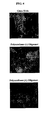
- FIG. 4 shows the results of assays in which the phenyl alkynyl trimer Compound 3 was incorporated into polyurethane film.
- the figures represent untreated glass (top figure), untreated polyurethane film (middle figure), and polyurethane film containing Compound 3 (bottom figure), after incubation of each in the presence of E . coli for 62 hours.
- the present invention provides non-peptidic, facially amphiphilic polyaryl and polyarylalkynyl polymers and oligomers and methods of using of the polymers and oligomers in a number of applications, including their use in pharmaceutical applications as antimicrobial agents and as antidotes for hemorrhagic complications associated with heparin therapy.
- the present invention also provides novel facially amphiphilic polyaryl and polyarylalkynyl polymers and oligomers, as well as compositions comprising the novel polymers and oligomers.
- the present invention further provides methods of designing and synthesizing facially amphiphilic polyaryl and polyarylalkynyl polymers and oligomers.
- the polyaryl and polyarylalkynyl polymers and oligomers of the present invention are compounds of Formula I, R 1 -[- A 1 - s - A 2 - s -] m - R 2 (I) or compounds of Formula Ia, R 1 -A 1 -s-A 2 -s-A 1 -R 2 (Ia) or acceptable salts or solvates thereof, wherein R 1 , R 2 , A 1 , A 2 , s and m are as defined below.
- Facially amphiphilic polymers and oligomers of Formula I and Formula Ia are capable of adopting amphiphilic conformations that allow for the segregation of polar and nonpolar regions of the molecule into different spatial regions.
- amphiphilic conformations adopted by the polymers and oligomers of the present invention provide the basis for a number of uses.
- polymers and oligomers of Formula I and Formula Ia adopt amphiphilic conformations that are capable of disrupting the integrity of the cell membrane of microorganisms, resulting in the inhibition of growth or the death of the microorganisms.
- the polymers and oligomers possess antimicrobial activity, including antibacterial, antifungal, and antiviral activity, and are useful as antimicrobial agents.
- the polymers and oligomers of Formula I and Formula Ia have a broad range of antimicrobial activity and are effective against a variety of microorganisms, including gram-positive and gram-negative bacterial, fungi, yeast, mycoplasmas, mycobacteria, protozoa, and the like.
- the facially amphiphilic conformations adopted by the polymers and oligomers of the present invention form the basis for another therapeutic use, the use of the polymers and oligomers as antidotes for hemorrhagic complications associated with heparin therapy.
- the polymers and oligomers of Formula I and Formula Ia can be used in a method of providing an antidote to heparin overdose in an animal by administering to the animal an effective amount of a pharmaceutical composition of the polymer or oligomer.
- the polymers and oligomers of the present invention can also be used as disinfectants or as preservatives.
- the polymers and oligomers of Formula I and Formula Ia can thus be used in a method of killing or inhibiting the growth of a microorganism by contacting the microorganism with an effective amount of the polymer or oligomer.
- the polymers and oligomers of Formula I and Formula Ia can be used as disinfectants or preservatives in, for example, soaps, hand lotions, paints, cleansers, and polishers, and the like, or in, for example, foodstuffs, food containers, and food-handling implements.
- the polymers and oligomers are administered for these purposes as a solution, dispersion, or suspension.
- polymers and oligomers of Formulae I and Ia can also be incorporated into plastics that can be molded or shaped into articles, or attached or immobilized on a surface, to provide a surface-mediated microbicide that kills or inhibits the growth of microorganisms in contact with the surface.
- the polymers and oligomers of the present invention were originally designed to mimic the antimicrobial activities of host defense peptides, which were potentially exciting therapeutic agents because of their broad spectrum of activity, rapid bacteriocidal activity, and very low incidence of development of bacterial resistance.
- significant pharmaceutical issues including systemic toxicity and difficulty and expense of manufacturing, severely hampered clinical progress in the use of the host defense peptides as therapeutics.
- the present invention directly addresses those pharmaceutical issues.
- Many of the oligomers of Formula I and Formula Ia are significantly smaller and easier to prepare than their naturally occurring counterparts. They have the same mechanism of action as magainin (a naturally occurring host defense peptide) and are approximately equipotent and as broad in their spectrum of action as magainin.
- the non-peptidic polymers and oligomers of the present invention are significantly less toxic towards human erythrocytes, much less expensive to prepare, and are expected to be much more stable in vivo.
- these polymers and oligomers mimic the structure and biological activity of host defense peptides, the appearance of resistant bacterial strains is very unlikely to occur.
- the facially amphiphilic polymers and oligomers of the present invention offer several important and novel advantages.
- the present invention discloses facially amphiphilic polymers and oligomers.
- Polymers are generally defined as synthetic compounds assembled from monomer subunits that are polydisperse in molecular weight, and are most commonly prepared by one-pot synthetic procedures.
- the term "polymer” as used herein refers to a macromolecule comprising a plurality of repeating units or monomers. The term includes homopolymers, which are formed from a single type of monomer, and copolymers, which are formed from two or more different monomers. In copolymers, the monomers may be distributed randomly (random copolymer), in alternating fashion (alternating copolymers), or in blocks (block copolymer).
- the polymers of the present invention are either homopolymers or alternating copolymers having about 2 monomer units to about 500 monomer units, with average molecular weights that range from about 300 Daltons to about 1,000,000 Daltons, or from about 400 Daltons to about 120,000 Daltons.
- Preferred polymers are those having about 5 to about 100 monomer units, with average molecular weights that range from about 1,000 Daltons to about 25,000 Daltons.
- oligomer refers to as a homogenous polymer with a defined sequence and molecular weight. Modem methods of solid phase organic chemistry have allowed the synthesis of homodisperse, sequence-specific oligomers with molecular weights approaching 5,000 Daltons.
- An oligomer in contrast to a polymer, has a defined sequence and molecular weight and is usually synthesized either by solid phase techniques or by step-wise solution chemistry and purified to homogeneity.
- Oligomers of the present invention are those having about 2 monomer units to about 25 monomer units, with molecular weights that range from about 300 Daltons to about 6,000 Daltons.
- Preferred oligomers are those having about 2 monomer units to about 10 monomer units, with molecular weights that range from about 300 Daltons to about 2,500 Daltons.
- oligomers are the preferred species because of their defined size and structure.
- polymeric forms having well-defined repeat-length distributions are preferred because of their more economical synthesis.
- polymer backbone refers to that portion of the polymer or oligomer which is a continuous chain comprising the bonds formed between monomers upon polymerization.
- the composition of the polymer or oligomer backbone can be described in terms of the identity of the monomers from which it is formed without regard to the composition of branches, or side chains, of the polymer or oligomer backbone.
- polymer side chain refers to portions of the monomer which, following polymerization, forms an extension of the polymer or oligomer backbone. In homopolymers and homooligomers, all the side chains are derived from the same monomer.
- beneficial or desired clinical results include, but are not limited to, alleviation of symptoms; diminishment of extent of condition, disorder or disease; stabilized (i.e., not worsening) state of condition, disorder or disease; delay in onset or slowing of condition, disorder or disease progression; amelioration of the condition, disorder or disease state or remission (whether partial or total), whether detectable or undetectable; or enhancement or improvement of condition, disorder or disease.
- Treatment includes eliciting a clinically significant response without excessive levels of side effects. Treatment also includes prolonging survival as compared to expected survival if not receiving treatment.
- animal as used herein includes, but is not limited to, humans and non-human vertebrates such as wild, domestic and farm animals.
- microorganism as used herein includes bacteria, algae, fungi, yeast, mycoplasmas, mycobacteria, parasites and protozoa.
- antimicrobial means that the polymer, oligomer, or material described as such produce effects adverse to the normal biological functions of microorganisms, including death, destruction, or prevention of the growth or proliferation of the microorganism, when contacted with the polymer, oligomer, or material.
- This activity can be either bacteriostatic or bacteriocidal.
- bacteriocidal as used herein means the killing of microorganisms.
- bacteriostatic as used herein means inhibiting the growth of microorganisms and can be reversible under certain conditions.
- amphiphilic as used herein describes a three-dimensional structure having discrete hydrophobic and hydrophilic regions.
- An amphiphilic polymer requires the presence of both hydrophobic and hydrophilic elements along the polymer backbone.
- the presence of hydrophobic and hydrophilic groups is a necessary, but not sufficient, condition to produce an amphiphilic molecule, polymer or oligomer.
- ferrtially amphiphilic or “facial amphiphilicity” as used herein describes polymers or oligomers with polar (hydrophilic) and nonpolar (hydrophobic) side chains that adopt conformation(s) leading to segregation of polar and nonpolar side chains to opposite faces or separate regions of the structure or molecule.
- polyaryl and polyarylalkynyl polymers and oligomers of the present invention are those of Formula I, R 1 -[-A 1 -s-A 2 -s-] m - R 2 (I) or an acceptable salt or solvate thereof, wherein:
- Polymers and oligomers of Formula I that are preferred for use in the disclosed methods are those wherein A 1 and A 2 are independently optionally substituted o -, m-, or p -phenylene. Those oligomers wherein A 1 and A 2 are optionally substituted m —phenylene are especially preferred. Also preferred are polymers and oligomers of Formula I wherein one of A 1 or A 2 is o- , m- , or p -phenylene, and the other of A 1 or A 2 is heteroarylene. Preferred heteroarylene groups include, but are not limited to, pyridinyl, pyrimidinyl, and pyrazinyl.
- polymers and oligomers of Formula I wherein A 1 and A 2 are independently optionally substituted arylene or optionally substituted heteroarylene, and (i) one of A 1 or A 2 is substituted with one or more polar (PL) group(s) and one or more nonpolar (NPL) group(s) and the other of A 1 or A 2 is unsubstituted; or (ii) one of A 1 or A 2 is substituted with one or more polar (PL) group(s) and the other of A 1 or A 2 is unsubstituted; or (iii) one of A 1 or A 2 is substituted with one or more polar (PL) group(s) and the other of A 1 or A 2 is substituted with one or more nonpolar (NPL) group(s).
- a 1 and A 2 are independently optionally substituted arylene or optionally substituted heteroarylene, and (i) one of A 1 or A 2 is substituted with one or more polar (PL) group(s) and one or more nonpolar (NPL
- Polymers and oligomers in which either (i) one of A 1 or A 2 is substituted with one or more polar (PL) group(s) and one or more nonpolar (NPL) group(s), and the other of A 1 or A 2 is unsubstituted, or (ii) one of A 1 or A 2 is substituted with one or more polar (PL) group(s) and the other of A 1 or A 2 is unsubstituted, are especially preferred.
- Polymers and oligomers of Formula I are preferred in which A 1 and A 2 are optionally substituted m -phenylene, wherein one of A 1 or A 2 is substituted with one or more polar (PL) group(s) and the other of A 1 or A 2 is unsubstituted.
- Those polymers and oligomers wherein one of A 1 or A 2 is substituted with one or two polar groups and the other of A 1 or A 2 is unsubstituted are especially preferred.
- preferred polymers and oligomers of Formula I are those wherein s is absent.
- Preferred polymers and oligomers of Formula I for are those wherein R 1 is (i) hydrogen, a polar group (PL), or a non-polar group (NPL), and R 2 is - A 1 -R 1 , wherein A 1 is as defined above and is optionally substituted with one or more polar (PL) group(s), one or more non-polar (NPL) group(s), or a combination of one or more polar (PL) group(s) and one or more non-polar (NPL) group(s); or (ii) A'-s- and R 2 is -A 1 -s-A', wherein A' is aryl or heteroaryl, either of which is optionally substituted with one or more polar (PL) group(s), one or more non-polar (NPL) group(s), or a combination of one or more polar (PL) group(s) and one or more non-polar (NPL) group(s).
- oligomers of Formula I wherein R 1 is hydrogen or a polar group (PL), and R 2 is -A 1 -R 1 , where A 1 is optionally substituted with one or more polar (PL) group(s).
- R 1 is hydrogen or a polar group (PL)
- R 2 is -A 1 -R 1 , where A 1 is optionally substituted with one or more polar (PL) group(s).
- R 1 is a polar (PL) group, such as halo
- R 2 is -A 1 -R 1 , where A 1 is optionally substituted with one or more polar (PL) group(s).
- preferred polymers and oligomers of Formula I are those wherein NPL is -B(OR 4 ) 2 , wherein R 4 is hydrogen, alkyl, alkenyl, alkynyl, cycloalkyl, aryl, or heteroaryl, any of which is optionally substituted with one or more alkyl or halo groups.
- preferred polymers and oligomers of Formula I include those wherein NPL is -(NR 3' ) q1NPL -U NPL -(CH 2 ) pNPL -(NR 3'' ) q2NPL -R 4 , and R 3 , R 3' , R 3'' , R 4 , U NPL , pNPL, q1NPL and q2NPL are as defined above.
- R 3 , R 3' , and R 3'' are hydrogen, C 1 -C 6 alkyl, and C 1 -C 6 alkoxy. Hydrogen is an especially preferred value for R 3 , R 3' , and R 3'' .
- R 4 are hydrogen, C 1 -C 10 alkyl, C 3 -C 18 branched alkyl, C 2 -C 10 alkenyl, C 2 -C 10 alkynyl, C 3 -C 8 cycloalkyl, C 6 -C 10 aryl, and heteroaryl, any of which is optionally substituted with one or more C 1 -C 6 alkyl or halo groups.
- Values of R 4 that are especially preferred are C 1 -C 10 alkyl, C 3 -C 18 branched alkyl, C 2 -C 10 alkenyl, C 2 -C 10 alkynyl, and C 6 -C 10 aryl, especially phenyl.
- Preferred polymers and oligomers of Formula I also include those in which U NPL is absent.
- Preferred values of pNPL are 0 to 6; values of pNPL of 0 to 4 are especially preferred, with values of pNPL of 0 to 2 most preferred.
- Preferred values of q1NPL and q2NPL are 0 or 1. Values of q1NPL and q2NPL of 0 or 1 are especially preferred, with a value of 0 being the most preferred for each of q1NPL and q2NPL.
- the alkylene chain in NPL is unsubstituted or unsaturated.
- NPL for polymers and oligomers of Formula I include C 1 -C 10 alkoxy, C 1 -C 10 alkylthio, and C 1 -C 10 alkylamino.
- preferred polymer and oligomers of Formula I for use in the disclosed methods include those wherein PL is halo. Especially preferred values of PL are bromo and iodo.
- preferred polymers and oligomers of Formula I are those wherein PL is -(NR 5' ) q1PL -U PL -(CH 2 ) pPL -(NR 5'' ) q2PL -V, and R 5 , R 5' , R 5'' , V, U PL , pPL, q1PL and q2PL are as defined above.
- R 5 , R 5' , and R 5'' are hydrogen, C 1 -C 6 alkyl, and C 1 -C 6 alkoxy. Hydrogen is an especially preferred value for each of R 5 , R 5' , and R 5'' .
- Preferred polymers and oligomers of Formula I are also those in which U PL is absent.
- V are nitro, cyano, amino, hydroxyl, C 1 -C 6 alkoxy, C 1 -C 6 alkylthio, C 1 -C 6 alkylamino, C 1 -C 6 dialkylamino, -NH(CH 2 ) p NH 2 , -N(CH 2 CH 2 NH 2 ) 2 , diazamino, amidino, guanidino, guanyl semicarbazone, C 6 -C 10 aryl, heterocycle, and heteroaryl, any of which is optionally substituted with one or more of amino, halo, cyano, nitro, hydroxyl, -NH(CH 2 ) p NH 2 , -N(CH 2 CH 2 NH 2 ) 2 , amidino, guanidino, guanyl, aminosulfonyl, aminoalkoxy, lower acylamino, or benzyloxycarbonyl.
- Suitable heteroaryl groups include 1,2,3-triazole, 1,2,4-triazole, 5-amino-1,2,4-triazole, imidazole, oxazole, isoxazole, 1,2,3-oxadiazole, 1,2,4-oxadizaole, 3-amino-1,2,4-oxadizaole, 1,2,5-oxadiazole, 1,3,4-oxadiazole, pyridine, and 2-aminopyridine.
- V are amino, C 1 -C 6 alkylamino, C 1 -C 6 dialkylamino, -NH(CH 2 ) p NH 2 , -N(CH 2 CH 2 NH 2 ) 2 , diazamino, amidino, guanidino, guanyl, and semicarbazone, any of which is optionally substituted with one or more of amino, halo, cyano, nitro, hydroxyl, -NH(CH 2 ) p NH 2 , -N(CH 2 CH 2 NH 2 ) 2 , amidino, guanidino, guanyl, aminosulfonyl, aminoalkoxy, lower acylamino, or benzyloxycarbonyl.
- V are amino, C 1 -C 6 alkylamino, -NH(CH 2 ) p NH 2 , -N(CH 2 CH 2 NH 2 ) 2 , diazamino, amidino, and guanidino, any of which is optionally substituted with one or more of amino, halo, cyano, nitro, hydroxyl, -NH(CH 2 ) p NH 2 , -N(CH 2 CH 2 NH 2 ) 2 , amidino, guanyl, guanidine, or aminoalkoxy.
- Preferred values of pPL are 0 to 6; values of pPL of 0 to 4 are especially preferred, with values of pPL of 0 to 2 especially preferred.
- Preferred values of q1PL and q2PL are 0 or 1. Values of q1PL and q2PL of 0 or 1 are especially preferred, with a value of 0 being especially preferred for each of q1PL and q2PL.
- the alkylene chain in PL is optionally substituted with one or more amino or hydroxy groups.
- Preferred polymers of Formula I are those in which m is 1 to about 500. Especially preferred are those polymers of Formula I wherein m is 1 to about 100, or wherein m is 1 to about 50.
- Oligomers of Formula I that are preferred are those wherein m is 1 to about 25; more preferred are those in which m is 1 to about 20, or in which m is 1 to about 10, or in which m is 1 to about 5. Especially preferred are those oligomers of Formula I wherein m is 1, 2 or 3.
- preferred polymers and oligomers of Formula I are those wherein:
- Polyaryl and polyarylalkynyl oligomers of the present invention also include oligomers of Formula Ia, R 1 -A 1 -s-A 2 -s-A 1 -R 2 (Ia) or an acceptable salt or solvate thereof, wherein:
- a preferred group of oligomers falling within the scope of the present invention include oligomers of Formula Ia wherein A 1 and A 2 are independently optionally substituted o- , m- or p -phenylene. Oligomers of Formula Ia wherein A 1 and A 2 are optionally substituted m —phenylene are especially preferred. Also preferred are oligomers of Formula Ia wherein one of A 1 or A 2 is o-, m -, or p -phenylene, and the other of A 1 or A 2 is heteroarylene. Preferred heteroarylene groups include, but are not limited to, pyridinyl, pyrimidinyl, and pyrazinyl.
- Especially preferred oligomers of Formula Ia are those wherein A 1 and A 2 are optionally substituted m -phenylene.
- Preferred oligomers of Formula Ia include those wherein one of A 1 or A 2 is substituted with one or more polar (PL) group(s) and one or more nonpolar (NPL) group(s) and the other of A 1 or A 2 is unsubstituted.
- Preferred oligomers also include those wherein one of A 1 or A 2 is substituted with one or more polar (PL) group(s) and the other of A or A 2 is unsubstituted.
- Preferred oligomers include those wherein s is -C ⁇ C-.
- a preferred group of oligomers having Formula Ia include oligomers wherein R 1 is hydrogen, a polar group (PL), or a non-polar group (NPL); and R 2 is R 1 .
- oligomers of Formula Ia wherein R 1 is selected from the group consisting of hydrogen, halo, nitro, cyano, C 1 -C 6 alkoxy, C 1 -C 6 alkoxycarbonyl, and benzyloxycarbonyl. Oligomers of Formula Ia wherein R 1 and R 2 are halo are especially preferred.
- Preferred oligomers that fall within the scope of Formula Ia include those wherein NPL is -(NR 3' ) q1NPL -U-(CH 2 ) pNPL -(NR 3" ) q2NPL -R 4 , and R 3 , R 3' , R 3" , R 4 , U NPL , pNPL, q1NPL and q2NPL are as defined above. Those oligomers wherein q1NPL and q2NPL are independently 0 or 1 are preferred.
- R 3 , R 3' , and R 3" groups include hydrogen and C 1 -C 4 alkyl. Especially preferred are those oligomers of Formula Ia wherein R 3 , R 3' , and R 3" are each hydrogen.
- R 4 groups include hydrogen, C 1 -C 10 alkyl, C 3 -C 18 branched alkyl, C 2 -C 10 alkenyl, C 2 -C 10 alkynyl, C 3 -C 8 cycloalkyl, C 6 -C 10 aryl, and heteroaryl, any of which is optionally substituted with one or more C 1 -C 6 alkyl or halo groups.
- oligomers wherein R 4 is C 1 -C 10 alkyl, C 3 -C 18 branched alkyl, C 2 -C 10 alkenyl, C 2 -C 10 alkynyl, or C 6 -C 10 aryl, especially phenyl.
- Oligomers wherein R 4 is hydrogen, C 1 -C 10 alkyl, and C 3 -C 18 branched alkyl, any of which is optionally substituted with one or more C 1 -C 4 alkyl or halo groups, are especially preferred.
- Preferred oligomers are those wherein NPL is n -pentoxy, n -butoxy, sec-butoxy, tert -butoxy, propyloxy, ethyloxy, methoxy, or phenoxy.
- Preferred oligomers of Formula Ia are those wherein one or more PL are halo, especially bromo or iodo.
- Preferred oligomers that fall within the scope of Formula Ia also include those wherein PL is -(NR 5' ) q1PL -U PL -(CH 2 ) pPL -(NR 5" ) q2PL -V, and R 5 , R 5' , R 5" , V, U PL , pPL, and q1PL and q2PL are as defined above.
- R 5 , R 5' , and R 5" are hydrogen, C 1 -C 6 alkyl, and C 1 -C 6 alkoxy. Hydrogen is an especially preferred value for each of R 5 , R 5' , and R 5" .
- Preferred oligomers of Formula Ia are those wherein q1PL and q2PL are independently 0 or 1.
- Preferred oligomers of Formula Ia are those wherein V is nitro, cyano, amino, hydroxyl, C 1 -C 6 alkoxy, C 1 -C 6 alkylthio, C 1 -C 6 alkylamino, C 1 -C 6 dialkylamino, -NH(CH 2 ) p NH 2 , -N(CH 2 CH 2 NH 2 ) 2 , diazamino, amidino, guanidino, guanyl, semicarbazone, heterocycle, or heteroaryl, any of which is optionally substituted with one or more of amino, halo, cyano, nitro, hydroxyl, -NH(CH 2 ) p NH 2 , -N(CH 2 CH 2 NH 2 ) 2 , amidino, guanyl, guanidine, or aminoalkoxy.
- V include amino, C 1 -C 6 alkylamino, C 1 -C 6 dialkylamino, -NH(CH 2 ) p NH 2 , -N(CH 2 CH 2 NH 2 ) 2 , diazamino, amidino, guanidino, or guanyl, any of which is optionally substituted with one or more of amino, halo, -NH(CH 2 ) p NH 2 , -N(CH 2 CH 2 NH 2 ) 2 , amidino, guanyl, guanidine, or aminoalkoxy.
- Suitable heteroaryl groups include 1,2,3-triazole, 1,2,4-triazole, 5-amino-1,2,4-triazole, imidazole, oxazole, isoxazole, 1,2,3-oxadiazole, 1,2,4-oxadizaole, 3-amino-1,2,4-oxadizaole, 1,2,5-oxadiazole, 1,3,4-oxadiazole, pyridine, or 2-aminopyridine.
- Especially preferred oligomers include those wherein PL is halo, guanidinomethyl, guanidinoethyl, guanidinopropyl, aminomethyl, aminoethyl, aminopropyl, aminoethylaminocarbonyl, or aminomethylaminocarbonyl.
- Preferred oligomers of Formula Ia are those wherein pPL is 0 to 4. Especially preferred are those oligomers wherein pPL is 0 to 2.
- Exemplary structures of oligomers of Formula Ia within the scope of the invention include the following: or physiologically acceptable salts thereof.
- compositions of oligomers of Formula Ia include, but are not limited to, pharmaceutical compositions comprising an oligomer of Formula Ia and a pharmaceutically acceptable carrier or diluent.
- the polymers and oligomers of Formula I or Formula Ia are derivatives referred to as prodrugs.
- prodrug denotes a derivative of a known direct acting drug, which derivative has enhanced delivery characteristics and therapeutic value as compared to the drug, and is transformed into the active drug by an enzymatic or chemical process.
- the present invention encompasses the use of stereoisomers, diastereomers and optical isomers having Formula I or Formula Ia, as well as mixtures thereof, for treating microbial infections, killing or inhibiting the growth of a microorganism, and providing an antidote to low molecular weight heparin overdose in an animal. Additionally, it is understood that stereoisomers, diastereomers and optical isomers having Formula I or Formula Ia, and mixtures thereof, are within the scope of the invention.
- the mixture can be a racemate or the mixture may comprise unequal proportions of one particular stereoisomer over the other.
- the polymers and oligomers of the invention are provided as mixtures that are racemates. Additionally, the polymers and oligomers of Formulae I and Ia can be provided as a substantially pure stereoisomers, diastereomers and optical isomers. Thus, in some aspects of the invention, the polymers and oligomers are provided as substantially pure stereoisomers, diastereomers, or optical isomers.
- the polymers and oligomers of Formulae I and Ia are provided in the form of an acceptable salt (i.e., a pharmaceutically acceptable salt) for treating microbial infections, killing or inhibiting the growth of a microorganism, and providing an antidote to low molecular weight heparin overdose in an animal.
- an acceptable salt i.e., a pharmaceutically acceptable salt
- Polymer or oligomer salts can be provided for pharmaceutical use, or as an intermediate in preparing the pharmaceutically desired form of the polymer or oligomer.
- One polymer or oligomer salt that is considered to be acceptable is the hydrochloride acid addition salt.
- Hydrochloride acid addition salts are often acceptable salts when the pharmaceutically active agent has an amine group that can be protonated. Since a polymer or oligomer of the invention may be polyionic, such as a polyamine, the acceptable polymer or oligomer salt can be provided in the form of a poly(amine hydrochloride).
- alkyl refers to both straight and branched chain radicals from 1 to 12 carbons, such as methyl, ethyl, propyl, isopropyl, butyl, t-butyl, isobutyl, pentyl, hexyl, isohexyl, heptyl, 4,4-dimethylpentyl, octyl, 2,2,4-trimethylpentyl, nonyl, decyl, undecyl, dodecyl.
- alkenyl refers to a straight or branched chain radical of 2-20 carbon atoms, unless the chain length is limited thereto, including, but not limited to, ethenyl, 1-propenyl, 2-propenyl, 2-methyl-1-propenyl, 1-butenyl, 2-butenyl, and the like.
- the alkenyl chain is 2 to 10 carbon atoms in length, more preferably, 2 to 8 carbon atoms in length most preferably from 2 to 4 carbon atoms in length.
- alkynyl refers to a straight or branched chain radical of 2-20 carbon atoms, unless the chain length is limited thereto, wherein there is at least one triple bond between two of the carbon atoms in the chain, including, but not limited to, acetylene, 1-propylene, 2-propylene, and the like.
- the alkynyl chain is 2 to 10 carbon atoms in length, more preferably, 2 to 8 carbon atoms in length, most preferably from 2 to 4 carbon atoms in length.
- alkylene refers to an alkyl linking group, i.e ., an alkyl group that links one group to another group in a molecule.
- alkoxy refers to mean a straight or branched chain radical of 1 to 20 carbon atoms, unless the chain length is limited thereto, bonded to an oxygen atom, including, but not limited to, methoxy, ethoxy, n-propoxy, isopropoxy, and the like.
- the alkoxy chain is 1 to 10 carbon atoms in length, more preferably 1 to 8 carbon atoms in length, and even more preferred 1 to 6 carbon atoms in length.
- aryl refers to monocyclic or bicyclic aromatic groups containing from 6 to 12 carbons in the ring portion, preferably 6-10 carbons in the ring portion, such as the carbocyclic groups phenyl, naphthyl or tetrahydronaphthyl.
- aryl can represent carbocyclic aryl groups, such as phenyl, naphthyl or tetrahydronaphthyl, as well as heterocyclic aryl (“heteroaryl”) groups, such as pyridyl, pyrimidinyl, pyridazinyl, furyl, and pyranyl.
- arylene as used herein by itself or as part of another group refers to an aryl linking group, i.e., an aryl group that links one group to another group in a molecule.
- cycloalkyl as used herein by itself or as part of another group refers to cycloalkyl groups containing 3 to 9 carbon atoms, more preferably, 3 to 8 carbon atoms. Typical examples are cyclopropyl, cyclobutyl, cyclopentyl, cyclohexyl, cycloheptyl, cyclooctyl and cyclononyl.
- halogen or "halo” as used herein by itself or as part of another group refers to chlorine, bromine, fluorine or iodine.
- heteroaryl refers to groups having 5 to 14 ring atoms; 6, 10 or 14 ⁇ -electrons shared in a cyclic array; and containing carbon atoms and 1, 2 or 3 oxygen, nitrogen or sulfur heteroatoms.
- heteroaryl groups include thienyl, imadizolyl, oxadiazolyl, isoxazolyl, triazolyl, pyridyl, pyrimidinyl, pyridazinyl, furyl, pyranyl, thianthrenyl, pyrazolyl, pyrazinyl, indolizinyl, isoindolyl, isobenzofuranyl, benzoxazolyl, xanthenyl, 2H-pyrrolyl, pyrrolyl, 3H-indolyl, indolyl, indazolyl, purinyl, 4H-quinolizinyl, isoquinolyl, quinolyl, phthalazinyl, naphthyridinyl, quinazolinyl, phenanthridinyl, acridinyl, perimidinyl, phenanthrolinyl, phenazinyl, isothiazolyl
- heteroaryl groups include 1,2,3-triazole, 1,2,4-triazole, 5-amino-1,2,4-triazole, imidazole, oxazole, isoxazole, 1,2,3-oxadiazole, 1,2,4-oxadiazole, 3-amino-1,2,4-oxadiazole, 1,2,5-oxadiazole, 1,3,4-oxadiazole, pyridine, and 2-aminopyridine.
- heteroarylene as used herein by itself or as part of another group refers to a heteroaryl linking group, i.e., a heteroaryl group that links one group to another group in a molecule.
- heterocycle or “heterocyclic ring”, as used herein except where noted, represents a stable 5- to 7-membered mono- or bicyclic or stable 7- to 10-membered bicyclic heterocyclic ring system any ring of which may be saturated or unsaturated, and which consists of carbon atoms and from one to three heteroatoms selected from the group consisting of N, O and S, and wherein the nitrogen and sulfur heteroatoms may optionally be oxidized, and the nitrogen heteroatom may optionally be quaternized, and including any bicyclic group in which any of the above-defined heterocyclic rings is fused to a benzene ring.
- heterocyclic ring may be attached at any heteroatom or carbon atom which results in the creation of a stable structure.
- heterocyclic groups include piperidinyl, piperazinyl, 2-oxopiperazinyl, 2-oxopiperidinyl, 2-oxopyrrolodinyl, 2-oxoazepinyl, azepinyl, pyrrolyl, 4-piperidonyl, pyrrolidinyl, pyrazolyl, pyrazolidinyl, imidazolyl, imidazolinyl, imidazolidinyl, pyridyl, pyrazinyl, pyrimidinyl, pyridazinyl, oxazolyl, oxazolidinyl, isoxazolyl, isoxazolidinyl, morpholinyl,
- alkylamino as used herein by itself or as part of another group refers to an amino group which is substituted with one alkyl group having from 1 to 6 carbon atoms.
- dialkylamino as used herein by itself or as part of an other group refers to an amino group which is substituted with two alkyl groups, each having from 1 to 6 carbon atoms.
- alkylthio as used herein by itself or as part of an other group refers to a thio group which is substituted with one alkyl group having from 1 to 6 carbon atoms.
- lower acylamino refers to an amino group substituted with a C 1 -C 6 alkylcarbonyl group.
- the facially amphiphilic of the present invention possess antimicrobial activity and thus, for example, can be used in a method of treating microbial infections in an animal.
- the present invention is directed to a method of treating a microbial infection in an animal in need thereof, the method comprising administering to the animal an effective amount of a pharmaceutical composition comprising a polymer or oligomer of Formula I as defined above, or an acceptable salt or solvate thereof, and a pharmaceutically acceptable carrier or diluent.
- the invention is also directed to a method of treating a microbial infection in an animal in need thereof, the method comprising administering to the animal an effective amount of a pharmaceutical composition comprising a polymer or oligomer of Formula Ia as defined above, or an acceptable salt or solvate thereof, and a pharmaceutically acceptable carrier or diluent.
- the polymers and oligomers of the invention are used to treat a microbial infection caused by any type of microorganism, including, but not limited to, bacteria, algae, fungi, yeast, mycoplasmas, mycobacterial, parasites and protozoa.
- the polymers and oligomers of the present invention are therefore effective in treating bacterial infections, fungal infections, viral infections, yeast infections, mycoplasmid infections, mycobacterial infections, or protozoal infections.
- the microbial infection to be treated is a bacterial infection, a fungal infection, or a viral infection.
- the present invention is directed to a method of treating a bacterial infection, a fungal infection, or a viral infection in an animal in need thereof, the method comprising administering to the animal an effective amount of a pharmaceutical composition comprising a polymer or oligomer of Formula I, as defined above, or an acceptable salt or solvate thereof, and a pharmaceutically acceptable carrier or diluent.
- the present invention is directed to a method of treating a bacterial infection, a fungal infection, or a viral infection in an animal in need thereof, the method comprising administering to the animal an effective amount of a pharmaceutical composition comprising a polymer or oligomer of Formula Ia, as defined above, or an acceptable salt or solvate thereof, and a pharmaceutically acceptable carrier or diluent.
- the polymers and oligomers of the present invention can be used to kill or inhibit the growth of any of the following microbes or mixtures of the following microbes, or, alternatively, can be administered to treat local and/or systemic microbial infections or illnesses caused by the following microbes or mixtures of the following microbes: Gram-positive cocci, for example Staphylococci ( Staph. aureus, Staph. epidermidis ) and Streptococci ( Strept. agalactiae , Strept . faecalis , Strept. pneumoniae , Strept.
- Gram-positive cocci for example Staphylococci ( Staph. aureus, Staph. epidermidis ) and Streptococci ( Strept. agalactiae , Strept . faecalis , Strept. pneumoniae , Strept.
- Gram-negative cocci Neisseria gonorrhoeae and Yersinia pestis
- Gram-negative rods such as Enterobacteriaceae, for example Escherichia coli , Hamophilus influenzae , Citrobacter ( Citrob. freundii, Citrob. divernis ), Salmonella and Shigella, and Francisella ( Francisella tularensis ); Gram-positive rods such as Bacillus ( Bacillus anthracis , Bacillus thuringenesis ); furthermore Klebsiella ( Klebs . pneumoniae , Klebs . oxytoca ), Enterobacter ( Ent. aerogenes, Ent.
- the anti-microbial spectrum of the polymers and oligomers of the invention covers the genus Pseudomonas ( Ps . aeruginosa, Ps.
- maltophilia and strictly anaerobic bacteria
- Bacteroides fragilis representatives of the genus Peptococcus, Peptostreptococcus and the genus Clostridium; furthermore Mycoplasmas ( M . pneumoniae, M. hominis, Ureaplasma urealyticum ) as well as Mycobacteria, for example Mycobacterium tuberculosis.
- Mycoplasmas M . pneumoniae, M. hominis, Ureaplasma urealyticum
- Mycobacteria for example Mycobacterium tuberculosis.
- viral infections that can be treated by administration of the polymers and oligomers of the invention include, but are not limited to, viral infections caused by human immunodeficiency virus (HIV-1, HIV-2), hepatitis virus (e.g., hepatitis A, hepatitis B, hepatitis C, hepatitis D, and hepatitis E viruses), herpesviruses (e.g., herpes simplex virus types 1 and 2, varicella-zoster virus, cytomegalovirus, Epstein Barr virus, and human herpes viruses types 6, 7, and 8), influenza virus, respiratory syncytial virus (RSV), vaccinia virus, and adenoviruses.
- RSV respiratory syncytial virus
- vaccinia virus vaccinia virus
- Fungal infections which can be inhibited or treated with compositions of the polymers and oligomers provided herein include, but are not limited to: Candidiasis, including, but not limited to, onchomycosis, chronic mucocutaneous candidiasis, oral candidiasis, epiglottistis, esophagitis, gastrointestinal infections, genitourinary infections, for example, caused by any Candida species, including, but not limited to, Candida albicans, Candida tropicalis, Candida (Torulopsis) glabrata , Candida parapsilosis , Candida lusitaneae , Candida rugosa and Candida pseudotropicalis ; Aspergillosis, including, but not limited to, granulocytopenia caused, for example, by, Aspergillus spp.
- Candidiasis including, but not limited to, onchomycosis, chronic mucocutaneous candidiasis, oral candidiasis, epiglottistis, esophagitis
- Zygomycosis including, but not limited to, pulmonary, sinus and rhinocerebral infections caused by, for example, zygomycetes such as Mucor, Rhizopus spp., Absidia, Rhizomucor, Cunningamella, Saksenaea, Basidobolus and Conidobolus;
- Cryptococcosis including, but not limited, to infections of the central nervous system, e.g., meningitis, and infections of the respiratory tract caused by, for example, Cryptococcus neoformans ;
- Trichosporonosis caused by, for example, Trichosporon beigelii ;
- Pseudallescheriasis caused by, for example, Pseudallescheria boydii
- Trichophyton spp. for example, Trichophyton mentagrophytes and Trichophyton rubrum
- Stachybotrys spp. for example, S. chartarum , Drechslera, Bipolaris, Exserohilum spp., Paecilomyces lilacinum , Exophila jeanselmei (cutaneous nodules), Malassezia furfur (folliculitis), Altemaria (cutaneous nodular lesions), Aureobasidium pullulans (splenic and disseminated infection), Rhodotorula spp. (disseminated infection), Chaetomium spp.
- the polymer or oligomer in any one of the above methods can be administered to a human subject.
- the polymer or oligomer is administered to a human.
- the methods disclosed above also have veterinary applications and can be used to treat a wide variety of non-human vertebrates.
- the polymer or oligomer is administered in any one of the above methods to non-human vertebrates, such as wild, domestic, or farm animals, including, but not limited to, cattle, sheep, goats, pigs, dogs, cats, and poultry such as chicken, turkeys, quail, pigeons, ornamental birds and the like.
- microbial infections in non-human vertebrates that can be treated by administering a polymer or oligomer of the invention: Pig: coli diarrhoea, enterotoxaemia, sepsis, dysentery, salinonellosis, metritis-mastitis-agalactiae syndrome, mastitis; ruminants (cattle, sheep, goat): diarrhoea, sepsis, bronchopneumonia, salmonellosis, pasteurellosis, mycoplasmosis, genital infections; horse: bronchopneumonias, joint ill, puerperal and post-puerperal infections, salmonellosis; dog and cat: bronchopneumonia, diarrhoea, dermatitis, otitis, urinary tract infections, prostatitis; poultry (chicken, turkey, quail, pigeon, ornamental birds and others): mycoplasmosis, E.
- the polymers and oligomers of the present invention also inhibit the anticoagulation effects of heparin, in particular, low molecular weight heparin, and are useful as antidotes for hemorrhagic complications associated with low molecular weight heparin therapy.
- Heparin has been commonly used as an anticoagulant and antithrombotic agent in the hospital setting.
- SH standard heparin
- the high serum protein-binding activity of SH precludes subcutaneous administration and its rapid and unpredicatable plasma clearance necessitates constant monitoring of activated partial thromboplastin time to assess effectiveness ( Turpie, A.G.G., Am. Heart J. 135:S329-S335 (1998 )).
- the biological activity of SH is exerted by its binding to a specific coagulation factor (ATIII) at a unique pentasaccharide sequence distributed randomly along the heparin chain.
- ATIII specific coagulation factor
- Stable ternary complexes are then created with thrombin and factor Xa, which leads to their inactivation ( Kandrotas, R.J., Clin. Pharmacokinet. 22:359-374 (1992 )).
- the inactivation of ATIII/thrombin is caused by the binding of heparin to ATIII through its high affinity pentasaacharide sequence and to thrombin through an adjoining 13 saccharide sequence.
- the inactivation of the ATIII/Factor Xa complex is caused solely by ATIII binding at the high affinity pentasaccharide sequence.
- LMWH low molecular weight heparin derivatives
- Both SH and LMWH have a high net negative (anionic) charge. Hemorrhagic complications are associated with antithrombotic treatments with both agents and an overdose may result in serious bleeding.
- Protamine by virtue of its positive charge, can neutralize the effects of the heparin but protamine therapy also has serious adverse side-effects including hypotension, pulmonary hypertension and impairment of certain blood cells, including platelets and lymphocytes ( Wakefield, T.W., et al., J. Surg. Res. 63:280-286 (1996 )). Importantly, protamine is not an effective antidote for the LMWHs ( Diness, V.O. and Ostergaard, P.B., Thromb. Haemost.
- the present invention is directed to a method of providing an antidote to low molecular weight heparin overdose in an animal, the method comprising administering to the animal an effective amount of a pharmaceutical composition comprising a polymer or oligomer of Formula I, as defined above, or an acceptable salt or solvate thereof, and a pharmaceutically acceptable carrier or diluent.
- the present invention is also directed to a method of providing an antidote to low molecular weight heparin overdose in an animal, said method comprising administering to the animal an effective amount of a pharmaceutical composition comprising a polymer or oligomer of Formula Ia, as defined above, or an acceptable salt or solvate thereof, and a pharmaceutically acceptable carrier or diluent.
- the polymers and oligomers of the present invention are useful as disinfectants.
- coatings, paints, and adhesives are all exposed to microbial contamination and are used in locations where microbial growth is undesirable.
- the polymers and oligomers of the present invention can be incorporated into polishes, paints, sprays, or detergents formulated for application to surfaces to inhibit the growth of a bacterial species thereon. These surfaces include, but are not limited to surfaces, such as, countertops, desks, chairs, laboratory benches, tables, floors, bed stands, tools or equipment, doorknobs, and windows.
- the polymers and oligomers of the present invention can also be incorporated into soaps and hand lotions.
- the present cleansers, polishes, paints, sprays, soaps, hand lotions, or detergents contain a polymer or oligomer of the invention that provides a bacteriostatic property to them. They can optionally contain suitable solvent(s), carrier(s), thickeners, pigments, fragrances, deodorizers, emulsifiers, surfactants, wetting agents, waxes, or oils.
- the polymers or oligomers are incoporated into a formulation for external use as a pharmaceutically acceptable skin cleanser, particularly for the surfaces of human hands.
- Cleansers, polishes, paints, sprays, soaps, hand lotions, and detergents and the like containing the antimicrobial polymers and oligomers of the present invention are useful in homes and institutions, particularly but not exclusively in hospital settings for the prevention of nosocomial infections.
- the polymers and oligomers of the invention are useful as preservatives and are used in a method for killing or inhibiting the growth of a microbial species in a foodstuff.
- the polymers and oligomers are added to the foodstuff as a preservative.
- Foodstuffs that can be treated with a polymer or oligomer of the invention include, but are not limited to, non-acidic foods, such as mayonnaise or other egg products, potato products, and other vegetable or meat products.
- the polymer or oligomer for adding to the foodstuff is part of a comestible formulation that optionally includes a suitable medium or carrier for convenient mixing or dissolving into a particular foodstuff.
- the medium or carrier is preferably one that will not interfere with the familiar flavor of the food of interest, such as are known by the artisan skilled in food processing techniques.
- the polymers and oligomers of the present invention provide a surface-mediated microbicide that only kills organisms in contact with the surface and are useful as surface-mediated disinfectants or preservatives.
- any object that is exposed to or susceptible to bacterial or microbial contamination can be treated with the polymers and oligomers of the present invention to provide a microbiocidal surface.
- a polymer or oligomer of the invention can be attached to, applied on or incorporated into almost any substrate including but not limited to woods, paper, synthetic polymers (plastics), natural and synthetic fibers, natural and synthetic rubbers, cloth, glasses and ceramics by appropriate methods, including by covalent bonding, ionic interaction, coulombic interaction, hydrogen bonding or cross-linking.
- Examples of synthetic polymers include elastically deformable polymers that are thermosetting or thermoplastic and include, but not limited to polypropylene, polyethylene, polyvinyl chloride, polyethylene terephthalate, polyurethane, polyesters such as polylactide, polyglycolide, rubbers such as polyisoprene, polybutadiene or latex, polytetrafluoroethylene, polysulfone and polyethylenesulfone polymers or copolymers.
- Examples of natural fibers include cotton, wool and linen.
- Polymers and oligomers of the present invention can be incoporated into any of these devices or implements to provide surface-medicated antimicrobial surfaces that will kill or inhibit the growth of organisms in contact with the surface.
- the polymers and oligomers are incorporated into spinnable fibers for use in materials susceptible to bacterial contamination including, but not limited to, fabrics, surgical gowns, and carpets.
- ophthalmic solutions and contact lenses easily become contaminated and cause ocular infections.
- Antimicrobial storage containers for contact lens and cleaning solutions incorporating polymers and oligomers of the present invention would thus be very valuable.
- the present invention is directed to a method of killing or inhibiting the growth of a microorganism, said method comprising contacting the microorganism with an effective amount of a polymer or oligomer of Formula I as defined above, or an acceptable salt or solvate thereof.
- the present invention is also directed to a method of killing or inhibiting the growth of a microorganism, said method comprising contacting the microorganism with an effective amount of a polymer or oligomer of Formula Ia as defined above, or an acceptable salt or solvate thereof.
- the polymers and oligomers of the invention are designed to be capable of adopting amphiliphilic conformations that allow for the segregation of polar and nonpolar regions of the molecule into different spatial regions.
- Such conformations include, but are not limited to, repeating secondary structures such as ⁇ -helices and ⁇ -pleated sheet structures.
- the polymers and oligomers of Formulae I and Ia are homopolymers wherein, for example, one monomer is substituted with both a nonpolar and a polar substituent, or copolymers wherein, for example, one monomer is substituted with a polar substituent and the other monomer is substituted with a nonpolar substituent or is unsubstituted. Since the amphiphilic character of the polymer or oligomer is conferred by a periodic pattern of side chains rather than the precise spatial arrangement of side chains, other substitution patterns are also expected to produce facially amphiphilic polymers and oligomers and they are all encompassed by the present invention.
- the polymers and oligomers of the present invention are designed using computer-aided computational techniques, such as de novo design techniques.
- the goal of the approach used to design the polymers and oligomers of the invention is to capture the structural and biological properties of antimicrobial peptides within the framework of traditional polymers that can be prepared by inexpensive condensation reactions.
- facial amphiphilicity is the key property to be introduced into the polymer or oligomer. Charge density, hydrophobicity, and degree of amphiphilicity, are also important parameters in maximizing lethal activity against microbes while minimizing activity against mammalian cells.
- a polymer backbone that should fold into a given, well-defined three-dimensional structure is defined using molecular dynamics and quantum force field calculations.
- the polymer backbone is assembled from a repeating sequence of monomers. Extensive theoretical studies are then carried out to demonstrate that the polymers are able to adopt the desired secondary conformation.
- Model compounds (short oligomers) are prepared for structural analysis of folding by X-ray crystallography.
- Functional groups are then computationally grafted onto the backbone of the polymer as side groups to endow the oligomer or polymer with the desired facial amphiphilic character and to maximize diversity and maintain the drug-like properties of the polymer.
- the best combinations of functional groups are then computationally selected to produce cationic, amphiphilic structures.
- monomers in the backbone must match the secondary structure adopted by the backbone. See, for example, Arnt, L., et al., Polymer Reprints 44:1266-1267 (2003 ).
- monomer subunits in the backbone are not limited to monocyclic aryl compounds. They can be polycyclic aromatics that will modify the distances between groups and alter the periodicity of the subunits.
- the computer-aided computational techniques used to design the polymers and oligomers identify potential low energy conformations that have a geometrical repeat that matches a convenient sequence repeat of less than 7 monomer units. Once these repeating scaffolds are identified and the frequency of the repeat is calculated, polar and nonpolar substituents can be incorporated into the monomers to confer amphiphilic properties into the molecule.
- step 4 for several angles; the torsional energy is obtained by subtracting the non-bonded interactions.
- the fitted torsions are then combined with bond stretching, bending, one-four, van der Waals, and electrostatic potentials borrowed from the CHARMM ( Brooks, B.R., et al., J. Comp. Chem. 4:187-217 (1983 ) and TraPPE ( Martin, M.G., and Siepmann, J.I., J. Phys. Chem. B. 103:4508-4517 (1999 ); Wick, C.D., et al., J. Phys. Chem. B 104:3093-3104 (1999 )) molecular dynamics force fields.
- the conformations of the polymers without side-chains can be investigated in the gas phase. Both MD and MC methods will be used to sample the conformations. The former is useful for global motions of the polymer. With biasing techniques ( Siepmann, J.I., and Frenkel, D., Mol. Phys. 75:59-70 (1992 ); Martin, M.G., and Siepmann, J.I., J. Phys. Chem. B 103:4508-4517 (1999 ); Vlugt, T.J.H., et al., Mol. Phys. 94:727-733 (1998 )) the latter allows efficient sampling for polymers with multiple local minimum configurations that are separated by relatively large barriers.
- polyaryl and polyarylalkynyl polymers of the present invention are synthesized according to the procedures outlined in WIPO Publ. No. WO 02/072007 , the entire contents of which are fully incorporated herein by reference.
- Phenylalkynyl polymers can be synthesized by the general method outlined in Scheme 1.
- a dried flask is charged with equal ratios of diethynyl benzene and the appropriate diiodo monomer, 3 mol% Pd(PPh 3 ) 4 , and 6 mole % CuI in toluene/diisopropylethylamine (4:1 ratio).
- the resulting solution is heated at about 70°C for about 12 hours.
- the polymer product is precipitated using an appropriate solvent and dried under reduced pressure. Deprotection of the Boc group is accomplished with 4 M HCl/dioxane. See Arnt, L., and Tew, G.N., J. Am. Chem.
- Soc. 124:7664-7665 (2002 ), with supporting information (see pg. 7665) that includes experimental procedures and compound characterization (available over the internet at http://pubs.acs.org) .
- the contents of this document are fully incorporated by reference herein. See also Kronkamp, R.B., and Tew, G.N., Polymer Reprints 44:673-674 (2003 ) and Arnt, L., et al., Polymer Reprints 44:1266-1267 (2003 ).
- the contents of each of these documents are fully incorporated herein by reference.
- oligomers of the present invention are synthesized by solid-phase synthetic procedures well know to those of skill in the art. See, for example, Tew et al. ( Tew, G.N., et al., Proc. Natl. Acad. Sci. (USA) 99:5110-5114 (2002 )).
- phenylalkynyl oligomers of Formula Ia can be synthesized by the method exemplified in Example 1 below using solid phase synthetic procedures. See, for example, Barany, G., et al., Int. J. Pept. Prot. Res. 30:705-739 (1987 ); Solid-phase Synthesis: A Practical Guide, Kates, S.A.
- the polymers and oligomers of the invention can be synthesized in a range of molecular weights.
- Molecular weights for the polymers and oligomers range from about 300 Daltons to about 1,000,000 Daltons.
- Preferred polymers of the present invention have average molecular weights that range from about 400 Daltons to about 120,000 Daltons (about 2 to about 500 monomer units).
- Especially preferred polymers have average weights that range from about 1,000 Daltons to about 25,000 Daltons (about 5 to about 100 monomer units).
- Oligomers of the present invention have molecular weights that range from about 300 Daltons to about 6,000 Daltons (about 2 to about 25 monomer units), with preferred oligomers having molecular weights that range from about 300 Daltons to about 2,500 Daltons (about 2 to about 10 monomer units).
- the phenol group can be alkylated to introduce the desired polar side chain by employing the Mitsonobu reaction with BOC-NH(CH 2 ) 2 -OH, triphenyl phosphine, and diethyl acetylenediacarboxylate.
- the processes required for the synthesis of appropriate monomers is well known in the art.
- the facially amphiliphilic polymers and oligomers disclosed herein provide surface-mediated microbicides that kill microorganisms in contact with the surface.
- the polymers and oligomers may be attached to, applied on or incorporated into almost any substrate including, but not limited to, woods, paper, synthetic polymers (plastics), natural and synthetic fibers, natural and synthetic rubbers, cloth, glasses and ceramics, by appropriate methods including, but not limited to, covalent bonding, ionic interaction, coulombic interaction, hydrogen bonding or cross-linking.
- Procedures for attaching, applying, and incorporating the polymers and oligomers of the invention into appropriate materials and substrates are disclosed in WIPO Publ. No. WO 02/072007 . Appropriate substrates and materials are also disclosed in WO 02/072007 .
- polymers and oligomers of the invention can be tested for antimicrobial activity by methods well known to those of skill in the art. See, for example, Tew, G.N., et al., Proc. Natl. Acad. Sci. (USA) 99:5110-5114 (2002 ).
- Antimicrobial testing is performed according to procedures well known to those of skill in the art.
- antibacterial assays are carried out using the micro-broth dilution technique with E. coli, or, if desired, another bacterial strain, such as, for example, B. subtilis, P. aeruginosa, K. pneumoniae, S. typhimurium, N. gonorrhoeae, B. megaterium, S. aureus, E. feacalis, M. luteus ,or S. pyogenes.
- Other specific bacterial strains that can be screened include ampicillin and streptomycin-resistant E.
- coli D31 vancomycin-resistant Enterococcus faecium A436, and methicillin-resistant S. aureus 5332. Any polymer or oligomer found to be active can be purified to homogeneity and re-tested to obtain an accurate IC 50 .
- Secondary screens include Klebsiella pneumoniae Kpl, and Salmonella typhimurium S5, and Pseudomonus aeruginosa 10. Traditionally, the micro-broth dilution technique only evaluates a single data point between 18-24 hours; however, the measurements can be extended to 24 hr to monitor cell growth through the entire growth phase.
- Standard assays can be performed to determine whether a polymer or oligomer of the present invention is bacteriostatic or bacteriocidal. Such assays are well known to those of skill in the art and are performed, for example, by incubating E. coli cells overnight with the polymer or oligomer being tested, and then plating the mixture on agar plates according to procedures well known to those of skill in the art. See, for example, Tew, G.N., et al., Proc. Natl. Acad. Sci. (USA) 99:5110-5114 (2002 ), and Liu, D., and DeGrado, W.F., J. Amer. Chem. Soc., 123:7553-7559 (2001 ).
- cytotoxic selectivity can be assessed by determining the hemolytic activity of the polymer or oligomer.
- Hemolytic activity assays are performed by measuring the degree of hemolysis of human erythrocytes following incubation in the presence of the polymer or oligomer and determining HC 50 values.
- HC 50 values represent the concentration of polymer or oligomer that results in 50% hemoglobin release. See, for example, Liu, D., and DeGrado, W.F., J. Amer. Chem. Soc., 123:7553-7559 (2001 ), and references cited therein. See also Javadpour, M.M., et al., J. Med. Chem. 39:3107-3113 (1996 ).
- Vesicle leakage assays can also be used to confirm that a polymer or oligomer of the invention interacts with and disrupt phospholipid bilayers, a model for cellular membranes. Vesicle leakage assays are well known to those of skill in the art. See, for example, Tew, G.N., et al., Proc. Natl. Acad. Sci. (USA) 99:5110-5114 (2002 ), and references cited therein.
- Assays for determining the heparin-neutralizing activity of a polymer or oligomer of the invention are well known to those of skill in the art and are commonly performed using either an activated partial thromboplastin time assay (in which the delay in clotting time for activated plasma in the presence of a fixed concentration of heparin is measured in the absence and presence of a test compound) or a Factor X assay. See, for example, Kandrotas, R.J., Clin. Pharmacokinet. 22:359-374 (1992 ); Wakefield, T.W., et al., J. Surg. Res. 63:280-286 (1996 ); Diness, V.O.
- polymers or oligomers of the invention are provided by any number of routes of administration, including but not limited to peroral, buccal, ocular, aural, nasal, topical, parenteral (i.e., intramuscular, intraperitoneal, intra-abdominal, subcutaneous, intrathecal, intrapleural, intravenous and intraarterial) inhalation, transdermal, vaginal, transmucosal, transurethral, rectal, and pulmonary administration.
- routes of administration including but not limited to peroral, buccal, ocular, aural, nasal, topical, parenteral (i.e., intramuscular, intraperitoneal, intra-abdominal, subcutaneous, intrathecal, intrapleural, intravenous and intraarterial) inhalation, transdermal, vaginal, transmucosal, transurethral, rectal, and pulmonary administration.
- the polymers and oligomers of the present invention are administered in the conventional manner by any route where they are active.
- Administration can be systemic, topical, or oral.
- administration can be, but is not limited to, parenteral, subcutaneous, intravenous, intramuscular, intraperitoneal, transdermal, oral, buccal, or ocular routes, or intravaginally, by inhalation, by depot injections, or by implants.
- modes of administration for the polymers and oligomers can be, but are not limited to, sublingual, injectable (including short-acting, depot, implant and pellet forms injected subcutaneously or intramuscularly), or by use of vaginal creams, suppositories, pessaries, vaginal rings, rectal suppositories, intrauterine devices, and transdermal forms such as patches and creams.
- Specific modes of administration will depend on the indication (e.g., whether the polymer or oligomer is administered to treat a microbial infection, or to provide an antidote for hemorrhagic conditions associated with heparin therapy).
- the mode of administration can depend on the pathogen or microbe to be targeted.
- the selection of the specific route of administration and the dose regimen is to be adjusted or titrated by the clinician according to methods known to the clinician in order to obtain the optimal clinical response.
- the amount of polymer or oligomer to be administered is that amount which is therapeutically effective.
- the dosage to be administered will depend on the characteristics of the subject being treated, e.g., the particular animal treated, age, weight, health, types of concurrent treatment, if any, and frequency of treatments, and can be easily determined by one of skill in the art (e.g., by the clinician).
- compositions comprising oligomers of Formula I and Formula Ia are provided in any number of forms, including but not limited to, capsules, tablets, lozenges, liquid solutions, liquid emulsions, liquid suspensions, liquid drops, liquid sprays, gels, creams, ointments, transdermal patches, powder formulations, and other formulations known in the art.
- the pharmaceutical formulations containing the polymers and oligomers and a suitable carrier can be solid dosage forms which include, but are not limited to, tablets, capsules, cachets, pellets, pills, powders and granules; topical dosage forms which include, but are not limited to, solutions, powders, fluid emulsions, fluid suspensions, semi-solids, ointments, pastes, creams, gels and jellies, and foams; and parenteral dosage forms which include, but are not limited to, solutions, suspensions, emulsions, and dry powder; comprising an effective amount of a polymer or oligomer as taught in this invention.
- the active ingredients can be contained in such formulations with pharmaceutically acceptable diluents, fillers, disintegrants, binders, lubricants, surfactants, hydrophobic vehicles, water soluble vehicles, emulsifiers, buffers, humectants, moisturizers, solubilizers, preservatives and the like.
- pharmaceutically acceptable diluents fillers, disintegrants, binders, lubricants, surfactants, hydrophobic vehicles, water soluble vehicles, emulsifiers, buffers, humectants, moisturizers, solubilizers, preservatives and the like.
- the means and methods for administration are known in the art and an artisan can refer to various pharmacologic references for guidance. For example, Modern Pharmaceutics, Banker & Rhodes, Marcel Dekker, Inc. (1979 ); and Goodman & Gilman's The Pharmaceutical Basis of Therapeutics, 6th Edition, MacMillan Publishing Co., New York (1980 ) can be
- the polymers and oligomers can be formulated for parenteral administration by injection, e.g., by bolus injection or continuous infusion.
- the polymers and oligomers can be administered by continuous infusion subcutaneously over a period of about 15 minutes to about 24 hours.
- Formulations for injection can be presented in unit dosage form, e.g., in ampoules or in multi-dose containers, with an added preservative.
- the compositions can take such forms as suspensions, solutions or emulsions in oily or aqueous vehicles, and can contain formulatory agents such as suspending, stabilizing and/or dispersing agents.
- the polymers and oligomers can be formulated readily by combining these compounds with pharmaceutically acceptable carriers well known in the art.
- Such carriers enable the compounds of the invention to be formulated as tablets, pills, dragees, capsules, liquids, gels, syrups, slurries, suspensions and the like, for oral ingestion by a patient to be treated.
- Pharmaceutical preparations for oral use can be obtained by adding a solid excipient, optionally grinding the resulting mixture, and processing the mixture of granules, after adding suitable auxiliaries, if desired, to obtain tablets or dragee cores.
- Suitable excipients include, but are not limited to, fillers such as sugars, including, but not limited to, lactose, sucrose, mannitol, and sorbitol; cellulose preparations such as, but not limited to, maize starch, wheat starch, rice starch, potato starch, gelatin, gum tragacanth, methyl cellulose, hydroxypropylmethylcellulose (HPMC), sodium carboxymethylcellulose (NaCMC), and polyvinylpyrrolidone (PVP).
- disintegrating agents can be added, such as, but not limited to, the cross-linked polyvinyl pyrrolidone, agar, or alginic acid or a salt thereof such as sodium alginate.
- Dragee cores can be provided with suitable coatings.
- suitable coatings can be used, which can optionally contain gum arabic, talc, polyvinyl pyrrolidone, carbopol gel, polyethylene glycol, and/or titanium dioxide, lacquer solutions, and suitable organic solvents or solvent mixtures.
- Dyestuffs or pigments can be added to the tablets or dragee coatings for identification or to characterize different combinations of active compound doses.
- compositions which can be used orally include, but are not limited to, push-fit capsules made of gelatin, as well as soft, sealed capsules made of gelatin and a plasticizer, such as glycerol or sorbitol.
- the push-fit capsules can contain the active ingredients in admixture with filler such as, e.g., lactose, binders such as, e.g., starches, and/or lubricants such as, e.g., talc or magnesium stearate and, optionally, stabilizers.
- the active compounds can be dissolved or suspended in suitable liquids, such as fatty oils, liquid paraffin, or liquid polyethylene glycols.
- stabilizers can be added. All formulations for oral administration should be in dosages suitable for such administration.
- the polymer and oligomer compositions can take the form of, e.g., tablets or lozenges formulated in a conventional manner.
- the polymers and oligomers for use according to the present invention are conveniently delivered in the form of an aerosol spray presentation from pressurized packs or a nebulizer, with the use of a suitable propellant, e.g., dichlorodifluoromethane, trichlorofluoromethane, dichlorotetrafluoroethane, carbon dioxide or other suitable gas.
- a suitable propellant e.g., dichlorodifluoromethane, trichlorofluoromethane, dichlorotetrafluoroethane, carbon dioxide or other suitable gas.
- the dosage unit can be determined by providing a valve to deliver a metered amount.
- Capsules and cartridges of, e.g., gelatin, for use in an inhaler or insufflator can be formulated containing a powder mix of the compound and a suitable powder base such as lactose or starch.
- the polymers and oligomers of the invention can also be formulated in rectal compositions such as suppositories or retention enemas, e.g., containing conventional suppository bases such as cocoa butter or other glycerides.
- the polymers and oligomers can also be formulated as a depot preparation.
- Such long acting formulations can be administered by implantation (for example subcutaneously or intramuscularly) or by intramuscular injection. Depot injections can be administered at about 1 to about 6 months or longer intervals.
- the polymers and oligomers can be formulated with suitable polymeric or hydrophobic materials (for example as an emulsion in an acceptable oil) or ion exchange resins, or as sparingly soluble derivatives, for example, as a sparingly soluble salt.
- the polymers and oligomers for example, can be applied to a plaster, or can be applied by transdermal, therapeutic systems that are consequently supplied to the organism.
- compositions of the polymers and oligomers of the invention can also comprise suitable solid or gel phase carriers or excipients.
- suitable solid or gel phase carriers or excipients include but are not limited to calcium carbonate, calcium phosphate, various sugars, starches, cellulose derivatives, gelatin, and polymers such as, e.g., polyethylene glycols.
- the polymers and oligomers can also be administered in combination with other active ingredients, such as, for example, adjuvants, protease inhibitors, or other compatible drugs or compounds where such combination is seen to be desirable or advantageous in achieving the desired effects of the methods described herein (e.g., controlling infection caused by harmful microorganisms, or treating hemorrhagic complications associated with heparin therapy.).
- active ingredients such as, for example, adjuvants, protease inhibitors, or other compatible drugs or compounds where such combination is seen to be desirable or advantageous in achieving the desired effects of the methods described herein (e.g., controlling infection caused by harmful microorganisms, or treating hemorrhagic complications associated with heparin therapy.).
- the polymers and oligomers of the present invention can be administered with other antibiotics, including, but not limited to, vancomycin, ciprofloxacin, merapenem, oxicillin, and amikacin.
- the polymers and oligomers of the present invention are used as disinfectants and/or preservatives, e.g., in cleansers, polishers, paints, sprays, soaps, hand lotions, or detergents
- the polymers and oligomers are incorporated into the cleanser, polisher, paint, spray, soap, hand lotion, or detergent formulation, optionally in combination with suitable solvent(s), carrier(s), thickeners, pigments, fragrances, deodorizers, emulsifiers, surfactants, wetting agents, waxes, or oils.
- the polymer or oligomer can be added to the foodstuff as part of any comestible formulation that can also include a suitable medium or carrier for convenient mixing or dissolving into the foodstuff.
- the amount of polymer or oligomer added to or incorporated into the cleanser, polisher, soap, etc. formulation or into the foodstuff will be an amount sufficient to kill or inhibit the growth of the desired microbial species and can easily be determined by one of skill in the art.
- the polymers and oligomers of the invention are used as surface-mediated microbicides, e.g., in some applications as disinfectants and as preservatives (e.g., including, but not limited to, medical devices such as catheters, bandages, and implanted devices, or food containers and food handling implements)
- the polymers and oligomers may be attached to, applied on or incorporated into almost any substrate including, but not limited to, woods, paper, synthetic polymers (plastics), natural and synthetic fibers, natural and synthetic rubbers, cloth, glasses and ceramics by appropriate methods, including covalent bonding, ionic interaction, coulombic interaction, hydrogen bonding or cross-linking.
- the following general method can be used to synthesize phenylalkynyl trimer oligomers.
- the appropriate dibromide carboxylate monomer is transformed to the corresponding cyanide and then reduced to amine.
- the dibromide reacts with diethynyl benzene via Sonogashira coupling to give the final trimer.
- the guanidinyl derivative is obtained by treating the amine with N,N'-bis(tert-butoxycarbonyl)-1H-pyrazole-1-carboxamidine followed by Boc deprotection. See, for example, Arnt, L, and Tew, G.N., J. Am. Chem. Soc. 124:7664-7665 (2002 ), with supporting information (see pg. 7665) that includes experimental procedures and chompound characterization (available over the internet at http://pubs.acs.org ).
- Phenylalkynyl trimer 3 was synthesized according to this procedure, as illustrated in Fig. 2 .
- dibromobenzoic acid dibromobenzoic acid monomer was transformed to the corresponding cyanide and then reduced to amine (total yield 50%).
- the dibromide was then reacted with diethynyl benzene via Sonogashira coupling to give the final trimer, with 30% yield.
- the guanidinyl derivative was obtained by treating the amine with N,N'-bis(tert-butoxycarbonyl)-1H-pyrazole-1-carboxamidine followed by Boc deprotection.
- NCLS National Committee for Clinical Laboratory Standards
- HC 50 values represent the concentration of oligomer that results in 50% hemoglobin release.
- Compound 3 was next screened against a panel of gram positive and gram negative bacteria for growth inhibitory (MIC) activity.
- the gram positive organisms included in the screen were Bacillus, Listeria and Staphylococcus species.
- the results presented in Table 3 indicate that Compound 3 possesses a broad spectrum and potent activity against many, if not all, of the bacteria in the panel.
- Compound 3 potently inhibited the growth of several important human pathogens (including Listeria monocytogenes, Pseudomonas aeruginosa and Staphylococcus aureus ) and also inhibited the growth of bacteria which are normally resistant to the action of the antimicrobial peptides ( Enterococcus faecalis and Salmonella typhymurium ).
- the potent activity against B. subtilis and B. cereus suggests that Compound 3 may also inhibit the growth of B. anthracis based on the phylogenic relationships of these three bacterial strains. Table 3.
- Organism MIC 100 Organism MIC 100 Bacillus cereus 1.7 Neisseria sicca 3.4 Bacillus subtilis 1.7 Proteus mirabilis >6.6 Bacillus globigii 3.4 Pseudomonas stuarti >6.6 Escherichia coli 6C4468 1.7 Proteus vulgaris 3.4 Escherichia coli CIS 1.7 Pseudomonas aeruginosa 3.4 Escherichia coli D31 0.84 Salmonella typhimurium 3.4 Enterobacter cloacae 1.7 Serratia marcescens 3.4 Enterococcus faecalis 0.84 Staphylococcus aureus 1.7 Klebsiella aerogenes 3.4 Staphylococcus epidermidis 0.8 Klebsiella pneumoniae 1.7 Staphylococcus saprophyticus 0.8 Listeria monocytogenes 1.7 Streptococcus agalactiae 0.4 Moraxella catarrhalis 0.84 Strept
- MIC 100 values against B. anthracis and Y. pestis were determined for the phenyl alkynyl oligomer Compound 3 of Example 2 above.
- the B. anthracis and Y. pestis cultures were established as follows: For Y. pestis cultures, a blood agar plate was streaked from a tube of frozen Y. pestis (YP.NM 4 stock) and incubated 48 hr at 37°C, 5% CO 2 . At the end of the second day, a miniculture was set up by adding a colony from the previously prepared blood agar plate into10 ml of Mueller Hinton II Broth (BBL, Becton Dickinson, Lot # 3338743) and incubated overnight at 37°C, 5% CO 2 .
- BBL Mueller Hinton II Broth
- a maxiculture was set up by diluting the mini-culture at a 1:10 dilution and incubated for 3 hrs at 37°C, 5% CO 2 until the OD 600 reached 0.115 (approx. 4X10 7 cfu/ml). An aliquot of the culture was then diluted to approximately 5X10 5 cfu/ml for use in assay.
- B. anthracis cultures a blood agar plate was streaked from a tube of frozen Bacillus anthracis (BANS-2 spore stock), and incubated overnight at 37°C, 5% CO 2 .
- a miniculture was set up with an isolated colony from the previously prepared blood agar plate in 5 ml of Mueller Hinton II Broth (BBL, Becton Dickinson, Lot # 0327000) and incubated at 37°C, 5% CO 2 .
- BBL Mueller Hinton II Broth
- a new mini-culture was set up by diluting the previous culture 1:1000 in broth, and incubated overnight at 37 °C, 5% CO 2 .
- a maxiculture was set up a by diluting the mini-culture at a 1:1000 dilution, and incubated for 6 hrs at 37 °C, 5% CO 2 , until the OD 600 reached 0.3 (approx. 2X10 6 cfu/ml).
- MIC minimum inhibitory concentration determinations were performed in 96-well plates using serial two-fold dilutions (performed in duplicate) of Compound 3 and the positive control agent (ciprofloxacin).
- the assay plates were inserted in the Bioscreen Reader (Thermo Labsystems, Franklin, MA, USA), and incubated at 37 °C, 5% CO 2 . The final MIC values were recorded at 30 hrs and 24 hrs for Y. pestis and B. anthracis, respectively (Table 4).
- the MIC values represent the lowest concentration for each compound which showed ⁇ 10 % of the OD 600 observed in control wells containing organism alone.
- NCLS National Committee for Clinical Laboratory Standards
- Bacterial colonies from an agar plate were inoculated into 5 ml DIFCO Mueller-Hinton medium and incubated at 37°C on a shaker platform (180 rpm) for 2 to 3 hours.
- the suspension was diluted to app. 4x10 5 cfu/ml and inoculated into a flat-bottom polypropylene (Costar) 96 well plate (90 ⁇ l volumes).
- Compound stock solutions were prepared in DMSO and serial two-fold dilutions of compound were made in 0.01% acetic acid, 0.2% bovine serum albumin in polypropylene eppendorf tubes and added to the plates (10 ⁇ l volumes) resulting in final concentrations ranging from 200 to 3.125 ⁇ g/ml.
- DMSO concentrations did not exceed 1% in the assay. All samples were done in triplicate. One set of control wells included broth-only samples with dilution buffer for testing sterility and providing blank values for the absorbance readings. Vehicle-control wells containing the bacterial suspension with DMSO (no compound) were also included. Following the overnight incubation (20 hours), the cell growth was assessed by measuring the optical density of the cultures at 600 nm (OD 600 ) on a microplate reader. MIC 100 values represent the lowest concentration of compound which resulted in no visible growth.
- compound 3 gave the expected MIC 100 values for two control ATCC strains of bacteria, Enterococcus faecalis ATCC 29212 and Streptococcus pneumoniae ATCC 49619, which have been tested frequently in previous assays.
- the broad spectrum activities of Compound 3 against gram-positive and gram-negative bacteria, drug-resistant strains and yeast indicate that phenyl alkynyl compounds of the invention can be preferred antimicrobial agents for therapeutic use, both for systemic and topical applications.
- One or more oligomers of the invention are synthesized as described above and tested for their ability to inhibit HIV replication in cell culture.
- Two viruses are used in the infection assays: NLHX or YU2 that use CXCR4 or CCR5 as co-receptors, respectively.
- U87/CD4/CCR5 or U87/CD4/CXCR4 cells are seeded in 48-well plates at 3 x 10 4 cells/well on the day prior to infection. Culture supernatants are removed from cells and replaced with pseudotyped luciferase reporter virus alone or pseudotyped luciferase reporter virus and oligomer at indicated final concentrations.
- Virus and compound are removed from cells approximately 16 hours post-infection, the cells are washed and then culture media was replenished. Cells are lysed and assayed for luciferase activity 3 days post infection. Results are presented as a percent of luciferase activity observed in the absence of compound.
- oligomers of the present invention e.g., one or more oligomers of the invention, such as the phenyl alkynyl trimer Compound 3
- oligomers of the invention such as the phenyl alkynyl trimer Compound 3
- Both nonfilamentous (yeast) and filamentous fungi are tested and specific fungi that are associated with various types of human infections are chosen for the screen (Table 8).
- One or more oligomers are tested for their antifungal activities.
- the antifungal assays are performed to determine the minimal inhibitory concentrations that result in complete inhibition of growth (MIC 100 ). All growth assays are done in a total of 1 ml volumes and growth is assessed by turbidity measurements. Additional antifungal assay conditions are described in Table 9. Table 8.
- Organism Clinical features of specific fungi Organism Clinical Features Yeast Candida albicans Mucosal infections (skin, GI, urinary tract, reproductive organs) ATCC 10231 Filamentous fungi Aspergillus fumigatus Allergic disease, sinusitis bronchopulmonary infections and systemic infections in immune-compromised individuals ATCC 1028 Cryptococcus neoformans Opportunistic pathogen causing systemic infections in immune-compromised individuals ATCC 24067 Trichophyton Skin infections (dermatophytosis) mentagrophytes ATCC 9533 Trichophyton rubrum Chronic infections of the skin and nails, most widely distributed dermatophyte ATCC 10218 Control E.
- Candida albicans Mucosal infections skin, GI, urinary tract, reproductive organs
- MIC minimum inhibitory concentration
- MFC minimum fungicidal concentration
- MIC endpoints were determined for A. fumigatus, P. funiculosum, C. globosum and T. virens according to current NCCLS guidelines defined for testing A. fumigatus (NCCLS M38-A, 2002).
- MIC endpoints were determined according to current NCCLS guidelines defined for testing C. albicans (NCCLS M27-A2, 2002).
- Amphotericin B was included in the screen with C. albicans as a positive control.
- MFC minimal fungicidal concentrations
- MFCs are defined as the concentration required to reduce the number of viable organisms by at least 90%.
- Table 10 MIC/MFC Drug Aspergillus fumigatus Chaetomium globosum Trichoderma virens Penicillium funiculosum Compound 3 32/32 0.5/8 32/32 1/2 Fluconazole >32/>32 0.25/0.25 >128/>128 4/>32 Table 11.
- amphiphilic polymers and oligomers of the invention are synthesized and tested for their ability to inhibit the anticoagulation effects of heparin. It is assumed that heparin-neutralizing activity is largely dependent on the charge and charge distribution characteristics of the polymers and oligomers rather than on their hydrophobic qualities.
- the delay in clotting times of activated plasma caused by a fixed concentration of heparin is tested in the presence of increasing concentrations of each polymer or oligomer.
- the clotting time of activated plasma in the presence of 1 unit (0.2 ⁇ g/ml) heparin is measured in the presence and absence of four concentrations of polymer or oligomer (44.4 ⁇ g/ml, 4.4 ⁇ g/ml, 1.5 ⁇ g/ml, and 0.4 ⁇ g/ml).
- the assay is performed four times for each concentration of polymer or oligomer and the average clotting time determined. Dose response data are collected.
- clotting assay An activated partial thromboplasin time assay (clotting assay) is used to determine clotting time.
- the assay is performed as follows: A plasma sample (0.1 mL) containing heparin or heparin and the polymer or oligomer to be tested is pipetted into a test cuvette and incubated at 37°C for about 2 minutes. Reconstituted Cephalinex (a phospholipids platelet substitute which can be obtained from Bio/Data Corporation) (0.1 mL) is added to the plasma sample. The mixture is incubated at 37°C for about 5 minutes. A 25 mM calcium chloride solution, prewarmed to 37°C, is added (0.1 mL) to the mixture, and clotting time is recorded using a fibrometer.
- Cephalinex a phospholipids platelet substitute which can be obtained from Bio/Data Corporation
- LMWH low molecular weight heparin
- the LMWH-antagonizing activity of the polymers and oligomers are also investigated by measuring the delay in clotting time in whole blood induced by three different concentrations of LMWH (LeoPharm, 1 ⁇ g/ml) in the presence or absence of one or more concentrations of polymer or oligomer.
- the performance of assays in whole blood are carried out in consideration of pharmaceutical applications, because such assays indicate whether potential serum protein binding by the polymer or oligomer that could impact biological activity in vivo is an issue.
- the assays are performed similarly to assays employing activated plasma and dose response data are collected.
- varying concentrations of Lovenox were incubated with AT for 5 minutes. Different concentrations of inhibitor were added to each row of wells, to construct curves of fixed inhibitor concentration, and lightly shaken and incubated for 20 minutes. FXa was then added and reaction was shaken and incubated for 10 minutes.
- the substrate (S-2765) was then added to initiate the clotting cascade and the 96-well plate was then shaken and read every 30 seconds for 7 minutes at 405 nm on a ThermoLabsystems Multiskan Spectrum.
- the single curve Lovenox titration experiments ( IC 50 determination ) consisted of the same procedure, but with a fixed concentration of Lovenox (determined by a titration curve in the absence of inhibitor). The analysis of each curve was performed using GraphPad Prism version 4.00 for Windows.
Landscapes
- Chemical & Material Sciences (AREA)
- Organic Chemistry (AREA)
- Health & Medical Sciences (AREA)
- Life Sciences & Earth Sciences (AREA)
- Animal Behavior & Ethology (AREA)
- General Health & Medical Sciences (AREA)
- Veterinary Medicine (AREA)
- Public Health (AREA)
- Pharmacology & Pharmacy (AREA)
- Medicinal Chemistry (AREA)
- Chemical Kinetics & Catalysis (AREA)
- General Chemical & Material Sciences (AREA)
- Nuclear Medicine, Radiotherapy & Molecular Imaging (AREA)
- Epidemiology (AREA)
- Communicable Diseases (AREA)
- Oncology (AREA)
- Toxicology (AREA)
- Virology (AREA)
- Pain & Pain Management (AREA)
- Rheumatology (AREA)
- Pharmaceuticals Containing Other Organic And Inorganic Compounds (AREA)
- Acyclic And Carbocyclic Compounds In Medicinal Compositions (AREA)
- Organic Low-Molecular-Weight Compounds And Preparation Thereof (AREA)
Applications Claiming Priority (2)
| Application Number | Priority Date | Filing Date | Title |
|---|---|---|---|
| US53827004P | 2004-01-23 | 2004-01-23 | |
| EP05711747A EP1711455A4 (fr) | 2004-01-23 | 2005-01-21 | Polymeres et oligomeres de polyaryle et de polyarylalkynyle amphiphiles au niveau facial |
Related Parent Applications (1)
| Application Number | Title | Priority Date | Filing Date |
|---|---|---|---|
| EP05711747.5 Division | 2005-01-21 |
Publications (2)
| Publication Number | Publication Date |
|---|---|
| EP2468711A2 true EP2468711A2 (fr) | 2012-06-27 |
| EP2468711A3 EP2468711A3 (fr) | 2012-09-19 |
Family
ID=34825967
Family Applications (2)
| Application Number | Title | Priority Date | Filing Date |
|---|---|---|---|
| EP05711747A Withdrawn EP1711455A4 (fr) | 2004-01-23 | 2005-01-21 | Polymeres et oligomeres de polyaryle et de polyarylalkynyle amphiphiles au niveau facial |
| EP12000444A Withdrawn EP2468711A3 (fr) | 2004-01-23 | 2005-01-21 | Polymères et oligomères de polyaryle et polarylalkynyle amphiphiles faciaux et leurs utilisations |
Family Applications Before (1)
| Application Number | Title | Priority Date | Filing Date |
|---|---|---|---|
| EP05711747A Withdrawn EP1711455A4 (fr) | 2004-01-23 | 2005-01-21 | Polymeres et oligomeres de polyaryle et de polyarylalkynyle amphiphiles au niveau facial |
Country Status (9)
| Country | Link |
|---|---|
| US (2) | US8222456B2 (fr) |
| EP (2) | EP1711455A4 (fr) |
| JP (1) | JP5260877B2 (fr) |
| KR (2) | KR20120107142A (fr) |
| CN (2) | CN1922133A (fr) |
| AU (1) | AU2005208771B2 (fr) |
| CA (1) | CA2554163A1 (fr) |
| TW (1) | TWI388280B (fr) |
| WO (1) | WO2005072246A2 (fr) |
Families Citing this family (12)
| Publication number | Priority date | Publication date | Assignee | Title |
|---|---|---|---|---|
| ES2314087T3 (es) | 2001-03-08 | 2009-03-16 | The Trustees Of The University Of Pennsylvania | Polimeros facialmente anfifilicos como agentes antiinfecciosos. |
| WO2004082634A2 (fr) | 2003-03-17 | 2004-09-30 | The Trustees Of The University Of Pennsylvania | Polymeres et oligomeres a surface amphiphile et leurs utilisations |
| JP5260877B2 (ja) | 2004-01-23 | 2013-08-14 | ザ・トラステイーズ・オブ・ザ・ユニバーシテイ・オブ・ペンシルベニア | 面に対して両親媒性のポリアリール及びポリアリールアルキニルのポリマー及びオリゴマー並びにそれらの使用 |
| AU2005332637B2 (en) * | 2004-07-23 | 2011-04-07 | The Trustees Of The University Of Pennsylvania | Antimicrobial copolymers and uses thereof |
| CA2599205A1 (fr) * | 2005-02-25 | 2006-09-08 | The Trustees Of The University Of Pennsylvania | Polymeres et oligomeres a faces amphiphiles, composition a base de ceux-ci et, leur utilisation dans des procedes de traitement du cancer |
| US20090092574A1 (en) * | 2006-12-29 | 2009-04-09 | Scott Richard W | Ophthalmic And Otic Compositions Of Facially Amphiphilic Polymers And Oligomers And Uses Thereof |
| RU2530899C2 (ru) * | 2008-07-28 | 2014-10-20 | Селлсьютикс Корпорейшн | Противомалярийные соединения |
| TWI478915B (zh) | 2008-10-27 | 2015-04-01 | Cellceutix Corp | 宿主防禦之合成模擬物及其用途 |
| US20110178104A1 (en) * | 2010-01-07 | 2011-07-21 | Polymedix Inc. | Anti-Heparin Compounds |
| DK2709619T3 (en) | 2011-05-16 | 2018-01-15 | Cellceutix Corp | RELATIONSHIPS FOR USING THE TREATMENT OF MUCOSITIS |
| WO2013090185A1 (fr) * | 2011-12-13 | 2013-06-20 | Polymedix, Inc. | Composés cycliques et leurs procédés de fabrication et d'utilisation |
| WO2021248008A1 (fr) | 2020-06-05 | 2021-12-09 | Innovation Pharmaceuticals Inc. | Composés arylamides pour le traitement et la prévention d'infections virales |
Citations (4)
| Publication number | Priority date | Publication date | Assignee | Title |
|---|---|---|---|---|
| US6034129A (en) | 1996-06-24 | 2000-03-07 | Geltex Pharmaceuticals, Inc. | Ionic polymers as anti-infective agents |
| WO2002072007A2 (fr) | 2001-03-08 | 2002-09-19 | The Trustees Of The University Of Pennsylvania | Polymeres amphiphiles faciaux comme agents anti-infectants |
| US20040102941A1 (en) | 2002-06-13 | 2004-05-27 | The Trustees Of The University Of Pennsylvania | Methods, systems, and computer program products for simulating biomembrances using coarse grain models |
| US20040107056A1 (en) | 2002-05-28 | 2004-06-03 | Robert Doerksen | Methods, systems, and computer program products for computational analysis and design of amphiphilic polymers |
Family Cites Families (95)
| Publication number | Priority date | Publication date | Assignee | Title |
|---|---|---|---|---|
| CH428747A (de) | 1961-09-11 | 1967-01-31 | Wander Ag Dr A | Verfahren zur Herstellung neuer Harnstoff- und Thioharnstoffderivate |
| CH525898A (de) | 1961-09-11 | 1972-07-31 | Wander Ag Dr A | Verfahren zur Herstellung mehrbasischer Verbindungen |
| GB1033777A (en) | 1963-06-06 | 1966-06-22 | Sterling Drug Inc | Bis-anilide derivatives |
| CH475331A (de) | 1965-07-05 | 1969-07-15 | Ciba Geigy | Verfahren zum Härten von Gelatine |
| US3484407A (en) | 1967-01-13 | 1969-12-16 | Monsanto Co | Linear condensation polymers containing carbonamide and heterocyclic linkages |
| GB1324087A (en) | 1969-07-18 | 1973-07-18 | Commw Scient Ind Res Org | Copolymers and veterinary compositions treated therewith |
| US4118232A (en) | 1971-04-07 | 1978-10-03 | Ciba-Geigy Ag | Photographic material containing sulphonic acid group containing disazo dyestuffs |
| US3829563A (en) | 1972-11-30 | 1974-08-13 | Hoffmann La Roche | Emollient cleansing compositions |
| US4038416A (en) | 1975-09-11 | 1977-07-26 | Chugai Seiyaku Kabushiki Kaisha | Pharmaceutical composition and method of the use thereof |
| JPS5285133A (en) | 1976-01-05 | 1977-07-15 | Chugai Pharmaceut Co Ltd | Bis-(benzamide)-benzene derivatives |
| DE2616479C2 (de) | 1976-04-14 | 1986-12-04 | Brickl, Rolf, Dr., 7951 Warthausen | Substituierte Fluoracylresorcine, Verfahren zu ihrer Herstellung und diese enthaltende Arzneimittel und Kosmetika |
| US4392848A (en) | 1979-06-25 | 1983-07-12 | The Procter & Gamble Company | Catheterization |
| US4343788A (en) | 1979-06-29 | 1982-08-10 | The Procter & Gamble Company | Antimicrobial polymer compositions |
| US4252951A (en) * | 1979-10-09 | 1981-02-24 | Eli Lilly And Company | Isolation of syn-7-(2-amino-4-thiazolyl)-(methoxyimino)acetamido-3-acetoxymethyl-3-cephem-4-carboxylic acid |
| JPS5928521B2 (ja) * | 1980-03-04 | 1984-07-13 | 兼商株式会社 | 殺線虫組成物 |
| FR2527618A1 (fr) | 1982-05-25 | 1983-12-02 | Thomson Csf | Polymeres contenant des heterocycles et des noyaux aromatiques et materiaux organiques conducteurs formes a partir de ces polymeres |
| US4515910A (en) | 1983-01-26 | 1985-05-07 | Rawls Henry R | Interpolymeric resin for treatment of teeth |
| JPS59177558U (ja) | 1983-05-14 | 1984-11-27 | ヤンマーディーゼル株式会社 | 農用トラクタ−のパワ−ステアリング装置 |
| DE3533612A1 (de) | 1985-09-20 | 1987-04-02 | Johannes Reinmueller | Neuartige verwendung von taurolin |
| CA1290490C (fr) | 1985-11-20 | 1991-10-08 | Masakazu Uekita | Polymere amphiphile a chaines longues et procede pour sa production |
| JPS6322067A (ja) | 1986-03-10 | 1988-01-29 | Nippon Soda Co Ltd | ピロ−ル誘導体のlb膜およびその製造方法 |
| JPS62224090A (ja) | 1986-03-26 | 1987-10-02 | Polyplastics Co | 高分子圧電材料 |
| JPH0739457B2 (ja) | 1986-05-14 | 1995-05-01 | タキロン株式会社 | 両親媒性セグメントポリウレタン |
| US4826829A (en) * | 1986-07-23 | 1989-05-02 | Fmc Corporation | 2-Substituted ethynyl thiophene pesticides |
| US4847353A (en) | 1986-11-20 | 1989-07-11 | Nippon Steel Chemical Co., Ltd. | Resins of low thermal expansivity |
| US6040251A (en) | 1988-03-14 | 2000-03-21 | Nextec Applications Inc. | Garments of barrier webs |
| US6083602A (en) | 1988-03-14 | 2000-07-04 | Nextec Applications, Inc. | Incontinent garments |
| US5912116A (en) | 1988-03-14 | 1999-06-15 | Nextec Applications, Inc. | Methods of measuring analytes with barrier webs |
| US5856245A (en) | 1988-03-14 | 1999-01-05 | Nextec Applications, Inc. | Articles of barrier webs |
| US5874164A (en) | 1988-03-14 | 1999-02-23 | Nextec Applications, Inc. | Barrier webs having bioactive surfaces |
| JPH0229436A (ja) | 1988-07-19 | 1990-01-31 | Ricoh Co Ltd | 導電性ピロール類重合膜の光化学的製造方法 |
| JP2597160B2 (ja) | 1988-09-02 | 1997-04-02 | 富士写真フイルム株式会社 | 電子写真感光体 |
| US4943624A (en) | 1988-10-28 | 1990-07-24 | Lehigh University | Supramolecular surfactants: amphiphilic polymers designed to disrupt lipid membranes |
| US5071648A (en) | 1989-04-06 | 1991-12-10 | Merocel Corporation | Polymeric broad-spectrum antimicrobial materials |
| US5073564A (en) | 1990-07-06 | 1991-12-17 | Fmc Corporation | Ethynylbenzothiophene pesticides |
| US5219965A (en) | 1990-11-27 | 1993-06-15 | Bausch & Lomb Incorporated | Surface modification of polymer objects |
| EP0489660B1 (fr) * | 1990-12-06 | 1994-11-02 | Roussel-Uclaf | Utilisation de thiazolylalkoxy acrylates pour la fabrication de compositions insecticides et/ou acaricides |
| US5648070A (en) | 1991-12-04 | 1997-07-15 | Cobe Laboratories, Inc. | Biocompatible anion exchange materials |
| US5424063A (en) | 1992-01-09 | 1995-06-13 | The Dow Chemical Company | Narrow poly- and mono-dispersed anionic oligomers, and their uses, formulations and process |
| US5262476A (en) | 1992-03-10 | 1993-11-16 | The Dow Chemical Company | Polycarbonate/polyester blends modified with poly(phenylene ether) |
| DE19709075A1 (de) | 1997-03-06 | 1998-09-10 | Huels Chemische Werke Ag | Verfahren zur Herstellung antimikrobieller Kunststoffe |
| US5847047A (en) | 1993-06-22 | 1998-12-08 | E. I. Du Pont De Nemours And Company | Antimicrobial composition of a polymer and a peptide forming amphiphilic helices of the magainin-type |
| DE69413790T2 (de) | 1993-07-14 | 1999-02-25 | Nippon Chemical Industrial Co., Ltd., Tokio/Tokyo | Antibakterielles polymer, kontaktlinse und kontaktlinsenpflegeprodukt |
| AU1545395A (en) * | 1994-01-24 | 1995-08-08 | Stephen J. Harris | Calixarene-based compounds having antibacterial, antifungal, anticancer-hiv activity |
| ATE198119T1 (de) * | 1994-09-01 | 2001-01-15 | Novo Nordisk As | Eine grundlegende proteinzusammensetzung zur abtötung oder inhibierung mikrobieller zellen |
| CN1210554A (zh) | 1996-02-09 | 1999-03-10 | 表面溶解实验室公司 | 水基亲水涂料组合物及由其制备的产品 |
| FR2753094B1 (fr) | 1996-09-06 | 1998-10-16 | Oreal | Composition de teinture d'oxydation pour fibres keratiniques comprenant un polymere amphiphile anionique |
| US5962521A (en) | 1997-04-04 | 1999-10-05 | Guilford Pharmaceuticals Inc. | Hydroxamic acid derivatives |
| AU4722197A (en) | 1996-10-22 | 1998-05-15 | Daiichi Pharmaceutical Co., Ltd. | Novel remedies for infectious diseases |
| US6107397A (en) | 1997-03-24 | 2000-08-22 | Basf Aktiengesellschaft | Aqueous copolymer dispersions of water-soluble monomers with N-vinyl groups and hydrophobic monomers |
| US6217886B1 (en) | 1997-07-14 | 2001-04-17 | The Board Of Trustees Of The University Of Illinois | Materials and methods for making improved micelle compositions |
| DE19735715A1 (de) | 1997-08-18 | 1999-02-25 | Huels Chemische Werke Ag | Amphiphile Polymere auf Basis von Polyestern mit einkondensierten acetalischen Gruppen, die bei Raumtemperatur flüssig sind, sowie ihr Einsatz in Wasch- und Reinigungsmitteln |
| US5994340A (en) | 1997-08-29 | 1999-11-30 | Synphar Laboratories, Inc. | Azetidinone derivatives as β-lactamase inhibitors |
| JPH11152329A (ja) | 1997-11-21 | 1999-06-08 | Hitachi Chem Co Ltd | ポリアミド又はその誘導体の製造法 |
| CA2234410C (fr) * | 1998-05-01 | 2002-07-16 | Jih Ru Hwu | Derives phloroglucines innovateurs et leur emploi en pharmaceutique |
| US6399629B1 (en) | 1998-06-01 | 2002-06-04 | Microcide Pharmaceuticals, Inc. | Efflux pump inhibitors |
| US6686345B2 (en) * | 1998-07-16 | 2004-02-03 | Research Development Foundation | DNA-cleaving antitumor agents |
| NZ509273A (en) * | 1998-07-16 | 2003-05-30 | Res Dev Foundation | DNA-cleaving antitumor agents containing a benzimidazole derivative |
| DE19845358A1 (de) | 1998-10-02 | 2000-04-06 | Roehm Gmbh | Überzogene Arzneiformen mit kontrollierter Wirkstoffabgabe |
| WO2000022909A2 (fr) * | 1998-10-19 | 2000-04-27 | Biotech Australia Pty. Limited | Systemes d'administration orale |
| ATE323132T1 (de) | 1998-11-24 | 2006-04-15 | Dow Global Technologies Inc | Eine zusammensetzung enthaltend einen vernetzbaren matrixpercursor und eine porenstruktur bildendes material und eine daraus hergestellte poröse matrix |
| AR024237A1 (es) | 1998-12-21 | 2002-09-25 | Novartis Ag | Copolimeros en bloque anfifilicos, procedimiento y precursores para su preparacion, y articulo moldeado obtenible a partir de los mismos |
| DE60044570D1 (de) | 1999-02-01 | 2010-07-29 | Eisai R&D Man Co Ltd | Verbindungen mit immunologischem Adjuvanseffekt |
| US6166172A (en) | 1999-02-10 | 2000-12-26 | Carnegie Mellon University | Method of forming poly-(3-substituted) thiophenes |
| DE19908184A1 (de) | 1999-02-25 | 2000-08-31 | Basf Ag | Verfahren zur Herstellung wässriger Dispersionen von Copolymerisaten aus hydrophilen und hydrophoben Monomeren sowie daraus erhältliche Copolymerisate und deren Anwendungen |
| DE19921902A1 (de) | 1999-05-12 | 2000-11-16 | Creavis Tech & Innovation Gmbh | Mikrobizide Copolymere |
| US6309633B1 (en) * | 1999-06-19 | 2001-10-30 | Nobex Corporation | Amphiphilic drug-oligomer conjugates with hydroyzable lipophile components and methods for making and using the same |
| JP2001133975A (ja) | 1999-08-23 | 2001-05-18 | Toray Ind Inc | ポジ型感光性樹脂前駆体組成物 |
| CA2397575A1 (fr) | 2000-01-13 | 2001-07-19 | Tularik Inc. | Agents antibacteriens |
| MXPA02007286A (es) | 2000-01-28 | 2002-11-29 | Novo Nordisk As | Derivados de acido propionico y su uso en el tratamiento de diabetes y obesidad. |
| US6768009B1 (en) | 2000-03-24 | 2004-07-27 | The Regents Of The University Of California | N-halamine vinyl compounds and their polymeric biocides |
| WO2002053138A2 (fr) * | 2001-01-02 | 2002-07-11 | Elisabeth Shanahan-Prendergast | Traitement pour inhiber des lesions neoplasiques |
| AU2002316148A1 (en) * | 2001-05-21 | 2002-12-03 | Molecular Electronics Corporation | Lipase catalyzed esterification, transesterification, and hydrolysis of arylthiols and aryl-thioesters |
| JP2002363261A (ja) | 2001-06-06 | 2002-12-18 | Sumitomo Bakelite Co Ltd | 難燃性エポキシ樹脂組成物、半導体封止材料及び半導体装置 |
| AUPR606401A0 (en) * | 2001-07-02 | 2001-07-26 | Fujisawa Pharmaceutical Co., Ltd. | Pyrazolopyridine compound and pharmaceutical use thereof |
| CN1170816C (zh) | 2001-07-19 | 2004-10-13 | 温州师范学院 | N、n'-二取代苯胺基芳香二甲酰胺及其衍生物、制备方法和用途 |
| JP4425628B2 (ja) | 2001-07-23 | 2010-03-03 | ジョンソン・アンド・ジョンソン・コンシューマー・カンパニーズ・インコーポレイテッド | 細胞保護化合物、薬学的処方物および美容用処方物、ならびに方法 |
| US20030130454A1 (en) | 2001-11-07 | 2003-07-10 | Mitsubishi Rayon Co., Ltd. | Process for producing amphipathic polymers |
| JP2003165805A (ja) | 2001-11-28 | 2003-06-10 | Mitsubishi Rayon Co Ltd | 両親媒性重合体の製造方法 |
| MXPA05001277A (es) | 2002-08-02 | 2005-10-06 | Ab Science | 2-(3-aminoaril)amino-4-aril-tiazoles y su uso como inhibidores del c-kit. |
| US7378479B2 (en) | 2002-09-13 | 2008-05-27 | Lubrizol Advanced Materials, Inc. | Multi-purpose polymers, methods and compositions |
| US7141519B2 (en) | 2002-09-20 | 2006-11-28 | Kimberly-Clark Worldwide, Inc. | Ion triggerable, cationic polymers, a method of making same and items using same |
| JP3836420B2 (ja) | 2002-11-18 | 2006-10-25 | 孝志 澤口 | 両親媒性メタクリレート及びその重合体 |
| WO2004082634A2 (fr) | 2003-03-17 | 2004-09-30 | The Trustees Of The University Of Pennsylvania | Polymeres et oligomeres a surface amphiphile et leurs utilisations |
| JP2004323688A (ja) | 2003-04-25 | 2004-11-18 | Mitsubishi Rayon Co Ltd | 両親媒性重合体およびその製造方法 |
| US7332623B2 (en) | 2003-06-30 | 2008-02-19 | Kaohsiung Medical University | Aryl-substituted acyclic enediyne compounds |
| US20050004211A1 (en) | 2003-06-30 | 2005-01-06 | Kaohsiung Medical University | Pharmaceutical compositions comprising aryl-substituted acyclic enediyne compounds |
| US7781498B2 (en) | 2003-07-03 | 2010-08-24 | Mallard Creek Polymers, Inc. | Cationic latex as a carrier for bioactive ingredients and methods for making and using the same |
| ITMI20031790A1 (it) | 2003-09-19 | 2005-03-20 | Consiglio Nazionale Ricerche | Antagonistici abiotici dell'eparina. |
| JP2007516741A (ja) | 2003-11-28 | 2007-06-28 | コロプラスト アクティーゼルスカブ | 一体化パッケージ |
| JP5260877B2 (ja) | 2004-01-23 | 2013-08-14 | ザ・トラステイーズ・オブ・ザ・ユニバーシテイ・オブ・ペンシルベニア | 面に対して両親媒性のポリアリール及びポリアリールアルキニルのポリマー及びオリゴマー並びにそれらの使用 |
| KR101172722B1 (ko) | 2004-06-15 | 2012-08-16 | 폴리메딕스, 인코포레이티드 | 다가양이온성 화합물 및 이의 용도 |
| AU2005332637B2 (en) | 2004-07-23 | 2011-04-07 | The Trustees Of The University Of Pennsylvania | Antimicrobial copolymers and uses thereof |
| ATE536177T1 (de) | 2004-10-04 | 2011-12-15 | Univ Minnesota | Calixaren-basierte peptidkonformationsmimetika, verfahren zu ihrer verwendung und verfahren zu ihrer herstellung |
| CA2599205A1 (fr) | 2005-02-25 | 2006-09-08 | The Trustees Of The University Of Pennsylvania | Polymeres et oligomeres a faces amphiphiles, composition a base de ceux-ci et, leur utilisation dans des procedes de traitement du cancer |
-
2005
- 2005-01-21 JP JP2006551286A patent/JP5260877B2/ja not_active Expired - Fee Related
- 2005-01-21 AU AU2005208771A patent/AU2005208771B2/en not_active Ceased
- 2005-01-21 TW TW094101908A patent/TWI388280B/zh not_active IP Right Cessation
- 2005-01-21 EP EP05711747A patent/EP1711455A4/fr not_active Withdrawn
- 2005-01-21 CA CA002554163A patent/CA2554163A1/fr not_active Abandoned
- 2005-01-21 US US11/038,787 patent/US8222456B2/en not_active Expired - Fee Related
- 2005-01-21 KR KR1020127022888A patent/KR20120107142A/ko not_active Ceased
- 2005-01-21 KR KR1020067016629A patent/KR20070001959A/ko not_active Ceased
- 2005-01-21 CN CNA2005800056561A patent/CN1922133A/zh active Pending
- 2005-01-21 EP EP12000444A patent/EP2468711A3/fr not_active Withdrawn
- 2005-01-21 WO PCT/US2005/001885 patent/WO2005072246A2/fr not_active Ceased
- 2005-01-21 CN CN2012103717888A patent/CN103012213A/zh active Pending
-
2012
- 2012-02-03 US US13/365,840 patent/US8716530B2/en not_active Expired - Lifetime
Patent Citations (5)
| Publication number | Priority date | Publication date | Assignee | Title |
|---|---|---|---|---|
| US6034129A (en) | 1996-06-24 | 2000-03-07 | Geltex Pharmaceuticals, Inc. | Ionic polymers as anti-infective agents |
| WO2002072007A2 (fr) | 2001-03-08 | 2002-09-19 | The Trustees Of The University Of Pennsylvania | Polymeres amphiphiles faciaux comme agents anti-infectants |
| WO2002100295A2 (fr) | 2001-03-08 | 2002-12-19 | The Trustees Of The University Of Pennsylvania | Polymeres amphiphiles faciaux comme agents anti-infectieux |
| US20040107056A1 (en) | 2002-05-28 | 2004-06-03 | Robert Doerksen | Methods, systems, and computer program products for computational analysis and design of amphiphilic polymers |
| US20040102941A1 (en) | 2002-06-13 | 2004-05-27 | The Trustees Of The University Of Pennsylvania | Methods, systems, and computer program products for simulating biomembrances using coarse grain models |
Non-Patent Citations (94)
| Title |
|---|
| "Goodman & Gilman's The Pharmaceutical Basis of Therapeutics, 6th Edition,", 1980, MACMILLAN PUBLISHING CO. |
| "Modern Pharmaceutics", 1979, MARCEL DEKKER, INC. |
| "Steinberg, D.A.", ANTIMICROB. AGENTS CHEMOTHER., vol. 41, 1997, pages 1738 - 1742 |
| AMSTERDAM, D.: "Antibiotics in Laboratory Medicine, 4th edition,", 1996, WILLIAMS AND WILKENS, article "Susceptibility testing of antimicrobials in liquid media", pages: 52 - 111 |
| AMT, L. ET AL., POLYMER REPRINTS, vol. 44, 2003, pages 1266 - 1267 |
| ANDERSEN, J.H. ET AL., ANTIVIRAL RS., vol. 51, 2001, pages 141 - 149 |
| ARNT, L. ET AL., POLYMER REPRINTS, vol. 44, 2003, pages 1266 - 1267 |
| ARNT, L.; TEW, G.N., JAM. CHEM. SOC., vol. 124, 2002, pages 7664 - 7665 |
| ARNT, L; TEW, G.N., J. AM. CHEM. SOC., vol. 124, 2002, pages 7664 - 7665 |
| BARANY, G. ET AL., INT. J PEPT. PROT. RES., vol. 30, 1987, pages 705 - 739 |
| BARRON, A.E.; ZUCKERMANN, R.N., CURR. OPIN. CHEM. BIOL., vol. 3, 1999, pages 681 - 687 |
| BASTIAN, A.; SCHAFER, H., REGUL. PEPT., vol. 15, 2001, pages 157 - 161 |
| BELAID, A. ET AL., J MED. VIROL., vol. 66, 2002, pages 229 - 234 |
| BOMAN, H.G. ET AL., EUR. J BIOCHEM., vol. 201, 1991, pages 23 - 31 |
| BOMAN, H.G., IMMUNOL. REV., vol. 173, 2000, pages 5 - 16 |
| BRADLEY, J.S.; SCHELD, W.M., CLIN. INFECT. DIS., vol. 24, no. 2, 1997, pages 213 - 221 |
| BREITENKAMP, R.B.; TEW, G.N., POLYMER REPRINTS, vol. 44, 2003, pages 673 - 674 |
| BROEKAERT, W.F. ET AL., FEMS MICROBIOL. LETT., vol. 69, 1990, pages 55 - 60 |
| BROOKS, B.R. ET AL., J COMP CHEM., vol. 4, 1983, pages 187 - 217 |
| BUTLER, J.C. ET AL., J INFECT. DIS., vol. 174, 1996, pages 986 - 993 |
| CAR, R.; PARRINELLO, M., PHYS. REV. LETT., vol. 55, 1985, pages 2471 - 2474 |
| COLE, A.M. ET AL., PROC. NATL. ACAD. SCI (USA, vol. 99, 2002, pages 1813 - 1818 |
| DEGRADO, W.F. ET AL., BIOPHYS. J., vol. 37, 1982, pages 329 - 338 |
| DEGRADO, W.F. ET AL., J AMER. CHEM. SOC., vol. 103, 1981, pages 679 - 681 |
| DEGRADO, W.F., ADV. PROT. CHEM., vol. 39, 1988, pages 51 - 124 |
| DEGRADO, W.F., ADV. PROTEIN. CHEM., vol. 39, 1988, pages 51 - 124 |
| DELUCCA, A.J.; WALSH, T.J., ANTIMICOB. AGENTS CHEMOTHER., vol. 43, 1999, pages 1 - 11 |
| DEMPSEY, C.E., BIOCHIM. BIOPHYS. ACTA, vol. 1031, 1990, pages 143 - 161 |
| DINESS, V.O.; OSTERGAARD, P.B., THROMB. HAEMOST., vol. 56, 1986, pages 318 - 322 |
| DINESS, V.O.; OSTERGAARD, P.B., THROMB. HAENIOST., vol. 56, 1986, pages 318 - 322 |
| DORWALD, F.Z.: "Organic Synthesis on Solid Phase: Supports, Linkers, Reactions, 2nd ed.,", 2002, WILEY-VCH |
| EDWARDS, J.R. ET AL., ANTIMICROBIAL AGENTS CHEMOTHERAPY, vol. 33, 1989, pages 215 - 222 |
| EGAL, M. ET AL., INT. J ANTIMICROB. AGENTS, vol. 13, 1999, pages 57 - 60 |
| FRISCH, M. ET AL.: "Gaussian 98", 1998, GAUSSIAN INC. |
| GANZ, T. ET AL., EUR. J HAEMATOL., vol. 44, 1990, pages 1 - 8 |
| GANZ, T. ET AL., J CLIN. INVEST., vol. 76, 1985, pages 1427 - 1435 |
| GAZIT, E. ET AL., BIOHEMISTRY, vol. 34, 1995, pages 11479 - 11488 |
| GELLMAN, S.H., ACC. CHEM. RES., vol. 31, 1998, pages 173 - 180 |
| GUILLEMOT, D. ET AL., JAMA, vol. 279, 1998, pages 365 - 370 |
| HAMURO, Y. ET AL., J AMER. CHEM. SOC., vol. 121, 1999, pages 12200 - 12201 |
| HANCOCK, R.E.; LEHRER, R., TRENDS BIOTECHNOL., vol. 16, 1998, pages 82 - 88 |
| HIRAMATSU, K. ET AL., J. ANTIMICROB. CHEMOTHER., vol. 40, 1998, pages 311 - 313 |
| HIRSH, J.; LEVINE, M.N., BLOOD, vol. 79, 1992, pages 1 - 17 |
| JAVADPOUR, M.M. ET AL., J. MED. CHEM., vol. 39, 1996, pages 3107 - 3113 |
| KANDROTAS, R.J., CLIN. PHARMACOKINET., vol. 22, 1992, pages 359 - 374 |
| KANDROTAS, R.J., CLIN. PHARNIACOKINET., vol. 22, 1992, pages 359 - 374 |
| KATES, S.A. AND ALBERICIO, F.,: "Solid-phase Synthesis: A Practical Guide", 2000, MARCEL DEKKER |
| LANDON, C. ET AL., PROTEIN SCI., vol. 6, 1997, pages 1878 - 1884 |
| LATHERS, C.M., J. CLIN. PHARMACOL., vol. 42, 2002 |
| LIU, D.; DEGRADO, W.F., J AMER. CHEM. SOC., vol. 123, 2001, pages 7553 - 7559 |
| LIU, D.; DEGRADO, W.F., J AMER. CLIEM. SOC., vol. 123, 2001, pages 7553 - 7559 |
| LYYTIKAINEN, O. ET AL., J HOSP. INFECT., vol. 31, 1995, pages 41 - 54 |
| MALOY, W.L.; KARI, U.P., BIOPOLYMERS, vol. 37, 1995, pages 105 - 122 |
| MARTIN, M.G.; SIEPMANN, J.I., J PHYS. CHEM. B, vol. 103, 1999, pages 4508 - 4517 |
| MARTIN, M.G.; SIEPMANN, J.I., J. PHYS. CHEM. B., vol. 103, 1999, pages 4508 - 4517 |
| MERRIFIELD, E.L. ET AL., INT. J PEPT. PROTEIN RES., vol. 46, 1995, pages 214 - 220 |
| MERRIFIELD, R.B. ET AL., CIBA FOUND. SYMP., vol. 186, 1994, pages 5 - 20 |
| MERRIFIELD, R.B. ET AL., PROC NATL ACAD SCI (USA, vol. 92, 1995, pages 3449 - 3453 |
| MONROE, S.; POLK, R., CURR. OPIN. MICROBIOL., vol. 3, 2000, pages 496 - 501 |
| MONTECALVO, M.A. ET AL., ANTIMICRO. AGENTS CHEMOTHER., vol. 38, 1994, pages 1363 - 1367 |
| NELSON, J.C. ET AL., SCIENCE, vol. 277, 1997, pages 1793 - 1796 |
| OREN, Z.; SHAI, Y., BIOPOLYMERS (PEPTIDE SCIENCE, vol. 47, 1998, pages 451 - 463 |
| OREN, Z.; SHAI, Y., BIOPOLYNAERS, vol. 47, 1998, pages 451 - 463 |
| PEGGION, E. ET AL., BIOPOLYMERS (PEPTIDE SCIENCE, vol. 43, 1998, pages 419 - 431 |
| PORTER, E.A. ET AL., NATURE, vol. 404, 2000, pages 565 |
| POUNY, Y. ET AL., BIOCHEMISTRY, vol. 31, 1992, pages 12416 - 12423 |
| PRINCE, R.B. ET AL., ANGEW. CHEM. INT. ED., vol. 39, 2000, pages 228 - 231 |
| R6THLISBERGER, U. ET AL., J CLIENT. PHYS., 1996, pages 3692 - 3700 |
| RYN-MCKENNA, J.V. ET AL., THROMB. HAEMOST., vol. 63, 1990, pages 271 - 274 |
| SIEPMANN, J.I.; FRENKEL, D., MOL. PHYS., vol. 75, 1992, pages 59 - 70 |
| SINHA, S. ET AL., ANTIMICROB. AGENTS CHEMOTHER., vol. 47, 2003, pages 494 - 500 |
| STEINBERG ET AL., ANTIMICROB. AGENTS CHENZOTHER., vol. 41, 1997, pages 1738 |
| STEINER, H. ET AL., NATURE, vol. 292, 1981, pages 246 - 248 |
| STIGERS, K.D. ET AL., CURR. OPIN. CHEM. BIOL., vol. 3, 1999, pages 714 - 723 |
| TANG, Y.Q. ET AL., SCIENCE, vol. 286, 1999, pages 498 - 502 |
| TEW, G.N. ET AL., PROC. NATL. ACAD. SCI. (USA, vol. 99, 2002, pages 5110 - 5114 |
| THRELFALL, E.J. ET AL., LANCET, vol. 347, 1996, pages 1053 - 1054 |
| TOSSI, A. ET AL., BIOPOLYMERS, vol. 55, 2000, pages 4 - 30 |
| TOSSI, A. ET AL., BIOPOLYNIERS, vol. 55, 2000, pages 4 - 30 |
| TURPIE, A.G.G., AIN. HEART J, vol. 135, 1998, pages S329 - S335 |
| VLUGT, T.J.H. ET AL., MOL. PHYS., vol. 94, 1998, pages 727 - 733 |
| WACHINGER, M. ET AL., J. GEN. VIROL., vol. 79, 1998, pages 731 - 740 |
| WAKEFIELD, T.W. ET AL., J SURG. RES., vol. 63, 1996, pages 280 - 286 |
| WICK, C.D. ET AL., J PLZYS. CHEM. B, vol. 104, 1999, pages 3093 - 3104 |
| WONG, P.C. ET AL., J PH ARM. EXP. THERAP., vol. 292, 2000, pages 351 - 357 |
| YAN, H.; HANCOCK, R.E.W.: "Yan, H.", ANTIMICROB. AGENTS CHEMOTHER, vol. 45, 2001, pages 1558 - 1560 |
| YAN; HANCOCK, ANTIMICROB. AGENTS CHEMOTHER., vol. 45, 2001, pages 1558 |
| ZASLOFF, M., CURR. OPIN. IMMUNOL., vol. 4, 1992, pages 3 - 7 |
| ZASLOFF, M., CURRO OPIN. IMMUNOL., vol. 4, 1992, pages 3 - 7 |
| ZASLOFF, M., NATURE, vol. 415, 2002, pages 389 - 395 |
| ZASLOFF, M., RENDS PHARMACOL. SCI., vol. 21, 2000, pages 236 - 238 |
| ZASLOFF, M., TRENDS PHARMACOL. SCI., vol. 21, 2000, pages 236 - 238 |
| ZHANG, L. ET AL., SCIENCE, vol. 298, 2002, pages 995 - 1000 |
| ZHAO, C. ET AL., FEBS LETT., vol. 346, 1994, pages 285 - 288 |
Also Published As
| Publication number | Publication date |
|---|---|
| US20050287108A1 (en) | 2005-12-29 |
| EP2468711A3 (fr) | 2012-09-19 |
| KR20120107142A (ko) | 2012-09-28 |
| EP1711455A4 (fr) | 2007-11-07 |
| CN103012213A (zh) | 2013-04-03 |
| WO2005072246A3 (fr) | 2006-06-29 |
| CA2554163A1 (fr) | 2005-08-11 |
| US8222456B2 (en) | 2012-07-17 |
| TWI388280B (zh) | 2013-03-11 |
| EP1711455A2 (fr) | 2006-10-18 |
| JP2007523064A (ja) | 2007-08-16 |
| CN1922133A (zh) | 2007-02-28 |
| WO2005072246A2 (fr) | 2005-08-11 |
| KR20070001959A (ko) | 2007-01-04 |
| AU2005208771B2 (en) | 2011-11-24 |
| AU2005208771A1 (en) | 2005-08-11 |
| US20120202887A1 (en) | 2012-08-09 |
| TW200603727A (en) | 2006-02-01 |
| JP5260877B2 (ja) | 2013-08-14 |
| US8716530B2 (en) | 2014-05-06 |
Similar Documents
| Publication | Publication Date | Title |
|---|---|---|
| US8716530B2 (en) | Facially amphiphilic polyaryl and polyarylalkynyl polymers and oligomers and uses thereof | |
| US8236800B2 (en) | Facially amphiphilic polymers and oligomers and uses thereof | |
| EP1771183B1 (fr) | Copolymeres antimicrobiens et leurs utilisations | |
| CN101027066A (zh) | 两亲聚降冰片烯衍生物及其使用方法 | |
| AU2013263761B2 (en) | Facially amphiphilic polymers and oligomers and uses thereof |
Legal Events
| Date | Code | Title | Description |
|---|---|---|---|
| 17P | Request for examination filed |
Effective date: 20120125 |
|
| AC | Divisional application: reference to earlier application |
Ref document number: 1711455 Country of ref document: EP Kind code of ref document: P |
|
| AK | Designated contracting states |
Kind code of ref document: A2 Designated state(s): AT BE BG CH CY CZ DE DK EE ES FI FR GB GR HU IE IS IT LI LT LU MC NL PL PT RO SE SI SK TR |
|
| PUAI | Public reference made under article 153(3) epc to a published international application that has entered the european phase |
Free format text: ORIGINAL CODE: 0009012 |
|
| RIN1 | Information on inventor provided before grant (corrected) |
Inventor name: DEGRADO, WILLIAM, F. Inventor name: KLEIN, MICHAEL, L. Inventor name: TEW, GREGORY, N. Inventor name: LIU, DAHUI |
|
| PUAL | Search report despatched |
Free format text: ORIGINAL CODE: 0009013 |
|
| AK | Designated contracting states |
Kind code of ref document: A3 Designated state(s): AT BE BG CH CY CZ DE DK EE ES FI FR GB GR HU IE IS IT LI LT LU MC NL PL PT RO SE SI SK TR |
|
| RIC1 | Information provided on ipc code assigned before grant |
Ipc: C07C 217/58 20060101ALI20120810BHEP Ipc: C07C 233/78 20060101ALI20120810BHEP Ipc: C07C 211/00 20060101AFI20120810BHEP Ipc: C07C 211/27 20060101ALI20120810BHEP Ipc: C07C 279/12 20060101ALI20120810BHEP |
|
| 17Q | First examination report despatched |
Effective date: 20150624 |
|
| STAA | Information on the status of an ep patent application or granted ep patent |
Free format text: STATUS: THE APPLICATION IS DEEMED TO BE WITHDRAWN |
|
| 18D | Application deemed to be withdrawn |
Effective date: 20151105 |