US4870181A - Process for the preparation of 2-alkoxy-N-(1-azabicyclo[2.2.2])octan-3-yl)aminobenzamides - Google Patents
Process for the preparation of 2-alkoxy-N-(1-azabicyclo[2.2.2])octan-3-yl)aminobenzamides Download PDFInfo
- Publication number
- US4870181A US4870181A US06/697,943 US69794385A US4870181A US 4870181 A US4870181 A US 4870181A US 69794385 A US69794385 A US 69794385A US 4870181 A US4870181 A US 4870181A
- Authority
- US
- United States
- Prior art keywords
- pyridine
- water
- acid
- aminoquinuclidine
- addition salt
- Prior art date
- Legal status (The legal status is an assumption and is not a legal conclusion. Google has not performed a legal analysis and makes no representation as to the accuracy of the status listed.)
- Expired - Fee Related
Links
- 238000000034 method Methods 0.000 title claims abstract description 44
- 238000002360 preparation method Methods 0.000 title claims abstract description 13
- XLYOFNOQVPJJNP-UHFFFAOYSA-N water Substances O XLYOFNOQVPJJNP-UHFFFAOYSA-N 0.000 claims abstract description 78
- 239000002253 acid Substances 0.000 claims abstract description 58
- 150000003839 salts Chemical class 0.000 claims abstract description 53
- REUAXQZIRFXQML-UHFFFAOYSA-N 1-azabicyclo[2.2.2]octan-3-amine Chemical class C1CC2C(N)CN1CC2 REUAXQZIRFXQML-UHFFFAOYSA-N 0.000 claims abstract description 42
- 239000000203 mixture Substances 0.000 claims abstract description 41
- 229910052757 nitrogen Inorganic materials 0.000 claims abstract description 27
- 239000012458 free base Substances 0.000 claims abstract description 22
- 239000001257 hydrogen Substances 0.000 claims abstract description 16
- 229910052739 hydrogen Inorganic materials 0.000 claims abstract description 16
- 125000004435 hydrogen atom Chemical group [H]* 0.000 claims abstract description 13
- -1 amino, methylamino Chemical group 0.000 claims abstract description 11
- 125000001475 halogen functional group Chemical group 0.000 claims abstract description 9
- 125000002147 dimethylamino group Chemical group [H]C([H])([H])N(*)C([H])([H])[H] 0.000 claims abstract description 8
- 229960004050 aminobenzoic acid Drugs 0.000 claims abstract description 6
- ALYNCZNDIQEVRV-UHFFFAOYSA-N 4-aminobenzoic acid Chemical compound NC1=CC=C(C(O)=O)C=C1 ALYNCZNDIQEVRV-UHFFFAOYSA-N 0.000 claims abstract description 4
- JUJWROOIHBZHMG-UHFFFAOYSA-N Pyridine Chemical compound C1=CC=NC=C1 JUJWROOIHBZHMG-UHFFFAOYSA-N 0.000 claims description 98
- 239000000243 solution Substances 0.000 claims description 65
- UMJSCPRVCHMLSP-UHFFFAOYSA-N pyridine Natural products COC1=CC=CN=C1 UMJSCPRVCHMLSP-UHFFFAOYSA-N 0.000 claims description 49
- QOSSAOTZNIDXMA-UHFFFAOYSA-N Dicylcohexylcarbodiimide Chemical group C1CCCCC1N=C=NC1CCCCC1 QOSSAOTZNIDXMA-UHFFFAOYSA-N 0.000 claims description 48
- KXDAEFPNCMNJSK-UHFFFAOYSA-N Benzamide Chemical compound NC(=O)C1=CC=CC=C1 KXDAEFPNCMNJSK-UHFFFAOYSA-N 0.000 claims description 31
- 238000006243 chemical reaction Methods 0.000 claims description 20
- 239000003795 chemical substances by application Substances 0.000 claims description 18
- OENLEHTYJXMVBG-UHFFFAOYSA-N pyridine;hydrate Chemical compound [OH-].C1=CC=[NH+]C=C1 OENLEHTYJXMVBG-UHFFFAOYSA-N 0.000 claims description 17
- 238000009833 condensation Methods 0.000 claims description 16
- 230000005494 condensation Effects 0.000 claims description 16
- 239000006227 byproduct Substances 0.000 claims description 12
- 150000001875 compounds Chemical class 0.000 claims description 12
- ADFXKUOMJKEIND-UHFFFAOYSA-N 1,3-dicyclohexylurea Chemical compound C1CCCCC1NC(=O)NC1CCCCC1 ADFXKUOMJKEIND-UHFFFAOYSA-N 0.000 claims description 10
- WXLPFZKLJWNZSL-UHFFFAOYSA-N [N].C1CC2CCN1CC2 Chemical compound [N].C1CC2CCN1CC2 WXLPFZKLJWNZSL-UHFFFAOYSA-N 0.000 claims description 10
- RVEATKYEARPWRE-UHFFFAOYSA-N 4-amino-5-chloro-2-methoxybenzoic acid Chemical group COC1=CC(N)=C(Cl)C=C1C(O)=O RVEATKYEARPWRE-UHFFFAOYSA-N 0.000 claims description 9
- KHAKFKRESWHJHB-UHFFFAOYSA-N 1-azabicyclo[2.2.2]octan-3-amine;hydrochloride Chemical group Cl.C1CC2C(N)CN1CC2 KHAKFKRESWHJHB-UHFFFAOYSA-N 0.000 claims description 8
- 150000005417 aminobenzoic acid derivatives Chemical class 0.000 claims description 8
- 239000007864 aqueous solution Substances 0.000 claims description 8
- 238000001914 filtration Methods 0.000 claims description 8
- 229910052500 inorganic mineral Inorganic materials 0.000 claims description 8
- 239000011707 mineral Substances 0.000 claims description 8
- 239000002585 base Substances 0.000 claims description 7
- 238000001816 cooling Methods 0.000 claims description 6
- 239000013078 crystal Substances 0.000 claims description 6
- 150000001450 anions Chemical class 0.000 claims description 4
- 238000001035 drying Methods 0.000 claims description 4
- 238000005406 washing Methods 0.000 claims description 4
- TXJMYISJXPBNCC-UHFFFAOYSA-N 5-chloro-2-methoxy-4-(methylamino)benzoic acid Chemical group CNC1=CC(OC)=C(C(O)=O)C=C1Cl TXJMYISJXPBNCC-UHFFFAOYSA-N 0.000 claims description 3
- 238000002156 mixing Methods 0.000 claims description 3
- ITXVOUSORXSTQH-UHFFFAOYSA-N 4-amino-n-(1-azabicyclo[2.2.2]octan-3-yl)-5-chloro-2-methoxybenzamide;hydrochloride Chemical compound Cl.COC1=CC(N)=C(Cl)C=C1C(=O)NC1C(CC2)CCN2C1 ITXVOUSORXSTQH-UHFFFAOYSA-N 0.000 claims description 2
- 238000007865 diluting Methods 0.000 claims description 2
- KLDWEMYURPGGME-UHFFFAOYSA-N n'-(1-azabicyclo[2.2.2]octan-3-yl)benzohydrazide Chemical compound C1N(CC2)CCC2C1NNC(=O)C1=CC=CC=C1 KLDWEMYURPGGME-UHFFFAOYSA-N 0.000 claims 2
- 101100177155 Arabidopsis thaliana HAC1 gene Proteins 0.000 claims 1
- 101100434170 Oryza sativa subsp. japonica ACR2.1 gene Proteins 0.000 claims 1
- 101100434171 Oryza sativa subsp. japonica ACR2.2 gene Proteins 0.000 claims 1
- CBBBPZDRMKUAQQ-UHFFFAOYSA-N n-(1-azabicyclo[2.2.2]octan-3-yl)-5-chloro-2-methoxy-4-(methylamino)benzamide;hydrochloride Chemical compound Cl.C1=C(Cl)C(NC)=CC(OC)=C1C(=O)NC1C(CC2)CCN2C1 CBBBPZDRMKUAQQ-UHFFFAOYSA-N 0.000 claims 1
- 150000008584 quinuclidines Chemical class 0.000 claims 1
- 239000003814 drug Substances 0.000 abstract description 3
- XVMSFILGAMDHEY-UHFFFAOYSA-N 6-(4-aminophenyl)sulfonylpyridin-3-amine Chemical compound C1=CC(N)=CC=C1S(=O)(=O)C1=CC=C(N)C=N1 XVMSFILGAMDHEY-UHFFFAOYSA-N 0.000 abstract description 2
- 241001465754 Metazoa Species 0.000 abstract description 2
- 101100386054 Saccharomyces cerevisiae (strain ATCC 204508 / S288c) CYS3 gene Proteins 0.000 abstract 1
- 230000002496 gastric effect Effects 0.000 abstract 1
- 238000000746 purification Methods 0.000 abstract 1
- 101150035983 str1 gene Proteins 0.000 abstract 1
- KFZMGEQAYNKOFK-UHFFFAOYSA-N Isopropanol Chemical compound CC(C)O KFZMGEQAYNKOFK-UHFFFAOYSA-N 0.000 description 33
- HEMHJVSKTPXQMS-UHFFFAOYSA-M Sodium hydroxide Chemical compound [OH-].[Na+] HEMHJVSKTPXQMS-UHFFFAOYSA-M 0.000 description 33
- YMWUJEATGCHHMB-UHFFFAOYSA-N Dichloromethane Chemical compound ClCCl YMWUJEATGCHHMB-UHFFFAOYSA-N 0.000 description 24
- VEXZGXHMUGYJMC-UHFFFAOYSA-N Hydrochloric acid Chemical compound Cl VEXZGXHMUGYJMC-UHFFFAOYSA-N 0.000 description 23
- 239000000706 filtrate Substances 0.000 description 20
- 239000007787 solid Substances 0.000 description 10
- 239000011541 reaction mixture Substances 0.000 description 9
- PXBFMLJZNCDSMP-UHFFFAOYSA-N 2-Aminobenzamide Chemical class NC(=O)C1=CC=CC=C1N PXBFMLJZNCDSMP-UHFFFAOYSA-N 0.000 description 8
- CSCPPACGZOOCGX-UHFFFAOYSA-N Acetone Chemical compound CC(C)=O CSCPPACGZOOCGX-UHFFFAOYSA-N 0.000 description 8
- 238000003756 stirring Methods 0.000 description 8
- STZHBULOYDCZET-UHFFFAOYSA-N 1-azabicyclo[2.2.2]octan-3-amine;hydron;dichloride Chemical compound Cl.Cl.C1CC2C(N)CN1CC2 STZHBULOYDCZET-UHFFFAOYSA-N 0.000 description 7
- FAPWRFPIFSIZLT-UHFFFAOYSA-M Sodium chloride Chemical compound [Na+].[Cl-] FAPWRFPIFSIZLT-UHFFFAOYSA-M 0.000 description 7
- 239000000376 reactant Substances 0.000 description 7
- IJGRMHOSHXDMSA-UHFFFAOYSA-N Atomic nitrogen Chemical compound N#N IJGRMHOSHXDMSA-UHFFFAOYSA-N 0.000 description 6
- OKTJSMMVPCPJKN-UHFFFAOYSA-N Carbon Chemical compound [C] OKTJSMMVPCPJKN-UHFFFAOYSA-N 0.000 description 6
- OKKJLVBELUTLKV-UHFFFAOYSA-N Methanol Chemical compound OC OKKJLVBELUTLKV-UHFFFAOYSA-N 0.000 description 6
- ZMANZCXQSJIPKH-UHFFFAOYSA-N Triethylamine Chemical compound CCN(CC)CC ZMANZCXQSJIPKH-UHFFFAOYSA-N 0.000 description 6
- QCQCHGYLTSGIGX-GHXANHINSA-N 4-[[(3ar,5ar,5br,7ar,9s,11ar,11br,13as)-5a,5b,8,8,11a-pentamethyl-3a-[(5-methylpyridine-3-carbonyl)amino]-2-oxo-1-propan-2-yl-4,5,6,7,7a,9,10,11,11b,12,13,13a-dodecahydro-3h-cyclopenta[a]chrysen-9-yl]oxy]-2,2-dimethyl-4-oxobutanoic acid Chemical compound N([C@@]12CC[C@@]3(C)[C@]4(C)CC[C@H]5C(C)(C)[C@@H](OC(=O)CC(C)(C)C(O)=O)CC[C@]5(C)[C@H]4CC[C@@H]3C1=C(C(C2)=O)C(C)C)C(=O)C1=CN=CC(C)=C1 QCQCHGYLTSGIGX-GHXANHINSA-N 0.000 description 5
- 239000012065 filter cake Substances 0.000 description 5
- 235000010755 mineral Nutrition 0.000 description 5
- 239000000047 product Substances 0.000 description 5
- WYURNTSHIVDZCO-UHFFFAOYSA-N Tetrahydrofuran Chemical compound C1CCOC1 WYURNTSHIVDZCO-UHFFFAOYSA-N 0.000 description 4
- 230000003474 anti-emetic effect Effects 0.000 description 4
- 238000002955 isolation Methods 0.000 description 4
- 239000002244 precipitate Substances 0.000 description 4
- 239000011780 sodium chloride Substances 0.000 description 4
- 239000007858 starting material Substances 0.000 description 4
- WEVYAHXRMPXWCK-UHFFFAOYSA-N Acetonitrile Chemical compound CC#N WEVYAHXRMPXWCK-UHFFFAOYSA-N 0.000 description 3
- 241000282472 Canis lupus familiaris Species 0.000 description 3
- KZBUYRJDOAKODT-UHFFFAOYSA-N Chlorine Chemical compound ClCl KZBUYRJDOAKODT-UHFFFAOYSA-N 0.000 description 3
- ZMXDDKWLCZADIW-UHFFFAOYSA-N N,N-Dimethylformamide Chemical compound CN(C)C=O ZMXDDKWLCZADIW-UHFFFAOYSA-N 0.000 description 3
- SJRJJKPEHAURKC-UHFFFAOYSA-N N-Methylmorpholine Chemical compound CN1CCOCC1 SJRJJKPEHAURKC-UHFFFAOYSA-N 0.000 description 3
- 238000004458 analytical method Methods 0.000 description 3
- 230000000052 comparative effect Effects 0.000 description 3
- 150000002431 hydrogen Chemical group 0.000 description 3
- 230000000144 pharmacologic effect Effects 0.000 description 3
- BASFCYQUMIYNBI-UHFFFAOYSA-N platinum Chemical compound [Pt] BASFCYQUMIYNBI-UHFFFAOYSA-N 0.000 description 3
- CUYKNJBYIJFRCU-UHFFFAOYSA-N 3-aminopyridine Chemical compound NC1=CC=CN=C1 CUYKNJBYIJFRCU-UHFFFAOYSA-N 0.000 description 2
- NPXXKMBXEODDAF-UHFFFAOYSA-N 4-amino-n-(1-azabicyclo[2.2.2]octan-3-yl)-5-chloro-2-methoxybenzamide;hydrate;hydrochloride Chemical compound O.Cl.COC1=CC(N)=C(Cl)C=C1C(=O)NC1C(CC2)CCN2C1 NPXXKMBXEODDAF-UHFFFAOYSA-N 0.000 description 2
- VHUUQVKOLVNVRT-UHFFFAOYSA-N Ammonium hydroxide Chemical compound [NH4+].[OH-] VHUUQVKOLVNVRT-UHFFFAOYSA-N 0.000 description 2
- CSNNHWWHGAXBCP-UHFFFAOYSA-L Magnesium sulfate Chemical compound [Mg+2].[O-][S+2]([O-])([O-])[O-] CSNNHWWHGAXBCP-UHFFFAOYSA-L 0.000 description 2
- AFVFQIVMOAPDHO-UHFFFAOYSA-N Methanesulfonic acid Chemical compound CS(O)(=O)=O AFVFQIVMOAPDHO-UHFFFAOYSA-N 0.000 description 2
- NBIIXXVUZAFLBC-UHFFFAOYSA-N Phosphoric acid Chemical compound OP(O)(O)=O NBIIXXVUZAFLBC-UHFFFAOYSA-N 0.000 description 2
- QAOWNCQODCNURD-UHFFFAOYSA-N Sulfuric acid Chemical compound OS(O)(=O)=O QAOWNCQODCNURD-UHFFFAOYSA-N 0.000 description 2
- XSQUKJJJFZCRTK-UHFFFAOYSA-N Urea Chemical compound NC(N)=O XSQUKJJJFZCRTK-UHFFFAOYSA-N 0.000 description 2
- 125000003277 amino group Chemical group 0.000 description 2
- MDFFNEOEWAXZRQ-UHFFFAOYSA-N aminyl Chemical compound [NH2] MDFFNEOEWAXZRQ-UHFFFAOYSA-N 0.000 description 2
- 239000000908 ammonium hydroxide Substances 0.000 description 2
- 239000002111 antiemetic agent Substances 0.000 description 2
- 229940054066 benzamide antipsychotics Drugs 0.000 description 2
- 150000003936 benzamides Chemical class 0.000 description 2
- 239000004202 carbamide Substances 0.000 description 2
- DQLATGHUWYMOKM-UHFFFAOYSA-L cisplatin Chemical compound N[Pt](N)(Cl)Cl DQLATGHUWYMOKM-UHFFFAOYSA-L 0.000 description 2
- 229960004316 cisplatin Drugs 0.000 description 2
- 238000006482 condensation reaction Methods 0.000 description 2
- 229940079593 drug Drugs 0.000 description 2
- 230000000694 effects Effects 0.000 description 2
- 239000002895 emetic Substances 0.000 description 2
- 230000002640 gastrokinetic effect Effects 0.000 description 2
- DKAGJZJALZXOOV-UHFFFAOYSA-N hydrate;hydrochloride Chemical compound O.Cl DKAGJZJALZXOOV-UHFFFAOYSA-N 0.000 description 2
- 150000004682 monohydrates Chemical class 0.000 description 2
- 239000003960 organic solvent Substances 0.000 description 2
- 125000001997 phenyl group Chemical group [H]C1=C([H])C([H])=C(*)C([H])=C1[H] 0.000 description 2
- 229910052697 platinum Inorganic materials 0.000 description 2
- 238000001556 precipitation Methods 0.000 description 2
- BDERNNFJNOPAEC-UHFFFAOYSA-N propan-1-ol Chemical compound CCCO BDERNNFJNOPAEC-UHFFFAOYSA-N 0.000 description 2
- SBYHFKPVCBCYGV-UHFFFAOYSA-N quinuclidine Chemical compound C1CC2CCN1CC2 SBYHFKPVCBCYGV-UHFFFAOYSA-N 0.000 description 2
- 230000035484 reaction time Effects 0.000 description 2
- 239000002002 slurry Substances 0.000 description 2
- 239000002904 solvent Substances 0.000 description 2
- YLQBMQCUIZJEEH-UHFFFAOYSA-N tetrahydrofuran Natural products C=1C=COC=1 YLQBMQCUIZJEEH-UHFFFAOYSA-N 0.000 description 2
- VZCYOOQTPOCHFL-UHFFFAOYSA-N trans-butenedioic acid Natural products OC(=O)C=CC(O)=O VZCYOOQTPOCHFL-UHFFFAOYSA-N 0.000 description 2
- 238000010626 work up procedure Methods 0.000 description 2
- BDNKZNFMNDZQMI-UHFFFAOYSA-N 1,3-diisopropylcarbodiimide Chemical compound CC(C)N=C=NC(C)C BDNKZNFMNDZQMI-UHFFFAOYSA-N 0.000 description 1
- RYHBNJHYFVUHQT-UHFFFAOYSA-N 1,4-Dioxane Chemical compound C1COCCO1 RYHBNJHYFVUHQT-UHFFFAOYSA-N 0.000 description 1
- PBIUDEUWYGBHDW-UHFFFAOYSA-N 2-chloro-1-pyridin-3-ylethanone;hydrochloride Chemical compound Cl.ClCC(=O)C1=CC=CN=C1 PBIUDEUWYGBHDW-UHFFFAOYSA-N 0.000 description 1
- ZBQFWVIYNLHFMO-UHFFFAOYSA-N 3-amino-2-methoxybenzoic acid Chemical class COC1=C(N)C=CC=C1C(O)=O ZBQFWVIYNLHFMO-UHFFFAOYSA-N 0.000 description 1
- BMYNFMYTOJXKLE-UHFFFAOYSA-N 3-azaniumyl-2-hydroxypropanoate Chemical compound NCC(O)C(O)=O BMYNFMYTOJXKLE-UHFFFAOYSA-N 0.000 description 1
- MXDBUTKLHPRNRT-UHFFFAOYSA-N 4-amino-2,5-dimethoxybenzoic acid Chemical compound COC1=CC(C(O)=O)=C(OC)C=C1N MXDBUTKLHPRNRT-UHFFFAOYSA-N 0.000 description 1
- OLJXRTRRJSMURJ-UHFFFAOYSA-N 4-amino-2-methoxybenzoic acid Chemical compound COC1=CC(N)=CC=C1C(O)=O OLJXRTRRJSMURJ-UHFFFAOYSA-N 0.000 description 1
- WHXLHIGUTBQVOF-UHFFFAOYSA-N 4-amino-5-bromo-2-methoxybenzoic acid Chemical compound COC1=CC(N)=C(Br)C=C1C(O)=O WHXLHIGUTBQVOF-UHFFFAOYSA-N 0.000 description 1
- FEROPKNOYKURCJ-UHFFFAOYSA-N 4-amino-N-(1-azabicyclo[2.2.2]octan-3-yl)-5-chloro-2-methoxybenzamide Chemical compound COC1=CC(N)=C(Cl)C=C1C(=O)NC1C(CC2)CCN2C1 FEROPKNOYKURCJ-UHFFFAOYSA-N 0.000 description 1
- OWFWGYDBKIGZLA-UHFFFAOYSA-N 4-amino-n-(1-azabicyclo[2.2.2]octan-3-yl)-2,5-dimethoxybenzamide;hydrochloride Chemical compound Cl.C1=C(N)C(OC)=CC(C(=O)NC2C3CCN(CC3)C2)=C1OC OWFWGYDBKIGZLA-UHFFFAOYSA-N 0.000 description 1
- ZFVCDWYILQRJKP-UHFFFAOYSA-N 4-amino-n-(1-azabicyclo[2.2.2]octan-3-yl)-2-methoxybenzamide;hydrochloride Chemical compound Cl.COC1=CC(N)=CC=C1C(=O)NC1C(CC2)CCN2C1 ZFVCDWYILQRJKP-UHFFFAOYSA-N 0.000 description 1
- CBLGQRUOHZOIHD-UHFFFAOYSA-N 4-amino-n-(1-azabicyclo[2.2.2]octan-3-yl)-5-bromo-2-methoxybenzamide;hydrochloride Chemical compound Cl.COC1=CC(N)=C(Br)C=C1C(=O)NC1C(CC2)CCN2C1 CBLGQRUOHZOIHD-UHFFFAOYSA-N 0.000 description 1
- UGCPHYTURYQGBJ-UHFFFAOYSA-N 4-amino-n-(1-azabicyclo[2.2.2]octan-3-yl)-5-chloro-2-methoxy-n-methylbenzamide;hydrochloride Chemical compound Cl.COC1=CC(N)=C(Cl)C=C1C(=O)N(C)C1C(CC2)CCN2C1 UGCPHYTURYQGBJ-UHFFFAOYSA-N 0.000 description 1
- FVSJNUDCASWJPZ-BTJKTKAUSA-N 4-amino-n-(1-azabicyclo[2.2.2]octan-3-yl)-5-chloro-2-methoxybenzamide;(z)-but-2-enedioic acid Chemical compound OC(=O)\C=C/C(O)=O.COC1=CC(N)=C(Cl)C=C1C(=O)NC1C(CC2)CCN2C1 FVSJNUDCASWJPZ-BTJKTKAUSA-N 0.000 description 1
- FCZOVUJWOBSMSS-UHFFFAOYSA-N 5-[(6-aminopurin-9-yl)methyl]-5-methyl-3-methylideneoxolan-2-one Chemical compound C1=NC2=C(N)N=CN=C2N1CC1(C)CC(=C)C(=O)O1 FCZOVUJWOBSMSS-UHFFFAOYSA-N 0.000 description 1
- KZKOWXZFTMYRSE-UHFFFAOYSA-N 5-chloro-4-(dimethylamino)-2-methoxybenzoic acid Chemical compound COC1=CC(N(C)C)=C(Cl)C=C1C(O)=O KZKOWXZFTMYRSE-UHFFFAOYSA-N 0.000 description 1
- ZCYVEMRRCGMTRW-UHFFFAOYSA-N 7553-56-2 Chemical compound [I] ZCYVEMRRCGMTRW-UHFFFAOYSA-N 0.000 description 1
- 229930024421 Adenine Natural products 0.000 description 1
- GFFGJBXGBJISGV-UHFFFAOYSA-N Adenine Chemical compound NC1=NC=NC2=C1N=CN2 GFFGJBXGBJISGV-UHFFFAOYSA-N 0.000 description 1
- WKBOTKDWSSQWDR-UHFFFAOYSA-N Bromine atom Chemical compound [Br] WKBOTKDWSSQWDR-UHFFFAOYSA-N 0.000 description 1
- ZAMOUSCENKQFHK-UHFFFAOYSA-N Chlorine atom Chemical compound [Cl] ZAMOUSCENKQFHK-UHFFFAOYSA-N 0.000 description 1
- PXGOKWXKJXAPGV-UHFFFAOYSA-N Fluorine Chemical compound FF PXGOKWXKJXAPGV-UHFFFAOYSA-N 0.000 description 1
- VZCYOOQTPOCHFL-OWOJBTEDSA-N Fumaric acid Chemical compound OC(=O)\C=C\C(O)=O VZCYOOQTPOCHFL-OWOJBTEDSA-N 0.000 description 1
- CPELXLSAUQHCOX-UHFFFAOYSA-N Hydrogen bromide Chemical compound Br CPELXLSAUQHCOX-UHFFFAOYSA-N 0.000 description 1
- 238000005481 NMR spectroscopy Methods 0.000 description 1
- MUBZPKHOEPUJKR-UHFFFAOYSA-N Oxalic acid Chemical compound OC(=O)C(O)=O MUBZPKHOEPUJKR-UHFFFAOYSA-N 0.000 description 1
- 241000700159 Rattus Species 0.000 description 1
- 101150108015 STR6 gene Proteins 0.000 description 1
- VYPSYNLAJGMNEJ-UHFFFAOYSA-N Silicium dioxide Chemical compound O=[Si]=O VYPSYNLAJGMNEJ-UHFFFAOYSA-N 0.000 description 1
- 206010047700 Vomiting Diseases 0.000 description 1
- 150000007513 acids Chemical class 0.000 description 1
- 229960000643 adenine Drugs 0.000 description 1
- 238000013019 agitation Methods 0.000 description 1
- 229910052783 alkali metal Inorganic materials 0.000 description 1
- 150000001340 alkali metals Chemical class 0.000 description 1
- 150000001408 amides Chemical class 0.000 description 1
- 150000001412 amines Chemical class 0.000 description 1
- 150000005415 aminobenzoic acids Chemical class 0.000 description 1
- 239000002246 antineoplastic agent Substances 0.000 description 1
- 229940041181 antineoplastic drug Drugs 0.000 description 1
- 235000010233 benzoic acid Nutrition 0.000 description 1
- 150000001559 benzoic acids Chemical class 0.000 description 1
- GDTBXPJZTBHREO-UHFFFAOYSA-N bromine Substances BrBr GDTBXPJZTBHREO-UHFFFAOYSA-N 0.000 description 1
- 229910052794 bromium Inorganic materials 0.000 description 1
- 125000000484 butyl group Chemical group [H]C([*])([H])C([H])([H])C([H])([H])C([H])([H])[H] 0.000 description 1
- 150000001718 carbodiimides Chemical class 0.000 description 1
- PFKFTWBEEFSNDU-UHFFFAOYSA-N carbonyldiimidazole Chemical compound C1=CN=CN1C(=O)N1C=CN=C1 PFKFTWBEEFSNDU-UHFFFAOYSA-N 0.000 description 1
- 150000001732 carboxylic acid derivatives Chemical class 0.000 description 1
- 125000002843 carboxylic acid group Chemical group 0.000 description 1
- 239000003610 charcoal Substances 0.000 description 1
- 239000000460 chlorine Substances 0.000 description 1
- 229910052801 chlorine Inorganic materials 0.000 description 1
- 238000004587 chromatography analysis Methods 0.000 description 1
- 239000012141 concentrate Substances 0.000 description 1
- 238000002425 crystallisation Methods 0.000 description 1
- 230000008025 crystallization Effects 0.000 description 1
- 238000009795 derivation Methods 0.000 description 1
- 238000010586 diagram Methods 0.000 description 1
- 238000010790 dilution Methods 0.000 description 1
- 239000012895 dilution Substances 0.000 description 1
- VLOVSFJPGNJHMU-UHFFFAOYSA-N ethanol;methanol;hydrate Chemical compound O.OC.CCO VLOVSFJPGNJHMU-UHFFFAOYSA-N 0.000 description 1
- RIFGWPKJUGCATF-UHFFFAOYSA-N ethyl chloroformate Chemical compound CCOC(Cl)=O RIFGWPKJUGCATF-UHFFFAOYSA-N 0.000 description 1
- 125000001495 ethyl group Chemical group [H]C([H])([H])C([H])([H])* 0.000 description 1
- 239000011737 fluorine Substances 0.000 description 1
- 229910052731 fluorine Inorganic materials 0.000 description 1
- 230000030136 gastric emptying Effects 0.000 description 1
- 239000011521 glass Substances 0.000 description 1
- 229910052736 halogen Inorganic materials 0.000 description 1
- 150000002367 halogens Chemical class 0.000 description 1
- 125000003187 heptyl group Chemical group [H]C([*])([H])C([H])([H])C([H])([H])C([H])([H])C([H])([H])C([H])([H])C([H])([H])[H] 0.000 description 1
- 125000004051 hexyl group Chemical group [H]C([H])([H])C([H])([H])C([H])([H])C([H])([H])C([H])([H])C([H])([H])* 0.000 description 1
- 239000012535 impurity Substances 0.000 description 1
- 239000002198 insoluble material Substances 0.000 description 1
- 239000011630 iodine Substances 0.000 description 1
- 229910052740 iodine Inorganic materials 0.000 description 1
- 125000001449 isopropyl group Chemical group [H]C([H])([H])C([H])(*)C([H])([H])[H] 0.000 description 1
- 238000011031 large-scale manufacturing process Methods 0.000 description 1
- 239000012035 limiting reagent Substances 0.000 description 1
- 229920002521 macromolecule Polymers 0.000 description 1
- 229910052943 magnesium sulfate Inorganic materials 0.000 description 1
- 235000019341 magnesium sulphate Nutrition 0.000 description 1
- VZCYOOQTPOCHFL-UPHRSURJSA-N maleic acid Chemical compound OC(=O)\C=C/C(O)=O VZCYOOQTPOCHFL-UPHRSURJSA-N 0.000 description 1
- 235000012054 meals Nutrition 0.000 description 1
- QSHDDOUJBYECFT-UHFFFAOYSA-N mercury Chemical compound [Hg] QSHDDOUJBYECFT-UHFFFAOYSA-N 0.000 description 1
- 229910052753 mercury Inorganic materials 0.000 description 1
- 229940098779 methanesulfonic acid Drugs 0.000 description 1
- 125000002496 methyl group Chemical group [H]C([H])([H])* 0.000 description 1
- 238000012986 modification Methods 0.000 description 1
- 230000004048 modification Effects 0.000 description 1
- 239000012452 mother liquor Substances 0.000 description 1
- DYMNHNMNXIHEHH-UHFFFAOYSA-N n-(1-azabicyclo[2.2.2]octan-3-yl)-5-chloro-2-methoxy-4-(methylamino)benzamide Chemical compound C1=C(Cl)C(NC)=CC(OC)=C1C(=O)NC1C(CC2)CCN2C1 DYMNHNMNXIHEHH-UHFFFAOYSA-N 0.000 description 1
- FSCLPMIRSLBZEY-UHFFFAOYSA-N n-(1-azabicyclo[2.2.2]octan-3-yl)-5-chloro-4-(dimethylamino)-2-methoxybenzamide;hydrochloride Chemical compound Cl.COC1=CC(N(C)C)=C(Cl)C=C1C(=O)NC1C(CC2)CCN2C1 FSCLPMIRSLBZEY-UHFFFAOYSA-N 0.000 description 1
- MVKDKUUCCOPJSG-UHFFFAOYSA-N n-(1-azabicyclo[2.2.2]octan-3-yl)benzamide Chemical group C1N(CC2)CCC2C1NC(=O)C1=CC=CC=C1 MVKDKUUCCOPJSG-UHFFFAOYSA-N 0.000 description 1
- VAFUXDBZOAFTBB-UHFFFAOYSA-N n-ethyl-1-azabicyclo[2.2.2]octan-3-amine;hydrochloride Chemical compound Cl.C1CC2C(NCC)CN1CC2 VAFUXDBZOAFTBB-UHFFFAOYSA-N 0.000 description 1
- QEKCMFVYEITPAC-UHFFFAOYSA-N n-methyl-1-azabicyclo[2.2.2]octan-3-amine;hydrochloride Chemical compound Cl.C1CC2C(NC)CN1CC2 QEKCMFVYEITPAC-UHFFFAOYSA-N 0.000 description 1
- 125000000740 n-pentyl group Chemical group [H]C([H])([H])C([H])([H])C([H])([H])C([H])([H])C([H])([H])* 0.000 description 1
- 230000003472 neutralizing effect Effects 0.000 description 1
- 238000010899 nucleation Methods 0.000 description 1
- 239000000843 powder Substances 0.000 description 1
- 238000011112 process operation Methods 0.000 description 1
- 125000001436 propyl group Chemical group [H]C([*])([H])C([H])([H])C([H])([H])[H] 0.000 description 1
- 125000004621 quinuclidinyl group Chemical group N12C(CC(CC1)CC2)* 0.000 description 1
- 238000005057 refrigeration Methods 0.000 description 1
- 239000000741 silica gel Substances 0.000 description 1
- 229910002027 silica gel Inorganic materials 0.000 description 1
- 239000010802 sludge Substances 0.000 description 1
- 239000012265 solid product Substances 0.000 description 1
- 239000000126 substance Substances 0.000 description 1
- 238000000967 suction filtration Methods 0.000 description 1
- 231100000331 toxic Toxicity 0.000 description 1
- 230000002588 toxic effect Effects 0.000 description 1
- 238000005292 vacuum distillation Methods 0.000 description 1
- 238000003828 vacuum filtration Methods 0.000 description 1
Images




Classifications
-
- C—CHEMISTRY; METALLURGY
- C07—ORGANIC CHEMISTRY
- C07D—HETEROCYCLIC COMPOUNDS
- C07D471/00—Heterocyclic compounds containing nitrogen atoms as the only ring hetero atoms in the condensed system, at least one ring being a six-membered ring with one nitrogen atom, not provided for by groups C07D451/00 - C07D463/00
- C07D471/02—Heterocyclic compounds containing nitrogen atoms as the only ring hetero atoms in the condensed system, at least one ring being a six-membered ring with one nitrogen atom, not provided for by groups C07D451/00 - C07D463/00 in which the condensed system contains two hetero rings
- C07D471/08—Bridged systems
-
- C—CHEMISTRY; METALLURGY
- C07—ORGANIC CHEMISTRY
- C07D—HETEROCYCLIC COMPOUNDS
- C07D453/00—Heterocyclic compounds containing quinuclidine or iso-quinuclidine ring systems, e.g. quinine alkaloids
- C07D453/02—Heterocyclic compounds containing quinuclidine or iso-quinuclidine ring systems, e.g. quinine alkaloids containing not further condensed quinuclidine ring systems
Definitions
- the present invention relates to a novel process for the preparation of 2-alkoxy-N-(1-azabicyclo[2.2.2]octan-3-yl) aminobenzamides which have gastrokinetic and antiemetic pharmacologic properties.
- the process utilizes an N,N'-dialkylcarbodiimide condensation agent such as N,N'-dicyclohexylcarbodiimide (DCC) to react a strong mineral acid salt of 3-aminoquinuclidine or a loweralkyl substituted 3-aminoquinuclidine with an aminobenzoic acid derivative to form a benzamide in a medium comprised of 50 to 90 volume % pyridine and 50 to 10 volume % water wherein the equivalent ratio of strong acid to 3-aminoquinuclidinyl radical is 1:1 during reaction.
- DCC N,N'-dicyclohexylcarbodiimide
- the products of the invention always have a 2-methoxy radical and an amino radical on the benzene ring and may have other radicals on the benzene ring and are variously referred to herein as above or as quinuclidinyl subst-aminobenzamides.
- the condensation reaction between the carboxylic acid group of an adenine derivative made functional by the amine group of a macromolecule also of adenine derivation utilizes a carbodiimide, including DCC, in water or in a mixture formed by water and water soluble organic solvent (e.g., pyridine, tetrahydrofuran, dioxane, etc.) at temperatures of 5° to 50° C., preferably at room temperature, has been disclosed in U.S. Pat. No. 4,088,639.
- the amount of pyridine exemplified in relation to water is less than and out of the range of the present invention and the reactants are of a macromolecular nature.
- the invention is especially concerned with economical procedures for preparing 2-alkoxy-N(1-azabicyclo[2.2.2]octan-3-yl)aminobenzamides in consistent high yield and high purity.
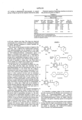
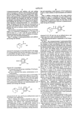
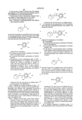
- the 2-alkoxy-N-(1-azabicyclo[2.2.2]octan-3-yl)aminobenzamides preparable by the process of the present invention have the formula: ##STR2## wherein R is hydrogen or loweralkyl; R 1 is loweralkyl; R 2 is selected from the group consisting of hydrogen, halo or loweralkoxy, and Am is selected from amino, methylamino or dimethylamino, and the strong mineral acid addition salts thereof. Strong mineral acids are exemplified by hydrochloric, hydrobromic, sulfuric, phosphoric or methane sulfonic acid and the like.
- loweralkyl as used herein includes straight and branched chain radicals of up to eight carbons inclusive and is exemplified by such groups as methyl, ethyl, propyl, isopropyl, butyl, amyl, hexyl, heptyl, and octyl radicals and the like.
- loweralkoxy has the formula --O--loweralkyl.
- halo or halogen when referred to herein include fluorine, chlorine, bromine and iodine unless otherwise stated.
- N,N'-dialkylcarbodiimide is intended to include any condensation agent suggestive of the generic term and will produce a by-product which is a water insoluble urea exemplified particularly by N,N-dicyclohexylcarbodiimide (DCC) and N,N'-diisopropylcarbodiimide.
- DCC N,N-dicyclohexylcarbodiimide
- N,N'-diisopropylcarbodiimide N,N'-dialkylcarbodiimide
- the gastrokinetic pharmacological activity mentioned above was determined by the method of Droppleman, D., Gregory, R., and Alphin, R., J. Pharmacological Methods 4(3) 227-30 (1980) wherein the rate of emptying of a test meal in rats compared to controls was observed.
- Anti-emetic properties in the control of emesis due to administration of platinum anti-cancer drugs were determined by a modification of the method described by Gylys, J. A., in Res. Commun. Chem. Pathol, Pharmacol. 23, No. 1, January 1979, pp 61-68 as follows: cisplatin (cis-diamminedichloroplatinum) is administered at a dose of 3 mg/kg intravenously to non-fasted dogs (both sexes). Ninety minutes after cis-platinum administration, the test drug in saline at a dose volume of 2 ml/kg is administered intravenously. A control group of dogs are given the cisplatin followed by saline at 90 min, without test drug. The dogs are observed continuously for a period of 4 hr counting the number of emetic episodes compared to emetic eposides observed for the controls.
- the process of the present invention is based on the discovery that 2-alkoxy-N-(1-azebicyclo[2.2.2]octan-3-yl) aminobenzamides can be prepared in very high yields in a reasonable time of about 24 hrs or less when an N,N'-dialkylcarbodiimide condensation agent is added to a pyridine-water solution of a 3-aminoquinuclidine mono-strong acid addition salt, i.e., the ratio of strong acid to quinuclidine nitrogen is about 1:1, and a 2-alkoxy-amino benzoic acid wherein during reaction, the ratio of pyridine to water may vary from about 50-50 volume % to about 90:10 volume %, all without uneconomical loss of the condensation agent.
- Another object is to provide pyridine-water solutions having relatively high concentrations of the 2-alkoxy-aminobenzoic acids and 3-aminoquinuclidines which are useful in preparing the 2-alkoxy-N-(1-azabicyclo[2.2.2]octan-3-yl) aminobenzamides.
- the condensation agent illustrated is DCC.
- the feasibility of the process depends on a combination of factors which include the use of a novel pyridine-water solution of high concentration of reactants and the use of a 3-aminoquinuclidine strong acid salt in its monoprotonated ratio.
- a novel solution is preferably prepared comprised of pyridine, water and a 3-aminoquinuclidine mono-strong acid compound of the formula: ##STR5## wherein R is hydrogen or loweralkyl, an aminobenzoic acid compound of the formula: ##STR6## wherein R 1 is loweralkyl; R 2 is selected from the group consisting of hydrogen, halo or loweralkoxy, and Am is selected from amino, methylamino or dimethylamino and wherein the amount of said 3-aminoquinuclidine mono-strong acid salts ranges from about 5-15 wt.
- condensation agent e.g. DCC
- the novel solution is preferably prepared by adding a strong base, preferably aqueous alkali-metal base, to a water solution of a di-strong acid salt of a 3-aminoquinuclidine, preferably, for example, 3-aminoquinuclidine dihydrochloride, to form a solution of the 3-aminoquinuclidine mono-strong acid salt and mixing the aqueous solution with a pyridine solution of the aforesaid aminobenzoic acid to form a solution of both reactants.
- a strong base preferably aqueous alkali-metal base
- a di-strong acid salt of a 3-aminoquinuclidine preferably, for example, 3-aminoquinuclidine dihydrochloride
- the overall process of the invention when extended beyond the initial reaction step to include work-up and final isolation of the free base is comprised of reacting monoprotonated strong acid salt of a 3-aminoquinuclidine, Formula II above, preferably prepared by reacting a strong base with the dihydrochloride salt and a 2-alkoxy-aminobenzoic acid derivative, Formula III above, in a 50-90% vol. % pyridine to 50-10 vol.
- % water solution and using an N,N-dialkylcarbodiimide condensation agent, e.g., DCC, to give the 2-alkoxy-N-(1-azabicyclo[2.2.2]octan-3-yl)aminobenzamide acid addition salt and adding water if necessary to dissolve said benzamide acid addition salt and filtering to remove by-product N,N'-dialkylurea to give a solution comprised of pyridine, water and an acid addition salt of said benzamide, azeotroping off the pyridine and isolating the acid salt or further purifying by neutralizing the acid salt with a strong base and isolating the free base of a 2-alkoxy-N-(1-azabicyclo[2.2.2]octan-3-yl)aminobenzamide by conventional means.
- the free base may be reconverted to the same acid addition salt or converted to another acid addition salt such as maleate, oxalate, fumarate, hydrobromide, etc.
- the invention encompasses the following novel steps singly or in consecutive combination, i.e., (1) alone, (1) and (2) alone or 1, 2 and 3 and the novel solution of reactants prepared in step 1 prior to addition of condensation agent and described hereinabove.
- Step 1 reacting a 3-aminoquinuclidine acid addition salt having the formula: ##STR7## wherein R is hydrogen or loweralkyl and X is the anion of a strong mineral acid and the equivalent ratio of HX to quinuclidine nitrogen is about 1:1 with an aminobenzoic acid derivative having the formula: ##STR8## wherein R 1 is loweralkyl; R 2 is selected from the group consisting of hydrogen, halo or loweralkoxy;
- Am is selected from amino, methylamino or dimethylamino
- an N,N-dialkylcarbodiimide in a pyridine water solution wherein the volume % pyridine to volume % water ratio may range from 50:50 to 90:10 at a temperature of about 0°-50° C. to give a mixture comprised of pyridine, water, and an N-(1-azabicyclo[2.2.2]octan-3-yl aminobenzamide acid addition salt having the formula: ##STR9## wherein R, R 1 , R 2 , Am, and X are as defined above and by-product N,N'-dialkylurea.
- Step 2 diluting the mixture prepared in step 1, if necessary, with water to dissolve any precipitated said benzamide acid addition salt, separating by-product N,N'-dialkylurea to give a pyridine-water solution of said benzamide acid addition salt and removing pyridine, preferably at reduced pressure as a pyridine-water azeotrope, adding water, if necessary, during azeotroping and separating a small amount of N,N'-dialkylurea to give a water solution of said benzamide acid addition salt.
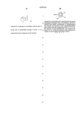
- Step 3 adding a strong base to the water solution prepared in step 2 to neutralize the acid addition salt, cooling to enhance crystallization, filtering, washing, and drying the crystals to obtain the free base of said 2-alkoxy-N-(1-azabicyclo[2.2.2]octan-3-yl)aminobenzamide having the formula: ##STR10## wherein R, R 1 , R 2 and Am are as defined above, and which may have water associated therewith.
- the monoprotonated 3-aminoquinuclidine (or derivative thereof) strong acid addition salt in aqueous solution is most conveniently derived from a diprotonated strong mineral acid addition salt, preferably the dihydrochloride salt, by dissolving the diprotonated salt in water and adding about one equivalent of a strong base in an aqueous solution, preferably sodium hydroxide solution.
- the 2-methoxy-aminobenzoic acid derivative is preferably dissolved in the pyridine required for the reaction and the solution obtained is mixed together with the foregoing aqueous solution to obtain a third solution.
- the foregoing reactants, i.e., compounds of Formula II and Formula III should be present in the range of 10-30 wt.
- N,N'-Dialkylcarbodiimide e.g., DCC
- the reaction temperature is maintained at 0°-50° C., preferably about 25° C. for a period of time to effect conversion to the benzamide, usually about 10-24 hr or less being required.
- the amount of N,N'-dialkylcarbodiimide required is less at the higher pyridine to water ratio.
- step 2 dilution of the pyridine-water mixture prepared in step 1 with water accomplishes the following: dissolves any undissolved 2-alkoxy-N-(1-azabicyclo[2.2.2]octan-3-yl)aminobenzamide acid addition salt, hydrolyzes any unused condensing agent and aids in precipitation of by-product N,N'-dialkylurea, e.g., N,N'-dicyclohexylurea, preparatory to filtration to remove the bulk of the dialkylurea.
- the azeotroping step as stated above removes pyridine which results in further precipitation of dialkylurea and is done preferably at reduced pressure and temperature.
- step 3 the water solution prepared in step 2, containing the benzamide acid addition salt, is neutralized, cooled, and the crystals obtained are filtered off in a conventional manner, washing with water until pH of the filtrate is dropped to about 8-9. The crystals are then dried at temperatures from about 25°-100° C. at reduced pressure to give the degree of drying desired.
- the mixture was diluted to a volume of 40 liters with water, stirred overnight and filtered to remove N,N'-dicyclohexylurea.
- the filter cake was rinsed with 3 liters of water.
- the reddish-brown filtrate amounting to 22 liters was concentrated to a volume of 10 liters.
- Water, 3 liters, and 200 g of activated charcoal were added and the mixture was stirred overnight and filtered to remove the charcoal.
- To the filtrate was added dropwise, 470 g (6.0 mole) of 51.1% aqueous sodium hydroxide (seeding with free base of the title compound part way through the addition) and heavy precipitate was obtained.
- the reaction mixture was diluted with the addition of 46 liters of water. The mixture was stirred for several hours, then was vacuum filtered to remove the by-product N,N'-dicyclohexyl urea. The filtrate was vacuum distilled at 25 inches Hg to remove pyridine. When the pot temperature rose to 50° C., another 18 liters of water was added and the vacuum distillation was continued to a pot temperature of 65° C. The vacuum was released and 6 liters of water was added to the mixture to dissolve precipitated product hydrochloride salt. The mixture was filtered to remove a small amount of undissolved solids. The filtrate was cooled to 15° C. and 2.93 kg (36.6 moles) of 50% sodium hydroxide was added to precipitate free base of the title compound.
- the mixture was cooled further to 10° C. and filtered.
- the filter cake was washed with water until the pH of the filtrate had dropped to 8-9.
- the off-white solid was dried at 100° F. under 25 inches Hg vacuum for 16 hr to give 12.965 kg of free base hydrate containing 15% by weight of water.
- the free base hydrate was added to 50 liters of isopropyl alcohol and the mixture was warmed to 50° C. and filtered to remove a small amount of white insoluble sludge. An additional 15 liters of isopropyl alcohol was used in transfer and washing. The clarified filtrate was cooled to 15° C. and 2.96 liters of aqueous 37% hydrochloric acid solution was added slowly. The mixture was cooled for 26 hr and the white solid was collected by vacuum filtration. After drying to constant weight, 12.56 kg of title monohydrochloride monohydrate was obtained which represents a 94% overall yield (based on the limiting reactant 3-aminoquinuclidine hydrochloride), m.p. 154°-156° C.
- the reaction mixture was filtered to remove N,N'-dicyclohexyl urea by-product, the cake being washed with water into the filtrate.
- the filtrate showed (TLC, using the method described in Example 2) a small amount of unreacted 3-aminoquinuclidine was present. Pyridine was evaporated off, adding water as necessary. The aqueous residue was filtered to remove a trace of gummy solid. The filtrate was made basic and seeded. The precipitate was collected, rinsed 3 times with water, and dried at room temperature and 0.5 mm Hg vacuum for about 2 hr to give 14.6 g of product which was determined by NMR analysis to contain about 1 mole of water per mole of the benzamide. Yield based on the monohydrate composition was 89%.
- the total volume of filtrate and rinsing combined was 21 liter.
- the volume was reduced, using a flash evaporator to 6.5 liter.
- the volume was further reduced under 26" mercury vacuum to 4.0 liters.
- To the concentrate was added 6 liters of n-propyl alcohol. After standing overnight the crystals were filtered off (with difficulty) and dissolved in a warm mixture of 4 liters of isopropyl alcohol and 300 ml of water. The turbid solution was filtered quickly to remove some insoluble impurity.
- the filtrate was cooled and diluted with 4 liters of isopropyl alcohol.
- the precipitate was collected by filtration. Second and third crops of crystals were obtained by concentrating the filtrate (mother liquor) each time.
- the solids were combined and dissolved in the minimum amount of water and converted to the free base by adding sodium hydroxide.
- the free base was separated by filtration.
- the mixture was stirred overnight at room temperature.
- the N,N'-dicyclohexyl urea by-product was removed by filtration and washed with about 600 ml of water.
- the filtrate was evaporated to dryness and the residue was heated with water.
- the mixture was filtered and the insoluble material was rinsed with hot water.
- the filtrate was acidified to pH 2-3 with concentrated hydrochloric acid and extracted twice with 200 ml of methylene chloride each time.
- the aqueous solution was adjusted to pH 10-12 with 50% aqueous sodium hydroxide and the solution was extracted twice with 250 ml of methylene chloride each time.
- the combined extract was washed with 200 ml of saturated sodium chloride, dried over magnesium sulfate, treated with activated charcoal and filtered.
Landscapes
- Chemical & Material Sciences (AREA)
- Organic Chemistry (AREA)
- Nitrogen Condensed Heterocyclic Rings (AREA)
- Pharmaceuticals Containing Other Organic And Inorganic Compounds (AREA)
- Organic Low-Molecular-Weight Compounds And Preparation Thereof (AREA)
- Indole Compounds (AREA)
Priority Applications (21)
| Application Number | Priority Date | Filing Date | Title |
|---|---|---|---|
| US06/697,943 US4870181A (en) | 1985-02-04 | 1985-02-04 | Process for the preparation of 2-alkoxy-N-(1-azabicyclo[2.2.2])octan-3-yl)aminobenzamides |
| IL77612A IL77612A (en) | 1985-02-04 | 1986-01-15 | Preparation of 2-methoxy-n-(1-azabicyclo(2.2.2)octan-3-yl)aminobenzamides |
| ZA86411A ZA86411B (en) | 1985-02-04 | 1986-01-20 | Process for the preparation of 2-alkoxy-n-(1-azabicyclo-(2.2.2)octan-3-yl)amino-benzamides |
| AU52589/86A AU589592B2 (en) | 1985-02-04 | 1986-01-21 | Process for the preparation of 2-alkoxy-n-(1-azabicyclo (2.2.2)octan-3-yl) amino-benzamides |
| YU9586A YU45763B (sh) | 1985-02-04 | 1986-01-24 | Postupak za izradu 2-alkoksi-n-(1-azabiciklo/2,2,2/oktan-3-il)-aminobenzamida |
| PH33362A PH21990A (en) | 1985-02-04 | 1986-01-31 | An improved process for the preparation of 2-alkoxy-n-(1-azabicyclo(2.2.2)octan-3-yl) aminobenzamides |
| FI860489A FI84913C (fi) | 1985-02-04 | 1986-02-03 | Foerfarande foer framstaellning av 2-alkoxi-n-(1-azabicyclo/2.2.2./oktan-3-yl)aminobensamider. |
| NO860373A NO163367C (no) | 1985-02-04 | 1986-02-03 | Fremgangsmaate ved fremstilling av 2-alkoxy-n-(1-azabicyclo(2,2,2)octan-3-yl)amino-benzamider. |
| GR860320A GR860320B (en) | 1985-02-04 | 1986-02-03 | Process for the preparation of 2-alkoxy-n-(1-azabicyclo (2.2.2.) octan -3-yl) aminobenzamides |
| PL1986257773A PL148515B1 (en) | 1985-02-04 | 1986-02-03 | Method of obtaining 2-alkoxy-n/1-azabicyclo-/2.2.2/octan-3-yl/ aminobanzamides in the form of adition salt with an acid and in the form of free base |
| NZ215016A NZ215016A (en) | 1985-02-04 | 1986-02-03 | Preparation of 2-alkoxy-n-(1-azabioctan-3-yl) aminobenzamides |
| IE28886A IE59396B1 (en) | 1985-02-04 | 1986-02-03 | Process for the preparation of 2-alkoxy-n-(1-azabicyclo(2.2.2)octan-3-yl)amino-benzamides |
| HU86469A HU196796B (en) | 1985-02-04 | 1986-02-03 | Process for producing 2-alkoxy-n-/1-azabicyclo/2.2.2/-oktan-3-yl/-amino-banzamide derivatives |
| KR1019860000706A KR930005446B1 (ko) | 1985-02-04 | 1986-02-03 | 2-알콕시-n-(1-아자비사이클로[2.2.2]옥탄-3-일)아미노 벤즈아미드의 제조방법 |
| DK051686A DK170098B1 (da) | 1985-02-04 | 1986-02-03 | Fremgangsmåde til fremstilling af en blanding indeholdende pyridin, vand, et N,N'-dialkyl- eller N,N'-dicyclohexylurinstof og et 2-alkoxy-N-(1-azabicyclo(2,2,2)octan-3-yl)-aminobenzamid-syreadditionssalt, fremgangsmåde til fremstilling af et sådant aminobenzamid, fremgangsmåde til fremstilling af en pyridin/vand-opløsning af et sådant syreadditionssalt samt mellemproduktopløsning indeholdende |
| PT81956A PT81956B (pt) | 1985-02-04 | 1986-02-03 | Processo para a preparacao de 2-alcoxi-n-(1-azabiciclo {2,2,2}octanil-3)-aminobenzamidas |
| CA000500991A CA1288776C (en) | 1985-02-04 | 1986-02-03 | Process for the preparation of 2-alkoxy-n-(1- azabicyclo[2.2.2]octan-3-yl) aminobenzamides |
| JP61022818A JPH0676407B2 (ja) | 1985-02-04 | 1986-02-04 | 2‐アルコキシ‐n‐(1‐アザビシクロ〔2,2,2〕オクタン‐3‐イル)アミノベンズアミドの製法 |
| EP86300728A EP0190915B1 (en) | 1985-02-04 | 1986-02-04 | Process for the preparation of 2-alkoxy-N-(1-azabicyclo[2.2.2]octan-3-yl) aminobenzamides |
| AT86300728T ATE81856T1 (de) | 1985-02-04 | 1986-02-04 | Verfahren zur herstellung von 2-alkoxy-n-(1azabicyclo(2.2.2>octan-3-yl)aminobenzamiden. |
| DE8686300728T DE3687006T2 (de) | 1985-02-04 | 1986-02-04 | Verfahren zur herstellung von 2-alkoxy-n-(1-azabicyclo(2.2.2)octan-3-yl)aminobenzamiden. |
Applications Claiming Priority (1)
| Application Number | Priority Date | Filing Date | Title |
|---|---|---|---|
| US06/697,943 US4870181A (en) | 1985-02-04 | 1985-02-04 | Process for the preparation of 2-alkoxy-N-(1-azabicyclo[2.2.2])octan-3-yl)aminobenzamides |
Publications (1)
| Publication Number | Publication Date |
|---|---|
| US4870181A true US4870181A (en) | 1989-09-26 |
Family
ID=24803230
Family Applications (1)
| Application Number | Title | Priority Date | Filing Date |
|---|---|---|---|
| US06/697,943 Expired - Fee Related US4870181A (en) | 1985-02-04 | 1985-02-04 | Process for the preparation of 2-alkoxy-N-(1-azabicyclo[2.2.2])octan-3-yl)aminobenzamides |
Country Status (21)
| Country | Link |
|---|---|
| US (1) | US4870181A (da) |
| EP (1) | EP0190915B1 (da) |
| JP (1) | JPH0676407B2 (da) |
| KR (1) | KR930005446B1 (da) |
| AT (1) | ATE81856T1 (da) |
| AU (1) | AU589592B2 (da) |
| CA (1) | CA1288776C (da) |
| DE (1) | DE3687006T2 (da) |
| DK (1) | DK170098B1 (da) |
| FI (1) | FI84913C (da) |
| GR (1) | GR860320B (da) |
| HU (1) | HU196796B (da) |
| IE (1) | IE59396B1 (da) |
| IL (1) | IL77612A (da) |
| NO (1) | NO163367C (da) |
| NZ (1) | NZ215016A (da) |
| PH (1) | PH21990A (da) |
| PL (1) | PL148515B1 (da) |
| PT (1) | PT81956B (da) |
| YU (1) | YU45763B (da) |
| ZA (1) | ZA86411B (da) |
Cited By (7)
| Publication number | Priority date | Publication date | Assignee | Title |
|---|---|---|---|---|
| US4892205A (en) * | 1988-07-15 | 1990-01-09 | Hoover Universal, Inc. | Concentric ribbed preform and bottle made from same |
| US6479510B2 (en) | 2000-08-18 | 2002-11-12 | Pharmacia & Upjohn Company | Quinuclidine-substituted aryl compounds for treatment of disease |
| US6486172B2 (en) | 2000-08-18 | 2002-11-26 | Pharmacia & Upjohn Company | Quinuclidine-substituted aryl compounds for treatment of disease |
| US20030069296A1 (en) * | 2001-08-24 | 2003-04-10 | Wishka Donn G. | Substituted-aryl 7-aza[2.2.1]bicycloheptanes for the treatment of disease |
| US20030236270A1 (en) * | 2002-02-20 | 2003-12-25 | Jacobsen Eric Jon | Azabicyclic compounds for the treatment of disease |
| US6852716B2 (en) | 2002-02-15 | 2005-02-08 | Pfizer Inc | Substituted-aryl compounds for treatment of disease |
| US6869946B2 (en) | 2001-04-19 | 2005-03-22 | Pfizer Inc | Substituted azabicyclic moieties for the treatment of disease |
Families Citing this family (6)
| Publication number | Priority date | Publication date | Assignee | Title |
|---|---|---|---|---|
| EP0272052B1 (en) * | 1986-12-16 | 1992-07-08 | A.H. ROBINS COMPANY, INCORPORATED (a Delaware corporation) | Anxiolytic-N-(1-Azabicyclo[2.2.2]Oct-3-yl) Benzamides and Thobenzamides |
| FR2610323B1 (fr) * | 1987-02-04 | 1989-06-23 | Delalande Sa | Enantiomeres de configuration absolue s de derives amide de l'amino-3 quinuclidine, leur procede de preparation et leur application en therapeutique |
| GB8718345D0 (en) * | 1987-08-03 | 1987-09-09 | Fordonal Sa | N-substituted benzamides |
| EP0311724A1 (en) * | 1987-10-16 | 1989-04-19 | Synthelabo | Anxiolytic-R-N-(1-azabicyclo[2.2.2]oct-3-yl) benzamides and thiobenzamides |
| US4863919A (en) * | 1988-02-01 | 1989-09-05 | A. H. Robins Company, Incorporated | Method of enhancing memory or correcting memory deficiency with arylamido(and arylthiomido)-azabicycloalkanes |
| JP2988711B2 (ja) | 1989-10-20 | 1999-12-13 | 協和醗酵工業株式会社 | 縮合プリン誘導体 |
Citations (3)
| Publication number | Priority date | Publication date | Assignee | Title |
|---|---|---|---|---|
| US3859443A (en) * | 1973-11-15 | 1975-01-07 | Merck & Co Inc | Composition and methods of treatment employing acrylanilides as anticoccidial agents |
| US4088639A (en) * | 1974-06-12 | 1978-05-09 | Snamprogetti, S.P.A. | Macromolecular adenine nucleotide derivatives |
| FR2529548A1 (fr) * | 1982-07-02 | 1984-01-06 | Delalande Sa | Nouveaux derives de l'amino-3 quinuclidine, leur procede et leur application en therapeutique |
Family Cites Families (3)
| Publication number | Priority date | Publication date | Assignee | Title |
|---|---|---|---|---|
| US4093734A (en) * | 1975-11-03 | 1978-06-06 | Boehringer Ingelheim Gmbh | Amino-benzoic acid amides |
| JPS5936675A (ja) * | 1982-07-13 | 1984-02-28 | サンド・アクチエンゲゼルシヤフト | 二環性複素環式カルボン酸アザビシクロアルキルエステルまたはアミド |
| US4593034A (en) * | 1984-04-06 | 1986-06-03 | A. H. Robins Company, Inc. | 2-alkoxy-N-(1-azabicyclo[2.2.2]oct-3-yl)benzamides and thiobenzamides |
-
1985
- 1985-02-04 US US06/697,943 patent/US4870181A/en not_active Expired - Fee Related
-
1986
- 1986-01-15 IL IL77612A patent/IL77612A/xx not_active IP Right Cessation
- 1986-01-20 ZA ZA86411A patent/ZA86411B/xx unknown
- 1986-01-21 AU AU52589/86A patent/AU589592B2/en not_active Ceased
- 1986-01-24 YU YU9586A patent/YU45763B/sh unknown
- 1986-01-31 PH PH33362A patent/PH21990A/en unknown
- 1986-02-03 KR KR1019860000706A patent/KR930005446B1/ko not_active Expired - Fee Related
- 1986-02-03 PT PT81956A patent/PT81956B/pt not_active IP Right Cessation
- 1986-02-03 HU HU86469A patent/HU196796B/hu not_active IP Right Cessation
- 1986-02-03 PL PL1986257773A patent/PL148515B1/pl unknown
- 1986-02-03 CA CA000500991A patent/CA1288776C/en not_active Expired - Lifetime
- 1986-02-03 FI FI860489A patent/FI84913C/fi not_active IP Right Cessation
- 1986-02-03 NZ NZ215016A patent/NZ215016A/xx unknown
- 1986-02-03 NO NO860373A patent/NO163367C/no unknown
- 1986-02-03 GR GR860320A patent/GR860320B/el unknown
- 1986-02-03 DK DK051686A patent/DK170098B1/da active
- 1986-02-03 IE IE28886A patent/IE59396B1/en not_active IP Right Cessation
- 1986-02-04 JP JP61022818A patent/JPH0676407B2/ja not_active Expired - Lifetime
- 1986-02-04 AT AT86300728T patent/ATE81856T1/de not_active IP Right Cessation
- 1986-02-04 EP EP86300728A patent/EP0190915B1/en not_active Expired - Lifetime
- 1986-02-04 DE DE8686300728T patent/DE3687006T2/de not_active Expired - Fee Related
Patent Citations (3)
| Publication number | Priority date | Publication date | Assignee | Title |
|---|---|---|---|---|
| US3859443A (en) * | 1973-11-15 | 1975-01-07 | Merck & Co Inc | Composition and methods of treatment employing acrylanilides as anticoccidial agents |
| US4088639A (en) * | 1974-06-12 | 1978-05-09 | Snamprogetti, S.P.A. | Macromolecular adenine nucleotide derivatives |
| FR2529548A1 (fr) * | 1982-07-02 | 1984-01-06 | Delalande Sa | Nouveaux derives de l'amino-3 quinuclidine, leur procede et leur application en therapeutique |
Non-Patent Citations (2)
| Title |
|---|
| Skoog et al., Anal. Chem., 3rd ed., pp. 156 157. * |
| Skoog et al., Anal. Chem., 3rd ed., pp. 156-157. |
Cited By (8)
| Publication number | Priority date | Publication date | Assignee | Title |
|---|---|---|---|---|
| US4892205A (en) * | 1988-07-15 | 1990-01-09 | Hoover Universal, Inc. | Concentric ribbed preform and bottle made from same |
| US6479510B2 (en) | 2000-08-18 | 2002-11-12 | Pharmacia & Upjohn Company | Quinuclidine-substituted aryl compounds for treatment of disease |
| US6486172B2 (en) | 2000-08-18 | 2002-11-26 | Pharmacia & Upjohn Company | Quinuclidine-substituted aryl compounds for treatment of disease |
| US6869946B2 (en) | 2001-04-19 | 2005-03-22 | Pfizer Inc | Substituted azabicyclic moieties for the treatment of disease |
| US20030069296A1 (en) * | 2001-08-24 | 2003-04-10 | Wishka Donn G. | Substituted-aryl 7-aza[2.2.1]bicycloheptanes for the treatment of disease |
| US6852716B2 (en) | 2002-02-15 | 2005-02-08 | Pfizer Inc | Substituted-aryl compounds for treatment of disease |
| US20030236270A1 (en) * | 2002-02-20 | 2003-12-25 | Jacobsen Eric Jon | Azabicyclic compounds for the treatment of disease |
| US7001900B2 (en) | 2002-02-20 | 2006-02-21 | Pfizer Inc. | Azabicyclic compounds for the treatment of disease |
Also Published As
Similar Documents
| Publication | Publication Date | Title |
|---|---|---|
| EP0190915B1 (en) | Process for the preparation of 2-alkoxy-N-(1-azabicyclo[2.2.2]octan-3-yl) aminobenzamides | |
| DE2901170C2 (da) | ||
| US4528393A (en) | Derivatives having expectorant activity, the procedure for their preparation and the pharmaceutical compositions which contain them | |
| EP0251308B1 (de) | 4-Chinolon-3-carbonsäurederivate, Verfahren zu ihrer Herstellung und diese enthaltende pharmazeutische Präparate | |
| SK14672001A3 (sk) | Spôsob syntézy a kryštalizácie zlúčenín obsahujúcich piperazínový kruh | |
| US3201406A (en) | Pyridylcoumarins | |
| DE60003169T2 (de) | Verfahren zur herstellung von [s-(r*,s*)]-g(b)-[[1-[1-oxo-3-(4-piperidinyl)propyl]-3-piperidinyl]carbonyl] amino]-3-pyridinpropansäurederivate | |
| US5382689A (en) | Process for preparation of bevantolol hydrochloride | |
| IL25315A (en) | O-(2-guanidino-ethyl)-oximes | |
| US6576764B2 (en) | Synthesis and crystallization of piperazine ring-containing compounds | |
| US4703055A (en) | Benzamides and therapeutic use thereof | |
| CN114560862A (zh) | 一种吡咯并[1,2-a]喹喔啉-4(5h)-酮及其衍生物的合成方法 | |
| KR930003611B1 (ko) | 퀴놀론 카복실산 유도체의 제조방법 | |
| CN119059990B (zh) | 1-氨基甲酸叔丁酯哌嗪的制备方法 | |
| KR890001241B1 (ko) | 4-아세틸 이소퀴놀리논 화합물의 제조방법 | |
| US4024082A (en) | Analgesics | |
| US3202712A (en) | 1-cyclohexene-4-bis (omicron-chlorobenzylaminomethyl) and derivatives | |
| US2998421A (en) | Guanroevo compounds and method of | |
| JPH09255644A (ja) | アジピン酸ジヒドラジドの製法 | |
| JPS6127961A (ja) | N−置換フタルイミドの製造方法 | |
| JPS62192364A (ja) | N−シアノ−n′−メチル−n″−〔2−〔〔(5−メチル−1h−イミダゾ−ル−4−イル)メチル〕チオ〕エチル〕グアニジンの製法 | |
| CH552566A (de) | Verfahren zur herstellung der (+)-(beta)-amino-(beta)-(3,4-dimethoxy-phenyl)-propionsaeure. | |
| JPS62265256A (ja) | N↓6−長鎖アシル−n↓2,n↓2−ジアルキルリジンの製造法 | |
| JPS62148483A (ja) | スルホンアミドの製造方法 | |
| JPH0478632B2 (da) |
Legal Events
| Date | Code | Title | Description |
|---|---|---|---|
| AS | Assignment |
Owner name: A. H. ROBINS COMPANY, INCORPORATED, 1407 CUMMINGS Free format text: ASSIGNMENT OF ASSIGNORS INTEREST.;ASSIGNOR:LO, YOUNG S.;REEL/FRAME:004485/0814 Effective date: 19851204 |
|
| AS | Assignment |
Owner name: A.H. ROBINS COMPANY, INCORPORATED, A DE CORP. Free format text: CHANGE OF NAME;ASSIGNOR:A.H. ROBINS COMPANY, INCORPORATED, A CORP. OF VA (INTO);REEL/FRAME:005587/0178 Effective date: 19891213 |
|
| FEPP | Fee payment procedure |
Free format text: PAYOR NUMBER ASSIGNED (ORIGINAL EVENT CODE: ASPN); ENTITY STATUS OF PATENT OWNER: LARGE ENTITY |
|
| FPAY | Fee payment |
Year of fee payment: 4 |
|
| FEPP | Fee payment procedure |
Free format text: PAYER NUMBER DE-ASSIGNED (ORIGINAL EVENT CODE: RMPN); ENTITY STATUS OF PATENT OWNER: LARGE ENTITY Free format text: PAYOR NUMBER ASSIGNED (ORIGINAL EVENT CODE: ASPN); ENTITY STATUS OF PATENT OWNER: LARGE ENTITY |
|
| FPAY | Fee payment |
Year of fee payment: 8 |
|
| REMI | Maintenance fee reminder mailed | ||
| LAPS | Lapse for failure to pay maintenance fees | ||
| FP | Lapsed due to failure to pay maintenance fee |
Effective date: 20010926 |
|
| STCH | Information on status: patent discontinuation |
Free format text: PATENT EXPIRED DUE TO NONPAYMENT OF MAINTENANCE FEES UNDER 37 CFR 1.362 |