EP4553086A2 - Optimierung von antikörpern zur bindung des lymphozytenaktivierungsgens 3 (lag-3) und verwendungen davon - Google Patents
Optimierung von antikörpern zur bindung des lymphozytenaktivierungsgens 3 (lag-3) und verwendungen davon Download PDFInfo
- Publication number
- EP4553086A2 EP4553086A2 EP24188894.0A EP24188894A EP4553086A2 EP 4553086 A2 EP4553086 A2 EP 4553086A2 EP 24188894 A EP24188894 A EP 24188894A EP 4553086 A2 EP4553086 A2 EP 4553086A2
- Authority
- EP
- European Patent Office
- Prior art keywords
- antibody
- lag
- antibodies
- antigen
- human
- Prior art date
- Legal status (The legal status is an assumption and is not a legal conclusion. Google has not performed a legal analysis and makes no representation as to the accuracy of the status listed.)
- Withdrawn
Links
Images





Classifications
-
- A—HUMAN NECESSITIES
- A61—MEDICAL OR VETERINARY SCIENCE; HYGIENE
- A61K—PREPARATIONS FOR MEDICAL, DENTAL OR TOILETRY PURPOSES
- A61K39/00—Medicinal preparations containing antigens or antibodies
- A61K39/395—Antibodies; Immunoglobulins; Immune serum, e.g. antilymphocytic serum
- A61K39/39533—Antibodies; Immunoglobulins; Immune serum, e.g. antilymphocytic serum against materials from animals
- A61K39/3955—Antibodies; Immunoglobulins; Immune serum, e.g. antilymphocytic serum against materials from animals against proteinaceous materials, e.g. enzymes, hormones, lymphokines
-
- A—HUMAN NECESSITIES
- A61—MEDICAL OR VETERINARY SCIENCE; HYGIENE
- A61K—PREPARATIONS FOR MEDICAL, DENTAL OR TOILETRY PURPOSES
- A61K45/00—Medicinal preparations containing active ingredients not provided for in groups A61K31/00 - A61K41/00
- A61K45/06—Mixtures of active ingredients without chemical characterisation, e.g. antiphlogistics and cardiaca
-
- A—HUMAN NECESSITIES
- A61—MEDICAL OR VETERINARY SCIENCE; HYGIENE
- A61K—PREPARATIONS FOR MEDICAL, DENTAL OR TOILETRY PURPOSES
- A61K47/00—Medicinal preparations characterised by the non-active ingredients used, e.g. carriers or inert additives; Targeting or modifying agents chemically bound to the active ingredient
- A61K47/50—Medicinal preparations characterised by the non-active ingredients used, e.g. carriers or inert additives; Targeting or modifying agents chemically bound to the active ingredient the non-active ingredient being chemically bound to the active ingredient, e.g. polymer-drug conjugates
- A61K47/51—Medicinal preparations characterised by the non-active ingredients used, e.g. carriers or inert additives; Targeting or modifying agents chemically bound to the active ingredient the non-active ingredient being chemically bound to the active ingredient, e.g. polymer-drug conjugates the non-active ingredient being a modifying agent
- A61K47/68—Medicinal preparations characterised by the non-active ingredients used, e.g. carriers or inert additives; Targeting or modifying agents chemically bound to the active ingredient the non-active ingredient being chemically bound to the active ingredient, e.g. polymer-drug conjugates the non-active ingredient being a modifying agent the modifying agent being an antibody, an immunoglobulin or a fragment thereof, e.g. an Fc-fragment
- A61K47/6835—Medicinal preparations characterised by the non-active ingredients used, e.g. carriers or inert additives; Targeting or modifying agents chemically bound to the active ingredient the non-active ingredient being chemically bound to the active ingredient, e.g. polymer-drug conjugates the non-active ingredient being a modifying agent the modifying agent being an antibody, an immunoglobulin or a fragment thereof, e.g. an Fc-fragment the modifying agent being an antibody or an immunoglobulin bearing at least one antigen-binding site
- A61K47/6849—Medicinal preparations characterised by the non-active ingredients used, e.g. carriers or inert additives; Targeting or modifying agents chemically bound to the active ingredient the non-active ingredient being chemically bound to the active ingredient, e.g. polymer-drug conjugates the non-active ingredient being a modifying agent the modifying agent being an antibody, an immunoglobulin or a fragment thereof, e.g. an Fc-fragment the modifying agent being an antibody or an immunoglobulin bearing at least one antigen-binding site the antibody targeting a receptor, a cell surface antigen or a cell surface determinant
-
- A—HUMAN NECESSITIES
- A61—MEDICAL OR VETERINARY SCIENCE; HYGIENE
- A61P—SPECIFIC THERAPEUTIC ACTIVITY OF CHEMICAL COMPOUNDS OR MEDICINAL PREPARATIONS
- A61P31/00—Antiinfectives, i.e. antibiotics, antiseptics, chemotherapeutics
- A61P31/12—Antivirals
-
- A—HUMAN NECESSITIES
- A61—MEDICAL OR VETERINARY SCIENCE; HYGIENE
- A61P—SPECIFIC THERAPEUTIC ACTIVITY OF CHEMICAL COMPOUNDS OR MEDICINAL PREPARATIONS
- A61P35/00—Antineoplastic agents
-
- A—HUMAN NECESSITIES
- A61—MEDICAL OR VETERINARY SCIENCE; HYGIENE
- A61P—SPECIFIC THERAPEUTIC ACTIVITY OF CHEMICAL COMPOUNDS OR MEDICINAL PREPARATIONS
- A61P37/00—Drugs for immunological or allergic disorders
- A61P37/02—Immunomodulators
-
- A—HUMAN NECESSITIES
- A61—MEDICAL OR VETERINARY SCIENCE; HYGIENE
- A61P—SPECIFIC THERAPEUTIC ACTIVITY OF CHEMICAL COMPOUNDS OR MEDICINAL PREPARATIONS
- A61P37/00—Drugs for immunological or allergic disorders
- A61P37/02—Immunomodulators
- A61P37/04—Immunostimulants
-
- C—CHEMISTRY; METALLURGY
- C07—ORGANIC CHEMISTRY
- C07K—PEPTIDES
- C07K16/00—Immunoglobulins [IG], e.g. monoclonal or polyclonal antibodies
- C07K16/18—Immunoglobulins [IG], e.g. monoclonal or polyclonal antibodies against material from animals or humans
-
- C—CHEMISTRY; METALLURGY
- C07—ORGANIC CHEMISTRY
- C07K—PEPTIDES
- C07K16/00—Immunoglobulins [IG], e.g. monoclonal or polyclonal antibodies
- C07K16/18—Immunoglobulins [IG], e.g. monoclonal or polyclonal antibodies against material from animals or humans
- C07K16/28—Immunoglobulins [IG], e.g. monoclonal or polyclonal antibodies against material from animals or humans against receptors, cell surface antigens or cell surface determinants
- C07K16/2803—Immunoglobulins [IG], e.g. monoclonal or polyclonal antibodies against material from animals or humans against receptors, cell surface antigens or cell surface determinants against the immunoglobulin superfamily
- C07K16/2818—Immunoglobulins [IG], e.g. monoclonal or polyclonal antibodies against material from animals or humans against receptors, cell surface antigens or cell surface determinants against the immunoglobulin superfamily against CD28 or CD152
-
- C—CHEMISTRY; METALLURGY
- C07—ORGANIC CHEMISTRY
- C07K—PEPTIDES
- C07K16/00—Immunoglobulins [IG], e.g. monoclonal or polyclonal antibodies
- C07K16/18—Immunoglobulins [IG], e.g. monoclonal or polyclonal antibodies against material from animals or humans
- C07K16/28—Immunoglobulins [IG], e.g. monoclonal or polyclonal antibodies against material from animals or humans against receptors, cell surface antigens or cell surface determinants
- C07K16/2803—Immunoglobulins [IG], e.g. monoclonal or polyclonal antibodies against material from animals or humans against receptors, cell surface antigens or cell surface determinants against the immunoglobulin superfamily
- C07K16/2827—Immunoglobulins [IG], e.g. monoclonal or polyclonal antibodies against material from animals or humans against receptors, cell surface antigens or cell surface determinants against the immunoglobulin superfamily against B7 molecules, e.g. CD80, CD86
-
- A—HUMAN NECESSITIES
- A61—MEDICAL OR VETERINARY SCIENCE; HYGIENE
- A61K—PREPARATIONS FOR MEDICAL, DENTAL OR TOILETRY PURPOSES
- A61K39/00—Medicinal preparations containing antigens or antibodies
- A61K2039/505—Medicinal preparations containing antigens or antibodies comprising antibodies
-
- A—HUMAN NECESSITIES
- A61—MEDICAL OR VETERINARY SCIENCE; HYGIENE
- A61K—PREPARATIONS FOR MEDICAL, DENTAL OR TOILETRY PURPOSES
- A61K39/00—Medicinal preparations containing antigens or antibodies
- A61K2039/505—Medicinal preparations containing antigens or antibodies comprising antibodies
- A61K2039/507—Comprising a combination of two or more separate antibodies
-
- A—HUMAN NECESSITIES
- A61—MEDICAL OR VETERINARY SCIENCE; HYGIENE
- A61K—PREPARATIONS FOR MEDICAL, DENTAL OR TOILETRY PURPOSES
- A61K39/00—Medicinal preparations containing antigens or antibodies
- A61K39/395—Antibodies; Immunoglobulins; Immune serum, e.g. antilymphocytic serum
- A61K39/39533—Antibodies; Immunoglobulins; Immune serum, e.g. antilymphocytic serum against materials from animals
- A61K39/39558—Antibodies; Immunoglobulins; Immune serum, e.g. antilymphocytic serum against materials from animals against tumor tissues, cells, antigens
-
- C—CHEMISTRY; METALLURGY
- C07—ORGANIC CHEMISTRY
- C07K—PEPTIDES
- C07K16/00—Immunoglobulins [IG], e.g. monoclonal or polyclonal antibodies
- C07K16/18—Immunoglobulins [IG], e.g. monoclonal or polyclonal antibodies against material from animals or humans
- C07K16/28—Immunoglobulins [IG], e.g. monoclonal or polyclonal antibodies against material from animals or humans against receptors, cell surface antigens or cell surface determinants
- C07K16/30—Immunoglobulins [IG], e.g. monoclonal or polyclonal antibodies against material from animals or humans against receptors, cell surface antigens or cell surface determinants from tumour cells
- C07K16/3061—Blood cells
-
- C—CHEMISTRY; METALLURGY
- C07—ORGANIC CHEMISTRY
- C07K—PEPTIDES
- C07K2317/00—Immunoglobulins specific features
- C07K2317/10—Immunoglobulins specific features characterized by their source of isolation or production
- C07K2317/14—Specific host cells or culture conditions, e.g. components, pH or temperature
-
- C—CHEMISTRY; METALLURGY
- C07—ORGANIC CHEMISTRY
- C07K—PEPTIDES
- C07K2317/00—Immunoglobulins specific features
- C07K2317/20—Immunoglobulins specific features characterized by taxonomic origin
- C07K2317/21—Immunoglobulins specific features characterized by taxonomic origin from primates, e.g. man
-
- C—CHEMISTRY; METALLURGY
- C07—ORGANIC CHEMISTRY
- C07K—PEPTIDES
- C07K2317/00—Immunoglobulins specific features
- C07K2317/20—Immunoglobulins specific features characterized by taxonomic origin
- C07K2317/24—Immunoglobulins specific features characterized by taxonomic origin containing regions, domains or residues from different species, e.g. chimeric, humanized or veneered
-
- C—CHEMISTRY; METALLURGY
- C07—ORGANIC CHEMISTRY
- C07K—PEPTIDES
- C07K2317/00—Immunoglobulins specific features
- C07K2317/50—Immunoglobulins specific features characterized by immunoglobulin fragments
- C07K2317/56—Immunoglobulins specific features characterized by immunoglobulin fragments variable (Fv) region, i.e. VH and/or VL
- C07K2317/565—Complementarity determining region [CDR]
-
- C—CHEMISTRY; METALLURGY
- C07—ORGANIC CHEMISTRY
- C07K—PEPTIDES
- C07K2317/00—Immunoglobulins specific features
- C07K2317/70—Immunoglobulins specific features characterized by effect upon binding to a cell or to an antigen
- C07K2317/75—Agonist effect on antigen
-
- C—CHEMISTRY; METALLURGY
- C07—ORGANIC CHEMISTRY
- C07K—PEPTIDES
- C07K2317/00—Immunoglobulins specific features
- C07K2317/70—Immunoglobulins specific features characterized by effect upon binding to a cell or to an antigen
- C07K2317/76—Antagonist effect on antigen, e.g. neutralization or inhibition of binding
-
- C—CHEMISTRY; METALLURGY
- C07—ORGANIC CHEMISTRY
- C07K—PEPTIDES
- C07K2317/00—Immunoglobulins specific features
- C07K2317/90—Immunoglobulins specific features characterized by (pharmaco)kinetic aspects or by stability of the immunoglobulin
- C07K2317/92—Affinity (KD), association rate (Ka), dissociation rate (Kd) or EC50 value
-
- C—CHEMISTRY; METALLURGY
- C07—ORGANIC CHEMISTRY
- C07K—PEPTIDES
- C07K2317/00—Immunoglobulins specific features
- C07K2317/90—Immunoglobulins specific features characterized by (pharmaco)kinetic aspects or by stability of the immunoglobulin
- C07K2317/94—Stability, e.g. half-life, pH, temperature or enzyme-resistance
Definitions
- Therapeutic antibodies are one of the fastest growing segments of the pharmaceutical industry. To maintain potency (i.e., activity) and minimize immunogenicity, antibodies and other protein drugs must be protected from physical and chemical degradation during manufacturing and storage. Indeed, one of the primary difficulties in developing antibody therapeutics is the potential immunogenic response when administered to a subject, which can lead to rapid clearance or even induce life-threatening side effects including anaphylactic shock. Various factors influence the immunogenicity of an antibody such as its physiochemical properties (e.g., purity, stability, or solubility), clinical factors (e.g., dose, route of administration, heterogeneity of the disease, or patient features), and concomitant treatment with other agents ( Swann et al. (2008) Curr Opinion Immuol 20:493-499 ).
- physiochemical properties e.g., purity, stability, or solubility
- clinical factors e.g., dose, route of administration, heterogeneity of the disease, or patient features
- concomitant treatment with other agents Swann et al.
- Deamidation is a chemical degradative process that spontaneously occurs in proteins (e.g., antibodies). Deamidation removes an amide functional group from an amino acid residue, such as asparagine and glutamine, thus damaging its amide-containing side chains. This, in turn, causes structural and biological alterations throughout the protein, thus creating heterogeneous forms of the antibody. Deamidation is one of the most common post-translational modifications that occurs in recombinantly produced therapeutic antibodies.
- heterogeneity in the heavy chain of monoclonal antibody h1B4 due to deamidation during cell culture was reported by Tsai et al. (Pharm Res 10(11):1580 (1993 )).
- reduction/loss of biological activity due to deamidation has been a recognized problem.
- Kroon et al. characterized several deamidation sites in therapeutic antibody OKT3, and reported that samples of OKT3 production lots (aged 14 months to 3 years) had fallen below 75% activity ( Pharm Res 9(11):1386 (1992), page 1389 , second column).
- deamidation poses a significant and unpredictable problem to the pharmaceutical industry. Efforts associated with monitoring the variability caused by deamidation within antibody therapeutics, in particular, as well as FDA concerns associated with this variability, increase costs and delay clinical trials. Moreover, modifications to address this issue, including shifting conditions (e.g., temperature, pH, and cell type) associated with recombinant production and/or alteration of amino acids which are susceptible to deamidation (e.g., site-directed mutagenesis) can negatively impact stability and activity, especially when changes are made within the complementarity determining regions (CDRs) of the antibody. Accordingly, the need exists for more stable versions of therapeutic antibodies.
- shifting conditions e.g., temperature, pH, and cell type
- alteration of amino acids which are susceptible to deamidation e.g., site-directed mutagenesis
- CDRs complementarity determining regions
- the present invention provides isolated monoclonal antibodies (e.g., human monoclonal antibodies) that bind LAG-3 (e.g., human LAG-3) and have optimized physical stability compared to previously described anti-LAG-3 antibodies.
- the invention relates to a modified form of antibody 25F7 ( US 2011/0150892 A1 ) which exhibits significantly improved thermal and chemical stability compared to the unmodified antibody.
- the modified antibody exhibited significantly higher physical and thermal stability, reduced deamidation, higher thermal reversibility, and lower aggregation.
- the modified antibody retained the same high binding affinity to human LAG-3 and functional activity of the unmodified antibody, including the ability to inhibit binding of LAG-3 to major histocompatibility (MHC) Class II molecules and stimulate antigen-specific T cell responses.
- MHC major histocompatibility
- the antibodies of the invention can be used for a variety of applications, including detection of LAG-3 protein and stimulation of antigen-specific T cell responses in tumor-bearing or virus-bearing subjects.
- the invention pertains to an isolated monoclonal antibody (e.g., a human antibody), or an antigen-binding portion thereof, having a heavy chain variable region comprising the amino acid sequence of SEQ ID NO: 12.
- the antibody further includes a light chain variable region comprising the amino acid sequence of SEQ ID NO: 14.
- the antibody, or antigen-binding portion thereof includes the CDR1, CDR2, and CDR3 regions of a heavy chain variable region comprising the amino acid sequence of SEQ ID NO: 12 (e.g., SEQ ID NOs: 15, 16, and 17, respectively).
- the antibody further includes the CDR1, CDR2, and CDR3 regions of a light chain variable region comprising the amino acid sequence of SEQ ID NO: 12 (e.g., SEQ ID NOs: 18, 19, and 20, respectively).
- the antibody exhibits increased physical properties (i.e., thermal and chemical stability) compared to antibody 25F7, while still retaining at least the same binding affinity for human LAG-3 as 25F7.
- the antibody exhibits decreased sequence variability in the heavy chain CDR2 region due to deamidation, compared to antibody 25F7, e.g., approximately 2.5% or less modification of the amino acid sequence after 12 weeks at 4C° (i.e., under "real-time" stability studies as described herein) and/or approximately 12.0% or less modification of the amino acid sequence after 12 weeks at 40C° (i.e., under accelerated stress conditions, as described herein), while still retaining a binding affinity for human LAG-3 of about at least K D of 1 x 10 -7 M or less (more preferably, a K D of 1 x 10 -8 M or less, a K D of 5 x 10 -9 M or less, or a K D of 1 x 10 -9 M or less).
- the antibody exhibits thermal and chemical stability
- the antibody possesses a higher melting temperature (indicating greater overall stability in vivo), compared to the unmodified antibody ( Krishnamurthy R and Manning MC (2002) Curr Pharm Biotechnol 3:361-71 ).
- the antibody exhibits a T M1 (the temperature of initial unfolding) of greater than 60°C, e.g., greater than 65°C, or greater than 70°C.
- the melting point of an antibody can be measured using differential scanning calorimetry ( Chen et al (2003) Pharm Res 20:1952-60 ; Ghirlando et al (1999) Immunol Lett 68:47-52 ) or circular dichroism ( Murray et al. (2002) J. Chromatogr Sci 40:343-9 ).
- the antibody is characterized by its resistance to rapid degradation.
- Degradation of an antibody can be measured using capillary electrophoresis (CE) and MALDI-MS ( Alexander AJ and Hughes DE (1995) Anal Chem 67:3626-32 ).
- the antibody exhibits minimal aggregation effects, e.g., aggregation of 25% or less, such as 20% or less, 15% or less, 10% or less, 5% or less, or 4% or less.
- Aggregation can lead to the triggering of an unwanted immune response and/or altered or unfavorable pharmacokinetic properties, Aggregation can be measured by several techniques, including size-exclusion column (SEC), high performance liquid chromatography (HPLC), and light scattering.
- SEC size-exclusion column
- HPLC high performance liquid chromatography
- the antibody further exhibits at least one of the following properties:
- the antibody stimulates an antigen-specific T cell response, such as interleukin-2 (IL-2) production in an antigen-specific T cell response.
- the antibody stimulates an immune response, such as an anti-tumor response (e.g., inhibition of tumor growth in an in vivo tumor graft model) or an autoimmune response (e.g ., development of diabetes in NOD mice).
- the antibody binds an epitope of human LAG-3 comprising the amino acid sequence PGHPLAPG (SEQ ID NO: 21). In another embodiment, the antibody binds an epitope of human LAG-3 comprising the amino acid sequence HPAAPSSW (SEQ ID NO: 22) or PAAPSSWG (SEQ ID NO: 23).
- the antibody stains pituitary tissue by immunohistochemistry, or does not stain pituitary tissue by immunohistochemistry.
- Antibodies of the invention can be full-length antibodies, for example, of an IgG1, IgG2 or IgG4 isotype, optionally with a serine to proline mutation in the heavy chain constant region hinge region (at a position corresponding to position 241 as described in Angal et al. (1993) Mol. Immunol. 30:105-108 ), such that inter-heavy chain disulfide bridge heterogeneity is reduced or abolished.
- the constant region isotype is IgG4 with a mutation at amino acid residues 228, e.g., S228P.
- the antibodies can be antibody fragments, such as Fab, Fab' or Fab'2 fragments, or single chain antibodies.
- the antibody (or antigen-binding portion thereof) is part of an immunoconjugate which includes a therapeutic agent, e.g., a cytotoxin or a radioactive isotope, linked to the antibody.
- a therapeutic agent e.g., a cytotoxin or a radioactive isotope
- the antibody is part of a bispecific molecule which includes a second functional moiety (e.g., a second antibody) having a different binding specificity than said antibody, or antigen binding portion thereof.
- compositions comprising antibodies, or antigen-binding portions thereof, immunoconjugates or bispecific molecules of the invention, optionally formulated in a pharmaceutically acceptable carrier, also are provided.
- Nucleic acid molecules encoding the antibodies, or antigen-binding portions (e.g., variable regions and/or CDRs) thereof, of the invention also are provided, as well as expression vectors comprising such nucleic acids and host cells comprising such expression vectors.
- Methods for preparing anti-LAG-3 antibodies using the host cells comprising such expression vectors also are provided, and can include the steps of (i) expressing the antibody in the host cell and (ii) isolating the antibody from the host cell.
- the invention provides methods of stimulating immune responses using anti-LAG-3 antibodies of the invention.
- the method involves stimulating an antigen-specific T cell response by contacting T cells with an antibody of the invention, such that an antigen-specific T cell response is stimulated.
- interleukin-2 production by the antigen-specific T cell is stimulated.
- the subject is a tumor-bearing subject and an immune response against the tumor is stimulated.
- the subject is a virus-bearing subject and an immune response against the virus is stimulated.
- the invention provides a method for inhibiting growth of tumor cells in a subject comprising administering to the subject an antibody, or antigen-binding portion thereof, of the invention, such that growth of the tumor is inhibited in the subject.
- the invention provides a method for treating viral infection in a subject comprising administering to the subject an antibody, or antigen-binding portion thereof, of the invention such that the viral infection is treated in the subject.
- these methods comprise administering a composition, bispecific, or immunoconjugate of the invention.
- the invention provides a method for stimulating an immune response in a subject comprising administering to the subject an antibody, or antigen-binding portion thereof, of the invention and at least one additional immunostimulatory antibody, such as an anti-PD-1 antibody, an anti-PD-L1 antibody and/or an anti-CTLA-4 antibody, such that an immune response is stimulated in the subject, for example to inhibit tumor growth or to stimulate an anti-viral response.
- the additional immunostimulatory antibody is an anti-PD-1 antibody.
- the additional immunostimulatory agent is an anti-PD-L1 antibody.
- the additional immunostimulatory agent is an anti-CTLA-4 antibody.
- an antibody, or antigen-binding portion thereof, of the invention is administered with a cytokine (e.g., IL-2 and/or IL-21), or a costimulatory antibody (e.g., an anti-CD137 and/or anti-GITR antibody).
- a cytokine e.g., IL-2 and/or IL-21
- a costimulatory antibody e.g., an anti-CD137 and/or anti-GITR antibody.
- the antibodies can be, for example, human, chimeric or humanized antibodies.
- the invention provides anti-LAG-3 antibodies and compositions of the invention for use in the foregoing methods, or for the manufacture of a medicament for use in the foregoing methods (e.g., for treatment).
- 25F7 refers to the anti-human LAG-3 antibody described in US2011/0150892 A1 .
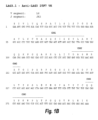
- nucleotide sequence (SEQ ID NO: 3) encoding the light chain variable region of 25F7 (LAG3.1) and the corresponding amino acid sequence (SEQ ID NO: 4) is shown in Figure 1B (with CDR sequences designated as SEQ ID NOs: 8, 9, and 10, respectively).
- LAG-3 refers to Lymphocyte Activation Gene-3.
- LAG-3 includes variants, isoforms, homologs, orthologs and paralogs.
- antibodies specific for a human LAG-3 protein may, in certain cases, cross-react with a LAG-3 protein from a species other than human.
- the antibodies specific for a human LAG-3 protein may be completely specific for the human LAG-3 protein and may not exhibit species or other types of cross-reactivity, or may cross-react with LAG-3 from certain other species but not all other species (e.g., cross-react with monkey LAG-3 but not mouse LAG-3).
- human LAG-3 refers to human sequence LAG-3, such as the complete amino acid sequence of human LAG-3 having Genbank Accession No. NP_002277 (SEQ ID NO: 29).
- mouse LAG-3 refers to mouse sequence LAG-3, such as the complete amino acid sequence of mouse LAG-3 having Genbank Accession No. NP_032505.
- LAG-3 is also known in the art as, for example, CD223.
- the human LAG-3 sequence may differ from human LAG-3 of Genbank Accession No. NP_002277 by having, e.g., conserved mutations or mutations in non-conserved regions and the LAG-3 has substantially the same biological function as the human LAG-3 of Genbank Accession No. NP_002277.
- a biological function of human LAG-3 is having an epitope in the extracellular domain of LAG-3 that is specifically bound by an antibody of the instant disclosure or a biological function of human LAG-3 is binding to MHC Class II molecules.
- a particular human LAG-3 sequence will generally be at least 90% identical in amino acid sequence to human LAG-3 of Genbank Accession No. NP_002277 and contains amino acid residues that identify the amino acid sequence as being human when compared to LAG-3 amino acid sequences of other species (e.g., murine).
- a human LAG-3 can be at least 95%, or even at least 96%, 97%, 98%, or 99% identical in amino acid sequence to LAG-3 of Genbank Accession No. NP_002277.
- a human LAG-3 sequence will display no more than 10 amino acid differences from the LAG-3 sequence of Genbank Accession No. NP_002277.
- the human LAG-3 can display no more than 5, or even no more than 4, 3, 2, or 1 amino acid difference from the LAG-3 sequence of Genbank Accession No. NP_002277. Percent identity can be determined as described herein.
- immune response refers to the action of, for example, lymphocytes, antigen presenting cells, phagocytic cells, granulocytes, and soluble macromolecules produced by the above cells or the liver (including antibodies, cytokines, and complement) that results in selective damage to, destruction of, or elimination from the human body of invading pathogens, cells or tissues infected with pathogens, cancerous cells, or, in cases of autoimmunity or pathological inflammation, normal human cells or tissues.
- an "antigen-specific T cell response” refers to responses by a T cell that result from stimulation of the T cell with the antigen for which the T cell is specific.
- responses by a T cell upon antigen-specific stimulation include proliferation and cytokine production (e.g., IL-2 production).
- antibody as referred to herein includes whole antibodies and any antigen binding fragment (i.e., "antigen-binding portion") or single chains thereof.
- Whole antibodies are glycoproteins comprising at least two heavy (H) chains and two light (L) chains inter-connected by disulfide bonds.
- Each heavy chain is comprised of a heavy chain variable region (abbreviated herein as V H ) and a heavy chain constant region.
- the heavy chain constant region is comprised of three domains, C H 1, C H 2 and C H 3.
- Each light chain is comprised of a light chain variable region (abbreviated herein as V L ) and a light chain constant region.
- the light chain constant region is comprised of one domain, C L .
- V H and V L regions can be further subdivided into regions of hypervariability, termed complementarity determining regions (CDR), interspersed with regions that are more conserved, termed framework regions (FR).
- CDR complementarity determining regions
- FR framework regions
- Each V H and V L is composed of three CDRs and four FRs, arranged from amino-terminus to carboxy-terminus in the following order: FR1, CDR1, FR2, CDR2, FR3, CDR3, FR4.
- the variable regions of the heavy and light chains contain a binding domain that interacts with an antigen.
- the constant regions of the antibodies can mediate the binding of the immunoglobulin to host tissues or factors, including various cells of the immune system (e.g., effector cells) and the first component (Clq) of the classical complement system.
- antibody portion refers to one or more fragments of an antibody that retain the ability to specifically bind to an antigen (e.g., a LAG-3 protein). It has been shown that the antigen-binding function of an antibody can be performed by fragments of a full-length antibody.
- binding fragments encompassed within the term "antigen-binding portion" of an antibody include (i) a Fab fragment, a monovalent fragment consisting of the V L , V H , C L and C H 1 domains; (ii) a F(ab') 2 fragment, a bivalent fragment comprising two Fab fragments linked by a disulfide bridge at the hinge region; (iii) a Fd fragment consisting of the V H and C H1 domains; (iv) a Fv fragment consisting of the V H and C H 1 domains; (v) a Fv fragment consisting of the V L and V H domains of a single arm of an antibody, (vi) a dAb fragment ( Ward et al., (1989) Nature 341:544-546 ), which consists of a V H domain; (vii) an isolated complementarity determining region (CDR); and (viii) a nanobody, a heavy chain variable region containing a single variable domain and two constant domains.
- the two domains of the Fv fragment, V L and V H are coded for by separate genes, they can be joined, using recombinant methods, by a synthetic linker that enables them to be made as a single protein chain in which the V L and V H regions pair to form monovalent molecules (known as single chain Fv (scFv); see e.g., Bird et al. (1988) Science 242:423-426 ; and Huston et al. (1988) Proc. Natl. Acad. Sci. USA 85:5879-5883 ).
- single chain Fv single chain Fv
- Such single chain antibodies are also intended to be encompassed within the term "antigen-binding portion" of an antibody.
- an "isolated antibody”, as used herein, is intended to refer to an antibody that is substantially free of other antibodies having different antigenic specificities (e.g., an isolated antibody that specifically binds a LAG-3 protein is substantially free of antibodies that specifically bind antigens other than LAG-3 proteins).
- An isolated antibody that specifically binds a human LAG-3 protein may, however, have cross-reactivity to other antigens, such as LAG-3 proteins from other species.
- an isolated antibody can be substantially free of other cellular material and/or chemicals.
- monoclonal antibody or “monoclonal antibody composition” as used herein refer to a preparation of antibody molecules of single molecular composition.
- a monoclonal antibody composition displays a single binding specificity and affinity for a particular epitope.
- human antibody is intended to include antibodies having variable regions in which both the framework and CDR regions are derived from human germline immunoglobulin sequences. Furthermore, if the antibody contains a constant region, the constant region also is derived from human germline immunoglobulin sequences.
- the human antibodies of the invention can include amino acid residues not encoded by human germline immunoglobulin sequences (e.g., mutations introduced by random or site-specific mutagenesis in vitro or by somatic mutation in vivo).
- the term "human antibody”, as used herein is not intended to include antibodies in which CDR sequences derived from the germline of another mammalian species, such as a mouse, have been grafted onto human framework sequences.
- human monoclonal antibody refers to antibodies displaying a single binding specificity, which have variable regions in which both the framework and CDR regions are derived from human germline immunoglobulin sequences.
- the human monoclonal antibodies are produced by a hybridoma which includes a B cell obtained from a transgenic nonhuman animal, e.g., a transgenic mouse, having a genome comprising a human heavy chain transgene and a light chain transgene fused to an immortalized cell.
- recombinant human antibody includes all human antibodies that are prepared, expressed, created or isolated by recombinant means, such as (a) antibodies isolated from an animal (e.g ., a mouse) that is transgenic or transchromosomal for human immunoglobulin genes or a hybridoma prepared therefrom (described further below), (b) antibodies isolated from a host cell transformed to express the human antibody, e.g ., from a transfectoma, (c) antibodies isolated from a recombinant, combinatorial human antibody library, and (d) antibodies prepared, expressed, created or isolated by any other means that involve splicing of human immunoglobulin gene sequences to other DNA sequences.
- Such recombinant human antibodies have variable regions in which the framework and CDR regions are derived from human germline immunoglobulin sequences.
- such recombinant human antibodies can be subjected to in vitro mutagenesis (or, when an animal transgenic for human Ig sequences is used, in vivo somatic mutagenesis) and thus the amino acid sequences of the V H and V L regions of the recombinant antibodies are sequences that, while derived from and related to human germline V H and V L sequences, may not naturally exist within the human antibody germline repertoire in vivo.
- isotype refers to the antibody class (e.g ., IgM or IgGl) that is encoded by the heavy chain constant region genes.
- an antibody recognizing an antigen and "an antibody specific for an antigen” are used interchangeably herein with the term “an antibody which binds specifically to an antigen.”
- human antibody derivatives refers to any modified form of the human antibody, e.g., a conjugate of the antibody and another agent or antibody.
- humanized antibody is intended to refer to antibodies in which CDR sequences derived from the germline of another mammalian species, such as a mouse, have been grafted onto human framework sequences. Additional framework region modifications can be made within the human framework sequences.
- chimeric antibody is intended to refer to antibodies in which the variable region sequences are derived from one species and the constant region sequences are derived from another species, such as an antibody in which the variable region sequences are derived from a mouse antibody and the constant region sequences are derived from a human antibody.
- an antibody that "specifically binds human LAG-3" is intended to refer to an antibody that binds to human LAG-3 protein (and possibly a LAG-3 protein from one or more non-human species) but does not substantially bind to non-LAG-3 proteins.
- the antibody binds to a human LAG-3 protein with "high affinity", namely with a K D of 1 x 10 -7 M or less, more preferably 1 x 10 -8 M or less, more preferably 5 x 10 -9 M or less, more preferably 1 x 10 -9 M or less.
- does not substantially bind to a protein or cells, as used herein, means does not bind or does not bind with a high affinity to the protein or cells, i.e. binds to the protein or cells with a K D of 1 x 10 -6 M or more, more preferably 1 x 10 -5 M or more, more preferably 1 x 10 -4 M or more, more preferably 1 x 10 -3 M or more, even more preferably 1 x 10 -2 M or more.
- K assoc or "K a ", as used herein, is intended to refer to the association rate of a particular antibody-antigen interaction
- K dis or "K d ,” as used herein, is intended to refer to the dissociation rate of a particular antibody-antigen interaction
- K D is intended to refer to the dissociation constant, which is obtained from the ratio of K d to K a ( i.e., K a /K a ) and is expressed as a molar concentration (M).
- K D values for antibodies can be determined using methods well established in the art. A preferred method for determining the K D of an antibody is by using surface plasmon resonance, preferably using a biosensor system such as a Biacore ® system.
- high affinity for an IgG antibody refers to an antibody having a K D of 1 x 10 -7 M or less, more preferably 5 x 10 -8 M or less, even more preferably 1x10 -8 M or less, even more preferably 5 x 10 -9 M or less and even more preferably 1 x 10 -9 M or less for a target antigen.
- high affinity binding can vary for other antibody isotypes.
- “high affinity” binding for an IgM isotype refers to an antibody having a K D of 10 -6 M or less, more preferably 10 -7 M or less, even more preferably 10 -8 M or less.
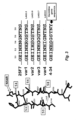
- deamidation refers to a chemical degredative process that spontaneously occurs in proteins (e.g., antibodies). Deamidation removes an amide functional group from an amino acid residue, such as asparagine and glutamine, thus damaging its amide-containing side chains. Specifically, the side chain of an asparagine attacks the adjacent peptide group, forming a symmetric succinimide intermediate. The symmetry of the intermediate results in two hydrolysis products, either aspartate or isoaspartate. A similar reaction can also occur in aspartate side chains, yielding a partial conversion to isoaspartate. In the case of glutamine, the rate of deamidation is generally ten fold less than asparagine, however, the mechanism is essentially the same, requiring only water molecules to proceed.
- subject includes any human or nonhuman animal.
- nonhuman animal includes all vertebrates, e.g., mammals and non-mammals, such as non-human primates, sheep, dogs, cats, cows, horses, chickens, amphibians, and reptiles, although mammals are preferred, such as non-human primates, sheep, dogs, cats, cows and horses.
- Antibodies of the invention specifically bind to human LAG-3 and have optimized stability compared to previously described anti-LAG-3 antibodies, particularly compared to antibody 25F7 (LAG3.1). This optimization includes reduced deamidation (e.g., increased chemical stability) and increased thermal refolding (e.g., increased physical stability), while still retaining high affinity binding to human LAG-3.
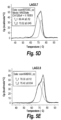
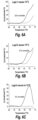
- Suitable assays for measuring physical stability include, e.g., analysis of melting points and/or refolding of antibody structure following denaturation (e.g., percent reversibility as described, e.g., in Example 3, Section 3).
- Binding to human LAG-3 can be assessed using one or more techniques also well established in the art.
- an antibody can be tested by a flow cytometry assay in which the antibody is reacted with a cell line that expresses human LAG-3, such as CHO cells that have been transfected to express LAG-3 (e.g., human LAG-3, or monkey LAG-3 (e.g., rhesus or cynomolgus monkey) or mouse LAG-3) on their cell surface.
- LAG-3 e.g., human LAG-3, or monkey LAG-3 (e.g., rhesus or cynomolgus monkey) or mouse LAG-3)
- Other suitable cells for use in flow cytometry assays include anti-CD3-stimulated CD4 + activated T cells, which express native LAG-3.
- binding of the antibody can be tested in BIAcore assays.
- binding kinetics e.g., K D value
- binding assays include ELISA assays, for example, using a recombinant LAG-3 protein.
- Antibodies of the invention preferably bind to human LAG-3 protein with a K D of 1 x 10 -7 M or less, and more preferably 1 x 10 -8 M or less, 5 x 10 -9 M or less, or 1 x 10 -9 M or less.
- the antibody binds to LAG-3 in lymphoid tissues, such as tonsil, spleen or thymus, which can be detected by immunohistochemistry.
- the antibody stains pituitary tissue (e.g., are retained in the pituitary) as measured by immunohistochemistry.
- the antibody does not stain pituitary tissue (i.e., is not retained in the pituitary) as measured by immunohistochemistry.
- the antibody can bind to monkey LAG-3 (e.g., cynomolgus monkey, rhesus monkey), but not substantially bind to LAG-3 from mouse LAG-3.
- an antibody of the invention binds to human LAG-3 with high affinity.
- the antibody binds to human LAG-3 and stimulates an antigen-specific T cell response. In other embodiments, the antibody binds to human LAG-3 but does not stimulate an antigen-specific T cell response.
- an immune response such as an antigen-specific T cell response.
- IL-2 interleukin-2
- the antibody binds to human LAG-3 and stimulates an antigen-specific T cell response. In other embodiments, the antibody binds to human LAG-3 but does not stimulate an antigen-specific T cell response.
- Other means for evaluating the capacity of the antibody to stimulate an immune response include testing its ability to inhibit tumor growth, such as in an in vivo tumor graft model (see, e.g., Example 6) or the ability to stimulate an autoimmune response, such as the ability to promote the development of an autoimmune disease in an autoimmune model, e.g., the ability to promote the development of diabetes in the NOD mouse model.
- antibodies of the invention are human monoclonal antibodies. Additionally or alternatively, the antibodies can be, for example, chimeric or humanized monoclonal antibodies.
- a preferred antibody of the invention is the human monoclonal antibody, LAG3.5, structurally and chemically characterized as described below and in the following Examples.
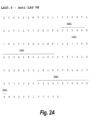
- the V H amino acid sequence of LAG3.5 is shown in SEQ ID NO: 12 ( Figure 2A ).
- the V L amino acid sequence of LAG3.5 is shown in SEQ ID NO: 14 ( Figure 2B ).
- V H and V L sequences (or CDR sequences) of other anti-LAG-3 antibodies which bind human LAG-3 can be "mixed and matched" with the V H and V L sequences (or CDR sequences) of antibody LAG3.5.
- V H and V L chains or the CDRs within such chains
- a V H sequence from a particular V H /V L pairing is replaced with a structurally similar V H sequence.
- a V L sequence from a particular V H /V L pairing is replaced with a structurally similar V L sequence.
- antibodies of the invention comprise:
- antibodies of the invention comprise:
- the CDR3 domain independently from the CDR1 and/or CDR2 domain(s), alone can determine the binding specificity of an antibody for a cognate antigen and that multiple antibodies can predictably be generated having the same binding specificity based on a common CDR3 sequence. See, e.g., Klimka et al., British J. of Cancer 83(2):252-260 (2000 ); Beiboer et al., J. Mol. Biol. 296:833-849 (2000 ); Rader et al., Proc. Natl. Acad. Sci. U.S.A. 95:8910-8915 (1998 ); Barbas et al., J. Am. Chem.
- antibodies of the invention include the CDR2 of the heavy chain variable region of LAG3.5 and at least the CDR3 of the heavy and/or light chain variable region of LAG3.5 (SEQ ID NOs: 17 and/or 20), or the CDR3 of the heavy and/or light chain variable region of another LAG-3 antibody, wherein the antibody is capable of specifically binding to human LAG-3.
- These antibodies preferably (a) compete for binding with; (b) retain the functional characteristics; (c) bind to the same epitope; and/or (d) have a similar binding affinity as LAG3.5.
- the antibodies further may include the CDR2 of the light chain variable region of LAG3.5 (SEQ ID NOs: 17 and/or 20), or the CDR2 of the light chain variable region of another LAG-3 antibody, wherein the antibody is capable of specifically binding to human LAG-3.
- the antibodies of the invention further may include the CDR1 of the heavy and/or light chain variable region of LAG3.5 (SEQ ID NOs: 17 and/or 20), or the CDR1 of the heavy and/or light chain variable region of another LAG-3 antibody, wherein the antibody is capable of specifically binding to human LAG-3.
- antibodies of the invention comprise a heavy and/or light chain variable region sequences of CDR1, CDR2 and CDR3 sequences which differ from those of LAG3.5 by one or more conservative modifications.
- residues 54 and 56 of the V H CDR2 remain as arginine and serine, respectively (i.e., are not mutated).
- certain conservative sequence modification can be made which do not remove antigen binding. See, e.g., Brummell et al. (1993) Biochem 32:1180-8 ; de Wildt et al. (1997) Prot. Eng. 10:835-41 ; Komissarov et al. (1997) J. Biol. Chem.
- the antibody comprises a heavy chain variable region comprising CDR1, CDR2, and CDR3 sequences and/or a light chain variable region comprising CDR1, CDR2, and CDR3 sequences, wherein:
- the antibody can possess one or more of the following functional properties described above, such as high affinity binding to human LAG-3, binding to monkey LAG-3, lack of binding to mouse LAG-3, the ability to inhibit binding of LAG-3 to MHC Class II molecules and/or the ability to stimulate antigen-specific T cell responses.
- the antibody can be, for example, a human, humanized or chimeric antibody
- amino acids with basic side chains e.g., lysine, arginine, histidine
- acidic side chains e.g., aspartic acid, glutamic acid
- uncharged polar side chains e.g ., glycine, asparagine, glutamine, serine, threonine, tyrosine, cysteine, tryptophan
- nonpolar side chains e.g ., alanine, valine, leucine, isoleucine, proline, phenylalanine, methionine
- beta-branched side chains e.g., threonine, valine, isoleucine
- aromatic side chains e.g .
- one or more amino acid residues within the CDR regions of an antibody of the invention can be replaced with other amino acid residues from the same side chain family and the altered antibody can be tested for retained function ( i.e., the functions set forth above) using the functional assays described herein.
- Antibodies of the invention can be prepared using an antibody having one or more of the V H and/or V L sequences of LAG3.5 as starting material to engineer a modified antibody.
- An antibody can be engineered by modifying one or more residues within one or both variable regions (i.e., V H and/or V L ), for example within one or more CDR regions and/or within one or more framework regions. Additionally or alternatively, an antibody can be engineered by modifying residues within the constant region(s), for example to alter the effector function(s) of the antibody.
- CDR grafting can be used to engineer variable regions of antibodies.
- Antibodies interact with target antigens predominantly through amino acid residues that are located in the six heavy and light chain complementarity determining regions (CDRs). For this reason, the amino acid sequences within CDRs are more diverse between individual antibodies than sequences outside of CDRs. Because CDR sequences are responsible for most antibody-antigen interactions, it is possible to express recombinant antibodies that mimic the properties of specific naturally occurring antibodies by constructing expression vectors that include CDR sequences from the specific naturally occurring antibody grafted onto framework sequences from a different antibody with different properties ( see, e.g., Riechmann et al. (1998) Nature 332:323-327 ; Jones et al.
- another embodiment of the invention pertains to an isolated monoclonal antibody, or antigen binding portion thereof, comprising a heavy chain variable region comprising CDR1, CDR2, and CDR3 sequences comprising SEQ ID NOs: 15, 16, 17, respectively, and/or a light chain variable region comprising CDR1, CDR2, and CDR3 sequences comprising SEQ ID NOs: 18, 19, 20, respectively (i.e., the CDRs of LAG3.5). While these antibodies contain the V H and V L CDR sequences of monoclonal antibody LAG3.5, they can contain differing framework sequences.
- Such framework sequences can be obtained from public DNA databases or published references that include germline antibody gene sequences.
- germline DNA sequences for human heavy and light chain variable region genes can be found in the "VBase" human germline sequence database (available on the Internet at www.mrc-cpe.cam.ac.uk/vbase), as well as in Kabat et al. (1991), cited supra; Tomlinson et al. (1992) "The Repertoire of Human Germline VH Sequences Reveals about Fifty Groups of VH Segments with Different Hypervariable Loops” J. Mol. Biol. 227:776-798 ; and Cox et al.
- the germline DNA sequences for human heavy and light chain variable region genes can be found in the Genbank database.
- the following heavy chain germline sequences found in the HCo7 HuMAb mouse are available in the accompanying Genbank Accession Nos.: 1-69 (NG_0010109, NT_024637 & BC070333), 3-33 (NG_0010109 & NT_024637) and 3-7 (NG_0010109 & NT_024637).
- Antibody protein sequences are compared against a compiled protein sequence database using one of the sequence similarity searching methods called the Gapped BLAST (Altschul et al. (1997), supra), which is well known to those skilled in the art.
- Preferred framework sequences for use in the antibodies of the invention are those that are structurally similar to the framework sequences used by selected antibodies of the invention, e.g., similar to the V H 4-34 framework sequences and/or the V K L6 framework sequences used by preferred monoclonal antibodies of the invention.
- the V H CDR1, CDR2, and CDR3 sequences, and the V K CDR1, CDR2, and CDR3 sequences can be grafted onto framework regions that have the identical sequence as that found in the germline immunoglobulin gene from which the framework sequence derive, or the CDR sequences can be grafted onto framework regions that contain one or more mutations as compared to the germline sequences.
- variable region modification is to mutate amino acid residues within the V H and/or V L CDR1, CDR2 and/or CDR3 regions to thereby improve one or more binding properties (e.g ., affinity) of the antibody of interest.
- Site-directed mutagenesis or PCR-mediated mutagenesis can be performed to introduce the mutation(s) and the effect on antibody binding, or other functional property of interest, can be evaluated in in vitro or in vivo assays as described herein and provided in the Examples.
- Preferably conservative modifications are introduced.
- the mutations can be amino acid substitutions, additions or deletions, but are preferably substitutions.
- typically no more than one, two, three, four or five residues within a CDR region are altered.
- the invention provides isolated anti-LAG-3 monoclonal antibodies, or antigen binding portions thereof, comprising a heavy chain variable region comprising: (a) a V H CDR1 region comprising SEQ ID NO: 15, or an amino acid sequence having one, two, three, four or five amino acid substitutions, deletions or additions as compared to SEQ ID NO: 15; (b) a V H CDR2 region comprising SEQ ID NO: 16, or an amino acid sequence having one, two, three, four or five amino acid substitutions, deletions or additions as compared to SEQ ID NO: 16 (preferably wherein positions 54 and 56 are the same as in SEQ ID NO:16); (c) a V H CDR3 region comprising SEQ ID NO: 17, or an amino acid sequence having one, two, three, four or five amino acid substitutions, deletions or additions as compared to SEQ ID NO: 17; (d) a V L CDR1 region comprising SEQ ID NO: 18, or an amino acid sequence having one, two, three,
- Engineered antibodies of the invention include those in which modifications have been made to framework residues within V H and/or V L , e.g. to improve the properties of the antibody. Typically such framework modifications are made to decrease the immunogenicity of the antibody. For example, one approach is to "backmutate" one or more framework residues to the corresponding germline sequence. More specifically, an antibody that has undergone somatic mutation can contain framework residues that differ from the germline sequence from which the antibody is derived. Such residues can be identified by comparing the antibody framework sequences to the germline sequences from which the antibody is derived.
- Another type of framework modification involves mutating one or more residues within the framework region, or even within one or more CDR regions, to remove T cell epitopes to thereby reduce the potential immunogenicity of the antibody. This approach is also referred to as "deimmunization" and is described in further detail in U.S. Patent Publication No. 20030153043 .
- antibodies of the invention can be engineered to include modifications within the Fc region, typically to alter one or more functional properties of the antibody, such as serum half-life, complement fixation, Fc receptor binding, and/or antigen-dependent cellular cytotoxicity.
- an antibody of the invention can be chemically modified (e.g., one or more chemical moieties can be attached to the antibody) or be modified to alter its glycosylation, again to alter one or more functional properties of the antibody.
- the antibody is an IgG4 isotype antibody comprising a Serine to Proline mutation at a position corresponding to position 228 (S228P; EU index) in the hinge region of the heavy chain constant region.
- S228P Serine to Proline mutation at a position corresponding to position 228
- This mutation has been reported to abolish the heterogeneity of inter-heavy chain disulfide bridges in the hinge region (Angal et al. supra; position 241 is based on the Kabat numbering system).
- the hinge region of CH1 is modified such that the number of cysteine residues in the hinge region is altered, e.g., increased or decreased.
- This approach is described further in U.S. Patent No. 5,677,425 .
- the number of cysteine residues in the hinge region of CH1 is altered to, for example, facilitate assembly of the light and heavy chains or to increase or decrease the stability of the antibody.
- the Fc hinge region of an antibody is mutated to decrease the biological half life of the antibody. More specifically, one or more amino acid mutations are introduced into the CH2-CH3 domain interface region of the Fc-hinge fragment such that the antibody has impaired Staphylococcyl protein A (SpA) binding relative to native Fc-hinge domain SpA binding.
- SpA Staphylococcyl protein A
- the antibody is modified to increase its biological half life.
- Various approaches are possible. For example, one or more of the following mutations can be introduced: T252L, T254S, T256F, as described in U.S. Patent No. 6,277,375 .
- the antibody can be altered within the CH1 or CL region to contain a salvage receptor binding epitope taken from two loops of a CH2 domain of an Fc region of an IgG, as described in U.S. Patent Nos. 5,869,046 and 6,121,022 .
- the Fc region is altered by replacing at least one amino acid residue with a different amino acid residue to alter the effector function(s) of the antibody.
- one or more amino acids selected from amino acid residues 234, 235, 236, 237, 297, 318, 320 and 322 can be replaced with a different amino acid residue such that the antibody has an altered affinity for an effector ligand but retains the antigen-binding ability of the parent antibody.
- the effector ligand to which affinity is altered can be, for example, an Fc receptor or the C1 component of complement. This approach is described in further detail in U.S. Patent Nos. 5,624,821 and 5,648,260 .
- one or more amino acids selected from amino acid residues 329, 331 and 322 can be replaced with a different amino acid residue such that the antibody has altered C1q binding and/or reduced or abolished complement dependent cytotoxicity (CDC).
- CDC complement dependent cytotoxicity
- one or more amino acid residues within amino acid positions 231 and 239 are altered to thereby alter the ability of the antibody to fix complement. This approach is described further in PCT Publication WO 94/29351 .
- the Fc region is modified to increase the ability of the antibody to mediate antibody dependent cellular cytotoxicity (ADCC) and/or to increase the affinity of the antibody for an Fc ⁇ receptor by modifying one or more amino acids at the following positions: 238, 239, 248, 249, 252, 254, 255, 256, 258, 265, 267, 268, 269, 270, 272, 276, 278, 280, 283, 285, 286, 289, 290, 292, 293, 294, 295, 296, 298, 301, 303, 305, 307, 309, 312, 315, 320, 322, 324, 326, 327, 329, 330, 331, 333, 334, 335, 337, 338, 340, 360, 373, 376, 378, 382, 388, 389, 398, 414, 416, 419, 430, 434, 435, 437, 438 or 439.
- ADCC antibody dependent cellular cytotoxicity
- the glycosylation of an antibody is modified.
- an aglycoslated antibody can be made (i.e., the antibody lacks glycosylation).
- Glycosylation can be altered to, for example, increase the affinity of the antibody for antigen.
- carbohydrate modifications can be accomplished by, for example, altering one or more sites of glycosylation within the antibody sequence.
- one or more amino acid substitutions can be made that result in elimination of one or more variable region framework glycosylation sites to thereby eliminate glycosylation at that site.
- Such aglycosylation may increase the affinity of the antibody for antigen. See, e.g., U.S. Patent Nos. 5,714,350 and 6,350,861 .
- an antibody can be made that has an altered type of glycosylation, such as a hypofucosylated antibody having reduced amounts of fucosyl residues or an antibody having increased bisecting GlcNac structures.
- altered glycosylation patterns have been demonstrated to increase the ADCC ability of antibodies.
- carbohydrate modifications can be accomplished by, for example, expressing the antibody in a host cell with altered glycosylation machinery. Cells with altered glycosylation machinery have been described in the art and can be used as host cells in which to express recombinant antibodies of the invention to thereby produce an antibody with altered glycosylation.
- the cell lines Ms704, Ms705, and Ms709 lack the fucosyltransferase gene, FUT8 ( ⁇ (1,6)-fucosyltransferase), such that antibodies expressed in the Ms704, Ms705, and Ms709 cell lines lack fucose on their carbohydrates.
- the Ms704, Ms705, and Ms709 FUT8 -/- cell lines were created by the targeted disruption of the FUT8 gene in CHO/DG44 cells using two replacement vectors (see U.S. Patent Publication No. 20040110704 and Yamane-Ohnuki et al. (2004) Biotechnol Bioeng 87:614-22 ).
- EP 1,176,195 describes a cell line with a functionally disrupted FUT8 gene, which encodes a fucosyl transferase, such that antibodies expressed in such a cell line exhibit hypofucosylation by reducing or eliminating the ⁇ -1,6 bond-related enzyme.
- EP 1,176,195 also describes cell lines which have a low enzyme activity for adding fucose to the N-acetylglucosamine that binds to the Fc region of the antibody or does not have the enzyme activity, for example the rat myeloma cell line YB2/0 (ATCC CRL 1662).
- PCT Publication WO 03/035835 describes a variant CHO cell line, Lec13 cells, with reduced ability to attach fucose to Asn(297)-linked carbohydrates, also resulting in hypofucosylation of antibodies expressed in that host cell (see also Shields et al. (2002) J. Biol. Chem. 277:26733-26740 ).
- Antibodies with a modified glycosylation profile can also be produced in chicken eggs, as described in PCT Publication WO 06/089231 .
- antibodies with a modified glycosylation profile can be produced in plant cells, such as Lemna.
- PCT Publication WO 99/54342 describes cell lines engineered to express glycoprotein-modifying glycosyl transferases (e.g ., ⁇ (1,4)-N-acetylglucosaminyltransferase III (GnTIII)) such that antibodies expressed in the engineered cell lines exhibit increased bisecting GlcNac structures which results in increased ADCC activity of the antibodies (see also Umana et al. (1999) Nat. Biotech. 17:176-180 ).
- glycoprotein-modifying glycosyl transferases e.g ., ⁇ (1,4)-N-acetylglucosaminyltransferase III (GnTIII)
- the fucose residues of the antibody can be cleaved off using a fucosidase enzyme; e.g., the fucosidase ⁇ -L-fucosidase removes fucosyl residues from antibodies ( Tarentino et al. (1975) Biochem. 14:5516-23 ).
- a fucosidase enzyme e.g., the fucosidase ⁇ -L-fucosidase removes fucosyl residues from antibodies ( Tarentino et al. (1975) Biochem. 14:5516-23 ).
- An antibody can be pegylated to, for example, increase the biological (e.g., serum) half life of the antibody.
- the antibody, or fragment thereof typically is reacted with polyethylene glycol (PEG), such as a reactive ester or aldehyde derivative of PEG, under conditions in which one or more PEG groups become attached to the antibody or antibody fragment.
- PEG polyethylene glycol
- the pegylation is carried out via an acylation reaction or an alkylation reaction with a reactive PEG molecule (or an analogous reactive water-soluble polymer).
- polyethylene glycol is intended to encompass any of the forms of PEG that have been used to derivatize other proteins, such as mono (C1-C10) alkoxy- or aryloxy-polyethylene glycol or polyethylene glycol-maleimide.
- the antibody to be pegylated is an aglycosylated antibody. Methods for pegylating proteins are known in the art and can be applied to the antibodies of the invention. See, e.g., EP 0 154 316 and EP 0 401 384 .
- Antibodies of the invention can be characterized by their various physical properties, to detect and/or differentiate different classes thereof.
- antibodies can contain one or more glycosylation sites in either the light or heavy chain variable region. Such glycosylation sites may result in increased immunogenicity of the antibody or an alteration of the pK of the antibody due to altered antigen binding ( Marshall et al (1972) Annu Rev Biochem 41:673-702 ; Gala and Morrison (2004) J Immunal 172:5489-94 ; Wallick et al (1988) J Exp Med 168:1099-109 ; Spiro (2002) Glycobiology 12:43R-56R ; Parekh et al (1985) Nature 316:452-7 ; Mimura et al. (2000) Mol Immunol 37:697-706 ).
- Glycosylation has been known to occur at motifs containing an N-X-S/T sequence.
- an anti-LAG-3 antibody that does not contain variable region glycosylation. This can be achieved either by selecting antibodies that do not contain the glycosylation motif in the variable region or by mutating residues within the glycosylation region.
- the antibodies do not contain asparagine isomerism sites.
- the deamidation of asparagine may occur on N-G or D-G sequences and result in the creation of an isoaspartic acid residue that introduces a kink into the polypeptide chain and decreases its stability (isoaspartic acid effect).
- Each antibody will have a unique isoelectric point (pI), which generally falls in the pH range between 6 and 9.5.
- the pI for an IgG1 antibody typically falls within the pH range of 7-9.5 and the pI for an IgG4 antibody typically falls within the pH range of 6-8.
- pI isoelectric point
- an anti-LAG-3 antibody that contains a pI value that falls in the normal range. This can be achieved either by selecting antibodies with a pI in the normal range or by mutating charged surface residues.
- the invention provides nucleic acid molecules that encode heavy and/or light chain variable regions, or CDRs, of the antibodies of the invention.
- the nucleic acids can be present in whole cells, in a cell lysate, or in a partially purified or substantially pure form.
- a nucleic acid is "isolated” or “rendered substantially pure” when purified away from other cellular components or other contaminants, e.g ., other cellular nucleic acids or proteins, by standard techniques, including alkaline/SDS treatment, CsCl banding, column chromatography, agarose gel electrophoresis and others well known in the art. See, Ausubel, et al., ed.
- a nucleic acid of the invention can be, e.g ., DNA or RNA and may or may not contain intronic sequences.
- the nucleic acid is a cDNA molecule.
- Nucleic acids of the invention can be obtained using standard molecular biology techniques.
- hybridomas e.g ., hybridomas prepared from transgenic mice carrying human immunoglobulin genes as described further below
- cDNAs encoding the light and heavy chains of the antibody made by the hybridoma can be obtained by standard PCR amplification or cDNA cloning techniques.
- an immunoglobulin gene library e.g., using phage display techniques
- a nucleic acid encoding such antibodies can be recovered from the gene library.
- Preferred nucleic acids molecules of the invention include those encoding the V H and V L sequences of LAG3.5 monoclonal antibody (SEQ ID NOs: 12 and 14, respectively) or the CDRs.
- V H and V L segments are obtained, these DNA fragments can be further manipulated by standard recombinant DNA techniques, for example to convert the variable region genes to full-length antibody chain genes, to Fab fragment genes or to a scFv gene.
- a V L - or V H -encoding DNA fragment is operatively linked to another DNA fragment encoding another protein, such as an antibody constant region or a flexible linker.
- the term "operatively linked”, as used in this context, is intended to mean that the two DNA fragments are joined such that the amino acid sequences encoded by the two DNA fragments remain in-frame.
- the isolated DNA encoding the V H region can be converted to a full-length heavy chain gene by operatively linking the VH-encoding DNA to another DNA molecule encoding heavy chain constant regions (CH1, CH2 and CH3).
- heavy chain constant regions CH1, CH2 and CH3
- sequences of human heavy chain constant region genes are known in the art (see e.g., Kabat et al.
- the heavy chain constant region can be an IgG1, IgG2, IgG3, IgG4, IgA, IgE, IgM or IgD constant region, but most preferably is an IgG1 or IgG4 constant region.
- the V H -encoding DNA can be operatively linked to another DNA molecule encoding only the heavy chain CH1 constant region.
- the isolated DNA encoding the V L region can be converted to a full-length light chain gene (as well as a Fab light chain gene) by operatively linking the V L -encoding DNA to another DNA molecule encoding the light chain constant region, CL.
- the sequences of human light chain constant region genes are known in the art (see e.g., Kabat et al., supra ) and DNA fragments encompassing these regions can be obtained by standard PCR amplification.
- the light chain constant region can be a kappa or lambda constant region.
- the V H - and V L -encoding DNA fragments are operatively linked to another fragment encoding a flexible linker, e.g., encoding the amino acid sequence (Gly 4 -Ser) 3 , such that the V H and V L sequences can be expressed as a contiguous single-chain protein, with the V L and V H regions joined by the flexible linker (see e.g., Bird et al. (1988) Science 242:423-426 ; Huston et al. (1988) Proc. Natl. Acad. Sci. USA 85:5879-5883 ; McCafferty et al., (1990) Nature 348:552-554 ).
- a flexible linker e.g., encoding the amino acid sequence (Gly 4 -Ser) 3
- Monoclonal antibodies (mAbs) of the present invention can be produced using the well-known somatic cell hybridization (hybridoma) technique of Kohler and Milstein (1975) Nature 256: 495 .
- Other embodiments for producing monoclonal antibodies include viral or oncogenic transformation of B lymphocytes and phage display techniques.
- Chimeric or humanized antibodies are also well known in the art. See e.g., U.S. Patent Nos. 4,816,567 ; 5,225,539 ; 5,530,101 ; 5,585,089 ; 5,693,762 and 6,180,370 , the contents of which are specifically incorporated herein by reference in their entirety.
- the antibodies of the invention are human monoclonal antibodies.
- Such human monoclonal antibodies directed against human LAG-3 can be generated using transgenic or transchromosomic mice carrying parts of the human immune system rather than the mouse system.
- transgenic and transchromosomic mice include mice referred to herein as the HuMAb Mouse ® and KM Mouse ® , respectively, and are collectively referred to herein as "human Ig mice.”
- the HuMAb Mouse ® (Medarex ® , Inc.) contains human immunoglobulin gene miniloci that encode unrearranged human heavy ( ⁇ and ⁇ ) and ⁇ light chain immunoglobulin sequences, together with targeted mutations that inactivate the endogenous ⁇ and ⁇ chain loci (see e.g., Lonberg et al. (1994) Nature 368(6474): 856-859 ). Accordingly, the mice exhibit reduced expression of mouse IgM or ⁇ , and in response to immunization, the introduced human heavy and light chain transgenes undergo class switching and somatic mutation to generate high affinity human IgG ⁇ monoclonal antibodies (Lonberg et al.
- human antibodies of the invention can be raised using a mouse that carries human immunoglobulin sequences on transgenes and transchomosomes, such as a mouse that carries a human heavy chain transgene and a human light chain transchromosome.
- This mouse is referred to herein as a "KM mouse ® ,” and is described in detail in PCT Publication WO 02/43478 .
- Additional transgenic animal embodiments include the Xenomouse (Abgenix, Inc., U.S. Patent Nos. 5,939,598 ; 6,075,181 ; 6,114,598 ; 6,150,584 and 6,162,963 ). Further embodiments include "TC mice” ( Tomizuka et al. (2000) Proc. Natl. Acad. Sci. USA 97:722-727 ) and cows carrying human heavy and light chain transchromosomes ( Kuroiwa et al. (2002) Nature Biotechnology 20:889-894 ; PCT Publication WO 02/092812 ). The contents of these patents and publications are specifically incorporated herein by reference in their entirety.
- human monoclonal antibodies of the invention are prepared using phage display methods for screening libraries of human immunoglobulin genes. See, e.g. U.S. Patent Nos. 5,223,409 ; 5,403,484 ; 5,571,698 ; 5,427,908 ; 5,580,717 ; 5,969,108 ; 6,172,197 ; 5,885,793 ; 6,521,404 ; 6,544,731 ; 6,555,313 ; 6,582,915 ; and 6,593,081 , the contents of which are incorporated herein by reference in their entirety.
- Human monoclonal antibodies of the invention can also be prepared using SCID mice into which human immune cells have been reconstituted such that a human antibody response can be generated upon immunization. See, e.g., U.S. Patent Nos. 5,476,996 and 5,698,767 , the contents of which are incorporated herein by reference in their entirety.
- human anti-LAG-3 antibodies are prepared using phage display where the phages comprise nucleic acids encoding antibodies generated in transgenic animals previously immunized with LAG-3.
- the transgenic animal is a HuMab, KM, or Kirin mouse. See, e.g. U.S. Patent No. 6,794,132 , the contents of which are incorporated herein by reference in its entirety.
- human Ig mice are immunized with a purified or enriched preparation of a LAG-3 antigen, recombinant LAG-3 protein, or cells expressing a LAG-3 protein. See, e.g., Lonberg et al. (1994), supra; Fishwild et al. (1996), supra; PCT Publications WO 98/24884 or WO 01/14424 , the contents of which are incorporated herein by reference in their entirety.
- 6-16 week old mice are immunized with 5-50 ⁇ g of LAG-3 protein.
- a portion of LAG-3 fused to a non-LAG-3 polypeptide is used.
- the transgenic mice are immunized intraperitoneally (IP) or intravenously (IV) with LAG-3 antigen in complete Freund's adjuvant, followed by subsequent IP or IV immunizations with antigen in incomplete Freund's adjuvant.
- adjuvants other than Freund's or whole cells in the absence of adjuvant are used.
- the plasma can be screened by ELISA and cells from mice with sufficient titers of anti-LAG-3 human immunoglobulin can be used for fusions.
- hybridomas producing human monoclonal antibodies of the invention splenocytes and/or lymph node cells from immunized mice can be isolated and fused to an appropriate immortalized cell line, such as a mouse myeloma cell line.
- an appropriate immortalized cell line such as a mouse myeloma cell line.
- the resulting hybridomas can be screened for the production of antigen-specific antibodies.
- Generation of hybridomas is well-known in the art. See, e.g., Harlow and Lane (1988) Antibodies, A Laboratory Manual, Cold Spring Harbor Publications, New York .
- Antibodies of the invention also can be produced in a host cell transfectoma using, for example, a combination of recombinant DNA techniques and gene transfection methods as is well known in the art (e.g., Morrison, S. (1985) Science 229:1202 ).
- DNA encoding partial or full-length light and heavy chains obtained by standard molecular biology techniques is inserted into one or more expression vectors such that the genes are operatively linked to transcriptional and translational regulatory sequences.
- the term "operatively linked” is intended to mean that an antibody gene is ligated into a vector such that transcriptional and translational control sequences within the vector serve their intended function of regulating the transcription and translation of the antibody gene.
- regulatory sequence is intended to include promoters, enhancers and other expression control elements (e.g., polyadenylation signals) that control the transcription or translation of the antibody chain genes.
- promoters e.g., promoters, enhancers and other expression control elements (e.g., polyadenylation signals) that control the transcription or translation of the antibody chain genes.
- enhancers e.g., polyadenylation signals
- polyadenylation signals e.g., polyadenylation signals
- Preferred regulatory sequences for mammalian host cell expression include viral elements that direct high levels of protein expression in mammalian cells, such as promoters and/or enhancers derived from cytomegalovirus (CMV), Simian Virus 40 (SV40), adenovirus, ( e.g ., the adenovirus major late promoter (AdMLP) and polyoma.
- CMV cytomegalovirus
- SV40 Simian Virus 40
- AdMLP adenovirus major late promoter
- nonviral regulatory sequences can be used, such as the ubiquitin promoter or ⁇ -globin promoter.
- regulatory elements composed of sequences from different sources such as the SR ⁇ promoter system, which contains sequences from the SV40 early promoter and the long terminal repeat of human T cell leukemia virus type 1 ( Takebe et al. (1988) Mol. Cell. Biol. 8:466-472 ).
- the expression vector and expression control sequences are chosen to be compatible with
- the antibody light chain gene and the antibody heavy chain gene can be inserted into the same or separate expression vectors.
- the variable regions are used to create full-length antibody genes of any antibody isotype by inserting them into expression vectors already encoding heavy chain constant and light chain constant regions of the desired isotype such that the V H segment is operatively linked to the C H segment(s) within the vector and the V L segment is operatively linked to the C L segment within the vector.
- the recombinant expression vector can encode a signal peptide that facilitates secretion of the antibody chain from a host cell.
- the antibody chain gene can be cloned into the vector such that the signal peptide is linked in-frame to the amino terminus of the antibody chain gene.
- the signal peptide can be an immunoglobulin signal peptide or a heterologous signal peptide (i.e., a signal peptide from a non-immunoglobulin protein).
- the recombinant expression vectors of the invention can carry additional sequences, such as sequences that regulate replication of the vector in host cells (e.g., origins of replication) and selectable marker genes.
- the selectable marker gene facilitates selection of host cells into which the vector has been introduced (see, e.g., U.S. Pat. Nos. 4,399,216 ; 4,634,665 and 5,179,017 ).
- the selectable marker gene confers resistance to drugs, such as G418, hygromycin or methotrexate, on a host cell into which the vector has been introduced.
- Preferred selectable marker genes include the dihydrofolate reductase (DHFR) gene (for use in dhfr-host cells with methotrexate selection/amplification) and the neo gene (for G418 selection).
- DHFR dihydrofolate reductase
- the expression vector(s) encoding the heavy and light chains is transfected into a host cell by standard techniques.
- the various forms of the term "transfection" are intended to encompass a wide variety of techniques commonly used for the introduction of exogenous DNA into a prokaryotic or eukaryotic host cell, e.g ., electroporation, calcium-phosphate precipitation, DEAE-dextran transfection and the like.
- Preferred mammalian host cells for expressing the recombinant antibodies of the invention include Chinese Hamster Ovary (CHO cells) (including dhfr - CHO cells, described in Urlaub and Chasin, (1980) Proc. Natl. Acad. Sci. USA 77:4216-4220 , used with a DHFR selectable marker, e.g., as described in R. J. Kaufman and P. A. Sharp (1982) J. Mol. Biol. 159:601-621 ), NSO myeloma cells, COS cells and SP2 cells.
- Chinese Hamster Ovary CHO cells
- dhfr - CHO cells described in Urlaub and Chasin, (1980) Proc. Natl. Acad. Sci. USA 77:4216-4220 , used with a DHFR selectable marker, e.g., as described in R. J. Kaufman and P. A. Sharp (1982) J. Mol. Biol. 159:601-621
- another preferred expression system is the GS gene expression system disclosed in WO 87/04462 , WO 89/01036 and EP 338,841 .
- the antibodies are produced by culturing the host cells for a period of time sufficient to allow for expression of the antibody in the host cells or, more preferably, secretion of the antibody into the culture medium in which the host cells are grown.
- Antibodies can be recovered from the culture medium using standard protein purification methods.
- Antibodies of the invention can be conjugated to a therapeutic agent to form an immunoconjugate such as an antibody-drug conjugate (ADC).
- Suitable therapeutic agents include antimetabolites, alkylating agents, DNA minor groove binders, DNA intercalators, DNA crosslinkers, histone deacetylase inhibitors, nuclear export inhibitors, proteasome inhibitors, topoisomerase I or II inhibitors, heat shock protein inhibitors, tyrosine kinase inhibitors, antibiotics, and anti-mitotic agents.
- the antibody and therapeutic agent preferably are conjugated via a linker cleavable such as a peptidyl, disulfide, or hydrazone linker.
- the linker is a peptidyl linker such as Val-Cit, Ala-Val, Val-Ala-Val, Lys-Lys, Pro-Val-Gly-Val-Val (SEQ ID NO: 15), Ala-Asn-Val, Val-Leu-Lys, Ala-Ala-Asn, Cit-Cit, Val-Lys, Lys, Cit, Ser, or Glu.
- the ADCs can be prepared as described in U.S. Patent Nos.
- bispecific molecules comprising one or more antibodies of the invention linked to at least one other functional molecule, e.g., another peptide or protein (e.g., another antibody or ligand for a receptor) to generate a bispecific molecule that binds to at least two different binding sites or target molecules.
- another functional molecule e.g., another peptide or protein (e.g., another antibody or ligand for a receptor)
- bispecific molecule includes molecules that have three or more specificities.
- the bispecific molecule comprises a first binding specificity for LAG-3 and a second binding specificity for a triggering molecule that recruits cytotoxic effector cells that can kill a LAG-3 expressing target cell.
- suitable triggering molecules are CD64, CD89, CD16, and CD3. See, e.g., Kufer et al., TRENDS in Biotechnology, 22 (5), 238-244 (2004 ).
- a bispecific molecule has, in addition to an anti-Fc binding specificity and an anti-LAG-3 binding specificity, a third specificity.
- the third specificity can be for an anti-enhancement factor (EF), e.g., a molecule that binds to a surface protein involved in cytotoxic activity and thereby increases the immune response against the target cell.
- EF anti-enhancement factor
- the anti-enhancement factor can bind a cytotoxic T-cell (e.g. via CD2, CD3, CD8, CD28, CD4, CD40, or ICAM-1) or other immune cell, resulting in an increased immune response against the target cell.
- Bispecific molecules can come in many different formats and sizes. At one end of the size spectrum, a bispecific molecule retains the traditional antibody format, except that, instead of having two binding arms of identical specificity, it has two binding arms each having a different specificity. At the other extreme are bispecific molecules consisting of two single-chain antibody fragments (scFv's) linked by a peptide chain, a so-called Bs(scFv) 2 construct. Intermediate-sized bispecific molecules include two different F(ab) fragments linked by a peptidyl linker. Bispecific molecules of these and other formats can be prepared by genetic engineering, somatic hybridization, or chemical methods.
- the present disclosure provides a pharmaceutical composition
- a pharmaceutical composition comprising one or more antibodies of the present invention formulated together with a pharmaceutically acceptable carrier.
- the composition may optionally contain one or more additional pharmaceutically active ingredients, such as another antibody or a drug.
- additional pharmaceutically active ingredients such as another antibody or a drug.
- the pharmaceutical compositions of the invention also can be administered in a combination therapy with, for example, another immunostimulatory agent, anti-cancer agent, an anti-viral agent, or a vaccine, such that the anti-LAG-3 antibody enhances the immune response against the vaccine.
- the pharmaceutical composition can comprise any number of excipients.
- Excipients that can be used include carriers, surface active agents, thickening or emulsifying agents, solid binders, dispersion or suspension aids, solubilizers, colorants, flavoring agents, coatings, disintegrating agents, lubricants, sweeteners, preservatives, isotonic agents, and combinations thereof.
- the selection and use of suitable excipients is taught in Gennaro, ed., Remington: The Science and Practice of Pharmacy, 20th Ed. (Lippincott Williams & Wilkins 2003 ), the disclosure of which is incorporated herein by reference.
- the pharmaceutical composition is suitable for intravenous, intramuscular, subcutaneous, parenteral, spinal or epidermal administration (e.g., by injection or infusion).
- the active compound can be coated in a material to protect it from the action of acids and other natural conditions that may inactivate it.
- parenteral administration means modes of administration other than enteral and topical administration, usually by injection, and includes, without limitation, intravenous, intramuscular, intraarterial, intrathecal, intracapsular, intraorbital, intracardiac, intradermal, intraperitoneal, transtracheal, subcutaneous, subcuticular, intraarticular, subcapsular, subarachnoid, intraspinal, epidural and intrasternal injection and infusion.
- an antibody of the invention can be administered via a non-parenteral route, such as a topical, epidermal or mucosal route of administration, e.g ., intranasally, orally, vaginally, rectally, sublingually or topically.
- compositions of the invention can include pharmaceutically acceptable salts.
- a "pharmaceutically acceptable salt” refers to a salt that retains the desired biological activity of the parent compound and does not impart any undesired toxicological effects. Examples of such salts include acid addition salts and base addition salts. Acid addition salts include those derived from nontoxic inorganic acids, such as hydrochloric, nitric, phosphoric, sulfuric, hydrobromic, hydroiodic, phosphorous and the like, as well as from nontoxic organic acids such as aliphatic mono- and dicarboxylic acids, phenyl-substituted alkanoic acids, hydroxy alkanoic acids, aromatic acids, aliphatic and aromatic sulfonic acids and the like.
- Base addition salts include those derived from alkaline earth metals, such as sodium, potassium, magnesium, calcium and the like, as well as from nontoxic organic amines, such as N,N'-dibenzylethylenediamine, N-methylglucamine, chloroprocaine, choline, diethanolamine, ethylenediamine, procaine and the like.
- compositions can be in the form of sterile aqueous solutions or dispersions. They can also be formulated in a microemulsion, liposome, or other ordered structure suitable to high drug concentration.
- the amount of active ingredient which can be combined with a carrier material to produce a single dosage form will vary depending upon the subject being treated and the particular mode of administration and will generally be that amount of the composition which produces a therapeutic effect. Generally, out of one hundred percent, this amount will range from about 0.01% to about ninety-nine percent of active ingredient, preferably from about 0.1% to about 70%, most preferably from about 1% to about 30% of active ingredient in combination with a pharmaceutically acceptable carrier.
- Dosage regimens are adjusted to provide the optimum desired response (e.g., a therapeutic response). For example, a single bolus can be administered, several divided doses can be administered over time or the dose can be proportionally reduced or increased as indicated by the exigencies of the therapeutic situation. It is especially advantageous to formulate parenteral compositions in dosage unit form for ease of administration and uniformity of dosage.
- Dosage unit form as used herein refers to physically discrete units suited as unitary dosages for the subjects to be treated; each unit contains a predetermined quantity of active compound calculated to produce the desired therapeutic effect in association with the required pharmaceutical carrier.
- antibody can be administered as a sustained release formulation, in which case less frequent administration is required.
- the dosage ranges from about 0.0001 to 100 mg/kg, and more usually 0.01 to 5 mg/kg, of the host body weight.
- dosages can be 0.3 mg/kg body weight, 1 mg/kg body weight, 3 mg/kg body weight, 5 mg/kg body weight or 10 mg/kg body weight or within the range of 1-10 mg/kg.
- An exemplary treatment regime entails administration once per week, once every two weeks, once every three weeks, once every four weeks, once a month, once every 3 months or once every three to 6 months.
- Preferred dosage regimens for an anti-LAG-3 antibody of the invention include 1 mg/kg body weight or 3 mg/kg body weight via intravenous administration, with the antibody being given using one of the following dosing schedules: (i) every four weeks for six dosages, then every three months; (ii) every three weeks; (iii) 3 mg/kg body weight once followed by 1 mg/kg body weight every three weeks.
- dosage is adjusted to achieve a plasma antibody concentration of about 1-1000 ⁇ g /ml and in some methods about 25-300 ⁇ g /ml.
- a “therapeutically effective dosage” of an anti-LAG-3 antibody of the invention preferably results in a decrease in severity of disease symptoms, an increase in frequency and duration of disease symptom-free periods, or a prevention of impairment or disability due to the disease affliction.
- a "therapeutically effective dosage” preferably inhibits tumor growth by at least about 20%, more preferably by at least about 40%, even more preferably by at least about 60%, and still more preferably by at least about 80% relative to untreated subjects.
- a therapeutically effective amount of a therapeutic compound can decrease tumor size, or otherwise ameliorate symptoms in a subject, which is typically a human or can be another mammal.
- the pharmaceutical composition can be a controlled release formulation, including implants, transdermal patches, and microencapsulated delivery systems.
- Biodegradable, biocompatible polymers can be used, such as ethylene vinyl acetate, polyanhydrides, polyglycolic acid, collagen, polyorthoesters, and polylactic acid. See, e.g., Sustained and Controlled Release Drug Delivery Systems, J.R. Robinson, ed., Marcel Dekker, Inc., New York, 1978 .
- compositions can be administered via medical devices such as (1) needleless hypodermic injection devices (e.g., US 5,399,163 ; 5,383,851 ; 5,312,335 ; 5,064,413 ; 4,941,880 ; 4,790,824 ; and 4,596,556 ); (2) micro-infusion pumps ( US 4,487,603 ); (3) transdermal devices ( US 4,486,194 ); (4) infusion apparati ( US 4,447,233 and 4,447,224 ); and (5) osmotic devices ( US 4,439,196 and 4,475,196 ); the disclosures of which are incorporated herein by reference.
- needleless hypodermic injection devices e.g., US 5,399,163 ; 5,383,851 ; 5,312,335 ; 5,064,413 ; 4,941,880 ; 4,790,824 ; and 4,596,556
- micro-infusion pumps US 4,487,603
- transdermal devices US
- the human monoclonal antibodies of the invention can be formulated to ensure proper distribution in vivo.
- the therapeutic compounds of the invention can be formulated in liposomes, which may additionally comprise targeting moieties to enhance selective transport to specific cells or organs. See, e.g. US 4,522,811 ; 5,374,548 ; 5,416,016 ; and 5,399,331 ; V.V. Ranade (1989) J. Clin. Pharmacol. 29:685 ; Umezawa et al., (1988) Biochem. Biophys. Res. Commun. 153:103 8 ; Bloeman et al. (1995) FEBS Lett.
- Antibodies (compositions, bispecifics, and immunoconjugates) of the present invention have numerous in vitro and in vivo utilities involving, for example, detection of LAG-3 or enhancement of immune responses by blockade of LAG-3.
- the antibodies are human antibodies.
- Such antibodies can be administered to cells in culture, in vitro or ex vivo, or to human subjects, e.g., in vivo, to enhance immunity in a variety of situations.
- the invention provides a method of modifying an immune response in a subject comprising administering to the subject the antibody, or antigen-binding portion thereof, of the invention such that the immune response in the subject is modified.
- the response is enhanced, stimulated or up-regulated.
- Preferred subjects include human patients in need of enhancement of an immune response.
- the methods are particularly suitable for treating human patients having a disorder that can be treated by augmenting an immune response (e.g ., the T-cell mediated immune response).
- the methods are particularly suitable for treatment of cancer in vivo.
- the anti-LAG-3 antibodies can be administered together with an antigen of interest or the antigen may already be present in the subject to be treated (e.g ., a tumor-bearing or virus-bearing subject).
- the two can be administered in either order or simultaneously.
- the invention further provides methods for detecting the presence of human LAG-3 antigen in a sample, or measuring the amount of human LAG-3 antigen, comprising contacting the sample, and a control sample, with a human monoclonal antibody, or an antigen binding portion thereof, which specifically binds to human LAG-3, under conditions that allow for formation of a complex between the antibody or portion thereof and human LAG-3. The formation of a complex is then detected, wherein a difference complex formation between the sample compared to the control sample is indicative the presence of human LAG-3 antigen in the sample.
- the anti-LAG-3 antibodies of the invention can be used to purify human LAG-3 via immunoaffinity purification.
- the invention provides in vitro and in vivo methods of using the antibodies to stimulate, enhance or upregulate antigen-specific T cell responses.
- the invention provides a method of stimulating an antigen-specific T cell response comprising contacting said T cell with an antibody of the invention, such that an antigen-specific T cell response is stimulated.
- Any suitable indicator of an antigen-specific T cell response can be used to measure the antigen-specific T cell response.
- suitable indicators include increased T cell proliferation in the presence of the antibody and/or increase cytokine production in the presence of the antibody.
- interleukin-2 production by the antigen-specific T cell is stimulated.
- the invention also provides method for stimulating an immune response (e.g ., an antigen-specific T cell response) in a subject comprising administering an antibody of the invention to the subject such that an immune response (e.g ., an antigen-specific T cell response) in the subject is stimulated.
- an immune response e.g ., an antigen-specific T cell response
- the subject is a tumor-bearing subject and an immune response against the tumor is stimulated.
- the subject is a virus-bearing subject and an immune response against the virus is stimulated.
- the invention provides methods for inhibiting growth of tumor cells in a subject comprising administering to the subject an antibody of the invention such that growth of the tumor is inhibited in the subject.
- the invention provides methods for treating a viral infection in a subject comprising administering to the subject an antibody of the invention such that the viral infection is treated in the subject.
- Blockade of LAG-3 by antibodies can enhance the immune response to cancerous cells in the patient.
- the present invention relates to treatment of a subject in vivo using an anti-LAG-3 antibody such that growth of cancerous tumors is inhibited.
- An anti-LAG-3 antibody can be used alone to inhibit the growth of cancerous tumors.
- an anti-LAG-3 antibody can be used in conjunction with other immunogenic agents, standard cancer treatments, or other antibodies, as described below.
- the invention provides a method of inhibiting growth of tumor cells in a subject, comprising administering to the subject a therapeutically effective amount of an anti-LAG-3 antibody, or antigen-binding portion thereof.
- the antibody is a human anti-LAG-3 antibody (such as any of the human anti-human LAG-3 antibodies described herein). Additionally or alternatively, the antibody can be a chimeric or humanized anti-LAG-3 antibody.
- Preferred cancers whose growth may be inhibited using the antibodies of the invention include cancers typically responsive to immunotherapy.
- preferred cancers for treatment include melanoma (e.g ., metastatic malignant melanoma), renal cancer (e.g. clear cell carcinoma), prostate cancer (e.g. hormone refractory prostate adenocarcinoma), breast cancer, colon cancer and lung cancer (e.g. non-small cell lung cancer).
- the invention includes refractory or recurrent malignancies whose growth may be inhibited using the antibodies of the invention.
- cancers examples include bone cancer, pancreatic cancer, skin cancer, cancer of the head or neck, cutaneous or intraocular malignant melanoma, uterine cancer, ovarian cancer, rectal cancer, cancer of the anal region, stomach cancer, testicular cancer, carcinoma of the fallopian tubes, carcinoma of the endometrium, carcinoma of the cervix, carcinoma of the vagina, carcinoma of the vulva, Hodgkin's Disease, non-Hodgkin's lymphoma, cancer of the esophagus, cancer of the small intestine, cancer of the endocrine system, cancer of the thyroid gland, cancer of the parathyroid gland, cancer of the adrenal gland, sarcoma of soft tissue, cancer of the urethra, cancer of the penis, chronic or acute leukemias including acute myeloid leukemia, chronic myeloid leukemia, acute lymphoblastic leukemia, chronic lymphocytic leukemia, solid tumors of childhood,
- antibodies to LAG-3 can be combined with an immunogenic agent, such as cancerous cells, purified tumor antigens (including recombinant proteins, peptides, and carbohydrate molecules), cells, and cells transfected with genes encoding immune stimulating cytokines ( He et al (2004) J. Immunol. 173:4919-28 ).
- an immunogenic agent such as cancerous cells, purified tumor antigens (including recombinant proteins, peptides, and carbohydrate molecules), cells, and cells transfected with genes encoding immune stimulating cytokines ( He et al (2004) J. Immunol. 173:4919-28 ).
- tumor vaccines include peptides of melanoma antigens, such as peptides of gp100, MAGE antigens, Trp-2, MART1 and/or tyrosinase, or tumor cells transfected to express the cytokine GM-CSF (discussed further below).
- tumors have been shown to be immunogenic such as melanomas.
- LAG-3 blockade By raising the threshold of T cell activation by LAG-3 blockade, the tumor responses in the host can be activated.
- LAG-3 blockade is likely to be more effective when combined with a vaccination protocol.
- Many experimental strategies for vaccination against tumors have been devised ( see Rosenberg, S., 2000, Development of Cancer Vaccines, ASCO Educational Book Spring: 60-62 ; Logothetis, C., 2000, ASCO Educational Book Spring: 300-302 ; Khayat, D. 2000, ASCO Educational Book Spring: 414-428 ; Foon, K. 2000, ASCO Educational Book Spring: 730-738 ; see also Restifo, N. and Sznol, M., Cancer Vaccines, Ch. 61, pp. 3023-3043 in DeVita et al. (eds.), 1997, Cancer: Principles and Practice of Oncology, Fifth Editi on).
- a vaccine is prepared using autologous or allogeneic tumor cells. These cellular vaccines have been shown to be most effective when the tumor cells are transduced to express GM-CSF. GM-CSF has been shown to be a potent activator of antigen presentation for tumor vaccination ( Dranoff et al. (1993) Proc. Natl. Acad. Sci U.S.A. 90: 3539-43 ).
- tumor specific antigens are differentiation antigens expressed in the tumors and in the cell from which the tumor arose, for example melanocyte antigens gp100, MAGE antigens, and Trp-2. More importantly, many of these antigens can be shown to be the targets of tumor specific T cells found in the host. LAG-3 blockade can be used in conjunction with a collection of recombinant proteins and/or peptides expressed in a tumor in order to generate an immune response to these proteins.
- the tumor antigen can include the protein telomerase, which is required for the synthesis of telomeres of chromosomes and which is expressed in more than 85% of human cancers and in only a limited number of somatic tissues ( Kim et al. (1994) Science 266: 2011-2013 ). (These somatic tissues may be protected from immune attack by various means).
- Tumor antigen can also be "neo-antigens" expressed in cancer cells because of somatic mutations that alter protein sequence or create fusion proteins between two unrelated sequences ( i.e., bcr-abl in the Philadelphia chromosome), or idiotype from B cell tumors.
- tumor vaccines can include the proteins from viruses implicated in human cancers such a Human Papilloma Viruses (HPV), Hepatitis Viruses (HBV and HCV) and Kaposi's Herpes Sarcoma Virus (KHSV).
- HPV Human Papilloma Viruses
- HBV Hepatitis Viruses
- KHSV Kaposi's Herpes Sarcoma Virus
- Another form of tumor specific antigen which can be used in conjunction with LAG-3 blockade is purified heat shock proteins (HSP) isolated from the tumor tissue itself. These heat shock proteins contain fragments of proteins from the tumor cells and these HSPs are highly efficient at delivery to antigen presenting cells for eliciting tumor immunity ( Suot & Srivastava (1995) Science 269:1585-1588 ; Tamura et al. (1997) Science 278:117-120 ).
- DC Dendritic cells
- DC's can be produced ex vivo and loaded with various protein and peptide antigens as well as tumor cell extracts ( Nestle et al. (1998) Nature Medicine 4: 328-332 ). DCs can also be transduced by genetic means to express these tumor antigens as well. DCs have also been fused directly to tumor cells for the purposes of immunization ( Kugler et al. (2000) Nature Medicine 6:332-336 ). As a method of vaccination, DC immunization can be effectively combined with LAG-3 blockade to activate more potent anti-tumor responses.
- LAG-3 blockade can also be combined with standard cancer treatments. LAG-3 blockade can be effectively combined with chemotherapeutic regimes. In these instances, it may be possible to reduce the dose of chemotherapeutic reagent administered ( Mokyr et al. (1998) Cancer Research 58: 5301-5304 ).
- An example of such a combination is an anti-LAG-3 antibody in combination with decarbazine for the treatment of melanoma.
- Another example of such a combination is an anti-LAG-3 antibody in combination with interleukin-2 (IL-2) for the treatment of melanoma.
- IL-2 interleukin-2
- LAG-3 blocking antibodies can also be used in combination with bispecific antibodies that target Fc ⁇ or Fc ⁇ receptor-expressing effectors cells to tumor cells (see, e.g., U.S. Pat. Nos. 5,922,845 and 5,837,243 ).
- Bispecific antibodies can be used to target two separate antigens.
- anti-Fc receptor/anti tumor antigen e.g., Her-2/neu
- bispecific antibodies have been used to target macrophages to sites of tumor. This targeting may more effectively activate tumor specific responses.
- the T cell arm of these responses would be augmented by the use of LAG-3 blockade.
- antigen may be delivered directly to DCs by the use of bispecific antibodies which bind to tumor antigen and a dendritic cell specific cell surface marker.
- Tumors evade host immune surveillance by a large variety of mechanisms. Many of these mechanisms may be overcome by the inactivation of proteins which are expressed by the tumors and which are immunosuppressive. These include among others TGF- ⁇ ( Kehrl et al. (1986) J. Exp. Med. 163: 1037-1050 ), IL-10 ( Howard & O'Garra (1992) Immunology Today 13: 198-200 ), and Fas ligand ( Hahne et al. (1996) Science 274: 1363-1365 ). Antibodies to each of these entities can be used in combination with anti-LAG-3 to counteract the effects of the immunosuppressive agent and favor tumor immune responses by the host.
- Anti-CD40 antibodies are able to substitute effectively for T cell helper activity ( Ridge et al. (1998) Nature 393: 474-478 ) and can be used in conjunction with LAG-3 antibodies ( Ito et al. (2000) Immunobiology 201 (5) 527-40 ).
- Activating antibodies to T cell costimulatory molecules such as CTLA-4 (e.g., US Patent No. 5,811,097 ), OX-40 ( Weinberg et al. (2000) Immunol 164: 2160-2169 ), 4-1BB ( Melero et al. (1997) Nature Medicine 3: 682-685 (1997 ), and ICOS ( Hutloff et al. (1999) Nature 397: 262-266 ) may also provide for increased levels of T cell activation.
- Bone marrow transplantation is currently being used to treat a variety of tumors of hematopoietic origin. While graft versus host disease is a consequence of this treatment, therapeutic benefit may be obtained from graft vs. tumor responses.
- LAG-3 blockade can be used to increase the effectiveness of the donor engrafted tumor specific T cells.
- Another aspect of the invention provides a method of treating an infectious disease in a subject comprising administering to the subject an anti-LAG-3 antibody, or antigen-binding portion thereof, such that the subject is treated for the infectious disease.
- the antibody is a human anti-human LAG-3 antibody (such as any of the human anti-LAG-3 antibodies described herein).
- the antibody can be a chimeric or humanized antibody.
- antibody mediated LAG-3 blockade can be used alone, or as an adjuvant, in combination with vaccines, to stimulate the immune response to pathogens, toxins, and self-antigens.
- pathogens for which this therapeutic approach can be particularly useful include pathogens for which there is currently no effective vaccine, or pathogens for which conventional vaccines are less than completely effective. These include, but are not limited to HIV, Hepatitis (A, B, & C), Influenza, Herpes, Giardia, Malaria, Leishmania, Staphylococcus aureus, Pseudomonas aeruginosa.
- LAG-3 blockade is particularly useful against established infections by agents such as HIV that present altered antigens over the course of the infections. These novel epitopes are recognized as foreign at the time of anti-human LAG-3 administration, thus provoking a strong T cell response that is not dampened by negative signals through LAG-3.
- pathogenic viruses causing infections treatable by methods of the invention include HIV, hepatitis (A, B, or C), herpes virus (e.g., VZV, HSV-1, HAV-6, HSV-II, and CMV, Epstein Barr virus), adenovirus, influenza virus, flaviviruses, echovirus, rhinovirus, coxsackie virus, coronavirus, respiratory syncytial virus, mumps virus, rotavirus, measles virus, rubella virus, parvovirus, vaccinia virus, HTLV virus, dengue virus, papillomavirus, molluscum virus, poliovirus, rabies virus, JC virus and arboviral encephalitis virus.
- herpes virus e.g., VZV, HSV-1, HAV-6, HSV-II, and CMV, Epstein Barr virus
- adenovirus e.g., influenza virus, flaviviruses, echovirus, rhinovirus, coxsacki
- pathogenic bacteria causing infections treatable by methods of the invention include chlamydia, rickettsial bacteria, mycobacteria, staphylococci, streptococci, pneumonococci, meningococci and gonococci, klebsiella, proteus, serratia, pseudomonas, legionella, diphtheria, salmonella, bacilli, cholera, tetanus, botulism, anthrax, plague, leptospirosis, and Lymes disease bacteria.
- pathogenic fungi causing infections treatable by methods of the invention include Candida (albicans, krusei, glabrata, tropicalis, etc.), Cryptococcus neoformans, Aspergillus (fumigatus, niger, etc.), Genus Mucorales (mucor, absidia, rhizopus), Sporothrix schenkii, Blastomyces dermatitidis, Paracoccidioides brasiliensis, Coccidioides immitis and Histoplasma capsulatum.
- pathogenic parasites causing infections treatable by methods of the invention include Entamoeba histolytica, Balantidium coli, Naegleriafowleri, Acanthamoeba sp., Giardia lambia, Cryptosporidium sp., Pneumocystis carinii, Plasmodium vivax, Babesia microti, Trypanosoma brucei, Trypanosoma cruzi, Leishmania donovani, Toxoplasma gondii, Nippostrongylus brasiliensis.
- LAG-3 blockade can be combined with other forms of immunotherapy such as cytokine treatment (e.g., interferons, GM-CSF, G-CSF, IL-2), or bispecific antibody therapy, which provides for enhanced presentation of tumor antigens (see, e.g., Holliger (1993) Proc. Natl. Acad. Sci. USA 90:6444-6448 ; Poljak (1994) Structure 2:1121-1123 ).
- cytokine treatment e.g., interferons, GM-CSF, G-CSF, IL-2
- bispecific antibody therapy which provides for enhanced presentation of tumor antigens
- Anti-LAG-3 antibodies may provoke and amplify autoimmune responses. Indeed, induction of anti-tumor responses using tumor cell and peptide vaccines reveals that many anti-tumor responses involve anti-self reactivities ( van Elsas et al. (2001) J. Exp. Med. 194:481-489 ; Overwijk, et al. (1999) Proc. Natl. Acad. Sci. U.S.A. 96: 2982-2987 ; Hurwitz, (2000) supra; Rosenberg & White (1996) J. Immunother Emphasis Tumor Immunol 19 (1): 81-4 ).
- Analogous methods as described above for the use of anti-LAG-3 antibody can be used for induction of therapeutic autoimmune responses to treat patients having an inappropriate accumulation of other self-antigens, such as amyloid deposits, including A ⁇ in Alzheimer's disease, cytokines such as TNF ⁇ , and IgE.
- Anti-LAG-3 antibodies can be used to stimulate antigen-specific immune responses by coadministration of an anti-LAG-3 antibody with an antigen of interest (e.g., a vaccine). Accordingly, in another aspect the invention provides a method of enhancing an immune response to an antigen in a subject, comprising administering to the subject: (i) the antigen; and (ii) an anti-LAG-3 antibody, or antigen-binding portion thereof, such that an immune response to the antigen in the subject is enhanced.
- the antibody is a human anti-human LAG-3 antibody (such as any of the human anti-LAG-3 antibodies described herein). Additionally or alternatively, the antibody can be a chimeric or humanized antibody.
- the antigen can be, for example, a tumor antigen, a viral antigen, a bacterial antigen or an antigen from a pathogen.
- antigens include those discussed in the sections above, such as the tumor antigens (or tumor vaccines) discussed above, or antigens from the viruses, bacteria or other pathogens described above.
- Suitable routes of administering the antibody compositions e.g ., human monoclonal antibodies, multispecific and bispecific molecules and immunoconjugates ) of the invention in vivo and in vitro are well known in the art and can be selected by those of ordinary skill.
- the antibody compositions can be administered by injection ( e.g ., intravenous or subcutaneous). Suitable dosages of the molecules used will depend on the age and weight of the subject and the concentration and/or formulation of the antibody composition.
- human anti-LAG-3 antibodies of the invention can be co-administered with one or other more therapeutic agents, e.g., a cytotoxic agent, a radiotoxic agent or an immunosuppressive agent.
- the antibody can be linked to the agent (as an immuno-complex) or can be administered separate from the agent. In the latter case (separate administration), the antibody can be administered before, after or concurrently with the agent or can be co-administered with other known therapies, e.g ., an anti-cancer therapy, e.g ., radiation.
- Such therapeutic agents include, among others, anti-neoplastic agents such as doxorubicin (adriamycin), cisplatin bleomycin sulfate, carmustine, chlorambucil, dacarbazine and cyclophosphamide hydroxyurea which, by themselves, are only effective at levels which are toxic or subtoxic to a patient.
- anti-neoplastic agents such as doxorubicin (adriamycin), cisplatin bleomycin sulfate, carmustine, chlorambucil, dacarbazine and cyclophosphamide hydroxyurea which, by themselves, are only effective at levels which are toxic or subtoxic to a patient.
- Cisplatin is intravenously administered as a 100 mg/ml dose once every four weeks and adriamycin is intravenously administered as a 60-75 mg/ml dose once every 21 days.
- Co-administration of the human anti-LAG-3 antibodies, or antigen binding fragments thereof, of the present invention with chemotherapeutic agents provides two anti-cancer agents which operate via different mechanisms which yield a cytotoxic effect to human tumor cells. Such co-administration can solve problems due to development of resistance to drugs or a change in the antigenicity of the tumor cells which would render them unreactive with the antibody.
- kits comprising the antibody compositions of the invention (e.g ., human antibodies, bispecific or multispecific molecules, or immunoconjugates) and instructions for use.
- the kit can further contain at least one additional reagent, or one or more additional human antibodies of the invention (e.g., a human antibody having a complementary activity which binds to an epitope in LAG-3 antigen distinct from the first human antibody).
- Kits typically include a label indicating the intended use of the contents of the kit.
- the term label includes any writing, or recorded material supplied on or with the kit, or which otherwise accompanies the kit.
- the invention provides methods of combination therapy in which an anti-LAG-3 antibody (or antigen-binding portion thereof) of the present invention is coadministered with one or more additional antibodies that are effective in stimulating immune responses to thereby further enhance, stimulate or upregulate immune responses in a subject.
- the invention provides a method for stimulating an immune response in a subject comprising administering to the subject an anti-LAG-3 antibody and one or more additional immunostimulatory antibodies, such as an anti-PD-1 antibody, an anti-PD-L1 antibody and/or an anti-CTLA-4 antibody, such that an immune response is stimulated in the subject, for example to inhibit tumor growth or to stimulate an anti-viral response.
- the subject is administered an anti-LAG-3 antibody and an anti-PD-1 antibody.
- the subject is administered an anti-LAG-3 antibody and an anti-PD-L1 antibody.
- the subject is administered an anti-LAG-3 antibody and an anti-CTLA-4 antibody.
- the anti-LAG-3 antibody is a human antibody, such as an antibody of the disclosure.
- the anti-LAG-3 antibody can be, for example, a chimeric or humanized antibody (e.g., prepared from a mouse anti-LAG-3 mAb).
- the at least one additional immunostimulatory antibody e.g., anti-PD-1, anti-PD-L1 and/or anti-CTLA-4 antibody
- the at least one additional immunostimulatory antibody is a human antibody.
- the at least one additional immunostimulatory antibody can be, for example, a chimeric or humanized antibody (e.g., prepared from a mouse anti-PD-1, anti-PD-L1 and/or anti-CTLA-4 antibody).
- the invention provides a method for treating a hyperproliferative disease (e.g., cancer), comprising administering a LAG-3 antibody and a CTLA-4 antibody to a subject.
- a hyperproliferative disease e.g., cancer
- the anti-LAG-3 antibody is administered at a subtherapeutic dose
- the anti-CTLA-4 antibody is administered at a subtherapeutic dose
- the present invention provides a method for altering an adverse event associated with treatment of a hyperproliferative disease with an immunostimulatory agent, comprising administering an anti-LAG-3 antibody and a subtherapeutic dose of anti-CTLA-4 antibody to a subject.
- the subject is human.
- the anti-CTLA-4 antibody is human sequence monoclonal antibody 10D1 (described in PCT Publication WO 01/14424 ) and the anti-LAG-3 antibody is human sequence monoclonal antibody, such as LAG3.5 described herein.
- Other anti-CTLA-4 antibodies encompassed by the methods of the present invention include, for example, those disclosed in: WO 98/42752 ; WO 00/37504 ; U.S. Patent No. 6,207,156 ; Hurwitz et al. (1998) Proc. Natl. Acad. Sci. USA 95(17): 10067-10071 ; Camacho et al. (2004) J. Clin. Oncology 22(145): Abstract No.
- the anti-CTLA-4 antibody binds to human CTLA-4 with a K D of 5 x 10 -8 M or less, binds to human CTLA-4 with a K D of 1 x 10 -8 M or less, binds to human CTLA-4 with a K D of 5 x 10 -9 M or less, or binds to human CTLA-4 with a K D of between 1 x 10 -8 M and 1 x 10 -10 M or less.
- the present invention provides a method for treating a hyperproliferative disease (e.g., cancer), comprising administering a LAG-3 antibody and a PD-1 antibody to a subject.
- a hyperproliferative disease e.g., cancer
- the anti-LAG-3 antibody is administered at a subtherapeutic dose
- the anti-PD-1 antibody is administered at a subtherapeutic dose
- the present invention provides a method for altering an adverse event associated with treatment of a hyperproliferative disease with an immunostimulatory agent, comprising administering an anti-LAG-3 antibody and a subtherapeutic dose of anti-PD-1 antibody to a subject.
- the subject is human.
- the anti-PD-1 antibody is a human sequence monoclonal antibody and the anti-LAG-3 antibody is human sequence monoclonal antibody, such as LAG3.5 described herein.
- human sequence anti-PD-1 antibodies include 17D8, 2D3, 4H1, 5C4 and 4A11, which are described in PCT Publication WO 06/121168 .
- Other anti-PD-1 antibodies include, e.g., lambrolizumab ( WO2008/156712 ), and AMP514 ( WO2010/027423 , WO2010/027827 , WO2010/027828 , WO2010/098788 ).
- the anti-PD-1 antibody binds to human PD-1 with a K D of 5 x 10 -8 M or less, binds to human PD-1 with a K D of 1 x 10 -8 M or less, binds to human PD-1 with a K D of 5 x 10 -9 M or less, or binds to human PD-1 with a K D of between 1 x 10 -8 M and 1 x 10 -10 M or less.
- the present invention provides a method for treating a hyperproliferative disease (e.g., cancer), comprising administering a LAG-3 antibody and a PD-L1 antibody to a subject.
- a hyperproliferative disease e.g., cancer
- the anti-LAG-3 antibody is administered at a subtherapeutic dose
- the anti-PD-L1 antibody is administered at a subtherapeutic dose
- the present invention provides a method for altering an adverse event associated with treatment of a hyperproliferative disease with an immunostimulatory agent, comprising administering an anti-LAG-3 antibody and a subtherapeutic dose of anti-PD-L1 antibody to a subject.
- the subject is human.
- the anti-PD-L1 antibody is a human sequence monoclonal antibody and the anti-LAG-3 antibody is human sequence monoclonal antibody, such as LAG3.5 described herein.
- human sequence anti-PD-L1 antibodies include 3G10, 12A4, 10A5, 5F8, 10H10, 1B12, 7H1, 11E6, 12B7 and 13G4, which are described in PCT Publication WO 07/005874 .
- Other anti-PD-L1 antibodies include, e.g., MPDL3280A (RG7446) ( WO2010/077634 ), MEDI4736 ( WO2011/066389 ), and MDX1105 ( WO2007/005874 ).
- the anti-PD-L1 antibody binds to human PD-L1 with a K D of 5 x 10 -8 M or less, binds to human PD-L1 with a K D of 1 x 10 -8 M or less, binds to human PD-L1 with a K D of 5 x 10 -9 M or less, or binds to human PD-L1 with a K D of between 1 x 10 -8 M and 1 x 10 -10 M or less.
- Blockade of LAG-3 and one or more second target antigens such as CTLA-4 and/or PD-1 and/or PD-L1 by antibodies can enhance the immune response to cancerous cells in the patient.
- Cancers whose growth may be inhibited using the antibodies of the instant disclosure include cancers typically responsive to immunotherapy.
- Representative examples of cancers for treatment with the combination therapy of the instant disclosure include those cancers specifically listed above in the discussion of monotherapy with anti-LAG-3 antibodies.
- the combination of therapeutic antibodies discussed herein can be administered concurrently as a single composition in a pharmaceutically acceptable carrier, or concurrently as separate compositions with each antibody in a pharmaceutically acceptable carrier.
- the combination of therapeutic antibodies can be administered sequentially.
- an anti-CTLA-4 antibody and an anti-LAG-3 antibody can be administered sequentially, such as anti-CTLA-4 antibody being administered first and anti-LAG-3 antibody second, or anti-LAG-3 antibody being administered first and anti-CTLA-4 antibody second.
- an anti-PD-1 antibody and an anti-LAG-3 antibody can be administered sequentially, such as anti-PD-1 antibody being administered first and anti-LAG-3 antibody second, or anti-LAG-3 antibody being administered first and anti-PD-1 antibody second.
- an anti-PD-L1 antibody and an anti-LAG-3 antibody can be administered sequentially, such as anti-PD-L1 antibody being administered first and anti-LAG-3 antibody second, or anti-LAG-3 antibody being administered first and anti-PD-L1 antibody second.
- sequential administrations can be combined with concurrent administrations, or any combination thereof.
- the first administration of a combination anti-CTLA-4 antibody and anti-LAG-3 antibody can be concurrent
- the second administration can be sequential with anti-CTLA-4 first and anti-LAG-3 second
- the third administration can be sequential with anti-LAG-3 first and anti-CTLA-4 second, etc.
- the first administration of a combination anti-PD-1 antibody and anti-LAG-3 antibody can be concurrent, the second administration can be sequential with anti-PD-1 first and anti-LAG-3 second, and the third administration can be sequential with anti-LAG-3 first and anti-PD-1 second, etc.
- the first administration of a combination anti-PD-L1 antibody and anti-LAG-3 antibody can be concurrent, the second administration can be sequential with anti-PD-L1 first and anti-LAG-3 second, and the third administration can be sequential with anti-LAG-3 first and anti-PD-L1 second, etc.
- Another representative dosing scheme can involve a first administration that is sequential with anti-LAG-3 first and anti-CTLA-4 (and/or anti-PD-1 and/or anti-PD-L1) second, and subsequent administrations may be concurrent.
- the combination of anti-LAG-3 and one or more additional antibodies can be further combined with an immunogenic agent, such as cancerous cells, purified tumor antigens (including recombinant proteins, peptides, and carbohydrate molecules), cells, and cells transfected with genes encoding immune stimulating cytokines ( He et al. (2004) J. Immunol. 173:4919-28 ).
- an immunogenic agent such as cancerous cells, purified tumor antigens (including recombinant proteins, peptides, and carbohydrate molecules), cells, and cells transfected with genes encoding immune stimulating cytokines ( He et al. (2004) J. Immunol. 173:4919-28 ).
- Non-limiting examples of tumor vaccines that can be used include peptides of melanoma antigens, such as peptides of gp100, MAGE antigens, Trp-2, MART1 and/or tyrosinase, or tumor cells transfected to express the cytokine GM-CSF (discussed further below).
- a combined LAG-3 and CTLA-4 and/or PD-1 and/or PD-L1 blockade can be further combined with a vaccination protocol, such as any of the vaccination protocols discussed in detail above with respect to monotherapy with anti-LAG-3 antibodies.
- a combined LAG-3 and CTLA-4 and/or PD-1 and/or PD-L1 blockade can also be further combined with standard cancer treatments.
- a combined LAG-3 and CTLA-4 and/or PD-1 and/or PD-L1 blockade can be effectively combined with chemotherapeutic regimes.
- it is possible to reduce the dose of other chemotherapeutic reagent administered with the combination of the instant disclosure Mokyr et al. (1998) Cancer Research 58: 5301-5304 ).
- An example of such a combination is a combination of anti-LAG-3 and anti-CTLA-4 antibodies and/or anti-PD-1 antibodies and/or anti-PD-L1 antibodies further in combination with decarbazine for the treatment of melanoma.
- Another example is a combination of anti-LAG-3 and anti-CTLA-4 antibodies and/or anti-PD-1 antibodies and/or anti-PD-L1 antibodies further in combination with interleukin-2 (IL-2) for the treatment of melanoma.
- IL-2 interleukin-2
- the scientific rationale behind the combined use of LAG-3 and CTLA-4 and/or PD-1 and/or PD-L1 blockade with chemotherapy is that cell death, which is a consequence of the cytotoxic action of most chemotherapeutic compounds, should result in increased levels of tumor antigen in the antigen presentation pathway.
- Other combination therapies that may result in synergy with a combined LAG-3 and CTLA-4 and/or PD-1 and/or PD-L1 blockade through cell death include radiation, surgery, or hormone deprivation.
- Angiogenesis inhibitors can also be combined with a combined LAG-3 and CTLA-4 and/or PD-1 and/or PD-L1 blockade. Inhibition of angiogenesis leads to tumor cell death, which can be a source of tumor antigen fed into host antigen presentation pathways.
- a combination of LAG-3 and CTLA-4 and/or PD-1 and/or PD-L1 blocking antibodies can also be used in combination with bispecific antibodies that target Fc ⁇ or Fcy receptor-expressing effector cells to tumor cells (see, e.g., U.S. Pat. Nos. 5,922,845 and 5,837,243 ).
- Bispecific antibodies can be used to target two separate antigens. The T cell arm of these responses would be augmented by the use of a combined LAG-3 and CTLA-4 and/or PD-1 and/or PD-L1 blockade.
- a combination of anti-LAG-3 and anti-CTLA-4 and/or anti-PD-1 antibodies and/or anti-PD-L1 antibodies can be used in conjunction with antineoplastic antibodies, such as Rituxan ® (rituximab), Herceptin ® (trastuzumab), Bexxar ® (tositumomab), Zevalin ® (ibritumomab), Campath ® (alemtuzumab), Lymphocide ® (eprtuzumab), Avastin ® (bevacizumab), and Tarceva ® (erlotinib), and the like.
- antineoplastic antibodies such as Rituxan ® (rituximab), Herceptin ® (trastuzumab), Bexxar ® (tositumomab), Zevalin ® (ibritumomab), Campath ® (alemtuzumab), Lymphocide ® (eprt
- a treatment of a hyperproliferative disease can include an anti-cancer antibody in combination with anti-LAG-3 and anti-CTLA-4 and/or anti-PD-1 and/or anti-PD-L1 antibodies, concurrently or sequentially or any combination thereof, which can potentiate an anti-tumor immune responses by the host.
- Tumors evade host immune surveillance by a large variety of mechanisms. Many of these mechanisms may be overcome by the inactivation of proteins, which are expressed by the tumors and which are immunosuppressive. These include, among others, TGF- ⁇ ( Kehrl et al. (1986) J. Exp. Med. 163: 1037-1050 ), IL-10 ( Howard & O'Garra (1992) Immunology Today 13: 198-200 ), and Fas ligand ( Hahne et al. (1996) Science 274: 1363-1365 ).
- antibodies to each of these entities can be further combined with an anti-LAG-3 and anti-CTLA-4 and/or anti-PD-1 and/or anti-PD-L1 antibody combination to counteract the effects of immunosuppressive agents and favor anti-tumor immune responses by the host.
- Anti-CD40 antibodies can be used in conjunction with an anti-LAG-3 and anti-CTLA-4 and/or anti-PD-1 and/or anti-PD-L1 combination (Ito et al., supra ) .
- Other activating antibodies to T cell costimulatory molecules Weinberg et al., supra, Melero et al. supra, Hutloff et al., supra ) may also provide for increased levels of T cell activation.
- a combined LAG-3 and CTLA-4 and/or PD-1 and/or PD-L1 blockade can be used to increase the effectiveness of the donor engrafted tumor specific T cells.
- the present invention provides a method for altering an adverse event associated with treatment of a hyperproliferative disease (e.g ., cancer) with an immunostimulatory agent, comprising administering an anti-LAG-3 antibody and a subtherapeutic dose of anti-CTLA-4 and/or anti-PD-land/or anti-PD-L1 antibody to a subject.
- a hyperproliferative disease e.g ., cancer
- the methods of the present invention provide for a method of reducing the incidence of immunostimulatory therapeutic antibody-induced colitis or diarrhea by administering a non-absorbable steroid to the patient. Because any patient who will receive an immunostimulatory therapeutic antibody is at risk for developing colitis or diarrhea induced by such an antibody, this entire patient population is suitable for therapy according to the methods of the present invention.
- steroids have been administered to treat inflammatory bowel disease (IBD) and prevent exacerbations of IBD, they have not been used to prevent (decrease the incidence of) IBD in patients who have not been diagnosed with IBD.
- IBD inflammatory bowel disease
- a combination LAG-3 and CTLA-4 and/or PD-1 and/or PD-L1 blockade i.e., immunostimulatory therapeutic antibodies anti-LAG-3 and anti-CTLA-4 and/or anti-PD-1 antibodies and/or anti-PD-L1 antibodies
- a "non-absorbable steroid" is a glucocorticoid that exhibits extensive first pass metabolism such that, following metabolism in the liver, the bioavailability of the steroid is low, i.e., less than about 20%.
- the non-absorbable steroid is budesonide.
- Budesonide is a locally-acting glucocorticosteroid, which is extensively metabolized, primarily by the liver, following oral administration.
- ENTOCORT EC ® (Astra-Zeneca) is a pH- and time-dependent oral formulation of budesonide developed to optimize drug delivery to the ileum and throughout the colon.
- ENTOCORT EC ® is approved in the U.S. for the treatment of mild to moderate Crohn's disease involving the ileum and/or ascending colon.
- the usual oral dosage of ENTOCORT EC ® for the treatment of Crohn's disease is 6 to 9 mg/day.
- ENTOCORT EC ® is released in the intestines before being absorbed and retained in the gut mucosa.
- ENTOCORT EC ® is extensively metabolized by the cytochrome P450 system in the liver to metabolites with negligible glucocorticoid activity. Therefore, the bioavailability is low (about 10%).
- the low bioavailability of budesonide results in an improved therapeutic ratio compared to other glucocorticoids with less extensive first-pass metabolism.
- Budesonide results in fewer adverse effects, including less hypothalamic-pituitary suppression, than systemically-acting corticosteroids.
- chronic administration of ENTOCORT EC ® can result in systemic glucocorticoid effects such as hypercorticism and adrenal suppression. See PDR 58th ed. 2004; 608-610 .
- a combination LAG-3 and CTLA-4 and/or PD-1 and/or PD-L1 blockade i.e., immunostimulatory therapeutic antibodies anti-LAG-3 and anti-CTLA-4 and/or anti-PD-1 and/or anti-PD-L1 antibodies
- a non-absorbable steroid in conjunction with a non-absorbable steroid can be further combined with a salicylate.
- Salicylates include 5-ASA agents such as, for example: sulfasalazine (AZULFIDINE ® , Pharmacia & UpJohn); olsalazine (DIPENTUM ® , Pharmacia & UpJohn); balsalazide (COLAZAL ® , Salix Pharmaceuticals, Inc.); and mesalamine (ASACOL ® , Procter & Gamble Pharmaceuticals; PENTASA ® , Shire US; CANASA ® , Axcan Scandipharm, Inc.; ROWASA ® , Solvay).
- 5-ASA agents such as, for example: sulfasalazine (AZULFIDINE ® , Pharmacia & UpJohn); olsalazine (DIPENTUM ® , Pharmacia & UpJohn); balsalazide (COLAZAL ® , Salix Pharmaceuticals, Inc.); and mesalamine (ASACOL ® , Procter & Gamble Pharmaceuticals
- a salicylate administered in combination with anti-LAG-3 and anti-CTLA-4 and/or anti-PD-1 and/or anti-PD-L1 antibodies and a non-absorbable steroid can includes any overlapping or sequential administration of the salicylate and the non-absorbable steroid for the purpose of decreasing the incidence of colitis induced by the immunostimulatory antibodies.
- methods for reducing the incidence of colitis induced by the immunostimulatory antibodies according to the present invention encompass administering a salicylate and a non-absorbable concurrently or sequentially (e.g ., a salicylate is administered 6 hours after a non-absorbable steroid), or any combination thereof.
- a salicylate and a non-absorbable steroid can be administered by the same route (e.g ., both are administered orally) or by different routes (e.g ., a salicylate is administered orally and a non-absorbable steroid is administered rectally), which may differ from the route(s) used to administer the anti-LAG-3 and anti-CTLA-4 and/or anti-PD-1 and/or anti-PD-L1 antibodies.
- LAG3.1 Antibody variants of the previously described anti-LAG-3 antibody, 25F7, referred to herein as LAG3.1, were created by first analyzing the amino acid sequence of the antibody for potential sites of degradation. Expression of site-directed mutagenesis of LAG3.1 V H region was performed using QuikChange II XL ® Site-Directed Mutagenesis Kit (Agilent Technologies). The altered V H regions were then subcloned into UCOE ® (EMD Millipore) vectors that contain the human IgG4-S228P constant region. The various heavy chain vectors were each co-transfected with a vector expressing the LAG3.1 kappa chain into CHO-S cells, and stable pools were selected for expression
- variable region heavy chain CDR2 Five potential deamidation motifs were identified within the variable region heavy chain CDR2. These sites were located at positions 52, 54, 56, 58, and 60 of the heavy chain variable region of LAG3.1 (SEQ ID NO: 2) (see Figure 1A ). In particular, deamidation of the "NG" sequence within the VH CDR2 (SEQ ID NO: 6) was observed under all conditions, as well as further isomerization of the sequence. Deamidation of the starting material was about 10%. Further, it was found that this "NG" sequence did not correspond to a germline sequence (see Figure 3 ). However, the consensus germline sequence was a potential glycosylation site and, therefore, was not included among the antibody variants.
- LAG3.5, LAG3.6, LAG3.7, and LAG3.8 Four variants (referred to herein as LAG3.5, LAG3.6, LAG3.7, and LAG3.8) were designed which addressed two of the potential deamidation motifs (positions 54 and 56), as shown in Figure 3 . These variants were subjected to a matrix of conditions as summarized in Table 1 below and the following characteristics were analyzed: (a) chemical and thermal stabilities (physical stability); (b) size exclusion chromatography (aggregation); (c) Isoelectric Focusing gel (IEF) (charge heterogeneity); (d) activity by Biacore analysis (binding and functional activity); and (e) peptide mapping by mass-spectrometry (chemical modifications / molecular stability).
- IEF Isoelectric Focusing gel
- the LAG3.1 variants were serially diluted with cold 1x PFAE buffer, then 50 ⁇ l of diluted antibody solution was mixed with 50 ⁇ l of Fitc-labeled anti-human CD4 (BD Bioscience, Cat # 555346) diluted 1:16 in 1x PFAE buffer.
- 100 ⁇ l of this diluted antibody mixture was added to 2 ⁇ 10 5 cells and the mixture was incubated on at 4°C for 30 minutes. The cells were then washed two times with 1x PFAE buffer.
- a 1:200 dilution of PE-labeled goat anti-human Fcy-specific antibody Jackson ImmunoResearch, Cat.
- Figure 4A is a graph showing the EC 50 for antibody binding to activated human CD4+ T cells.
- Figure 4B is a graph showing antibody binding to soluble human LAG-3/Fc antigen by BIACORE. As shown, the binding affinities of LAG3.5 and LAG3.8 are slightly lower, compared to LAG3.1, while their off-rate constants are slightly higher compared to LAG3.1.
- LAG3.5 had a higher melting temperature TM2 than LAG3.1, indicating greater overall stability.
- Table 2 MAb Tm1 ( ° C) Tm2 ( ° C) Corresponds to CH2 and/or Fab domains Corresponds to CH3 and/or Fab domains LAG3.1 70.7 75.7 LAG3.5 70.5 76.3 LAG3.6 67.8 70.8 LAG3.7 69.4 73.5 LAG3.8 70.3 75.4
- Antibody refolding following denaturation is an inverse measure of long-term aggregation potential. Accordingly, the LAG-3 variants also were tested and compared in terms of thermal reversability. Specifically, the antibodies were heated to 74° C and cooled to room temperature before heated back to 74° C. The ratio of area under the curve of the second to first thermograms provides the estimate of thermal reversibility, which is a direct measure of conformational reversibility.
- LAG3.5 had substantially higher thermal reversibility than all other variants.
- the percent reversibility for LAG3.5 (47%) was more than double that of LAG3.1 (20%).
- the thermal reversibility is strongly correlated to the long-term aggregation potential. Lower reversibility corresponds to higher potential aggregation.
- LAG3.1 would potentially exhibit substantially higher aggregation over time, compared to LAG3.5.
- all other variants could potentially exhibit substantially higher aggregation over time compared to LAG3.5.
- Table 3 MAb Thermal reversibility (%) LAG3.1 20 LAG3.5 47 LAG3.6 0 LAG3.7 11 LAG3.8 26
- the variants also were tested for stability as a measure of protein aggregation using standard Size Exclusion HPLC (SEC-HPLC) according the following protocol: antibody test samples were diluted to 1.0 mg/ml with phosphate buffered saline (PBS) and 10 uL was applied to an HPLC (Waters, model 2795). Separation was accomplished on a gel filtration column (TOSOH Bioscience, TSKgel G3000 SWxl, 7.8mm x 300mm, product #08541) using a mobile phase of 0.1M sodium phosphate, 0.15M sodium chloride, 0.1M sodium sulfate, pH 7.2.
- SEC-HPLC Size Exclusion HPLC
- the analyte was detected by monitoring UV absorbance at 280nm, and the antibody peak area percent composition was determined using Empower software. As shown in Table 4, LAG3.5 exhibited substantially reduced aggregation compared to LAG3.1. Table 4 Sample IgG Monomer (% peak area) IgG Aggregate (% peak area) LAG3.1 90 10 LAG3.5 96 4 LAG3.6 96 4 LAG3.7 95 5 LAG3.8 95 5
- antibody variant LAG3.5 was selected for further analysis, in view of its significantly improved physical and chemical stability compared to its unmodified form (LAG3.1), particularly its high capacity for conformational refolding (thermal reversibility).
- This analysis included a two-step approach of (a) accelerated stress, (b) followed by 12-week real-time stability evaluation. Specifically, LAG3.5 was incubated at 1.0 mg/ml in pH 8.0, 50 mM Ammonium Bicarbonate, for 5 days at 40C 0 . The degree of modifications after 5 days was analyzed, as well as the effects on activity and stability. The LAG3.5 variant was then subjected to real-time stability in PBS for a duration of 12 weeks and subsequently analyzed. The results of these studies are described below.
- Peptide mapping by mass spectrometry was used to analyze the chemical / molecular stability of LAG3.5 compared to LAG3.1. Specifically, purified antibody was reduced, alkylated, dialyzed, and digested with trypsin (Promega Cat. V5111) and GluC (Roche Cat. 11047817001). Digests were analyzed by nano-LC MSMS mass spectrometry (Thermo Fisher LTQ Orbitrap).
- LAG3.1 showed increased heterogeneity in V H compared to LAG3.5 when subjected to accelerated stability at higher pH, which deamidates asparagine residues (step 1). Change in mass due to isomerization could not be detected under the current experimental conditions. The percentage change is expressed as a ratio of all changes combined to the parental peak.
- LAG3.1 showed increased heterogeneity in V H compared to LAG3.5 when subjected to prolonged real-time stability of 12 weeks, at both 4°C and 40°C (step 2).
- IEF isoelectrofocusing
- the IEF gels were stained with Coomassie blue to detect the protein bands and destained with methanol-acetic acid solution. IEF gels were then analyzed by ImageQuant TL software. Based on this analysis (data not shown), LAG3.5 exhibited significantly less heterogeneity compared to LAG3.1.
- HIC-HPLC Hydrophobic Interaction Chromatography
- LAG3.5 The activity of LAG3.5 was determined by means of a functional assay that utilized an antigen-specific mouse T cell hybridoma (3A9).
- Hybridoma 3A9 expresses a T cell receptor specific for a peptide from hen egg lysozyme (HEL48-62) and secretes IL-2 when co-cultured with peptide-pulsed, MHC-matched, antigen presenting cells (LK35.2). Since huLAG-3-Fc is capable of binding to MHC Class II-positive mouse B cell lines, expression of huLAG-3 in the 3A9 line could exert an inhibitory effect through engagement with Class II on the murine presenting line.
- LAG3.5 The functional activity of LAG3.5 on primary T cells was assessed using human PBMC cultures stimulated by the superantigen SEB.
- Total PBMC were isolated from the blood of eighteen human donors and stimulated for 72 hours in either of two assay formats: (i) a fixed amount of antibody (20 ⁇ g/mL) and serial dilutions of SEB, or (ii) a fixed amount of SEB (85 ng/mL) and serial dilutions of antibody.
- Secreted IL-2 as a measure of T cell activity, was monitored by ELISA.
- Antibody anti-PD-1 antibody and Ipilimumab were used as positive controls and the activity of LAG3.5 in combination with anti-PD-1 or anti-CTLA-4 was also evaluated for a subset of donors.
- LAG3.5 Enhanced IL-2 secretion was observed over a range of SEB concentrations from fifteen of the eighteen donors treated with LAG3.5 alone, compared to isotype control antibody treatment. In most instances the stimulation was less than that observed for treatment with anti-PD-1 or Tpilimumab. With respect to LAG3.5, the results of the two assay formats (described above) were in agreement with one another. Moreover, in 5 of 6 donors tested, combining LAG3.5 with anti-PD-1 or Ipilimumab resulted in higher levels of stimulation than observed for isotype control antibody combined with anti-PD-1 or Ipilimumab. These data revealed that LAG3.5 can function in normal human T cell assays and can further activate responses mediated by inhibition of PD-1 and CTLA-4 function.
- LAG3.5 EIVLTQSPATLSLSPGERATLSCRASQSISSYLAWYQQKPGQAPRLLIYD ASNRATGIPARFSGSGSGTDFTLTISSLEPEDFAVYYCQQRSNWPLTFGQ GTNLEIK 15 V H CDR1 a.a. LAG3.5 DYYWN 16 V H CDR2 a.a. LAG3.5 EINHRGSTNSNPSLKS 17 V H CDR3 a.a. LAG3.5 GYSDYEYNWFDP 18 V K CDR1 a.a. LAG3.5 RASQSISSYLA 19 V K CDR2 a.a. LAG3.5 DASNRAT 20 V K CDR3 a.a.
Landscapes
- Health & Medical Sciences (AREA)
- Chemical & Material Sciences (AREA)
- Immunology (AREA)
- Life Sciences & Earth Sciences (AREA)
- Organic Chemistry (AREA)
- Medicinal Chemistry (AREA)
- General Health & Medical Sciences (AREA)
- Veterinary Medicine (AREA)
- Public Health (AREA)
- Animal Behavior & Ethology (AREA)
- Pharmacology & Pharmacy (AREA)
- Molecular Biology (AREA)
- Proteomics, Peptides & Aminoacids (AREA)
- Genetics & Genomics (AREA)
- Biophysics (AREA)
- Biochemistry (AREA)
- Engineering & Computer Science (AREA)
- Bioinformatics & Cheminformatics (AREA)
- Chemical Kinetics & Catalysis (AREA)
- General Chemical & Material Sciences (AREA)
- Nuclear Medicine, Radiotherapy & Molecular Imaging (AREA)
- Epidemiology (AREA)
- Cell Biology (AREA)
- Oncology (AREA)
- Communicable Diseases (AREA)
- Virology (AREA)
- Endocrinology (AREA)
- Microbiology (AREA)
- Mycology (AREA)
- Peptides Or Proteins (AREA)
- Medicines Containing Antibodies Or Antigens For Use As Internal Diagnostic Agents (AREA)
- Preparation Of Compounds By Using Micro-Organisms (AREA)
- Micro-Organisms Or Cultivation Processes Thereof (AREA)
- Medicines That Contain Protein Lipid Enzymes And Other Medicines (AREA)
- Medicinal Preparation (AREA)
- Measuring Or Testing Involving Enzymes Or Micro-Organisms (AREA)
Applications Claiming Priority (5)
| Application Number | Priority Date | Filing Date | Title |
|---|---|---|---|
| US201261667058P | 2012-07-02 | 2012-07-02 | |
| EP17177885.5A EP3275899B1 (de) | 2012-07-02 | 2013-07-02 | Optimierung von antikörpern zur bindung des lymphozytenaktivierungsgens 3 (lag-3) und verwendungen davon |
| PCT/US2013/048999 WO2014008218A1 (en) | 2012-07-02 | 2013-07-02 | Optimization of antibodies that bind lymphocyte activation gene-3 (lag-3), and uses thereof |
| EP13737946.7A EP2867258B1 (de) | 2012-07-02 | 2013-07-02 | Optimisierung von lymphozytenaktivierungsgen-3 (lag-3) bindenden humanen antikörpern und ihre verwendung |
| EP20192145.9A EP3795592B1 (de) | 2012-07-02 | 2013-07-02 | Optimierung von antikörpern zur bindung des lymphozytenaktivierungsgens 3 (lag-3) und verwendungen davon |
Related Parent Applications (3)
| Application Number | Title | Priority Date | Filing Date |
|---|---|---|---|
| EP17177885.5A Division EP3275899B1 (de) | 2012-07-02 | 2013-07-02 | Optimierung von antikörpern zur bindung des lymphozytenaktivierungsgens 3 (lag-3) und verwendungen davon |
| EP20192145.9A Division EP3795592B1 (de) | 2012-07-02 | 2013-07-02 | Optimierung von antikörpern zur bindung des lymphozytenaktivierungsgens 3 (lag-3) und verwendungen davon |
| EP13737946.7A Division EP2867258B1 (de) | 2012-07-02 | 2013-07-02 | Optimisierung von lymphozytenaktivierungsgen-3 (lag-3) bindenden humanen antikörpern und ihre verwendung |
Publications (1)
| Publication Number | Publication Date |
|---|---|
| EP4553086A2 true EP4553086A2 (de) | 2025-05-14 |
Family
ID=48795938
Family Applications (4)
| Application Number | Title | Priority Date | Filing Date |
|---|---|---|---|
| EP20192145.9A Active EP3795592B1 (de) | 2012-07-02 | 2013-07-02 | Optimierung von antikörpern zur bindung des lymphozytenaktivierungsgens 3 (lag-3) und verwendungen davon |
| EP13737946.7A Active EP2867258B1 (de) | 2012-07-02 | 2013-07-02 | Optimisierung von lymphozytenaktivierungsgen-3 (lag-3) bindenden humanen antikörpern und ihre verwendung |
| EP17177885.5A Active EP3275899B1 (de) | 2012-07-02 | 2013-07-02 | Optimierung von antikörpern zur bindung des lymphozytenaktivierungsgens 3 (lag-3) und verwendungen davon |
| EP24188894.0A Withdrawn EP4553086A2 (de) | 2012-07-02 | 2013-07-02 | Optimierung von antikörpern zur bindung des lymphozytenaktivierungsgens 3 (lag-3) und verwendungen davon |
Family Applications Before (3)
| Application Number | Title | Priority Date | Filing Date |
|---|---|---|---|
| EP20192145.9A Active EP3795592B1 (de) | 2012-07-02 | 2013-07-02 | Optimierung von antikörpern zur bindung des lymphozytenaktivierungsgens 3 (lag-3) und verwendungen davon |
| EP13737946.7A Active EP2867258B1 (de) | 2012-07-02 | 2013-07-02 | Optimisierung von lymphozytenaktivierungsgen-3 (lag-3) bindenden humanen antikörpern und ihre verwendung |
| EP17177885.5A Active EP3275899B1 (de) | 2012-07-02 | 2013-07-02 | Optimierung von antikörpern zur bindung des lymphozytenaktivierungsgens 3 (lag-3) und verwendungen davon |
Country Status (39)
| Country | Link |
|---|---|
| US (7) | US9505839B2 (de) |
| EP (4) | EP3795592B1 (de) |
| JP (6) | JP6320376B2 (de) |
| KR (6) | KR20220150417A (de) |
| CN (2) | CN104411723B (de) |
| AR (3) | AR091649A1 (de) |
| AU (5) | AU2013286914B2 (de) |
| BR (1) | BR112014032999B1 (de) |
| CA (2) | CA2877746C (de) |
| CL (1) | CL2014003637A1 (de) |
| CO (1) | CO7170127A2 (de) |
| CY (3) | CY1119563T1 (de) |
| DK (3) | DK2867258T3 (de) |
| EA (2) | EA035013B1 (de) |
| ES (3) | ES2987734T3 (de) |
| FI (2) | FI3795592T3 (de) |
| FR (1) | FR22C1057I2 (de) |
| HR (3) | HRP20171315T1 (de) |
| HU (4) | HUE069061T2 (de) |
| IL (1) | IL236517B (de) |
| LT (4) | LT2867258T (de) |
| LU (1) | LUC00286I2 (de) |
| MX (2) | MX365417B (de) |
| MY (3) | MY197322A (de) |
| NL (1) | NL301205I2 (de) |
| NO (2) | NO2023008I1 (de) |
| NZ (1) | NZ628528A (de) |
| PE (4) | PE20191324A1 (de) |
| PH (2) | PH12021552200A1 (de) |
| PL (2) | PL3795592T3 (de) |
| PT (3) | PT3795592T (de) |
| RS (3) | RS56398B1 (de) |
| SG (2) | SG10201610960YA (de) |
| SI (3) | SI2867258T1 (de) |
| SM (3) | SMT201700449T1 (de) |
| TN (1) | TN2014000536A1 (de) |
| TW (8) | TW202432599A (de) |
| UY (1) | UY34887A (de) |
| WO (1) | WO2014008218A1 (de) |
Families Citing this family (603)
| Publication number | Priority date | Publication date | Assignee | Title |
|---|---|---|---|---|
| KR101318469B1 (ko) * | 2005-05-09 | 2013-10-23 | 메다렉스, 인코포레이티드 | 예정 사멸 인자 1(pd-1)에 대한 인간 모노클로날 항체,및 항-pd-1 항체를 단독 사용하거나 기타 면역 요법제와병용한 암 치료 방법 |
| KR101888321B1 (ko) * | 2005-07-01 | 2018-08-13 | 이. 알. 스퀴부 앤드 선즈, 엘.엘.씨. | 예정 사멸 리간드 1 (피디-엘1)에 대한 인간 모노클로날 항체 |
| AR072999A1 (es) | 2008-08-11 | 2010-10-06 | Medarex Inc | Anticuerpos humanos que se unen al gen 3 de activacion linfocitaria (lag-3) y los usos de estos |
| ES2549769T3 (es) | 2009-03-25 | 2015-11-02 | Genentech, Inc. | Anticuerpos anti-FGFR3 y métodos que emplean los mismos |
| EP3812387A1 (de) | 2011-07-21 | 2021-04-28 | Sumitomo Dainippon Pharma Oncology, Inc. | Heterocyclische proteinkinase-hemmer |
| AR091649A1 (es) * | 2012-07-02 | 2015-02-18 | Bristol Myers Squibb Co | Optimizacion de anticuerpos que se fijan al gen de activacion de linfocitos 3 (lag-3) y sus usos |
| UA117466C2 (uk) | 2012-12-13 | 2018-08-10 | Мерк Шарп Енд Доме Корп. | СТАБІЛЬНИЙ СКЛАД У ВИГЛЯДІ РОЗЧИНУ АНТИТІЛА ДО IL-23p19 |
| ME03796B (de) * | 2013-03-15 | 2021-04-20 | Glaxosmithkline Ip Dev Ltd | Anti-lag-3 bindende proteine |
| CN106211758B (zh) | 2013-04-09 | 2021-03-23 | 北京强新生物科技有限公司 | 2-乙酰基萘并[2,3-b]呋喃-4,9-二酮用于治疗癌症的用途 |
| AU2014296887A1 (en) * | 2013-08-02 | 2016-01-28 | Aduro Biotech Holdings, Europe B.V. | Combining CD27 agonists and immune checkpoint inhibition for immune stimulation |
| PT3178849T (pt) * | 2013-09-20 | 2019-06-11 | Bristol Myers Squibb Co | Combinação de anticorpos anti-lag-3 e anticorpos anti-pd-1 para tratar tumores |
| WO2015048312A1 (en) | 2013-09-26 | 2015-04-02 | Costim Pharmaceuticals Inc. | Methods for treating hematologic cancers |
| WO2015066413A1 (en) | 2013-11-01 | 2015-05-07 | Novartis Ag | Oxazolidinone hydroxamic acid compounds for the treatment of bacterial infections |
| AU2014361473B2 (en) | 2013-12-12 | 2019-09-26 | Jiangsu Hengrui Medicine Co., Ltd. | PD-1 antibody, antigen-binding fragment thereof, and medical application thereof |
| HUE041719T2 (hu) | 2013-12-24 | 2019-05-28 | Bristol Myers Squibb Co | Triciklikus vegyületek mint rákellenes szerek |
| JO3517B1 (ar) | 2014-01-17 | 2020-07-05 | Novartis Ag | ان-ازاسبيرو الكان حلقي كبديل مركبات اريل-ان مغايرة وتركيبات لتثبيط نشاط shp2 |
| TWI680138B (zh) * | 2014-01-23 | 2019-12-21 | 美商再生元醫藥公司 | 抗pd-l1之人類抗體 |
| EA201691488A1 (ru) | 2014-01-24 | 2017-02-28 | Дана-Фарбер Кэнсер Инститьют, Инк. | Молекулы антител против pd-1 и их применения |
| DK3556775T3 (da) * | 2014-01-28 | 2022-01-03 | Bristol Myers Squibb Co | Anti-lag-3 antistoffer til behandling af hæmatologiske maligniteter |
| ES2972425T3 (es) | 2014-01-31 | 2024-06-12 | Novartis Ag | Moléculas de anticuerpo para TIM-3 y su uso |
| DK3099709T3 (da) * | 2014-01-31 | 2020-02-03 | Aimm Therapeutics Bv | Midler og fremgangsmåder til fremstilling af stabile antistoffer |
| US9394365B1 (en) | 2014-03-12 | 2016-07-19 | Yeda Research And Development Co., Ltd | Reducing systemic regulatory T cell levels or activity for treatment of alzheimer's disease |
| US10519237B2 (en) | 2014-03-12 | 2019-12-31 | Yeda Research And Development Co. Ltd | Reducing systemic regulatory T cell levels or activity for treatment of disease and injury of the CNS |
| NZ725006A (en) | 2014-03-12 | 2019-11-29 | Yeda Res & Dev | Reducing systemic regulatory t cell levels or activity for treatment of disease and injury of the cns |
| US10618963B2 (en) | 2014-03-12 | 2020-04-14 | Yeda Research And Development Co. Ltd | Reducing systemic regulatory T cell levels or activity for treatment of disease and injury of the CNS |
| MY187246A (en) * | 2014-03-14 | 2021-09-14 | Novartis Ag | Antibody molecules to lag-3 and uses thereof |
| SG11201606711UA (en) | 2014-03-24 | 2016-10-28 | Novartis Ag | Monobactam organic compounds for the treatment of bacterial infections |
| JP2017525753A (ja) | 2014-06-06 | 2017-09-07 | フレクサス・バイオサイエンシーズ・インコーポレイテッドFlexus Biosciences, Inc. | 免疫調節剤 |
| PT3151921T (pt) | 2014-06-06 | 2019-11-21 | Bristol Myers Squibb Co | Anticorpos contra recetor do fator de necrose tumoral induzido por glicocorticoide e utilizações dos mesmos |
| US10092645B2 (en) * | 2014-06-17 | 2018-10-09 | Medimmune Limited | Methods of treatment with antagonists against PD-1 and PD-L1 in combination with radiation therapy |
| TWI693232B (zh) * | 2014-06-26 | 2020-05-11 | 美商宏觀基因股份有限公司 | 與pd-1和lag-3具有免疫反應性的共價結合的雙抗體和其使用方法 |
| JP2017523213A (ja) | 2014-08-06 | 2017-08-17 | ノバルティス アーゲー | 抗菌薬としてのキノロン誘導体 |
| JO3663B1 (ar) * | 2014-08-19 | 2020-08-27 | Merck Sharp & Dohme | الأجسام المضادة لمضاد lag3 وأجزاء ربط الأنتيجين |
| US9993551B2 (en) | 2014-09-13 | 2018-06-12 | Novartis Ag | Combination therapies of EGFR inhibitors |
| JP2017535528A (ja) | 2014-10-03 | 2017-11-30 | ノバルティス アーゲー | 組み合わせ治療 |
| MA41044A (fr) | 2014-10-08 | 2017-08-15 | Novartis Ag | Compositions et procédés d'utilisation pour une réponse immunitaire accrue et traitement contre le cancer |
| EP3206711B1 (de) | 2014-10-14 | 2023-05-31 | Novartis AG | Antikörpermoleküle gegen pd-l1 und verwendungen davon |
| WO2016067035A1 (en) | 2014-10-29 | 2016-05-06 | Bicycle Therapeutics Limited | Bicyclic peptide ligands specific for mt1-mmp |
| UY36390A (es) | 2014-11-05 | 2016-06-01 | Flexus Biosciences Inc | Compuestos moduladores de la enzima indolamina 2,3-dioxigenasa (ido), sus métodos de síntesis y composiciones farmacéuticas que los contienen |
| CN107205970A (zh) | 2014-11-05 | 2017-09-26 | 弗莱塞斯生物科学公司 | 免疫调节剂 |
| AR102537A1 (es) | 2014-11-05 | 2017-03-08 | Flexus Biosciences Inc | Agentes inmunomoduladores |
| RS60631B1 (sr) | 2014-11-21 | 2020-09-30 | Bristol Myers Squibb Co | Antitela protiv cd73 i njihova upotreba |
| WO2016094639A1 (en) * | 2014-12-10 | 2016-06-16 | Wisconsin Alumni Research Foundation | Mini-intronic plasmid dna vaccines in combination with lag3 blockade |
| SG11201704053WA (en) | 2014-12-16 | 2017-06-29 | Novartis Ag | Isoxazole hydroxamic acid compounds as lpxc inhibitors |
| EP3233918A1 (de) | 2014-12-19 | 2017-10-25 | Novartis AG | Kombinationstherapien |
| AR103232A1 (es) | 2014-12-22 | 2017-04-26 | Bristol Myers Squibb Co | ANTAGONISTAS DE TGFbR |
| EP3237448A1 (de) | 2014-12-23 | 2017-11-01 | Bristol-Myers Squibb Company | Anti-tigit-antikörper |
| CA2974956A1 (en) | 2015-01-29 | 2016-08-04 | The Trustees Of The University Of Pennsylvania | Checkpoint inhibitor and vaccine combinations and use of same for immunotherapy |
| US11786457B2 (en) | 2015-01-30 | 2023-10-17 | President And Fellows Of Harvard College | Peritumoral and intratumoral materials for cancer therapy |
| MA41463A (fr) | 2015-02-03 | 2017-12-12 | Anaptysbio Inc | Anticorps dirigés contre le gène d'activation 3 des lymphocytes (lag-3) |
| WO2016127052A1 (en) | 2015-02-05 | 2016-08-11 | Bristol-Myers Squibb Company | Cxcl11 and smica as predictive biomarkers for efficacy of anti-ctla4 immunotherapy |
| BR112017017700A2 (pt) * | 2015-02-19 | 2018-07-31 | Bioclin Therapeutics Inc | métodos, composições e kits para tratamento do câncer |
| PE20171789A1 (es) | 2015-03-02 | 2017-12-28 | Bristol Myers Squibb Co | Inhibidores del factor beta de crecimiento de transformacion (tgf-beta) |
| HK1247089A1 (zh) | 2015-03-10 | 2018-09-21 | Aduro Biotech, Inc. | 用於活化“干扰素基因刺激物”依赖性信号传导的组合物和方法 |
| EP3277670A1 (de) | 2015-04-03 | 2018-02-07 | Bristol-Myers Squibb Company | Inhibitoren von indoleamin-2,3-dioxygenase zur behandlung von krebs |
| KR20170135924A (ko) | 2015-04-13 | 2017-12-08 | 파이브 프라임 테라퓨틱스, 인크. | 암에 대한 조합 요법 |
| CN113577264B (zh) | 2015-04-17 | 2025-05-27 | 百时美施贵宝公司 | 包含抗pd-1抗体和另外的抗体的组合的组合物 |
| ES2815683T3 (es) | 2015-05-11 | 2021-03-30 | Bristol Myers Squibb Co | Compuestos tricíclicos como agentes antineoplásicos |
| US10174024B2 (en) | 2015-05-12 | 2019-01-08 | Bristol-Myers Squibb Company | 5H-pyrido[3,2-B]indole compounds as anticancer agents |
| US9725449B2 (en) | 2015-05-12 | 2017-08-08 | Bristol-Myers Squibb Company | Tricyclic compounds as anticancer agents |
| CN111349118B (zh) | 2015-05-18 | 2023-08-22 | 住友制药肿瘤公司 | 具有增加的生物利用度的阿伏西地前药 |
| MX383614B (es) | 2015-05-21 | 2025-03-14 | Harpoon Therapeutics Inc | Proteinas de union triespecificas y metodos de uso. |
| AU2016271111B2 (en) | 2015-05-29 | 2022-04-28 | Bristol-Myers Squibb Company | Antibodies against OX40 and uses thereof |
| CA2986765A1 (en) | 2015-05-29 | 2016-12-08 | Agenus Inc. | Anti-ctla-4 antibodies and methods of use thereof |
| EA201792623A1 (ru) | 2015-06-03 | 2018-04-30 | Бостон Биомедикал, Инк. | Композиции, содержащие ингибитор стволовости рака и иммунотерапевтический агент, для применения в лечении рака |
| EA039293B1 (ru) * | 2015-06-05 | 2021-12-30 | Мерк Шарп И Доум Корп. | Антитела против lag3 и антигенсвязывающие фрагменты |
| TWI773646B (zh) * | 2015-06-08 | 2022-08-11 | 美商宏觀基因股份有限公司 | 結合lag-3的分子和其使用方法 |
| EP3313886A1 (de) | 2015-06-29 | 2018-05-02 | The Rockefeller University | Antikörper gegen cd40 mit erhöhter agonistischer aktivität |
| KR20210089270A (ko) | 2015-07-16 | 2021-07-15 | 바이오카인 테라퓨틱스 리미티드 | 암 치료용 조성물 및 방법 |
| AR105444A1 (es) | 2015-07-22 | 2017-10-04 | Sorrento Therapeutics Inc | Anticuerpos terapéuticos que se unen a la proteína codificada por el gen de activación de linfocitos 3 (lag3) |
| CN108137597A (zh) | 2015-07-28 | 2018-06-08 | 百时美施贵宝公司 | TGFβ受体拮抗剂 |
| EP4378957A3 (de) | 2015-07-29 | 2024-08-07 | Novartis AG | Kombinationstherapien mit antikörpermolekülen gegen pd-1 |
| EP3316902A1 (de) | 2015-07-29 | 2018-05-09 | Novartis AG | Kombinationstherapien mit antikörpermolekülen gegen tim-3 |
| PT3317301T (pt) | 2015-07-29 | 2021-07-09 | Novartis Ag | Terapias de associação compreendendo moléculas de anticorpo contra lag-3 |
| MD3328419T2 (ro) | 2015-07-30 | 2022-01-31 | Macrogenics Inc | Molecule de legare la PD-1 şi procedee de utilizare a acestora |
| US20180250303A1 (en) | 2015-08-25 | 2018-09-06 | Bristol-Myers Squibb Company | Tgf beta receptor antagonists |
| ES2842306T3 (es) | 2015-09-02 | 2021-07-13 | Immutep Sas | Anticuerpos anti LAG-3 |
| NZ740616A (en) | 2015-09-14 | 2023-05-26 | Infinity Pharmaceuticals Inc | Solid forms of isoquinolinone derivatives, process of making, compositions comprising, and methods of using the same |
| CA3000638C (en) * | 2015-09-29 | 2024-02-27 | Asia Biotech Pte. Ltd. | Pd-1 antibodies and uses thereof |
| IL257110B (en) | 2015-10-02 | 2022-09-01 | Hoffmann La Roche | Bispecific antibodies specific against pd1 and tim3 |
| TWI756187B (zh) | 2015-10-09 | 2022-03-01 | 美商再生元醫藥公司 | 抗lag3抗體及其用途 |
| US10149887B2 (en) | 2015-10-23 | 2018-12-11 | Canbas Co., Ltd. | Peptides and peptidomimetics in combination with t cell activating and/or checkpoint inhibiting agents for cancer treatment |
| US10407510B2 (en) | 2015-10-30 | 2019-09-10 | Genentech, Inc. | Anti-factor D antibodies and conjugates |
| EP3371208B8 (de) | 2015-11-02 | 2024-10-23 | Five Prime Therapeutics, Inc. | Polypeptide der extrazellulären domäne von cd80 und deren verwendung in der krebsbehandlung |
| CN108350416A (zh) | 2015-11-09 | 2018-07-31 | 百时美施贵宝公司 | 操纵在cho细胞中产生的多肽的品质属性的方法 |
| JP6945456B2 (ja) * | 2015-11-13 | 2021-10-06 | マクロジェニクス,インコーポレーテッド | Lag‐3結合分子及びその使用方法 |
| US10323090B2 (en) | 2015-11-18 | 2019-06-18 | Merck Sharp & Dohme Corp. | PD1 and/or LAG3 binders |
| WO2017087678A2 (en) | 2015-11-19 | 2017-05-26 | Bristol-Myers Squibb Company | Antibodies against glucocorticoid-induced tumor necrosis factor receptor (gitr) and uses thereof |
| NZ742447A (en) | 2015-11-20 | 2022-12-23 | Regeneron Pharma | Non-human animals having a humanized lymphocyte-activation gene 3 |
| CA3004794A1 (en) | 2015-11-23 | 2017-06-01 | Five Prime Therapeutics, Inc. | Fgfr2 inhibitors alone or in combination with immune stimulating agents in cancer treatment |
| AU2016370376B2 (en) | 2015-12-14 | 2023-12-14 | Macrogenics, Inc. | Bispecific molecules having immunoreactivity with PD-1 and CTLA-4, and methods of use thereof |
| EP3390406A1 (de) | 2015-12-15 | 2018-10-24 | Bristol-Myers Squibb Company | Cxcr4-rezeptorantagonisten |
| CA3008244A1 (en) * | 2015-12-16 | 2017-06-22 | Merck Sharp & Dohme Corp. | Anti-lag3 antibodies and antigen-binding fragments |
| AU2016369537B2 (en) | 2015-12-17 | 2024-03-14 | Novartis Ag | Antibody molecules to PD-1 and uses thereof |
| TW201731872A (zh) | 2015-12-18 | 2017-09-16 | 諾華公司 | 標靶CD32b之抗體及其使用方法 |
| EA039865B1 (ru) | 2016-01-11 | 2022-03-22 | Универзитет Цюрих | Иммуностимулирующее гуманизированное моноклональное антитело против интерлейкина-2 человека и слитый белок |
| MX384799B (es) | 2016-02-19 | 2025-03-14 | Novartis Ag | Compuestos tetraciclicos de piridona como antivirales. |
| MX2018010473A (es) | 2016-03-04 | 2018-09-28 | Squibb Bristol Myers Co | Terapia de combinacion con anticuerpos anti cumulo de diferenciacion 73 (cd73). |
| IL261602B2 (en) * | 2016-03-04 | 2024-06-01 | Univ Rockefeller | Antibodies to cd40 with enhanced agonist activity |
| US9988416B2 (en) | 2016-03-24 | 2018-06-05 | Novartis Ag | Alkynyl nucleoside analogs as inhibitors of human rhinovirus |
| MX392707B (es) | 2016-04-13 | 2025-03-24 | Vivia Biotech Sl | LINFOCITOS T ACTIVADOS POR BiTE EX VIVO. |
| CA3021328A1 (en) | 2016-04-18 | 2017-10-26 | Celldex Therapeutics, Inc. | Agonistic antibodies that bind human cd40 and uses thereof |
| JP2019516682A (ja) | 2016-05-04 | 2019-06-20 | ブリストル−マイヤーズ スクイブ カンパニーBristol−Myers Squibb Company | インドールアミン2,3−ジオキシゲナーゼ阻害剤およびその使用方法 |
| US10544099B2 (en) | 2016-05-04 | 2020-01-28 | Bristol-Myers Squibb Company | Inhibitors of indoleamine 2,3-dioxygenase and methods of their use |
| EP3452450A1 (de) | 2016-05-04 | 2019-03-13 | Bristol-Myers Squibb Company | Inhibitoren der indoleamin-2,3-dioxygenase und verfahren zu deren verwendung |
| JP2019516687A (ja) | 2016-05-04 | 2019-06-20 | ブリストル−マイヤーズ スクイブ カンパニーBristol−Myers Squibb Company | インドールアミン2,3−ジオキシゲナーゼ阻害剤およびその使用方法 |
| KR20190004743A (ko) | 2016-05-04 | 2019-01-14 | 브리스톨-마이어스 스큅 컴퍼니 | 인돌아민 2,3-디옥시게나제의 억제제 및 그의 사용 방법 |
| MA45029B1 (fr) | 2016-05-18 | 2021-03-31 | Boehringer Ingelheim Int | Anticorps anti pd-1 et anti-lag3 pour le traitement du cancer |
| US11623958B2 (en) | 2016-05-20 | 2023-04-11 | Harpoon Therapeutics, Inc. | Single chain variable fragment CD3 binding proteins |
| ES2912131T3 (es) | 2016-05-20 | 2022-05-24 | Biohaven Therapeutics Ltd | Uso de agentes moduladores del glutamato con inmunoterapias para tratar el cáncer |
| EA201892691A1 (ru) | 2016-05-20 | 2019-04-30 | Харпун Терапьютикс, Инк. | Однодоменный белок, связывающий сывороточный альбумин |
| US11472856B2 (en) | 2016-06-13 | 2022-10-18 | Torque Therapeutics, Inc. | Methods and compositions for promoting immune cell function |
| AU2017283768B2 (en) | 2016-06-14 | 2019-05-23 | Novartis Ag | Crystalline form of (R)-4-(5-(cyclopropylethynyl)isoxazol-3-yl)-N-hydroxy-2-methyl-2-(methylsulfonyl)butanamide as an antibacterial agent |
| WO2017216685A1 (en) | 2016-06-16 | 2017-12-21 | Novartis Ag | Pentacyclic pyridone compounds as antivirals |
| WO2017216686A1 (en) | 2016-06-16 | 2017-12-21 | Novartis Ag | 8,9-fused 2-oxo-6,7-dihydropyrido-isoquinoline compounds as antivirals |
| JP7261379B2 (ja) | 2016-06-20 | 2023-04-20 | カイマブ・リミテッド | 抗pd-l1抗体 |
| TW201831513A (zh) | 2016-06-20 | 2018-09-01 | F星貝塔有限公司 | 結合物件(一) |
| BR112018076519A8 (pt) | 2016-06-20 | 2022-07-12 | F Star Delta Ltd | Moléculas de ligação que se ligam a pd-l1 e lag-3 |
| PL3476399T3 (pl) | 2016-06-23 | 2022-06-20 | Jiangsu Hengrui Medicine Co. Ltd. | Przeciwciało lag-3, jego fragment wiążący i jego zastosowanie farmaceutyczne |
| WO2017223422A1 (en) | 2016-06-24 | 2017-12-28 | Infinity Pharmaceuticals, Inc. | Combination therapies |
| WO2018009466A1 (en) | 2016-07-05 | 2018-01-11 | Aduro Biotech, Inc. | Locked nucleic acid cyclic dinucleotide compounds and uses thereof |
| US20190233534A1 (en) | 2016-07-14 | 2019-08-01 | Fred Hutchinson Cancer Research Center | Multiple bi-specific binding domain constructs with different epitope binding to treat cancer |
| BR112019000431A2 (pt) | 2016-07-14 | 2019-07-09 | Bristol-Myers Squibb Company | anticorpos contra tim3 e usos dos mesmos |
| GB201612520D0 (en) | 2016-07-19 | 2016-08-31 | F-Star Beta Ltd | Binding molecules |
| WO2018017633A1 (en) | 2016-07-21 | 2018-01-25 | Bristol-Myers Squibb Company | TGF Beta RECEPTOR ANTAGONISTS |
| RU2744866C2 (ru) * | 2016-08-15 | 2021-03-16 | Нэшнл Юниверсити Корпорейшн Хоккайдо Юниверсити | Антитело против lag-3 |
| CN109843322A (zh) | 2016-08-26 | 2019-06-04 | 百时美施贵宝公司 | 吲哚胺2,3-双加氧酶的抑制剂及其使用方法 |
| CA3035343A1 (en) * | 2016-08-30 | 2018-03-08 | Xencor, Inc. | Bispecific immunomodulatory antibodies that bind costimulatory and checkpoint receptors |
| WO2018047109A1 (en) | 2016-09-09 | 2018-03-15 | Novartis Ag | Polycyclic pyridone compounds as antivirals |
| CN118005799A (zh) | 2016-09-23 | 2024-05-10 | 马伦戈治疗公司 | 包含λ轻链和κ轻链的多特异性抗体分子 |
| JOP20190061A1 (ar) | 2016-09-28 | 2019-03-26 | Novartis Ag | مثبطات بيتا-لاكتاماز |
| CA3037380A1 (en) | 2016-10-11 | 2018-04-19 | Agenus Inc. | Anti-lag-3 antibodies and methods of use thereof |
| CN117567622A (zh) * | 2016-10-13 | 2024-02-20 | 正大天晴药业集团股份有限公司 | 抗lag-3抗体及组合物 |
| WO2018073753A1 (en) | 2016-10-18 | 2018-04-26 | Novartis Ag | Fused tetracyclic pyridone compounds as antivirals |
| US10660909B2 (en) | 2016-11-17 | 2020-05-26 | Syntrix Biosystems Inc. | Method for treating cancer using chemokine antagonists |
| WO2018094275A1 (en) | 2016-11-18 | 2018-05-24 | Tolero Pharmaceuticals, Inc. | Alvocidib prodrugs and their use as protein kinase inhibitors |
| CA3045306A1 (en) | 2016-11-29 | 2018-06-07 | Boston Biomedical, Inc. | Naphthofuran derivatives, preparation, and methods of use thereof |
| IL307242B1 (en) | 2016-12-07 | 2026-07-01 | Agenus Inc | Anti-CTLA-4 antibodies and methods of using them |
| WO2018132279A1 (en) | 2017-01-05 | 2018-07-19 | Bristol-Myers Squibb Company | Tgf beta receptor antagonists |
| MX389798B (es) | 2017-01-20 | 2025-03-20 | Arcus Biosciences Inc | Azolopirimidina para el tratamiento de trastornos relacionados con el cáncer. |
| CA3053348A1 (en) | 2017-02-10 | 2018-08-16 | Regeneron Pharmaceuticals, Inc. | Radiolabeled anti-lag3 antibodies for immuno-pet imaging |
| US20200291089A1 (en) | 2017-02-16 | 2020-09-17 | Elstar Therapeutics, Inc. | Multifunctional molecules comprising a trimeric ligand and uses thereof |
| SG11201907561PA (en) * | 2017-02-22 | 2019-09-27 | I Mab | Anti-lag-3 antibodies and uses thereof |
| EP3601353A1 (de) | 2017-03-31 | 2020-02-05 | Five Prime Therapeutics, Inc. | Kombinationstherapie gegen krebs mit anti-gitr-antikörpern |
| AU2018243754B2 (en) | 2017-03-31 | 2025-04-10 | Bristol-Myers Squibb Company | Methods of treating tumor |
| PT3606946T (pt) | 2017-04-03 | 2022-10-17 | Hoffmann La Roche | Imunoconjugados de um anticorpo anti-pd-1 com uma il-2 mutante ou com il-15 |
| CR20190434A (es) * | 2017-04-05 | 2019-11-01 | Hoffmann La Roche | Anticuerpos anti-lag3 |
| SG10201912941PA (en) | 2017-04-05 | 2020-02-27 | Symphogen As | Combination therapies targeting pd-1, tim-3, and lag-3 |
| SMT202500002T1 (it) | 2017-04-05 | 2025-03-12 | Hoffmann La Roche | Anticorpi bispecifici che si legano specificamente a pd1 e a lag3 |
| TWI788340B (zh) | 2017-04-07 | 2023-01-01 | 美商必治妥美雅史谷比公司 | 抗icos促效劑抗體及其用途 |
| EP3612563A1 (de) | 2017-04-19 | 2020-02-26 | Elstar Therapeutics, Inc. | Multispezifische moleküle und verwendungen davon |
| CA3059939A1 (en) | 2017-04-21 | 2018-10-25 | Ikena Oncology, Inc. | Indole ahr inhibitors and uses thereof |
| CN110621341A (zh) | 2017-04-26 | 2019-12-27 | 百时美施贵宝公司 | 使二硫键还原最小化的抗体生产方法 |
| AR111419A1 (es) | 2017-04-27 | 2019-07-10 | Novartis Ag | Compuestos fusionados de indazol piridona como antivirales |
| SG10201913677SA (en) * | 2017-04-27 | 2020-03-30 | Tesaro Inc | Antibody agents directed against lymphocyte activation gene-3 (lag-3) and uses thereof |
| UY37695A (es) | 2017-04-28 | 2018-11-30 | Novartis Ag | Compuesto dinucleótido cíclico bis 2’-5’-rr-(3’f-a)(3’f-a) y usos del mismo |
| EP4328241A3 (de) | 2017-04-28 | 2024-06-05 | Marengo Therapeutics, Inc. | Multispezifische moleküle mit einer nichtimmunglobulin-heterodimerisierungsdomäne und verwendungen davon |
| AR111651A1 (es) | 2017-04-28 | 2019-08-07 | Novartis Ag | Conjugados de anticuerpos que comprenden agonistas del receptor de tipo toll y terapias de combinación |
| JP2020517913A (ja) | 2017-04-28 | 2020-06-18 | ファイブ プライム セラピューティクス, インコーポレイテッド | Cd80細胞外ドメインポリペプチドによる治療方法 |
| UY37718A (es) | 2017-05-05 | 2018-11-30 | Novartis Ag | 2-quinolinonas triciclicas como agentes antibacteriales |
| US11339218B2 (en) | 2017-05-10 | 2022-05-24 | Zhejiang Shimai Pharmaceutical Co., Ltd. | Human monoclonal antibodies against LAG3 and uses thereof |
| WO2018209049A1 (en) | 2017-05-12 | 2018-11-15 | Bristol-Myers Squibb Company | Inhibitors of indoleamine 2,3-dioxygenase and methods of their use |
| BR112019023855B1 (pt) | 2017-05-12 | 2021-11-30 | Harpoon Therapeutics, Inc | Proteínas de ligação à mesotelina |
| CA3062656A1 (en) | 2017-05-17 | 2018-11-22 | Boston Biomedical, Inc. | Methods for treating cancer |
| US11220492B2 (en) | 2017-05-17 | 2022-01-11 | Arcus Biosciences, Inc. | Quinazoline-pyrazole derivatives for the treatment of cancer-related disorders |
| CA3065304A1 (en) | 2017-05-30 | 2018-12-06 | Bristol-Myers Squibb Company | Compositions comprising an anti-lag-3 antibody or an anti-lag-3 antibody and an anti-pd-1 or anti-pd-l1 antibody |
| FI3631454T3 (fi) | 2017-05-30 | 2023-11-30 | Bristol Myers Squibb Co | Lag-3-positiivisten kasvainten hoitaminen |
| EP3630842A2 (de) * | 2017-05-30 | 2020-04-08 | Bristol-Myers Squibb Company | Zusammensetzungen mit einer kombination aus einem anti-lag-3-antikörper, einem pd-1-signalweginhibitor und einem immuntherapeutikum |
| JP2020522254A (ja) | 2017-05-31 | 2020-07-30 | エルスター セラピューティクス, インコーポレイテッド | 骨髄増殖性白血病(mpl)タンパク質に結合する多特異性分子およびその使用 |
| WO2018223004A1 (en) | 2017-06-01 | 2018-12-06 | Xencor, Inc. | Bispecific antibodies that bind cd20 and cd3 |
| CN111344303A (zh) | 2017-06-01 | 2020-06-26 | Xencor股份有限公司 | 结合cd123和cd3的双特异性抗体 |
| WO2018229715A1 (en) | 2017-06-16 | 2018-12-20 | Novartis Ag | Compositions comprising anti-cd32b antibodies and methods of use thereof |
| EP3642240A1 (de) | 2017-06-22 | 2020-04-29 | Novartis AG | Antikörpermoleküle gegen cd73 und verwendungen davon |
| CN118307674A (zh) | 2017-06-22 | 2024-07-09 | 诺华股份有限公司 | 针对cd73的抗体分子及其用途 |
| TW201904993A (zh) | 2017-06-22 | 2019-02-01 | 瑞士商諾華公司 | IL-1β 結合抗體之用途 |
| US10899798B2 (en) | 2017-06-26 | 2021-01-26 | Bicyclerd Limited | Bicyclic peptide ligands with detectable moieties and uses thereof |
| CN111050791A (zh) | 2017-06-27 | 2020-04-21 | 诺华股份有限公司 | 用于抗tim-3抗体的给药方案及其用途 |
| EA202090119A1 (ru) | 2017-06-30 | 2020-04-21 | Бристол-Маерс Сквибб Компани | Аморфные и кристаллические формы ido-ингибиторов |
| JP6896989B2 (ja) * | 2017-07-13 | 2021-06-30 | ナンジン リーズ バイオラブズ カンパニー リミテッド | 抗体結合lag−3及びその使用 |
| KR20200031659A (ko) | 2017-07-20 | 2020-03-24 | 노파르티스 아게 | 항-lag-3 항체의 투여 요법 및 그의 용도 |
| WO2019023459A1 (en) | 2017-07-28 | 2019-01-31 | Bristol-Myers Squibb Company | CYCLIC DINUCLEOTIDES AS ANTICANCER AGENTS |
| JP7670481B2 (ja) | 2017-08-04 | 2025-04-30 | バイスクルテクス・リミテッド | Cd137に対して特異的な二環式ペプチドリガンド |
| WO2019035938A1 (en) | 2017-08-16 | 2019-02-21 | Elstar Therapeutics, Inc. | MULTISPECIFIC MOLECULES BINDING TO BCMA AND USES THEREOF |
| CN111163766A (zh) | 2017-08-17 | 2020-05-15 | 医肯纳肿瘤学公司 | Ahr抑制剂和其用途 |
| EP3668876B1 (de) | 2017-08-18 | 2024-01-24 | Cothera Bioscience, Inc. | Polymorphe formen von tg02 |
| CN111050792B (zh) * | 2017-08-30 | 2024-05-31 | 凡恩世制药(北京)有限公司 | 抗lag-3抗体及其用途 |
| JP7316263B2 (ja) | 2017-08-31 | 2023-07-27 | ブリストル-マイヤーズ スクイブ カンパニー | 抗癌剤としての環状ジヌクレオチド |
| WO2019046498A1 (en) | 2017-08-31 | 2019-03-07 | Bristol-Myers Squibb Company | CYCLIC DINUCLEOTIDES AS ANTICANCER AGENTS |
| KR102674630B1 (ko) | 2017-08-31 | 2024-06-11 | 브리스톨-마이어스 스큅 컴퍼니 | 항암제로서의 시클릭 디뉴클레오티드 |
| WO2019055579A1 (en) | 2017-09-12 | 2019-03-21 | Tolero Pharmaceuticals, Inc. | TREATMENT REGIME FOR CANCERS THAT ARE INSENSITIVE TO BCL-2 INHIBITORS USING THE MCL-1 ALVOCIDIB INHIBITOR |
| AU2018338314B2 (en) | 2017-09-22 | 2024-12-12 | Kymera Therapeutics, Inc | Protein degraders and uses thereof |
| US11358948B2 (en) | 2017-09-22 | 2022-06-14 | Kymera Therapeutics, Inc. | CRBN ligands and uses thereof |
| KR102818021B1 (ko) | 2017-10-05 | 2025-06-10 | 다이이찌 산쿄 가부시키가이샤 | 세포 상해성 t 세포 고갈용 조성물 |
| US11203592B2 (en) | 2017-10-09 | 2021-12-21 | Bristol-Myers Squibb Company | Inhibitors of indoleamine 2,3-dioxygenase and methods of their use |
| US11649212B2 (en) | 2017-10-09 | 2023-05-16 | Bristol-Myers Squibb Company | Inhibitors of indoleamine 2,3-dioxygenase and methods of their use |
| EP3694552A1 (de) | 2017-10-10 | 2020-08-19 | Tilos Therapeutics, Inc. | Anti-lap-antikörper und verwendungen davon |
| ES3058522T3 (en) | 2017-10-10 | 2026-03-11 | Bristol Myers Squibb Co | Cyclic dinucleotides as anticancer agents |
| IL315737A (en) | 2017-10-13 | 2024-11-01 | Harpoon Therapeutics Inc | B-cell maturation antigen-binding proteins |
| HRP20241268T1 (hr) | 2017-10-13 | 2024-12-06 | Harpoon Therapeutics, Inc. | Trispecifični proteini i postupci primjene |
| JP2020536894A (ja) | 2017-10-15 | 2020-12-17 | ブリストル−マイヤーズ スクイブ カンパニーBristol−Myers Squibb Company | 腫瘍処置法 |
| KR102747388B1 (ko) | 2017-10-16 | 2024-12-26 | 브리스톨-마이어스 스큅 컴퍼니 | 항암제로서의 시클릭 디뉴클레오티드 |
| CA3079310A1 (en) | 2017-10-18 | 2019-04-25 | Vivia Biotech, S.L. | Bite-activated car-t cells |
| US20210040205A1 (en) | 2017-10-25 | 2021-02-11 | Novartis Ag | Antibodies targeting cd32b and methods of use thereof |
| EP3704159A1 (de) | 2017-11-01 | 2020-09-09 | Bristol-Myers Squibb Company | Immunstimulatorische agonistische antikörper zur verwendung bei der krebsbehandlung |
| KR102808367B1 (ko) | 2017-11-06 | 2025-05-14 | 브리스톨-마이어스 스큅 컴퍼니 | Hpk1 억제제로서 유용한 이소푸라논 화합물 |
| CN111655288A (zh) | 2017-11-16 | 2020-09-11 | 诺华股份有限公司 | 组合疗法 |
| US20210079015A1 (en) | 2017-11-17 | 2021-03-18 | Novartis Ag | Novel dihydroisoxazole compounds and their use for the treatment of hepatitis b |
| MX2020005651A (es) | 2017-11-30 | 2020-10-28 | Novartis Ag | Receptor de antigeno quimerico dirigido a bcma y usos del mismo. |
| EP3720881A1 (de) | 2017-12-08 | 2020-10-14 | Elstar Therapeutics, Inc. | Multispezifische moleküle und verwendungen davon |
| ES3024433T3 (en) | 2017-12-19 | 2025-06-04 | F Star Therapeutics Ltd | Fc binding fragments comprising a pd-l1 antigen-binding site |
| WO2019123285A1 (en) | 2017-12-20 | 2019-06-27 | Novartis Ag | Fused tricyclic pyrazolo-dihydropyrazinyl-pyridone compounds as antivirals |
| US20220031842A1 (en) * | 2017-12-22 | 2022-02-03 | Jiangsu Hengrui Medicine Co., Ltd. | Lag-3 antibody pharmaceutical composition and use thereof |
| IL315310A (en) | 2017-12-26 | 2024-10-01 | Kymera Therapeutics Inc | Irak degraders and uses thereof |
| US11306149B2 (en) | 2017-12-27 | 2022-04-19 | Bristol-Myers Squibb Company | Anti-CD40 antibodies and uses thereof |
| WO2019129137A1 (zh) | 2017-12-27 | 2019-07-04 | 信达生物制药(苏州)有限公司 | 抗lag-3抗体及其用途 |
| CN109970857B (zh) | 2017-12-27 | 2022-09-30 | 信达生物制药(苏州)有限公司 | 抗pd-l1抗体及其用途 |
| CN109970856B (zh) * | 2017-12-27 | 2022-08-23 | 信达生物制药(苏州)有限公司 | 抗lag-3抗体及其用途 |
| WO2019129136A1 (zh) | 2017-12-27 | 2019-07-04 | 信达生物制药(苏州)有限公司 | 抗pd-l1抗体及其用途 |
| US11447449B2 (en) | 2018-01-05 | 2022-09-20 | Bristol-Myers Squibb Company | Inhibitors of indoleamine 2,3-dioxygenase and methods of their use |
| WO2019136432A1 (en) | 2018-01-08 | 2019-07-11 | Novartis Ag | Immune-enhancing rnas for combination with chimeric antigen receptor therapy |
| US12247060B2 (en) | 2018-01-09 | 2025-03-11 | Marengo Therapeutics, Inc. | Calreticulin binding constructs and engineered T cells for the treatment of diseases |
| WO2019140387A1 (en) | 2018-01-12 | 2019-07-18 | Kymera Therapeutics, Inc. | Crbn ligands and uses thereof |
| KR102813913B1 (ko) | 2018-01-12 | 2025-05-30 | 브리스톨-마이어스 스큅 컴퍼니 | Tim3에 대한 항체 및 그의 용도 |
| EP3737666A4 (de) | 2018-01-12 | 2022-01-05 | Kymera Therapeutics, Inc. | Proteinabbaumittel und verwendungen davon |
| CN111542546B (zh) * | 2018-01-18 | 2022-08-16 | 四川科伦博泰生物医药股份有限公司 | 抗lag-3抗体及其用途 |
| WO2019148132A1 (en) | 2018-01-29 | 2019-08-01 | Merck Patent Gmbh | Gcn2 inhibitors and uses thereof |
| SG11202006832YA (en) | 2018-01-29 | 2020-08-28 | Merck Patent Gmbh | Gcn2 inhibitors and uses thereof |
| EP3746116A1 (de) | 2018-01-31 | 2020-12-09 | Novartis AG | Kombinationstherapie unter verwendung eines chimären antigenrezeptors |
| CN111655730A (zh) | 2018-01-31 | 2020-09-11 | 豪夫迈·罗氏有限公司 | 包含与lag3结合的抗原结合位点的双特异性抗体 |
| WO2019149715A1 (en) | 2018-01-31 | 2019-08-08 | F. Hoffmann-La Roche Ag | Stabilized immunoglobulin domains |
| US10519187B2 (en) | 2018-02-13 | 2019-12-31 | Bristol-Myers Squibb Company | Cyclic dinucleotides as anticancer agents |
| EP3752203A1 (de) | 2018-02-13 | 2020-12-23 | Novartis AG | Chimäre antigenrezeptortherapie in kombination mit il-15r und il15 |
| JP7417527B2 (ja) | 2018-02-16 | 2024-01-18 | アーカス バイオサイエンシズ インコーポレイティド | アゾロピリミジン化合物による投薬 |
| WO2019165315A1 (en) | 2018-02-23 | 2019-08-29 | Syntrix Biosystems Inc. | Method for treating cancer using chemokine antagonists alone or in combination |
| SG11202007678QA (en) | 2018-02-23 | 2020-09-29 | Bicycletx Ltd | Multimeric bicyclic peptide ligands |
| CN111801331A (zh) | 2018-02-28 | 2020-10-20 | 诺华股份有限公司 | 吲哚-2-羰基化合物及其用于治疗乙型肝炎的用途 |
| US11795221B2 (en) | 2018-02-28 | 2023-10-24 | WuXi Biologics Ireland Limited | Monoclonal antibody against human LAG-3, method for preparing the same, and use thereof |
| CN115057931B (zh) * | 2018-02-28 | 2025-08-22 | 广州誉衡生物科技有限公司 | 抗人lag-3抗体及其用途 |
| SG11202008113RA (en) | 2018-03-05 | 2020-09-29 | Arcus Biosciences Inc | Arginase inhibitors |
| ES2980374T3 (es) | 2018-03-08 | 2024-10-01 | Bristol Myers Squibb Co | Dinucleótidos cíclicos como agentes anticancerosos |
| US12152073B2 (en) | 2018-03-14 | 2024-11-26 | Marengo Therapeutics, Inc. | Multifunctional molecules that bind to calreticulin and uses thereof |
| US20210009711A1 (en) | 2018-03-14 | 2021-01-14 | Elstar Therapeutics, Inc. | Multifunctional molecules and uses thereof |
| US11661452B2 (en) | 2018-03-20 | 2023-05-30 | WuXi Biologics Ireland Limited | Anti-lag-3 antibody polypeptide |
| JP7510879B2 (ja) | 2018-03-21 | 2024-07-04 | ファイヴ プライム セラピューティクス インク | 酸性pHでVISTAに結合する抗体 |
| JP7351845B2 (ja) | 2018-03-23 | 2023-09-27 | ブリストル-マイヤーズ スクイブ カンパニー | Micaおよび/またはmicbに対する抗体ならびにそれらの使用 |
| CN122321120A (zh) | 2018-03-30 | 2026-07-03 | 百时美施贵宝公司 | 治疗肿瘤的方法 |
| EP3778639A4 (de) | 2018-04-02 | 2021-06-09 | Mab-Venture Biopharm Co., Ltd. | Lymphozytenantigen-3 (lag-3)-bindender antikörper und seine verwendung |
| CN110343178B (zh) * | 2018-04-03 | 2022-07-22 | 上海开拓者生物医药有限公司 | 抗人lag-3单克隆抗体及其应用 |
| US20210147547A1 (en) | 2018-04-13 | 2021-05-20 | Novartis Ag | Dosage Regimens For Anti-Pd-L1 Antibodies And Uses Thereof |
| CA3096546A1 (en) | 2018-04-16 | 2019-10-24 | Arrys Therapeutics, Inc. | Ep4 inhibitors and use thereof |
| TWI851572B (zh) | 2018-04-18 | 2024-08-11 | 美商山可爾股份有限公司 | IL-15/IL-15Rα異二聚體Fc融合蛋白及其用途 |
| AU2019256539A1 (en) | 2018-04-18 | 2020-11-26 | Xencor, Inc. | PD-1 targeted heterodimeric fusion proteins containing IL-15/IL-15Ra Fc-fusion proteins and PD-1 antigen binding domains and uses thereof |
| WO2019213340A1 (en) | 2018-05-03 | 2019-11-07 | Bristol-Myers Squibb Company | Uracil derivatives as mer-axl inhibitors |
| TWI869346B (zh) | 2018-05-30 | 2025-01-11 | 瑞士商諾華公司 | Entpd2抗體、組合療法、及使用該等抗體和組合療法之方法 |
| US20210214459A1 (en) | 2018-05-31 | 2021-07-15 | Novartis Ag | Antibody molecules to cd73 and uses thereof |
| JP2021525769A (ja) | 2018-06-01 | 2021-09-27 | ノバルティス アーゲー | Cd123及びcd3に結合する二重特異性抗体の投与 |
| CU20200089A7 (es) | 2018-06-01 | 2021-07-02 | Novartis Ag | Moléculas de unión contra bcma |
| US20210171631A1 (en) | 2018-06-11 | 2021-06-10 | Yale University | Novel Immune Checkpoint Inhibitors |
| CN110606892B (zh) * | 2018-06-14 | 2023-09-26 | 华博生物医药技术(上海)有限公司 | 一种高亲和力高生物活性的lag-3抗体及其应用 |
| CN110615840A (zh) * | 2018-06-19 | 2019-12-27 | 信达生物制药(苏州)有限公司 | 全人源的抗lag-3抗体及其应用 |
| US11180531B2 (en) | 2018-06-22 | 2021-11-23 | Bicycletx Limited | Bicyclic peptide ligands specific for Nectin-4 |
| HRP20230627T1 (hr) | 2018-06-27 | 2023-09-29 | Bristol-Myers Squibb Company | Spojevi naftiridinona korisni kao aktivatori t ćelija |
| FI3814348T3 (fi) | 2018-06-27 | 2023-09-22 | Bristol Myers Squibb Co | Substituoituja naftyridinoniyhdisteitä, jotka ovat käyttökelpoisia t-solun aktivoijina |
| US11945864B2 (en) | 2018-06-29 | 2024-04-02 | Y-Biologics Inc. | Monoclonal antibody specifically binding to LAG-3 and use thereof |
| US11845797B2 (en) | 2018-07-03 | 2023-12-19 | Marengo Therapeutics, Inc. | Anti-TCR antibody molecules and uses thereof |
| EP3817748A4 (de) | 2018-07-06 | 2022-08-24 | Kymera Therapeutics, Inc. | Tricyclische crbn-liganden und verwendungen davon |
| US12454520B2 (en) | 2018-07-06 | 2025-10-28 | Kymera Therapeutics, Inc. | Protein degraders and uses thereof |
| WO2020014132A2 (en) | 2018-07-09 | 2020-01-16 | Five Prime Therapeutics, Inc. | Antibodies binding to ilt4 |
| AR116109A1 (es) | 2018-07-10 | 2021-03-31 | Novartis Ag | Derivados de 3-(5-amino-1-oxoisoindolin-2-il)piperidina-2,6-diona y usos de los mismos |
| CR20210001A (es) | 2018-07-10 | 2021-04-19 | Novartis Ag | Derivados de 3-(5-hidroxi-1-oxoisoindolin-2-il)piperidina-2,6-diona y su uso en el tratamiento de trastornos dependientes de la proteina con dedos de zinc 2 de la familia ikaros (1kzf2) |
| US12091462B2 (en) | 2018-07-11 | 2024-09-17 | Five Prime Therapeutics, Inc. | Antibodies binding to vista at acidic pH |
| GB201811450D0 (en) | 2018-07-12 | 2018-08-29 | F Star Delta Ltd | Mesothelin and CD137 binding molecules |
| GB201811415D0 (en) | 2018-07-12 | 2018-08-29 | F Star Beta Ltd | Anti-Mesothelin Anti bodies |
| US12344672B2 (en) | 2018-07-12 | 2025-07-01 | Invox Pharma Limited | Antibody molecules that bind PD-L1 and CD137 |
| GB201811408D0 (en) | 2018-07-12 | 2018-08-29 | F Star Beta Ltd | CD137 Binding Molecules |
| BR112021000282A2 (pt) | 2018-07-12 | 2021-04-06 | F-Star Beta Limited | Moléculas de anticorpo que se ligam a cd137 e ox40 |
| GB201811404D0 (en) | 2018-07-12 | 2018-08-29 | F Star Beta Ltd | Anti-CD137 Antibodies |
| GB201811410D0 (en) | 2018-07-12 | 2018-08-29 | F Star Beta Ltd | OX40 Binding molecules |
| GB201811403D0 (en) | 2018-07-12 | 2018-08-29 | F Star Beta Ltd | Antibody molecules |
| US11993584B2 (en) | 2018-07-18 | 2024-05-28 | Arcus Biosciences, Inc. | Solid forms of an azolopyrimidine compound |
| CA3106114A1 (en) | 2018-07-20 | 2020-01-23 | Surface Oncology, Inc. | Anti-cd112r compositions and methods |
| WO2020023355A1 (en) | 2018-07-23 | 2020-01-30 | Bristol-Myers Squibb Company | Inhibitors of indoleamine 2,3-dioxygenase and methods of their use |
| US12145927B2 (en) | 2018-07-23 | 2024-11-19 | Bristol-Myers Squibb Company | Inhibitors of indoleamine 2,3-dioxygenase and methods of their use |
| JP2021531306A (ja) | 2018-07-25 | 2021-11-18 | アドバンスド アクセラレーター アプリケーションズ エスエー | 神経内分泌腫瘍の処置の方法 |
| AU2019309849A1 (en) * | 2018-07-26 | 2021-03-18 | Bristol-Myers Squibb Company | LAG-3 combination therapy for the treatment of cancer |
| CN110172099B (zh) * | 2018-08-16 | 2020-03-03 | 上海健信生物医药科技有限公司 | 抗lag-3人源化单克隆抗体分子,抗原结合片段及其医药用途 |
| US11253525B2 (en) | 2018-08-29 | 2022-02-22 | Bristol-Myers Squibb Company | Inhibitors of indoleamine 2,3-dioxygenase and methods of their use |
| US10959986B2 (en) | 2018-08-29 | 2021-03-30 | Bristol-Myers Squibb Company | Inhibitors of indoleamine 2,3-dioxygenase and methods of their use |
| EP3846793B1 (de) | 2018-09-07 | 2024-01-24 | PIC Therapeutics, Inc. | Eif4e-inhibitoren und verwendungen davon |
| CN112996789B (zh) | 2018-09-12 | 2025-11-11 | 诺华股份有限公司 | 抗病毒吡啶并吡嗪二酮化合物 |
| US12195544B2 (en) | 2018-09-21 | 2025-01-14 | Harpoon Therapeutics, Inc. | EGFR binding proteins and methods of use |
| AU2019344875B2 (en) | 2018-09-21 | 2021-12-23 | Innovent Biologics (Suzhou) Co., Ltd. | Novel interleukin 2 and use thereof |
| US12269855B2 (en) | 2018-09-21 | 2025-04-08 | Innovent Biologics (Suzhou) Co., Ltd. | Interleukin-2 and use thereof |
| MX430767B (es) | 2018-09-25 | 2026-01-21 | Harpoon Therapeutics Inc | Proteinas de union a dll3 y metodos de uso |
| CA3113826A1 (en) | 2018-09-27 | 2020-04-02 | Marengo Therapeutics, Inc. | Csf1r/ccr2 multispecific antibodies |
| EP4282416A3 (de) | 2018-09-29 | 2024-03-06 | Novartis AG | Verfahren zur herstellung einer verbindung zur hemmung der aktivität von shp2 |
| MA53822A (fr) | 2018-10-03 | 2021-08-11 | Xencor Inc | Protéines de fusion fc hétérodimères d'il -12 |
| CN113164780A (zh) | 2018-10-10 | 2021-07-23 | 泰洛斯治疗公司 | 抗lap抗体变体及其用途 |
| US11377477B2 (en) | 2018-10-12 | 2022-07-05 | Xencor, Inc. | PD-1 targeted IL-15/IL-15RALPHA fc fusion proteins and uses in combination therapies thereof |
| KR20210080437A (ko) * | 2018-10-19 | 2021-06-30 | 브리스톨-마이어스 스큅 컴퍼니 | 흑색종을 위한 조합 요법 |
| US20230053449A1 (en) | 2018-10-31 | 2023-02-23 | Novartis Ag | Dc-sign antibody drug conjugates |
| AU2019379808C1 (en) | 2018-11-16 | 2024-01-25 | Arcus Biosciences, Inc. | Inhibitors of ARG1 and/or ARG2 |
| WO2020102501A1 (en) | 2018-11-16 | 2020-05-22 | Bristol-Myers Squibb Company | Anti-nkg2a antibodies and uses thereof |
| KR102891608B1 (ko) | 2018-11-30 | 2025-11-28 | 카이메라 쎄라퓨틱스 인코포레이티드 | Irak 분해제 및 이의 용도 |
| AU2019391097B2 (en) | 2018-12-04 | 2025-07-03 | Sumitomo Pharma America, Inc. | CDK9 inhibitors and polymorphs thereof for use as agents for treatment of cancer |
| GB201820295D0 (en) | 2018-12-13 | 2019-01-30 | Bicyclerd Ltd | Bicyclic peptide ligands specific for MT1-MMP |
| GB201820325D0 (en) | 2018-12-13 | 2019-01-30 | Bicyclerd Ltd | Bicyclic peptide ligands specific for psma |
| GB201820288D0 (en) | 2018-12-13 | 2019-01-30 | Bicycle Tx Ltd | Bicycle peptide ligaands specific for MT1-MMP |
| AU2019402189B2 (en) | 2018-12-20 | 2023-04-13 | Novartis Ag | Dosing regimen and pharmaceutical combination comprising 3-(1-oxoisoindolin-2-yl)piperidine-2,6-dione derivatives |
| EP3670659A1 (de) | 2018-12-20 | 2020-06-24 | Abivax | Biomarker und verwendungen bei der behandlung von viralen infektionen, entzündlichen oder krebserkrankungen |
| US11618776B2 (en) | 2018-12-20 | 2023-04-04 | Xencor, Inc. | Targeted heterodimeric Fc fusion proteins containing IL-15/IL-15RA and NKG2D antigen binding domains |
| SG11202104699TA (en) | 2018-12-21 | 2021-07-29 | Novartis Ag | Use of il-1 beta antibodies in the treatment or prevention of myelodysplastic syndrome |
| WO2020128637A1 (en) | 2018-12-21 | 2020-06-25 | Novartis Ag | Use of il-1 binding antibodies in the treatment of a msi-h cancer |
| KR20210108422A (ko) | 2018-12-21 | 2021-09-02 | 노파르티스 아게 | IL-1β 결합 항체의 용도 |
| JP7658902B2 (ja) | 2018-12-21 | 2025-04-08 | バイスクルアールディー・リミテッド | Pd-l1に特異的な二環式ペプチドリガンド |
| EP3897613A1 (de) | 2018-12-21 | 2021-10-27 | Novartis AG | Verwendung von il-1beta-bindenden antikörpern |
| EP3898974A1 (de) | 2018-12-21 | 2021-10-27 | Onxeo | Neue konjugierte nukleinsäuremoleküle und deren verwendungen |
| CN113474045A (zh) | 2018-12-21 | 2021-10-01 | 拜斯科技术开发有限公司 | Pd-l1特异性的双环肽配体 |
| ES3032458T3 (en) | 2019-02-12 | 2025-07-18 | Sumitomo Pharma America Inc | Crystalline form of the hydrochloride salt of 2-((1r,4r)-4-((3-(3-(trifluoromethyl)phenyl) imidazo[1,2-b]pyridazin-6-yl)amino)cyclohexyl)propan-2-ol |
| WO2020165833A1 (en) | 2019-02-15 | 2020-08-20 | Novartis Ag | 3-(1-oxo-5-(piperidin-4-yl)isoindolin-2-yl)piperidine-2,6-dione derivatives and uses thereof |
| MX2021009764A (es) | 2019-02-15 | 2021-09-08 | Novartis Ag | Derivados de 3-(1-oxoisoindolin-2-il)piperidina-2,6-diona sustituidos y usos de los mismos. |
| CN119039441A (zh) | 2019-02-21 | 2024-11-29 | 马伦戈治疗公司 | 与nkp30结合的抗体分子及其用途 |
| CN119661722A (zh) | 2019-02-21 | 2025-03-21 | 马伦戈治疗公司 | 结合t细胞相关癌细胞的多功能分子及其用途 |
| CN111620949A (zh) | 2019-02-28 | 2020-09-04 | 三生国健药业(上海)股份有限公司 | 结合人lag-3的抗体、其制备方法和用途 |
| CN113795267A (zh) | 2019-03-12 | 2021-12-14 | 艾库斯生物科学有限公司 | 致癌基因驱动的癌症的治疗 |
| SG11202109066RA (en) | 2019-03-19 | 2021-09-29 | Fundacio Privada Inst Dinvestigacio Oncològica De Vall Hebron | Combination therapy with omomyc and an antibody binding pd-1 or ctla-4 for the treatment of cancer |
| JP2022525149A (ja) | 2019-03-20 | 2022-05-11 | スミトモ ダイニッポン ファーマ オンコロジー, インコーポレイテッド | ベネトクラクスが失敗した急性骨髄性白血病(aml)の処置 |
| WO2020198077A1 (en) | 2019-03-22 | 2020-10-01 | Sumitomo Dainippon Pharma Oncology, Inc. | Compositions comprising pkm2 modulators and methods of treatment using the same |
| MX2021011753A (es) | 2019-03-26 | 2022-01-31 | Univ Michigan Regents | Degradadores de moleculas peque?as de stat3. |
| EP3947403A1 (de) | 2019-03-29 | 2022-02-09 | The Regents Of The University Of Michigan | Stat3-protein-abbauer |
| US12310965B2 (en) | 2019-03-29 | 2025-05-27 | Arcus Biosciences, Inc. | Treatment of cancer utilizing an identified adenosine fingerprint |
| WO2020201753A1 (en) | 2019-04-02 | 2020-10-08 | Bicycletx Limited | Bicycle toxin conjugates and uses thereof |
| TWI875749B (zh) | 2019-04-05 | 2025-03-11 | 美商凱麥拉醫療公司 | Stat降解劑及其用途 |
| EP3725370A1 (de) | 2019-04-19 | 2020-10-21 | ImmunoBrain Checkpoint, Inc. | Modifizierte anti-pd-l1-antikörper und verfahren und verwendungen zur behandlung einer neurodegenerativen erkrankung |
| MX2021013815A (es) | 2019-05-13 | 2021-12-14 | Regeneron Pharma | Combinacion de inhibidores de pd-1 e inhibidores de lag-3 para mejorar la eficacia en el tratamiento contra el cancer. |
| WO2020231713A1 (en) | 2019-05-13 | 2020-11-19 | Bristol-Myers Squibb Company | AGONISTS OF ROR GAMMAt |
| WO2020231766A1 (en) | 2019-05-13 | 2020-11-19 | Bristol-Myers Squibb Company | AGONISTS OF ROR GAMMAt |
| EP3976831A1 (de) | 2019-05-30 | 2022-04-06 | Bristol-Myers Squibb Company | Multitumor-gensignaturen für immunonkologische therapie |
| EP3976832A1 (de) | 2019-05-30 | 2022-04-06 | Bristol-Myers Squibb Company | Verfahren zur identifizierung eines für eine immunonkologe (i-o) therapie geeigneten subjekts |
| KR20220016157A (ko) | 2019-05-30 | 2022-02-08 | 브리스톨-마이어스 스큅 컴퍼니 | 세포 국재화 시그너쳐 및 조합 요법 |
| BR112021024224A2 (pt) | 2019-05-31 | 2022-04-26 | Ikena Oncology Inc | Inibidores de tead e usos dos mesmos |
| WO2020251971A1 (en) | 2019-06-10 | 2020-12-17 | Kymera Therapeutics, Inc. | Smarca degraders and uses thereof |
| US12521438B2 (en) | 2019-06-10 | 2026-01-13 | Kymera Therapeutics, Inc. | SMARCA degraders and uses thereof |
| JP2022536419A (ja) | 2019-06-12 | 2022-08-16 | ヴァンダービルト ユニバーシティー | アミノ酸輸送阻害剤及びその使用 |
| WO2020252336A1 (en) | 2019-06-12 | 2020-12-17 | Vanderbilt University | Dibenzylamines as amino acid transport inhibitors |
| WO2020259593A1 (zh) * | 2019-06-24 | 2020-12-30 | 信达生物制药(苏州)有限公司 | 包含抗lag-3抗体的制剂、其制备方法及其用途 |
| CA3144985A1 (en) | 2019-06-27 | 2020-12-30 | The George Washington University, A Congressionally Chartered Not-For-Profit Corporation | Hdac6-activated macrophages, compositions, and uses thereof |
| JP7687970B2 (ja) | 2019-06-28 | 2025-06-03 | カイメラ セラピューティクス, インコーポレイテッド | Irak分解剤およびその使用 |
| US11529350B2 (en) | 2019-07-03 | 2022-12-20 | Sumitomo Pharma Oncology, Inc. | Tyrosine kinase non-receptor 1 (TNK1) inhibitors and uses thereof |
| IT201900011676A1 (it) | 2019-07-12 | 2021-01-12 | St Superiore Di Sanita | Anticorpo ricombinante umano contro il recettore di membrana LAG3, suoi usi medici e diagnostici. |
| JP7738909B2 (ja) | 2019-07-16 | 2025-09-16 | ザ・リージェンツ・オブ・ザ・ユニバーシティ・オブ・ミシガン | Eed阻害剤としてのイミダゾピリミジンおよびその使用 |
| WO2021011868A1 (en) | 2019-07-17 | 2021-01-21 | Kymera Therapeutics, Inc. | Irak degraders and uses thereof |
| TWI862640B (zh) | 2019-07-30 | 2024-11-21 | 英商拜西可泰克斯有限公司 | 異質雙環肽複合物 |
| WO2021024020A1 (en) | 2019-08-06 | 2021-02-11 | Astellas Pharma Inc. | Combination therapy involving antibodies against claudin 18.2 and immune checkpoint inhibitors for treatment of cancer |
| US20220306630A1 (en) | 2019-08-06 | 2022-09-29 | Bristol-Myers Squibb Company | AGONISTS OF ROR GAMMAt |
| US20220388978A1 (en) | 2019-08-27 | 2022-12-08 | Regents Of The University Of Michigan | Cereblon e3 ligase inhibitors |
| AR119821A1 (es) | 2019-08-28 | 2022-01-12 | Bristol Myers Squibb Co | Compuestos de piridopirimidinonilo sustituidos útiles como activadores de células t |
| US12215105B2 (en) | 2019-09-13 | 2025-02-04 | Nimbus Saturn, Inc. | HPK1 antagonists and uses thereof |
| JP2022548881A (ja) | 2019-09-18 | 2022-11-22 | ノバルティス アーゲー | Entpd2抗体、組合せ療法並びに抗体及び組合せ療法を使用する方法 |
| CN122685734A (zh) | 2019-09-19 | 2026-09-04 | 百时美施贵宝公司 | 在酸性pH下结合至VISTA的抗体 |
| EP4031241A1 (de) | 2019-09-19 | 2022-07-27 | The Regents Of The University Of Michigan | Spirocyclische androgenrezeptorproteindegrader |
| JP7809635B2 (ja) | 2019-09-22 | 2026-02-02 | ブリストル-マイヤーズ スクイブ カンパニー | Lag-3アンタゴニスト治療のための定量的空間プロファイリング |
| KR102962530B1 (ko) | 2019-09-26 | 2026-05-12 | 노파르티스 아게 | 항바이러스성 피라졸로피리디논 화합물 |
| WO2021067863A2 (en) | 2019-10-03 | 2021-04-08 | Xencor, Inc. | Targeted il-12 heterodimeric fc-fusion proteins |
| CN114829404B (zh) * | 2019-10-09 | 2025-09-09 | 斯特库比公司 | 对糖基化的lag3特异的抗体及其使用方法 |
| TW202128757A (zh) | 2019-10-11 | 2021-08-01 | 美商建南德克公司 | 具有改善之特性的 PD-1 標靶 IL-15/IL-15Rα FC 融合蛋白 |
| MX2022004766A (es) | 2019-10-21 | 2022-05-16 | Novartis Ag | Terapias combinadas con venetoclax e inhibidores de tim-3. |
| BR112022007179A2 (pt) | 2019-10-21 | 2022-08-23 | Novartis Ag | Inibidores de tim-3 e usos dos mesmos |
| WO2021090146A1 (en) | 2019-11-04 | 2021-05-14 | Astrazeneca Ab | Combination therapy for treating cancer |
| AU2020380384A1 (en) * | 2019-11-08 | 2022-05-26 | Bristol-Myers Squibb Company | LAG-3 antagonist therapy for melanoma |
| MX430587B (es) | 2019-11-19 | 2026-01-21 | Bristol Myers Squibb Co | Compuestos útiles como inhibidores de la proteína helios. |
| FI4065582T3 (fi) | 2019-11-26 | 2025-05-25 | Ikena Oncology Inc | Polymorfisia karbatsolijohdannaisia ja niiden käyttötapoja |
| KR20220104794A (ko) | 2019-11-26 | 2022-07-26 | 브리스톨-마이어스 스큅 컴퍼니 | (r)-n-(4-클로로페닐)-2-((1s,4s)-4-(6-플루오로퀴놀린-4-일)시클로헥실)프로판아미드의 염/공결정 |
| EP4072591A4 (de) | 2019-12-10 | 2024-06-05 | Kymera Therapeutics, Inc. | Irak-degrader und verwendungen davon |
| WO2021127283A2 (en) | 2019-12-17 | 2021-06-24 | Kymera Therapeutics, Inc. | Irak degraders and uses thereof |
| KR20220145325A (ko) | 2019-12-17 | 2022-10-28 | 카이메라 쎄라퓨틱스 인코포레이티드 | Irak 분해제 및 이의 용도 |
| AU2020406350A1 (en) | 2019-12-20 | 2022-08-11 | Novartis Ag | Uses of anti-TGF-beta antibodies and checkpoint inhibitors for the treatment of proliferative diseases |
| WO2021133749A1 (en) | 2019-12-23 | 2021-07-01 | Bristol-Myers Squibb Company | Substituted piperazine derivatives useful as t cell activators |
| US12569485B2 (en) | 2019-12-23 | 2026-03-10 | Kymera Therapeutics, Inc. | SMARCA inhibitors and uses thereof |
| AR120823A1 (es) | 2019-12-23 | 2022-03-23 | Bristol Myers Squibb Co | Compuestos bicíclicos sustituidos útiles como activadores de células t |
| JP7653441B2 (ja) | 2019-12-23 | 2025-03-28 | ブリストル-マイヤーズ スクイブ カンパニー | T細胞アクティベーターとして有用な置換キノリノニルピペラジン化合物 |
| AU2020412472A1 (en) | 2019-12-23 | 2022-08-18 | Bristol-Myers Squibb Company | Substituted heteroaryl compounds useful as T cell activators |
| IL294150A (en) | 2019-12-23 | 2022-08-01 | Kymera Therapeutics Inc | Smarca joints and their uses |
| EP4081516B1 (de) | 2019-12-23 | 2025-07-30 | Bristol-Myers Squibb Company | Substituierte chinazolinylverbindungen als t-zell-aktivatoren |
| WO2021138407A2 (en) | 2020-01-03 | 2021-07-08 | Marengo Therapeutics, Inc. | Multifunctional molecules that bind to cd33 and uses thereof |
| WO2021138474A2 (en) | 2020-01-03 | 2021-07-08 | Marengo Therapeutics, Inc. | Anti-tcr antibody molecules and uses thereof |
| WO2021141907A1 (en) | 2020-01-06 | 2021-07-15 | Hifibio (Hong Kong) Limited | Anti-tnfr2 antibody and uses thereof |
| WO2021139682A1 (en) | 2020-01-07 | 2021-07-15 | Hifibio (Hk) Limited | Anti-galectin-9 antibody and uses thereof |
| US20230073245A1 (en) | 2020-01-13 | 2023-03-09 | The University Of Chicago | Toll-like receptor agonist formulations and methods of use |
| EP4090663A1 (de) | 2020-01-15 | 2022-11-23 | Blueprint Medicines Corporation | Map4k1-inhibitoren |
| WO2021144657A1 (en) | 2020-01-17 | 2021-07-22 | Novartis Ag | Combination comprising a tim-3 inhibitor and a hypomethylating agent for use in treating myelodysplastic syndrome or chronic myelomonocytic leukemia |
| CN111205371B (zh) * | 2020-01-22 | 2022-03-29 | 北京吉尔麦迪生物医药科技有限公司 | 一种抗淋巴细胞激活基因3的抗体及应用 |
| TW202146452A (zh) | 2020-02-28 | 2021-12-16 | 瑞士商諾華公司 | 結合cd123和cd3之雙特異性抗體的給藥 |
| AU2021230289A1 (en) | 2020-03-03 | 2022-09-29 | PIC Therapeutics, Inc. | eIF4E inhibitors and uses thereof |
| KR20220151189A (ko) | 2020-03-09 | 2022-11-14 | 브리스톨-마이어스 스큅 컴퍼니 | 증진된 효능제 활성을 갖는 cd40에 대한 항체 |
| CN115298165B (zh) | 2020-03-19 | 2024-09-17 | 艾库斯生物科学有限公司 | 作为HIF-2α抑制剂的四氢化萘和四氢喹啉化合物 |
| BR112022018678A2 (pt) | 2020-03-19 | 2022-11-01 | Kymera Therapeutics Inc | Degradadores de mdm2 e usos dos mesmos |
| TW202140441A (zh) | 2020-03-23 | 2021-11-01 | 美商必治妥美雅史谷比公司 | 經取代之側氧基異吲哚啉化合物 |
| WO2021195481A1 (en) | 2020-03-26 | 2021-09-30 | The Regents Of The University Of Michigan | Small molecule stat protein degraders |
| AU2021245931A1 (en) * | 2020-04-03 | 2022-11-03 | Yuhan Corporation | Engineered antibodies that bind LAG3 |
| US20230272056A1 (en) | 2020-04-09 | 2023-08-31 | Merck Sharp & Dohme Llc | Affinity matured anti-lap antibodies and uses thereof |
| AR122043A1 (es) * | 2020-05-12 | 2022-08-03 | Bristol Myers Squibb Co | Dosificación y administración del anticuerpo anti-ctla-4 activable |
| WO2021231732A1 (en) | 2020-05-15 | 2021-11-18 | Bristol-Myers Squibb Company | Antibodies to garp |
| PH12022553257A1 (en) | 2020-06-02 | 2024-02-19 | Arcus Biosciences Inc | Antibodies to tigit |
| TW202210483A (zh) | 2020-06-03 | 2022-03-16 | 美商凱麥拉醫療公司 | Irak降解劑之結晶型 |
| US12655159B2 (en) | 2020-06-03 | 2026-06-16 | Kymera Therapeutics, Inc. | Deuterated IRAK degraders and uses thereof |
| TW202214857A (zh) | 2020-06-19 | 2022-04-16 | 法商昂席歐公司 | 新型結合核酸分子及其用途 |
| WO2021258010A1 (en) | 2020-06-19 | 2021-12-23 | Gossamer Bio Services, Inc. | Oxime compounds useful as t cell activators |
| IL298262A (en) | 2020-06-23 | 2023-01-01 | Novartis Ag | A dosage regimen that includes derivatives of 3-(1-oxoisoindolin-2-yl)piperidine-2,6-dione |
| AU2021301244A1 (en) * | 2020-06-30 | 2023-03-02 | Arxx Therapeutics As | Anti-S100A4 antibodies for the treatment of systemic sclerosis |
| MX2023000197A (es) | 2020-07-07 | 2023-02-22 | BioNTech SE | Arn terapeutico para el cancer positivo para vph. |
| WO2022011205A1 (en) | 2020-07-10 | 2022-01-13 | The Regents Of The University Of Michigan | Androgen receptor protein degraders |
| US20230257365A1 (en) | 2020-07-10 | 2023-08-17 | The Regents Of The University Of Michigan | Small molecule androgen receptor protein degraders |
| US11857535B2 (en) | 2020-07-30 | 2024-01-02 | Kymera Therapeutics, Inc. | Methods of treating mutant lymphomas |
| IL300248A (en) | 2020-08-03 | 2023-03-01 | Bicycletx Ltd | peptide-based linkers |
| EP4188549A1 (de) | 2020-08-03 | 2023-06-07 | Novartis AG | Heteroarylsubstituierte 3-(1-oxoisoindolin-2-yl)piperidin-2,6-dionderivate und verwendungen davon |
| US20230303695A1 (en) | 2020-08-10 | 2023-09-28 | Tengfei XIAO | Compositions and methods for treating autoimmune diseases and cancers by targeting igsf8 |
| EP4196502A1 (de) | 2020-08-13 | 2023-06-21 | Bristol-Myers Squibb Company | Verfahren zur umleitung von il-2 an zielzellen von interesse |
| DK4196792T3 (da) | 2020-08-17 | 2026-07-27 | Bicycletx Ltd | Udvælgelse af en patient med forhøjet nectin-4 |
| CA3190573A1 (en) | 2020-08-26 | 2022-03-03 | Andreas Loew | Methods of detecting trbc1 or trbc2 |
| EP4204095A1 (de) | 2020-08-28 | 2023-07-05 | Bristol-Myers Squibb Company | Lag-3-antagonistentherapie für leberzellkarzinom |
| CA3190660A1 (en) | 2020-08-31 | 2022-03-03 | George C. Lee | Cell localization signature and immunotherapy |
| WO2022043558A1 (en) | 2020-08-31 | 2022-03-03 | Advanced Accelerator Applications International Sa | Method of treating psma-expressing cancers |
| WO2022043557A1 (en) | 2020-08-31 | 2022-03-03 | Advanced Accelerator Applications International Sa | Method of treating psma-expressing cancers |
| JP7846686B2 (ja) | 2020-10-02 | 2026-04-15 | ドラセン ファーマシューティカルズ インコーポレイテッド | 皮下投与のための(s)-イソプロピル2-((s)-2-アセトアミド-3-(1h-インドール-3-イル)プロパンアミド)-6-ジアゾ-5-オキソヘキサノエートを含む凍結乾燥組成物およびその使用 |
| EP4228764A1 (de) | 2020-10-14 | 2023-08-23 | Five Prime Therapeutics, Inc. | Anti-c-chemokinrezeptor-8-(ccr8)-antikörper und verfahren zur verwendung davon |
| EP4232019A1 (de) | 2020-10-23 | 2023-08-30 | Bristol-Myers Squibb Company | Lag-3-antagonistentherapie für lungenkrebs |
| IL302569A (en) | 2020-11-06 | 2023-07-01 | Novartis Ag | CD19 binding molecules and their uses |
| EP4255895A1 (de) | 2020-12-02 | 2023-10-11 | Ikena Oncology, Inc. | Tead-hemmer und verwendungen davon |
| JP2024508207A (ja) | 2020-12-02 | 2024-02-26 | ブイアイビー ブイゼットダブリュ | がんに対する組み合わせ治療におけるltbrアゴニスト |
| WO2022120353A1 (en) | 2020-12-02 | 2022-06-09 | Ikena Oncology, Inc. | Tead inhibitors and uses thereof |
| WO2022120179A1 (en) | 2020-12-03 | 2022-06-09 | Bristol-Myers Squibb Company | Multi-tumor gene signatures and uses thereof |
| US20240050432A1 (en) | 2020-12-08 | 2024-02-15 | Infinity Pharmaceuticals, Inc. | Eganelisib for use in the treatment of pd-l1 negative cancer |
| WO2022125804A1 (en) | 2020-12-09 | 2022-06-16 | Kymera Therapeutics, Inc. | Smarca degraders and uses thereof |
| CN114621344B (zh) * | 2020-12-10 | 2022-08-30 | 北京东方百泰生物科技股份有限公司 | 一种抗lag-3单克隆抗体的纯化方法 |
| TW202237119A (zh) | 2020-12-10 | 2022-10-01 | 美商住友製藥腫瘤公司 | Alk﹘5抑制劑和彼之用途 |
| WO2022133083A1 (en) | 2020-12-16 | 2022-06-23 | Gossamer Bio Services, Inc. | Compounds useful as t cell activators |
| WO2022135667A1 (en) | 2020-12-21 | 2022-06-30 | BioNTech SE | Therapeutic rna for treating cancer |
| TW202245808A (zh) | 2020-12-21 | 2022-12-01 | 德商拜恩迪克公司 | 用於治療癌症之治療性rna |
| WO2022135666A1 (en) | 2020-12-21 | 2022-06-30 | BioNTech SE | Treatment schedule for cytokine proteins |
| SMT202600312T1 (it) | 2020-12-28 | 2026-09-22 | Bristol Myers Squibb Co | Composizioni anticorpali e metodi per il loro uso |
| CA3196999A1 (en) | 2020-12-28 | 2022-07-07 | Masano HUANG | Methods of treating tumors |
| JP7873243B2 (ja) | 2020-12-30 | 2026-06-11 | カイメラ セラピューティクス, インコーポレイテッド | Irak分解剤およびそれらの使用 |
| US20250186539A2 (en) | 2021-01-11 | 2025-06-12 | Bicycletx Limited | Methods for treating cancer |
| WO2022165260A1 (en) | 2021-01-29 | 2022-08-04 | Iovance Biotherapeutics, Inc. | Methods of making modified tumor infiltrating lymphocytes and their use in adoptive cell therapy |
| JP2024506839A (ja) | 2021-01-29 | 2024-02-15 | ボード オブ リージェンツ,ザ ユニバーシティ オブ テキサス システム | キナーゼ阻害剤を用いてがんを処置する方法 |
| KR20230152692A (ko) | 2021-02-02 | 2023-11-03 | 리미널 바이오사이언시스 리미티드 | Gpr84 길항제 및 이의 용도 |
| US12617777B2 (en) | 2021-02-02 | 2026-05-05 | Liminal Biosciences Limited | GPR84 antagonists and uses thereof |
| WO2022169921A1 (en) | 2021-02-04 | 2022-08-11 | Bristol-Myers Squibb Company | Benzofuran compounds as sting agonists |
| MX2023009379A (es) | 2021-02-12 | 2023-10-10 | Hoffmann La Roche | Derivados de tetrahidroazepina biciclicos para el tratamiento del cancer. |
| EP4291235A4 (de) | 2021-02-12 | 2025-01-08 | Nimbus Saturn, Inc. | Hpk1-antagonisten und verwendungen davon |
| WO2022174268A1 (en) | 2021-02-15 | 2022-08-18 | Kymera Therapeutics, Inc. | Irak4 degraders and uses thereof |
| US11773103B2 (en) | 2021-02-15 | 2023-10-03 | Kymera Therapeutics, Inc. | IRAK4 degraders and uses thereof |
| US20240190874A1 (en) | 2021-03-03 | 2024-06-13 | The Regents Of The University Of Michigan | Small molecule degraders of androgen receptor |
| WO2022187423A1 (en) | 2021-03-03 | 2022-09-09 | The Regents Of The University Of Michigan | Cereblon ligands |
| EP4301756A4 (de) | 2021-03-05 | 2025-02-26 | Nimbus Saturn, Inc. | Hpk1-antagonisten und verwendungen davon |
| JP2024510176A (ja) | 2021-03-08 | 2024-03-06 | ブループリント メディシンズ コーポレイション | Map4k1阻害剤 |
| US11918582B2 (en) | 2021-03-15 | 2024-03-05 | Rapt Therapeutics, Inc. | Pyrazole pyrimidine compounds and uses thereof |
| JP2024513011A (ja) | 2021-03-29 | 2024-03-21 | ニンバス サターン, インコーポレイテッド | Hpk1アンタゴニスト及びその使用 |
| KR20240005700A (ko) | 2021-03-29 | 2024-01-12 | 주노 쎄러퓨티크스 인코퍼레이티드 | 체크포인트 억제제 요법 및 car t 세포 요법의 조합을 사용한 투여 및 치료 방법 |
| EP4314068A1 (de) | 2021-04-02 | 2024-02-07 | The Regents Of The University Of California | Antikörper gegen gespaltenes cdcp1 und verwendungen davon |
| US20250346574A1 (en) | 2021-04-05 | 2025-11-13 | Bristol-Myers Squibb Company | Pyridinyl substituted oxoisoindoline compounds for the treatment of cancer |
| PE20231941A1 (es) | 2021-04-06 | 2023-12-05 | Bristol Myers Squibb Co | Compuestos de oxoisoindolina sustituidos con piridinilo |
| TW202304979A (zh) | 2021-04-07 | 2023-02-01 | 瑞士商諾華公司 | 抗TGFβ抗體及其他治療劑用於治療增殖性疾病之用途 |
| GB2623199B (en) | 2021-04-08 | 2026-05-27 | Marengo Therapeutics Inc | Multifunctional molecules binding to TCR and uses thereof |
| US20240279225A1 (en) | 2021-04-08 | 2024-08-22 | Board Of Regents, The University Of Texas System | Compounds and methods for theranostic targeting of parp activity |
| IL307479A (en) | 2021-04-09 | 2023-12-01 | Nimbus Clio Inc | Modulators of CBL-B and their uses |
| IL306100A (en) | 2021-04-13 | 2023-11-01 | Nuvalent Inc | Amino-substituted heterocycles for the treatment of cancer with EGFR mutations |
| EP4323066A1 (de) | 2021-04-16 | 2024-02-21 | Ikena Oncology, Inc. | Mek-hemmer und verwendungen davon |
| MX2023013173A (es) | 2021-05-07 | 2023-11-30 | Kymera Therapeutics Inc | Degradadores de cinasa 2 dependiente de ciclina (cdk2) y sus usos. |
| US20240285740A1 (en) | 2021-05-12 | 2024-08-29 | Dana-Farber Cancer Institute, Inc. | Compositions and methods for treating cancer |
| AR125874A1 (es) | 2021-05-18 | 2023-08-23 | Novartis Ag | Terapias de combinación |
| WO2022246177A1 (en) | 2021-05-21 | 2022-11-24 | Arcus Biosciences, Inc. | Axl compounds |
| TWI922674B (zh) | 2021-05-21 | 2026-04-21 | 美商阿克思生物科學有限公司 | Axl抑制劑化合物及其用途 |
| IL309831A (en) | 2021-07-13 | 2024-02-01 | BioNTech SE | Multispecific binding agents against CD40 and CD137 in combined cancer therapy |
| US12202844B2 (en) | 2021-07-14 | 2025-01-21 | Blueprint Medicines Corporation | MAP4K1 inhibitors |
| AR126453A1 (es) | 2021-07-15 | 2023-10-11 | Blueprint Medicines Corp | Inhibidores de map4k1 |
| TW202315621A (zh) | 2021-08-25 | 2023-04-16 | 美商皮克醫療公司 | Eif4e抑制劑及其用途 |
| JP2024532276A (ja) | 2021-08-25 | 2024-09-05 | ピク セラピューティクス, インコーポレイテッド | eIF4E阻害剤及びその使用 |
| JP2024532931A (ja) | 2021-09-08 | 2024-09-10 | レドナ・セラピューティクス,インコーポレーテッド | Papd5及び/またはpapd7を阻害する4-オキソ-1,4-ジヒドロキノリン-3-カルボン酸誘導体 |
| EP4410835A4 (de) * | 2021-09-29 | 2025-09-24 | Akeso Biopharma Inc | Anti-lag3-antikörper, pharmazeutische zusammensetzung und verwendung |
| TW202333802A (zh) | 2021-10-11 | 2023-09-01 | 德商拜恩迪克公司 | 用於肺癌之治療性rna(二) |
| JP2024541969A (ja) | 2021-10-29 | 2024-11-13 | アーカス バイオサイエンシズ インコーポレイティド | Hif-2アルファの阻害剤及びその使用方法 |
| EP4423133A1 (de) | 2021-10-29 | 2024-09-04 | Bristol-Myers Squibb Company | Lag-3-antagonistentherapie für hämatologischen krebs |
| JP2024540080A (ja) | 2021-10-29 | 2024-10-31 | カイメラ セラピューティクス, インコーポレイテッド | Irak4分解剤およびその合成 |
| IL313439A (en) | 2021-12-16 | 2024-08-01 | Valerio Therapeutics | New conjugated nucleic acid molecules and their uses |
| WO2023114984A1 (en) | 2021-12-17 | 2023-06-22 | Ikena Oncology, Inc. | Tead inhibitors and uses thereof |
| WO2023122778A1 (en) | 2021-12-22 | 2023-06-29 | Gossamer Bio Services, Inc. | Pyridazinone derivatives useful as t cell activators |
| WO2023122777A1 (en) | 2021-12-22 | 2023-06-29 | Gossamer Bio Services, Inc. | Oxime derivatives useful as t cell activators |
| WO2023122772A1 (en) | 2021-12-22 | 2023-06-29 | Gossamer Bio Services, Inc. | Oxime derivatives useful as t cell activators |
| AU2023213937A1 (en) | 2022-01-26 | 2024-07-18 | Bristol-Myers Squibb Company | Combination therapy for hepatocellular carcinoma |
| US20250099588A1 (en) | 2022-01-28 | 2025-03-27 | Iovance Biotherapeutics, Inc. | Cytokine associated tumor infiltrating lymphocytes compositions and methods |
| JP2025504059A (ja) | 2022-01-31 | 2025-02-06 | カイメラ セラピューティクス, インコーポレイテッド | Irakデグレーダー及びその使用 |
| CN118946556A (zh) | 2022-02-01 | 2024-11-12 | 阿维纳斯运营公司 | Dgk靶向化合物及其用途 |
| EP4479388A1 (de) | 2022-02-14 | 2024-12-25 | Gilead Sciences, Inc. | Antivirale naphthyridinon-verbindungen |
| CN118765284A (zh) | 2022-02-25 | 2024-10-11 | 百时美施贵宝公司 | 结直肠癌的组合疗法 |
| WO2023173053A1 (en) | 2022-03-10 | 2023-09-14 | Ikena Oncology, Inc. | Mek inhibitors and uses thereof |
| WO2023173057A1 (en) | 2022-03-10 | 2023-09-14 | Ikena Oncology, Inc. | Mek inhibitors and uses thereof |
| DK4493195T3 (da) | 2022-03-15 | 2026-08-31 | Compugen Ltd | Il-18bpantagonistantistoffer og deres anvendelse i monoterapi og kombinationsbehandling i behandling af kræft |
| CN118871451A (zh) | 2022-03-18 | 2024-10-29 | 百时美施贵宝公司 | 分离多肽的方法 |
| WO2023211889A1 (en) | 2022-04-25 | 2023-11-02 | Ikena Oncology, Inc. | Polymorphic compounds and uses thereof |
| WO2023214325A1 (en) | 2022-05-05 | 2023-11-09 | Novartis Ag | Pyrazolopyrimidine derivatives and uses thereof as tet2 inhibitors |
| CN114874324B (zh) * | 2022-05-13 | 2023-02-03 | 苏州旭光科星抗体生物科技有限公司 | 一种检测可溶性lag-3蛋白含量的酶联免疫检测试剂盒及应用 |
| TW202404581A (zh) | 2022-05-25 | 2024-02-01 | 美商醫肯納腫瘤學公司 | Mek抑制劑及其用途 |
| AU2023281061A1 (en) | 2022-06-02 | 2024-12-05 | Bristol-Myers Squibb Company | Antibody compositions and methods of use thereof |
| JP2025523846A (ja) | 2022-07-11 | 2025-07-25 | ジェヌーヴ インク. | サイトカイン融合タンパク質 |
| EP4554680A1 (de) | 2022-07-15 | 2025-05-21 | Arcus Biosciences, Inc. | Inhibitoren von hpk1 und verfahren zur verwendung davon |
| US20260028336A1 (en) | 2022-07-20 | 2026-01-29 | Arcus Biosciences, Inc. | Cbl-b inhibitors and methods of use thereof |
| CN119894873A (zh) | 2022-08-02 | 2025-04-25 | 里米诺生物科学有限公司 | 芳基三唑基和相关gpr84拮抗剂及其用途 |
| US20260055117A1 (en) | 2022-08-02 | 2026-02-26 | Liminal Biosciences Limited | Substituted pyridone gpr84 antagonists and uses thereof |
| US20260028330A1 (en) | 2022-08-02 | 2026-01-29 | Liminal Biosciences Limited | Heteroaryl carboxamide and related gpr84 antagonists and uses thereof |
| US20260049068A1 (en) | 2022-08-08 | 2026-02-19 | Bristol-Myers Squibb Company | Substituted Tetrazolyl Compounds Useful as T Cell Activators |
| JP2025528157A (ja) | 2022-08-09 | 2025-08-26 | ブリストル-マイヤーズ スクイブ カンパニー | T細胞活性化剤として有用な第三アミン置換二環式化合物 |
| IL316935A (en) | 2022-08-11 | 2025-01-01 | Hoffmann La Roche | TETRAHYDROTHIAZEPINE DERIVATIVES CYCLES |
| JP2025526683A (ja) | 2022-08-11 | 2025-08-15 | エフ・ホフマン-ラ・ロシュ・アクチェンゲゼルシャフト | 二環式テトラヒドロチアゼピン誘導体 |
| TW202417001A (zh) | 2022-08-11 | 2024-05-01 | 瑞士商赫孚孟拉羅股份公司 | 雙環四氫吖呯衍生物 |
| IL318163A (en) | 2022-08-11 | 2025-03-01 | Hoffmann La Roche | TETRAHYDROTHIAZEPINE DERIVATIVES CYCLES |
| US20260115190A1 (en) | 2022-09-14 | 2026-04-30 | Arcus Biosciences, Inc. | Dispersions of etrumadenant |
| EP4602041A1 (de) | 2022-10-14 | 2025-08-20 | Arcus Biosciences, Inc. | Hpk1-inhibitoren und verfahren zur verwendung davon |
| CN120091809A (zh) | 2022-10-20 | 2025-06-03 | 艾库斯生物科学有限公司 | Cd73化合物的冻干制剂 |
| EP4608995A1 (de) | 2022-10-24 | 2025-09-03 | Memorial Sloan-Kettering Cancer Center | Tumorstratifizierung zur reaktion auf einen immuncheckpoint-inhibitor |
| AU2023369055A1 (en) | 2022-10-24 | 2025-05-15 | Cancer Research Technology Limited | Tumour sensitisation to checkpoint inhibitors with redox status modifier |
| AR131141A1 (es) | 2022-11-22 | 2025-02-19 | Pic Therapeutics Inc | Inhibidores de eif4e y usos de los mismos |
| WO2024126457A1 (en) | 2022-12-14 | 2024-06-20 | Astellas Pharma Europe Bv | Combination therapy involving bispecific binding agents binding to cldn18.2 and cd3 and immune checkpoint inhibitors |
| US20260000757A1 (en) | 2022-12-21 | 2026-01-01 | Bristol-Myers Squibb Company | Combination therapy for lung cancer |
| WO2024137865A1 (en) | 2022-12-22 | 2024-06-27 | Gossamer Bio Services, Inc. | Compounds useful as t cell activators |
| CN115819595B (zh) * | 2023-01-03 | 2023-05-16 | 上海百英生物科技股份有限公司 | 一种抗lag3纳米抗体及其制备方法与应用 |
| EP4649173A1 (de) | 2023-01-13 | 2025-11-19 | Akrivia Biomedics Limited | Verfahren zur erstellung von krankheitsprofilen |
| JP2026505276A (ja) | 2023-01-31 | 2026-02-13 | ユニバーシティ オブ ロチェスター | Staphylococcus aureus感染症を治療するための免疫チェックポイント遮断療法 |
| IL323023A (en) | 2023-03-13 | 2025-10-01 | Regeneron Pharma | Combination of PD-1 and LAG-3 inhibitors for improved efficacy in melanoma treatment |
| WO2024196952A1 (en) | 2023-03-20 | 2024-09-26 | Bristol-Myers Squibb Company | Tumor subtype assessment for cancer therapy |
| WO2024211551A1 (en) | 2023-04-06 | 2024-10-10 | Glaxosmithkline Intellectual Property (No.4) Limited | Methods for treating and monitoring cancer |
| US20240425497A1 (en) | 2023-05-05 | 2024-12-26 | Arcus Biosciences, Inc. | Cbl-b Inhibitors and Methods of Use Thereof |
| JP7829802B2 (ja) | 2023-05-08 | 2026-03-13 | ブリストル-マイヤーズ スクイブ カンパニー | 置換フェニルオキサゾロン化合物 |
| WO2024233900A1 (en) | 2023-05-10 | 2024-11-14 | Blueprint Medicines Corporation | Gsk3a inhibitors and methods of use thereof |
| WO2024233853A2 (en) * | 2023-05-11 | 2024-11-14 | Elixiron Immunotherapeutics (hong Kong) Limited | A combination comprising lag-3 targeting moiety and interleukin-10 |
| US20250011318A1 (en) | 2023-05-25 | 2025-01-09 | Arcus Biosciences, Inc. | Cbl-b inhibitors and methods of use thereof |
| JP2026521393A (ja) | 2023-05-31 | 2026-06-30 | ブリストル-マイヤーズ スクイブ カンパニー | 置換オキサゾロン化合物 |
| JP2026519597A (ja) | 2023-06-02 | 2026-06-16 | アーカス バイオサイエンシズ インコーポレイティド | がん治療の有効性を予測するためのバイオマーカー |
| KR20260022374A (ko) | 2023-06-07 | 2026-02-19 | 브리스톨-마이어스 스큅 컴퍼니 | 스피로시클릭 치환된 옥소이소인돌리닐 피페리딘-2,6-디온 화합물 |
| EP4731308A1 (de) | 2023-06-23 | 2026-04-29 | Bristol-Myers Squibb Company | Substituierte oxoisoindolinylpiperidin-2,6-dionverbindung als antikrebsmittel |
| JP2026517329A (ja) | 2023-06-23 | 2026-05-29 | カイメラ セラピューティクス, インコーポレイテッド | Irakデグレーダー及びその使用 |
| TW202515608A (zh) | 2023-06-26 | 2025-04-16 | 以色列商坎布根有限公司 | Il—18bp拮抗抗體及其於癌症治療之單一療法及組合療法的用途 |
| WO2025030002A2 (en) | 2023-08-02 | 2025-02-06 | Arvinas Operations, Inc. | Dgk targeting compounds and uses thereof |
| JP2026530574A (ja) | 2023-08-15 | 2026-09-09 | ブリストル-マイヤーズ スクイブ カンパニー | セラミックヒドロキシアパタイトクロマトグラフィーフロースルー方法 |
| EP4761717A1 (de) | 2023-08-16 | 2026-06-24 | Arcus Biosciences, Inc. | Gegen mutante hif-2a gerichtete tetraline |
| CN121752560A (zh) | 2023-09-02 | 2026-03-27 | 百时美施贵宝公司 | 经取代的苯基氧代噁唑基哌啶二酮化合物 |
| EP4784572A1 (de) | 2023-09-02 | 2026-08-05 | Bristol-Myers Squibb Company | Substituierte azetidinyloxoisoindolinylpiperidin-2,6-dionverbindungen |
| WO2025054339A1 (en) | 2023-09-08 | 2025-03-13 | Arcus Biosciences, Inc. | Triazolopyridine compounds as inhibitors of kit |
| ES3066715T3 (en) | 2023-09-13 | 2026-05-14 | Bristol Myers Squibb Co | Substituted oxoisoindolinyl piperidine-2,6-dione compounds |
| WO2025072330A1 (en) | 2023-09-26 | 2025-04-03 | Arcus Biosciences, Inc. | Kit inhibitor compounds and methods of use thereof |
| WO2025068461A1 (en) | 2023-09-29 | 2025-04-03 | Negio Therapeutics | Guanfacine derivatives and their use in treating cancer |
| WO2025068452A1 (en) | 2023-09-29 | 2025-04-03 | Negio Therapeutics | Guanfacine derivatives and their use in treating cancer |
| US20260116868A1 (en) | 2023-10-06 | 2026-04-30 | Arcus Biosciences, Inc. | Cbl-b inhibitors and methods of use thereof |
| EP4801637A1 (de) | 2023-10-31 | 2026-09-09 | Bristol-Myers Squibb Company | Ubiquitin-spezifische prozessierende protease 1 (usp1)-verbindungen |
| WO2025096488A1 (en) | 2023-10-31 | 2025-05-08 | Bristol-Myers Squibb Company | Ubiquitin specific processing protease 1 (usp1) compounds |
| EP4801634A1 (de) | 2023-10-31 | 2026-09-09 | Bristol-Myers Squibb Company | Ubiquitin-spezifische prozessierende protease 1 (usp1)-verbindungen |
| EP4801636A1 (de) | 2023-10-31 | 2026-09-09 | Bristol-Myers Squibb Company | Ubiquitin-spezifische prozessierende protease 1 (usp1)-verbindungen |
| WO2025096494A1 (en) | 2023-10-31 | 2025-05-08 | Bristol-Myers Squibb Company | Ubiquitin specific processing protease 1 (usp1) compounds |
| EP4801632A1 (de) | 2023-10-31 | 2026-09-09 | Bristol-Myers Squibb Company | Ubiquitin-spezifische prozessierende protease 1 (usp1)-verbindungen |
| WO2025096979A1 (en) | 2023-11-02 | 2025-05-08 | Arcus Biosciences, Inc. | Thiazole compounds as kit inhibitors and methods of use thereof |
| KR20260114564A (ko) | 2023-11-15 | 2026-07-22 | 리제너론 파마슈티칼스 인코포레이티드 | 폐암 치료에서의 효능 강화를 위한 pd-1 억제제와 lag-3 억제제의 병용 |
| WO2026033885A1 (en) | 2024-08-08 | 2026-02-12 | Astellas Pharma Inc. | Combination therapy involving bispecific binding agents binding to cldn18.2 and cd3 and agents stabilizing or increasing expression of cldn18.2 |
| WO2025120867A1 (en) | 2023-12-08 | 2025-06-12 | Astellas Pharma Inc. | Combination therapy involving bispecific binding agents binding to cldn18.2 and cd3 and anti-vegfr2 antibodies |
| TW202541837A (zh) | 2023-12-08 | 2025-11-01 | 日商安斯泰來製藥公司 | 含有結合至cldn18.2和cd3之雙特異性結合劑和穩定或增加cldn18.2表現之藥劑之組合療法 |
| WO2025120866A1 (en) | 2023-12-08 | 2025-06-12 | Astellas Pharma Inc. | Combination therapy involving bispecific binding agents binding to cldn18.2 and cd3 and agents stabilizing or increasing expression of cldn18.2 |
| WO2025132831A1 (en) | 2023-12-19 | 2025-06-26 | Universite D'aix-Marseille | N-heteroaryl derivatives and uses thereof for treating cancer |
| US20250230173A1 (en) | 2023-12-20 | 2025-07-17 | Arcus Biosciences, Inc. | Salt forms of an axl inhibitor |
| AU2024413353A1 (en) | 2023-12-29 | 2026-08-13 | Bristol-Myers Squibb Company | Combination therapy of kras inhibitor and treg-depleting agent |
| WO2025151487A2 (en) | 2024-01-08 | 2025-07-17 | Regents Of The University Of Michigan | Small-molecule inhibitors of adar1 |
| TW202545568A (zh) | 2024-01-29 | 2025-12-01 | 日商第一三共股份有限公司 | 抗her2抗體-藥物結合物與其他劑之組合 |
| WO2025184208A1 (en) | 2024-02-27 | 2025-09-04 | Bristol-Myers Squibb Company | Anti-ceacam5 antibodies and uses thereof |
| KR20260044233A (ko) | 2024-02-27 | 2026-04-01 | 브리스톨-마이어스 스큅 컴퍼니 | 항-ceacam5 항체 약물 접합체 |
| WO2025193572A1 (en) | 2024-03-11 | 2025-09-18 | Bristol-Myers Squibb Company | Macrocyclic peptides useful as immunomodulators |
| WO2025193573A1 (en) | 2024-03-11 | 2025-09-18 | Bristol-Myers Squibb Company | Macrocyclic peptides useful as immunomodulators |
| WO2025193583A1 (en) | 2024-03-11 | 2025-09-18 | Bristol-Myers Squibb Company | Macrocyclic peptides useful as immunomodulators |
| WO2025193569A1 (en) | 2024-03-11 | 2025-09-18 | Bristol-Myers Squibb Company | Macrocyclic peptides useful as immunomodulators |
| WO2025193574A1 (en) | 2024-03-11 | 2025-09-18 | Bristol-Myers Squibb Company | Macrocyclic peptides useful as immunomodulators |
| WO2025193571A1 (en) | 2024-03-11 | 2025-09-18 | Bristol-Myers Squibb Company | Macrocyclic peptides useful as immunomodulators |
| WO2025193759A1 (en) | 2024-03-12 | 2025-09-18 | Gilead Sciences, Inc. | Solid forms of an azolopyrimidine compound |
| WO2025193770A1 (en) | 2024-03-13 | 2025-09-18 | Bristol-Myers Squibb Company | Macrocyclic peptides |
| WO2025226767A1 (en) | 2024-04-24 | 2025-10-30 | Bristol-Myers Squibb Company | Substituted 3-(5-(6-aminopyridin-2-yl)-4-fluoro-1-oxoisoindolin-2-yl)piperidine-2,6-dione compounds for use in the treatment of cancer |
| WO2025237275A1 (zh) * | 2024-05-13 | 2025-11-20 | 南京维立志博生物科技股份有限公司 | 用于治疗肿瘤的抗lag-3抗体或其抗原结合部分 |
| WO2025245489A1 (en) | 2024-05-24 | 2025-11-27 | Bristol-Myers Squibb Company | Treatment of tumors in subjects having fgl-1 positive samples |
| NL2037811B1 (en) | 2024-05-29 | 2025-12-12 | Univ Oslo | Treatment for Cancer |
| GB202408360D0 (en) | 2024-06-11 | 2024-07-24 | Cancer Research Tech Ltd | Tumour sensitisation |
| WO2025262250A1 (en) | 2024-06-20 | 2025-12-26 | Negio Therapeutics | Guanfacine derivatives and their uses |
| TW202610967A (zh) | 2024-06-28 | 2026-03-16 | 美商阿克思生物科學有限公司 | 藥物組合物、劑型及其製備方法和使用方法 |
| WO2026035787A1 (en) | 2024-08-07 | 2026-02-12 | Bristol-Myers Squibb Company | Ubiquitin specific processing protease 1 (usp1) macrocyles |
| WO2026035866A1 (en) | 2024-08-07 | 2026-02-12 | Iovance Biotherapeutics, Inc. | Treatment of cancer patients with tumor infiltrating lymphocyte therapies in combination with a lag-3 inhibitor and a pd-1 inhibitor |
| WO2026037839A2 (en) | 2024-08-12 | 2026-02-19 | ONA Therapeutics S.L. | Anti-fgfr4 molecules and uses thereof |
| WO2026050572A2 (en) | 2024-08-29 | 2026-03-05 | Marengo Therapeutics, Inc. | Multifunctional molecules binding to tcr and uses thereof |
| WO2026059987A1 (en) | 2024-09-11 | 2026-03-19 | Arcus Biosciences, Inc. | Biomarkers for methods of treating cancer |
| WO2026059973A1 (en) | 2024-09-11 | 2026-03-19 | Arcus Biosciences, Inc. | Biomarkers for methods of treating cancer |
| WO2026080794A1 (en) | 2024-10-11 | 2026-04-16 | Bristol-Myers Squibb Company | Chemical compounds useful for degrading proteins |
| WO2026090348A1 (en) | 2024-10-24 | 2026-04-30 | Mirati Therapeutics, Inc. | The use of son of sevenless (sos) inhibitor compounds such as 7-substituted benzofurans to treat cancer |
| WO2026096695A1 (en) | 2024-10-31 | 2026-05-07 | Bristol-Myers Squibb Company | Anti-fucosyl-gm1 antibody drug conjugates |
| WO2026112386A1 (en) | 2024-11-22 | 2026-05-28 | Bristol-Myers Squibb Company | Substituted oxoisoindolinyl piperidine-2,6-dione compounds and methods of degrading proteins |
| WO2026112469A2 (en) | 2024-11-22 | 2026-05-28 | Bristol-Myers Squibb Company | Anti-lrrc15 antibodies and uses thereof |
| WO2026112472A1 (en) | 2024-11-22 | 2026-05-28 | Bristol-Myers Squibb Company | Anti-lrrc15 antibody drug conjugates |
| GB202417285D0 (en) | 2024-11-25 | 2025-01-08 | Univ Oxford Innovation Ltd | Expanded t cell population |
| GB202418460D0 (en) | 2024-12-16 | 2025-01-29 | Univ Oxford Innovation Ltd | Multivalent binding proteins |
| WO2026136792A1 (en) | 2024-12-20 | 2026-06-25 | Nuvalent, Inc. | Heteroaryl compounds as modulators of akt activity |
Citations (107)
| Publication number | Priority date | Publication date | Assignee | Title |
|---|---|---|---|---|
| US4399216A (en) | 1980-02-25 | 1983-08-16 | The Trustees Of Columbia University | Processes for inserting DNA into eucaryotic cells and for producing proteinaceous materials |
| US4439196A (en) | 1982-03-18 | 1984-03-27 | Merck & Co., Inc. | Osmotic drug delivery system |
| US4447233A (en) | 1981-04-10 | 1984-05-08 | Parker-Hannifin Corporation | Medication infusion pump |
| US4447224A (en) | 1982-09-20 | 1984-05-08 | Infusaid Corporation | Variable flow implantable infusion apparatus |
| US4475196A (en) | 1981-03-06 | 1984-10-02 | Zor Clair G | Instrument for locating faults in aircraft passenger reading light and attendant call control system |
| US4486194A (en) | 1983-06-08 | 1984-12-04 | James Ferrara | Therapeutic device for administering medicaments through the skin |
| US4487603A (en) | 1982-11-26 | 1984-12-11 | Cordis Corporation | Implantable microinfusion pump system |
| US4522811A (en) | 1982-07-08 | 1985-06-11 | Syntex (U.S.A.) Inc. | Serial injection of muramyldipeptides and liposomes enhances the anti-infective activity of muramyldipeptides |
| EP0154316A2 (de) | 1984-03-06 | 1985-09-11 | Takeda Chemical Industries, Ltd. | Chemisch modifizierte Lymphokine und Verfahren zu ihrer Herstellung |
| US4596556A (en) | 1985-03-25 | 1986-06-24 | Bioject, Inc. | Hypodermic injection apparatus |
| US4634665A (en) | 1980-02-25 | 1987-01-06 | The Trustees Of Columbia University In The City Of New York | Processes for inserting DNA into eucaryotic cells and for producing proteinaceous materials |
| WO1987004462A1 (en) | 1986-01-23 | 1987-07-30 | Celltech Limited | Recombinant dna sequences, vectors containing them and method for the use thereof |
| US4790824A (en) | 1987-06-19 | 1988-12-13 | Bioject, Inc. | Non-invasive hypodermic injection device |
| WO1989001036A1 (en) | 1987-07-23 | 1989-02-09 | Celltech Limited | Recombinant dna expression vectors |
| US4816567A (en) | 1983-04-08 | 1989-03-28 | Genentech, Inc. | Recombinant immunoglobin preparations |
| EP0338841A1 (de) | 1988-04-18 | 1989-10-25 | Celltech Limited | Rekombinante DNS-Verfahren, Verktoren und Wirtszellen |
| US4941880A (en) | 1987-06-19 | 1990-07-17 | Bioject, Inc. | Pre-filled ampule and non-invasive hypodermic injection device assembly |
| EP0401384A1 (de) | 1988-12-22 | 1990-12-12 | Kirin-Amgen, Inc. | Chemisch modifizierte granulocytenkolonie erregender faktor |
| US5064413A (en) | 1989-11-09 | 1991-11-12 | Bioject, Inc. | Needleless hypodermic injection device |
| WO1992003918A1 (en) | 1990-08-29 | 1992-03-19 | Genpharm International, Inc. | Transgenic non-human animals capable of producing heterologous antibodies |
| US5179017A (en) | 1980-02-25 | 1993-01-12 | The Trustees Of Columbia University In The City Of New York | Processes for inserting DNA into eucaryotic cells and for producing proteinaceous materials |
| WO1993012227A1 (en) | 1991-12-17 | 1993-06-24 | Genpharm International, Inc. | Transgenic non-human animals capable of producing heterologous antibodies |
| US5223409A (en) | 1988-09-02 | 1993-06-29 | Protein Engineering Corp. | Directed evolution of novel binding proteins |
| US5225539A (en) | 1986-03-27 | 1993-07-06 | Medical Research Council | Recombinant altered antibodies and methods of making altered antibodies |
| US5312335A (en) | 1989-11-09 | 1994-05-17 | Bioject Inc. | Needleless hypodermic injection device |
| WO1994025585A1 (en) | 1993-04-26 | 1994-11-10 | Genpharm International, Inc. | Transgenic non-human animals capable of producing heterologous antibodies |
| US5374548A (en) | 1986-05-02 | 1994-12-20 | Genentech, Inc. | Methods and compositions for the attachment of proteins to liposomes using a glycophospholipid anchor |
| WO1994029351A2 (en) | 1993-06-16 | 1994-12-22 | Celltech Limited | Antibodies |
| US5383851A (en) | 1992-07-24 | 1995-01-24 | Bioject Inc. | Needleless hypodermic injection device |
| US5399331A (en) | 1985-06-26 | 1995-03-21 | The Liposome Company, Inc. | Method for protein-liposome coupling |
| US5416016A (en) | 1989-04-03 | 1995-05-16 | Purdue Research Foundation | Method for enhancing transmembrane transport of exogenous molecules |
| US5427908A (en) | 1990-05-01 | 1995-06-27 | Affymax Technologies N.V. | Recombinant library screening methods |
| US5476996A (en) | 1988-06-14 | 1995-12-19 | Lidak Pharmaceuticals | Human immune system in non-human animal |
| US5530101A (en) | 1988-12-28 | 1996-06-25 | Protein Design Labs, Inc. | Humanized immunoglobulins |
| US5545807A (en) | 1988-10-12 | 1996-08-13 | The Babraham Institute | Production of antibodies from transgenic animals |
| US5545806A (en) | 1990-08-29 | 1996-08-13 | Genpharm International, Inc. | Ransgenic non-human animals for producing heterologous antibodies |
| WO1997013852A1 (en) | 1995-10-10 | 1997-04-17 | Genpharm International, Inc. | Transgenic non-human animals capable of producing heterologous antibodies |
| US5625126A (en) | 1990-08-29 | 1997-04-29 | Genpharm International, Inc. | Transgenic non-human animals for producing heterologous antibodies |
| US5624821A (en) | 1987-03-18 | 1997-04-29 | Scotgen Biopharmaceuticals Incorporated | Antibodies with altered effector functions |
| US5633425A (en) | 1990-08-29 | 1997-05-27 | Genpharm International, Inc. | Transgenic non-human animals capable of producing heterologous antibodies |
| US5661016A (en) | 1990-08-29 | 1997-08-26 | Genpharm International Inc. | Transgenic non-human animals capable of producing heterologous antibodies of various isotypes |
| US5677425A (en) | 1987-09-04 | 1997-10-14 | Celltech Therapeutics Limited | Recombinant antibody |
| US5714350A (en) | 1992-03-09 | 1998-02-03 | Protein Design Labs, Inc. | Increasing antibody affinity by altering glycosylation in the immunoglobulin variable region |
| US5760185A (en) | 1992-11-28 | 1998-06-02 | Juridical Foundation The Chemo-Sero-Therapeutic Research Institute | Anti-feline herpes virus-1 recombinant antibody and gene fragment coding for said antibody |
| US5762905A (en) | 1992-09-16 | 1998-06-09 | The Scripps Research Institute | Human neutralizing monoclonal antibodies to respiratory syncytial virus |
| WO1998024884A1 (en) | 1996-12-02 | 1998-06-11 | Genpharm International | Transgenic non-human animals capable of producing heterologous antibodies |
| US5789650A (en) | 1990-08-29 | 1998-08-04 | Genpharm International, Inc. | Transgenic non-human animals for producing heterologous antibodies |
| US5811097A (en) | 1995-07-25 | 1998-09-22 | The Regents Of The University Of California | Blockade of T lymphocyte down-regulation associated with CTLA-4 signaling |
| US5814318A (en) | 1990-08-29 | 1998-09-29 | Genpharm International Inc. | Transgenic non-human animals for producing heterologous antibodies |
| WO1998042752A1 (en) | 1997-03-21 | 1998-10-01 | Brigham And Women's Hospital Inc. | Immunotherapeutic ctla-4 binding peptides |
| US5833943A (en) | 1991-04-23 | 1998-11-10 | Cancer Therapeutics Limited | Minimum recognition unit of a pem mucin tandem repeat specific monoclonal antibody |
| US5837243A (en) | 1995-06-07 | 1998-11-17 | Medarex, Inc. | Therapeutic compounds comprised of anti-Fc receptor antibodies |
| US5869046A (en) | 1995-04-14 | 1999-02-09 | Genentech, Inc. | Altered polypeptides with increased half-life |
| US5874299A (en) | 1990-08-29 | 1999-02-23 | Genpharm International, Inc. | Transgenic non-human animals capable of producing heterologous antibodies |
| US5877397A (en) | 1990-08-29 | 1999-03-02 | Genpharm International Inc. | Transgenic non-human animals capable of producing heterologous antibodies of various isotypes |
| US5885793A (en) | 1991-12-02 | 1999-03-23 | Medical Research Council | Production of anti-self antibodies from antibody segment repertoires and displayed on phage |
| US5922845A (en) | 1996-07-11 | 1999-07-13 | Medarex, Inc. | Therapeutic multispecific compounds comprised of anti-Fcα receptor antibodies |
| US5939598A (en) | 1990-01-12 | 1999-08-17 | Abgenix, Inc. | Method of making transgenic mice lacking endogenous heavy chains |
| WO1999045962A1 (en) | 1998-03-13 | 1999-09-16 | Genpharm International, Inc. | Transgenic non-human animals capable of producing heterologous antibodies |
| US5969108A (en) | 1990-07-10 | 1999-10-19 | Medical Research Council | Methods for producing members of specific binding pairs |
| WO1999054342A1 (en) | 1998-04-20 | 1999-10-28 | Pablo Umana | Glycosylation engineering of antibodies for improving antibody-dependent cellular cytotoxicity |
| US6075181A (en) | 1990-01-12 | 2000-06-13 | Abgenix, Inc. | Human antibodies derived from immunized xenomice |
| WO2000037504A2 (en) | 1998-12-23 | 2000-06-29 | Pfizer Inc. | Human monoclonal antibodies to ctla-4 |
| US6090382A (en) | 1996-02-09 | 2000-07-18 | Basf Aktiengesellschaft | Human antibodies that bind human TNFα |
| WO2000042072A2 (en) | 1999-01-15 | 2000-07-20 | Genentech, Inc. | Polypeptide variants with altered effector function |
| US6121022A (en) | 1995-04-14 | 2000-09-19 | Genentech, Inc. | Altered polypeptides with increased half-life |
| US6150584A (en) | 1990-01-12 | 2000-11-21 | Abgenix, Inc. | Human antibodies derived from immunized xenomice |
| US6156313A (en) | 1994-01-04 | 2000-12-05 | The Scripps Research Institute | Human monoclonal antibodies to herpes simplex virus and methods therefor |
| US6162963A (en) | 1990-01-12 | 2000-12-19 | Abgenix, Inc. | Generation of Xenogenetic antibodies |
| US6165745A (en) | 1992-04-24 | 2000-12-26 | Board Of Regents, The University Of Texas System | Recombinant production of immunoglobulin-like domains in prokaryotic cells |
| US6172197B1 (en) | 1991-07-10 | 2001-01-09 | Medical Research Council | Methods for producing members of specific binding pairs |
| US6194551B1 (en) | 1998-04-02 | 2001-02-27 | Genentech, Inc. | Polypeptide variants |
| WO2001014424A2 (en) | 1999-08-24 | 2001-03-01 | Medarex, Inc. | Human ctla-4 antibodies and their uses |
| US6277375B1 (en) | 1997-03-03 | 2001-08-21 | Board Of Regents, The University Of Texas System | Immunoglobulin-like domains with increased half-lives |
| EP1176195A1 (de) | 1999-04-09 | 2002-01-30 | Kyowa Hakko Kogyo Co., Ltd. | VERFAHREN ZUR KONTROLLE DER AKTIVITäT VON IMMUNOLOGISCH FUNKTIONELLEM MOLEKüL |
| WO2002043478A2 (en) | 2000-11-30 | 2002-06-06 | Medarex, Inc. | Transgenic transchromosomal rodents for making human antibodies |
| WO2002092812A1 (fr) | 2001-05-11 | 2002-11-21 | Kirin Beer Kabushiki Kaisha | CHROMOSOME HUMAIN ARTIFICIEL CONTENANT LE GENE A CHAINE LEGERE DE L'ANTICORPS HUMAIN $g(l) |
| WO2002096910A1 (en) | 2001-05-31 | 2002-12-05 | Medarex, Inc. | Cytotoxins, prodrugs, linkers and stabilizers useful therefor |
| WO2003035835A2 (en) | 2001-10-25 | 2003-05-01 | Genentech, Inc. | Glycoprotein compositions |
| US20030153043A1 (en) | 1997-05-21 | 2003-08-14 | Biovation Limited | Method for the production of non-immunogenic proteins |
| US20040110704A1 (en) | 2002-04-09 | 2004-06-10 | Kyowa Hakko Kogyo Co., Ltd. | Cells of which genome is modified |
| US6794132B2 (en) | 1999-10-02 | 2004-09-21 | Biosite, Inc. | Human antibodies |
| US6818216B2 (en) | 2000-11-28 | 2004-11-16 | Medimmune, Inc. | Anti-RSV antibodies |
| US6827925B1 (en) | 1998-07-02 | 2004-12-07 | Cambridge Antibody Technology Limited | Specific binding proteins including antibodies which bind to the necrotic center of tumors, and uses thereof |
| US6914128B1 (en) | 1999-03-25 | 2005-07-05 | Abbott Gmbh & Co. Kg | Human antibodies that bind human IL-12 and methods for producing |
| US6951646B1 (en) | 1998-07-21 | 2005-10-04 | Genmab A/S | Anti hepatitis C virus antibody and uses thereof |
| US20060004081A1 (en) | 2004-05-19 | 2006-01-05 | Medarex, Inc. | Cytotoxic compounds and conjugates |
| US20060024317A1 (en) | 2004-05-19 | 2006-02-02 | Medarex, Inc | Chemical linkers and conjugates thereof |
| WO2006089231A2 (en) | 2005-02-18 | 2006-08-24 | Medarex, Inc. | Monoclonal antibodies against prostate specific membrane antigen (psma) lacking in fucosyl residues |
| US20060247295A1 (en) | 2005-04-08 | 2006-11-02 | Medarex, Inc. | Cytotoxic compounds and conjugates with cleavable substrates |
| WO2006121168A1 (en) | 2005-05-09 | 2006-11-16 | Ono Pharmaceutical Co., Ltd. | Human monoclonal antibodies to programmed death 1(pd-1) and methods for treating cancer using anti-pd-1 antibodies alone or in combination with other immunotherapeutics |
| WO2007005874A2 (en) | 2005-07-01 | 2007-01-11 | Medarex, Inc. | Human monoclonal antibodies to programmed death ligand 1 (pd-l1) |
| WO2007038658A2 (en) | 2005-09-26 | 2007-04-05 | Medarex, Inc. | Antibody-drug conjugates and methods of use |
| WO2007051081A1 (en) | 2005-10-26 | 2007-05-03 | Medarex, Inc. | Methods and compounds for preparing cc-1065 analogs |
| WO2007059404A2 (en) | 2005-11-10 | 2007-05-24 | Medarex, Inc. | Duocarmycin derivatives as novel cytotoxic compounds and conjugates |
| WO2008083312A2 (en) | 2006-12-28 | 2008-07-10 | Medarex, Inc. | Chemical linkers and cleavable substrates and conjugates thereof |
| WO2008103693A2 (en) | 2007-02-21 | 2008-08-28 | Medarex, Inc. | Chemical linkers with single amino acids and conjugates thereof |
| WO2008156712A1 (en) | 2007-06-18 | 2008-12-24 | N. V. Organon | Antibodies to human programmed death receptor pd-1 |
| WO2009045957A1 (en) | 2007-10-01 | 2009-04-09 | Medarex, Inc. | Human antibodies that bind mesothelin, and uses thereof |
| WO2009054863A2 (en) | 2006-12-13 | 2009-04-30 | Medarex, Inc. | Human antibodies that bind cd19 and uses thereof |
| WO2009073546A2 (en) | 2007-11-30 | 2009-06-11 | Medarex, Inc. | Monoclonal antibody partner molecule conjugates directed to protein tyrosine kinase 7 (ptk7) |
| WO2009073533A2 (en) | 2007-11-30 | 2009-06-11 | Medarex, Inc. | Anti-b7h4 monoclonal antibody-drug conjugate and methods of use |
| WO2010027423A2 (en) | 2008-08-25 | 2010-03-11 | Amplimmune, Inc. | Compositions of pd-1 antagonists and methods of use |
| WO2010027827A2 (en) | 2008-08-25 | 2010-03-11 | Amplimmune, Inc. | Targeted costimulatory polypeptides and methods of use to treat cancer |
| WO2010077634A1 (en) | 2008-12-09 | 2010-07-08 | Genentech, Inc. | Anti-pd-l1 antibodies and their use to enhance t-cell function |
| WO2011066389A1 (en) | 2009-11-24 | 2011-06-03 | Medimmmune, Limited | Targeted binding agents against b7-h1 |
| US20110150892A1 (en) | 2008-08-11 | 2011-06-23 | Medarex, Inc. | Human antibodies that bind lymphocyte activation gene-3 (lag-3) and uses thereof |
Family Cites Families (53)
| Publication number | Priority date | Publication date | Assignee | Title |
|---|---|---|---|---|
| US1081681A (en) | 1910-08-31 | 1913-12-16 | Otis Elevator Co | Alternating-current-motor control. |
| FR2656800B1 (fr) | 1990-01-08 | 1992-05-15 | Roussy Inst Gustave | Nouvelles proteines produits par les lymphocytes humains, sequence d'adn codant pour ces proteines et applications pharmaceutiques et biologiques. |
| US5976877A (en) | 1990-01-08 | 1999-11-02 | Institut National De La Sante Et De La Recherche Medicale (Inserm) | Proteins produced by human lymphocytes DNA sequence encoding these proteins and their pharmaceutical and biological uses |
| US5955300A (en) * | 1994-05-06 | 1999-09-21 | Institut Gustave Roussy | Soluble polypeptide fractions of the LAG-3 protein, production method, therapeutic composition, anti-idiotype antibodies |
| IL122832A (en) | 1995-07-21 | 2006-08-20 | Inst Nat Sante Rech Med | Methods for detecting, identifying , isolating and selectively labeling and targeting th1 lymphocytes by means of the lag-3 protein |
| JP2002502324A (ja) | 1996-03-07 | 2002-01-22 | イーストマン ケミカル カンパニー | 近赤外蛍光安全保障熱転写印刷及びマーキングリボン |
| DE69735502T2 (de) | 1996-11-28 | 2006-12-14 | Applied Research Systems Ars Holding N.V. | Mutanten des lag-3 proteins, ihre expression und verwendung |
| IL130168A (en) | 1996-11-29 | 2006-09-05 | Serono Lab | Genetically engineered cells containing LAG-3-expressing DNA and their use |
| EP0900841A1 (de) | 1997-06-18 | 1999-03-10 | Institut National De La Sante Et De La Recherche Medicale (Inserm) | Spleissvarianten von LAG-3 |
| GB9911569D0 (en) | 1999-05-18 | 1999-07-21 | Oxford Biomedica Ltd | Antibodies |
| PT1210428E (pt) | 1999-08-23 | 2015-07-21 | Genetics Inst Llc | Pd-1, um recetor para b7-4 e suas utilizações |
| US7605238B2 (en) | 1999-08-24 | 2009-10-20 | Medarex, Inc. | Human CTLA-4 antibodies and their uses |
| ES2609583T3 (es) | 2000-06-16 | 2017-04-21 | Human Genome Sciences, Inc. | Anticuerpos que se unen inmunoespecíficamente a BLyS |
| US20040121322A9 (en) | 2001-02-22 | 2004-06-24 | Cole Stewart T. | Comparative mycobacterial genomics as a tool for identifying targets for the diagnosis, prophylaxis or treatment of mycobacterioses |
| US20020146753A1 (en) | 2001-04-06 | 2002-10-10 | Henrik Ditzel | Autoantibodies to glucose-6-phosphate isomerase and their participation in autoimmune disease |
| EP1295895B1 (de) | 2001-09-19 | 2011-08-10 | Institut Gustave Roussy | An das Glu-Pro Motiv-bindende Proteine und Peptide, diese enthaltende therapeutische Zusammensetzungen und deren Anwendungen |
| AU2002341752B2 (en) | 2001-09-19 | 2008-04-03 | Alexion Pharmaceuticals, Inc. | Engineered templates and their use in single primer amplification |
| CA2476518A1 (en) | 2002-02-22 | 2003-09-04 | Genentech, Inc. | Compositions and methods for the treatment of immune related diseases |
| AU2003230874A1 (en) | 2002-04-16 | 2003-11-03 | Genentech, Inc. | Compositions and methods for the diagnosis and treatment of tumor |
| PT2206517T (pt) | 2002-07-03 | 2023-11-07 | Tasuku Honjo | Composições de imunopotenciação contendo anticorpos anti-pd-l1 |
| JP2006517785A (ja) | 2002-10-29 | 2006-08-03 | ジェネンテック・インコーポレーテッド | 免疫関連疾患の治療のための新規組成物と方法 |
| WO2005035732A2 (en) | 2003-02-19 | 2005-04-21 | Dyax Corporation | Papp-a ligands |
| EP1596871A4 (de) | 2003-02-28 | 2006-08-23 | Drew M Pardoll | T-zell-regulierung |
| AU2004279441B2 (en) | 2003-10-08 | 2010-07-01 | The Feinstein Institute For Medical Research | Methods and compositions for diagnosis and treatment of B cell chronic lymphocytic leukemia |
| LT2418220T (lt) * | 2003-12-10 | 2017-10-10 | E. R. Squibb & Sons, L.L.C. | Interferono-alfa antikūnai ir jų panaudojimas |
| WO2005100402A1 (en) | 2004-04-13 | 2005-10-27 | F.Hoffmann-La Roche Ag | Anti-p-selectin antibodies |
| EP1740946B1 (de) | 2004-04-20 | 2013-11-06 | Genmab A/S | Humane monoklonale antikörper gegen cd20 |
| AU2005263331B8 (en) | 2004-07-20 | 2011-06-16 | Symphogen A/S | Anti-Rhesus D recombinant polyclonal antibody and methods of manufacture |
| WO2006017538A2 (en) | 2004-08-03 | 2006-02-16 | Dyax Corp. | Hk1-binding proteins |
| EP1793858A4 (de) | 2004-09-08 | 2008-12-10 | Univ Ohio State Res Found | Menschliche monoklonale anti-ctla4-antikörper zur krebsbehandlung |
| EP1802345A2 (de) | 2004-10-01 | 2007-07-04 | Medarex, Inc. | Verfahren zur behandlung cd30-positiver lymphome |
| DK1810026T3 (en) | 2004-10-06 | 2018-07-16 | Mayo Found Medical Education & Res | B7-H1 AND PD-1 FOR TREATMENT OF RENAL CELL CARCINOM |
| WO2006101691A1 (en) | 2005-03-23 | 2006-09-28 | Pfizer Products Inc. | Therapy of prostate cancer with ctla4 antibodies and hormonal therapy |
| EP2465870A1 (de) | 2005-11-07 | 2012-06-20 | Genentech, Inc. | Bindepolypeptide mit verschiedenartigen und übereinstimmenden hypervariablen VH/VL-Sequenzen |
| US7850965B2 (en) | 2005-12-05 | 2010-12-14 | Symphogen A/S | Anti-orthopoxvirus recombinant polyclonal antibody |
| EP2975057A1 (de) | 2006-07-10 | 2016-01-20 | Fujita Health University | Neuer anti-cd73 antikörper |
| WO2008073160A2 (en) | 2006-08-17 | 2008-06-19 | The Trustees Of Columbia University In The City Of New York | Methods for converting or inducing protective immunity |
| ES2444065T3 (es) | 2006-08-18 | 2014-02-24 | Novartis Ag | Anticuerpo específico para PRLR y usos del mismo |
| RU2491094C2 (ru) | 2007-03-30 | 2013-08-27 | Медиммун, Ллк | Препарат антитела |
| EP1987839A1 (de) * | 2007-04-30 | 2008-11-05 | I.N.S.E.R.M. Institut National de la Sante et de la Recherche Medicale | Zytotoxischer monoklonaler Anti-LAG-3-Antikörper und seine Verwendung bei der Behandlung und Vorbeugung von Organtransplantatabstoßung und Autoimmunerkrankungen |
| WO2009014708A2 (en) | 2007-07-23 | 2009-01-29 | Cell Genesys, Inc. | Pd-1 antibodies in combination with a cytokine-secreting cell and methods of use thereof |
| PL2201100T3 (pl) | 2007-09-14 | 2016-10-31 | Wzmacnianie zdolności ludzkich komórek prezentujących antygen do stymulacji komórek T i ich zastosowanie w szczepieniu | |
| WO2011008092A2 (en) * | 2009-07-15 | 2011-01-20 | Aimm Therapeutics B.V. | Gram-positive bacteria specific binding compounds |
| US20130115227A1 (en) * | 2010-07-14 | 2013-05-09 | Renee C. Gaspar | Anti-addl monoclonal antibody and uses thereof |
| WO2012054438A1 (en) * | 2010-10-22 | 2012-04-26 | Schering Corporation | Anti-pcsk9 |
| KR20240135058A (ko) | 2012-05-15 | 2024-09-10 | 브리스톨-마이어스 스큅 컴퍼니 | Pd-1/pd-l1 신호전달을 방해하는 것에 의한 암 면역요법 |
| AR091649A1 (es) | 2012-07-02 | 2015-02-18 | Bristol Myers Squibb Co | Optimizacion de anticuerpos que se fijan al gen de activacion de linfocitos 3 (lag-3) y sus usos |
| ME03796B (de) | 2013-03-15 | 2021-04-20 | Glaxosmithkline Ip Dev Ltd | Anti-lag-3 bindende proteine |
| AU2014296887A1 (en) | 2013-08-02 | 2016-01-28 | Aduro Biotech Holdings, Europe B.V. | Combining CD27 agonists and immune checkpoint inhibition for immune stimulation |
| PT3178849T (pt) | 2013-09-20 | 2019-06-11 | Bristol Myers Squibb Co | Combinação de anticorpos anti-lag-3 e anticorpos anti-pd-1 para tratar tumores |
| DK3556775T3 (da) | 2014-01-28 | 2022-01-03 | Bristol Myers Squibb Co | Anti-lag-3 antistoffer til behandling af hæmatologiske maligniteter |
| CN113577264B (zh) | 2015-04-17 | 2025-05-27 | 百时美施贵宝公司 | 包含抗pd-1抗体和另外的抗体的组合的组合物 |
| TWI756187B (zh) | 2015-10-09 | 2022-03-01 | 美商再生元醫藥公司 | 抗lag3抗體及其用途 |
-
2013
- 2013-07-01 AR ARP130102352A patent/AR091649A1/es active IP Right Grant
- 2013-07-01 UY UY0001034887A patent/UY34887A/es unknown
- 2013-07-02 CN CN201380035443.8A patent/CN104411723B/zh active Active
- 2013-07-02 MX MX2015000116A patent/MX365417B/es active IP Right Grant
- 2013-07-02 KR KR1020227037107A patent/KR20220150417A/ko not_active Ceased
- 2013-07-02 RS RS20170932A patent/RS56398B1/sr unknown
- 2013-07-02 RS RS20201404A patent/RS61084B1/sr unknown
- 2013-07-02 PL PL20192145.9T patent/PL3795592T3/pl unknown
- 2013-07-02 TW TW112142258A patent/TW202432599A/zh unknown
- 2013-07-02 PE PE2019001320A patent/PE20191324A1/es unknown
- 2013-07-02 PE PE2014002582A patent/PE20150221A1/es active IP Right Grant
- 2013-07-02 KR KR1020207017392A patent/KR102290633B1/ko active Active
- 2013-07-02 EA EA201590138A patent/EA035013B1/ru not_active IP Right Cessation
- 2013-07-02 SM SM20170449T patent/SMT201700449T1/it unknown
- 2013-07-02 HU HUE20192145A patent/HUE069061T2/hu unknown
- 2013-07-02 EP EP20192145.9A patent/EP3795592B1/de active Active
- 2013-07-02 MY MYPI2018703513A patent/MY197322A/en unknown
- 2013-07-02 SM SM20240395T patent/SMT202400395T1/it unknown
- 2013-07-02 AU AU2013286914A patent/AU2013286914B2/en active Active
- 2013-07-02 HU HUE13737946A patent/HUE034553T2/en unknown
- 2013-07-02 SI SI201330701T patent/SI2867258T1/sl unknown
- 2013-07-02 PE PE2024001371A patent/PE20241623A1/es unknown
- 2013-07-02 TW TW111122898A patent/TW202313688A/zh unknown
- 2013-07-02 TW TW113148629A patent/TW202540190A/zh unknown
- 2013-07-02 EP EP13737946.7A patent/EP2867258B1/de active Active
- 2013-07-02 CA CA2877746A patent/CA2877746C/en active Active
- 2013-07-02 TW TW105142139A patent/TWI617581B/zh active
- 2013-07-02 KR KR1020247038243A patent/KR20240168469A/ko active Pending
- 2013-07-02 BR BR112014032999-0A patent/BR112014032999B1/pt active IP Right Grant
- 2013-07-02 SM SM20200628T patent/SMT202000628T1/it unknown
- 2013-07-02 FI FIEP20192145.9T patent/FI3795592T3/fi active
- 2013-07-02 MY MYPI2015700012A patent/MY169383A/en unknown
- 2013-07-02 PT PT201921459T patent/PT3795592T/pt unknown
- 2013-07-02 EP EP17177885.5A patent/EP3275899B1/de active Active
- 2013-07-02 DK DK13737946.7T patent/DK2867258T3/en active
- 2013-07-02 PT PT171778855T patent/PT3275899T/pt unknown
- 2013-07-02 EP EP24188894.0A patent/EP4553086A2/de not_active Withdrawn
- 2013-07-02 WO PCT/US2013/048999 patent/WO2014008218A1/en not_active Ceased
- 2013-07-02 CN CN201711460279.1A patent/CN108101991B/zh active Active
- 2013-07-02 HR HRP20171315TT patent/HRP20171315T1/hr unknown
- 2013-07-02 LT LTEP13737946.7T patent/LT2867258T/lt unknown
- 2013-07-02 CA CA3161329A patent/CA3161329A1/en active Pending
- 2013-07-02 KR KR1020157002360A patent/KR102126596B1/ko active Active
- 2013-07-02 TW TW106142057A patent/TWI662046B/zh active
- 2013-07-02 SI SI201331797T patent/SI3275899T1/sl unknown
- 2013-07-02 PL PL13737946T patent/PL2867258T3/pl unknown
- 2013-07-02 HU HUE17177885A patent/HUE052406T2/hu unknown
- 2013-07-02 LT LTEP20192145.9T patent/LT3795592T/lt unknown
- 2013-07-02 KR KR1020237038493A patent/KR20230159625A/ko not_active Ceased
- 2013-07-02 TW TW102123687A patent/TWI576355B/zh active
- 2013-07-02 RS RS20241076A patent/RS65997B1/sr unknown
- 2013-07-02 LT LTEP17177885.5T patent/LT3275899T/lt unknown
- 2013-07-02 SG SG10201610960YA patent/SG10201610960YA/en unknown
- 2013-07-02 DK DK20192145.9T patent/DK3795592T3/da active
- 2013-07-02 HR HRP20241357TT patent/HRP20241357T1/hr unknown
- 2013-07-02 PH PH1/2021/552200A patent/PH12021552200A1/en unknown
- 2013-07-02 PE PE2019002009A patent/PE20191759A1/es unknown
- 2013-07-02 ES ES20192145T patent/ES2987734T3/es active Active
- 2013-07-02 TW TW108108488A patent/TWI701045B/zh active
- 2013-07-02 TW TW109125296A patent/TWI771721B/zh active
- 2013-07-02 ES ES17177885T patent/ES2831406T3/es active Active
- 2013-07-02 JP JP2015520635A patent/JP6320376B2/ja active Active
- 2013-07-02 ES ES13737946.7T patent/ES2638545T3/es active Active
- 2013-07-02 MY MYPI2020003344A patent/MY197544A/en unknown
- 2013-07-02 PT PT137379467T patent/PT2867258T/pt unknown
- 2013-07-02 DK DK17177885.5T patent/DK3275899T3/da active
- 2013-07-02 EA EA202090227A patent/EA202090227A1/ru unknown
- 2013-07-02 SI SI201332089T patent/SI3795592T1/sl unknown
- 2013-07-02 NZ NZ628528A patent/NZ628528A/en unknown
- 2013-07-02 KR KR1020217025289A patent/KR102461102B1/ko active Active
- 2013-07-02 SG SG11201408780XA patent/SG11201408780XA/en unknown
- 2013-12-02 US US14/093,867 patent/US9505839B2/en active Active
-
2014
- 2014-12-22 PH PH12014502854A patent/PH12014502854B1/en unknown
- 2014-12-26 TN TN2014000536A patent/TN2014000536A1/fr unknown
- 2014-12-30 IL IL236517A patent/IL236517B/en active IP Right Grant
- 2014-12-31 CL CL2014003637A patent/CL2014003637A1/es unknown
-
2015
- 2015-01-07 MX MX2019006411A patent/MX2019006411A/es unknown
- 2015-01-22 CO CO15012611A patent/CO7170127A2/es unknown
- 2015-07-09 US US14/795,740 patent/US20150307609A1/en not_active Abandoned
-
2016
- 2016-10-18 US US15/296,290 patent/US10266591B2/en active Active
-
2017
- 2017-09-01 AU AU2017221874A patent/AU2017221874B2/en active Active
- 2017-09-11 CY CY20171100956T patent/CY1119563T1/el unknown
-
2018
- 2018-04-03 JP JP2018071571A patent/JP6668405B2/ja active Active
- 2018-09-07 US US16/125,028 patent/US10377824B2/en active Active
-
2019
- 2019-02-28 US US16/288,245 patent/US11345752B2/en active Active
- 2019-07-04 AU AU2019204803A patent/AU2019204803C1/en active Active
-
2020
- 2020-02-26 JP JP2020030795A patent/JP7009531B2/ja active Active
- 2020-11-20 HR HRP20201852TT patent/HRP20201852T8/hr unknown
- 2020-11-20 CY CY20201101103T patent/CY1123609T1/el unknown
-
2021
- 2021-09-01 AU AU2021225177A patent/AU2021225177A1/en not_active Abandoned
-
2022
- 2022-01-12 JP JP2022003192A patent/JP2022064901A/ja active Pending
- 2022-03-31 AR ARP220100808A patent/AR125268A2/es unknown
- 2022-05-02 US US17/734,907 patent/US20230077348A1/en not_active Abandoned
- 2022-11-24 LU LU00286C patent/LUC00286I2/fr unknown
- 2022-11-24 NL NL301205C patent/NL301205I2/nl unknown
- 2022-11-25 LT LTPA2022015C patent/LTC2867258I2/lt unknown
- 2022-11-28 CY CY2022035C patent/CY2022035I2/el unknown
- 2022-11-30 FR FR22C1057C patent/FR22C1057I2/fr active Active
-
2023
- 2023-01-10 HU HUS2300002C patent/HUS2300002I1/hu unknown
- 2023-02-07 NO NO2023008C patent/NO2023008I1/no unknown
- 2023-02-09 FI FIC20230009C patent/FIC20230009I1/fi unknown
- 2023-05-03 NO NO2023020C patent/NO2023020I1/no unknown
- 2023-06-16 AR ARP230101561A patent/AR129651A2/es unknown
-
2024
- 2024-01-18 JP JP2024005837A patent/JP2024041966A/ja active Pending
- 2024-11-22 US US18/957,052 patent/US20250136684A1/en active Pending
-
2025
- 2025-01-14 AU AU2025200257A patent/AU2025200257A1/en active Pending
- 2025-12-04 JP JP2025231965A patent/JP2026041896A/ja active Pending
Patent Citations (131)
| Publication number | Priority date | Publication date | Assignee | Title |
|---|---|---|---|---|
| US5179017A (en) | 1980-02-25 | 1993-01-12 | The Trustees Of Columbia University In The City Of New York | Processes for inserting DNA into eucaryotic cells and for producing proteinaceous materials |
| US4399216A (en) | 1980-02-25 | 1983-08-16 | The Trustees Of Columbia University | Processes for inserting DNA into eucaryotic cells and for producing proteinaceous materials |
| US4634665A (en) | 1980-02-25 | 1987-01-06 | The Trustees Of Columbia University In The City Of New York | Processes for inserting DNA into eucaryotic cells and for producing proteinaceous materials |
| US4475196A (en) | 1981-03-06 | 1984-10-02 | Zor Clair G | Instrument for locating faults in aircraft passenger reading light and attendant call control system |
| US4447233A (en) | 1981-04-10 | 1984-05-08 | Parker-Hannifin Corporation | Medication infusion pump |
| US4439196A (en) | 1982-03-18 | 1984-03-27 | Merck & Co., Inc. | Osmotic drug delivery system |
| US4522811A (en) | 1982-07-08 | 1985-06-11 | Syntex (U.S.A.) Inc. | Serial injection of muramyldipeptides and liposomes enhances the anti-infective activity of muramyldipeptides |
| US4447224A (en) | 1982-09-20 | 1984-05-08 | Infusaid Corporation | Variable flow implantable infusion apparatus |
| US4487603A (en) | 1982-11-26 | 1984-12-11 | Cordis Corporation | Implantable microinfusion pump system |
| US4816567A (en) | 1983-04-08 | 1989-03-28 | Genentech, Inc. | Recombinant immunoglobin preparations |
| US4486194A (en) | 1983-06-08 | 1984-12-04 | James Ferrara | Therapeutic device for administering medicaments through the skin |
| EP0154316A2 (de) | 1984-03-06 | 1985-09-11 | Takeda Chemical Industries, Ltd. | Chemisch modifizierte Lymphokine und Verfahren zu ihrer Herstellung |
| US4596556A (en) | 1985-03-25 | 1986-06-24 | Bioject, Inc. | Hypodermic injection apparatus |
| US5399331A (en) | 1985-06-26 | 1995-03-21 | The Liposome Company, Inc. | Method for protein-liposome coupling |
| WO1987004462A1 (en) | 1986-01-23 | 1987-07-30 | Celltech Limited | Recombinant dna sequences, vectors containing them and method for the use thereof |
| US5225539A (en) | 1986-03-27 | 1993-07-06 | Medical Research Council | Recombinant altered antibodies and methods of making altered antibodies |
| US5374548A (en) | 1986-05-02 | 1994-12-20 | Genentech, Inc. | Methods and compositions for the attachment of proteins to liposomes using a glycophospholipid anchor |
| US5624821A (en) | 1987-03-18 | 1997-04-29 | Scotgen Biopharmaceuticals Incorporated | Antibodies with altered effector functions |
| US5648260A (en) | 1987-03-18 | 1997-07-15 | Scotgen Biopharmaceuticals Incorporated | DNA encoding antibodies with altered effector functions |
| US4941880A (en) | 1987-06-19 | 1990-07-17 | Bioject, Inc. | Pre-filled ampule and non-invasive hypodermic injection device assembly |
| US4790824A (en) | 1987-06-19 | 1988-12-13 | Bioject, Inc. | Non-invasive hypodermic injection device |
| WO1989001036A1 (en) | 1987-07-23 | 1989-02-09 | Celltech Limited | Recombinant dna expression vectors |
| US5677425A (en) | 1987-09-04 | 1997-10-14 | Celltech Therapeutics Limited | Recombinant antibody |
| EP0338841A1 (de) | 1988-04-18 | 1989-10-25 | Celltech Limited | Rekombinante DNS-Verfahren, Verktoren und Wirtszellen |
| US5698767A (en) | 1988-06-14 | 1997-12-16 | Lidak Pharmaceuticals | Human immune system in non-human animal |
| US5476996A (en) | 1988-06-14 | 1995-12-19 | Lidak Pharmaceuticals | Human immune system in non-human animal |
| US5223409A (en) | 1988-09-02 | 1993-06-29 | Protein Engineering Corp. | Directed evolution of novel binding proteins |
| US5571698A (en) | 1988-09-02 | 1996-11-05 | Protein Engineering Corporation | Directed evolution of novel binding proteins |
| US5403484A (en) | 1988-09-02 | 1995-04-04 | Protein Engineering Corporation | Viruses expressing chimeric binding proteins |
| US5545807A (en) | 1988-10-12 | 1996-08-13 | The Babraham Institute | Production of antibodies from transgenic animals |
| EP0401384A1 (de) | 1988-12-22 | 1990-12-12 | Kirin-Amgen, Inc. | Chemisch modifizierte granulocytenkolonie erregender faktor |
| US5585089A (en) | 1988-12-28 | 1996-12-17 | Protein Design Labs, Inc. | Humanized immunoglobulins |
| US5693762A (en) | 1988-12-28 | 1997-12-02 | Protein Design Labs, Inc. | Humanized immunoglobulins |
| US5530101A (en) | 1988-12-28 | 1996-06-25 | Protein Design Labs, Inc. | Humanized immunoglobulins |
| US6180370B1 (en) | 1988-12-28 | 2001-01-30 | Protein Design Labs, Inc. | Humanized immunoglobulins and methods of making the same |
| US5416016A (en) | 1989-04-03 | 1995-05-16 | Purdue Research Foundation | Method for enhancing transmembrane transport of exogenous molecules |
| US5064413A (en) | 1989-11-09 | 1991-11-12 | Bioject, Inc. | Needleless hypodermic injection device |
| US5312335A (en) | 1989-11-09 | 1994-05-17 | Bioject Inc. | Needleless hypodermic injection device |
| US5939598A (en) | 1990-01-12 | 1999-08-17 | Abgenix, Inc. | Method of making transgenic mice lacking endogenous heavy chains |
| US6114598A (en) | 1990-01-12 | 2000-09-05 | Abgenix, Inc. | Generation of xenogeneic antibodies |
| US6162963A (en) | 1990-01-12 | 2000-12-19 | Abgenix, Inc. | Generation of Xenogenetic antibodies |
| US6150584A (en) | 1990-01-12 | 2000-11-21 | Abgenix, Inc. | Human antibodies derived from immunized xenomice |
| US6075181A (en) | 1990-01-12 | 2000-06-13 | Abgenix, Inc. | Human antibodies derived from immunized xenomice |
| US5580717A (en) | 1990-05-01 | 1996-12-03 | Affymax Technologies N.V. | Recombinant library screening methods |
| US5427908A (en) | 1990-05-01 | 1995-06-27 | Affymax Technologies N.V. | Recombinant library screening methods |
| US5969108A (en) | 1990-07-10 | 1999-10-19 | Medical Research Council | Methods for producing members of specific binding pairs |
| US5877397A (en) | 1990-08-29 | 1999-03-02 | Genpharm International Inc. | Transgenic non-human animals capable of producing heterologous antibodies of various isotypes |
| US5633425A (en) | 1990-08-29 | 1997-05-27 | Genpharm International, Inc. | Transgenic non-human animals capable of producing heterologous antibodies |
| US5625126A (en) | 1990-08-29 | 1997-04-29 | Genpharm International, Inc. | Transgenic non-human animals for producing heterologous antibodies |
| US5661016A (en) | 1990-08-29 | 1997-08-26 | Genpharm International Inc. | Transgenic non-human animals capable of producing heterologous antibodies of various isotypes |
| WO1992003918A1 (en) | 1990-08-29 | 1992-03-19 | Genpharm International, Inc. | Transgenic non-human animals capable of producing heterologous antibodies |
| US5545806A (en) | 1990-08-29 | 1996-08-13 | Genpharm International, Inc. | Ransgenic non-human animals for producing heterologous antibodies |
| US5569825A (en) | 1990-08-29 | 1996-10-29 | Genpharm International | Transgenic non-human animals capable of producing heterologous antibodies of various isotypes |
| US5770429A (en) | 1990-08-29 | 1998-06-23 | Genpharm International, Inc. | Transgenic non-human animals capable of producing heterologous antibodies |
| US5789650A (en) | 1990-08-29 | 1998-08-04 | Genpharm International, Inc. | Transgenic non-human animals for producing heterologous antibodies |
| US5874299A (en) | 1990-08-29 | 1999-02-23 | Genpharm International, Inc. | Transgenic non-human animals capable of producing heterologous antibodies |
| US5814318A (en) | 1990-08-29 | 1998-09-29 | Genpharm International Inc. | Transgenic non-human animals for producing heterologous antibodies |
| US5833943A (en) | 1991-04-23 | 1998-11-10 | Cancer Therapeutics Limited | Minimum recognition unit of a pem mucin tandem repeat specific monoclonal antibody |
| US6172197B1 (en) | 1991-07-10 | 2001-01-09 | Medical Research Council | Methods for producing members of specific binding pairs |
| US5885793A (en) | 1991-12-02 | 1999-03-23 | Medical Research Council | Production of anti-self antibodies from antibody segment repertoires and displayed on phage |
| US6555313B1 (en) | 1991-12-02 | 2003-04-29 | Medical Research Council | Production of anti-self antibodies from antibody segment repertoires and displayed on phage |
| US6521404B1 (en) | 1991-12-02 | 2003-02-18 | Medical Research Council | Production of anti-self antibodies from antibody segment repertoires and displayed on phage |
| US6593081B1 (en) | 1991-12-02 | 2003-07-15 | Medical Research Council | Production of anti-self antibodies from antibody segment repertoires and displayed on phage |
| US6544731B1 (en) | 1991-12-02 | 2003-04-08 | Medical Research Council | Production of anti-self antibodies from antibody segment repertories and displayed on phage |
| US6582915B1 (en) | 1991-12-02 | 2003-06-24 | Medical Research Council | Production of anti-self bodies from antibody segment repertories and displayed on phage |
| WO1993012227A1 (en) | 1991-12-17 | 1993-06-24 | Genpharm International, Inc. | Transgenic non-human animals capable of producing heterologous antibodies |
| US6350861B1 (en) | 1992-03-09 | 2002-02-26 | Protein Design Labs, Inc. | Antibodies with increased binding affinity |
| US5714350A (en) | 1992-03-09 | 1998-02-03 | Protein Design Labs, Inc. | Increasing antibody affinity by altering glycosylation in the immunoglobulin variable region |
| US6165745A (en) | 1992-04-24 | 2000-12-26 | Board Of Regents, The University Of Texas System | Recombinant production of immunoglobulin-like domains in prokaryotic cells |
| US5399163A (en) | 1992-07-24 | 1995-03-21 | Bioject Inc. | Needleless hypodermic injection methods and device |
| US5383851A (en) | 1992-07-24 | 1995-01-24 | Bioject Inc. | Needleless hypodermic injection device |
| US5762905A (en) | 1992-09-16 | 1998-06-09 | The Scripps Research Institute | Human neutralizing monoclonal antibodies to respiratory syncytial virus |
| US5760185A (en) | 1992-11-28 | 1998-06-02 | Juridical Foundation The Chemo-Sero-Therapeutic Research Institute | Anti-feline herpes virus-1 recombinant antibody and gene fragment coding for said antibody |
| WO1994025585A1 (en) | 1993-04-26 | 1994-11-10 | Genpharm International, Inc. | Transgenic non-human animals capable of producing heterologous antibodies |
| WO1994029351A2 (en) | 1993-06-16 | 1994-12-22 | Celltech Limited | Antibodies |
| US6156313A (en) | 1994-01-04 | 2000-12-05 | The Scripps Research Institute | Human monoclonal antibodies to herpes simplex virus and methods therefor |
| US6121022A (en) | 1995-04-14 | 2000-09-19 | Genentech, Inc. | Altered polypeptides with increased half-life |
| US5869046A (en) | 1995-04-14 | 1999-02-09 | Genentech, Inc. | Altered polypeptides with increased half-life |
| US5837243A (en) | 1995-06-07 | 1998-11-17 | Medarex, Inc. | Therapeutic compounds comprised of anti-Fc receptor antibodies |
| US5811097A (en) | 1995-07-25 | 1998-09-22 | The Regents Of The University Of California | Blockade of T lymphocyte down-regulation associated with CTLA-4 signaling |
| WO1997013852A1 (en) | 1995-10-10 | 1997-04-17 | Genpharm International, Inc. | Transgenic non-human animals capable of producing heterologous antibodies |
| US6090382A (en) | 1996-02-09 | 2000-07-18 | Basf Aktiengesellschaft | Human antibodies that bind human TNFα |
| US5922845A (en) | 1996-07-11 | 1999-07-13 | Medarex, Inc. | Therapeutic multispecific compounds comprised of anti-Fcα receptor antibodies |
| WO1998024884A1 (en) | 1996-12-02 | 1998-06-11 | Genpharm International | Transgenic non-human animals capable of producing heterologous antibodies |
| US6277375B1 (en) | 1997-03-03 | 2001-08-21 | Board Of Regents, The University Of Texas System | Immunoglobulin-like domains with increased half-lives |
| US6207156B1 (en) | 1997-03-21 | 2001-03-27 | Brigham And Women's Hospital, Inc. | Specific antibodies and antibody fragments |
| WO1998042752A1 (en) | 1997-03-21 | 1998-10-01 | Brigham And Women's Hospital Inc. | Immunotherapeutic ctla-4 binding peptides |
| US20030153043A1 (en) | 1997-05-21 | 2003-08-14 | Biovation Limited | Method for the production of non-immunogenic proteins |
| WO1999045962A1 (en) | 1998-03-13 | 1999-09-16 | Genpharm International, Inc. | Transgenic non-human animals capable of producing heterologous antibodies |
| US6194551B1 (en) | 1998-04-02 | 2001-02-27 | Genentech, Inc. | Polypeptide variants |
| WO1999054342A1 (en) | 1998-04-20 | 1999-10-28 | Pablo Umana | Glycosylation engineering of antibodies for improving antibody-dependent cellular cytotoxicity |
| US6827925B1 (en) | 1998-07-02 | 2004-12-07 | Cambridge Antibody Technology Limited | Specific binding proteins including antibodies which bind to the necrotic center of tumors, and uses thereof |
| US6951646B1 (en) | 1998-07-21 | 2005-10-04 | Genmab A/S | Anti hepatitis C virus antibody and uses thereof |
| WO2000037504A2 (en) | 1998-12-23 | 2000-06-29 | Pfizer Inc. | Human monoclonal antibodies to ctla-4 |
| WO2000042072A2 (en) | 1999-01-15 | 2000-07-20 | Genentech, Inc. | Polypeptide variants with altered effector function |
| US6914128B1 (en) | 1999-03-25 | 2005-07-05 | Abbott Gmbh & Co. Kg | Human antibodies that bind human IL-12 and methods for producing |
| EP1176195A1 (de) | 1999-04-09 | 2002-01-30 | Kyowa Hakko Kogyo Co., Ltd. | VERFAHREN ZUR KONTROLLE DER AKTIVITäT VON IMMUNOLOGISCH FUNKTIONELLEM MOLEKüL |
| WO2001014424A2 (en) | 1999-08-24 | 2001-03-01 | Medarex, Inc. | Human ctla-4 antibodies and their uses |
| US6794132B2 (en) | 1999-10-02 | 2004-09-21 | Biosite, Inc. | Human antibodies |
| US6818216B2 (en) | 2000-11-28 | 2004-11-16 | Medimmune, Inc. | Anti-RSV antibodies |
| WO2002043478A2 (en) | 2000-11-30 | 2002-06-06 | Medarex, Inc. | Transgenic transchromosomal rodents for making human antibodies |
| WO2002092812A1 (fr) | 2001-05-11 | 2002-11-21 | Kirin Beer Kabushiki Kaisha | CHROMOSOME HUMAIN ARTIFICIEL CONTENANT LE GENE A CHAINE LEGERE DE L'ANTICORPS HUMAIN $g(l) |
| US7129261B2 (en) | 2001-05-31 | 2006-10-31 | Medarex, Inc. | Cytotoxic agents |
| WO2002096910A1 (en) | 2001-05-31 | 2002-12-05 | Medarex, Inc. | Cytotoxins, prodrugs, linkers and stabilizers useful therefor |
| US6989452B2 (en) | 2001-05-31 | 2006-01-24 | Medarex, Inc. | Disulfide prodrugs and linkers and stabilizers useful therefor |
| US7087600B2 (en) | 2001-05-31 | 2006-08-08 | Medarex, Inc. | Peptidyl prodrugs and linkers and stabilizers useful therefor |
| WO2003035835A2 (en) | 2001-10-25 | 2003-05-01 | Genentech, Inc. | Glycoprotein compositions |
| US20040110704A1 (en) | 2002-04-09 | 2004-06-10 | Kyowa Hakko Kogyo Co., Ltd. | Cells of which genome is modified |
| US20060004081A1 (en) | 2004-05-19 | 2006-01-05 | Medarex, Inc. | Cytotoxic compounds and conjugates |
| US20060024317A1 (en) | 2004-05-19 | 2006-02-02 | Medarex, Inc | Chemical linkers and conjugates thereof |
| WO2006089231A2 (en) | 2005-02-18 | 2006-08-24 | Medarex, Inc. | Monoclonal antibodies against prostate specific membrane antigen (psma) lacking in fucosyl residues |
| US20060247295A1 (en) | 2005-04-08 | 2006-11-02 | Medarex, Inc. | Cytotoxic compounds and conjugates with cleavable substrates |
| WO2006121168A1 (en) | 2005-05-09 | 2006-11-16 | Ono Pharmaceutical Co., Ltd. | Human monoclonal antibodies to programmed death 1(pd-1) and methods for treating cancer using anti-pd-1 antibodies alone or in combination with other immunotherapeutics |
| WO2007005874A2 (en) | 2005-07-01 | 2007-01-11 | Medarex, Inc. | Human monoclonal antibodies to programmed death ligand 1 (pd-l1) |
| WO2007038658A2 (en) | 2005-09-26 | 2007-04-05 | Medarex, Inc. | Antibody-drug conjugates and methods of use |
| WO2007051081A1 (en) | 2005-10-26 | 2007-05-03 | Medarex, Inc. | Methods and compounds for preparing cc-1065 analogs |
| WO2007059404A2 (en) | 2005-11-10 | 2007-05-24 | Medarex, Inc. | Duocarmycin derivatives as novel cytotoxic compounds and conjugates |
| WO2009054863A2 (en) | 2006-12-13 | 2009-04-30 | Medarex, Inc. | Human antibodies that bind cd19 and uses thereof |
| WO2008083312A2 (en) | 2006-12-28 | 2008-07-10 | Medarex, Inc. | Chemical linkers and cleavable substrates and conjugates thereof |
| WO2008103693A2 (en) | 2007-02-21 | 2008-08-28 | Medarex, Inc. | Chemical linkers with single amino acids and conjugates thereof |
| WO2008156712A1 (en) | 2007-06-18 | 2008-12-24 | N. V. Organon | Antibodies to human programmed death receptor pd-1 |
| WO2009045957A1 (en) | 2007-10-01 | 2009-04-09 | Medarex, Inc. | Human antibodies that bind mesothelin, and uses thereof |
| WO2009073546A2 (en) | 2007-11-30 | 2009-06-11 | Medarex, Inc. | Monoclonal antibody partner molecule conjugates directed to protein tyrosine kinase 7 (ptk7) |
| WO2009073533A2 (en) | 2007-11-30 | 2009-06-11 | Medarex, Inc. | Anti-b7h4 monoclonal antibody-drug conjugate and methods of use |
| US20110150892A1 (en) | 2008-08-11 | 2011-06-23 | Medarex, Inc. | Human antibodies that bind lymphocyte activation gene-3 (lag-3) and uses thereof |
| WO2010027423A2 (en) | 2008-08-25 | 2010-03-11 | Amplimmune, Inc. | Compositions of pd-1 antagonists and methods of use |
| WO2010027827A2 (en) | 2008-08-25 | 2010-03-11 | Amplimmune, Inc. | Targeted costimulatory polypeptides and methods of use to treat cancer |
| WO2010027828A2 (en) | 2008-08-25 | 2010-03-11 | Amplimmune, Inc. | Pd-1 antagonists and methods of use thereof |
| WO2010098788A2 (en) | 2008-08-25 | 2010-09-02 | Amplimmune, Inc. | Pd-i antagonists and methods for treating infectious disease |
| WO2010077634A1 (en) | 2008-12-09 | 2010-07-08 | Genentech, Inc. | Anti-pd-l1 antibodies and their use to enhance t-cell function |
| WO2011066389A1 (en) | 2009-11-24 | 2011-06-03 | Medimmmune, Limited | Targeted binding agents against b7-h1 |
Non-Patent Citations (108)
| Title |
|---|
| "Current Protocols in Molecular Biology", 1987, GREENE PUBLISHING AND WILEY INTERSCIENCE |
| "Remington: The Science and Practice of Pharmacy", 2003, LIPPINCOTT WILLIAMS & WILKINS |
| "Sustained and Controlled Release Drug Delivery Systems", 1978, MARCEL DEKKER, INC. |
| ADIB-CONQUY ET AL., INT. IMMUNOL., vol. 10, 1998, pages 341 - 6 |
| ALEXANDER AJHUGHES DE, ANAL CHEM, vol. 67, 1995, pages 3626 - 32 |
| ANGAL ET AL., MOL. IMMUNOL., vol. 10, 1993, pages 105 - 108 |
| BARBAS ET AL., J. AM. CHEM. SOC., vol. 116, 1994, pages 2161 - 2162 |
| BARBAS ET AL., PROC. NATL. ACAD. SCI. U.S.A., vol. 92, 1995, pages 2529 - 2533 |
| BEERS ET AL., CLIN. CAN. RES., vol. 6, 2000, pages 2835 - 43 |
| BEIBOER ET AL., J. MOL. BIOL., vol. 296, 2000, pages 833 - 849 |
| BEREZOV ET AL., BIAJOURNAL 8:SCIENTIFIC REVIEW, vol. 8, 2001 |
| BIRD ET AL., SCIENCE, vol. 242, 1988, pages 423 - 426 |
| BLOEMAN ET AL., FEBS LETT., vol. 357, 1995, pages 140 |
| BOURGEOIS ET AL., J. VIROL, vol. 72, 1998, pages 807 - 10 |
| BRISCOE ET AL., AM. J. PHYSIOL., vol. 1233, 1995, pages 134 |
| BRUMMELL ET AL., BIOCHEM, vol. 32, 1993, pages 1180 - 8 |
| CACIA, J. CHROMATOGR., vol. 634, 1993, pages 229 - 239 |
| CAMACHO, J. CLIN. ONCOLOGY, vol. 22, no. 145, 2004 |
| CAOSURESH, BIOCONJUGATE CHEMISTRY, vol. 9, no. 6, 1998, pages 635 - 644 |
| CHEN ET AL., EMBO J., vol. 12, 1993, pages 821 - 830 |
| CHEN ET AL., INTERNATIONAL IMMUNOLOGY, vol. 5, 1993, pages 647 - 656 |
| CHEN ET AL., PHARM RES, vol. 20, 2003, pages 1952 - 60 |
| CHOI ET AL., NATURE GENETICS, vol. 4, 1993, pages 117 - 123 |
| COX ET AL.: "A Directory of Human Germ-line V Segments Reveals a Strong Bias in their Usage", EUR. J. IMMUNOL., vol. 24, 1994, pages 827 - 836, XP003004702, DOI: 10.1002/eji.1830240409 |
| DE WILDT ET AL., PROT. ENG., vol. 10, 1997, pages 835 - 41 |
| DITZEL ET AL., J. IMMUNOL., vol. 157, 1996, pages 739 - 749 |
| DRANOFF ET AL., PROC. NATL. ACAD. SCI U.S.A., vol. 90, 1993, pages 3539 - 43 |
| ELSAS ET AL., J. EXP. MED., vol. 194, 2001, pages 481 - 489 |
| FISHWILD ET AL., NATURE BIOTECHNOLOGY, vol. 14, 1996, pages 845 - 851 |
| GALAMORRISON, J IMMUNAL, vol. 172, 2004, pages 5489 - 94 |
| GHIRLANDO ET AL., IMMUNOL LETT, vol. 68, 1999, pages 47 - 52 |
| GOEDDEL: "Gene Expression Technology. Methods in Enzymology", vol. 185, 1990, ACADEMIC PRESS |
| GREENBERGRIDDELL, SCIENCE, vol. 285, 1999, pages 546 - 51 |
| HAHNE ET AL., SCIENCE, vol. 274, 1996, pages 1363 - 1365 |
| HALL ET AL., J. IMMUNOL., vol. 149, 1992, pages 1605 - 12 |
| HARDINGLONBERG, ANN. N.Y. ACAD. SCI., vol. 764, 1995, pages 536 - 546 |
| HE ET AL., J. IMMUNOL., vol. 173, 2004, pages 4919 - 28 |
| HOWARDO'GARRA, IMMUNOLOGY TODAY, vol. 13, 1992, pages 198 - 200 |
| HURWITZ ET AL., PROC. NATL. ACAD. SCI. USA, vol. 95, no. 17, 1998, pages 10067 - 10071 |
| HUSTON ET AL., PROC. NATL. ACAD. SCI. USA, vol. 85, 1988, pages 5879 - 5883 |
| HUTLOFF ET AL., NATURE, vol. 400, 1999, pages 173 - 177 |
| IGARASHI ET AL., J. BIOCHEM (TOKYO, vol. 117, 1995, pages 452 - 7 |
| ITO ET AL., IMMUNOBIOLOGY, vol. 201, no. 5, 2000, pages 527 - 40 |
| IWAI ET AL., INT. IMMUNOL., vol. 17, 2005, pages 133 - 144 |
| JONES ET AL., NATURE, vol. 321, 1986, pages 522 - 525 |
| KEHRL ET AL., J. EXP. MED., vol. 163, 1986, pages 1037 - 1050 |
| KEINANENLAUKKANEN, FEBS LETT., vol. 346, 1994, pages 123 |
| KELLEYO'CONNELL, BIOCHEM., vol. 32, 1993, pages 6862 - 35 |
| KILLIONFIDLER, IMMUNOMETHODS, vol. 4, 1994, pages 273 |
| KIM ET AL., SCIENCE, vol. 266, 1994, pages 2011 - 2013 |
| KLIMKA ET AL., BRITISH J. OF CANCER, vol. 83, no. 2, 2000, pages 252 - 260 |
| KOHLERMILSTEIN, NATURE, vol. 256, 1975, pages 495 |
| KOMISSAROV ET AL., J. BIOL. CHEM., vol. 272, 1997, pages 26864 - 26870 |
| KRISHNAMURTHY RMANNING MC, CURR PHARM BIOTECHNOL, vol. 3, 2002, pages 361 - 71 |
| KUFER ET AL., TRENDS IN BIOTECHNOLOGY, vol. 22, no. 5, 2004, pages 238 - 244 |
| KUGLER ET AL., NATURE MEDICINE, vol. 6, 2000, pages 332 - 336 |
| KUROIWA ET AL., NATURE BIOTECHNOLOGY, vol. 20, 2002, pages 889 - 894 |
| LEVI ET AL., PROC. NATL. ACAD. SCI. U.S.A., vol. 90, 1993, pages 4374 - 8 |
| LONBERG ET AL., NATURE, vol. 368, no. 6474, 1994, pages 856 - 859 |
| LONBERG, HANDBOOK OF EXPERIMENTAL PHARMACOLOGY, vol. 113, 1994, pages 49 - 101 |
| LONBERG, N. AND HUSZAR, D., INTERN. REV. IMMUNOL., vol. 13, 1995, pages 65 - 93 |
| M. OWAIS ET AL., ANTIMICROB. AGENTS CHEMOTHER., vol. 19, 1995, pages 180 |
| MARSHALL ET AL., ANNU REV BIOCHEM, vol. 41, 1972, pages 673 - 702 |
| MCCAFFERTY ET AL., NATURE, vol. 348, 1990, pages 552 - 554 |
| MELERO ET AL., NATURE MEDICINE, vol. 3, 1997, pages 682 - 685 |
| MIMURA ET AL., MOLIMMUNOL, vol. 37, 2000, pages 697 - 706 |
| MOKYR ET AL., CANCER RES., vol. 58, 1998, pages 5301 - 5304 |
| MOKYR ET AL., CANCER RESEARCH, vol. 58, 1998, pages 5301 - 5304 |
| MORRISON, S., SCIENCE, vol. 229, 1985, pages 1202 |
| MURRAY ET AL., J. CHROMATOGR SCI, vol. 40, 2002, pages 343 - 9 |
| NESTLE ET AL., NATURE MEDICINE, vol. 4, 1998, pages 328 - 332 |
| NIH Publication; "Genbank", Database accession no. XM 001 108923 |
| OVERWIJK ET AL., PROC. NATL. ACAD. SCI. U.S.A., vol. 96, 1999, pages 2982 - 2987 |
| PAREKH ET AL., NATURE, vol. 316, 1985, pages 452 - 7 |
| POLJAK, STRUCTURE, vol. 2, 1994, pages 1121 - 1123 |
| POLYMENISSTOLLER, J. IMMUNOL., vol. 152, 1994, pages 2912 - 2920 |
| QUEEN, PROC. NATL. ACAD. SEE. U.S.A., vol. 86, 1989, pages 10029 - 10033 |
| R. J. KAUFMANP. A. SHARP, J. MOL. BIOL., vol. 159, 1982, pages 601 - 621 |
| RADER ET AL., PROC. NATL. ACAD. SCI. U.S.A., vol. 95, 1998, pages 8910 - 8915 |
| RIDGE ET AL., NATURE, vol. 393, 1998, pages 474 - 478 |
| ROSENBERG, SA, IMMUNITY, vol. 10, 1999, pages 281 - 7 |
| ROSENBERGWHITE, J. IMMUNOTHER EMPHASIS TUMOR IMMUNOL, vol. 19, no. 1, 1996, pages 81 - 4 |
| SCHREIER ET AL., J. BIOL. CHEM., vol. 269, 1994, pages 9090 |
| SHIELDS ET AL., J. BIOL. CHEM., vol. 276, 2001, pages 6591 - 6604 |
| SHIELDS ET AL., J. BIOL. CHEM., vol. 277, 2002, pages 26733 - 26740 |
| SPIRO, GLYCOBIOLOGY, vol. 12, 2002, pages 43R - 56R |
| SPRIEL ET AL., IMMUNOLOGY TODAY, vol. 21, no. 8, 2000, pages 391 - 397 |
| SUOTSRIVASTAVA, SCIENCE, vol. 269, 1995, pages 1585 - 1588 |
| SWANN ET AL., CURR OPINION IMMUOL, vol. 20, 2008, pages 493 - 499 |
| TAKEBE ET AL., MOL. CELL. BIOL., vol. 8, 1988, pages 466 - 472 |
| TAMURA ET AL., SCIENCE, vol. 278, 1997, pages 3023 - 3043 |
| TARENTINO ET AL., BIOCHEM., vol. 14, 1975, pages 5516 - 23 |
| TAYLOR ET AL., INTERNATIONAL IMMUNOLOGY, vol. 6, 1994, pages 579 - 591 |
| TAYLOR ET AL., NUCLEIC ACIDS RESEARCH, vol. 20, 1992, pages 6287 - 6295 |
| TESHIMA, BIOCHEMISTRY, vol. 30, 1991, pages 3916 - 3922 |
| TOMIZUKA ET AL., PROC. NATL. ACAD. SCI. USA, vol. 97, 2000, pages 722 - 727 |
| TOMLINSON ET AL.: "The Repertoire of Human Germline V Sequences Reveals about Fifty Groups of V Segments with Different Hypervariable Loops", J. MOL. BIOL., vol. 227, 1992, pages 776 - 798, XP024020607, DOI: 10.1016/0022-2836(92)90223-7 |
| TSAI ET AL., PHARM RES, vol. 10, no. 11, 1993, pages 1580 |
| TUAILLON ET AL., PROC. NATL. ACAD. SCI. USA, vol. 90, 1993, pages 6444 - 6448 |
| UMANA ET AL., NAT. BIOTECH., vol. 17, 1999, pages 176 - 180 |
| UMEZAWA ET AL., BIOCHEM. BIOPHYS. RES. COMMUN., vol. 153, 1988, pages 103 8 |
| URLAUBCHASIN, PROC. NATL. ACAD. SCI. USA, vol. 77, 1980, pages 4216 - 4220 |
| V.V. RANADE, J. CLIN. PHARMACOL., vol. 29, 1989, pages 685 |
| WALLICK ET AL., J EXP MED, vol. 168, 1988, pages 1099 - 109 |
| WARD ET AL., NATURE, vol. 341, 1989, pages 544 - 546 |
| WEINBERG ET AL., IMMUNOL, vol. 164, 2000, pages 2160 - 2169 |
| XUDAVIS, IMMUNITY, vol. 13, 2000, pages 37 - 45 |
| YAMANE-OHNUKI ET AL., BIOTECHNOL BIOENG, vol. 87, 2004, pages 614 - 22 |
Also Published As
Similar Documents
| Publication | Publication Date | Title |
|---|---|---|
| US20250136684A1 (en) | Optimization of antibodies that bind lymphocyte activation gene-3 (lag-3), and uses thereof | |
| HK40051182A (en) | Optimization of antibodies that bind lymphocyte activation gene-3 (lag-3), and uses thereof | |
| HK40051182B (en) | Optimization of antibodies that bind lymphocyte activation gene-3 (lag-3), and uses thereof | |
| HK1249535B (en) | Optimization of antibodies that bind lymphocyte activation gene-3 (lag-3), and uses thereof | |
| HK1207386B (en) | Optimization of human antibodies that bind lymphocyte activation gene-3 (lag-3), and uses thereof | |
| EA044665B1 (ru) | Фармацевтическая композиция, содержащая анти-lag-3 антитело и анти-pd-1 антитело | |
| EA050318B1 (ru) | Анти-lag-3 антитело, обладающее повышенной стабильностью |
Legal Events
| Date | Code | Title | Description |
|---|---|---|---|
| PUAI | Public reference made under article 153(3) epc to a published international application that has entered the european phase |
Free format text: ORIGINAL CODE: 0009012 |
|
| STAA | Information on the status of an ep patent application or granted ep patent |
Free format text: STATUS: THE APPLICATION HAS BEEN PUBLISHED |
|
| AC | Divisional application: reference to earlier application |
Ref document number: 2867258 Country of ref document: EP Kind code of ref document: P Ref document number: 3275899 Country of ref document: EP Kind code of ref document: P Ref document number: 3795592 Country of ref document: EP Kind code of ref document: P |
|
| AK | Designated contracting states |
Kind code of ref document: A2 Designated state(s): AL AT BE BG CH CY CZ DE DK EE ES FI FR GB GR HR HU IE IS IT LI LT LU LV MC MK MT NL NO PL PT RO RS SE SI SK SM TR |
|
| STAA | Information on the status of an ep patent application or granted ep patent |
Free format text: STATUS: THE APPLICATION HAS BEEN WITHDRAWN |
|
| 18W | Application withdrawn |
Effective date: 20250602 |