EP2857516B1 - Anticorps multivalents et leurs utilisations - Google Patents
Anticorps multivalents et leurs utilisations Download PDFInfo
- Publication number
- EP2857516B1 EP2857516B1 EP14189442.8A EP14189442A EP2857516B1 EP 2857516 B1 EP2857516 B1 EP 2857516B1 EP 14189442 A EP14189442 A EP 14189442A EP 2857516 B1 EP2857516 B1 EP 2857516B1
- Authority
- EP
- European Patent Office
- Prior art keywords
- antibody
- antibodies
- cells
- cell
- antigen
- Prior art date
- Legal status (The legal status is an assumption and is not a legal conclusion. Google has not performed a legal analysis and makes no representation as to the accuracy of the status listed.)
- Expired - Lifetime
Links
Images

























Classifications
-
- C—CHEMISTRY; METALLURGY
- C07—ORGANIC CHEMISTRY
- C07K—PEPTIDES
- C07K16/00—Immunoglobulins [IG], e.g. monoclonal or polyclonal antibodies
- C07K16/46—Hybrid immunoglobulins
- C07K16/468—Immunoglobulins having two or more different antigen binding sites, e.g. multifunctional antibodies
-
- A—HUMAN NECESSITIES
- A61—MEDICAL OR VETERINARY SCIENCE; HYGIENE
- A61P—SPECIFIC THERAPEUTIC ACTIVITY OF CHEMICAL COMPOUNDS OR MEDICINAL PREPARATIONS
- A61P31/00—Antiinfectives, i.e. antibiotics, antiseptics, chemotherapeutics
-
- C—CHEMISTRY; METALLURGY
- C07—ORGANIC CHEMISTRY
- C07K—PEPTIDES
- C07K16/00—Immunoglobulins [IG], e.g. monoclonal or polyclonal antibodies
- C07K16/18—Immunoglobulins [IG], e.g. monoclonal or polyclonal antibodies against material from animals or humans
- C07K16/28—Immunoglobulins [IG], e.g. monoclonal or polyclonal antibodies against material from animals or humans against receptors, cell surface antigens or cell surface determinants
-
- A—HUMAN NECESSITIES
- A61—MEDICAL OR VETERINARY SCIENCE; HYGIENE
- A61K—PREPARATIONS FOR MEDICAL, DENTAL OR TOILETRY PURPOSES
- A61K39/00—Medicinal preparations containing antigens or antibodies
- A61K39/395—Antibodies; Immunoglobulins; Immune serum, e.g. antilymphocytic serum
- A61K39/39533—Antibodies; Immunoglobulins; Immune serum, e.g. antilymphocytic serum against materials from animals
- A61K39/3955—Antibodies; Immunoglobulins; Immune serum, e.g. antilymphocytic serum against materials from animals against proteinaceous materials, e.g. enzymes, hormones, lymphokines
-
- A—HUMAN NECESSITIES
- A61—MEDICAL OR VETERINARY SCIENCE; HYGIENE
- A61K—PREPARATIONS FOR MEDICAL, DENTAL OR TOILETRY PURPOSES
- A61K45/00—Medicinal preparations containing active ingredients not provided for in groups A61K31/00 - A61K41/00
- A61K45/06—Mixtures of active ingredients without chemical characterisation, e.g. antiphlogistics and cardiaca
-
- A—HUMAN NECESSITIES
- A61—MEDICAL OR VETERINARY SCIENCE; HYGIENE
- A61K—PREPARATIONS FOR MEDICAL, DENTAL OR TOILETRY PURPOSES
- A61K47/00—Medicinal preparations characterised by the non-active ingredients used, e.g. carriers or inert additives; Targeting or modifying agents chemically bound to the active ingredient
- A61K47/50—Medicinal preparations characterised by the non-active ingredients used, e.g. carriers or inert additives; Targeting or modifying agents chemically bound to the active ingredient the non-active ingredient being chemically bound to the active ingredient, e.g. polymer-drug conjugates
- A61K47/51—Medicinal preparations characterised by the non-active ingredients used, e.g. carriers or inert additives; Targeting or modifying agents chemically bound to the active ingredient the non-active ingredient being chemically bound to the active ingredient, e.g. polymer-drug conjugates the non-active ingredient being a modifying agent
- A61K47/68—Medicinal preparations characterised by the non-active ingredients used, e.g. carriers or inert additives; Targeting or modifying agents chemically bound to the active ingredient the non-active ingredient being chemically bound to the active ingredient, e.g. polymer-drug conjugates the non-active ingredient being a modifying agent the modifying agent being an antibody, an immunoglobulin or a fragment thereof, e.g. an Fc-fragment
- A61K47/6835—Medicinal preparations characterised by the non-active ingredients used, e.g. carriers or inert additives; Targeting or modifying agents chemically bound to the active ingredient the non-active ingredient being chemically bound to the active ingredient, e.g. polymer-drug conjugates the non-active ingredient being a modifying agent the modifying agent being an antibody, an immunoglobulin or a fragment thereof, e.g. an Fc-fragment the modifying agent being an antibody or an immunoglobulin bearing at least one antigen-binding site
- A61K47/6875—Medicinal preparations characterised by the non-active ingredients used, e.g. carriers or inert additives; Targeting or modifying agents chemically bound to the active ingredient the non-active ingredient being chemically bound to the active ingredient, e.g. polymer-drug conjugates the non-active ingredient being a modifying agent the modifying agent being an antibody, an immunoglobulin or a fragment thereof, e.g. an Fc-fragment the modifying agent being an antibody or an immunoglobulin bearing at least one antigen-binding site the antibody being a hybrid immunoglobulin
- A61K47/6879—Medicinal preparations characterised by the non-active ingredients used, e.g. carriers or inert additives; Targeting or modifying agents chemically bound to the active ingredient the non-active ingredient being chemically bound to the active ingredient, e.g. polymer-drug conjugates the non-active ingredient being a modifying agent the modifying agent being an antibody, an immunoglobulin or a fragment thereof, e.g. an Fc-fragment the modifying agent being an antibody or an immunoglobulin bearing at least one antigen-binding site the antibody being a hybrid immunoglobulin the immunoglobulin having two or more different antigen-binding sites, e.g. bispecific or multispecific immunoglobulin
-
- A—HUMAN NECESSITIES
- A61—MEDICAL OR VETERINARY SCIENCE; HYGIENE
- A61P—SPECIFIC THERAPEUTIC ACTIVITY OF CHEMICAL COMPOUNDS OR MEDICINAL PREPARATIONS
- A61P35/00—Antineoplastic agents
-
- C—CHEMISTRY; METALLURGY
- C07—ORGANIC CHEMISTRY
- C07K—PEPTIDES
- C07K16/00—Immunoglobulins [IG], e.g. monoclonal or polyclonal antibodies
-
- C—CHEMISTRY; METALLURGY
- C07—ORGANIC CHEMISTRY
- C07K—PEPTIDES
- C07K16/00—Immunoglobulins [IG], e.g. monoclonal or polyclonal antibodies
- C07K16/18—Immunoglobulins [IG], e.g. monoclonal or polyclonal antibodies against material from animals or humans
- C07K16/28—Immunoglobulins [IG], e.g. monoclonal or polyclonal antibodies against material from animals or humans against receptors, cell surface antigens or cell surface determinants
- C07K16/2878—Immunoglobulins [IG], e.g. monoclonal or polyclonal antibodies against material from animals or humans against receptors, cell surface antigens or cell surface determinants against the NGF-receptor/TNF-receptor superfamily, e.g. CD27, CD30, CD40, CD95
-
- C—CHEMISTRY; METALLURGY
- C07—ORGANIC CHEMISTRY
- C07K—PEPTIDES
- C07K16/00—Immunoglobulins [IG], e.g. monoclonal or polyclonal antibodies
- C07K16/18—Immunoglobulins [IG], e.g. monoclonal or polyclonal antibodies against material from animals or humans
- C07K16/28—Immunoglobulins [IG], e.g. monoclonal or polyclonal antibodies against material from animals or humans against receptors, cell surface antigens or cell surface determinants
- C07K16/2896—Immunoglobulins [IG], e.g. monoclonal or polyclonal antibodies against material from animals or humans against receptors, cell surface antigens or cell surface determinants against molecules with a "CD"-designation, not provided for elsewhere
-
- C—CHEMISTRY; METALLURGY
- C07—ORGANIC CHEMISTRY
- C07K—PEPTIDES
- C07K16/00—Immunoglobulins [IG], e.g. monoclonal or polyclonal antibodies
- C07K16/18—Immunoglobulins [IG], e.g. monoclonal or polyclonal antibodies against material from animals or humans
- C07K16/32—Immunoglobulins [IG], e.g. monoclonal or polyclonal antibodies against material from animals or humans against translation products of oncogenes
-
- A—HUMAN NECESSITIES
- A61—MEDICAL OR VETERINARY SCIENCE; HYGIENE
- A61K—PREPARATIONS FOR MEDICAL, DENTAL OR TOILETRY PURPOSES
- A61K39/00—Medicinal preparations containing antigens or antibodies
- A61K2039/505—Medicinal preparations containing antigens or antibodies comprising antibodies
-
- C—CHEMISTRY; METALLURGY
- C07—ORGANIC CHEMISTRY
- C07K—PEPTIDES
- C07K2317/00—Immunoglobulins specific features
- C07K2317/50—Immunoglobulins specific features characterized by immunoglobulin fragments
- C07K2317/55—Fab or Fab'
-
- C—CHEMISTRY; METALLURGY
- C07—ORGANIC CHEMISTRY
- C07K—PEPTIDES
- C07K2317/00—Immunoglobulins specific features
- C07K2317/60—Immunoglobulins specific features characterized by non-natural combinations of immunoglobulin fragments
- C07K2317/64—Immunoglobulins specific features characterized by non-natural combinations of immunoglobulin fragments comprising a combination of variable region and constant region components
-
- C—CHEMISTRY; METALLURGY
- C07—ORGANIC CHEMISTRY
- C07K—PEPTIDES
- C07K2317/00—Immunoglobulins specific features
- C07K2317/70—Immunoglobulins specific features characterized by effect upon binding to a cell or to an antigen
- C07K2317/73—Inducing cell death, e.g. apoptosis, necrosis or inhibition of cell proliferation
-
- C—CHEMISTRY; METALLURGY
- C07—ORGANIC CHEMISTRY
- C07K—PEPTIDES
- C07K2317/00—Immunoglobulins specific features
- C07K2317/70—Immunoglobulins specific features characterized by effect upon binding to a cell or to an antigen
- C07K2317/77—Internalization into the cell
-
- C—CHEMISTRY; METALLURGY
- C07—ORGANIC CHEMISTRY
- C07K—PEPTIDES
- C07K2319/00—Fusion polypeptide
Definitions
- the present invention concerns engineered antibodies, with four or more functional antigen binding sites, and uses, such as therapeutic uses, for such engineered antibodies.
- Naturally occurring antibodies comprise two heavy chains linked together by disulfide bonds and two light chains, one light chain being linked to each of the heavy chains by disulfide bonds.
- Each heavy chain has at one end a variable domain (VH) followed by a number of constant domains (three or four constant domains, CH1, CH2, CH3 and CH4, depending on the antibody class).
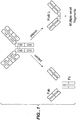
- Each light chain has a variable domain (VL) at one end and a constant domain (CL) at its other end; the constant domain of the light chain is aligned with the first constant domain of the heavy chain, and the light chain variable domain is aligned with the variable domain of the heavy chain. See Fig. 1 herein.
- variable domains are not involved directly in binding the antibody to an antigen, but are involved in various effector functions, such as participation of the antibody in antibody-dependent cell-mediated cytotoxicity (ADCC) and complement dependent cytotoxicity (CDC).
- the variable domains of each pair of light and heavy chains are involved directly in binding the antibody to the antigen.
- the variable domains of naturally occurring light and heavy chains have the same general structure; each comprising four framework regions (FRs), whose sequences are somewhat conserved, connected by three complementarity determining regions (CDRs) (see Kabat et al., Sequences of Proteins of Immunological Interest, National Institutes of Health, Bethesda, MD, (1991 )).
- the four FRs largely adopt a beta-sheet conformation and the CDRs form loops connecting, and in some cases forming part of, the beta-sheet structure.
- the CDRs in each chain are held in close proximity by the FRs and, with the CDRs from the other chain, contribute to the formation of the antigen binding site.
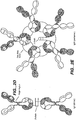
- Figs. 2A-E herein depict the structures of the five major naturally occurring immunoglobulin isotypes.
- IgG, IgD and IgE immunoglobulins possess only two antigen binding sites.
- IgA and IgM are capable of forming polymeric structures with higher valencies.
- IgM is secreted by plasma cells as a pentamer in which five monomer units are held together by disulfide bonds linking their carboxyl-terminal (C ⁇ 4/C ⁇ 4) domains and C ⁇ 3/C ⁇ 3 domains.
- the five monomer subunits are arranged with their Fc regions in the center of the pentamer and the 10 antigen-binding sites on the periphery of the molecule.
- Each pentamer contains an additional Fc-linked polypeptide called the J (joining) chain, which is disulfide-bonded to the carboxyl-terminal cysteine residue of 2 of the 10 ⁇ chains.
- the J chain appears to be required for polymerization of the monomers to form pentameric IgM; it is added just before secretion of the pentamer.
- An IgM molecule can bind 10 small hapten molecules; however, because of steric hindrance, only 5 molecules of larger antigens can be bound simultaneously.
- the increased valency of pentameric IgM increases its capacity to bind such multi-dimensional antigens as viral particles and red blood cells (RBCs).
- IgA exists primarily as a monomer, although polymeric forms such as dimers, trimers, and even tetramers are sometimes seen.
- the IgA of external secretions consists of a dimer or tetramer, a J-chain polypeptide, and a polypeptide chain called secretory component.
- the art has attempted to overcome this problem by constructing "chimeric" antibodies in which an animal antigen binding variable domain is coupled to a human constant domain ( Cabilly et al., U.S. patent No. 4,816,567 ; Morrison et al., Proc. Natl. Acad. Sci. USA 81:6851-6855 (1984 ); Boulianne et al., Nature 312:643-646 (1984 ); and Neuberger et al., Nature 314:268-270 (1985 )).
- the isotype of the human constant domain may be selected to tailor the chimeric antibody for participation in ADCC and CDC (see e.g. Brüggemann et al., J. Exp. Med.
- such chimeric antibodies contain about one third rodent (or other non-human species) sequence and thus are capable of eliciting a significant anti-globulin response in humans.
- substituting CDRs from rodent antibodies for the human CDRs in human frameworks is sufficient to transfer high antigen binding affinity ( Jones et al., Nature 321:522-525 (1986 ); Verhoeyen et al., Science 239:1534-1536 (1988 )), whereas in other cases it has been necessary to additionally replace one ( Riechmann et al., Nature 332:323-327 (1988 )) or several ( Queen et al., Proc. Natl. Acad. Sci. USA 86:10029-10033 (1989 )) framework residues. See also Co et al., Proc. Natl. Acad. Sci. USA 88:2869-2873 (1991 ); US Patent No.
- a chimeric/humanized antibody instead of a chimeric/humanized antibody, one may treat a patient with a human antibody in order to avoid human antibodies raised against a murine antibody (known as the "HAMA response").
- HAMA response human antibodies raised against a murine antibody
- Human antibodies may be selected using phage display technology. Phage display has been adapted to select human antibodies from an unimmunized donor ( Marks et al. J. Mol. Biol. 222:581-597 (1991 )). According to this approach, PCR is used to amplify variable domain genes from mRNA prepared from human peripheral blood lymphocytes (PBLs). Primers are used such that DNA from both IgG and IgM heavy chains and both ⁇ and ⁇ chains is amplified. These genes are then randomly combined and expressed as single chain Fv (scFv) fused to the gene III coat protein of M13 phage. Human antibodies against an antigen of interest may then be identified by rounds of growth and selection by binding to that antigen ( e.g . to the immobilized antigen). See Griffiths et al. EMBO J. 12:725-734 (1993 ).
- Synthetic phage-antibody repertoires have also been built from cloned human VH-gene segments.
- a repertoire (2 X 10 7 clones) was first constructed using a short H3 loop of five or eight random residues with each of 49 segments, and combined with a fixed light chain ( Hoogenboom et a/. J. Mol. Biol. 227:381-388 (1992 )).
- H3 loops of different lengths, up to 12 residues, a single library was created from which a range of more than 20 binding specificities could be selected ( Winter et al. Ann. Rev. Immuno. 12:433-55 (1994 )).
- the affinity of low affinity "primary" phage-antibodies may be improved by using phage display technology.
- One approach is to use a chain-shuffling strategy in which the VH domain is held constant and then recombined with the original library of VL genes and tighter binders selected by binding to immobilized antigen. This cycle is repeated by fixing the new VL domain and recombining with the original VH library ( Marks et al. Bio/Technology 10:779-783 (1992 )).
- point mutations in the primary antibody may be introduced using error-prone PCR and higher affinity binders selected by using phage display. Gram et al. PNAS (USA) 89: 3576-3580 (1992 ).
- Severe combined immune deficient (SCID) mice lack the ability to produce their own immunoglobulins due to a defect in the recombinase gene.
- SCID mice Several groups have reconstituted a functional humoral immune system in these mice by transfer of human peripheral blood lymphocytes (PBLs). These hu-PBL-SCID mice can be used to raise human antibodies upon immunization with antigen. Duchosal et al. Nature 355:258-262 (1992 ).
- mice are turned off and then yeast artificial chromosomes (YACs) engineered with large DNA sequences containing human heavy- and light-chain genes are introduced into the mice.
- yeast artificial chromosomes YACs
- Such "XenoMice” are able to produce human antibodies upon immunization with an antigen of interest. See US Patent No. 5,434,340 ; US Patent No. 5,591,699 ; US Patent No. 5,569,825 ; US Patent No. 5,545,806 ; and US Patent No. 5,545,807 .
- Human monoclonal antibodies may also be generated by immortalizing a human B lymphocyte producing an antibody of interest.
- the ethical issues surrounding immunizing humans in order to generate activated human B lymphocytes can be avoided by immunizing human lymphocytes in vitro.
- Both human PBLs Borrebaeck et al. Proc. Natl. Acad. Sci. USA 85:3995-4000 (1988 )
- human splenocytes Boerner et al. J. Immunol. 147, 86-95 (1991 )
- Improvements in human hybridoma technology have been achieved by using a mouse-human heterohybrid as the fusion partner (Boerner et al .).
- Antibodies have been modified in order to increase their antigen-binding valency. For instance, Ghetie et al. homodimerized tumor-reactive monoclonal antibodies (anti-CD19, anti-CD20, anti-CD21, anti-CD22 and anti-HER2 antibodies) by chemically introducing a thioether bond between a pair of IgGs using two heterobifunctional crosslinkers. Ghetie et al. PNAS (USA) 94:7509-7514 (1997 ); and WO 99/02567 . Wolff et al.
- the homodimeric IgG was said to have similar avidity to the parent IgG, but apparently showed an improved ability to internalize and retain radioisotope in target leukemia calls, and was more potent at complement-mediated leukemia cell killing and antibody-dependent cellular cytotoxicity using human effectors.
- Coloma and Morrison Nature Biotech. 15:159-163 (1997 ) describe a tetravalent bispecific antibody which was engineered by fusing DNA encoding a single chain anti-dansyl antibody Fv (scFv) after the C terminus (CH3-scFv) or after the hinge (Hinge-scFv) of an IgG3 anti-dansyl antibody. See, (also, WO95/09917 . Smith and Morrison engineered three versions of mu-like IgG3 by engineering either (1) Cys414 of an IgM heavy chain or (2) Cys575 of an IgM heavy chain, or both (1) and (2), into the IgG3 heavy chain gene.
- EP0,517,024 describes the preparation and use of tetravalent bispecific receptors.
- the ErbB receptor tyrosine kinases are important mediators of cell growth, differentiation and survival.
- the receptor family includes at least four distinct members including Epidermal Growth Factor Receptor (EGFR or ErbB1). HER2 (ErbB2 or p185 neu ), HER3 (ErbB3) and HER4 (ErbB4 or tyro2).
- EGFR Epidermal Growth Factor Receptor
- HER2 ErbB2 or p185 neu
- HER3 ErbB3
- HER4 ErbB4 or tyro2
- EGFR encoded by the erb B1 gene
- increased expression of EGFR has been observed in breast, bladder, lung, head, neck and stomach cancer, as well as glioblastomas.
- Increased EGFR receptor expression is often associated with increased production of the EGFR ligand, Transforming Growth Factor alpha (TGF-alpha), by the same tumor cells resulting in receptor activation by an autocrine stimulatory pathway.
- TGF-alpha Transforming Growth Factor alpha
- Monoclonal antibodies directed against the EGFR or its ligands, TGF-alpha and EGF have been evaluated as therapeutic agents in the treatment of such malignancies. See, e . g ., Baselga and Mendelsohn., supra ; Masui at al. Cancer Research 44:1002-1007 (1984 ); and Wu et al. J. Clin. Invest. 95:1897-1905 (1995 ).
- the second member of the ErbB family, p185 neu was originally identified as the product of the transforming gene from neuroblastomas of chemically treated rats.
- the activated form of the neu proto-oncogene results from a point mutation (valine to glutamic acid) in the transmembrane region of the encoded protein.
- Amplification of the human homolog of neu is observed in breast and ovarian cancers and correlates with a poor prognosis ( Slamon et al., Science, 235:177-182 (1987 ); Slamon et al., Science, 244:707-712 (1989 ); and US Pat No. 4,968,603 ).
- no point mutation analogous to that in the neu proto-oncogene has been reported for human tumors.
- Overexpression of HER2 (frequently but not uniformly due to gene amplification) has also been observed in other carcinomas including carcinomas of the stomach, endometrium, salivary gland, lung, kidney, colon, thyroid, pancreas and bladder.
- Hudziak et al., Mol. Cell. Biol. 9(3):1165-1172 (1989 ) describe the generation of a panel of anti-HER2 antibodies which were characterized using the human breast tumor cell line SKBR3.
- Relative cell proliferation of the SKBR3 cells following exposure to the antibodies was determined by crystal violet staining of the monolayers after 72 hours.
- maximum inhibition was obtained with the antibody called 4D5 which inhibited cellular proliferation by 56%.
- Other antibodies in the panel reduced cellular proliferation to a lesser extent in this assay.
- the antibody 4D5 was further found to sensitize HER2-overexpressing breast tumor cell lines to the cytotoxic effects of TNF-alpha. See, also, U.S. Patent No.
- a recombinant humanized IgG1 version of the murine anti-HER2 antibody 4D5 (rhuMAb HER2 or HERCEPTIN ® ; commercially available from Genentech, Inc., South San Francisco) is clinically active in patients with HER2-overexpressing metastatic breast cancers that have received extensive prior anti-cancer therapy ( Baselga et al., J. Clin. Oncol. 14:737-744 (1996 )).
- HERCEPTIN® received marketing approval from the Food and Drug Administration September 25, 1998 for the treatment of patients with metastatic breast cancer whose tumors overexpress the HER2 protein.
- the ErbB receptors are generally found in various combinations in cells and heterodimerization is thought to increase the diversity of cellular responses to a variety of ErbB ligands ( Earp et al. Breast Cancer Research and Treatment 35:115-132 (1995 )).
- EGFR is bound by six different ligands; Epidermal Growth Factor (EGF), Transforming Growth Factor alpha (TGF-alpha), amphiregulin, Heparin Binding Epidermal Growth Factor (HB-EGF), betacellulin and epiregulin ( Groenen et al. Growth Factors 11:235-257 (1994 )).
- a family of heregulin proteins resulting from alternative splicing of a single gene are ligands for HER3 and HER4.
- the heregulin family includes alpha, beta and gamma heregulins ( Holmes et al., Science, 256:1205-1210 (1992 ); U.S. Patent No. 5,641,869 ; and Schaefer et al. Oncogene 15:1385-1394 (1997 )); neu differentiation factors (NDFs), glial growth factors (GGFs); acetylcholine receptor inducing activity (ARIA); and sensory and motor neuron derived factor (SMDF).
- NDFs neu differentiation factors
- GGFs glial growth factors
- ARIA acetylcholine receptor inducing activity
- SMDF sensory and motor neuron derived factor
- EGF and TGF-alpha do not bind HER2, EGF stimulates EGFR and HER2 to form a heterodimer, which activates EGFR and results in transphosphorylation of HER2 in the heterodimer. Dimerization and/or transphosphorylation appears to activate the HER2 tyrosine kinase. See Earp et al., supra.
- HER3 is co-expressed with HER2
- an active signaling complex is formed and antibodies directed against HER2 are capable of disrupting this complex ( Sliwkowski et a/., J. Biol. Chem., 269(20):14661-14665 (1994 )).
- HER3 for heregulin (HRG) is increased to a higher affinity state when co-expressed with HER2.
- HRG heregulin
- TNF-alpha Tumor Necrosis Factor-alpha
- TNF-beta Tumor Necrosis Factor-beta
- LT-alpha Lymphotoxin-alpha
- CD30 ligand CD27 ligand, CD40 ligand, OX-40 ligand, 4-1BB ligand, Apo-1 ligand (also referred to as Fas ligand or CD95 ligand), Apo-2 ligand (also referred to as TRAIL), Apo-3 ligand (also referred to as TWEAK), osteoprotegerin (OPG), APRIL, RANK ligand (also referred to as TRANCE), and TALL-1 (also referred to as BlyS, BAFF or THANK) have been identified as members of the Tumor Necrosis Factor ("TNF”) family of cytokines (See, e.g., Gruss and Dower, Blood, 85:3378-3404 (1995 ); Pitti et al
- TNF-alpha, TNF-beta, CD30 ligand, 4-1BB ligand, Apo-1 ligand, Apo-2 ligand (Apo2L/TRAIL) and Apo-3 ligand (TWEAK) have been reported to be involved in apoptotic cell death.
- Both TNF-alpha and TNF-beta have been reported to induce apoptotic death in susceptible tumor cells ( Schmid et al., Proc. Natl. Acad. Sci., 83:1881 (1986 ); Dealtry et al., Eur. J. Immunol., 17:689 (1987 )).
- TNF-alpha is involved in post-stimulation apoptosis of CD8-positive T cells ( Zheng et al., Nature, 377:348-351 (1995 )).
- CD30 ligand may be involved in deletion of self-reactive T cells in the thymus ( Amakawa et al., Cold Spring Harbor Laboratory Symposium on Programmed Cell Death, Abstr. No. 10, (1995 )).
- CD40 ligand activates many functions of B cells, including proliferation, immunoglobulin secretion, and survival ( Renshaw et al., J. Exp. Med., 180:1889 (1994 )).
- TNF family cytokine TALL-1 (BlyS)
- BlyS TNF family cytokine
- Apo-1 ligand is also reported to induce post-stimulation apoptosis in CD4-positive T lymphocytes and in B lymphocytes, and may be involved in the elimination of activated lymphocytes when their function is no longer needed (Krammer et al., supra; Nagata et al., supra ) .
- Agonist mouse monoclonal antibodies specifically binding to the Apo-1 receptor have been reported to exhibit cell killing activity that is comparable to or similar to that of TNF-alpha ( Yonehara et al., J. Exp. Med., 169:1747-1756 (1989 )).
- TNF family cytokines Induction of various cellular responses mediated by such TNF family cytokines is believed to be initiated by their binding to specific cell receptors.
- TNF receptors Two distinct TNF receptors of approximately 55-kDa (TNFR1) and 75-kDa (TNFR2) were identified ( Hohman et al., J. Biol. Chem., 264:14927-14934 (1989 ); Brockhaus et al., Proc. Natl. Acad.
- TNFR1 and TNFR2 The extracellular portion of type 1 and type 2 TNFRs (TNFR1 and TNFR2) contains a repetitive amino acid sequence pattern of four cysteine-rich domains (CRDs) designated 1 through 4, starting from the NH 2 -terminus.
- CCDs cysteine-rich domains
- CRDs CRDs that exist in several other cell-surface proteins, including the p75 nerve growth factor receptor (NGFR) ( Johnson et al., Cell, 47:545 (1986 ); Radeke et al., Nature, 325:593 (1987 )), the B cell antigen CD40 ( Stamenkovic et al., EMBO J., 8:1403 (1989 )), the T cell antigen OX40 ( Mallet et al., EMBO J., 9:1063 (1990 )) and the Fas antigen (Yonehara et al., supra and Itoh et al., Cell, 66:233-243 (1991 )).
- NGFR nerve growth factor receptor
- CRDs are also found in the soluble TNFR (sTNFR)-like T2 proteins of the Shope and myxoma poxviruses ( Upton et al., Virology, 160:20-29 (1987 ); Smith et al., Biochem. Biophys. Res. Commun., 176:335 (1991 ); Upton et al., Virology, 184:370 (1991 )).
- sTNFR soluble TNFR
- Optimal alignment of these sequences indicates that the positions of the cysteine residues are well conserved.
- These receptors are sometimes collectively referred to as members of the TNF/NGF receptor superfamily.
- TNF family ligands identified to date are type II transmembrane proteins, whose C-terminus is extracellular.
- most receptors in the TNF receptor (TNFR) family identified to date are type I transmembrane proteins.
- TNFR TNF receptor
- homology identified between family members has been found mainly in the extracellular domain ("ECD").
- TNF family cytokines including TNF-alpha, Apo-1 ligand and CD40 ligand, are cleaved proteolytically at the cell surface; the resulting protein in each case typically forms a homotrimeric molecule that functions as a soluble cytokine.
- TNF receptor family proteins are also usually cleaved proteolytically to release soluble receptor ECDs that can function as inhibitors of the cognate cytokines.
- TACI Transmembrane Activator and CAML-Interactor
- BCMA mRNA expression was reported to be absent in human malignant B cell lines which represent the pro-B lymphocyte stage, and thus, is believed to be linked to the stage of differentiation of lymphocytes ( Gras et al., Int.
- Apo-3 has also been referred to by other investigators as DR3, wsl-1, TRAMP, and LARD ( Chinnaiyan et al., Science, 274:990 (1996 ); Kitson et al., Nature, 384:372 (1996 ); Bodmer et al., Immunity, 6:79 (1997 ); Screaton et al., Proc. Natl. Acad. Sci., 94:4615-4619 (1997 )).
- Pan et al. have disclosed another TNF receptor family member referred to as "DR4" ( Pan et al., Science, 276:111-113 (1997 ); see also WO98/32856 published July 30, 1998 ).
- the DR4 was reported to contain a cytoplasmic death domain capable of engaging the cell suicide apparatus.
- Pan et al. disclose that DR4 is believed to be a receptor for the ligand known as Apo2L/TRAIL.
- DR5 is reported to contain a cytoplasmic death domain and be capable of signaling apoptosis.
- the crystal structure of the complex formed between Apo2L/TRAIL and DR5 is described in Hymowitz et a/., Molecular Cell, 4:563-571 (1999 ).
- DR6 death domain-containing receptor 6
- Pan et al. FEBS Letters, 431:351-356 (1998 )
- DR6 is believed to contain a putative leucine-zipper sequence that overlaps with a proline-rich motif in the cytoplasmic region.
- the proline-rich motif resembles sequences that bind to src-homology-3 domains, which are found in many intracellular signal-transducing molecules.
- DcR1 also referred to as TRID, LIT or TRAIL-R3
- TRID TRID, LIT or TRAIL-R3
- McFarlane et al. J. Biol. Chem., 272:25417-25420 (1997 ); Schneider et al., FEBS Letters, 416:329-334 (1997 ); Degli-Esposti et al., J. Exp.
- TNFR family include CAR1, HVEM, GITR, ZTNFR-5, NTR-1, and TNFL1 ( Brojatsch et al., Cell, 87:845-855 (1996 ); Montgomery et al., Cell, 87:427-436 (1996 ); Marsters et al., J. Biol. Chem., 272:14029-14032 (1997 ); Nocentini et al., Proc. Natl. Acad. Sci. USA 94:6216-6221 (1997 ); Emery et al., J. Biol. Chem., 273:14363-14367 (1998 ); WO99/04001 published January 28, 1999 ; WO99/07738 published February 18, 1999 ; WO99/33980 published July 8, 1999 ).
- NF- ⁇ B is the prototype of a family of dimeric transcription factors whose subunits contain conserved Rel regions ( Verma et al., Genes Develop., 9:2723-2735 (1996 ); Baldwin, Ann. Rev. Immunol., 14:649-681 (1996 )).
- NF- ⁇ B In its latent form, NF- ⁇ B is complexed with members of the I- ⁇ B inhibitor family; upon inactivation of the I- ⁇ B in response to certain stimuli, released NF- ⁇ B translocates to the nucleus where it binds to specific DNA sequences and activates gene transcription.
- the TNFR members identified to date either include or lack an intracellular death domain region.
- Some TNFR molecules lacking a death domain, such as TNFR2, CD40, HVEM, and GITR are capable of modulating NF- ⁇ B activity. (see, e.g., Lotz et al., J. Leukocyte Biol., 60:1-7 (1996 )).
- Lymphocytes are one of many types of white blood cells produced in the bone marrow during the process of hematopoiesis. There are two major populations of lymphocytes: B lymphocytes (B cells) and T lymphocytes (T cells). The lymphocytes of particular interest herein are B cells.
- B cells mature within the bone marrow and leave the marrow expressing an antigen-binding antibody on their cell surface.
- a naive B cell first encounters the antigen for which its membrane-bound antibody is specific, the cell begins to divide rapidly and its progeny differentiate into memory B cells and effector cells called "plasma cells".
- Memory B cells have a longer life span and continue to express membrane-bound antibody with the same specificity as the original parent cell.
- Plasma cells do not produce membrane-bound antibody but instead produce the antibody in a form that can be secreted. Secreted antibodies are the major effector molecule of humoral immunity.
- the CD20 antigen also called human B-lymphocyte-restricted differentiation antigen, Bp35
- Bp35 human B-lymphocyte-restricted differentiation antigen
- CD20 regulates an early step(s) in the activation process for cell cycle initiation and differentiation (Tedder et al., supra ) and possibly functions as a calcium ion channel ( Tedder et al. J. Cell. Biochem. 14D:195 (1990 )).
- this antigen can serve as a candidate for "targeting" of such lymphomas.
- targeting can be generalized as follows: antibodies specific to the CD20 surface antigen of B cells are administered to a patient. These anti-CD20 antibodies specifically bind to the CD20 antigen of (ostensibly) both normal and malignant B cells; the antibody bound to the CD20 surface antigen may lead to the destruction and depletion of neoplastic B cells. Additionally, chemical agents or radioactive labels having the potential to destroy the tumor can be conjugated to the anti-CD20 antibody such that the agent is specifically "delivered" to the neoplastic B cells. Irrespective of the approach, a primary goal is to destroy the tumor; the specific approach can be determined by the particular anti-CD20 antibody which is utilized and, thus, the available approaches to targeting the CD20 antigen can vary considerably.
- CD19 is another antigen that is expressed on the surface of cells of the B lineage. Like CD20, CD19 is found on cells throughout differentiation of the lineage from the stem cell stage up to a point just prior to terminal differentiation into plasma cells ( Nadler, L. Lymphocyte Typing II 2: 3-37 and Appendix, Renling et al. eds. (1986) by Springer Verlag ). Unlike CD20 however, antibody binding to CD19 causes internalization of the CD19 antigen. CD19 antigen is identified by the HD237-CD19 antibody (also called the "B4" antibody) ( Kiesel et al. Leukemia Research II, 12: 1119 (1987 )), among others.
- HD237-CD19 antibody also called the "B4" antibody
- the CD19 antigen is present on 4-8% of peripheral blood mononuclear cells and on greater than 90% of B cells isolated from peripheral blood, spleen, lymph node or tonsil. CD19 is not detected on peripheral blood T cells, monocytes or granulocytes.
- Virtually all non-T cell acute lymphoblastic leukemias (ALL), B cell chronic lymphocytic leukemias (CLL) and B cell lymphomas express CD19 detectable by the antibody B4 ( Nadler et al. J. Immunol. 131:244 (1983 ); and Nadler et al. in Progress in Hematology Vol. XII pp. 187-206. Brown, E. ed. (1981) by Grune & Stratton, Inc ).
- the rituximab (RITUXAN®) antibody is a genetically engineered chimeric murine/human monoclonal antibody directed against the CD20 antigen.
- Rituximab is the antibody called "C2B8" in US Patent No. 5,736,137 issued April 7, 1998 (Anderson et al .) .
- RITUXAN® is indicated for the treatment of patients with relapsed or refractory low-grade or follicular, CD20 positive, B cell non-Hodgkin's lymphoma. In vitro mechanism of action studies have demonstrated that RITUXAN® binds human complement and lyses lymphoid B cell lines through CDC ( Reff et al. Blood 83(2):435-445 (1994 )).
- RITUXAN® has been shown to have anti-proliferative effects in tritiated thymidine incorporation assays and to induce apoptosis directly, while other anti-CD19 and CD20 antibodies do not ( Maloney et al. Blood 88(10):637a (1996 )).
- Synergy between RITUXAN® and chemotherapies and toxins has also been observed experimentally.
- RITUXAN® sensitizes drug-resistant human B cell lymphoma cell lines to the cytotoxic effects of doxorubicin, CDDP, VP-16, diphtheria toxin and ricin ( Demidem et al.
- the present invention provides multivalent antibodies (e.g . tetravalent antibodies) with four or more antigen binding sites, as set out in claim 1.
- the multivalent antibody comprises five or more (e.g. up to about eight) antigen binding sites.
- the multivalent antibody herein is preferably not a native sequence IgA or IgM, and may have only one Fc region.
- the multivalent antibodies herein have properties which are desirable, among other things, from a therapeutic standpoint.
- the multivalent antibody may (1) be internalized (and/or catabolized) faster than a bivalent antibody by a cell expressing an antigen to which the antibodies bind; (2) be an agonist antibody; and/or (3) induce cell death and/or apoptosis of a cell expressing an antigen which the multivalent antibody is capable of binding to.
- the "parent antibody" which provides at least one antigen binding specificity of the multivalent antibody may be one which is internalized (and/or catabolized) by a cell expressing an antigen to which the antibody binds; and/or may be an agonist, cell-death-inducing, and/or apoptosis-inducing antibody, and the multivalent form of the antibody as described herein may display improvement(s) in one or more of these properties.
- the parent antibody may lack any one or more of these properties, but may be endowed with them when constructed as a multivalent antibody as hereindescribed.
- the four or more antigen binding sites of the multivalent antibodies herein may all bind the same antigen; or may bind two or more ( e.g . from two to about three) different antigens.
- the multivalent antibody may bind (1) a cell surface protein expressed (or overexpressed) by tumor cells, e.g . Epidermal Growth Factor Receptor (EGFR), HER2 receptor, HER3 receptor, HER4 receptor, or DcR3; (2) a receptor in the Tumor Necrosis Factor (TNF) receptor superfamily (e.g . an Apo2L receptor, such as DR4, DR5, DcR1 or DcR2); and/or (3) a B cell surface antigen (such as CD19, CD20, CD22 or CD40).
- EGFR Epidermal Growth Factor Receptor
- HER2 receptor HER3 receptor
- HER4 receptor HER4 receptor
- DcR3 DcR3
- TNF Tumor Necrosis Factor
- B cell surface antigen such as CD19, CD20, CD22 or CD40.
- all of the functional antigen binding sites of the multivalent antibody bind the same antigen as listed above (e.g . all four antigen binding
- the invention also provides immunoconjugates comprising the multivalent antibody conjugated with a cytotoxic agent.
- the cytotoxic agent here may be one which is active in killing cells once internalized.
- a polypeptide chain comprising VD1-(X1) n -VD2(X2) n -Fc, wherein VD1 is a first variable domain, VD2 is a second variable domain, Fc is one polypeptide chain of an Fc region, X1 and X2 represent an amino acid or polypeptide, and n is 0 or 1.
- the polypeptide chain may comprise VH-CH1-flexible linker-VH-CH1-Fc region chain; VH-CH1-VH-CH1-Fc region chain; VL-CL-flexible linker-VL-CL-Fc region chain; or VL-CL-VL-CL-Fc region chain.
- the polypeptide chain may comprise VH-CH1-flexible linker-VH-CH1-dimerization domain; VH-CH1-VH-CH1-dimerization domain; VL-CL-flexible linker-VL-CL-dimerization domain; or VL-CL-VL-CL-dimerization domain.
- the polypeptide chain may comprise VH-CH1-flexible linker-VH-CH1-hinge region; VH-CH1-VH-CH1-hinge region.
- an antibody comprising one or more (preferably two) of such polypeptide chains.
- the antibody preferably further comprises at least two (and preferably four) light chain or heavy chain variable domain polypeptides, e.g., where the light chain variable domain polypeptides comprise VL-CL and the heavy chain variable domain polypeptides comprise VH-CH1.
- a polypeptide chain comprising three or more heavy chain or light chain variable domains, wherein each of the variable domains is able to combine with three or more light chain or heavy chain variable domain polypeptides to form three or more antigen binding sites, each directed against the same antigen.
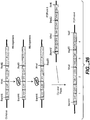
- an isolated antibody comprising the polypeptide chain. Where the polypeptide chain comprises three or more heavy chain variable domains, the antibody may further comprises three or more light chain variable domain polypeptides which can combine with the heavy chain variable domains to form the three or more antigen binding sites. Examples of such antibodies are shown in Fig. 23D (with three antigen binding sites) and Fig. 23E (with four antigen binding sites).
- a polypeptide chain comprising the formula: (a) VL-CL-flexible linker-VL-CL-flexible linker-VL-CL; (b) VH-CH1-flexible linker-VH-CH1-flexible linker-VH-CH1; (c) (VL-CL) n , wherein n is three or more; or (d) (VH-CH1) n , wherein n is three or more.
- the invention further provides: isolated nucleic acid encoding the multivalent antibody; a vector comprising nucleic acid encoding the multimeric antibody, optionally, operably linked to control sequences recognized by a host cell transformed with the vector; a host cell comprising ( e.g . transformed with) nucleic acid encoding the multimeric antibody or polypeptide chain; a method for producing the multivalent antibody comprising culturing the host cell so that the nucleic acid is expressed and, optionally, recovering the multivalent antibody or polypeptide chain from the host cell culture ( e.g . from the host cell culture medium).
- Nucleic acids encoding (1) the heavy chain variable domains and (2) the light chain variable domains of the multivalent antibody are preferrably co-expressed by a host cell transformed with both (1) and (2).
- Nucleic acids (1) and (2) may be present in the same, or different, vectors.
- Diagnostic and therapeutic uses for the multivalent antibodies disclosed herein are contemplated.
- Disclosed herein is a method for determining the presence of an antigen of interest comprising exposing a sample suspected of containing the antigen to the multivalent antibody and determining binding of the multivalent antibody to the sample. Both in vitro and in vivo diagnostic methods are disclosed herein.
- Disclosed herein is a method of treating a mammal suffering from, or predisposed to, a disease or disorder, comprising administering to the mammal a therapeutically effective amount of a multivalent antibody as disclosed herein, or of a composition comprising the multivalent antibody and a pharmaceutically acceptable carrier.
- the disorder to be treated herein may be cancer, in which case the method may further comprise administering a therapeutically effective amount of a cytotoxic agent to the mammal.
- a method of inducing apoptosis of a cancer cell comprising exposing the cell to a multivalent antibody as described herein, wherein the multivalent antibody binds a receptor in the Tumor Necrosis Factor (TNF) receptor superfamily.
- TNF Tumor Necrosis Factor
- the method may involve killing a B cell by exposing the B cell to a multivalent antibody that binds a B cell surface antigen. Moreover, the method may relate to killing a cell which expresses (or overexpresses) an ErbB receptor comprising exposing the cell to an antibody that binds the ErbB receptor.
- the numbering of the residues in an immunoglobulin heavy chain is that of the EU index as in Kabat et al., Sequences of Proteins of Immunological Interest, 5th Ed. Public Health Service, National Institutes of Health, Bethesda, MD (1991 ).
- the "EU index as in Kabat” refers to the residue numbering of the human IgG1 EU antibody.
- ErbB receptor is a receptor protein tyrosine kinase which belongs to the ErbB receptor family and includes EGFR, HER2, ErbB3 and ErbB4 receptors as well as TEGFR ( US Patent No. 5,708,156 ) and other members of this family to be identified in the future.
- the ErbB receptor will generally comprise an extracellular domain, which may bind an ErbB ligand; a lipophilic transmembrane domain; a conserved intracellular tyrosine kinase domain; and a carboxyl-terminal signaling domain harboring several tyrosine residues which can be phosphorylated.
- the ErbB receptor may be a native sequence ErbB receptor or an amino acid sequence variant thereof.
- the ErbB receptor is native sequence human ErbB receptor.
- ErbB ligand is meant a polypeptide which binds to and/or activates an ErbB receptor.
- the ErbB ligand of particular interest herein is a native sequence human ErbB ligand such as Epidermal Growth Factor (EGF) ( Savage et al., J. Biol. Chem. 247:7612-7621 (1972 )); Tansforming Growth Factor alpha (TGF-alpha) ( Marquardt et al., Science 223:1079-1082 (1984 )); amphiregulin also known as schwanoma or keratinocyte autocrine growth factor ( Shoyab et al. Science 243:1074-1076 (1989 ); Kimura et al.
- EGF Epidermal Growth Factor
- TGF-alpha Tansforming Growth Factor alpha
- amphiregulin also known as schwanoma or keratinocyte autocrine growth factor
- ErbB ligands which bind EGFR include EGF, TGF-alpha, amphiregulin, betacellulin, HB-EGF and epiregulin.
- ErbB ligands which bind HER3 include heregulins.
- ErbB ligands capable of binding HER4 include betacellulin, epiregulin, HB-EGF, NRG-2, NRG-3 and heregulins.
- Heregulin when used herein refers to a polypeptide comprising an amino acid sequence encoded by the heregulin gene product as disclosed in U.S. Patent No. 5,641,869 or Marchionni et al., Nature, 362:312-318 (1993 ), and biologically active variants of such polypeptides.
- heregulins include heregulin-alpha heregulin-beta1, heregulin-beta2 and heregulin-beta3 ( Holmes et al., Science, 256:1205-1210 (1992 ); and U.S. Patent No. 5,641,869 ); neu differentiation factor (NDF) ( Peles et al.
- GGFs glial growth factors
- SMDF motor neuron derived factor
- Schaefer et a/. Oncogene 15:1385-1394 (1997 ) An example of a biologically active fragment/amino acid sequence variant of a native sequence HRG polypeptide, is an EGF-like domain fragment ( e . g . HRGbeta1 177-244 ).
- ErbB hetero-oligomer herein is a noncovalently associated oligomer comprising at least two different ErbB receptors. Such complexes may form when a cell expressing two or more ErbB receptors is exposed to an ErbB ligand and can be isolated by immunoprecipitation and analyzed by SDS-PAGE as described in Sliwkowski et al., J. Biol. Chem., 269(20):14661-14665 (1994 ), for example. Examples of such ErbB hetero-oligomers include EGFR-HER2, HER2-HER3 and HER3-HER4 complexes.
- the ErbB hetero-oligomer may comprise two or more HER2 receptors combined with a different ErbB receptor, such as HER3, HER4 or EGFR.
- Other proteins such as a cytokine receptor subunit ( e . g . gp130), may be included in the hetero-oligomer.
- ErbB1 refers to native sequence EGFR as disclosed, for example, in Carpenter et al. Ann. Rev. Biochem. 56:881-914 (1987 ), including variants thereof ( e . g . a deletion mutant EGFR as in Humphrey et al. PNAS (USA) 87:4207-4211 (1990 )).
- erb B1 refers to the gene encoding the EGFR protein product.
- antibodies which bind to EGFR include MAb 579 (ATCC CRL HB 8506), MAb 455 (ATCC CRL HB8507), MAb 225 (ATCC CRL 8508), MAb 528 (ATCC CRL 8509) (see, US Patent No. 4,943, 533, Mendelsohn et al .) and variants thereof, such as chimerized 225 (C225) and reshaped human 225 (H225) (see, WO 96/40210 , Imclone Systems Inc.).
- ErbB2 and HER2 are used interchangeably herein and refer to native sequence human HER2 protein described, for example, in Semba et al., PNAS (USA) 82:6497-6501 (1985 ) and Yamamoto et al. Nature 319:230-234 (1986 ) (Genebank accession number X03363), and variants thereof.
- the term erb B2 refers to the gene encoding human HER2 and neu refers to the gene encoding rat p185 neu .
- Preferred HER2 is native sequence human HER2.
- antibodies which bind HER2 include MAbs 4D5 (ATCC CRL 10463), 2C4 (ATCC HB-12697), 7F3 (ATCC HB-12216), and 7C2 (ATCC HB 12215) (see, US Patent No. 5,772,997 ; WO98/77797 ; and US Patent No. 5,840,525 ).
- Humanized anti-HER2 antibodies include huMAb4D5-1, huMAb4D5-2, huMAb4D5-3, huMAb4D5-4, huMAb4D5-5, huMAb4D5-6, huMAb4D5-7 and huMAb4D5-8 (HERCEPTIN®) as described in Table 3 of U.S. Patent 5,821,337 ; humanized 520C9 ( WO93/21319 ). Human anti-HER2 antibodies are described in U.S. Patent No. 5,772,997 issued June 30, 1998 and WO 97/00271 published January 3, 1997 .
- ErbB3 and "HER3” refer to the receptor polypeptide as disclosed, for example, in US Pat. Nos. 5,183,884 and 5,480,968 as well as Kraus et al. PNAS (USA) 86:9193-9197 (1989 ), including variants thereof.
- Examples of antibodies which bind HER3 are described in US Patent No. 5,968,511 (Akita and Sliwkowski), e . g . the 8B8 antibody (ATCC HB 12070) or a humanized variant thereof.
- ErbB4 and "HER4" herein refer to the receptor polypeptide as disclosed, for example, in EP Pat Appln No 599,274 ; Plowman et al., Proc. Natl. Acad. Sci. USA, 90:1746-1750 (1993 ); and Plowman et al., Nature, 366:473-475 (1993 ), including variants thereof such as the HER4 isoforms disclosed in WO 99/19488 .
- a "B cell surface marker” herein is an antigen expressed on the surface of a B cell which can be targeted with an antibody which binds thereto.
- Exemplary B cell surface markers include the CD10, CD19, CD20, CD21, CD22, CD23, CD24, CD37, CD40, CD53, CD72, CD73, CD74, CDw75, CDw76, CD77, CDw78, CD79a, CD79b, CD80, CD81, CD82, CD83, CDw84, CD85 and CD86 leukocyte surface markers.
- the B cell surface marker of particular interest is preferentially expressed on B cells compared to other non-B cell tissues of a mammal and may be expressed on both precursor B cells and mature B cells.
- the marker is one, like CD20 or CD19, which is found on B cells throughout differentiation of the lineage from the stem cell stage up to a point just prior to terminal differentiation into plasma cells.
- the preferred B cell surface markers herein are CD19, CD20, CD22 and CD40.
- the "CD20” antigen is an about 35 kDa, non-glycosylated phosphoprotein found on the surface of greater than 90% of B cells from peripheral blood or lymphoid organs. CD20 is expressed during early pre-B cell development and remains until plasma cell differentiation. CD20 is present on both normal B cells as well as malignant B cells. Other names for CD20 in the literature include "B-lymphocyte-restricted antigen” and "Bp35". The CD20 antigen is described in Clark et al. PNAS (USA) 82:1766 (1985 ), for example. Examples of antibodies which bind the CD20 antigen include: “C2B8" which is now called “rituximab” ("RITUXAN®”) ( US Patent No.
- the "CD19” antigen refers to the about 90kDa antigen identified, for example, by the HD237-CD19 or B4 antibody ( Kiesel et al. Leukemia Research II, 12: 1119 (1987 )). Like CD20, CD19 is found on cells throughout differentiation of the lineage from the stem cell stage up to a point just prior to terminal differentiation into plasma cells. Binding of an antibody to CD19 may cause internalization of the CD19 antigen. Examples of antibodies which bind the CD19 antigen include the anti-CD19 antibodies in Hekman et al. Cancer Immunol. Immunother. 32:364-372 (1991 ) and Vlasveld et al. Cancer Immunol. Immunother. 40:37-47 (1995 ); and the B4 antibody in Kiesel et al. Leukemia Research II, 12: 1119 (1987 ).
- CD22 antigen has a molecular weight of about 140,000kD. CD22 is expressed in the cytoplasm of early pre-B and progenitor cells, appears on the surface of only mature B cells and on the majority of non-Hodgkin's lymphoma (NHL) cells, and is then lost during terminal differentiation prior to the plasma cell stage from both the surface and cytoplasm.
- An example of an anti-CD22 antibody is the LL2 antibody described in Juweid et al. Cancer Research 55:5899-5907 (1995 ), including chimeric/humanized variants thereof.
- CD40 antigen is a cell surface phosphorylated glycoprotein that is expressed on a variety of cell types, including B cells, B cell malignancies, follicular dendritic cells, basal epithelial cells and carcinomas.
- CD40 binds CD40 ligand (CD40L). Aside from being a B cell surface antigen, CD40 is also a member of the TNF receptor superfamily. Examples of antibodies that bind CD40 include those which (1) block CD40/CD40L interaction and have anti-neoplastic properties (Armitage et a / ., US Patent No. 5,674,492 ); (2) antagonize signaling through CD40 ( deBoer et al., US Patent No.
- TNF receptor superfamily refers to receptor polypeptides bound by cytokines in the TNF family. Generally, these receptors are Type I transmembrane receptors with one or more cysteine rich repeat sequences in their extracellular domain.
- the TNF receptor superfamily may be further subdivided into (1) death receptors; (2) decoy receptors; and (3) signaling receptors that lack death domains.
- the "death receptors” contain in their cytoplasmic or intracellular region a "death domain", i.e ., a region or sequence which acts to transduce signals in the cell which can result in apoptosis or in induction of certain genes.
- the "decoy receptors” lack a functional death domain and are incapable of transducing signals which result in apoptosis.
- cytokines in the TNF gene family include Tumor Necrosis Factor- alpha (TNF-alpha), Tumor Necrosis Factor-beta (TNF-beta or lymphotoxin), CD30 ligand, CD27 ligand, CD40 ligand, OX-40 ligand, 4-1BB ligand, Apo-1 ligand (also referred to as Fas ligand or CD95 ligand), Apo-2 ligand (also referred to as TRAIL), Apo-3 ligand (also referred to as TWEAK), osteoprotegerin (OPG), APRIL, RANK ligand (also referred to as TRANCE), and TALL-1 (also referred to as BlyS, BAFF or THANK).
- TNF-alpha Tumor Necrosis Factor- alpha
- TNF receptor superfamily examples include: type 1 Tumor Necrosis Factor Receptor (TNFR1), type 2 Tumor Necrosis Factor Receptor (TNFR2), p75 Nerve Growth Factor receptor (NGFR), the B cell surface antigen CD40, the T cell antigen OX-40, Apo-1 receptor (also called Fas or CD95), Apo-3 receptor (also called DR3, swl-1, TRAMP and LARD), the receptor called "Transmembrane Activator and CAML-Interactor" or "TACI”, BCMA protein, DR4, DR5 (alternatively referred to as Apo-2; TRAIL-R2, TR6, Tango-63, hAPO8, TRICK2 or KILLER), DR6, DcR1 (also referred to as TRID, LIT or TRAIL-R3), DcR2 (also called TRAIL-R4 or TRUNDD), OPG, DcR3 (also called TR6 or M68), CAR1, HVE
- Apo-2 ligand or "Apo2L” refer to the Apo2L polypeptides disclosed in WO97/25428, published 17 July 1997 .
- these terms also refer to the polypeptides referred to as TRAIL disclosed in WO97/01633, published 16 January, 1997 and US Patent No. 5,763,223, issued June 9, 1998 .
- An "Apo2L receptor” is a polypeptide to which Apo2L can specifically bind.
- the term "Apo2L receptor” when used herein encompasses native sequence Apo2L receptors and variants thereof. These terms encompass Apo2L receptor from a variety of mammals, including humans.
- the Apo2L receptor may be isolated from a variety of sources, such as from human tissue types or from another source, or prepared by recombinant or synthetic methods. Examples of “native sequence” Apo2L receptors include Apo-2 polypeptide or DR5 ( WO98/51793 ), native sequence DR4 as described in Pan et al.
- anti-DR5 antibodies examples include 3F11.39.7 (ATCC HB-12456), 3H3.14.5 (ATCC HB-12534), 3D5.1.10 (HB-12536) and 3H1.18.10 (HB-12535), 16E2 and 20E6 (see WO 98/51793 ).
- anti-DR4 antibodies examples include 4E7.24.3 (ATCC HB-12454) and 4H6.17.8 (ATCC HB-12455) (see, WO 99/37684 ).
- DcR3 Native sequence "DcR3" is described in WO99/14330 . That patent publication describes the following mAbs directed against DcR3: 4C4.1.4 (ATCC HB-12573); 5C4.14.7 (ATCC HB-12574); 11C5.2.8 (ATCC HB-12572); 8D3.1.5 (ATCC HB-12571); and 4B7.1.1 (ATCC HB-12575).
- a “native sequence” polypeptide comprises a polypeptide having the same amino acid sequence as a polypeptide derived from nature.
- a native sequence polypeptide can have the amino acid sequence of naturally-occurring polypeptide from any mammal.
- Such native sequence polypeptide can be isolated from nature or can be produced by recombinant or synthetic means.
- the term "native sequence” polypeptide specifically encompasses naturally-occurring truncated or secreted forms of the polypeptide ( e . g ., an extracellular domain sequence), naturally-occurring variant forms ( e . g ., alternatively spliced forms) and naturally-occurring allelic variants of the polypeptide.
- a polypeptide "variant” means a biologically active polypeptide having at least about 80% amino acid sequence identity with the native sequence polypeptide.
- variants include, for instance, polypeptides wherein one or more amino acid residues are added, or deleted, at the N- or C-terminus of the polypeptide.
- a variant will have at least about 80% amino acid sequence identity, more preferably at least about 90% amino acid sequence identity, and even more preferably at least about 95% amino acid sequence identity with the native sequence polypeptide.
- Apoptosis refers to programmed cell death. Physiological events often indicative of the occurrence of apoptosis include: fragmentation of DNA, cell shrinkage, dilation of endoplasmic reticulum, cell fragmentation, and/or formation of membrane vesicles (called apoptotic bodies). Various methods are available for evaluating the cellular events associated with apoptosis. For example, phosphatidyl serine (PS) translocation can be measured by annexin V binding; DNA fragmentation can be evaluated through DNA laddering or propidium-iodine staining; and nuclear/chromatin condensation along with DNA fragmentation can be evaluated by any increase in hypodiploid cells.
- PS phosphatidyl serine
- antibody is used in the broadest sense and includes monoclonal antibodies (including full length or intact monoclonal antibodies), polyclonal antibodies, multivalent antibodies, multispecific antibodies ( e . g ., bispecific antibodies), and antibody fragments (see below) so long as they exhibit the desired biological activity.
- multivalent antibody is used throughout this specification to denote an antibody comprising three or more antigen binding sites.
- the multivalent antibody is preferably engineered to have the three or more antigen binding sites and is generally not a native sequence IgM or IgA antibody.
- Antibody fragments comprise only a portion of an intact antibody, generally including an antigen binding site of the intact antibody and thus retaining the ability to bind antigen.
- Examples of antibody fragments encompassed by the present definition include: (i) the Fab fragment, having VL, CL, VH and CH1 domains; (ii) the Fab' fragment, which is a Fab fragment having one or more cysteine residues at the C-terminus of the CH1 domain; (iii) the Fd fragment having VH and CH1 domains; (iv) the Fd' fragment having VH and CH1 domains and one or more cysteine residues at the C-terminus of the CH1 domain; (v) the Fv fragment having the VL and VH domains of a single arm of an antibody; (vi) the dAb fragment ( Ward et al., Nature 341, 544-546 (1989 )) which consists of a VH domain; (vii) isolated CDR regions; (viii) F(ab') 2 fragments,
- the term "monoclonal antibody” as used herein refers to an antibody obtained from a population of substantially homogeneous antibodies, i.e., the individual antibodies comprising the population are identical except for possible naturally occurring mutations that may be present in minor amounts. Monoclonal antibodies are highly specific, being directed against a single antigen. Furthermore, in contrast to polyclonal antibody preparations that typically include different antibodies directed against different determinants (epitopes), each monoclonal antibody is directed against a single determinant on the antigen.
- the modifier "monoclonal” is not to be construed as requiring production of the antibody by any particular method.
- the monoclonal antibodies to be used in accordance with the present invention may be made by the hybridoma method first described by Kohler et al., Nature 256:495 (1975 ), or may be made by recombinant DNA methods (see, e . g ., U.S. Patent No. 4,816,567 ).
- the "monoclonal antibodies” may also be isolated from phage antibody libraries using the techniques described in Clackson et al., Nature 352:624-628 (1991 ) or Marks et al., J. Mol. Biol. 222:581-597 (1991 ), for example.
- the monoclonal antibodies herein specifically include "chimeric" antibodies in which a portion of the heavy and/or light chain is identical with or homologous to corresponding sequences in antibodies derived from a particular species or belonging to a particular antibody class or subclass, while the remainder of the chain(s) is identical with or homologous to corresponding sequences in antibodies derived from another species or belonging to another antibody class or subclass, as well as fragments of such antibodies, so long as they exhibit the desired biological activity ( U.S. Patent No. 4,816,567 ; and Morrison et al., Proc. Natl. Acad. Sci. USA 81:6851-6855 (1984 )).
- Humanized forms of non-human (e . g ., murine) antibodies are chimeric antibodies that contain minimal sequence derived from non-human immunoglobulin.
- humanized antibodies are human immunoglobulins (recipient antibody) in which residues from a hypervariable region of the recipient are replaced by residues from a hypervariable region of a non-human species (donor antibody) such as mouse, rat, rabbit or nonhuman primate having the desired specificity, affinity, and capacity.
- donor antibody such as mouse, rat, rabbit or nonhuman primate having the desired specificity, affinity, and capacity.
- framework region (FR) residues of the human immunoglobulin are replaced by corresponding non-human residues.
- humanized antibodies may comprise residues that are not found in the recipient antibody or in the donor antibody. These modifications are made to further refine antibody performance.
- the humanized antibody will comprise substantially all of at least one, and typically two, variable domains, in which all or substantially all of the hypervariable loops correspond to those of a non-human immunoglobulin and all or substantially all of the FRs are those of a human immunoglobulin sequence.
- the humanized antibody optionally will also comprise at least a portion of an immunoglobulin constant region (Fc), typically that of a human immunoglobulin.
- Fc immunoglobulin constant region
- a "human antibody” is one which possesses an amino acid sequence which corresponds to that of an antibody produced by a human and/or has been made using any of the techniques for making human antibodies as disclosed herein. This definition of a human antibody specifically excludes a humanized antibody comprising non-human antigen-binding residues.
- Human antibodies can be produced using various techniques known in the art. In one embodiment, the human antibody is selected from a phage library, where that phage library expresses human antibodies ( Vaughan et al. Nature Biotechnology 14:309-314 (1996 ): Sheets et al. PNAS (USA) 95:6157-6162 (1998 )); Hoogenboom and Winter, J. Mol.
- Human antibodies can also be made by introducing human immunoglobulin loci into transgenic animals, e.g., mice in which the endogenous immunoglobulin genes have been partially or completely inactivated. Upon challenge, human antibody production is observed, which closely resembles that seen in humans in all respects, including gene rearrangement, assembly, and antibody repertoire. This approach is described, for example, in U.S. Patent Nos.
- the human antibody may be prepared via immortalization of human B lymphocytes producing an antibody directed against a target antigen (such B lymphocytes may be recovered from an individual or may have been immunized in vitro). See, e.g., Cole et al., Monoclonal Antibodies and Cancer Therapy, Alan R. Liss, p. 77 (1985 ); Boerner et al., J. Immunol., 147 (1):86-95 (1991 ); and US Pat No. 5,750,373 .
- variable refers to the fact that certain portions of the variable domains differ extensively in sequence among antibodies and are used in the binding and specificity of each particular antibody for its particular antigen. However, the variability is not evenly distributed throughout the variable domains of antibodies. It is concentrated in three segments called hypervariable regions both in the light chain and the heavy chain variable domains. The more highly conserved portions of variable domains are called the framework regions (FRs).
- the variable domains of native heavy and light chains each comprise four FRs, largely adopting a beta-sheet configuration, connected by three hypervariable regions, which form loops connecting, and in some cases forming part of, the beta-sheet structure.
- the hypervariable regions in each chain are held together in close proximity by the FRs and, with the hypervariable regions from the other chain, contribute to the formation of the antigen-binding site of antibodies (see Kabat et al., Sequences of Proteins of Immunological Interest, 5th Ed. Public Health Service, National Institutes of Health, Bethesda, MD. (1991 )).
- the constant domains are not involved directly in binding an antibody to an antigen, but exhibit various effector functions, such as participation of the antibody in antibody-dependent cell-mediated cytotoxicity (ADCC).
- hypervariable region when used herein refers to the amino acid residues of an antibody which are responsible for antigen-binding.
- the hypervariable region generally comprises amino acid residues from a "complementarity determining region" or "CDR" ( e . g . residues 24-34 (L1), 50-56 (L2) and 89-97 (L3) in the light chain variable domain and 31-35 (H1), 50-65 (H2) and 95-102 (H3) in the heavy chain variable domain; Kabat et al., Sequences of Proteins of Immunological Interest, 5th Ed. Public Health Service, National Institutes of Health, Bethesda, MD.
- CDR complementarity determining region
- intact antibodies can be assigned to different "classes". There are five major classes of intact antibodies: IgA, IgD, IgE, IgG, and IgM, and several of these may be further divided into "subclasses" (isotypes), e . g ., IgG1 (including non-A and A allotypes), IgG2, IgG3, IgG4, IgA, and IgA2.
- the heavy-chain constant domains that correspond to the different classes of antibodies are called ⁇ , ⁇ , ⁇ , ⁇ and ⁇ , respectively.
- the subunit structures and three-dimensional configurations of different classes of immunoglobulins are well known.
- the light chains of antibodies from any vertebrate species can be assigned to one of two clearly distinct types, called kappa ( ⁇ ) and lambda ( ⁇ ), based on the amino acid sequences of their constant domains.
- Fc region is used to define the C-terminal region of an immunoglobulin heavy chain which may be generated by papain digestion of an intact antibody.
- the Fc region may be a native sequence Fc region or a variant Fc region.
- the human IgG heavy chain Fc region is usually defined to stretch from an amino acid residue at about position Cys226, or from about position Pro230, to the carboxyl-terminus of the Fc region.
- the Fc region of an immunoglobulin generally comprises two constant domains, a CH2 domain and a CH3 domain, and optionally comprises a CH4 domain.
- Fc region chain herein is meant one of the two polypeptide chains of an Fc region.
- the "CH2 domain" of a human IgG Fc region usually extends from an amino acid residue at about position 231 to an amino acid residue at about position 340.
- the CH2 domain is unique in that it is not closely paired with another domain. Rather, two N-linked branched carbohydrate chains are interposed between the two CH2 domains of an intact native IgG molecule. It has been speculated that the carbohydrate may provide a substitute for the domain-domain pairing and help stabilize the CH2 domain.
- the CH2 domain herein may be a native sequence CH2 domain or variant CH2 domain.
- the "CH3 domain” comprises the stretch of residues C-terminal to a CH2 domain in an Fc region ( i.e. from an amino acid residue at about position 341 to an amino acid residue at about position 447 of an IgG).
- the CH3 region herein may be a native sequence CH3 domain or a variant CH3 domain ( e . g . a CH3 domain with an introduced "protroberance” in one chain thereof and a corresponding introduced "cavity” in the other chain thereof; see US Patent No. 5,821,333 ).
- Such variant CH3 domains may be used to make multispecific ( e . g . bispecific) antibodies as herein described.
- Hinge region is generally defined as stretching from about Glu216, or about Cys226, to about Pro230 of human IgG1 ( Burton, Molec. Immunol.22:161-206 (1985 )). Hinge regions of other IgG isotypes may be aligned with the IgG1 sequence by placing the first and last cysteine residues forming inter-heavy chain S-S bonds in the same positions.
- the hinge region herein may be a native sequence hinge region or a variant hinge region.
- the two polypeptide chains of a variant hinge region generally retain at least one cysteine residue per polypeptide chain, so that the two polypeptide chains of the variant hinge region can form a disulfide bond between the two chains.
- the preferred hinge region herein is a native sequence human hinge region, e . g . a native sequence human IgG1 hinge region.
- a “functional Fc region” possesses at least one "effector function” of a native sequence Fc region.
- effector functions include C1q binding; complement dependent cytotoxicity (CDC); Fc receptor binding; antibody-dependent cell-mediated cytotoxicity (ADCC); phagocytosis; down regulation of cell surface receptors ( e.g . B cell receptor; BCR), etc.
- Such effector functions generally require the Fc region to be combined with a binding domain (e . g . an antibody variable domain) and can be assessed using various assays known in the art for evaluating such antibody effector functions.
- a “native sequence Fc region” comprises an amino acid sequence identical to the amino acid sequence of an Fc region found in nature.
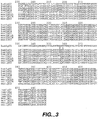
- Fig. 3 provides amino acid sequences of native sequence human and murine IgG Fc regions.
- a “variant Fc region” comprises an amino acid sequence which differs from that of a native sequence Fc region by virtue of at least one amino acid modification.
- the variant Fc region has at least one amino acid substitution compared to a native sequence Fc region or to the Fc region of a parent polypeptide, e.g. from about one to about ten amino acid substitutions, and preferably from about one to about five amino acid substitutions in a native sequence Fc region or in the Fc region of the parent polypeptide.
- the variant Fc region herein will preferably possess at least about 80% sequence identity with a native sequence Fc region and/or with an Fc region of a parent polypeptide, and most preferably at least about 90% sequence identity therewith, more preferably at least about 95% sequence identity therewith.
- Antibody-dependent cell-mediated cytotoxicity and “ADCC” refer to a cell-mediated reaction in which nonspecific cytotoxic cells that express Fc receptors (FcRs) (e . g . Natural Killer (NK) cells, neutrophils, and macrophages) recognize bound antibody on a target cell and subsequently cause lysis of the target cell.
- FcRs Fc receptors
- NK cells Natural Killer (NK) cells, neutrophils, and macrophages
- the primary cells for mediating ADCC NK cells, express Fc ⁇ RIII only, whereas monocytes express Fc ⁇ RI, Fc ⁇ RII and Fc ⁇ RIII.
- FcR expression on hematopoietic cells is summarized in Table 3 on page 464 of Ravetch and Kinet, Annu. Rev. Immunol 9:457-92 (1991 ).
- ADCC activity of a molecule of interest may be assessed in vitro, such as that described in US Patent No. 5,500,362 or 5,821,337.
- useful effector cells for such assays include peripheral blood mononuclear cells (PBMC) and Natural Killer (NK) cells.
- PBMC peripheral blood mononuclear cells
- NK Natural Killer
- ADCC activity of the molecule of interest may be assessed in vivo, e.g., in a animal model such as that disclosed in Clynes et al. PNAS (USA) 95:652-656 (1998 ).
- Human effector cells are leukocytes which express one or more FcRs and perform effector functions. Preferably, the cells express at least Fc ⁇ RIII and perform ADCC effector function. Examples of human leukocytes which mediate ADCC include peripheral blood mononuclear cells (PBMC), natural killer (NK) cells, monocytes, cytotoxic T cells and neutrophils; with PBMCs and NK cells being preferred.
- PBMC peripheral blood mononuclear cells
- NK natural killer cells
- monocytes cytotoxic T cells and neutrophils
- the effector cells may be isolated from a native source thereof, e . g . from blood or PBMCs as described herein.
- Fc receptor and “FcR” are used to describe a receptor that binds to the Fc region of an antibody.
- the preferred FcR is a native sequence human FcR.
- a preferred FcR is one which binds an IgG antibody (a gamma receptor) and includes receptors of the Fc ⁇ RI, Fc ⁇ RII, and Fc ⁇ RIII subclasses, including allelic variants and alternatively spliced forms of these receptors.
- Fc ⁇ RII receptors include Fc ⁇ RIIA (an “activating receptor") and Fc ⁇ RIIB (an “inhibiting receptor”), which have similar amino acid sequences that differ primarily in the cytoplasmic domains thereof.
- Activating receptor Fc ⁇ RIIA contains an immunoreceptor tyrosine-based activation motif (ITAM) in its cytoplasmic domain.
- Inhibiting receptor Fc ⁇ RIIB contains an immunoreceptor tyrosine-based inhibition motif (ITIM) in its cytoplasmic domain (reviewed in Da ⁇ ron, Annu. Rev. Immunol. 15:203-234 (1997 )).
- FcRs are reviewed in Ravetch and Kinet, Annu. Rev. Immunol 9:457-92 (1991 ); Capel et al., Immunomethods 4:25-34 (1994 ); and de Haas et al., J. Lab. Clin. Med. 126:330-41 (1995 ).
- FcR FcR
- FcRn neonatal receptor
- “Complement dependent cytotoxicity” and “CDC” refer to the lysing of a target in the presence of complement.
- the complement activation pathway is initiated by the binding of the first component of the complement system (C1q) to a molecule ( e . g . an antibody) complexed with a cognate antigen.
- a CDC assay e . g . as described in Gazzano-Santoro et al., J. Immunol. Methods 202:163 (1996 ), may be performed.
- affinity matured antibody is one with one or more alterations in one or more CDRs thereof which result an improvement in the affinity of the antibody for antigen, compared to a parent antibody which does not possess those alteration(s).
- Preferred affinity matured antibodies will have nanomolar or even picomolar affinities for the target antigen.
- Affinity matured antibodies are produced by procedures known in the art. Marks et al. Bio/Technology 10:779-783 (1992 ) describes affinity maturation by VH and VL domain shuffling. Random mutagenesis of CDR and/or framework residues is described by: Barbas et al. Proc Nat. Acad. Sci, USA 91:3809-3813 (1994 ); Schier et al.
- Percent (%) amino acid sequence identity herein is defined as the percentage of amino acid residues in a candidate sequence that are identical with the amino acid residues in a selected sequence, after aligning the sequences and introducing gaps, if necessary, to achieve the maximum percent sequence identity, and not considering any conservative substitutions as part of the sequence identity. Alignment for purposes of determining percent amino acid sequence identity can be achieved in various ways that are within the skill in the art, for instance, using publicly available computer software such as BLAST, BLAST-2, ALIGN, ALIGN-2 or Megalign (DNASTAR) software. Those skilled in the art can determine appropriate parameters for measuring alignment, including any algorithms needed to achieve maximal alignment over the full-length of the sequences being compared.
- % amino acid sequence identity values are obtained as described below by using the sequence comparison computer program ALIGN-2.
- the ALIGN-2 sequence comparison computer program was authored by Genentech, Inc. has been filed with user documentation in the U.S. Copyright Office, Washington D.C., 20559, where it is registered under U.S. Copyright Registration No. TXU510087, and is publicly available through Genentech, Inc., South San Francisco, California.
- the ALIGN-2 program should be compiled for use on a UNIX operating system, preferably digital UNIX V4.0D. All sequence comparison parameters are set by the ALIGN-2 program and do not vary.
- the % amino acid sequence identity of a given amino acid sequence A to, with, or against a given amino acid sequence B is calculated as follows: 100 times the fraction X / Y where X is the number of amino acid residues scored as identical matches by the sequence alignment program ALIGN-2 in that program's alignment of A and B, and where Y is the total number of amino acid residues in B. It will be appreciated that where the length of amino acid sequence A is not equal to the length of amino acid sequence B, the % amino acid sequence identity of A to B will not equal the % amino acid sequence identity of B to A.
- polypeptide chain is a polypeptide wherein each of the domains thereof is joined to other domain(s) by peptide bond(s), as opposed to non-covalent interactions or disulfide bonds.
- a “flexible linker” herein refers to a peptide comprising two or more amino acid residues joined by peptide bond(s), and provides more rotational freedom for two polypeptides (such as two Fd regions) linked thereby. Such rotational freedom allows two or more antigen binding sites joined by the flexible linker to each access target antigen(s) more efficiently.
- suitable flexible linker peptide sequences include gly-ser, gly-ser-gly-ser (SEQ ID NO:10), ala-ser, and gly-gly-gly-ser (SEQ ID NO:11).
- the flexible linker comprises 2 to about 10 amino acid residues, and most preferably four or less residues.
- a “dimerization domain” is formed by the association of at least two amino acid residues (generally cysteine residues) or of at least two peptides or polypeptides (which may have the same, or different, amino acid sequences).
- the peptides or polypeptides may interact with each other through covalent and/or non-covalent association(s).
- dimerization domains herein include an Fc region; a hinge region; a CH3 domain; a CH4 domain; a CH1-CL pair; an "interface” with an engineered “knob” and/or "protruberance” as described in US Patent No. 5,821,333 ; a leucine zipper (e.g.
- a jun/fos leucine zipper see Kostelney et al., J. Immunol., 148: 1547-1553 (1992 ); or a yeast GCN4 leucine zipper); an isoleucine zipper; a receptor dimer pair (e.g., interleukin-8 receptor (IL-8R); and integrin heterodimers such as LFA-1 and GPIIIb/IIIa), or the dimerization region(s) thereof; dimeric ligand polypeptides (e.g. nerve growth factor (NGF), neurotrophin-3 (NT-3), interleukin-8 (IL-8), vascular endothelial growth factor (VEGF), and brain-derived neurotrophic factor (BDNF); see Arakawa et al. J.
- NGF nerve growth factor
- NT-3 neurotrophin-3
- IL-8 interleukin-8
- VEGF vascular endothelial growth factor
- BDNF brain-derived neurotrophic factor
- dimerization region(s) thereof a pair of cysteine residues able to form a disulfide bond; a pair of peptides or polypeptides, each comprising at least one cysteine residue ( e . g . from about one, two or three to about ten cysteine residues) such that disulfide bond(s) can form between the peptides or polypeptides (hereinafter "a synthetic hinge”); and antibody variable domains.
- the most preferred dimerization domain herein is an Fc region or a hinge region.
- “Naturally occurring amino acid residues” may be selected from the group consisting of: alanine (Ala); arginine (Arg); asparagine (Asn); aspartic acid (Asp); cysteine (Cys); glutamine (Gln); glutamic acid (Glu); glycine (Gly); histidine (His); isoleucine (Ile): leucine (Leu); lysine (Lys); methionine (Met); phenylalanine (Phe); proline (Pro); serine (Ser); threonine (Thr); tryptophan (Trp); tyrosine (Tyr); and valine (Val).
- non-naturally occurring amino acid residue refers to a residue, other than those naturally occurring amino acid residues listed above, which is able to covalently bind adjacent amino acid residues(s) in a polypeptide chain.
- non-naturally occurring amino acid residues include norleucine, ornithine, norvaline, homoserine and other amino acid residue analogues such as those described in Ellman et al. Meth. Enzym. 202:301-336 (1991 ).
- the procedures of Noren et al. Science 244:182 (1989 ) and Ellman et al., supra can be used. Briefly, these procedures involve chemically activating a suppressor tRNA with a non-naturally occurring amino acid residue followed by in vitro transcription and translation of the RNA.
- an "isolated" polypeptide is one that has been identified and separated and/or recovered from a component of its natural environment. Contaminant components of its natural environment are materials that would interfere with diagnostic or therapeutic uses for the polypeptide, and may include enzymes, hormones, and other proteinaceous or nonproteinaceous solutes.
- the polypeptide will be purified (1) to greater than 95% by weight of polypeptide as determined by the Lowry method, and most preferably more than 99% by weight, (2) to a degree sufficient to obtain at least 15 residues of N-terminal or internal amino acid sequence by use of a spinning cup sequenator, or (3) to homogeneity by SDS-PAGE under reducing or nonreducing conditions using Coomassie blue or, preferably, silver stain.
- Isolated polypeptide includes the polypeptide in situ within recombinant cells since at least one component of the polypeptide's natural environment will not be present. Ordinarily, however, isolated polypeptide will be prepared by at least one purification step.
- a "functional antigen binding site" of an antibody is one which is capable of binding a target antigen.
- the antigen binding affinity of the antigen binding site is not necessarily as strong as the parent antibody from which the antigen binding site is derived, but the ability to bind antigen must be measurable using any one of a variety of methods known for evaluating antibody binding to an antigen.
- the antigen binding affinity of each of the antigen binding sites of a multivalent antibody herein need not be quantitatively the same.
- the number of functional antigen binding sites can be evaluated using ultracentrifugation analysis as described in Example 2 below.
- ligand activation of a receptor is meant signal transduction (e . g . for a tyrosine kinase receptor, that caused by an intracellular kinase domain of a tyrosine kinase receptor phosphorylating tyrosine residues in the receptor or a substrate polypeptide) mediated by ligand binding to the receptor (or a receptor complex comprising the receptor of interest).
- an ErbB receptor In the case of an ErbB receptor, generally, this will involve binding of an ErbB ligand to an ErbB hetero-oligomer which activates a kinase domain of one or more of the ErbB receptors in the hetero-oligomer and thereby results in phosphorylation of tyrosine residues in one or more of the ErbB receptors and/or phosphorylation of tyrosine residues in additional substrate polypeptides(s).
- An antibody which "blocks" ligand activation of an receptor is one which reduces or prevents such activation as hereinabove defined. Such blocking can occur by any means, e.g. by interfering with: ligand binding to the receptor, receptor complex formation, tyrosine kinase activity of a tyrosine kinase receptor in a receptor complex and/or phosphorylation of tyrosine kinase residue(s) in or by the receptor.
- antibodies which block ligand activation of an ErbB receptor include monoclonal antibodies 2C4 and 7F3 (which block HRG activation of HER2/HER3 and HER2/HER4 hetero-oligomers; and EGF, TGF-beta or amphiregulin activation of an EGFR/HER2 hetero-oligomer); and L26, L96 and L288 antibodies ( Klapper et al. Oncogene 14:2099-2109 (1997 )), which block EGF and NDF binding to T47D cells which express EGFR, HER2, HER3 and HER4.
- An antibody having a "biological characteristic" of a designated antibody is one which possesses one or more of the biological characteristics of that antibody which distinguish it from other antibodies that bind to the same antigen.
- a “growth inhibitory agent” when used herein refers to a compound or composition which inhibits growth of a cell in vitro and/or in vivo.
- the growth inhibitory agent may be one which significantly reduces the percentage of cells in S phase.
- growth inhibitory agents include agents that block cell cycle progression (at a place other than S phase), such as agents that induce G1 arrest and M-phase arrest.
- Classical M-phase blockers include the vincas (vincristine and vinblastine), TAXOL®, and topo II inhibitors such as doxorubicin, epirubicin, daunorubicin, etoposide, and bleomycin.
- DNA alkylating agents such as tamoxifen, prednisone, dacarbazine, mechlorethamine, cisplatin, methotrexate, 5-fluorouracil, and ara-C.
- DNA alkylating agents such as tamoxifen, prednisone, dacarbazine, mechlorethamine, cisplatin, methotrexate, 5-fluorouracil, and ara-C.
- growth inhibitory anti-HER2 antibodies are those which bind to HER2 and inhibit the growth of cancer cells overexpressing HER2.
- Preferred growth inhibitory anti-HER2 antibodies inhibit growth of SKBR3 breast tumor cells in cell culture by greater than 20%, and preferably greater than 50% ( e . g . from about 50% to about 100%) at an antibody concentration of about 0.5 to 30 ⁇ g/ml, where the growth inhibition is determined six days after exposure of the SKBR3 cells to the antibody (see U.S. Patent No. 5,677,171 issued October 14, 1997 ).
- the cell is generally one which expresses the antigen to which the antibody binds, especially where the cell overexpresses the antigen.
- the cell is a cancer cell, e . g . a breast, ovarian, stomach, endometrial, salivary gland, lung, kidney, colon, thyroid, pancreatic or bladder cell.
- the cell may be a SKBR3, BT474, Calu 3, MDA-MB-453, MDA-MB-361 or SKOV3 cell.
- Cell death in vitro may be determined in the absence of complement and immune effector cells to distinguish cell death induced by antibody dependent cell-mediated cytotoxicity (ADCC) or complement dependent cytotoxicity (CDC).
- ADCC antibody dependent cell-mediated cytotoxicity
- CDC complement dependent cytotoxicity
- the assay for cell death may be performed using heat inactivated serum (i.e. in the absence of complement) and in the absence of immune effector cells.
- PI propidium iodide
- trypan blue see Moore et al. Cytotechnology 17:1-11 (1995 )
- 7AAD can be assessed relative to untreated cells.
- An antibody which "induces apoptosis” is one which induces programmed cell death as determined by binding of annexin V, fragmentation of DNA, cell shrinkage, dilation of endoplasmic reticulum, cell fragmentation, and/or formation of membrane vesicles (called apoptotic bodies).
- the cell is one which expresses the antigen to which the antibody binds and may be one which overexpresses the antigen.
- the cell may be a tumor cell, e . g . a breast, ovarian, stomach, endometrial, salivary gland, lung, kidney, colon, thyroid, pancreatic or bladder cell.
- the cell may be a SKBR3, BT474, Calu 3 cell, MDA-MB-453, MDA-MB-361 or SKOV3 cell.
- Various methods are available for evaluating the cellular events associated with apoptosis. For example, phosphatidyl serine (PS) translocation can be measured by annexin binding; DNA fragmentation can be evaluated through DNA laddering as disclosed in the example herein; and nuclear/chromatin condensation along with DNA fragmentation can be evaluated by any increase in hypodiploid cells.
- PS phosphatidyl serine
- the antibody which induces apoptosis is one which results in about 2 to 50 fold, preferably about 5 to 50 fold, and most preferably about 10 to 50 fold, induction of annexin binding relative to untreated cell in an annexin binding assay using cells expressing the antigen to which the antibody binds.
- antibodies which induce apoptosis include the anti-HER2 monoclonal antibodies 7F3 (ATCC HB-12216), and 7C2 (ATCC HB 12215), including humanized and/or affinity matured variants thereof; the anti-DR5 antibodies 3F11.39.7 (ATCC HB-12456); 3H3.14.5 (ATCC HB-12534); 3D5.1.10 (ATCC HB-12536); and 3H3.14.5 (ATCC HB-12534), including humanized and/or affinity matured variants thereof; the human anti-DR5 receptor antibodies 16E2 and 20E6, including affinity matured variants thereof ( WO98/51793 ); the anti-DR4 antibodies 4E7.24.3 (ATCC HB-12454); 4H6.17.8 (ATCC HB-12455); 1H5.25.9 (ATCC HB-12695); 4G7.18.8 (ATCC PTA-99); and 5G11.17.1 (ATCC HB-12694), including humanized and/or affinity matured variants thereof.
- an "agonist antibody” is an antibody which binds to and activates a receptor.
- the receptor activation capability of the agonist antibody will be at least qualitatively similar (and may be essentially quantitatively similar) to a native agonist ligand of the receptor.
- An example of an agonist antibody is one which binds to a receptor in the TNF receptor superfamily and induces apoptosis of cells expressing the TNF receptor. Assays for determining induction of apoptosis are described in WO98/51793 and WO99/37684 .
- a “disorder” is any condition that would benefit from treatment with the antibody. This includes chronic and acute disorders or diseases including those pathological conditions which predispose the mammal to the disorder in question.
- disorders to be treated herein include benign and malignant tumors; leukemias and lymphoid malignancies; neuronal, glial, astrocytal, hypothalamic and other glandular, macrophagal, epithelial, stromal and blastocoelic disorders; and inflammatory, angiogenic and immunologic disorders.
- the term "therapeutically effective amount” refers to an amount of a drug effective to treat a disease or disorder in a mammal.
- the therapeutically effective amount of the drug may reduce the number of cancer cells; reduce the tumor size; inhibit ( i.e., slow to some extent and preferably stop) cancer cell infiltration into peripheral organs; inhibit ( i.e ., slow to some extent and preferably stop) tumor metastasis; inhibit, to some extent, tumor growth; and/or relieve to some extent one or more of the symptoms associated with the disorder.
- the drug may prevent growth and/or kill existing cancer cells, it may be cytostatic and/or cytotoxic.
- efficacy in vivo can, for example, be measured by assessing the time to disease progression (TTP) and/or determining the response rates (RR).
- Treatment refers to both therapeutic treatment and prophylactic or preventative measures. Those in need of treatment include those already with the disorder as well as those in which the disorder is to be prevented.
- cancer and “cancerous” refer to or describe the physiological condition in mammals that is typically characterized by unregulated cell growth.
- Examples of cancer include but are not limited to, carcinoma, lymphoma, blastoma, sarcoma, and leukemia.
- cancers include squamous cell cancer, small-cell lung cancer, non-small cell lung cancer, adenocarcinoma of the lung, squamous carcinoma of the lung, cancer of the peritoneum, hepatocellular cancer, gastrointestinal cancer, pancreatic cancer, glioblastoma, cervical cancer, ovarian cancer, liver cancer, bladder cancer, hepatoma, breast cancer, colon cancer, colorectal cancer, endometrial or uterine carcinoma, salivary gland carcinoma, kidney cancer, liver cancer, prostate cancer, vulval cancer, thyroid cancer, hepatic carcinoma and various types of head and neck cancer.
- autoimmune disease herein is a non-malignant disease or disorder arising from and directed against an individual's own tissues.
- autoimmune diseases or disorders include, but are not limited to, inflammatory responses such as inflammatory skin diseases including psoriasis and dermatitis (e.g.
- atopic dermatitis atopic dermatitis
- systemic scleroderma and sclerosis responses associated with inflammatory bowel disease (such as Crohn's disease and ulcerative colitis); respiratory distress syndrome (including adult respiratory distress syndrome; ARDS); dermatitis; meningitis; encephalitis; uveitis; colitis; glomerulonephritis; allergic conditions such as eczema and asthma and other conditions involving infiltration of T cells and chronic inflammatory responses; atherosclerosis; leukocyte adhesion deficiency; rheumatoid arthritis; systemic lupus erythematosus (SLE); diabetes mellitus (e.g.
- Type I diabetes mellitus or insulin dependent diabetes mellitis multiple sclerosis; Reynaud's syndrome; autoimmune thyroiditis; allergic encephalomyelitis; Sjorgen's syndrome; juvenile onset diabetes; and immune responses associated with acute and delayed hypersensitivity mediated by cytokines and T-lymphocytes typically found in tuberculosis, sarcoidosis, polymyositis, granulomatosis and vasculitis; pernicious anemia (Addison's disease); diseases involving leukocyte diapedesis; central nervous system (CNS) inflammatory disorder; multiple organ injury syndrome; hemolytic anemia (including, but not limited to cryoglobinemia or Coombs positive anemia) ; myasthenia gravis; antigen-antibody complex mediated diseases; anti-glomerular basement membrane disease; antiphospholipid syndrome; allergic neuritis; Graves' disease; Lambert-Eaton myasthenic syndrome; pemphigoid bullous; pemphigus; autoimmune
- foreign antigen is meant a molecule or molecules which is/are not endogenous or native to a mammal which is exposed to it.
- the foreign antigen may elicit an immune response, e . g . a humoral and/or T cell mediated response in the mammal. Generally, the foreign antigen will provoke the production of antibodies thereagainst.
- foreign antigens contemplated herein include immunogenic therapeutic agents, e . g . proteins such as antibodies, particularly antibodies comprising non-human amino acid residues ( e . g .
- rodent, chimeric/humanized, and primatized antibodies include toxins (optionally conjugated to a targeting molecule such as an antibody, wherein the targeting molecule may also be immunogenic); gene therapy viral vectors, such as retroviruses and adenoviruses; grafts; infectious agents (e . g . bacteria and virus); alloantigens ( i . e . an antigen that occurs in some, but not in other members of the same species) such as differences in blood types, human lymphocyte antigens (HLA), platelet antigens, antigens expressed on transplanted organs, blood components, pregnancy (Rh), and hemophilic factors (e . g . Factor VIII and Factor IX).
- HLA human lymphocyte antigens
- platelet antigens antigens expressed on transplanted organs
- blood components blood components
- pregnancy (Rh) pregnancy
- hemophilic factors e . g . Factor VIII and Factor IX
- blocking an immune response to a foreign antigen is meant reducing or preventing at least one immune-mediated response resulting from exposure to a foreign antigen.
- a foreign antigen For example, one may dampen a humoral response to the foreign antigen, i.e., by preventing or reducing the production of antibodies directed against the antigen in the mammal.
- graft refers to biological material derived from a donor for transplantation into a recipient. Grafts include such diverse material as, for example, isolated cells such as islet cells; tissue such as the amniotic membrane of a newborn, bone marrow, hematopoietic precursor cells, and ocular tissue, such as corneal tissue; and organs such as skin, heart, liver, spleen, pancreas, thyroid lobe, lung, kidney, tubular organs ( e . g ., intestine, blood vessels, or esophagus), etc.
- the tubular organs can be used to replace damaged portions of esophagus, blood vessels, or bile duct.
- the skin grafts can be used not only for burns, but also as a dressing to damaged intestine or to close certain defects such as diaphragmatic hernia.
- the graft is derived from any mammalian source, including human, whether from cadavers or living donors.
- the graft is bone marrow or an organ such as heart and the donor of the graft and the host are matched for HLA class II antigens.
- mammalian host refers to any compatible transplant recipient.
- compatible is meant a mammalian host that will accept the donated graft.
- the host is human. If both the donor of the graft and the host are human, they are preferably matched for HLA class II antigens so as to improve histocompatibility.
- donor refers to the mammalian species, dead or alive, from which the graft is derived.
- the donor is human.
- Human donors are preferably volunteer blood-related donors that are normal on physical examination and of the same major ABO blood group, because crossing major blood group barriers possibly prejudices survival of the allograft. It is, however, possible to transplant, for example, a kidney of a type O donor into an A, B or AB recipient.
- transplant refers to the insertion of a graft into a host, whether the transplantation is syngeneic (where the donor and recipient are genetically identical), allogeneic (where the donor and recipient are of different genetic origins but of the same species), or xenogeneic (where the donor and recipient are from different species).
- the host is human and the graft is an isograft, derived from a human of the same or different genetic origins.
- the graft is derived from a species different from that into which it is transplanted, such as a baboon heart transplanted into a human recipient host, and including animals from phylogenically widely separated species, for example, a pig heart valve, or animal beta islet cells or neuronal cells transplanted into a human host.
- a species different from that into which it is transplanted such as a baboon heart transplanted into a human recipient host, and including animals from phylogenically widely separated species, for example, a pig heart valve, or animal beta islet cells or neuronal cells transplanted into a human host.
- the expression "desensitizing a mammal awaiting transplantation” refers to reducing or abolishing allergic sensitivity or reactivity to a transplant, prior to administration of the transplant to the mammal. This may be achieved by any mechanism, such as a reduction in anti-donor antibodies in the desensitized mammal, e . g . where such anti-donor antibodies are directed against human lymphocyte antigen (HLA).
- HLA human lymphocyte antigen
- cytotoxic agent refers to a substance that inhibits or prevents the function of cells and/or causes destruction of cells.
- the term is intended to include radioactive isotopes (e . g . At 211 , I 131 , I 125 , Y 90 , Re 186 , Re 188 , Sm 153 , Bi 212 , P 32 and radioactive isotopes of Lu), chemotherapeutic agents, and toxins such as small molecule toxins or enzymatically active toxins of bacterial, fungal, plant or animal origin, including fragments and/or variants thereof.
- chemotherapeutic agent is a chemical compound useful in the treatment of cancer.
- examples of chemotherapeutic agents include alkylating agents such as thiotepa and cyclosphosphamide (CYTOXANTM); alkyl sulfonates such as busulfan, improsulfan and piposulfan; aziridines such as benzodopa, carboquone, meturedopa, and uredopa; ethylenimines and methylamelamines including altretamine, triethylenemelamine, trietylenephosphoramide, triethylenethiophosphaoramide and trimethylolomelamine; acetogenins (especially bullatacin and bullatacinone); a camptothecin (including the synthetic analogue topotecan); bryostatin; callystatin; CC-1065 (including its adozelesin, carzelesin and bizelesin synthetic analogues); cryptophycin
- calicheamicin especially calicheamicin ⁇ 1 l and calicheamicin, ⁇ l 1 , see, e.g., Agnew Chem Intl. Ed. Engl. 33:183-186 (1994 ); dynemicin, including dynemicin A; an esperamicin; as well as neocarzinostatin chromophore and related chromoprotein enediyne antiobiotic chromomophores), aclacinomysins, actinomycin, authramycin, azaserine, bleomycins, cactinomycin, carabicin, carminomycin, carzinophilin, chromomycins, dactinomycin, daunorubicin, detorubicin, 6-diazo-5-oxo-L-norleucine, doxorubicin (including morpholino-doxorubicin, cyanomorpholino
- paclitaxel (TAXOL ® , Bristol-Myers Squibb Oncology, Princeton, NJ) and doxetaxel (TAXOTERE ® , Rhône-Poulenc Rorer, Antony, France); chlorambucil; gemcitabine; 6-thioguanine; mercaptopurine; methotrexate; platinum analogs such as cisplatin and carboplatin; vinblastine; platinum; etoposide (VP-16); ifosfamide; mitomycin C; mitoxantrone; vincristine; vinorelbine; navelbine; novantrone; teniposide; daunomycin; aminopterin; xeloda; ibandronate; CPT-11; topoisomerase inhibitor RFS 2000; difluoromethylornithine (DMFO); retinoic acid; capecitabine; and pharmaceutically acceptable salts, acids or derivatives of any of the above.
- anti-hormonal agents that act to regulate or inhibit hormone action on tumors
- anti-estrogens including for example tamoxifen, raloxifene, aromatase inhibiting 4(5)-imidazoles, 4-hydroxytamoxifen, trioxifene, keoxifene, LY117018, onapristone, and toremifene (Fareston); and anti-androgens such as flutamide, nilutamide, bicalutamide, leuprolide, and goserelin; and pharmaceutically acceptable salts, acids or derivatives of any of the above.
- cytokine is a generic term for proteins released by one cell population which act on another cell as intercellular mediators.
- cytokines are lymphokines, monokines, and traditional polypeptide hormones. Included among the cytokines are growth hormone such as human growth hormone, N-methionyl human growth hormone, and bovine growth hormone; parathyroid hormone; thyroxine; insulin; proinsulin; relaxin; prorelaxin; glycoprotein hormones such as follicle stimulating hormone (FSH), thyroid stimulating hormone (TSH), and luteinizing hormone (LH); hepatic growth factor; fibroblast growth factor; prolactin; placental lactogen; tumor necrosis factor-alpha and - beta; mullerian-inhibiting substance; mouse gonadotropin-associated peptide; inhibin; activin; vascular endothelial growth factor; integrin; thrombopoietin (TPO); nerve growth factors such as NGF-alpha; platelet-growth
- prodrug refers to a precursor or derivative form of a pharmaceutically active substance that is less cytotoxic to tumor cells compared to the parent drug and is capable of being enzymatically activated or converted into the more active parent form. See, e . g ., Wilman, "Prodrugs in Cancer Chemotherapy” Biochemical Society Transactions, 14, pp. 375-382, 615th Meeting Harbor (1986 ) and Stella et al., “Prodrugs: A Chemical Approach to Targeted Drug Delivery,” Directed Drug Delivery, Borchardt et al., (ed.), pp. 247-267, Humana Press (1985 ).
- the prodrugs of this invention include, but are not limited to, phosphate-containing prodrugs, thiophosphate-containing prodrugs, sulfate-containing prodrugs, peptide-containing prodrugs, D-amino acid-modified prodrugs, glycosylated prodrugs, beta-lactam-containing prodrugs, optionally substituted phenoxyacetamide-containing prodrugs or optionally substituted phenylacetamide-containing prodrugs, 5-fluorocytosine and other 5-fluorouridine prodrugs which can be converted into the more active cytotoxic free drug.
- cytotoxic drugs that can be derivatized into a prodrug form for use in this invention include, but are not limited to, those chemotherapeutic agents described above.
- angiogenic factor is a growth factor which stimulates the development of blood vessels.
- the preferred angiogenic factor herein is Vascular Endothelial Growth Factor (VEGF).
- label when used herein refers to a detectable compound or composition which is conjugated directly or indirectly to the polypeptide.
- the label may be itself be detectable ( e . g ., radioisotope labels or fluorescent labels) or, in the case of an enzymatic label, may catalyze chemical alteration of a substrate compound or composition which is detectable.
- an "isolated" nucleic acid molecule is a nucleic acid molecule that is identified and separated from at least one contaminant nucleic acid molecule with which it is ordinarily associated in the natural source of the polypeptide nucleic acid.
- An isolated nucleic acid molecule is other than in the form or setting in which it is found in nature. Isolated nucleic acid molecules therefore are distinguished from the nucleic acid molecule as it exists in natural cells.
- an isolated nucleic acid molecule includes a nucleic acid molecule contained in cells that ordinarily express the polypeptide where, for example, the nucleic acid molecule is in a chromosomal location different from that of natural cells.
- control sequences refers to DNA sequences necessary for the expression of an operably linked coding sequence in a particular host organism.
- the control sequences that are suitable for prokaryotes include a promoter, optionally an operator sequence, and a ribosome binding site.
- Eukaryotic cells are known to utilize promoters, polyadenylation signals, and enhancers.
- Nucleic acid is "operably linked" when it is placed into a functional relationship with another nucleic acid sequence.
- DNA for a presequence or secretory leader is operably linked to DNA for a polypeptide if it is expressed as a preprotein that participates in the secretion of the polypeptide;
- a promoter or enhancer is operably linked to a coding sequence if it affects the transcription of the sequence; or
- a ribosome binding site is operably linked to a coding sequence if it is positioned so as to facilitate translation.
- "operably linked” means that the DNA sequences being linked are contiguous, and, in the case of a secretory leader, contiguous and in reading phase. However, enhancers do not have to be contiguous. Linking is accomplished by ligation at convenient restriction sites. If such sites do not exist, the synthetic oligonucleotide adaptors or linkers are used in accordance with conventional practice.
- the expressions "cell,” “cell line,” and “cell culture” are used interchangeably and all such designations include progeny.
- the words “transformants” and “transformed cells” include the primary subject cell and cultures derived therefrom without regard for the number of transfers. It is also understood that all progeny may not be precisely identical in DNA content, due to deliberate or inadvertent mutations. Mutant progeny that have the same function or biological activity as screened for in the originally transformed cell are included. Where distinct designations are intended, it will be clear from the context.
- the invention herein relates to a method for making a multivalent antibody.
- Various techniques for generating the "parent" or “starting” antibody from which the variable domain(s) of the multivalent antibody may be derived will be described later in this application.
- the multivalent antibody of particular interest herein is one which comprises four or more antigen binding sites. Generally, all of the antigen binding sites are "functional" as defined hereinabove.
- the multivalent antibody does not exist in nature and is not a native sequence IgM or IgA antibody.
- the multivalent antibody herein is preferably not produced in vitro by chemically cross-linking a pair antibodies ( e.g. as in Ghetie et al. (1997), supra or Wolff et al. (1993), supra ).
- the present application also provides multivalent antibodies which do not require introduced cysteine residue(s) in a parent antibody in order to make the multivalent antibody via disulfide bond(s) between a pair of Fc regions ( e . g . as in Shopes et al. (1992), supra or Caron et al. (1992), supra ).
- the first polypeptide chain comprises two heavy chain variable domains and the second polypeptide chain also comprises two heavy chain variable domains, which can be combined with corresponding light chain variable domains (at least two for each polypeptide chain) to generate four or more antigen binding sites.
- the multivalent antibody comprises an Fc region (e . g . a native sequence or variant Fc region).
- the Fc region is preferably "functional" as defined hereinabove and thus is capable of performing one or more antibody effector functions, such as ADCC or CDC.
- the multivalent antibody has only one Fc region.
- the four or more antigen binding sites are provided amino terminal to the Fc region (rather than at the carboxy terminus of the Fc region as in Coloma and Morrison, (1997) supra ).
- This may be achieved by providing a first polypeptide chain represented by the formula VD1-X1-VD2-X2-Fc, wherein (1) VD1 is a first heavy or light chain variable domain (preferably a heavy chain variable domain), (2) VD2 is a second heavy or light chain variable domain (preferably a heavy chain variable domain), (3) Fc comprises one chain of an Fc region, and (4) X1 and X2 represent an optional intervening amino acid or polypeptide.
- the flexible linker may comprise a peptide such as gly-ser, gly-ser-gly-ser (SEQ ID NO:10), ala-ser or gly-gly-gly-ser (SEQ ID NO:11).
- the multivalent antibody comprises four or more Fab polypeptides, each capable of binding antigen.
- the Fab fragments are provided amino terminal to the Fc region (where the multivalent antibody has an Fc region).
- two or more Fd fragments may be fused to the amino terminus of one chain of an Fc region.
- the polypeptide chain thus engineered may be combined with (1) another polypeptide chain formed by two or more Fd fragments fused to the amino terminus of the other chain of the Fc region, as well as (2) complementary VL domains ( e . g . four or more VL domains which each, optionally, are fused to a CL domain).
- the antibody comprises a flexible linker between the two or more Fd fragments.
- the four or more functional antigen binding sites of the multivalent antibody herein are each preferably formed by a heavy and light chain variable domain.
- two or more heavy chain variable domains are fused together (optionally with intervening amino acid residue(s) as noted above)
- two or more complementary light chain variable domain-containing polypeptides are combined with the heavy chain variable domains (for instance by co-expressing the fusion protein and the light chain variable domain polypeptide(s) in the same host cell).
- the antibody comprises four, or five, or more (e.g. up to about 8) light chain variable domain polypeptides, which each, optionally, comprise a CL domain.
- the antibody with four or more antigen binding sites may comprise a polypeptide chain comprising four or more heavy chain or light chain variable domains, wherein each of the variable domains is combined with, or associated with, four or more light chain or heavy chain variable domain polypeptides in such a way as to form the antigen binding sites.
- the polypeptide chain comprises four or more heavy chain variable domains, it is combined or associated with four or more corresponding light chain variable domain polypeptides ( e . g . with VL-CL polypeptides).
- the polypeptide chain comprises four or more light chain variable domains, it is combined or associated with four or more corresponding heavy chain variable domain polypeptides ( e . g .
- each of the four or more antigen binding sites is directed against the same antigen.
- antigens bound by such antibodies include (1) a receptor in the Tumor Necrosis Factor (TNF) receptor superfamily such as DR4 and DR5; (2) a B cell surface antigen such as CD20; (3) an ErbB receptor exemplified by the HER2 receptor; or (4) a cell surface protein expressed by tumor cells.
- the polypeptide chain may comprise four heavy chain variable domains which are able to combine with four light chain variable domain polypeptides (preferably VL-CL polypeptides) to generate four antigen binding sites directed against the same antigen.
- Such antibodies are exemplified by those depicted in Fig. 23D (with four antigen binding sites) and Fig. 23E (with four antigen binding sites).
- the multivalent antibodies herein have desirable properties particularly for in vivo therapy and diagnosis.
- the multivalent antibody may be internalized and catabolized by a cell expressing an antigen, to which the antibody binds, faster than a bivalent antibody.
- the invention provides an immunoconjugate comprising the multivalent antibody conjugated with a cytotoxic agent (e.g. one which is active in killing cells once internalized).
- a cytotoxic agent e.g. one which is active in killing cells once internalized.
- cytotoxic agents for generating an immunoconjugate are described herein, but the preferred cytotoxic agent is a radioactive isotope, a maytansinoid or a calecheamicin.
- the multivalent antibody, and/or a parent antibody from which at least one of the multivalent antibody's antigen binding specificities is derived may have certain properties.
- the multivalent antibody and/or parent antibody may (1) be an agonist antibody (e.g . where an antigen bound by the antibody is a receptor in the TNF receptor family or a B cell surface antigen); (2) induce apoptosis (for instance, where an antigen bound by the antibody is an ErbB receptor or a receptor in the TNF receptor superfamily); (3) bind a cell surface protein (such as a B cell surface antigen or an ErbB receptor) expressed on tumor cells; (4) bind a cell surface protein (e . g . Epidermal Growth Factor Receptor (EGFR), HER2 receptor, ErbB3 receptor, ErbB4 receptor, or DcR3 receptor) overexpressed by tumor cells; and/or (5) be a growth inhibitory antibody.
- EGFR Epidermal Growth Factor Receptor
- HER2 receptor ErbB3
- the multivalent antibody herein may have specificity for only one antigen, or more than one antigens ( e . g . from two to about three antigens).
- the three or more functional antigen binding sites of the multivalent antibody may all bind the same antigen (preferably the same epitope on that antigen, in which case the multivalent antibody would be considered to be "monospecific”).
- This application also provides "multispecific" antibodies.
- the three or more functional antigen binding sites may bind two or more ( e . g . from two to about three) different antigens or epitopes.
- a multivalent antibody directed against a receptor antigen can be engineered which, surprisingly, has agonistic and/or apoptosis-inducing capability which is quantitatively similar to that of the native ligand.
- quantitatively similar here is meant that the multivalent antibody has an activity in an assay which determines agonistic and/or apoptosis-inducing activity, within about ten fold, and preferably within about five fold of the agonistic and/or apoptosis-inducing activity of the native ligand.
- the antibody with agonistic and/or apoptosis-inducing activity may be one with specificity for a receptor in the TNF receptor superfamily, e . g .
- an Apo2L receptor such as DR4, DR5, DcR1 and DcR2 (preferably DR4 or DR5), in which case the activity of the antibody in an apoptosis assay such as those described in Example 3 below is within about ten fold, e.g. within about five fold, of the activity of Apo2L in that assay.
- the multivalent antibody herein may, in one embodiment of the invention, bind a B cell surface antigen.
- Preferred B cell surface antigens include CD19, CD20, CD22 and CD40, and most preferably CD20.
- multivalent antibodies herein possesses one or more functional Fc regions, it is anticipated to have the ability to mediate effector functions (such as ADCC and CDC) and have a longer half-life than multivalent antibodies lacking an Fc region.
- Such multivalent antibodies may be used where killing of cells, such as tumor or cancer cells, is desired.
- Other forms of the multivalent antibodies herein which lack a Fc region may be desirable where a shorter half-life is desired ( e . g . for treating cardiovascular or inflammatory diseases or disorders, or where the antibody is conjugated with a cytotoxic agent); where internalization of the antibody is desired ( e . g .
- an immunoconjugate comprising the antibody and a cytotoxic agent
- a cytotoxic agent for improved penetration of a solid tumor
- expression of the multivalent antibody in a non-mammalian host cell e . g . a prokaryotic host cell such as an E . coli host cell
- a prokaryotic host cell such as an E . coli host cell
- Such forms of the antibody may comprise a multivalent antibody including a dimerization domain, wherein the dimerization domain comprises an antibody hinge region fused to a leucine zipper domain (the leucine zipper domain facilitates association of the polypeptides which form the dimerization domain, but may be subsequently proteolytically removed prior to administration to a patient) (see Fig. 23C ); a multivalent antibody with three antigen binding sites such as that shown in Fig. 23D ; or a multivalent antibody with four antigen binding sites such as that depicted in Fig. 23E .
- the multivalent antibody herein is directed against, or binds specifically to, one or more target antigen(s).
- at least one of the antigens bound by the multivalent antibody is a biologically important polypeptide and administration of the antibody to a mammal suffering from a disease or disorder can result in a therapeutic benefit in that mammal.
- antibodies directed against nonpolypeptide antigens are also contemplated.
- the antigen is a polypeptide
- it may be a transmembrane molecule (e . g . receptor) or ligand such as a growth factor.
- exemplary antigens include molecules such as renin; a growth hormone, including human growth hormone and bovine growth hormone; growth hormone releasing factor; parathyroid hormone; thyroid stimulating hormone; lipoproteins; alpha-1-antitrypsin; insulin A-chain; insulin B-chain; proinsulin; follicle stimulating hormone; calcitonin; luteinizing hormone; glucagon; clotting factors such as factor VIIIC, factor IX, tissue factor (TF), and von Willebrands factor; anti-clotting factors such as Protein C; atrial natriuretic factor; lung surfactant; a plasminogen activator, such as urokinase or human urine or tissue-type plasminogen activator (t-PA); bombesin; thrombin; hemopoietic growth factor; tumor necrosis factor-
- ILs interleukins
- T-cell receptors surface membrane proteins
- decay accelerating factor viral antigen such as, for example, a portion of the AIDS envelope; transport proteins; homing receptors; addressins; regulatory proteins; integrins such as CD11a, CD11b, CD11c, CD18, an ICAM, VLA-4 or VCAM; a tumor associated antigen such as HER2, HER3 or HER4 receptor; and fragments of any of the above-listed polypeptides.
- Preferred molecular targets for antibodies encompassed by the present invention include leukocyte surface markers or CD proteins such as CD1a-c, CD2, CD2R, CD3, CD4, CD5, CD6, CD7, CD8, CD9, CD10, CD11a, CD11b, CD11c, CDw12, CD13, CD14, CD15, CD15s, CD16, CD16b, CDw17, CD18, CD19, CD20, CD21, CD22, CD23, CD24, CD25, CD26, CD27, CD28, CD29, CD30, CD31, CD32, CD33, CD34, CD35, CD36, CD37, CD38, CD39, CD40, C41, CD42a-d, CD43, CD44, CD44R, CD45, CD45A, CD45B, CD45O, CD46-CD48, CD49a-f, CD50, CD51, CD52, CD53-CD59, CDw60, CD61, CD62E, CD62L, CD62P, CD63, CD64, CDw
- anti-CD11a, anti-CD18 or anti-CD11b antibodies growth factors such as VEGF; tissue factor (TF); alpha interferon ( ⁇ -IFN); an interleukin, such as IL-8; IgE; blood group antigens; flk2/flt3 receptor; obesity (OB) receptor; c-mpl receptor; CTLA-4; protein C etc.
- growth factors such as VEGF; tissue factor (TF); alpha interferon ( ⁇ -IFN); an interleukin, such as IL-8; IgE; blood group antigens; flk2/flt3 receptor; obesity (OB) receptor; c-mpl receptor; CTLA-4; protein C etc.
- Soluble antigens or fragments thereof, optionally conjugated to other molecules, can be used as immunogens for generating antibodies.
- immunogens for transmembrane molecules, such as receptors, fragments of these (e.g. the extracellular domain of a receptor) can be used as the immunogen.
- cells expressing the transmembrane molecule can be used as the immunogen.
- Such cells can be derived from a natural source (e . g . cancer cell lines) or may be cells which have been transformed by recombinant techniques to express the transmembrane molecule.
- Other antigens and forms thereof useful for preparing antibodies will be apparent to those in the art.
- Preferred target antigens for the multivalent antibodies herein include (1) ErbB receptors, including EGFR, HER2, HER3 and HER4; (2) receptors in the TNF receptor superfamily, e . g . Apo2L receptors, such as DR4, DR5, DcR1 and DcR2; (3) B cell surface antigens, especially CD19, CD20, CD22 and CD40; (4) antigens expressed by tumor cells; (5) antigens overexpressed by tumor cells ( e . g . ErbB receptors; DcR3 receptors); (6) receptors activated by multimeric ( e . g . dimeric or trimeric) ligands ( e . g .
- three or more ( e . g . four to about eight) of the antigen binding sites of the multivalent antibody may all be directed against the same antigenic determinant or epitope on one of the above antigens.
- the present application also provides multispecific antibodies, i.e ., antibodies that have binding specificities for at least two different epitopes or antigenic determinants.
- Multispecific antibodies e . g . bispecific antibodies; BsAbs
- BsAbs bispecific antibodies
- Bispecific antibodies have been very useful in probing the functional properties of cell surface molecules and in defining the ability of the different Fc receptors to mediate cytotoxicity ( Fanger et a/., Crit. Rev. Immunol. 12:101-124 (1992 )). Nolan et al., Biochem. Biophys. Acta. 1040:1-11 (1990 ) describe other diagnostic applications for BsAbs.
- BsAbs can be constructed to immobilize enzymes for use in enzyme immunoassays.
- one arm of the BsAb can be designed to bind to a specific epitope on the enzyme so that binding does not cause enzyme inhibition, the other arm of the BsAb binds to the immobilizing matrix ensuring a high enzyme density at the desired site.
- diagnostic BsAbs include the rabbit anti-IgG/anti-ferritin BsAb described by Hammerling et al., J. Exp. Med. 128:1461-1473 (1968 ) which was used to locate surface antigens.
- BsAbs having binding specificities for Horse Radish Peroxidase (HRP) as well as a hormone have also been developed.
- Another potential immunochemical application for BsAbs involves their use in two-site immunoassays.
- two BsAbs are produced binding to two separate epitopes on the analyte protein - one BsAb binds the complex to an insoluble matrix, the other binds an indicator enzyme (see Nolan et al., supra ).
- Multispecific antibodies can also be used for in vitro or in vivo immunodiagnosis of various diseases such as cancer ( Songsivilai et al., Clin. Exp. Immunol. 79:315 (1990 )).
- one arm of the BsAb can bind a tumor associated antigen and the other arm can bind a detectable marker such as a chelator which tightly binds a radionuclide.
- a detectable marker such as a chelator which tightly binds a radionuclide.
- Multispecific antibodies can also be used for human therapy in redirected cytotoxicity by providing one arm which binds a target (e . g . pathogen or tumor cell) and another arm which binds a cytotoxic trigger molecule, such as the T-cell receptor or an Fc gamma receptor. Accordingly, multispecific antibodies can be used to direct a patient's cellular immune defense mechanisms specifically to the tumor cell or infectious agent. Using this strategy, it has been demonstrated that bispecific antibodies which bind to the Fc gamma RIII (i.e . CD16) can mediate tumor cell killing by natural killer (NK) cell/large granular lymphocyte (LGL) cells in vitro and are effective in preventing tumor growth in vivo.
- NK natural killer
- LGL large granular lymphocyte
- the bispecific antibodies link the CD3 complex on T cells to a tumor-associated antigen.
- a fully humanized F(ab') 2 BsAb consisting of anti-CD3 linked to anti-p185 HER2 has been used to target T cells to kill tumor cells overexpressing the HER2 receptor.
- Bispecific antibodies have been tested in several early phase clinical trials with encouraging results. In one trial, 12 patients with lung, ovarian or breast cancer were treated with infusions of activated T-lymphocytes targeted with an anti-CD3/antitumor (MOC31) bispecific antibody. deLeij et al.
- Multispecific antibodies may also be used as fibrinolytic agents or vaccine adjuvants. Furthermore, these antibodies may be used in the treatment of infectious diseases (e . g . for targeting of effector cells to virally infected cells such as HIV or influenza virus or protozoa such as Toxoplasma gondii ), used to deliver immunotoxins to tumor cells, or target immune complexes to cell surface receptors (see Fanger et al., supra).
- the multispecific antibody may bind two or more different epitopes on an antigen of interest.
- the multispecfic antibody may have specificity for (1) an antigen expressed by a target cell (e . g . where the target cell is a tumor cell) and (2) a triggering molecule on a leukocyte, such as a T-cell receptor molecule ( e . g .
- Fc gamma R Fc receptors for IgG
- Fc gamma R Fc receptors for IgG
- Fc gamma R Fc receptors for IgG
- Fc gamma R Fc receptors for IgG
- Fc gamma R Fc receptors for IgG
- Fc gamma R Fc receptors for IgG
- Fc gamma R Fc receptors for IgG
- Fc gamma R Fc gamma R
- Fc gamma R Fc gamma R
- Multispecific antibodies may also be used to localize cytotoxic agents to cells which express the target antigen. These antibodies possess an target antigen-binding arm and an arm which binds the cytotoxic agent (e . g . saporin, interferon-alpha, vinca alkaloid, ricin A chain, methotrexate or radioactive isotope hapten).
- WO 96/16673 describes a bispecific anti-HER2/anti-Fc gamma RIII antibody and U.S. Patent No. 5,837,234 discloses a bispecific anti-HER2/anti-Fc gamma RI antibody. A bispecific anti-HER2/Fc alpha antibody is shown in WO98/02463 .
- U.S. Patent No. 5,821,337 teaches a bispecific anti-HER2/anti-CD3 antibody.
- a "parent” or “starting” antibody with variable domains directed against an antigen may be prepared using various methodologies for making antibodies, such as those described hereinbelow.
- the sequences of the variable domains of the starting or parent antibody may be used in the design of the multivalent antibody herein.
- Polyclonal antibodies are preferably raised in animals by multiple subcutaneous (sc) or intraperitoneal (ip) injections of the relevant antigen and an adjuvant. It may be useful to conjugate the relevant antigen to a protein that is immunogenic in the species to be immunized, e .
- Animals are immunized against the antigen, immunogenic conjugates, or derivatives by combining, e.g., 100 ⁇ g or 5 ⁇ g of the protein or conjugate (for rabbits or mice, respectively) with 3 volumes of Freund's complete adjuvant and injecting the solution intradermally at multiple sites.
- the animals are boosted with 1/5 to 1/10 the original amount of peptide or conjugate in Freund's complete adjuvant by subcutaneous injection at multiple sites.
- Seven to 14 days later the animals are bled and the serum is assayed for antibody titer. Animals are boosted until the titer plateaus.
- the animal is boosted with the conjugate of the same antigen, but conjugated to a different protein and/or through a different cross-linking reagent.
- Conjugates also can be made in recombinant cell culture as protein fusions.
- aggregating agents such as alum are suitably used to enhance the immune response.
- Monoclonal antibodies are obtained from a population of substantially homogeneous antibodies, i.e., the individual antibodies comprising the population are identical except for possible naturally occurring mutations that may be present in minor amounts.
- the modifier "monoclonal" indicates the character of the antibody as not being a mixture of discrete antibodies.
- the monoclonal antibodies may be made using the hybridoma method first described by Kohler et al., Nature, 256:495 (1975 ), or may be made by recombinant DNA methods ( U.S. Patent No. 4,816,567 ).
- a mouse or other appropriate host animal such as a hamster
- lymphocytes that produce or are capable of producing antibodies that will specifically bind to the protein used for immunization.
- lymphocytes may be immunized in vitro. Lymphocytes then are fused with myeloma cells using a suitable fusing agent, such as polyethylene glycol, to form a hybridoma cell ( Goding, Monoclonal Antibodies: Principles and Practice, pp.59-103 (Academic Press, 1986 )).
- the hybridoma cells thus prepared are seeded and grown in a suitable culture medium that preferably contains one or more substances that inhibit the growth or survival of the unfused, parental myeloma cells.
- a suitable culture medium that preferably contains one or more substances that inhibit the growth or survival of the unfused, parental myeloma cells.
- the culture medium for the hybridomas typically will include hypoxanthine, aminopterin, and thymidine (HAT medium), which substances prevent the growth of HGPRT-deficient cells.
- Preferred myeloma cells are those that fuse efficiently, support stable high-level production of antibody by the selected antibody-producing cells, and are sensitive to a medium such as HAT medium.
- preferred myeloma cell lines are murine myeloma lines, such as those derived from MOPC-21 and MPC-11 mouse tumors available from the Salk Institute Cell Distribution Center, San Diego, California USA, and SP-2 or X63-Ag8-653 cells available from the American Type Culture Collection, Rockville, Maryland USA.
- Human myeloma and mouse-human heteromyeloma cell lines also have been described for the production of human monoclonal antibodies ( Kozbor, J. Immunol., 133:3001 (1984 ); and Brön et al., Monoclonal Antibody Production Techniques and Applications, pp. 51-63 (Marcel Dekker, Inc., New York, 1987 )).
- Culture medium in which hybridoma cells are growing is assayed for production of monoclonal antibodies directed against the antigen.
- the binding specificity of monoclonal antibodies produced by hybridoma cells is determined by immunoprecipitation or by an in vitro binding assay, such as radioimmunoassay (RIA) or enzyme-linked immunoabsorbent assay (ELISA).
- RIA radioimmunoassay
- ELISA enzyme-linked immunoabsorbent assay
- the binding affinity of the monoclonal antibody can, for example, be determined by the Scatchard analysis of Munson et al., Anal. Biochem., 107:220 (1980 ).
- the clones may be subcloned by limiting dilution procedures and grown by standard methods ( Goding, Monoclonal Antibodies: Principles and Practice, pp.59-103 (Academic Press, 1986 )). Suitable culture media for this purpose include, for example, D-MEM or RPMI-1640 medium.
- the hybridoma cells may be grown in vivo as ascites tumors in an animal.
- the monoclonal antibodies secreted by the subclones are suitably separated from the culture medium, ascites fluid, or serum by conventional antibody purification procedures such as, for example, protein A-Sepharose, hydroxylapatite chromatography, gel electrophoresis, dialysis, or affinity chromatography.
- DNA encoding the monoclonal antibodies is readily isolated and sequenced using conventional procedures (e.g ., by using oligonucleotide probes that are capable of binding specifically to genes encoding the heavy and light chains of murine antibodies).
- the hybridoma cells serve as a preferred source of such DNA.
- the DNA may be placed into expression vectors, which are then transfected into host cells such as E. coli cells, simian COS cells, Chinese Hamster Ovary (CHO) cells, or myeloma cells that do not otherwise produce antibody protein, to obtain the synthesis of monoclonal antibodies in the recombinant host cells.
- host cells such as E. coli cells, simian COS cells, Chinese Hamster Ovary (CHO) cells, or myeloma cells that do not otherwise produce antibody protein.
- Recombinant expression of antibodies is described in more detail below.
- monoclonal antibodies or antibody fragments can be isolated from antibody phage libraries generated using the techniques described in McCafferty et al., Nature, 348:552-554 (1990 ). Clackson et al., Nature, 352:624-628 (1991 ) and Marks et al., J. Mol. Biol., 222:581-597 (1991 ) describe the isolation of murine and human antibodies, respectively, using phage libraries.
- the DNA also may be modified, for example, by substituting the coding sequence for human heavy chain and light chain constant domains in place of the homologous murine sequences ( U.S. Patent No. 4,816,567 ; and Morrison, et al., Proc. Nat/ Acad. Sci. USA, 81:6851 (1984 )), or by covalently joining to the immunoglobulin coding sequence all or part of the coding sequence for a non-immunoglobulin polypeptide.
- non-immunoglobulin polypeptides are substituted for the constant domains of an antibody, or they are substituted for the variable domains of one antigen-combining site of an antibody to create a chimeric bivalent antibody comprising one antigen-combining site having specificity for an antigen and another antigen-combining site having specificity for a different antigen.
- Human monoclonal antibodies may be made via an adaptation of the hybridoma method first described by Kohler and Milstein by using human B lymphocytes as the fusion partner.
- Human B lymphocytes producing an antibody of interest may, for example, be isolated from a human individual, after obtaining informed consent.
- the individual may be producing antibodies against an autoantigen as occurs with certain disorders such as systemic lupus erythematosus ( Shoenfeld et al. J. Clin. Invest. 70:205 (1982 )), immune-mediated thrombocytopenic purpura (ITP) ( Nugent et al. Blood 70(1):16-22 (1987 )), or cancer.
- lymphocytes may be immunized in vitro.
- a lysomotrophic agent e.g . L-leucine-O-methyl ester, L-glutamic acid dimethly ester or L-leucyl-L-leucine-O-methyl ester
- adjuvants such as 8-mercaptoguanosine and cytokines
- the B lymphocytes recovered from the subject or immunized in vitro are then generally immortalized in order to generate a human monoclonal antibody.
- Techniques for immortalizing the B lymphocyte include, but are not limited to: (a) fusion of the human B lymphocyte with human, murine myelomas or mouse-human heteromyeloma cells; (b) viral transformation (e.g. with an Epstein-Barr virus; see Nugent et al., supra, for example); (c) fusion with a lymphoblastoid cell line; or (d) fusion with lymphoma cells.
- Lymphocytes may be fused with myeloma cells using a suitable fusing agent, such as polyethylene glycol, to form a hybridoma cell ( Goding, Monoclonal Antibodies: Principles and Practice, pp.59-103 (Academic Press, 1986 )).
- a suitable fusing agent such as polyethylene glycol
- the hybridoma cells thus prepared are seeded and grown in a suitable culture medium that preferably contains one or more substances that inhibit the growth or survival of the unfused, parental myeloma cells.
- the culture medium for the hybridomas typically will include hypoxanthine, aminopterin, and thymidine (HAT medium), which substances prevent the growth of HGPRT-deficient cells.
- HGPRT medium hypoxanthine, aminopterin, and thymidine
- Suitable human myeloma and mouse-human heteromyeloma cell lines have been described ( Kozbor, J. Immunol., 133:3001 (1984 ); Brodeur et al., Monoclonal Antibody Production Techniques and Applications, pp. 51-63 (Marcel Dekker, Inc., New York, 1987 )).
- Culture medium in which hybridoma cells are growing is assayed for production of monoclonal antibodies directed against the antigen.
- the binding specificity of monoclonal antibodies produced by hybridoma cells is determined by immunoprecipitation or by an in vitro binding assay, such as radioimmunoassay (RIA) or enzyme-linked immunoabsorbent assay (ELISA).
- RIA radioimmunoassay
- ELISA enzyme-linked immunoabsorbent assay
- the clones may be subcloned by limiting dilution procedures and grown by standard methods ( Goding, Monoclonal Antibodies: Principles and Practice, pp.59-103 (Academic Press, 1986 )).
- Suitable culture media for this purpose include, for example, D-MEM or RPMI-1640 medium.
- the monoclonal antibodies secreted by the subclones are suitably separated from the culture medium, ascites fluid, or serum by conventional immunoglobulin purification procedures such as, for example, protein A chromatography, gel electrophoresis, dialysis, or affinity chromatography.
- Human antibodies may also be generated using a non-human host, such as a mouse, which is capable of producing human antibodies.
- a non-human host such as a mouse
- transgenic mice are now available that are capable, upon immunization, of producing a full repertoire of human antibodies in the absence of endogenous immunoglobulin production.
- J H antibody heavy-chain joining region
- the human antibody may be selected from a human antibody phage display library.
- the preparation of libraries of antibodies or fragments thereof is well known in the art and any of the known methods may be used to construct a family of transformation vectors which may be introduced into host cells.
- Libraries of antibody light and heavy chains in phage ( Huse et al., Science, 246:1275 (1989 )) or of fusion proteins in phage or phagemid can be prepared according to known procedures. See, for example, Vaughan et al., Nature Biotechnology 14:309-314 (1996 ); Barbas et al., Proc. Natl. Acad. Sci., USA, 88:7978-7982 (1991 ); Marks et al., J. Mol.
- a humanized antibody has one or more amino acid residues introduced into it from a source which is non-human. These non-human amino acid residues are often referred to as "import" residues, which are typically taken from an "import” variable domain.
- Humanization can be essentially performed following the method of Winter and co-workers ( Jones et al., Nature, 321:522-525 (1986 ); Riechmann et al., Nature, 332:323-327 (1988 ); Verhoeyen et al., Science, 239:1534-1536 (1988 )), by substituting hypervariable region sequences for the corresponding sequences of a human antibody.
- humanized antibodies are chimeric antibodies ( U.S. Patent No. 4,816,567 ) wherein substantially less than an intact human variable domain has been substituted by the corresponding sequence from a non-human species.
- humanized antibodies are typically human antibodies in which some hypervariable region residues and possibly some FR residues are substituted by residues from analogous sites in rodent antibodies.
- variable domains both light and heavy
- sequence of the variable domain of a rodent antibody is screened against the entire library of known human variable-domain sequences.
- the human sequence which is closest to that of the rodent is then accepted as the human framework for the humanized antibody ( Sims et al., J. Immunol., 151:2296 (1993 ); Chothia et al., J. Mol. Biol., 196:901 (1987 )).
- Another method uses a particular framework derived from the consensus sequence of all human antibodies of a particular subgroup of light or heavy chains.
- the same framework may be used for several different humanized antibodies ( Carter et al., Proc. Natl. Acad. Sci. USA, 89:4285 (1992 ); Presta et al., J. Immunol., 151:2623 (1993 )).
- humanized antibodies are prepared by a process of analysis of the parental sequences and various conceptual humanized products using three-dimensional models of the parental and humanized sequences.
- Three-dimensional immunoglobulin models are commonly available and are familiar to those skilled in the art.
- Computer programs are available which illustrate and display probable three-dimensional conformational structures of selected candidate immunoglobulin sequences. Inspection of these displays permits analysis of the likely role of the residues in the functioning of the candidate immunoglobulin sequence, i.e ., the analysis of residues that influence the ability of the candidate immunoglobulin to bind its antigen.
- FR residues can be selected and combined from the recipient and import sequences so that the desired antibody characteristic, such as increased affinity for the target antigen(s), is achieved.
- the hypervariable region residues are directly and most substantially involved in influencing antigen binding.
- F(ab') 2 fragments can be isolated directly from recombinant host cell culture.
- the antibody of choice is a single chain Fv fragment (scFv). See WO 93/16185 ; U.S. Patent No. 5,571,894 ; and U.S. Patent No. 5,587,458 .
- the antibody fragment may also be a "linear antibody", e.g ., as described in U.S. Patent 5,641,870 for example. Such linear antibody fragments may be monospecific or bispecific.
- Amino acid sequence modification(s) of the antibodies described herein are contemplated. For example, it may be desirable to improve the binding affinity and/or other biological properties of the antibody.
- Amino acid sequence variants of the antibody are prepared by introducing appropriate nucleotide changes into the antibody nucleic acid, or by peptide synthesis. Such modifications include, for example, deletions from, and/or insertions into and/or substitutions of, residues within the amino acid sequences of the antibody. Any combination of deletion, insertion, and substitution is made to arrive at the final construct, provided that the final construct possesses the desired characteristics.
- the amino acid changes also may alter post-translational processes of the antibody, such as changing the number or position of glycosylation sites. Such alterations may be made to the parent antibody and/or multivalent antibody and/or may be introduced in the multivalent antibody amino acid sequence at the time that sequence is made.
- a useful method for identification of certain residues or regions of the antibody that are preferred locations for mutagenesis is called "alanine scanning mutagenesis" as described by Cunningham and Wells Science, 244:1081-1085 (1989 ).
- a residue or group of target residues are identified (e.g., charged residues such as arg, asp, his, lys, and glu) and replaced by a neutral or negatively charged amino acid (most preferably alanine or polyalanine) to affect the interaction of the amino acids with antigen.
- Those amino acid locations demonstrating functional sensitivity to the substitutions then are refined by introducing further or other variants at, or for, the sites of substitution.
- the site for introducing an amino acid sequence variation is predetermined, the nature of the mutation per se need not be predetermined. For example, to analyze the performance of a mutation at a given site, ala scanning or random mutagenesis is conducted at the target codon or region and the expressed multivalent antibodies are screened for the desired activity.
- Amino acid sequence insertions include amino- and/or carboxyl-terminal fusions ranging in length from one residue to polypeptides containing a hundred or more residues, as well as intrasequence insertions of single or multiple amino acid residues.
- terminal insertions include an antibody with an N-terminal methionyl residue or the antibody fused to a cytotoxic polypeptide.
- Other insertional variants of the antibody molecule include the fusion to the N- or C-terminus of the antibody to an enzyme (e.g . for ADEPT) or a polypeptide which increases the serum half-life of the antibody.
- variants are an amino acid substitution variant. These variants have at least one amino acid residue in the antibody molecule replaced by a different residue.
- the sites of greatest interest for substitutional mutagenesis include the hypervariable regions, but FR alterations are also contemplated. Conservative substitutions are shown in Table 1 under the heading of "preferred substitutions". If such substitutions result in a change in biological activity, then more substantial changes, denominated "exemplary substitutions" in Table 1, or as further described below in reference to amino acid classes, may be introduced and the products screened.
- Substantial modifications in the biological properties of the antibody are accomplished by selecting substitutions that differ significantly in their effect on maintaining (a) the structure of the polypeptide backbone in the area of the substitution, for example, as a sheet or helical conformation, (b) the charge or hydrophobicity of the molecule at the target site, or (c) the bulk of the side chain.
- Naturally occurring residues are divided into groups based on common side-chain properties:
- Non-conservative substitutions will entail exchanging a member of one of these classes for another class.
- cysteine residue not involved in maintaining the proper conformation of the antibody also may be substituted, generally with serine, to improve the oxidative stability of the molecule and prevent aberrant crosslinking. Conversely, cysteine bond(s) may be added to the antibody to improve its stability.
- a particularly preferred type of substitutional variant involves substituting one or more hypervariable region residues of a parent antibody (e.g. a humanized or human antibody).
- a parent antibody e.g. a humanized or human antibody
- the resulting variant(s) selected for further development will have improved biological properties relative to the parent antibody from which they are generated.
- a convenient way for generating such substitutional variants involves affinity maturation using phage display. Briefly, several hypervariable region sites (e.g. 6-7 sites) are mutated to generate all possible amino substitutions at each site.
- the multivalent antibodies thus generated are displayed in a monovalent fashion from filamentous phage particles as fusions to the gene III product of M13 packaged within each particle. The phage-displayed variants are then screened for their biological activity (e.g. binding affinity) as herein disclosed.
- alanine scanning mutagenesis can be performed to identify hypervariable region residues contributing significantly to antigen binding.
- Another type of amino acid variant of the antibody alters the original glycosylation pattern of the antibody. By altering is meant deleting one or more carbohydrate moieties found in the antibody, and/or adding one or more glycosylation sites that are not present in the antibody.
- N-linked refers to the attachment of the carbohydrate moiety to the side chain of an asparagine residue.
- the tripeptide sequences asparagine-X-serine and asparagine-X-threonine, where X is any amino acid except proline, are the recognition sequences for enzymatic attachment of the carbohydrate moiety to the asparagine side chain.
- X is any amino acid except proline
- O-linked glycosylation refers to the attachment of one of the sugars N-aceylgalactosamine, galactose, or xylose to a hydroxyamino acid, most commonly serine or threonine, although 5-hydroxyproline or 5-hydroxylysine may also be used.
- glycosylation sites to the antibody is conveniently accomplished by altering the amino acid sequence such that it contains one or more of the above-described tripeptide sequences (for N-linked glycosylation sites).
- the alteration may also be made by the addition of, or substitution by, one or more serine or threonine residues to the sequence of the original antibody (for O-linked glycosylation sites).
- Nucleic acid molecules encoding amino acid sequence variants of the antibody are prepared by a variety of methods known in the art. These methods include, but are not limited to, isolation from a natural source (in the case of naturally occurring amino acid sequence variants) or preparation by oligonucleotide-mediated (or site-directed) mutagenesis, PCR mutagenesis, and cassette mutagenesis of an earlier prepared variant or a non-variant version of the antibody.
- the antibody of the invention may be desirable to modify the antibody of the invention with respect to effector function, e.g. so as to enhance antigen-dependent cell-mediated cyotoxicity (ADCC) and/or complement dependent cytotoxicity (CDC) of the antibody.
- ADCC antigen-dependent cell-mediated cyotoxicity
- CDC complement dependent cytotoxicity
- This may be achieved by introducing one or more amino acid modifications in an Fc region of the antibody, thereby generating a variant Fc region.
- the Fc region variant may comprise a human Fc region sequence (e.g., a human IgG1, IgG2, IgG3 or IgG4 Fc region) comprising an amino acid modification (e.g. a substitution) at one or more amino acid positions.
- the variant Fc region may mediate antibody-dependent cell-mediated cytotoxicity (ADCC) in the presence of human effector cells more effectively, or bind an Fc gamma receptor (Fc ⁇ R) with better affinity, than a native sequence Fc region.
- ADCC antibody-dependent cell-mediated cytotoxicity
- Such Fc region variants may comprise an amino acid modification at any one or more of positions 256, 290, 298, 312, 326, 330, 333, 334, 360, 378 or 430 of the Fc region, wherein the numbering of the residues in the Fc region is that of the EU index as in Kabat.
- the Fc region variant with reduced binding to an Fc ⁇ R may comprise an amino acid modification at any one or more of amino acid positions 238, 239, 248, 249, 252, 254, 265, 268, 269, 270, 272, 278, 289, 292, 293, 294, 295, 296, 298, 301, 303, 322, 324, 327, 329, 333, 335, 338, 340, 373, 376, 382, 388, 389, 414, 416, 419, 434, 435, 437, 438 or 439 of the Fc region, wherein the numbering of the residues in the Fc region is that of the EU index as in Kabat.
- the Fc region variant may display reduced binding to an Fc ⁇ RI and comprise an amino acid modification at any one or more of amino acid positions 238, 265, 269, 270, 327 or 329 of the Fc region, wherein the numbering of the residues in the Fc region is that of the EU index as in Kabat.
- the Fc region variant may display reduced binding to an Fc ⁇ RII and comprise an amino acid modification at any one or more of amino acid positions 238, 265, 269, 270, 292, 294, 295, 298, 303, 324, 327, 329, 333, 335, 338, 373, 376, 414, 416, 419, 435, 438 or 439 of the Fc region, wherein the numbering of the residues in the Fc region is that of the EU index as in Kabat.
- the Fc region variant of interest may display reduced binding to an Fc ⁇ RIII and comprise an amino acid modification at one or more of amino acid positions 238, 239, 248, 249, 252, 254, 265, 268, 269, 270, 272, 278, 289, 293, 294, 295, 296, 301, 303, 322, 327, 329, 338, 340, 373, 376, 382, 388, 389, 416, 434, 435 or 437 of the Fc region, wherein the numbering of the residues in the Fc region is that of the EU index as in Kabat.
- the Fc region variant displays improved binding to the Fc ⁇ R and comprises an amino acid modification at any one or more of amino acid positions 255, 256, 258, 267, 268, 272, 276, 280, 283, 285, 286, 290, 298, 301, 305, 307, 309, 312, 315, 320, 322, 326, 330, 331, 333, 334, 337, 340, 360, 378, 398 or 430 of the Fc region, wherein the numbering of the residues in the Fc region is that of the EU index as in Kabat.
- the Fc region variant may display increased binding to an Fc ⁇ RIII and, optionally, may further display decreased binding to an Fc ⁇ RII.
- An exemplary such variant comprises amino acid modification(s) at position(s) 298 and/or 333 of the Fc region, wherein the numbering of the residues in the Fc region is that of the EU index as in Kabat.
- the Fc region variant may display increased binding to an Fc ⁇ RII and comprise an amino acid modification at any one or more of amino acid positions 255, 256, 258, 267, 268, 272, 276, 280, 283, 285, 286, 290, 301, 305, 307, 309, 312, 315, 320, 322, 326, 330, 331, 337, 340, 378, 398 or 430 of the Fc region, wherein the numbering of the residues in the Fc region is that of the EU index as in Kabat.
- Such Fc region variants with increased binding to an Fc ⁇ RII may optionally further display decreased binding to an Fc ⁇ RIII and may, for example, comprise an amino acid modification at any one or more of amino acid positions 268, 272, 298, 301, 322 or 340 of the Fc region, wherein the numbering of the residues in the Fc region is that of the EU index as in Kabat.
- the variant Fc region may alternatively or additionally have altered neonatal Fc receptor (FcRn) binding affinity.
- Such variant Fc regions may comprise an amino acid modification at any one or more of amino acid positions 238, 252, 253, 254, 255, 256, 265, 272, 286, 288, 303, 305, 307, 309, 311, 312, 317, 340, 356, 360, 362, 376, 378, 380, 382, 386, 388, 400, 413, 415, 424, 433, 434, 435, 436, 439 or 447 of the Fc region, wherein the numbering of the residues in the Fc region is that of the EU index as in Kabat.
- Fc region variants with reduced binding to an FcRn may comprise an amino acid modification at any one or more of amino acid positions 252, 253, 254, 255, 288, 309, 386, 388, 400, 415, 433, 435, 436, 439 or 447 of the Fc region, wherein the numbering of the residues in the Fc region is that of the EU index as in Kabat.
- the above-mentioned Fc region variants may, alternatively, display increased binding to FcRn and comprise an amino acid modification at any one or more of amino acid positions 238, 256, 265, 272, 286, 303, 305, 307, 311, 312, 317, 340, 356, 360, 362, 376, 378, 380, 382, 413, 424 or 434 of the Fc region, wherein the numbering of the residues in the Fc region is that of the EU index as in Kabat.
- Fc region variants with altered (i.e . improved or diminished) C1q binding and/or Complement Dependent Cytotoxicity (CDC) are described in WO99/51642 .
- Such variants may comprise an amino acid substitution at one or more of amino acid positions 270, 322, 326, 327, 329, 331, 333 or 334 of the Fc region. See, also, Duncan & Winter Nature 322:738-40 (1988 ); US Patent No. 5,648,260 ; US Patent No. 5,624,821 ; and WO94/29351 concerning Fc region variants.
- a salvage receptor binding epitope refers to an epitope of the Fc region of an IgG molecule (e.g., IgG 1 , IgG 2 , IgG 3 , or IgG 4 ) that is responsible for increasing the in vivo serum half-life of the IgG molecule.
- the invention also pertains to immunoconjugates comprising an antibody conjugated to a cytotoxic agent such as a chemotherapeutic agent, toxin (e.g. a small molecule toxin or an enzymatically active toxin of bacterial, fungal, plant or animal origin, including fragments and/or variants thereof), or a radioactive isotope (i.e ., a radioconjugate).
- a cytotoxic agent such as a chemotherapeutic agent, toxin (e.g. a small molecule toxin or an enzymatically active toxin of bacterial, fungal, plant or animal origin, including fragments and/or variants thereof), or a radioactive isotope (i.e ., a radioconjugate).
- Conjugates of an antibody and one or more small molecule toxins such as a calicheamicin, a maytansine ( U.S. Patent No. 5,208,020 ), a trichothene, and CC1065 are also contemplated herein.
- the antibody is conjugated to one or more maytansine molecules (e.g. about 1 to about 10 maytansine molecules per antibody molecule).
- Maytansine may, for example, be converted to May-SS-Me which may be reduced to May-SH3 and reacted with modified antibody ( Chari et al. Cancer Research 52: 127-131 (1992 )) to generate a maytansinoid-antibody immunoconjugate.
- Another immunoconjugate of interest comprises an antibody conjugated to one or more calicheamicin molecules.
- the calicheamicin family of antibiotics are capable of producing doublestranded DNA breaks at sub-picomolar concentrations.
- Structural analogues of calicheamicin which may be used include, but are not limited to, ⁇ 1 I , ⁇ 2 I , ⁇ 3 I , N-acetyl- ⁇ 1 I , PSAG and ⁇ I 1 ( Hinman et al. Cancer Research 53: 3336-3342 (1993 ) and Lode et al. Cancer Research 58: 2925-2928 (1998 )). See, also, US Patent Nos. 5,714,586 ; 5,712,374 ; 5,264,586 ; and 5,773,001 .
- Enzymatically active toxins and fragments thereof which can be used include diphtheria A chain, nonbinding active fragments of diphtheria toxin, exotoxin A chain (from Pseudomonas aeruginosa ), ricin A chain, abrin A chain, modeccin A chain, alpha-sarcin, Aleurites fordii proteins, dianthin proteins, Phytolaca americana proteins (PAPI, PAPII, and PAP-S), momordica charantia inhibitor, curcin, crotin, sapaonaria officinalis inhibitor, gelonin, mitogellin, restrictocin, phenomycin, enomycin and the tricothecenes. See, for example, WO 93/21232 published October 28, 1993 .
- the present invention further contemplates an immunoconjugate formed between an antibody and a compound with nucleolytic activity (e.g . a ribonuclease or a DNA endonuclease such as a deoxyribonuclease; DNase).
- a compound with nucleolytic activity e.g . a ribonuclease or a DNA endonuclease such as a deoxyribonuclease; DNase.
- radioactive isotopes are available for the production of radioconjugated antibodies. Examples include At 211 , I 131 , I 125 , Y 90 , Re 186 , Re 188 , Sm 153 , Bi 212 , P 32 and radioactive isotopes of Lu.
- Conjugates of the antibody and cytotoxic agent may be made using a variety of bifunctional protein coupling agents such as N-succinimidyl-3-(2-pyridyldithiol) propionate (SPDP), succinimidyl-4-(N-maleimidomethyl) cyclohexane-1-carboxylate, iminothiolane (IT), bifunctional derivatives of imidoesters (such as dimethyl adipimidate HCL), active esters (such as disuccinimidyl suberate), aldehydes (such as glutareldehyde), bis-azido compounds (such as bis (p-azidobenzoyl) hexanediamine), bis-diazonium derivatives (such as bis-(p-diazoniumbenzoyl)-ethylenediamine), diisocyanates (such as tolyene 2,6-diisocyanate), and bis-active fluorine compounds (such as 1,5-di
- a ricin immunotoxin can be prepared as described in Vitetta et al. Science 238: 1098 (1987).
- Carbon-14-labeled 1-isothiocyanatobenzyl-3-methyldiethylene triaminepentaacetic acid (MX-DTPA) is an exemplary chelating agent for conjugation of radionucleotide to the antibody. See WO94/11026 .
- the linker may be a "cleavable linker" facilitating release of the cytotoxic drug in the cell.
- an acid-labile linker, peptidase-sensitive linker, dimethyl linker or disulfide-containing linker Chari et al. Cancer Research 52: 127-131 (1992 ) may be used.
- a fusion protein comprising the antibody and cytotoxic agent may be made, e.g . by recombinant techniques or peptide synthesis.
- the antibody may be conjugated to a "receptor” (such streptavidin) for utilization in tumor pretargeting wherein the antibody-receptor conjugate is administered to the patient, followed by removal of unbound conjugate from the circulation using a clearing agent and then administration of a "ligand” (e.g. avidin) which is conjugated to a cytotoxic agent (e.g. a radionucleotide).
- a "receptor” such streptavidin
- a ligand e.g. avidin
- cytotoxic agent e.g. a radionucleotide
- the antibodies of the present invention may also be used in ADEPT by conjugating the antibody to a prodrug-activating enzyme which converts a prodrug (e.g . a peptidyl chemotherapeutic agent, see WO81/01145 ) to an active anti-cancer drug.
- a prodrug e.g . a peptidyl chemotherapeutic agent, see WO81/01145
- WO 88/07378 and U.S. Patent No. 4,975,278 See, for example, WO 88/07378 and U.S. Patent No. 4,975,278 .
- the enzyme component of the immunoconjugate useful for ADEPT includes any enzyme capable of acting on a prodrug in such a way so as to covert it into its more active, cytotoxic form.
- Enzymes that are useful in the method of this invention include, but are not limited to, alkaline phosphatase useful for converting phosphate-containing prodrugs into free drugs; arylsulfatase useful for converting sulfate-containing prodrugs into free drugs; cytosine deaminase useful for converting nontoxic 5-fluorocytosine into the anti-cancer drug, 5-fluorouracil; proteases, such as serratia protease, thermolysin, subtilisin, carboxypeptidases and cathepsins (such as cathepsins B and L), that are useful for converting peptide-containing prodrugs into free drugs; D-alanylcarboxypeptidases, useful for converting prodrugs that contain D-amino acid substituents; carbohydrate-cleaving enzymes such as beta-galactosidase and neuraminidase useful for converting glycosylated prodrugs into free drugs; beta-lactama
- antibodies with enzymatic activity can be used to convert the prodrugs of the invention into free active drugs (see, e.g., Massey, Nature 328: 457-458 (1987 )).
- Antibody-abzyme conjugates can be prepared as described herein for delivery of the abzyme to a tumor cell population.
- the enzymes of this invention can be covalently bound to the antibodies by techniques well known in the art such as the use of the heterobifunctional crosslinking reagents discussed above.
- fusion proteins comprising at least the antigen binding region of an antibody of the invention linked to at least a functionally active portion of an enzyme of the invention can be constructed using recombinant DNA techniques well known in the art (see, e.g ., Neuberger et a/., Nature, 312: 604-608(1984 ).
- the antibody may be linked to one of a variety of nonproteinaceous polymers, e.g ., polyethylene glycol, polypropylene glycol, polyoxyalkylenes, or copolymers of polyethylene glycol and polypropylene glycol.
- the antibody also may be entrapped in microcapsules prepared, for example, by coacervation techniques or by interfacial polymerization (for example, hydroxymethylcellulose or gelatin-microcapsules and poly-(methylmethacylate) microcapsules, respectively), in colloidal drug delivery systems (for example, liposomes, albumin microspheres, microemulsions, nano-particles and nanocapsules), or in macroemulsions.
- colloidal drug delivery systems for example, liposomes, albumin microspheres, microemulsions, nano-particles and nanocapsules
- the antibodies disclosed herein may also be formulated as immunoliposomes.
- Liposomes containing the antibody are prepared by methods known in the art, such as described in Epstein et al., Proc. Natl. Acad. Sci. USA, 82:3688 (1985 ); Hwang et al., Proc. Natl Acad. Sci. USA, 77:4030 (1980 ); U.S. Pat. Nos. 4,485,045 and 4,544,545 ; and WO97/38731 published October 23, 1997 .
- Liposomes with enhanced circulation time are disclosed in U.S. Patent No. 5,013,556 .
- Particularly useful liposomes can be generated by the reverse phase evaporation method with a lipid composition comprising phosphatidylcholine, cholesterol and PEG-derivatized phosphatidylethanolamine (PEG-PE). Liposomes are extruded through filters of defined pore size to yield liposomes with the desired diameter.
- Fab' fragments of the antibody of the present invention can be conjugated to the liposomes as described in Martin et al. J. Biol. Chem. 257: 286-288 (1982 ) via a disulfide interchange reaction.
- a chemotherapeutic agent is optionally contained within the liposome. See Gabizon et al. J. National Cancer Inst.81(19)1484 (1989 ).
- the invention also provides isolated nucleic acid encoding an antibody as disclosed herein, vectors and host cells comprising the nucleic acid, and recombinant techniques for the production of the antibody.
- the nucleic acid encoding it is isolated and inserted into a replicable vector for further cloning (amplification of the DNA) or for expression.
- DNA encoding the antibody is readily isolated and sequenced using conventional procedures (e.g ., by using oligonucleotide probes that are capable of binding specifically to genes encoding the antibody).
- Many vectors are available.
- the vector components generally include, but are not limited to, one or more of the following: a signal sequence, an origin of replication, one or more marker genes, an enhancer element, a promoter, and a transcription termination sequence.
- the multivalent antibody of this invention may be produced recombinantly not only directly, but also as a fusion polypeptide with a heterologous polypeptide, which is preferably a signal sequence or other polypeptide having a specific cleavage site at the N-terminus of the mature protein or polypeptide.
- a heterologous polypeptide which is preferably a signal sequence or other polypeptide having a specific cleavage site at the N-terminus of the mature protein or polypeptide.
- the heterologous signal sequence selected preferably is one that is recognized and processed ( i.e ., cleaved by a signal peptidase) by the host cell.
- the signal sequence is substituted by a prokaryotic signal sequence selected, for example, from the group of the alkaline phosphatase, penicillinase, Ipp, or heat-stable enterotoxin II leaders.
- a prokaryotic signal sequence selected, for example, from the group of the alkaline phosphatase, penicillinase, Ipp, or heat-stable enterotoxin II leaders.
- yeast secretion the native signal sequence may be substituted by, e.g ., the yeast invertase leader, ⁇ factor leader (including Saccharomyces and Kluyveromyces ⁇ -factor leaders), or acid phosphatase leader, the C . albicans glucoamylase leader, or the signal described in WO 90/13646 .
- mammalian signal sequences as well as viral secretory leaders for example, the herpes simplex gD signal, are available.
- the DNA for such precursor region is ligated in reading frame to DNA encoding the multivalent antibody.
- Both expression and cloning vectors contain a nucleic acid sequence that enables the vector to replicate in one or more selected host cells.
- this sequence is one that enables the vector to replicate independently of the host chromosomal DNA, and includes origins of replication or autonomously replicating sequences.
- origins of replication or autonomously replicating sequences are well known for a variety of bacteria, yeast, and viruses.
- the origin of replication from the plasmid pBR322 is suitable for most Gram-negative bacteria, the 2 ⁇ plasmid origin is suitable for yeast, and various viral origins (SV40, polyoma, adenovirus, VSV or BPV) are useful for cloning vectors in mammalian cells.
- the origin of replication component is not needed for mammalian expression vectors (the SV40 origin may typically be used only because it contains the early promoter).
- Selection genes may contain a selection gene, also termed a selectable marker.
- Typical selection genes encode proteins that (a) confer resistance to antibiotics or other toxins, e.g ., ampicillin, neomycin, methotrexate, or tetracycline, (b) complement auxotrophic deficiencies, or (c) supply critical nutrients not available from complex media, e.g ., the gene encoding D-alanine racemase for Bacilli.
- One example of a selection scheme utilizes a drug to arrest growth of a host cell. Those cells that are successfully transformed with a heterologous gene produce a protein conferring drug resistance and thus survive the selection regimen. Examples of such dominant selection use the drugs neomycin, mycophenolic acid and hygromycin.
- Suitable selectable markers for mammalian cells are those that enable the identification of cells competent to take up the multivalent antibody nucleic acid, such as DHFR, thymidine kinase, metallothionein-I and -II, preferably primate metallothionein genes, adenosine deaminase, ornithine decarboxylase, etc.
- cells transformed with the DHFR selection gene are first identified by culturing all of the transformants in a culture medium that contains methotrexate (Mtx), a competitive antagonist of DHFR.
- Mtx methotrexate
- An appropriate host cell when wild-type DHFR is employed is the Chinese hamster ovary (CHO) cell line deficient in DHFR activity.
- host cells particularly wild-type hosts that contain endogenous DHFR transformed or co-transformed with DNA sequences encoding multivalent antibody, wild-type DHFR protein, and another selectable marker such as aminoglycoside 3'-phosphotransferase (APH) can be selected by cell growth in medium containing a selection agent for the selectable marker such as an aminoglycosidic antibiotic, e.g ., kanamycin, neomycin, or G418. See U.S. Patent No. 4,965,199 .
- APH aminoglycoside 3'-phosphotransferase
- a suitable selection gene for use in yeast is the trp 1 gene present in the yeast plasmid YRp7 ( Stinchcomb et al., Nature, 282:39 (1979 )).
- the trp 1 gene provides a selection marker for a mutant strain of yeast lacking the ability to grow in tryptophan, for example, ATCC No. 44076 or PEP4-1. Jones, Genetics, 85:12 (1977 ).
- the presence of the trp 1 lesion in the yeast host cell genome then provides an effective environment for detecting transformation by growth in the absence of tryptophan.
- Leu 2-deficient yeast strains (ATCC 20,622 or 38,626) are complemented by known plasmids bearing the Leu 2 gene.
- vectors derived from the 1.6 ⁇ m circular plasmid pKD1 can be used for transformation of Kluyveromyces yeasts.
- an expression system for large-scale production of recombinant calf chymosin was reported for K. lactis. Van den Berg, Bio/Technology, 8:135 (1990 ).
- Stable multi-copy expression vectors for secretion of mature recombinant human serum albumin by industrial strains of Kluyveromyces have also been disclosed. Fleer et al., Bio/Technology, 9:968-975 (1991 ).
- Expression and cloning vectors usually contain a promoter that is recognized by the host organism and is operably linked to the multivalent antibody nucleic acid.
- Promoters suitable for use with prokaryotic hosts include the phoA promoter, ⁇ -lactamase and lactose promoter systems, alkaline phosphatase, a tryptophan (trp) promoter system, and hybrid promoters such as the tac promoter.
- phoA promoter phoA promoter
- ⁇ -lactamase and lactose promoter systems alkaline phosphatase
- trp tryptophan
- hybrid promoters such as the tac promoter.
- Other known bacterial promoters are suitable. Promoters for use in bacterial systems also will contain a Shine-Dalgarno (S.D.) sequence operably linked to the DNA encoding the multivalent antibody.
- S.D. Shine-Dalgarno
- Promoter sequences are known for eukaryotes. Virtually all eukaryotic genes have an AT-rich region located approximately 25 to 30 bases upstream from the site where transcription is initiated. Another sequence found 70 to 80 bases upstream from the start of transcription of many genes is a CNCAAT region where N may be any nucleotide. At the 3' end of most eukaryotic genes is an AATAAA sequence that may be the signal for addition of the poly A tail to the 3' end of the coding sequence. All of these sequences are suitably inserted into eukaryotic expression vectors.
- suitable promoting sequences for use with yeast hosts include the promoters for 3-phosphoglycerate kinase or other glycolytic enzymes, such as enolase, glyceraldehyde-3-phosphate dehydrogenase, hexokinase, pyruvate decarboxylase, phosphofructokinase, glucose-6-phosphate isomerase, 3-phosphoglycerate mutase, pyruvate kinase, triosephosphate isomerase, phosphoglucose isomerase, and glucokinase.
- 3-phosphoglycerate kinase or other glycolytic enzymes such as enolase, glyceraldehyde-3-phosphate dehydrogenase, hexokinase, pyruvate decarboxylase, phosphofructokinase, glucose-6-phosphate isomerase, 3-phosphoglycerate mutase, pyruvate
- yeast promoters which are inducible promoters having the additional advantage of transcription controlled by growth conditions, are the promoter regions for alcohol dehydrogenase 2, isocytochrome C, acid phosphatase, degradative enzymes associated with nitrogen metabolism, metallothionein, glyceraldehyde-3-phosphate dehydrogenase, and enzymes responsible for maltose and galactose utilization.
- Suitable vectors and promoters for use in yeast expression are further described in EP 73,657 .
- Yeast enhancers also are advantageously used with yeast promoters.
- Multivalent antibody transcription from vectors in mammalian host cells is controlled, for example, by promoters obtained from the genomes of viruses such as polyoma virus, fowlpox virus, adenovirus (such as Adenovirus 2), bovine papilloma virus, avian sarcoma virus, cytomegalovirus, a retrovirus, hepatitis-B virus and most preferably Simian Virus 40 (SV40), from heterologous mammalian promoters, e.g ., the actin promoter or an immunoglobulin promoter, from heat-shock promoters, provided such promoters are compatible with the host cell systems.
- viruses such as polyoma virus, fowlpox virus, adenovirus (such as Adenovirus 2), bovine papilloma virus, avian sarcoma virus, cytomegalovirus, a retrovirus, hepatitis-B virus and most preferably Simian Virus 40 (
- the early and late promoters of the SV40 virus are conveniently obtained as an SV40 restriction fragment that also contains the SV40 viral origin of replication.
- the immediate early promoter of the human cytomegalovirus is conveniently obtained as a Hindlll E restriction fragment.
- a system for expressing DNA in mammalian hosts using the bovine papilloma virus as a vector is disclosed in U.S. Patent No. 4,419,446 .
- a modification of this system is described in U.S. Patent No. 4,601,978 .
- Enhancer sequences are now known from mammalian genes (globin, elastase, albumin, ⁇ -fetoprotein, and insulin). Typically, however, one will use an enhancer from a eukaryotic cell virus. Examples include the SV40 enhancer on the late side of the replication origin (bp 100-270), the cytomegalovirus early promoter enhancer, the polyoma enhancer on the late side of the replication origin, and adenovirus enhancers.
- the enhancer may be spliced into the vector at a position 5' or 3' to the multivalent antibody-encoding sequence, but is preferably located at a site 5' from the promoter.
- Expression vectors used in eukaryotic host cells will also contain sequences necessary for the termination of transcription and for stabilizing the mRNA. Such sequences are commonly available from the 5' and, occasionally 3', untranslated regions of eukaryotic or viral DNAs or cDNAs. These regions contain nucleotide segments transcribed as polyadenylated fragments in the untranslated portion of the mRNA encoding the multivalent antibody.
- One useful transcription termination component is the bovine growth hormone polyadenylation region. See WO94/11026 and the expression vector disclosed therein.
- Suitable host cells for cloning or expressing the DNA in the vectors herein are the prokaryote, yeast, or higher eukaryote cells described above.
- Suitable prokaryotes for this purpose include eubacteria, such as Gram-negative or Gram-positive organisms, for example, Enterobacteriaceae such as Escherichia, e.g., E. coli, Enterobacter, Erwinia, Klebsiella, Proteus, Salmonella, e.g., Salmonella typhimurium, Serratia, e.g., Serratia marcescans, and Shigella, as well as Bacilli such as B . subtilis and B. licheniformis ( e.g., B.
- E . coli cloning host is E . coli 294 (ATCC 31,446), although other strains such as E . coli B, E. coli X1776 (ATCC 31,537), and E . coli W3110 (ATCC 27,325) are suitable. These examples are illustrative rather than limiting.
- eukaryotic microbes such as filamentous fungi or yeast are suitable cloning or expression hosts for multivalent antibody-encoding vectors.
- Saccharomyces cerevisiae or common baker's yeast, is the most commonly used among lower eukaryotic host microorganisms.
- a number of other genera, species, and strains are commonly available and useful herein, such as Schizosaccharomyces pombe; Kluyveromyces hosts such as, e.g., K. lactis, K. fragilis (ATCC 12,424), K. bulgaricus (ATCC 16,045), K. wickeramii (ATCC 24,178), K.
- waltii ATCC 56,500
- K. drosophilarum ATCC 36,906
- K . thermotolerans K . marxianus
- yarrowia EP 402,226
- Pichia pastoris EP 183,070
- Candida Trichoderma reesia
- Neurospora crassa Schwanniomyces such as Schwanniomyces occidentalis
- filamentous fungi such as, e.g ., Neurospora, Penicillium, Tolypocladium, and Aspergillus hosts such as A. nidulans and A. niger.
- Suitable host cells for the expression of glycosylated multivalent antibody are derived from multicellular organisms.
- invertebrate cells include plant and insect cells.
- Numerous baculoviral strains and variants and corresponding permissive insect host cells from hosts such as Spodoptera frugiperda (caterpillar), Aedes aegypti (mosquito), Aedes albopictus (mosquito), Drosophila melanogaster (fruitfly), and Bombyx mori have been identified.
- a variety of viral strains for transfection are publicly available, e.g., the L-1 variant of Autographa californica NPV and the Bm-5 strain of Bombyx mori NPV, and such viruses may be used as the virus herein according to the present invention, particularly for transfection of Spodoptera frugiperda cells.
- Plant cell cultures of cotton, corn, potato, soybean, petunia, tomato, and tobacco can also be utilized as hosts.
- vertebrate cells have been greatest in vertebrate cells, and propagation of vertebrate cells in culture (tissue culture) has become a routine procedure.
- useful mammalian host cell lines are monkey kidney CV1 line transformed by SV40 (COS-7, ATCC CRL 1651); human embryonic kidney line (293 or 293 cells subcloned for growth in suspension culture, Graham et al., J. Gen Virol. 36:59 (1977 )); baby hamster kidney cells (BHK, ATCC CCL 10); Chinese hamster ovary cells/-DHFR (CHO, Urlaub et al., Proc. Natl. Acad. Sci. USA 77:4216 (1980 )); mouse sertoli cells (TM4, Mather, Biol. Reprod.
- SV40 monkey kidney CV1 line transformed by SV40
- human embryonic kidney line (293 or 293 cells subcloned for growth in suspension culture, Graham et al., J. Gen Virol. 36:59 (1977 )
- monkey kidney cells (CV1 ATCC CCL 70); African green monkey kidney cells (VERO-76, ATCC CRL-1587); human cervical carcinoma cells (HELA, ATCC CCL 2); canine kidney cells (MDCK, ATCC CCL 34); buffalo rat liver cells (BRL 3A, ATCC CRL 1442); human lung cells (W138, ATCC CCL 75); human liver cells (Hep G2, HB 8065); mouse mammary tumor (MMT 060562, ATCC CCL51); TRI cells ( Mather et al., Annals N.Y. Acad. Sci.
- Host cells are transformed with the above-described expression or cloning vectors for multivalent antibody production and cultured in conventional nutrient media modified as appropriate for inducing promoters, selecting transformants, or amplifying the genes encoding the desired sequences.
- the host cells used to produce the multivalent antibody of this invention may be cultured in a variety of media.
- Commercially available media such as Ham's F10 (Sigma), Minimal Essential Medium ((MEM), (Sigma), RPMI-1640 (Sigma), and Dulbecco's Modified Eagle's Medium ((DMEM), Sigma) are suitable for culturing the host cells.
- any of these media may be supplemented as necessary with hormones and/or other growth factors (such as insulin, transferrin, or epidermal growth factor), salts (such as sodium chloride, calcium, magnesium, and phosphate), buffers (such as HEPES), nucleotides (such as adenosine and thymidine), antibiotics (such as GENTAMYCINTM drug), trace elements (defined as inorganic compounds usually present at final concentrations in the micromolar range), and glucose or an equivalent energy source. Any other necessary supplements may also be included at appropriate concentrations that would be known to those skilled in the art.
- the culture conditions such as temperature, pH, and the like, are those previously used with the host cell selected for expression, and will be apparent to the ordinarily skilled artisan.
- the multivalent antibody can be produced intracellularly, in the periplasmic space, or directly secreted into the medium. If the multivalent antibody is produced intracellularly, as a first step, the particulate debris, either host cells or lysed fragments, is removed, for example, by centrifugation or ultrafiltration. Carter et al., Bio/Technology 10:163-167 (1992 ) describe a procedure for isolating antibodies which are secreted to the periplasmic space of E. coli. Briefly, cell paste is thawed in the presence of sodium acetate (pH 3.5), EDTA, and phenylmethylsulfonylfluoride (PMSF) over about 30 min.
- sodium acetate pH 3.5
- EDTA EDTA
- PMSF phenylmethylsulfonylfluoride
- Cell debris can be removed by centrifugation.
- supernatants from such expression systems are generally first concentrated using a commercially available protein concentration filter, for example, an Amicon or Millipore Pellicon ultrafiltration unit.
- a protease inhibitor such as PMSF may be included in any of the foregoing steps to inhibit proteolysis and antibiotics may be included to prevent the growth of adventitious contaminants.
- the multivalent antibody composition prepared from the cells can be purified using, for example, hydroxylapatite chromatography, gel electrophoresis, dialysis, and affinity chromatography, with affinity chromatography being the preferred purification technique.
- affinity chromatography is the preferred purification technique.
- the suitability of protein A as an affinity ligand depends on the species and isotype of any immunoglobulin Fc region that is present in the multivalent antibody.
- Protein A can be used to purify antibodies that are based on human ⁇ 1, ⁇ 2, or ⁇ 4 heavy chains ( Lindmark et al., J. Immunol. Meth. 62:1-13 (1983 )). Protein G is recommended for all mouse isotypes and for human ⁇ 3 ( Guss et al., EMBO J.
- the matrix to which the affinity ligand is attached is most often agarose, but other matrices are available. Mechanically stable matrices such as controlled pore glass or poly(styrenedivinyl)benzene allow for faster flow rates and shorter processing times than can be achieved with agarose.
- the Bakerbond ABXTM resin J. T. Baker, Phillipsburg, NJ is useful for purification.
- Therapeutic formulations of the multivalent antibody are prepared for storage by mixing the multivalent antibody having the desired degree of purity with optional physiologically acceptable carriers, excipients or stabilizers ( Remington's Pharmaceutical Sciences 16th edition, Osol, A. Ed. (1980 )), in the form of aqueous solutions, lyophilized or other dried formulations.
- Acceptable carriers, excipients, or stabilizers are nontoxic to recipients at the dosages and concentrations employed, and include buffers such as phosphate, citrate, and other organic acids; antioxidants including ascorbic acid and methionine; preservatives (such as octadecyldimethylbenzyl ammonium chloride; hexamethonium chloride; benzalkonium chloride, benzethonium chloride; phenol, butyl or benzyl alcohol; alkyl parabens such as methyl or propyl paraben; catechol; resorcinol; cyclohexanol; 3-pentanol; and m-cresol); low molecular weight (less than about 10 residues) polypeptides; proteins, such as serum albumin, gelatin, or immunoglobulins; hydrophilic polymers such as polyvinylpyrrolidone; amino acids such as glycine, glutamine, asparagine, histidine,
- the formulation herein may also contain more than one active compound as necessary for the particular indication being treated, preferably those with complementary activities that do not adversely affect each other.
- active compounds are provided in Section G below entitled "In Vivo Uses for the Multivalent Antibody".
- Such molecules are suitably present in combination in amounts that are effective for the purpose intended.
- the active ingredients may also be entrapped in microcapsule prepared, for example, by coacervation techniques or by interfacial polymerization, for example, hydroxymethylcellulose or gelatin-microcapsule and poly-(methylmethacylate) microcapsule, respectively, in colloidal drug delivery systems (for example, liposomes, albumin microspheres, microemulsions, nano-particles and nanocapsules) or in macroemulsions.
- colloidal drug delivery systems for example, liposomes, albumin microspheres, microemulsions, nano-particles and nanocapsules
- the formulations to be used for in vivo administration must be sterile. This is readily accomplished by filtration through sterile filtration membranes.
- Sustained-release preparations may be prepared. Suitable examples of sustained-release preparations include semipermeable matrices of solid hydrophobic polymers containing the multivalent antibody, which matrices are in the form of shaped articles, e.g., films, or microcapsule. Examples of sustained-release matrices include polyesters, hydrogels (for example, poly(2-hydroxyethylmethacrylate), or poly(vinylalcohol)), polylactides ( U.S. Pat. No.
- copolymers of L-glutamic acid and ⁇ ethyl-L-glutamate copolymers of L-glutamic acid and ⁇ ethyl-L-glutamate, non-degradable ethylene-vinyl acetate, degradable lactic acid-glycolic acid copolymers such as the LUPRON DEPOTTM (injectable microspheres composed of lactic acid-glycolic acid copolymer and leuprolide acetate), and poly-D-(-)-3-hydroxybutyric acid. While polymers such as ethylene-vinyl acetate and lactic acid-glycolic acid enable release of molecules for over 100 days, certain hydrogels release proteins for shorter time periods.
- encapsulated antibodies When encapsulated antibodies remain in the body for a long time, they may denature or aggregate as a result of exposure to moisture at 37°C, resulting in a loss of biological activity and possible changes in immunogenicity. Rational strategies can be devised for stabilization depending on the mechanism involved. For example, if the aggregation mechanism is discovered to be intermolecular S-S bond formation through thio-disulfide interchange, stabilization may be achieved by modifying sulfhydryl residues, lyophilizing from acidic solutions, controlling moisture content, using appropriate additives, and developing specific polymer matrix compositions.
- the multivalent antibody of the invention may be used as an affinity purification agent.
- the multivalent antibody is immobilized on a solid phase such a Sephadex resin or filter paper, using methods well known in the art.
- the immobilized multivalent antibody is contacted with a sample containing the antigen to be purified, and thereafter the support is washed with a suitable solvent that will remove substantially all the material in the sample except the antigen to be purified, which is bound to the immobilized multivalent antibody. Finally, the support is washed with another suitable solvent, such as glycine buffer, pH 5.0, that will release the antigen from the multivalent antibody.
- the multivalent antibody may also be useful in diagnostic assays, e.g ., for detecting expression of an antigen of interest in specific cells, tissues, or serum.
- the multivalent antibody typically will be labeled with a detectable moiety.
- a detectable moiety Numerous labels are available which can be generally grouped into the following categories:
- enzyme-substrate combinations include, for example:
- the label is indirectly conjugated with the multivalent antibody.
- the multivalent antibody can be conjugated with biotin and any of the three broad categories of labels mentioned above can be conjugated with avidin, or vice versa. Biotin binds selectively to avidin and thus, the label can be conjugated with the multivalent antibody in this indirect manner.
- the multivalent antibody is conjugated with a small hapten (e.g ., digoxin) and one of the different types of labels mentioned above is conjugated with an anti-hapten multivalent antibody (e.g ., anti-digoxin antibody).
- a small hapten e.g ., digoxin
- an anti-hapten multivalent antibody e.g ., anti-digoxin antibody
- the multivalent antibody need not be labeled, and the presence thereof can be detected using a labeled antibody which binds to the multivalent antibody.
- the multivalent antibody of the present invention may be employed in any known assay method, such as competitive binding assays, direct and indirect sandwich assays, and immunoprecipitation assays. Zola, Monoclonal Antibodies: A Manual of Techniques, pp.147-158 (CRC Press, Inc. 1987 ).
- the multivalent antibody may also be used for in vivo diagnostic assays.
- the multivalent antibody is labeled with a radionuclide (such as 111 In, 99 Tc, 14 C, 131 I, 125 I, 3 H, 32 P or 35 S) so that the antigen or cells expressing it can be localized using immunoscintiography.
- a radionuclide such as 111 In, 99 Tc, 14 C, 131 I, 125 I, 3 H, 32 P or 35 S
- the multivalent antibody disclosed herein may be used to treat a mammal e.g. a patient suffering from, or predisposed to, a disease or disorder who could benefit from administration of the multivalent antibody.
- conditions to be treated therewith include benign or malignant tumors; leukemias and lymphoid malignancies; other disorders such as neuronal, glial, astrocytal, hypothalamic, glandular, macrophagal, epithelial, stromal, blastocoelic, inflammatory, angiogenic and immunologic disorders.
- the disease or disorder to be treated with the antibody that binds an ErbB receptor is cancer.
- cancers to be treated herein include, but are not limited to, carcinoma, lymphoma, blastoma, sarcoma, and leukemia or lymphoid malignancies. More particular examples of such cancers include squamous cell cancer, lung cancer including small-cell lung cancer, non-small cell lung cancer, adenocarcinoma of the lung and squamous carcinoma of the lung, cancer of the peritoneum, hepatocellular cancer, gastric or stomach cancer including gastrointestinal cancer, pancreatic cancer, glioblastoma, cervical cancer, ovarian cancer, liver cancer, bladder cancer, hepatoma, breast cancer, colon cancer, colorectal cancer, endometrial or uterine carcinoma, salivary gland carcinoma, kidney or renal cancer, liver cancer, prostate cancer, vulval cancer, thyroid cancer, hepatic carcinoma as well as head and neck cancer.
- lung cancer including small-cell lung cancer, non-small cell lung cancer, adenocarcinoma of the lung and squamous carcinoma of
- the cancer will generally comprise cells that express an antigen bound by the antibody, such that the antibody is able to bind to the cancer.
- the cancer may be characterized by overexpression of the antigen (e.g . overexpression of an ErbB receptor).
- overexpression may be analyzed by IHC, e.g. using the HERCEPTEST® (Dako) where the antigen is HER2.
- parrafin embedded tissue sections from a tumor biopsy may be subjected to the IHC assay and accorded a HER2 protein staining intensity criteria as follows: Score 0 no staining is observed or membrane staining is observed in less than 10% of tumor cells. Score 1 + a faint/barely perceptible membrane staining is detected in more than 10% of the tumor cells. The cells are only stained in part of their membrane. Score 2+ a weak to moderate complete membrane staining is observed in more than 10% of the tumor cells. Score 3+ a moderate to strong complete membrane staining is observed in more than 10% of the tumor cells.
- Those tumors with 0 or 1+ scores for HER2 overexpression assessment may be characterized as not overexpressing HER2, whereas those tumors with 2+ or 3+ scores may be characterized as overexpressing HER2.
- FISH assays such as the INFORMTM (sold by Ventana, Arizona) or PATHVISIONTM (Vysis, Illinois) may be carried out on formalin-fixed, paraffin-embedded tumor tissue to determine the extent (if any) of antigen overexpression by the tumor.
- the cancer will be one which expresses (and may overexpress) an ErbB receptor selected from the group consisting of EGFR, ErbB3 and ErbB4.
- Examples of cancers which may express/overexpress EGFR, ErbB3 or ErbB4 include squamous cell cancer, lung cancer including small-cell lung cancer, non-small cell lung cancer, adenocarcinoma of the lung and squamous carcinoma of the lung, cancer of the peritoneum, hepatocellular cancer, gastric or stomach cancer including gastrointestinal cancer, pancreatic cancer, glioblastoma, cervical cancer, ovarian cancer, liver cancer, bladder cancer, hepatoma, breast cancer, colon cancer, colorectal cancer, endometrial or uterine carcinoma, salivary gland carcinoma, kidney or renal cancer, liver cancer, prostate cancer, vulval cancer, thyroid cancer, hepatic carcinoma as well as head and neck cancer as well as glioblastomas.
- the cancer to be treated herein may be one characterized by excessive activation of an ErbB receptor, e.g. EGFR. Such excessive activation may be attributable to overexpression or increased. production of the ErbB receptor or an ErbB ligand.
- a diagnostic or prognostic assay will be performed to determine whether the patient's cancer is characterized by excessive activation of an ErbB receptor. For example, ErbB gene amplification and/or overexpression of an ErbB receptor in the cancer may be determined.
- Assays for determining such amplification/overexpression are available in the art and include the IHC, FISH and shed antigen assays described above.
- levels of an ErbB ligand, such as TGF-alpha, in or associated with the tumor may be determined according to known procedures. Such assays may detect protein and/or nucleic acid encoding it in the sample to be tested. In one embodiment, ErbB ligand levels in the tumor may be determined using immunohistochemistry (IHC); see, for example, Scher et al. Clin. Cancer Research 1:545-550 (1995 ). Alternatively, or additionally, one may evaluate levels of ErbB ligand-encoding nucleic acid in the sample to be tested; e.g. via fluorescent in situ hybridization or FISH, southern blotting, or polymerase chain reaction (PCR) techniques.
- IHC immunohistochemistry
- ErbB receptor or ErbB ligand overexpression or amplification may be evaluated using an in vivo diagnostic assay, e.g. by administering a molecule (such as an antibody) which binds the molecule to be detected and is tagged with a detectable label (e.g. a radioactive isotope) and externally scanning the patient for localization of the label.
- a detectable label e.g. a radioactive isotope
- the antibody may be used to treat a B cell lymphoma (including low grade/follicular non-Hodkin's lymphoma (NHL); small lymphocytic (SL) NHL; intermediate grade/follicular NHL; intermediate grade diffuse NHL; high grade immunoblastic NHL; high grade lymphoblastic NHL; high grade small non-cleaved cell NHL; bulky disease NHL; mantle cell lymphoma; AIDS-related lymphoma; and Waldenstrom's Macroglobulinemia); chronic lymphocytic leukemia (CLL); acute lymphoblastic leukemia (ALL); Hairy cell leukemia; and chronic myeloblastic leukemia; and post-transplant lymphoproliferative disorder (PTLD).
- B cell lymphoma including low grade/follicular non-Hodkin's lymphoma (NHL); small lymphocytic (SL) NHL; intermediate grade/follicular NHL; intermediate grade diffuse NHL; high grade immunoblastic NHL; high grade lymphoblastic NHL; high grade
- the antibody e.g . the anti-B cell surface antigen antibody
- autoimmune diseases or disorders include, but are not limited to, inflammatory responses such as inflammatory skin diseases including psoriasis and dermatitis ( e.g .
- atopic dermatitis atopic dermatitis
- systemic scleroderma and sclerosis responses associated with inflammatory bowel disease (such as Crohn's disease and ulcerative colitis); respiratory distress syndrome (including adult respiratory distress syndrome; ARDS); dermatitis; meningitis; encephalitis; uveitis; colitis; glomerulonephritis; allergic conditions such as eczema and asthma and other conditions involving infiltration of T cells and chronic inflammatory responses; atherosclerosis; leukocyte adhesion deficiency; rheumatoid arthritis; systemic lupus erythematosus (SLE); diabetes mellitus ( e.g .
- Type I diabetes mellitus or insulin dependent diabetes mellitis multiple sclerosis; Reynaud's syndrome; autoimmune thyroiditis; allergic encephalomyelitis; Sjorgen's syndrome; juvenile onset diabetes; and immune responses associated with acute and delayed hypersensitivity mediated by cytokines and T-lymphocytes typically found in tuberculosis, sarcoidosis, polymyositis, granulomatosis and vasculitis; pernicious anemia (Addison's disease); diseases involving leukocyte diapedesis; central nervous system (CNS) inflammatory disorder; multiple organ injury syndrome; hemolytic anemia (including, but not limited to cryoglobinemia or Coombs positive anemia) ; myasthenia gravis; antigen-antibody complex mediated diseases; anti-glomerular basement membrane disease; antiphospholipid syndrome; allergic neuritis; Graves' disease; Lambert-Eaton myasthenic syndrome; pemphigoid bullous; pemphigus; autoimmune
- Antibodies directed against B cell surface antigens may also be used to block an immune response to a foreign antigen.
- foreign antigen here is meant a molecule or molecules which is/are not endogenous or native to a mammal which is exposed to it.
- the foreign antigen may elicit an immune response, e.g . a humoral and/or T cell mediated response in the mammal. Generally, the foreign antigen will provoke the production of antibodies thereagainst.
- foreign antigens contemplated herein include immunogenic therapeutic agents, e.g. proteins such as antibodies, particularly antibodies comprising non-human amino acid residues ( e.g .
- rodent, chimeric/humanized, and primatized antibodies include toxins (optionally conjugated to a targeting molecule such as an antibody, wherein the targeting molecule may also be immunogenic); gene therapy viral vectors, such as retroviruses and adenoviruses; grafts; infectious agents (e.g . bacteria and virus); alloantigens (i.e . an antigen that occurs in some, but not in other members of the same species) such as differences in blood types, human lymphocyte antigens (HLA), platelet antigens, antigens expressed on transplanted organs, blood components, pregnancy (Rh), and hemophilic factors (e.g . Factor VIII and Factor IX).
- HLA human lymphocyte antigens
- platelet antigens antigens expressed on transplanted organs
- blood components blood components
- pregnancy (Rh) pregnancy
- hemophilic factors e.g . Factor VIII and Factor IX
- the anti-B cell surface antigen antibody may also be used to desenzitize a mammal awaiting transplantation.
- Antibodies directed against a receptor in the TNF receptor superfamily may be employed to activate or stimulate apoptosis in cancer cells.
- an immunoconjugate comprising the antibody conjugated with a cytotoxic agent is administered to the patient.
- the immunoconjugate and/or antigen to which it is bound is/are internalized by the cell, resulting in increased therapeutic efficacy of the immunoconjugate in killing the cancer cell to which it binds.
- the cytotoxic agent targets or interferes with nucleic acid in the cancer cell. Examples of such cytotoxic agents include any of the chemotherapeutic agents noted herein (such as a maytansinoid or a calicheamicin), a radioactive isotope, or a ribonuclease or a DNA endonuclease.
- the multivalent antibody may also be used for ADEPT.
- the present application contemplates combining the multivalent antibody (or immunoconjugate thereof) with one or more other therapeutic agent(s), especially for treating cancer.
- the multivalent antibody may be co-administered with another multivalent antibody (or multivalent antibodies), a monovalent or bivalent antibody (or antibodies), chemotherapeutic agent(s) (including cocktails of chemotherapeutic agents), other cytotoxic agent(s), anti-angiogenic agent(s), cytokines, and/or growth inhibitory agent(s).
- the multivalent antibody induces apoptosis
- it may be particularly desirable to combine the multivalent antibody with one or more other therapeutic agent(s) which also induce apoptosis.
- pro-apoptotic antibodies e.g.
- bivalent or multivalent antibodies directed against B cell surface antigens may be combined with (1) pro-apoptotic antibodies (e.g . bivalent or multivalent antibodies directed against a receptor in the TNF receptor superfamily, such as anti-DR4 or anti-DR5 antibodies) or (2) with cytokines in the TNF family of cytokines ( e.g . Apo2L).
- pro-apoptotic antibodies e.g . bivalent or multivalent antibodies directed against a receptor in the TNF receptor superfamily, such as anti-DR4 or anti-DR5 antibodies
- cytokines in the TNF family of cytokines e.g . Apo2L
- anti-ErbB antibodies e.g . HERCEPTIN® anti-HER2 antibody
- the patient may receive combined radiation therapy (e.g .
- Such combined therapies noted above include combined administration (where the two or more agents are included in the same or separate formulations), and separate administration, in which case, administration of the multivalent antibody can occur prior to, and/or following, administration of the adjunct therapy or therapies.
- the multivalent antibody (and adjunct therapeutic agent) is/are administered by any suitable means, including parenteral, subcutaneous, intraperitoneal, intrapulmonary, and intranasal, and, if desired for local treatment, intralesional administration.
- Parenteral infusions include intramuscular, intravenous, intraarterial, intraperitoneal, or subcutaneous administration.
- the multivalent antibody is suitably administered by pulse infusion, particularly with declining doses of the multivalent antibody.
- the dosing is given by injections, most preferably intravenous or subcutaneous injections, depending in part on whether the administration is brief or chronic.
- the present application contemplates administration of the antibody by gene therapy.
- administration of nucleic acid encoding the antibody is encompassed by the expression "administering a therapeutically effective amount of an antibody”. See, for example, WO96/07321 published March 14, 1996 concerning the use of gene therapy to generate intracellular antibodies.
- nucleic acid (optionally contained in a vector) into the patient's cells
- in vivo and ex vivo the nucleic acid is injected directly into the patient, usually at the site where the antibody is required.
- ex vivo treatment the patient's cells are removed, the nucleic acid is introduced into these isolated cells and the modified cells are administered to the patient either directly or, for example, encapsulated within porous membranes which are implanted into the patient (see, e.g . U.S. Patent Nos. 4,892,538 and 5,283,187 ).
- techniques available for introducing nucleic acids into viable cells There are a variety of techniques available for introducing nucleic acids into viable cells.
- the techniques vary depending upon whether the nucleic acid is transferred into cultured cells in vitro, or in vivo in the cells of the intended host.
- Techniques suitable for the transfer of nucleic acid into mammalian cells in vitro include the use of liposomes, electroporation, microinjection, cell fusion, DEAE-dextran, the calcium phosphate precipitation method, etc.
- a commonly used vector for ex vivo delivery of the gene is a retrovirus.
- the currently preferred in vivo nucleic acid transfer techniques include transfection with viral vectors (such as adenovirus, Herpes simplex I virus, or adeno-associated virus) and lipid-based systems (useful lipids for lipid-mediated transfer of the gene are DOTMA, DOPE and DC-Chol, for example).
- viral vectors such as adenovirus, Herpes simplex I virus, or adeno-associated virus
- lipid-based systems useful lipids for lipid-mediated transfer of the gene are DOTMA, DOPE and DC-Chol, for example.
- an agent that targets the target cells such as an antibody specific for a cell surface membrane protein or the target cell, a ligand for a receptor on the target cell, etc.
- proteins which bind to a cell surface membrane protein associated with endocytosis may be used for targeting and/or to facilitate uptake, e.g.
- capsid proteins or fragments thereof tropic for a particular cell type antibodies for proteins which undergo internalization in cycling, and proteins that target intracellular localization and enhance intracellular half-life.
- the technique of receptor-mediated endocytosis is described, for example, by Wu et al., J. Biol. Chem. 262:4429-4432 (1987 ); and Wagner et al., Proc. Natl. Acad. Sci. USA 87:3410-3414 (1990 ).
- For review of the currently known gene marking and gene therapy protocols see Anderson et al., Science 256:808-813 (1992 ). See also WO 93/25673 and the references cited therein.
- the appropriate dosage of multivalent antibody will depend on the type of disease to be treated, the severity and course of the disease, whether the multivalent antibody is administered for preventive or therapeutic purposes, previous therapy, the patient's clinical history and response to the multivalent antibody, and the discretion of the attending physician.
- the multivalent antibody is suitably administered to the patient at one time or over a series of treatments.
- ⁇ g/kg to 15 mg/kg is an initial candidate dosage for administration to the patient, whether, for example, by one or more separate administrations, or by continuous infusion.
- a typical daily dosage might range from about 1 ⁇ g/kg to 100 mg/kg or more, depending on the factors mentioned above.
- the treatment is sustained until a desired suppression of disease symptoms occurs.
- other dosage regimens may be useful. The progress of this therapy is easily monitored by conventional techniques and assays.
- the multivalent antibody composition will be formulated, dosed, and administered in a fashion consistent with good medical practice. Factors for consideration in this context include the particular disorder being treated, the particular mammal being treated, the clinical condition of the individual patient, the cause of the disorder, the site of delivery of the agent, the method of administration, the scheduling of administration, and other factors known to medical practitioners.
- the "therapeutically effective amount" of the multivalent antibody to be administered will be governed by such considerations, and is the minimum amount necessary to prevent, ameliorate, or treat a disease or disorder.
- the multivalent antibody need not be, but is optionally formulated with one or more agents currently used to prevent or treat the disorder in question.
- the effective amount of such other agents depends on the amount of multivalent antibody present in the formulation, the type of disorder or treatment, and other factors discussed above. These are generally used in the same dosages and with administration routes as used hereinbefore or about from 1 to 99% of the heretofore employed dosages.
- an article of manufacture containing materials useful for the treatment of the disorders described above comprises a container and a label or package insert on or associated with the container.
- Suitable containers include, for example, bottles, vials, syringes, etc.
- the containers may be formed from a variety of materials such as glass or plastic.
- the container holds a composition which is effective for treating the condition and may have a sterile access port (for example the container may be an intravenous solution bag or a vial having a stopper pierceable by a hypodermic injection needle).
- At least one active agent in the composition is a multivalent antibody.
- the label or package insert indicates that the composition is used for treating the condition of choice, such as cancer.
- the article of manufacture may comprise (a) a first container with a composition contained therein, wherein the composition comprises a multivalent antibody; and (b) a second container with a composition contained therein, wherein the composition comprises a further cytotoxic agent.
- the article of manufacture in this embodiment of the invention may further comprises a package insert indicating that the first and second antibody compositions can be used to treat cancer.
- the article of manufacture may further comprise a second (or third) container comprising a pharmaceutically-acceptable buffer, such as bacteriostatic water for injection (BWFI), phosphate-buffered saline, Ringer's solution and dextrose solution. It may further include other materials desirable from a commercial and user standpoint, including other buffers, diluents, filters, needles, and syringes.
- BWFI bacteriostatic water for injection
- phosphate-buffered saline such as bacteriostatic water for injection (BWFI), phosphate-buffered saline,
- the backbone of this Octopus antibody is the recombinant, humanized monoclonal antibody 4D5 variant 8 (rhuMAb 4D5-8) ( US Patent No. 5,821,337, Carter et al. , ).
- the heavy chain of rhuMAb 4D5-8 was subcloned into the pRK5 vector ( EP 307,247, published March 15, 1989 ).
- the VH-CH1 region of the heavy chain was removed by mutagenesis, and three unique restriction sites (BamHl; Nhel; BspEl) were inserted.
- Octopus constructs containing flexible linkers inserted between the tandem Fd regions were also engineered.
- DNA encoding either "gly-ser” (flex 1 linker) or “gly-ser-gly-ser” (SEQ ID NO:10) (flex 2 linker) was inserted between the DNA encoding the VH-CH1 regions of the heavy chain.
- OctHER2 was expressed in transiently transfected 293 cells ( Graham et al. J. Gen. Virol. 36:59-72 (1977 )) and purified over a Protein A sepharose column.
- the complete antibody is approximately 245 kDa, as compared to the 150 kDa molecular weight of the parent antibody.
- the Octopus heavy chain is 75 kDa (without carbohydrate), and the light chain is 30 kDa.
- OctHER2 binds the HER2 ECD similar to HERCEPTIN® when analyzed in an ELISA assay.
- the rhuMAb 4D5-8 expressed by 293 cells binds identically to the vialed HERCEPTIN® (produced by Chinese Hamster Ovary (CHO) cells), indicating that 293 cells do not substantially alter the antigen binding capability of the antibodies.
- OctHER2 was compared to HERCEPTIN® in functional assays measuring growth inhibition of HER2 overexpressing tumor cell lines.
- OctHER2 was similar to slightly better at inhibiting growth of SKBR3 cells ( Fig. 8A ), however was not as effective on BT474 cells ( Fig. 8B ). Interestingly, OctHER2 inhibited more effectively than HERCEPTIN® a 2+ overexpressing cell line, MDA 361 ( Fig. 8B ).
- the flexible linker Octopus constructs (OctHER2flex1, OctHER2flex2) inhibited cell growth more effectively than HERCEPTIN®.
- the antibody was radioiodinated, and incubated for varying times with the cells. This was followed by measurements of the amount of intact, unbound antibody in the supernatant, the amount bound to the cell surface, the amount internalized, and finally, the amount catabolized and degraded.
- Electron Microscopy Autoradiography To confirm that the Octopus antibody was being internalized and degraded in the appropriate vesicles, and not just nonspecifically, Electron Microscopy (EM) autoradiography was used. The Octopus antibody was iodinated and incubated with the cells in the same fashion as in the internalization assays. The results depicted in Figs. 11A-C confirm that the Octopus antibody was being internalized into the correct vesicles (early endosome, Fig. 11 B; and lysosome, Fig. 11 C) . Additionally, the percentage of internalization observed with OctHER2 and HERCEPTIN® in these assays matched with the measurements in the internalization assays.
- DR5 a member of the TNF receptor superfamily that binds the trimeric Apo2L/TRAIL (Apo2L). After Apo2L receptors bind Apo2L and are clustered, death domains in the cytosolic region of the receptors induce caspases to trigger cellular apoptosis.
- Two versions of anti-DR5 Octopus constructs were made: one from 16E2, an anti-DR5 cloned from a single-chain human Fv phage library (see WO98/51793 ); the second anti-DR5 Octopus antibody was made from Mab 3H3.14.5 (the "3H3" antibody; ATCC HB-12534, WO99/64461 ), a murine anti-DR5 MAb that induces apoptosis when it is crosslinked. Since anti-Death receptor monoclonal antibodies may require crosslinking to trigger apoptosis, they are candidates for the Octopus antibody construct.
- the anti-DR5 Octopus antibodies were prepared by replacing the variable domains of the OctHER2 construct described above with the VL and VH domains from 16E2 or 3H3.
- the anti-DR5 Octopus antibodies were analyzed in apoptosis assays using either crystal violet or alamarBlue staining. Briefly, serial dilutions of the Octopus antibody or Apo2L were added to the media of plated cells which were then allowed to continue growing for 24 hours. After this time, the media was either removed and the cells were stained with crystal violet, or alamarBlue was added to the media and incubated briefly with the cells. Crystal violet stains the cells, whereas alamarBlue detects metabolic activity in the culture media, thus these dyes allow for measurement of cells that survive treatment. Staining by both colorimetric dyes, crystal violet and alamarBlue, was quantitated by spectrophotometry.
- the 16E2 Octopus surprisingly, induces apoptosis with comparable potency to Apo2L in lung (SK-MES-1; HOP 92) and colon (HCT116; COLO 205) tumor cell lines, however does not cause apoptosis on normal control cell line (HUMEC).
- HUMEC normal control cell line
- the anti-DR5 16E2 Octopus was also effective in vivo in inducing apoptosis and shrinking a colon tumor, human COLO205, in athymic nude mice.
- Fig. 13A-D histology slides of tumor tissues stained with hematoxylin and eosin from mice treated with the 16E2 Octopus or Apo2L induced similar levels of apoptotic cells.
- mice also demonstrated significant decrease in tumor volume, similar to that measured for the Apo2L and two bivalent anti-DR5 mAbs, 16E2 and 3H3, as shown in Fig. 14 .
- Mice that did not receive any anti-DR5 antibodies or Apo2L (Vehicle) showed dramatic increase in their tumor volume due to uncontrolled growth.
- the apoptotic activity of the material used in the mouse studies was confirmed in an in vitro apoptotic assay in Fig. 15 .
- the anti-DR5 16E2 Octopus and the Apo2L used in the study were compared to an Apo2L standard positive control and an anti-IgE MAb (E25) negative control in an alamarBlue apoptosis assay.
- Fig. 16 demonstrates that another anti-DR5 Octopus, 3H3 Octopus, is capable of inducing apoptosis similar to the 16E2 Octopus. Additionally, Fig. 16 shows that the apoptotic activity of the Octopus antibody is not lot dependent, as several 16E2 Octopus antibodies prepared on different dates retain similar function.
- Figs. 17A and B the apoptotic activity of both the 16E2 and 3H3 Octopus antibodies is better than Apo2L on a lung tumor cell line, SK-MES-1 ( Fig. 17A ), and a T cell tumor line, Jurkat ( Fig. 17B ).
- the anti-DR5 Octopus antibodies may be more effective at clustering DR5 on the tumor cell surface than Apo2L.
- Figs. 18A-C depict the 2-day dose response curves showing the effects of the 16E2 Octopus and Apo2L on the growth of several human leukemia, non-small cell lung cancer, colon cancer, central nervous system (CNS) cancer, melanoma, ovarian cancer, renal cancer, prostate cancer and breast cancer tumor cell lines, while Figs. 19A-C show dose response curves from the 6 day screens. Comparable results were observed for 16E2 Octopus and Apo2L against most of the tumor cell lines, again indicating that the anti-DR5 Octopus functions similar to Apo2L.
- NCI National Cancer Institute
- RITUXAN® alone does not trigger much apoptosis of a non-Hodgkins lymphoma B cell line, Wil-2, unless it is crosslinked with anti-human IgG (RITUXAN®-IgG).
- OctCD20 is capable of inducing apoptosis in Wil-2 cells independent of crosslinking.
- the level of apoptosis observed with OctCD20 is lower than that of crosslinked RITUXAN®, however, suggesting that the apoptotic activity of OctCD20 could be improved, perhaps through the use of the flexible linkers.
- PCR was used to amplify the duplicate VH/CH1 domains and to insert a restriction site onto the end of the Octopus heavy chain cDNA (NotI) to permit in-frame subcloning into a vector (VG15) containing a leucine-zipper motif. PCR was again utilized to add another restriction site downstream of the heavy chain termination codon (Xhol) to allow subcloning into the pRK vector for expression in mammalian cells.
- the VH/CH1 domains of anti-DR5 Mab16E2 and anti-CD20 Mab C2B8 were substituted into the Oct F(ab)' 2 heavy chain backbone using the unique restriction sites BamHI, Nhel, and BspEI.
- POPoctopus antibodies were created by linking together Fab domains in tandem repeats to form linear Fab multimers.
- POPoct-3 contains three linked Fab domains ( Fig. 23D ), while “POPoct-4" has four Fab repeats ( Fig. 23E ).
- Anti-HER2 (rhuMab 4D5), anti-DR5 (16E2), and anti-CD20 (C2B8) POPoct-3 constructs were generated, as were anti-HER2 (rhuMab 4D5) and anti-DR5 (16E2) POPoct-4 constructs.
- POPoct-3 antibodies were engineered both with and without flex 1 linkers.
- Fig. 25 depicts the construction of the POPoct-3 heavy chain cDNA.
- PCR was used to amplify the VH/CH1 domain adding a 5'-BspEl site and a 3'-Notl site. This sequence was digested and along with BamHI/BspEI digested Octopus heavy chain, ligated into a pRK vector to yield an Octopus heavy chain containing sequence for three VH/CH1 domains.
- the BspEl site encodes for a serine and a glycine residue.
- the different Octopus heavy chains were transiently cotransfected with the appropriate light chain cDNAs into 293 mammalian cells to express antibodies containing either three Fab domains (POPoct-3 Fab) or four Fab domains (full-length Octopus; Octopus F(ab)' 2 ; POPoct-4 Fab). While native IgG Mabs and full-length Octopus antibodies were purified over Protein A sepharose, Octopus F(ab)' 2 and POPoct-3 and-4 were purified over Protein G sepharose columns.
- the Octopus F(ab)' 2 is approximately 200 kDa ( Fig. 23F , lane 4), smaller than the 240 kDa of the full-length Octopus antibody ( Fig. 23F , lane 3), but larger than the 150 kDa native IgG Mab ( Fig. 23F , lanes 1 and 2).
- POPoct-3 is slightly smaller than native IgG Mab
- POPoct-4 is slightly larger at 190 kDa.
- the heavy chain of the Octopus F(ab)' 2 ( Fig. 23G , lane 4) is approximately the same size as the native IgG Mab heavy chain ( Fig.
- the POPoct-3 heavy chain ( Fig. 23G , lane 5) is similar in size to the full-length Octopus heavy chain ( Fig. 23G , lane 3), while at approximately 97 kDa the POPoct-4 has the largest heavy chain
- OctHER F(ab)' 2 , POPoct-3 HER2, OctHER2, OctHER2 flex 1, and rhuMAb 4D5 were added to the 3+ HER2 over-expressing tumor cell line, BT474, at equimolar concentrations and evaluated for their ability to inhibit cell growth as measured by crystal violet staining. The results of these assays are shown in Fig. 27 . Although all of the antibodies induced some cytostasis of the BT474 cells, POPoct-3HER2 and rhuMAb 4D5 showed the most efficacy and inhibited growth equivalently, while OctHER2 F(ab)' 2 lost potency rapidly as its concentration decreased.
- POPoct-3HER2 was compared to OctHER and HERCEPTIN® in internalization assays on two 3+ HER2 over-expressing tumor cell lines, SKBR3 and BT474, to assess its candidacy for applications in immunotoxin therapies. Although structurally different than the full-length OctHER2 antibody, POPoct-3HER2 was internalized and catabolized identically to OctHER2 by both cell lines ( Figs. 29A and B ) and at twice the rate of HERCEPTIN®.
- POPoct-3flex-1DR5 POPoct-3DR5 > OctDR5F(ab)' 2 >16E2 MAb.
- OctDR5flex-1 showed increased potency compared to OctDR5, especially at lower concentrations ( Fig. 30A ), indicating that flexibility between the Fab arms improves efficacy.
- POPoct-3flex-1 DR5 induced equivalent levels of apoptosis as OctHER ( Fig. 30A ) and showed similar efficacy to POPoct16-3 and POPoct16-4 ( Fig. 30B ).
- Figs. 31A and B the anti-DR5 Octopus antibodies were shown to induce apoptosis through the same signaling pathway as Apo2L.
- Oct16E2 triggered similar levels of apoptosis as APO2L on the lung tumor cell line SK-MES-1 ( Fig. 31A , dashed lines), but after the addition of ZVAD, an inhibitor of caspase 3 and 9, cellular apoptosis triggered by both Apo2L and Oct16E2 was inhibited ( Fig. 31B solid lines).
- RITUXAN® did not efficiently trigger apoptosis in vitro on the B-cell lymphoma cell line WIL-2 unless first crosslinked by anti-IgG antibody.
- OctCD20 was capable of inducing apoptosis of WIL-2 cells independent of crosslinking, at levels higher than RITUXAN® alone, yet slightly lower than anti-IgG-crosslinked RITUXAN®.
- When crosslinked with anti-IgG antibody OctCD20 induced more apoptosis of the WIL-2 cells than crosslinked RITUXAN® ( Fig. 32 ). Since one potential explanation for the efficacy of RITUXAN® in vivo is that the antibody is being crosslinked by either complement or Fc ⁇ R bearing cells, this observation suggests that OctCD20 will be even more efficacious in vivo.
- OctCD20 F(ab)' 2 , POPoct-3CD20 and POPoct-3CD20flex-1 were tested at various concentrations in apoptosis assays with WIL-2 cells, and the optimal doses are shown in the maximum response curves in Fig. 33 .
- the Octopus antibodies were compared to the anti-CD20 antibody 1 F5 (Clark et al. supra ) , which functions similar to RITUXAN® in that it does not induce apoptosis unless crosslinked with anti-IgG antibody.
- Octopus antibodies tested induced either similar (OctCD20 F(ab)' 2 ) or higher (POPoct-3CD20, POPoct-3CD20flex-1) levels of apoptosis than crosslinked IF5 anti-CD20. Additionally, the Octopus antibodies were efficacious at considerably lower concentrations than the crosslinked anti-CD20.
- Apoptosis induction by the various anti-CD20 antibodies was further assessed using blood from a patient with chronic lymphocytic leukemia (CLL). PBL's were separated out using dextran sedimentation, washed and plated in serum-free lymphocyte medium treated overnight with no sample, 1 F5 (20 ⁇ g/ml), 1F5+cross-linking mouse anti-IgG (100 ⁇ g/ml), OctCD20 F(ab') 2 at approx 0.5 or 1.0 ⁇ g/ml and POPoct-3 CD20 at 0.5 ⁇ g/ml.
- CLL chronic lymphocytic leukemia
- apoptosis assay was performed using annexin and PI staining. The percentage of apoptotic cells were: Untreated 38.5% 1F5 37.1% 1 F5 X-linked with anti-IgG 25.1% POPoct-3 CD20 (0.5 ⁇ g) 50.2% OctCD20 F(ab') 2 (0.5 ⁇ g) 37.7% OctCD20 F(ab') 2 (1.0 ⁇ g) 48.6%
- the data indicate that multivalent anti-CD20 antibodies (especially POPoct-3 CD20) enhance apoptosis in a dose-dependent manner.
- OctCD20 was also evaluated as a candidate for immunotoxin therapy in internalization assays on three B-cell lymphoma lines, DB, WIL-2, and Ramos, and compared to RITUXAN®. As shown in Fig. 35 , twice as much OctCD20 was internalized by the cells as compared to RITUXAN®, which was not internalized by the cells at appreciable levels. The higher avidity that would be expected for the multivalent antibodies due to the increased number of binding sites is evident in the fact that more OctCD20 remains bound to the cell surface of the cells over time as compared to RITUXAN®.
Landscapes
- Health & Medical Sciences (AREA)
- Chemical & Material Sciences (AREA)
- Organic Chemistry (AREA)
- Immunology (AREA)
- Life Sciences & Earth Sciences (AREA)
- Medicinal Chemistry (AREA)
- General Health & Medical Sciences (AREA)
- Genetics & Genomics (AREA)
- Molecular Biology (AREA)
- Proteomics, Peptides & Aminoacids (AREA)
- Biophysics (AREA)
- Biochemistry (AREA)
- Veterinary Medicine (AREA)
- Public Health (AREA)
- Animal Behavior & Ethology (AREA)
- Pharmacology & Pharmacy (AREA)
- Epidemiology (AREA)
- Engineering & Computer Science (AREA)
- Bioinformatics & Cheminformatics (AREA)
- Oncology (AREA)
- General Chemical & Material Sciences (AREA)
- Nuclear Medicine, Radiotherapy & Molecular Imaging (AREA)
- Chemical Kinetics & Catalysis (AREA)
- Endocrinology (AREA)
- Mycology (AREA)
- Microbiology (AREA)
- Communicable Diseases (AREA)
- Peptides Or Proteins (AREA)
- Medicines Containing Antibodies Or Antigens For Use As Internal Diagnostic Agents (AREA)
- Preparation Of Compounds By Using Micro-Organisms (AREA)
- Medicines That Contain Protein Lipid Enzymes And Other Medicines (AREA)
- Micro-Organisms Or Cultivation Processes Thereof (AREA)
- Pharmaceuticals Containing Other Organic And Inorganic Compounds (AREA)
Claims (15)
- Anticorps isolé comprenant des premier et second polypeptides de chaîne lourde, au moins deux polypeptides de chaîne légère et quatre sites de liaison d'antigène, dans lequel lesdits premier et second polypeptides de chaîne lourde comprennent :
VD1-(X1)n-VD2-(X2)n-Fc,
où VD1 représente un premier domaine variable de chaîne lourde (VH), VD2 représente un second domaine VH, Fc représente une région Fc, X1 et X2 représentent un aminoacide ou un polypeptide, et n est égal à 0 ou 1,
où chacun desdits au moins deux polypeptides de chaîne légère comprend un domaine variable de chaîne légère (VL), où chacun desdits quatre sites de liaison d'antigène est formé par un domaine VH du premier ou second polypeptide de chaîne lourde et un domaine VL desdits au moins deux polypeptides de chaîne légère. - Anticorps suivant la revendication 1, l'anticorps comprenant deux polypeptides de chaîne légère.
- Anticorps suivant la revendication 1 ou 2, dans lequel les deux domaines variables de chaîne lourde sont fusionnés l'un avec l'autre.
- Anticorps suivant l'une quelconque des revendications précédentes, dans lequel X2 du premier polypeptide de chaîne lourde et du second polypeptide de chaîne lourde comprend un domaine CH1, CH1 étant un domaine constant de chaîne lourde.
- Anticorps suivant la revendication 3 ou 4, dans lequel VD1-(X1)n-VD2-(X2)n-Fc du premier polypeptide de chaîne lourde et du second polypeptide de chaîne lourde comprend VH-VH-CH1-Fc.
- Anticorps suivant l'une quelconque des revendications 1, 2 ou 4, dans lequel X1 comprend un groupe de liaison flexible en position C-terminale par rapport à VD1.
- Anticorps suivant la revendication 6, dans lequel VD1-(X1)n-VD2-(X2)n-Fc du premier polypeptide de chaîne lourde et du second polypeptide de chaîne lourde comprend VH-groupe de liaison flexible-CH1-Fc.
- Anticorps suivant l'une quelconque des revendications précédentes, dans lequel lesdits au moins deux polypeptides de chaîne légère comprennent en outre un domaine constant de chaîne légère (domaine CL).
- Anticorps suivant l'une quelconque des revendications précédentes, l'anticorps comprenant au moins quatre ou plus de quatre domaines VL et chaque domaine VL étant éventuellement fusionné avec un domaine CL.
- Anticorps suivant la revendication 9, dans lequel au moins deux polypeptides de chaîne légère comprennent chacun VL-VL-CL.
- Anticorps suivant l'une quelconque des revendications 6 à 10, dans lequel le groupe de liaison flexible comprend une séquence d'aminoacides choisie dans le groupe consistant en gly-ser, gly-ser-gly-ser (SEQ ID N° 10) ala-ser, et gly-gly-gly-ser (SEQ ID N° 11).
- Anticorps suivant l'une quelconque des revendications précédentes, ledit anticorps ne comprenant pas une séquence native d'un anticorps IgM ou IgA.
- Anticorps suivant l'une quelconque des revendications précédentes, ledit anticorps étant internalisé plus rapidement qu'un anticorps bivalent par une cellule exprimant un antigène auquel se lient les anticorps.
- Anticorps suivant l'une quelconque des revendications précédentes, dans lequel les quatre sites de liaison d'antigène se lient tous au même antigène.
- Anticorps suivant l'une quelconque des revendications 1 à 13, dans lequel les quatre sites de liaison d'antigène se lient à deux ou plus de deux antigènes différents.
Priority Applications (1)
| Application Number | Priority Date | Filing Date | Title |
|---|---|---|---|
| SI200131064T SI2857516T1 (sl) | 2000-04-11 | 2001-03-20 | Multivalentna protitelesa in njihove uporabe |
Applications Claiming Priority (2)
| Application Number | Priority Date | Filing Date | Title |
|---|---|---|---|
| US19581900P | 2000-04-11 | 2000-04-11 | |
| EP01920580.6A EP1272647B1 (fr) | 2000-04-11 | 2001-03-20 | Anticorps multivalents et leurs utilisations |
Related Parent Applications (1)
| Application Number | Title | Priority Date | Filing Date |
|---|---|---|---|
| EP01920580.6A Division EP1272647B1 (fr) | 2000-04-11 | 2001-03-20 | Anticorps multivalents et leurs utilisations |
Related Child Applications (1)
| Application Number | Title | Priority Date | Filing Date |
|---|---|---|---|
| EP17165273 Division-Into | 2017-04-06 |
Publications (2)
| Publication Number | Publication Date |
|---|---|
| EP2857516A1 EP2857516A1 (fr) | 2015-04-08 |
| EP2857516B1 true EP2857516B1 (fr) | 2017-06-14 |
Family
ID=22722944
Family Applications (2)
| Application Number | Title | Priority Date | Filing Date |
|---|---|---|---|
| EP14189442.8A Expired - Lifetime EP2857516B1 (fr) | 2000-04-11 | 2001-03-20 | Anticorps multivalents et leurs utilisations |
| EP01920580.6A Expired - Lifetime EP1272647B1 (fr) | 2000-04-11 | 2001-03-20 | Anticorps multivalents et leurs utilisations |
Family Applications After (1)
| Application Number | Title | Priority Date | Filing Date |
|---|---|---|---|
| EP01920580.6A Expired - Lifetime EP1272647B1 (fr) | 2000-04-11 | 2001-03-20 | Anticorps multivalents et leurs utilisations |
Country Status (21)
| Country | Link |
|---|---|
| US (6) | US20020004587A1 (fr) |
| EP (2) | EP2857516B1 (fr) |
| JP (1) | JP2003531588A (fr) |
| KR (1) | KR20020093029A (fr) |
| CN (2) | CN100390288C (fr) |
| AU (2) | AU2001247616B2 (fr) |
| BR (1) | BR0110610A (fr) |
| CA (1) | CA2403425C (fr) |
| CY (1) | CY1119291T1 (fr) |
| DK (2) | DK2857516T3 (fr) |
| ES (2) | ES2637801T3 (fr) |
| HU (1) | HUP0300369A2 (fr) |
| IL (3) | IL151853A0 (fr) |
| LT (1) | LT2857516T (fr) |
| MX (1) | MXPA02010011A (fr) |
| NZ (1) | NZ521540A (fr) |
| PL (1) | PL357939A1 (fr) |
| PT (1) | PT2857516T (fr) |
| SI (1) | SI2857516T1 (fr) |
| WO (1) | WO2001077342A1 (fr) |
| ZA (1) | ZA200207589B (fr) |
Cited By (1)
| Publication number | Priority date | Publication date | Assignee | Title |
|---|---|---|---|---|
| WO2020054979A1 (fr) * | 2018-09-12 | 2020-03-19 | 아주대학교산학협력단 | Composition comprenant comme principe actif un inhibiteur du cd83, pour la prévention ou le traitement de la maladie de behçet |
Families Citing this family (1231)
| Publication number | Priority date | Publication date | Assignee | Title |
|---|---|---|---|---|
| US6136311A (en) | 1996-05-06 | 2000-10-24 | Cornell Research Foundation, Inc. | Treatment and diagnosis of cancer |
| WO2001060397A1 (fr) * | 2000-02-16 | 2001-08-23 | Genentech, Inc. | Utilisation d'agonistes ou d'antagonistes pour moduler l'activite de molecules associees au tnf |
| US7833529B1 (en) | 1999-01-07 | 2010-11-16 | Zymogenetics, Inc. | Methods for inhibiting B lymphocyte proliferation with soluble ztnf4 receptor |
| US20030095967A1 (en) * | 1999-01-25 | 2003-05-22 | Mackay Fabienne | BAFF, inhibitors thereof and their use in the modulation of B-cell response and treatment of autoimmune disorders |
| US20050100548A1 (en) * | 2001-07-24 | 2005-05-12 | Biogen Idec Ma Inc. | BAFF, inhibitors thereof and their use in the modulation of B-cell response |
| US7696325B2 (en) | 1999-03-10 | 2010-04-13 | Chugai Seiyaku Kabushiki Kaisha | Polypeptide inducing apoptosis |
| WO2000067796A1 (fr) | 1999-05-07 | 2000-11-16 | Genentech, Inc. | Traitement de maladies auto-immunes au moyen d'antagonistes se liant aux marqueurs de surface de lymphocytes b |
| KR20020027490A (ko) * | 1999-07-12 | 2002-04-13 | 제넨테크, 인크. | Cd20에 결합하는 길항제를 사용한 외래 항원에 대한면역 반응 차단 방법 |
| US7097840B2 (en) * | 2000-03-16 | 2006-08-29 | Genentech, Inc. | Methods of treatment using anti-ErbB antibody-maytansinoid conjugates |
| JP2003531588A (ja) | 2000-04-11 | 2003-10-28 | ジェネンテック・インコーポレーテッド | 多価抗体とその用途 |
| TWI318983B (en) | 2000-05-02 | 2010-01-01 | Uab Research Foundation | An antibody selective for a tumor necrosis factor-related apoptosis-inducing ligand receptor and uses thereof |
| US7279160B2 (en) | 2000-05-02 | 2007-10-09 | The Uab Research Foundation | Combinations of DR5 antibodies and other therapeutic agents |
| US7476383B2 (en) | 2000-05-02 | 2009-01-13 | The Uab Research Foundation | Antibody selective for DR4 and uses thereof |
| JP2004508420A (ja) * | 2000-09-18 | 2004-03-18 | アイデック ファーマスーティカルズ コーポレイション | B細胞枯渇抗体/免疫調節性抗体の組合せを用いて自己免疫疾患を治療するための併用療法 |
| CA2424345A1 (fr) * | 2000-10-16 | 2002-04-25 | Neopharm, Inc. | Preparation liposomales a base de mitoxantrone |
| US8034903B2 (en) | 2000-10-20 | 2011-10-11 | Chugai Seiyaku Kabushiki Kaisha | Degraded TPO agonist antibody |
| US20060062786A1 (en) * | 2000-11-08 | 2006-03-23 | Human Genome Sciences, Inc. | Antibodies that immunospecifically bind to TRAIL receptors |
| US20030228309A1 (en) * | 2000-11-08 | 2003-12-11 | Theodora Salcedo | Antibodies that immunospecifically bind to TRAIL receptors |
| US7981420B2 (en) | 2000-12-22 | 2011-07-19 | Max-Planck-Gesellschaft Zur Foederung Der Wissenschaften E.V. | Therapeutic use of antibodies directed against repulsive guidance molecule (RGM) |
| US7829084B2 (en) * | 2001-01-17 | 2010-11-09 | Trubion Pharmaceuticals, Inc. | Binding constructs and methods for use thereof |
| US7754208B2 (en) * | 2001-01-17 | 2010-07-13 | Trubion Pharmaceuticals, Inc. | Binding domain-immunoglobulin fusion proteins |
| US20030133939A1 (en) | 2001-01-17 | 2003-07-17 | Genecraft, Inc. | Binding domain-immunoglobulin fusion proteins |
| WO2002066516A2 (fr) | 2001-02-20 | 2002-08-29 | Zymogenetics, Inc. | Anticorps liant a la fois bcma et taci |
| AU2002311919B8 (en) | 2001-05-11 | 2007-03-22 | Ludwig Institute For Cancer Research Ltd | Specific binding proteins and uses thereof |
| US20100056762A1 (en) | 2001-05-11 | 2010-03-04 | Old Lloyd J | Specific binding proteins and uses thereof |
| BRPI0209933B8 (pt) | 2001-05-24 | 2021-05-25 | Zymogenetics Inc | proteína de fusão, e, molécula de ácido nucleico |
| US7361341B2 (en) | 2001-05-25 | 2008-04-22 | Human Genome Sciences, Inc. | Methods of treating cancer using antibodies that immunospecifically bind to trail receptors |
| US7348003B2 (en) | 2001-05-25 | 2008-03-25 | Human Genome Sciences, Inc. | Methods of treating cancer using antibodies that immunospecifically bind to TRAIL receptors |
| US20090226429A1 (en) * | 2001-05-25 | 2009-09-10 | Human Genome Sciences, Inc. | Antibodies That Immunospecifically Bind to TRAIL Receptors |
| US20050214209A1 (en) * | 2001-05-25 | 2005-09-29 | Human Genome Sciences, Inc. | Antibodies that immunospecifically bind to TRAIL receptors |
| US20050129616A1 (en) * | 2001-05-25 | 2005-06-16 | Human Genome Sciences, Inc. | Antibodies that immunospecifically bind to TRAIL receptors |
| US7595378B2 (en) * | 2001-06-13 | 2009-09-29 | Genmab A/S | Human monoclonal antibodies to epidermal growth factor receptor (EGFR) |
| CA2450285C (fr) * | 2001-06-13 | 2016-08-02 | Genmab A/S | Anticorps monoclonaux humains diriges contre le recepteur de facteur de croissance epidermique (egfr) |
| US20050271663A1 (en) * | 2001-06-28 | 2005-12-08 | Domantis Limited | Compositions and methods for treating inflammatory disorders |
| DK1399484T3 (da) * | 2001-06-28 | 2010-11-08 | Domantis Ltd | Dobbelt-specifik ligand og anvendelse af denne |
| EP1412389A1 (fr) * | 2001-07-31 | 2004-04-28 | The University Of Southampton | Agents liants a activite differentielle |
| BR0211614A (pt) * | 2001-08-03 | 2006-10-31 | Genentech Inc | polipeptìdeo tacis e br3 e empregos dos mesmos |
| IL161686A0 (en) * | 2001-11-01 | 2004-09-27 | Uab Research Foundation | Combinations of antibodies selective for a tumor necrosis factor-related apoptosis-inducing ligand receptor and other therapeutic agents |
| AU2002361784A1 (en) * | 2001-12-20 | 2003-07-09 | Human Genome Sciences, Inc. | Antibodies that immunospecifically bind to trail receptors |
| US20050069549A1 (en) | 2002-01-14 | 2005-03-31 | William Herman | Targeted ligands |
| US20030149246A1 (en) * | 2002-02-01 | 2003-08-07 | Russell John C. | Macromolecular conjugates and processes for preparing the same |
| WO2003068821A2 (fr) * | 2002-02-14 | 2003-08-21 | Immunomedics, Inc. | Anticorps anti-cd20 et proteines hybrides desdits anticorps, et methodes d'utilisation |
| US8287864B2 (en) * | 2002-02-14 | 2012-10-16 | Immunomedics, Inc. | Structural variants of antibodies for improved therapeutic characteristics |
| US20040002587A1 (en) * | 2002-02-20 | 2004-01-01 | Watkins Jeffry D. | Fc region variants |
| US20080267965A1 (en) * | 2002-02-21 | 2008-10-30 | Kalled Susan L | Use of Bcma as an Immunoregulatory Agent |
| US8188231B2 (en) | 2002-09-27 | 2012-05-29 | Xencor, Inc. | Optimized FC variants |
| US7662925B2 (en) * | 2002-03-01 | 2010-02-16 | Xencor, Inc. | Optimized Fc variants and methods for their generation |
| US7317091B2 (en) | 2002-03-01 | 2008-01-08 | Xencor, Inc. | Optimized Fc variants |
| US20080254027A1 (en) * | 2002-03-01 | 2008-10-16 | Bernett Matthew J | Optimized CD5 antibodies and methods of using the same |
| US20040132101A1 (en) | 2002-09-27 | 2004-07-08 | Xencor | Optimized Fc variants and methods for their generation |
| US20070148171A1 (en) * | 2002-09-27 | 2007-06-28 | Xencor, Inc. | Optimized anti-CD30 antibodies |
| US20080260731A1 (en) * | 2002-03-01 | 2008-10-23 | Bernett Matthew J | Optimized antibodies that target cd19 |
| US9028822B2 (en) | 2002-06-28 | 2015-05-12 | Domantis Limited | Antagonists against TNFR1 and methods of use therefor |
| US9321832B2 (en) * | 2002-06-28 | 2016-04-26 | Domantis Limited | Ligand |
| US7696320B2 (en) | 2004-08-24 | 2010-04-13 | Domantis Limited | Ligands that have binding specificity for VEGF and/or EGFR and methods of use therefor |
| AU2003244817B2 (en) * | 2002-06-28 | 2010-08-26 | Domantis Limited | Antigen-binding immunoglobulin single variable domains and dual-specific constructs |
| WO2004011611A2 (fr) * | 2002-07-25 | 2004-02-05 | Genentech, Inc. | Anticorps anti-taci et utilisations de ceux-ci |
| DK1545613T3 (da) * | 2002-07-31 | 2011-11-14 | Seattle Genetics Inc | Auristatinkonjugater og deres anvendelse til behandling af cancer, en autoimmun sygdom eller en infektiøs sygdom |
| US8044180B2 (en) * | 2002-08-14 | 2011-10-25 | Macrogenics, Inc. | FcγRIIB specific antibodies and methods of use thereof |
| US8530627B2 (en) | 2002-08-14 | 2013-09-10 | Macrogenics, Inc. | FcγRIIB specific antibodies and methods of use thereof |
| US8193318B2 (en) * | 2002-08-14 | 2012-06-05 | Macrogenics, Inc. | FcγRIIB specific antibodies and methods of use thereof |
| US8968730B2 (en) * | 2002-08-14 | 2015-03-03 | Macrogenics Inc. | FcγRIIB specific antibodies and methods of use thereof |
| US8946387B2 (en) * | 2002-08-14 | 2015-02-03 | Macrogenics, Inc. | FcγRIIB specific antibodies and methods of use thereof |
| US20090017023A1 (en) * | 2002-08-14 | 2009-01-15 | Macrogenics, Inc. | FcGammaRIIB Specific Antibodies and Methods of Use Thereof |
| US20060165700A1 (en) * | 2002-09-04 | 2006-07-27 | Ostroff Gary R | Cancer therapy using whole glucan particles and antibodies |
| EP1553975B8 (fr) * | 2002-09-27 | 2023-04-12 | Xencor, Inc. | Variants fc optimises et methodes destinees a leur generation |
| RU2390527C2 (ru) * | 2002-09-27 | 2010-05-27 | Ксенкор, Инк. | АНТИТЕЛО, СОДЕРЖАЩЕЕ Fc-ВАРИАНТНУЮ ЧАСТЬ (ВАРИАНТЫ), ФАРМАЦЕВТИЧЕСКАЯ КОМПОЗИЦИЯ, СОДЕРЖАЩАЯ АНТИТЕЛО, И СПОСОБ ЛЕЧЕНИЯ МЛЕКОПИТАЮЩЕГО |
| US20060235208A1 (en) * | 2002-09-27 | 2006-10-19 | Xencor, Inc. | Fc variants with optimized properties |
| WO2004039329A2 (fr) * | 2002-10-31 | 2004-05-13 | Biogen Idec Ma Inc. | Traitement de troubles immunologiques renaux par des inhibiteurs de la voie de la lymphotoxine |
| US8505468B2 (en) * | 2002-11-19 | 2013-08-13 | Sharp Kabushiki Kaisha | Substrate accommodating tray |
| TWI335821B (en) | 2002-12-16 | 2011-01-11 | Genentech Inc | Immunoglobulin variants and uses thereof |
| CA2511013A1 (fr) * | 2002-12-20 | 2004-07-15 | Biogen Idec Ma Inc. | Agonistes multivalents de recepteur beta de lymphotoxine et leurs applications therapeutiques |
| EP1578801A2 (fr) * | 2002-12-27 | 2005-09-28 | Domantis Limited | Anticorps a domaine unique ayant une double specificite pour un ligand et son recepteur |
| US7960512B2 (en) | 2003-01-09 | 2011-06-14 | Macrogenics, Inc. | Identification and engineering of antibodies with variant Fc regions and methods of using same |
| CA2512729C (fr) | 2003-01-09 | 2014-09-16 | Macrogenics, Inc. | Identification et elaboration d'anticorps avec des regions du variant fc et procedes d'utilisation associes |
| US8388955B2 (en) * | 2003-03-03 | 2013-03-05 | Xencor, Inc. | Fc variants |
| US8084582B2 (en) | 2003-03-03 | 2011-12-27 | Xencor, Inc. | Optimized anti-CD20 monoclonal antibodies having Fc variants |
| US20070275460A1 (en) * | 2003-03-03 | 2007-11-29 | Xencor.Inc. | Fc Variants With Optimized Fc Receptor Binding Properties |
| US20090010920A1 (en) * | 2003-03-03 | 2009-01-08 | Xencor, Inc. | Fc Variants Having Decreased Affinity for FcyRIIb |
| JP2004279086A (ja) | 2003-03-13 | 2004-10-07 | Konica Minolta Holdings Inc | 放射線画像変換パネル及び放射線画像変換パネルの製造方法 |
| CA2519227C (fr) | 2003-03-19 | 2013-12-03 | Biogen Idec Ma Inc. | Proteine de liaison de recepteur de nogo |
| EP1613350B1 (fr) * | 2003-04-09 | 2009-03-18 | Genentech, Inc. | Traitement d'une maladie auto-immune chez un patient presentant une reponse inadequate a un inhibiteur de tnf-alpha |
| US9051373B2 (en) | 2003-05-02 | 2015-06-09 | Xencor, Inc. | Optimized Fc variants |
| WO2004101756A2 (fr) * | 2003-05-09 | 2004-11-25 | Diadexus, Inc. | Compositions d'anticorps anti-ovr110, et leur procede d'utilisation |
| US8088387B2 (en) | 2003-10-10 | 2012-01-03 | Immunogen Inc. | Method of targeting specific cell populations using cell-binding agent maytansinoid conjugates linked via a non-cleavable linker, said conjugates, and methods of making said conjugates |
| JP2007526220A (ja) | 2003-06-05 | 2007-09-13 | ジェネンテック・インコーポレーテッド | B細胞疾患の併用療法 |
| US20050163775A1 (en) * | 2003-06-05 | 2005-07-28 | Genentech, Inc. | Combination therapy for B cell disorders |
| US7172751B2 (en) * | 2003-06-13 | 2007-02-06 | Immunomedics, Inc. | D-amino acid peptides |
| KR20130065723A (ko) * | 2003-06-27 | 2013-06-19 | 암젠 프레몬트 인코포레이티드 | 상피 성장 인자 수용체의 결실 돌연변이체 지향 항체 및 그 용도 |
| CA2531238C (fr) | 2003-07-04 | 2015-02-24 | Affibody Ab | Polypeptides presentant une affinite de liaison pour le recepteur 2 du facteur de croissance epidermique humain (her2) |
| DE602004030451D1 (de) | 2003-07-15 | 2011-01-20 | Chugai Pharmaceutical Co Ltd | Produktion von igm durch transformierte zellen und verfahren zur quantifizierung dieser igm-produktion |
| US7696322B2 (en) * | 2003-07-28 | 2010-04-13 | Catalent Pharma Solutions, Inc. | Fusion antibodies |
| US20050032130A1 (en) * | 2003-07-29 | 2005-02-10 | Genentech, Inc. | Neutralizing antibody assay and uses therefor |
| MXPA06002134A (es) * | 2003-08-29 | 2006-05-31 | Genentech Inc | Terapia de trastornos oculares. |
| US9714282B2 (en) | 2003-09-26 | 2017-07-25 | Xencor, Inc. | Optimized Fc variants and methods for their generation |
| US8101720B2 (en) * | 2004-10-21 | 2012-01-24 | Xencor, Inc. | Immunoglobulin insertions, deletions and substitutions |
| EP1687452A4 (fr) * | 2003-09-30 | 2008-08-06 | Centocor Inc | Mimeticorps de noyau-charniere humain, compositions, procedes et applications correspondantes |
| EP1688432B1 (fr) | 2003-10-09 | 2011-08-03 | Chugai Seiyaku Kabushiki Kaisha | Solution stabilisee a concentration elevee en igm |
| WO2005056605A1 (fr) | 2003-12-12 | 2005-06-23 | Chugai Seiyaku Kabushiki Kaisha | Anticorps modifies reconnaissant un recepteur trimere ou plus grand |
| CN1917901A (zh) * | 2003-12-19 | 2007-02-21 | 健泰科生物技术公司 | 自身免疫病疗法中cd20的检测 |
| KR20060107555A (ko) * | 2003-12-19 | 2006-10-13 | 제넨테크, 인크. | 이식 거부에서 cd20의 검출 |
| EP1697520A2 (fr) * | 2003-12-22 | 2006-09-06 | Xencor, Inc. | Polypeptides fc a nouveaux sites de liaison de ligands fc |
| US20050214286A1 (en) * | 2004-01-27 | 2005-09-29 | University Of Southern California | Polymer-bound antibody cancer therapeutic agent |
| AU2005214382B2 (en) | 2004-02-19 | 2011-08-04 | Genentech, Inc. | CDR-repaired antibodies |
| KR20060132006A (ko) * | 2004-03-23 | 2006-12-20 | 비오겐 아이덱 엠에이 아이엔씨. | 수용체 커플링제 및 이의 치료적 용도 |
| EP1737890A2 (fr) * | 2004-03-24 | 2007-01-03 | Xencor, Inc. | Variantes d'immunoglobuline a l'exterieur de la region fc |
| CA2563432A1 (fr) * | 2004-04-16 | 2005-12-01 | Genentech, Inc. | Methode permettant d'augmenter l'appauvrissement des lymphocytes b |
| ZA200608982B (en) * | 2004-05-05 | 2008-06-25 | Genentech Inc | Preventing autoimmune disease by using an anti-CD20 antibody |
| CA2565874C (fr) | 2004-05-10 | 2017-10-03 | Macrogenics, Inc. | Anticorps specifiques fc.gamma.riib humanises et methodes d'utilisation |
| TW200607523A (en) | 2004-06-01 | 2006-03-01 | Domantis Ltd | Drug compositions, fusions and conjugates |
| NZ579482A (en) | 2004-06-01 | 2011-02-25 | Genentech Inc | Antibody drug conjugates and methods |
| MXPA06014067A (es) * | 2004-06-04 | 2007-02-15 | Genentech Inc | Metodo para tratar lupus. |
| AU2005249566B2 (en) * | 2004-06-04 | 2010-11-11 | Genentech, Inc. | Method for treating multiple sclerosis |
| US8486893B2 (en) | 2004-06-24 | 2013-07-16 | Biogen Idec Ma Inc. | Treatment of conditions involving demyelination |
| EP2471813B1 (fr) * | 2004-07-15 | 2014-12-31 | Xencor, Inc. | Variantes optimisées de Fc |
| US20150010550A1 (en) | 2004-07-15 | 2015-01-08 | Xencor, Inc. | OPTIMIZED Fc VARIANTS |
| BRPI0513100A (pt) * | 2004-07-22 | 2007-10-23 | Genentech Inc | métodos de tratamento da sìndrome de sjÍgren e artigos manufaturados |
| US20070286855A1 (en) * | 2004-08-03 | 2007-12-13 | Mayo Foundation For Medical Education And Research | Improving treatments |
| US20060074225A1 (en) * | 2004-09-14 | 2006-04-06 | Xencor, Inc. | Monomeric immunoglobulin Fc domains |
| BRPI0516297A (pt) * | 2004-10-05 | 2008-09-02 | Genentech Inc | métodos de tratamento de vasculite e artigos de fabricação |
| JO3000B1 (ar) | 2004-10-20 | 2016-09-05 | Genentech Inc | مركبات أجسام مضادة . |
| CA2585717A1 (fr) * | 2004-10-27 | 2006-05-04 | Medimmune Inc. | Modulation d'une specificite d'anticorps par adaptation sur mesure de son affinite a un antigene apparente |
| AU2005335714B2 (en) * | 2004-11-10 | 2012-07-26 | Macrogenics, Inc. | Engineering Fc antibody regions to confer effector function |
| AU2005304624B2 (en) * | 2004-11-12 | 2010-10-07 | Xencor, Inc. | Fc variants with altered binding to FcRn |
| US8802820B2 (en) * | 2004-11-12 | 2014-08-12 | Xencor, Inc. | Fc variants with altered binding to FcRn |
| US20070135620A1 (en) * | 2004-11-12 | 2007-06-14 | Xencor, Inc. | Fc variants with altered binding to FcRn |
| US8367805B2 (en) | 2004-11-12 | 2013-02-05 | Xencor, Inc. | Fc variants with altered binding to FcRn |
| US8546543B2 (en) | 2004-11-12 | 2013-10-01 | Xencor, Inc. | Fc variants that extend antibody half-life |
| EP1858925A2 (fr) * | 2005-01-12 | 2007-11-28 | Xencor, Inc. | Anticorps et proteines de fusion fc a immunogenicite modifiee |
| TW200637574A (en) * | 2005-01-13 | 2006-11-01 | Genentech Inc | Treatment method |
| CN102580084B (zh) | 2005-01-21 | 2016-11-23 | 健泰科生物技术公司 | Her抗体的固定剂量给药 |
| JP5562521B2 (ja) | 2005-02-02 | 2014-07-30 | ザ ユーエービー リサーチ ファンデーション | アポトーシス誘導デスレセプターアゴニストに対する抵抗性を低減することに関する薬剤及び方法 |
| DOP2006000029A (es) * | 2005-02-07 | 2006-08-15 | Genentech Inc | Antibody variants and uses thereof. (variantes de un anticuerpo y usos de las mismas) |
| EP1850874B1 (fr) | 2005-02-23 | 2013-10-16 | Genentech, Inc. | Extension de la periode menant à la progression de la maladie ou à la survie chez les patients atteints du cancer de l'ovaire par le pertuzumab |
| TW200714289A (en) * | 2005-02-28 | 2007-04-16 | Genentech Inc | Treatment of bone disorders |
| US20060204505A1 (en) * | 2005-03-08 | 2006-09-14 | Sliwkowski Mark X | Methods for identifying tumors responsive to treatment with HER dimerization inhibitors (HDIs) |
| JP5057967B2 (ja) | 2005-03-31 | 2012-10-24 | 中外製薬株式会社 | sc(Fv)2構造異性体 |
| WO2006105338A2 (fr) * | 2005-03-31 | 2006-10-05 | Xencor, Inc. | Variants fc presentant des proprietes optimisees |
| US8475794B2 (en) | 2005-04-06 | 2013-07-02 | Ibc Pharmaceuticals, Inc. | Combination therapy with anti-CD74 antibodies provides enhanced toxicity to malignancies, Autoimmune disease and other diseases |
| US8349332B2 (en) | 2005-04-06 | 2013-01-08 | Ibc Pharmaceuticals, Inc. | Multiple signaling pathways induced by hexavalent, monospecific and bispecific antibodies for enhanced toxicity to B-cell lymphomas and other diseases |
| AR053579A1 (es) * | 2005-04-15 | 2007-05-09 | Genentech Inc | Tratamiento de la enfermedad inflamatoria intestinal (eii) |
| ZA200709956B (en) * | 2005-05-20 | 2009-02-25 | Genentech Inc | Pretreatment of a biological sample from an autoimmune disease subject |
| MX2007014889A (es) * | 2005-05-26 | 2008-02-19 | Schering Corp | Fusion de interferon-inmunoglobulina g. |
| KR101367544B1 (ko) | 2005-06-10 | 2014-02-26 | 추가이 세이야쿠 가부시키가이샤 | 메글루민을 함유하는 단백질 제제의 안정화제, 및 그의이용 |
| CA2611726C (fr) | 2005-06-10 | 2017-07-11 | Chugai Seiyaku Kabushiki Kaisha | Composition pharmaceutique contenant sc(fv)2 |
| HRP20131066T1 (hr) | 2005-07-08 | 2013-12-06 | Biogen Idec Ma Inc. | Sp35 antitijela i njihova upotreba |
| RU2421242C2 (ru) | 2005-07-25 | 2011-06-20 | Трабьон Фармасьютикалз, Инк. | Применение однократной дозы cd20-специфических связывающих молекул |
| RU2423381C2 (ru) * | 2005-07-25 | 2011-07-10 | Трабьон Фармасьютикалз, Инк. | Снижение количества в-клеток с использованием cd37-специфических и cd20-специфических связывающих молекул |
| US20080279850A1 (en) * | 2005-07-25 | 2008-11-13 | Trubion Pharmaceuticals, Inc. | B-Cell Reduction Using CD37-Specific and CD20-Specific Binding Molecules |
| WO2007019573A2 (fr) | 2005-08-09 | 2007-02-15 | Zymogenetics, Inc. | Procedes pour le traitement et la prevention de proliferation cellulaire anormale par le biais de molecules de fusion taci |
| EP1922080A2 (fr) | 2005-08-09 | 2008-05-21 | ZymoGenetics, Inc. | Procedes destines au traitement des malignites des lymphocytes b au moyen d'une molecule de fusion taci-ig |
| PL2573114T3 (pl) * | 2005-08-10 | 2016-10-31 | Identyfikacja i inżynieria przeciwciał z wariantami regionów FC oraz sposoby ich stosowania | |
| US7612181B2 (en) | 2005-08-19 | 2009-11-03 | Abbott Laboratories | Dual variable domain immunoglobulin and uses thereof |
| EP2500355A3 (fr) | 2005-08-19 | 2012-10-24 | Abbott Laboratories | Immunoglobuline à double domaine variable et ses utilisations |
| US20090215992A1 (en) * | 2005-08-19 | 2009-08-27 | Chengbin Wu | Dual variable domain immunoglobulin and uses thereof |
| JP2012228248A (ja) * | 2005-08-19 | 2012-11-22 | Abbott Lab | 二重可変ドメイン免疫グロブリン及びその使用 |
| AU2012205249B2 (en) * | 2005-08-19 | 2014-03-20 | Abbvie Inc. | Dual variable domain immunoglobin and uses thereof |
| AU2014203217B2 (en) * | 2005-08-19 | 2017-03-30 | Abbvie Inc. | Dual variable domain immunoglobin and uses thereof |
| NZ612578A (en) * | 2005-08-19 | 2014-11-28 | Abbvie Inc | Dual variable domain immunoglobin and uses thereof |
| JP2009505658A (ja) * | 2005-08-24 | 2009-02-12 | ブリストル−マイヤーズ スクイブ カンパニー | 上皮増殖因子受容体モデュレーターに対する感受性を決定するためのバイオマーカーおよび方法 |
| NZ566395A (en) * | 2005-09-26 | 2012-03-30 | Medarex Inc | Human monoclonal antibodies to CD70 |
| EP1928905B1 (fr) | 2005-09-30 | 2015-04-15 | AbbVie Deutschland GmbH & Co KG | Domaines de liaison de proteines de la famille proteinique des molecules de guidage repulsif (rgm), fragments fonctionnels de ces domaines et leur utilisation |
| WO2007041635A2 (fr) * | 2005-10-03 | 2007-04-12 | Xencor, Inc. | Variants de fc dotés de propriétés de liaison aux récepteurs fc optimisées |
| WO2007044616A2 (fr) | 2005-10-06 | 2007-04-19 | Xencor, Inc. | Anticorps anti-cd30 optimises |
| MY149159A (en) | 2005-11-15 | 2013-07-31 | Hoffmann La Roche | Method for treating joint damage |
| ES2618543T3 (es) | 2005-11-23 | 2017-06-21 | Genentech, Inc. | Métodos y composiciones relacionados con ensayos de linfocitos B |
| JP2009519011A (ja) * | 2005-12-01 | 2009-05-14 | ドマンティス リミテッド | インターロイキン1受容体1型に結合する非競合ドメイン抗体フォーマット |
| JP5312039B2 (ja) | 2005-12-02 | 2013-10-09 | バイオジェン・アイデック・エムエイ・インコーポレイテッド | 脱髄の関与する状態の処置 |
| SG170021A1 (en) * | 2006-02-23 | 2011-04-29 | Novocell Inc | Compositions and methods useful for culturing differentiable cells |
| EP1999470A4 (fr) * | 2006-03-10 | 2009-08-19 | Macrogenics Inc | Identification et modification génétique d'anticorps avec des chaînes lourdes de variants et leurs procédés d'utilisation |
| CA2646329C (fr) | 2006-03-20 | 2018-07-03 | The Regents Of The University Of California | Anticorps modifies diriges contre l'antigene de cellules souches prostatiques servant a cibler le cancer |
| BRPI0711823A2 (pt) | 2006-05-15 | 2012-01-17 | Ares Trading Sa | métodos para tratamento de doenças auto-imunes com uma molécula de fusão taci-ig |
| WO2008105886A2 (fr) | 2006-05-26 | 2008-09-04 | Macrogenics, Inc. | Anticorps spécifiques fcgriib humanisés, et leurs procédés d'utilisation |
| NZ573646A (en) * | 2006-06-12 | 2012-04-27 | Wyeth Llc | Single-chain multivalent binding proteins with effector function |
| WO2008002933A2 (fr) * | 2006-06-26 | 2008-01-03 | Macrogenics, Inc. | COMBINAISON D'ANTICORPS DE FCγRIIB ET D'ANTICORPS SPÉCIFIQUES DE CD20 ET LEURS PROCÉDÉS D'UTILISATION |
| ES2599319T3 (es) | 2006-06-26 | 2017-02-01 | Macrogenics, Inc. | Anticuerpos específicos de Fc RIIB y métodos de uso de éstos |
| JP2009543579A (ja) | 2006-07-19 | 2009-12-10 | ザ・トラスティーズ・オブ・ザ・ユニバーシティ・オブ・ペンシルバニア | 抗炎症反応のための標的としてのWSX−1/p28 |
| PL2383297T3 (pl) | 2006-08-14 | 2013-06-28 | Xencor Inc | Zoptymalizowane przeciwciała ukierunkowane na CD19 |
| WO2008036688A2 (fr) * | 2006-09-18 | 2008-03-27 | Xencor, Inc. | Anticorps optimisés ciblant l'antigène hm1.24 |
| US20080112961A1 (en) * | 2006-10-09 | 2008-05-15 | Macrogenics, Inc. | Identification and Engineering of Antibodies with Variant Fc Regions and Methods of Using Same |
| UA94484C2 (uk) | 2006-10-12 | 2011-05-10 | Дженентек, Інк. | Антитіла до лімфотоксину-альфа |
| US8652466B2 (en) * | 2006-12-08 | 2014-02-18 | Macrogenics, Inc. | Methods for the treatment of disease using immunoglobulins having Fc regions with altered affinities for FcγRactivating and FcγRinhibiting |
| MX2009006277A (es) * | 2006-12-14 | 2009-07-24 | Medarex Inc | Anticuerpos humanos que se enlazan a cd70 y usos de los mismos. |
| US20090186034A1 (en) * | 2006-12-19 | 2009-07-23 | Genetech, Inc. | Gene expression markers for inflammatory bowel disease |
| US8128926B2 (en) | 2007-01-09 | 2012-03-06 | Biogen Idec Ma Inc. | Sp35 antibodies and uses thereof |
| US20080176958A1 (en) | 2007-01-24 | 2008-07-24 | Insert Therapeutics, Inc. | Cyclodextrin-based polymers for therapeutics delivery |
| US9090693B2 (en) * | 2007-01-25 | 2015-07-28 | Dana-Farber Cancer Institute | Use of anti-EGFR antibodies in treatment of EGFR mutant mediated disease |
| SI2132573T1 (sl) | 2007-03-02 | 2014-07-31 | Genentech, Inc. | Napovedovanje odziva na inhibitor dimerizacije HER na osnovi nizke ekspresije HER3 |
| CA2680854C (fr) * | 2007-03-15 | 2017-02-14 | Ludwig Institute For Cancer Research | Procede de traitement utilisant des anticorps d'egfr et des inhibiteurs de src, et formulations en rapport |
| WO2008116161A2 (fr) | 2007-03-22 | 2008-09-25 | The General Hospital Corporation | Pyrazoloanthrone et dérivés de celle-ci pour le traitement du cancer et d'états avec excès d'androgène |
| JP2010528647A (ja) * | 2007-06-06 | 2010-08-26 | ドマンティス リミテッド | ポリペプチド、抗体可変ドメインおよびアンタゴニスト |
| PL2171090T3 (pl) | 2007-06-08 | 2013-09-30 | Genentech Inc | Markery ekspresji genów odporności guza na leczenie hamujące HER2 |
| US7580304B2 (en) * | 2007-06-15 | 2009-08-25 | United Memories, Inc. | Multiple bus charge sharing |
| US20100322939A1 (en) * | 2007-06-21 | 2010-12-23 | Genmab A/S | Novel methods for treating egfr-associated tumors |
| KR102055873B1 (ko) | 2007-07-09 | 2019-12-13 | 제넨테크, 인크. | 폴리펩티드의 재조합 생산 동안의 디술피드 결합 환원의 방지 |
| KR20100058509A (ko) | 2007-07-31 | 2010-06-03 | 메디뮨 엘엘씨 | 다중특이적 에피토프 결합 단백질 및 이의 용도 |
| CN108424454B (zh) | 2007-08-14 | 2022-05-31 | 路德维格癌症研究所有限公司 | 靶向egf受体的单克隆抗体175及其衍生物和用途 |
| WO2009032949A2 (fr) | 2007-09-04 | 2009-03-12 | The Regents Of The University Of California | Anticorps d'antigène de cellule souche anti-prostate (psca) à haute affinité pour un ciblage et une détection de cancer |
| EP2033971A1 (fr) * | 2007-09-06 | 2009-03-11 | Abbott GmbH & Co. KG | Domaines de protéines recombinantes des protéines morphogénétiques osseuses (BMP) de la famille des Repulsive Guidance Molecule (RGM) et leurs fragments fonctionnels ainsi que leur utilisation |
| KR101680906B1 (ko) | 2007-09-26 | 2016-11-30 | 추가이 세이야쿠 가부시키가이샤 | 항체 정상영역 개변체 |
| EP2535349A1 (fr) | 2007-09-26 | 2012-12-19 | UCB Pharma S.A. | Fusions d'anticorps à double spécificité |
| WO2009043051A2 (fr) * | 2007-09-27 | 2009-04-02 | Biogen Idec Ma Inc. | Molécules se fixant au cd23 et leurs méthodes d'utilisation |
| CA2700410C (fr) * | 2007-10-03 | 2020-10-06 | Cornell University | Traitement de troubles de proliferation a l'aide d'anticorps du psma |
| WO2009048605A1 (fr) * | 2007-10-11 | 2009-04-16 | Biogen Idec Ma Inc. | Procédés destinés à traiter la neuropathie optique induite par la pression, à prévenir la dégénérescence neurale et à promouvoir la survie des cellules neuronales par le biais de l'administration d'antagonistes lingo-1 et d'agonistes trkb |
| EP2050764A1 (fr) | 2007-10-15 | 2009-04-22 | sanofi-aventis | Nouveau format d'anticorps bispécifique polyvalent |
| HUE030134T2 (en) | 2007-10-16 | 2017-04-28 | Zymogenetics Inc | Combination of transmembrane activator and calcium modulator and cyclophilin ligand interactor (TACI) and anti-CD20 agents for the treatment of autoimmune diseases |
| WO2009061500A1 (fr) * | 2007-11-08 | 2009-05-14 | Biogen Idec Ma Inc. | Utilisation des antagonistes de lingo-4 dans le traitement d'états mettant en jeu une démyélination |
| EP2650311A3 (fr) | 2007-11-27 | 2014-06-04 | Ablynx N.V. | Séquences d'acides aminés dirigées contre des cytokines hétérodimériques et/ou leurs récepteurs et polypeptides les comprenant |
| MX2010005893A (es) | 2007-11-29 | 2011-03-04 | Genentech Inc Star | Marcadores de expresion genica para enfermedad inflamatoria de intestino. |
| US20090148905A1 (en) * | 2007-11-30 | 2009-06-11 | Claire Ashman | Antigen-binding constructs |
| US9266967B2 (en) | 2007-12-21 | 2016-02-23 | Hoffmann-La Roche, Inc. | Bivalent, bispecific antibodies |
| US20090162359A1 (en) | 2007-12-21 | 2009-06-25 | Christian Klein | Bivalent, bispecific antibodies |
| HRP20150279T1 (hr) | 2007-12-26 | 2015-05-08 | Xencor, Inc. | Fc inaäśice s promijenjenim vezanjem na fcrn |
| EP2077281A1 (fr) | 2008-01-02 | 2009-07-08 | Bergen Teknologioverforing AS | Anticorps anti-CD20 ou fragments correspondants pour le traitement de syndrome de fatigue chronique |
| US7914785B2 (en) | 2008-01-02 | 2011-03-29 | Bergen Teknologieverforing As | B-cell depleting agents, like anti-CD20 antibodies or fragments thereof for the treatment of chronic fatigue syndrome |
| US8557243B2 (en) | 2008-01-03 | 2013-10-15 | The Scripps Research Institute | EFGR antibodies comprising modular recognition domains |
| US8557242B2 (en) | 2008-01-03 | 2013-10-15 | The Scripps Research Institute | ERBB2 antibodies comprising modular recognition domains |
| US8454960B2 (en) | 2008-01-03 | 2013-06-04 | The Scripps Research Institute | Multispecific antibody targeting and multivalency through modular recognition domains |
| US8574577B2 (en) | 2008-01-03 | 2013-11-05 | The Scripps Research Institute | VEGF antibodies comprising modular recognition domains |
| KR101658247B1 (ko) | 2008-01-03 | 2016-09-22 | 더 스크립스 리서치 인스티튜트 | 모듈 인식 도메인을 통한 항체 표적화 |
| US8475789B2 (en) * | 2008-01-22 | 2013-07-02 | Multimerics Aps | Products and methods to prevent infections |
| TWI472339B (zh) | 2008-01-30 | 2015-02-11 | Genentech Inc | 包含結合至her2結構域ii之抗體及其酸性變異體的組合物 |
| US12492253B1 (en) | 2008-02-25 | 2025-12-09 | Xencor, Inc. | Anti-human C5 antibodies |
| US8962803B2 (en) * | 2008-02-29 | 2015-02-24 | AbbVie Deutschland GmbH & Co. KG | Antibodies against the RGM A protein and uses thereof |
| KR20100135780A (ko) * | 2008-03-06 | 2010-12-27 | 제넨테크, 인크. | C-met 및 egfr 길항제로의 조합 요법 |
| WO2009120905A2 (fr) | 2008-03-26 | 2009-10-01 | Cellerant Therapeutics, Inc. | Protéines de récepteurs d'immunoglobuline et/ou de récepteurs toll associées à des troubles prolifératifs hématologiques myélogènes et utilisations correspondantes |
| BRPI0906261A2 (pt) * | 2008-03-31 | 2015-07-07 | Genentech Inc | "métodos de diagnóstico de um subtipo de asma em uma amostra de paciente, usos de um agente terapêutico e kits de diagnóstico de um subtipo de asma em uma amostra de paciente" |
| WO2009123894A2 (fr) * | 2008-04-02 | 2009-10-08 | Macrogenics, Inc. | Anticorps spécifiques de her2/neu et procédés d’utilisation de ceux-ci |
| RU2531754C2 (ru) | 2008-04-11 | 2014-10-27 | ЭМЕРДЖЕНТ ПРОДАКТ ДИВЕЛОПМЕНТ СИЭТЛ,ЭлЭлСи,US | Связывающееся с cd37 иммунотерапевтическое средство и его комбинация с бифункциональным химиотерапевтическим средством |
| JP5522405B2 (ja) * | 2008-04-25 | 2014-06-18 | 協和発酵キリン株式会社 | 安定な多価抗体 |
| SG190572A1 (en) | 2008-04-29 | 2013-06-28 | Abbott Lab | Dual variable domain immunoglobulins and uses thereof |
| US20100260668A1 (en) * | 2008-04-29 | 2010-10-14 | Abbott Laboratories | Dual Variable Domain Immunoglobulins and Uses Thereof |
| CA2726087A1 (fr) | 2008-06-03 | 2009-12-10 | Tariq Ghayur | Immunoglobulines a deux domaines variables et leurs utilisations |
| TW201006485A (en) | 2008-06-03 | 2010-02-16 | Abbott Lab | Dual variable domain immunoglobulins and uses thereof |
| CN102149825B (zh) * | 2008-07-08 | 2015-07-22 | Abbvie公司 | 前列腺素e2双重可变结构域免疫球蛋白及其用途 |
| CA2729961C (fr) * | 2008-07-09 | 2018-05-01 | Biogen Idec Ma Inc. | Anticorps anti-lingo, li113, li62 variant co2 |
| CN102159243B (zh) * | 2008-07-21 | 2015-08-19 | 免疫医疗公司 | 用于改良的治疗特征的抗体的结构变体 |
| AR073295A1 (es) | 2008-09-16 | 2010-10-28 | Genentech Inc | Metodos para tratar la esclerosis multiple progresiva. articulo de fabricacion. |
| CA2737241C (fr) | 2008-09-26 | 2017-08-29 | Ucb Pharma S.A. | Proteines de fusion d'anticorps multivalentes |
| US8268314B2 (en) | 2008-10-08 | 2012-09-18 | Hoffmann-La Roche Inc. | Bispecific anti-VEGF/anti-ANG-2 antibodies |
| WO2010051502A2 (fr) | 2008-10-31 | 2010-05-06 | Biogen Idec Ma Inc. | Molécules ciblant light et leurs utilisations |
| DK2361085T4 (en) | 2008-11-22 | 2018-10-08 | Hoffmann La Roche | USE OF ANTI-VEGF ANTIBODY IN COMBINATION WITH CHEMOTHERY TO TREAT CANCER CANCER |
| RU2011127198A (ru) * | 2008-12-04 | 2013-01-10 | Эбботт Лэборетриз | Иммуноглобулины с двойными вариабельными доменами и их применение |
| WO2010075249A2 (fr) | 2008-12-22 | 2010-07-01 | Genentech, Inc. | Méthode de traitement de la polyarthrite rhumatoïde avec des antagonistes de cellules b |
| US20110142836A1 (en) * | 2009-01-02 | 2011-06-16 | Olav Mella | B-cell depleting agents for the treatment of chronic fatigue syndrome |
| ES2712732T3 (es) | 2009-02-17 | 2019-05-14 | Cornell Res Foundation Inc | Métodos y kits para el diagnóstico de cáncer y la predicción de valor terapéutico |
| TWI541021B (zh) | 2009-03-05 | 2016-07-11 | 艾伯維有限公司 | Il-17結合蛋白 |
| CN101830986A (zh) * | 2009-03-13 | 2010-09-15 | 北京表源生物技术有限公司 | 一种融合蛋白多聚体 |
| MY152068A (en) | 2009-03-20 | 2014-08-15 | Genentech Inc | Bispecific anti-her antibodies |
| NZ594343A (en) | 2009-03-25 | 2013-10-25 | Genentech Inc | Novel anti-alpha5beta1 antibodies and uses thereof |
| CA2756244A1 (fr) | 2009-04-02 | 2010-10-07 | Roche Glycart Ag | Anticorps multispecifiques renfermant des anticorps de longueur entiere et des fragments fab a chaine unique |
| WO2010112194A1 (fr) | 2009-04-02 | 2010-10-07 | F. Hoffmann-La Roche Ag | Polypeptides se liant à un antigène et anticorps multispécifiques les renfermant |
| MX2011010166A (es) | 2009-04-07 | 2011-10-11 | Roche Glycart Ag | Anticuerpos biespecificos anti-erbb-3/anti-c-met. |
| SG175077A1 (en) | 2009-04-07 | 2011-11-28 | Roche Glycart Ag | Trivalent, bispecific antibodies |
| EP2417164A1 (fr) | 2009-04-07 | 2012-02-15 | Roche Glycart AG | Anticorps anti-erbb-2/anti-c-met bispécifiques |
| PE20120540A1 (es) | 2009-05-27 | 2012-05-09 | Hoffmann La Roche | Anticuerpos triespecificos o tetraespecificos |
| US9676845B2 (en) * | 2009-06-16 | 2017-06-13 | Hoffmann-La Roche, Inc. | Bispecific antigen binding proteins |
| US8703132B2 (en) | 2009-06-18 | 2014-04-22 | Hoffmann-La Roche, Inc. | Bispecific, tetravalent antigen binding proteins |
| WO2011003780A1 (fr) | 2009-07-06 | 2011-01-13 | F. Hoffmann-La Roche Ag | Anticorps bispécifiques de liaison à la digoxygénine |
| EP2584049A3 (fr) | 2009-07-20 | 2013-08-28 | Genentech, Inc. | Marqueurs d'expression génétique pour la maladie de Crohn |
| UY32808A (es) * | 2009-07-29 | 2011-02-28 | Abbott Lab | Inmunoglobulinas como dominio variable dual y usos de las mismas |
| HRP20200768T4 (hr) | 2009-08-11 | 2025-03-28 | F. Hoffmann - La Roche Ag | Proizvodnja proteina u mediju za uzgoj stanica bez glutamina |
| NZ598131A (en) | 2009-08-15 | 2014-08-29 | Genentech Inc | Anti-angiogenesis therapy for the treatment of previously treated breast cancer |
| BR112012004546A8 (pt) | 2009-08-29 | 2017-12-05 | Abbott Lab | Terapêutica por proteínas ligantes dll4-ligantes |
| WO2011028811A2 (fr) | 2009-09-01 | 2011-03-10 | Abbott Laboratories | Immunoglobulines à double domaine variable et leurs utilisations |
| WO2011028952A1 (fr) | 2009-09-02 | 2011-03-10 | Xencor, Inc. | Compositions et procédés pour une co-liaison bivalente et monovalente simultanée d'antigènes |
| WO2011030107A1 (fr) * | 2009-09-10 | 2011-03-17 | Ucb Pharma S.A. | Anticorps multivalents |
| EP2478013B1 (fr) | 2009-09-16 | 2018-10-24 | F.Hoffmann-La Roche Ag | Complexes protéiques contenant une super-hélice et/ou une attache et leurs utilisations |
| US20110076232A1 (en) * | 2009-09-29 | 2011-03-31 | Ludwig Institute For Cancer Research | Specific binding proteins and uses thereof |
| EP2488200A4 (fr) * | 2009-10-14 | 2013-06-12 | Merck Sharp & Dohme | Antagonistes d'april et méthodes d'utilisation |
| BR112012008833A2 (pt) | 2009-10-15 | 2015-09-08 | Abbott Lab | imunoglobulinas de dominio variavel duplo e usos das mesmas |
| UY32979A (es) | 2009-10-28 | 2011-02-28 | Abbott Lab | Inmunoglobulinas con dominio variable dual y usos de las mismas |
| AU2010325969B2 (en) | 2009-12-02 | 2016-10-20 | Imaginab, Inc. | J591 minibodies and cys-diabodies for targeting human prostate specific membrane antigen |
| MX2012006560A (es) * | 2009-12-08 | 2012-10-05 | Abbott Gmbh & Co Kg | Anticuerpos monoclonales contra la proteina rgm a para utilizarse en el tratamiento de degeneracion de capa de fibra de nervio retinal. |
| WO2011091078A2 (fr) | 2010-01-19 | 2011-07-28 | Xencor, Inc. | Variants d'anticorps possédant une activité complémentaire accrue |
| US9120855B2 (en) | 2010-02-10 | 2015-09-01 | Novartis Ag | Biologic compounds directed against death receptor 5 |
| KR20130009760A (ko) | 2010-02-10 | 2013-01-23 | 이뮤노젠 아이엔씨 | Cd20 항체 및 이의 용도 |
| WO2011102342A1 (fr) | 2010-02-16 | 2011-08-25 | 国立大学法人京都工芸繊維大学 | Support d'anticorps immobilisé, procédé de production de support d'anticorps immobilisé, et utilisation dudit support d'anticorps immobilisé |
| US9556249B2 (en) | 2010-02-18 | 2017-01-31 | Genentech, Inc. | Neuregulin antagonists and use thereof in treating cancer |
| TWI619509B (zh) | 2010-02-23 | 2018-04-01 | 建南德克公司 | 治療先前未經治療之ⅲ期或ⅳ期卵巢癌、輸卵管癌或原發性腹膜癌之卡鉑、太平洋紫杉醇與抗-vegf抗體之組合 |
| KR101853278B1 (ko) | 2010-03-02 | 2018-05-02 | 애브비 인코포레이티드 | 치료학적 dll4 결합 단백질 |
| AR080795A1 (es) | 2010-03-24 | 2012-05-09 | Genentech Inc | Anticuerpos anti-lrp6 (proteina relacionada con el receptor ldl tipo 6) |
| TW201138821A (en) | 2010-03-26 | 2011-11-16 | Roche Glycart Ag | Bispecific antibodies |
| MX374075B (es) | 2010-03-26 | 2025-03-05 | Dartmouth College | Proteina mediadora de celula t regulatoria vista, agentes de enlace de vista y uso de los mismos. |
| US20150231215A1 (en) | 2012-06-22 | 2015-08-20 | Randolph J. Noelle | VISTA Antagonist and Methods of Use |
| AR080794A1 (es) | 2010-03-26 | 2012-05-09 | Hoffmann La Roche | Anticuerpos bivalentes biespecificos anti- vegf/ anti-ang-2 |
| US10745467B2 (en) | 2010-03-26 | 2020-08-18 | The Trustees Of Dartmouth College | VISTA-Ig for treatment of autoimmune, allergic and inflammatory disorders |
| KR101860963B1 (ko) | 2010-04-23 | 2018-05-24 | 제넨테크, 인크. | 이종다량체 단백질의 생산 |
| EP2566512A1 (fr) | 2010-05-04 | 2013-03-13 | Merrimack Pharmaceuticals, Inc. | Anticorps contre le récepteur du facteur de croissance épidermique (egfr) et leurs utilisations |
| AR081246A1 (es) | 2010-05-14 | 2012-07-18 | Abbott Lab | Proteinas de union a il-1 |
| WO2011146568A1 (fr) | 2010-05-19 | 2011-11-24 | Genentech, Inc. | Prédiction de réponses à un inhibiteur de her |
| WO2011147834A1 (fr) | 2010-05-26 | 2011-12-01 | Roche Glycart Ag | Anticorps contre cd19 et utilisations associées |
| WO2011153243A2 (fr) | 2010-06-02 | 2011-12-08 | Genentech, Inc. | Thérapie anti-angiogénique utilisée dans le traitement du cancer de l'estomac |
| RU2577986C2 (ru) | 2010-06-18 | 2016-03-20 | Дженентек, Инк. | Антитела против axl и способы их применения |
| WO2011161119A1 (fr) | 2010-06-22 | 2011-12-29 | F. Hoffmann-La Roche Ag | Anticorps contre le récepteur du facteur de croissance insulinique i et ses utilisations |
| WO2011161189A1 (fr) | 2010-06-24 | 2011-12-29 | F. Hoffmann-La Roche Ag | Anticorps anti-hepsine et leurs procédés d'utilisation |
| US8741288B2 (en) * | 2010-07-07 | 2014-06-03 | Chang Gung Medical Foundation, Linkou Branch | Protein markers for detecting liver cancer and method for identifying the markers thereof |
| WO2012006500A2 (fr) | 2010-07-08 | 2012-01-12 | Abbott Laboratories | Anticorps monoclonaux contre la protéine de capside du virus de l'hépatite c |
| WO2012006503A1 (fr) | 2010-07-09 | 2012-01-12 | Genentech, Inc. | Anticorps anti-neuropiline et leurs procédés d'utilisation |
| UY33492A (es) | 2010-07-09 | 2012-01-31 | Abbott Lab | Inmunoglobulinas con dominio variable dual y usos de las mismas |
| WO2012009705A1 (fr) | 2010-07-15 | 2012-01-19 | Zyngenia, Inc. | Complexes liant ang-2 et leurs utilisations |
| CA2805618A1 (fr) | 2010-07-19 | 2012-01-26 | F. Hoffmann-La Roche Ag | Methode d'identification d'un patient presentant une probabilite accrue de repondre a un traitement anticancereux |
| KR20130126576A (ko) | 2010-07-19 | 2013-11-20 | 에프. 호프만-라 로슈 아게 | 항암요법에 반응할 가능성이 증가된 환자를 확인하는 방법 |
| WO2012010582A1 (fr) | 2010-07-21 | 2012-01-26 | Roche Glycart Ag | Anticorps anti-cxcr5 et leurs méthodes d'utilisation |
| EP2596026B1 (fr) | 2010-07-23 | 2020-04-08 | Trustees of Boston University | Inhibiteurs anti-despr comme agents thérapeutiques pour l'inhibition de l'angiogenèse pathologique et de l'invasivité des cellules tumorales et pour l'imagerie moléculaire et l'administration ciblée |
| KR20130045914A (ko) | 2010-08-03 | 2013-05-06 | 에프. 호프만-라 로슈 아게 | 만성 림프구성 백혈병(cll) 생체지표 |
| EP3252072A3 (fr) | 2010-08-03 | 2018-03-14 | AbbVie Inc. | Immunoglobuline à double domaine variable et ses utilisations |
| JP2013541937A (ja) | 2010-08-05 | 2013-11-21 | エフ.ホフマン−ラ ロシュ アーゲー | 抗mhc抗体−抗ウイルス性サイトカイン融合タンパク質 |
| EP2603529A1 (fr) | 2010-08-13 | 2013-06-19 | Roche Glycart AG | Anticorps anti-ténascine c a2 et procédés d'utilisation |
| CA2808185A1 (fr) | 2010-08-13 | 2012-02-16 | Genentech, Inc. | Anticorps anti-il-1.beta. et il-18, pour le traitement de maladies |
| CA2806021C (fr) | 2010-08-13 | 2019-05-21 | Roche Glycart Ag | Anticorps anti-fap et procedes d'utilisation |
| CN103068847B (zh) | 2010-08-24 | 2019-05-07 | 罗切格利卡特公司 | 可活化的双特异性抗体 |
| CN103068846B9 (zh) | 2010-08-24 | 2016-09-28 | 弗·哈夫曼-拉罗切有限公司 | 包含二硫键稳定性Fv片段的双特异性抗体 |
| KR101603001B1 (ko) | 2010-08-25 | 2016-03-11 | 에프. 호프만-라 로슈 아게 | Il-18r1에 대한 항체 및 그의 용도 |
| JP2013539364A (ja) | 2010-08-26 | 2013-10-24 | アッヴィ・インコーポレイテッド | 二重可変ドメイン免疫グロブリンおよびその使用 |
| MX2013002084A (es) | 2010-08-31 | 2013-05-09 | Genentech Inc | Biomarcadores y metodos de tratamiento. |
| TW201302793A (zh) | 2010-09-03 | 2013-01-16 | Glaxo Group Ltd | 新穎之抗原結合蛋白 |
| MX347981B (es) | 2010-11-01 | 2017-05-22 | Symphogen As | Composicion de anticuerpos pan-her. |
| KR20190120439A (ko) | 2010-11-08 | 2019-10-23 | 제넨테크, 인크. | 피하 투여용 항―il―6 수용체 항체 |
| WO2012064836A1 (fr) | 2010-11-10 | 2012-05-18 | Genentech, Inc. | Méthodes et compositions pour l'immunothérapie de maladies neurales |
| WO2012071436A1 (fr) | 2010-11-24 | 2012-05-31 | Genentech, Inc. | Procédé de traitement de maladies inflammatoires autoimmunes utilisant des mutants perte de fonction il-23r |
| CA2818173C (fr) | 2010-11-30 | 2022-05-03 | Genentech, Inc. | Anticorps anti-recepteur de la barriere hemato-encephalique a faible affinite et leurs utilisations |
| US11214610B2 (en) | 2010-12-01 | 2022-01-04 | H. Lundbeck A/S | High-purity production of multi-subunit proteins such as antibodies in transformed microbes such as Pichia pastoris |
| US9067988B2 (en) | 2010-12-01 | 2015-06-30 | Alderbio Holdings Llc | Methods of preventing or treating pain using anti-NGF antibodies |
| US9539324B2 (en) | 2010-12-01 | 2017-01-10 | Alderbio Holdings, Llc | Methods of preventing inflammation and treating pain using anti-NGF compositions |
| US9884909B2 (en) | 2010-12-01 | 2018-02-06 | Alderbio Holdings Llc | Anti-NGF compositions and use thereof |
| EP2646468B1 (fr) | 2010-12-01 | 2018-07-25 | AlderBio Holdings LLC | Compositions anti-ngf et leur utilisation |
| US9078878B2 (en) | 2010-12-01 | 2015-07-14 | Alderbio Holdings Llc | Anti-NGF antibodies that selectively inhibit the association of NGF with TrkA, without affecting the association of NGF with p75 |
| EP2653540B9 (fr) | 2010-12-15 | 2018-05-16 | Inter-University Research Institute Corporation Research Organization of Information and Systems | Procédé de production d'une protéine |
| RU2578468C2 (ru) | 2010-12-16 | 2016-03-27 | Дженентек, Инк. | Способы диагностики и лечения, связанные с ингибированием th2 |
| BR112013014527A2 (pt) | 2010-12-20 | 2017-03-07 | Genentech Inc | anticorpo isolado, ácido nucleico isolado, célula hospedeira, método para produzir um anticorpo, imunoconjugado, formulação farmacêutica, uso do imunoconjugado, método para tratamento de um indivíduo que tem um câncer positivo para mesotelina, para inibição de proliferação de uma célula positiva para mesotelina, para detecção de mesotelina humana em uma amostra biológica e para detectar um câncer positivo para mesotelina |
| WO2012087928A2 (fr) * | 2010-12-20 | 2012-06-28 | The Rockefeller University | Modulation d'anticorps agonistes anti-tnfr |
| PE20141060A1 (es) | 2010-12-21 | 2014-09-26 | Abbvie Inc | Inmunoglobulinas de dominio variable dual biespecificas de il-1 alfa y beta y su uso |
| CN103261230A (zh) | 2010-12-22 | 2013-08-21 | 霍夫曼-拉罗奇有限公司 | 抗pcsk9抗体及使用方法 |
| SG191153A1 (en) | 2010-12-23 | 2013-07-31 | Hoffmann La Roche | Polypeptide-polynucleotide-complex and its use in targeted effector moiety delivery |
| RU2018108836A (ru) | 2011-02-04 | 2019-03-14 | Дженентек, Инк. | ВАРИАНТЫ Fc И СПОСОБЫ ИХ ПОЛУЧЕНИЯ |
| US10689447B2 (en) | 2011-02-04 | 2020-06-23 | Genentech, Inc. | Fc variants and methods for their production |
| MX342034B (es) | 2011-02-28 | 2016-09-12 | Hoffmann La Roche | Proteinas monovalentes que se unen a antigenos. |
| AR085404A1 (es) | 2011-02-28 | 2013-09-25 | Hoffmann La Roche | Proteinas de union a antigeno |
| EA201391248A1 (ru) | 2011-03-01 | 2014-05-30 | Эмджен Инк. | Биспецифические связывающие агенты |
| WO2012119989A2 (fr) | 2011-03-04 | 2012-09-13 | Oryzon Genomics, S.A. | Procédés et anticorps pour le diagnostic et le traitement du cancer |
| TWI719112B (zh) | 2011-03-16 | 2021-02-21 | 賽諾菲公司 | 雙重v區類抗體蛋白質之用途 |
| TWI743461B (zh) * | 2011-03-28 | 2021-10-21 | 法商賽諾菲公司 | 具有交叉結合區定向之雙重可變區類抗體結合蛋白 |
| ES2692268T5 (en) | 2011-03-29 | 2025-02-26 | Roche Glycart Ag | Antibody fc variants |
| CA2828890A1 (fr) | 2011-04-07 | 2012-10-11 | Genentech, Inc. | Anticorps anti-fgfr4 et procedes d'utilisation |
| GB201106395D0 (en) | 2011-04-14 | 2011-06-01 | Hubrecht Inst | Compounds |
| RU2013150331A (ru) | 2011-04-20 | 2015-05-27 | Рош Гликарт Аг | СПОСОБ И УСТРОЙСТВА ДЛЯ рН-ЗАВИСИМОГО ПРОХОЖДЕНИЯ ГЕМАТОЭНЦЕФАЛИЧЕСКОГО БАРЬЕРА |
| US8679767B2 (en) | 2011-05-12 | 2014-03-25 | Genentech, Inc. | Multiple reaction monitoring LC-MS/MS method to detect therapeutic antibodies in animal samples using framework signature peptides |
| EA030462B1 (ru) | 2011-05-16 | 2018-08-31 | Дженентек, Инк. | Агонисты fgfr1 и способы их применения |
| EP2714738B1 (fr) | 2011-05-24 | 2018-10-10 | Zyngenia, Inc. | Complexes plurispécifiques multivalents et monovalents, et leurs utilisations |
| US8691231B2 (en) | 2011-06-03 | 2014-04-08 | Merrimack Pharmaceuticals, Inc. | Methods of treatment of tumors expressing predominantly high affinity EGFR ligands or tumors expressing predominantly low affinity EGFR ligands with monoclonal and oligoclonal anti-EGFR antibodies |
| US8623666B2 (en) | 2011-06-15 | 2014-01-07 | Hoffmann-La Roche Inc. | Method for detecting erythropoietin (EPO) receptor using anti-human EPO receptor antibodies |
| AR086823A1 (es) | 2011-06-30 | 2014-01-22 | Genentech Inc | Formulaciones de anticuerpo anti-c-met, metodos |
| EP2543680A1 (fr) | 2011-07-07 | 2013-01-09 | Centre National de la Recherche Scientifique | Fragment Fab d'anticorps multi-spécifiques mutés |
| US20130022551A1 (en) | 2011-07-22 | 2013-01-24 | Trustees Of Boston University | DEspR ANTAGONISTS AND AGONISTS AS THERAPEUTICS |
| MX2014001766A (es) | 2011-08-17 | 2014-05-01 | Genentech Inc | Anticuerpos de neuregulina y sus usos. |
| EP2748202B1 (fr) * | 2011-08-23 | 2018-07-04 | Roche Glycart AG | Molécules bispécifiques de liaison à un antigène |
| JP6060162B2 (ja) | 2011-08-23 | 2017-01-11 | ロシュ グリクアート アーゲー | 2つのFabフラグメントを含むFc不含抗体および使用方法 |
| NO2748201T3 (fr) * | 2011-08-23 | 2018-05-12 | ||
| WO2013026839A1 (fr) | 2011-08-23 | 2013-02-28 | Roche Glycart Ag | Anticorps bispécifiques spécifiques pour les antigènes d'activation des lymphocytes t et un antigène tumoral et procédés d'utiliation correspondants |
| RU2014109038A (ru) | 2011-08-23 | 2015-09-27 | Рош Гликарт Аг | Антитела к хондроитинсульфат протеогликану меланомы |
| US20130058947A1 (en) | 2011-09-02 | 2013-03-07 | Stem Centrx, Inc | Novel Modulators and Methods of Use |
| WO2013036543A2 (fr) | 2011-09-10 | 2013-03-14 | H. Lee Moffitt Cancer Center And Research Institute, Inc. | Imagerie moléculaire de cellules cancéreuses in vivo |
| WO2013040433A1 (fr) | 2011-09-15 | 2013-03-21 | Genentech, Inc. | Procédés de promotion de la différenciation |
| SG11201400724SA (en) | 2011-09-19 | 2014-04-28 | Genentech Inc | Combination treatments comprising c-met antagonists and b-raf antagonists |
| US9663573B2 (en) | 2011-10-05 | 2017-05-30 | Genentech, Inc. | Methods of treating liver conditions using Notch2 antagonists |
| WO2013051718A1 (fr) | 2011-10-07 | 2013-04-11 | 国立大学法人三重大学 | Récepteur d'antigène chimérique |
| RU2654567C2 (ru) | 2011-10-11 | 2018-05-21 | Дженентек, Инк. | Улучшенная сборка биспецифических антител |
| BR112014008862A2 (pt) | 2011-10-14 | 2018-08-07 | Genentech Inc | anticorpo isolado que se liga à htra1, ácido nucleico isolado, célula hospedeira, imunoconjugado, formulação farmacêutica, métodos e usos |
| US9358250B2 (en) | 2011-10-15 | 2016-06-07 | Genentech, Inc. | Methods of using SCD1 antagonists |
| WO2013059531A1 (fr) | 2011-10-20 | 2013-04-25 | Genentech, Inc. | Anticorps anti-gcgr et leurs utilisations |
| WO2013059740A1 (fr) | 2011-10-21 | 2013-04-25 | Foundation Medicine, Inc. | Nouvelles molécules de fusion alk et ntrk1 et leurs utilisations |
| RU2014121043A (ru) | 2011-10-24 | 2015-12-10 | Эббви Инк. | Биспецифические иммуносвязывающие средства, направленные против tnf и il-17 |
| HK1200322A1 (en) | 2011-10-24 | 2015-08-07 | Abbvie Inc. | Immunobinders directed against sclerostin |
| MX2014004991A (es) | 2011-10-28 | 2014-05-22 | Genentech Inc | Combinaciones terapeuticas y metodos para tratar el melanoma. |
| US9580509B2 (en) * | 2011-11-07 | 2017-02-28 | Medimmune, Llc | Multispecific and multivalent binding proteins and uses thereof |
| SI3536710T1 (sl) * | 2011-11-16 | 2026-04-30 | Boehringer Ingelheim International Gmbh | Protitelesa proti IL-36R |
| SG11201402485UA (en) | 2011-11-21 | 2014-06-27 | Genentech Inc | Purification of anti-c-met antibodies |
| WO2013083497A1 (fr) | 2011-12-06 | 2013-06-13 | F. Hoffmann-La Roche Ag | Formulation d'anticorps |
| WO2013096346A1 (fr) * | 2011-12-22 | 2013-06-27 | Development Center For Biotechnology | Anticorps bispécifiques activateurs des lymphocytes t |
| CN104011080B (zh) | 2011-12-22 | 2017-10-20 | 弗·哈夫曼-拉罗切有限公司 | 用于真核细胞的全长抗体展示系统及其用途 |
| SG10201900915WA (en) | 2011-12-22 | 2019-03-28 | Hoffmann La Roche | Expression vector element combinations, novel production cell generation methods and their use for the recombinant production of polypeptides |
| ES2791758T3 (es) | 2011-12-22 | 2020-11-05 | Hoffmann La Roche | Organización de vectores de expresión, procedimientos de generación de células de producción novedosos y su uso para la producción recombinante de polipéptidos |
| AR089434A1 (es) | 2011-12-23 | 2014-08-20 | Genentech Inc | Procedimiento para preparar formulaciones con alta concentracion de proteinas |
| TW201333035A (zh) | 2011-12-30 | 2013-08-16 | Abbvie Inc | 針對il-13及/或il-17之雙特異性結合蛋白 |
| UY34556A (es) | 2011-12-30 | 2013-07-31 | Abbvie Inc | Dominio variable dual de inmunoglobulinas y sus usos |
| WO2013101771A2 (fr) | 2011-12-30 | 2013-07-04 | Genentech, Inc. | Compositions et méthode pour le traitement de maladies auto-immunes |
| JP2015506944A (ja) | 2012-01-18 | 2015-03-05 | ジェネンテック, インコーポレイテッド | Fgf19修飾薬を使用する方法 |
| US9200072B2 (en) | 2012-01-18 | 2015-12-01 | Genentech Inc. | Anti-LRP5 antibodies and methods of use |
| EP3369746A1 (fr) | 2012-01-27 | 2018-09-05 | AbbVie Deutschland GmbH & Co KG | Composition et procédé pour le diagnostic et le traitement de maladies associées à la dégénérescence des neurites |
| US10633451B2 (en) | 2012-02-03 | 2020-04-28 | Hoffmann-La Roche Inc. | Bispecific antibody molecules with antigen-transfected T-cells and their use in medicine |
| CA2861124A1 (fr) | 2012-02-10 | 2013-08-15 | Genentech, Inc. | Anticorps et autres heteromultimeres monocatenaires |
| KR102148303B1 (ko) | 2012-02-11 | 2020-08-26 | 제넨테크, 인크. | R-스폰딘 전위 및 그의 사용 방법 |
| MX360352B (es) | 2012-02-15 | 2018-10-30 | Hoffmann La Roche | Cromatografia de afinidad basada en receptores fc. |
| EP3517548A1 (fr) | 2012-03-13 | 2019-07-31 | NovImmune S.A. | Anticorps bispécifiques facilement isolés avec un format natif d'immunoglobuline |
| WO2013139956A1 (fr) | 2012-03-22 | 2013-09-26 | Thrombogenics Nv | Cellule de suppression des anticorps liée à la lactadhérine |
| US20130259867A1 (en) | 2012-03-27 | 2013-10-03 | Genentech, Inc. | Diagnosis and treatments relating to her3 inhibitors |
| AR090549A1 (es) | 2012-03-30 | 2014-11-19 | Genentech Inc | Anticuerpos anti-lgr5 e inmunoconjugados |
| WO2013150043A1 (fr) * | 2012-04-05 | 2013-10-10 | F. Hoffmann-La Roche Ag | Anticorps bispécifiques dirigés contre tweak humain et l'il17 humaine, et leurs utilisations |
| RU2014140116A (ru) | 2012-04-24 | 2016-06-10 | Тромбодженикс Н.В. | Антитела против pdgf-c |
| US9056910B2 (en) | 2012-05-01 | 2015-06-16 | Genentech, Inc. | Anti-PMEL17 antibodies and immunoconjugates |
| WO2013170191A1 (fr) | 2012-05-11 | 2013-11-14 | Genentech, Inc. | Procédés d'utilisation d'antagonistes de biosynthèse de nicotinamide adénine dinucléotide à partir de nicotinamide |
| KR102142161B1 (ko) | 2012-05-14 | 2020-08-06 | 바이오젠 엠에이 인코포레이티드 | 운동 뉴런 관련 병태 치료용 lingo-2 길항제 |
| WO2013177062A2 (fr) | 2012-05-21 | 2013-11-28 | Genentech, Inc. | Procédés pour améliorer la sécurité du transport à travers la barrière hémato-encéphalique |
| US8945553B2 (en) * | 2012-05-22 | 2015-02-03 | Bristol-Myers Squibb Company | Bispecific antibodies to IL-23 and IL-17A/F |
| US20150158942A1 (en) * | 2012-05-22 | 2015-06-11 | Shire Human Genetic Therapies, Inc. | Anti-ccl2 antibodies for treatment of scleroderma |
| RU2625771C2 (ru) | 2012-05-23 | 2017-07-18 | Дженентек, Инк. | Способ отбора терапевтических средств |
| MX2014014162A (es) | 2012-05-24 | 2015-02-04 | Hoffmann La Roche | Anticuerpos multiespecificos. |
| EP2861624A1 (fr) | 2012-06-15 | 2015-04-22 | F. Hoffmann-La Roche AG | Anticorps anti-pcsk9, formulations, dosage, et méthodes d'utilisation |
| US9890215B2 (en) | 2012-06-22 | 2018-02-13 | King's College London | Vista modulators for diagnosis and treatment of cancer |
| JP6285923B2 (ja) | 2012-06-22 | 2018-02-28 | トラスティーズ・オブ・ダートマス・カレッジ | 新規VISTA−Igコンストラクト及び自己免疫、アレルギー性及び炎症性障害の処置のためのVISTA−Igの使用 |
| RU2639287C2 (ru) | 2012-06-27 | 2017-12-20 | Ф. Хоффманн-Ля Рош Аг | Способ отбора и получения высокоселективных и мультиспецифичных нацеливающих групп с заданными свойствами, включающих по меньшей мере две различные связывающие группировки, и их применения |
| KR20150030744A (ko) | 2012-06-27 | 2015-03-20 | 에프. 호프만-라 로슈 아게 | 표적에 특이적으로 결합하는 하나 이상의 결합 단위를 포함하는 항체 Fc-영역 접합체의 제조 방법 및 그의 용도 |
| DK2869837T3 (en) | 2012-07-04 | 2016-09-26 | Hoffmann La Roche | Anti-theophylline antibodies and methods of use |
| EP2870180B1 (fr) | 2012-07-04 | 2024-08-28 | F. Hoffmann-La Roche AG | Anticorps anti-biotine et procédés d'utilisation |
| RU2684595C2 (ru) | 2012-07-04 | 2019-04-09 | Ф.Хоффманн-Ля Рош Аг | Ковалентно связанные конъюгаты антиген-антитело |
| US9803191B2 (en) | 2012-07-05 | 2017-10-31 | Genentech, Inc. | Expression and secretion system |
| IN2014DN10652A (fr) | 2012-07-09 | 2015-09-11 | Genentech Inc | |
| AR091703A1 (es) | 2012-07-09 | 2015-02-25 | Genentech Inc | Anticuerpos e inmunoconjugados que comprenden anticuerpos anti-cd22 |
| CN104411337A (zh) | 2012-07-09 | 2015-03-11 | 基因泰克公司 | 包含抗cd79b抗体的免疫偶联物 |
| CN104428007B (zh) | 2012-07-09 | 2018-03-16 | 基因泰克公司 | 包含抗cd22抗体的免疫缀合物 |
| UY34905A (es) | 2012-07-12 | 2014-01-31 | Abbvie Inc | Proteínas de unión a il-1 |
| SG11201408538PA (en) | 2012-07-13 | 2015-02-27 | Roche Glycart Ag | Bispecific anti-vegf/anti-ang-2 antibodies and their use in the treatment of ocular vascular diseases |
| JP2015524255A (ja) | 2012-07-13 | 2015-08-24 | ザ トラスティーズ オブ ザ ユニバーシティ オブ ペンシルバニア | 二重特異性抗体を共導入することによってcart細胞の活性を強化する方法 |
| US20150203591A1 (en) * | 2012-08-02 | 2015-07-23 | Regeneron Pharmaceuticals, Inc. | Mutivalent antigen-binding proteins |
| HUE045144T2 (hu) | 2012-08-29 | 2019-12-30 | Hoffmann La Roche | Véragygát-shuttle |
| US9381244B2 (en) | 2012-09-07 | 2016-07-05 | King's College London | VISTA modulators for diagnosis and treatment of cancer |
| US20140094432A1 (en) | 2012-10-02 | 2014-04-03 | Cerulean Pharma Inc. | Methods and systems for polymer precipitation and generation of particles |
| RU2015117393A (ru) | 2012-10-08 | 2016-12-10 | Роше Гликарт Аг | Лишенные fc антитела, содержащие два Fab-фрагмента, и способы их применения |
| TW202037609A (zh) | 2012-11-01 | 2020-10-16 | 美商艾伯維有限公司 | 抗-vegf/dll4雙重可變區域免疫球蛋白及其用途 |
| US11230589B2 (en) | 2012-11-05 | 2022-01-25 | Foundation Medicine, Inc. | Fusion molecules and uses thereof |
| EP2914621B1 (fr) | 2012-11-05 | 2023-06-07 | Foundation Medicine, Inc. | Nouvelles molécules de fusion de ntrk1 et leurs utilisations |
| MA38165A1 (fr) | 2012-11-08 | 2018-07-31 | Hoffmann La Roche | Protéines de liaison à l'antigène her3 se liant à l'épingle à cheveux beta de her3 |
| CN104968367B (zh) | 2012-11-13 | 2018-04-13 | 弗·哈夫曼-拉罗切有限公司 | 抗血凝素抗体和使用方法 |
| WO2014089209A2 (fr) | 2012-12-04 | 2014-06-12 | Abbvie, Inc. | Protéines de liaison à double spécificité pénétrant la barrière hémato-encéphalique (bbb) |
| EP2938634A2 (fr) | 2012-12-28 | 2015-11-04 | AbbVie Inc. | Protéines de liaison doublement spécifiques ayant une séquence récepteur |
| US9458244B2 (en) | 2012-12-28 | 2016-10-04 | Abbvie Inc. | Single chain multivalent binding protein compositions and methods |
| WO2014106015A2 (fr) | 2012-12-28 | 2014-07-03 | Abbvie, Inc. | Compositions protéiques à liaison multivalente |
| CA3150658A1 (en) | 2013-01-18 | 2014-07-24 | Foundation Medicine, Inc. | Methods of treating cholangiocarcinoma |
| EP2948177A1 (fr) | 2013-01-22 | 2015-12-02 | AbbVie Inc. | Procédés destinés à optimiser la stabilité de domaines de protéines de liaison |
| WO2014116749A1 (fr) | 2013-01-23 | 2014-07-31 | Genentech, Inc. | Anticorps anti-vhc et méthodes d'utilisation correspondantes |
| US10047163B2 (en) | 2013-02-08 | 2018-08-14 | Abbvie Stemcentrx Llc | Multispecific constructs |
| JP2016509045A (ja) | 2013-02-22 | 2016-03-24 | エフ・ホフマン−ラ・ロシュ・アクチェンゲゼルシャフト | がんを治療し、薬剤耐性を防止する方法 |
| LT2961771T (lt) | 2013-02-26 | 2020-03-10 | Roche Glycart Ag | Bispecifinės t ląstelę aktyvinančios antigeną surišančios molekulės, specifinės cd3 ir cea antigenams |
| EP2961773B1 (fr) * | 2013-02-26 | 2019-03-20 | Roche Glycart AG | Molécules bispécifiques de liaison à l'antigène activant les lymphocytes t |
| US20140242083A1 (en) | 2013-02-26 | 2014-08-28 | Roche Glycart Ag | Anti-mcsp antibodies |
| MX2015011428A (es) | 2013-03-06 | 2016-02-03 | Genentech Inc | Metodos para tratar y prevenir la resistencia a los farmacos para el cancer. |
| EP3666795A1 (fr) | 2013-03-12 | 2020-06-17 | Molecular Templates, Inc. | Protéines cytotoxiques comprenant des régions de liaison de ciblage de cellules et des régions d'une sous-unité de la toxine de shiga pour la mort sélective de types de cellules spécifiques |
| JP6436965B2 (ja) | 2013-03-14 | 2018-12-12 | ジェネンテック, インコーポレイテッド | 抗b7−h4抗体及びイムノコンジュゲート |
| MX2015010854A (es) | 2013-03-14 | 2016-07-20 | Genentech Inc | Combinaciones de un compuesto inhibidor de mek con un compuesto inhibidor de her3/egfr y metodos de uso. |
| US9562099B2 (en) | 2013-03-14 | 2017-02-07 | Genentech, Inc. | Anti-B7-H4 antibodies and immunoconjugates |
| JP2016516046A (ja) | 2013-03-14 | 2016-06-02 | ジェネンテック, インコーポレイテッド | がんの治療方法及びがん薬物耐性を阻止する方法 |
| CN105209491A (zh) | 2013-03-15 | 2015-12-30 | 艾伯维公司 | 针对TNFα的双重特异性结合蛋白 |
| WO2014144280A2 (fr) | 2013-03-15 | 2014-09-18 | Abbvie Inc. | Protéines de liaison spécifiques à domaines variables doubles dirigées contre il -1β et/ou il -17 |
| WO2014150877A2 (fr) | 2013-03-15 | 2014-09-25 | Ac Immune S.A. | Anticorps anti-tau et leurs procédés d'utilisation |
| BR112015023120A2 (pt) | 2013-03-15 | 2017-11-21 | Genentech Inc | método para identificar um indivíduo com uma doença ou disfunção, método para prever a responsividade de um indivíduo com uma doença ou disfunção, método para determinar a probabilidade de que um indivíduo com uma doença ou disfunção exibirá benefício do tratamento, método para selecionar uma terapia, usos de um antagonista de ligação do eixo pd-l1, ensaio para identificar um indivíduo com uma doença, kit de diagnóstico, método para avaliar uma resposta ao tratamento e método para monitorar a resposta de um indivíduo tratado |
| SG11201507427QA (en) | 2013-03-15 | 2015-10-29 | Genentech Inc | Compositions and methods for diagnosis and treatment of hepatic cancers |
| US11634502B2 (en) | 2013-03-15 | 2023-04-25 | Amgen Inc. | Heterodimeric bispecific antibodies |
| US10150800B2 (en) | 2013-03-15 | 2018-12-11 | Zyngenia, Inc. | EGFR-binding modular recognition domains |
| CA2905123A1 (fr) | 2013-03-15 | 2014-09-18 | Genentech, Inc. | Procedes de traitement d'un cancer et de prevention de la resistance medicamenteuse d'un cancer |
| KR20150131177A (ko) | 2013-03-15 | 2015-11-24 | 제넨테크, 인크. | 항-CRTh2 항체 및 그의 용도 |
| UA118028C2 (uk) | 2013-04-03 | 2018-11-12 | Рош Глікарт Аг | Біспецифічне антитіло, специфічне щодо fap і dr5, антитіло, специфічне щодо dr5, і спосіб їх застосування |
| MX364861B (es) | 2013-04-29 | 2019-05-09 | Hoffmann La Roche | Anticuerpos anti-receptor del factor de crecimiento de tipo insulinico humano 1 (anti-igf-1r) con abolicion de la union al fcrn y su uso en el tratamiento de enfermedades oculares vasculares. |
| WO2014177459A2 (fr) | 2013-04-29 | 2014-11-06 | F. Hoffmann-La Roche Ag | Anticorps asymétriques modifiés liant à la récepteur fc et procédés d'utilisation |
| UA118029C2 (uk) | 2013-04-29 | 2018-11-12 | Ф. Хоффманн-Ля Рош Аг | Модифіковане антитіло, що зв'язується з людським fcrn, й способи його застосування |
| EP3594240B1 (fr) | 2013-05-20 | 2023-12-06 | F. Hoffmann-La Roche AG | Anticorps du récepteur anti-transferrine et procédés d'utilisation |
| CN104341504B (zh) | 2013-08-06 | 2017-10-24 | 百奥泰生物科技(广州)有限公司 | 双特异性抗体 |
| SG11201601044XA (en) | 2013-08-12 | 2016-03-30 | Genentech Inc | Compositions and method for treating complement-associated conditions |
| WO2015025054A1 (fr) | 2013-08-22 | 2015-02-26 | Medizinische Universität Wien | Anticorps spécifiques du colorant pour marqueurs de masse moléculaire pré-colorés et procédés de production associés |
| JP2016537399A (ja) | 2013-09-17 | 2016-12-01 | ジェネンテック, インコーポレイテッド | 抗lgr5抗体を使用する方法 |
| WO2015048312A1 (fr) | 2013-09-26 | 2015-04-02 | Costim Pharmaceuticals Inc. | Méthodes de traitement de cancers hématologiques |
| CA2926644A1 (fr) | 2013-10-06 | 2015-04-09 | Abbvie Inc. | Proteines de liaison specifiques doubles dirigees contre des recepteurs de cellules immunitaires et des auto-antigenes |
| BR112016006929A2 (pt) | 2013-10-11 | 2017-09-19 | Hoffmann La Roche | Anticorpo, ácido nucleico, vetor de expressão, célula hospedeira, métodos de preparação de anticorpo, de tratamento de pacientes e de geração de um anticorpo, composição farmacêutica e uso do anticorpo |
| JP2016537965A (ja) | 2013-10-11 | 2016-12-08 | ジェネンテック, インコーポレイテッド | Nsp4阻害剤及び使用方法 |
| BR112016008477A2 (pt) | 2013-10-18 | 2017-10-03 | Genentech Inc | Corpos, ácido nucleico, célula hospedeira, método de produção de um anticorpo, imunoconjugado, formulação farmacêutica e usos do anticorpo |
| AR098155A1 (es) | 2013-10-23 | 2016-05-04 | Genentech Inc | Métodos para diagnosticar y tratar trastornos eosinofílicos |
| US10519247B2 (en) | 2013-11-01 | 2019-12-31 | Board Of Regents,The University Of Texas System | Targeting HER2 and HER3 with bispecific antibodies in cancerous cells |
| LT3071597T (lt) | 2013-11-21 | 2020-10-12 | F. Hoffmann-La Roche Ag | Antikūnai prieš alfa-sunukleiną ir jų naudojimo būdai |
| CA2931978A1 (fr) | 2013-12-02 | 2015-06-11 | Abbvie Inc. | Compositions et methodes pour traiter l'arthrose |
| SG11201604784XA (en) | 2013-12-13 | 2016-07-28 | Genentech Inc | Anti-cd33 antibodies and immunoconjugates |
| IL263466B2 (en) | 2013-12-17 | 2023-10-01 | Genentech Inc | Anti-CD3 antibodies and methods of using them |
| AU2014368696A1 (en) | 2013-12-20 | 2016-06-02 | F. Hoffmann-La Roche Ag | Humanized anti-Tau(pS422) antibodies and methods of use |
| TW201609805A (zh) | 2013-12-23 | 2016-03-16 | 美國禮來大藥廠 | 結合egfr及met之多功能抗體 |
| TWI670283B (zh) | 2013-12-23 | 2019-09-01 | 美商建南德克公司 | 抗體及使用方法 |
| WO2015097536A2 (fr) | 2013-12-24 | 2015-07-02 | Janssen Pharmaceutical Nv | Anticorps et fragments anti-vista |
| US11014987B2 (en) | 2013-12-24 | 2021-05-25 | Janssen Pharmaceutics Nv | Anti-vista antibodies and fragments, uses thereof, and methods of identifying same |
| US10519251B2 (en) | 2013-12-30 | 2019-12-31 | Epimab Biotherapeutics, Inc. | Fabs-in-tandem immunoglobulin and uses thereof |
| EP3089758B1 (fr) | 2014-01-03 | 2021-01-27 | F.Hoffmann-La Roche Ag | Conjugués d'anticorps helicar-anti-helicar liés par covalence et leurs utilisations |
| BR112016014945A2 (pt) | 2014-01-03 | 2018-01-23 | F. Hoffmann-La Roche Ag | conjugado, formulação farmacêutica e uso |
| CN105899540B (zh) | 2014-01-03 | 2020-02-07 | 豪夫迈·罗氏有限公司 | 双特异性抗-半抗原/抗-血脑屏障受体的抗体、其复合物及它们作为血脑屏障穿梭物的应用 |
| CA2932547C (fr) | 2014-01-06 | 2023-05-23 | F. Hoffmann-La Roche Ag | Modules navettes de barriere hemato-encephalique monovalents |
| BR112016016130A2 (pt) | 2014-01-10 | 2017-08-08 | Glaxosmithkline Ip No 2 Ltd | Compostos e métodos |
| RU2727639C2 (ru) | 2014-01-15 | 2020-07-22 | Ф.Хоффманн-Ля Рош Аг | Варианты fc-области с модифицированной способностью связываться с fcrn и с сохраненной способностью связываться с белком а |
| EP3096797A1 (fr) | 2014-01-24 | 2016-11-30 | F. Hoffmann-La Roche AG | Procédés d'utilisation d'anticorps anti-steap1 et immunoconjugués |
| PE20170255A1 (es) | 2014-01-24 | 2017-03-22 | Dana Farber Cancer Inst Inc | Moleculas de anticuerpo que se unen a pd-1 y usos de las mismas |
| CN112851769A (zh) | 2014-01-27 | 2021-05-28 | 分子模板公司 | 用于哺乳动物中的去免疫化志贺毒素a亚基效应子多肽 |
| HUE045065T2 (hu) | 2014-01-31 | 2019-12-30 | Novartis Ag | TIM-3 antitest molekulák és felhasználásaik |
| CA2938466C (fr) | 2014-02-08 | 2021-11-02 | Genentech, Inc. | Methode de traitement de la maladie d'alzheimer |
| EP3102230B1 (fr) | 2014-02-08 | 2021-04-28 | F. Hoffmann-La Roche AG | Méthode de traitement de la maladie d'alzheimer |
| EA201691610A8 (ru) | 2014-02-12 | 2018-05-31 | Дженентек, Инк. | Анти-jagged1 антитела и способы применения |
| JP2017506640A (ja) | 2014-02-14 | 2017-03-09 | セントローズ, エルエルシー | 細胞外標的化薬物共役体 |
| UA117608C2 (uk) | 2014-02-21 | 2018-08-27 | Дженентек, Інк. | Спосіб лікування еозинофільного захворювання у пацієнта шляхом застосування біспецифічного анти-il-13/il-17 антитіла |
| US11142584B2 (en) | 2014-03-11 | 2021-10-12 | Molecular Templates, Inc. | CD20-binding proteins comprising Shiga toxin A subunit effector regions for inducing cellular internalization and methods using same |
| KR102442436B1 (ko) | 2014-03-14 | 2022-09-15 | 노파르티스 아게 | Lag-3에 대한 항체 분자 및 그의 용도 |
| AU2015229035B2 (en) | 2014-03-14 | 2021-08-05 | Genentech, Inc. | Methods and compositions for secretion of heterologous polypeptides |
| US20170335281A1 (en) | 2014-03-15 | 2017-11-23 | Novartis Ag | Treatment of cancer using chimeric antigen receptor |
| WO2015140591A1 (fr) | 2014-03-21 | 2015-09-24 | Nordlandssykehuset Hf | Anticorps anti-cd14 et leurs utilisations |
| CN106103478B (zh) | 2014-03-21 | 2020-04-03 | 豪夫迈·罗氏有限公司 | 抗体体内半寿期的体外预测 |
| RU2016141385A (ru) | 2014-03-24 | 2018-04-28 | Дженентек, Инк. | Лечение рака антагонистами с-мет и их корреляция с экспрессией hgf |
| KR102553870B1 (ko) | 2014-03-27 | 2023-07-10 | 버드 락 바이오, 인크. | 인간 카나비노이드 1(cb1) 수용체 결합 항체 |
| KR20160146747A (ko) | 2014-03-31 | 2016-12-21 | 제넨테크, 인크. | 항혈관신생제 및 ox40 결합 효능제를 포함하는 조합 요법 |
| SG11201607969XA (en) | 2014-03-31 | 2016-10-28 | Genentech Inc | Anti-ox40 antibodies and methods of use |
| UA117289C2 (uk) | 2014-04-02 | 2018-07-10 | Ф. Хоффманн-Ля Рош Аг | Мультиспецифічне антитіло |
| SG11201608054YA (en) | 2014-04-02 | 2016-10-28 | Hoffmann La Roche | Method for detecting multispecific antibody light chain mispairing |
| PL3560954T3 (pl) | 2014-04-03 | 2021-12-13 | Igm Biosciences, Inc. | Zmodyfikowany łańcuch J |
| AU2015244814B2 (en) | 2014-04-07 | 2020-12-24 | Chugai Seiyaku Kabushiki Kaisha | Immunoactivating antigen-binding molecule |
| EP3808778A1 (fr) | 2014-04-18 | 2021-04-21 | Acceleron Pharma Inc. | Procédés d'augmentation des taux de globules rouges et de traitement de la drépanocytose |
| WO2015164615A1 (fr) | 2014-04-24 | 2015-10-29 | University Of Oslo | Anticorps anti-gluten et leurs utilisations |
| BR122021009041B1 (pt) | 2014-05-06 | 2022-11-29 | Genentech, Inc | Métodos para a preparação de uma proteína heteromultimérica |
| ES2913205T3 (es) | 2014-05-13 | 2022-06-01 | Bioatla Inc | Proteínas biológicas activas condicionalmente |
| MA39599A (fr) | 2014-05-14 | 2016-10-05 | Merrimack Pharmaceuticals Inc | Dosage et administration d'agents thérapeutiques anti-egfr |
| WO2015179658A2 (fr) | 2014-05-22 | 2015-11-26 | Genentech, Inc. | Immunoconjugués et anticorps anti-gpc3 |
| RU2016144405A (ru) | 2014-05-23 | 2018-06-26 | Дженентек, Инк. | MiT БИОМАРКЕРЫ И СПОСОБЫ ИХ ПРИМЕНЕНИЯ |
| SI3148579T1 (sl) | 2014-05-28 | 2021-07-30 | Agenus Inc. | Proti GITR antitelesa in postopki z njihovo uporabo |
| CN106604934A (zh) | 2014-06-11 | 2017-04-26 | 分子模板公司 | 耐受蛋白酶切割的志贺毒素a亚基效应子多肽和包含其的细胞靶向分子 |
| CN106459202A (zh) | 2014-06-11 | 2017-02-22 | 豪夫迈·罗氏有限公司 | 抗LgR5抗体及其用途 |
| US11123426B2 (en) | 2014-06-11 | 2021-09-21 | The Trustees Of Dartmouth College | Use of vista agonists and antagonists to suppress or enhance humoral immunity |
| CN114699529A (zh) | 2014-06-13 | 2022-07-05 | 阿塞勒隆制药公司 | 用于治疗溃疡的方法和组合物 |
| CN107073121A (zh) | 2014-06-13 | 2017-08-18 | 基因泰克公司 | 治疗及预防癌症药物抗性的方法 |
| GB201411320D0 (en) | 2014-06-25 | 2014-08-06 | Ucb Biopharma Sprl | Antibody construct |
| AR100978A1 (es) | 2014-06-26 | 2016-11-16 | Hoffmann La Roche | LANZADERAS CEREBRALES DE ANTICUERPO HUMANIZADO ANTI-Tau(pS422) Y USOS DE LAS MISMAS |
| BR112016029935A2 (pt) | 2014-06-26 | 2017-10-31 | Hoffmann La Roche | ?anticorpos anti-brdu, complexo, formulação farmacêutica e uso de anticorpo? |
| TW201623329A (zh) | 2014-06-30 | 2016-07-01 | 亞佛瑞司股份有限公司 | 針對骨調素截斷變異體的疫苗及單株抗體暨其用途 |
| EP3160513B1 (fr) | 2014-06-30 | 2020-02-12 | Glykos Finland Oy | Dérivé de saccharide d'une charge utile toxique et conjugués d'anticorps de celui-ci |
| US9212225B1 (en) | 2014-07-01 | 2015-12-15 | Amphivena Therapeutics, Inc. | Bispecific CD33 and CD3 binding proteins |
| WO2016001810A1 (fr) | 2014-07-01 | 2016-01-07 | Pfizer Inc. | Diabodies hétérodimères bispécifiques et leurs utilisations |
| ES2763526T3 (es) | 2014-07-03 | 2020-05-29 | Hoffmann La Roche | Sistemas de expresión de polipéptidos |
| CN107074925B (zh) | 2014-07-10 | 2021-08-24 | 阿费里斯股份公司 | 用于预防和/或治疗亨廷顿氏病的物质和方法 |
| CN106488775A (zh) | 2014-07-11 | 2017-03-08 | 基因泰克公司 | Notch途径抑制 |
| RU2715038C2 (ru) | 2014-07-11 | 2020-02-21 | Дженентек, Инк. | Антитела анти-pd-l1 и способы их диагностического применения |
| JP6699551B2 (ja) * | 2014-07-15 | 2020-05-27 | アステラス製薬株式会社 | 新規抗ヒトTie2抗体 |
| BR112017001183A2 (pt) | 2014-07-21 | 2017-11-28 | Novartis Ag | tratamento de câncer usando receptor de antígeno quimérico anti-bcma humanizado |
| JP2017528433A (ja) | 2014-07-21 | 2017-09-28 | ノバルティス アーゲー | 低い免疫増強用量のmTOR阻害剤とCARの組み合わせ |
| TWI719942B (zh) | 2014-07-21 | 2021-03-01 | 瑞士商諾華公司 | 使用cd33嵌合抗原受體治療癌症 |
| US11542488B2 (en) | 2014-07-21 | 2023-01-03 | Novartis Ag | Sortase synthesized chimeric antigen receptors |
| EP4205749A1 (fr) | 2014-07-31 | 2023-07-05 | Novartis AG | Cellules contenant un récepteur d'antigène chimérique optimisé en sous-ensemble |
| EP3177643B1 (fr) | 2014-08-04 | 2019-05-08 | F.Hoffmann-La Roche Ag | Molécules bispécifiques de liaison à l'antigène activant les lymphocytes t |
| WO2016020880A2 (fr) | 2014-08-07 | 2016-02-11 | Novartis Ag | Anticorps de l'angiopoïétine-like 4 et procédés d'utilisation correspondants |
| WO2016020882A2 (fr) | 2014-08-07 | 2016-02-11 | Novartis Ag | Anticorps de type angiopoétine 4 (angptl4) et procédés d'utilisation |
| AU2015301460B2 (en) | 2014-08-14 | 2021-04-08 | Novartis Ag | Treatment of cancer using GFR alpha-4 chimeric antigen receptor |
| MX2017002205A (es) | 2014-08-19 | 2017-08-21 | Novartis Ag | Receptor quimerico de antigeno (car) anti-cd123 para uso en el tratamiento de cancer. |
| DK4074735T3 (da) | 2014-08-28 | 2025-07-14 | Bioatla Inc | Betinget aktive kimæriske antigenreceptorer til modificerede t-celler |
| US11111288B2 (en) | 2014-08-28 | 2021-09-07 | Bioatla, Inc. | Conditionally active chimeric antigen receptors for modified t-cells |
| EA202193002A2 (ru) | 2014-09-03 | 2022-03-31 | Бёрингер Ингельхайм Интернациональ Гмбх | Соединение, нацеленное на ил-23a и фно-альфа, и его применение |
| WO2016040724A1 (fr) | 2014-09-12 | 2016-03-17 | Genentech, Inc. | Anticorps anti-b7-h4 et immunoconjugués |
| LT3191135T (lt) | 2014-09-12 | 2020-11-25 | Genentech, Inc. | Anti-her2 antikūnai ir imunokonjugatai |
| MA40579A (fr) | 2014-09-12 | 2016-03-17 | Genentech Inc | Anticorps anti-cll-1 et immunoconjugués |
| SG11201701128YA (en) | 2014-09-12 | 2017-03-30 | Genentech Inc | Cysteine engineered antibodies and conjugates |
| KR20170060042A (ko) | 2014-09-13 | 2017-05-31 | 노파르티스 아게 | Alk 억제제의 조합 요법 |
| MX2017003472A (es) | 2014-09-17 | 2017-10-31 | Genentech Inc | Inmunoconjugados que comprenden anticuerpos anti-her2. |
| JP6839074B2 (ja) | 2014-09-17 | 2021-03-03 | ノバルティス アーゲー | 養子免疫療法のためのキメラ受容体での細胞毒性細胞のターゲティング |
| EP3194439B1 (fr) | 2014-09-19 | 2022-01-19 | Siwa Corporation | Anticorps anti-age pour le traitement de l'inflammation et de troubles auto-immuns |
| HUE049175T2 (hu) | 2014-09-23 | 2020-09-28 | Hoffmann La Roche | Eljárás anti-CD79b immunkonjugátumok alkalmazására |
| EP4245376A3 (fr) | 2014-10-14 | 2023-12-13 | Novartis AG | Molécules d'anticorps de pd-l1 et leurs utilisations |
| JP2017536102A (ja) | 2014-10-16 | 2017-12-07 | ジェネンテック, インコーポレイテッド | 抗アルファ−シヌクレイン抗体及び使用方法 |
| CA2964958A1 (fr) | 2014-10-31 | 2016-05-06 | The Trustees Of The University Of Pennsylvania | Procedes et compositions permettant l'obtention de lymphocytes t modifies |
| WO2016073380A1 (fr) | 2014-11-03 | 2016-05-12 | Genentech, Inc. | Procédé et biomarqueurs permettant de prédire l'efficacité et d'évaluer un traitement par l'agoniste ox40 |
| CA2966523A1 (fr) | 2014-11-03 | 2016-05-12 | Genentech, Inc. | Tests de detection de sous-ensembles immunitaires de cellules t et leurs procedes d'utilisation |
| AR102417A1 (es) | 2014-11-05 | 2017-03-01 | Lilly Co Eli | Anticuerpos biespecíficos anti-tnf- / anti-il-23 |
| DK3215528T3 (da) | 2014-11-06 | 2019-10-07 | Hoffmann La Roche | Fc-regionvarianter med modificeret FcRn-binding og anvendelsesfremgangsmåder |
| CA2960569A1 (fr) | 2014-11-06 | 2016-05-12 | F. Hoffmann-Laroche Ag | Variants de region fc presentant des proprietes modifiees de liaison a fcrn et a la proteine a |
| WO2016073157A1 (fr) | 2014-11-06 | 2016-05-12 | Genentech, Inc. | Anticorps anti-ang2 et procédés d'utilisation de ces anticorps |
| CR20170240A (es) | 2014-11-10 | 2018-04-03 | Genentech Inc | Anticuerpos anti-interleucina-33 y sus usos |
| CN107105632A (zh) | 2014-11-10 | 2017-08-29 | 豪夫迈·罗氏有限公司 | 肾病动物模型及其治疗剂 |
| EP3224275B1 (fr) * | 2014-11-14 | 2020-03-04 | F.Hoffmann-La Roche Ag | Molécules de liaison d'antigène comprenant un trimère de ligand de la famille tnf |
| JP6859259B2 (ja) | 2014-11-19 | 2021-04-14 | ジェネンテック, インコーポレイテッド | BACElに対する抗体及び神経疾患免疫療法のためのその使用 |
| US10508151B2 (en) | 2014-11-19 | 2019-12-17 | Genentech, Inc. | Anti-transferrin receptor antibodies and methods of use |
| WO2016081640A1 (fr) | 2014-11-19 | 2016-05-26 | Genentech, Inc. | Anticorps multispécifiques anti-récepteur de la transferrine/anti-bace1 et leurs procédés d'utilisation |
| EP4141032B1 (fr) | 2014-11-20 | 2024-05-29 | F. Hoffmann-La Roche AG | Thérapie combinée de molécules de liaison à l'antigène spécifiques d'activation des lymphocytes t et d'antagonistes de liaison à l'axe d-1 |
| EP3222637A4 (fr) * | 2014-11-21 | 2018-10-31 | Astellas Pharma Inc. | Nouveau format d'anticorps bispécifique |
| WO2016087514A1 (fr) | 2014-12-02 | 2016-06-09 | Cemm - Forschungszentrum Für Molekulare Medizin Gmbh | Anticorps anticalréticuline mutante et leur utilisation dans le diagnostic et la thérapie de tumeurs malignes myéloïdes |
| US20180334490A1 (en) | 2014-12-03 | 2018-11-22 | Qilong H. Wu | Methods for b cell preconditioning in car therapy |
| EP3227332B1 (fr) | 2014-12-03 | 2019-11-06 | F.Hoffmann-La Roche Ag | Anticorps multi-spécifiques |
| MA41119A (fr) | 2014-12-03 | 2017-10-10 | Acceleron Pharma Inc | Méthodes de traitement de syndromes myélodysplasiques et d'anémie sidéroblastique |
| ES2744540T3 (es) | 2014-12-05 | 2020-02-25 | Hoffmann La Roche | Anticuerpos anti-CD79b y procedimientos de uso |
| CA2969730A1 (fr) | 2014-12-05 | 2016-06-09 | Immunext, Inc. | Identification de vsig8 en tant que recepteur putatif de vista et son utilisation pour produire des modulateurs de vista/vsig8 |
| KR20170085595A (ko) | 2014-12-10 | 2017-07-24 | 제넨테크, 인크. | 혈뇌 장벽 수용체 항체 및 사용 방법 |
| US10093733B2 (en) | 2014-12-11 | 2018-10-09 | Abbvie Inc. | LRP-8 binding dual variable domain immunoglobulin proteins |
| US9993535B2 (en) | 2014-12-18 | 2018-06-12 | Siwa Corporation | Method and composition for treating sarcopenia |
| US10358502B2 (en) | 2014-12-18 | 2019-07-23 | Siwa Corporation | Product and method for treating sarcopenia |
| EP3633371A1 (fr) | 2014-12-18 | 2020-04-08 | F. Hoffmann-La Roche AG | Dosage et procédé de détermination de cdc produisant des anticorps |
| KR101860280B1 (ko) | 2014-12-19 | 2018-05-21 | 추가이 세이야쿠 가부시키가이샤 | 항-마이오스타틴 항체, 변이체 Fc 영역을 함유하는 폴리펩타이드, 및 사용 방법 |
| BR112017011235A2 (pt) | 2014-12-19 | 2018-02-06 | Chugai Pharmaceutical Co Ltd | anticorpos anti-c5 e métodos de uso |
| JP2018504400A (ja) | 2015-01-08 | 2018-02-15 | バイオジェン・エムエイ・インコーポレイテッドBiogen MA Inc. | Lingo‐1拮抗薬及び脱髄障害の治療のための使用 |
| CA2973720A1 (fr) * | 2015-01-14 | 2016-07-21 | Compass Therapeutics Llc | Constructions de liaison a des antigenes immunomodulateurs multispecifiques |
| IL308212A (en) | 2015-01-20 | 2024-01-01 | Igm Biosciences Inc | Tumor necrosis factor-α receptor binding molecules and their uses |
| CN113956354A (zh) | 2015-01-22 | 2022-01-21 | 中外制药株式会社 | 两种以上抗-c5抗体的组合与使用方法 |
| RU2017129236A (ru) | 2015-01-26 | 2019-03-07 | Макродженикс, Инк. | Мультивалентные молекулы, содержащие dr5-связывающие домены |
| JP2018506275A (ja) | 2015-01-28 | 2018-03-08 | ジェネンテック, インコーポレイテッド | 多発性硬化症の遺伝子発現マーカー及び治療 |
| US10828353B2 (en) | 2015-01-31 | 2020-11-10 | The Trustees Of The University Of Pennsylvania | Compositions and methods for T cell delivery of therapeutic molecules |
| EP3253799B1 (fr) * | 2015-02-05 | 2020-12-02 | Molecular Templates, Inc. | Molécules multivalentes de liaison à cd20 comprenant des régions effectrices de sous-unité a de la toxine shiga et compositions enrichies correspondantes |
| KR102605798B1 (ko) | 2015-02-05 | 2023-11-23 | 추가이 세이야쿠 가부시키가이샤 | 이온 농도 의존적 항원 결합 도메인을 포함하는 항체, Fc 영역 개변체, IL-8에 결합하는 항체, 및 그들의 사용 |
| RU2722832C2 (ru) | 2015-02-23 | 2020-06-04 | Сигалл Терапьютикс Сас | Неприродные семафорины класса 3 и их медицинское применение |
| EP3262217A4 (fr) | 2015-02-24 | 2018-07-18 | BioAtla LLC | Protéines biologiques conditionnellement actives |
| EP3957738A1 (fr) * | 2015-03-04 | 2022-02-23 | IGM Biosciences, Inc. | Molécules fixant pdk20 et leurs utilisations |
| HRP20192217T1 (hr) | 2015-03-06 | 2020-02-21 | F. Hoffmann - La Roche Ag | ULTRA-PROČIŠĆENI DsbA I DsbC TE POSTUPCI NJIHOVE IZRADE I UPORABE |
| MX2017011486A (es) | 2015-03-16 | 2018-06-15 | Genentech Inc | Métodos de detección y cuantificación de il-13 y sus usos en el diagnóstico y tratamiento de enfermedades asociadas a th2. |
| WO2016146833A1 (fr) | 2015-03-19 | 2016-09-22 | F. Hoffmann-La Roche Ag | Biomarqueurs de résistance à la nad(+)-diphtamide adp-ribosyltransférase |
| MA41920B1 (fr) | 2015-04-06 | 2021-05-31 | Acceleron Pharma Inc | Protéines de fusion de récepteur type i et type ii à bras unique et leurs utilisations |
| MA41919A (fr) | 2015-04-06 | 2018-02-13 | Acceleron Pharma Inc | Hétéromultimères alk4:actriib et leurs utilisations |
| SI3280441T1 (sl) | 2015-04-07 | 2022-01-31 | Alector Llc | Protitelesa anti-sortilin in metoda njihove uporabe |
| KR20180002653A (ko) | 2015-04-07 | 2018-01-08 | 제넨테크, 인크. | 효능작용 활성을 갖는 항원 결합 복합체 및 사용 방법 |
| JP6961490B2 (ja) | 2015-04-08 | 2021-11-05 | ノバルティス アーゲー | Cd20療法、cd22療法、およびcd19キメラ抗原受容体(car)発現細胞との併用療法 |
| CN108064245A (zh) | 2015-04-17 | 2018-05-22 | 埃尔萨里斯生物技术公司 | 抗Tyro3抗体及其用途 |
| EP3286211A1 (fr) | 2015-04-23 | 2018-02-28 | Novartis AG | Traitement du cancer à l'aide de protéine récepteur antigénique chimérique et un inhibiteur de protéine kinase |
| CN107810197B (zh) | 2015-04-24 | 2022-10-25 | 豪夫迈·罗氏有限公司 | 鉴定包含结合多肽的细菌的方法 |
| SG11201708804WA (en) | 2015-05-07 | 2017-11-29 | Agenus Inc | Anti-ox40 antibodies and methods of use thereof |
| HK1248577A1 (zh) | 2015-05-11 | 2018-10-19 | F. Hoffmann-La Roche Ag | 治疗狼疮性肾炎的组合物和方法 |
| US10570185B2 (en) | 2015-05-11 | 2020-02-25 | Northwestern University | Method to detect autoantibody reactivity for deamidated insulin autoantigen in diabetes |
| ES2835866T5 (es) | 2015-05-12 | 2024-12-02 | Hoffmann La Roche | Procedimientos terapéuticos y de diagnóstico para el cáncer |
| HK1250723A1 (zh) | 2015-05-29 | 2019-01-11 | F. Hoffmann-La Roche Ag | 人源化抗埃博拉病毒糖蛋白抗体和使用方法 |
| ES2789500T5 (es) | 2015-05-29 | 2023-09-20 | Hoffmann La Roche | Procedimientos terapéuticos y de diagnóstico para el cáncer |
| US10738118B2 (en) | 2015-05-29 | 2020-08-11 | Amphivena Therapeutics, Inc. | Methods of using bispecific CD33 and CD3 binding proteins |
| AR105618A1 (es) | 2015-05-29 | 2017-10-25 | Genentech Inc | Metilación del promotor del ligando al receptor de muerte programada (pd-l1) en cáncer |
| EP3303373B1 (fr) | 2015-05-30 | 2020-04-08 | Molecular Templates, Inc. | Supports de sous-unité a de toxine de shiga, déimmunisés, et molécules de ciblage de cellule les comprenant |
| HK1249016A1 (zh) | 2015-06-02 | 2018-10-26 | 豪夫迈‧罗氏有限公司 | 使用抗il-34抗体治疗神经疾病的组合物和方法 |
| ES2776243T3 (es) | 2015-06-03 | 2020-07-29 | Medical College Wisconsin Inc | Un polipéptido de dímero CCL20 bloqueado modificado por ingeniería |
| US11571462B2 (en) | 2015-06-03 | 2023-02-07 | The Medical College Of Wisconsin, Inc. | Engineered CCL20 locked dimer polypeptide |
| NZ775762A (en) | 2015-06-05 | 2025-02-28 | Genentech Inc | Anti-tau antibodies and methods of use |
| MX2017015937A (es) | 2015-06-08 | 2018-12-11 | Genentech Inc | Métodos de tratamiento del cáncer con anticuerpos anti-ox40 y antagonistas de unión al eje de pd-1. |
| JP2018521019A (ja) | 2015-06-08 | 2018-08-02 | ジェネンテック, インコーポレイテッド | 抗ox40抗体を使用して癌を治療する方法 |
| TW201710286A (zh) | 2015-06-15 | 2017-03-16 | 艾伯維有限公司 | 抗vegf、pdgf及/或其受體之結合蛋白 |
| CN108064246A (zh) | 2015-06-15 | 2018-05-22 | 基因泰克公司 | 抗体和免疫结合物 |
| US10501545B2 (en) | 2015-06-16 | 2019-12-10 | Genentech, Inc. | Anti-CLL-1 antibodies and methods of use |
| EP3916018A1 (fr) | 2015-06-16 | 2021-12-01 | Genentech, Inc. | Anticorps anti-cd3 et procédés d'utilisation |
| CN107787331B (zh) | 2015-06-17 | 2022-01-11 | 豪夫迈·罗氏有限公司 | 抗her2抗体和使用方法 |
| HUE057952T2 (hu) | 2015-06-24 | 2022-06-28 | Hoffmann La Roche | Anti-transzferrin receptor antitestek testreszabott affinitással |
| CA2990360C (fr) | 2015-06-24 | 2024-02-13 | Janssen Pharmaceutica Nv | Anticorps et fragments anti-vista |
| WO2016207245A1 (fr) | 2015-06-24 | 2016-12-29 | F. Hoffmann-La Roche Ag | Anticorps anti-tau(ps422) humanisés et leurs méthodes d'utilisation |
| CN107810420B (zh) | 2015-06-25 | 2020-08-14 | 豪夫迈·罗氏有限公司 | 用于测定抗体或配体结合和功能的基于细胞的测定 |
| EP3313885A1 (fr) | 2015-06-29 | 2018-05-02 | H. Hoffnabb-La Roche Ag | Anticorps anti-cd20 de type ii destiné à une utilisation dans la transplantation d'organes |
| EP3978525A1 (fr) | 2015-06-29 | 2022-04-06 | Ventana Medical Systems, Inc. | Matériaux et procédés permettant d'effectuer des analyses histochimiques pour la pro-épiréguline humaine et l'amphiréguline humaine |
| EP3112381A1 (fr) * | 2015-07-01 | 2017-01-04 | FONDAZIONE IRCCS Istituto Nazionale dei Tumori | Anticorps bispécifiques destinés à être utilisés dans l'immunothérapie du cancer |
| MX2018000948A (es) | 2015-07-23 | 2018-09-27 | Inhibrx Inc | Proteinas de fusion que se unen a gitir multivalentes y multiespecificas. |
| EP3328418A1 (fr) | 2015-07-29 | 2018-06-06 | Novartis AG | Traitements combinés comprenant des molécules d'anticorps qui se lient à pd-1 |
| HRP20211058T8 (hr) | 2015-07-29 | 2021-11-26 | Novartis Ag | Kombinirane terapije koje sadrže molekule antitijela protiv lag-3 |
| EP3878465A1 (fr) | 2015-07-29 | 2021-09-15 | Novartis AG | Polythérapies comprenant des molécules d'anticorps tim-3 |
| CN108348578B (zh) | 2015-08-04 | 2022-08-09 | 阿塞勒隆制药公司 | 用于治疗骨髓增生性病症的方法 |
| US11254744B2 (en) | 2015-08-07 | 2022-02-22 | Imaginab, Inc. | Antigen binding constructs to target molecules |
| CN105384825B (zh) | 2015-08-11 | 2018-06-01 | 南京传奇生物科技有限公司 | 一种基于单域抗体的双特异性嵌合抗原受体及其应用 |
| WO2018028647A1 (fr) | 2016-08-10 | 2018-02-15 | Legend Biotech Usa Inc. | Récepteurs d'antigène chimériques ciblant bcma et leurs procédés d'utilisation |
| EP3340995A4 (fr) | 2015-08-28 | 2019-04-03 | The Trustees Of The University Of Pennsylvania | Procédés et compositions pour des cellules exprimant une molécule de signalisation intracellulaire chimérique |
| CN108348551A (zh) | 2015-08-28 | 2018-07-31 | 宾夕法尼亚大学董事会 | 表达嵌合细胞内信号传导分子的细胞的方法和组合物 |
| UA120981C2 (uk) | 2015-09-18 | 2020-03-10 | Чугаі Сейяку Кабусікі Кайся | Антитіло, що зв'язується з il-8, та його застосування |
| WO2017053469A2 (fr) | 2015-09-21 | 2017-03-30 | Aptevo Research And Development Llc | Polypeptides de liaison à cd3 |
| CA2999369C (fr) | 2015-09-22 | 2023-11-07 | Spring Bioscience Corporation | Anticorps anti-ox40 et leurs utilisations diagnostiques |
| PE20181363A1 (es) | 2015-09-23 | 2018-08-27 | Genentech Inc | Variantes optimizadas de anticuerpos anti-vegf |
| JP6955487B2 (ja) | 2015-09-24 | 2021-10-27 | アブビトロ, エルエルシー | Hiv抗体組成物および使用方法 |
| PE20181046A1 (es) | 2015-09-25 | 2018-07-03 | Genentech Inc | Anticuerpos anti-tigit y metodos de uso |
| PE20181199A1 (es) | 2015-09-30 | 2018-07-23 | Bird Rock Bio Inc | Anticuerpos que se unen al receptor cannabinoide 1 (cb1) humano |
| EP3356401B1 (fr) | 2015-09-30 | 2020-06-24 | IGM Biosciences, Inc. | Molécules de liaison à chaîne j modifiée |
| EP3355913B1 (fr) | 2015-09-30 | 2024-10-30 | IGM Biosciences, Inc. | Molécules de liaison à chaîne j modifiée |
| AR106188A1 (es) | 2015-10-01 | 2017-12-20 | Hoffmann La Roche | Anticuerpos anti-cd19 humano humanizados y métodos de utilización |
| ES2895034T3 (es) | 2015-10-02 | 2022-02-17 | Hoffmann La Roche | Anticuerpos anti-PD1 y procedimientos de uso |
| JP6734919B2 (ja) | 2015-10-02 | 2020-08-05 | エフ.ホフマン−ラ ロシュ アーゲーF. Hoffmann−La Roche Aktiengesellschaft | 同時結合を測定するための細胞ベースのfretアッセイ法 |
| CR20180243A (es) | 2015-10-02 | 2018-07-31 | Genentech Inc | Conjugados de anticuerpo-fármaco de pirrolobenzodiazepina y métodos de uso |
| EP3150636A1 (fr) | 2015-10-02 | 2017-04-05 | F. Hoffmann-La Roche AG | Anticorps multispécifiques tétravalents |
| US10526413B2 (en) | 2015-10-02 | 2020-01-07 | Hoffmann-La Roche Inc. | Bispecific antibodies specific for OX40 |
| TWI873952B (zh) | 2015-10-02 | 2025-02-21 | 瑞士商赫孚孟拉羅股份公司 | 雙特異性抗‐人類cd20/人類轉鐵蛋白受體抗體及使用方法 |
| WO2017055404A1 (fr) | 2015-10-02 | 2017-04-06 | F. Hoffmann-La Roche Ag | Anticorps bispécifiques spécifiques de pd1 et tim3 |
| EP3150637A1 (fr) | 2015-10-02 | 2017-04-05 | F. Hoffmann-La Roche AG | Anticorps multi-specifiques |
| AR106189A1 (es) | 2015-10-02 | 2017-12-20 | Hoffmann La Roche | ANTICUERPOS BIESPECÍFICOS CONTRA EL A-b HUMANO Y EL RECEPTOR DE TRANSFERRINA HUMANO Y MÉTODOS DE USO |
| PE20180484A1 (es) | 2015-10-02 | 2018-03-07 | Hoffmann La Roche | Moleculas biespecificas de union a antigeno activadoras de celulas t |
| IL293708B2 (en) | 2015-10-06 | 2026-04-01 | Genentech Inc | A method for treating multiple sclerosis |
| AU2016334623A1 (en) * | 2015-10-07 | 2018-02-15 | F. Hoffmann-La Roche Ag | Bispecific antibodies with tetravalency for a costimulatory TNF receptor |
| MA43354A (fr) | 2015-10-16 | 2018-08-22 | Genentech Inc | Conjugués médicamenteux à pont disulfure encombré |
| EP3365025B1 (fr) | 2015-10-20 | 2020-07-15 | Genentech, Inc. | Conjugués calichéamicine-anticorps-médicament et procédés d'utilisation |
| MX2018004721A (es) | 2015-10-23 | 2018-07-06 | Eureka Therapeutics Inc | Construcciones quimericas anticuerpo/receptor de celulas t y usos de las mismas. |
| WO2017072210A1 (fr) | 2015-10-29 | 2017-05-04 | F. Hoffmann-La Roche Ag | Anticorps anti-région fc variante et procédés d'utilisation |
| EP3184547A1 (fr) | 2015-10-29 | 2017-06-28 | F. Hoffmann-La Roche AG | Anticorps anti-tpbg et procédés d'utilisation |
| MY196448A (en) | 2015-10-30 | 2023-04-12 | Genentech Inc | Anti-Htra1 Antibodies and Methods of use Thereof |
| US10407510B2 (en) | 2015-10-30 | 2019-09-10 | Genentech, Inc. | Anti-factor D antibodies and conjugates |
| WO2017078839A1 (fr) | 2015-11-02 | 2017-05-11 | Bioatla, Llc | Polypeptides conditionnellement actifs |
| WO2017079591A2 (fr) | 2015-11-04 | 2017-05-11 | Acceleron Pharma Inc. | Méthodes pour augmenter les taux d'érythrocytes et traiter l'érythropoïèse inefficace |
| CN118725134A (zh) | 2015-11-08 | 2024-10-01 | 豪夫迈·罗氏有限公司 | 筛选多特异性抗体的方法 |
| WO2017085693A1 (fr) | 2015-11-19 | 2017-05-26 | AbbVie Deutschland GmbH & Co. KG | Méthodes d'analyse de gène rapporteur pour identifier et analyser des protéines de liaison multi-spécifiques |
| EP3380121B1 (fr) | 2015-11-23 | 2023-12-20 | Acceleron Pharma Inc. | Actrii antagoniste pour l'utilisation dans le traitement des troubles oculaires |
| CN106729743B (zh) | 2015-11-23 | 2021-09-21 | 四川科伦博泰生物医药股份有限公司 | 抗ErbB2抗体-药物偶联物及其组合物、制备方法和应用 |
| CN108883173B (zh) | 2015-12-02 | 2022-09-06 | 阿吉纳斯公司 | 抗体和其使用方法 |
| EP3383431A4 (fr) * | 2015-12-02 | 2019-08-28 | Agenus Inc. | Anticorps anti-gitr et leurs méthodes d'utilisation |
| IL313608A (en) | 2015-12-09 | 2024-08-01 | Hoffmann La Roche | Antibody against CD20 type II to reduce the formation of antibodies against drugs |
| EP3178848A1 (fr) | 2015-12-09 | 2017-06-14 | F. Hoffmann-La Roche AG | Anticorps de type ii contre cd20 pour la reduction de la formation des anticorps contre des médicaments |
| US20200261573A1 (en) | 2015-12-17 | 2020-08-20 | Novartis Ag | Combination of c-met inhibitor with antibody molecule to pd-1 and uses thereof |
| ES2986067T3 (es) | 2015-12-17 | 2024-11-08 | Novartis Ag | Moléculas de anticuerpos frente a PD-1 y usos de las mismas |
| HUE065073T2 (hu) | 2015-12-18 | 2024-04-28 | Chugai Pharmaceutical Co Ltd | Anti-C5 antitestek és alkalmazási eljárások |
| AR107078A1 (es) | 2015-12-18 | 2018-03-21 | Chugai Pharmaceutical Co Ltd | Anticuerpo antimiostatina, polipéptidos que contienen regiones fc variantes así como métodos de uso |
| EP4643874A3 (fr) | 2015-12-22 | 2026-02-11 | Novartis AG | Récepteur antigénique chimérique (car) de mésothéline et anticorps contre un inhibiteur de pd-l1 pour une utilisation combinée dans une thérapie anticancéreuse |
| KR20180097615A (ko) | 2016-01-08 | 2018-08-31 | 에프. 호프만-라 로슈 아게 | Pd-1 축 결합 길항물질 및 항-cea/항-cd3 이중특이성 항체를 사용하는 cea-양성 암의 치료 방법 |
| US10697972B2 (en) | 2016-01-12 | 2020-06-30 | Bioatla, Llc | Diagnostics using conditionally active antibodies |
| EP3403098B1 (fr) | 2016-01-12 | 2021-09-22 | BioAtla, Inc. | Diagnostics à l'aide d'anticorps conditionnellement actifs |
| WO2017124002A1 (fr) * | 2016-01-13 | 2017-07-20 | Compass Therapeutics Llc | Constructions de liaison à l'antigène immunomodulateur multispécifique |
| US20190016791A1 (en) | 2016-01-20 | 2019-01-17 | Genentech, Inc. | High dose treatments for alzheimer's disease |
| MA55746A (fr) | 2016-01-21 | 2022-03-02 | Novartis Ag | Molécules multispécifiques ciblant cll-1 |
| US11421028B2 (en) | 2016-02-06 | 2022-08-23 | Epimab Biotherapeutics, Inc. | Fabs-in-tandem immunoglobulin and uses thereof |
| WO2017137830A1 (fr) | 2016-02-12 | 2017-08-17 | Janssen Pharmaceutica Nv | Anticorps anti-vista (b7h5) |
| HUE058854T2 (hu) | 2016-02-19 | 2022-09-28 | Siwa Corp | Módszer és készítmény a rák kezelésére, az áttétes rákos sejtek elpusztítására és a rák áttétképzõdésének megelõzésére a fejlett glikációs végtermékek (AGE) elleni antitest alkalmazásával |
| JP6821693B2 (ja) | 2016-02-29 | 2021-01-27 | ジェネンテック, インコーポレイテッド | がんのための治療方法及び診断方法 |
| KR20180118175A (ko) | 2016-03-04 | 2018-10-30 | 노파르티스 아게 | 다중 키메라 항원 수용체 (car) 분자를 발현하는 세포 및 그에 따른 용도 |
| EP3216458A1 (fr) | 2016-03-07 | 2017-09-13 | Max-Planck-Gesellschaft zur Förderung der Wissenschaften e.V. | Facteur de croissance endothéliale vasculaire (vegf-a)modifié et son utilisation médicale |
| WO2017165464A1 (fr) | 2016-03-21 | 2017-09-28 | Elstar Therapeutics, Inc. | Molécules multispécifiques et multifonctionnelles et leurs utilisations |
| EP3432924A1 (fr) | 2016-03-23 | 2019-01-30 | Novartis AG | Mini-corps sécrétés par des cellules et leurs usages |
| CN108700598A (zh) | 2016-03-25 | 2018-10-23 | 豪夫迈·罗氏有限公司 | 多路总抗体和抗体缀合的药物量化测定法 |
| PT3433273T (pt) * | 2016-03-25 | 2022-02-21 | Biomunex Pharmaceuticals | Moléculas de ligação a cd38 e pd-l1 |
| WO2017177013A1 (fr) | 2016-04-06 | 2017-10-12 | Acceleron Pharma Inc. | Antagonistes d'alk7 et leurs utilisations |
| EP3865511A1 (fr) | 2016-04-14 | 2021-08-18 | F. Hoffmann-La Roche AG | Anticorps anti-rspo3 et procédés d'utilisation |
| SMT202600033T1 (it) | 2016-04-15 | 2026-03-09 | Bioatla Inc | Anticorpi anti-axl, frammenti di anticorpo e loro immunoconiugati e loro utilizzi |
| KR20190003958A (ko) | 2016-04-15 | 2019-01-10 | 제넨테크, 인크. | 암의 치료 및 모니터링 방법 |
| KR20230119259A (ko) | 2016-04-15 | 2023-08-16 | 이뮤넥스트, 인크. | 항-인간 vista 항체 및 이의 용도 |
| CN109715808A (zh) | 2016-04-15 | 2019-05-03 | 诺华股份有限公司 | 用于选择性蛋白质表达的组合物和方法 |
| KR20180133452A (ko) | 2016-04-15 | 2018-12-14 | 시와 코퍼레이션 | 신경퇴행성 질환을 치료하기 위한 항-노화 항체 |
| MX2018012493A (es) | 2016-04-15 | 2019-06-06 | Genentech Inc | Métodos para controlar y tratar el cáncer. |
| EP3445788B1 (fr) | 2016-04-22 | 2022-01-19 | Alligator Bioscience AB | Nouveaux polypeptides bispécifiques contre cd137 |
| SG11201809316XA (en) | 2016-04-28 | 2018-11-29 | Biomunex Pharmaceuticals | Bispecific antibodies targeting egfr and her2 |
| JP7089483B2 (ja) | 2016-05-11 | 2022-06-22 | エフ・ホフマン-ラ・ロシュ・アクチェンゲゼルシャフト | 修飾された抗テネイシン抗体及び使用方法 |
| PL3455261T3 (pl) | 2016-05-13 | 2022-12-12 | Bioatla, Inc. | Przeciwciała anty-ror2, fragmenty przeciwciał, ich immunokoniugaty oraz ich zastosowania |
| AU2017268234A1 (en) | 2016-05-17 | 2018-12-13 | Genentech, Inc. | Stromal gene signatures for diagnosis and use in immunotherapy |
| CN118436801A (zh) | 2016-05-20 | 2024-08-06 | 豪夫迈·罗氏有限公司 | Protac抗体缀合物及其使用方法 |
| EP3464360B1 (fr) | 2016-05-27 | 2025-11-12 | Agenus Inc. | Anticorps anti-tim-3 et leurs méthodes d'utilisation |
| EP3465221B1 (fr) | 2016-05-27 | 2020-07-22 | H. Hoffnabb-La Roche Ag | Procédé bioanalytique pour la caractérisation de conjugués anticorps-médicament spécifiques d'un site |
| EP3252078A1 (fr) | 2016-06-02 | 2017-12-06 | F. Hoffmann-La Roche AG | Anticorps de type ii contre cd20 et anticorps bispecifique contre cd20/cd3 pour traitement de cancer |
| WO2017210617A2 (fr) | 2016-06-02 | 2017-12-07 | Porter, David, L. | Régimes thérapeutiques pour cellules exprimant un récepteur antigénique chimérique (car) |
| WO2018220099A1 (fr) | 2017-06-02 | 2018-12-06 | F. Hoffmann-La Roche Ag | Anticorps bispécifique anti-cd20 de type ii et anticorps bispécifique anti-cd20/cd3 pour le traitement du cancer |
| WO2017214024A1 (fr) | 2016-06-06 | 2017-12-14 | Genentech, Inc. | Médicaments conjugués d'anticorps silvestrol et procédés d'utilisation |
| EP4549463A3 (fr) | 2016-06-17 | 2025-07-30 | F. Hoffmann-La Roche AG | Purification d'anticorps multispécifiques |
| KR102376582B1 (ko) | 2016-06-17 | 2022-03-18 | 추가이 세이야쿠 가부시키가이샤 | 항-마이오스타틴 항체 및 사용 방법 |
| SG11201811184UA (en) | 2016-06-20 | 2019-01-30 | F Star Beta Ltd | Lag -3 binding members |
| KR20250175345A (ko) | 2016-06-21 | 2025-12-16 | 테네오바이오, 인코포레이티드 | Cd3 결합 항체 |
| JP2019518763A (ja) | 2016-06-23 | 2019-07-04 | シワ コーポレーション | 様々な疾患及び障害の治療において使用するためのワクチン |
| JP7133477B2 (ja) | 2016-06-24 | 2022-09-08 | ジェネンテック, インコーポレイテッド | 抗ポリユビキチン多重特異性抗体 |
| SG11201900344YA (en) | 2016-07-15 | 2019-02-27 | Novartis Ag | Treatment and prevention of cytokine release syndrome using a chimeric antigen receptor in combination with a kinase inhibitor |
| DK3496739T3 (da) | 2016-07-15 | 2021-05-10 | Acceleron Pharma Inc | Sammensætninger omfattende actriia-polypeptider til brug i behandlingen af pulmonal hypertension |
| WO2018014260A1 (fr) | 2016-07-20 | 2018-01-25 | Nanjing Legend Biotech Co., Ltd. | Protéines de liaison antigènes multi-spécifiques et leurs procédés d'utilisation |
| MA45811A (fr) | 2016-07-27 | 2019-06-05 | Acceleron Pharma Inc | Méthodes et compositions de traitement de maladie. |
| AU2017302668B9 (en) | 2016-07-28 | 2023-06-22 | Novartis Ag | Combination therapies of chimeric antigen receptors and PD-1 inhibitors |
| BR112019002035A2 (pt) | 2016-08-01 | 2019-05-14 | Novartis Ag | tratamento de câncer usando um receptor de antígeno quimérico em combinação com um inibidor de uma molécula pró-macrófago m2 |
| WO2018027042A1 (fr) | 2016-08-03 | 2018-02-08 | Bio-Techne Corporation | Identification de vsig3/vista comme nouveau point de contrôle immunitaire et son utilisation en immunothérapie |
| EP3494991A4 (fr) | 2016-08-05 | 2020-07-29 | Chugai Seiyaku Kabushiki Kaisha | Composition pour la prophylaxie ou le traitement de maladies liées à il-8 |
| US11858996B2 (en) | 2016-08-09 | 2024-01-02 | Kymab Limited | Anti-ICOS antibodies |
| CN109689111B (zh) | 2016-08-11 | 2024-04-05 | 基因泰克公司 | 吡咯并苯并二氮杂䓬前药及其抗体缀合物 |
| JP7033328B2 (ja) * | 2016-08-16 | 2022-03-10 | エピムアブ バイオセラピューティクス インコーポレイテッド | 一価の非対称タンデムFab二重特異性抗体 |
| WO2018038046A1 (fr) | 2016-08-22 | 2018-03-01 | 中外製薬株式会社 | Animal non humain à gène modifié exprimant le polypeptide (gpc3) humain |
| PE20241349A1 (es) | 2016-09-14 | 2024-07-03 | Teneobio Inc | Anticuerpos de union a cd3 |
| SG10201607778XA (en) | 2016-09-16 | 2018-04-27 | Chugai Pharmaceutical Co Ltd | Anti-Dengue Virus Antibodies, Polypeptides Containing Variant Fc Regions, And Methods Of Use |
| CN109689682B (zh) | 2016-09-19 | 2022-11-29 | 豪夫迈·罗氏有限公司 | 基于补体因子的亲和层析 |
| PT3528838T (pt) | 2016-09-23 | 2023-09-04 | Hoffmann La Roche | Utilizações de antagonistas de il-13 para tratamento de dermatite atópica |
| JP7050770B2 (ja) | 2016-10-05 | 2022-04-08 | エフ・ホフマン-ラ・ロシュ・アクチェンゲゼルシャフト | 抗体薬物コンジュゲートの調製方法 |
| CA3039074A1 (fr) | 2016-10-05 | 2018-04-12 | Acceleron Pharma Inc. | Compositions et methode pour le traitement de la renopathie |
| CA3038712A1 (fr) | 2016-10-06 | 2018-04-12 | Genentech, Inc. | Methodes therapeutiques et de diagnostic du cancer |
| BR112019006781A2 (pt) | 2016-10-07 | 2019-07-30 | Novartis Ag | receptores de antígeno quiméricos para o tratamento de câncer |
| WO2018068201A1 (fr) | 2016-10-11 | 2018-04-19 | Nanjing Legend Biotech Co., Ltd. | Anticorps à domaine unique et ses variants contre ctla-4 |
| PH12019500668B1 (en) | 2016-10-13 | 2023-12-06 | Chia Tai Tianqing Pharmaceutical Group Co Ltd | Anti-lag-3 antibodies and compositions |
| WO2018081648A2 (fr) | 2016-10-29 | 2018-05-03 | Genentech, Inc. | Anticorps anti-mic et méthodes d'utilisation |
| MA46770A (fr) | 2016-11-09 | 2019-09-18 | Agenus Inc | Anticorps anti-ox40, anticorps anti-gitr, et leurs procédés d'utilisation |
| JP7784795B2 (ja) | 2016-11-15 | 2025-12-12 | ジェネンテック, インコーポレイテッド | 抗cd20/抗cd3二重特異性抗体による処置のための投与 |
| TW201829463A (zh) | 2016-11-18 | 2018-08-16 | 瑞士商赫孚孟拉羅股份公司 | 抗hla-g抗體及其用途 |
| JOP20190100A1 (ar) | 2016-11-19 | 2019-05-01 | Potenza Therapeutics Inc | بروتينات ربط مولد ضد مضاد لـ gitr وطرق استخدامها |
| TN2019000164A1 (en) | 2016-11-23 | 2020-10-05 | Bioverativ Therapeutics Inc | Mono- and bispecific antibodies binding to coagulation factor ix and coagulation factor x |
| MX2019006330A (es) | 2016-12-07 | 2019-09-26 | Genentech Inc | Anticuerpos anti-tau y metodos de uso. |
| UA128383C2 (uk) | 2016-12-07 | 2024-07-03 | Дженентек, Інк. | Антитіло до тау-білка та спосіб його застосування |
| WO2018106895A1 (fr) | 2016-12-07 | 2018-06-14 | Molecular Templates, Inc. | Polypeptides effecteurs de sous-unité a de toxine shiga, échafaudages d'effecteur de toxine shiga et molécules ciblant des cellules pour une conjugaison spécifique à un site |
| WO2018108759A1 (fr) | 2016-12-13 | 2018-06-21 | F. Hoffmann-La Roche Ag | Procédé de détermination de la présence d'un antigène cible dans un échantillon de tumeur |
| US20200157190A1 (en) * | 2016-12-19 | 2020-05-21 | Abcam Plc | Monovalent and divalent binding proteins |
| AU2017380981B2 (en) | 2016-12-19 | 2025-01-30 | F. Hoffmann-La Roche Ag | Combination therapy with targeted 4-1BB (CD137) agonists |
| KR102692708B1 (ko) | 2016-12-20 | 2024-08-07 | 에프. 호프만-라 로슈 아게 | 항-cd20/항-cd3 이중특이성 항체 및 4-1bb(cd137) 작용물질의 병용 요법 |
| IL317134A (en) | 2016-12-21 | 2025-01-01 | Teneobio Inc | An antibody containing only heavy chains that binds a human B-cell maturation antigen, a pharmaceutical composition containing the same, its use in the treatment of B-cell disorders and a method for its preparation |
| KR102317884B1 (ko) | 2016-12-21 | 2021-10-26 | 에프. 호프만-라 로슈 아게 | 항체의 시험관 내 당조작 |
| EP3559666A1 (fr) | 2016-12-21 | 2019-10-30 | H. Hoffnabb-La Roche Ag | Dosage utilisé pour la détermination d'une fonction et d'une liaison d'anticorps ou de ligand |
| JP6931058B2 (ja) | 2016-12-21 | 2021-09-01 | エフ.ホフマン−ラ ロシュ アーゲーF. Hoffmann−La Roche Aktiengesellschaft | 抗体のインビトロ糖鎖工学における酵素の再使用 |
| CN117887794A (zh) | 2016-12-21 | 2024-04-16 | 豪夫迈·罗氏有限公司 | 用于体外糖工程化抗体的方法 |
| JP7202185B2 (ja) | 2016-12-22 | 2023-01-11 | 第一三共株式会社 | 抗cd3抗体及び該抗体を含む分子 |
| US20210230221A1 (en) | 2017-01-03 | 2021-07-29 | Bioatla, Llc | Protein therapeutics for treatment of senescent cells |
| WO2018127473A1 (fr) | 2017-01-03 | 2018-07-12 | F. Hoffmann-La Roche Ag | Molécules bispécifiques de liaison à l'antigène comprenant un clone 20h4.9 anti-4-1bb |
| KR102589422B1 (ko) * | 2017-01-09 | 2023-10-13 | 바이오뮤넥스 파마슈티컬스 | 다중특이적 항체를 제조하기 위한 폴리펩티드 링커 |
| MX2019008840A (es) | 2017-01-25 | 2019-09-09 | Molecular Templates Inc | Moleculas con direccion hacia las celulas que comprenden efectores de la sub-unidad a de la toxina shiga desinmunizados y epitopos de las celulas t cd8+. |
| ES2912408T3 (es) | 2017-01-26 | 2022-05-25 | Novartis Ag | Composiciones de CD28 y métodos para terapia con receptores quiméricos para antígenos |
| MX2019008827A (es) | 2017-01-30 | 2019-09-26 | Alexion Pharma Inc | Anticuerpos anti-properdina monovalentes y fragmentos de anticuerpo. |
| US11266745B2 (en) | 2017-02-08 | 2022-03-08 | Imaginab, Inc. | Extension sequences for diabodies |
| JP6995127B2 (ja) | 2017-02-10 | 2022-02-04 | ジェネンテック, インコーポレイテッド | 抗トリプターゼ抗体、その組成物、及びその使用 |
| WO2018151820A1 (fr) | 2017-02-16 | 2018-08-23 | Elstar Therapeutics, Inc. | Molécules multifonctionnelles comprenant un ligand trimérique et leurs utilisations |
| WO2018160731A1 (fr) | 2017-02-28 | 2018-09-07 | Novartis Ag | Compositions d'inhibiteur shp et utilisations pour une thérapie de récepteur d'antigène chimère |
| TW201837467A (zh) | 2017-03-01 | 2018-10-16 | 美商建南德克公司 | 用於癌症之診斷及治療方法 |
| JP7021245B2 (ja) | 2017-03-10 | 2022-02-16 | エフ.ホフマン-ラ ロシュ アーゲー | 多重特異性抗体を生産するための方法 |
| IL269150B2 (en) * | 2017-03-16 | 2025-04-01 | Innate Pharma | Cancer treatment preparations and methods |
| AR111190A1 (es) | 2017-03-22 | 2019-06-12 | Genentech Inc | Composiciones en hidrogel de prodrogas entrecruzadas de ácido hialurónico y métodos relacionados |
| MA49279A (fr) | 2017-03-22 | 2020-02-05 | Hoffmann La Roche | Compositions d'anticorps optimisées pour le traitement de troubles oculaires |
| KR20240125061A (ko) | 2017-03-27 | 2024-08-19 | 바이오뮤넥스 파마슈티컬스 | 안정적인 다중특이적 항체 |
| EP3601337A1 (fr) | 2017-03-28 | 2020-02-05 | Genentech, Inc. | Méthodes de traitement de maladies neurodégénératives |
| MY201482A (en) | 2017-04-03 | 2024-02-26 | Hoffmann La Roche | Immunoconjugates of an anti-pd-1 antibody with a mutant il-2 or with il-15 |
| MX2019011769A (es) | 2017-04-03 | 2019-11-07 | Hoffmann La Roche | Anticuerpos que se unen a steap-1. |
| KR102294136B1 (ko) | 2017-04-05 | 2021-08-26 | 에프. 호프만-라 로슈 아게 | 항-lag3 항체 |
| UA129904C2 (uk) | 2017-04-05 | 2025-09-10 | Ле Лаборатуар Сервьє | Комбінація антитіла до tim-3 й антитіла до pd-1 для лікування раку |
| EP4516809A3 (fr) | 2017-04-05 | 2025-09-03 | F. Hoffmann-La Roche AG | Anticorps bispécifiques se liant spécifiquement à pd1 et lag3 |
| SG11201909160WA (en) | 2017-04-11 | 2019-10-30 | Inhibrx Inc | Multispecific polypeptide constructs having constrained cd3 binding and methods of using the same |
| CA3059803A1 (fr) | 2017-04-13 | 2018-10-18 | Siwa Corporation | Anticorps monoclonal humanise de produit final de glycation avancee |
| JOP20190248A1 (ar) | 2017-04-21 | 2019-10-20 | Amgen Inc | بروتينات ربط مولد ضد trem2 واستخداماته |
| EP3624820A1 (fr) | 2017-04-21 | 2020-03-25 | H. Hoffnabb-La Roche Ag | Utilisation d'antagonistes de klk5 pour le traitement d'une maladie |
| JP7538601B2 (ja) | 2017-04-26 | 2024-08-22 | ユーリカ セラピューティックス, インコーポレイテッド | キメラ活性化受容体及びキメラ刺激受容体を発現する細胞並びにその使用 |
| EP3615055A1 (fr) | 2017-04-28 | 2020-03-04 | Novartis AG | Cellules exprimant un récepteur antigénique chimérique ciblant le bcma, et polythérapie comprenant un inhibiteur de gamma sécrétase |
| US20200179511A1 (en) | 2017-04-28 | 2020-06-11 | Novartis Ag | Bcma-targeting agent, and combination therapy with a gamma secretase inhibitor |
| WO2018197533A1 (fr) | 2017-04-28 | 2018-11-01 | F. Hoffmann-La Roche Ag | Procédé de sélection d'anticorps |
| EP3630836A1 (fr) | 2017-05-31 | 2020-04-08 | Elstar Therapeutics, Inc. | Molécules multispécifiques se liant à une protéine de leucémie myéloproliférative (mpl) et leurs utilisations |
| KR20250007003A (ko) | 2017-06-20 | 2025-01-13 | 테네오바이오, 인코포레이티드 | 항-bcma 중쇄-단독 항체 |
| MY204117A (en) | 2017-06-22 | 2024-08-08 | Novartis Ag | Antibody molecules to cd73 and uses thereof |
| CA3066747A1 (fr) | 2017-06-27 | 2019-01-03 | Novartis Ag | Regimes posologiques pour anticorps anti-tim3 et leurs utilisations |
| AU2018301393B2 (en) | 2017-07-11 | 2025-02-27 | Compass Therapeutics Llc | Agonist antibodies that bind human CD137 and uses thereof |
| EP3655439A1 (fr) | 2017-07-20 | 2020-05-27 | Aptevo Research and Development LLC | Protéines de liaison à l'antigène se liant à 5t4 et 4-1bb, compositions et procédés associés |
| JP2020527572A (ja) | 2017-07-20 | 2020-09-10 | ノバルティス アーゲー | 抗lag−3抗体の投薬量レジメンおよびその使用 |
| JP7760242B2 (ja) | 2017-07-21 | 2025-10-27 | ジェネンテック, インコーポレイテッド | がんの治療法及び診断法 |
| DK3601358T5 (da) | 2017-08-03 | 2024-09-02 | Alector Llc | Anti-trem2-antistoffer og fremgangsmåder til anvendelse deraf |
| WO2019035938A1 (fr) | 2017-08-16 | 2019-02-21 | Elstar Therapeutics, Inc. | Molécules multispécifiques se liant à bcma et leurs utilisations |
| SG11202002520UA (en) | 2017-09-19 | 2020-04-29 | Univ British Columbia | Anti-hla-a2 antibodies and methods of using the same |
| EP3684822A4 (fr) | 2017-09-20 | 2021-06-16 | The University of British Columbia | Nouveaux anticorps anti-hla-a2 et leurs utilisations |
| CA3073984A1 (fr) | 2017-09-21 | 2019-03-28 | Eucure (Beijing) Biopharma Co., Ltd | Anticorps anti-ctla4 et utilisations associees |
| JP7432502B2 (ja) | 2017-09-22 | 2024-02-16 | エフ. ホフマン-ラ ロシュ アーゲー | 分析目的のための多価単一または二重特異性組換え抗体 |
| PE20210005A1 (es) | 2017-09-29 | 2021-01-05 | Chugai Pharmaceutical Co Ltd | Molecula de union al antigeno multiespecifica que tiene actividad de sustitucion de la funcion de cofactor del factor viii de coagulacion de sangre (fviii) y formulacion farmaceutica que contiene tal molecula como ingrediente activo |
| AU2018347521A1 (en) | 2017-10-12 | 2020-05-07 | Immunowake Inc. | VEGFR-antibody light chain fusion protein |
| CN111246885B (zh) | 2017-10-20 | 2024-06-11 | 豪夫迈·罗氏有限公司 | 从单特异性抗体生成多特异性抗体的方法 |
| JP7438942B2 (ja) | 2017-10-30 | 2024-02-27 | エフ. ホフマン-ラ ロシュ アーゲー | 単一特異性抗体から多重特異性抗体をインビボ生成させるための方法 |
| WO2019089753A2 (fr) | 2017-10-31 | 2019-05-09 | Compass Therapeutics Llc | Anticorps cd137 et antagonistes pd-1 et leurs utilisations |
| BR112020007630A2 (pt) | 2017-11-01 | 2020-11-17 | F. Hoffmann-La Roche Ag | anticorpo biespecífico ox40, produto farmacêutico, composição farmacêutica e anticorpos biespecíficos anti-fap/ anti-ox40 |
| TW201923089A (zh) | 2017-11-06 | 2019-06-16 | 美商建南德克公司 | 癌症之診斷及治療方法 |
| CA3081854A1 (fr) | 2017-11-08 | 2019-05-16 | Kyowa Kirin Co., Ltd. | Anticorps bispecifique qui se lie a cd40 et a epcam |
| EP4640703A3 (fr) | 2017-11-14 | 2026-04-08 | Chugai Seiyaku Kabushiki Kaisha | Anticorps anti-c1s et procédés d'utilisation |
| CN111655288A (zh) | 2017-11-16 | 2020-09-11 | 诺华股份有限公司 | 组合疗法 |
| EP3713961A2 (fr) | 2017-11-20 | 2020-09-30 | Compass Therapeutics LLC | Anticorps cd137 et anticorps ciblant un antigène tumoral et leurs utilisations |
| EP3713958A4 (fr) | 2017-11-24 | 2021-11-03 | Eucure (Beijing) Biopharma Co., Ltd | Anticorps anti-ox40 et leurs utilisations |
| TW201938194A (zh) | 2017-12-05 | 2019-10-01 | 日商中外製藥股份有限公司 | 包含結合cd3及cd137的改變的抗體可變區之抗原結合分子 |
| KR20200098590A (ko) | 2017-12-12 | 2020-08-20 | 마크로제닉스, 인크. | 이중특이적 cd16-결합 분자 및 질환 치료에서의 그것의 용도 |
| EP3728314A1 (fr) | 2017-12-19 | 2020-10-28 | Kymab Limited | Anticorps bispécifique pour icos et pd-l1 |
| MX2020006119A (es) | 2017-12-21 | 2020-08-24 | Hoffmann La Roche | Anticuerpos de union a hla-a2/wt1. |
| US11518801B1 (en) | 2017-12-22 | 2022-12-06 | Siwa Corporation | Methods and compositions for treating diabetes and diabetic complications |
| US20190211098A1 (en) | 2017-12-22 | 2019-07-11 | Genentech, Inc. | Use of pilra binding agents for treatment of a disease |
| CN111683966B (zh) | 2017-12-22 | 2023-07-11 | 特尼奥生物股份有限公司 | 与cd22结合的重链抗体 |
| EP3728327A1 (fr) | 2017-12-22 | 2020-10-28 | F. Hoffmann-La Roche AG | Déplétion de variants d'anticorps non appariés à chaîne légère par chromatographie d'interaction hydrophobe |
| CN117050184A (zh) | 2017-12-28 | 2023-11-14 | 南京传奇生物科技有限公司 | 针对tigit的单域抗体和其变体 |
| EP3732203A4 (fr) | 2017-12-28 | 2021-12-15 | Nanjing Legend Biotech Co., Ltd. | Anticorps et leurs variants dirigés contre pd-l1 |
| JP7490565B2 (ja) | 2017-12-29 | 2024-05-27 | アレクトル エルエルシー | 抗tmem106b抗体及びその使用方法 |
| EP3731864A1 (fr) | 2017-12-29 | 2020-11-04 | F. Hoffmann-La Roche SA | Anticorps anti-vegf et procédés d'utilisation |
| US12247060B2 (en) | 2018-01-09 | 2025-03-11 | Marengo Therapeutics, Inc. | Calreticulin binding constructs and engineered T cells for the treatment of diseases |
| CN111699200B (zh) | 2018-01-15 | 2023-05-26 | 南京传奇生物科技有限公司 | 针对pd-1的单域抗体和其变体 |
| WO2019149716A1 (fr) | 2018-01-31 | 2019-08-08 | F. Hoffmann-La Roche Ag | Anticorps bispécifiques comprenant un site de liaison à l'antigène se liant à lag3 |
| AU2019215031C1 (en) | 2018-01-31 | 2026-02-26 | Novartis Ag | Combination therapy using a chimeric antigen receptor |
| EP3746470A1 (fr) | 2018-01-31 | 2020-12-09 | F. Hoffmann-La Roche AG | Domaines d'immunoglobulines stabilisés |
| US11472874B2 (en) | 2018-01-31 | 2022-10-18 | Alector Llc | Anti-MS4A4A antibodies and methods of use thereof |
| PE20210708A1 (es) | 2018-02-01 | 2021-04-16 | Pfizer | Anticuerpos especificos para cd70 y sus usos |
| US11787857B2 (en) | 2018-02-02 | 2023-10-17 | Bio-Techne Corporation | Compounds that modulate the interaction of VISTA and VSIG3 and methods of making and using |
| IL325995A (en) | 2018-02-08 | 2026-03-01 | Genentech Inc | Bispecific antigen binding molecules and methods of use |
| TWI829667B (zh) | 2018-02-09 | 2024-01-21 | 瑞士商赫孚孟拉羅股份公司 | 結合gprc5d之抗體 |
| JP7654402B2 (ja) | 2018-02-09 | 2025-04-01 | アクセルロン ファーマ インコーポレイテッド | 異所性骨化を処置するための方法 |
| KR20220098056A (ko) | 2018-02-09 | 2022-07-08 | 제넨테크, 인크. | 비만 세포 매개 염증성 질환에 대한 치료 및 진단 방법 |
| WO2019173692A2 (fr) | 2018-03-09 | 2019-09-12 | Agenus Inc. | Anticorps anti-cd73 et leurs procédés d'utilisation |
| EP3765489B1 (fr) | 2018-03-13 | 2024-10-16 | F. Hoffmann-La Roche AG | Combination therapeutique d'agonistes de 4-1bb et d'anticorps contre cd20 |
| TWI841551B (zh) | 2018-03-13 | 2024-05-11 | 瑞士商赫孚孟拉羅股份公司 | 使用靶向4-1bb (cd137)之促效劑的組合療法 |
| US20200040103A1 (en) | 2018-03-14 | 2020-02-06 | Genentech, Inc. | Anti-klk5 antibodies and methods of use |
| BR112020016738A2 (pt) | 2018-03-14 | 2020-12-15 | Boehringer Ingelheim International Gmbh | Uso de anticorpos anti-il-36r para o tratamento de psoríase pustular generalizada |
| EP3765517A1 (fr) | 2018-03-14 | 2021-01-20 | Elstar Therapeutics, Inc. | Molécules multifonctionnelles se liant à calréticuline et utilisations associees |
| EP3765516A2 (fr) | 2018-03-14 | 2021-01-20 | Elstar Therapeutics, Inc. | Molécules multifonctionnelles et utilisations associées |
| CN112119090B (zh) | 2018-03-15 | 2023-01-13 | 中外制药株式会社 | 对寨卡病毒具有交叉反应性的抗登革热病毒抗体及使用方法 |
| JP2021519073A (ja) | 2018-03-29 | 2021-08-10 | ジェネンテック, インコーポレイテッド | 哺乳動物細胞におけるラクトジェニック活性の制御 |
| TW202003567A (zh) | 2018-03-30 | 2020-01-16 | 大陸商南京傳奇生物科技有限公司 | 針對lag-3之單一結構域抗體及其用途 |
| MA52212A (fr) * | 2018-03-30 | 2021-02-17 | Merus Nv | Anticorps multivalent |
| TW202011029A (zh) | 2018-04-04 | 2020-03-16 | 美商建南德克公司 | 偵測及定量fgf21之方法 |
| KR20260046525A (ko) | 2018-04-11 | 2026-04-07 | 인히브릭스 바이오사이언스, 인크. | 제한된 cd3 결합을 갖는 다중특이적 폴리펩티드 컨스트럭트 및 관련된 방법 및 용도 |
| US20210147547A1 (en) | 2018-04-13 | 2021-05-20 | Novartis Ag | Dosage Regimens For Anti-Pd-L1 Antibodies And Uses Thereof |
| CN110612117B (zh) | 2018-04-17 | 2024-04-12 | 分子模板公司 | 包含去免疫化的志贺毒素a亚基支架的her2靶向分子 |
| AR115052A1 (es) | 2018-04-18 | 2020-11-25 | Hoffmann La Roche | Anticuerpos multiespecíficos y utilización de los mismos |
| AR114789A1 (es) | 2018-04-18 | 2020-10-14 | Hoffmann La Roche | Anticuerpos anti-hla-g y uso de los mismos |
| WO2019210153A1 (fr) | 2018-04-27 | 2019-10-31 | Novartis Ag | Thérapies reposant sur des cellules car-t présentant une efficacité améliorée |
| EP3788079A4 (fr) | 2018-05-03 | 2022-12-21 | Shanghai Epimab Biotherapeutics Co., Ltd. | Anticorps à haute affinité dirigés contre pd-1 et lag-3 et protéines de liaison bispécifiques produites à partir de ceux-ci |
| AU2019269066B2 (en) | 2018-05-18 | 2022-10-06 | F. Hoffmann-La Roche Ag | Targeted intracellular delivery of large nucleic acids |
| WO2019226658A1 (fr) | 2018-05-21 | 2019-11-28 | Compass Therapeutics Llc | Compositions multispécifiques de liaison à l'antigène et procédés d'utilisation |
| CA3099308A1 (fr) | 2018-05-21 | 2019-11-28 | Compass Therapeutics Llc | Compositions et procedes pour ameliorer la destruction de cellules cibles par des lymphocytes nk |
| EP3801769A1 (fr) | 2018-05-25 | 2021-04-14 | Novartis AG | Polythérapie comprenant des thérapies par récepteur antigénique chimérique (car) |
| JP7337099B2 (ja) | 2018-05-25 | 2023-09-01 | アレクトル エルエルシー | 抗sirpa抗体およびその使用法 |
| WO2019232244A2 (fr) | 2018-05-31 | 2019-12-05 | Novartis Ag | Molécules d'anticorps anti-cd73 et leurs utilisations |
| CN110551216B (zh) * | 2018-05-31 | 2022-11-18 | 信达生物制药(苏州)有限公司 | 多价抗ox40抗体及其用途 |
| WO2019235426A1 (fr) | 2018-06-04 | 2019-12-12 | 中外製薬株式会社 | Molécule de liaison à un antigène présentant une demi-vie modifiée dans le cytoplasme |
| TWI890660B (zh) | 2018-06-13 | 2025-07-21 | 瑞士商諾華公司 | Bcma 嵌合抗原受體及其用途 |
| CN112654394B (zh) | 2018-06-19 | 2025-07-11 | 阿塔盖有限责任公司 | 针对补体成分5的抗体分子和其用途 |
| JP7397444B2 (ja) | 2018-06-26 | 2023-12-13 | 協和キリン株式会社 | コンドロイチン硫酸プロテオグリカン-5に結合する抗体 |
| TWI857959B (zh) | 2018-06-26 | 2024-10-11 | 日商協和麒麟股份有限公司 | 與細胞黏著分子3 結合之抗體 |
| BR112020026819A2 (pt) | 2018-06-29 | 2021-04-20 | Alector Llc | anticorpos isolados, ácido nucleico, vetor, células hospedeiras, método de produção de um anticorpo, composição farmacêutica, métodos para tratar o câncer e para tratar uma doença e usos de um anticorpo |
| CA3105448A1 (fr) | 2018-07-03 | 2020-01-09 | Elstar Therapeutics, Inc. | Molecules d'anticorps anti-tcr et leurs utilisations |
| US20210253741A1 (en) * | 2018-07-03 | 2021-08-19 | Ngm Biopharmaceuticals, Inc. | Bispecific antibodies |
| AR116109A1 (es) | 2018-07-10 | 2021-03-31 | Novartis Ag | Derivados de 3-(5-amino-1-oxoisoindolin-2-il)piperidina-2,6-diona y usos de los mismos |
| GB201811415D0 (en) | 2018-07-12 | 2018-08-29 | F Star Beta Ltd | Anti-Mesothelin Anti bodies |
| GB201811403D0 (en) | 2018-07-12 | 2018-08-29 | F Star Beta Ltd | Antibody molecules |
| GB201811450D0 (en) | 2018-07-12 | 2018-08-29 | F Star Delta Ltd | Mesothelin and CD137 binding molecules |
| PT3820569T (pt) | 2018-07-12 | 2025-01-14 | Invox Pharma Ltd | Moléculas de anticorpo que se ligam a pd-l1 e cd137 |
| GB201811410D0 (en) | 2018-07-12 | 2018-08-29 | F Star Beta Ltd | OX40 Binding molecules |
| GB201811404D0 (en) | 2018-07-12 | 2018-08-29 | F Star Beta Ltd | Anti-CD137 Antibodies |
| LT3618928T (lt) | 2018-07-13 | 2023-04-11 | Alector Llc | Anti-sortilino antikūnai ir jų panaudojimo būdai |
| MX2021000745A (es) | 2018-07-20 | 2021-03-26 | Surface Oncology Inc | Composiciones anti-cd112r y metodos. |
| JP2021531306A (ja) | 2018-07-25 | 2021-11-18 | アドバンスド アクセラレーター アプリケーションズ エスエー | 神経内分泌腫瘍の処置の方法 |
| MX2021000827A (es) | 2018-08-03 | 2021-03-25 | Chugai Pharmaceutical Co Ltd | Molecula de union a antigeno que contiene dos dominios de union a antigeno que estan enlazados entre si. |
| MA50586A (fr) | 2018-08-09 | 2020-09-16 | Regeneron Pharma | Procédés d'évaluation de l'affinité de liaison d'une variante d'anticorps au récepteur fc néonatal |
| KR102259473B1 (ko) | 2018-08-10 | 2021-06-02 | 추가이 세이야쿠 가부시키가이샤 | 항cd137 항원 결합 분자 및 그의 사용 |
| GB201814281D0 (en) | 2018-09-03 | 2018-10-17 | Femtogenix Ltd | Cytotoxic agents |
| EP3850013A4 (fr) | 2018-09-10 | 2022-10-05 | Nanjing Legend Biotech Co., Ltd. | Anticorps à domaine unique contre cll1 et leurs constructions |
| JP7495409B2 (ja) | 2018-09-11 | 2024-06-04 | ドイチェス クレブスフォルシュングスツェントルム シュティフトゥング デス エッフェントリッヒェンレヒツ | 改善された抗flt3抗原結合タンパク質 |
| AU2019342099A1 (en) | 2018-09-19 | 2021-04-08 | Genentech, Inc. | Therapeutic and diagnostic methods for bladder cancer |
| JP7842564B2 (ja) * | 2018-09-21 | 2026-04-08 | ザ ユニバーシティ オブ ノース カロライナ アット チャペル ヒル | 粘液を透過するのを制限するための合成結合剤 |
| IL281428B2 (en) | 2018-09-27 | 2024-10-01 | Autolus Ltd | Chimeric antigen receptor |
| US12509524B2 (en) | 2018-09-28 | 2025-12-30 | Chugai Seiyaku Kabushiki Kaisha | Antigen-binding molecule comprising altered antibody variable region |
| UY38407A (es) | 2018-10-15 | 2020-05-29 | Novartis Ag | Anticuerpos estabilizadores de trem2 |
| EP3867646A1 (fr) | 2018-10-18 | 2021-08-25 | F. Hoffmann-La Roche AG | Procédés de diagnostic et de thérapie pour le cancer sarcomatoïde du rein |
| JP7708662B2 (ja) | 2018-10-24 | 2025-07-15 | エフ・ホフマン-ラ・ロシュ・アクチェンゲゼルシャフト | コンジュゲート化された化学的分解誘導物質および使用方法 |
| CN112955240B (zh) | 2018-10-25 | 2022-09-16 | 豪夫迈·罗氏有限公司 | 抗体FcRn结合的修饰 |
| WO2020084034A1 (fr) | 2018-10-26 | 2020-04-30 | F. Hoffmann-La Roche Ag | Procédé de criblage d'anticorps multispécifiques utilisant un échange de cassette à médiation par recombinase |
| US20220170097A1 (en) | 2018-10-29 | 2022-06-02 | The Broad Institute, Inc. | Car t cell transcriptional atlas |
| MY195550A (en) | 2018-10-29 | 2023-01-31 | Hoffmann La Roche | Antibody Formulation |
| AU2019372673A1 (en) | 2018-11-01 | 2021-05-27 | Gracell Biotechnologies (Shanghai) Co., Ltd. | Compositions and methods for T cell engineering |
| US11046769B2 (en) | 2018-11-13 | 2021-06-29 | Compass Therapeutics Llc | Multispecific binding constructs against checkpoint molecules and uses thereof |
| BR112021010908A2 (pt) | 2018-12-06 | 2021-08-31 | Genentech, Inc. | Método para tratamento de linfoma difuso de grandes células b, kit e imunoconjugado |
| JP2022513198A (ja) | 2018-12-10 | 2022-02-07 | ジェネンテック, インコーポレイテッド | Fc含有タンパク質への部位特異的コンジュゲーションのための光架橋性ペプチド |
| KR20210106437A (ko) | 2018-12-20 | 2021-08-30 | 노파르티스 아게 | 3-(1-옥소이소인돌린-2-일)피페리딘-2,6-디온 유도체를 포함하는 투약 요법 및 약학적 조합물 |
| EP3897648B1 (fr) | 2018-12-20 | 2023-08-23 | Novartis AG | Régimes à faible dose étendue pour inhibiteurs de mdm2 |
| AR117453A1 (es) | 2018-12-20 | 2021-08-04 | Genentech Inc | Fc de anticuerpos modificados y métodos para utilizarlas |
| CR20210330A (es) | 2018-12-21 | 2021-07-20 | Hoffmann La Roche | ANTICUERPOS QUE SE UNEN A CD3 (Divisional 2021-0325) |
| CA3120474A1 (fr) | 2018-12-21 | 2020-06-25 | 23Andme, Inc. | Anticorps anti-il-36 et leurs procedes d'utilisation |
| EP3674319A1 (fr) * | 2018-12-24 | 2020-07-01 | Sanofi | Protéines de liaison multispécifiques à base de pseudofab |
| AU2019412561A1 (en) | 2018-12-24 | 2021-08-12 | Sanofi | Multispecific binding proteins with mutant Fab domains |
| IL319262A (en) * | 2018-12-24 | 2025-04-01 | Sanofi Sa | Multispecific FAB pseudoproteins bind |
| WO2020138487A1 (fr) | 2018-12-28 | 2020-07-02 | 協和キリン株式会社 | ANTICORPS BISPÉCIFIQUE LIÉ AU RÉCEPTEUR DE LA TRANSFERRINE (TfR) |
| US20220073630A1 (en) | 2018-12-28 | 2022-03-10 | Hoffmann-La Roche, Inc. | A peptide-mhc-i-antibody fusion protein for therapeutic use in a patient with amplified immune response |
| CN111378044B (zh) | 2018-12-28 | 2022-07-15 | 长春金赛药业有限责任公司 | 抗体融合蛋白、制备方法及其应用 |
| CN111378045B (zh) | 2018-12-28 | 2022-08-02 | 长春金赛药业有限责任公司 | 二价双特异性抗体及其制备方法、编码基因、宿主细胞、组合物 |
| JP7443376B2 (ja) | 2018-12-31 | 2024-03-05 | メルス ナムローゼ フェンノートシャップ | 混合結合ドメイン |
| CA3124688A1 (fr) * | 2018-12-31 | 2020-07-09 | Merus N.V. | Multimeres multivalents tronques |
| WO2020153467A1 (fr) | 2019-01-24 | 2020-07-30 | 中外製薬株式会社 | Nouveaux antigènes du cancer et anticorps desdits antigènes |
| WO2020156405A1 (fr) * | 2019-01-28 | 2020-08-06 | Wuxi Biologics (Shanghai) Co. Ltd. | Nouveaux complexes polypeptidiques cd3/cd20 bispécifiques |
| GB201901197D0 (en) | 2019-01-29 | 2019-03-20 | Femtogenix Ltd | G-A Crosslinking cytotoxic agents |
| GB201901305D0 (en) | 2019-01-30 | 2019-03-20 | Immunocore Ltd | Specific binding molecules |
| CN113490528B (zh) | 2019-02-15 | 2024-12-03 | 诺华股份有限公司 | 3-(1-氧代-5-(哌啶-4-基)异吲哚啉-2-基)哌啶-2,6-二酮衍生物及其用途 |
| US10871640B2 (en) | 2019-02-15 | 2020-12-22 | Perkinelmer Cellular Technologies Germany Gmbh | Methods and systems for automated imaging of three-dimensional objects |
| CA3123519A1 (fr) | 2019-02-15 | 2020-08-20 | Novartis Ag | Derives de 3-(1-oxoisoindoline-2-yl)piperidine-2,6-dione substitues et leurs utilisations |
| JP7737306B2 (ja) | 2019-02-21 | 2025-09-10 | マレンゴ・セラピューティクス,インコーポレーテッド | T細胞に結合する多機能性分子および自己免疫障害を処置するためのその使用 |
| GB2599228B (en) | 2019-02-21 | 2024-02-07 | Marengo Therapeutics Inc | Multifunctional molecules that bind to T cell related cancer cells and uses thereof |
| EP3927746A1 (fr) | 2019-02-21 | 2021-12-29 | Marengo Therapeutics, Inc. | Molécules multifonctionnelles se liant à la calréticuline et utilisations associées |
| CN119039441A (zh) | 2019-02-21 | 2024-11-29 | 马伦戈治疗公司 | 与nkp30结合的抗体分子及其用途 |
| EP3927431A1 (fr) | 2019-02-21 | 2021-12-29 | Marengo Therapeutics, Inc. | Molécules d'anticorps anti-tcr et leurs utilisations |
| WO2020172553A1 (fr) | 2019-02-22 | 2020-08-27 | Novartis Ag | Polythérapies à base de récepteurs d'antigènes chimériques egfrviii et d'inhibiteurs de pd -1 |
| IL286100B2 (en) | 2019-03-08 | 2024-12-01 | Boehringer Ingelheim Int | Anti-il-36r antibody formulations |
| WO2020185535A1 (fr) | 2019-03-08 | 2020-09-17 | Genentech, Inc. | Méthodes de détection et de quantification de protéines associées à une membrane sur vésicule extracellulaire |
| JP2022525275A (ja) * | 2019-03-28 | 2022-05-12 | エービー ストゥーディオ インコーポレイテッド | ヘテロ多量体タンパク質及びその使用法 |
| BR112021019337A2 (pt) | 2019-03-29 | 2021-12-07 | Atarga Llc | Anticorpo anti-fgf23 |
| WO2020206330A1 (fr) | 2019-04-05 | 2020-10-08 | Teneobio, Inc. | Anticorps à chaîne lourde se liant à psma |
| BR112021020867A2 (pt) | 2019-04-19 | 2022-01-04 | Genentech Inc | Anticorpos, ácido nucleico, vetor, célula hospedeira, método de produção de um anticorpo, imunoconjugado, formulação farmacêutica, usos do anticorpo, método de tratamento de um indivíduo com câncer e método para reduzir a depuração |
| JP2022531317A (ja) | 2019-05-03 | 2022-07-06 | ジェネンテック, インコーポレイテッド | 精製プラットフォームから得られた組成物中の酵素加水分解活性速度を低下させる方法 |
| AU2020275415B2 (en) | 2019-05-14 | 2026-01-15 | Genentech, Inc. | Methods of using anti-CD79B immunoconjugates to treat follicular lymphoma |
| EP4696320A2 (fr) | 2019-05-15 | 2026-02-18 | Chugai Seiyaku Kabushiki Kaisha | Anticorps contre c1s |
| JP7489407B2 (ja) | 2019-05-21 | 2024-05-23 | ノバルティス アーゲー | Cd19結合分子及びその使用 |
| WO2020250915A1 (fr) | 2019-06-10 | 2020-12-17 | 中外製薬株式会社 | Molécule de liaison à l'antigène anti-lymphocytes t à utiliser en association avec un inhibiteur de cytokines |
| EP3983441A1 (fr) | 2019-06-11 | 2022-04-20 | Alector LLC | Anticorps anti-sortiline destinés à être utilisés en thérapie |
| CR20210622A (es) | 2019-06-14 | 2022-06-27 | Teneobio Inc | Anticuerpos multiespecíficos de cadena pesada que se unen a cd22 y cd3 |
| CA3140323A1 (fr) | 2019-06-19 | 2020-12-24 | Johannes Auer | Procede de generation d'une cellule exprimant un anticorps multivalent, bispecifique par integration ciblee de multiples cassettes d'expression dans une organisation definie |
| CN118547004A (zh) | 2019-06-19 | 2024-08-27 | 豪夫迈·罗氏有限公司 | 通过使用Cre mRNA进行的靶向整合来产生蛋白质表达细胞的方法 |
| CN114008212B (zh) | 2019-06-19 | 2024-12-06 | 豪夫迈·罗氏有限公司 | 通过以限定的组织形式靶向整合多个表达盒来产生三价抗体表达细胞的方法 |
| AU2020294879A1 (en) | 2019-06-19 | 2021-12-16 | F. Hoffmann-La Roche Ag | Method for the generation of a bivalent, bispecific antibody expressing cell by targeted integration of multiple expression cassettes in a defined organization |
| EP3986924A1 (fr) | 2019-06-19 | 2022-04-27 | F. Hoffmann-La Roche AG | Procédé de génération d'une cellule exprimant un anticorps multivalent, multispécifique par intégration ciblée de multiples cassettes d'expression dans une organisation définie |
| WO2020260327A1 (fr) | 2019-06-26 | 2020-12-30 | F. Hoffmann-La Roche Ag | Lignées cellulaires de mammifère avec inactivation du gène sirt-1 |
| AR119393A1 (es) | 2019-07-15 | 2021-12-15 | Hoffmann La Roche | Anticuerpos que se unen a nkg2d |
| CA3145885A1 (fr) | 2019-07-31 | 2021-02-04 | Jeonghoon Sun | Anticorps anti-ms4a4a et leurs procedes d'utilisation |
| CA3248329A1 (en) | 2019-07-31 | 2025-11-29 | F. Hoffmann-La Roche Ag | Antibodies binding to gprc5d |
| CN114174338A (zh) | 2019-07-31 | 2022-03-11 | 豪夫迈·罗氏有限公司 | 与gprc5d结合的抗体 |
| CN114340675A (zh) | 2019-09-12 | 2022-04-12 | 豪夫迈·罗氏有限公司 | 治疗狼疮性肾炎的组合物和方法 |
| PH12022550646A1 (en) | 2019-09-18 | 2023-04-03 | Genentech Inc | Anti-klk7 antibodies, anti-klk5 antibodies, multispecific anti-klk5/klk7 antibodies, and methods of use |
| CN114423454A (zh) | 2019-09-20 | 2022-04-29 | 豪夫迈·罗氏有限公司 | 抗类胰蛋白酶抗体的给药 |
| US12590171B2 (en) | 2019-09-27 | 2026-03-31 | Nanjing GenScript Biotech Co., Ltd. | Anti-VHH domain antibodies and use thereof |
| WO2021076196A1 (fr) | 2019-10-18 | 2021-04-22 | Genentech, Inc. | Procédés d'utilisation d'immunoconjugués anti-cd79b pour traiter un lymphome diffus à grandes cellules b |
| CN114786679A (zh) | 2019-10-21 | 2022-07-22 | 诺华股份有限公司 | 具有维奈托克和tim-3抑制剂的组合疗法 |
| BR112022007179A2 (pt) | 2019-10-21 | 2022-08-23 | Novartis Ag | Inibidores de tim-3 e usos dos mesmos |
| WO2021092079A1 (fr) | 2019-11-05 | 2021-05-14 | Acceleron Pharma Inc. | Traitements contre la sclérose systémique |
| US20220396839A1 (en) | 2019-11-12 | 2022-12-15 | Foundation Medicine, Inc. | Methods of detecting a fusion gene encoding a neoantigen |
| CA3152314A1 (fr) | 2019-11-15 | 2021-05-20 | Andrea ALLMENDINGER | Prevention de la formation de particules visibles dans des solutions de proteines aqueuses |
| IL293215A (en) | 2019-11-26 | 2022-07-01 | Novartis Ag | Chimeric antigen receptors that bind bcma and cd19 and their uses |
| WO2021119505A1 (fr) | 2019-12-13 | 2021-06-17 | Genentech, Inc. | Anticorps anti-ly6g6d et méthodes d'utilisation |
| KR20220100963A (ko) | 2019-12-18 | 2022-07-18 | 에프. 호프만-라 로슈 아게 | Hla-a2/mage-a4에 결합하는 항체 |
| AU2020403913B2 (en) | 2019-12-18 | 2024-10-10 | F. Hoffmann-La Roche Ag | Bispecific anti-CCL2 antibodies |
| PH12022551462A1 (en) | 2019-12-19 | 2023-11-13 | Ngm Biopharmaceuticals Inc | Ilt3-binding agents and methods of use thereof |
| BR112022011902A2 (pt) | 2019-12-20 | 2022-09-06 | Novartis Ag | Terapias de combinação |
| KR20220118527A (ko) | 2019-12-23 | 2022-08-25 | 제넨테크, 인크. | 아포지질단백질 l1-특이적 항체 및 이용 방법 |
| UA128549C2 (uk) | 2019-12-27 | 2024-08-07 | Чугаі Сейяку Кабусікі Кайся | Антитіло до ctla-4 та його застосування |
| EP4084821A4 (fr) | 2020-01-03 | 2024-04-24 | Marengo Therapeutics, Inc. | Molécules multifonctionnelles se liant à cd33 et utilisations associées |
| AU2020416273A1 (en) | 2020-01-03 | 2022-07-28 | Marengo Therapeutics, Inc. | Anti-TCR antibody molecules and uses thereof |
| CN110818795B (zh) | 2020-01-10 | 2020-04-24 | 上海复宏汉霖生物技术股份有限公司 | 抗tigit抗体和使用方法 |
| EP4090666A1 (fr) | 2020-01-15 | 2022-11-23 | F. Hoffmann-La Roche AG | Procédés de réduction d'impuretés à partir de procédés de fabrication de protéines recombinantes |
| WO2021146636A1 (fr) | 2020-01-17 | 2021-07-22 | Becton, Dickinson And Company | Procédés et compositions pour sécrétomique unicellulaire |
| BR112022012310A2 (pt) | 2020-01-17 | 2022-09-06 | Novartis Ag | Combinação compreendendo um inibidor de tim-3 e um agente hipometilante para uso no tratamento de síndrome mielodisplásica ou leucemia mielomonocítica crônica |
| TWI895351B (zh) | 2020-02-12 | 2025-09-01 | 日商中外製藥股份有限公司 | 用於癌症之治療的抗cd137抗原結合分子 |
| CN115397460A (zh) | 2020-02-27 | 2022-11-25 | 诺华股份有限公司 | 制备表达嵌合抗原受体的细胞的方法 |
| PE20230252A1 (es) | 2020-03-13 | 2023-02-07 | Genentech Inc | Anticuerpos anti-interleucina-33 y sus usos de estos |
| CN117551194A (zh) | 2020-03-19 | 2024-02-13 | 基因泰克公司 | 同种型选择性抗TGF-β抗体及使用方法 |
| EP4107186A1 (fr) | 2020-03-23 | 2022-12-28 | Genentech, Inc. | Polythérapie à base de tocilizumab et de remdesivir pour une pneumonie à covid-19 |
| JP2023518815A (ja) | 2020-03-23 | 2023-05-08 | ジェネンテック, インコーポレイテッド | Il6アンタゴニストによるcovid-19肺炎を含む肺炎の治療方法 |
| CN115867577A (zh) | 2020-03-23 | 2023-03-28 | 基因泰克公司 | 用于预测covid-19肺炎中对il-6拮抗剂反应的生物标志物 |
| AU2021242249A1 (en) | 2020-03-24 | 2022-08-18 | Genentech, Inc. | Tie2-binding agents and methods of use |
| BR112022018452A2 (pt) | 2020-03-25 | 2022-11-01 | Lilly Co Eli | Proteínas de ligação multiespecíficas e métodos de desenvolvimento das mesmas |
| JP2023518841A (ja) | 2020-03-26 | 2023-05-08 | ジェネンテック, インコーポレイテッド | 宿主細胞タンパク質が減少した修飾哺乳動物細胞 |
| PH12022500012A1 (en) | 2020-03-30 | 2023-04-03 | Daiichi Sankyo Co Ltd | Bispecific antibody |
| CR20220541A (es) | 2020-03-31 | 2022-11-28 | Chugai Pharmaceutical Co Ltd | Moléculas de unión al antígeno multiespecíficas dirigidas a ligando de tipo delta 3 (dll3) y sus usos |
| WO2021202959A1 (fr) | 2020-04-03 | 2021-10-07 | Genentech, Inc. | Procédés thérapeutiques et de diagnostic du cancer |
| EP4133269A1 (fr) | 2020-04-08 | 2023-02-15 | F. Hoffmann-La Roche AG | Dosage de clairance non spécifique par grandes molécules |
| WO2021205032A1 (fr) | 2020-04-09 | 2021-10-14 | Technische Universität München | Administration ciblée d'un inhibiteur de mir-21 à des macrophages pour le traitement de la fibrose pulmonaire |
| US10994021B1 (en) * | 2020-04-11 | 2021-05-04 | Bliss Biopharmaceutical (Hangzhou) Co., Ltd. | Tetravalent antibody-drug conjugates and use thereof |
| CN115843312A (zh) | 2020-04-24 | 2023-03-24 | 马伦戈治疗公司 | 结合至t细胞相关癌细胞的多功能性分子及其用途 |
| CN115916822A (zh) | 2020-04-24 | 2023-04-04 | 基因泰克公司 | 使用抗CD79b免疫缀合物的方法 |
| EP4143345A1 (fr) | 2020-04-28 | 2023-03-08 | Genentech, Inc. | Procédés et compositions pour l'immunothérapie du cancer du poumon non à petites cellules |
| CN113563473A (zh) * | 2020-04-29 | 2021-10-29 | 三生国健药业(上海)股份有限公司 | 四价双特异性抗体、其制备方法和用途 |
| TW202200212A (zh) | 2020-05-03 | 2022-01-01 | 中國大陸商聯寧(蘇州)生物製藥有限公司 | 包含抗-trop-2抗體之抗體藥物結合物 |
| CN115605184A (zh) | 2020-05-15 | 2023-01-13 | 豪夫迈·罗氏有限公司(Ch) | 防止胃肠外蛋白质溶液中的可见颗粒形成 |
| EP4153130A1 (fr) | 2020-05-19 | 2023-03-29 | F. Hoffmann-La Roche AG | Utilisation de chélateurs pour la prévention de la formation de particules visibles dans des solutions de protéines parentérales |
| PE20240080A1 (es) | 2020-06-08 | 2024-01-16 | Hoffmann La Roche | Anticuerpos anti-hbv y metodos de uso |
| JP2023529206A (ja) | 2020-06-12 | 2023-07-07 | ジェネンテック, インコーポレイテッド | がん免疫療法のための方法及び組成物 |
| PE20230835A1 (es) | 2020-06-19 | 2023-05-19 | Hoffmann La Roche | Anticuerpos que se unen a cd3 |
| PH12022553489A1 (en) | 2020-06-19 | 2024-04-22 | Hoffmann La Roche | Antibodies binding to cd3 and folr1 |
| WO2021255155A1 (fr) | 2020-06-19 | 2021-12-23 | F. Hoffmann-La Roche Ag | Anticorps se liant à cd3 et cd19 |
| WO2021255146A1 (fr) | 2020-06-19 | 2021-12-23 | F. Hoffmann-La Roche Ag | Anticorps se liant à cd3 et cea |
| MX2022015764A (es) | 2020-06-19 | 2023-01-19 | Chugai Pharmaceutical Co Ltd | Molecula de union al antigeno anti-celulas t para usarse en combinacion con un inhibidor de angiogenesis. |
| KR20230027056A (ko) | 2020-06-23 | 2023-02-27 | 노파르티스 아게 | 3-(1-옥소이소인돌린-2-일)피페리딘-2,6-디온 유도체를 포함하는 투약 요법 |
| CA3184747A1 (fr) | 2020-06-24 | 2021-12-30 | Genentech, Inc. | Lignees cellulaires resistantes a l'apoptose |
| CN116133689A (zh) | 2020-07-07 | 2023-05-16 | 豪夫迈·罗氏有限公司 | 作为治疗性蛋白质制剂的稳定剂的替代表面活性剂 |
| US20230181471A1 (en) | 2020-07-09 | 2023-06-15 | Hoffmann-La Roche Inc. | Concentrated compositions of proteins, their preparation and use thereof |
| TW202204895A (zh) | 2020-07-13 | 2022-02-01 | 美商建南德克公司 | 預測多肽免疫性的基於細胞之方法 |
| TW202216761A (zh) | 2020-07-16 | 2022-05-01 | 瑞士商諾華公司 | 抗β細胞素抗體、其片段及多特異性結合分子 |
| JP2023535371A (ja) | 2020-07-17 | 2023-08-17 | シミュレックス インコーポレイテッド | 免疫抑制シグナル伝達をリダイレクトするためのキメラMyD88受容体ならびに関連する組成物および方法 |
| PH12023550112A1 (en) | 2020-07-17 | 2024-06-24 | Genentech Inc | Anti-notch2 antibodies and methods of use |
| BR112022026999A2 (pt) | 2020-07-17 | 2023-01-24 | Boehringer Ingelheim Int | Anticorpos anti-il-36r para tratamento de dermatoses neutrofílicas |
| PE20231104A1 (es) | 2020-07-21 | 2023-07-19 | Genentech Inc | Inductores quimicos de degradacion conjugados con anticuerpo de brm y metodos de estos |
| GB2597532A (en) | 2020-07-28 | 2022-02-02 | Femtogenix Ltd | Cytotoxic compounds |
| WO2022026592A2 (fr) | 2020-07-28 | 2022-02-03 | Celltas Bio, Inc. | Molécules d'anticorps contre le coronavirus et leurs utilisations |
| CN116194124A (zh) | 2020-07-31 | 2023-05-30 | 中外制药株式会社 | 包含表达嵌合受体的细胞的药物组合物 |
| JP7819176B2 (ja) | 2020-08-03 | 2026-02-24 | ノバルティス アーゲー | ヘテロアリール置換3-(1-オキソイソインドリン-2-イル)ピペリジン-2,6-ジオン誘導体及びその使用 |
| EP4192942A1 (fr) | 2020-08-07 | 2023-06-14 | Genentech, Inc. | Procédés faisant appel à des lymphocytes t pour prédire l'immunogénicité d'un polypeptide |
| GB2616128A (en) | 2020-08-26 | 2023-08-30 | Marengo Therapeutics Inc | Antibody molecules that bind to NKp30 and uses thereof |
| GB2616354A (en) | 2020-08-26 | 2023-09-06 | Marengo Therapeutics Inc | Methods of detecting TRBC1 or TRBC2 |
| AU2021331075A1 (en) | 2020-08-26 | 2023-04-06 | Marengo Therapeutics, Inc. | Multifunctional molecules that bind to calreticulin and uses thereof |
| CA3192344A1 (fr) | 2020-08-28 | 2022-03-03 | Genentech, Inc. | Inactivation de proteines de cellules hotes par le multiplexe de crispr/cas9 |
| EP4204020A1 (fr) | 2020-08-31 | 2023-07-05 | Advanced Accelerator Applications International S.A. | Méthode de traitement de cancers exprimant le psma |
| EP4204021A1 (fr) | 2020-08-31 | 2023-07-05 | Advanced Accelerator Applications International S.A. | Méthode de traitement de cancers exprimant le psma |
| EP4213877A1 (fr) | 2020-09-17 | 2023-07-26 | Genentech, Inc. | Résultats de l'empacta : une étude multicentre, randomisée, en double aveugle, contrôlée par placebo, destinée à évaluer l'efficacité et la sécurité du tocilizumab chez des patients hospitalisés présentant une pneumonie à covid-19 |
| KR20230073196A (ko) | 2020-09-21 | 2023-05-25 | 제넨테크, 인크. | 다중특이성 항체의 정제 |
| IL301366A (en) | 2020-09-24 | 2023-05-01 | Hoffmann La Roche | Mammalian cell lines with gene knockout |
| CN116406291A (zh) | 2020-10-05 | 2023-07-07 | 基因泰克公司 | 用抗fcrh5/抗cd3双特异性抗体进行治疗的给药 |
| AR123855A1 (es) | 2020-10-20 | 2023-01-18 | Genentech Inc | Anticuerpos anti-mertk conjugados con peg y métodos de uso |
| WO2022084210A1 (fr) | 2020-10-20 | 2022-04-28 | F. Hoffmann-La Roche Ag | Polythérapie à base d'antagonistes de liaison à l'axe pd-1 et d'inhibiteurs de lrrk2 |
| AU2021374594B2 (en) | 2020-11-04 | 2026-03-05 | Genentech, Inc. | Dosing for treatment with anti-cd20/anti-cd3 bispecific antibodies and anti-cd79b antibody drug conjugates |
| TWI874719B (zh) | 2020-11-04 | 2025-03-01 | 美商建南德克公司 | 用抗cd20/抗cd3雙特異性抗體進行治療之給藥 |
| JP7716473B2 (ja) | 2020-11-04 | 2025-07-31 | ジェネンテック, インコーポレイテッド | 抗cd20/抗cd3二重特異性抗体の皮下投薬 |
| US20240002509A1 (en) | 2020-11-06 | 2024-01-04 | Novartis Ag | ANTIBODY Fc VARIANTS |
| AU2021378290B2 (en) * | 2020-11-11 | 2025-10-30 | Nautilus Subsidiary, Inc. | Affinity reagents having enhanced binding and detection characteristics |
| CA3198447A1 (fr) | 2020-11-13 | 2022-05-19 | Novartis Ag | Polytherapies avec des cellules exprimant un recepteur antigenique chimerique (car) |
| KR20230110291A (ko) | 2020-11-18 | 2023-07-21 | 노파르티스 아게 | Nlrc4-gof 염증복합체병증의 치료에 사용하기 위한 이중특이적 항체 |
| WO2022116877A1 (fr) | 2020-12-02 | 2022-06-09 | Shanghai Henlius Biotech, Inc. | ANTICORPS ANTI-GARP/TGFβ ET MÉTHODES D'UTILISATION |
| EP4255930A1 (fr) | 2020-12-02 | 2023-10-11 | Alector LLC | Méthodes d'utilisation d'anticorps anti-sortiline |
| EP4257153B1 (fr) | 2020-12-04 | 2025-11-12 | Shanghai Fudan-Zhangjiang Bio-Pharmaceutical Co., Ltd. | Conjugué anticorps-médicament, intermédiaire correspondant, procédé de préparation correspondant et application correspondante |
| KR20220082775A (ko) | 2020-12-10 | 2022-06-17 | 주식회사 유틸렉스 | 항-pd-1 항체 및 이의 용도 |
| MX2023007133A (es) | 2020-12-17 | 2023-06-27 | Hoffmann La Roche | Anticuerpos anti-hla-g y uso de estos. |
| WO2022136140A1 (fr) | 2020-12-22 | 2022-06-30 | F. Hoffmann-La Roche Ag | Oligonucléotides ciblant xbp1 |
| CN114716548B (zh) | 2021-01-05 | 2024-11-05 | (株)爱恩德生物 | 抗-fgfr3抗体及其用途 |
| WO2022162587A1 (fr) | 2021-01-27 | 2022-08-04 | Centre Hospitalier Universitaire Vaudois (C.H.U.V.) | Anticorps anti-sras-cov-2 et leur utilisation dans le traitement d'une infection par le sras-cov-2 |
| US20240141060A1 (en) | 2021-01-29 | 2024-05-02 | Novartis Ag | Dosage regimes for anti-cd73 and anti-entpd2 antibodies and uses thereof |
| EP4288455A1 (fr) | 2021-02-03 | 2023-12-13 | Mozart Therapeutics, Inc. | Agents de liaison et leurs méthodes d'utilisation |
| WO2022169872A1 (fr) | 2021-02-03 | 2022-08-11 | Genentech, Inc. | Plateforme de dégradation de protéines de liaison multispécifiques et méthodes d'utilisation |
| US20240181073A1 (en) | 2021-03-03 | 2024-06-06 | Sorrento Therapeutics, Inc. | Antibody-Drug Conjugates Comprising an Anti-BCMA Antibody |
| WO2022192647A1 (fr) | 2021-03-12 | 2022-09-15 | Genentech, Inc. | Anticorps anti-klk7, anticorps anti-klk5, anticorps multispécifiques anti-klk5/klk7, et leurs méthodes d'utilisation |
| AU2022238526A1 (en) | 2021-03-15 | 2023-09-07 | F. Hoffmann-La Roche Ag | Compositions and methods of treating lupus nephritis |
| WO2022197947A1 (fr) | 2021-03-18 | 2022-09-22 | Alector Llc | Anticorps anti-tmem106b et leurs procédés d'utilisation |
| WO2022197877A1 (fr) | 2021-03-19 | 2022-09-22 | Genentech, Inc. | Procédés et compositions pour une libération bio-orthogonale retardée d'agents cytotoxiques |
| JP2024511610A (ja) | 2021-03-23 | 2024-03-14 | アレクトル エルエルシー | コロナウイルス感染の治療及び予防のための抗tmem106b抗体 |
| JP2024513172A (ja) | 2021-03-26 | 2024-03-22 | ヤンセン バイオテツク,インコーポレーテツド | 対らせん状細線維タウに対するヒト化抗体及びその使用 |
| TW202304979A (zh) | 2021-04-07 | 2023-02-01 | 瑞士商諾華公司 | 抗TGFβ抗體及其他治療劑用於治療增殖性疾病之用途 |
| WO2022216993A2 (fr) | 2021-04-08 | 2022-10-13 | Marengo Therapeutics, Inc. | Molécules multifonctionnelles se liant au tcr et leurs utilisations |
| JP2024513474A (ja) | 2021-04-09 | 2024-03-25 | エフ. ホフマン-ラ ロシュ アーゲー | 異種ポリペプチドを発現する細胞クローンを選択するための方法 |
| US20240209080A1 (en) | 2021-04-10 | 2024-06-27 | Profoundbio Us Co. | Folr1 binding agents, conjugates thereof and methods of using the same |
| AR125344A1 (es) | 2021-04-15 | 2023-07-05 | Chugai Pharmaceutical Co Ltd | Anticuerpo anti-c1s |
| EP4326855A1 (fr) | 2021-04-19 | 2024-02-28 | Genentech, Inc. | Cellules mammifères modifiées |
| CA3216459A1 (fr) | 2021-04-23 | 2022-10-27 | Profoundbio Us Co. | Anticorps anti-cd70, leurs conjugues et leurs procedes d'utilisation |
| TW202244059A (zh) | 2021-04-30 | 2022-11-16 | 瑞士商赫孚孟拉羅股份公司 | 用抗cd20/抗cd3雙特異性抗體進行治療之給藥 |
| CA3213632A1 (fr) | 2021-04-30 | 2022-11-03 | F. Hoffmann-La Roche Ag | Dosage pour un traitement combine avec un anticorps bispecifique anti-cd20/anti-cd3 et un conjugue anticorps-medicament anti-cd79b |
| IL308351A (en) | 2021-05-12 | 2024-01-01 | Genentech Inc | Methods for using anti-CD79B immunoconjugates to treat diffuse large B-cell lymphoma |
| AU2022273303A1 (en) | 2021-05-14 | 2023-11-02 | Genentech, Inc. | Agonists of trem2 |
| EP4337330A1 (fr) | 2021-05-14 | 2024-03-20 | Genentech, Inc. | Méthodes de traitement d'un trouble prolifératif positif à cd20 au moyen de mosunetuzumab et de polatuzumab vedotin |
| AR125874A1 (es) | 2021-05-18 | 2023-08-23 | Novartis Ag | Terapias de combinación |
| CN117396599A (zh) | 2021-05-21 | 2024-01-12 | 基因泰克公司 | 用于生产目的重组产物的经修饰的细胞 |
| CN113214393B (zh) * | 2021-05-25 | 2022-11-18 | 深圳市新产业生物医学工程股份有限公司 | Il-6抗体或其抗原结合片段及包含其的检测试剂盒 |
| CN113278071B (zh) | 2021-05-27 | 2021-12-21 | 江苏荃信生物医药股份有限公司 | 抗人干扰素α受体1单克隆抗体及其应用 |
| TW202306994A (zh) | 2021-06-04 | 2023-02-16 | 日商中外製藥股份有限公司 | 抗ddr2抗體及其用途 |
| CA3216220A1 (fr) | 2021-06-09 | 2022-12-15 | F. Hoffmann-La Roche Ag | Association d'un inhibiteur de braf particulier ("paradox breaker") et d'un antagoniste de liaison a l'axe pd-1 pour une utilisation dans le traitement du cancer |
| CN117980333A (zh) | 2021-06-11 | 2024-05-03 | 基因泰克公司 | 用st2拮抗剂治疗慢性阻塞性肺疾病的方法 |
| WO2022263638A1 (fr) | 2021-06-17 | 2022-12-22 | Centre Hospitalier Universitaire Vaudois (C.H.U.V.) | Anticorps anti-sars-cov-2 et leur utilisation dans le traitement d'une infection par le sars-cov-2 |
| AU2022295067A1 (en) | 2021-06-18 | 2023-12-21 | F. Hoffmann-La Roche Ag | Bispecific anti-ccl2 antibodies |
| TWI879694B (zh) | 2021-06-25 | 2025-04-01 | 日商中外製藥股份有限公司 | 抗ctla-4抗體的用途 |
| AR126220A1 (es) | 2021-06-25 | 2023-09-27 | Chugai Pharmaceutical Co Ltd | Anticuerpo anti-ctla-4 |
| TW202320857A (zh) | 2021-07-06 | 2023-06-01 | 美商普方生物製藥美國公司 | 連接子、藥物連接子及其結合物及其使用方法 |
| JP7826449B2 (ja) | 2021-07-13 | 2026-03-09 | ジェネンテック, インコーポレイテッド | サイトカイン放出症候群を予測する多変量モデル |
| WO2023004386A1 (fr) | 2021-07-22 | 2023-01-26 | Genentech, Inc. | Compositions ciblant le cerveau et leurs méthodes d'utilisation |
| EP4373859A1 (fr) | 2021-07-22 | 2024-05-29 | F. Hoffmann-La Roche AG | Anticorps de domaine fc hétérodimères |
| CN117794953A (zh) | 2021-08-03 | 2024-03-29 | 豪夫迈·罗氏有限公司 | 双特异性抗体及使用方法 |
| CN117897409A (zh) | 2021-08-13 | 2024-04-16 | 基因泰克公司 | 抗类胰蛋白酶抗体的给药 |
| JP2024534151A (ja) | 2021-08-27 | 2024-09-18 | ジェネンテック, インコーポレイテッド | タウ病態の治療方法 |
| WO2023034750A1 (fr) | 2021-08-30 | 2023-03-09 | Genentech, Inc. | Anticorps multispécifiques anti-polyubiquitine |
| CN113603775B (zh) | 2021-09-03 | 2022-05-20 | 江苏荃信生物医药股份有限公司 | 抗人白介素-33单克隆抗体及其应用 |
| CN113683694B (zh) | 2021-09-03 | 2022-05-13 | 江苏荃信生物医药股份有限公司 | 一种抗人tslp单克隆抗体及其应用 |
| WO2023044483A2 (fr) | 2021-09-20 | 2023-03-23 | Voyager Therapeutics, Inc. | Compositions et procédés pour le traitement du cancer positif her2 |
| EP4413998A4 (fr) | 2021-10-08 | 2026-02-25 | Chugai Pharmaceutical Co Ltd | Procédé de préparation d'une formulation de seringue pré-remplie |
| US20240425572A1 (en) | 2021-10-15 | 2024-12-26 | Regenxbio Inc. | Antibodies and methods of using thereof |
| WO2023076876A1 (fr) | 2021-10-26 | 2023-05-04 | Mozart Therapeutics, Inc. | Modulation de réponses immunitaires à des vecteurs viraux |
| EP4430072A1 (fr) | 2021-11-10 | 2024-09-18 | Genentech, Inc. | Anticorps anti-interleukine-33 et leurs utilisations |
| TW202337494A (zh) | 2021-11-16 | 2023-10-01 | 美商建南德克公司 | 用莫蘇妥珠單抗治療全身性紅斑狼瘡(sle)之方法及組成物 |
| US20250034559A1 (en) | 2021-11-17 | 2025-01-30 | Voyager Therapeutics, Inc. | Compositions and methods for the treatment of tau-related disorders |
| AU2022399314A1 (en) | 2021-12-01 | 2024-06-20 | Chugai Seiyaku Kabushiki Kaisha | Method for preparing antibody-containing formulation |
| AR127887A1 (es) | 2021-12-10 | 2024-03-06 | Hoffmann La Roche | Anticuerpos que se unen a cd3 y plap |
| KR20240116755A (ko) | 2021-12-17 | 2024-07-30 | 상하이 헨리우스 바이오테크, 인크. | 항-ox40 항체, 다중 특이적 항체 및 이의 사용 방법 |
| KR20240122784A (ko) | 2021-12-17 | 2024-08-13 | 상하이 헨리우스 바이오테크, 인크. | 항-ox40 항체 및 사용 방법 |
| WO2023117325A1 (fr) | 2021-12-21 | 2023-06-29 | F. Hoffmann-La Roche Ag | Procédé pour déterminer l'activité hydrolytique |
| AU2022424002A1 (en) | 2021-12-29 | 2024-06-13 | Bristol-Myers Squibb Company | Generation of landing pad cell lines |
| US20230322958A1 (en) | 2022-01-19 | 2023-10-12 | Genentech, Inc. | Anti-Notch2 Antibodies and Conjugates and Methods of Use |
| AR128331A1 (es) | 2022-01-26 | 2024-04-17 | Genentech Inc | Inductores químicos de degradación conjugados con anticuerpos y métodos de estos |
| AR128330A1 (es) | 2022-01-26 | 2024-04-17 | Genentech Inc | Inductores químicos de degradación conjugados con anticuerpo y métodos de estos |
| TW202342548A (zh) | 2022-02-07 | 2023-11-01 | 美商威特拉公司 | 抗獨特型(anti-idiotype)抗體分子及其用途 |
| EP4489790A1 (fr) | 2022-03-10 | 2025-01-15 | Vivasor, Inc. | Conjugués anticorps-médicament et leurs utilisations |
| CA3254442A1 (fr) | 2022-03-11 | 2023-09-14 | Janssen Pharmaceutica Nv | Anticorps multispécifiques et leurs utilisations |
| AU2023232448A1 (en) | 2022-03-11 | 2024-10-24 | Janssen Pharmaceutica Nv | Multispecific antibodies and uses thereof |
| CN119173531A (zh) | 2022-03-11 | 2024-12-20 | 詹森药业有限公司 | 多特异性抗体及其用途 |
| MX2024011468A (es) | 2022-03-23 | 2024-09-25 | Hoffmann La Roche | Tratamiento conjunto de un anticuerpo biespecifico anti-cd20/anti-cd3 y quimioterapia. |
| CA3245762A1 (fr) | 2022-03-25 | 2023-09-28 | Shanghai Henlius Biologics Co., Ltd. | Anticorps anti-msln et procédés d'utilisation |
| IL315770A (en) | 2022-04-01 | 2024-11-01 | Genentech Inc | Dosage for treatment with bispecific anti-FCRH5/anti-CD3 antibodies |
| US11958906B2 (en) | 2022-04-13 | 2024-04-16 | Genentech, Inc. | Pharmaceutical compositions of mosunetuzumab and methods of use |
| WO2023198727A1 (fr) | 2022-04-13 | 2023-10-19 | F. Hoffmann-La Roche Ag | Compositions pharmaceutiques à base d'anticorps bispécifiques anti-cd20/anti-cd3 et procédés d'utilisation |
| EP4511388A1 (fr) | 2022-04-19 | 2025-02-26 | F. Hoffmann-La Roche AG | Cellules de production améliorées |
| WO2023210670A1 (fr) | 2022-04-26 | 2023-11-02 | 中外製薬株式会社 | Seringue contenant une préparation pharmaceutique équipée d'un filtre |
| AU2023264069A1 (en) | 2022-05-03 | 2024-10-24 | Genentech, Inc. | Anti-ly6e antibodies, immunoconjugates, and uses thereof |
| JP2025517650A (ja) | 2022-05-11 | 2025-06-10 | ジェネンテック, インコーポレイテッド | 抗FcRH5/抗CD3二重特異性抗体による処置のための投与 |
| WO2023220695A2 (fr) | 2022-05-13 | 2023-11-16 | Voyager Therapeutics, Inc. | Compositions et procédés pour le traitement du cancer her2 positif |
| CN119630690A (zh) | 2022-06-03 | 2025-03-14 | 豪夫迈·罗氏有限公司 | 改进的生产细胞 |
| AU2023305619A1 (en) | 2022-07-13 | 2025-01-23 | F. Hoffmann-La Roche Ag | Dosing for treatment with anti-fcrh5/anti-cd3 bispecific antibodies |
| KR20250040020A (ko) | 2022-07-19 | 2025-03-21 | 제넨테크, 인크. | 항-fcrh5/항-cd3 이중특이성 항체로 치료하기 위한 투약법 |
| PE20251075A1 (es) | 2022-07-22 | 2025-04-10 | Bristol Myers Squibb Co | Anticuerpos que se unen a la pad4 humana y usos de los mismos |
| TW202417504A (zh) | 2022-07-22 | 2024-05-01 | 美商建南德克公司 | 抗steap1抗原結合分子及其用途 |
| KR20240016216A (ko) | 2022-07-26 | 2024-02-06 | (주)에임드바이오 | 항-ror1 항체 및 이의 용도 |
| JP2025528068A (ja) | 2022-08-03 | 2025-08-26 | ボイジャー セラピューティクス インコーポレイテッド | 血液脳関門を通過させるための組成物及び方法 |
| WO2024030956A2 (fr) | 2022-08-03 | 2024-02-08 | Mozart Therapeutics, Inc. | Agents de liaison se liant spécifiquement à cd39 et leurs méthodes d'utilisation |
| EP4581366A1 (fr) | 2022-09-01 | 2025-07-09 | Genentech, Inc. | Méthodes thérapeutiques et diagnostiques pour cancer de la vessie |
| WO2024068996A1 (fr) | 2022-09-30 | 2024-04-04 | Centre Hospitalier Universitaire Vaudois (C.H.U.V.) | Anticorps anti-sars-cov-2 et utilisation associée dans le traitement d'une infection par sars-cov-2 |
| TW202430211A (zh) | 2022-10-10 | 2024-08-01 | 瑞士商赫孚孟拉羅股份公司 | Gprc5d tcb及imid之組合療法 |
| TW202423970A (zh) | 2022-10-10 | 2024-06-16 | 瑞士商赫孚孟拉羅股份公司 | Gprc5d tcb及cd38抗體之組合療法 |
| TW202423969A (zh) | 2022-10-10 | 2024-06-16 | 瑞士商赫孚孟拉羅股份公司 | Gprc5d tcb及蛋白酶體抑制劑之組合療法 |
| JP2025535744A (ja) | 2022-10-12 | 2025-10-28 | エフ. ホフマン-ラ ロシュ アーゲー | 細胞を分類するための方法 |
| WO2024086796A1 (fr) | 2022-10-20 | 2024-04-25 | Alector Llc | Anticorps anti-ms4a4a avec des thérapies à base d'amyloïdes-bêta |
| CN115724975A (zh) | 2022-10-20 | 2023-03-03 | 江苏荃信生物医药股份有限公司 | 抗人白介素36受体单克隆抗体及其应用 |
| KR20250093336A (ko) | 2022-10-25 | 2025-06-24 | 제넨테크, 인크. | 다발성 골수종에 대한 치료 및 진단 방법 |
| EP4612178A1 (fr) | 2022-11-03 | 2025-09-10 | F. Hoffmann-La Roche AG | Polythérapie avec un anticorps bispécifique anti-cd19/anti-cd28 |
| EP4615872A1 (fr) | 2022-11-08 | 2025-09-17 | Genentech, Inc. | Compositions et méthodes de traitement du syndrome néphrotique idiopathique de l'enfant |
| WO2024110426A1 (fr) | 2022-11-23 | 2024-05-30 | F. Hoffmann-La Roche Ag | Procédé pour augmenter l'expression de protéines recombinantes |
| JPWO2024111657A1 (fr) | 2022-11-25 | 2024-05-30 | ||
| EP4588936A1 (fr) | 2022-12-08 | 2025-07-23 | Changchun Bcht Biotechnology Co. | Anticorps se liant de manière spécifique au vrs |
| WO2024129594A1 (fr) | 2022-12-12 | 2024-06-20 | Genentech, Inc. | Optimisation de la teneur en acide sialique de polypeptides |
| WO2024126660A1 (fr) | 2022-12-15 | 2024-06-20 | F. Hoffmann-La Roche Ag | Polythérapie pour le traitement du cancer |
| CN120569410A (zh) | 2023-01-25 | 2025-08-29 | 豪夫迈·罗氏有限公司 | 与csf1r和cd3结合的抗体 |
| WO2024168061A2 (fr) | 2023-02-07 | 2024-08-15 | Ayan Therapeutics Inc. | Molécules d'anticorps se liant au sars-cov-2 |
| JP2026510318A (ja) | 2023-03-06 | 2026-04-02 | エフ・ホフマン-ラ・ロシュ・アクチェンゲゼルシャフト | 抗EGFRvIII/抗CD3抗体と腫瘍標的化4-1BBアゴニストの併用療法 |
| JP2026509243A (ja) | 2023-03-10 | 2026-03-17 | ジェネンテック, インコーポレイテッド | プロテアーゼとの融合およびその使用 |
| CN120936626A (zh) | 2023-03-31 | 2025-11-11 | 基因泰克公司 | 抗αvβ8整合素抗体及使用方法 |
| CN121969398A (zh) | 2023-04-05 | 2026-05-01 | 维硕公司 | 抗体偶联药物及其用途 |
| CN121969397A (zh) | 2023-04-05 | 2026-05-01 | 维硕公司 | 抗体偶联药物及其用途 |
| WO2024211235A1 (fr) | 2023-04-05 | 2024-10-10 | Sorrento Therapeutics, Inc. | Conjugués anticorps-médicament et leurs utilisations |
| WO2024214811A1 (fr) | 2023-04-14 | 2024-10-17 | 中外製薬株式会社 | Procédé de stabilisation d'une préparation pharmaceutique contenant des protéines |
| KR20260012304A (ko) | 2023-04-17 | 2026-01-26 | 피크 바이오, 인크. | 항체 및 항체-약물 접합체 및 사용 방법 및 합성 공정 및 중간체 |
| AU2024270495A1 (en) | 2023-05-05 | 2025-10-09 | Genentech, Inc. | Dosing for treatment with anti-fcrh5/anti-cd3 bispecific antibodies |
| EP4709752A1 (fr) | 2023-05-08 | 2026-03-18 | F. Hoffmann-La Roche AG | Protéines de fusion d'interféron alpha ciblées et procédés d'utilisation |
| EP4709484A1 (fr) | 2023-05-10 | 2026-03-18 | Genentech, Inc. | Méthodes et compositions pour le traitement du cancer |
| WO2024243423A1 (fr) | 2023-05-24 | 2024-11-28 | Mozart Therapeutics, Inc. | Protéines de liaison spécifiques de cd8 et leurs méthodes d'utilisation |
| AU2024282979A1 (en) | 2023-06-02 | 2026-01-22 | Aimed Bio Inc. | Anti-cd200r1 antibody and use thereof |
| EP4727967A1 (fr) | 2023-06-16 | 2026-04-22 | Heidelberg ImmunoTherapeutics GmbH | Nouvel anticorps anti-hsv |
| EP4731668A1 (fr) | 2023-06-22 | 2026-04-29 | Genentech, Inc. | Anticorps et leurs utilisations |
| EP4731255A1 (fr) | 2023-06-22 | 2026-04-29 | Genentech, Inc. | Traitement du myélome multiple |
| EP4737482A1 (fr) | 2023-06-27 | 2026-05-06 | Atheon Bio, Inc. | Anticorps anti-myct1 humanisé et son utilisation |
| KR20260041867A (ko) | 2023-07-21 | 2026-03-27 | 브리스톨-마이어스 스큅 컴퍼니 | Pad4 조정제의 시트룰린화 및 활성을 평가하는 방법 |
| WO2025021790A2 (fr) | 2023-07-24 | 2025-01-30 | F. Hoffmann-La Roche Ag | Anticorps multispécifiques |
| AU2024300993A1 (en) | 2023-07-26 | 2026-01-22 | F. Hoffmann-La Roche Ag | Antibodies binding to cd3 |
| WO2025034806A1 (fr) | 2023-08-08 | 2025-02-13 | Wisconsin Alumni Research Foundation | Anticorps à domaine unique et variants de ceux-ci ciblant la protéine d'activation des fibroblastes |
| WO2025032069A1 (fr) | 2023-08-09 | 2025-02-13 | F. Hoffmann-La Roche Ag | Anticorps anti-trem2 mono et multispécifiques, procédés et utilisations associés |
| CN121620524A (zh) | 2023-08-09 | 2026-03-06 | 豪夫迈·罗氏有限公司 | 抗A-β蛋白抗体、方法及其用途 |
| KR20260051042A (ko) | 2023-08-09 | 2026-04-15 | 에프. 호프만-라 로슈 아게 | 단일 및 다중특이성 항-trem2 항체, 그 방법 및 용도 |
| CN121843714A (zh) | 2023-08-11 | 2026-04-10 | 派拉冈医疗公司 | Tl1a结合抗体及使用方法 |
| IL325944A (en) | 2023-08-14 | 2026-03-01 | Hoffmann La Roche | Treatment methods |
| WO2025040567A1 (fr) | 2023-08-18 | 2025-02-27 | F. Hoffmann-La Roche Ag | Molécules de liaison à un domaine fc activables par protéase |
| WO2025059162A1 (fr) | 2023-09-11 | 2025-03-20 | Dana-Farber Cancer Institute, Inc. | Activateur car contenant des variants d'il-2 pour améliorer la fonctionnalité de cellules car-t |
| AR133909A1 (es) | 2023-09-25 | 2025-11-12 | Hoffmann La Roche | ANTICUERPO QUE SE UNE A C3bBb |
| AR133955A1 (es) | 2023-09-26 | 2025-11-19 | Profoundbio Us Co | Agentes de unión a ptk7, conjugados de éstos y métodos de uso de los mismos |
| WO2025085489A1 (fr) | 2023-10-17 | 2025-04-24 | Bristol-Myers Squibb Company | Composés de dégradation de gspt1, anticorps anti-cd33 et conjugués anticorps-médicament, et leurs utilisations |
| WO2025106474A1 (fr) | 2023-11-14 | 2025-05-22 | Genentech, Inc. | Méthodes thérapeutiques et diagnostiques pour le traitement du cancer avec des anticorps bispécifiques anti-fcrh5/anti-cd3 |
| TW202523328A (zh) | 2023-11-17 | 2025-06-16 | 美商建南德克公司 | Mcl-1抑制劑化合物及在抗體藥物結合物中之用途 |
| TW202535955A (zh) | 2023-11-27 | 2025-09-16 | 丹麥商珍美寶股份有限公司 | 用於ptk7檢測之抗體及方法 |
| WO2025122634A1 (fr) | 2023-12-05 | 2025-06-12 | Voyager Therapeutics, Inc. | Compositions et méthodes pour le traitement de troubles liés à la protéine tau |
| WO2025129010A1 (fr) | 2023-12-14 | 2025-06-19 | Genentech, Inc. | Procédés de détermination de structure à l'aide d'anticorps |
| WO2025125386A1 (fr) | 2023-12-14 | 2025-06-19 | F. Hoffmann-La Roche Ag | Anticorps se liant à folr1 et méthodes d'utilisation |
| WO2025137086A1 (fr) | 2023-12-20 | 2025-06-26 | Genentech, Inc. | Réduction de l'alpha-gal |
| WO2025132503A1 (fr) | 2023-12-20 | 2025-06-26 | F. Hoffmann-La Roche Ag | Anticorps se liant à ceacam5 |
| WO2025133042A2 (fr) | 2023-12-22 | 2025-06-26 | F. Hoffmann-La Roche Ag | Protéines de fusion activables et méthodes d'utilisation |
| WO2025149661A1 (fr) | 2024-01-10 | 2025-07-17 | Genmab A/S | Agents de liaison à slitrk6, conjugués de ceux-ci et leurs procédés d'utilisation |
| WO2025174974A1 (fr) | 2024-02-14 | 2025-08-21 | Bristol-Myers Squibb Company | Anticorps anti-cd33 et leurs utilisations |
| WO2025172924A1 (fr) | 2024-02-15 | 2025-08-21 | Janssen Biotech, Inc. | Compositions de récepteur anti-transferrine et procédés associés |
| US20250381289A1 (en) | 2024-02-29 | 2025-12-18 | Genmab A/S | Egfr and c-met bispecific binding agents, conjugates thereof and methods of using the same |
| US20250276074A1 (en) | 2024-03-01 | 2025-09-04 | Prelude Therapeutics Incorporated | Brm and brg1 targeting antibody-drug conjugates and methods of use thereof |
| WO2025181189A1 (fr) | 2024-03-01 | 2025-09-04 | F. Hoffmann-La Roche Ag | Anticorps se liant à cd3 |
| WO2025215060A1 (fr) | 2024-04-11 | 2025-10-16 | F. Hoffmann-La Roche Ag | Anticorps se liant spécifiquement à des oligonucléotides modifiés |
| WO2025222129A2 (fr) | 2024-04-19 | 2025-10-23 | Mozart Therapeutics, Inc. | Cytokines modifiées et distribution ciblée de cytokines |
| WO2025226808A1 (fr) | 2024-04-24 | 2025-10-30 | Genentech, Inc. | Compositions et méthodes de traitement de la néphrite lupique |
| WO2025250969A1 (fr) | 2024-05-31 | 2025-12-04 | Vertex Pharmaceuticals Incorporated | Anticorps anti-cd74, conjugués et leurs utilisations |
| WO2025261943A1 (fr) | 2024-06-18 | 2025-12-26 | F. Hoffmann-La Roche Ag | Combinaisons anticancéreuses comprenant du mosperafénib et du folfox ou du folfiri |
| WO2026006162A2 (fr) | 2024-06-24 | 2026-01-02 | Genentech, Inc. | Modulation de vitamine b |
| WO2026011013A1 (fr) | 2024-07-02 | 2026-01-08 | Epibiologics, Inc. | Agents de liaison et leurs utilisations |
| WO2026030464A1 (fr) | 2024-07-30 | 2026-02-05 | Genentech, Inc. | Schéma posologique pour réduire le syndrome de libération de cytokines (slc) avec des anticorps bispécifiques anti-fcrh5/anti-cd3 dans le traitement du myélome multiple |
| WO2026036047A1 (fr) | 2024-08-08 | 2026-02-12 | Altus Enterprises, Inc. | Molécules d'anticorps se liant à fixa et fx et leurs utilisations |
| WO2026037841A1 (fr) | 2024-08-12 | 2026-02-19 | ONA Therapeutics S.L. | Molécules anti-fgfr4 et leurs utilisations |
| WO2026041568A1 (fr) | 2024-08-20 | 2026-02-26 | F. Hoffmann-La Roche Ag | Anticorps se liant à cd3 et dotam |
| WO2026050572A2 (fr) | 2024-08-29 | 2026-03-05 | Marengo Therapeutics, Inc. | Molécules multifonctionnelles se liant au tcr et leurs utilisations |
| WO2026058155A1 (fr) | 2024-09-11 | 2026-03-19 | Novartis Ag | Anticorps ciblant il-31 |
| WO2026072685A1 (fr) | 2024-09-25 | 2026-04-02 | Genentech, Inc. | Compositions et méthodes de traitement de la néphrite lupique |
Family Cites Families (164)
| Publication number | Priority date | Publication date | Assignee | Title |
|---|---|---|---|---|
| US3773919A (en) | 1969-10-23 | 1973-11-20 | Du Pont | Polylactide-drug mixtures |
| USRE30985E (en) | 1978-01-01 | 1982-06-29 | Serum-free cell culture media | |
| US4275149A (en) | 1978-11-24 | 1981-06-23 | Syva Company | Macromolecular environment control in specific receptor assays |
| US4318980A (en) | 1978-04-10 | 1982-03-09 | Miles Laboratories, Inc. | Heterogenous specific binding assay employing a cycling reactant as label |
| WO1981001145A1 (fr) | 1979-10-18 | 1981-04-30 | Univ Illinois | Medicaments "pro-drugs" pouvant etre actives par des enzymes hydrolytiques |
| US4419446A (en) | 1980-12-31 | 1983-12-06 | The United States Of America As Represented By The Department Of Health And Human Services | Recombinant DNA process utilizing a papilloma virus DNA as a vector |
| US4485045A (en) | 1981-07-06 | 1984-11-27 | Research Corporation | Synthetic phosphatidyl cholines useful in forming liposomes |
| NZ201705A (en) | 1981-08-31 | 1986-03-14 | Genentech Inc | Recombinant dna method for production of hepatitis b surface antigen in yeast |
| US4601978A (en) | 1982-11-24 | 1986-07-22 | The Regents Of The University Of California | Mammalian metallothionein promoter system |
| US4560655A (en) | 1982-12-16 | 1985-12-24 | Immunex Corporation | Serum-free cell culture medium and process for making same |
| US4657866A (en) | 1982-12-21 | 1987-04-14 | Sudhir Kumar | Serum-free, synthetic, completely chemically defined tissue culture media |
| US4816567A (en) | 1983-04-08 | 1989-03-28 | Genentech, Inc. | Recombinant immunoglobin preparations |
| DD266710A3 (de) | 1983-06-06 | 1989-04-12 | Ve Forschungszentrum Biotechnologie | Verfahren zur biotechnischen Herstellung van alkalischer Phosphatase |
| US4544545A (en) | 1983-06-20 | 1985-10-01 | Trustees University Of Massachusetts | Liposomes containing modified cholesterol for organ targeting |
| US4767704A (en) | 1983-10-07 | 1988-08-30 | Columbia University In The City Of New York | Protein-free culture medium |
| US4943533A (en) | 1984-03-01 | 1990-07-24 | The Regents Of The University Of California | Hybrid cell lines that produce monoclonal antibodies to epidermal growth factor receptor |
| US4965199A (en) | 1984-04-20 | 1990-10-23 | Genentech, Inc. | Preparation of functional human factor VIII in mammalian cells using methotrexate based selection |
| US5807715A (en) | 1984-08-27 | 1998-09-15 | The Board Of Trustees Of The Leland Stanford Junior University | Methods and transformed mammalian lymphocyte cells for producing functional antigen-binding protein including chimeric immunoglobulin |
| US4879231A (en) | 1984-10-30 | 1989-11-07 | Phillips Petroleum Company | Transformation of yeasts of the genus pichia |
| US4737456A (en) | 1985-05-09 | 1988-04-12 | Syntex (U.S.A.) Inc. | Reducing interference in ligand-receptor binding assays |
| GB8516415D0 (en) | 1985-06-28 | 1985-07-31 | Celltech Ltd | Culture of animal cells |
| US5091178A (en) | 1986-02-21 | 1992-02-25 | Oncogen | Tumor therapy with biologically active anti-tumor antibodies |
| US4927762A (en) | 1986-04-01 | 1990-05-22 | Cell Enterprises, Inc. | Cell culture medium with antioxidant |
| GB8610600D0 (en) | 1986-04-30 | 1986-06-04 | Novo Industri As | Transformation of trichoderma |
| US5182368A (en) | 1986-06-13 | 1993-01-26 | Ledbetter Jeffrey A | Ligands and methods for augmenting B-cell proliferation |
| US6121424A (en) | 1991-11-25 | 2000-09-19 | Enzon, Inc. | Multivalent antigen-binding proteins |
| US5567610A (en) | 1986-09-04 | 1996-10-22 | Bioinvent International Ab | Method of producing human monoclonal antibodies and kit therefor |
| US4968603A (en) | 1986-12-31 | 1990-11-06 | The Regents Of The University Of California | Determination of status in neoplastic disease |
| IL85035A0 (en) | 1987-01-08 | 1988-06-30 | Int Genetic Eng | Polynucleotide molecule,a chimeric antibody with specificity for human b cell surface antigen,a process for the preparation and methods utilizing the same |
| US4816467A (en) * | 1987-01-09 | 1989-03-28 | Farmitalia Carlo Erba S.R.L | Heteroaryl 3-oxo-propanenitrile derivatives, pharmaceutical compositions and use |
| GB8705477D0 (en) | 1987-03-09 | 1987-04-15 | Carlton Med Prod | Drug delivery systems |
| JP3101690B2 (ja) | 1987-03-18 | 2000-10-23 | エス・ビィ・2・インコーポレイテッド | 変性抗体の、または変性抗体に関する改良 |
| US4975278A (en) | 1988-02-26 | 1990-12-04 | Bristol-Myers Company | Antibody-enzyme conjugates in combination with prodrugs for the delivery of cytotoxic agents to tumor cells |
| IL87737A (en) | 1987-09-11 | 1993-08-18 | Genentech Inc | Method for culturing polypeptide factor dependent vertebrate recombinant cells |
| US5283187A (en) | 1987-11-17 | 1994-02-01 | Brown University Research Foundation | Cell culture-containing tubular capsule produced by co-extrusion |
| US4892538A (en) | 1987-11-17 | 1990-01-09 | Brown University Research Foundation | In vivo delivery of neurotransmitters by implanted, encapsulated cells |
| US5824311A (en) * | 1987-11-30 | 1998-10-20 | Trustees Of The University Of Pennsylvania | Treatment of tumors with monoclonal antibodies against oncogene antigens |
| JP3040121B2 (ja) | 1988-01-12 | 2000-05-08 | ジェネンテク,インコーポレイテッド | 増殖因子レセプターの機能を阻害することにより腫瘍細胞を処置する方法 |
| US5223409A (en) | 1988-09-02 | 1993-06-29 | Protein Engineering Corp. | Directed evolution of novel binding proteins |
| ATE135397T1 (de) | 1988-09-23 | 1996-03-15 | Cetus Oncology Corp | Zellenzuchtmedium für erhöhtes zellenwachstum, zur erhöhung der langlebigkeit und expression der produkte |
| GB8823869D0 (en) | 1988-10-12 | 1988-11-16 | Medical Res Council | Production of antibodies |
| US5175384A (en) | 1988-12-05 | 1992-12-29 | Genpharm International | Transgenic mice depleted in mature t-cells and methods for making transgenic mice |
| US5530101A (en) | 1988-12-28 | 1996-06-25 | Protein Design Labs, Inc. | Humanized immunoglobulins |
| FR2646437B1 (fr) | 1989-04-28 | 1991-08-30 | Transgene Sa | Nouvelles sequences d'adn, leur application en tant que sequence codant pour un peptide signal pour la secretion de proteines matures par des levures recombinantes, cassettes d'expression, levures transformees et procede de preparation de proteines correspondant |
| DE69031120T2 (de) | 1989-05-19 | 1998-01-15 | Genentech, Inc., South San Francisco, Calif. | Her2 extrazellulare domäne |
| EP0402226A1 (fr) | 1989-06-06 | 1990-12-12 | Institut National De La Recherche Agronomique | Vecteurs de transformation de la levure yarrowia |
| DE3920358A1 (de) | 1989-06-22 | 1991-01-17 | Behringwerke Ag | Bispezifische und oligospezifische, mono- und oligovalente antikoerperkonstrukte, ihre herstellung und verwendung |
| EP0939121B2 (fr) | 1989-09-12 | 2007-12-26 | AHP Manufacturing B.V. | Protéines liant le TNF |
| WO1991005264A1 (fr) * | 1989-09-29 | 1991-04-18 | Oncogenetics Partners | Detection et quantification des proteines apparentees neu dans les liquides biologiques des humains |
| US5013556A (en) | 1989-10-20 | 1991-05-07 | Liposome Technology, Inc. | Liposomes with enhanced circulation time |
| US5208020A (en) | 1989-10-25 | 1993-05-04 | Immunogen Inc. | Cytotoxic agents comprising maytansinoids and their therapeutic use |
| US5183884A (en) | 1989-12-01 | 1993-02-02 | United States Of America | Dna segment encoding a gene for a receptor related to the epidermal growth factor receptor |
| US5229275A (en) | 1990-04-26 | 1993-07-20 | Akzo N.V. | In-vitro method for producing antigen-specific human monoclonal antibodies |
| US5427908A (en) | 1990-05-01 | 1995-06-27 | Affymax Technologies N.V. | Recombinant library screening methods |
| US5723286A (en) | 1990-06-20 | 1998-03-03 | Affymax Technologies N.V. | Peptide library and screening systems |
| WO1991019515A1 (fr) | 1990-06-21 | 1991-12-26 | The Board Of Trustees Of The Leland Stanford Junior University | Mutant du domaine constant d'immunoglobulines oligomeres presentant une activite cytolytique accrue a mediation de complement |
| US5545806A (en) | 1990-08-29 | 1996-08-13 | Genpharm International, Inc. | Ransgenic non-human animals for producing heterologous antibodies |
| US5625126A (en) | 1990-08-29 | 1997-04-29 | Genpharm International, Inc. | Transgenic non-human animals for producing heterologous antibodies |
| US5633425A (en) | 1990-08-29 | 1997-05-27 | Genpharm International, Inc. | Transgenic non-human animals capable of producing heterologous antibodies |
| US5661016A (en) | 1990-08-29 | 1997-08-26 | Genpharm International Inc. | Transgenic non-human animals capable of producing heterologous antibodies of various isotypes |
| ATE158021T1 (de) | 1990-08-29 | 1997-09-15 | Genpharm Int | Produktion und nützung nicht-menschliche transgentiere zur produktion heterologe antikörper |
| IL99553A0 (en) | 1990-09-28 | 1992-08-18 | Ixsys Inc | Compositions containing oligonucleotides linked to expression elements,a kit for the preparation of vectors useful for the expression of a diverse population of random peptides and methods utilizing the same |
| US5122469A (en) | 1990-10-03 | 1992-06-16 | Genentech, Inc. | Method for culturing Chinese hamster ovary cells to improve production of recombinant proteins |
| CA2095633C (fr) | 1990-12-03 | 2003-02-04 | Lisa J. Garrard | Methode d'enrichissement de proteines variantes aux proprietes liantes alterees |
| US5571894A (en) | 1991-02-05 | 1996-11-05 | Ciba-Geigy Corporation | Recombinant antibodies specific for a growth factor receptor |
| IL101943A0 (en) | 1991-05-24 | 1992-12-30 | Genentech Inc | Structure,production and use of heregulin |
| DE4118120A1 (de) | 1991-06-03 | 1992-12-10 | Behringwerke Ag | Tetravalente bispezifische rezeptoren, ihre herstellung und verwendung |
| GB9112536D0 (en) | 1991-06-11 | 1991-07-31 | Celltech Ltd | Chemical compounds |
| EP1400536A1 (fr) | 1991-06-14 | 2004-03-24 | Genentech Inc. | Procédé pour fabriquer des anticorps humanisés |
| US5264586A (en) | 1991-07-17 | 1993-11-23 | The Scripps Research Institute | Analogs of calicheamicin gamma1I, method of making and using the same |
| FI941572A7 (fi) | 1991-10-07 | 1994-05-27 | Oncologix Inc | Anti-erbB-2-monoklonaalisten vasta-aineiden yhdistelmä ja käyttömenete lmä |
| US5270170A (en) | 1991-10-16 | 1993-12-14 | Affymax Technologies N.V. | Peptide library and screening method |
| ATE207080T1 (de) | 1991-11-25 | 2001-11-15 | Enzon Inc | Multivalente antigen-bindende proteine |
| CA2372813A1 (fr) | 1992-02-06 | 1993-08-19 | L.L. Houston | Proteine fixatrice biosynthetique pour marqueur du cancer |
| WO1993016177A1 (fr) | 1992-02-11 | 1993-08-19 | Cell Genesys, Inc. | Homogeneisation de ciblages de genes |
| AU4025193A (en) | 1992-04-08 | 1993-11-18 | Cetus Oncology Corporation | Humanized C-erbB-2 specific antibodies |
| ZA932522B (en) | 1992-04-10 | 1993-12-20 | Res Dev Foundation | Immunotoxins directed against c-erbB-2(HER/neu) related surface antigens |
| EP0646178A1 (fr) | 1992-06-04 | 1995-04-05 | The Regents Of The University Of California | Cassette d'expression avec des regious regulatrices fonctionnelles chez le mammifere hote |
| AU687346B2 (en) | 1992-06-30 | 1998-02-26 | Oncologix, Inc. | A combination of anti-erbB-2 monoclonal antibodies and method of using |
| US5397703A (en) | 1992-07-09 | 1995-03-14 | Cetus Oncology Corporation | Method for generation of antibodies to cell surface molecules |
| DK0752248T3 (da) | 1992-11-13 | 2000-11-13 | Idec Pharma Corp | Terapeutisk anvendelse af kimæriske og radioaktivt mærkede antistoffer mod humant B-lymfocytbegrænset differentieringsantig |
| US5736137A (en) | 1992-11-13 | 1998-04-07 | Idec Pharmaceuticals Corporation | Therapeutic application of chimeric and radiolabeled antibodies to human B lymphocyte restricted differentiation antigen for treatment of B cell lymphoma |
| CA2103323A1 (fr) | 1992-11-24 | 1994-05-25 | Gregory D. Plowman | Tyrosine kinase du recepteur her4 humain |
| ES2156149T3 (es) | 1992-12-04 | 2001-06-16 | Medical Res Council | Proteinas de union multivalente y multiespecificas, su fabricacion y su uso. |
| ATE187494T1 (de) | 1992-12-11 | 1999-12-15 | Dow Chemical Co | Multivalente einkettige antikörper |
| US5861156A (en) | 1993-01-08 | 1999-01-19 | Creative Biomolecules | Methods of delivering agents to target cells |
| CA2115811A1 (fr) | 1993-02-17 | 1994-08-18 | Claus Krebber | Methode de selection in vivo de proteines fixatrices de ligands |
| US5591699A (en) | 1993-02-24 | 1997-01-07 | E. I. Du Pont De Nemours And Company | Particle transport fluids thickened with acetylate free xanthan heteropolysaccharide biopolymer plus guar gum |
| WO1994022478A1 (fr) | 1993-03-30 | 1994-10-13 | The Trustees Of The University Of Pennsylvania | PREVENTION DE TUMEURS AVEC DES ANTICORPS MONOCLONAUX DIRIGES CONTRE L'ONCOGENE $i(NEU) |
| AU691811B2 (en) | 1993-06-16 | 1998-05-28 | Celltech Therapeutics Limited | Antibodies |
| US6476198B1 (en) * | 1993-07-13 | 2002-11-05 | The Scripps Research Institute | Multispecific and multivalent antigen-binding polypeptide molecules |
| US5595721A (en) | 1993-09-16 | 1997-01-21 | Coulter Pharmaceutical, Inc. | Radioimmunotherapy of lymphoma using anti-CD20 |
| WO1995009917A1 (fr) | 1993-10-07 | 1995-04-13 | The Regents Of The University Of California | Anticorps bispecifiques et tetravalents, obtenus par genie genetique |
| SE9304060D0 (sv) | 1993-12-06 | 1993-12-06 | Bioinvent Int Ab | Sätt att selektera specifika bakteriofager |
| ES2222463T3 (es) | 1993-12-23 | 2005-02-01 | Immunex Corporation | Uso de anticuerpos monoclonales o ligandos oligomericos solubles en la fabricacion de un medicamento para la prevencion o tratamiento de trastornos neoplasicos. |
| US5773001A (en) | 1994-06-03 | 1998-06-30 | American Cyanamid Company | Conjugates of methyltrithio antitumor agents and intermediates for their synthesis |
| US5516637A (en) | 1994-06-10 | 1996-05-14 | Dade International Inc. | Method involving display of protein binding pairs on the surface of bacterial pili and bacteriophage |
| US5910486A (en) | 1994-09-06 | 1999-06-08 | Uab Research Foundation | Methods for modulating protein function in cells using, intracellular antibody homologues |
| US6214388B1 (en) | 1994-11-09 | 2001-04-10 | The Regents Of The University Of California | Immunoliposomes that optimize internalization into target cells |
| AU4289496A (en) | 1994-12-02 | 1996-06-19 | Chiron Corporation | Method of promoting an immune response with a bispecific antibody |
| US5731168A (en) | 1995-03-01 | 1998-03-24 | Genentech, Inc. | Method for making heteromultimeric polypeptides |
| US5641870A (en) * | 1995-04-20 | 1997-06-24 | Genentech, Inc. | Low pH hydrophobic interaction chromatography for antibody purification |
| US5739277A (en) | 1995-04-14 | 1998-04-14 | Genentech Inc. | Altered polypeptides with increased half-life |
| JPH11503909A (ja) | 1995-04-17 | 1999-04-06 | ユニバーシティ・オブ・ユタ・リサーチ・ファウンデーション | コノトキシンペプチド |
| US5702892A (en) | 1995-05-09 | 1997-12-30 | The United States Of America As Represented By The Department Of Health And Human Services | Phage-display of immunoglobulin heavy chain libraries |
| US5874409A (en) * | 1995-06-07 | 1999-02-23 | La Jolla Pharmaceutical Company | APL immunoreactive peptides, conjugates thereof and methods of treatment for APL antibody-mediated pathologies |
| US5714586A (en) | 1995-06-07 | 1998-02-03 | American Cyanamid Company | Methods for the preparation of monomeric calicheamicin derivative/carrier conjugates |
| JPH11507535A (ja) | 1995-06-07 | 1999-07-06 | イムクローン システムズ インコーポレイテッド | 腫瘍の成長を抑制する抗体および抗体フラグメント類 |
| US5837234A (en) | 1995-06-07 | 1998-11-17 | Cytotherapeutics, Inc. | Bioartificial organ containing cells encapsulated in a permselective polyether suflfone membrane |
| US5712374A (en) | 1995-06-07 | 1998-01-27 | American Cyanamid Company | Method for the preparation of substantiallly monomeric calicheamicin derivative/carrier conjugates |
| US5977322A (en) | 1995-06-14 | 1999-11-02 | The Regents Of The University Of California | High affinity human antibodies to tumor antigens |
| DK1666591T3 (da) | 1995-06-29 | 2011-05-23 | Immunex Corp | Cytokin der inducerer apoptose |
| ES2176484T3 (es) | 1995-08-18 | 2002-12-01 | Morphosys Ag | Bancos de proteinas/(poli)peptidos. |
| BR9606706A (pt) | 1995-10-16 | 1999-04-06 | Unilever Nv | Análogo de fragmento de anticorpo biespecífico ou bivalente uso processo para produzir o mesmo |
| US5783186A (en) | 1995-12-05 | 1998-07-21 | Amgen Inc. | Antibody-induced apoptosis |
| US6030945A (en) | 1996-01-09 | 2000-02-29 | Genentech, Inc. | Apo-2 ligand |
| WO1997035196A1 (fr) | 1996-03-20 | 1997-09-25 | Dyax Corp. | Ligands d'affinite pour macromolecules obtenus par genie genetique |
| US5968511A (en) | 1996-03-27 | 1999-10-19 | Genentech, Inc. | ErbB3 antibodies |
| WO1997038102A1 (fr) * | 1996-04-04 | 1997-10-16 | Unilever Plc | Proteine, polyvalente et a specificites multiples, de fixation sur un antigene |
| US6190856B1 (en) | 1996-05-22 | 2001-02-20 | The Johns Hopkins University | Methods of detection utilizing modified bacteriophage |
| US5708156A (en) | 1996-05-31 | 1998-01-13 | Ilekis; John V. | Epidermal growth factor receptor-like gene product and its uses |
| AU735015B2 (en) | 1996-06-10 | 2001-06-28 | Scripps Research Institute, The | Use of substrate subtraction libraries to distinguish enzyme specificities |
| US5922845A (en) | 1996-07-11 | 1999-07-13 | Medarex, Inc. | Therapeutic multispecific compounds comprised of anti-Fcα receptor antibodies |
| WO1998005344A1 (fr) | 1996-08-05 | 1998-02-12 | Brigham And Women's Hospital, Inc. | Therapie genique a mediation par bacteriophages |
| DK0934526T3 (da) | 1996-10-08 | 2003-05-05 | Bisys B V U | Fremgangsmåder og midler til udvælgelse af peptider og proteiner, der har specifik affinitet til et mål |
| KR20060079258A (ko) | 1996-10-18 | 2006-07-05 | 제넨테크, 인크. | 항-ErbB2 항체 |
| PT939804E (pt) | 1996-10-25 | 2005-11-30 | Human Genome Sciences Inc | Neutroquina alfa |
| DE69740107D1 (de) | 1996-12-23 | 2011-03-10 | Immunex Corp | Rezeptor aktivator von nf-kappa b, rezeptor is mitglied der tnf rezeptor superfamilie |
| PT1012274E (pt) | 1997-01-28 | 2007-08-14 | Craig A Rosen | Receptor 4 contendo um domínio de morte (dm4; receptor de morte 4), membro da super-família do ftn e ligação a liart (ap02) |
| US6072047A (en) | 1997-02-13 | 2000-06-06 | Immunex Corporation | Receptor that binds trail |
| US5969102A (en) | 1997-03-03 | 1999-10-19 | St. Jude Children's Research Hospital | Lymphocyte surface receptor that binds CAML, nucleic acids encoding the same and methods of use thereof |
| WO1998043089A1 (fr) * | 1997-03-03 | 1998-10-01 | Bristol-Myers Squibb Company | Anticorps monoclonaux pour le cd6 humain |
| US20010010924A1 (en) | 1997-03-14 | 2001-08-02 | Keith Charles Deen | Tumor necrosis factor related receptor, tr6 polynecleotides |
| JP4330180B2 (ja) | 1997-03-17 | 2009-09-16 | ヒューマン ジノーム サイエンシーズ, インコーポレイテッド | 死ドメイン含有レセプター5 |
| US6268411B1 (en) * | 1997-09-11 | 2001-07-31 | The Johns Hopkins University | Use of multivalent chimeric peptide-loaded, MHC/ig molecules to detect, activate or suppress antigen-specific T cell-dependent immune responses |
| ES2284203T5 (es) | 1997-04-16 | 2016-03-11 | Amgen Inc. | Proteínas de unión a osteoprotegerina y sus receptores |
| AU7126498A (en) | 1997-04-16 | 1998-11-11 | Millennium Pharmaceuticals, Inc. | Tumor necrosis factor receptor related proteins tango-63d and tango-63e |
| ES2293682T5 (es) | 1997-05-15 | 2011-11-17 | Genentech, Inc. | Anticuerpo anti-apo2. |
| CA2295991A1 (fr) | 1997-06-11 | 1998-12-17 | Human Genome Sciences, Inc. | Recepteur humain tr9 du facteur de necrose tumorale |
| CA2292415A1 (fr) | 1997-06-20 | 1998-12-30 | Innogenetics N.V. | Molecules de liaison avec b7 destinees au traitement d'affections immunitaires |
| US6368596B1 (en) * | 1997-07-08 | 2002-04-09 | Board Of Regents, The University Of Texas System | Compositions and methods for homoconjugates of antibodies which induce growth arrest or apoptosis of tumor cells |
| AU8400398A (en) | 1997-07-11 | 1999-02-08 | Trustees Of The University Of Pennsylvania, The | Nucleic acid encoding a novel chemotherapy-induced protein, and methods of use |
| WO1999004001A1 (fr) | 1997-07-21 | 1999-01-28 | Zymogenetics, Inc. | Recepteur ztnfr-5 du facteur de necrose tumorale |
| WO1999006587A2 (fr) | 1997-08-01 | 1999-02-11 | Morphosys Ag | Nouvelle methode et nouveau phage d'identification d'une sequence d'acide nucleique |
| JP2001512667A (ja) | 1997-08-06 | 2001-08-28 | リジェネロン・ファーマシューティカルズ・インコーポレイテッド | ヒトオーファンレセプターntr−1 |
| CA2301202A1 (fr) | 1997-08-15 | 1999-02-25 | Idun Pharmaceuticals, Inc. | Recepteurs de trail, acides nucleiques codant ces recepteurs et procedes d'utilisation |
| WO1999011791A2 (fr) | 1997-09-05 | 1999-03-11 | University Of Washington | Recepteurs et ligands de la famille du facteur de necrose tumorale, acides nucleiques codants et agents de liaison associes |
| JP4303883B2 (ja) | 1997-09-18 | 2009-07-29 | ジェネンテック・インコーポレーテッド | DcR3ポリペプチドというTNFR相同体 |
| AU9805398A (en) | 1997-10-15 | 1999-05-03 | Children's Medical Center Corporation | Novel human egf receptors and use thereof |
| DK1027439T3 (da) * | 1997-10-27 | 2010-05-10 | Bac Ip Bv | Multivalente antigenbindende proteiner |
| AU2093499A (en) | 1997-12-30 | 1999-07-19 | Chiron Corporation | Members of tnf and tnfr families |
| PT1049787E (pt) | 1998-01-23 | 2005-04-29 | Vlaams Interuniv Inst Biotech | Derivados de anticorpos multipropositos |
| AU2338299A (en) | 1998-01-26 | 1999-08-09 | Genentech Inc. | Antibodies to death receptor 4 (dr4) and uses thereof |
| ATE375365T1 (de) | 1998-04-02 | 2007-10-15 | Genentech Inc | Antikörper varianten und fragmente davon |
| DE19819846B4 (de) | 1998-05-05 | 2016-11-24 | Deutsches Krebsforschungszentrum Stiftung des öffentlichen Rechts | Multivalente Antikörper-Konstrukte |
| AU751647B2 (en) * | 1998-05-26 | 2002-08-22 | Innogenetics N.V. | Method for expanding primate B cells selectively in immunocompromised mice and producing large numbers of antigen-specific B lymphocytes for the production of primate monoclonal antibodies |
| ATE443723T1 (de) | 1998-06-12 | 2009-10-15 | Genentech Inc | Monoklonale antikörper, kreuz-reaktive antikörper und deren produktionsverfahren |
| AU5728999A (en) | 1998-07-28 | 2000-02-21 | Micromet Ag | Heterominibodies |
| US6824780B1 (en) * | 1999-10-29 | 2004-11-30 | Genentech, Inc. | Anti-tumor antibody compositions and methods of use |
| JP2003531588A (ja) * | 2000-04-11 | 2003-10-28 | ジェネンテック・インコーポレーテッド | 多価抗体とその用途 |
| WO2002008293A2 (fr) | 2000-07-25 | 2002-01-31 | Immunomedics Inc. | Proteine de liaison cible multivalente |
| AU2003244817B2 (en) | 2002-06-28 | 2010-08-26 | Domantis Limited | Antigen-binding immunoglobulin single variable domains and dual-specific constructs |
| US20060263367A1 (en) * | 2005-05-23 | 2006-11-23 | Fey Georg H | Bispecific antibody devoid of Fc region and method of treatment using same |
| US20130149308A1 (en) * | 2011-08-12 | 2013-06-13 | Genentech, Inc. | Antibodies to il-1beta and il-18, for treatment of disease |
-
2001
- 2001-03-20 JP JP2001575196A patent/JP2003531588A/ja not_active Withdrawn
- 2001-03-20 AU AU2001247616A patent/AU2001247616B2/en not_active Ceased
- 2001-03-20 ES ES14189442.8T patent/ES2637801T3/es not_active Expired - Lifetime
- 2001-03-20 PT PT141894428T patent/PT2857516T/pt unknown
- 2001-03-20 ES ES01920580.6T patent/ES2528794T3/es not_active Expired - Lifetime
- 2001-03-20 EP EP14189442.8A patent/EP2857516B1/fr not_active Expired - Lifetime
- 2001-03-20 CN CNB018103723A patent/CN100390288C/zh not_active Expired - Lifetime
- 2001-03-20 MX MXPA02010011A patent/MXPA02010011A/es active IP Right Grant
- 2001-03-20 IL IL15185301A patent/IL151853A0/xx unknown
- 2001-03-20 CN CNA2008100909964A patent/CN101289511A/zh active Pending
- 2001-03-20 EP EP01920580.6A patent/EP1272647B1/fr not_active Expired - Lifetime
- 2001-03-20 HU HU0300369A patent/HUP0300369A2/hu unknown
- 2001-03-20 PL PL01357939A patent/PL357939A1/xx unknown
- 2001-03-20 BR BR0110610-4A patent/BR0110610A/pt not_active IP Right Cessation
- 2001-03-20 WO PCT/US2001/008928 patent/WO2001077342A1/fr not_active Ceased
- 2001-03-20 SI SI200131064T patent/SI2857516T1/sl unknown
- 2001-03-20 CA CA2403425A patent/CA2403425C/fr not_active Expired - Lifetime
- 2001-03-20 DK DK14189442.8T patent/DK2857516T3/en active
- 2001-03-20 US US09/813,341 patent/US20020004587A1/en not_active Abandoned
- 2001-03-20 DK DK01920580.6T patent/DK1272647T3/en active
- 2001-03-20 KR KR1020027013596A patent/KR20020093029A/ko not_active Abandoned
- 2001-03-20 NZ NZ521540A patent/NZ521540A/en unknown
- 2001-03-20 AU AU4761601A patent/AU4761601A/xx active Pending
- 2001-03-20 LT LTEP14189442.8T patent/LT2857516T/lt unknown
-
2002
- 2002-09-19 IL IL151853A patent/IL151853A/en not_active IP Right Cessation
- 2002-09-20 ZA ZA200207589A patent/ZA200207589B/xx unknown
-
2005
- 2005-09-02 US US11/218,821 patent/US20060025576A1/en not_active Abandoned
-
2006
- 2006-09-25 US US11/535,031 patent/US20080299120A1/en not_active Abandoned
-
2008
- 2008-04-09 IL IL190741A patent/IL190741A0/en unknown
-
2010
- 2010-11-03 US US12/939,117 patent/US20110110852A1/en not_active Abandoned
-
2012
- 2012-05-11 US US13/470,189 patent/US8722859B2/en not_active Expired - Fee Related
-
2014
- 2014-03-28 US US14/229,683 patent/US9493579B2/en not_active Expired - Fee Related
-
2017
- 2017-09-05 CY CY20171100936T patent/CY1119291T1/el unknown
Cited By (1)
| Publication number | Priority date | Publication date | Assignee | Title |
|---|---|---|---|---|
| WO2020054979A1 (fr) * | 2018-09-12 | 2020-03-19 | 아주대학교산학협력단 | Composition comprenant comme principe actif un inhibiteur du cd83, pour la prévention ou le traitement de la maladie de behçet |
Also Published As
Similar Documents
| Publication | Publication Date | Title |
|---|---|---|
| EP2857516B1 (fr) | Anticorps multivalents et leurs utilisations | |
| AU2001247616A1 (en) | Multivalent antibodies and uses therefor | |
| AU765003B2 (en) | Apo-2 ligand-anti-her-2 antibody synergism | |
| CA2440831C (fr) | Polytherapie utilisant des ligands de cd40 et de cd20 | |
| CN101121021B (zh) | 人源化抗ErbB2抗体及用抗ErbB2抗体进行的治疗 | |
| JP2007504138A (ja) | 眼疾患の治療法 | |
| JP2008507473A (ja) | 移植片拒絶におけるcd20の検出 | |
| AU2007216733A1 (en) | Multivalent antibodies and uses therefor | |
| HK1208705B (en) | Multivalent antibodies and uses therefor | |
| NZ533374A (en) | Multivalent antibodies and uses therefor | |
| EP1941905A1 (fr) | Synergie d'anticorps APO-2 ligand-anti-her-2 | |
| HK1113658A (en) | Apo-2 ligand-anti-her-2 antibody synergism |
Legal Events
| Date | Code | Title | Description |
|---|---|---|---|
| PUAI | Public reference made under article 153(3) epc to a published international application that has entered the european phase |
Free format text: ORIGINAL CODE: 0009012 |
|
| 17P | Request for examination filed |
Effective date: 20141017 |
|
| AC | Divisional application: reference to earlier application |
Ref document number: 1272647 Country of ref document: EP Kind code of ref document: P |
|
| AK | Designated contracting states |
Kind code of ref document: A1 Designated state(s): AT BE CH CY DE DK ES FI FR GB GR IE IT LI LU MC NL PT SE TR |
|
| AX | Request for extension of the european patent |
Extension state: AL LT LV MK RO SI |
|
| R17P | Request for examination filed (corrected) |
Effective date: 20151006 |
|
| RAX | Requested extension states of the european patent have changed |
Extension state: RO Payment date: 20151006 Extension state: LV Payment date: 20151006 Extension state: MK Payment date: 20151006 Extension state: AL Payment date: 20151006 Extension state: SI Payment date: 20151006 Extension state: LT Payment date: 20151006 |
|
| RBV | Designated contracting states (corrected) |
Designated state(s): AT BE CH CY DE DK ES FI FR GB GR IE IT LI LU MC NL PT SE TR |
|
| 17Q | First examination report despatched |
Effective date: 20151105 |
|
| REG | Reference to a national code |
Ref country code: HK Ref legal event code: DE Ref document number: 1208705 Country of ref document: HK |
|
| GRAP | Despatch of communication of intention to grant a patent |
Free format text: ORIGINAL CODE: EPIDOSNIGR1 |
|
| INTG | Intention to grant announced |
Effective date: 20160705 |
|
| GRAJ | Information related to disapproval of communication of intention to grant by the applicant or resumption of examination proceedings by the epo deleted |
Free format text: ORIGINAL CODE: EPIDOSDIGR1 |
|
| GRAP | Despatch of communication of intention to grant a patent |
Free format text: ORIGINAL CODE: EPIDOSNIGR1 |
|
| INTC | Intention to grant announced (deleted) | ||
| INTG | Intention to grant announced |
Effective date: 20161208 |
|
| GRAS | Grant fee paid |
Free format text: ORIGINAL CODE: EPIDOSNIGR3 |
|
| GRAA | (expected) grant |
Free format text: ORIGINAL CODE: 0009210 |
|
| RIC1 | Information provided on ipc code assigned before grant |
Ipc: C12N 15/62 20060101AFI20170504BHEP Ipc: C07K 16/32 20060101ALI20170504BHEP Ipc: C07K 16/28 20060101ALI20170504BHEP Ipc: C07K 19/00 20060101ALI20170504BHEP Ipc: C12N 15/13 20060101ALI20170504BHEP Ipc: C07K 16/00 20060101ALI20170504BHEP Ipc: C12N 5/10 20060101ALI20170504BHEP Ipc: A61K 39/395 20060101ALI20170504BHEP Ipc: A61K 51/10 20060101ALI20170504BHEP Ipc: C07K 16/30 20060101ALI20170504BHEP |
|
| AC | Divisional application: reference to earlier application |
Ref document number: 1272647 Country of ref document: EP Kind code of ref document: P |
|
| AK | Designated contracting states |
Kind code of ref document: B1 Designated state(s): AT BE CH CY DE DK ES FI FR GB GR IE IT LI LU MC NL PT SE TR |
|
| AX | Request for extension of the european patent |
Extension state: AL LT LV MK RO SI |
|
| REG | Reference to a national code |
Ref country code: GB Ref legal event code: FG4D |
|
| REG | Reference to a national code |
Ref country code: CH Ref legal event code: EP Ref country code: AT Ref legal event code: REF Ref document number: 900986 Country of ref document: AT Kind code of ref document: T Effective date: 20170615 |
|
| REG | Reference to a national code |
Ref country code: CH Ref legal event code: NV Representative=s name: F. HOFFMANN-LA ROCHE AG, CH |
|
| REG | Reference to a national code |
Ref country code: IE Ref legal event code: FG4D |
|
| REG | Reference to a national code |
Ref country code: DE Ref legal event code: R096 Ref document number: 60150490 Country of ref document: DE |
|
| REG | Reference to a national code |
Ref country code: DK Ref legal event code: T3 Effective date: 20170803 |
|
| REG | Reference to a national code |
Ref country code: SE Ref legal event code: TRGR |
|
| REG | Reference to a national code |
Ref country code: NL Ref legal event code: FP |
|
| REG | Reference to a national code |
Ref country code: PT Ref legal event code: SC4A Ref document number: 2857516 Country of ref document: PT Date of ref document: 20170828 Kind code of ref document: T Free format text: AVAILABILITY OF NATIONAL TRANSLATION Effective date: 20170817 |
|
| REG | Reference to a national code |
Ref country code: ES Ref legal event code: FG2A Ref document number: 2637801 Country of ref document: ES Kind code of ref document: T3 Effective date: 20171017 |
|
| REG | Reference to a national code |
Ref country code: FR Ref legal event code: PLFP Year of fee payment: 18 |
|
| REG | Reference to a national code |
Ref country code: DE Ref legal event code: R097 Ref document number: 60150490 Country of ref document: DE |
|
| PLBE | No opposition filed within time limit |
Free format text: ORIGINAL CODE: 0009261 |
|
| STAA | Information on the status of an ep patent application or granted ep patent |
Free format text: STATUS: NO OPPOSITION FILED WITHIN TIME LIMIT |
|
| REG | Reference to a national code |
Ref country code: HK Ref legal event code: GR Ref document number: 1208705 Country of ref document: HK |
|
| 26N | No opposition filed |
Effective date: 20180315 |
|
| PG25 | Lapsed in a contracting state [announced via postgrant information from national office to epo] |
Ref country code: CY Free format text: LAPSE BECAUSE OF NON-PAYMENT OF DUE FEES Effective date: 20180320 |
|
| PGFP | Annual fee paid to national office [announced via postgrant information from national office to epo] |
Ref country code: LU Payment date: 20191230 Year of fee payment: 20 |
|
| PGFP | Annual fee paid to national office [announced via postgrant information from national office to epo] |
Ref country code: AT Payment date: 20200225 Year of fee payment: 20 Ref country code: SE Payment date: 20200309 Year of fee payment: 20 Ref country code: PT Payment date: 20200226 Year of fee payment: 20 Ref country code: GR Payment date: 20200225 Year of fee payment: 20 Ref country code: NL Payment date: 20200227 Year of fee payment: 20 Ref country code: IE Payment date: 20200225 Year of fee payment: 20 Ref country code: DK Payment date: 20200226 Year of fee payment: 20 Ref country code: DE Payment date: 20200214 Year of fee payment: 20 Ref country code: FI Payment date: 20200225 Year of fee payment: 20 Ref country code: MC Payment date: 20200226 Year of fee payment: 20 Ref country code: GB Payment date: 20200228 Year of fee payment: 20 |
|
| PGFP | Annual fee paid to national office [announced via postgrant information from national office to epo] |
Ref country code: CH Payment date: 20200203 Year of fee payment: 20 Ref country code: BE Payment date: 20200218 Year of fee payment: 20 |
|
| PGFP | Annual fee paid to national office [announced via postgrant information from national office to epo] |
Ref country code: TR Payment date: 20200320 Year of fee payment: 20 Ref country code: FR Payment date: 20200219 Year of fee payment: 20 |
|
| PGFP | Annual fee paid to national office [announced via postgrant information from national office to epo] |
Ref country code: ES Payment date: 20200401 Year of fee payment: 20 |
|
| PGFP | Annual fee paid to national office [announced via postgrant information from national office to epo] |
Ref country code: IT Payment date: 20200318 Year of fee payment: 20 |
|
| REG | Reference to a national code |
Ref country code: DE Ref legal event code: R071 Ref document number: 60150490 Country of ref document: DE |
|
| REG | Reference to a national code |
Ref country code: DK Ref legal event code: EUP Expiry date: 20210320 |
|
| REG | Reference to a national code |
Ref country code: NL Ref legal event code: MK Effective date: 20210319 |
|
| REG | Reference to a national code |
Ref country code: CH Ref legal event code: PL |
|
| REG | Reference to a national code |
Ref country code: GB Ref legal event code: PE20 Expiry date: 20210319 |
|
| REG | Reference to a national code |
Ref country code: AT Ref legal event code: UEP Ref document number: 900986 Country of ref document: AT Kind code of ref document: T Effective date: 20170614 Ref country code: FI Ref legal event code: MAE |
|
| REG | Reference to a national code |
Ref country code: IE Ref legal event code: MK9A |
|
| PG25 | Lapsed in a contracting state [announced via postgrant information from national office to epo] |
Ref country code: GB Free format text: LAPSE BECAUSE OF EXPIRATION OF PROTECTION Effective date: 20210319 Ref country code: PT Free format text: LAPSE BECAUSE OF EXPIRATION OF PROTECTION Effective date: 20210331 |
|
| REG | Reference to a national code |
Ref country code: BE Ref legal event code: MK Effective date: 20210320 |
|
| REG | Reference to a national code |
Ref country code: AT Ref legal event code: MK07 Ref document number: 900986 Country of ref document: AT Kind code of ref document: T Effective date: 20210320 |
|
| PG25 | Lapsed in a contracting state [announced via postgrant information from national office to epo] |
Ref country code: IE Free format text: LAPSE BECAUSE OF EXPIRATION OF PROTECTION Effective date: 20210320 |
|
| REG | Reference to a national code |
Ref country code: SE Ref legal event code: EUG |
|
| REG | Reference to a national code |
Ref country code: ES Ref legal event code: FD2A Effective date: 20220128 |
|
| PG25 | Lapsed in a contracting state [announced via postgrant information from national office to epo] |
Ref country code: ES Free format text: LAPSE BECAUSE OF EXPIRATION OF PROTECTION Effective date: 20210321 |